
1965 Ford
Mustang Convertible
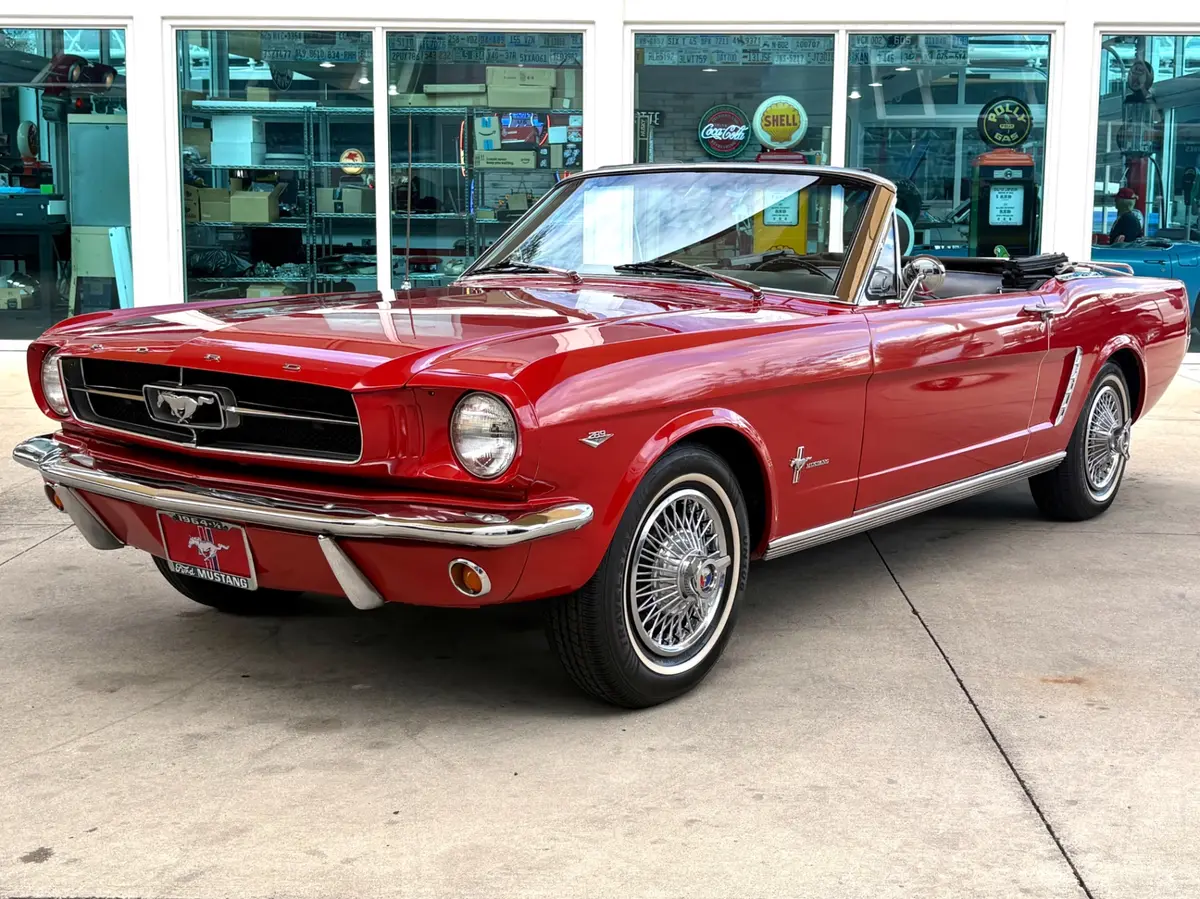
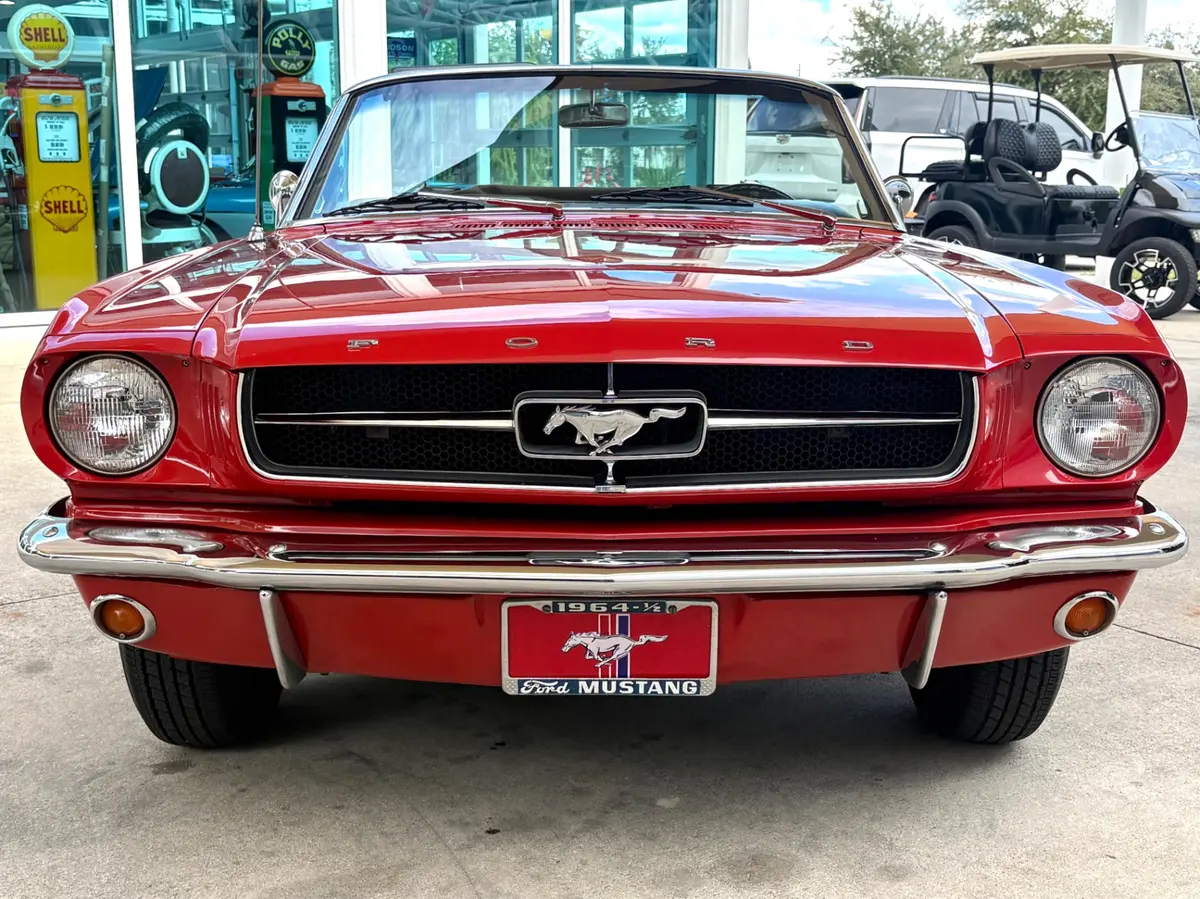
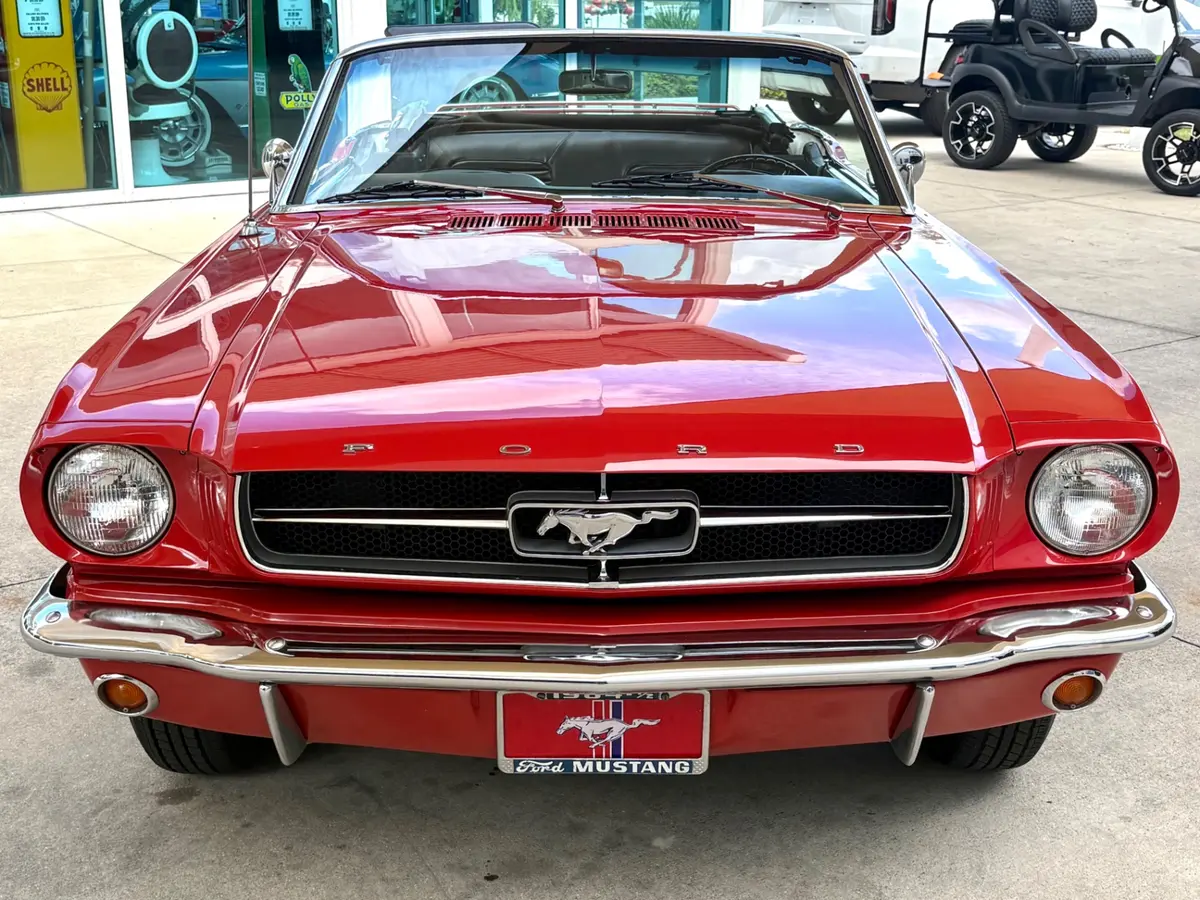
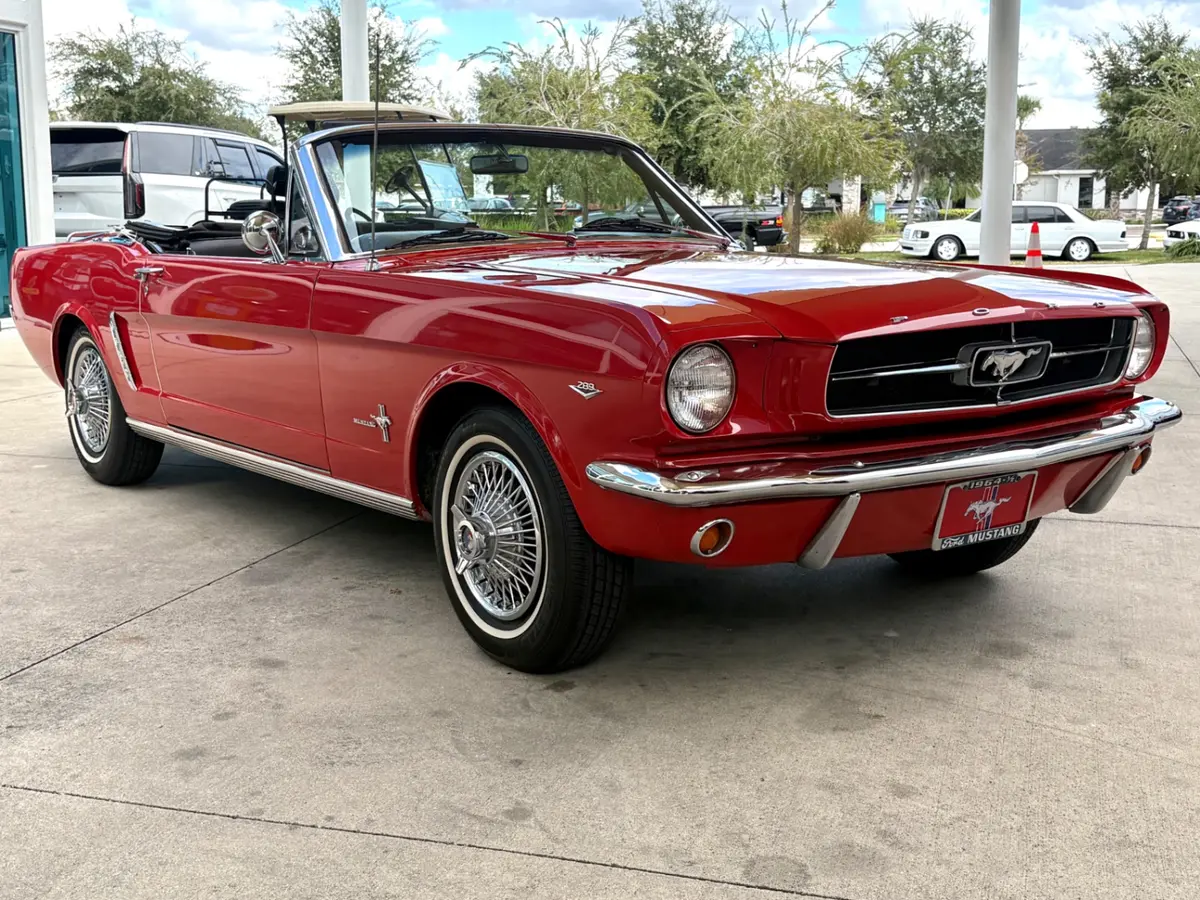
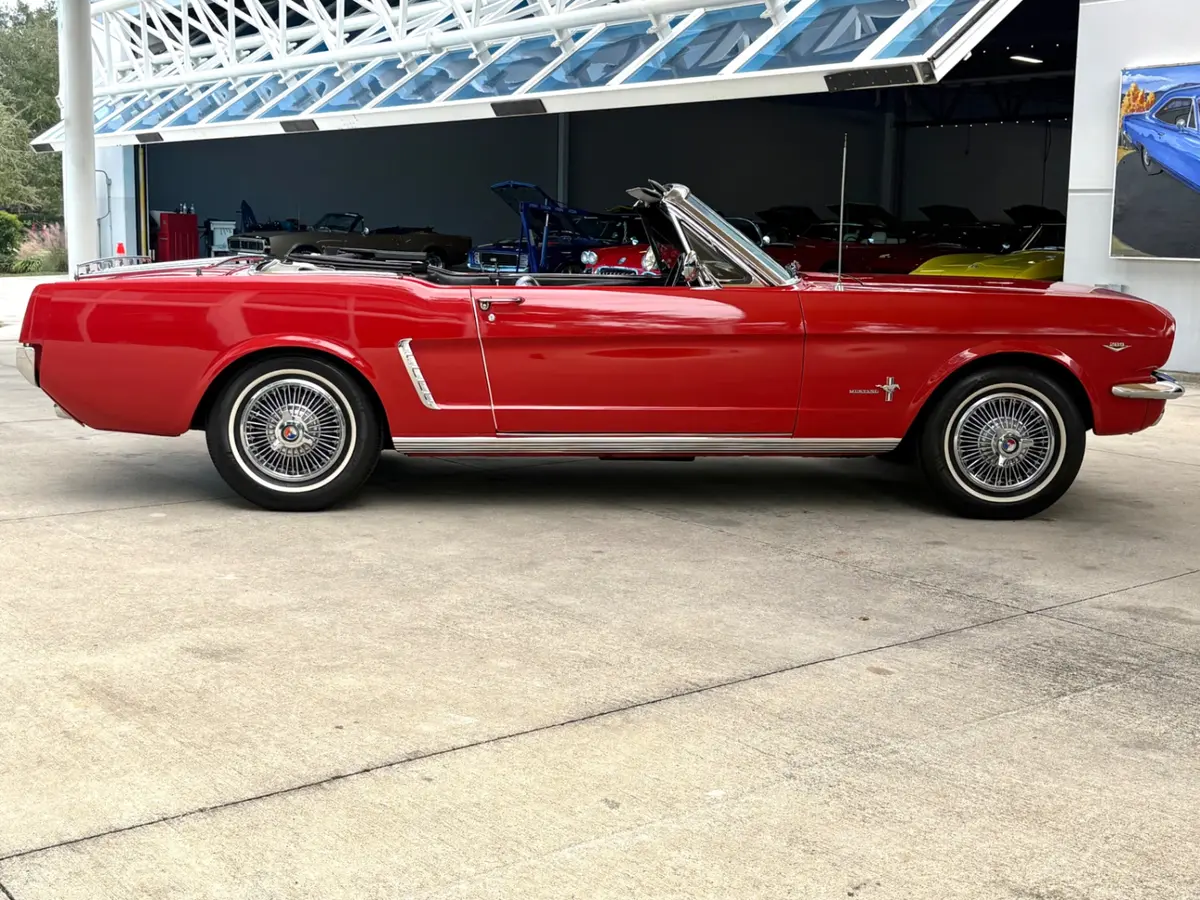
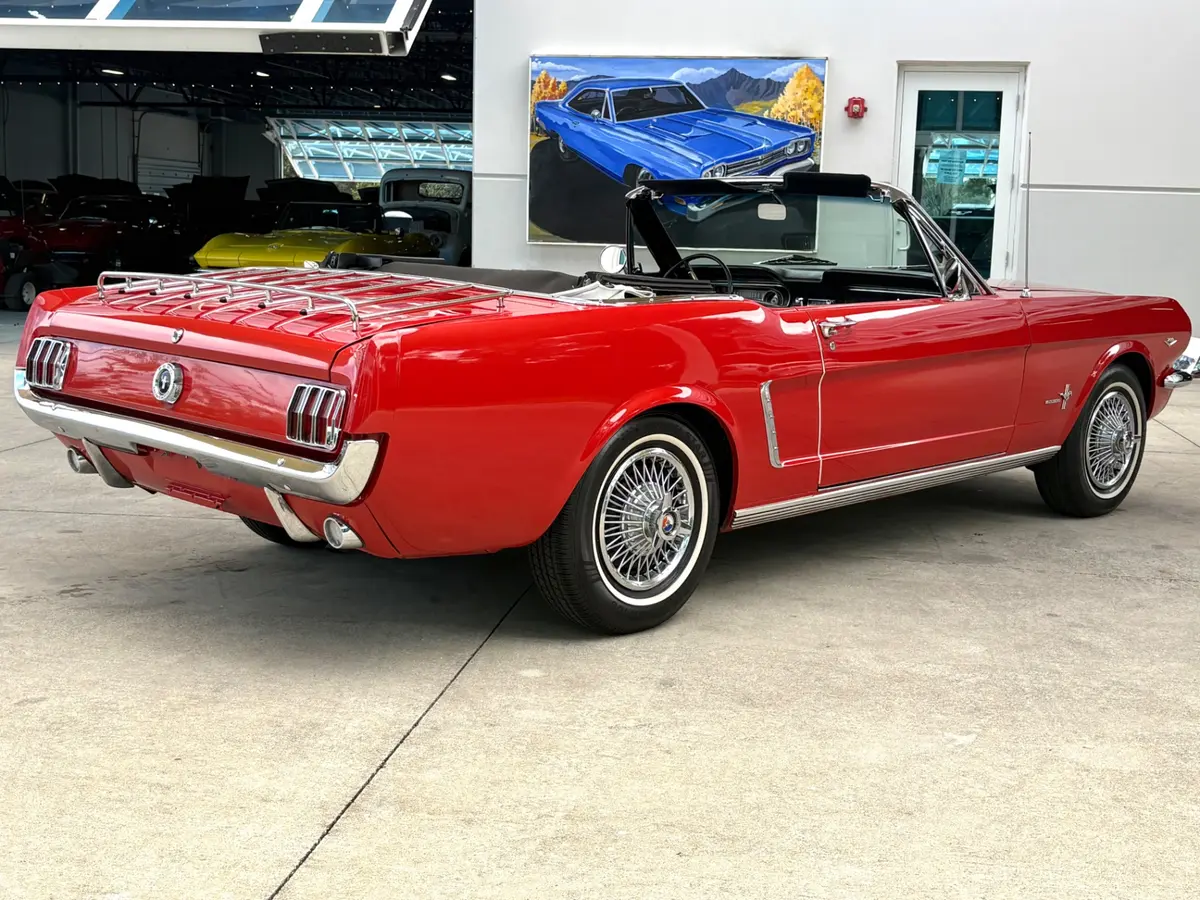
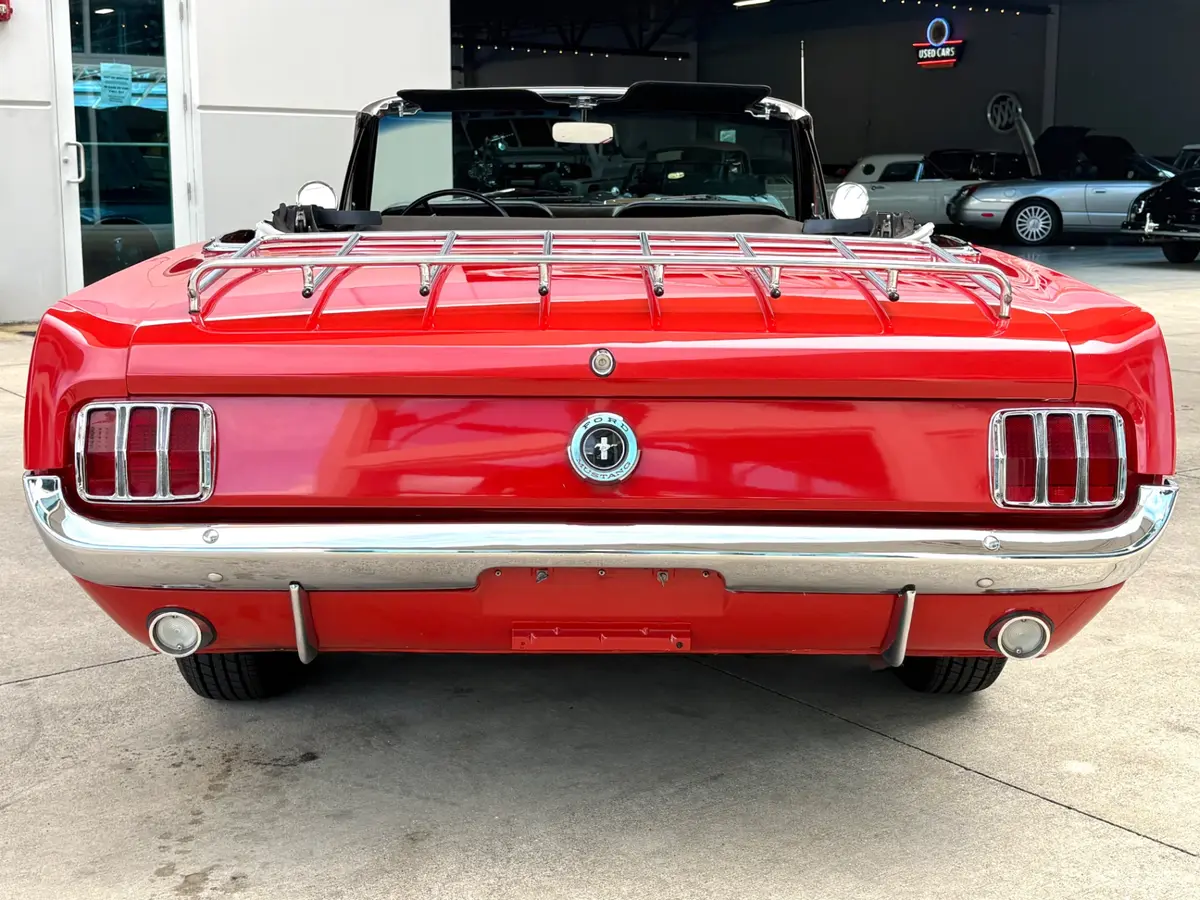
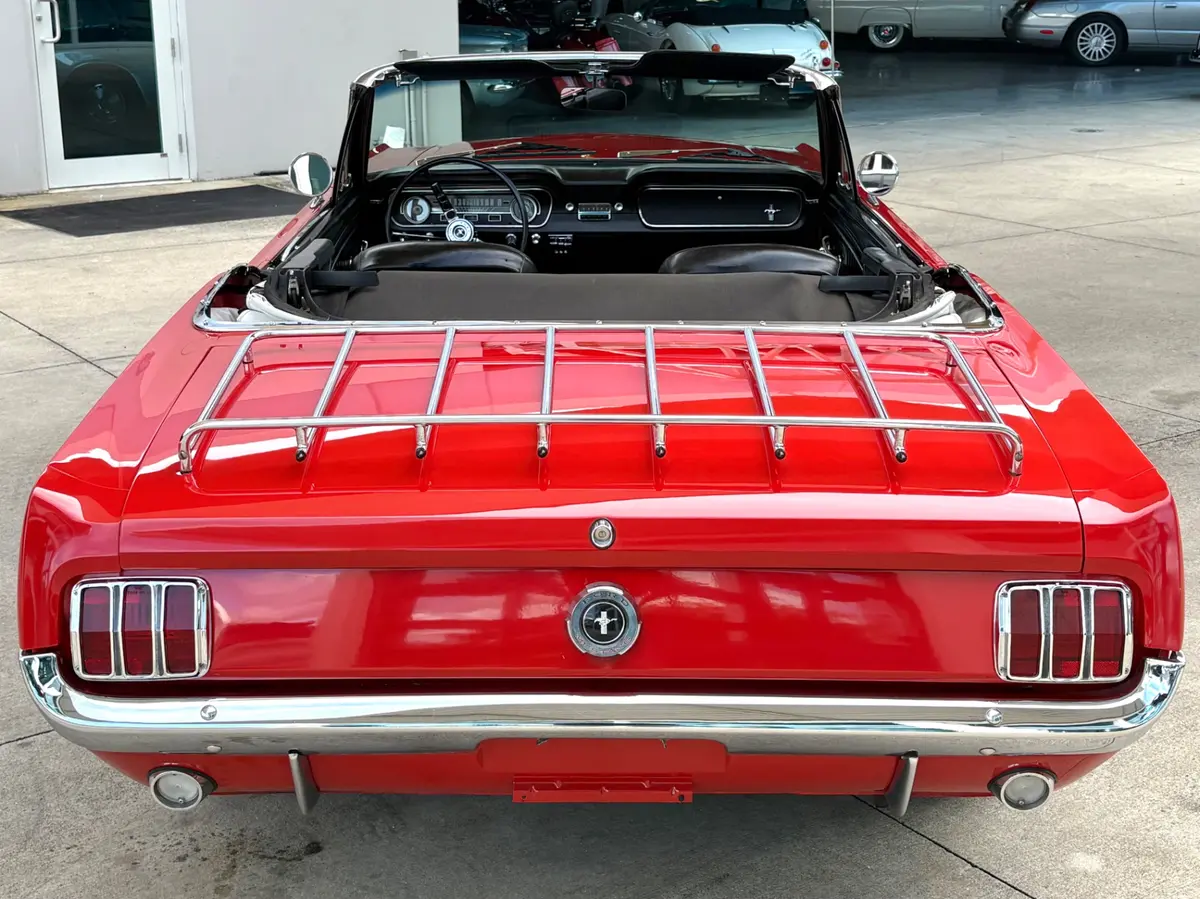
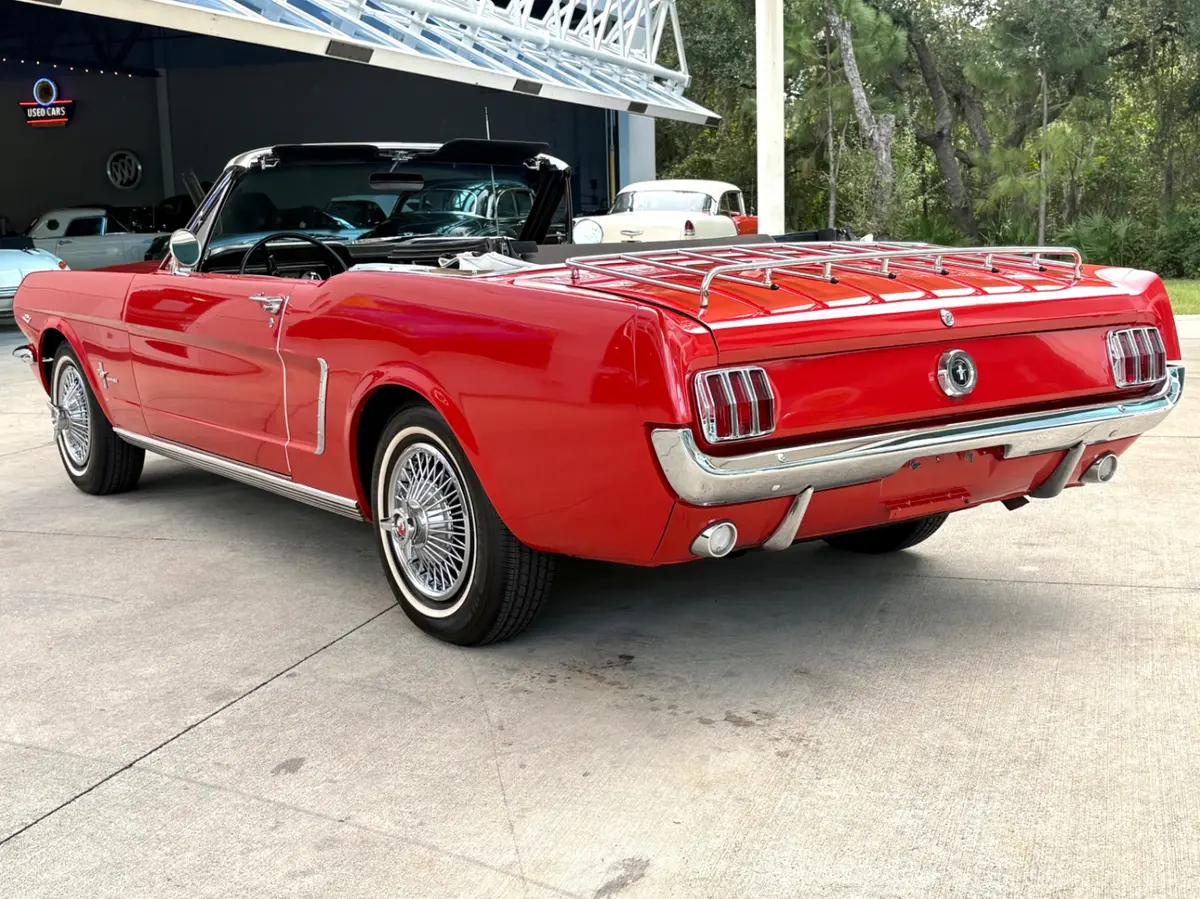
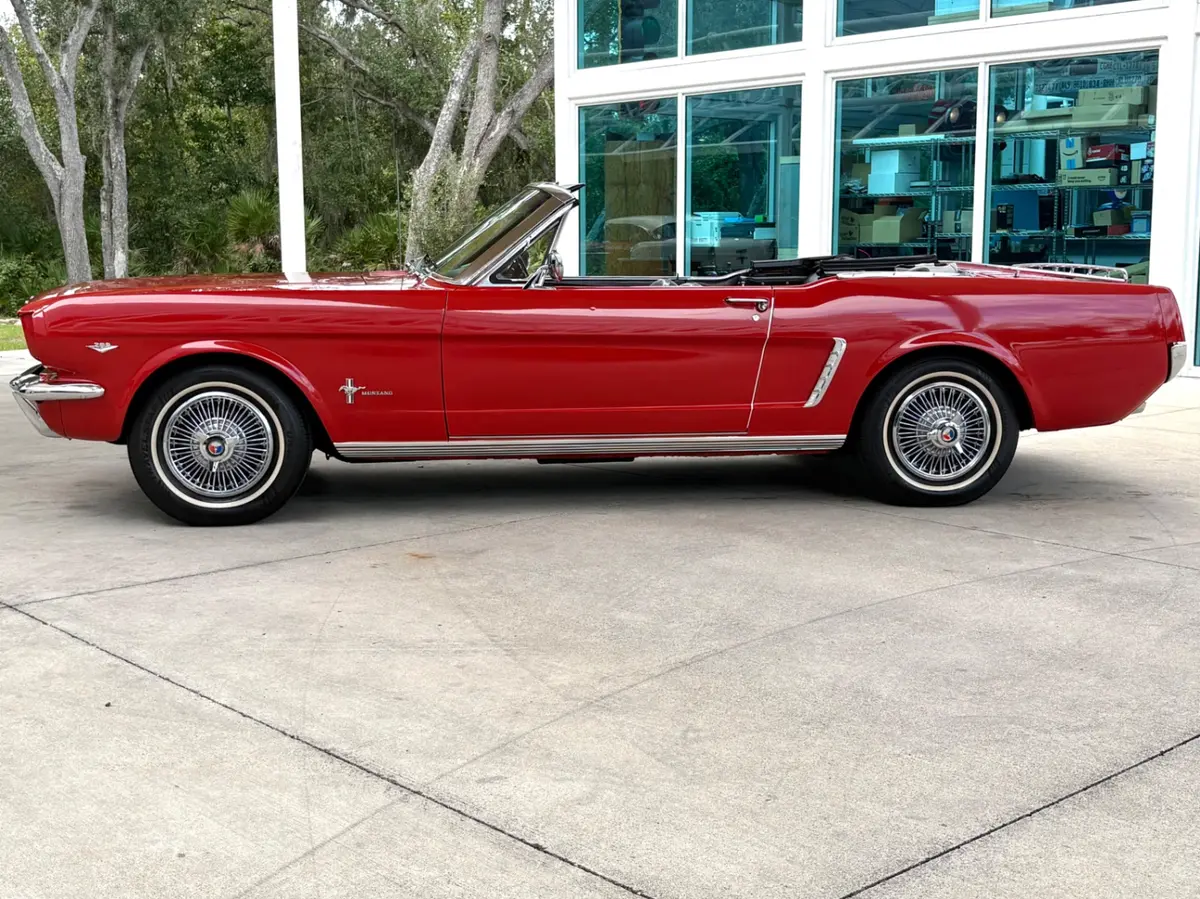
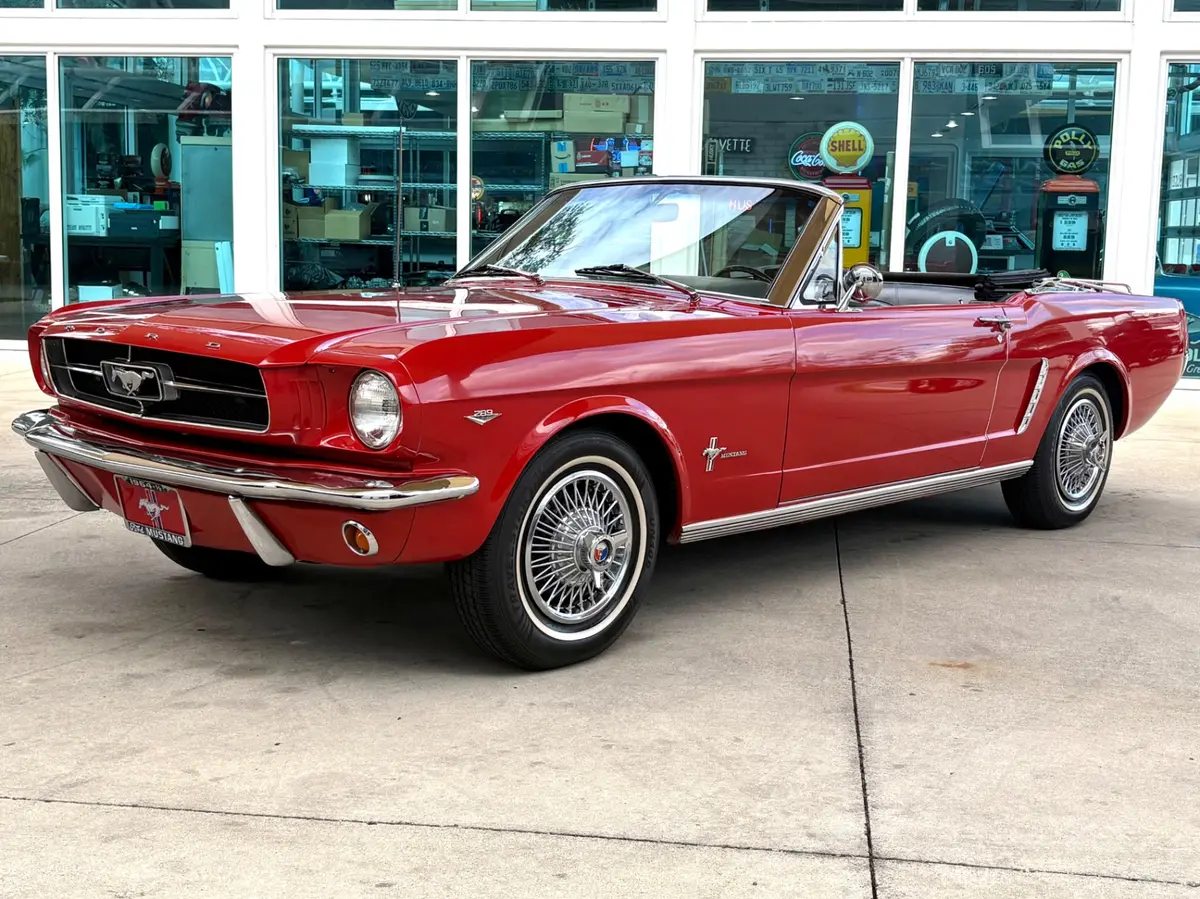
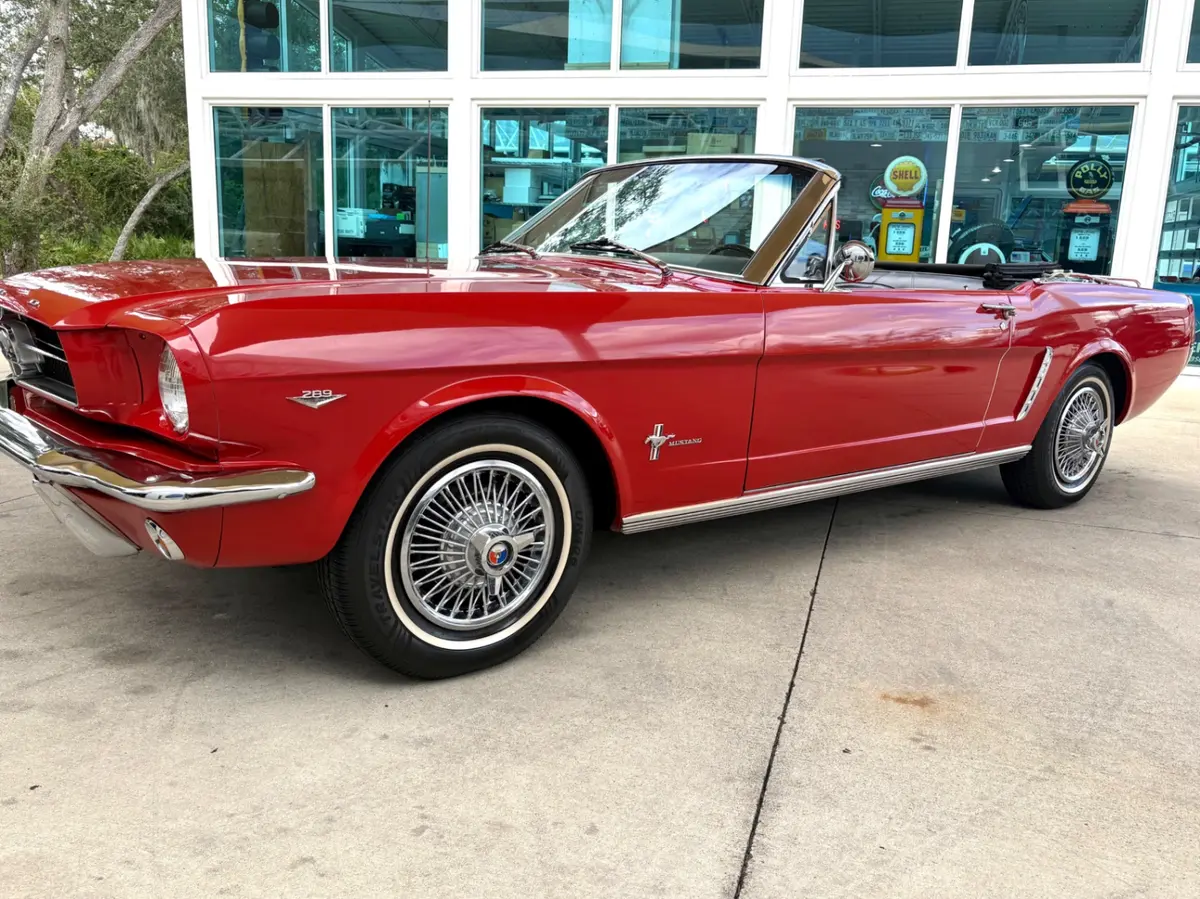
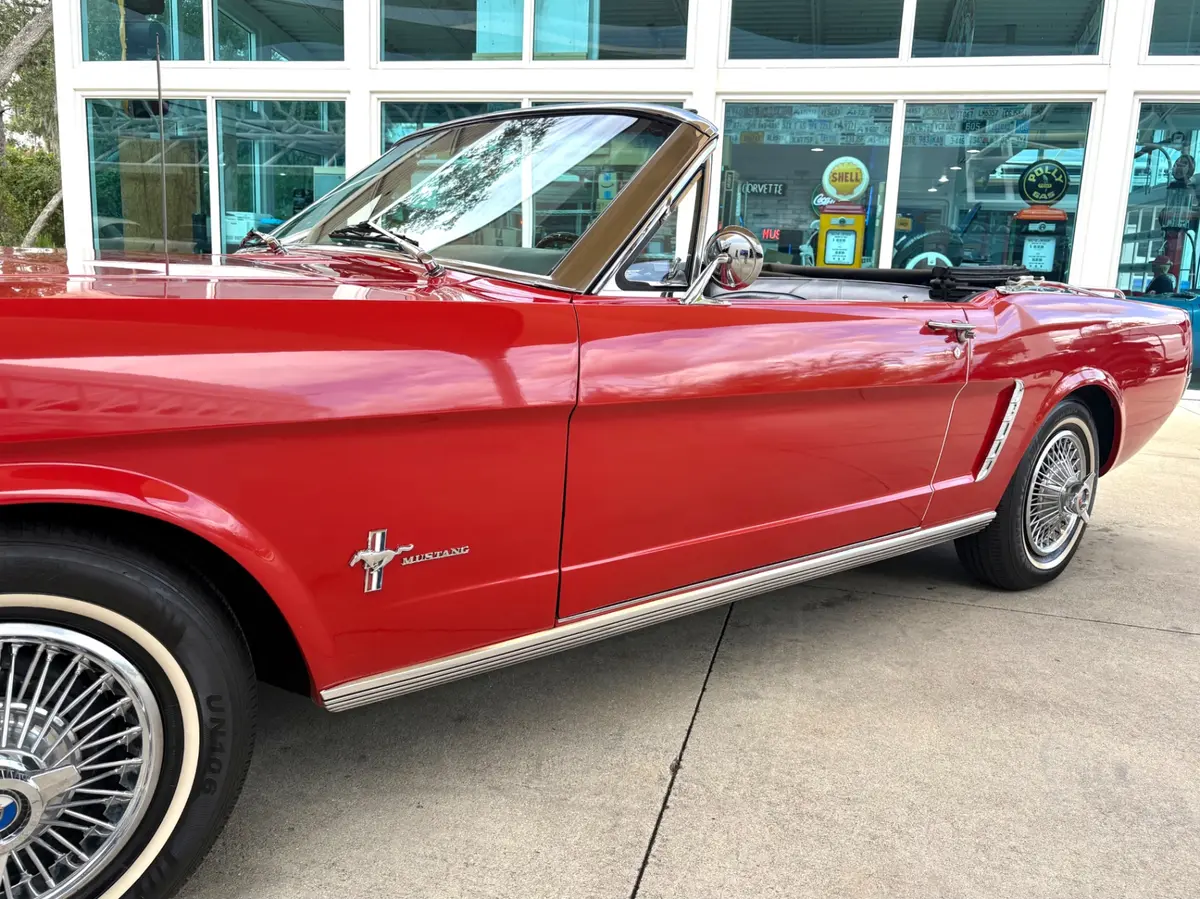
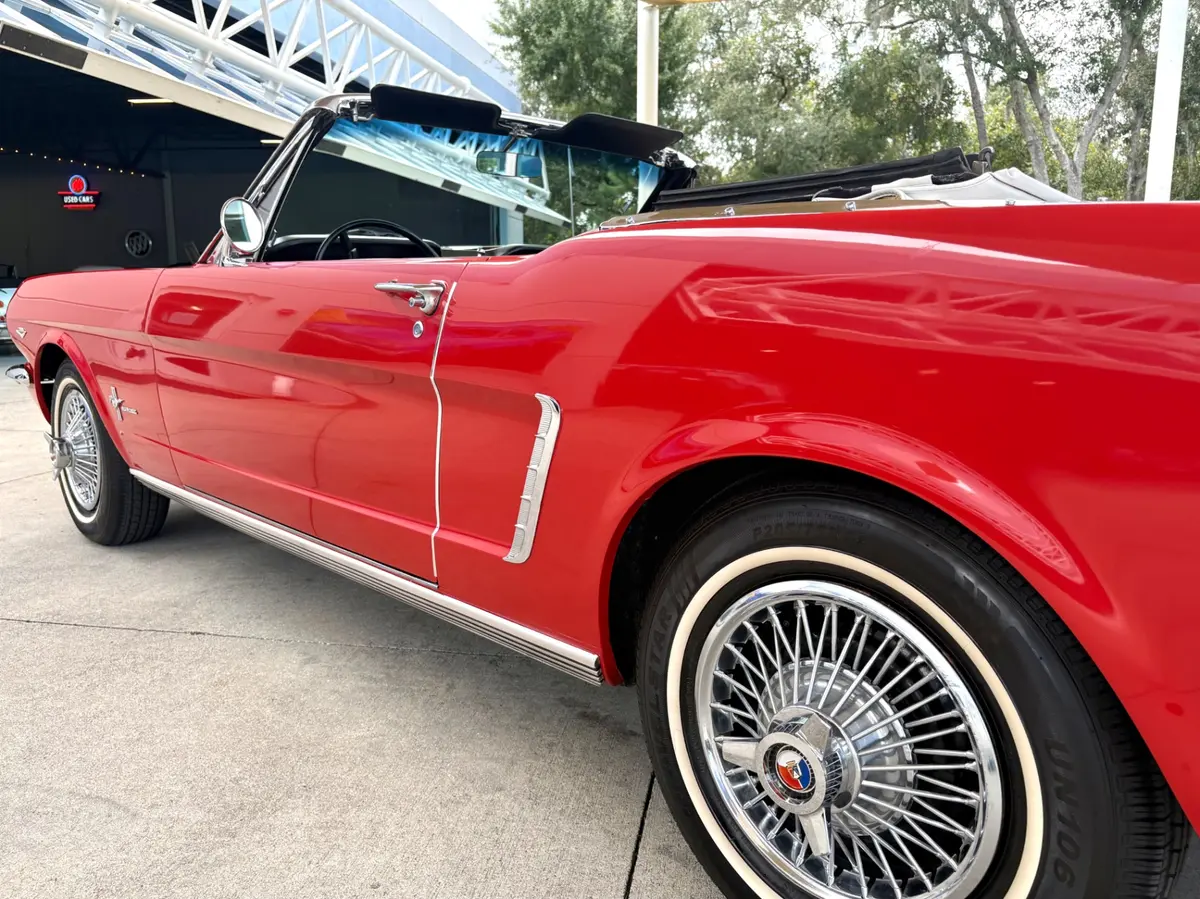
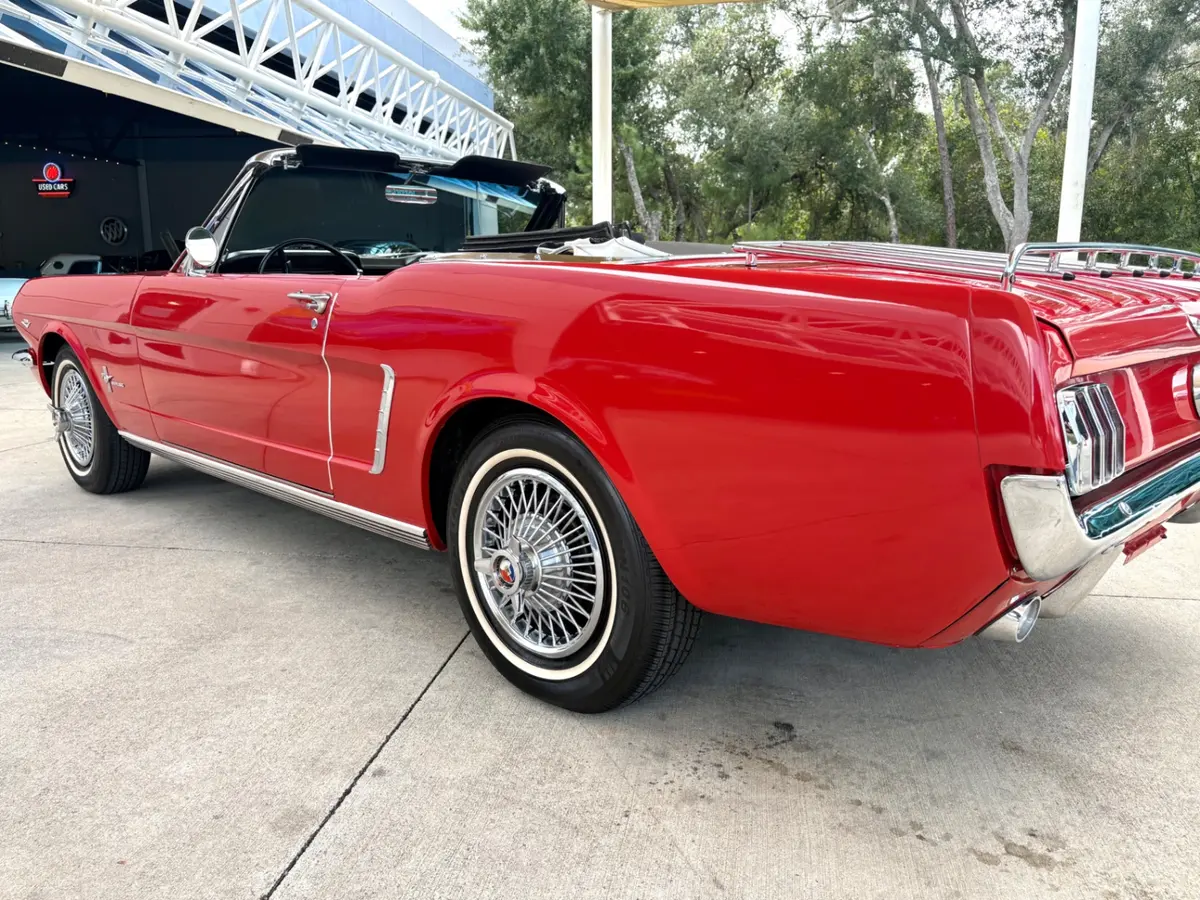
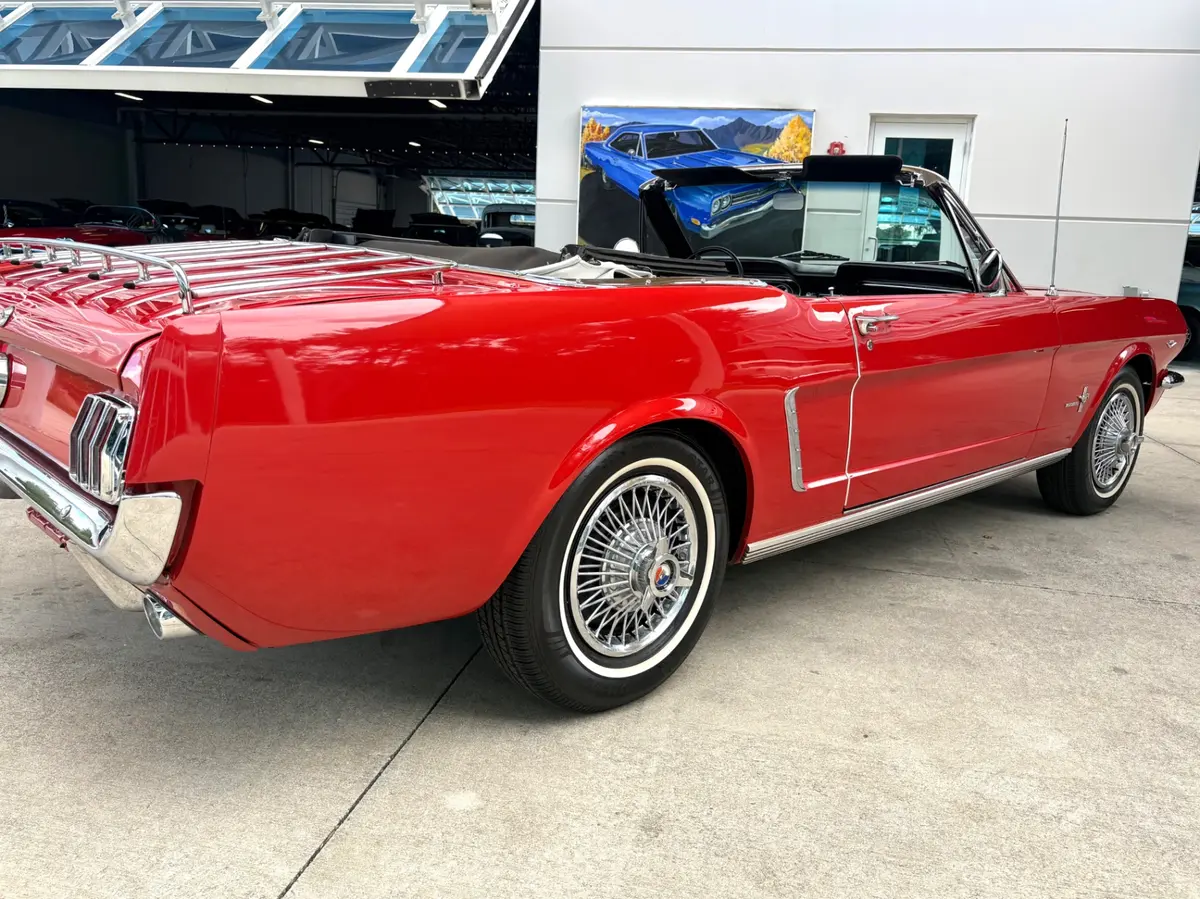
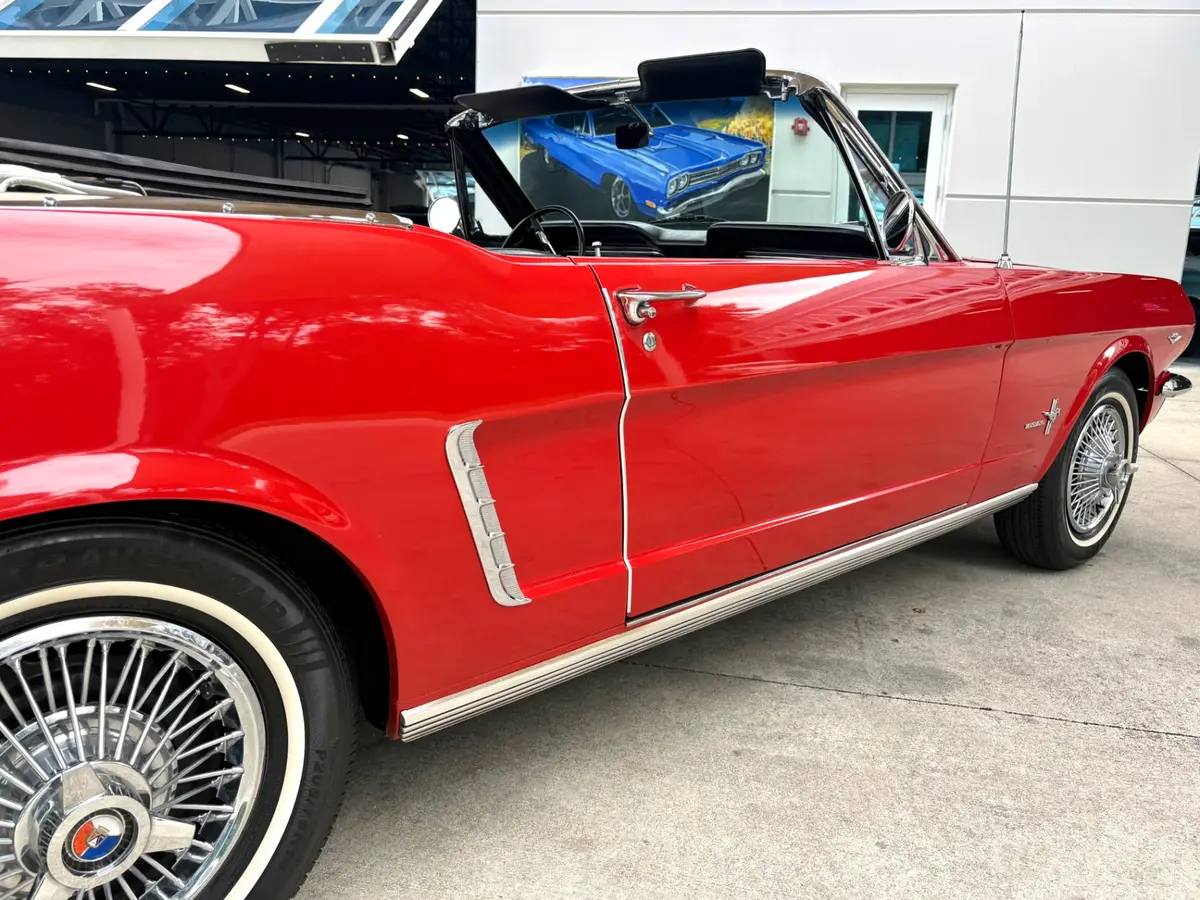
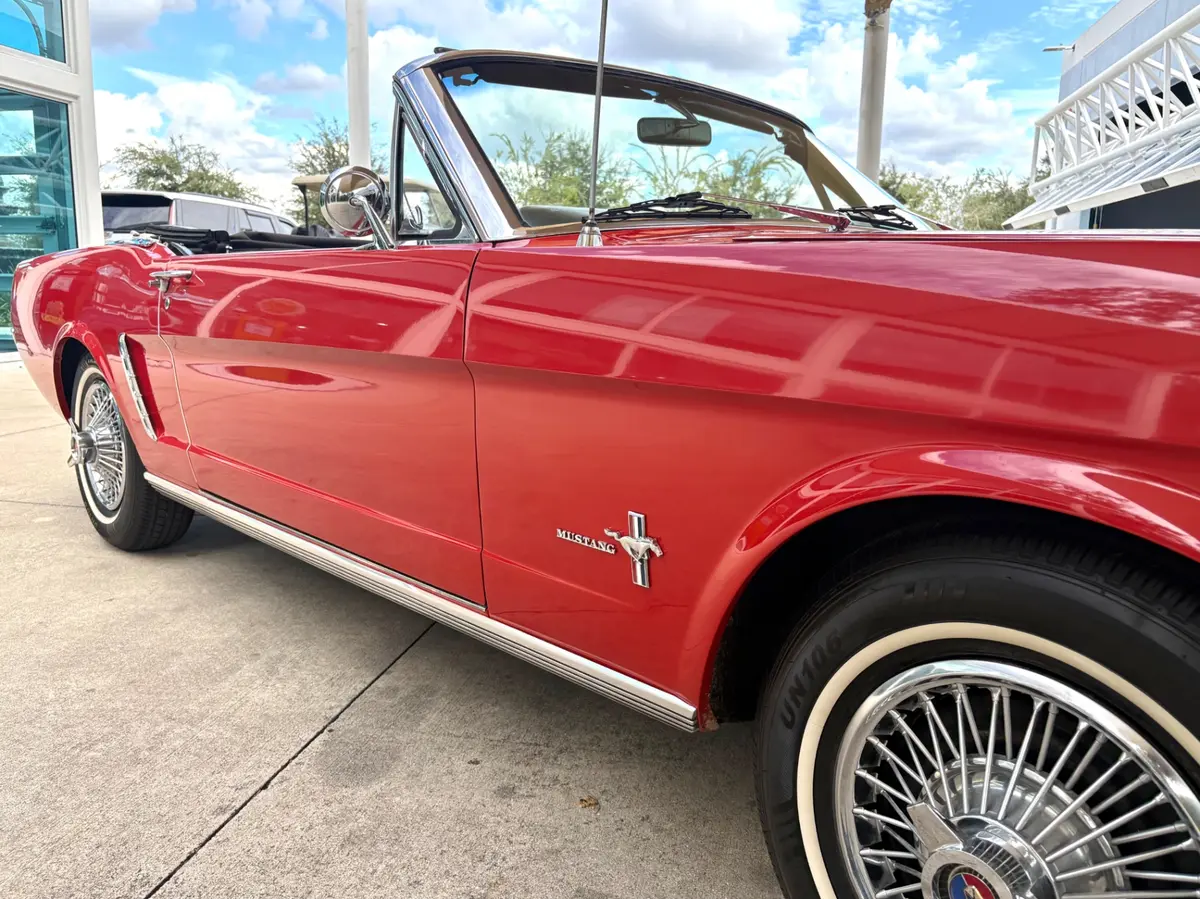
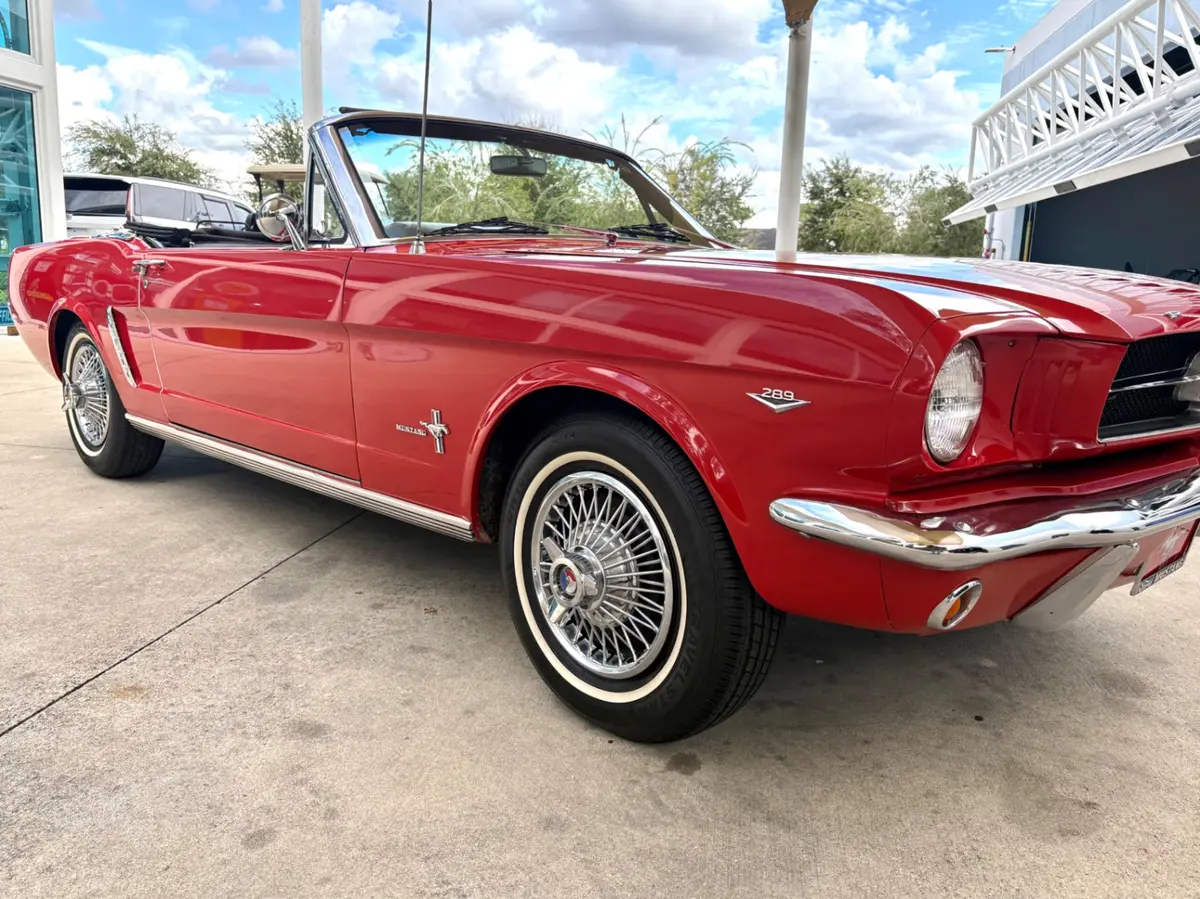
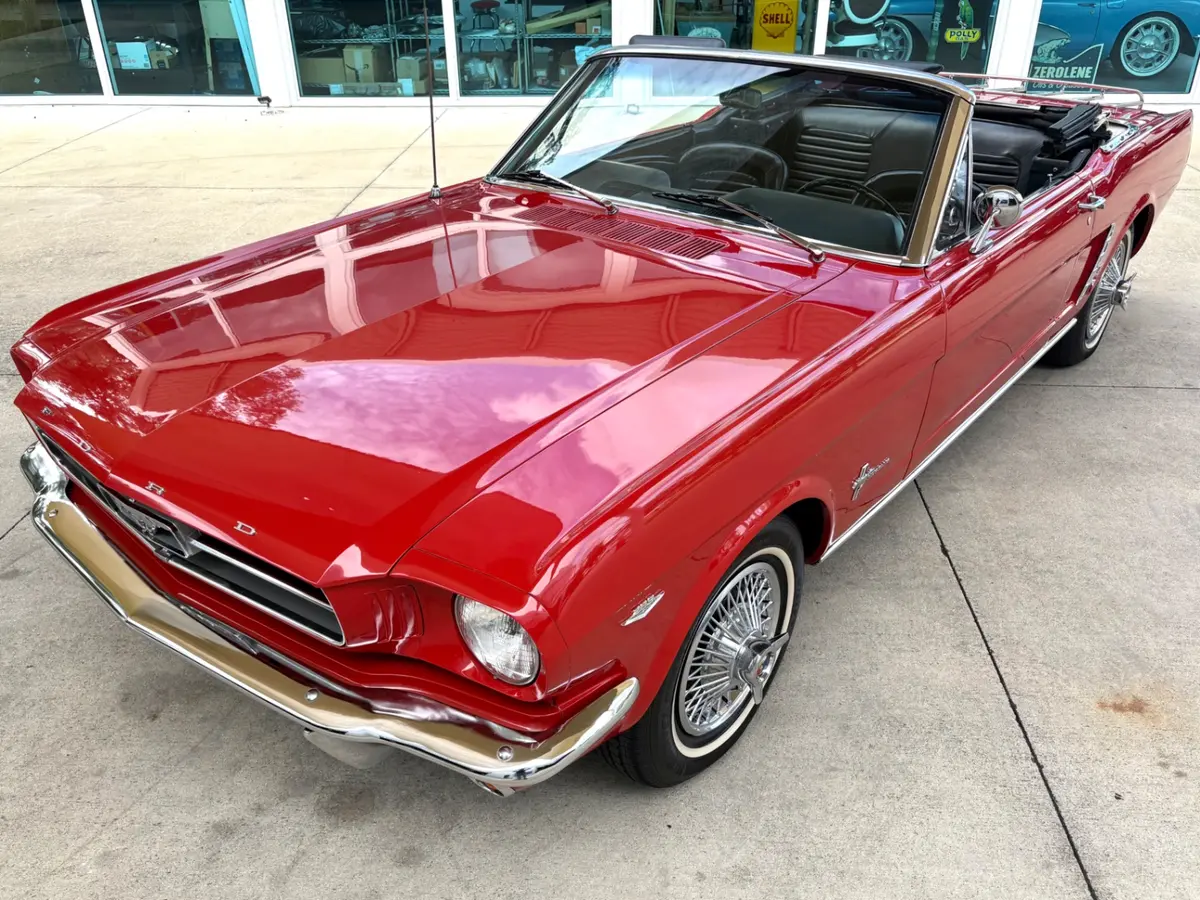
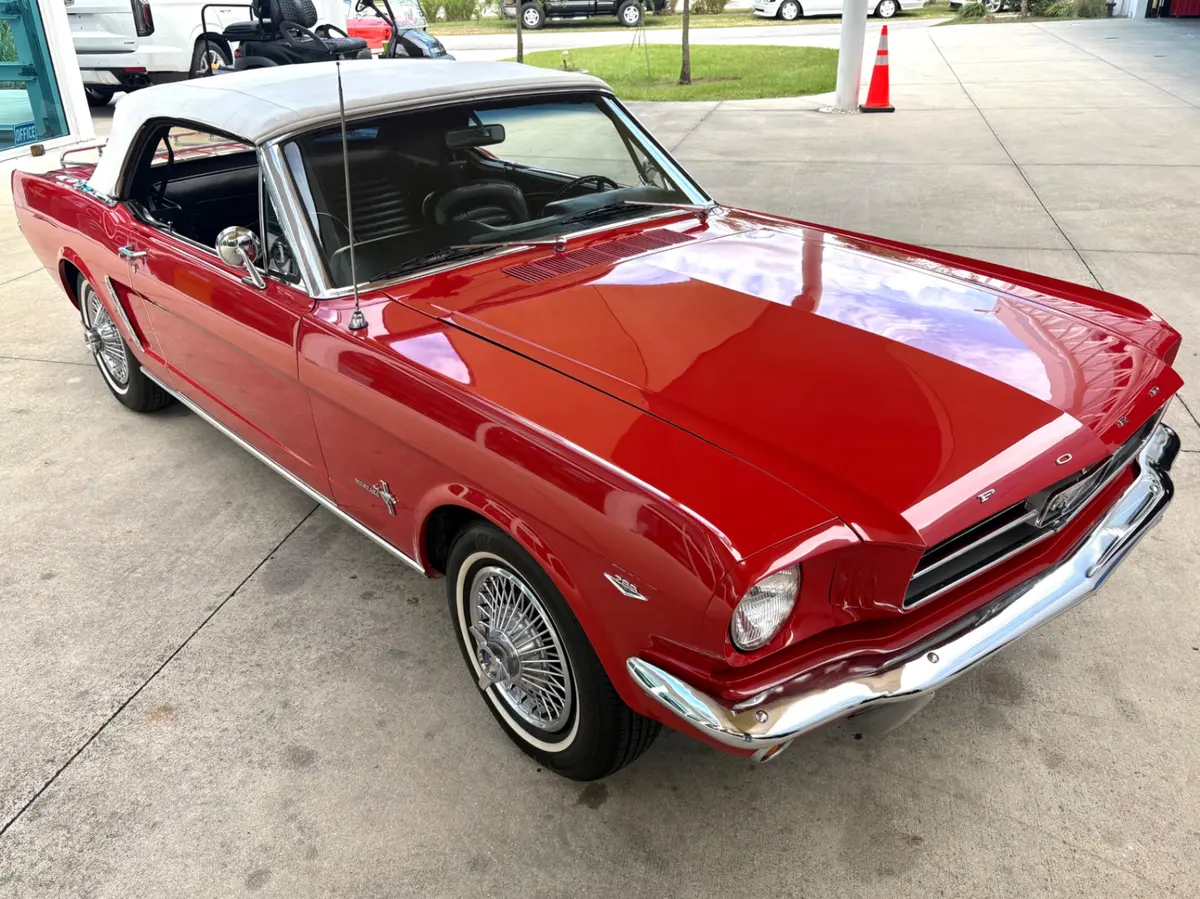
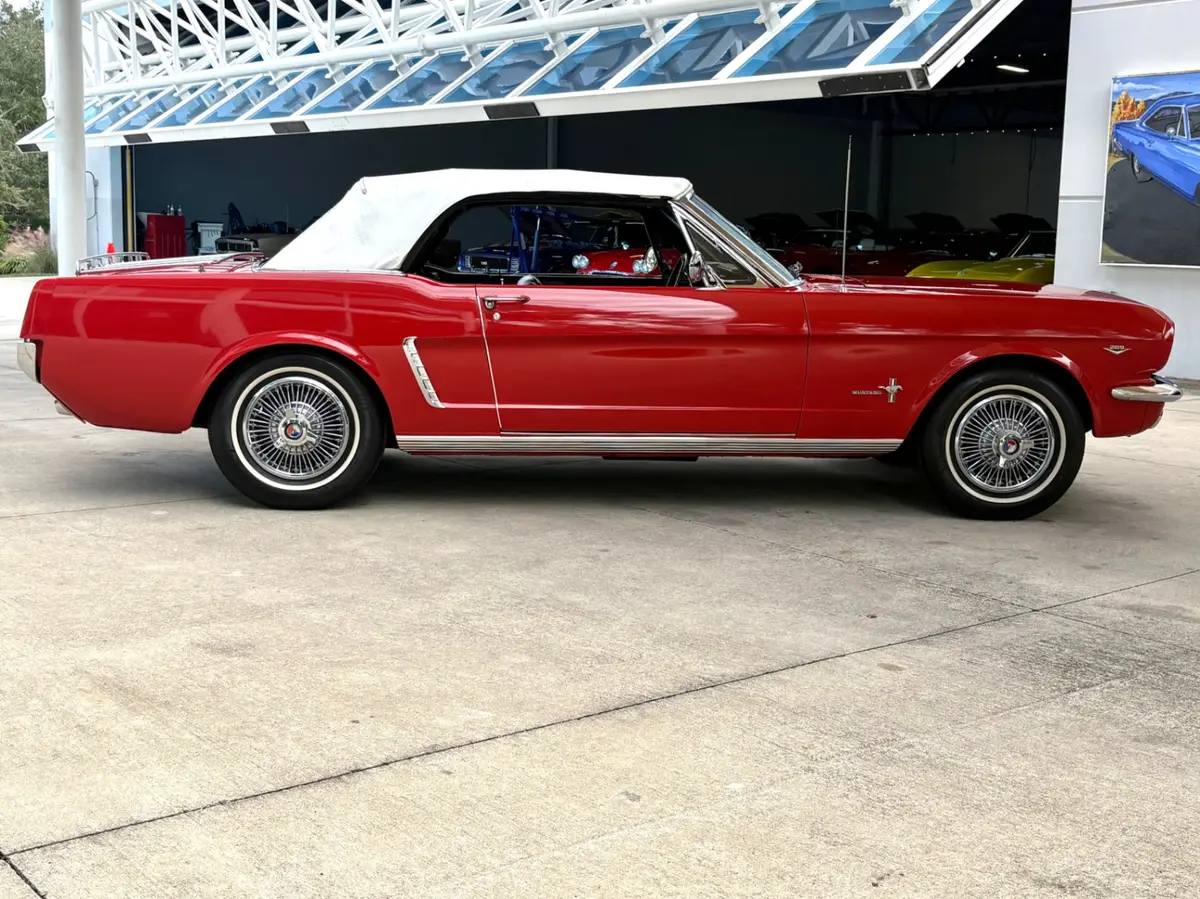
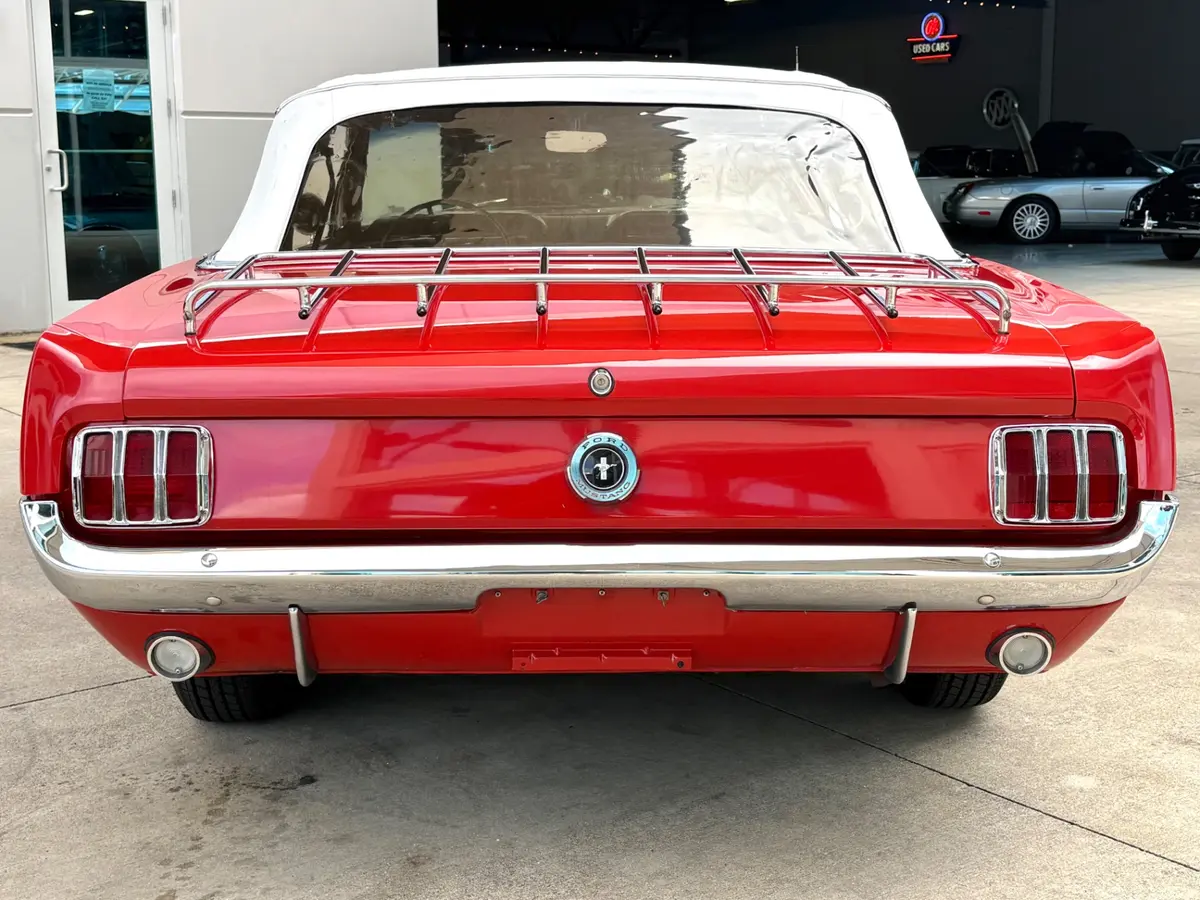
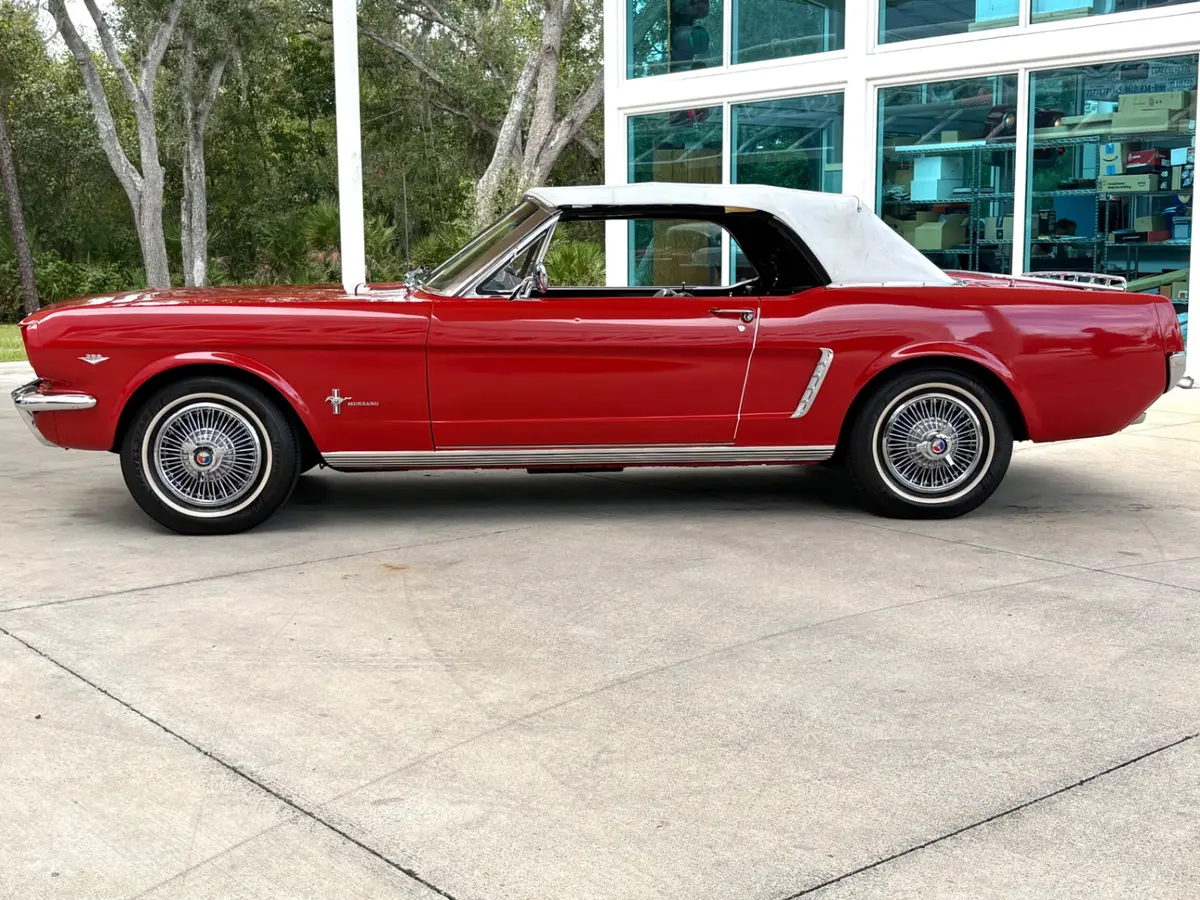

1965 Ford Mustang Convertible — 289 V8, 4-Speed, Poppy Red
Why This Car Is Special
The 1965 Ford Mustang Convertible is the car that defined an entire segment of the American automotive market. Ford introduced the Mustang on April 17, 1964, and the public response was unlike anything the company had seen before. Dealers reported customers sleeping in showrooms, bidding wars on the lots, and over 22,000 units sold on the very first day. By the end of the 1965 model year, Ford had moved more than 559,000 Mustangs — a figure that remains one of the most remarkable first-year sales performances in automotive history.
The convertible body style was a critical part of that story. Of the three body styles offered in 1965 — hardtop, fastback, and convertible — the open-top ragtop carried the most visual weight. It was the car in the advertisements, the car on the television spots, and the car that captured the spirit of mid-1960s America more completely than the others. Ford produced just over 101,000 Mustang convertibles for 1965, making them significantly less common than the hardtop coupe, which accounted for the bulk of total production.
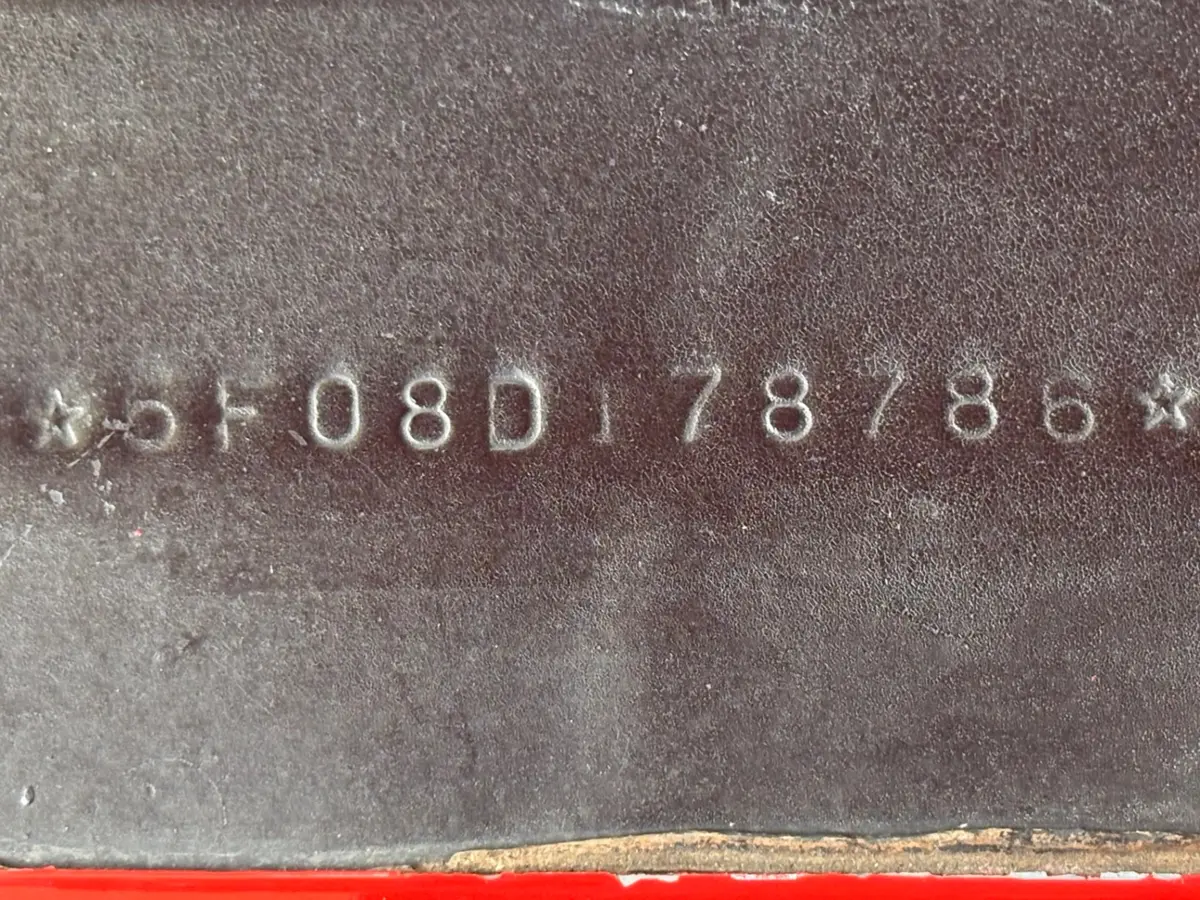
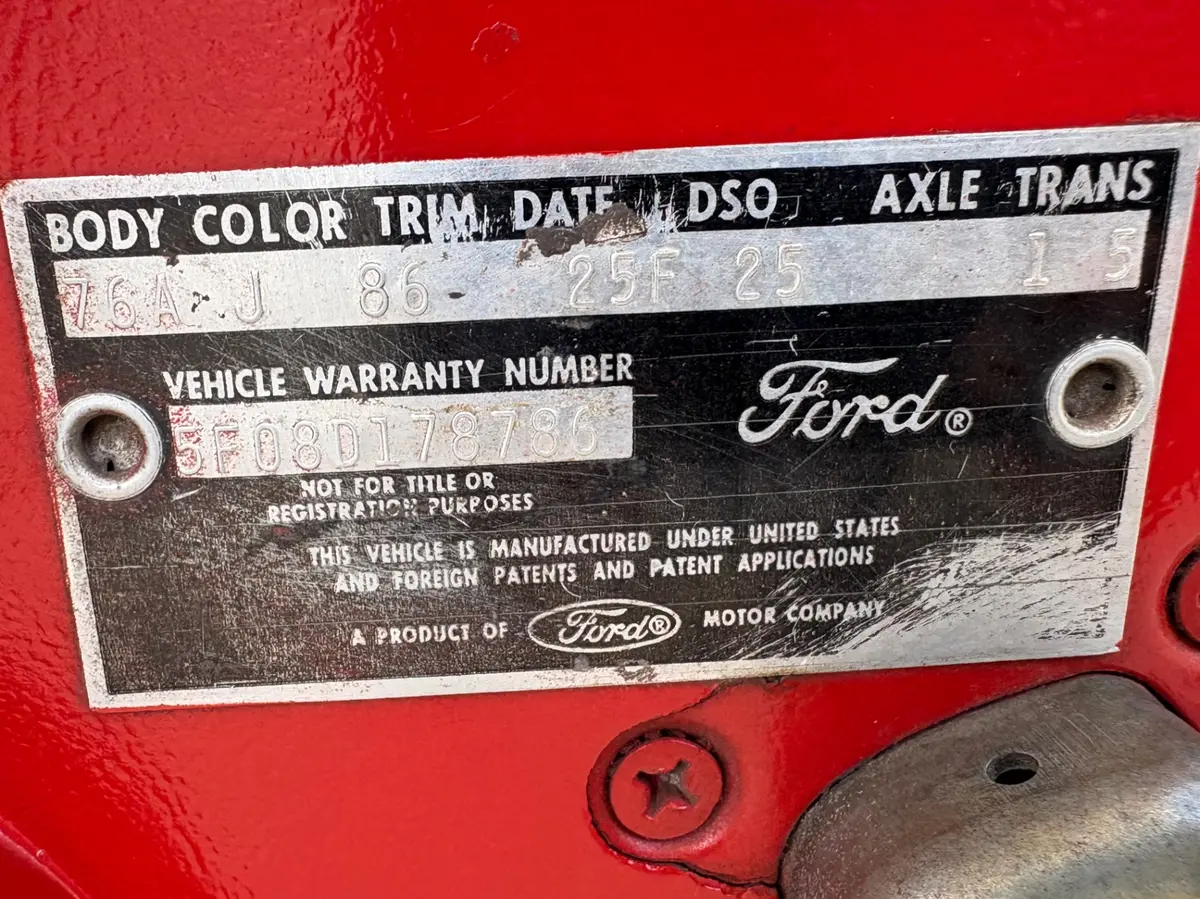
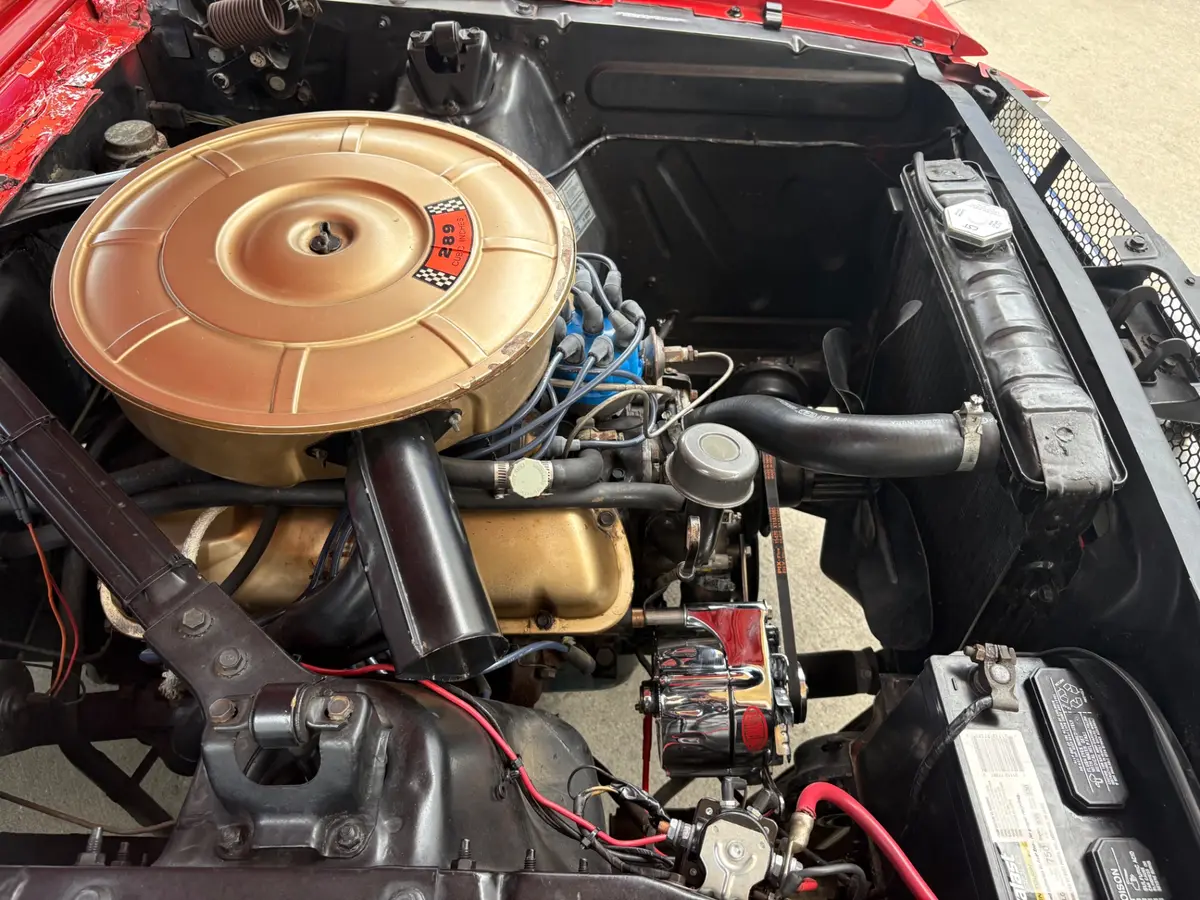
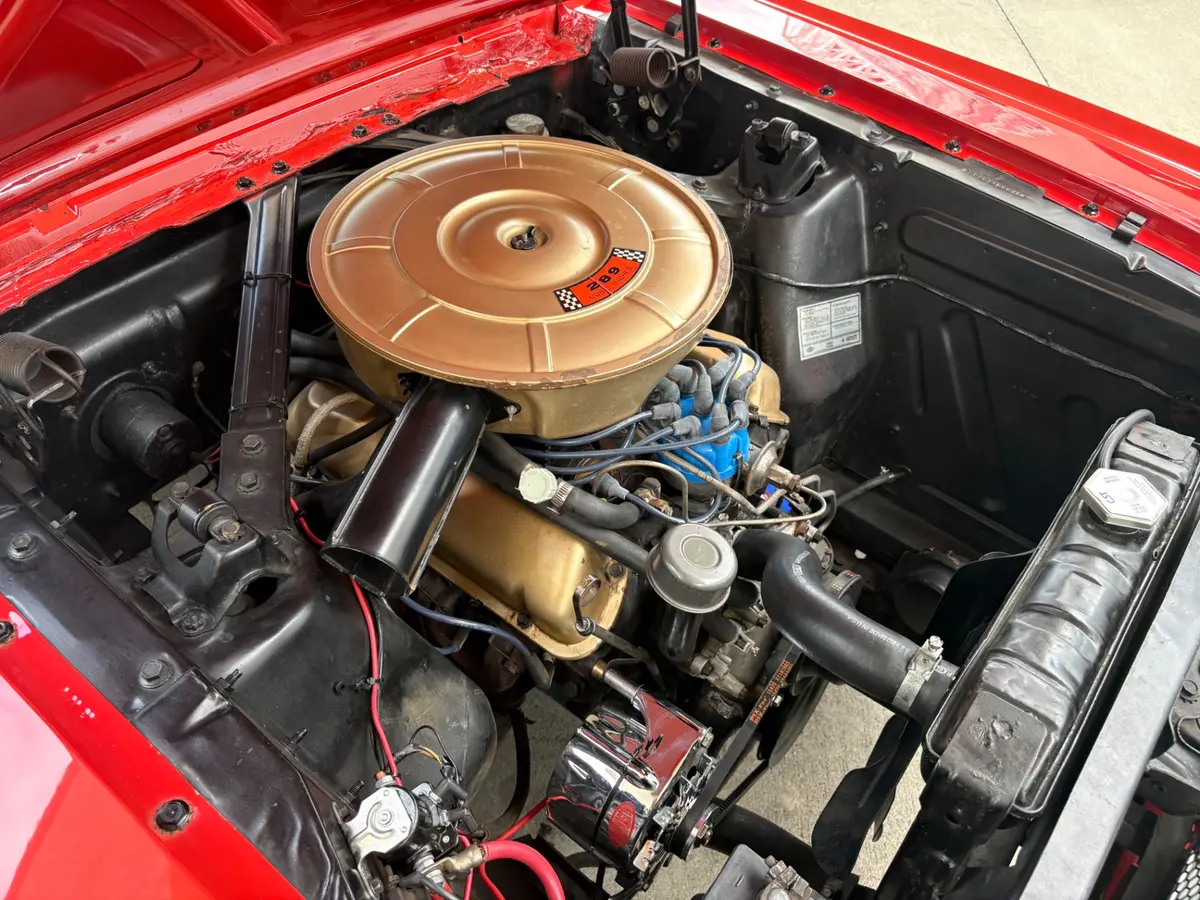
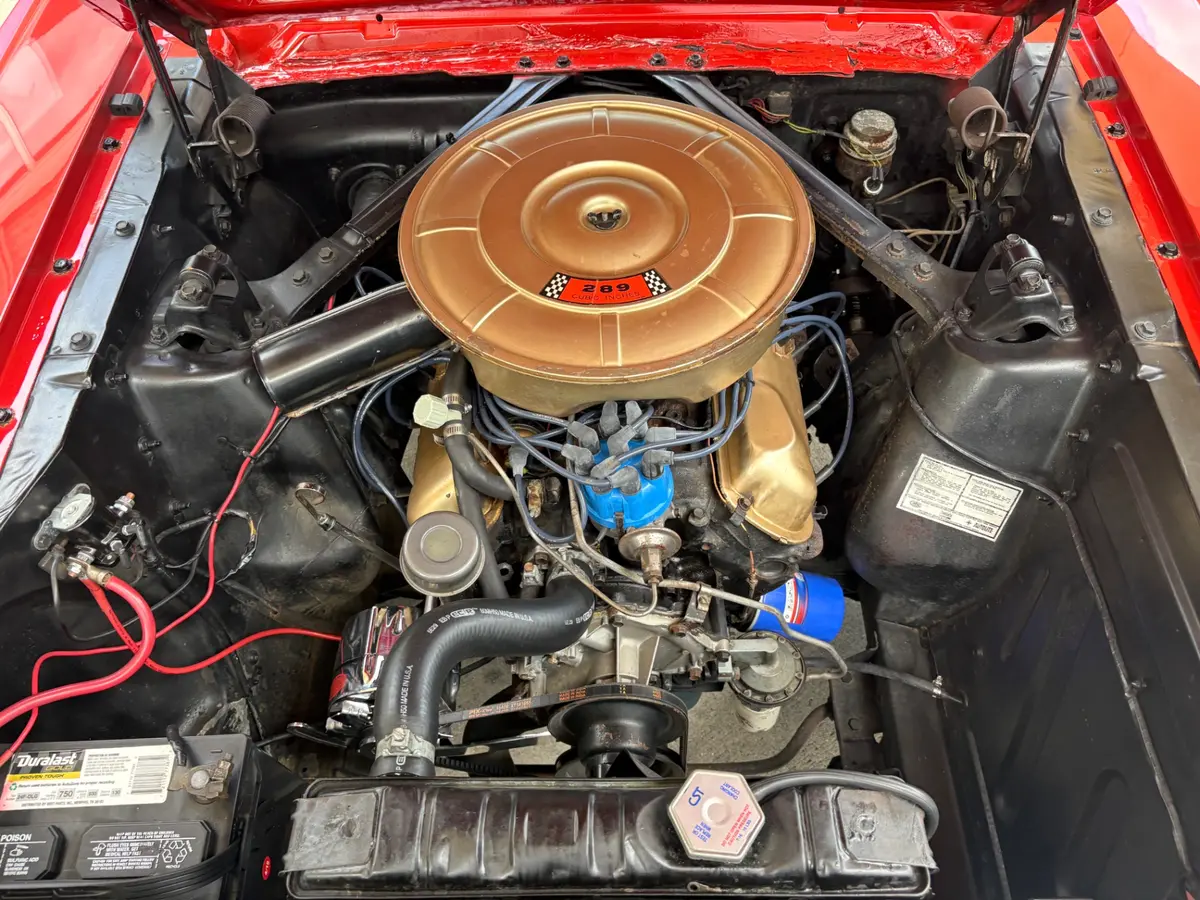
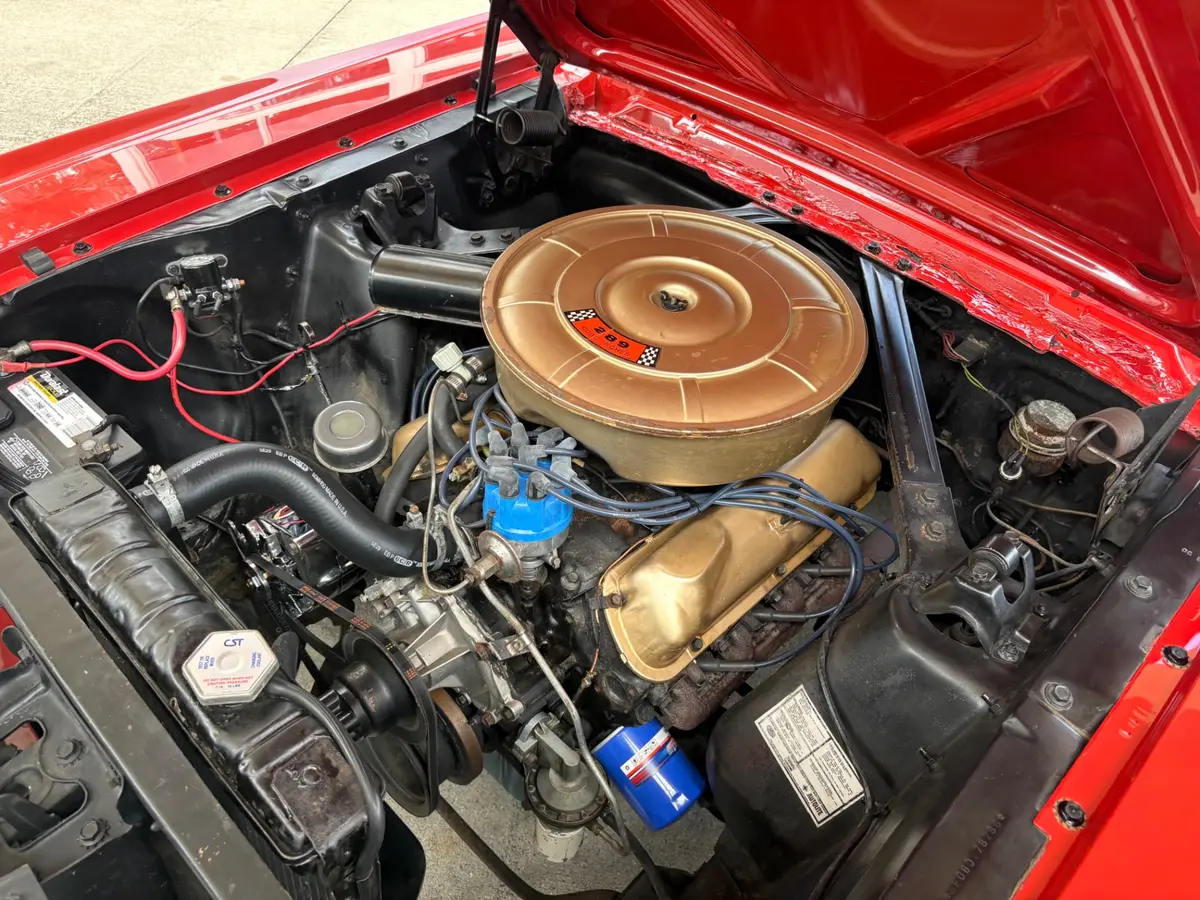
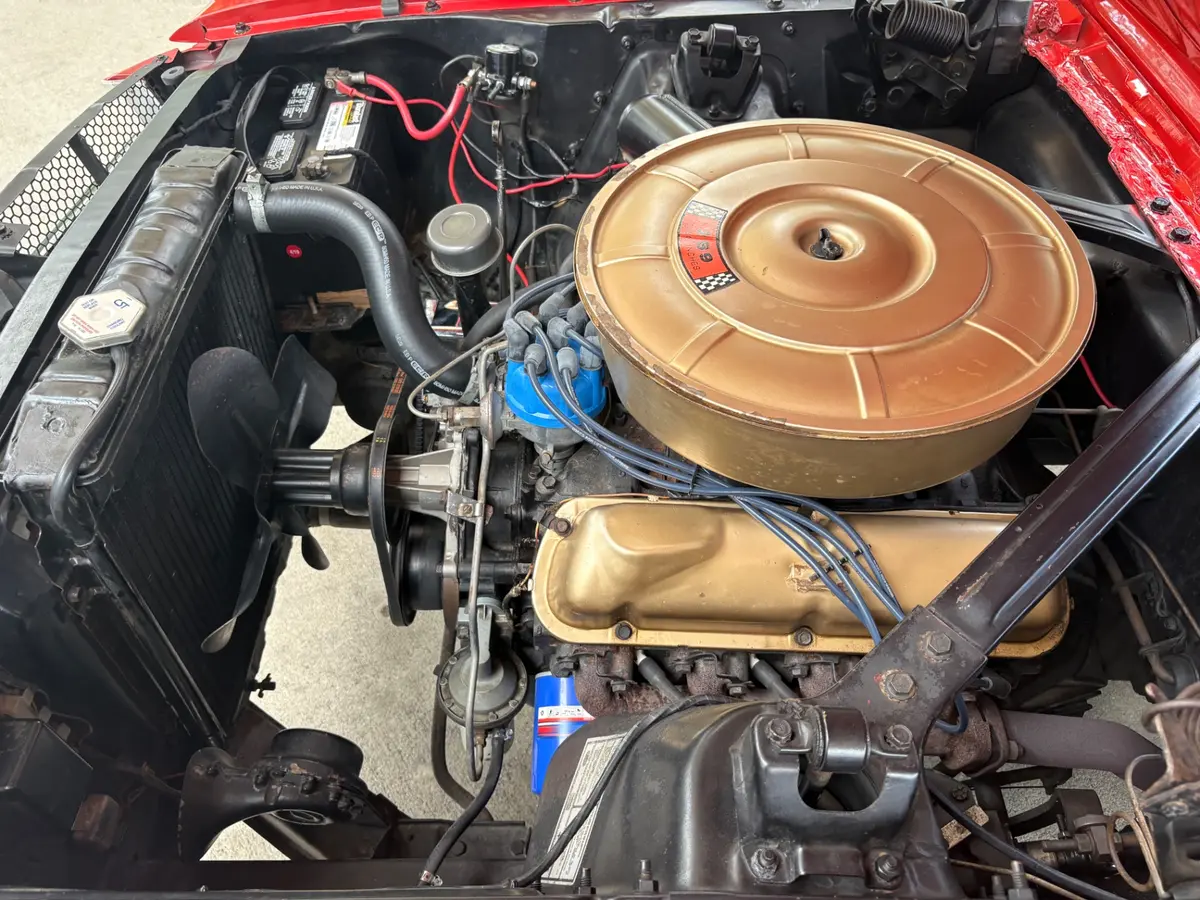
This particular 1965 Ford Mustang Convertible is finished in Poppy Red over a black vinyl interior and carries a D-code 289 cubic inch V8 paired with a 4-speed manual transmission. The engine code matters here. In 1965 Ford's VIN structure, the fifth character identifies the engine. The "D" designation indicates the 289 cubic inch V8 fitted with a 4-barrel carburetor, rated at 225 horsepower from the factory. This is not the base 289 — the base version carried a 2-barrel carburetor and was rated at 200 horsepower. The D-code 4-barrel engine was the step up, the engine a buyer chose when they wanted more than transportation. Combined with the 4-speed manual, this is an honest driver's car with the right combination of options to remain highly desirable on today's collector market.
Features List
- D-code 289ci V8 engine with 4-barrel carburetor
- 4-speed manual transmission
- Floor-mounted chrome shifter
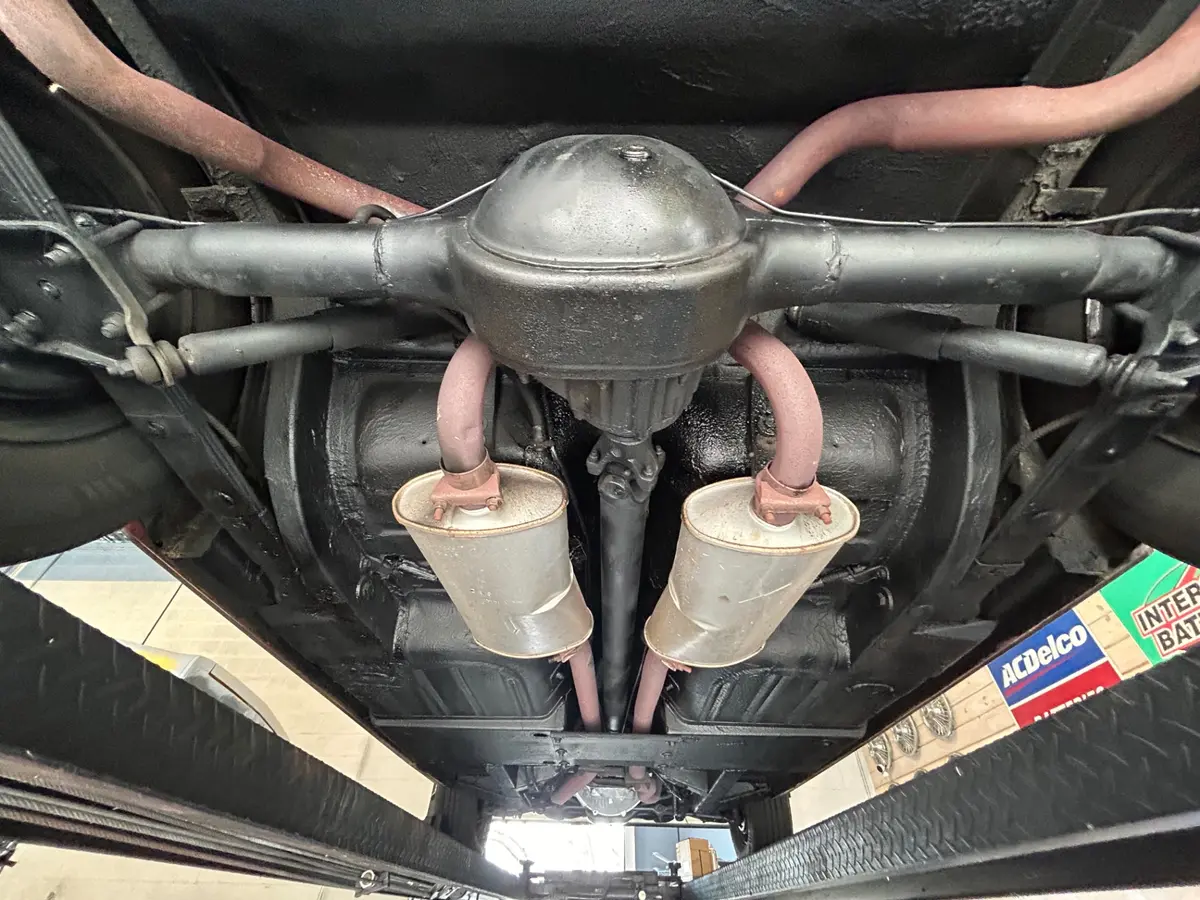
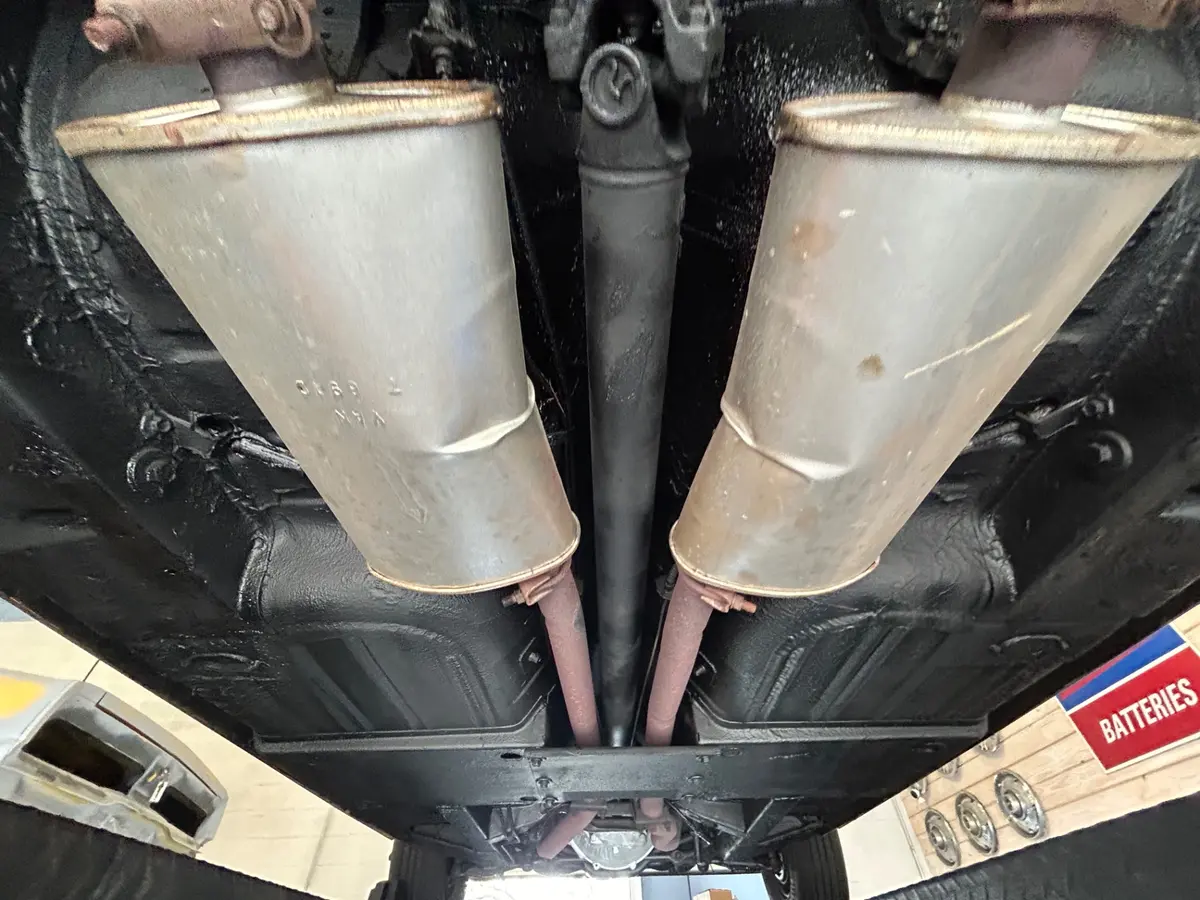
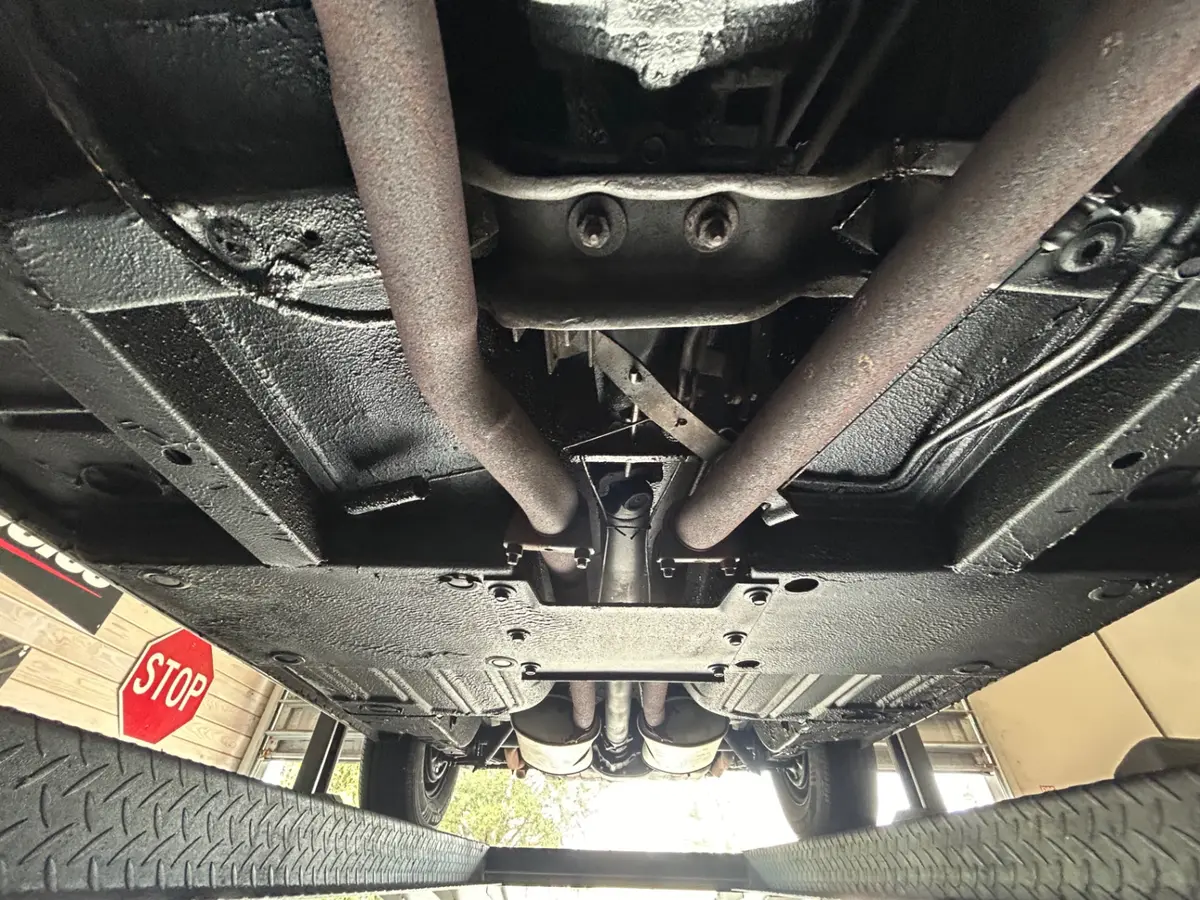
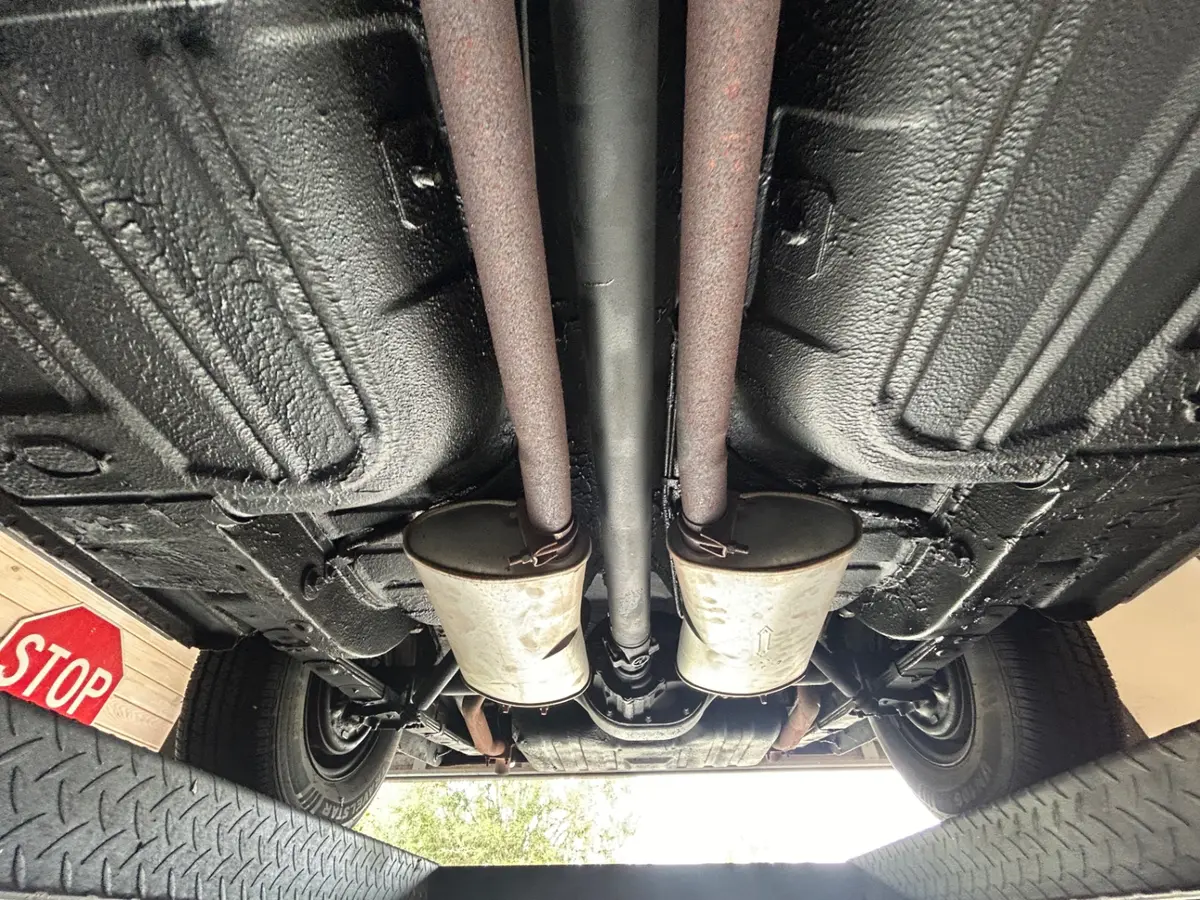
- Dual exhaust
- White power convertible top
- Chrome trunk rack
- Wire wheel hubcaps
- Whitewall tires
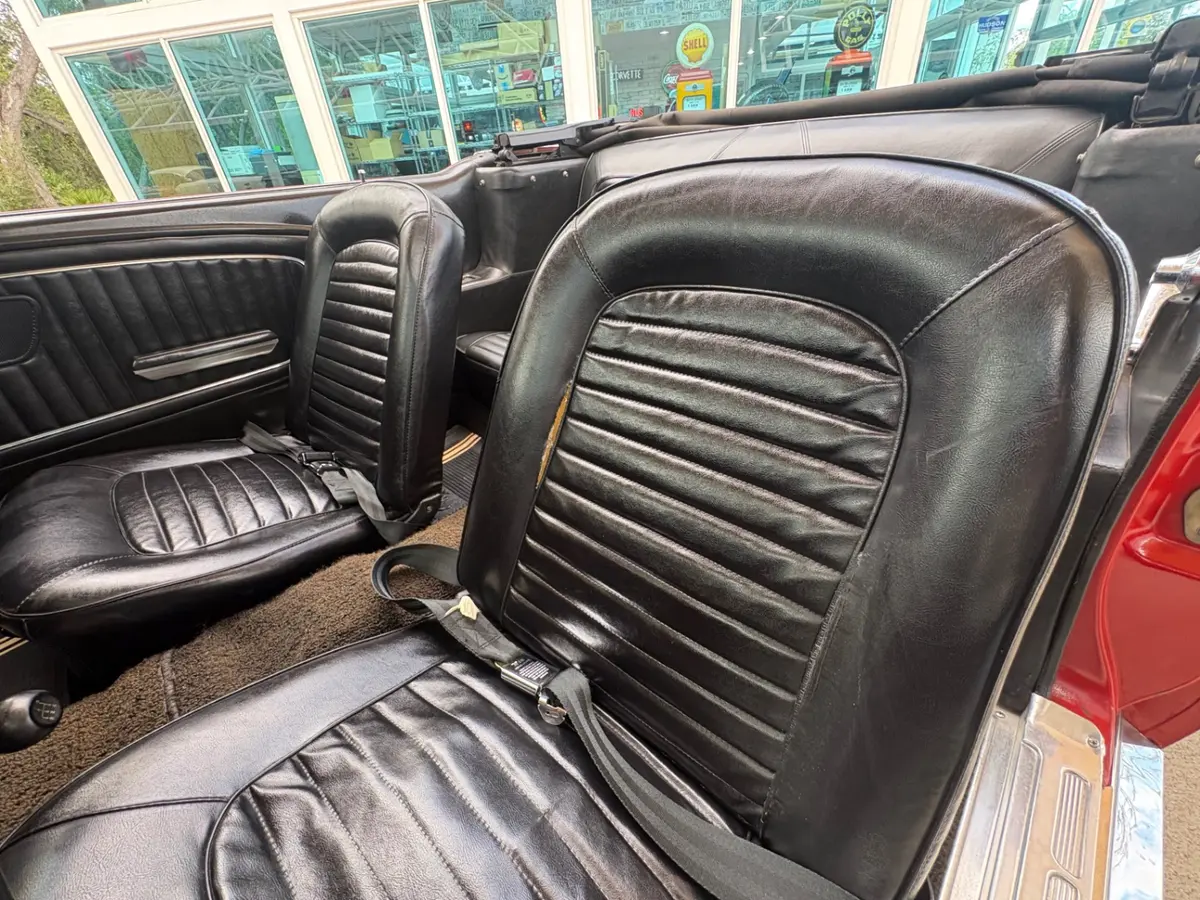
- Black bucket seats, front
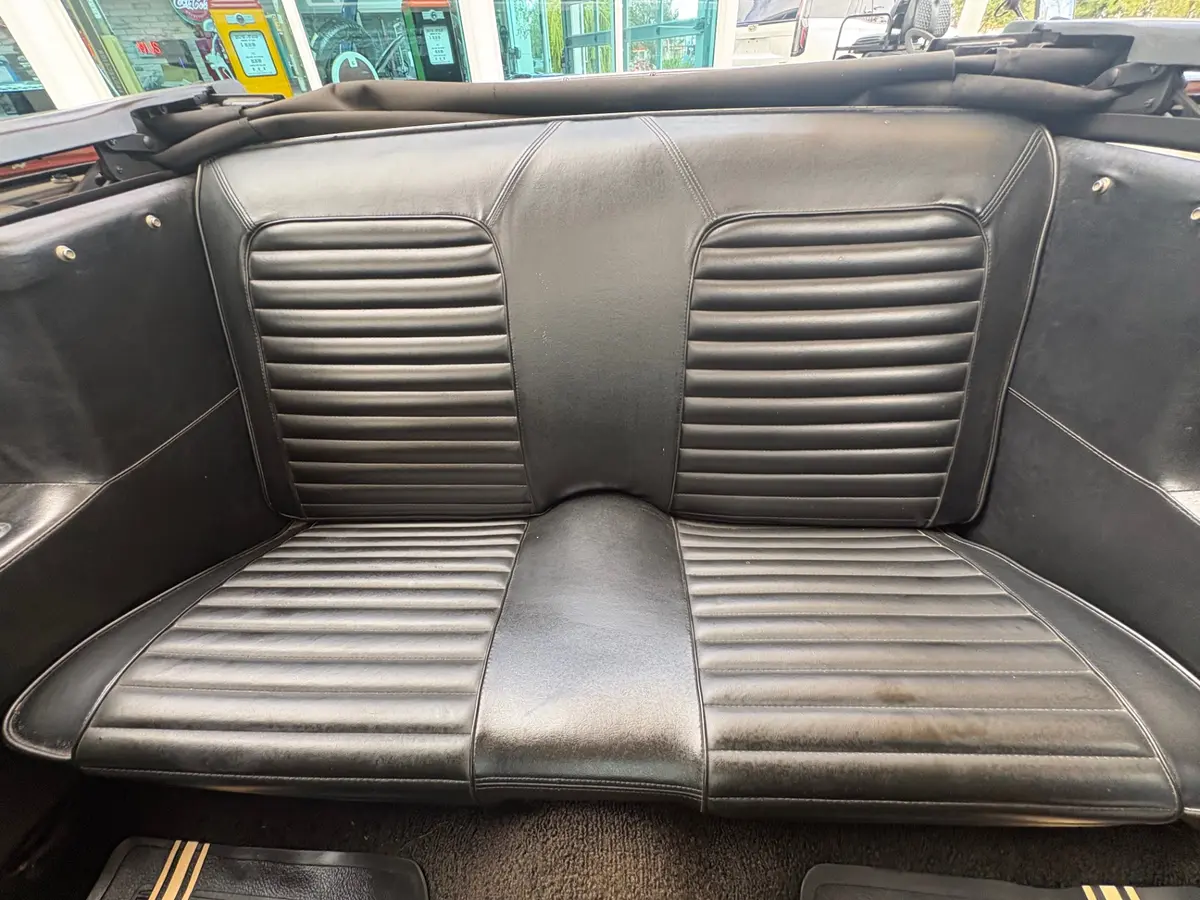
- Rear bench seat
- Black vinyl interior throughout
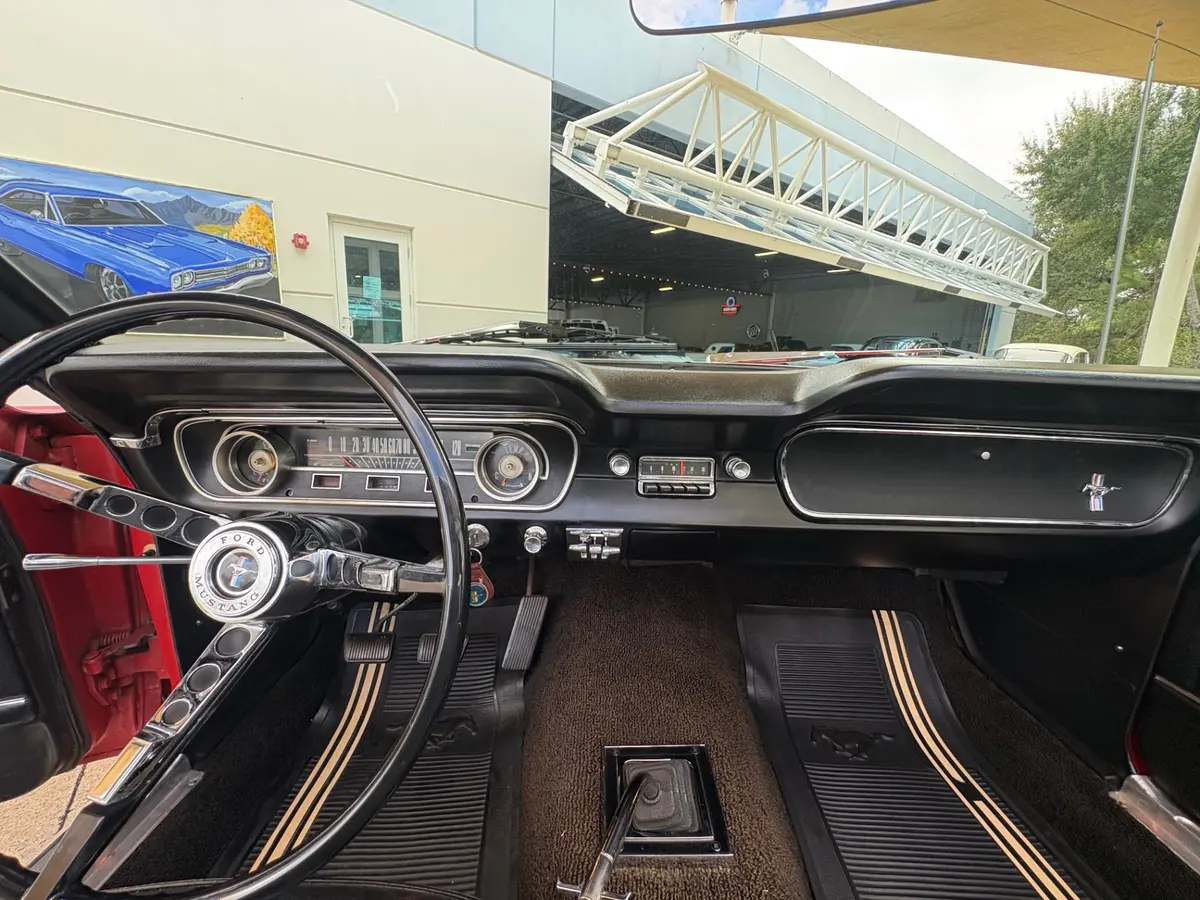
- Sport steering wheel with Ford Mustang horn center
- Pony floor mats
- AM push-button radio
- 289 fender badge
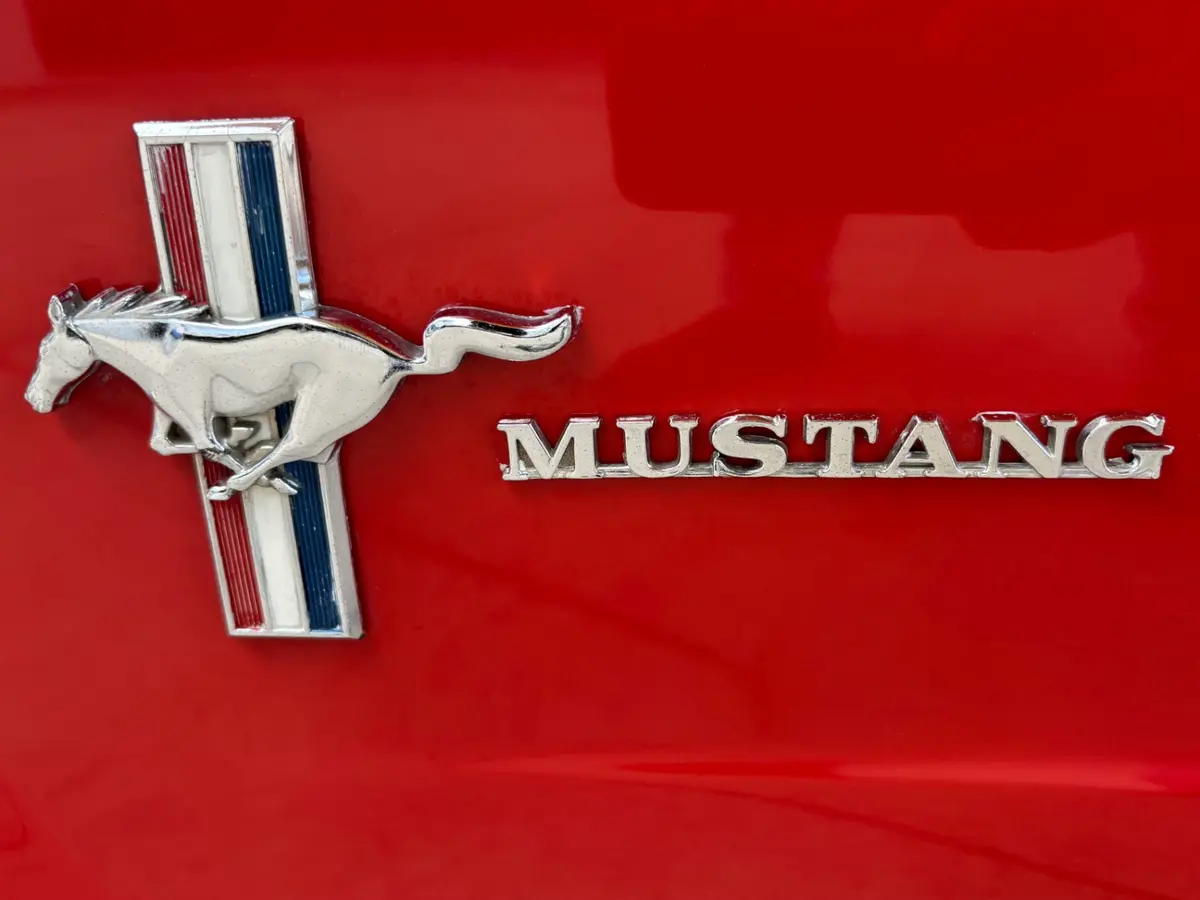
- Mustang Running Pony emblem
- Chrome rocker moldings
- Seat belts, front and rear
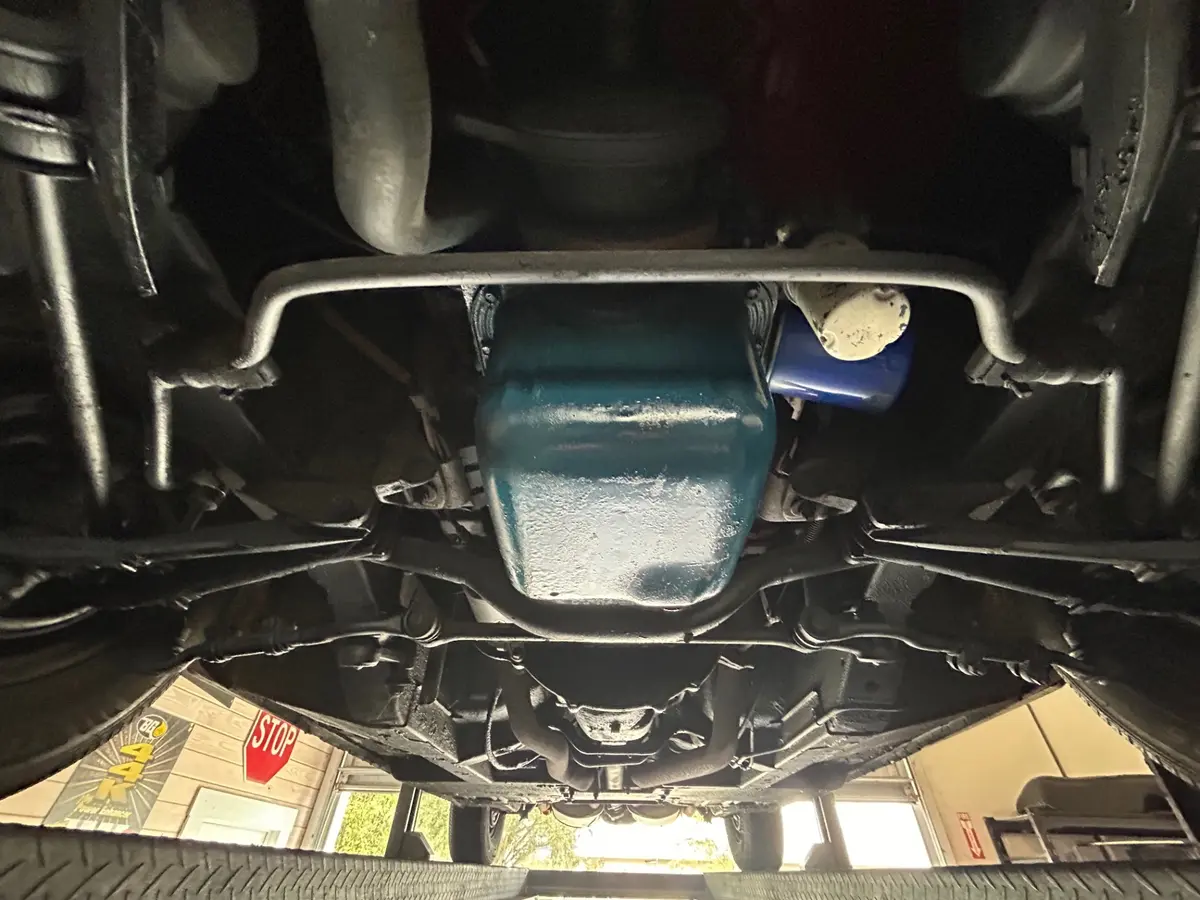
- Clean undercarriage
Mechanical
The D-code 289 is one of the most well-regarded small-block V8 engines Ford ever produced. It was derived from the 260 cubic inch V8 that debuted in 1962 and was developed into a highly versatile powerplant used across multiple Ford and Mercury platforms throughout the mid-1960s. In its 4-barrel configuration, the 289 produced 225 horsepower and 305 lb-ft of torque at the factory. The engine shares its basic architecture with the famous 289 High Performance (K-code) engine used in early Shelby GT350s, though the D-code is a different and more streetable tune. The 289's oversquare design — with a bore of 4.00 inches and a stroke of 2.87 inches — made it rev freely and respond well to the 4-barrel carburetor's additional airflow.
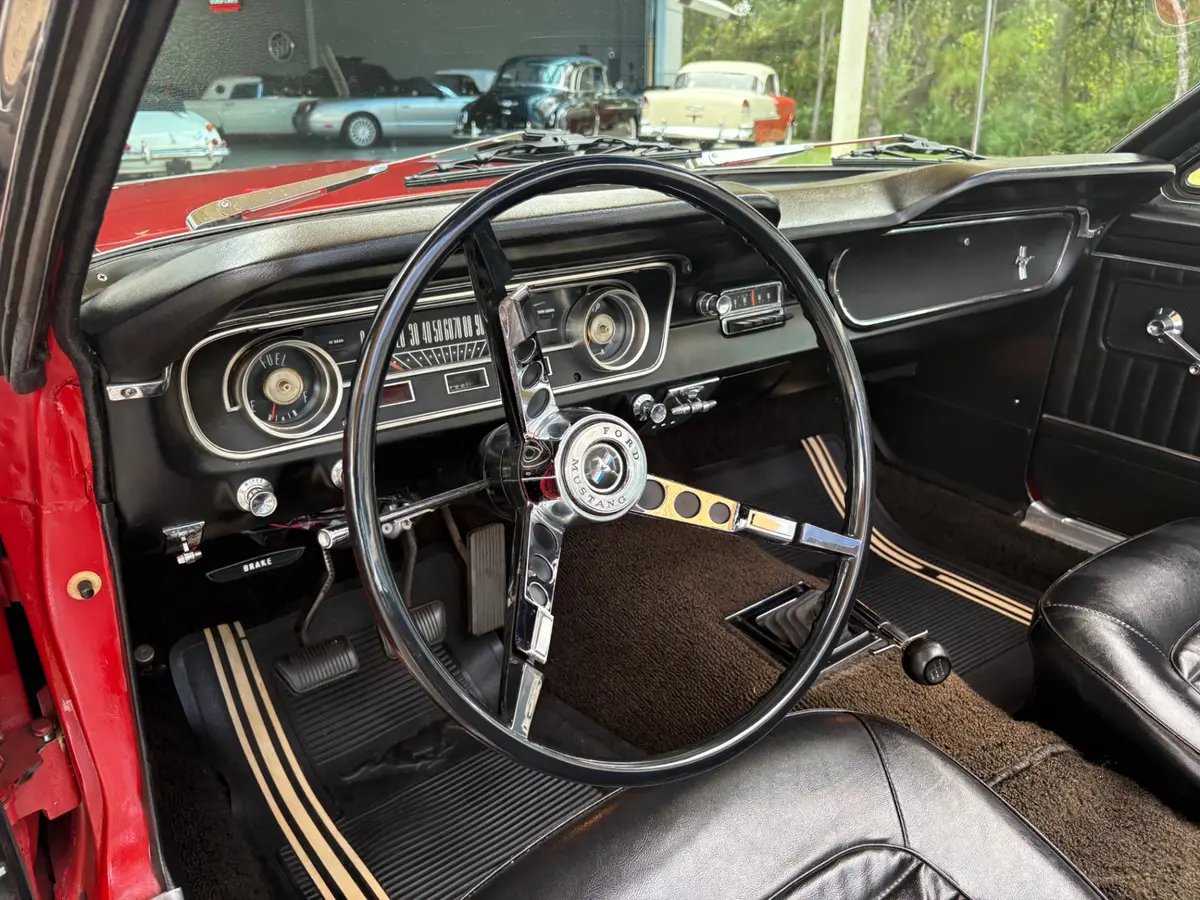
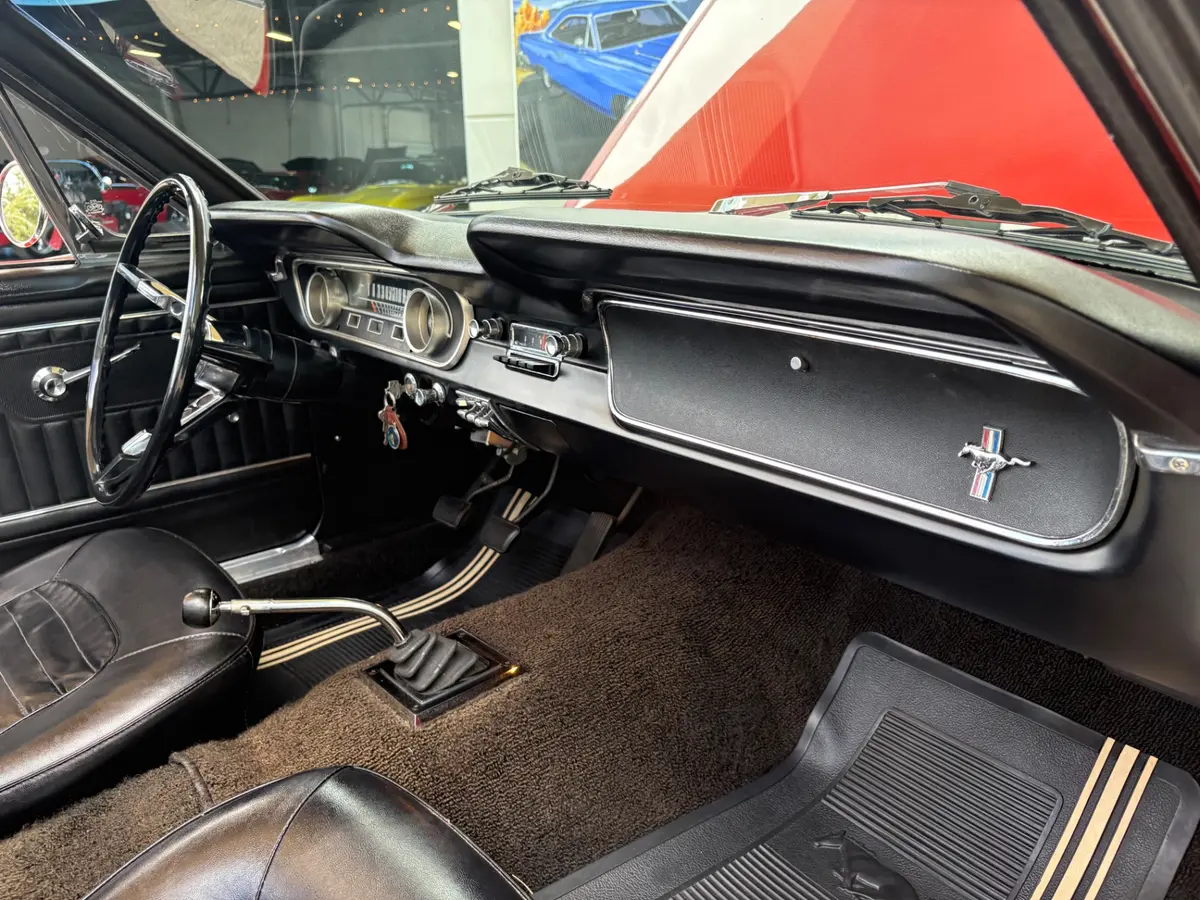
The 4-speed manual transmission is the correct companion for this engine. Ford offered a 3-speed manual, a 4-speed manual, and an optional Cruise-O-Matic automatic in 1965. Buyers who wanted to actually drive the car typically chose the 4-speed. The floor-mounted chrome shifter that accompanies it is factory-correct for this combination and is visible in the interior photos.
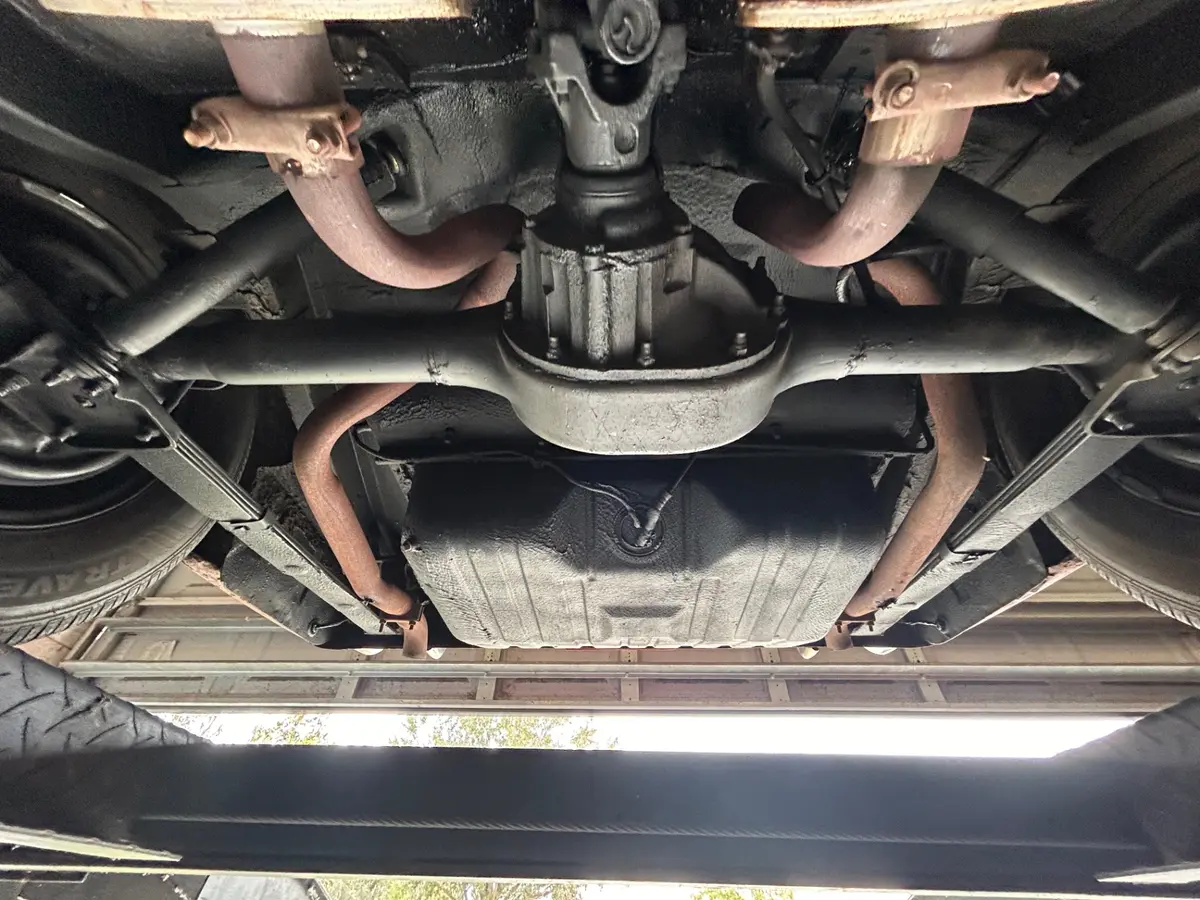
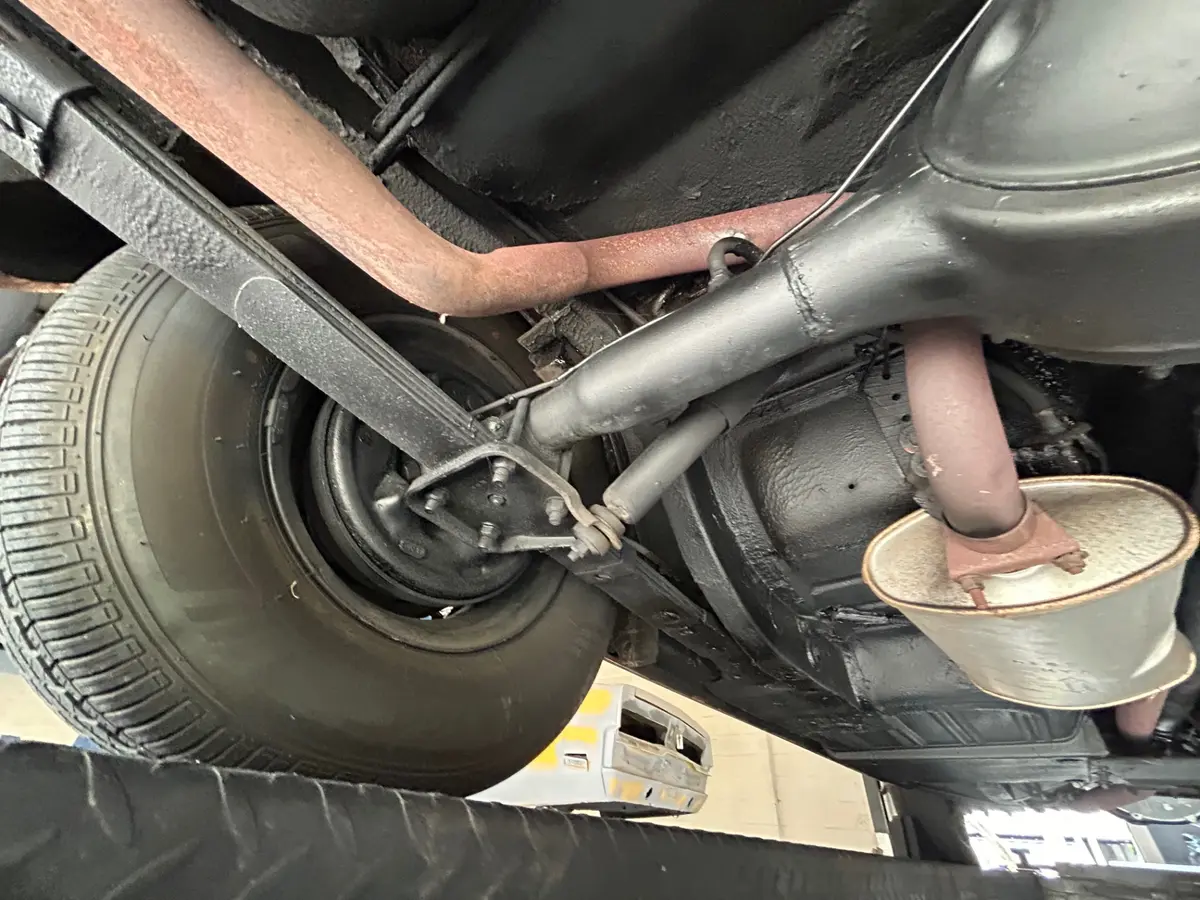
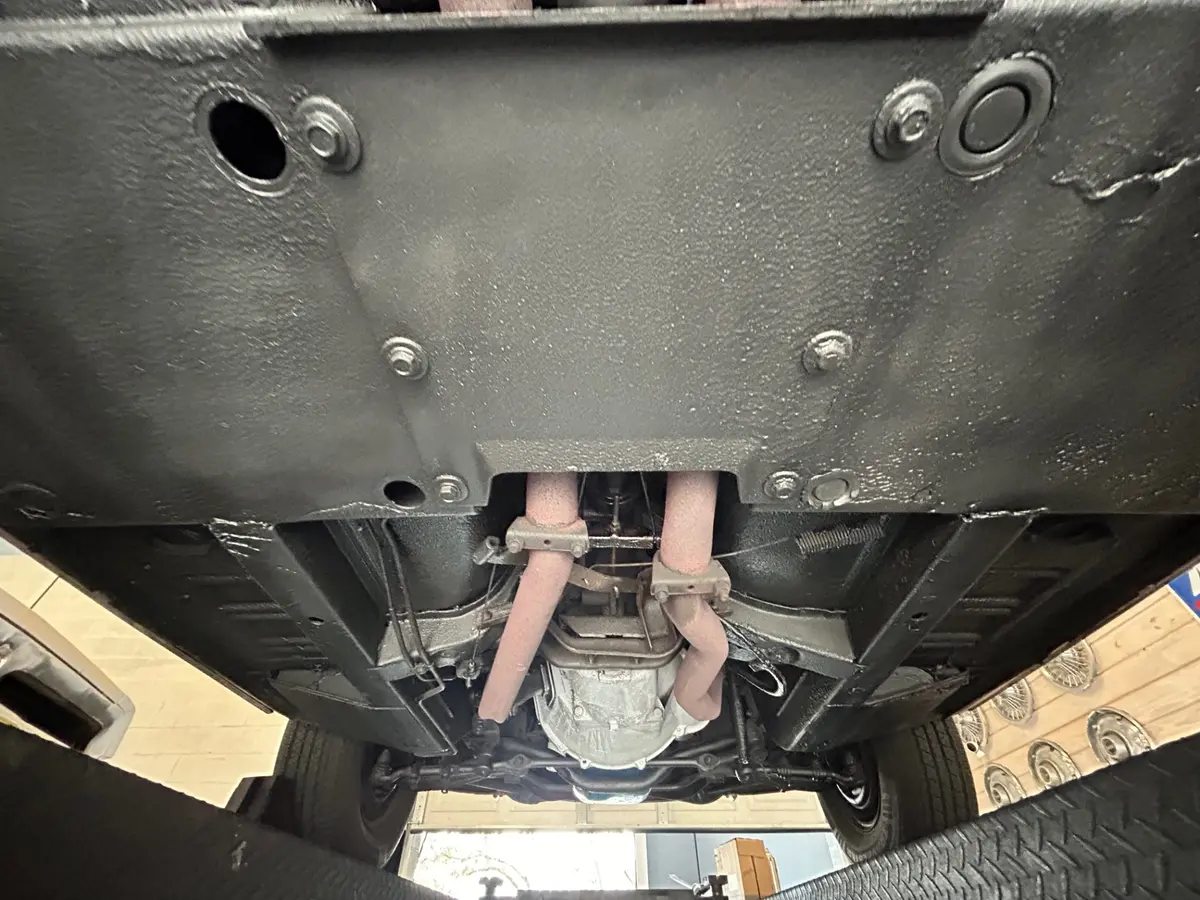
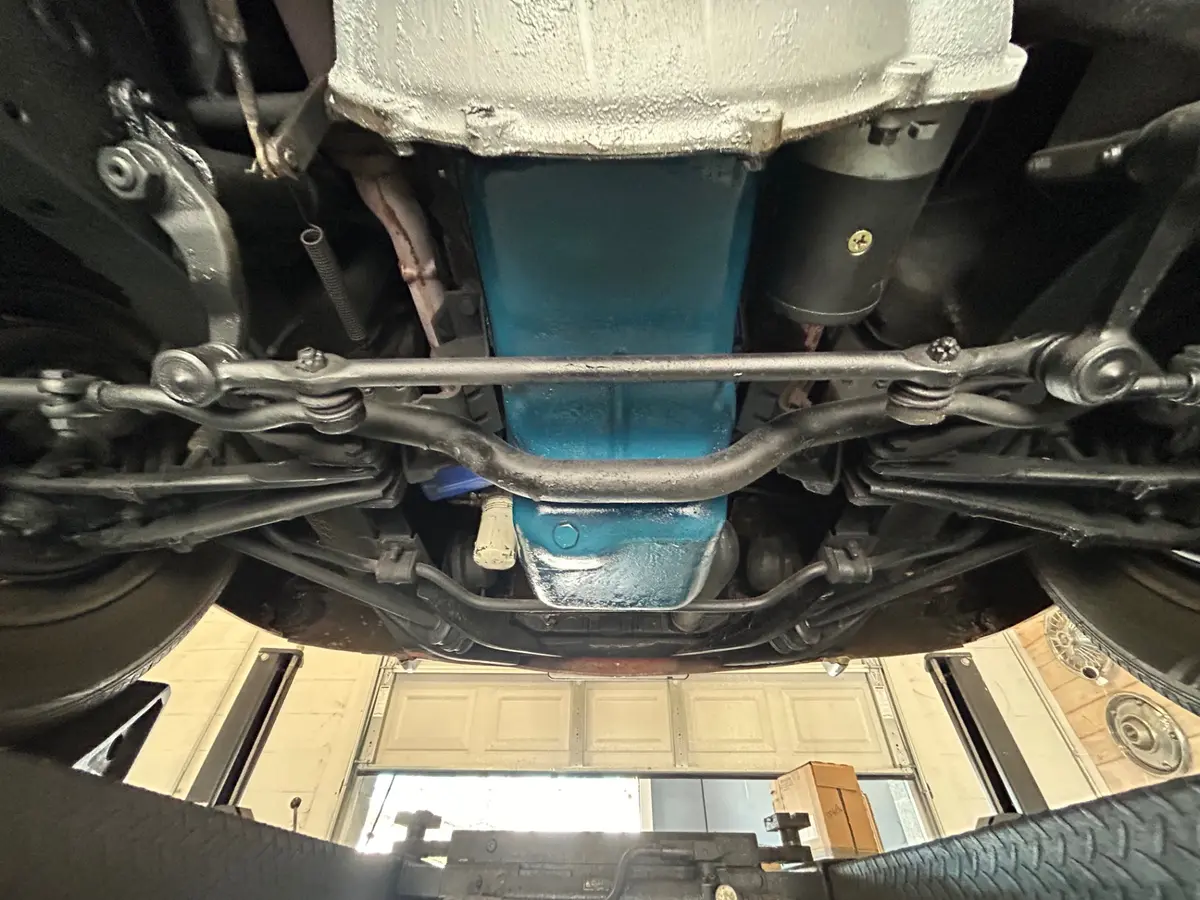
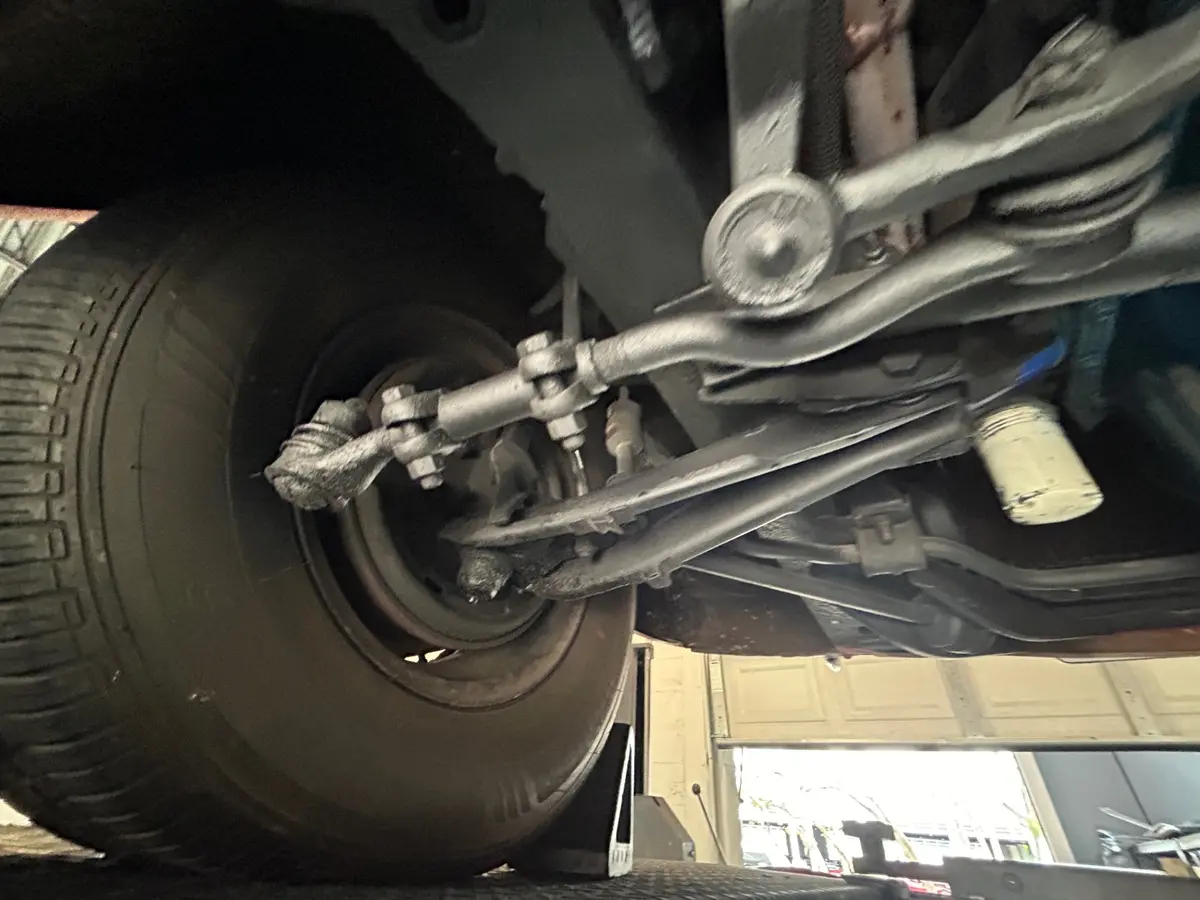
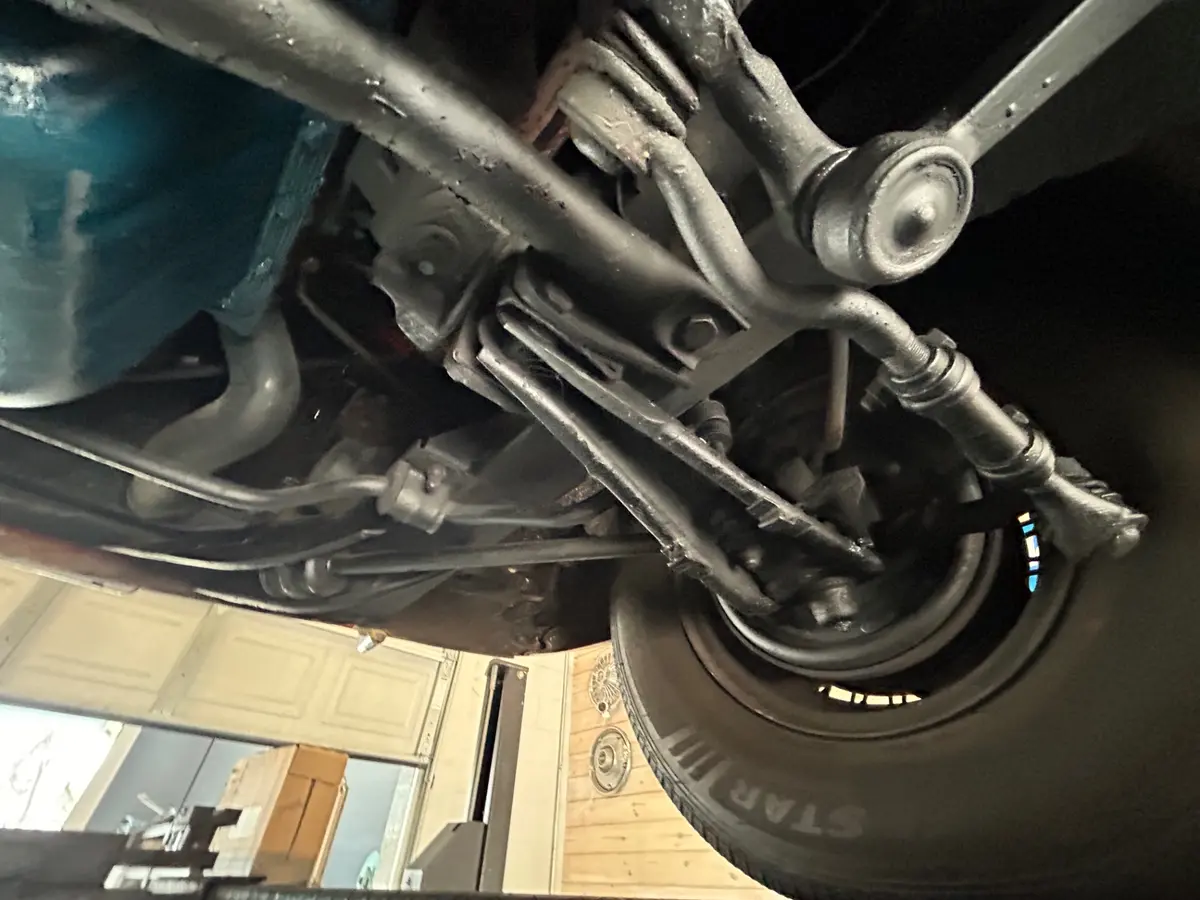
The dual exhaust system is present and correct underneath the car. The undercarriage photos show a clean floor pan with no visible rot or significant corrosion — an important detail on any convertible of this era, since open-top cars are frequently more susceptible to water intrusion and floorpan deterioration than hardtops. The underside appears to have been coated, and the structural components look solid throughout.
Interior
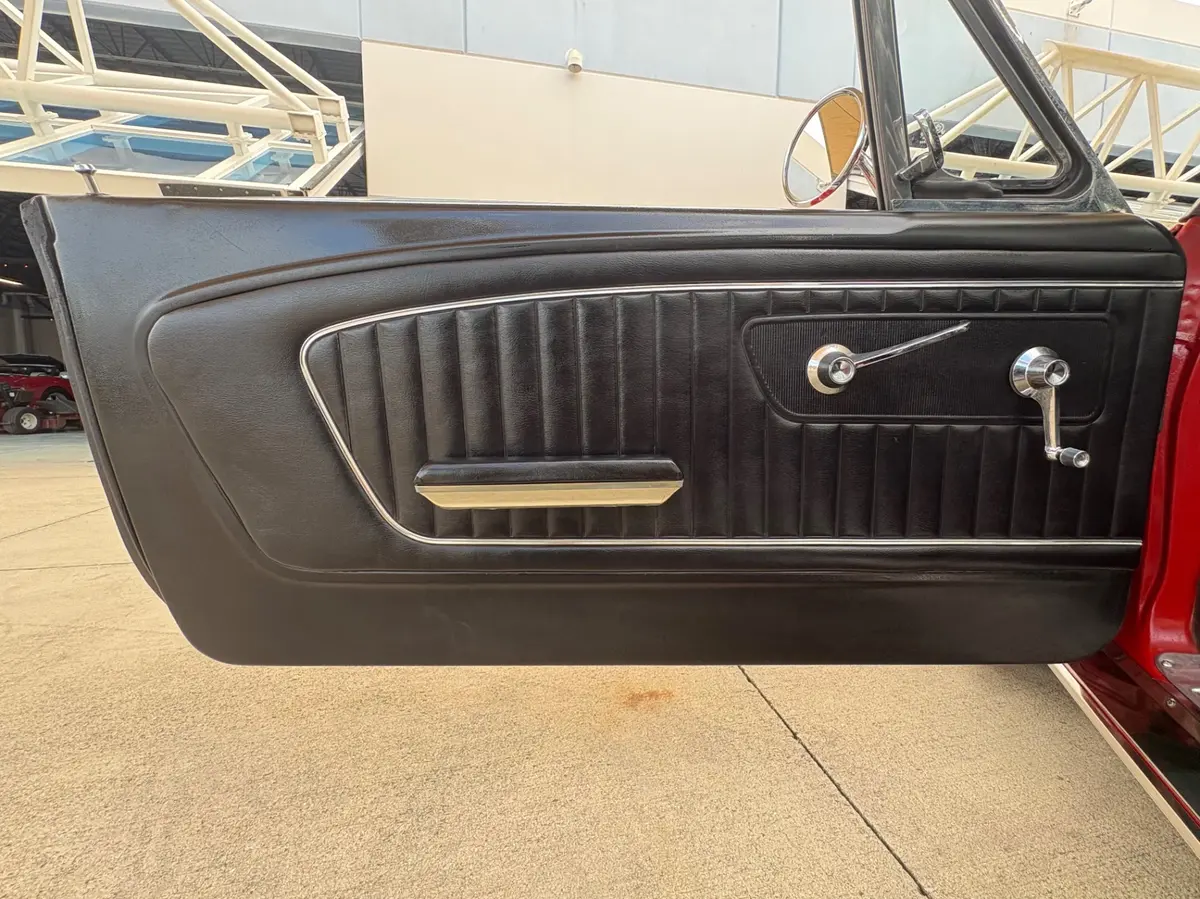
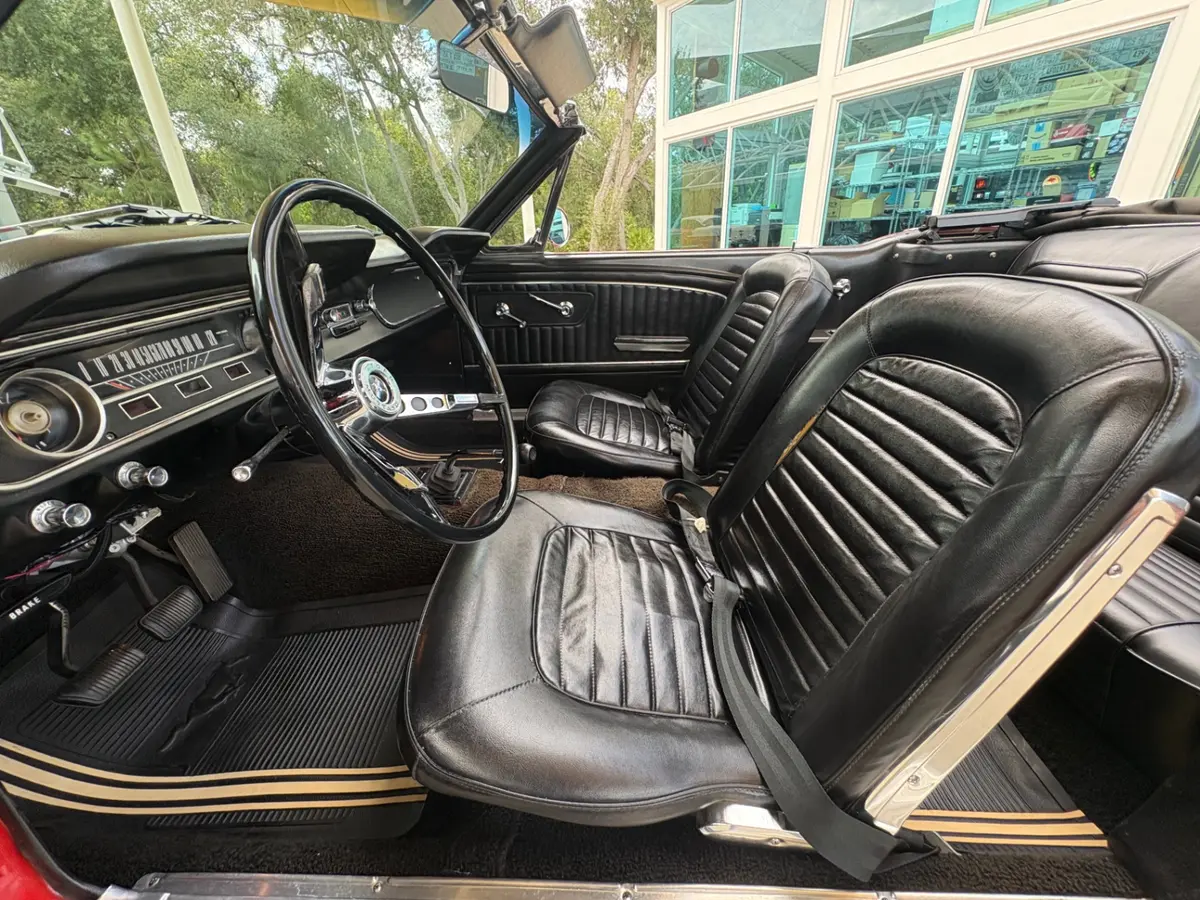
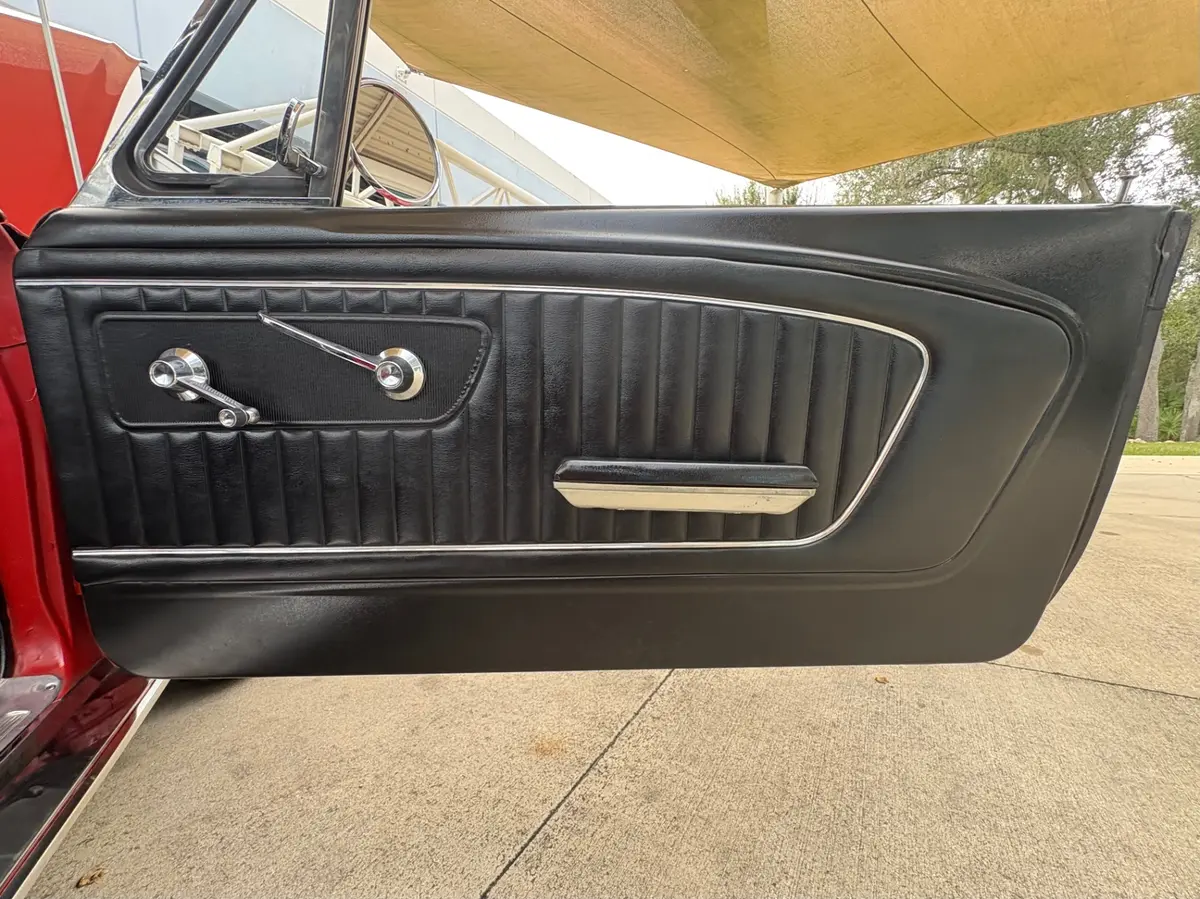
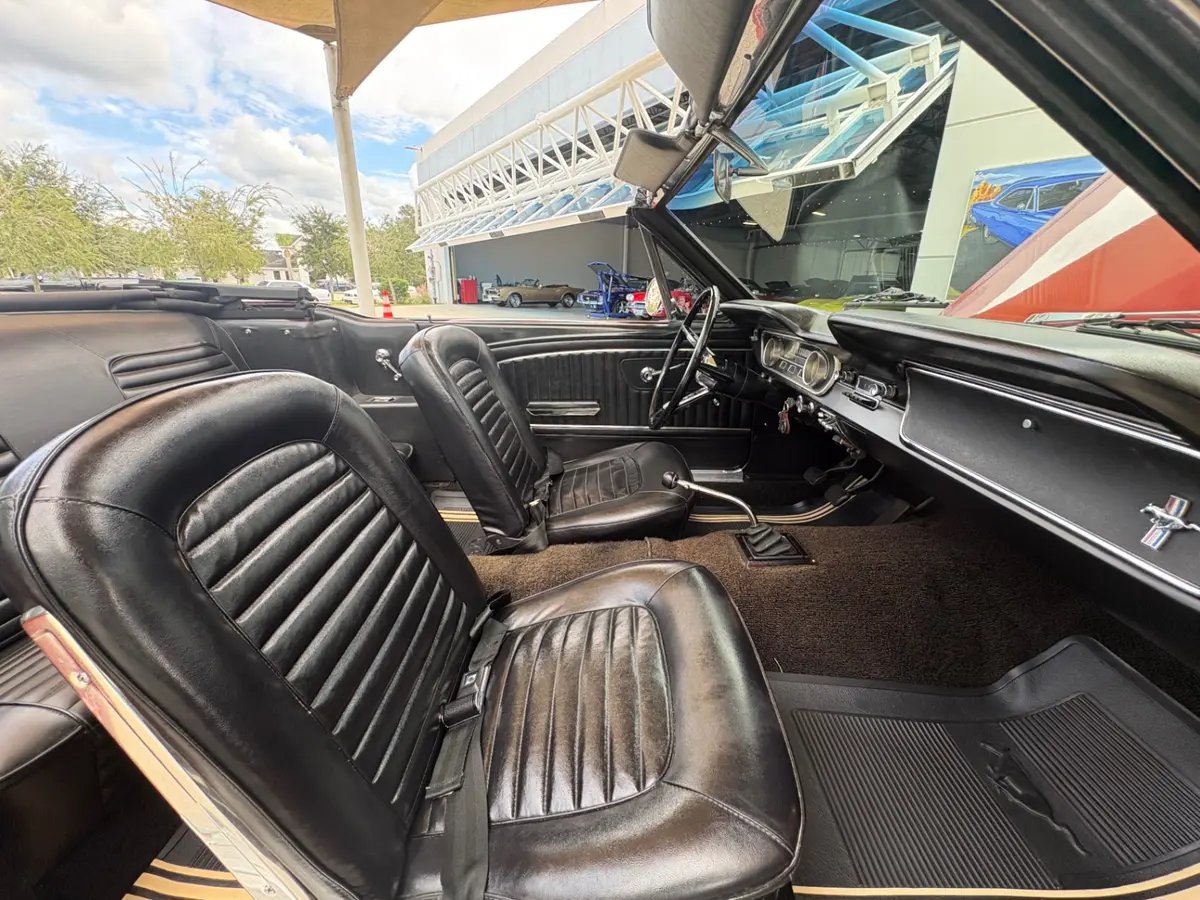
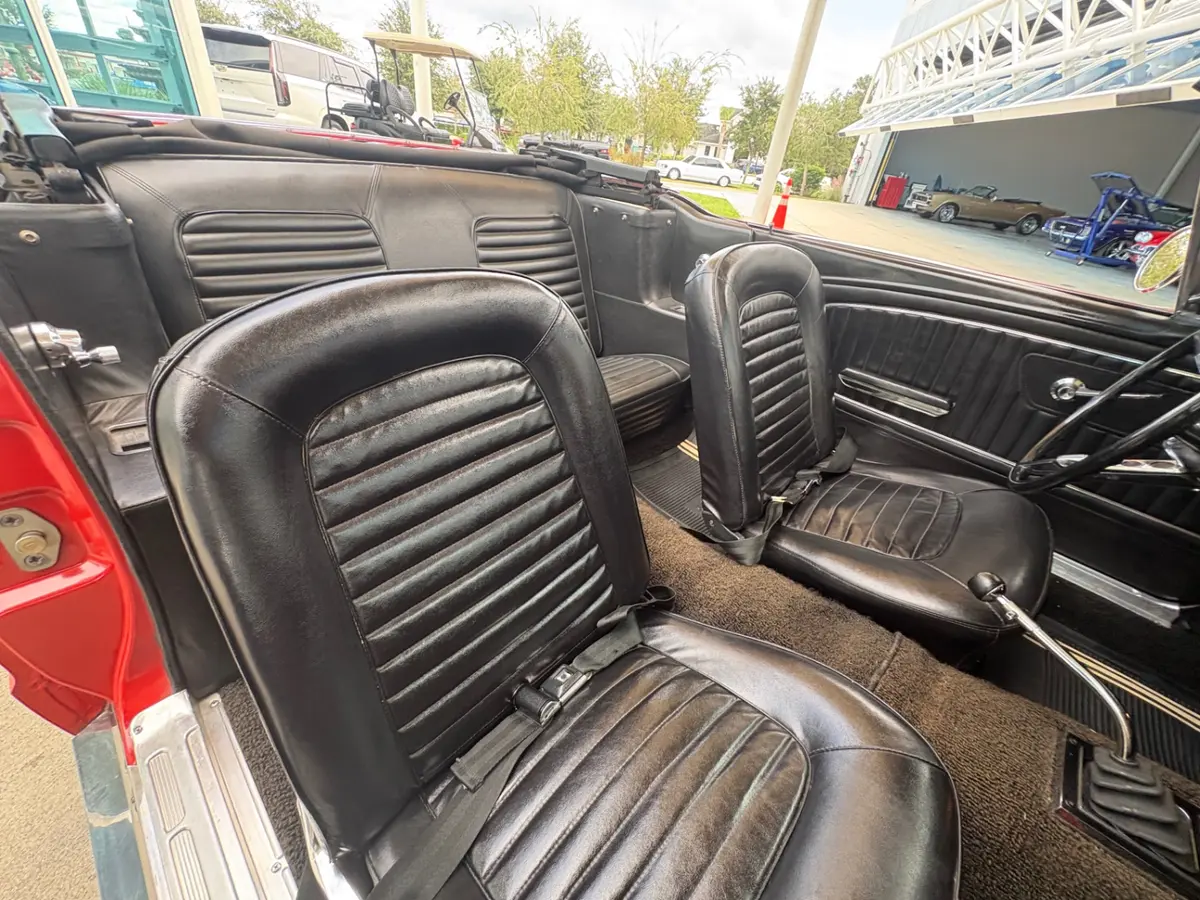
The 1965 Ford Mustang Convertible interior in this car is finished entirely in black vinyl, which pairs directly with the Poppy Red exterior for a classic contrast that was popular when these cars were new. The front bucket seats are a defining feature of the Mustang's design — they were standard equipment across the lineup and helped distinguish the car from the bench-seat American compacts it was competing against. The seat vinyl shows the kind of patina consistent with a car of this age, with no tears or major damage visible in the photos.
The rear bench seat is present and correct. Many buyers of this era's Mustang convertibles opted for the rear seat delete to save weight, so having it intact is a positive for a driver or show car. Seat belts are present front and rear, which were a factory option in 1965 and are increasingly required at shows.
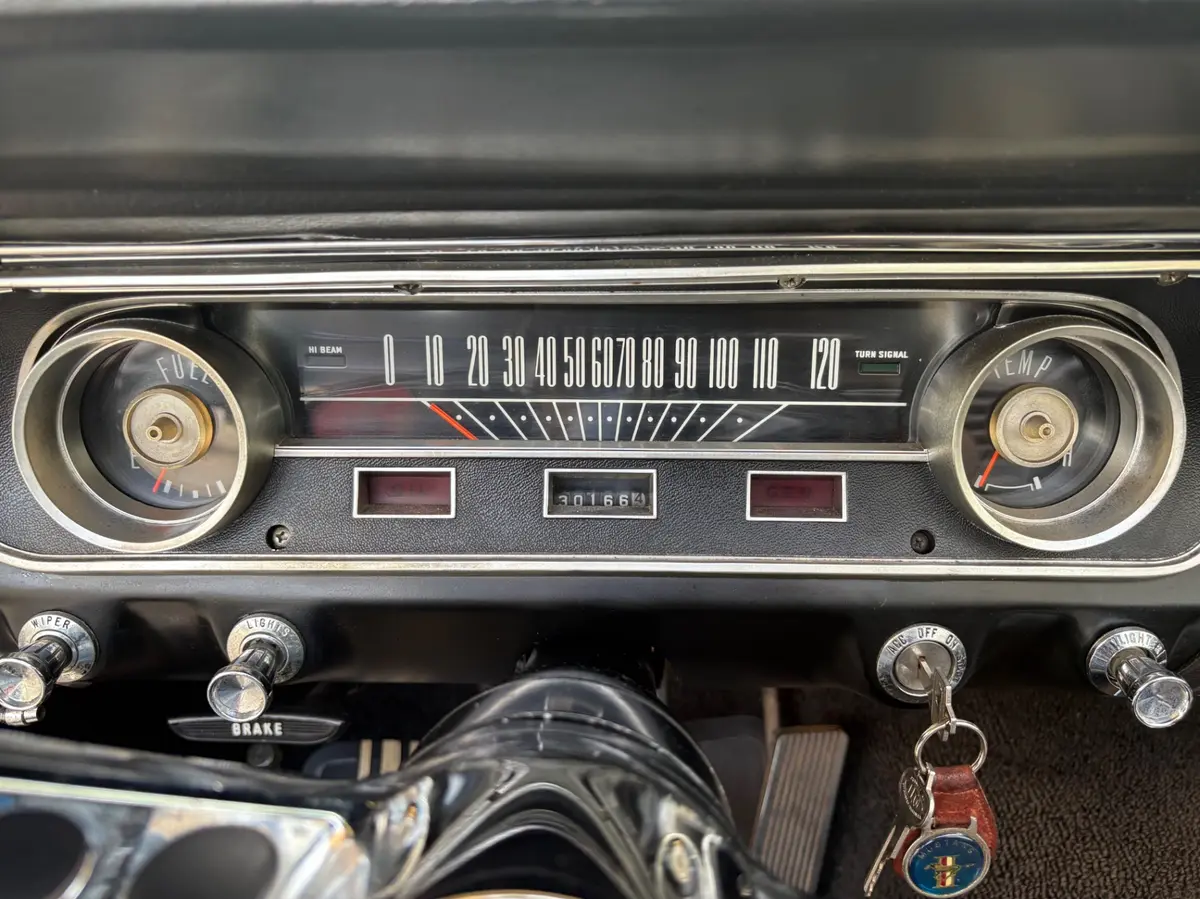
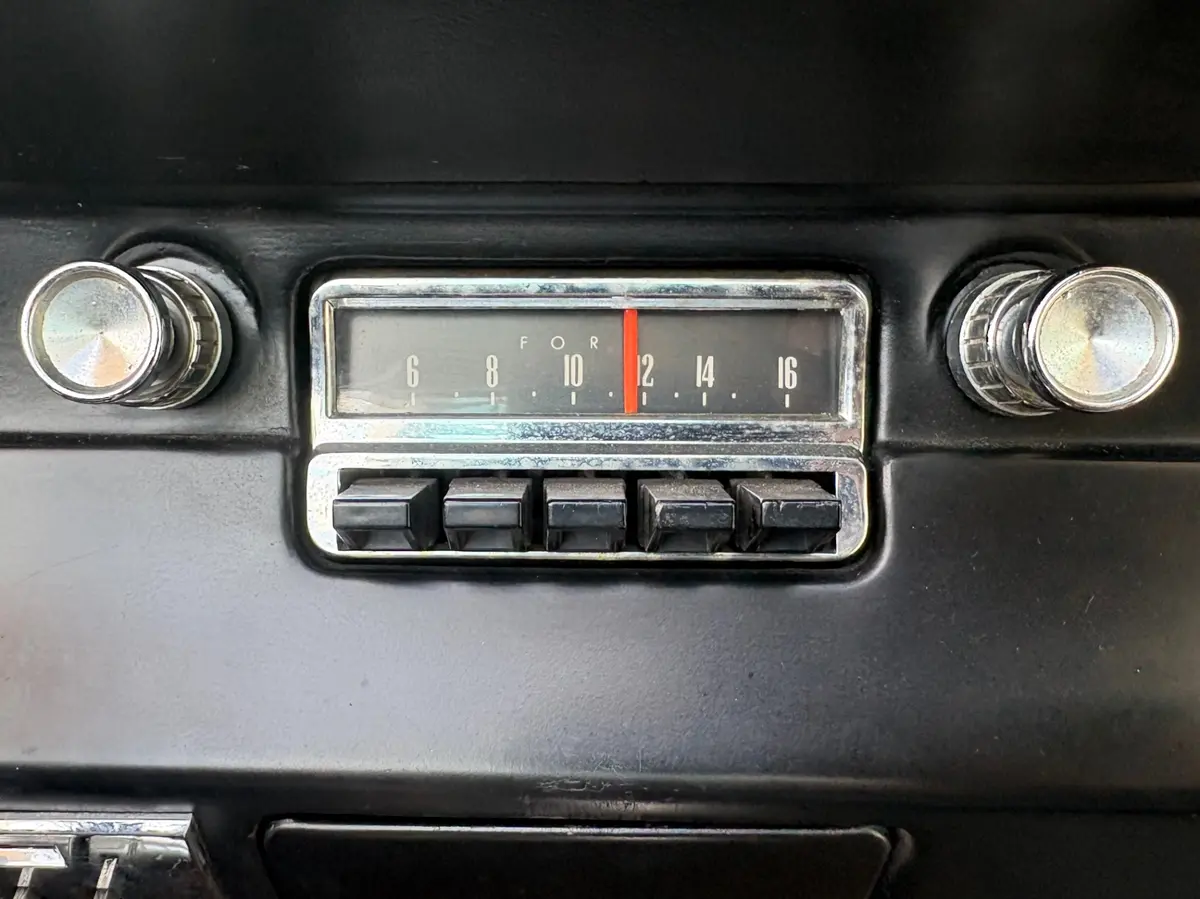
The sport steering wheel is fitted with the correct Ford Mustang running pony center medallion in the horn button — a detail that often goes missing on cars that have been through multiple owners. The dashboard is the standard 1965 layout, with a large horizontal speedometer flanked by fuel and temperature gauges. The AM push-button radio sits in the center of the dash where Ford placed it, and the radio face visible in the photos is consistent with the factory Philco-Ford units supplied to 1965 Mustangs.
The Pony floor mats are present on both sides of the floor, showing the embossed running horse design that was part of the Mustang's branding effort from the beginning. The floor-mounted chrome shifter sits cleanly in the center console opening, and the overall cockpit view from the driver's seat shows a car that has been maintained and cared for rather than neglected.
Exterior
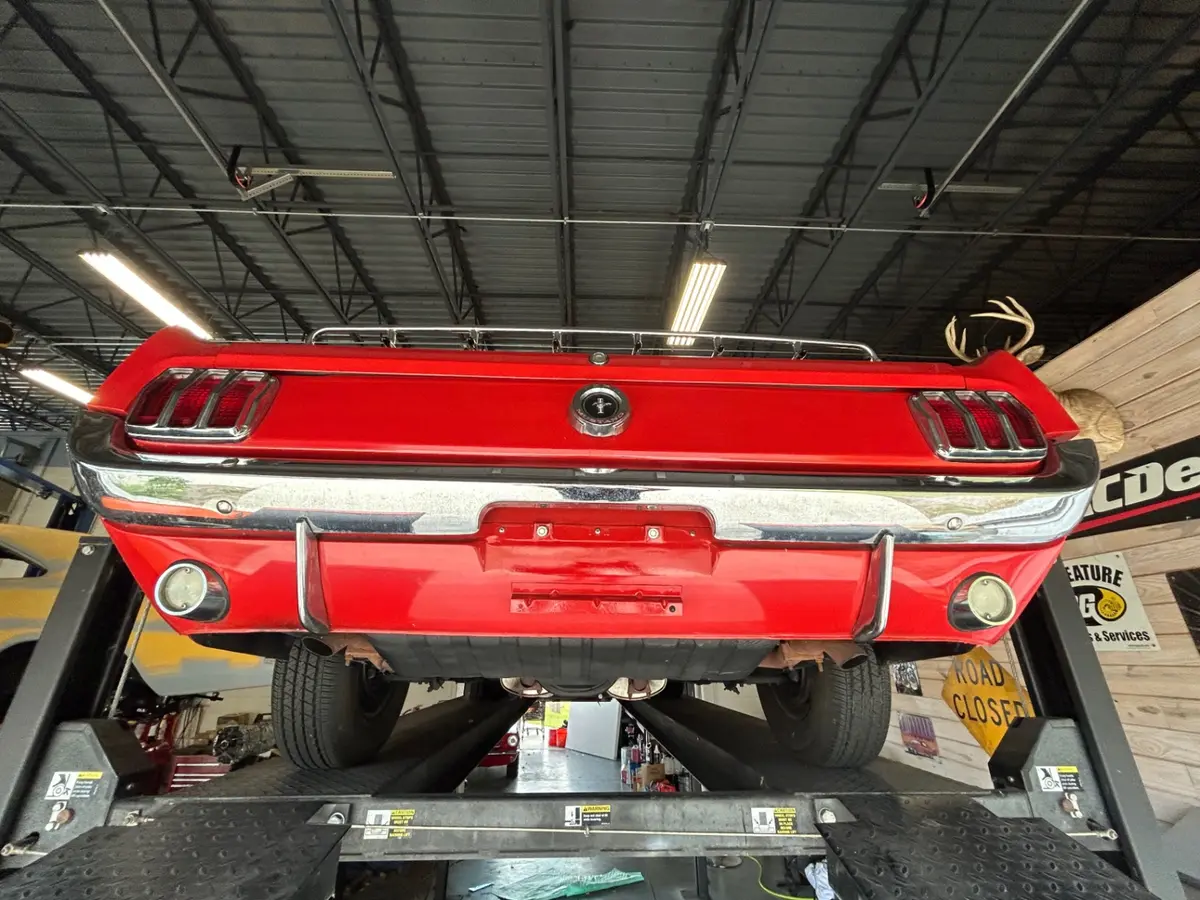
Poppy Red is a vivid, medium-to-deep red with enough saturation to read strongly in sunlight without crossing into orange territory. It was one of several red shades available on 1965 Mustangs and photographs well against the car's long hood, short deck proportions. The 1965 Mustang convertible body is defined by its long hood, three-element vertical taillights, and the side sculpting running the full length of the doors — design elements that Hal Sperlich and the team at Ford got right on the first attempt and carried largely unchanged into the 1966 model year.
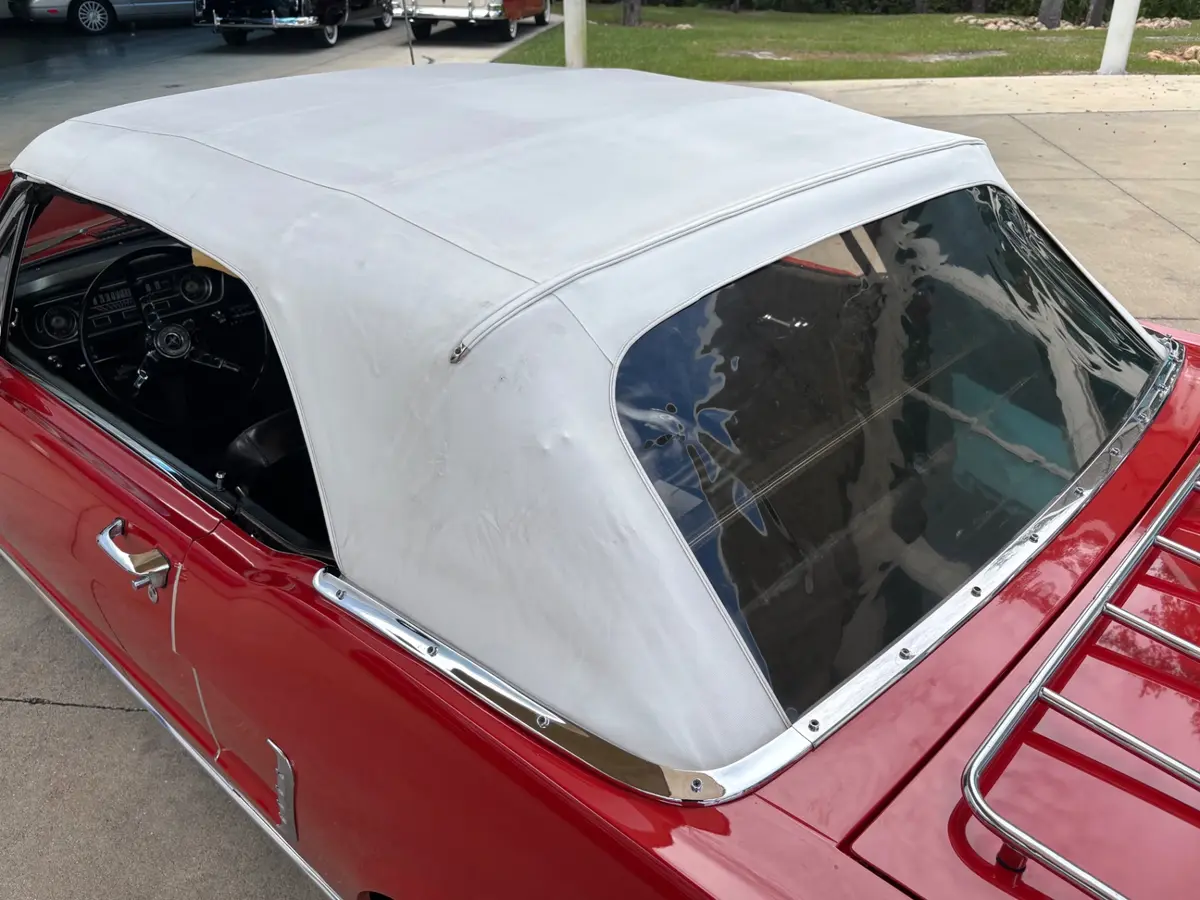
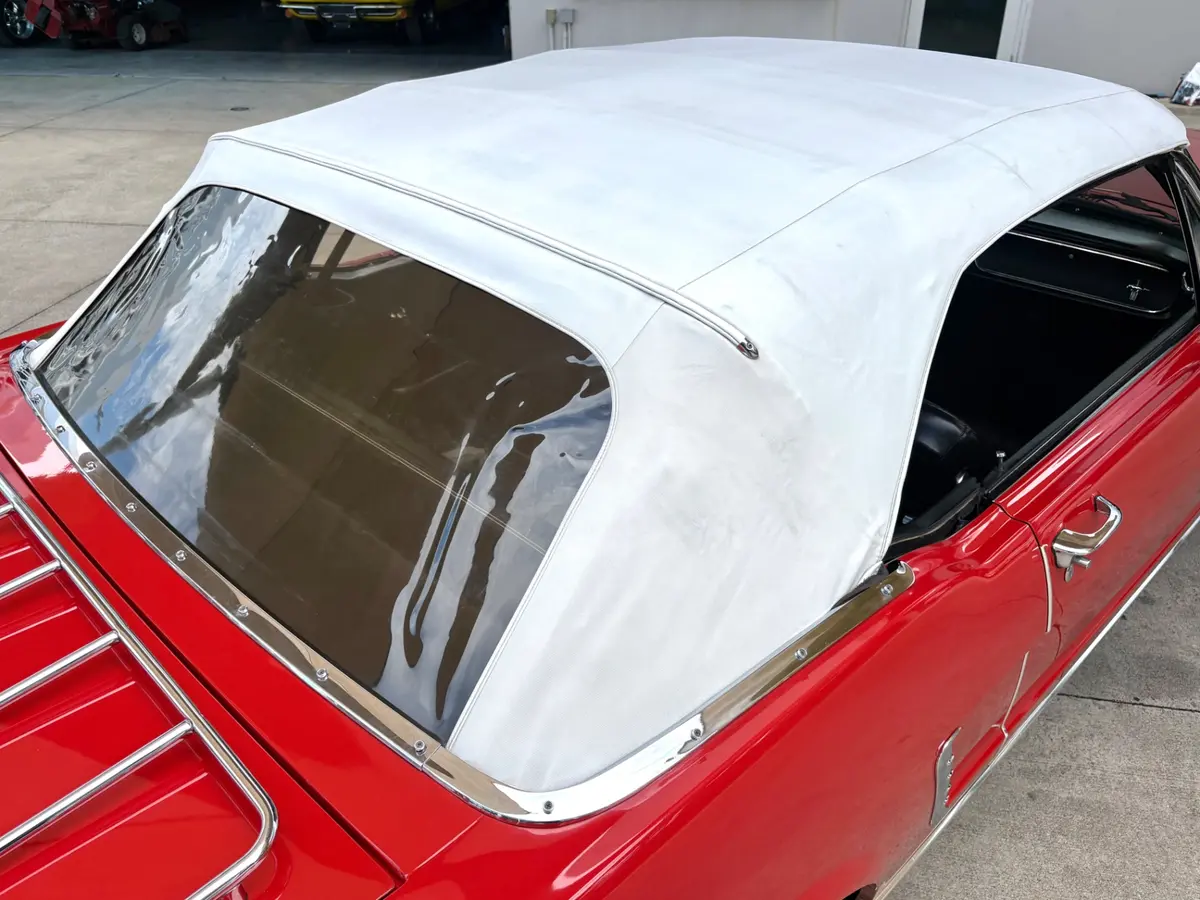
The white convertible top is correct against this color combination and appears to be in good condition with no visible damage to the rear window or seams. The chrome trunk rack mounted to the decklid is a period accessory that was popular with Mustang convertible buyers and adds to the visual character of the rear end. The chrome rocker panel moldings are present and add a finished look to the lower body.
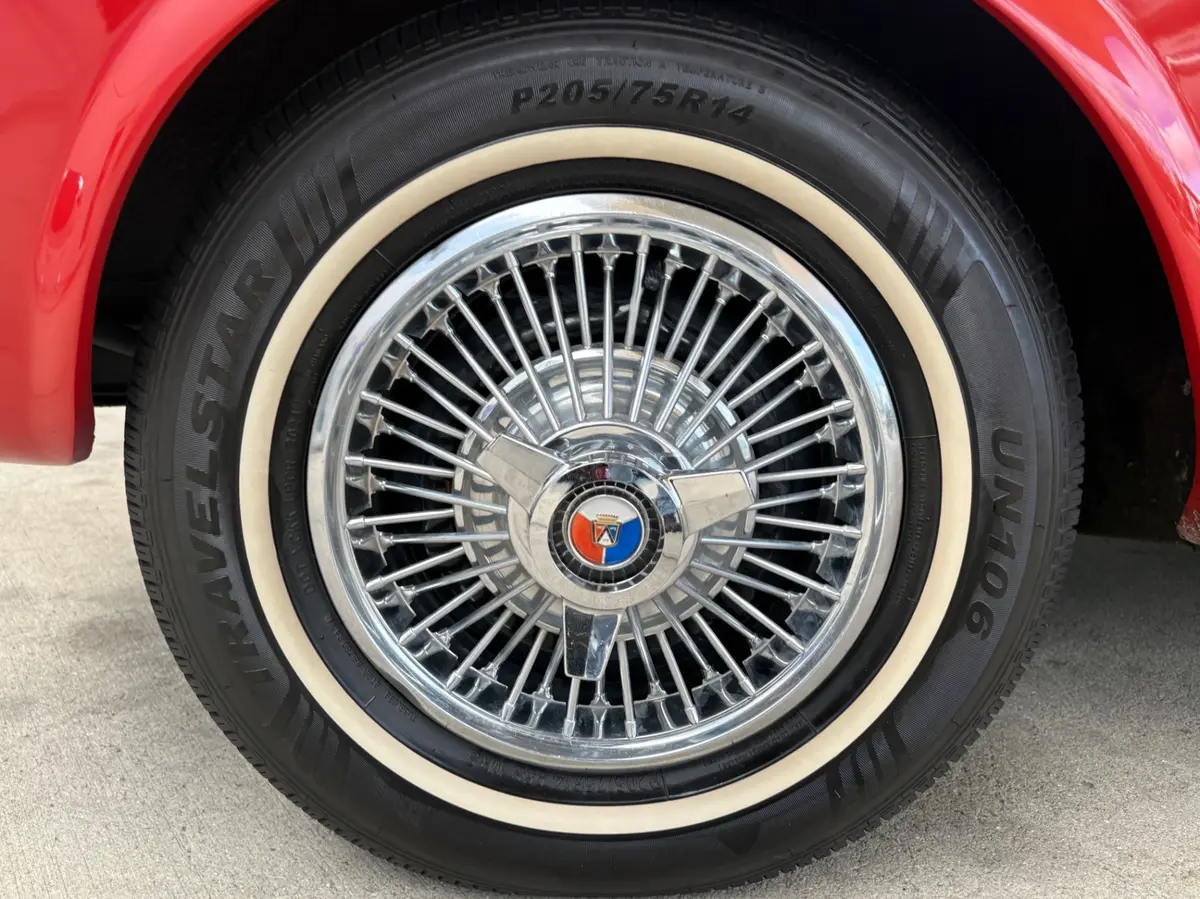
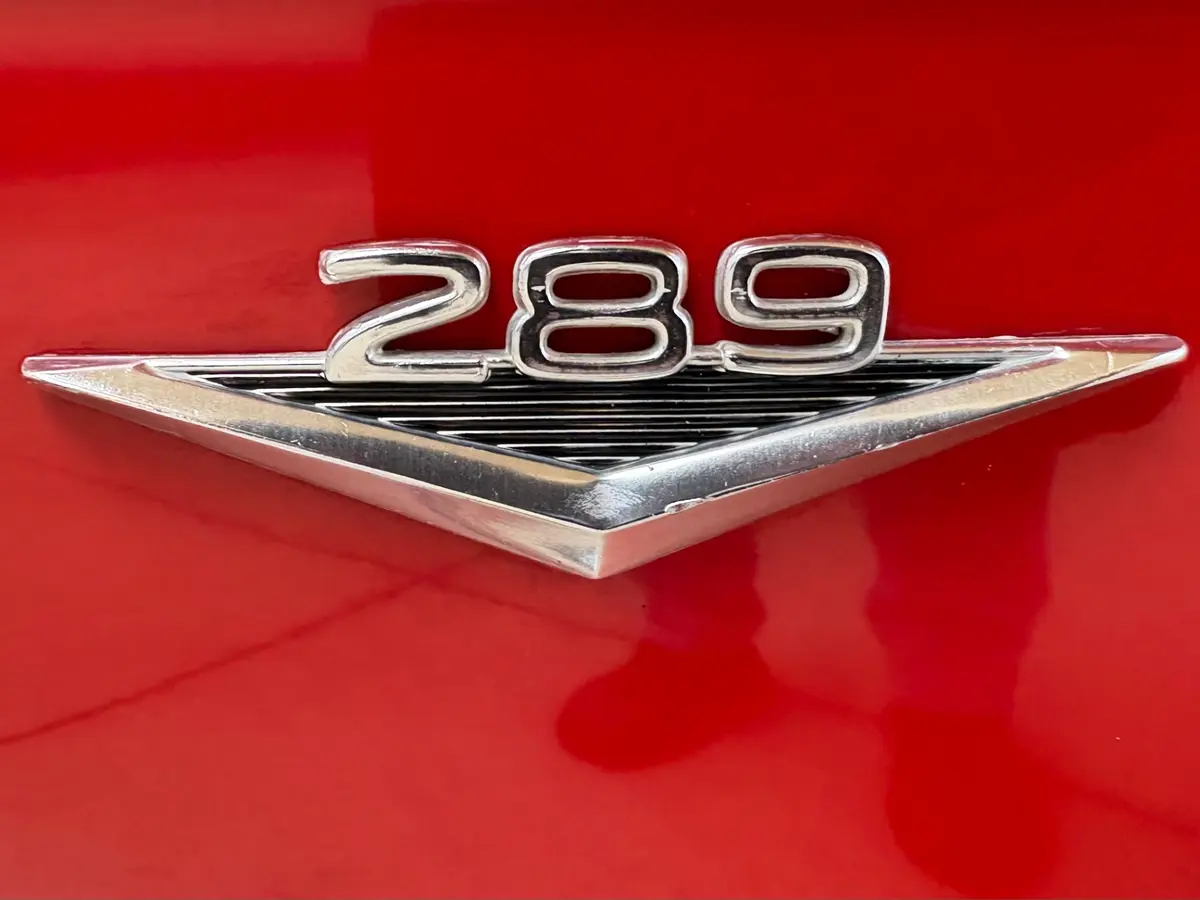
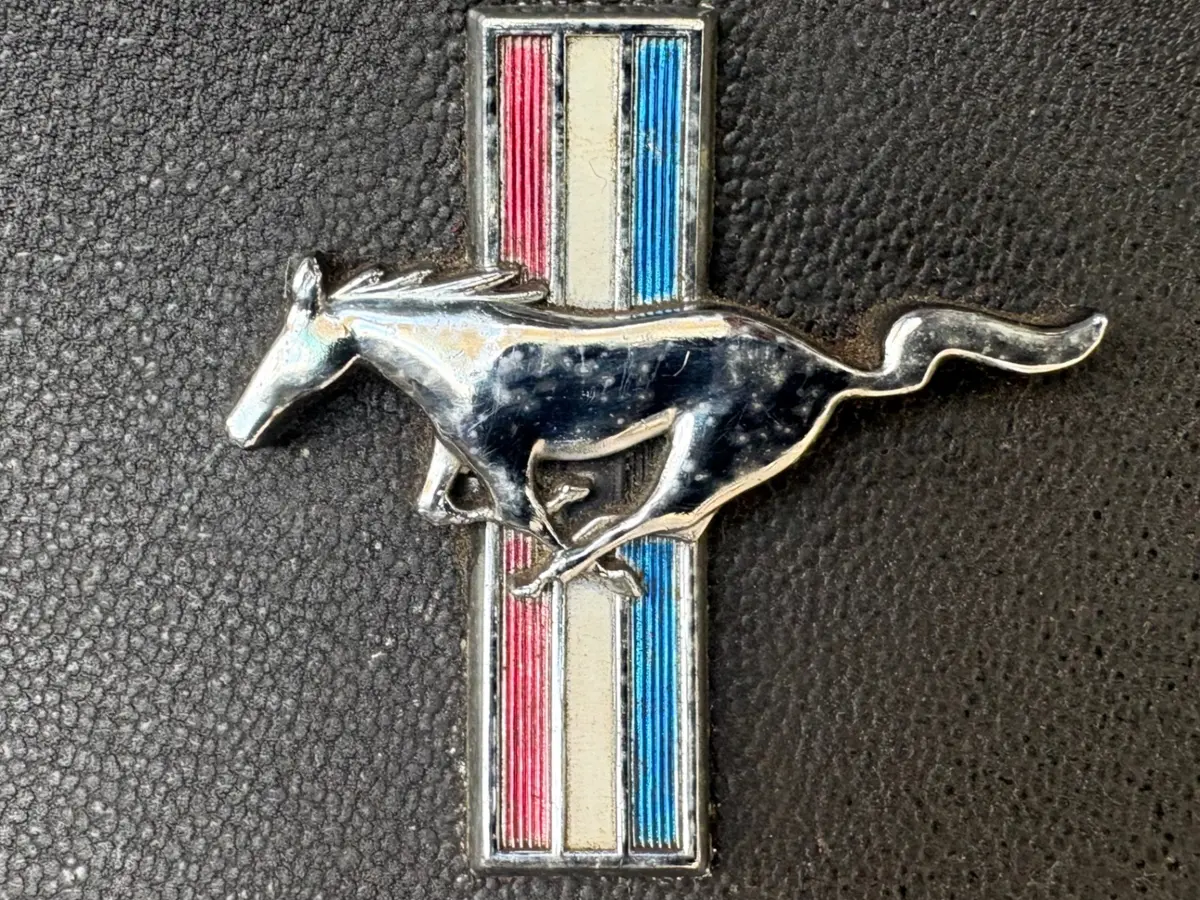
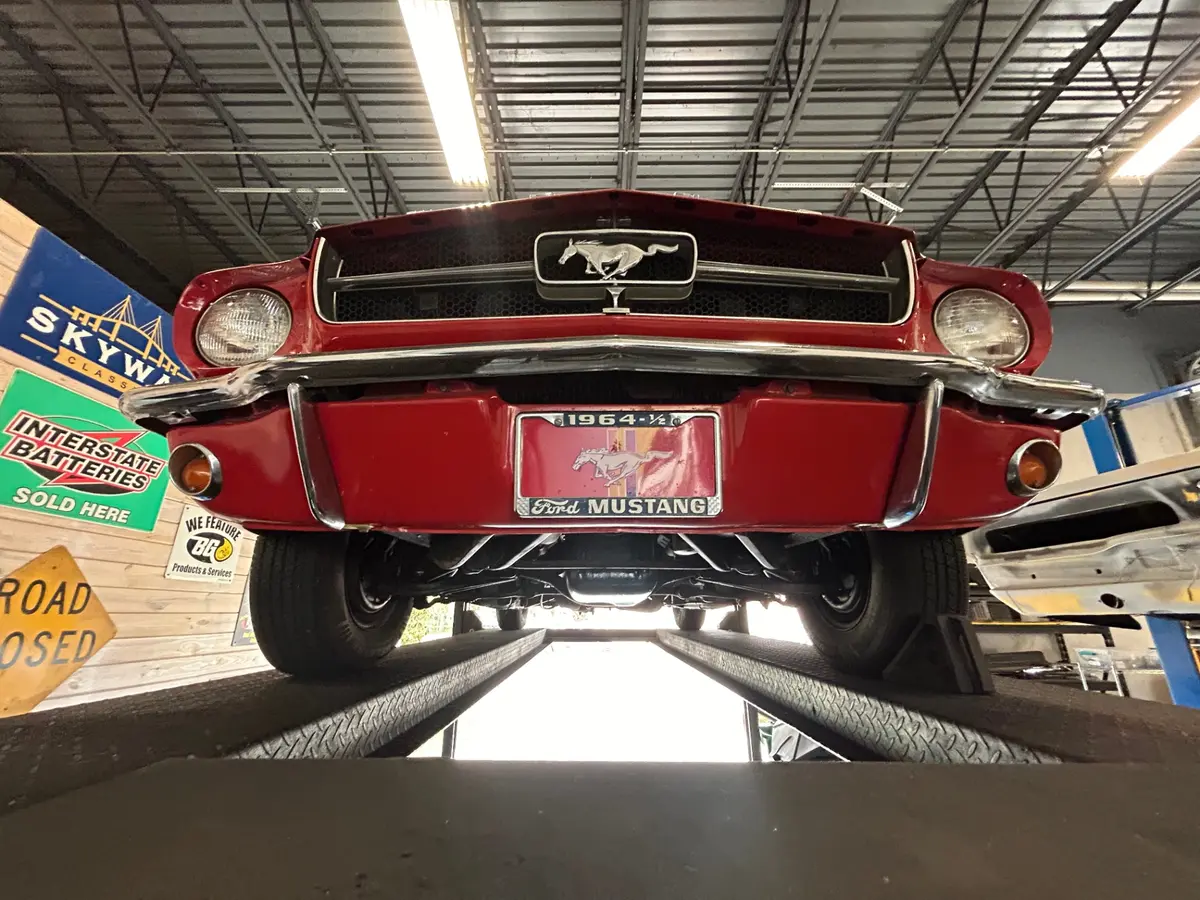
Wire wheel hubcaps fitted over the steel wheels are correct for the era and appropriate for this car's trim level. They give the correct visual appearance without the need for aftermarket wheels. Whitewall tires complete the period-correct appearance. The 289 fender badge on the front fenders correctly identifies the engine beneath the hood. The running pony grille emblem up front is intact and correct.
The undercarriage photos show a floor pan and frame rail section that is clean and coated, with no visible rust-through. The rear suspension, leaf springs, and axle housing all appear solid. For a Florida car, the absence of significant underbody corrosion is a meaningful detail.
Conclusion
The 1965 Ford Mustang Convertible is the car that started the pony car segment, and sixty years later it remains one of the most recognizable and sought-after American classics ever built. This example combines the right engine — the D-code 289 with 4-barrel carburetor — with the right transmission, the right body style, and a color combination that suits the car's character exactly. The convertible body, the 4-speed manual, and the dual exhaust make this a Mustang that was built to be driven, not stored. The clean undercarriage and well-presented interior suggest it has been treated accordingly.
Buyers at this level are typically looking for a car they can use, show, or pass on. This 1965 Ford Mustang Convertible checks all three boxes without needing to overstate what it is. It is an honest, well-equipped example of one of America's most important automobiles.
To schedule a viewing or ask questions about this 1965 Ford Mustang Convertible, call Skyway Classics in Sarasota, Florida at 941-254-6608.
Disclaimer
Information found on the website is presented as given to us by the owner of the car, whether on consignment or from the owner we bought it from. Some Photos, materials for videos, descriptions and other information are provided by the consignor/seller and is deemed reliable, but Skyway Classics does not warranty or guarantee this information. Skyway Classics is not responsible for information that may incorrect or a publishing error. The decision to purchase should be based solely on the buyers personal inspection of the vehicle or by a professional inspection service prior to offer or purchase being made.
1965 Ford
Mustang Convertible
Why Choose Skyway Classics?
Explore our curated inventory of classic and collector cars—thoughtfully selected, ready to drive, and supported by experts who make ownership simple.
Expert Curation
Every vehicle is hand-selected by our experts for quality, authenticity, and investment potential.
Fast Transactions
Streamlined buying and selling process with quick financing and immediate delivery options.
Only National Dealer With Classic Service & Repair
We’re the only national dealership that services and repairs the classics we sell—before and after the sale.
Nationwide Network
Access to our extensive network of collectors, restorers, and classic car enthusiasts nationwide.
Concierge Ownership Support
From financing and insurance to paperwork, shipping, and titling—we handle the details so you can enjoy the drive.
Passion-Driven Service
We're classic car enthusiasts first, providing personalized service with genuine passion for the hobby.