
1966 Chevrolet
Corvette Sting Ray
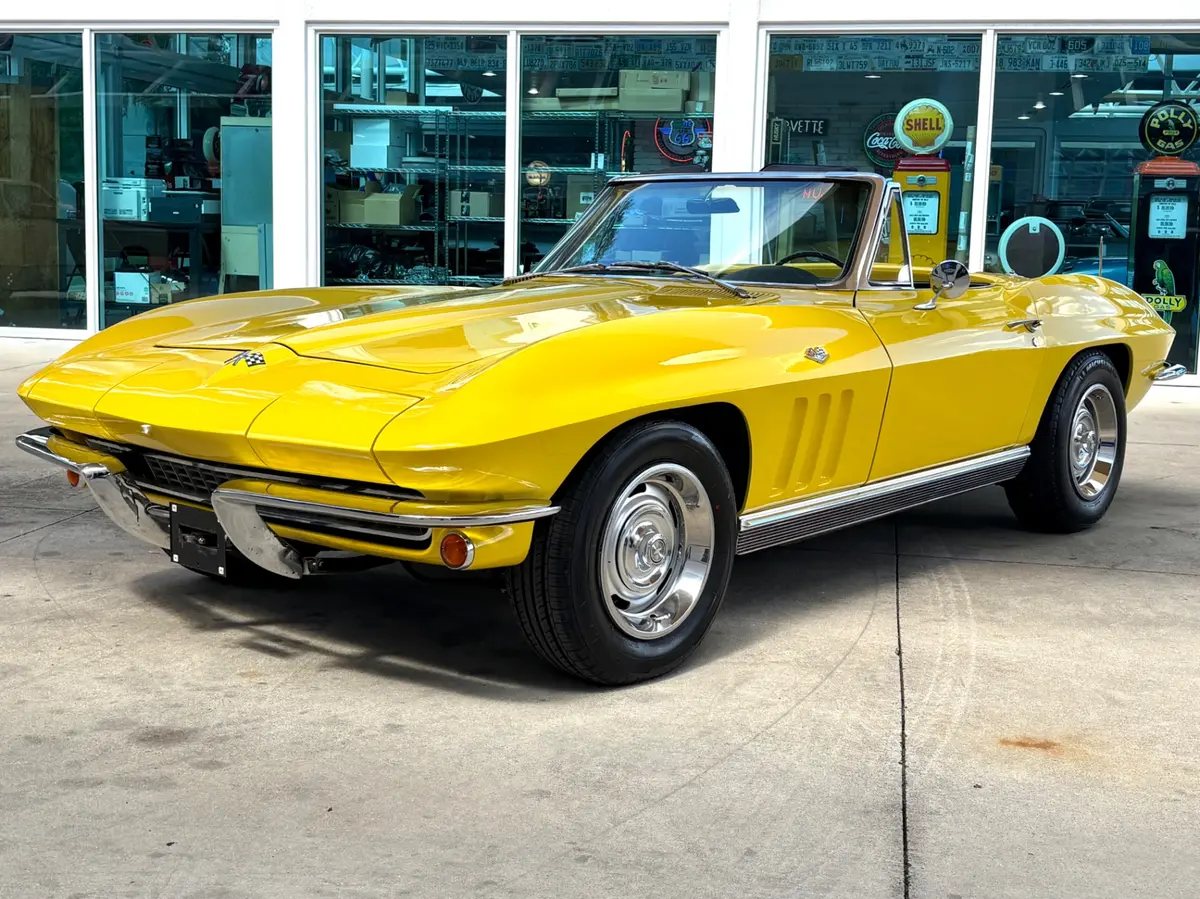
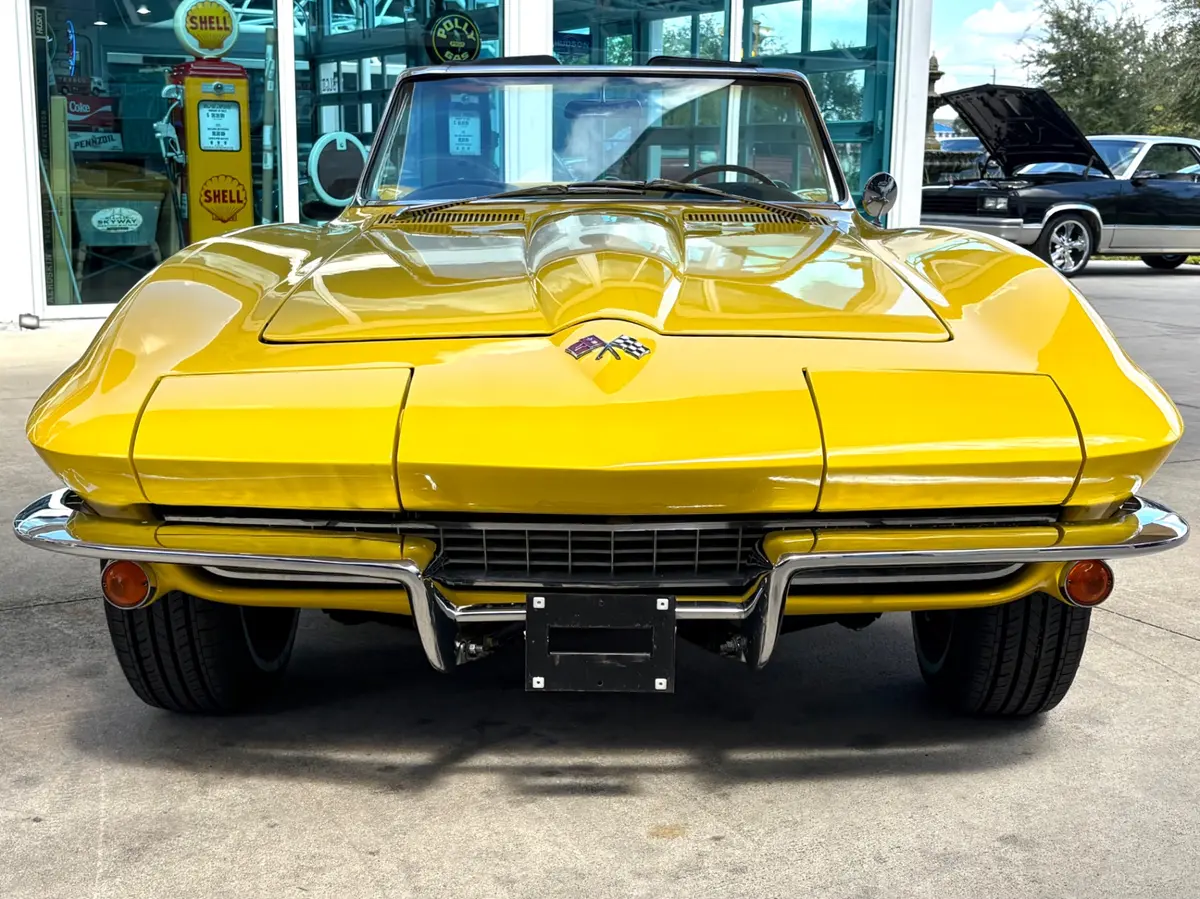
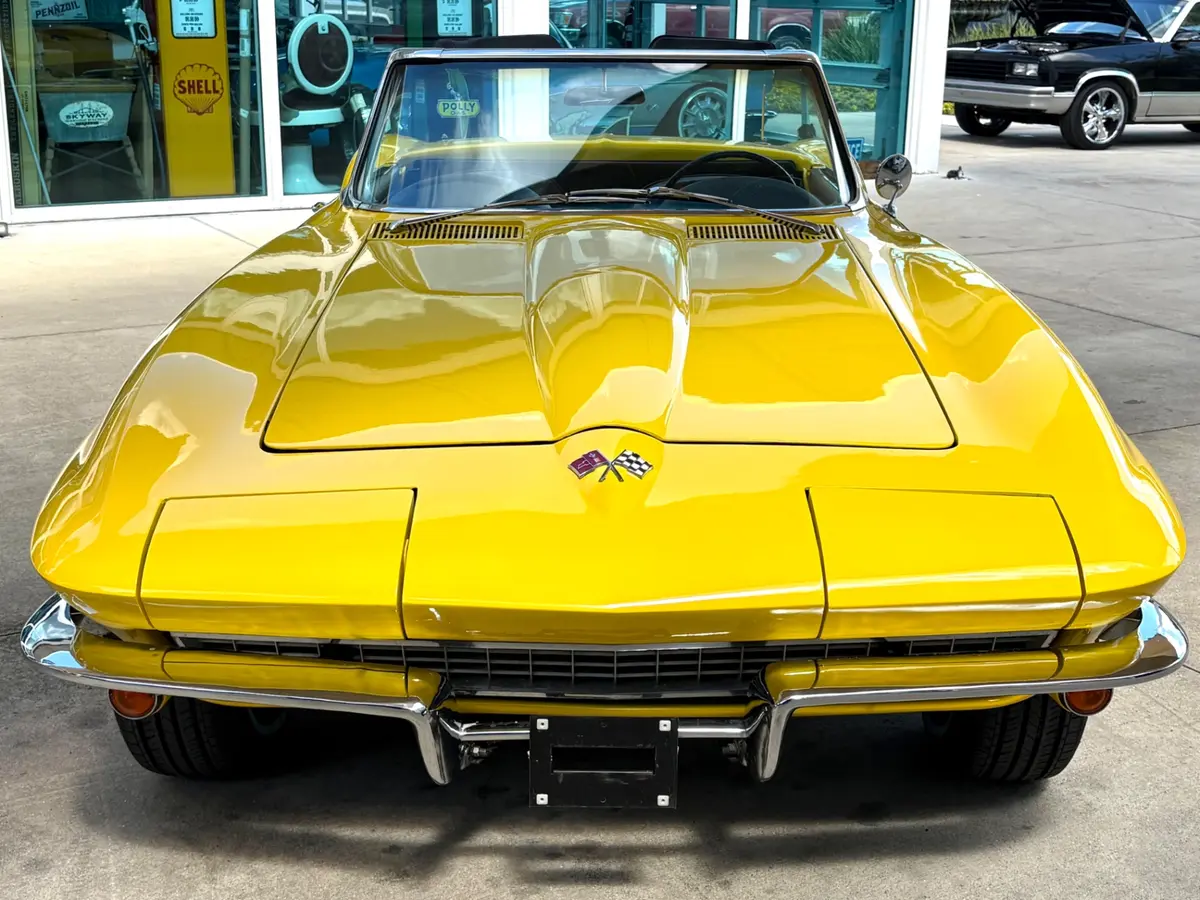
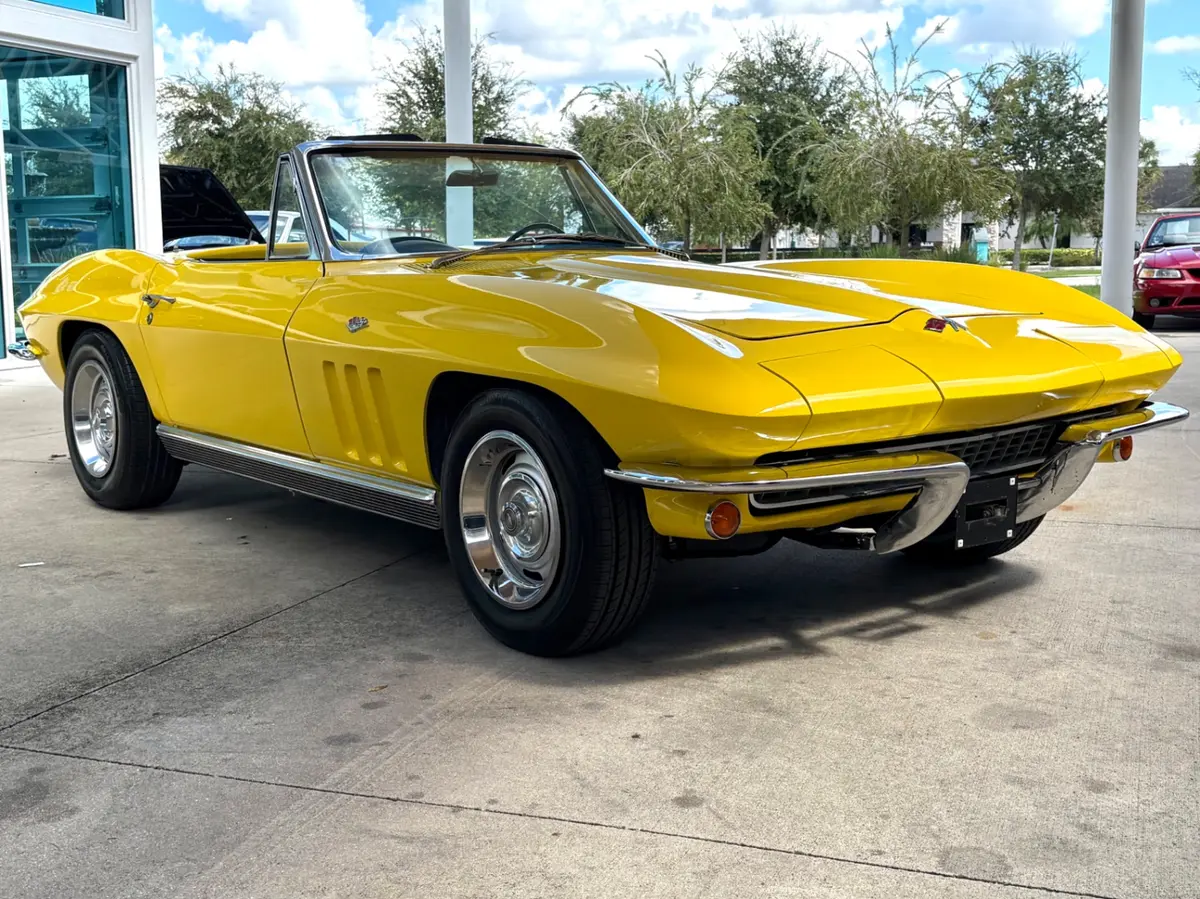
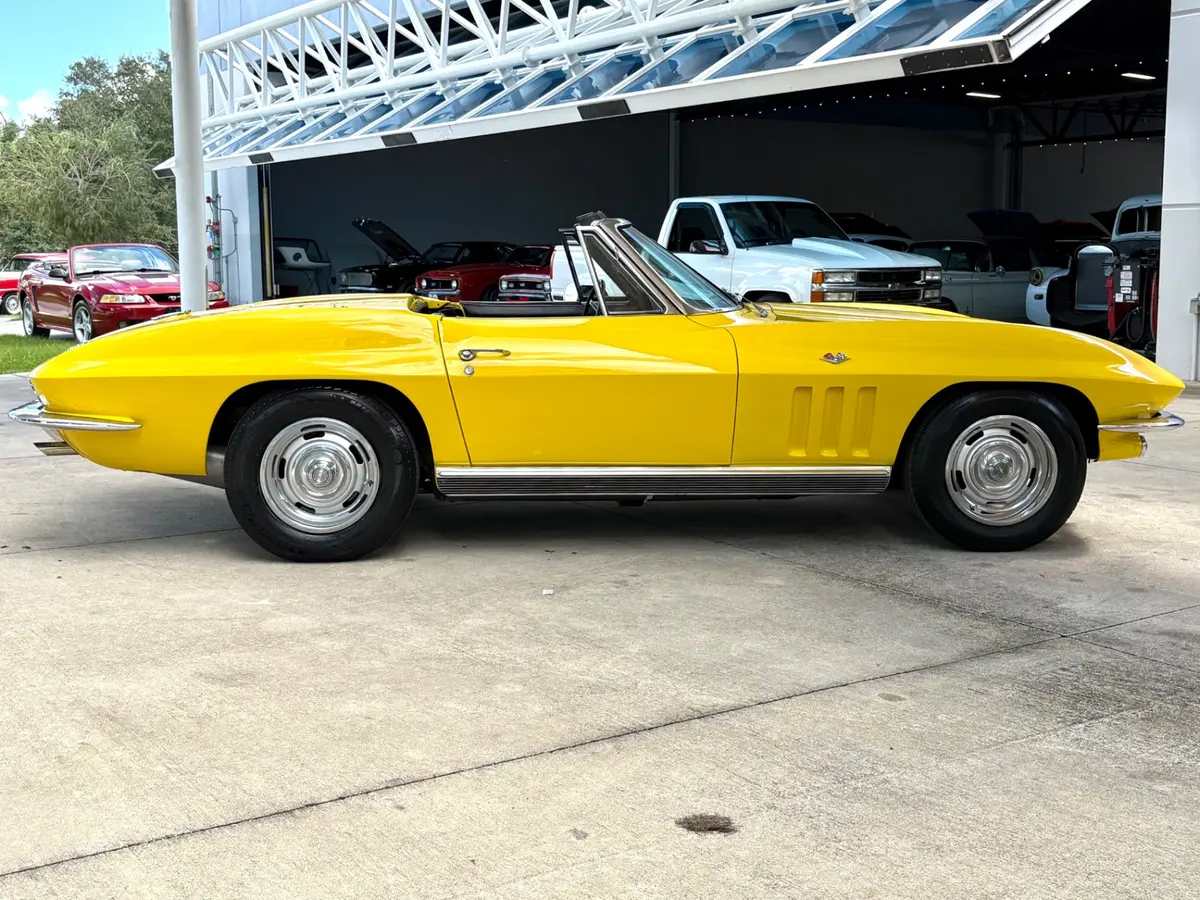
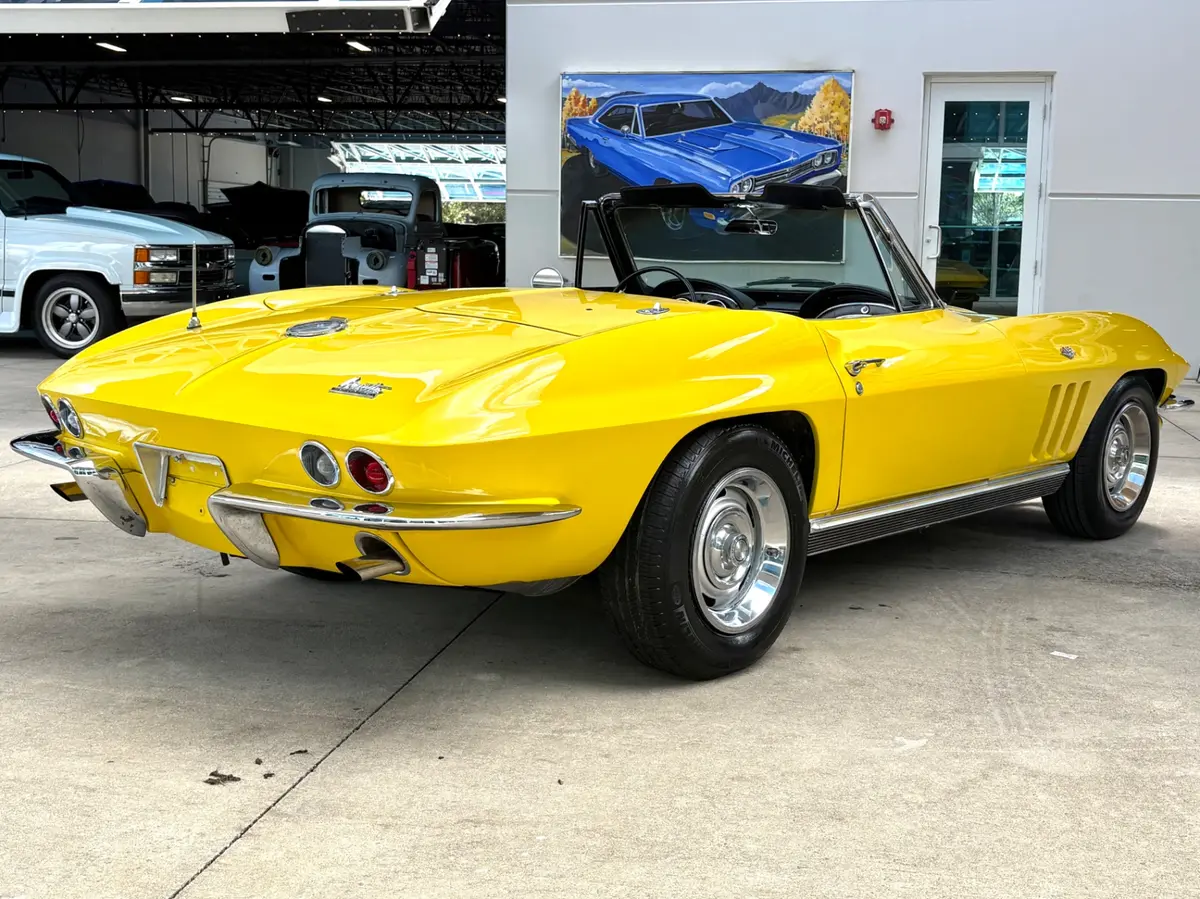
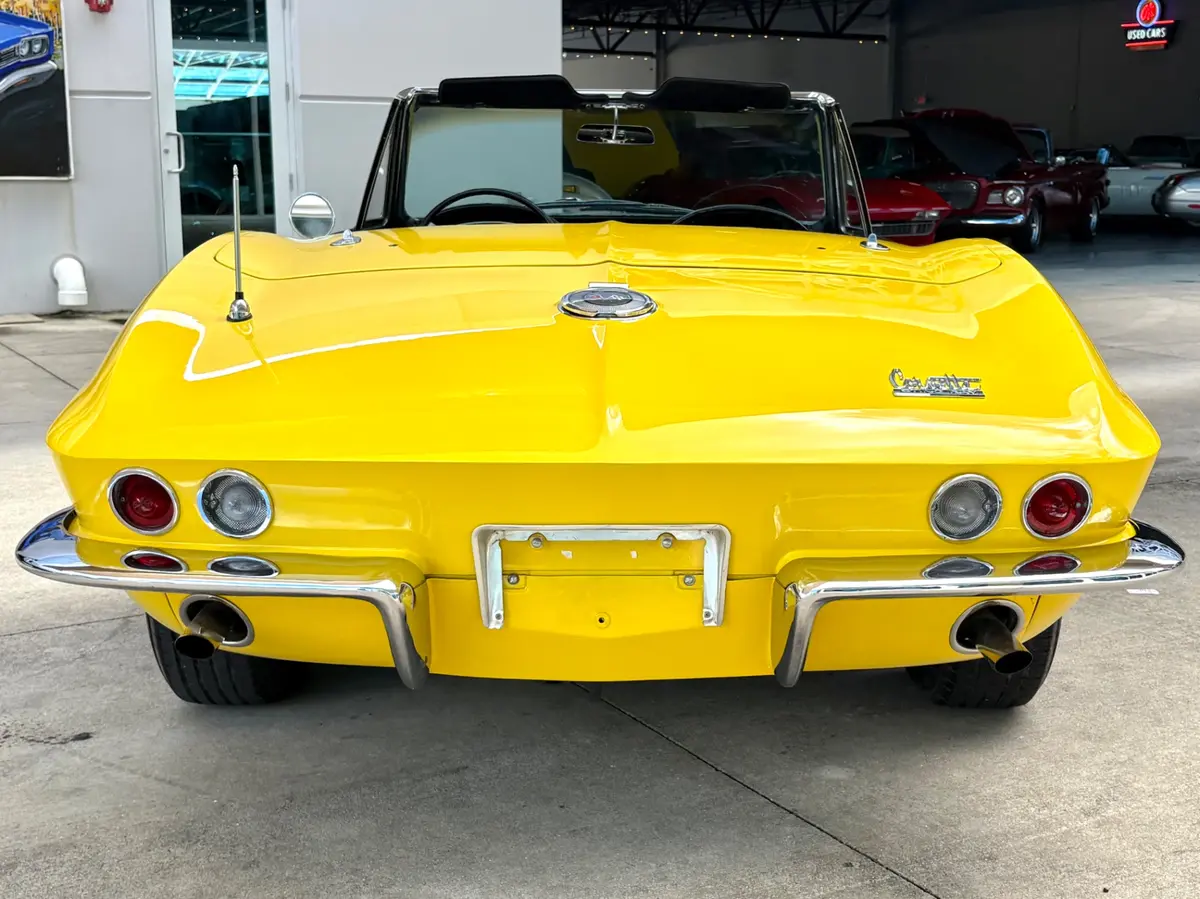
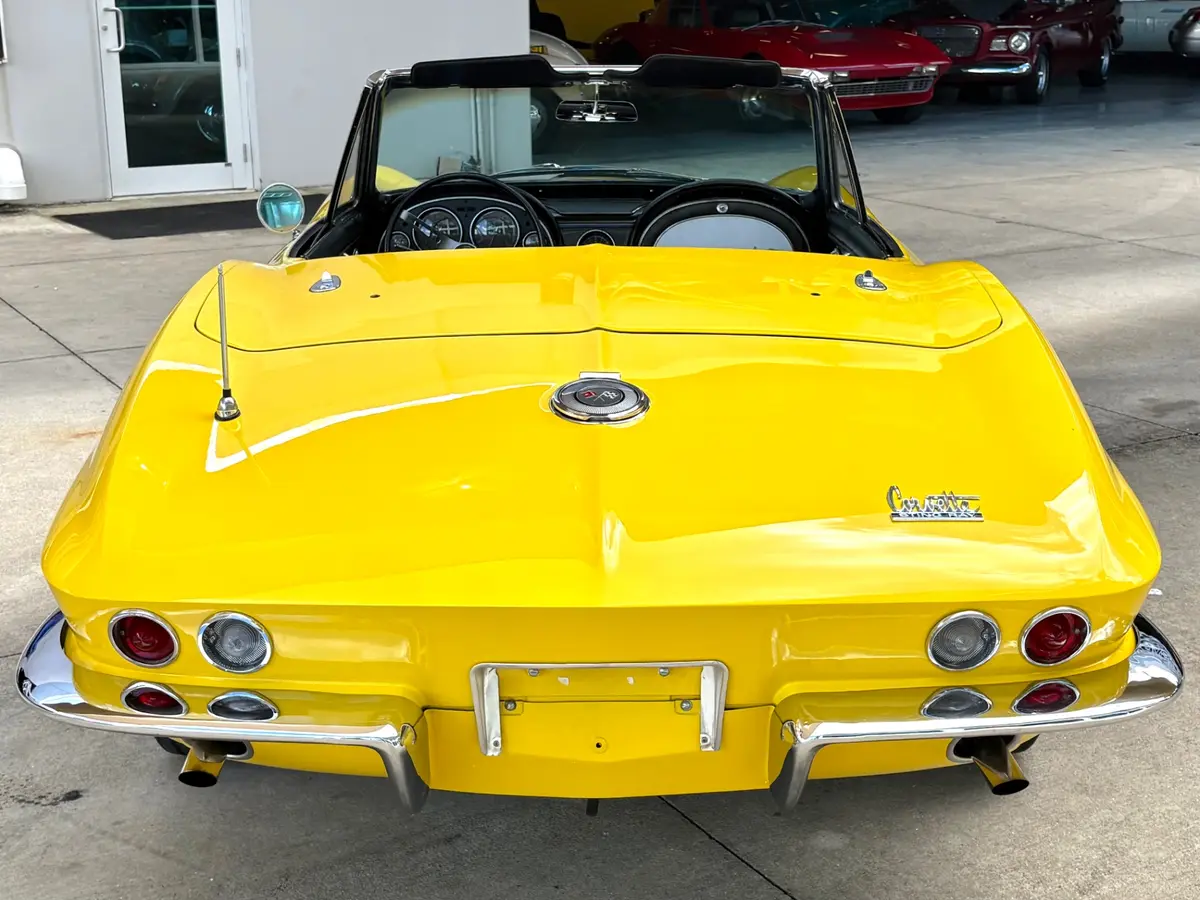
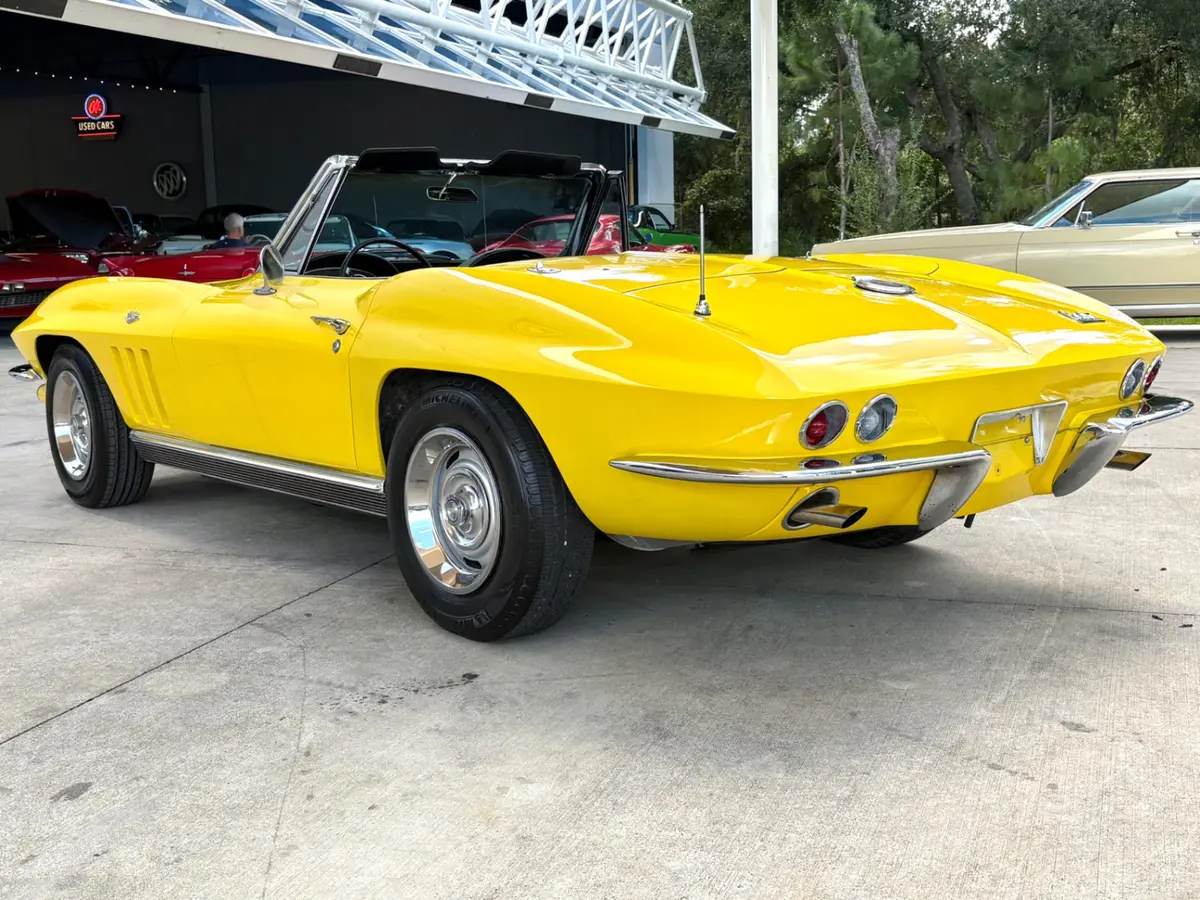
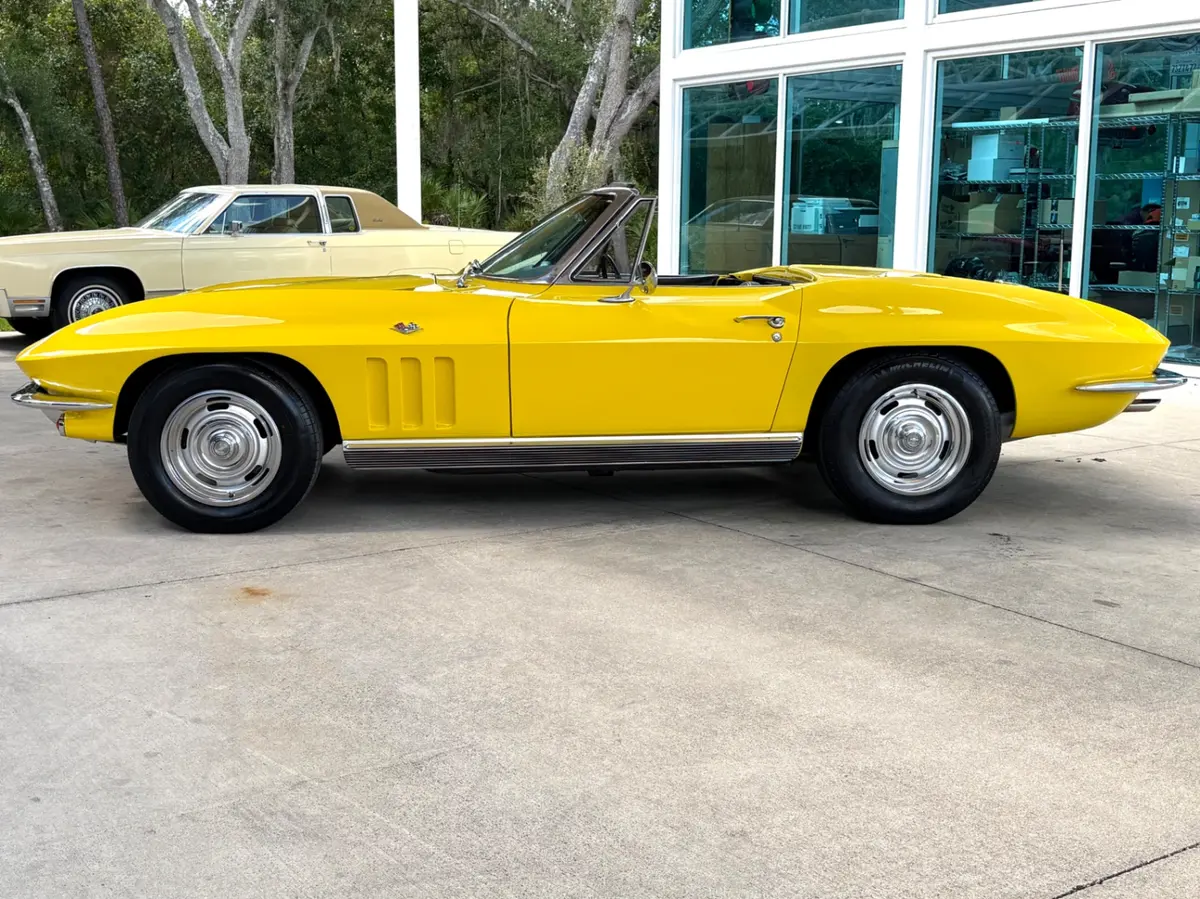
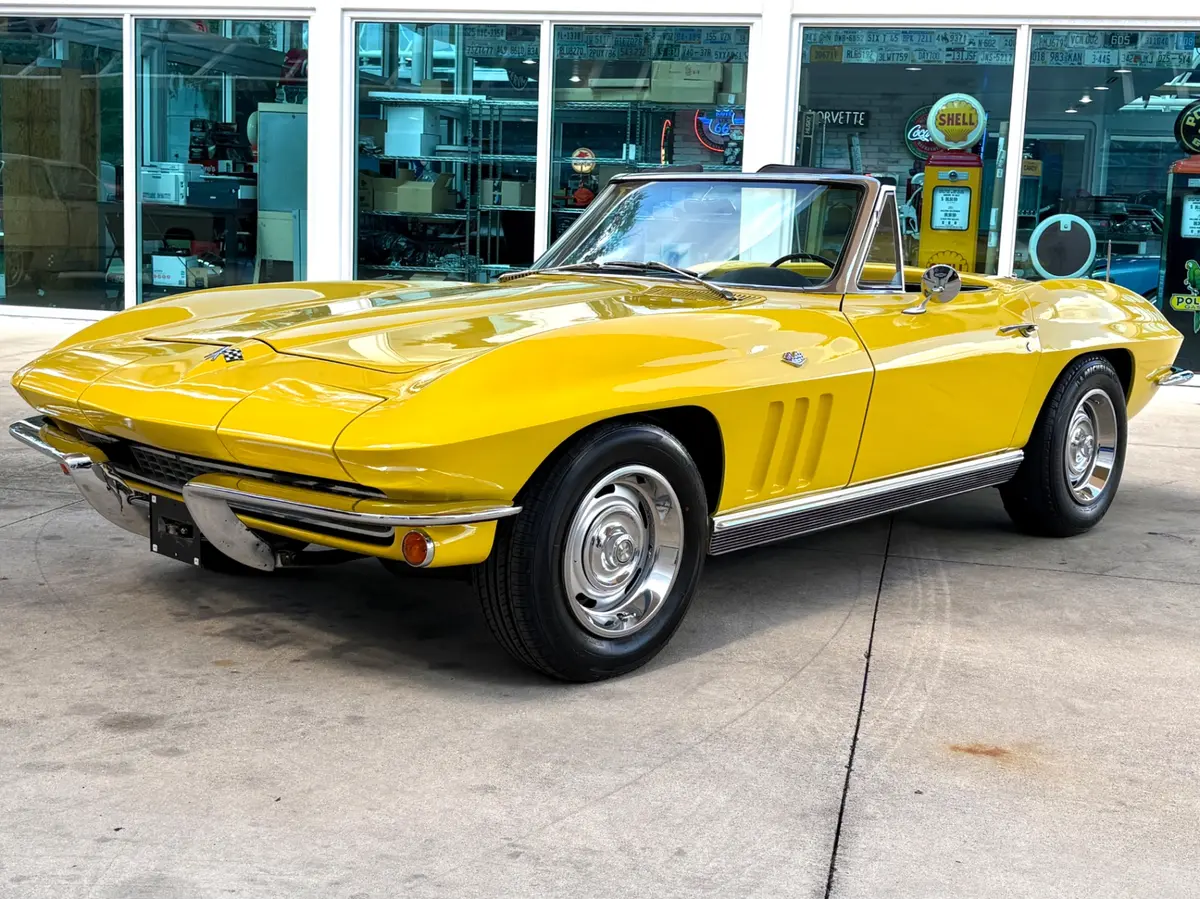
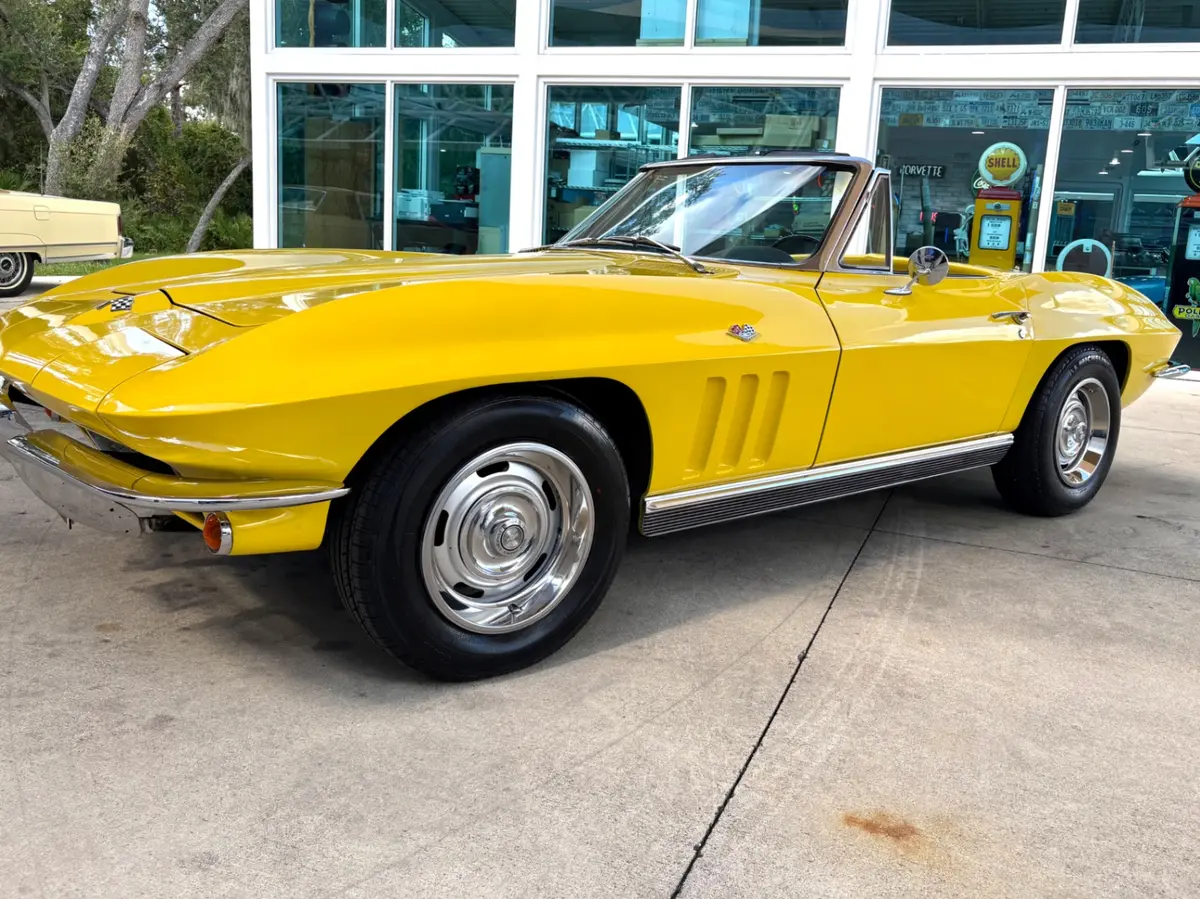
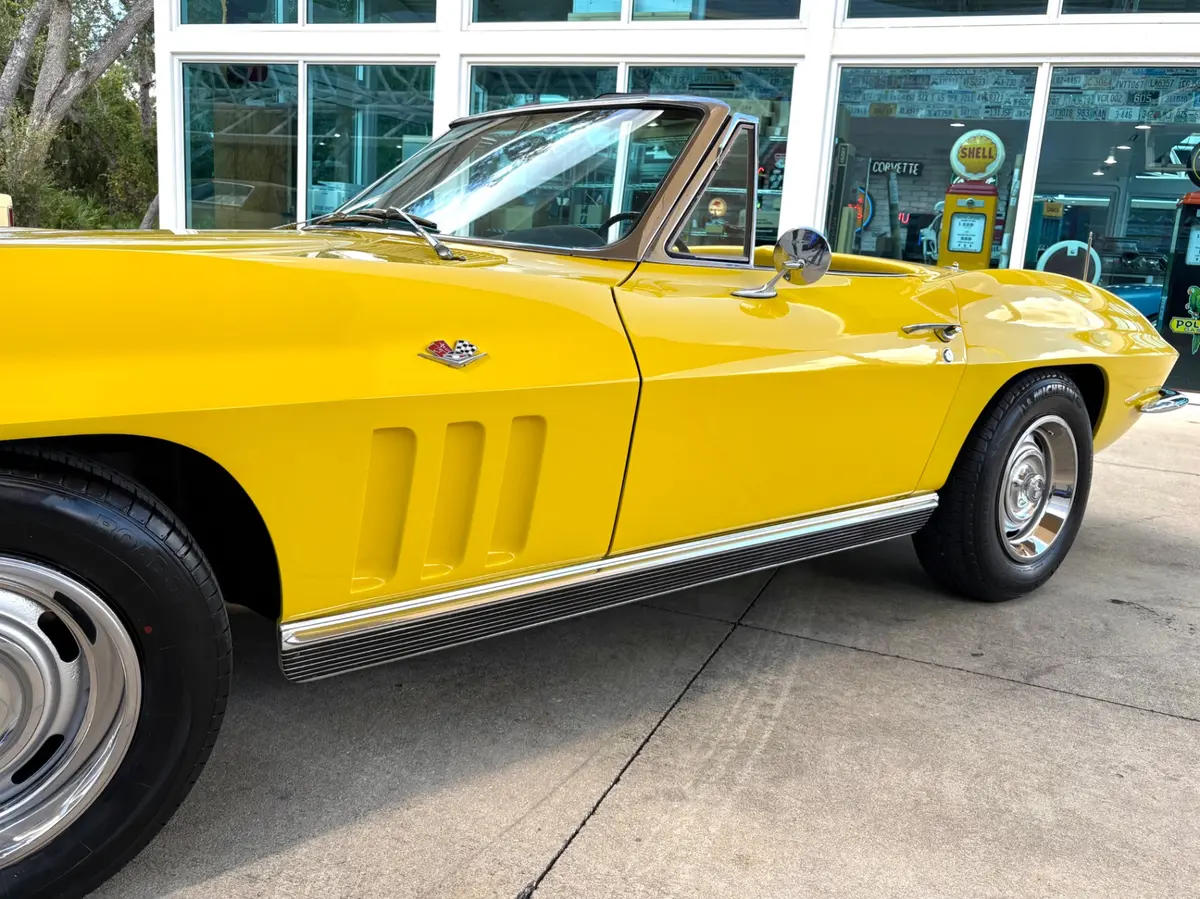
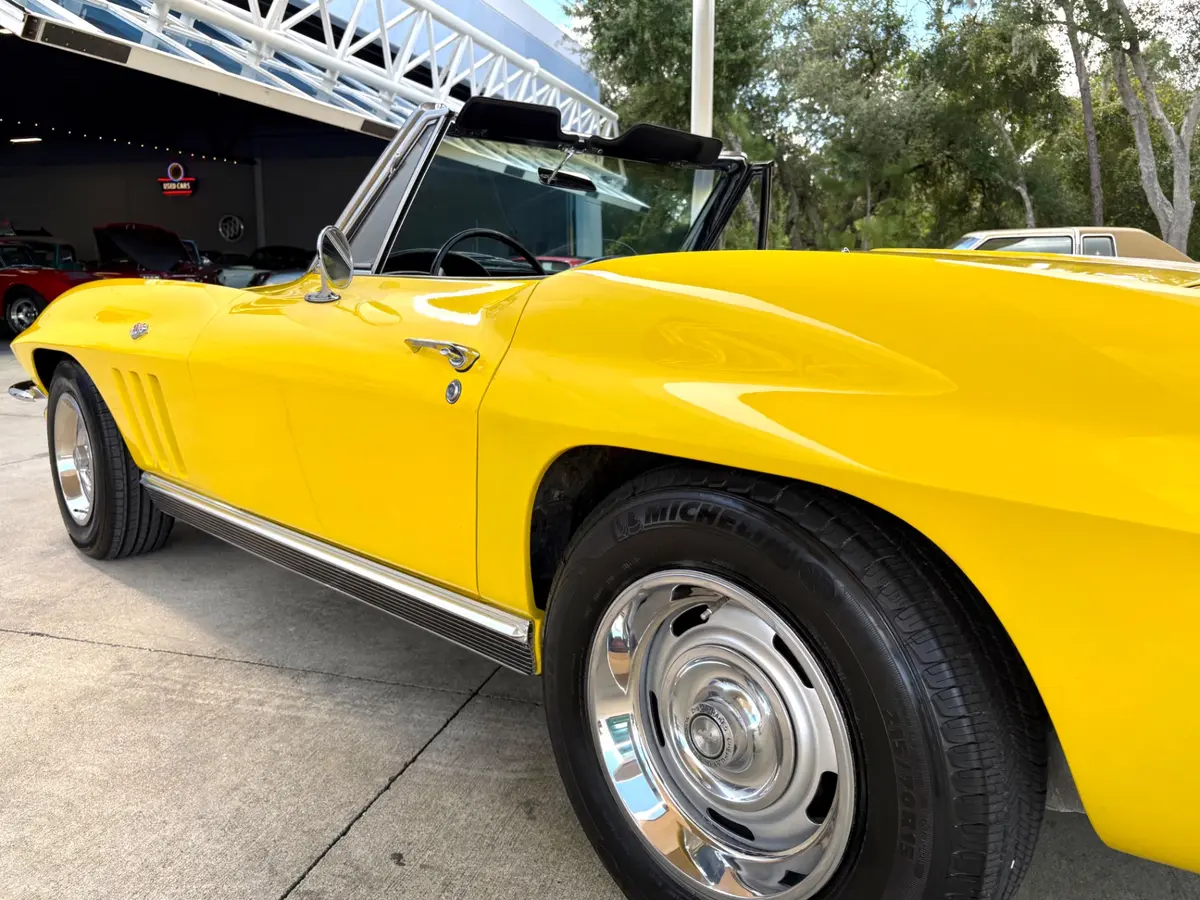
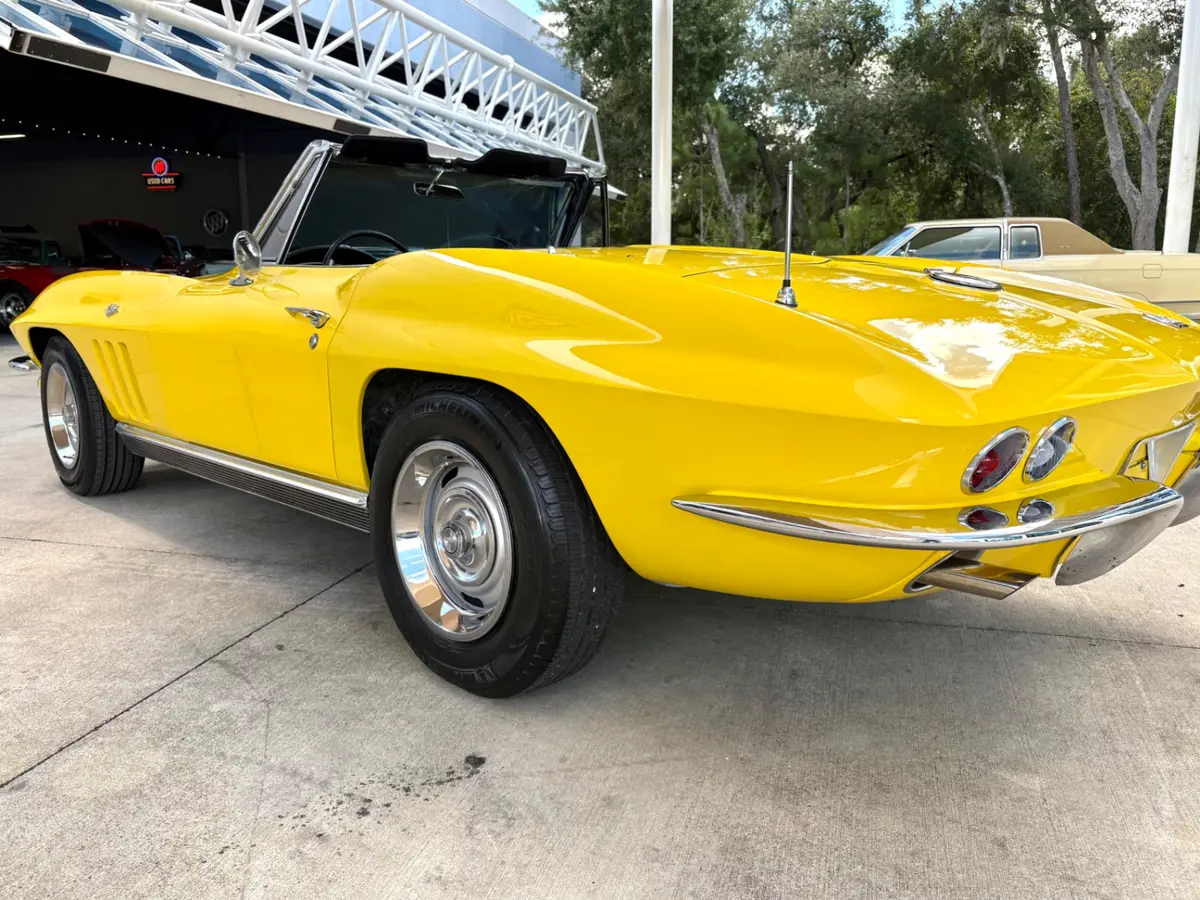
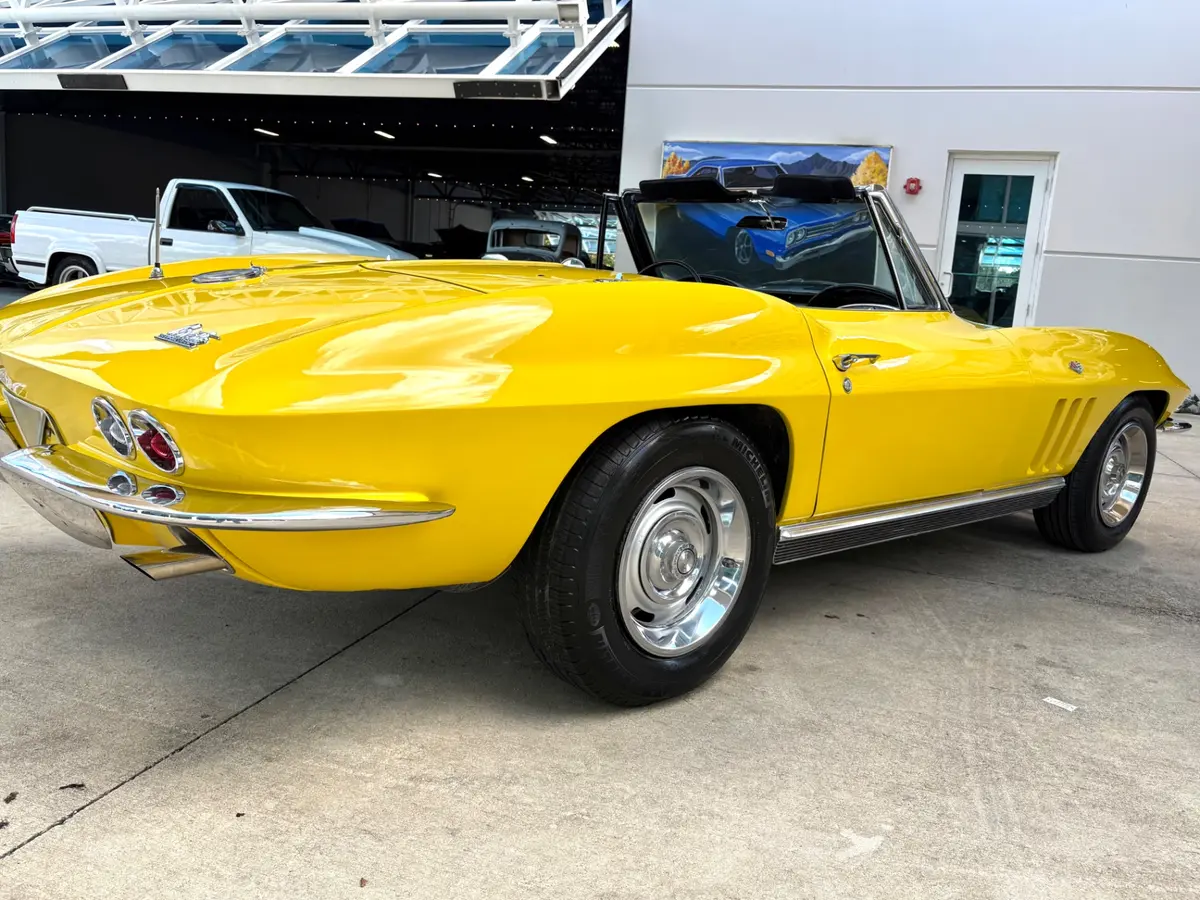
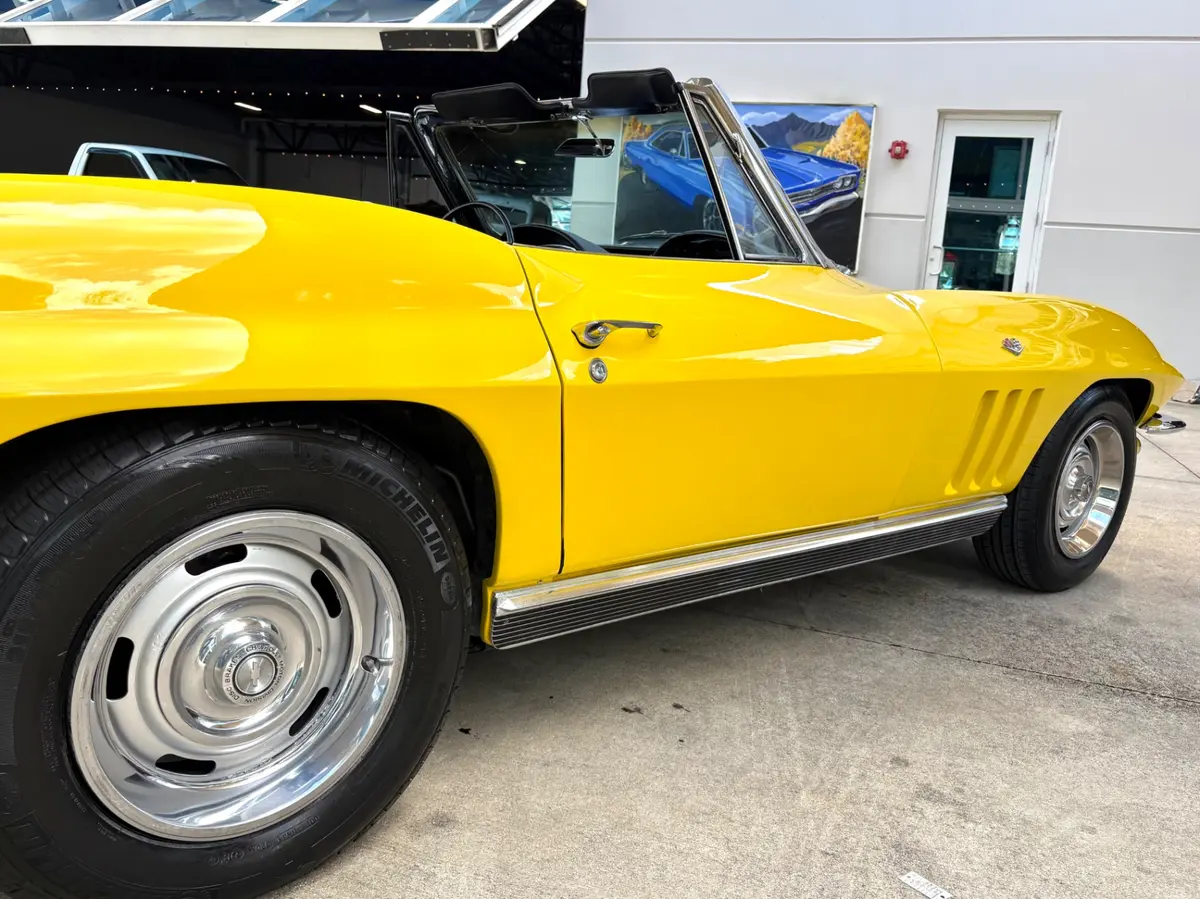
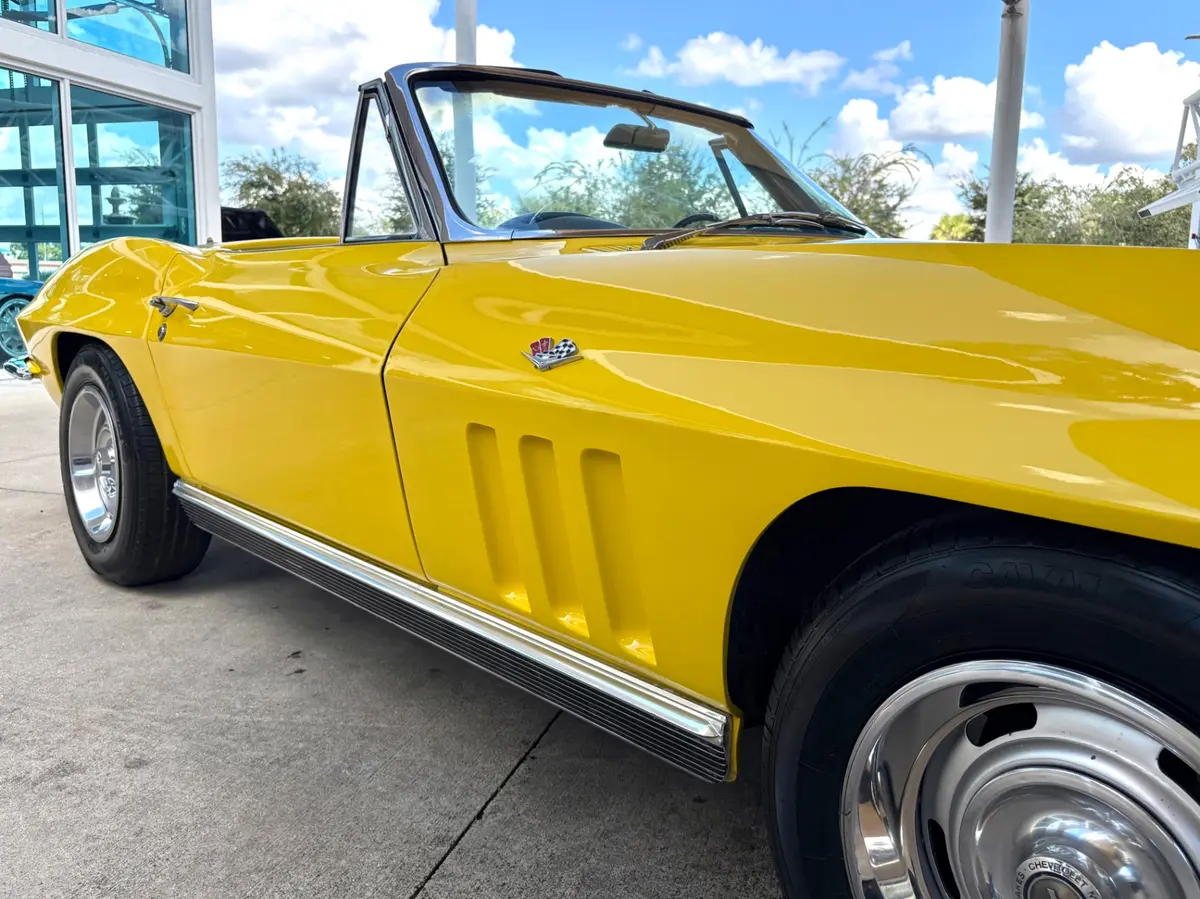
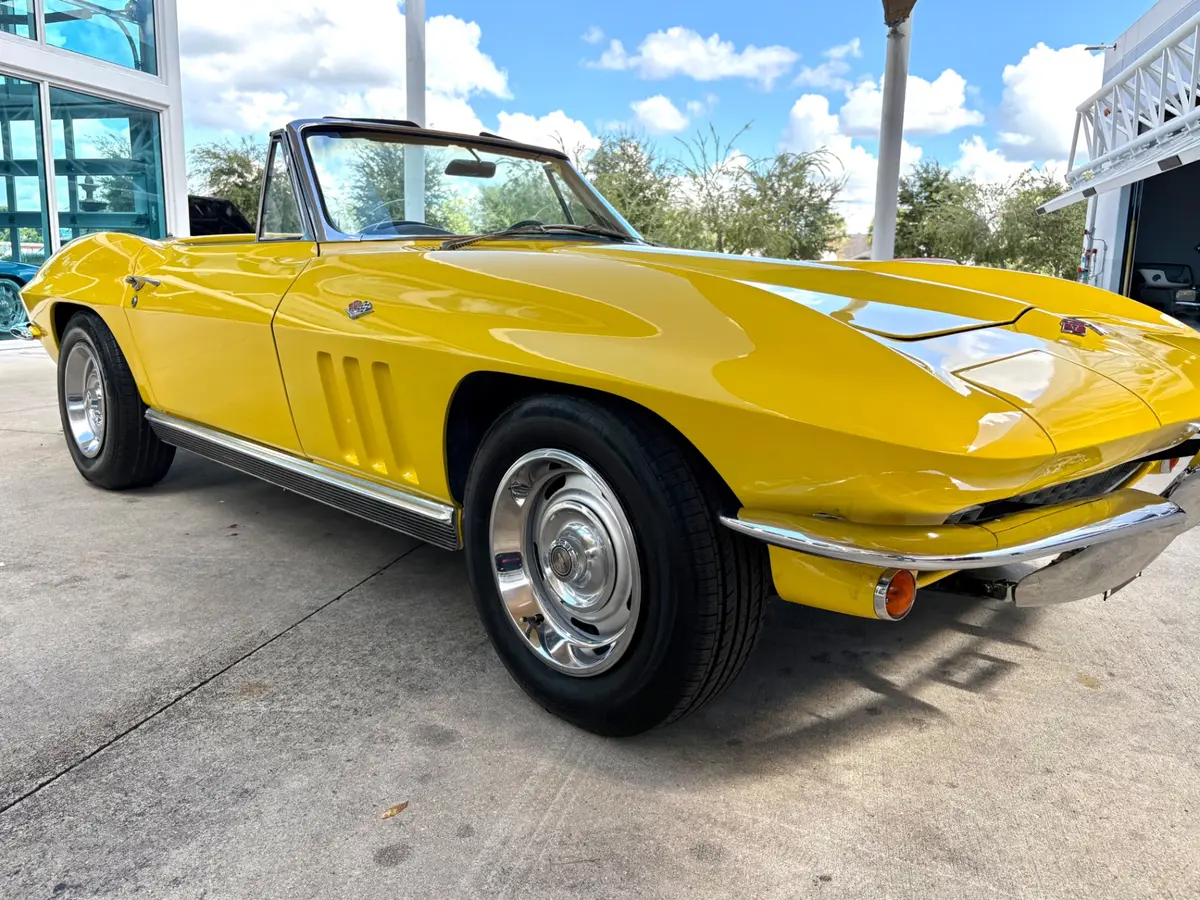
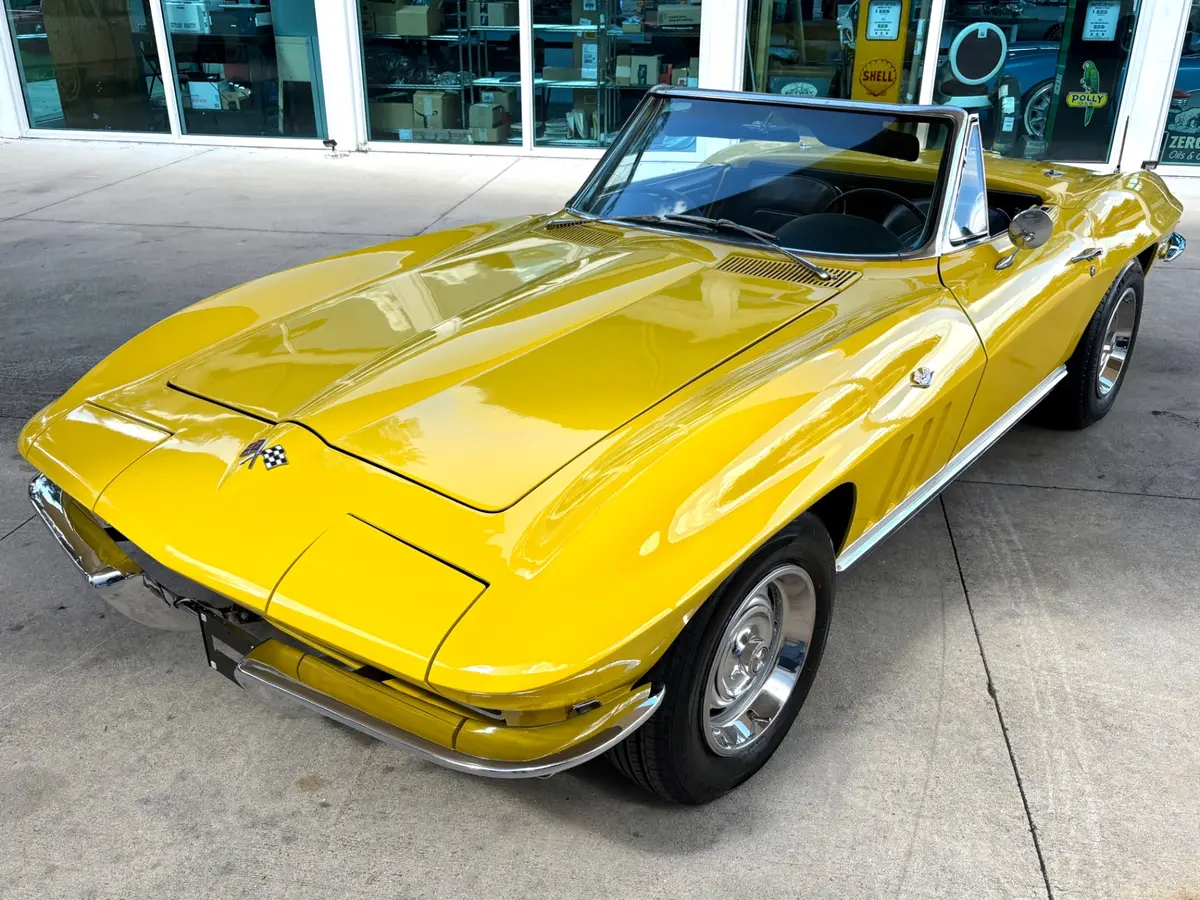
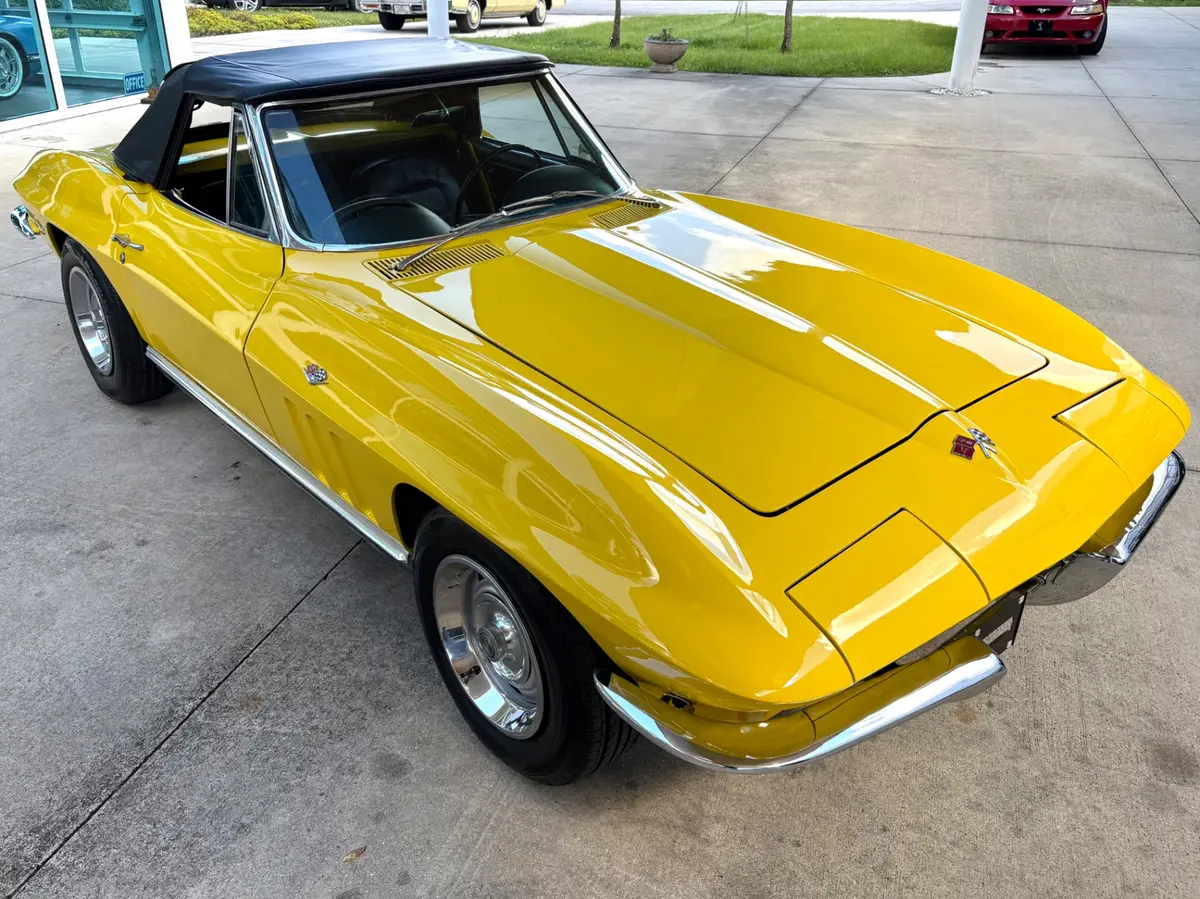
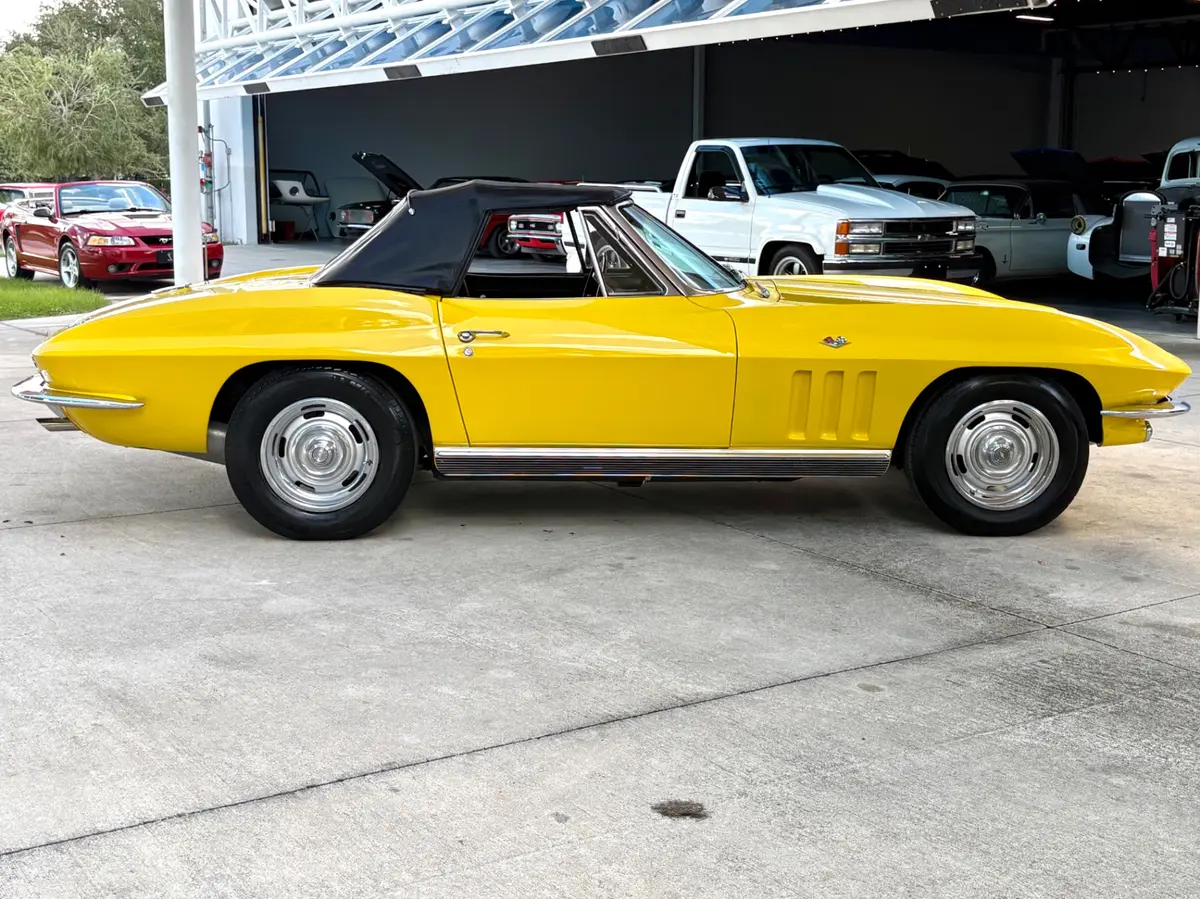
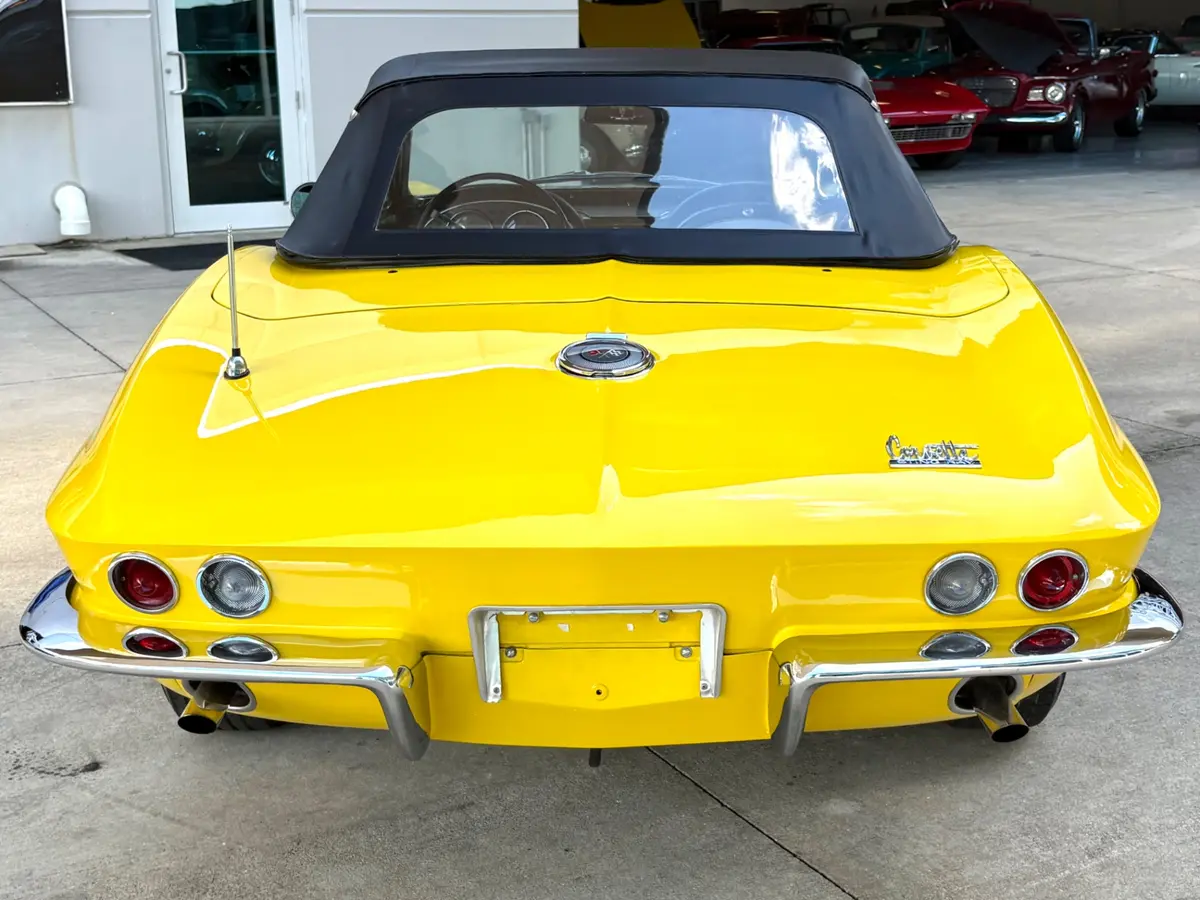
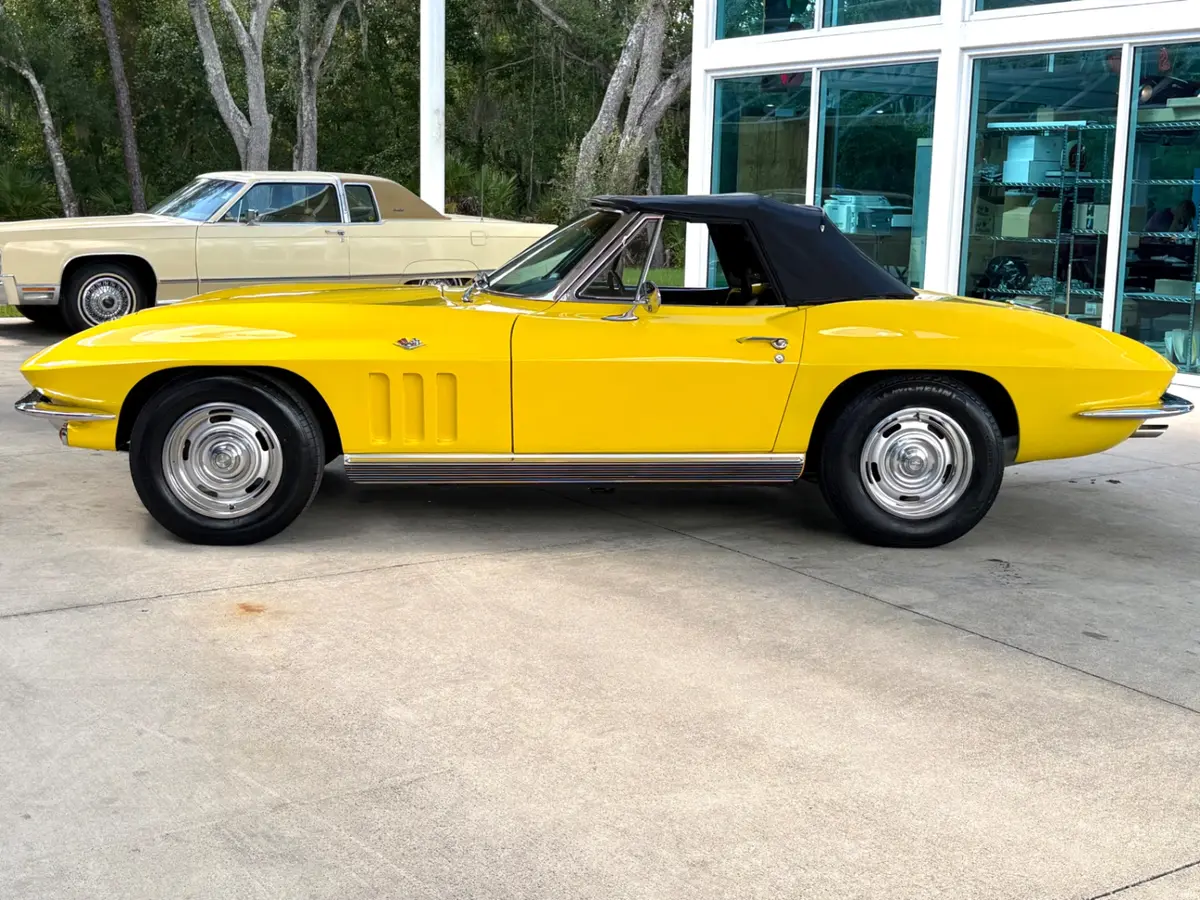
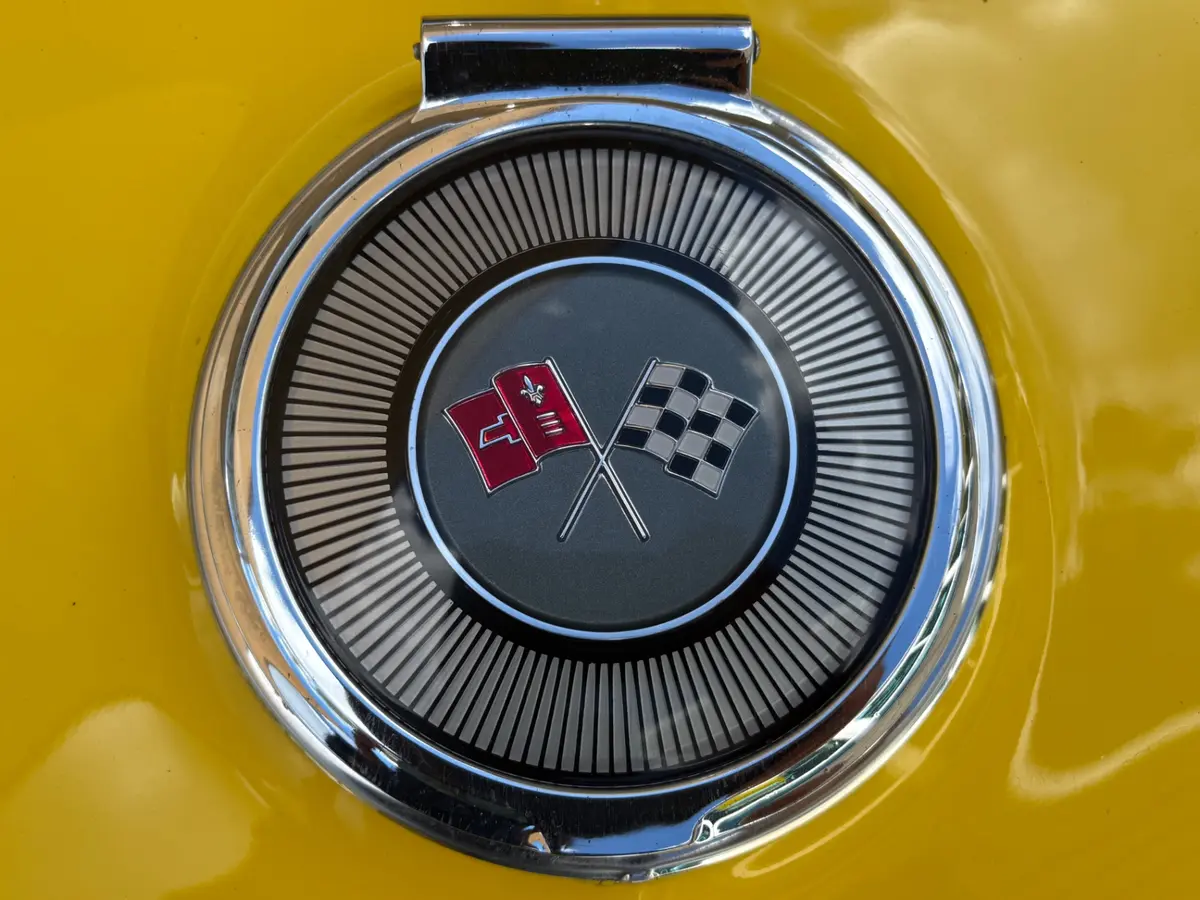
1966 Chevrolet Corvette Sting Ray Convertible — 327/350hp, 4-Wheel Disc Brakes, Factory A/C, Sunfire Yellow
Why This Car Is Special
The 1966 Chevrolet Corvette Sting Ray is widely regarded as the high point of the C2 generation, which ran from 1963 through 1967. By 1966, Chevrolet had refined the Sting Ray into a car that balanced performance, comfort, and style better than any previous Corvette. The split rear window of 1963 was gone. The body lines were cleaner and more resolved. And the engine lineup had grown to include some of the most capable small- and big-block V8s Chevrolet ever offered in a production car.
Chevrolet built 27,720 Corvettes for the 1966 model year, split between coupe and convertible body styles. Of those, 17,762 were convertibles — making the open-top version the more popular choice by a significant margin. The convertible body style also tends to command the most attention among collectors today, because it captures the open-road character that defined the Sting Ray experience.
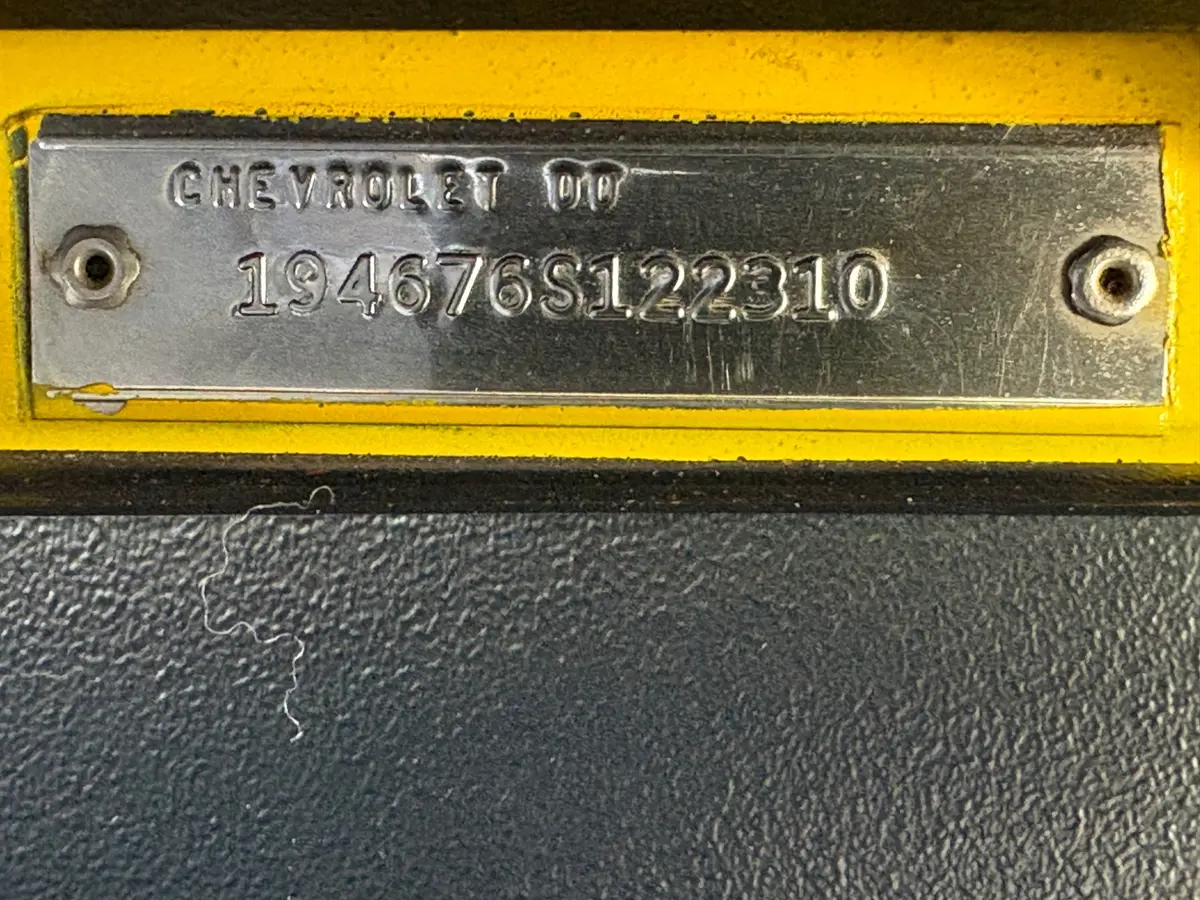
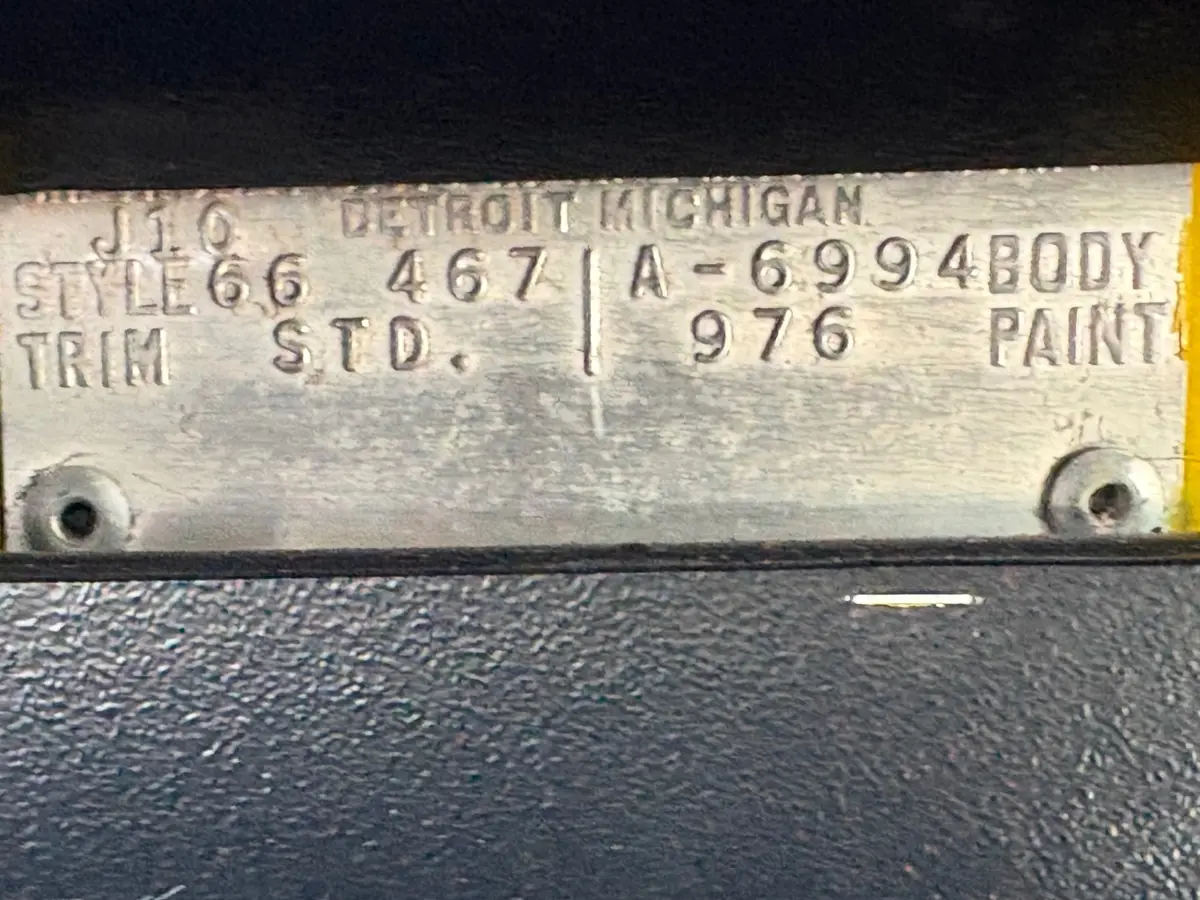
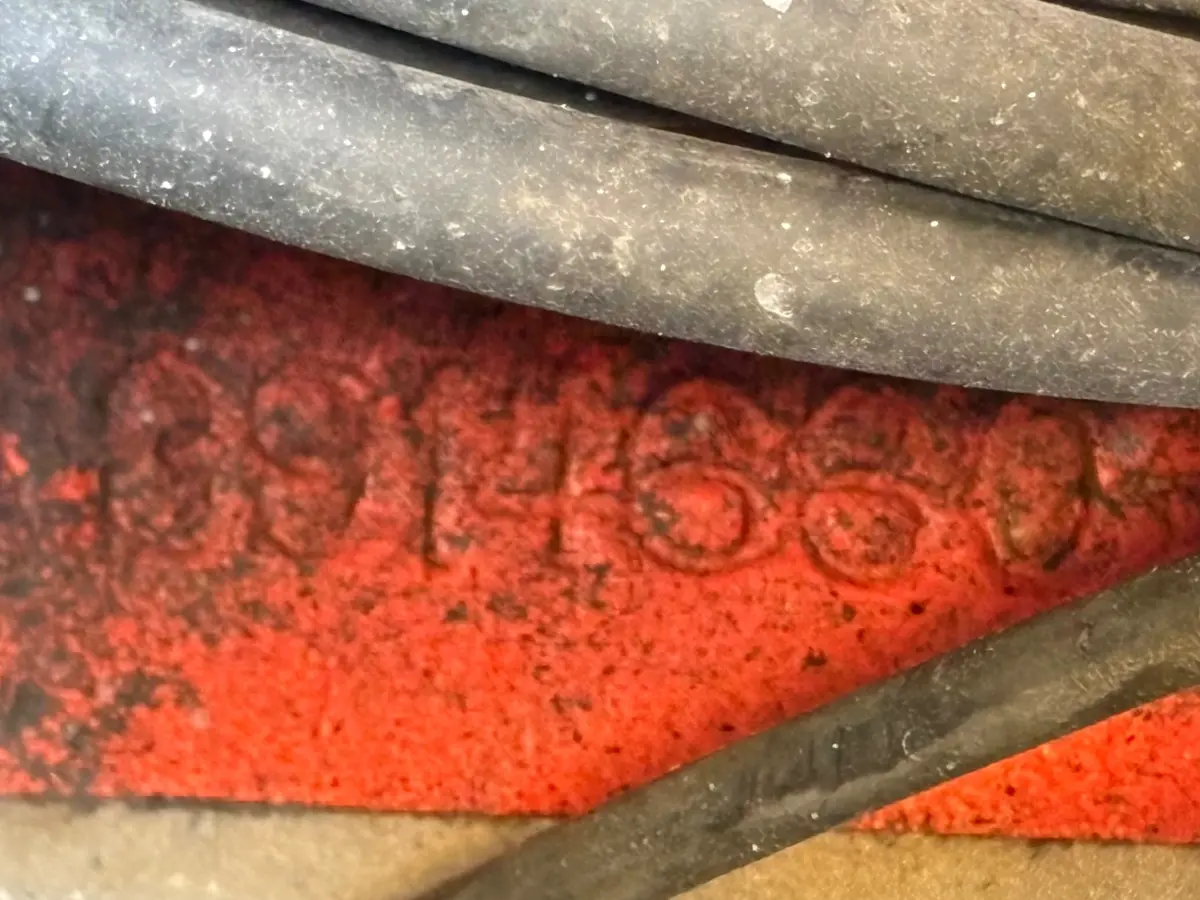
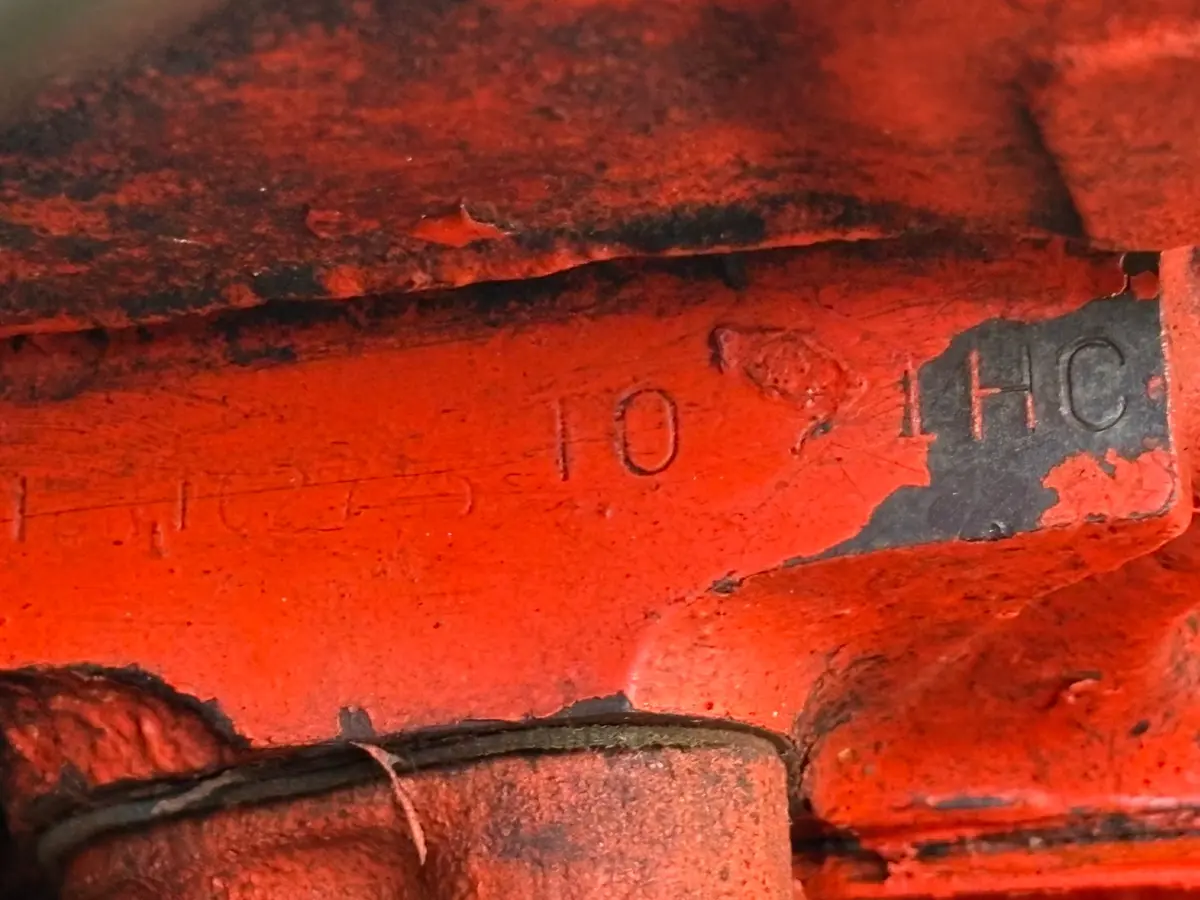
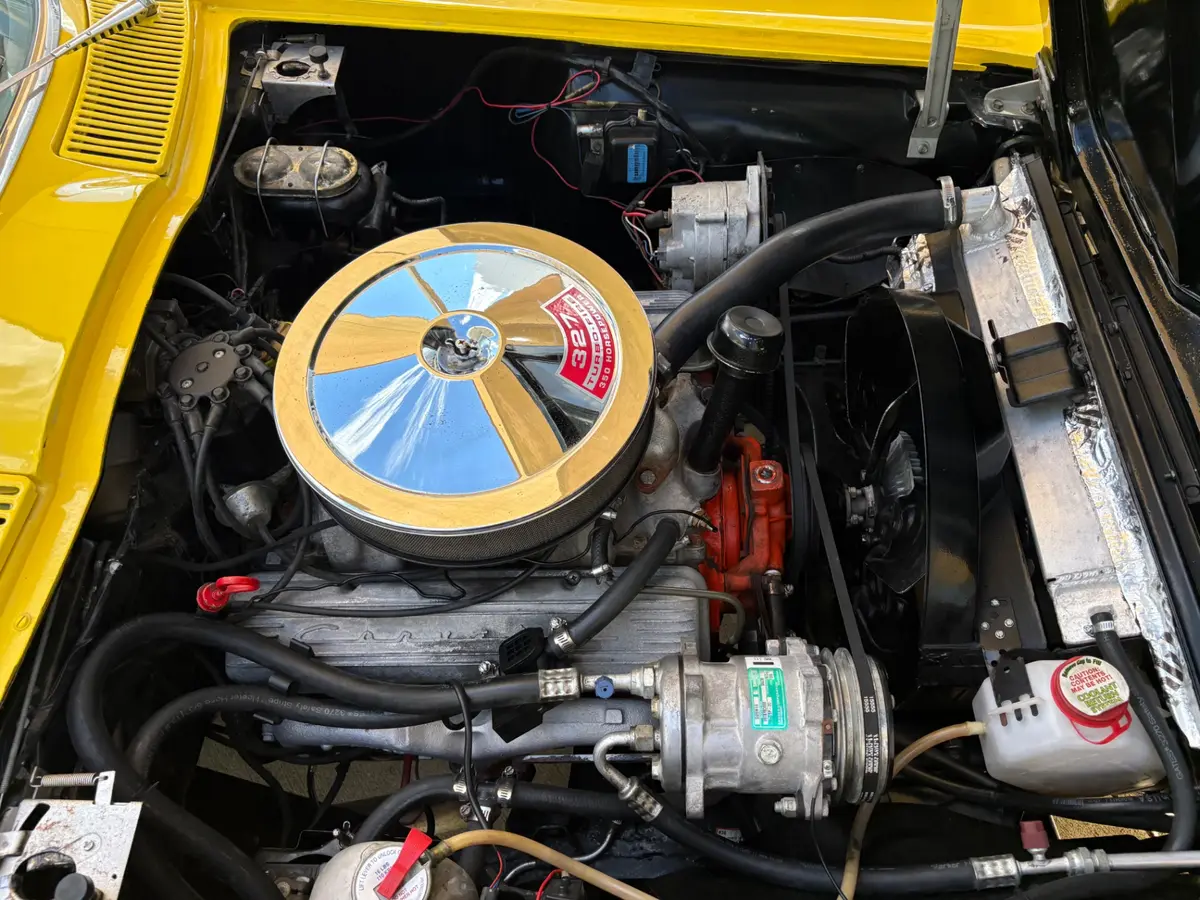
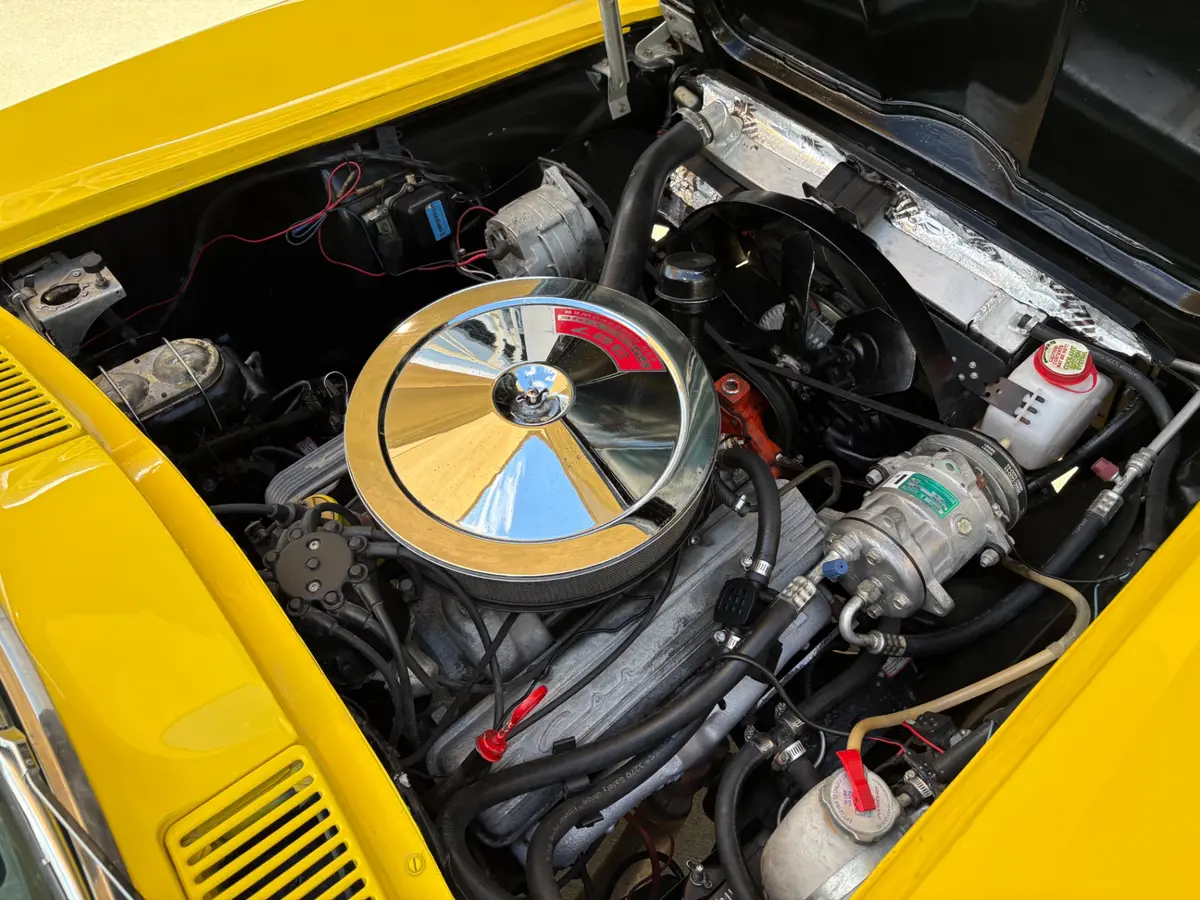
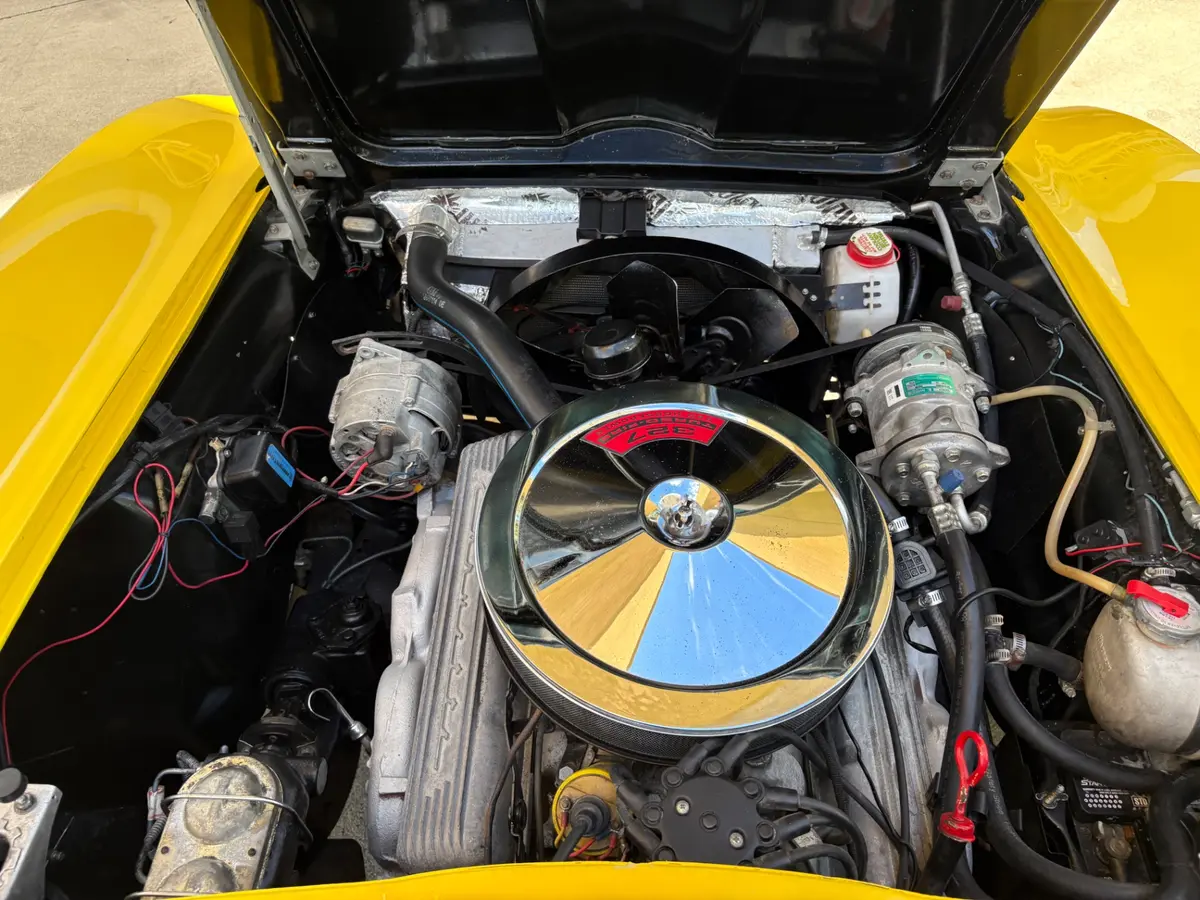
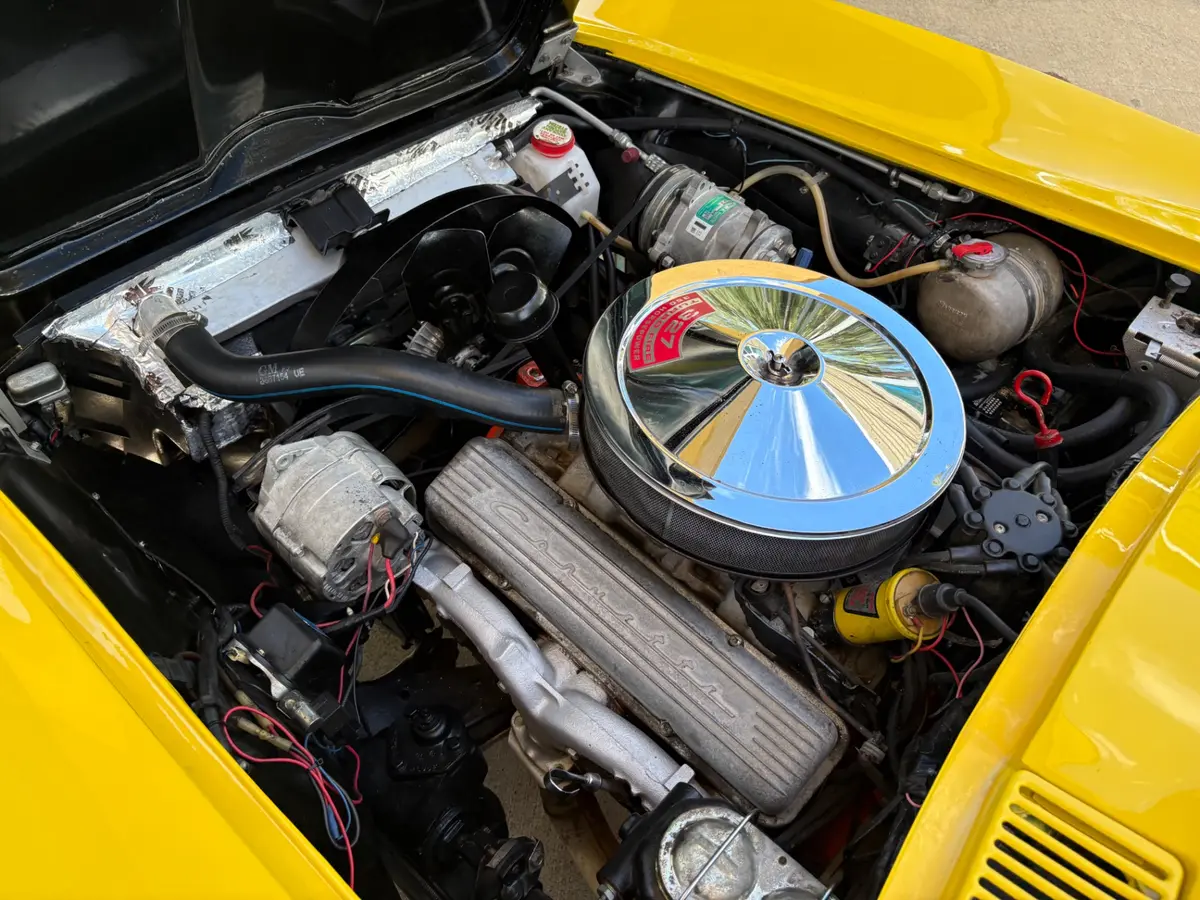
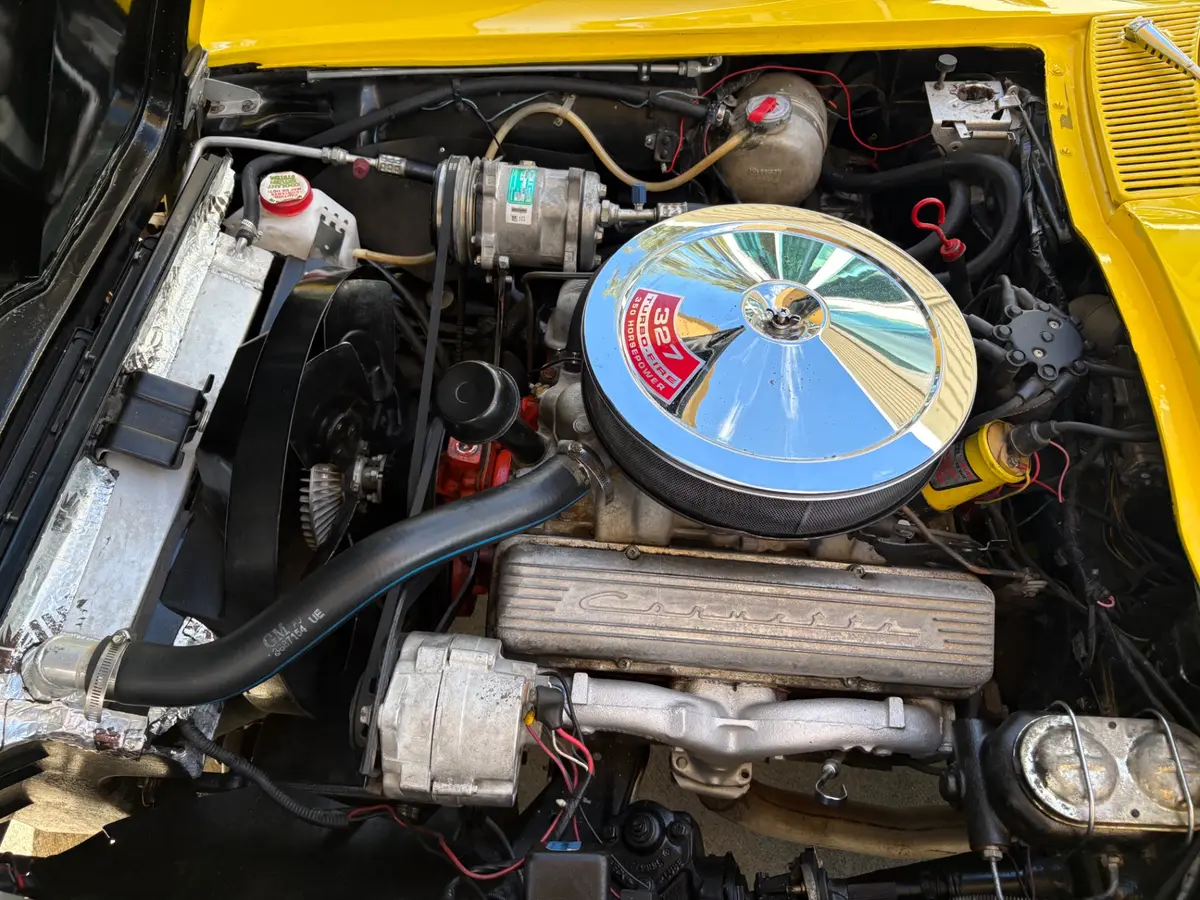
This particular 1966 Corvette Sting Ray carries the 327 cubic inch V8 in its 350 horsepower configuration, which was Chevrolet's RPO L79 engine — one of the most respected small-block Corvette engines of the era. The VIN structure on this car confirms it was assembled at the St. Louis plant and is a genuine 1966 model year convertible. It wears Sunfire Yellow paint over a black vinyl interior, a color and trim combination that is visually direct and historically appropriate for the period. The car has been equipped with a meaningful list of factory options including air conditioning, 4-wheel disc brakes, and side exit exhaust — features that would have significantly increased the original sticker price and added real-world usability and performance.
This is not a trailer queen or an over-restored show car. It presents as a solid, well-optioned 1966 Corvette Sting Ray convertible that is ready to be driven and enjoyed.
Features List
- 327ci / 350hp V8 (RPO L79 specification)
- 2-Speed Powerglide Automatic Transmission
- Factory Air Conditioning
- 4-Wheel Disc Brakes
- Hideaway Headlights
- Side Exit Exhaust
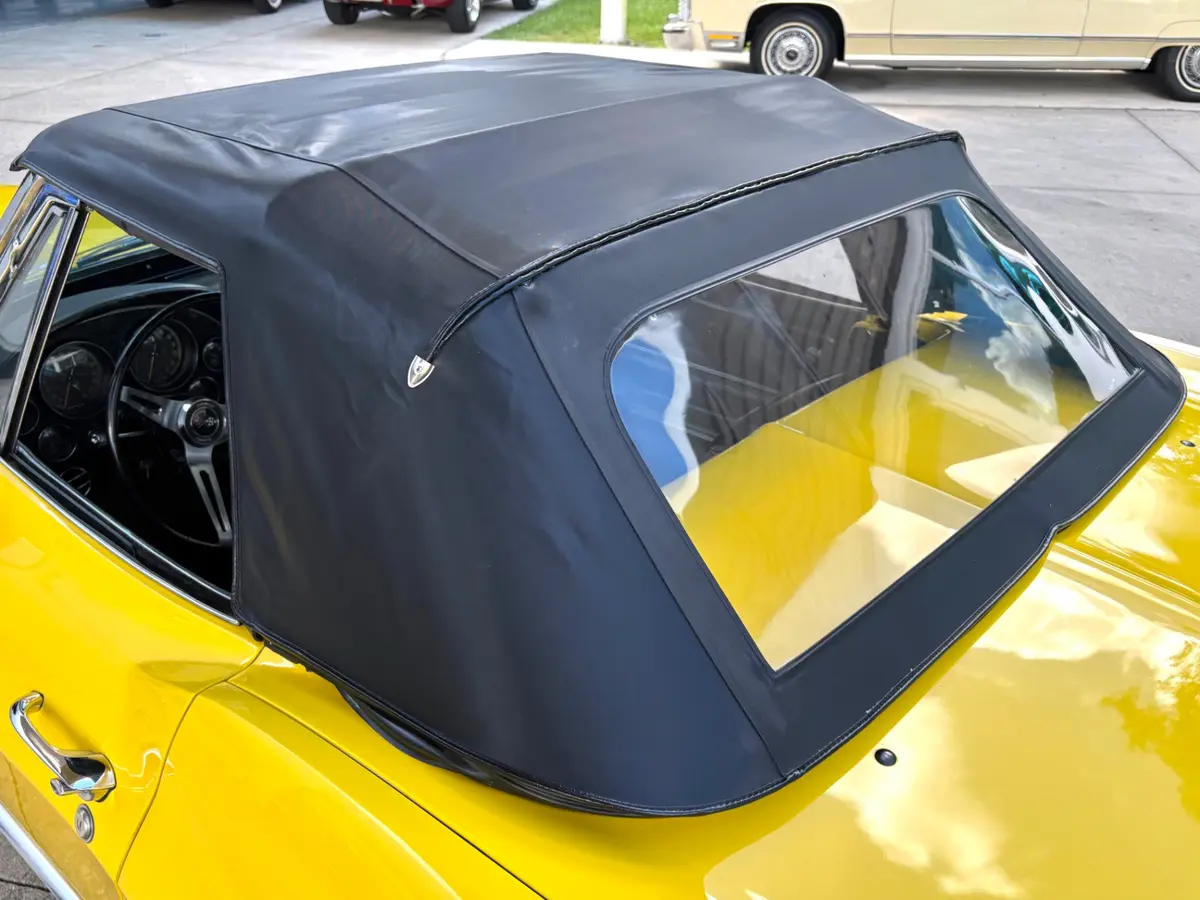
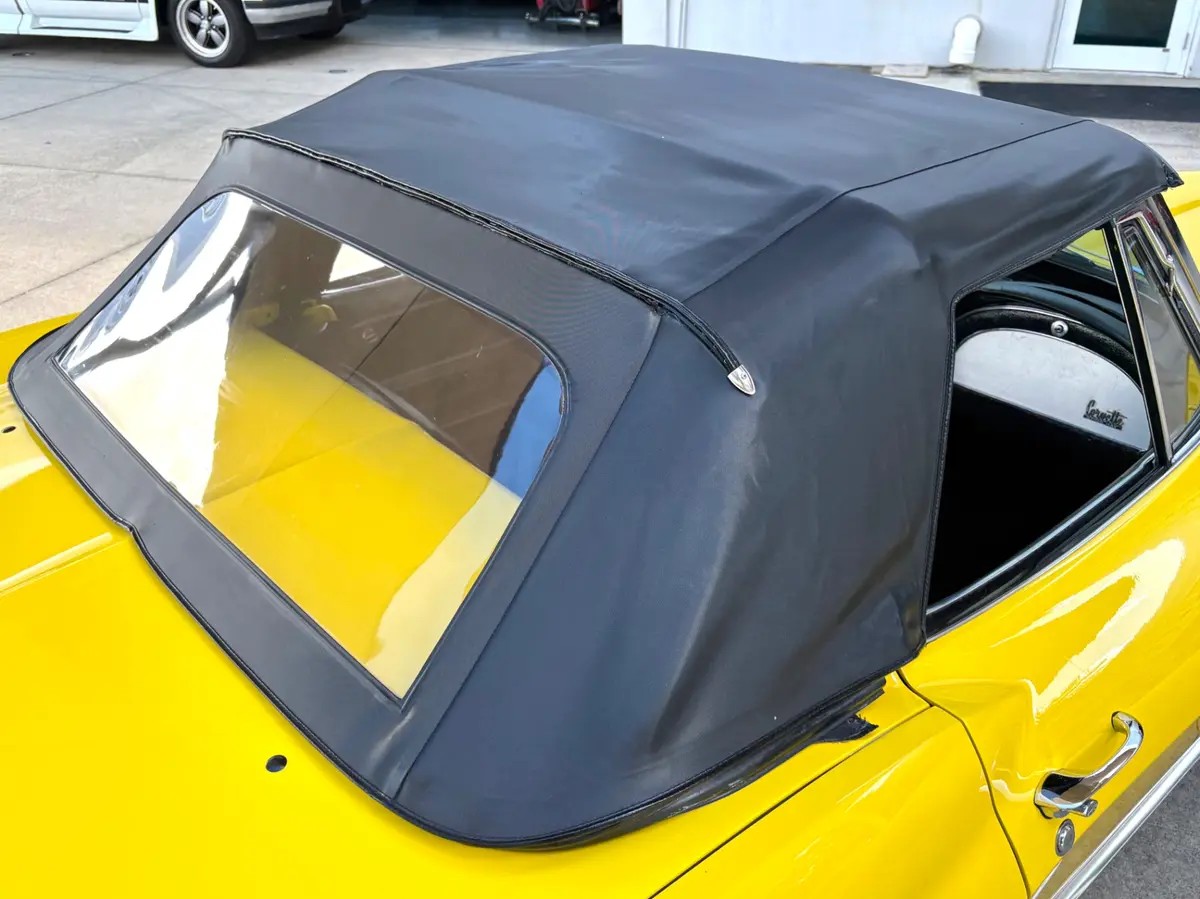
- Black Convertible Top with Glass Rear Window
- Bucket Seats
- Center Console
- Tachometer
- Analog Dash Clock
- AM/FM Radio (Delco)
- Black Carpet
- Seat Belts
- Chrome Bumpers
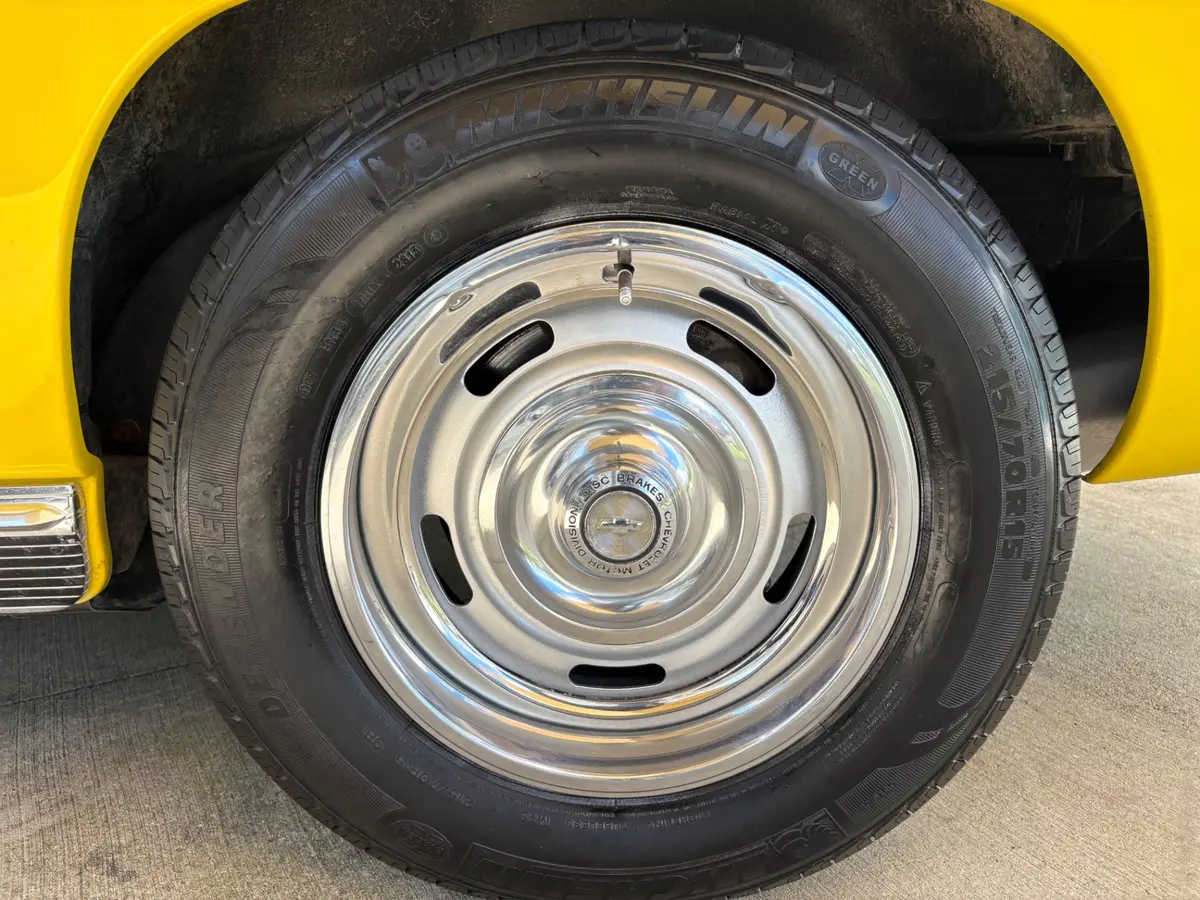
- Corvette Steel Wheels
- Michelin Tires
- Independent Rear Suspension
Mechanical
The 327 cubic inch small-block V8 in 350 horsepower trim was one of four engine choices available to 1966 Corvette buyers, sitting between the base 300hp 327 and the big-block 427 options. In RPO L79 form, this engine used a higher compression ratio and a more aggressive hydraulic camshaft to produce power that felt stronger than the rated numbers suggested. It was a free-revving, responsive engine that paired well with a wide variety of driving situations — comfortable at highway speeds but capable of serious acceleration when called upon. Period road tests placed 0-60 times in the mid-six-second range for L79-equipped Corvettes, which was genuinely fast for a street car in 1966.
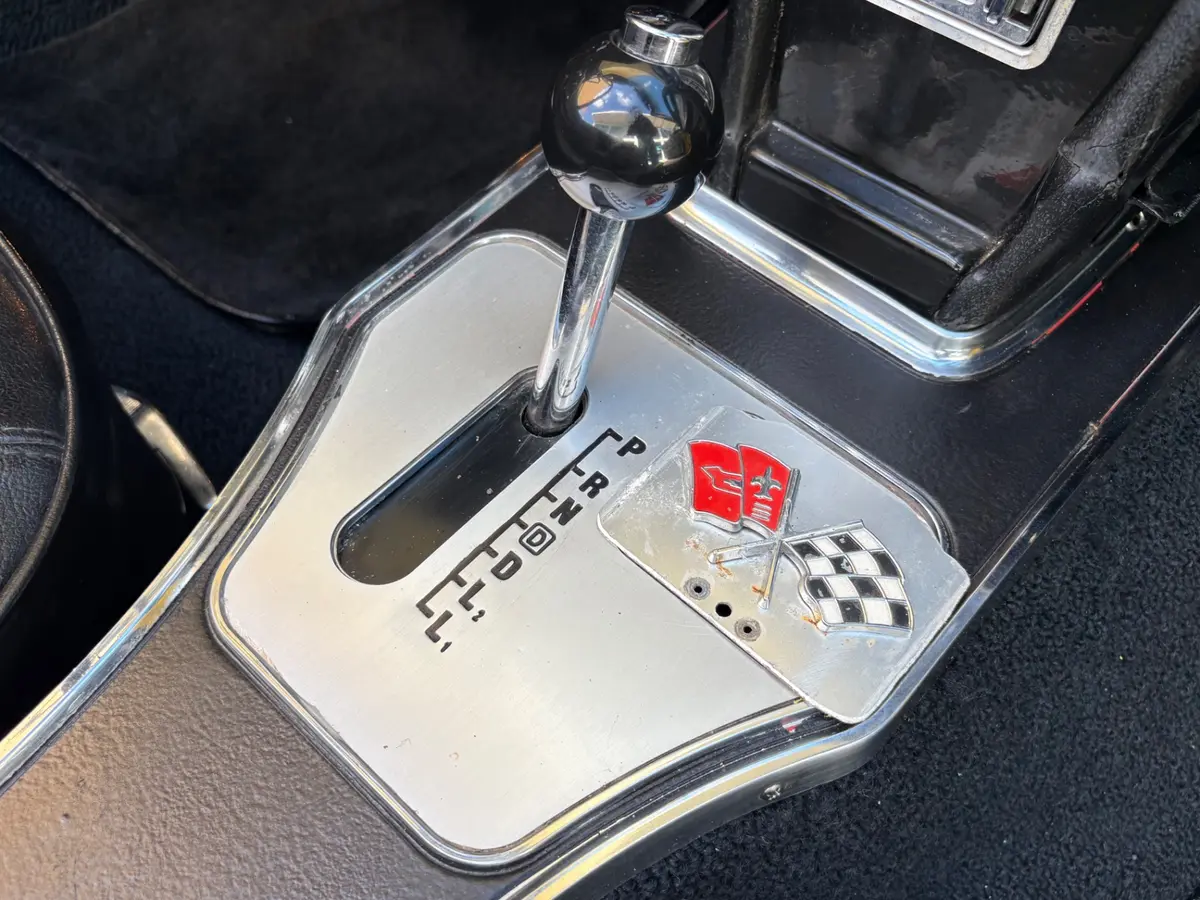
The transmission is the 2-Speed Powerglide automatic. This is worth a direct comment for buyers who may be accustomed to thinking of automatics as compromises. In the mid-1960s, many drag racers actually preferred the Powerglide for its simplicity, strength, and instant lockup. For a street-driven Corvette, it delivers smooth, effortless power delivery and makes the car accessible to a wider range of drivers without sacrificing the character of the engine.
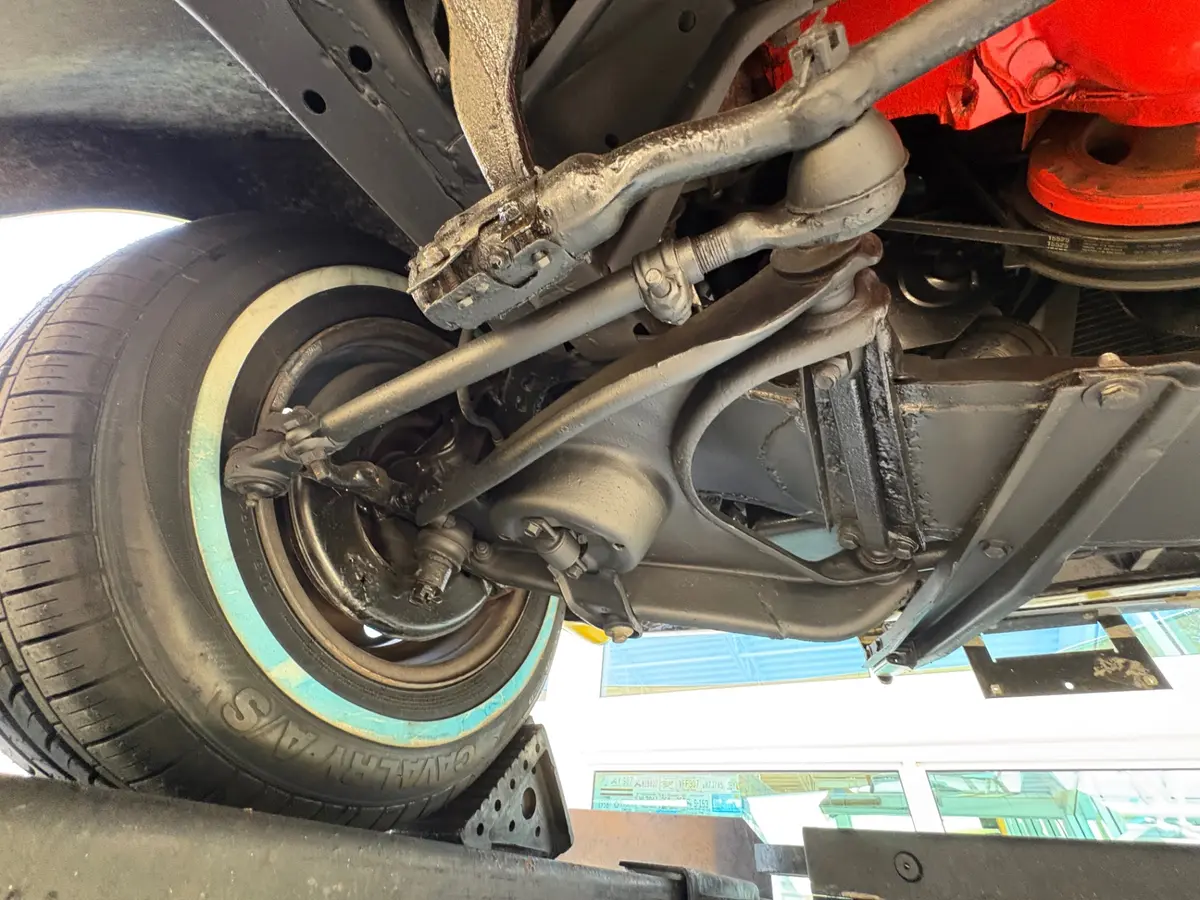
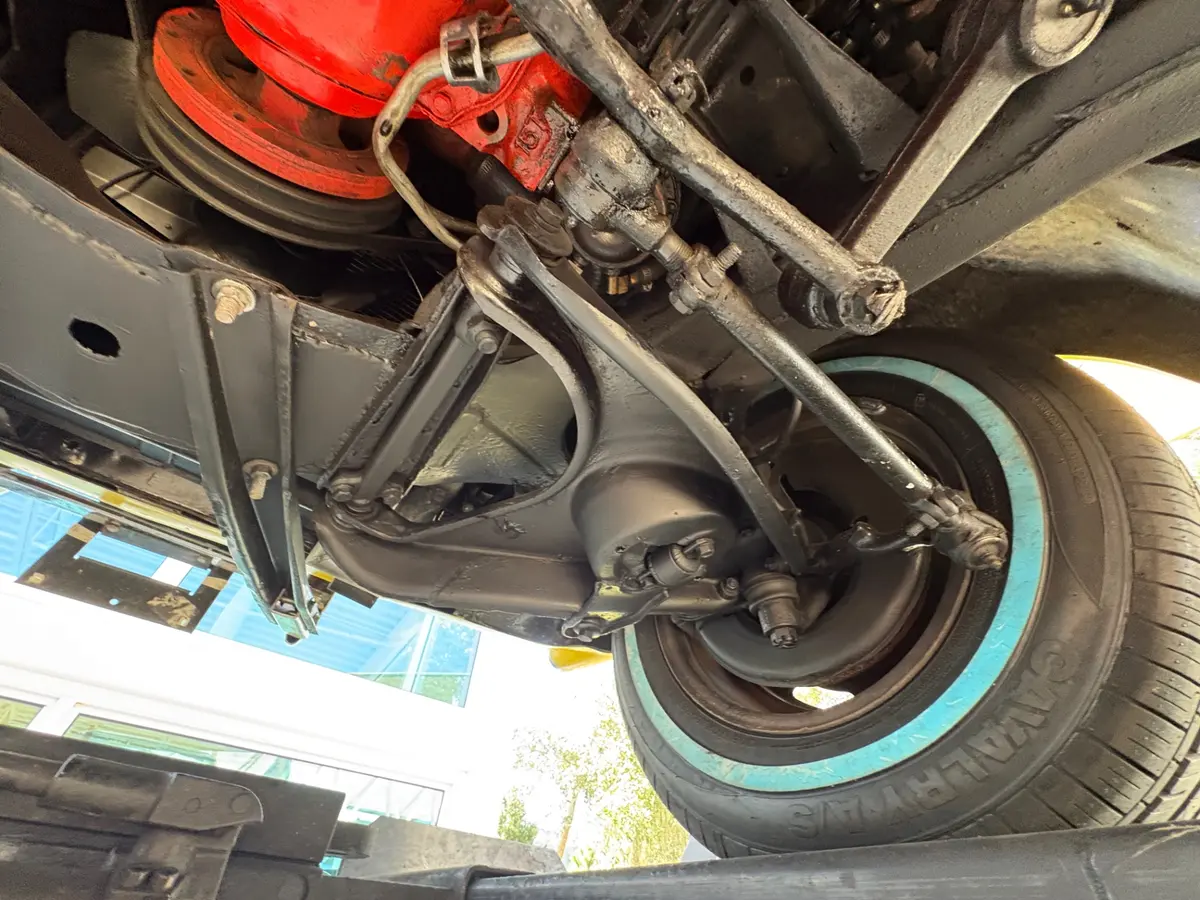
The 4-wheel disc brake system is one of the most important mechanical features on this car. Disc brakes were optional on the 1966 Corvette, and buyers who checked that box paid a substantial premium for it. Compared to the drum brake setup on base Corvettes of the same era, the disc system provides dramatically better stopping power and fade resistance — a difference that is immediately noticeable in real driving conditions. This is not a cosmetic option. It makes the car meaningfully safer and more capable.
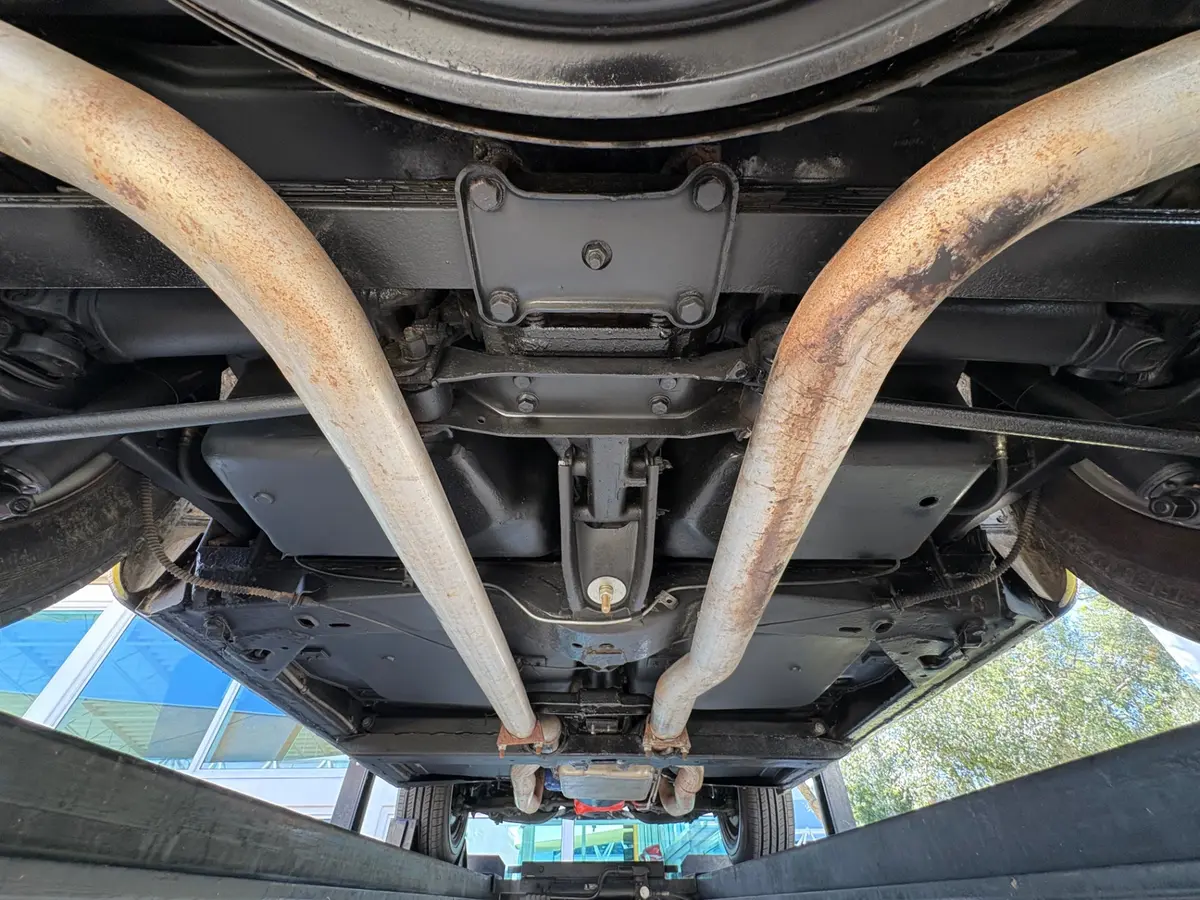
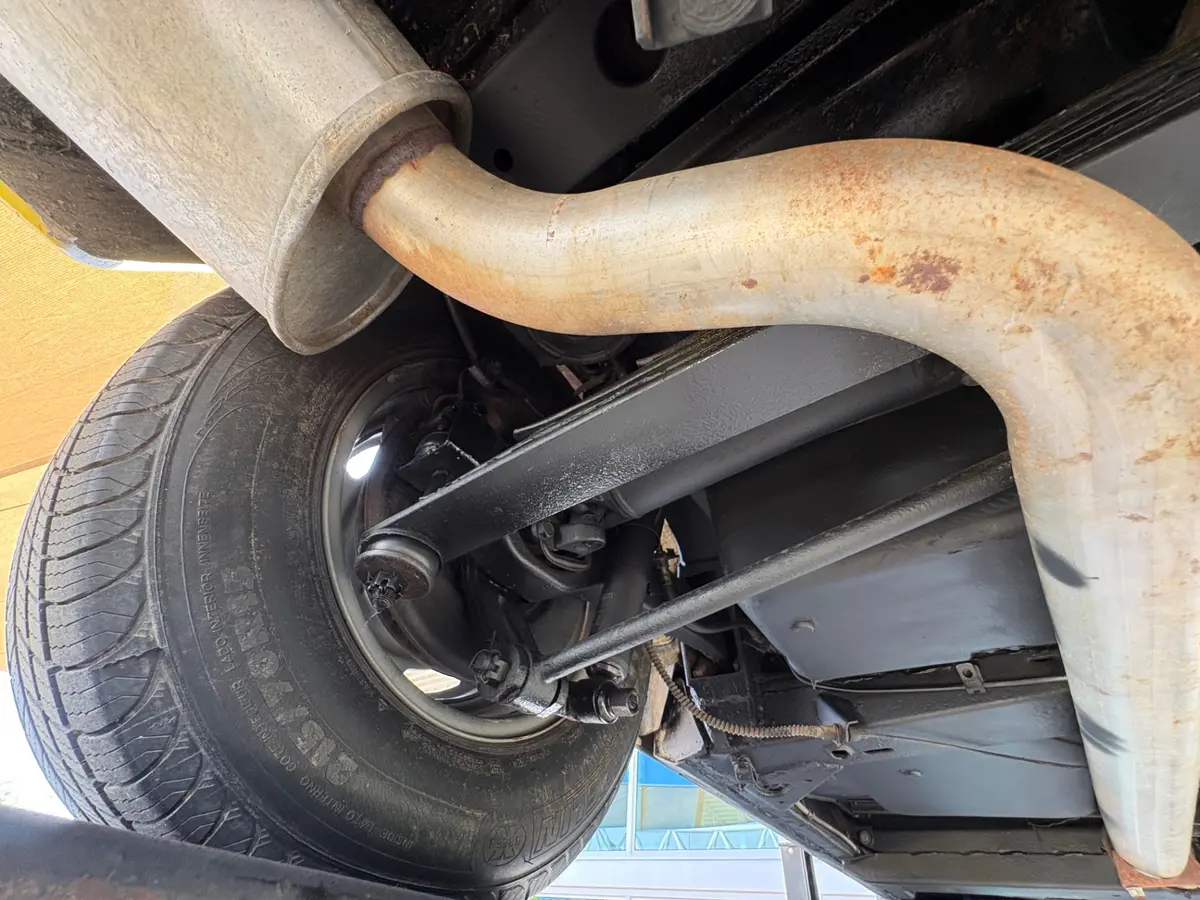
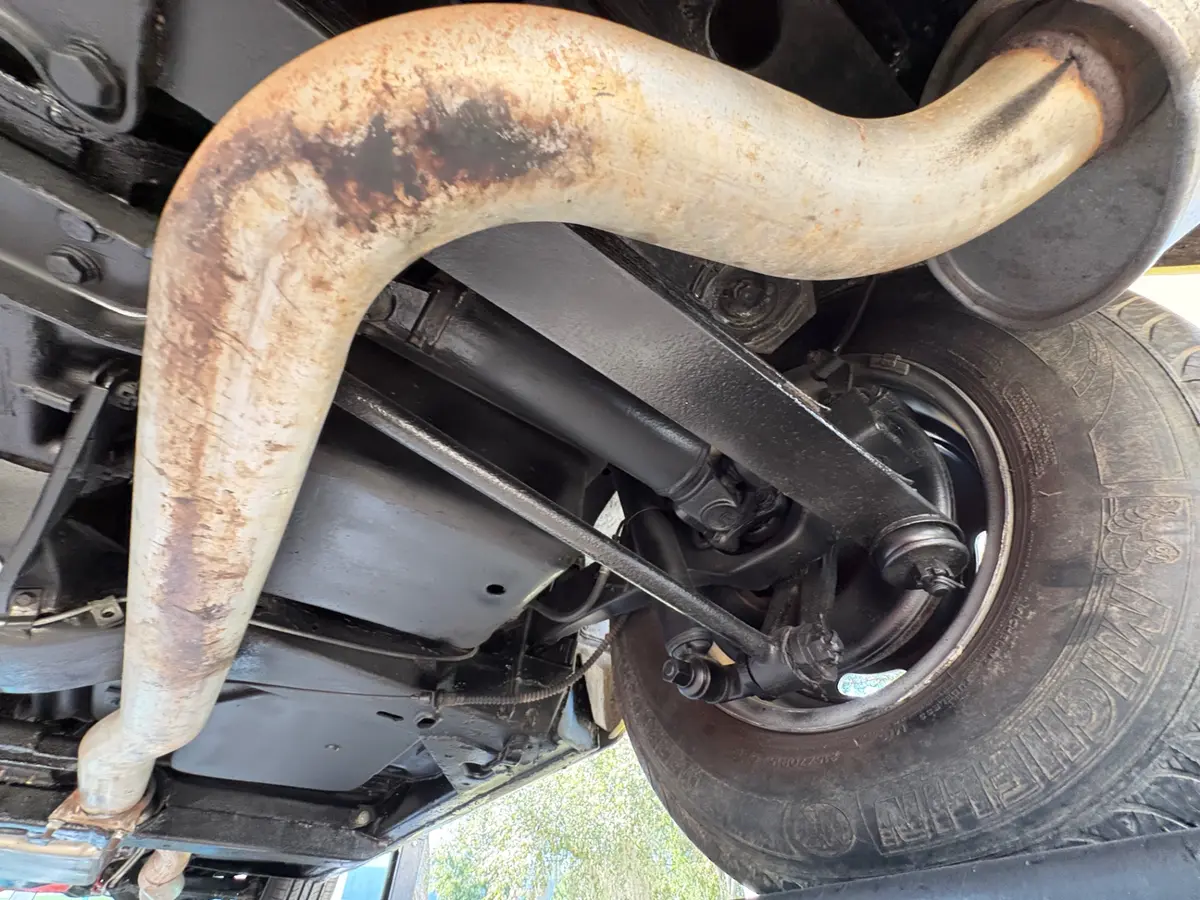
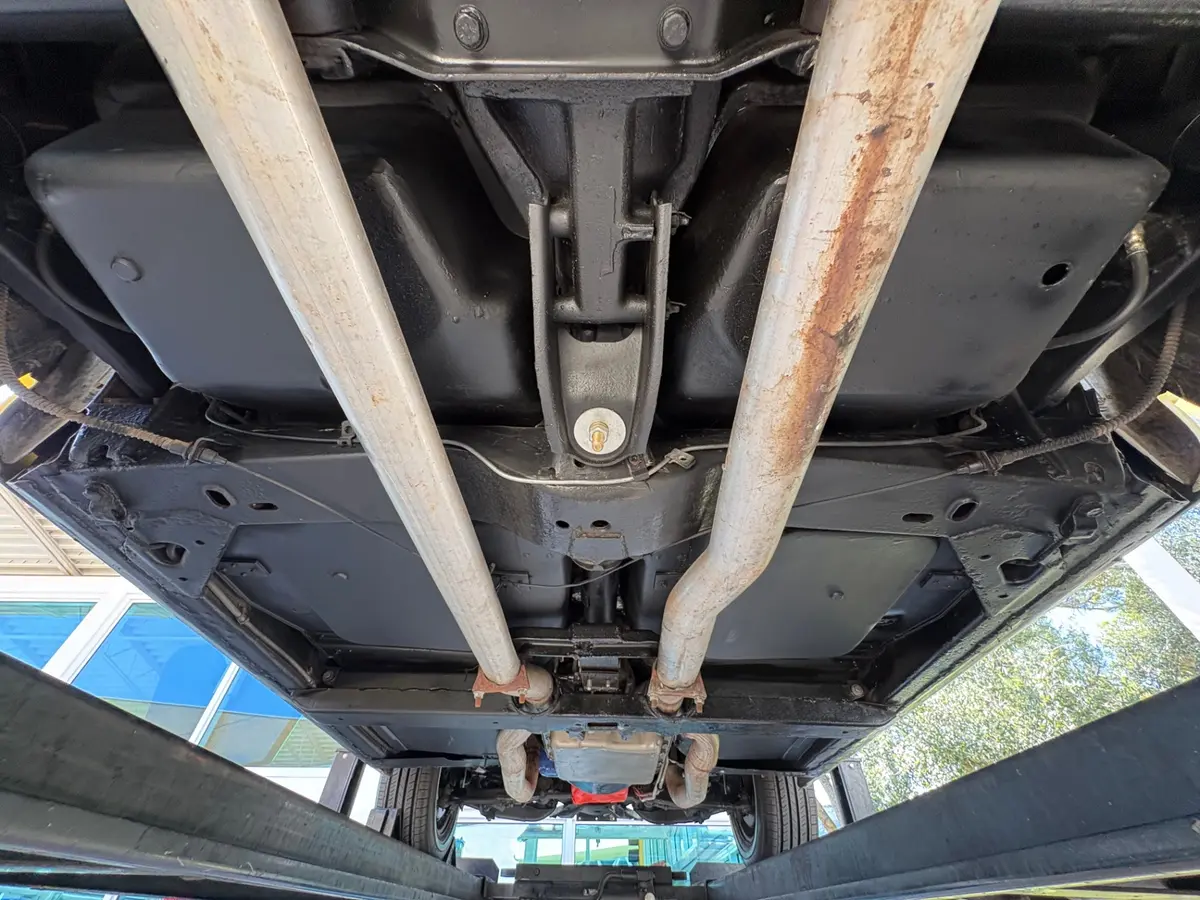
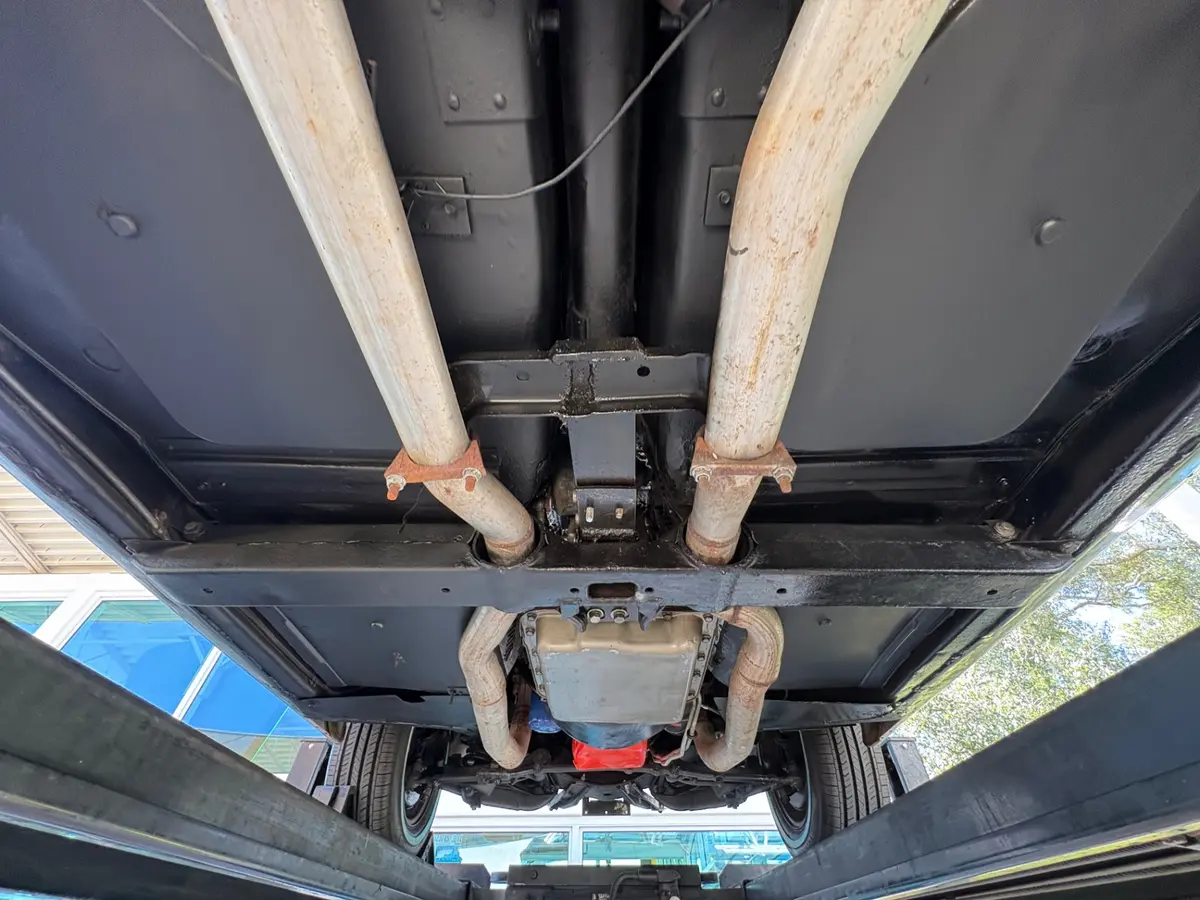
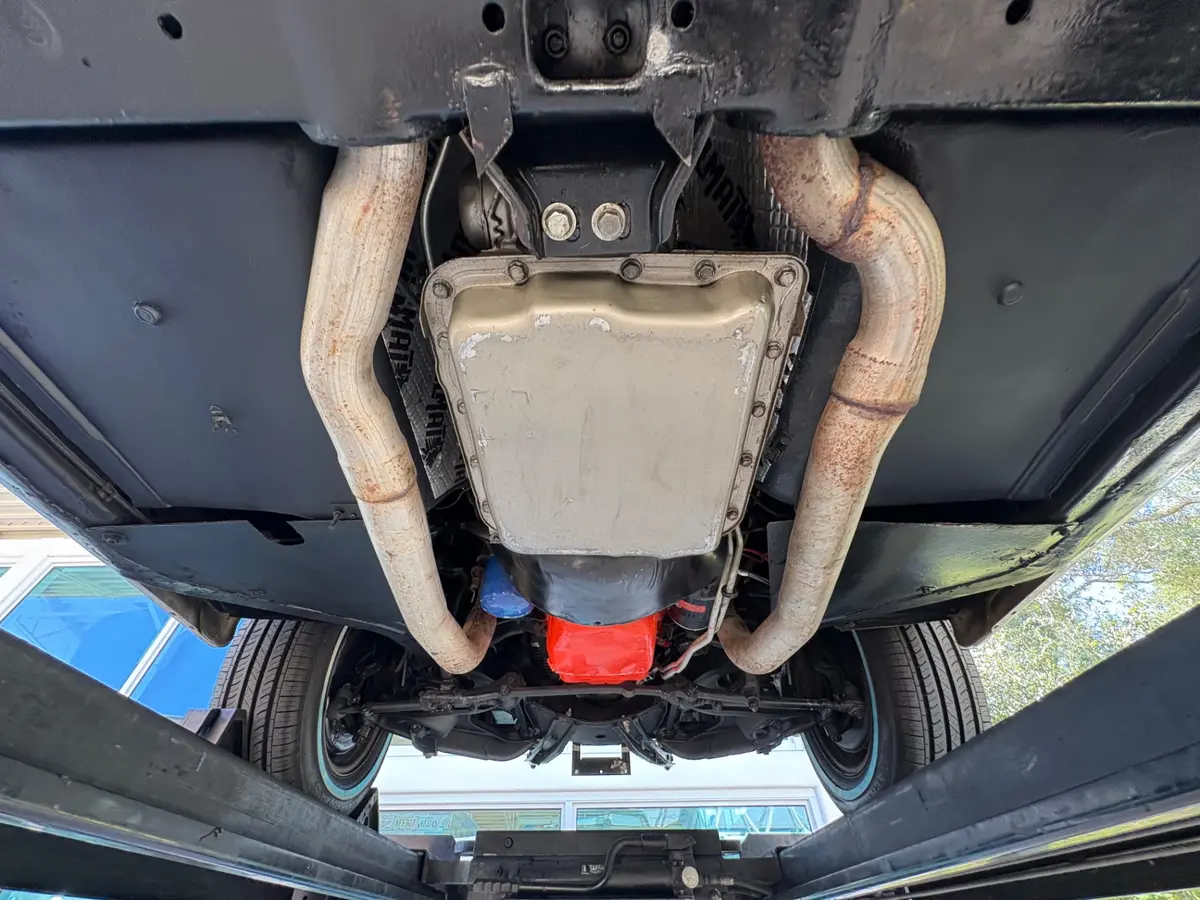
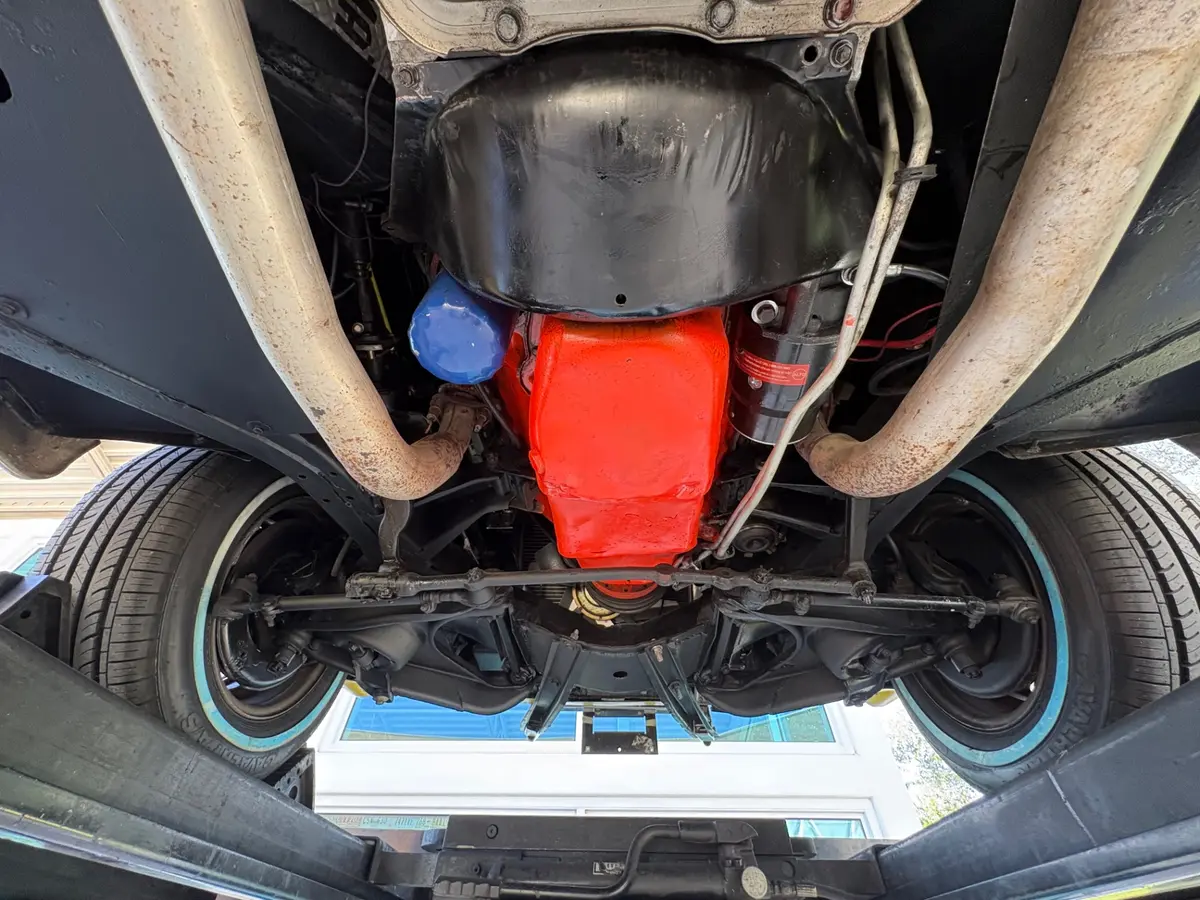
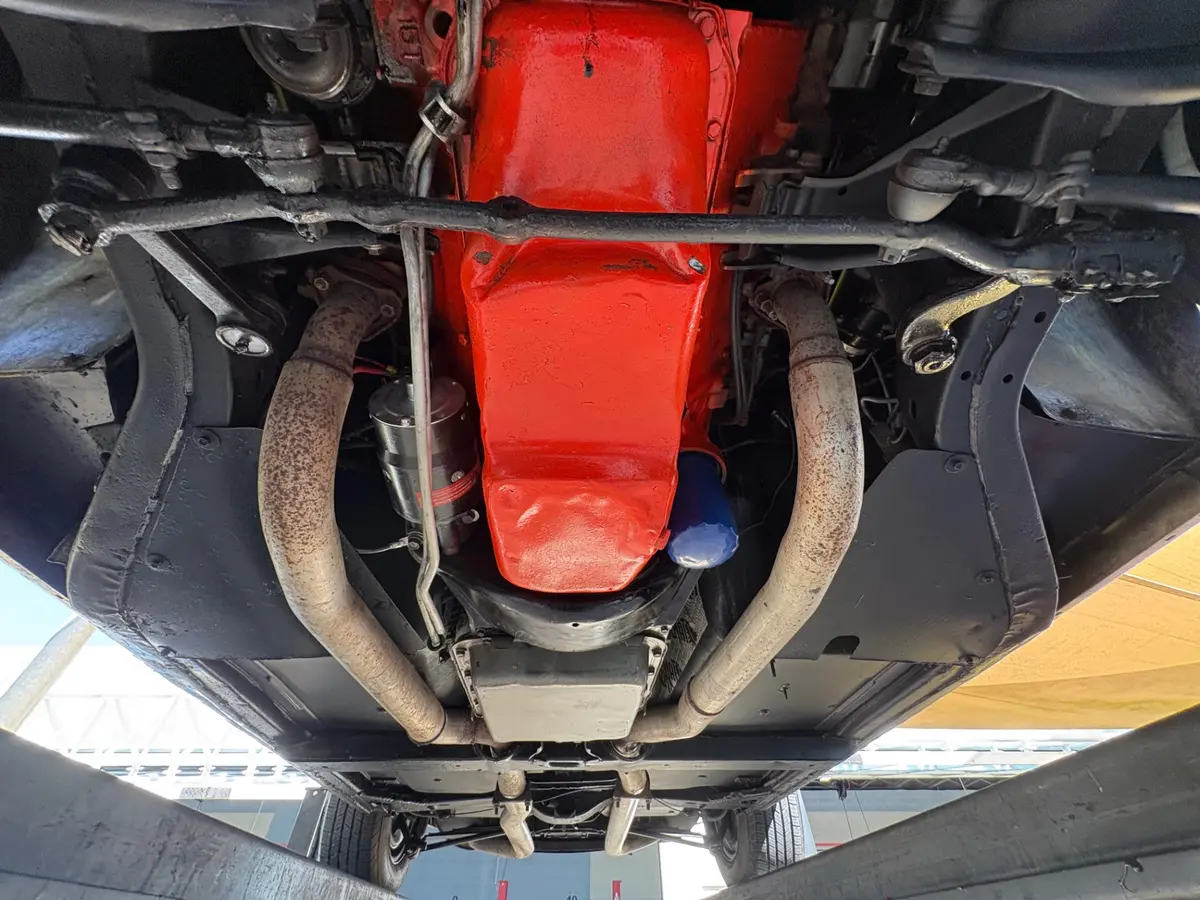
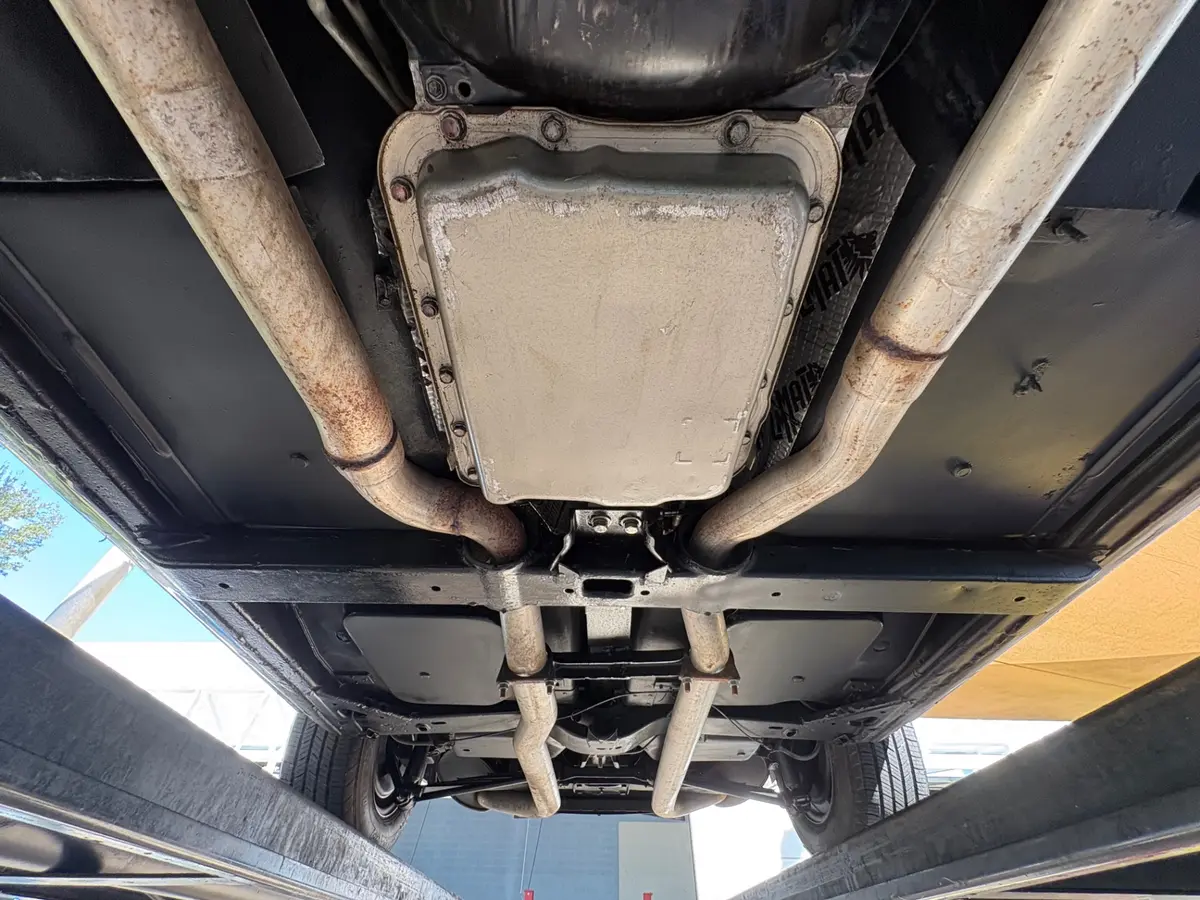
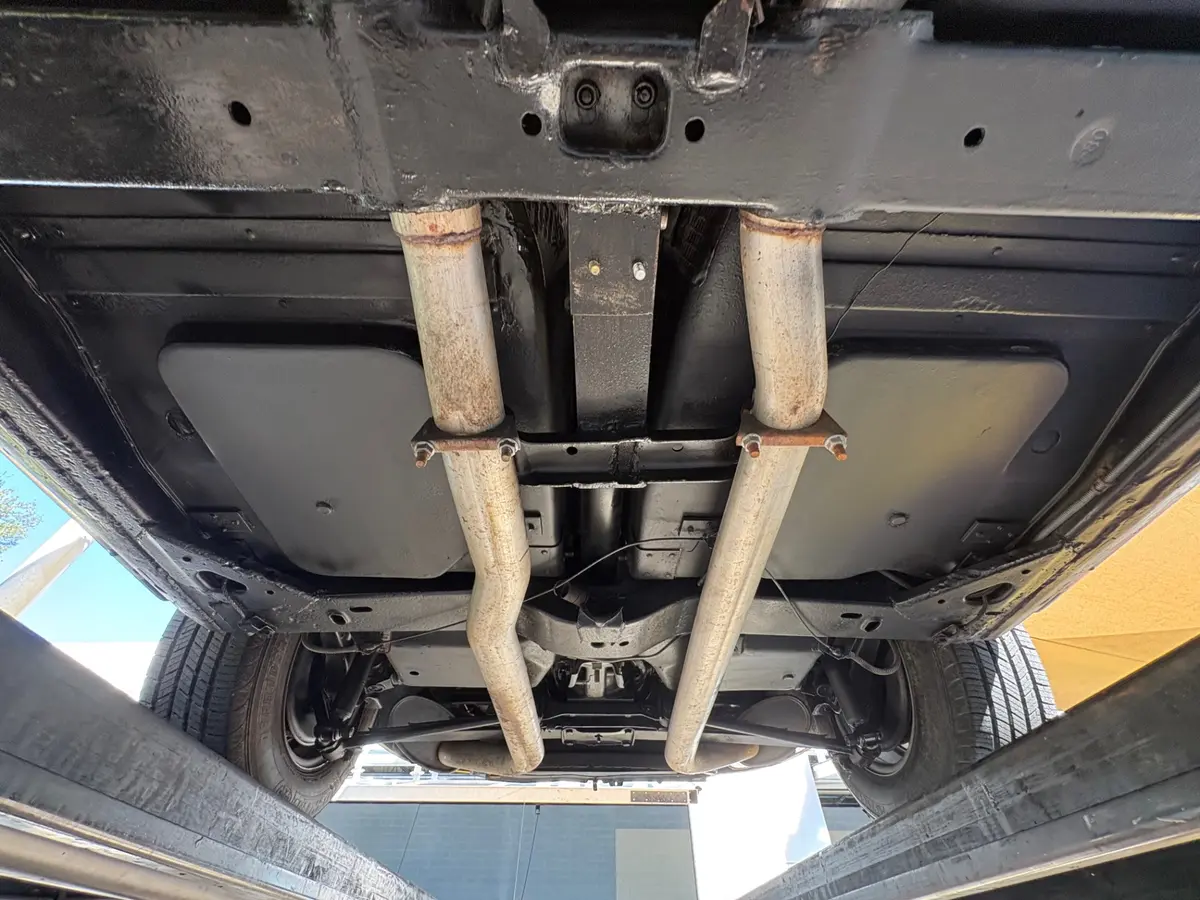
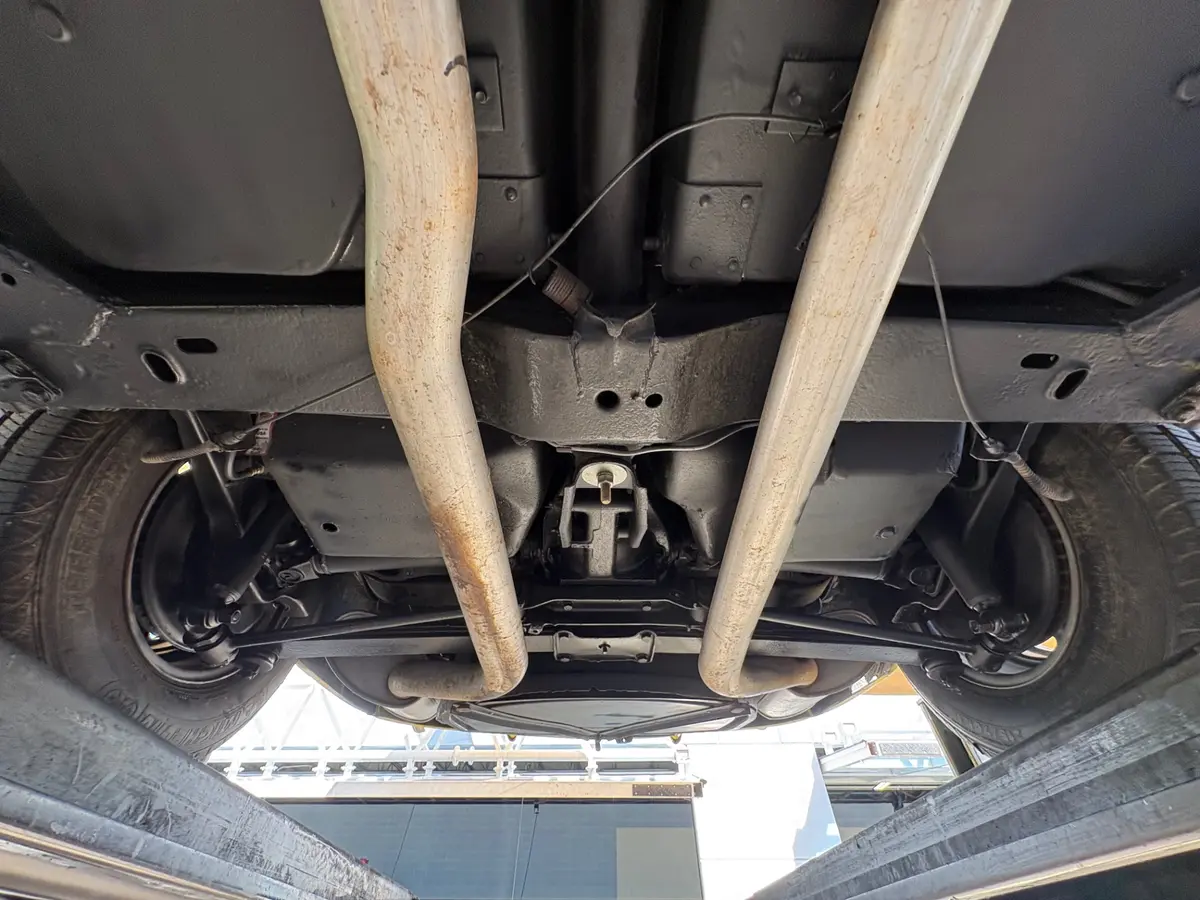
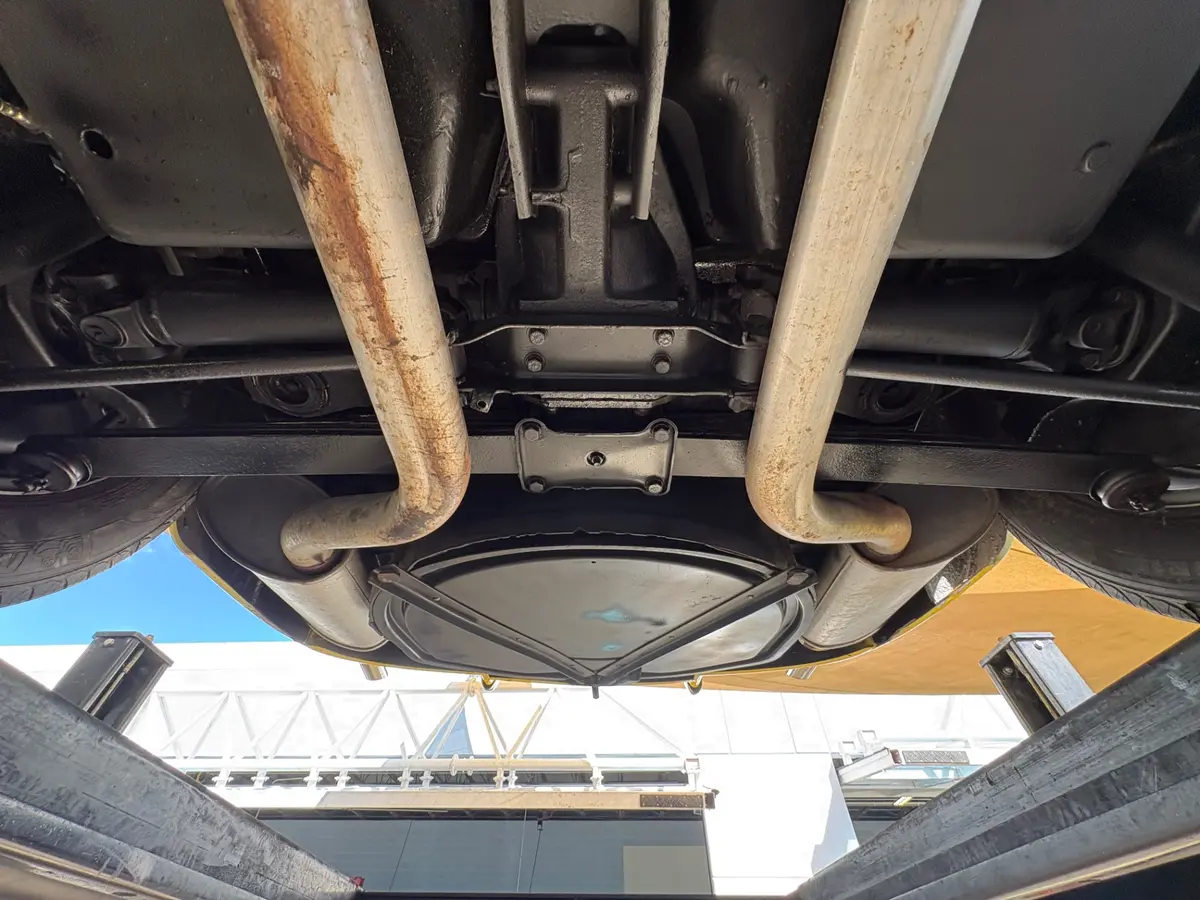
The independent rear suspension, which Corvette introduced in 1963, uses a three-link design with a single transverse leaf spring, U-jointed half-shafts, and trailing rods. This arrangement was a major engineering advancement over the solid rear axle used on earlier Corvettes, and it gave the Sting Ray a level of handling refinement that set it apart from American performance cars of the period. The underside of this car shows the IRS components in solid condition, with the frame and floorpan presenting cleanly.
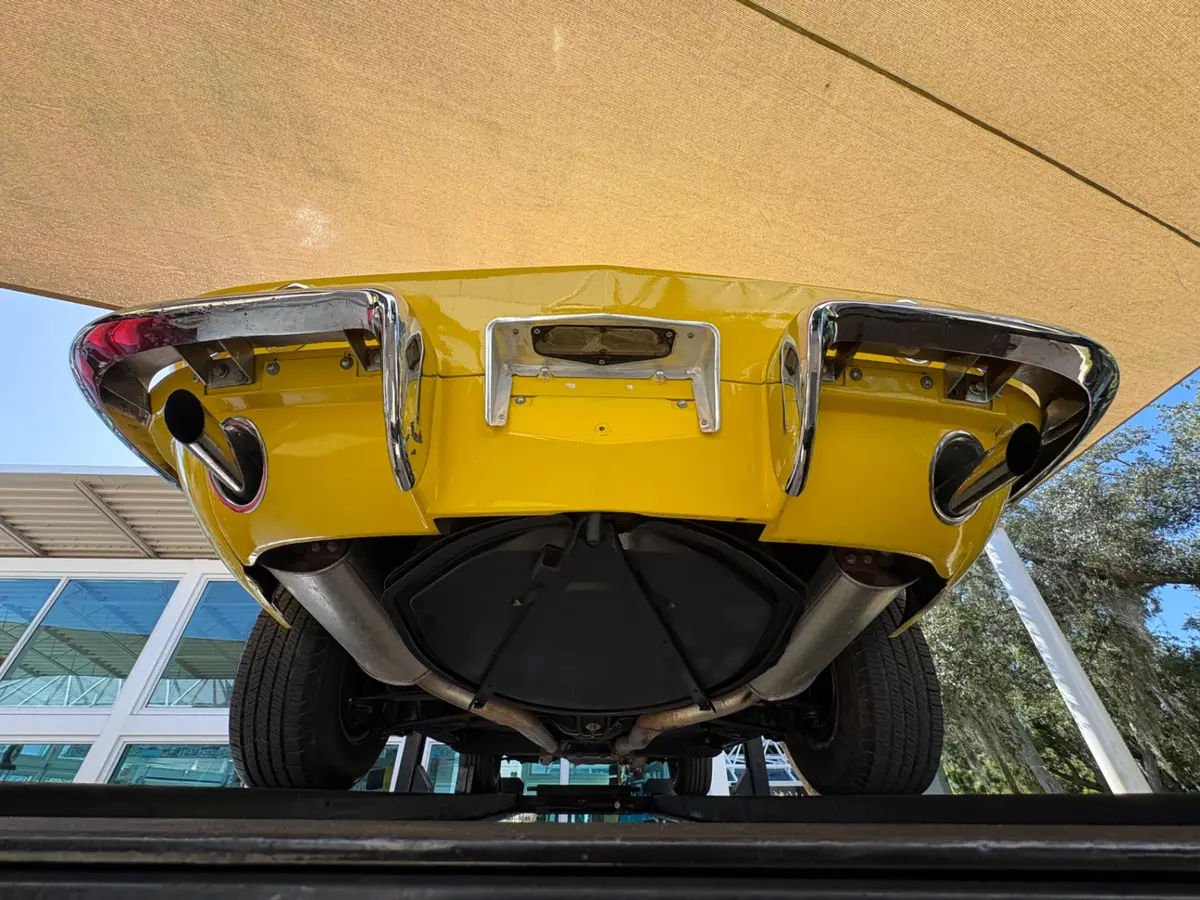
The side exit exhaust exits ahead of the rear wheels through polished outlets, producing the distinct sound associated with C2 Corvettes. This was an option listed as RPO N14 and adds to the visual interest of the car when viewed from the rear quarter.
Interior
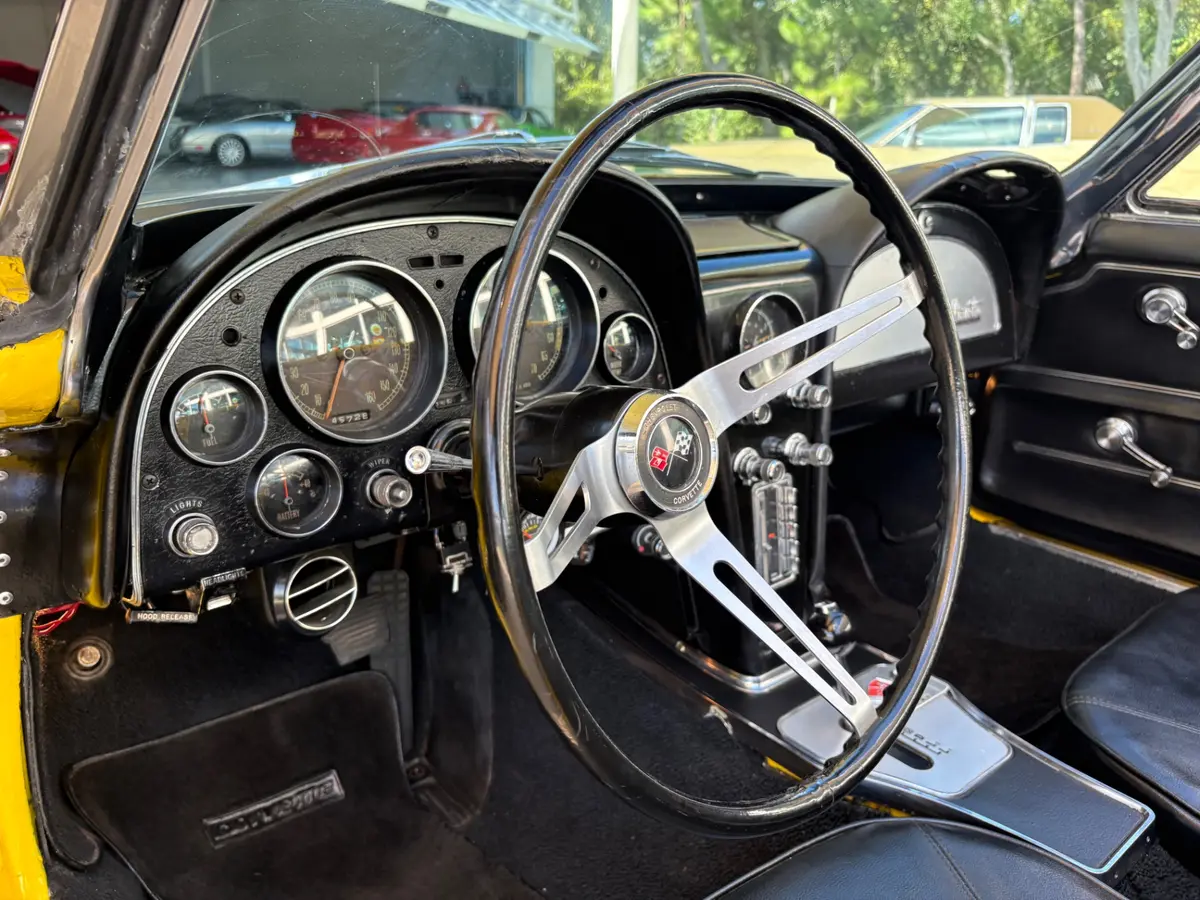
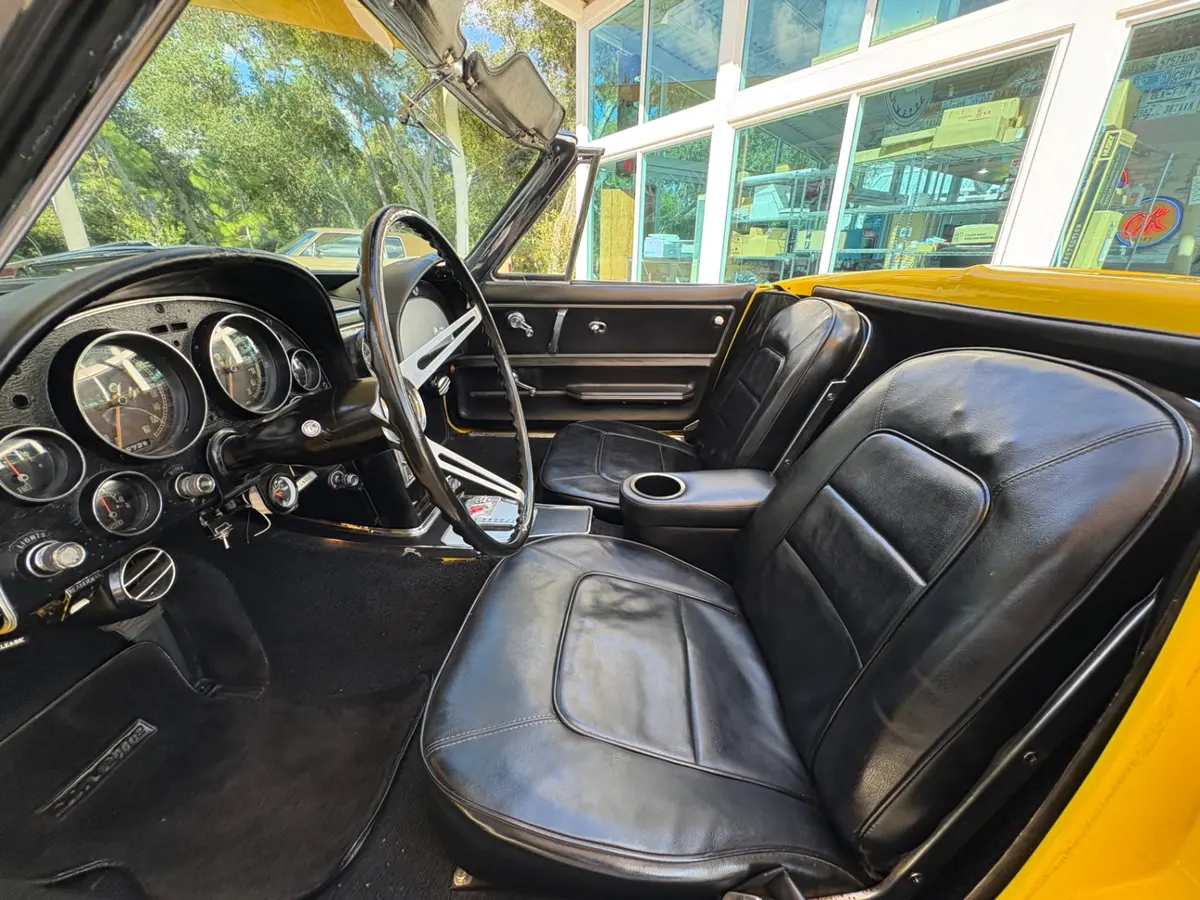
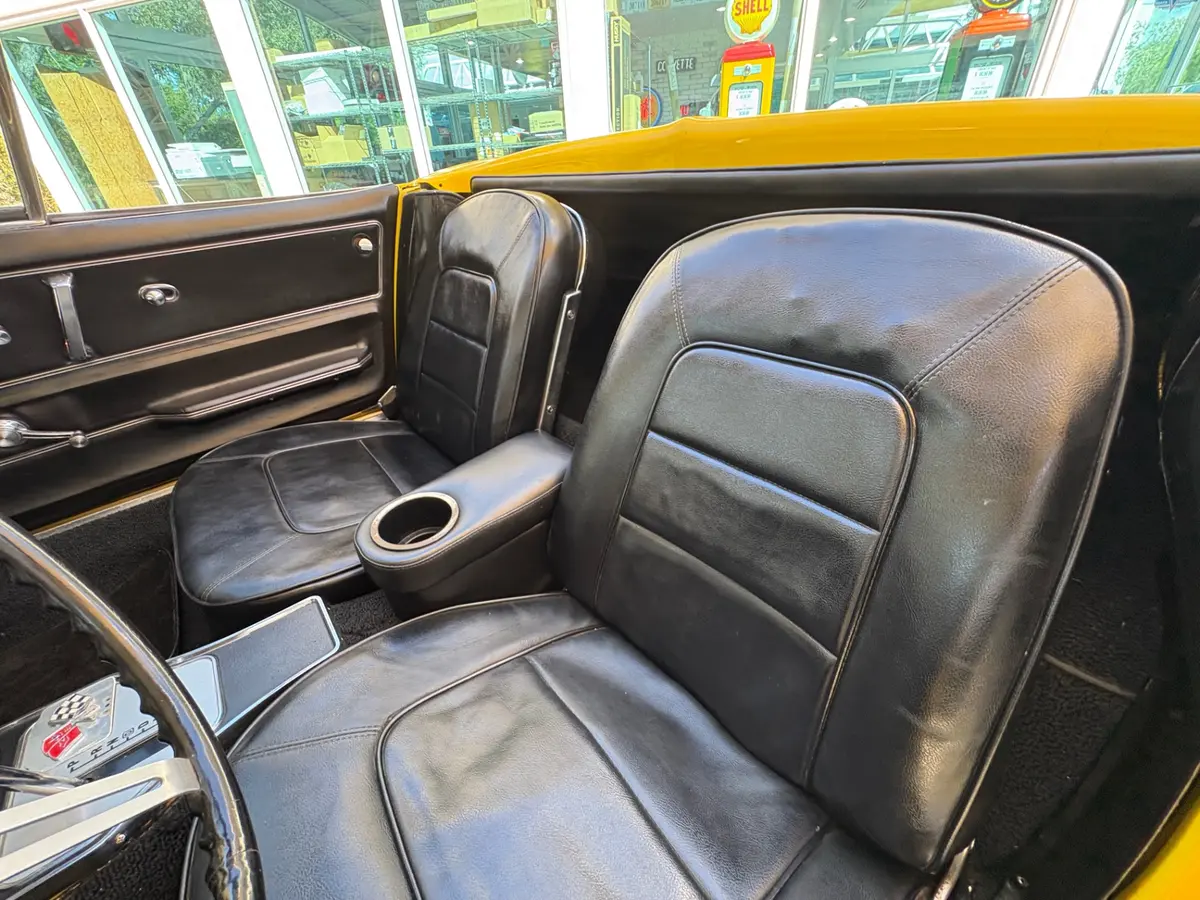
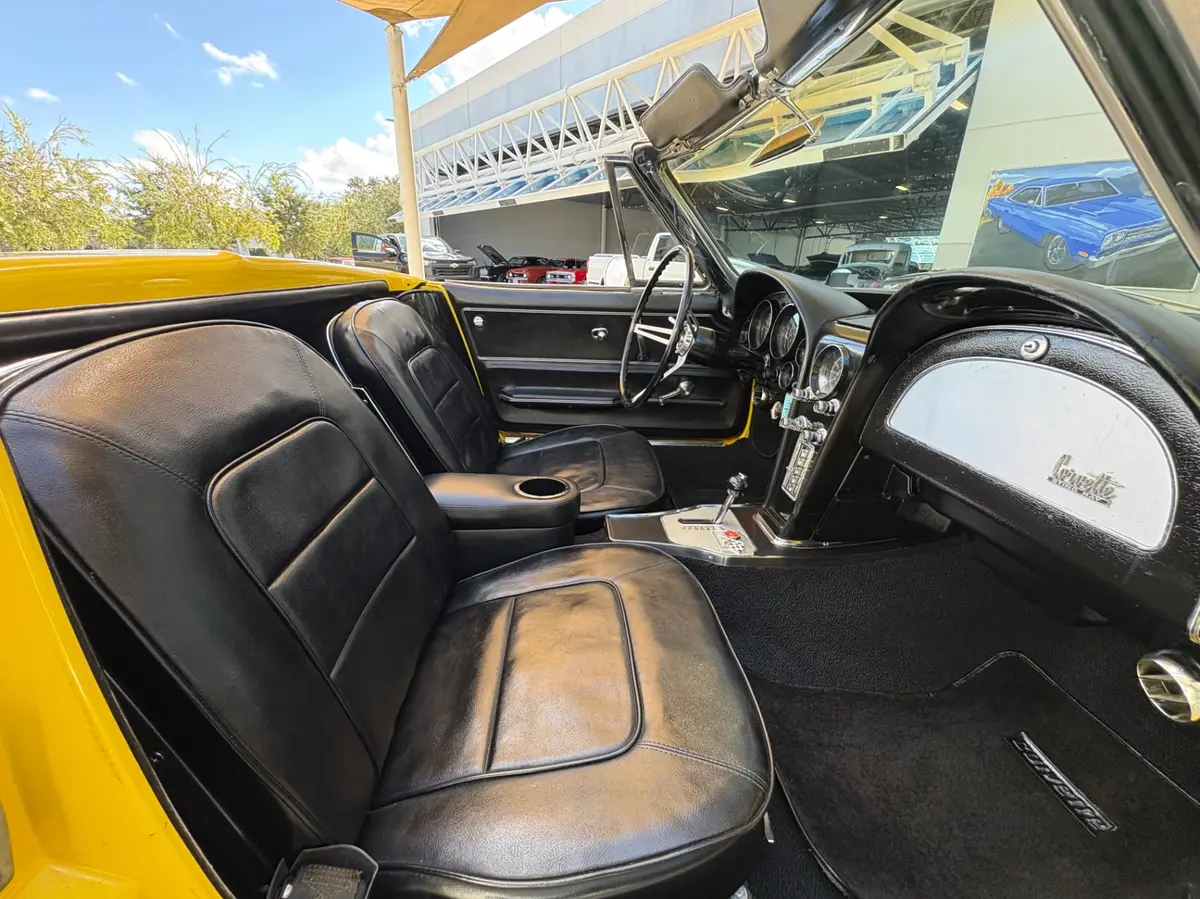
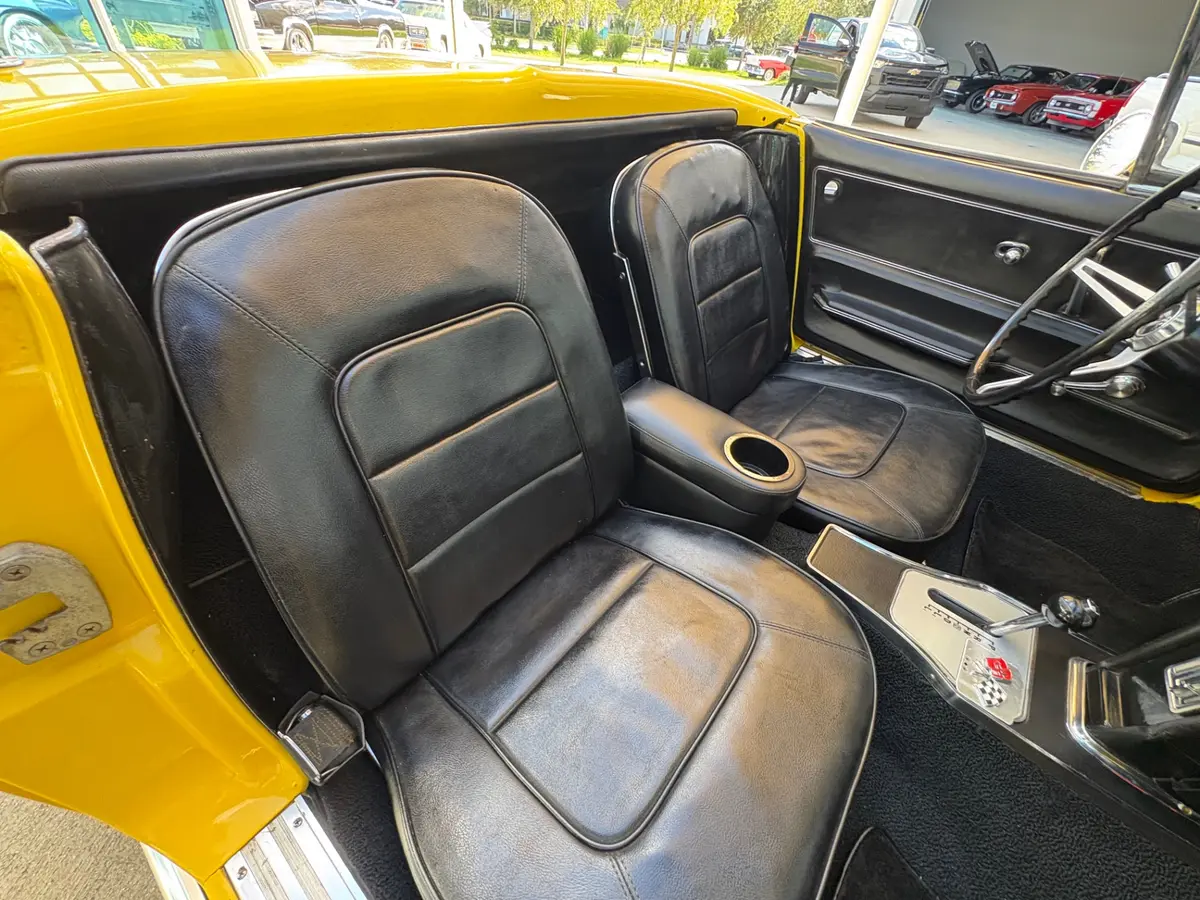
The cabin of this 1966 Corvette Sting Ray is finished in black vinyl throughout, which was the standard interior material for the period. The bucket seats are shaped correctly for the C2 body style, with the characteristic squared-off headrest and stitched panels that define the era. The seats show the kind of honest wear consistent with a car that has been used over the years, not abused.
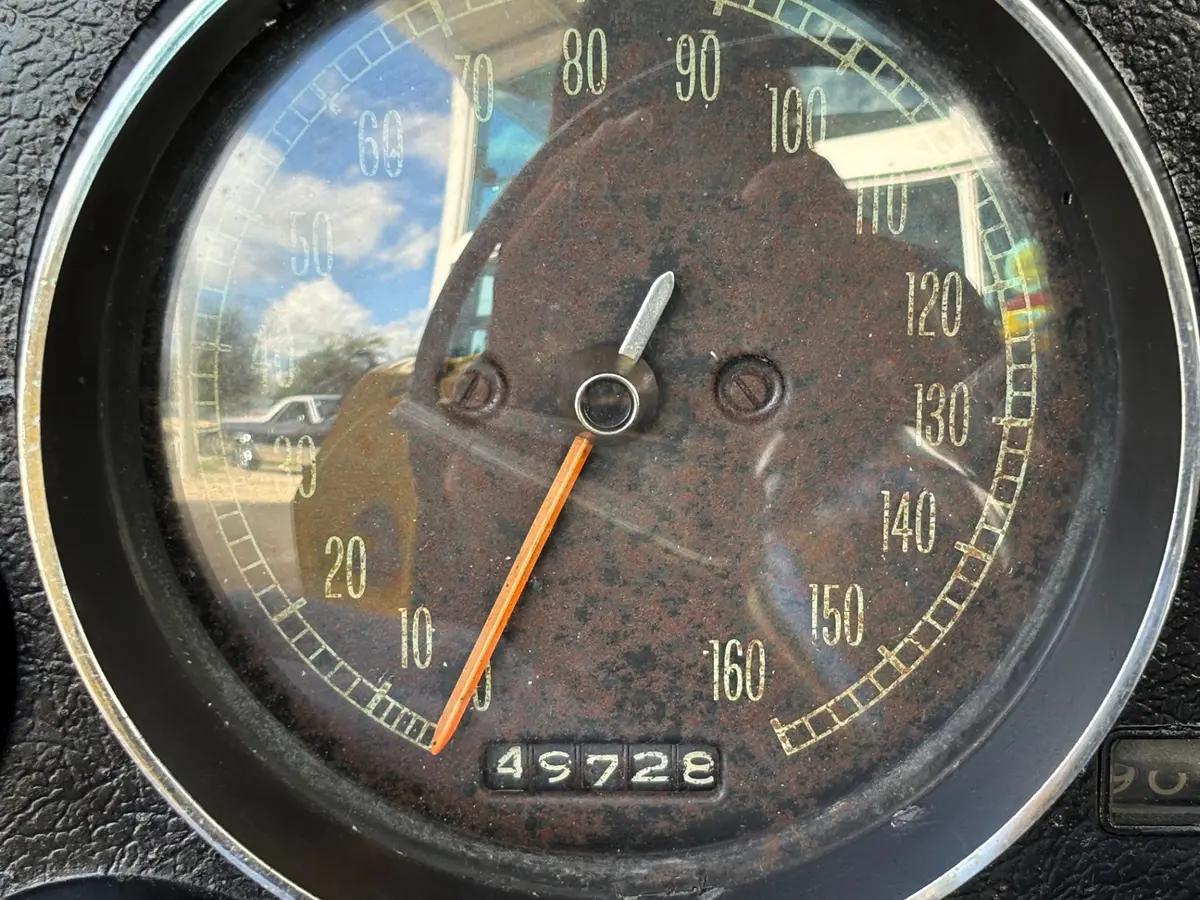
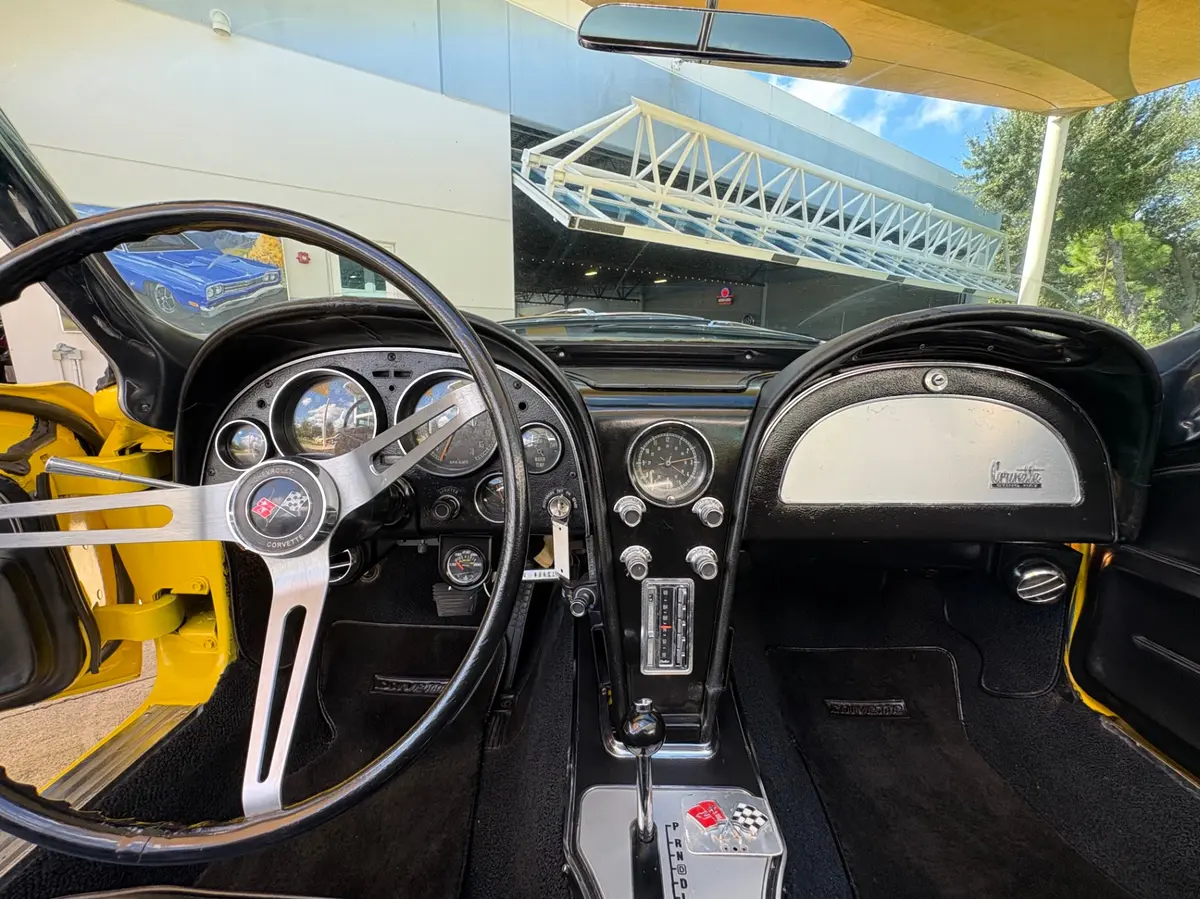
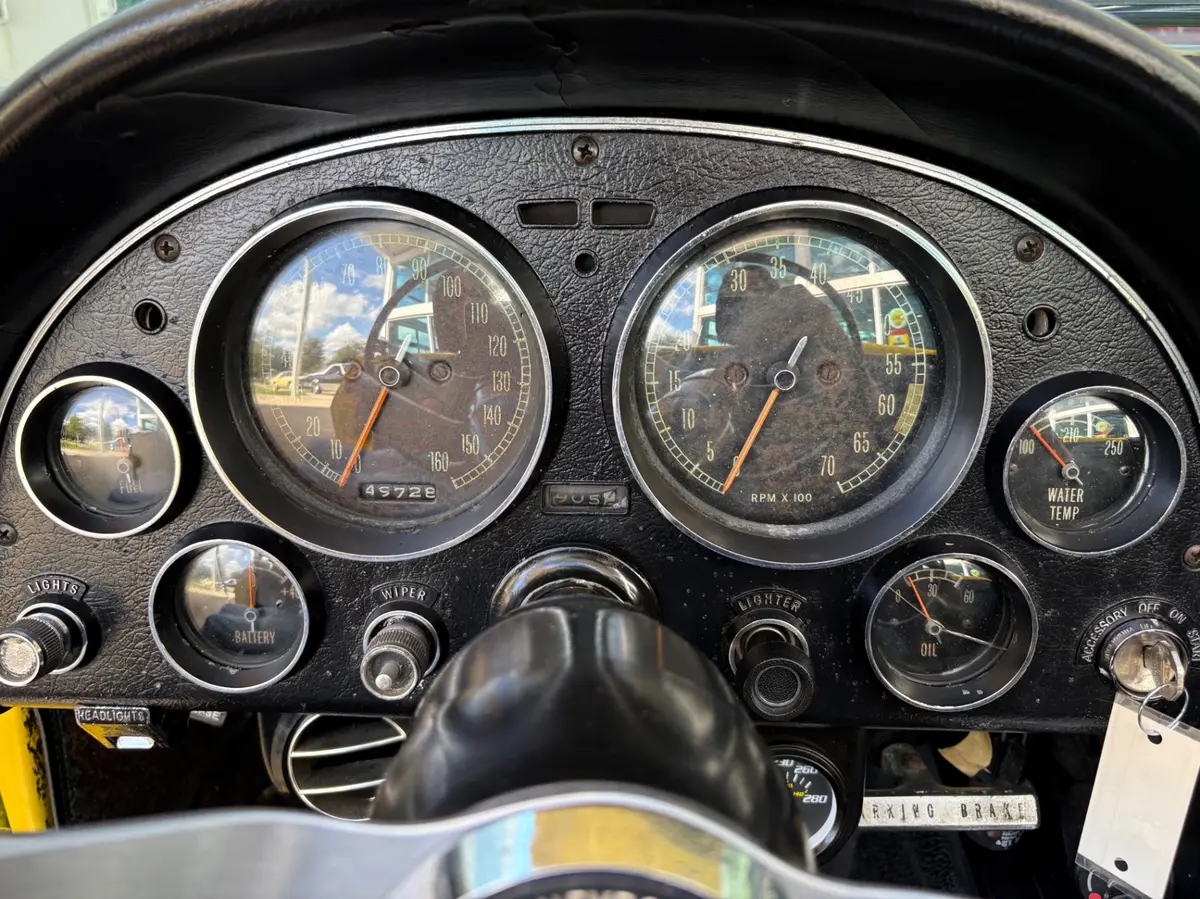
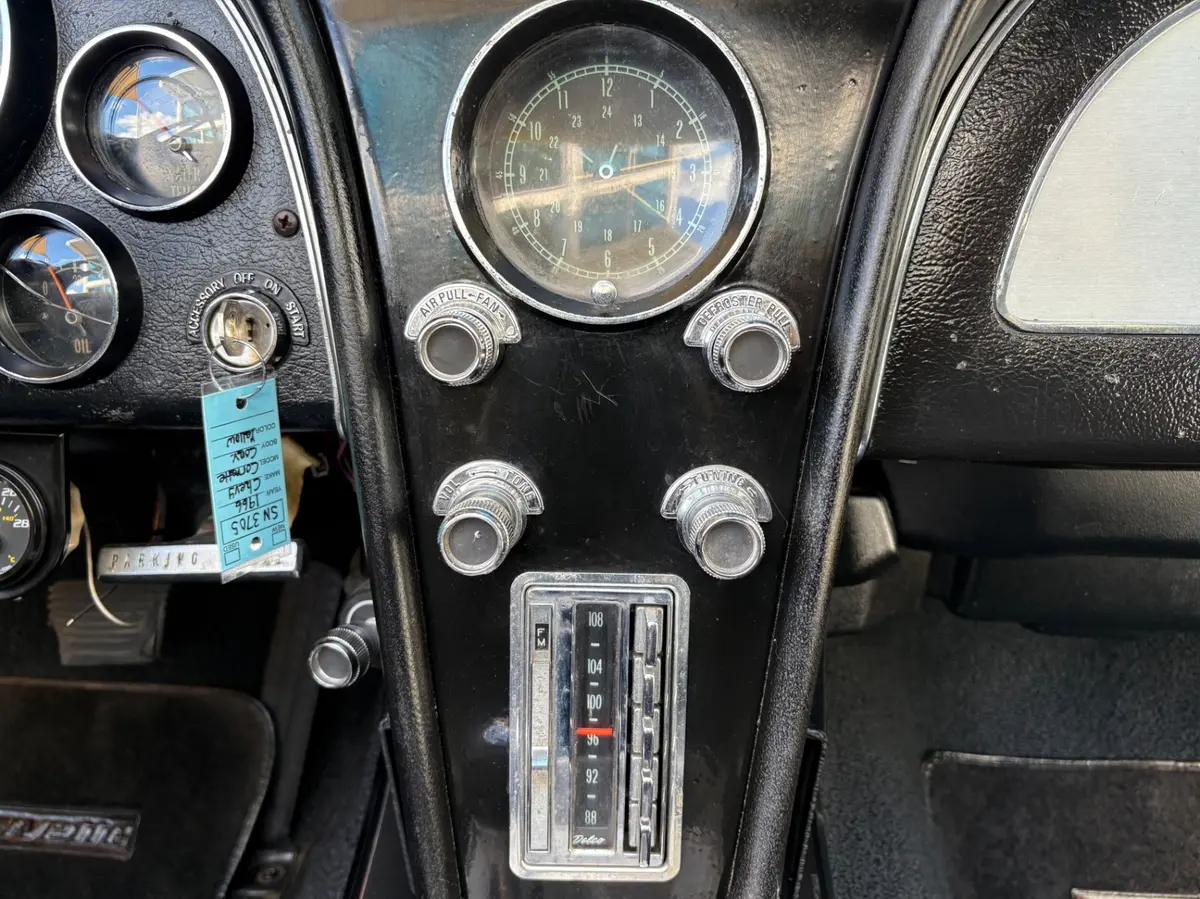
The dashboard layout of the 1966 Corvette is one of the more driver-focused instrument panels of its generation. The primary binnacle houses a 160 mph speedometer and a tachometer reading to 7,000 rpm, positioned directly in front of the driver. Flanking gauges cover fuel, water temperature, battery, and oil pressure. The analog clock is mounted at the top center of the dash, above the radio. All of these gauges are original-style units that contribute to the car's period-correct presentation.
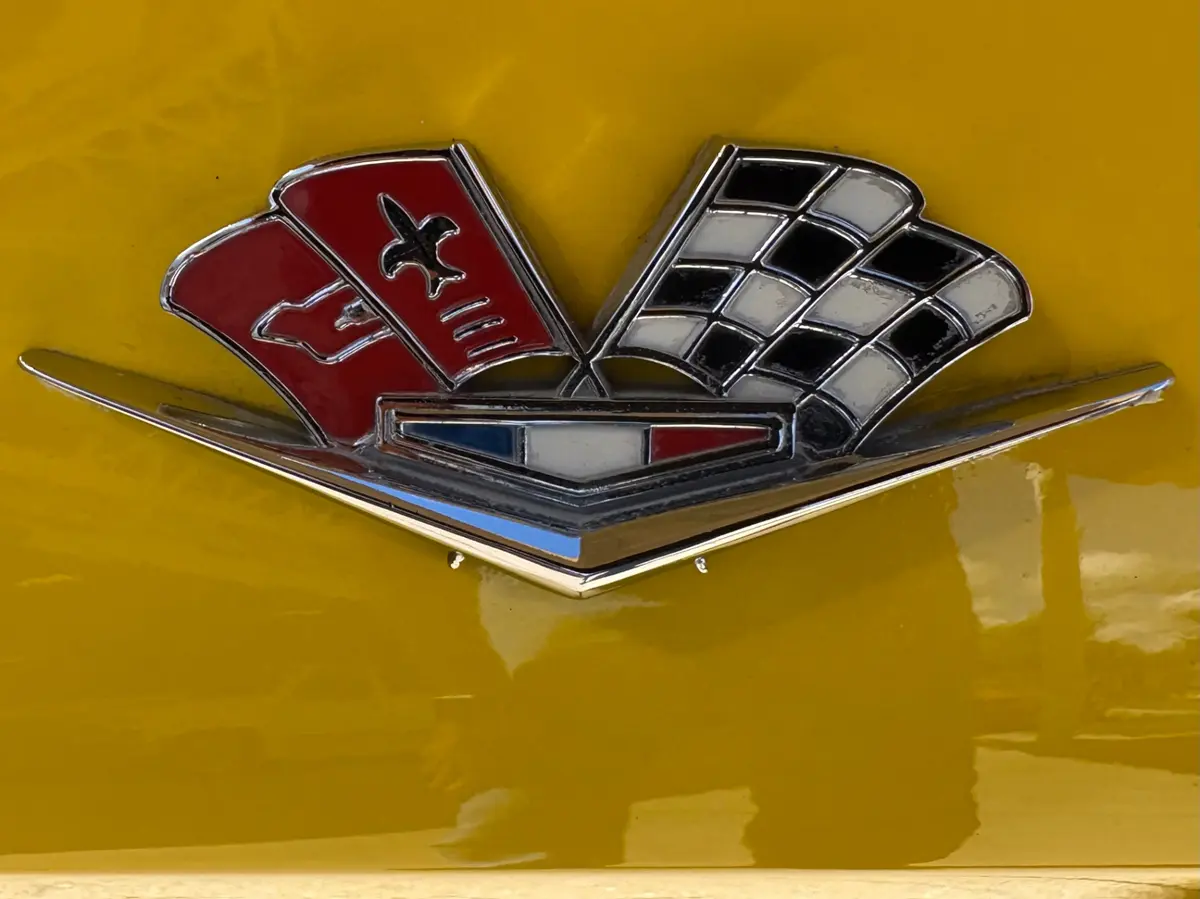
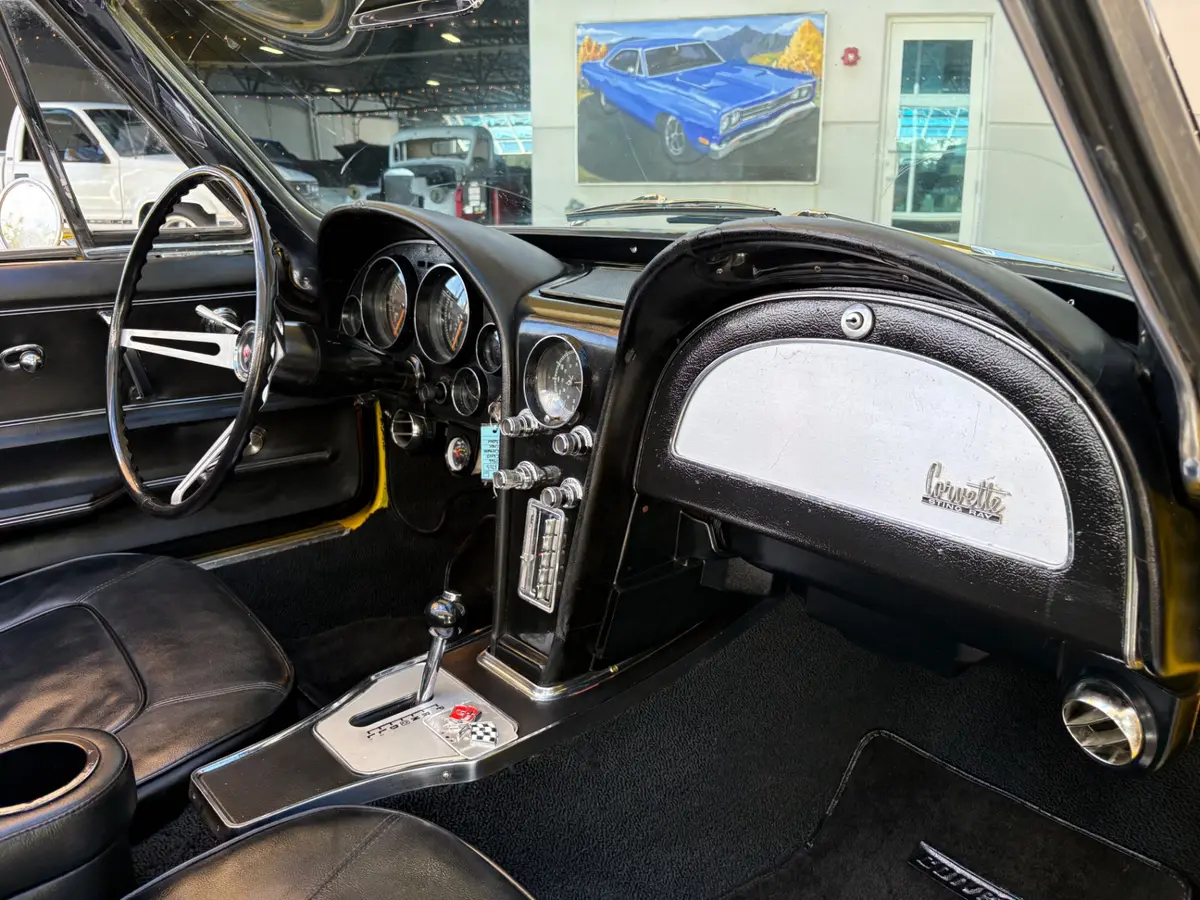
The center stack houses the Delco AM/FM radio with its period push-button tuning and the climate controls for the factory air conditioning system. The presence of factory A/C on a 1966 Corvette is significant — it was a high-cost option that required a specific underhood layout and a dedicated compressor, and it adds genuine daily driving comfort in warm weather climates like Florida. The Powerglide selector gate is mounted on the center console with the correct crossed-flag emblem plate, and the chrome shift knob is in place.
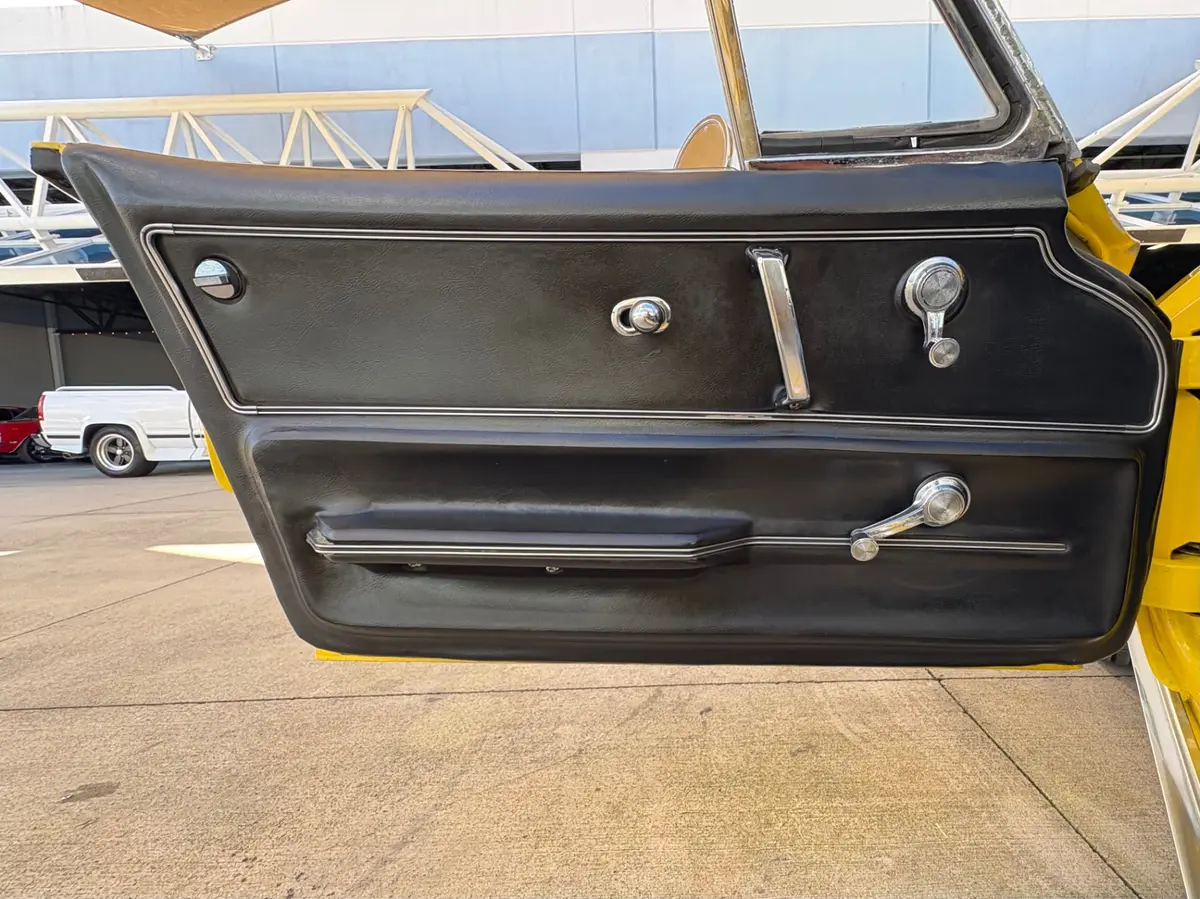
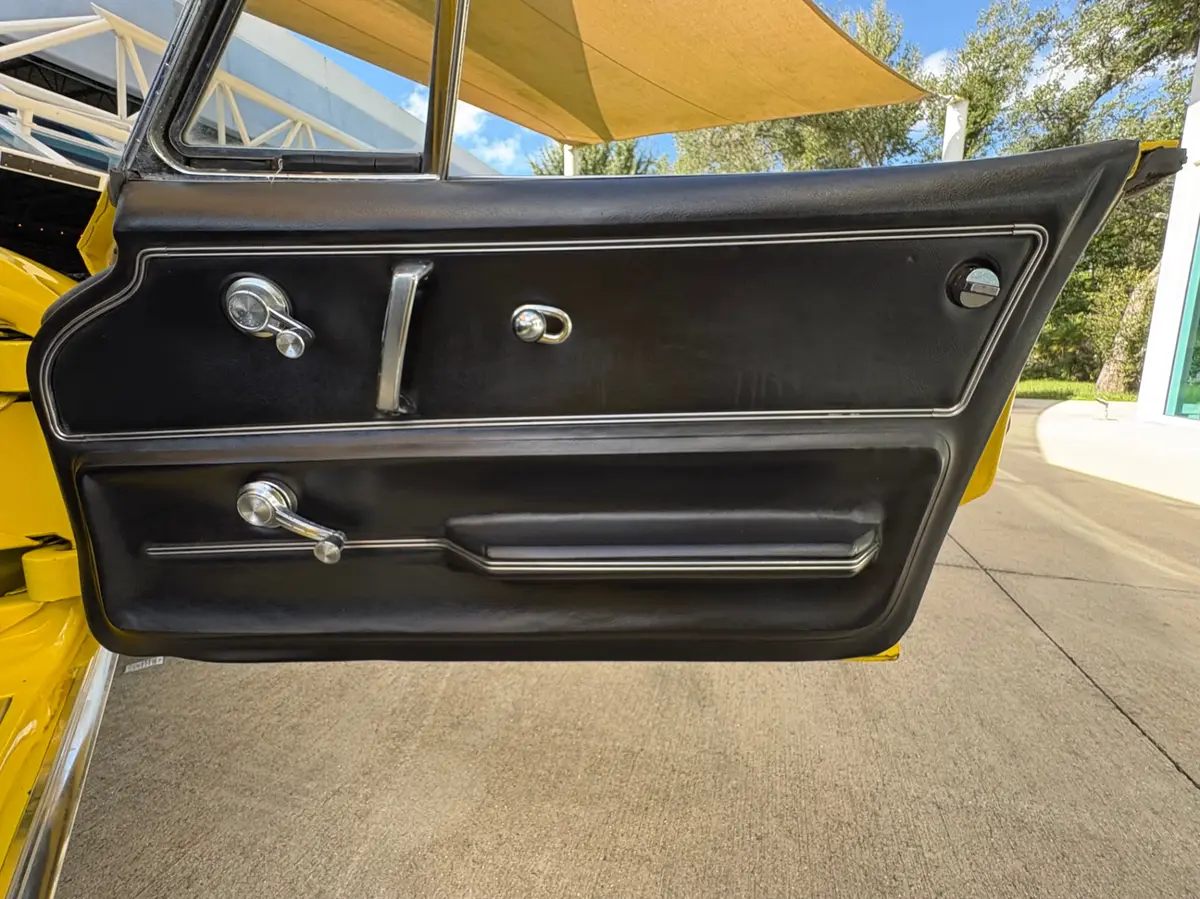
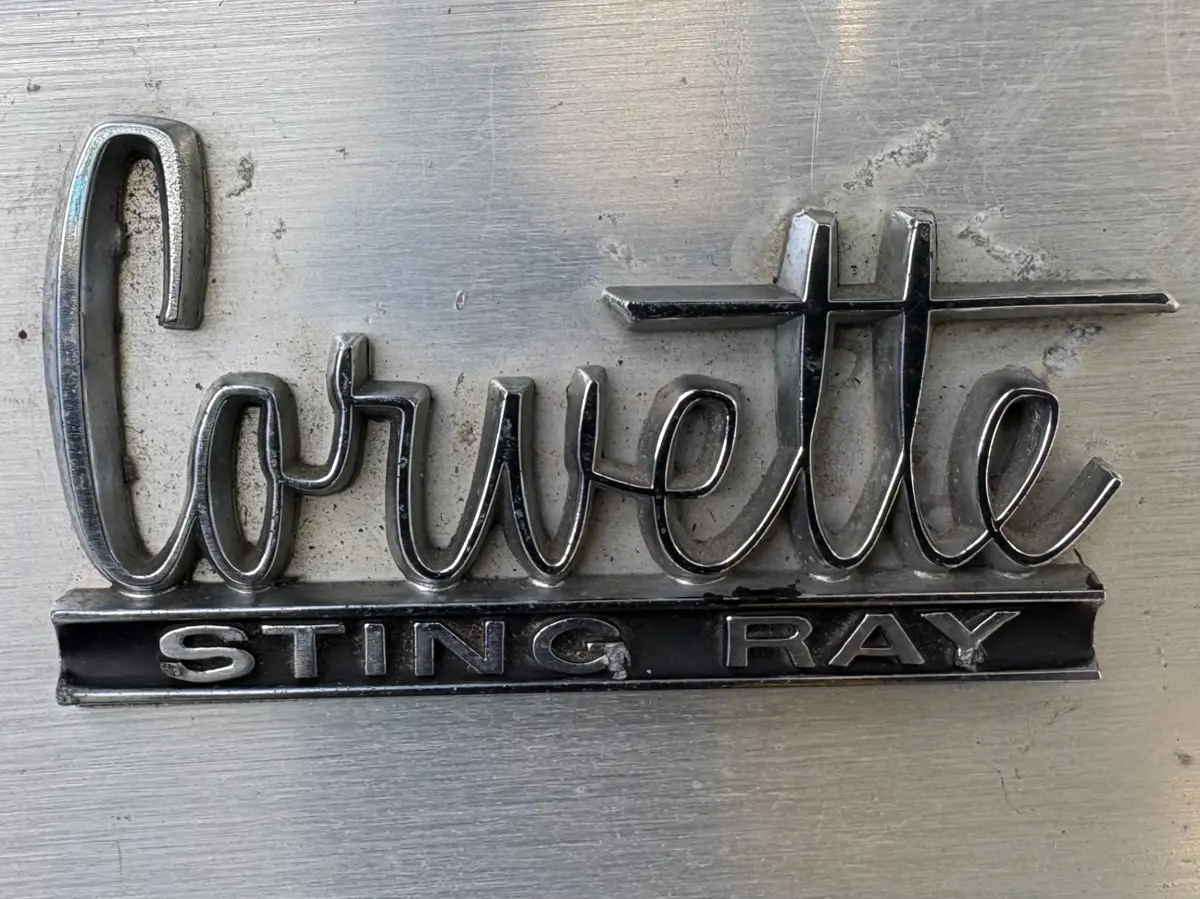
Black carpet covers the floor, and the door panels are the correct black vinyl units with chrome trim inserts and the push-button interior releases. Seat belts are present on both sides. The passenger-side dash carries the Corvette Sting Ray script badge in its correct position. The overall interior condition is consistent with a car that has honest miles and has not been subjected to a cosmetic-only re-do.
Exterior
Sunfire Yellow was a new color for Corvette in 1966, and it remains one of the most visually direct choices in the C2 palette. On the convertible body, with the black top raised, the contrast between the yellow fiberglass and the black soft top is clean and intentional. With the top lowered, the Sunfire Yellow reads as a straightforward, unambiguous color choice — there is nothing subtle about it, which suits the character of the car.
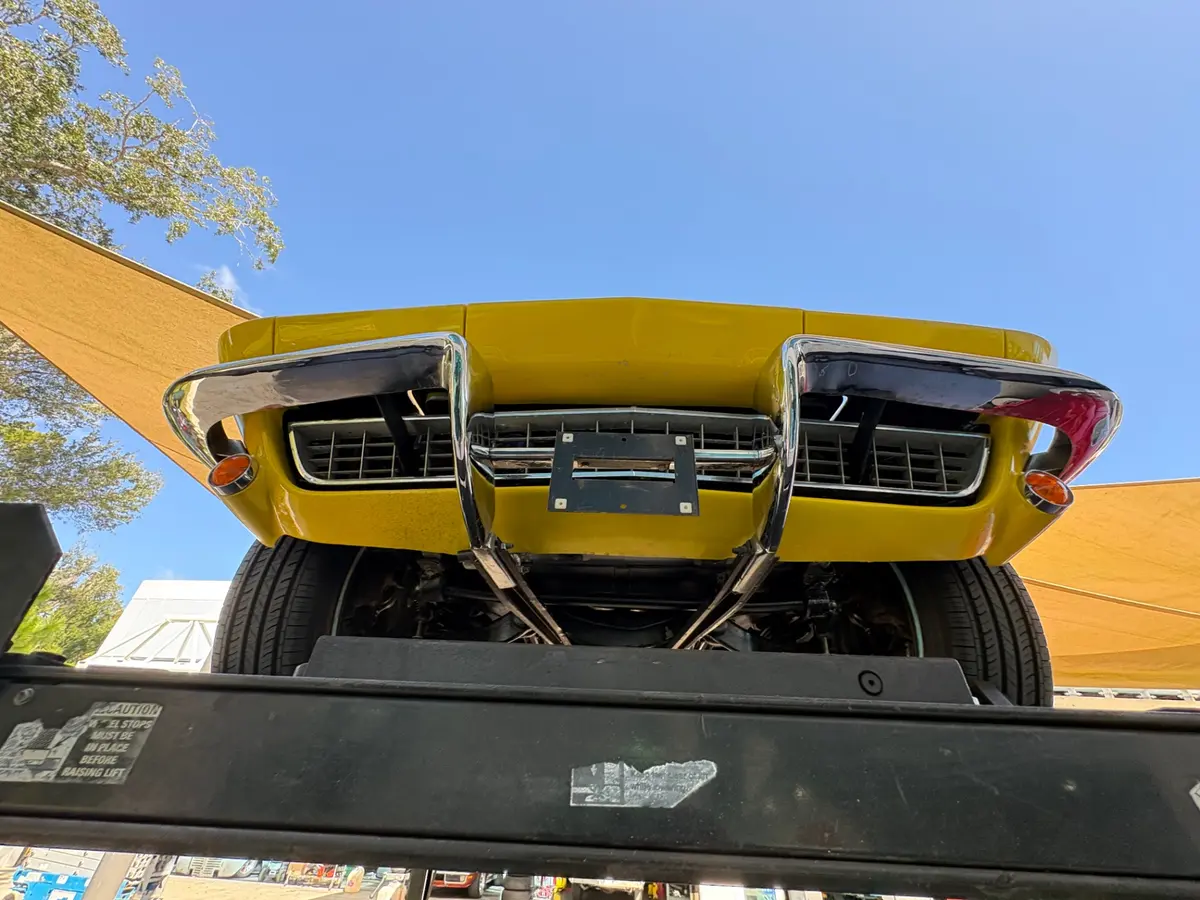
The C2 Corvette body style was designed by Larry Shinoda under the direction of Bill Mitchell, and the 1966 version of that design had reached its most resolved form. The front end features the hideaway headlight pods that rotate open electrically, one of the more distinctive styling elements of the generation. The rear treatment uses four round taillights recessed into the rear body panel, flanked by chrome bumperettes and the exhaust outlets from the side exit system. The chrome bumpers front and rear are present and show reasonable condition for a car of this age.
The Corvette steel wheels are fitted with Michelin tires, which are a practical and widely accepted choice for a driver-quality C2. The wheels wear the correct center caps and trim rings. The black convertible top is fitted with a glass rear window, which was the upgraded option over the plastic rear window and provides better long-term clarity and durability. The fiberglass bodywork on this car shows the Sunfire Yellow finish throughout, with the panel gaps and body lines consistent with what you would expect from a well-maintained C2 Corvette.
Conclusion
The 1966 Chevrolet Corvette Sting Ray convertible occupies a specific and well-understood position in the collector car market. It is the last generation of Corvette before emissions regulations and insurance pressure began reshaping American performance cars in the late 1960s and into the 1970s. The C2 platform represents the point at which Corvette engineering, styling, and available performance options all converged at their highest level simultaneously. A 1966 example with the 327/350 engine, factory disc brakes, factory air conditioning, and side exit exhaust is a car that was optioned by someone who knew what they were doing at the order desk.
This car is presented honestly. It is a driver-quality 1966 Corvette Sting Ray convertible in Sunfire Yellow with a strong, correct engine and a meaningful list of original options. It is the kind of car that can be driven regularly, shown at regional events, and owned without the anxiety that comes with a high-dollar concours restoration.
To schedule a time to see this 1966 Chevrolet Corvette Sting Ray in person, call Skyway Classics at 941-254-6608. We are located in Sarasota, Florida, and we are happy to answer detailed questions about the car before you make the trip.
Disclaimer
Information found on the website is presented as given to us by the owner of the car, whether on consignment or from the owner we bought it from. Some Photos, materials for videos, descriptions and other information are provided by the consignor/seller and is deemed reliable, but Skyway Classics does not warranty or guarantee this information. Skyway Classics is not responsible for information that may incorrect or a publishing error. The decision to purchase should be based solely on the buyers personal inspection of the vehicle or by a professional inspection service prior to offer or purchase being made.
1966 Chevrolet
Corvette Sting Ray
Why Choose Skyway Classics?
Explore our curated inventory of classic and collector cars—thoughtfully selected, ready to drive, and supported by experts who make ownership simple.
Expert Curation
Every vehicle is hand-selected by our experts for quality, authenticity, and investment potential.
Fast Transactions
Streamlined buying and selling process with quick financing and immediate delivery options.
Only National Dealer With Classic Service & Repair
We’re the only national dealership that services and repairs the classics we sell—before and after the sale.
Nationwide Network
Access to our extensive network of collectors, restorers, and classic car enthusiasts nationwide.
Concierge Ownership Support
From financing and insurance to paperwork, shipping, and titling—we handle the details so you can enjoy the drive.
Passion-Driven Service
We're classic car enthusiasts first, providing personalized service with genuine passion for the hobby.