
1997 Pontiac
Firebird Firehawk SLP
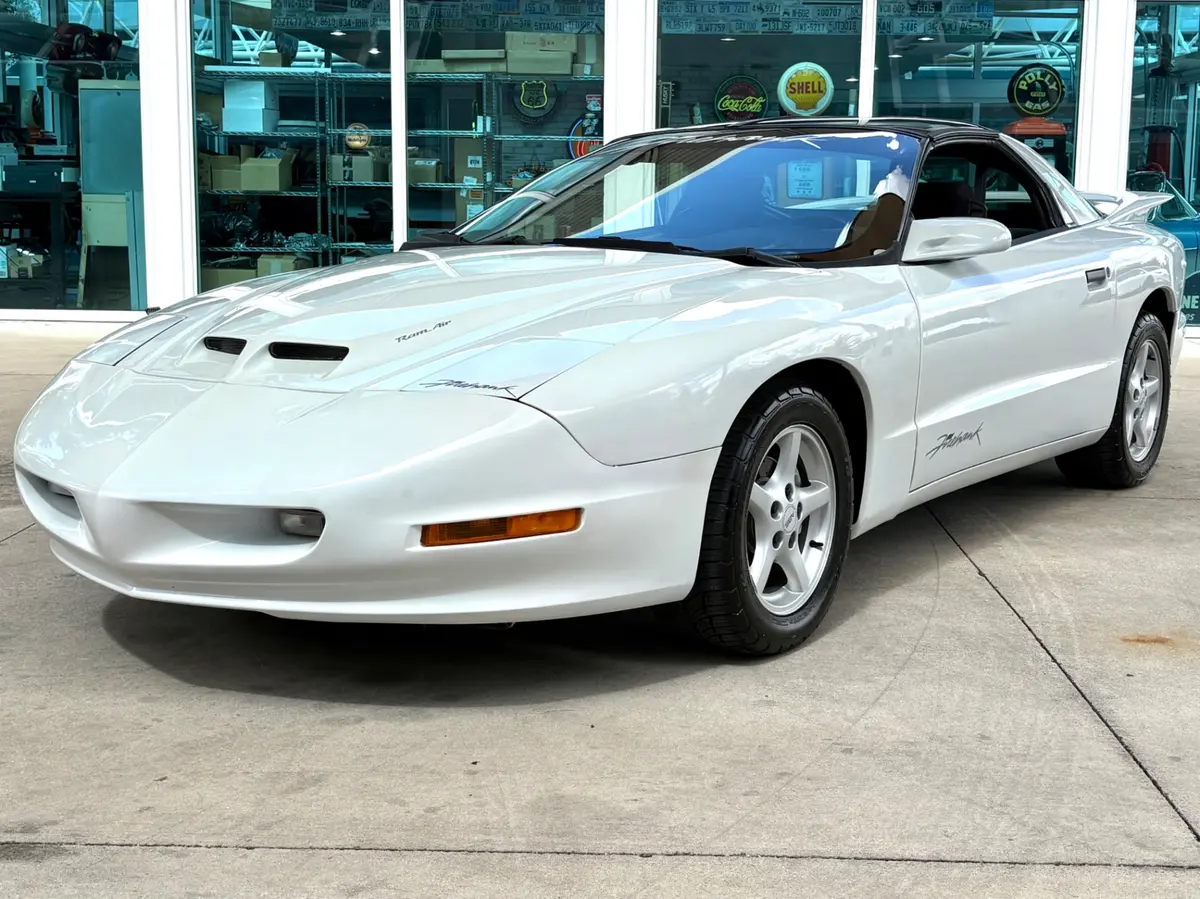
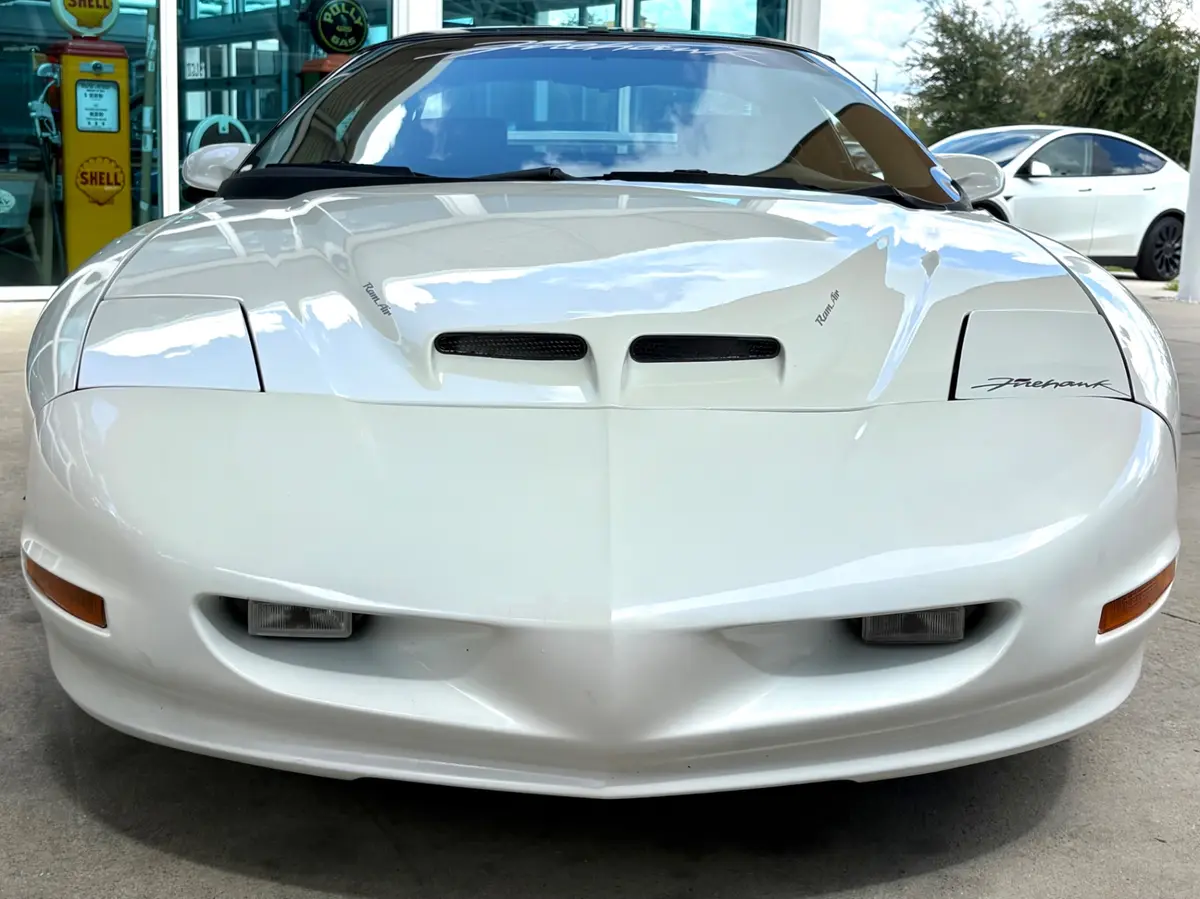
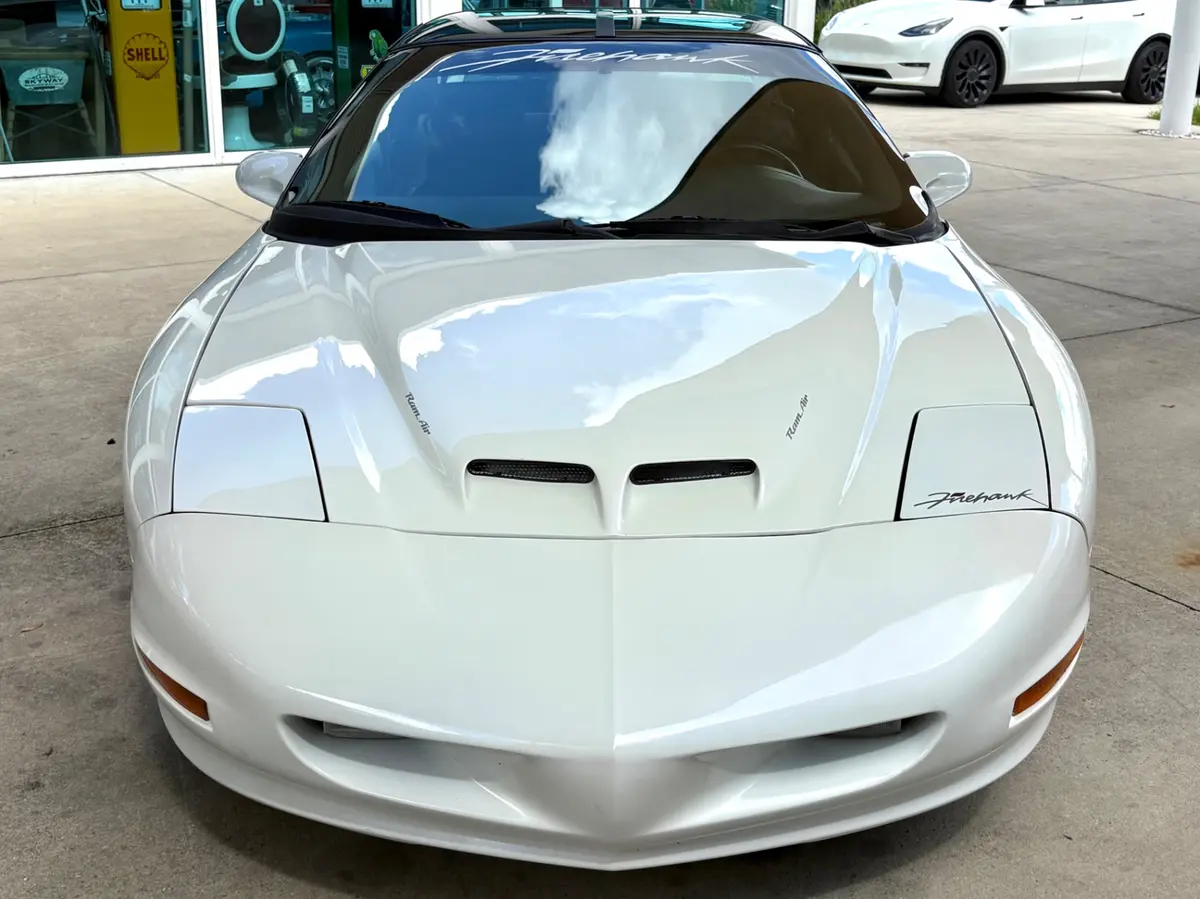
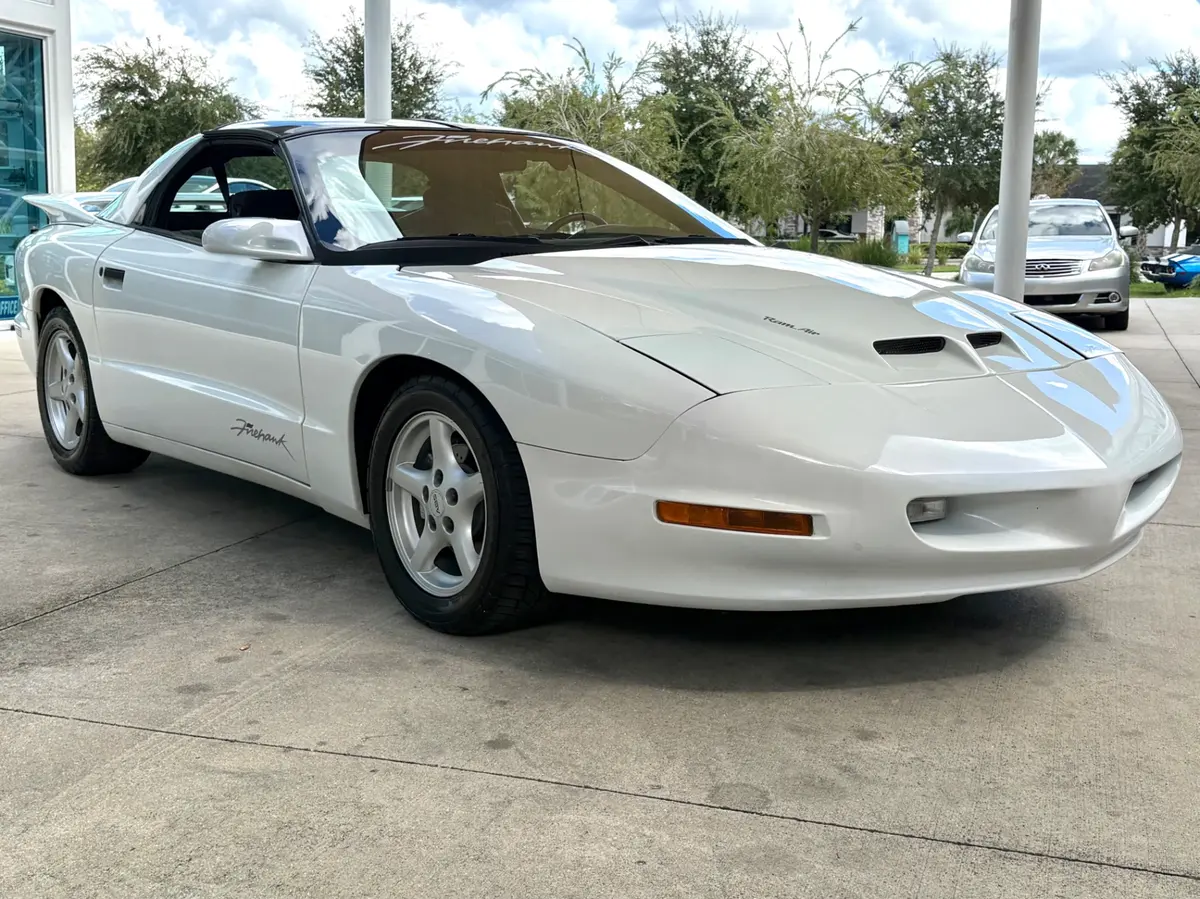
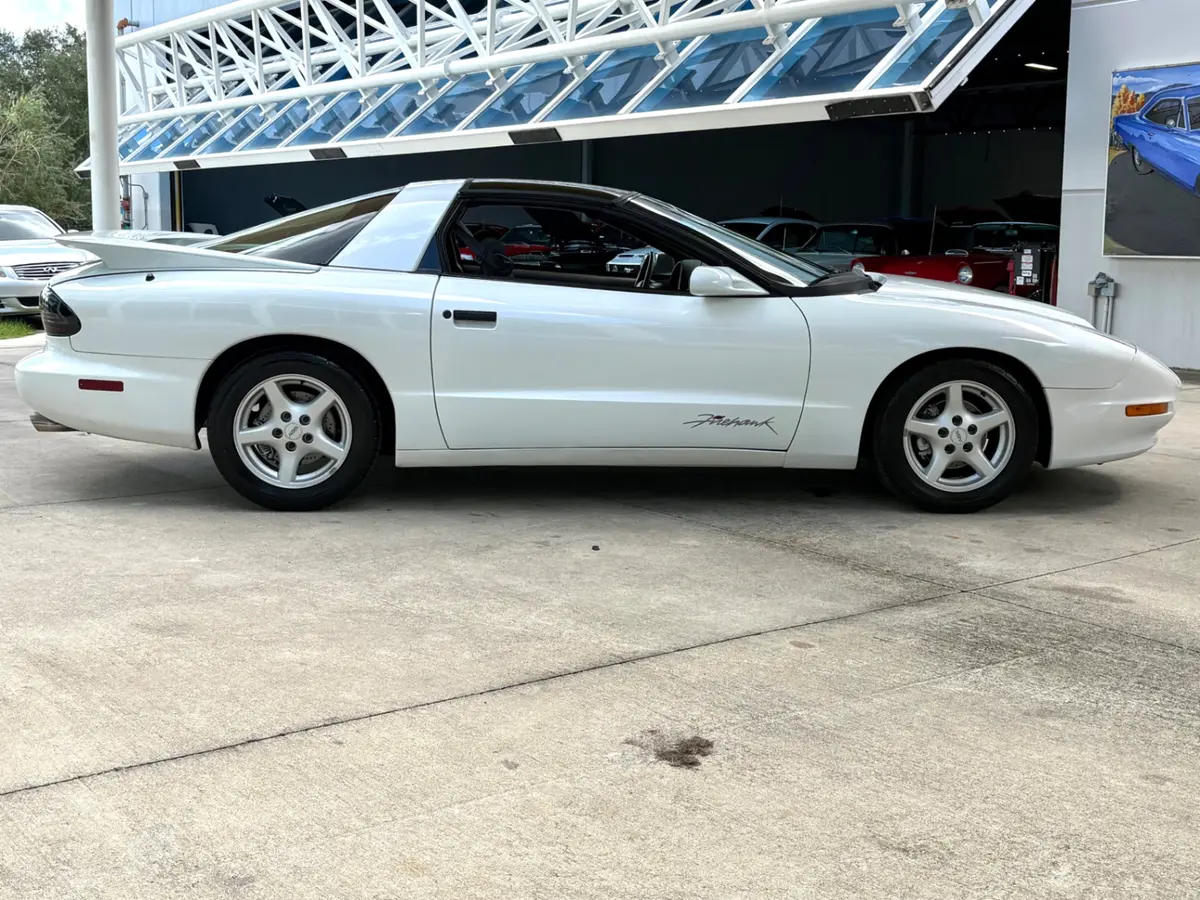
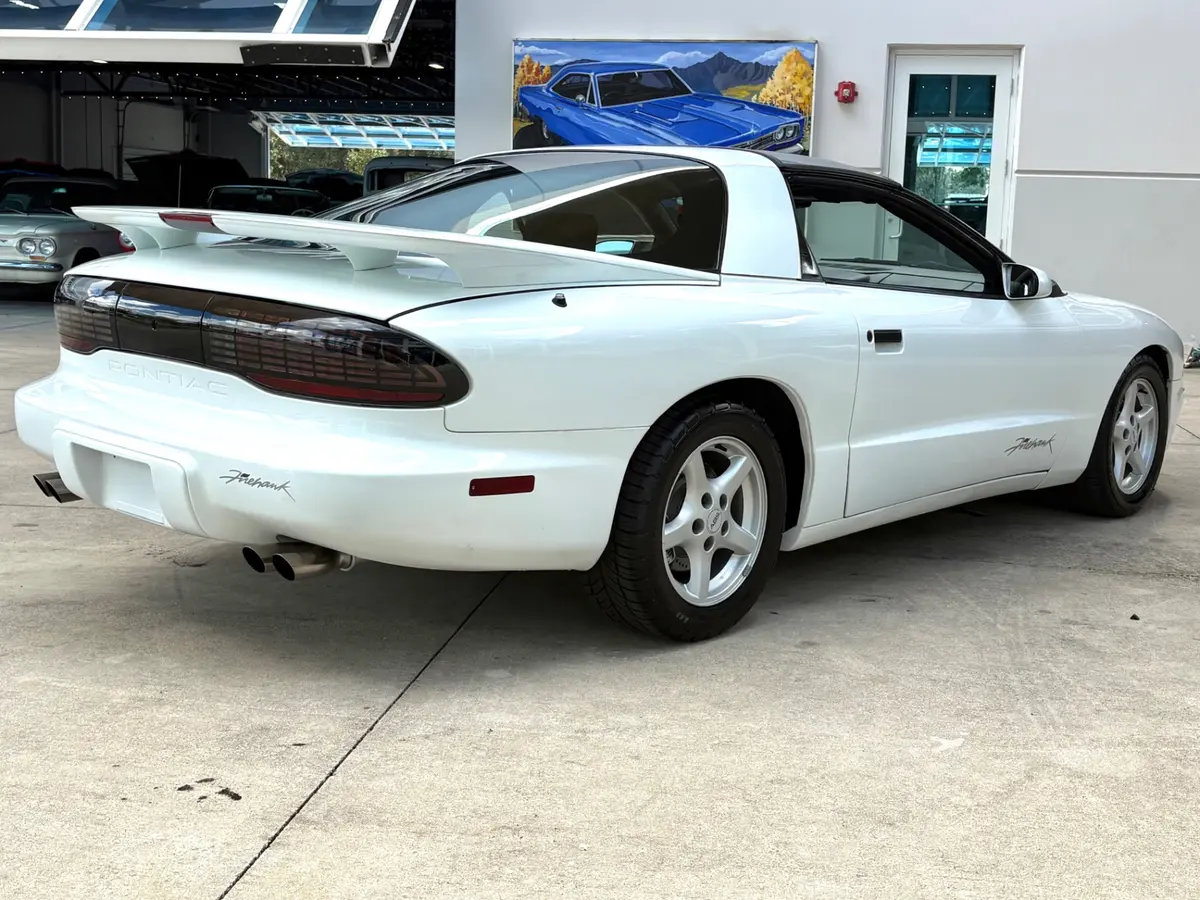
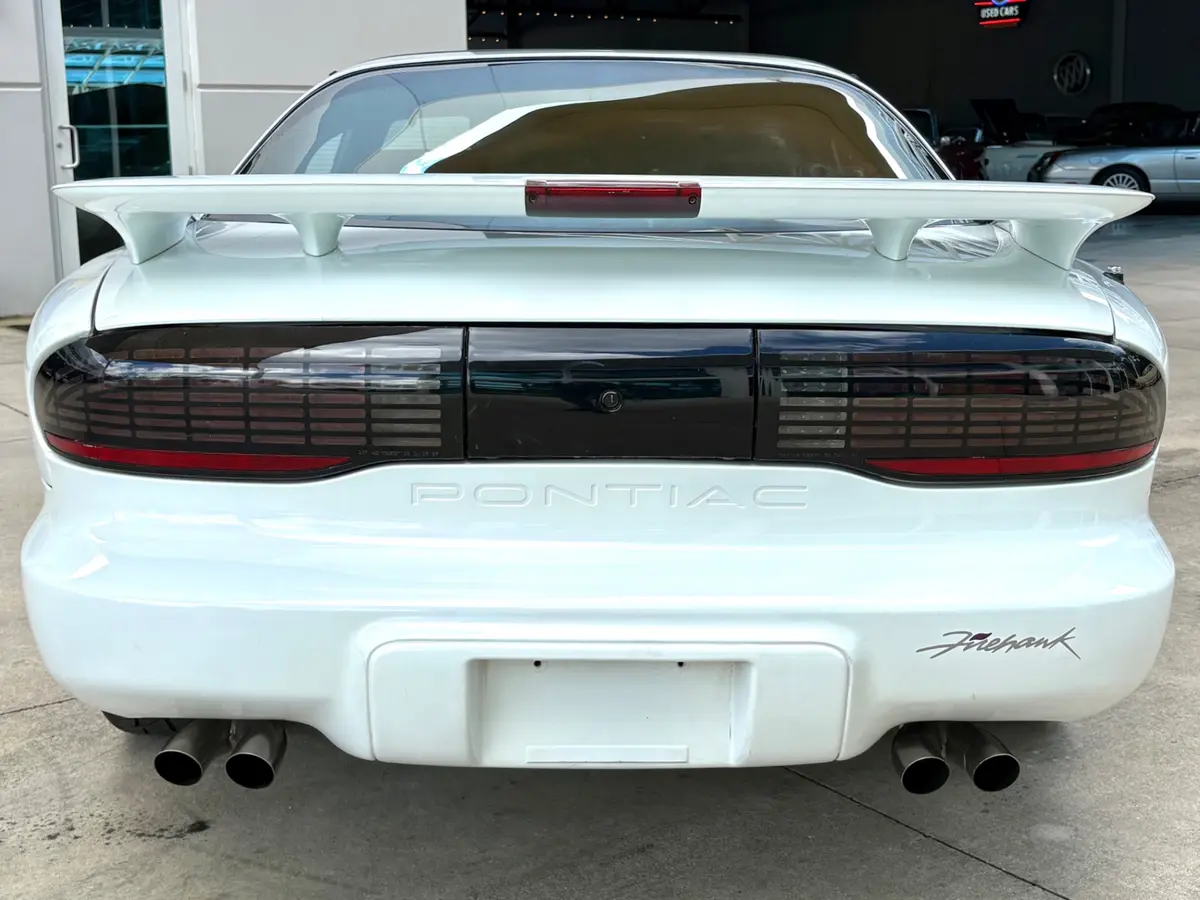
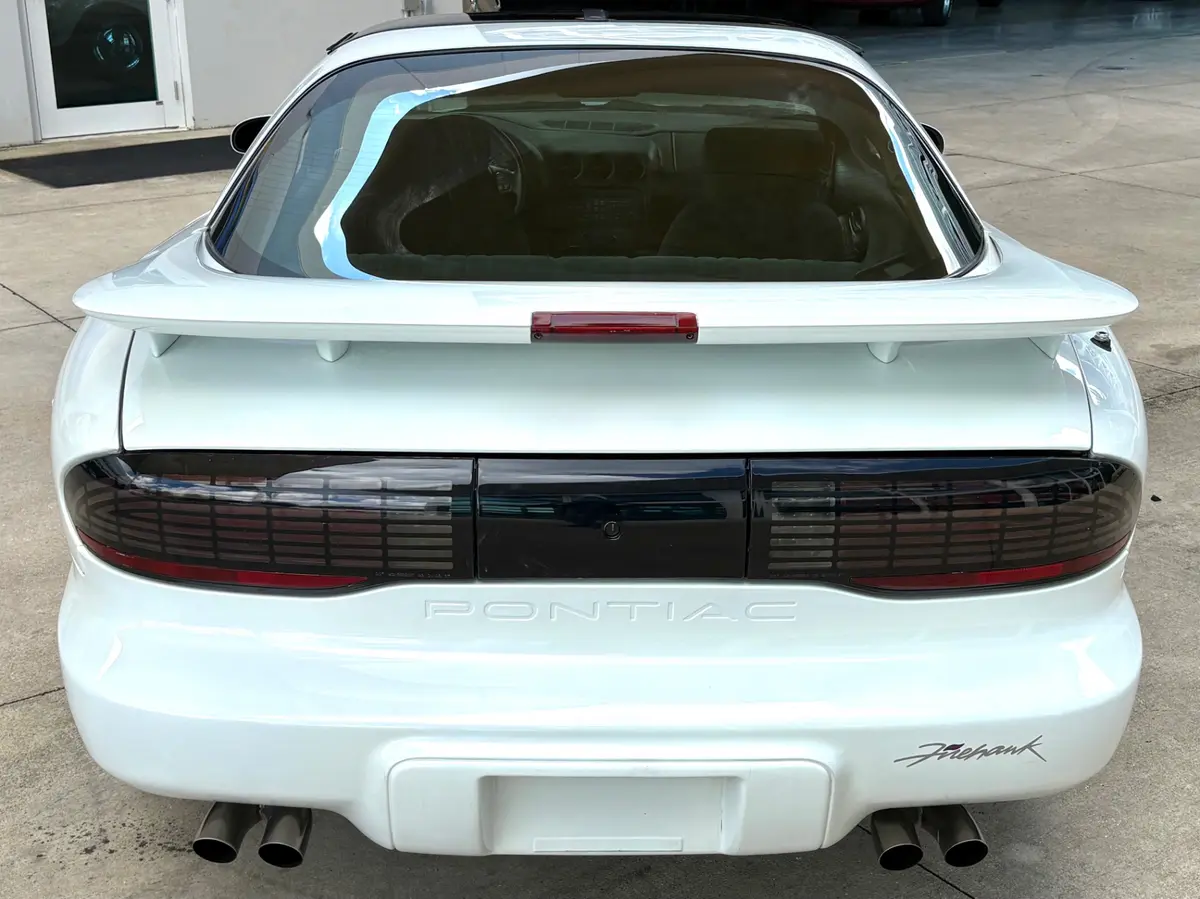
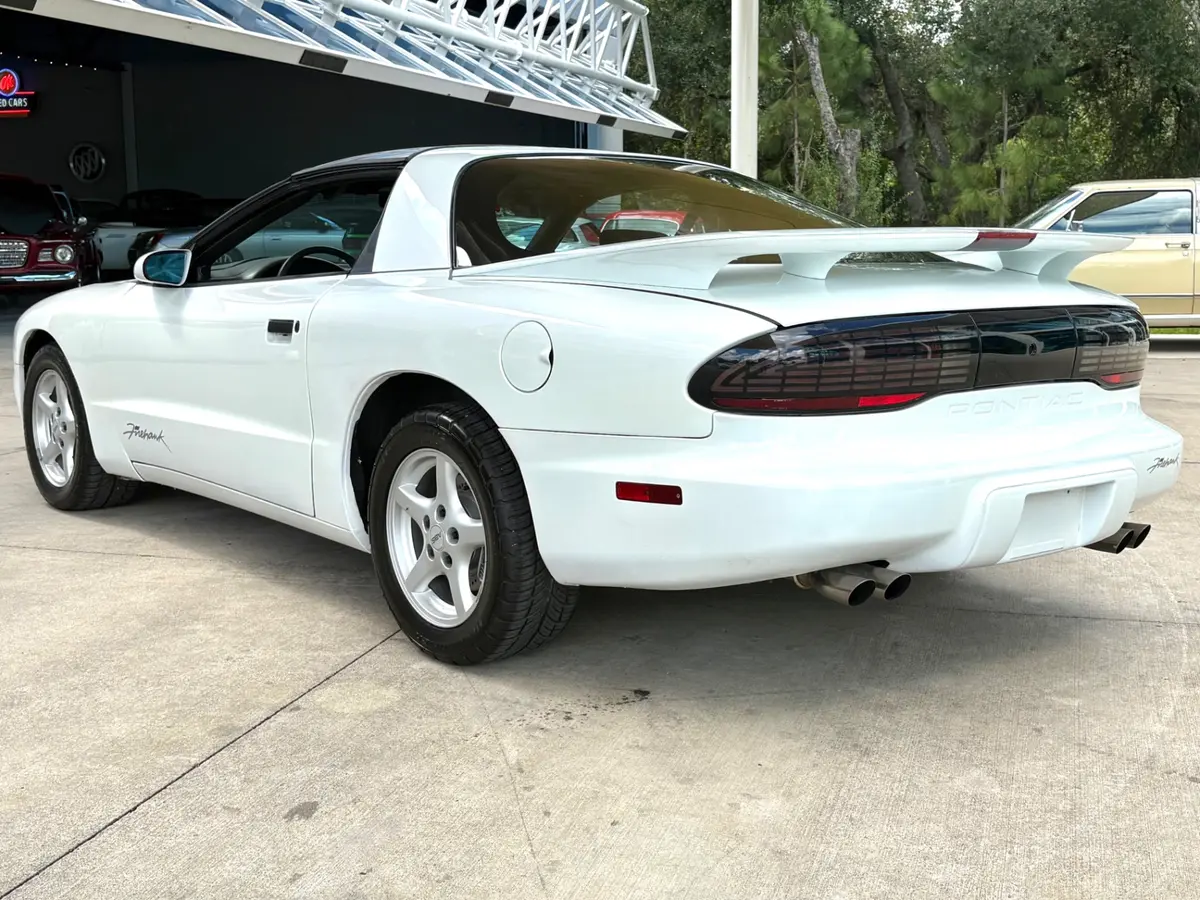
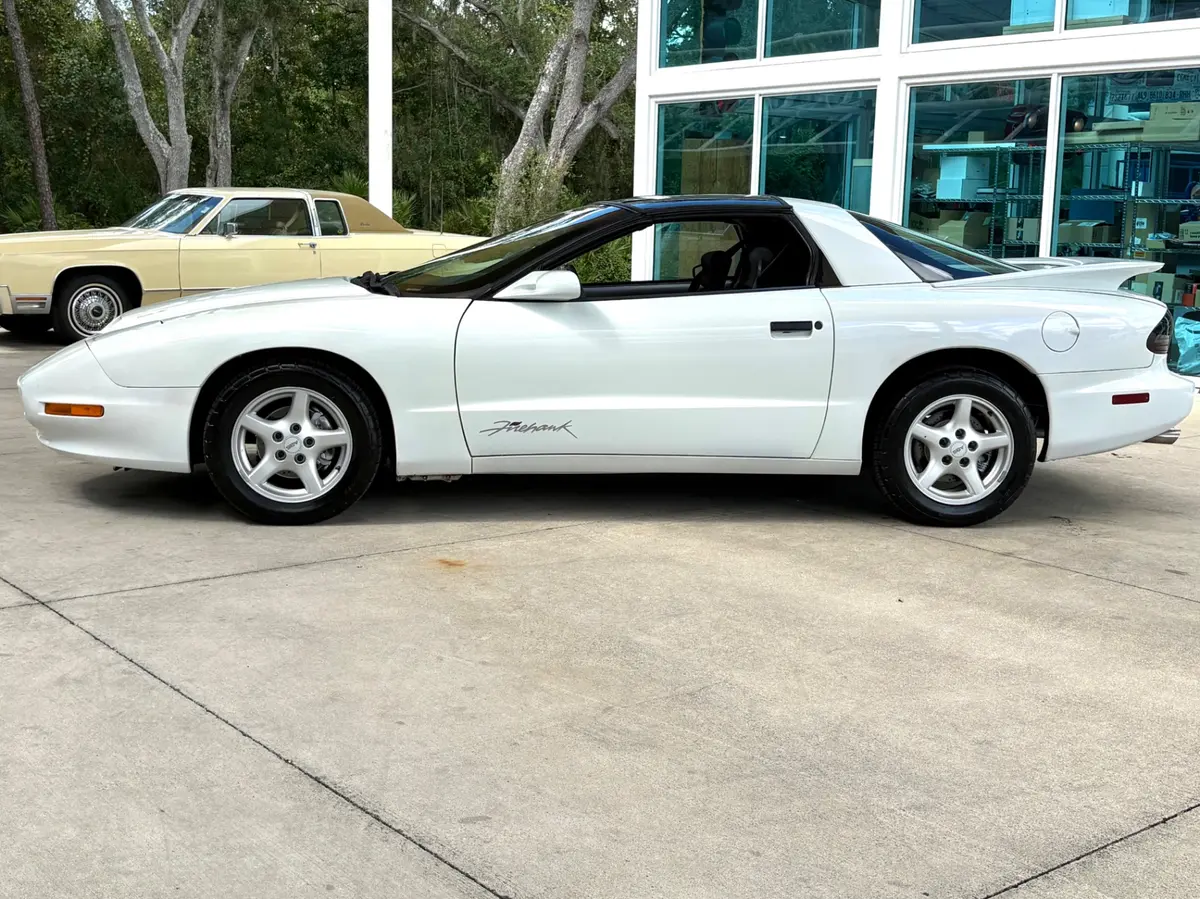
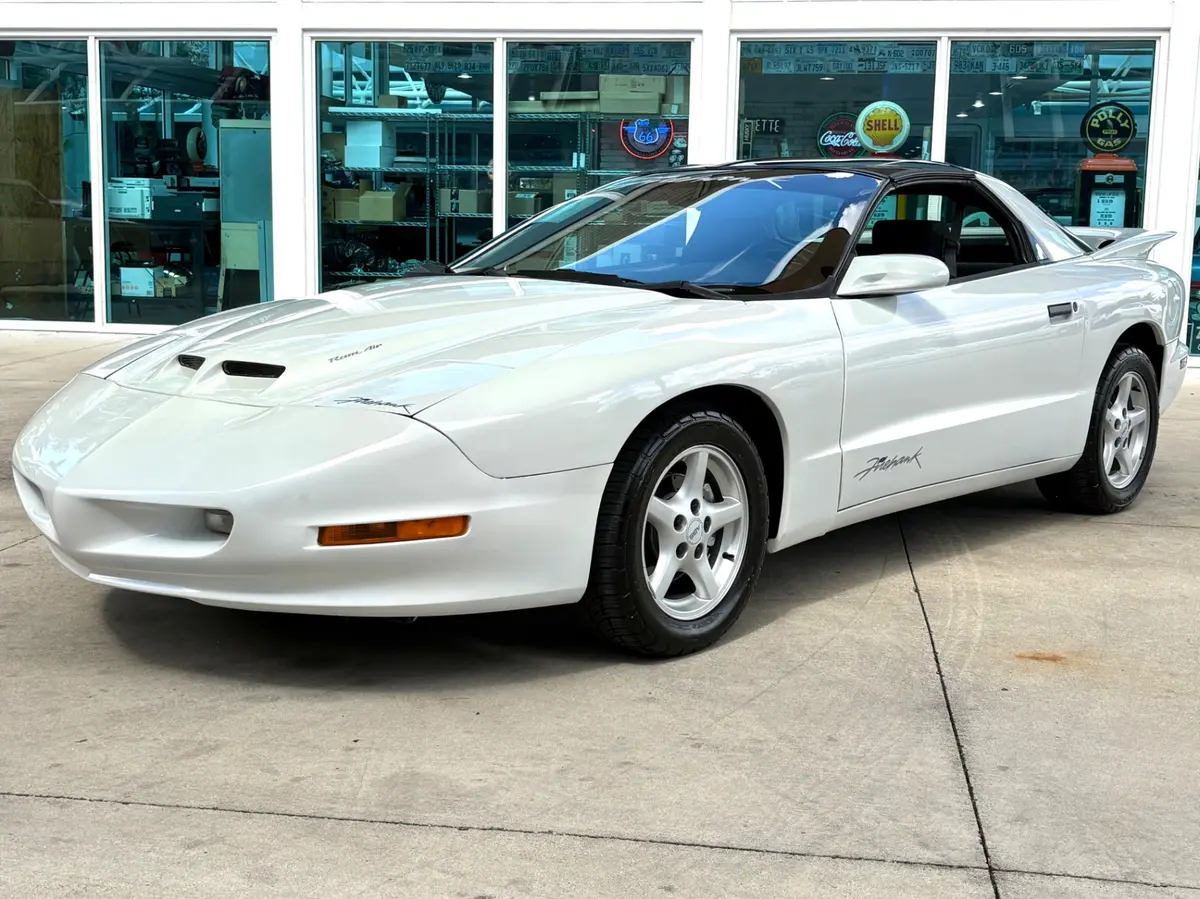
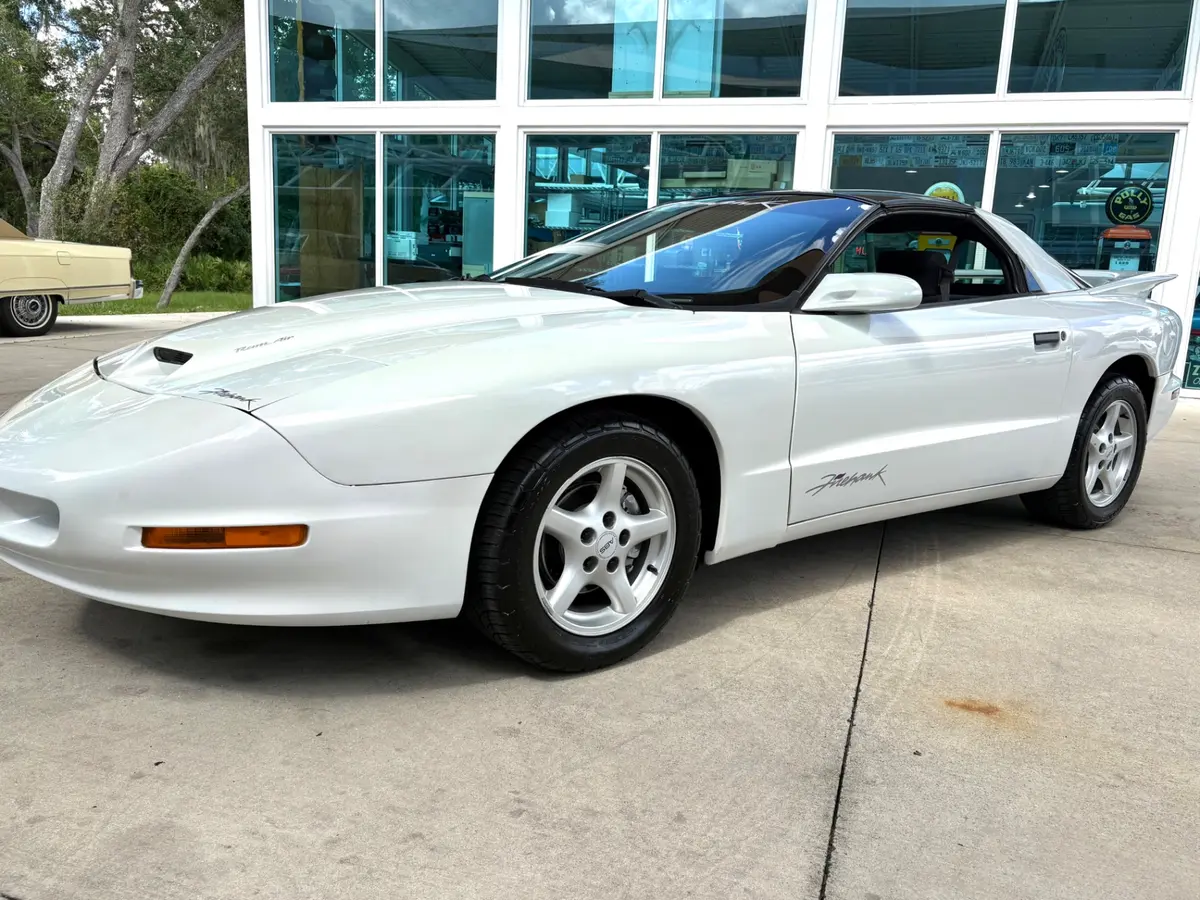
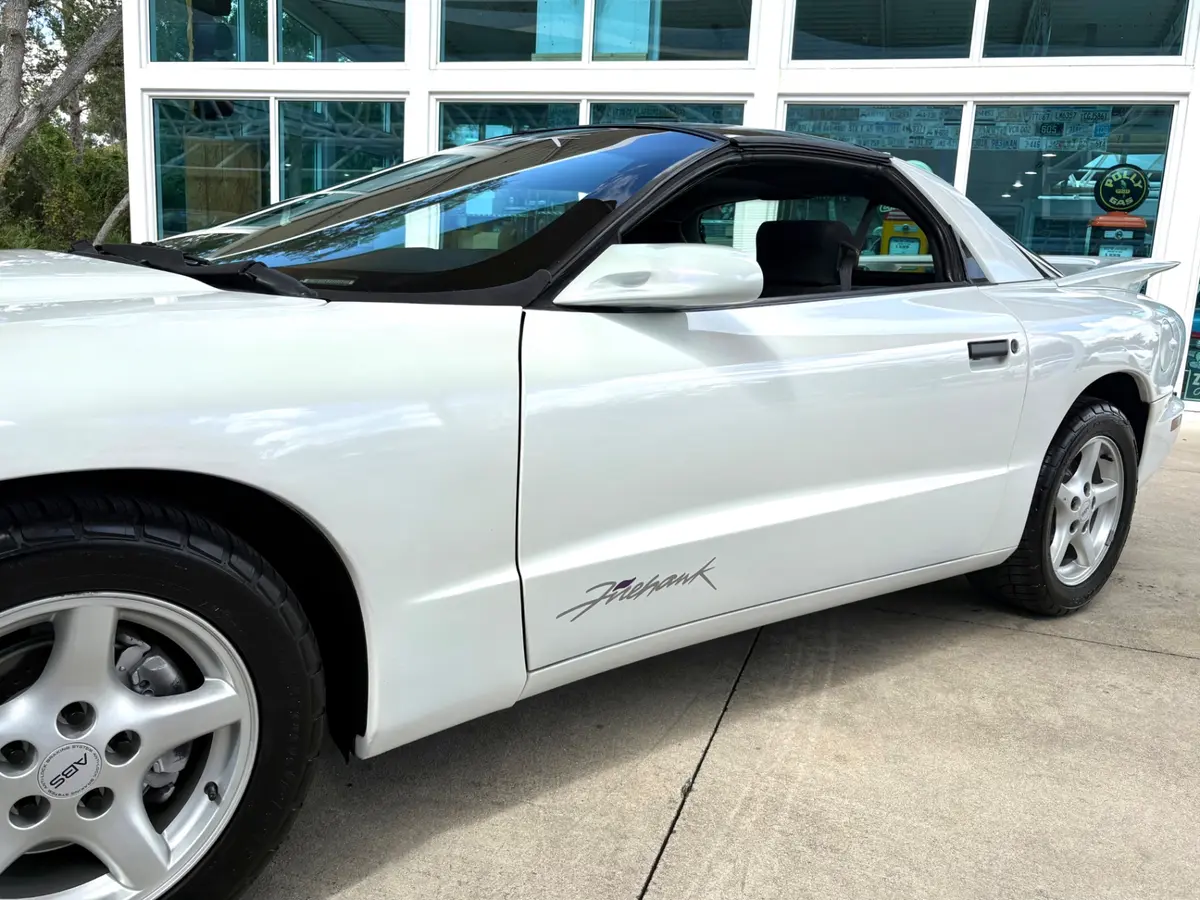
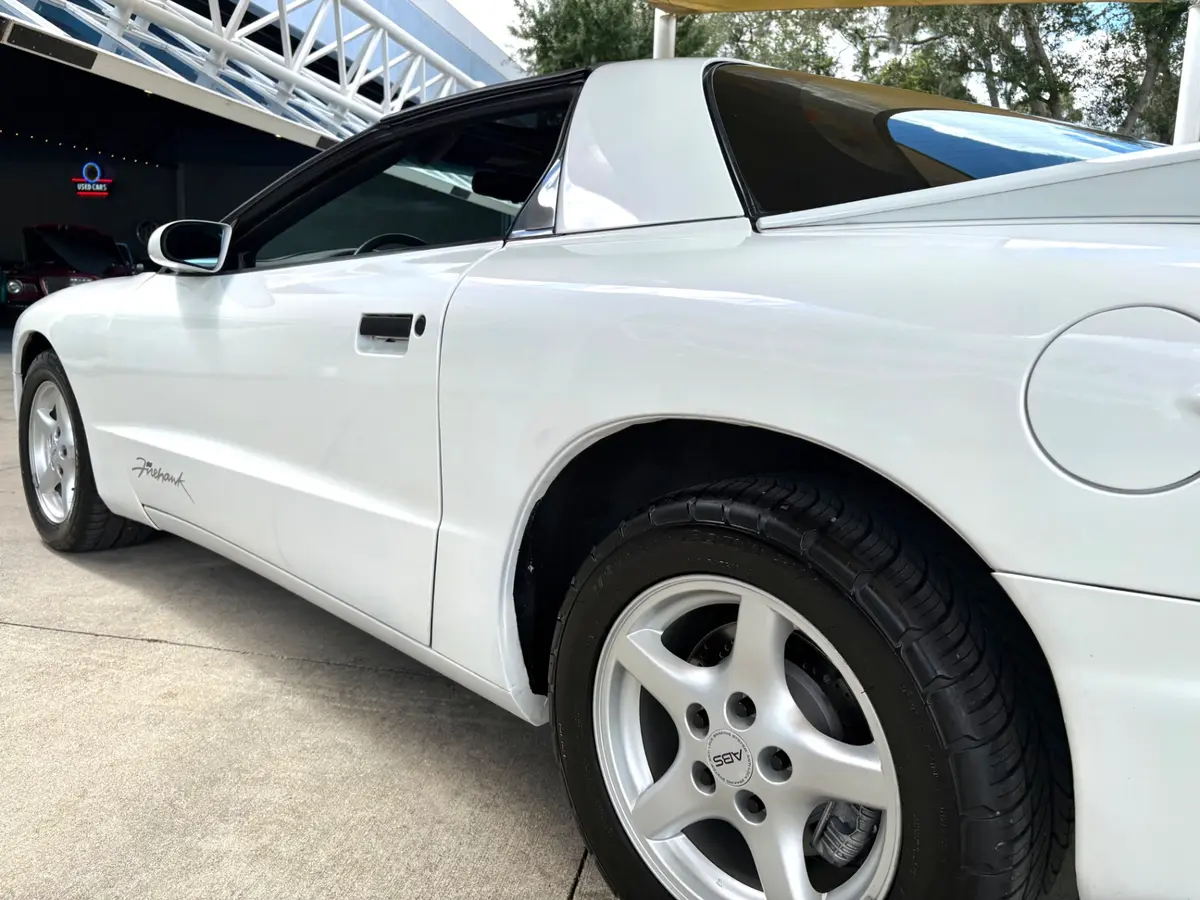
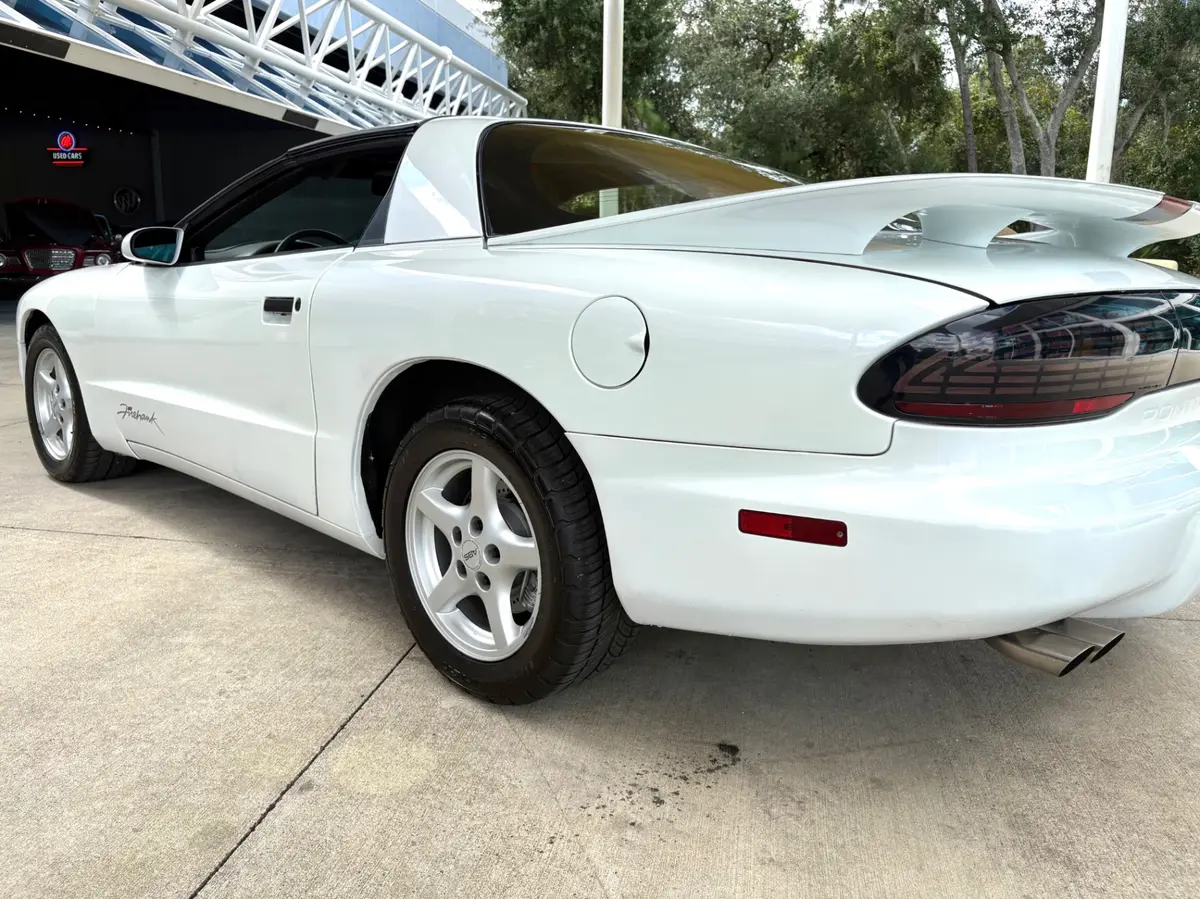
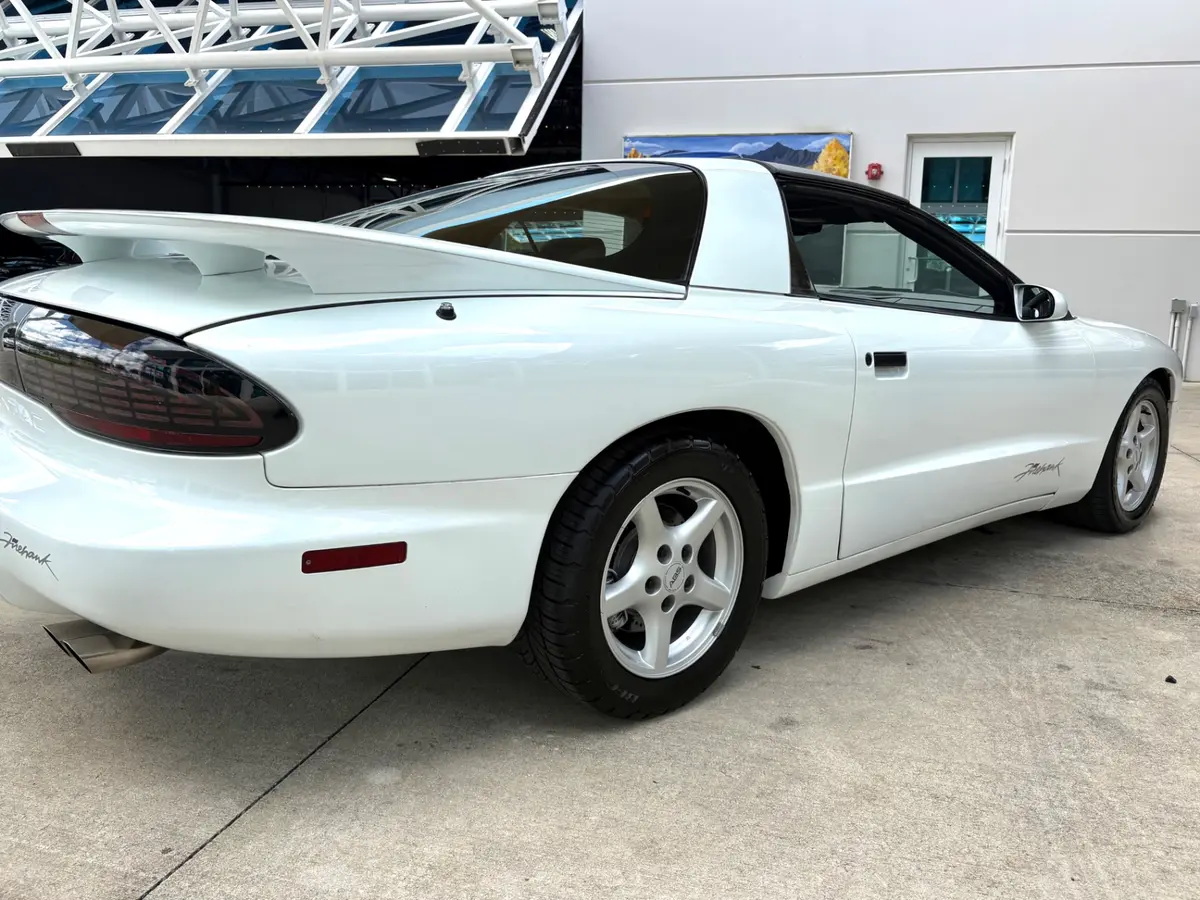
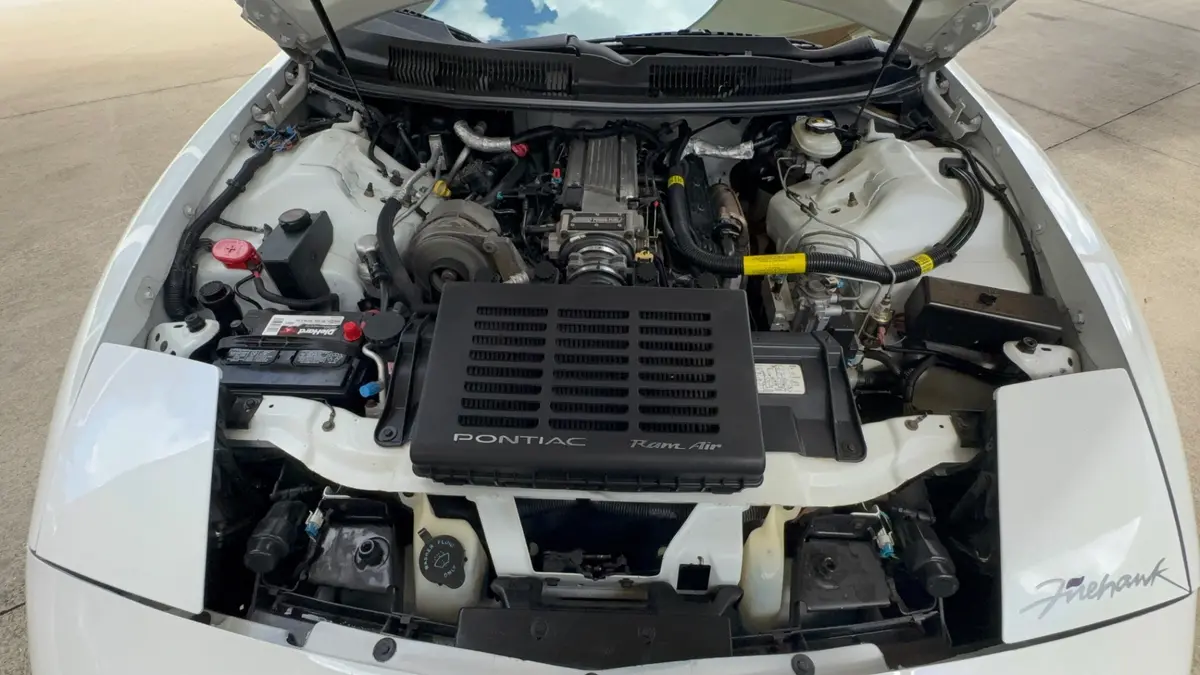
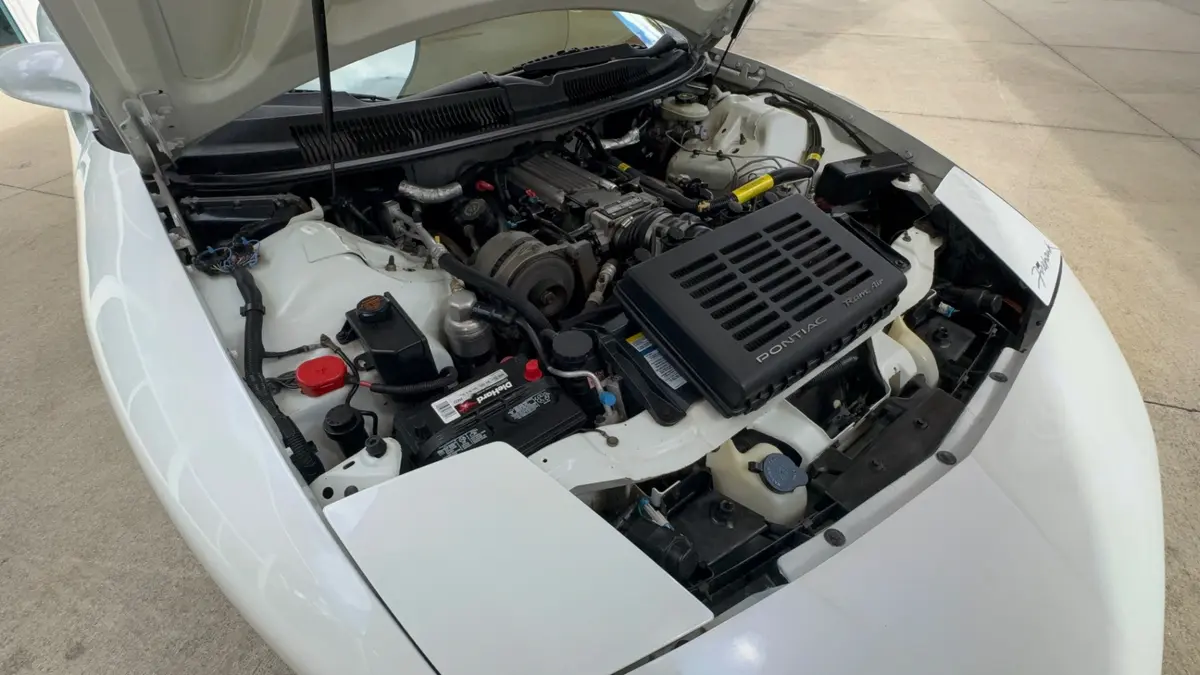
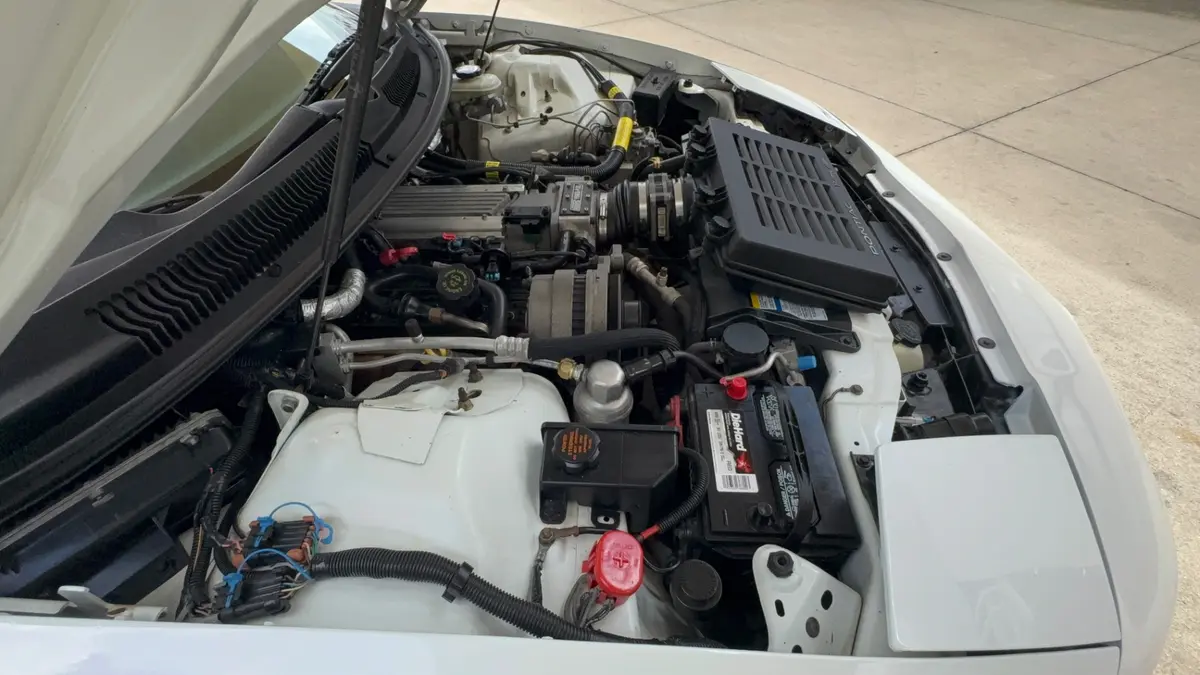
1997 Pontiac Firebird Firehawk — SLP Engineering Package, LT1 V8, Ram Air, T-Tops
Why This Car Is Special
The 1997 Pontiac Firebird Firehawk is not a trim level Pontiac offered through its normal dealer network. It is a specialty vehicle produced through a partnership between Pontiac and SLP Engineering, a New Jersey-based company that had been working with GM since the early 1990s to build higher-performance versions of F-body cars. SLP — which stands for Street Legal Performance — took base Firebird Formula and Trans Am platforms and transformed them into factory-warranted, dealer-delivered performance vehicles that went well beyond what Pontiac's own engineering team was allowed to produce under GM's internal restrictions at the time.
The Firehawk name first appeared in 1991 as a concept, and by 1992 SLP was building them for sale. By 1997, the Firehawk had matured into one of the fastest American production cars available at any price point. Road tests from the era documented 0-60 times in the mid-to-low five-second range, with quarter-mile times hovering around 13 seconds, depending on the transmission. That put the Firehawk in direct conversation with vehicles costing significantly more money. The combination of a Corvette-sourced engine, functional Ram Air induction, and a suspension tuned specifically for the Firehawk made it a genuine performance package rather than a cosmetic one.
What makes the 1997 Pontiac Firebird Firehawk particularly collectible today is how few were built. SLP produced Firehawks in relatively small numbers each year, and 1997 was no exception. These cars were ordered through Pontiac dealerships as RPO-coded options, processed through SLP's facility, and then returned to dealers with a full factory warranty intact. That process kept production numbers low and quality control high. Survivors in good condition are genuinely difficult to find, especially with the Ram Air hood, the SLP exhaust, and the Bilstein suspension all still in place.
This specific car is finished in white over a gray cloth interior, carries the LT1 5.7-liter V8, and is equipped with the 4-speed automatic transmission — a combination that made the Firehawk broadly accessible without sacrificing any of the engine's output. The SLP package, Ram Air induction, Bilstein shocks, and dual quad-tip exhaust are all present and accounted for.
Features List
- LT1 5.7L V8 engine
- SLP Engineering Firehawk package
- Functional Ram Air induction with Pontiac Ram Air intake plenum
- 4-speed automatic transmission
- Dual quad-tip exhaust
- Bilstein shock absorbers
- T-tops
- Rear spoiler
- 5-spoke aluminum wheels
- Four-wheel disc brakes (front and rear)
- ABS brakes
- Air conditioning
- Power steering
- Power brakes
- Tilt steering wheel
- Cruise control
- Power windows and locks
- Dual front airbags
- Rear window defroster
- AM/FM cassette stereo
- Tachometer
- Center console
- Bucket seats
- Firehawk embroidered floor mats
Mechanical
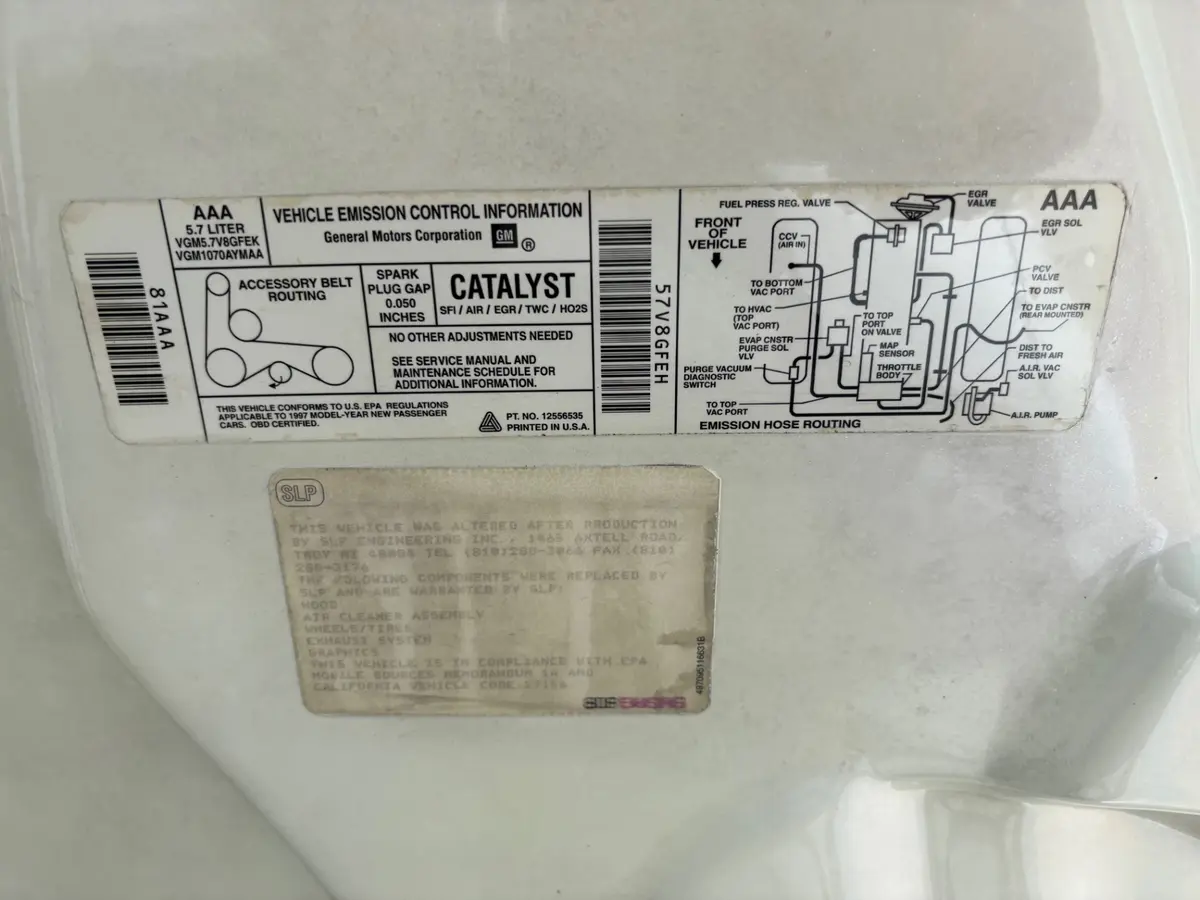
The heart of this 1997 Pontiac Firebird Firehawk is the LT1 5.7-liter V8, which Chevrolet also used in the C4 Corvette and the Impala SS during the same era. In standard Firebird Formula and Trans Am trim, the LT1 was rated at 285 horsepower. The SLP Firehawk package extracted additional output through a combination of the functional Ram Air induction system and the SLP-designed exhaust. With those modifications in place, SLP rated the Firehawk at 305 horsepower and 325 lb-ft of torque, though independent testing sometimes found even more than that at the rear wheels under ideal conditions.
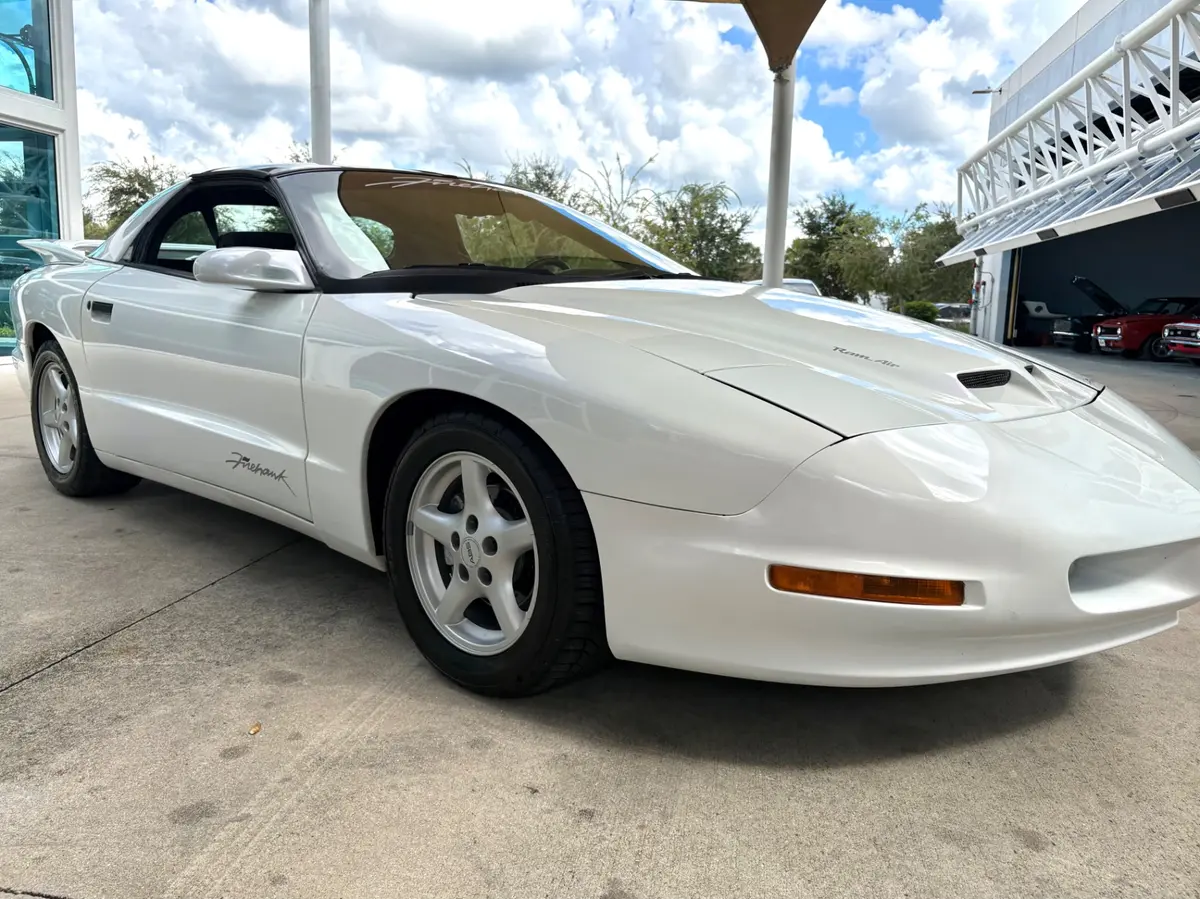
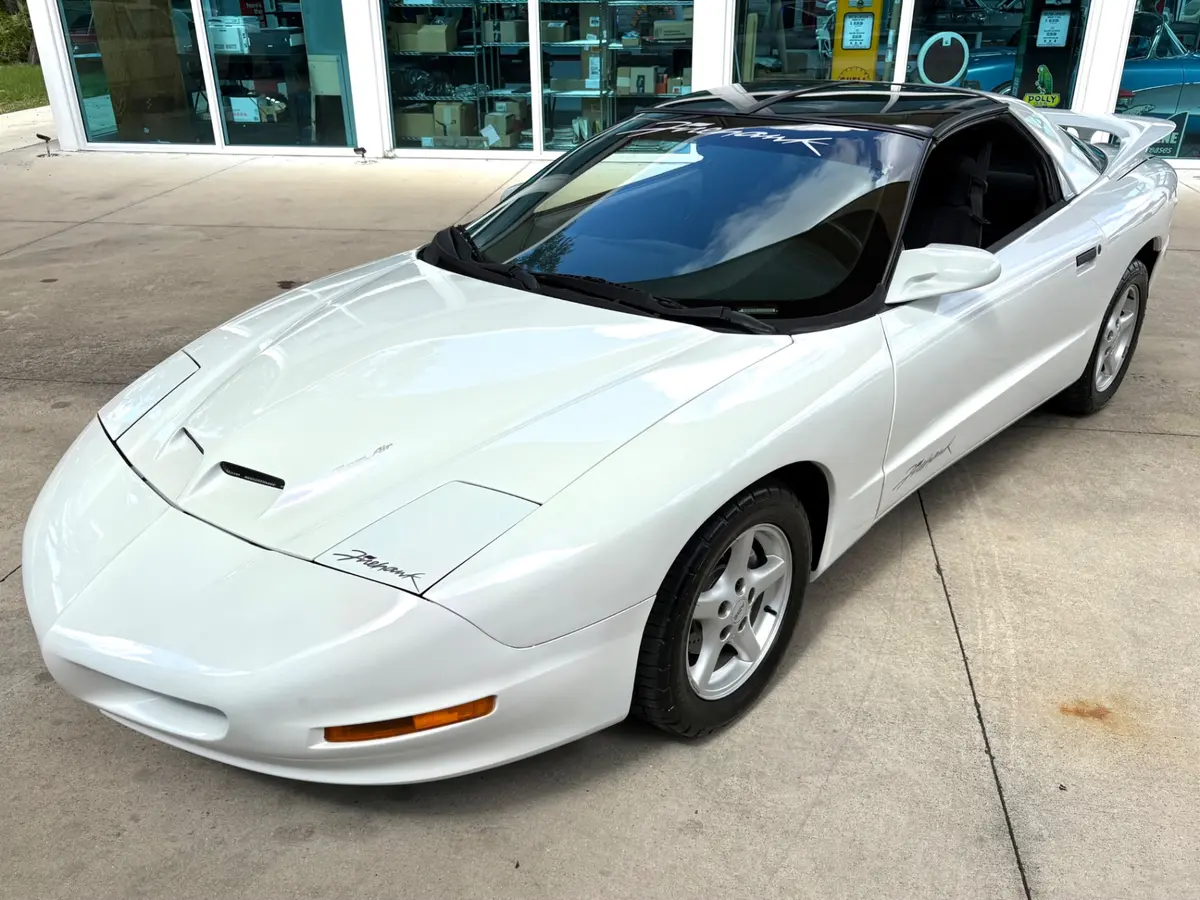
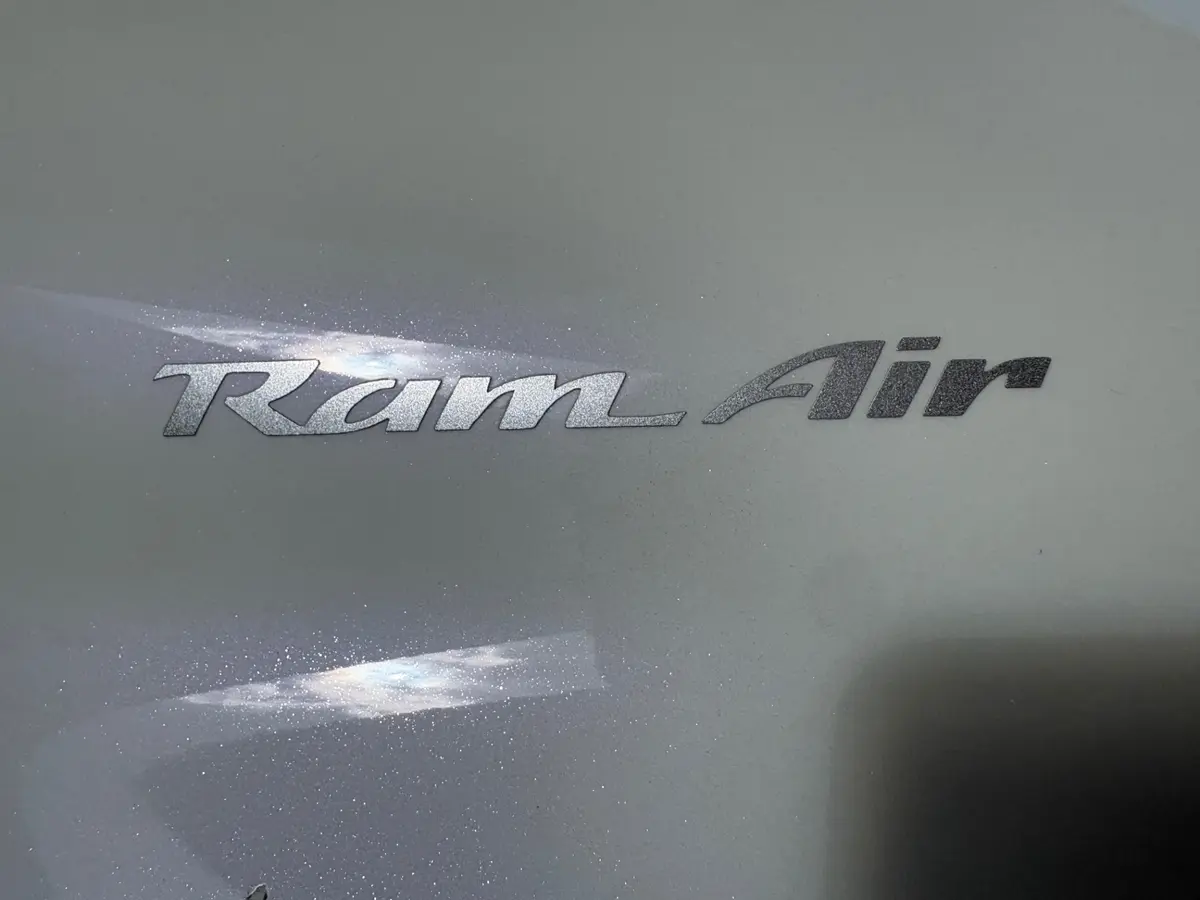
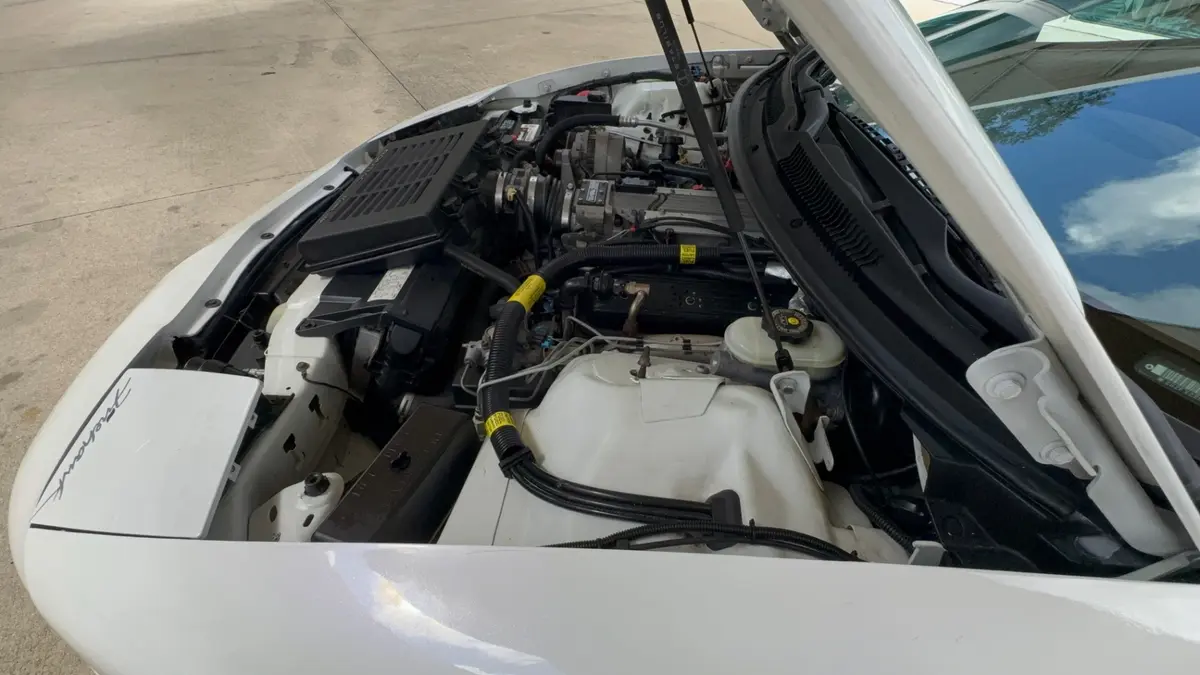
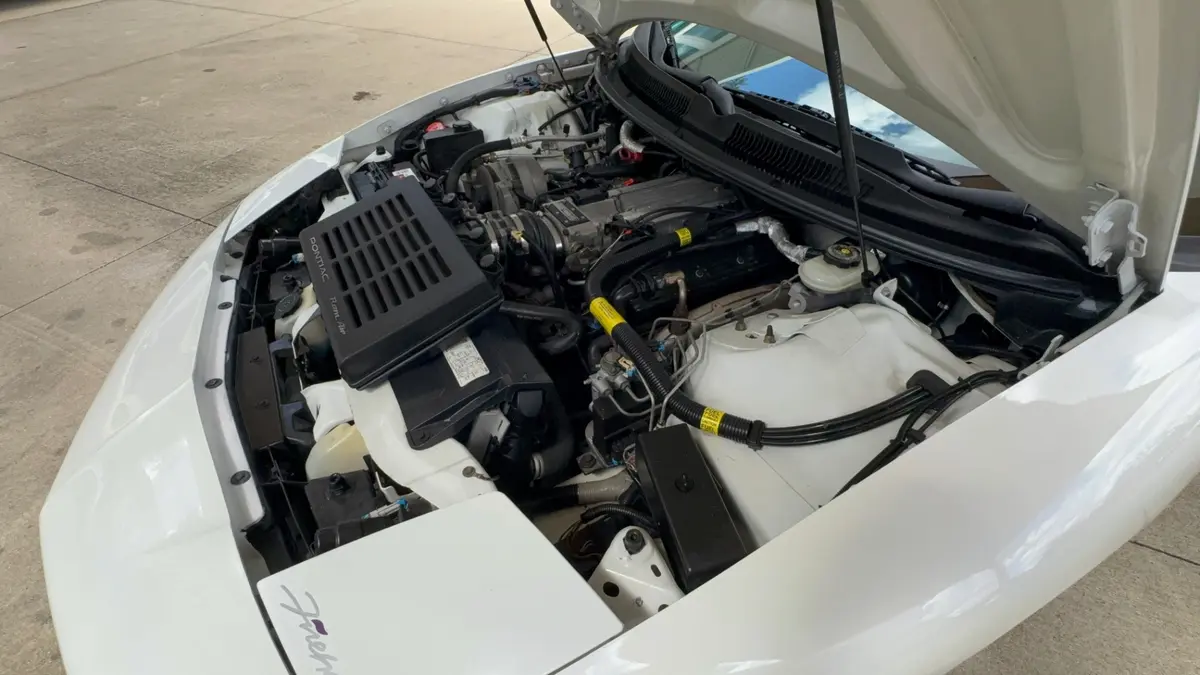
The Ram Air system on this car is functional, not decorative. The twin hood scoops feed directly into the Pontiac-badged Ram Air intake plenum visible under the hood, which draws cooler, denser outside air directly into the engine at speed. This setup is meaningfully different from the cosmetic hood scoops found on many other performance cars of the period. At highway speeds, positive air pressure builds inside the plenum, effectively increasing the volume of air entering the engine and producing a measurable boost in power.
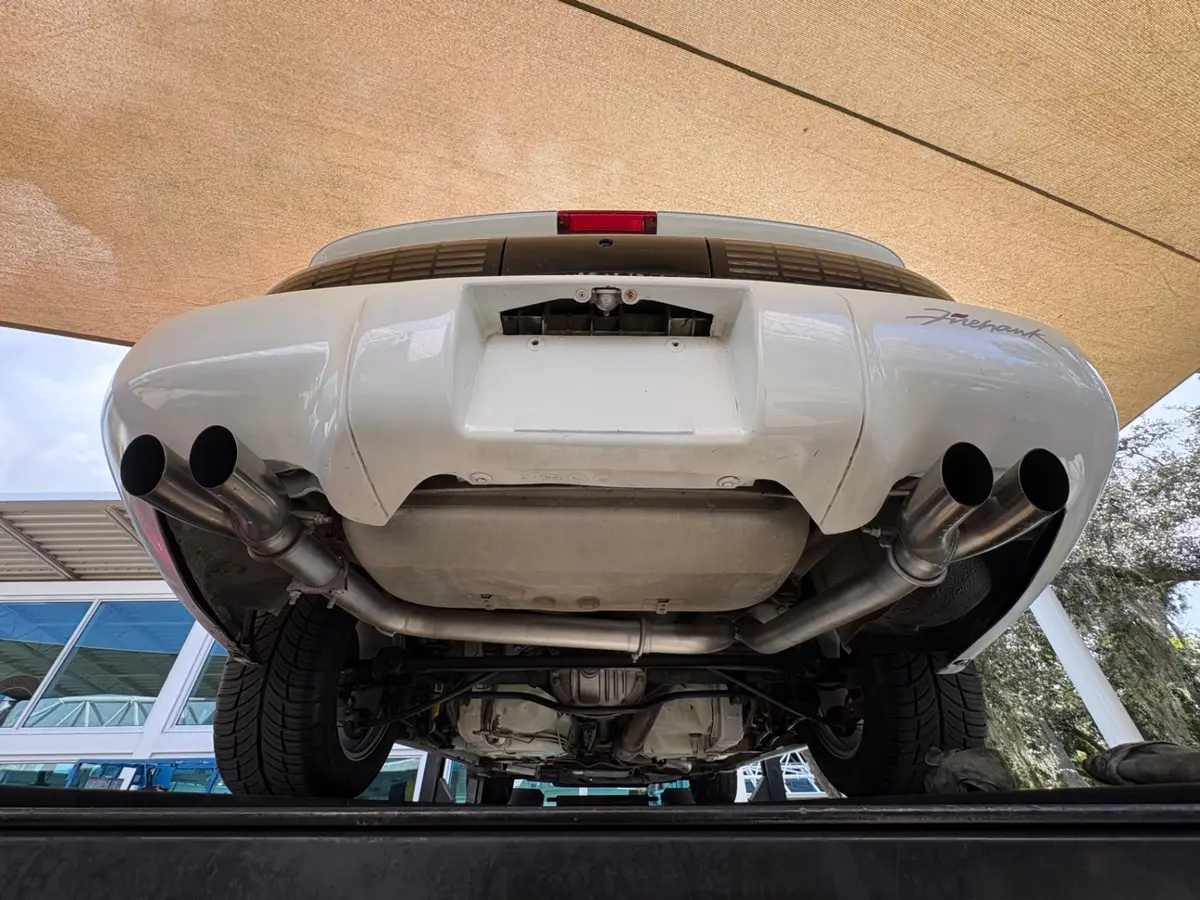
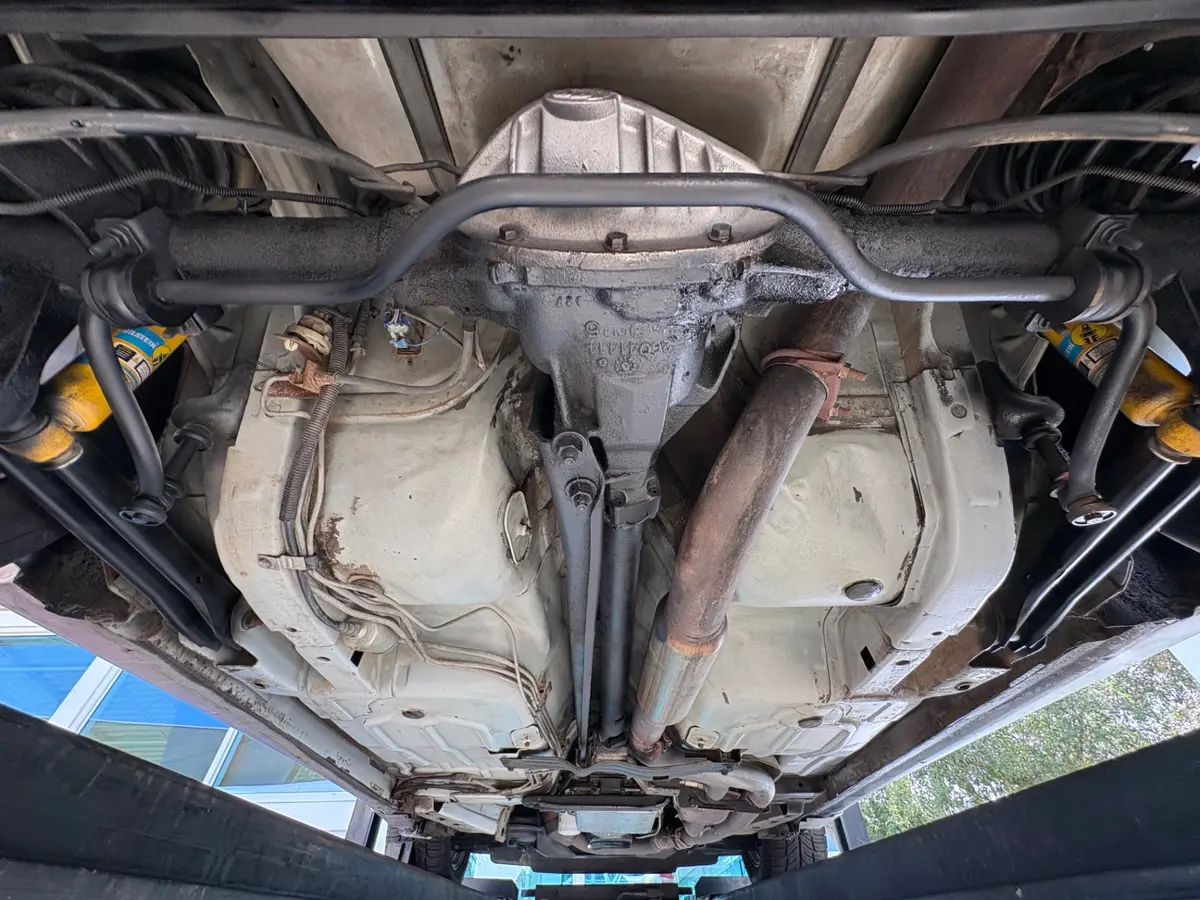
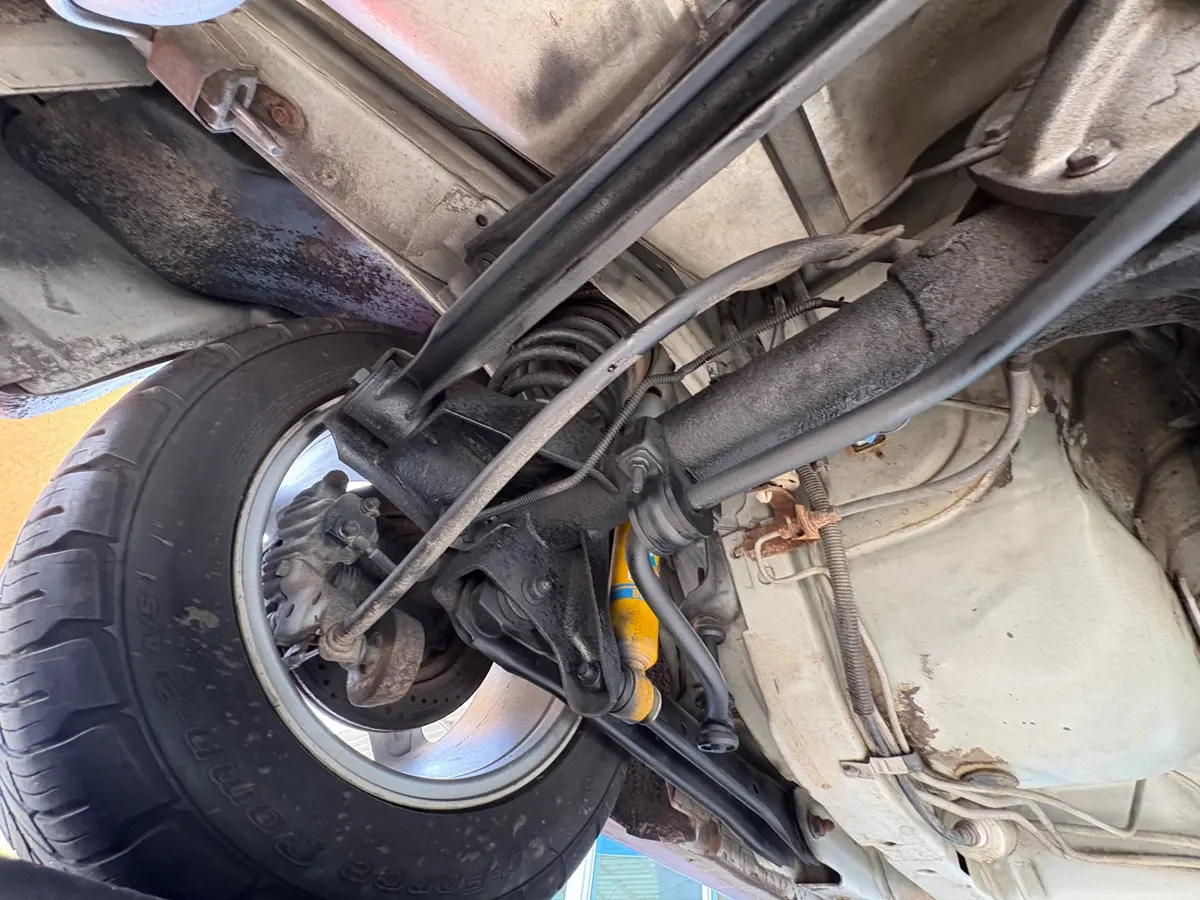
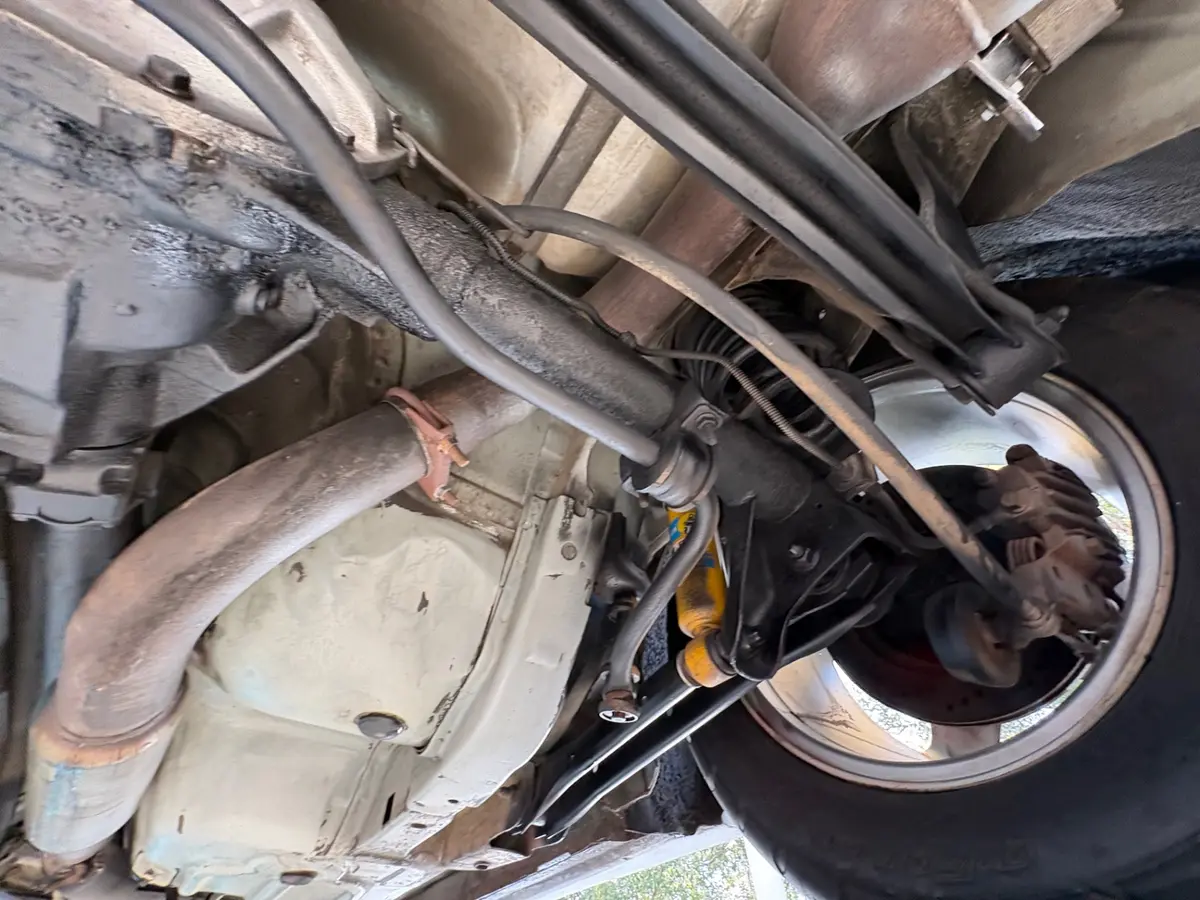
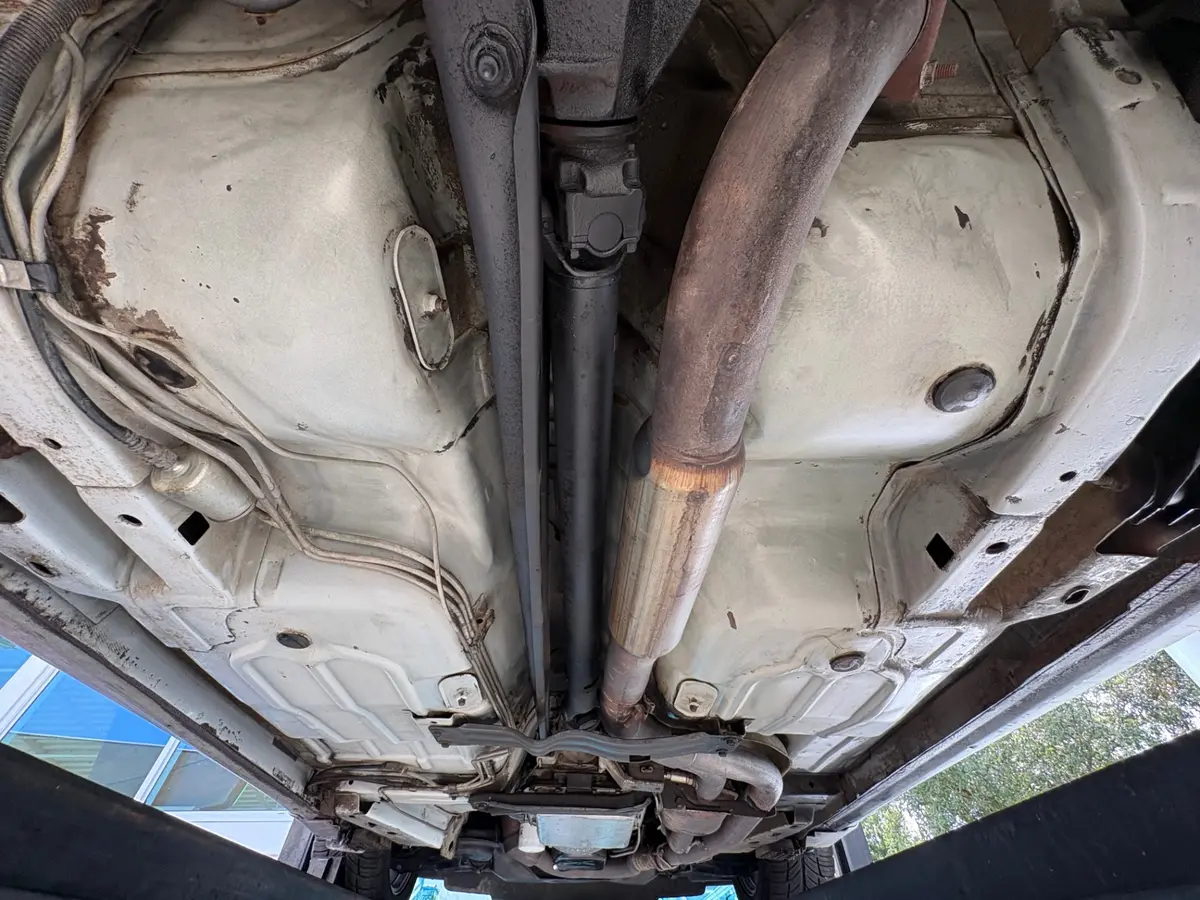
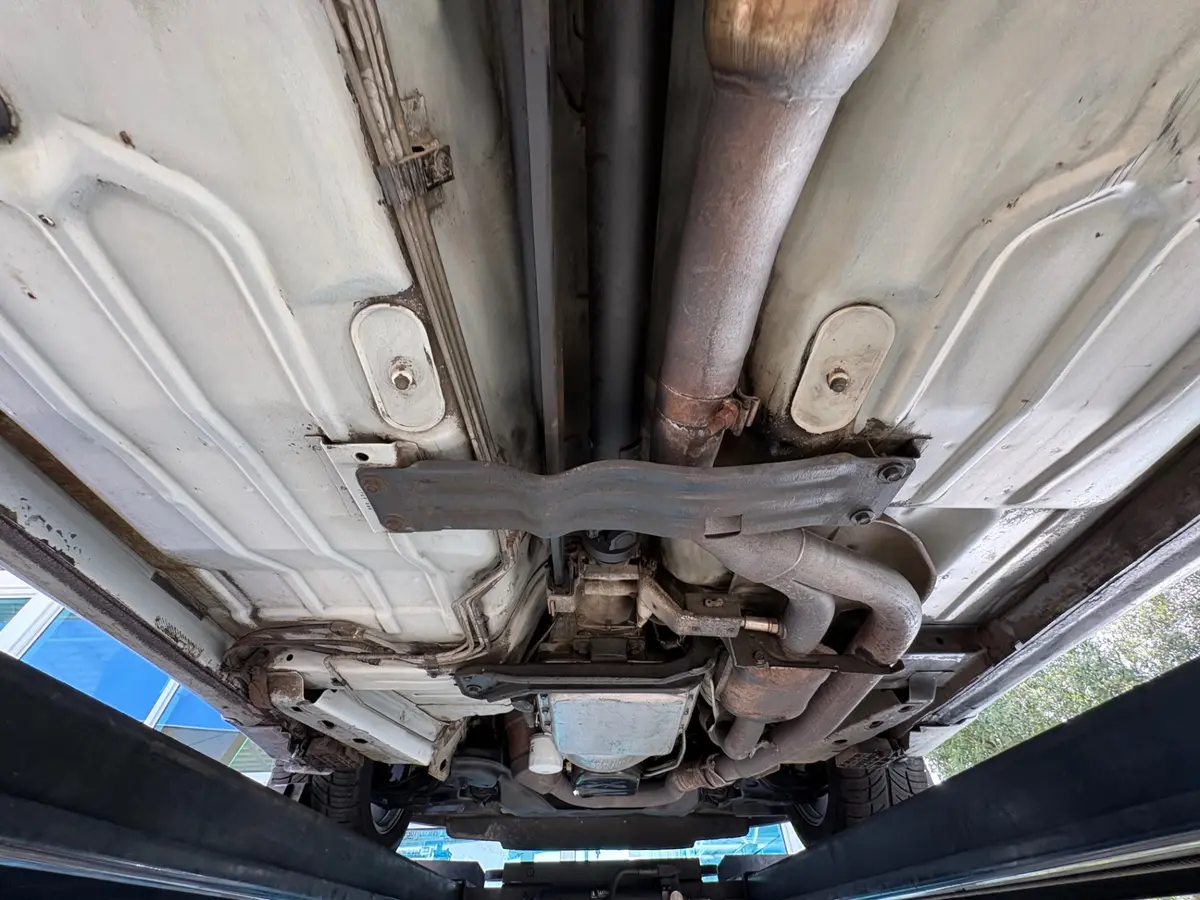
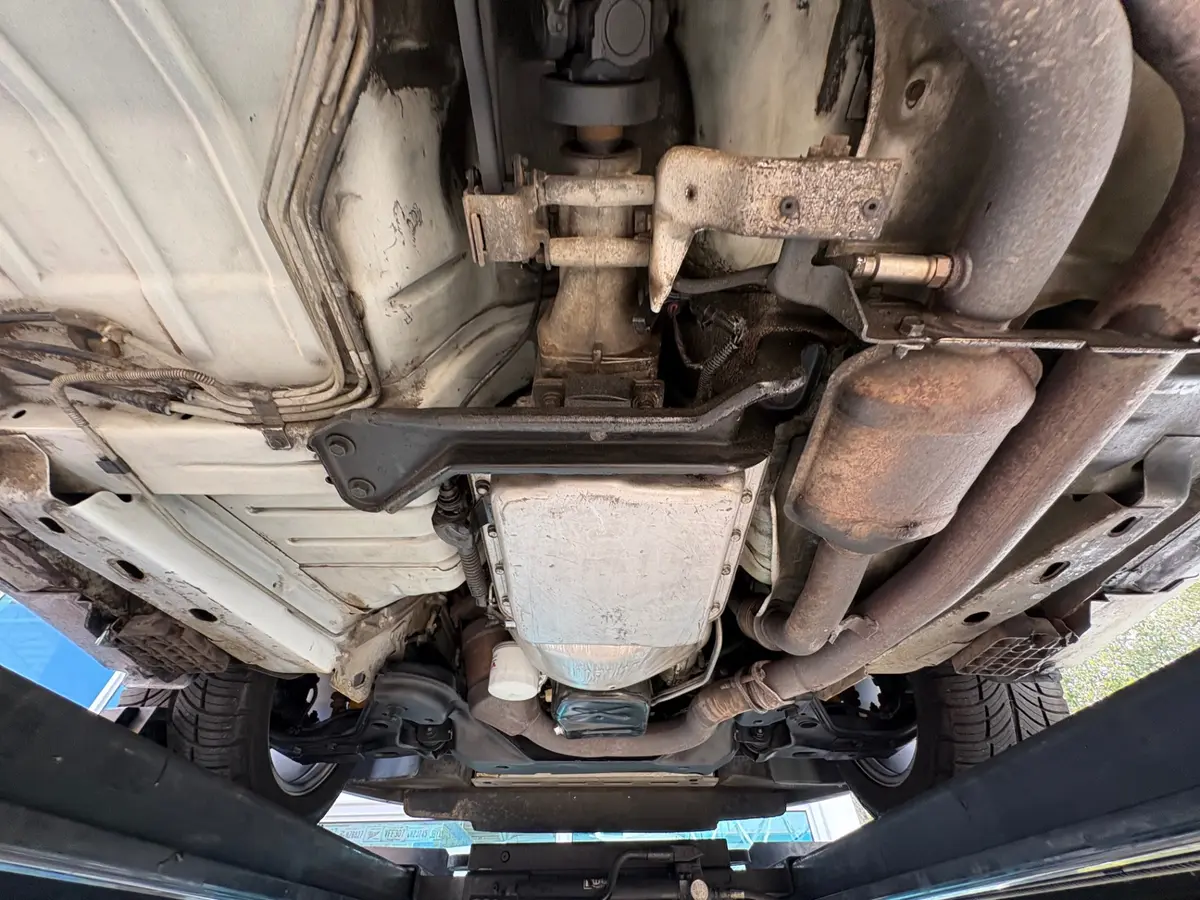
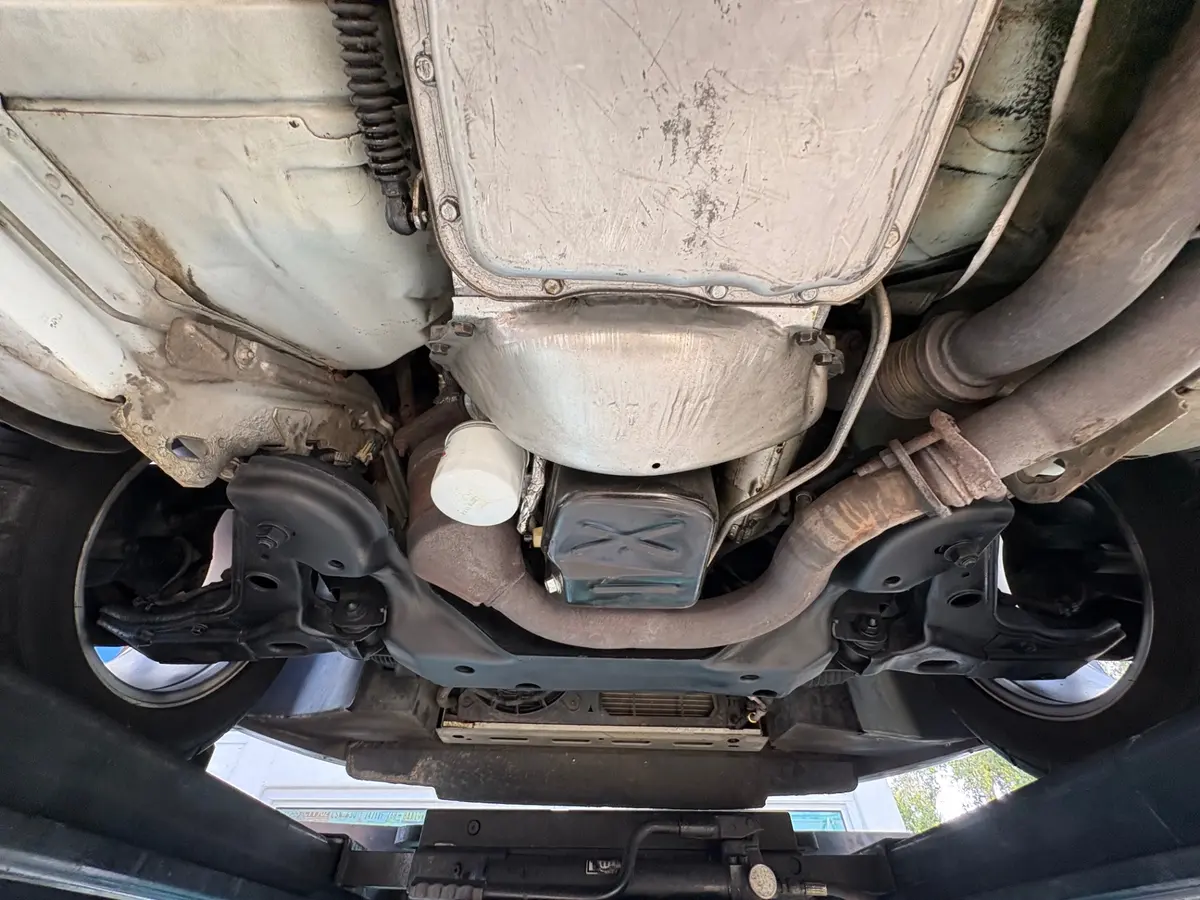
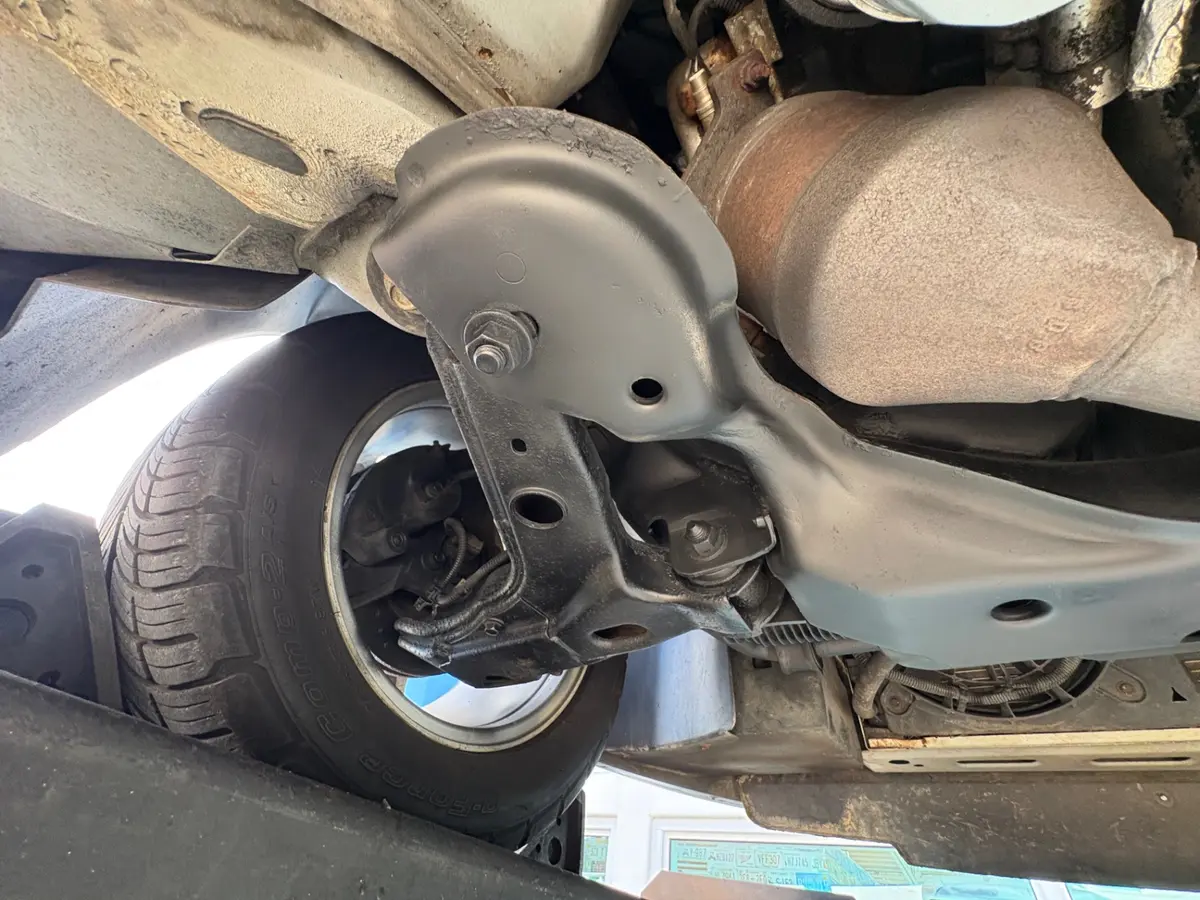
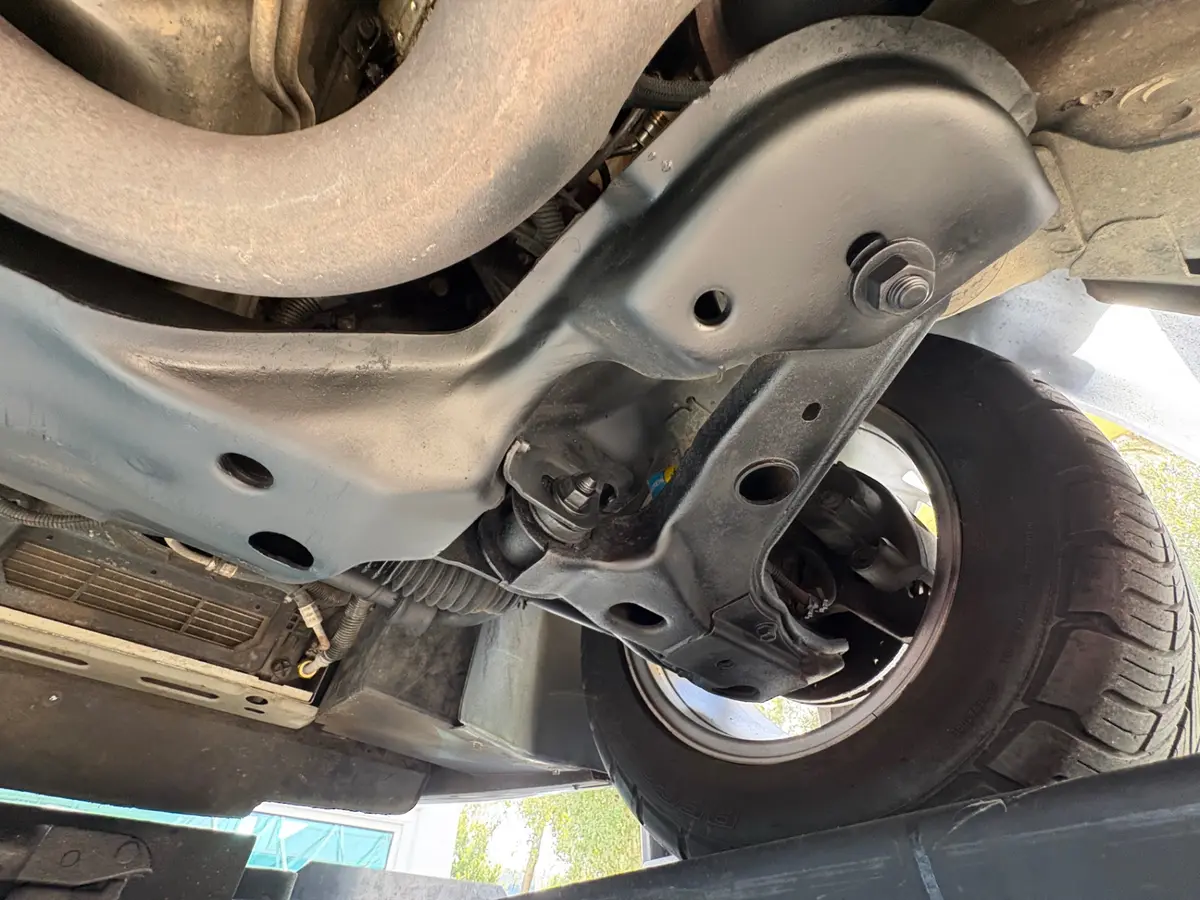
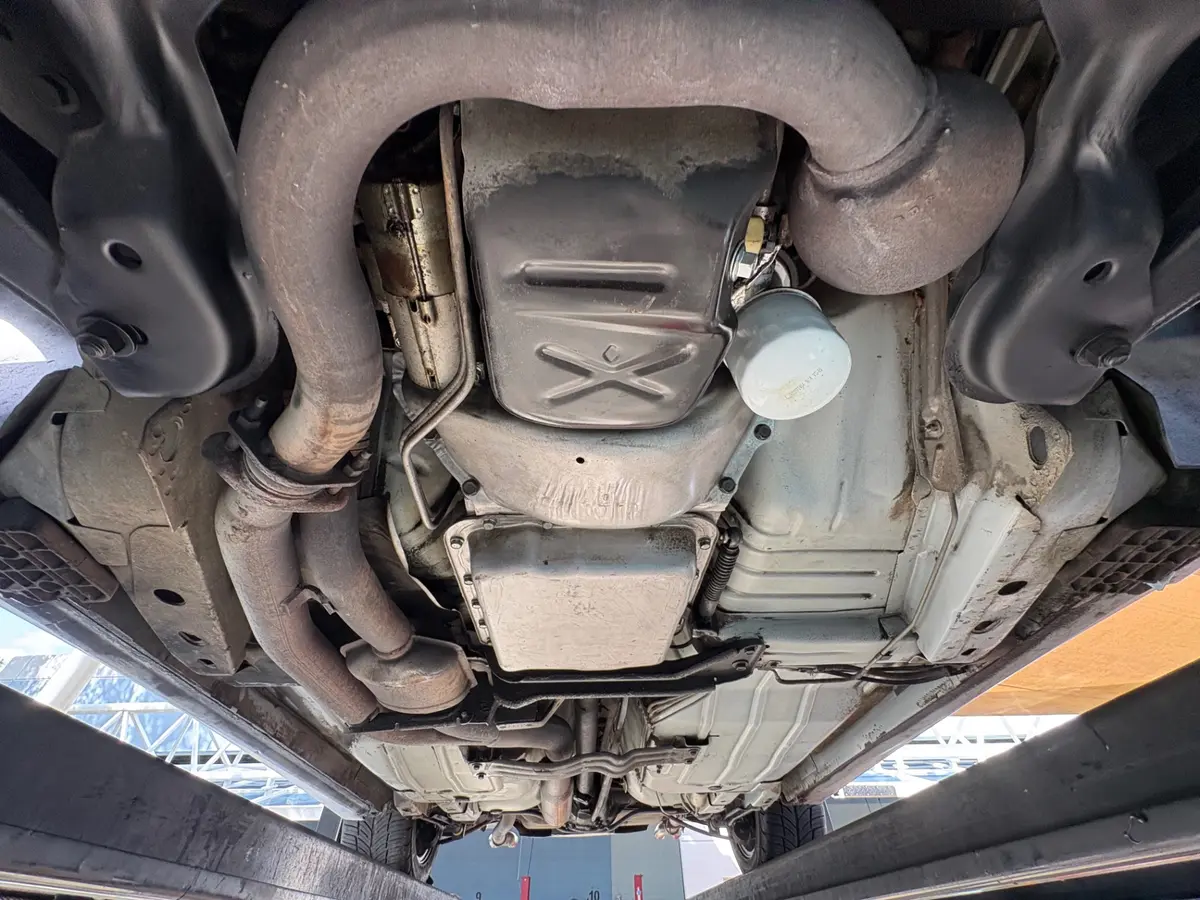
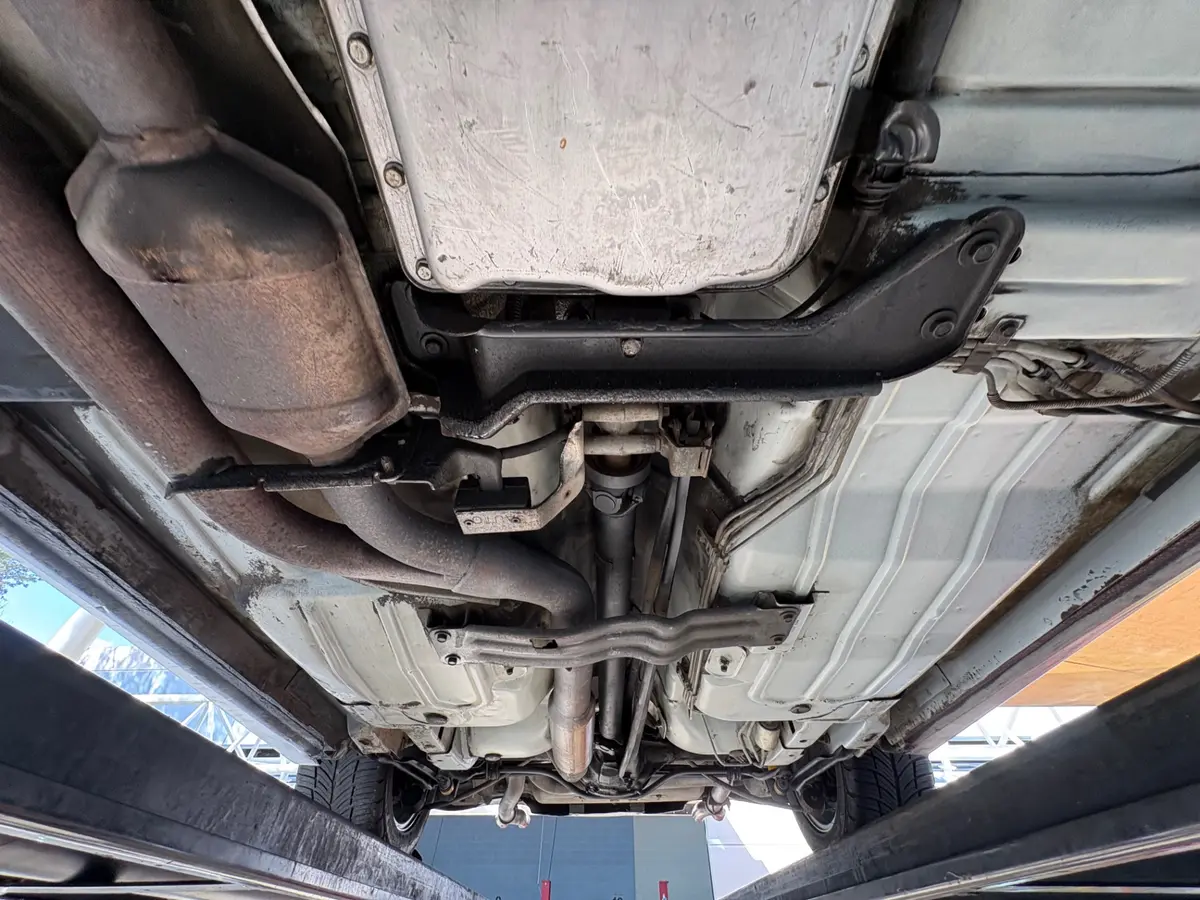
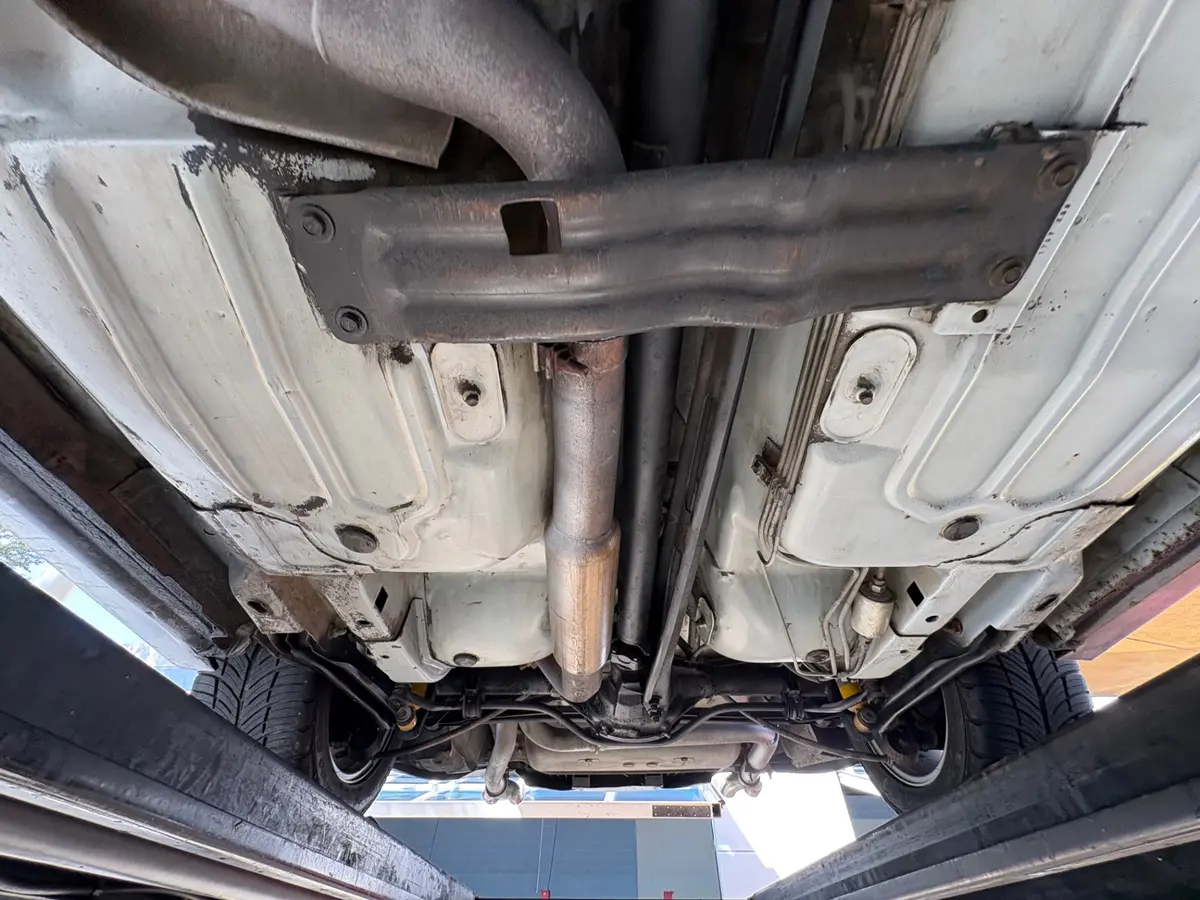
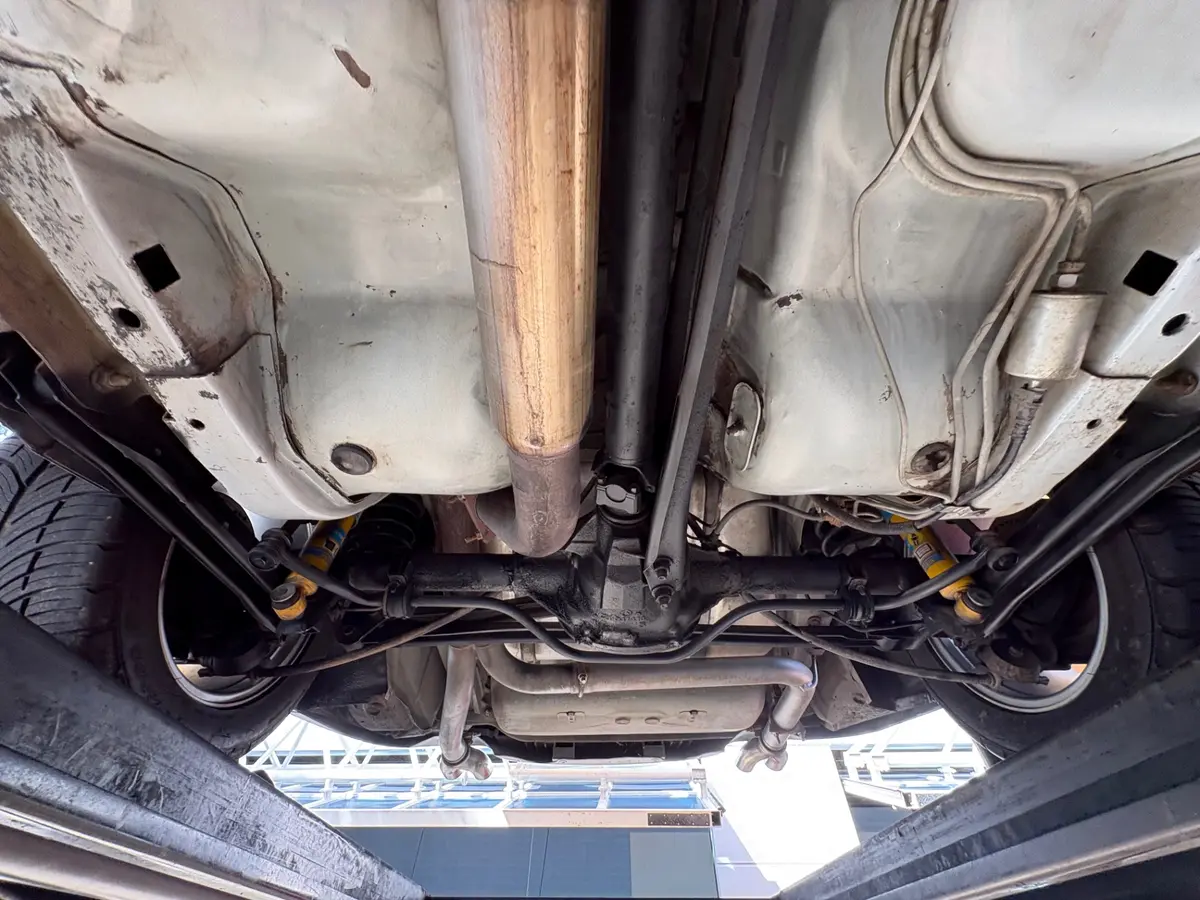
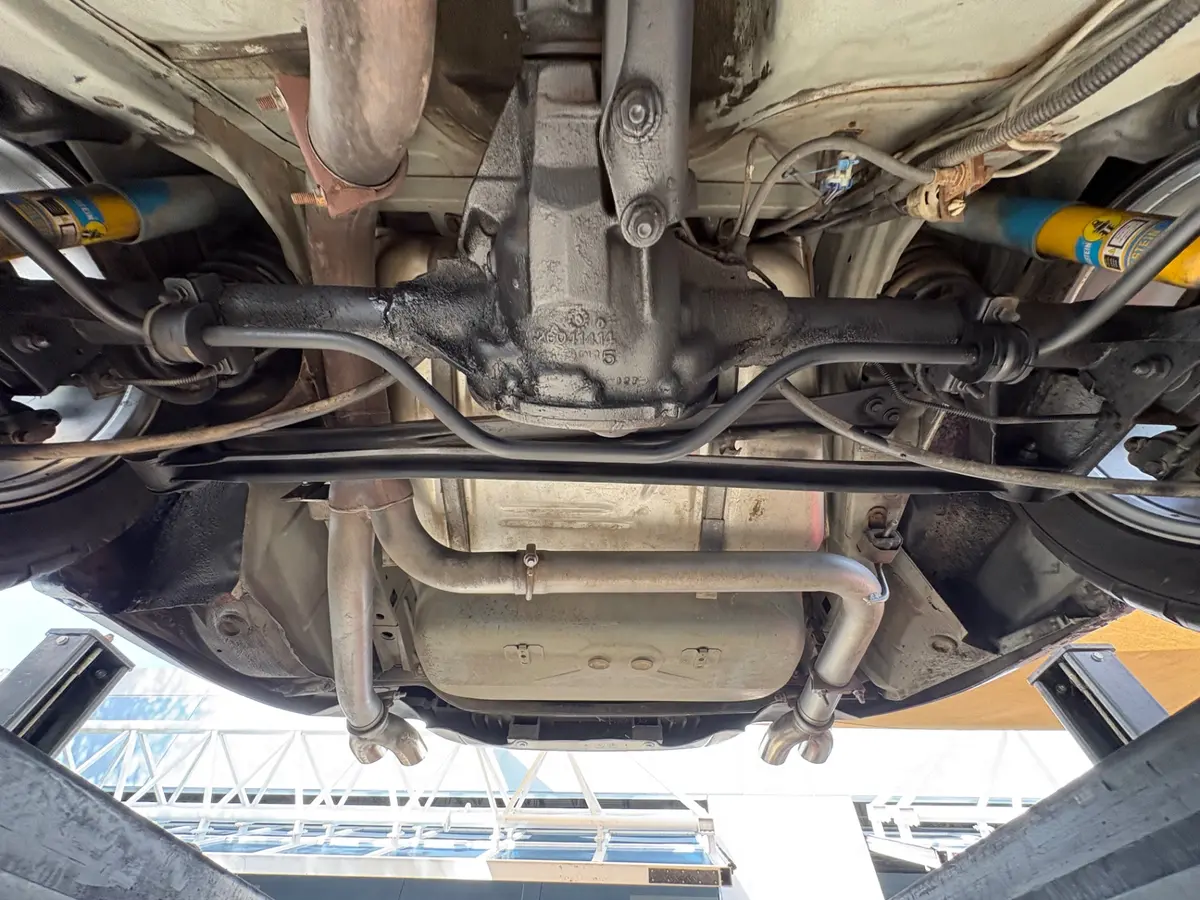
The SLP exhaust system exits through four quad tips at the rear bumper — two per side — and the underside photos confirm the full system is present and intact. Lift-over shots also reveal the Bilstein shock absorbers at all four corners, identifiable by their characteristic yellow finish. Bilstein's monotube dampers were chosen by SLP because they provide more consistent damping force than standard twin-tube units, particularly when the suspension cycles rapidly over rough pavement or during hard cornering. The result is a car that tracks more predictably at speed without the harshness of a purely track-focused setup.
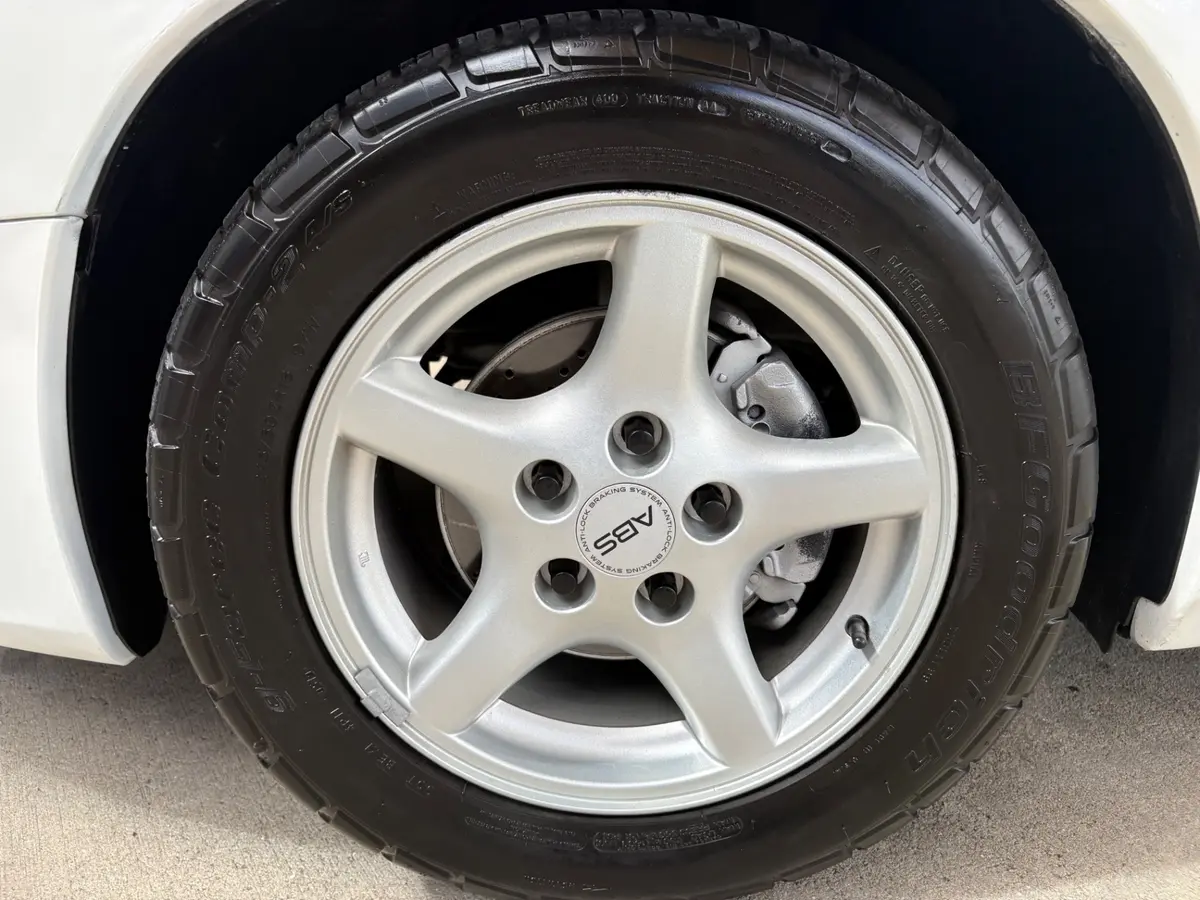
Braking is handled by four-wheel discs with ABS. The Firebird's rear disc brake setup was not standard equipment across the entire F-body lineup, and it contributes to more balanced stopping power compared to a rear drum configuration. The underside of this car is consistent with a Florida or southern-climate vehicle — no signs of structural rust, and the unibody appears solid throughout.
Interior
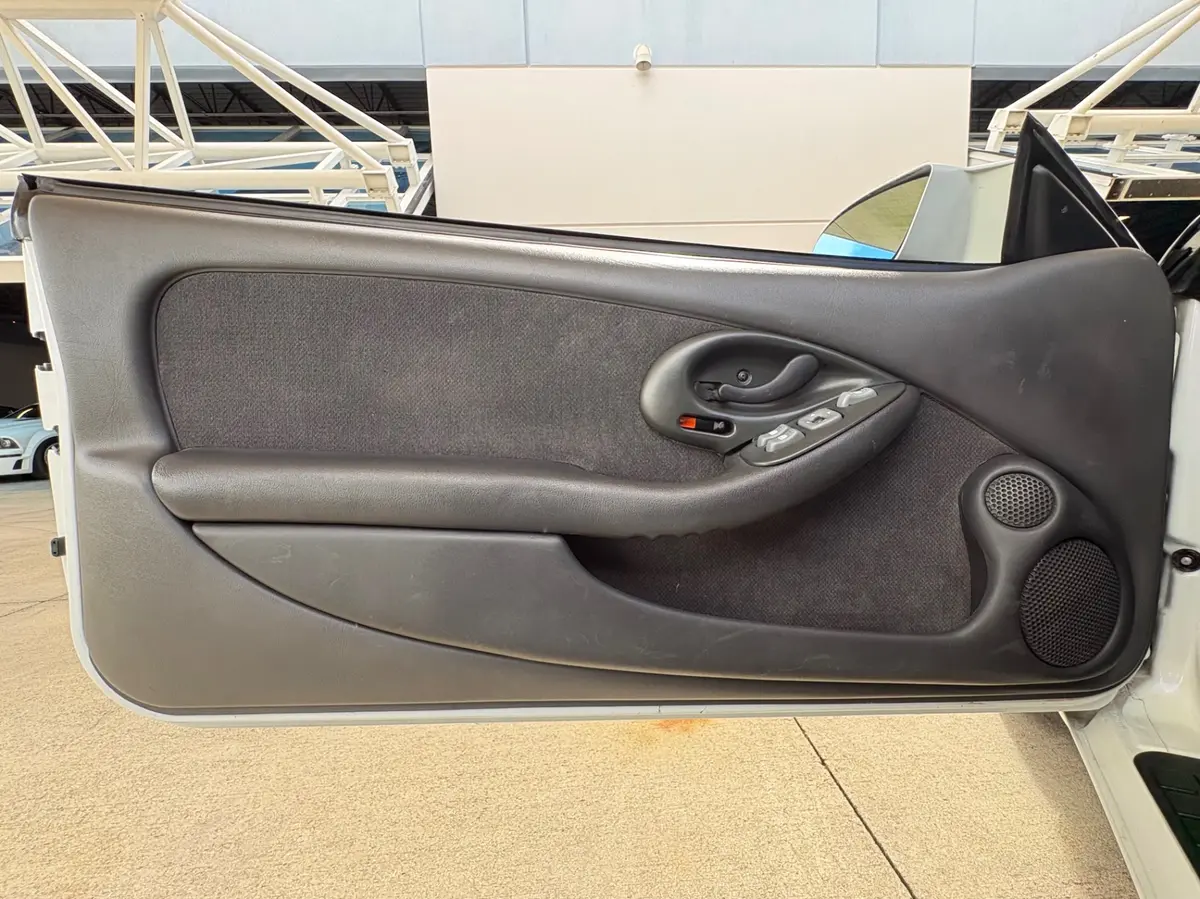
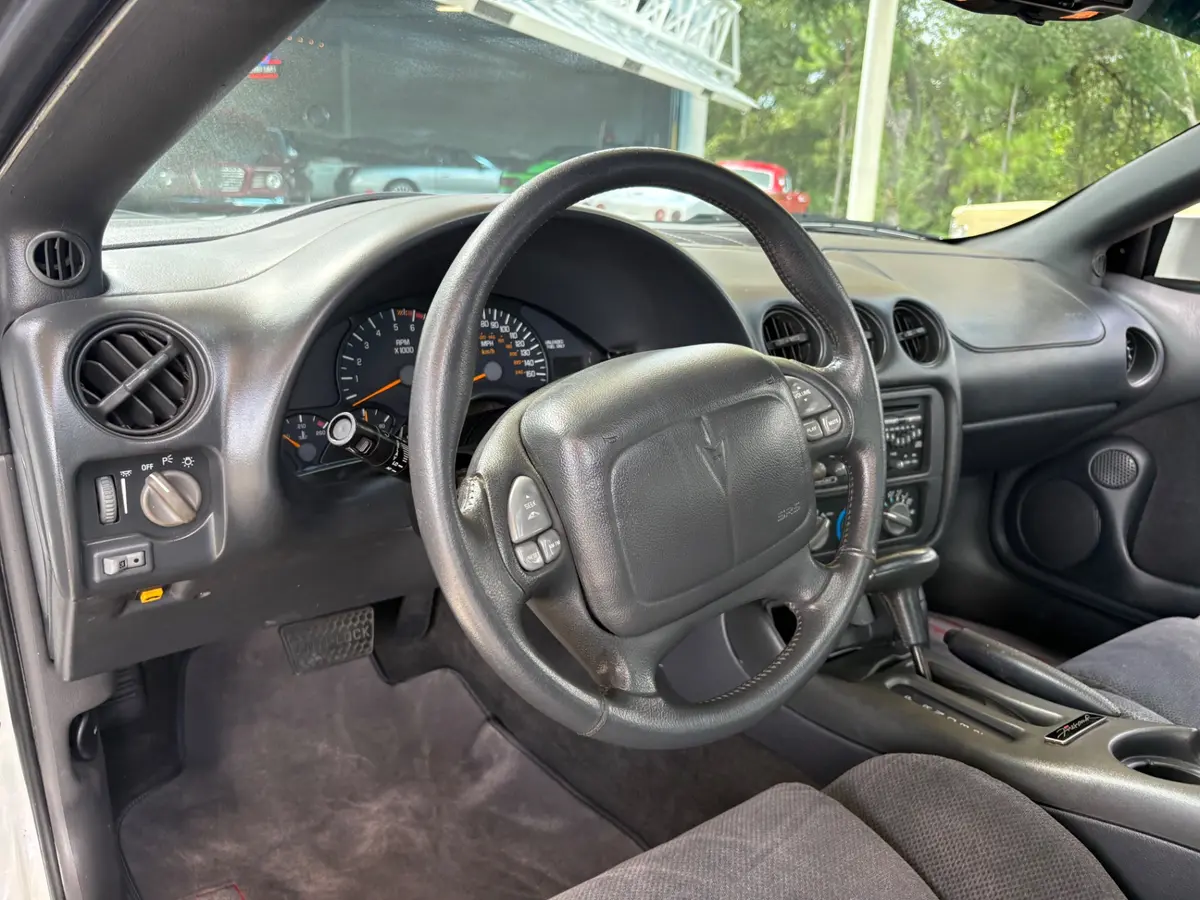
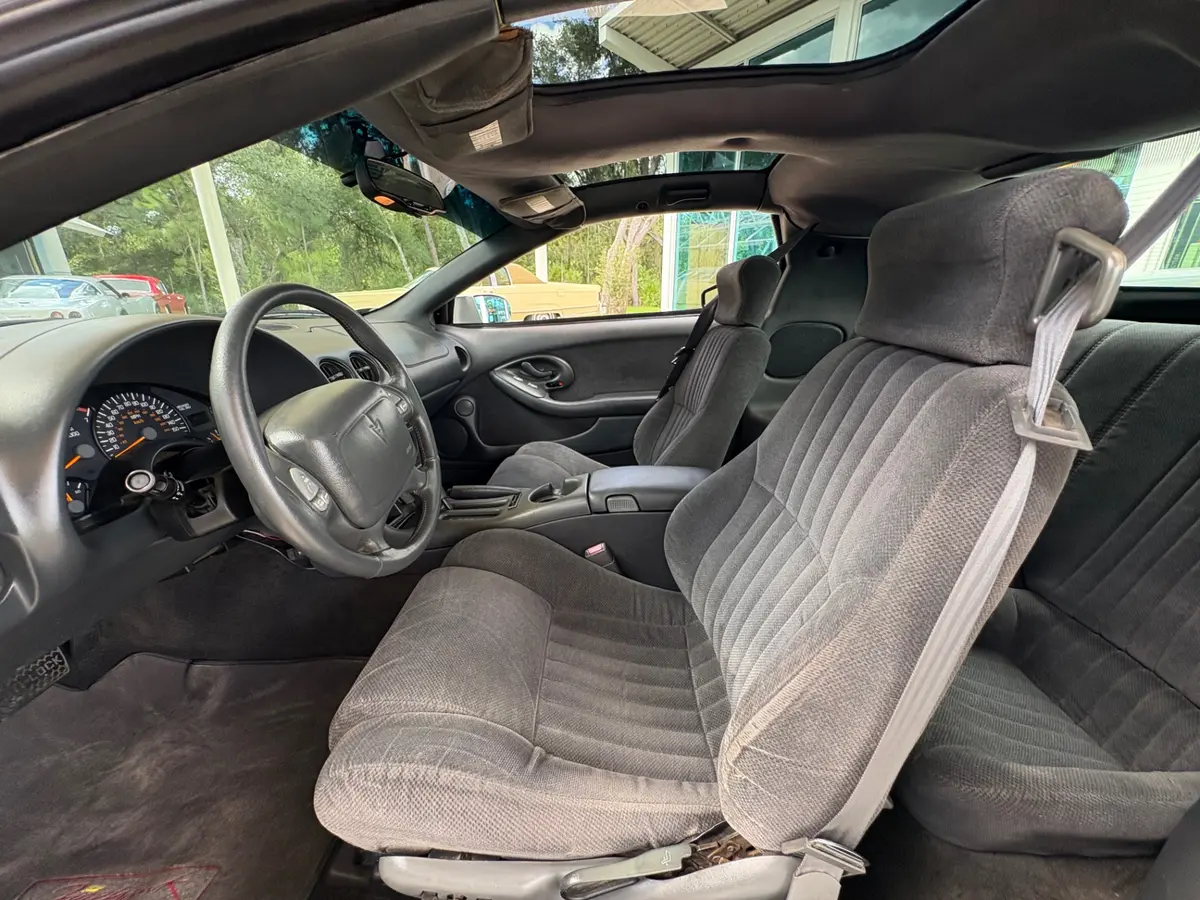
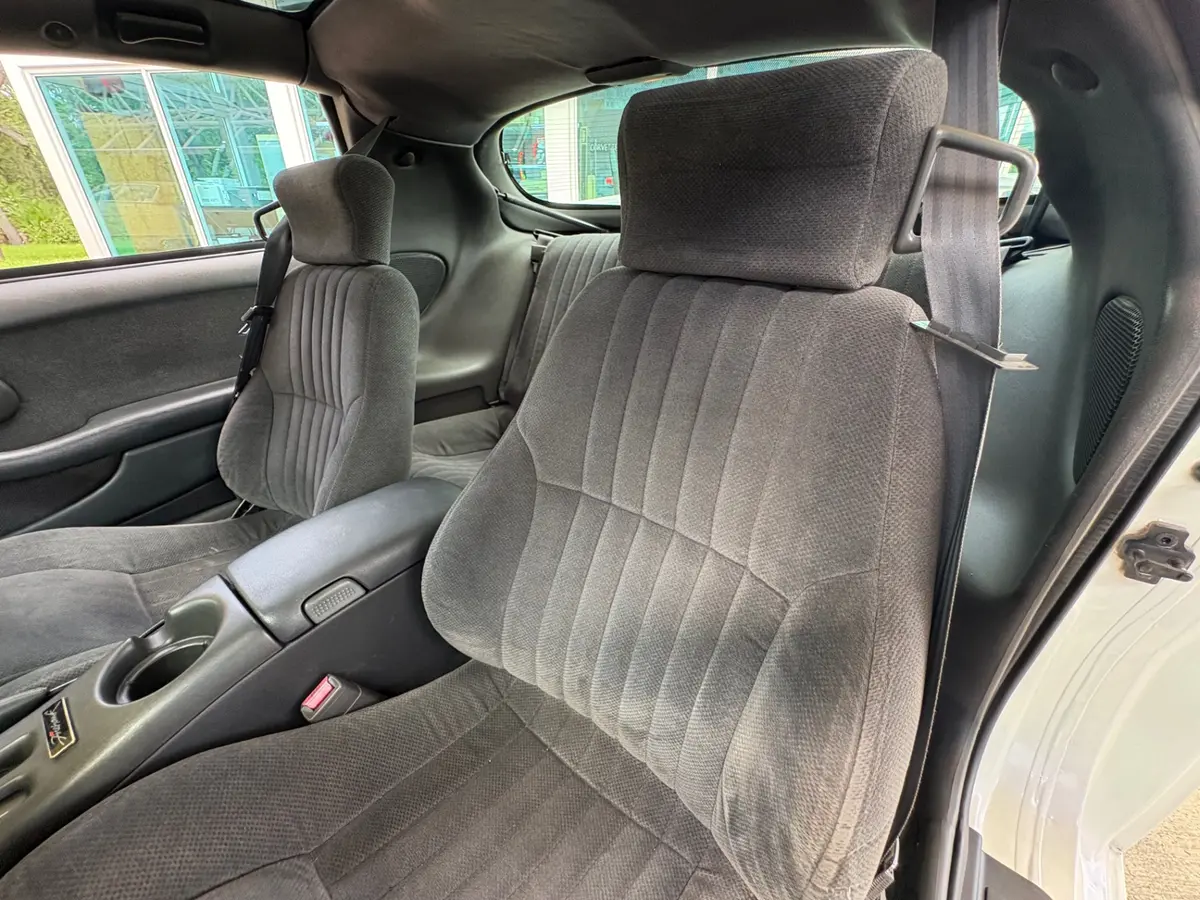
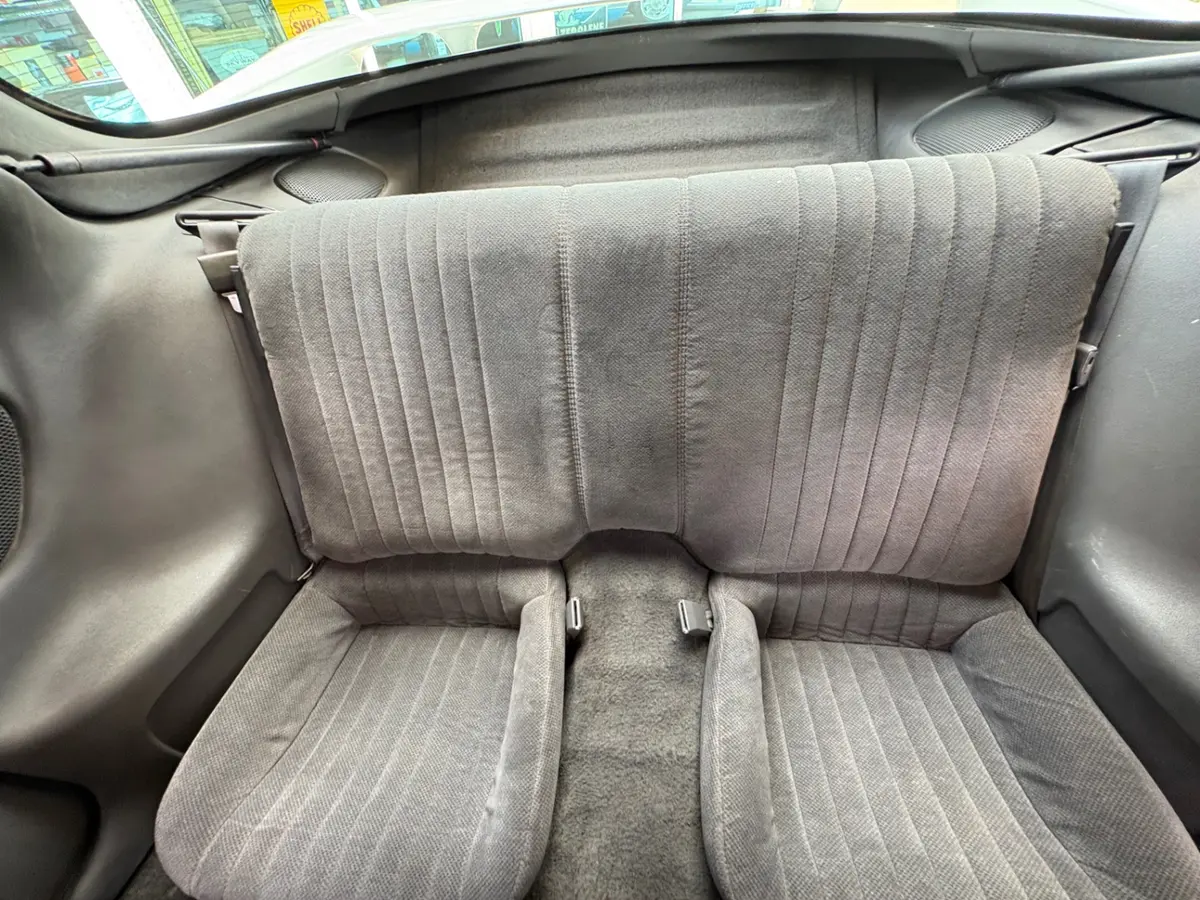
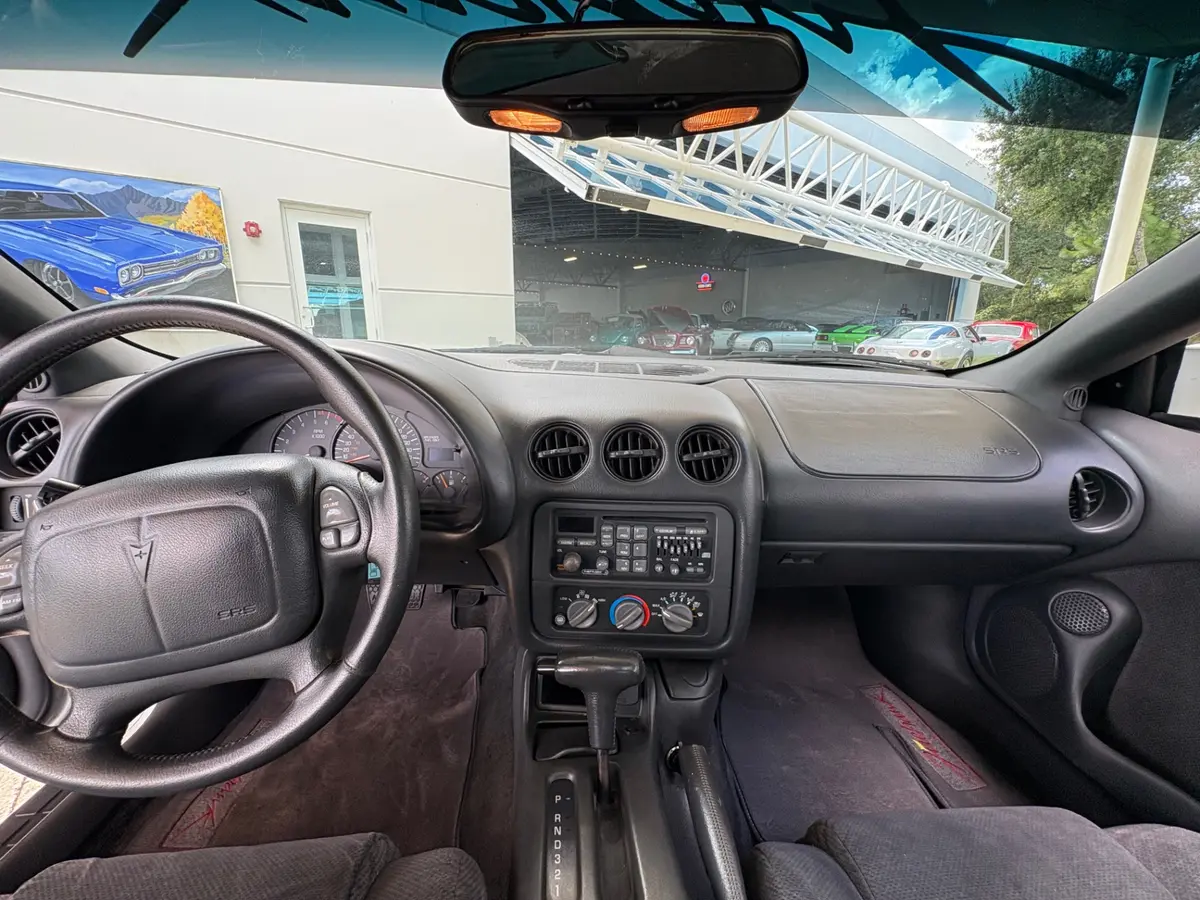
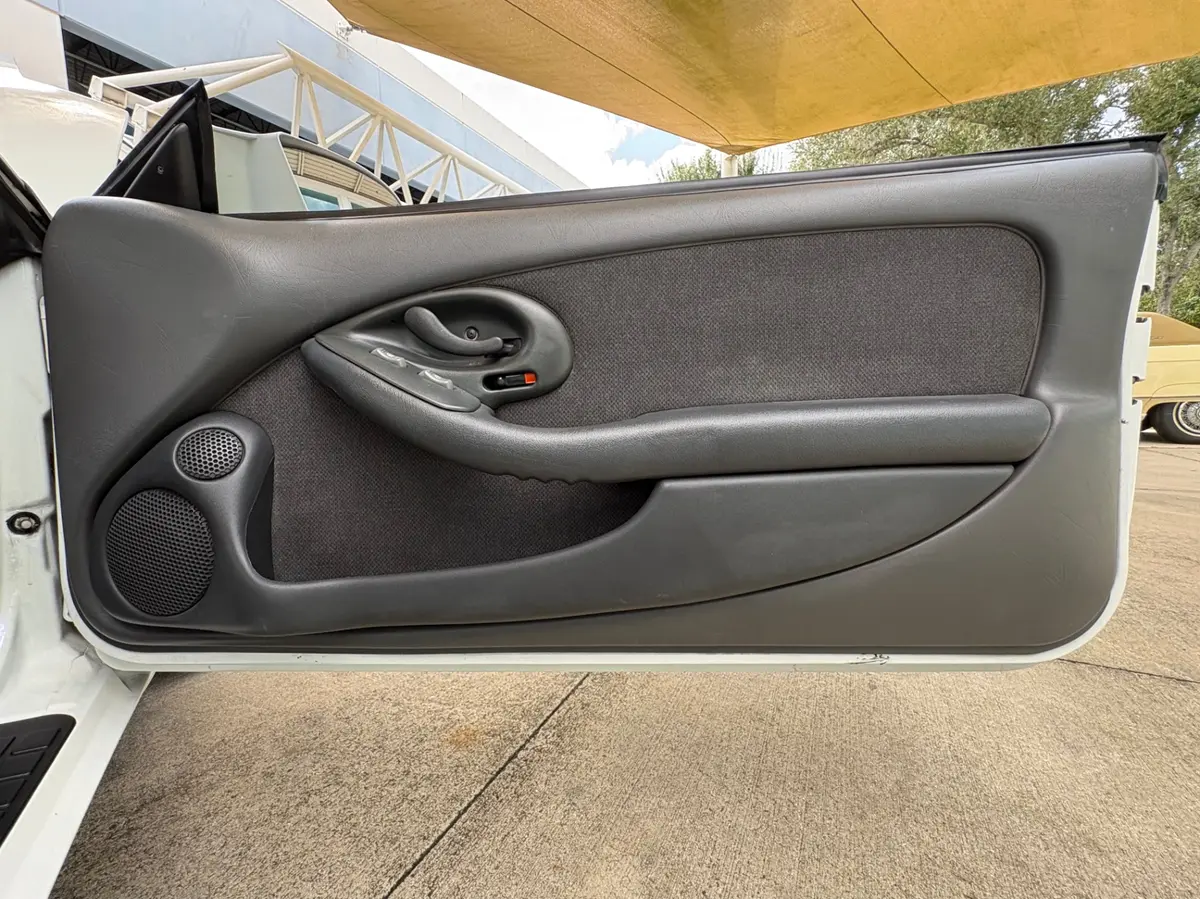
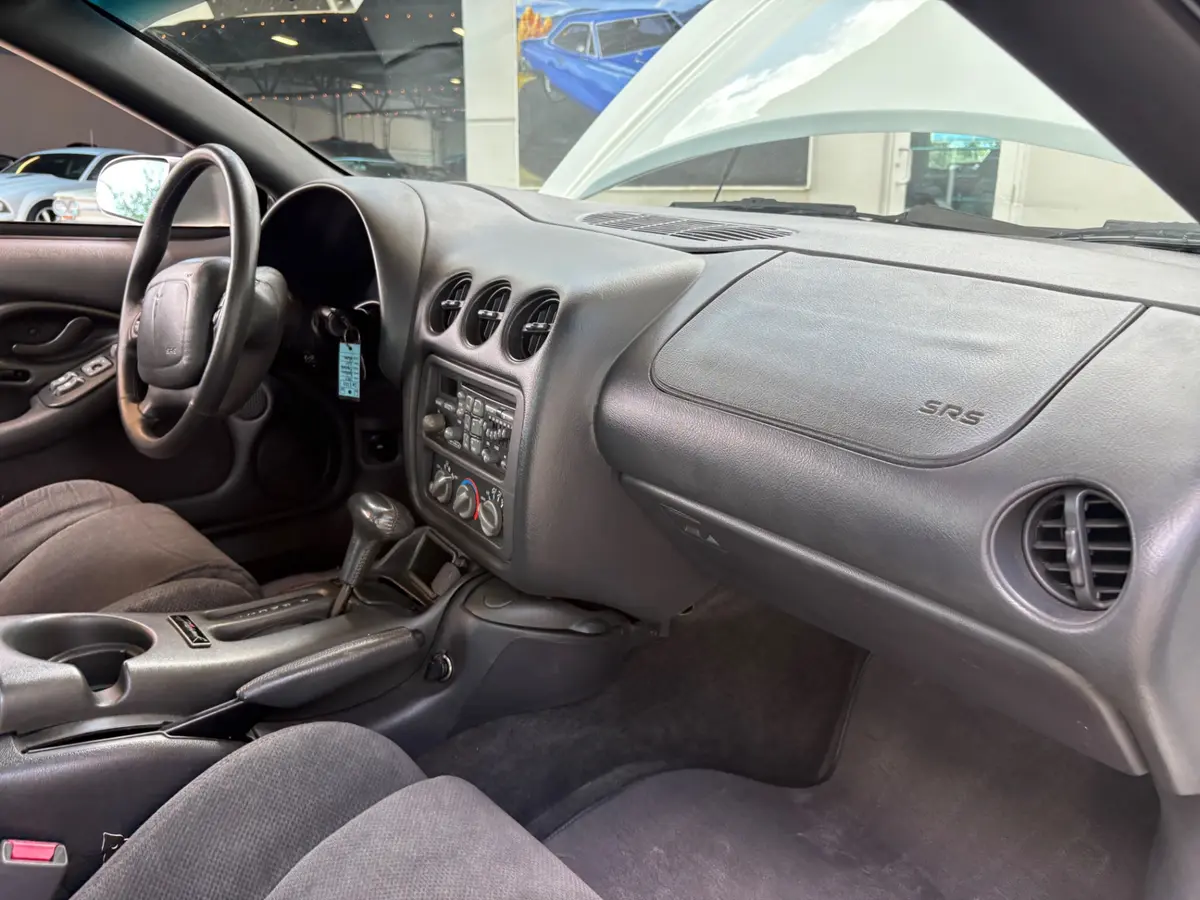
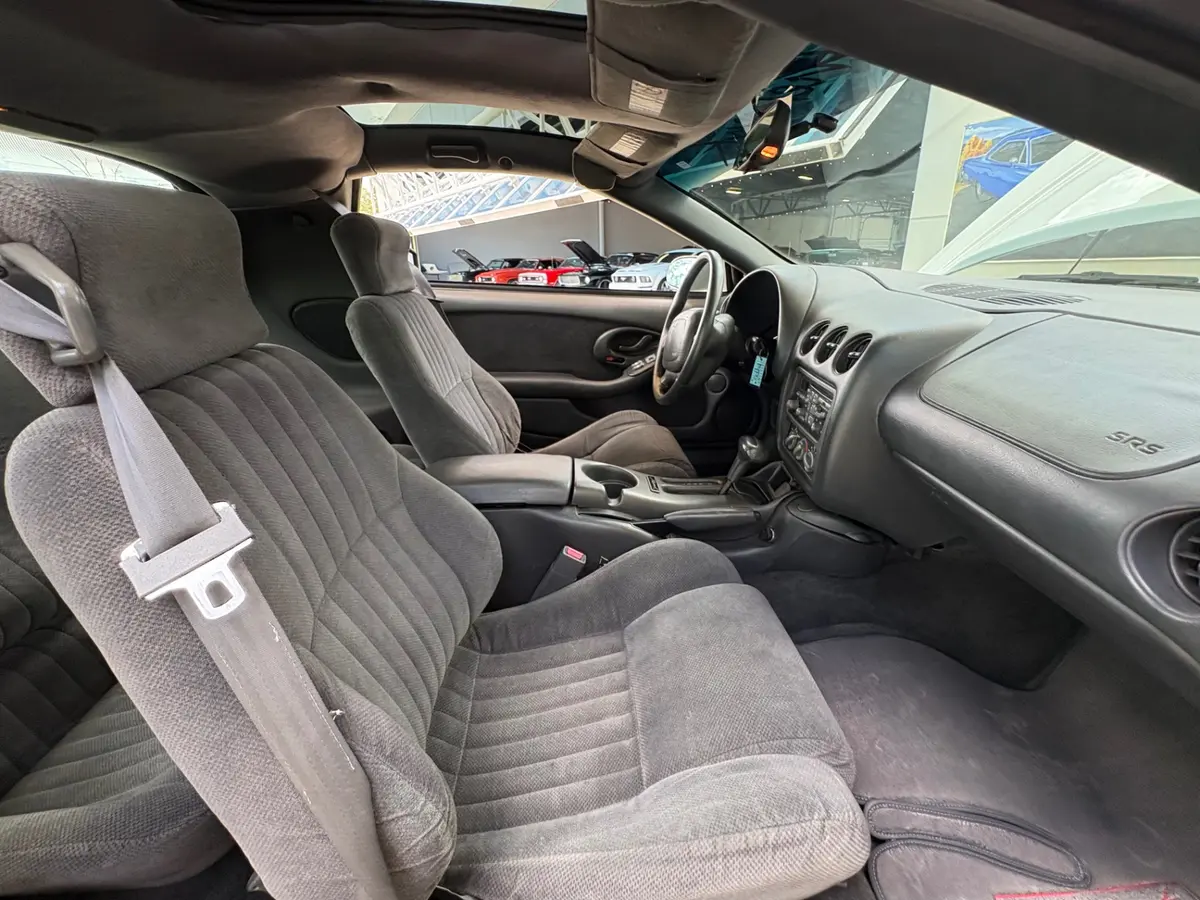
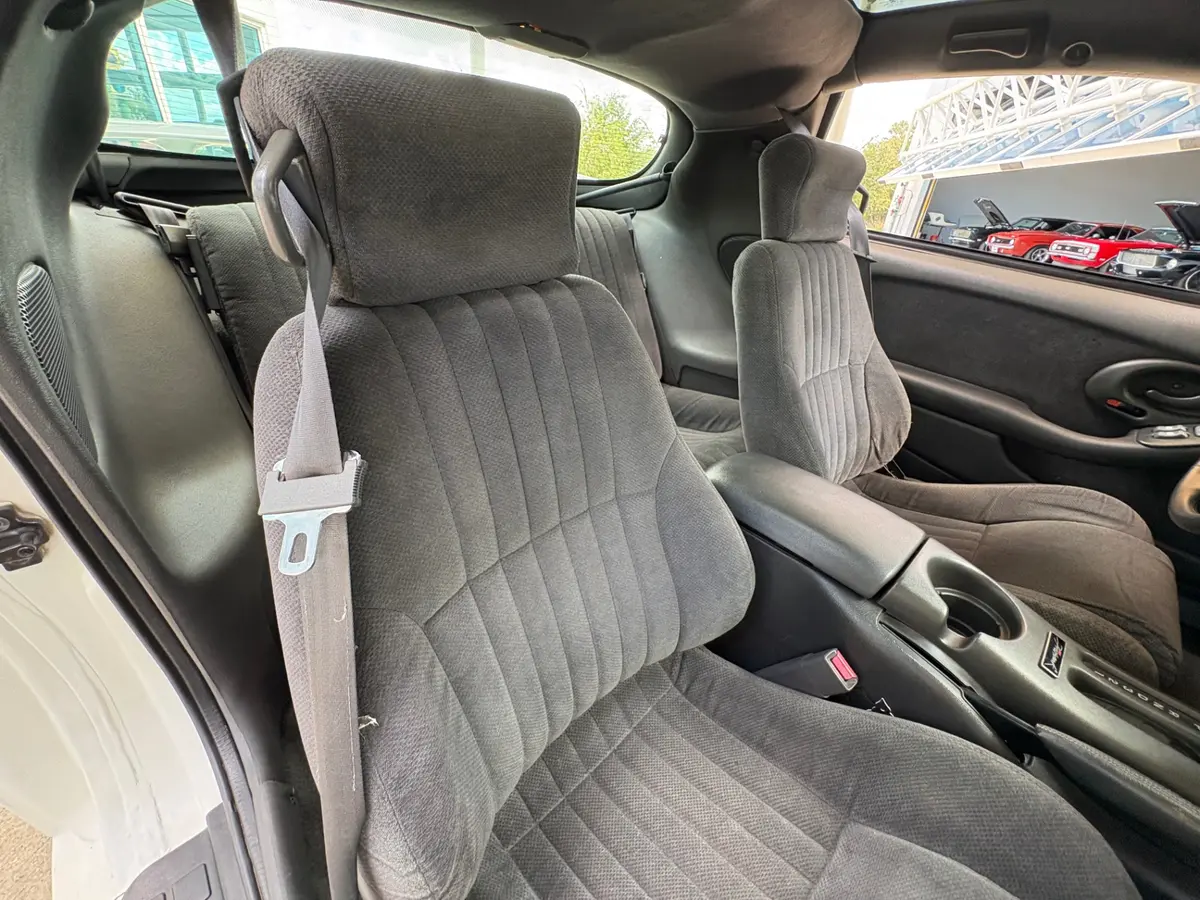
The interior of this 1997 Pontiac Firebird Firehawk is finished in gray cloth throughout. The bucket seats show normal wear consistent with age but hold their shape, with no visible tears or significant staining in the photos. The rear seat is a fold-down bench, and like most F-body cars of this generation, it is more useful for cargo than passengers, but it is intact and presentable.
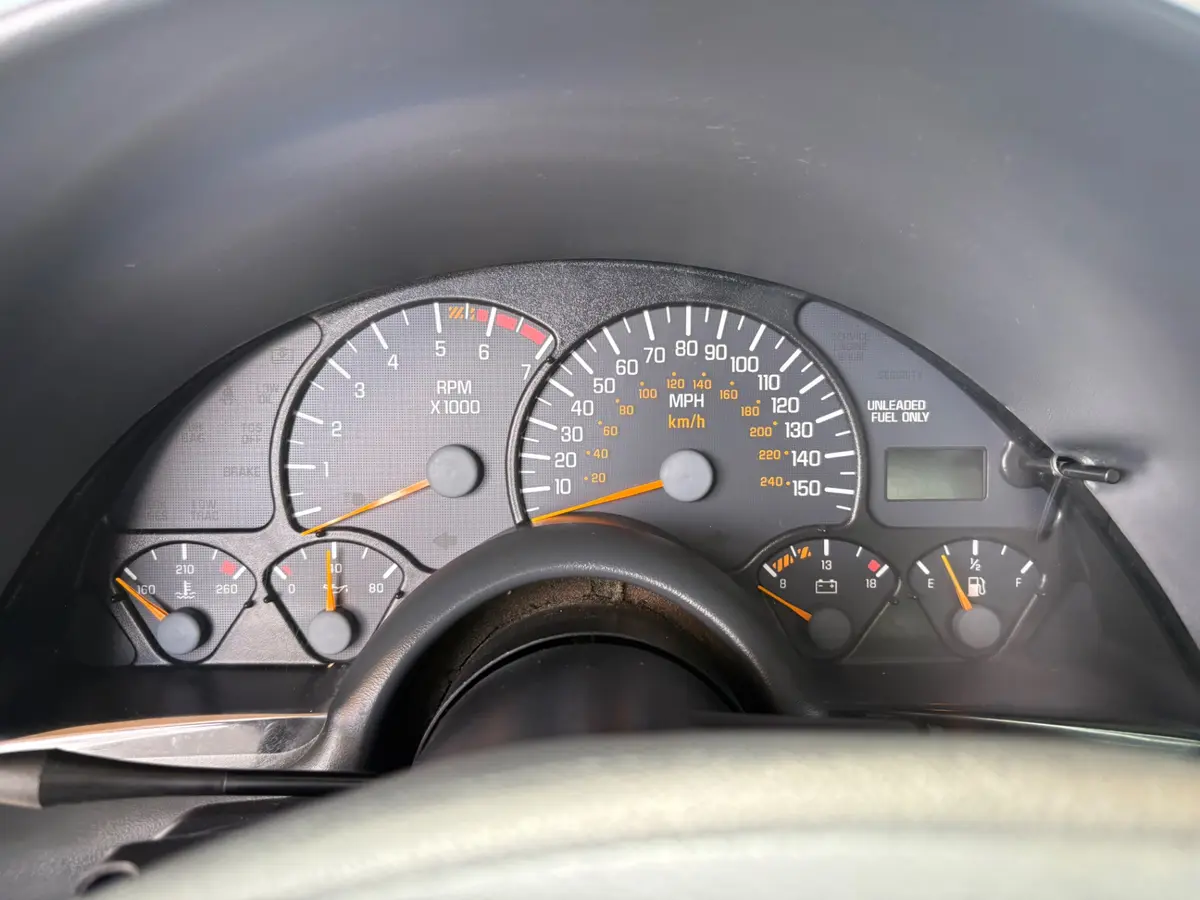
The dashboard is the revised fourth-generation Firebird design that debuted in 1993, characterized by its curved, pod-style center stack and dual circular air vents flanking the main gauge cluster. The instrument panel includes a tachometer — standard on V8 cars — along with a speedometer that reads to 150 mph, oil pressure, temperature, battery, and fuel gauges. The orange needle and marking design of these gauges has become a period-correct detail that Firebird enthusiasts recognize immediately.
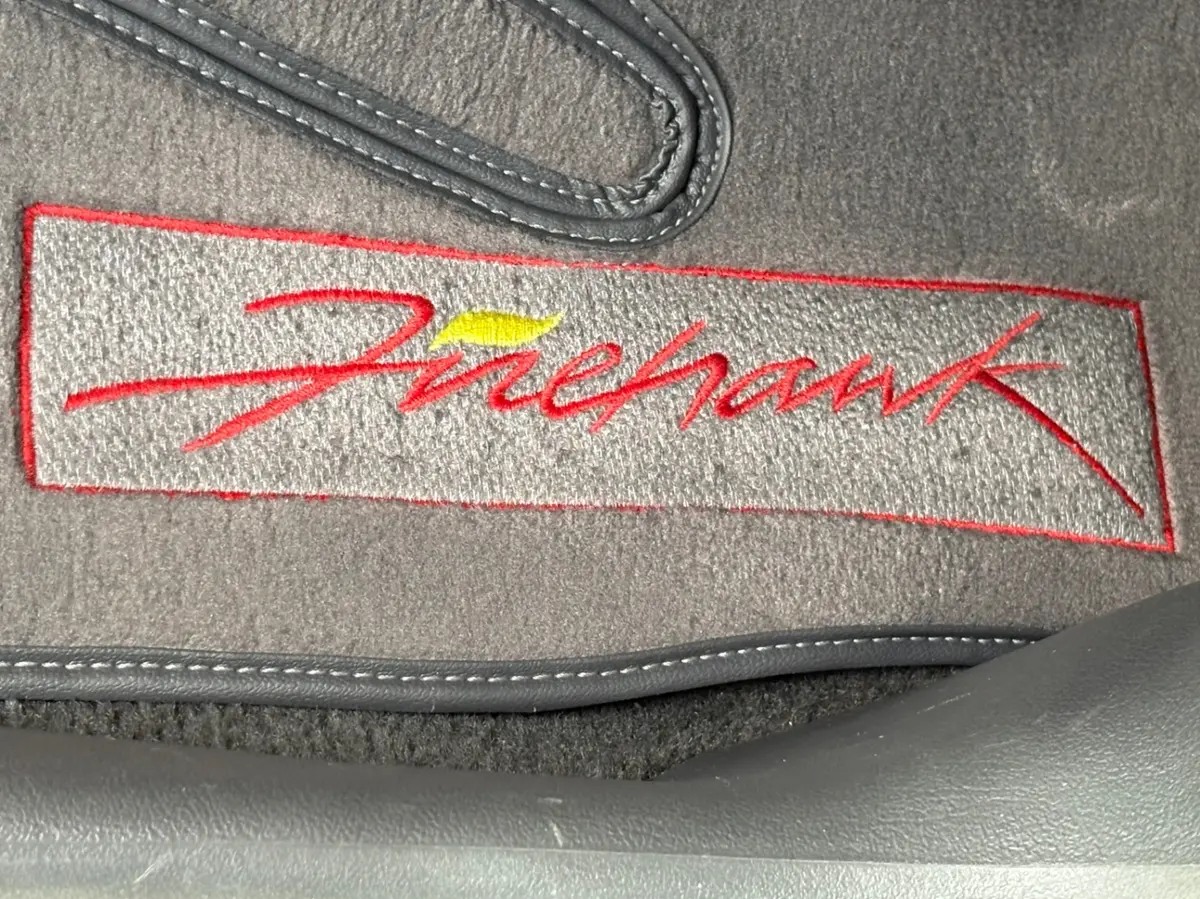
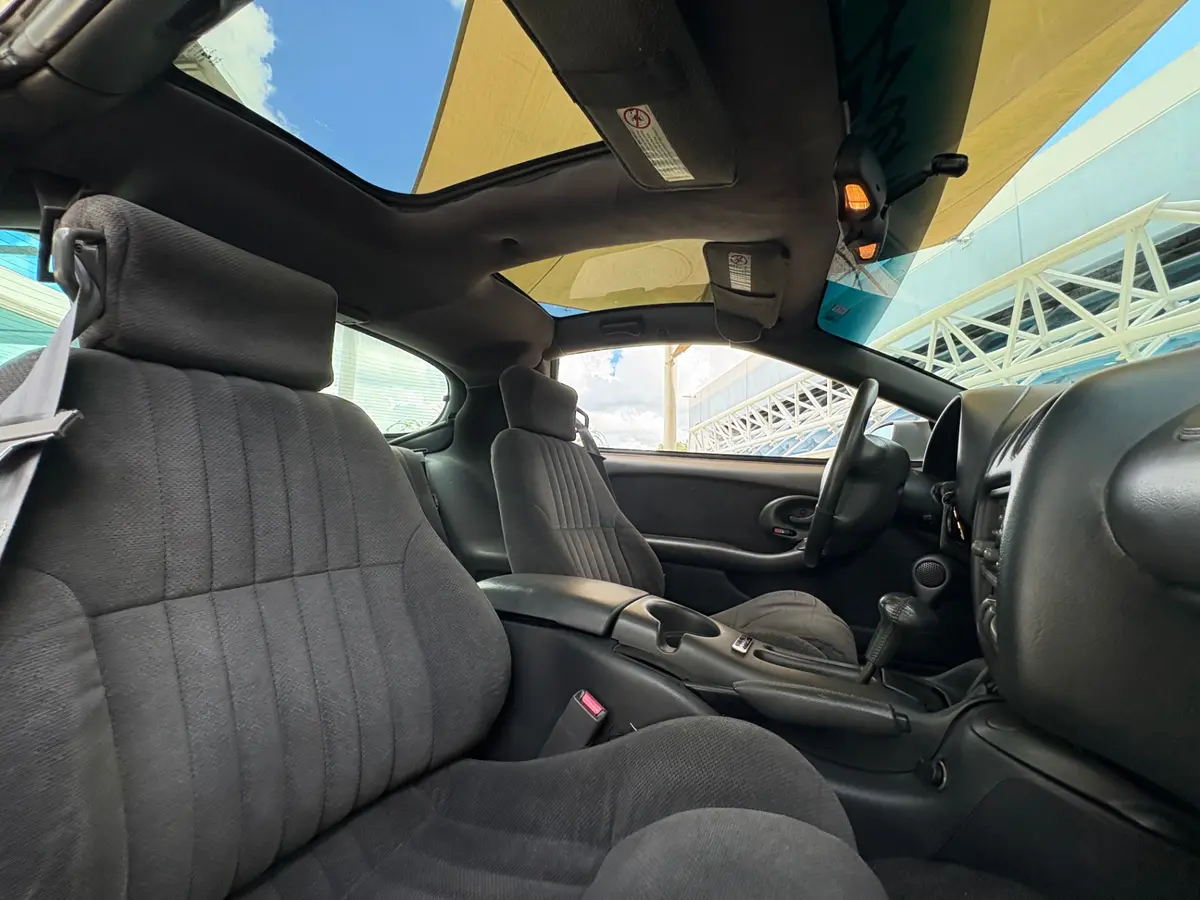
Cruise control stalks are mounted on the steering column, and the steering wheel itself carries the Pontiac arrowhead logo on the airbag cover with SRS labeling. The center console between the bucket seats includes a storage compartment and cupholders, and the Firehawk badge is visible on the console trim plate. The floor mats are the original Firehawk embroidered units, with the Firehawk script in red and the bird logo — a detail that confirms this car was delivered with the full SLP interior package. The T-tops are present, and the headliner and top rail areas appear free of the sagging or water damage that commonly affects fourth-generation Firebirds with T-tops that have been exposed to weather over the years.
Exterior
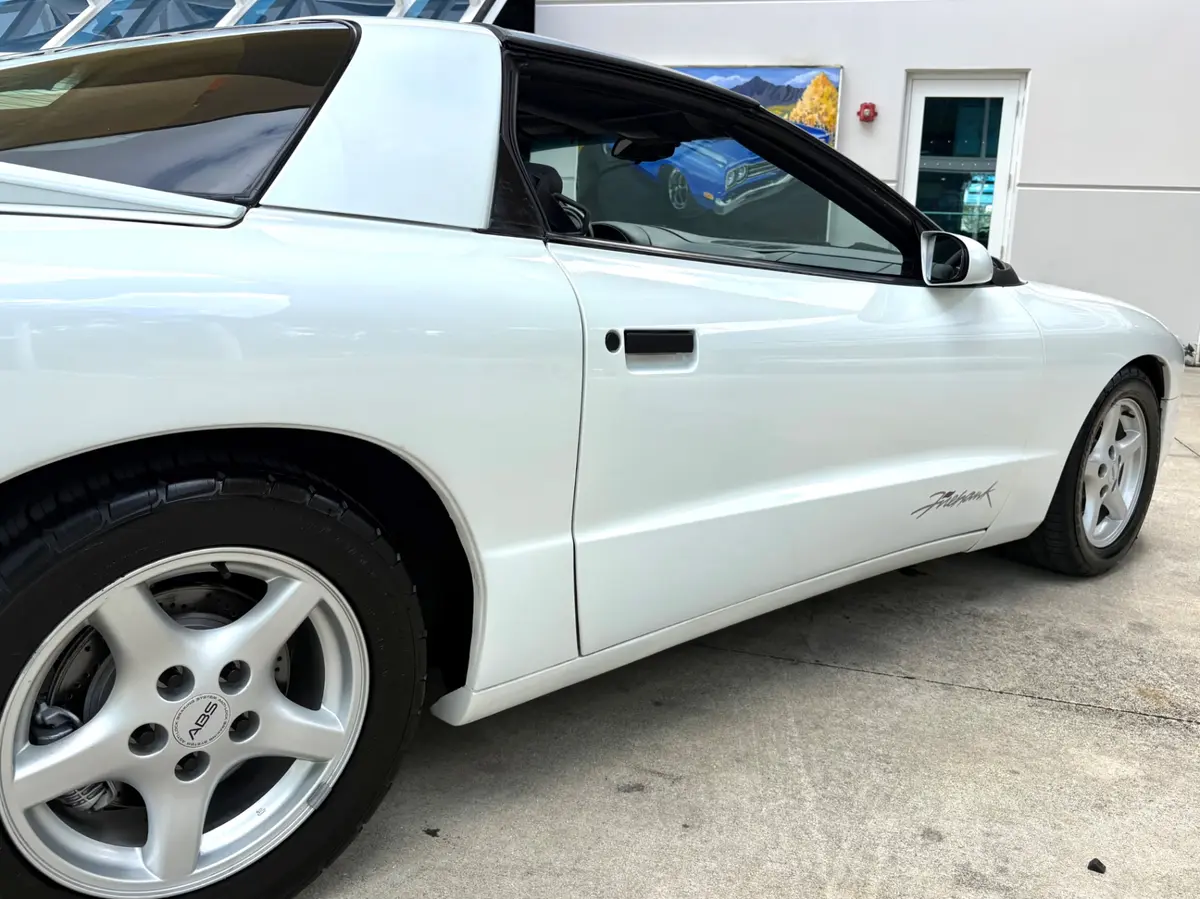
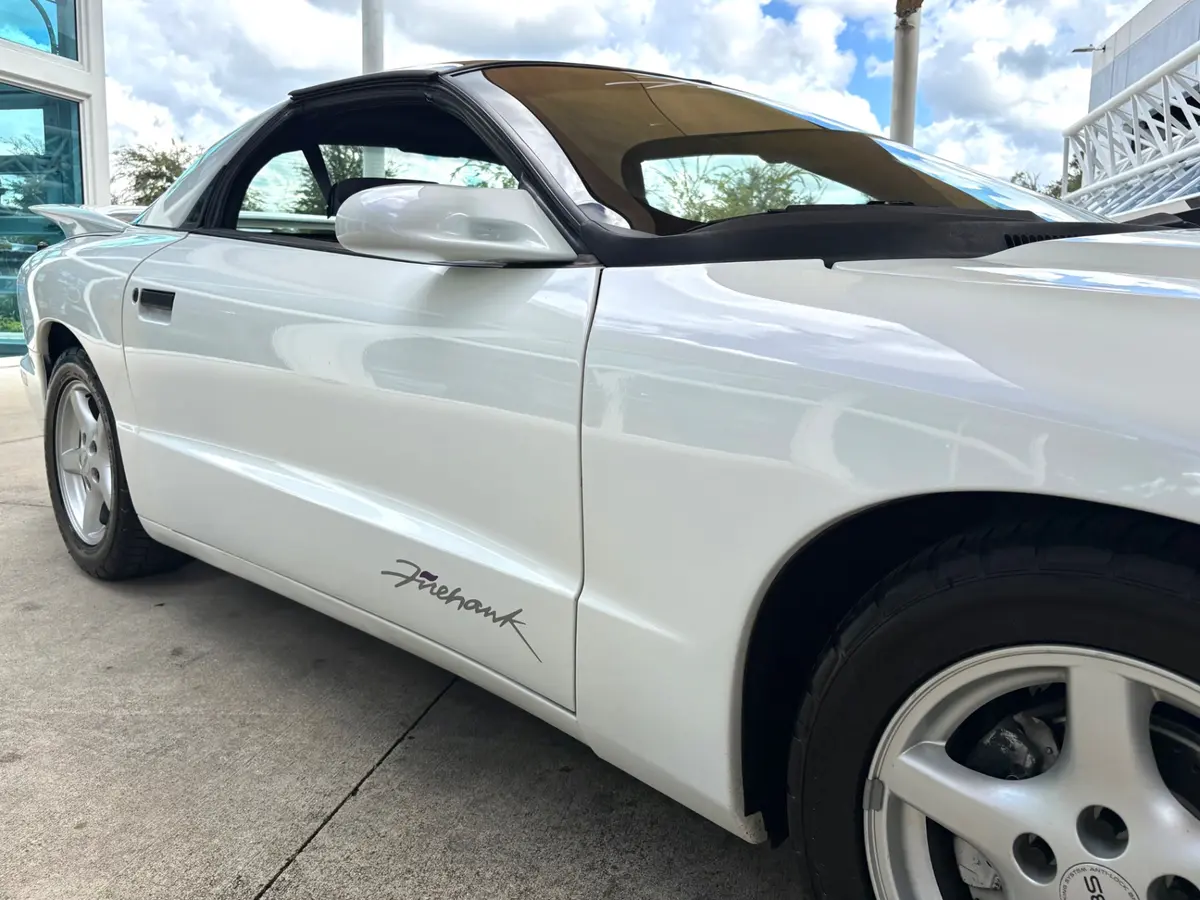
The 1997 Pontiac Firebird Firehawk wears a white exterior, and the paint presents well in photographs. The body follows the fourth-generation Firebird's aerodynamic shape, which was designed with significant wind tunnel input and produced a drag coefficient of approximately 0.32 — low for a production pony car of the era. The body panels are fiberglass, which means they do not rust, though they can crack or chip differently than steel.
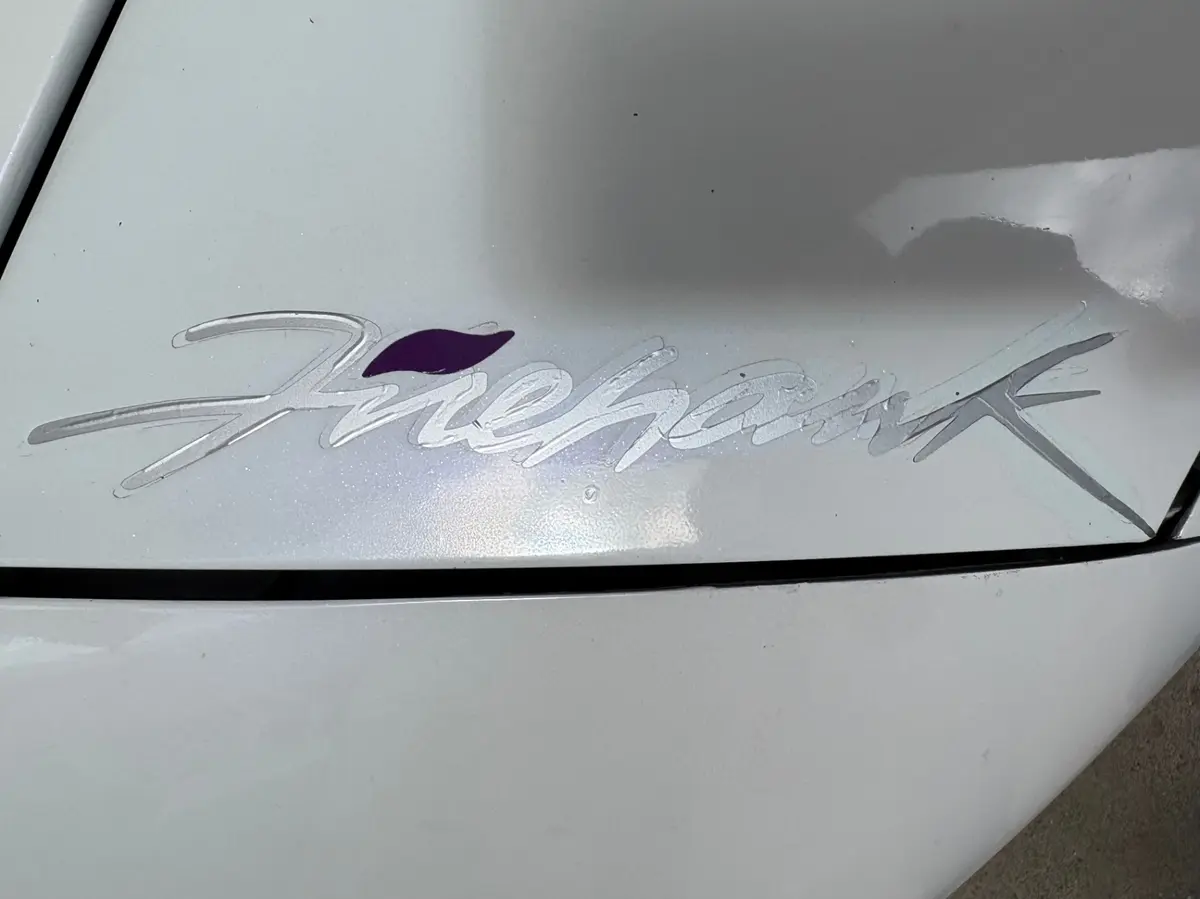
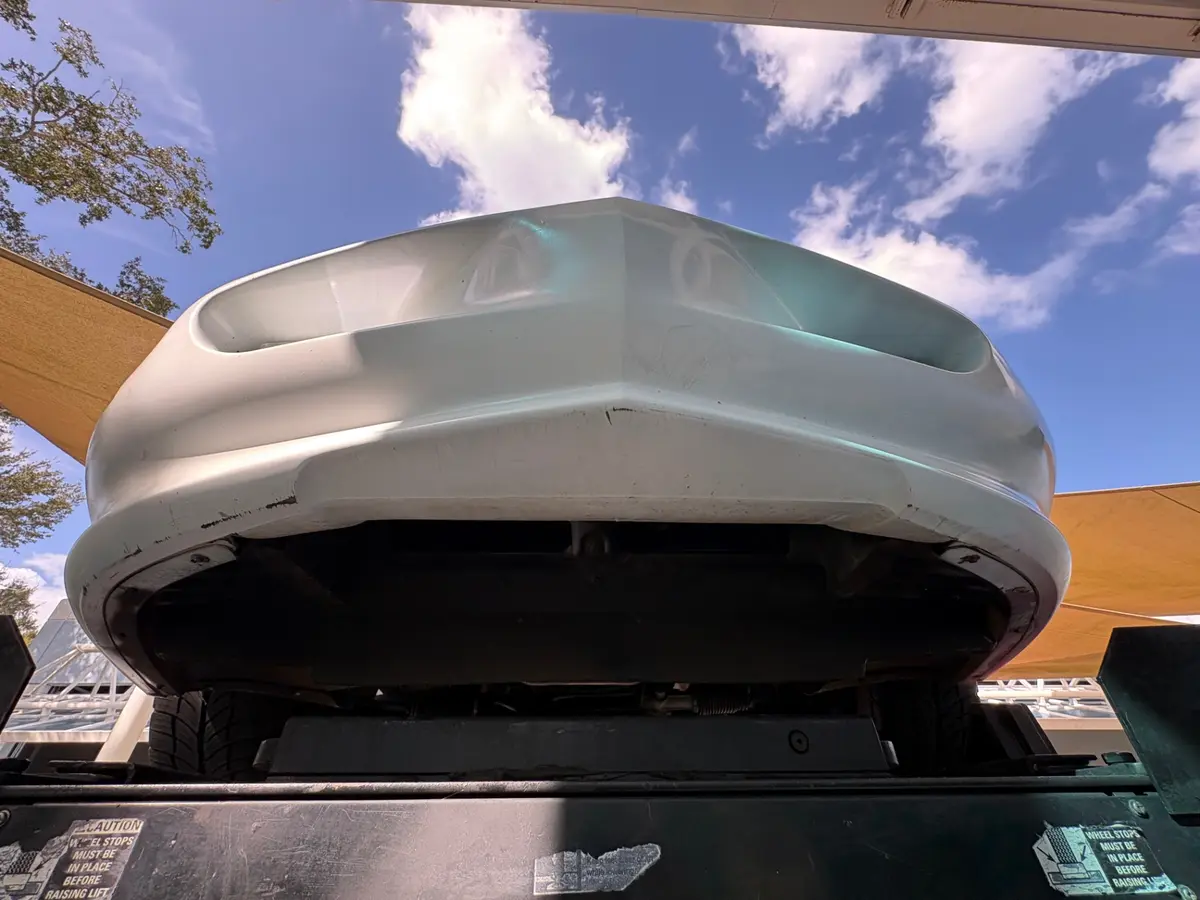
The Ram Air hood is one of the most visually distinctive elements of any Firehawk, and this car has it. The twin forward-facing scoops feed the functional plenum system below. Firehawk decals appear on both front fenders and the hood, rendered in script — the same style visible on the embroidered floor mats. The rear bumper houses the dual quad-tip exhaust outlets, which exit cleanly through the lower fascia cutouts.
The 5-spoke aluminum wheels are the style associated with the Firebird of this period, and they appear to be in solid condition with no obvious curb damage visible in the photos. The rear spoiler is the standard unit fitted to Firehawks and integrates into the rear hatch. Looking at the rear three-quarter view, the body sits at the correct ride height with no signs of sagging springs or previous collision damage to the quarter panels or tail. The T-top glass is present and appears to seal correctly based on the condition of the headliner inside.
Conclusion
The 1997 Pontiac Firebird Firehawk represents a specific and short-lived moment in American performance car history — one where a small outside company, working directly with a major automaker, could produce something that outperformed nearly everything else on the road at a fraction of the price of European exotics. SLP built these cars in limited numbers, sold them through normal Pontiac dealers with full warranties, and created a vehicle that still attracts serious attention from F-body collectors today. This particular example brings together the Ram Air LT1, the SLP exhaust and suspension package, T-tops, and the Firehawk interior details in a white exterior that photographs well and has held up over the years.
If you are researching 1997 Pontiac Firebird Firehawk values or looking for a documented SLP car to add to your collection, this is worth a closer look. Contact Skyway Classics in Sarasota, Florida at 941-254-6608 to get more details, request additional photos, or schedule a time to inspect the car in person.
Disclaimer
Information found on the website is presented as given to us by the owner of the car, whether on consignment or from the owner we bought it from. Some Photos, materials for videos, descriptions and other information are provided by the consignor/seller and is deemed reliable, but Skyway Classics does not warranty or guarantee this information. Skyway Classics is not responsible for information that may incorrect or a publishing error. The decision to purchase should be based solely on the buyers personal inspection of the vehicle or by a professional inspection service prior to offer or purchase being made.
1997 Pontiac
Firebird Firehawk SLP
Why Choose Skyway Classics?
Explore our curated inventory of classic and collector cars—thoughtfully selected, ready to drive, and supported by experts who make ownership simple.
Expert Curation
Every vehicle is hand-selected by our experts for quality, authenticity, and investment potential.
Fast Transactions
Streamlined buying and selling process with quick financing and immediate delivery options.
Only National Dealer With Classic Service & Repair
We’re the only national dealership that services and repairs the classics we sell—before and after the sale.
Nationwide Network
Access to our extensive network of collectors, restorers, and classic car enthusiasts nationwide.
Concierge Ownership Support
From financing and insurance to paperwork, shipping, and titling—we handle the details so you can enjoy the drive.
Passion-Driven Service
We're classic car enthusiasts first, providing personalized service with genuine passion for the hobby.