
1978 Cadillac
Eldorado Biarritz
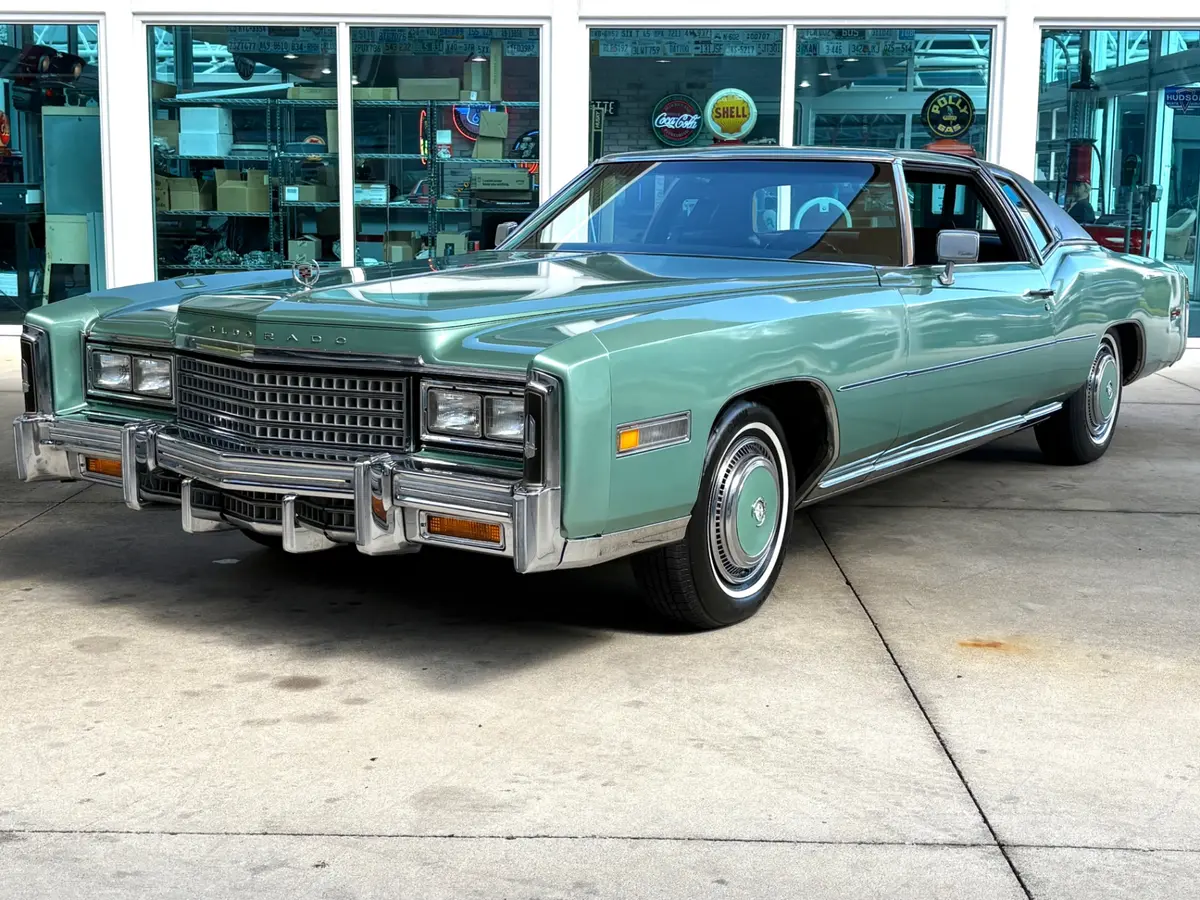
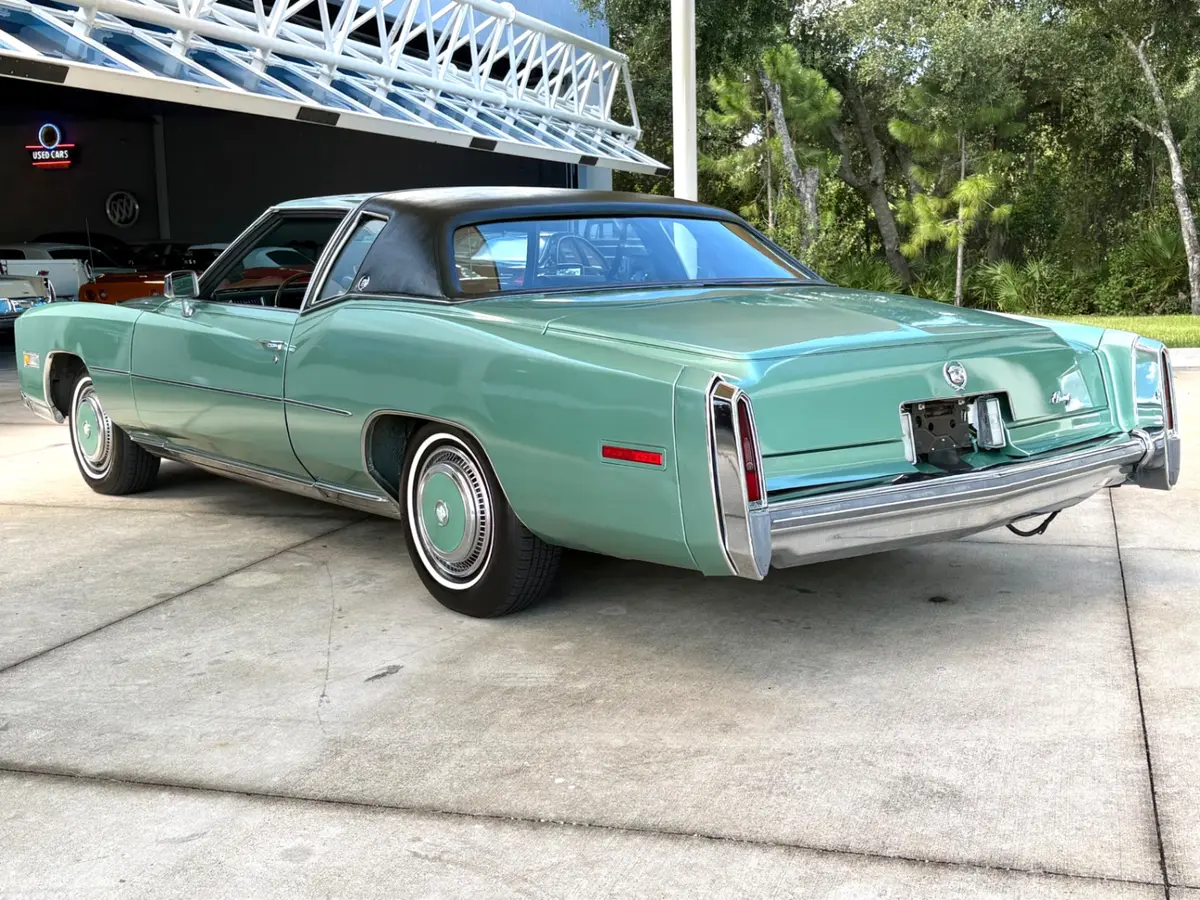
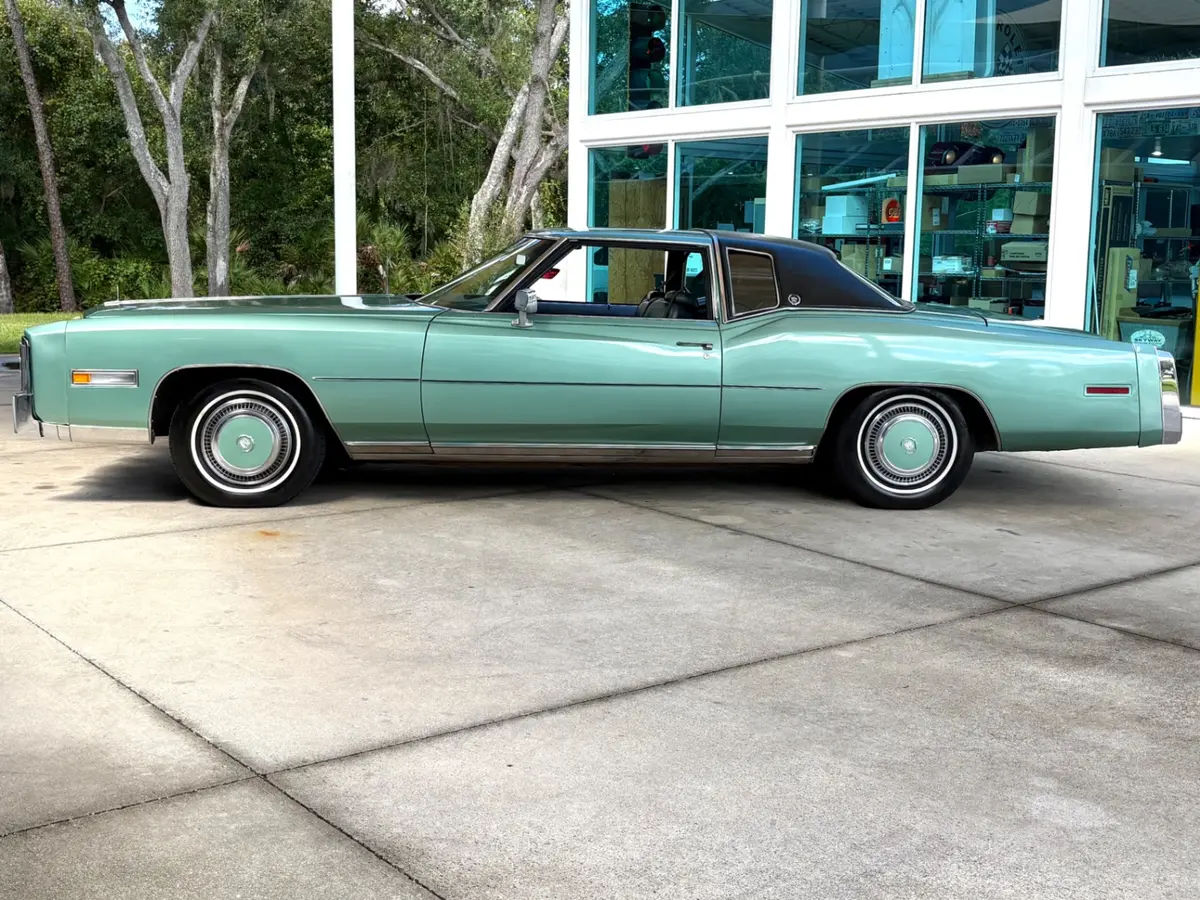
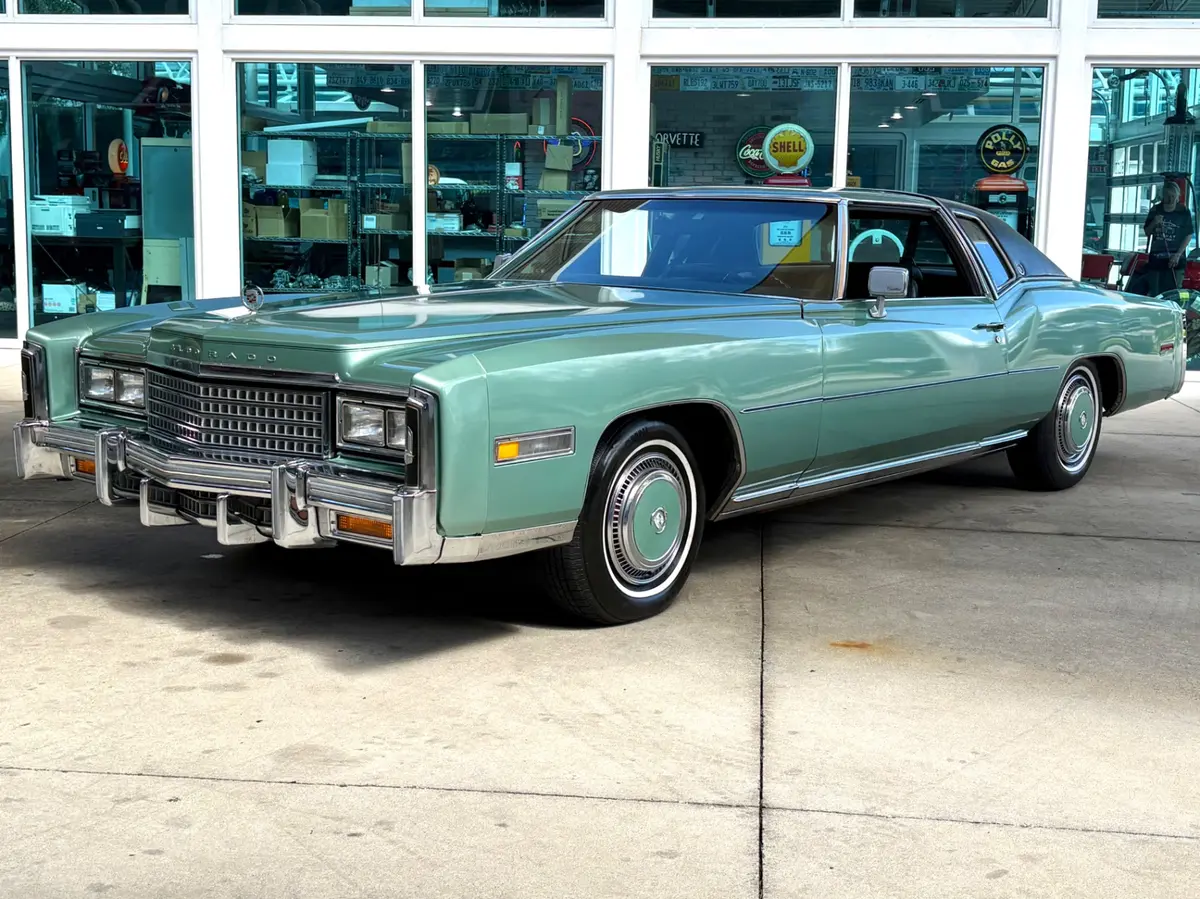
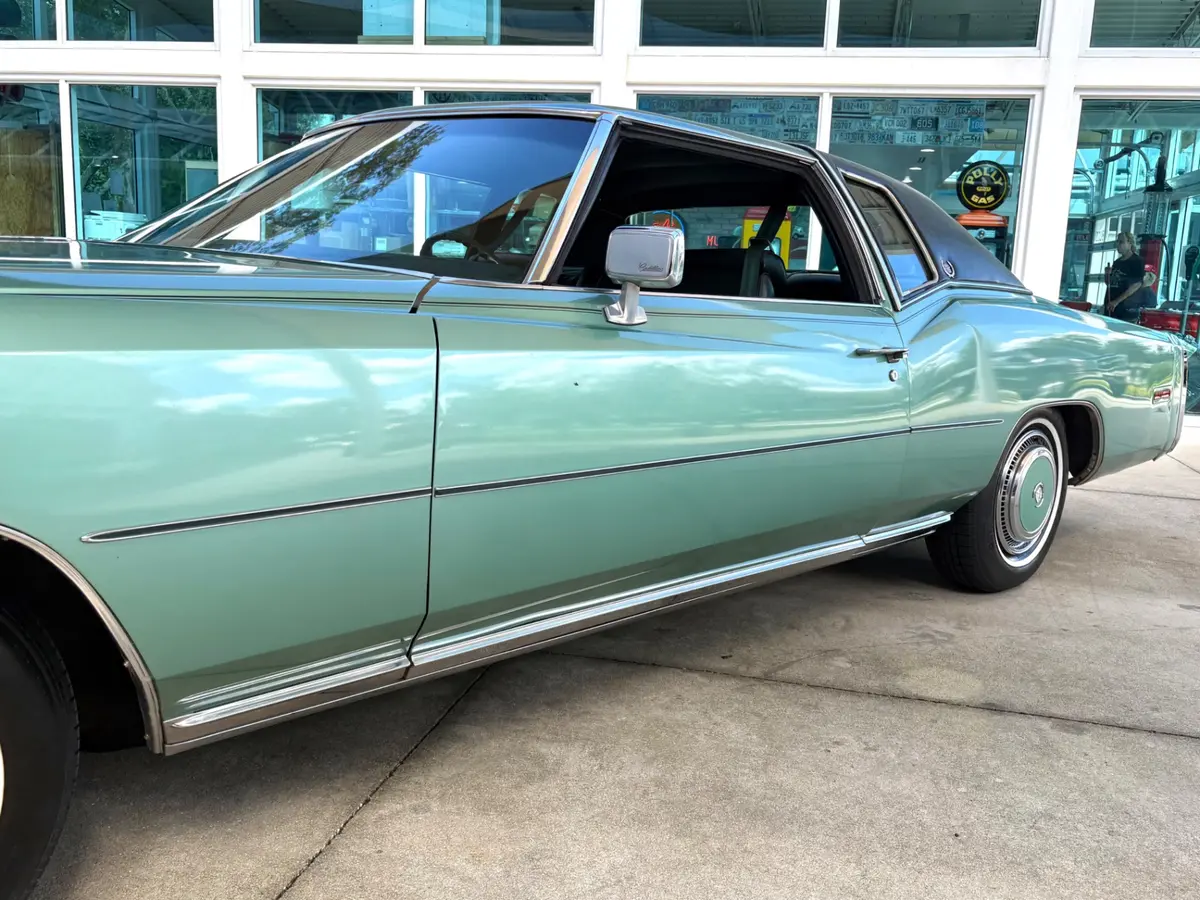
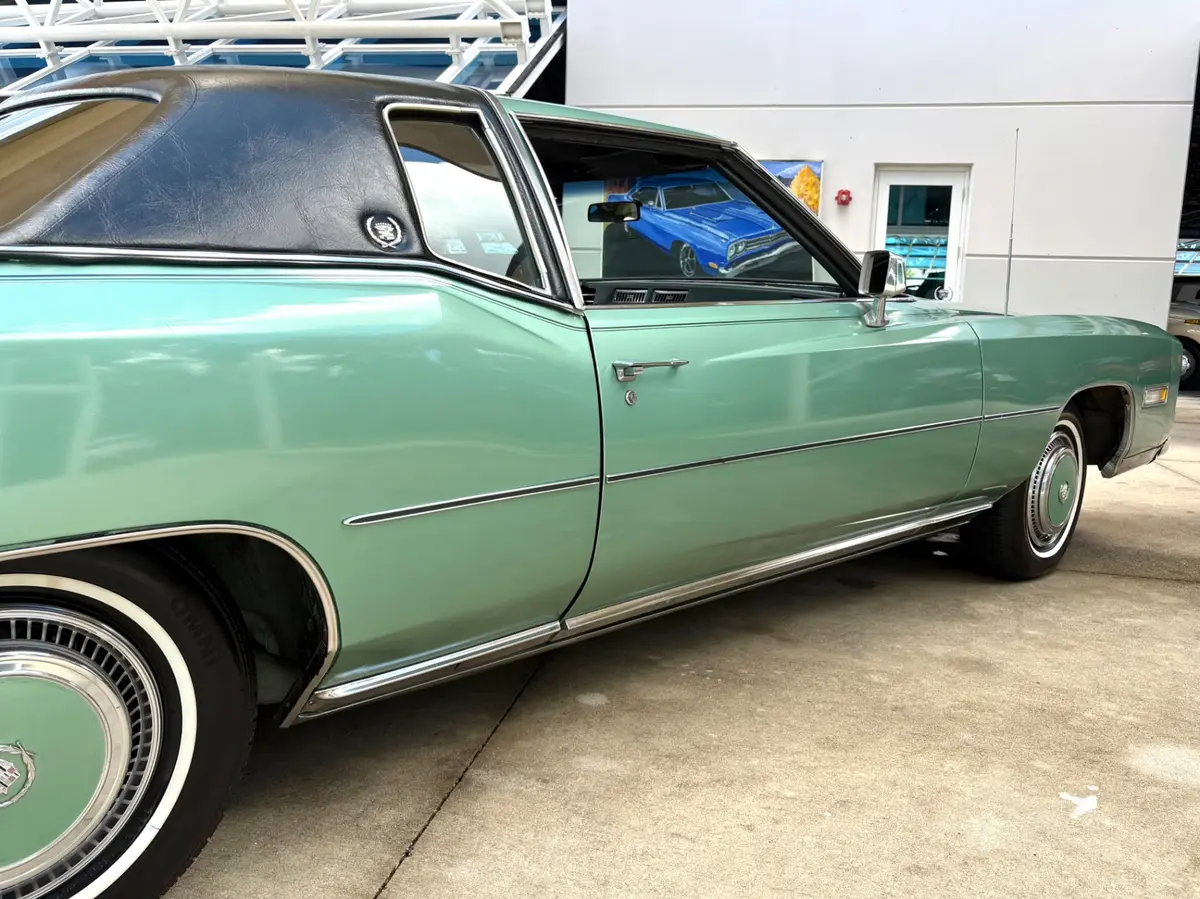
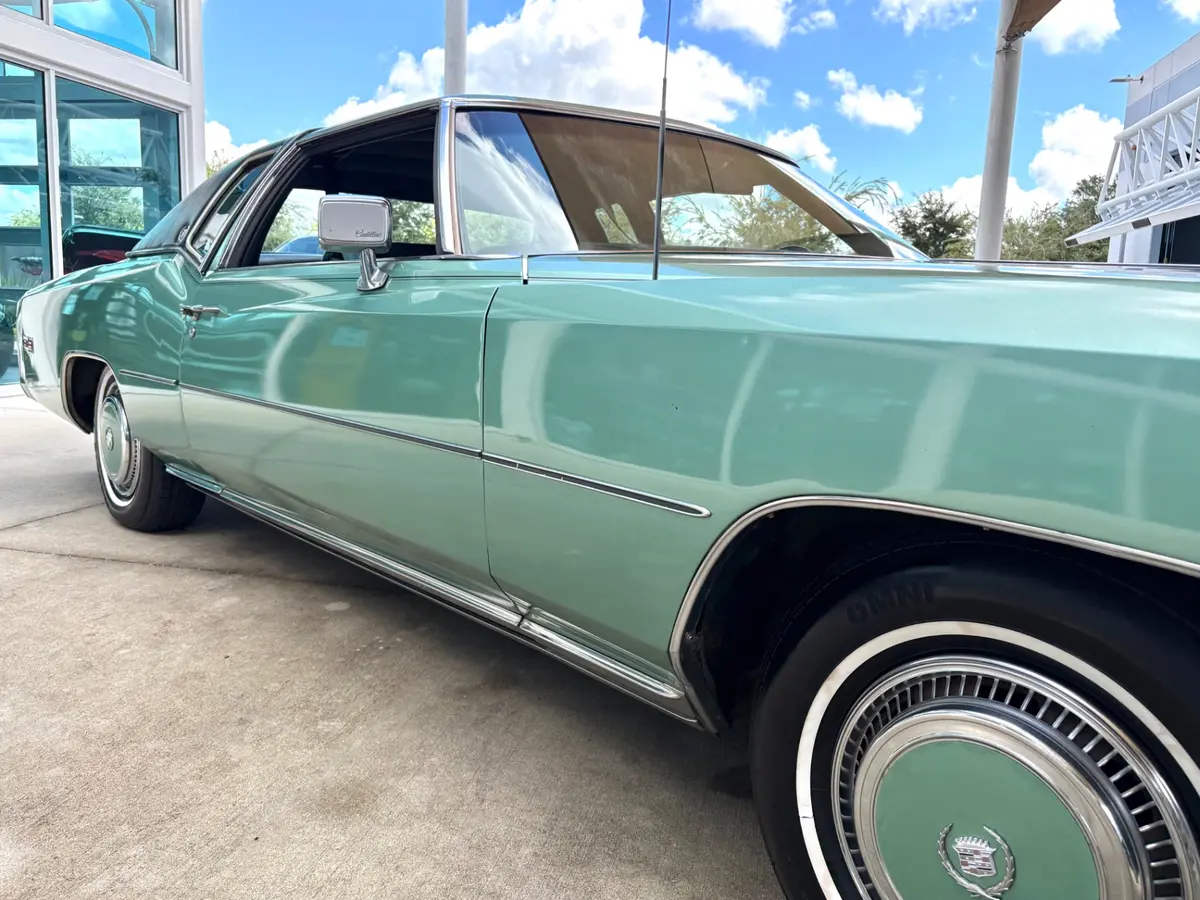
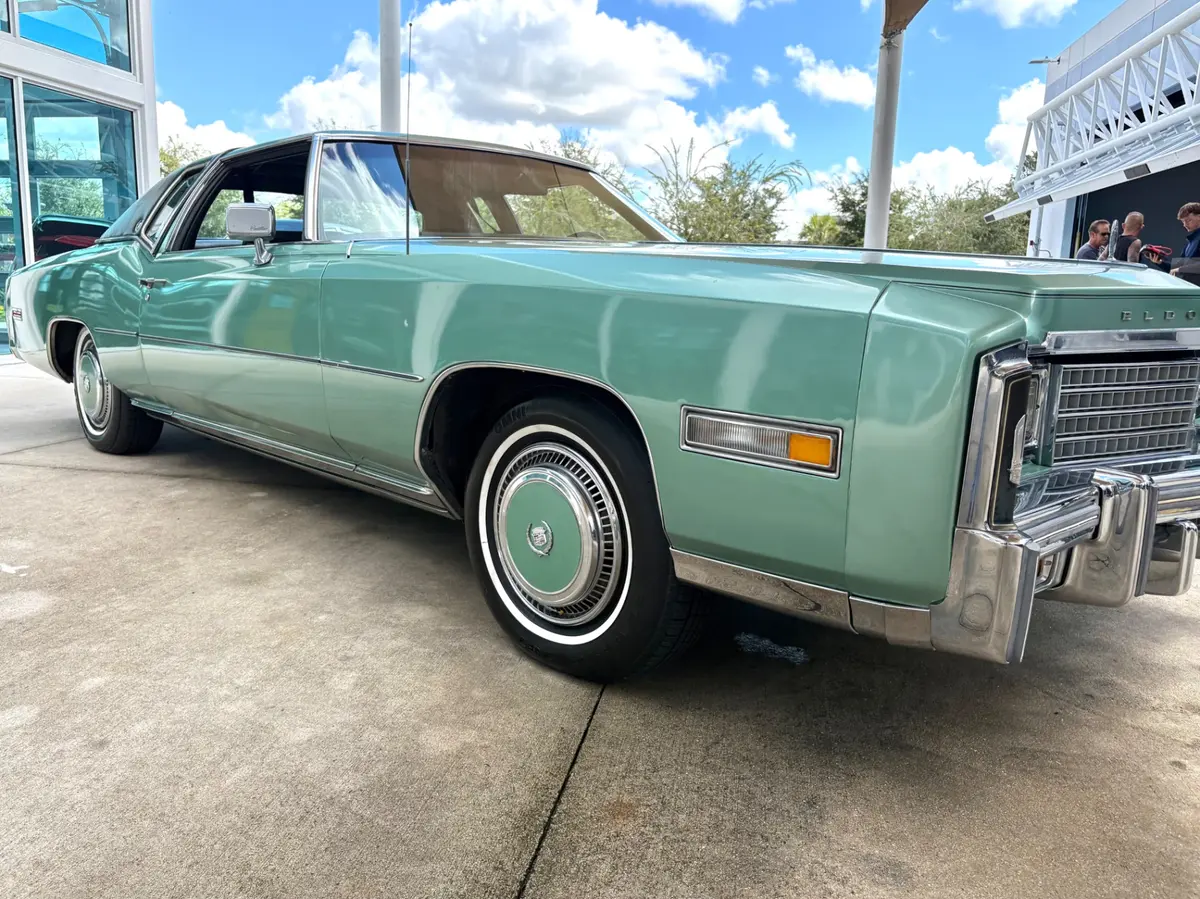
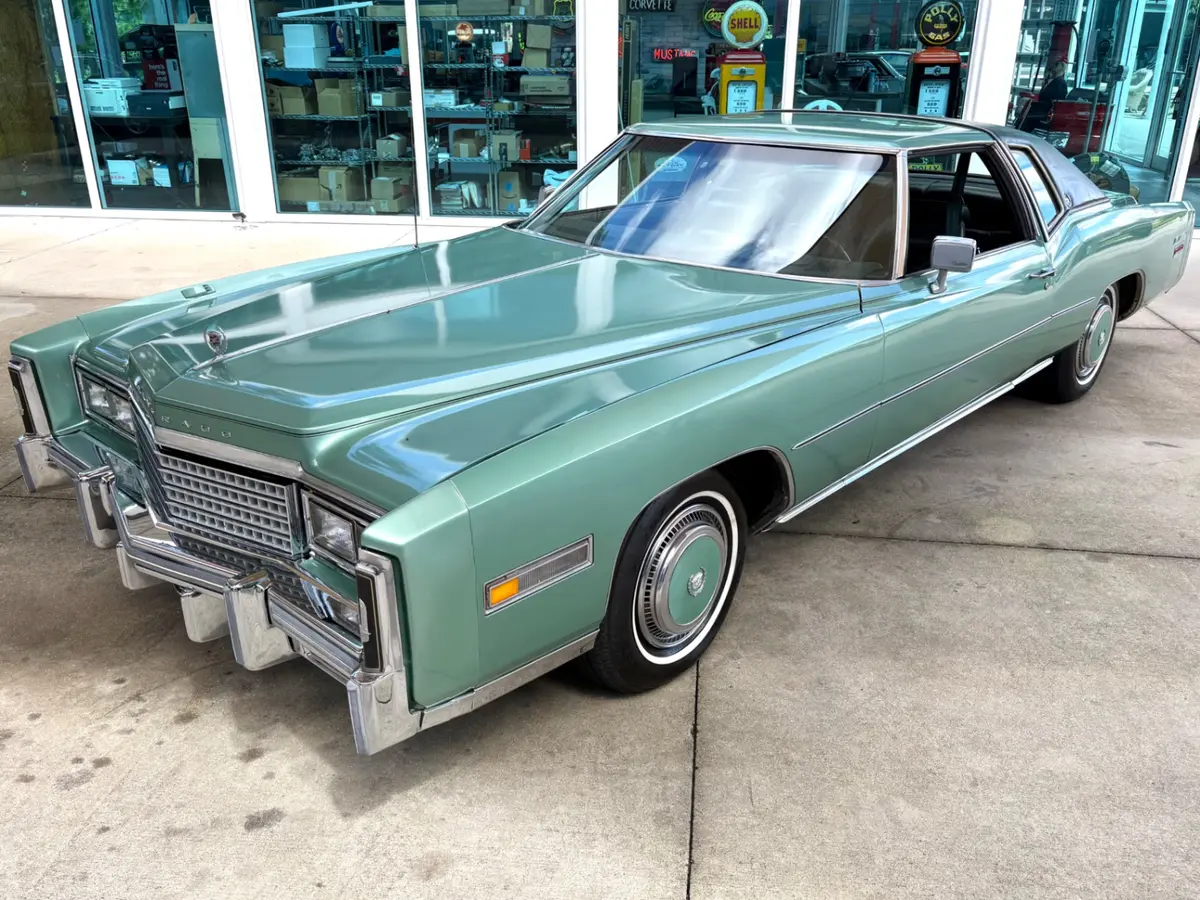
1978 Cadillac Eldorado Biarritz — Sage Green Metallic with Dark Green Leather, 425ci V8, Original Florida Car
Why This Car Is Special
The 1978 Cadillac Eldorado holds a specific and well-documented place in American automotive history. This was the final model year of the last generation of full-size, front-wheel-drive Eldorados — a body style that dated back to 1971 and represented one of the largest and most architecturally ambitious personal luxury cars ever built in America. Cadillac had offered a front-wheel-drive Eldorado continuously since 1967, and the 1978 model year closed out what many enthusiasts consider the most purely extravagant version of that concept before the nameplate was dramatically downsized for 1979.
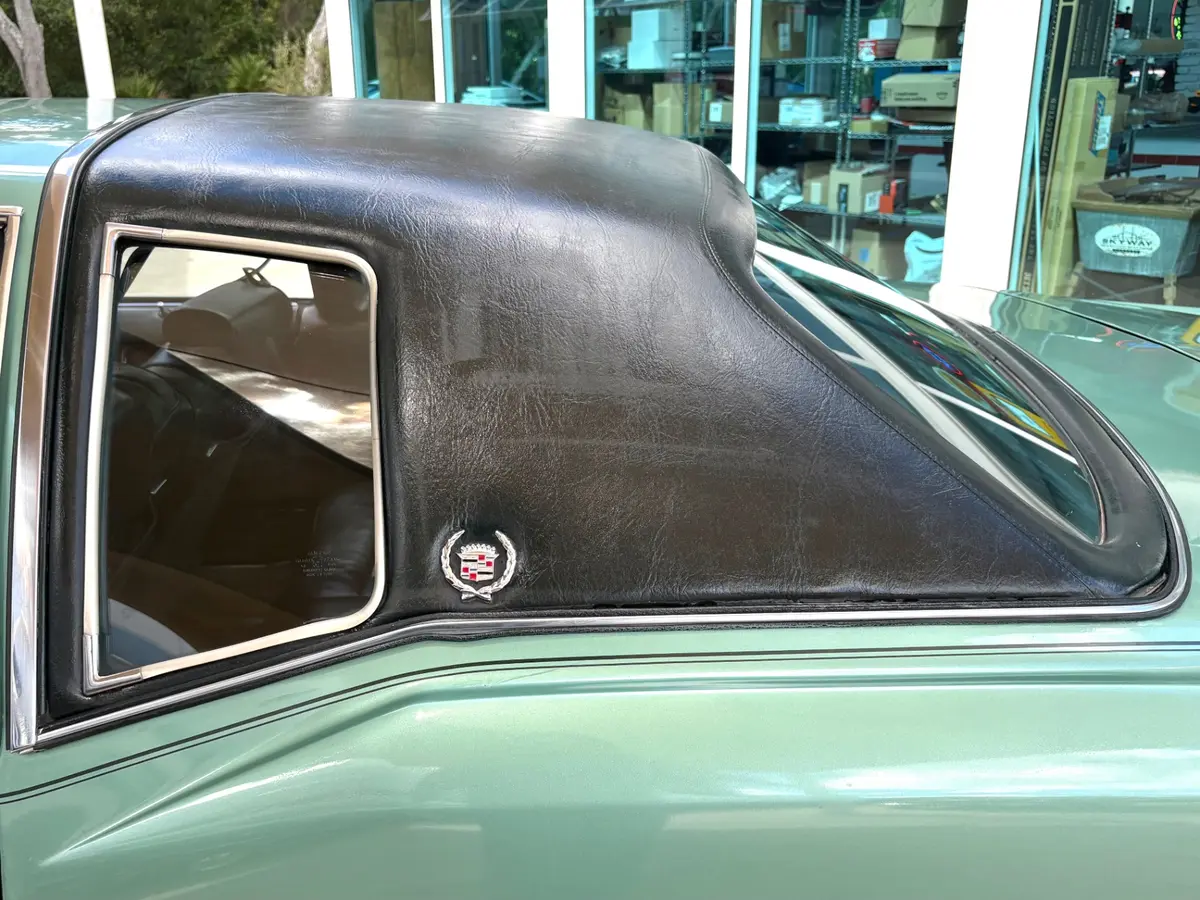
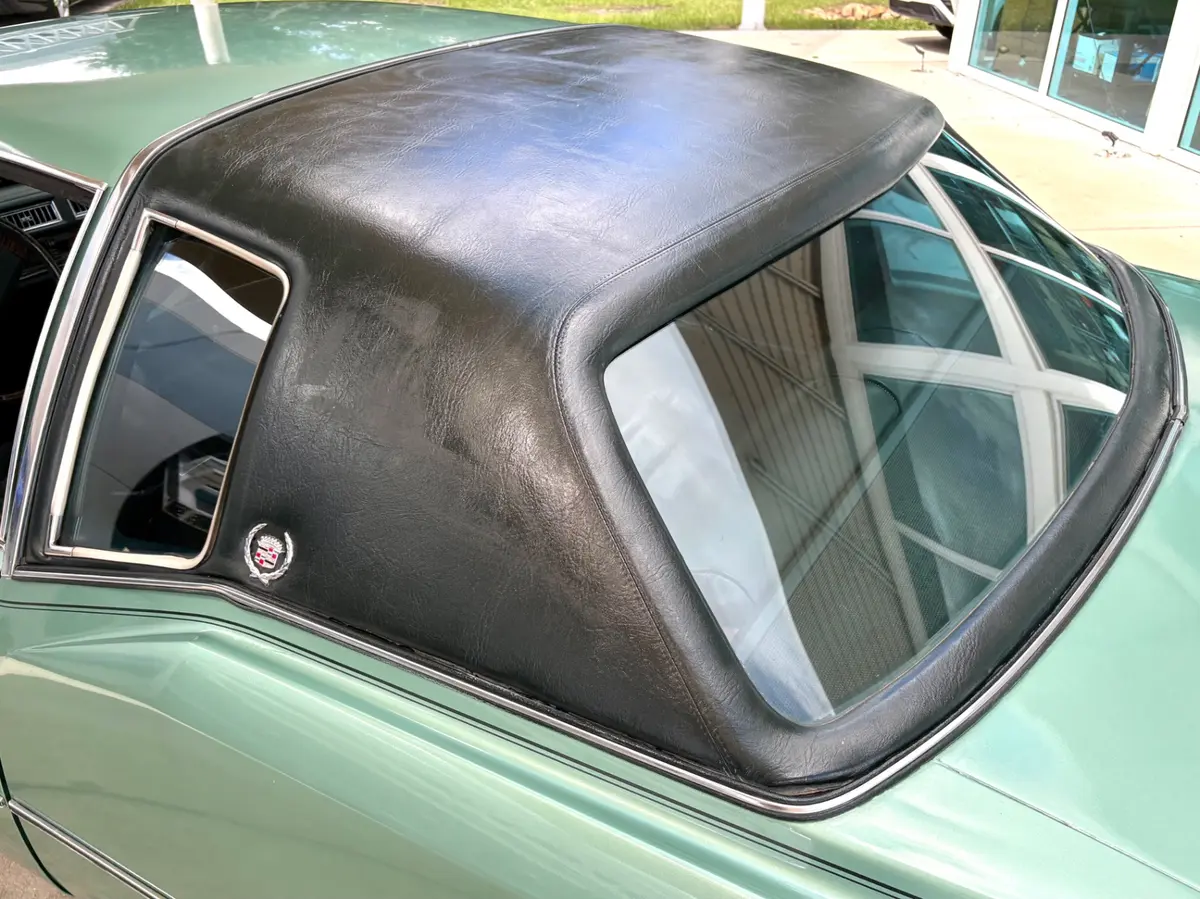
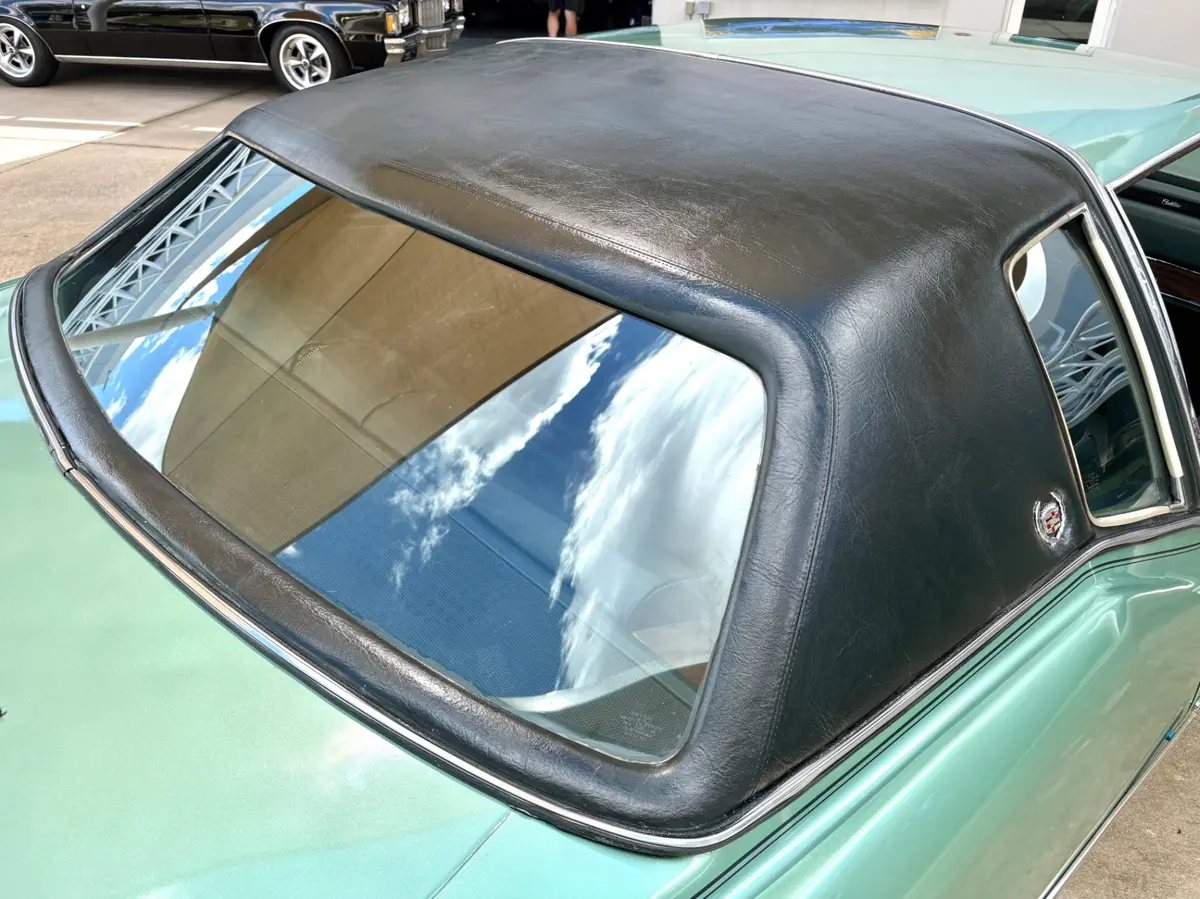
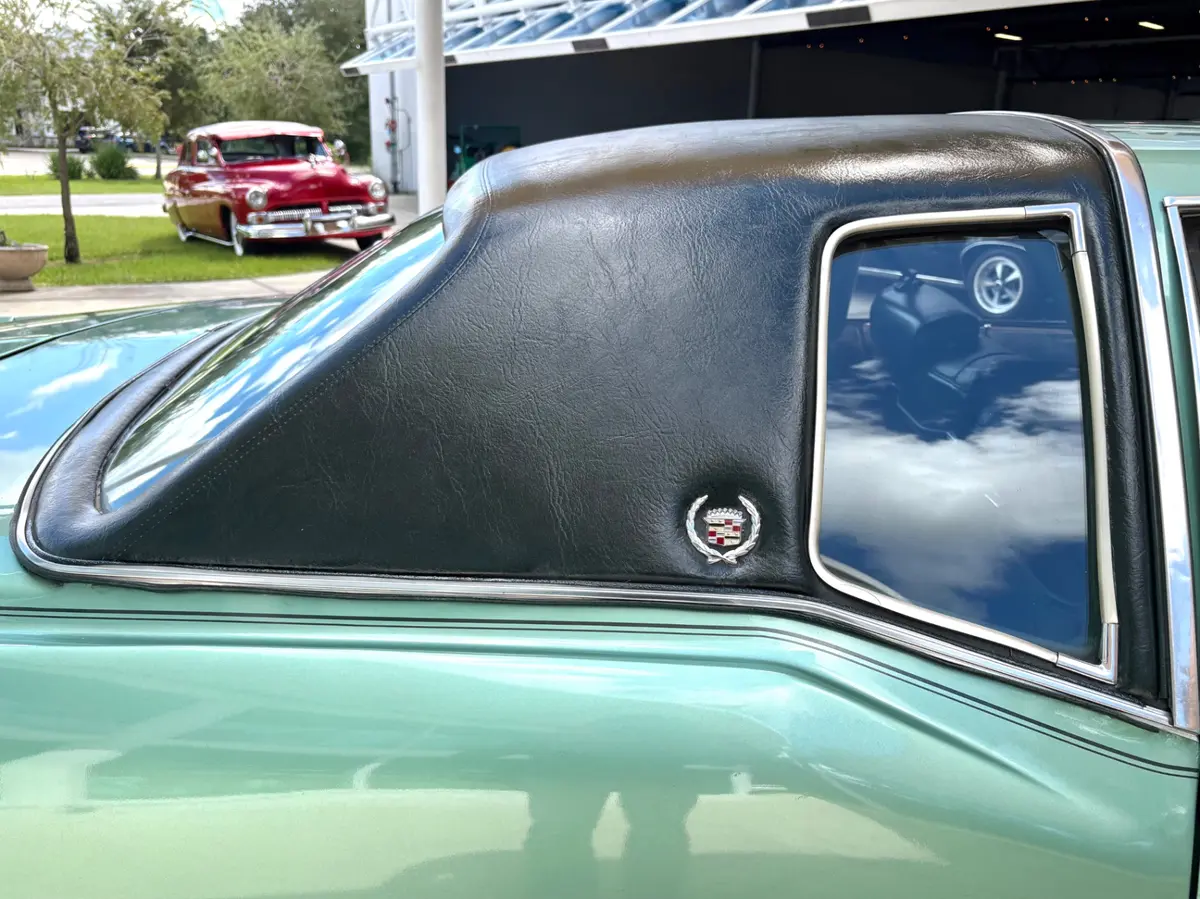
This particular car is a Biarritz trim, which was the top of the Eldorado lineup. The Biarritz package, reintroduced for 1976, was Cadillac's answer to coachbuilder-influenced luxury coupes of the era. It added specific exterior and interior appointments — including the padded cabriolet roof treatment, opera lamps, Biarritz script badging, and upgraded interior finishes — that set it apart from the standard Eldorado. It was not a minor option group. It was a distinct statement about what the buyer expected from a luxury automobile.
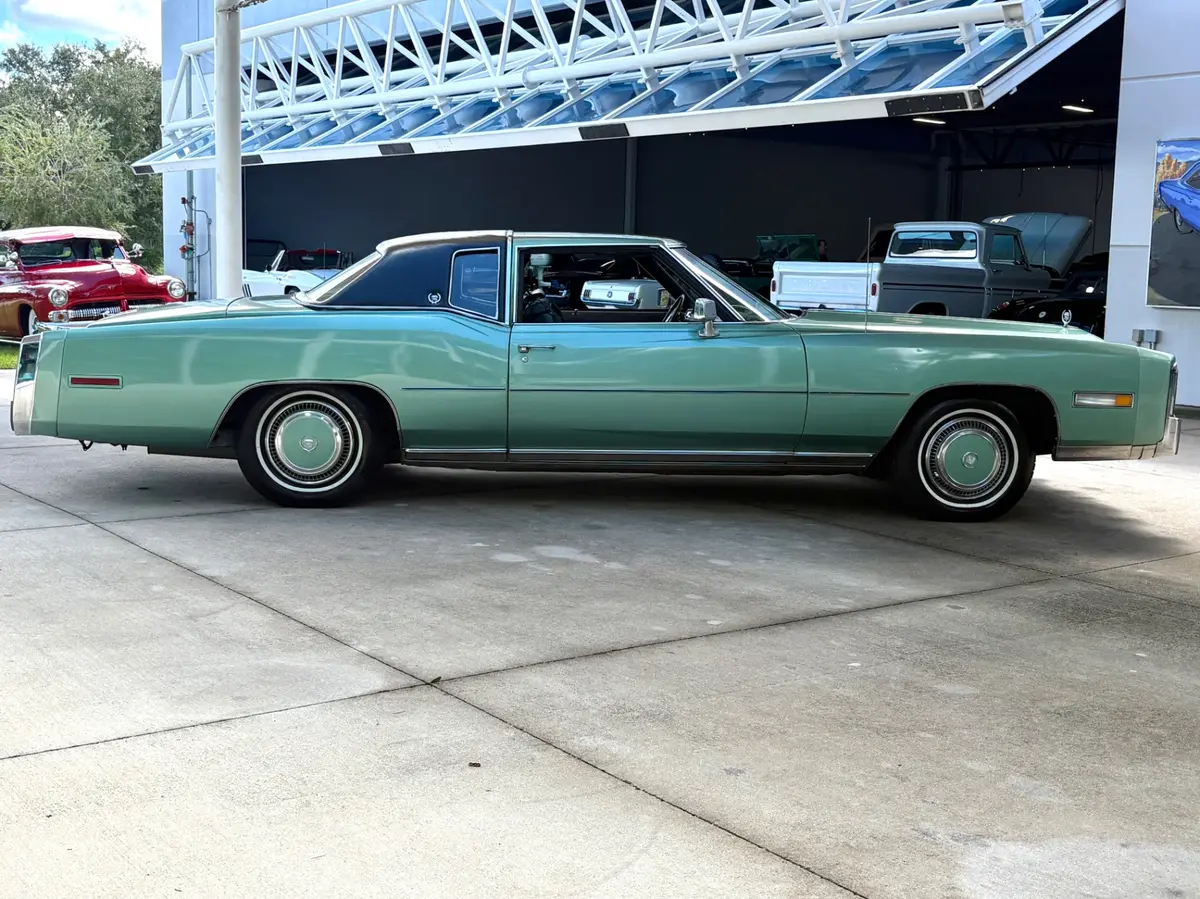
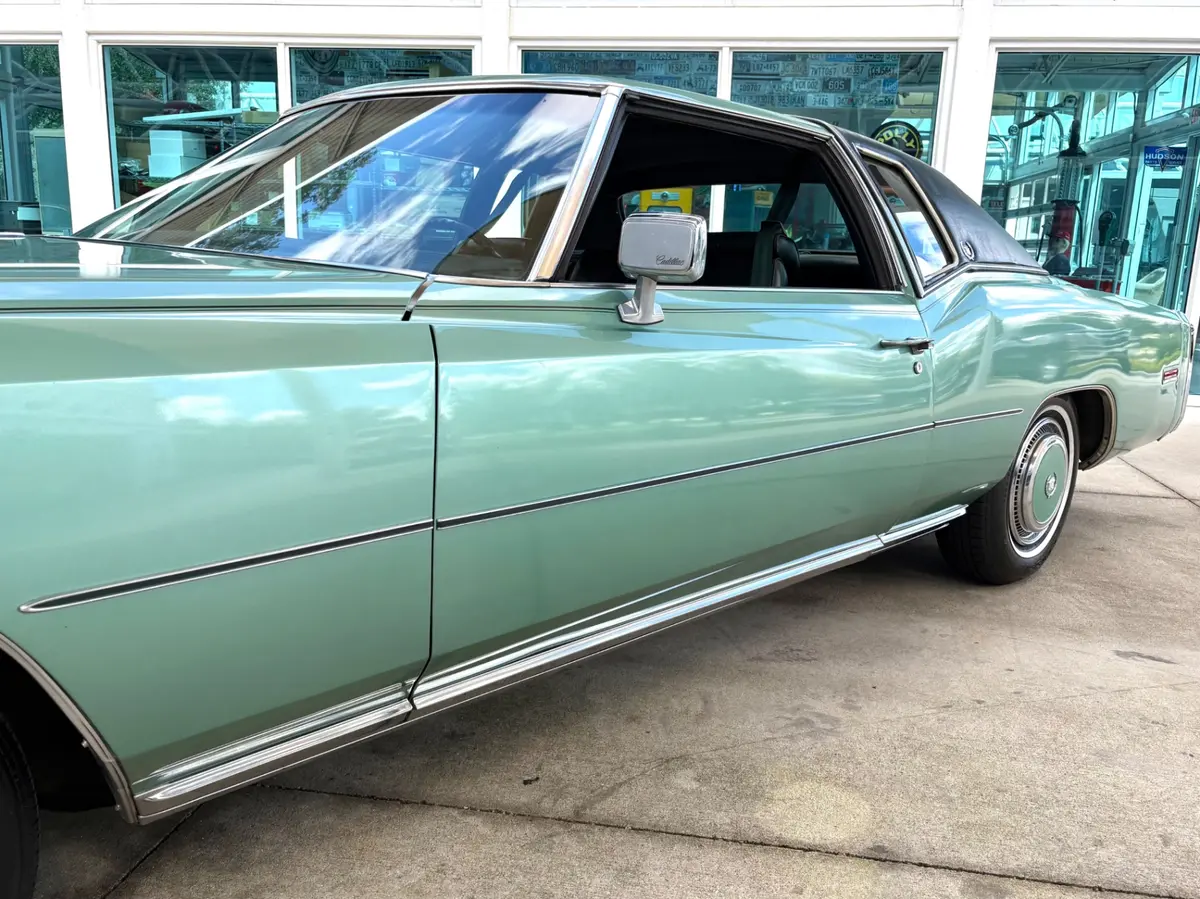
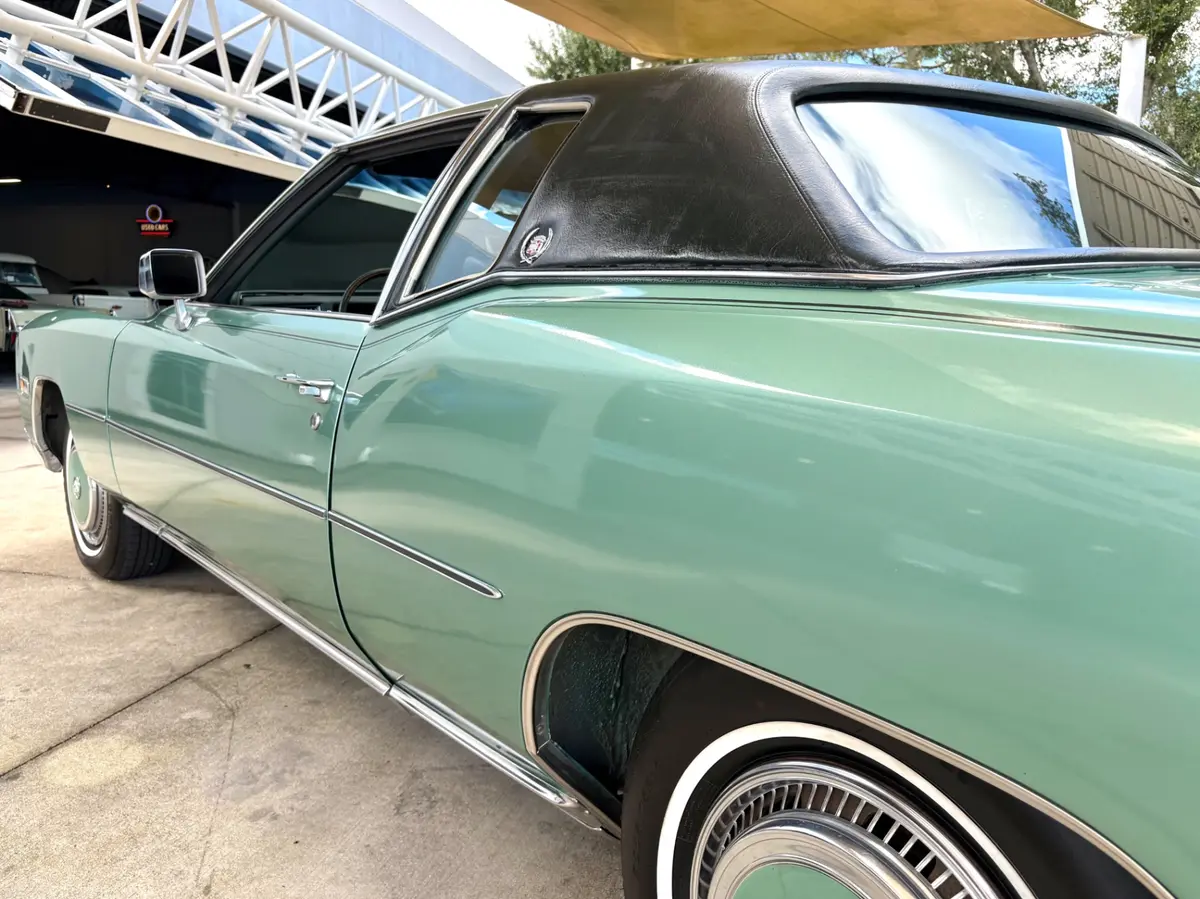
The color combination on this car is particularly well-matched. Sage Green Metallic is a soft, cool-toned metallic green that reads differently depending on the light — sometimes more silver, sometimes more green — and it pairs directly with the dark green leather interior. This is not a cobbled-together combination. These colors were specified to work together, and on this car they do. The black vinyl cabriolet roof ties both tones together and completes the exterior profile that defined the Biarritz identity.
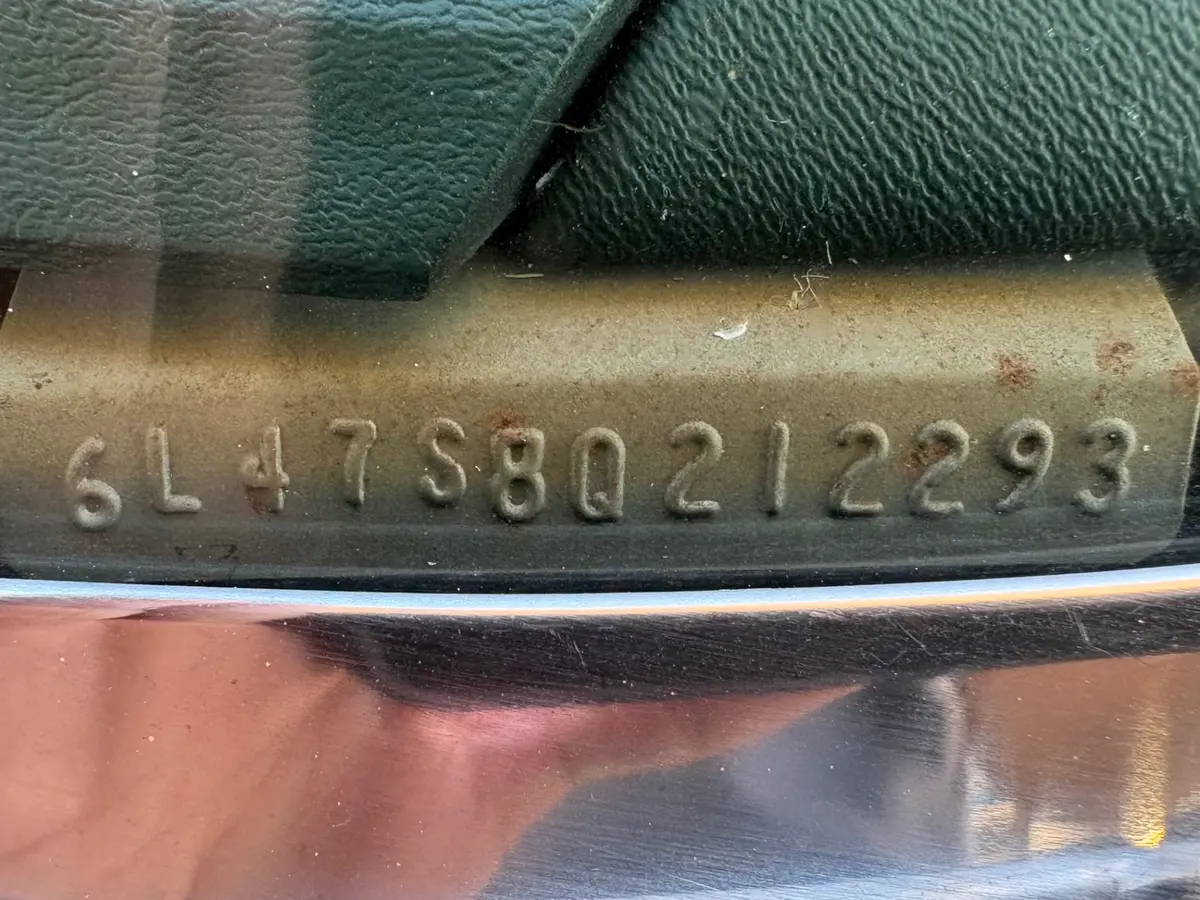
The VIN on this car decodes to confirm it was built at the Cadillac plant in Detroit, Michigan, as a 1978 model Eldorado coupe with the 425 cubic inch V8 engine. That detail matters because it confirms the powertrain is correct and original to the car's specification — not a later substitution.
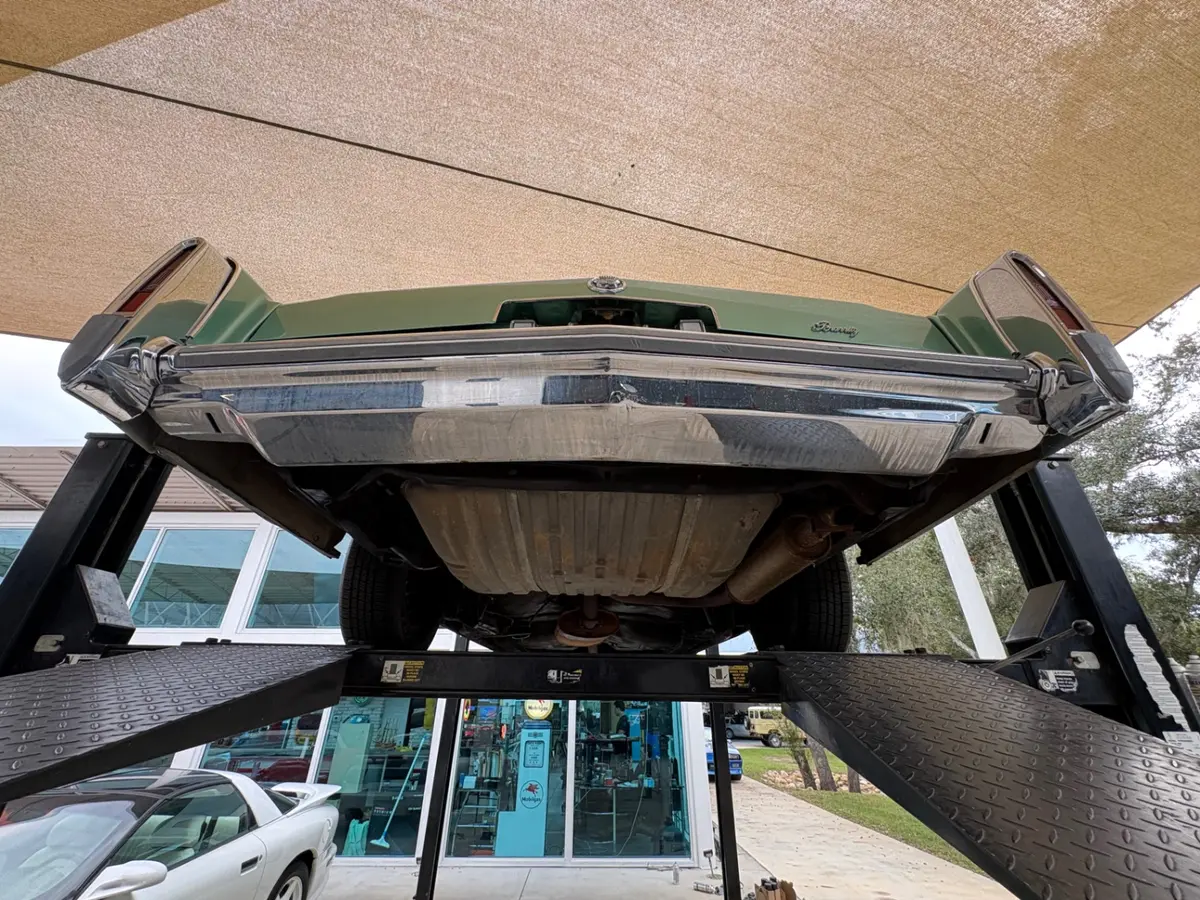
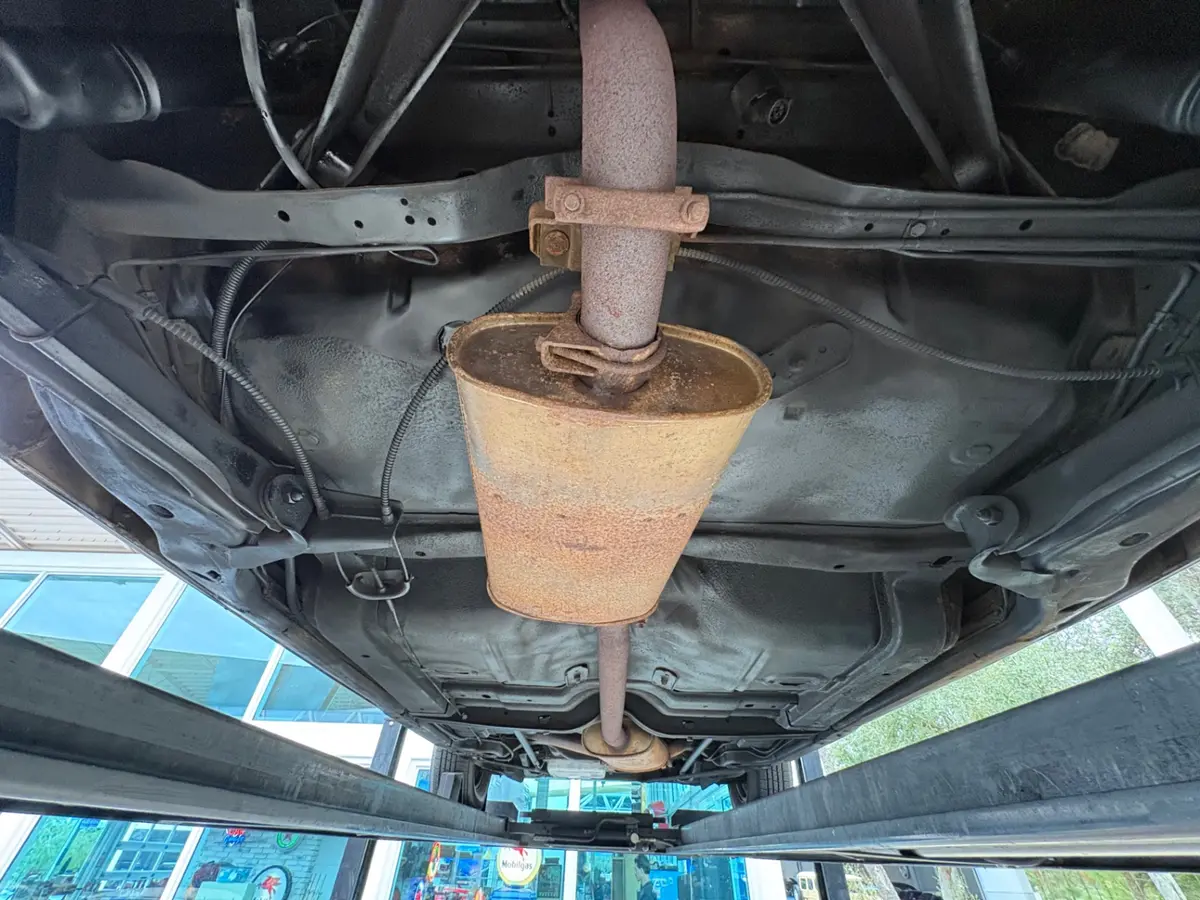
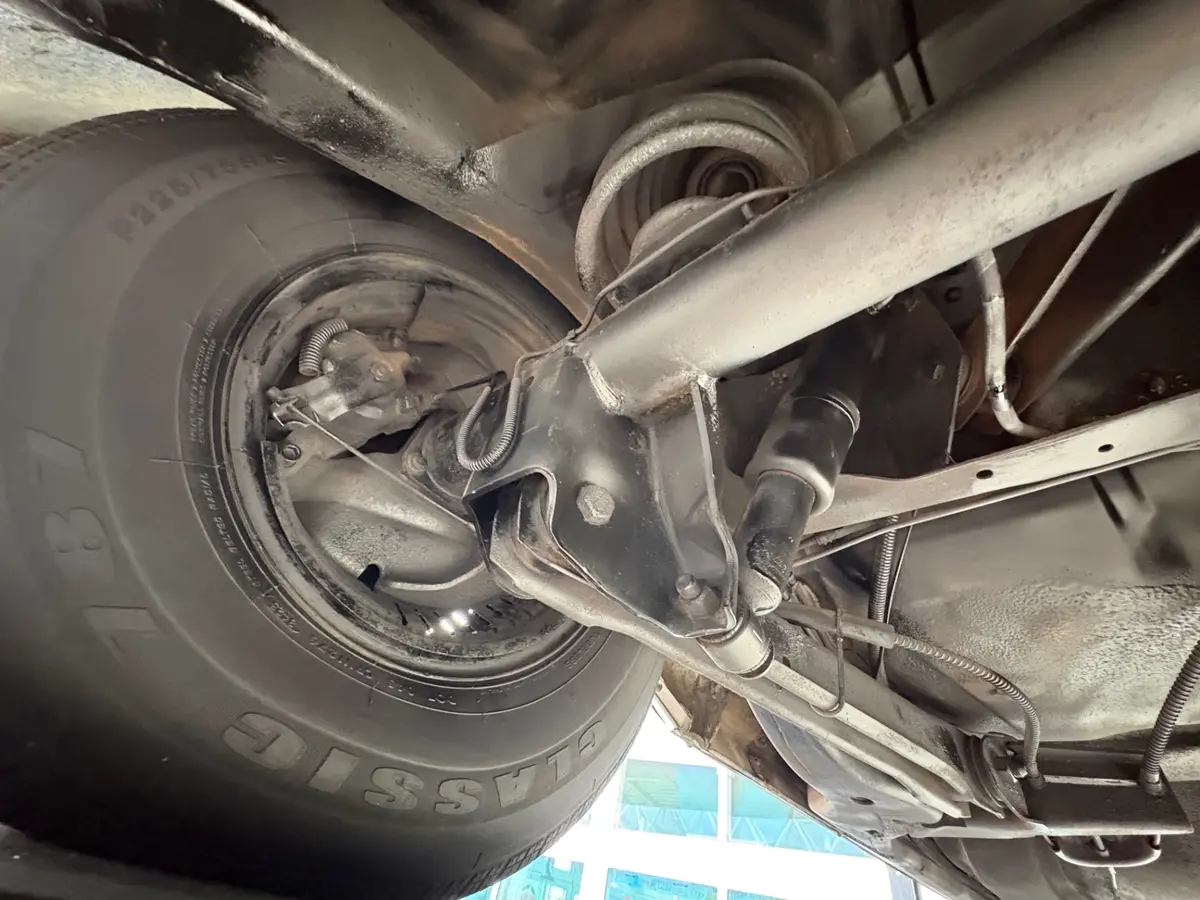
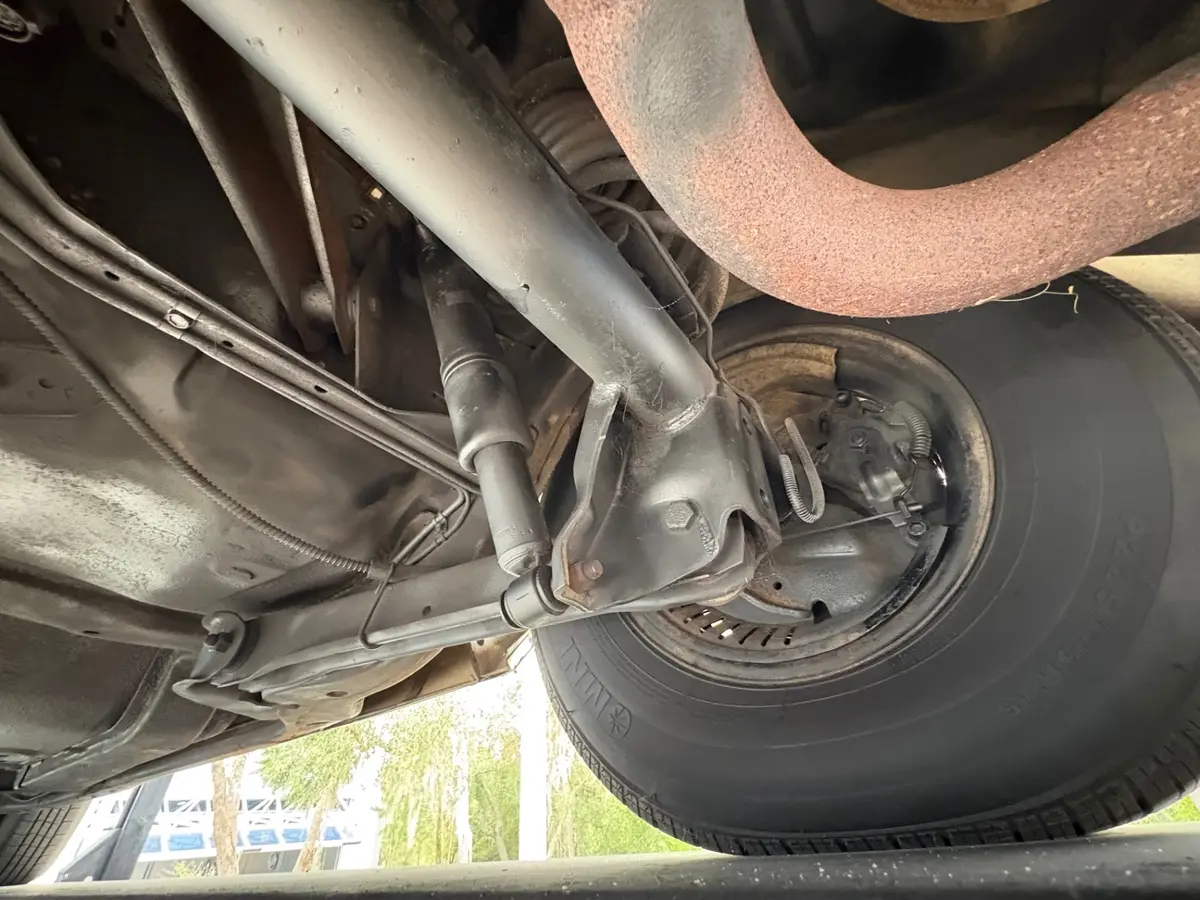
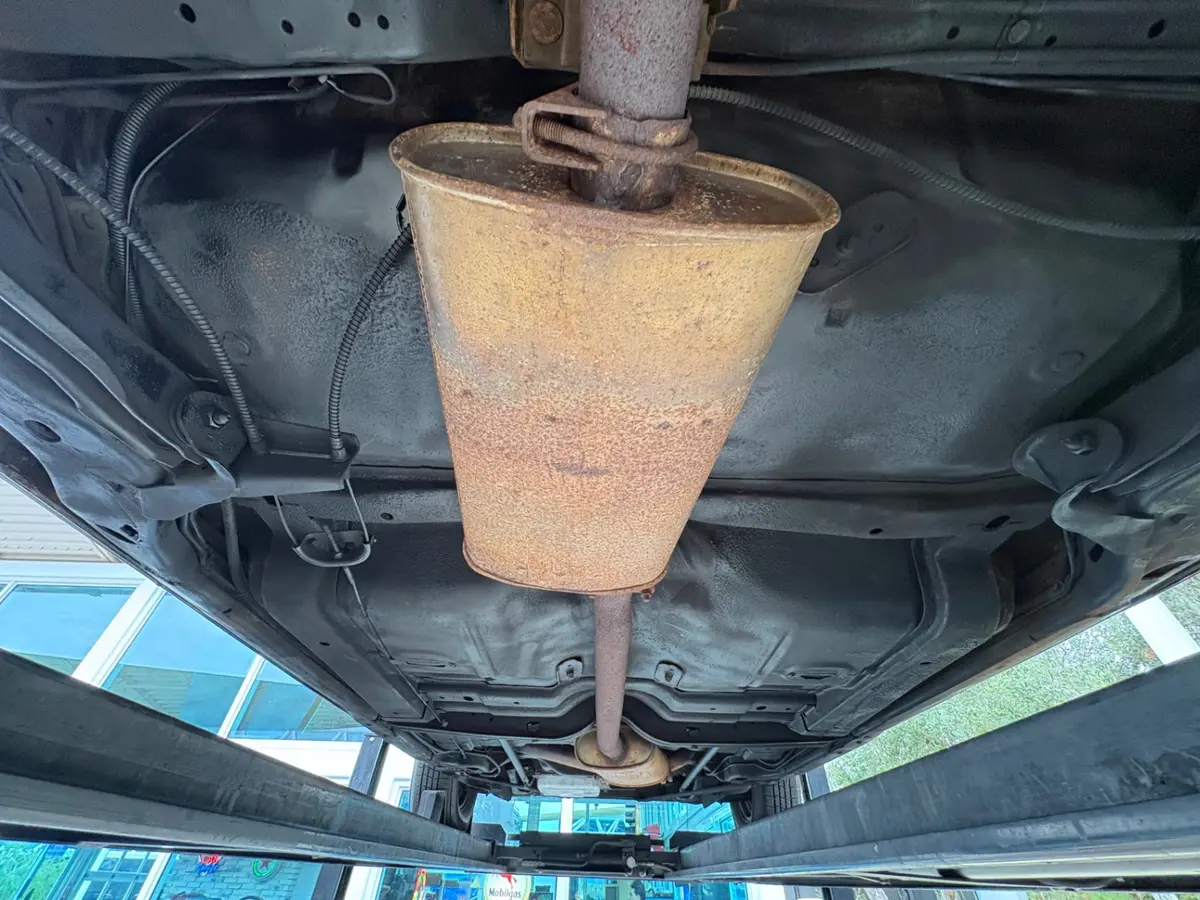
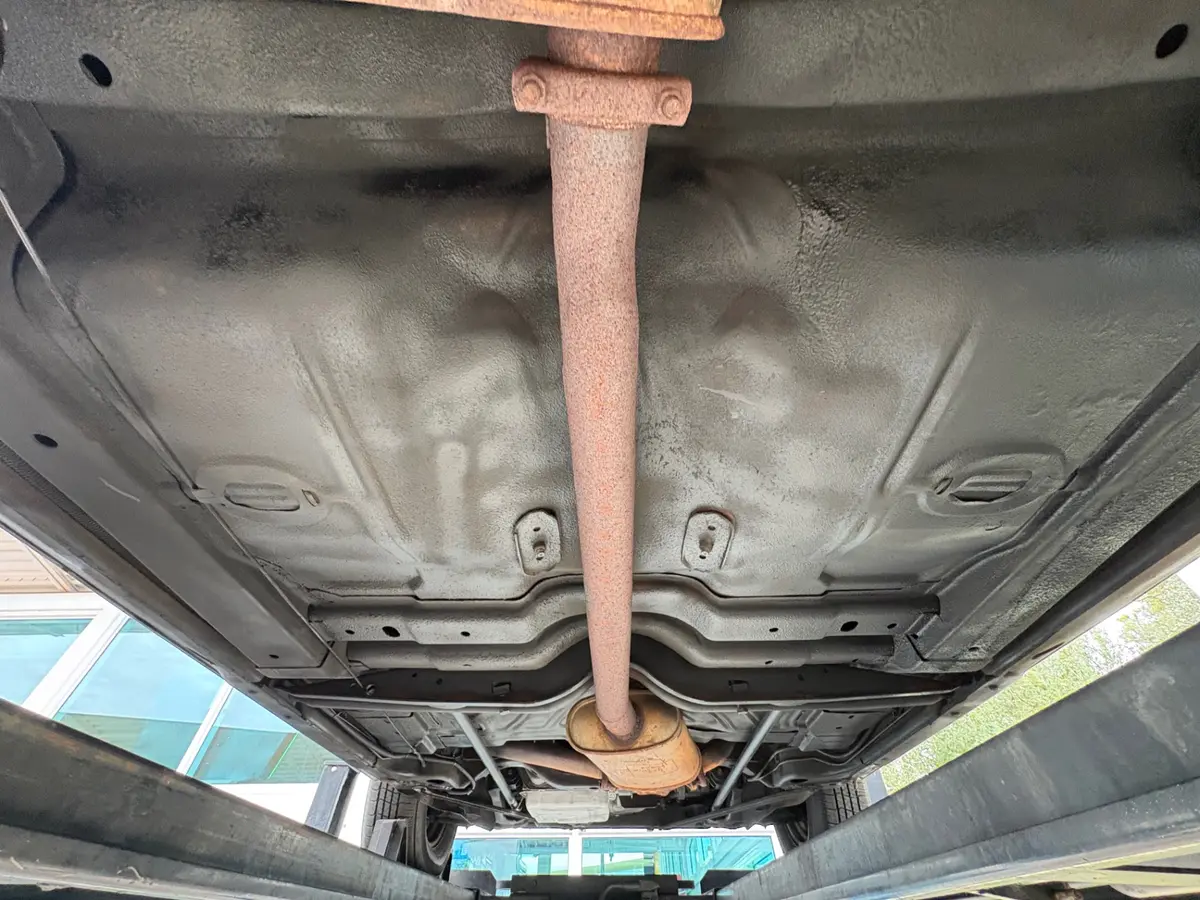
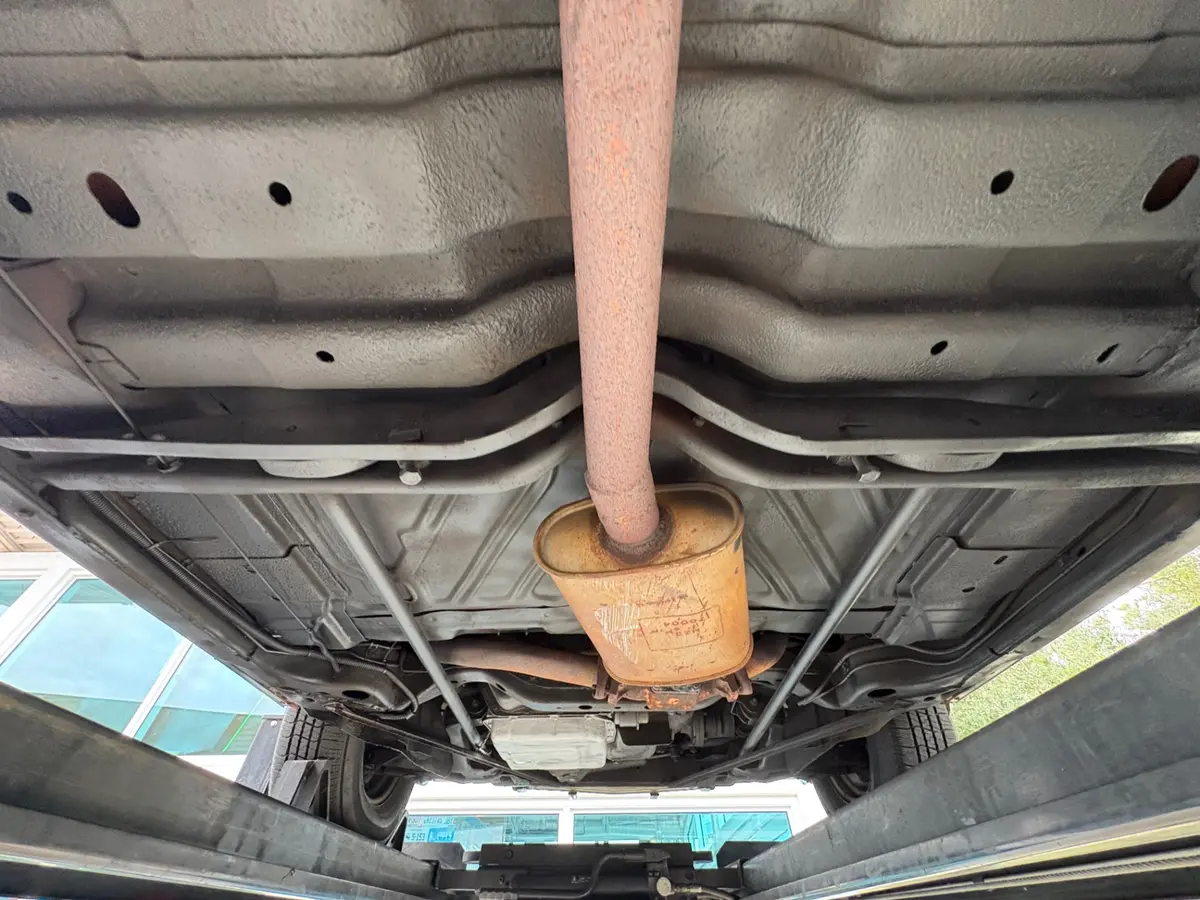
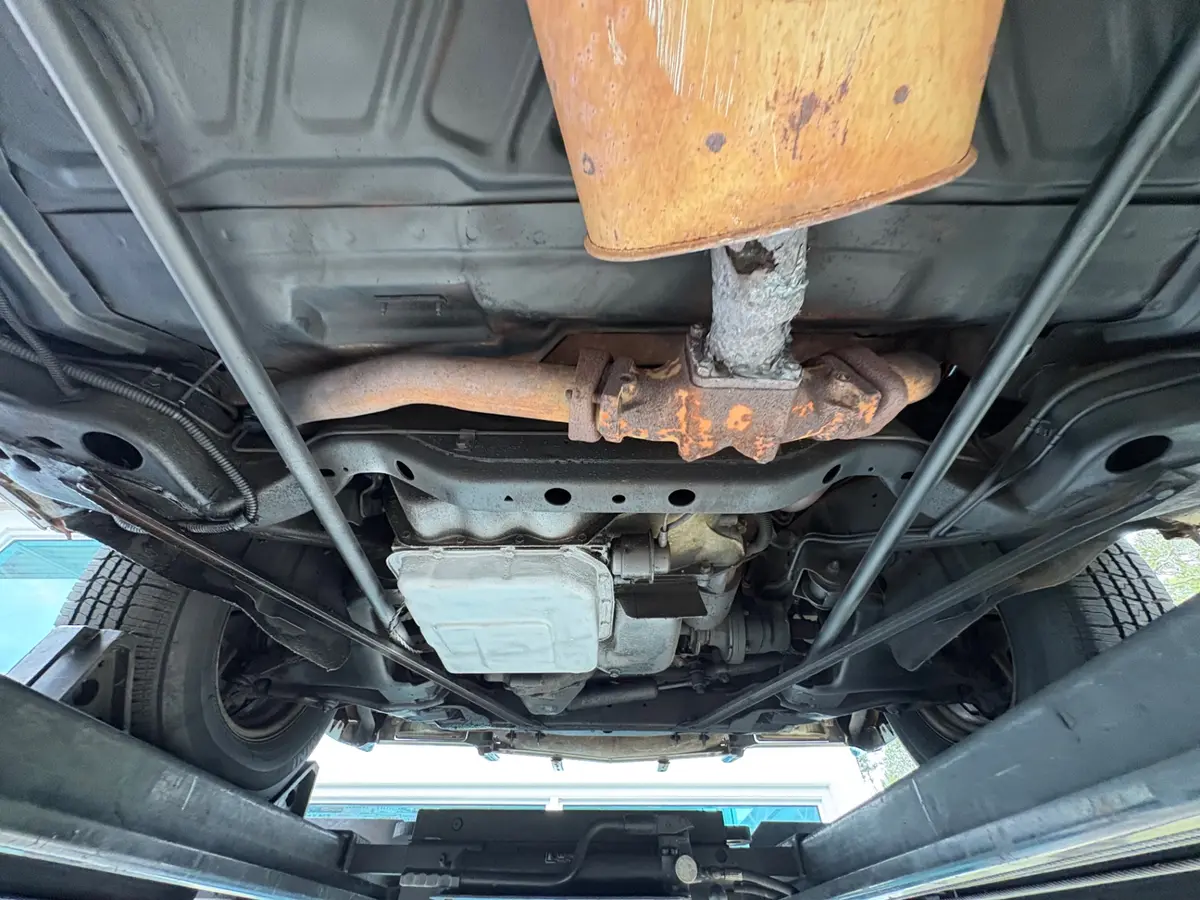
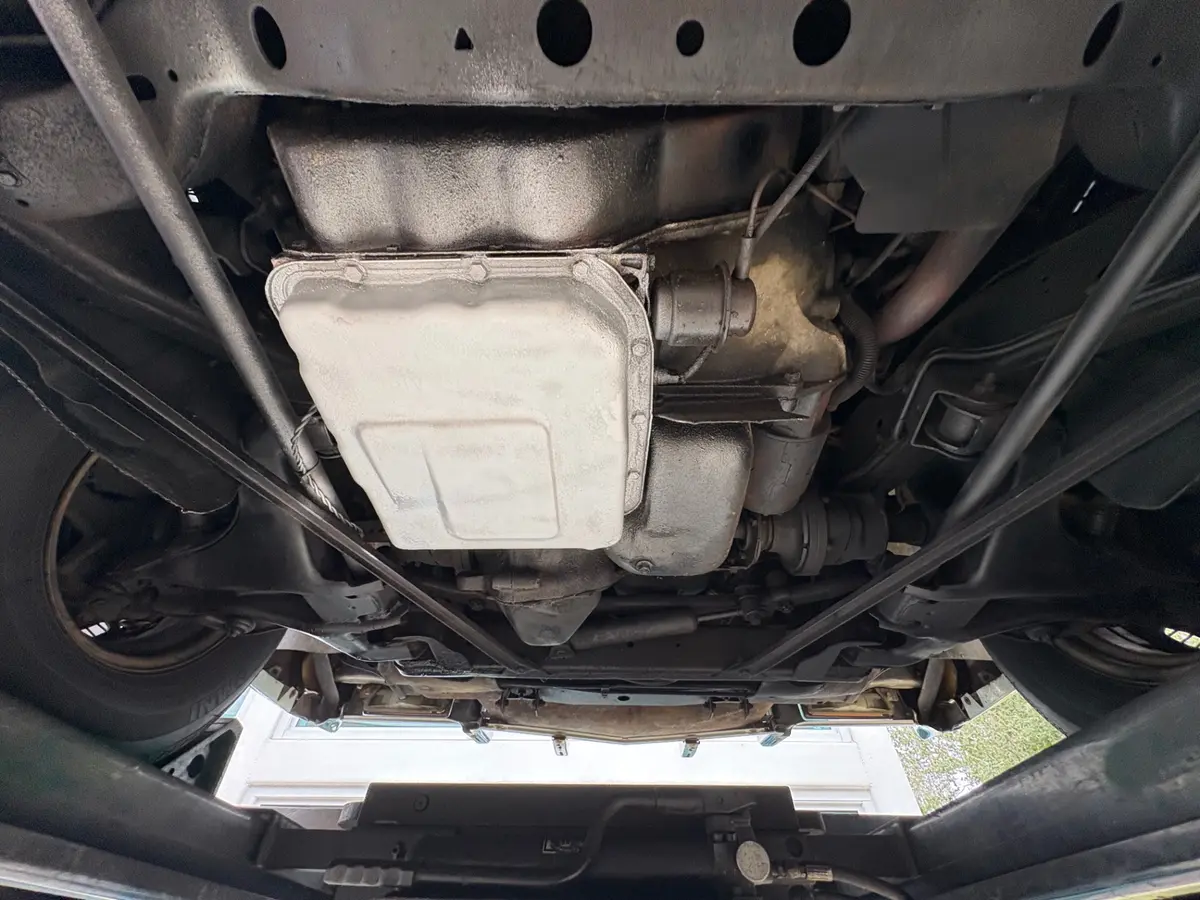
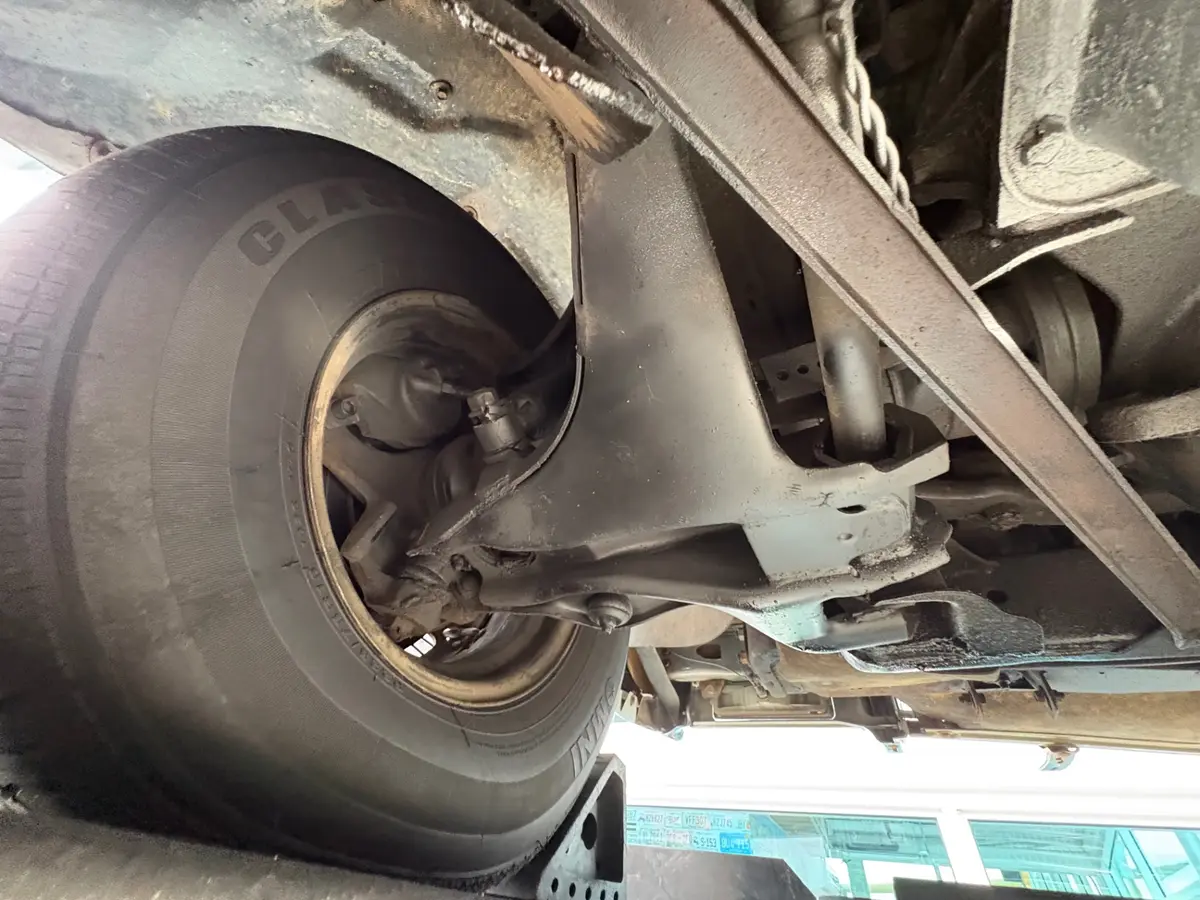
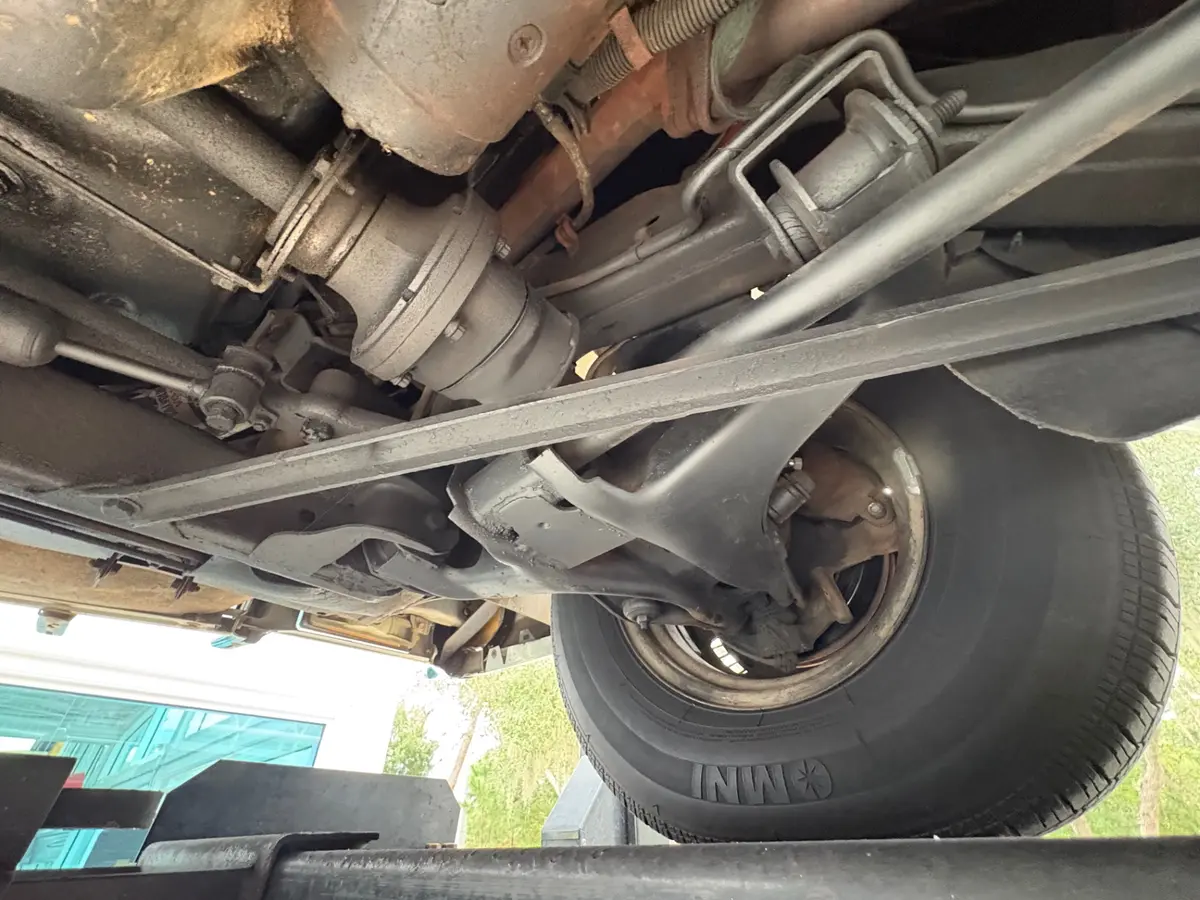
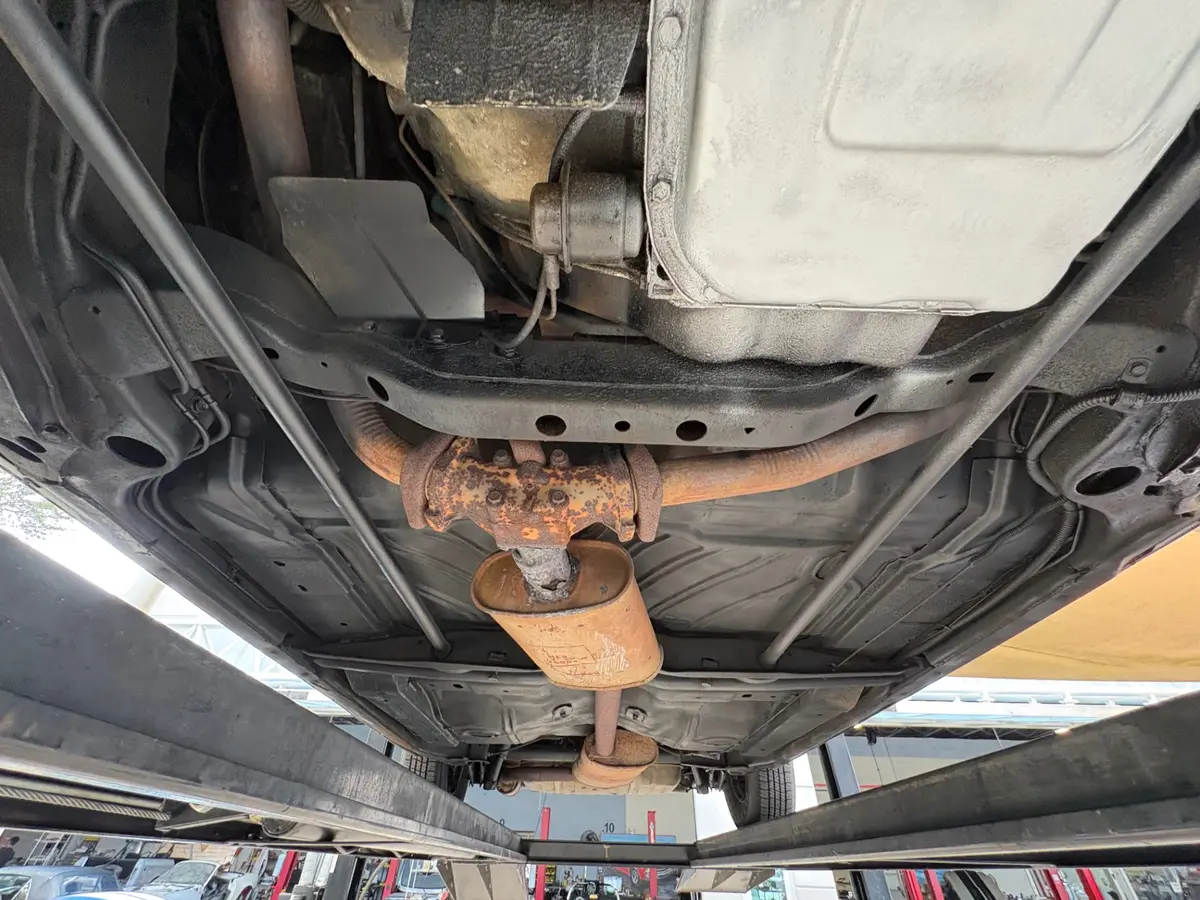
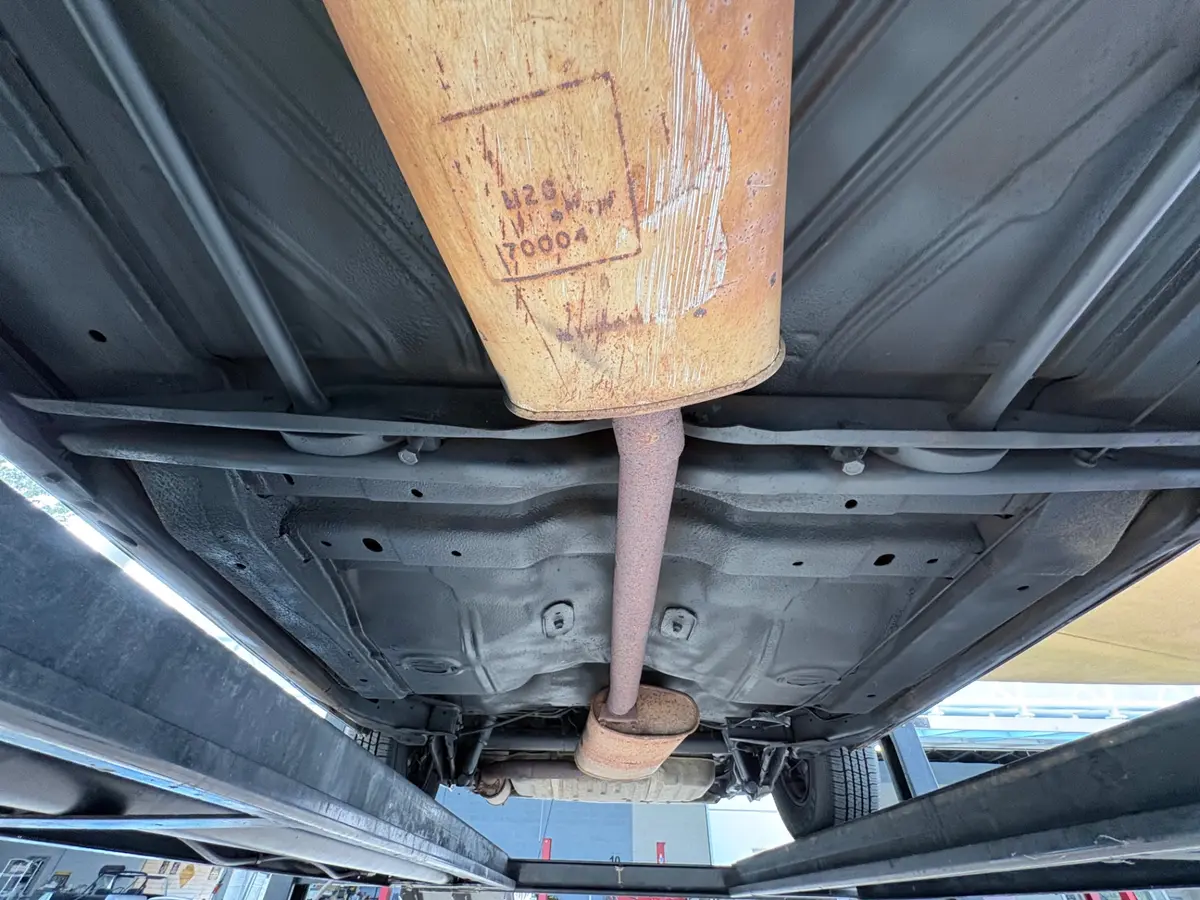
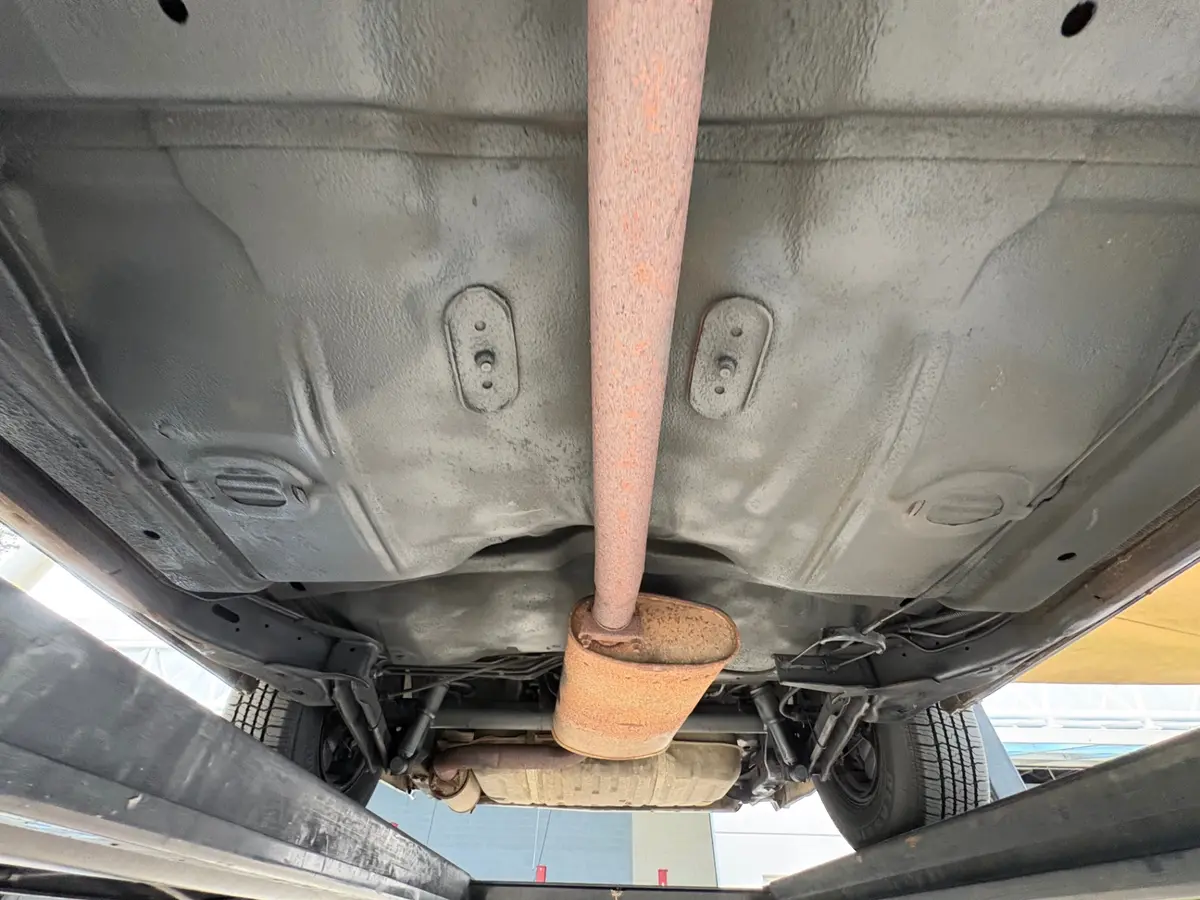
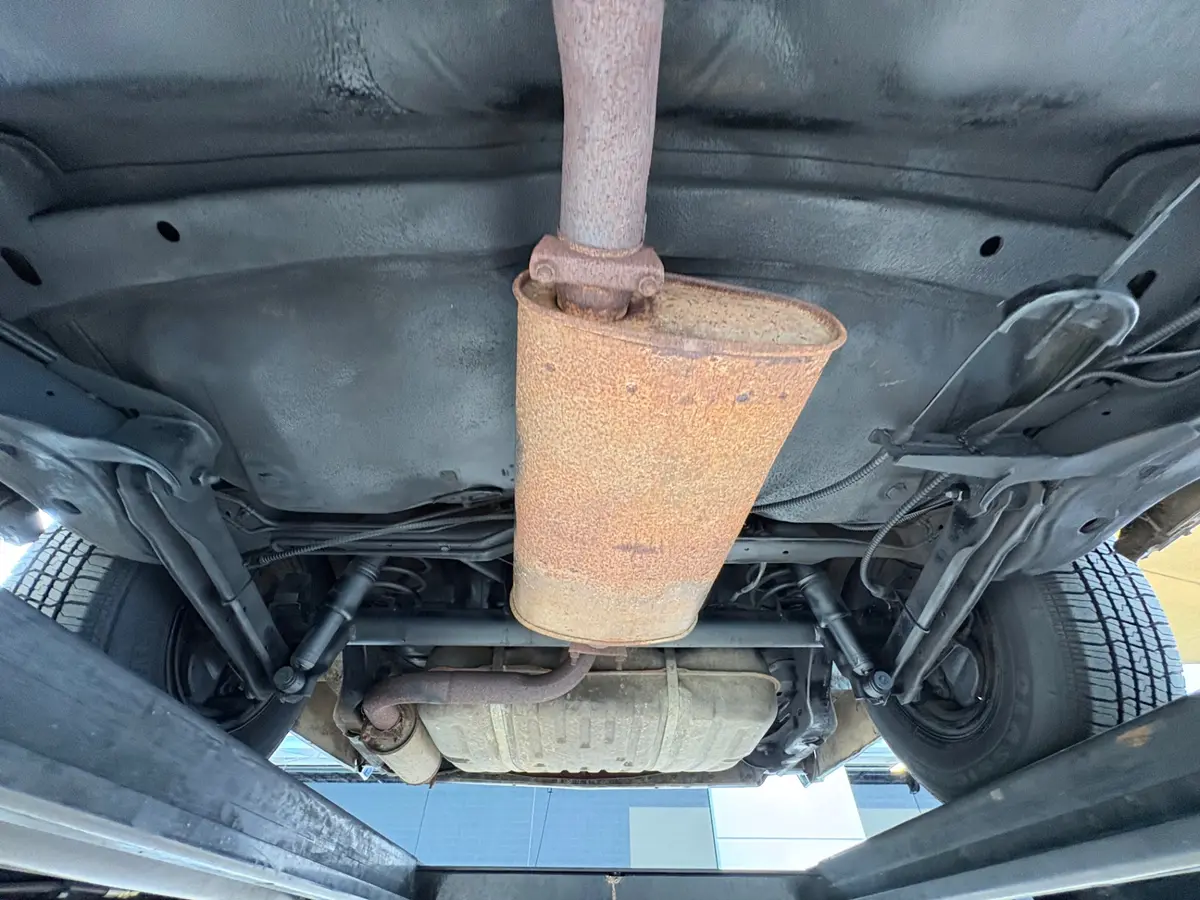
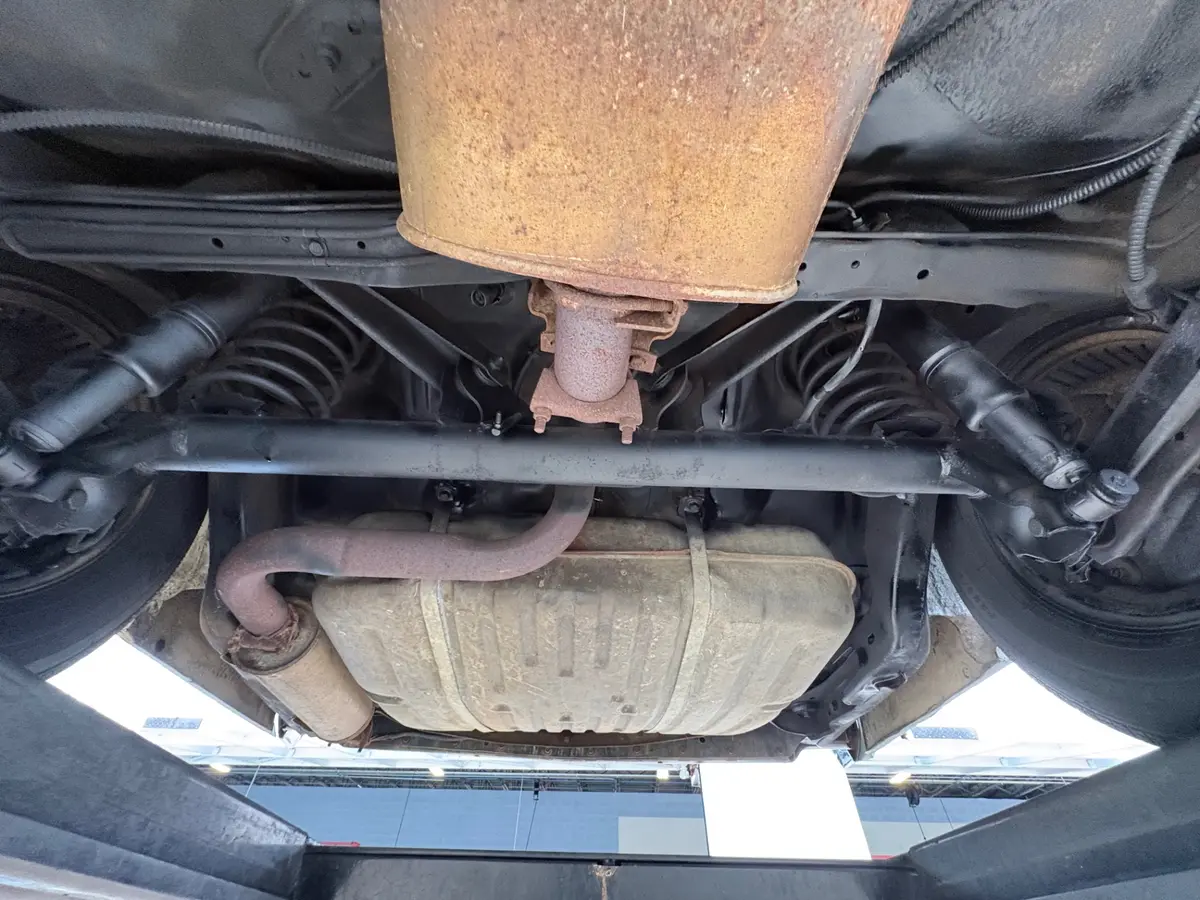
The underside photos show what Florida-kept cars often look like: surface oxidation on exhaust components that are still structurally intact, with no evidence of the structural rust or rotted floorpans that plague cars from northern states. The floors, frame rails, and body structure appear clean and solid. This is the kind of undercarriage you hope to find on a forty-six-year-old American car.
Features List
- 425ci V8 Engine
- TH400 3-Speed Automatic Transmission
- Front-Wheel Drive
- 4-Wheel Power Disc Brakes
- Electronic Level Control (automatic load-leveling rear suspension)
- Power Steering
- Automatic Climate Control with Air Conditioning
- Black Vinyl Cabriolet Roof
- Biarritz Script Badging
- Cadillac Crest Roof Medallions
- Opera Lamps
- Remote-Control Exterior Mirrors
- Dark Green Leather Interior
- Front and Rear Bench Seats
- Woodgrain Interior Trim
- Eldorado Dash Badge with Cadillac Crest
- Power Windows
- Power Door Locks
- Tilt Steering Wheel with Woodgrain Rim and Cadillac Crest Horn Button
- AM/FM Radio
- Cadillac Hub Caps with Whitewall Tires
- Chrome Bumpers
- Tinted Glass
Mechanical
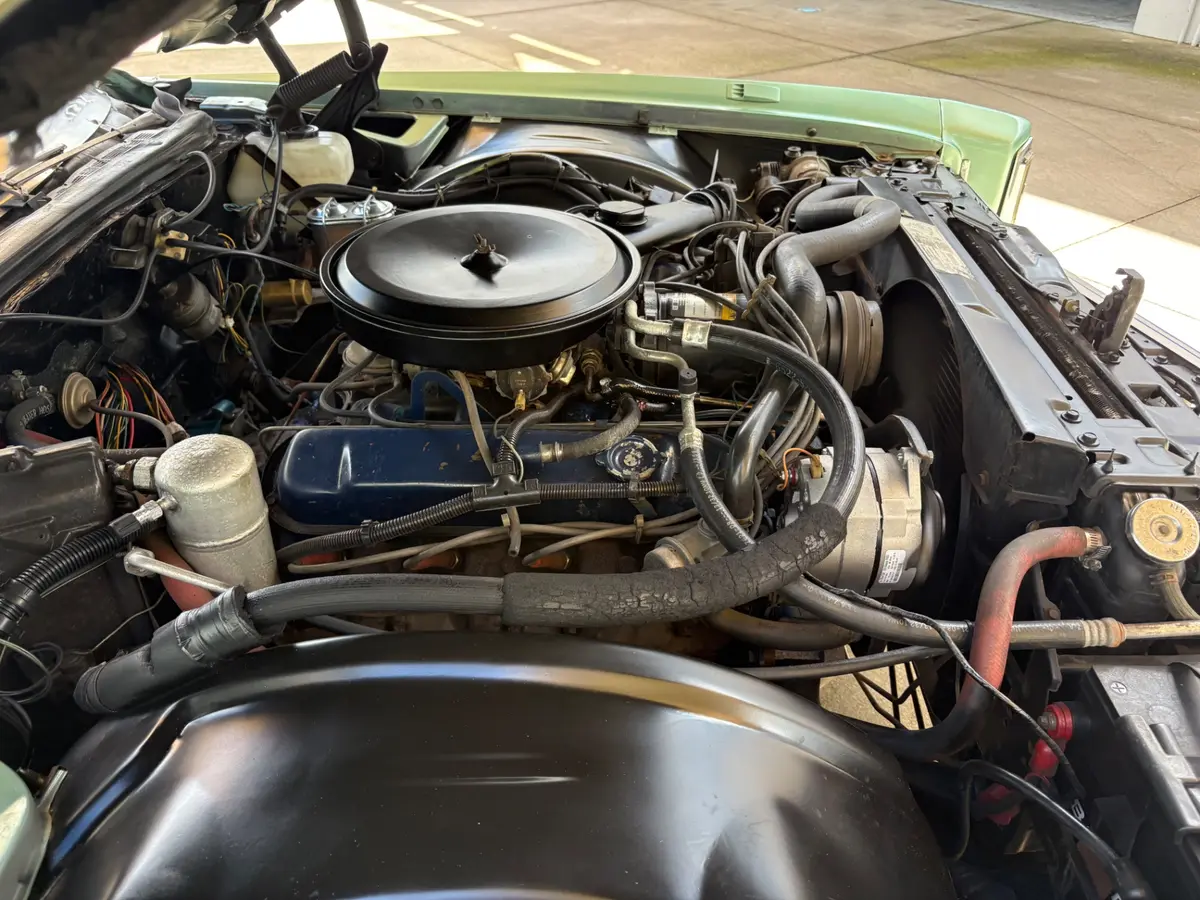
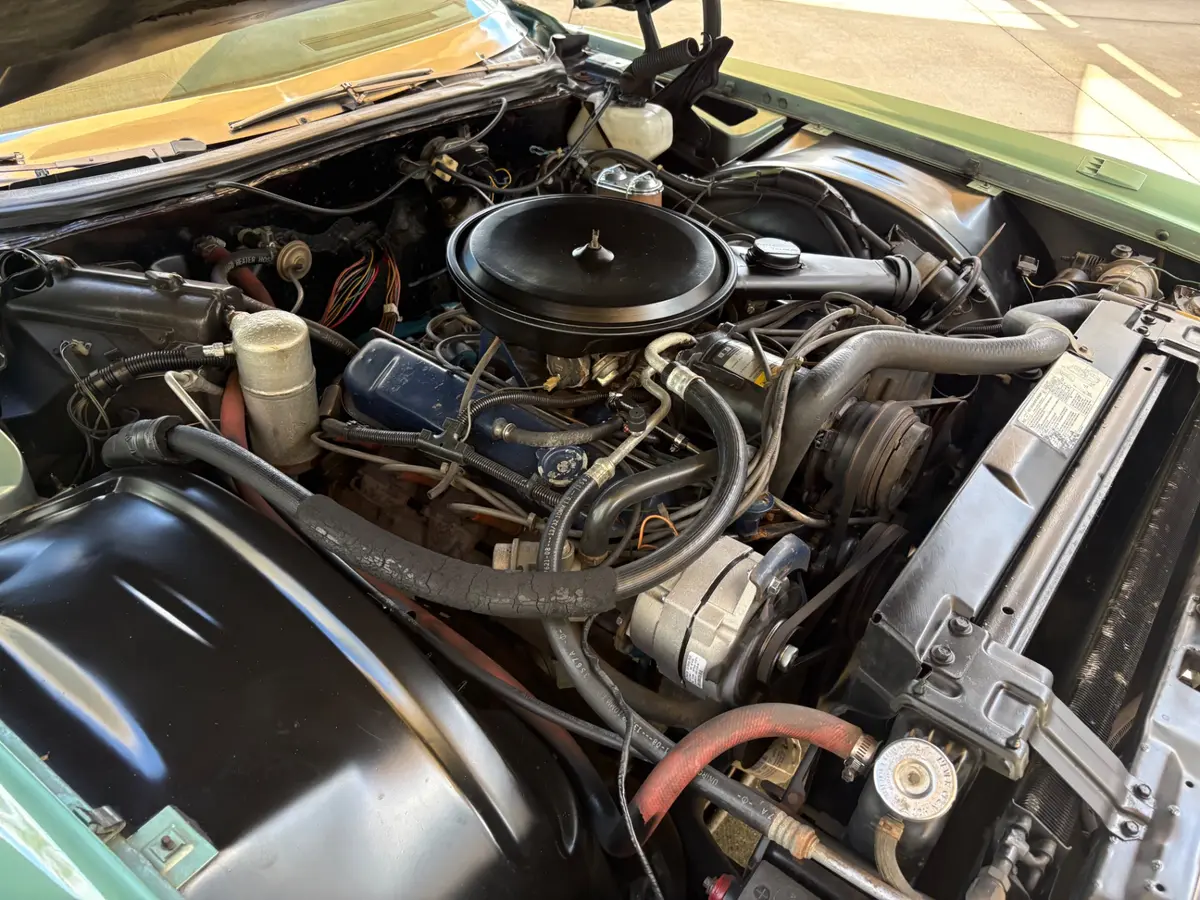
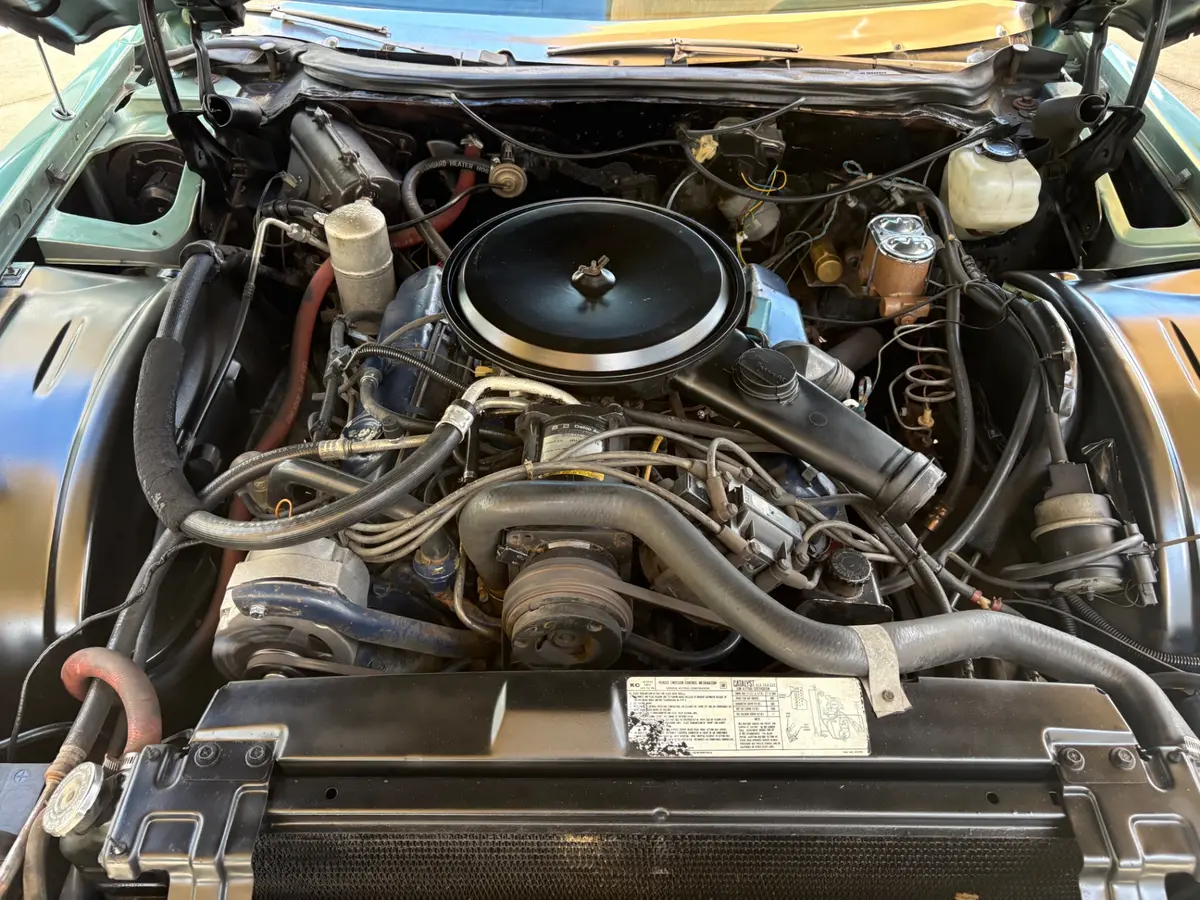
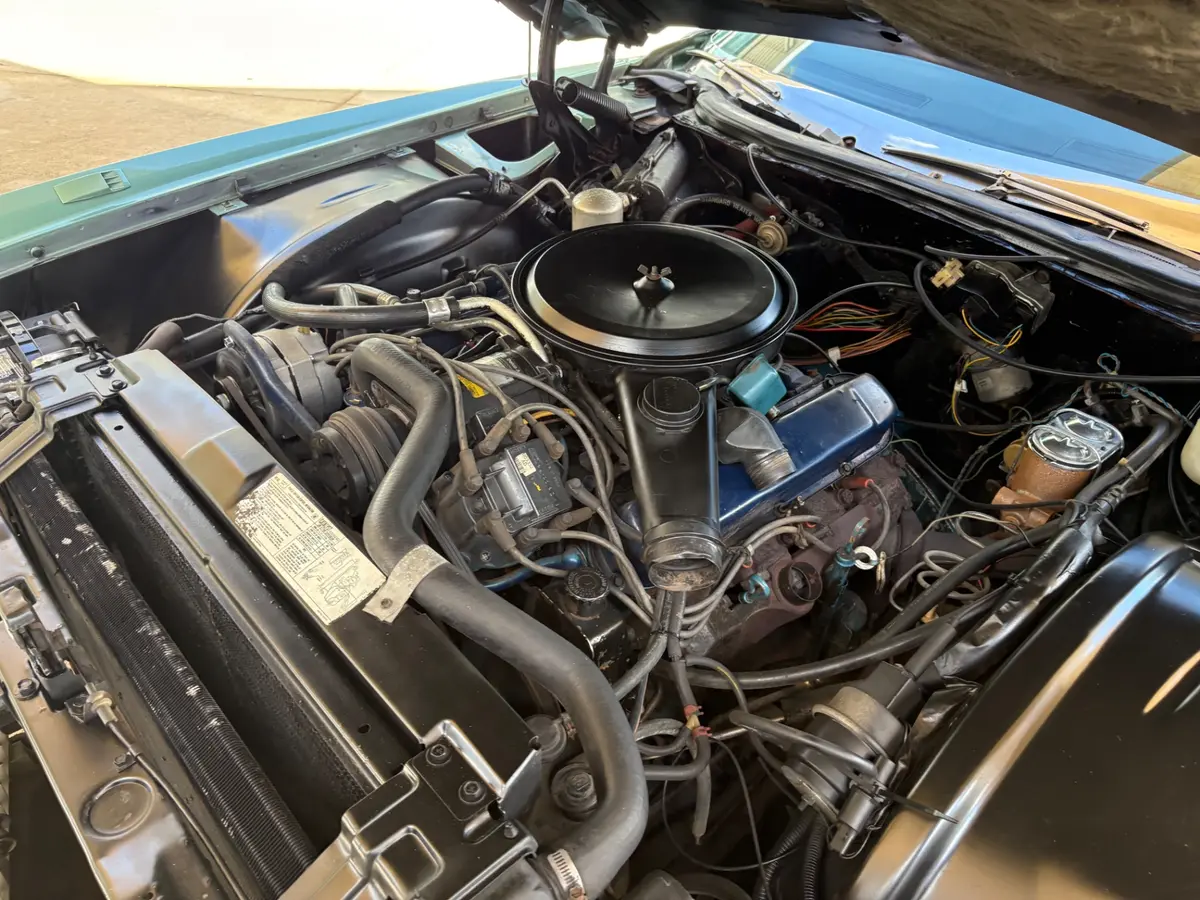
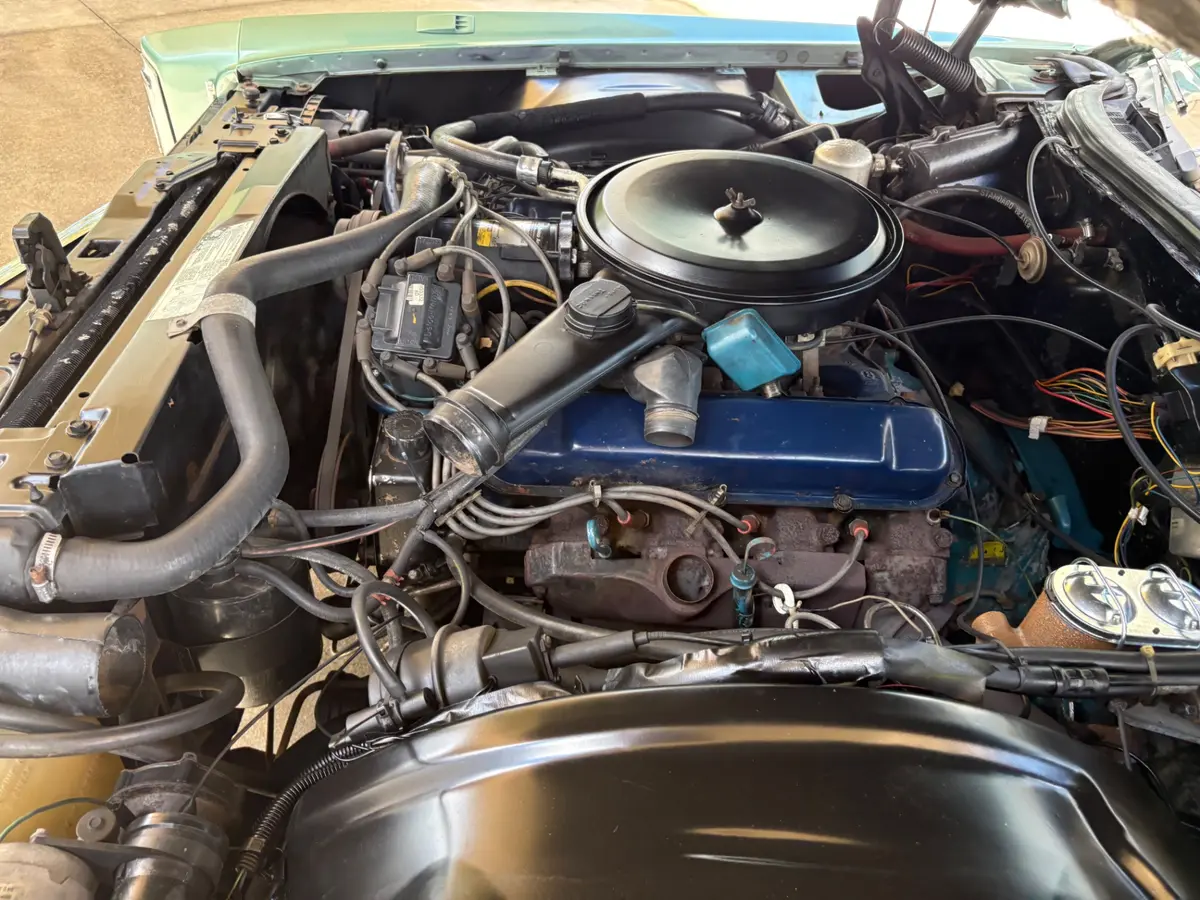
The 1978 Cadillac Eldorado Biarritz is powered by Cadillac's 425 cubic inch V8, displacing 6.9 liters. This engine was introduced for 1977 as a replacement for the 500ci V8, responding to federal fuel economy and emissions regulations. While the 425 produces less outright horsepower than the 500 it replaced — rated at 180 horsepower and 320 lb-ft of torque in 1978 federal specification — it is a larger-displacement engine than anything offered in its European luxury competitors of the same period, and it delivers its torque low in the rpm range in a way that suits the Eldorado's character exactly. You don't feel it working. You feel the car moving.
The transmission is the Turbo-Hydramatic 400, one of the most durable and well-regarded automatic transmissions in GM's history. The TH400 had been used in heavy-duty and high-torque applications across the GM lineup since 1964. Its presence here in a front-wheel-drive application is part of what made the Eldorado's drivetrain layout engineering significant — Cadillac had developed a transaxle unit that combined the TH400 with the front differential into a single package, a configuration that was sophisticated for its era and that contributed to the Eldorado's flat, uninterrupted cabin floor. That flat floor is the reason the car can offer a true bench seat front and rear.
The Electronic Level Control system uses a rear-mounted air compressor and height sensor to automatically maintain a consistent ride height regardless of passenger or cargo load. This was a genuine convenience feature for a car designed to carry four or five people comfortably. The braking system is four-wheel power disc, which was not universal on American cars of this era. Having disc brakes at all four corners on a 4,900-pound personal luxury coupe was a correct engineering decision, and it remains a practical advantage for anyone who drives this car regularly.
The undercarriage photos show the exhaust components and suspension in what appears to be original, unmodified condition. The catalytic converter and exhaust system have surface oxidation consistent with age but appear structurally present. The frame and floor structure visible in the photos show no significant rust or compromise, which is consistent with a car that spent its life in a dry southern climate.
Interior
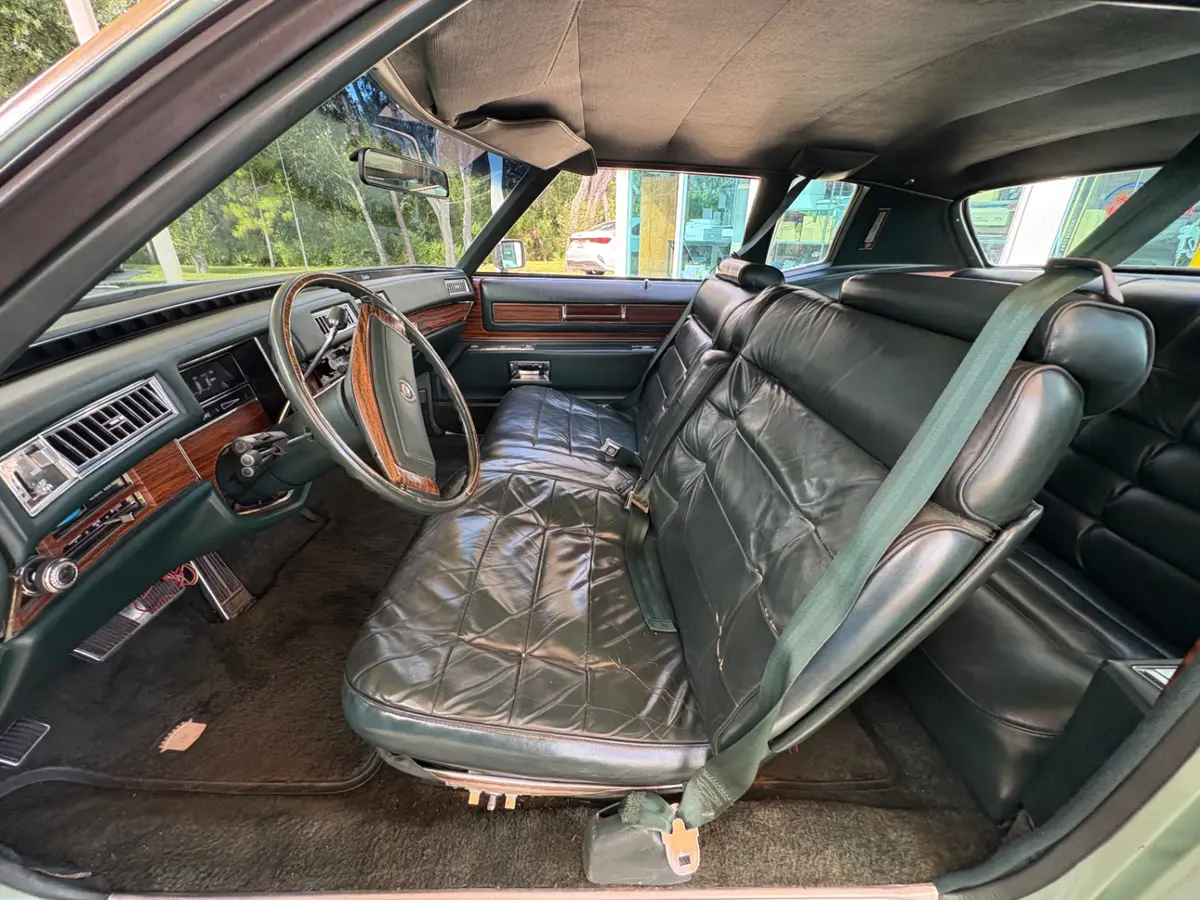
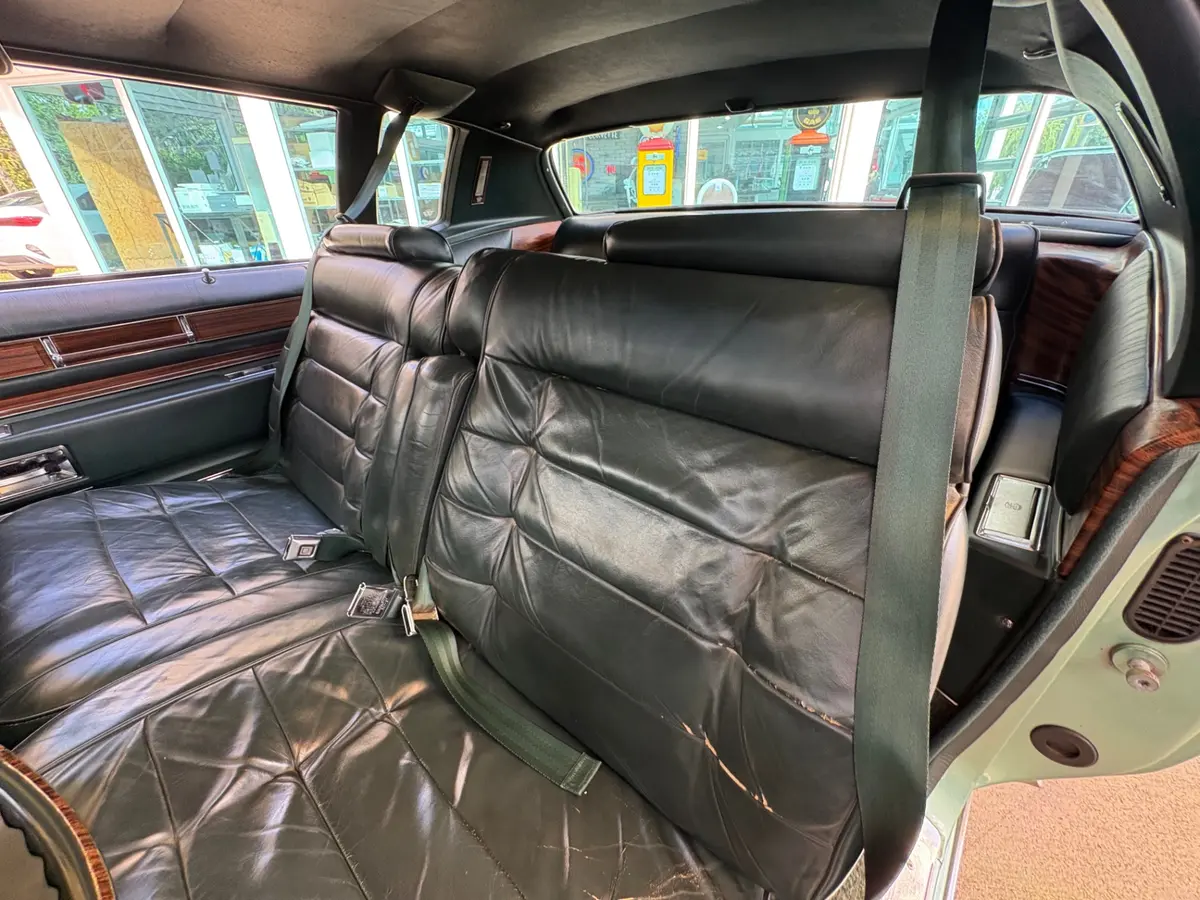
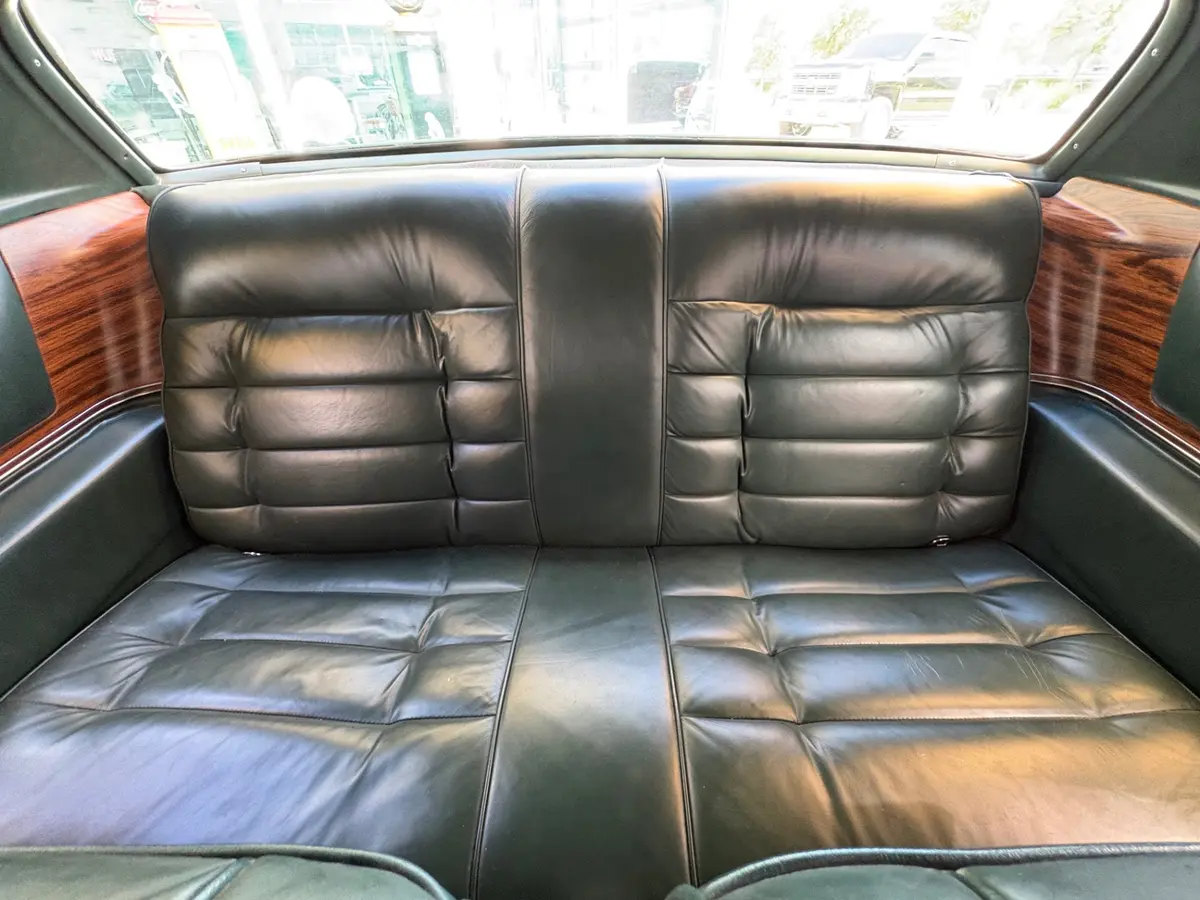
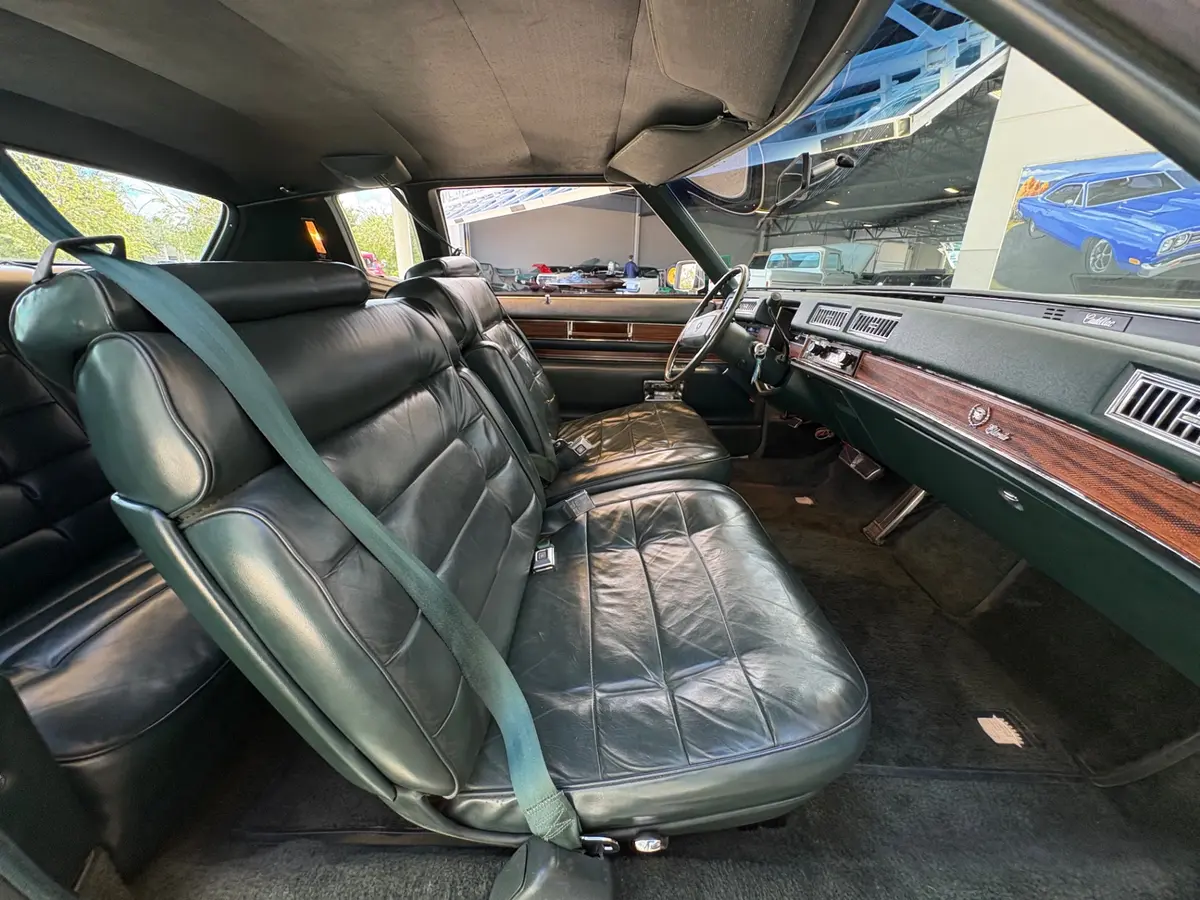
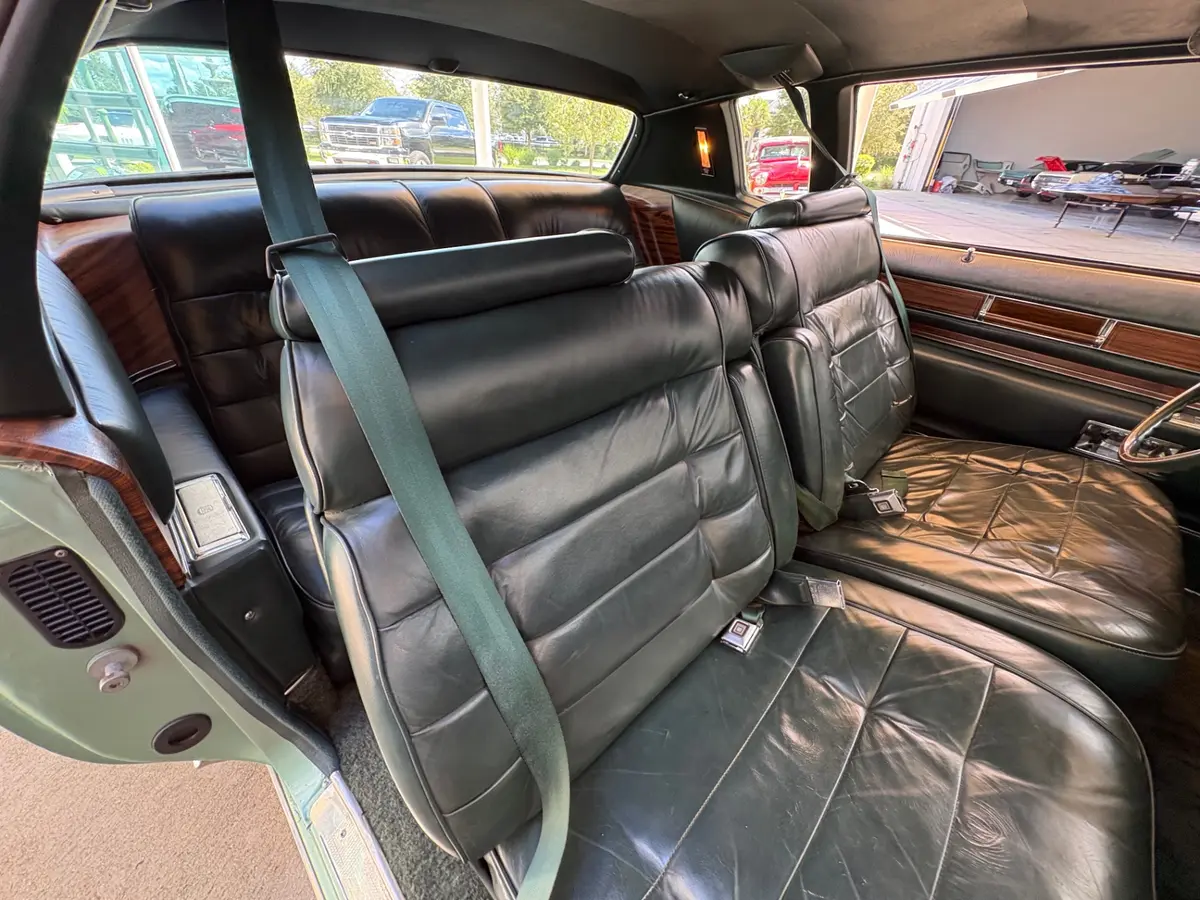
The interior of this 1978 Cadillac Eldorado Biarritz is finished in dark green leather throughout, coordinated with the exterior Sage Green Metallic paint as a factory color combination. The seating is bench-style front and rear, made possible by the Eldorado's front-wheel-drive layout and its flat cabin floor — something rear-wheel-drive cars of comparable size typically could not offer without a driveshaft tunnel running through the cabin.
The leather on both the front and rear seats shows the natural patina of a car that has been used over several decades. The quilted pattern on the front seat and the tufted cushion pattern on the rear seat are visible in the photos and remain largely intact. The leather has softened with age, as expected. It is a driver-quality interior, not a concours interior, but the structure and materials are present and unmodified.
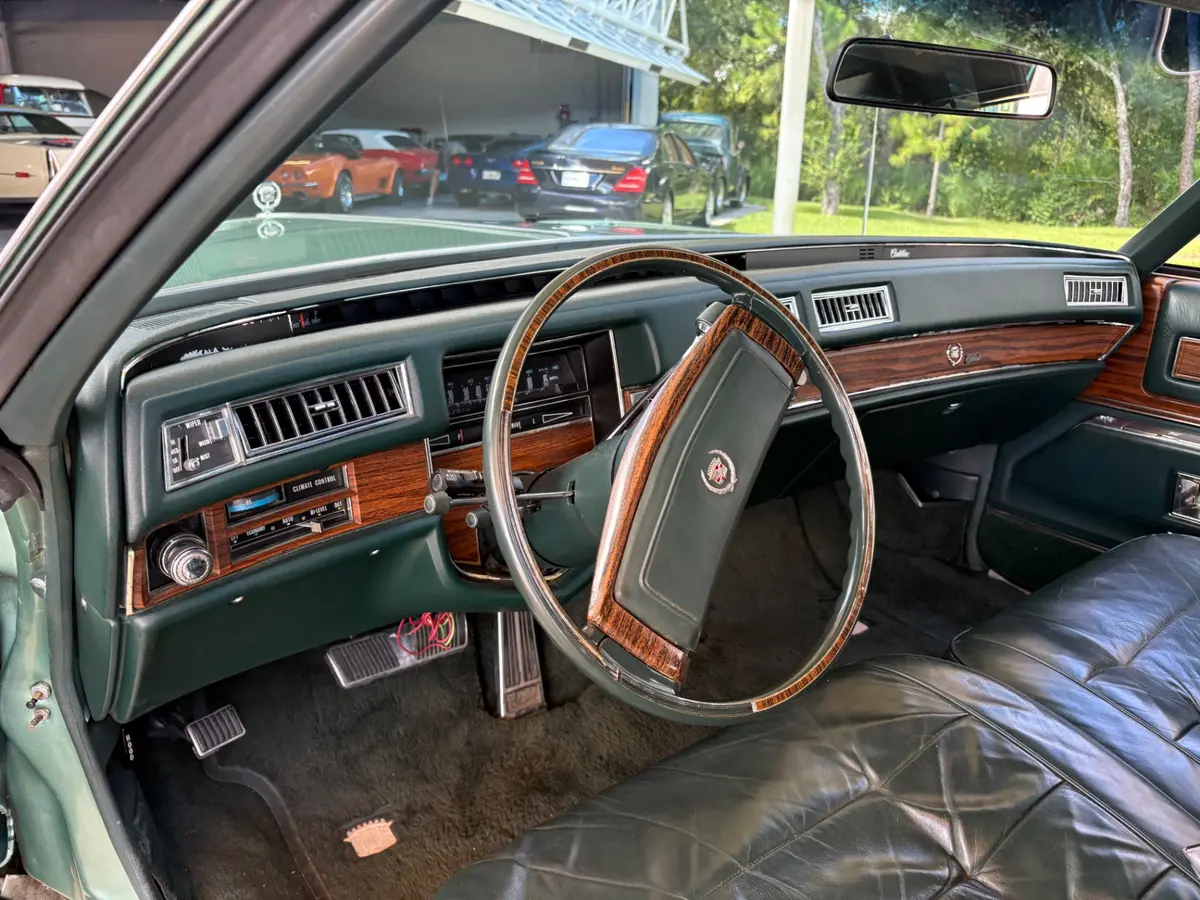
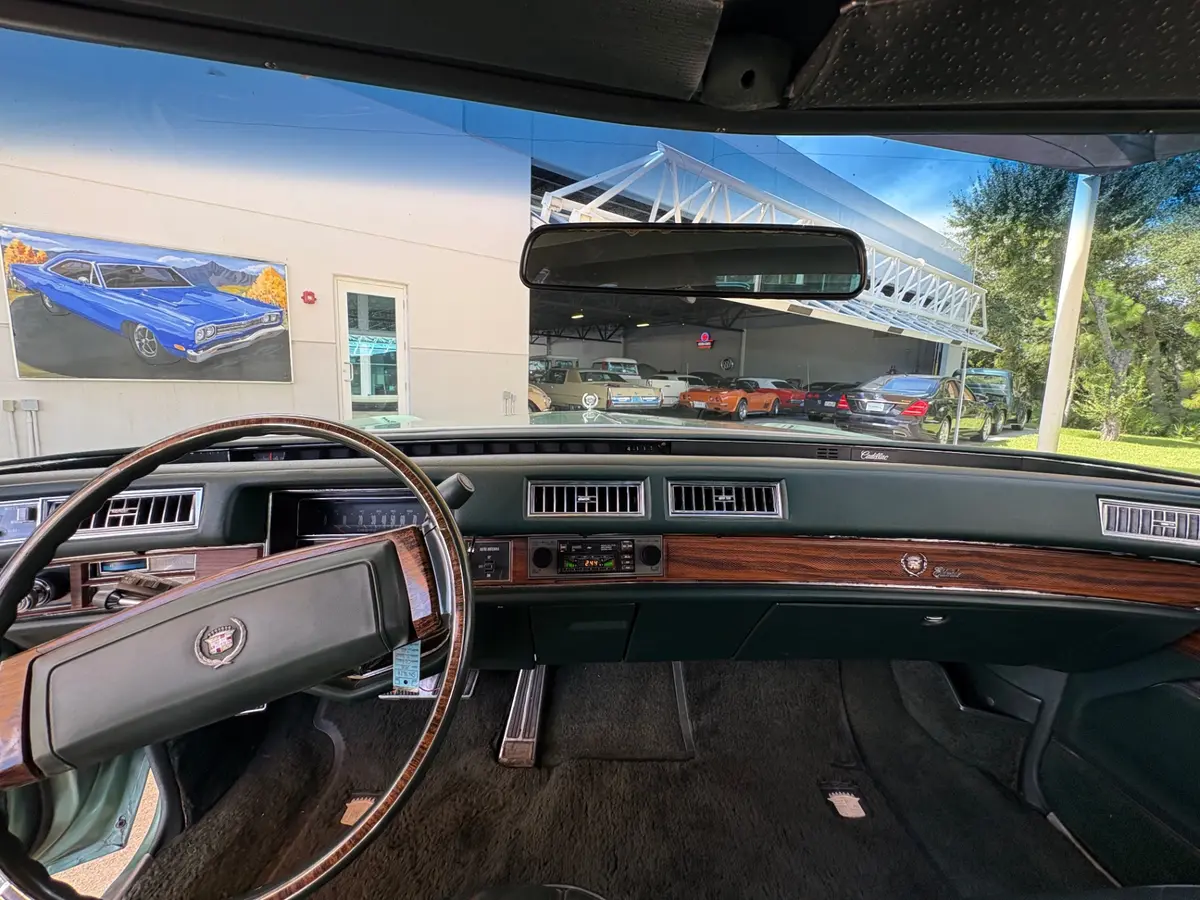
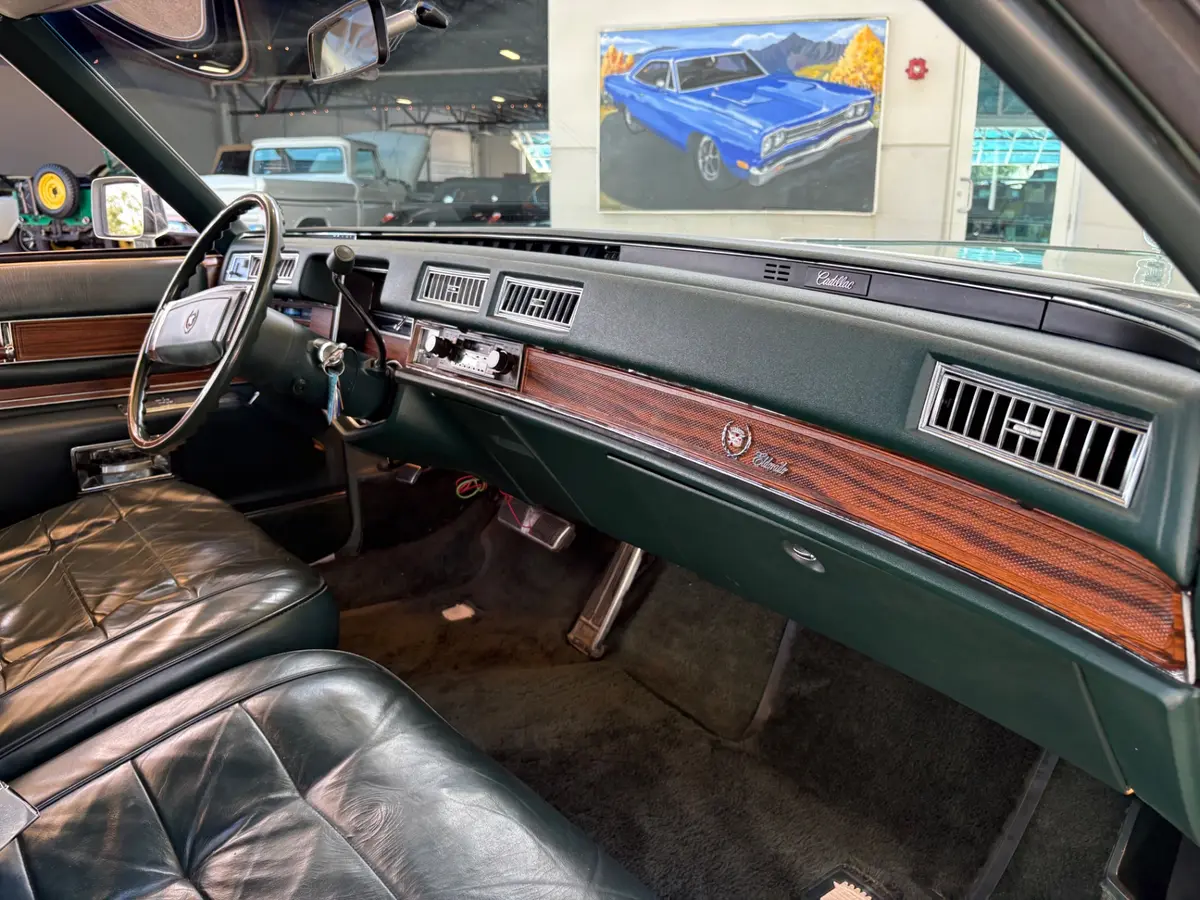
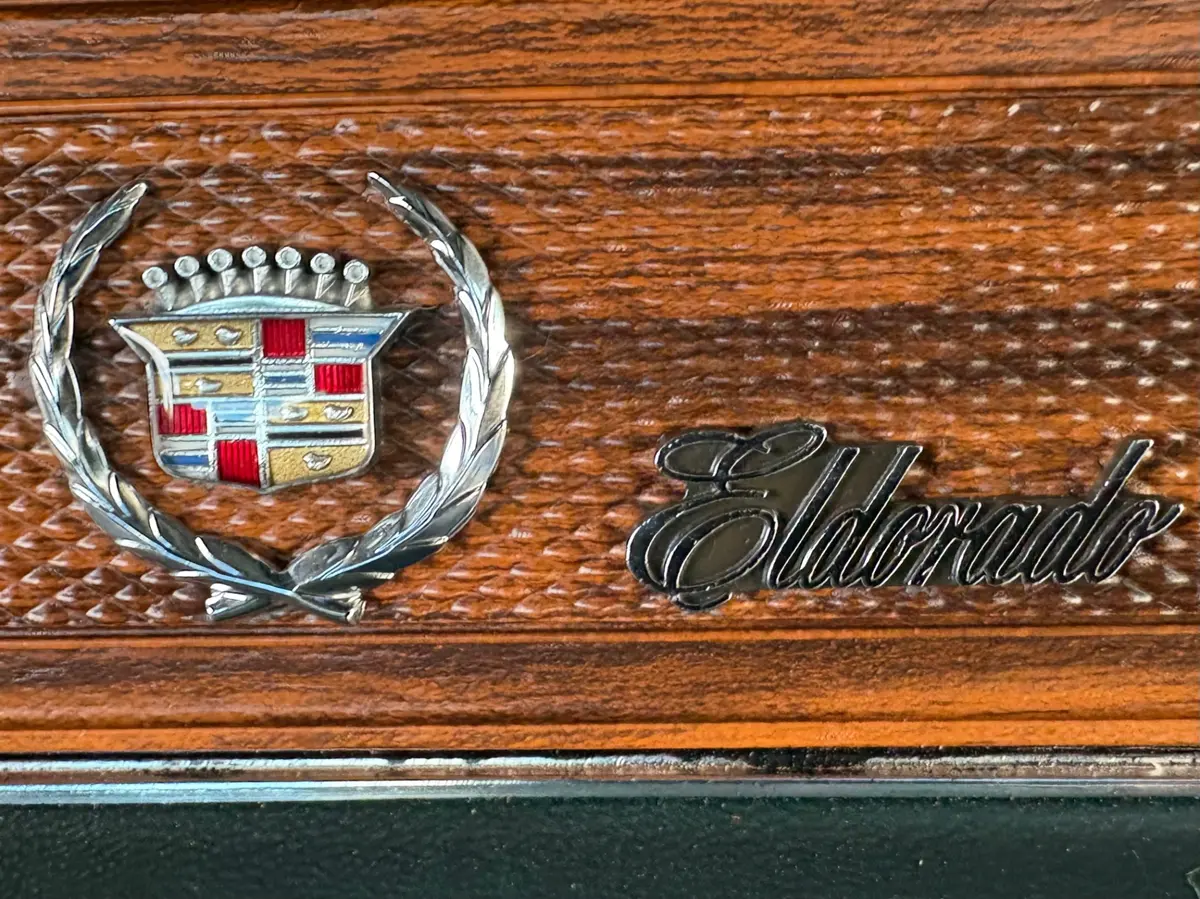
The woodgrain trim runs across the full width of the dashboard, through the center console area, and continues onto the door panels — a design choice that gives the cabin a formal, paneled quality. The Eldorado dash badge, displaying the Cadillac crest alongside the Eldorado script, is mounted on the passenger side of the dashboard and is clearly visible in the photos. This badge is specific to the Eldorado model and is a detail that collectors and marque enthusiasts look for.
The steering wheel features a woodgrain rim with a padded green leather center section displaying the Cadillac crest — a detail that connects the wheel visually to both the woodgrain dash and the green leather throughout the cabin. The tilt column allows the wheel to be positioned for different drivers without tools.
The automatic climate control system uses a numerical temperature dial that allows the driver to set a target cabin temperature, with the system managing fan speed, air distribution, and compressor operation automatically. This was a genuinely advanced feature for 1978 and distinguishes the Eldorado from cars that offered only manual HVAC controls. The AM/FM radio is integrated into the lower center dash area within the woodgrain surround.
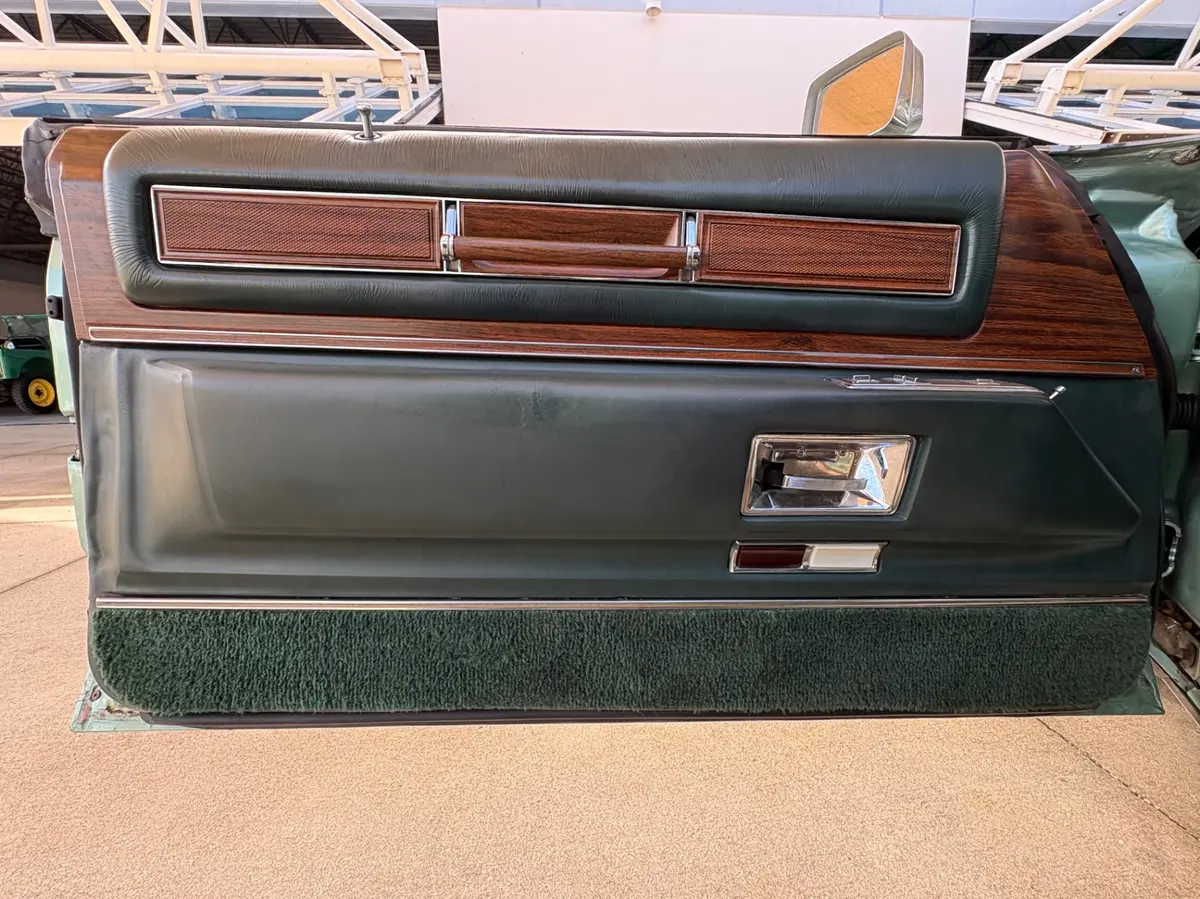
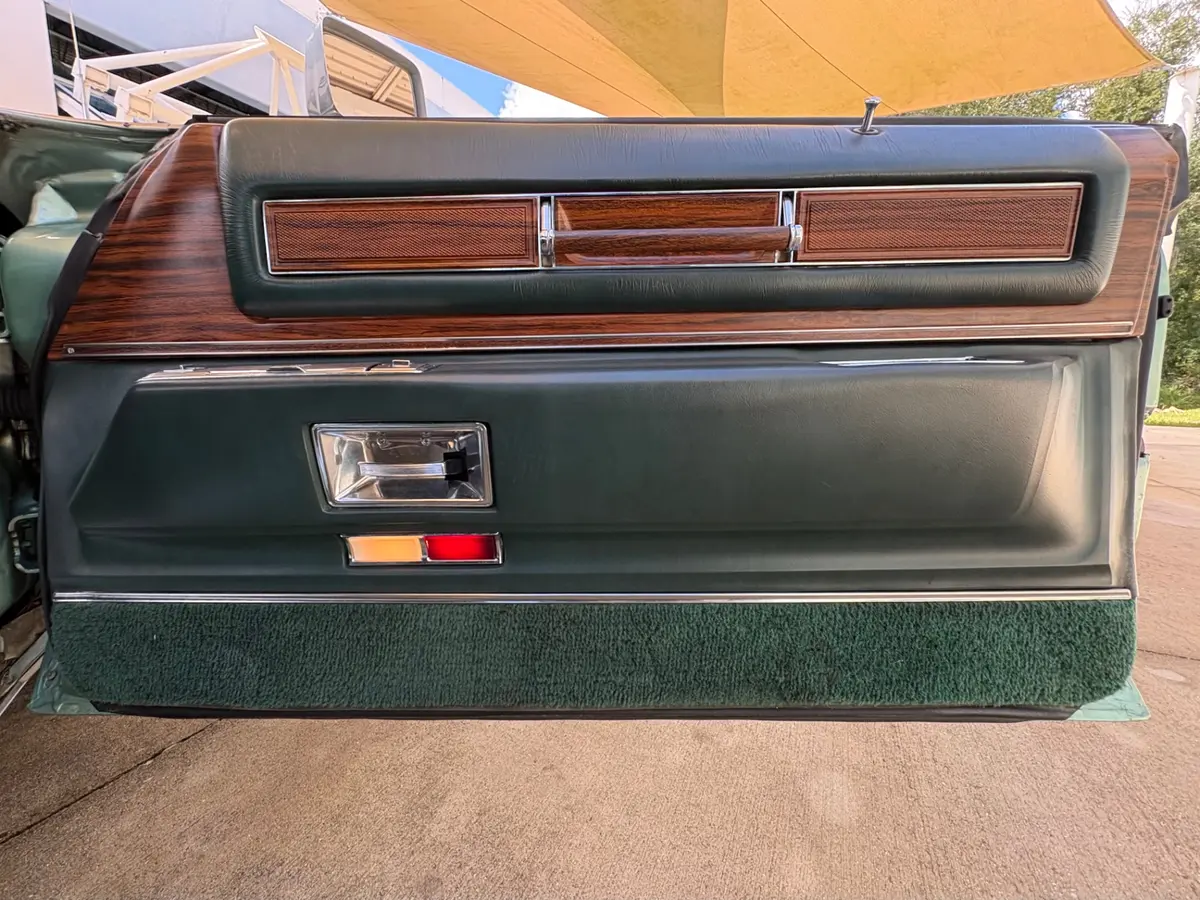
Door panels are finished in matching dark green leather with woodgrain inserts, chrome handles, and power window and lock switches integrated into the upper armrest section. Green loop carpet runs along the lower door kickplates, coordinating with the floor carpeting throughout.
Exterior
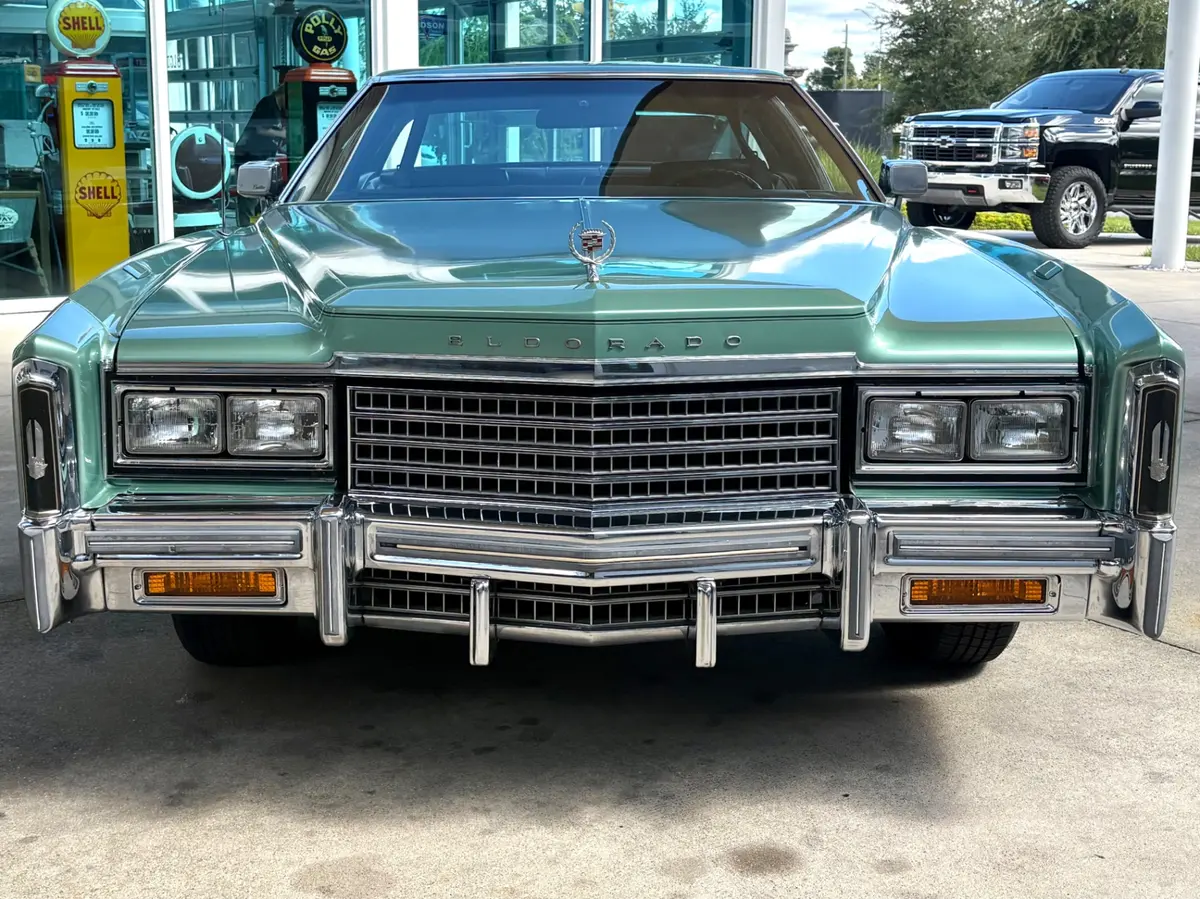
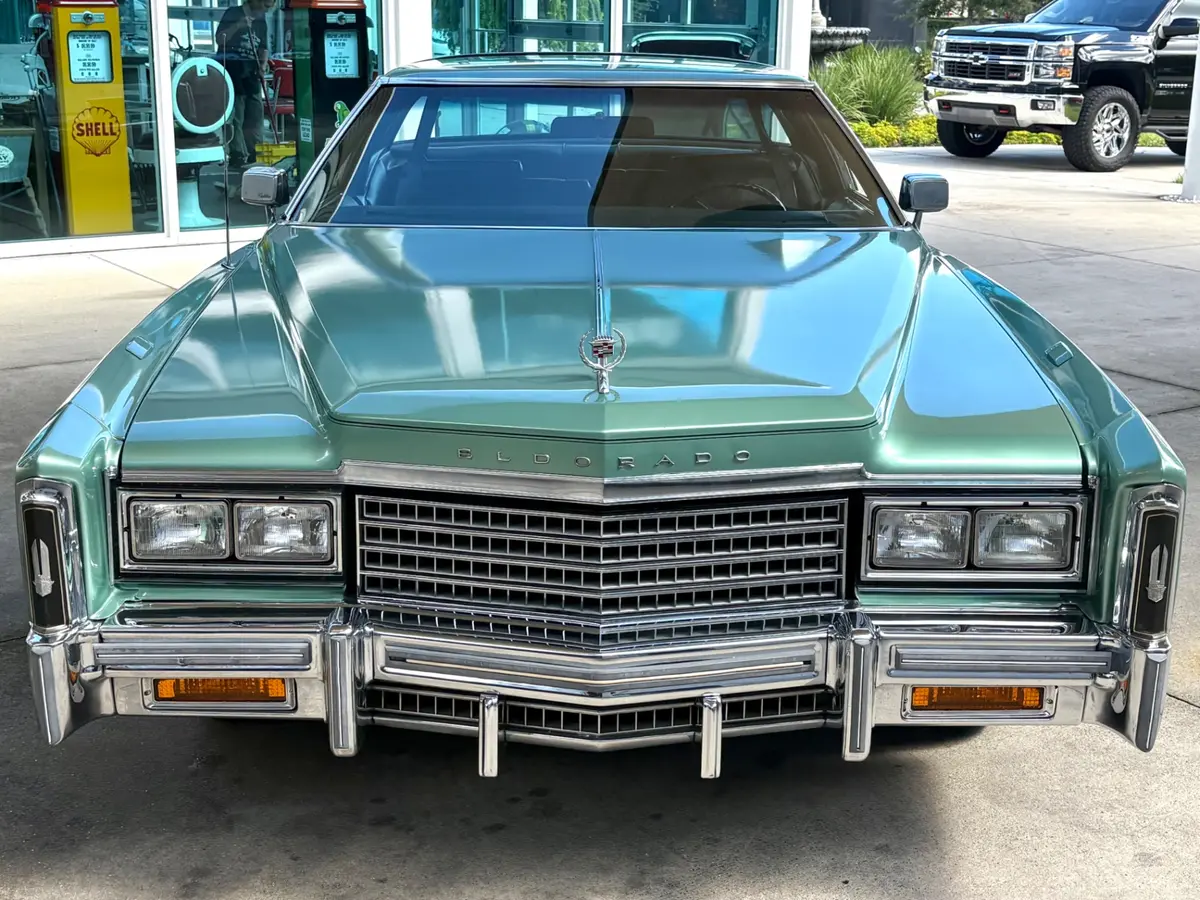
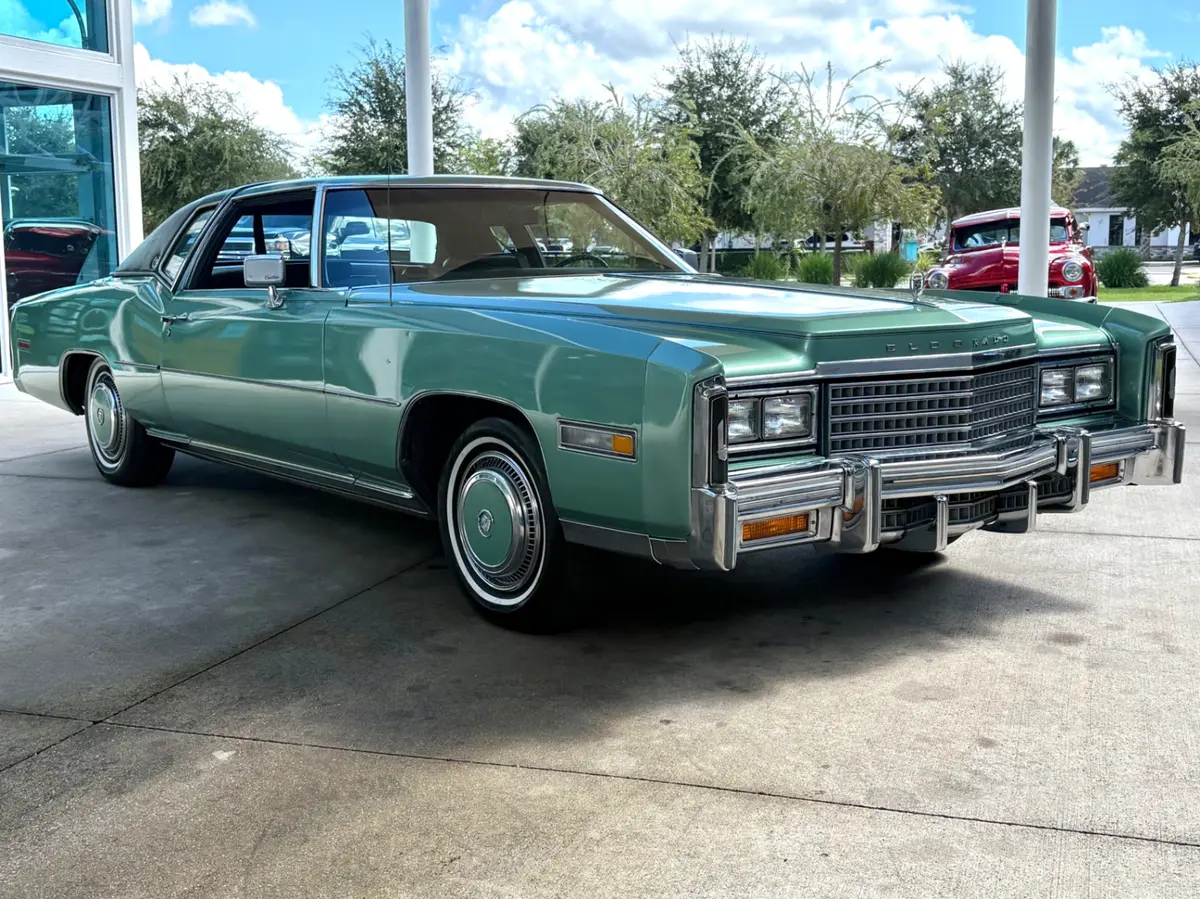
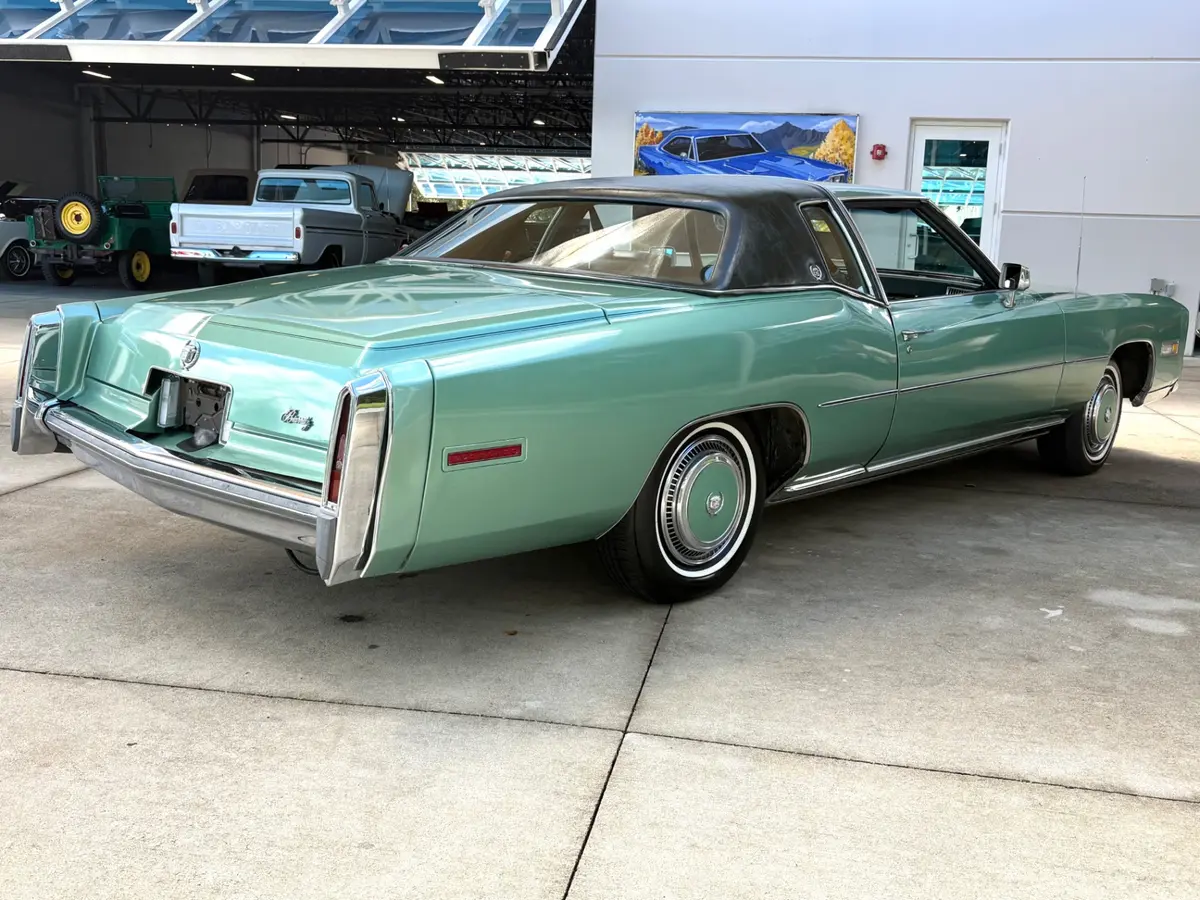
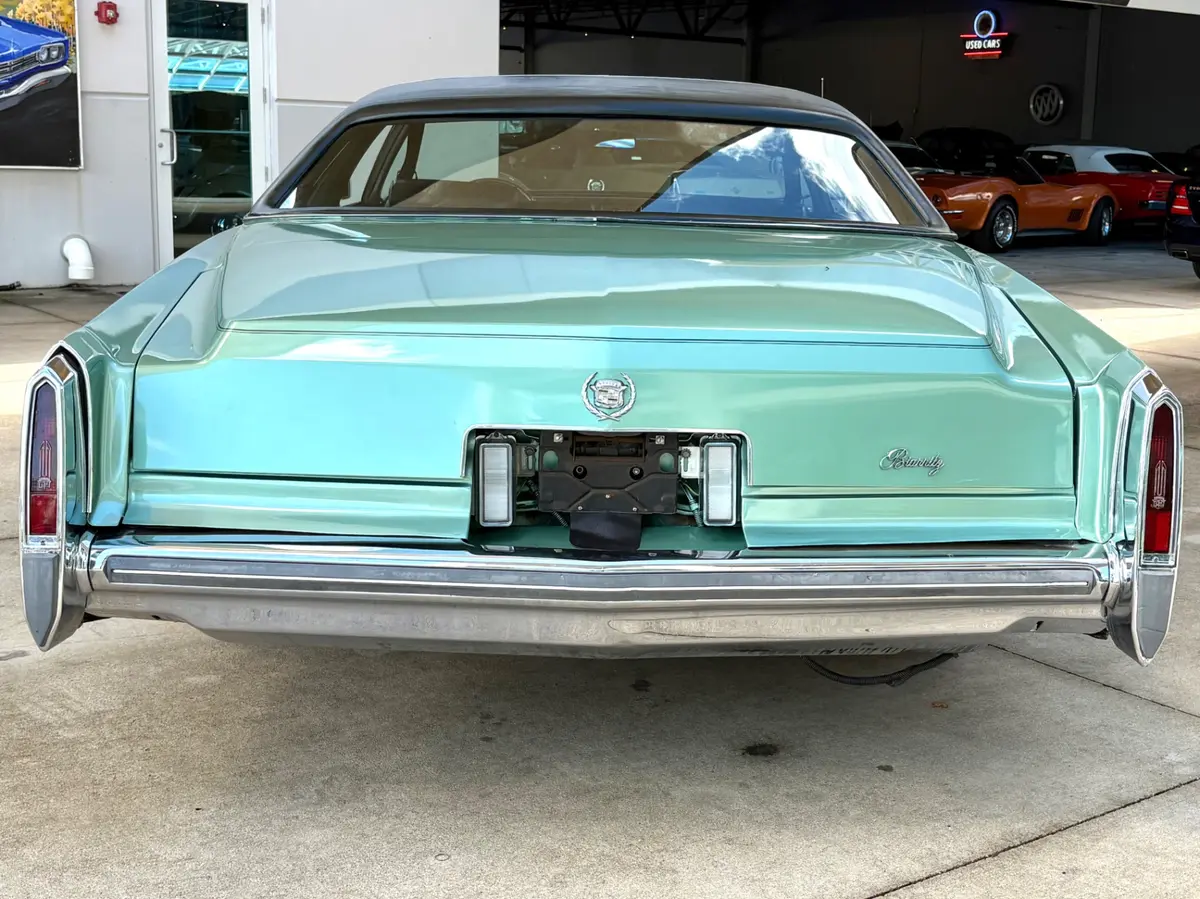
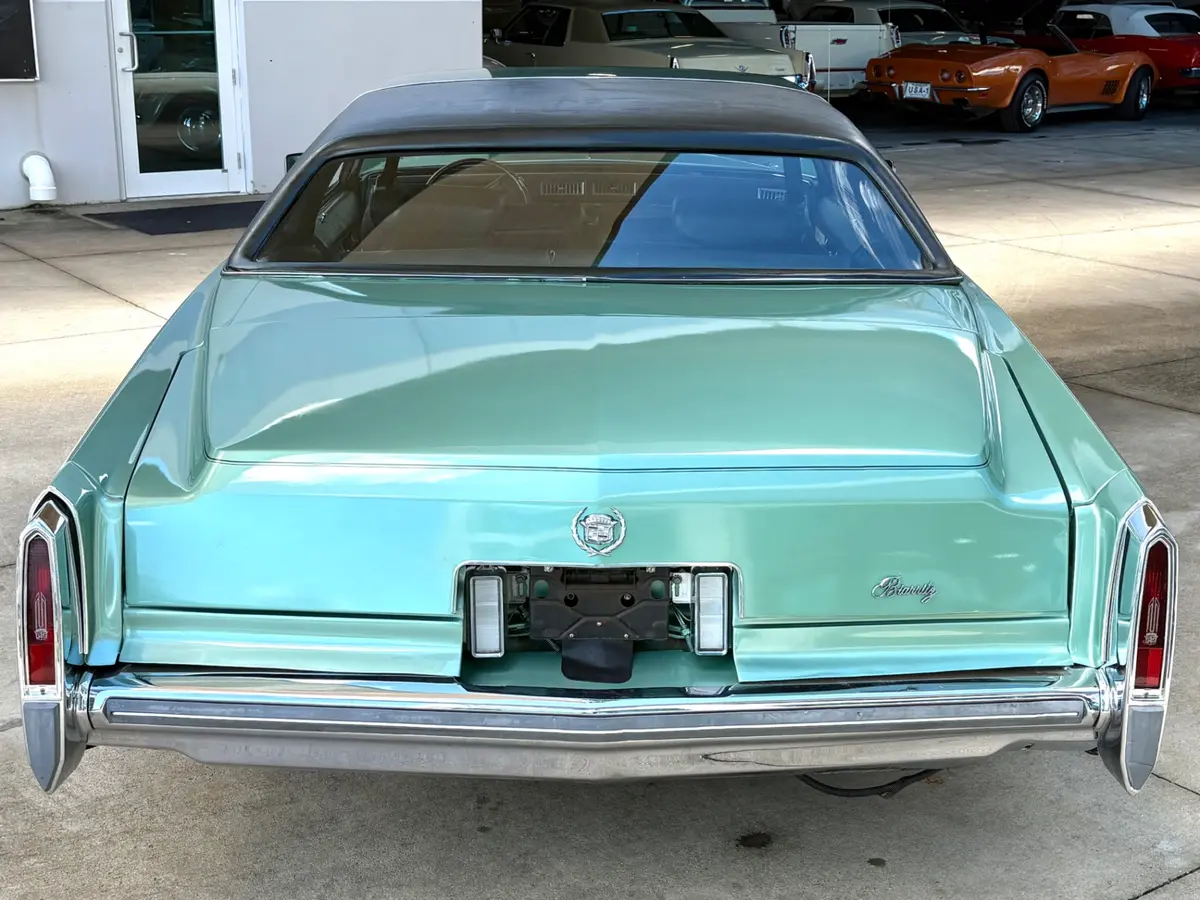
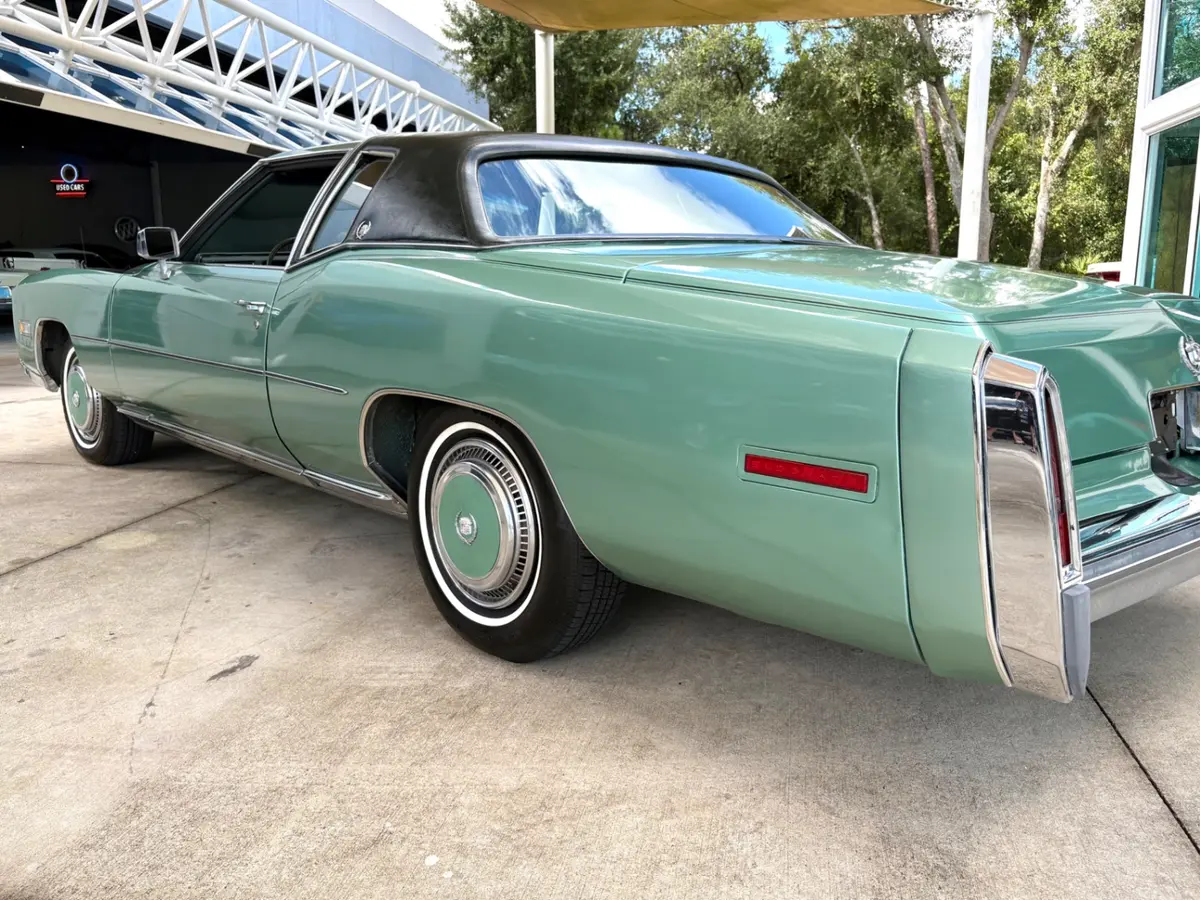
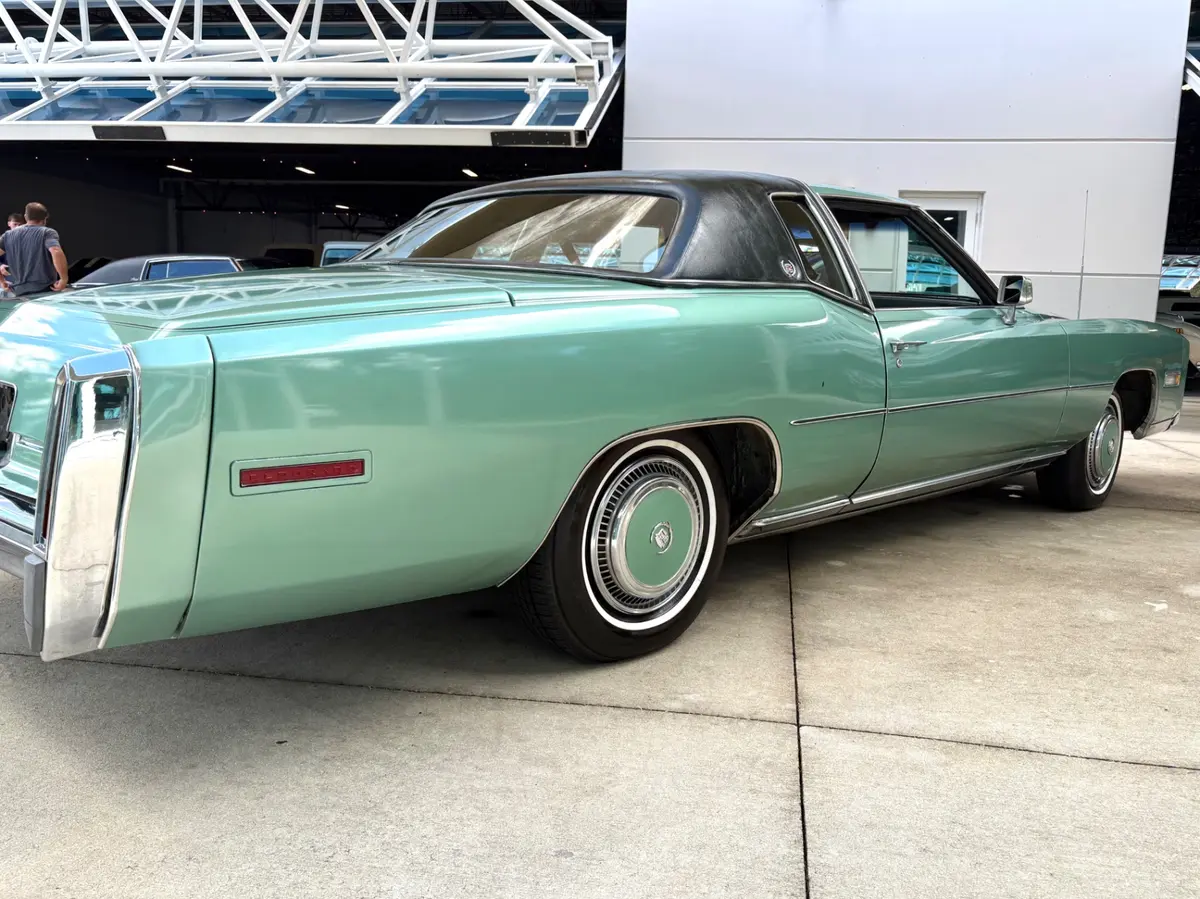
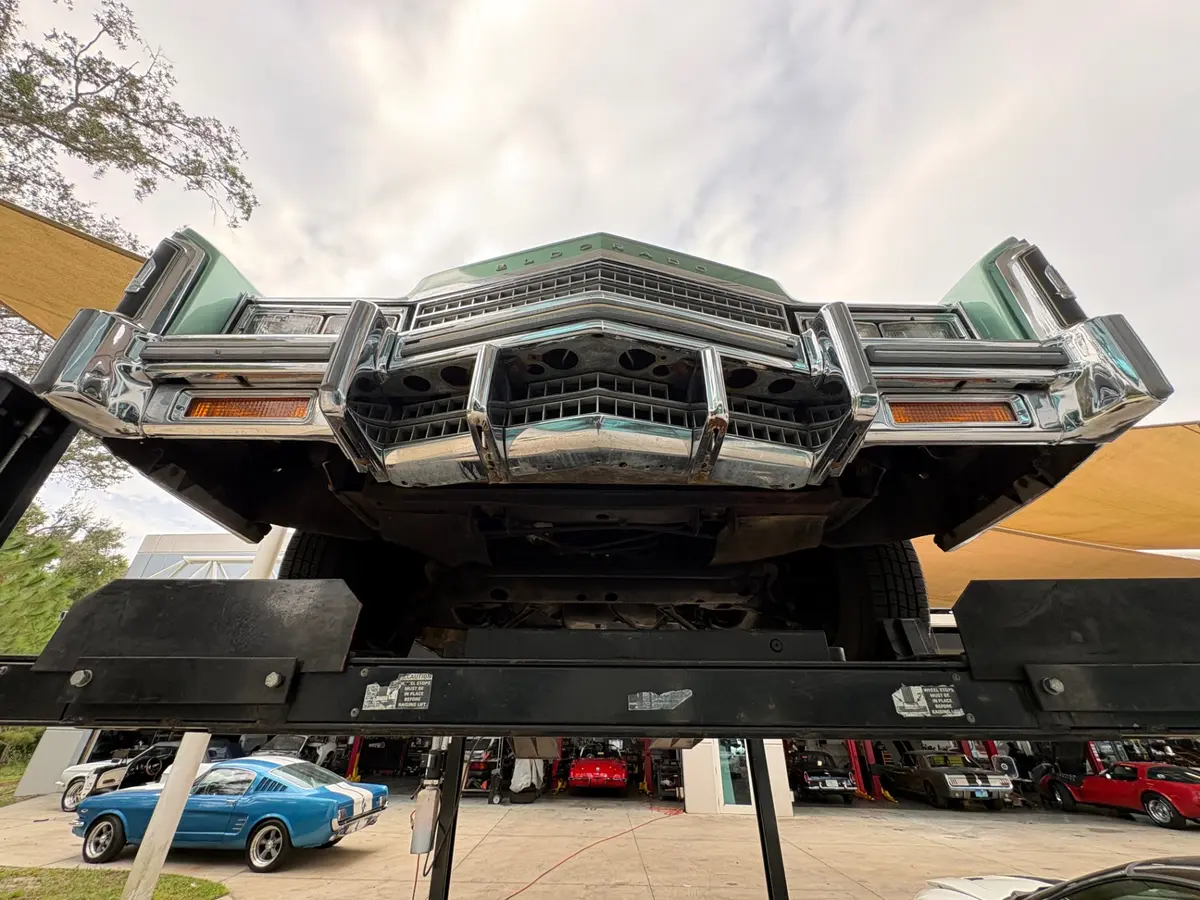
The exterior of this 1978 Cadillac Eldorado Biarritz is finished in Sage Green Metallic, a color that shows well in natural light and has a depth that solid colors cannot replicate. The body appears straight in the photos with panel gaps that look consistent, and the chrome bumpers front and rear retain their finish. The front bumper system uses the federally mandated 5-mph impact bumper design that Cadillac integrated into the Eldorado's grille and fascia more successfully than many of its competitors.
The Biarritz cabriolet roof is finished in black vinyl. This is a padded, structured roof treatment — not a simple vinyl wrap — that follows the roofline and creates the distinctive formal look associated with the Biarritz package. The Cadillac crest roof medallions are mounted on the rear sail panels on each side, and the opera lamps — small rectangular illuminated fixtures set into the C-pillar area — are present and correctly positioned. These lamps were a styling signature of the Eldorado Biarritz in this generation.
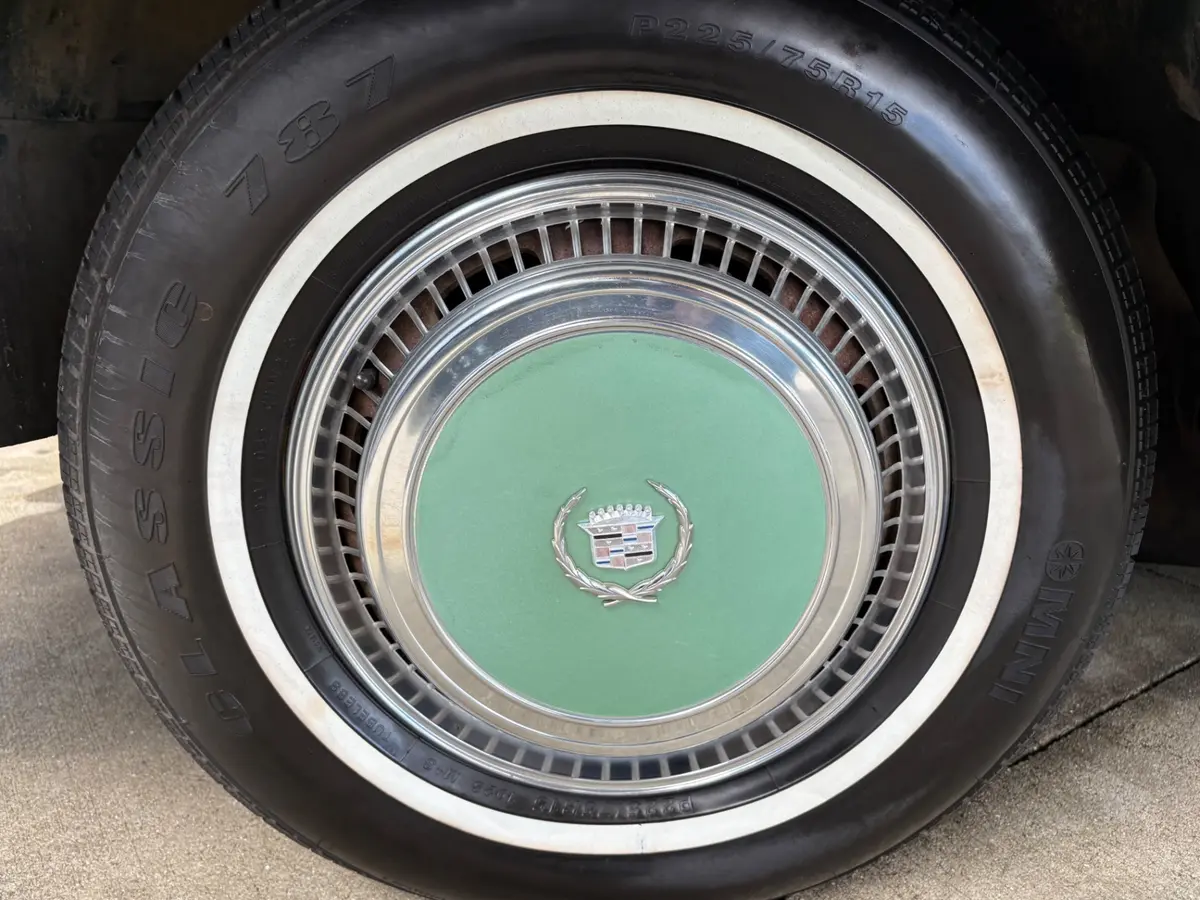
Biarritz script badging appears at the rear of the car, and the Eldorado name appears in block letters across the nose of the hood in the characteristic wide-spaced typeface used on this generation. The remote-control exterior mirrors are body-colored or chrome-trimmed, allowing adjustment from inside the cabin. Whitewall tires mounted on Cadillac's period-correct hub caps with the crest center finish the exterior presentation in a way that is accurate to how this car left the factory.
The underside photos show a car with structurally sound floor pans and frame rails. Surface rust is present on exhaust components, which is expected and normal for a car of this age, but the structural metalwork visible in the photos does not show the perforations or heavy corrosion that would indicate a problematic car. This is consistent with a Florida-kept vehicle.
Conclusion
The 1978 Cadillac Eldorado Biarritz occupies a specific point in automotive history that cannot be revisited. It was the last of the full-size front-wheel-drive Eldorados, the final expression of a design philosophy that Cadillac pursued from 1967 through 1978 — the idea that a luxury personal coupe should be large, front-driven, and built with no visible compromises. The 1979 Eldorado would be a completely different car, downsized along with the rest of GM's full-size lineup in response to the fuel crisis.
This particular example, in Sage Green Metallic over dark green leather with the Biarritz package, the 425ci V8, the TH400 transmission, four-wheel disc brakes, and the full complement of period luxury features, represents the model in its intended specification. It is an unrestored, driver-condition car with a solid structure and an interior that retains its original materials and trim. For a collector interested in correct, unmodified examples of the last of a significant American automobile, it warrants a close look.
To schedule a viewing or ask questions about this 1978 Cadillac Eldorado Biarritz, contact Skyway Classics in Sarasota, Florida at 941-254-6608.
Disclaimer
Information found on the website is presented as given to us by the owner of the car, whether on consignment or from the owner we bought it from. Some Photos, materials for videos, descriptions and other information are provided by the consignor/seller and is deemed reliable, but Skyway Classics does not warranty or guarantee this information. Skyway Classics is not responsible for information that may incorrect or a publishing error. The decision to purchase should be based solely on the buyers personal inspection of the vehicle or by a professional inspection service prior to offer or purchase being made.
1978 Cadillac
Eldorado Biarritz
Why Choose Skyway Classics?
Explore our curated inventory of classic and collector cars—thoughtfully selected, ready to drive, and supported by experts who make ownership simple.
Expert Curation
Every vehicle is hand-selected by our experts for quality, authenticity, and investment potential.
Fast Transactions
Streamlined buying and selling process with quick financing and immediate delivery options.
Only National Dealer With Classic Service & Repair
We’re the only national dealership that services and repairs the classics we sell—before and after the sale.
Nationwide Network
Access to our extensive network of collectors, restorers, and classic car enthusiasts nationwide.
Concierge Ownership Support
From financing and insurance to paperwork, shipping, and titling—we handle the details so you can enjoy the drive.
Passion-Driven Service
We're classic car enthusiasts first, providing personalized service with genuine passion for the hobby.