
1966 Ford
Mustang Base
1966 Ford Mustang Convertible — 289 V8, Wimbledon White over Red, Cruise-O-Matic
Why This Car Is Special
The 1966 Ford Mustang convertible sits at an interesting crossroads in the model's history. Ford had already proven the Mustang concept beyond any reasonable doubt with the 1964½ and 1965 cars, and for 1966 they refined what was already working rather than reinventing it. The result was a cleaner, slightly more polished Mustang that outsold even the record-setting 1965 model — Ford moved over 607,000 Mustangs for the 1966 model year, making it the highest-production year in first-generation Mustang history.
Within that enormous production run, the convertible occupied a specific role. It was the most expensive body style in the lineup and represented a smaller share of total output than the hardtop or fastback. The open-air configuration added structural reinforcement to compensate for the missing roof, which contributed to the convertible's solid, planted feel that owners still comment on today.
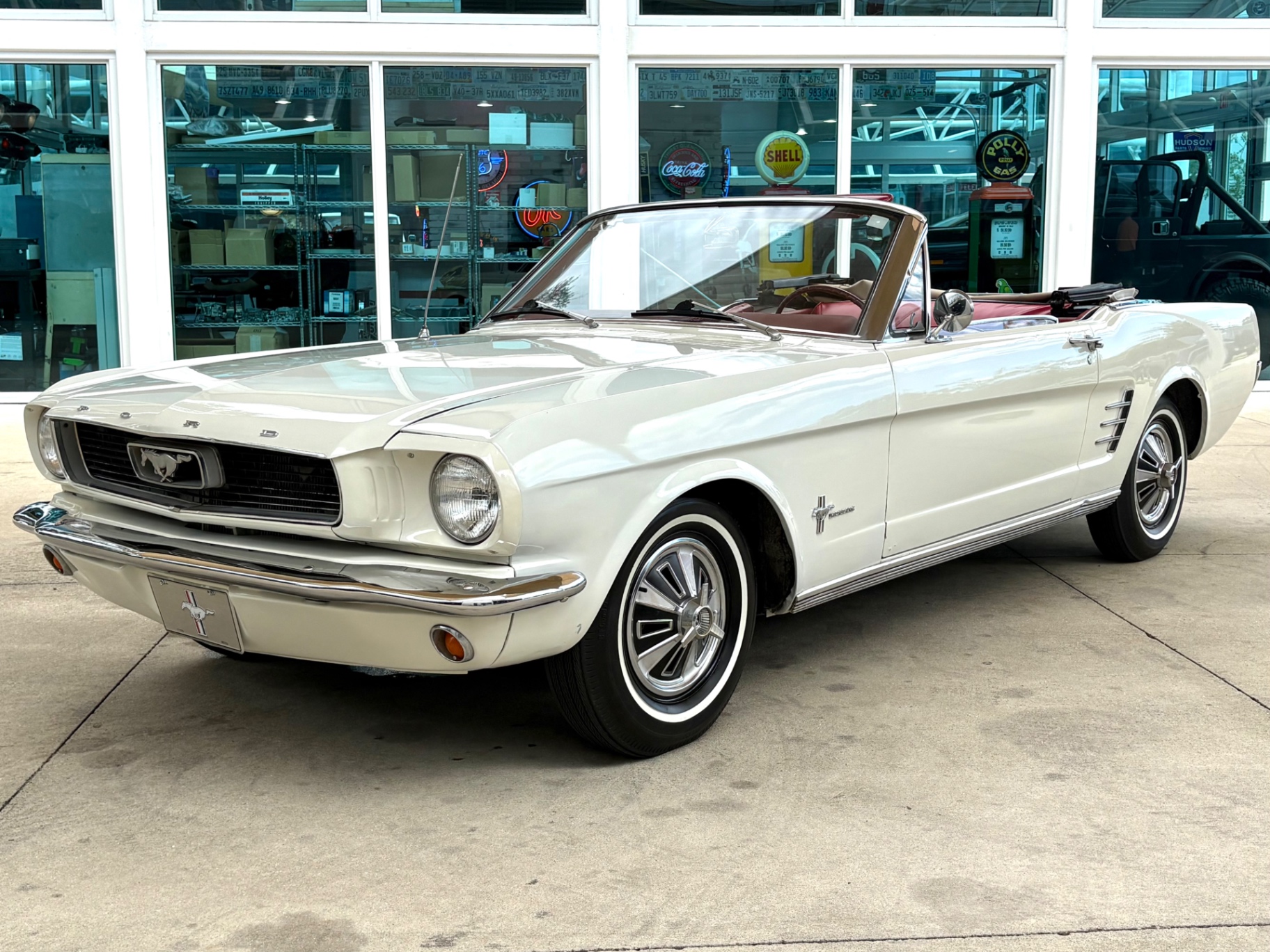
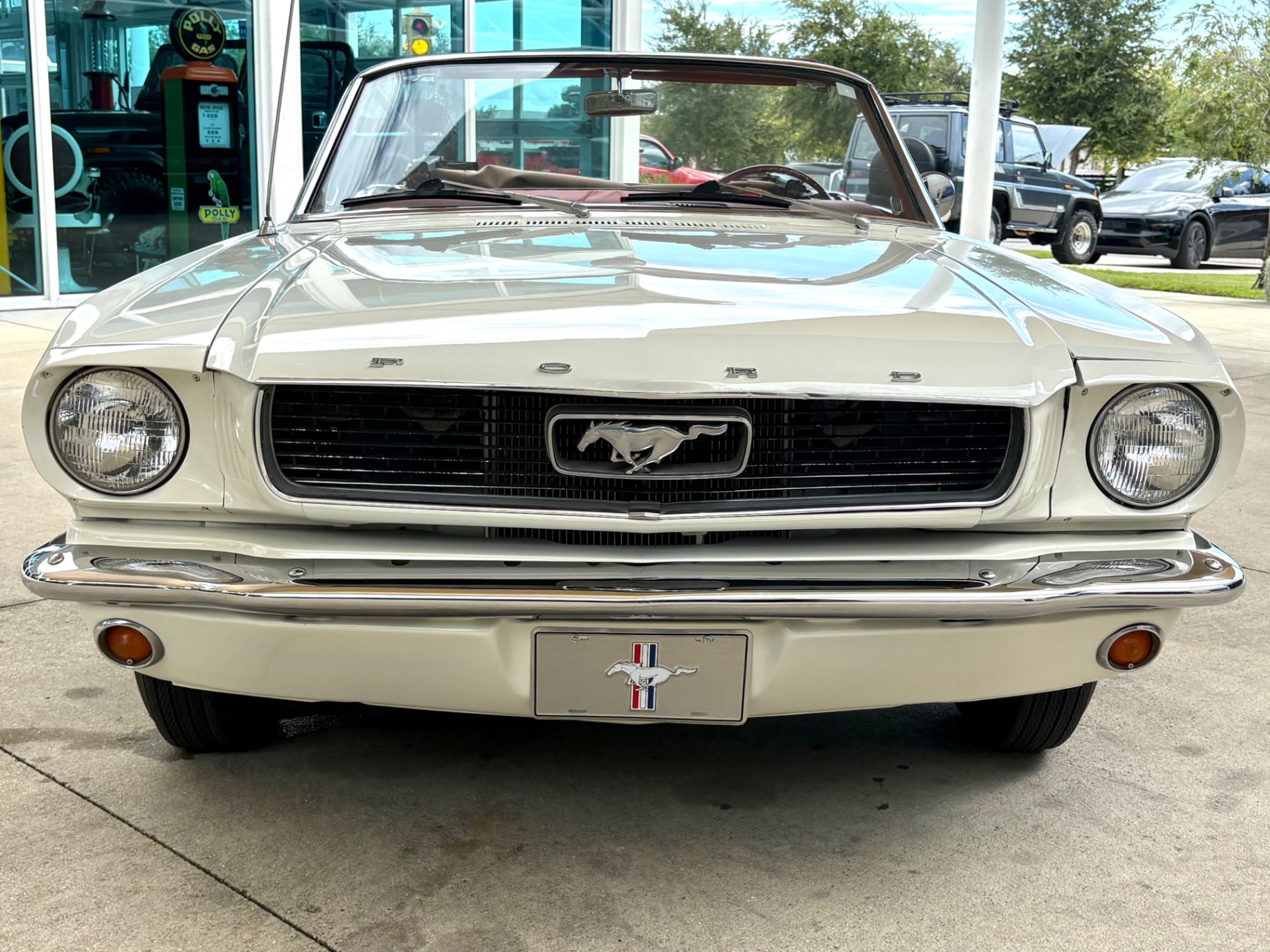
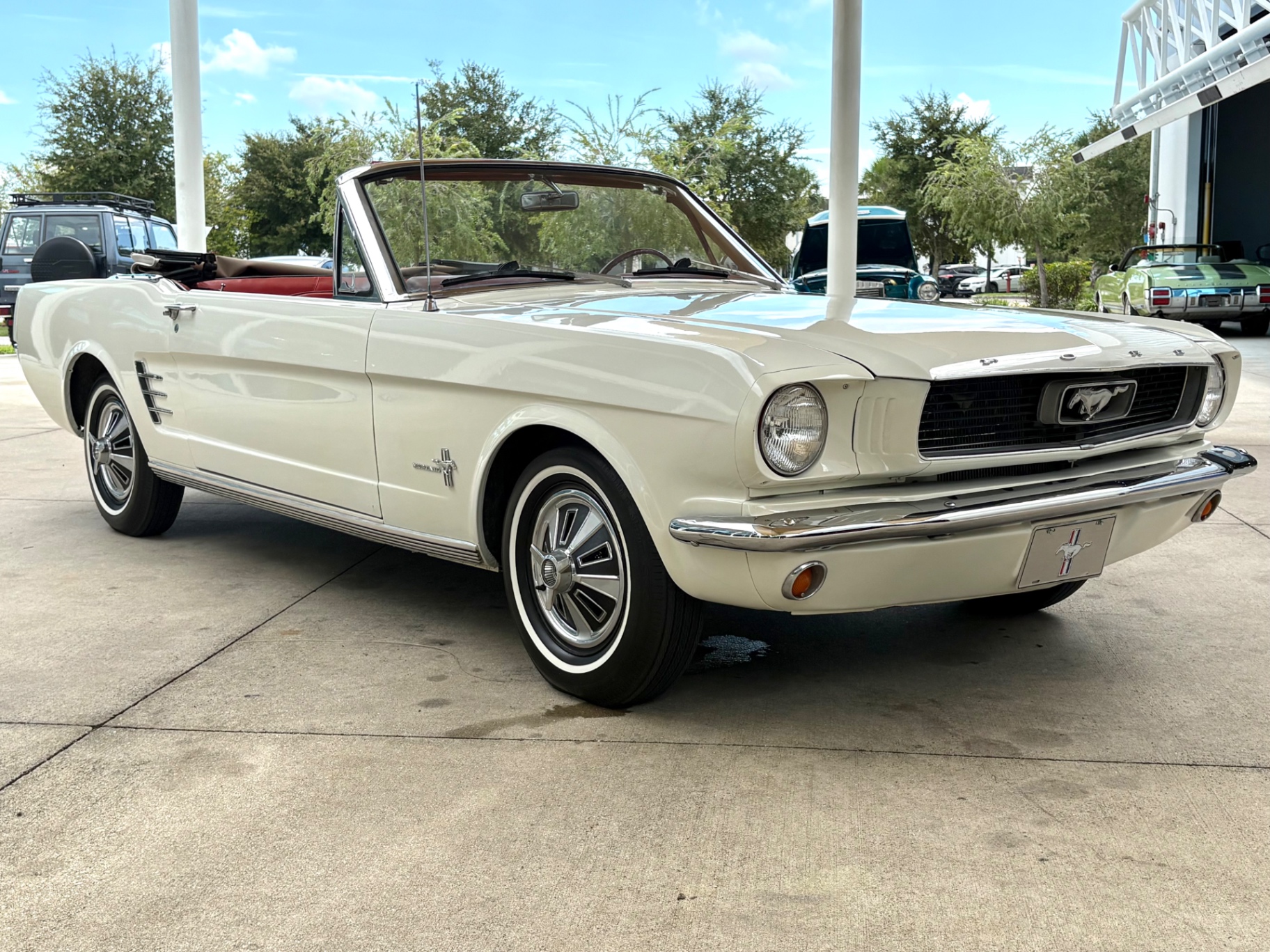
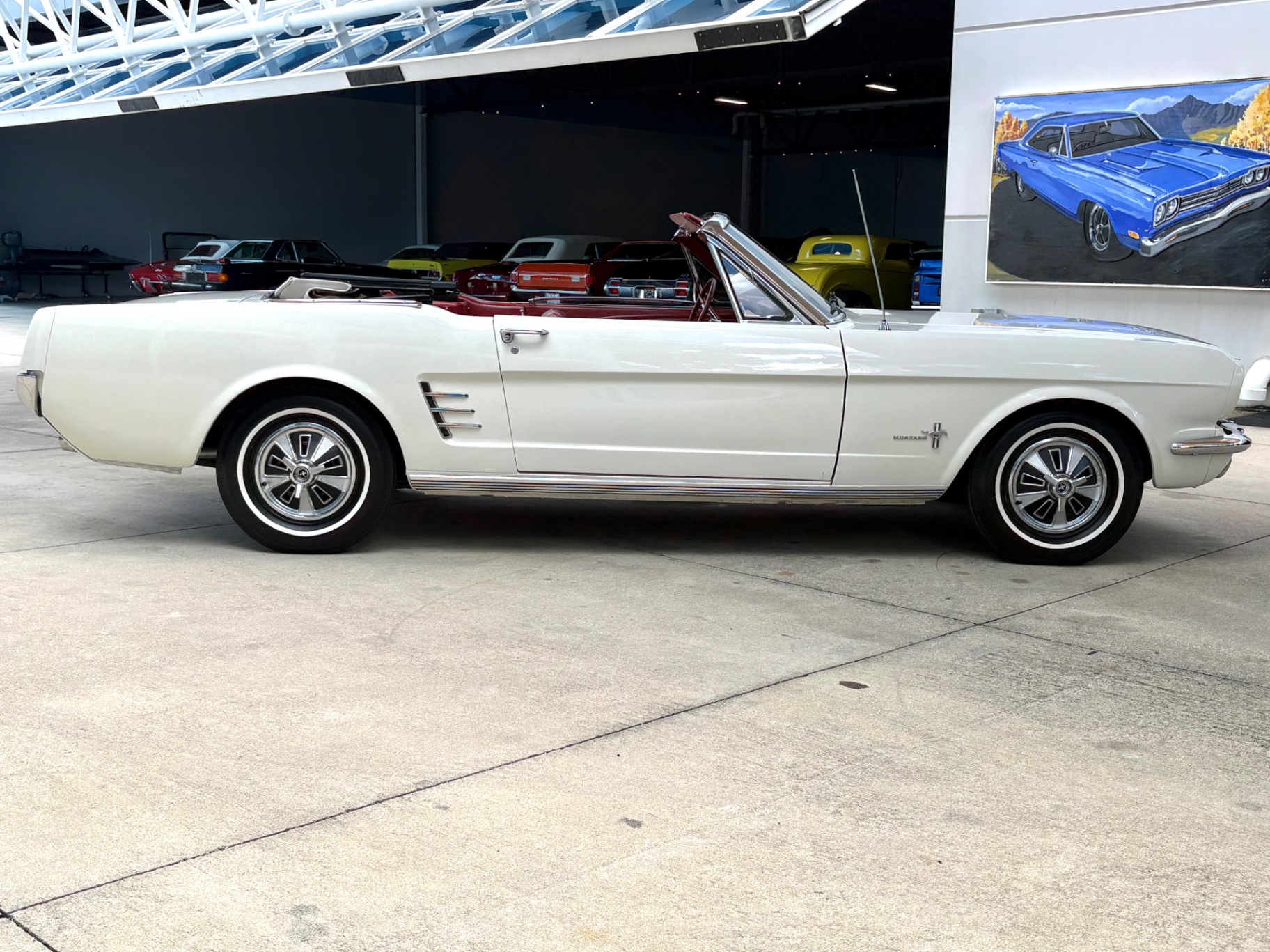
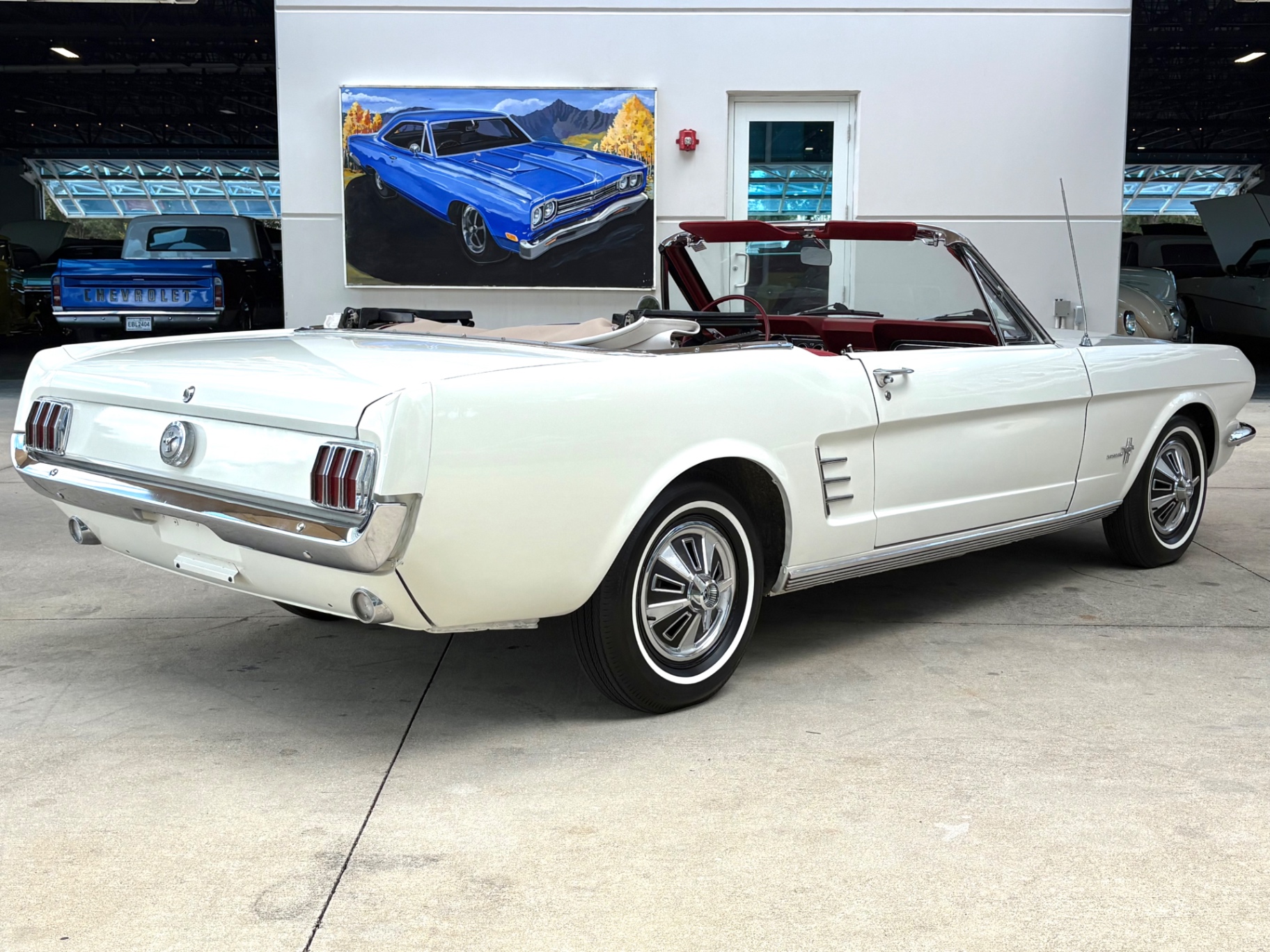
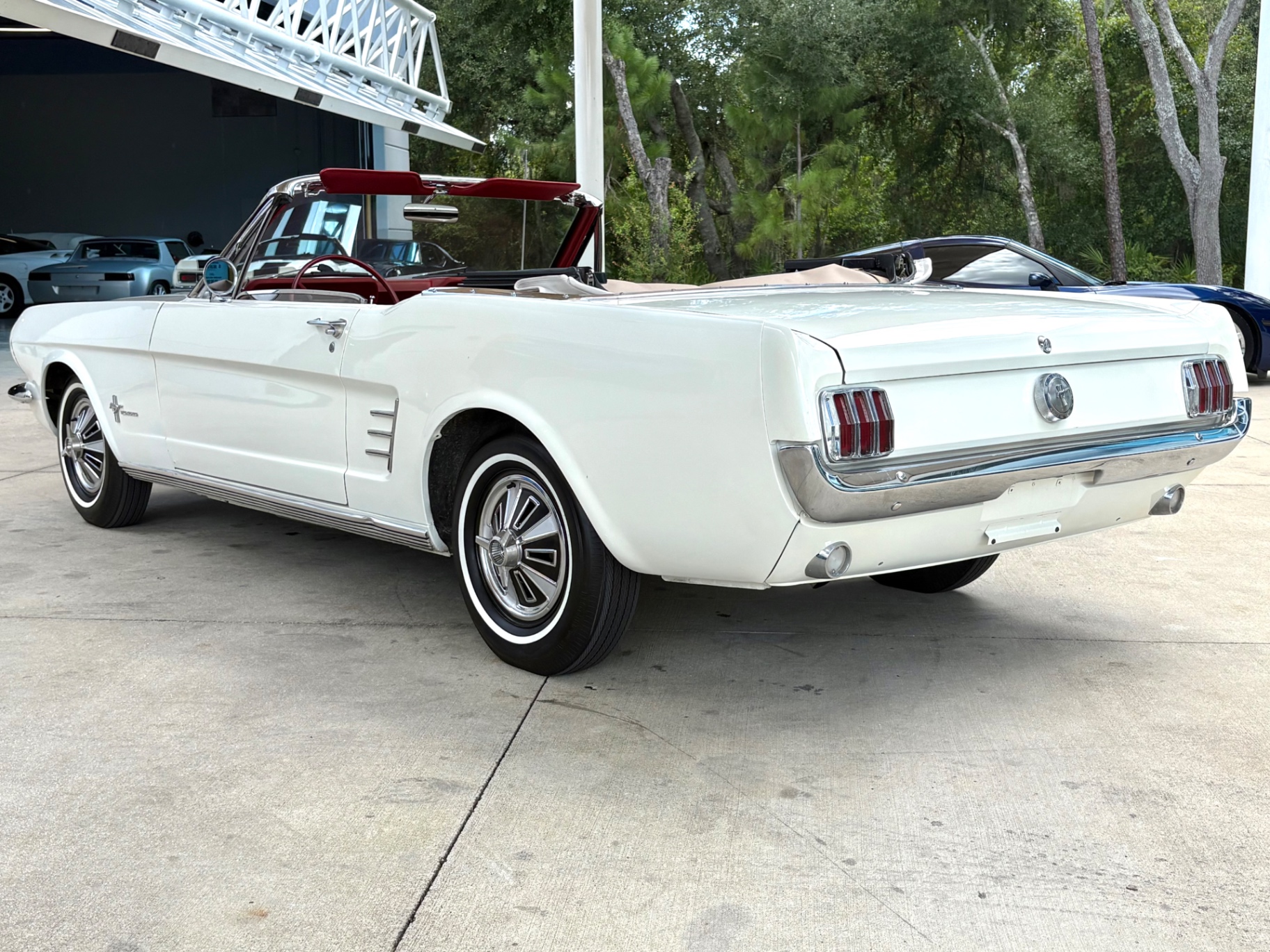
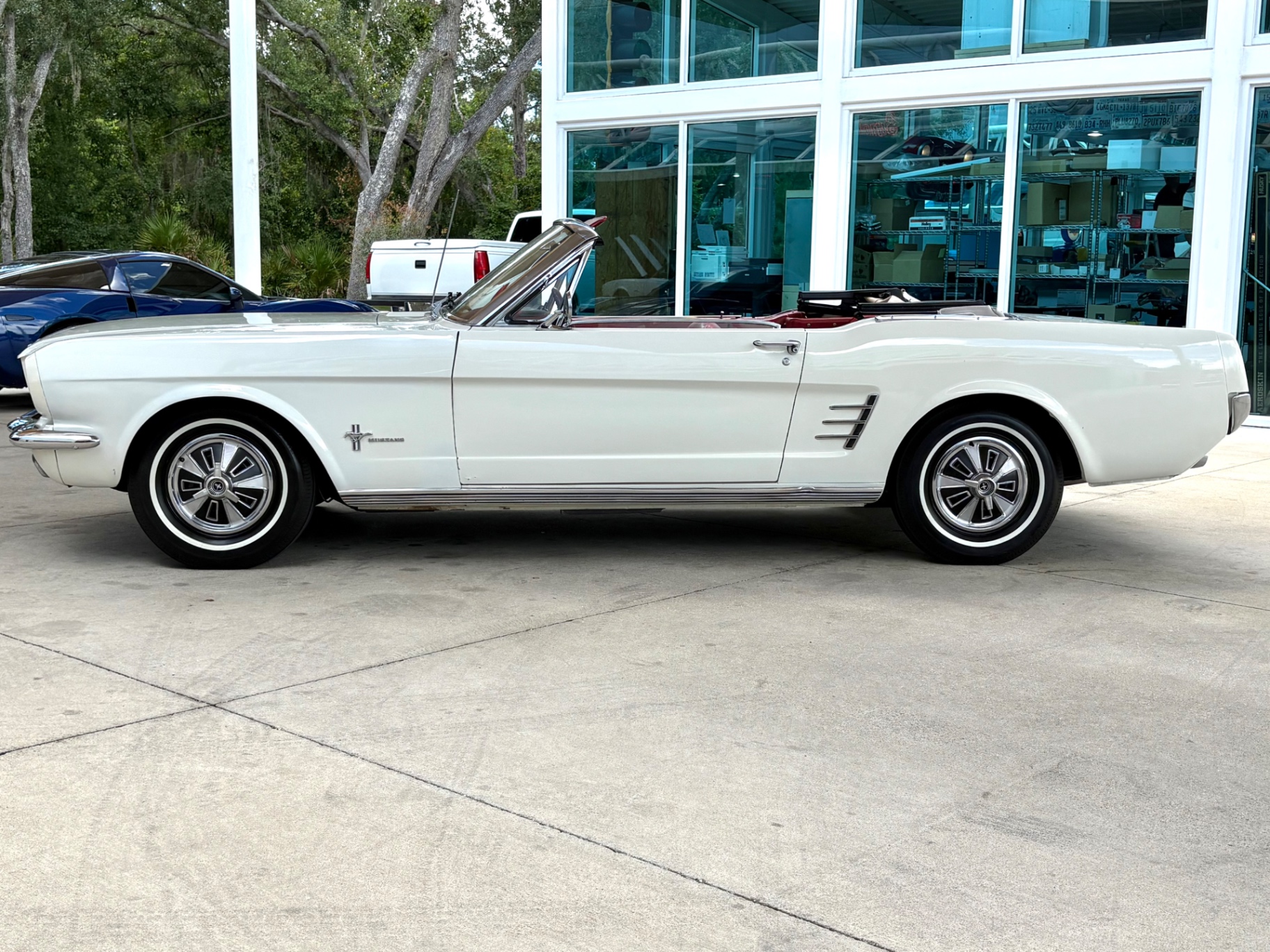
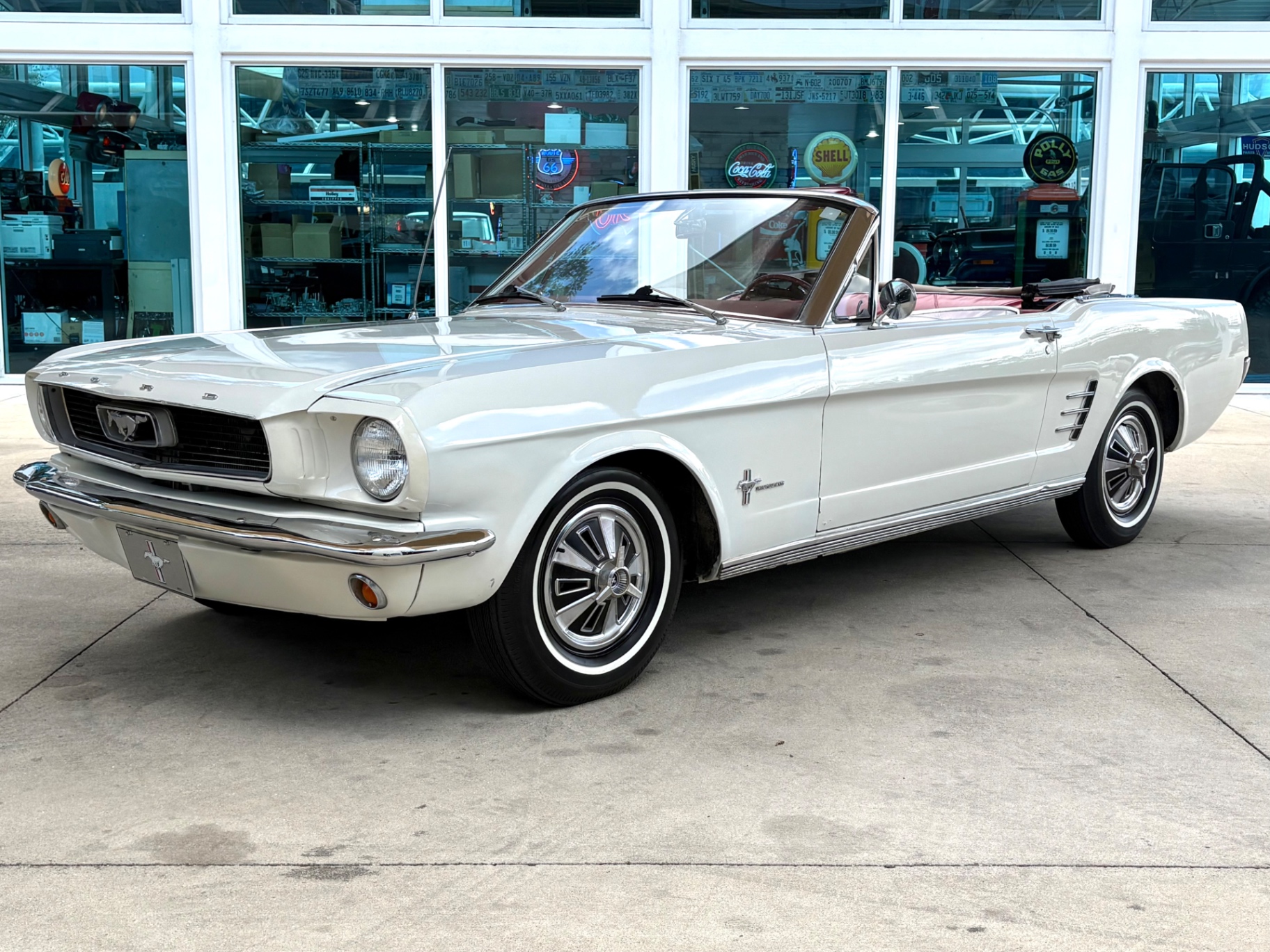
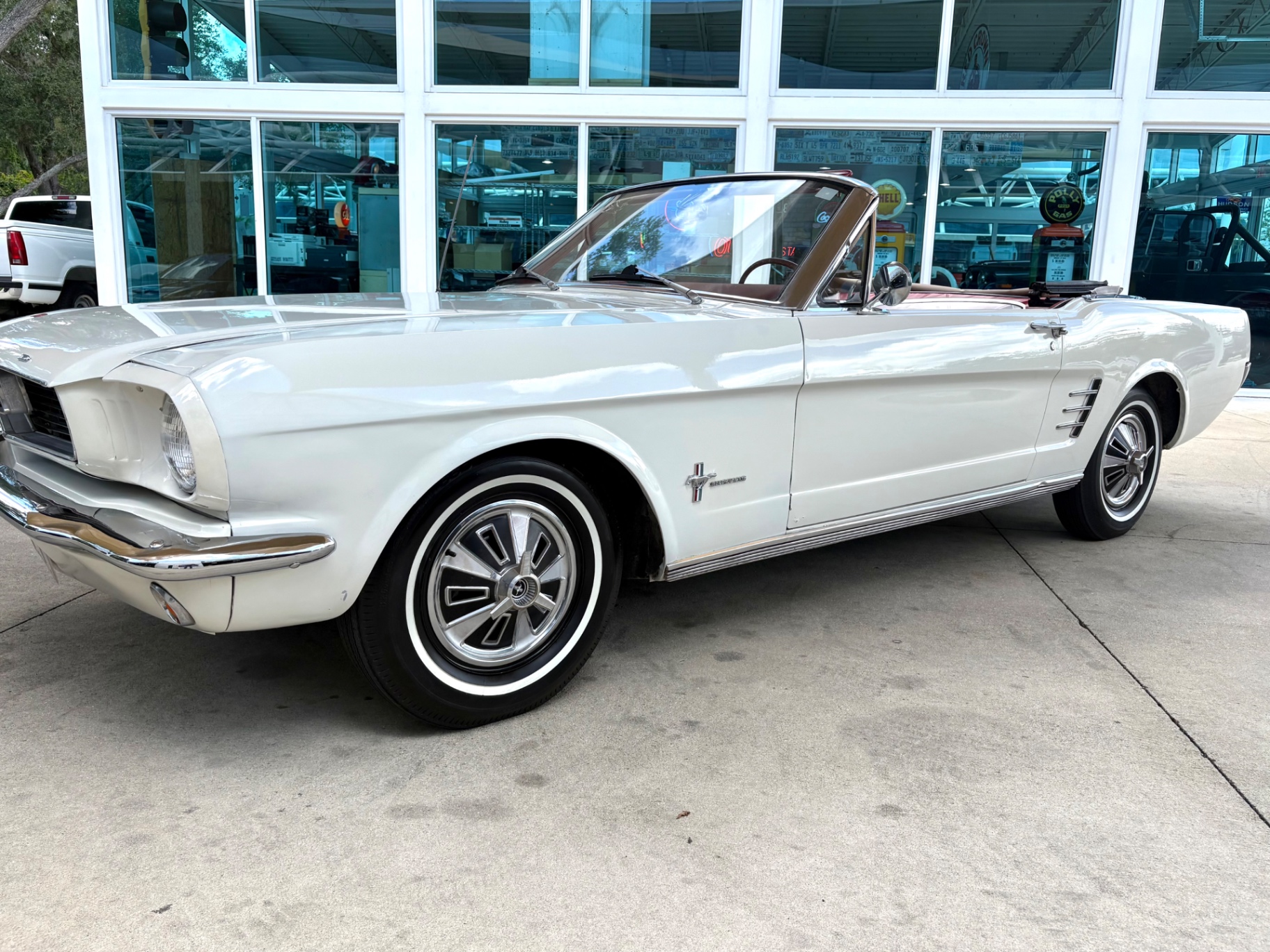
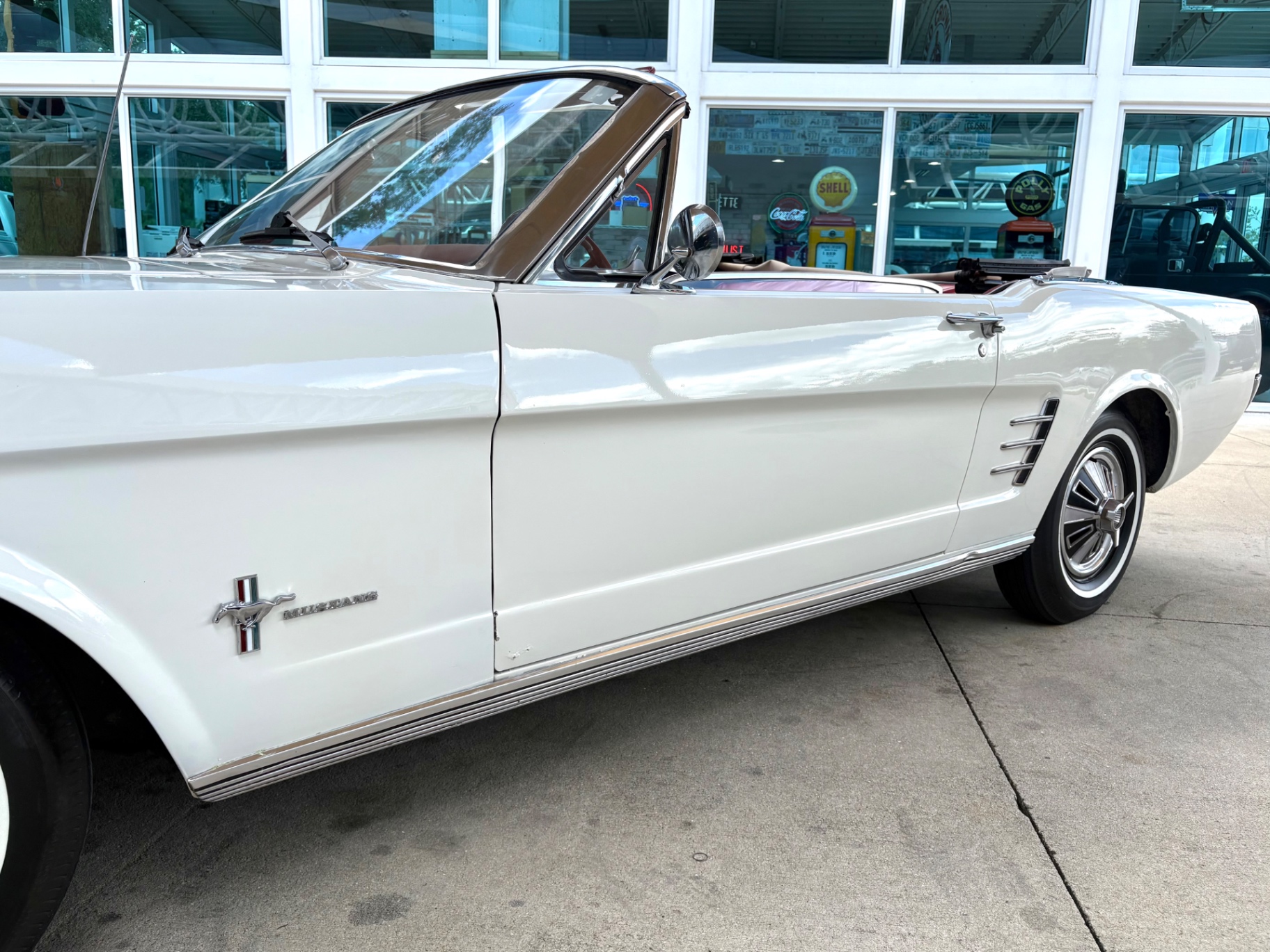
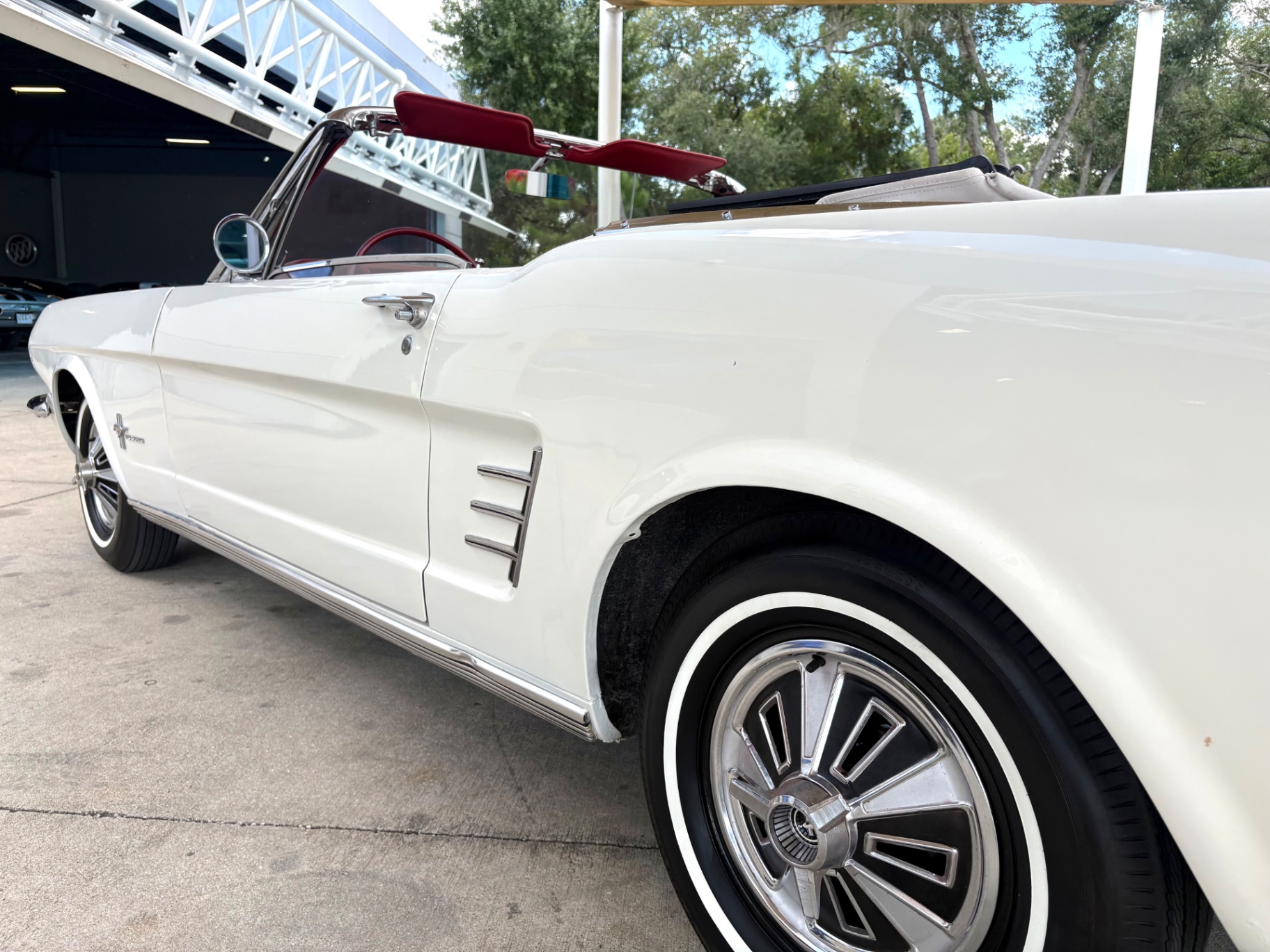
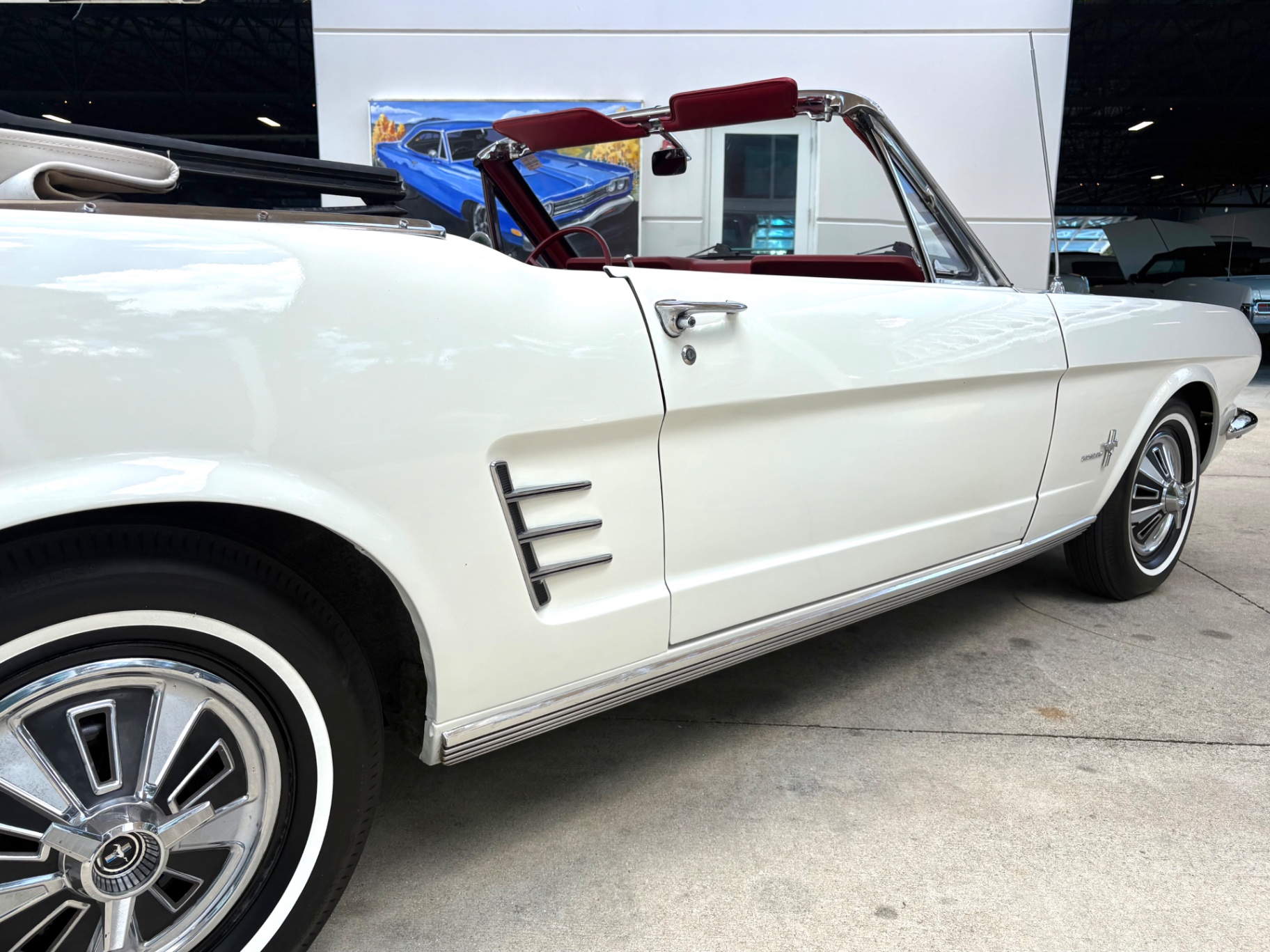
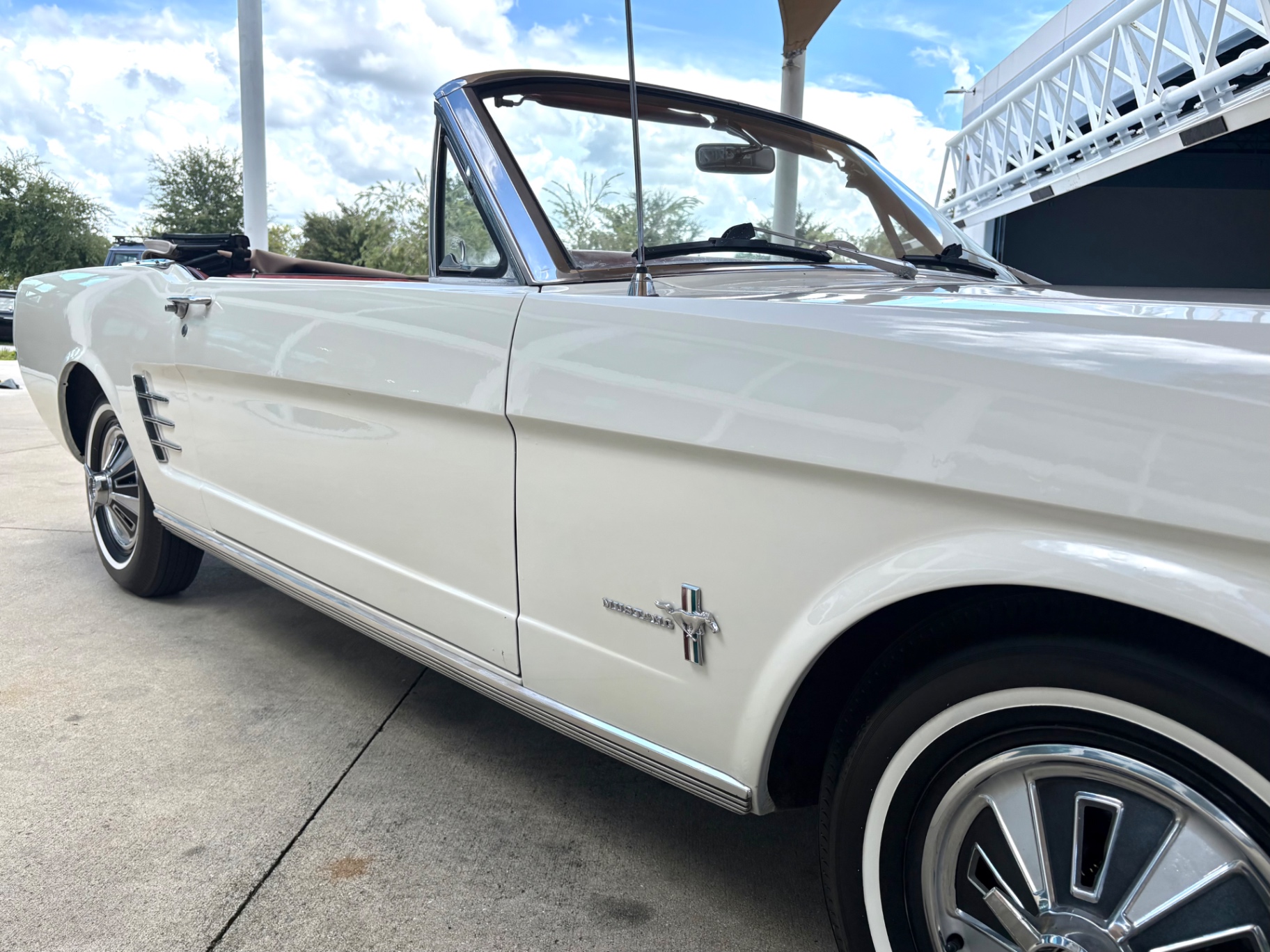
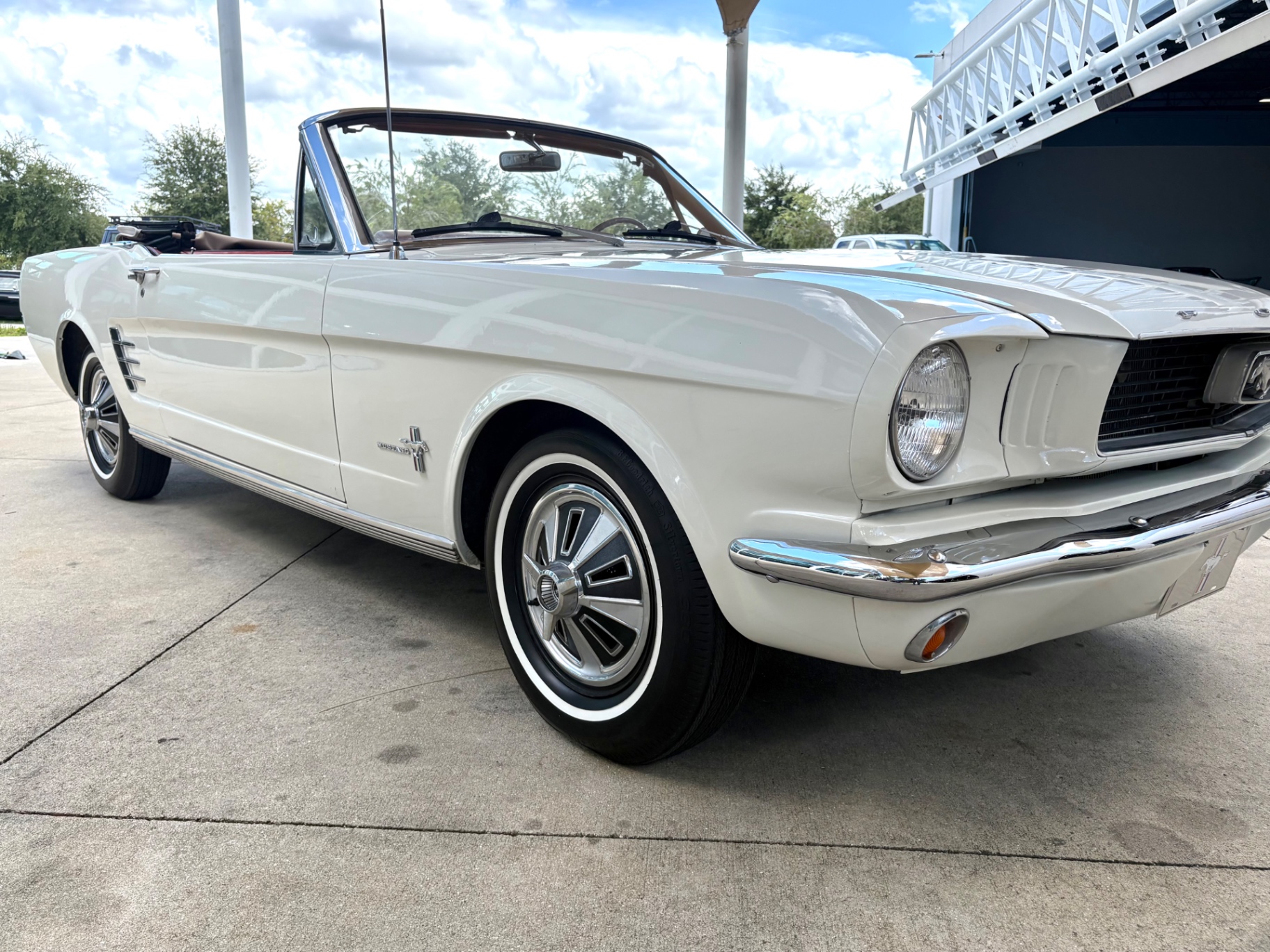
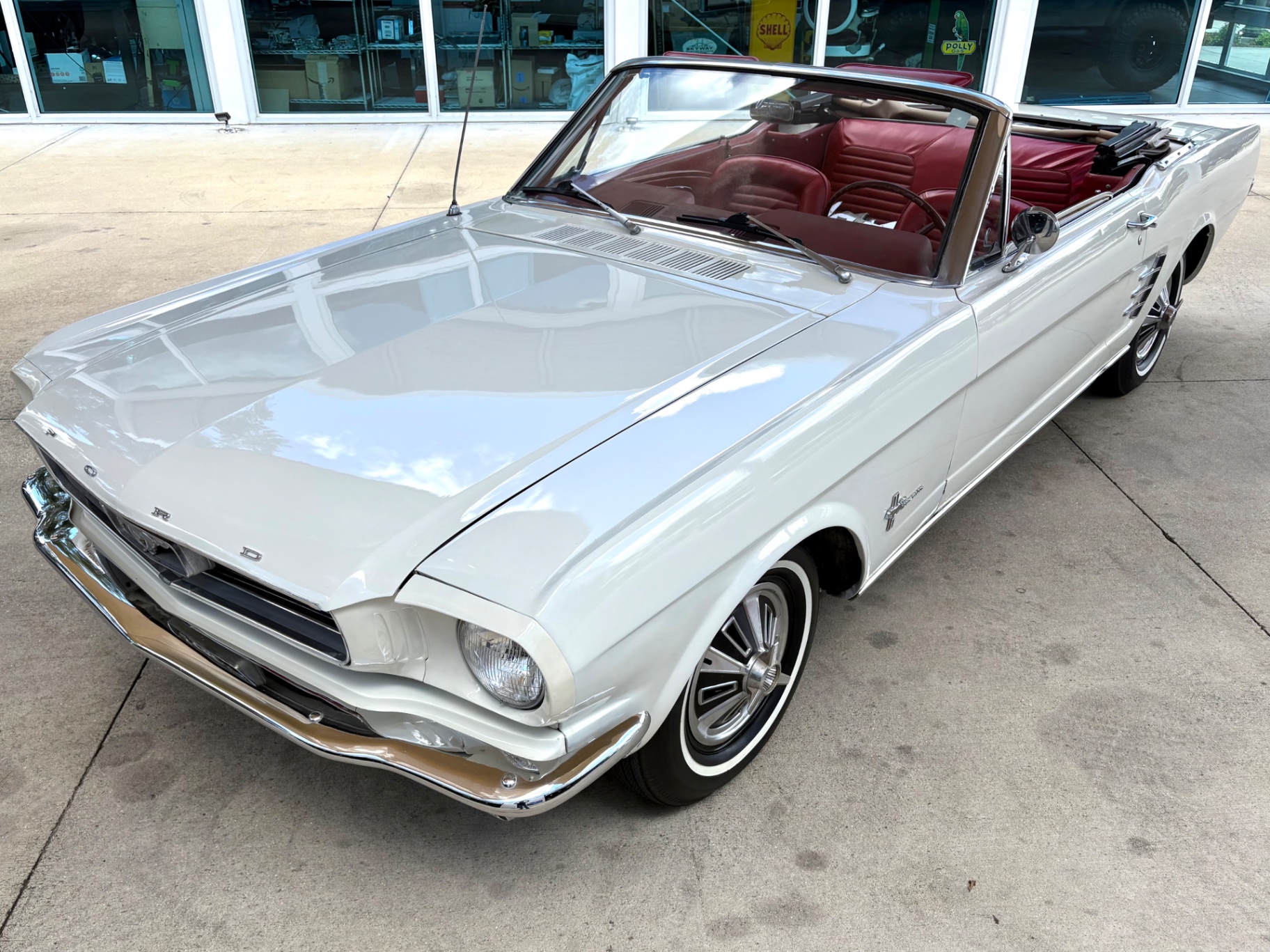
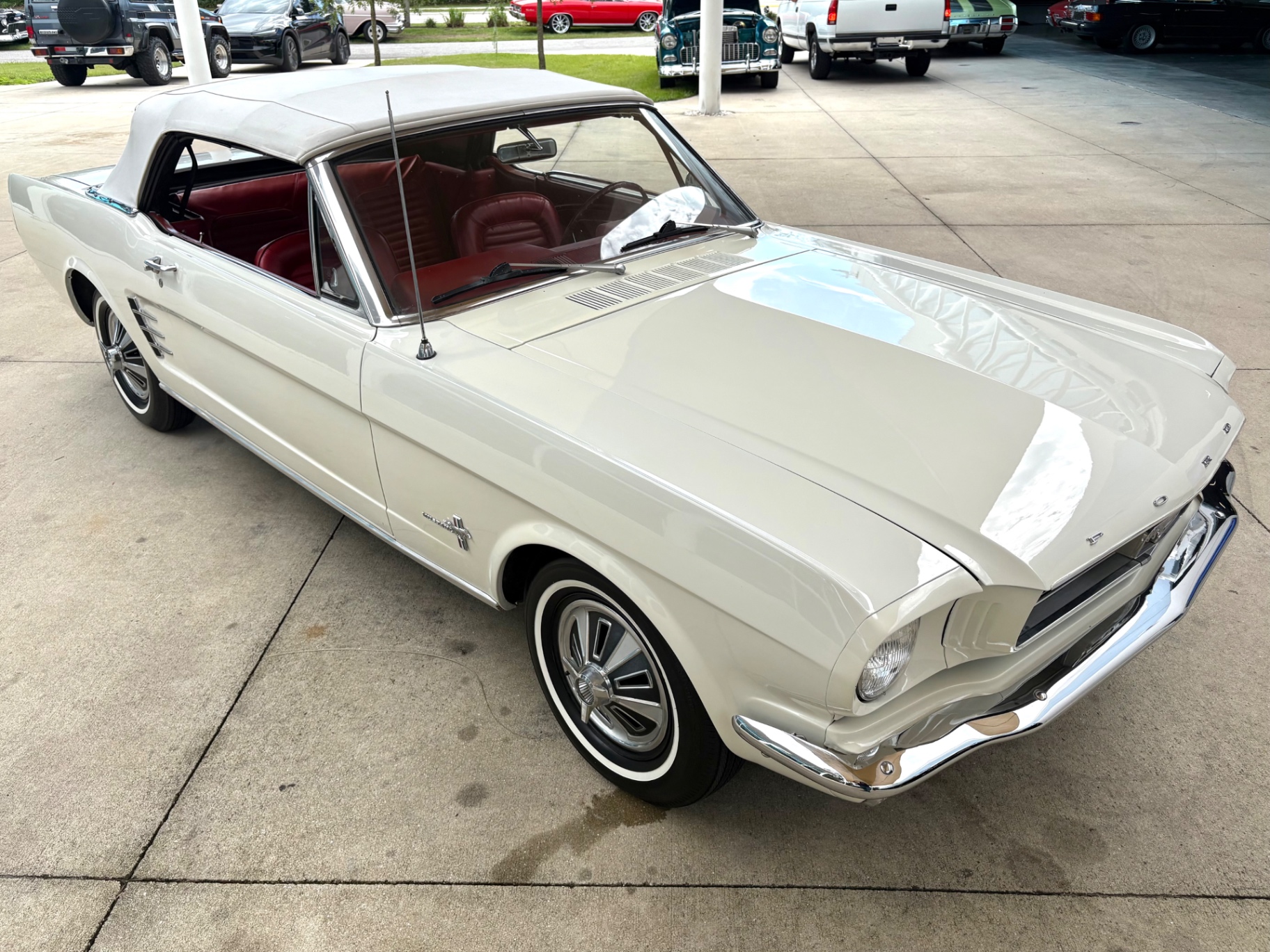
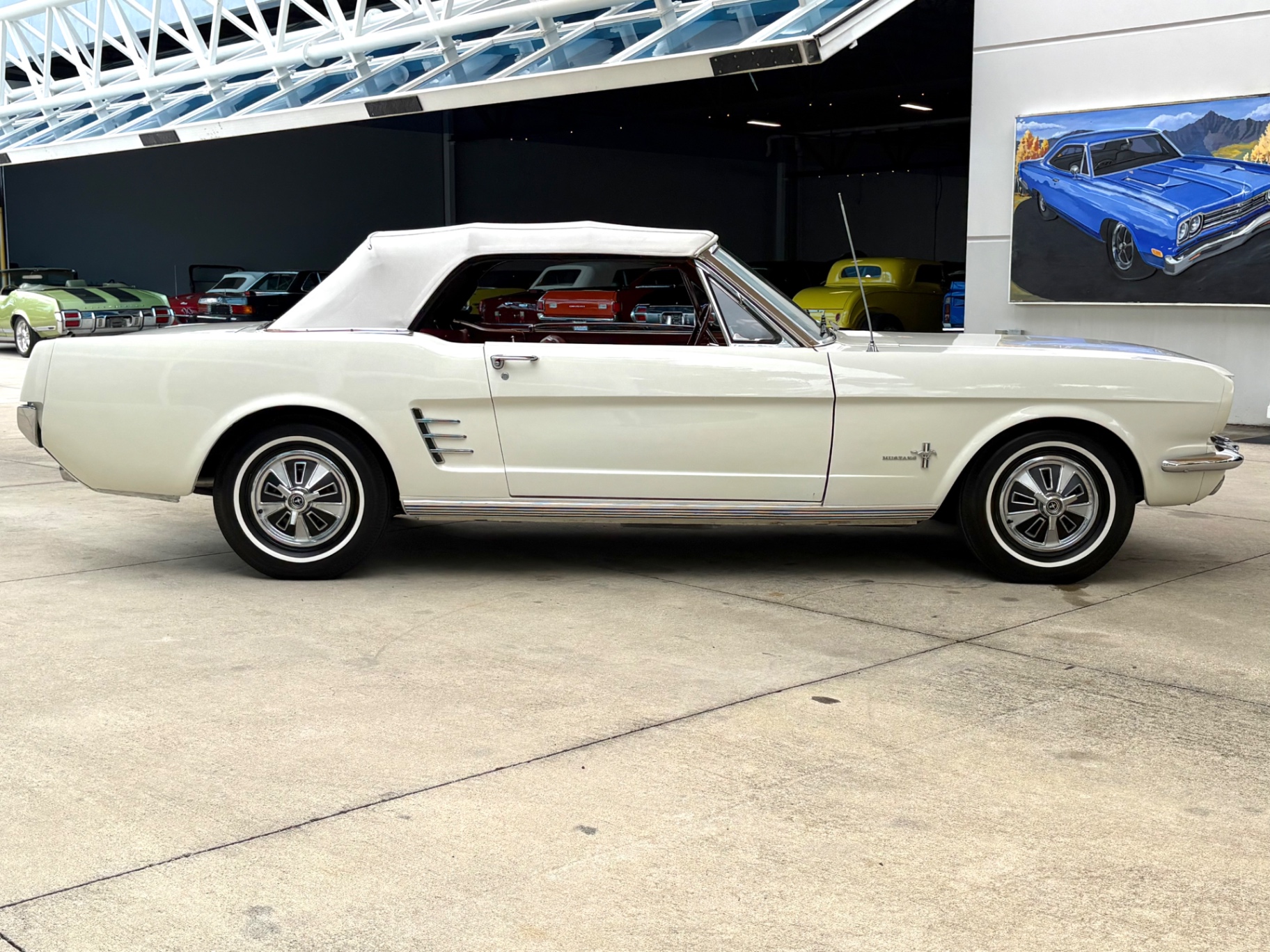
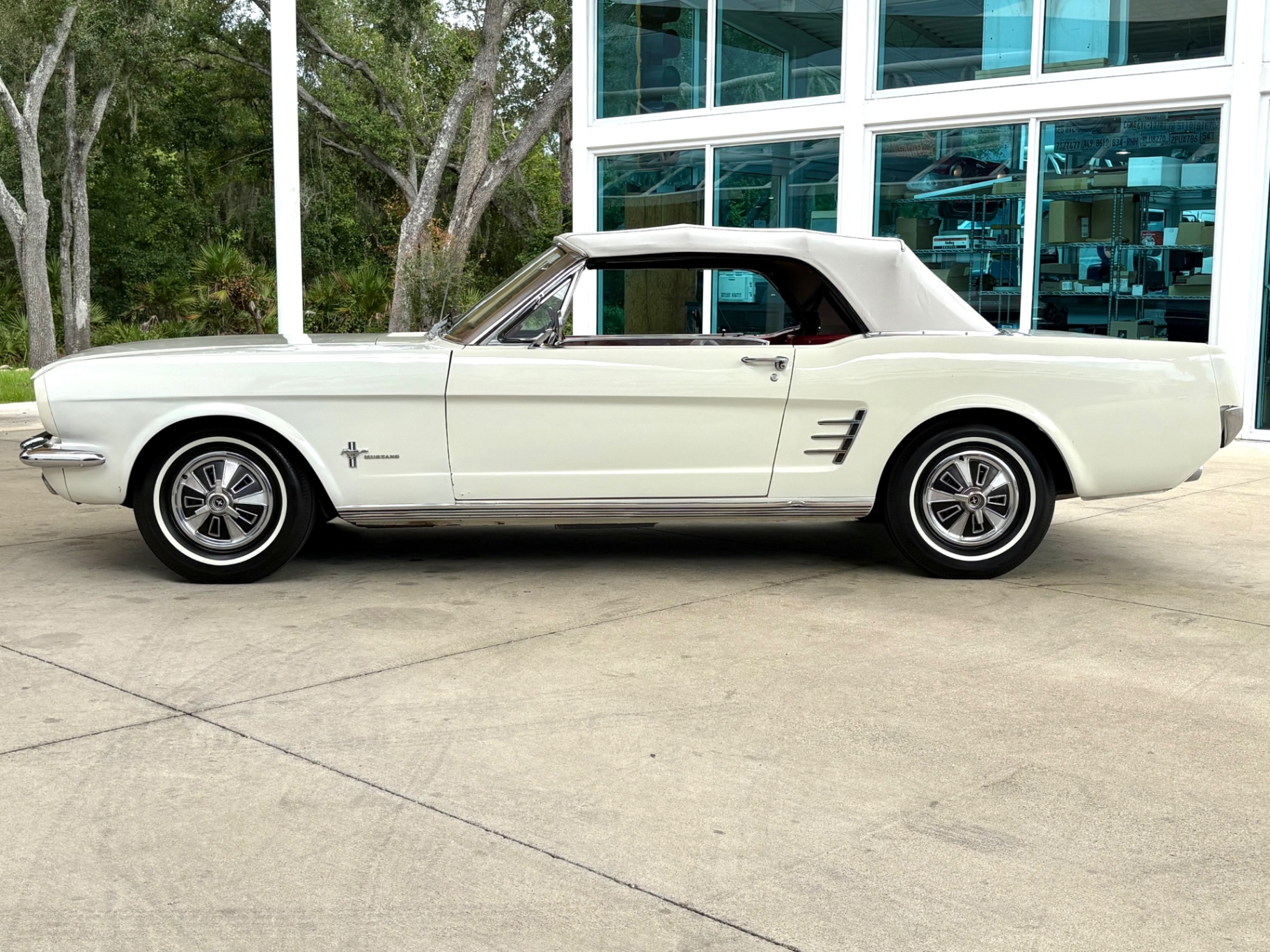
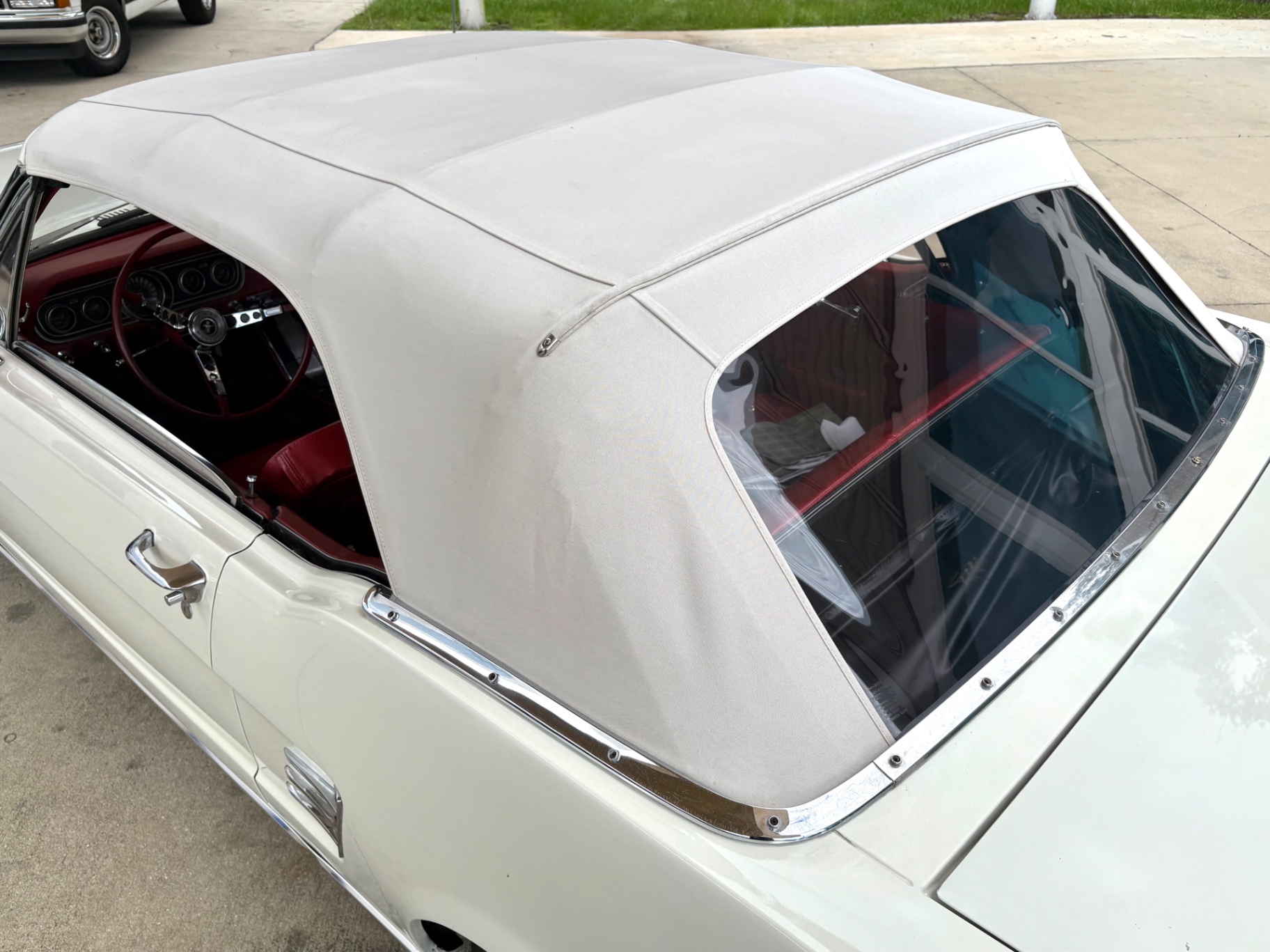
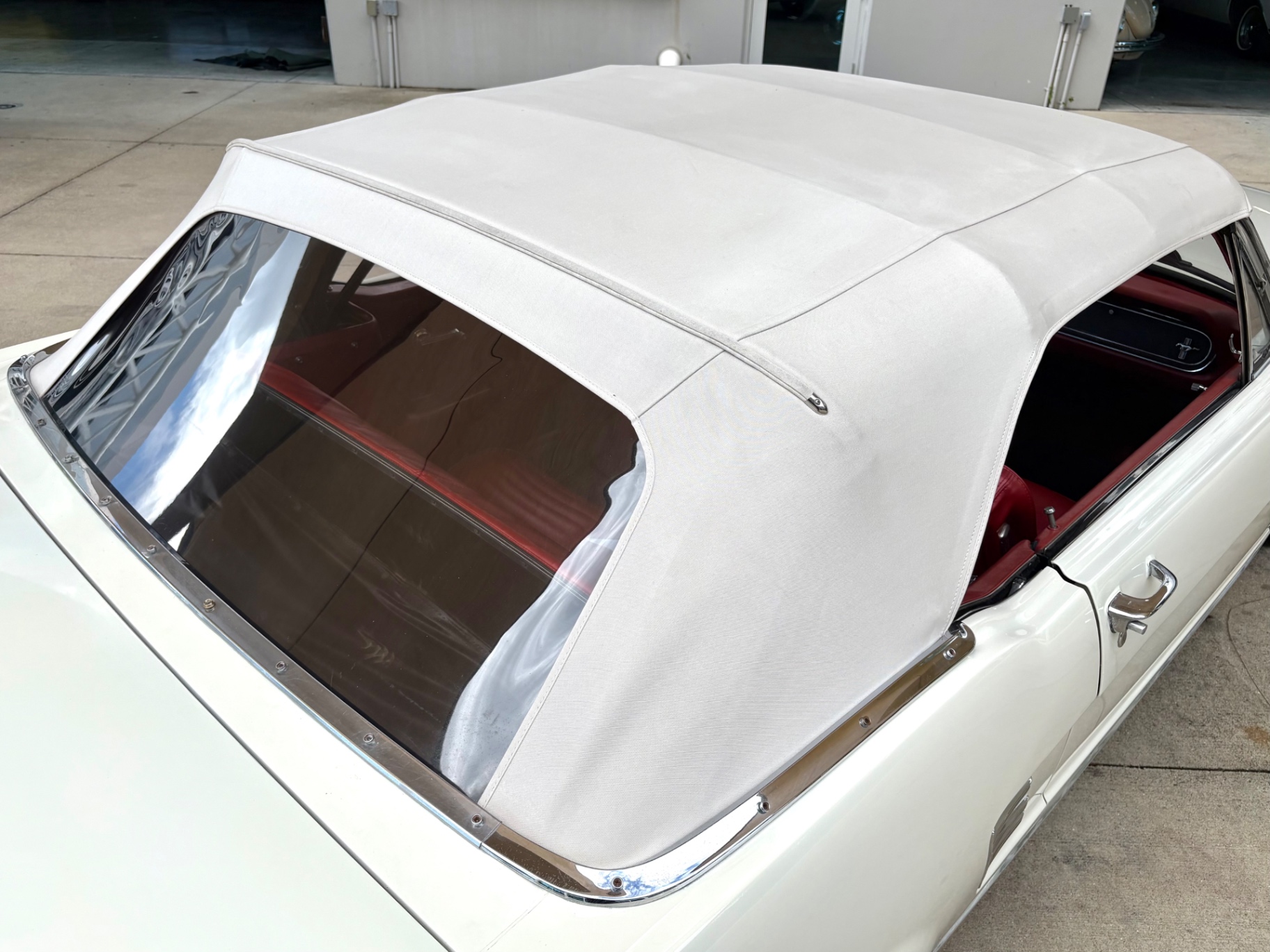
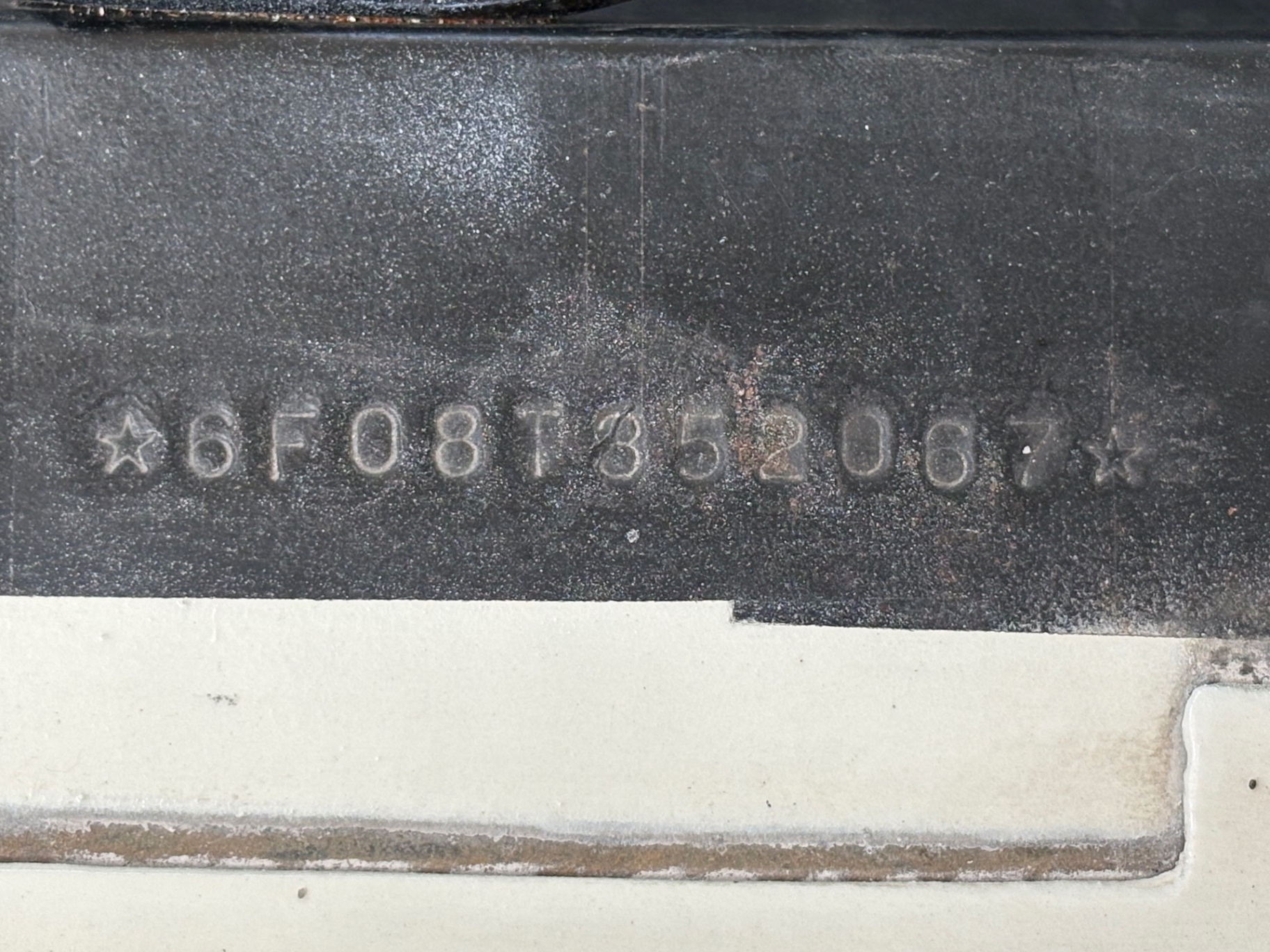
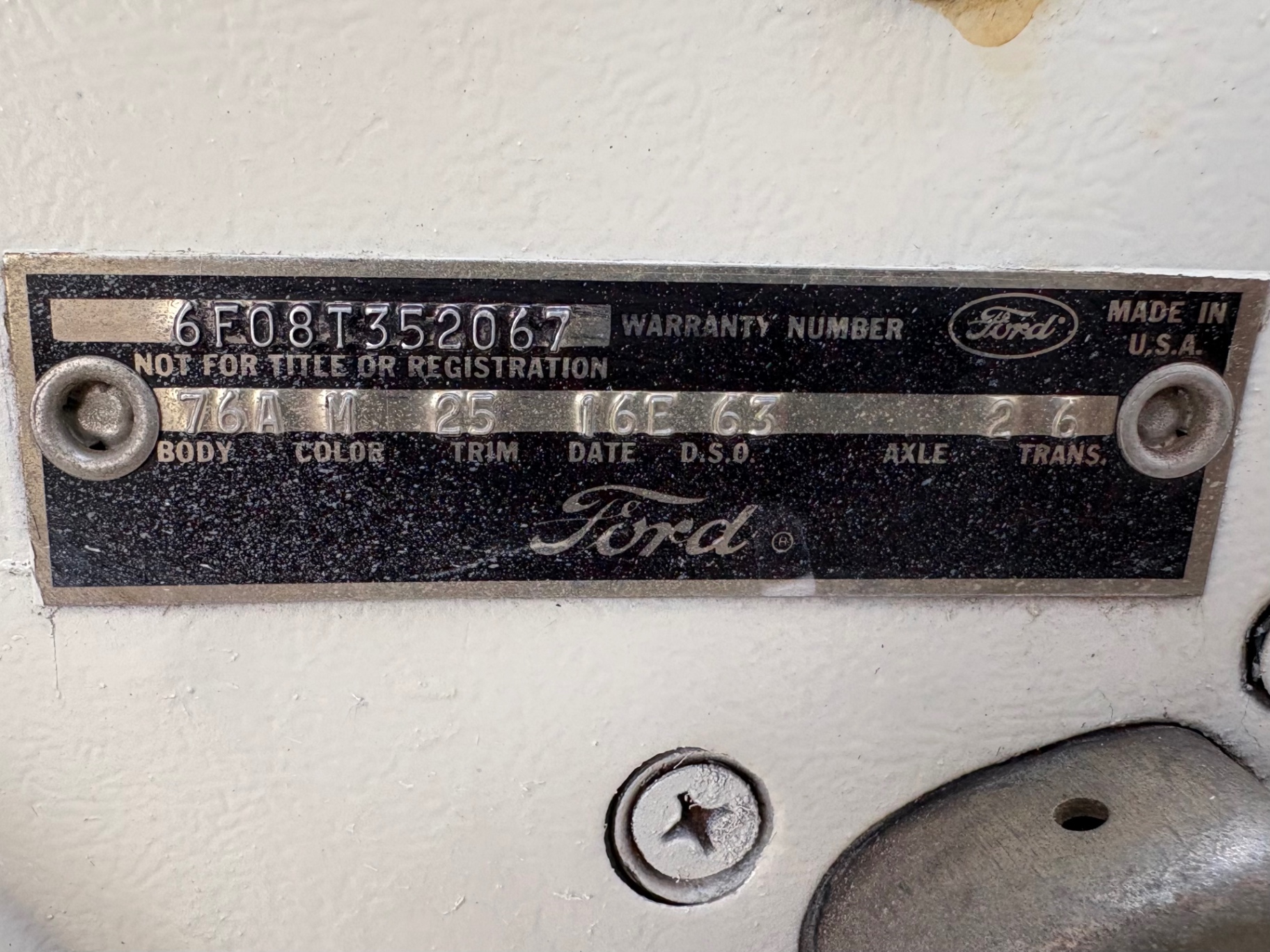
This particular 1966 Ford Mustang convertible is finished in Wimbledon White — one of Ford's most classic and period-correct color choices for the model — with a red vinyl interior, a white convertible top, and a tan convertible top boot. The combination is correct, coherent, and immediately recognizable as a car from this specific era. The VIN on this car decodes to a San Jose, California assembly plant build, with a V8 engine and automatic transmission as factory-specified equipment — details that align precisely with what you see on this car today.
The 289 cubic inch small-block V8 was the engine that made the Mustang's reputation. It was available in several states of tune in 1966, and the two-barrel version paired with the Cruise-O-Matic three-speed automatic was the practical choice for buyers who wanted genuine V8 character without the additional cost or complexity of the high-performance variants. That combination — torquey small-block, smooth automatic, open top — is exactly what made the 1966 Mustang convertible the car that it was.
Features List
- 289ci V8 Engine
- Cruise-O-Matic 3-Speed Automatic Transmission
- Edelbrock Air Cleaner
- Edelbrock Fuel Filter
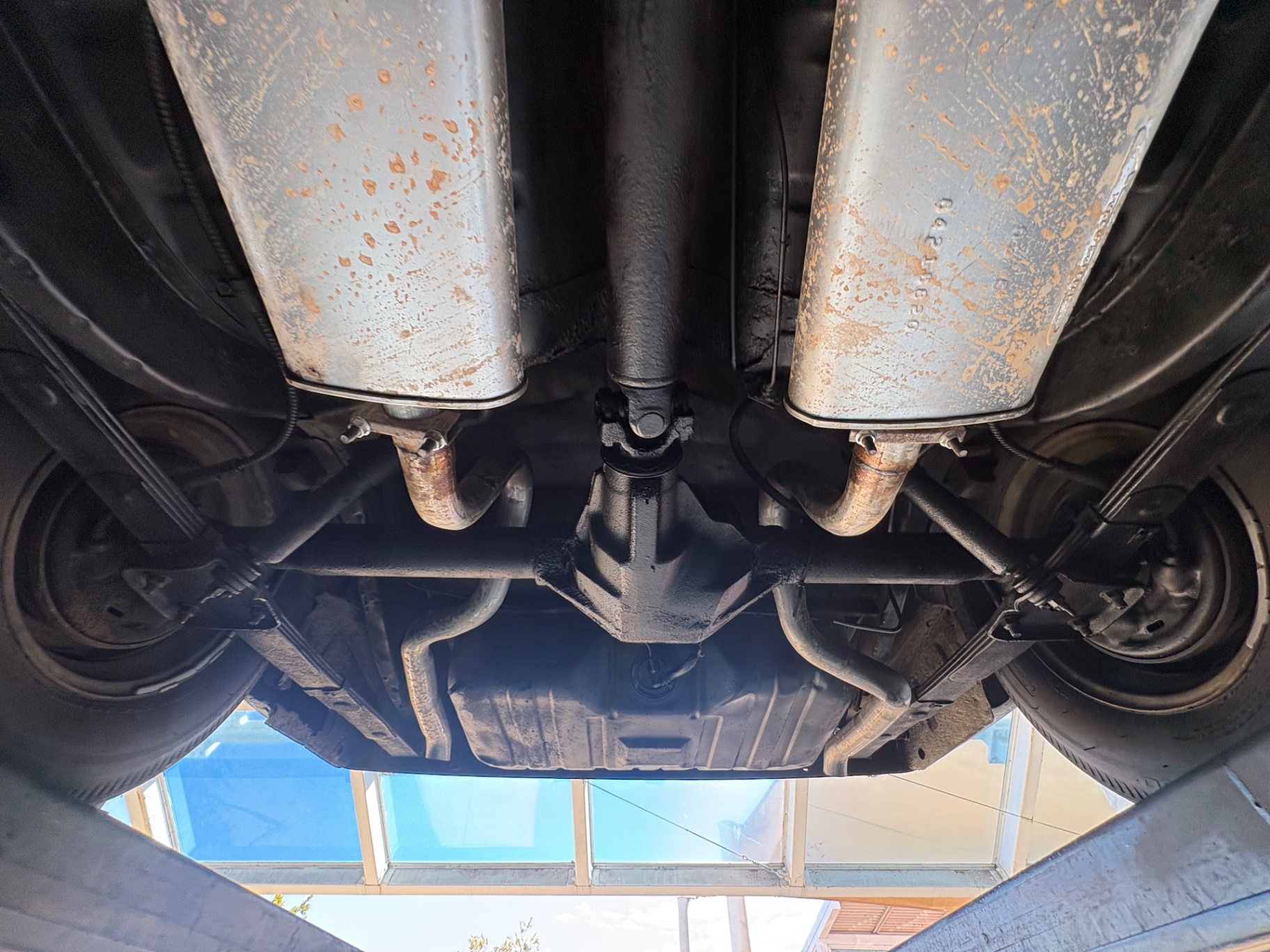
- Dual Exhaust
- White Convertible Top
- Tan Convertible Top Boot
- Red Vinyl Interior
- Front Bucket Seats
- Rear Seat
- Center Console
- 5-Gauge Instrument Cluster
- Factory AM Radio
- Pony Floor Mats
- Front and Rear Seat Belts
- Styled Steel Wheel Covers
- Whitewall Tires
- Chrome Bumpers
- Side Rocker Moldings
- Exterior Radio Antenna
- Undercoated Floor Pans
- Aluminum Radiator
- Drum Brakes All Around
Mechanical
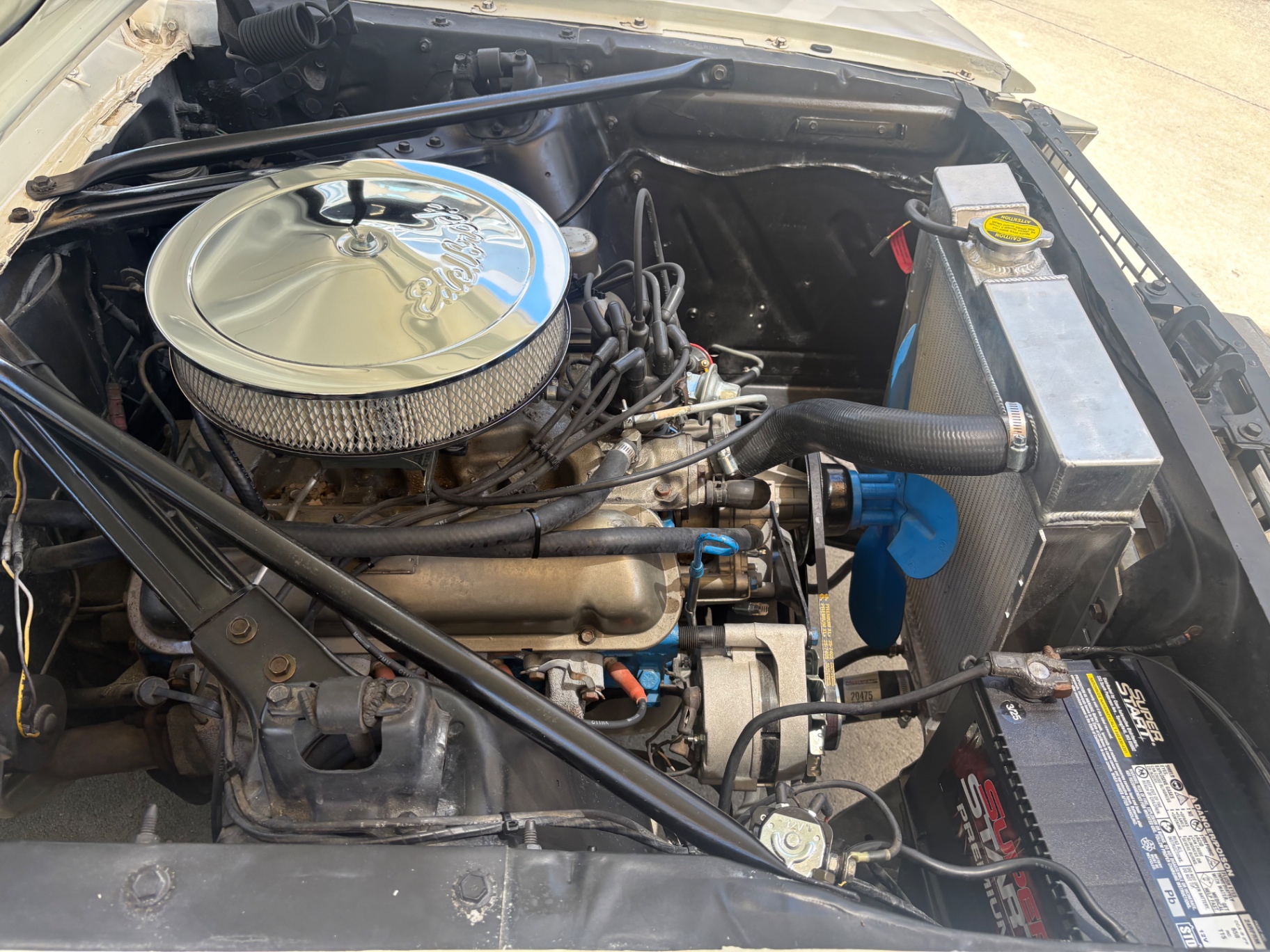
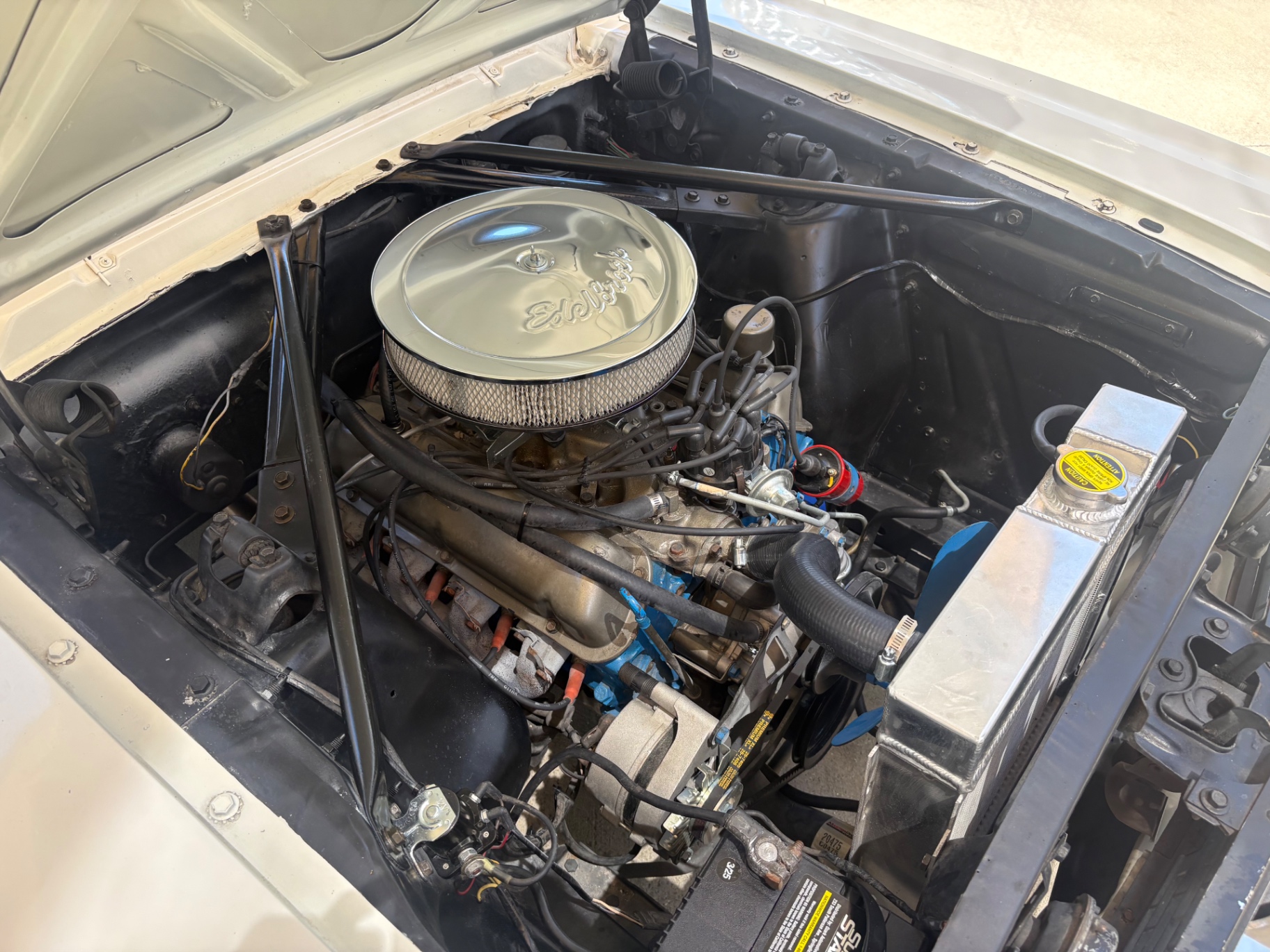
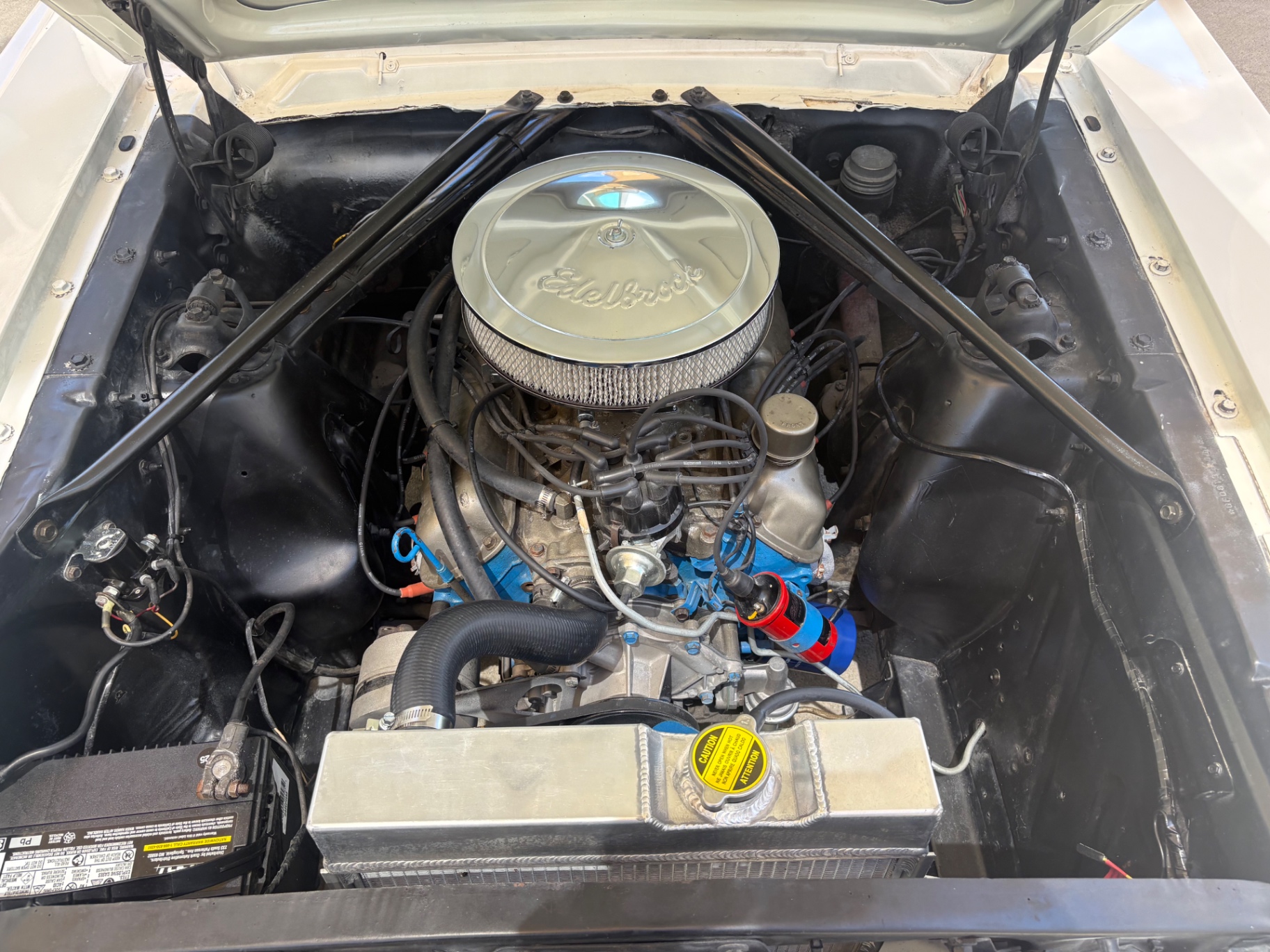
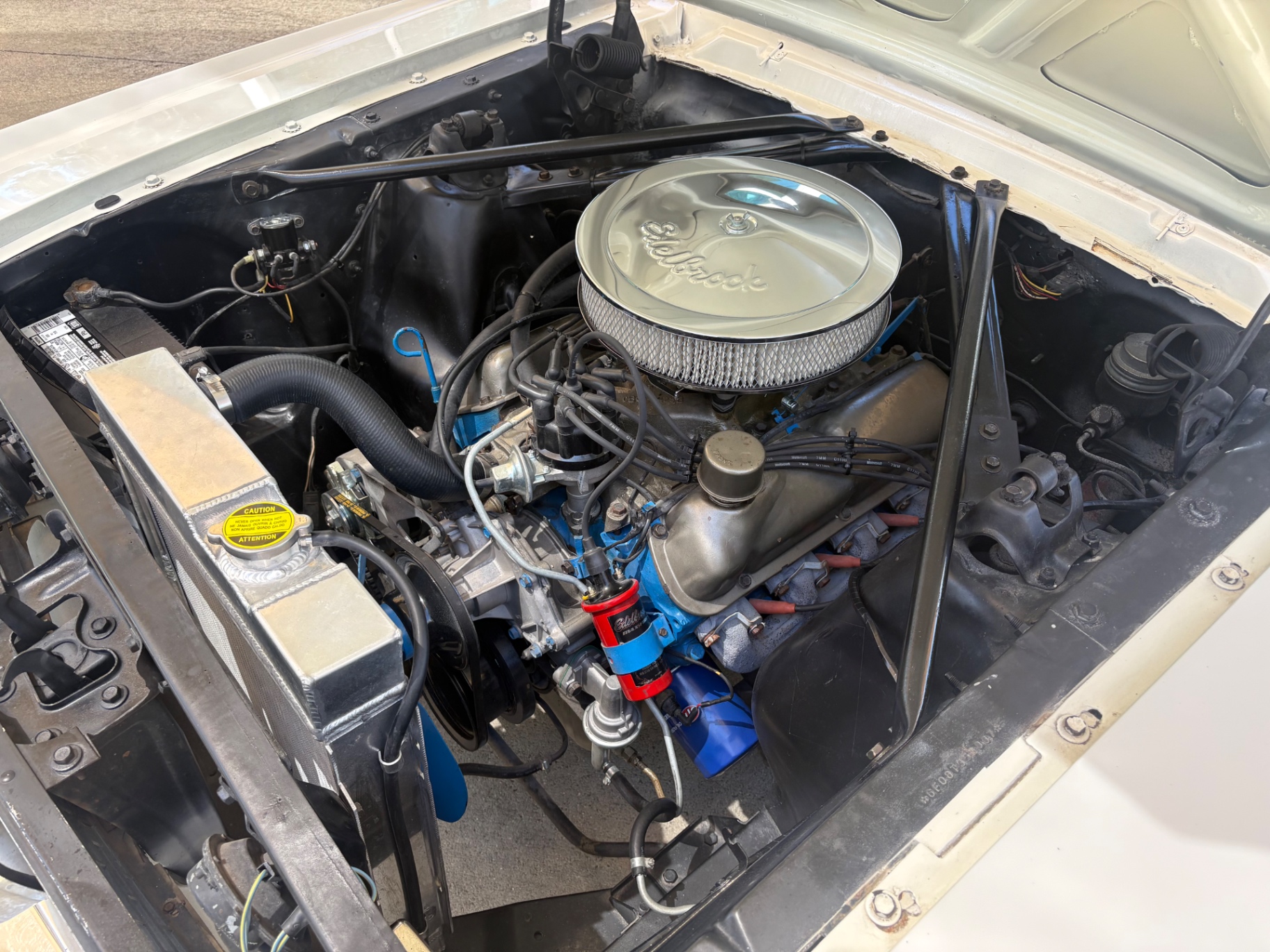
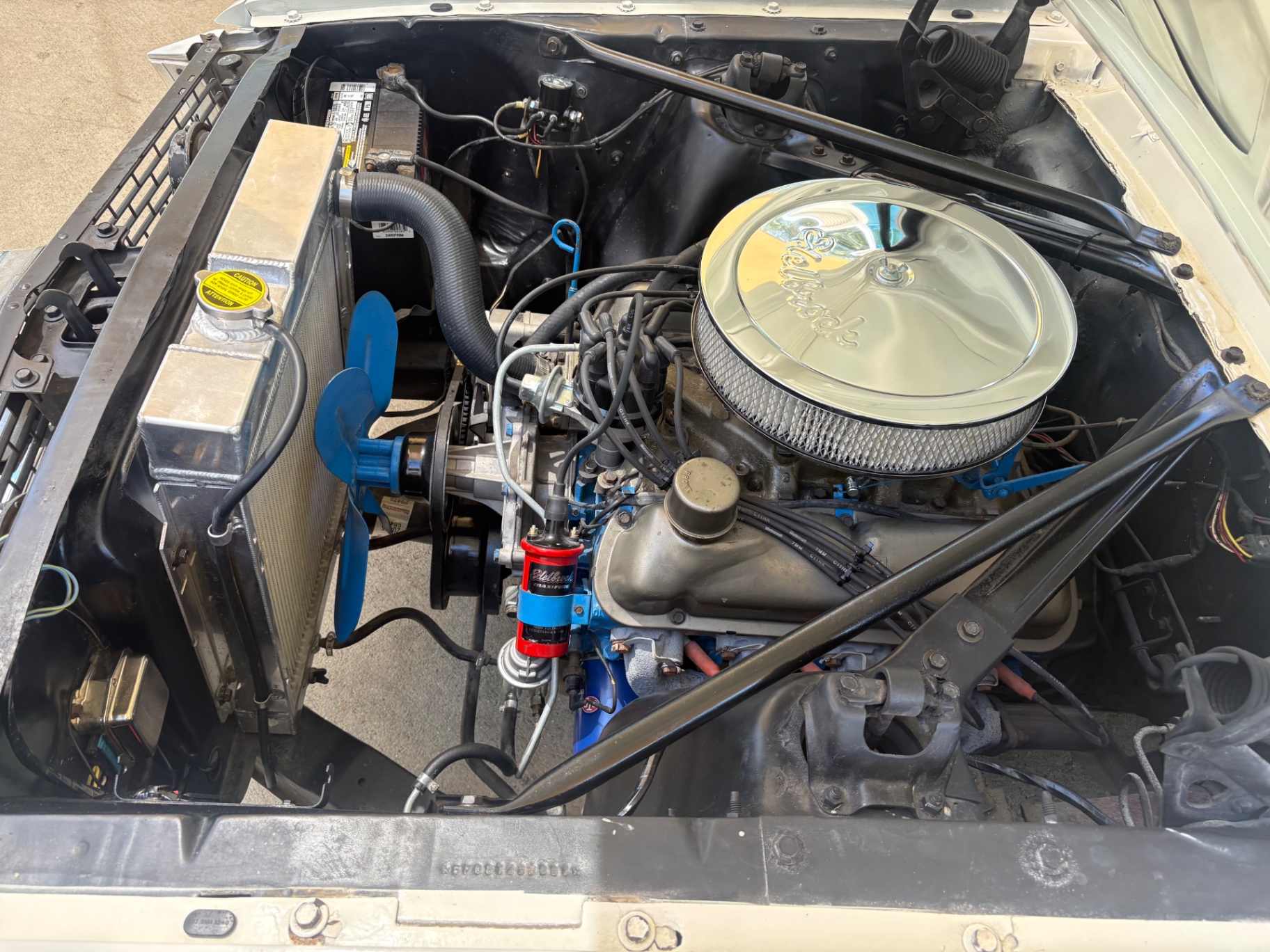
The 289 cubic inch V8 under the hood of this 1966 Ford Mustang convertible is a well-sorted unit wearing an Edelbrock air cleaner and an Edelbrock inline fuel filter — two widely respected aftermarket pieces that improve airflow and fuel delivery without altering the engine's fundamental character. The Edelbrock air cleaner in particular is a familiar sight on period small-blocks, and it fits the visual profile of this engine bay better than most alternatives.
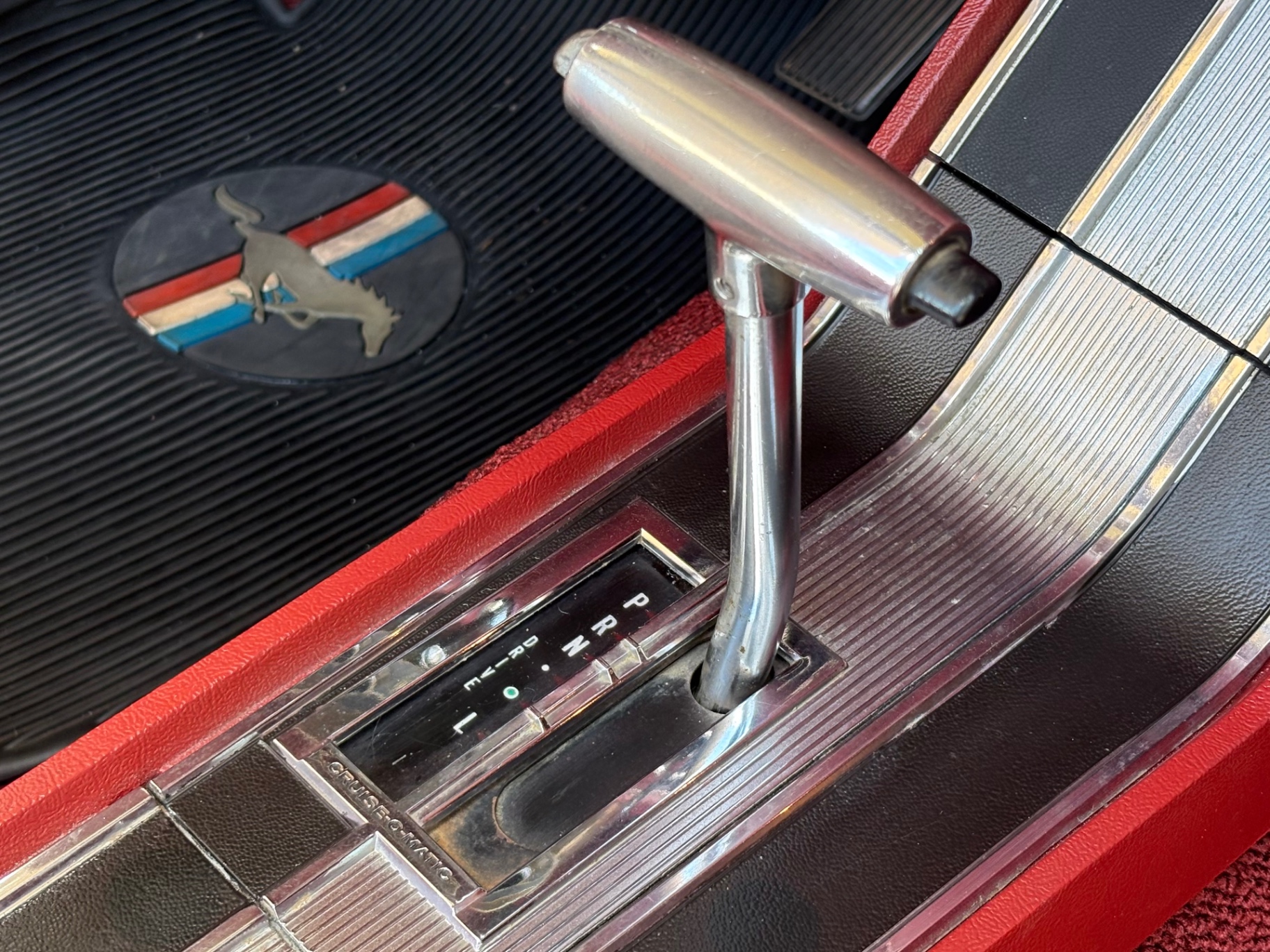
The transmission is Ford's Cruise-O-Matic three-speed automatic, operated through the center console-mounted shifter. Ford used the Cruise-O-Matic name across several of their automatic transmissions during the 1960s, and the unit fitted to the 289-equipped Mustang was a well-proven design that held up reliably in everyday use. Having the shifter mounted in the console rather than on the column was the correct setup for a bucket seat car like this one, and it gives the interior a purposeful, driver-oriented feel.
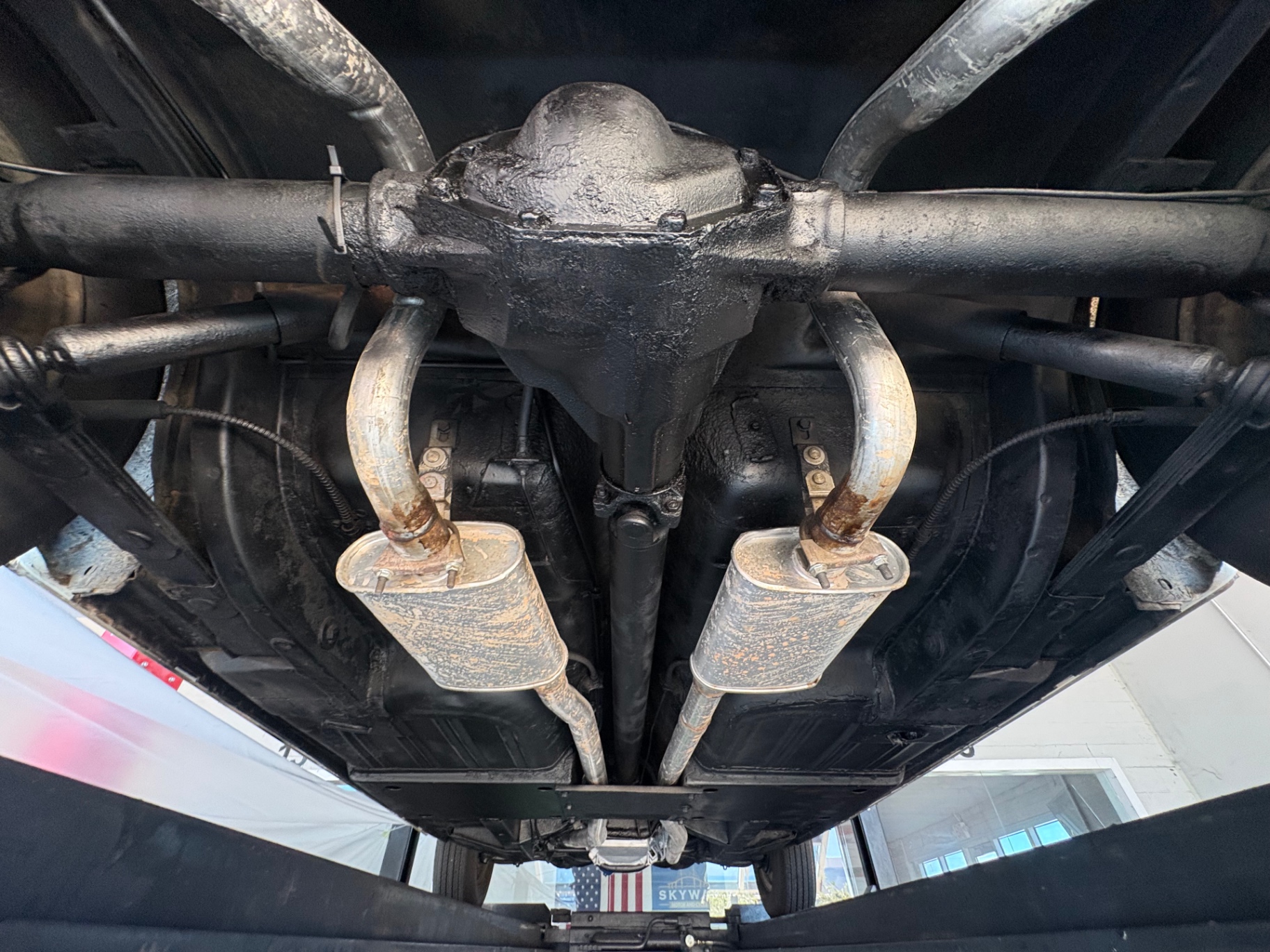
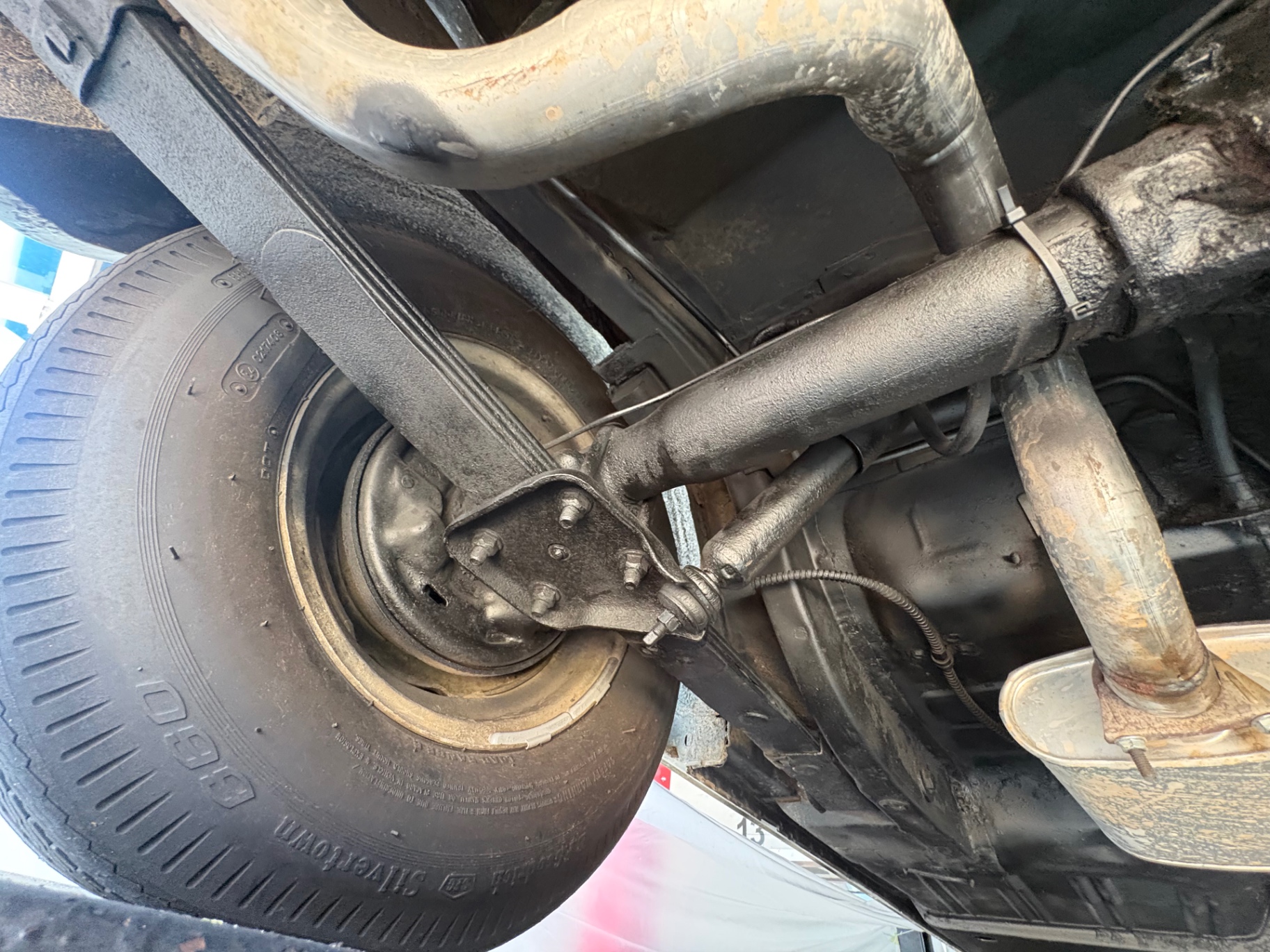
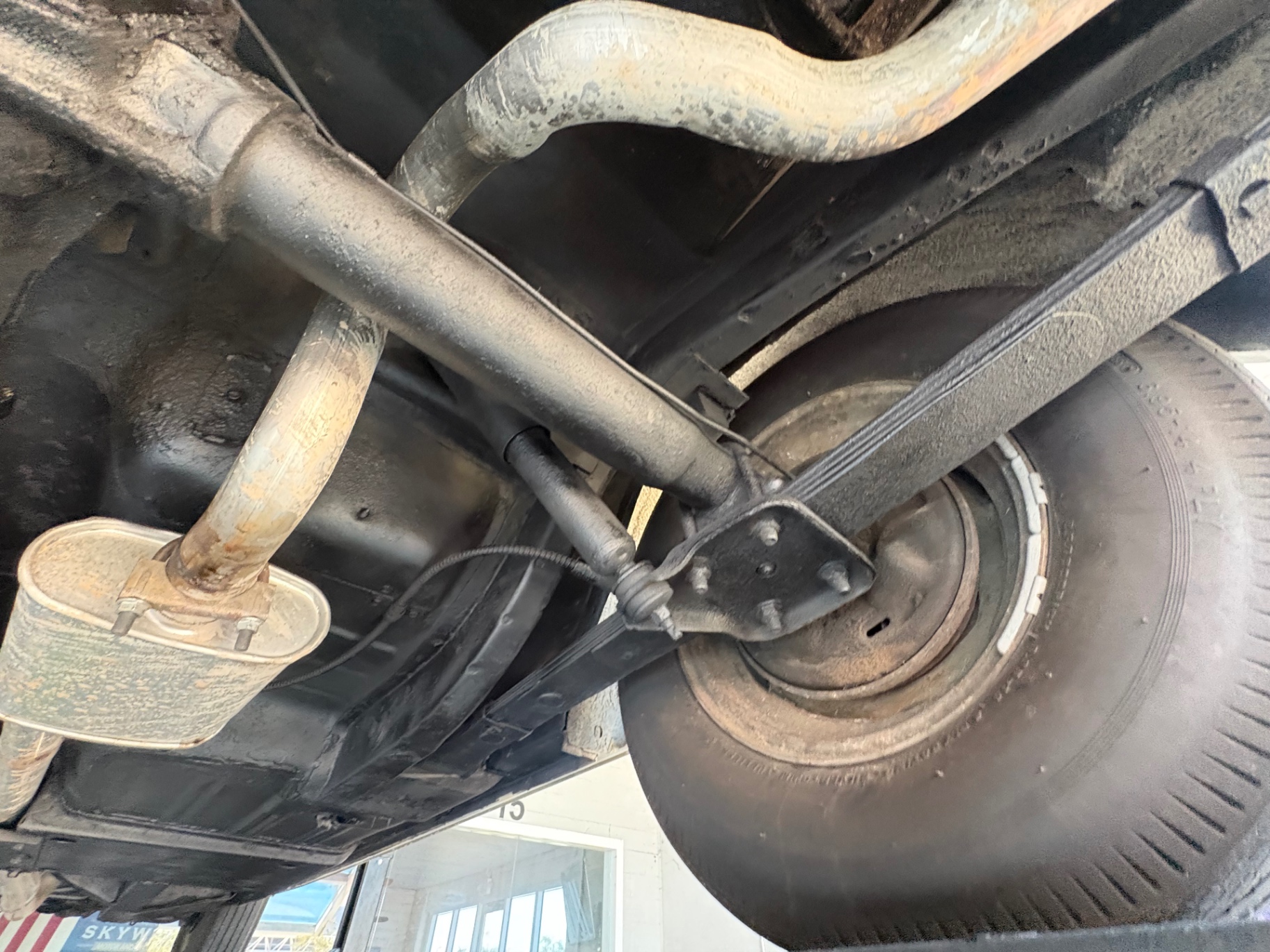
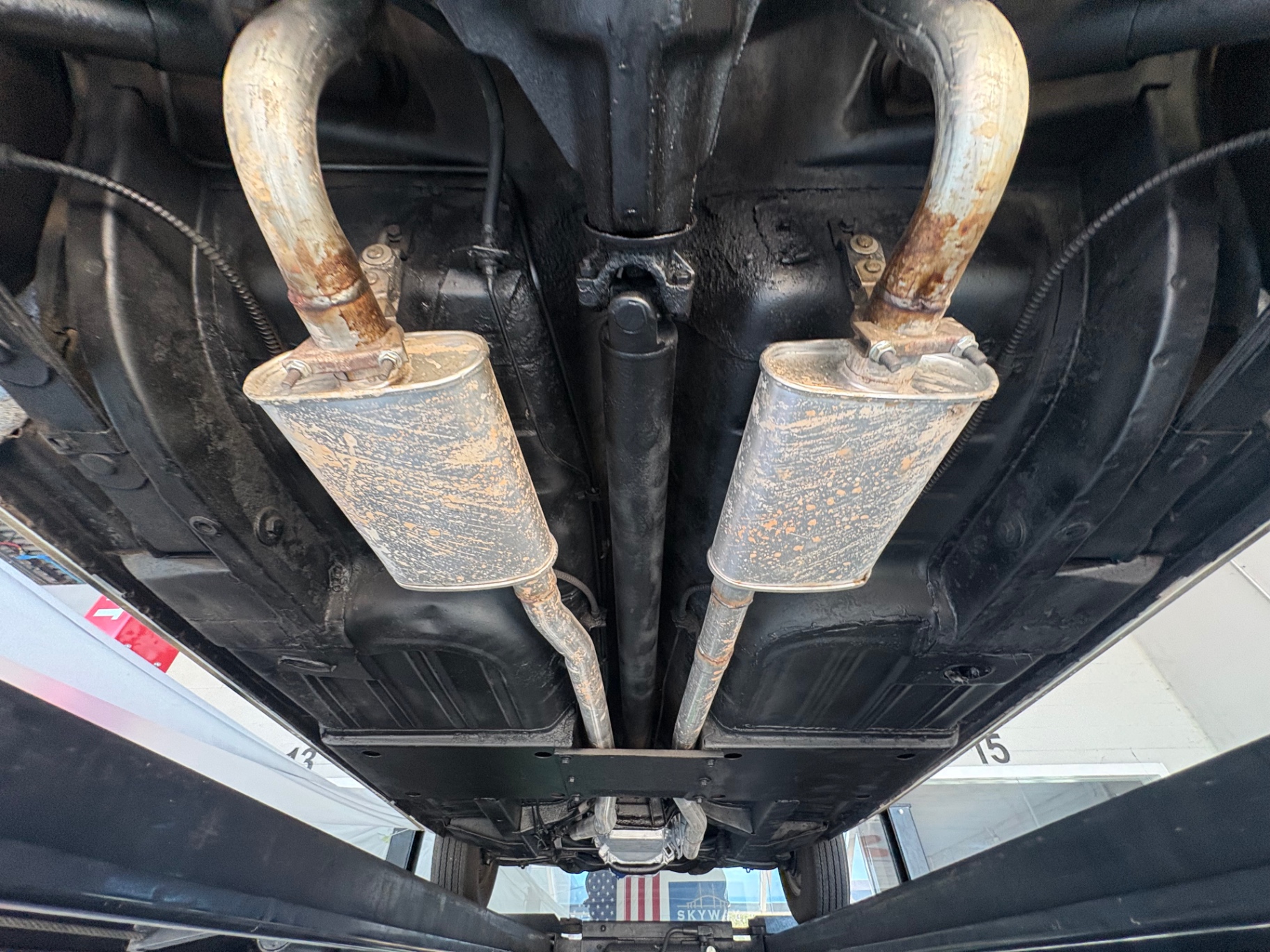
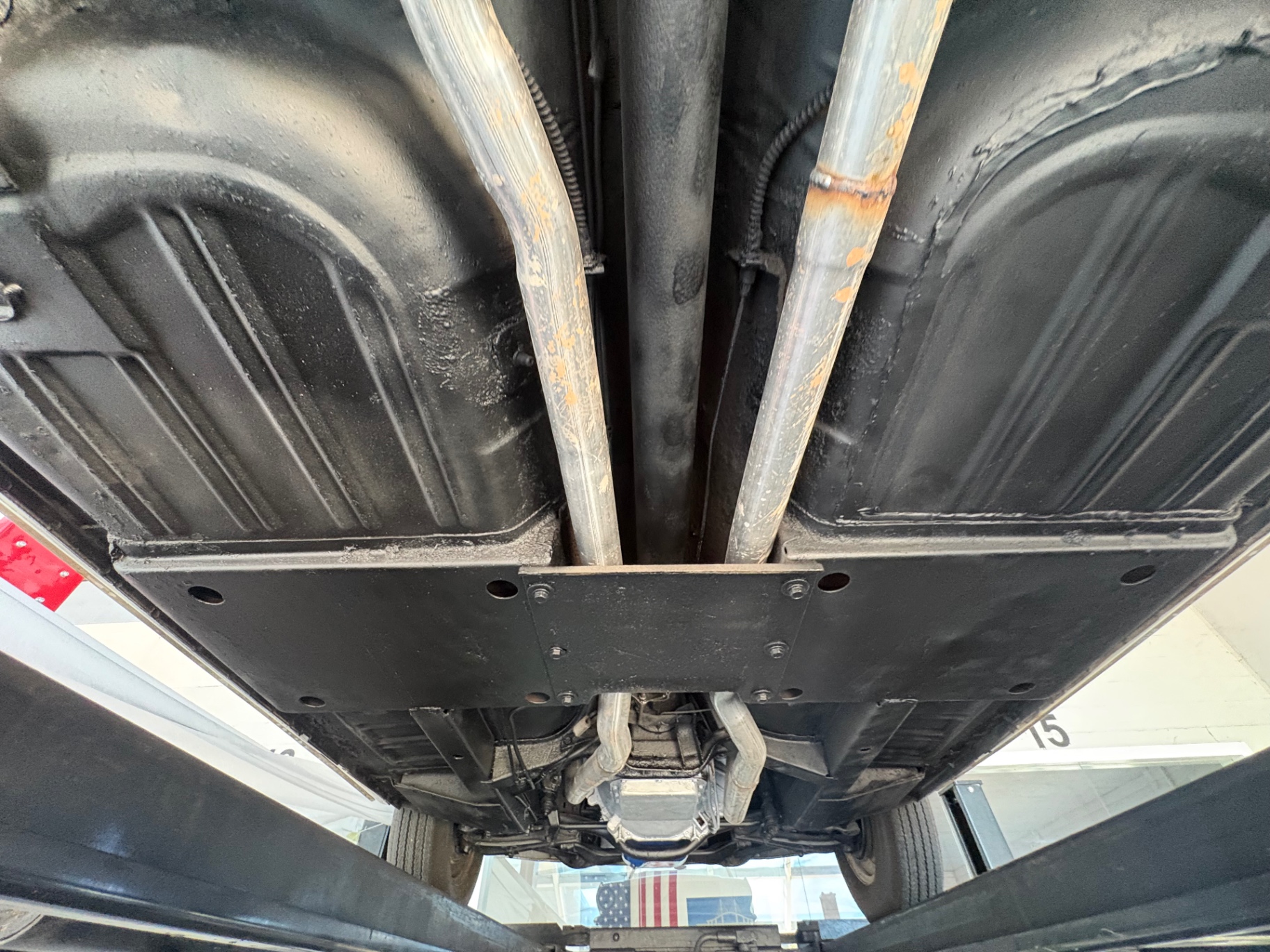
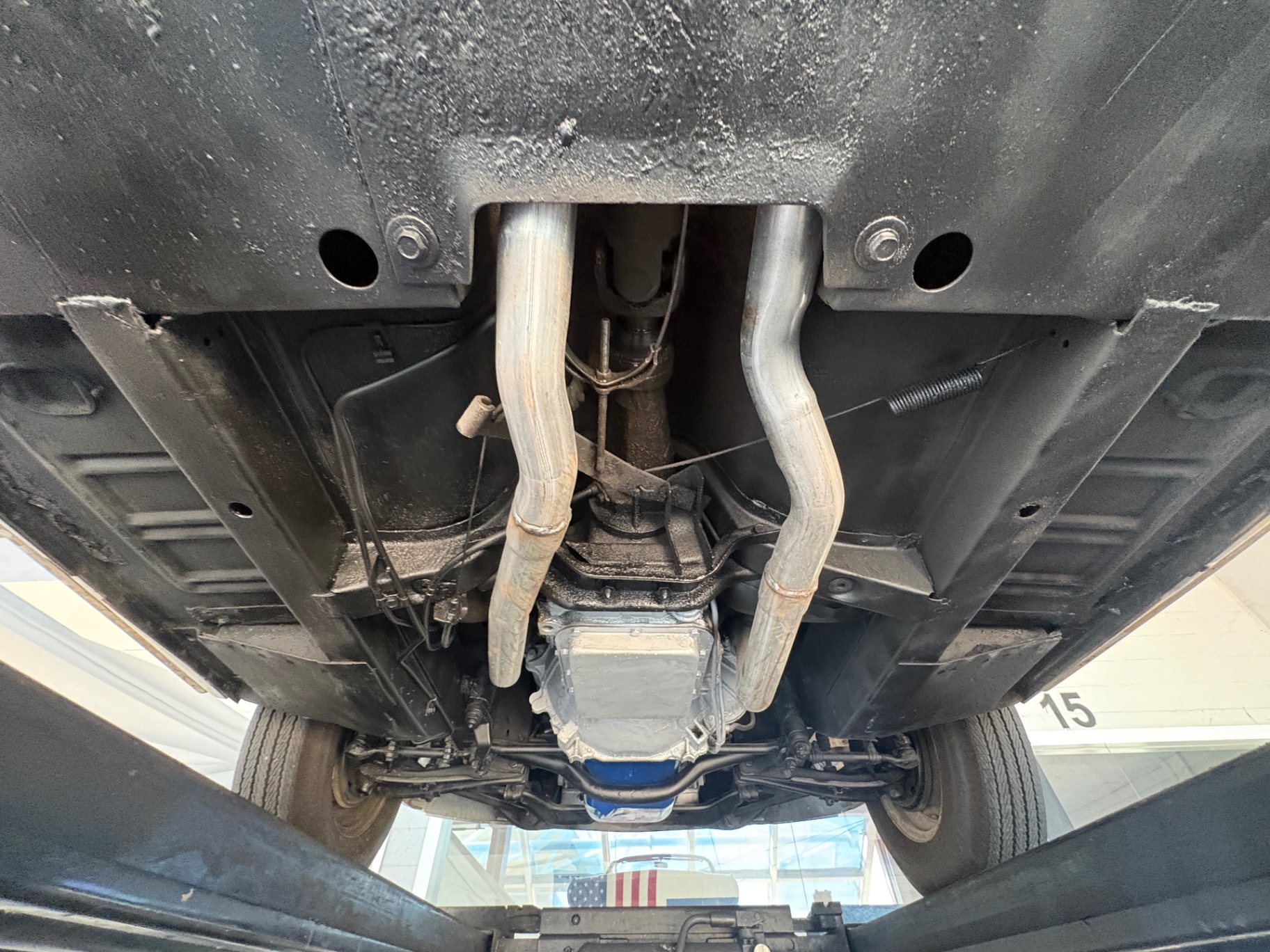
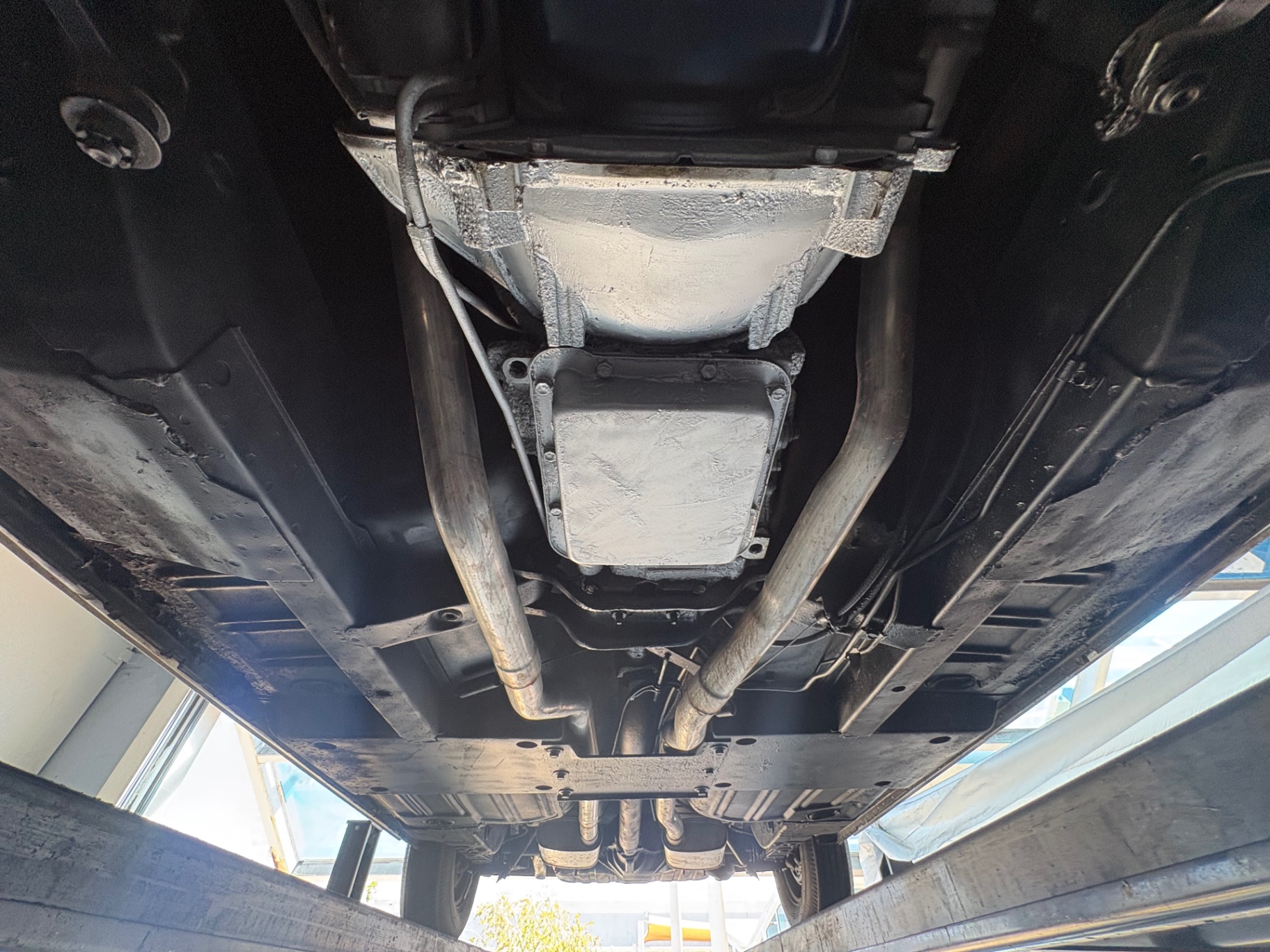
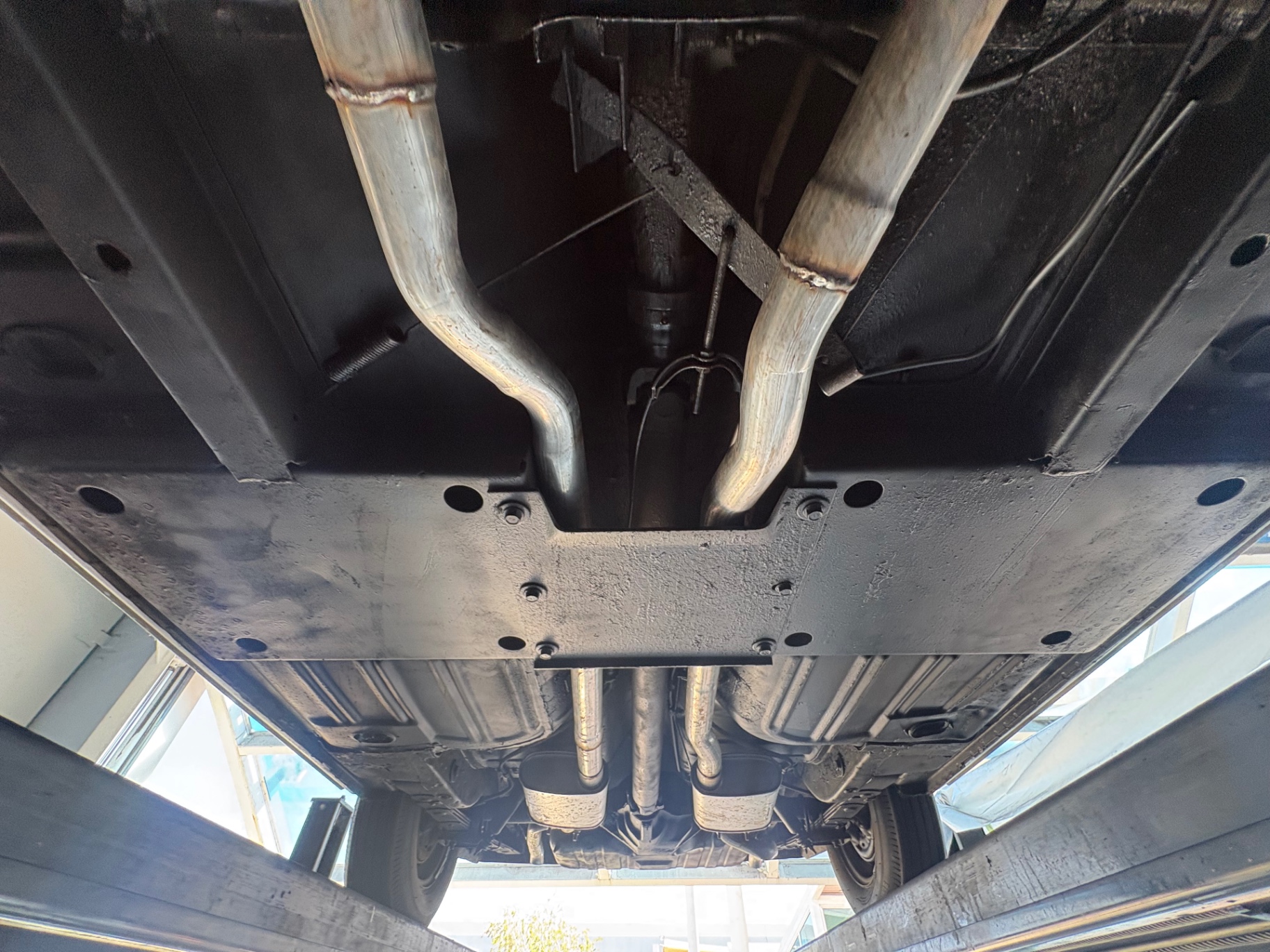
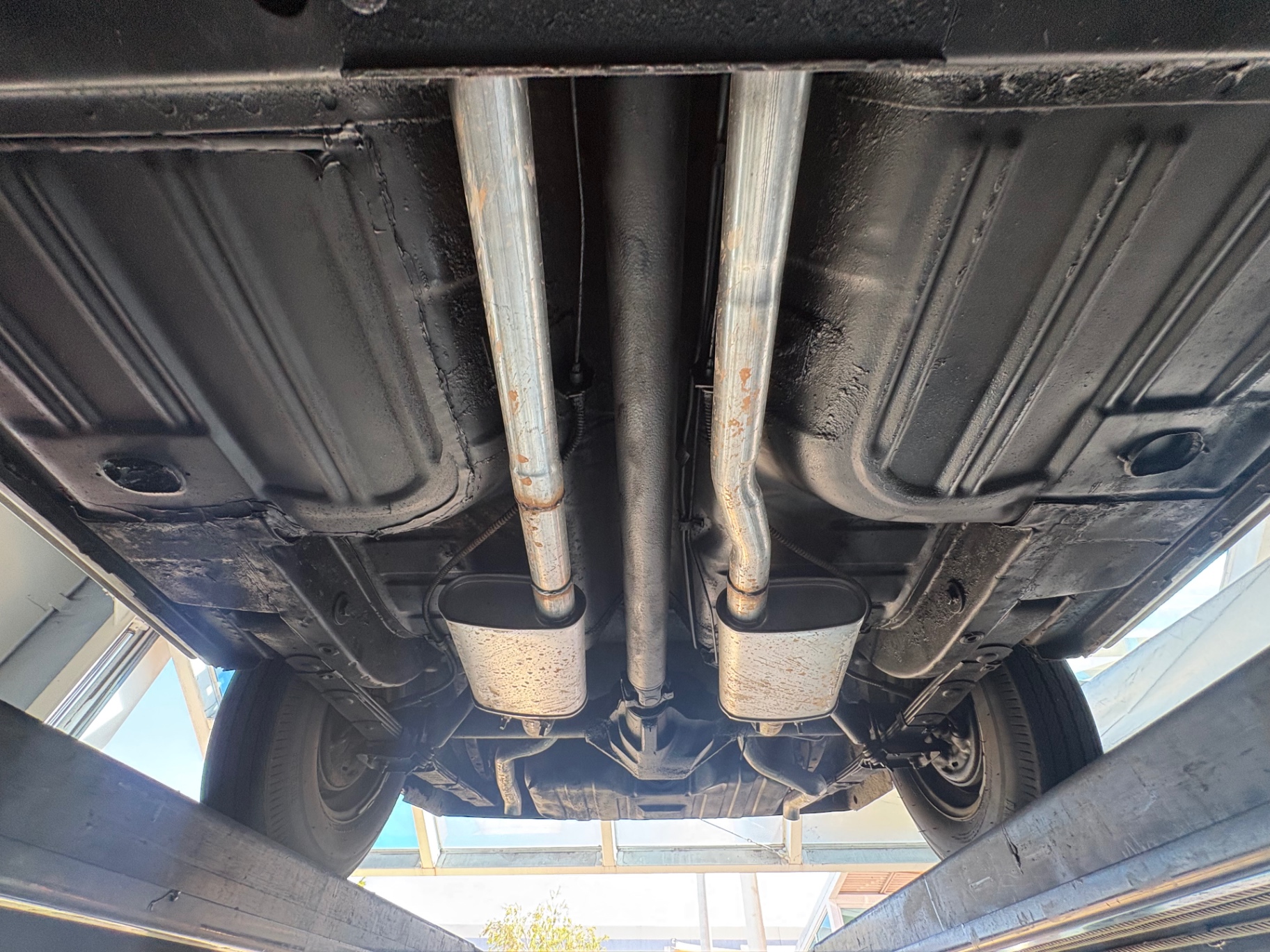
The exhaust exits through a dual system, which is appropriate for a V8 Mustang of this era and gives the car a noticeably more authoritative exhaust note than the single-outlet setup found on six-cylinder cars. Cooling is handled by an aluminum radiator, an upgrade over the original copper-brass unit that improves heat rejection — a meaningful improvement for a car that sees use in a warm climate. Braking is handled by drums at all four corners, which was standard equipment on the 1966 Mustang. Four-wheel drum brakes were the norm for this class of car in the mid-1960s, and properly maintained, they are adequate for the car's weight and intended use.
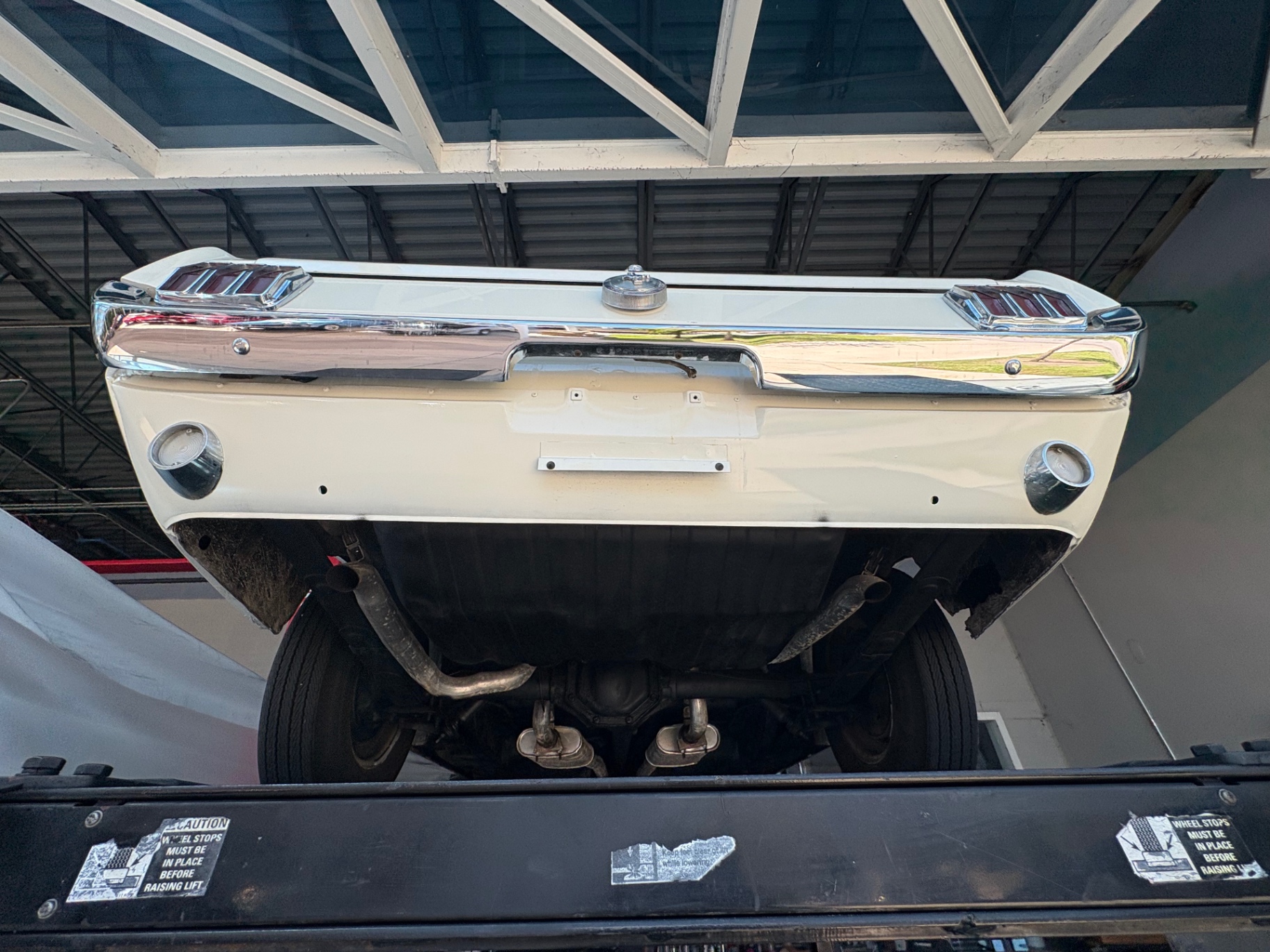
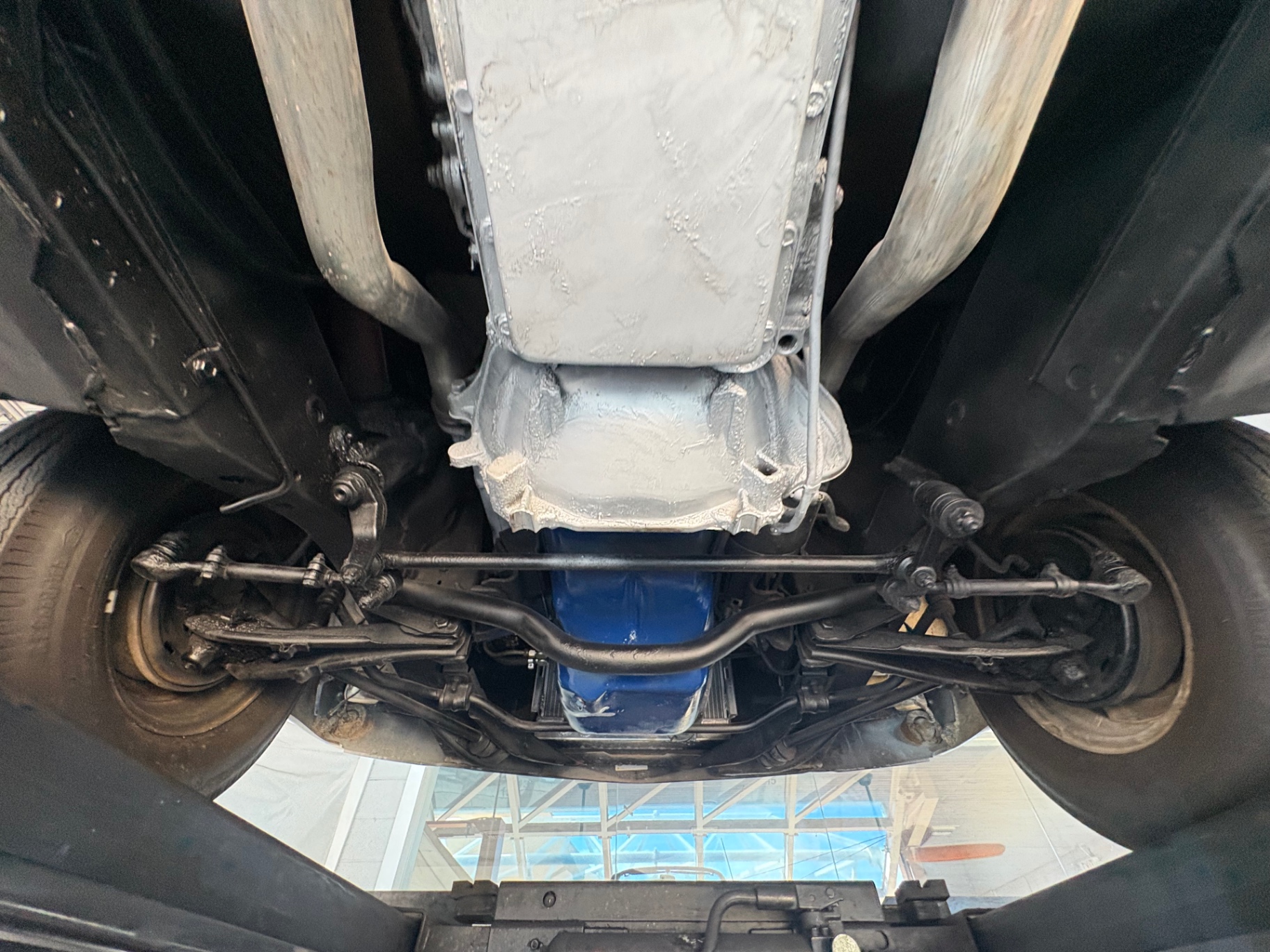
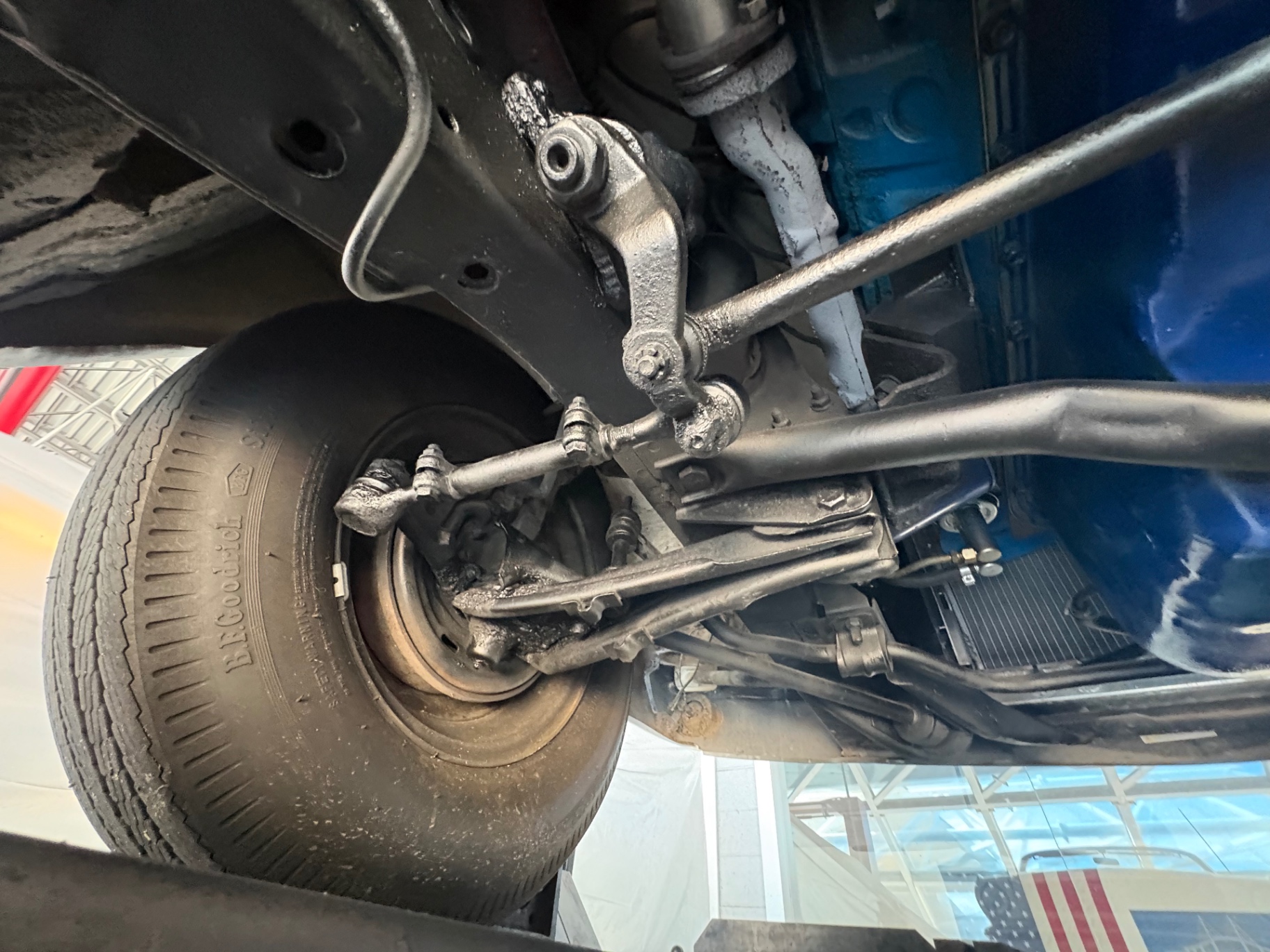
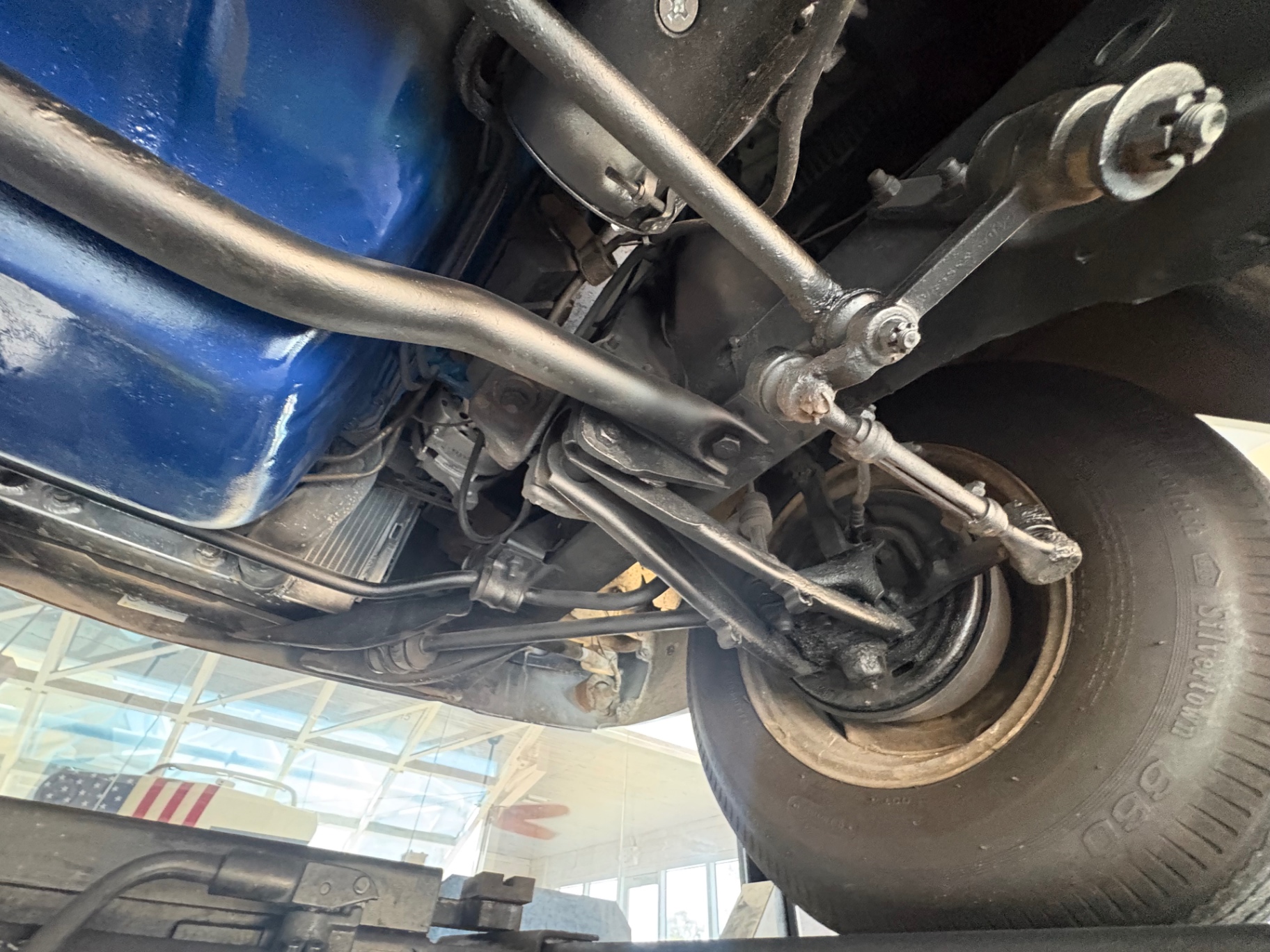
The underside of this 1966 Ford Mustang convertible shows coated floor pans with the undercoating applied, and the undercarriage photographs cleanly without signs of significant corrosion or prior accident repair.
Interior
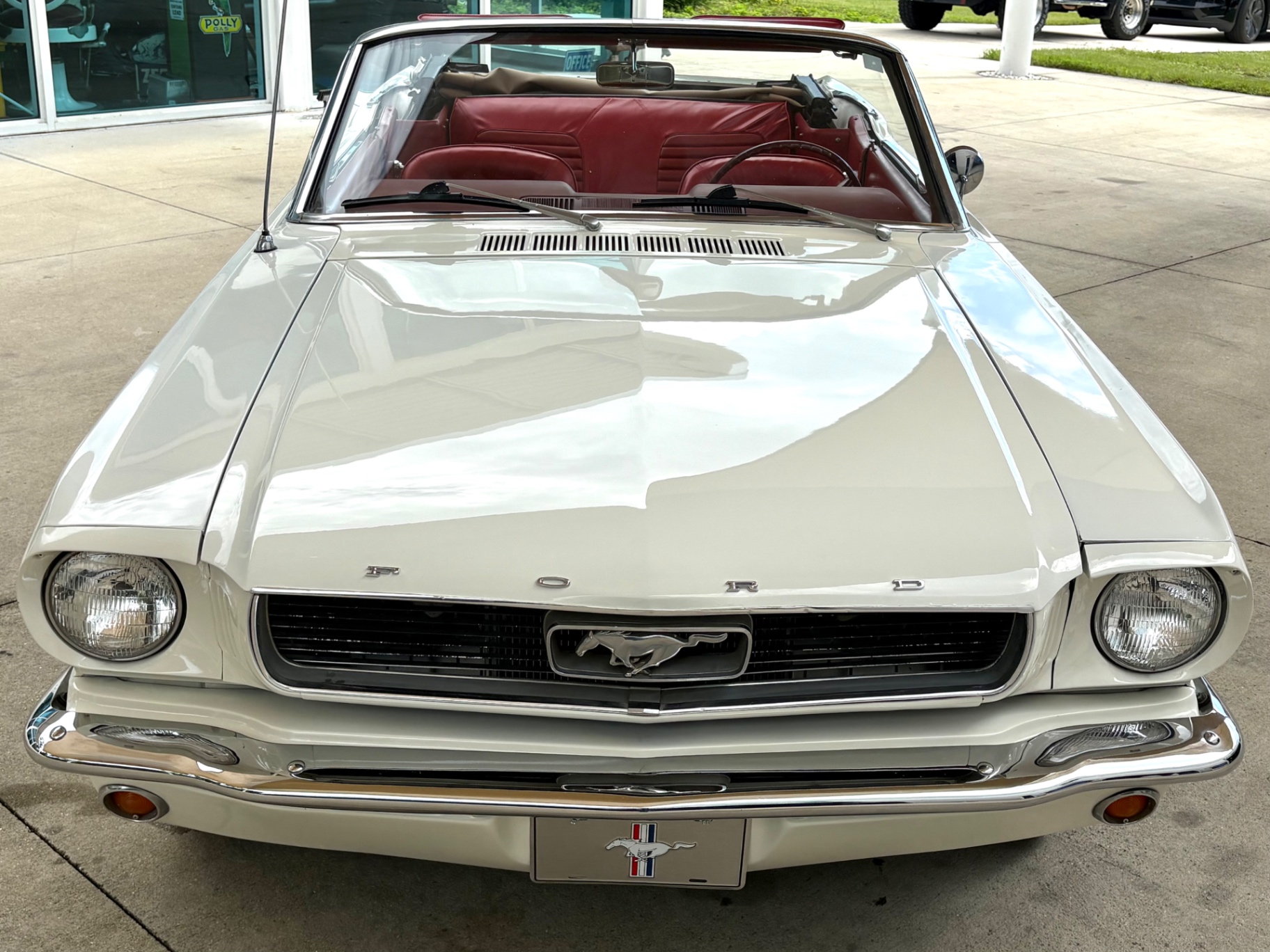
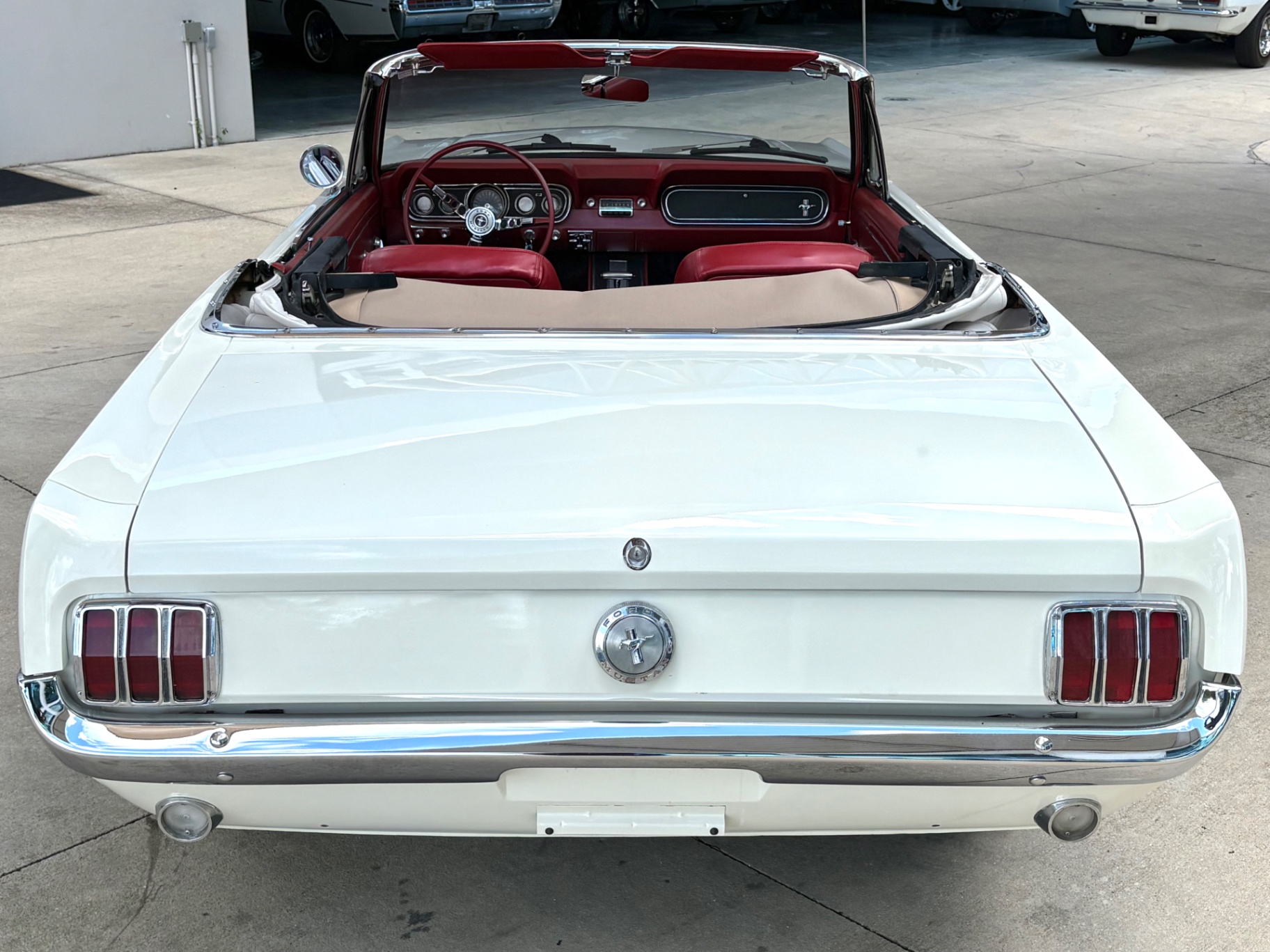
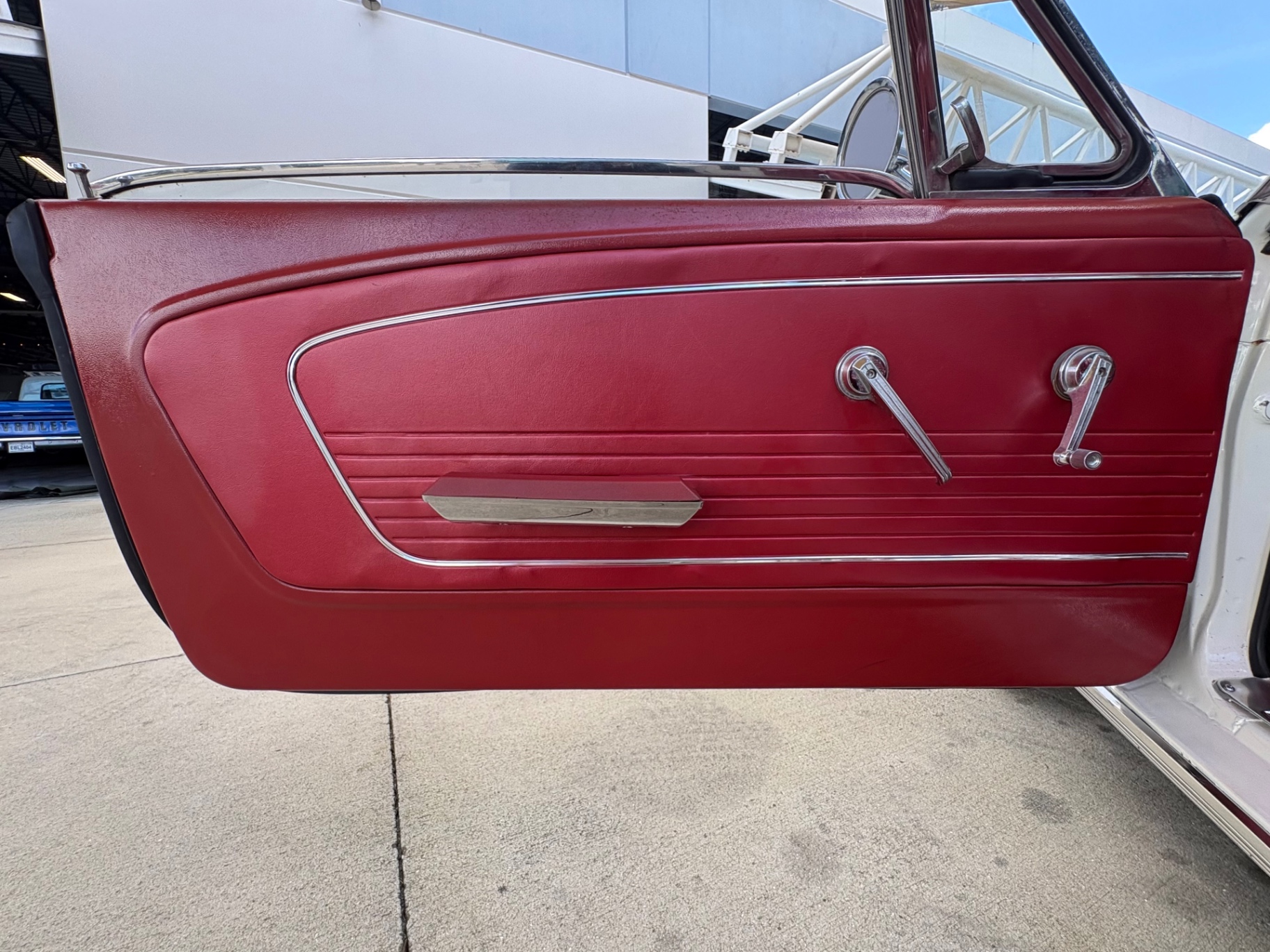
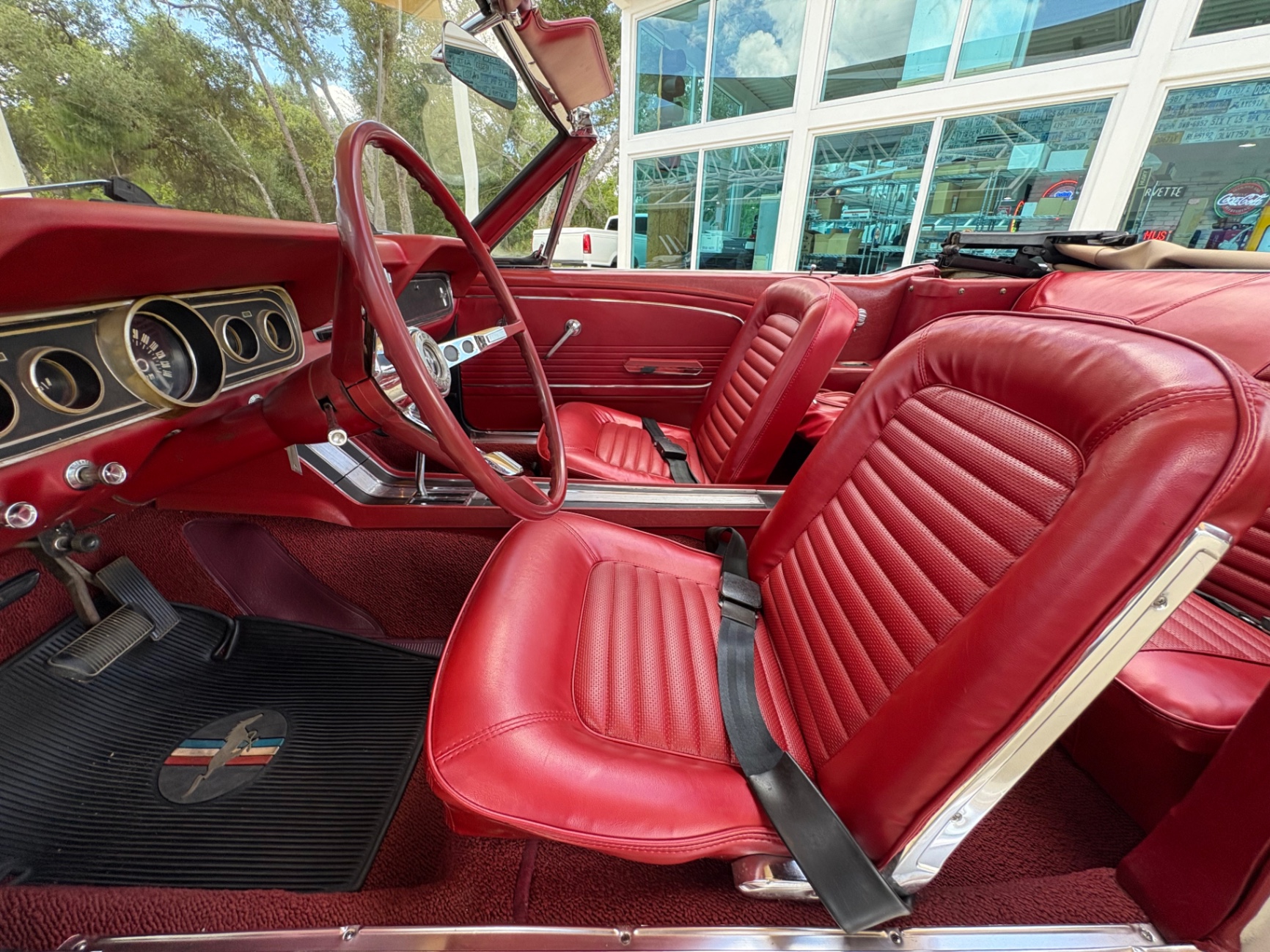
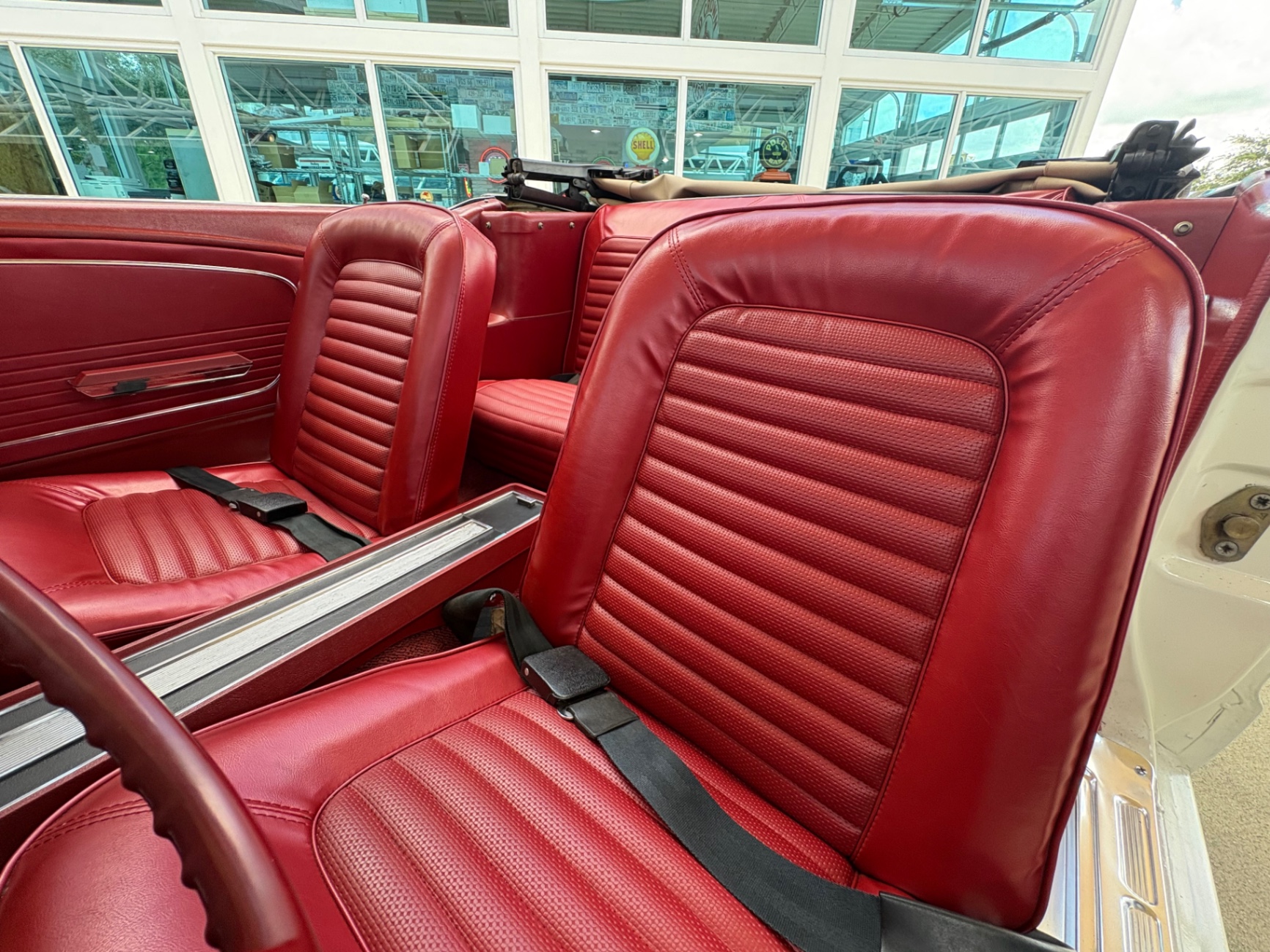
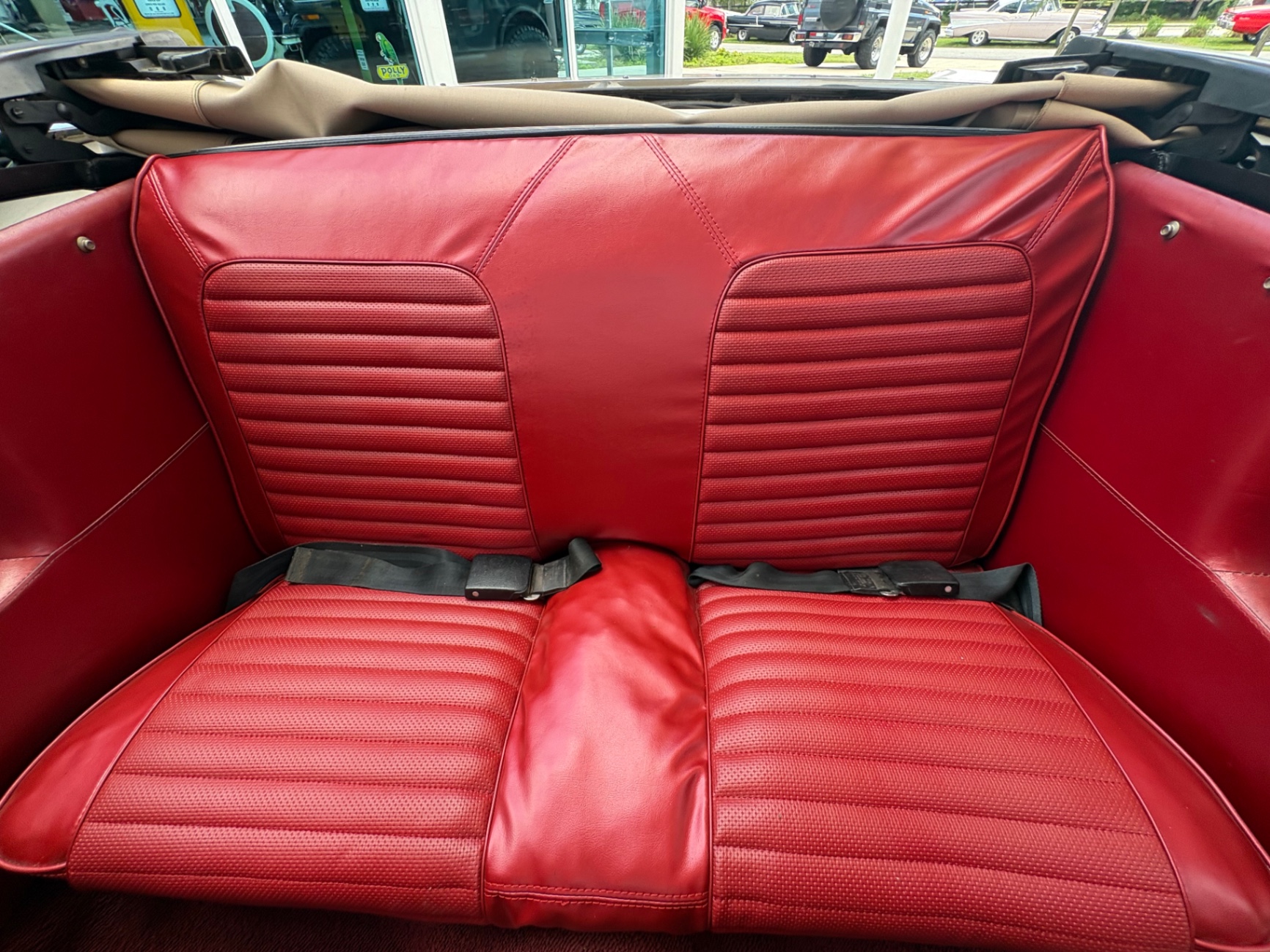
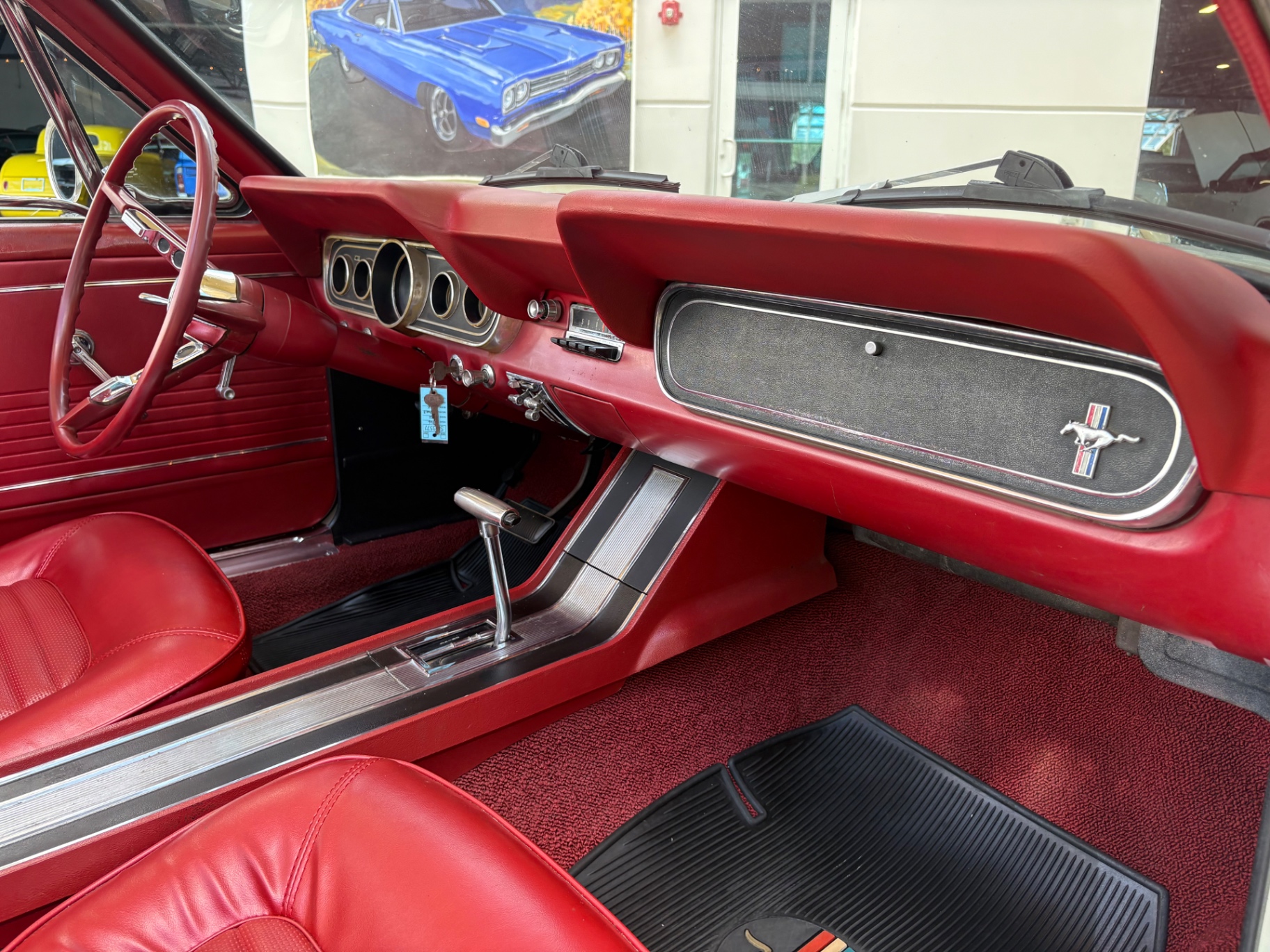
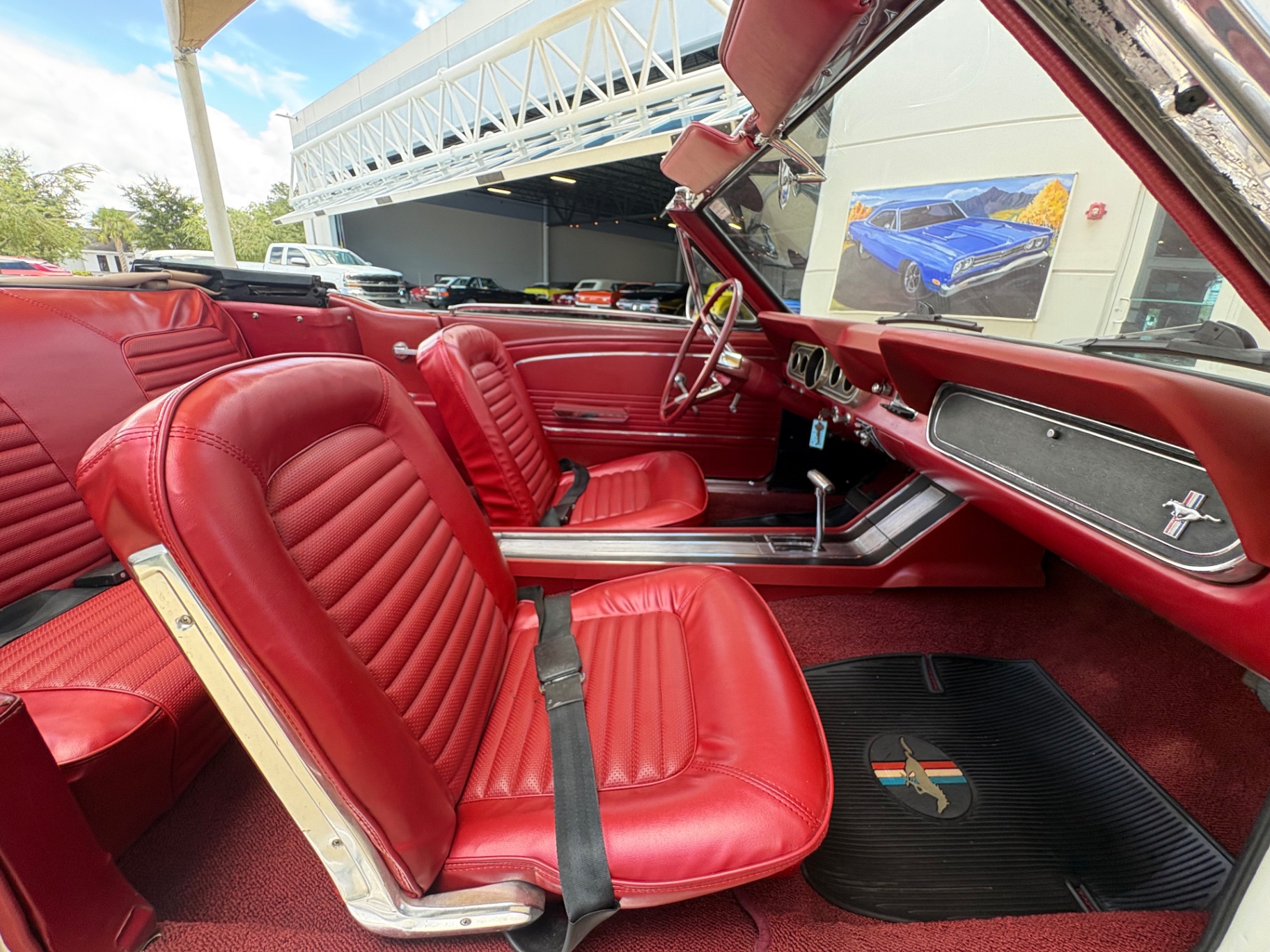
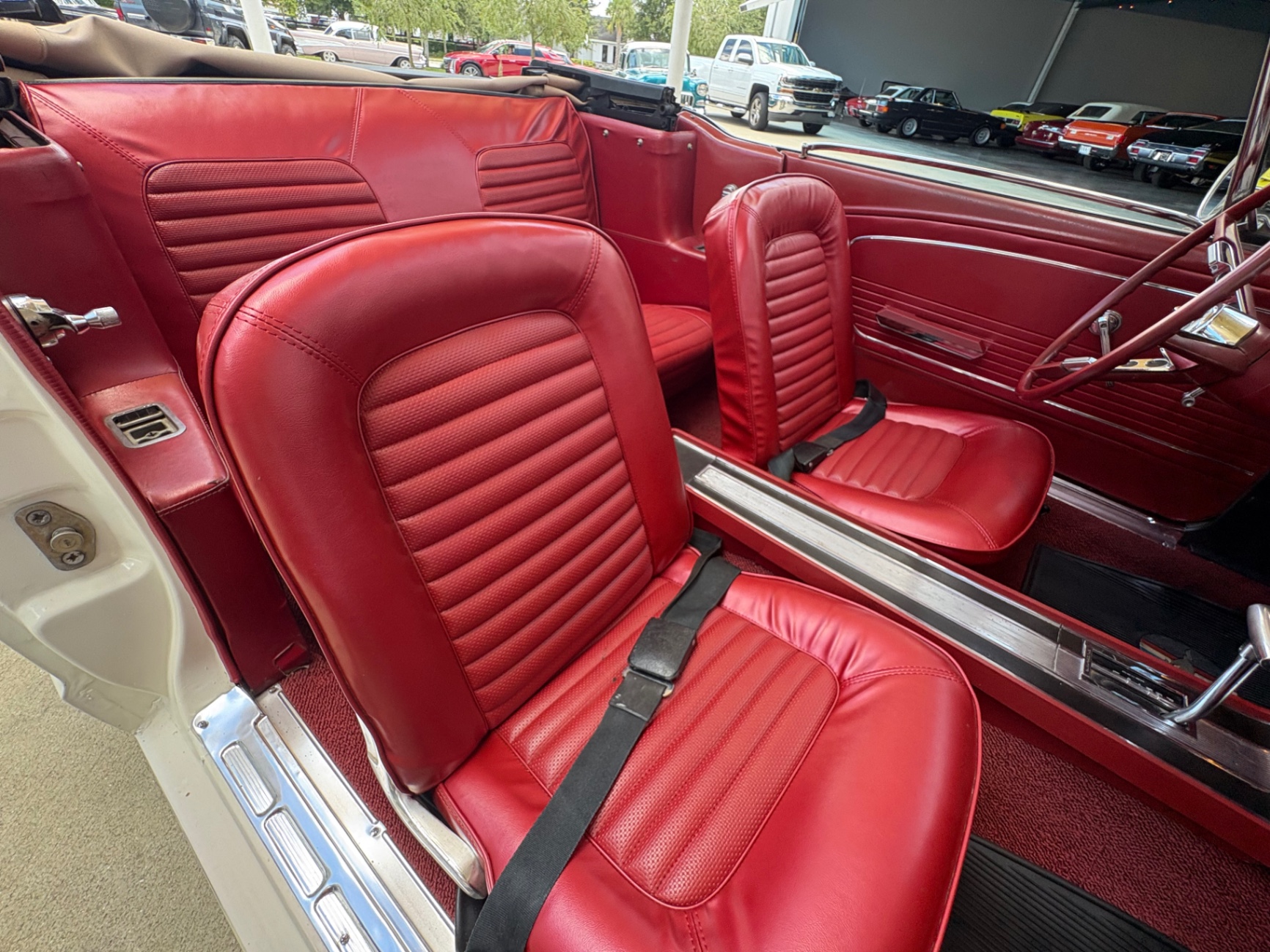
The red vinyl interior of this 1966 Ford Mustang convertible is exactly what the car was meant to wear. Ford offered the red interior as a factory option across several exterior colors, and against Wimbledon White it creates a contrast that defined the look of the era. The front bucket seats and rear seat are upholstered in matching red vinyl, and the condition shown in the photographs is consistent and well-presented throughout.
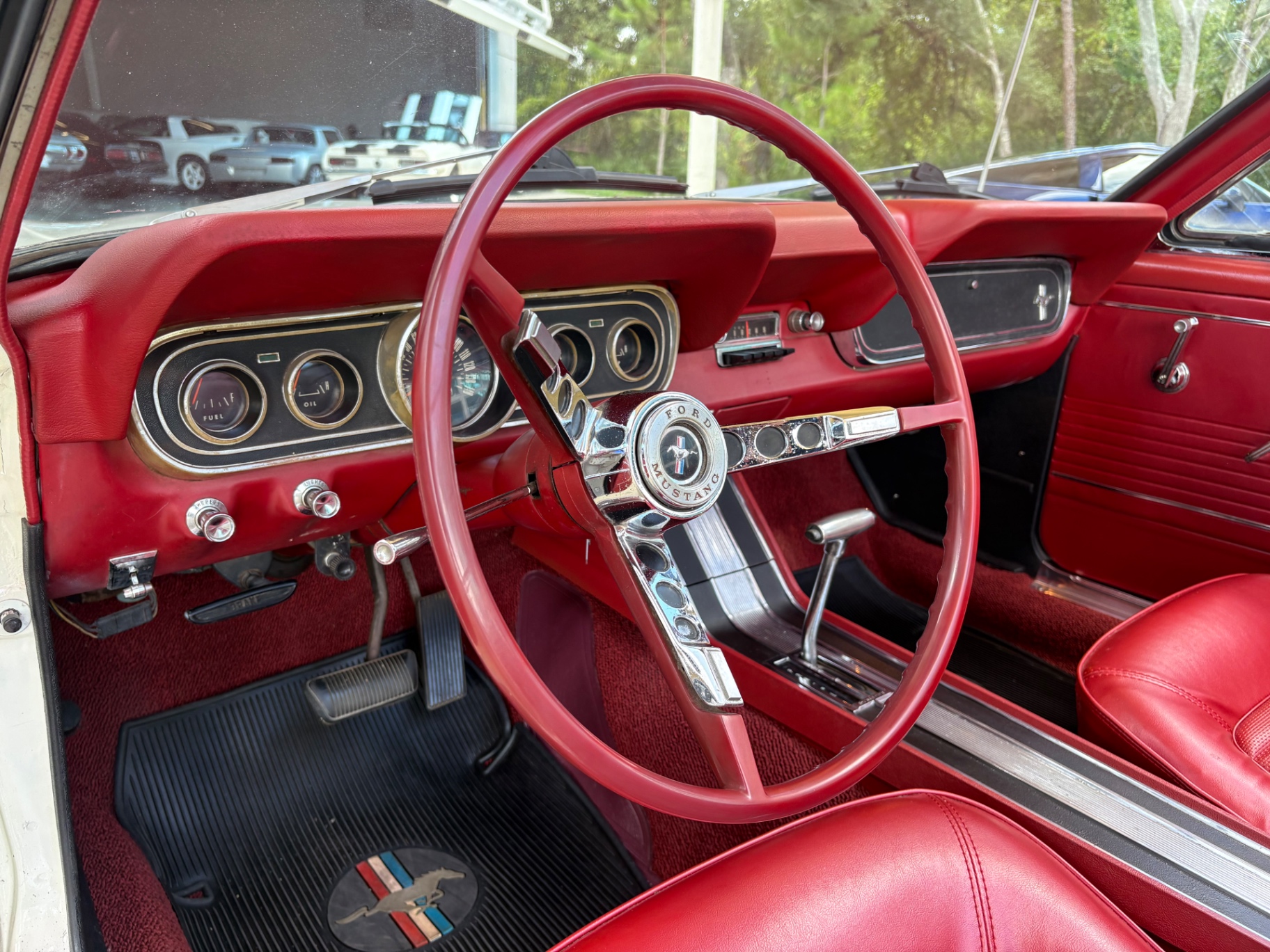
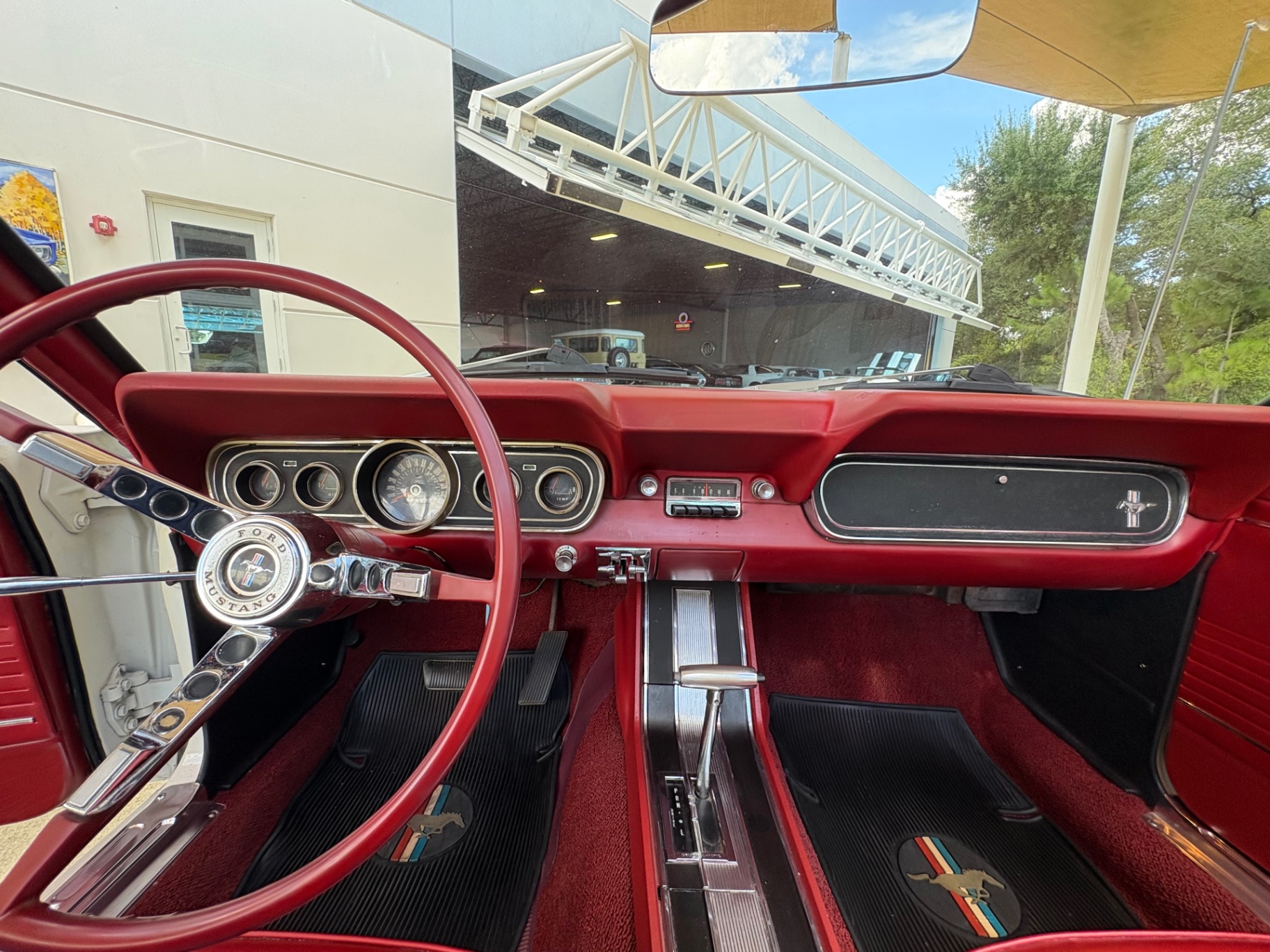
The center console runs the length of the cabin between the buckets and houses the Cruise-O-Matic shifter with its period-correct indicator window marked with the familiar P-R-N-D-2-1 positions. The console itself is a correct piece for this application and ties the interior together visually.
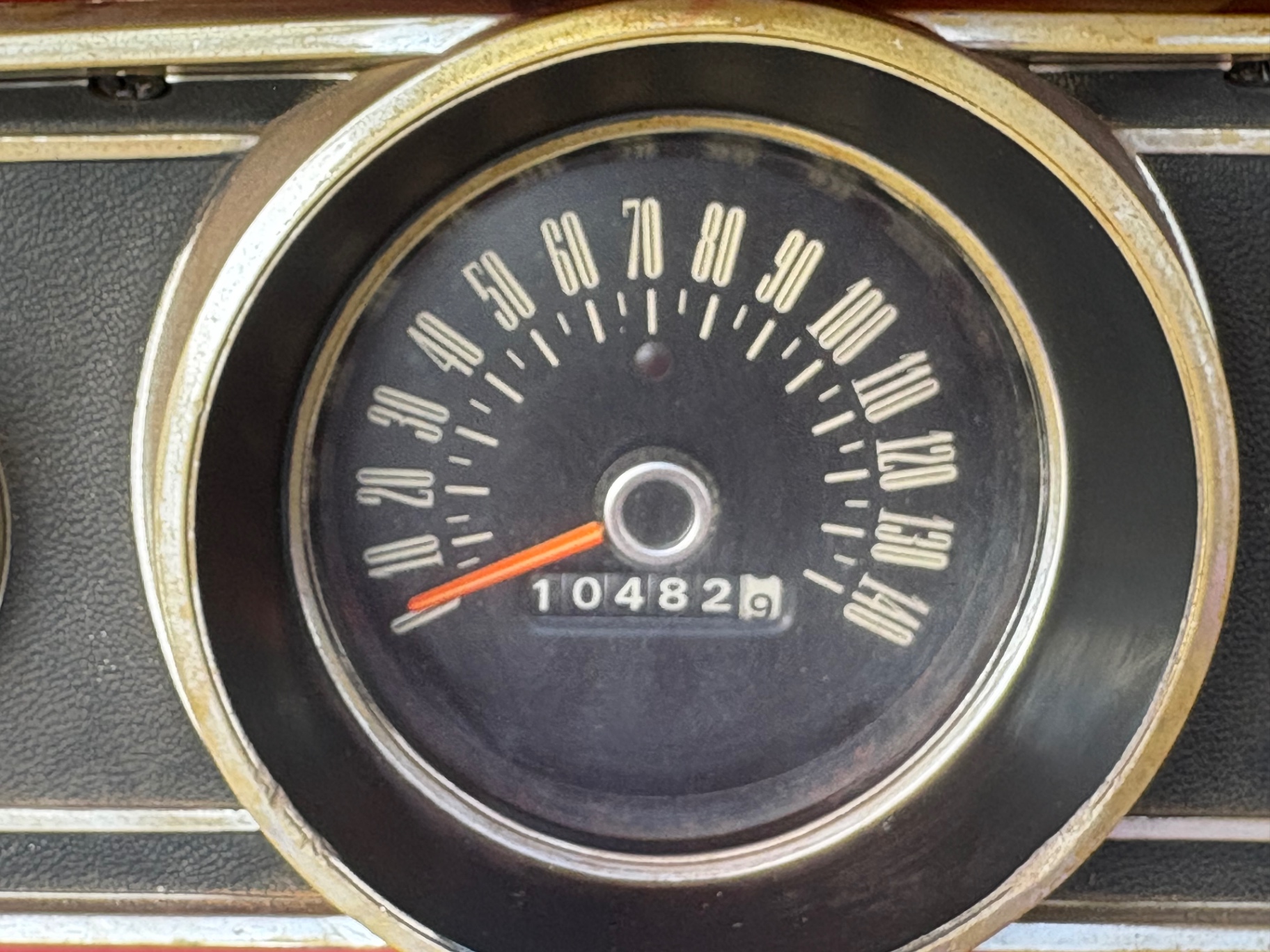
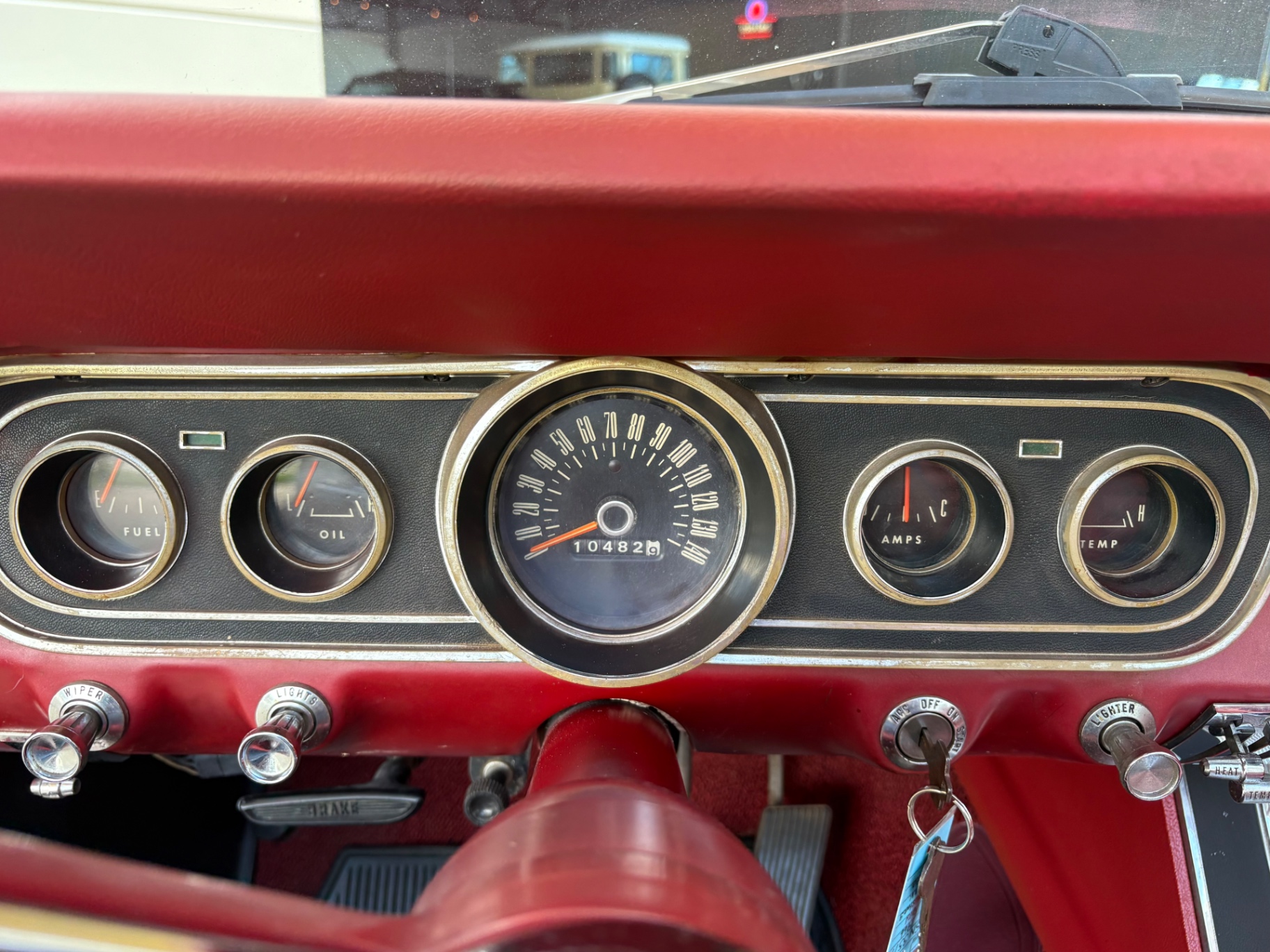
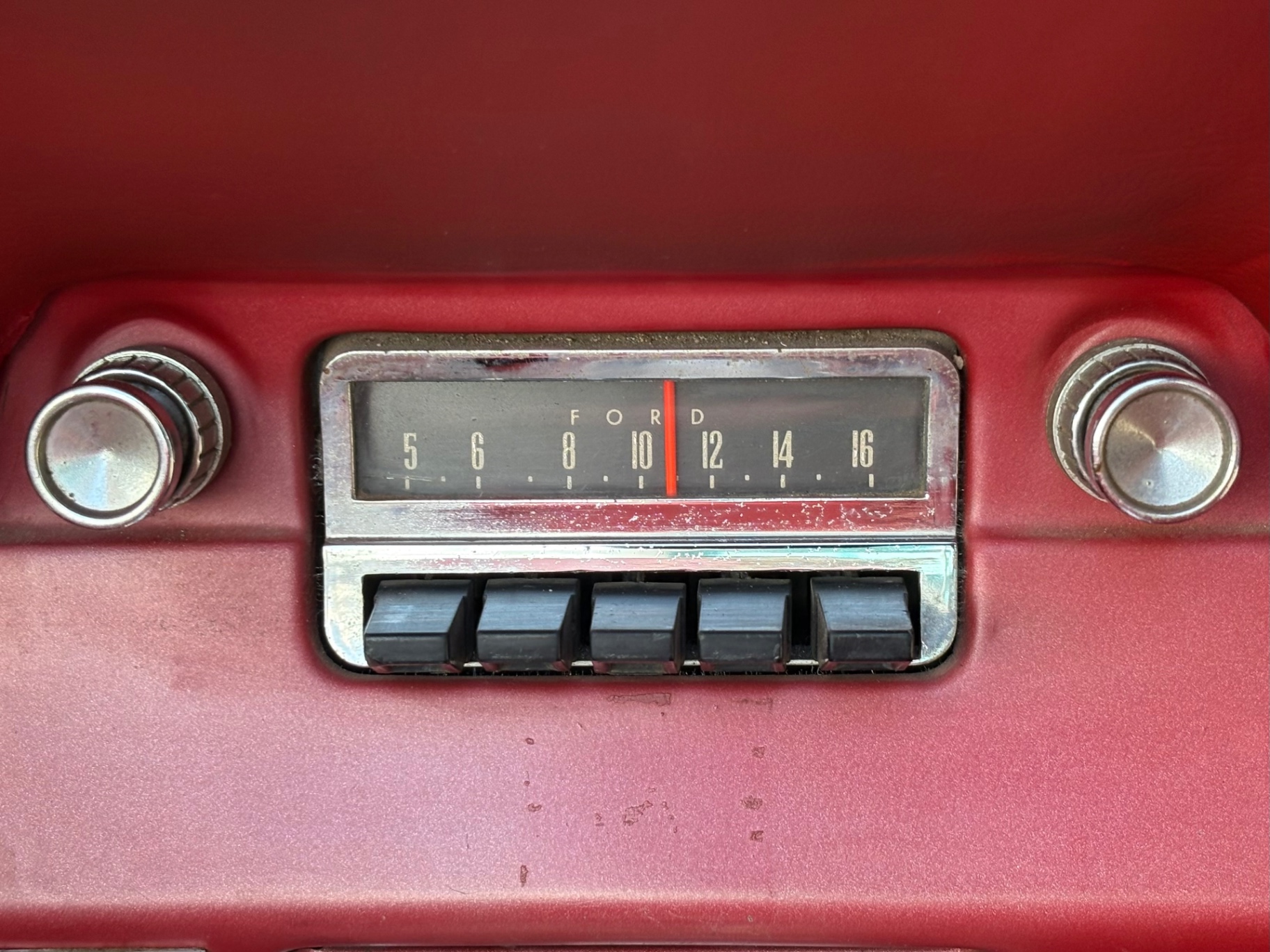
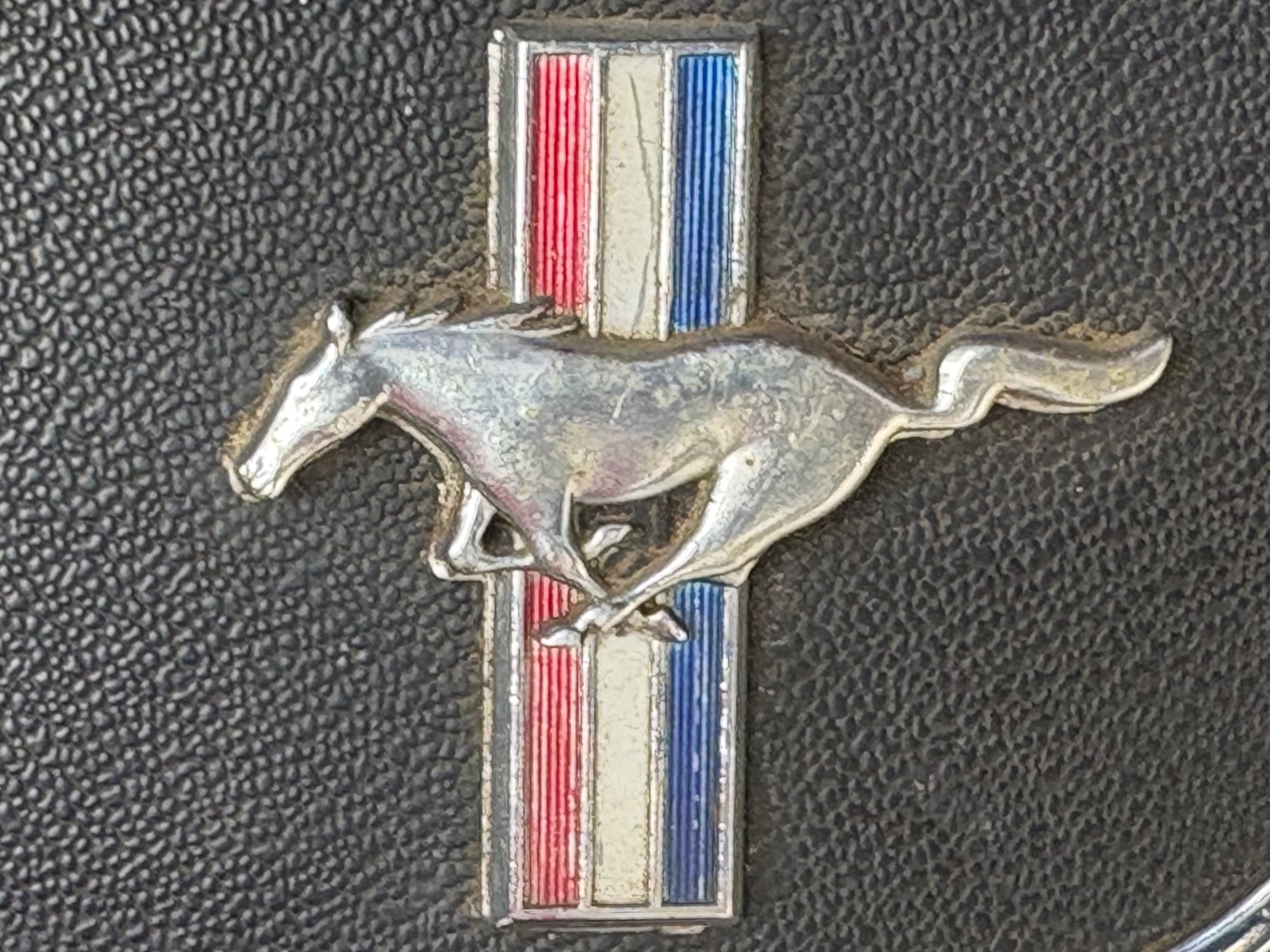
The 5-gauge instrument cluster is one of the defining features of the 1966 Mustang interior. Mounted in the rally-style pod ahead of the driver, the cluster includes a speedometer at center flanked by fuel, oil pressure, ammeter, and temperature gauges — all set in black-faced dials with gold trim rings. This was a significant upgrade over the warning-light-only dash found in base Mustangs, and it gives the driver actual information rather than just a warning when something has already gone wrong. The factory AM radio sits in the dash, and a period-correct exterior antenna is fitted to receive signal. The steering wheel is the correct red-matched unit with the Ford Mustang tri-bar center badge.
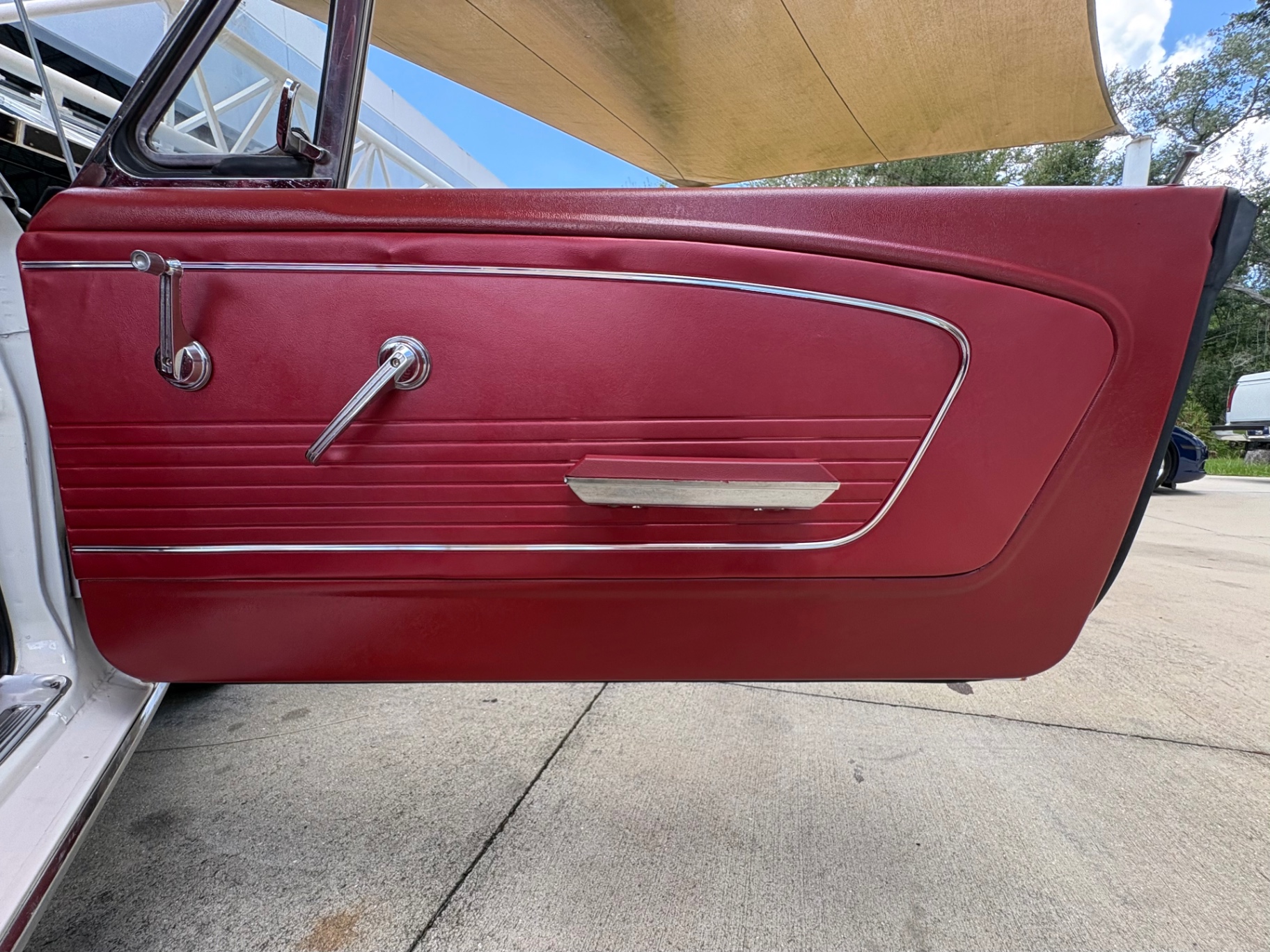
Pony floor mats are present on both the driver and passenger sides, the correct factory accessory mat for this car. Front and rear seat belts are installed and present. The door panels are red vinyl with chrome accents and ribbed lower sections — correct and intact on both sides.
Exterior
Wimbledon White is one of the cleanest exterior choices available on the 1966 Ford Mustang, and this car wears it well. The color is a bright, neutral white without the blue or yellow cast that distinguishes other white shades of the era, and it works with the chrome trim and red interior to produce a finished result that reads as exactly correct for a 1966 convertible.
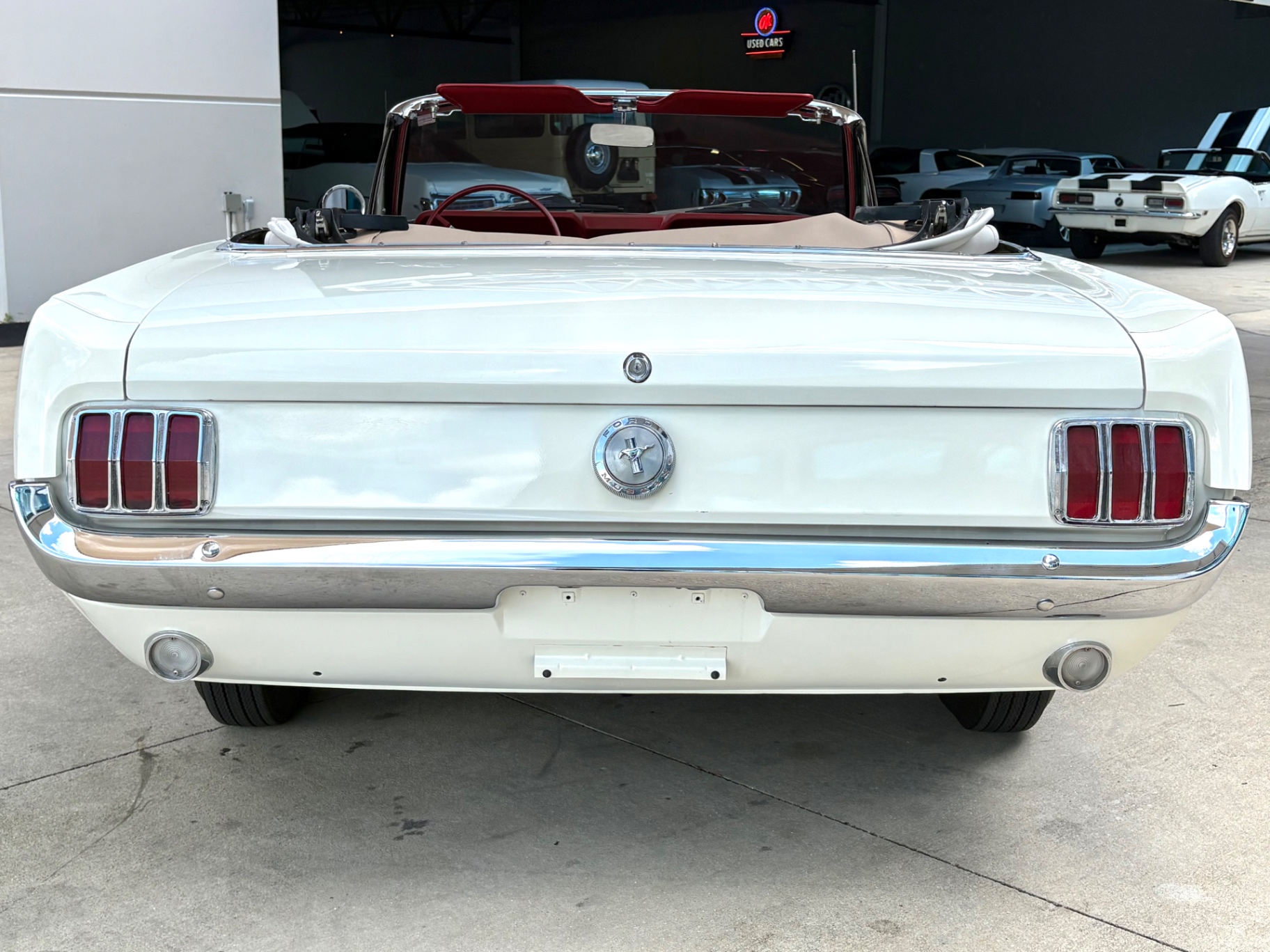
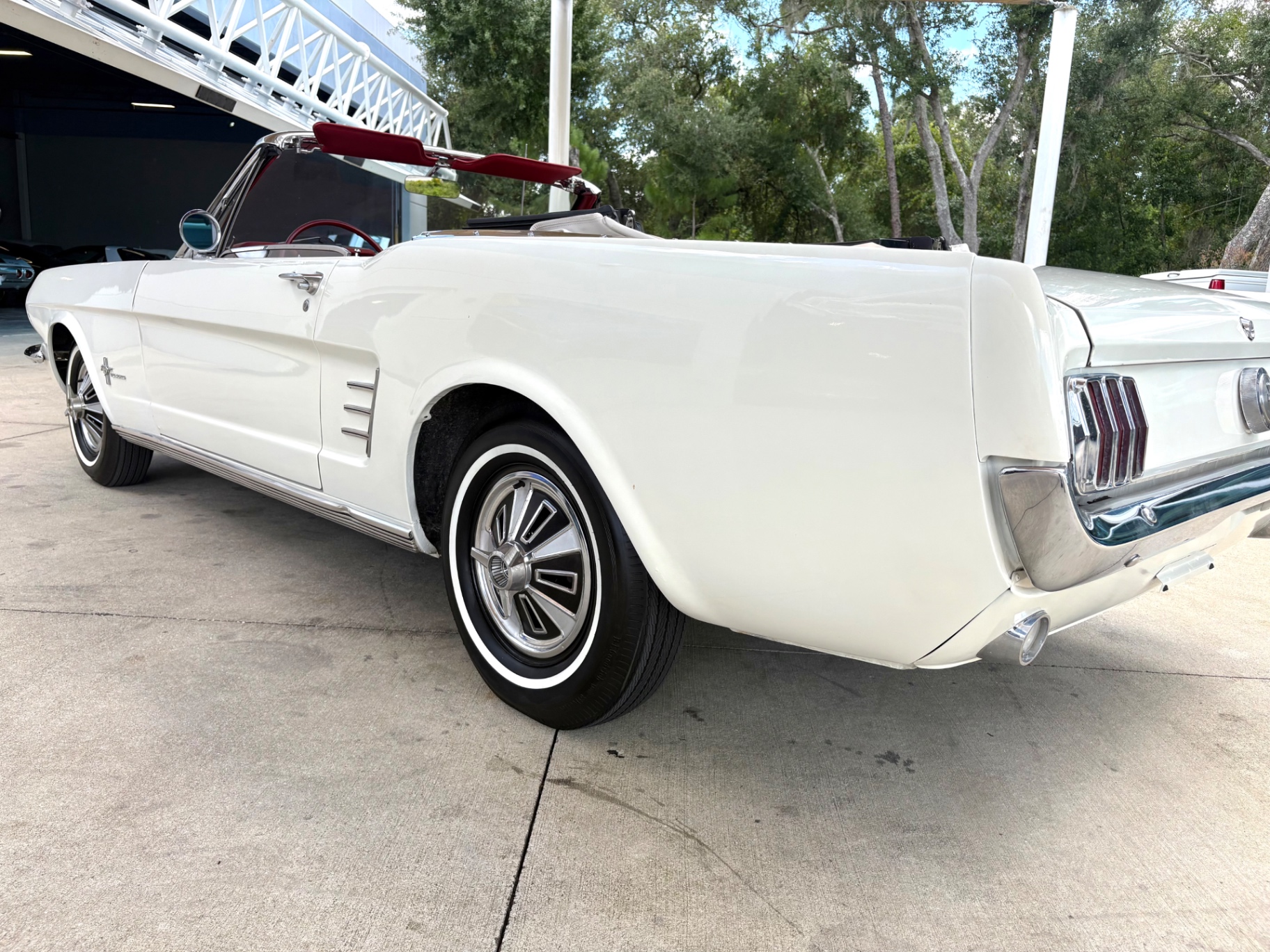
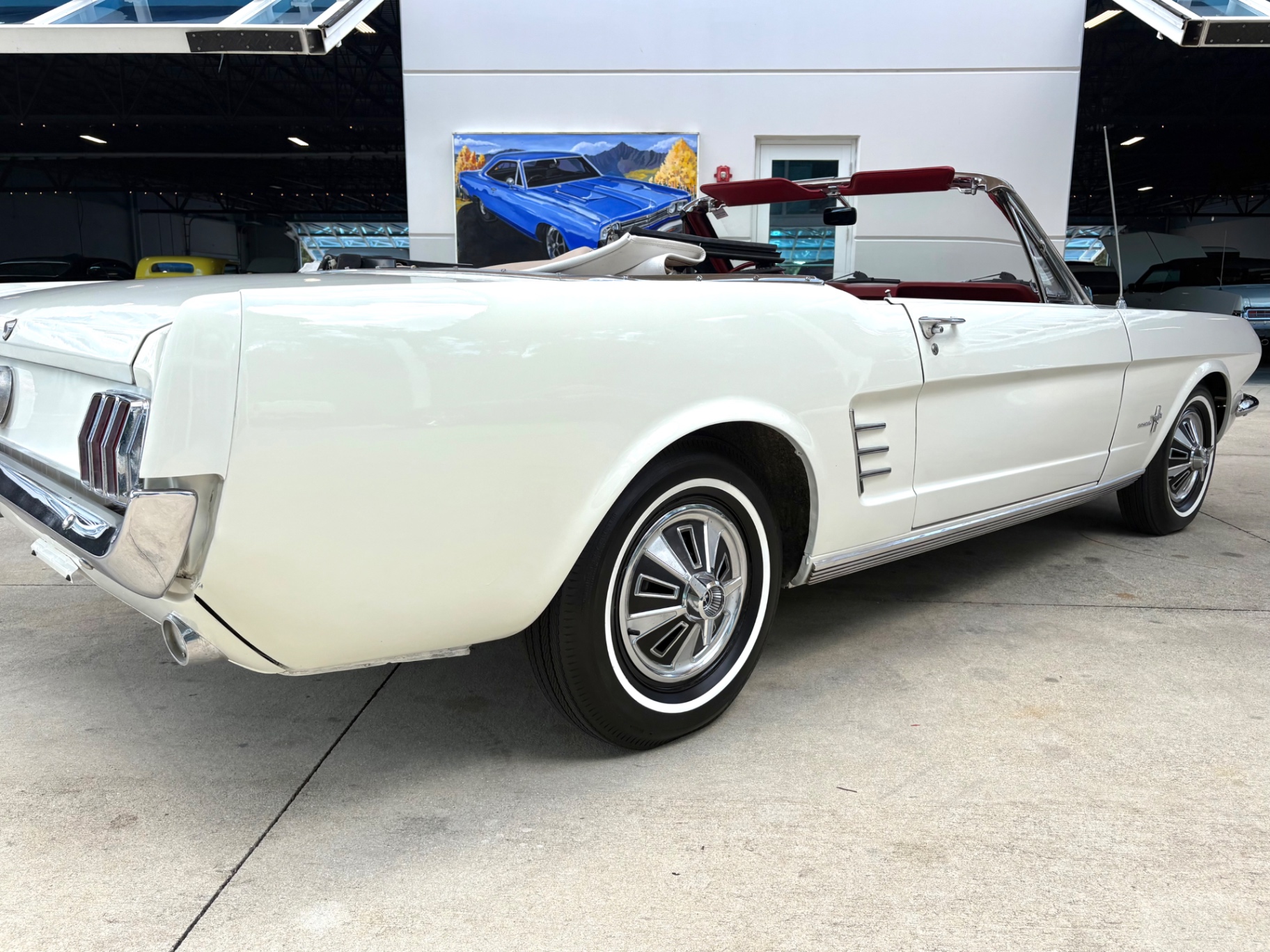
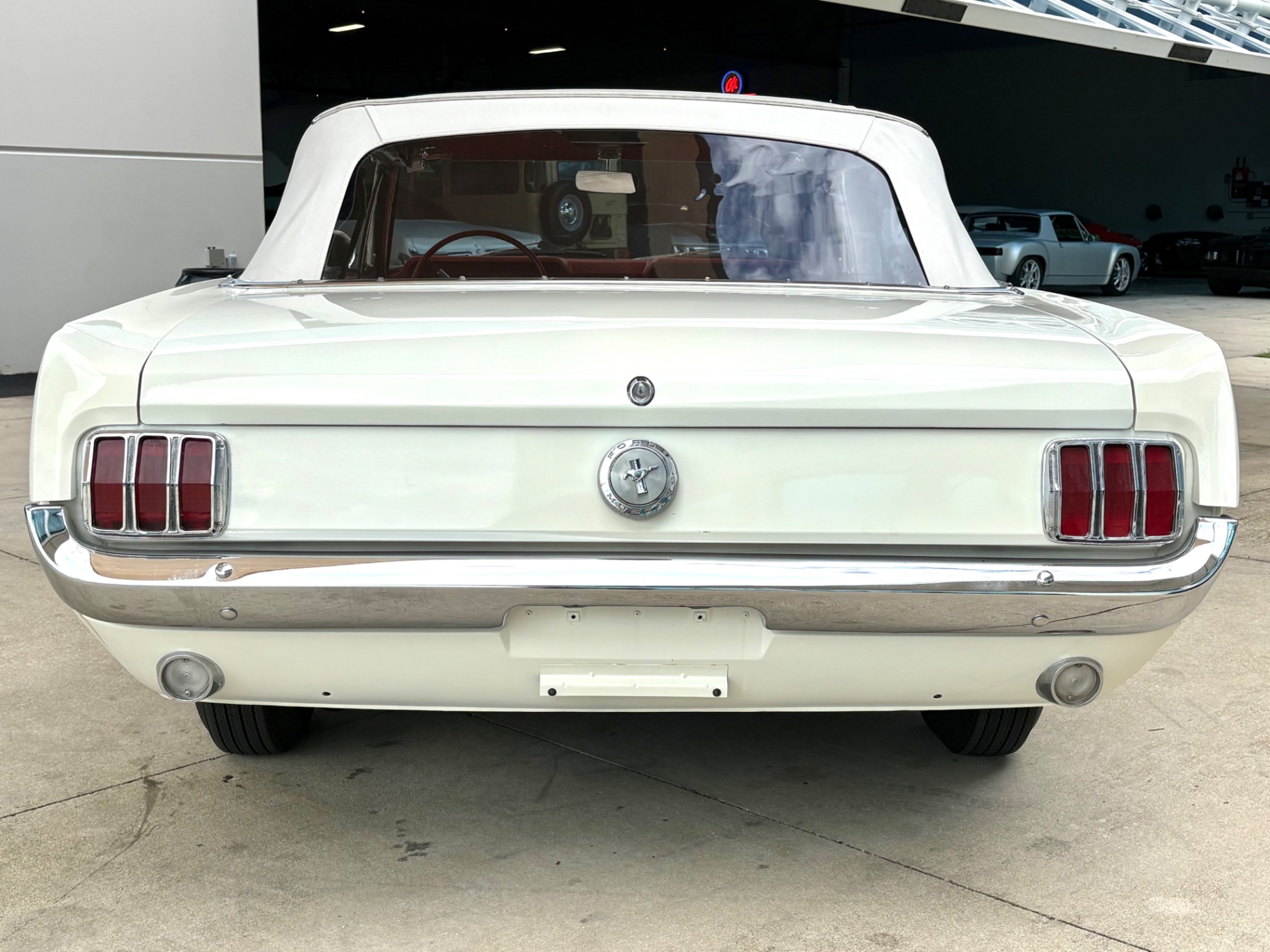
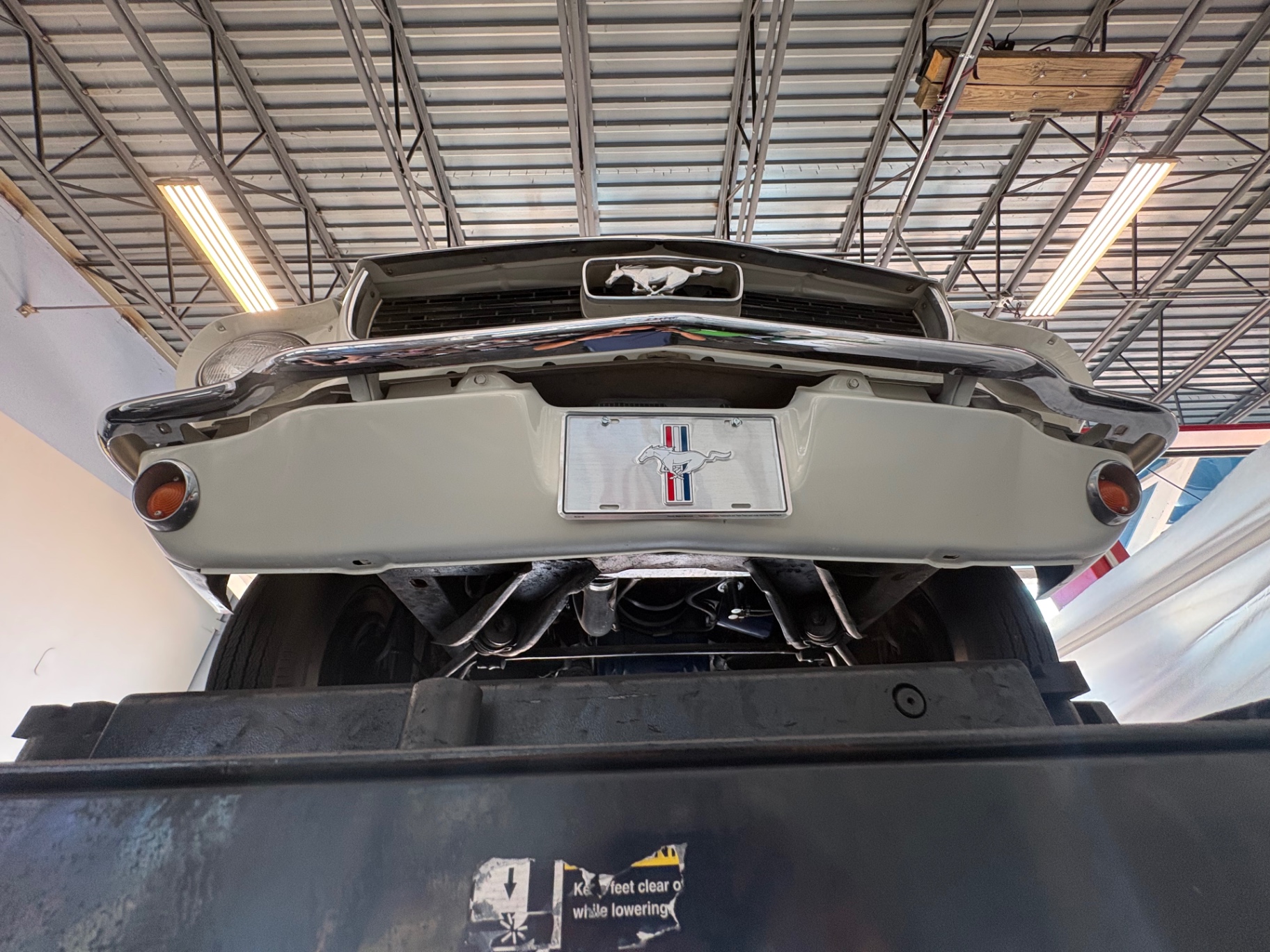
The white convertible top is fitted and functional, stored with a tan top boot that snaps neatly over the folded top when the car is driven open. Having a matching boot is a detail that matters to the people who know what they're looking at. The chrome bumpers front and rear are present and show well in the photographs. The side rocker moldings run the length of the lower body between the wheel openings — a detail that was standard on the 1966 Mustang and contributes to the car's finished, factory appearance.
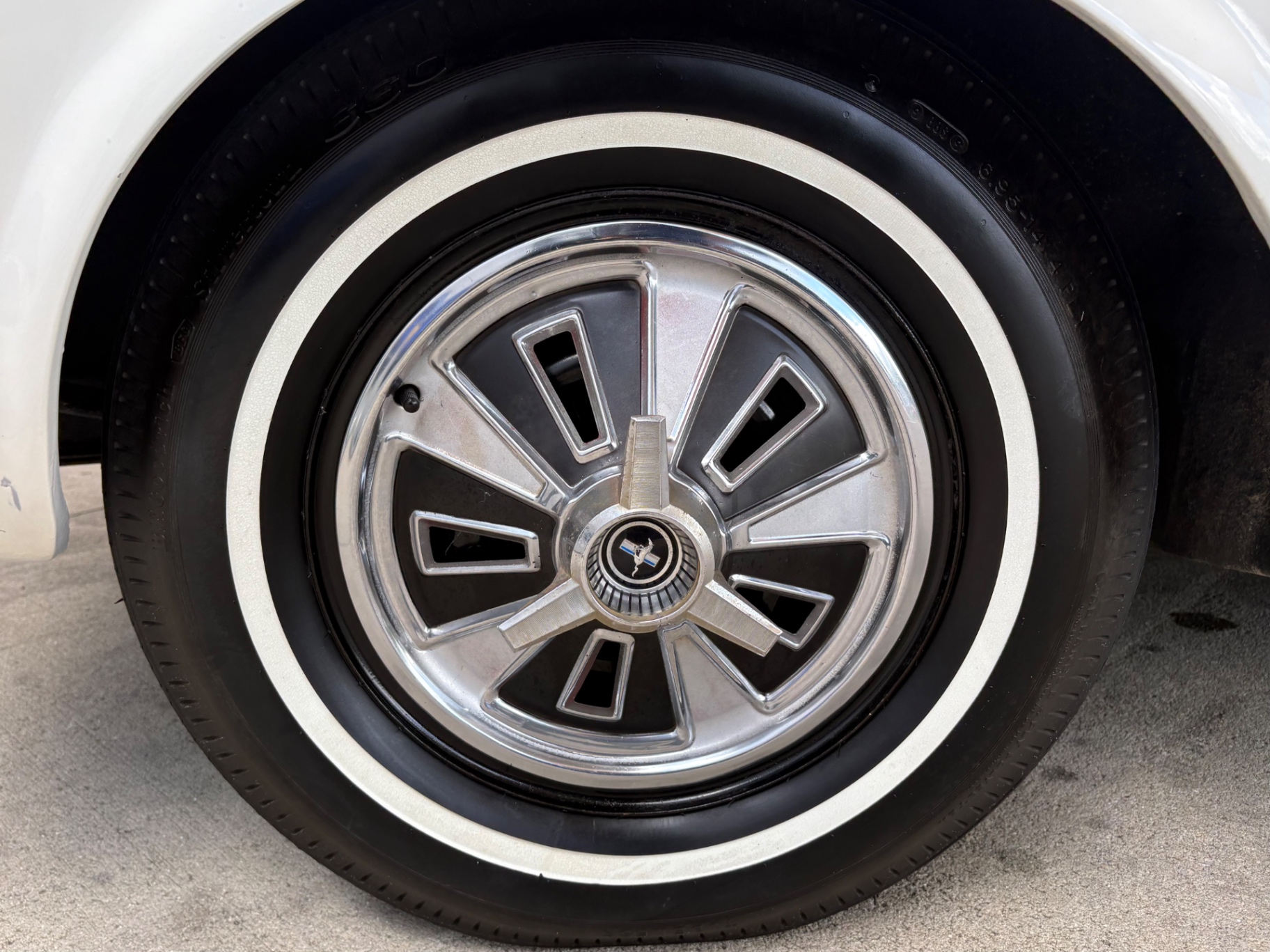
The styled steel wheel covers are the period-correct spinner-style covers that dress up the standard steel wheels without requiring the full wire wheel cover option. Mounted on whitewall tires, the combination presents as correct for the car's original specification. The exterior radio antenna is fitted on the right front fender in its factory location.
The rear fascia shows the sequential tri-bar taillights framed by a chrome surround — a 1966 detail that distinguishes this car from the 1965 model, which used a slightly different taillight arrangement. Overall, the exterior presents as a solid, honest 1966 Ford Mustang convertible without misrepresentation.
Conclusion
The 1966 Ford Mustang convertible was the right car at the right time, and the combination on this example — 289 V8, Cruise-O-Matic, Wimbledon White, red interior, white top — is one of the most historically coherent and visually complete configurations the model was offered in. It is a car that is understood immediately by anyone who knows the first-generation Mustang, and the details here tell a consistent story from front to back and top to bottom.
If you have questions about this 1966 Ford Mustang convertible or would like to arrange a viewing, call Skyway Classics at 941-254-6608. We are located in Sarasota, Florida and are happy to answer questions, arrange inspections, and assist with transport.
Disclaimer
Information found on the website is presented as given to us by the owner of the car, whether on consignment or from the owner we bought it from. Some Photos, materials for videos, descriptions and other information are provided by the consignor/seller and is deemed reliable, but Skyway Classics does not warranty or guarantee this information. Skyway Classics is not responsible for information that may incorrect or a publishing error. The decision to purchase should be based solely on the buyers personal inspection of the vehicle or by a professional inspection service prior to offer or purchase being made.
1966 Ford Mustang Convertible — 289 V8, Wimbledon White over Red, Cruise-O-Matic
Why This Car Is Special
The 1966 Ford Mustang convertible sits at an interesting crossroads in the model's history. Ford had already proven the Mustang concept beyond any reasonable doubt with the 1964½ and 1965 cars, and for 1966 they refined what was already working rather than reinventing it. The result was a cleaner, slightly more polished Mustang that outsold even the record-setting 1965 model — Ford moved over 607,000 Mustangs for the 1966 model year, making it the highest-production year in first-generation Mustang history.
Within that enormous production run, the convertible occupied a specific role. It was the most expensive body style in the lineup and represented a smaller share of total output than the hardtop or fastback. The open-air configuration added structural reinforcement to compensate for the missing roof, which contributed to the convertible's solid, planted feel that owners still comment on today.
This particular 1966 Ford Mustang convertible is finished in Wimbledon White — one of Ford's most classic and period-correct color choices for the model — with a red vinyl interior, a white convertible top, and a tan convertible top boot. The combination is correct, coherent, and immediately recognizable as a car from this specific era. The VIN on this car decodes to a San Jose, California assembly plant build, with a V8 engine and automatic transmission as factory-specified equipment — details that align precisely with what you see on this car today.
The 289 cubic inch small-block V8 was the engine that made the Mustang's reputation. It was available in several states of tune in 1966, and the two-barrel version paired with the Cruise-O-Matic three-speed automatic was the practical choice for buyers who wanted genuine V8 character without the additional cost or complexity of the high-performance variants. That combination — torquey small-block, smooth automatic, open top — is exactly what made the 1966 Mustang convertible the car that it was.
Features List
- 289ci V8 Engine
- Cruise-O-Matic 3-Speed Automatic Transmission
- Edelbrock Air Cleaner
- Edelbrock Fuel Filter
- Dual Exhaust
- White Convertible Top
- Tan Convertible Top Boot
- Red Vinyl Interior
- Front Bucket Seats
- Rear Seat
- Center Console
- 5-Gauge Instrument Cluster
- Factory AM Radio
- Pony Floor Mats
- Front and Rear Seat Belts
- Styled Steel Wheel Covers
- Whitewall Tires
- Chrome Bumpers
- Side Rocker Moldings
- Exterior Radio Antenna
- Undercoated Floor Pans
- Aluminum Radiator
- Drum Brakes All Around
Mechanical
The 289 cubic inch V8 under the hood of this 1966 Ford Mustang convertible is a well-sorted unit wearing an Edelbrock air cleaner and an Edelbrock inline fuel filter — two widely respected aftermarket pieces that improve airflow and fuel delivery without altering the engine's fundamental character. The Edelbrock air cleaner in particular is a familiar sight on period small-blocks, and it fits the visual profile of this engine bay better than most alternatives.
The transmission is Ford's Cruise-O-Matic three-speed automatic, operated through the center console-mounted shifter. Ford used the Cruise-O-Matic name across several of their automatic transmissions during the 1960s, and the unit fitted to the 289-equipped Mustang was a well-proven design that held up reliably in everyday use. Having the shifter mounted in the console rather than on the column was the correct setup for a bucket seat car like this one, and it gives the interior a purposeful, driver-oriented feel.
The exhaust exits through a dual system, which is appropriate for a V8 Mustang of this era and gives the car a noticeably more authoritative exhaust note than the single-outlet setup found on six-cylinder cars. Cooling is handled by an aluminum radiator, an upgrade over the original copper-brass unit that improves heat rejection — a meaningful improvement for a car that sees use in a warm climate. Braking is handled by drums at all four corners, which was standard equipment on the 1966 Mustang. Four-wheel drum brakes were the norm for this class of car in the mid-1960s, and properly maintained, they are adequate for the car's weight and intended use.
The underside of this 1966 Ford Mustang convertible shows coated floor pans with the undercoating applied, and the undercarriage photographs cleanly without signs of significant corrosion or prior accident repair.
Interior
The red vinyl interior of this 1966 Ford Mustang convertible is exactly what the car was meant to wear. Ford offered the red interior as a factory option across several exterior colors, and against Wimbledon White it creates a contrast that defined the look of the era. The front bucket seats and rear seat are upholstered in matching red vinyl, and the condition shown in the photographs is consistent and well-presented throughout.
The center console runs the length of the cabin between the buckets and houses the Cruise-O-Matic shifter with its period-correct indicator window marked with the familiar P-R-N-D-2-1 positions. The console itself is a correct piece for this application and ties the interior together visually.
The 5-gauge instrument cluster is one of the defining features of the 1966 Mustang interior. Mounted in the rally-style pod ahead of the driver, the cluster includes a speedometer at center flanked by fuel, oil pressure, ammeter, and temperature gauges — all set in black-faced dials with gold trim rings. This was a significant upgrade over the warning-light-only dash found in base Mustangs, and it gives the driver actual information rather than just a warning when something has already gone wrong. The factory AM radio sits in the dash, and a period-correct exterior antenna is fitted to receive signal. The steering wheel is the correct red-matched unit with the Ford Mustang tri-bar center badge.
Pony floor mats are present on both the driver and passenger sides, the correct factory accessory mat for this car. Front and rear seat belts are installed and present. The door panels are red vinyl with chrome accents and ribbed lower sections — correct and intact on both sides.
Exterior
Wimbledon White is one of the cleanest exterior choices available on the 1966 Ford Mustang, and this car wears it well. The color is a bright, neutral white without the blue or yellow cast that distinguishes other white shades of the era, and it works with the chrome trim and red interior to produce a finished result that reads as exactly correct for a 1966 convertible.
The white convertible top is fitted and functional, stored with a tan top boot that snaps neatly over the folded top when the car is driven open. Having a matching boot is a detail that matters to the people who know what they're looking at. The chrome bumpers front and rear are present and show well in the photographs. The side rocker moldings run the length of the lower body between the wheel openings — a detail that was standard on the 1966 Mustang and contributes to the car's finished, factory appearance.
The styled steel wheel covers are the period-correct spinner-style covers that dress up the standard steel wheels without requiring the full wire wheel cover option. Mounted on whitewall tires, the combination presents as correct for the car's original specification. The exterior radio antenna is fitted on the right front fender in its factory location.
The rear fascia shows the sequential tri-bar taillights framed by a chrome surround — a 1966 detail that distinguishes this car from the 1965 model, which used a slightly different taillight arrangement. Overall, the exterior presents as a solid, honest 1966 Ford Mustang convertible without misrepresentation.
Conclusion
The 1966 Ford Mustang convertible was the right car at the right time, and the combination on this example — 289 V8, Cruise-O-Matic, Wimbledon White, red interior, white top — is one of the most historically coherent and visually complete configurations the model was offered in. It is a car that is understood immediately by anyone who knows the first-generation Mustang, and the details here tell a consistent story from front to back and top to bottom.
If you have questions about this 1966 Ford Mustang convertible or would like to arrange a viewing, call Skyway Classics at 941-254-6608. We are located in Sarasota, Florida and are happy to answer questions, arrange inspections, and assist with transport.
Disclaimer
Information found on the website is presented as given to us by the owner of the car, whether on consignment or from the owner we bought it from. Some Photos, materials for videos, descriptions and other information are provided by the consignor/seller and is deemed reliable, but Skyway Classics does not warranty or guarantee this information. Skyway Classics is not responsible for information that may incorrect or a publishing error. The decision to purchase should be based solely on the buyers personal inspection of the vehicle or by a professional inspection service prior to offer or purchase being made.
1966 Ford
Mustang Base
Why Choose Skyway Classics?
Explore our curated inventory of classic and collector cars—thoughtfully selected, ready to drive, and supported by experts who make ownership simple.
Expert Curation
Every vehicle is hand-selected by our experts for quality, authenticity, and investment potential.
Fast Transactions
Streamlined buying and selling process with quick financing and immediate delivery options.
Only National Dealer With Classic Service & Repair
We’re the only national dealership that services and repairs the classics we sell—before and after the sale.
Nationwide Network
Access to our extensive network of collectors, restorers, and classic car enthusiasts nationwide.
Concierge Ownership Support
From financing and insurance to paperwork, shipping, and titling—we handle the details so you can enjoy the drive.
Passion-Driven Service
We're classic car enthusiasts first, providing personalized service with genuine passion for the hobby.