
1994 Chevrolet
Corvette Base
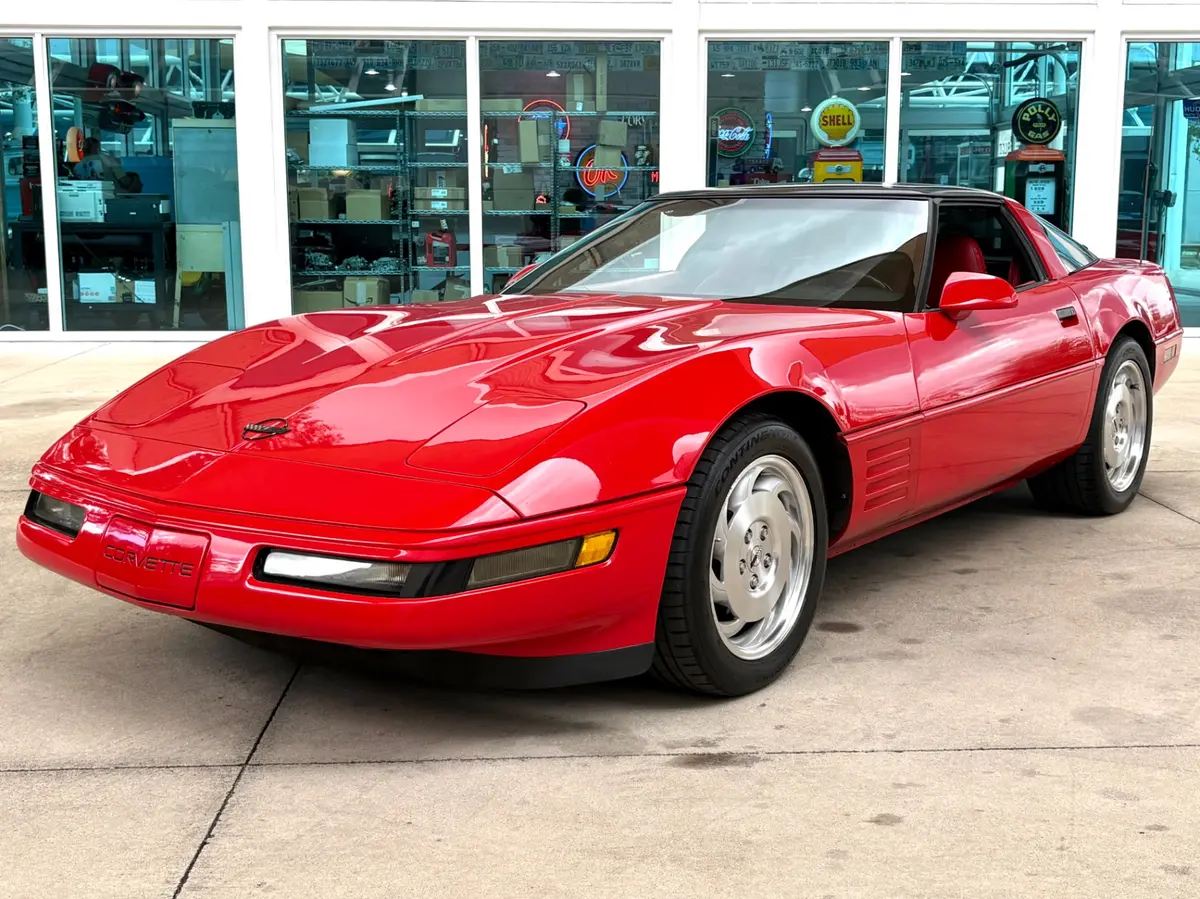
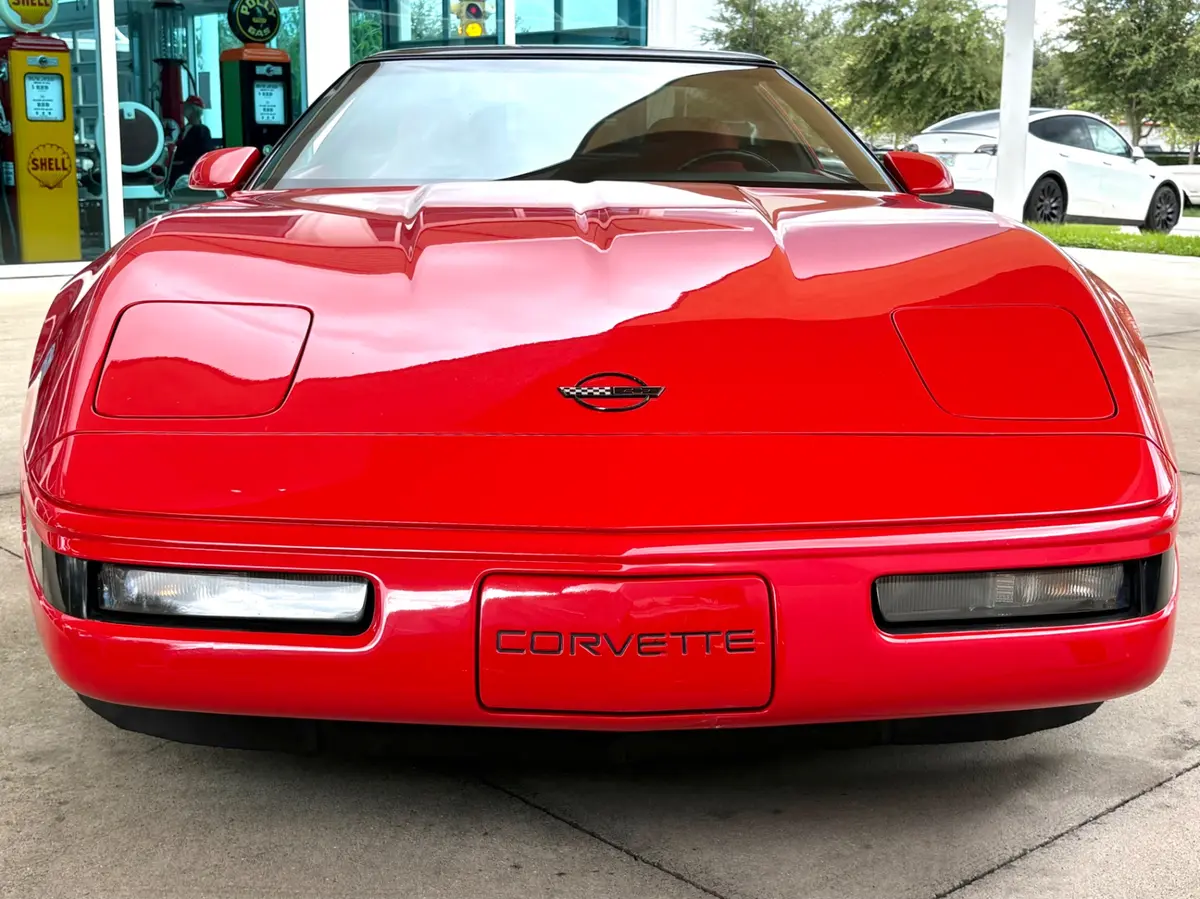
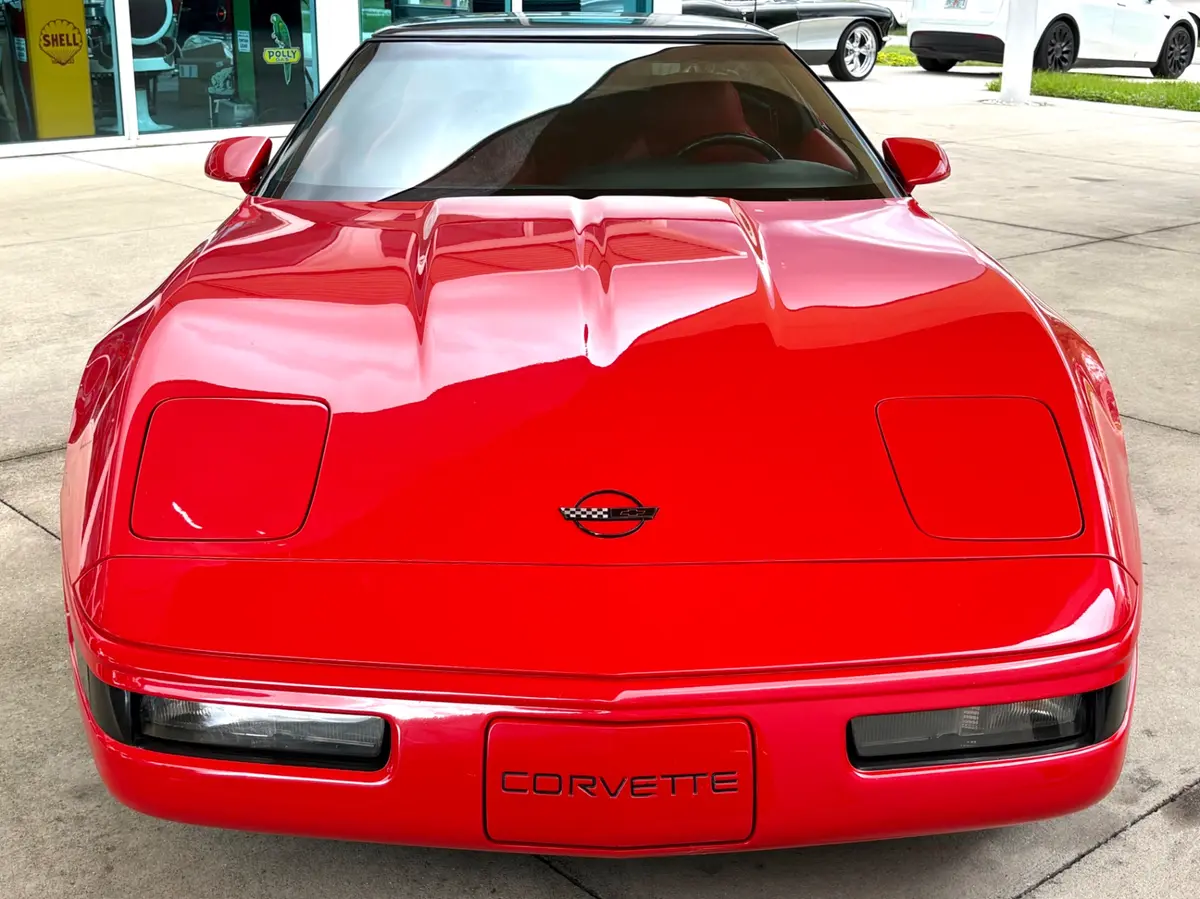
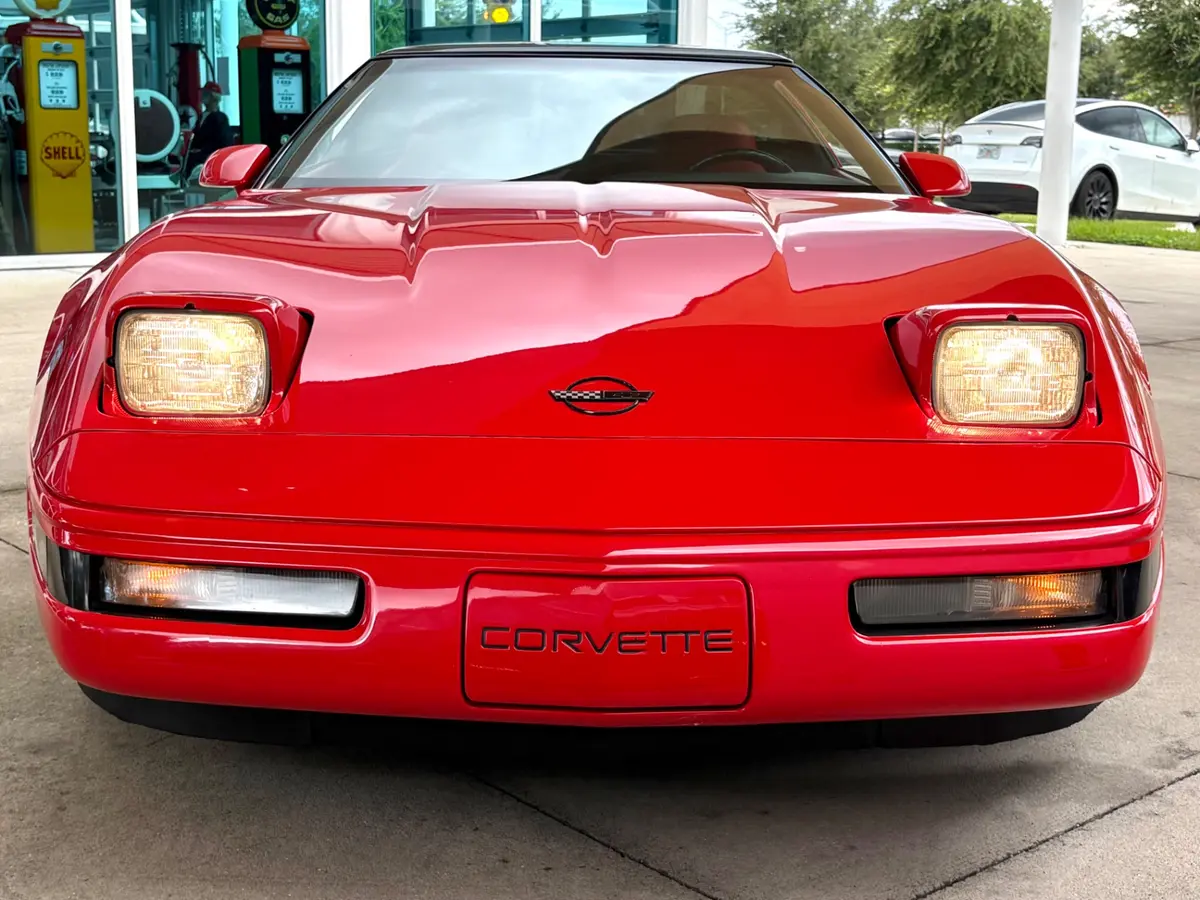
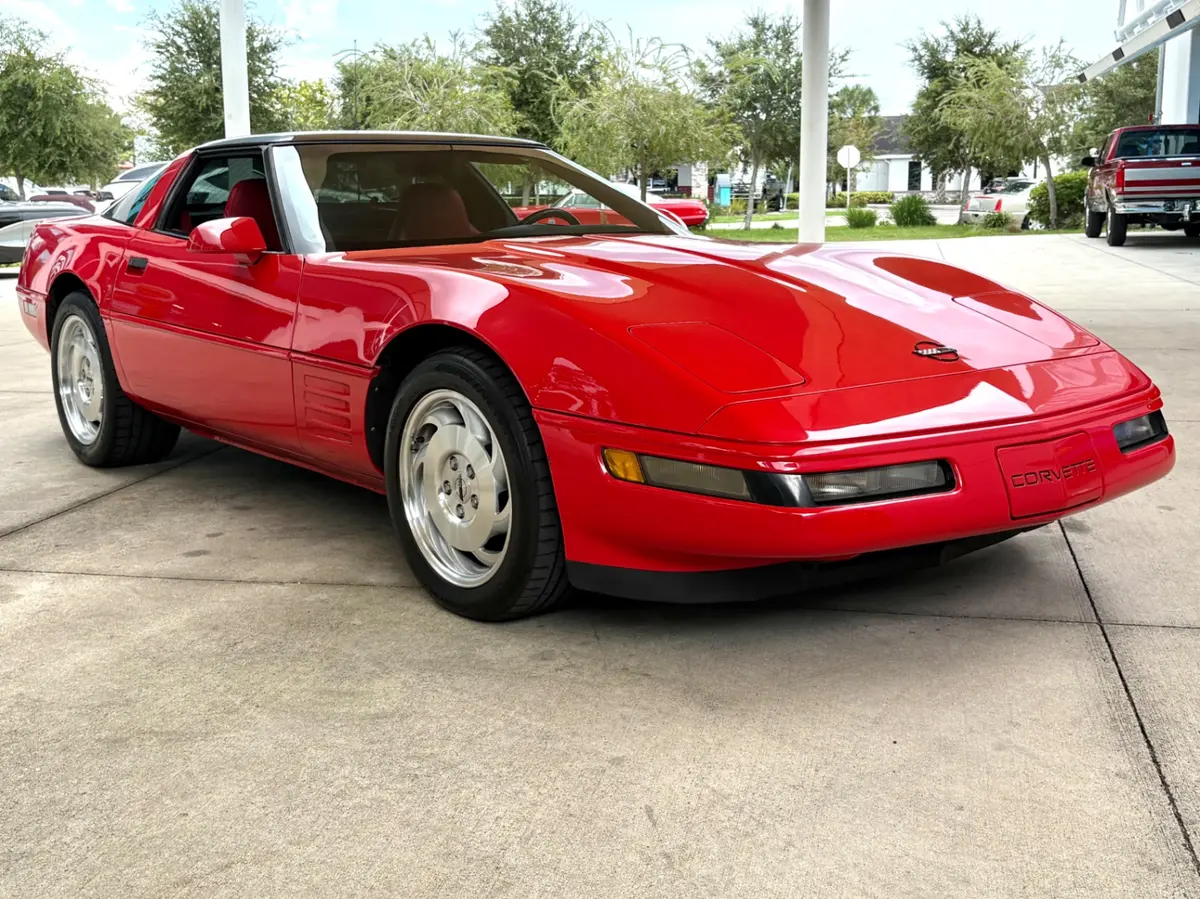
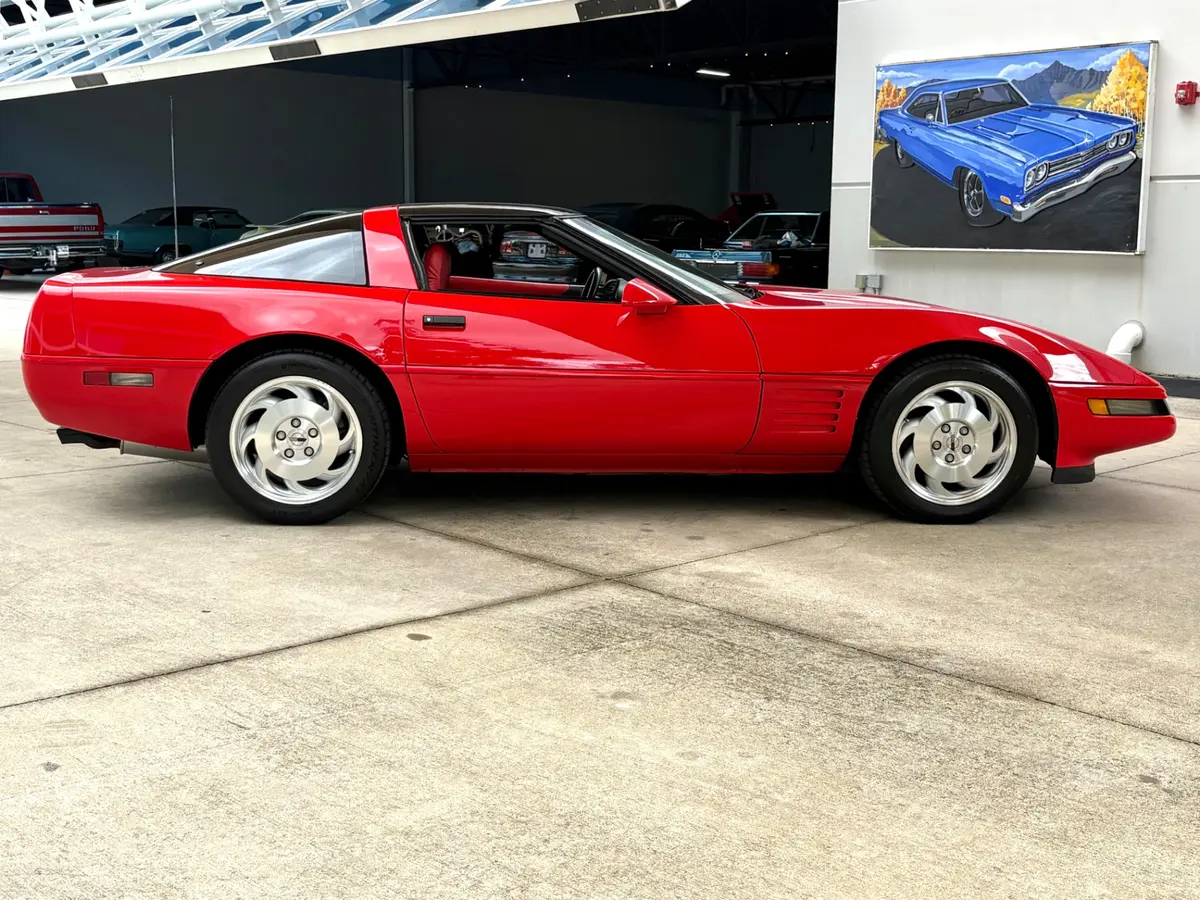
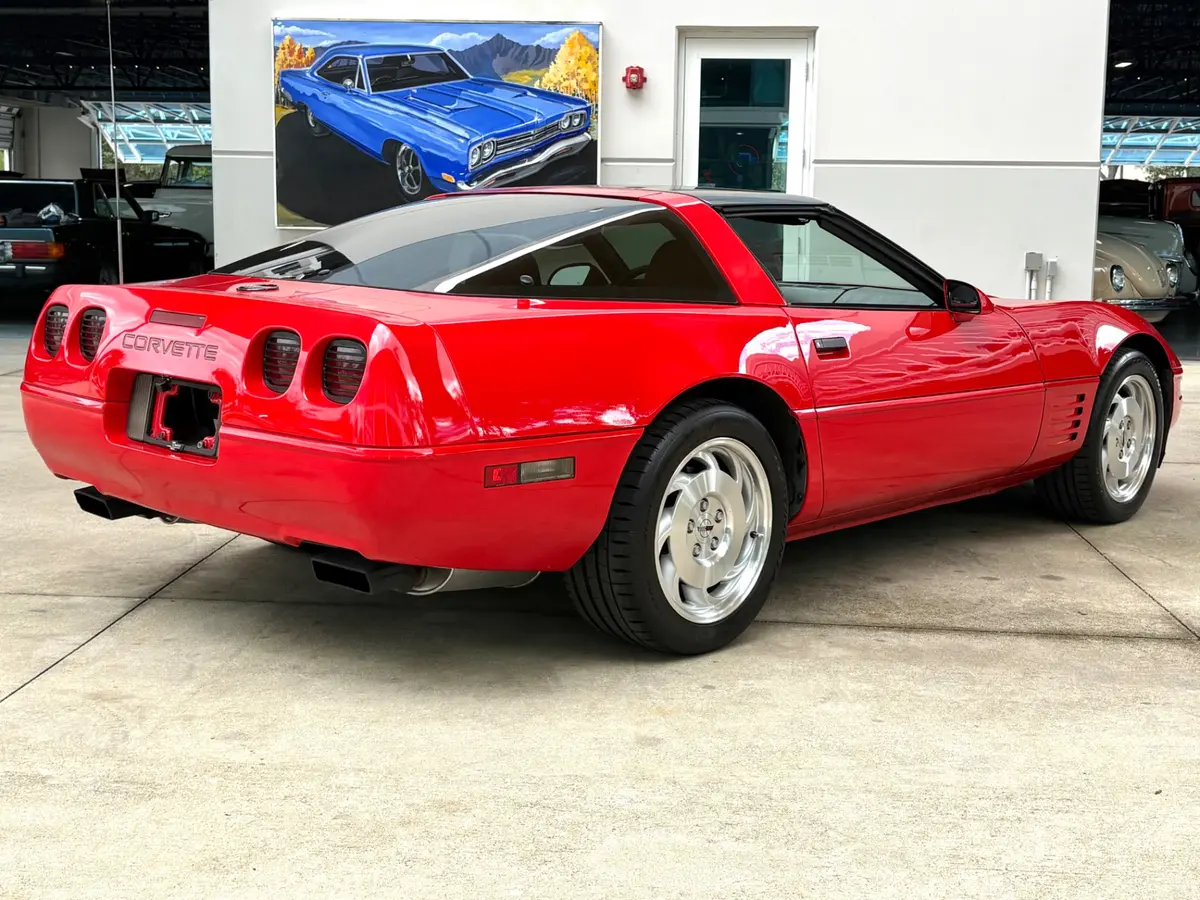
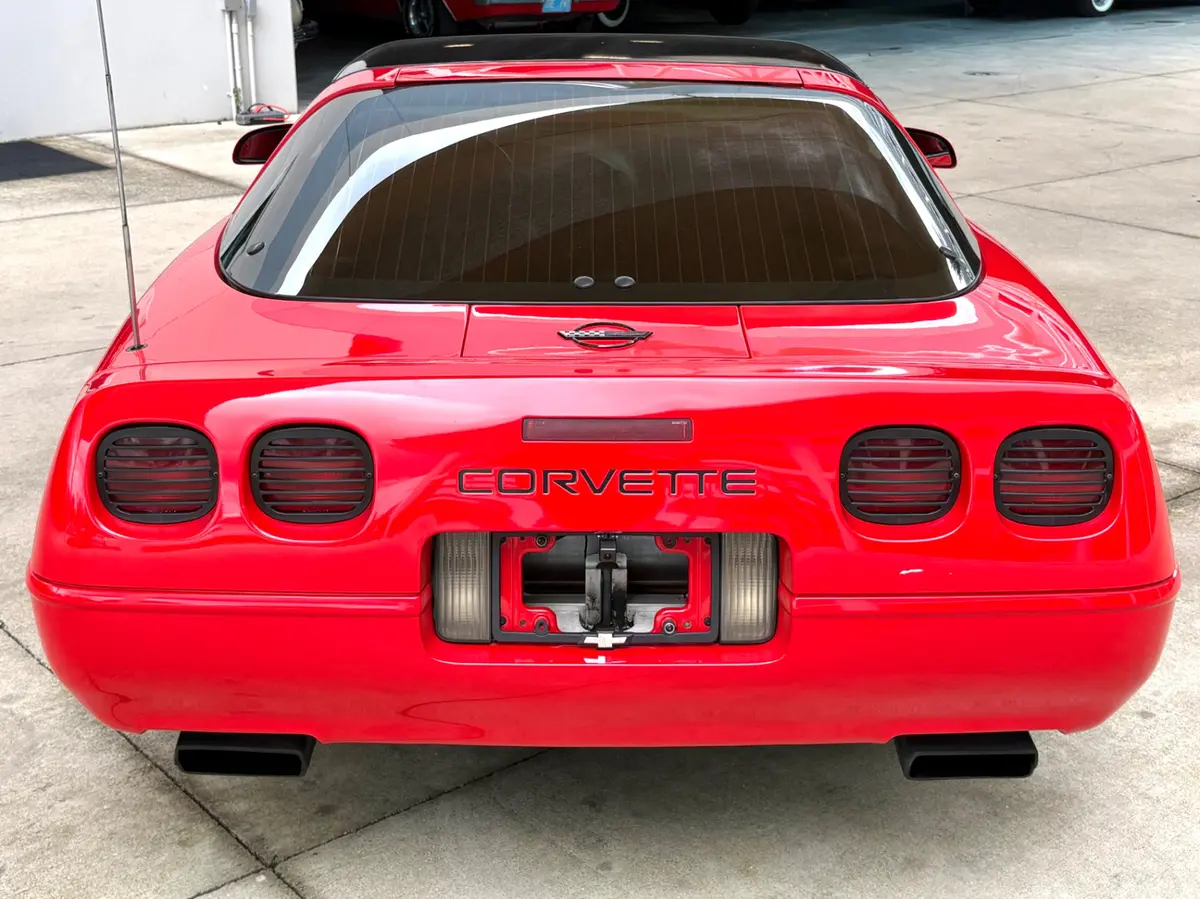
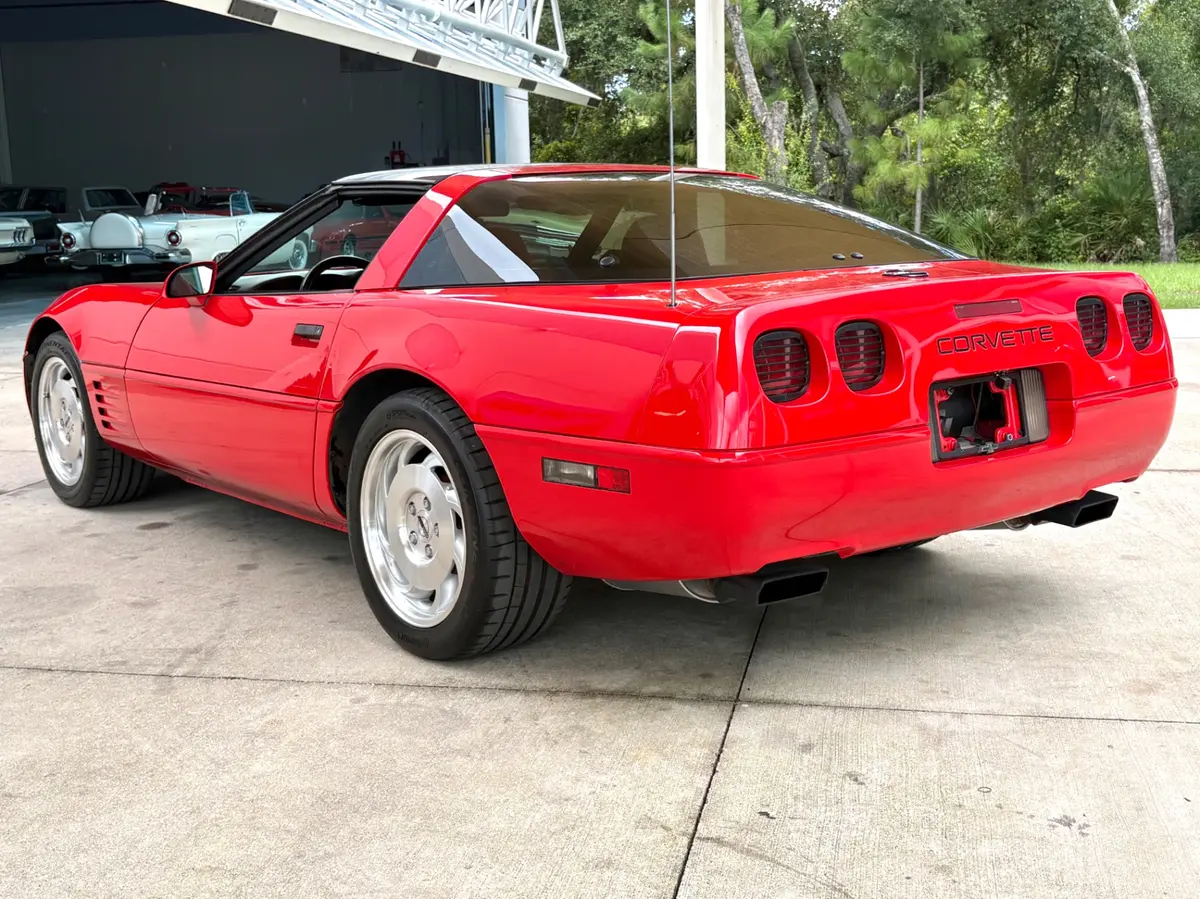
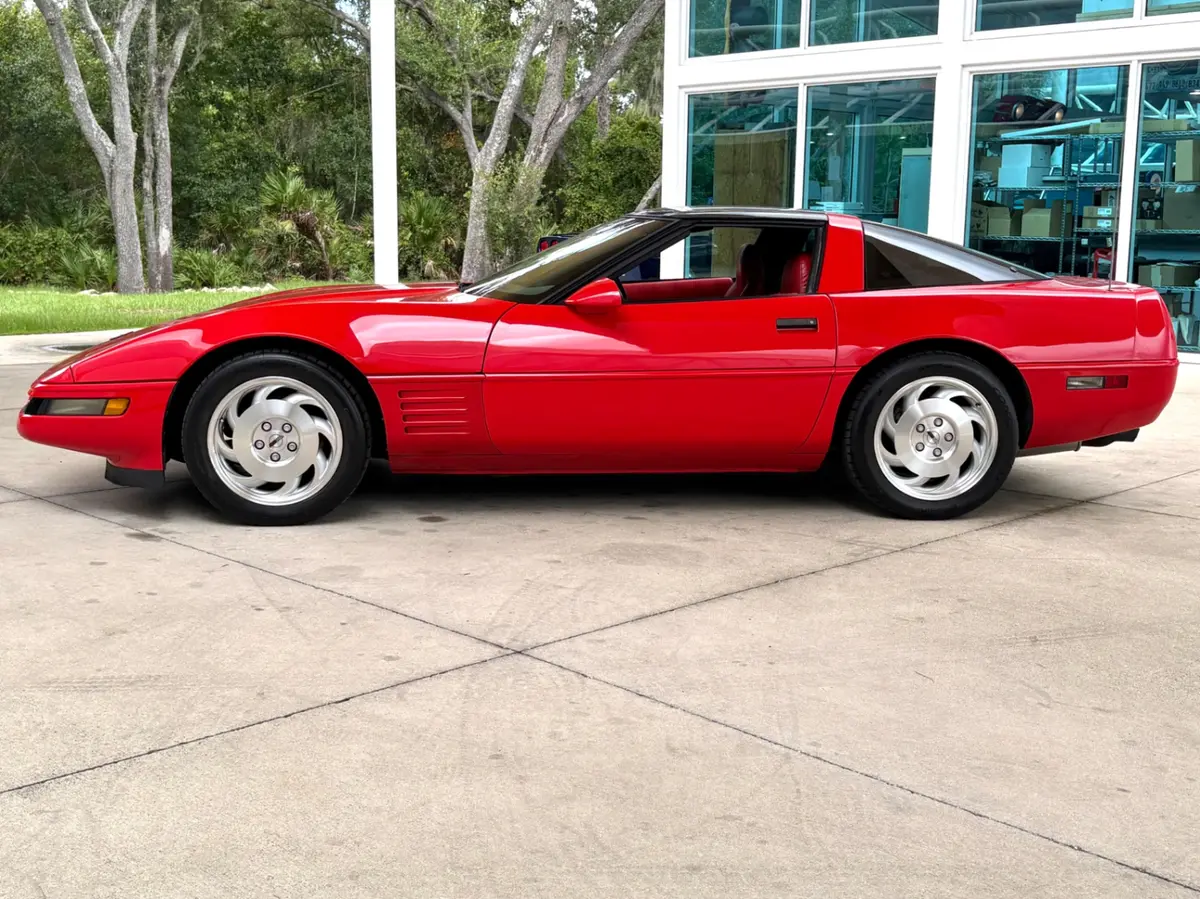
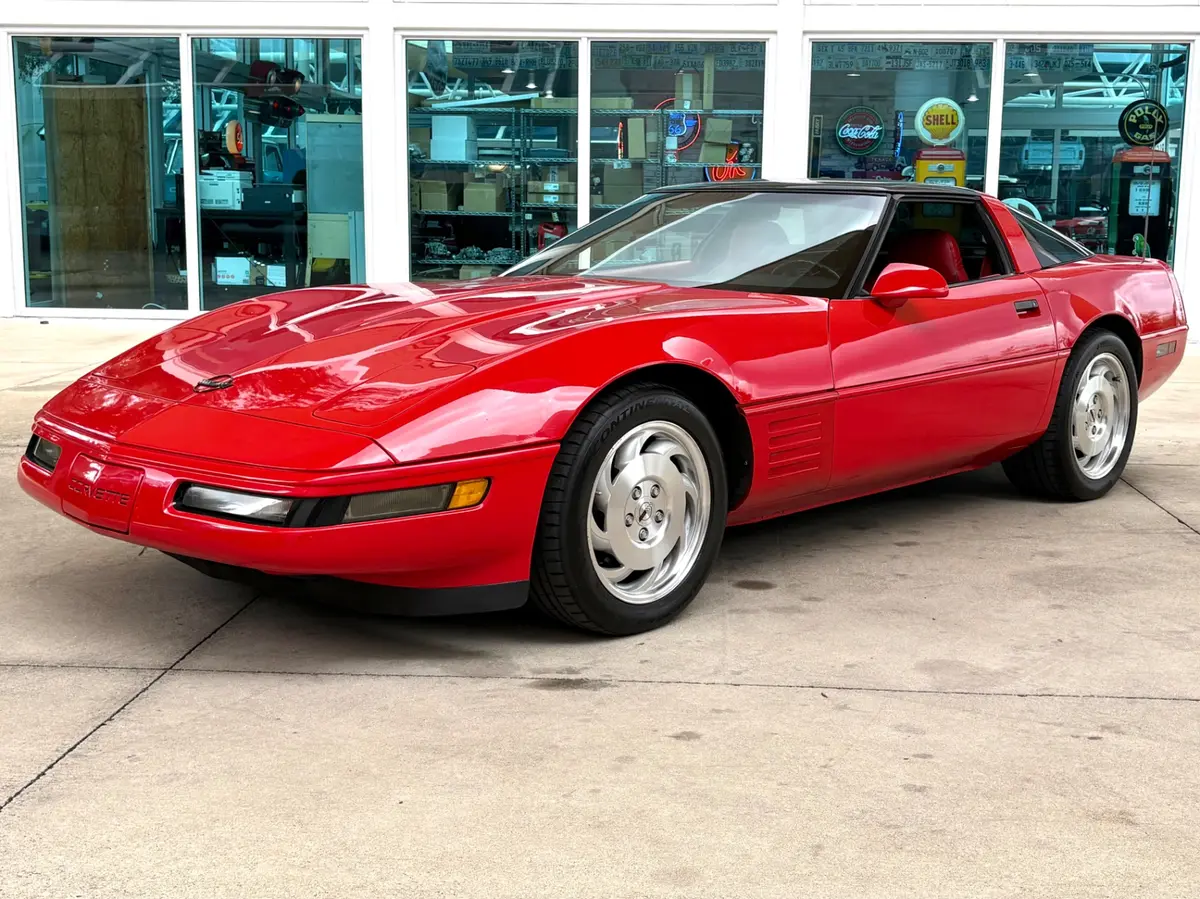
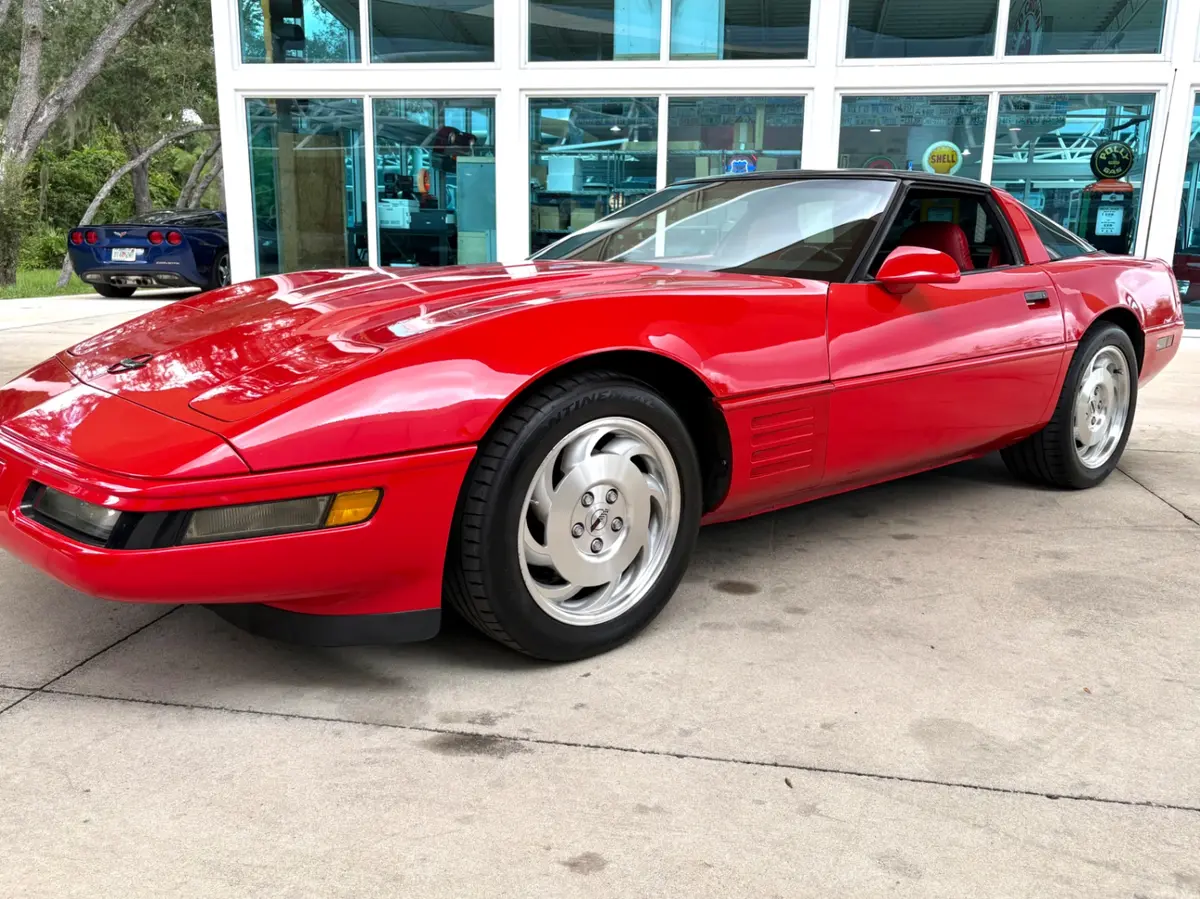
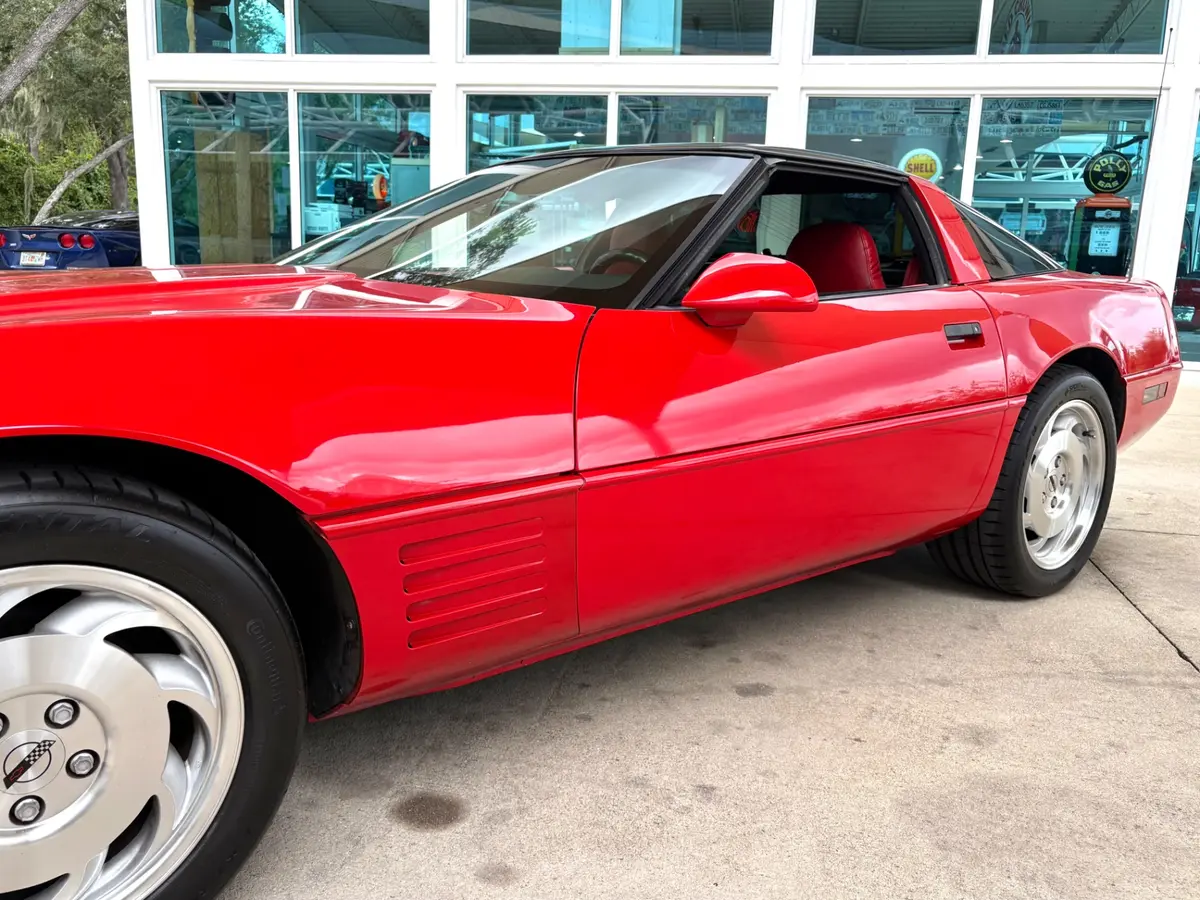
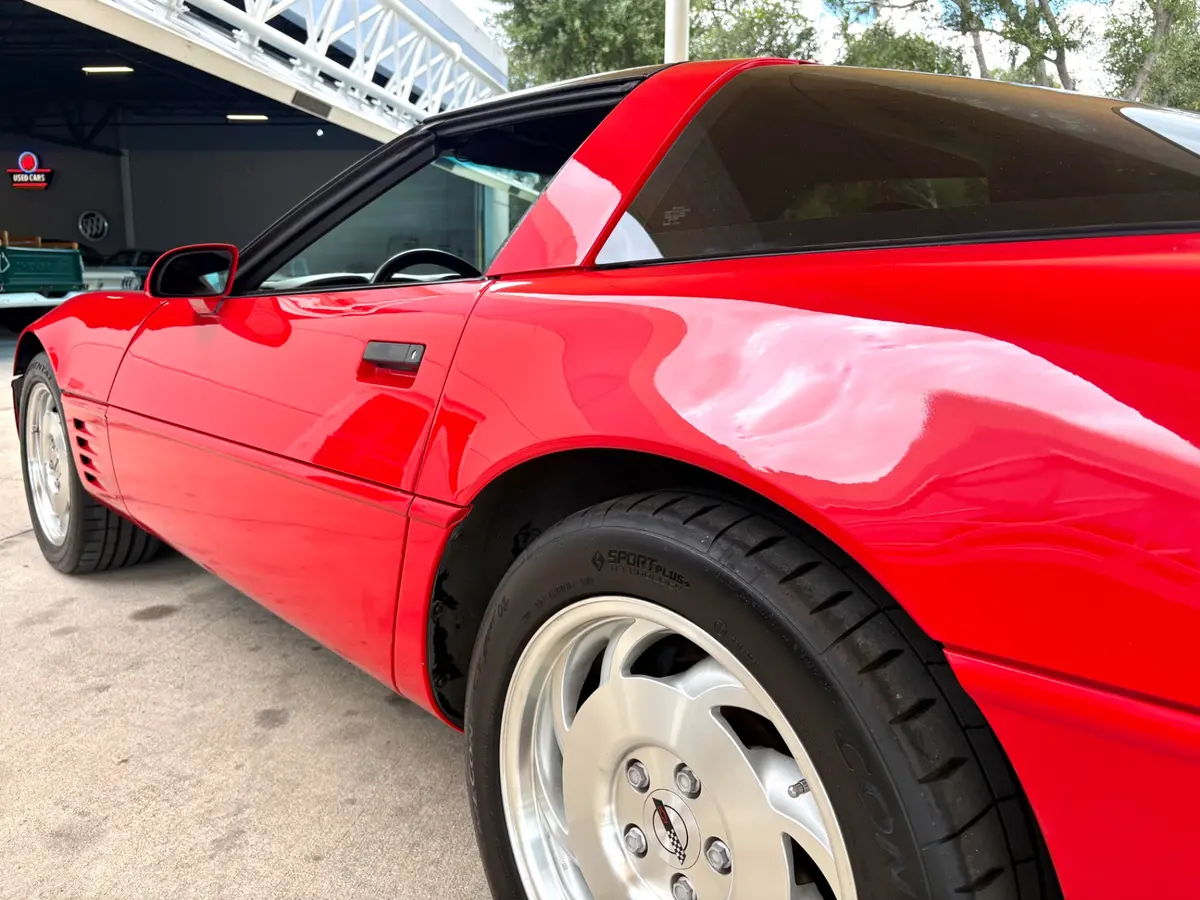
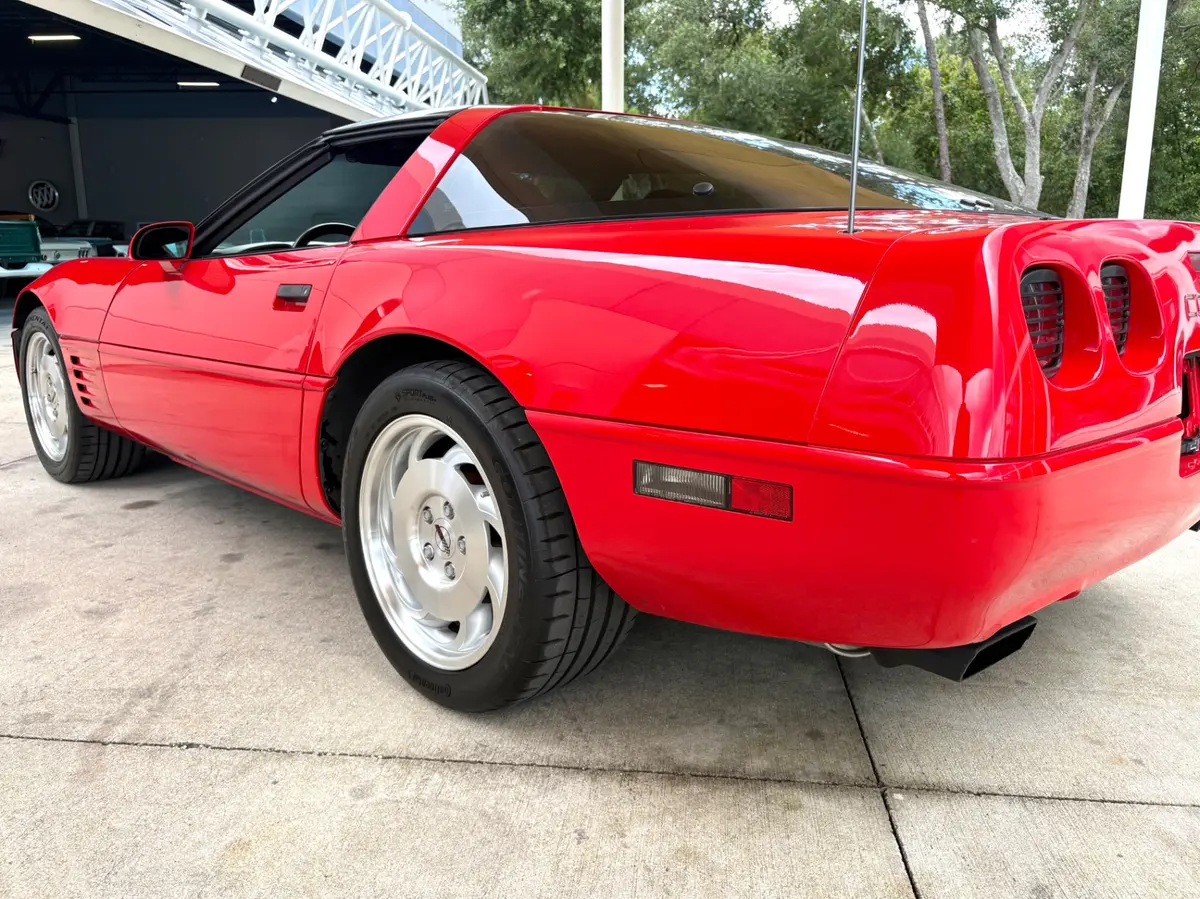
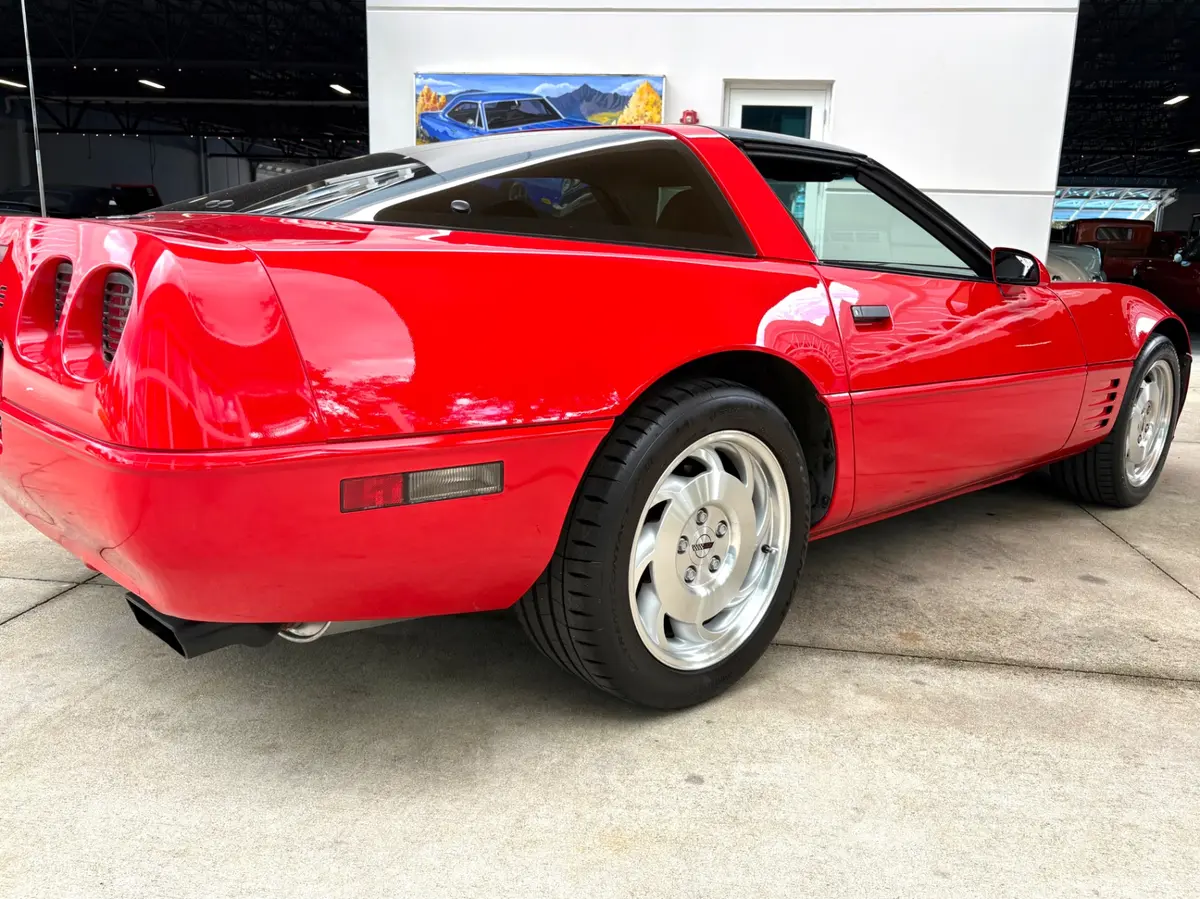
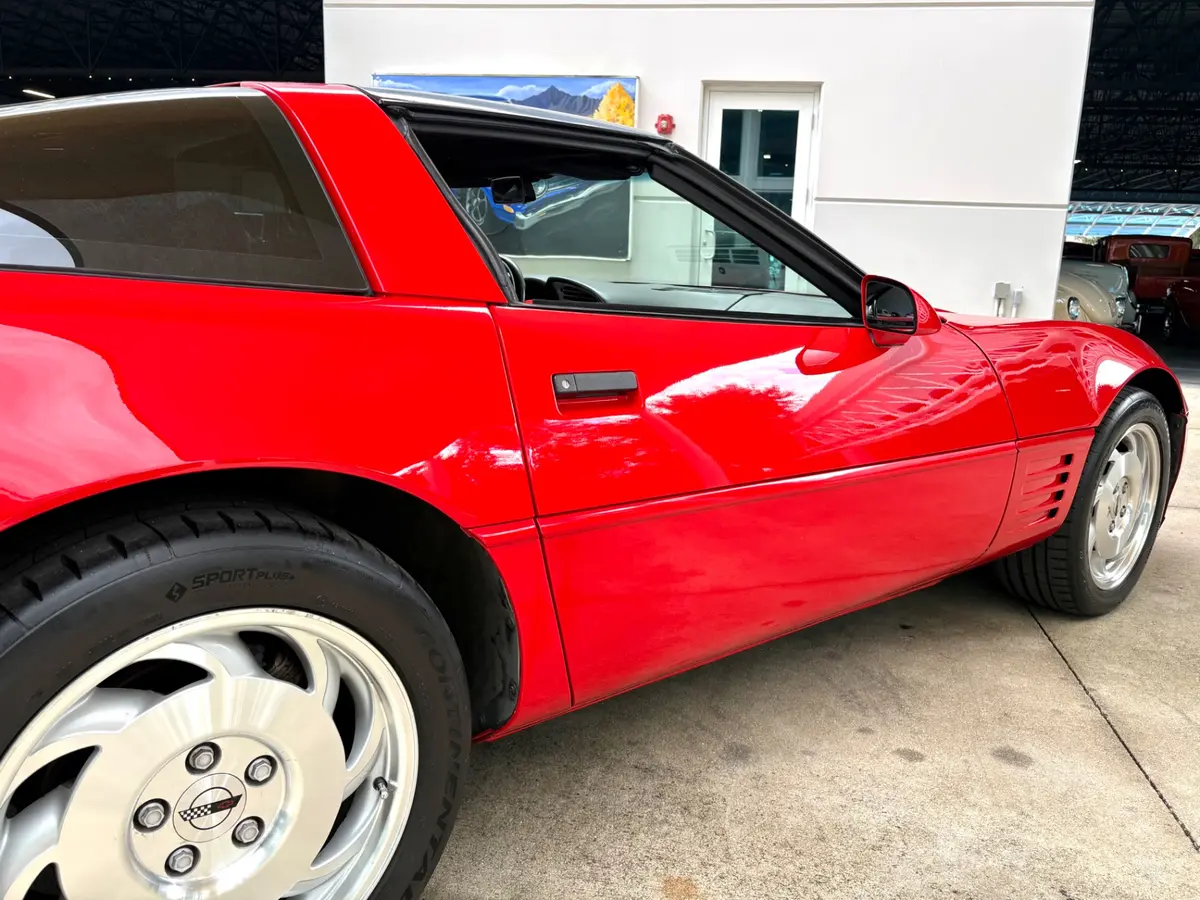
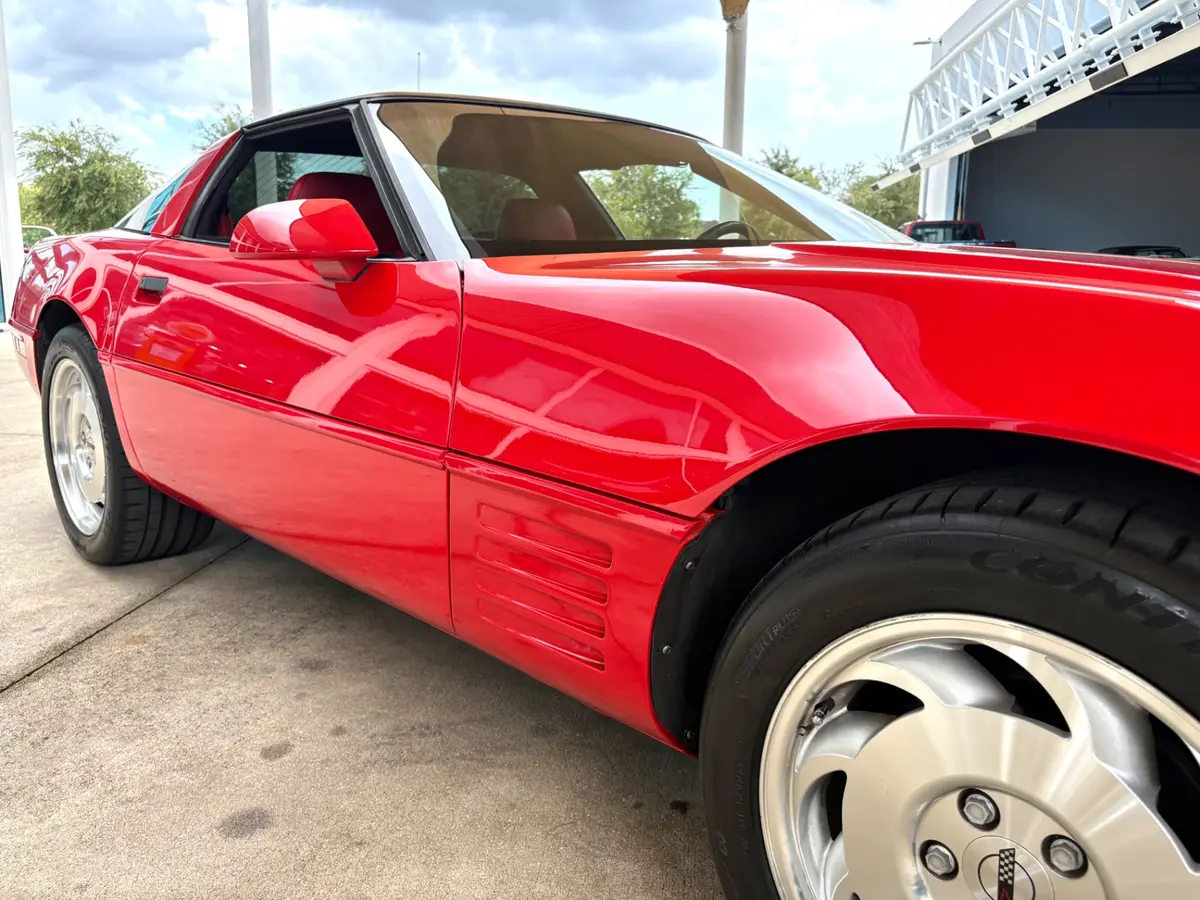
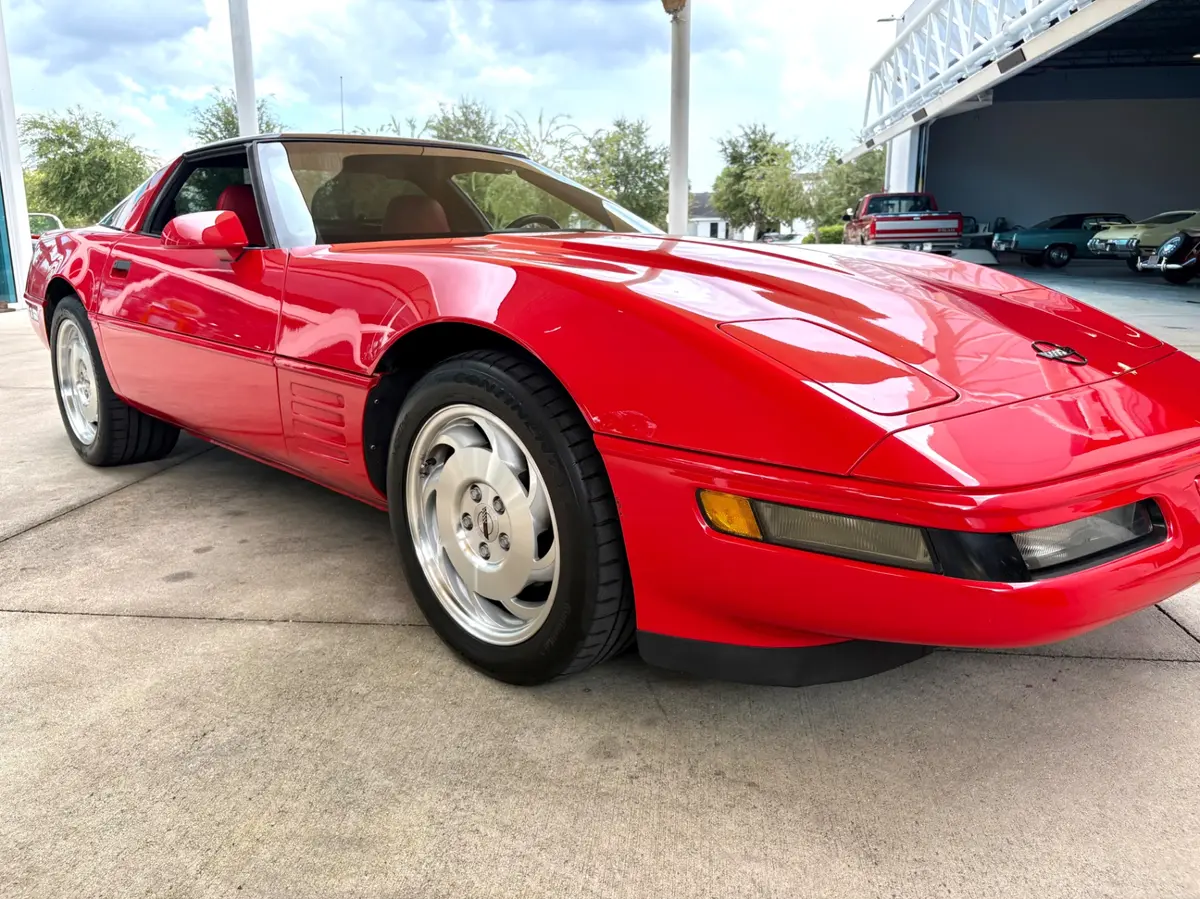


1994 Chevrolet Corvette Convertible — LT1 V8, Red on Red, Dual Top Package
Why This Car Is Special
The fourth-generation Corvette had a long run — 1984 through 1996 — but the years that matter most to collectors are the ones bookending the LT1 era. Chevrolet introduced the LT1 5.7-liter V8 into the C4 Corvette in 1992, and it transformed the car. The old L98 had been a capable engine, but the LT1 brought reverse-flow cooling, an Opti-Spark distributor, and a significant jump in output. By 1994, the LT1 was rated at 300 horsepower and 340 lb-ft of torque — numbers that put it back in the conversation with European sports cars that cost considerably more.
What makes a 1994 Chevrolet Corvette convertible particularly desirable today is the combination of factors that came together in that specific model year. Dual airbags became standard across the Corvette lineup in 1994, a meaningful safety upgrade. The ASR traction control system — Chevrolet's Acceleration Slip Regulation — also became standard equipment that year, making the 1994 Corvette one of the first affordable American sports cars to offer the feature as a no-cost inclusion. These weren't afterthoughts; they were the result of an ongoing engineering effort to make the C4 a more complete, confidence-inspiring car.
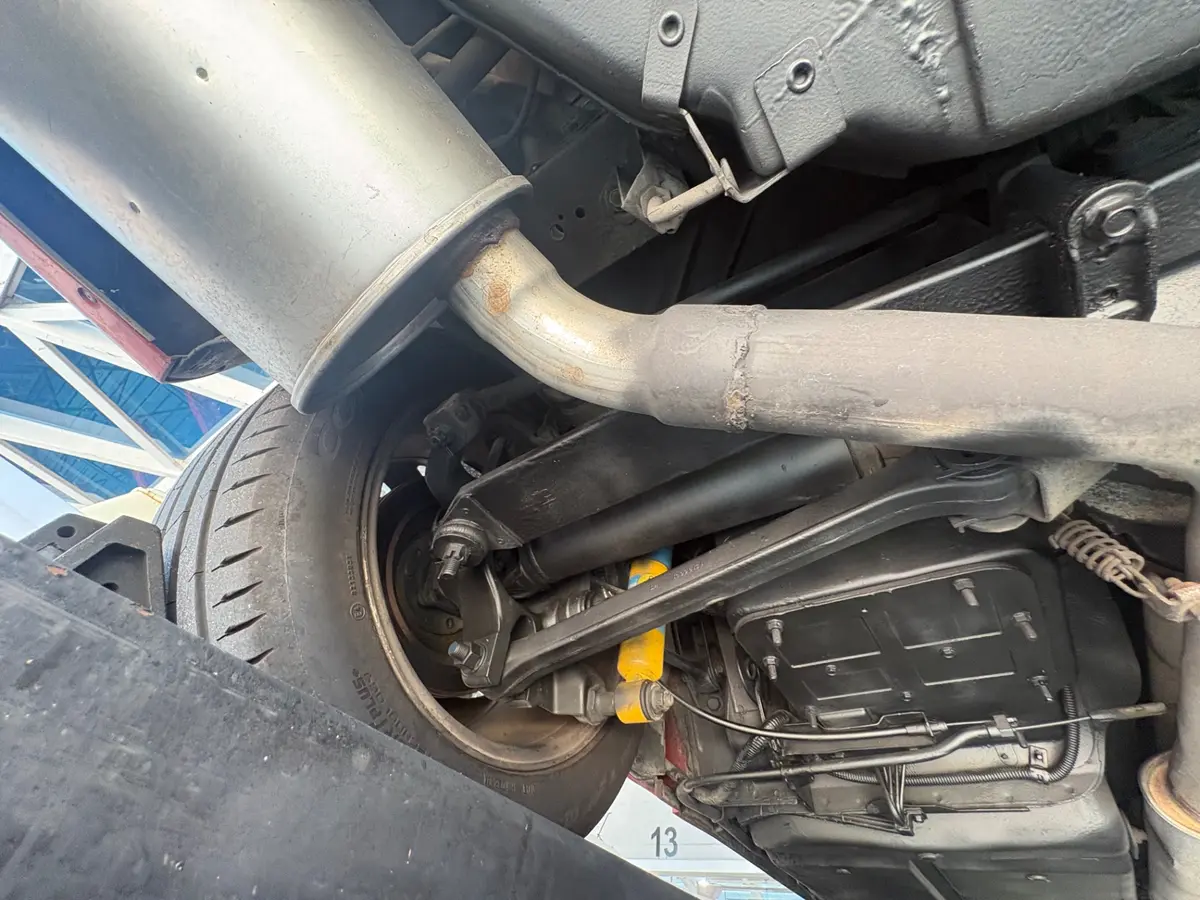
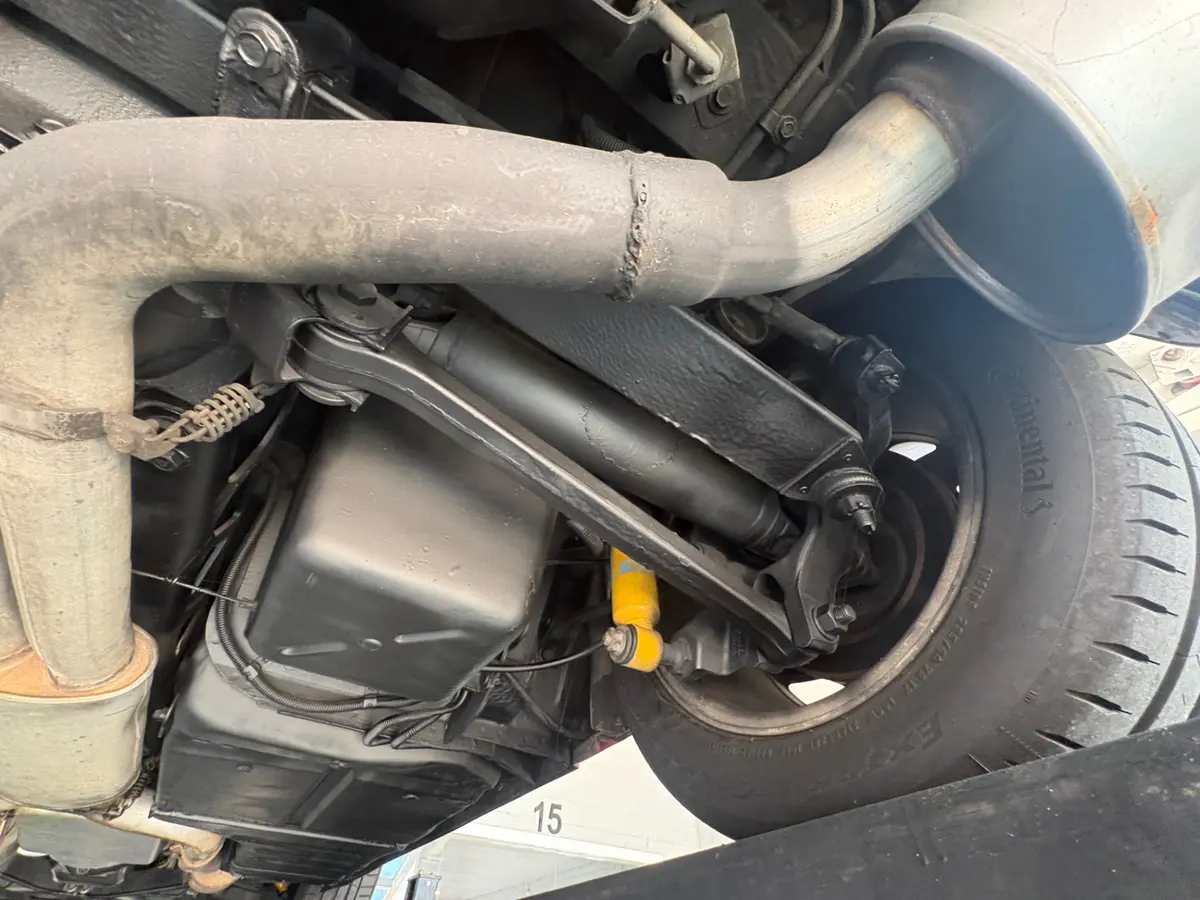
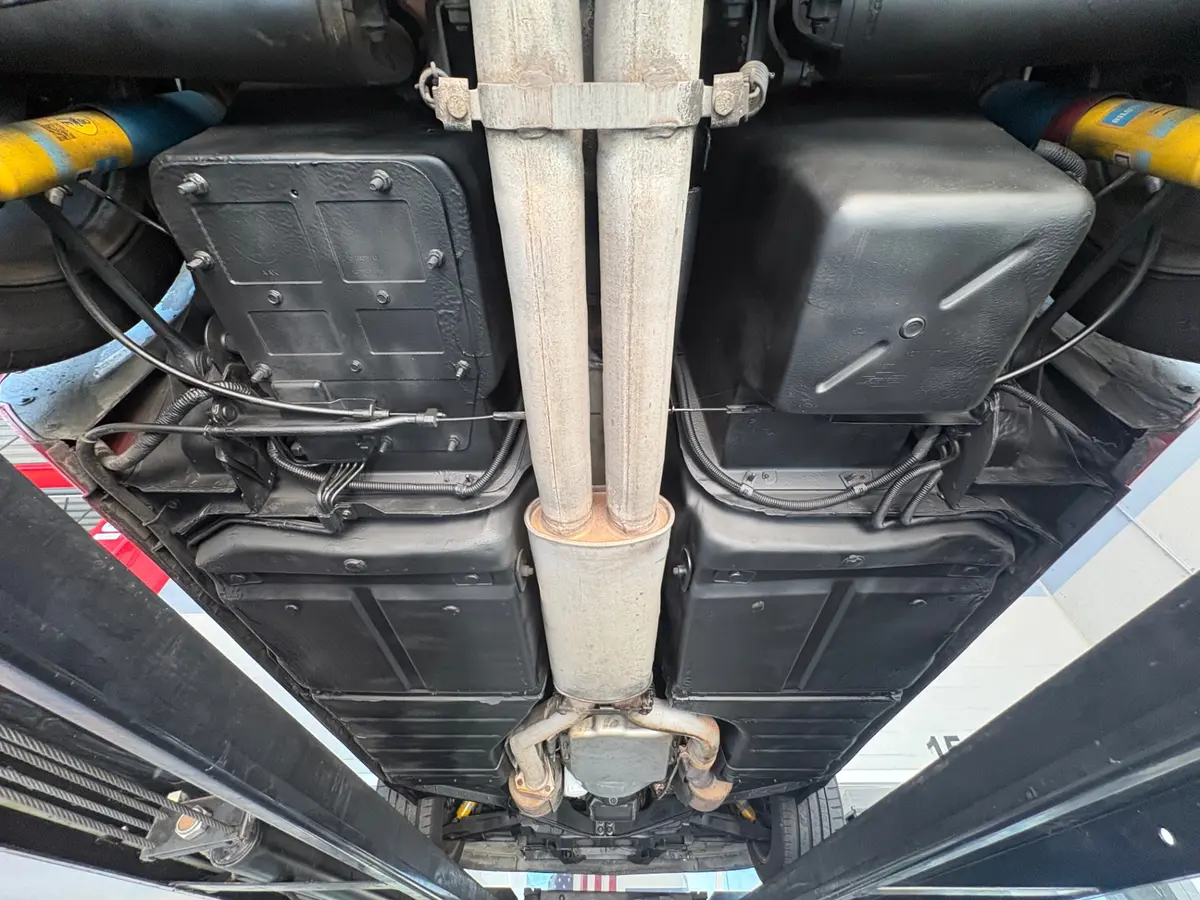
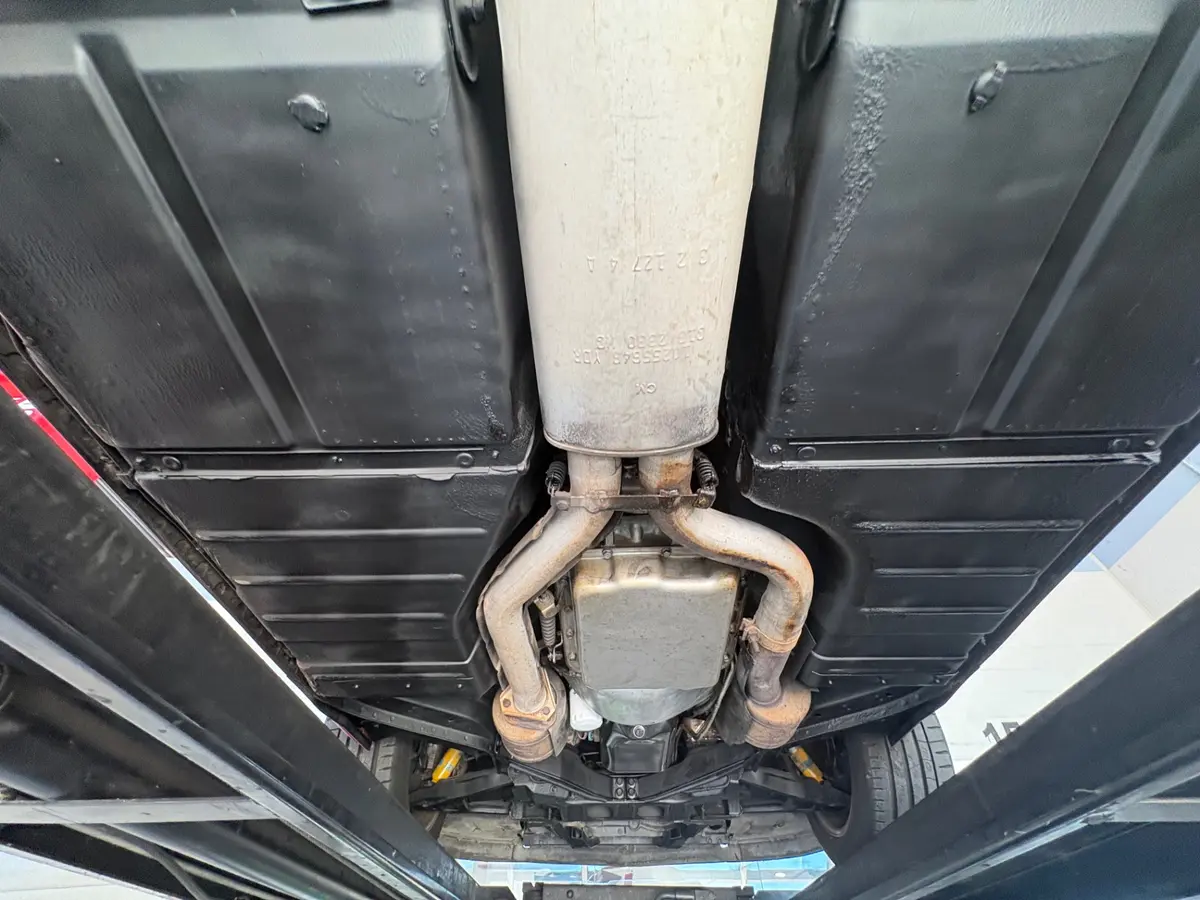
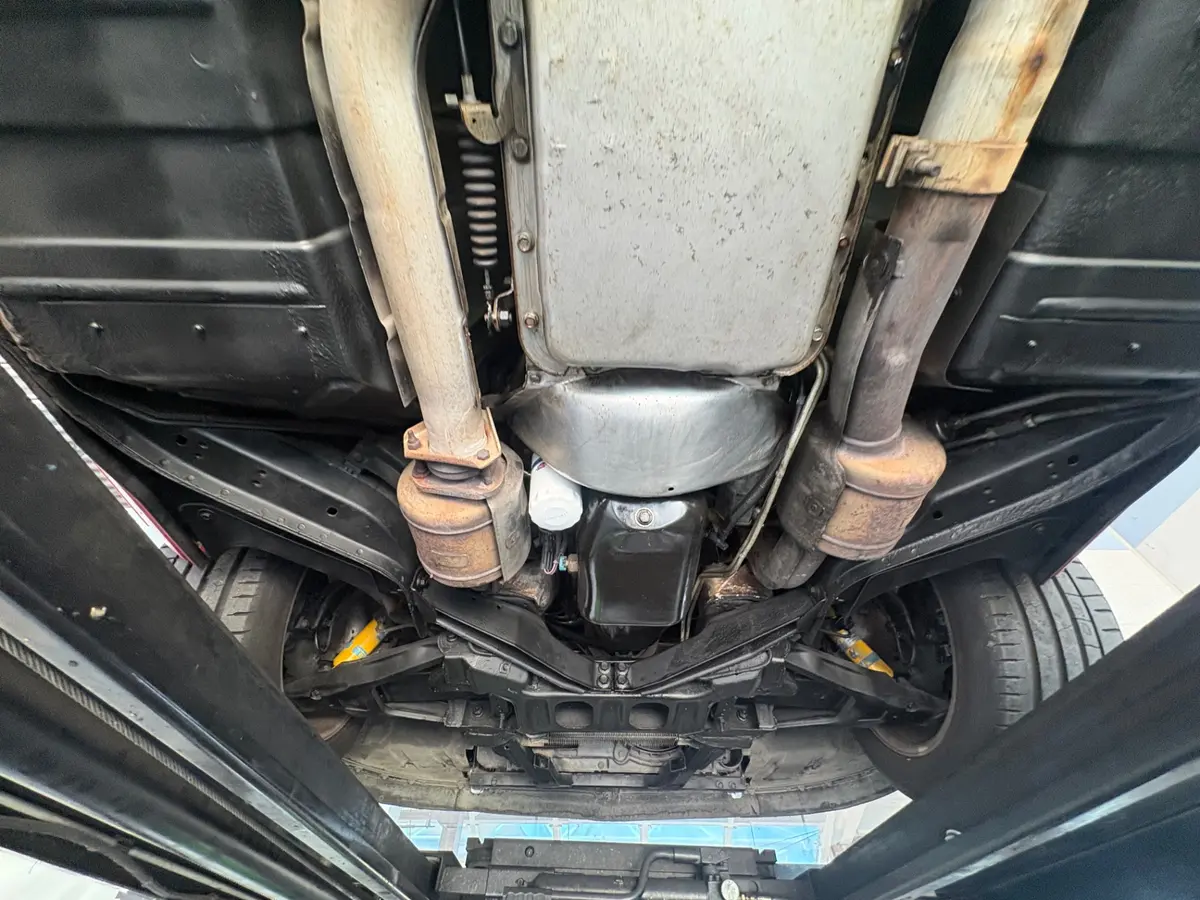
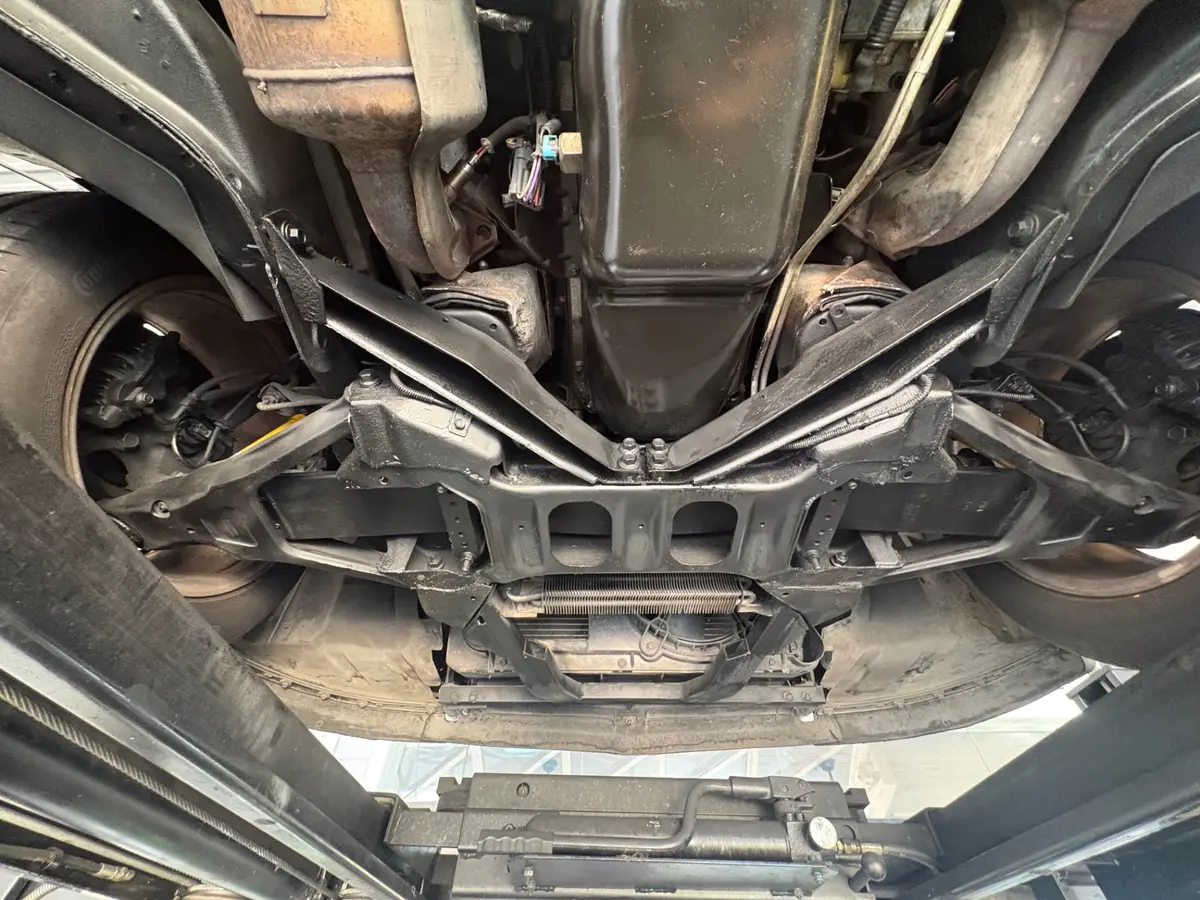
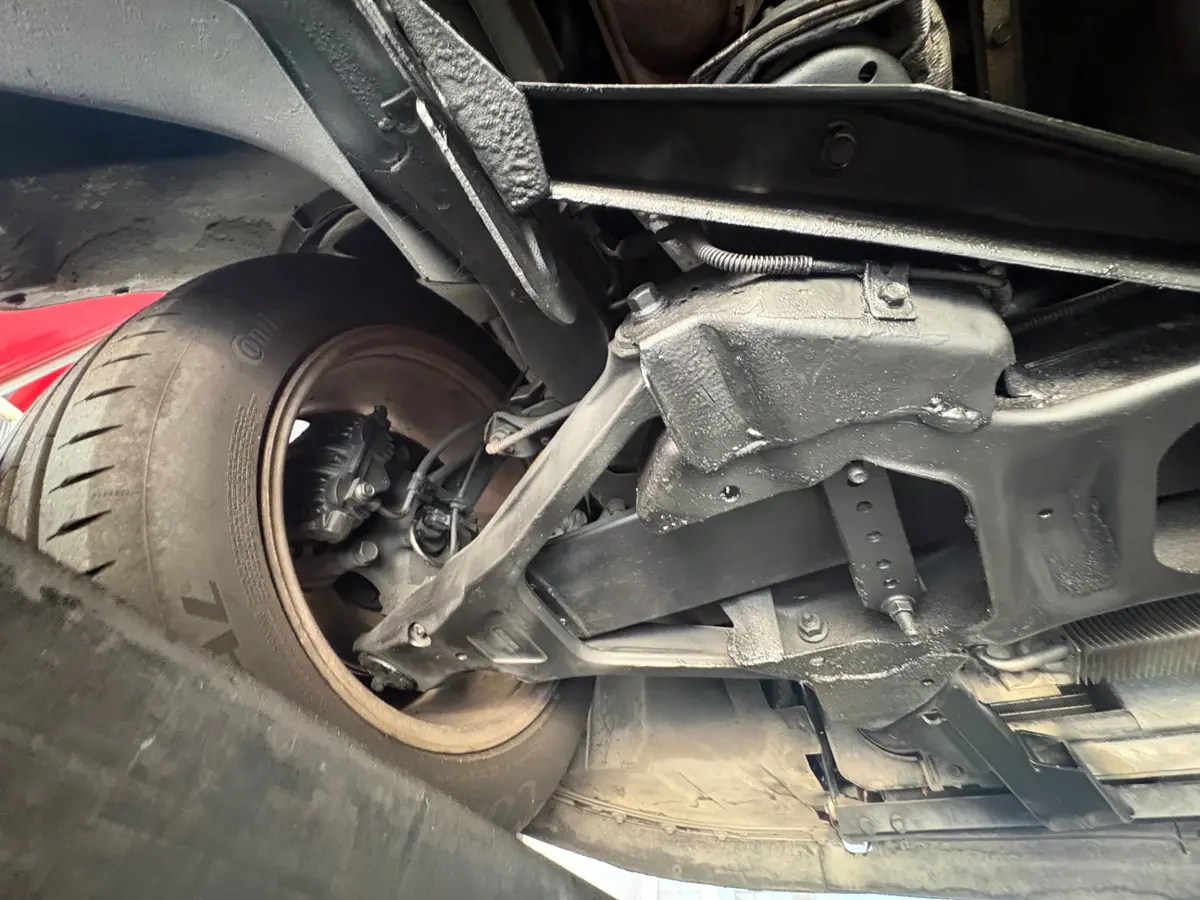
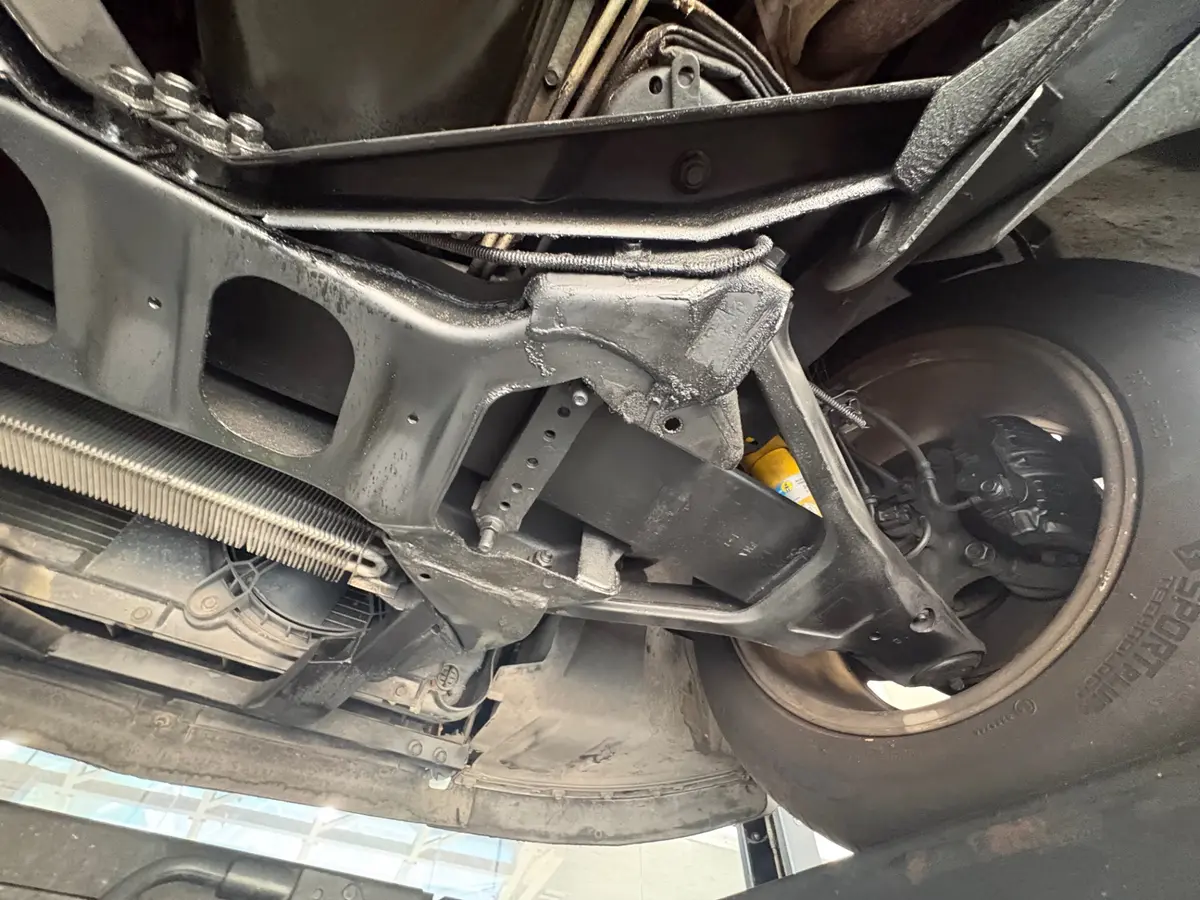
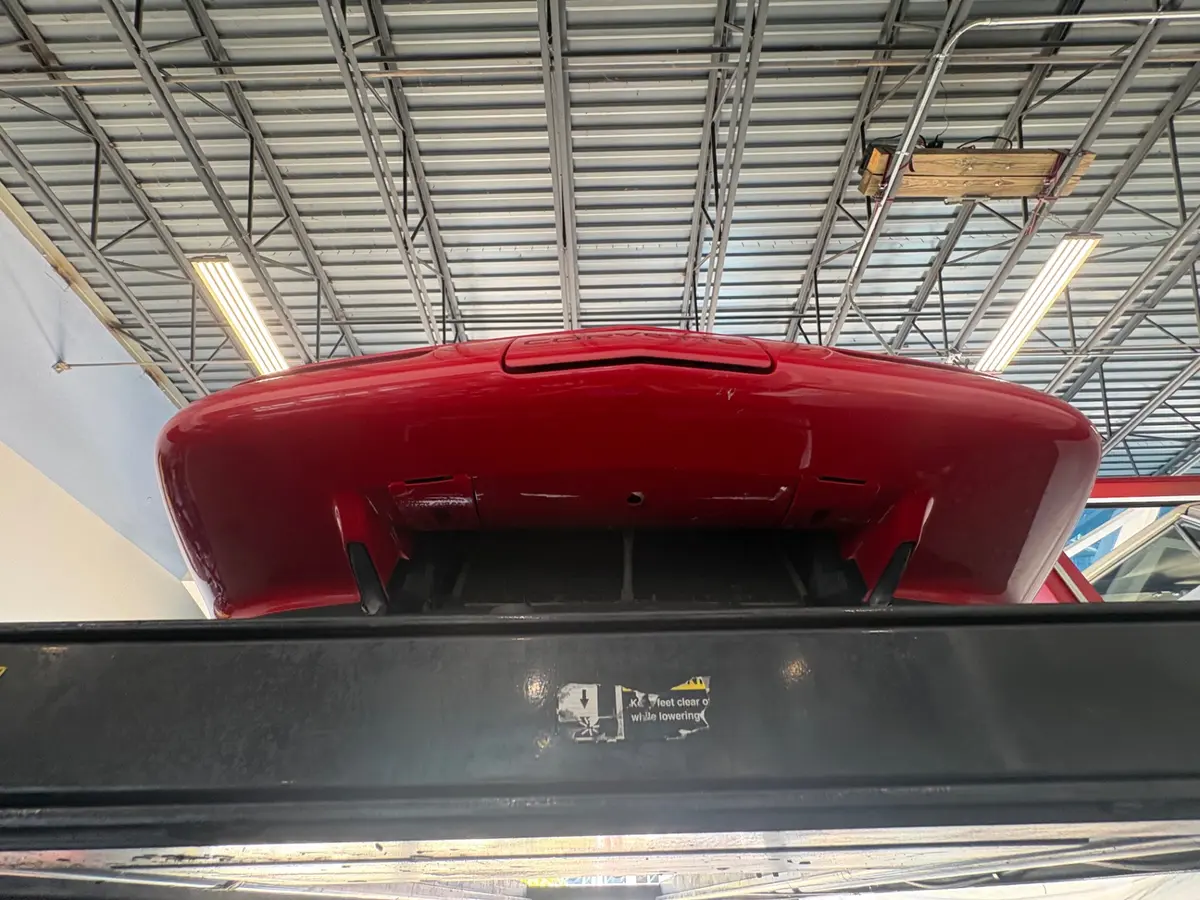
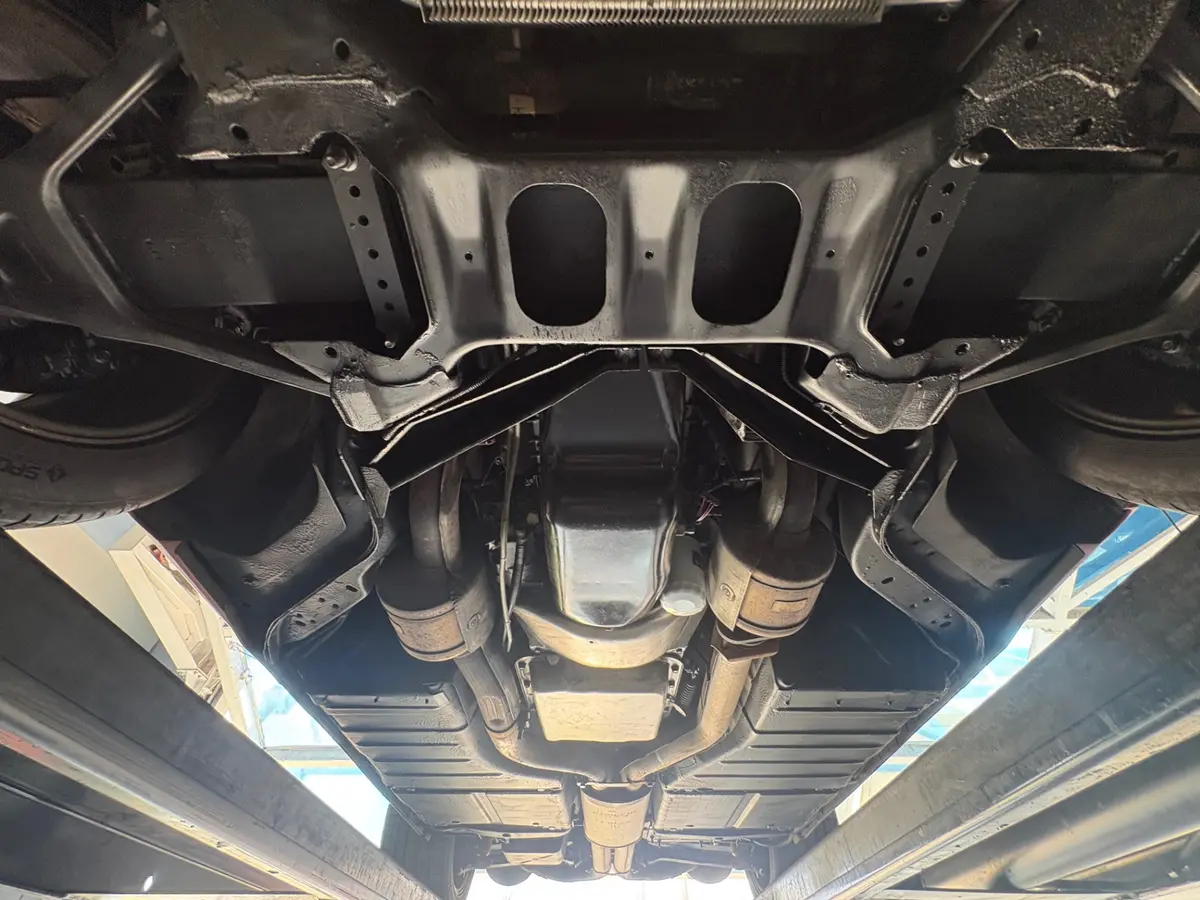
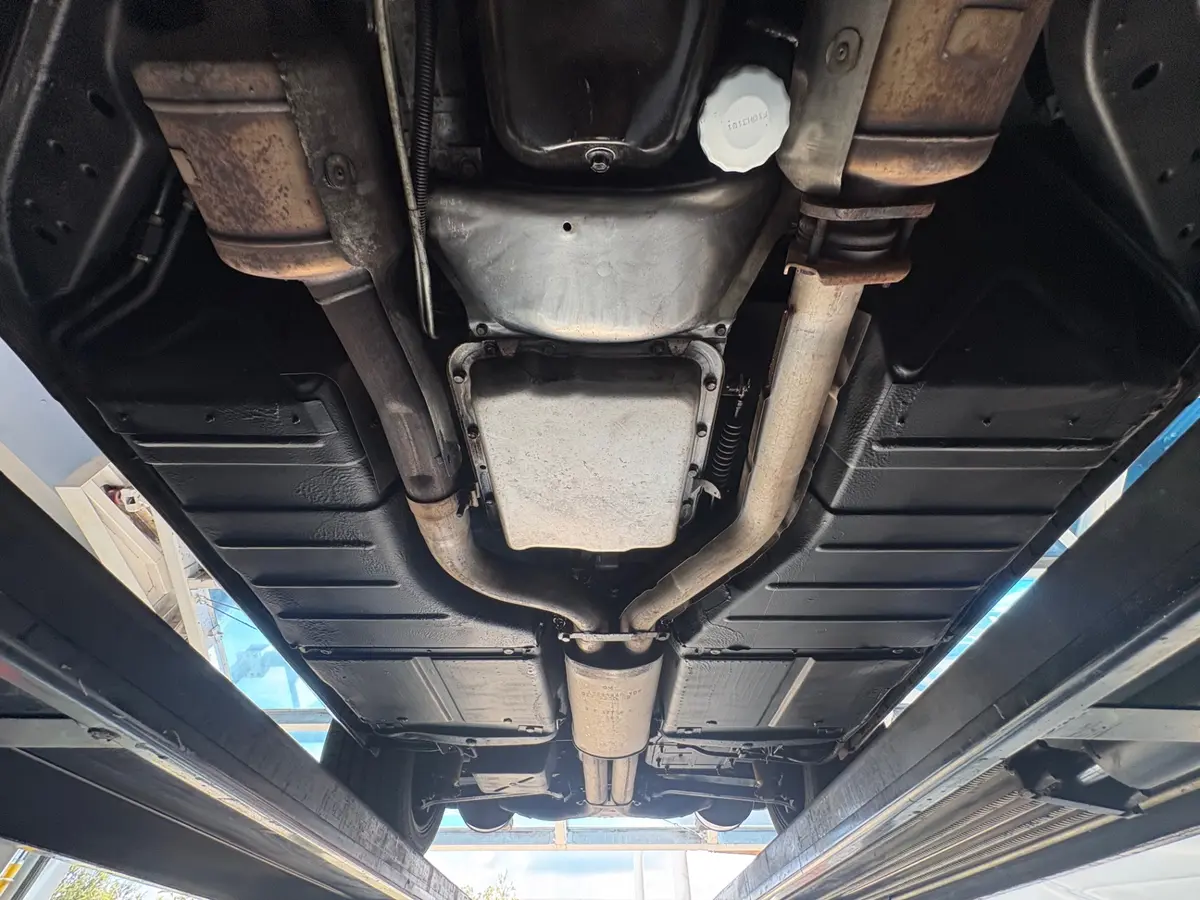
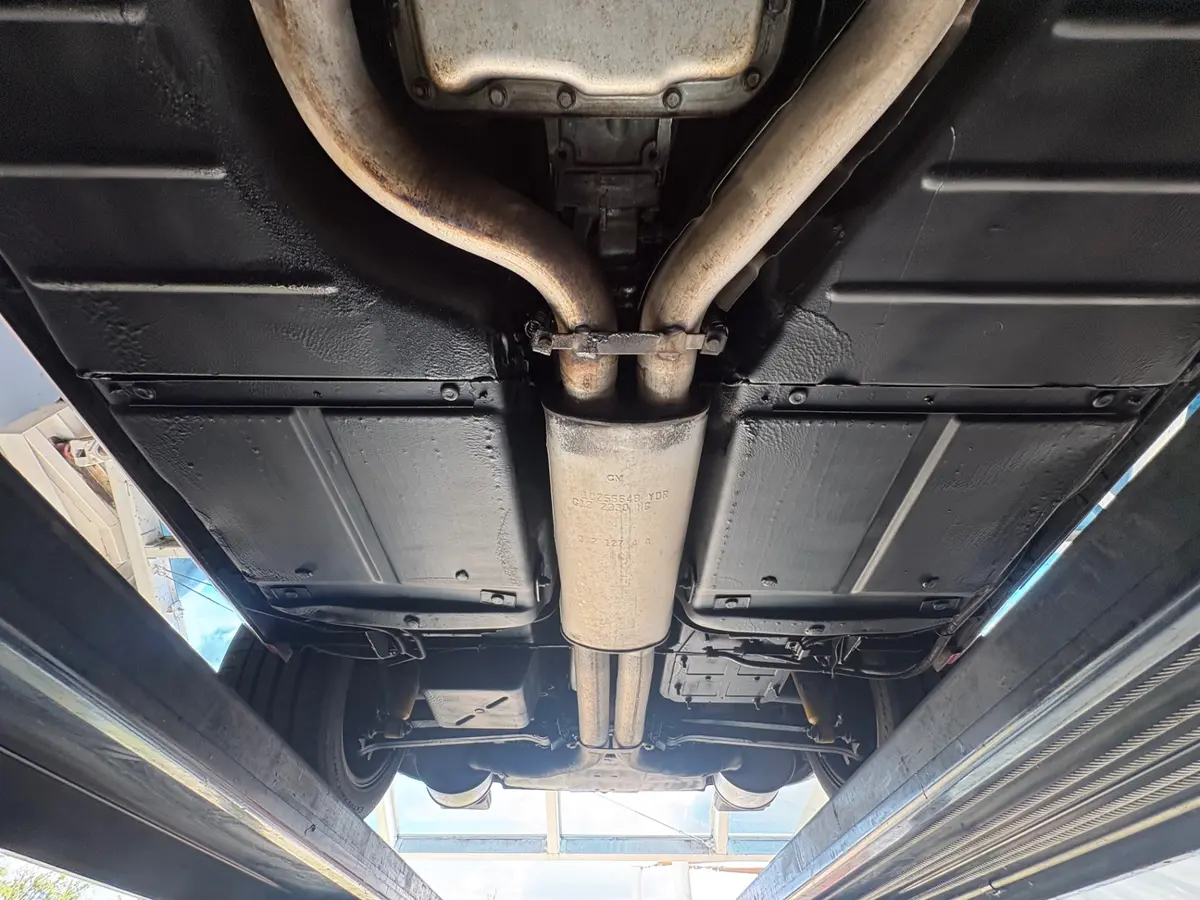
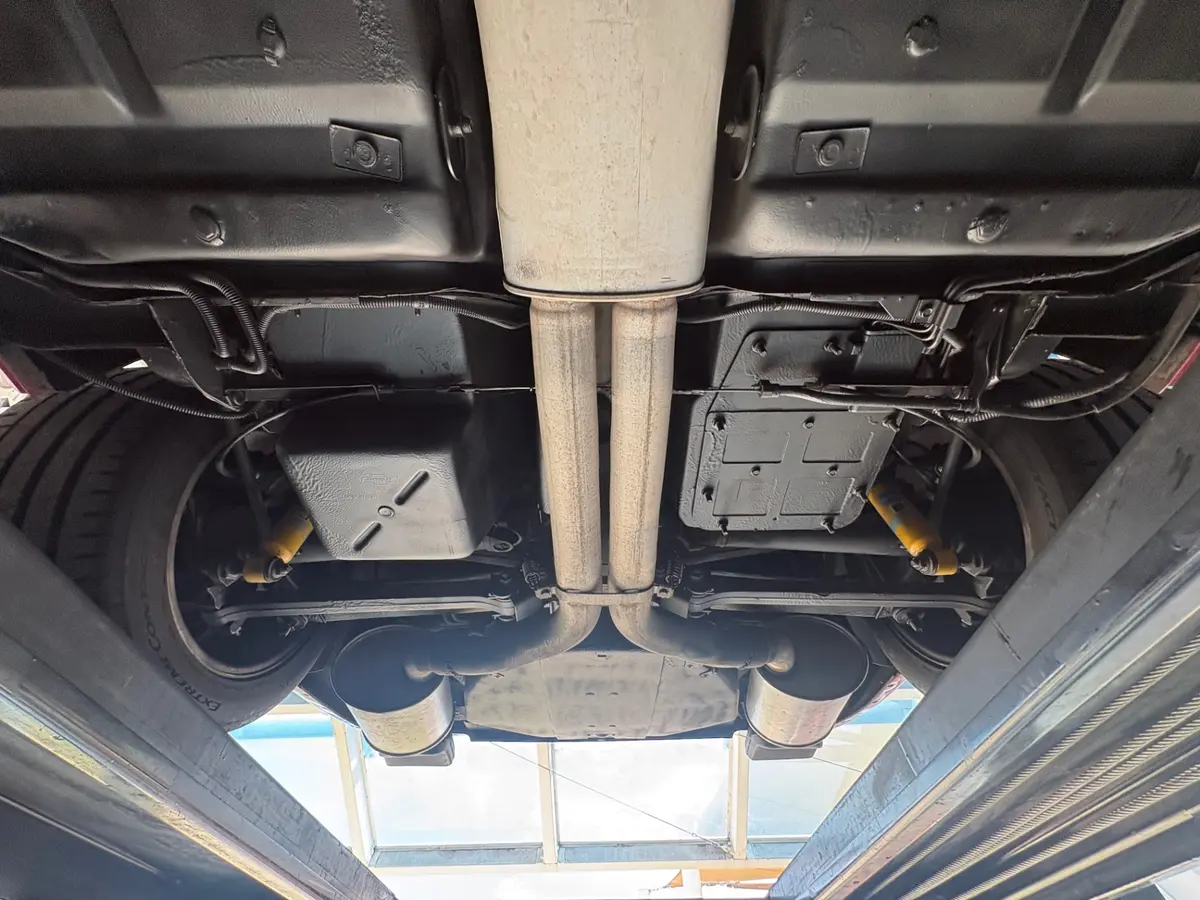
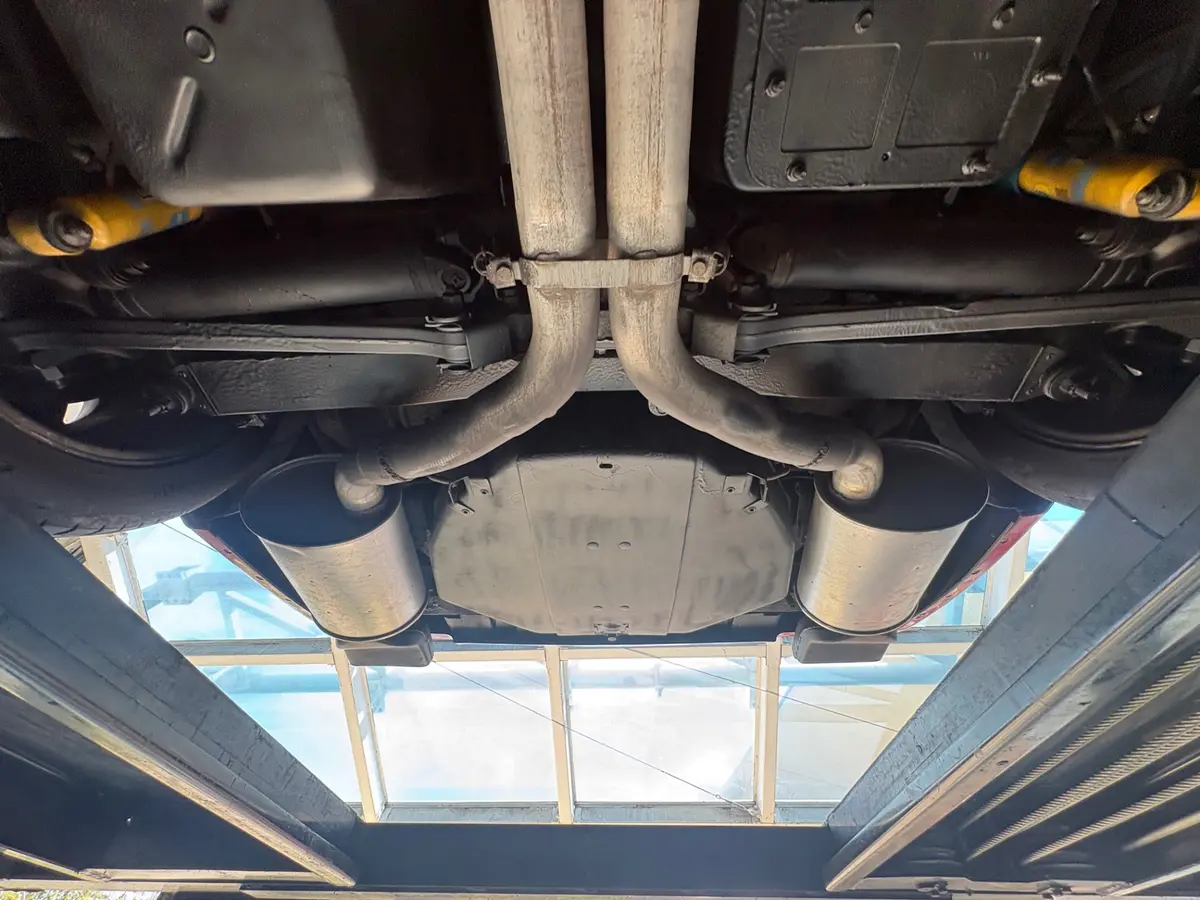
This particular 1994 Chevrolet Corvette is finished in red over a full red leather interior, and it's a convertible equipped with both the soft top and a removable hardtop panel — giving the owner the flexibility to configure the car based on weather or preference. That combination, red exterior and matching red leather, is a classic Corvette presentation that photographs well and holds up over time. The underside shots tell a reassuring story: the frame and floorpan are well-preserved, the Bilstein shocks are visible and correctly identified, and the dual exhaust routing is clean and intact. This is not a car that appears to have been neglected.
Features List
- LT1 5.7L V8, 300 horsepower
- 4-Speed Automatic Transmission
- Soft Convertible Top
- Removable Hardtop Panel
- Red Leather Interior
- Factory Alloy Wheels
- Dual Exhaust
- Bilstein Shocks
- Four-Wheel Disc Brakes
- ABS Brakes
- Traction Control (ASR)
- Air Conditioning
- Power Windows
- Power Door Locks
- Power Steering
- Power Brakes
- Dual Airbags
- Digital Instrument Cluster
- AM/FM Stereo
- Cruise Control
- Tilt Steering Wheel
- Keyless Entry
- Center Console
- Corvette Door Sill Plates
Mechanical
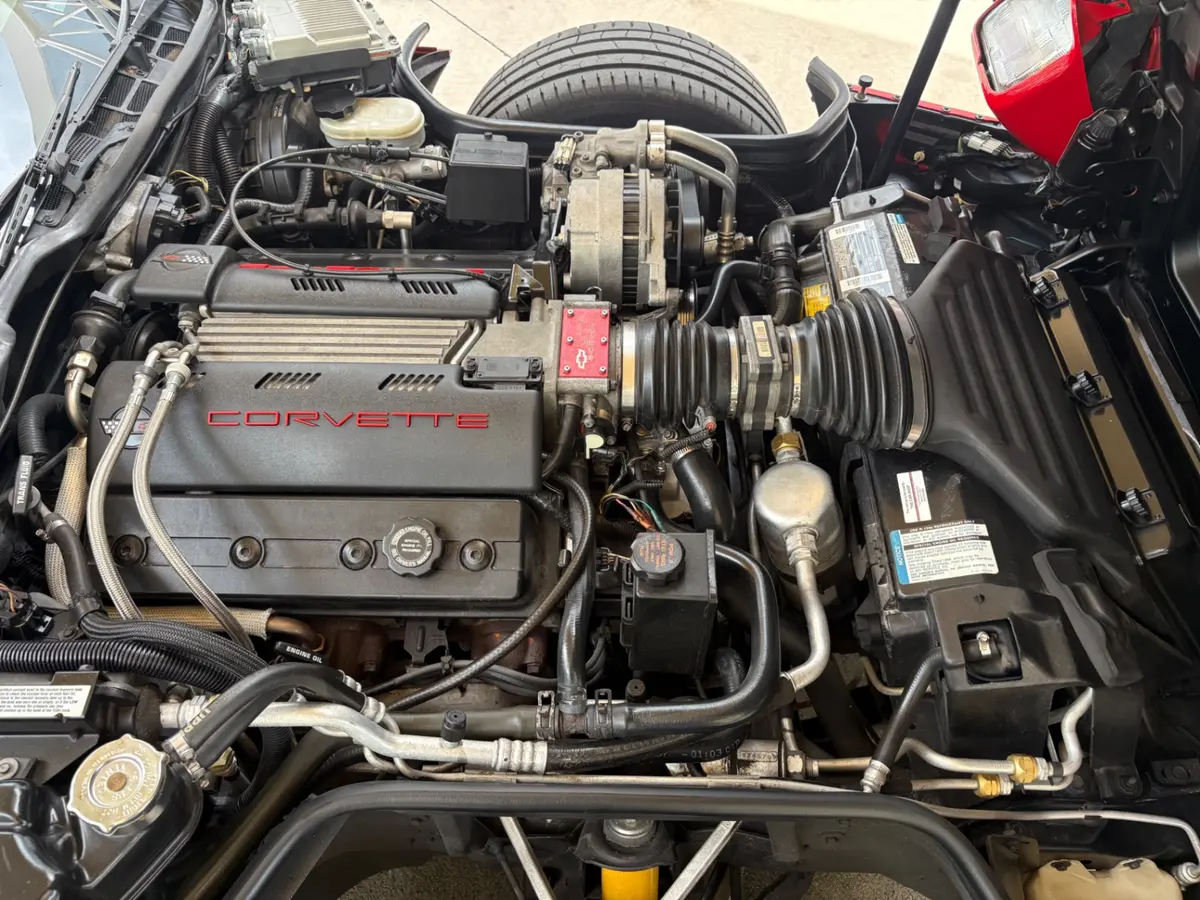
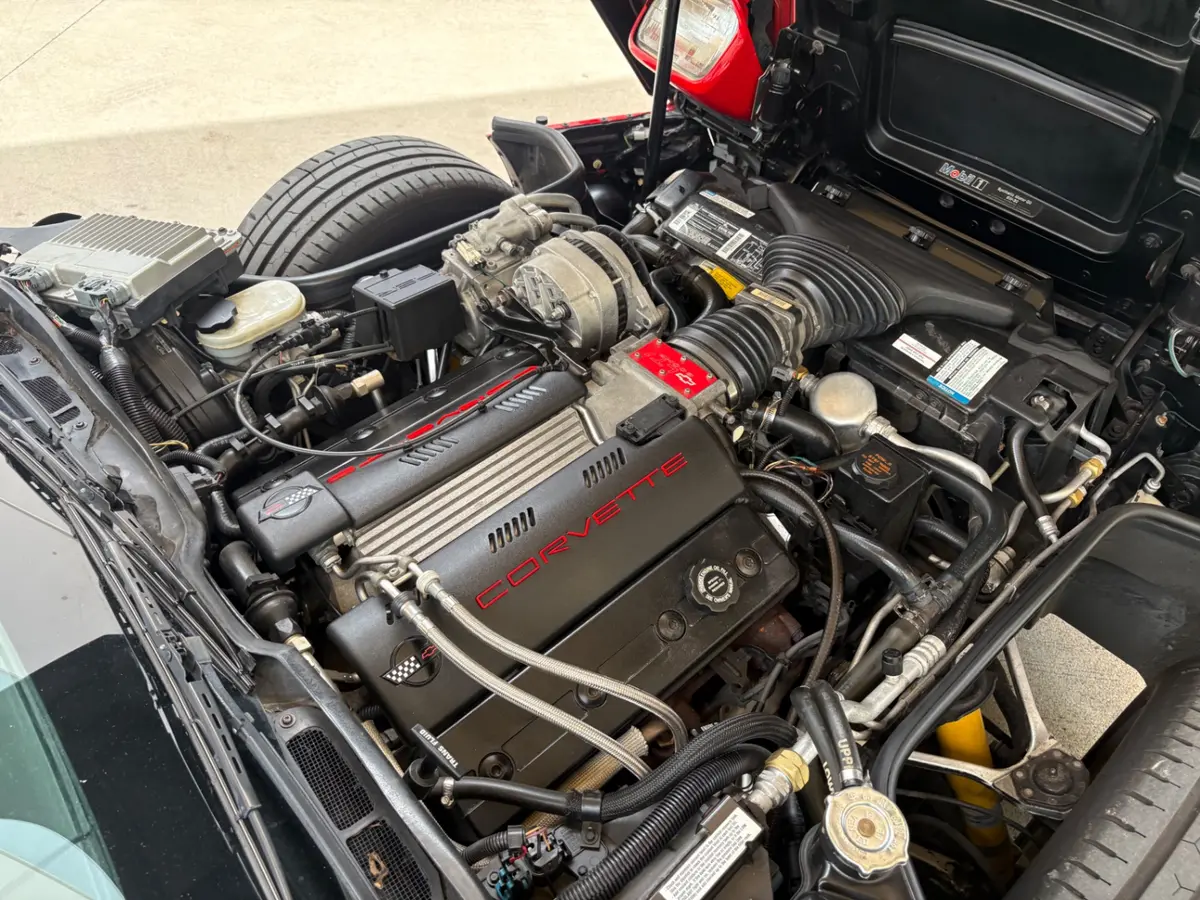
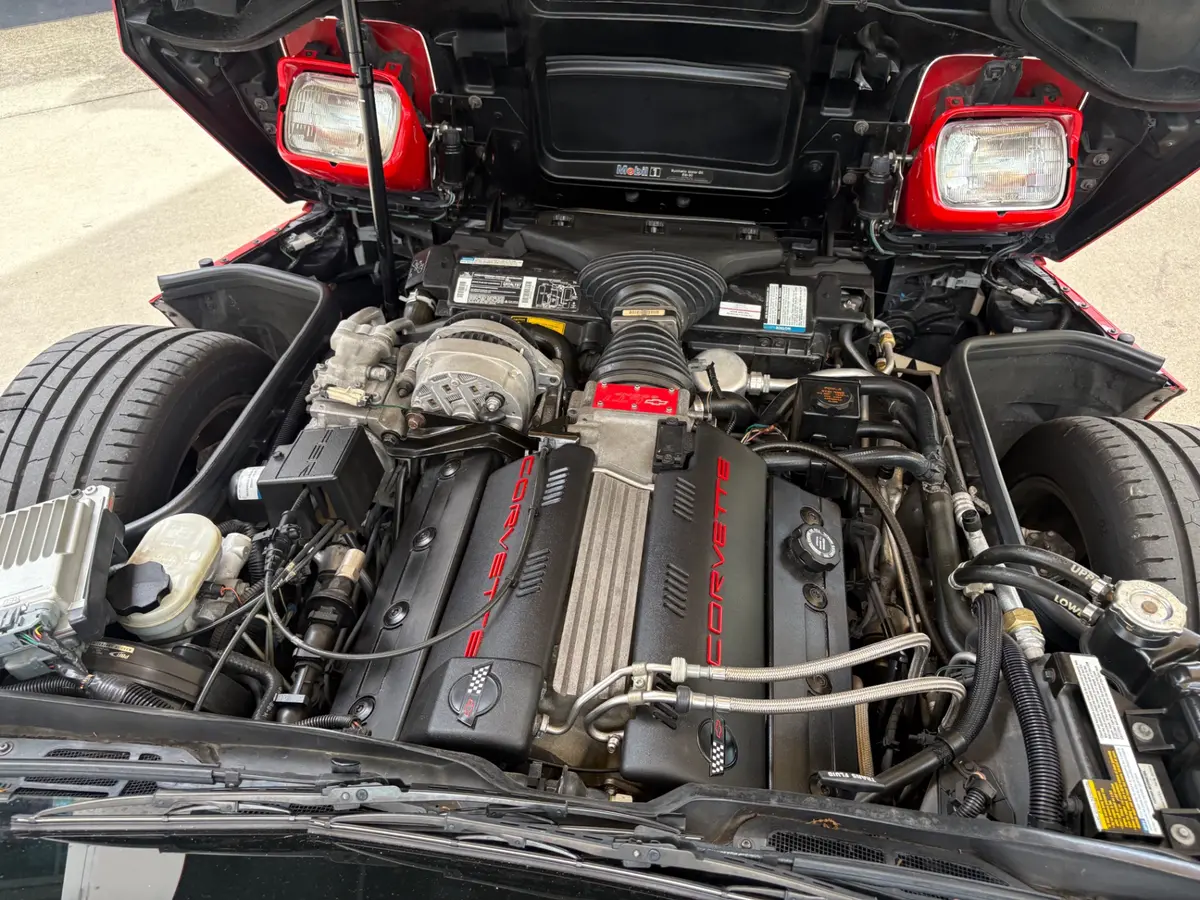
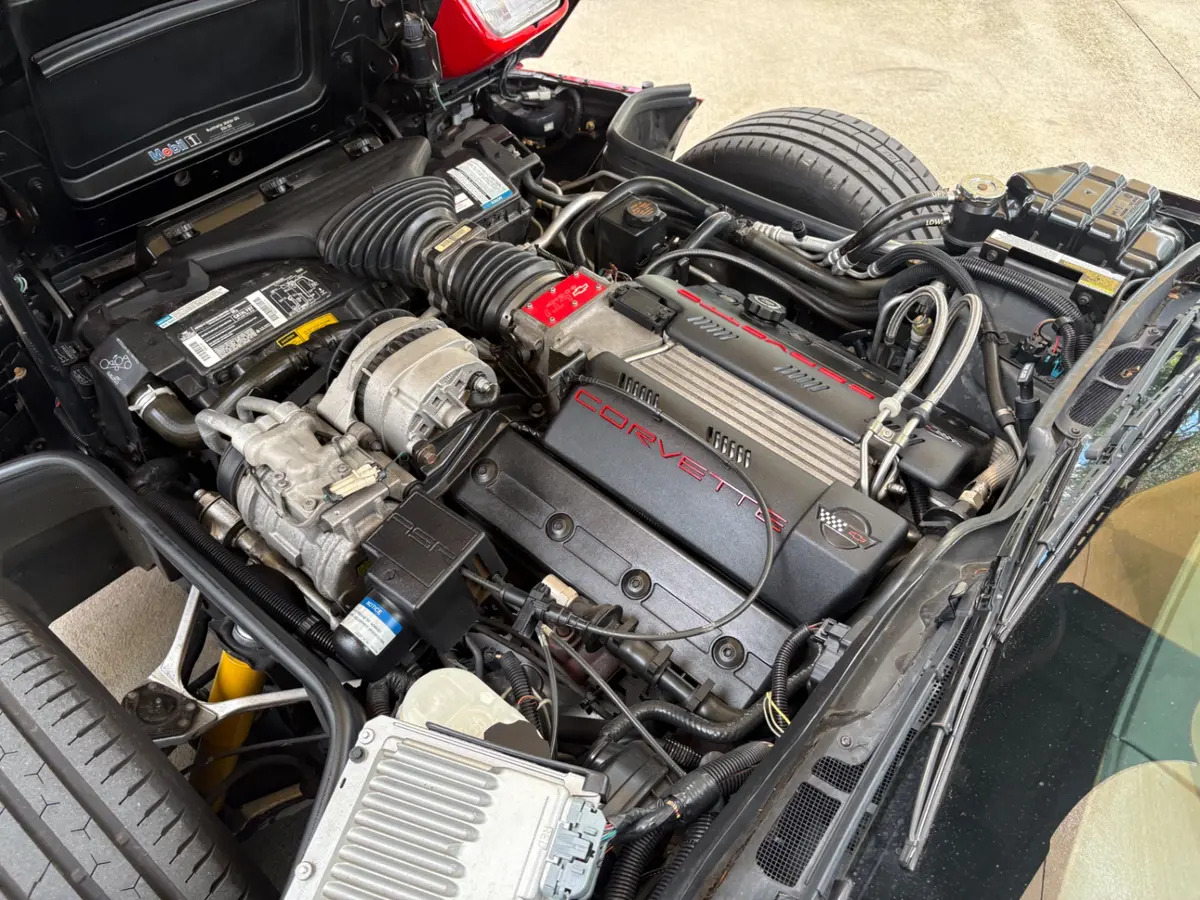
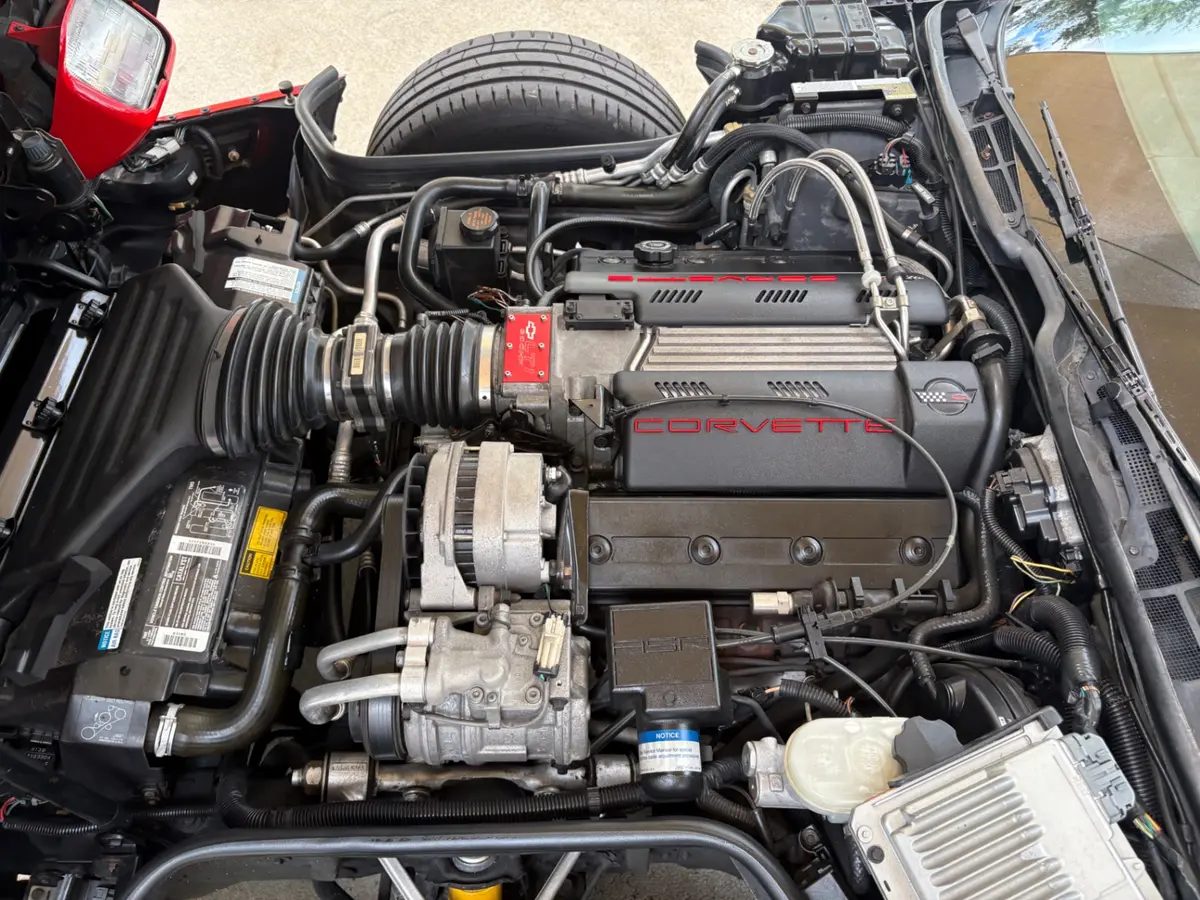
The LT1 5.7-liter V8 under the hood of this 1994 Chevrolet Corvette is the defining mechanical element of the C4's later years. Displacing 350 cubic inches, it uses sequential fuel injection, a reverse-flow cooling system that prioritizes cylinder head cooling over block cooling, and a high-mounted camshaft that allows for a shorter, stiffer engine block. The result is an engine that produces 300 horsepower at 5,000 rpm and 340 lb-ft of torque at 3,600 rpm while still meeting emissions standards and returning respectable fuel economy for its displacement. It is paired here with the 4L60E four-speed automatic transmission, which was the correct gearbox for a 1994 Corvette equipped without the six-speed manual option. The 4L60E is an electronically controlled unit that communicates with the engine's PCM, allowing for smoother shifts and rev-matched downshifts that the older Turbo-Hydramatic units couldn't provide.
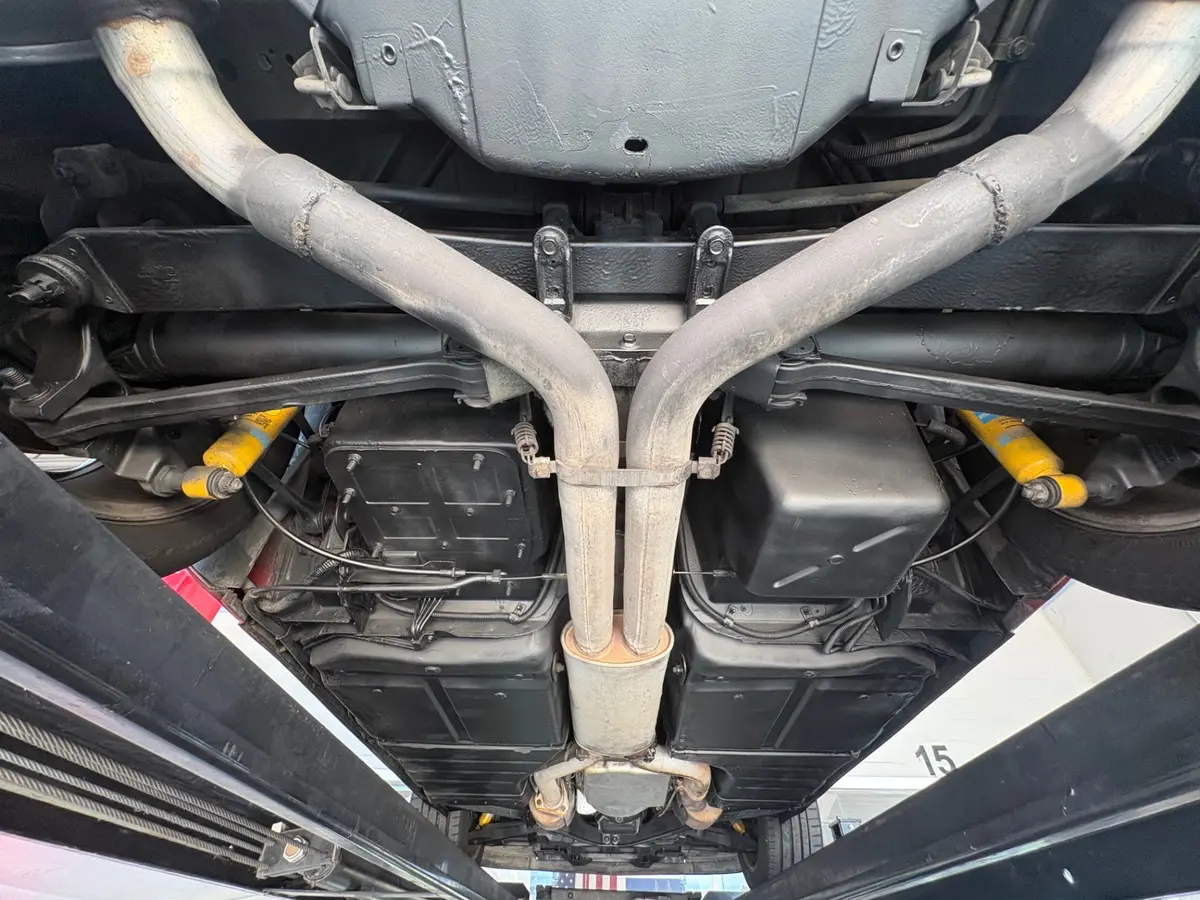
The Bilstein shocks visible in the undercarriage photos are a meaningful detail. Bilstein gas-pressure monotube shocks are a preferred replacement for the original Delco units on these cars, and their presence here suggests someone invested in the suspension at some point rather than letting it deteriorate. The C4's independent rear suspension uses a fiberglass mono-leaf spring, half-shafts that double as upper control arms, and a five-link geometry that Chevrolet engineers developed over several model years to progressively sharpen. Combined with four-wheel disc brakes, ABS, and the factory ASR traction control, this 1994 Corvette has the mechanical architecture to put its power down cleanly and stop with real confidence.
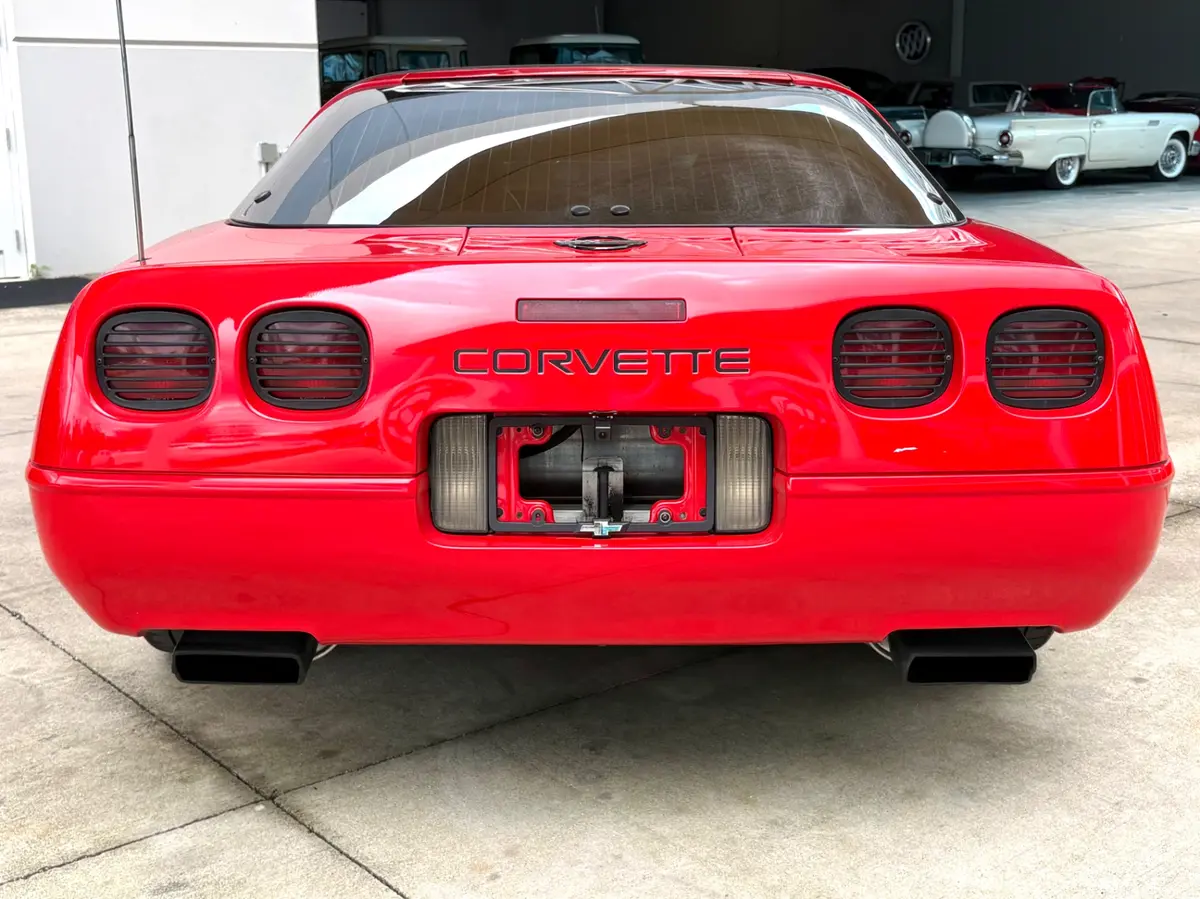
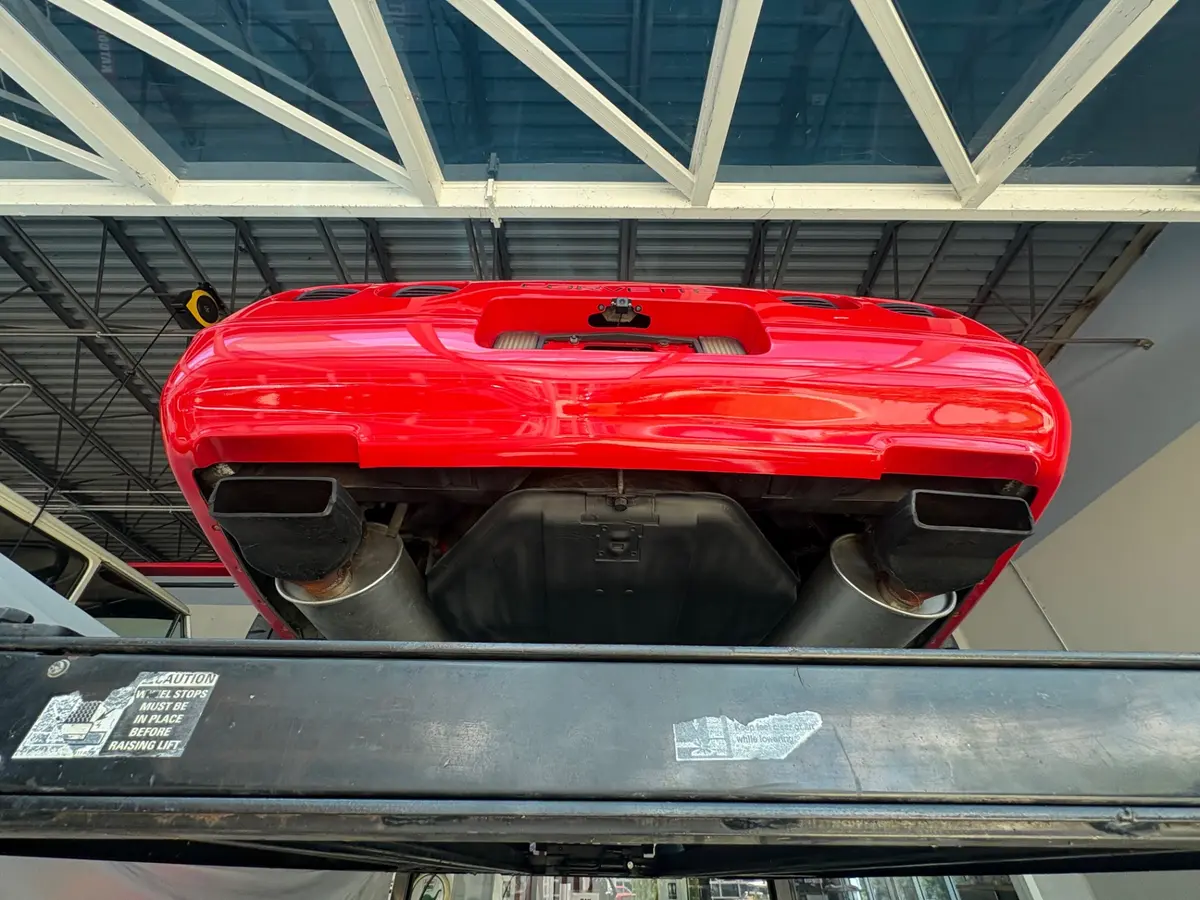
The exhaust photos show the factory dual exhaust routing intact, with rectangular exhaust tips exiting at either corner of the rear fascia. The underbody itself shows the kind of surface you want to see on a Florida-or-Sun-Belt car — no rust, no patchwork, no evidence of major damage repair. The framerails and suspension cradle look consistent with a vehicle that has not been abused.
Interior
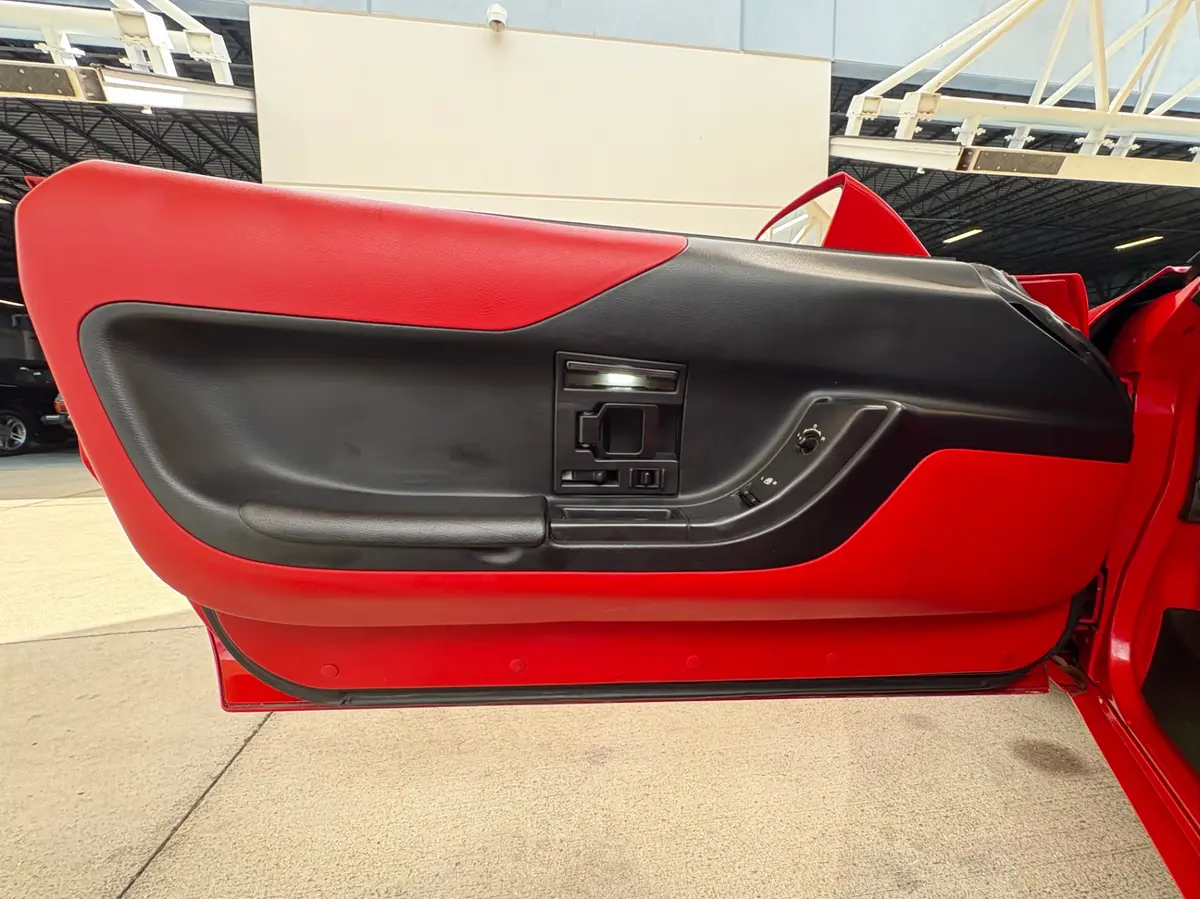
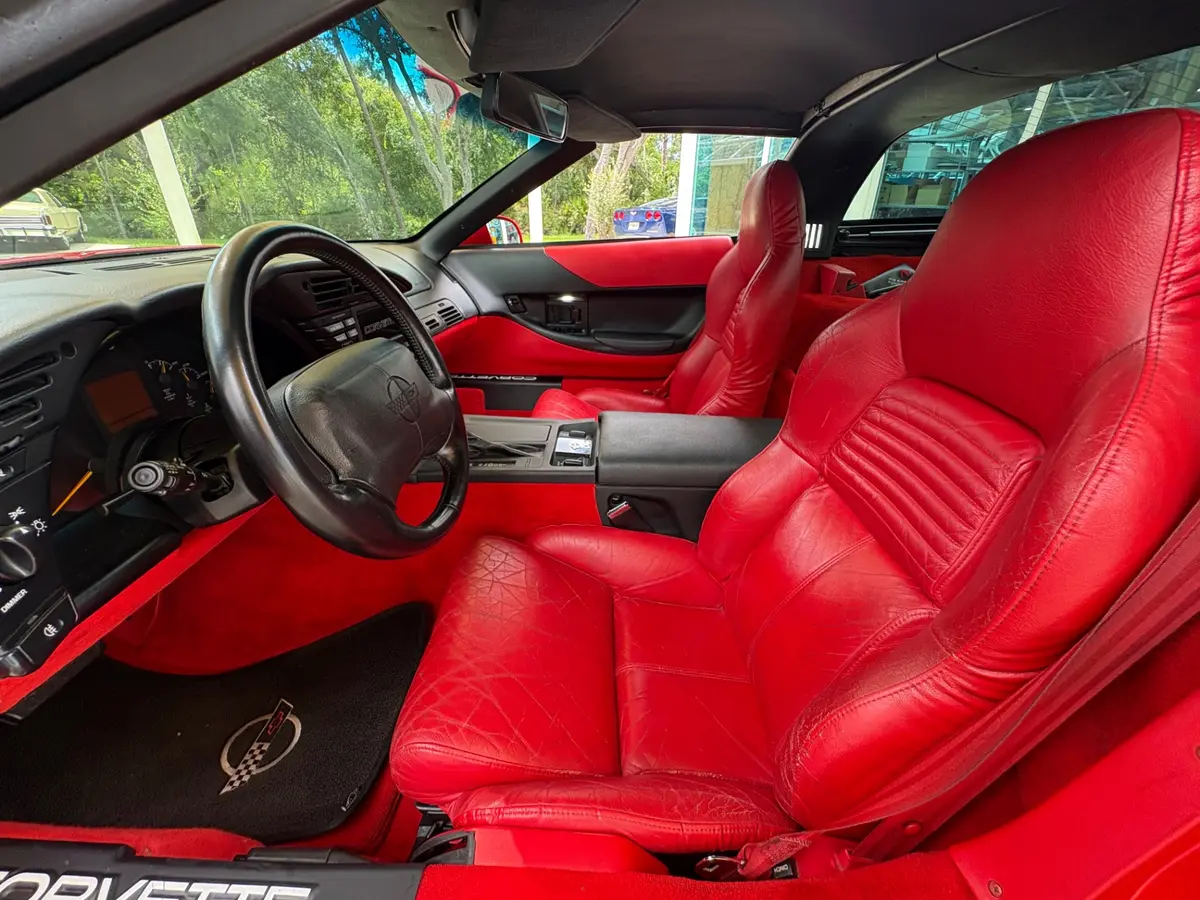
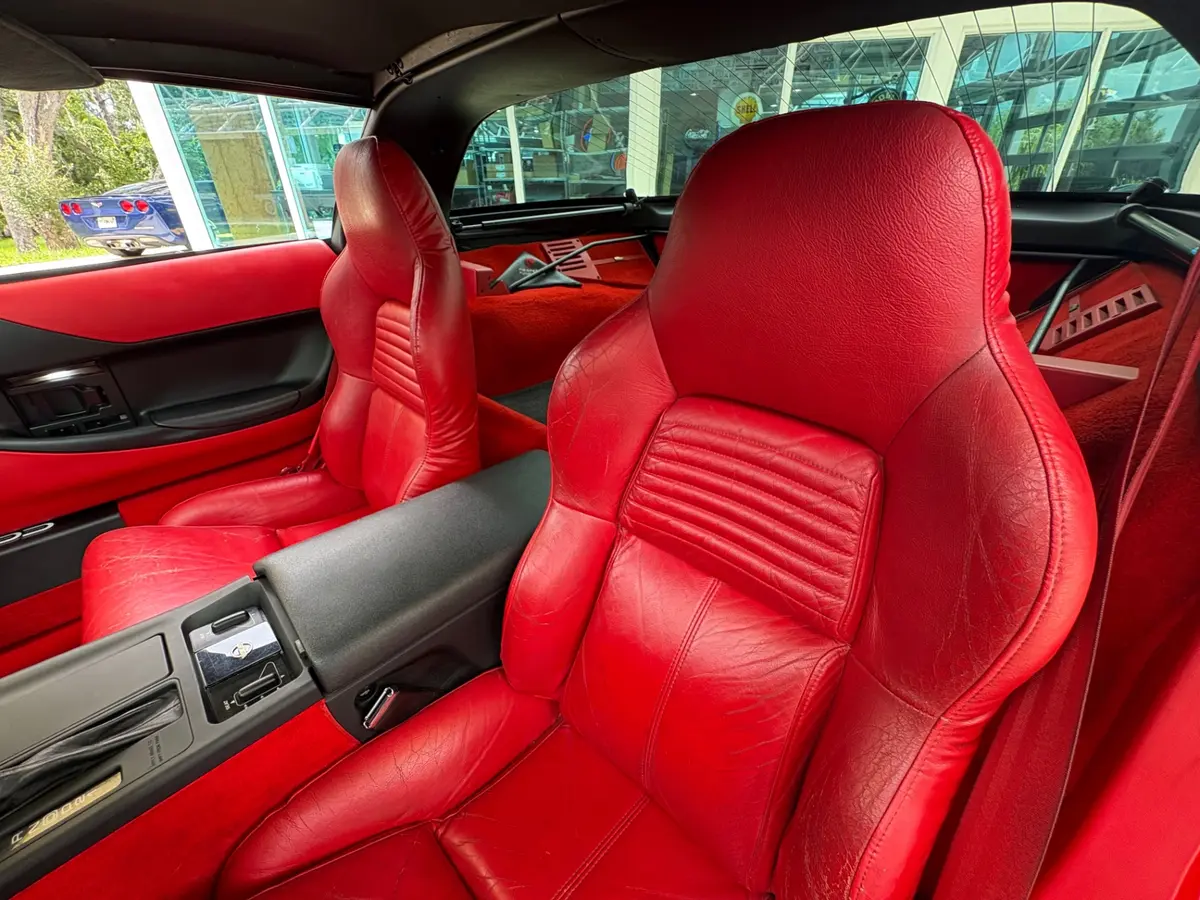
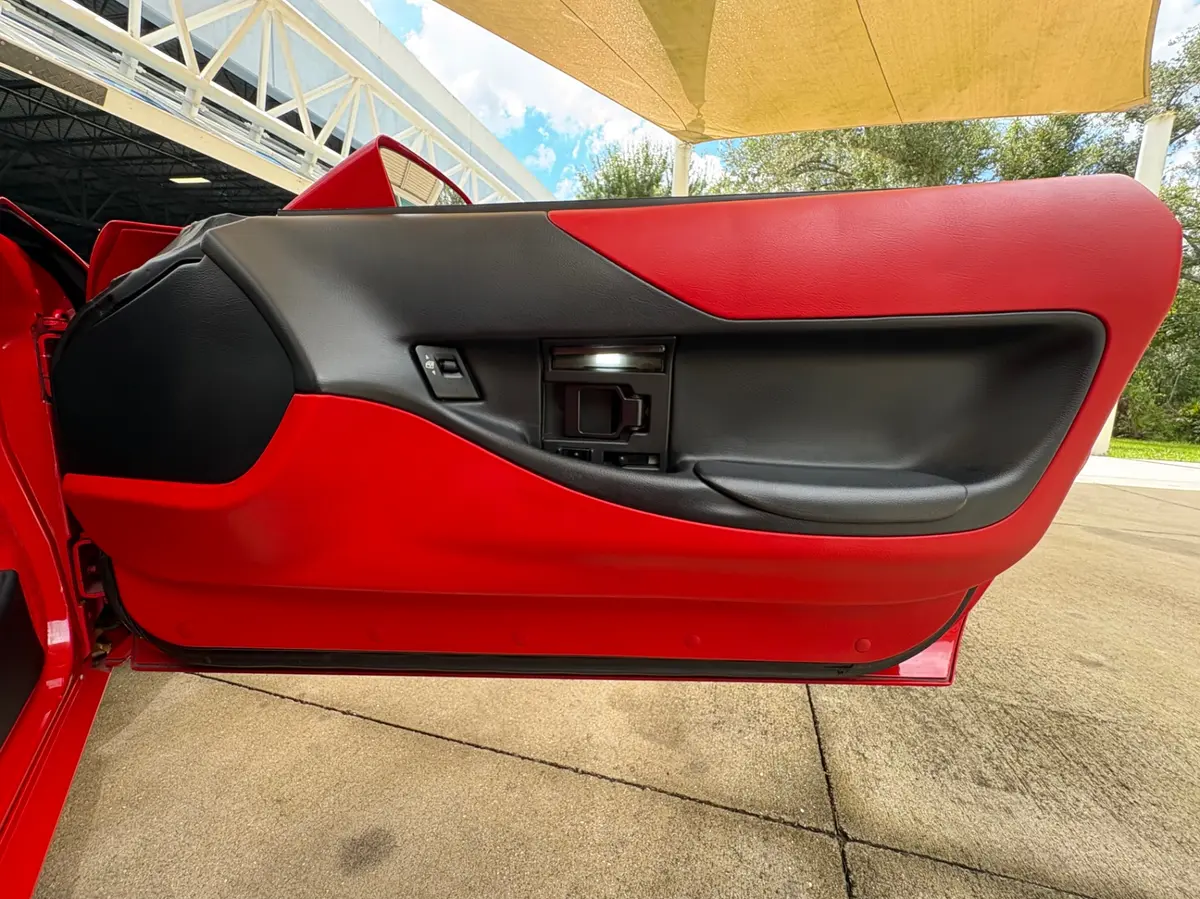
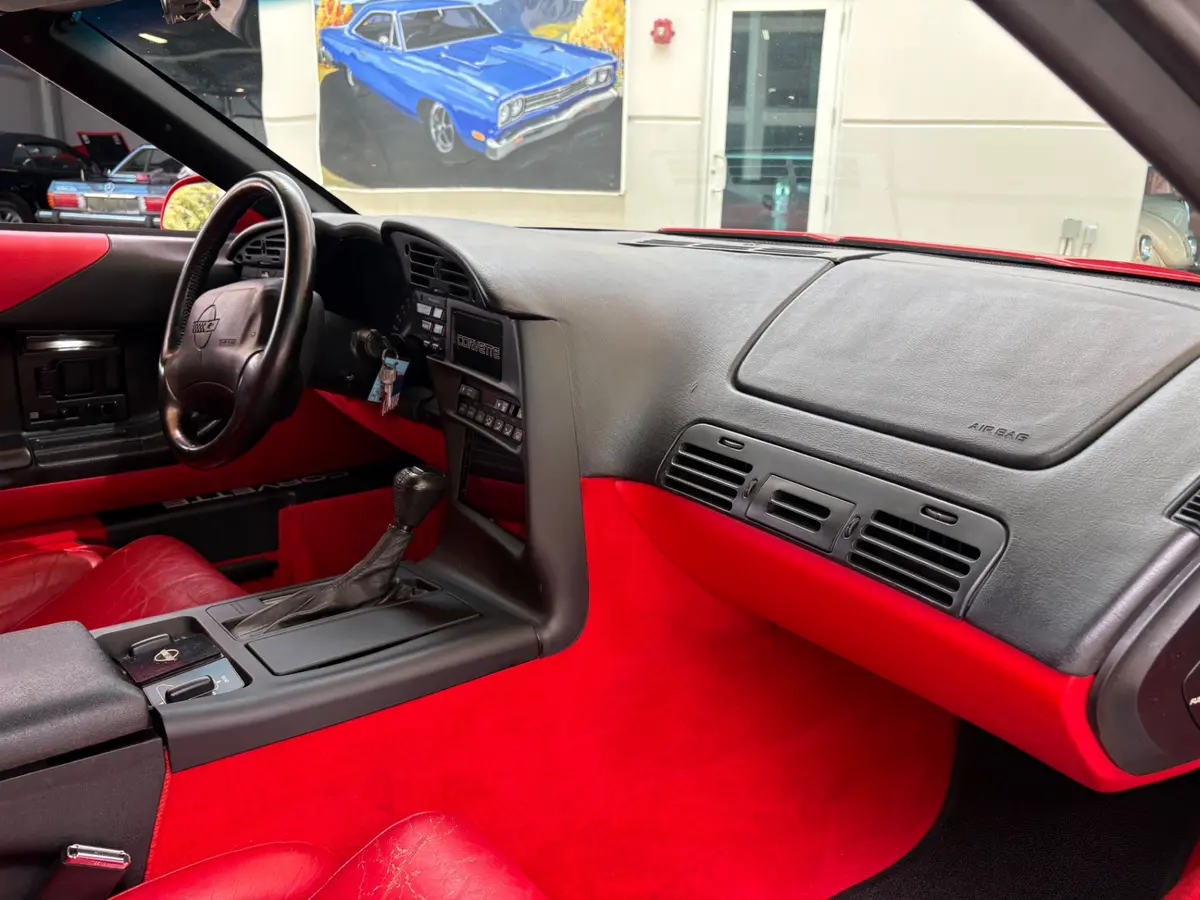
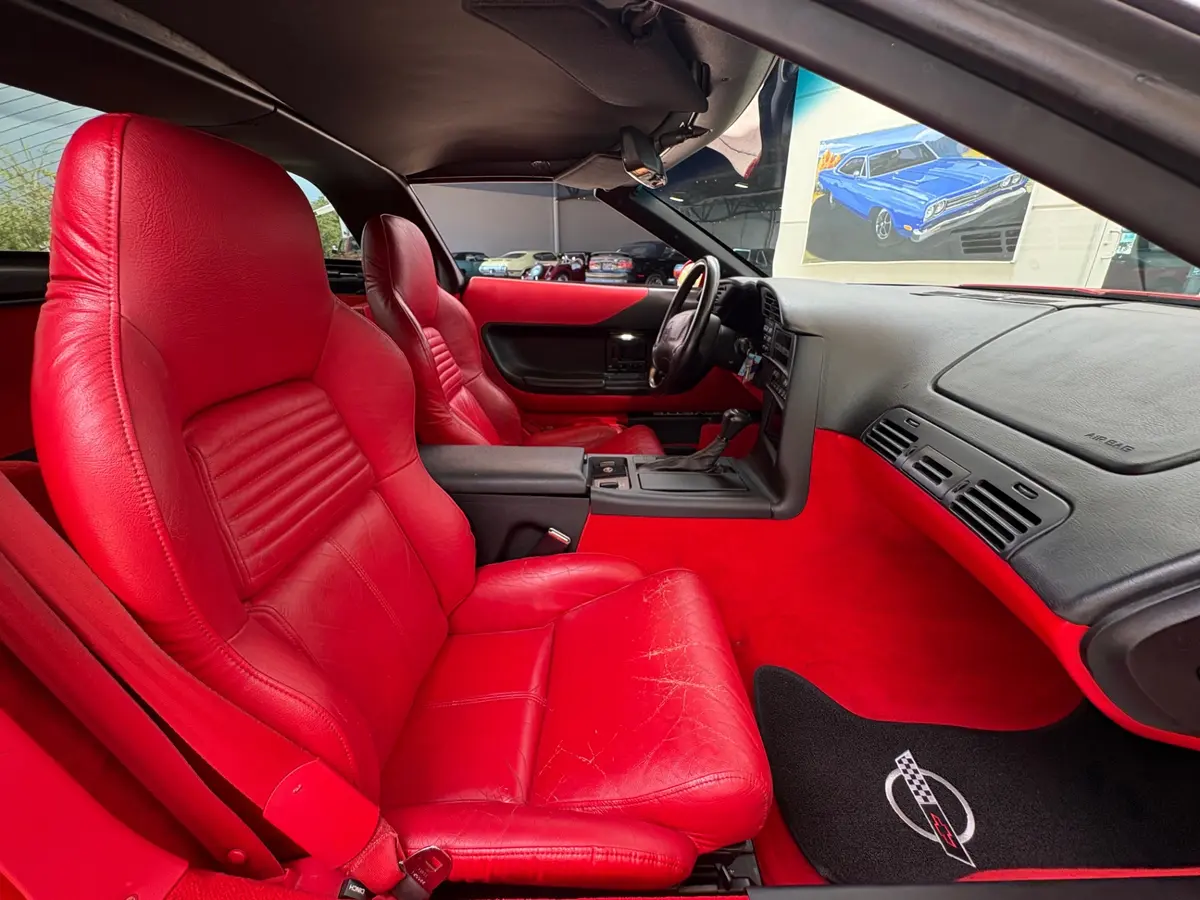
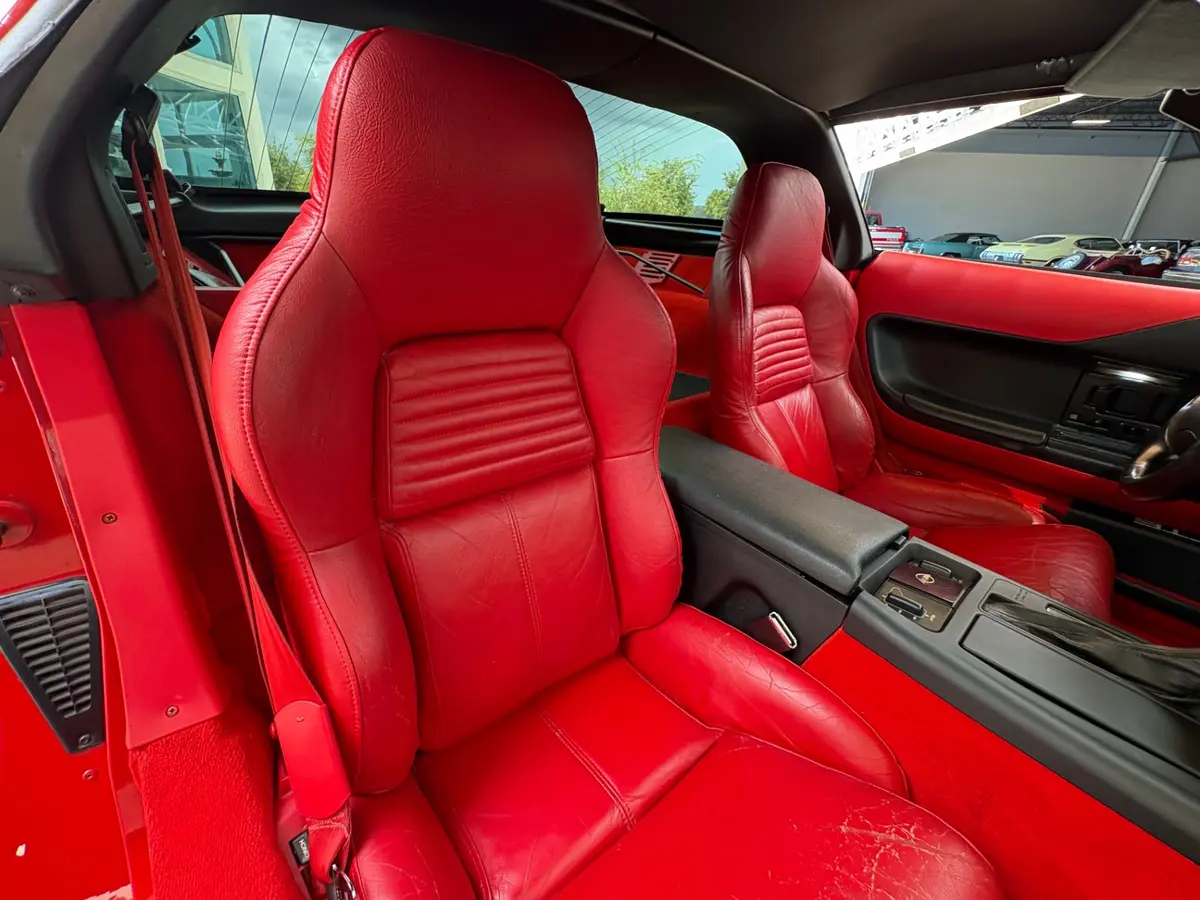
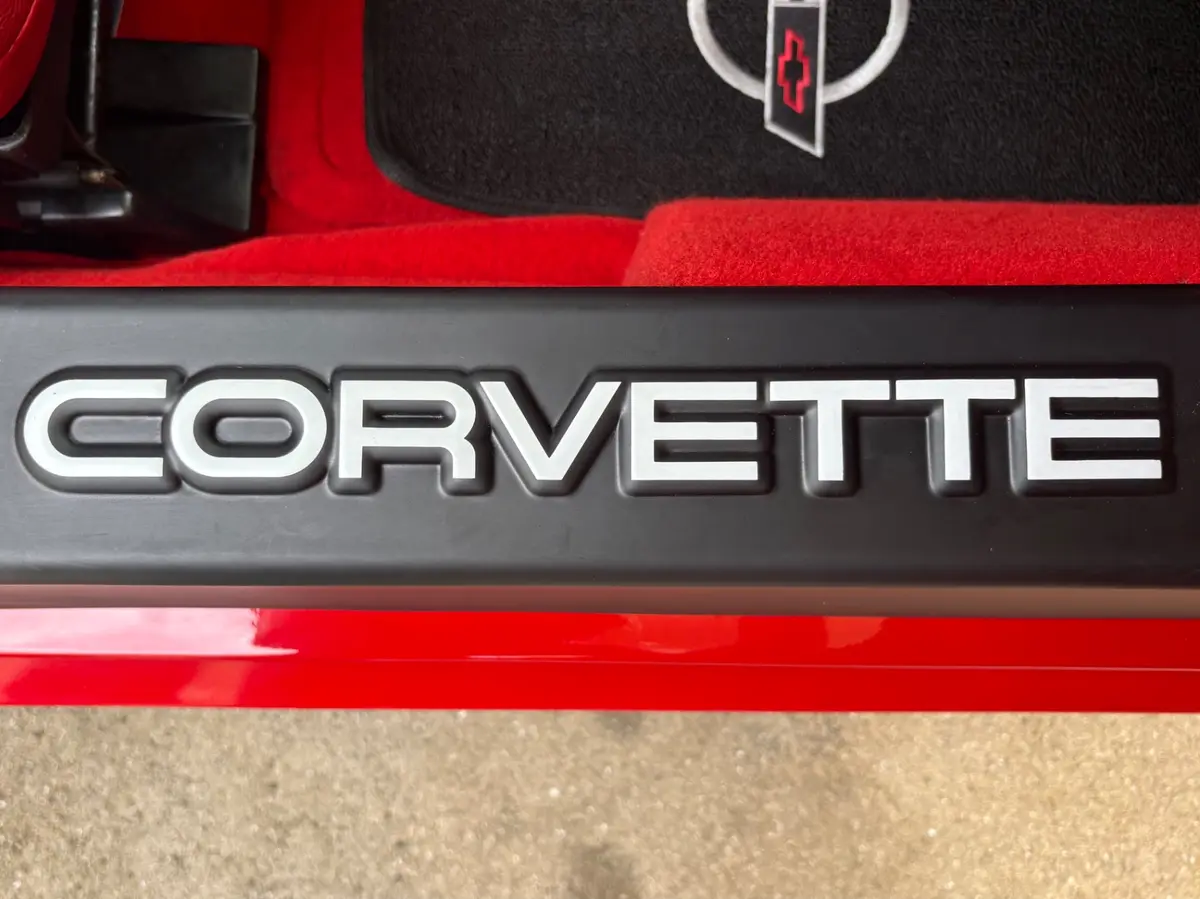
Step inside the 1994 Chevrolet Corvette and the all-red leather interior commands immediate attention. The sport bucket seats show honest wear consistent with a car that has been used over its thirty-plus years — the bolsters and seat backs show some surface creasing typical of leather at this age — but the structure and padding appear intact. The door panels are finished in a two-tone red and black treatment, with power window switches and door lock controls mounted in the armrest area. The Corvette door sill plates, clearly visible in the photos, are the factory-style molded units with the Corvette name spelled out in raised lettering.
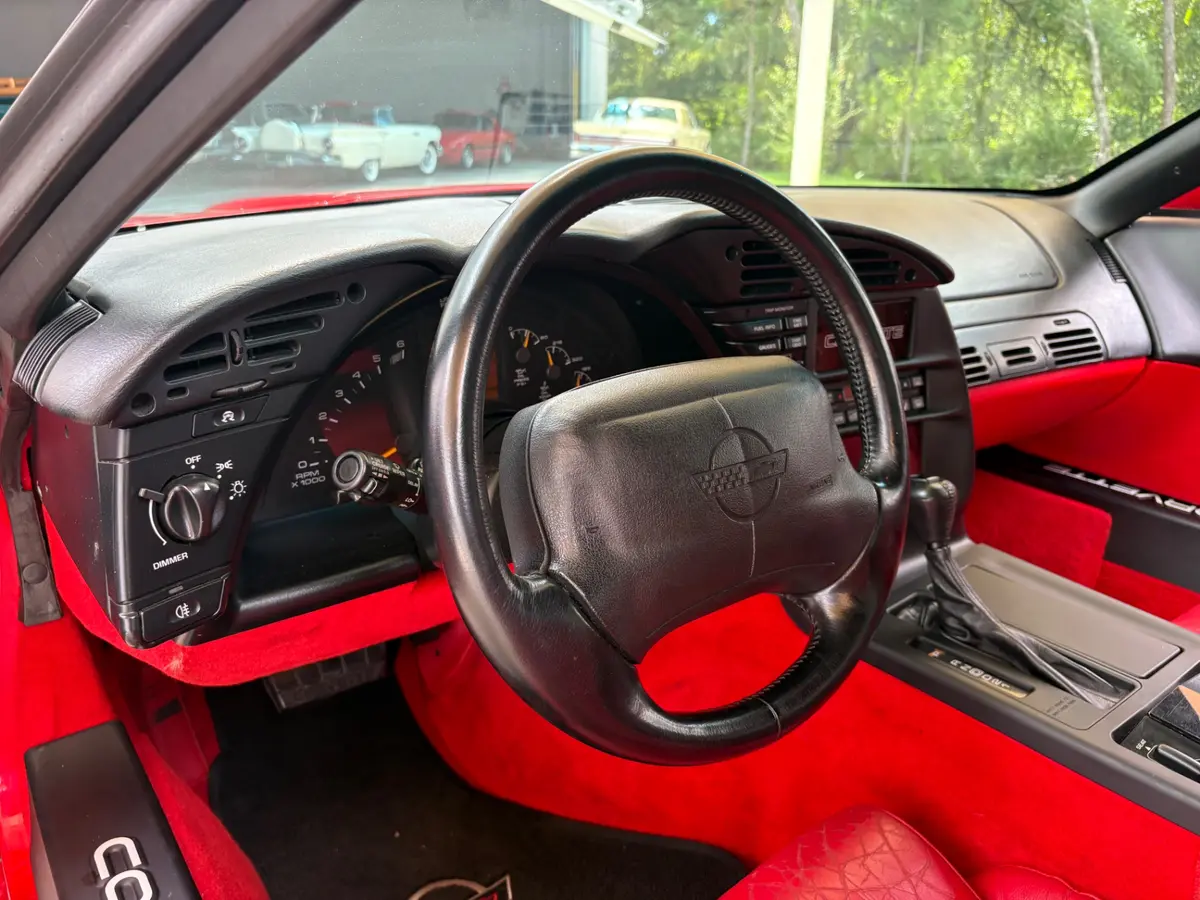
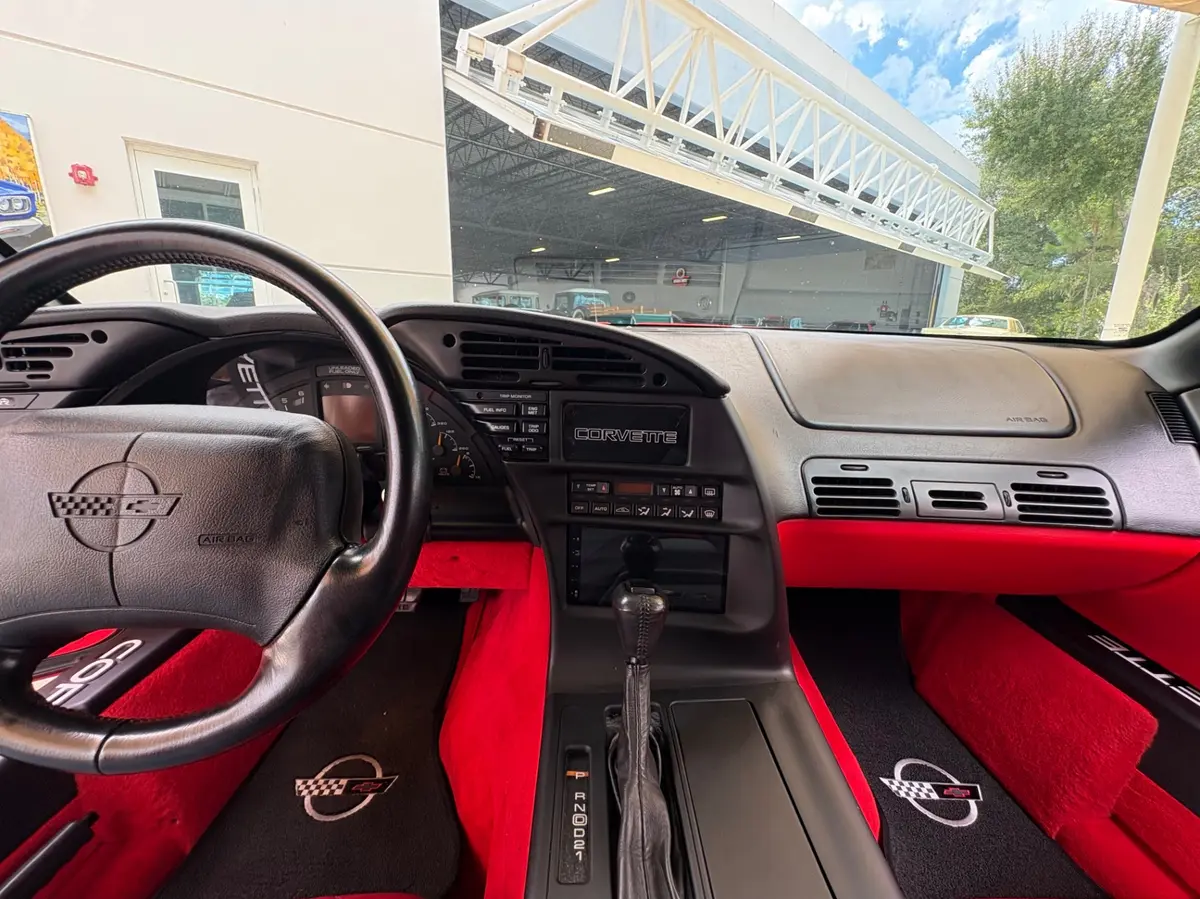
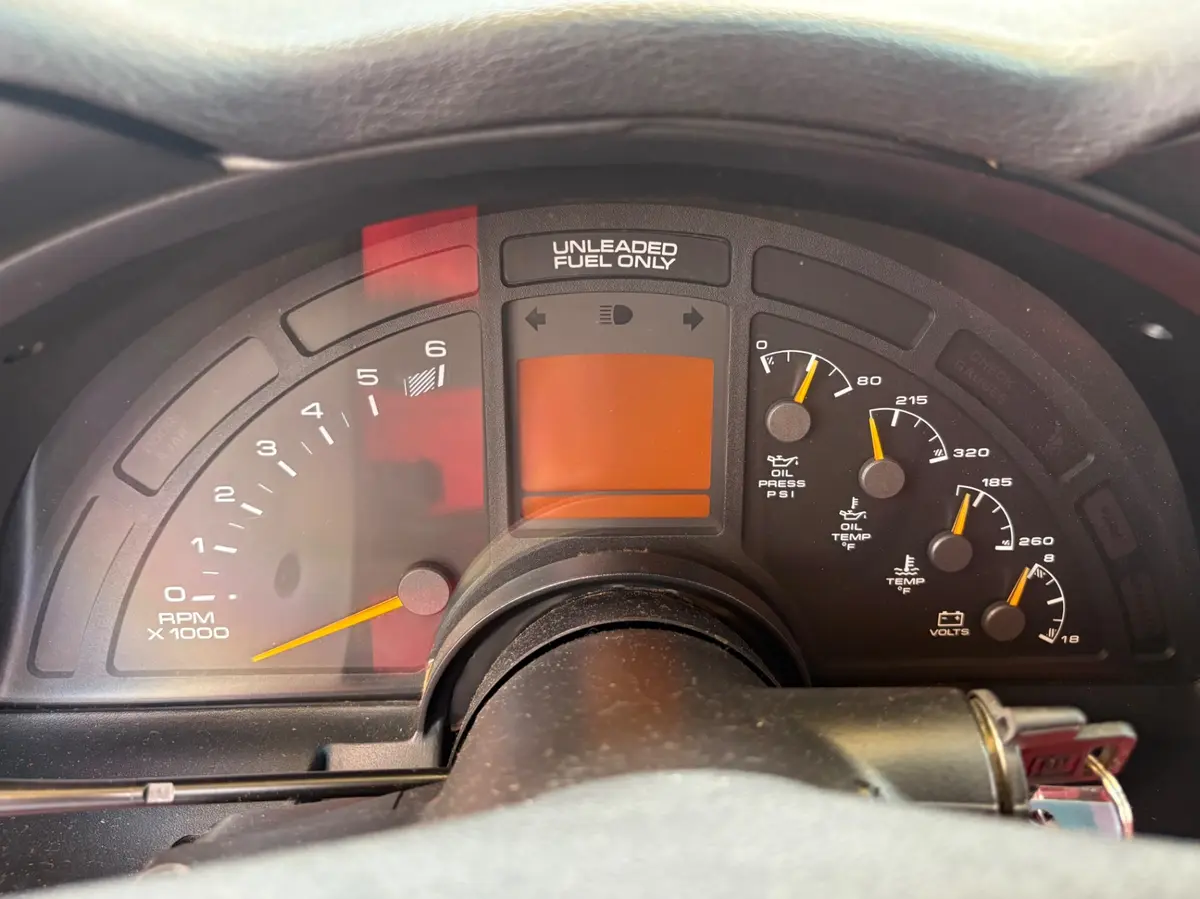
The driver faces a digital instrument cluster, which was a signature feature of the C4 generation. The center display is an LCD readout flanked by an analog tachometer on the left and a secondary cluster of gauges — oil pressure, oil temperature, coolant temperature, and volts — on the right. The layout emphasizes information density over conventional gauge aesthetics, and while it can look busy at first glance, experienced C4 owners find it practical and easy to read. The center stack houses the climate control, audio controls, and the trip computer functions. The leather-wrapped steering wheel carries the crossed-flag Corvette emblem and is mounted to a tilt column. Cruise control and keyless entry round out the convenience equipment.
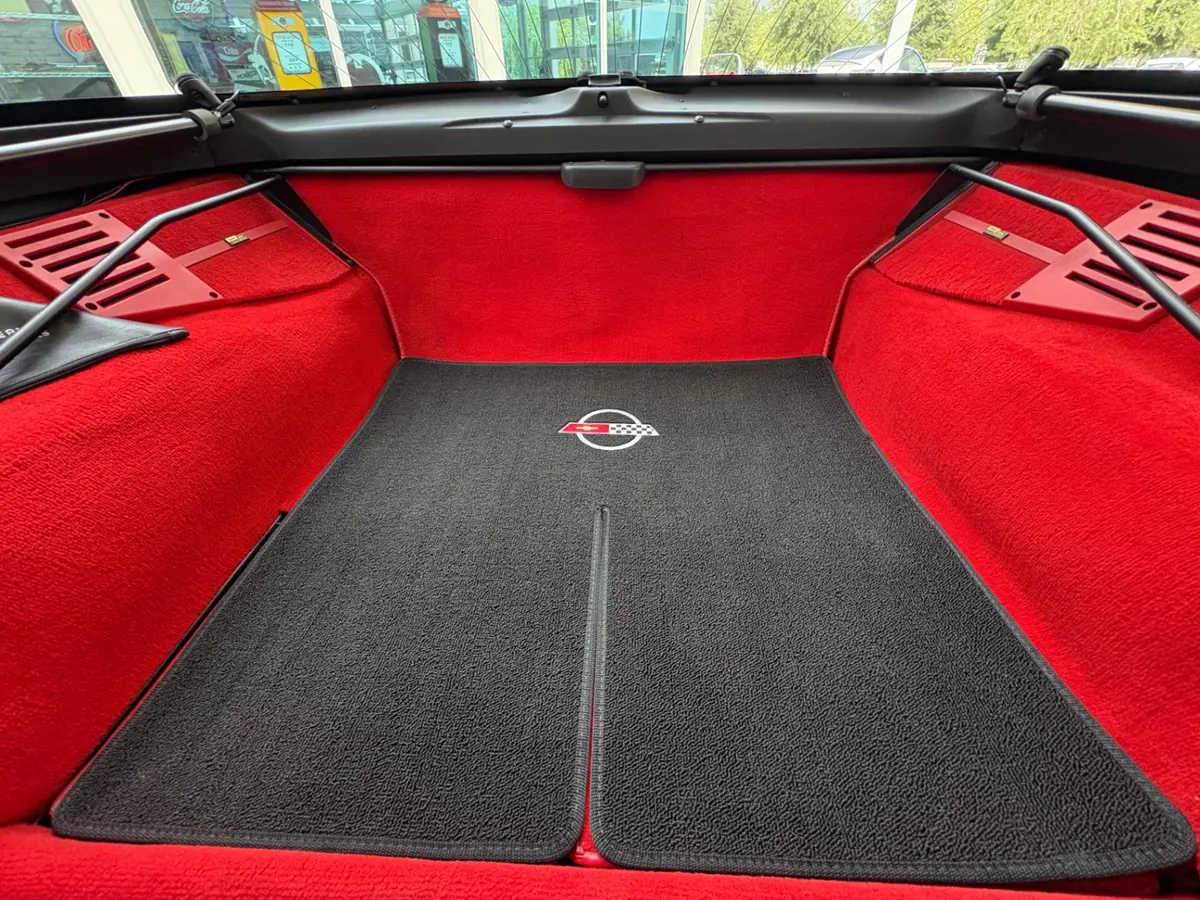
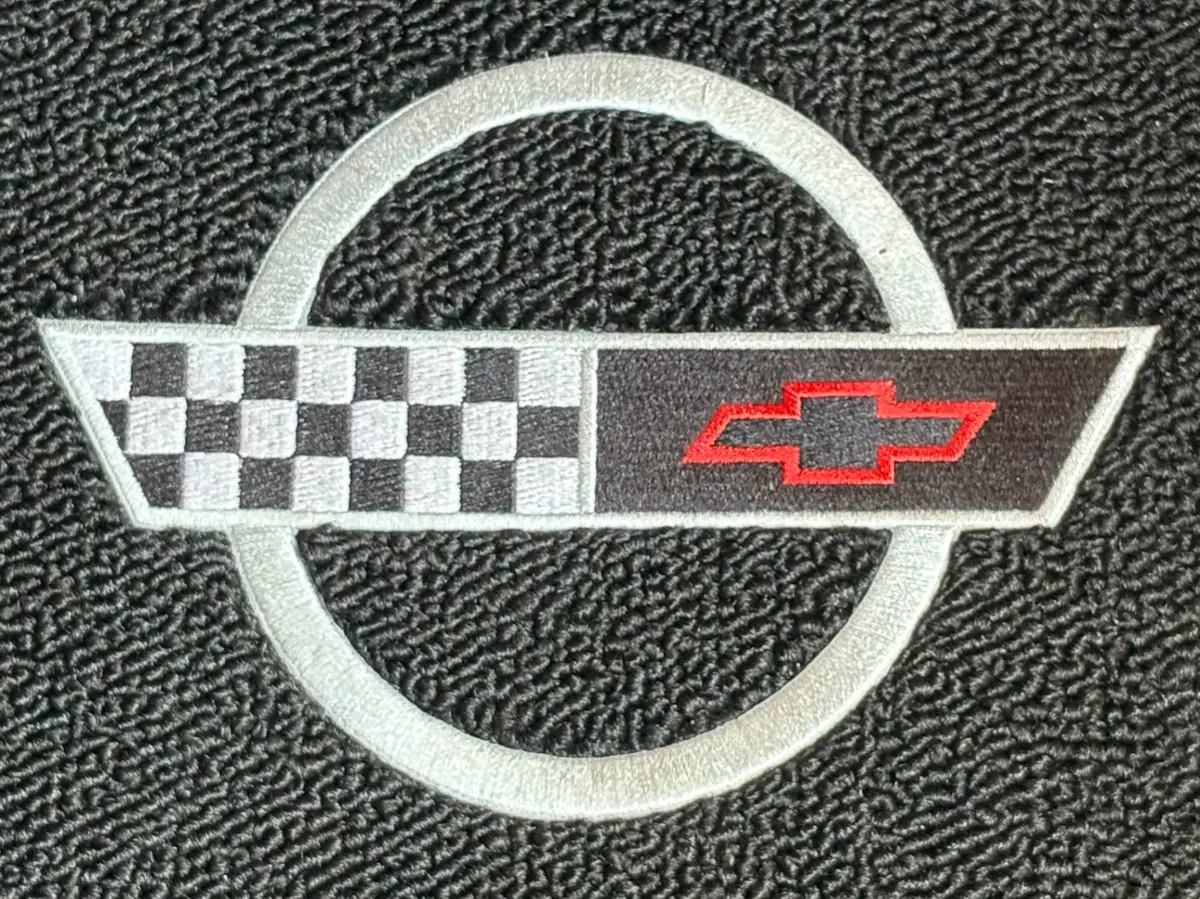
The console-mounted shifter for the 4-speed automatic sits in a well-designed center tunnel that runs the full length of the cockpit, reinforcing the car's low-slung driving position. The cargo area behind the seats — visible in the top-down photos — shows the factory red carpet and a Corvette-embroidered black cargo mat in excellent condition. That area looks to be in notably better shape than the seats, which is consistent with a car that was regularly driven rather than stored.
Exterior
The 1994 Chevrolet Corvette wears its red paint over a body that is all fiberglass, per Corvette tradition. The C4's body panels don't rust, which is one of several reasons these cars age better than steel-bodied contemporaries from the same era. The exterior styling on the 1994 model is the revised C4 shape that debuted for 1991 — cleaner front fascia, revised taillamp treatment, and the Corvette lettering molded into the rear bumper cap. The convertible top stows beneath a hard tonneau cover that integrates cleanly into the body, preserving the car's low profile even with the top down. The removable hardtop panel, when installed, gives the car a distinct coupe-like silhouette while retaining the convertible's structural rigidity characteristics.
The factory alloy wheels are the correct style for a 1994 Corvette — a multi-spoke design finished in silver — and they appear to be in good condition in the photos. The tires are Continental brand, which are a respectable modern replacement and show a healthy amount of tread. The dual rectangular exhaust tips exit cleanly below the rear bumper, symmetrically placed on either side. The front fascia with its hidden headlights, retractable wiper panel, and low hood line remains one of the more aerodynamically purposeful designs to come out of GM during this period. The C4's drag coefficient of 0.34 was competitive with European sports cars of the era.
Conclusion
The 1994 Chevrolet Corvette convertible sits in an interesting position in today's market. C4s were undervalued for a long time because they were so plentiful and so recently out of date — people who remembered them as "just used cars" hadn't yet made the mental shift to seeing them as collectibles. That perception has been changing steadily. The LT1-powered examples, particularly the convertibles with dual-top packages, are the C4s that serious enthusiasts have been targeting first. They offer genuine performance, a proper V8 soundtrack, real open-air motoring, and enough electronic infrastructure — ABS, traction control, dual airbags — to make them viable as drivers rather than trailer queens.
This particular car, red over red with both tops, the LT1, and Bilstein shocks underneath, represents what a well-specified 1994 Corvette convertible looks like. It is a car built in America to go fast, look good doing it, and last. The undercarriage confirms it has held together. The red leather interior tells you it was optioned for maximum visual impact from the factory. The dual-top setup means you can drive it any way you want, in any weather you're willing to tolerate.
To learn more or schedule a time to see this 1994 Chevrolet Corvette convertible in person, call Skyway Classics at 941-254-6608. We're located in Sarasota, Florida.
Disclaimer
Information found on the website is presented as given to us by the owner of the car, whether on consignment or from the owner we bought it from. Some Photos, materials for videos, descriptions and other information are provided by the consignor/seller and is deemed reliable, but Skyway Classics does not warranty or guarantee this information. Skyway Classics is not responsible for information that may incorrect or a publishing error. The decision to purchase should be based solely on the buyers personal inspection of the vehicle or by a professional inspection service prior to offer or purchase being made.
1994 Chevrolet Corvette Convertible — LT1 V8, Red on Red, Dual Top Package
Why This Car Is Special
The fourth-generation Corvette had a long run — 1984 through 1996 — but the years that matter most to collectors are the ones bookending the LT1 era. Chevrolet introduced the LT1 5.7-liter V8 into the C4 Corvette in 1992, and it transformed the car. The old L98 had been a capable engine, but the LT1 brought reverse-flow cooling, an Opti-Spark distributor, and a significant jump in output. By 1994, the LT1 was rated at 300 horsepower and 340 lb-ft of torque — numbers that put it back in the conversation with European sports cars that cost considerably more.
What makes a 1994 Chevrolet Corvette convertible particularly desirable today is the combination of factors that came together in that specific model year. Dual airbags became standard across the Corvette lineup in 1994, a meaningful safety upgrade. The ASR traction control system — Chevrolet's Acceleration Slip Regulation — also became standard equipment that year, making the 1994 Corvette one of the first affordable American sports cars to offer the feature as a no-cost inclusion. These weren't afterthoughts; they were the result of an ongoing engineering effort to make the C4 a more complete, confidence-inspiring car.
This particular 1994 Chevrolet Corvette is finished in red over a full red leather interior, and it's a convertible equipped with both the soft top and a removable hardtop panel — giving the owner the flexibility to configure the car based on weather or preference. That combination, red exterior and matching red leather, is a classic Corvette presentation that photographs well and holds up over time. The underside shots tell a reassuring story: the frame and floorpan are well-preserved, the Bilstein shocks are visible and correctly identified, and the dual exhaust routing is clean and intact. This is not a car that appears to have been neglected.
Features List
- LT1 5.7L V8, 300 horsepower
- 4-Speed Automatic Transmission
- Soft Convertible Top
- Removable Hardtop Panel
- Red Leather Interior
- Factory Alloy Wheels
- Dual Exhaust
- Bilstein Shocks
- Four-Wheel Disc Brakes
- ABS Brakes
- Traction Control (ASR)
- Air Conditioning
- Power Windows
- Power Door Locks
- Power Steering
- Power Brakes
- Dual Airbags
- Digital Instrument Cluster
- AM/FM Stereo
- Cruise Control
- Tilt Steering Wheel
- Keyless Entry
- Center Console
- Corvette Door Sill Plates
Mechanical
The LT1 5.7-liter V8 under the hood of this 1994 Chevrolet Corvette is the defining mechanical element of the C4's later years. Displacing 350 cubic inches, it uses sequential fuel injection, a reverse-flow cooling system that prioritizes cylinder head cooling over block cooling, and a high-mounted camshaft that allows for a shorter, stiffer engine block. The result is an engine that produces 300 horsepower at 5,000 rpm and 340 lb-ft of torque at 3,600 rpm while still meeting emissions standards and returning respectable fuel economy for its displacement. It is paired here with the 4L60E four-speed automatic transmission, which was the correct gearbox for a 1994 Corvette equipped without the six-speed manual option. The 4L60E is an electronically controlled unit that communicates with the engine's PCM, allowing for smoother shifts and rev-matched downshifts that the older Turbo-Hydramatic units couldn't provide.
The Bilstein shocks visible in the undercarriage photos are a meaningful detail. Bilstein gas-pressure monotube shocks are a preferred replacement for the original Delco units on these cars, and their presence here suggests someone invested in the suspension at some point rather than letting it deteriorate. The C4's independent rear suspension uses a fiberglass mono-leaf spring, half-shafts that double as upper control arms, and a five-link geometry that Chevrolet engineers developed over several model years to progressively sharpen. Combined with four-wheel disc brakes, ABS, and the factory ASR traction control, this 1994 Corvette has the mechanical architecture to put its power down cleanly and stop with real confidence.
The exhaust photos show the factory dual exhaust routing intact, with rectangular exhaust tips exiting at either corner of the rear fascia. The underbody itself shows the kind of surface you want to see on a Florida-or-Sun-Belt car — no rust, no patchwork, no evidence of major damage repair. The framerails and suspension cradle look consistent with a vehicle that has not been abused.
Interior
Step inside the 1994 Chevrolet Corvette and the all-red leather interior commands immediate attention. The sport bucket seats show honest wear consistent with a car that has been used over its thirty-plus years — the bolsters and seat backs show some surface creasing typical of leather at this age — but the structure and padding appear intact. The door panels are finished in a two-tone red and black treatment, with power window switches and door lock controls mounted in the armrest area. The Corvette door sill plates, clearly visible in the photos, are the factory-style molded units with the Corvette name spelled out in raised lettering.
The driver faces a digital instrument cluster, which was a signature feature of the C4 generation. The center display is an LCD readout flanked by an analog tachometer on the left and a secondary cluster of gauges — oil pressure, oil temperature, coolant temperature, and volts — on the right. The layout emphasizes information density over conventional gauge aesthetics, and while it can look busy at first glance, experienced C4 owners find it practical and easy to read. The center stack houses the climate control, audio controls, and the trip computer functions. The leather-wrapped steering wheel carries the crossed-flag Corvette emblem and is mounted to a tilt column. Cruise control and keyless entry round out the convenience equipment.
The console-mounted shifter for the 4-speed automatic sits in a well-designed center tunnel that runs the full length of the cockpit, reinforcing the car's low-slung driving position. The cargo area behind the seats — visible in the top-down photos — shows the factory red carpet and a Corvette-embroidered black cargo mat in excellent condition. That area looks to be in notably better shape than the seats, which is consistent with a car that was regularly driven rather than stored.
Exterior
The 1994 Chevrolet Corvette wears its red paint over a body that is all fiberglass, per Corvette tradition. The C4's body panels don't rust, which is one of several reasons these cars age better than steel-bodied contemporaries from the same era. The exterior styling on the 1994 model is the revised C4 shape that debuted for 1991 — cleaner front fascia, revised taillamp treatment, and the Corvette lettering molded into the rear bumper cap. The convertible top stows beneath a hard tonneau cover that integrates cleanly into the body, preserving the car's low profile even with the top down. The removable hardtop panel, when installed, gives the car a distinct coupe-like silhouette while retaining the convertible's structural rigidity characteristics.
The factory alloy wheels are the correct style for a 1994 Corvette — a multi-spoke design finished in silver — and they appear to be in good condition in the photos. The tires are Continental brand, which are a respectable modern replacement and show a healthy amount of tread. The dual rectangular exhaust tips exit cleanly below the rear bumper, symmetrically placed on either side. The front fascia with its hidden headlights, retractable wiper panel, and low hood line remains one of the more aerodynamically purposeful designs to come out of GM during this period. The C4's drag coefficient of 0.34 was competitive with European sports cars of the era.
Conclusion
The 1994 Chevrolet Corvette convertible sits in an interesting position in today's market. C4s were undervalued for a long time because they were so plentiful and so recently out of date — people who remembered them as "just used cars" hadn't yet made the mental shift to seeing them as collectibles. That perception has been changing steadily. The LT1-powered examples, particularly the convertibles with dual-top packages, are the C4s that serious enthusiasts have been targeting first. They offer genuine performance, a proper V8 soundtrack, real open-air motoring, and enough electronic infrastructure — ABS, traction control, dual airbags — to make them viable as drivers rather than trailer queens.
This particular car, red over red with both tops, the LT1, and Bilstein shocks underneath, represents what a well-specified 1994 Corvette convertible looks like. It is a car built in America to go fast, look good doing it, and last. The undercarriage confirms it has held together. The red leather interior tells you it was optioned for maximum visual impact from the factory. The dual-top setup means you can drive it any way you want, in any weather you're willing to tolerate.
To learn more or schedule a time to see this 1994 Chevrolet Corvette convertible in person, call Skyway Classics at 941-254-6608. We're located in Sarasota, Florida.
Disclaimer
Information found on the website is presented as given to us by the owner of the car, whether on consignment or from the owner we bought it from. Some Photos, materials for videos, descriptions and other information are provided by the consignor/seller and is deemed reliable, but Skyway Classics does not warranty or guarantee this information. Skyway Classics is not responsible for information that may incorrect or a publishing error. The decision to purchase should be based solely on the buyers personal inspection of the vehicle or by a professional inspection service prior to offer or purchase being made.
1994 Chevrolet
Corvette Base
Why Choose Skyway Classics?
Explore our curated inventory of classic and collector cars—thoughtfully selected, ready to drive, and supported by experts who make ownership simple.
Expert Curation
Every vehicle is hand-selected by our experts for quality, authenticity, and investment potential.
Fast Transactions
Streamlined buying and selling process with quick financing and immediate delivery options.
Only National Dealer With Classic Service & Repair
We’re the only national dealership that services and repairs the classics we sell—before and after the sale.
Nationwide Network
Access to our extensive network of collectors, restorers, and classic car enthusiasts nationwide.
Concierge Ownership Support
From financing and insurance to paperwork, shipping, and titling—we handle the details so you can enjoy the drive.
Passion-Driven Service
We're classic car enthusiasts first, providing personalized service with genuine passion for the hobby.