
1987 Rolls Royce
Corniche II II
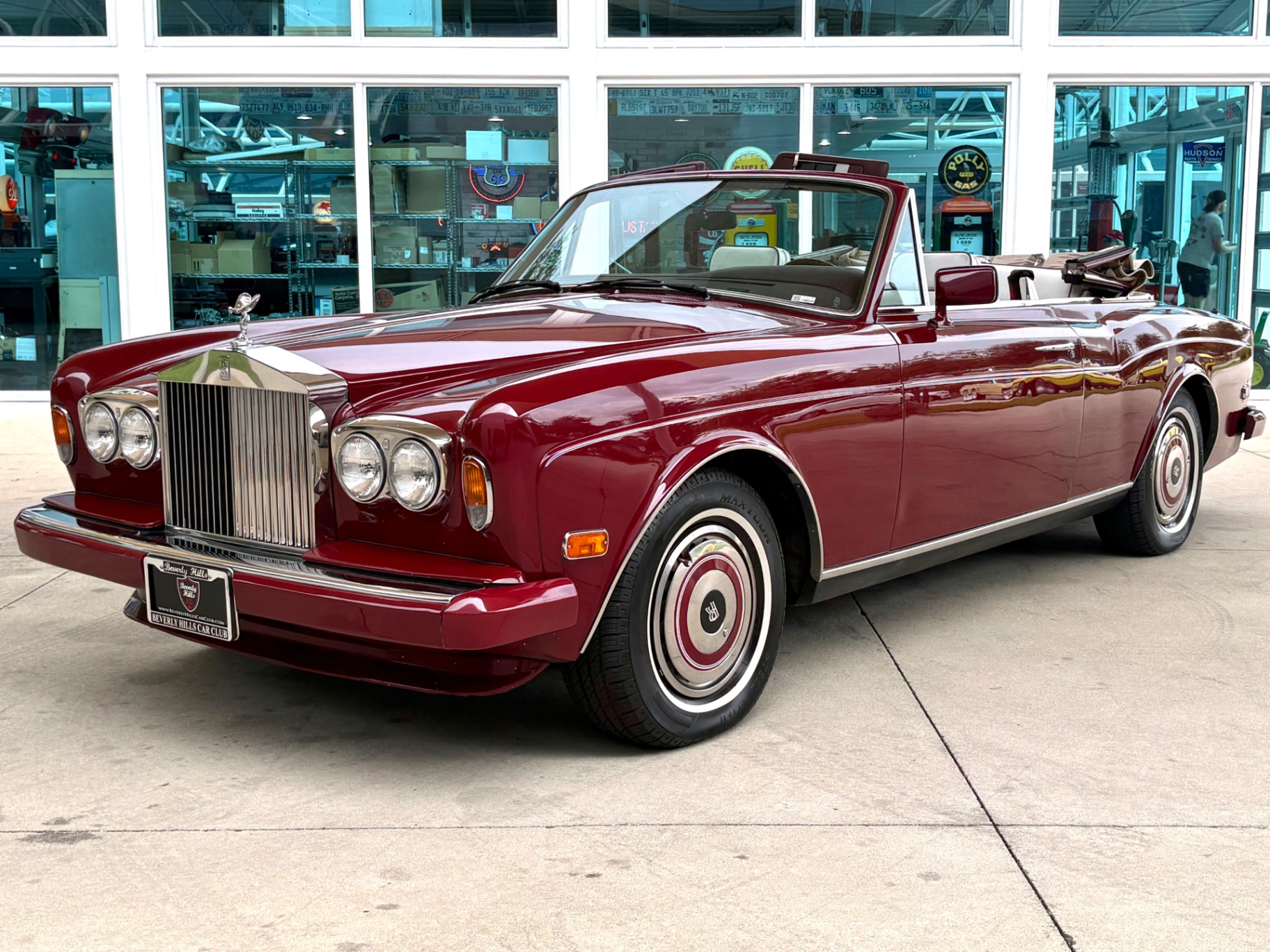
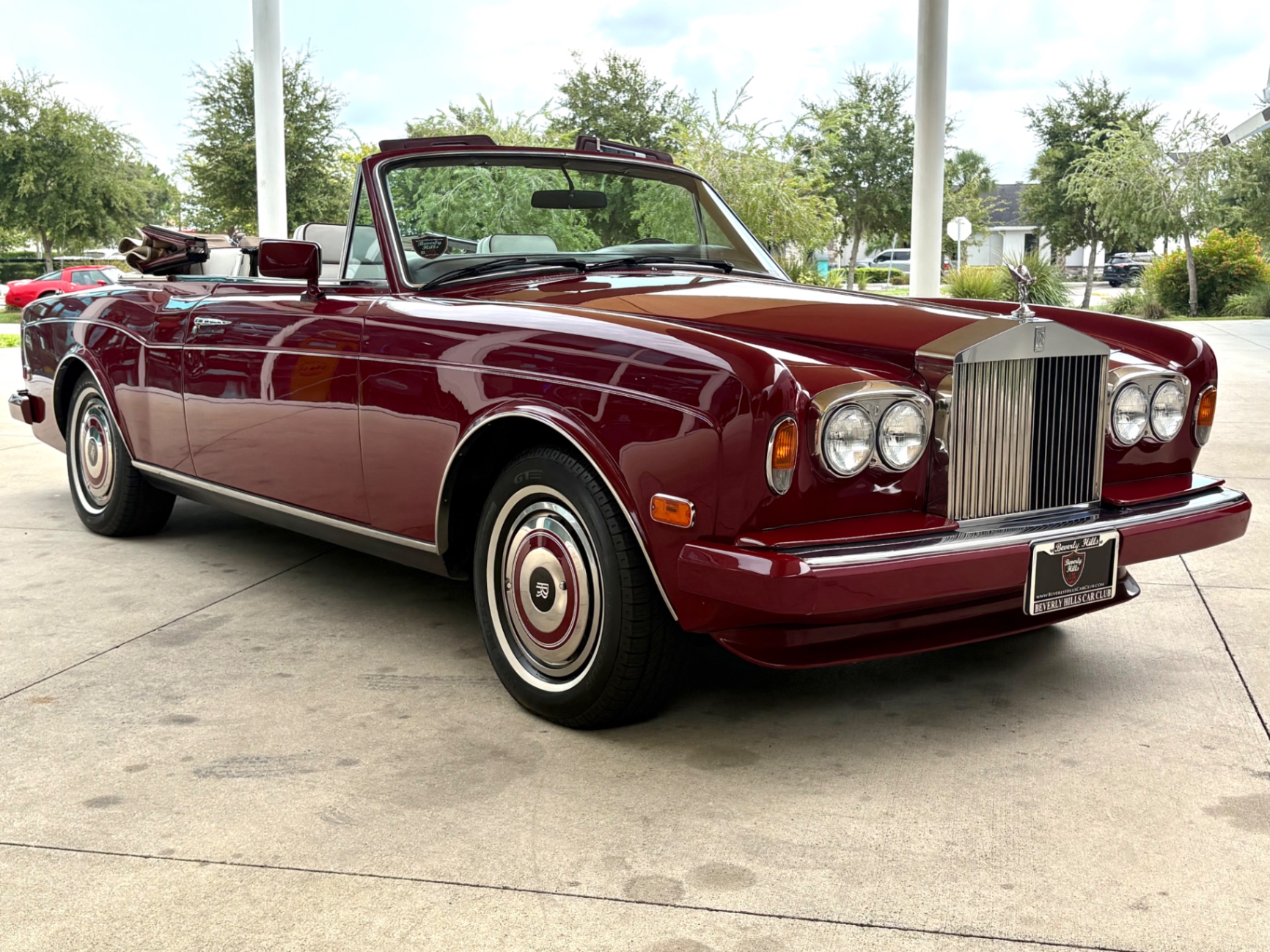
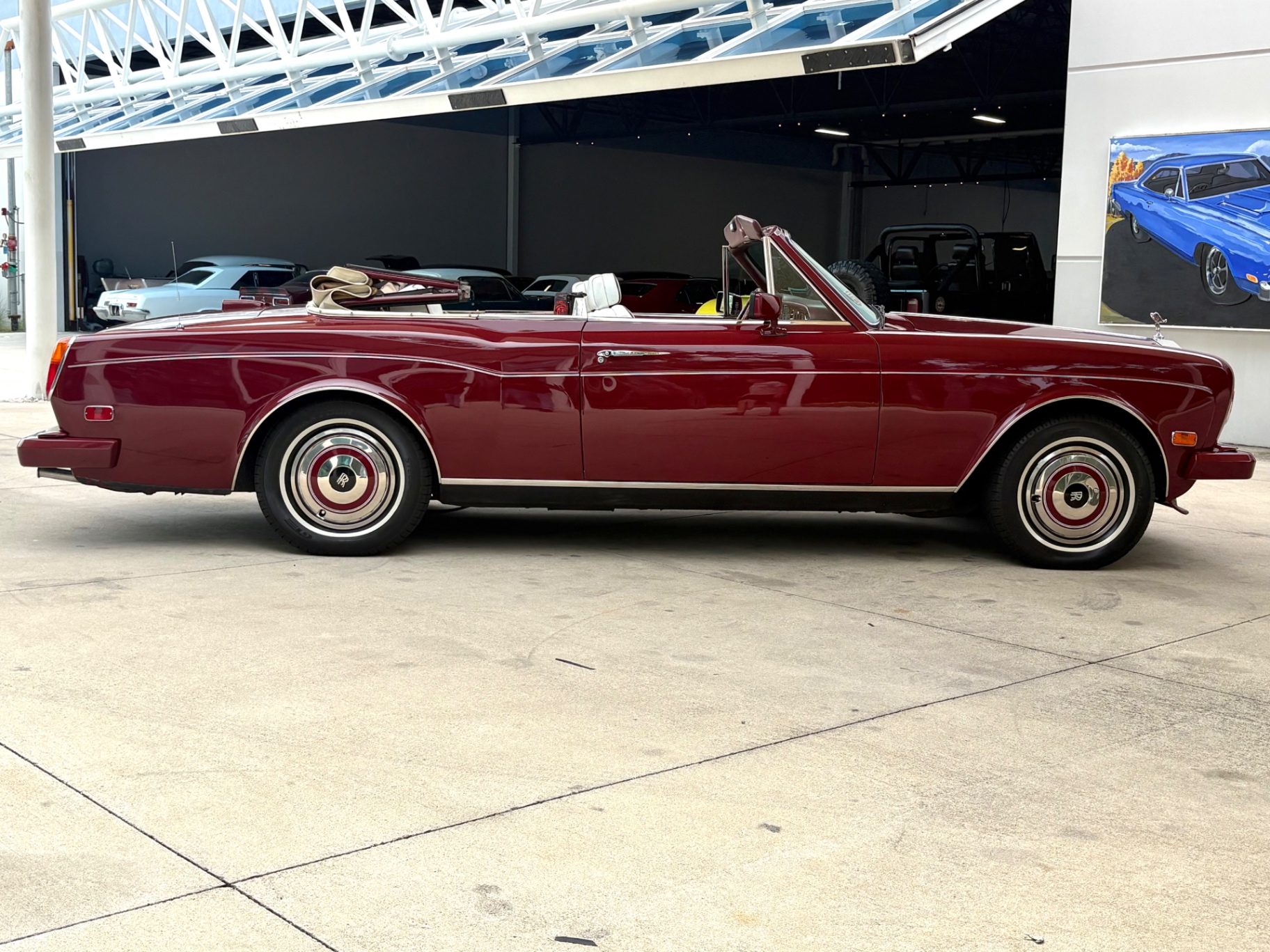
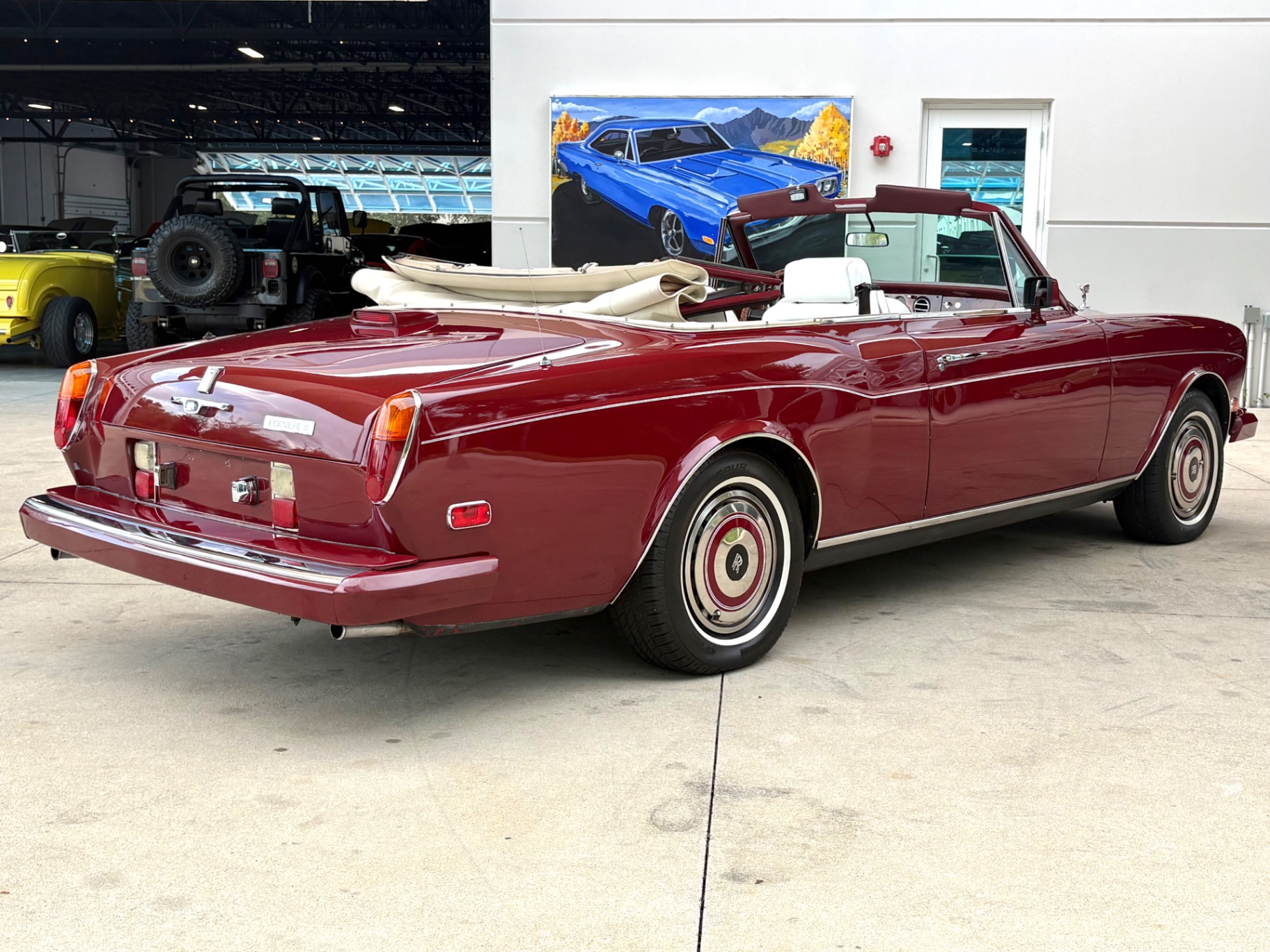
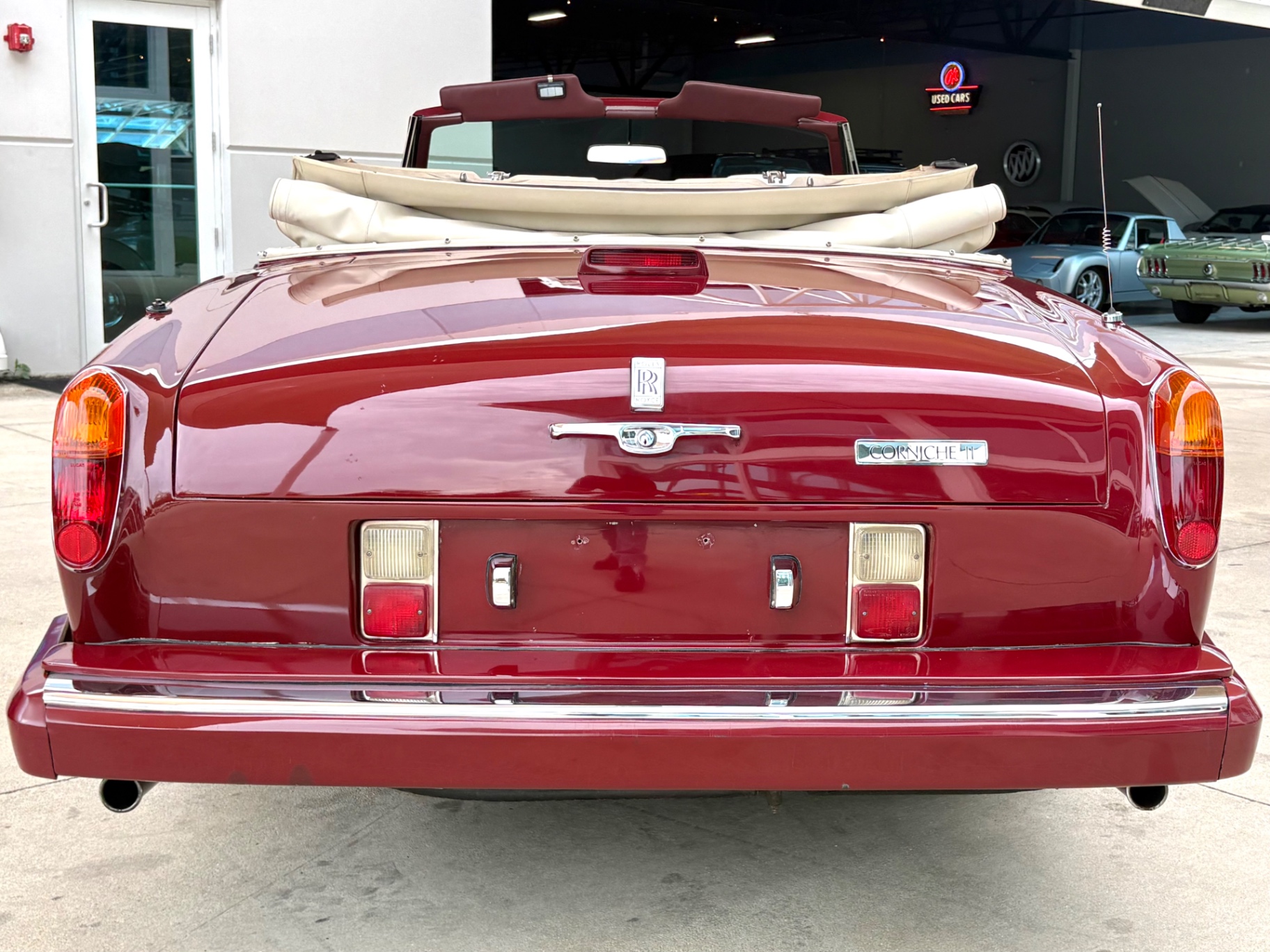
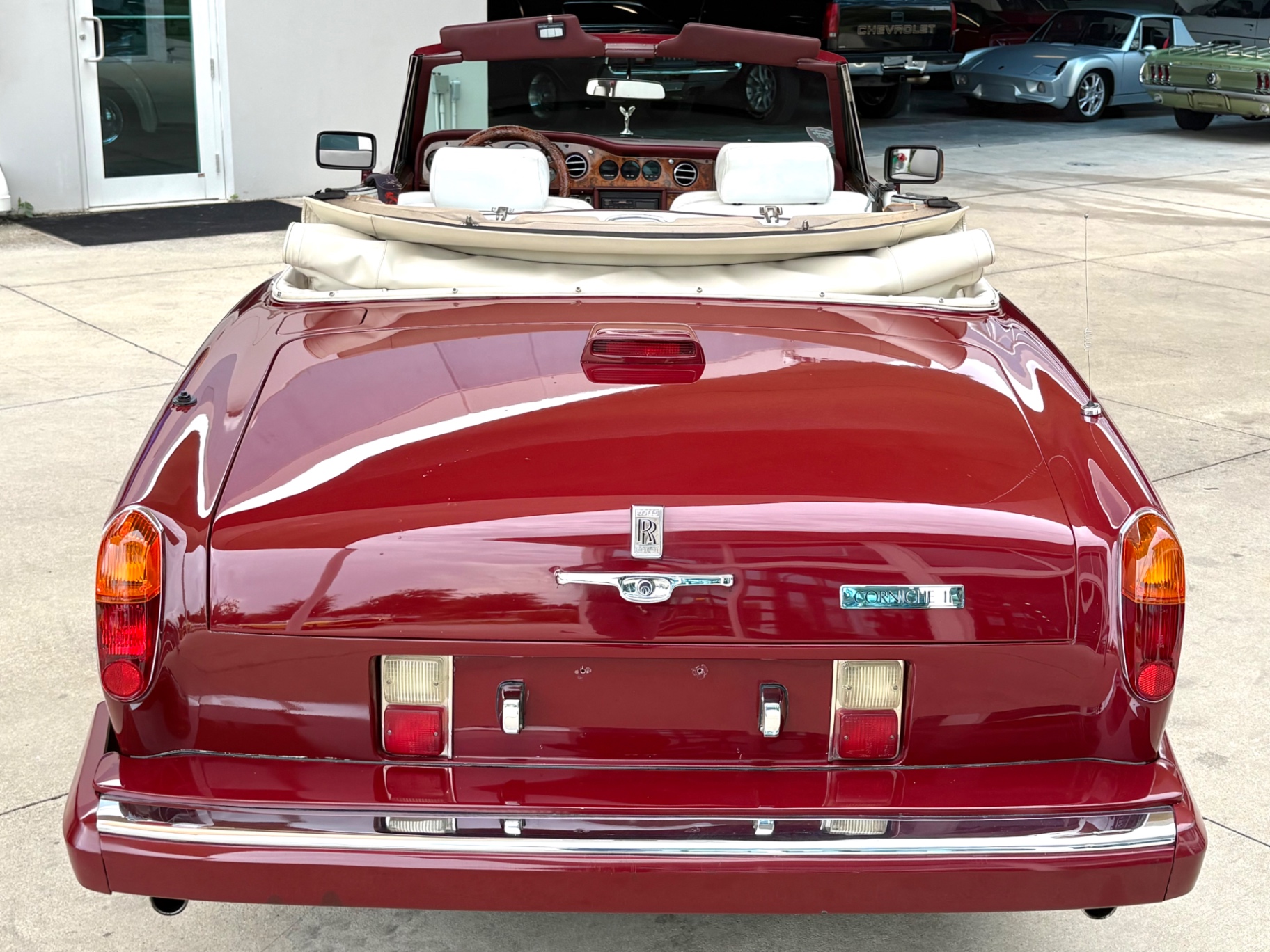
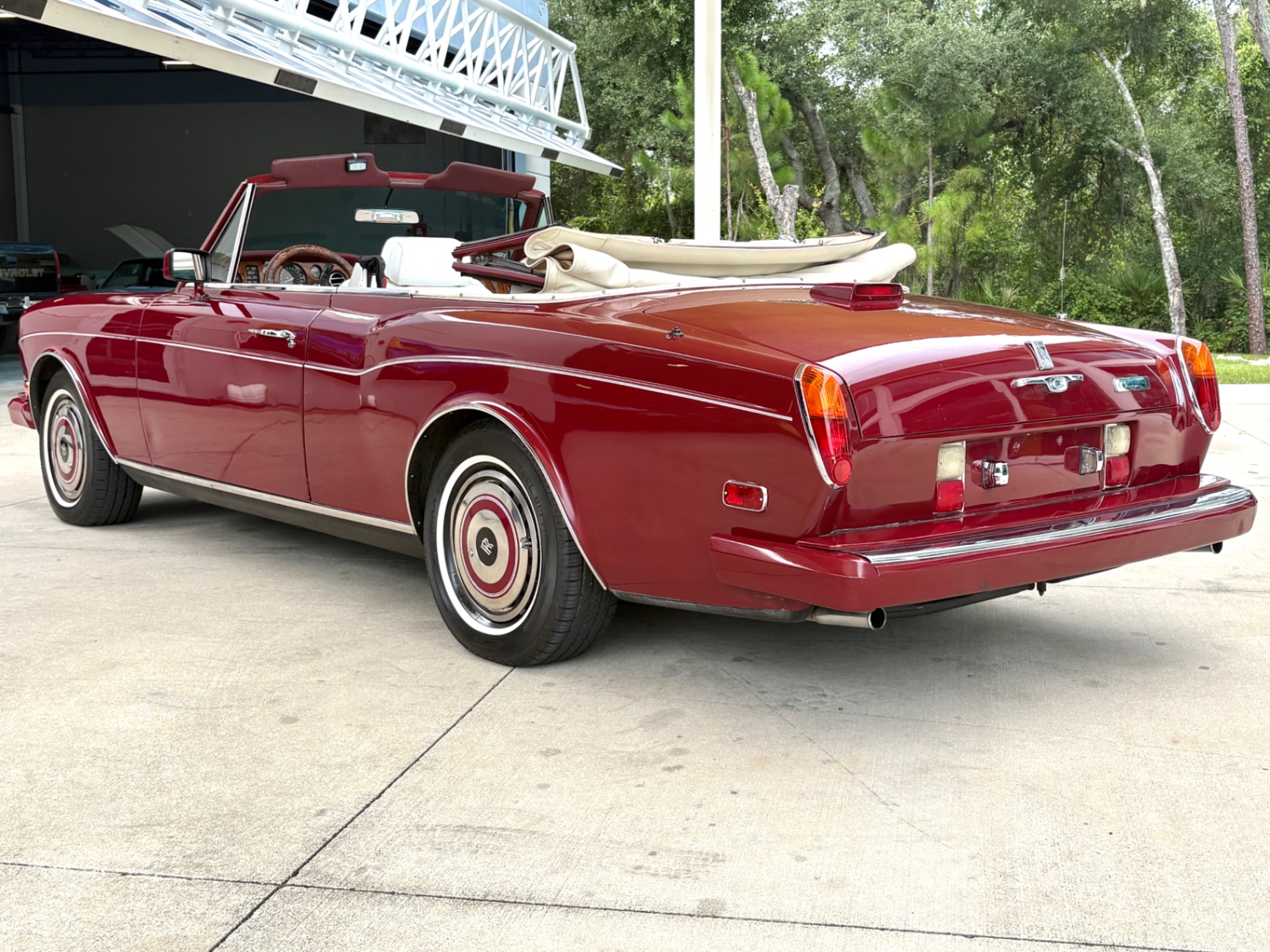
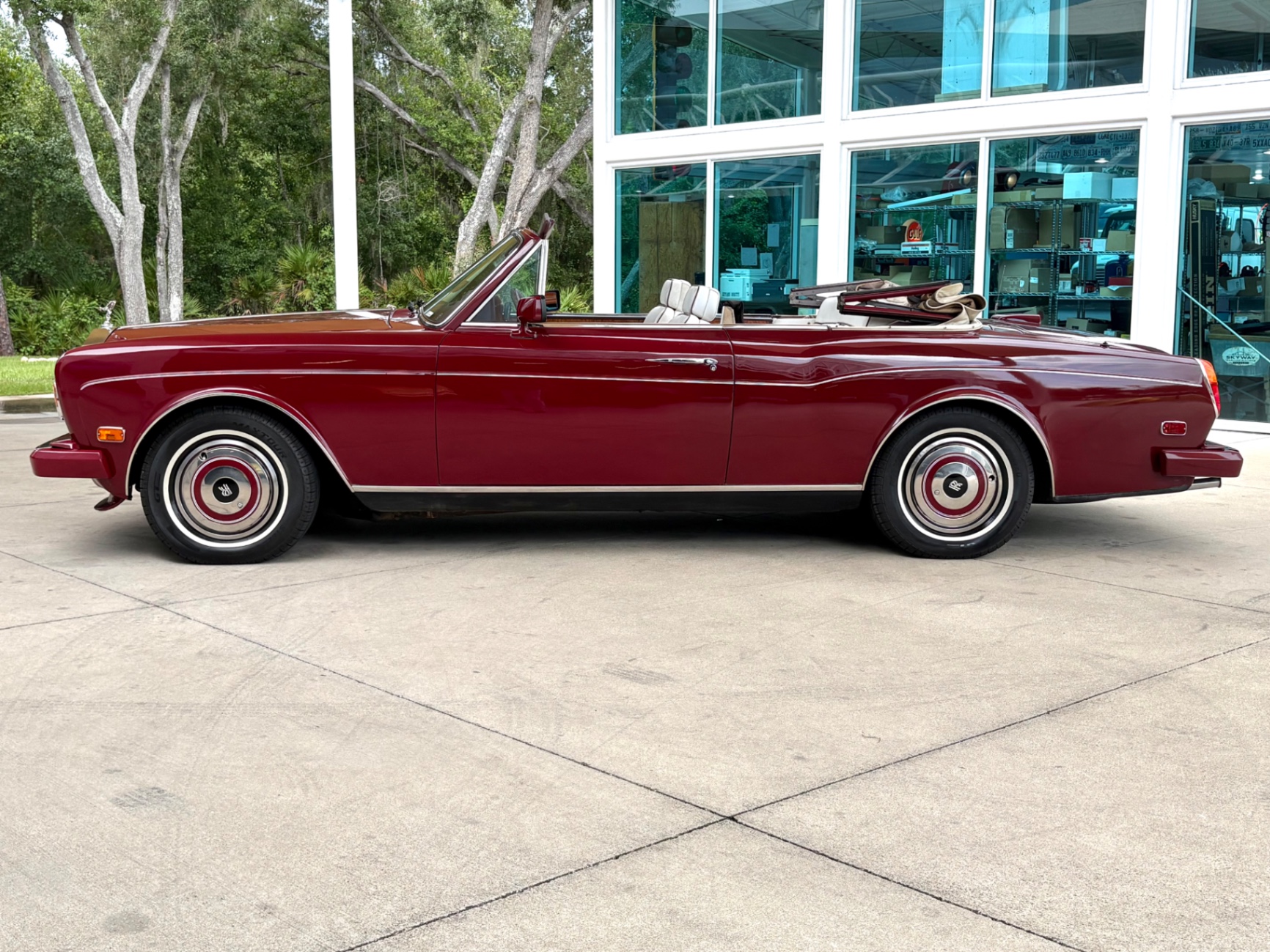
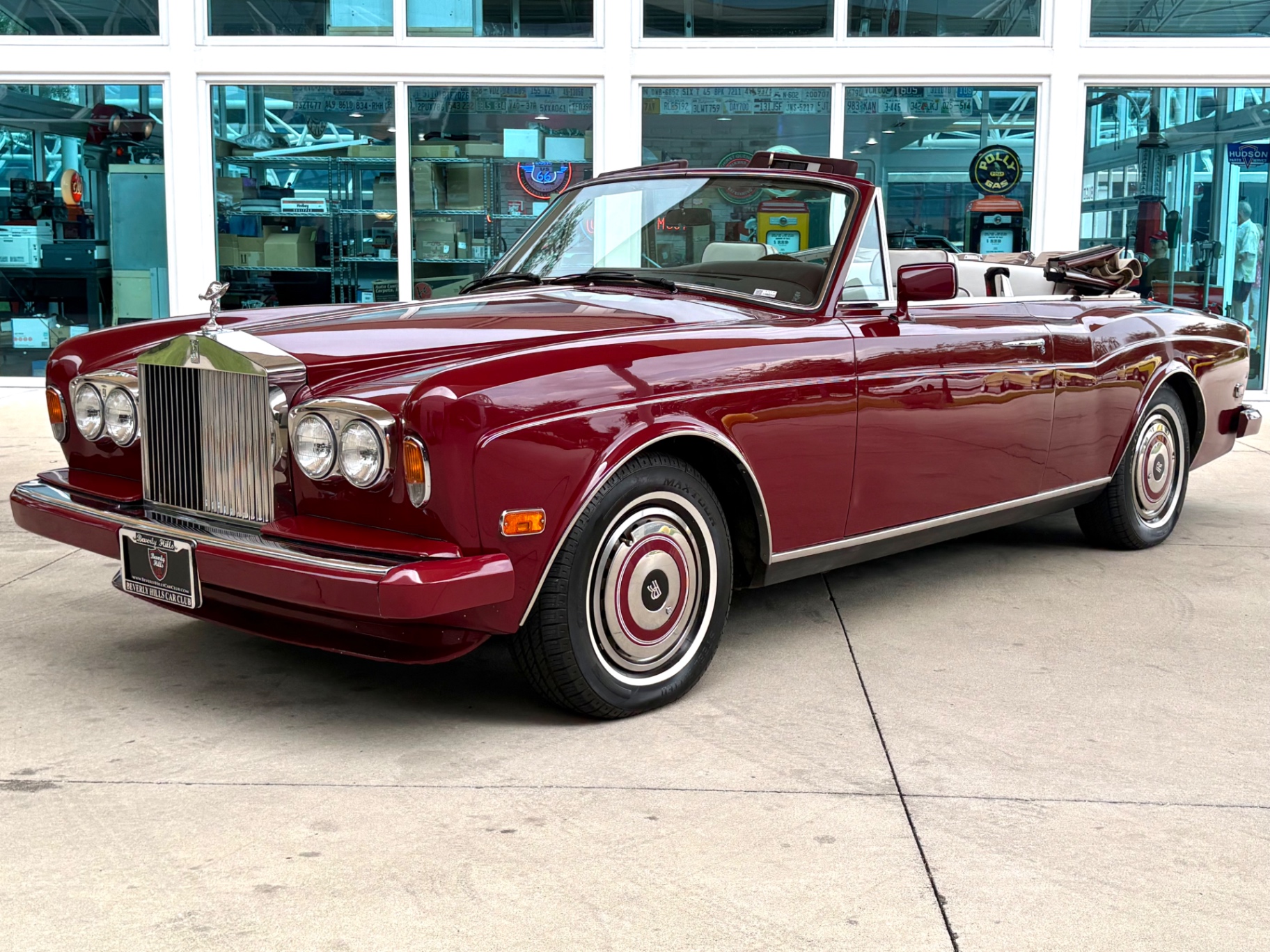
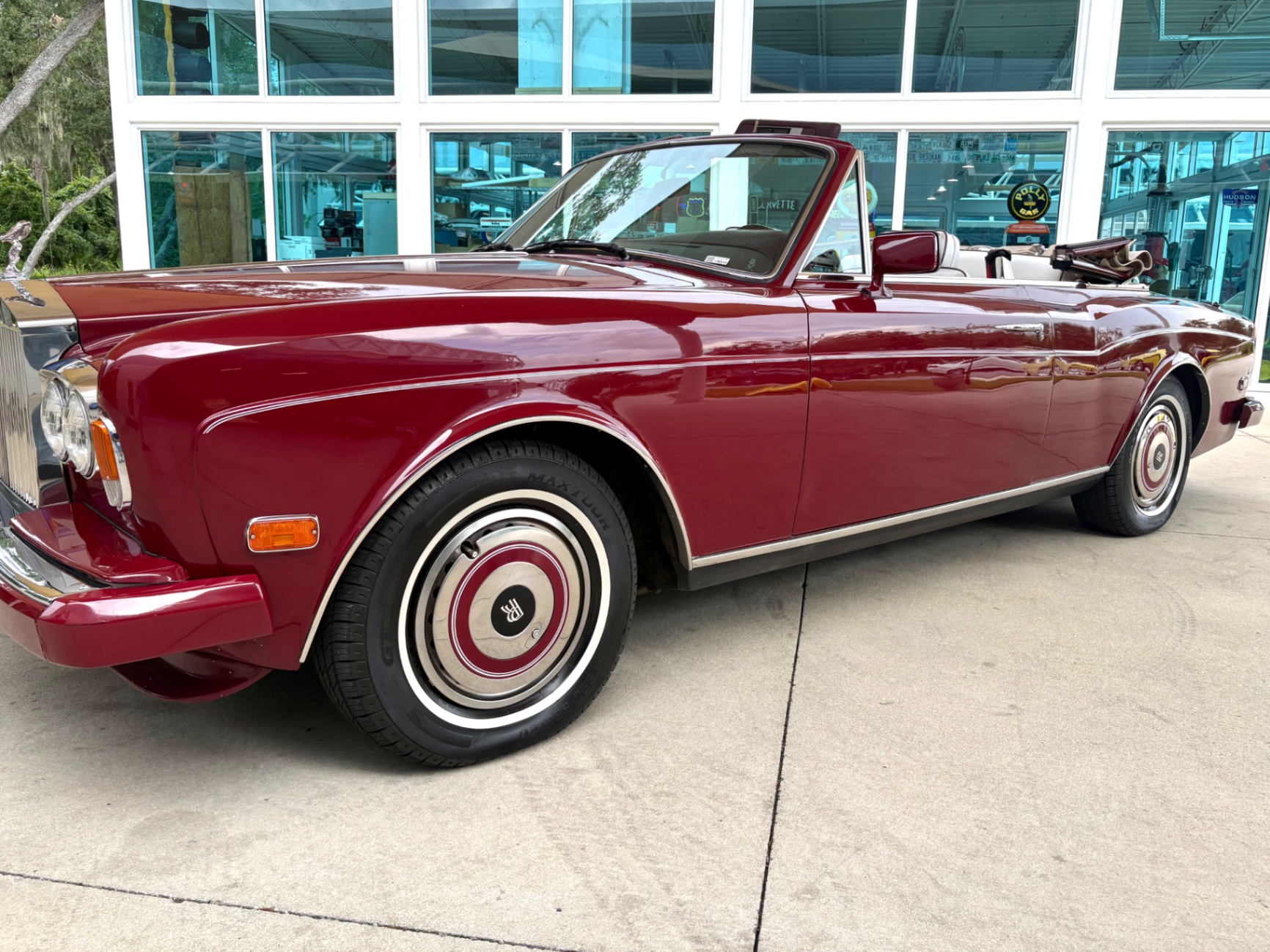
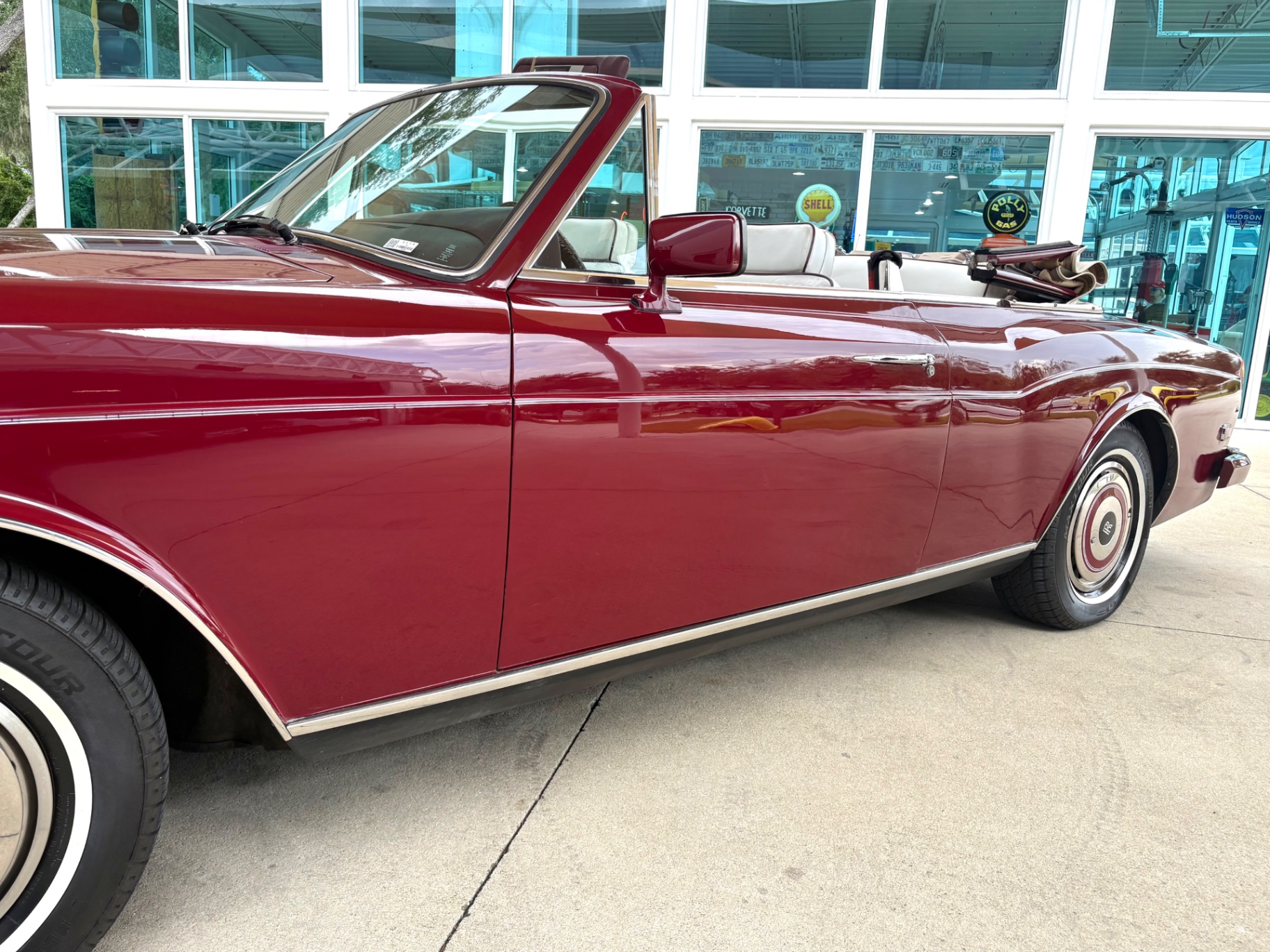
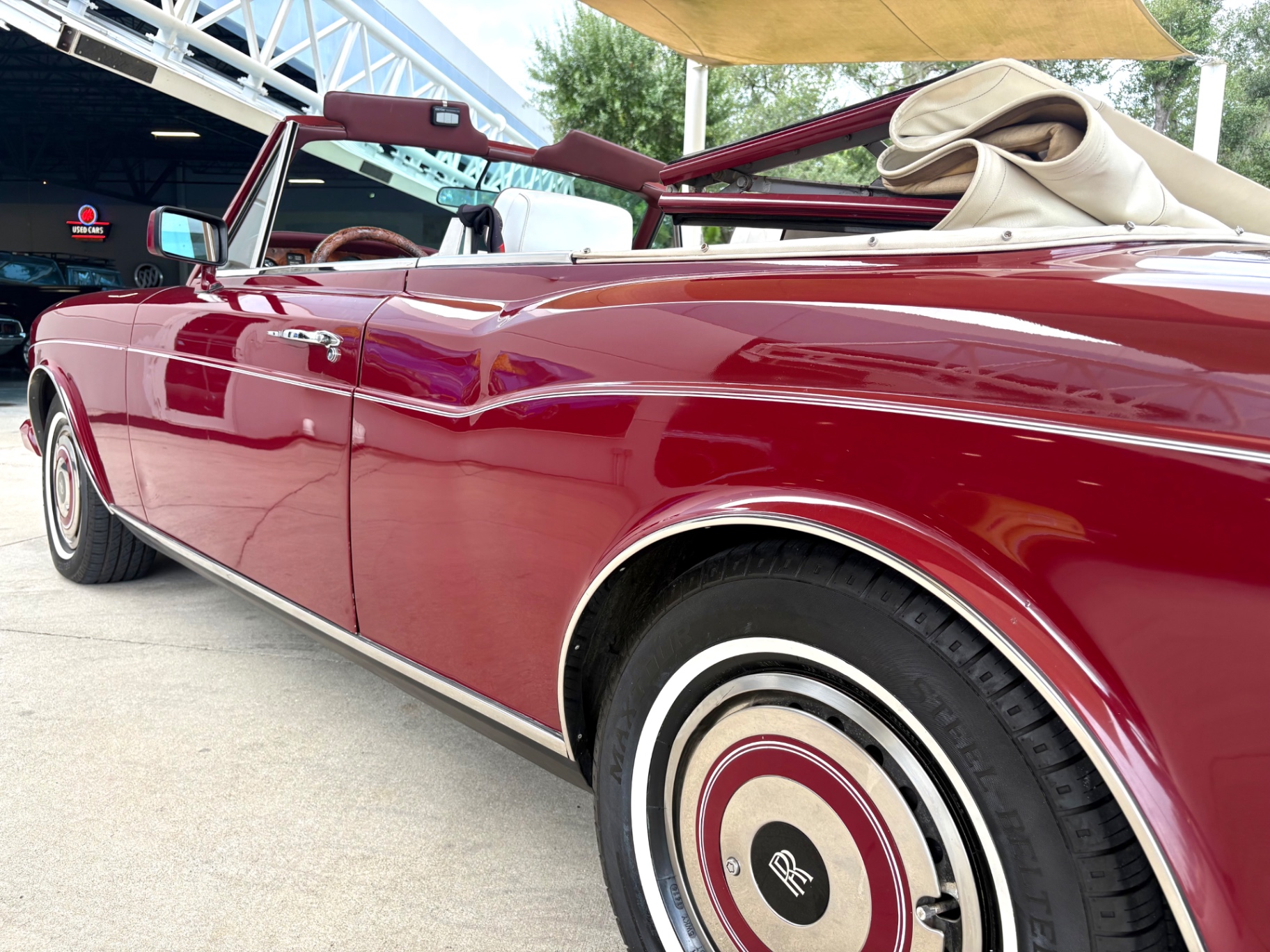
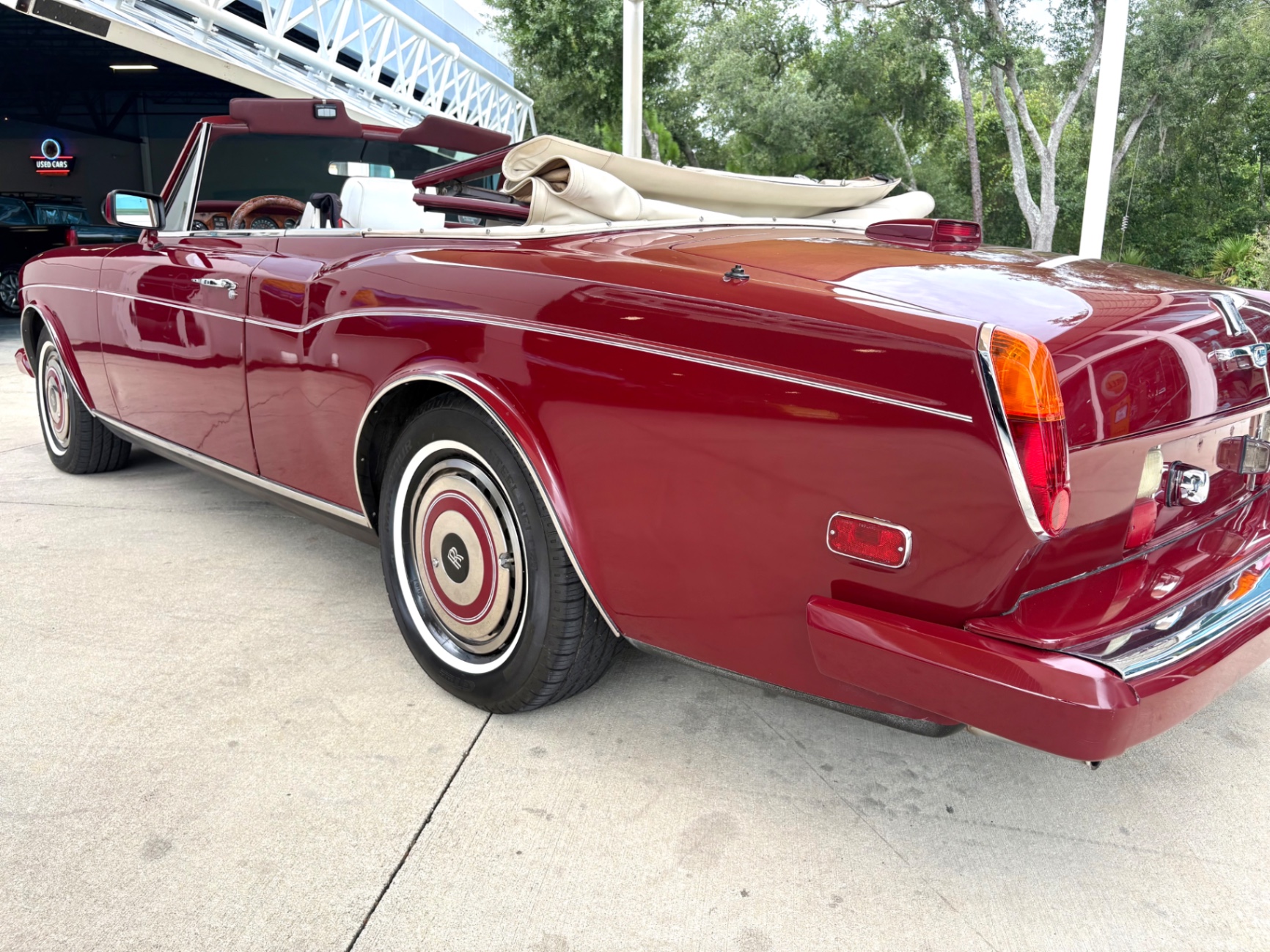
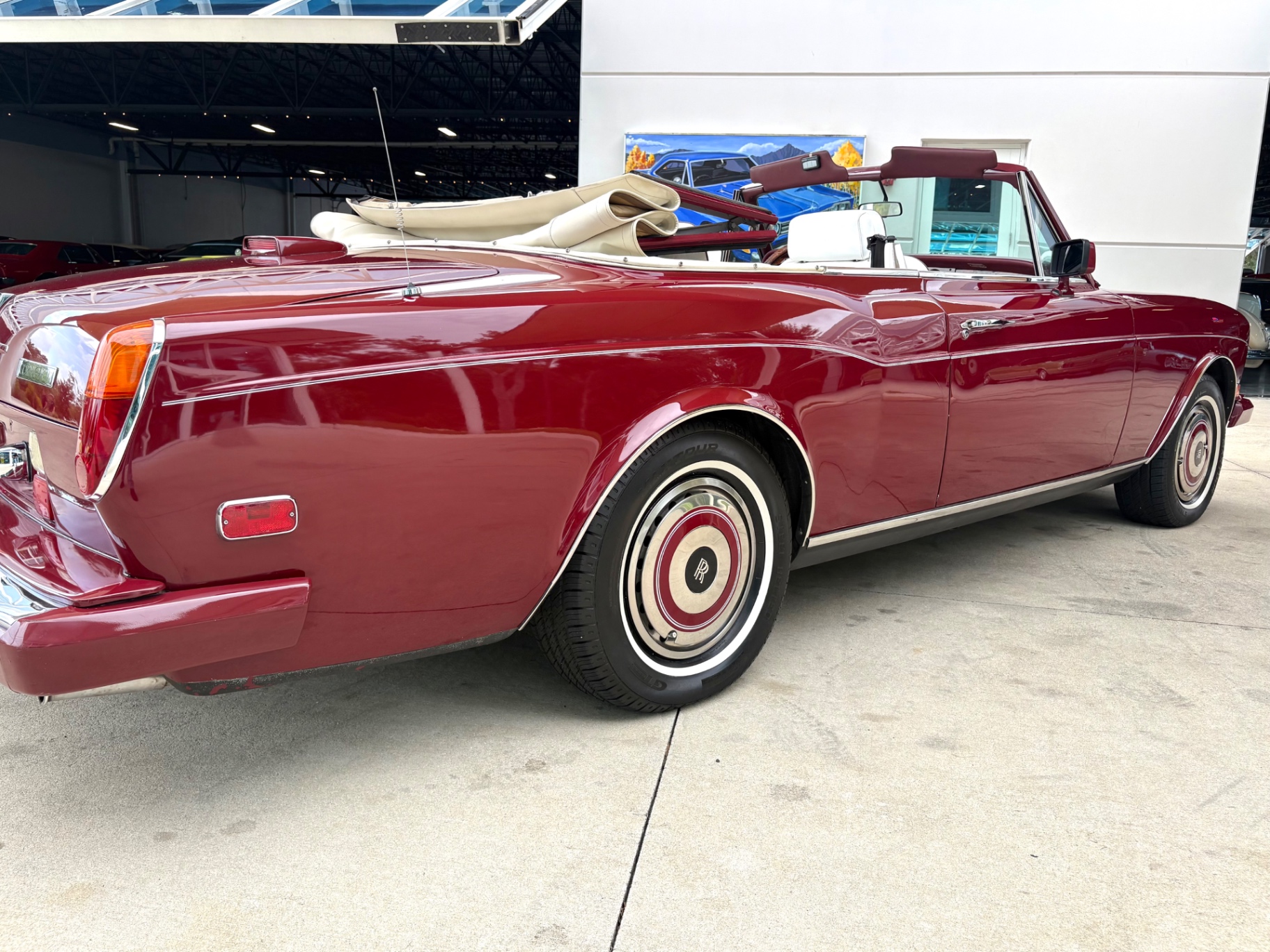
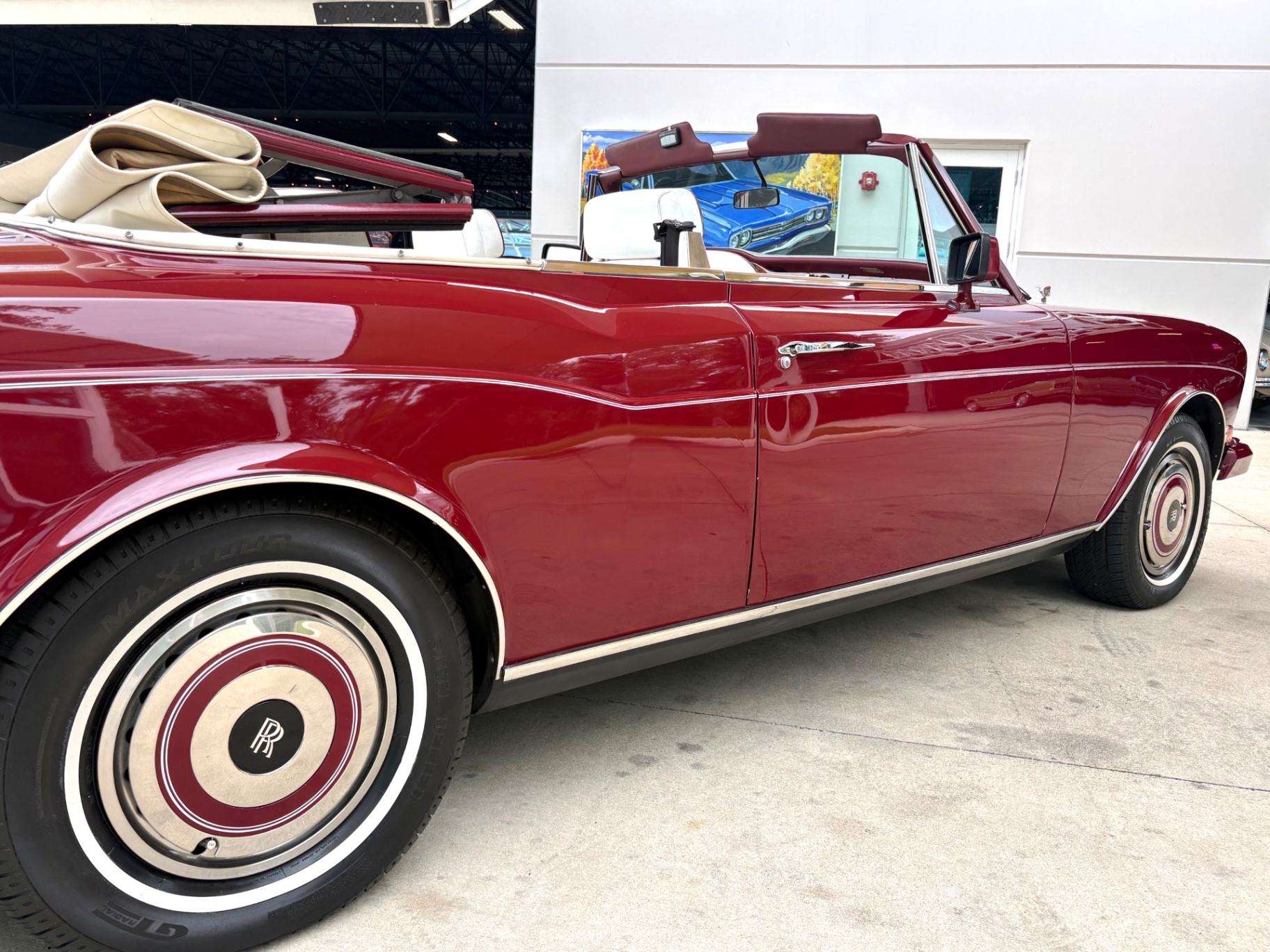
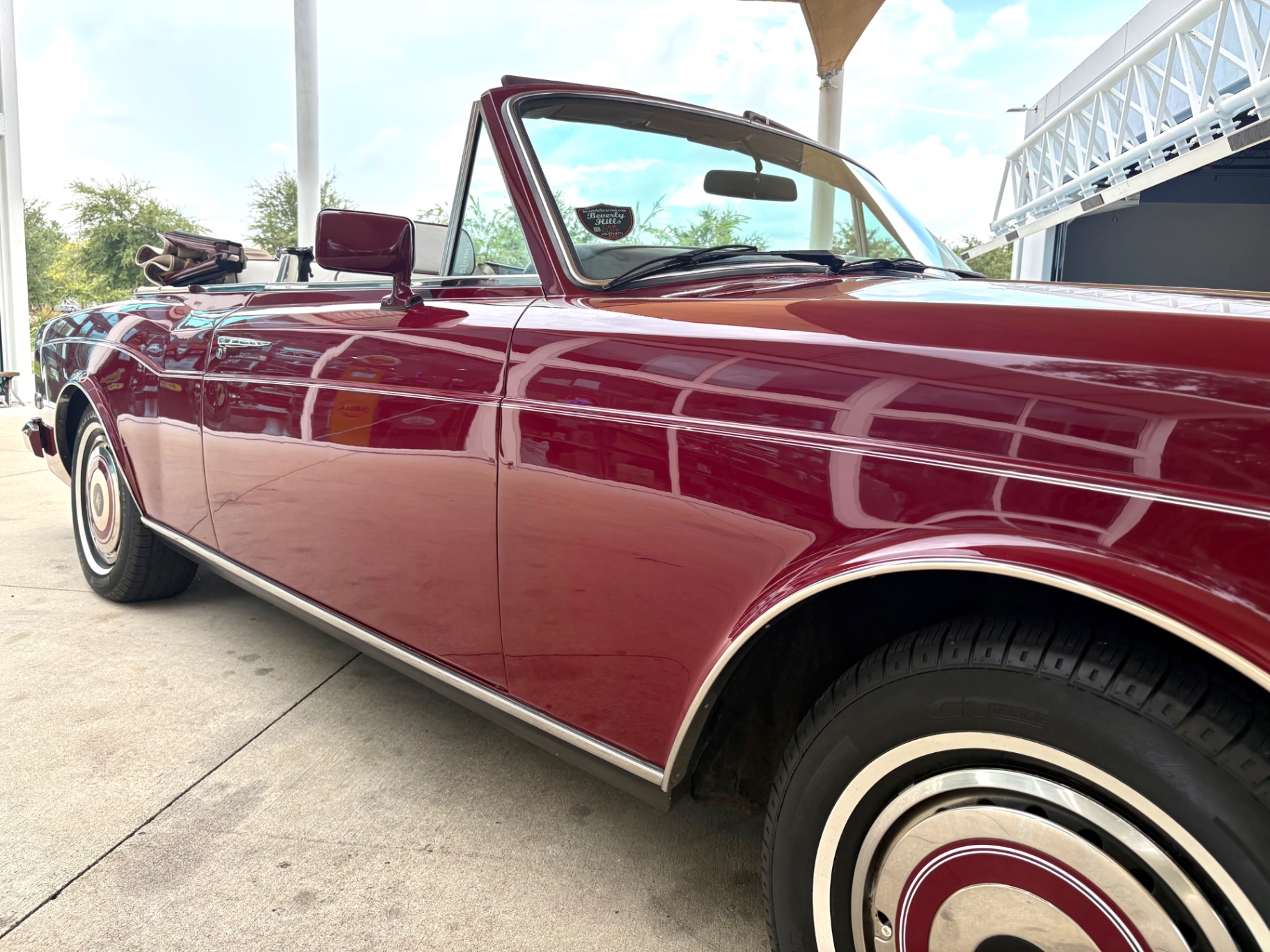
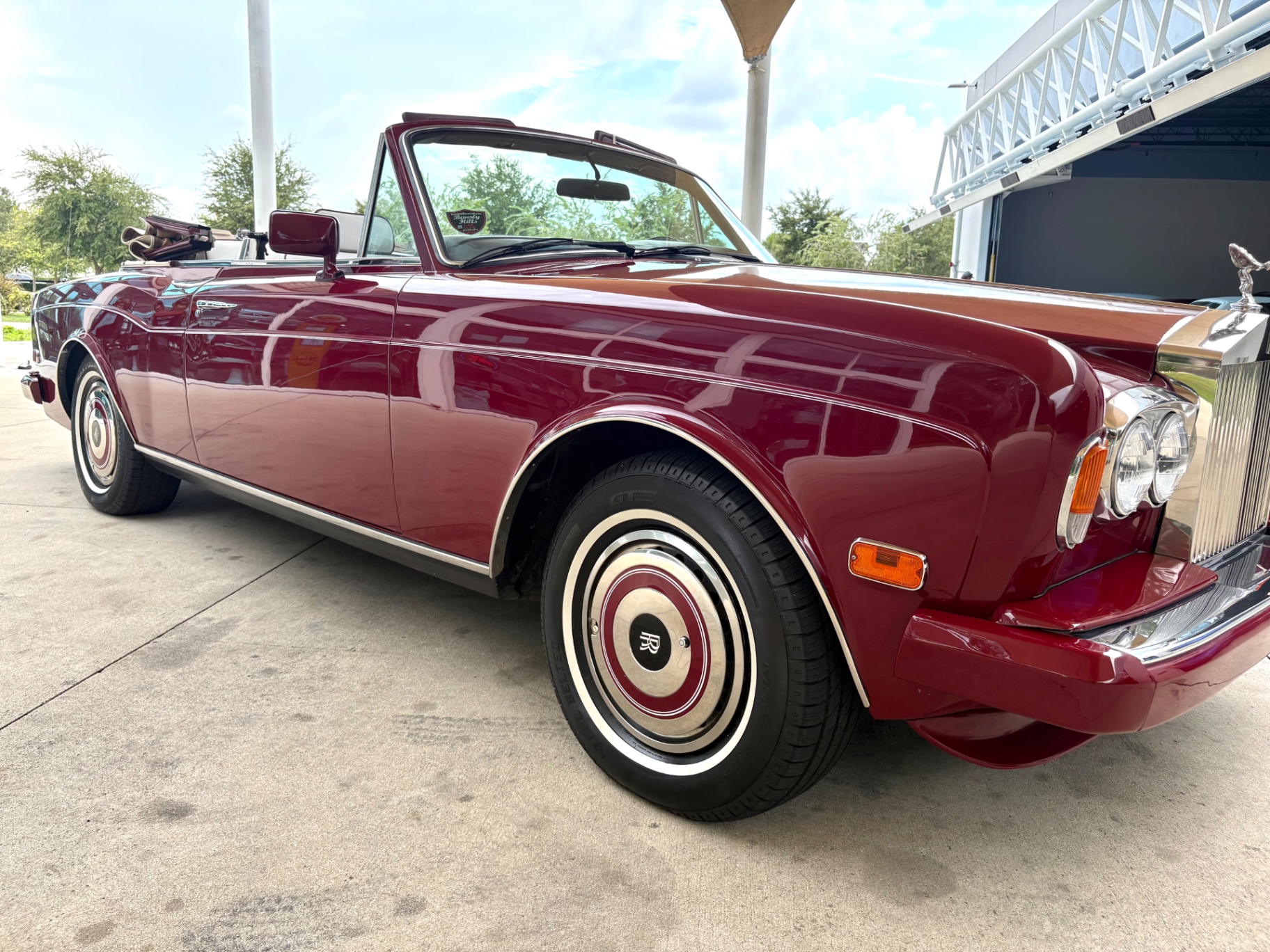
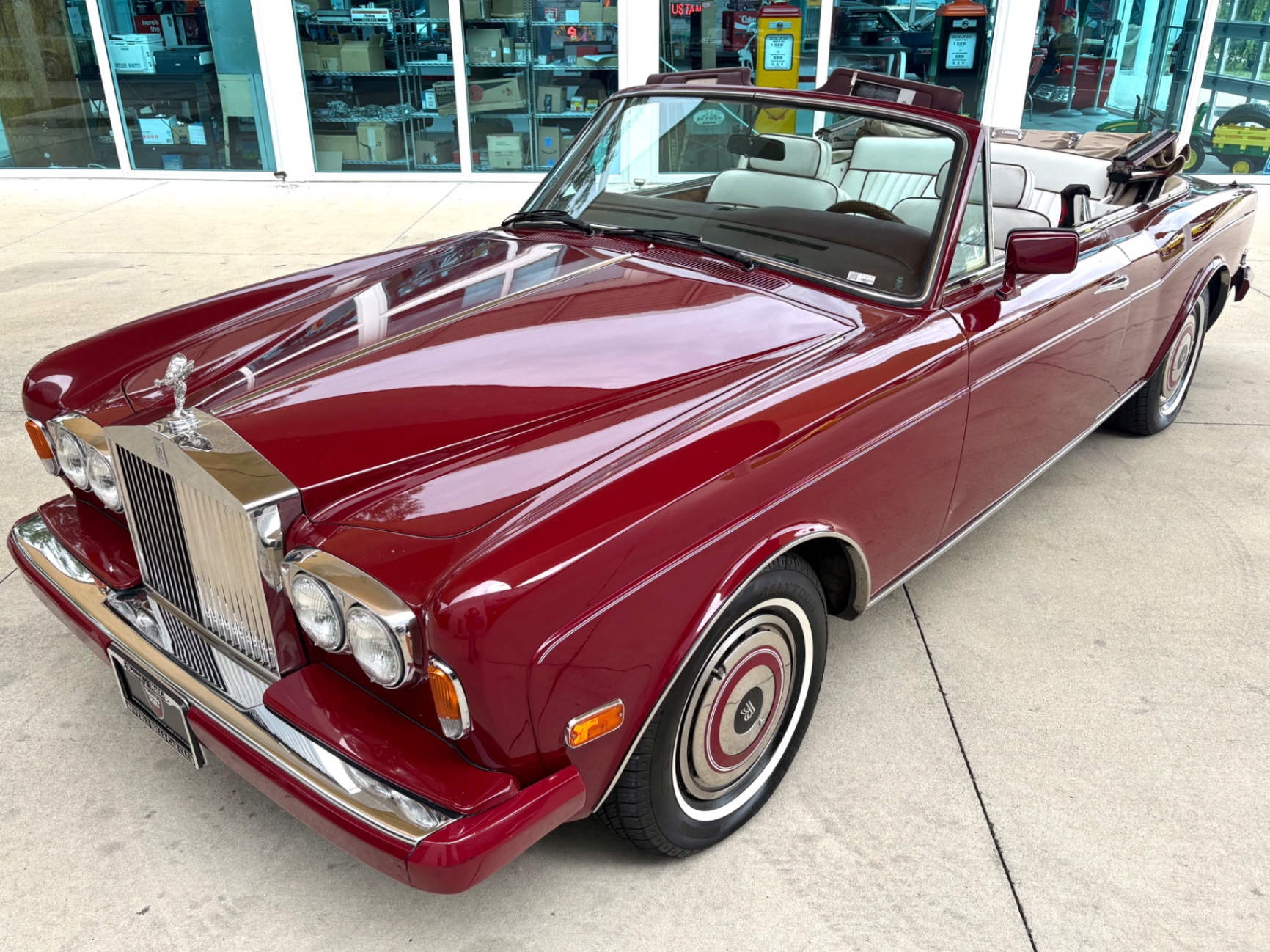
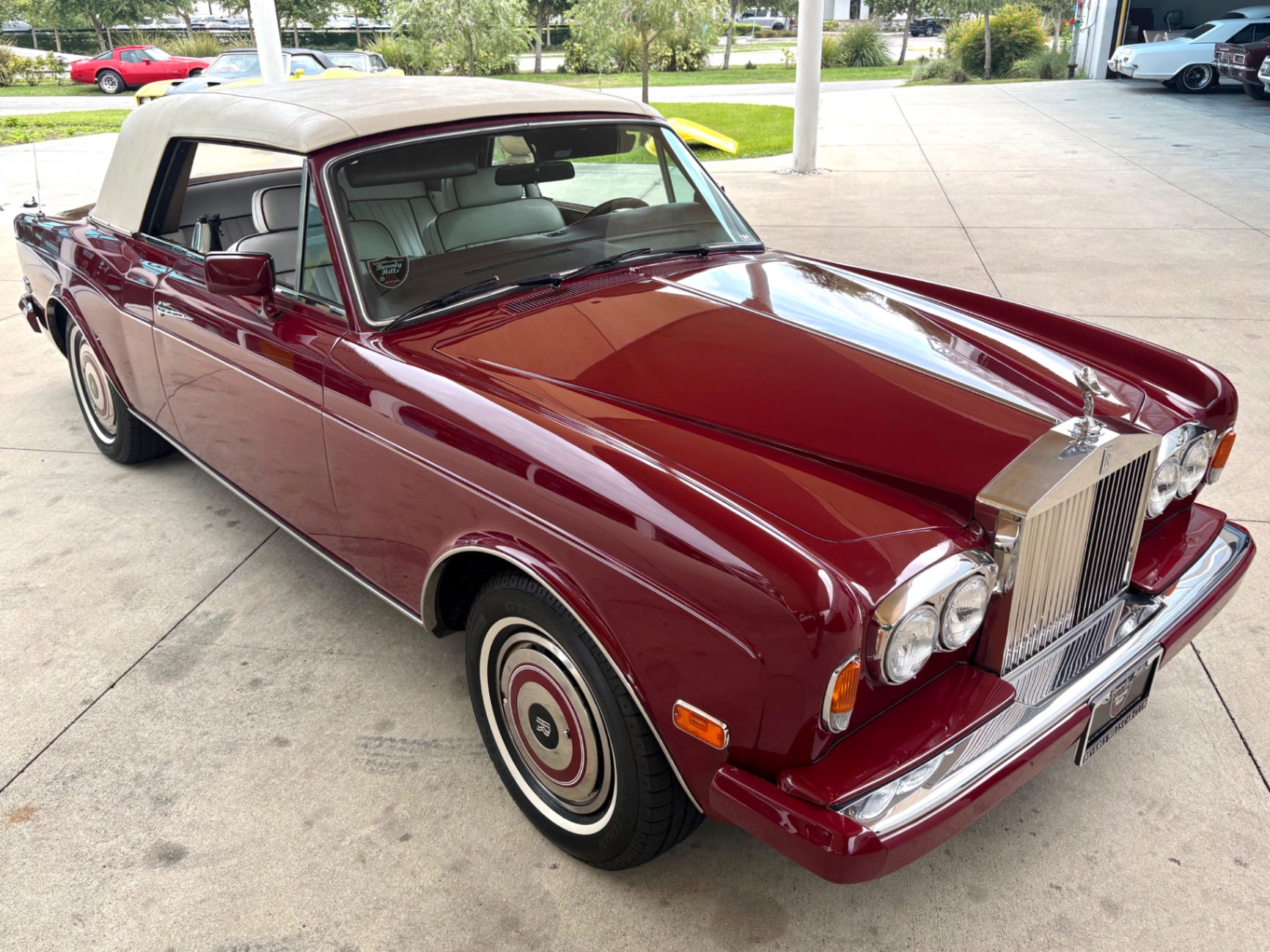
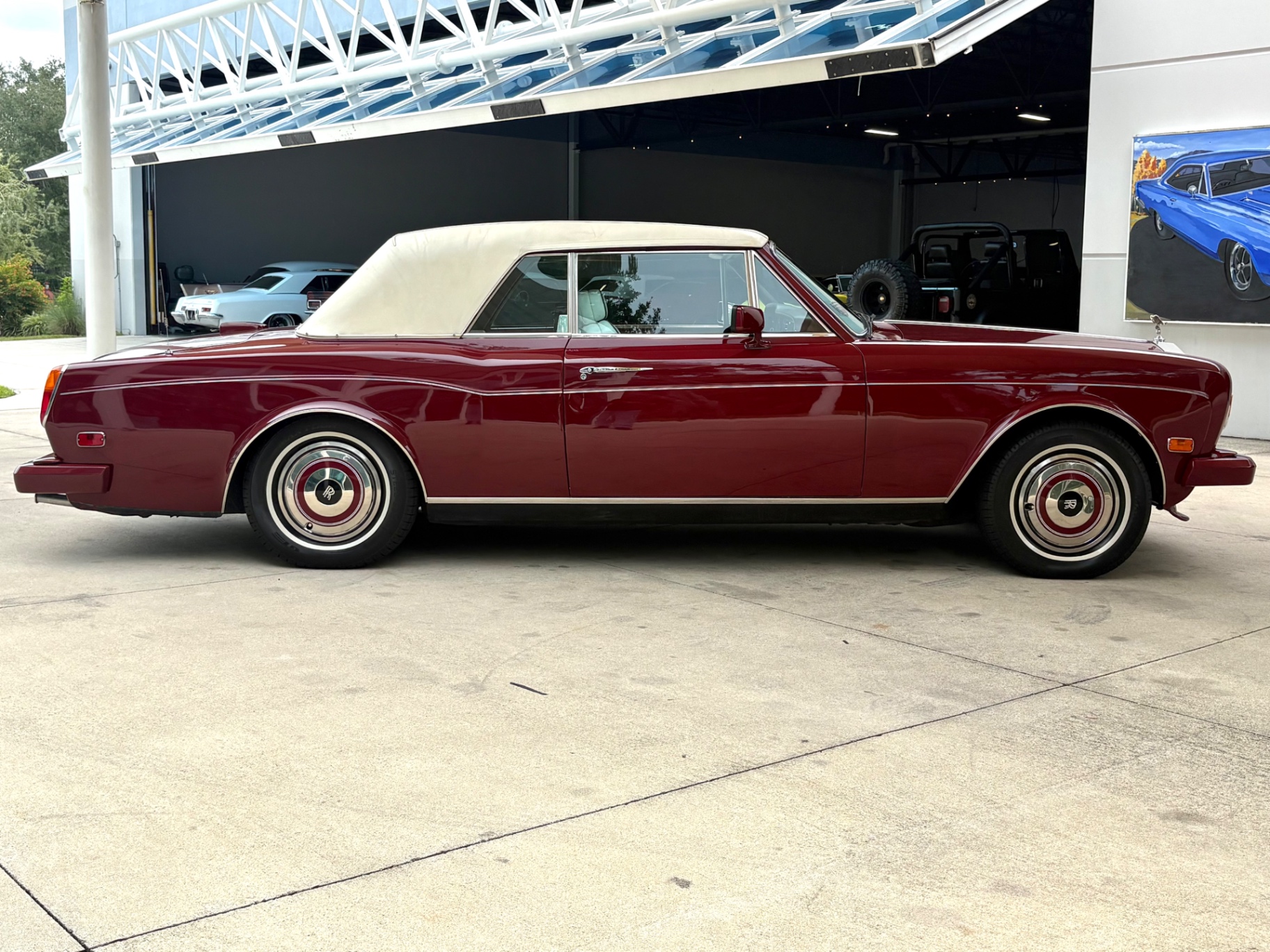
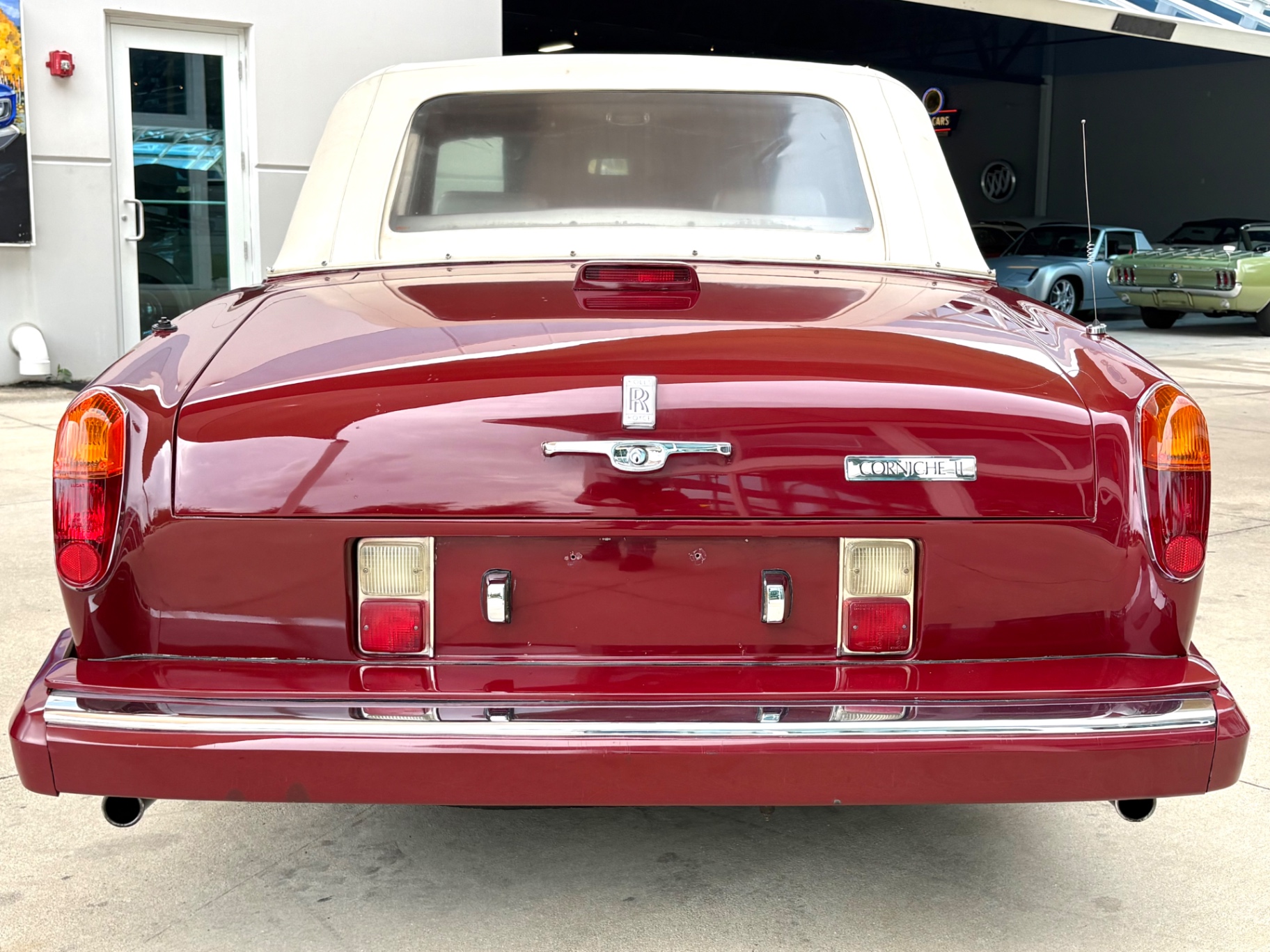
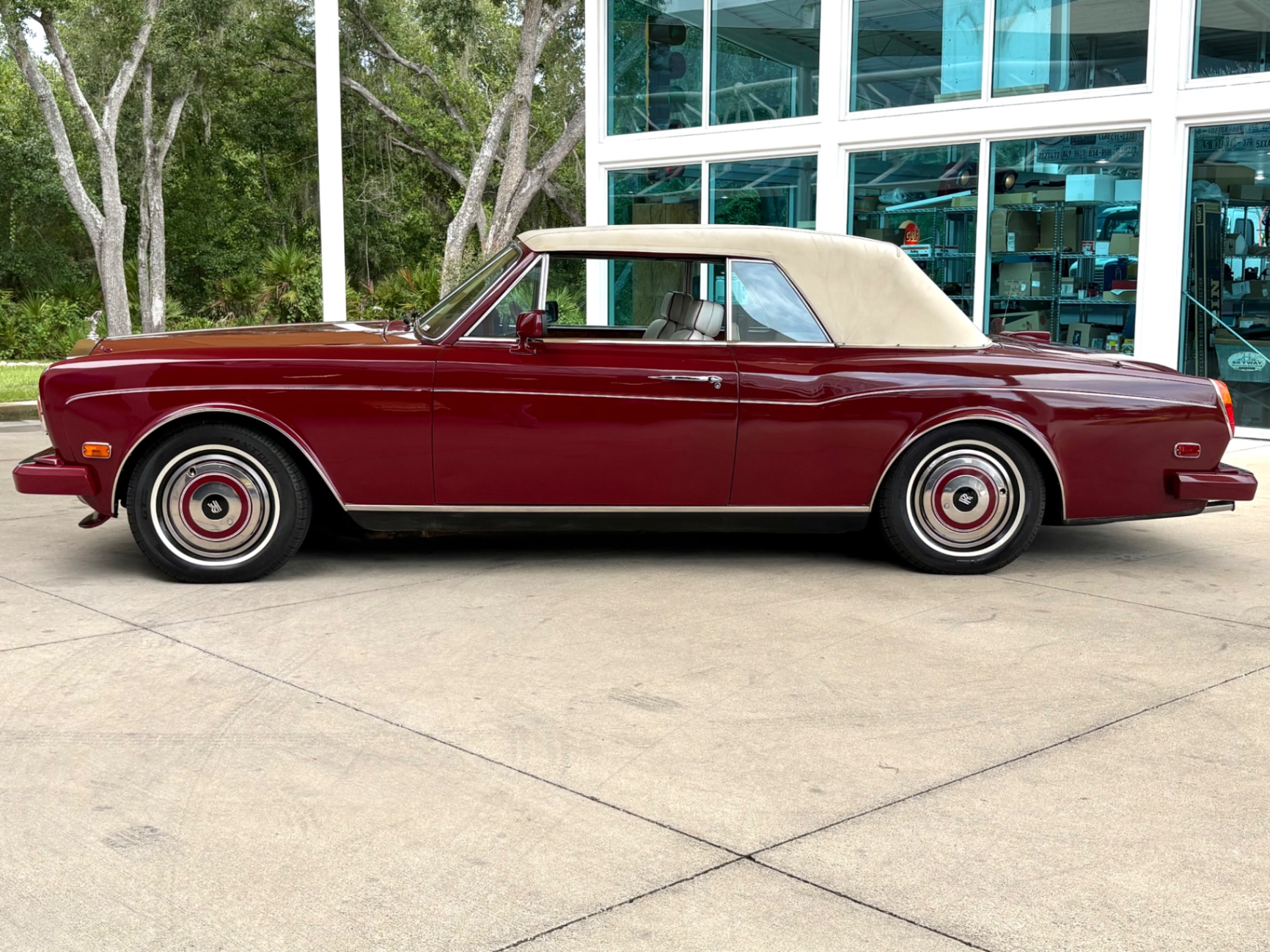
1987 Rolls-Royce Corniche Convertible — Mulliner Park Ward Coachwork, Maroon over White Leather
Why This Car Is Special
The 1987 Rolls-Royce Corniche is one of the most deliberately built automobiles of the twentieth century. While the rest of the industry was chasing volume, Rolls-Royce was hand-finishing convertibles at a rate of just a few hundred per year worldwide. The Corniche nameplate had been in continuous production since 1971, and by 1987 it had been refined through sixteen years of incremental improvement rather than wholesale redesign. That kind of development cycle produces a car with very few rough edges left.
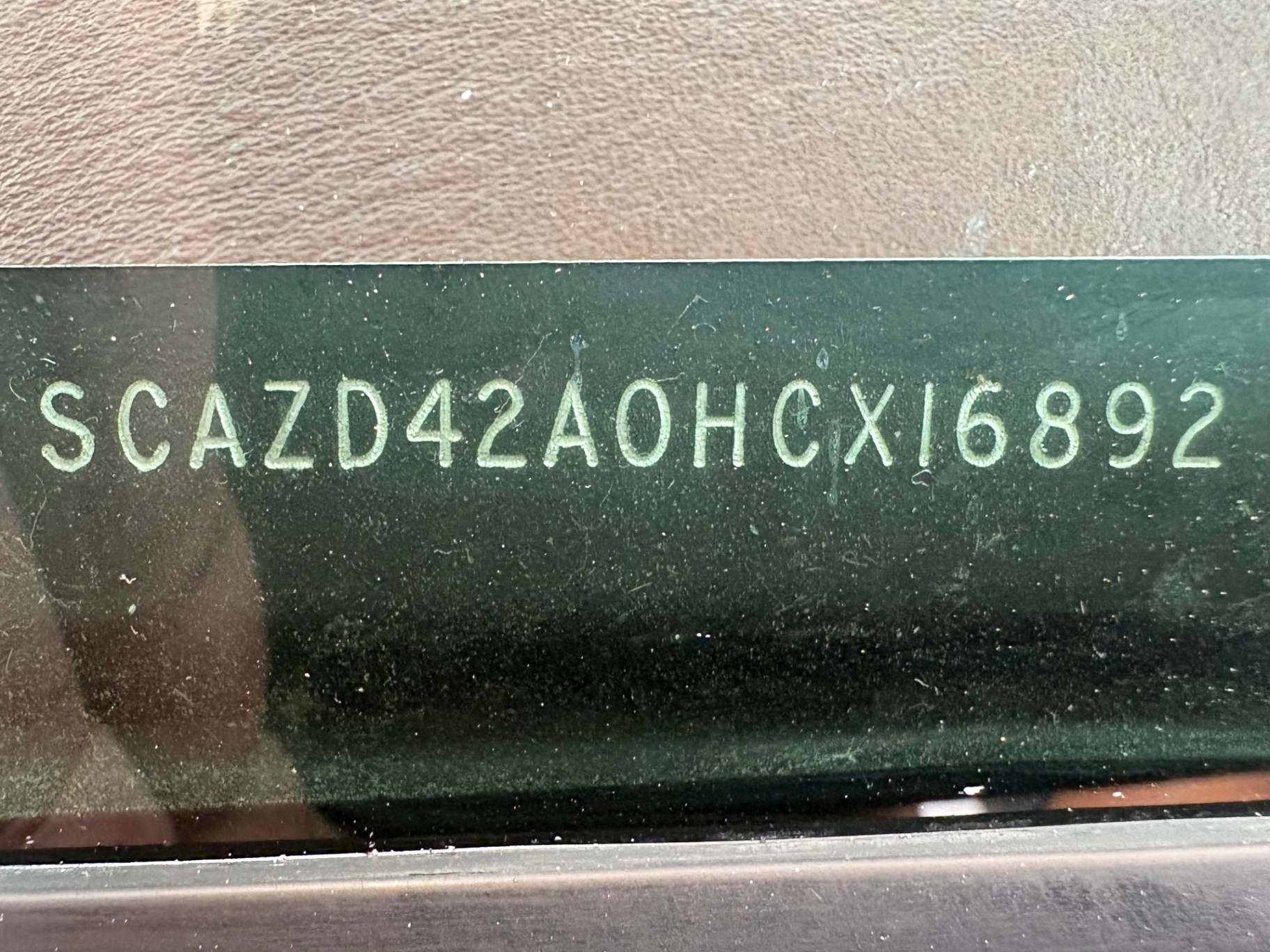
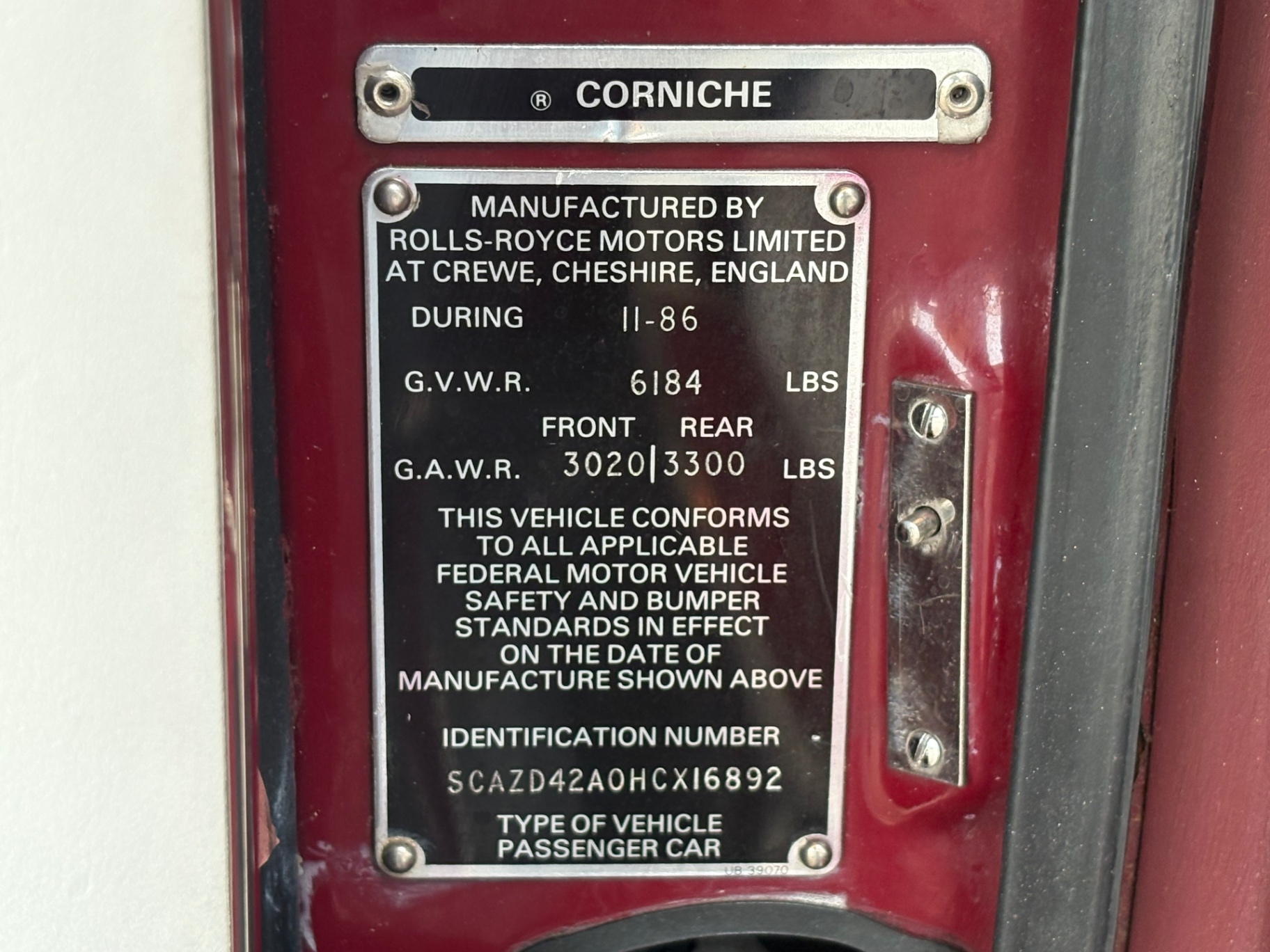
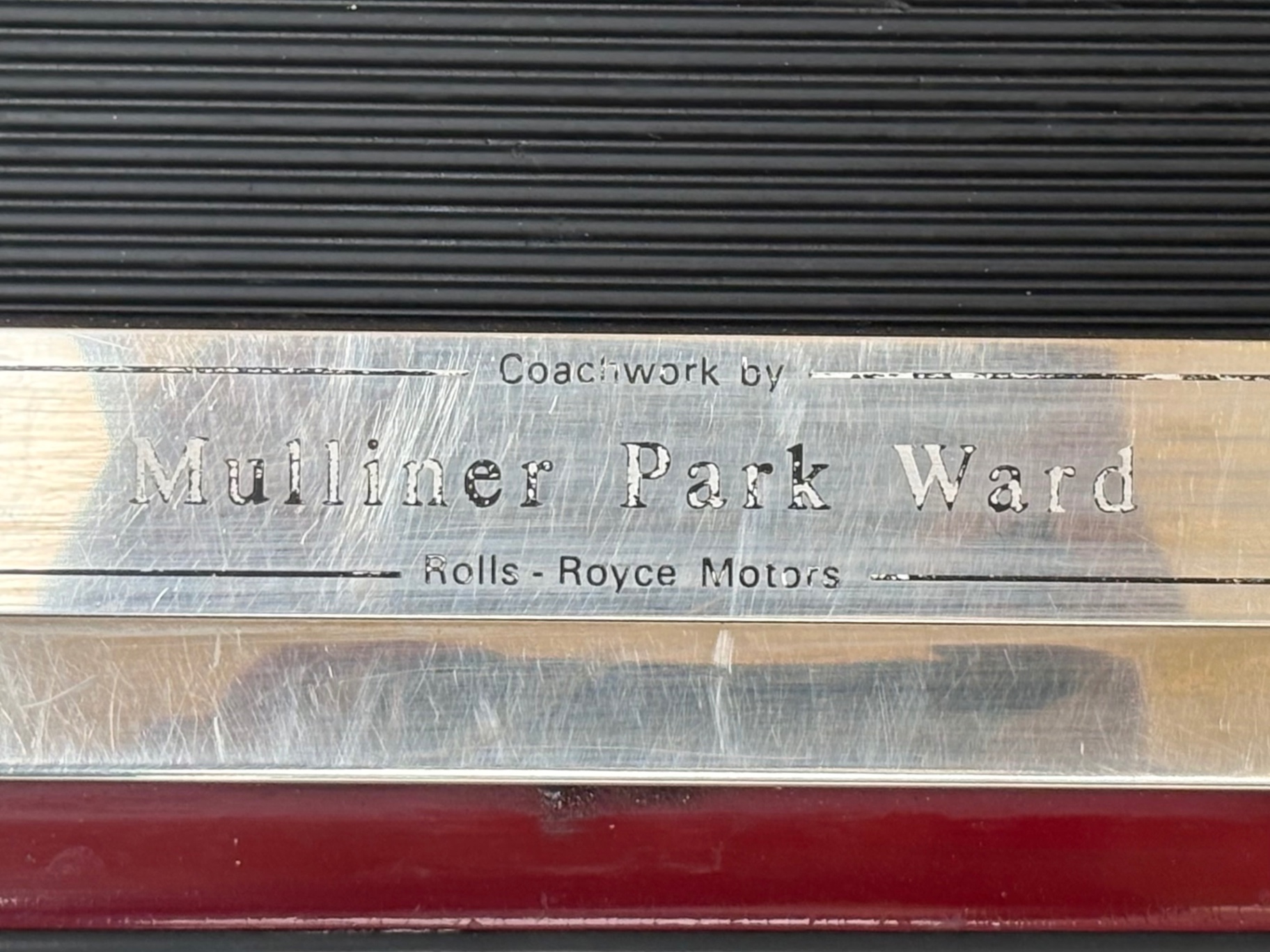
This particular 1987 Rolls-Royce Corniche carries coachwork by Mulliner Park Ward, the in-house coachbuilding division of Rolls-Royce Motors. The sill plate on this car reads "Coachwork by Mulliner Park Ward — Rolls-Royce Motors," which is exactly what a serious buyer wants to see. Mulliner Park Ward was responsible for converting the Silver Shadow platform into the Corniche body, and each car was built largely by hand. The body panels were fitted, the convertible top mechanism was installed and adjusted, and the interior was trimmed by craftsmen in Crewe, England. It was not a fast process, and that is precisely the point.
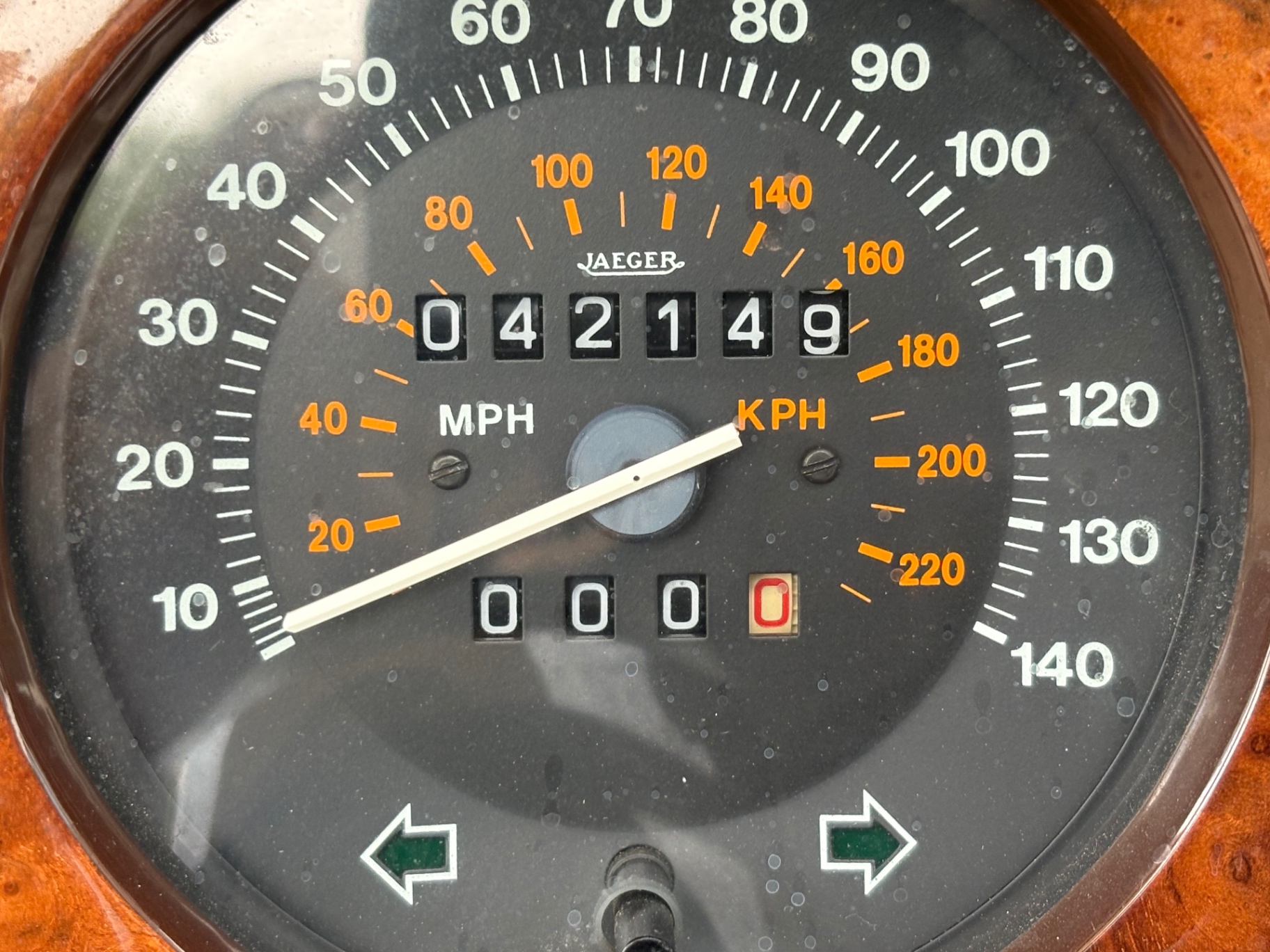
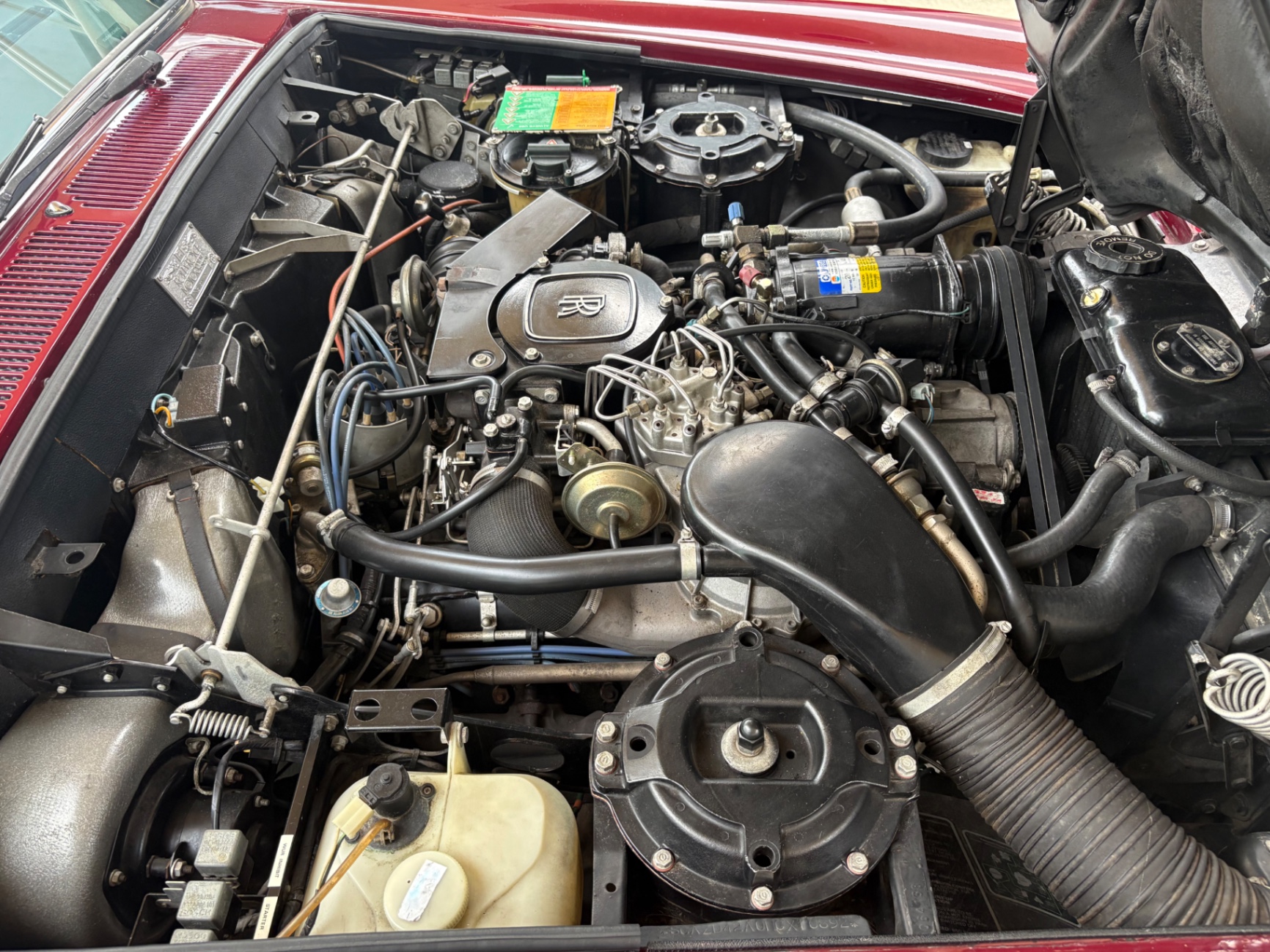
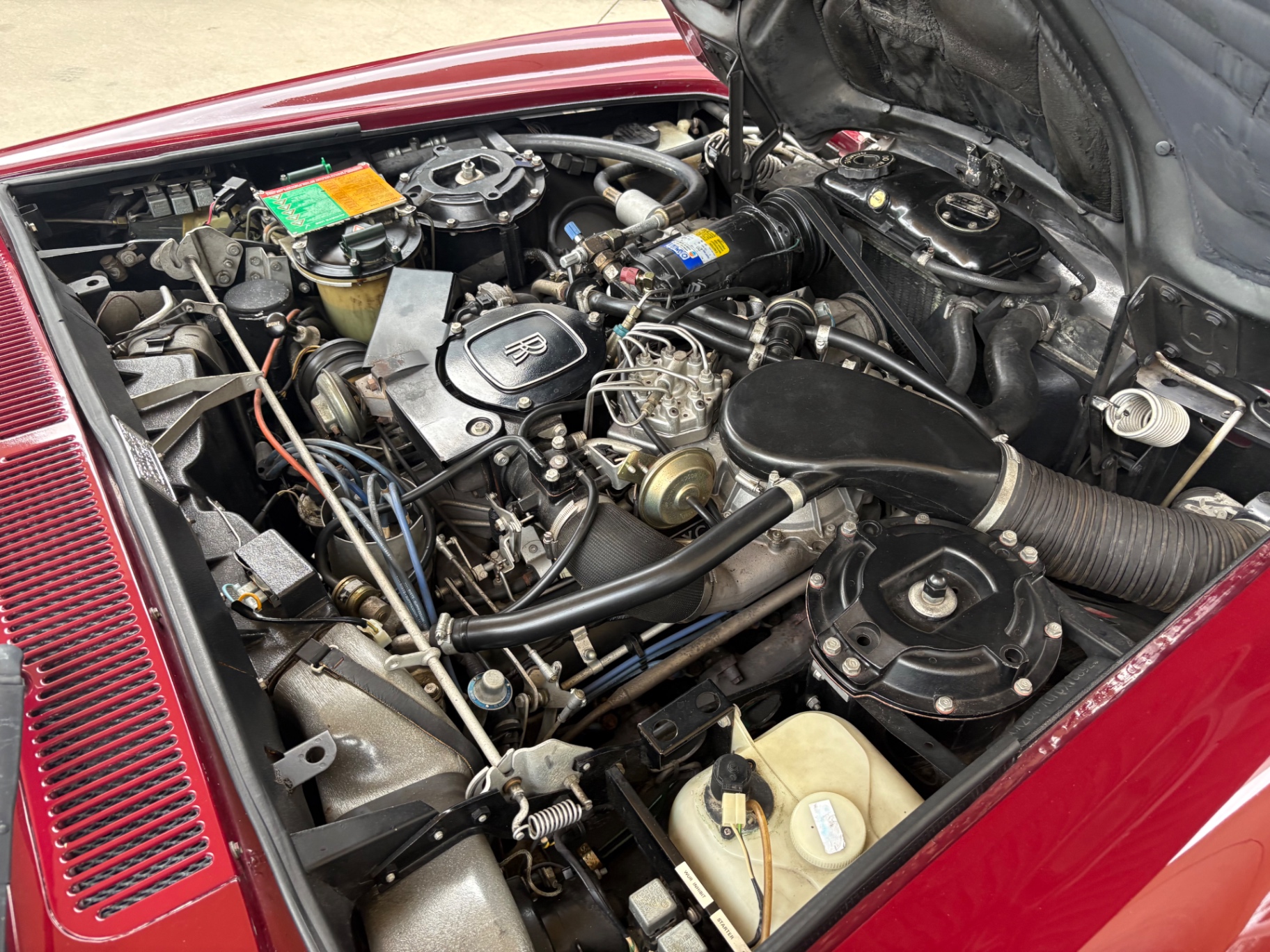
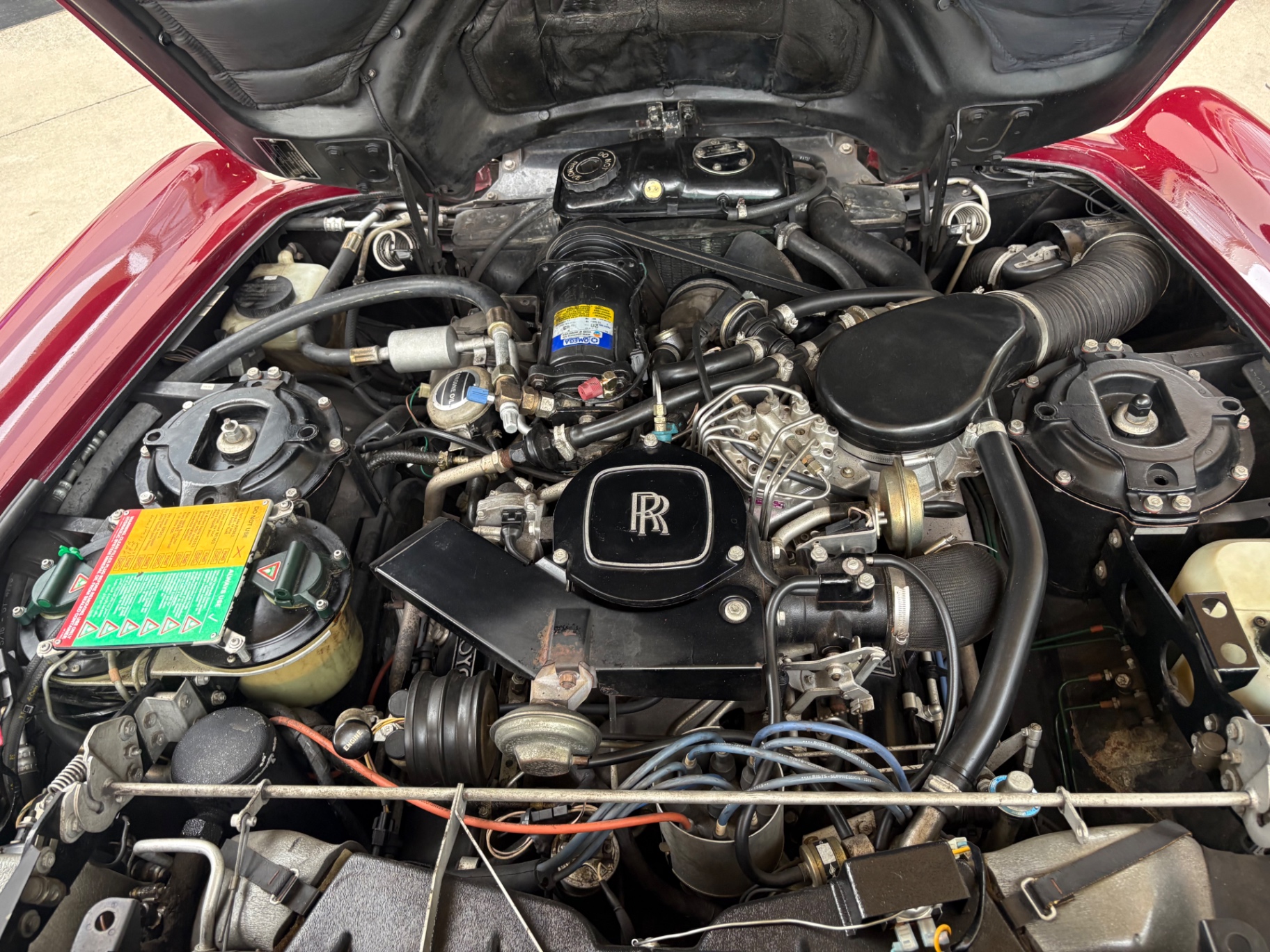
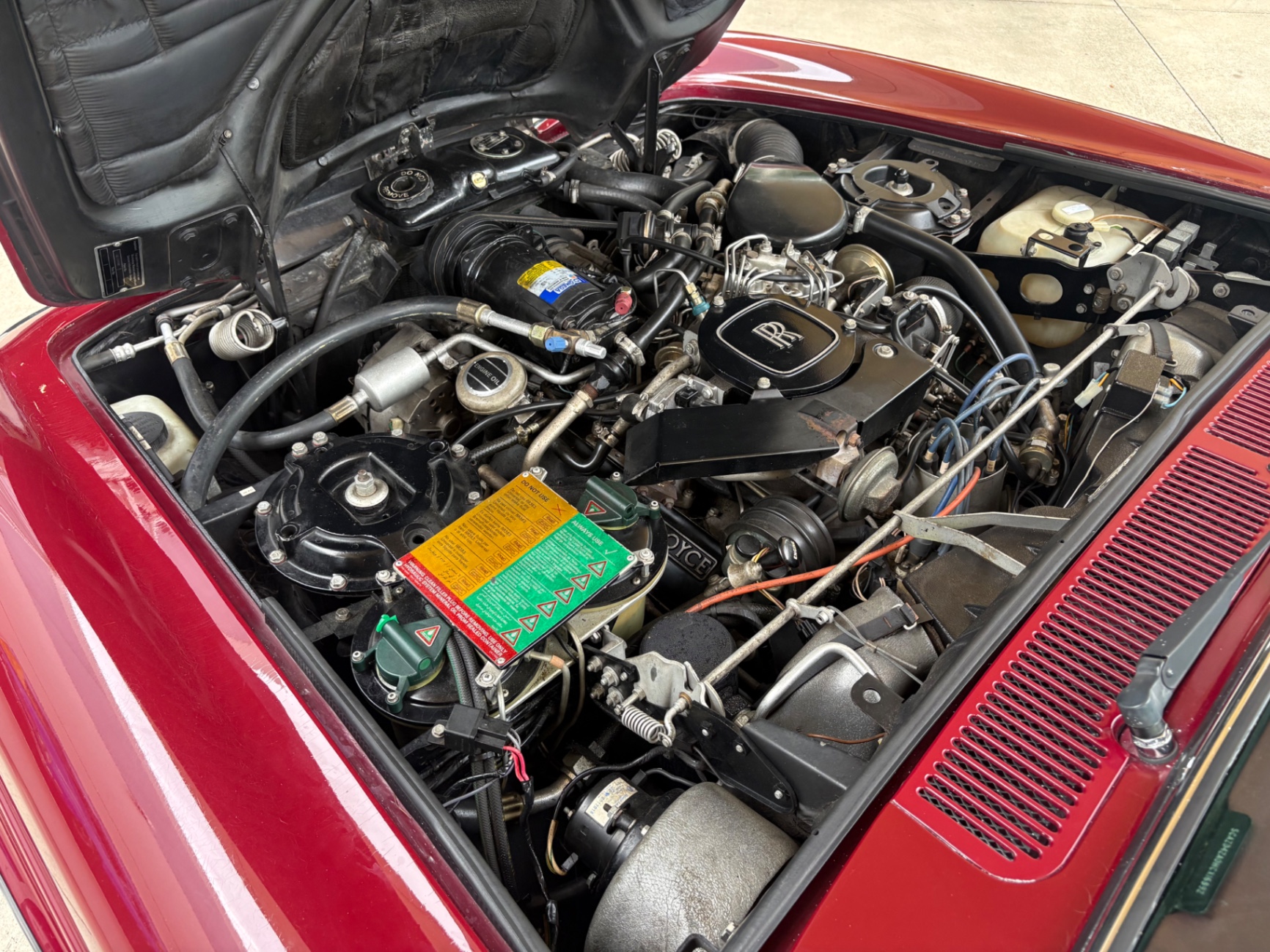
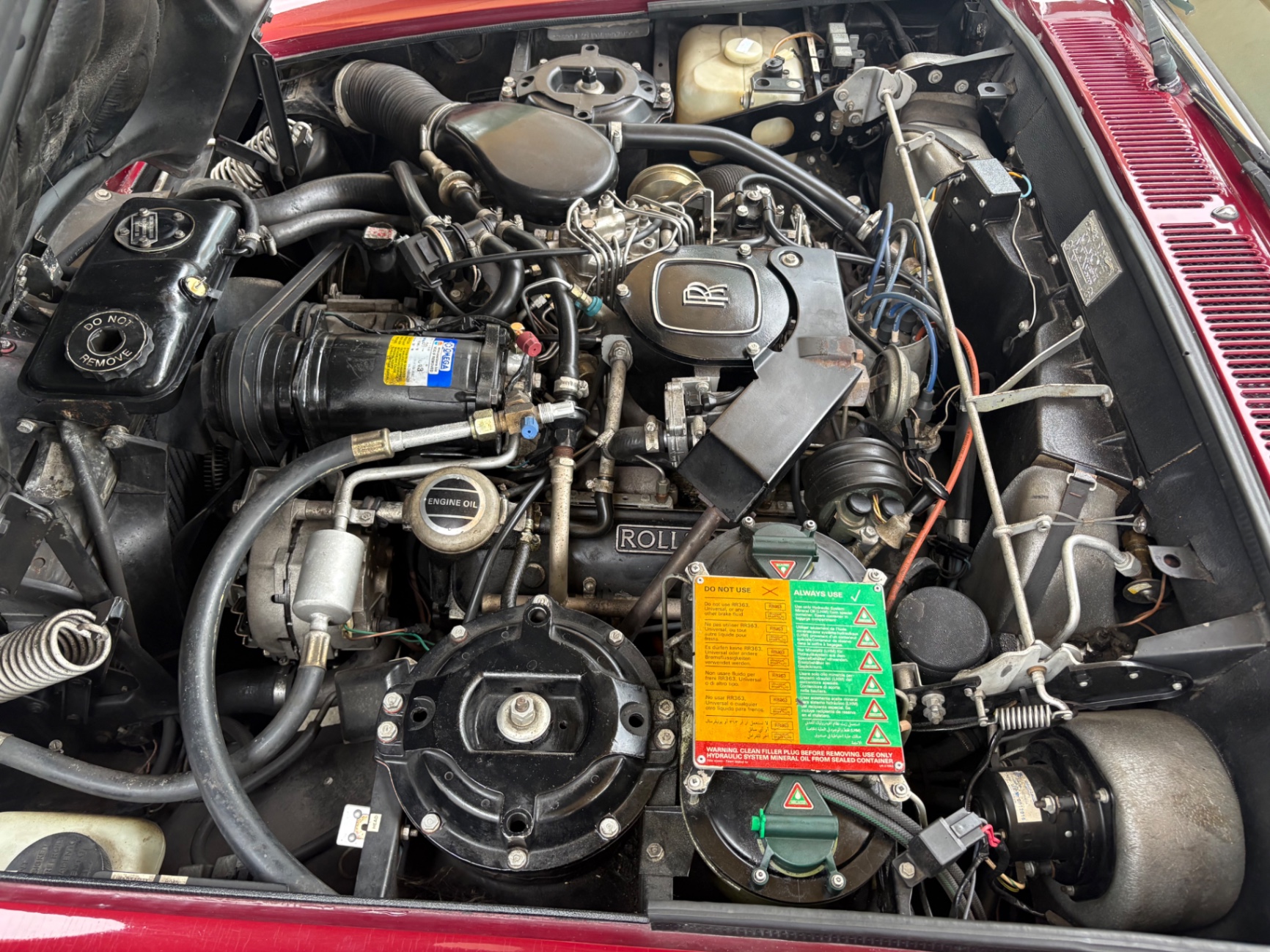
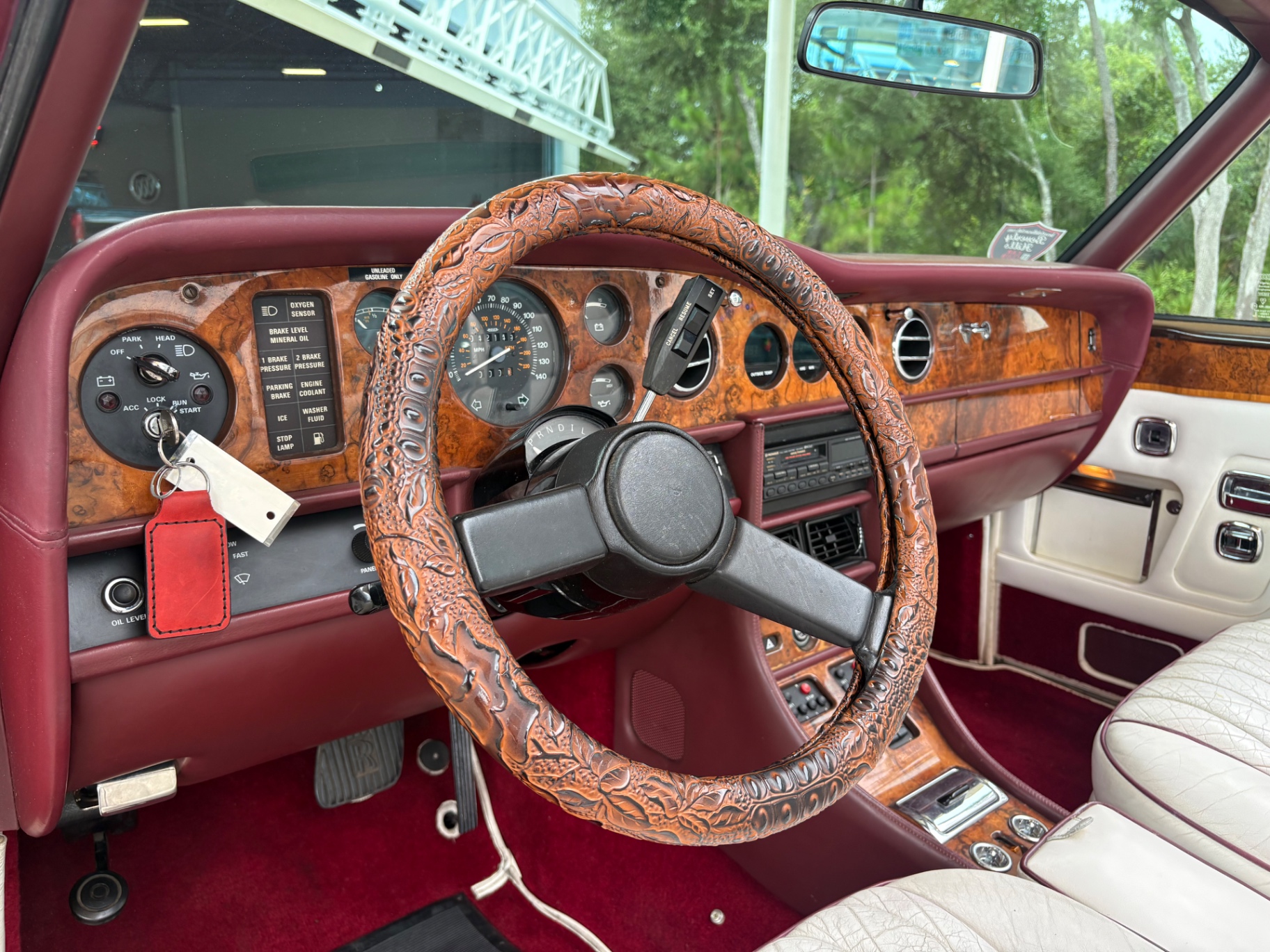
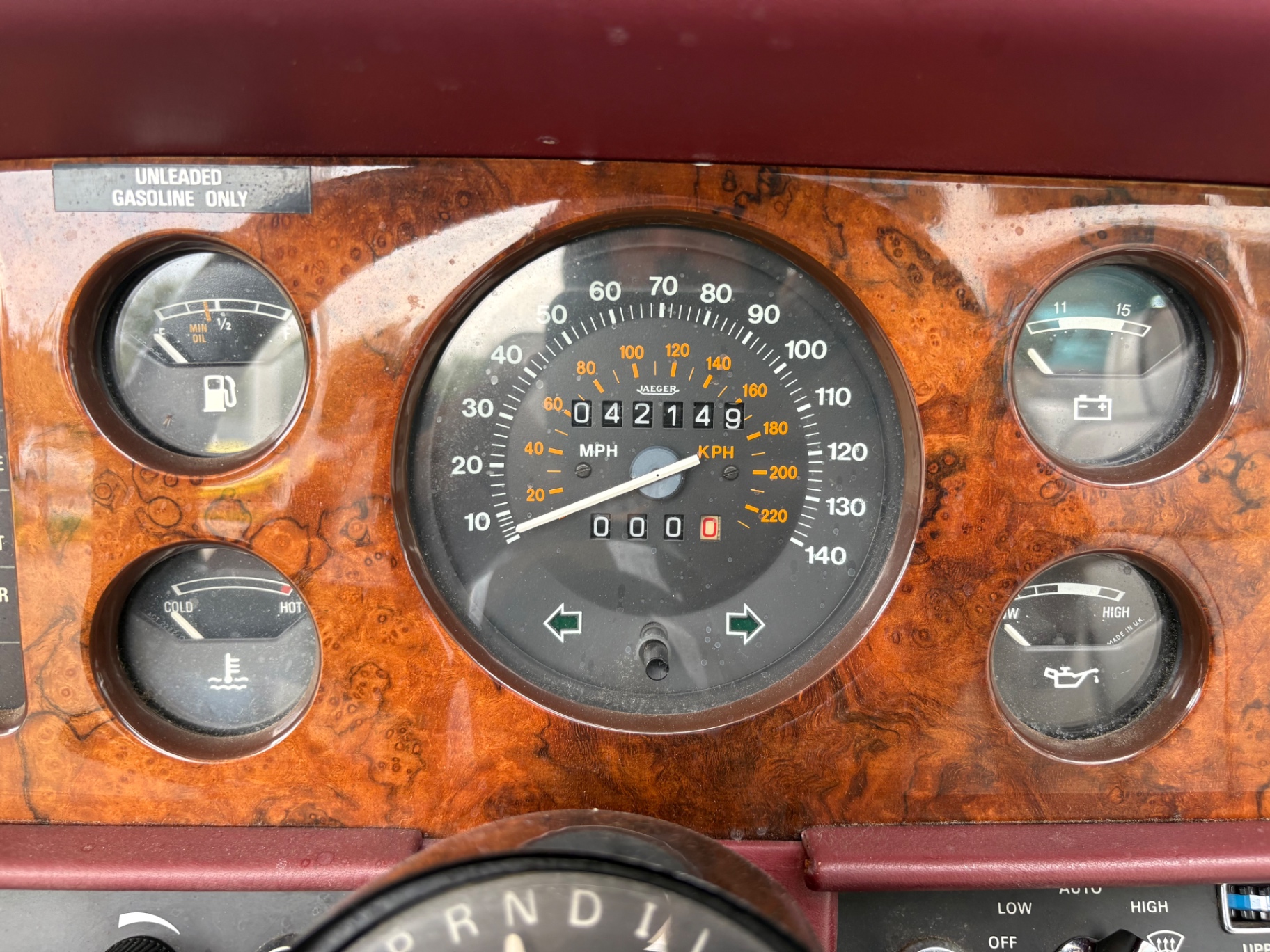
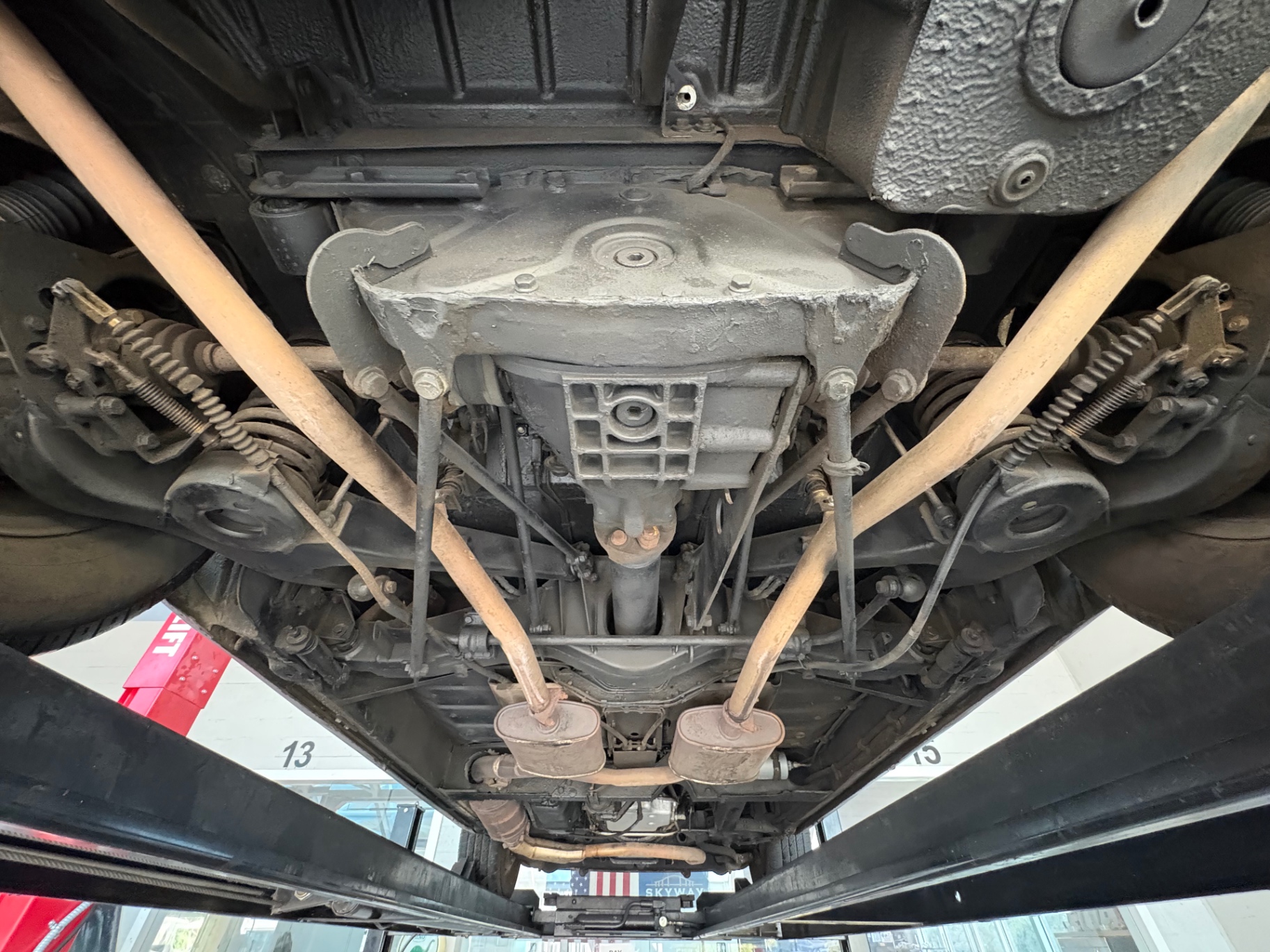
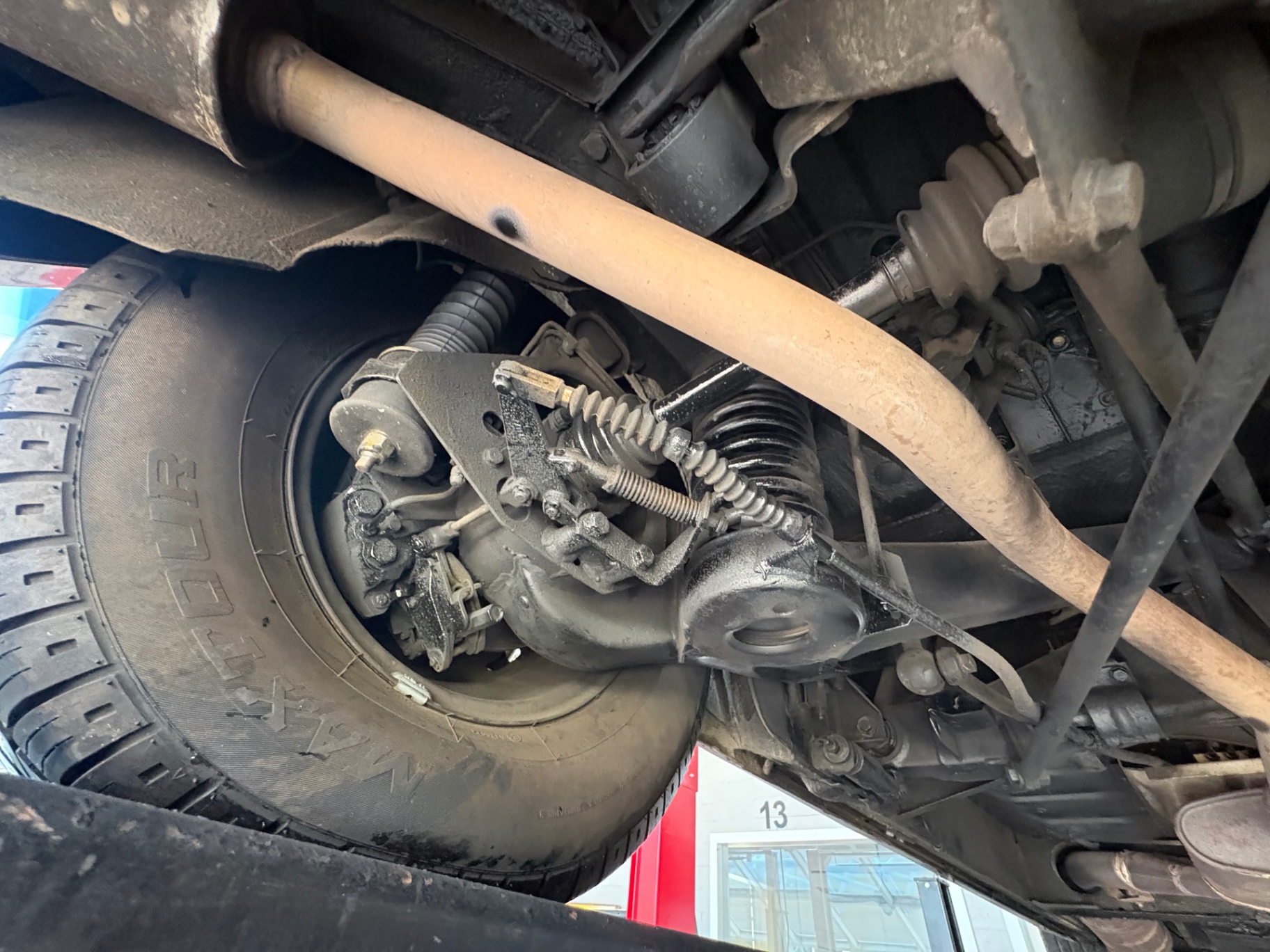
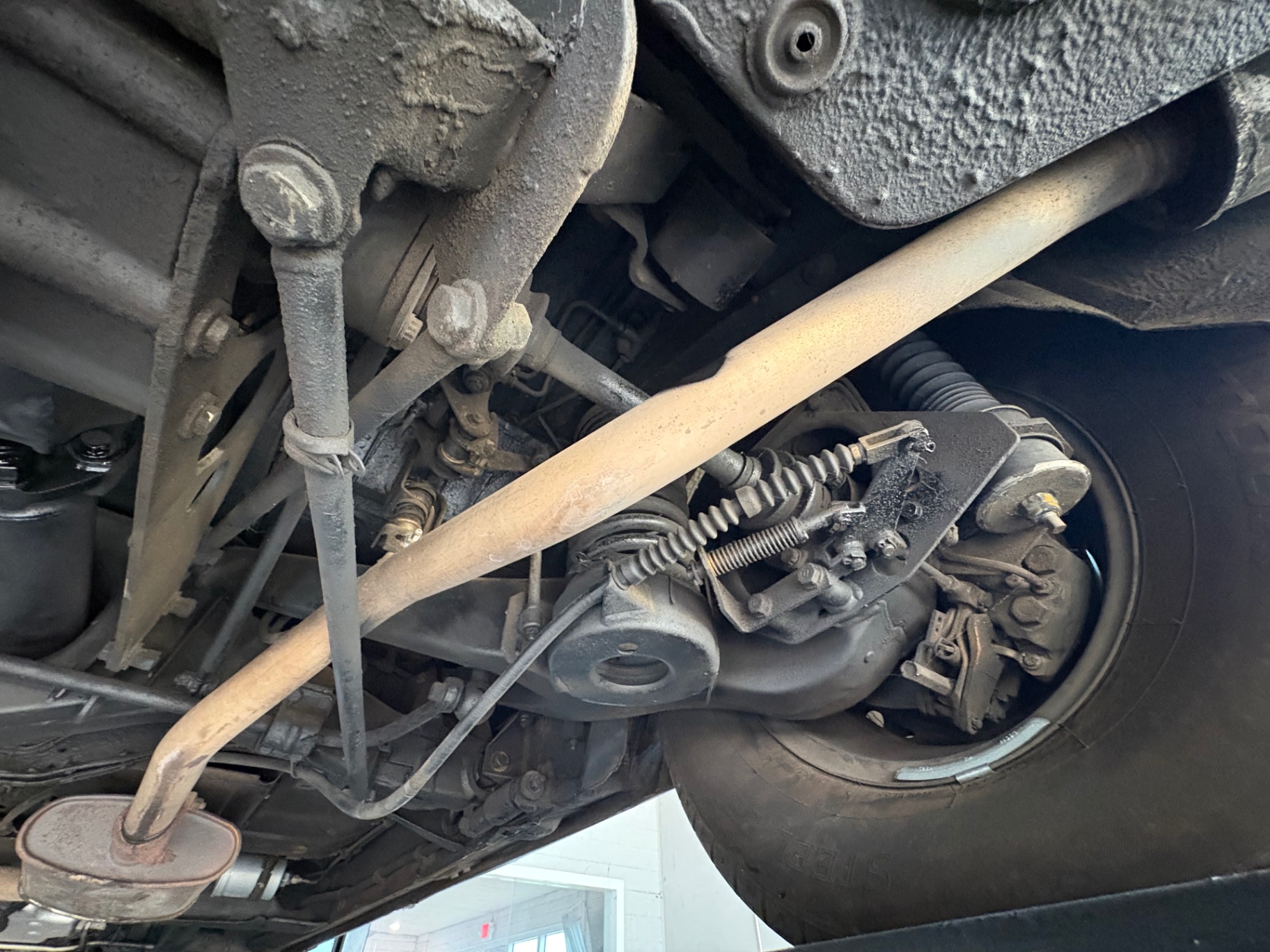
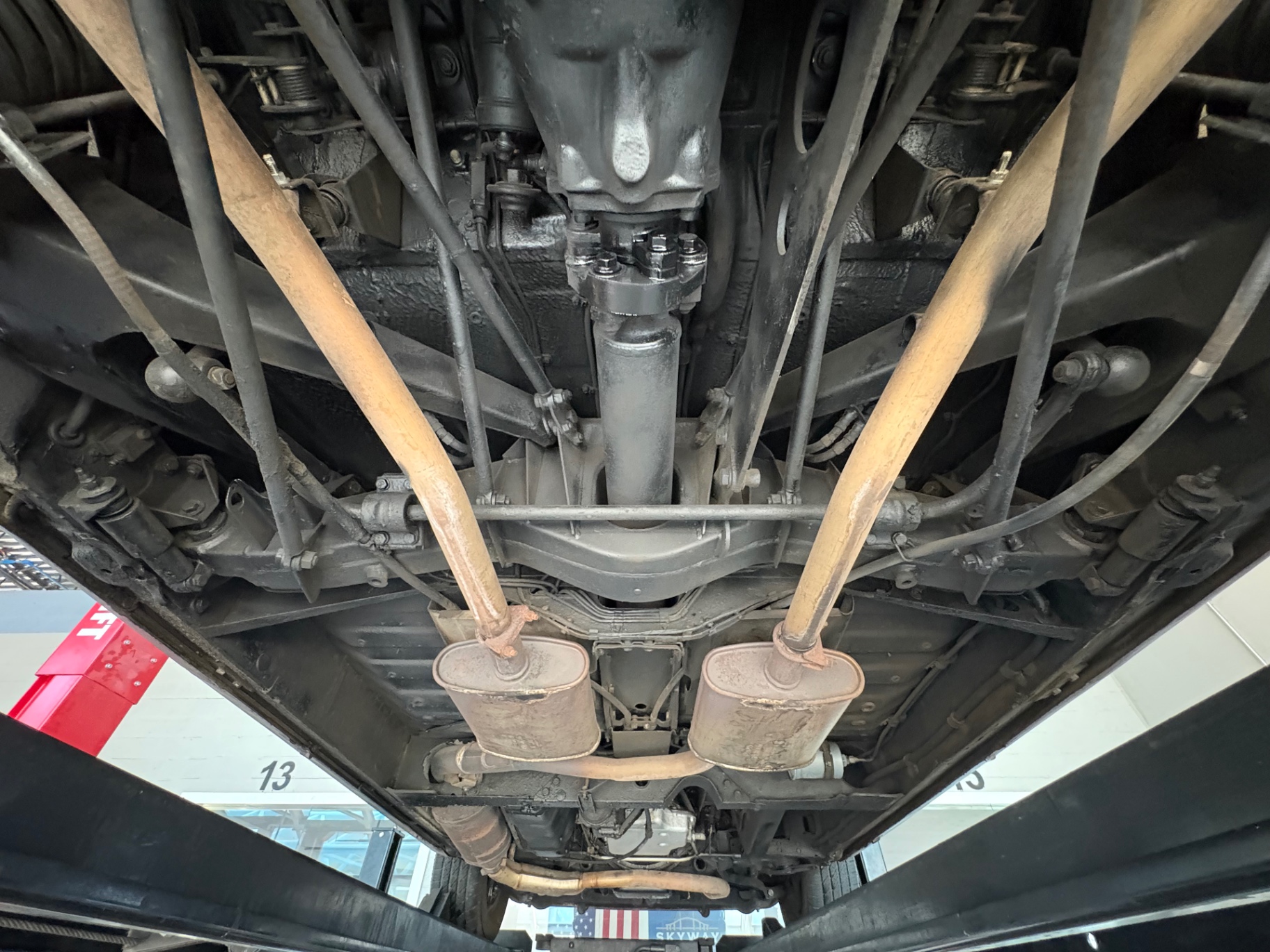
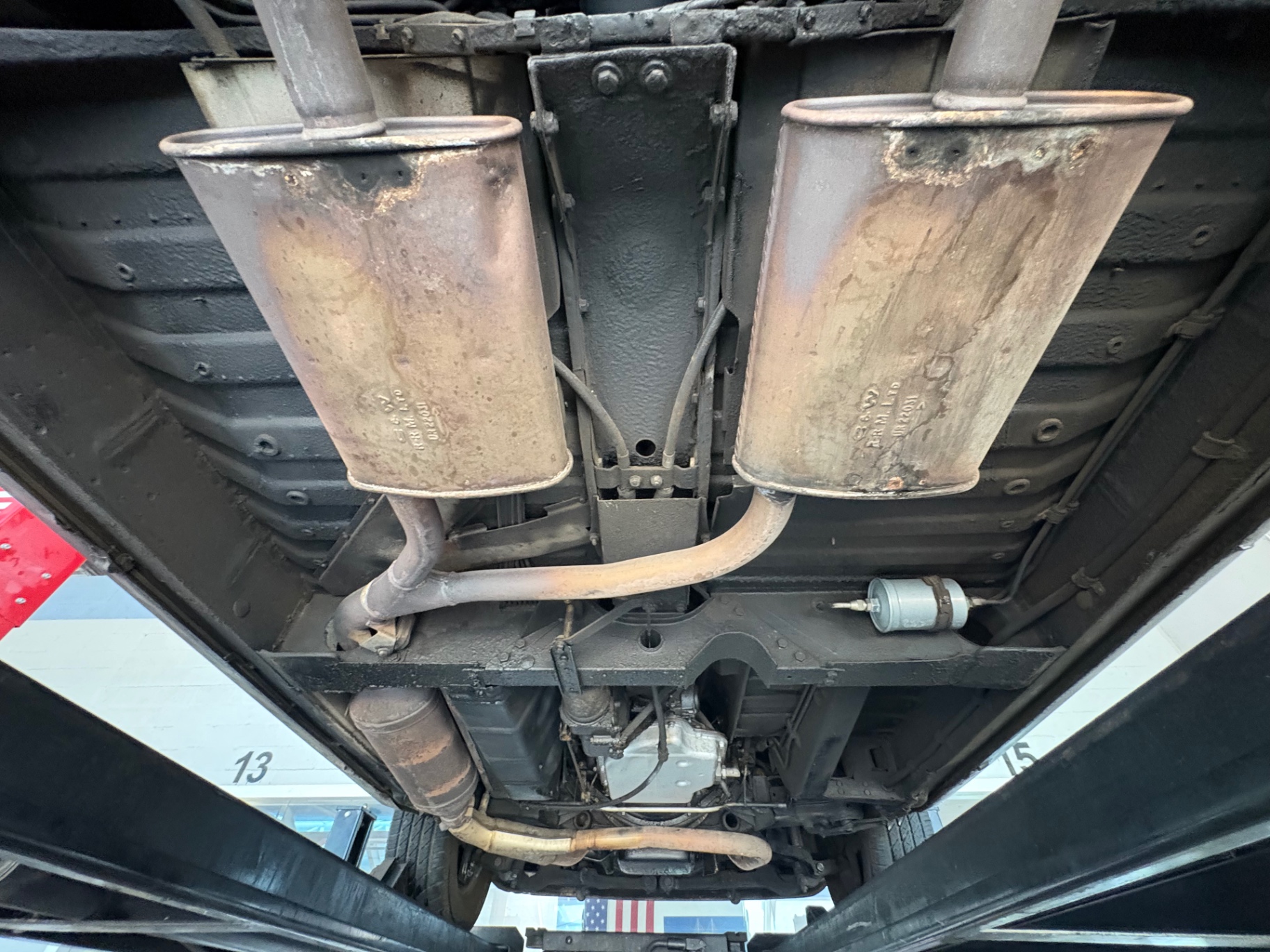
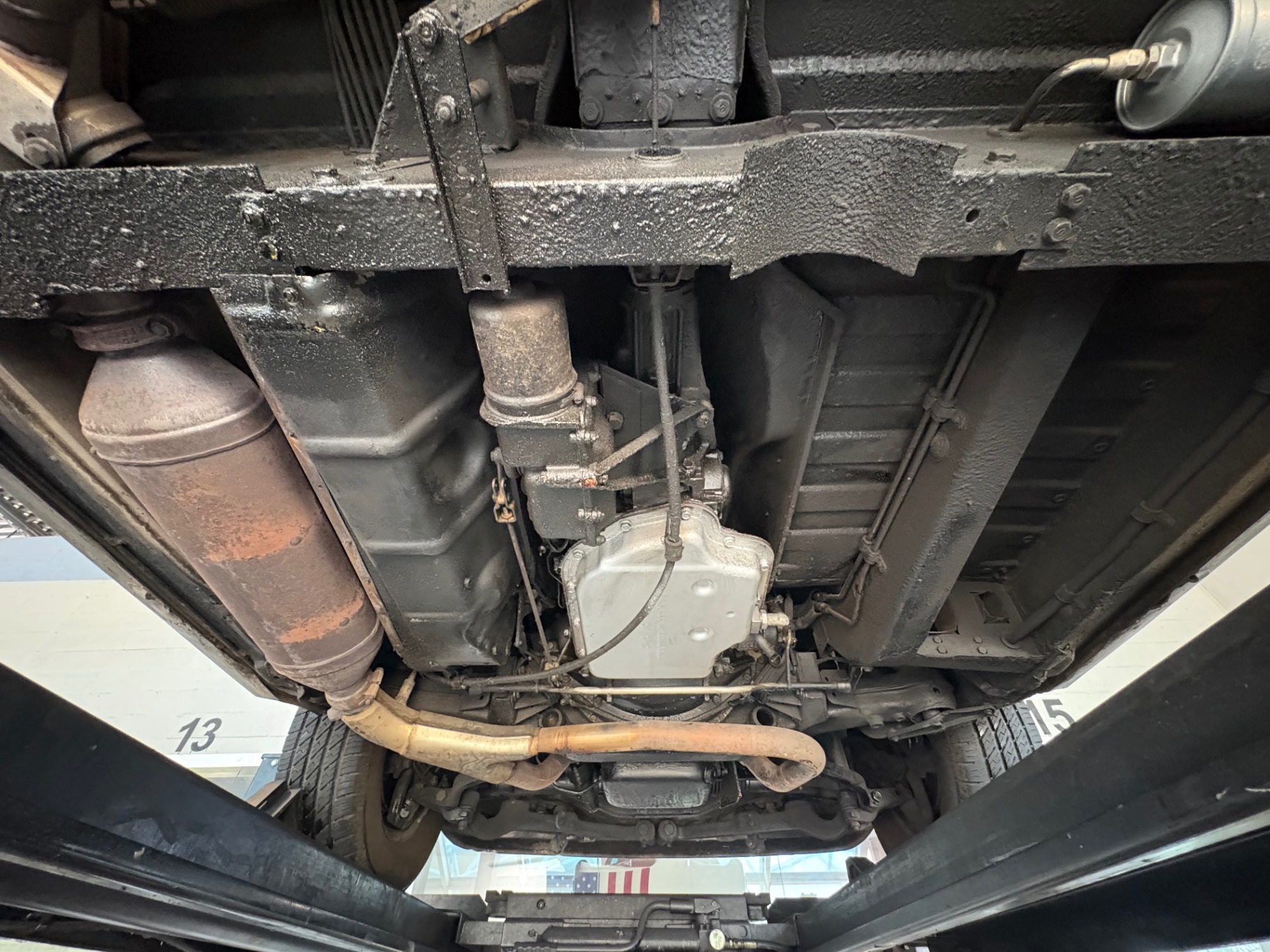
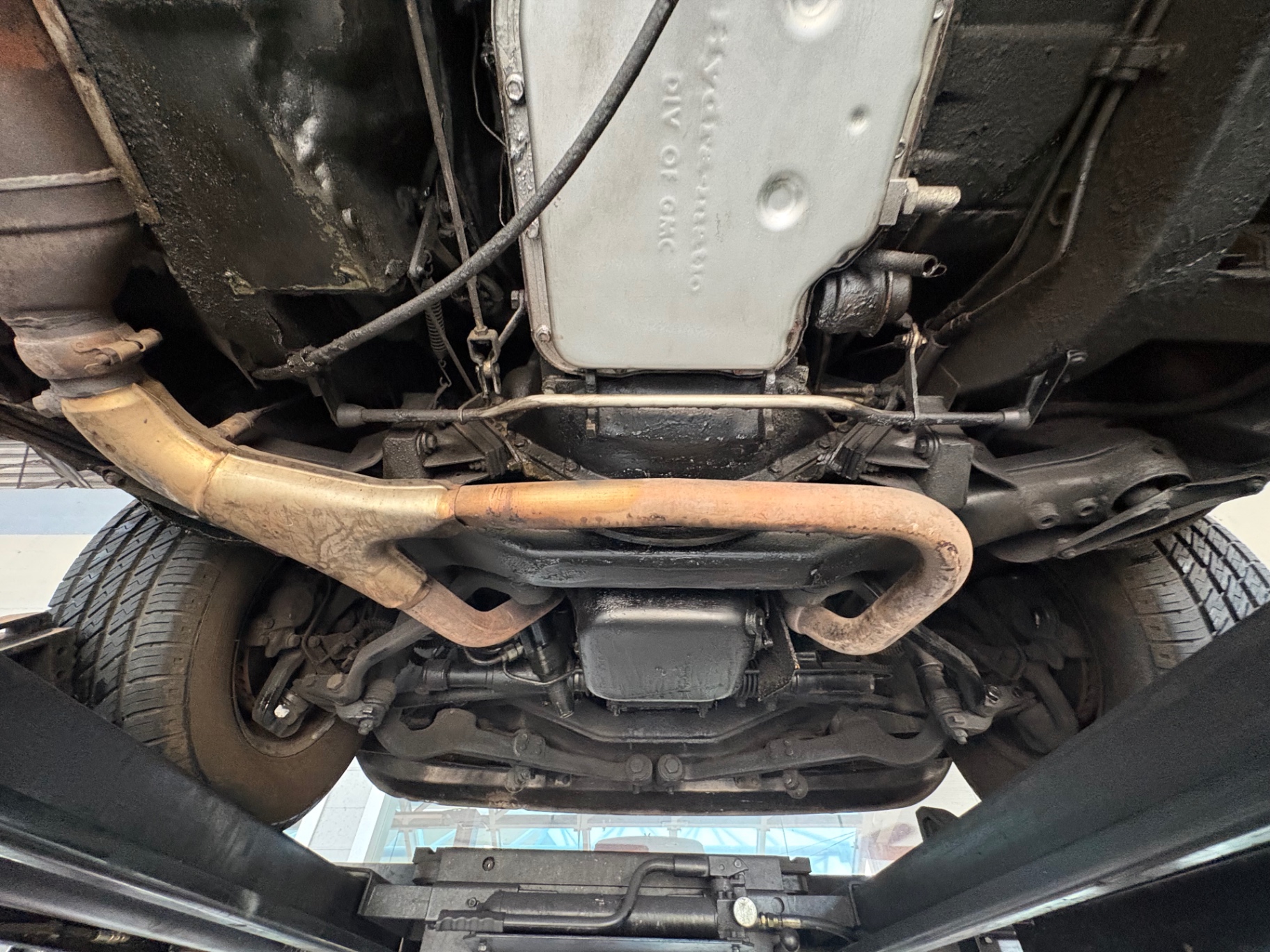
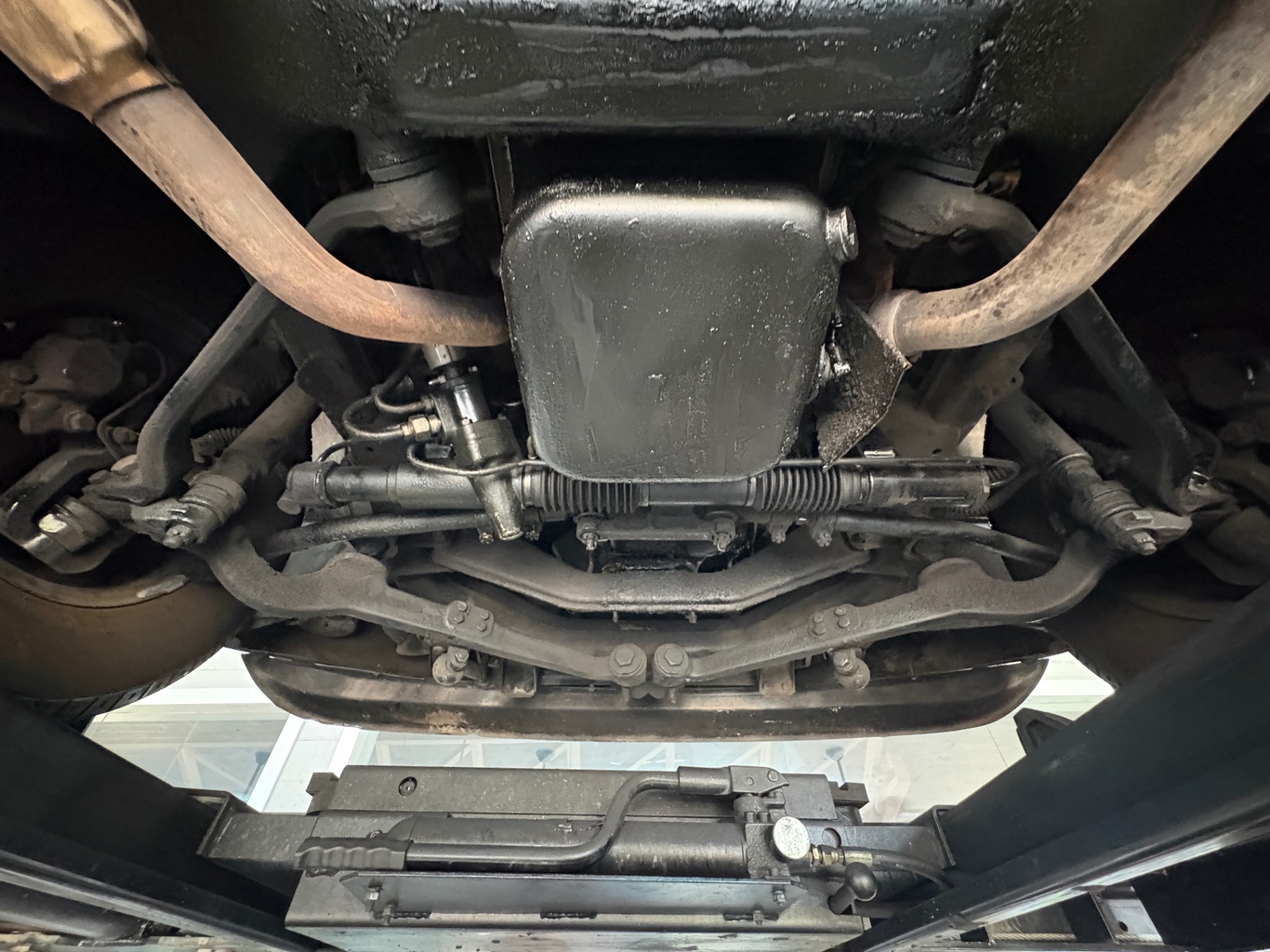
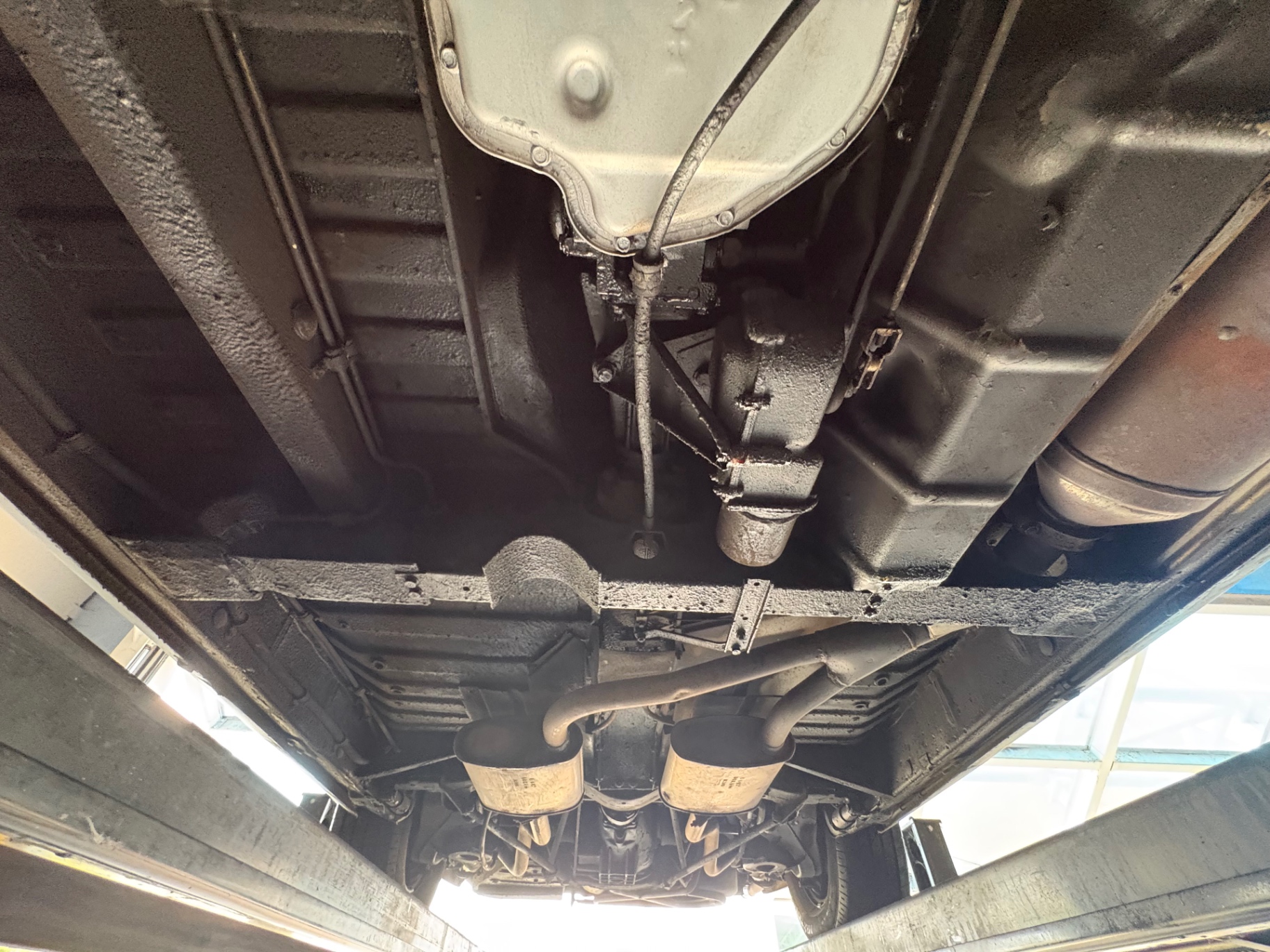
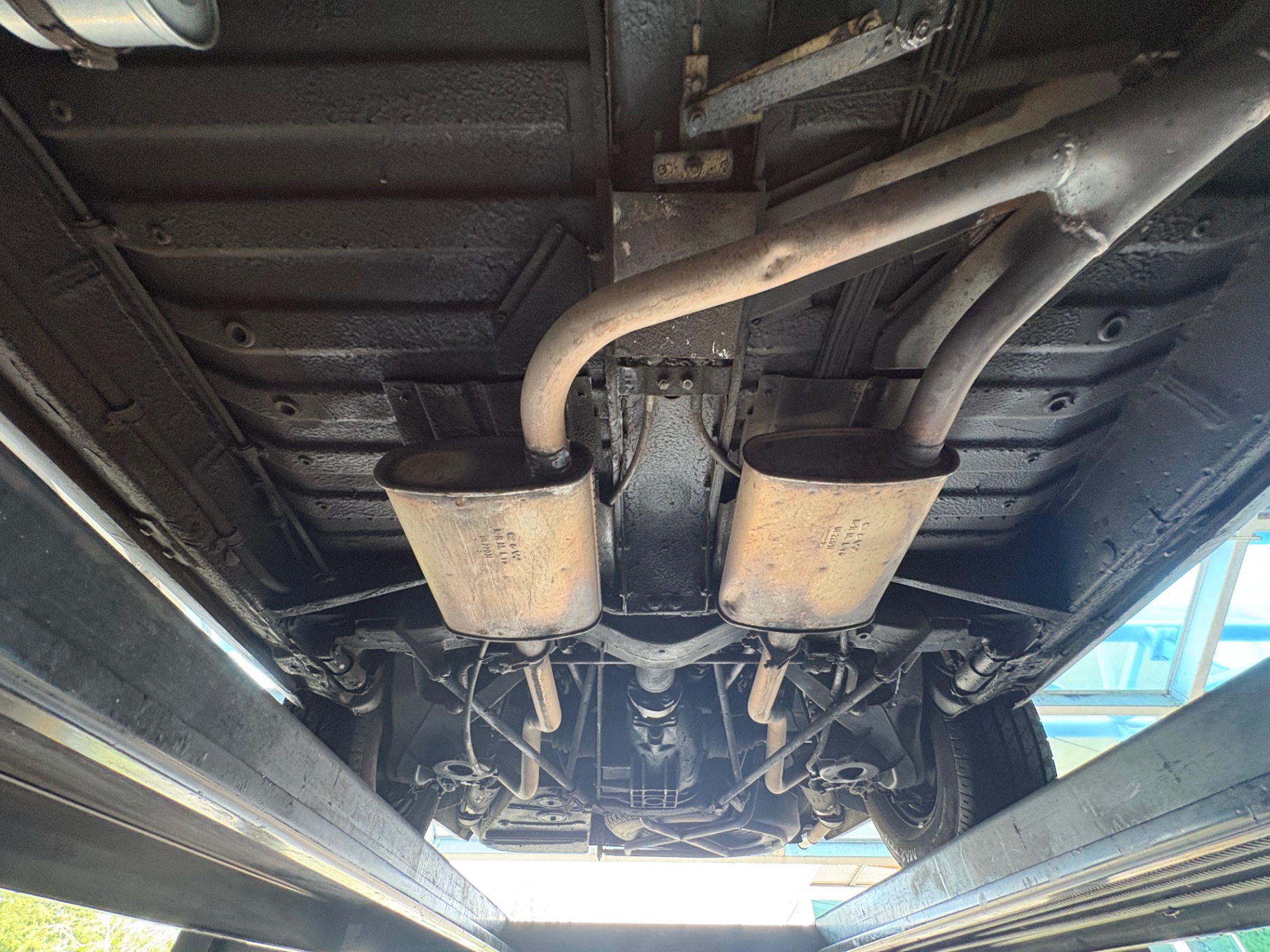
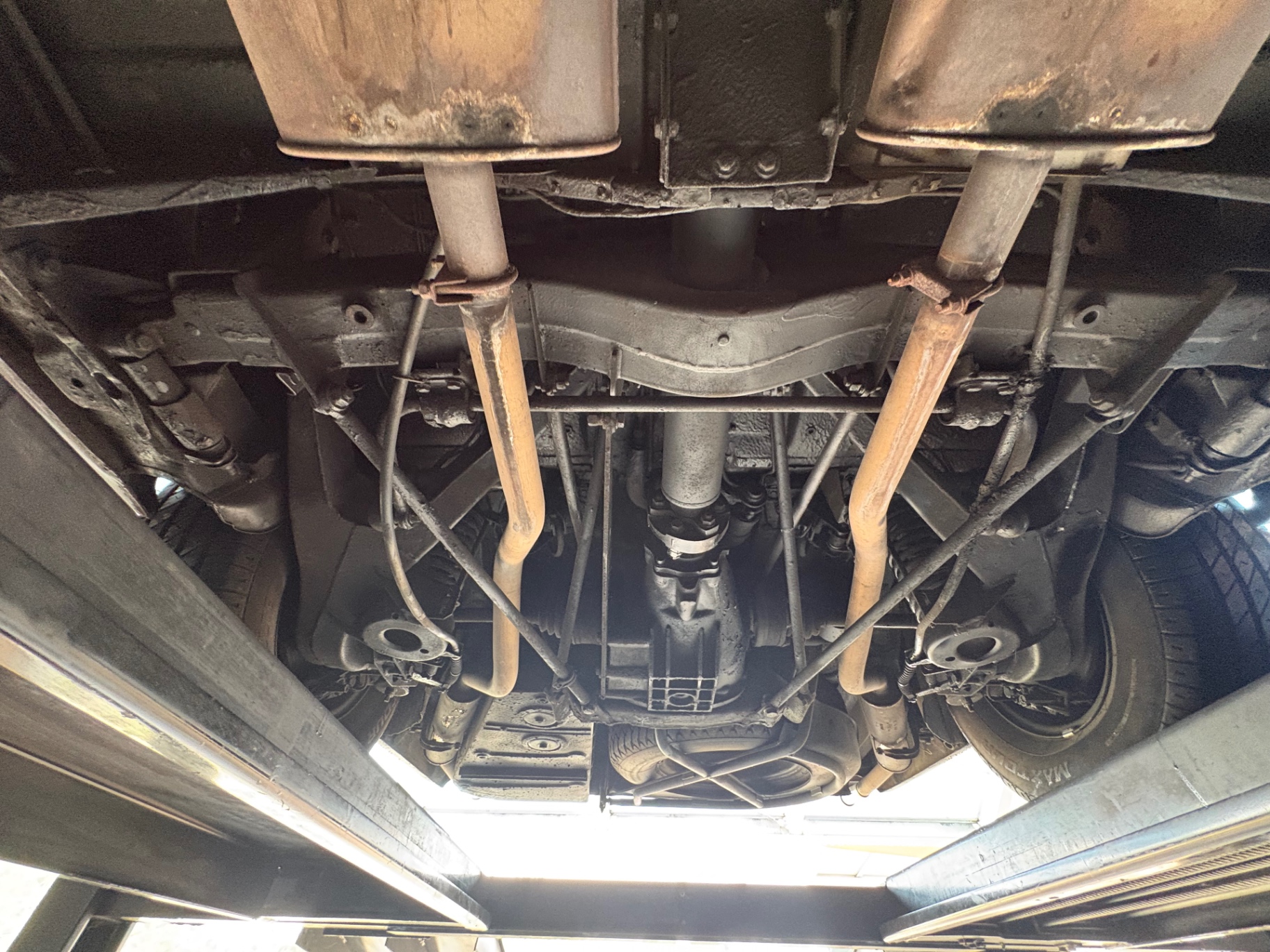
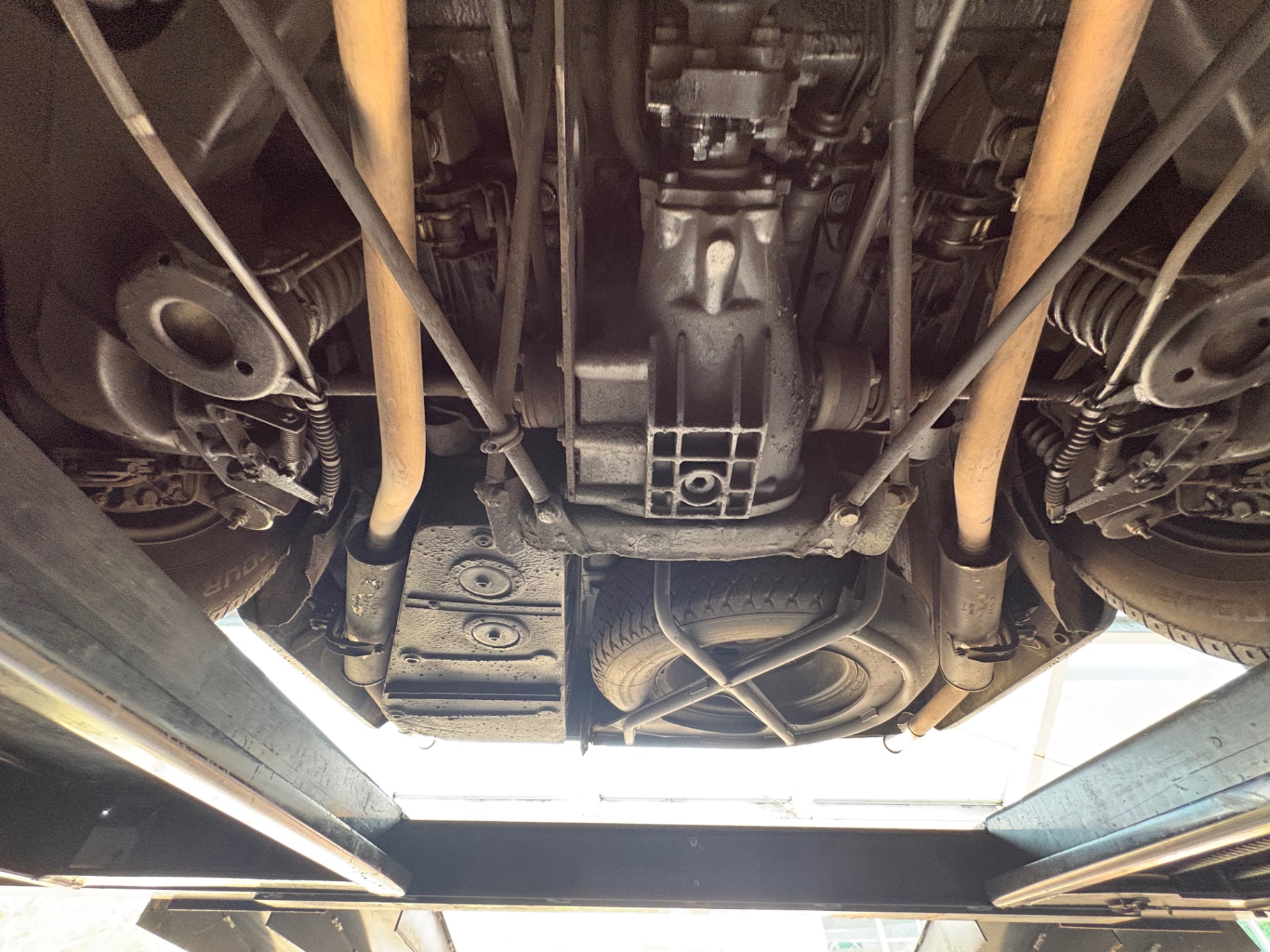
By 1987, Rolls-Royce had updated the Corniche with fuel injection on the 6.75-liter V8, replacing the earlier twin-SU carburetor setup. This was a meaningful change for reliability and drivability, particularly in warm climates. The odometer on this car shows 42,149 miles, which for a Corniche of this era is a number that suggests the car has been used and maintained, but not worn out. The white leather interior shows the kind of honest age you would expect from a car that has actually been driven rather than stored in a museum, and the structure beneath it — fully independent suspension at all four corners, inboard rear disc brakes, and a well-coated undercarriage — presents cleanly on the lift.
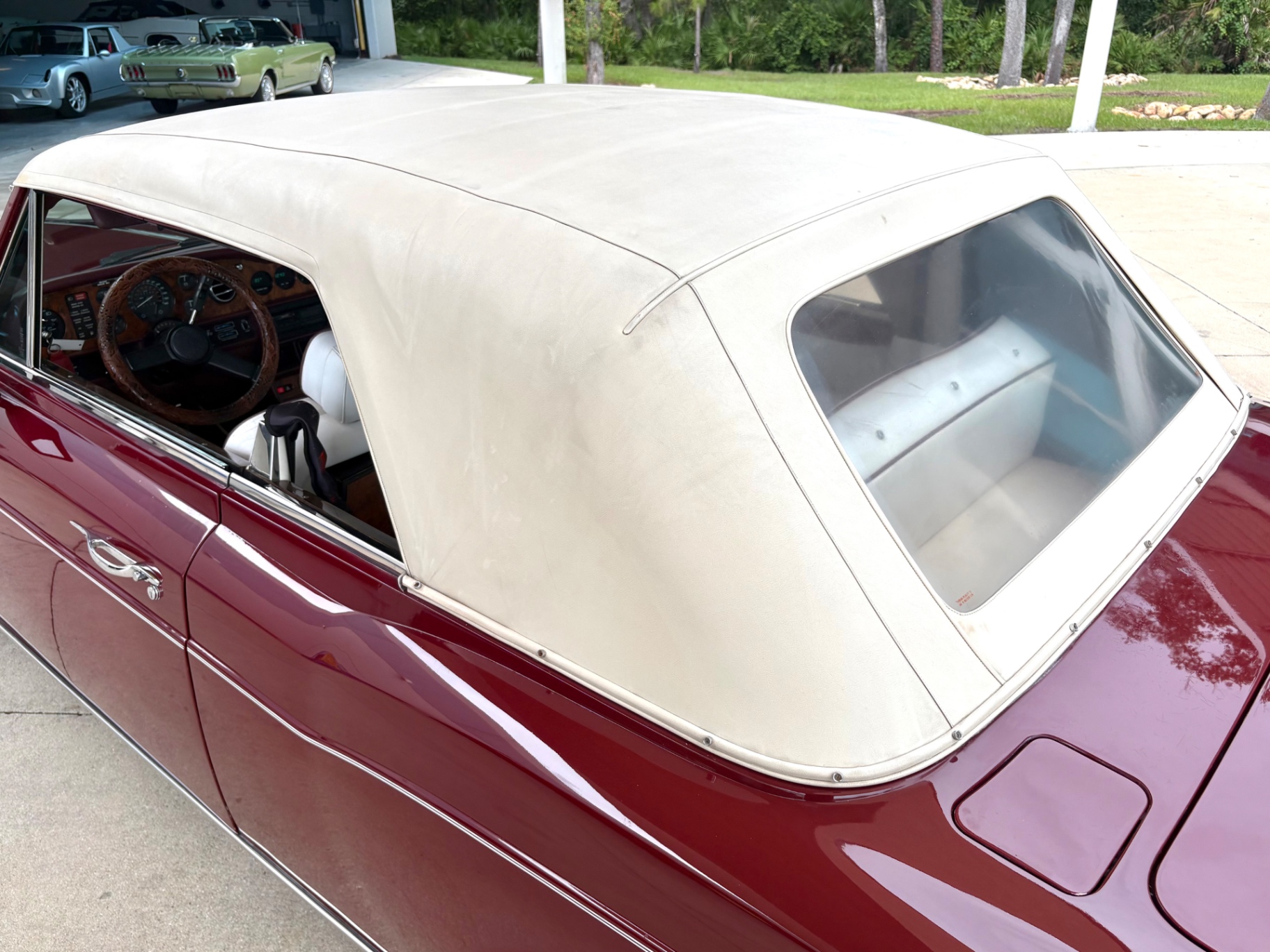
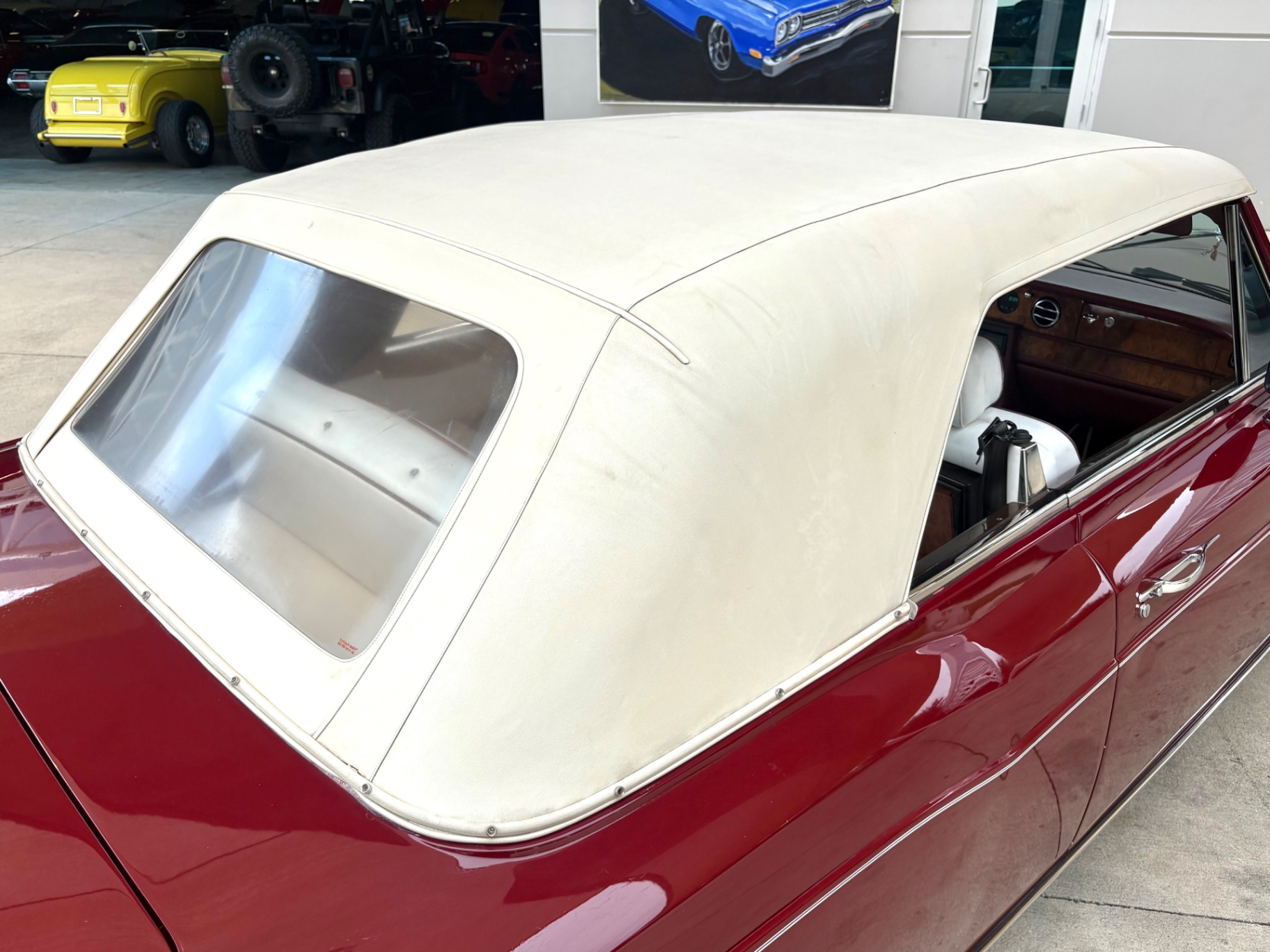
The color combination is maroon over white leather, a pairing that was very much in the tradition of the era's Corniche production. The white convertible top completes the presentation. This is a car that looks correct, not modified.
Features List
- 6.75L Fuel-Injected V8 Engine
- 3-Speed Automatic Transmission
- Mulliner Park Ward Coachwork (sill plate present)
- Power Convertible Top
- White Convertible Top
- Power Steering (rack-and-pinion)
- Power Seats
- Power Windows
- Power Door Locks
- White Leather Interior
- Leather Door Panels with Pleated Pockets
- Burled Walnut Dashboard and Door Cappings
- MPW Floor Mats
- AM/FM Cassette Stereo
- Climate Control Air Conditioning
- Four-Wheel Disc Brakes
- Inboard Rear Disc Brakes
- Four-Wheel Independent Suspension
- Spirit of Ecstasy Hood Ornament
- RR Whitewall Wheels
- Chrome Body Pinstripe
- Dual Exhaust
- 42,149 Indicated Miles
Mechanical
The heart of the 1987 Rolls-Royce Corniche is the 6.75-liter overhead-valve V8, an engine that Rolls-Royce developed in-house and carried through decades of production with careful evolution rather than replacement. By 1987, this engine was fitted with Bosch fuel injection for North American-market cars, which resolved the altitude and temperature sensitivity that had occasionally troubled the earlier carburetor setup. Rolls-Royce famously declined to publish horsepower figures for this engine, stating only that power was "adequate." Based on contemporary testing, output was in the range of 230 to 240 horsepower, which was more than sufficient for a car primarily engineered around torque delivery and refinement rather than outright speed.
The transmission is a 3-speed automatic sourced from General Motors, specifically the Turbo-Hydramatic unit, which Rolls-Royce had used for years in its North American-specification cars. This is not the weakness in the drivetrain that some assume — it was a robust and well-proven unit, and Rolls-Royce calibrated the shift programming to suit the car's character. The combination of the long-stroke V8 and this transmission produces a driving experience defined by smooth, effortless acceleration rather than any sensation of urgency.
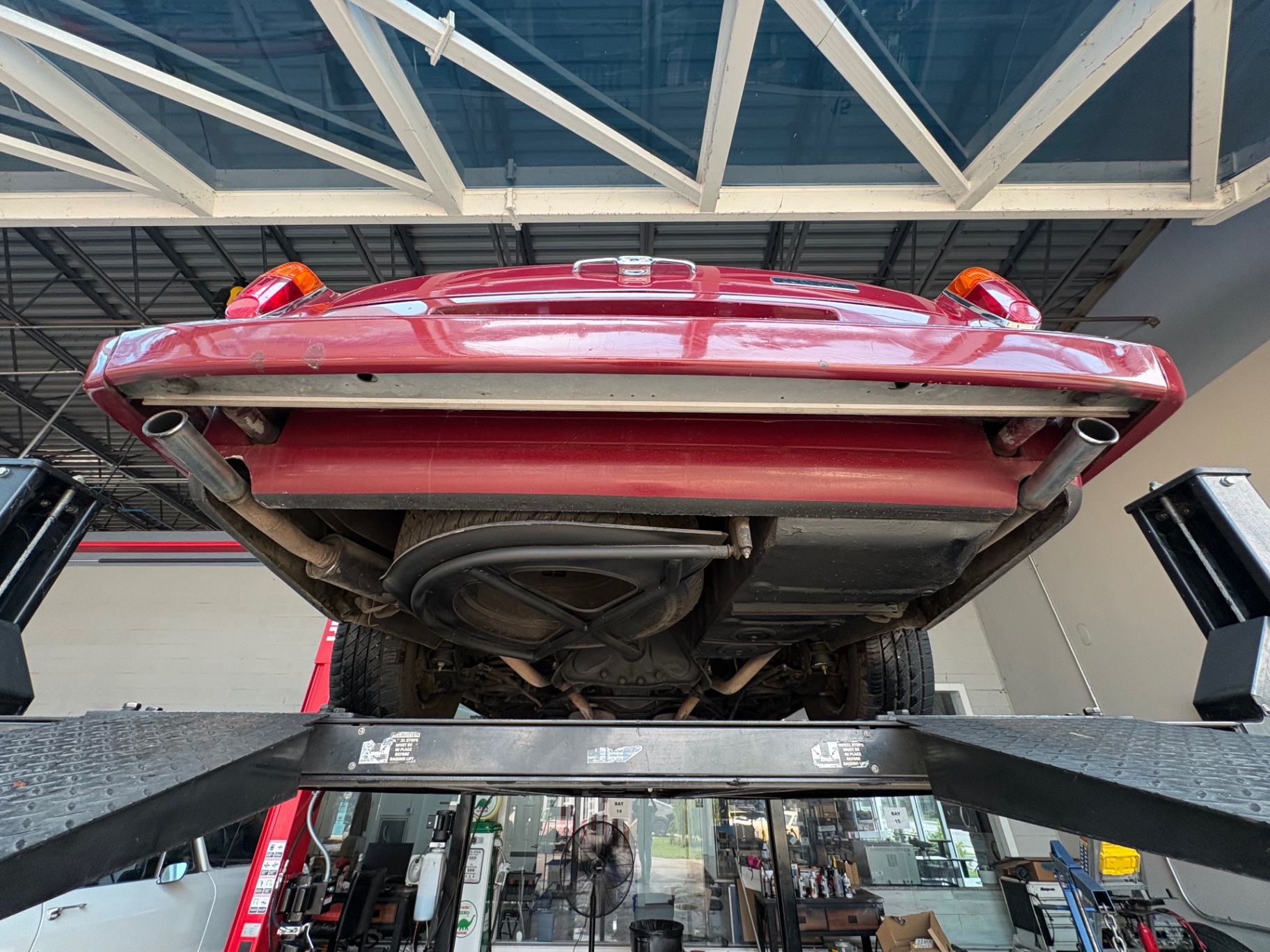
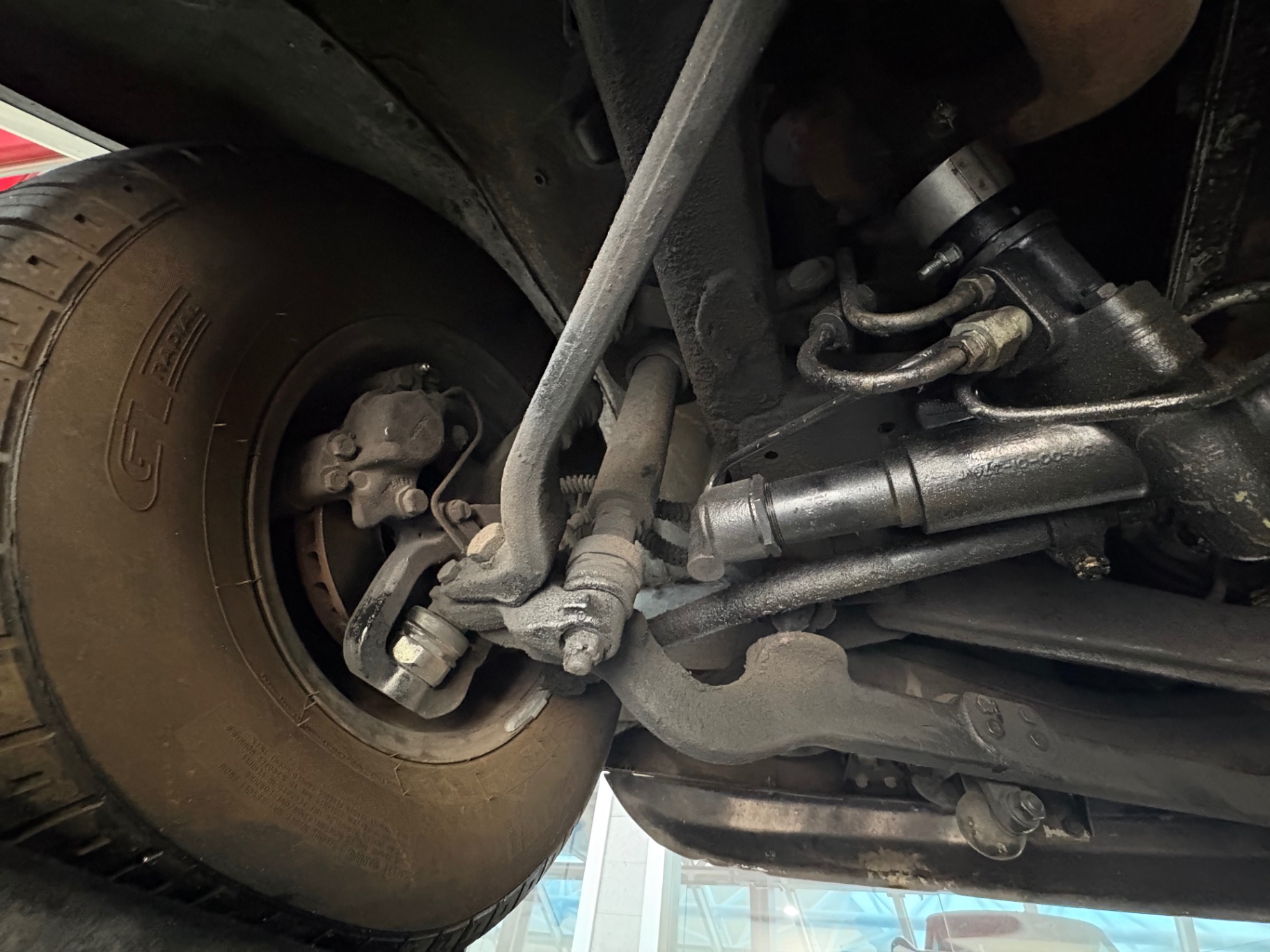
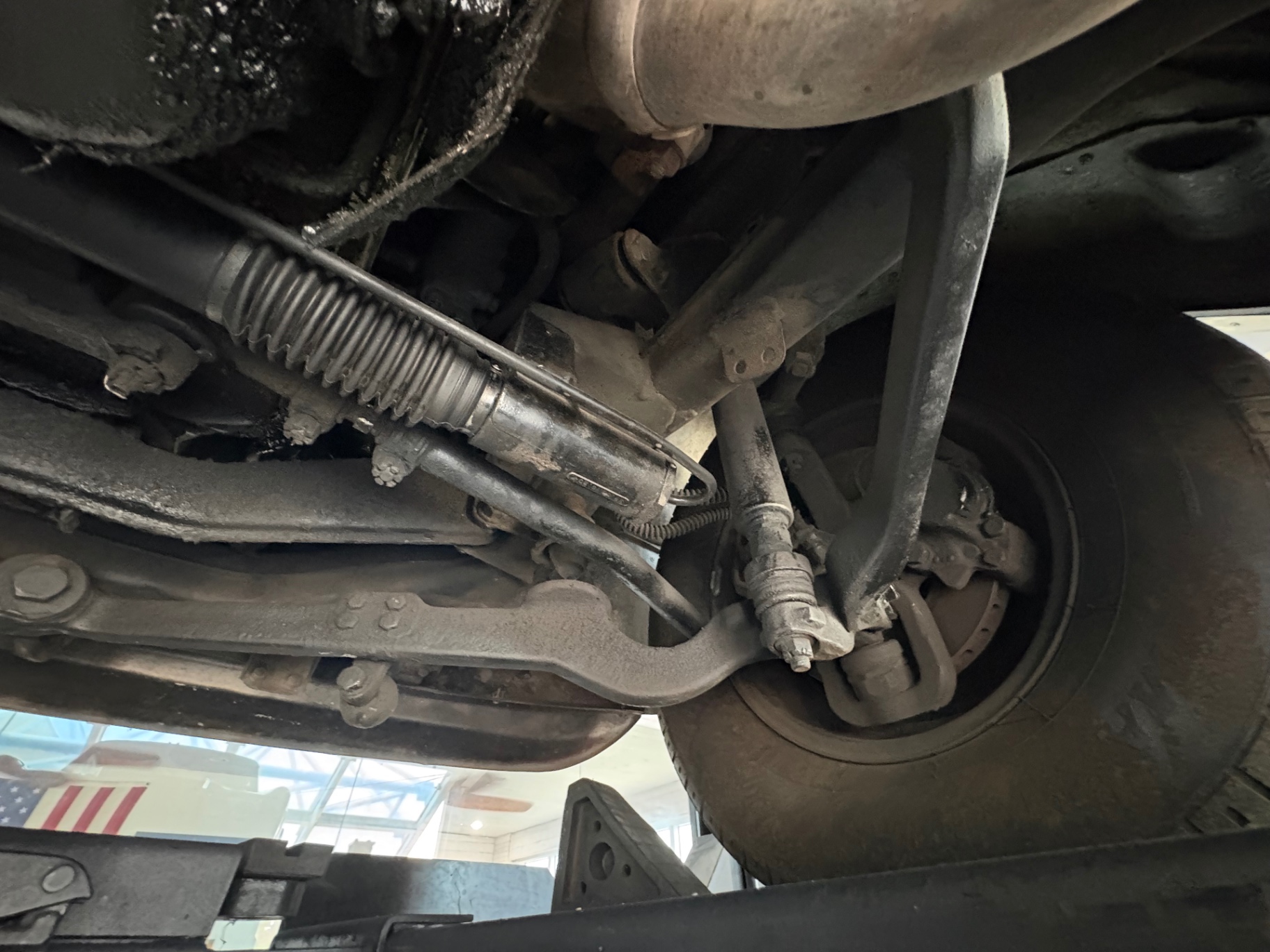
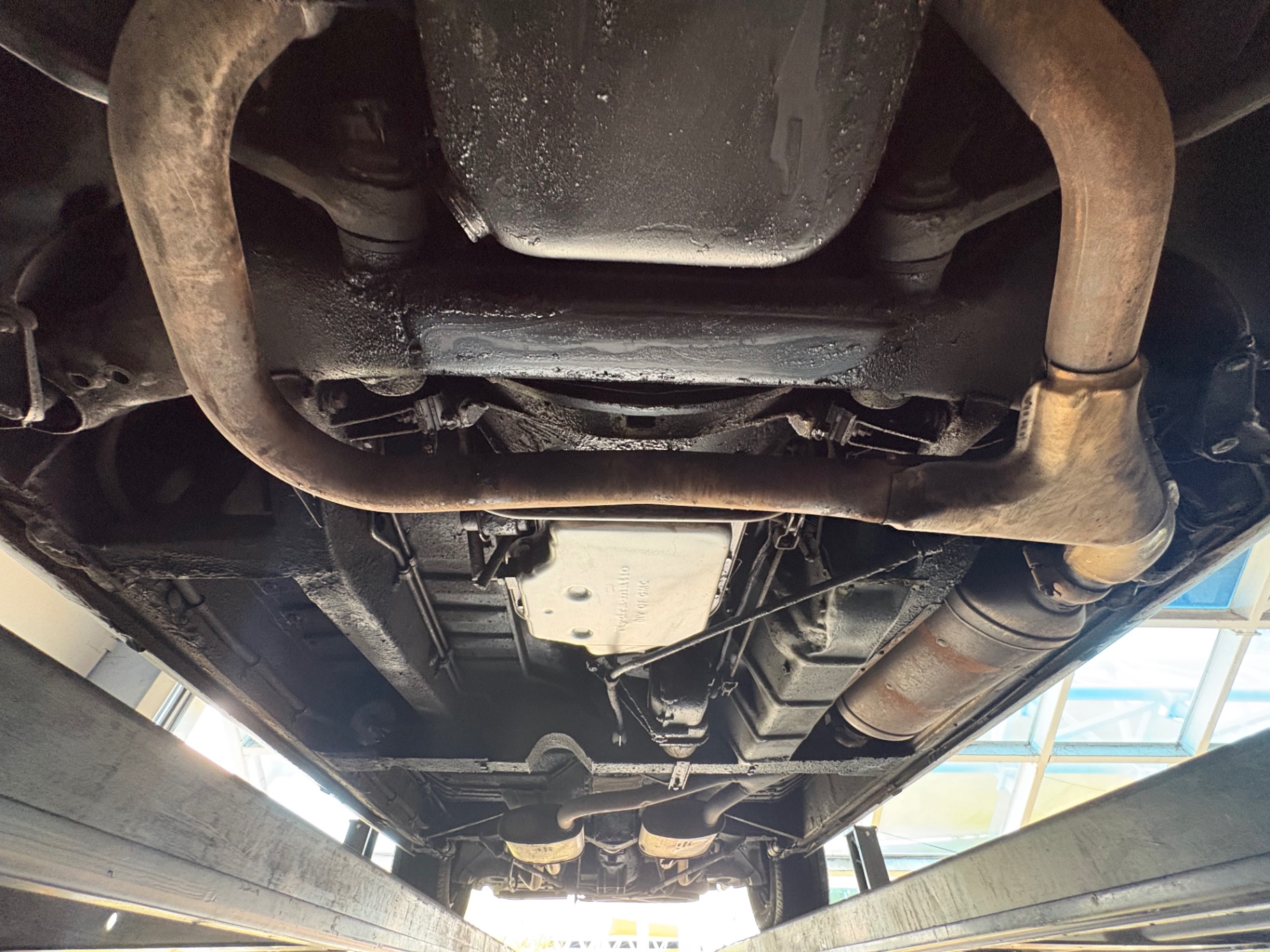
The suspension is fully independent at all four corners, using coil springs and hydraulic dampers front and rear. The rear disc brakes are mounted inboard, adjacent to the differential rather than at the wheel hubs, which reduces unsprung weight — a technically sophisticated choice that Rolls-Royce maintained throughout the Silver Shadow and Corniche generations. Braking force is assisted by a Rolls-Royce hydraulic system that operates independently of the engine vacuum, which means brake feel and response remain consistent regardless of engine load. The steering is rack-and-pinion with power assist, a setup Rolls-Royce adopted to improve feedback over the earlier recirculating-ball arrangement. The undercarriage photographs show solid structure, intact exhaust routing, and the characteristic cleanliness of a car that has spent most of its life in dry conditions.
Interior
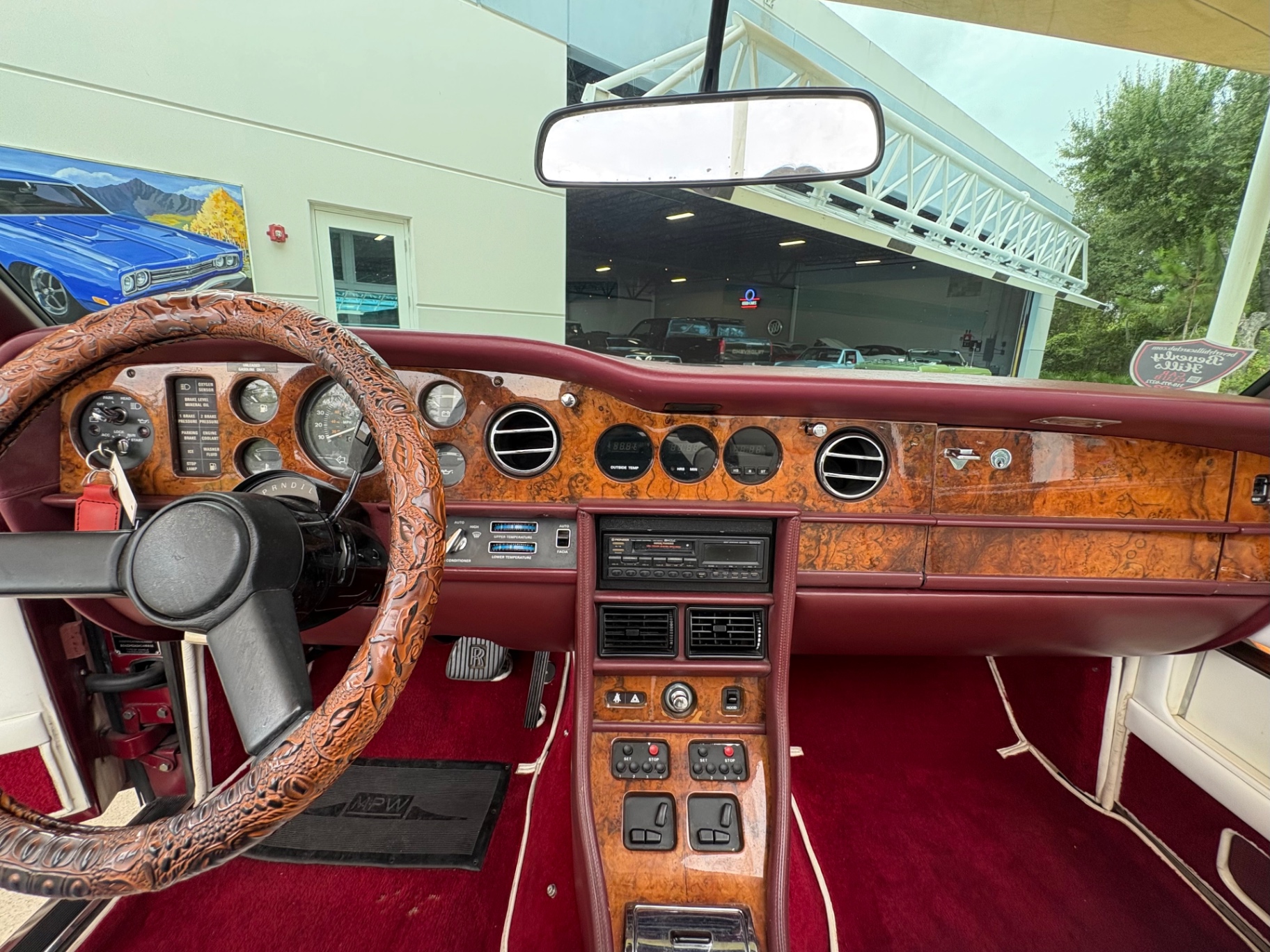
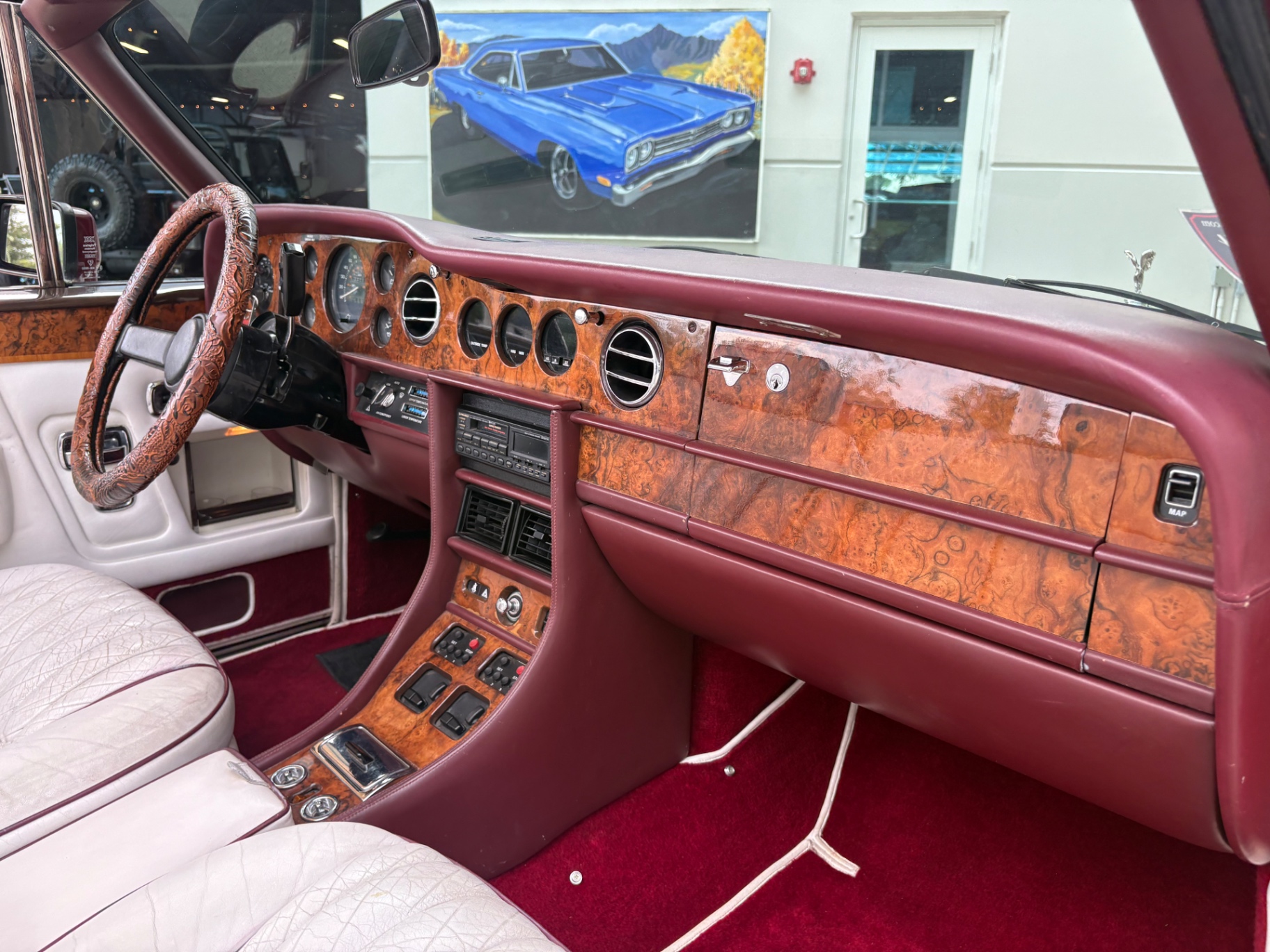
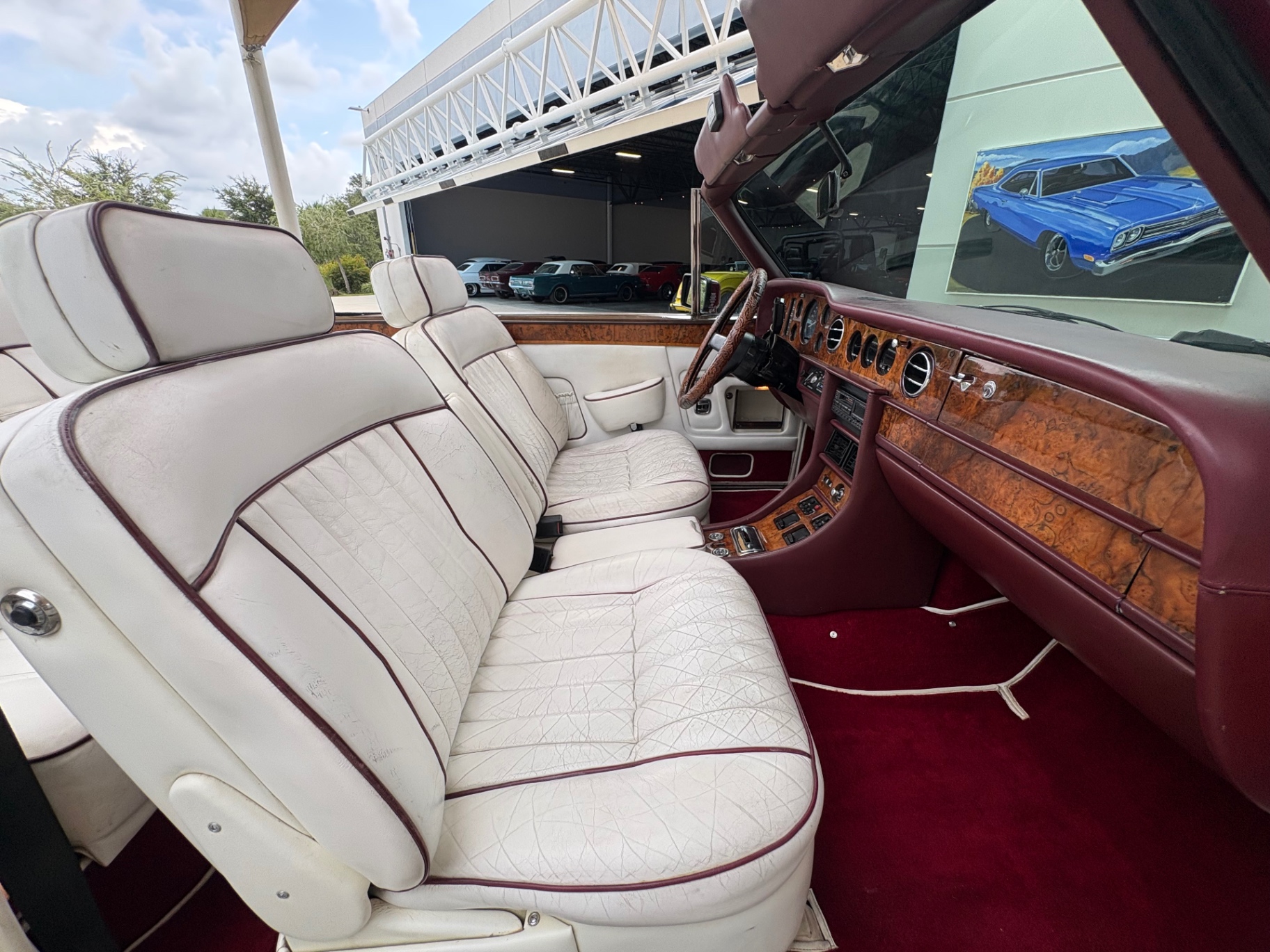
Open either door of this 1987 Rolls-Royce Corniche and the immediate impression is depth of material. The dashboard is finished in burled walnut veneer that runs across its full width, with matching door cappings on both sides. This is not walnut-look laminate — it is the real material, selected and matched by hand in Crewe. The instrument binnacle is set into the walnut panel and houses a Jaeger speedometer showing both MPH and KPH scales, a fuel gauge, coolant temperature, battery voltage, and oil pressure, all surrounded by individual warning indicators for brake pressure, parking brake, engine coolant, and hydraulic mineral oil level. The interior photographs show the gauge cluster clearly, and the odometer reads 42,149 miles.
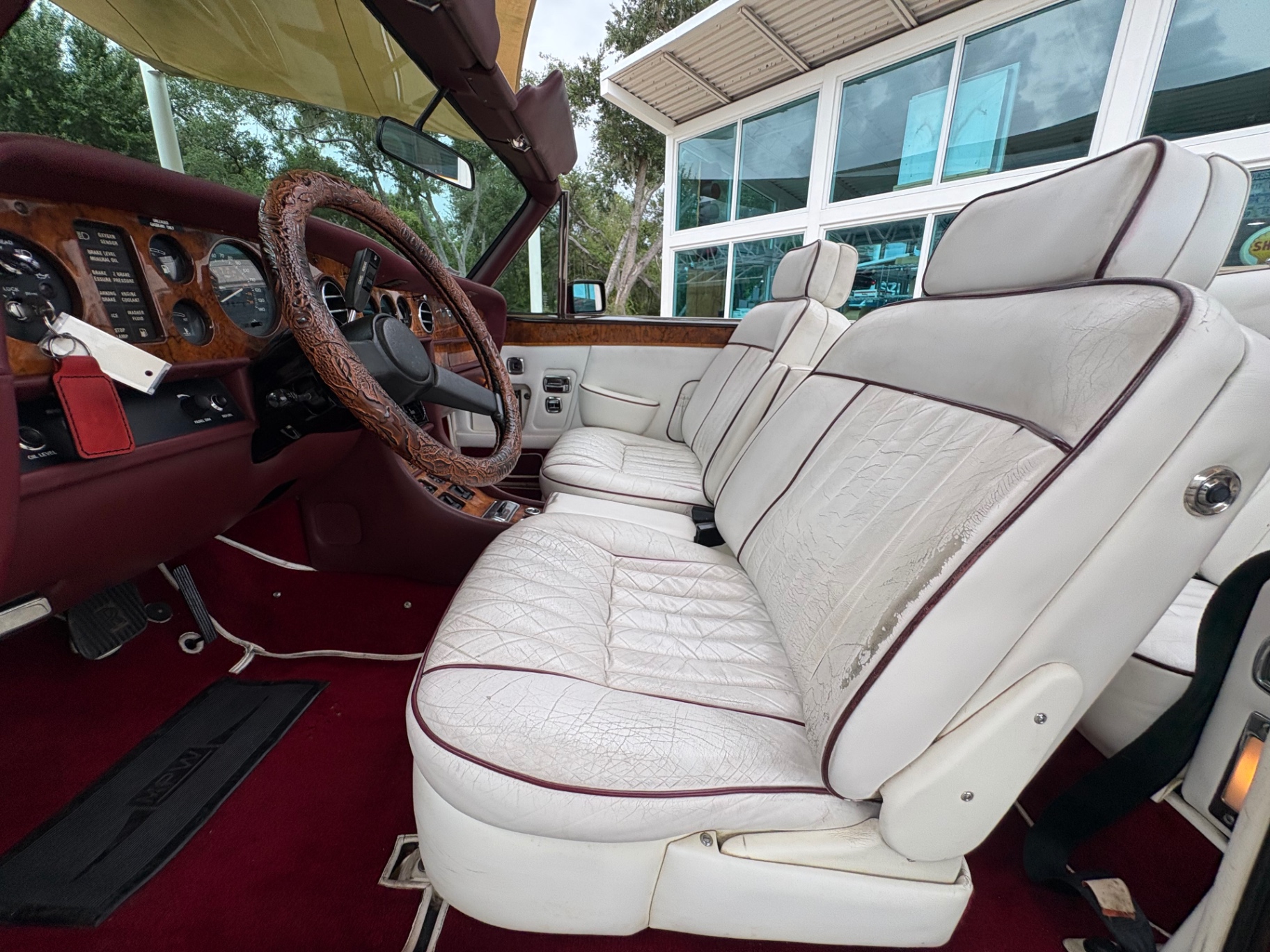
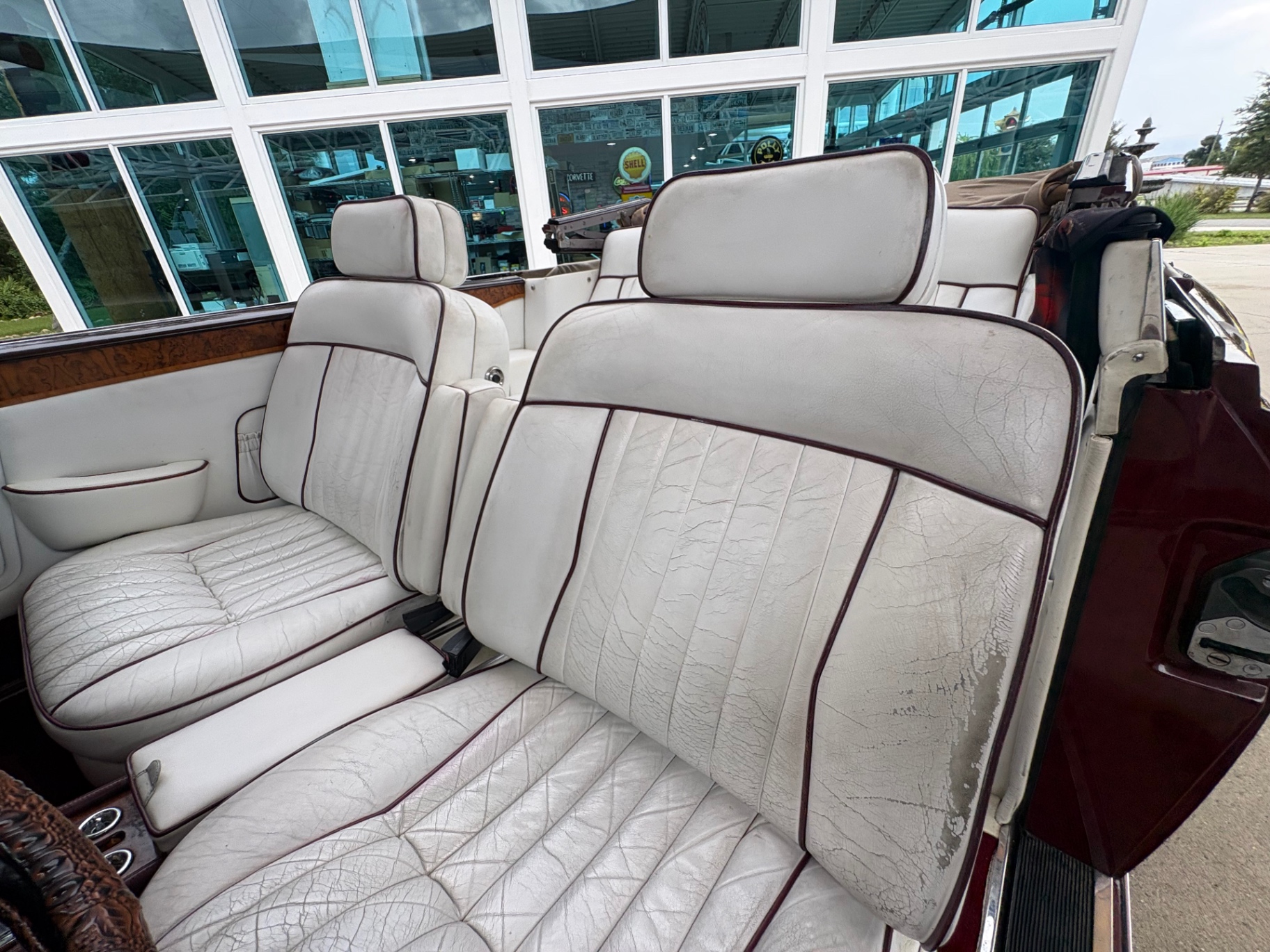
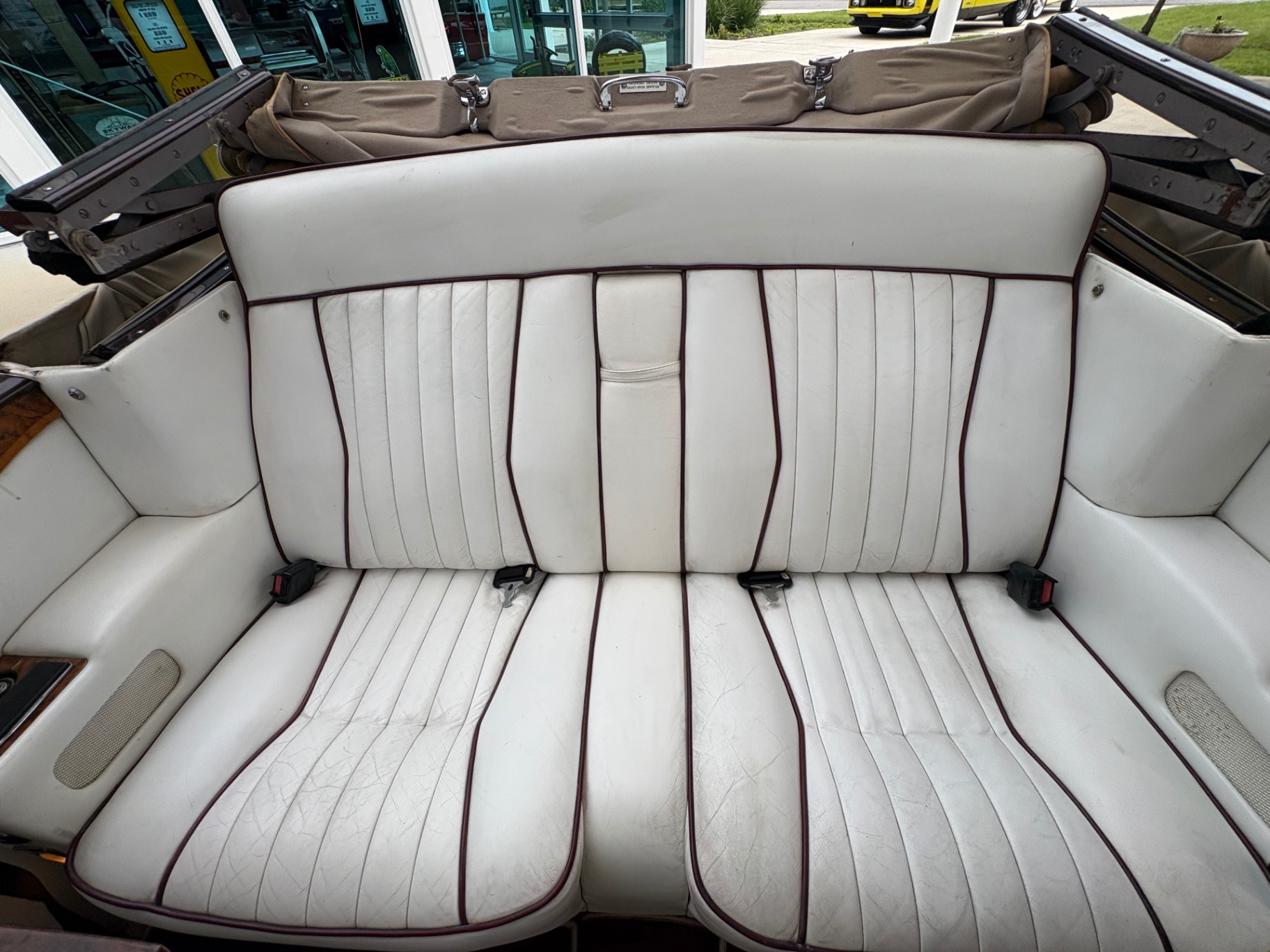
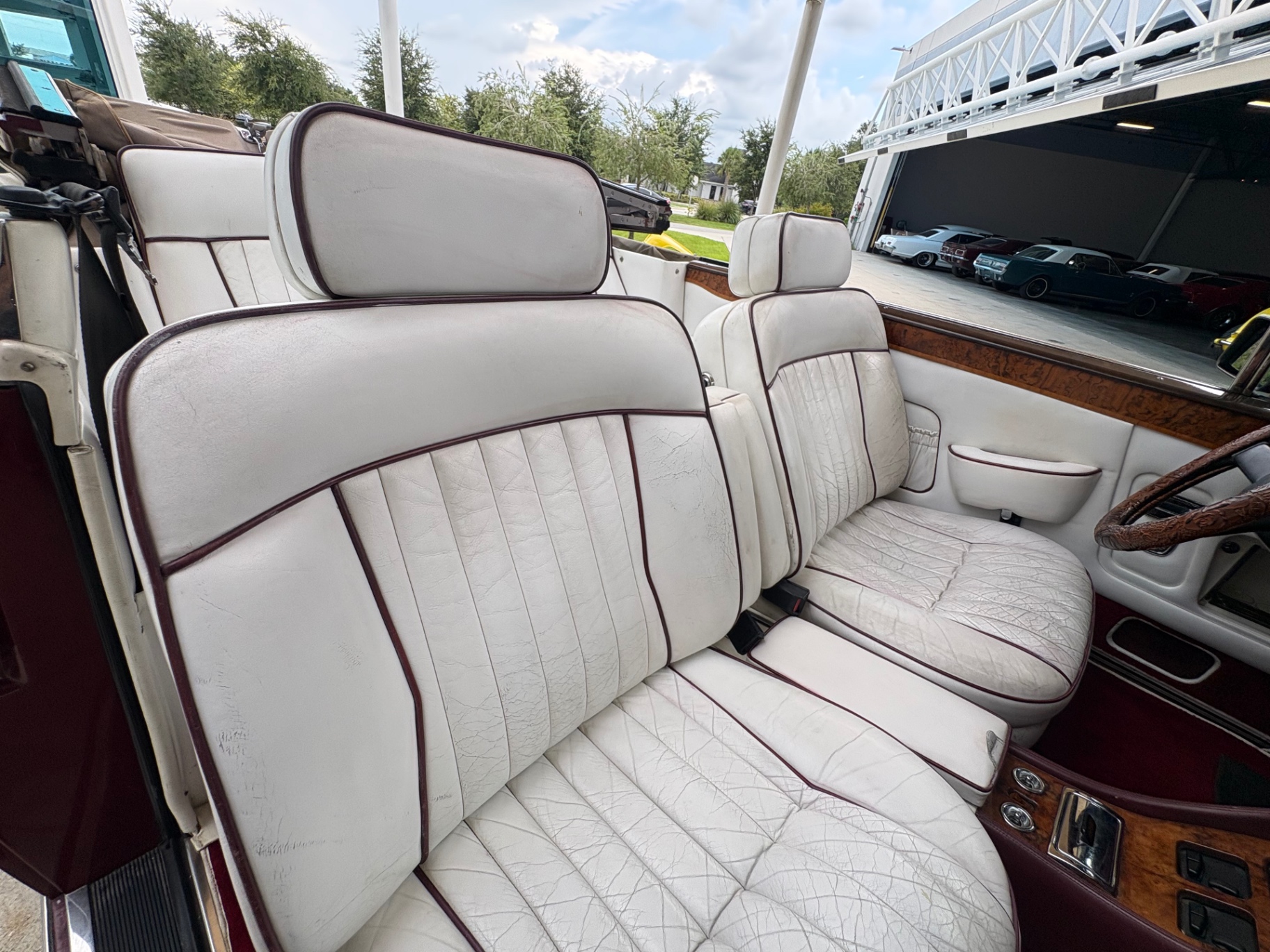
The seats are white leather throughout, front and rear, with maroon piping that picks up the exterior color. The seat cushions and backrests show surface cracking consistent with decades of use and UV exposure from open-top driving — this is honest wear on original leather rather than damage from neglect. The front seats are power-adjustable. The rear bench is a full three-position unit with integrated headrests and individual seatbelts for three passengers. Mulliner Park Ward floor mats are present on both sides of the front footwells.
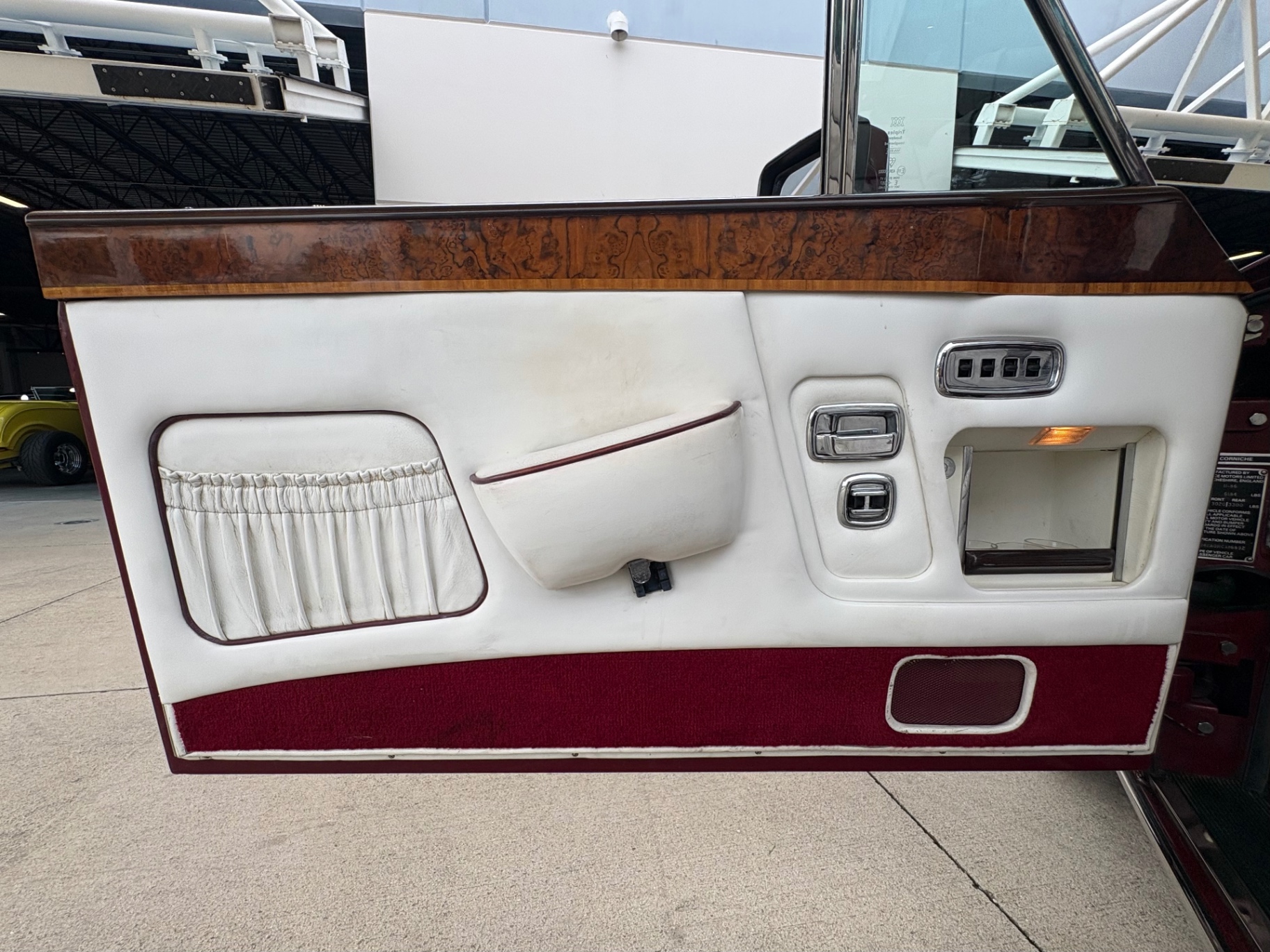
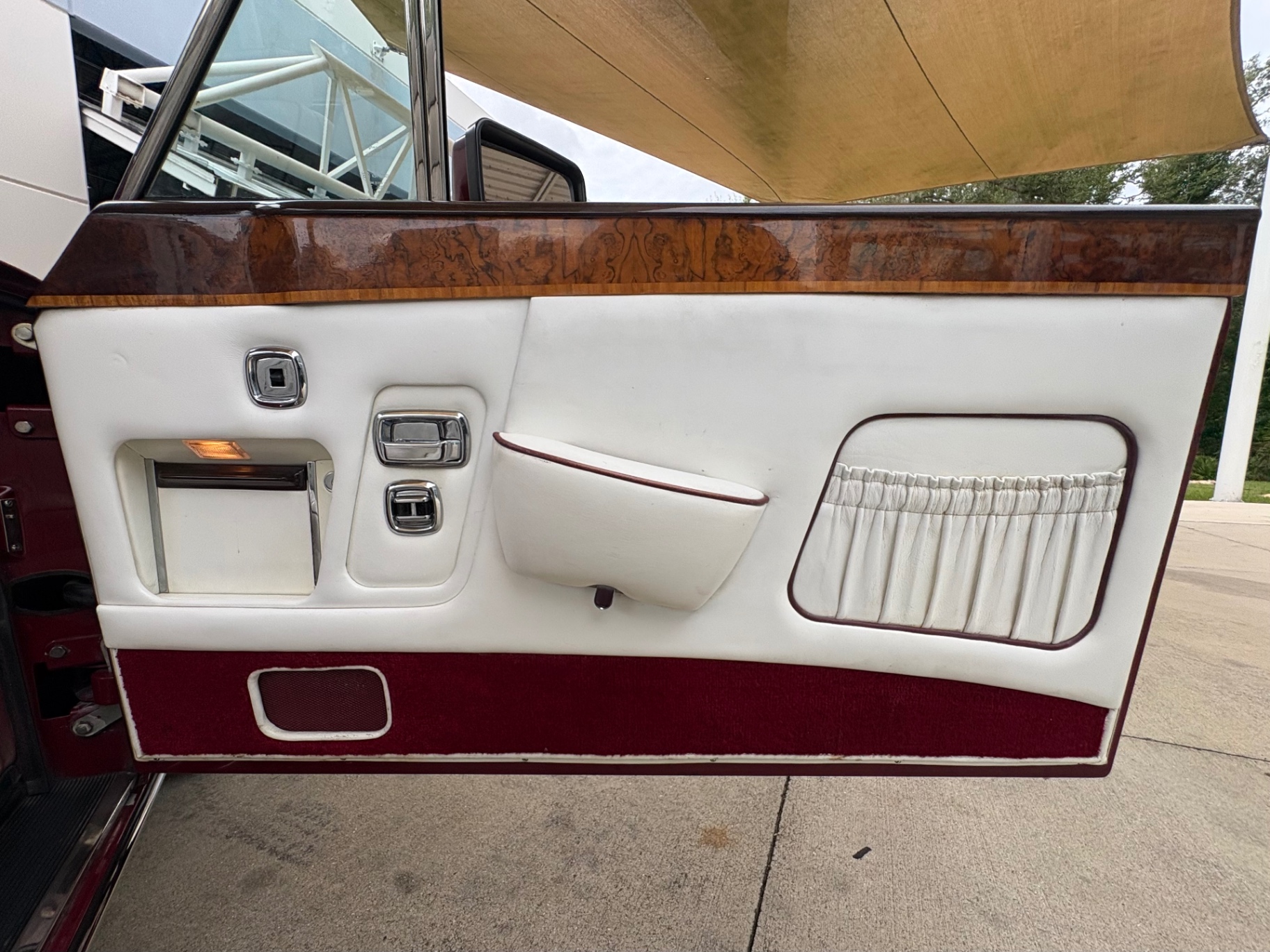
The door panels are finished in white leather with maroon carpet inserts on the lower section and pleated leather map pockets set into each door. The window and lock switches are mounted in chrome-bezeled housings at the top of each door panel, just below the walnut capping. The center console area houses the climate control sliders, the AM/FM cassette stereo head unit, and additional switches for the convertible top and other functions. The overall layout is formal without being cluttered, and it reads as a product of considered design rather than feature accumulation.
Exterior
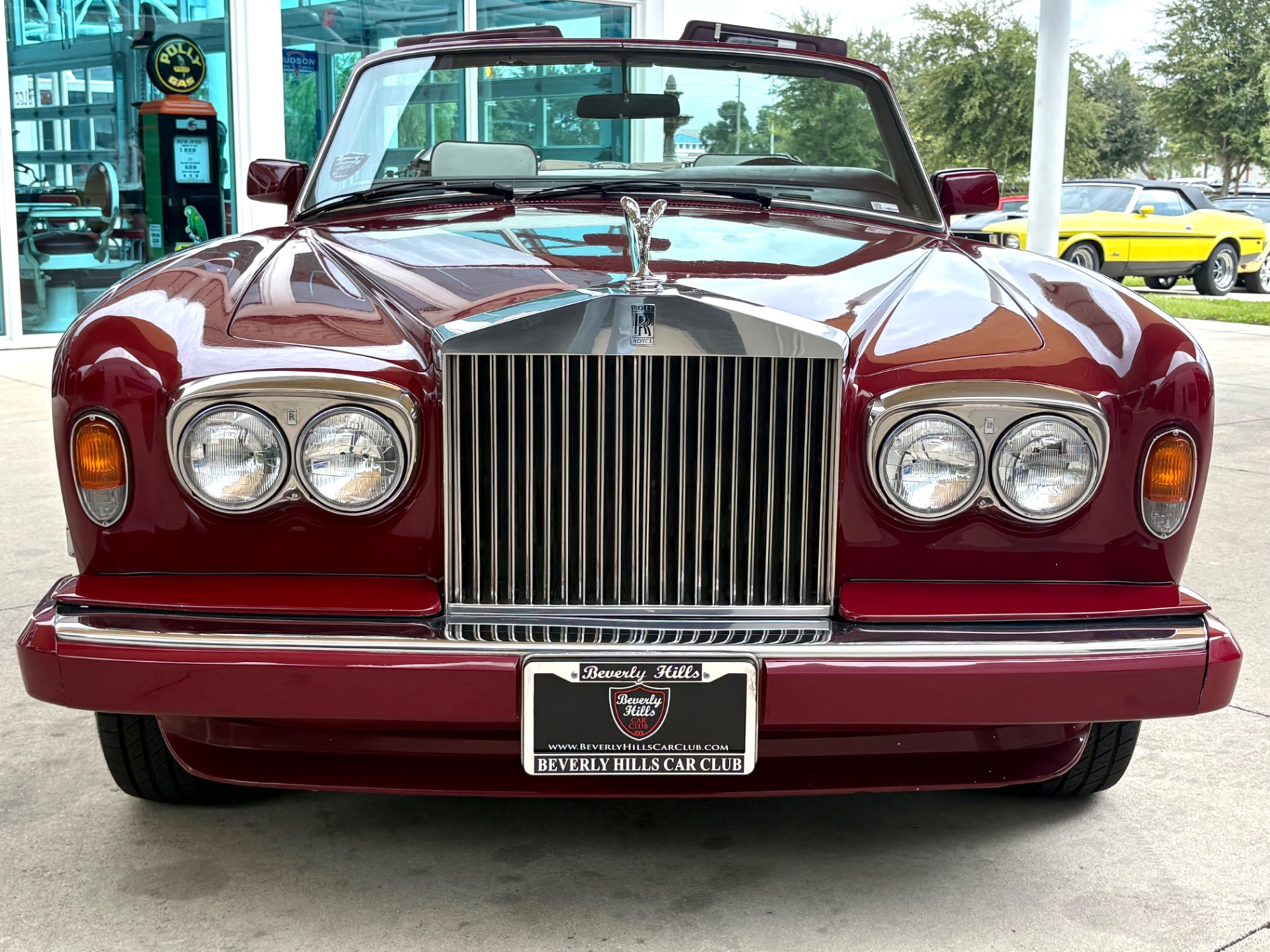
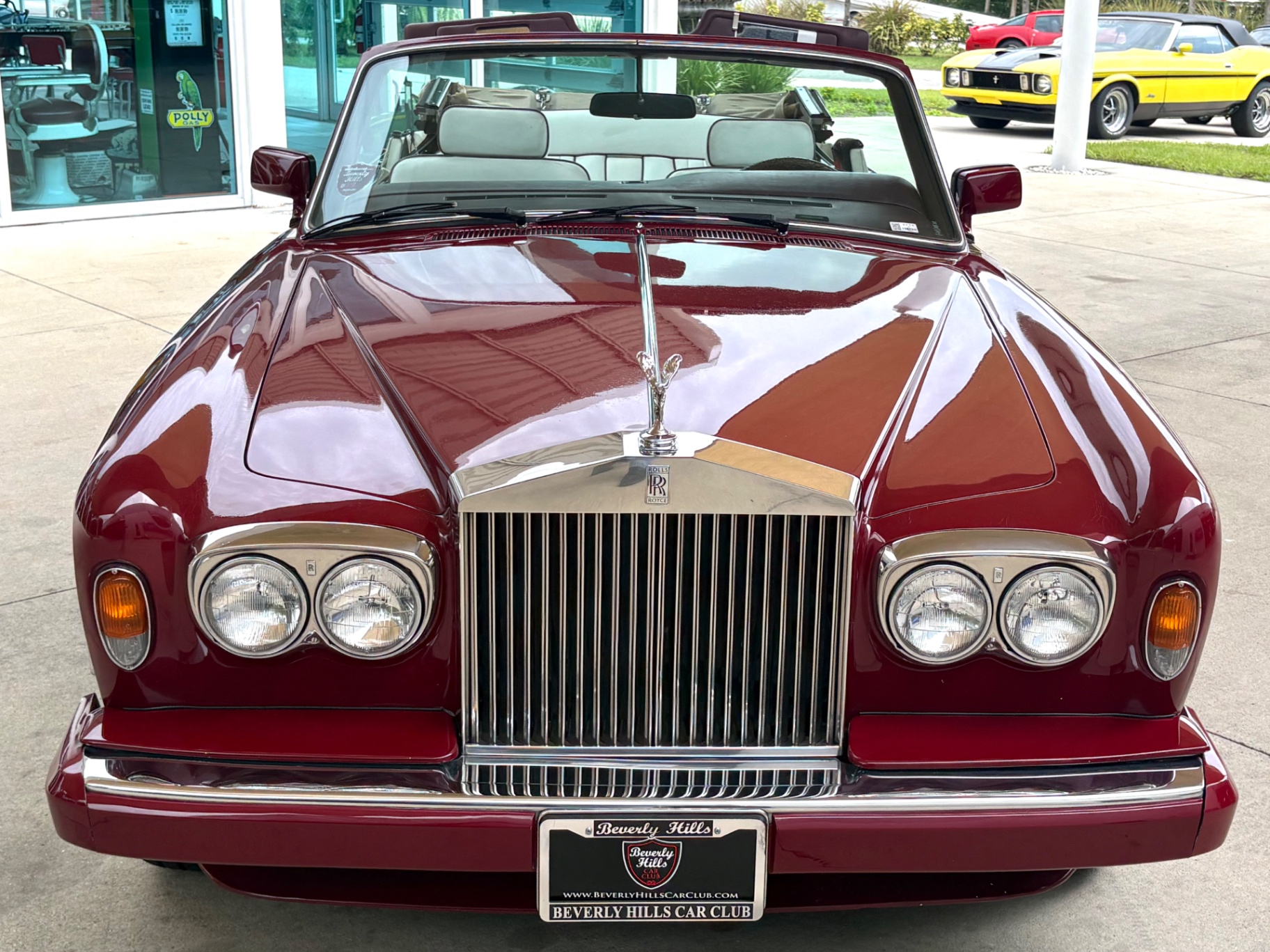
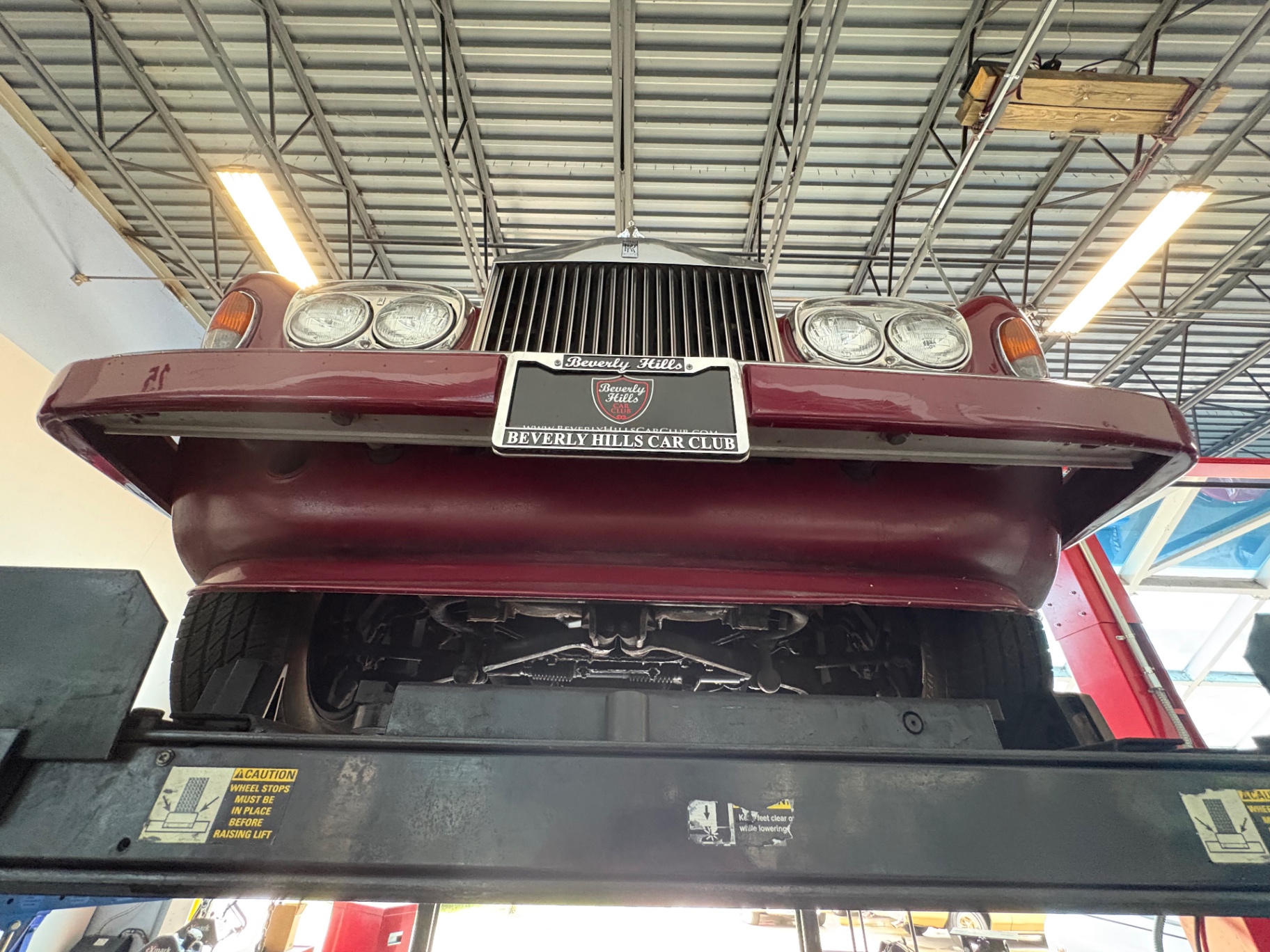
The 1987 Rolls-Royce Corniche wears its maroon paint over a body that was hand-finished at Mulliner Park Ward before leaving Crewe. The Corniche two-door convertible body is a long, low shape with a formal front end — the traditional Rolls-Royce Pantheon grille, flanked by paired round headlamps on each side — transitioning to a clean, uncluttered rear with subtle tail lamps and twin exhaust outlets exiting through the rear valance. A chrome body pinstripe runs the length of the car at the beltline, which is a period-correct detail that defines the body's character line without overstating it.
The Spirit of Ecstasy hood ornament is present on the prow of the Pantheon grille. This particular figurine was designed by sculptor Charles Sykes in 1911 and has appeared on every Rolls-Royce since. By 1987, the ornament was mounted on a spring-loaded mechanism that allowed it to retract into the grille shell if struck, a concession to pedestrian safety regulations that became increasingly relevant in that era.
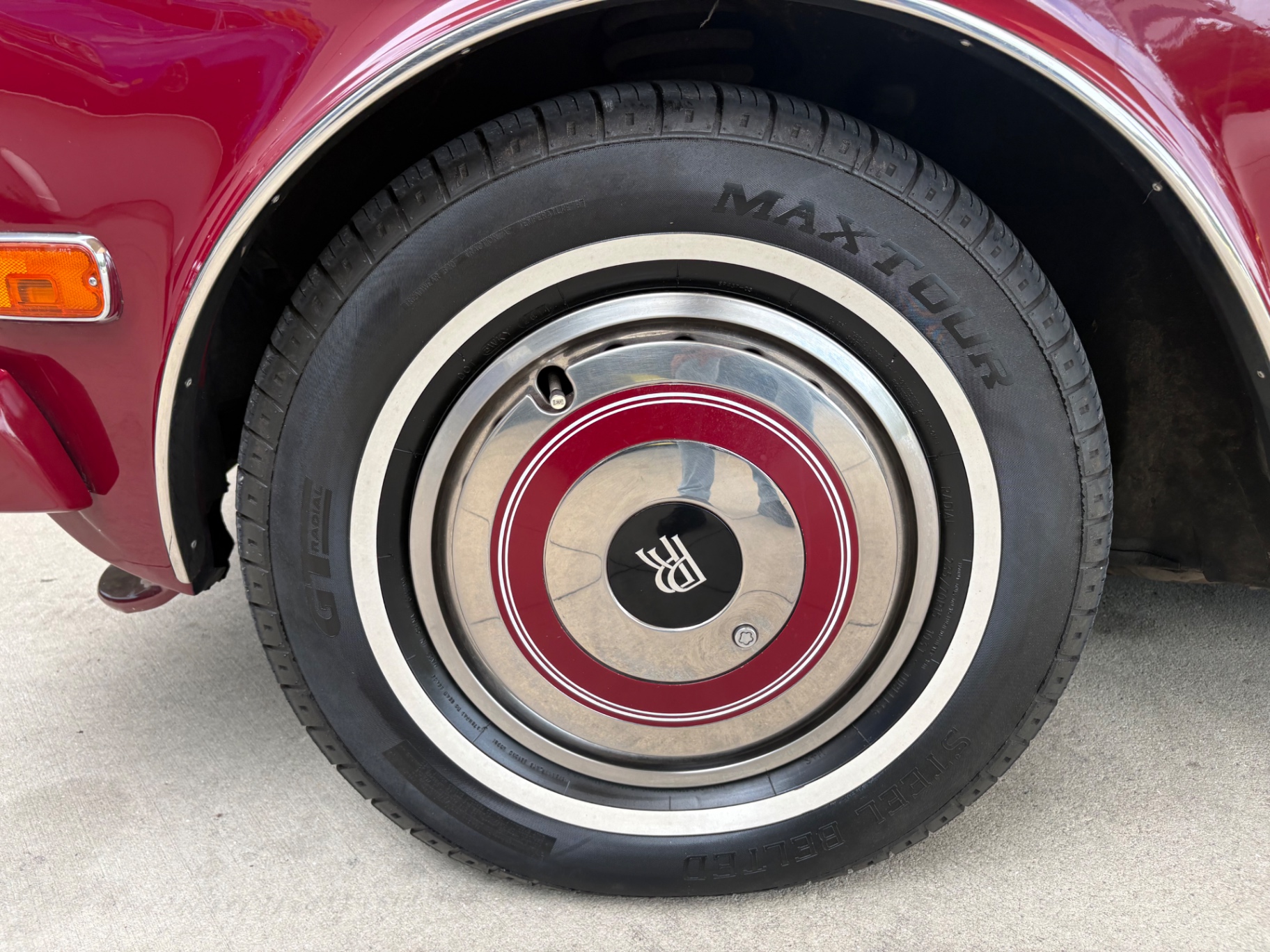
The wheels are the RR-style steel units wearing whitewall tires, which is the correct and expected presentation for a Corniche of this vintage. The white power convertible top is present and functional, folding down into the rear deck area and covered by the original boot arrangement. When lowered, the top stacks compactly enough that rear seat visibility and headroom are not significantly compromised. The top's white color against the maroon body and white interior creates a coherent, period-correct appearance.
Conclusion
The 1987 Rolls-Royce Corniche occupies a specific position in the collector market that is worth understanding. The Corniche was in production from 1971 through 1995 in its original form, with the later cars receiving the more powerful turbocharged engine. The 1987 model year sits in the middle of the naturally aspirated fuel-injected period, after Rolls-Royce resolved the carburetor issues but before the Silver Spur-based Corniche IV of 1992 introduced a revised interior. These mid-to-late-1980s Corniches are arguably the most sorted version of the original platform — the engineering was mature, the fuel injection addressed the earlier drivability complaints, and the production numbers remained low enough to ensure each car received the attention Crewe's craftsmen were known for.
At 42,149 miles, this 1987 Rolls-Royce Corniche has been used as a car rather than stored as an artifact. The Mulliner Park Ward sill plate is intact. The mechanical package — fuel-injected V8, independent suspension, inboard rear discs, and rack-and-pinion steering — represents the best version of the Silver Shadow-derived platform. The maroon and white color combination is appropriate to the car and the era. The interior leather will benefit from professional conditioning and may benefit from recoloring on the seat surfaces, which is straightforward work on a car of this type. The structure and mechanical systems are the parts that matter most on a Corniche, and those are what hold up when a car has been maintained rather than abused.
If you have questions about this 1987 Rolls-Royce Corniche or would like to arrange an inspection, call Skyway Classics in Sarasota, Florida at 941-254-6608.
Disclaimer
Information found on the website is presented as given to us by the owner of the car, whether on consignment or from the owner we bought it from. Some Photos, materials for videos, descriptions and other information are provided by the consignor/seller and is deemed reliable, but Skyway Classics does not warranty or guarantee this information. Skyway Classics is not responsible for information that may incorrect or a publishing error. The decision to purchase should be based solely on the buyers personal inspection of the vehicle or by a professional inspection service prior to offer or purchase being made.
1987 Rolls-Royce Corniche Convertible — Mulliner Park Ward Coachwork, Maroon over White Leather
Why This Car Is Special
The 1987 Rolls-Royce Corniche is one of the most deliberately built automobiles of the twentieth century. While the rest of the industry was chasing volume, Rolls-Royce was hand-finishing convertibles at a rate of just a few hundred per year worldwide. The Corniche nameplate had been in continuous production since 1971, and by 1987 it had been refined through sixteen years of incremental improvement rather than wholesale redesign. That kind of development cycle produces a car with very few rough edges left.
This particular 1987 Rolls-Royce Corniche carries coachwork by Mulliner Park Ward, the in-house coachbuilding division of Rolls-Royce Motors. The sill plate on this car reads "Coachwork by Mulliner Park Ward — Rolls-Royce Motors," which is exactly what a serious buyer wants to see. Mulliner Park Ward was responsible for converting the Silver Shadow platform into the Corniche body, and each car was built largely by hand. The body panels were fitted, the convertible top mechanism was installed and adjusted, and the interior was trimmed by craftsmen in Crewe, England. It was not a fast process, and that is precisely the point.
By 1987, Rolls-Royce had updated the Corniche with fuel injection on the 6.75-liter V8, replacing the earlier twin-SU carburetor setup. This was a meaningful change for reliability and drivability, particularly in warm climates. The odometer on this car shows 42,149 miles, which for a Corniche of this era is a number that suggests the car has been used and maintained, but not worn out. The white leather interior shows the kind of honest age you would expect from a car that has actually been driven rather than stored in a museum, and the structure beneath it — fully independent suspension at all four corners, inboard rear disc brakes, and a well-coated undercarriage — presents cleanly on the lift.
The color combination is maroon over white leather, a pairing that was very much in the tradition of the era's Corniche production. The white convertible top completes the presentation. This is a car that looks correct, not modified.
Features List
- 6.75L Fuel-Injected V8 Engine
- 3-Speed Automatic Transmission
- Mulliner Park Ward Coachwork (sill plate present)
- Power Convertible Top
- White Convertible Top
- Power Steering (rack-and-pinion)
- Power Seats
- Power Windows
- Power Door Locks
- White Leather Interior
- Leather Door Panels with Pleated Pockets
- Burled Walnut Dashboard and Door Cappings
- MPW Floor Mats
- AM/FM Cassette Stereo
- Climate Control Air Conditioning
- Four-Wheel Disc Brakes
- Inboard Rear Disc Brakes
- Four-Wheel Independent Suspension
- Spirit of Ecstasy Hood Ornament
- RR Whitewall Wheels
- Chrome Body Pinstripe
- Dual Exhaust
- 42,149 Indicated Miles
Mechanical
The heart of the 1987 Rolls-Royce Corniche is the 6.75-liter overhead-valve V8, an engine that Rolls-Royce developed in-house and carried through decades of production with careful evolution rather than replacement. By 1987, this engine was fitted with Bosch fuel injection for North American-market cars, which resolved the altitude and temperature sensitivity that had occasionally troubled the earlier carburetor setup. Rolls-Royce famously declined to publish horsepower figures for this engine, stating only that power was "adequate." Based on contemporary testing, output was in the range of 230 to 240 horsepower, which was more than sufficient for a car primarily engineered around torque delivery and refinement rather than outright speed.
The transmission is a 3-speed automatic sourced from General Motors, specifically the Turbo-Hydramatic unit, which Rolls-Royce had used for years in its North American-specification cars. This is not the weakness in the drivetrain that some assume — it was a robust and well-proven unit, and Rolls-Royce calibrated the shift programming to suit the car's character. The combination of the long-stroke V8 and this transmission produces a driving experience defined by smooth, effortless acceleration rather than any sensation of urgency.
The suspension is fully independent at all four corners, using coil springs and hydraulic dampers front and rear. The rear disc brakes are mounted inboard, adjacent to the differential rather than at the wheel hubs, which reduces unsprung weight — a technically sophisticated choice that Rolls-Royce maintained throughout the Silver Shadow and Corniche generations. Braking force is assisted by a Rolls-Royce hydraulic system that operates independently of the engine vacuum, which means brake feel and response remain consistent regardless of engine load. The steering is rack-and-pinion with power assist, a setup Rolls-Royce adopted to improve feedback over the earlier recirculating-ball arrangement. The undercarriage photographs show solid structure, intact exhaust routing, and the characteristic cleanliness of a car that has spent most of its life in dry conditions.
Interior
Open either door of this 1987 Rolls-Royce Corniche and the immediate impression is depth of material. The dashboard is finished in burled walnut veneer that runs across its full width, with matching door cappings on both sides. This is not walnut-look laminate — it is the real material, selected and matched by hand in Crewe. The instrument binnacle is set into the walnut panel and houses a Jaeger speedometer showing both MPH and KPH scales, a fuel gauge, coolant temperature, battery voltage, and oil pressure, all surrounded by individual warning indicators for brake pressure, parking brake, engine coolant, and hydraulic mineral oil level. The interior photographs show the gauge cluster clearly, and the odometer reads 42,149 miles.
The seats are white leather throughout, front and rear, with maroon piping that picks up the exterior color. The seat cushions and backrests show surface cracking consistent with decades of use and UV exposure from open-top driving — this is honest wear on original leather rather than damage from neglect. The front seats are power-adjustable. The rear bench is a full three-position unit with integrated headrests and individual seatbelts for three passengers. Mulliner Park Ward floor mats are present on both sides of the front footwells.
The door panels are finished in white leather with maroon carpet inserts on the lower section and pleated leather map pockets set into each door. The window and lock switches are mounted in chrome-bezeled housings at the top of each door panel, just below the walnut capping. The center console area houses the climate control sliders, the AM/FM cassette stereo head unit, and additional switches for the convertible top and other functions. The overall layout is formal without being cluttered, and it reads as a product of considered design rather than feature accumulation.
Exterior
The 1987 Rolls-Royce Corniche wears its maroon paint over a body that was hand-finished at Mulliner Park Ward before leaving Crewe. The Corniche two-door convertible body is a long, low shape with a formal front end — the traditional Rolls-Royce Pantheon grille, flanked by paired round headlamps on each side — transitioning to a clean, uncluttered rear with subtle tail lamps and twin exhaust outlets exiting through the rear valance. A chrome body pinstripe runs the length of the car at the beltline, which is a period-correct detail that defines the body's character line without overstating it.
The Spirit of Ecstasy hood ornament is present on the prow of the Pantheon grille. This particular figurine was designed by sculptor Charles Sykes in 1911 and has appeared on every Rolls-Royce since. By 1987, the ornament was mounted on a spring-loaded mechanism that allowed it to retract into the grille shell if struck, a concession to pedestrian safety regulations that became increasingly relevant in that era.
The wheels are the RR-style steel units wearing whitewall tires, which is the correct and expected presentation for a Corniche of this vintage. The white power convertible top is present and functional, folding down into the rear deck area and covered by the original boot arrangement. When lowered, the top stacks compactly enough that rear seat visibility and headroom are not significantly compromised. The top's white color against the maroon body and white interior creates a coherent, period-correct appearance.
Conclusion
The 1987 Rolls-Royce Corniche occupies a specific position in the collector market that is worth understanding. The Corniche was in production from 1971 through 1995 in its original form, with the later cars receiving the more powerful turbocharged engine. The 1987 model year sits in the middle of the naturally aspirated fuel-injected period, after Rolls-Royce resolved the carburetor issues but before the Silver Spur-based Corniche IV of 1992 introduced a revised interior. These mid-to-late-1980s Corniches are arguably the most sorted version of the original platform — the engineering was mature, the fuel injection addressed the earlier drivability complaints, and the production numbers remained low enough to ensure each car received the attention Crewe's craftsmen were known for.
At 42,149 miles, this 1987 Rolls-Royce Corniche has been used as a car rather than stored as an artifact. The Mulliner Park Ward sill plate is intact. The mechanical package — fuel-injected V8, independent suspension, inboard rear discs, and rack-and-pinion steering — represents the best version of the Silver Shadow-derived platform. The maroon and white color combination is appropriate to the car and the era. The interior leather will benefit from professional conditioning and may benefit from recoloring on the seat surfaces, which is straightforward work on a car of this type. The structure and mechanical systems are the parts that matter most on a Corniche, and those are what hold up when a car has been maintained rather than abused.
If you have questions about this 1987 Rolls-Royce Corniche or would like to arrange an inspection, call Skyway Classics in Sarasota, Florida at 941-254-6608.
Disclaimer
Information found on the website is presented as given to us by the owner of the car, whether on consignment or from the owner we bought it from. Some Photos, materials for videos, descriptions and other information are provided by the consignor/seller and is deemed reliable, but Skyway Classics does not warranty or guarantee this information. Skyway Classics is not responsible for information that may incorrect or a publishing error. The decision to purchase should be based solely on the buyers personal inspection of the vehicle or by a professional inspection service prior to offer or purchase being made.
1987 Rolls Royce
Corniche II II
Why Choose Skyway Classics?
Explore our curated inventory of classic and collector cars—thoughtfully selected, ready to drive, and supported by experts who make ownership simple.
Expert Curation
Every vehicle is hand-selected by our experts for quality, authenticity, and investment potential.
Fast Transactions
Streamlined buying and selling process with quick financing and immediate delivery options.
Only National Dealer With Classic Service & Repair
We’re the only national dealership that services and repairs the classics we sell—before and after the sale.
Nationwide Network
Access to our extensive network of collectors, restorers, and classic car enthusiasts nationwide.
Concierge Ownership Support
From financing and insurance to paperwork, shipping, and titling—we handle the details so you can enjoy the drive.
Passion-Driven Service
We're classic car enthusiasts first, providing personalized service with genuine passion for the hobby.