
1970 Oldsmobile
Cutlass 442
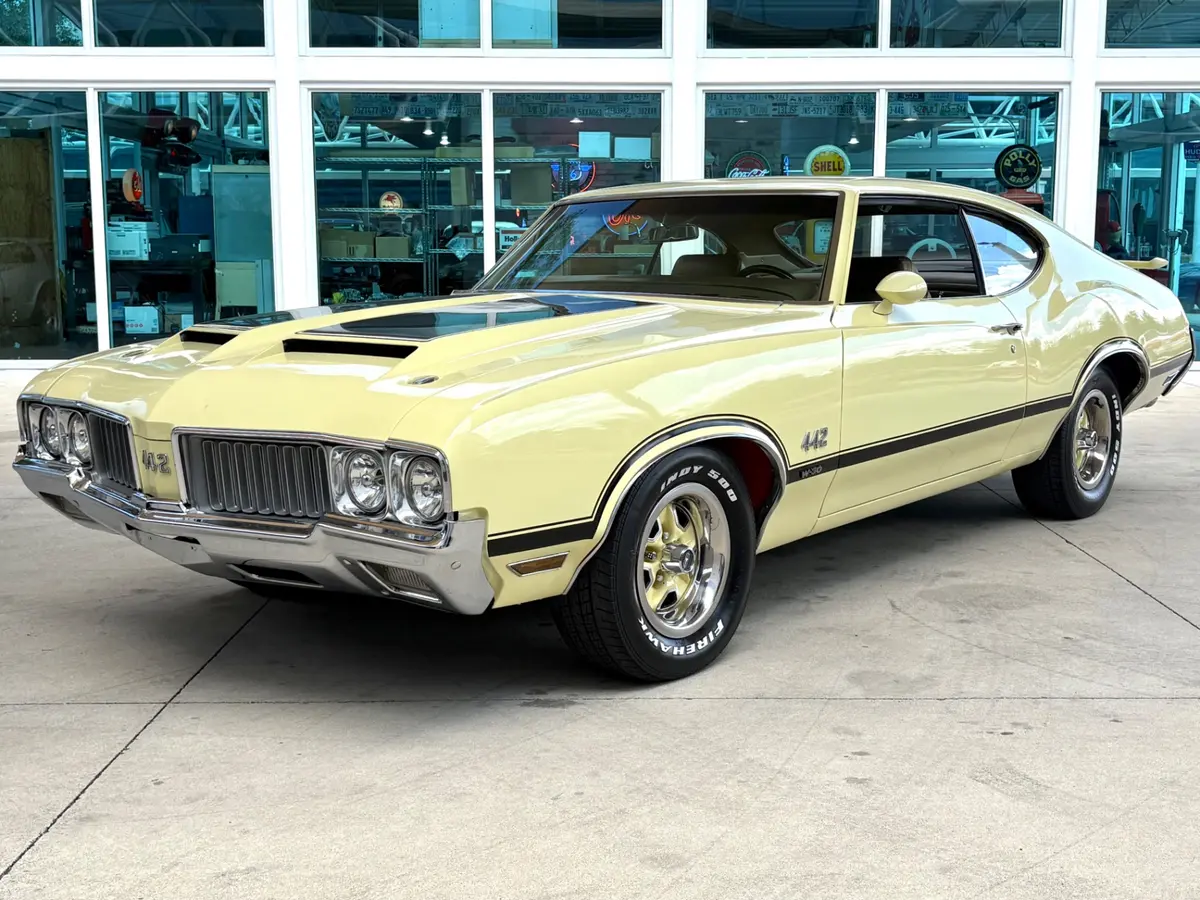
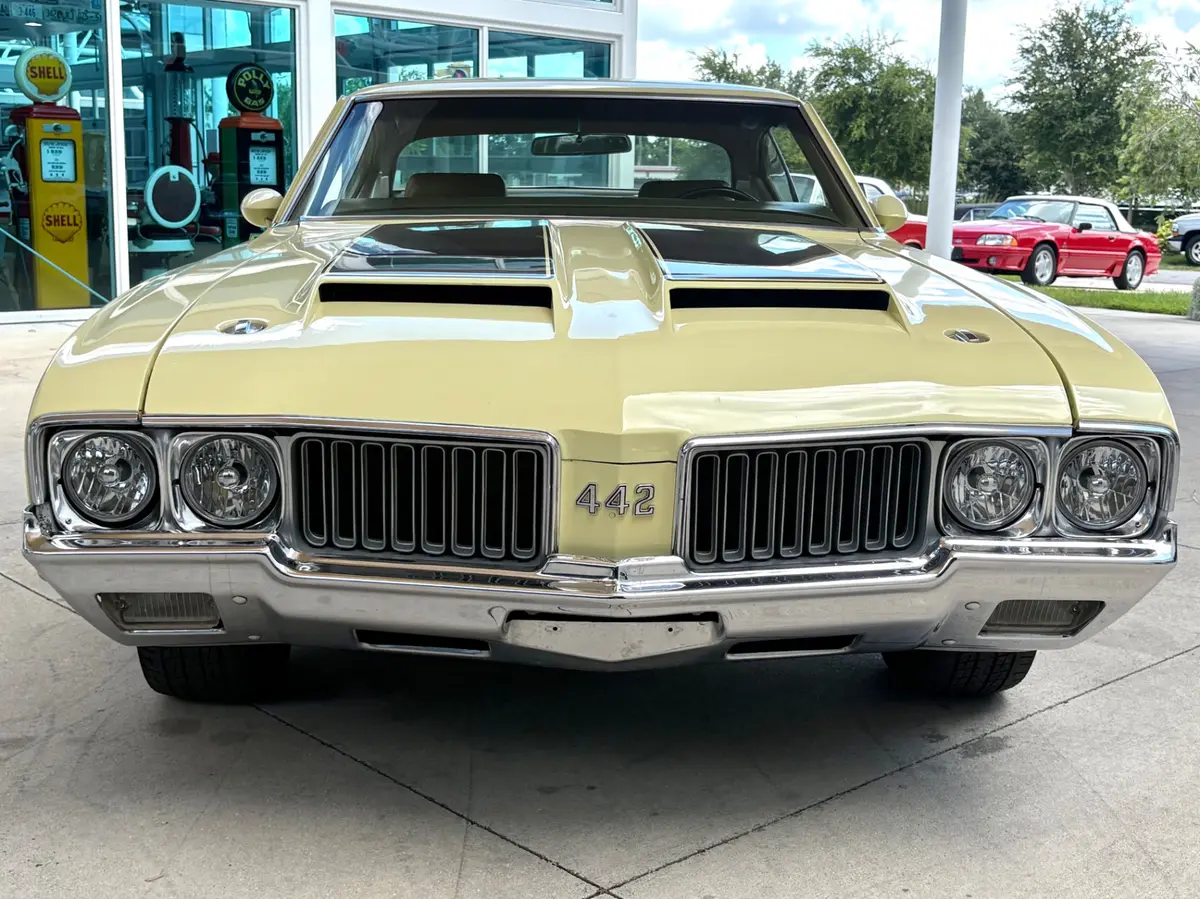
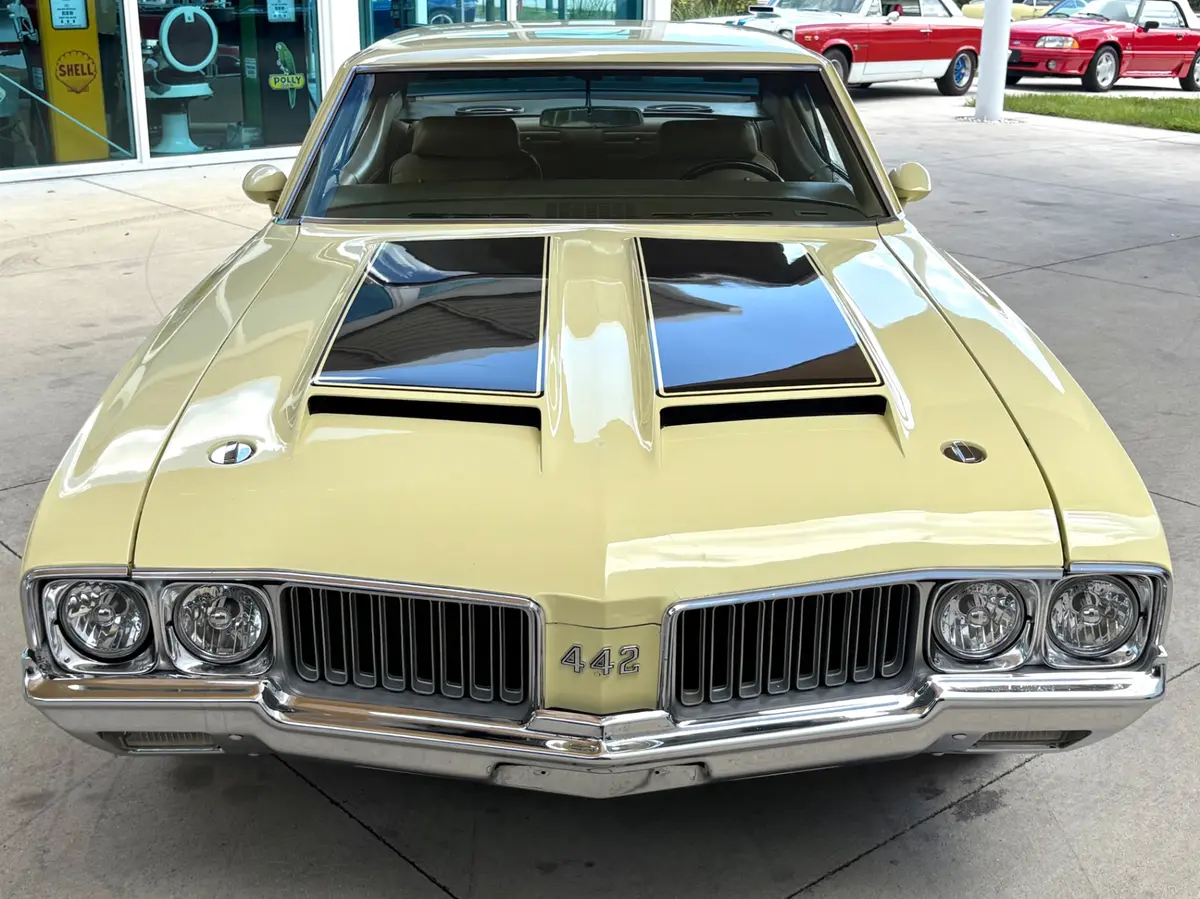
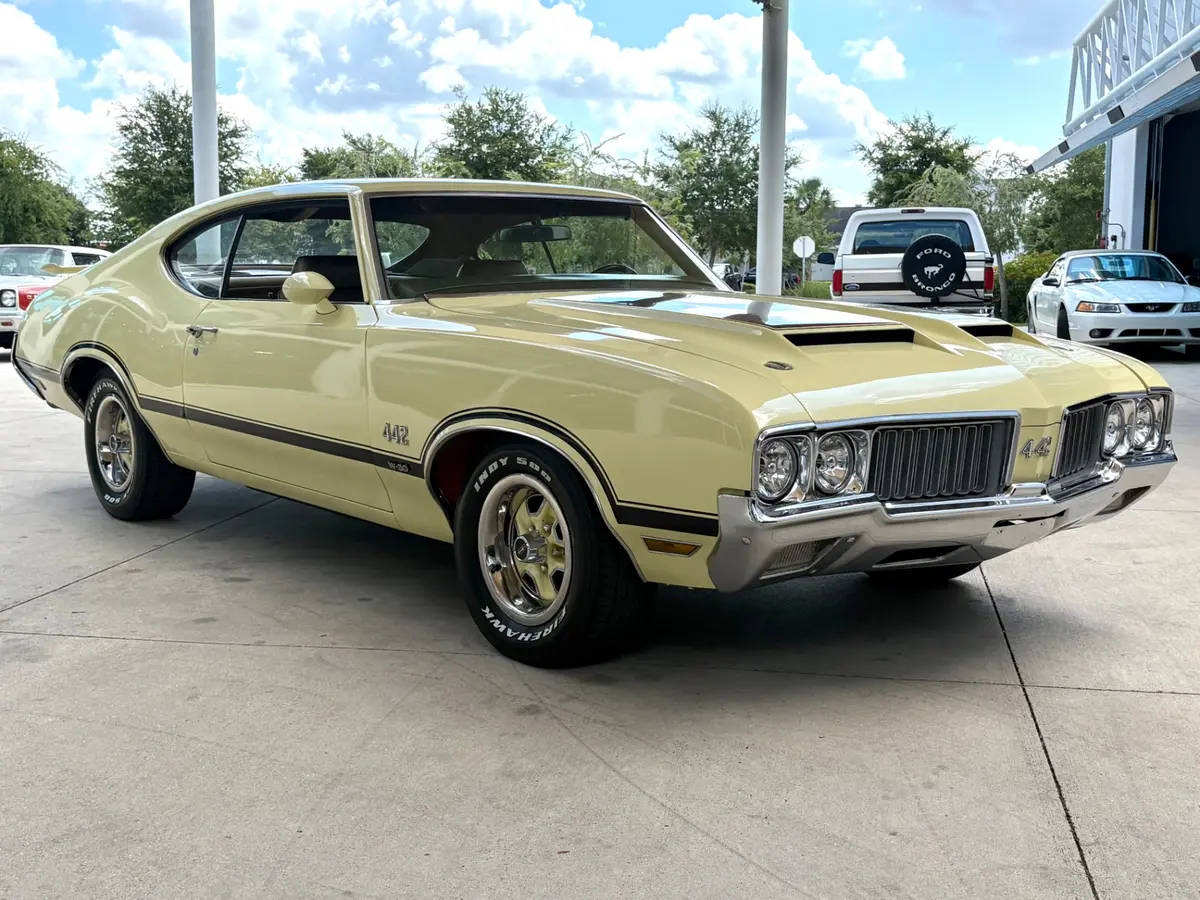
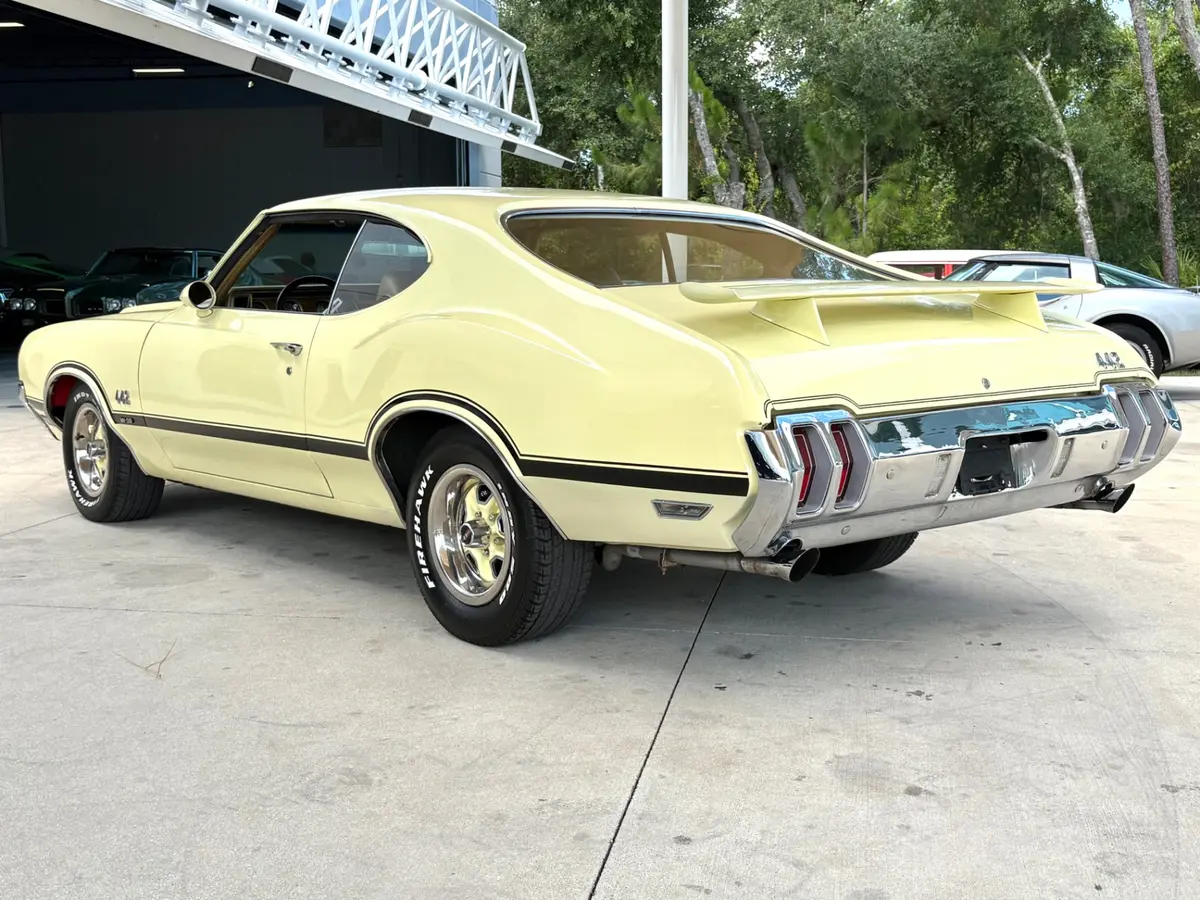
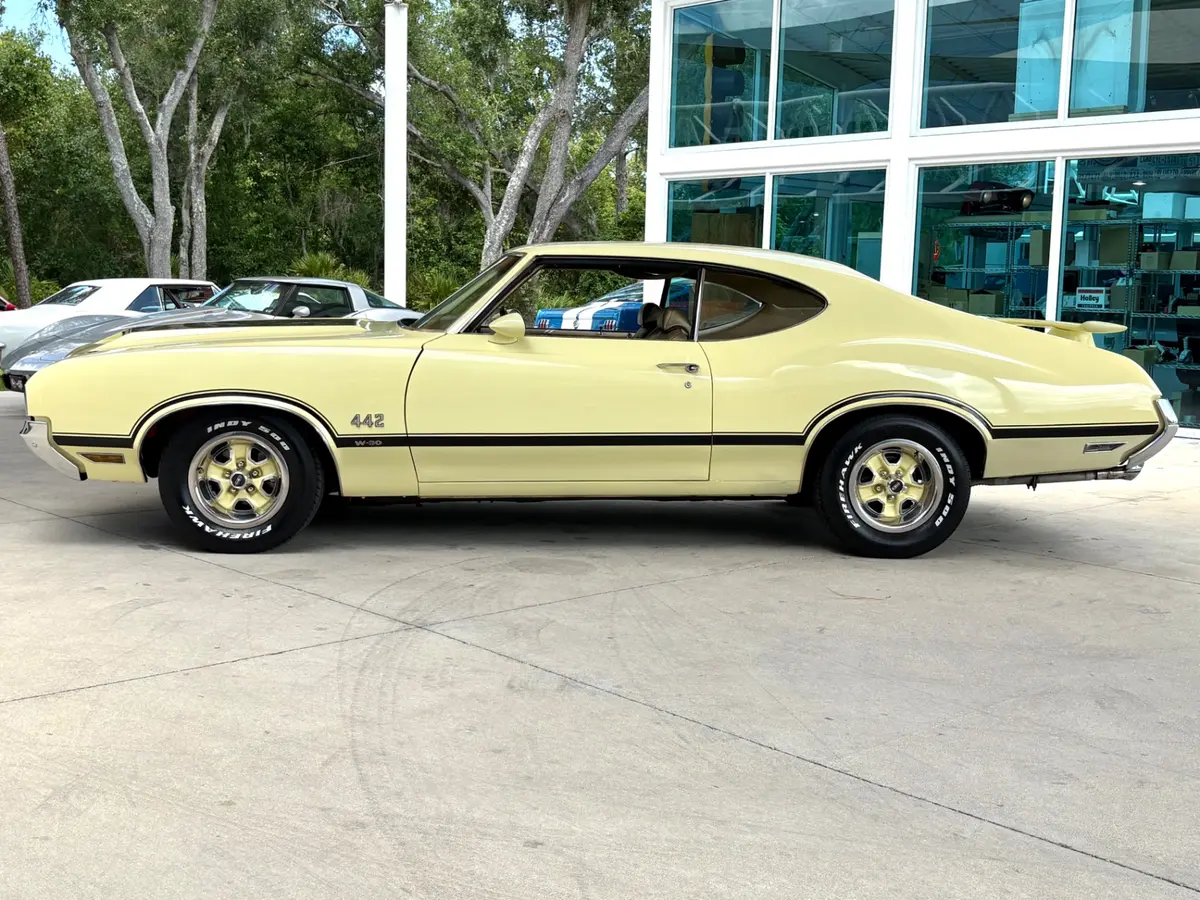
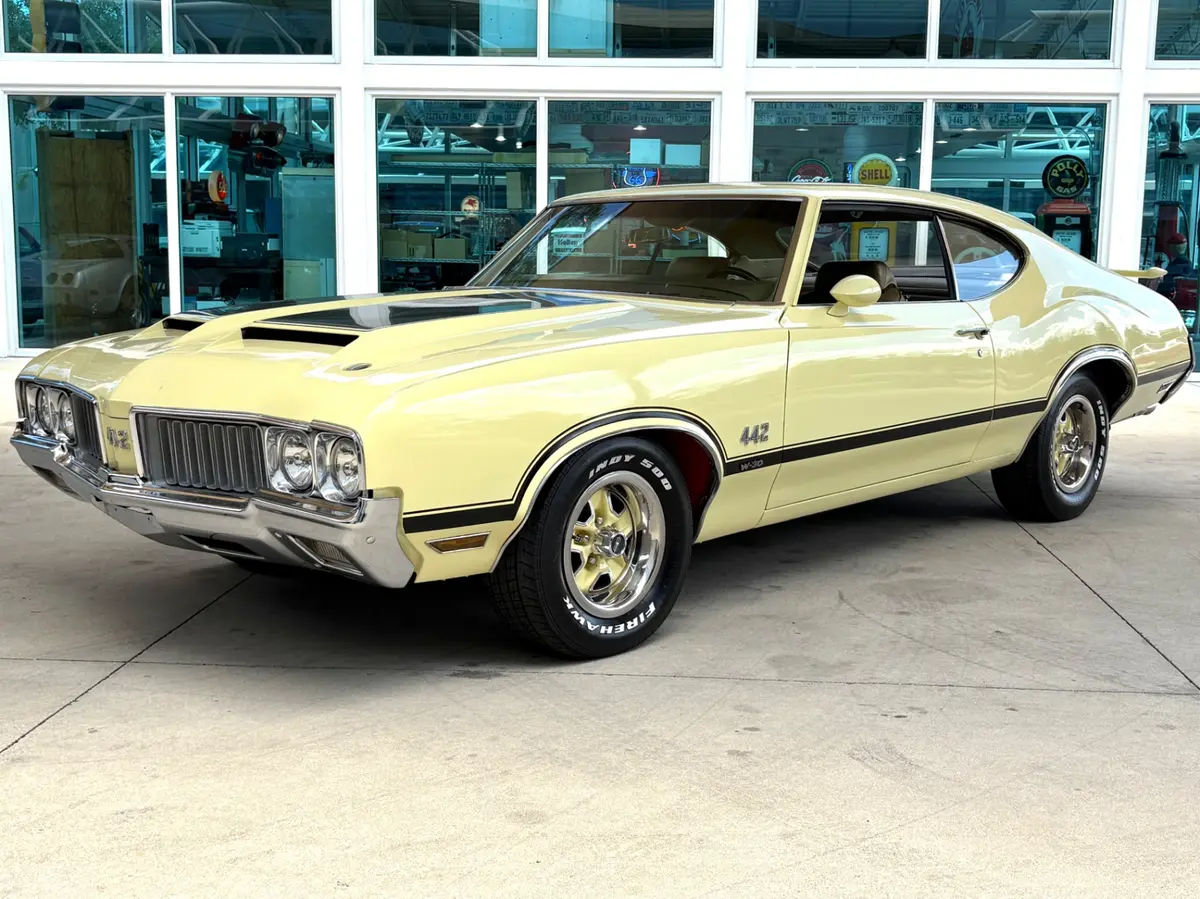
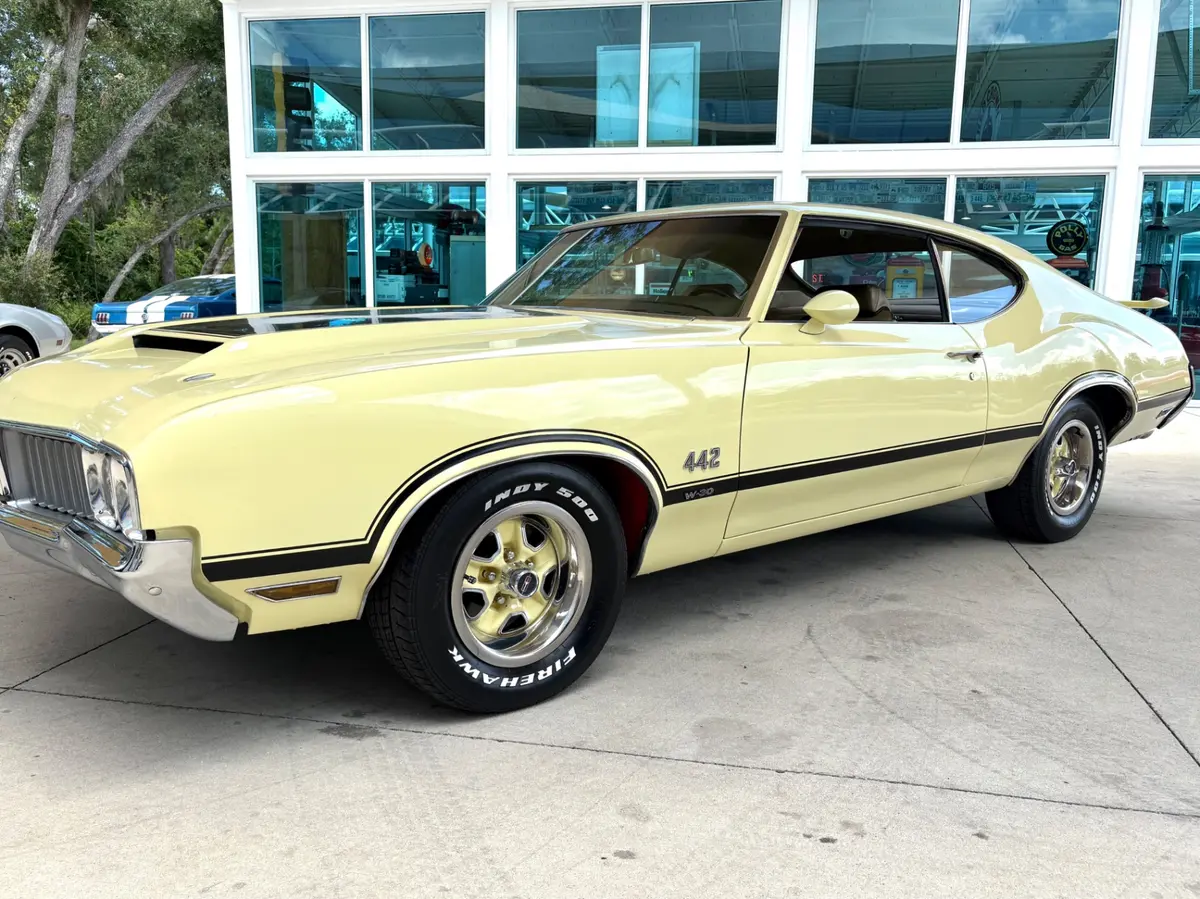
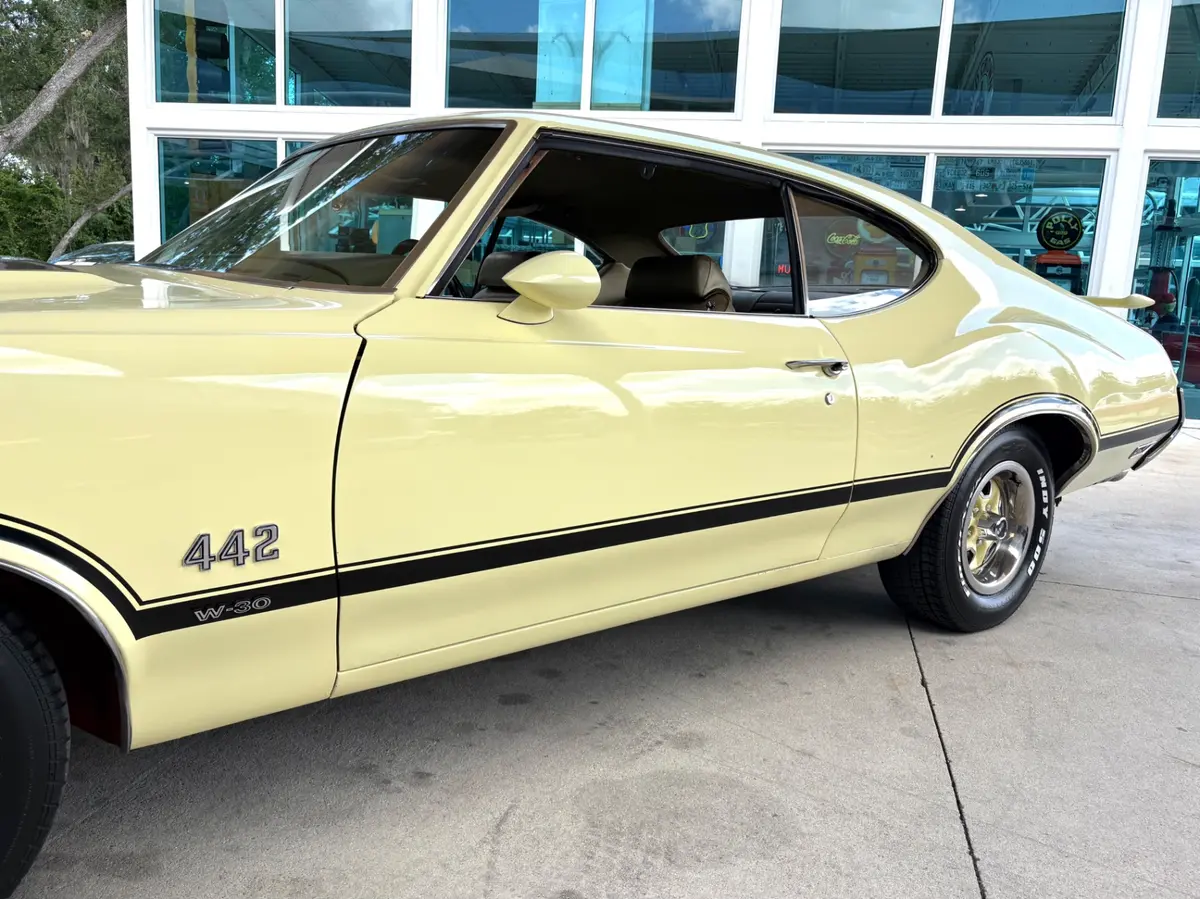
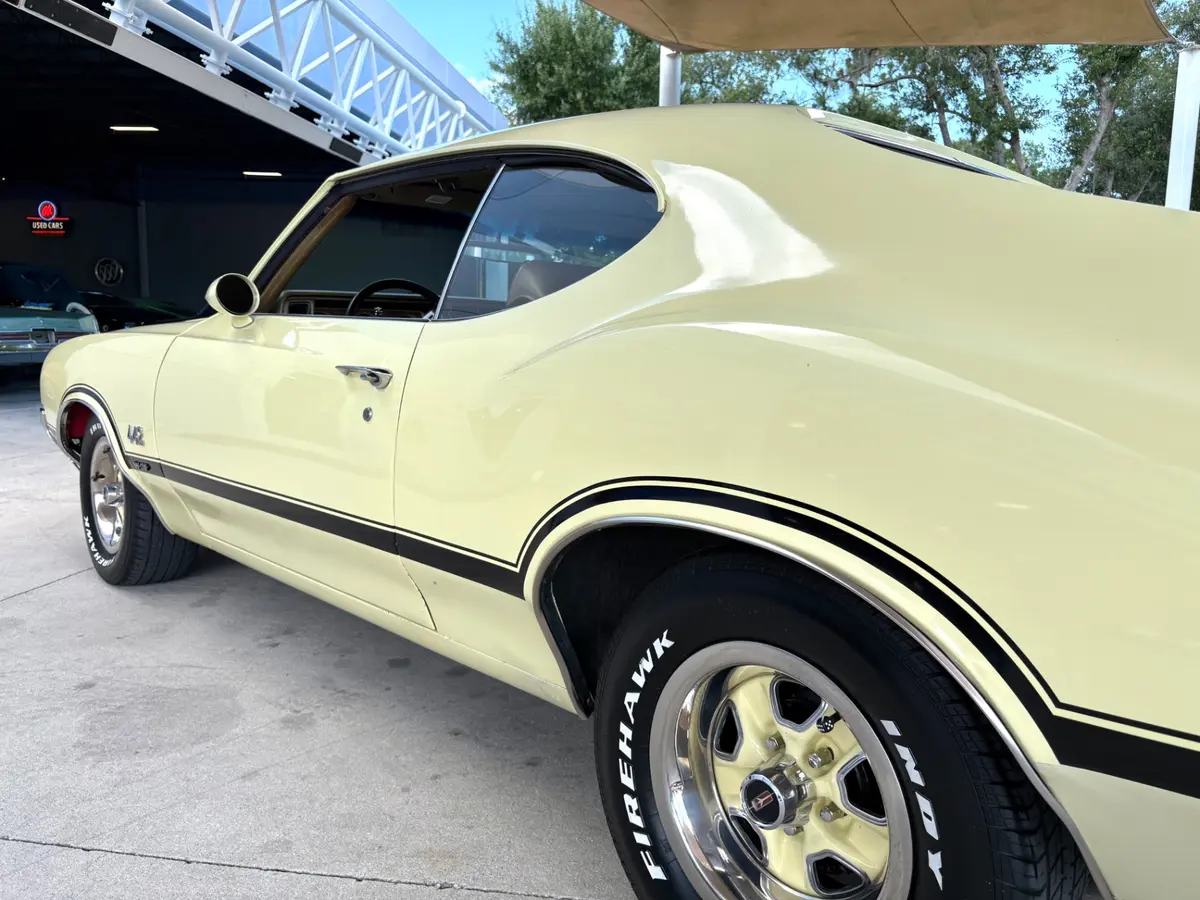
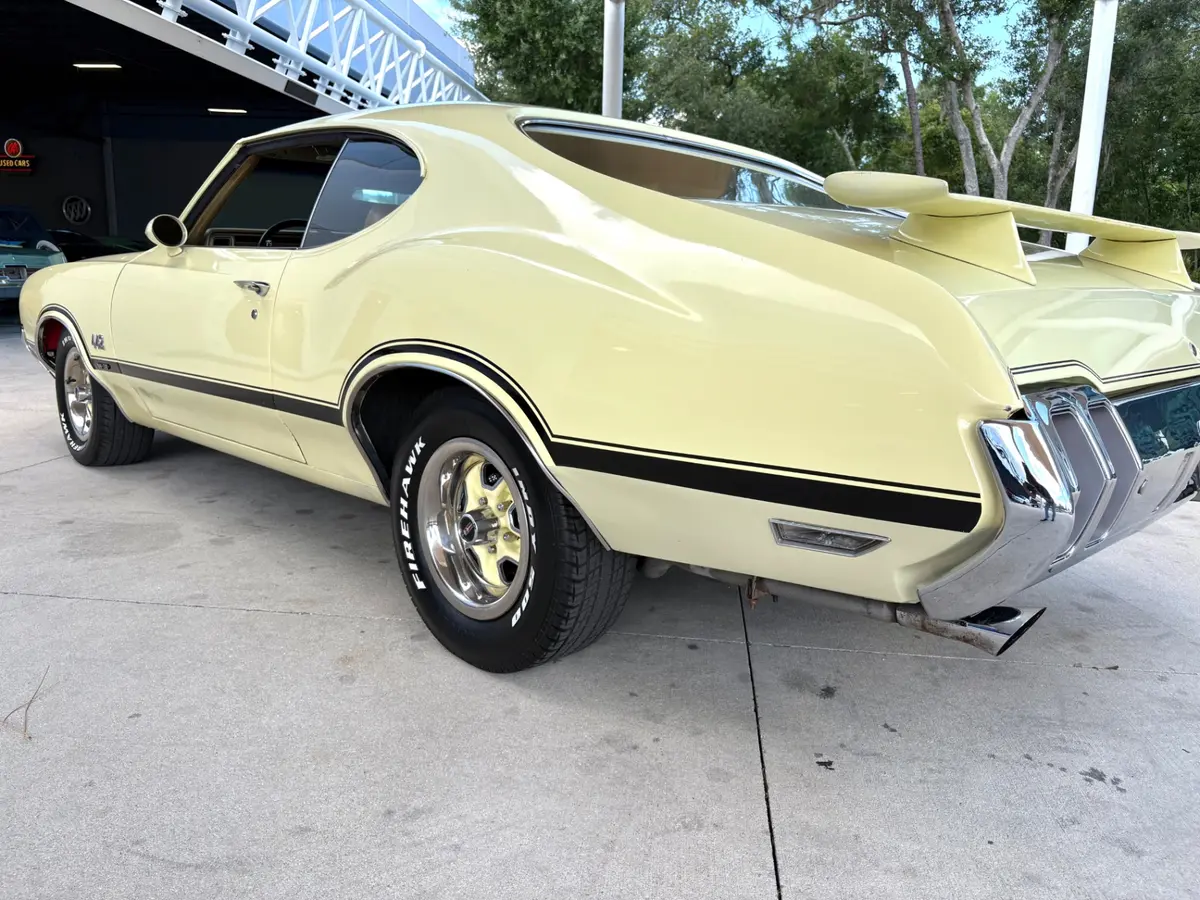
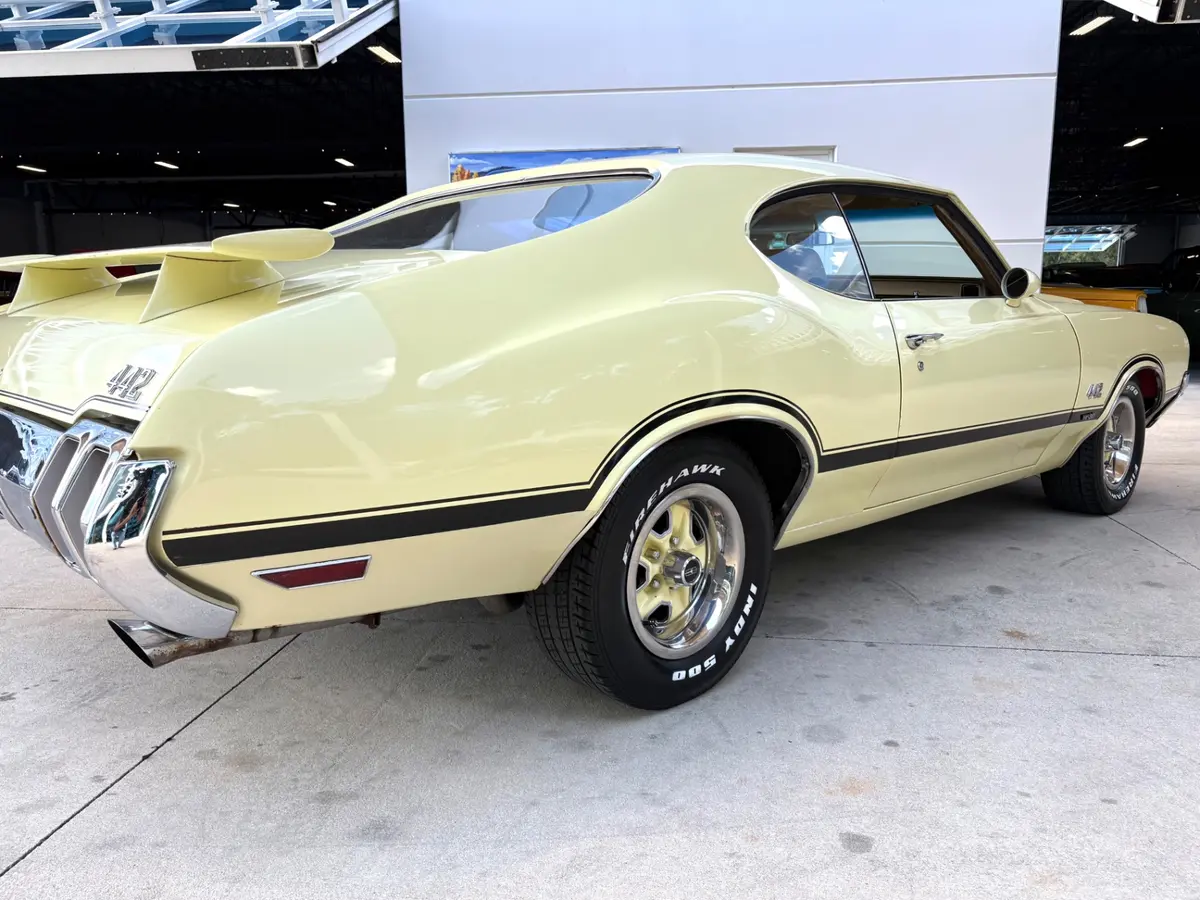
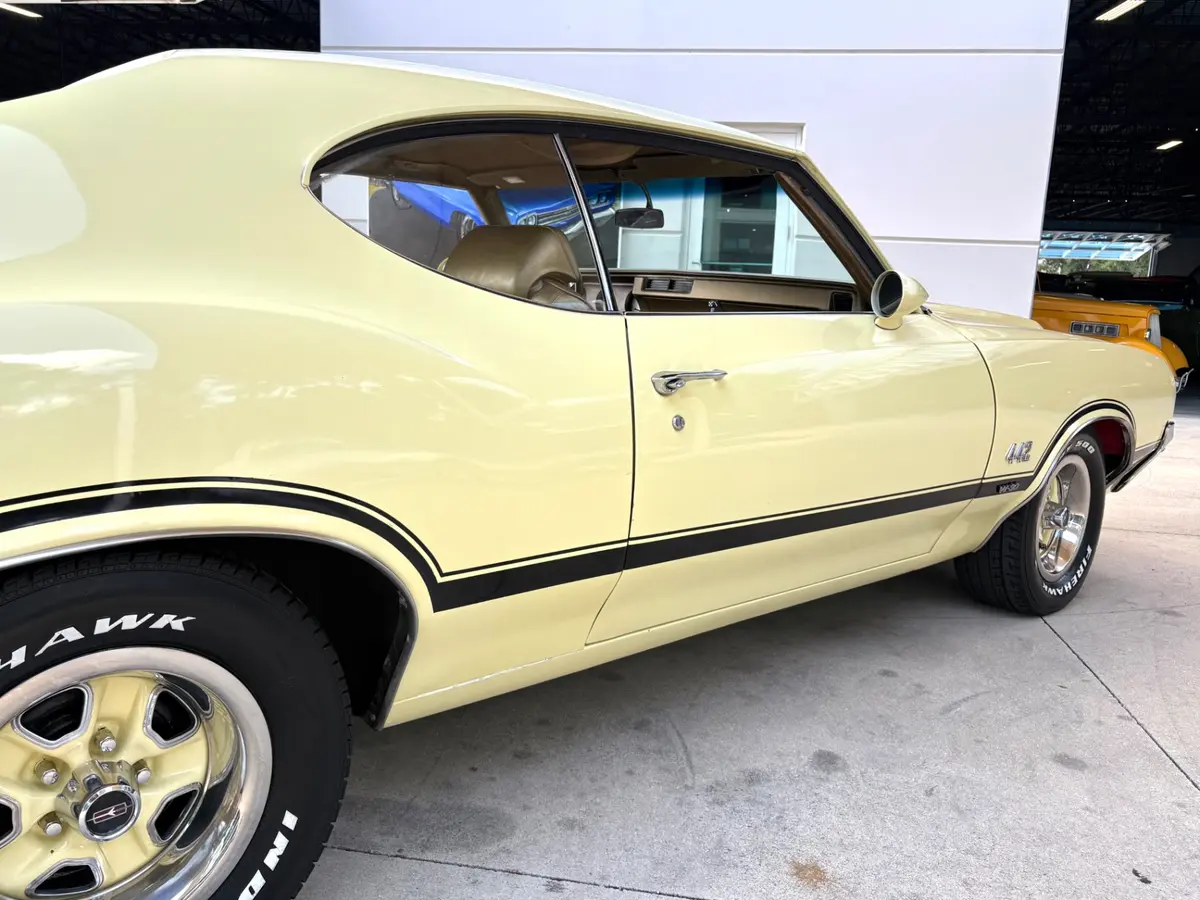
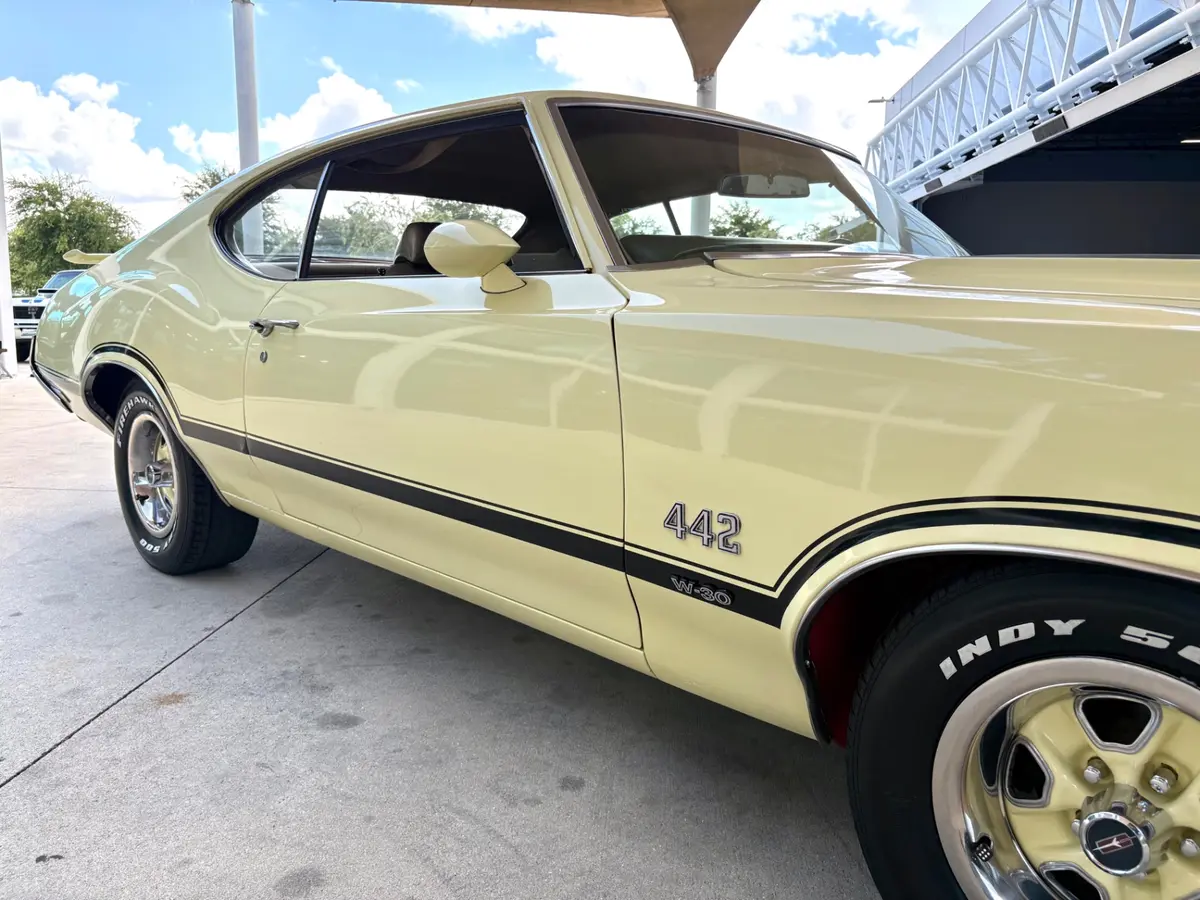
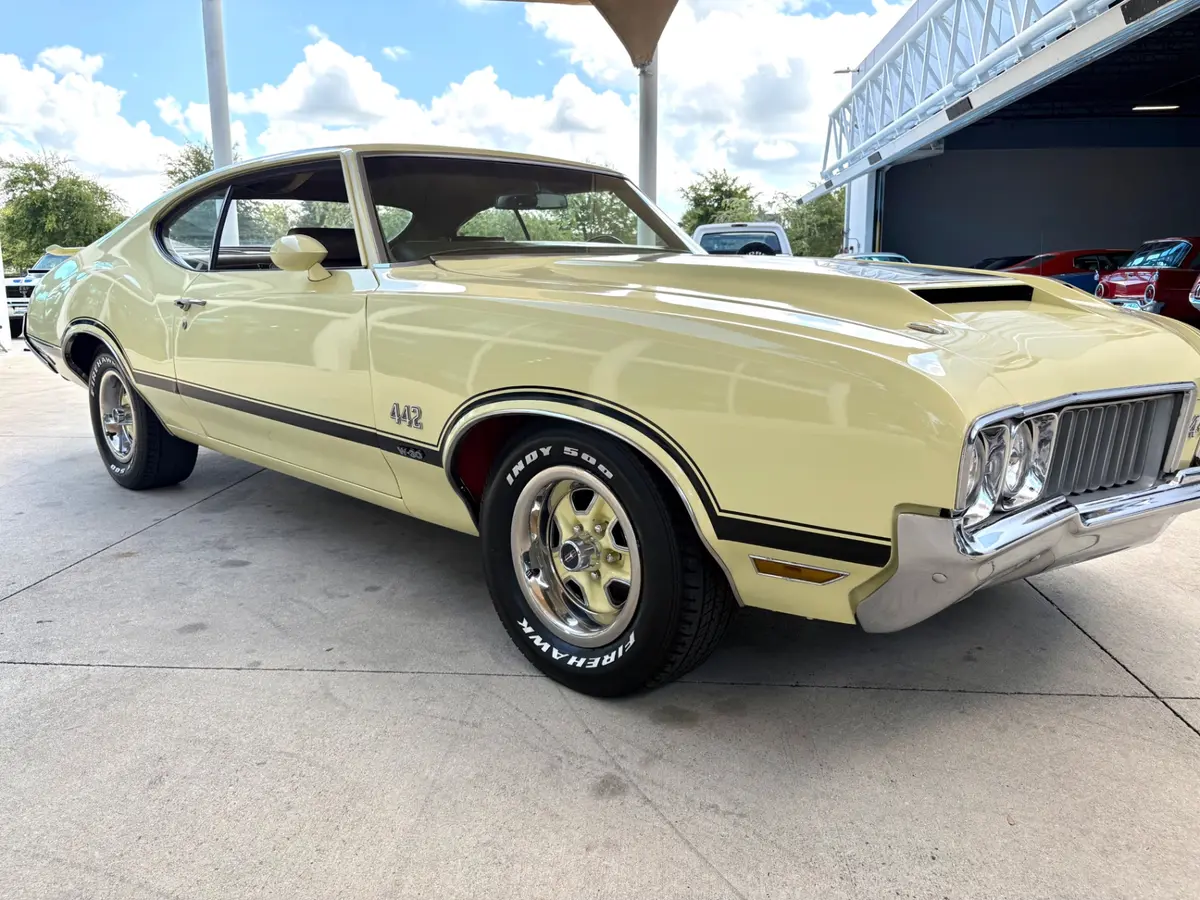
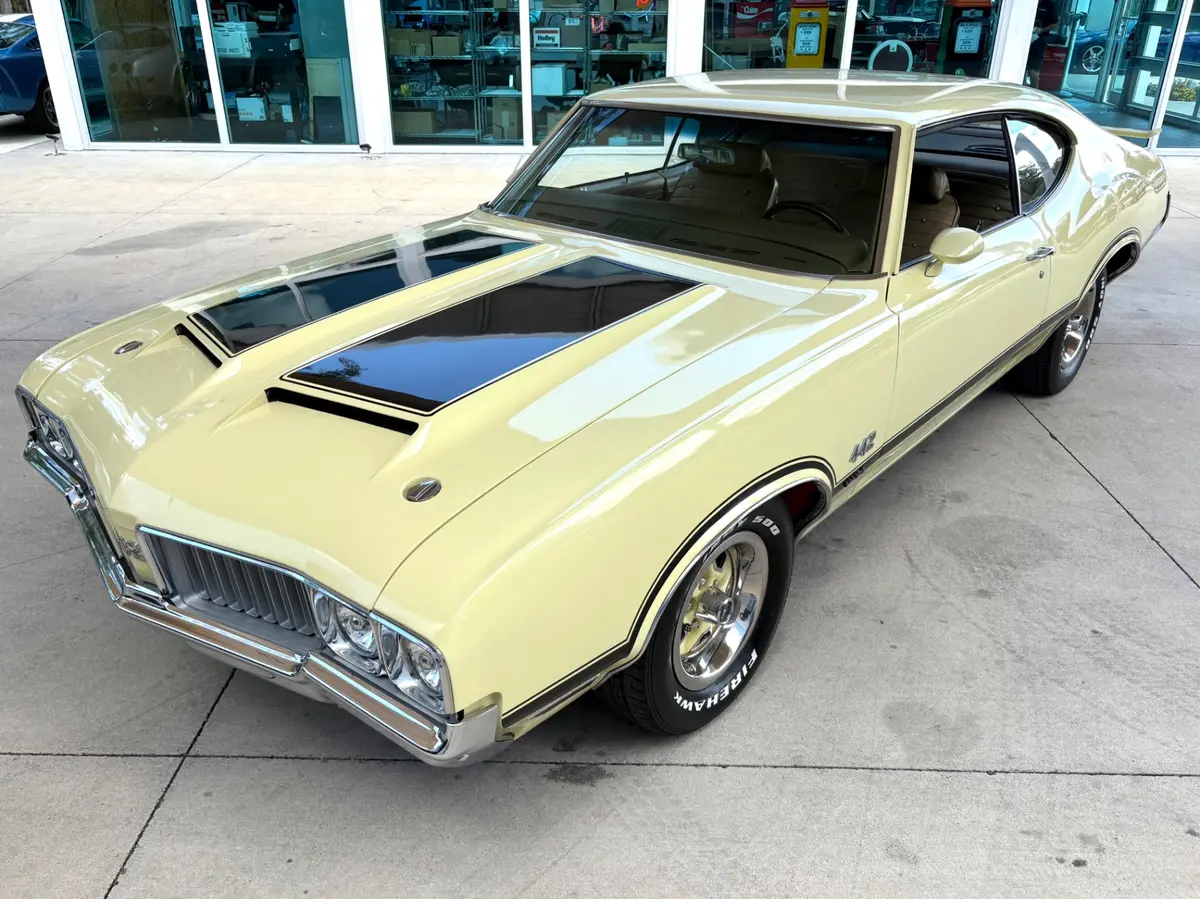
1970 Oldsmobile Cutlass 442 Tribute — 455ci V8, W-30 Badging, TH400, Soft Yellow 2-Door Hardtop
Why This Car Is Special
The 1970 Oldsmobile Cutlass occupies a specific and well-earned place in the muscle car era. While the 442 was Oldsmobile's flagship performance model, the Cutlass was the platform beneath it — and in 1970, Oldsmobile sold the 442 as an option package on the Cutlass rather than a standalone model. That means a Cutlass like this one, built on the same A-body platform, wearing 442 badging and W-30 identification, and carrying a 455ci V8 under the hood, represents exactly the kind of car that rolled off dealer lots during the peak of the horsepower wars.
The 1970 model year was a watershed moment for Oldsmobile performance. The 455 cubic inch engine was introduced that year as the top displacement option for the 442, replacing the previous 400ci unit. Oldsmobile's 455 was known for producing massive low-end torque rather than high-rpm peak power, which made it exceptionally strong on the street. The factory rated the standard 455 at 365 horsepower, while the W-30 forced-induction package — which used outside air drawn through functional hood scoops — was rated at 370 horsepower. The W-30 option also included a specific camshaft, fiberglass inner fender wells to reduce underhood heat, and a cold-air induction system that made meaningful real-world performance differences.
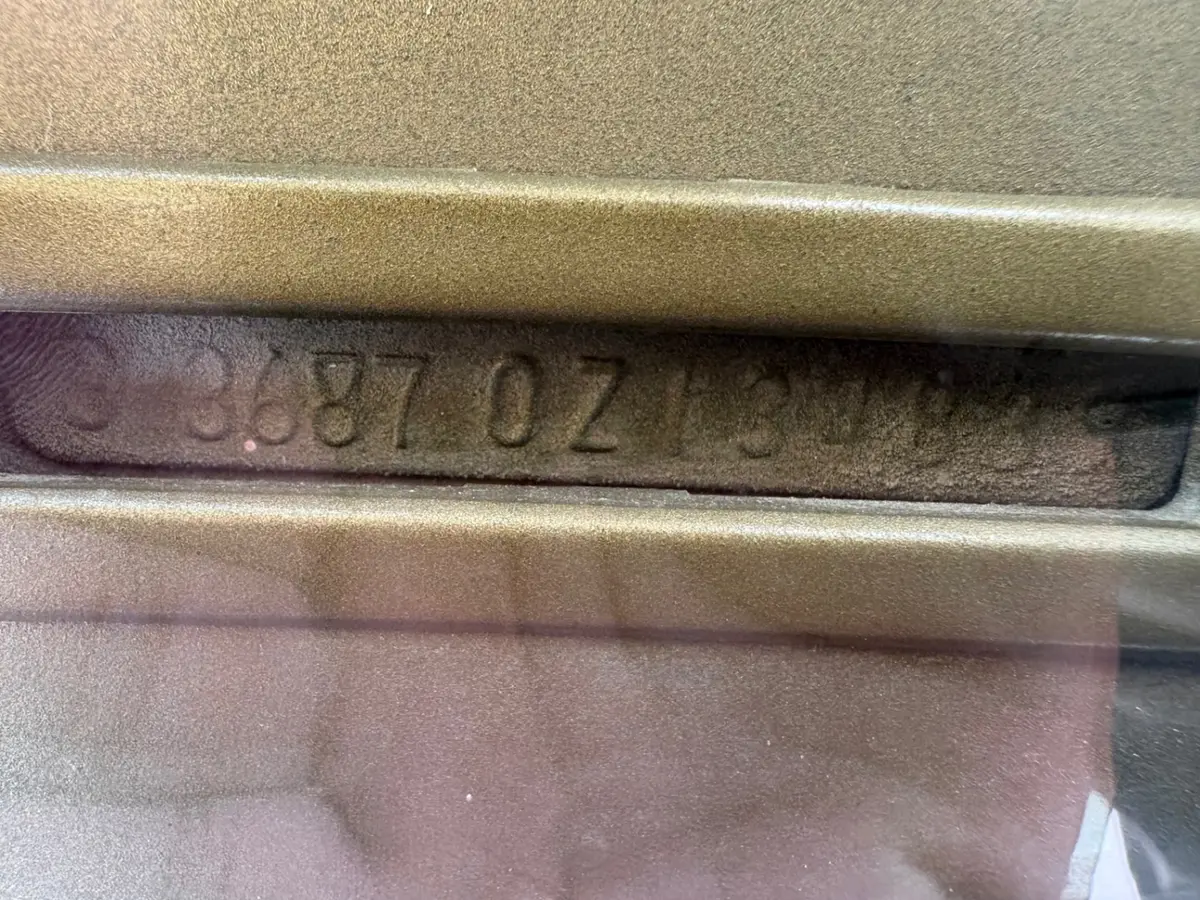
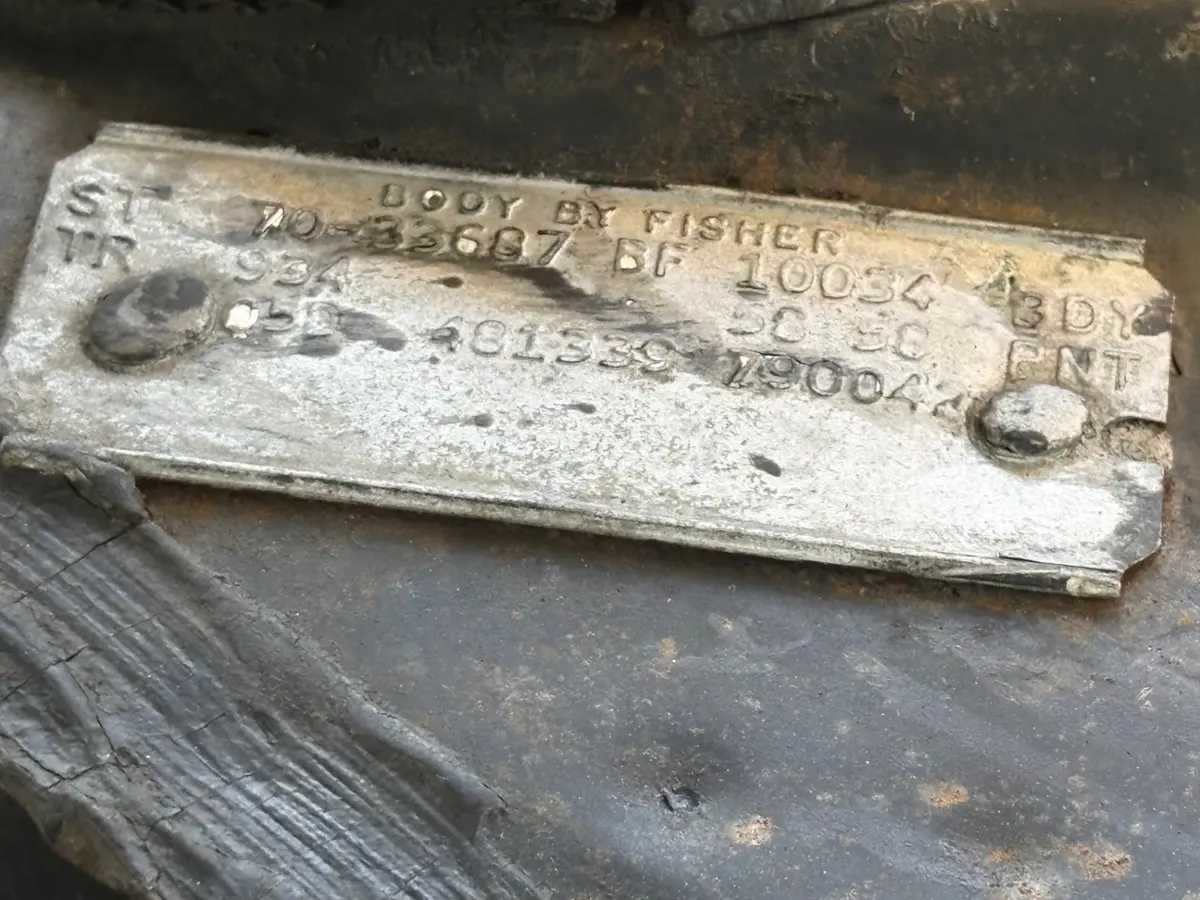
The VIN on this car decodes to a 1970 Oldsmobile Cutlass two-door hardtop body style, built at the Lansing, Michigan assembly plant. The body style code confirms the pillarless hardtop configuration — one of the most appealing designs of the era, with the long roofline and frameless side glass that defined early 1970s GM coupes.
This particular car is presented as a 442 Tribute with W-30 badging, a 455ci V8, and the complete visual and mechanical package that made those cars desirable in period. It's been built to drive and enjoy, not sit in a trailer.
Features List
- Oldsmobile 455ci V8
- Turbo Hydra-Matic 400 3-Speed Automatic Transmission
- W-30 Badging
- 442 Tribute Configuration
- Functional Hood Scoops
- Dual Exhaust with Flowmaster Mufflers
- Functional Exhaust Cutouts
- Front Disc / Rear Drum Brakes
- Power Steering
- Power Brakes
- Electric Cooling Fan
- Sport Wheels with Firehawk Tires
- Floor Shifter with Center Console
- Sport Steering Wheel
- Bucket Seats with Headrests
- Tachometer
- Woodgrain Interior Trim
- Kenwood Excelon KDC-X304 Stereo with Bluetooth, USB Input, and Auxiliary Input
- Black Hood Stripes
- Body Side Stripes
- Rear Spoiler
- Chrome Bumpers (Front and Rear)
- Soft Yellow Exterior
- Tan Vinyl Interior
- Clean Undercarriage
Mechanical
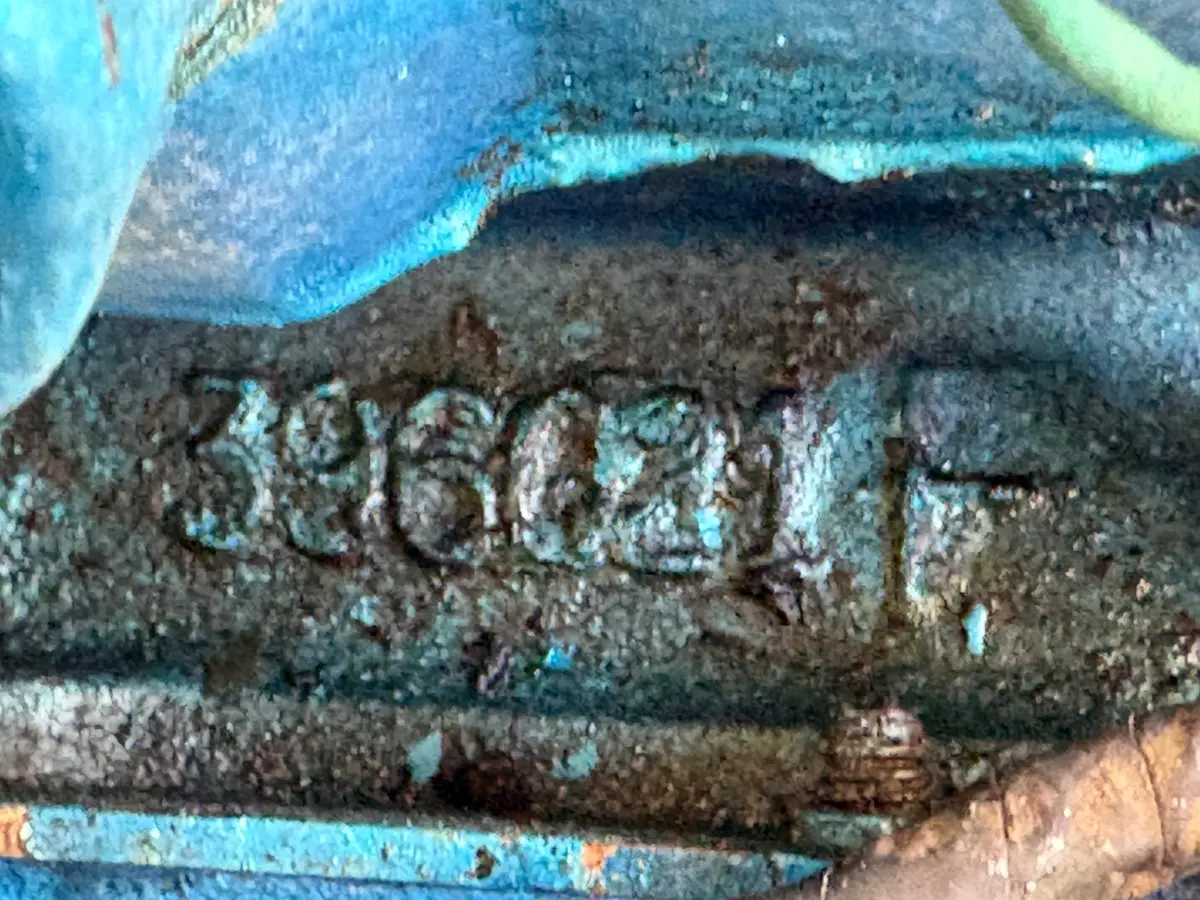
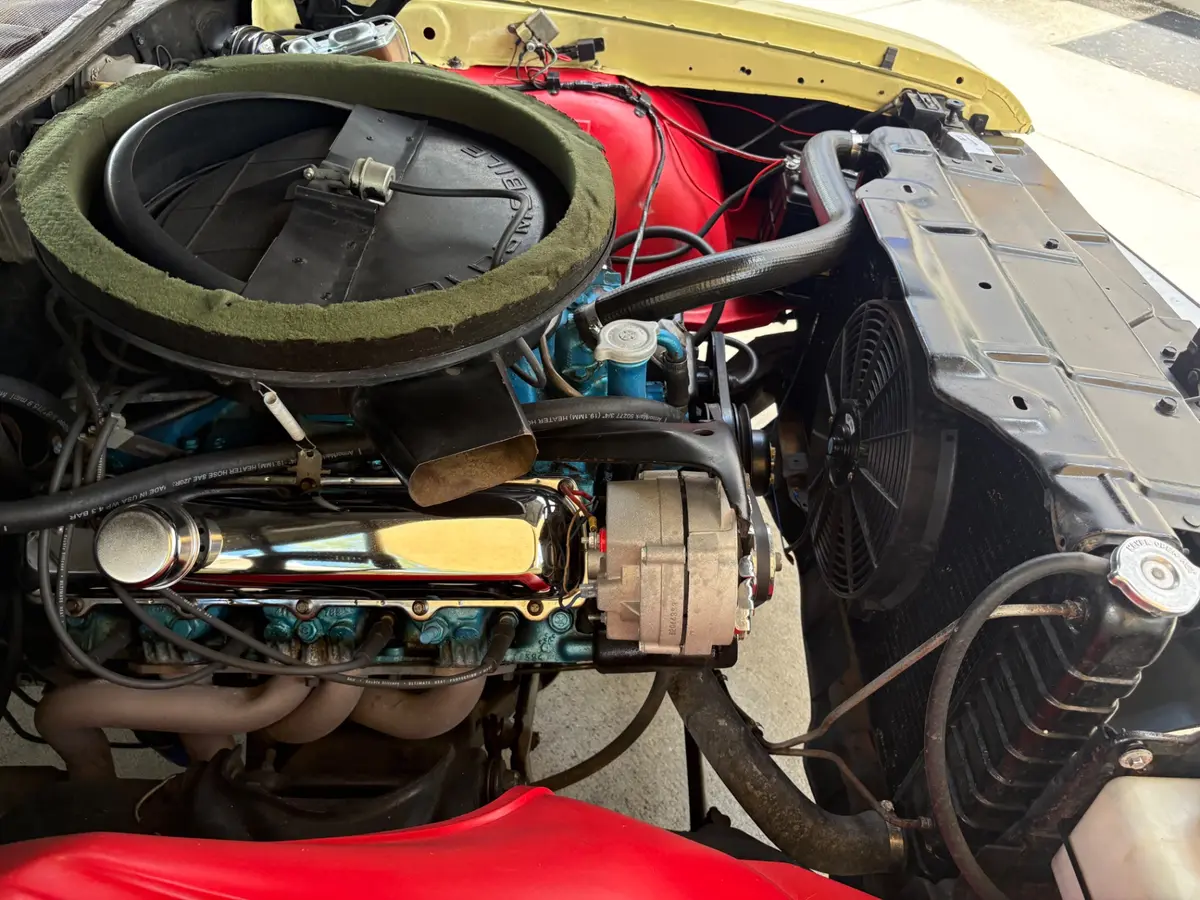
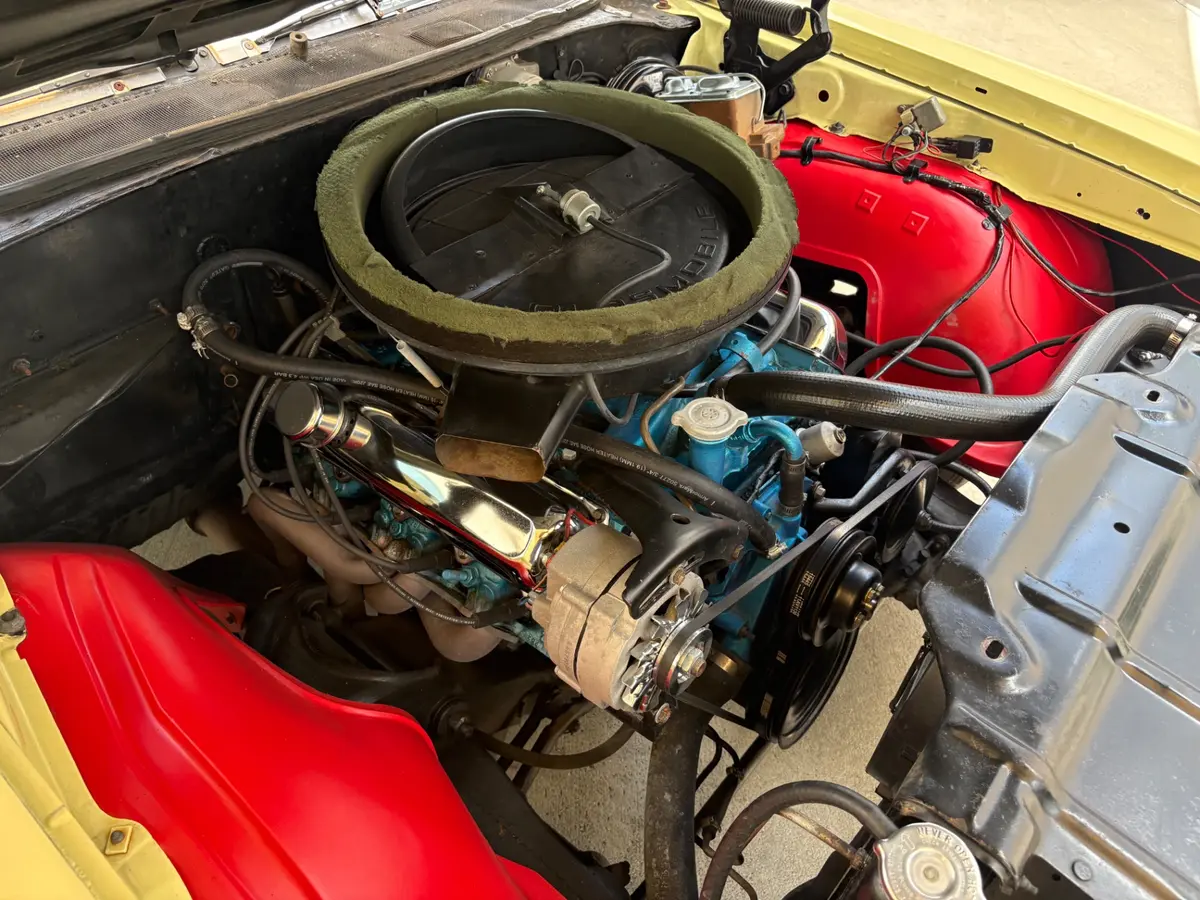
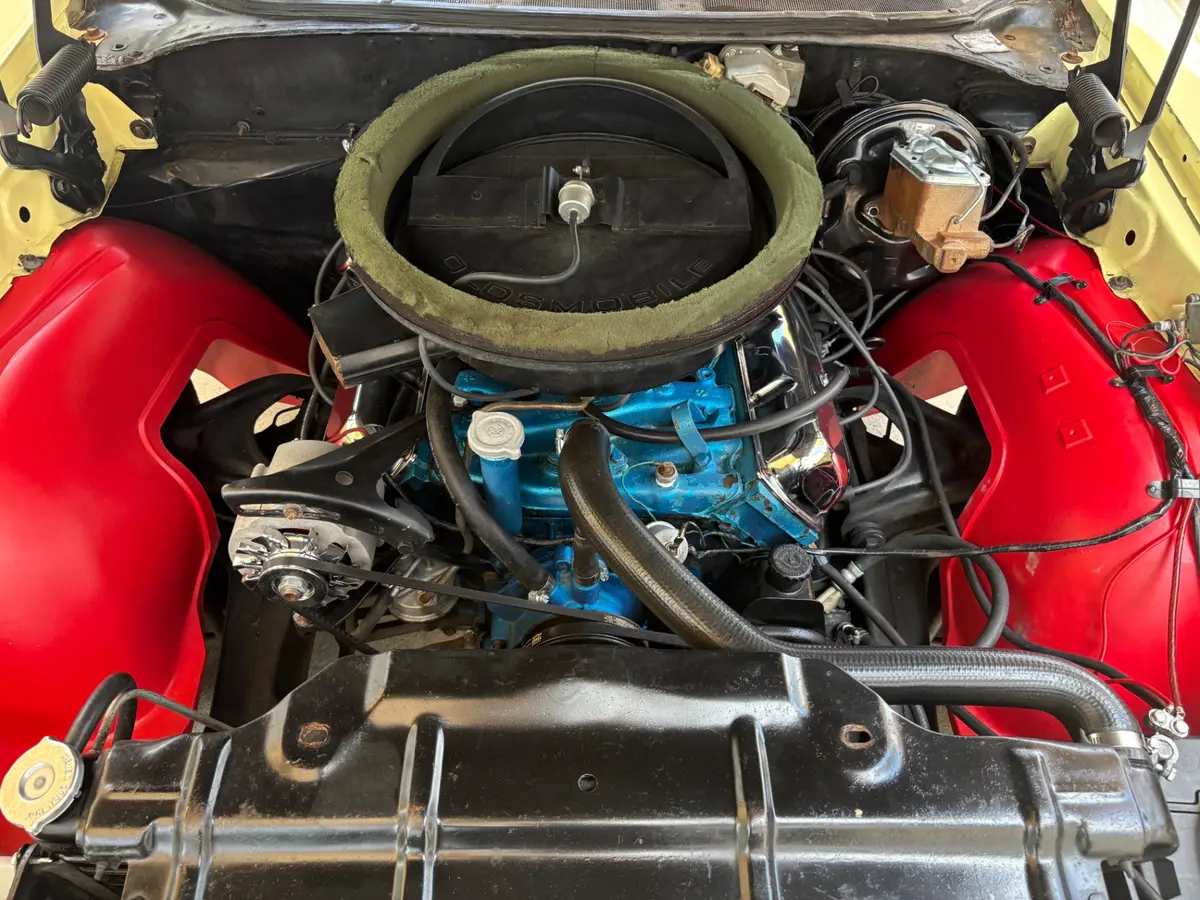
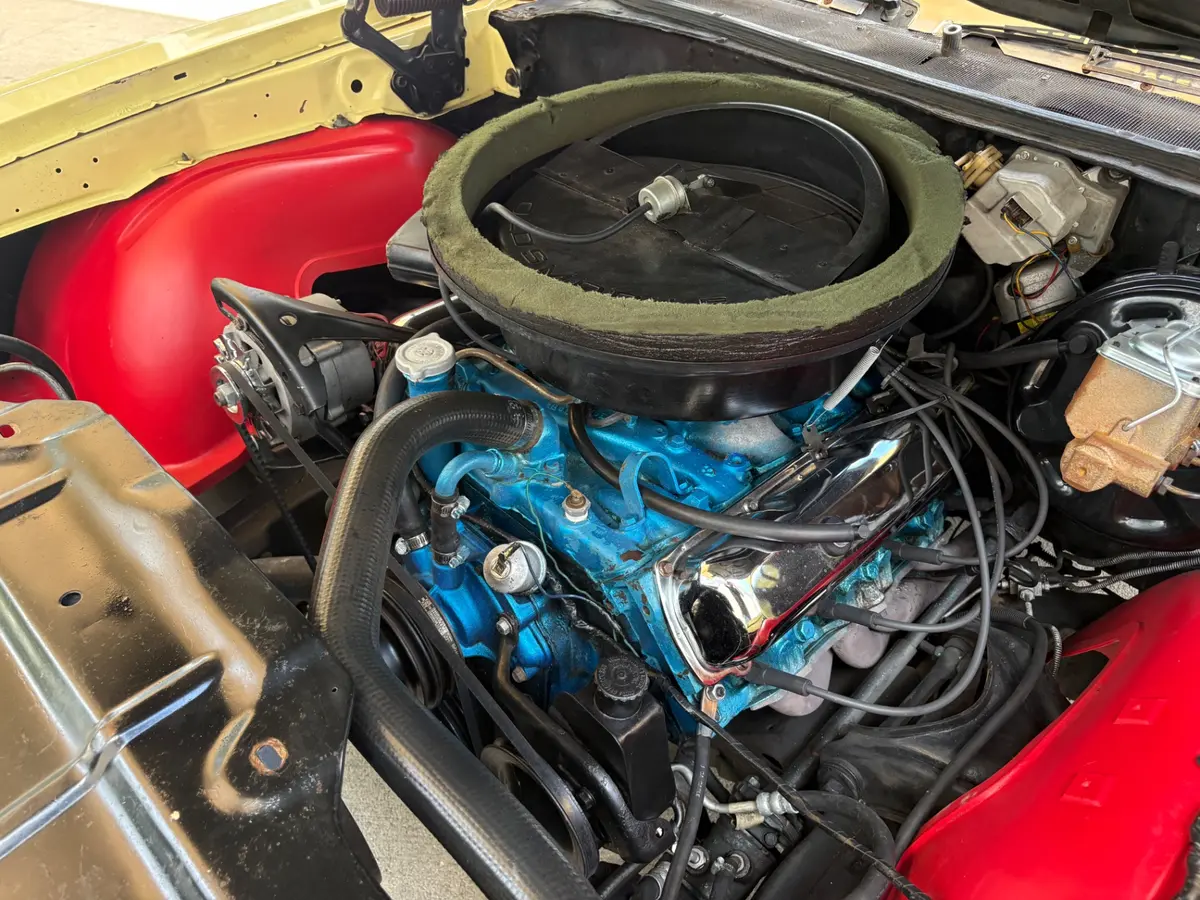
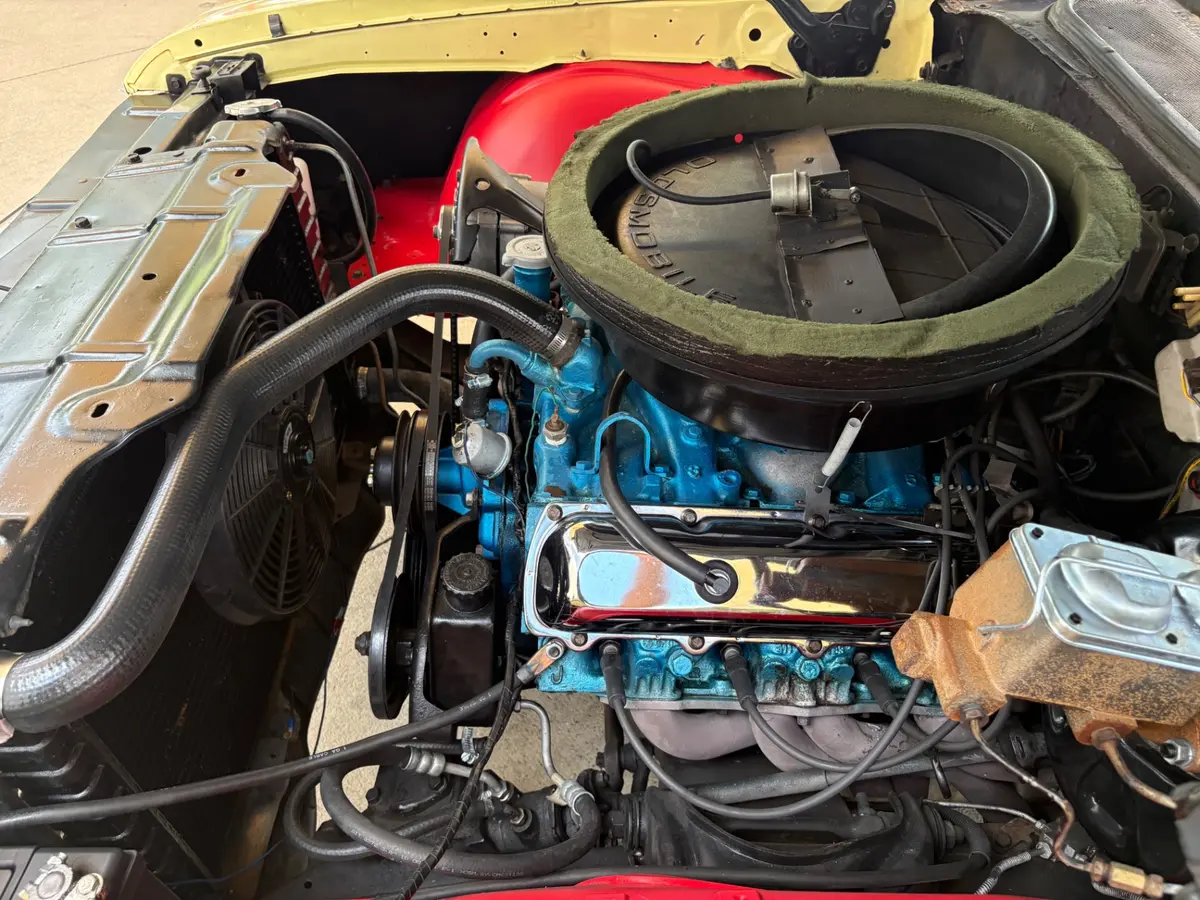
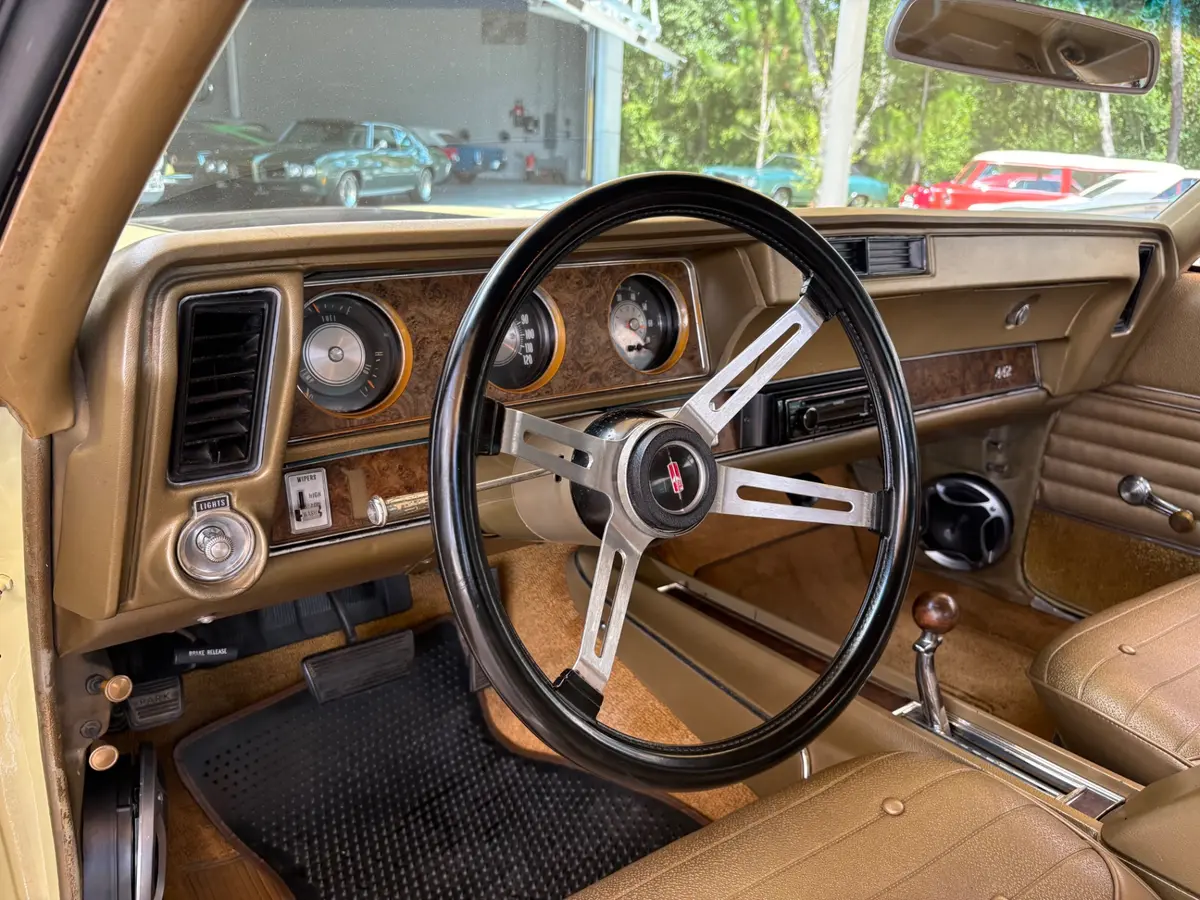
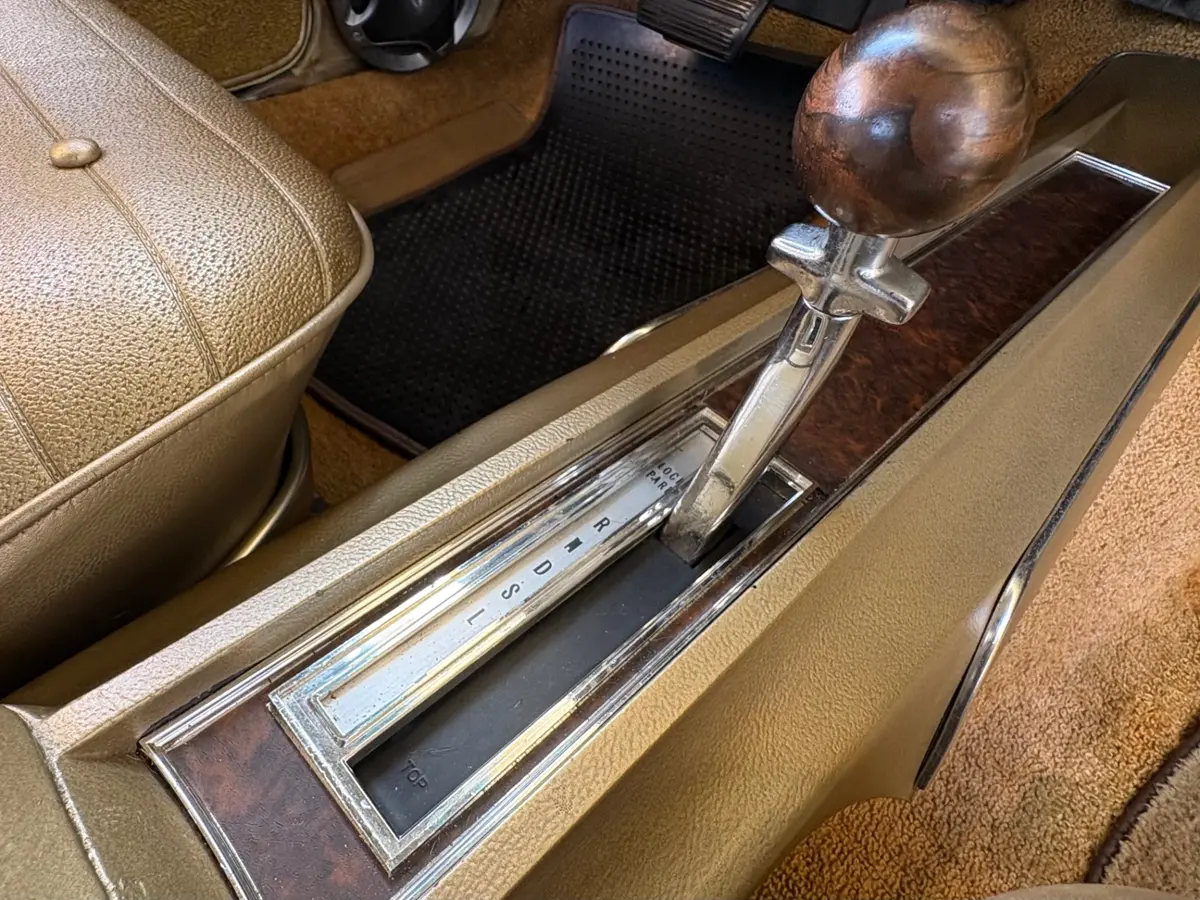
The heart of this 1970 Oldsmobile Cutlass is Oldsmobile's 455 cubic inch V8 — the largest displacement engine the division offered in 1970 and one of the torquiest engines in the GM lineup that year. The 455 was engineered with a longer stroke than the 400 it replaced, which is what gave it such strong low-rpm pulling power. It pairs here with the Turbo Hydra-Matic 400 three-speed automatic, one of the most durable and well-regarded automatic transmissions GM ever built. The TH400 was used across a wide range of high-performance GM applications through the 1960s and 1970s and remains a strong, serviceable unit when properly maintained. Shifting is handled via a floor-mounted shifter with a chrome gate and wood-tone shift knob, consistent with the 442 package appointments.
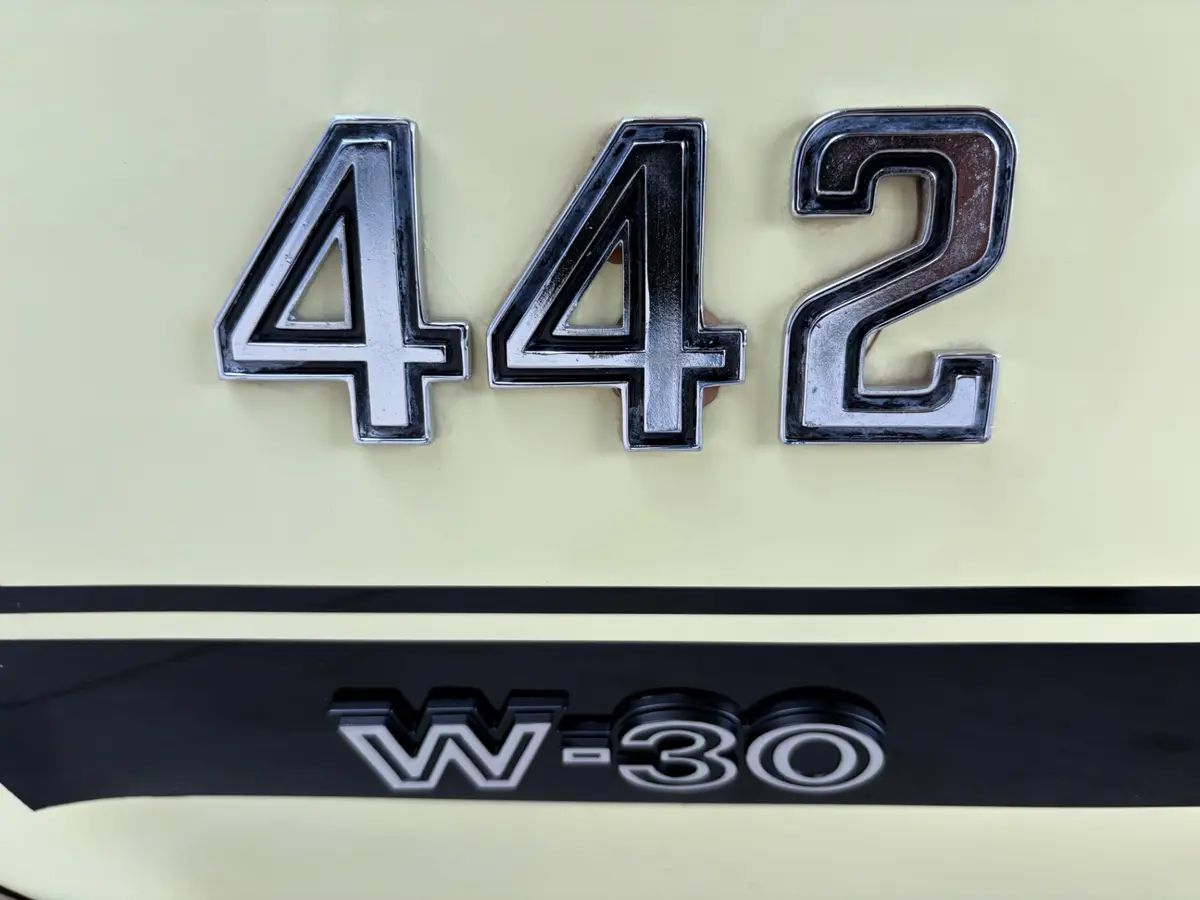
The W-30 badging on this car points to the cold-air induction equipment, and the functional hood scoops are present and correctly placed to feed outside air directly to the induction system. This was not a cosmetic feature — the W-30 system was documented to reduce intake air temperature, which increased air density and improved combustion efficiency. It was the factory's answer to ram-air induction, and it worked.
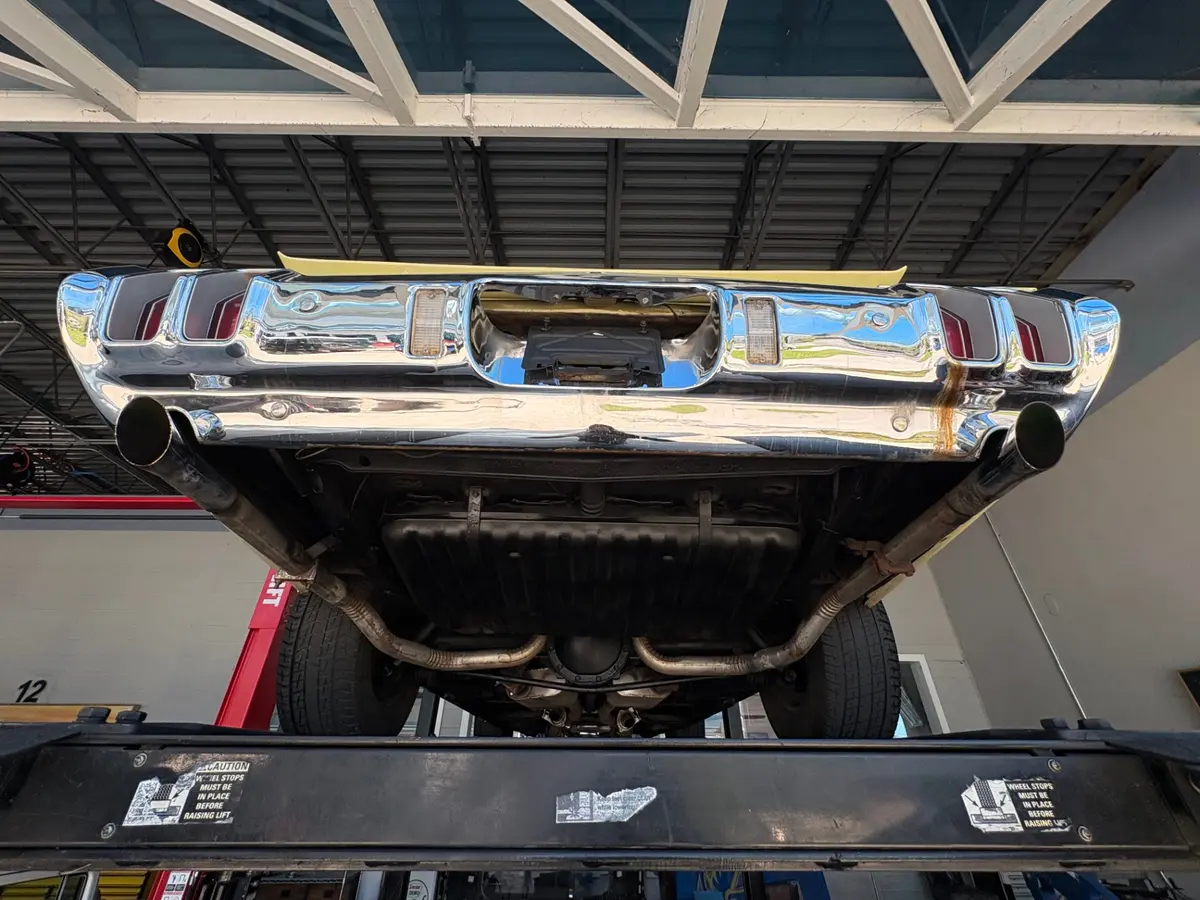
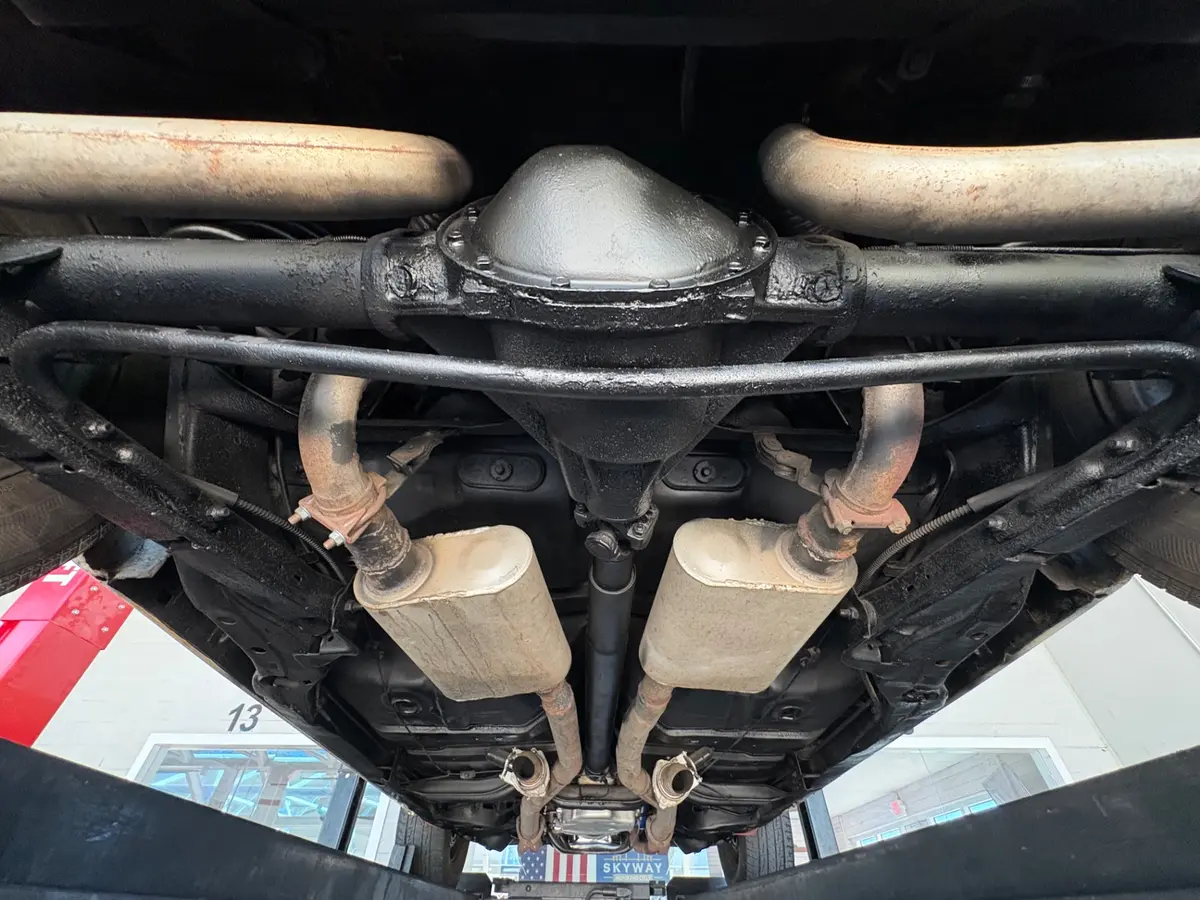
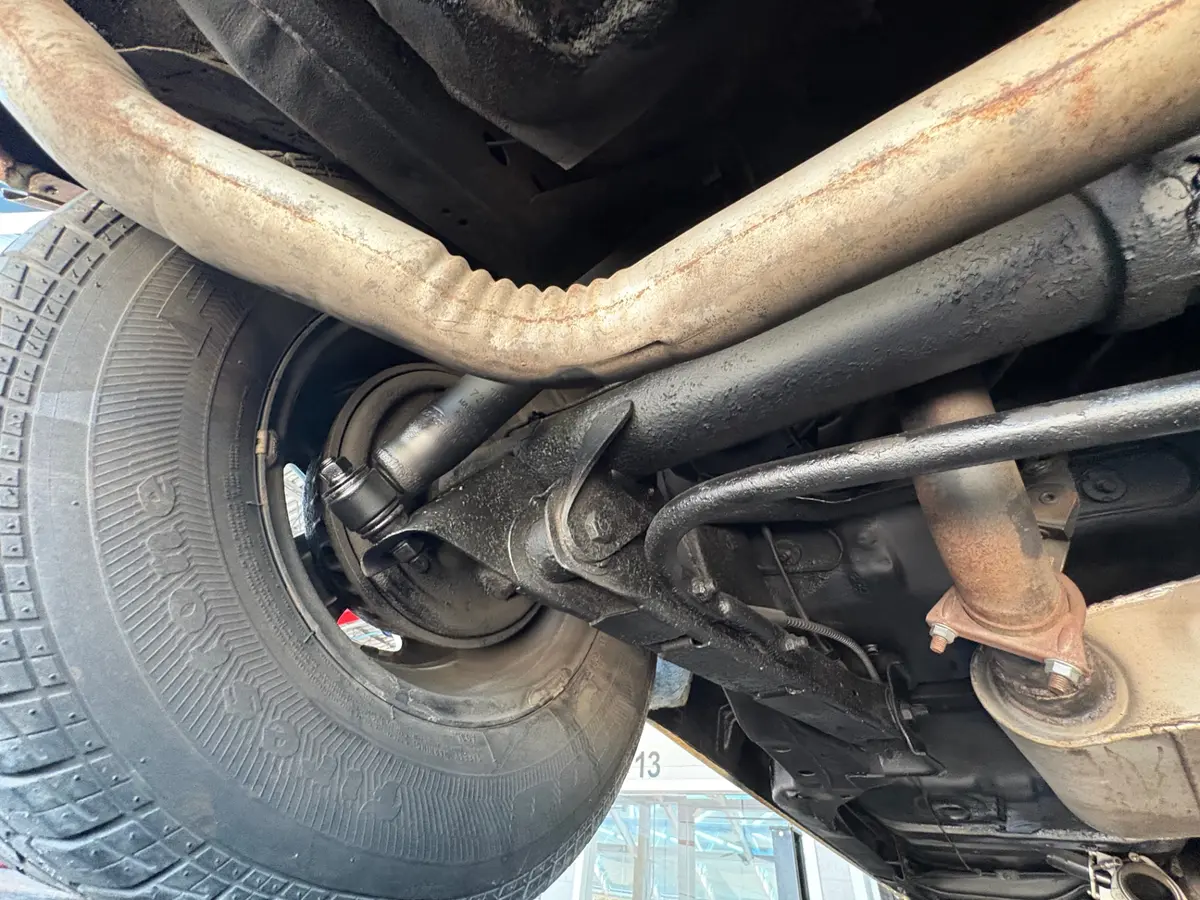
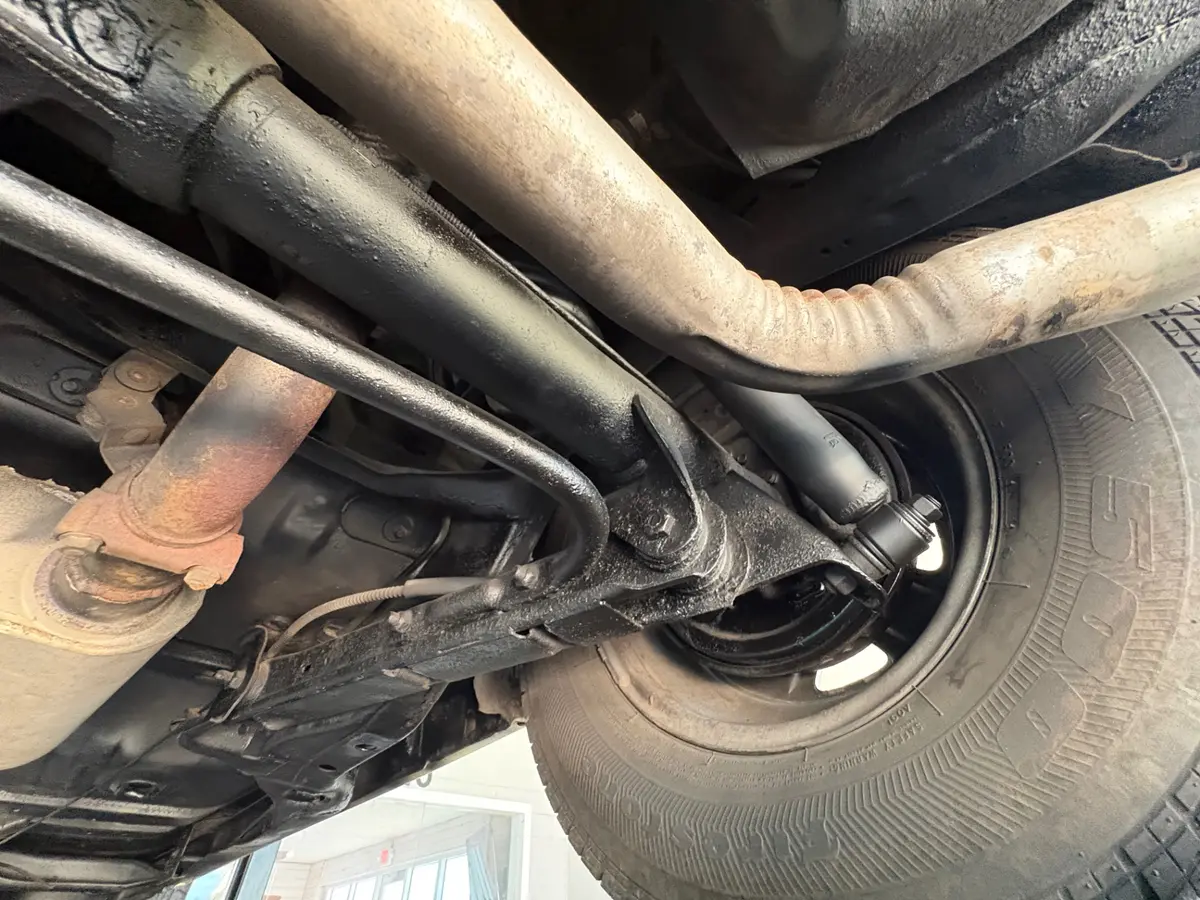
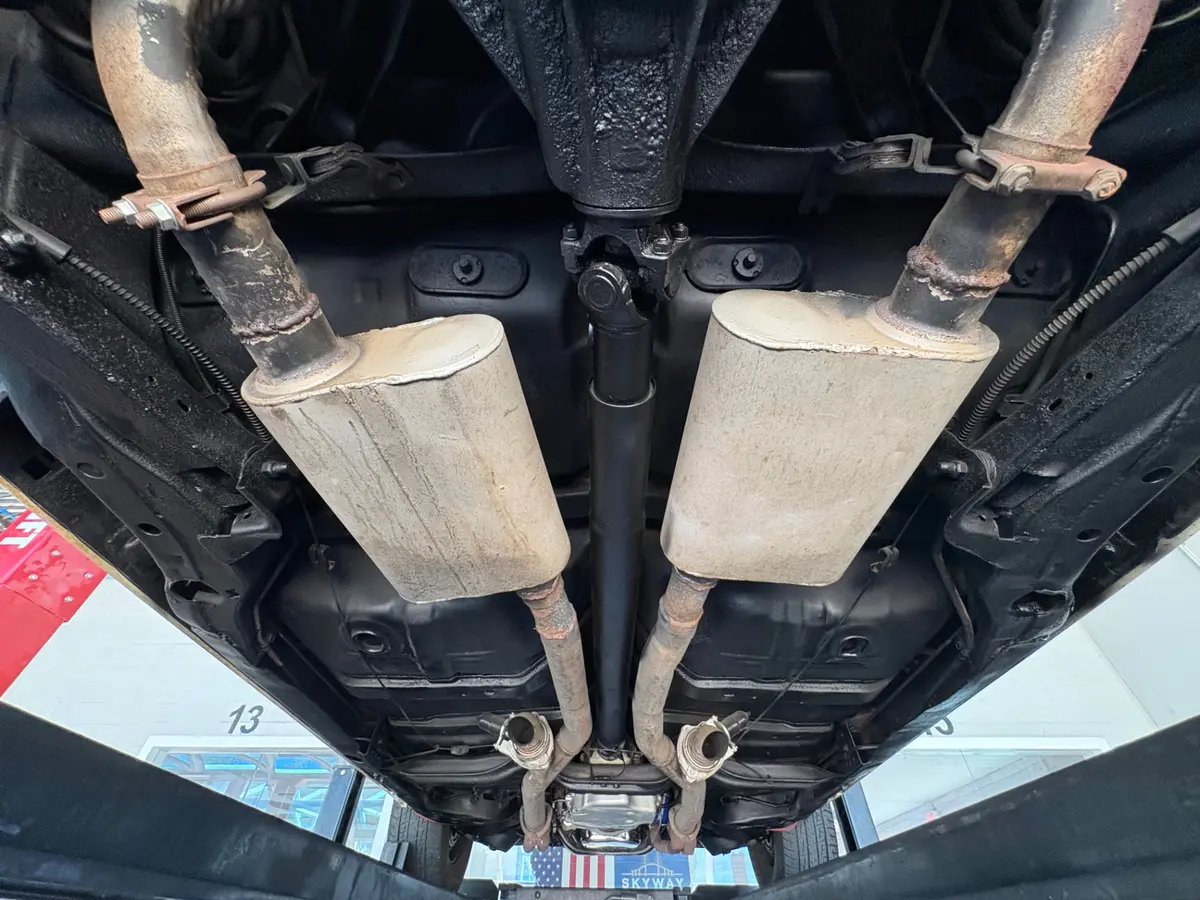
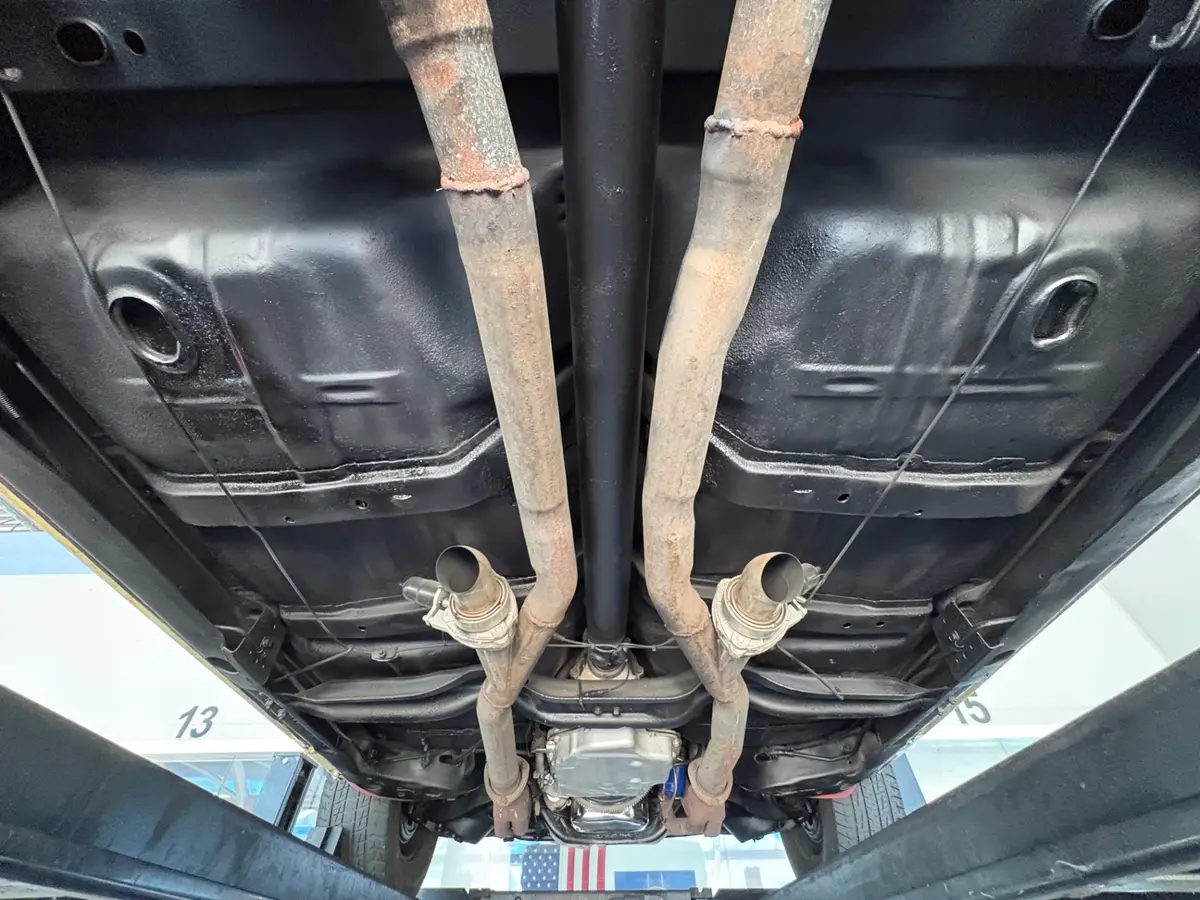
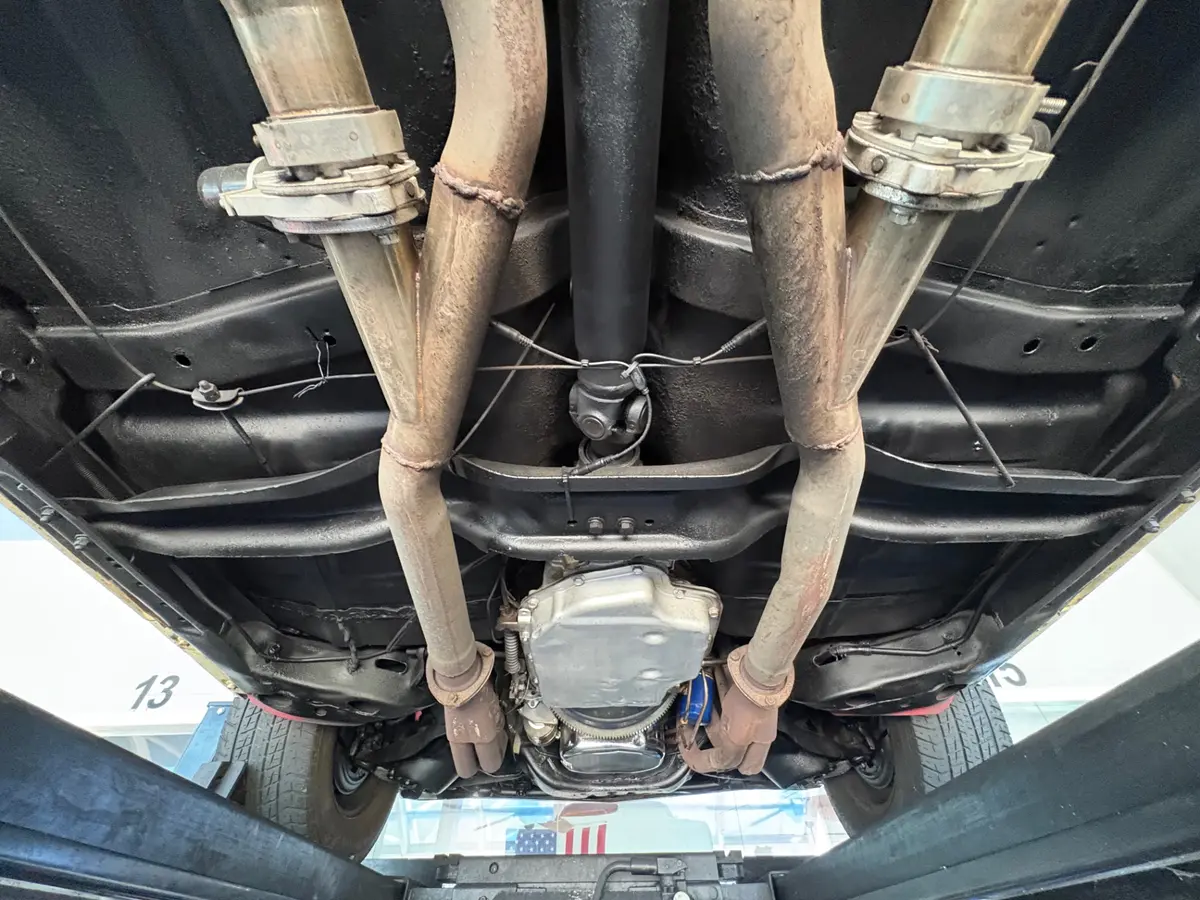
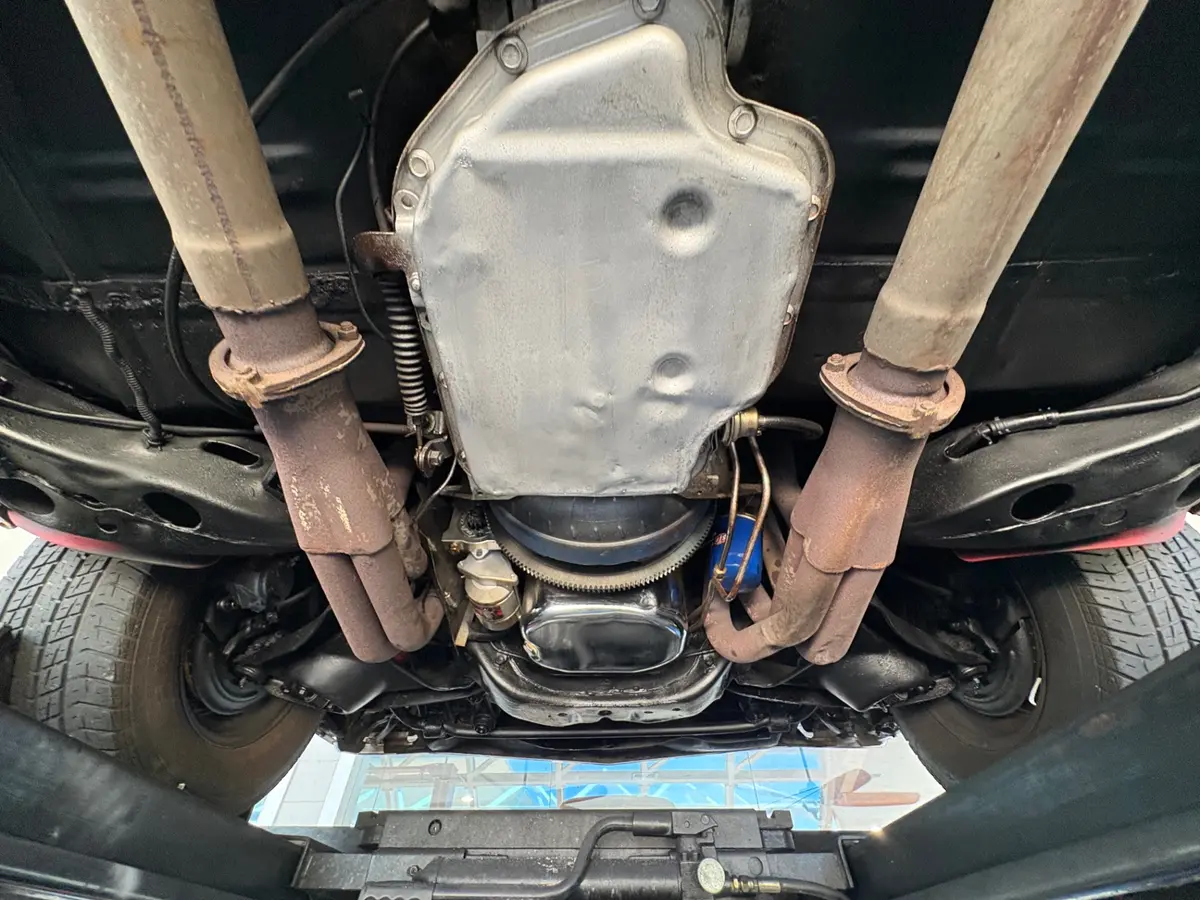
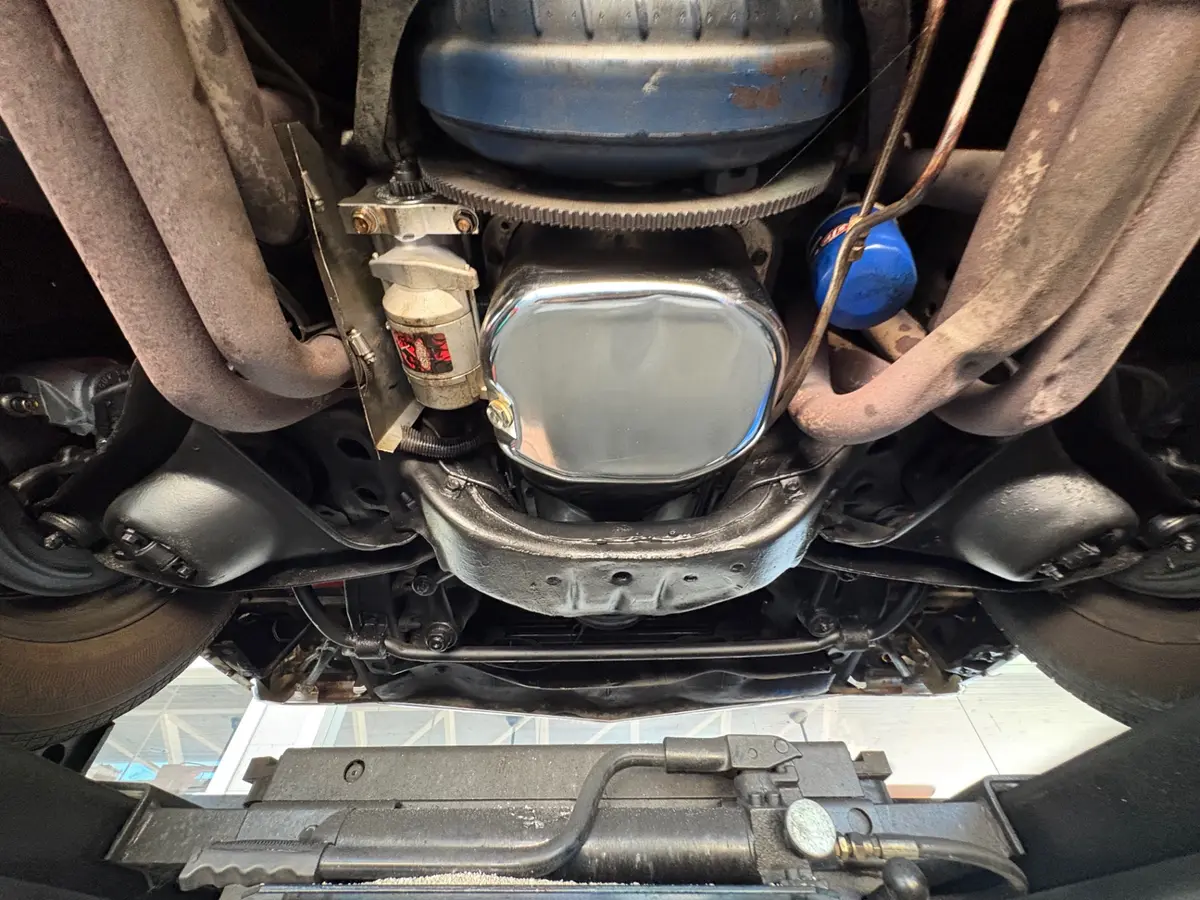
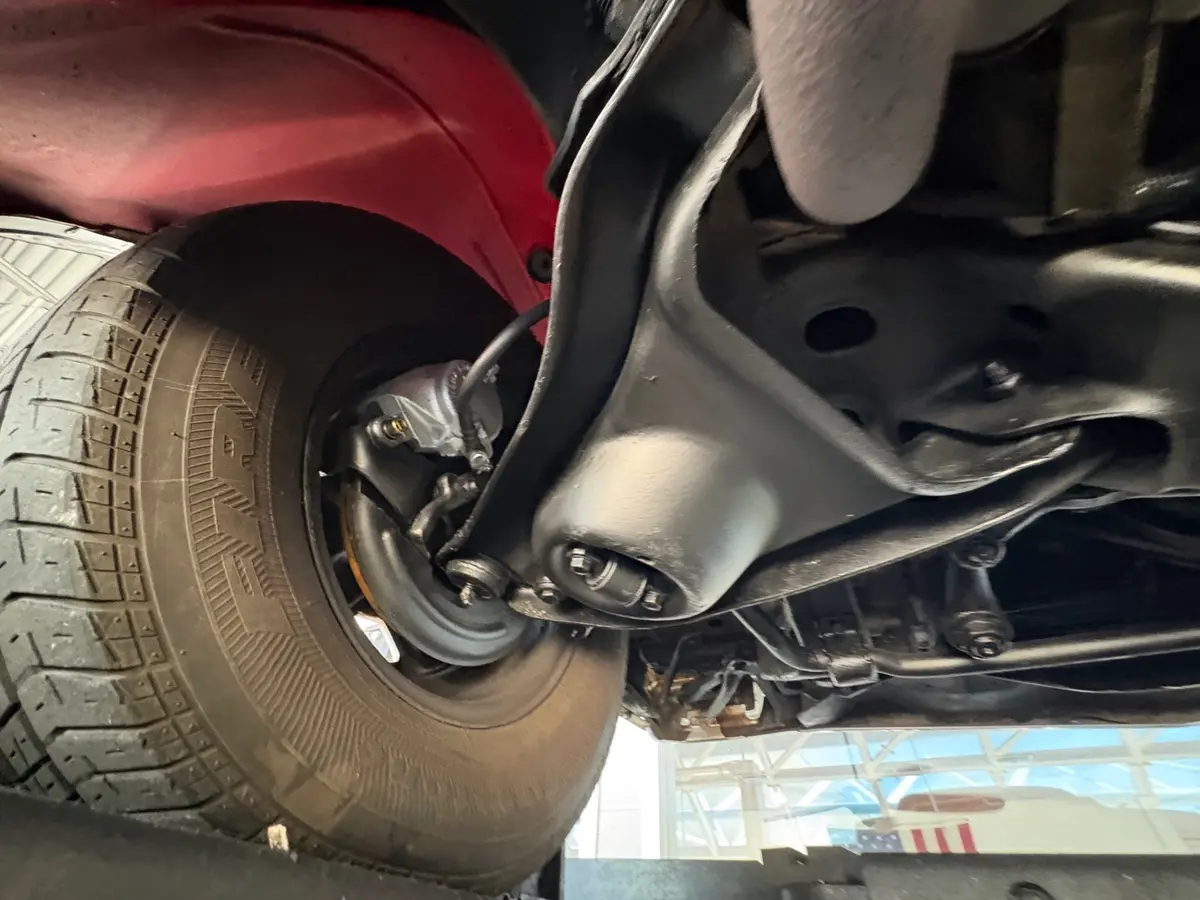
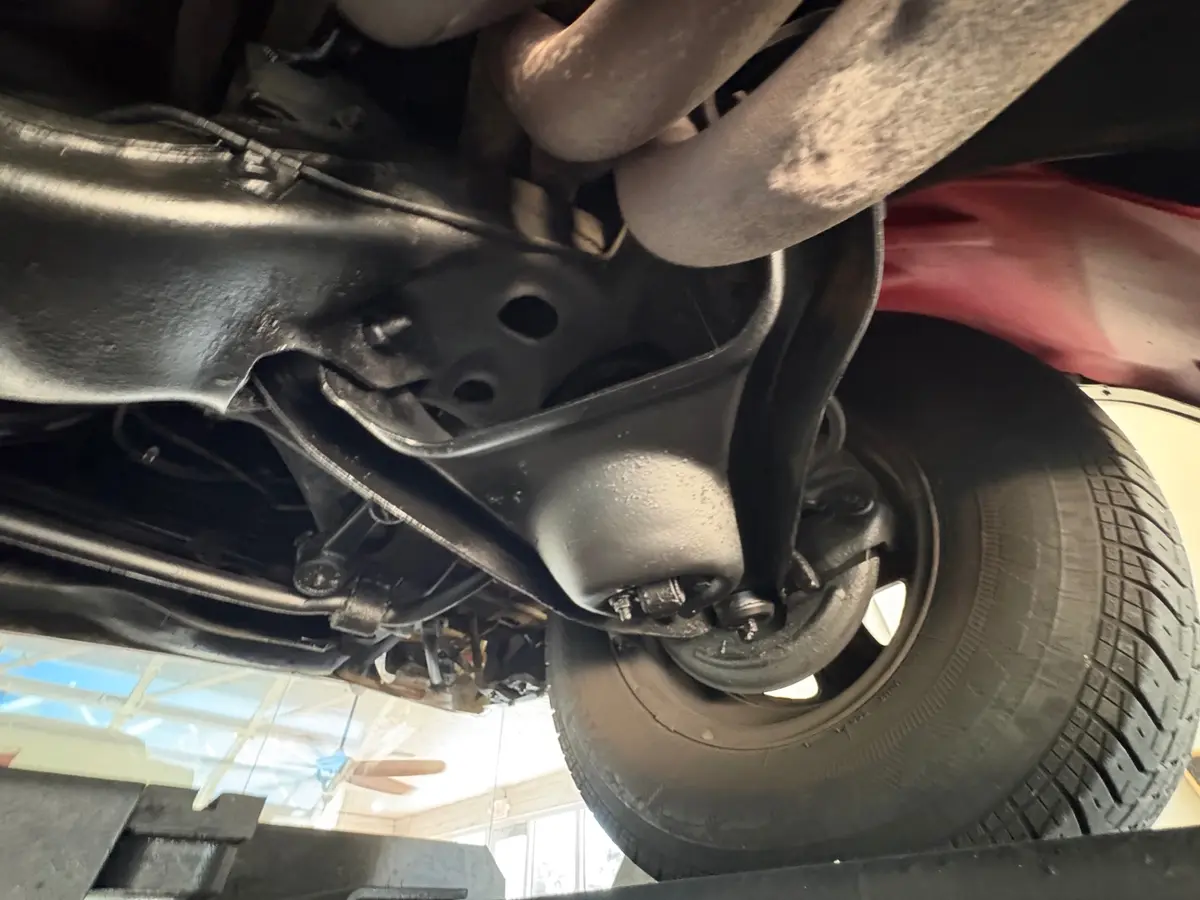
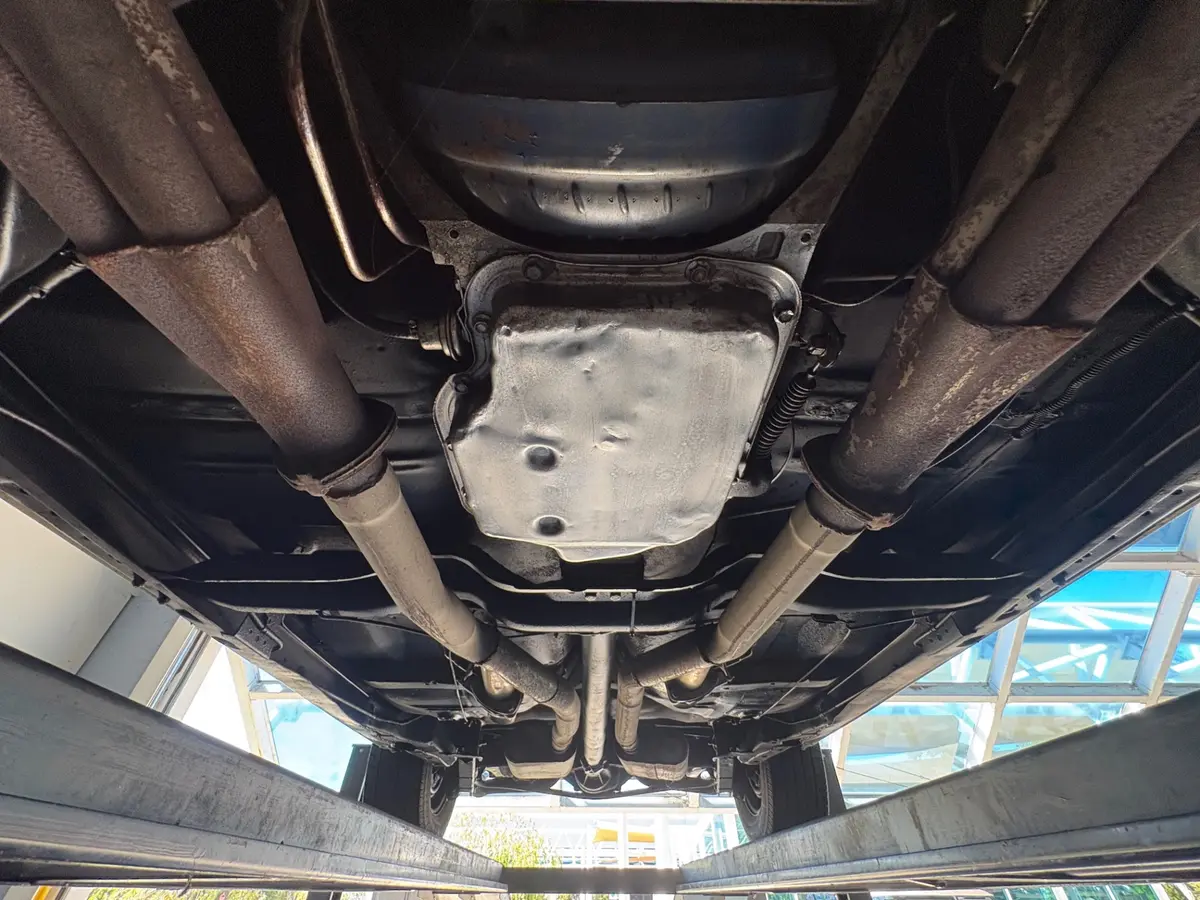
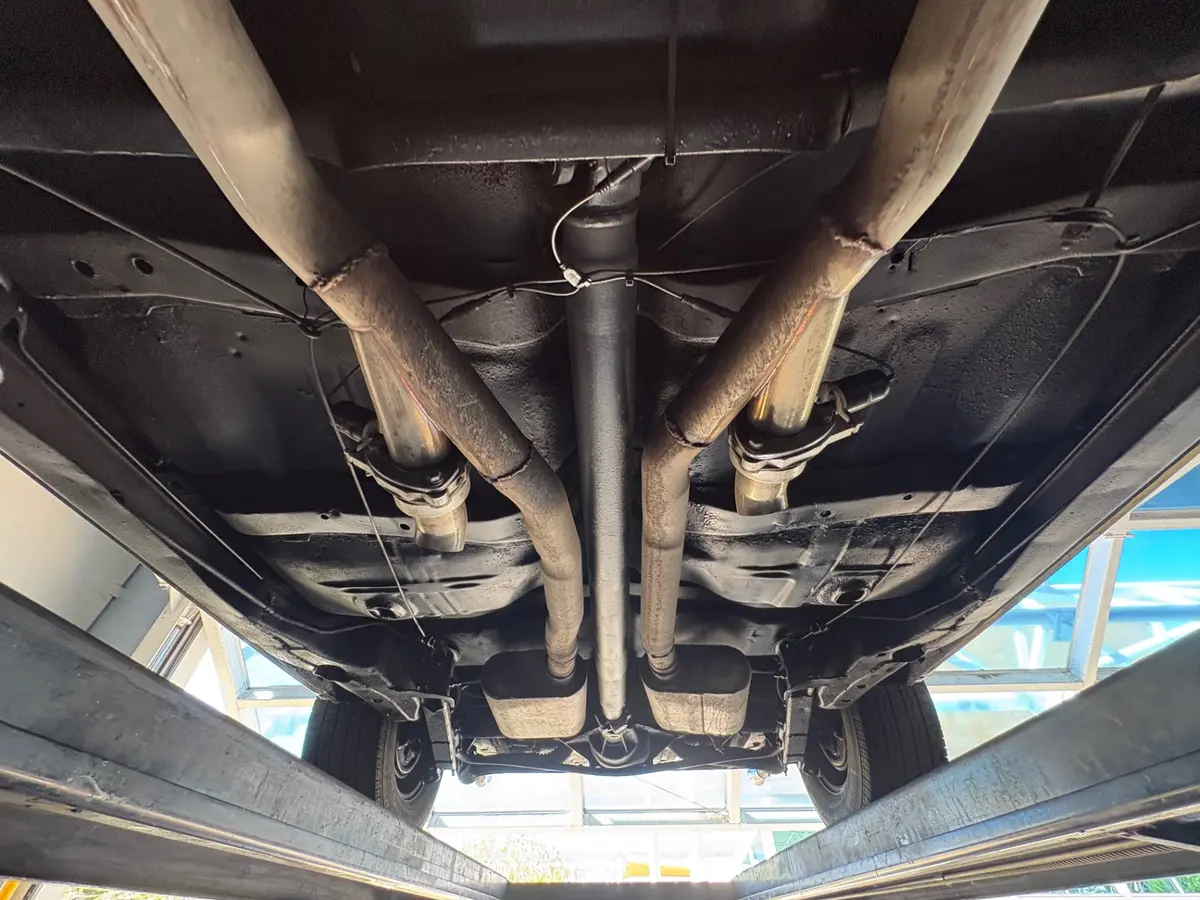
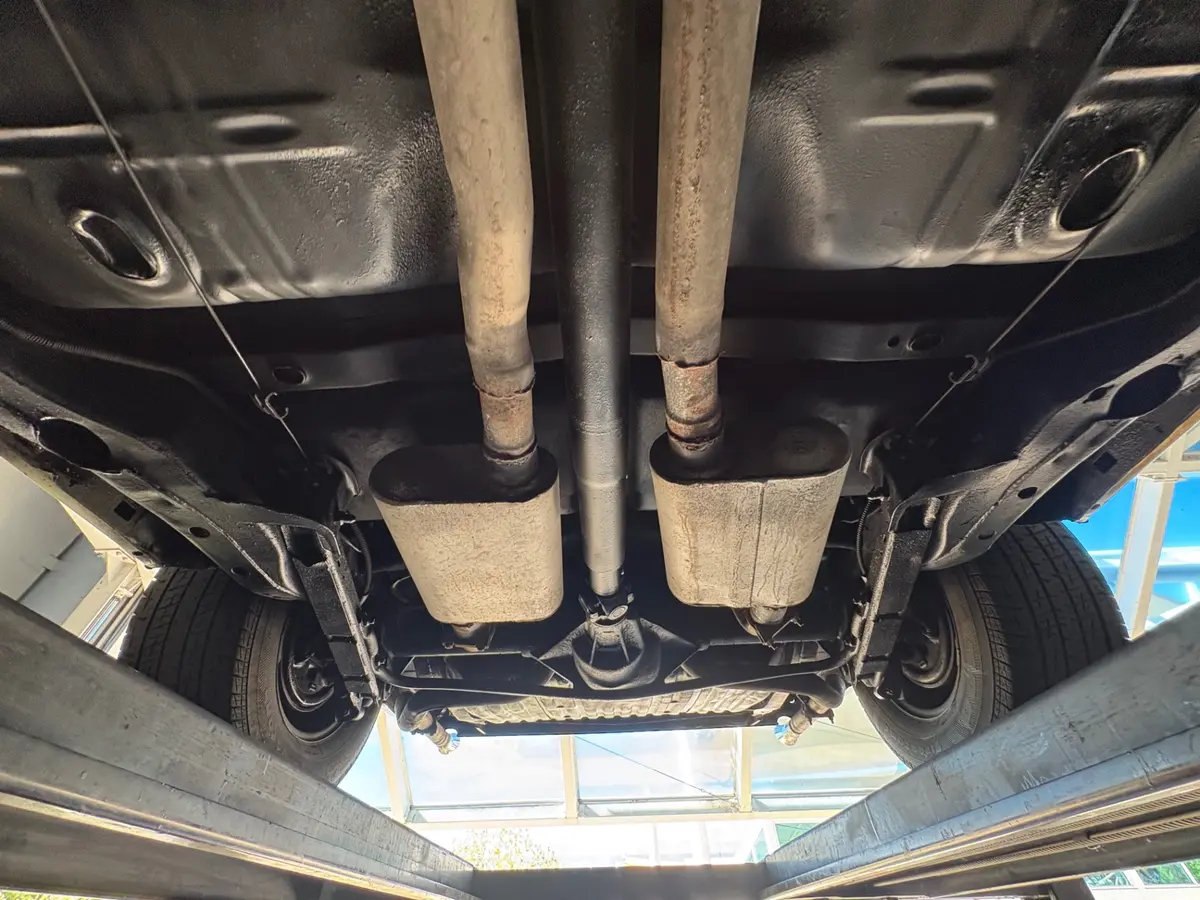
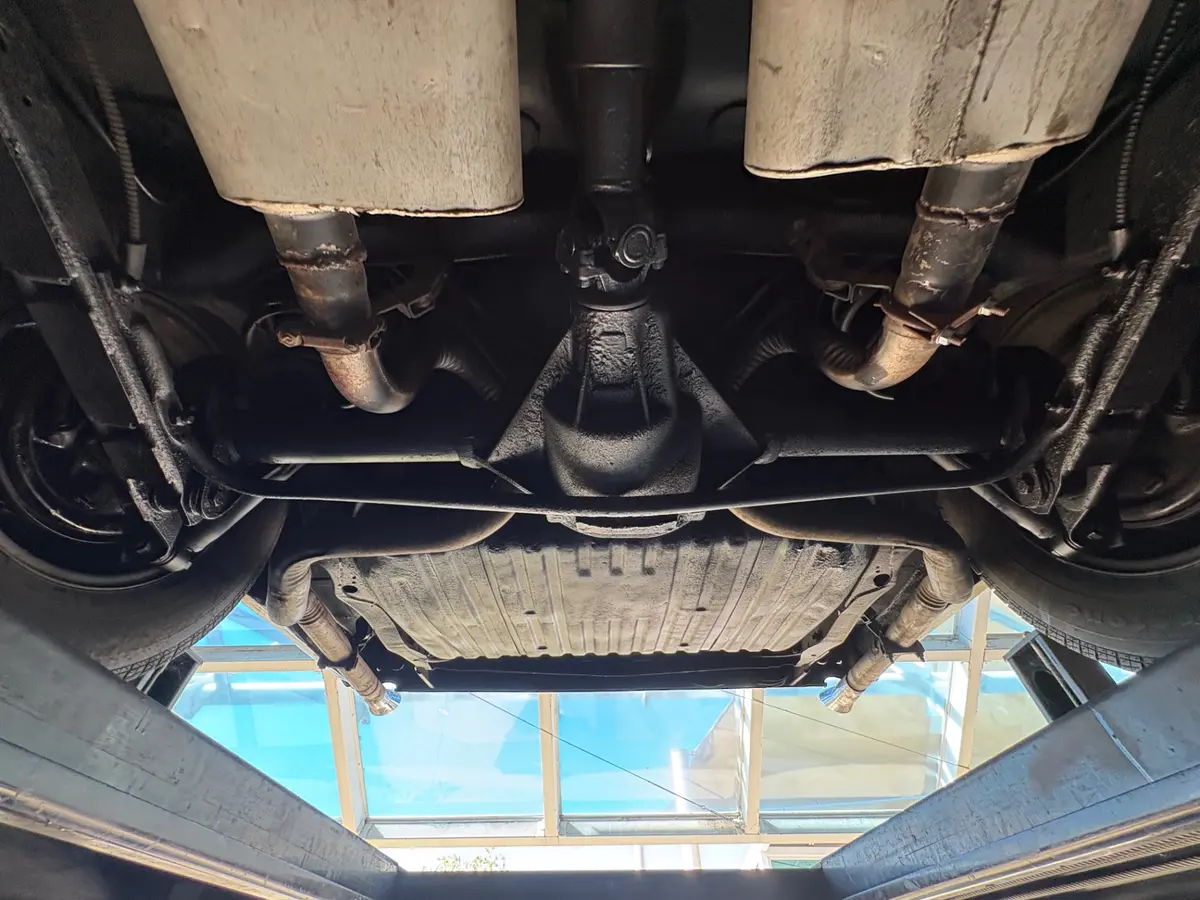
The exhaust system has been updated with Flowmaster mufflers plumbed into a dual exhaust configuration that exits through the rear bumper cutouts, which is period-correct in placement. Functional exhaust cutouts are also installed, which allow the driver to bypass the mufflers entirely when desired. Braking is handled by front discs and rear drums, a common and effective setup for the era that provides good pedal feel and reasonable stopping power. Power steering and power brakes are both present, making this a comfortable daily driver by vintage standards. An electric cooling fan has been added in place of the mechanical unit, which reduces parasitic drag on the engine and improves cooling efficiency at low speeds — a practical upgrade for Florida's climate. The undercarriage photographs show a clean, coated floor pan with no visible rust or structural concerns, which is a significant positive for a car of this age.
Interior
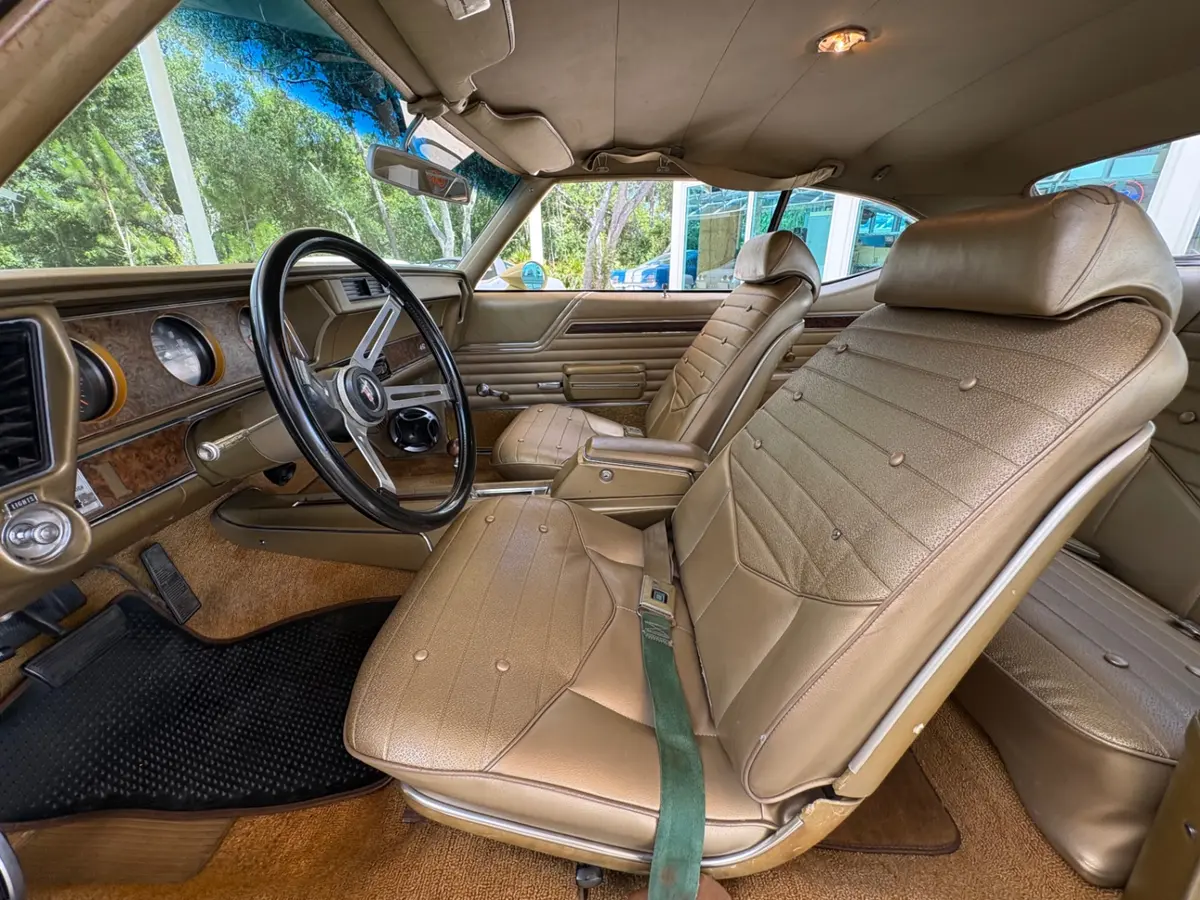
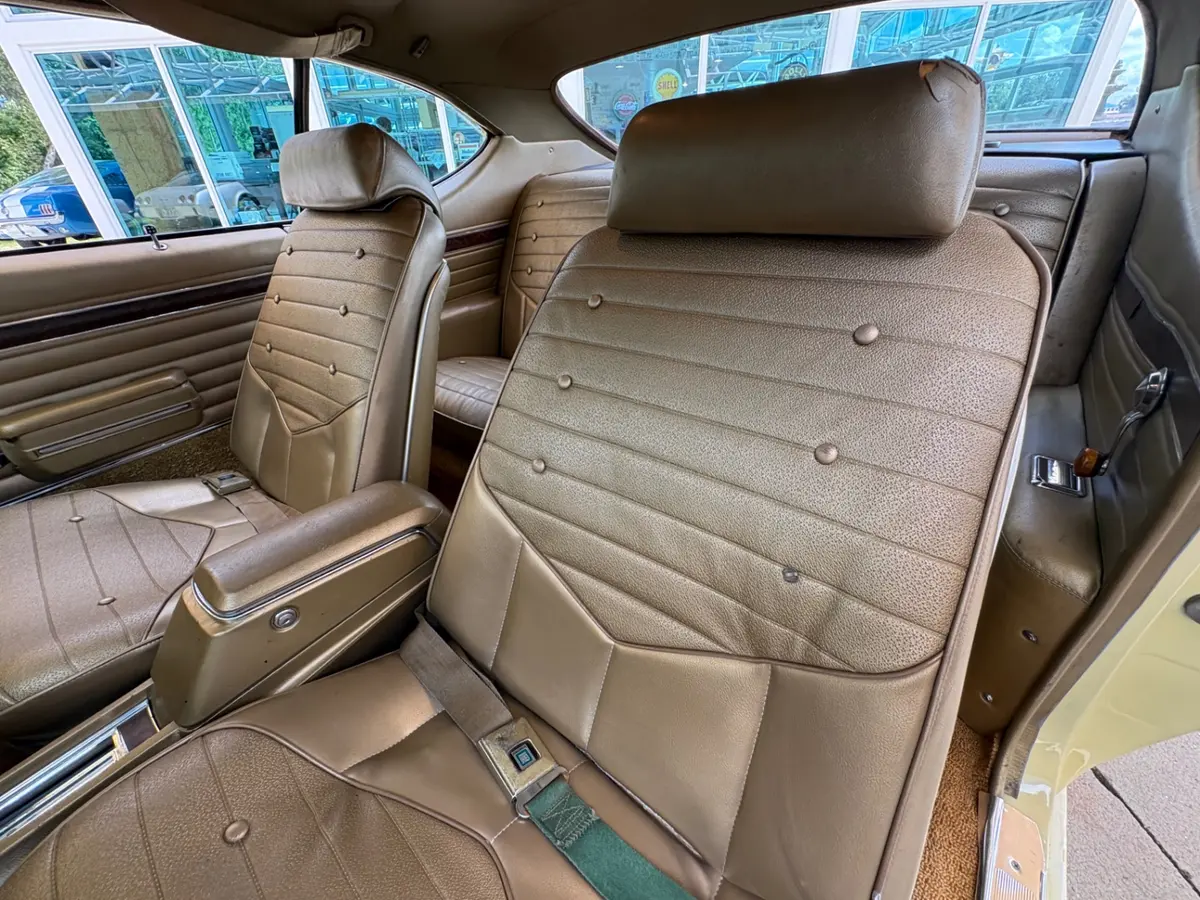
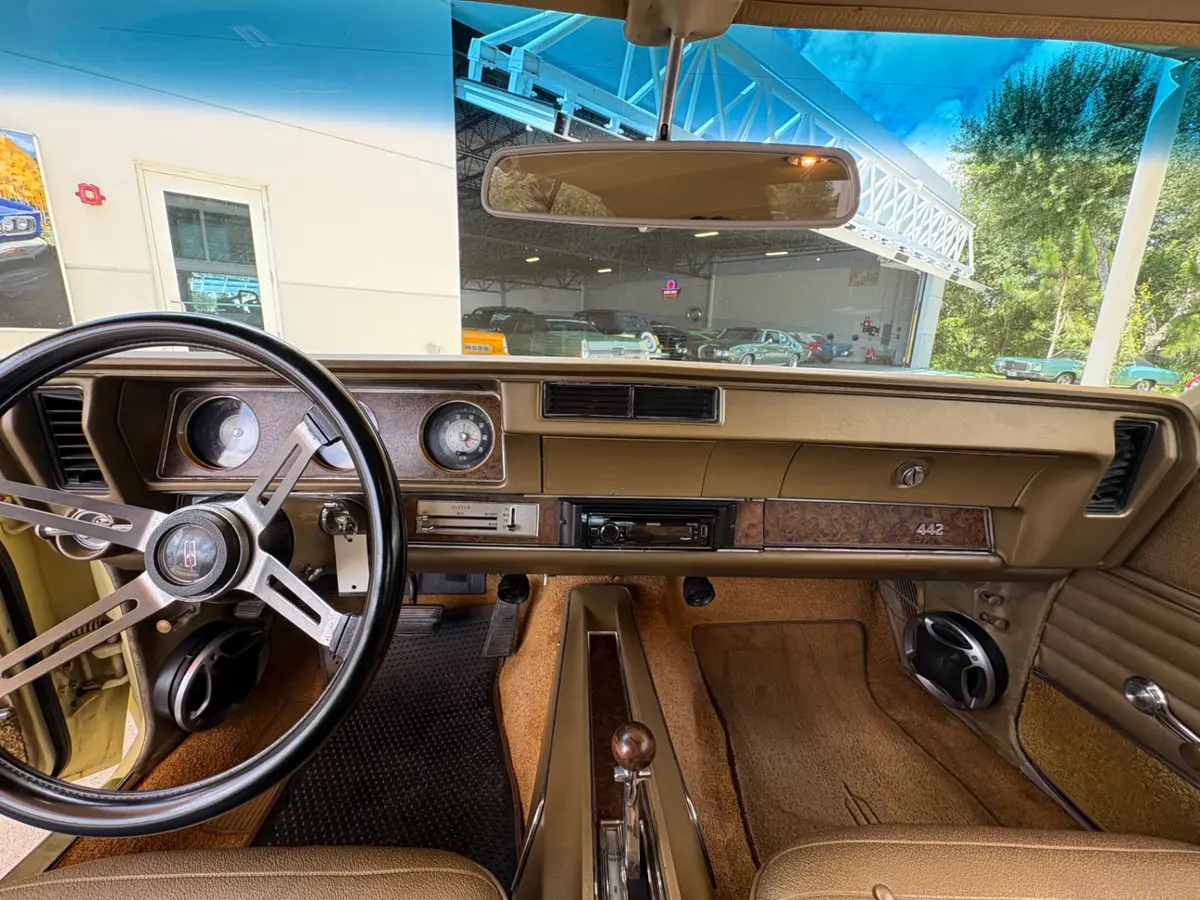
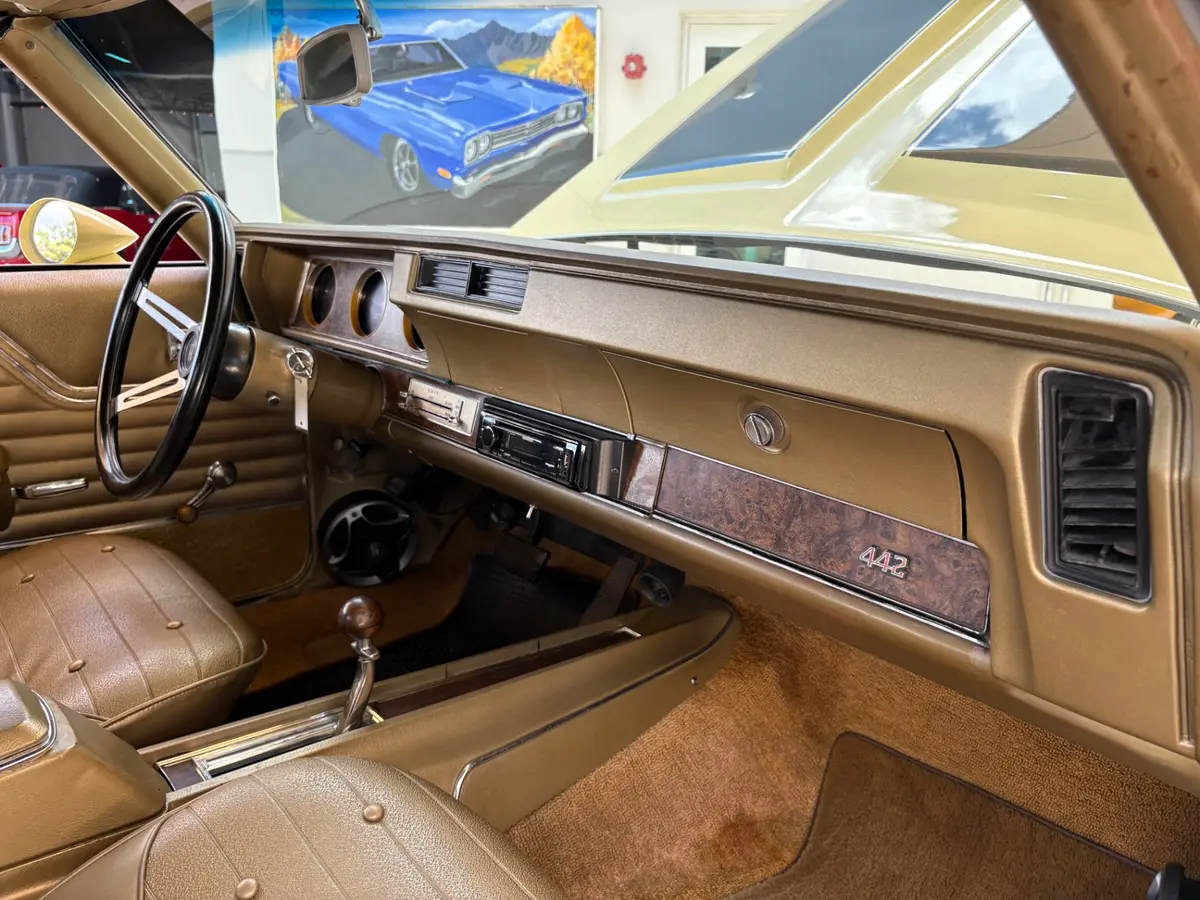
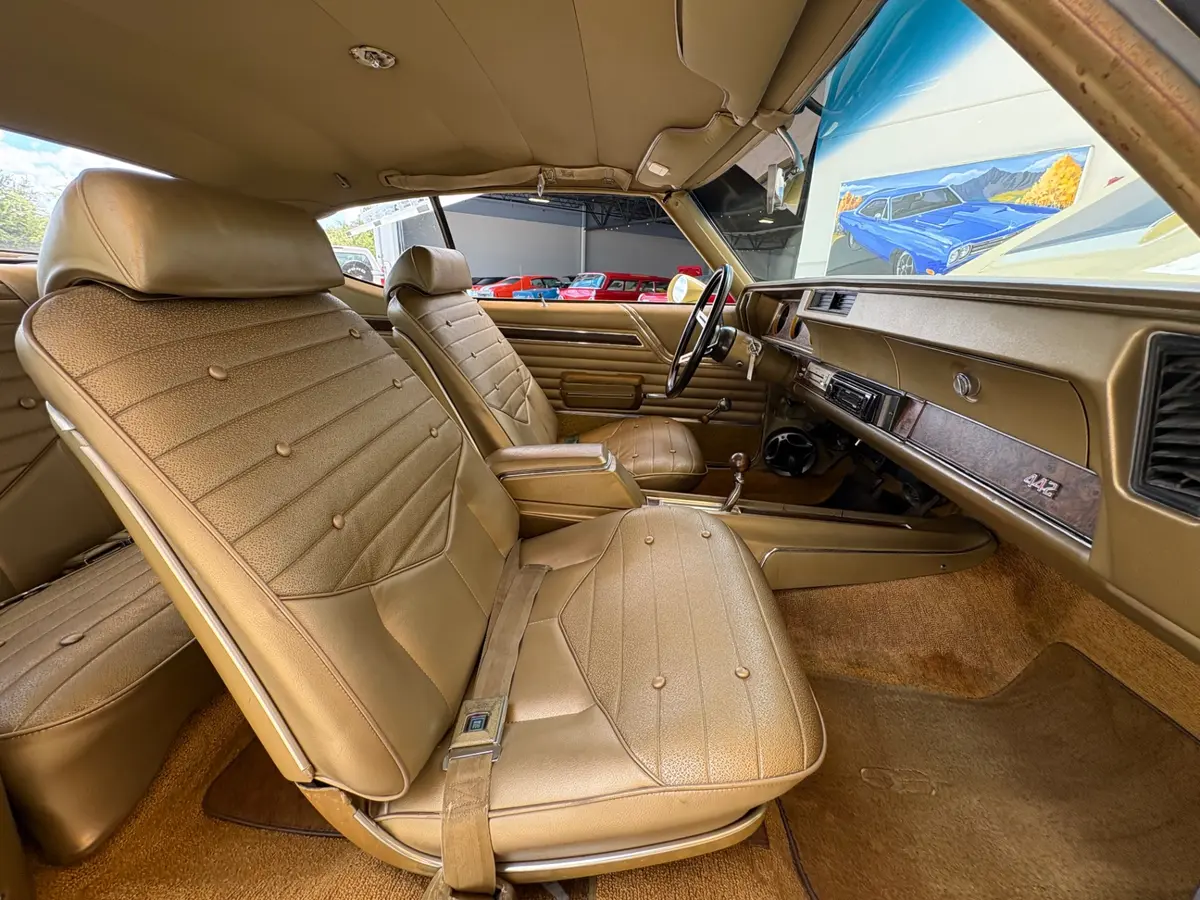
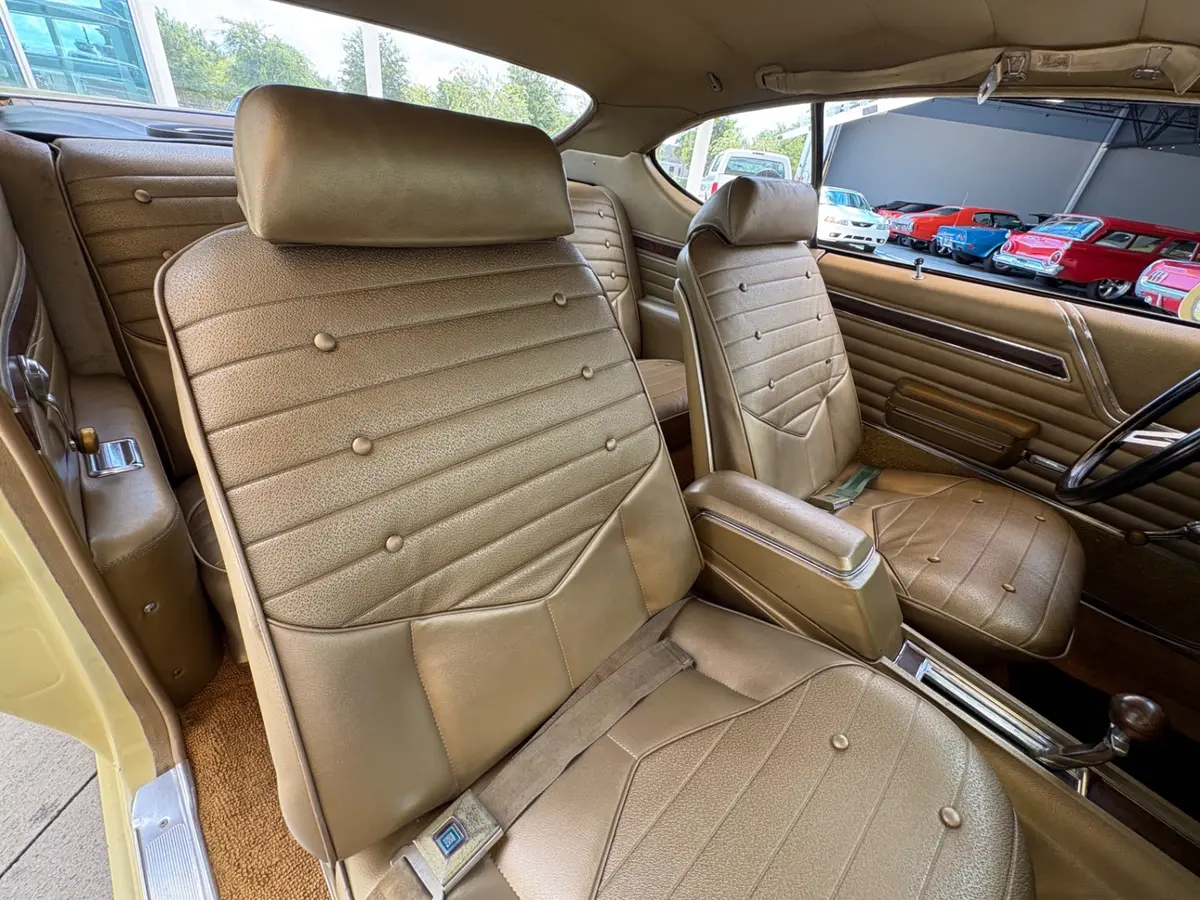
Step inside the 1970 Oldsmobile Cutlass and the tan vinyl interior is in solid condition throughout. The bucket seats are upholstered in the period-correct patterned vinyl with button accents, and both front buckets include integrated headrests that were federally mandated beginning with the 1969 model year. The center console runs the length of the floor between the front buckets and houses the TH400 floor shifter with its chrome housing. The woodgrain trim panels carry across the instrument cluster, center console, and door panels, a styling detail that was standard on the 442 package and gave the interior a slightly upscale character compared to the base Cutlass.
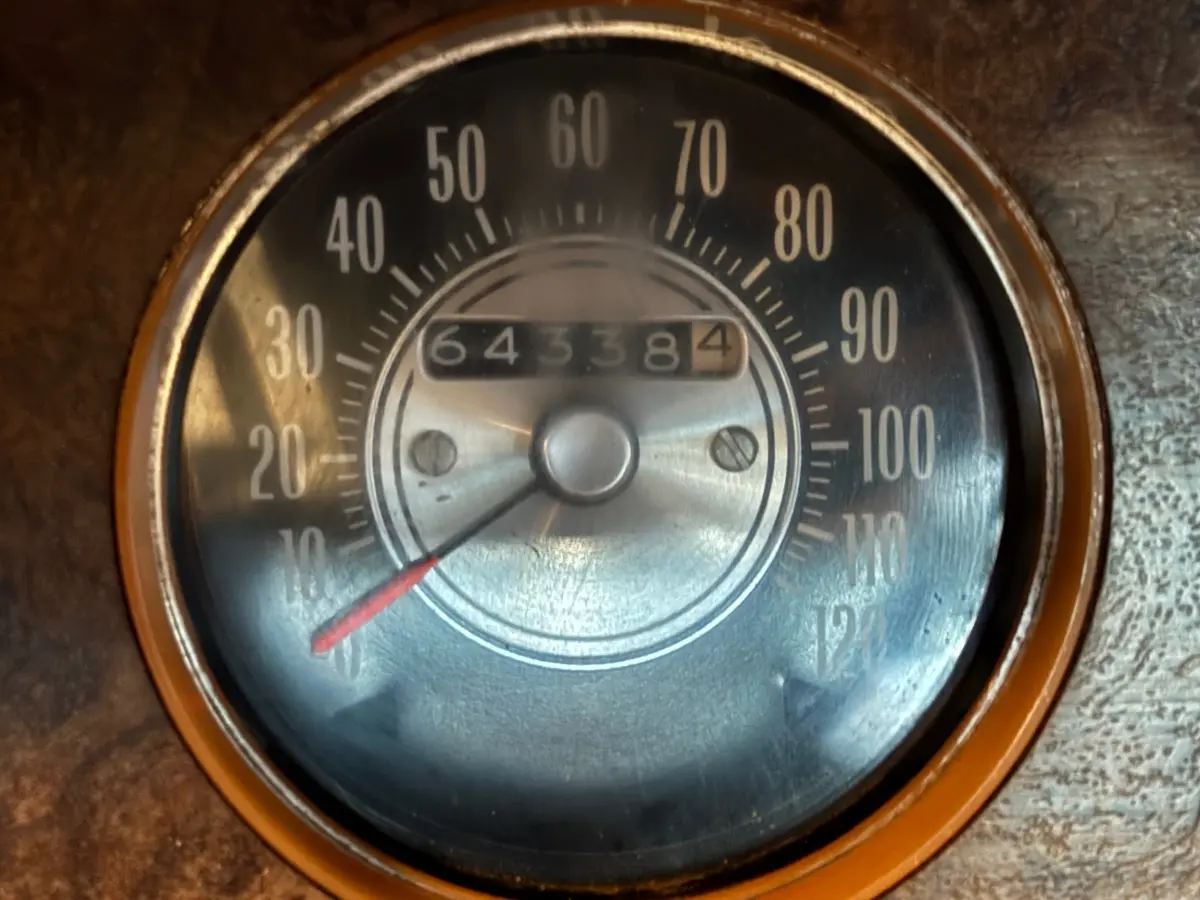
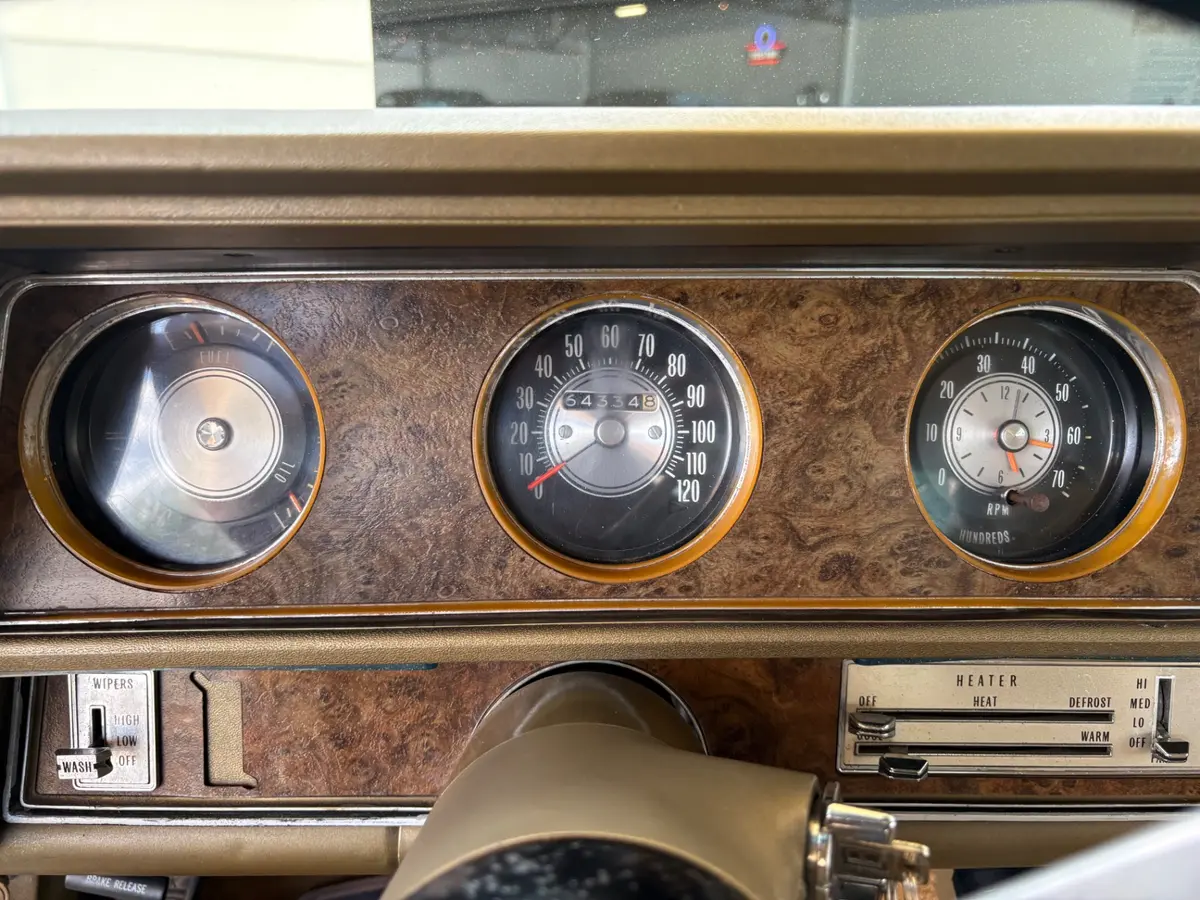
The instrument cluster is a three-gauge binnacle set into a woodgrain surround, housing a speedometer, fuel and oil gauge cluster, and a tachometer — the last of which is essential for a car making this much torque. The tach reads to 7,000 rpm. The odometer in the dash photos shows 64,348 miles. The sport steering wheel is a three-spoke design with the Oldsmobile rocket emblem centered in the hub, and it fills the driver's hands correctly for a car in this class.
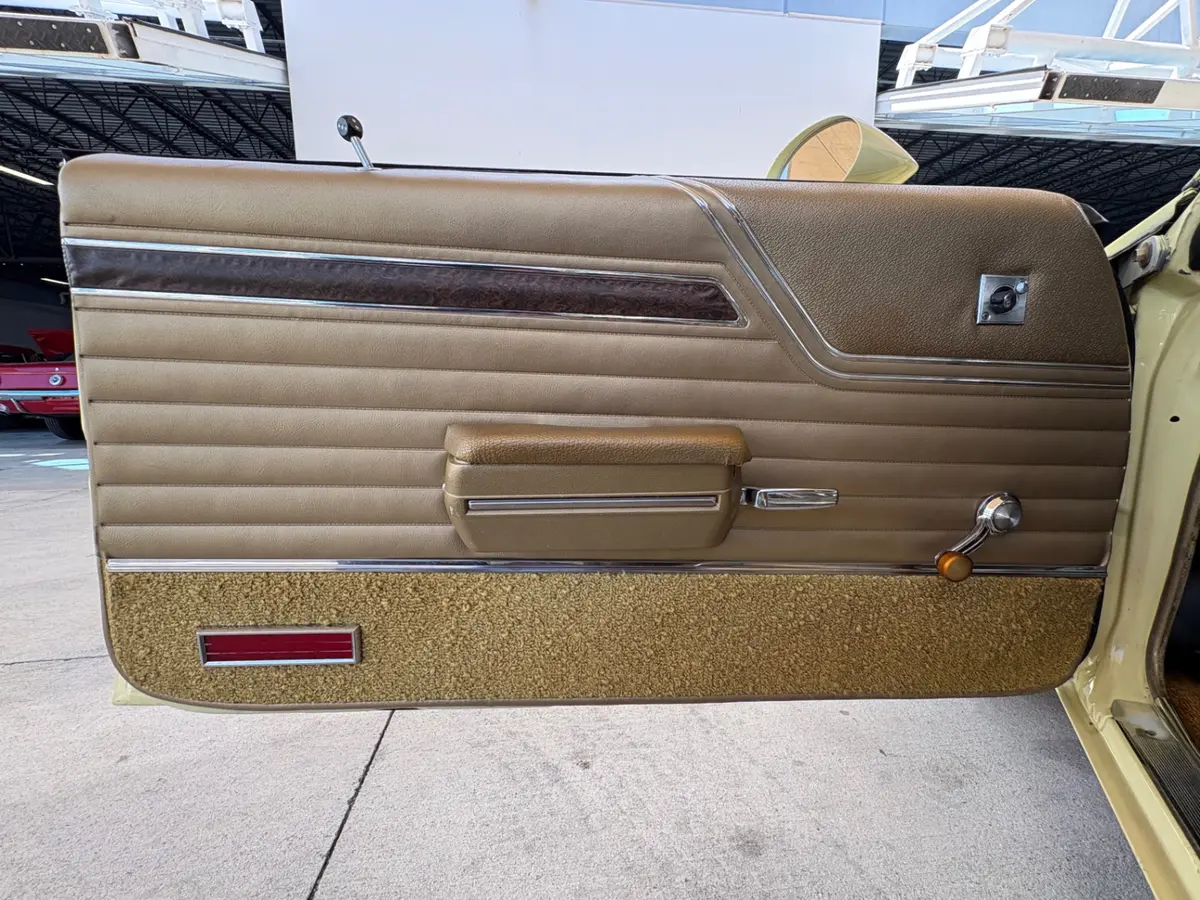
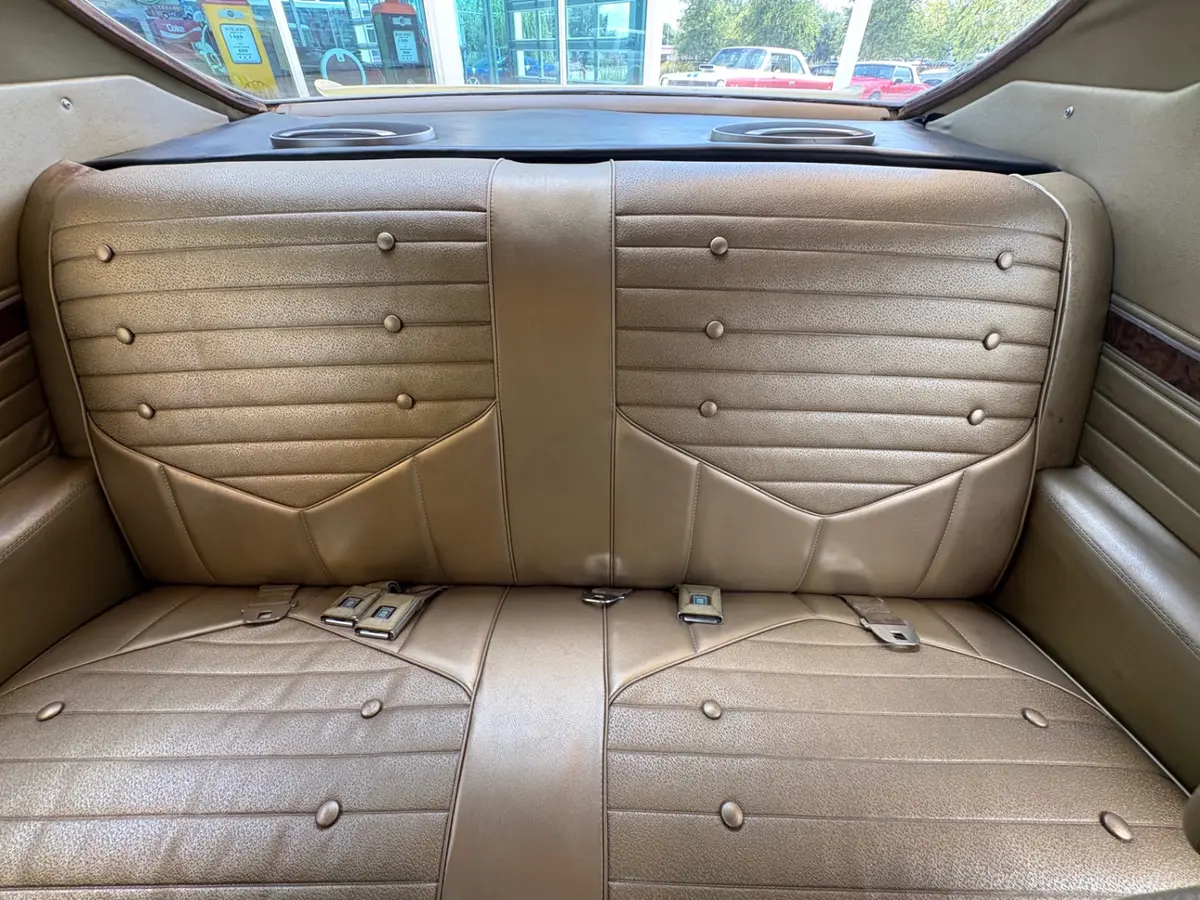
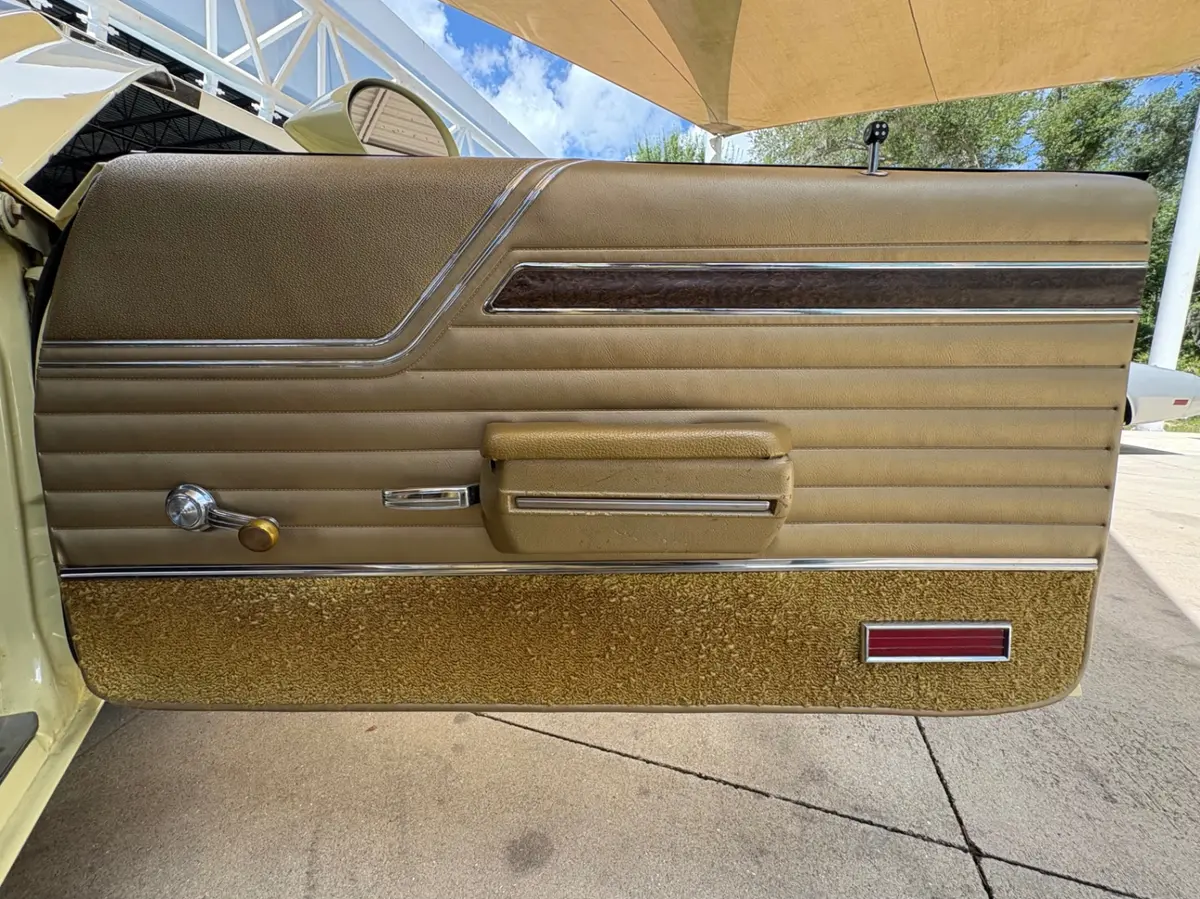
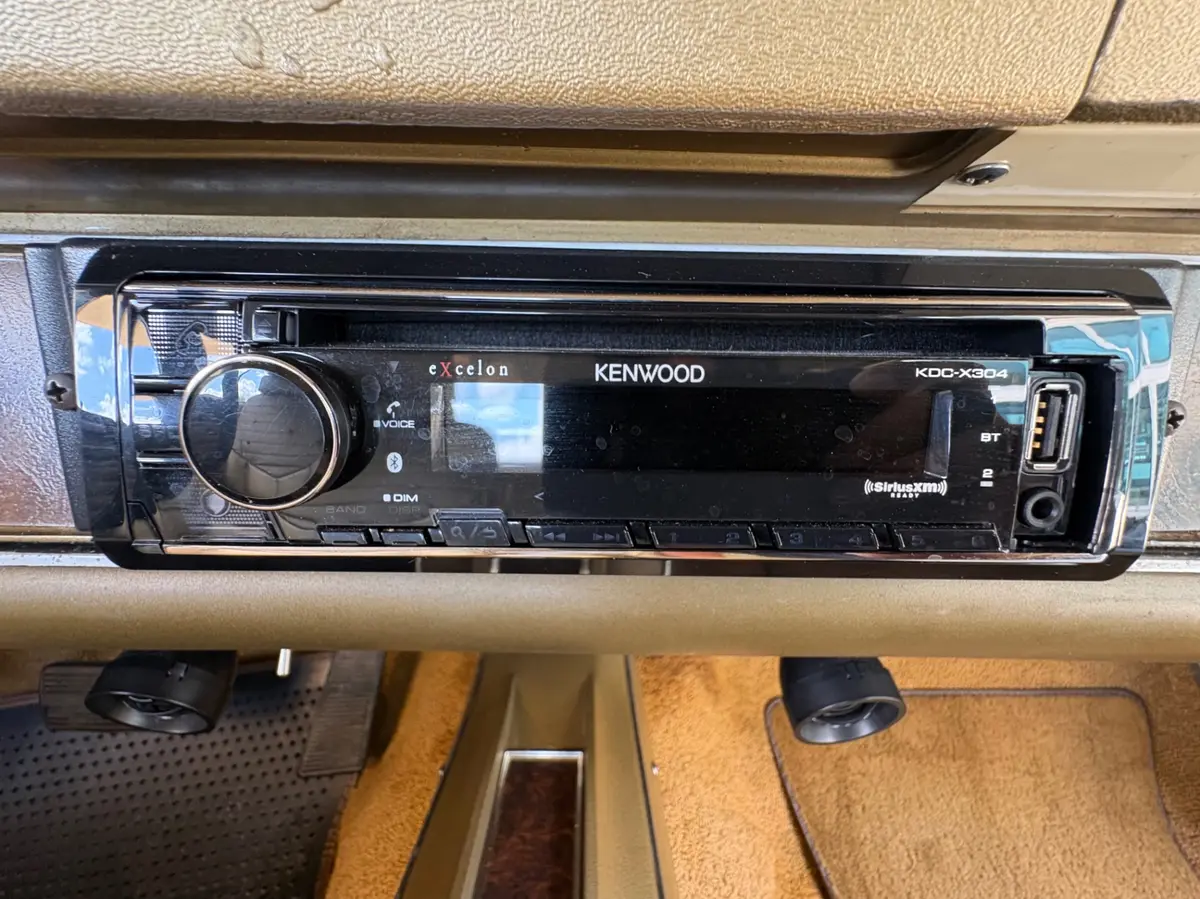
The Kenwood Excelon KDC-X304 head unit has been fitted into the factory dash opening cleanly. It supports Bluetooth audio streaming, USB input, and a 3.5mm auxiliary input, so modern devices connect without any modification to the car's appearance from the outside. The rear seat is a full bench in matching tan vinyl with the same button-pattern upholstery as the fronts, and it presents well with no visible tears or heavy wear. Door panels are intact with the factory chrome and woodgrain accent strips in good shape.
Exterior
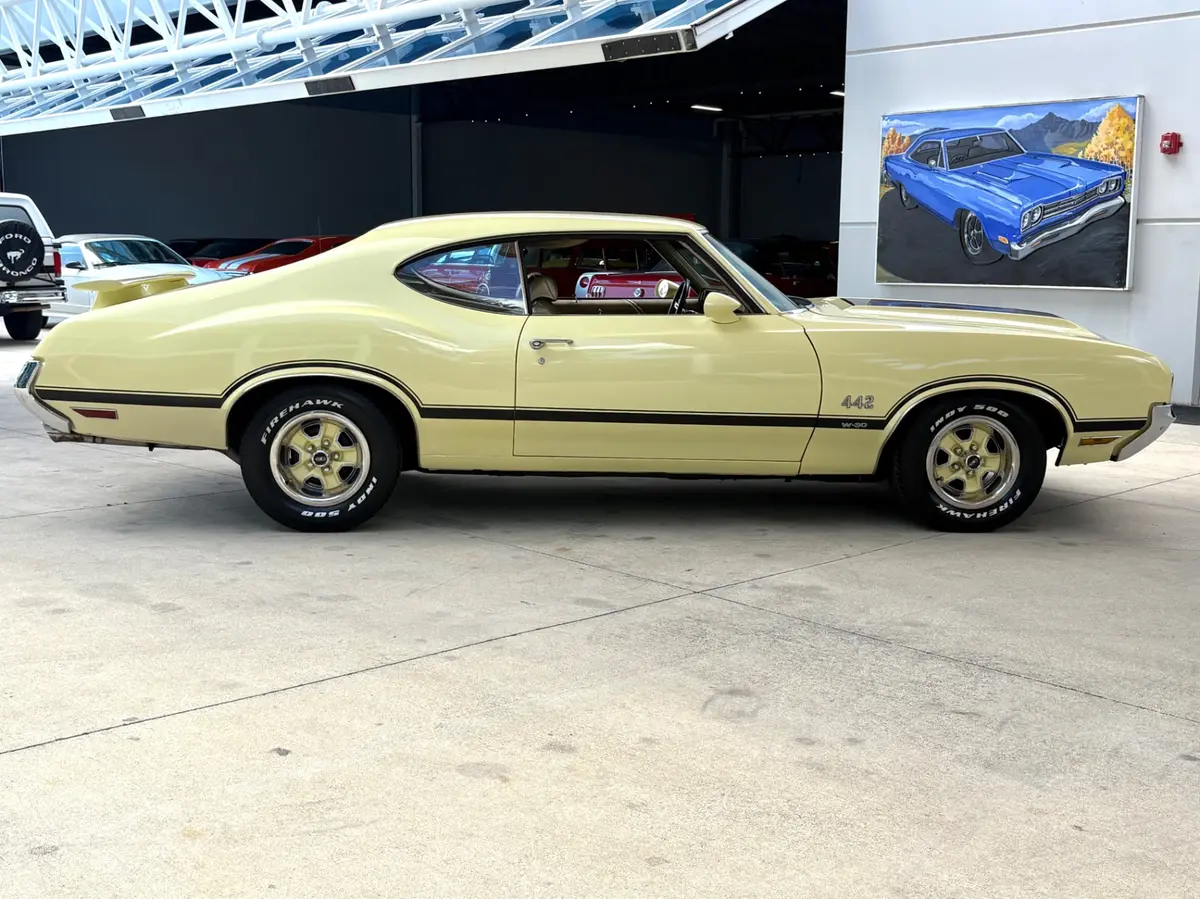
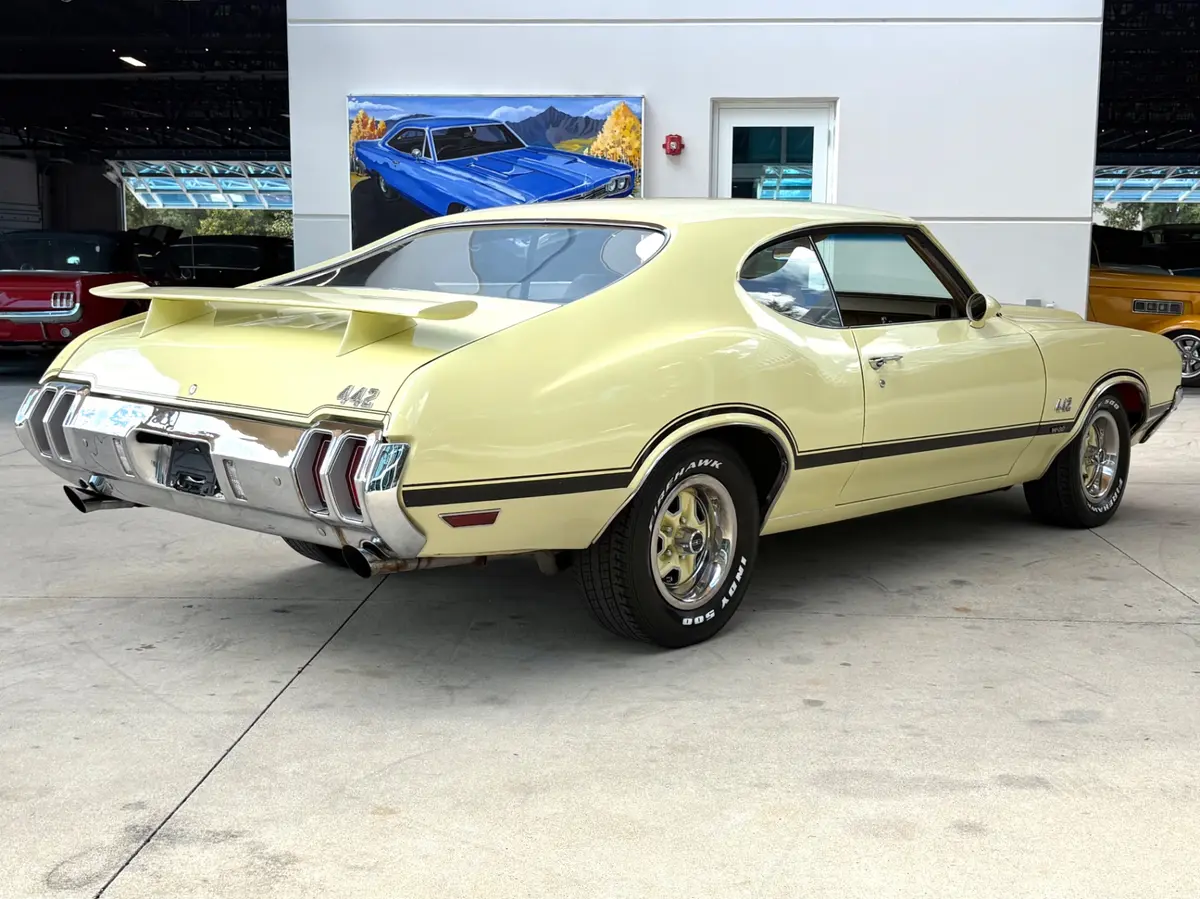
The 1970 Oldsmobile Cutlass two-door hardtop body style is one of the cleaner designs of the A-body generation. The long hood, short rear deck, and wide C-pillar give it a proportional look that ages better than many of its contemporaries. This example is finished in Soft Yellow, a lighter, almost pastel shade that was available on Oldsmobile products during this period and works particularly well against the black hood stripes and body side graphics. The combination is visually correct for a W-30 or 442-equipped Cutlass of this era.
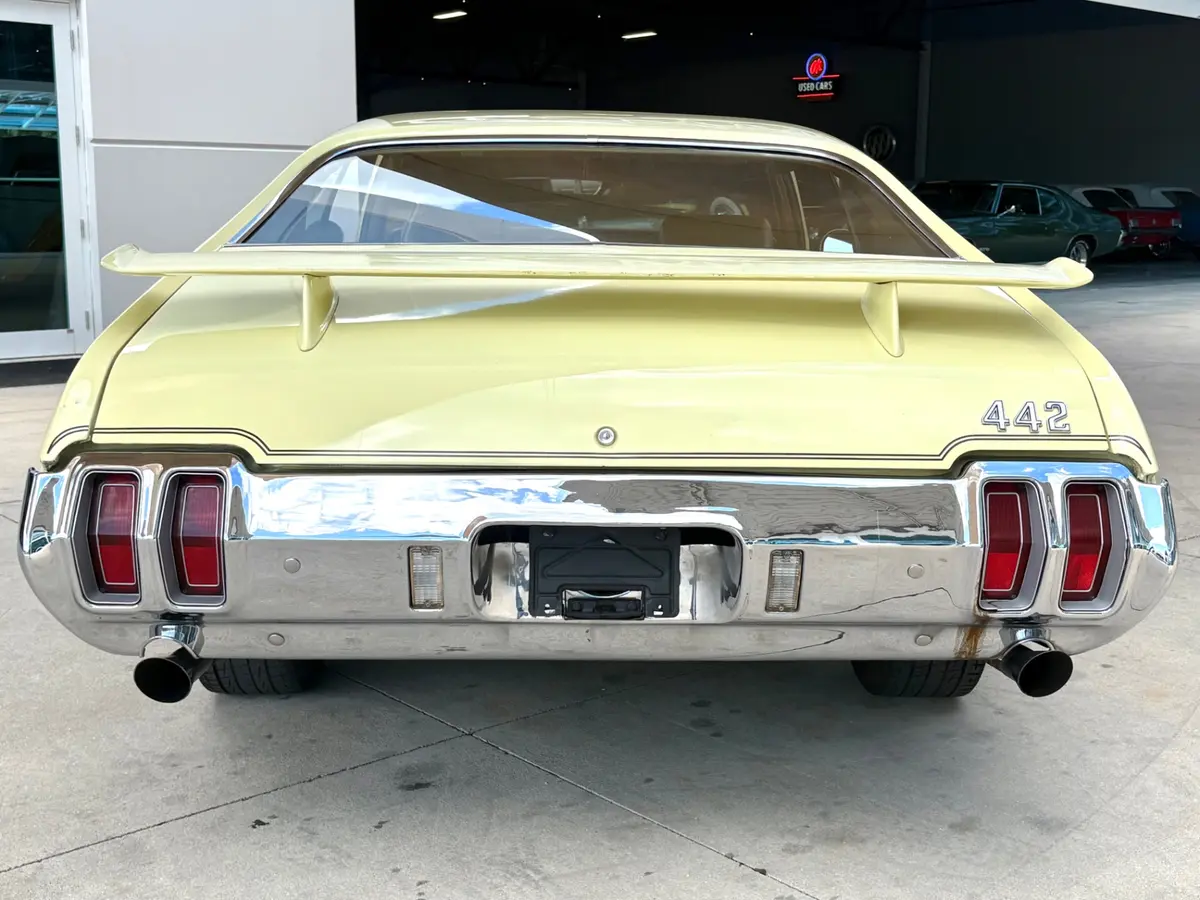
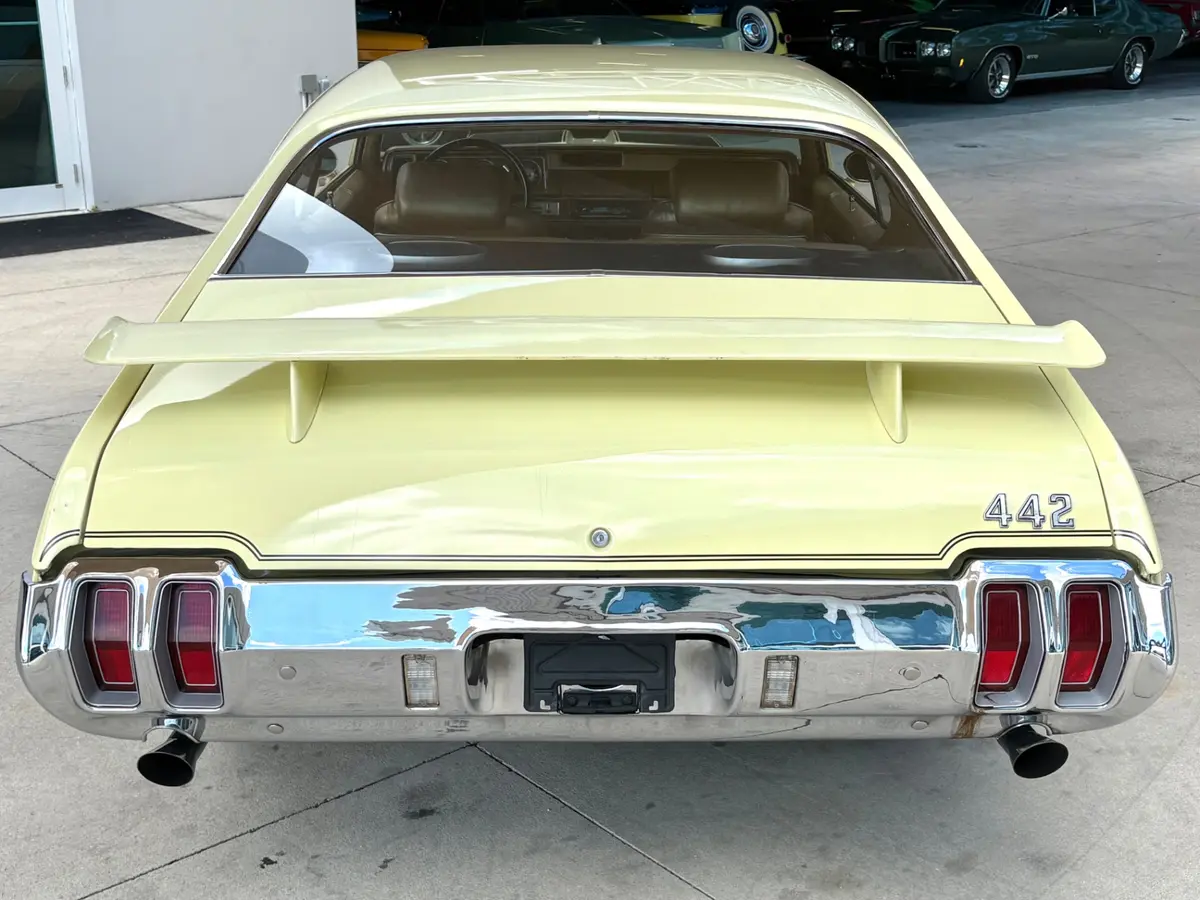
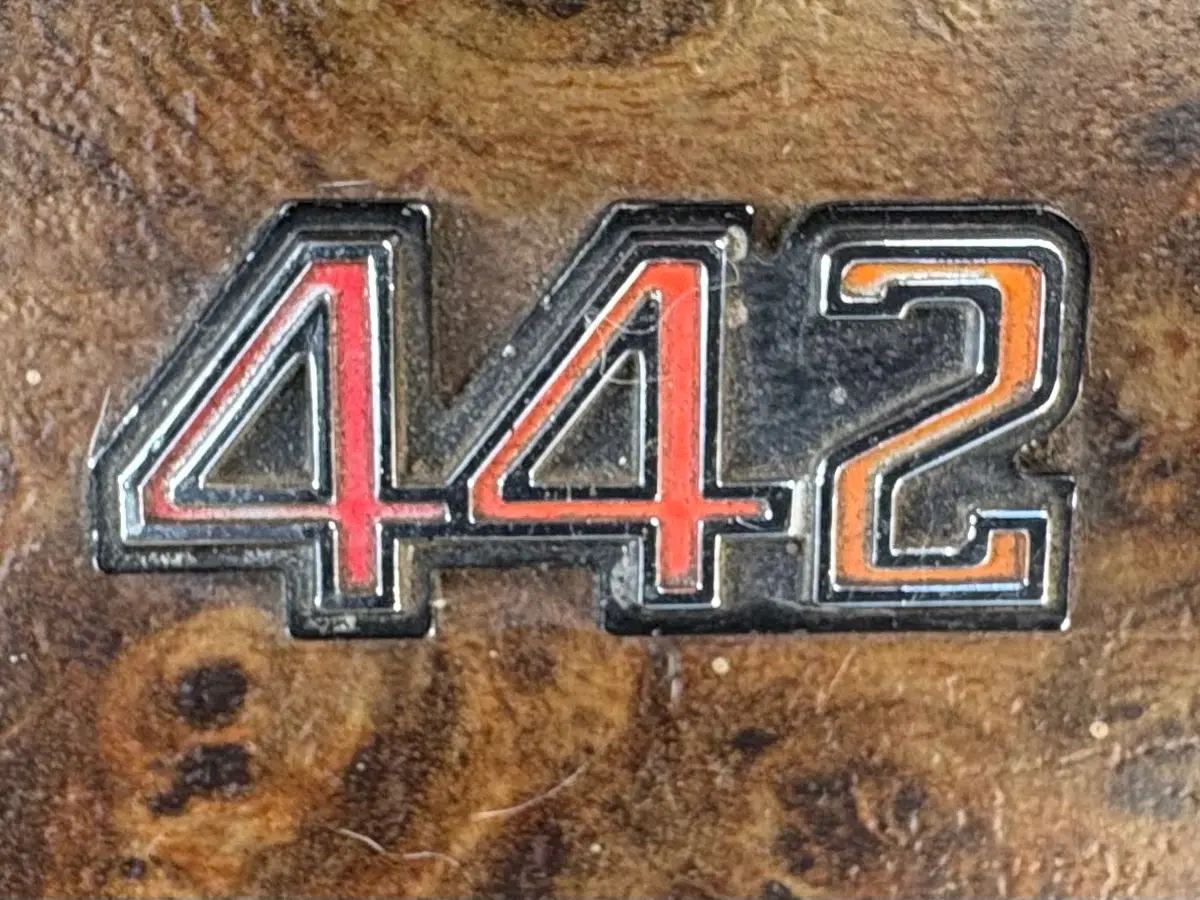
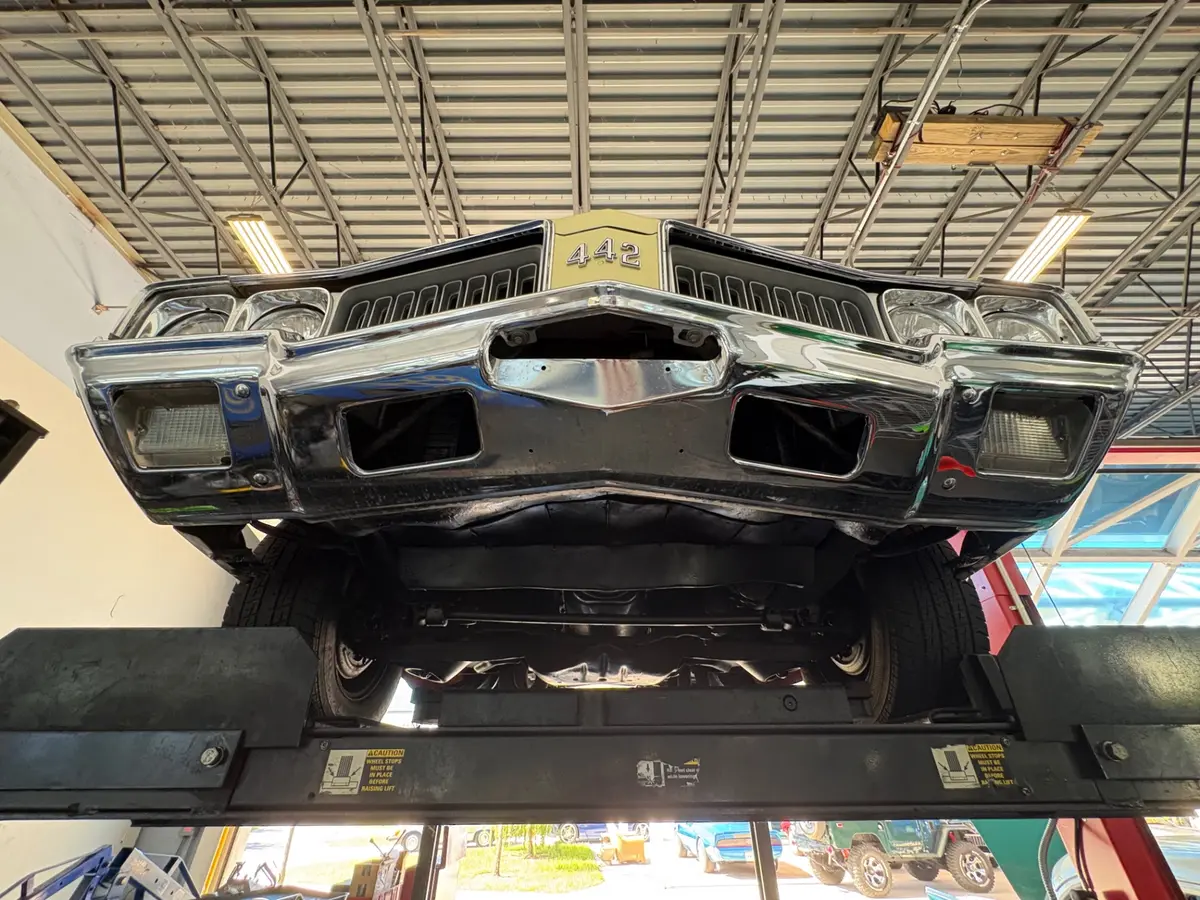
The black hood stripes run longitudinally over the twin hood scoops, and the body side stripes trace the lower character line from front to rear in the style consistent with 442 trim packages of 1970. A rear spoiler has been added to the trunk lid, which is a common period modification. The chrome front and rear bumpers are presentable, with the rear bumper photo showing excellent reflectivity. The 442 grille badge sits prominently in the center of the blacked-out grille opening flanked by the quad headlamps — a signature visual element of the 1970 Cutlass front end. The sport wheels are a multi-spoke design finished in a gold/silver tone that complements the yellow paint, and the Firehawk tires show adequate tread depth in the photos.
The undercarriage has been coated in black and presents cleanly on the lift, with the dual exhaust pipes routed correctly and exiting through the rear bumper cutouts as a factory 442 would have. No rot, no patch panels, and no visible floor damage are apparent in the undercarriage photographs — meaningful for a car being sold in this price category.
Conclusion
The 1970 Oldsmobile Cutlass was built during the last year that Detroit put out engines like this without serious restriction from emissions regulations or the switch to lower-compression engines that came with 1971's mandate for regular unleaded fuel. That makes 1970 the high-water mark for Oldsmobile displacement, and a Cutlass with the 455 and the W-30 cold-air package represents the top of what the division offered that year. This car combines the correct mechanical specification with a presentation that's ready to drive — not a trailer queen, not a project, but a complete, running 455-powered hardtop that can be enjoyed immediately.
If you have questions about this 1970 Oldsmobile Cutlass or would like to schedule a time to see it in person, call Skyway Classics at 941-254-6608. We're located in Sarasota, Florida, and we're happy to answer detailed questions or arrange a walkaround inspection.
Disclaimer
Information found on the website is presented as given to us by the owner of the car, whether on consignment or from the owner we bought it from. Some Photos, materials for videos, descriptions and other information are provided by the consignor/seller and is deemed reliable, but Skyway Classics does not warranty or guarantee this information. Skyway Classics is not responsible for information that may incorrect or a publishing error. The decision to purchase should be based solely on the buyers personal inspection of the vehicle or by a professional inspection service prior to offer or purchase being made.
1970 Oldsmobile Cutlass 442 Tribute — 455ci V8, W-30 Badging, TH400, Soft Yellow 2-Door Hardtop
Why This Car Is Special
The 1970 Oldsmobile Cutlass occupies a specific and well-earned place in the muscle car era. While the 442 was Oldsmobile's flagship performance model, the Cutlass was the platform beneath it — and in 1970, Oldsmobile sold the 442 as an option package on the Cutlass rather than a standalone model. That means a Cutlass like this one, built on the same A-body platform, wearing 442 badging and W-30 identification, and carrying a 455ci V8 under the hood, represents exactly the kind of car that rolled off dealer lots during the peak of the horsepower wars.
The 1970 model year was a watershed moment for Oldsmobile performance. The 455 cubic inch engine was introduced that year as the top displacement option for the 442, replacing the previous 400ci unit. Oldsmobile's 455 was known for producing massive low-end torque rather than high-rpm peak power, which made it exceptionally strong on the street. The factory rated the standard 455 at 365 horsepower, while the W-30 forced-induction package — which used outside air drawn through functional hood scoops — was rated at 370 horsepower. The W-30 option also included a specific camshaft, fiberglass inner fender wells to reduce underhood heat, and a cold-air induction system that made meaningful real-world performance differences.
The VIN on this car decodes to a 1970 Oldsmobile Cutlass two-door hardtop body style, built at the Lansing, Michigan assembly plant. The body style code confirms the pillarless hardtop configuration — one of the most appealing designs of the era, with the long roofline and frameless side glass that defined early 1970s GM coupes.
This particular car is presented as a 442 Tribute with W-30 badging, a 455ci V8, and the complete visual and mechanical package that made those cars desirable in period. It's been built to drive and enjoy, not sit in a trailer.
Features List
- Oldsmobile 455ci V8
- Turbo Hydra-Matic 400 3-Speed Automatic Transmission
- W-30 Badging
- 442 Tribute Configuration
- Functional Hood Scoops
- Dual Exhaust with Flowmaster Mufflers
- Functional Exhaust Cutouts
- Front Disc / Rear Drum Brakes
- Power Steering
- Power Brakes
- Electric Cooling Fan
- Sport Wheels with Firehawk Tires
- Floor Shifter with Center Console
- Sport Steering Wheel
- Bucket Seats with Headrests
- Tachometer
- Woodgrain Interior Trim
- Kenwood Excelon KDC-X304 Stereo with Bluetooth, USB Input, and Auxiliary Input
- Black Hood Stripes
- Body Side Stripes
- Rear Spoiler
- Chrome Bumpers (Front and Rear)
- Soft Yellow Exterior
- Tan Vinyl Interior
- Clean Undercarriage
Mechanical
The heart of this 1970 Oldsmobile Cutlass is Oldsmobile's 455 cubic inch V8 — the largest displacement engine the division offered in 1970 and one of the torquiest engines in the GM lineup that year. The 455 was engineered with a longer stroke than the 400 it replaced, which is what gave it such strong low-rpm pulling power. It pairs here with the Turbo Hydra-Matic 400 three-speed automatic, one of the most durable and well-regarded automatic transmissions GM ever built. The TH400 was used across a wide range of high-performance GM applications through the 1960s and 1970s and remains a strong, serviceable unit when properly maintained. Shifting is handled via a floor-mounted shifter with a chrome gate and wood-tone shift knob, consistent with the 442 package appointments.
The W-30 badging on this car points to the cold-air induction equipment, and the functional hood scoops are present and correctly placed to feed outside air directly to the induction system. This was not a cosmetic feature — the W-30 system was documented to reduce intake air temperature, which increased air density and improved combustion efficiency. It was the factory's answer to ram-air induction, and it worked.
The exhaust system has been updated with Flowmaster mufflers plumbed into a dual exhaust configuration that exits through the rear bumper cutouts, which is period-correct in placement. Functional exhaust cutouts are also installed, which allow the driver to bypass the mufflers entirely when desired. Braking is handled by front discs and rear drums, a common and effective setup for the era that provides good pedal feel and reasonable stopping power. Power steering and power brakes are both present, making this a comfortable daily driver by vintage standards. An electric cooling fan has been added in place of the mechanical unit, which reduces parasitic drag on the engine and improves cooling efficiency at low speeds — a practical upgrade for Florida's climate. The undercarriage photographs show a clean, coated floor pan with no visible rust or structural concerns, which is a significant positive for a car of this age.
Interior
Step inside the 1970 Oldsmobile Cutlass and the tan vinyl interior is in solid condition throughout. The bucket seats are upholstered in the period-correct patterned vinyl with button accents, and both front buckets include integrated headrests that were federally mandated beginning with the 1969 model year. The center console runs the length of the floor between the front buckets and houses the TH400 floor shifter with its chrome housing. The woodgrain trim panels carry across the instrument cluster, center console, and door panels, a styling detail that was standard on the 442 package and gave the interior a slightly upscale character compared to the base Cutlass.
The instrument cluster is a three-gauge binnacle set into a woodgrain surround, housing a speedometer, fuel and oil gauge cluster, and a tachometer — the last of which is essential for a car making this much torque. The tach reads to 7,000 rpm. The odometer in the dash photos shows 64,348 miles. The sport steering wheel is a three-spoke design with the Oldsmobile rocket emblem centered in the hub, and it fills the driver's hands correctly for a car in this class.
The Kenwood Excelon KDC-X304 head unit has been fitted into the factory dash opening cleanly. It supports Bluetooth audio streaming, USB input, and a 3.5mm auxiliary input, so modern devices connect without any modification to the car's appearance from the outside. The rear seat is a full bench in matching tan vinyl with the same button-pattern upholstery as the fronts, and it presents well with no visible tears or heavy wear. Door panels are intact with the factory chrome and woodgrain accent strips in good shape.
Exterior
The 1970 Oldsmobile Cutlass two-door hardtop body style is one of the cleaner designs of the A-body generation. The long hood, short rear deck, and wide C-pillar give it a proportional look that ages better than many of its contemporaries. This example is finished in Soft Yellow, a lighter, almost pastel shade that was available on Oldsmobile products during this period and works particularly well against the black hood stripes and body side graphics. The combination is visually correct for a W-30 or 442-equipped Cutlass of this era.
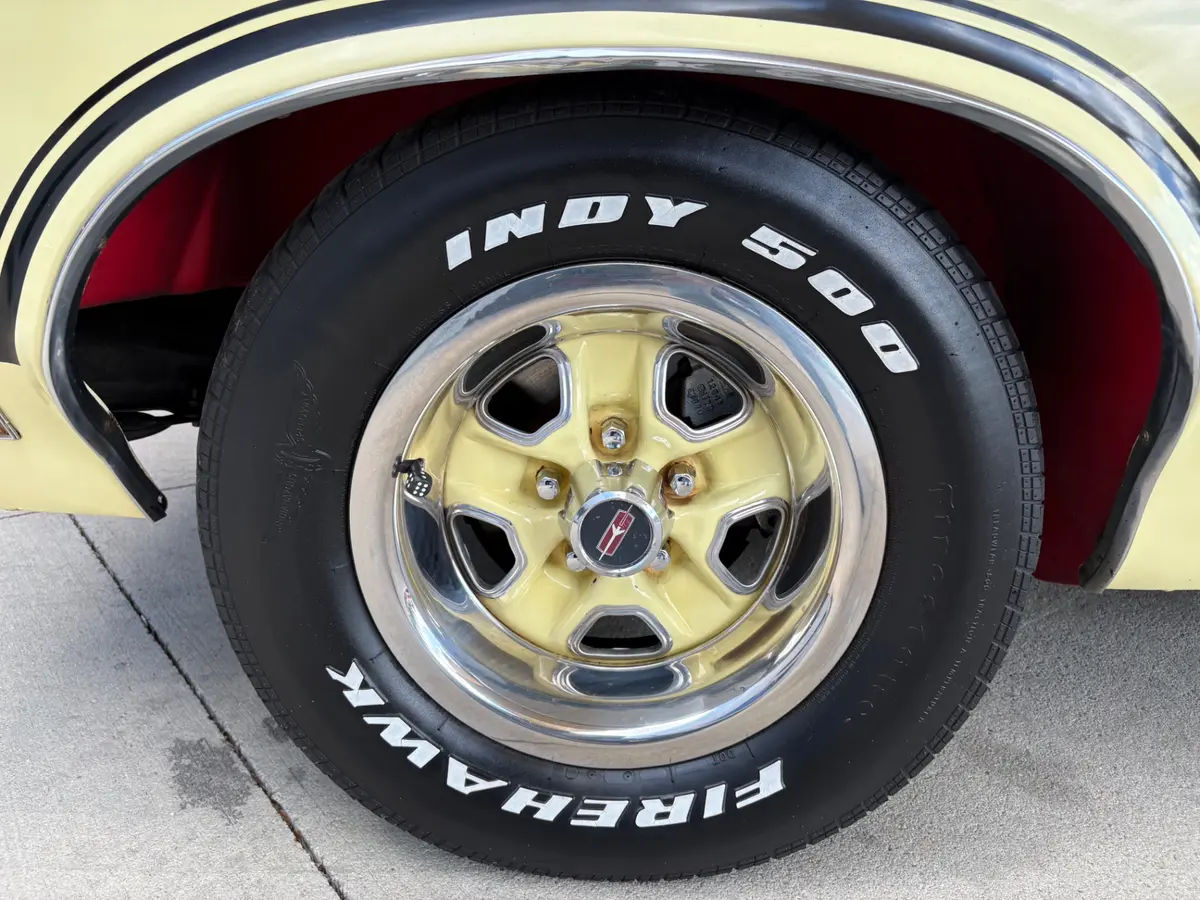
The black hood stripes run longitudinally over the twin hood scoops, and the body side stripes trace the lower character line from front to rear in the style consistent with 442 trim packages of 1970. A rear spoiler has been added to the trunk lid, which is a common period modification. The chrome front and rear bumpers are presentable, with the rear bumper photo showing excellent reflectivity. The 442 grille badge sits prominently in the center of the blacked-out grille opening flanked by the quad headlamps — a signature visual element of the 1970 Cutlass front end. The sport wheels are a multi-spoke design finished in a gold/silver tone that complements the yellow paint, and the Firehawk tires show adequate tread depth in the photos.
The undercarriage has been coated in black and presents cleanly on the lift, with the dual exhaust pipes routed correctly and exiting through the rear bumper cutouts as a factory 442 would have. No rot, no patch panels, and no visible floor damage are apparent in the undercarriage photographs — meaningful for a car being sold in this price category.
Conclusion
The 1970 Oldsmobile Cutlass was built during the last year that Detroit put out engines like this without serious restriction from emissions regulations or the switch to lower-compression engines that came with 1971's mandate for regular unleaded fuel. That makes 1970 the high-water mark for Oldsmobile displacement, and a Cutlass with the 455 and the W-30 cold-air package represents the top of what the division offered that year. This car combines the correct mechanical specification with a presentation that's ready to drive — not a trailer queen, not a project, but a complete, running 455-powered hardtop that can be enjoyed immediately.
If you have questions about this 1970 Oldsmobile Cutlass or would like to schedule a time to see it in person, call Skyway Classics at 941-254-6608. We're located in Sarasota, Florida, and we're happy to answer detailed questions or arrange a walkaround inspection.
Disclaimer
Information found on the website is presented as given to us by the owner of the car, whether on consignment or from the owner we bought it from. Some Photos, materials for videos, descriptions and other information are provided by the consignor/seller and is deemed reliable, but Skyway Classics does not warranty or guarantee this information. Skyway Classics is not responsible for information that may incorrect or a publishing error. The decision to purchase should be based solely on the buyers personal inspection of the vehicle or by a professional inspection service prior to offer or purchase being made.
1970 Oldsmobile
Cutlass 442
Why Choose Skyway Classics?
Explore our curated inventory of classic and collector cars—thoughtfully selected, ready to drive, and supported by experts who make ownership simple.
Expert Curation
Every vehicle is hand-selected by our experts for quality, authenticity, and investment potential.
Fast Transactions
Streamlined buying and selling process with quick financing and immediate delivery options.
Only National Dealer With Classic Service & Repair
We’re the only national dealership that services and repairs the classics we sell—before and after the sale.
Nationwide Network
Access to our extensive network of collectors, restorers, and classic car enthusiasts nationwide.
Concierge Ownership Support
From financing and insurance to paperwork, shipping, and titling—we handle the details so you can enjoy the drive.
Passion-Driven Service
We're classic car enthusiasts first, providing personalized service with genuine passion for the hobby.