
1999 Plymouth
Prowler Base
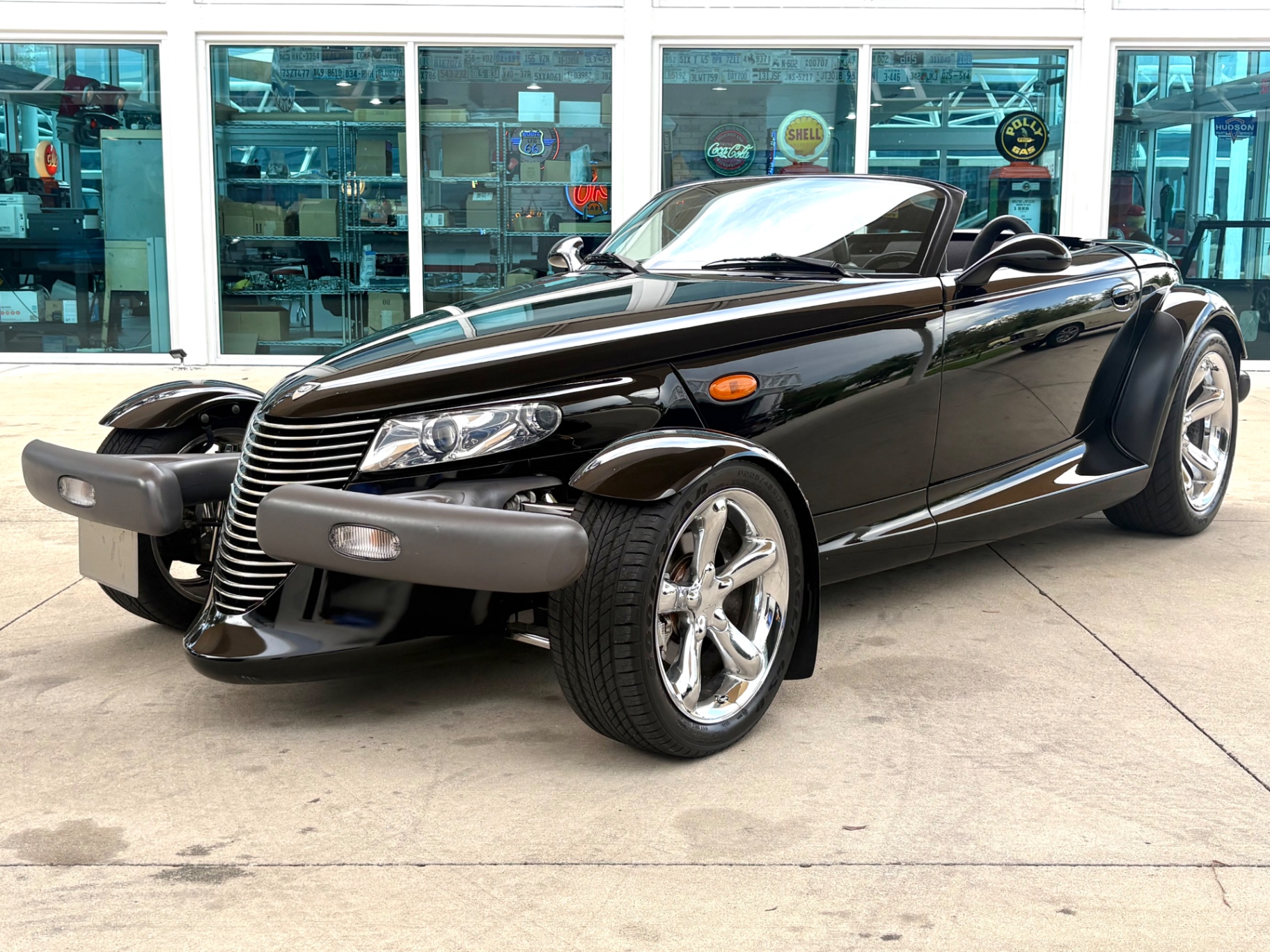
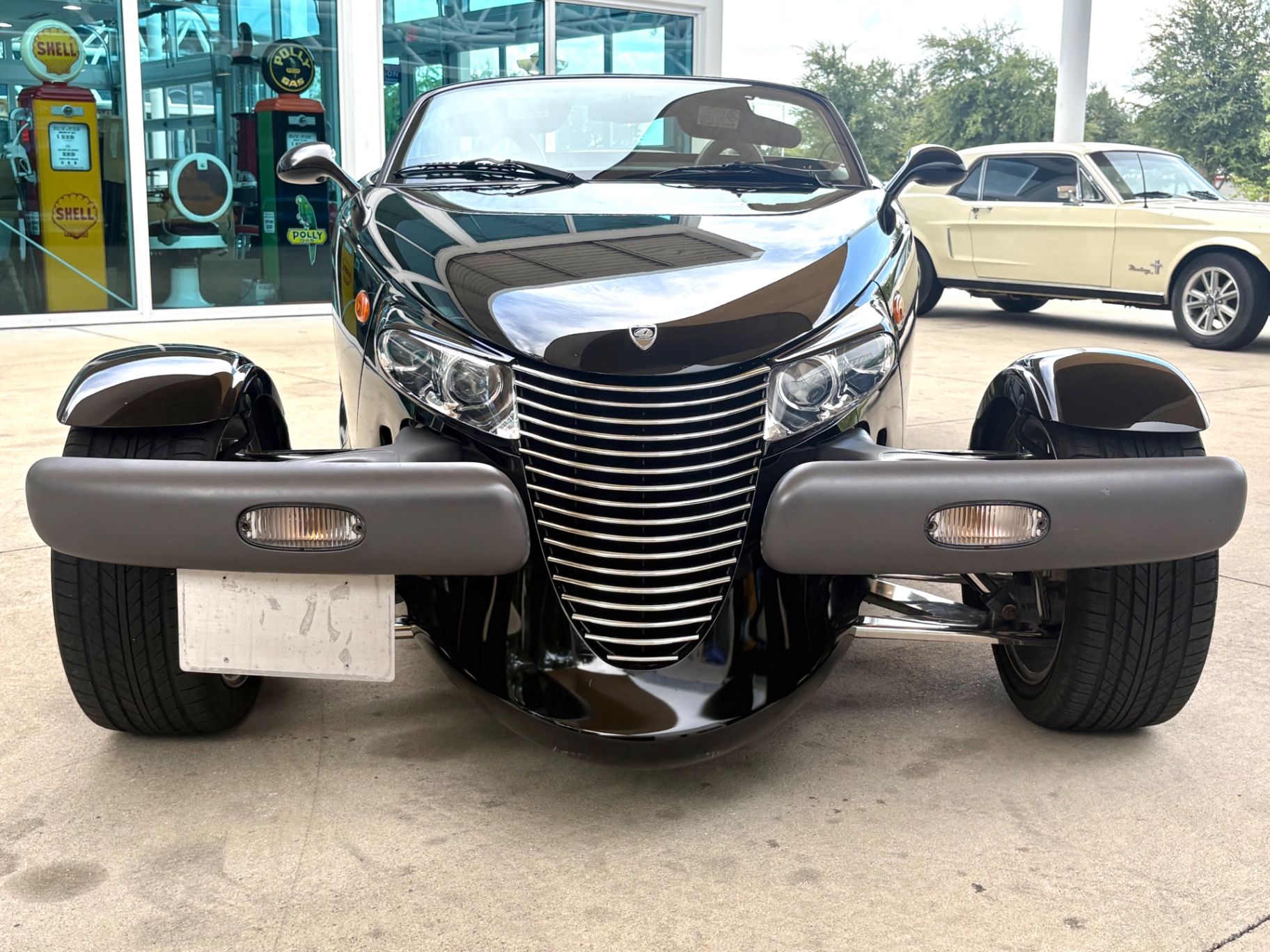
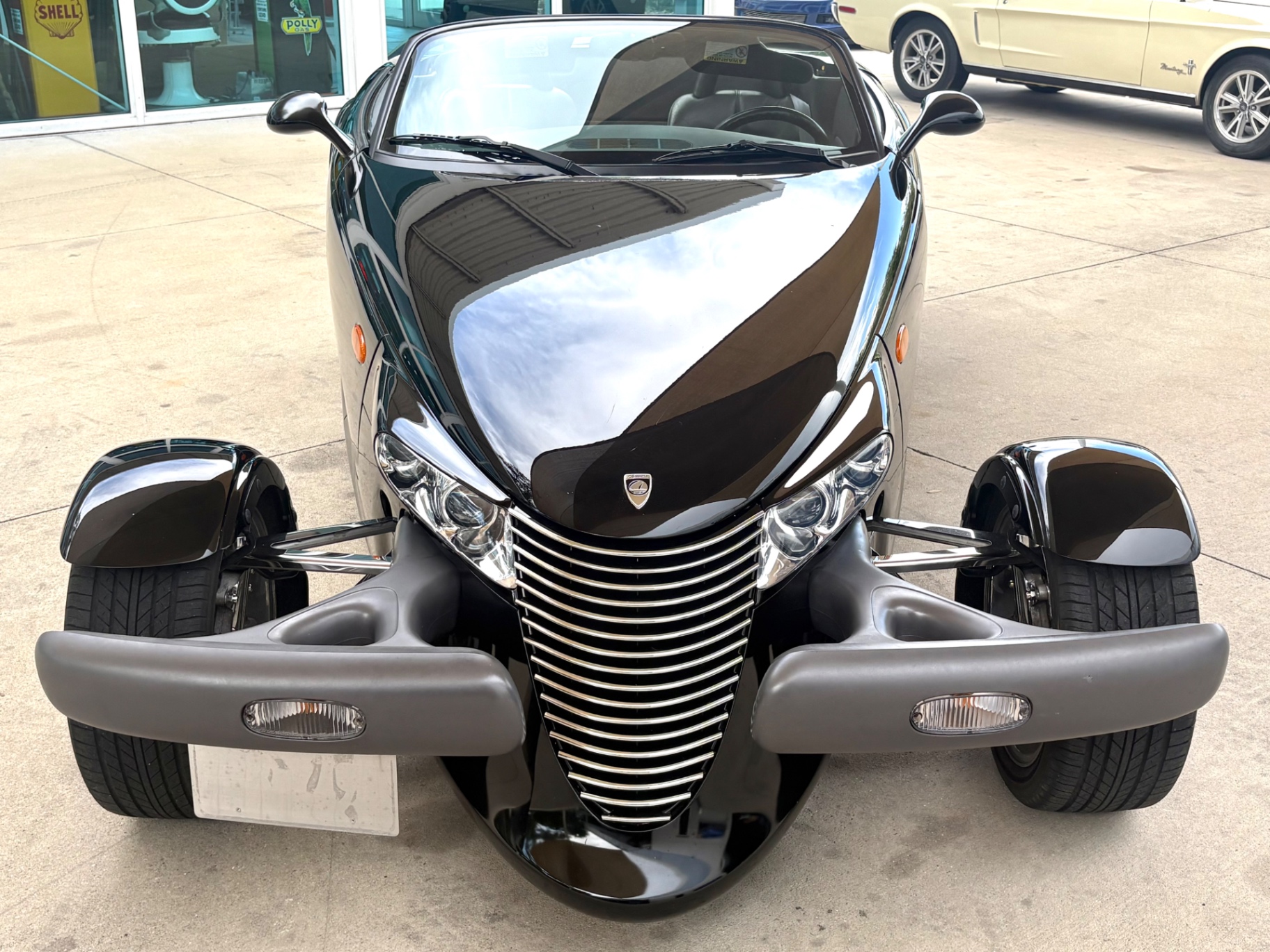
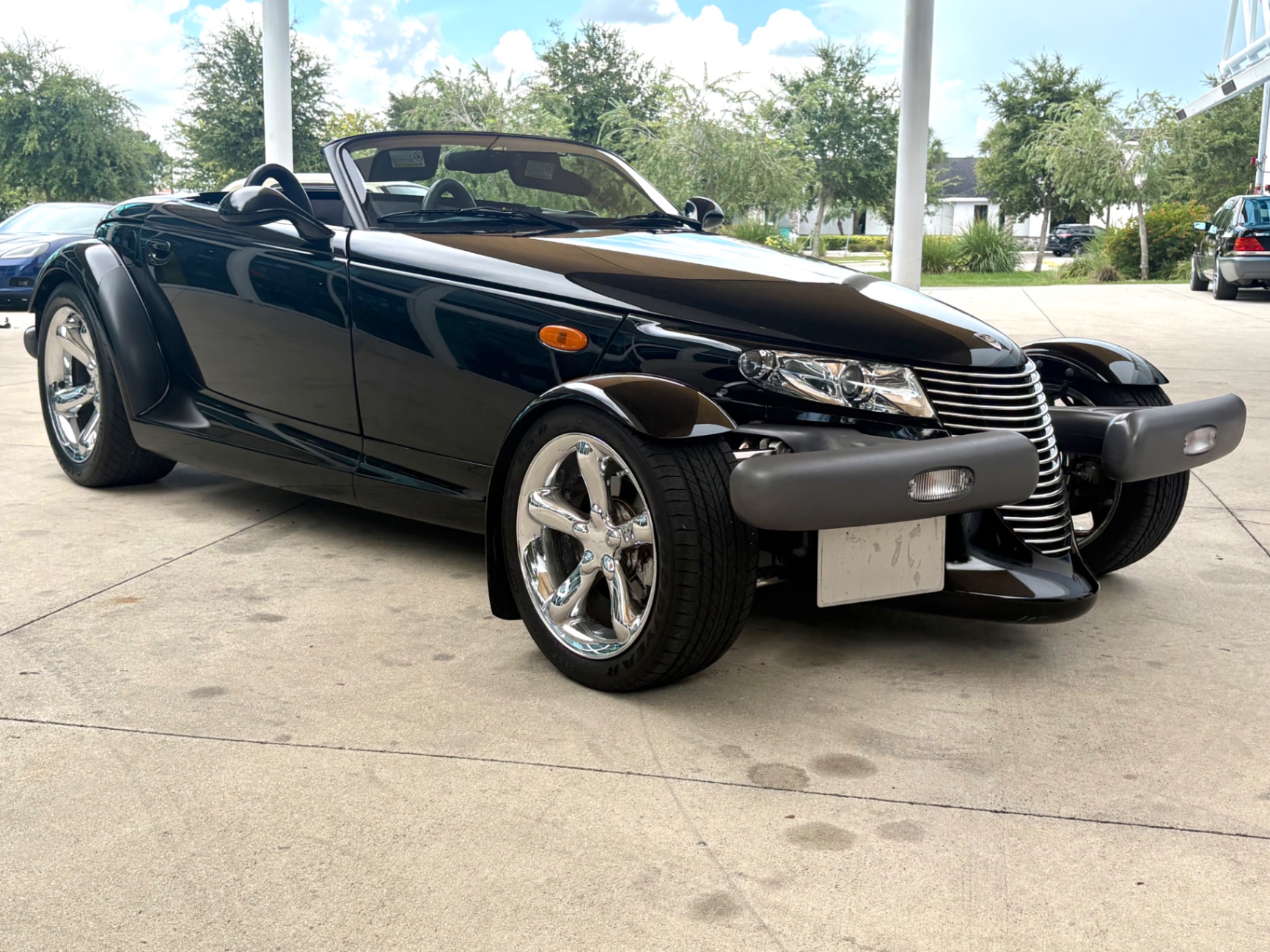
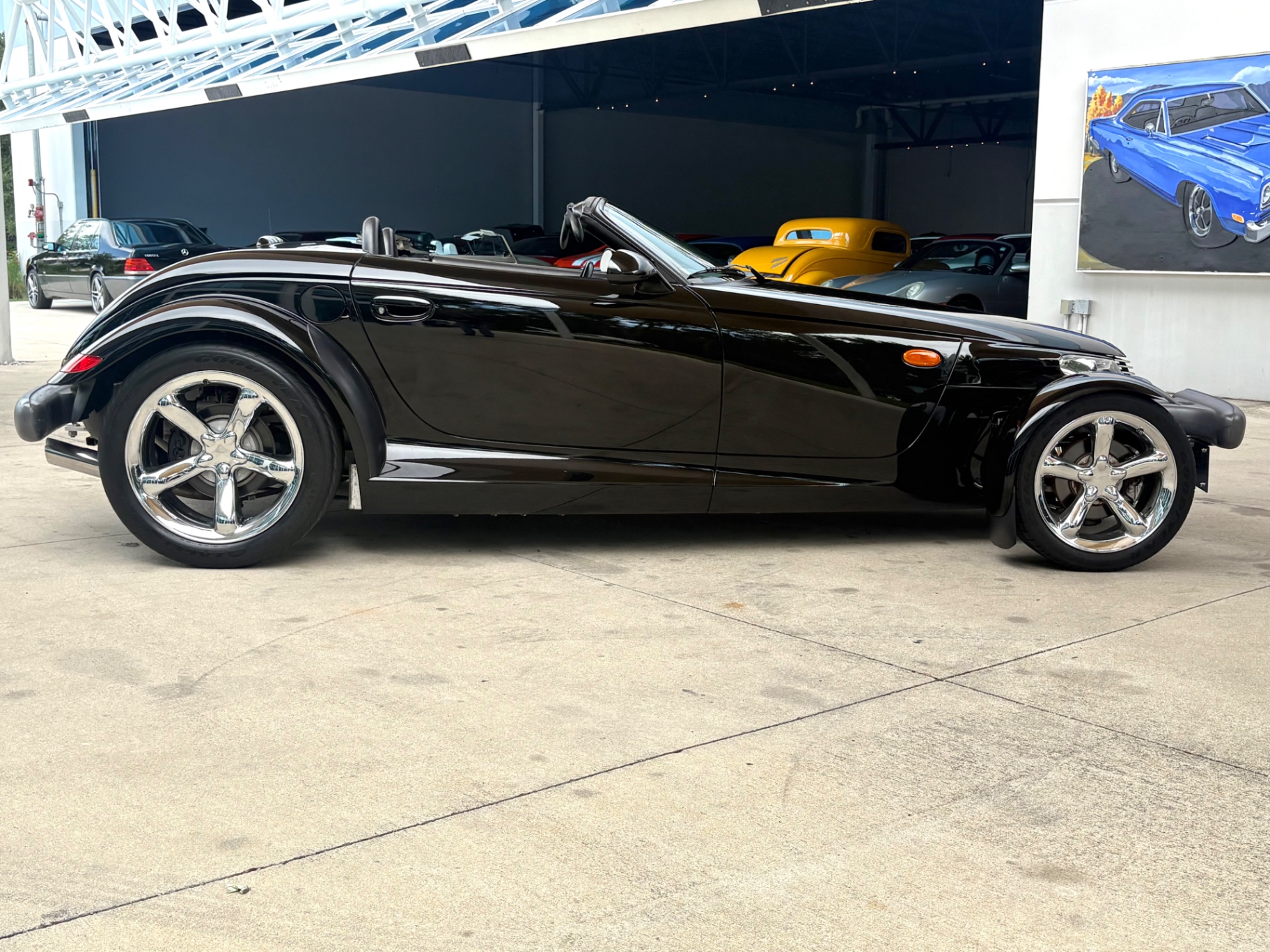
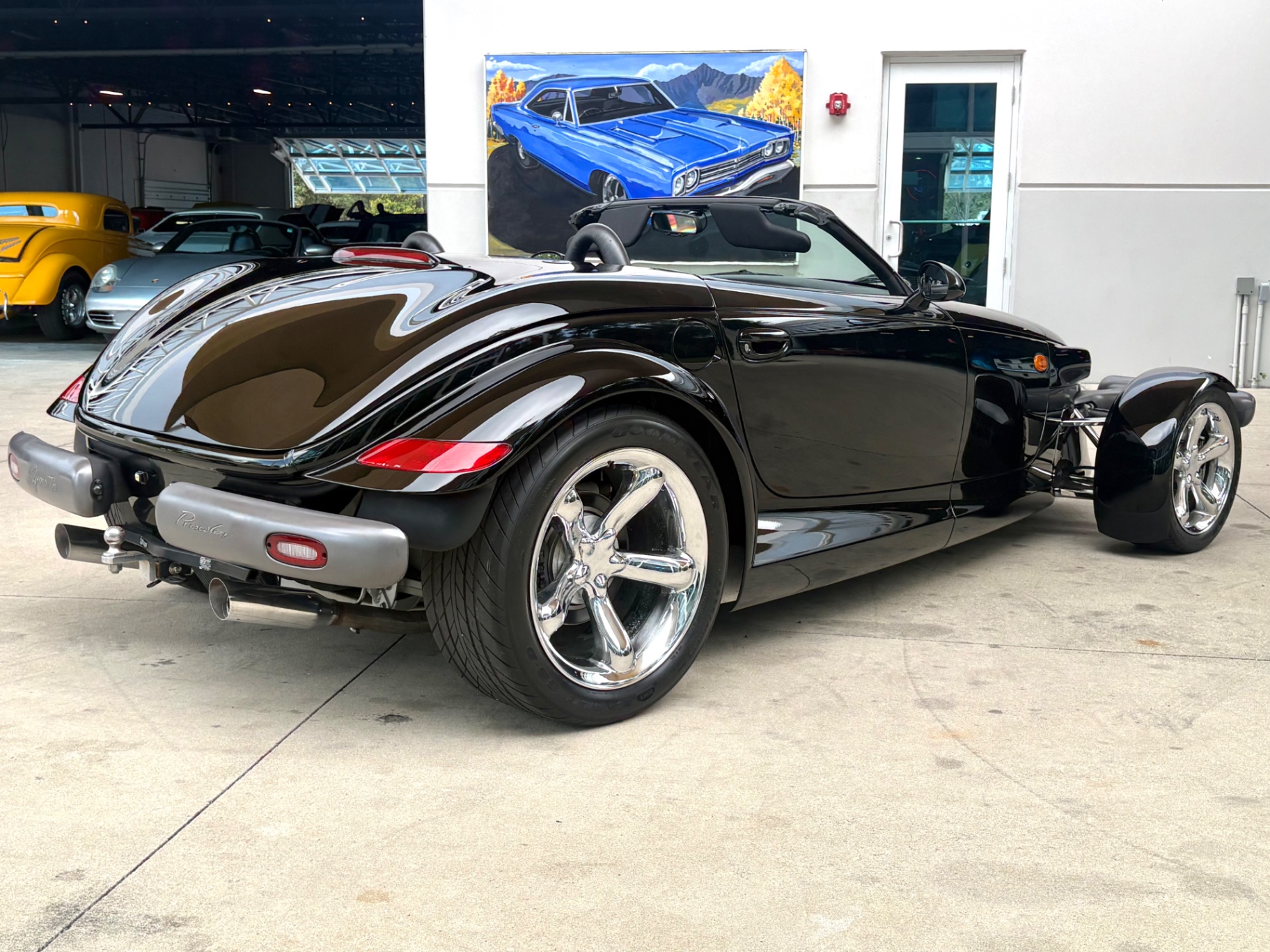
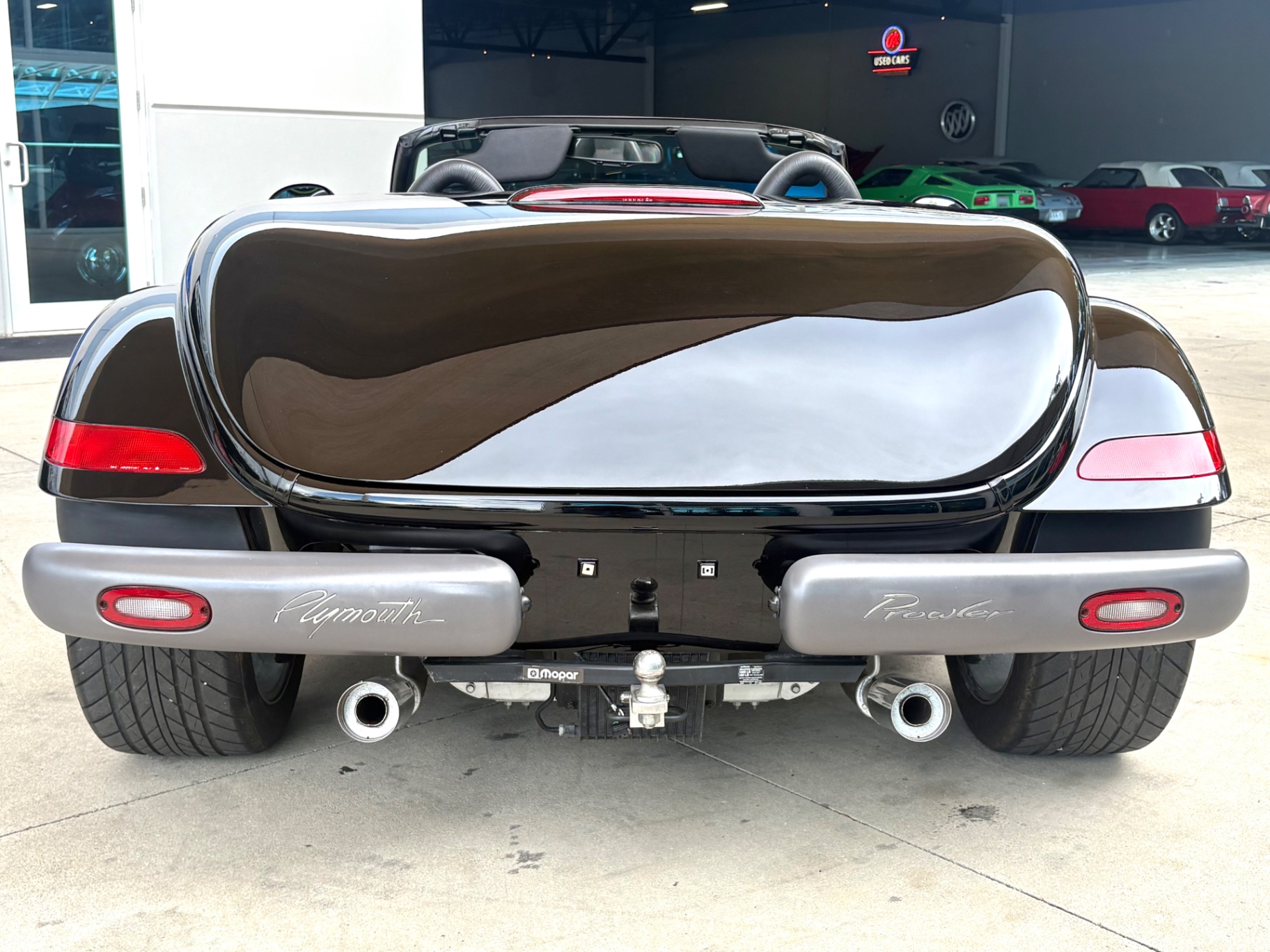
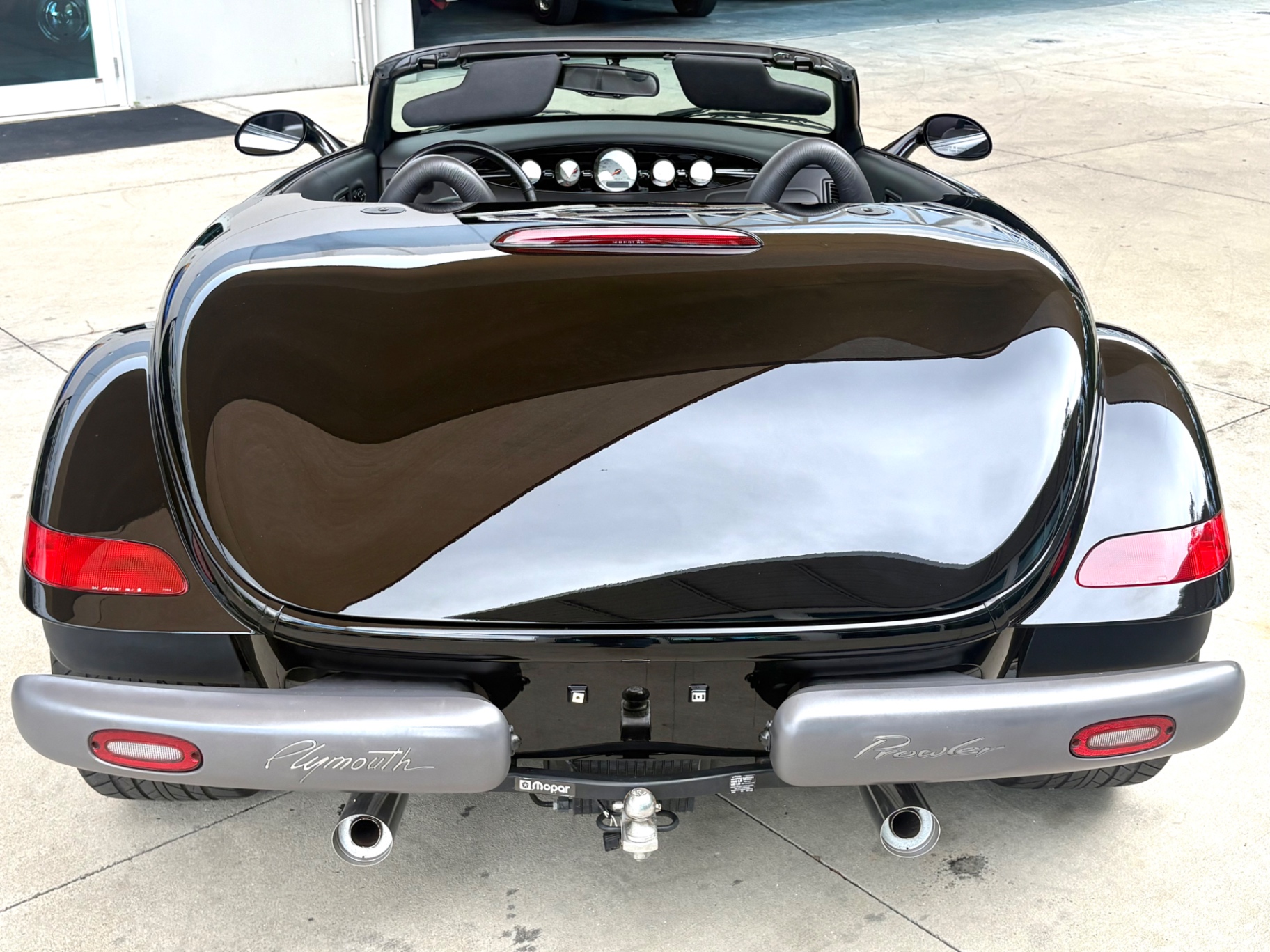
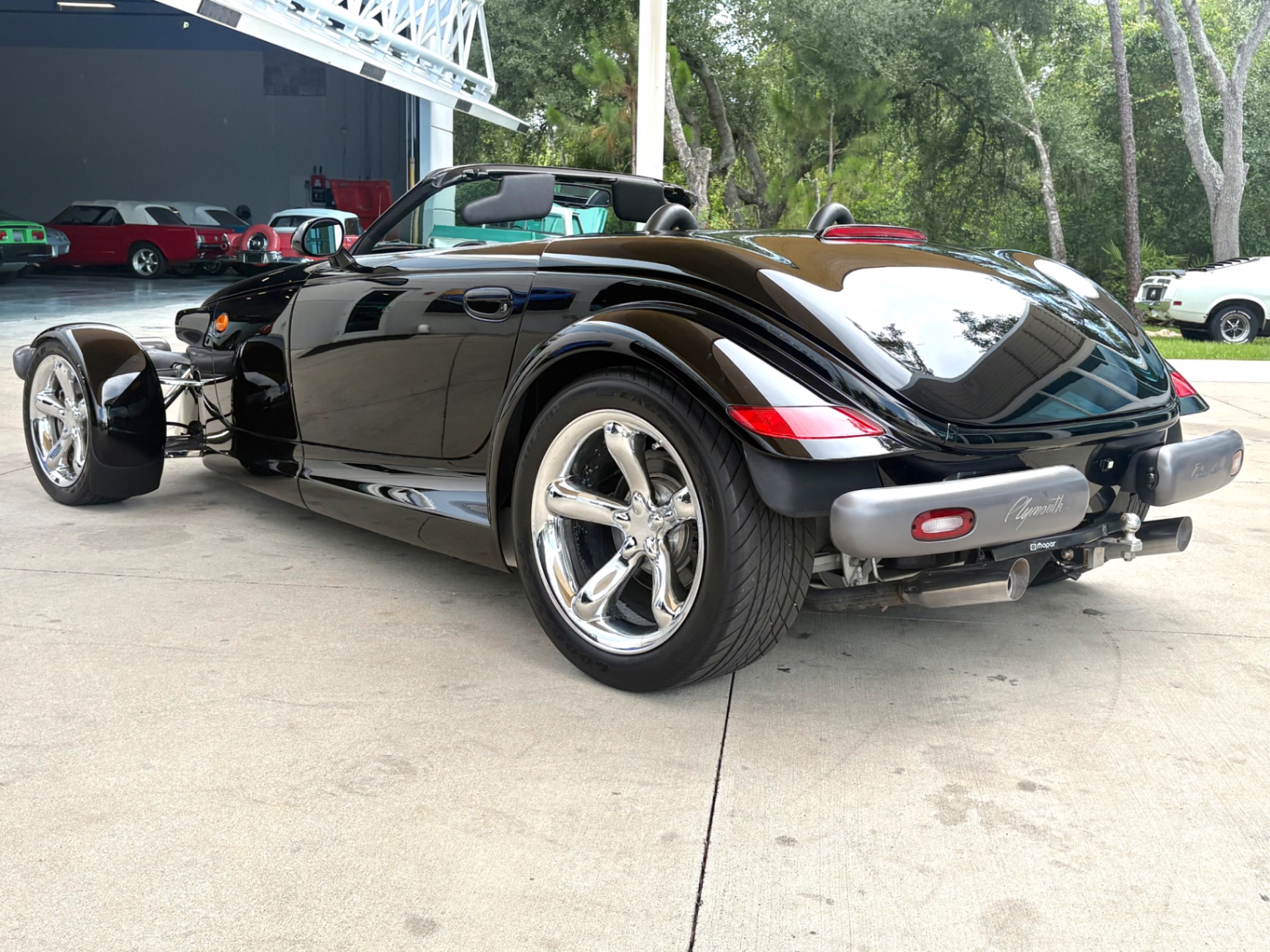
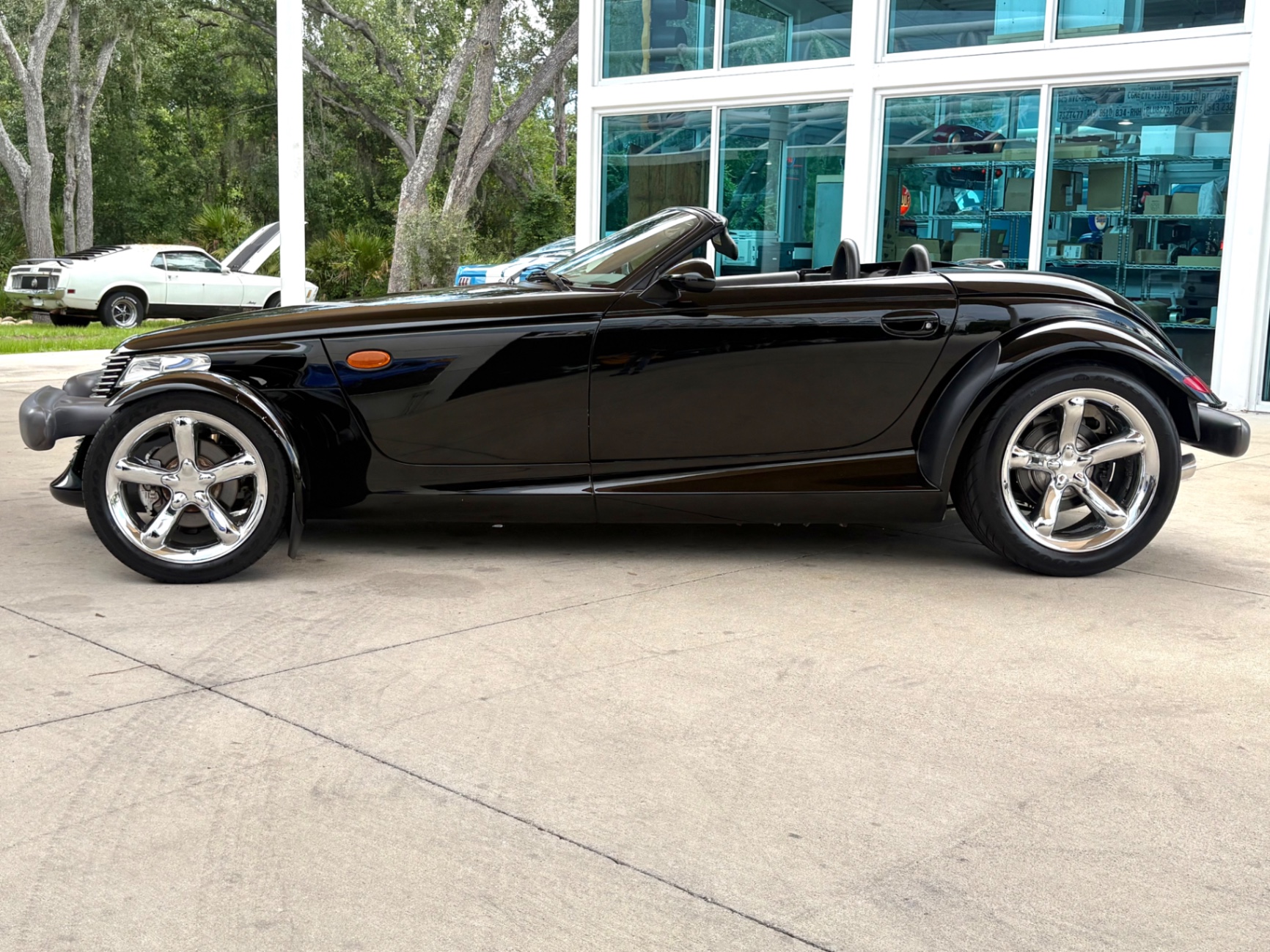
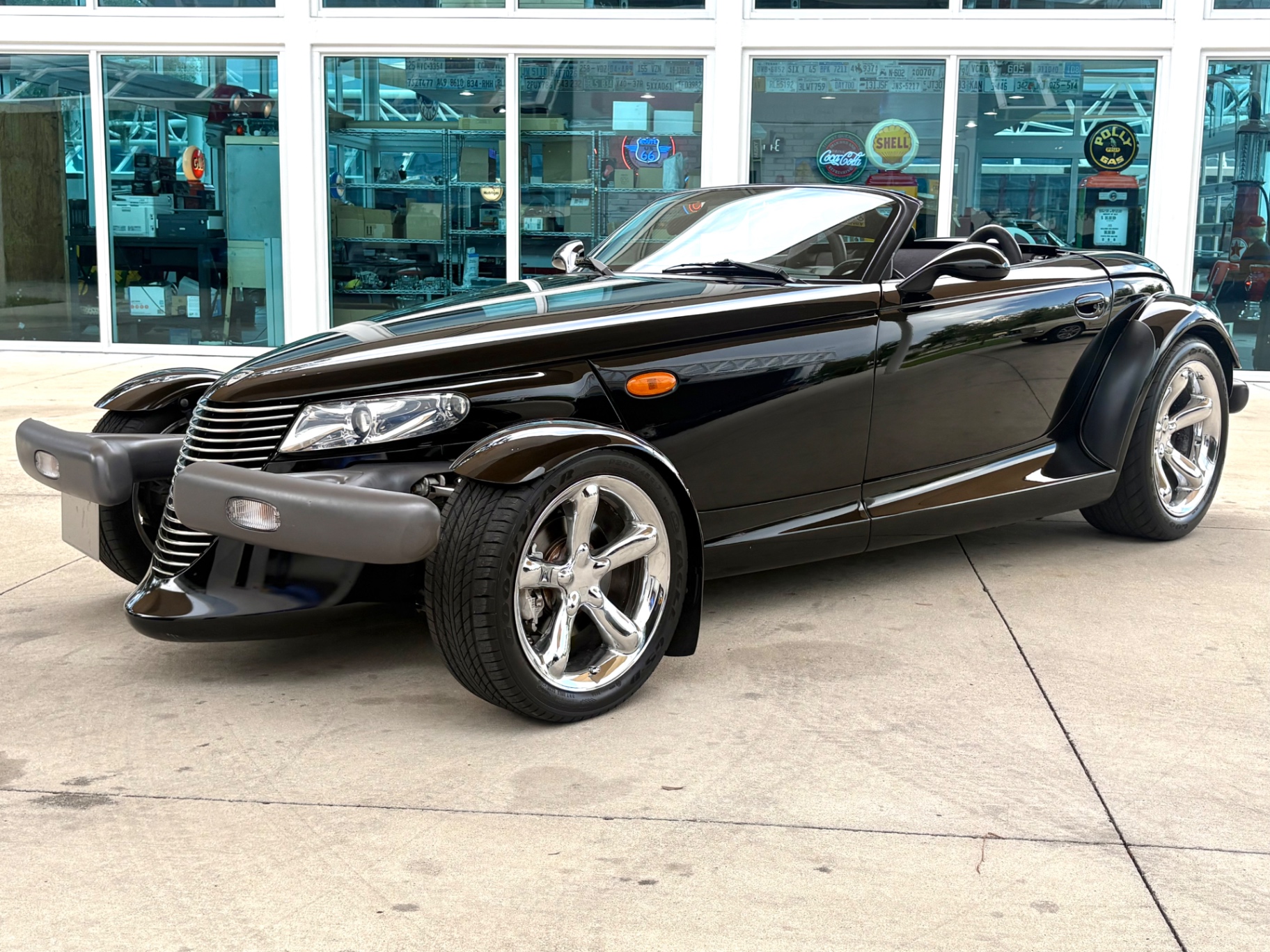
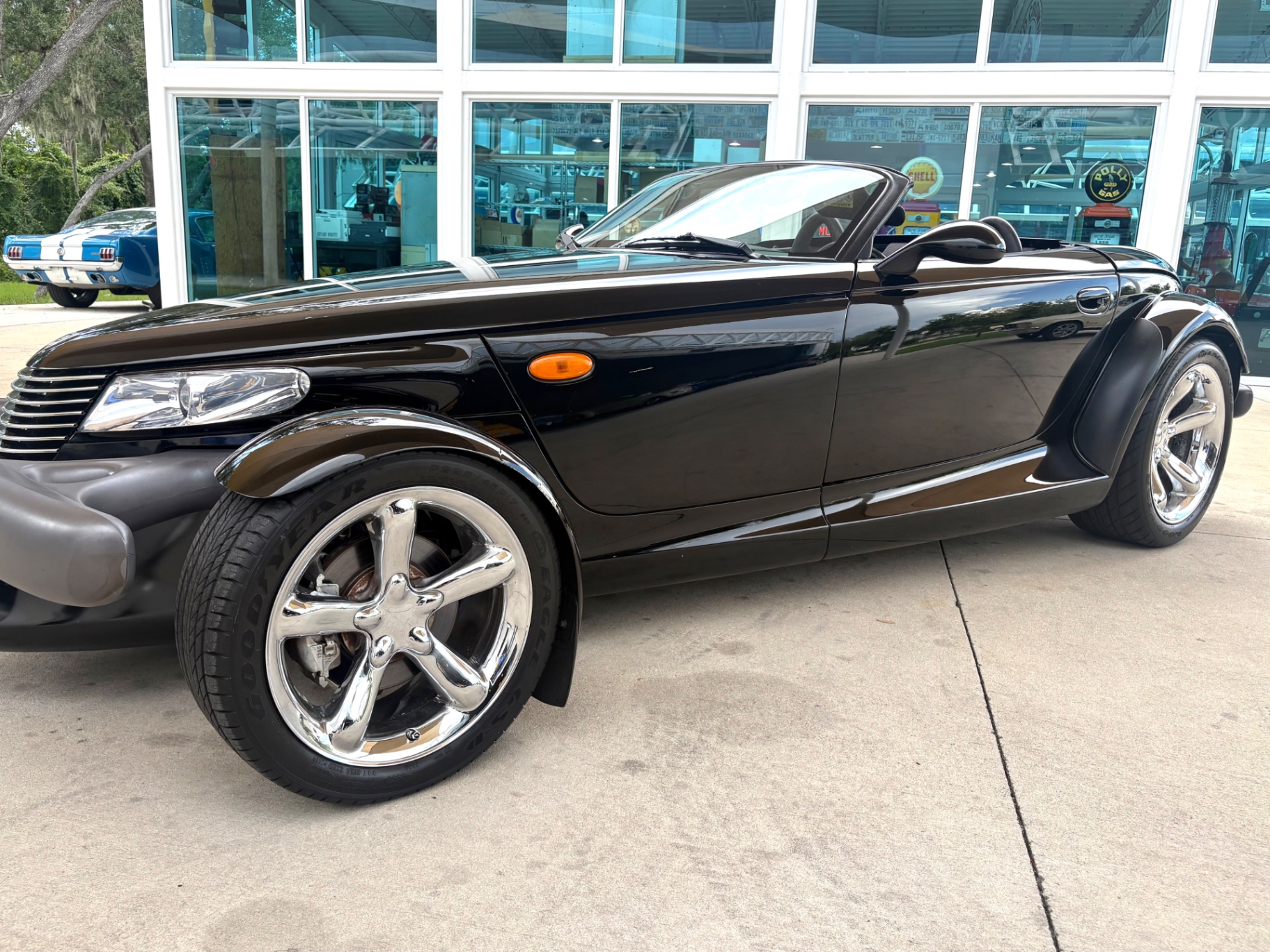
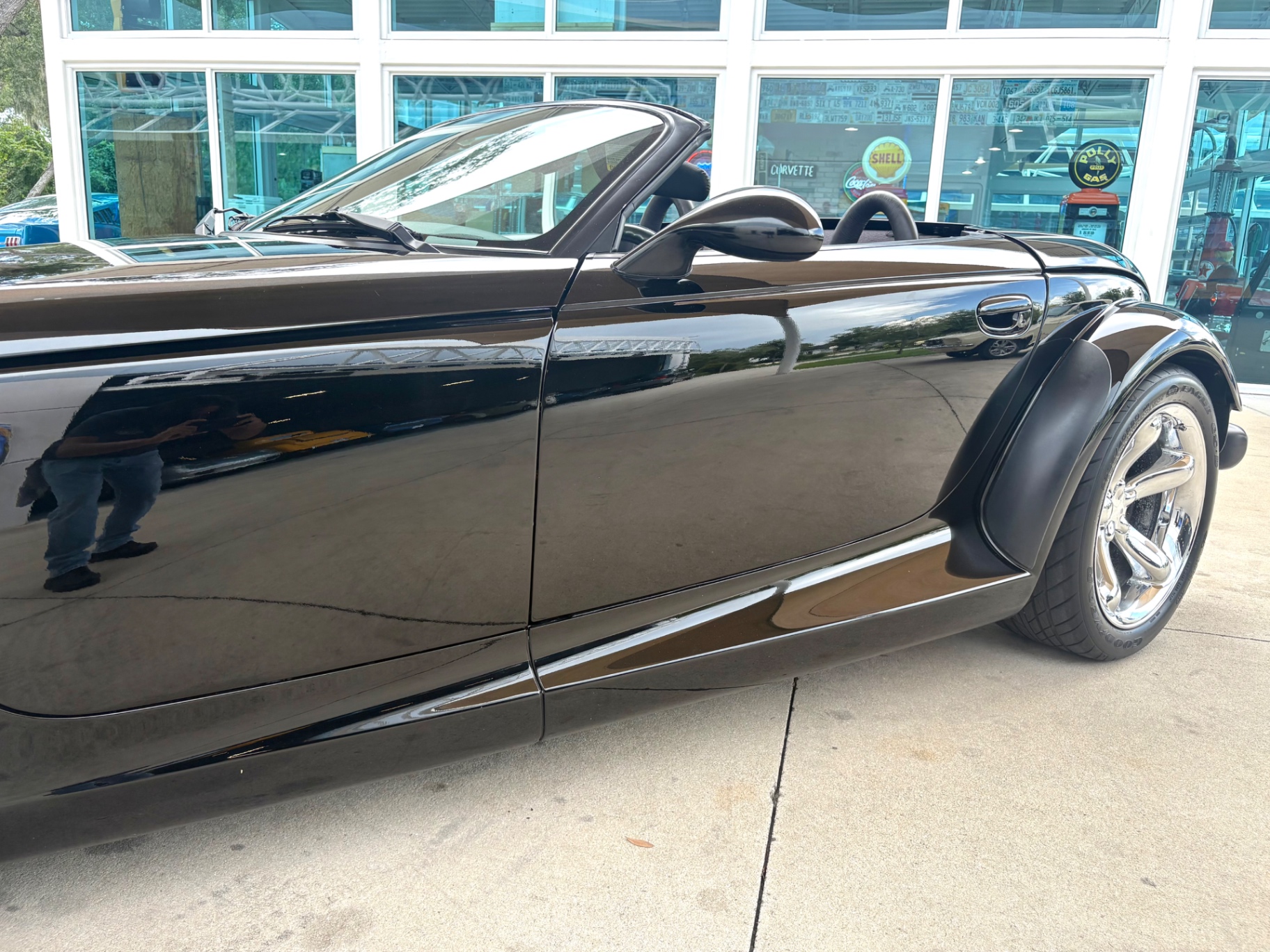
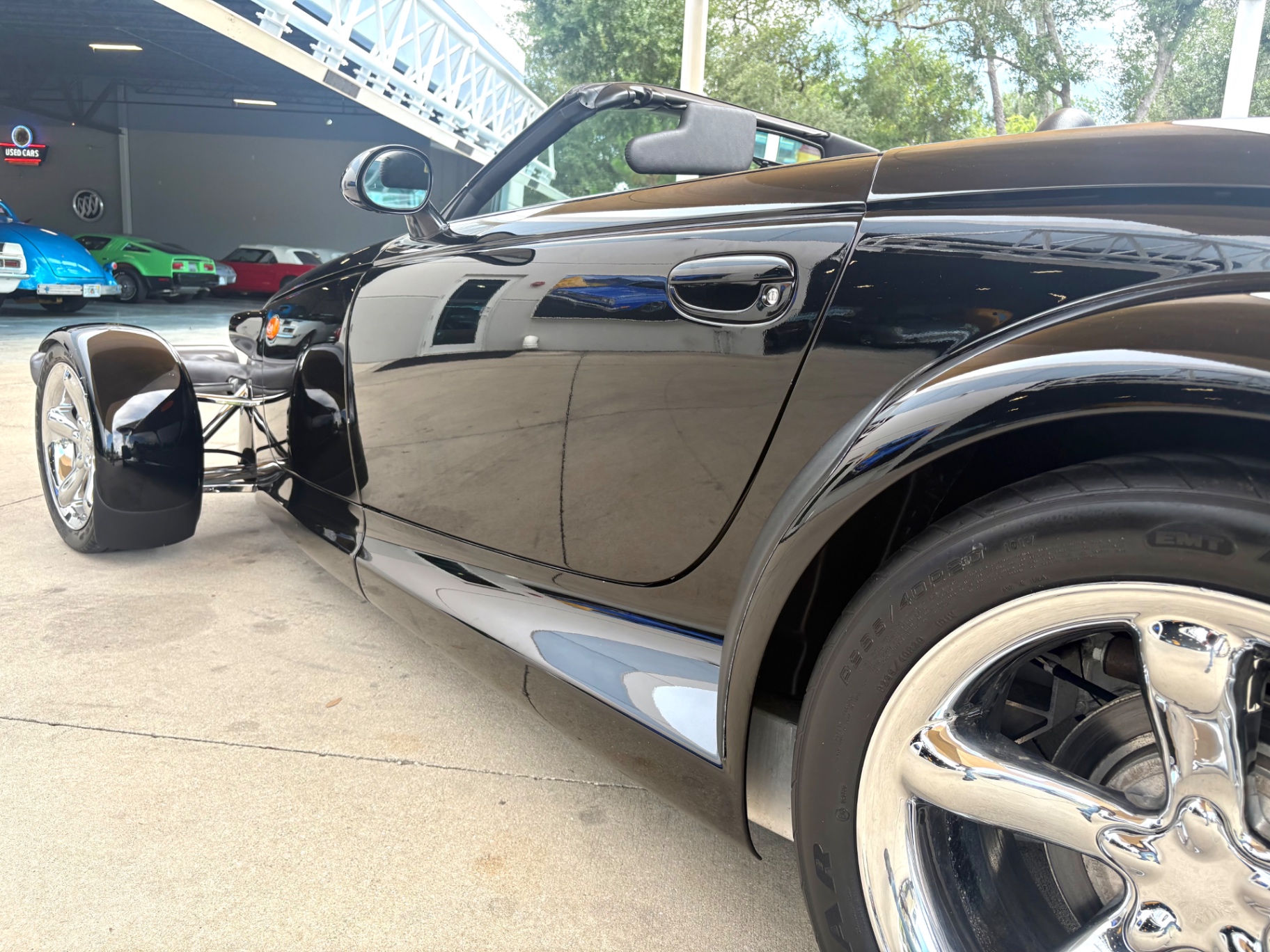
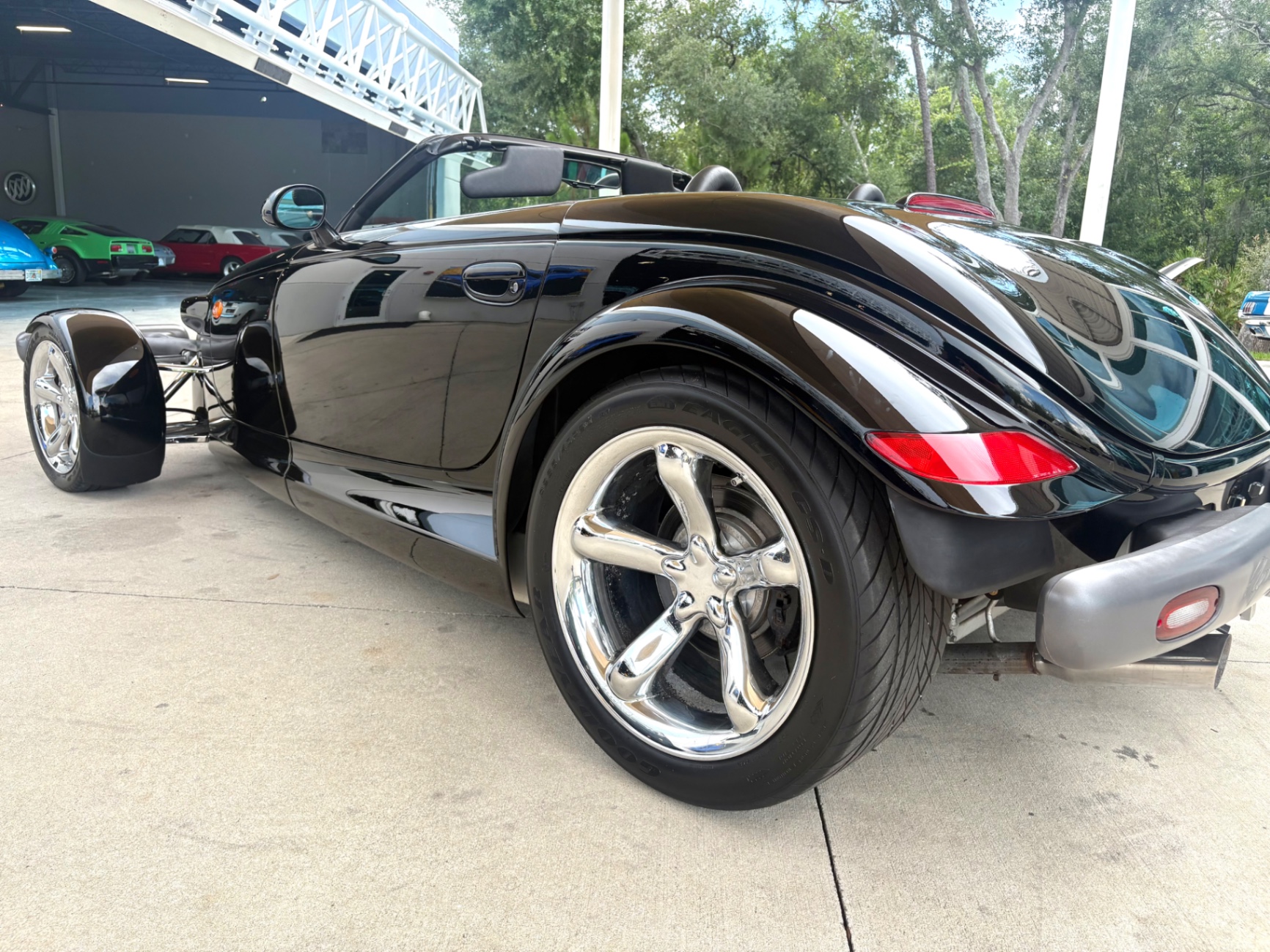
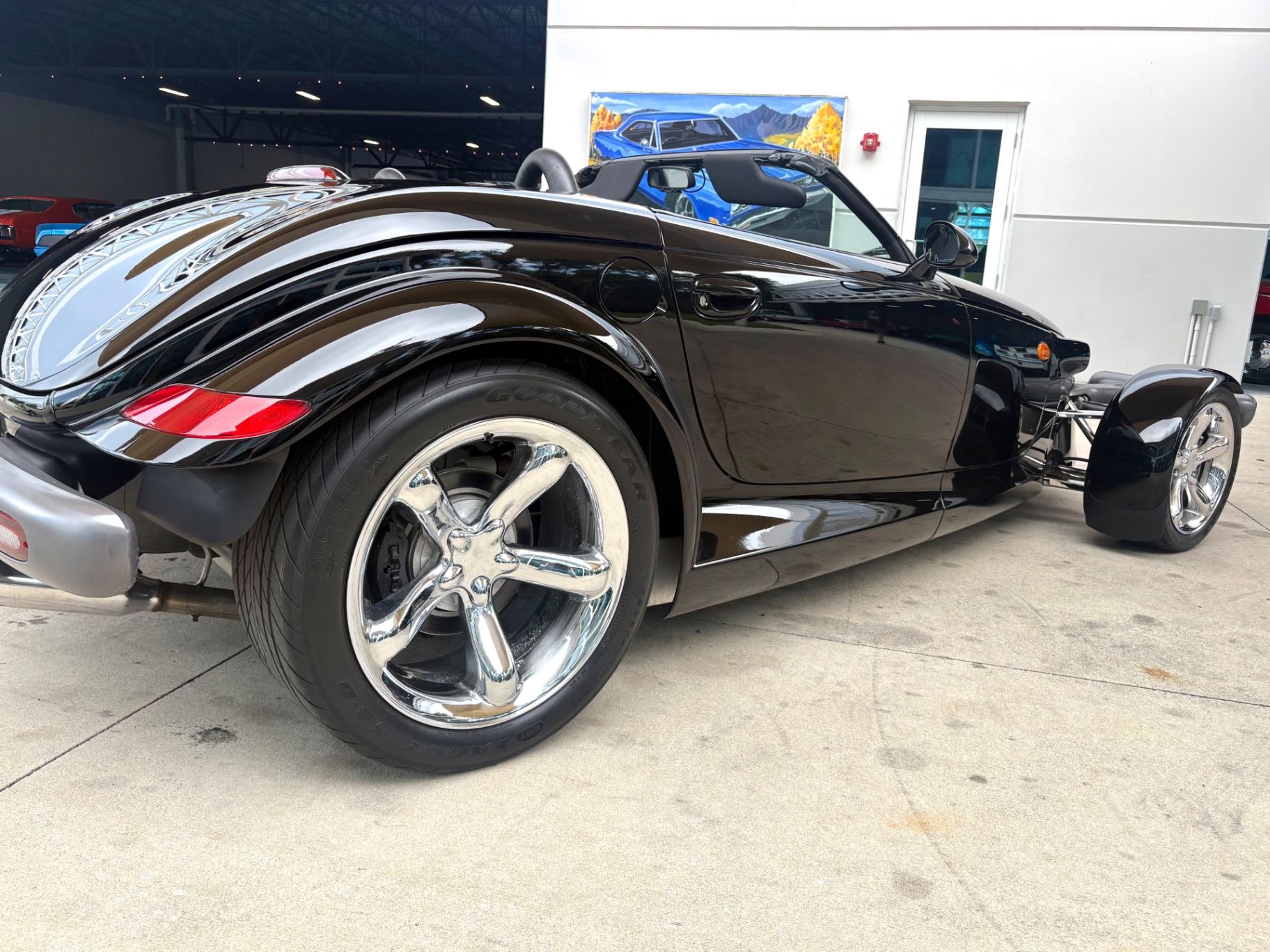
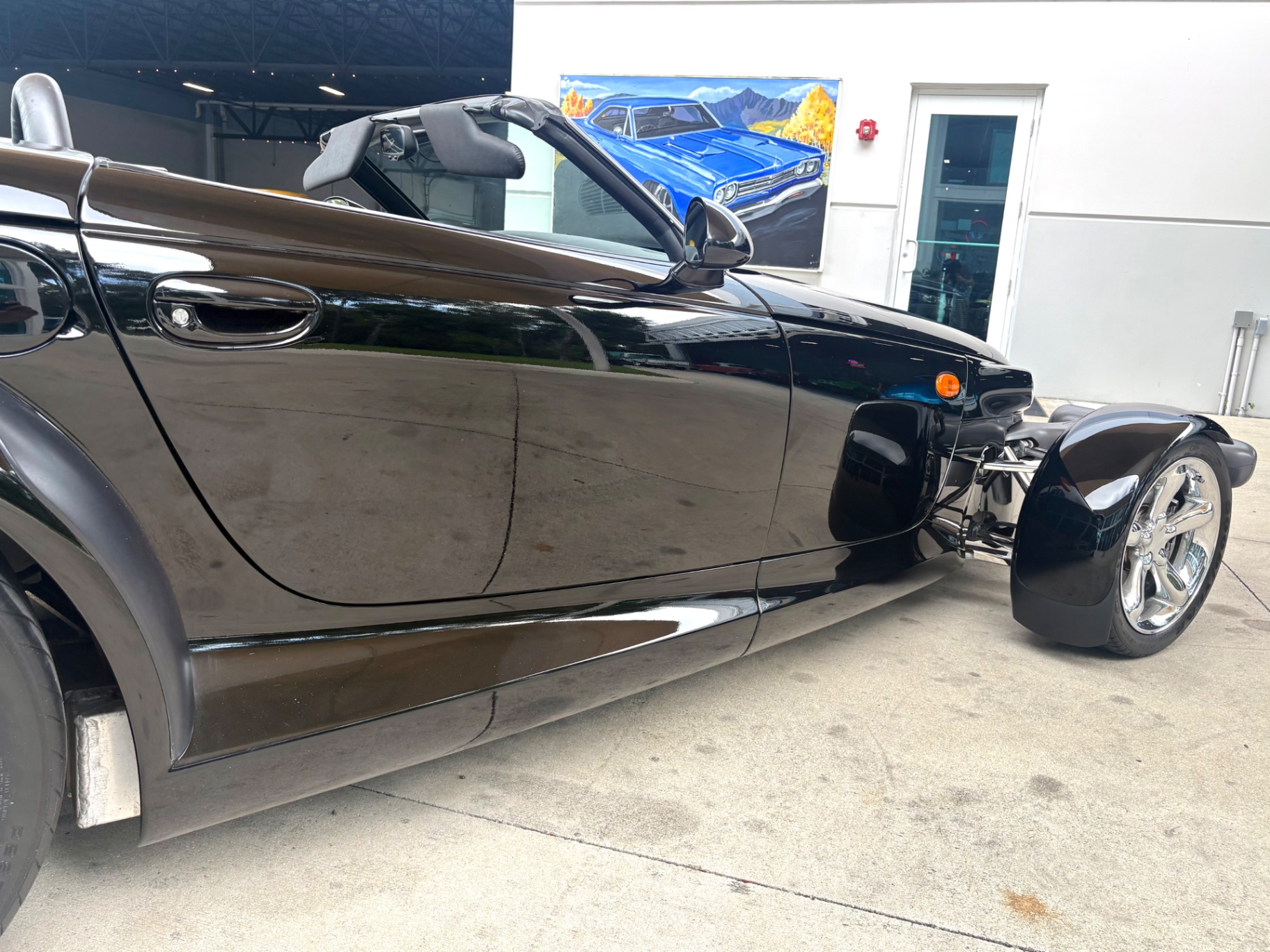
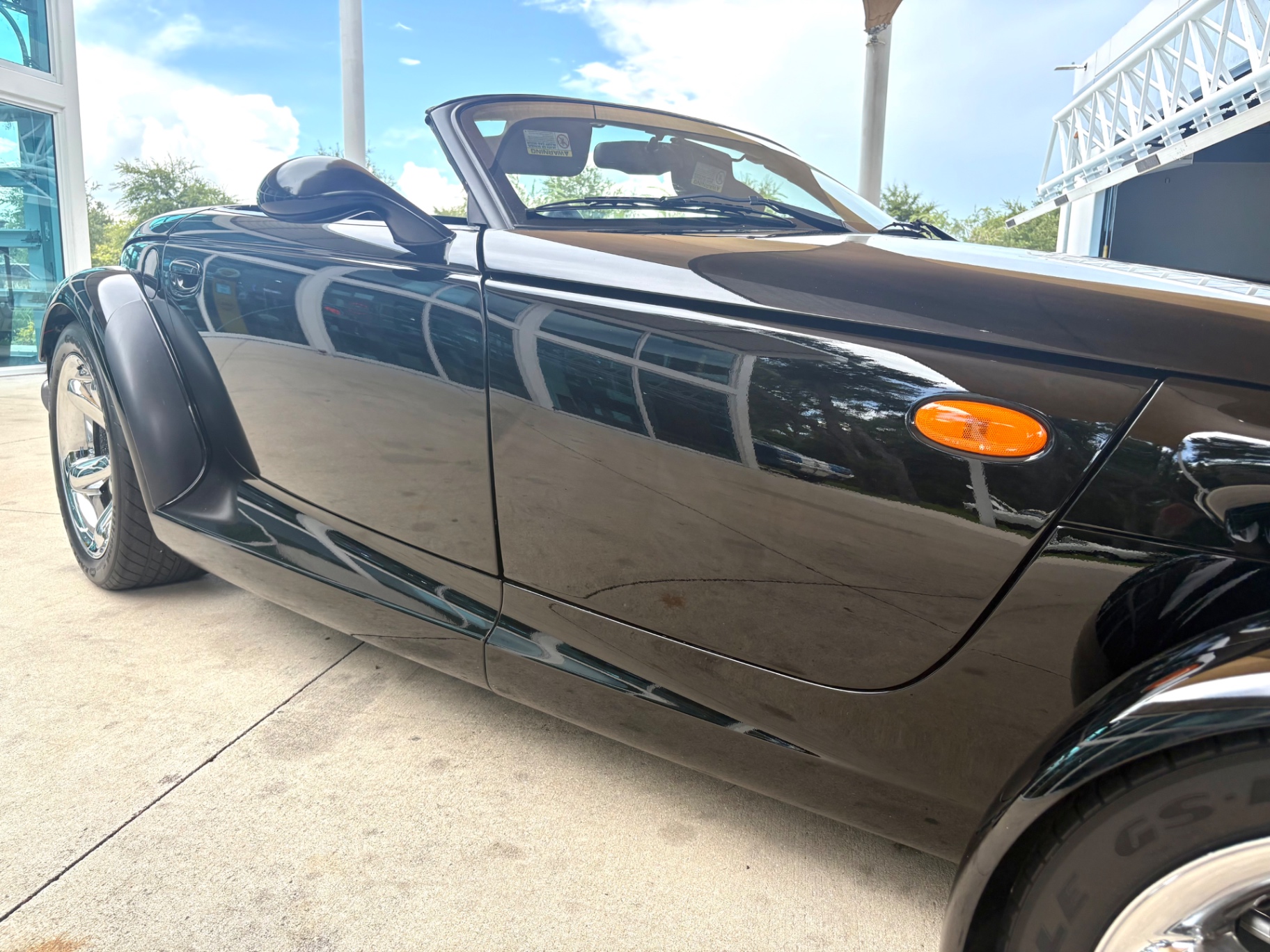
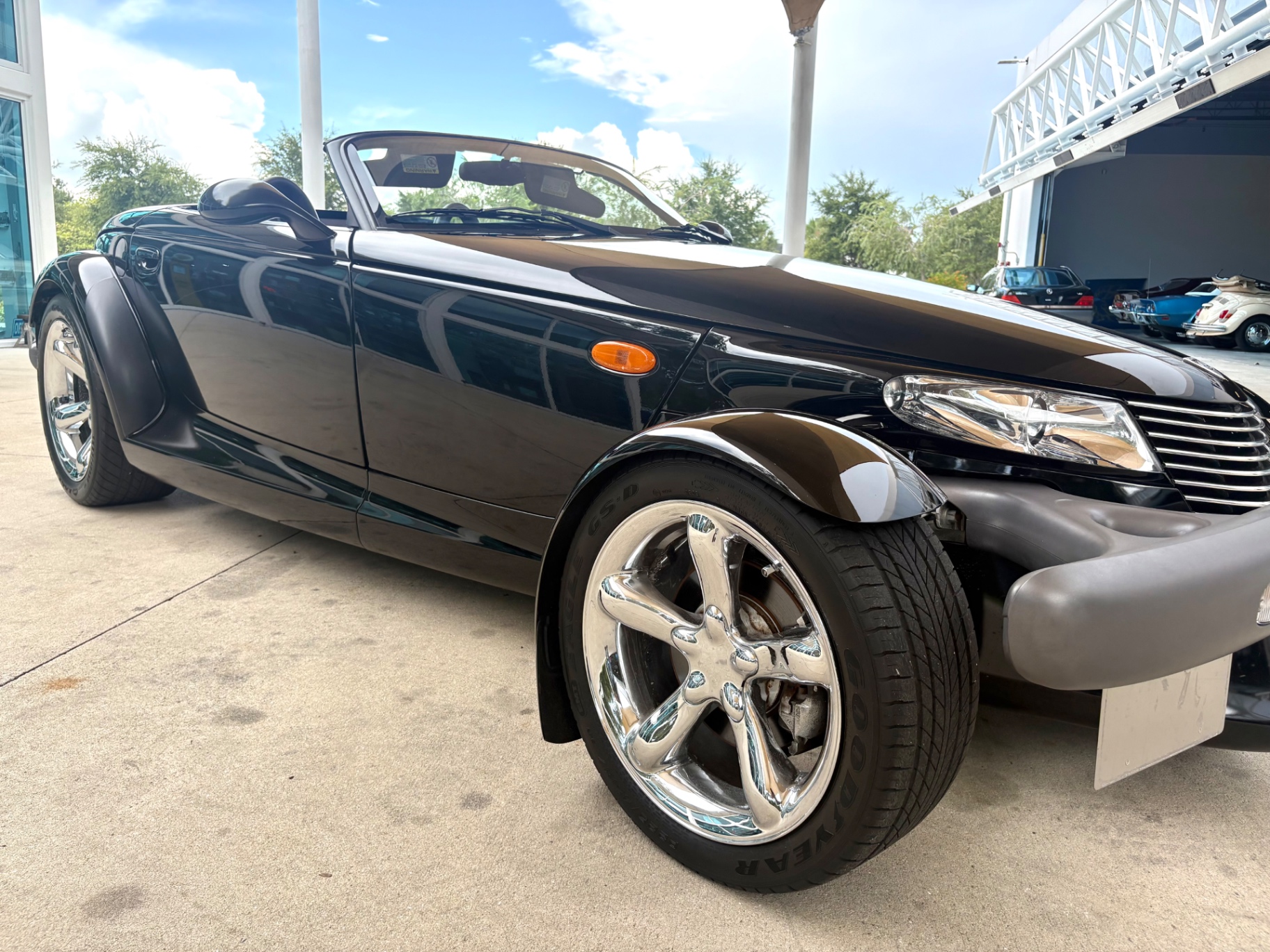
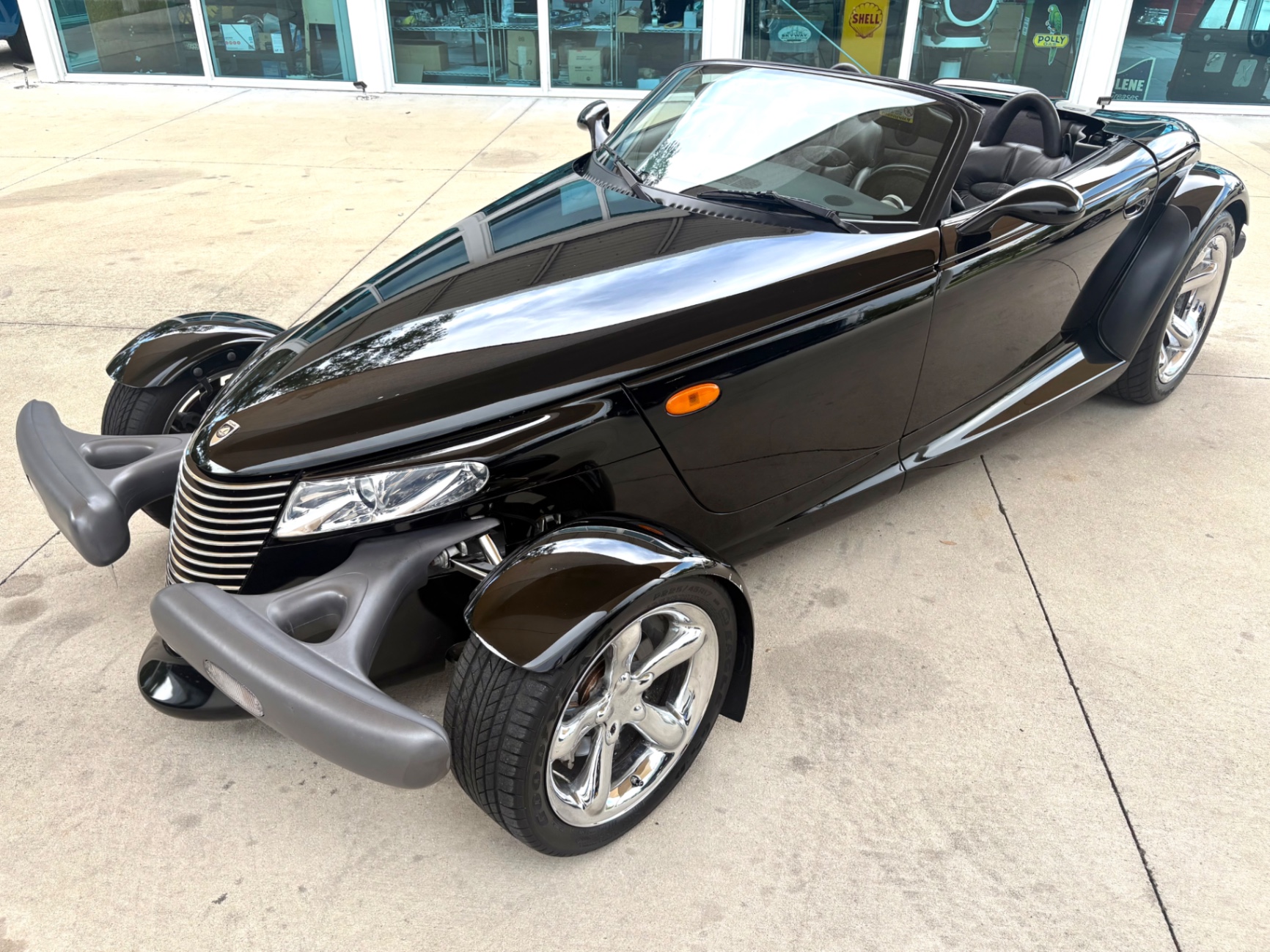
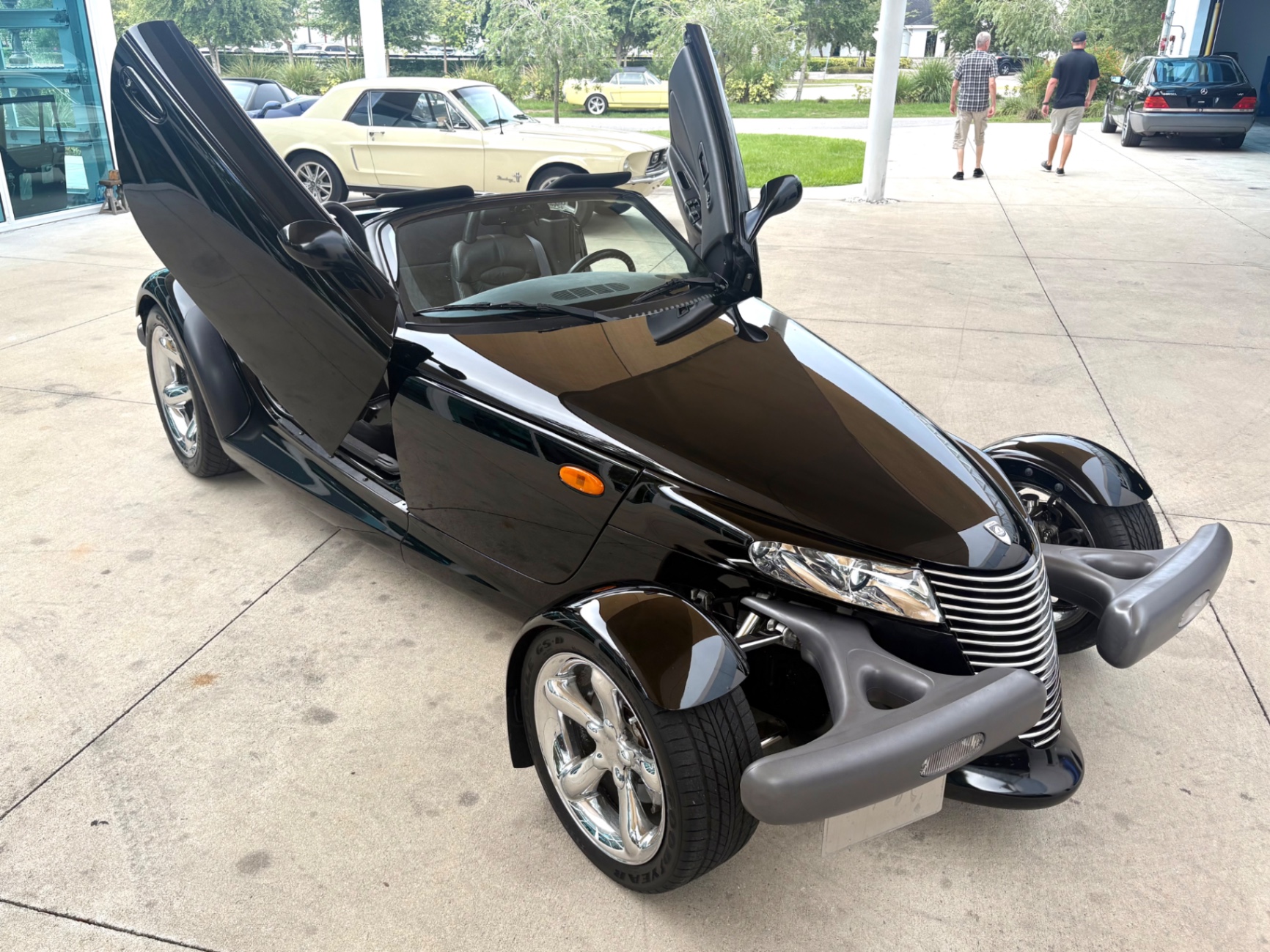
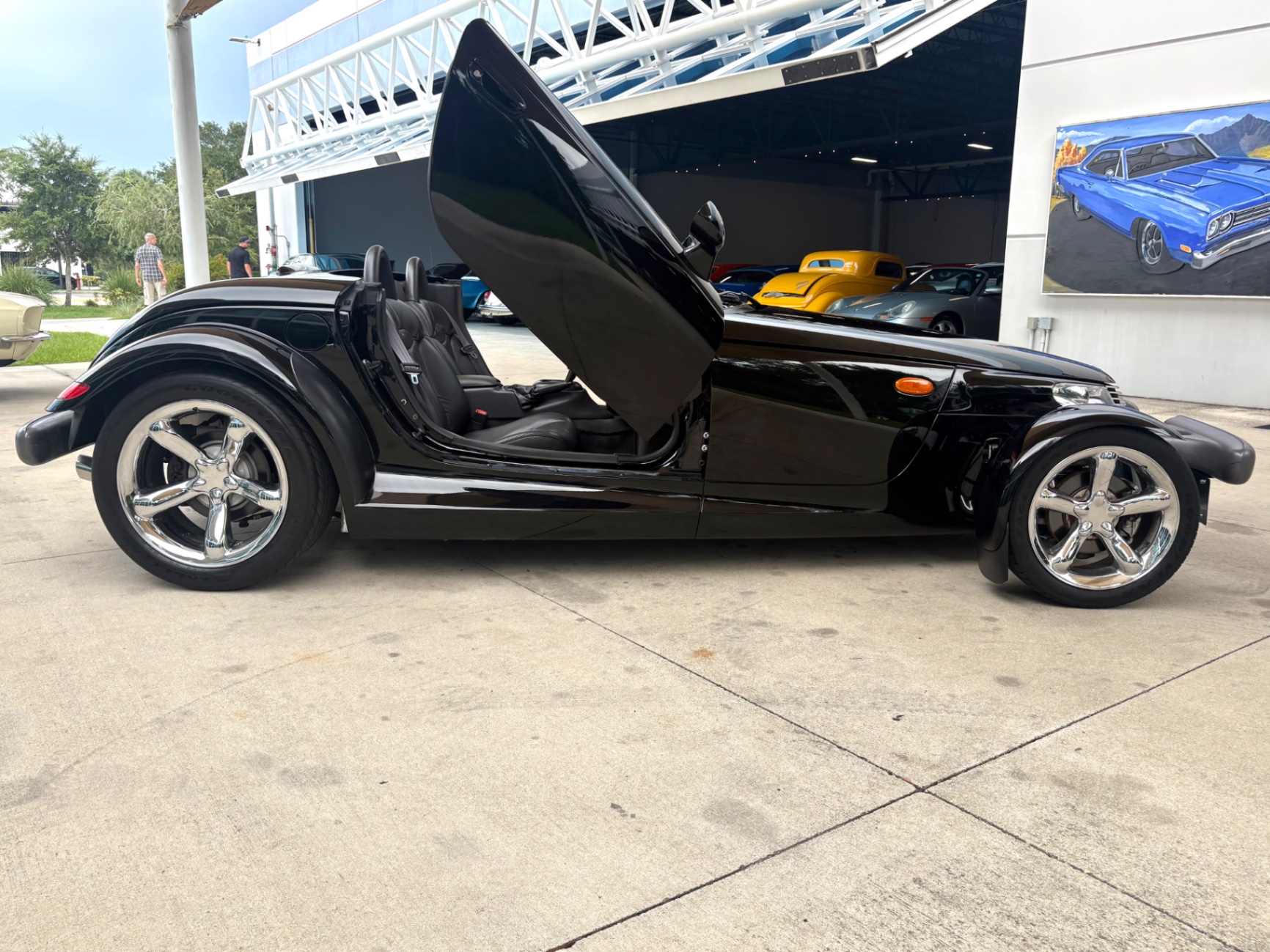
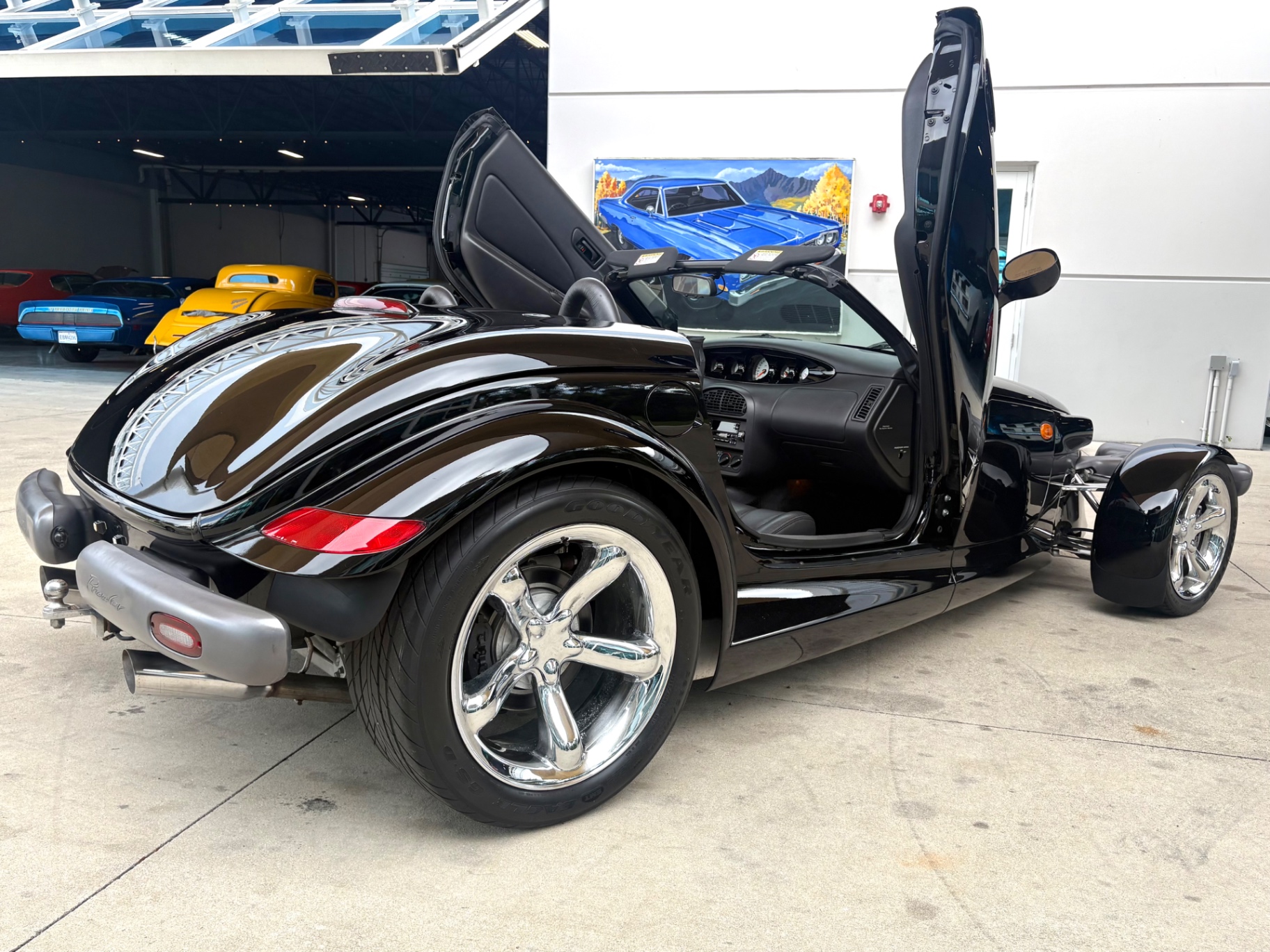
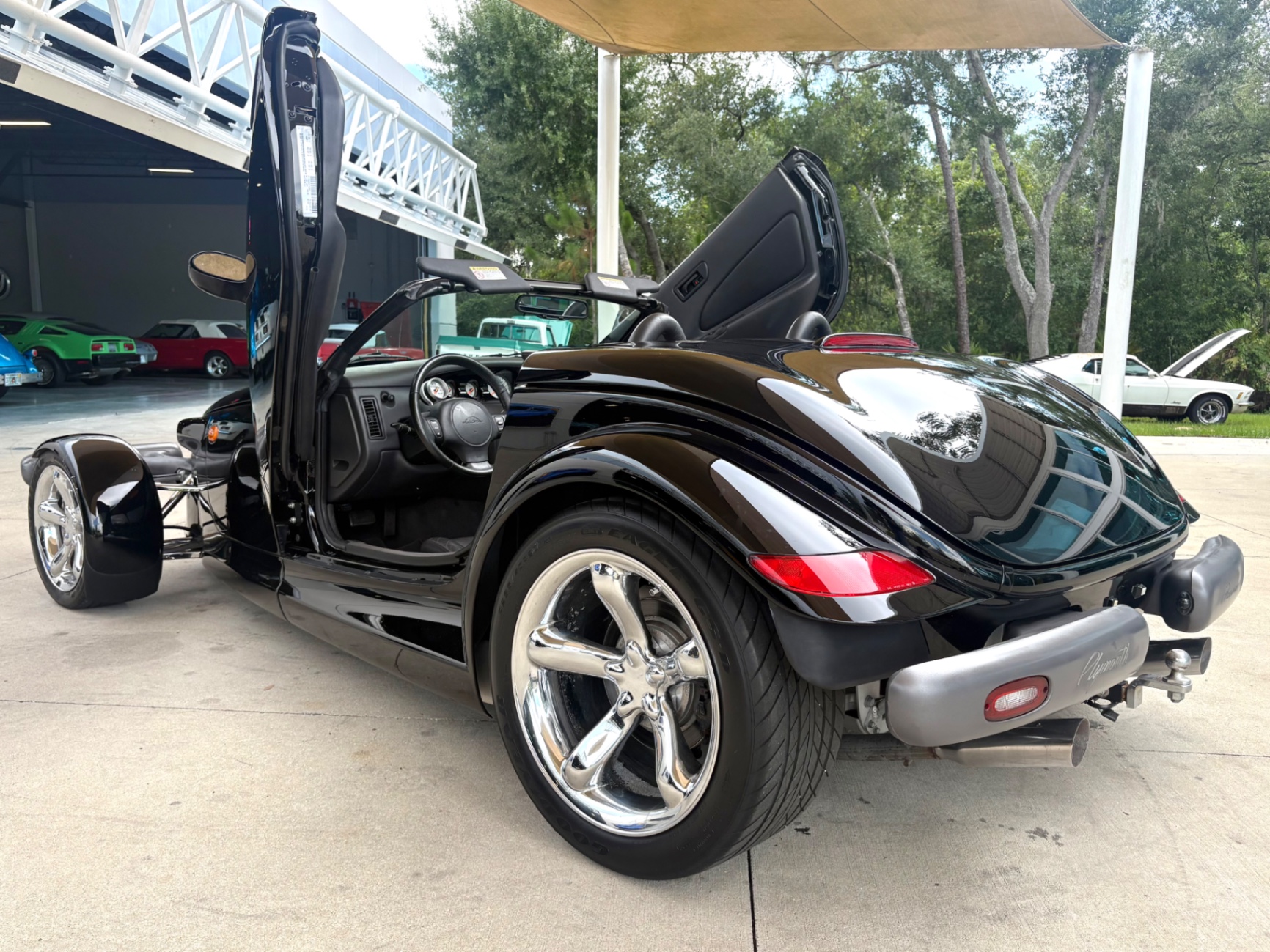
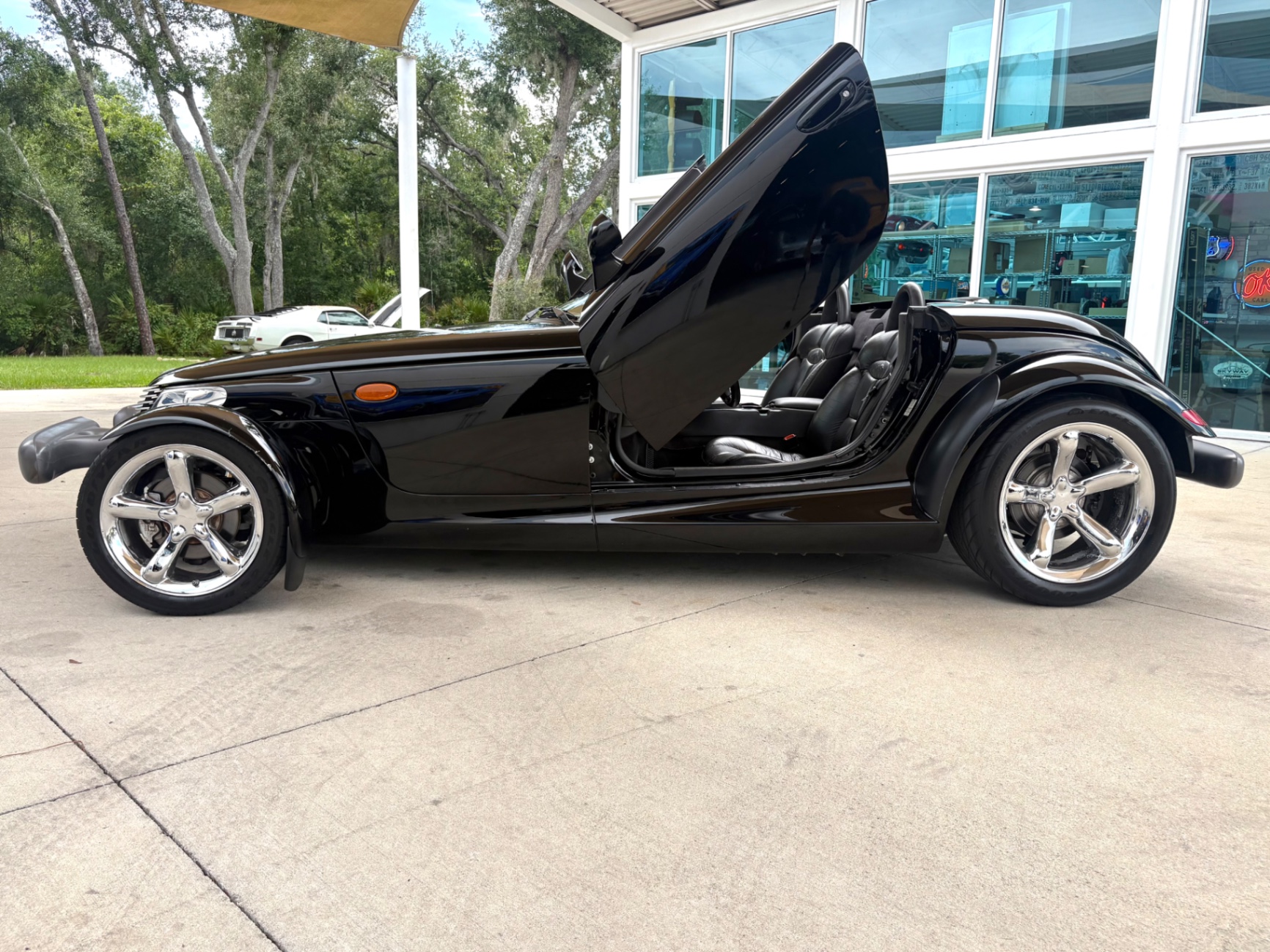
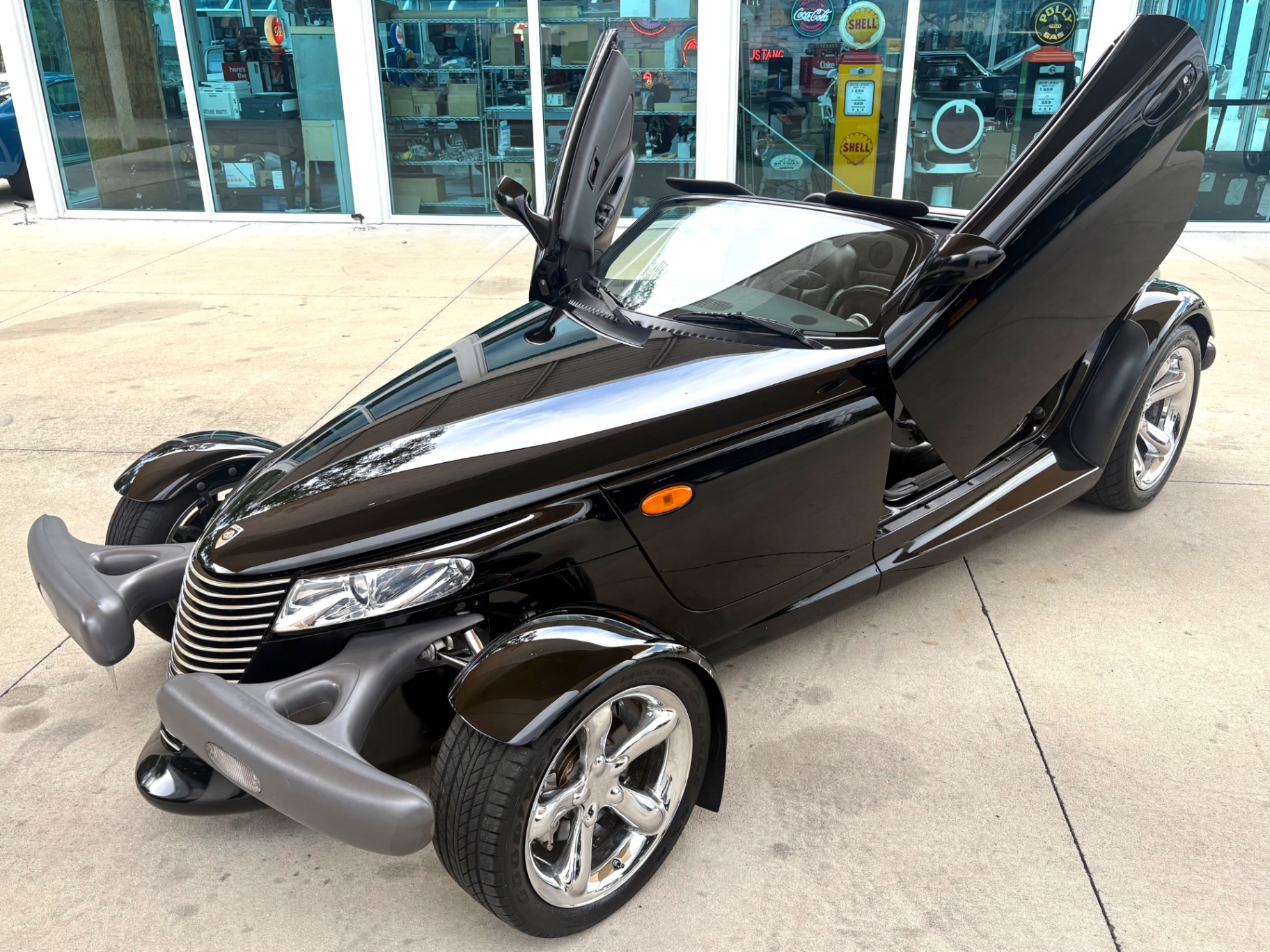
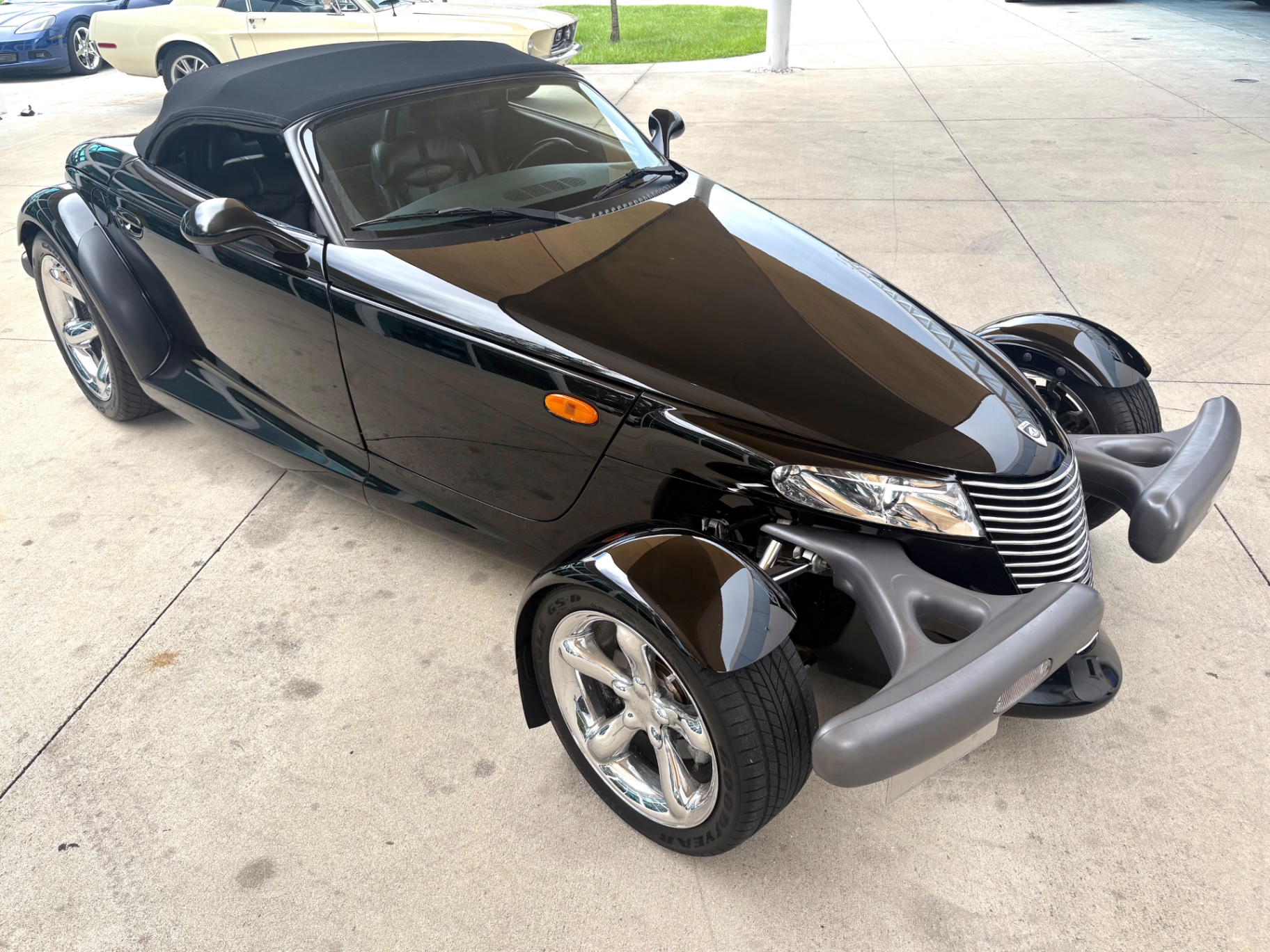
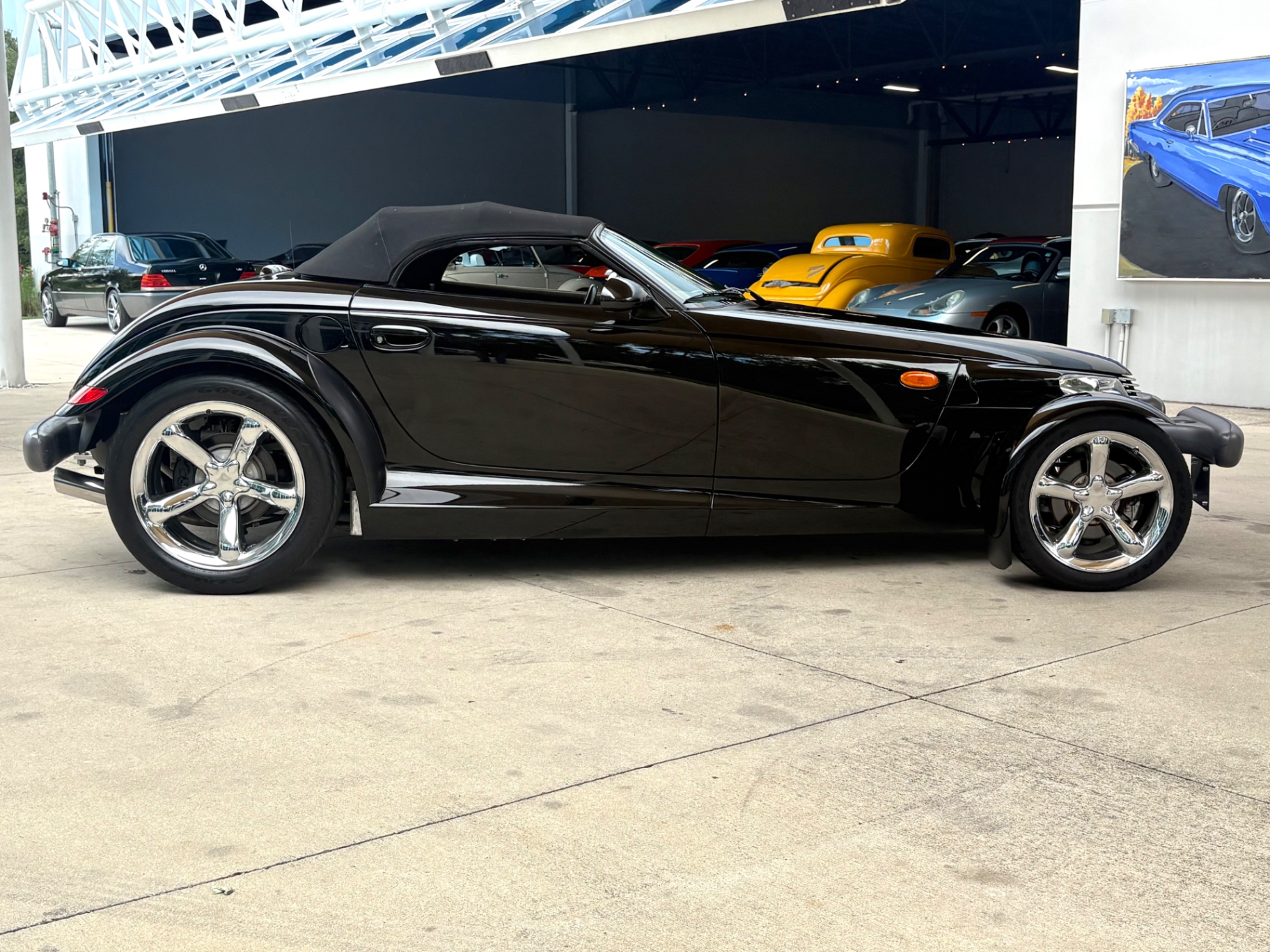
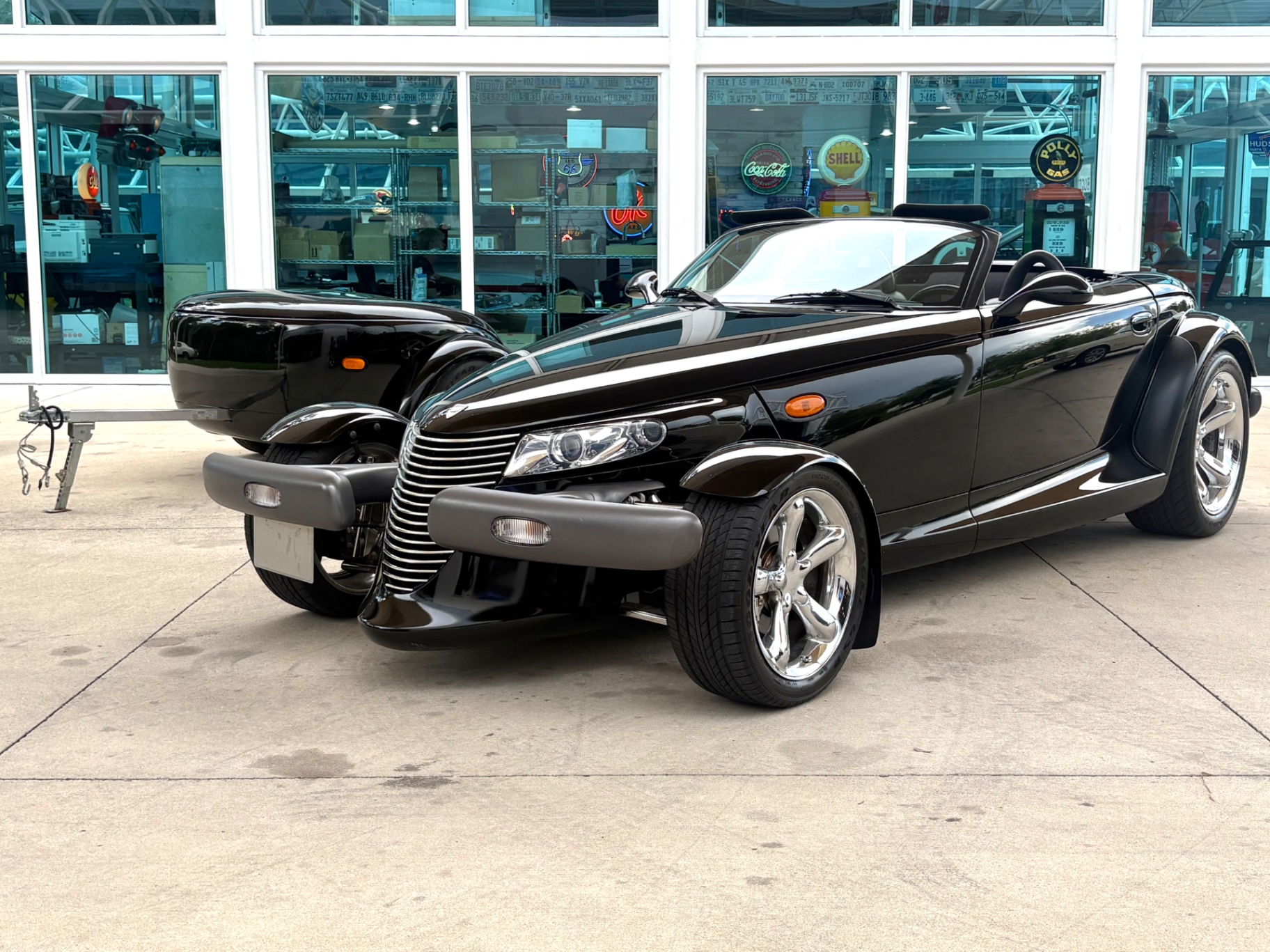
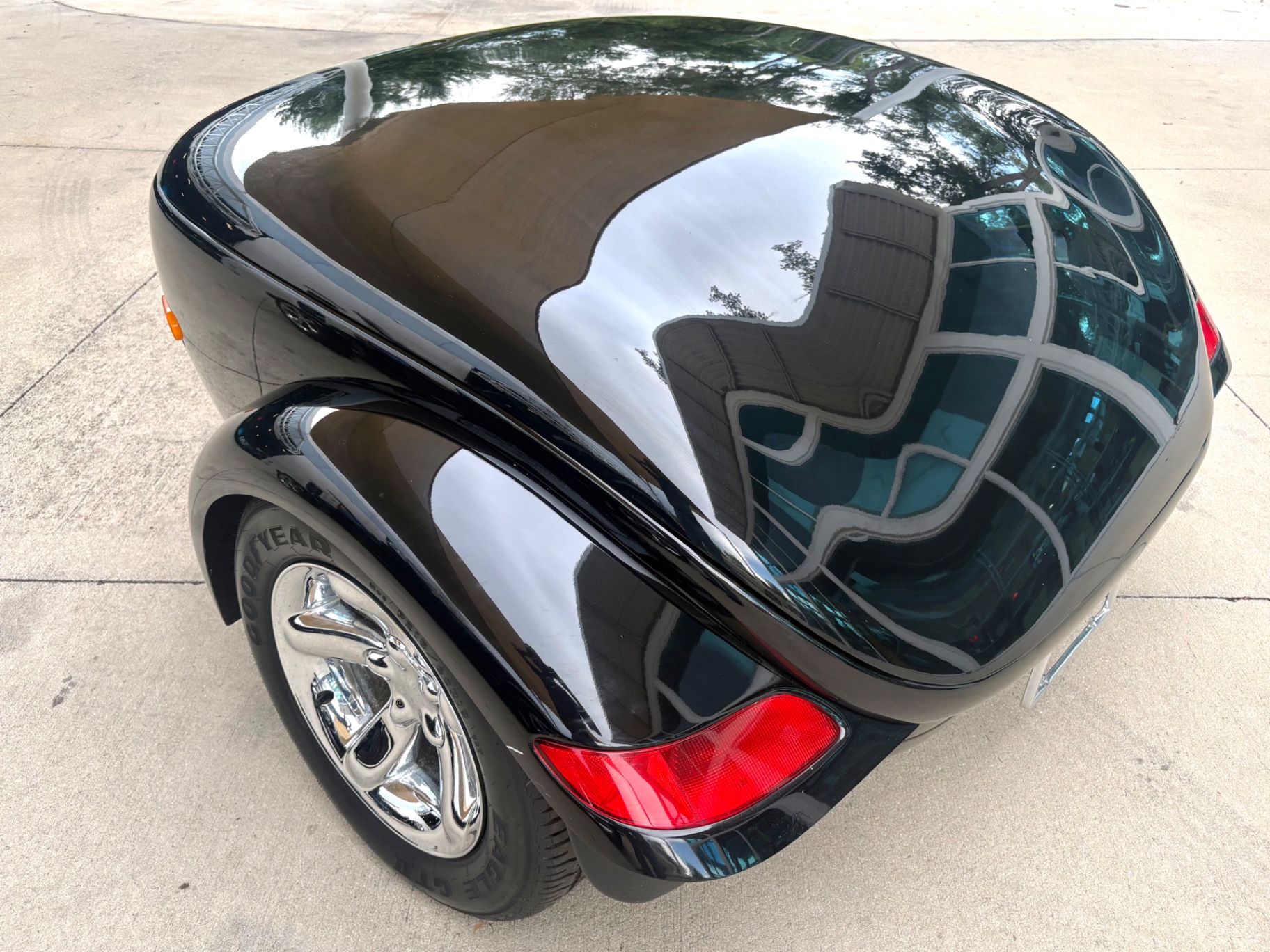
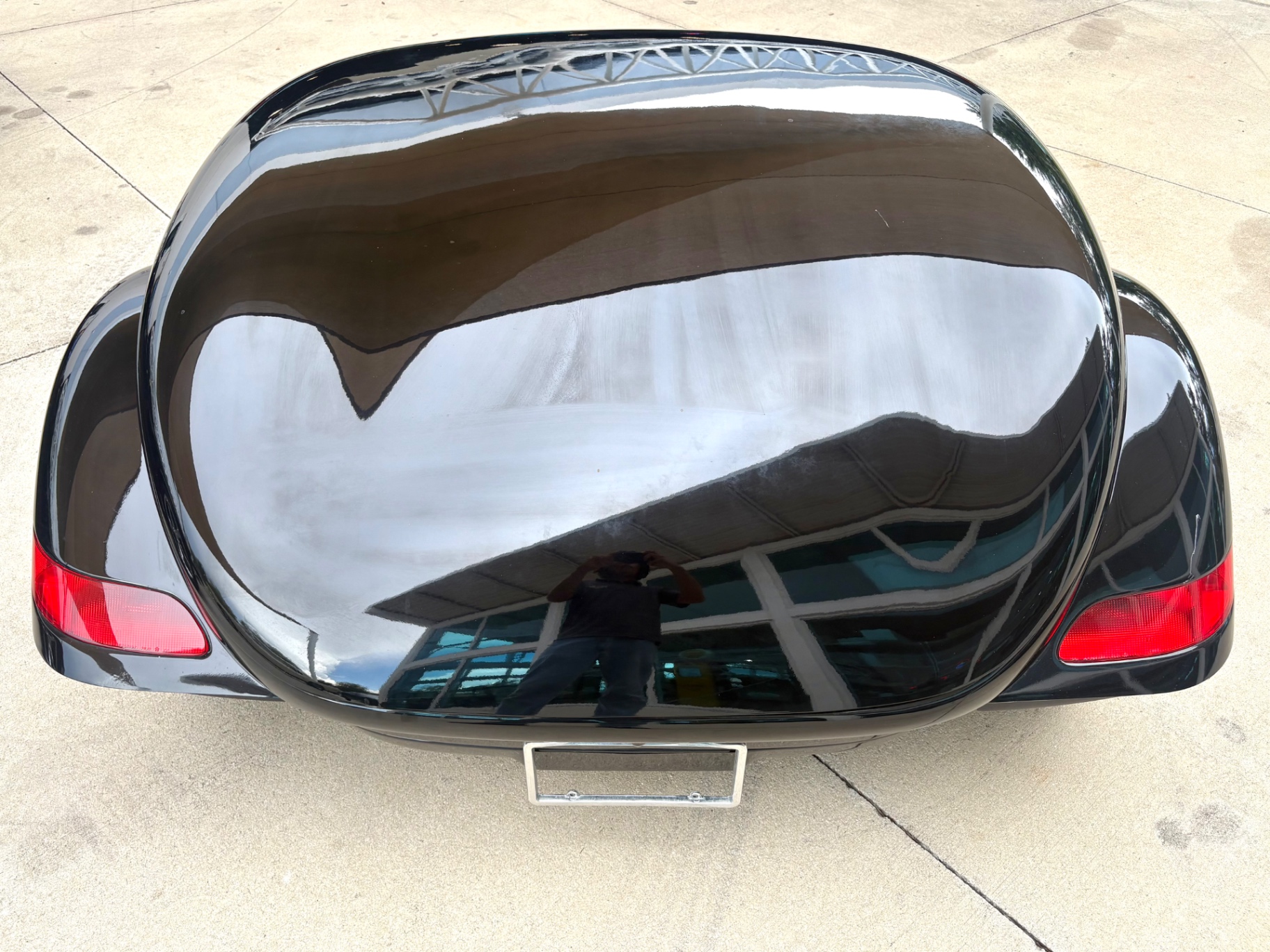
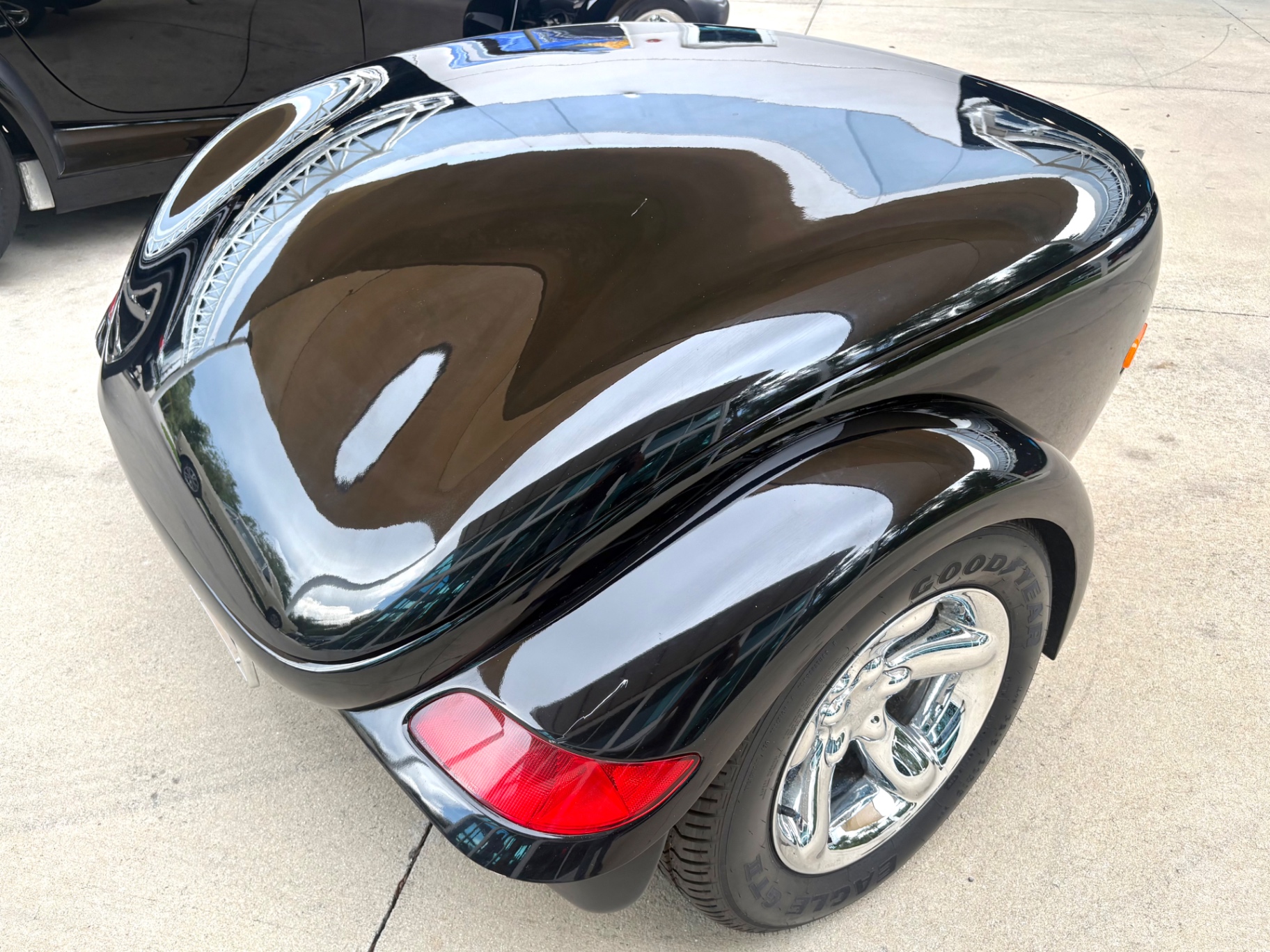


1999 Plymouth Prowler — Black on Black, Aluminum Space Frame Roadster with Mopar Trailer Hitch
Why This Car Is Special
The 1999 Plymouth Prowler is one of the more unusual vehicles to come out of the American auto industry in the last three decades. It started as a concept car that Chrysler debuted at the 1993 Detroit Auto Show, and the response was strong enough that the company actually built it — something that almost never happens with show cars as extreme as this one. Production began in 1997, and by the time the model was discontinued after the 2002 model year, just over 11,000 Prowlers had been built across all years. That is a small number by any measure, and it makes every 1999 Plymouth Prowler a legitimate low-production collectible.
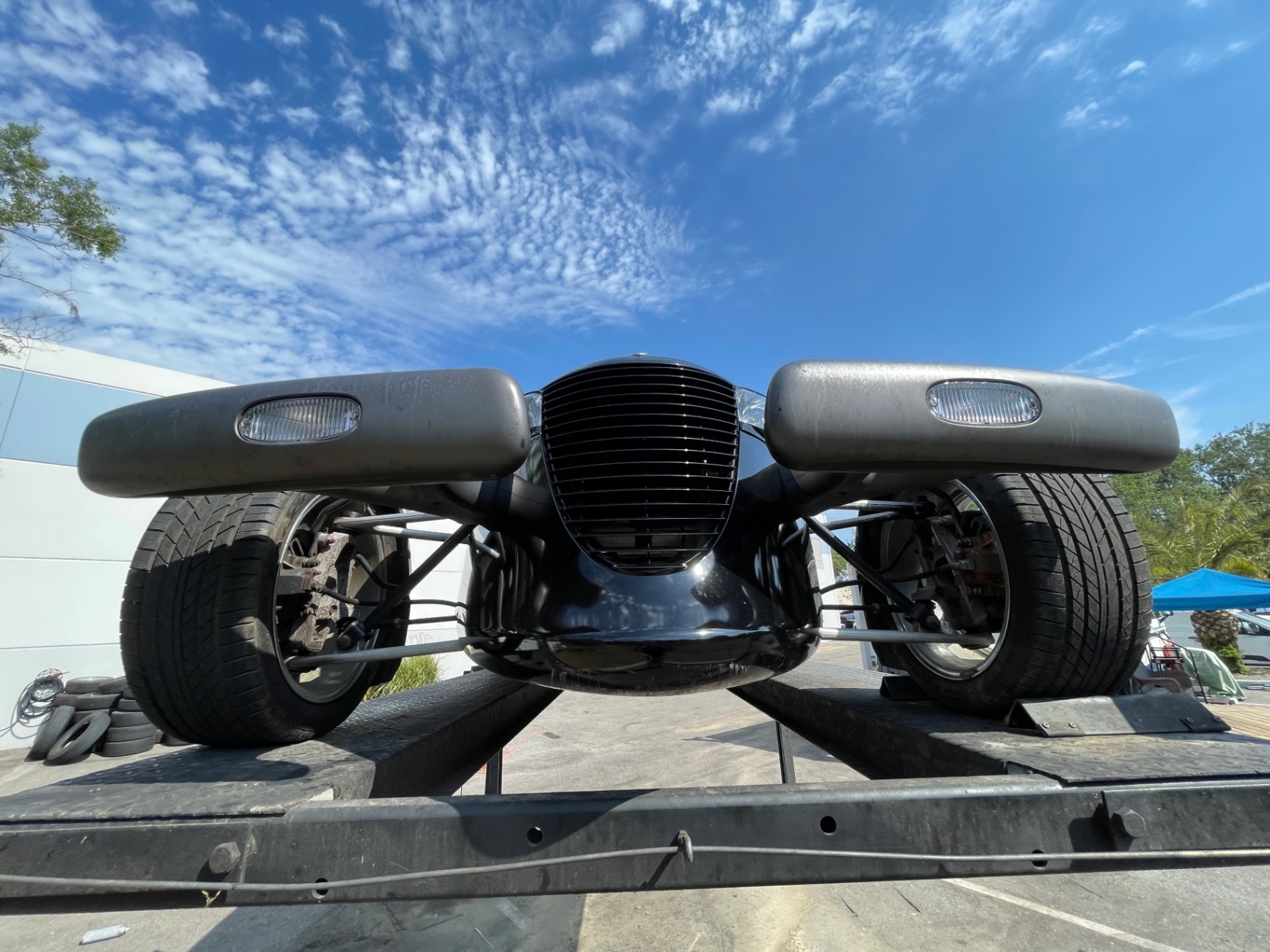
What made the Prowler worth serious attention when it was new, and what keeps it interesting today, is that Chrysler did not cut corners on the engineering. The chassis is a fully riveted and bonded aluminum space frame — the same construction philosophy used in aircraft and high-end European sports cars. The body panels are polymer composite. The result is a curb weight around 2,800 pounds, which is genuinely light for a V6 convertible with air conditioning and a full complement of power accessories. The suspension geometry was designed to reference 1930s hot rod proportions while actually working as a modern independent setup at all four corners. The front suspension is fully exposed and unenclosed by bodywork, which is a direct nod to classic American custom car culture.
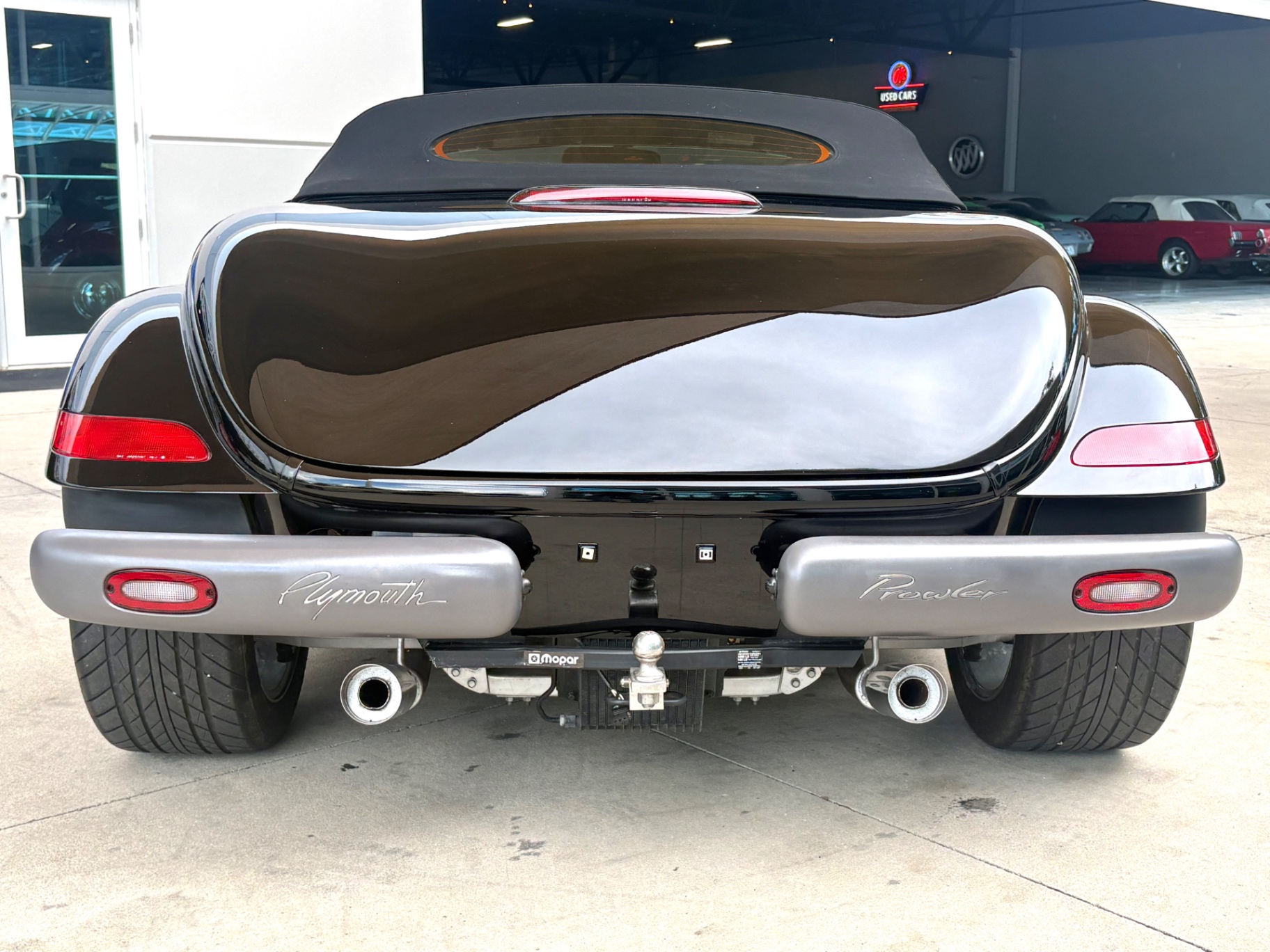
This particular car is finished in black over a black leather interior — a combination that suits the Prowler's low, aggressive proportions well. It carries a factory Mopar trailer hitch, which is a relatively uncommon find on a Prowler and a detail that tells you about the Chrysler accessory ecosystem built around the model. Chrysler offered a matching teardrop trailer called the Prowler Sport Trailer that was designed specifically for this car, and the hitch is exactly what you would need to tow one. Whether you source that trailer or not, the hitch is a genuine factory accessory and adds a useful piece of Prowler history to this example.
Features List
- 3.5L V6 24-Valve engine producing 253 horsepower
- 4-Speed AutoStick automatic transmission with manual shift capability
- Aluminum space frame construction with polymer composite body panels
- Gull-wing scissor doors
- Black soft convertible top with heated rear window
- Exposed front suspension with independent rear suspension
- 4-wheel disc brakes
- Chrome 5-spoke wheels
- Goodyear Eagle performance tires
- Dual exhaust with chrome tips
- Power steering
- Black leather bucket seats with embossed Prowler logo
- Leather-wrapped steering wheel with audio controls
- Prowler-logo floor mats
- Roll safety hoops
- Cruise control
- Power windows, locks, and mirrors
- Keyless entry
- Dual airbags
- Air conditioning
- AM/FM cassette stereo
- Tachometer and full multi-gauge instrument cluster
- Mopar trailer hitch
Mechanical
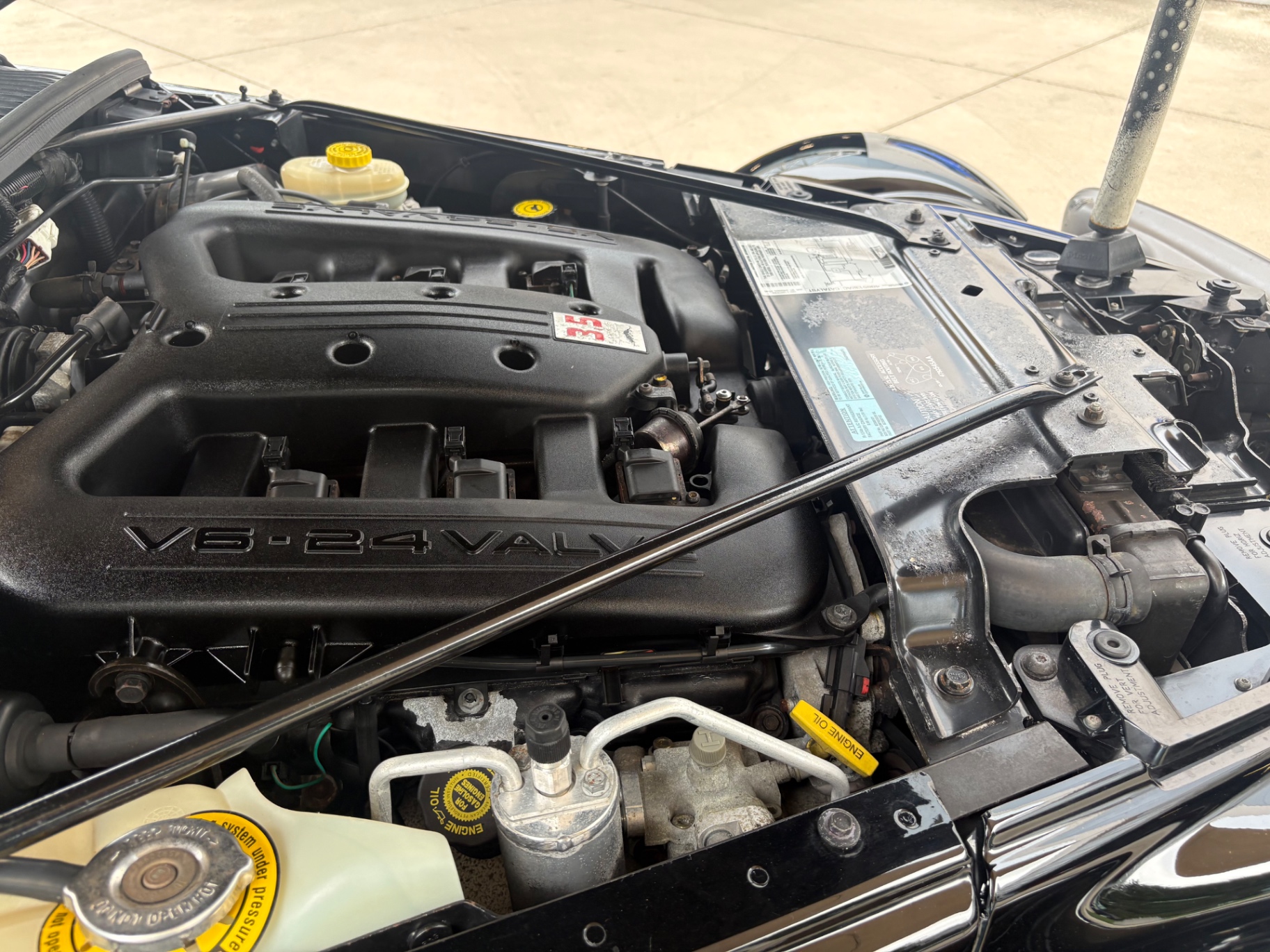
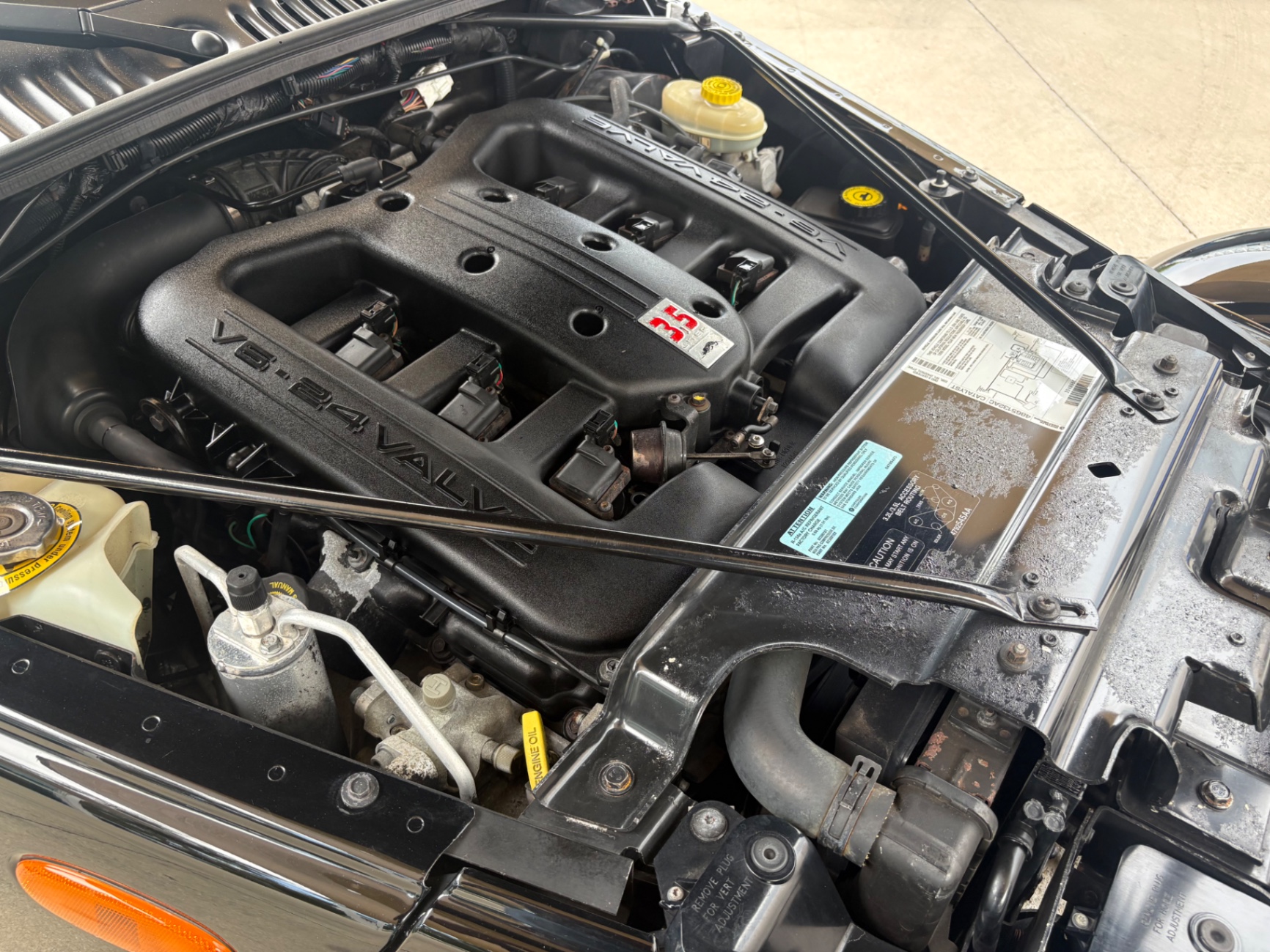
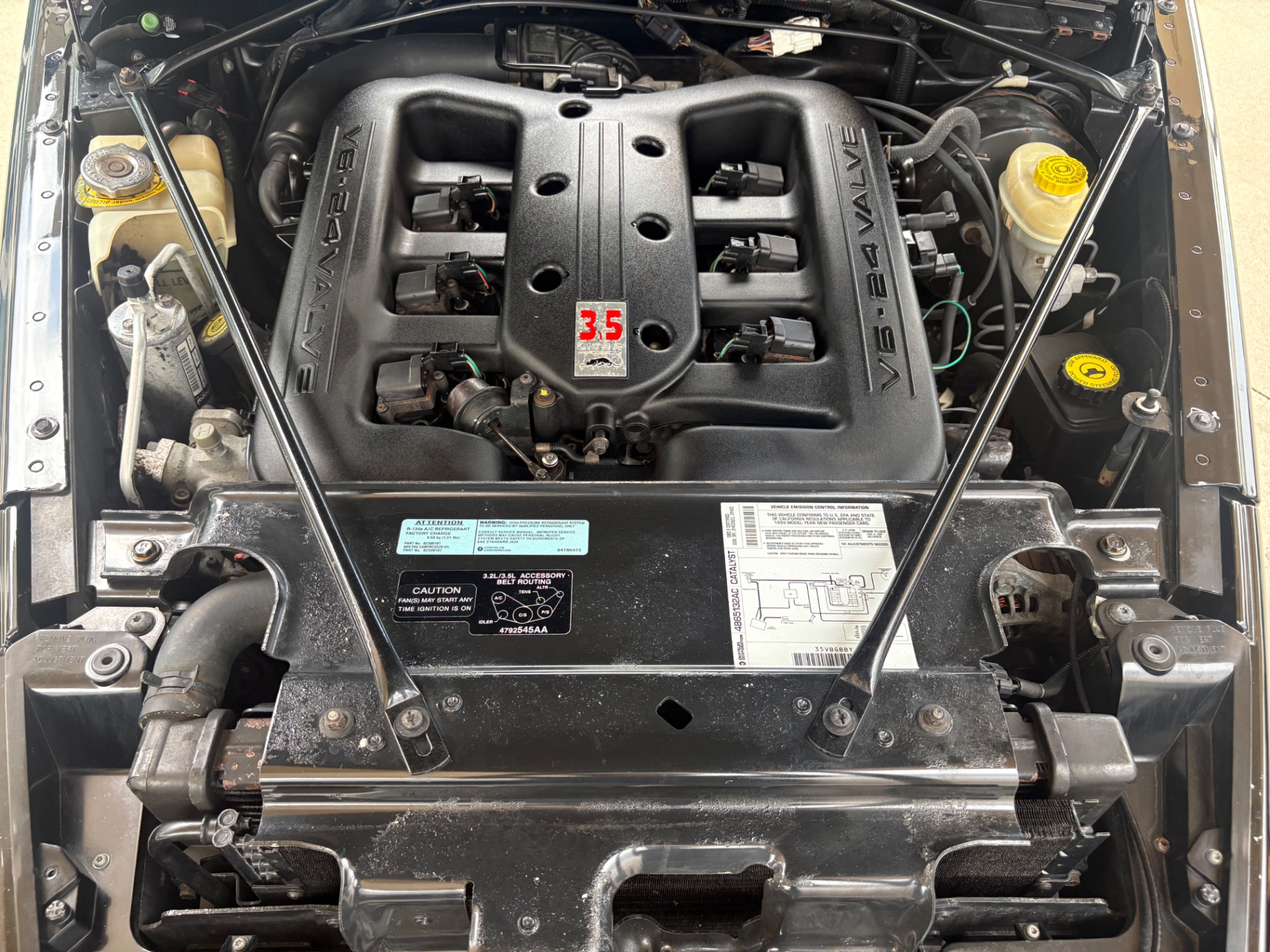
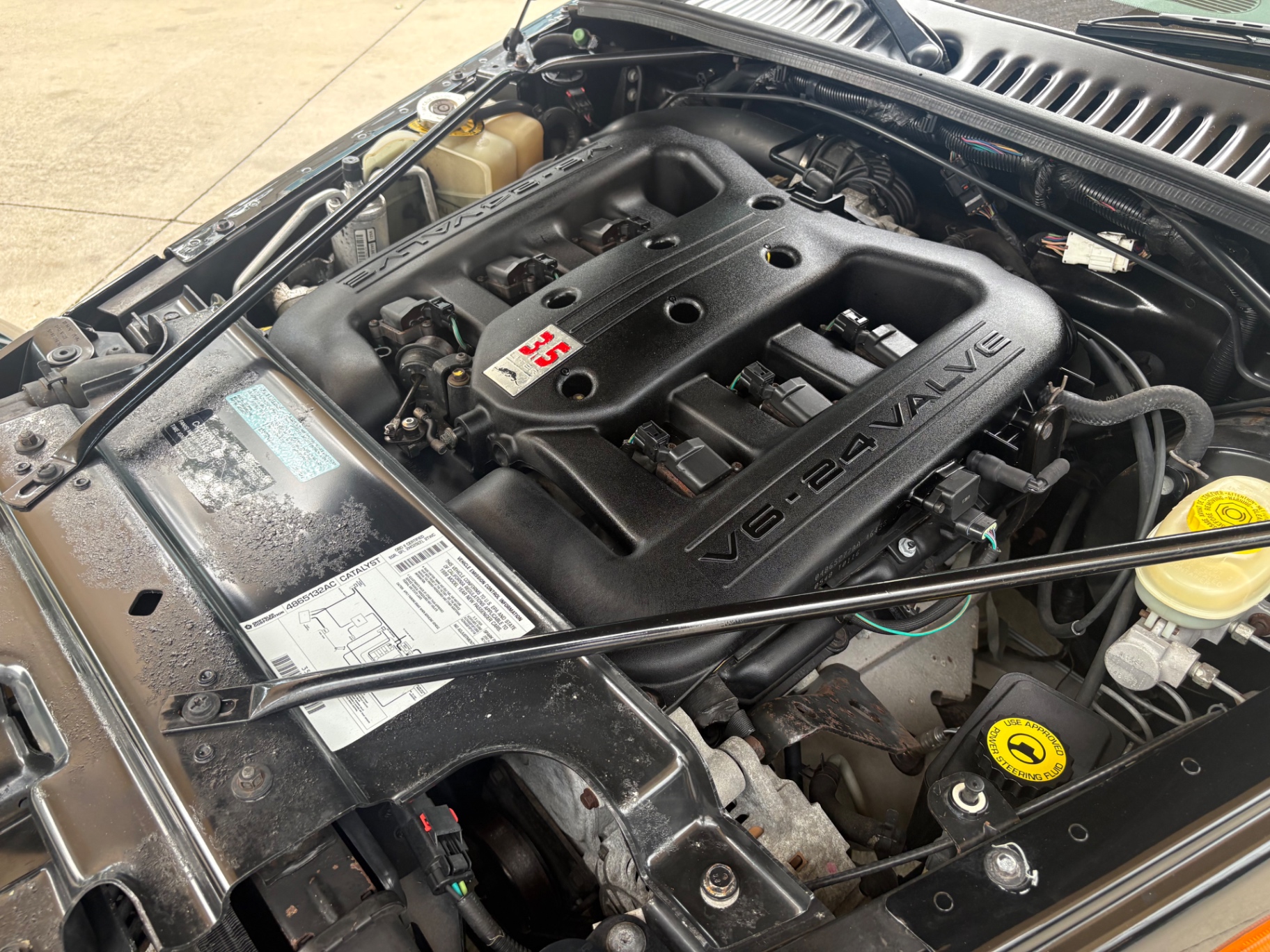
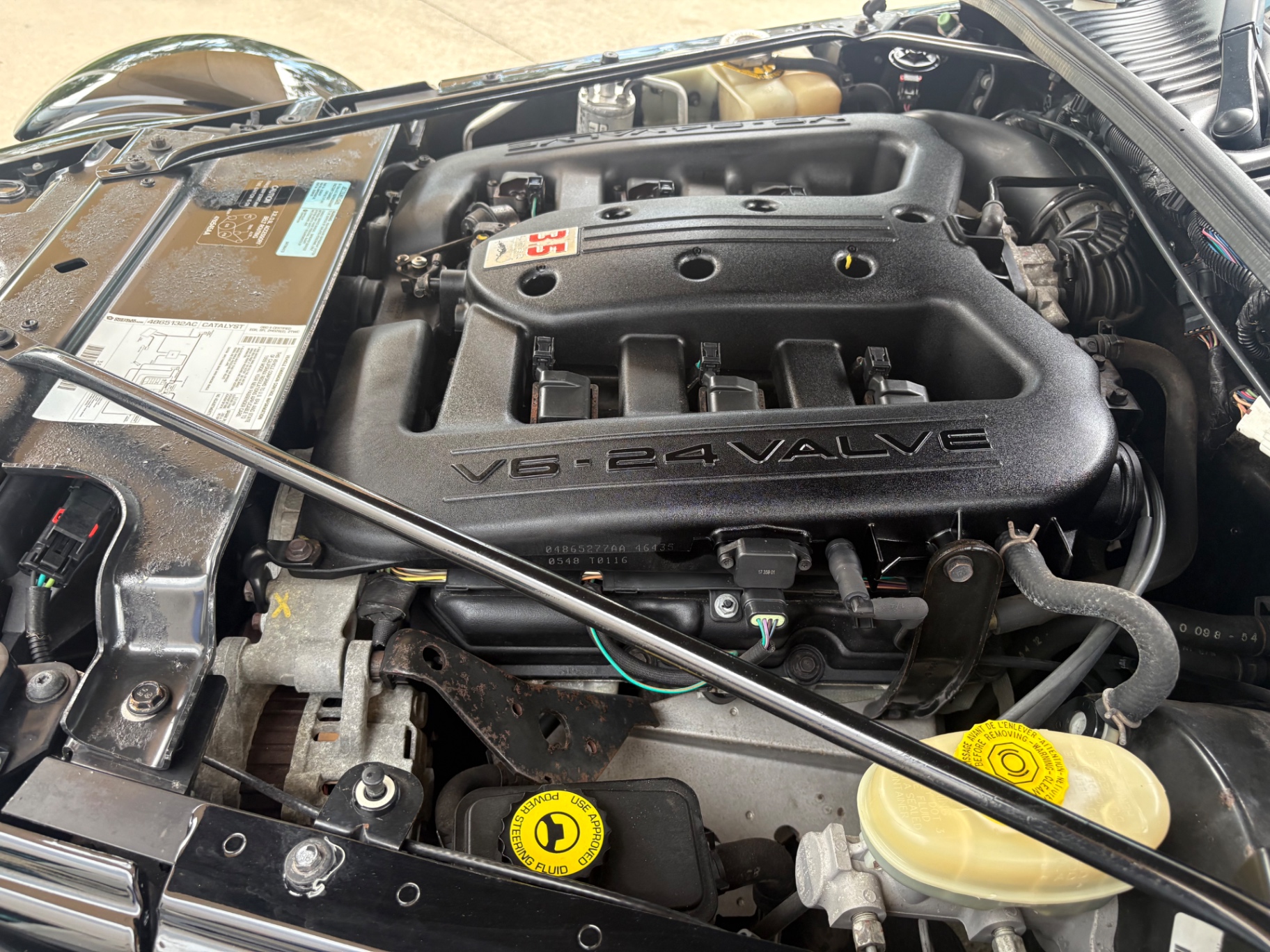
The engine in the 1999 Plymouth Prowler is Chrysler's 3.5-liter single-overhead-cam V6, a 24-valve unit rated at 253 horsepower. This is the same engine family used in the Chrysler 300M and the LHS sedans of the same era. It is a proven, durable unit with a solid parts supply. The 1997 and early 1998 Prowlers were initially offered with a 214-horsepower version of this engine, but Chrysler upgraded the output for the 1999 model year and improved the torque curve as well, making the 1999 a meaningfully better performer than the earliest cars.
The transmission is Chrysler's 4-speed AutoStick unit, which allows the driver to manually select gears via a console-mounted shifter without a traditional clutch pedal. This was not a true manual option but it gave the driver a reasonable degree of control over gear selection, which matters in a car this light.
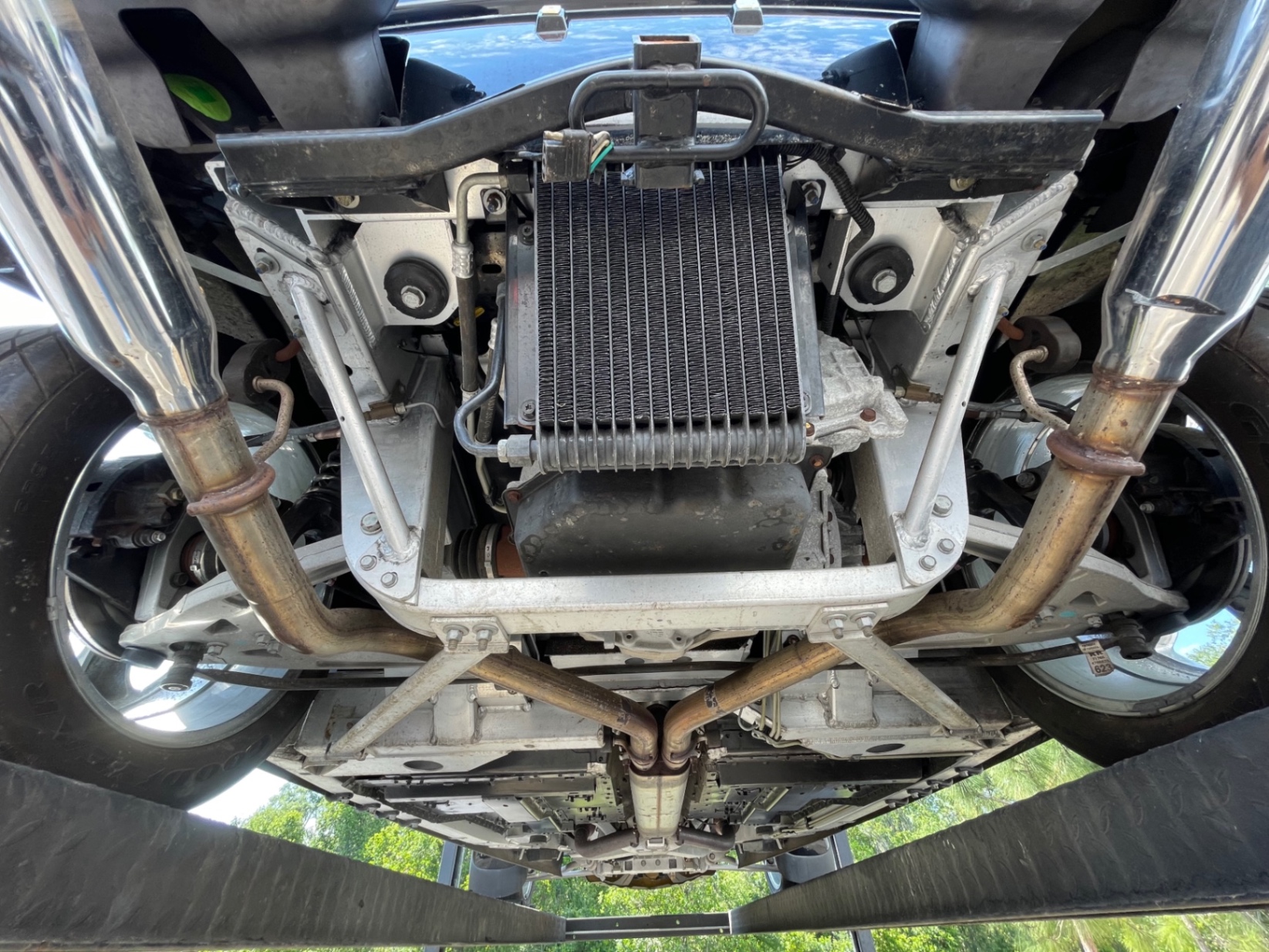
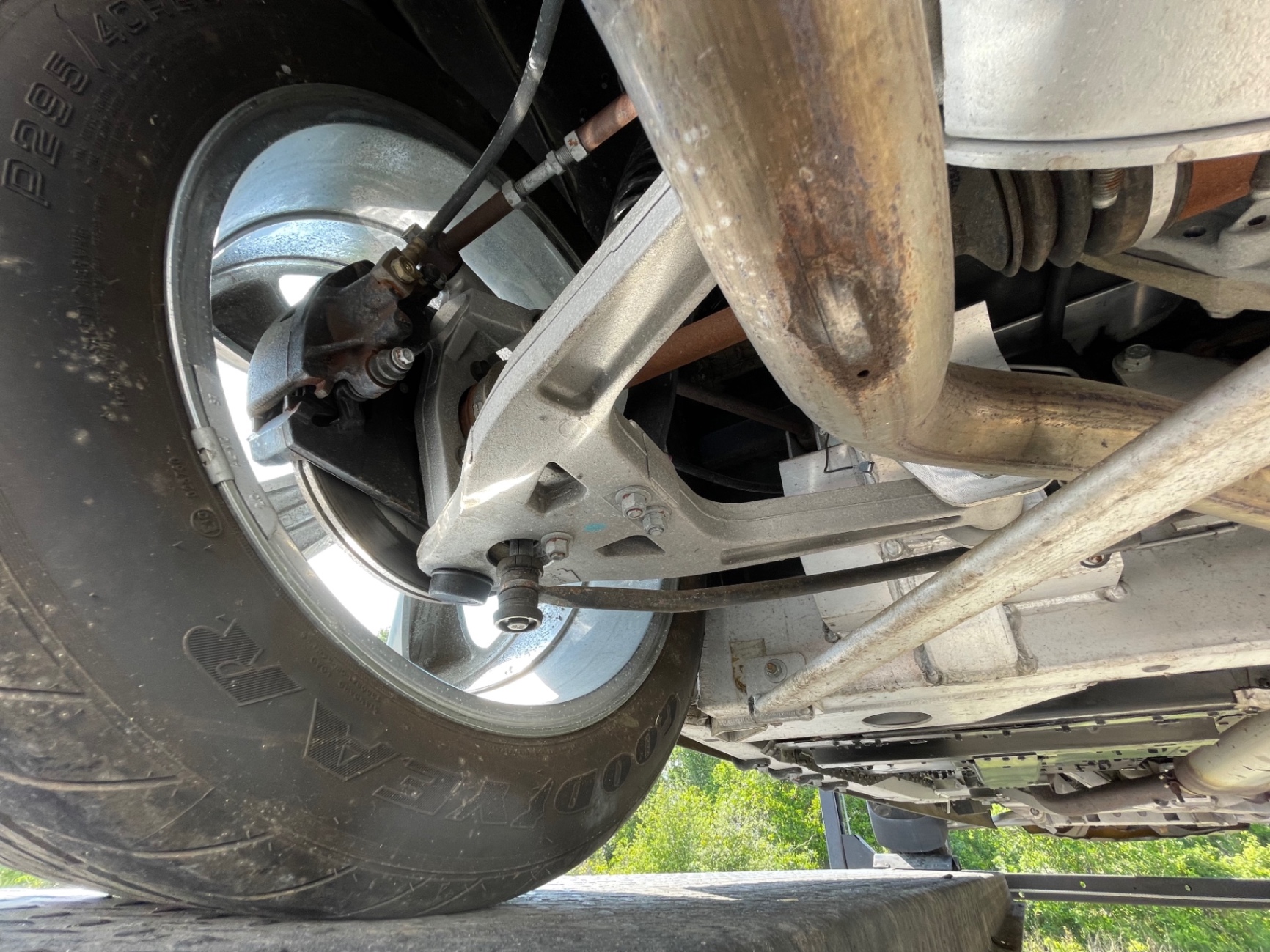
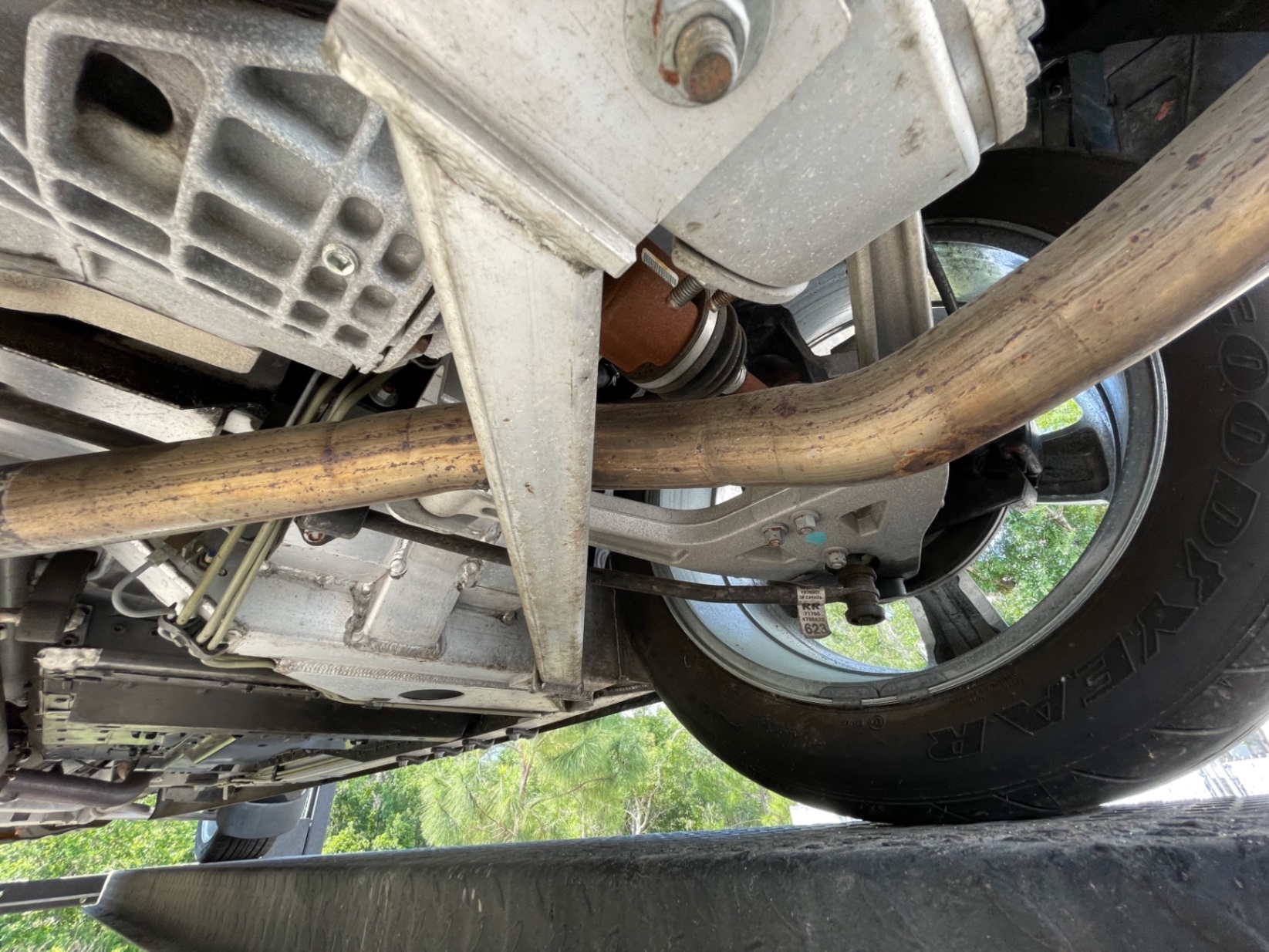
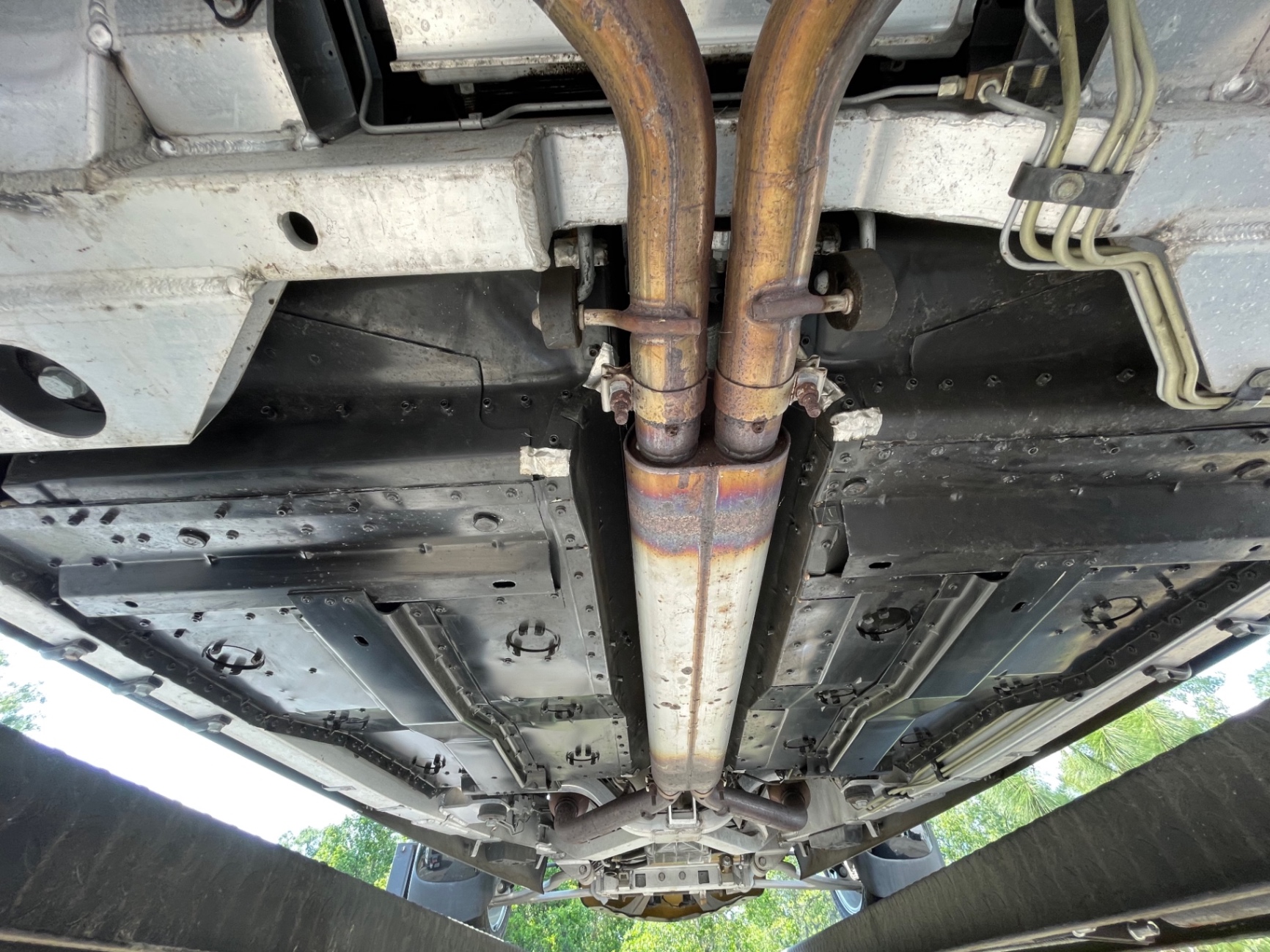
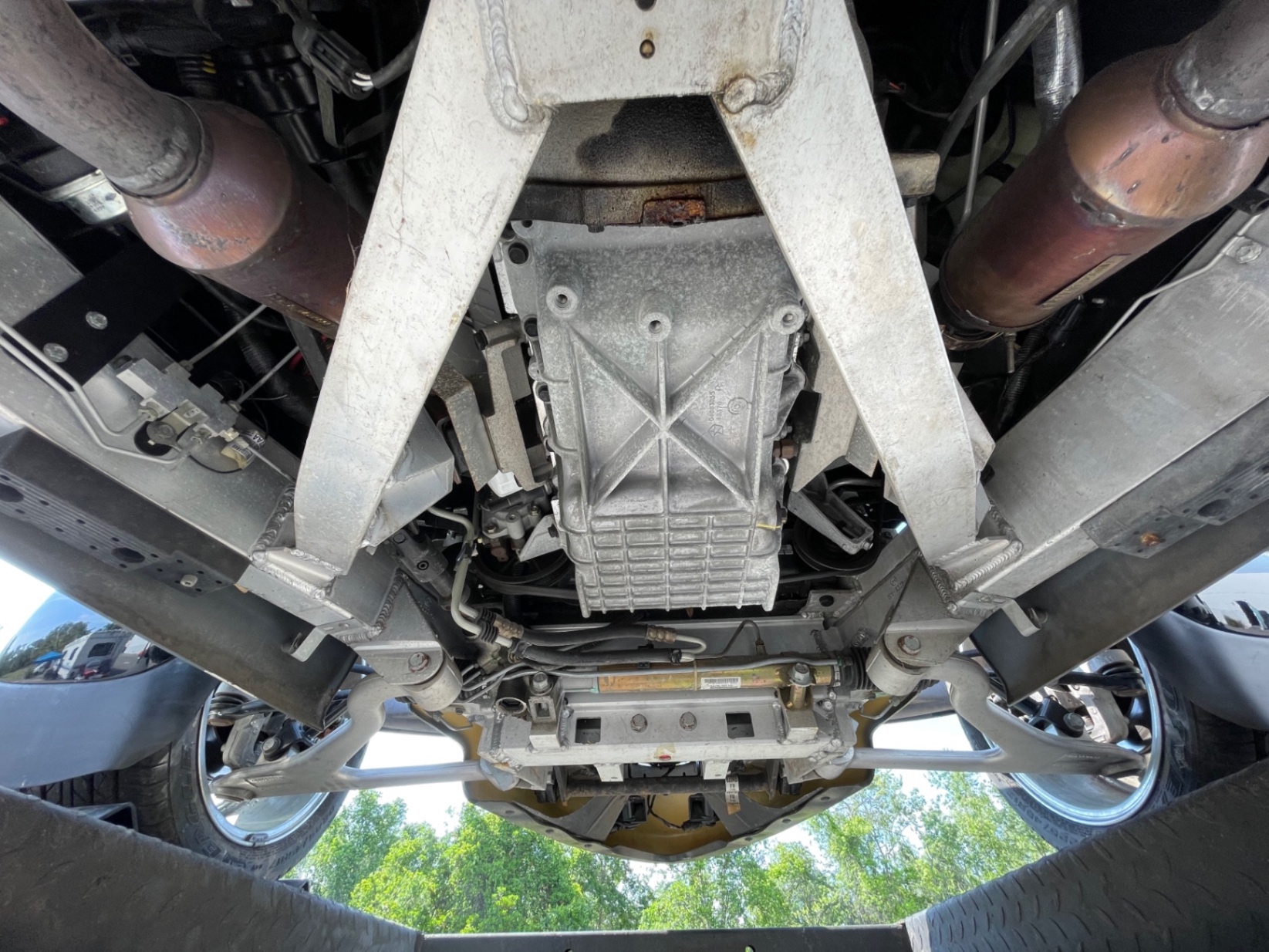
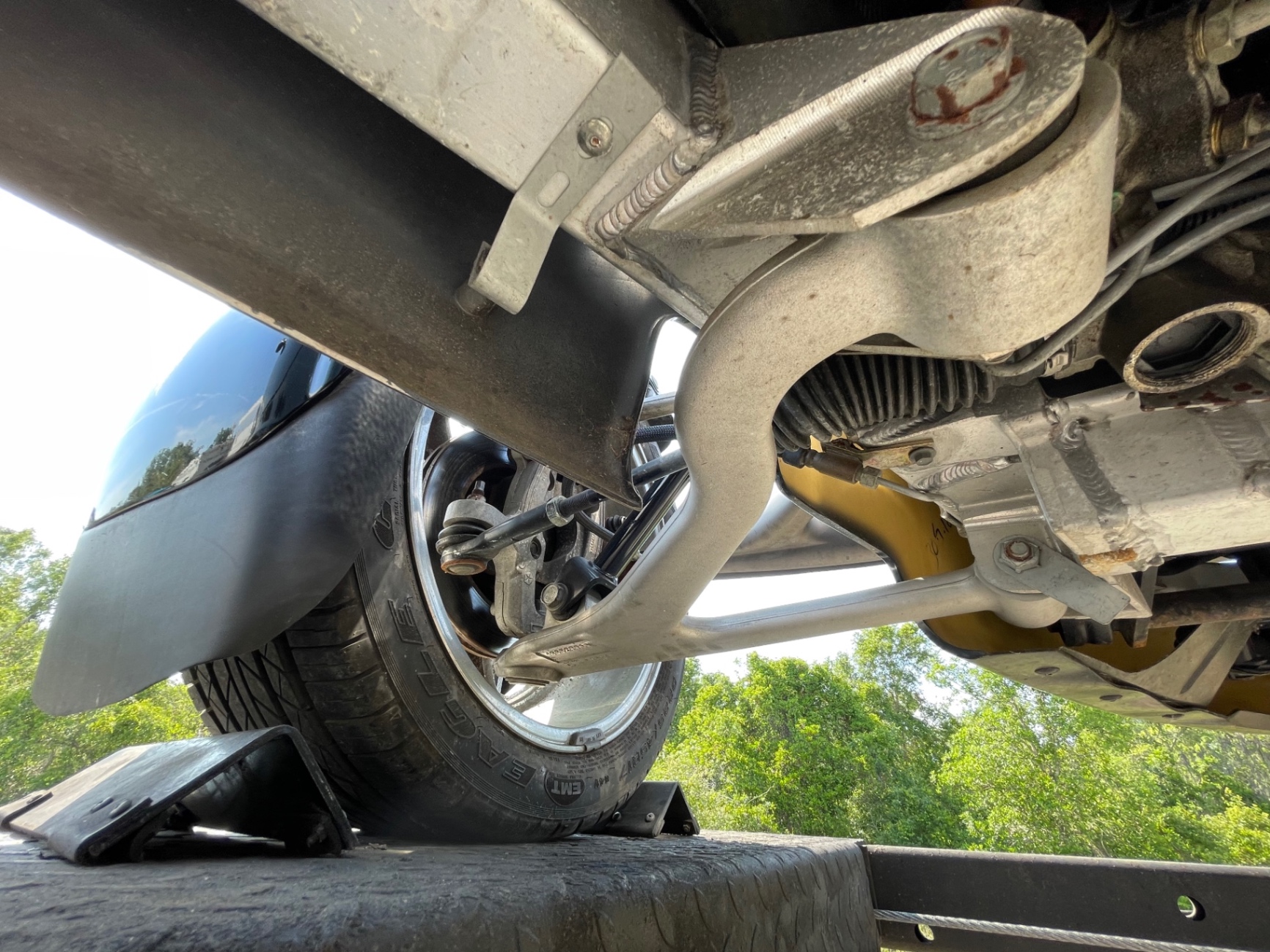
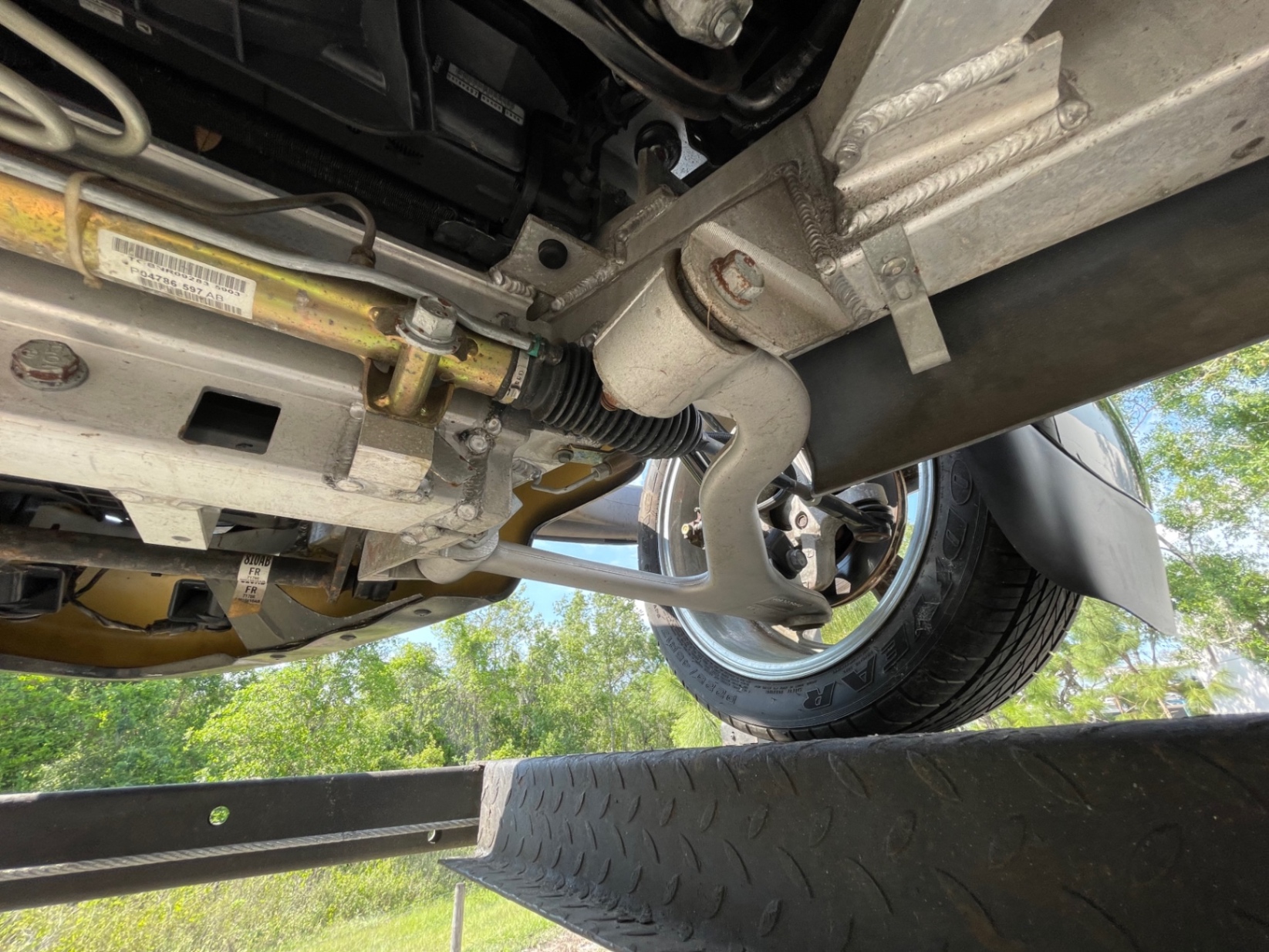
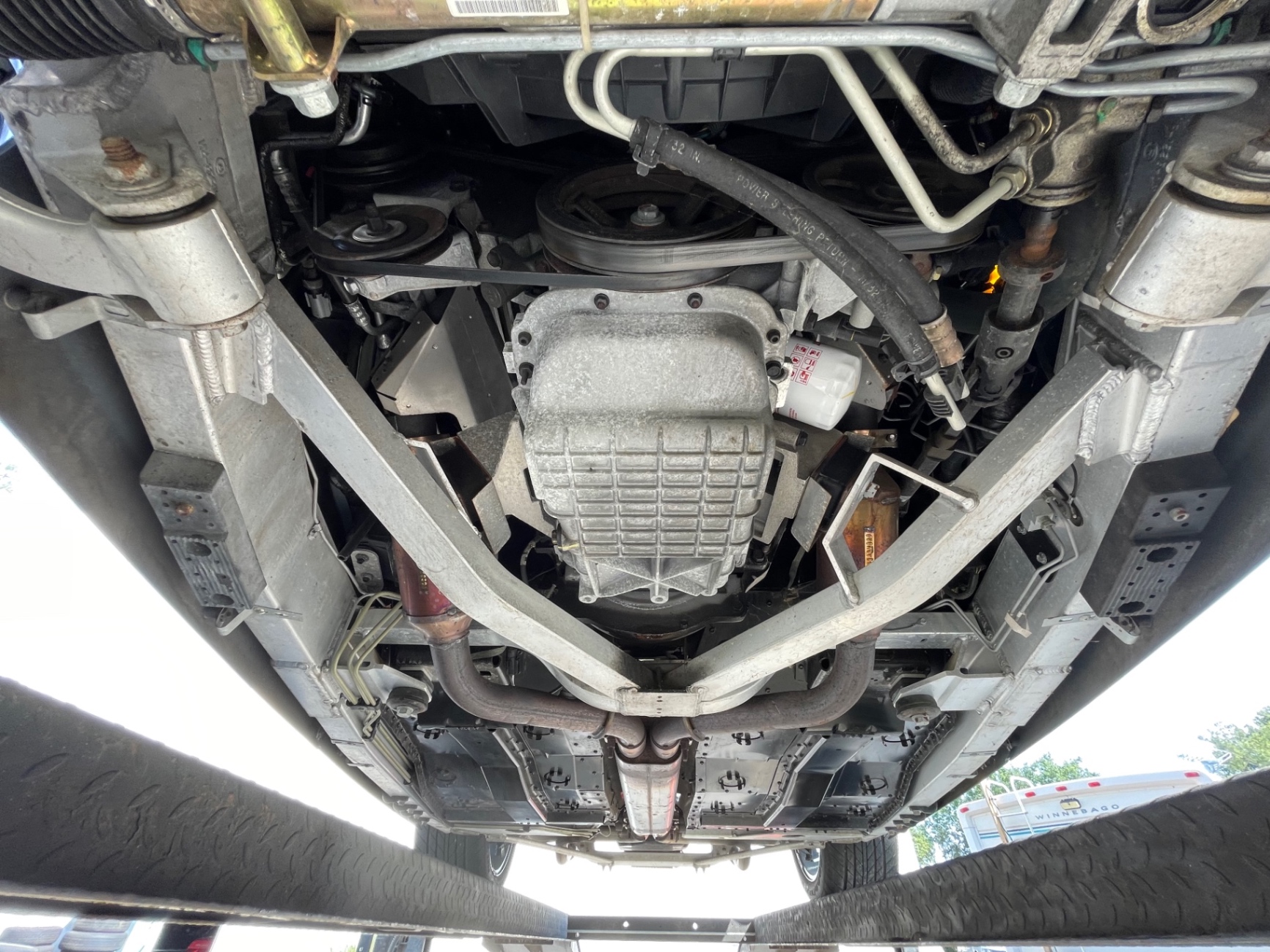
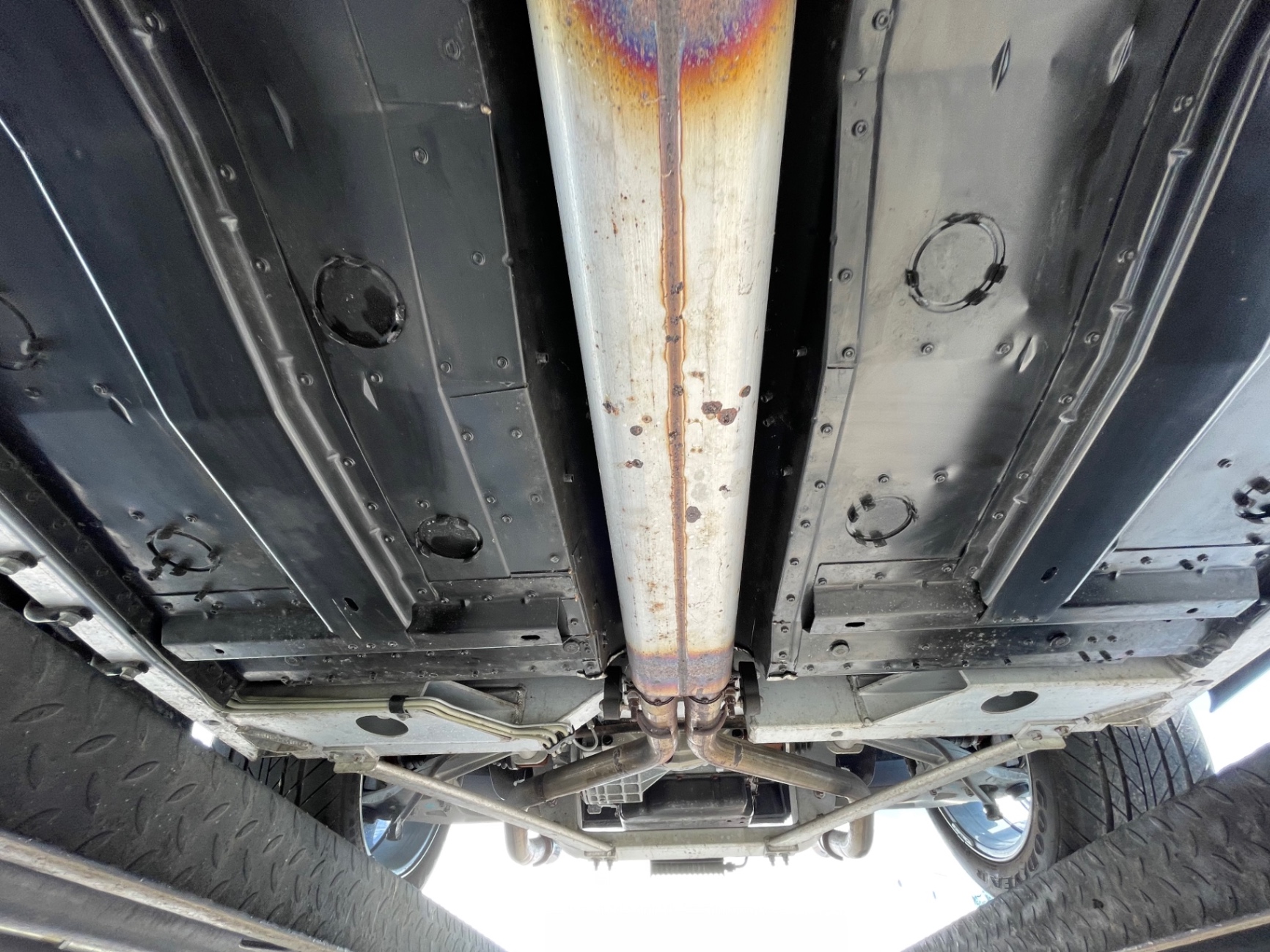
The aluminum space frame visible in the underbody photos is worth examining closely. Chrysler engineers used aerospace-style riveting and adhesive bonding rather than traditional welding to assemble the frame, which kept weight low and rigidity high. The front suspension geometry is a double A-arm setup that is fully visible from outside the car — there are no fender enclosures hiding the hardware. At the rear, the independent setup uses a multi-link arrangement. Four-wheel disc brakes handle stopping duty. The undercarriage photos show the structure in good condition, with the aluminum frame presenting as expected for a car of this age. The Mopar factory hitch is visible mounted at the rear.
Interior
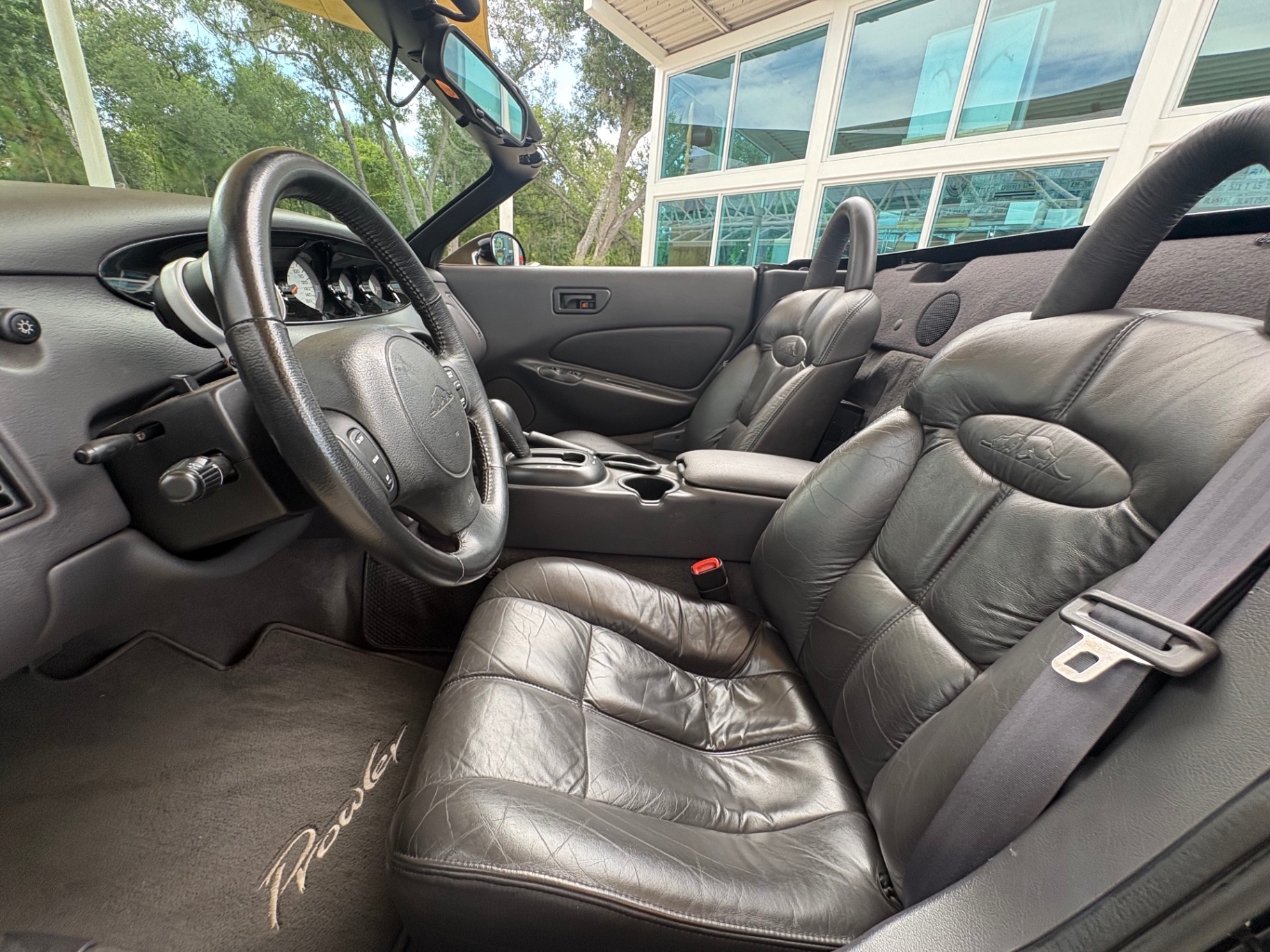
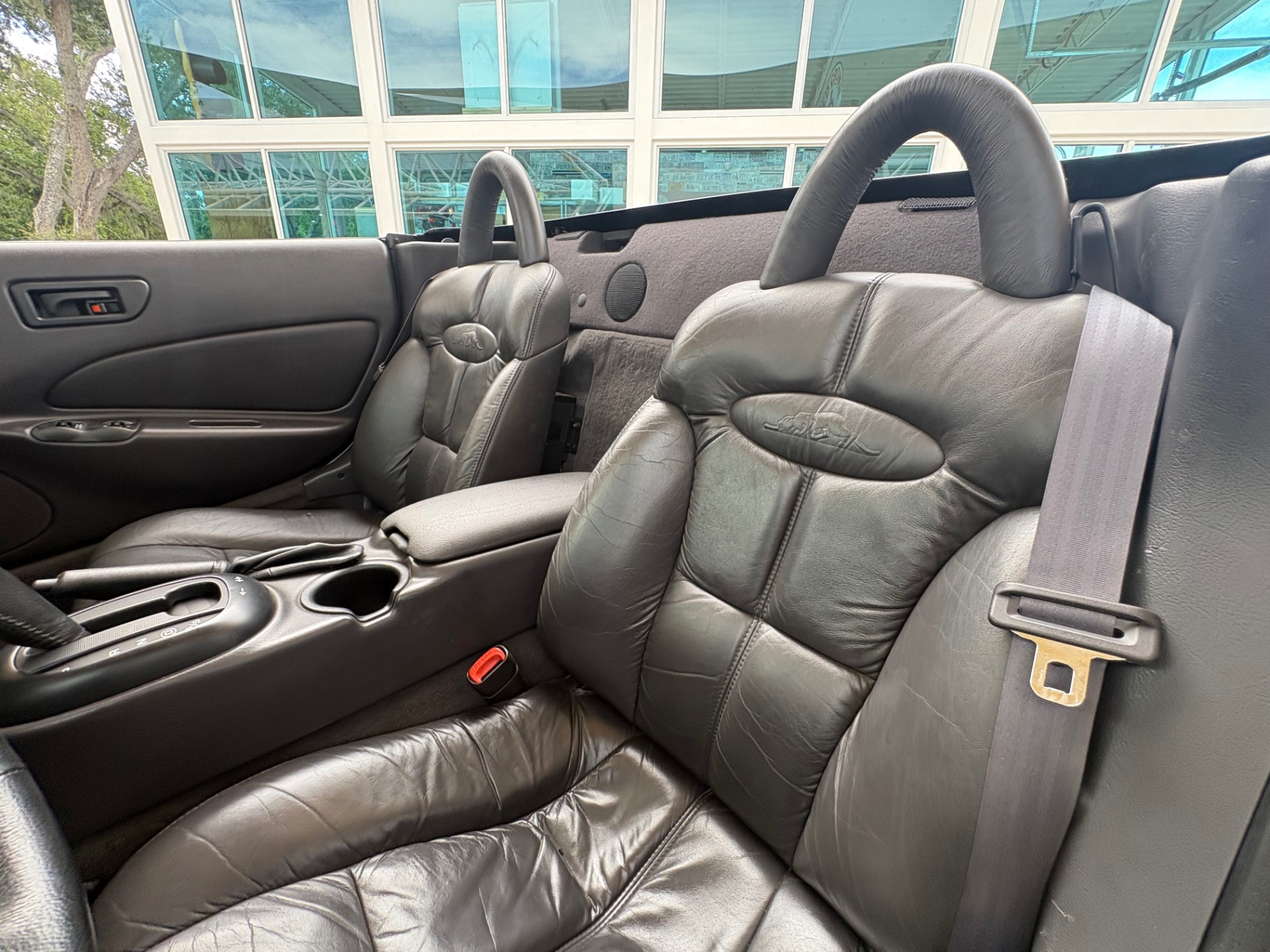
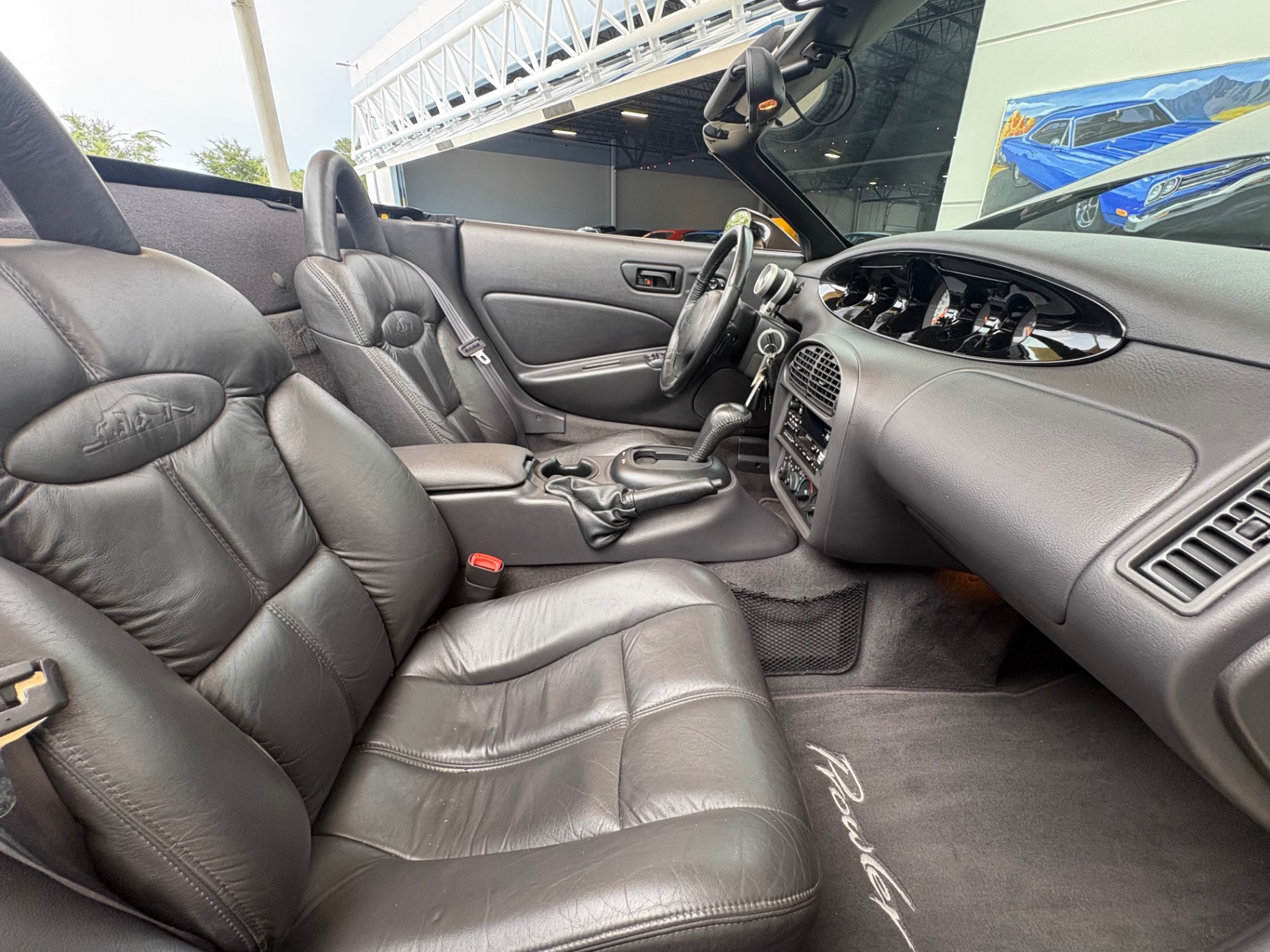
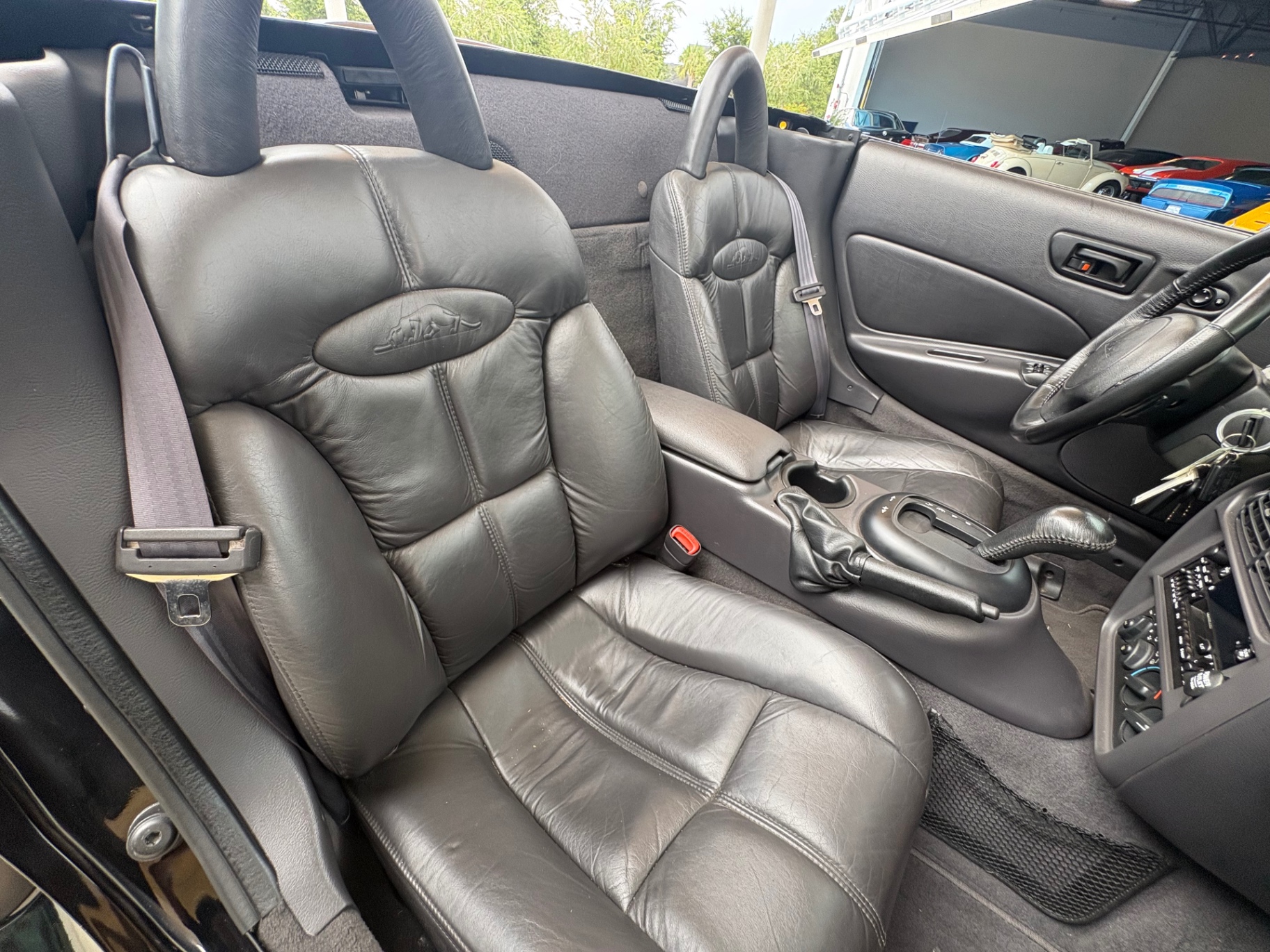
The cabin of the 1999 Plymouth Prowler is driver-focused by necessity. It seats two, and the cockpit is narrow and close, with the shifter console dividing the space between the seats. The black leather bucket seats carry an embossed Prowler cat logo on the seatback — a detail visible in the photos. The seats show the natural wear of a leather interior from the late 1990s, with some softening and creasing consistent with use. This is not a car that has been hermetically sealed since new; it has been driven.
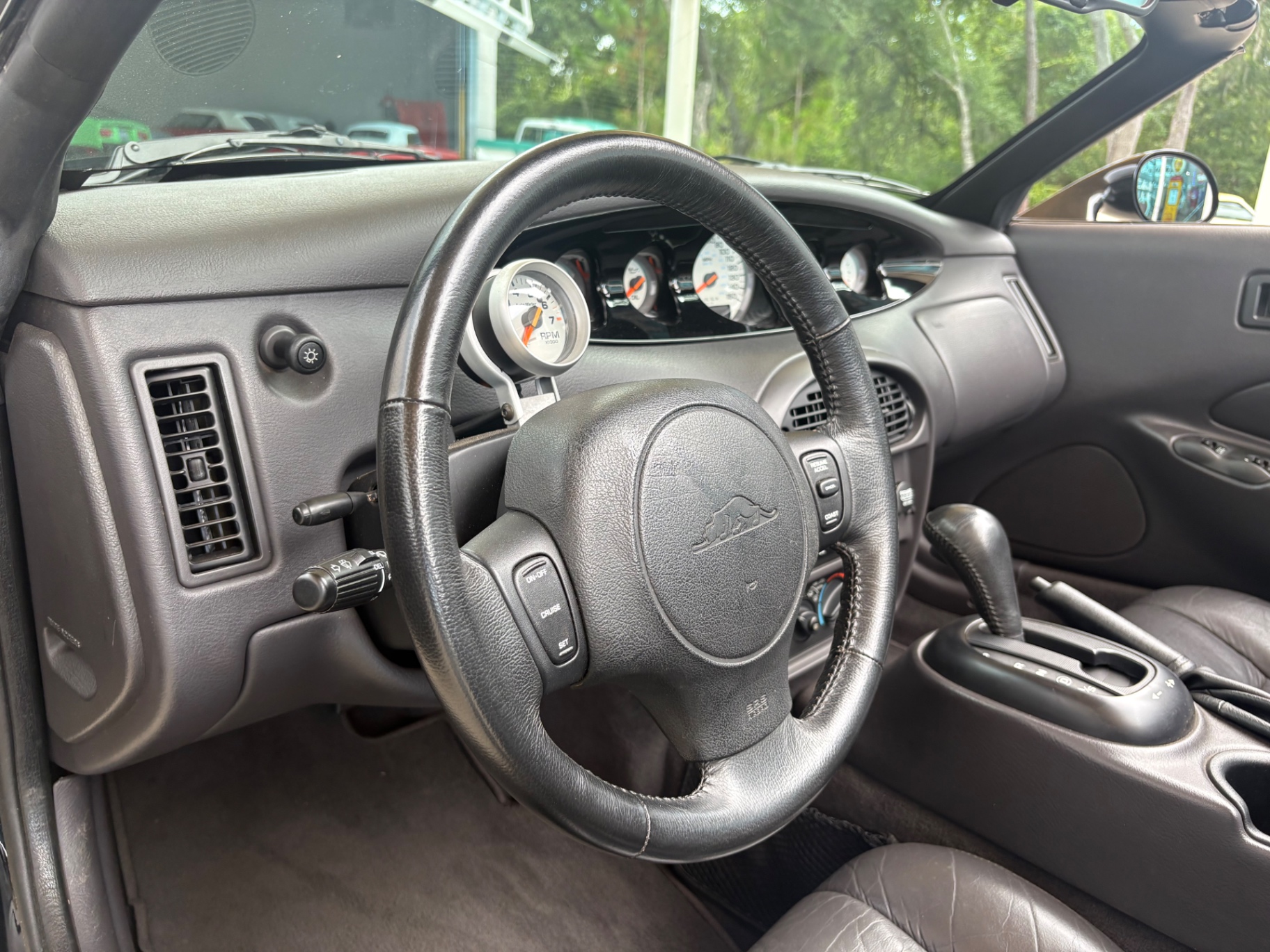
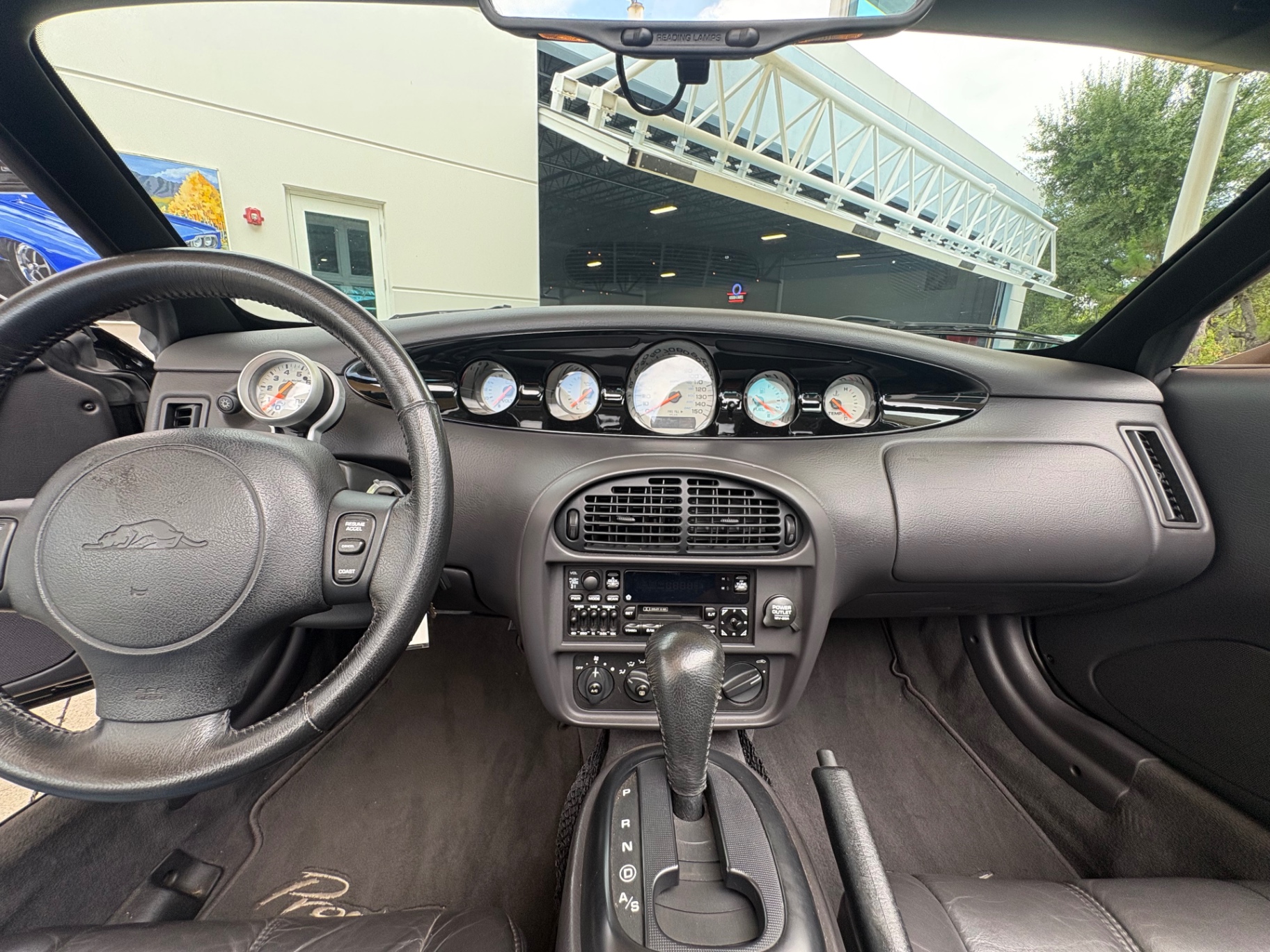
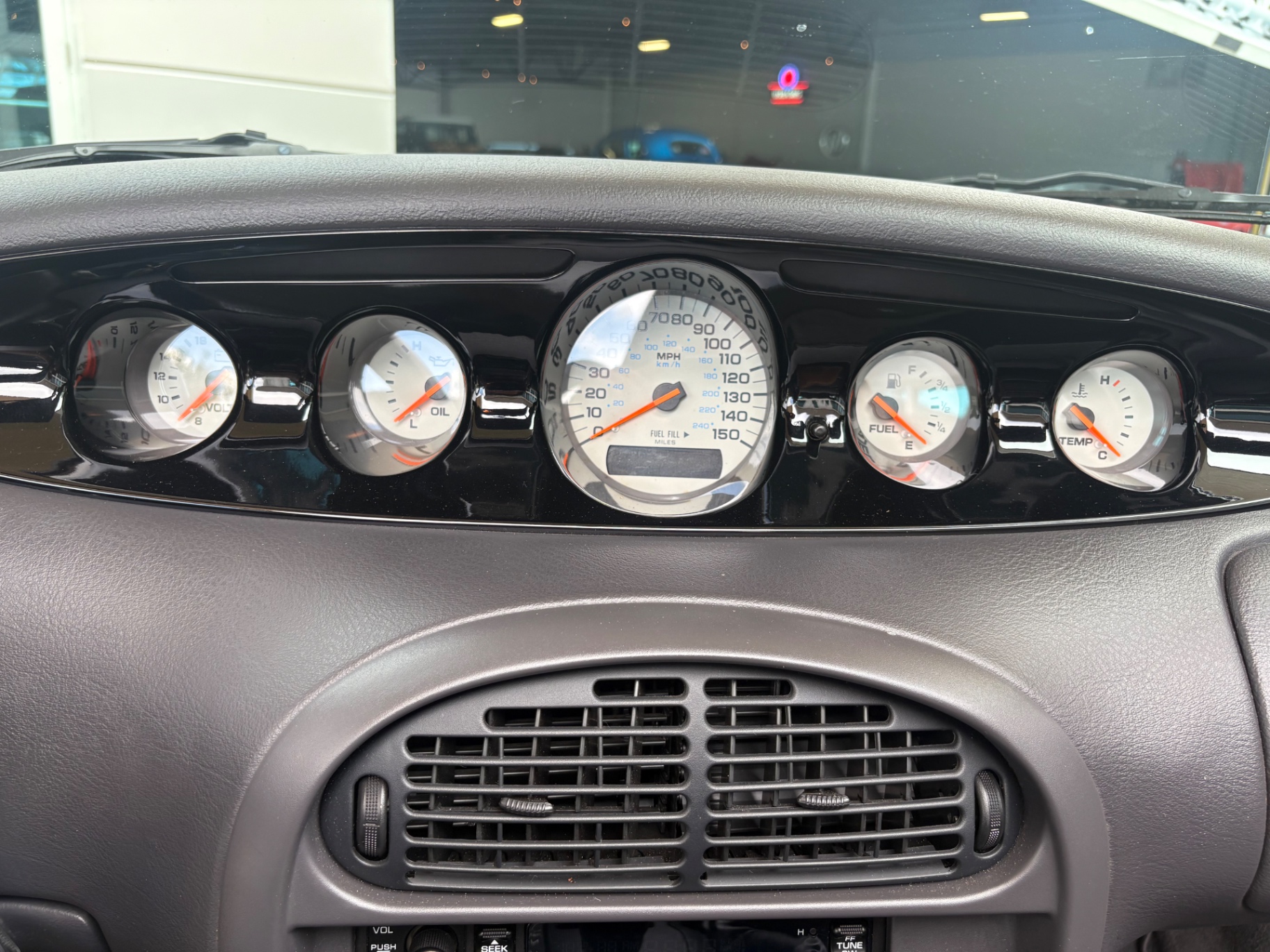
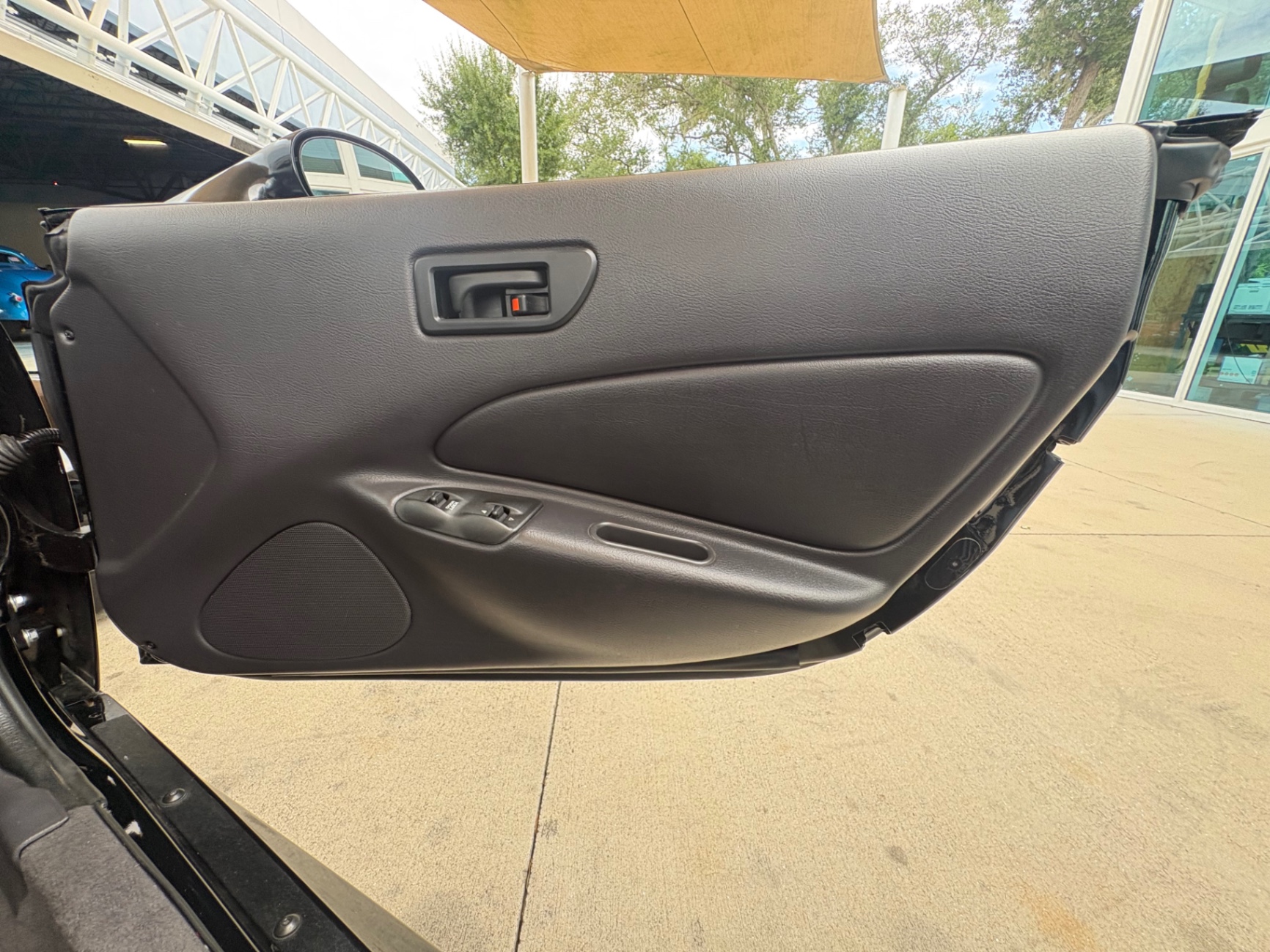
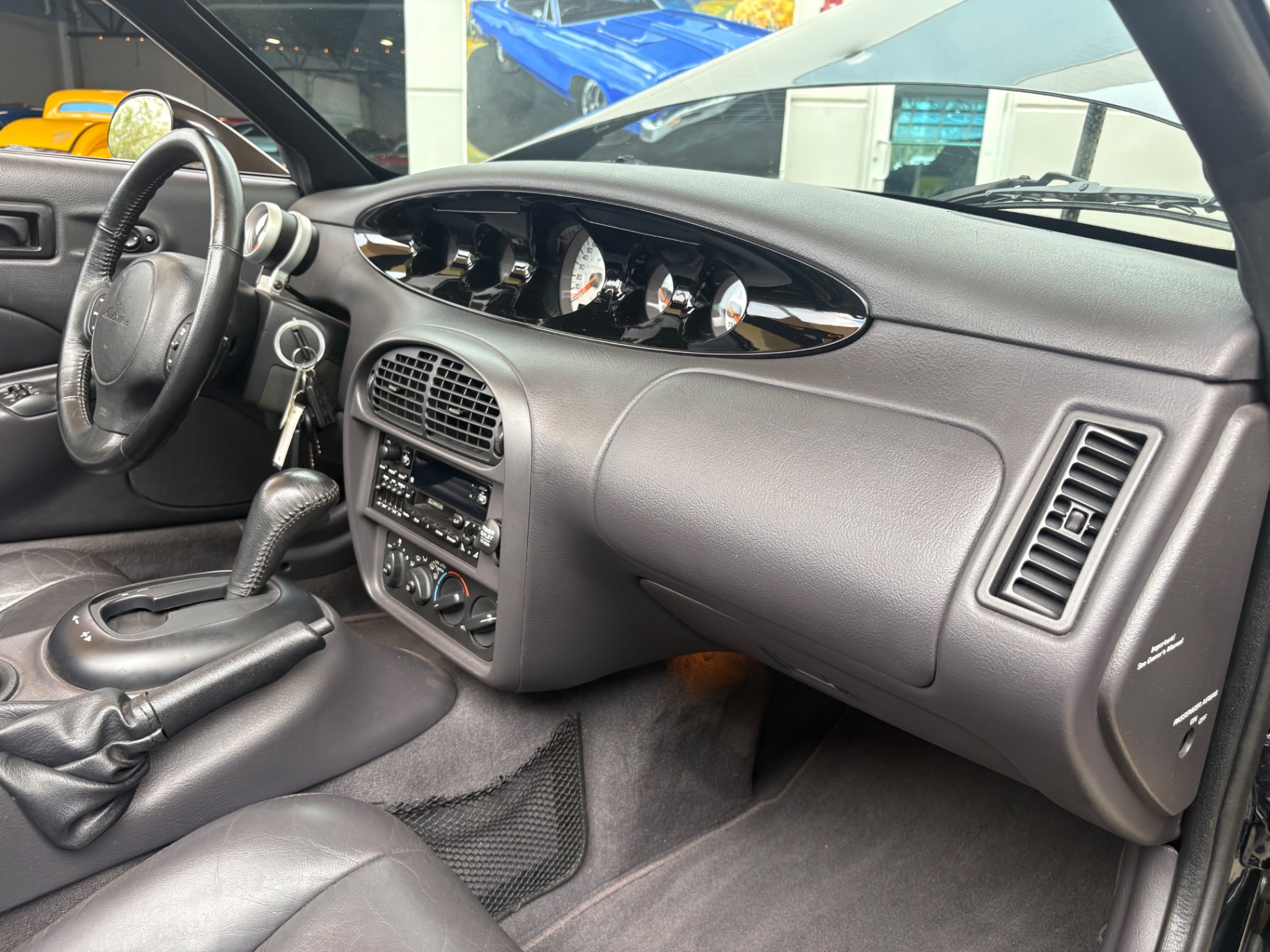
The instrument cluster is one of the more interesting dashboards Chrysler produced in the 1990s. Five round gauges are set into a black oval housing on top of the dash — a speedometer at center flanked by oil pressure, voltmeter, fuel, and temperature gauges on either side. There is a separate tachometer mounted on the steering column, visible just above the wheel. The layout is clearly inspired by vintage race car and hot rod instrumentation rather than conventional automotive practice. The leather-wrapped steering wheel carries the Prowler cat logo on the airbag cover, and the cruise control buttons are integrated into the steering wheel spoke. The center console houses the AutoStick shifter, a cupholder, and the climate controls. The AM/FM cassette stereo is integrated into the center stack. Prowler-logo floor mats are present. The roll safety hoops are finished in body-color-matched material and are visible behind the seats in the photos.
Exterior
The 1999 Plymouth Prowler in black is a different visual statement than the brighter colors the model is commonly associated with. Early Prowlers launched in Prowler Purple, which became the car's signature color, but black gives the design a different character — more restrained and more functional-looking, which actually emphasizes the engineering details rather than competing with them. The exposed front suspension, the narrow front track compared to the wide rear stance, and the smooth compound curves of the body all read more clearly in a dark, single-color finish.
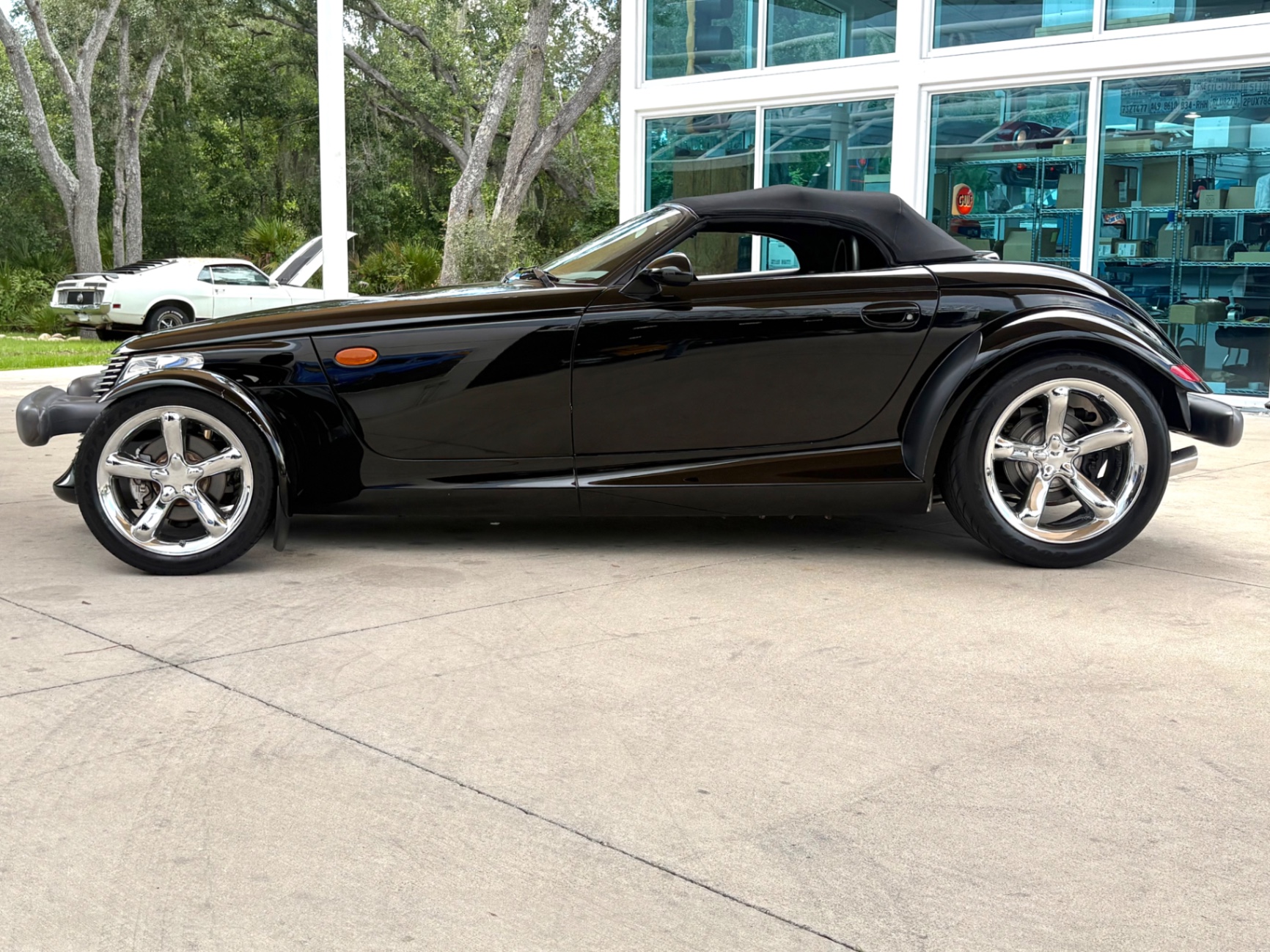
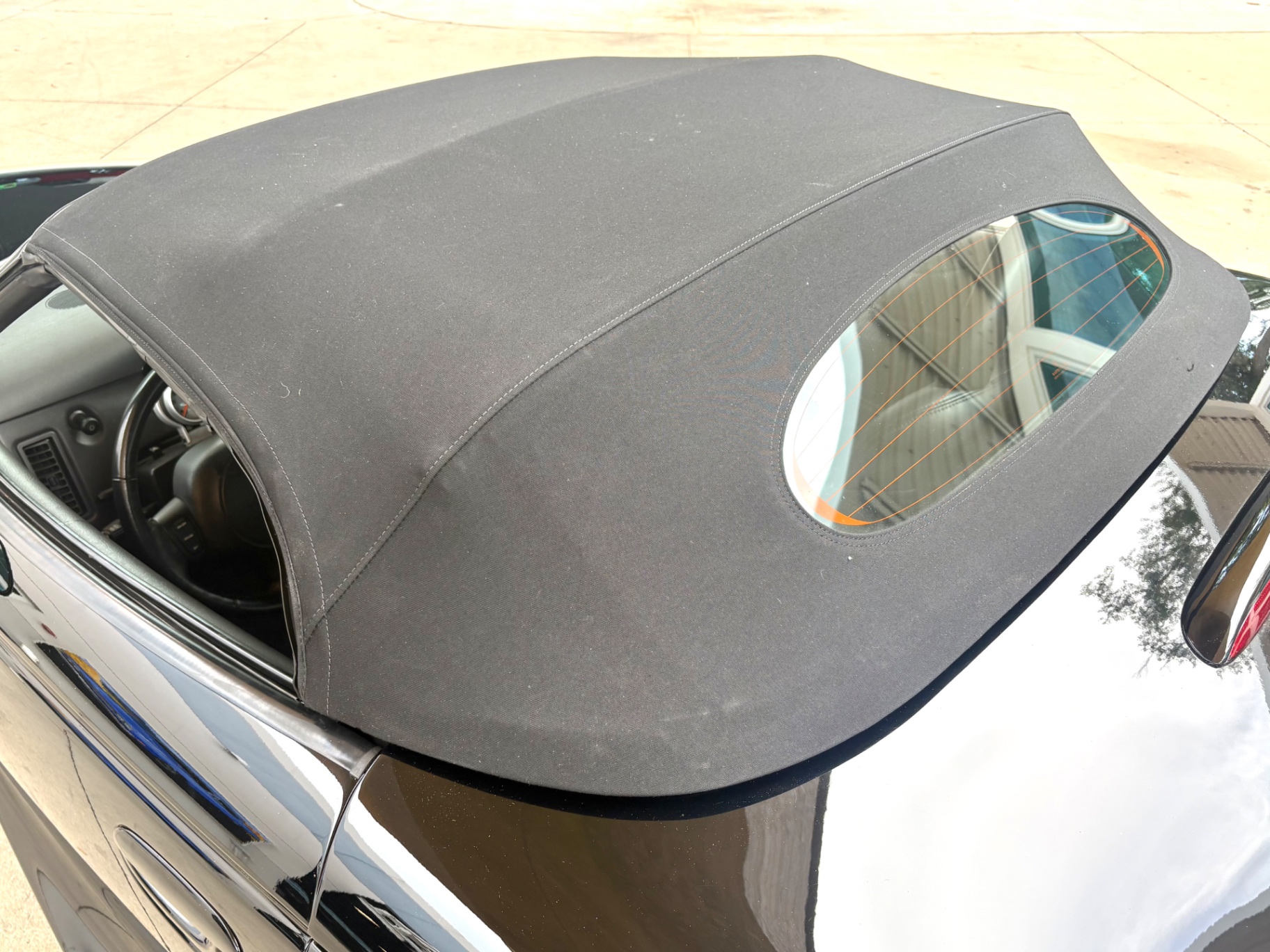
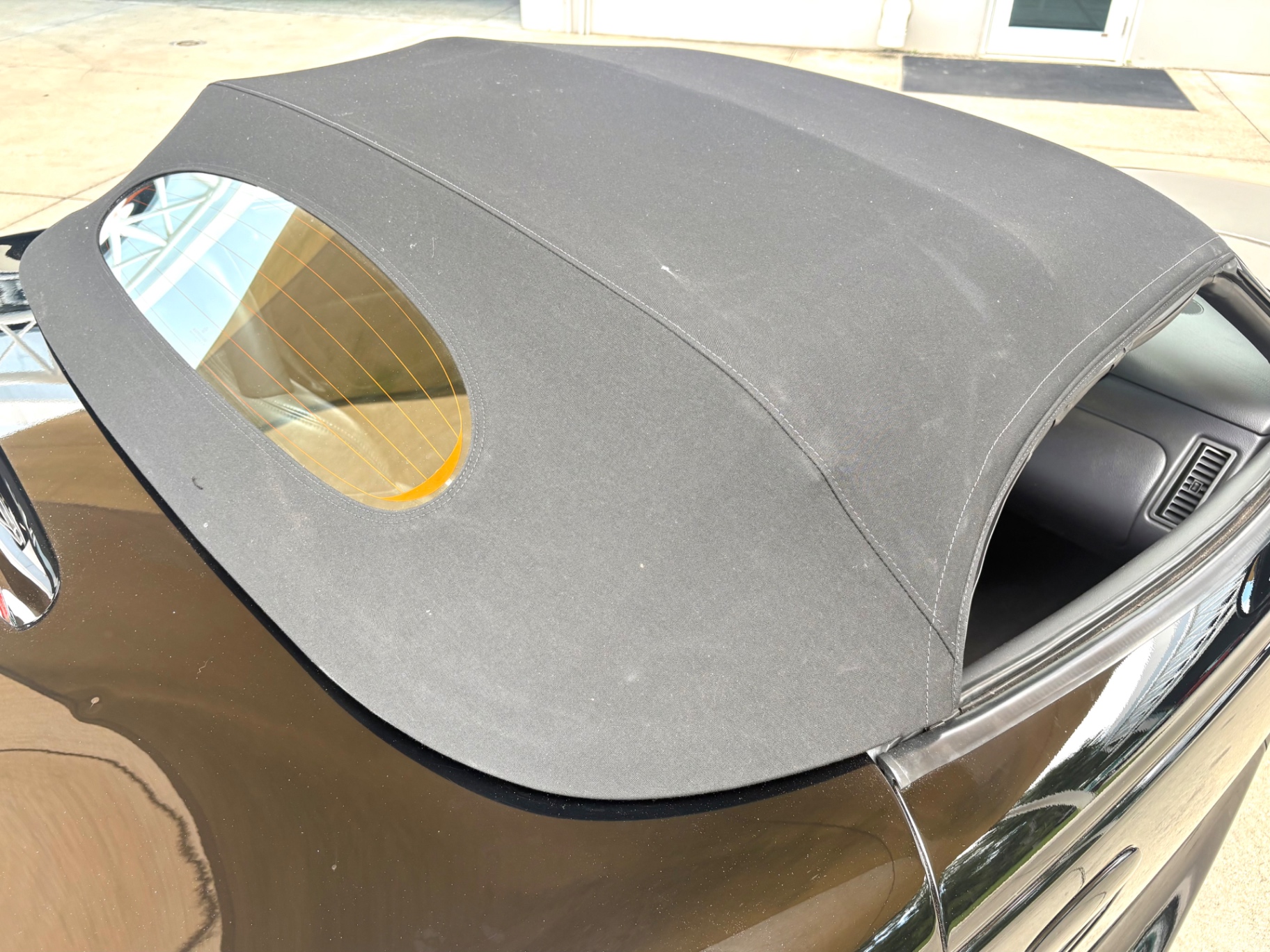
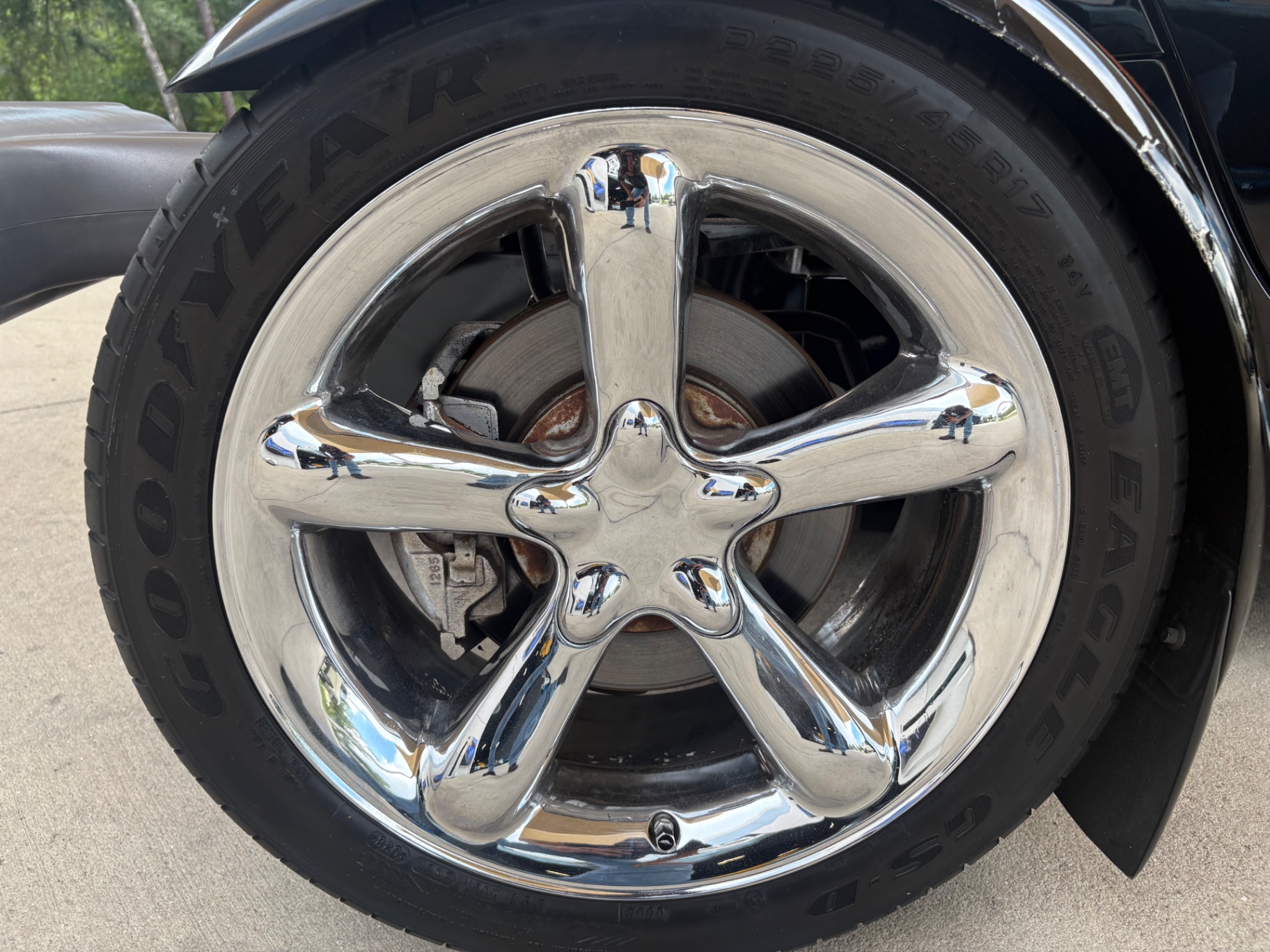
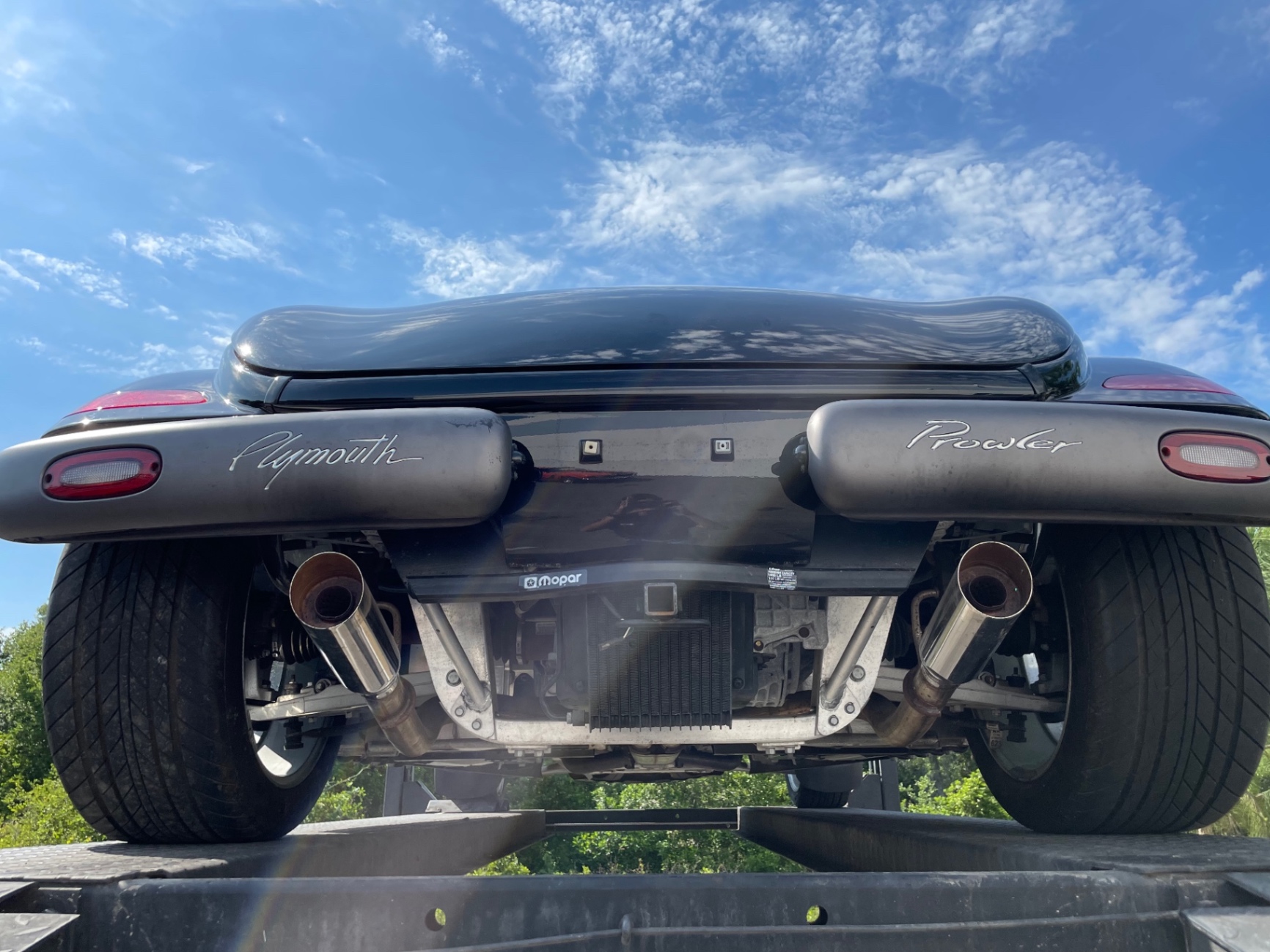
The gull-wing scissor doors open upward and outward, which is a functional requirement of the narrow rocker panels and low sill height rather than purely a styling statement. The chrome 5-spoke wheels are period-correct for the model and are mounted with Goodyear Eagle performance tires. The front end carries a horizontal grille treatment with vertical slats, flanked by fender-mounted parking lights positioned on the wide front fenders that extend outward past the bodywork. This fender design is one of the clearest references to 1930s custom car culture in the entire package. The black soft convertible top folds behind the seats and includes a heated rear window, which is a practical feature on a convertible meant to be driven in varying weather. The dual exhaust exits symmetrically below the rear valence, which reads "Plymouth" on the left and "Prowler" on the right — a detail visible in the photos. The Mopar trailer hitch is mounted low at the rear center.
Conclusion
The 1999 Plymouth Prowler represents a narrow window in American automotive history when a major manufacturer committed genuine engineering resources to building a street-legal hot rod from scratch. The aluminum space frame, exposed suspension, scissor doors, and low production numbers give this car a legitimate claim to long-term collectibility. This example, in all-black with a factory Mopar trailer hitch and a full complement of original equipment, is a driver-quality Prowler that has aged honestly. If you have been looking for a 1999 Plymouth Prowler in black, this is a car worth a closer look.
To schedule a viewing or ask questions, call Skyway Classics in Sarasota, Florida at 941-254-6608.
Disclaimer
Information found on the website is presented as given to us by the owner of the car, whether on consignment or from the owner we bought it from. Some Photos, materials for videos, descriptions and other information are provided by the consignor/seller and is deemed reliable, but Skyway Classics does not warranty or guarantee this information. Skyway Classics is not responsible for information that may incorrect or a publishing error. The decision to purchase should be based solely on the buyers personal inspection of the vehicle or by a professional inspection service prior to offer or purchase being made.
1999 Plymouth Prowler — Black on Black, Aluminum Space Frame Roadster with Mopar Trailer Hitch
Why This Car Is Special
The 1999 Plymouth Prowler is one of the more unusual vehicles to come out of the American auto industry in the last three decades. It started as a concept car that Chrysler debuted at the 1993 Detroit Auto Show, and the response was strong enough that the company actually built it — something that almost never happens with show cars as extreme as this one. Production began in 1997, and by the time the model was discontinued after the 2002 model year, just over 11,000 Prowlers had been built across all years. That is a small number by any measure, and it makes every 1999 Plymouth Prowler a legitimate low-production collectible.
What made the Prowler worth serious attention when it was new, and what keeps it interesting today, is that Chrysler did not cut corners on the engineering. The chassis is a fully riveted and bonded aluminum space frame — the same construction philosophy used in aircraft and high-end European sports cars. The body panels are polymer composite. The result is a curb weight around 2,800 pounds, which is genuinely light for a V6 convertible with air conditioning and a full complement of power accessories. The suspension geometry was designed to reference 1930s hot rod proportions while actually working as a modern independent setup at all four corners. The front suspension is fully exposed and unenclosed by bodywork, which is a direct nod to classic American custom car culture.
This particular car is finished in black over a black leather interior — a combination that suits the Prowler's low, aggressive proportions well. It carries a factory Mopar trailer hitch, which is a relatively uncommon find on a Prowler and a detail that tells you about the Chrysler accessory ecosystem built around the model. Chrysler offered a matching teardrop trailer called the Prowler Sport Trailer that was designed specifically for this car, and the hitch is exactly what you would need to tow one. Whether you source that trailer or not, the hitch is a genuine factory accessory and adds a useful piece of Prowler history to this example.
Features List
- 3.5L V6 24-Valve engine producing 253 horsepower
- 4-Speed AutoStick automatic transmission with manual shift capability
- Aluminum space frame construction with polymer composite body panels
- Gull-wing scissor doors
- Black soft convertible top with heated rear window
- Exposed front suspension with independent rear suspension
- 4-wheel disc brakes
- Chrome 5-spoke wheels
- Goodyear Eagle performance tires
- Dual exhaust with chrome tips
- Power steering
- Black leather bucket seats with embossed Prowler logo
- Leather-wrapped steering wheel with audio controls
- Prowler-logo floor mats
- Roll safety hoops
- Cruise control
- Power windows, locks, and mirrors
- Keyless entry
- Dual airbags
- Air conditioning
- AM/FM cassette stereo
- Tachometer and full multi-gauge instrument cluster
- Mopar trailer hitch
Mechanical
The engine in the 1999 Plymouth Prowler is Chrysler's 3.5-liter single-overhead-cam V6, a 24-valve unit rated at 253 horsepower. This is the same engine family used in the Chrysler 300M and the LHS sedans of the same era. It is a proven, durable unit with a solid parts supply. The 1997 and early 1998 Prowlers were initially offered with a 214-horsepower version of this engine, but Chrysler upgraded the output for the 1999 model year and improved the torque curve as well, making the 1999 a meaningfully better performer than the earliest cars.
The transmission is Chrysler's 4-speed AutoStick unit, which allows the driver to manually select gears via a console-mounted shifter without a traditional clutch pedal. This was not a true manual option but it gave the driver a reasonable degree of control over gear selection, which matters in a car this light.
The aluminum space frame visible in the underbody photos is worth examining closely. Chrysler engineers used aerospace-style riveting and adhesive bonding rather than traditional welding to assemble the frame, which kept weight low and rigidity high. The front suspension geometry is a double A-arm setup that is fully visible from outside the car — there are no fender enclosures hiding the hardware. At the rear, the independent setup uses a multi-link arrangement. Four-wheel disc brakes handle stopping duty. The undercarriage photos show the structure in good condition, with the aluminum frame presenting as expected for a car of this age. The Mopar factory hitch is visible mounted at the rear.
Interior
The cabin of the 1999 Plymouth Prowler is driver-focused by necessity. It seats two, and the cockpit is narrow and close, with the shifter console dividing the space between the seats. The black leather bucket seats carry an embossed Prowler cat logo on the seatback — a detail visible in the photos. The seats show the natural wear of a leather interior from the late 1990s, with some softening and creasing consistent with use. This is not a car that has been hermetically sealed since new; it has been driven.
The instrument cluster is one of the more interesting dashboards Chrysler produced in the 1990s. Five round gauges are set into a black oval housing on top of the dash — a speedometer at center flanked by oil pressure, voltmeter, fuel, and temperature gauges on either side. There is a separate tachometer mounted on the steering column, visible just above the wheel. The layout is clearly inspired by vintage race car and hot rod instrumentation rather than conventional automotive practice. The leather-wrapped steering wheel carries the Prowler cat logo on the airbag cover, and the cruise control buttons are integrated into the steering wheel spoke. The center console houses the AutoStick shifter, a cupholder, and the climate controls. The AM/FM cassette stereo is integrated into the center stack. Prowler-logo floor mats are present. The roll safety hoops are finished in body-color-matched material and are visible behind the seats in the photos.
Exterior
The 1999 Plymouth Prowler in black is a different visual statement than the brighter colors the model is commonly associated with. Early Prowlers launched in Prowler Purple, which became the car's signature color, but black gives the design a different character — more restrained and more functional-looking, which actually emphasizes the engineering details rather than competing with them. The exposed front suspension, the narrow front track compared to the wide rear stance, and the smooth compound curves of the body all read more clearly in a dark, single-color finish.
The gull-wing scissor doors open upward and outward, which is a functional requirement of the narrow rocker panels and low sill height rather than purely a styling statement. The chrome 5-spoke wheels are period-correct for the model and are mounted with Goodyear Eagle performance tires. The front end carries a horizontal grille treatment with vertical slats, flanked by fender-mounted parking lights positioned on the wide front fenders that extend outward past the bodywork. This fender design is one of the clearest references to 1930s custom car culture in the entire package. The black soft convertible top folds behind the seats and includes a heated rear window, which is a practical feature on a convertible meant to be driven in varying weather. The dual exhaust exits symmetrically below the rear valence, which reads "Plymouth" on the left and "Prowler" on the right — a detail visible in the photos. The Mopar trailer hitch is mounted low at the rear center.
Conclusion
The 1999 Plymouth Prowler represents a narrow window in American automotive history when a major manufacturer committed genuine engineering resources to building a street-legal hot rod from scratch. The aluminum space frame, exposed suspension, scissor doors, and low production numbers give this car a legitimate claim to long-term collectibility. This example, in all-black with a factory Mopar trailer hitch and a full complement of original equipment, is a driver-quality Prowler that has aged honestly. If you have been looking for a 1999 Plymouth Prowler in black, this is a car worth a closer look.
To schedule a viewing or ask questions, call Skyway Classics in Sarasota, Florida at 941-254-6608.
Disclaimer
Information found on the website is presented as given to us by the owner of the car, whether on consignment or from the owner we bought it from. Some Photos, materials for videos, descriptions and other information are provided by the consignor/seller and is deemed reliable, but Skyway Classics does not warranty or guarantee this information. Skyway Classics is not responsible for information that may incorrect or a publishing error. The decision to purchase should be based solely on the buyers personal inspection of the vehicle or by a professional inspection service prior to offer or purchase being made.
1999 Plymouth
Prowler Base
Why Choose Skyway Classics?
Explore our curated inventory of classic and collector cars—thoughtfully selected, ready to drive, and supported by experts who make ownership simple.
Expert Curation
Every vehicle is hand-selected by our experts for quality, authenticity, and investment potential.
Fast Transactions
Streamlined buying and selling process with quick financing and immediate delivery options.
Only National Dealer With Classic Service & Repair
We’re the only national dealership that services and repairs the classics we sell—before and after the sale.
Nationwide Network
Access to our extensive network of collectors, restorers, and classic car enthusiasts nationwide.
Concierge Ownership Support
From financing and insurance to paperwork, shipping, and titling—we handle the details so you can enjoy the drive.
Passion-Driven Service
We're classic car enthusiasts first, providing personalized service with genuine passion for the hobby.