
1970 AMC
AMX Base
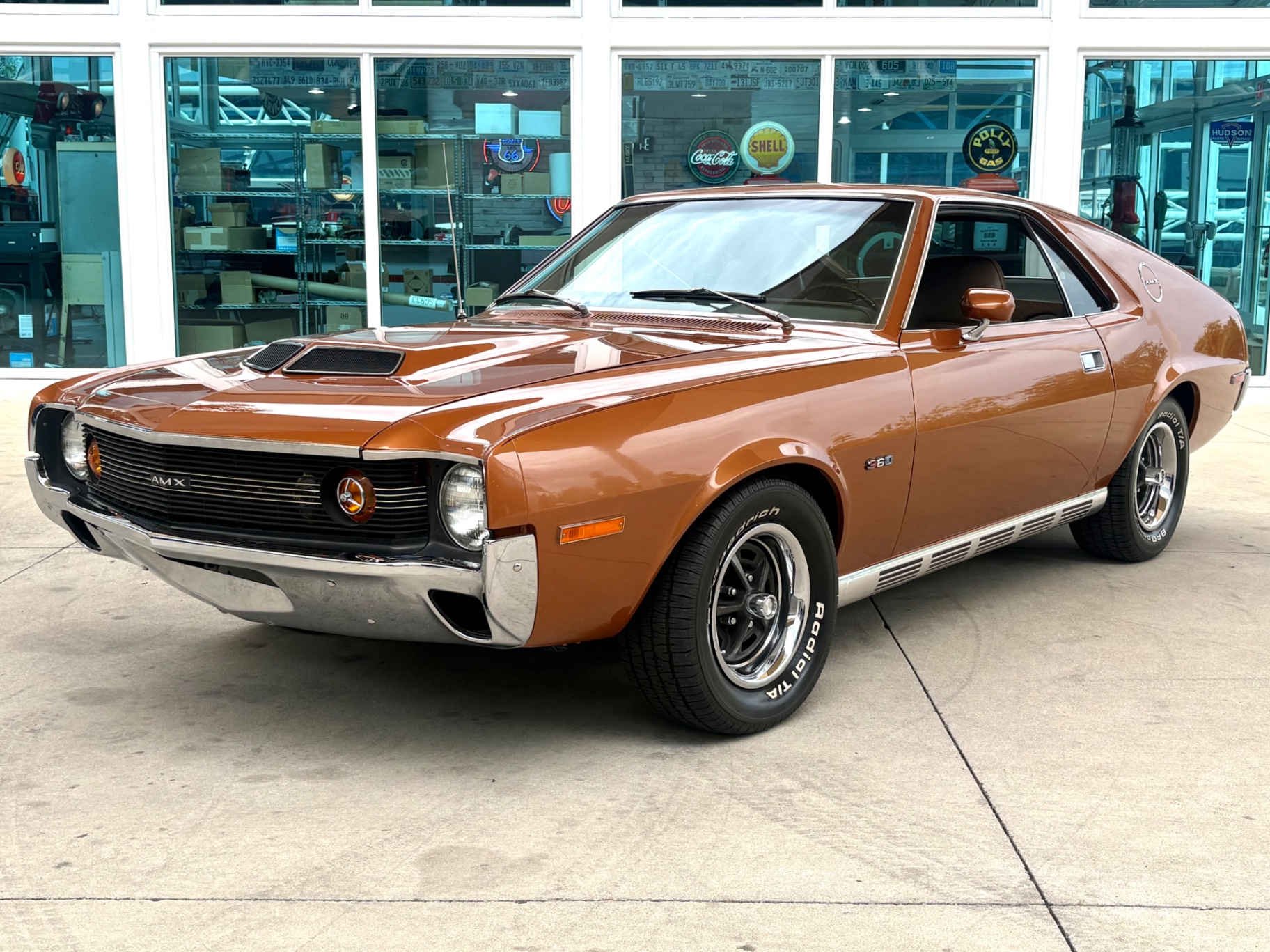
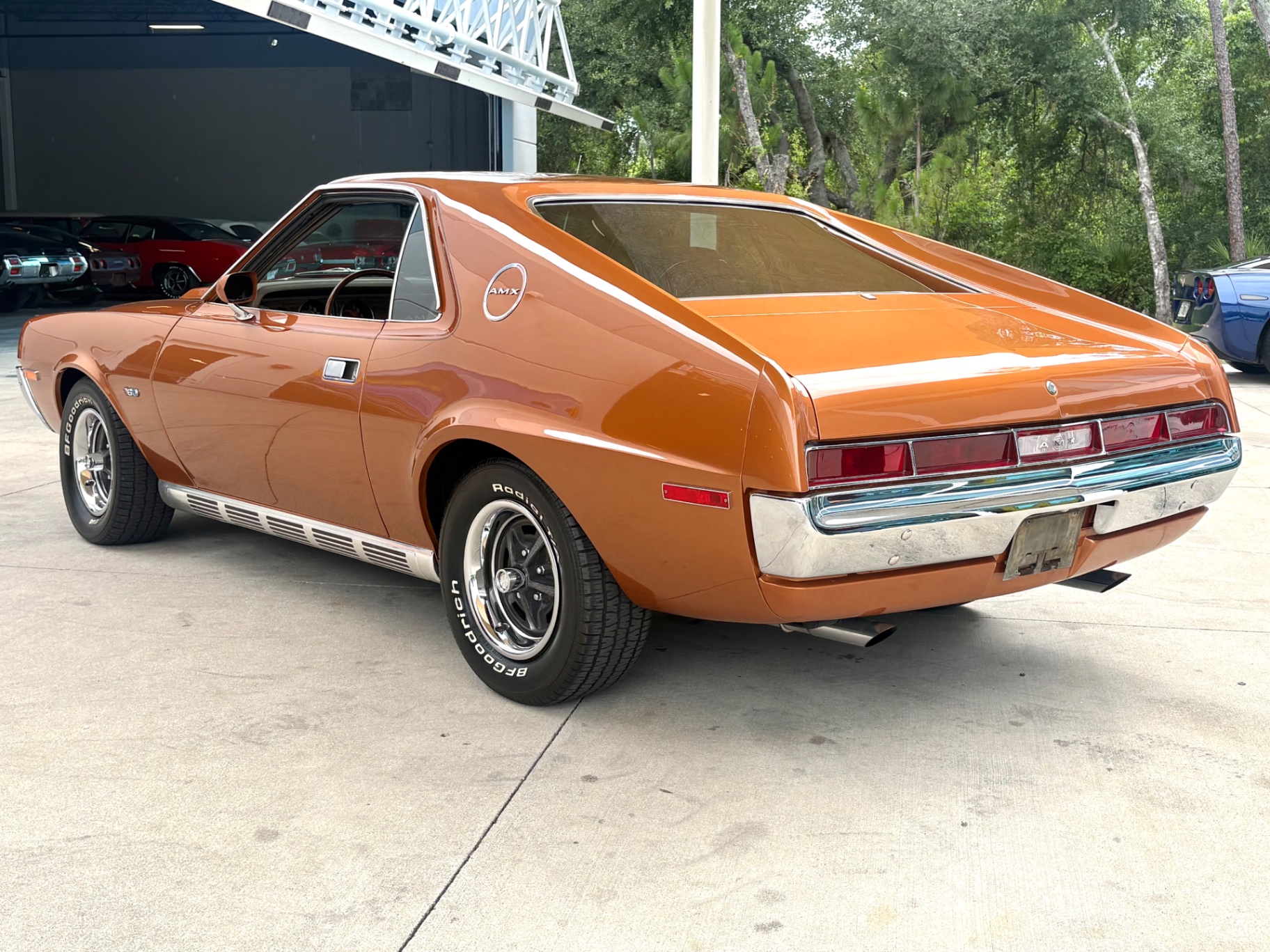
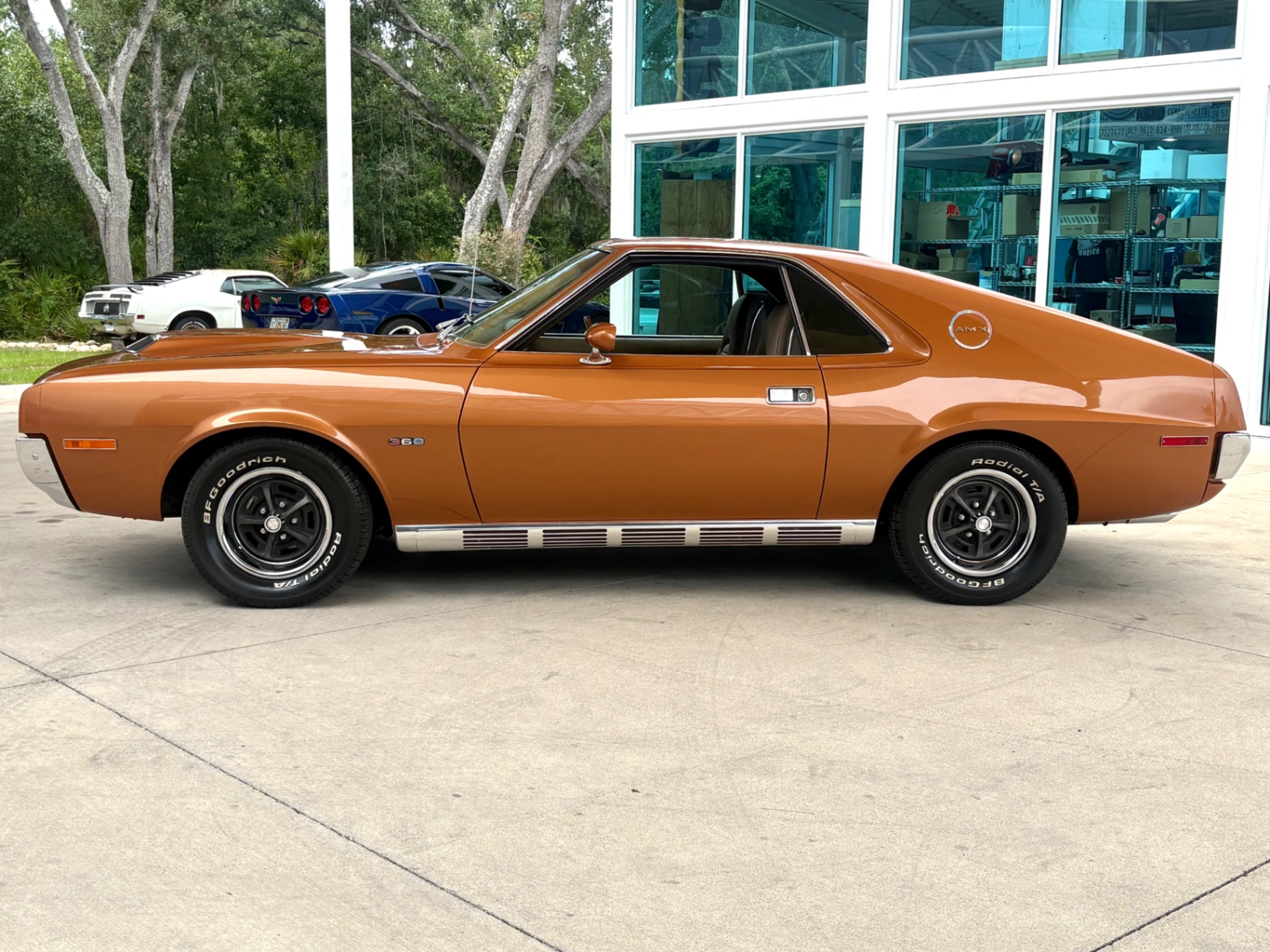
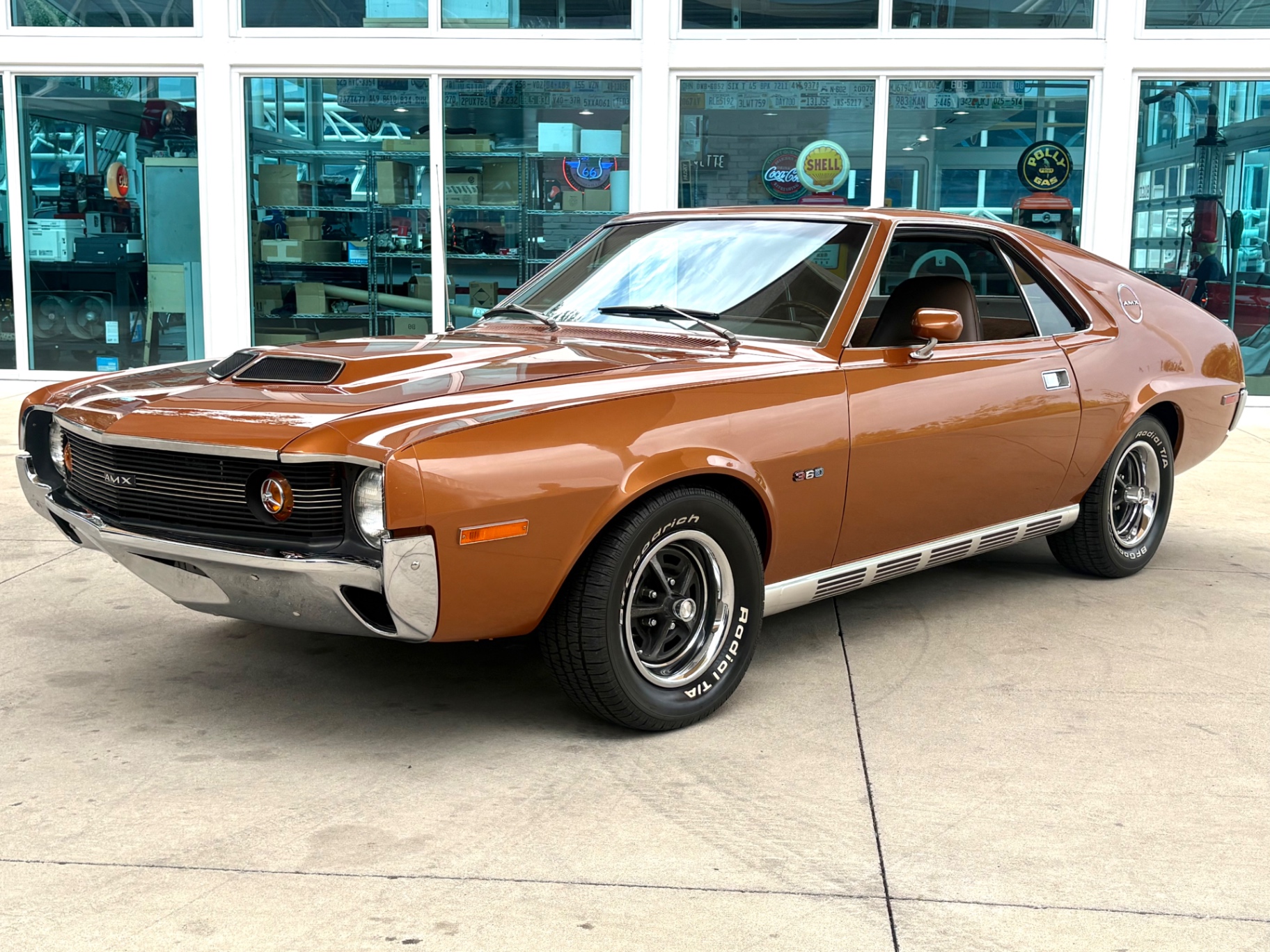
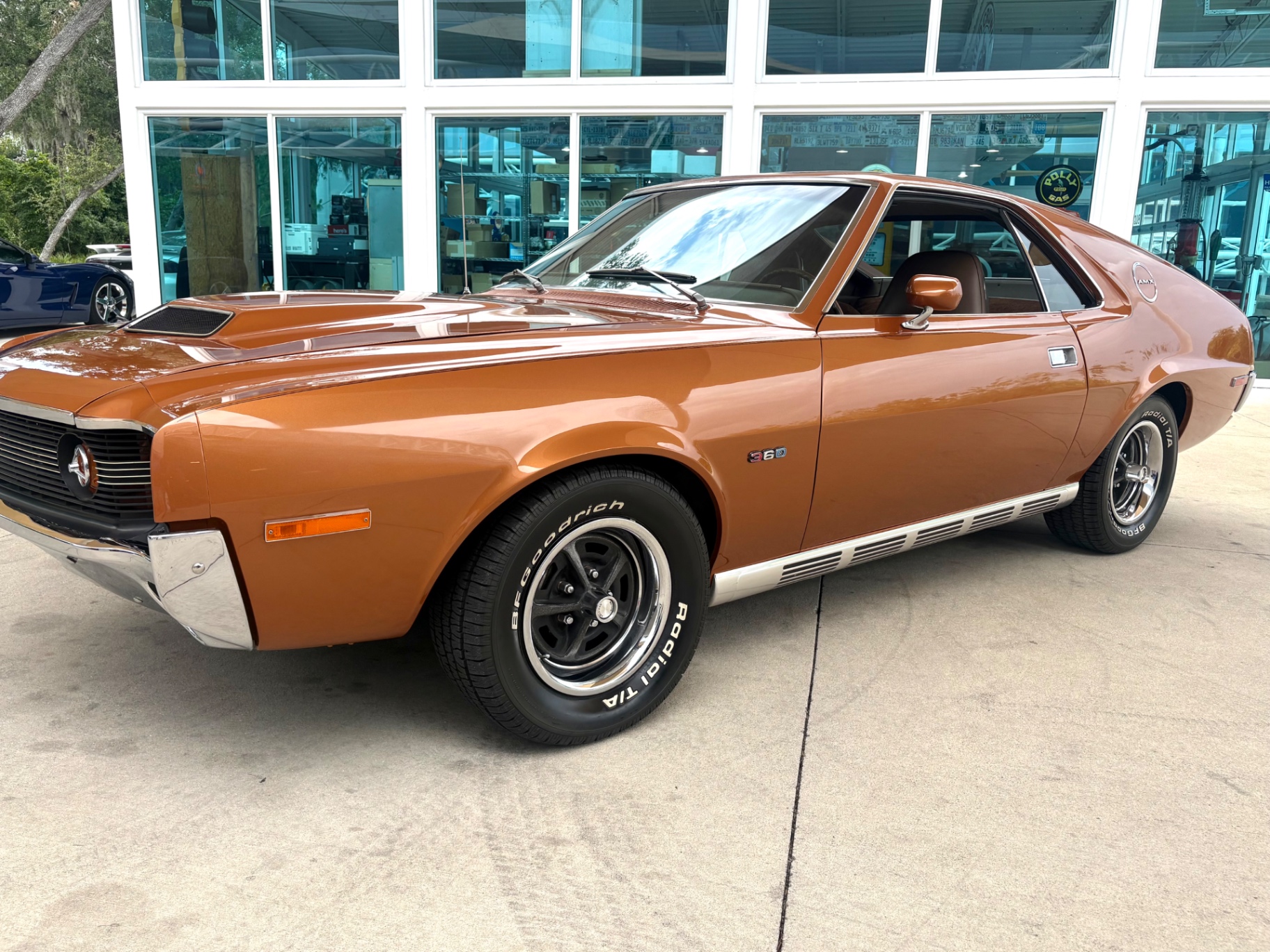
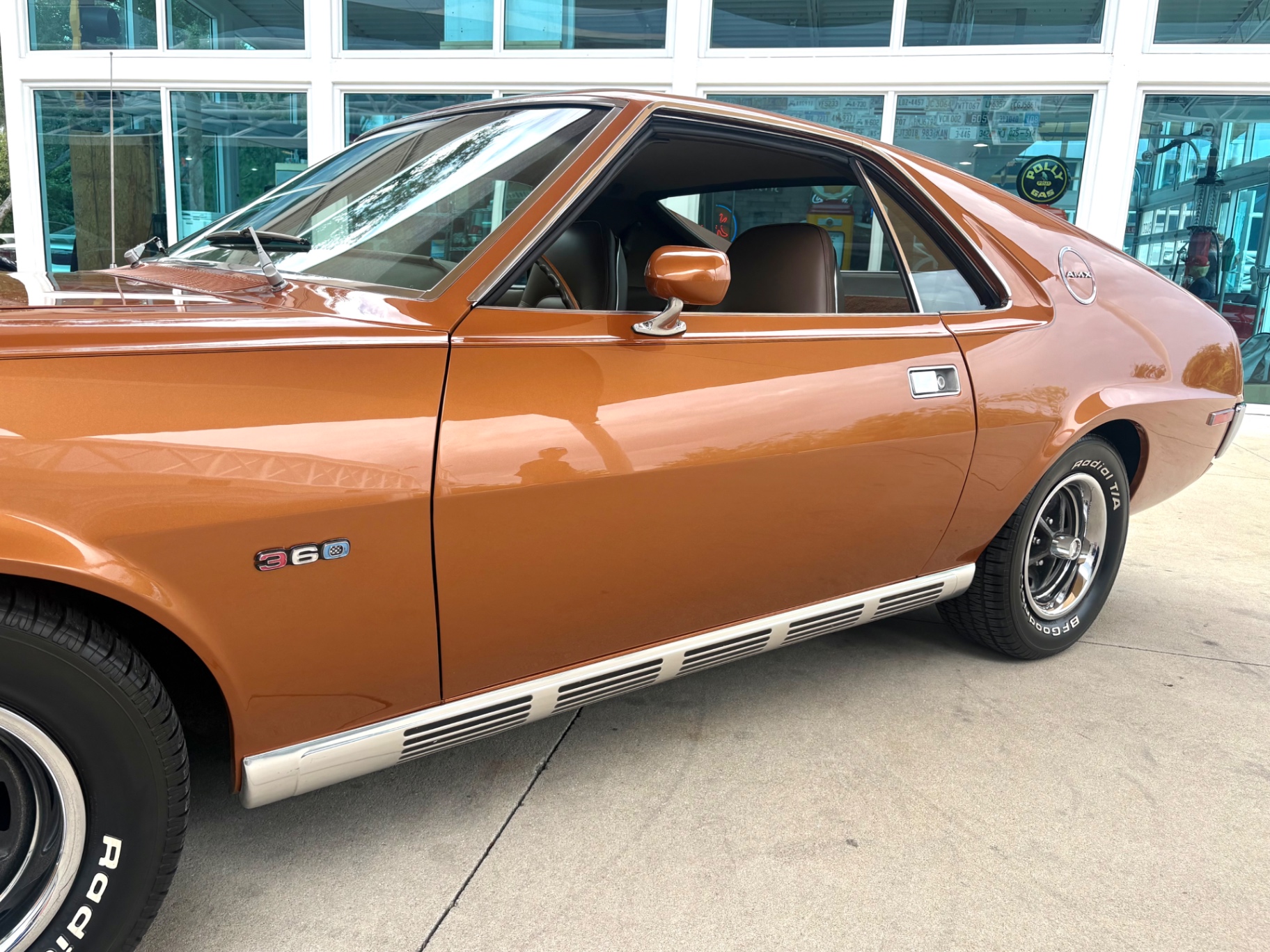
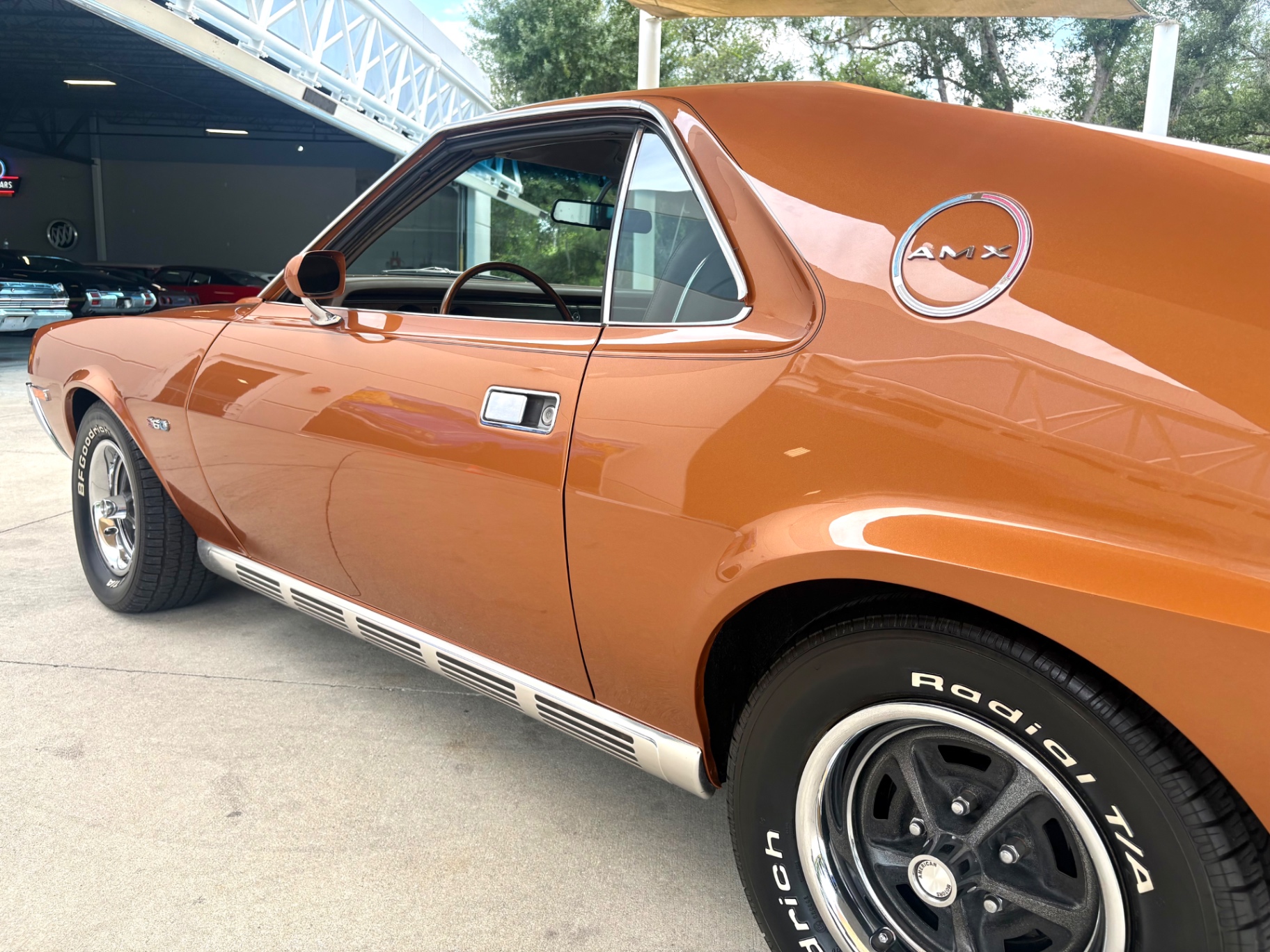
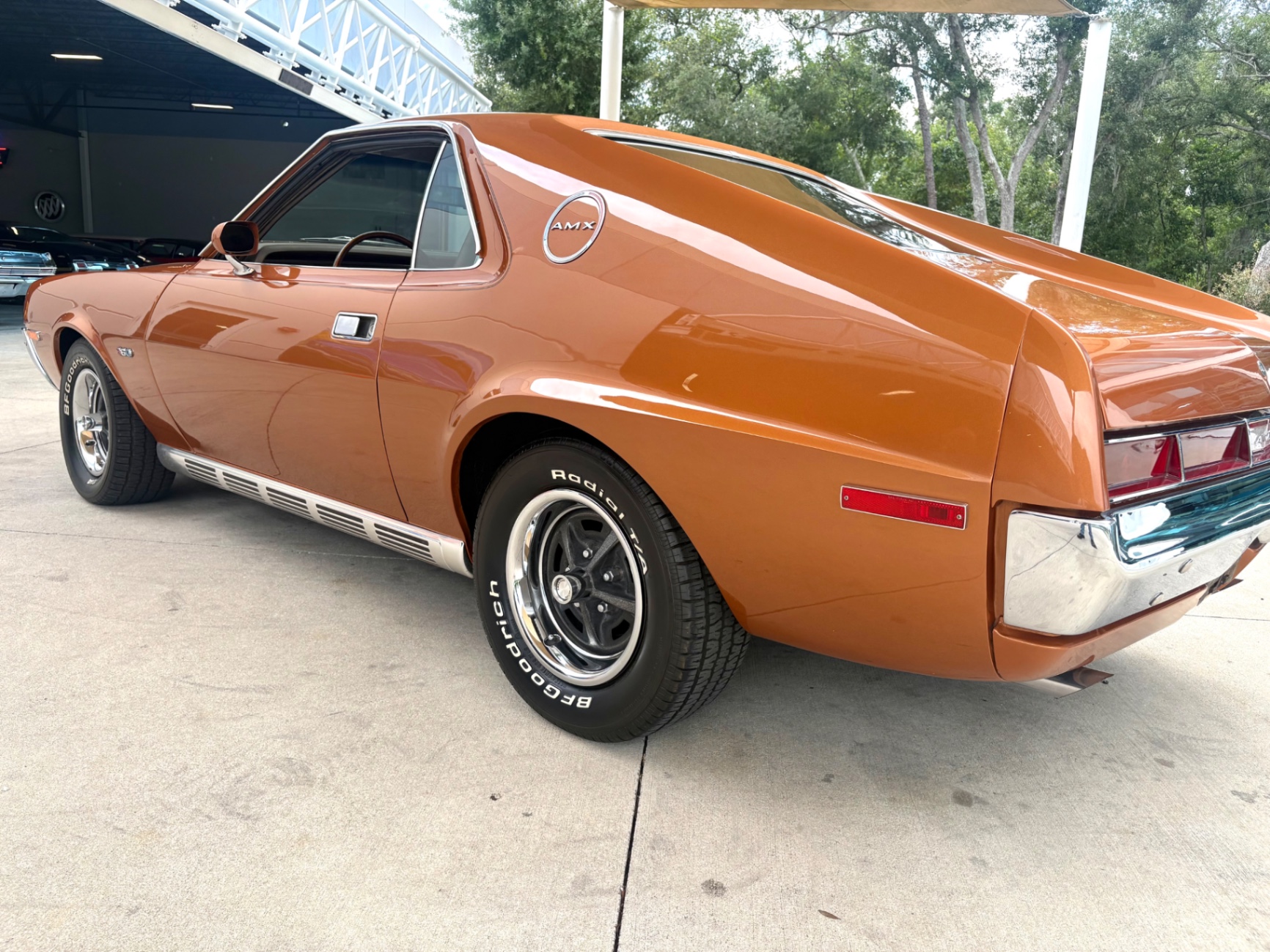
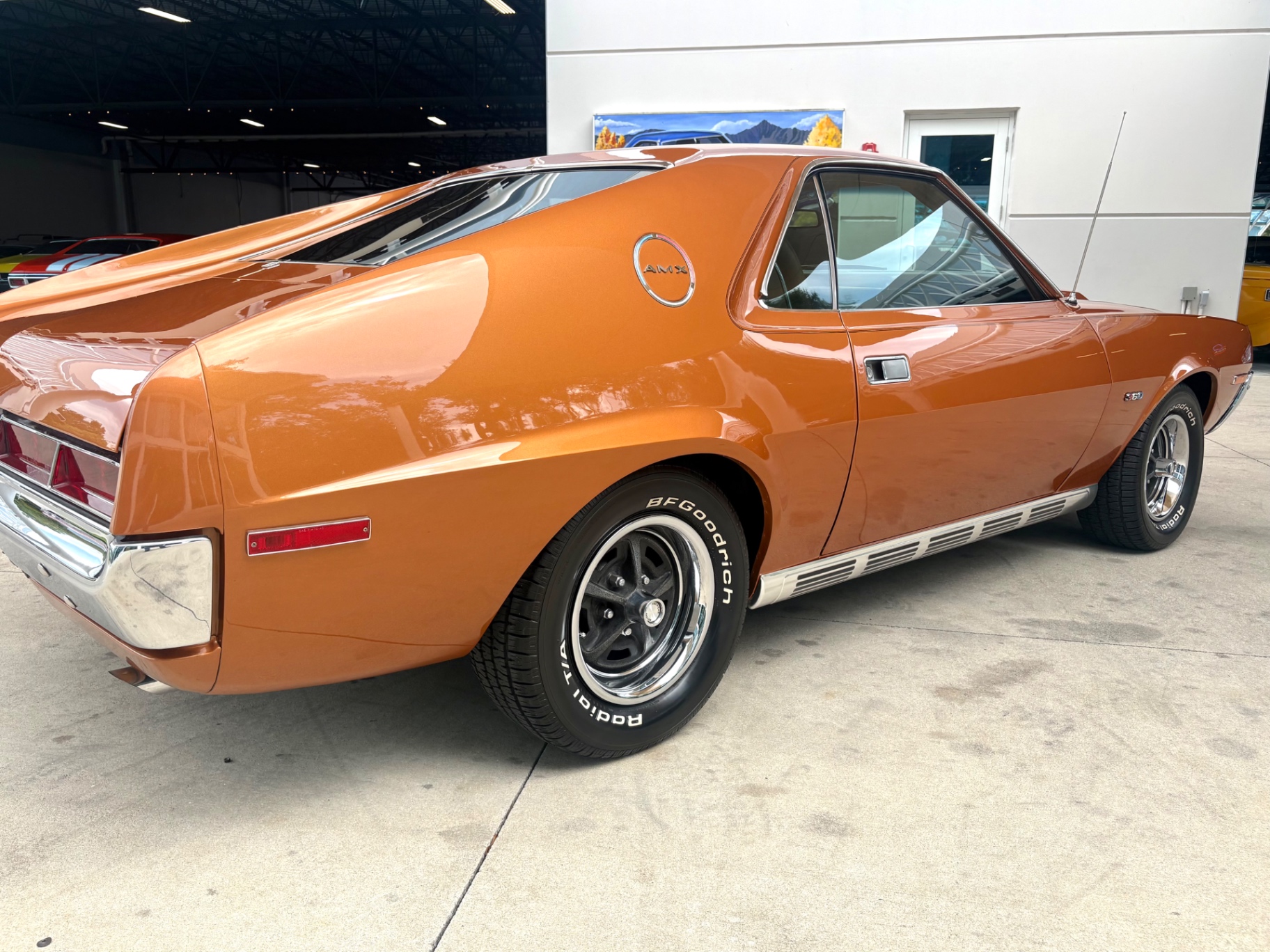
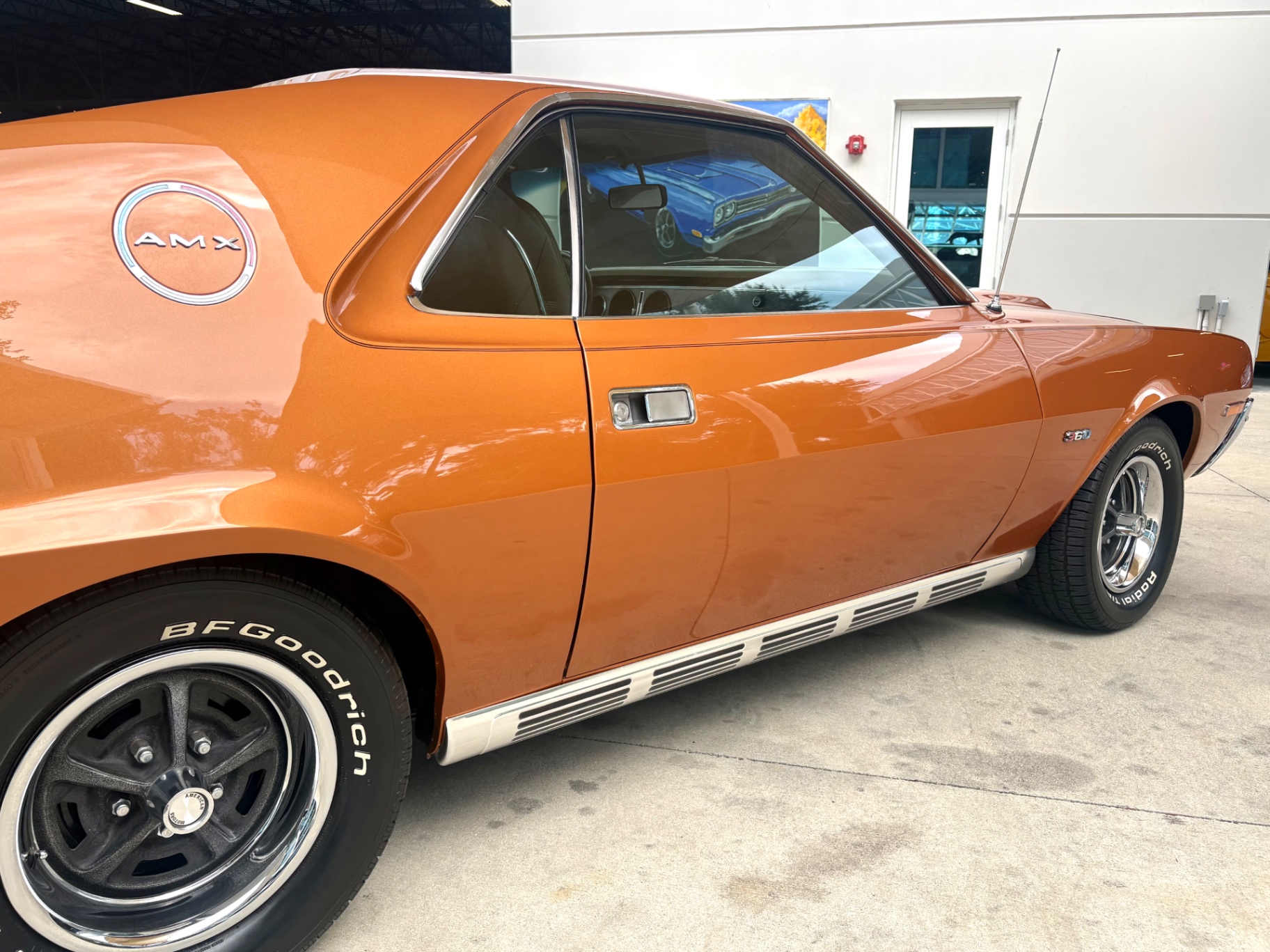
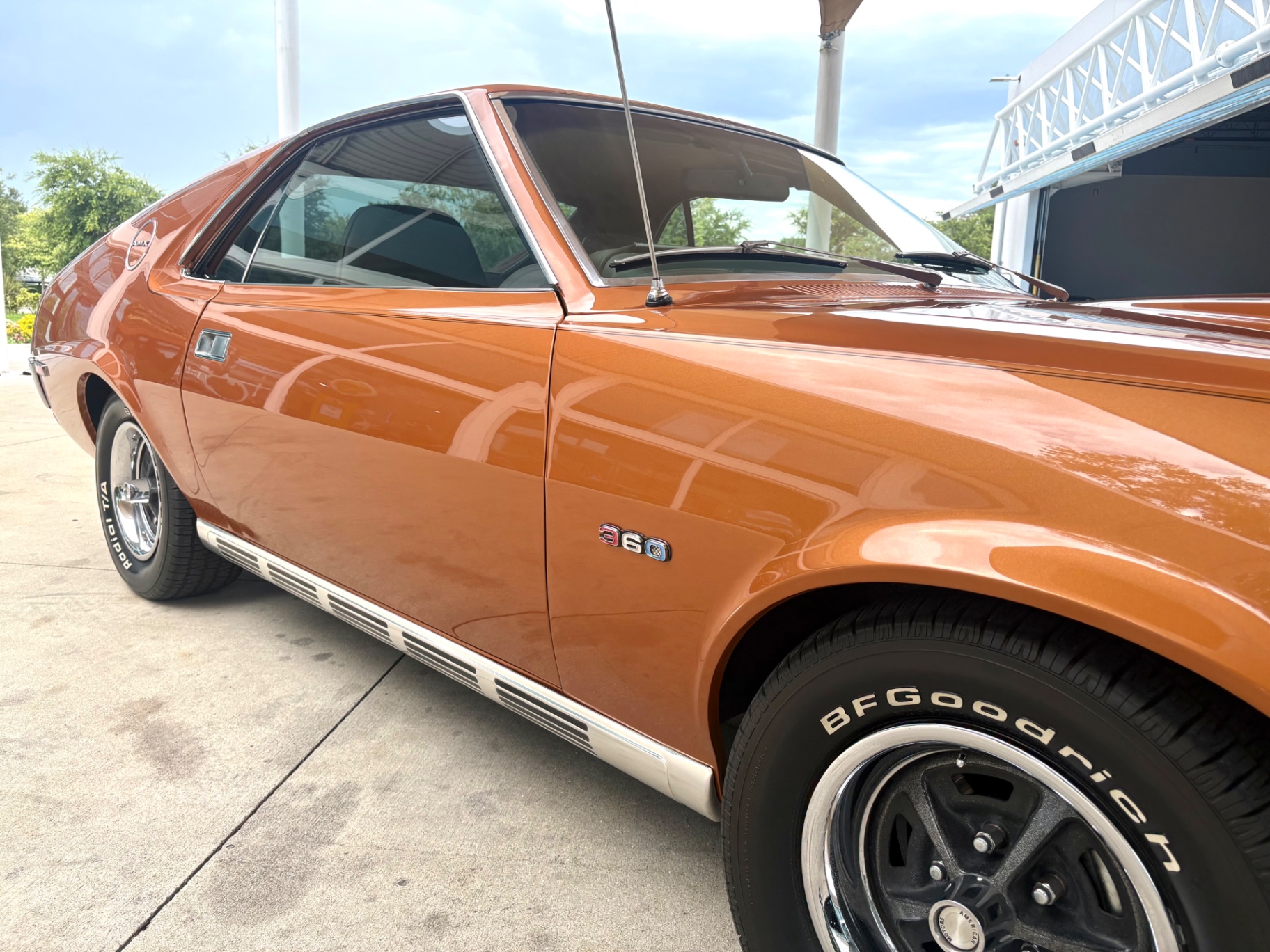
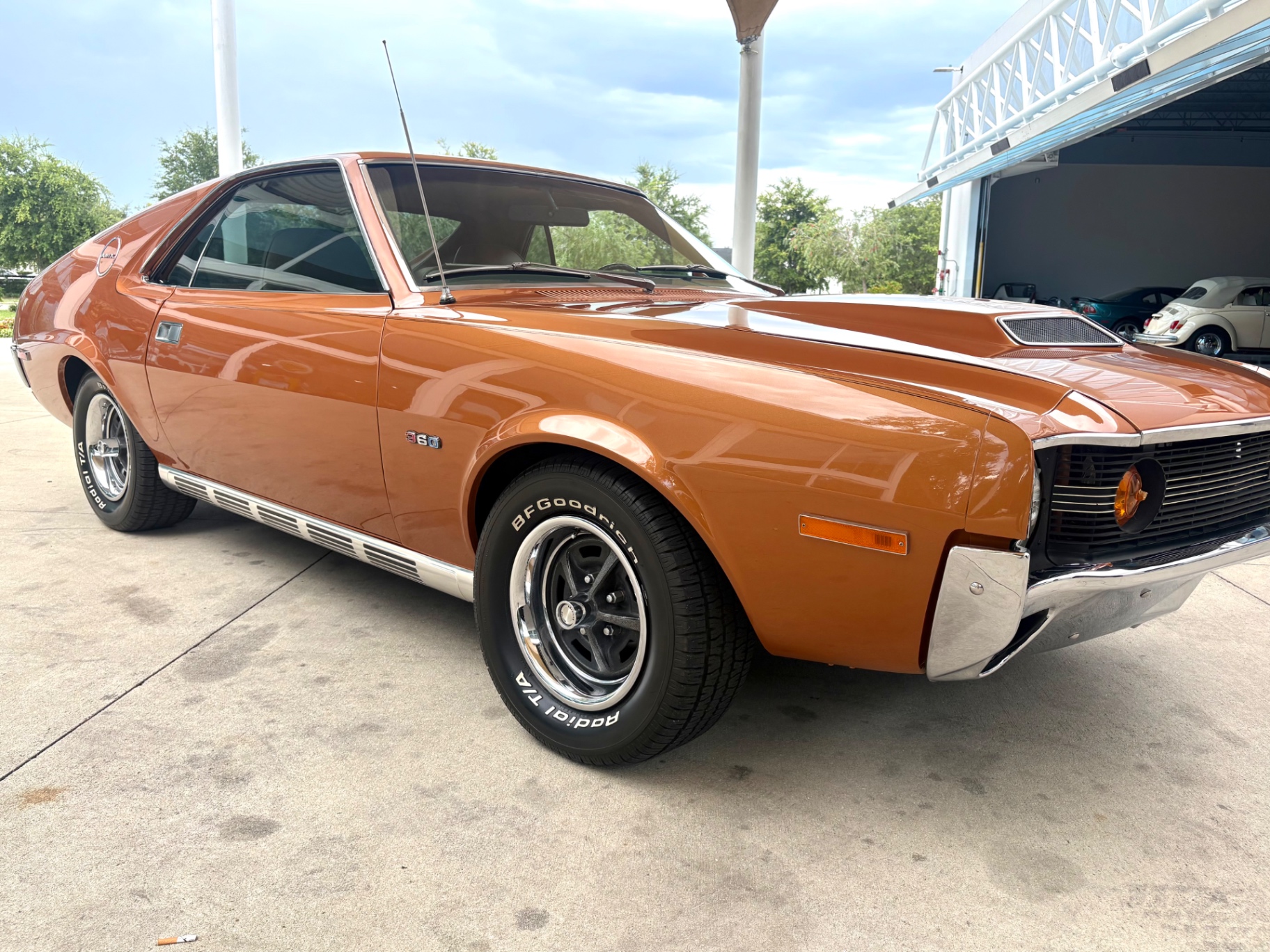
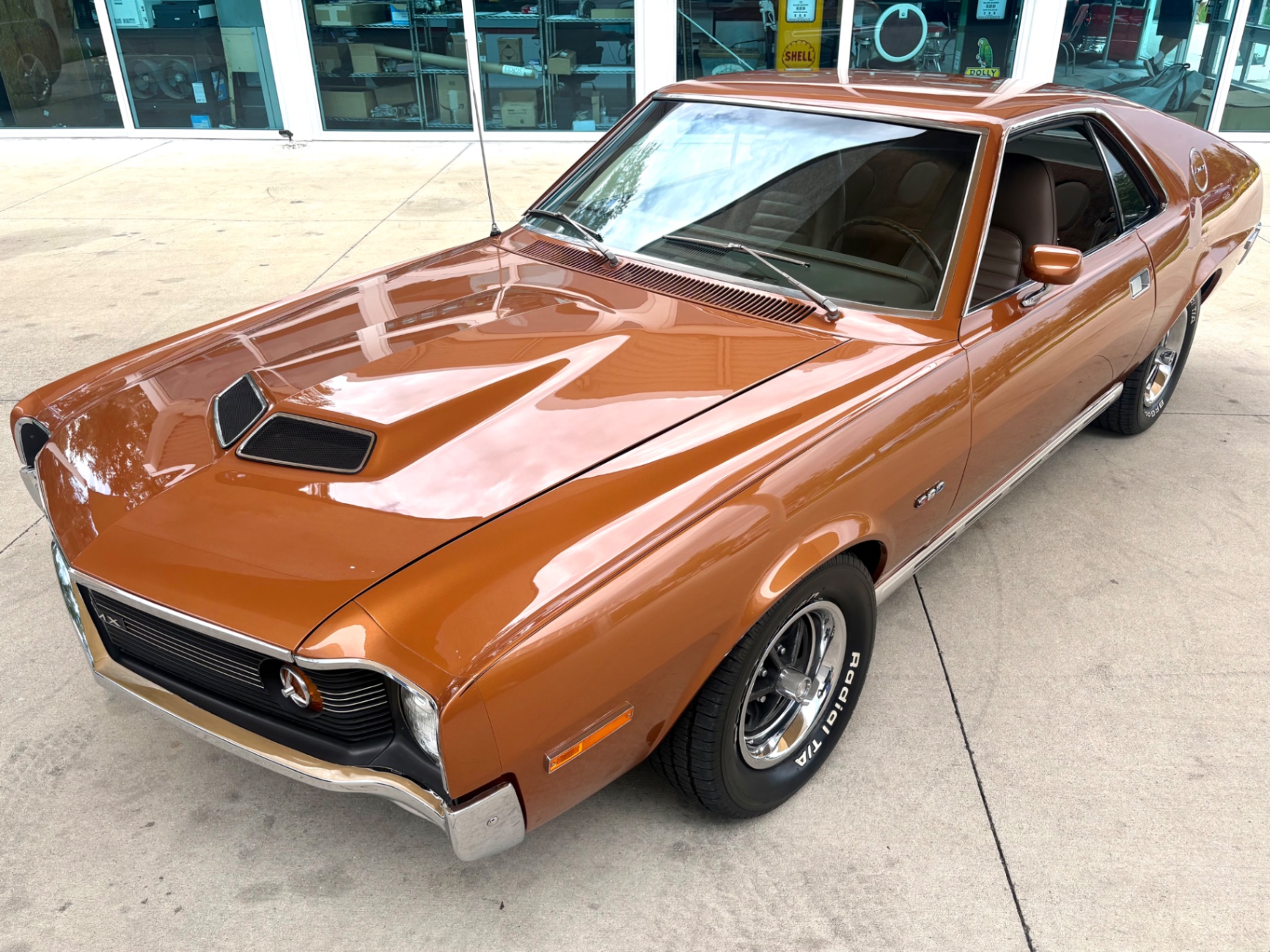
1970 AMC AMX — 360 V8, Factory A/C, Numbers-Correct Example in Bronze
Why This Car Is Special
The 1970 AMC AMX sits in an interesting place in muscle car history. It was the last year American Motors produced the AMX as a standalone two-seat model — a configuration it had held since the car's introduction in 1968. Starting in 1971, the AMX name was demoted to a trim package on the four-seat Javelin. That makes 1970 the final chapter of the true AMX as AMC intended it: a dedicated two-seater built to compete directly with the Corvette on price and with the Mustang and Camaro on performance credentials.
AMC produced 4,116 AMX units for the 1970 model year, a significant drop from the 8,293 built in 1969. Lower production numbers combined with the model's final-year status make 1970 AMX examples harder to find in solid, correctly optioned condition than the casual collector might expect. The broader muscle car market has long overlooked the AMX in favor of the more familiar GM and Ford entries, which means values have historically lagged behind comparable Chevelles, Camaros, and Mustangs despite the AMX offering similar performance hardware. That gap has been narrowing steadily as serious collectors catch on.
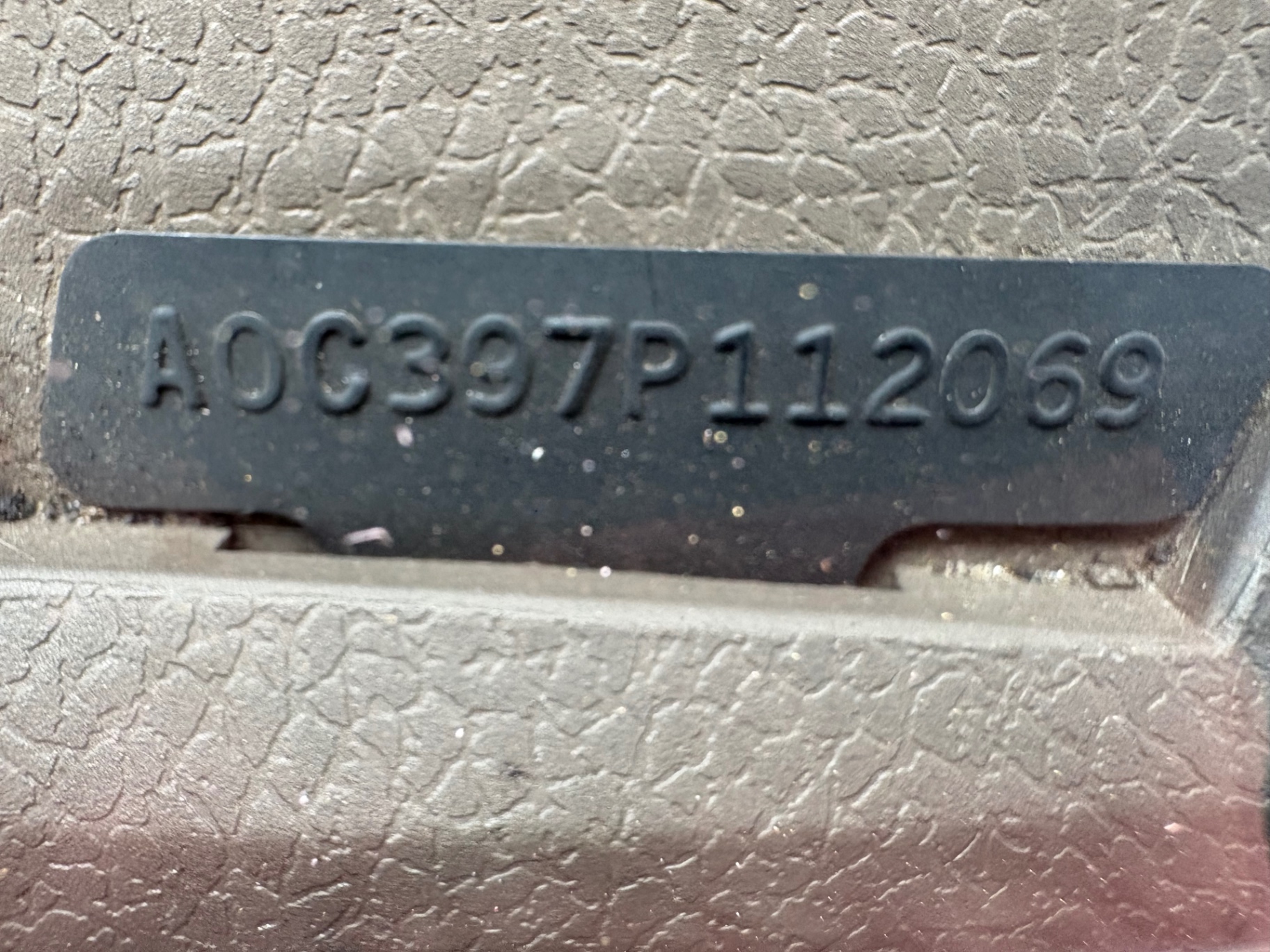
The VIN on this car decodes to confirm it is a 1970 model year AMC AMX, built at the Kenosha, Wisconsin assembly plant. The engine code within the VIN sequence corresponds to the 360 cubic inch V8, confirming this is not a base six-cylinder or small-block car that was later re-engined. It is the correct drivetrain for this specific vehicle as it left the factory.
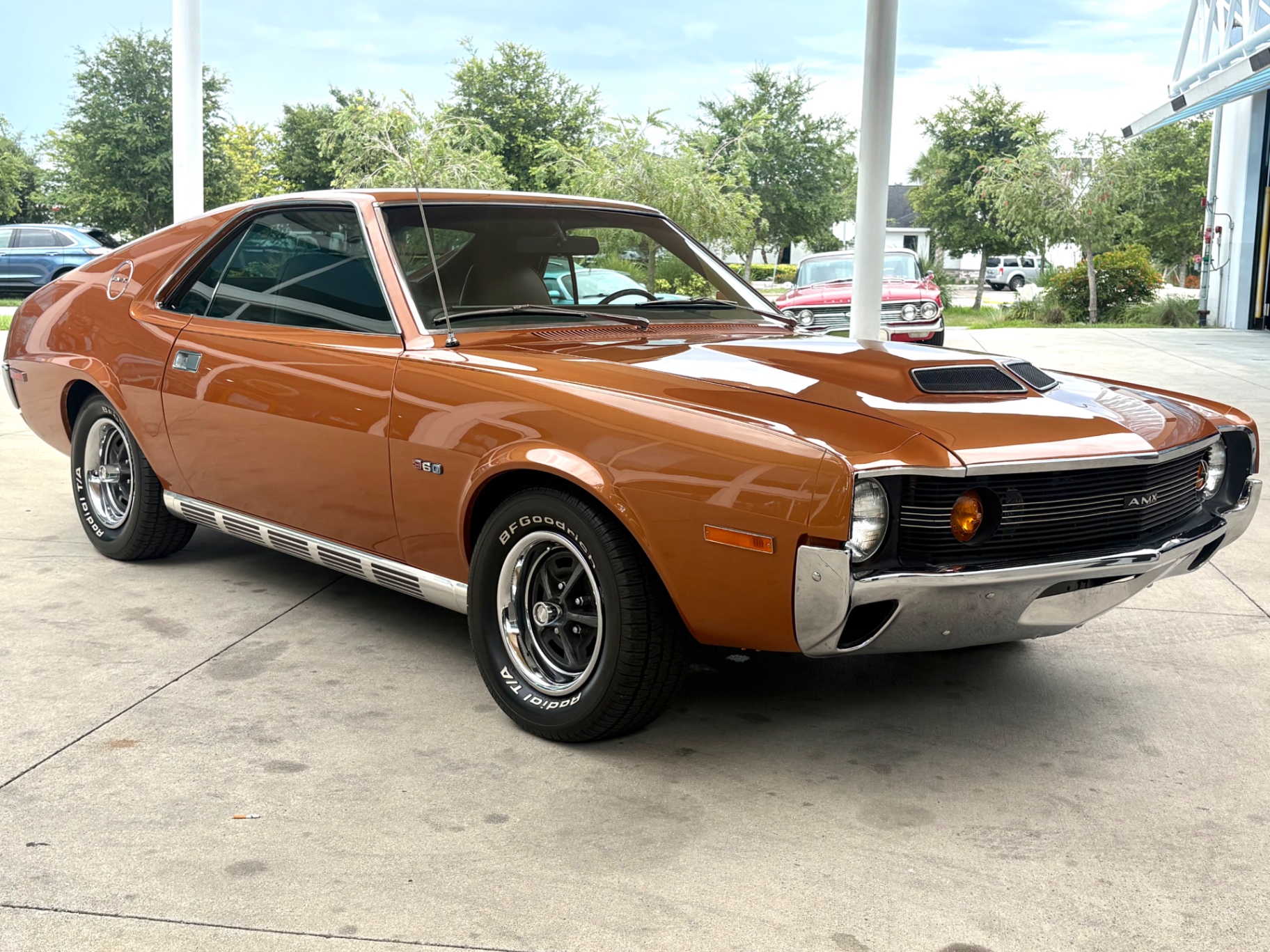
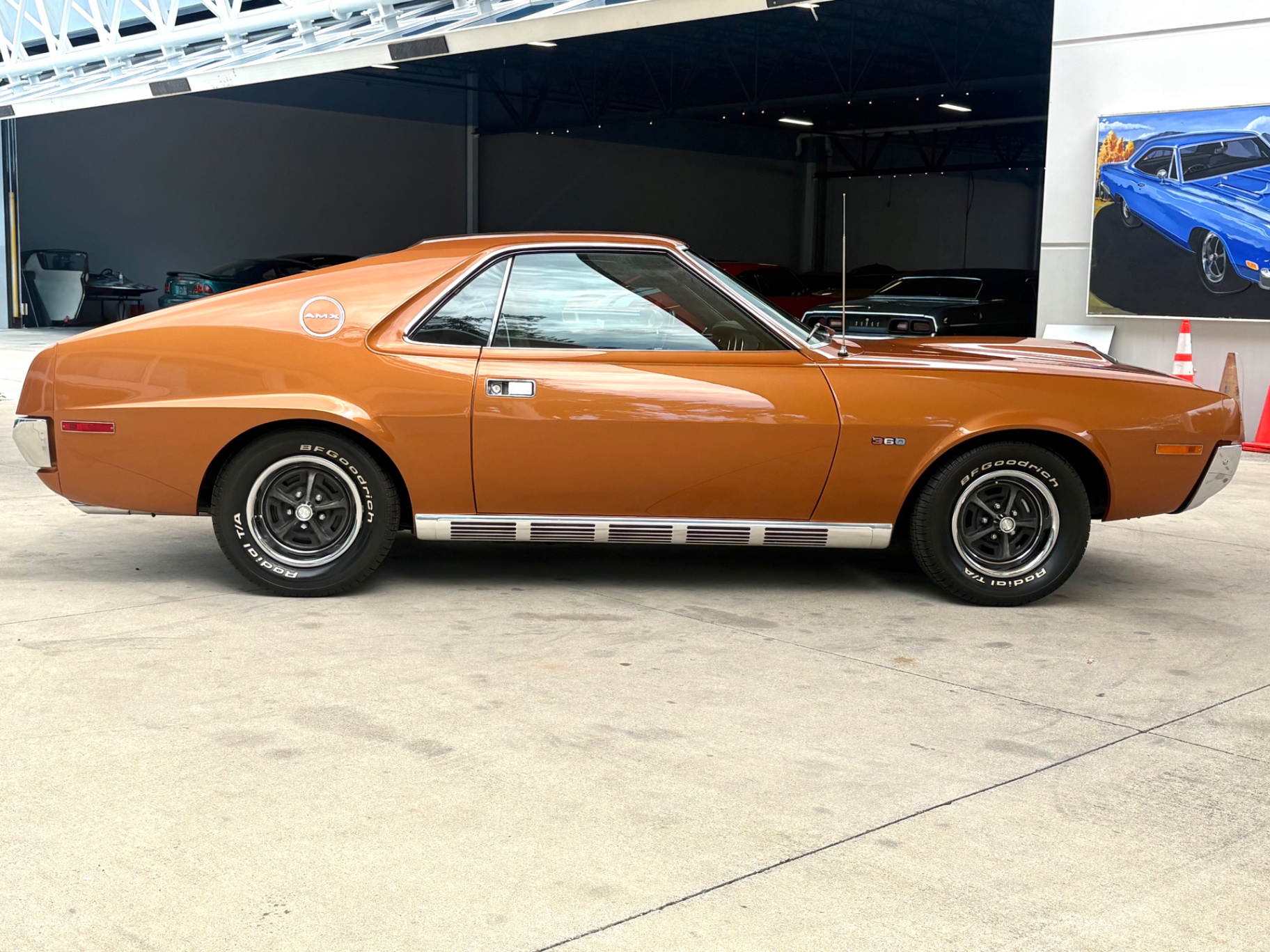
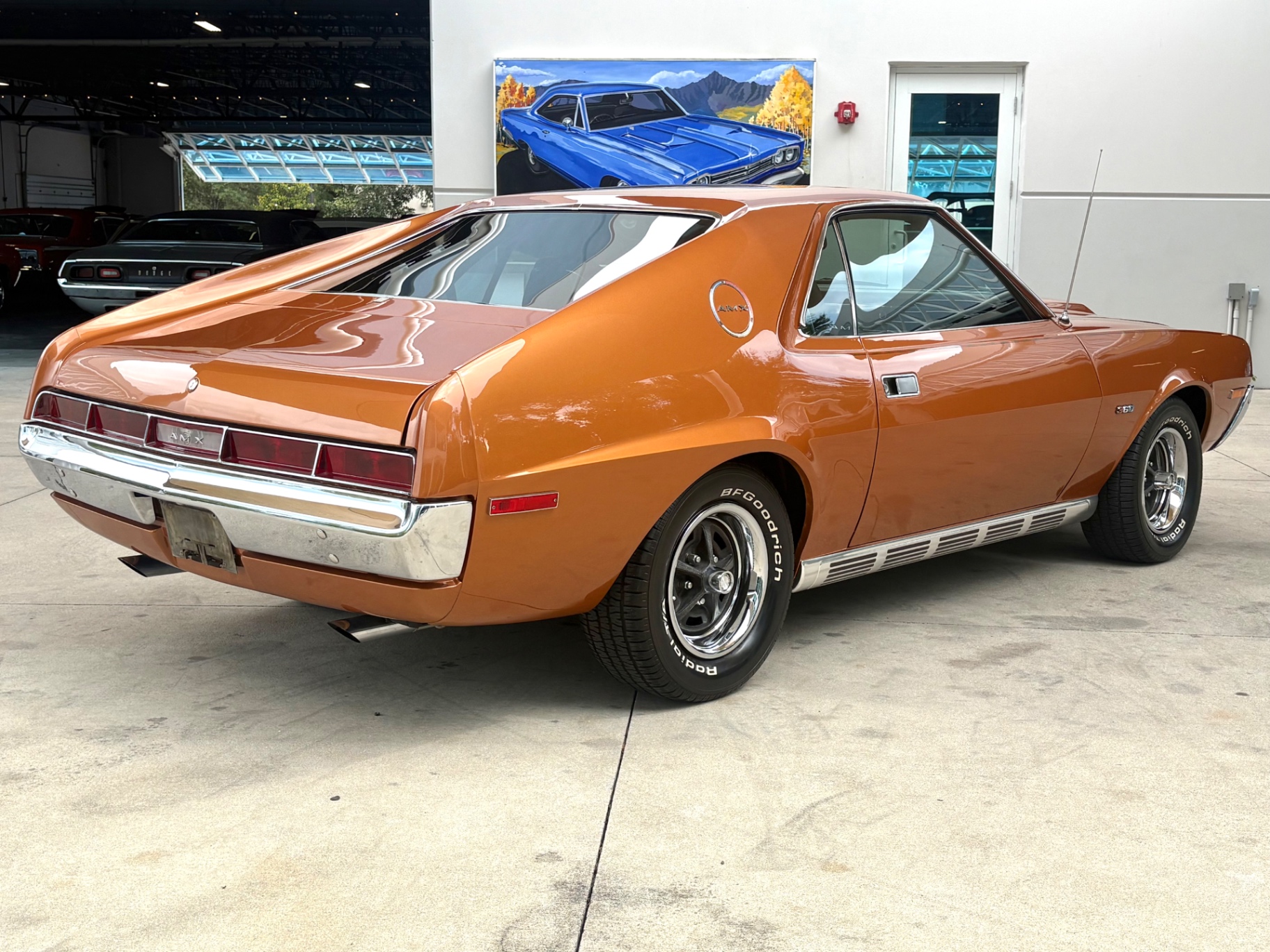
This particular example is finished in bronze — a warm, copper-toned color that was a period-correct AMC offering for 1970 and suits the AMX's fastback body lines well. The tan vinyl interior is intact and presents well throughout. The combination of factory air conditioning, a limited-slip rear differential, and the 360 V8 puts this car in the upper tier of AMX option content for the year. Many 1970 AMX examples were ordered with less.
Features List
- 360 cubic inch V8 engine with 4-barrel carburetor
- 3-speed automatic transmission with floor-mounted shifter
- Factory air conditioning modernized
- Limited-slip differential (Positraction)
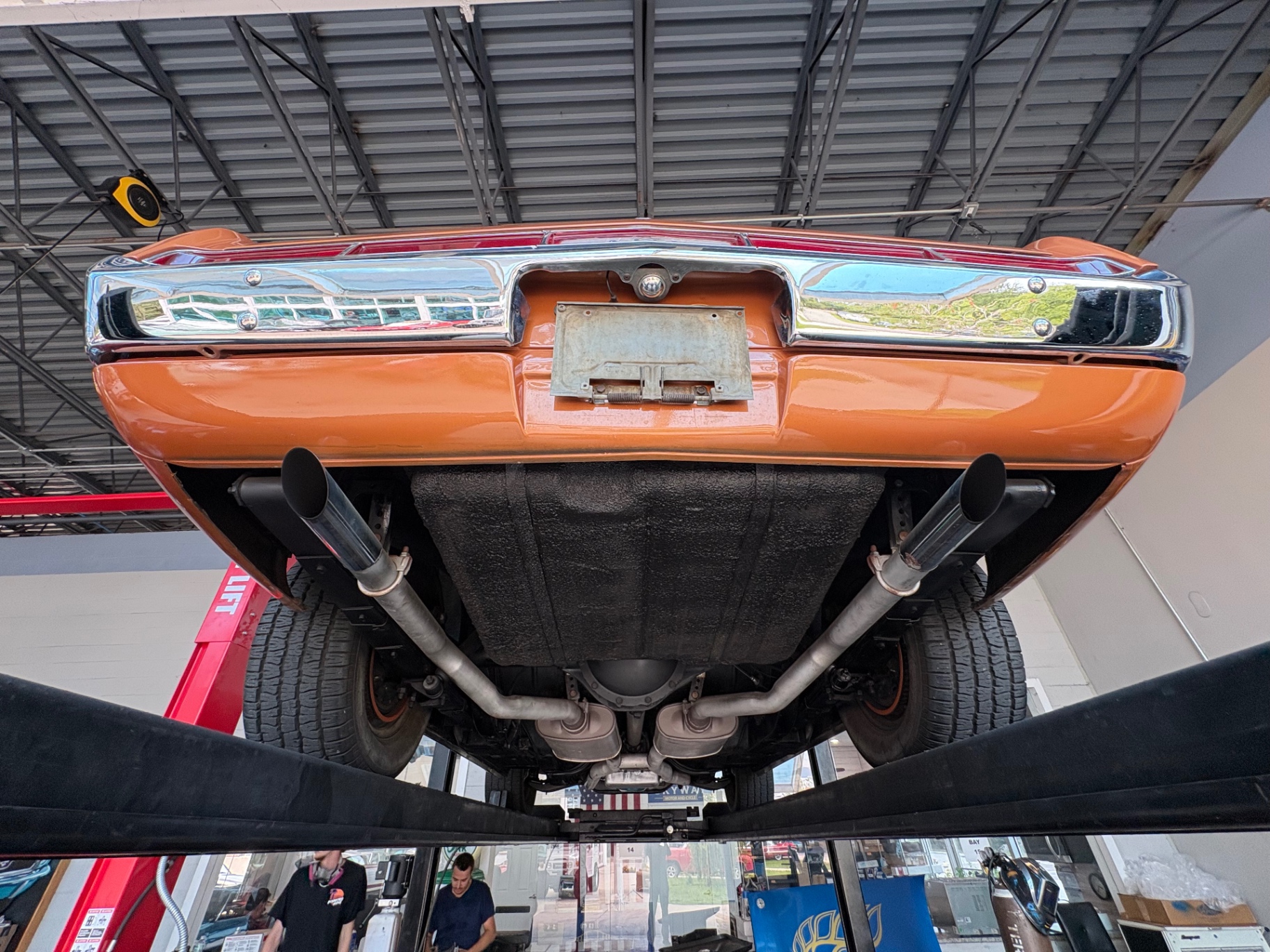
- Dual exhaust with twin rear-exit tips
- Power steering
- Tachometer
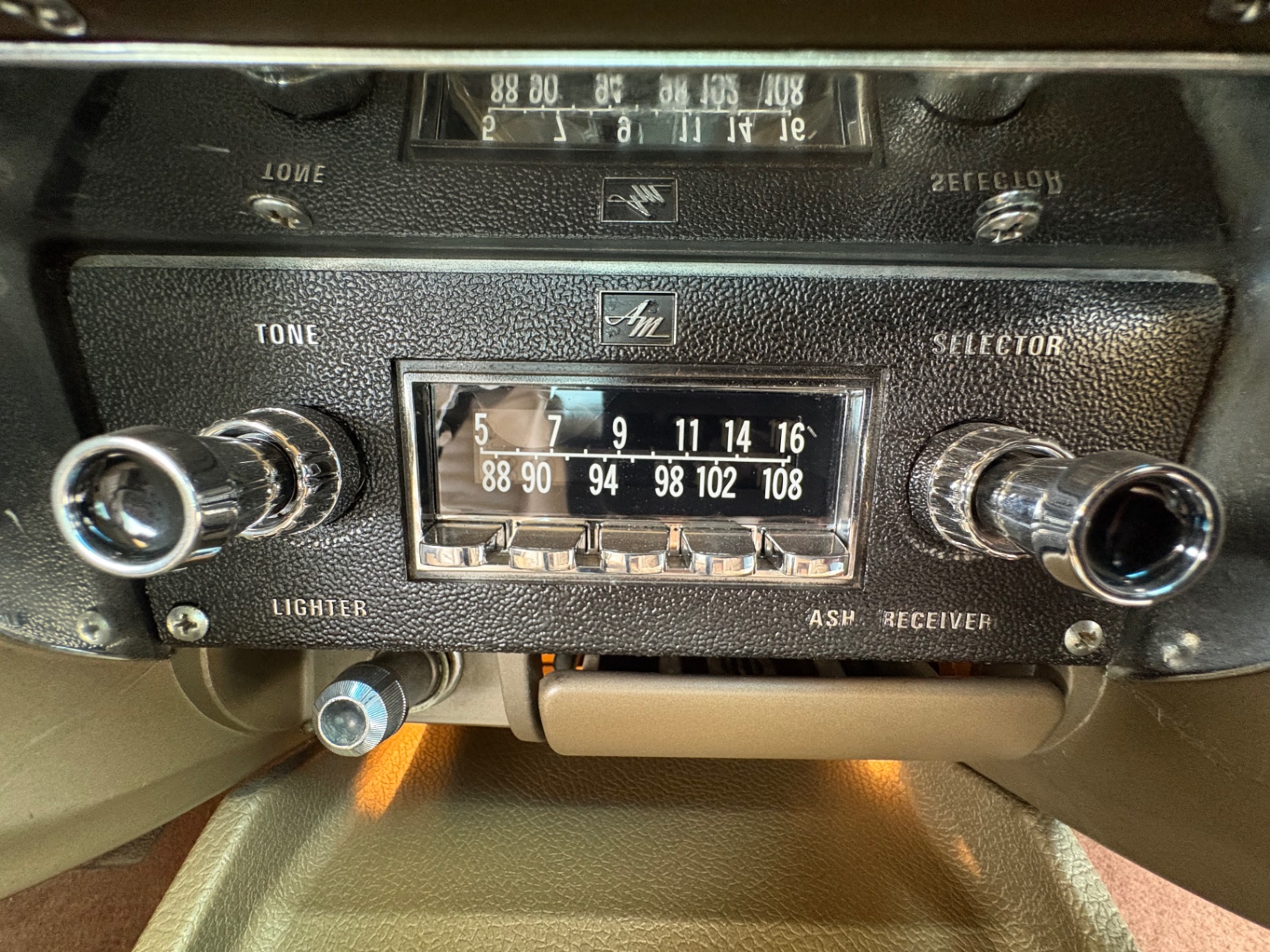
- AM/FM radio
- Hood scoops
- Rally wheels
- BFGoodrich Radial T/A tires
- Chrome front and rear bumpers
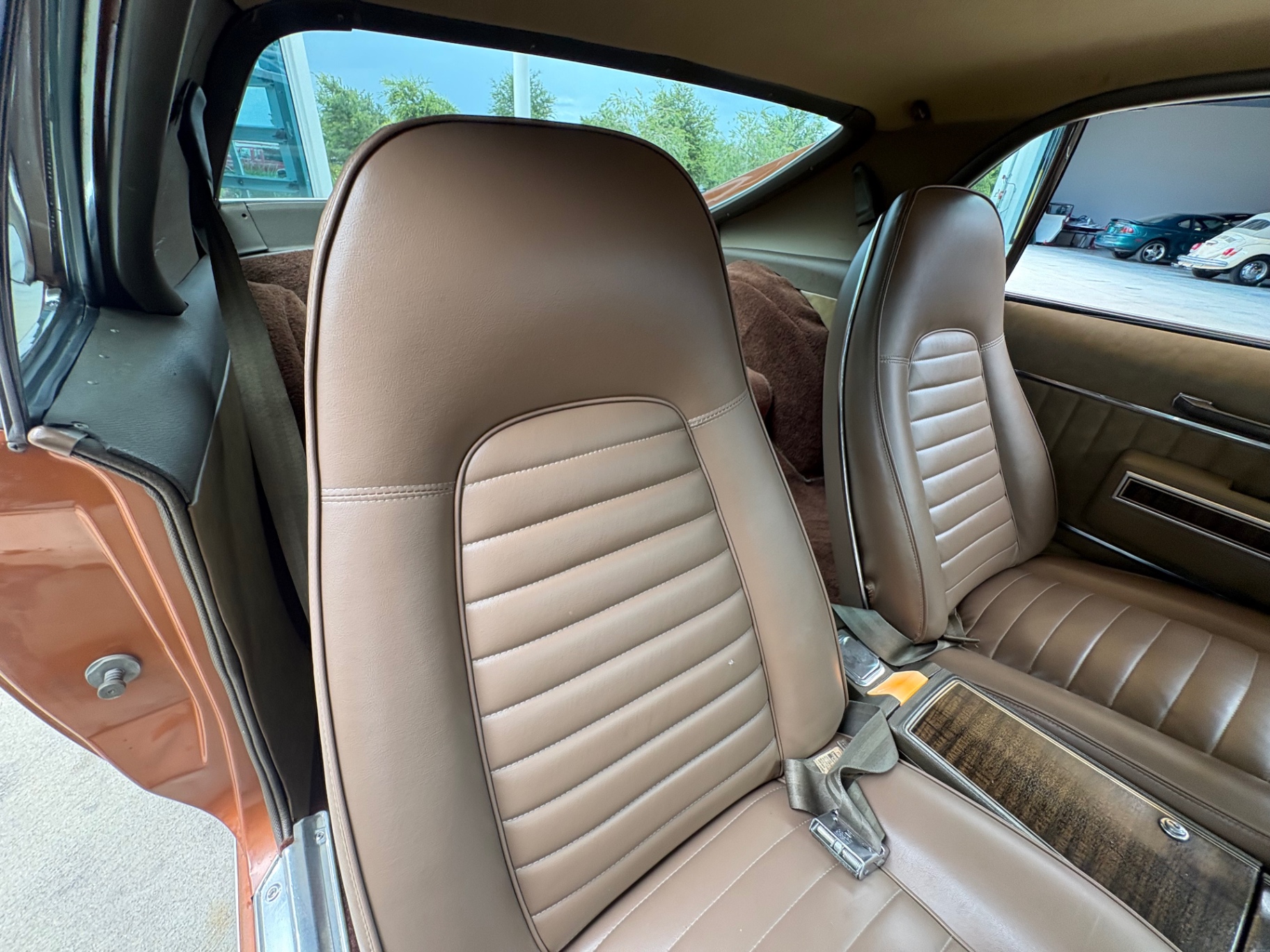
- Tan vinyl bucket seats
- Center console with wood grain trim
- Wood grain interior trim throughout dash and door panels
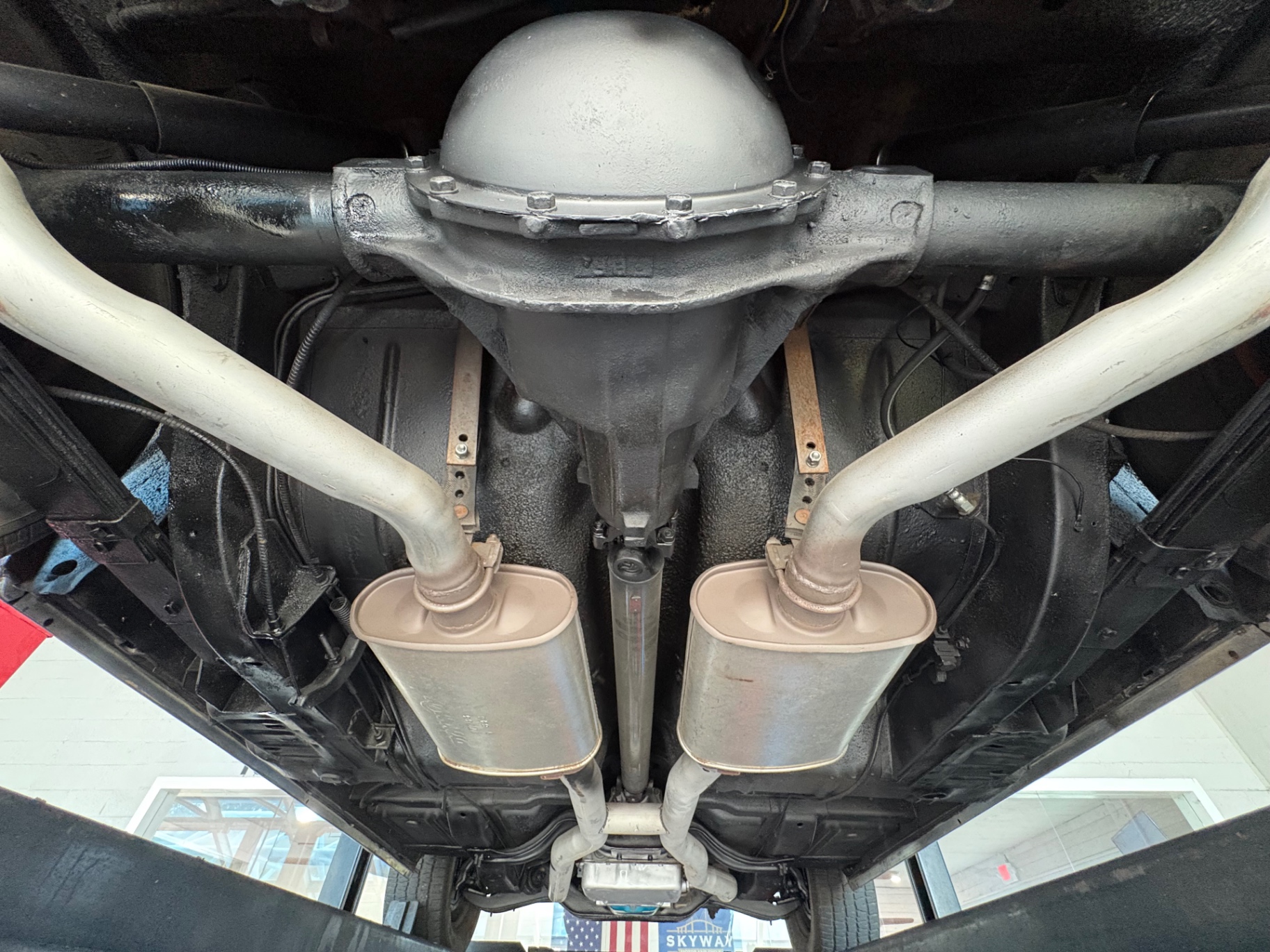
- Clean undercarriage
- Power brakes
Mechanical
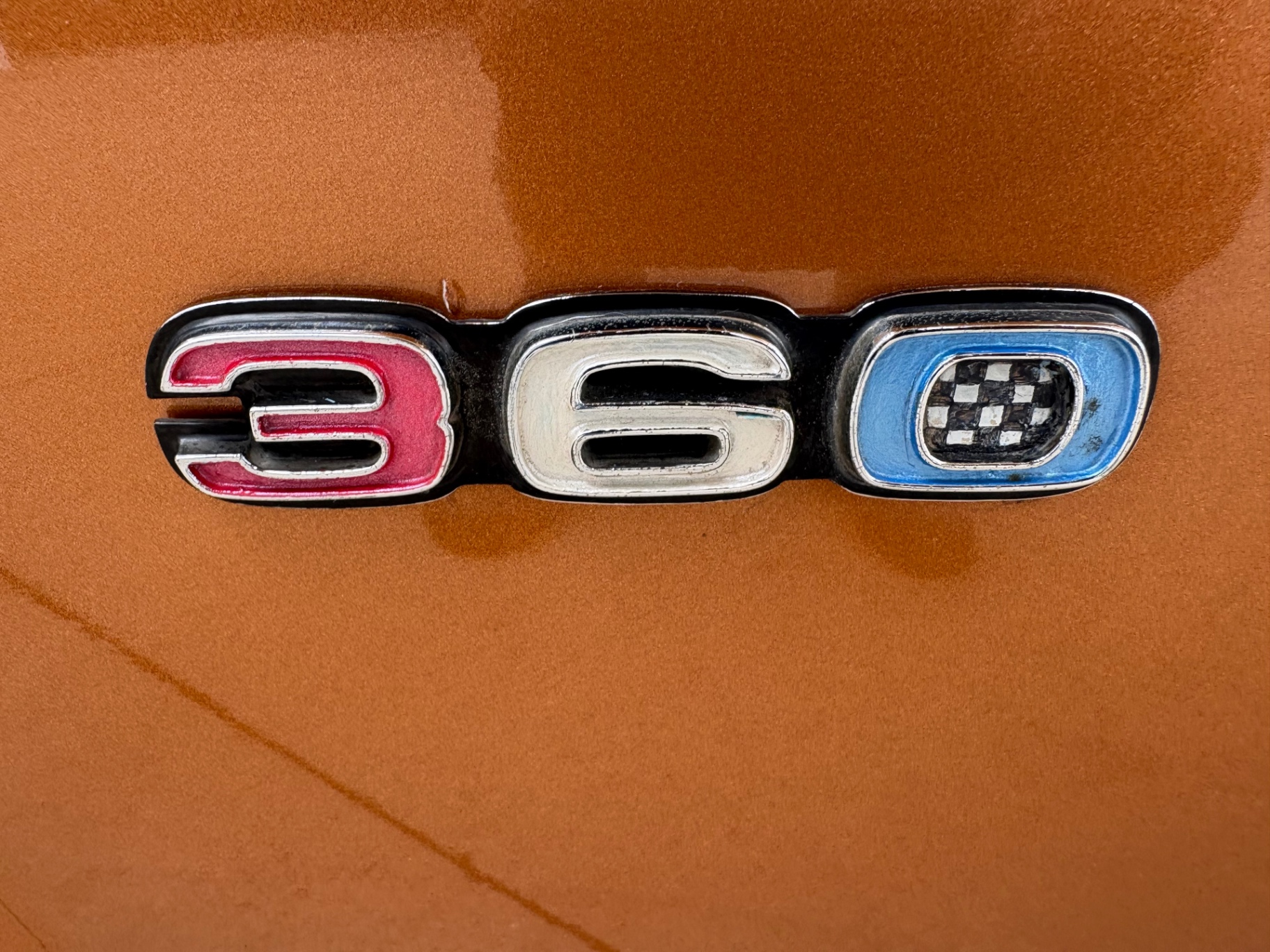
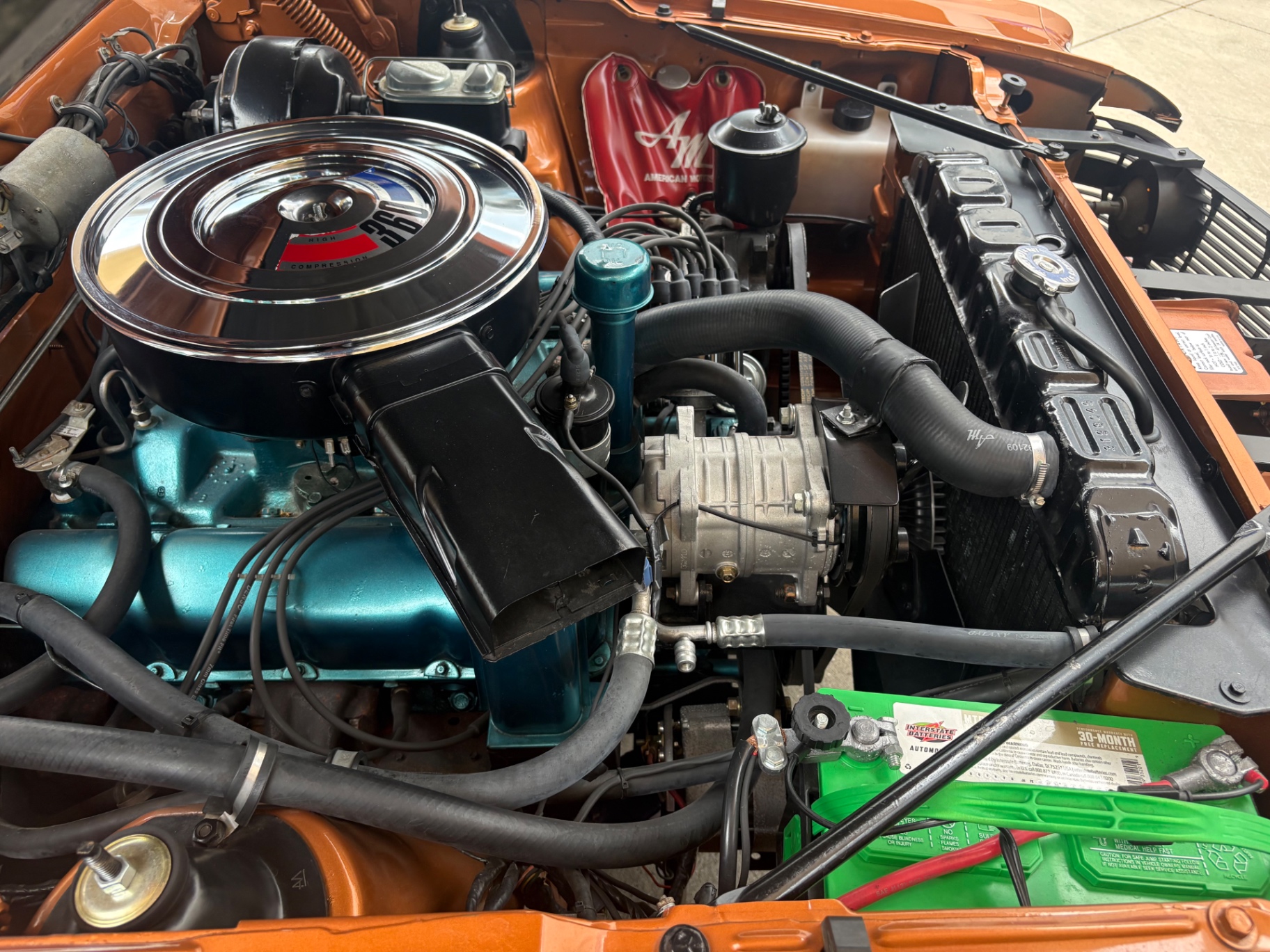
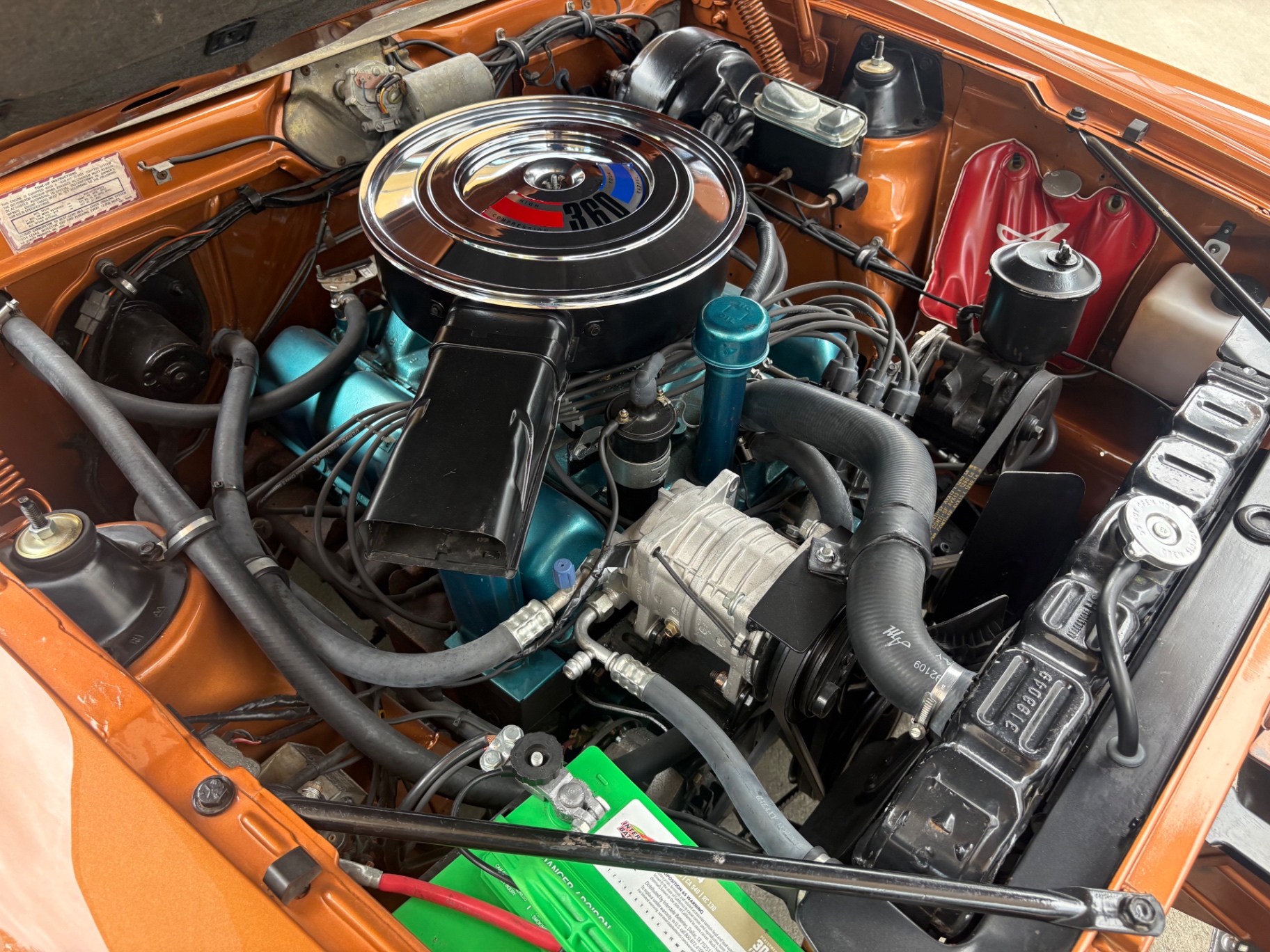
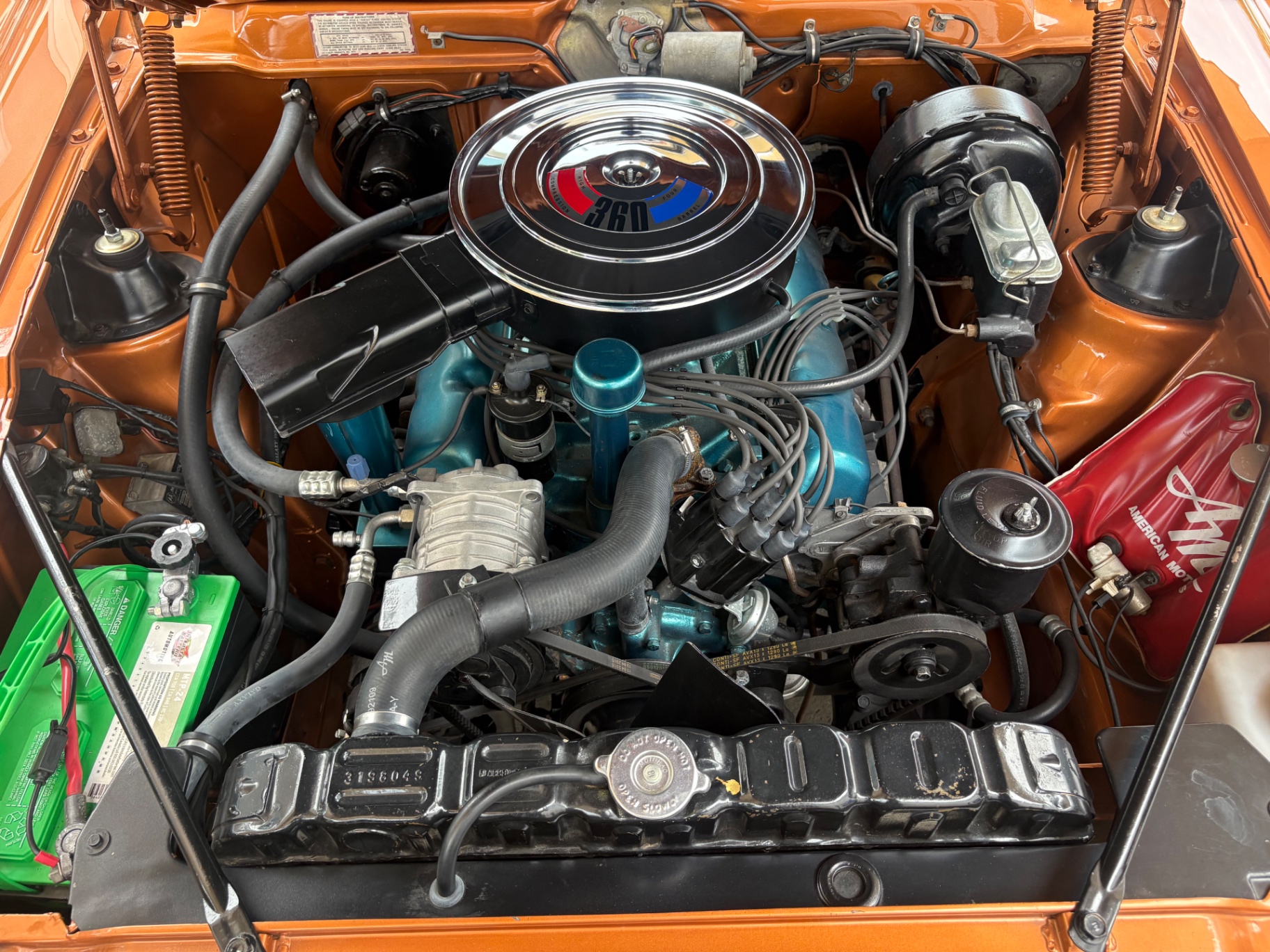
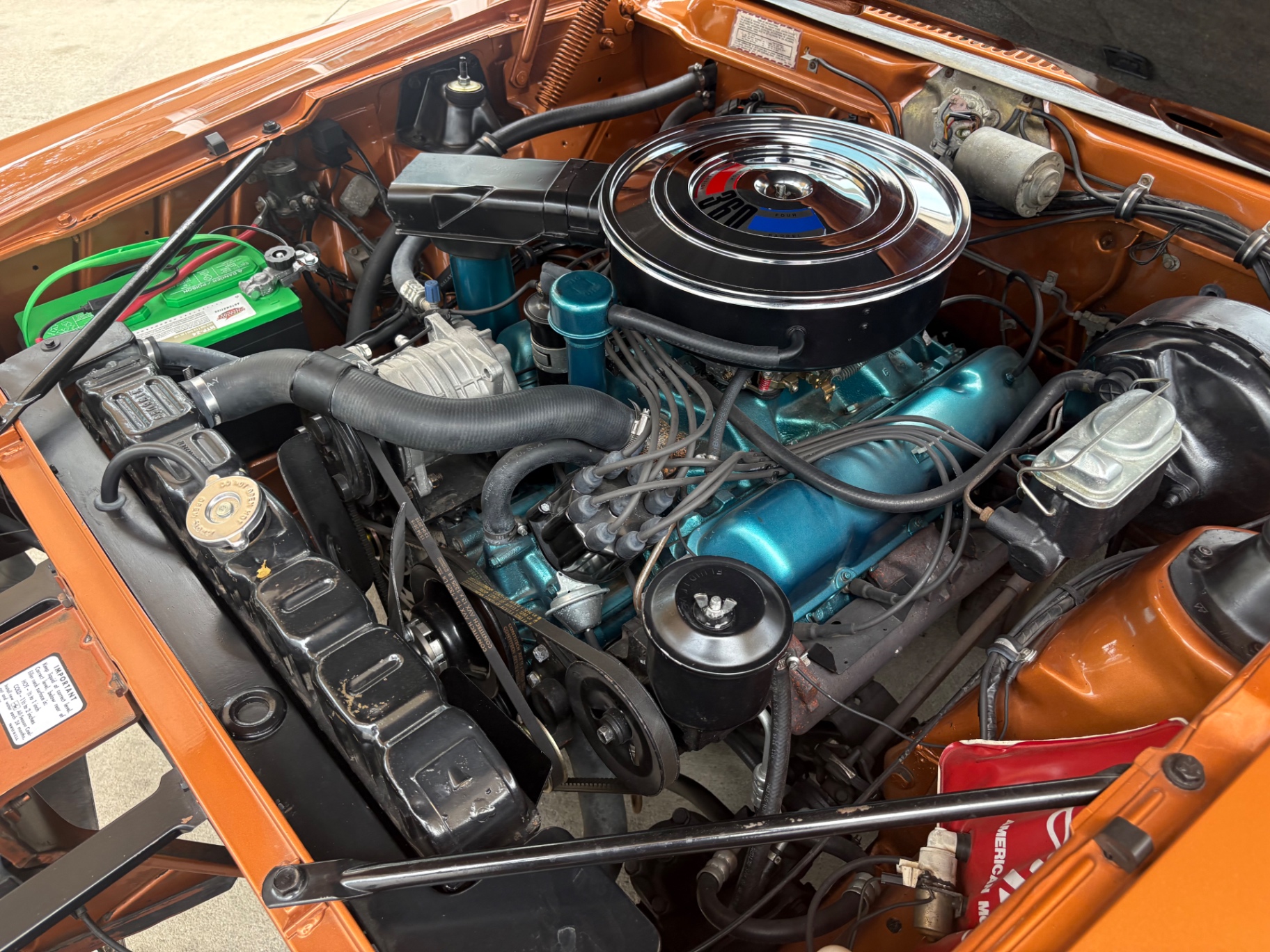
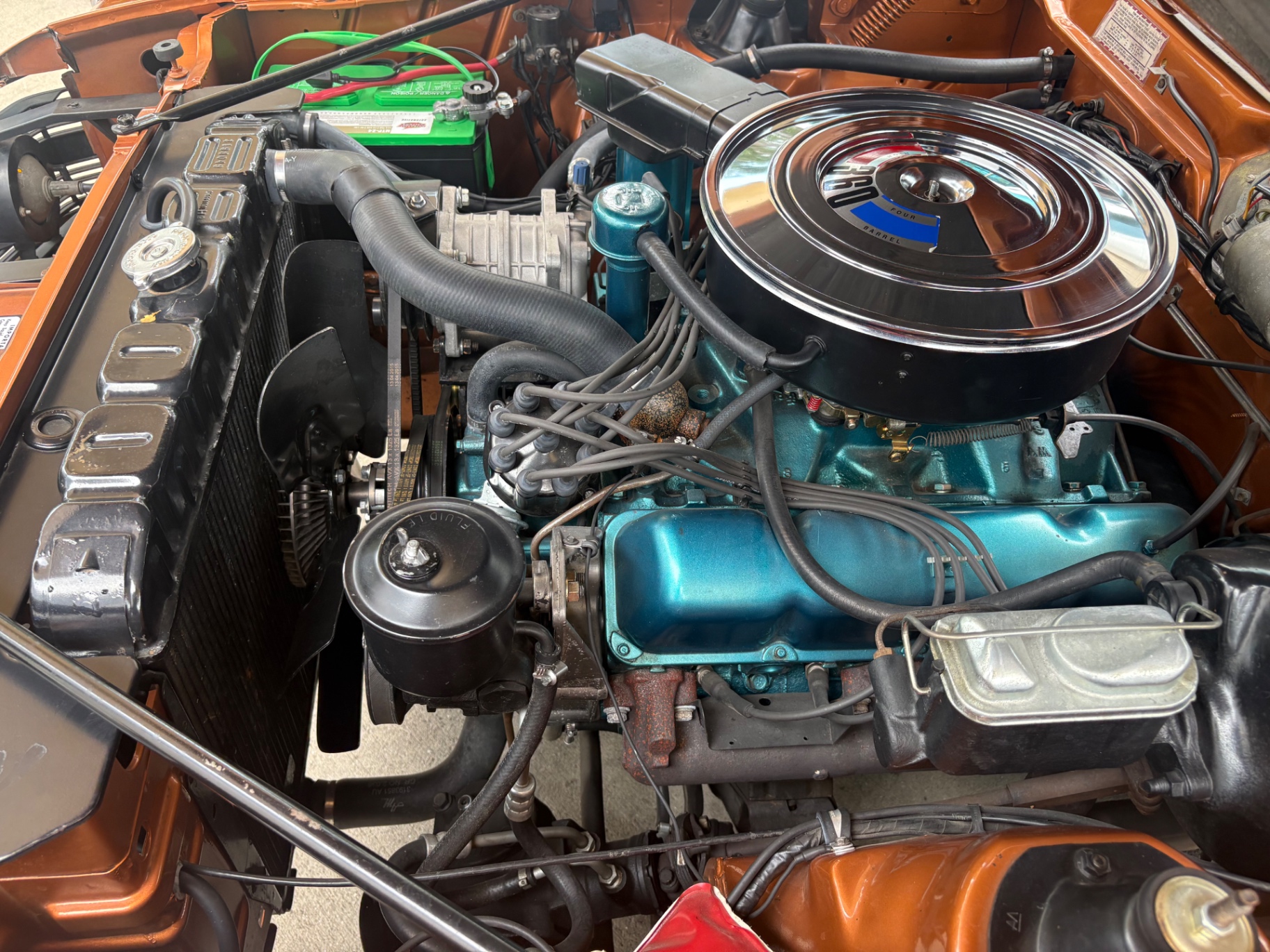
The 360 cubic inch V8 was introduced by AMC for the 1970 model year, making this car part of the engine's first production run. It was factory rated at 290 horsepower in standard trim with a 4-barrel carburetor — a conservative rating consistent with what automakers were doing across the industry in 1970 as insurance costs and regulatory scrutiny began to climb. The 360 was considered AMC's mid-displacement big-block alternative, slotting between the 304 and the larger 390 and 401. In the AMX's relatively light body, it provides a strong power-to-weight ratio.
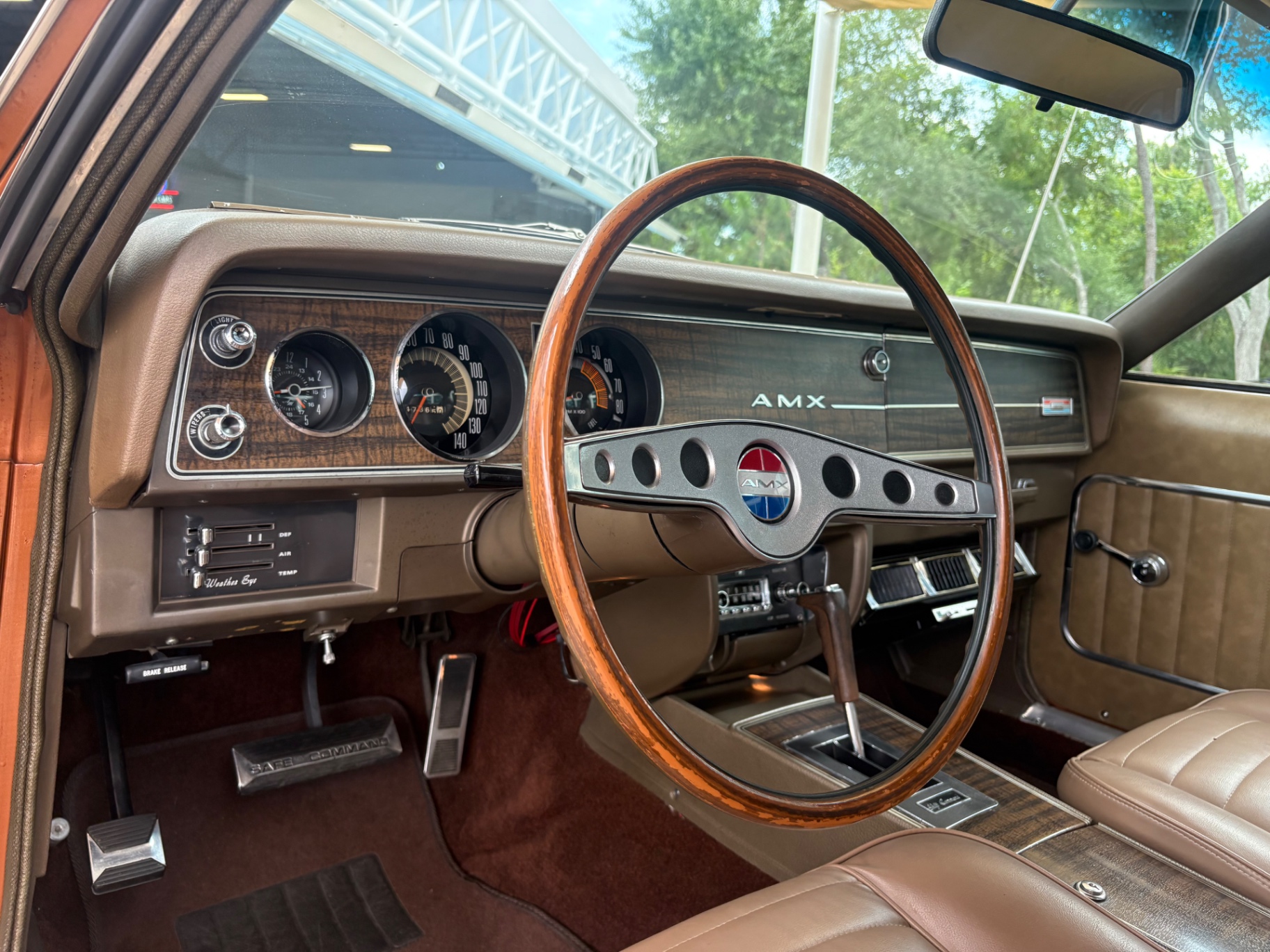
The 3-speed automatic is backed by a floor-mounted shifter, which AMC marketed under the "Shift Command" name. The selector gate is visible in the cockpit and is a period-correct touch for an AMX built with the automatic option. Backing the automatic is a limited-slip differential, an important option on any performance car of this era. It ensures power is distributed to both rear wheels under acceleration rather than being lost to the outside wheel during cornering or on low-traction surfaces.
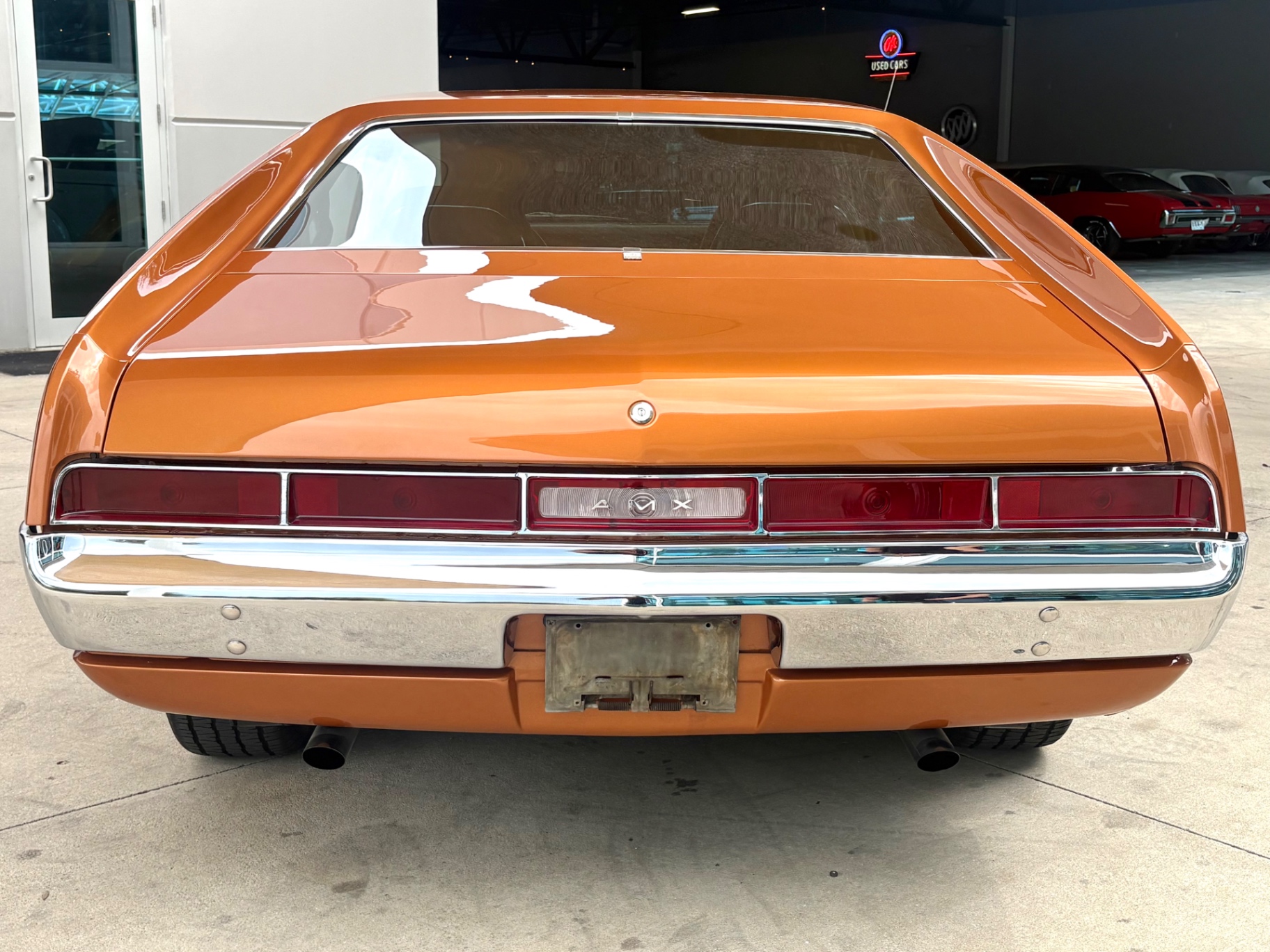
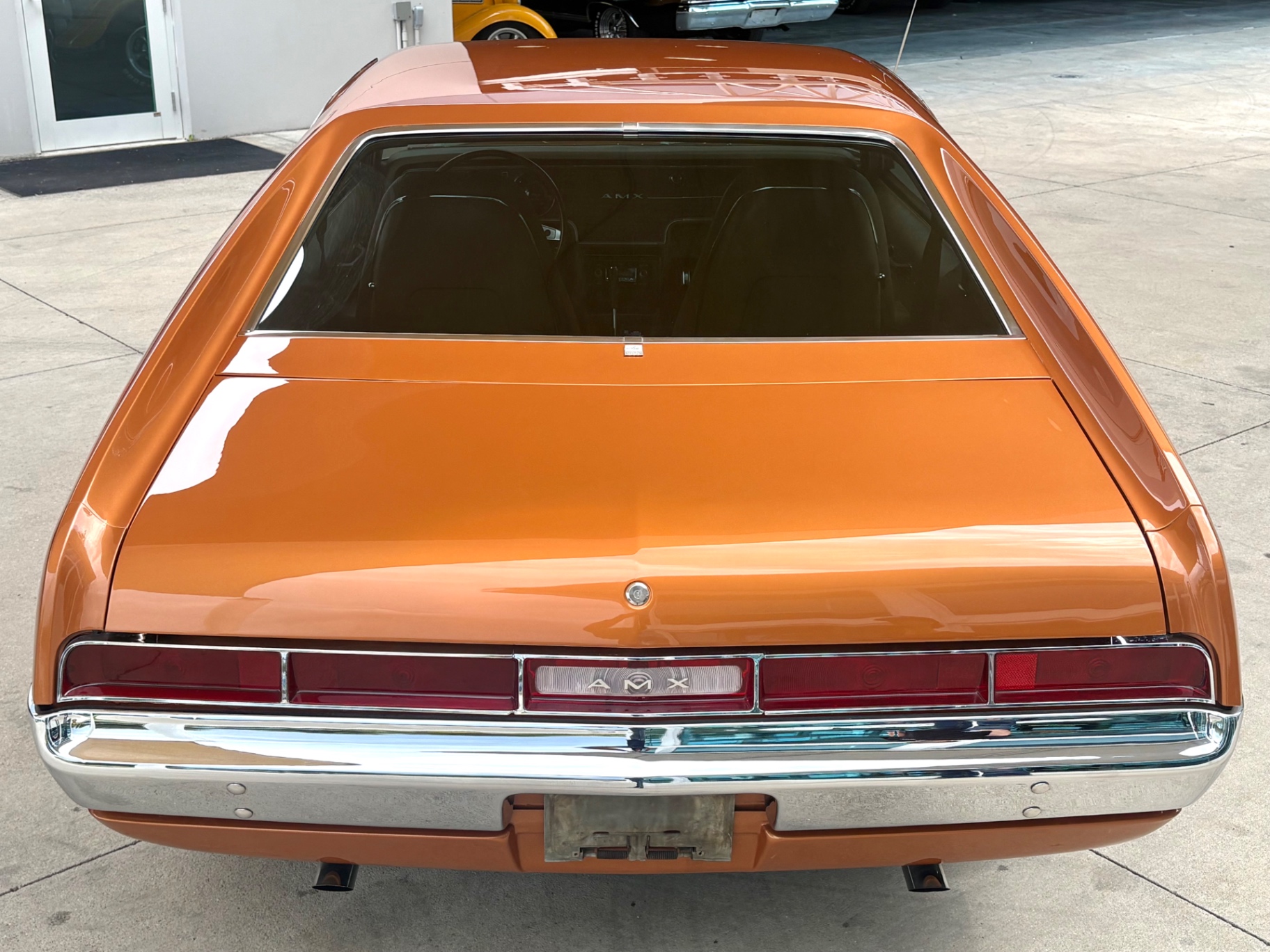
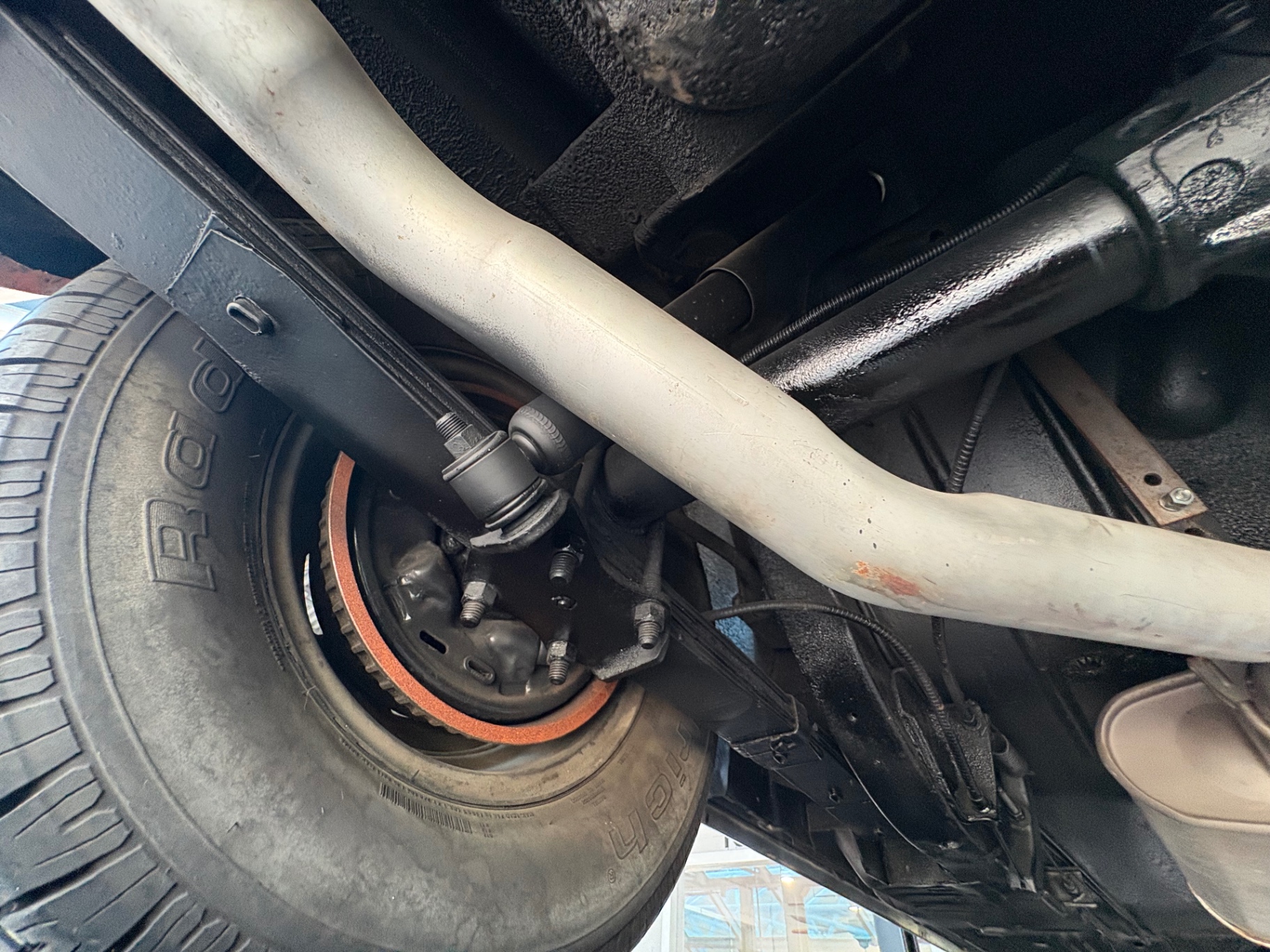
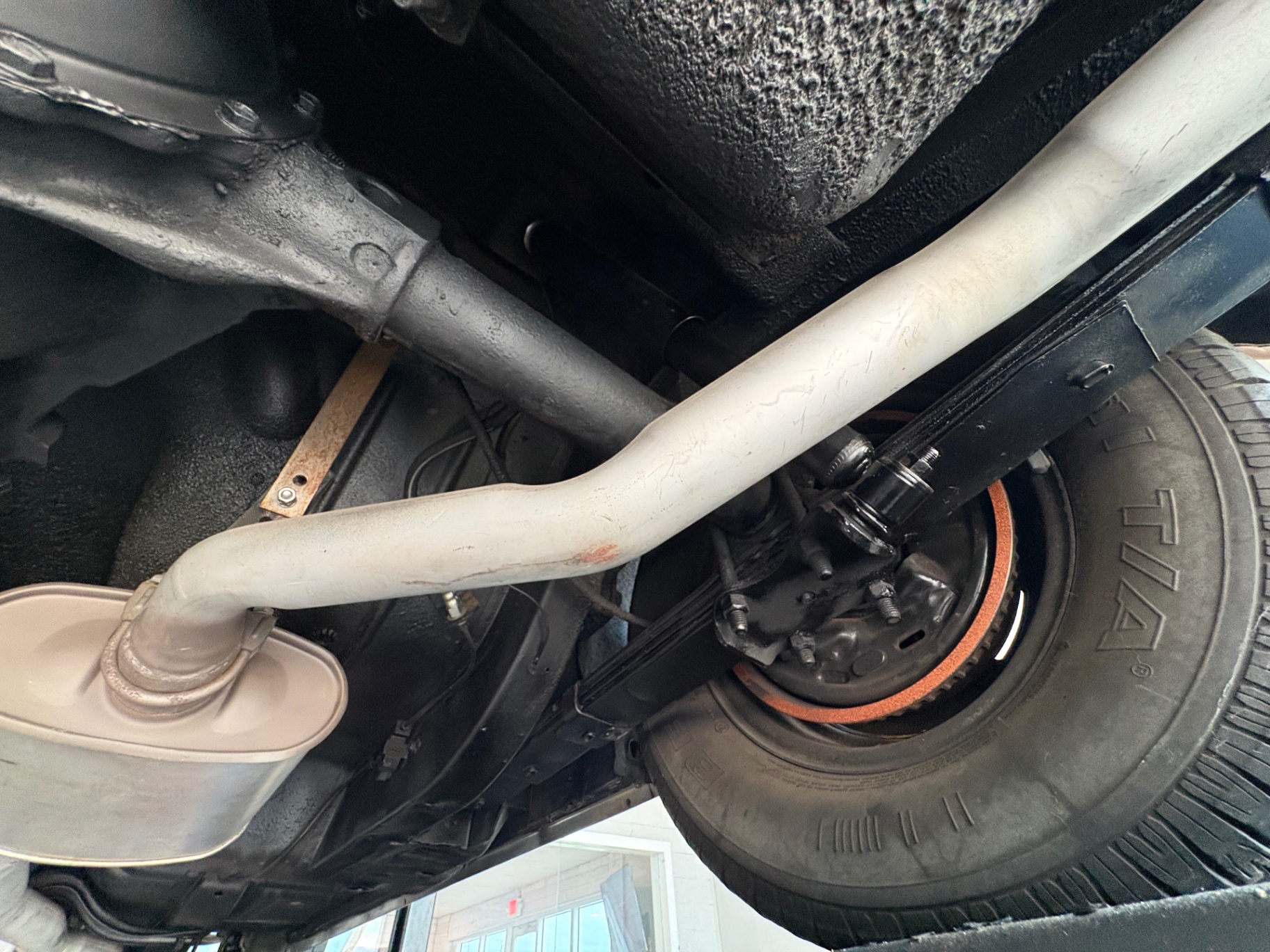
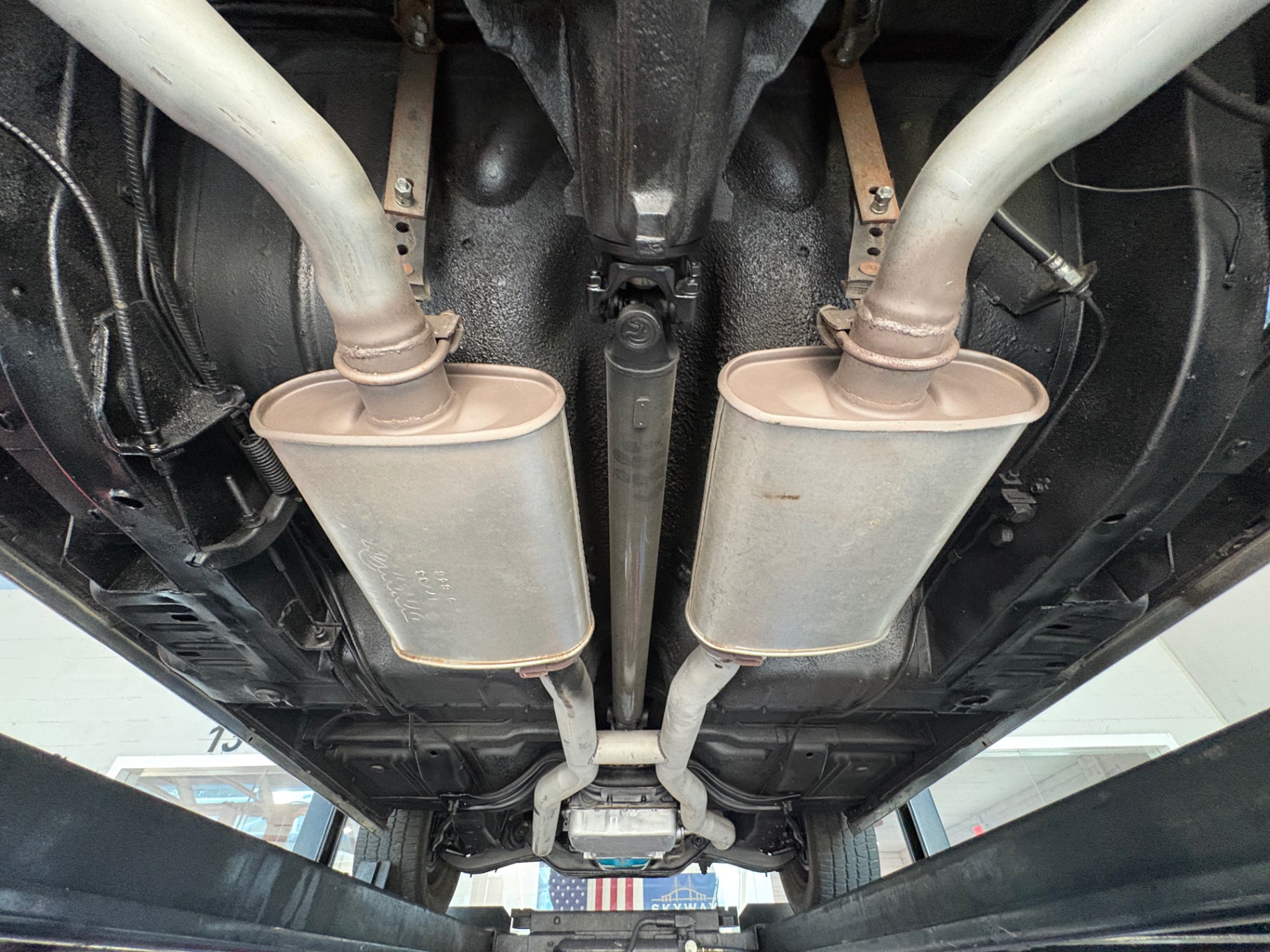
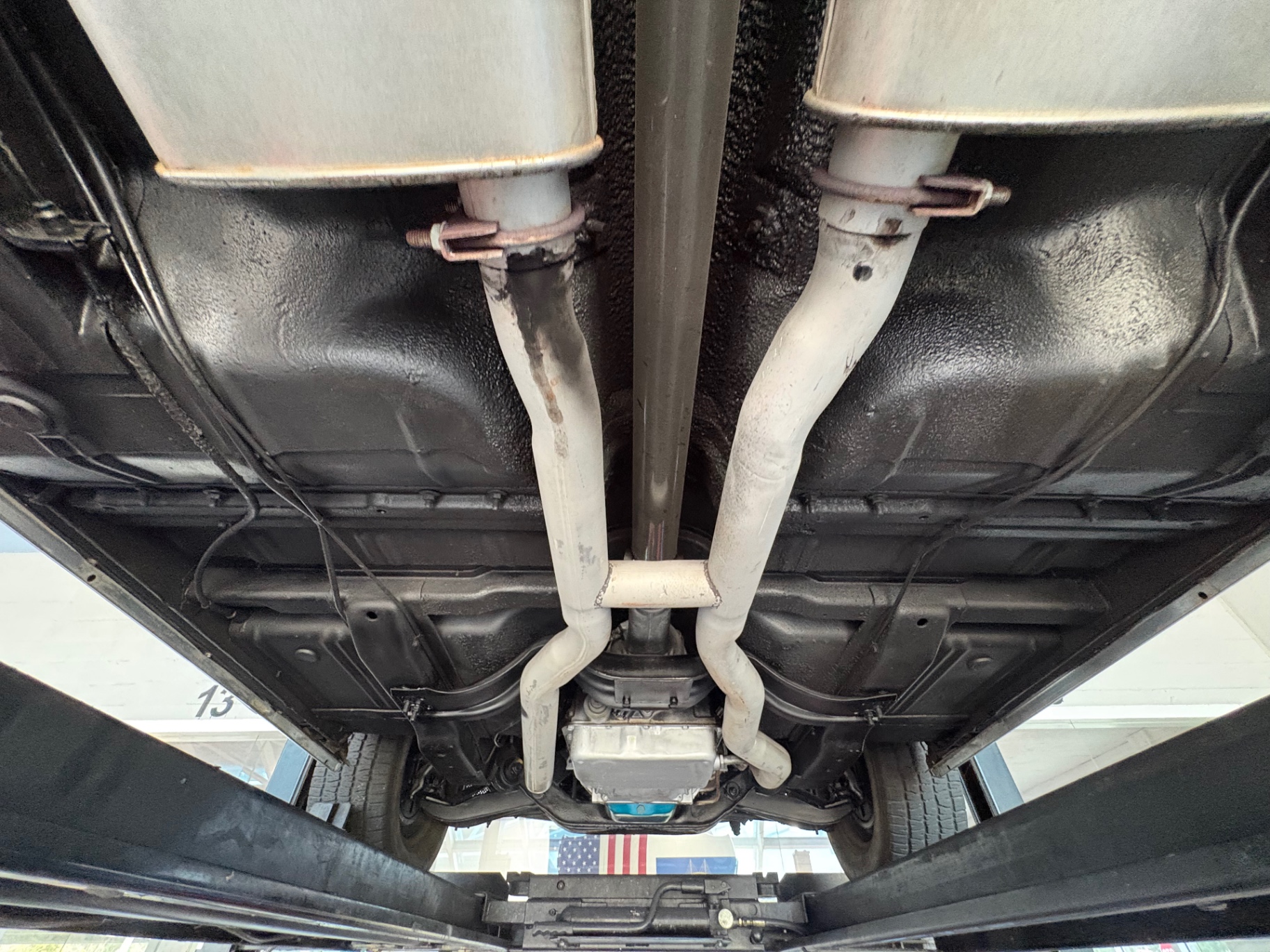
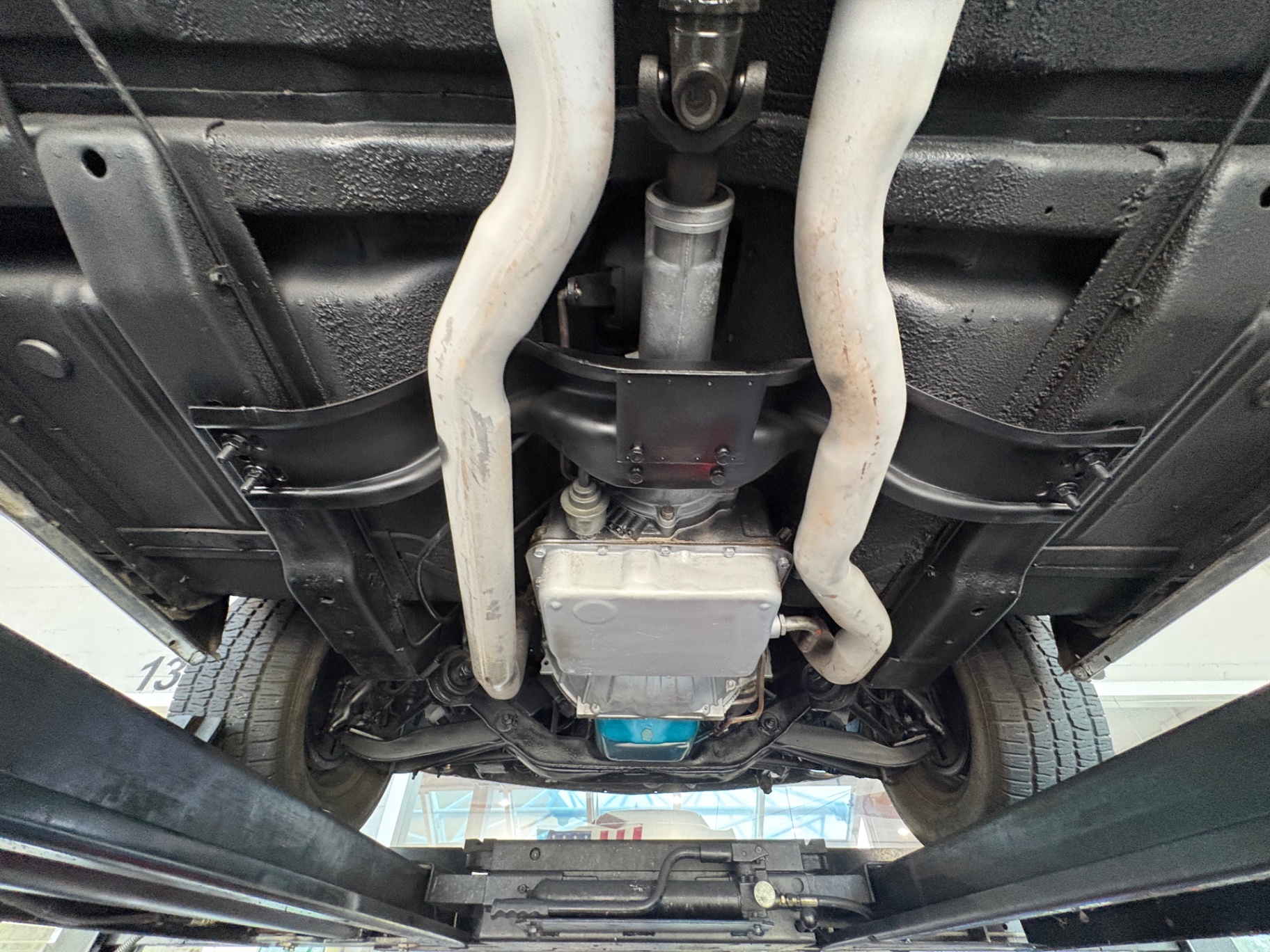
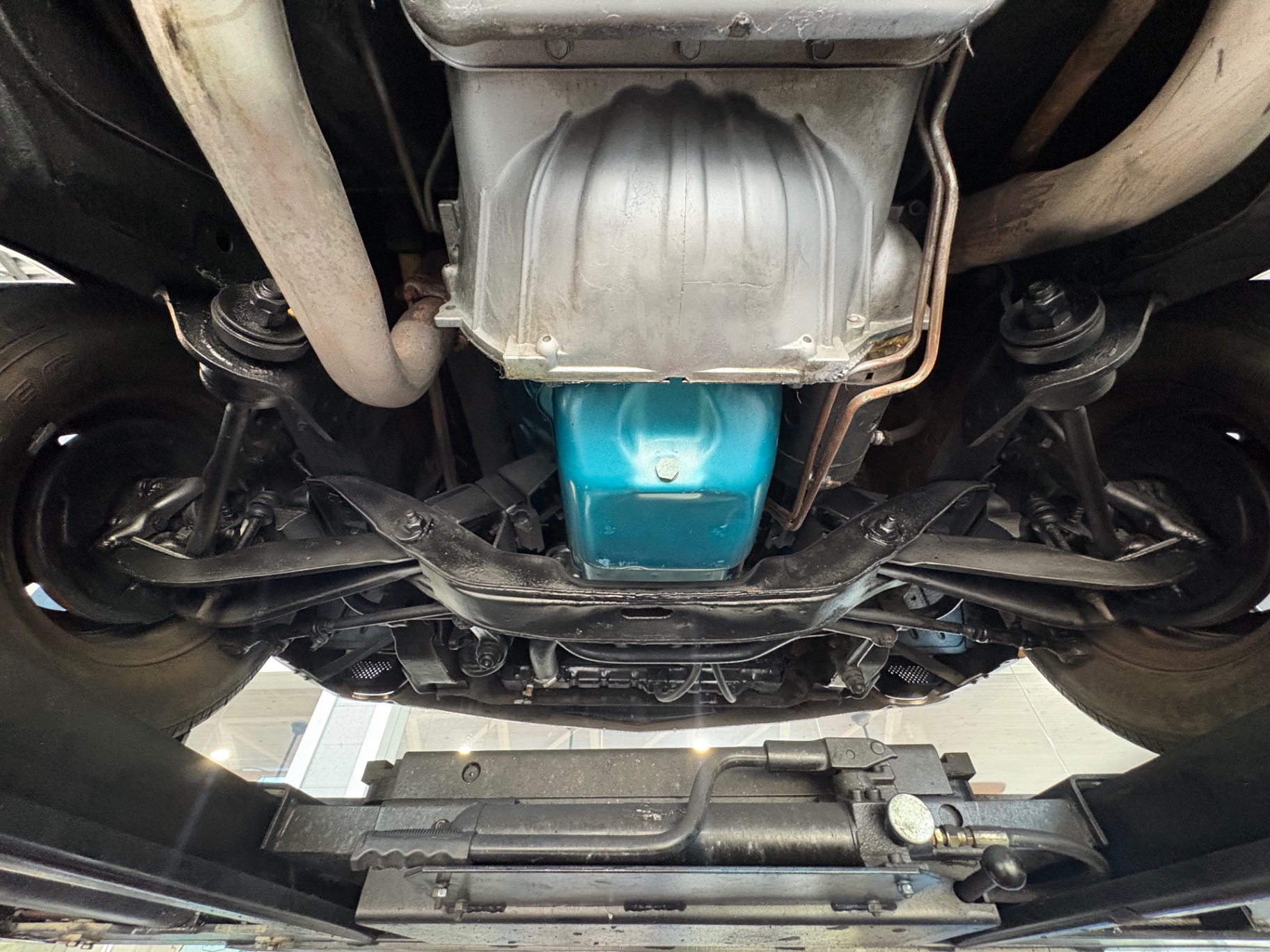
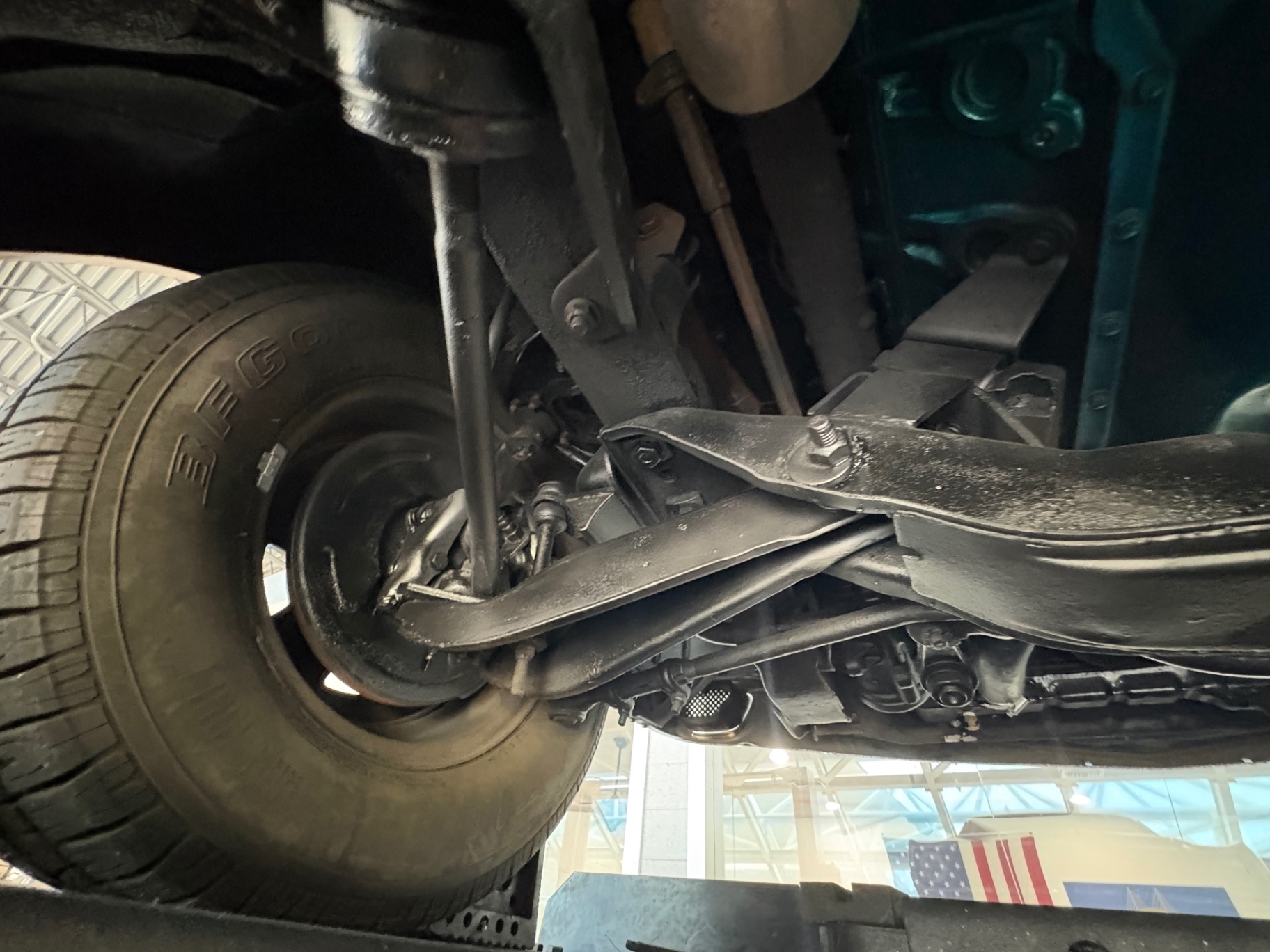
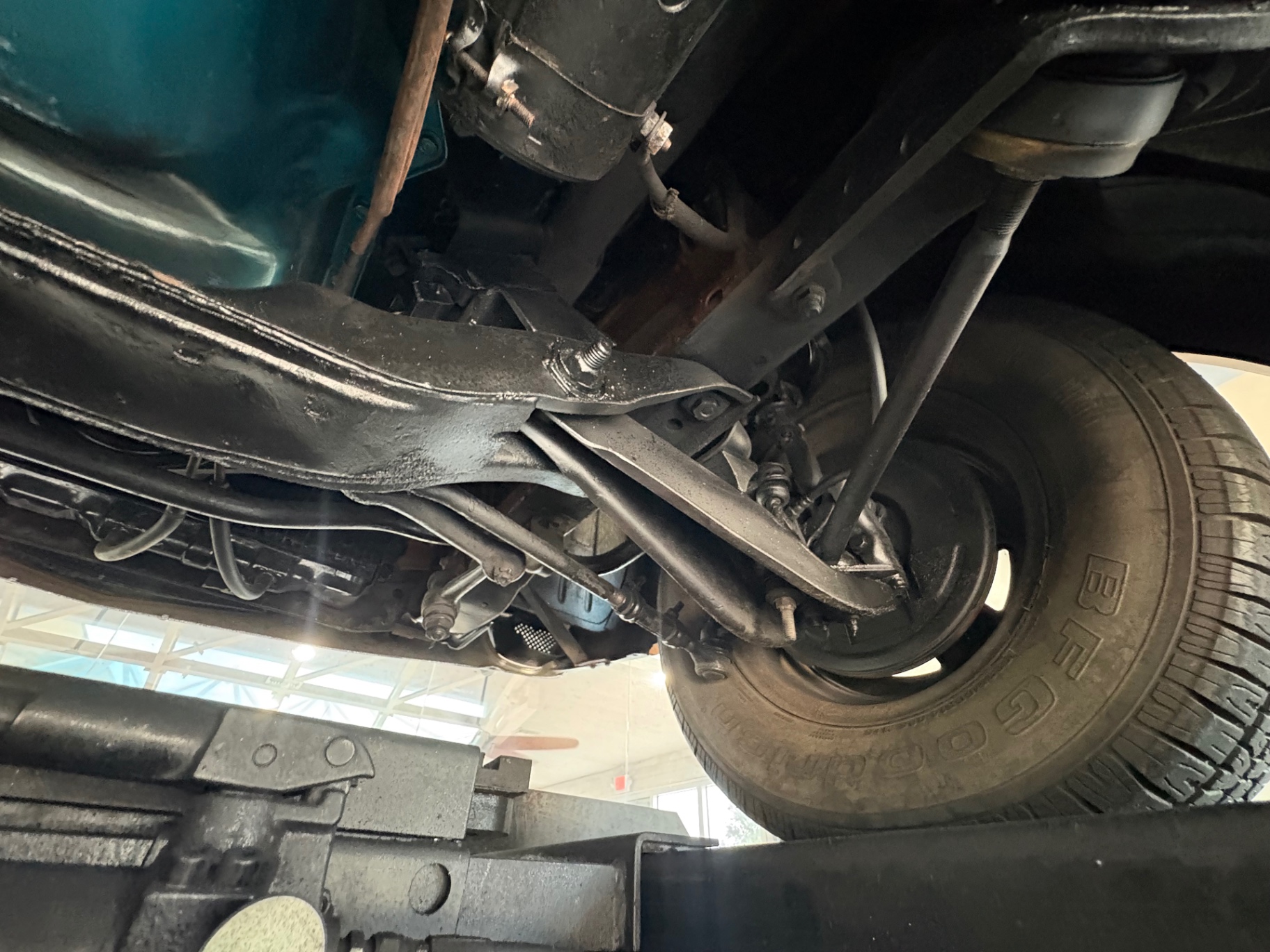
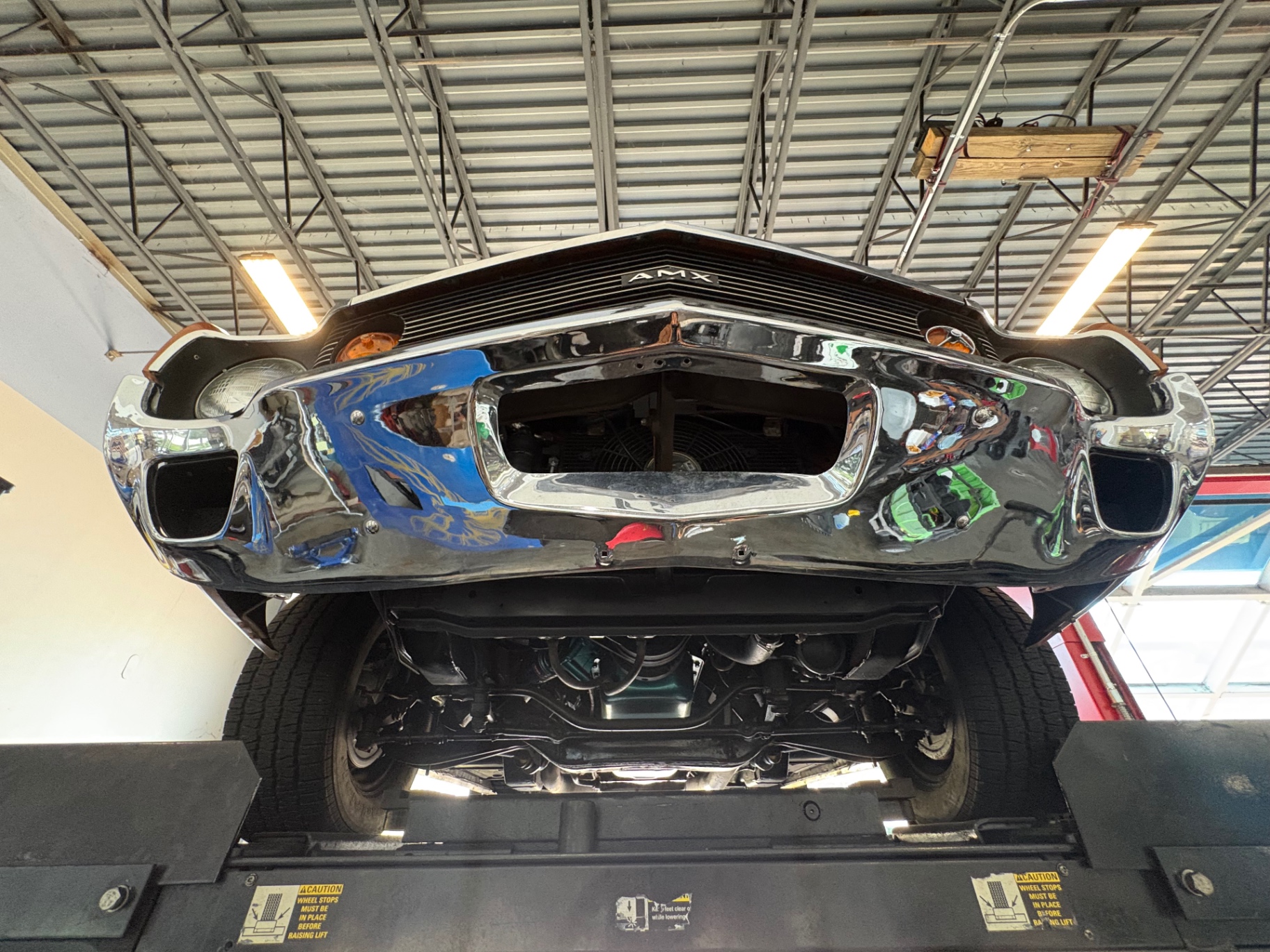
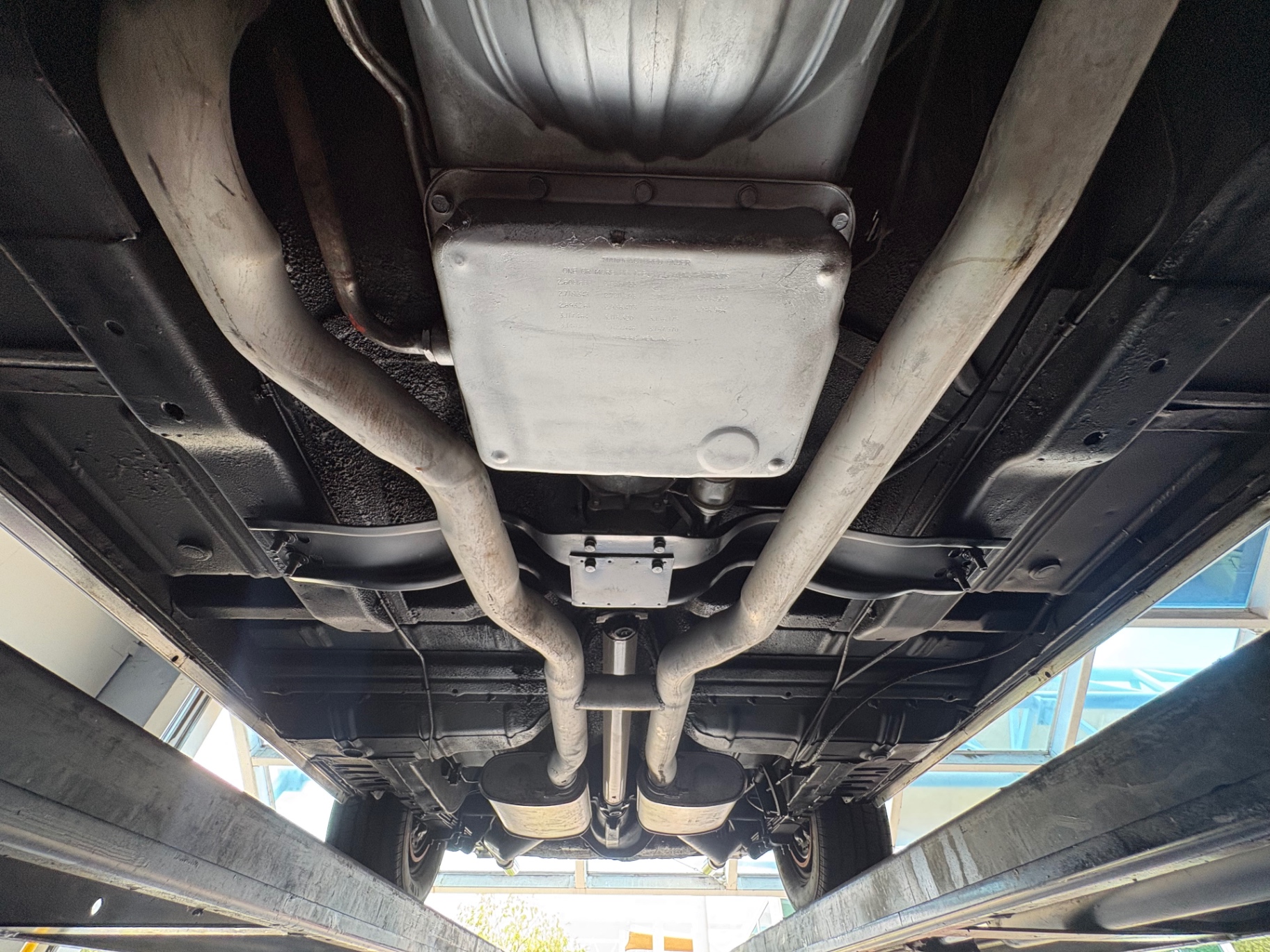
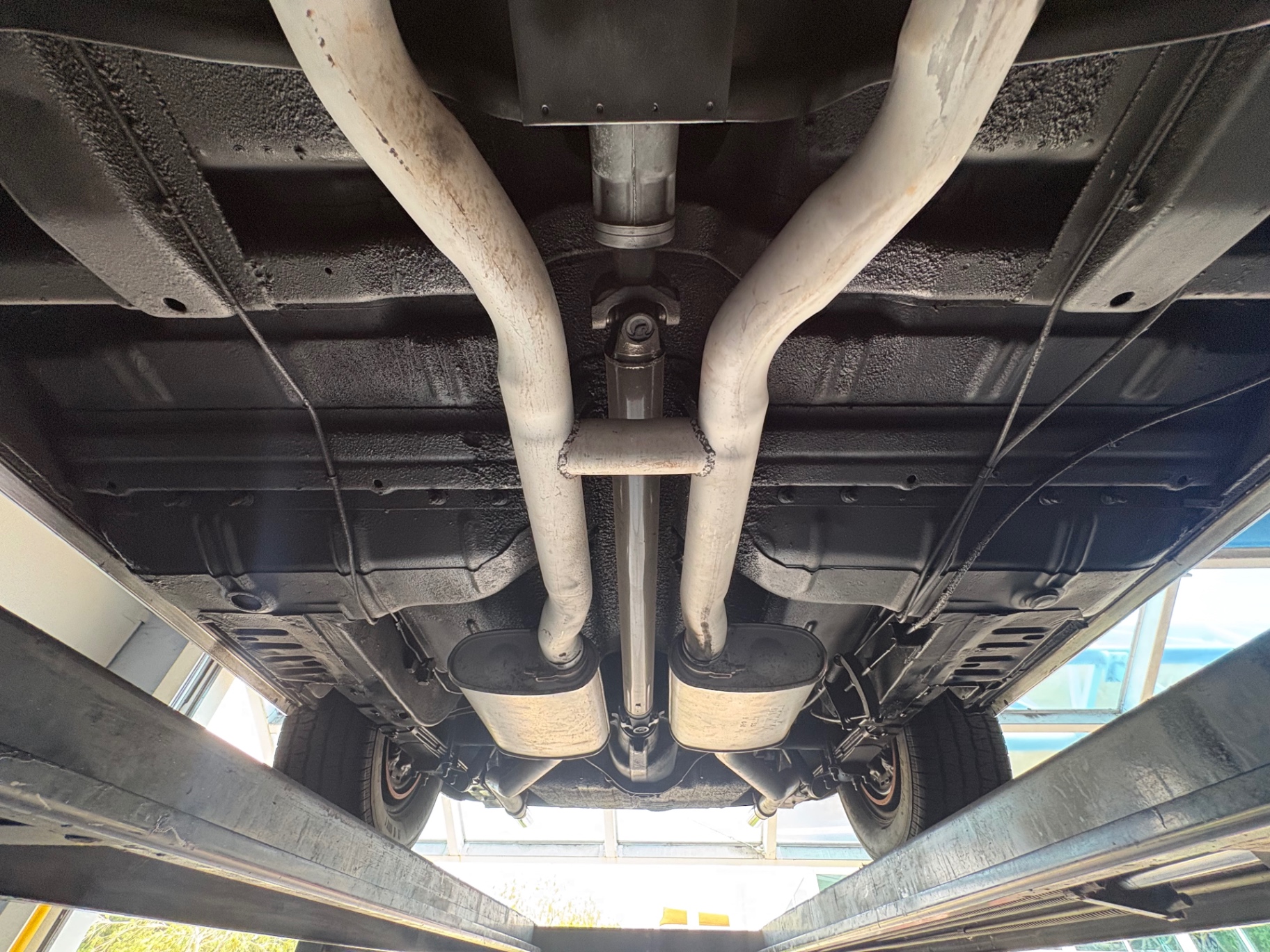
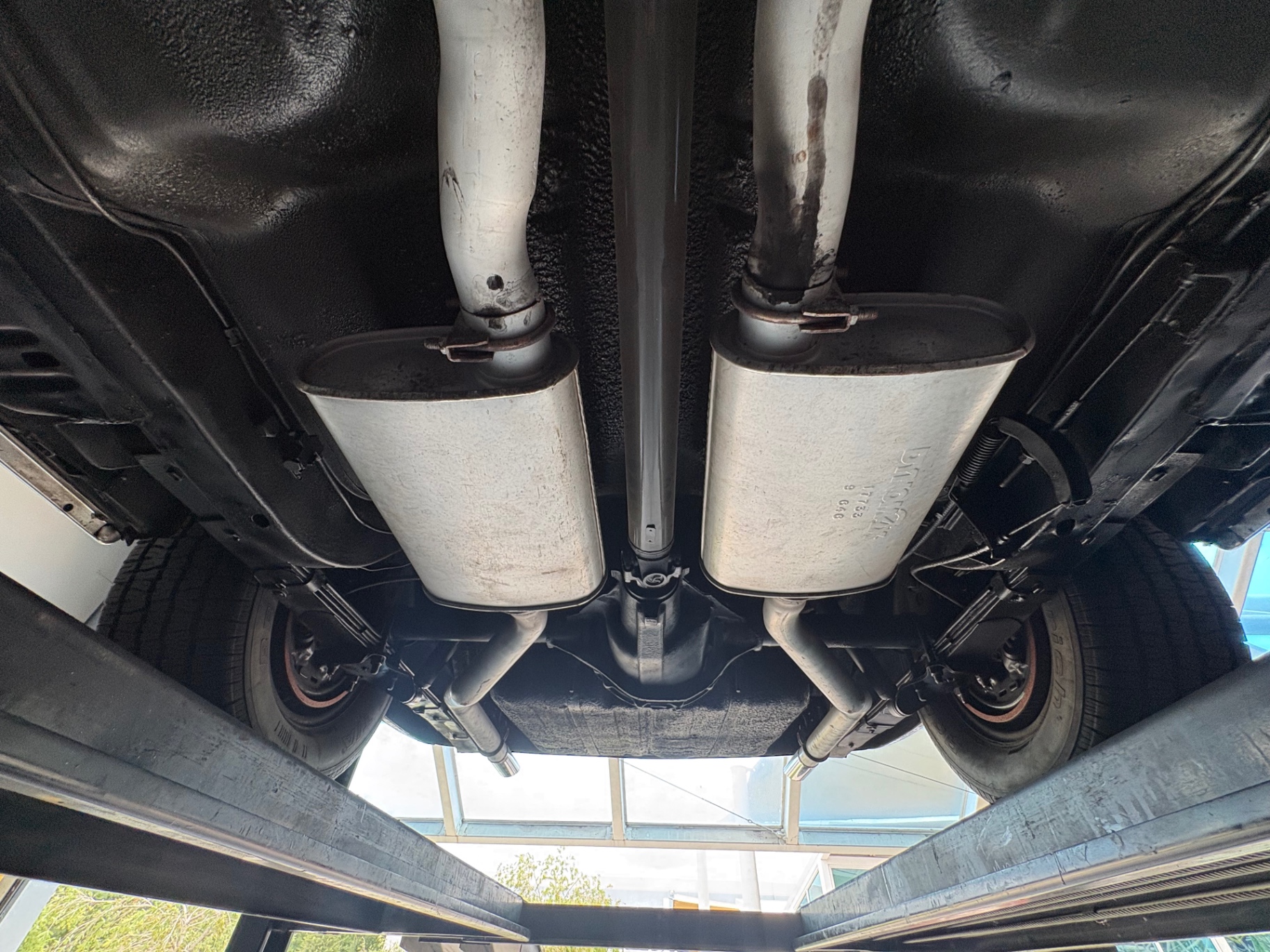
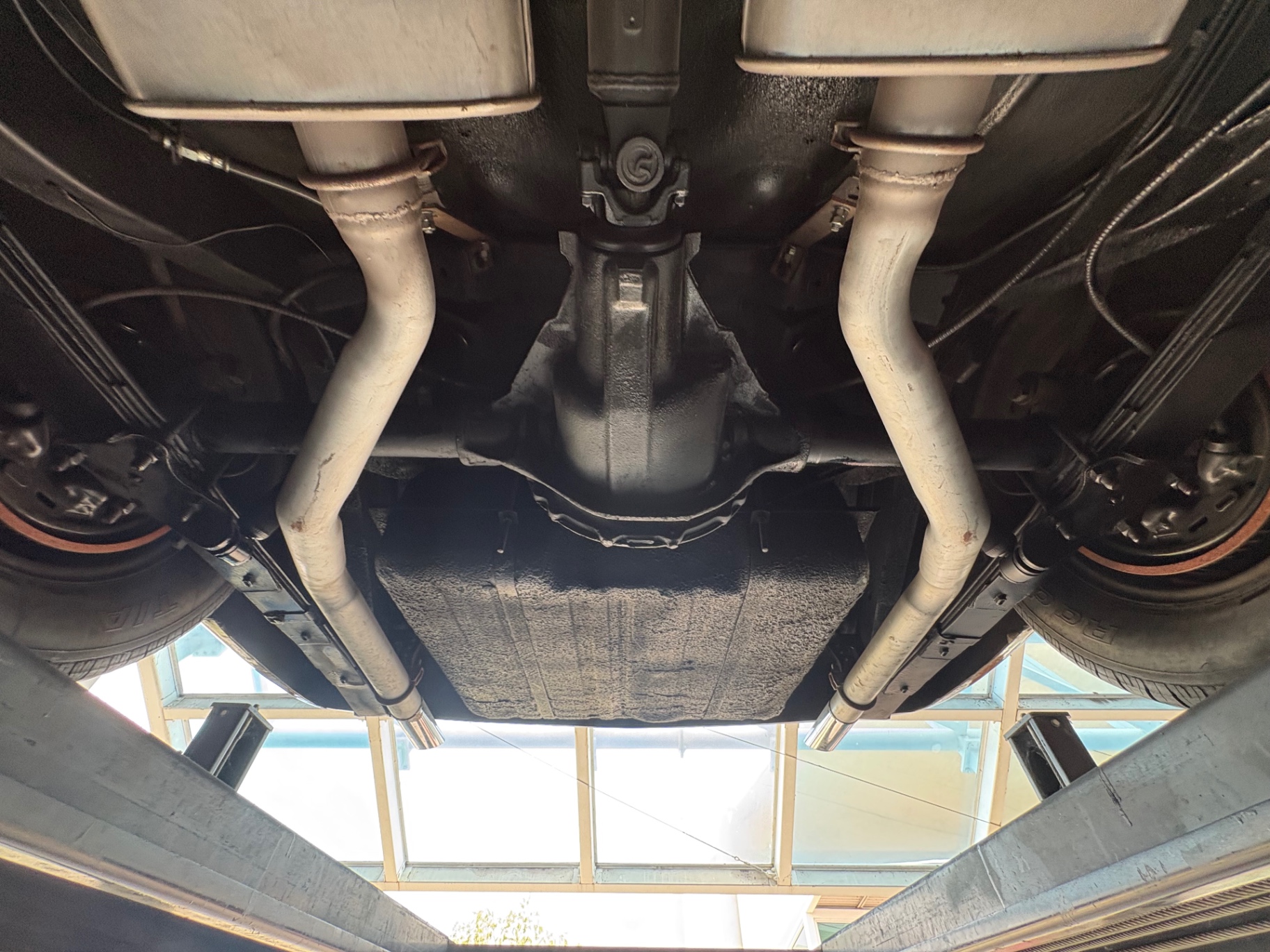
The dual exhaust system exits through twin round tips at the rear valance. Viewed on the lift, the undercarriage shows the exhaust routing is clean and correctly configured. The undercarriage overall is in solid condition — the floor pans show no evidence of significant rust repair, and the frame rails and suspension mounting points appear sound. The front suspension retains AMC's twin A-arm setup, and the rear axle is located by leaf springs, consistent with factory configuration. Drum brakes are fitted at all four corners, which was standard equipment on the 1970 AMX with this drivetrain. The factory air conditioning compressor is visible on the driver's side of the engine, correctly plumbed and present.
Interior
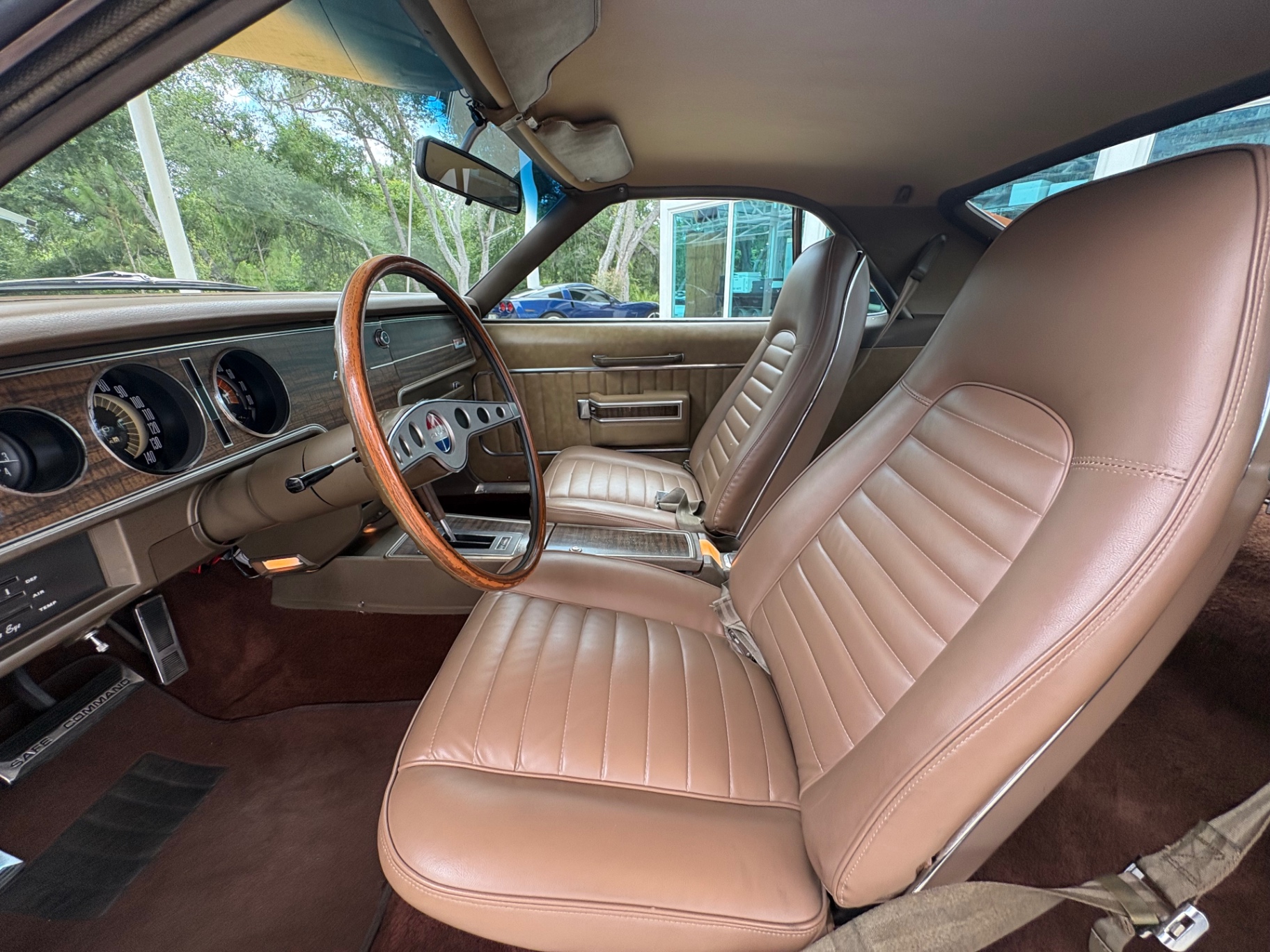
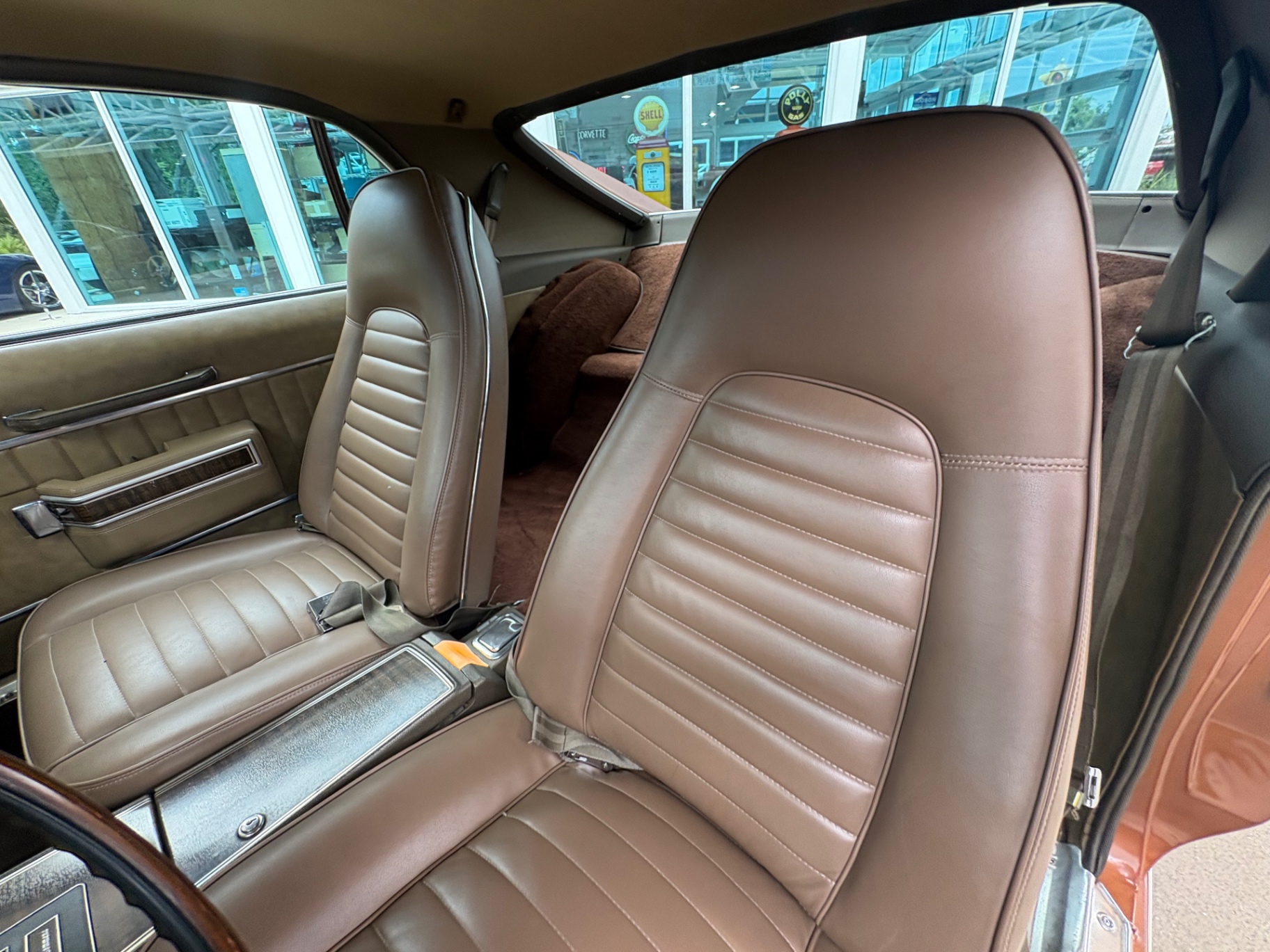
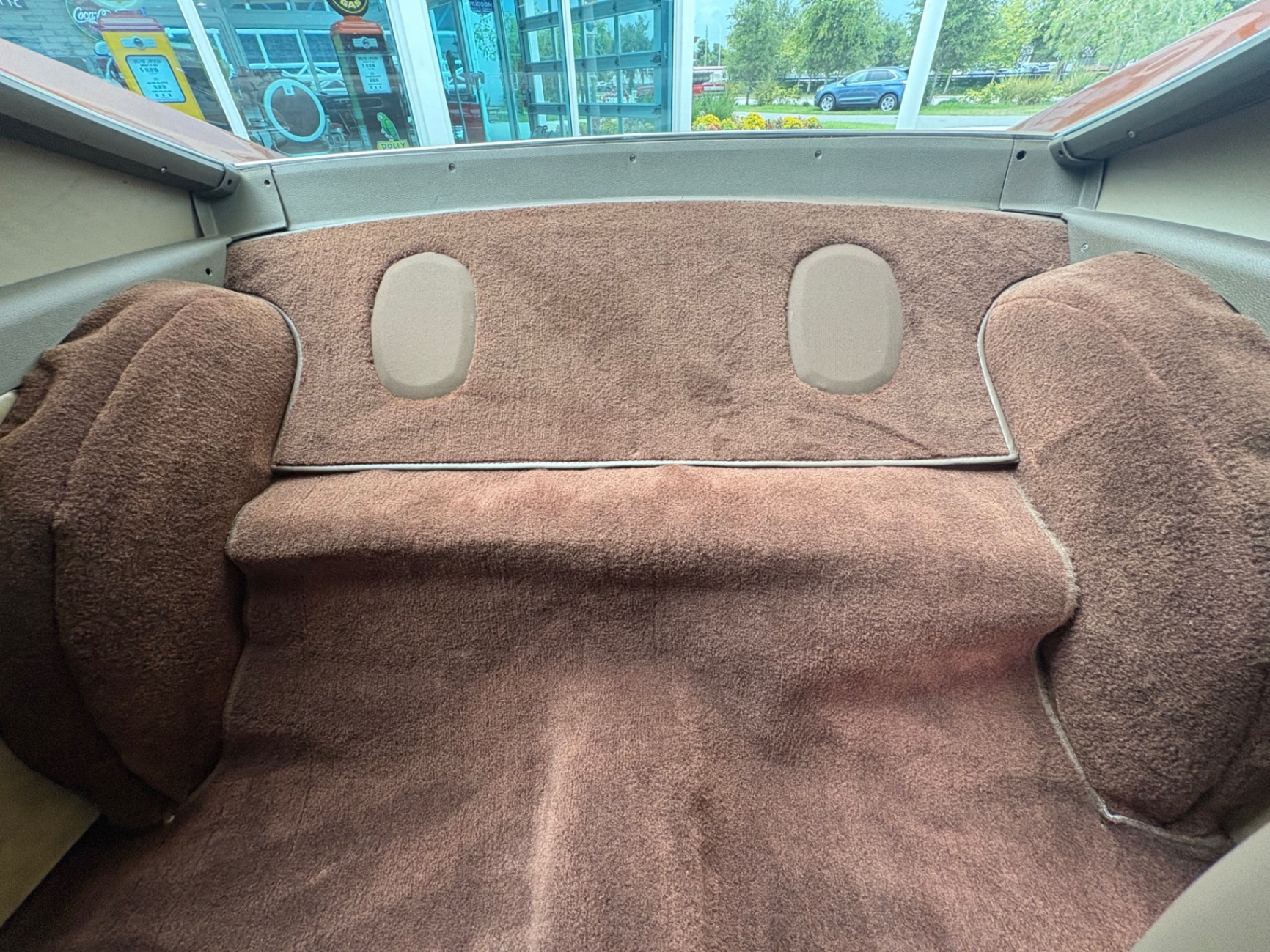
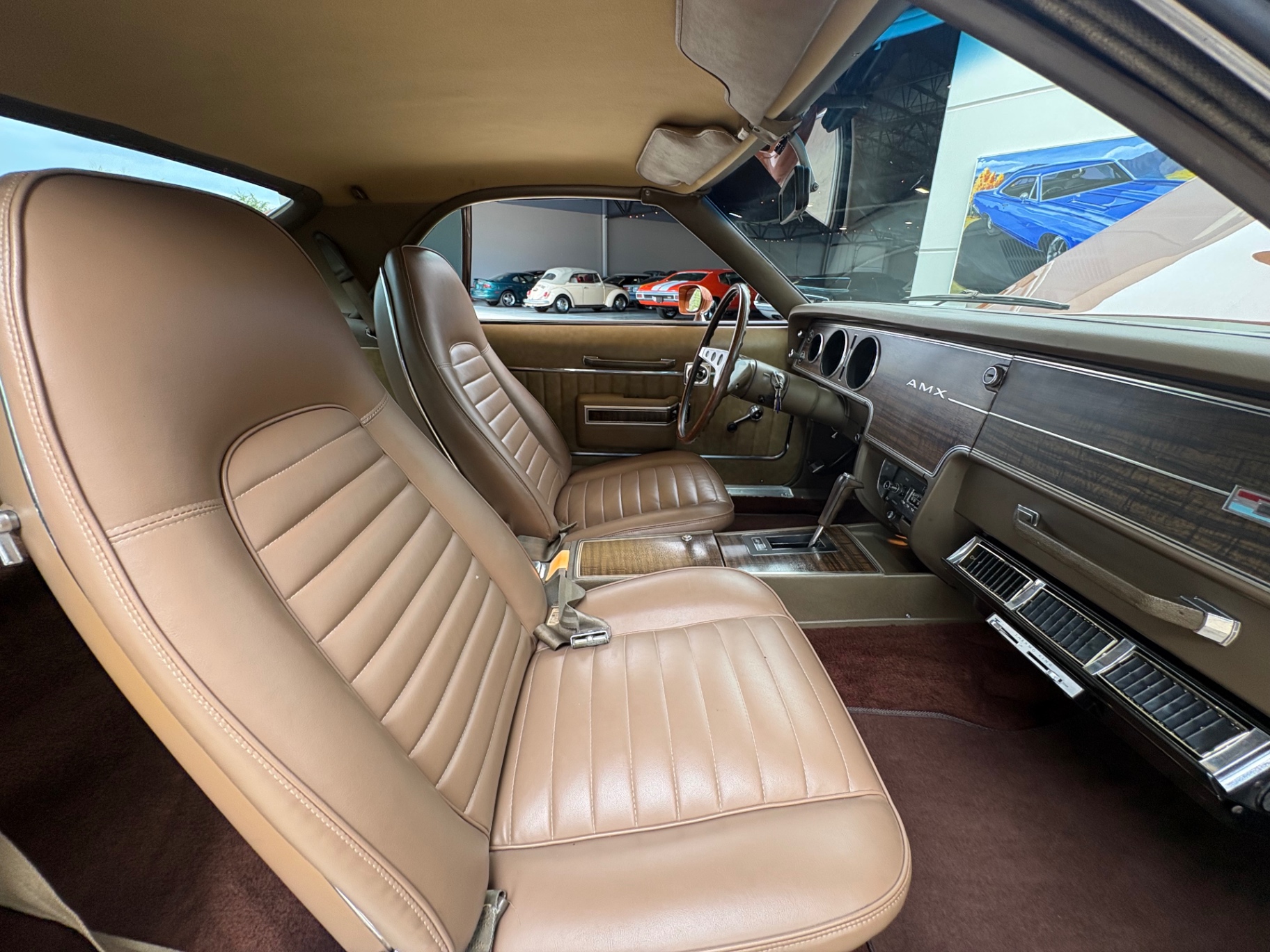
The AMX was always a two-seat car, and the 1970 interior reflects AMC's effort to give it a driver-focused feel without stripping it of comfort. This example has the tan vinyl bucket seats in both positions, and the vinyl shows well without significant cracking or splits. The rear cargo shelf behind the seats is finished in a dark loop carpet, and the two headrests on the package shelf are intact — a detail that often goes missing on survivor examples.
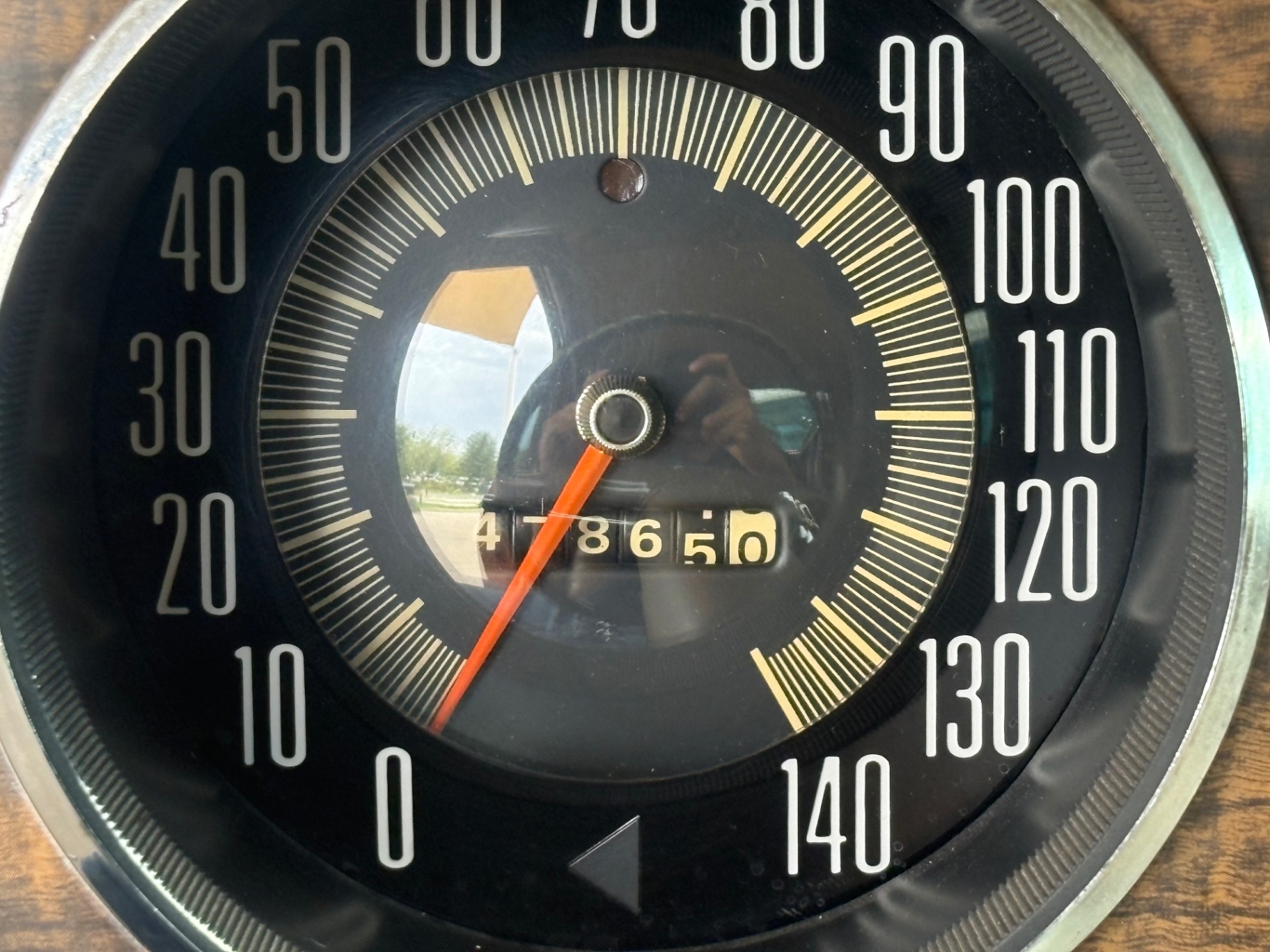
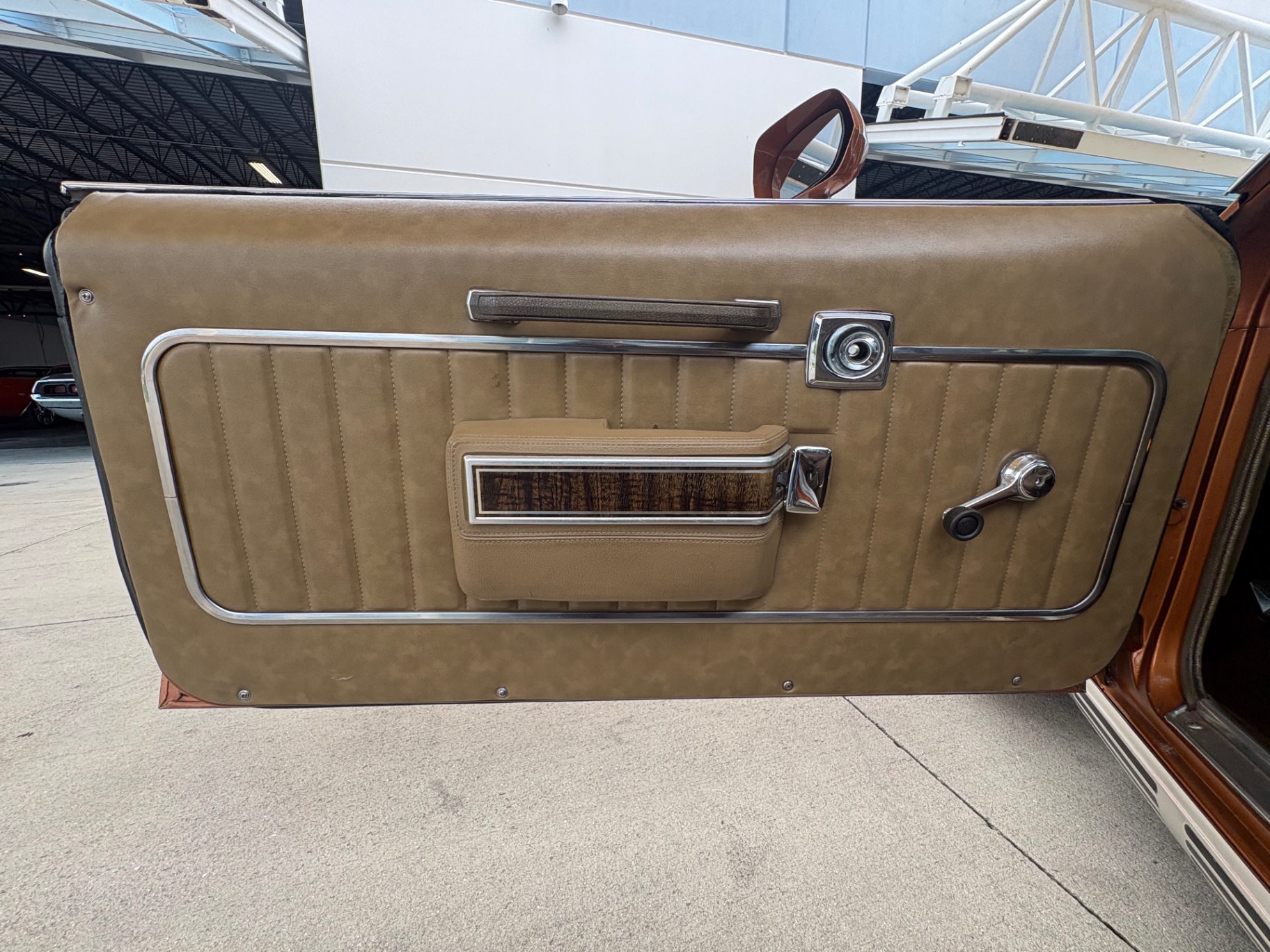
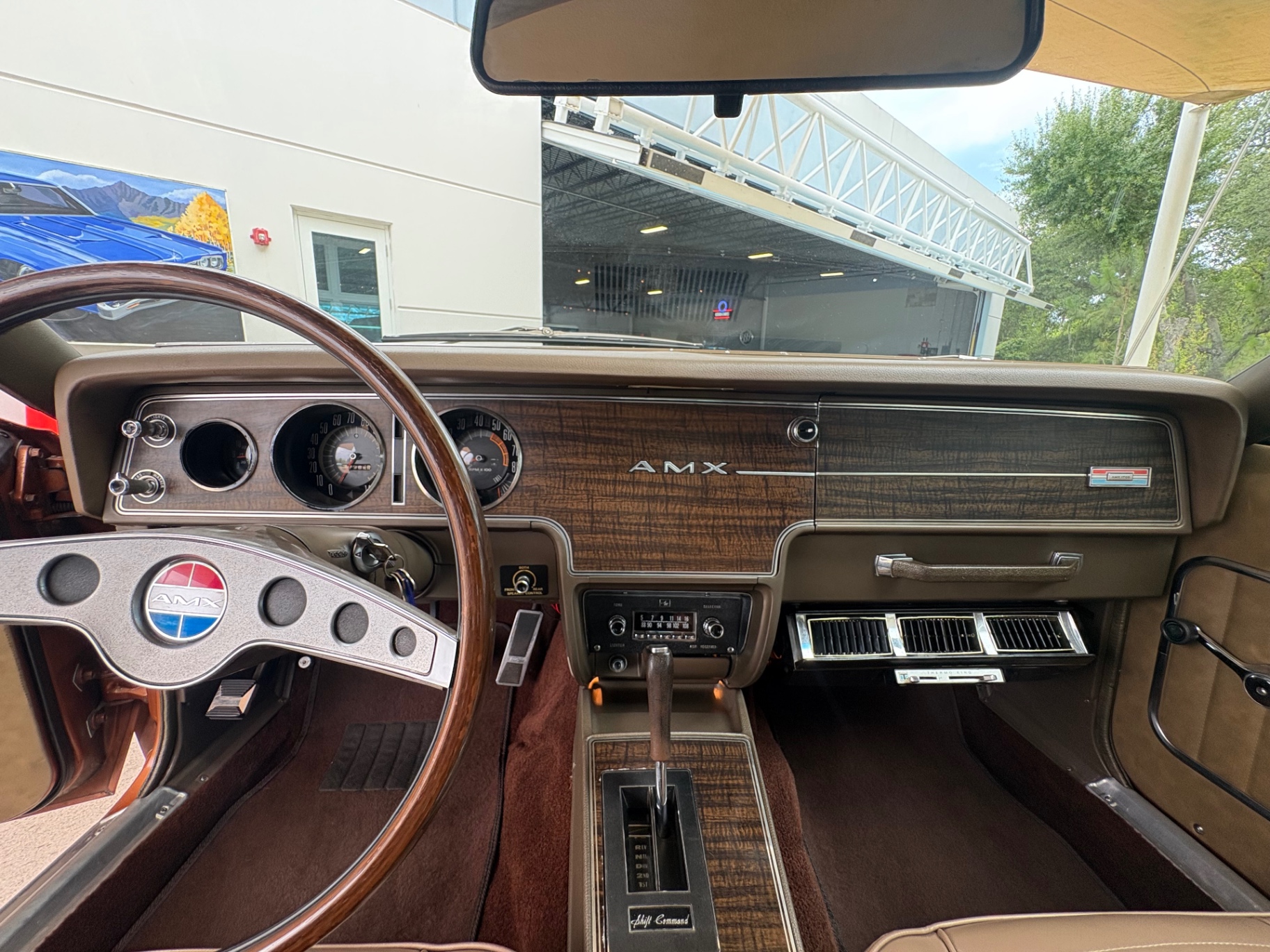
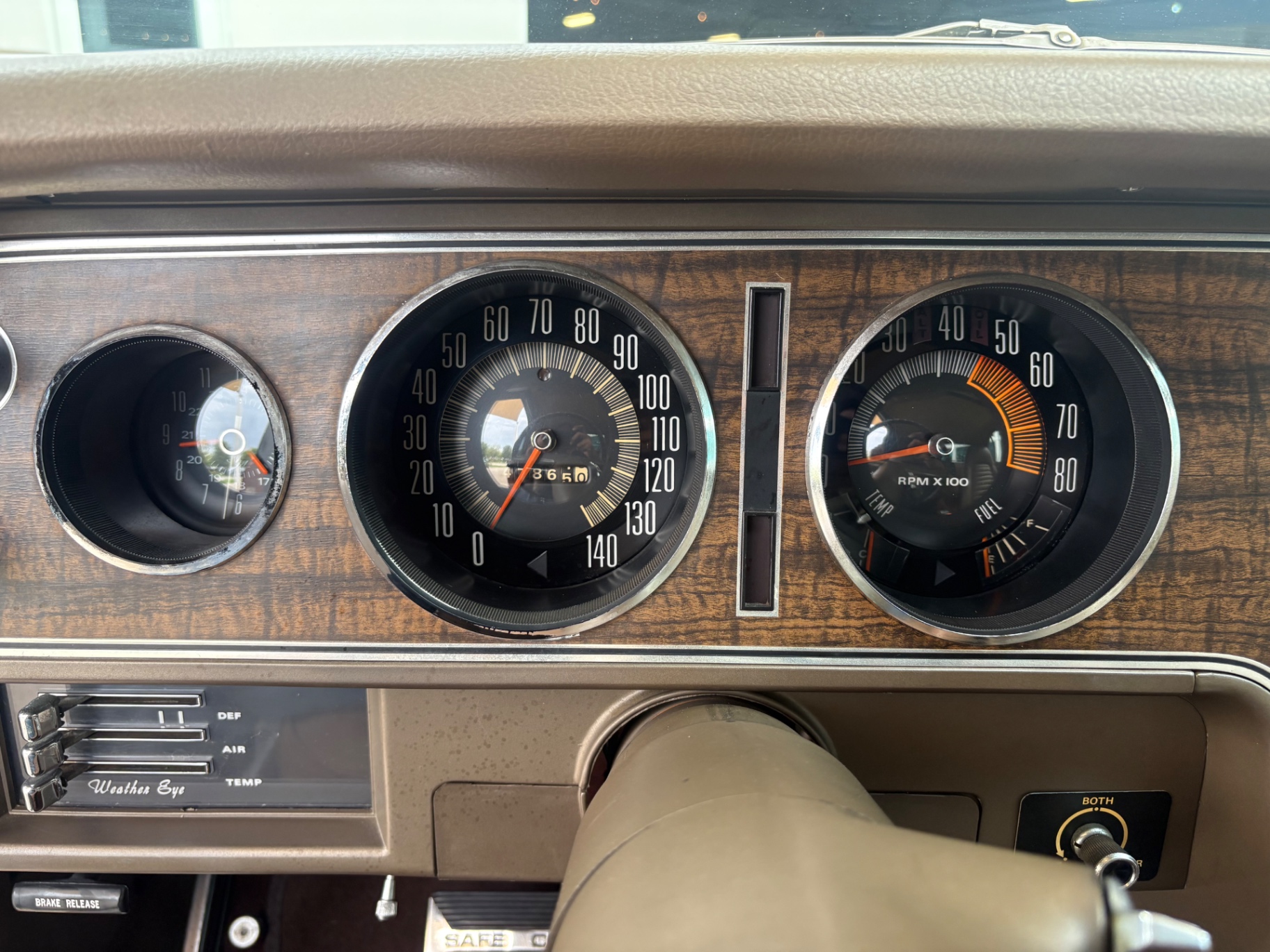
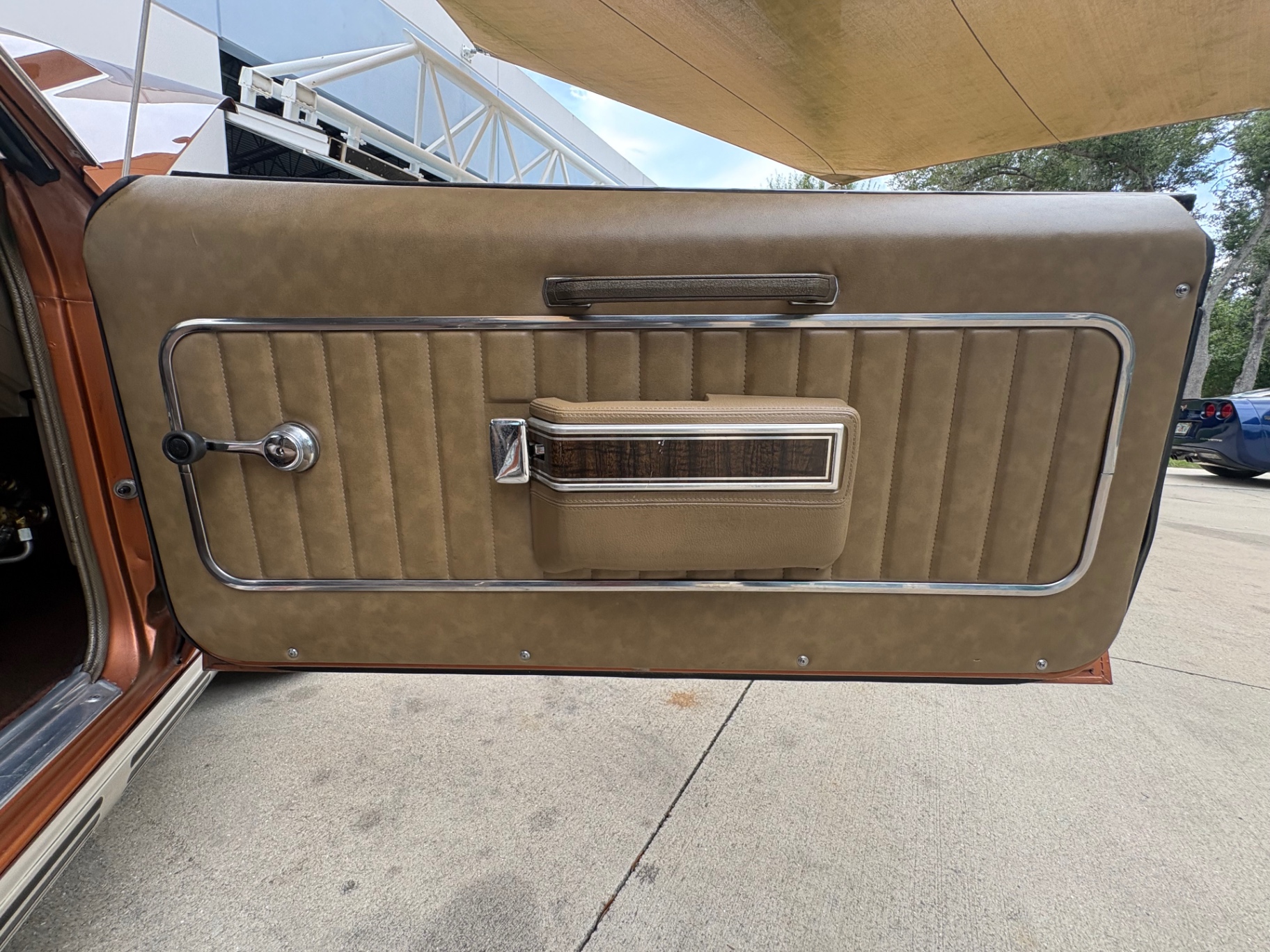
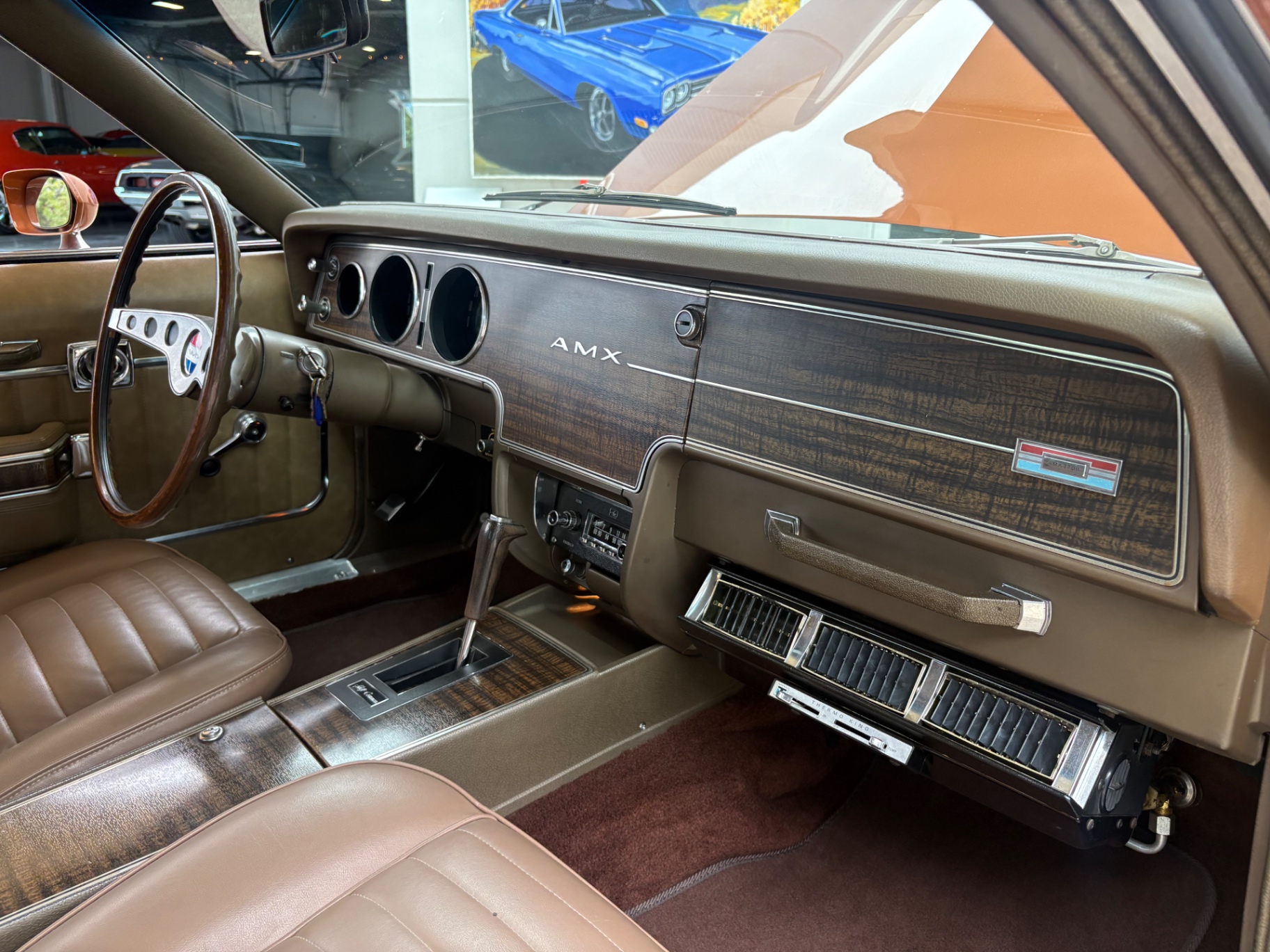
The dashboard is set up with the AMX-specific gauge cluster, which includes a large speedometer calibrated to 140 mph and a combination tachometer and fuel/temperature gauge on the right side. Both instruments read clearly. The wood grain trim runs across the full width of the dashboard fascia and continues into the door panel armrests — an AMC styling touch that gave the interior a more finished appearance than some of its competitors at the price point. The steering wheel is the correct AMX three-spoke unit with a wood grain rim and the AMX center badge in red, white, and blue.
The center console houses the Shift Command automatic shifter and carries additional wood grain trim. The AM/FM radio is mounted in the dash in the correct location, and the factory Weather Eye air conditioning controls are positioned below the radio. The factory air conditioning vents are visible on the passenger side of the dash. The carpeting throughout the floor is dark, consistent with the tan and brown interior color scheme, and it presents without major wear or damage.
Exterior
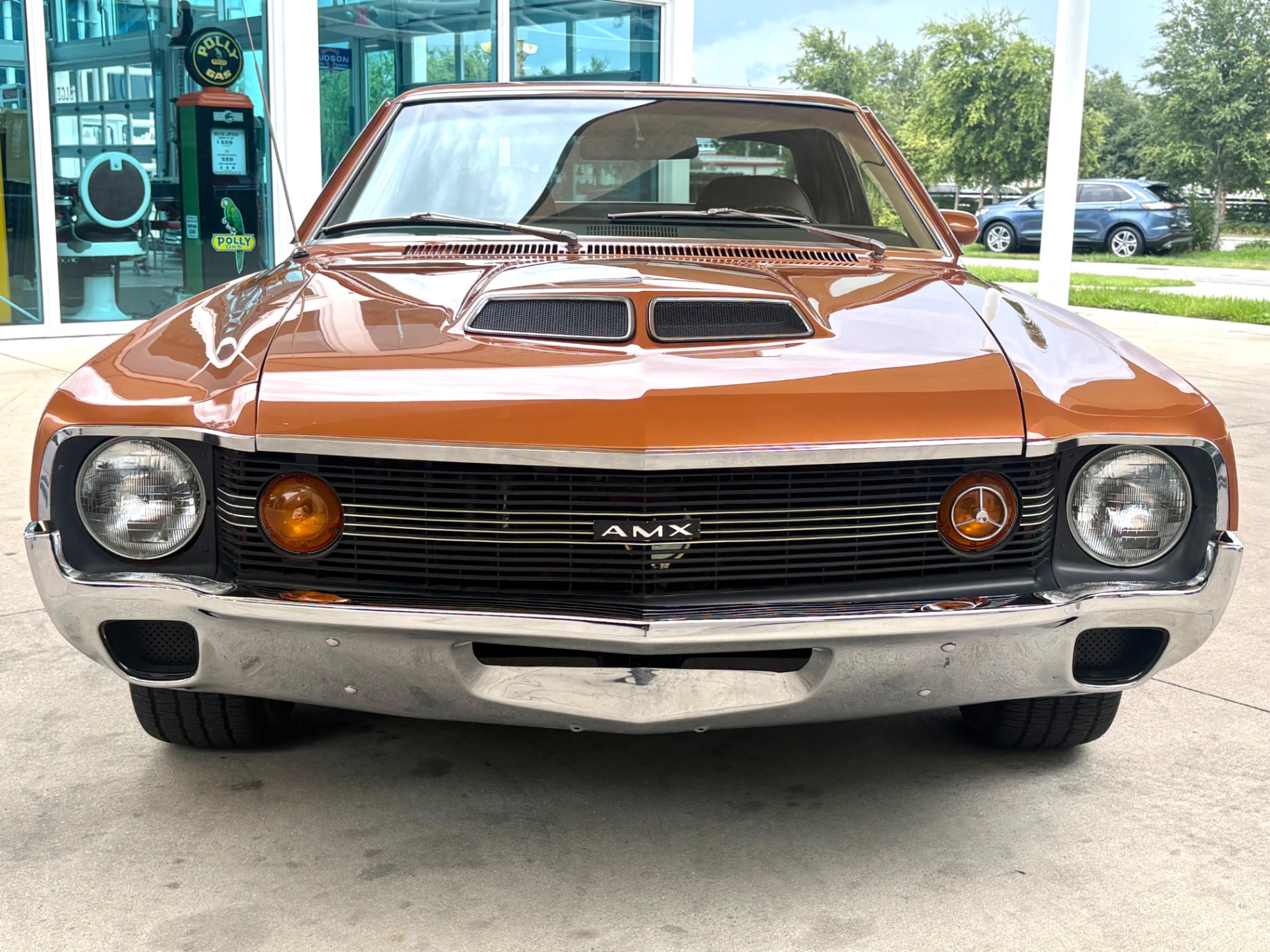
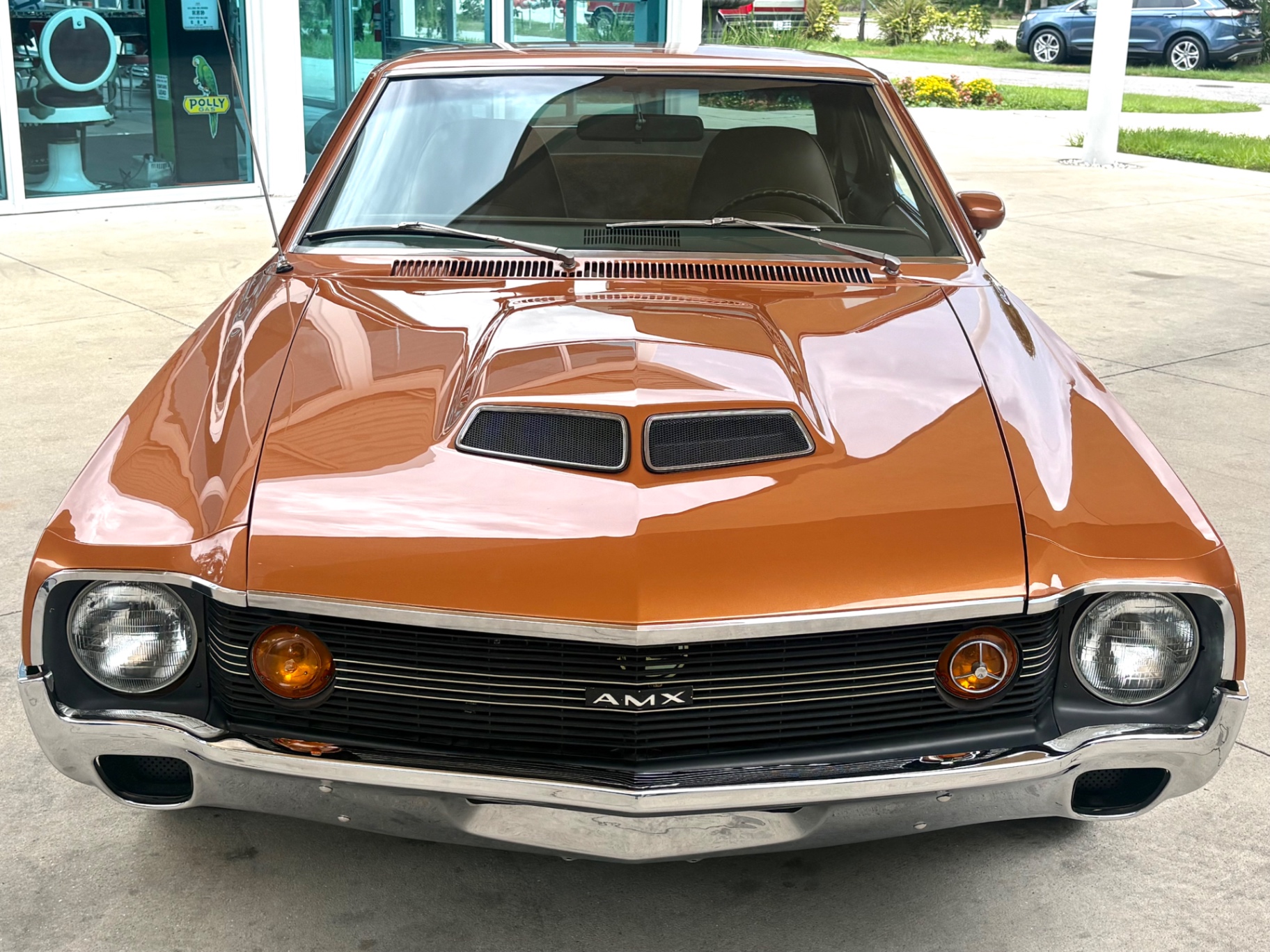
The bronze exterior is a substantial, warm color that reads differently depending on lighting — more copper in direct sun, deeper brown in shade. It suits the AMX's body lines, which were restyled for 1970 with a more prominent hood and revised front and rear fascias compared to the 1968-69 cars. The 1970 AMX received a new front end with a wider grille opening and revised headlight bezels, giving it a more aggressive stance than its predecessors.
The hood scoops on the 1970 AMX were functional in design intent and are a visual signature of the model. They sit low and wide on the hood and tie into the overall performance identity of the car. The chrome front and rear bumpers are present and retain their finish without significant pitting. The rear bumper has a clean, simple appearance consistent with the 1970 styling update, which moved away from the wrap-around chrome of earlier years.
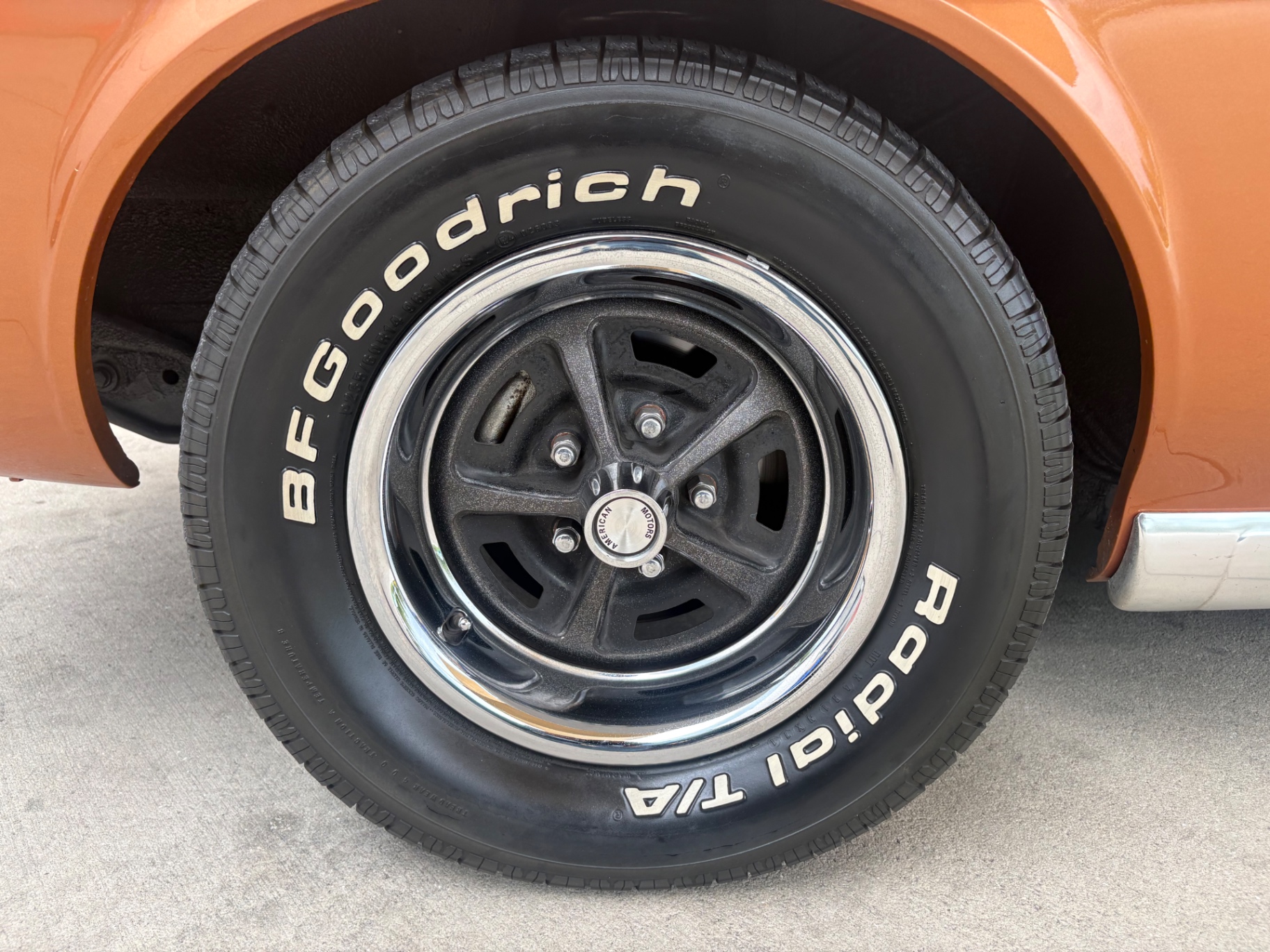
The Rally wheels are the correct style for the period — five-spoke steel wheels with a center cap and trim ring — and are fitted with BFGoodrich Radial T/A tires, a tire that has been a popular and appropriate choice on muscle cars of this era for decades. The Radial T/A was actually introduced in 1971, so it is not a factory-correct tire, but it is a widely accepted and period-sympathetic choice on cars like this. The side scoop trim on the lower body is intact on both sides.
Conclusion
The 1970 AMC AMX is a legitimate muscle car with a specific historical identity that most buyers still undervalue relative to its GM and Ford counterparts. This example has the right engine — the first-year 360 V8 with a 4-barrel — combined with the limited-slip differential, factory air conditioning, and a clean undercarriage that together put it well above average for the model. The bronze and tan color combination is correct, cohesive, and increasingly hard to find in a car that has not been repainted or re-trimmed. With only 4,116 built for 1970, and a fraction of those surviving in this condition, the window for finding a solid, numbers-correct 1970 AMC AMX at a reasonable entry point relative to comparable muscle cars continues to close.
To schedule a time to inspect this 1970 AMC AMX in person or to ask specific questions about the car's history and condition, contact Skyway Classics at 941-254-6608.
Disclaimer
Information found on the website is presented as given to us by the owner of the car, whether on consignment or from the owner we bought it from. Some Photos, materials for videos, descriptions and other information are provided by the consignor/seller and is deemed reliable, but Skyway Classics does not warranty or guarantee this information. Skyway Classics is not responsible for information that may incorrect or a publishing error. The decision to purchase should be based solely on the buyers personal inspection of the vehicle or by a professional inspection service prior to offer or purchase being made.
1970 AMC AMX — 360 V8, Factory A/C, Numbers-Correct Example in Bronze
Why This Car Is Special
The 1970 AMC AMX sits in an interesting place in muscle car history. It was the last year American Motors produced the AMX as a standalone two-seat model — a configuration it had held since the car's introduction in 1968. Starting in 1971, the AMX name was demoted to a trim package on the four-seat Javelin. That makes 1970 the final chapter of the true AMX as AMC intended it: a dedicated two-seater built to compete directly with the Corvette on price and with the Mustang and Camaro on performance credentials.
AMC produced 4,116 AMX units for the 1970 model year, a significant drop from the 8,293 built in 1969. Lower production numbers combined with the model's final-year status make 1970 AMX examples harder to find in solid, correctly optioned condition than the casual collector might expect. The broader muscle car market has long overlooked the AMX in favor of the more familiar GM and Ford entries, which means values have historically lagged behind comparable Chevelles, Camaros, and Mustangs despite the AMX offering similar performance hardware. That gap has been narrowing steadily as serious collectors catch on.
The VIN on this car decodes to confirm it is a 1970 model year AMC AMX, built at the Kenosha, Wisconsin assembly plant. The engine code within the VIN sequence corresponds to the 360 cubic inch V8, confirming this is not a base six-cylinder or small-block car that was later re-engined. It is the correct drivetrain for this specific vehicle as it left the factory.
This particular example is finished in bronze — a warm, copper-toned color that was a period-correct AMC offering for 1970 and suits the AMX's fastback body lines well. The tan vinyl interior is intact and presents well throughout. The combination of factory air conditioning, a limited-slip rear differential, and the 360 V8 puts this car in the upper tier of AMX option content for the year. Many 1970 AMX examples were ordered with less.
Features List
- 360 cubic inch V8 engine with 4-barrel carburetor
- 3-speed automatic transmission with floor-mounted shifter
- Factory air conditioning modernized
- Limited-slip differential (Positraction)
- Dual exhaust with twin rear-exit tips
- Power steering
- Tachometer
- AM/FM radio
- Hood scoops
- Rally wheels
- BFGoodrich Radial T/A tires
- Chrome front and rear bumpers
- Tan vinyl bucket seats
- Center console with wood grain trim
- Wood grain interior trim throughout dash and door panels
- Clean undercarriage
- Power brakes
Mechanical
The 360 cubic inch V8 was introduced by AMC for the 1970 model year, making this car part of the engine's first production run. It was factory rated at 290 horsepower in standard trim with a 4-barrel carburetor — a conservative rating consistent with what automakers were doing across the industry in 1970 as insurance costs and regulatory scrutiny began to climb. The 360 was considered AMC's mid-displacement big-block alternative, slotting between the 304 and the larger 390 and 401. In the AMX's relatively light body, it provides a strong power-to-weight ratio.
The 3-speed automatic is backed by a floor-mounted shifter, which AMC marketed under the "Shift Command" name. The selector gate is visible in the cockpit and is a period-correct touch for an AMX built with the automatic option. Backing the automatic is a limited-slip differential, an important option on any performance car of this era. It ensures power is distributed to both rear wheels under acceleration rather than being lost to the outside wheel during cornering or on low-traction surfaces.
The dual exhaust system exits through twin round tips at the rear valance. Viewed on the lift, the undercarriage shows the exhaust routing is clean and correctly configured. The undercarriage overall is in solid condition — the floor pans show no evidence of significant rust repair, and the frame rails and suspension mounting points appear sound. The front suspension retains AMC's twin A-arm setup, and the rear axle is located by leaf springs, consistent with factory configuration. Drum brakes are fitted at all four corners, which was standard equipment on the 1970 AMX with this drivetrain. The factory air conditioning compressor is visible on the driver's side of the engine, correctly plumbed and present.
Interior
The AMX was always a two-seat car, and the 1970 interior reflects AMC's effort to give it a driver-focused feel without stripping it of comfort. This example has the tan vinyl bucket seats in both positions, and the vinyl shows well without significant cracking or splits. The rear cargo shelf behind the seats is finished in a dark loop carpet, and the two headrests on the package shelf are intact — a detail that often goes missing on survivor examples.
The dashboard is set up with the AMX-specific gauge cluster, which includes a large speedometer calibrated to 140 mph and a combination tachometer and fuel/temperature gauge on the right side. Both instruments read clearly. The wood grain trim runs across the full width of the dashboard fascia and continues into the door panel armrests — an AMC styling touch that gave the interior a more finished appearance than some of its competitors at the price point. The steering wheel is the correct AMX three-spoke unit with a wood grain rim and the AMX center badge in red, white, and blue.
The center console houses the Shift Command automatic shifter and carries additional wood grain trim. The AM/FM radio is mounted in the dash in the correct location, and the factory Weather Eye air conditioning controls are positioned below the radio. The factory air conditioning vents are visible on the passenger side of the dash. The carpeting throughout the floor is dark, consistent with the tan and brown interior color scheme, and it presents without major wear or damage.
Exterior
The bronze exterior is a substantial, warm color that reads differently depending on lighting — more copper in direct sun, deeper brown in shade. It suits the AMX's body lines, which were restyled for 1970 with a more prominent hood and revised front and rear fascias compared to the 1968-69 cars. The 1970 AMX received a new front end with a wider grille opening and revised headlight bezels, giving it a more aggressive stance than its predecessors.
The hood scoops on the 1970 AMX were functional in design intent and are a visual signature of the model. They sit low and wide on the hood and tie into the overall performance identity of the car. The chrome front and rear bumpers are present and retain their finish without significant pitting. The rear bumper has a clean, simple appearance consistent with the 1970 styling update, which moved away from the wrap-around chrome of earlier years.
The Rally wheels are the correct style for the period — five-spoke steel wheels with a center cap and trim ring — and are fitted with BFGoodrich Radial T/A tires, a tire that has been a popular and appropriate choice on muscle cars of this era for decades. The Radial T/A was actually introduced in 1971, so it is not a factory-correct tire, but it is a widely accepted and period-sympathetic choice on cars like this. The side scoop trim on the lower body is intact on both sides.
Conclusion
The 1970 AMC AMX is a legitimate muscle car with a specific historical identity that most buyers still undervalue relative to its GM and Ford counterparts. This example has the right engine — the first-year 360 V8 with a 4-barrel — combined with the limited-slip differential, factory air conditioning, and a clean undercarriage that together put it well above average for the model. The bronze and tan color combination is correct, cohesive, and increasingly hard to find in a car that has not been repainted or re-trimmed. With only 4,116 built for 1970, and a fraction of those surviving in this condition, the window for finding a solid, numbers-correct 1970 AMC AMX at a reasonable entry point relative to comparable muscle cars continues to close.
To schedule a time to inspect this 1970 AMC AMX in person or to ask specific questions about the car's history and condition, contact Skyway Classics at 941-254-6608.
Disclaimer
Information found on the website is presented as given to us by the owner of the car, whether on consignment or from the owner we bought it from. Some Photos, materials for videos, descriptions and other information are provided by the consignor/seller and is deemed reliable, but Skyway Classics does not warranty or guarantee this information. Skyway Classics is not responsible for information that may incorrect or a publishing error. The decision to purchase should be based solely on the buyers personal inspection of the vehicle or by a professional inspection service prior to offer or purchase being made.
1970 AMC
AMX Base
Why Choose Skyway Classics?
Explore our curated inventory of classic and collector cars—thoughtfully selected, ready to drive, and supported by experts who make ownership simple.
Expert Curation
Every vehicle is hand-selected by our experts for quality, authenticity, and investment potential.
Fast Transactions
Streamlined buying and selling process with quick financing and immediate delivery options.
Only National Dealer With Classic Service & Repair
We’re the only national dealership that services and repairs the classics we sell—before and after the sale.
Nationwide Network
Access to our extensive network of collectors, restorers, and classic car enthusiasts nationwide.
Concierge Ownership Support
From financing and insurance to paperwork, shipping, and titling—we handle the details so you can enjoy the drive.
Passion-Driven Service
We're classic car enthusiasts first, providing personalized service with genuine passion for the hobby.