
1988 Chevrolet
Corvette Base
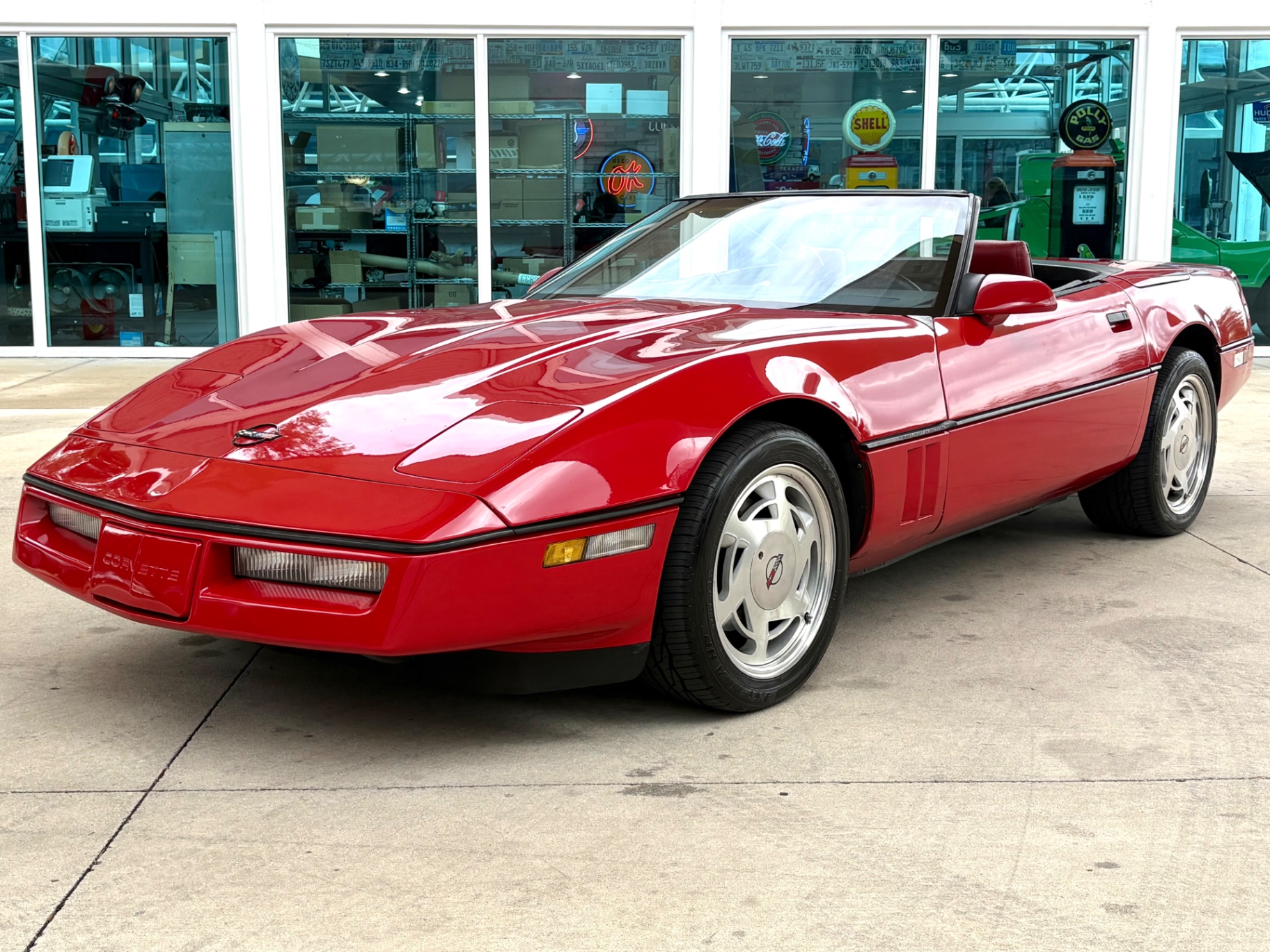
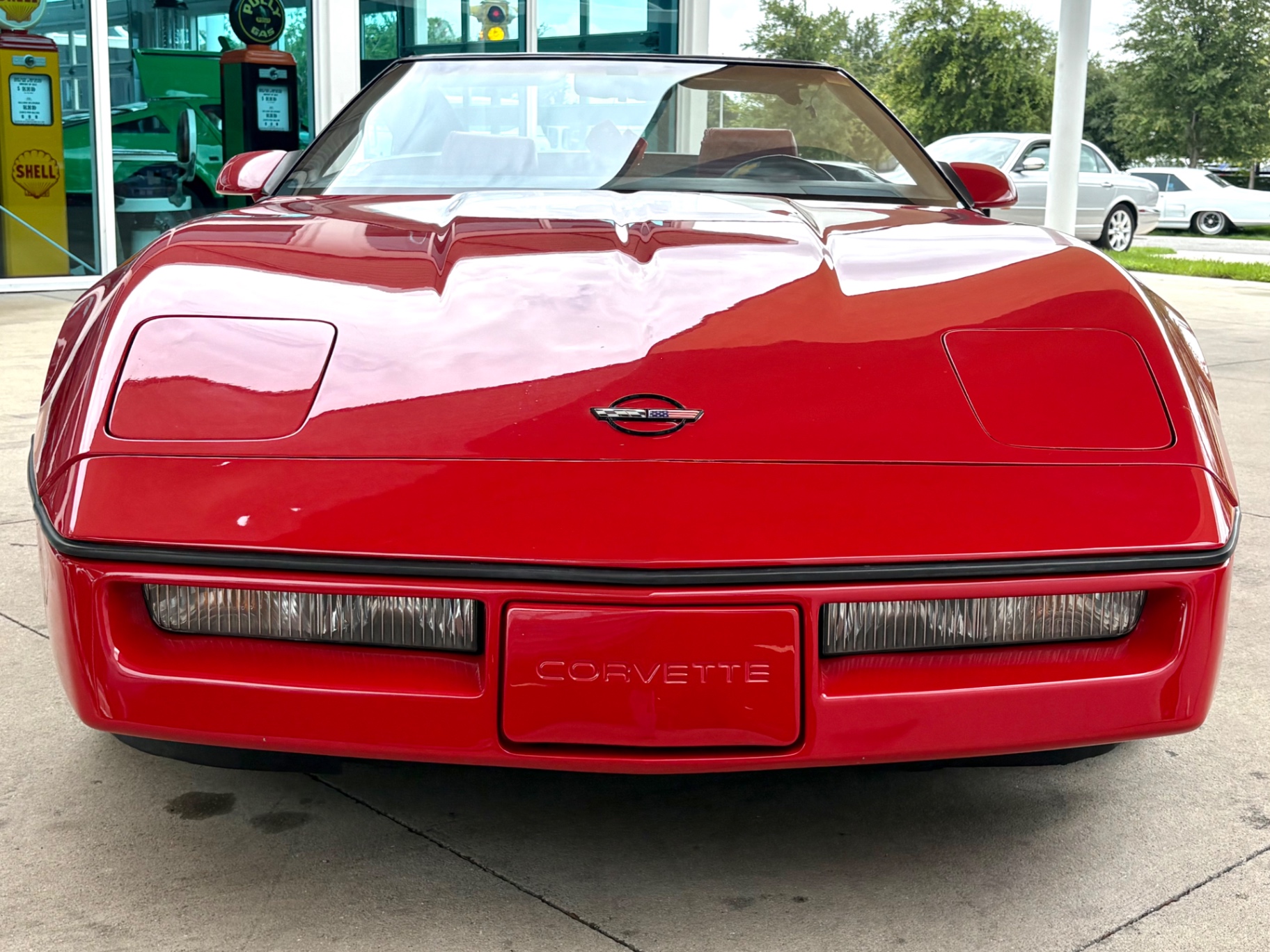
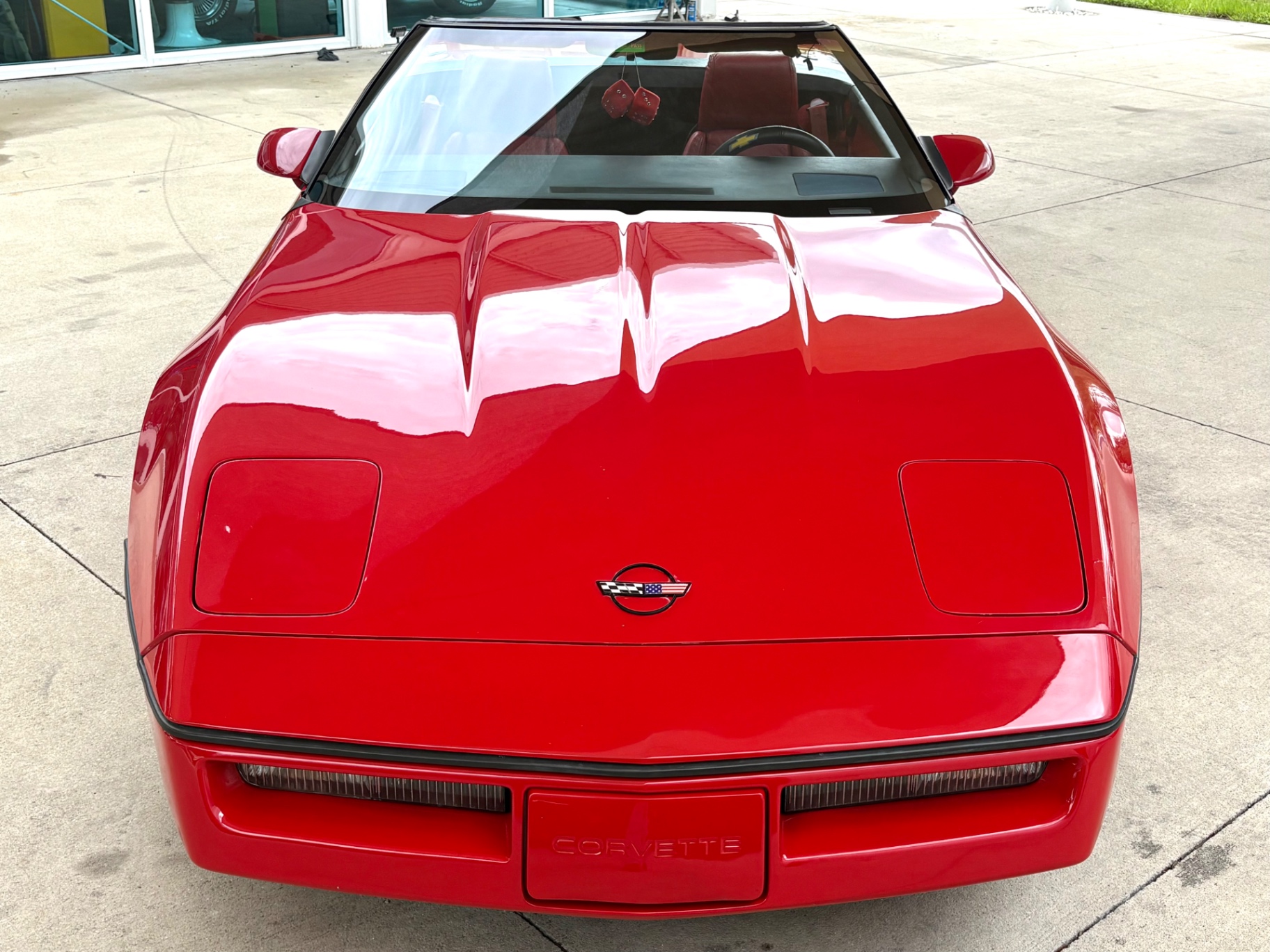
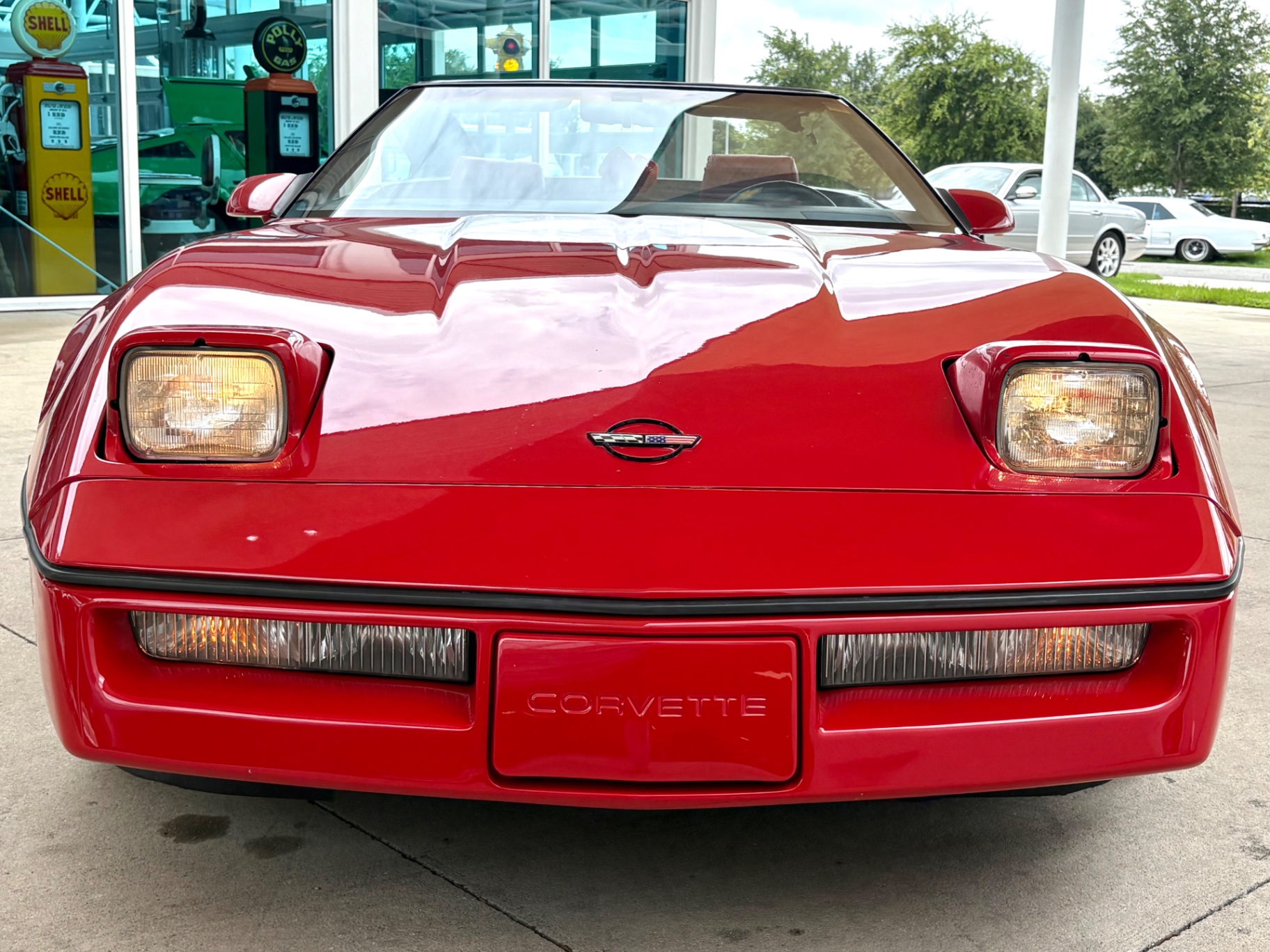
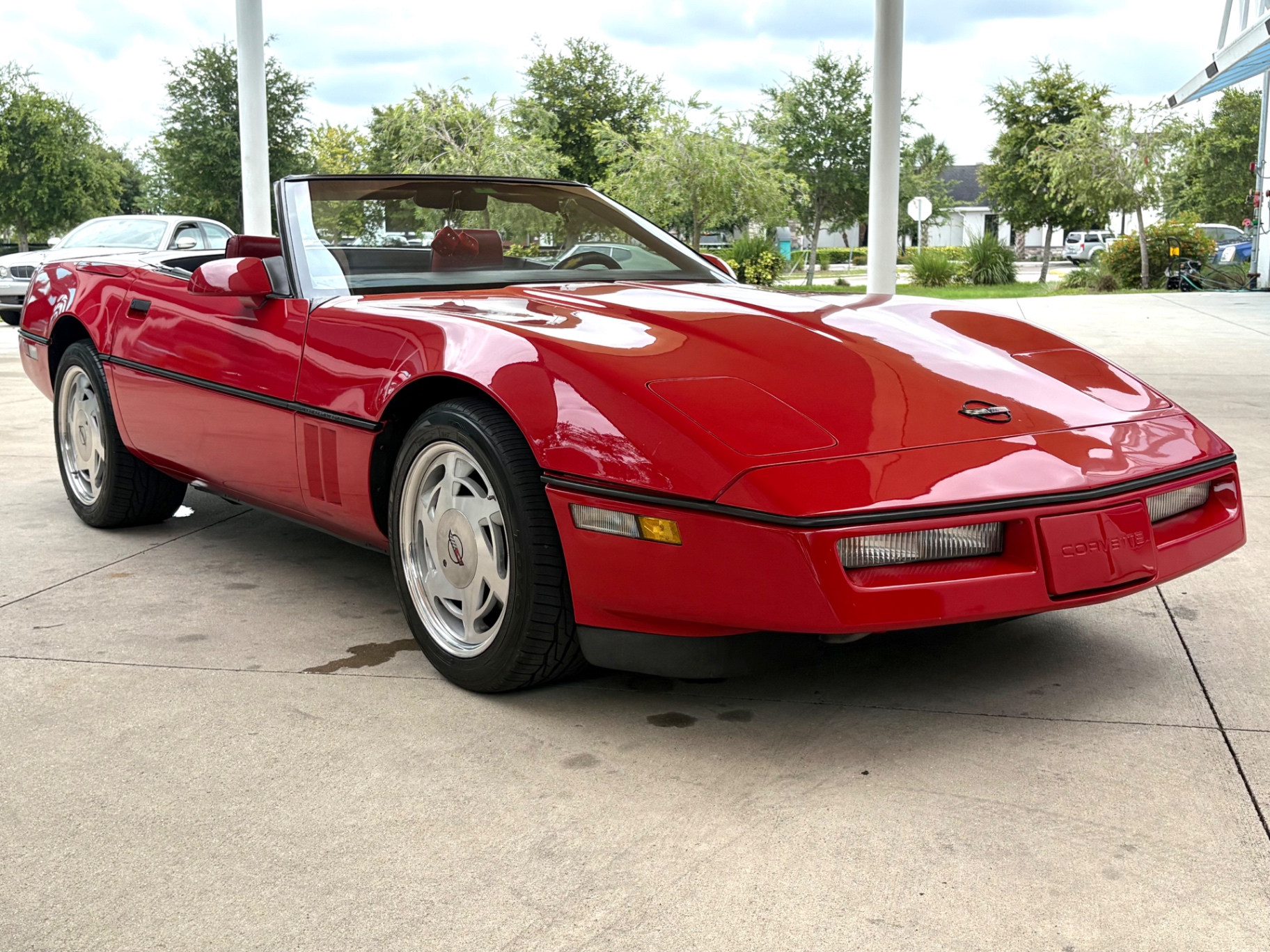
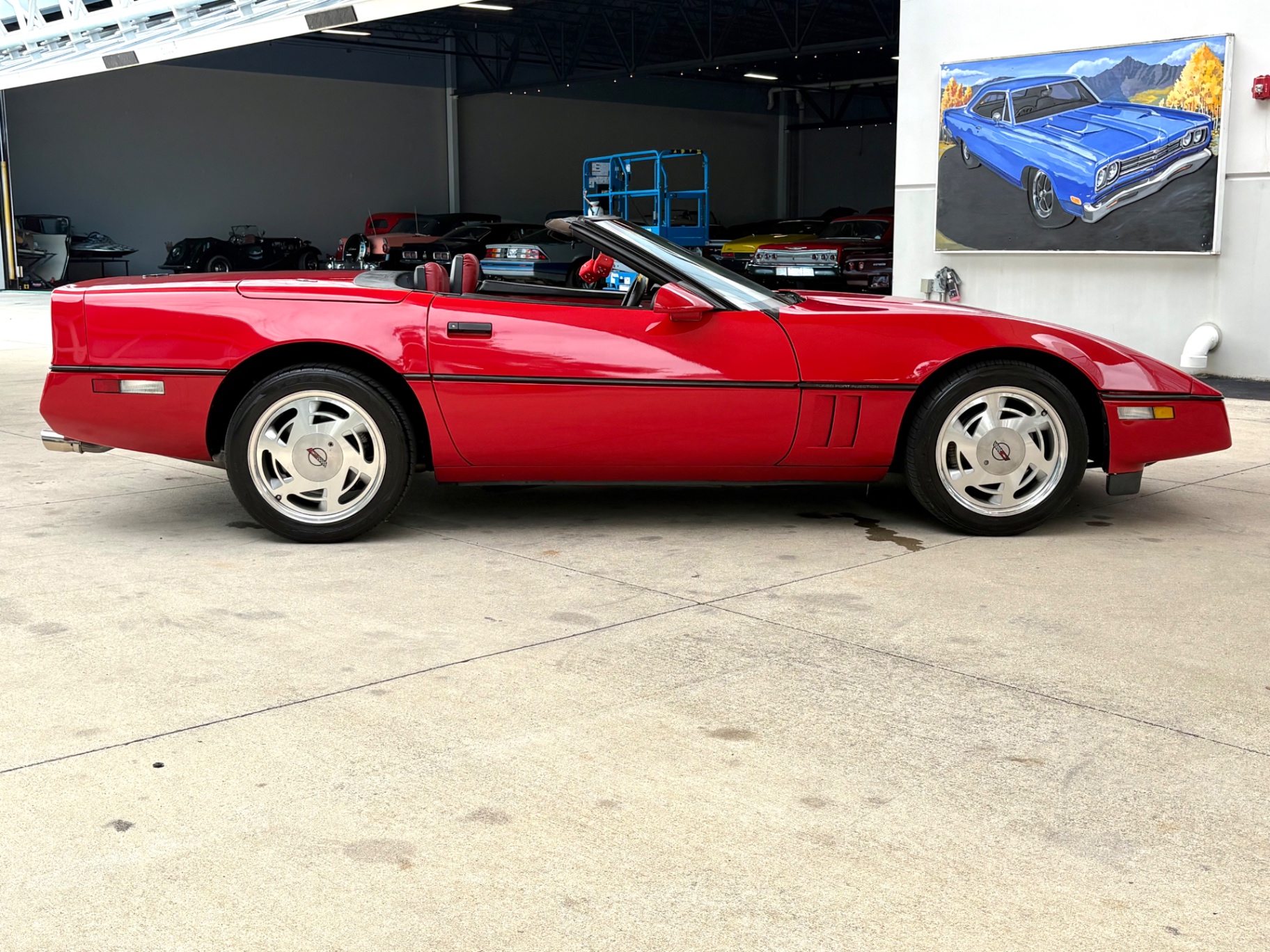
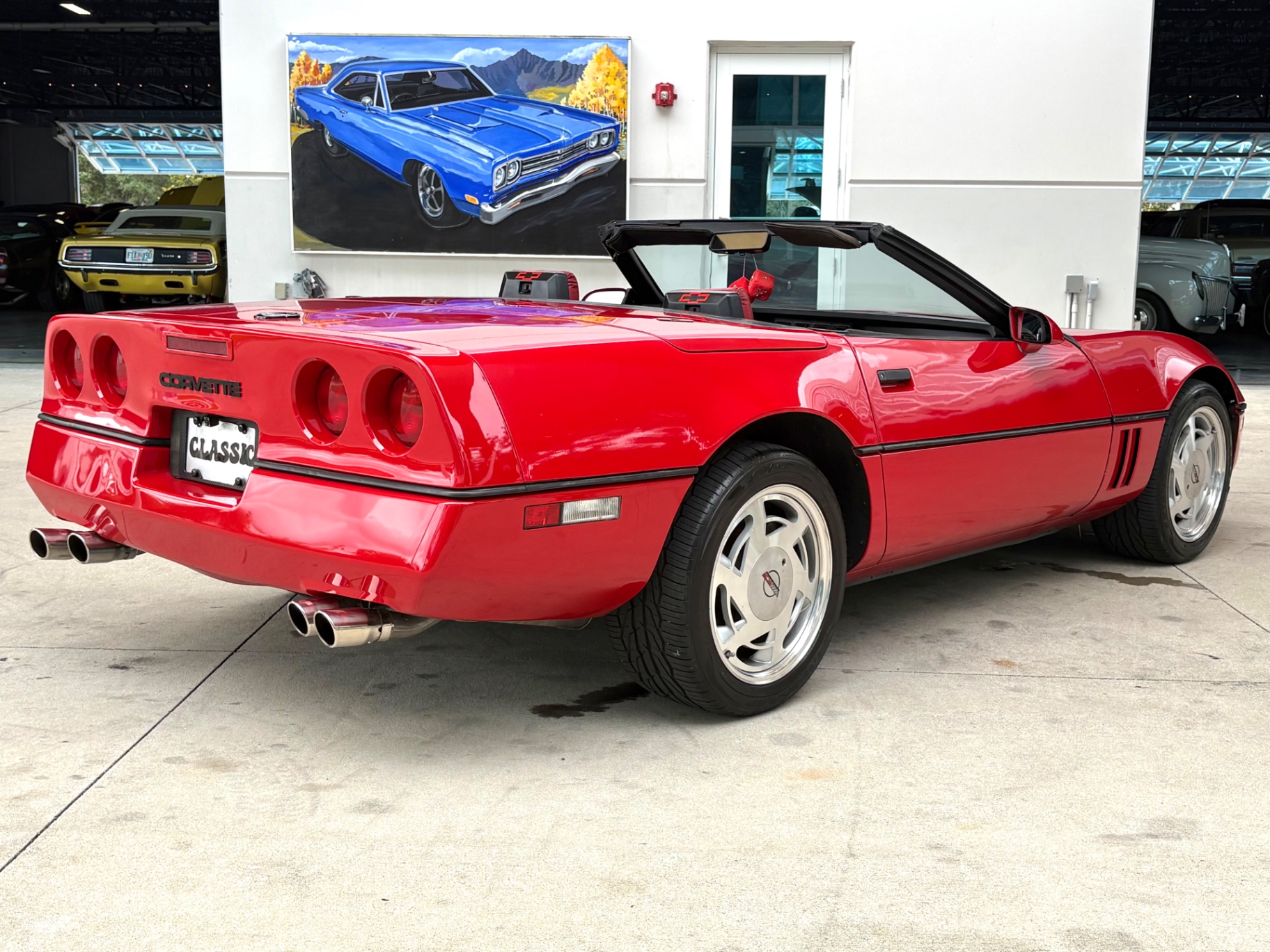
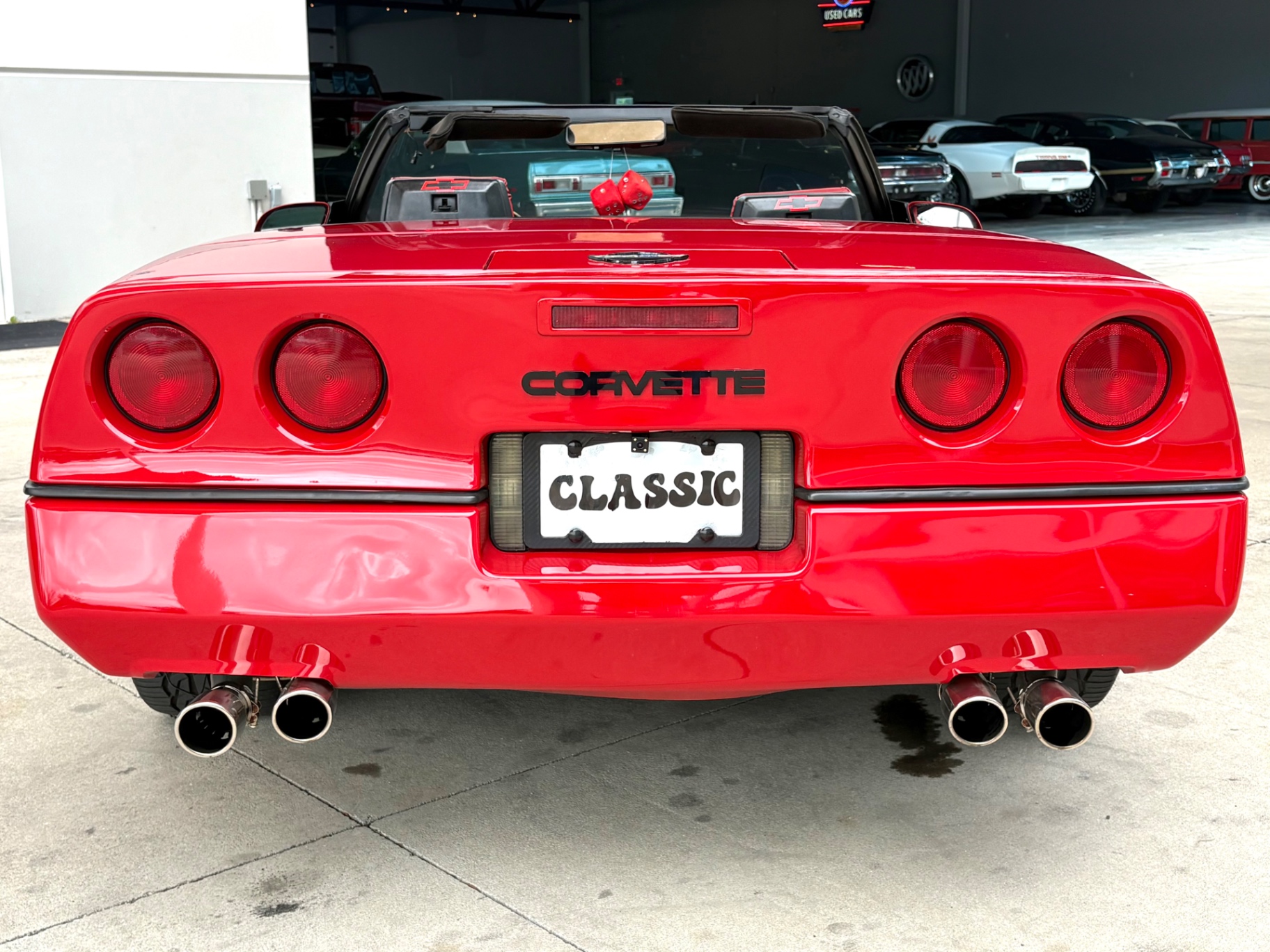
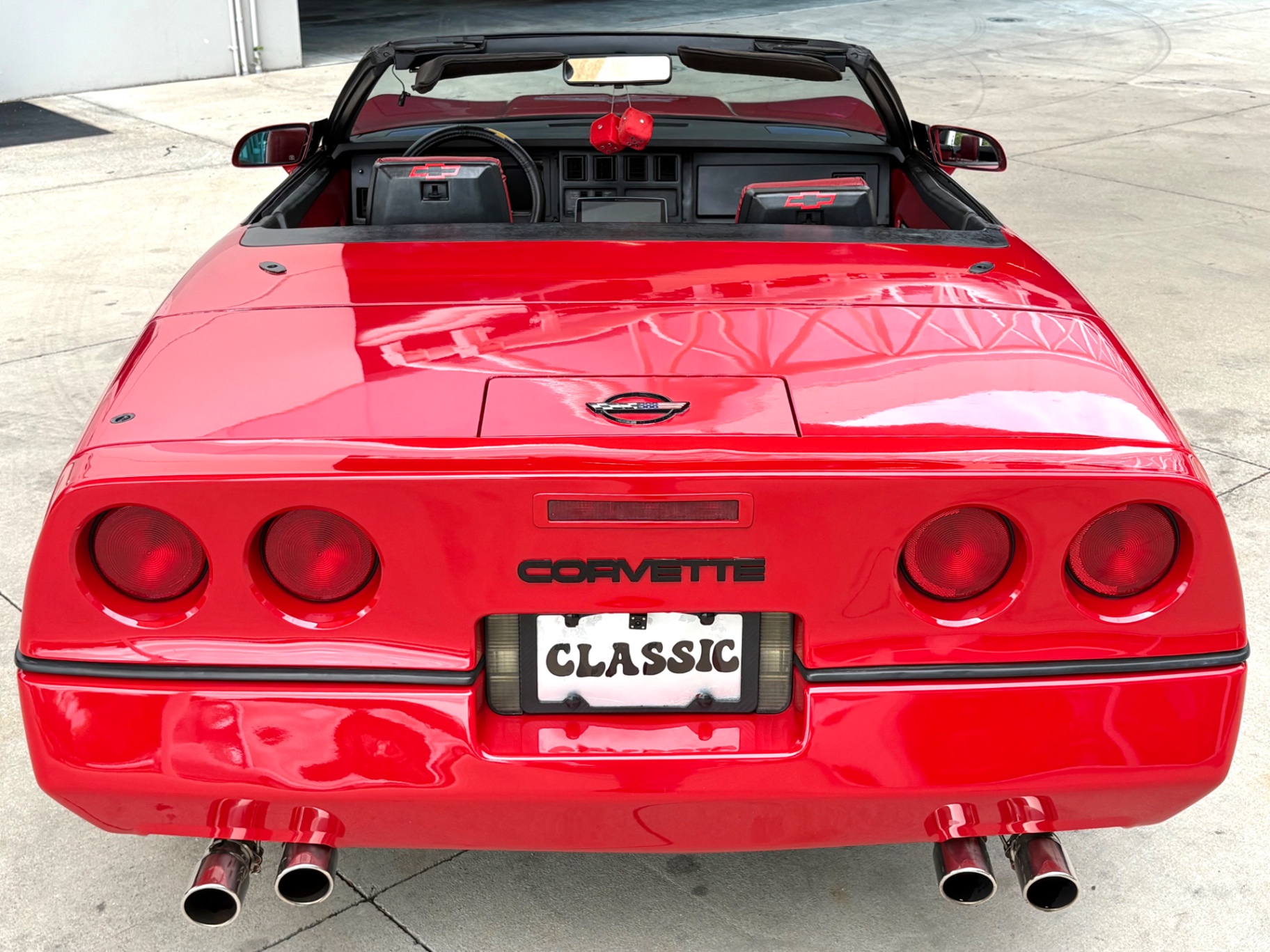
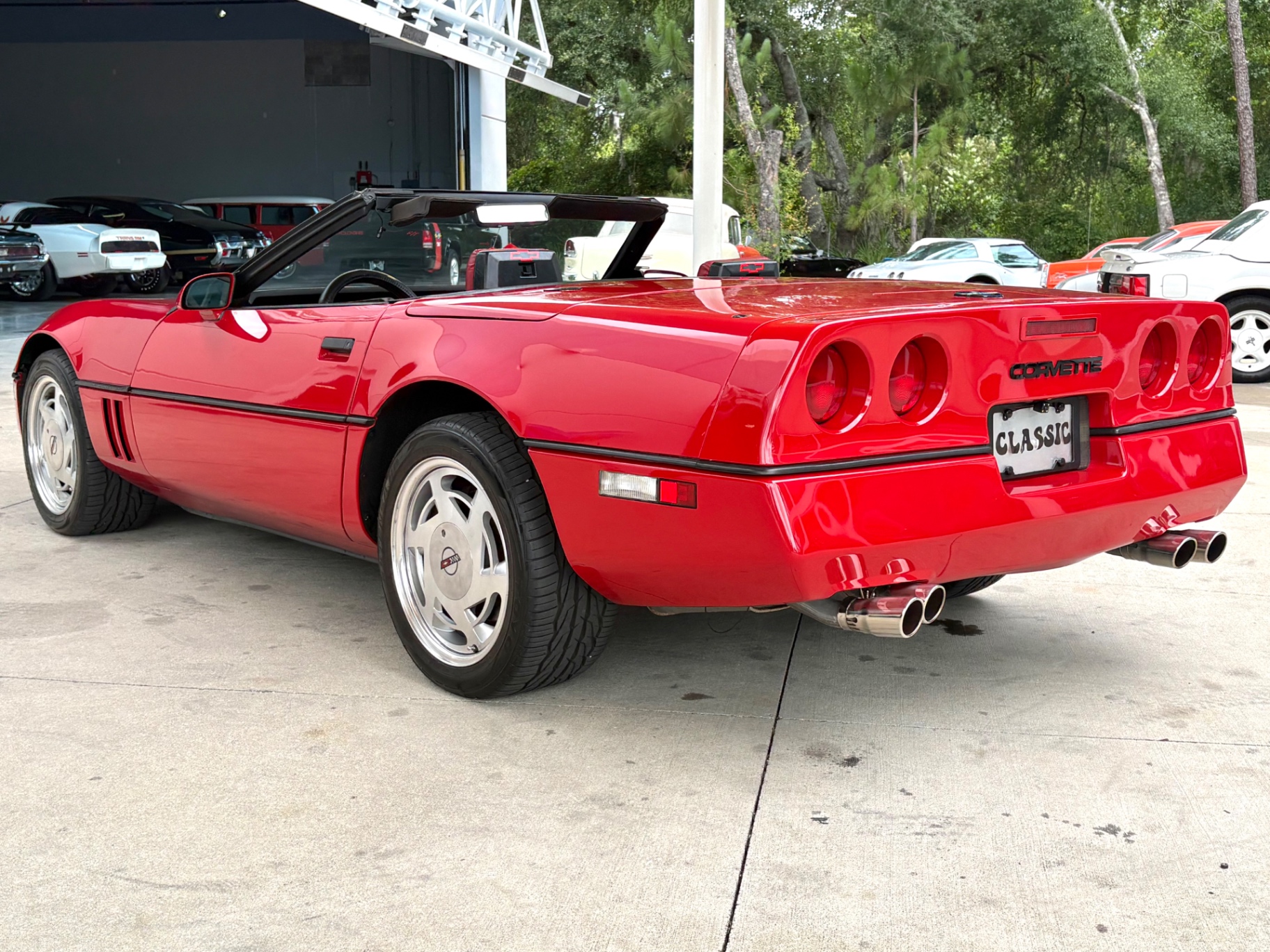
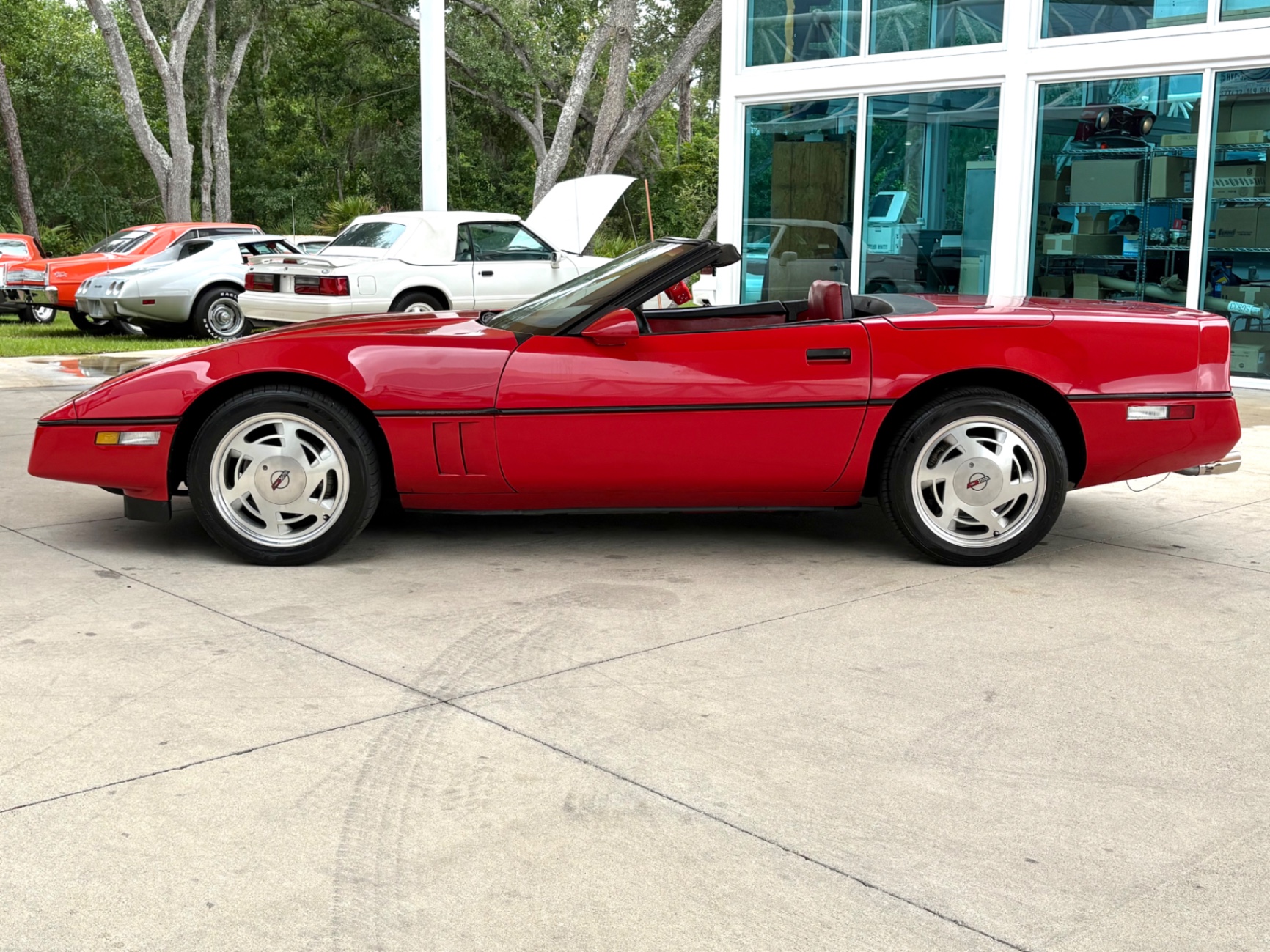
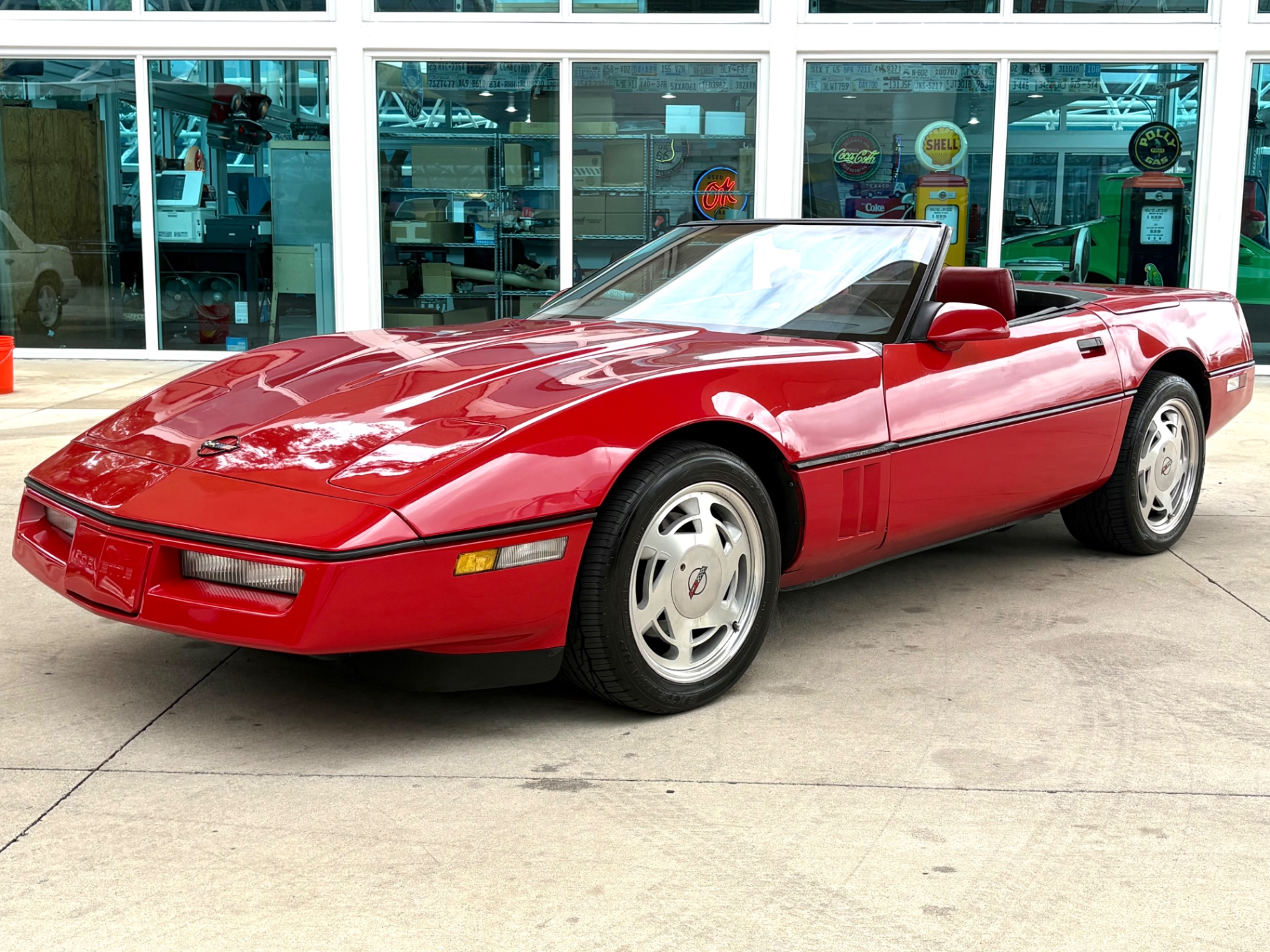
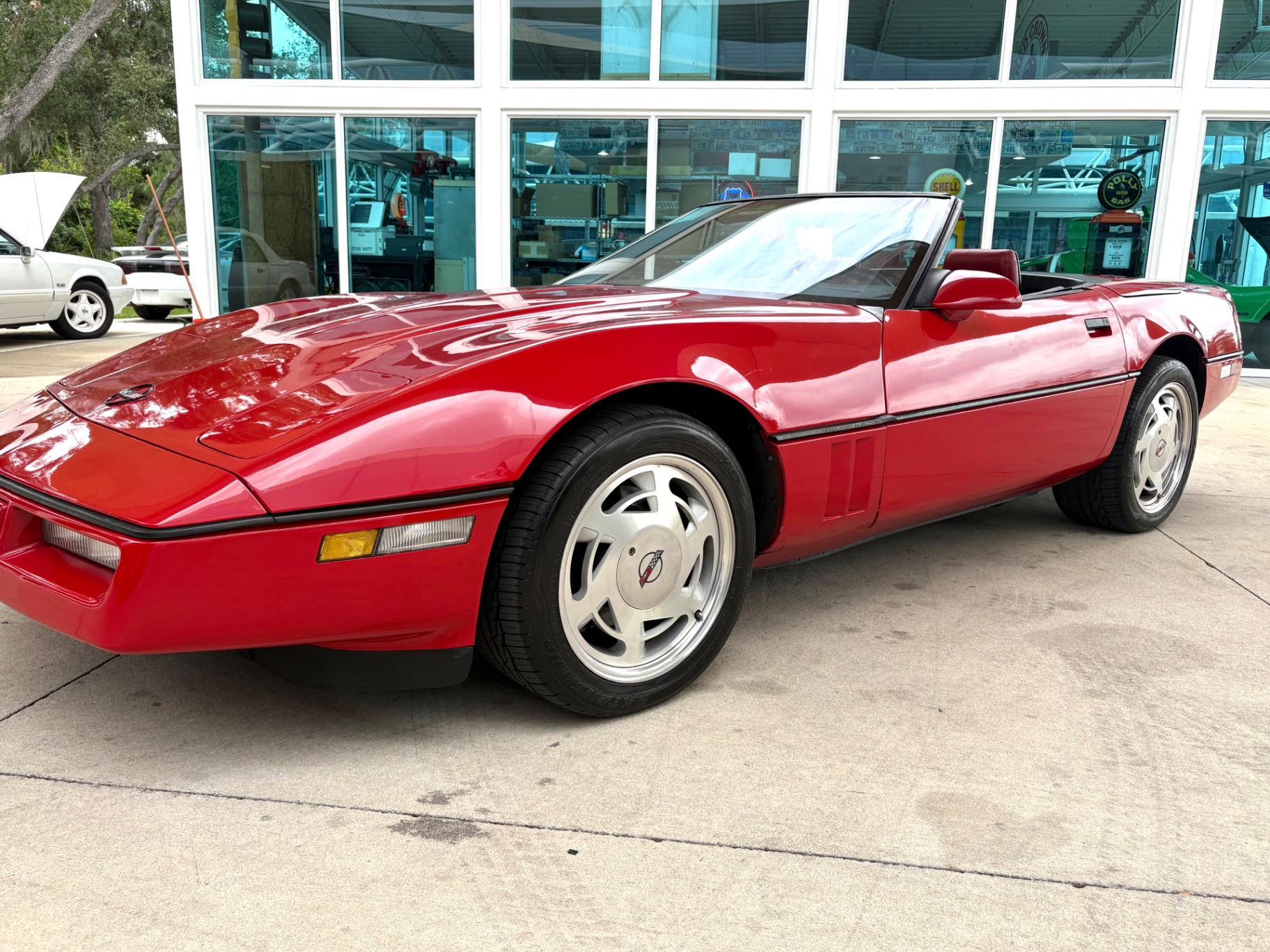
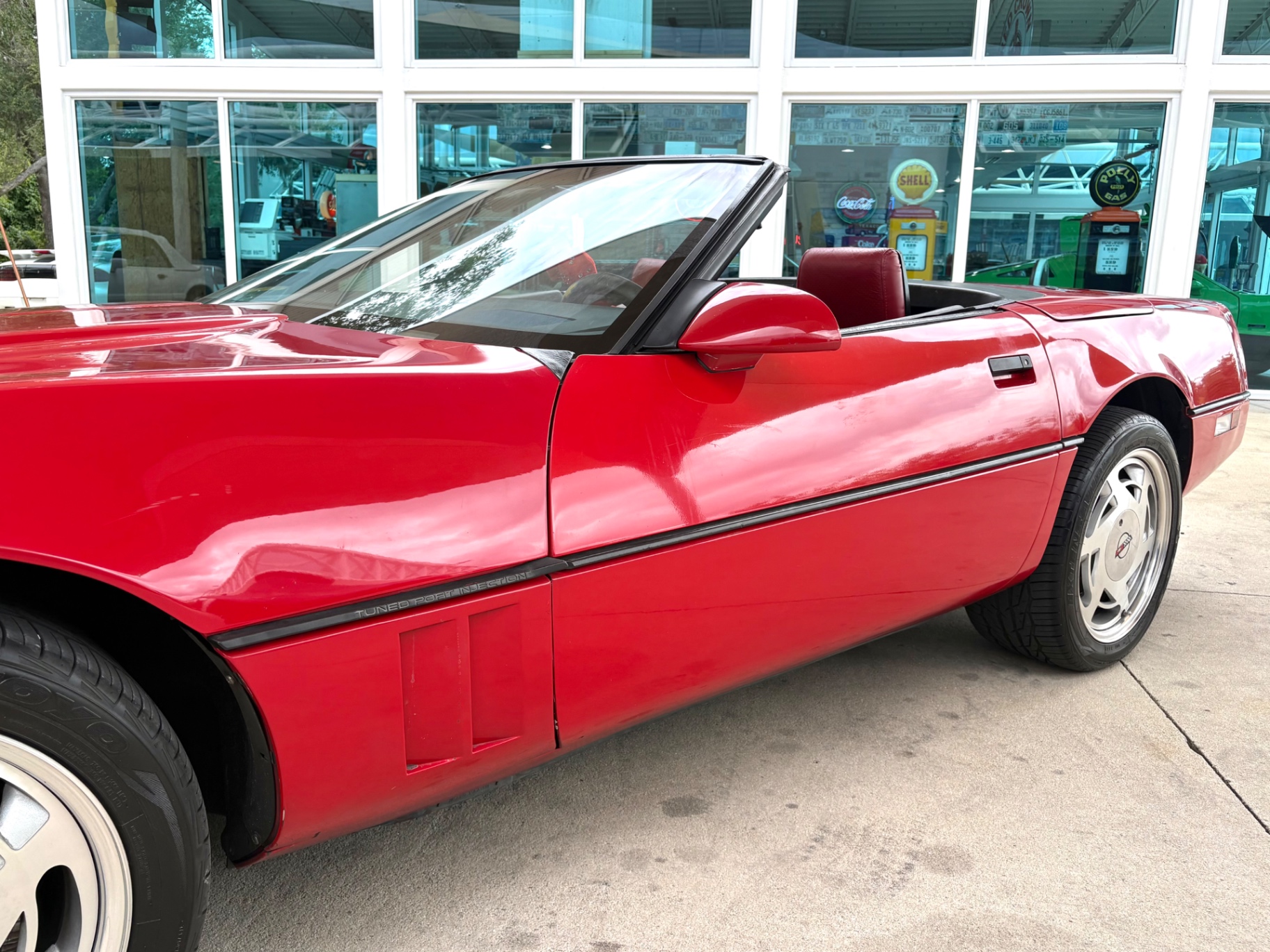
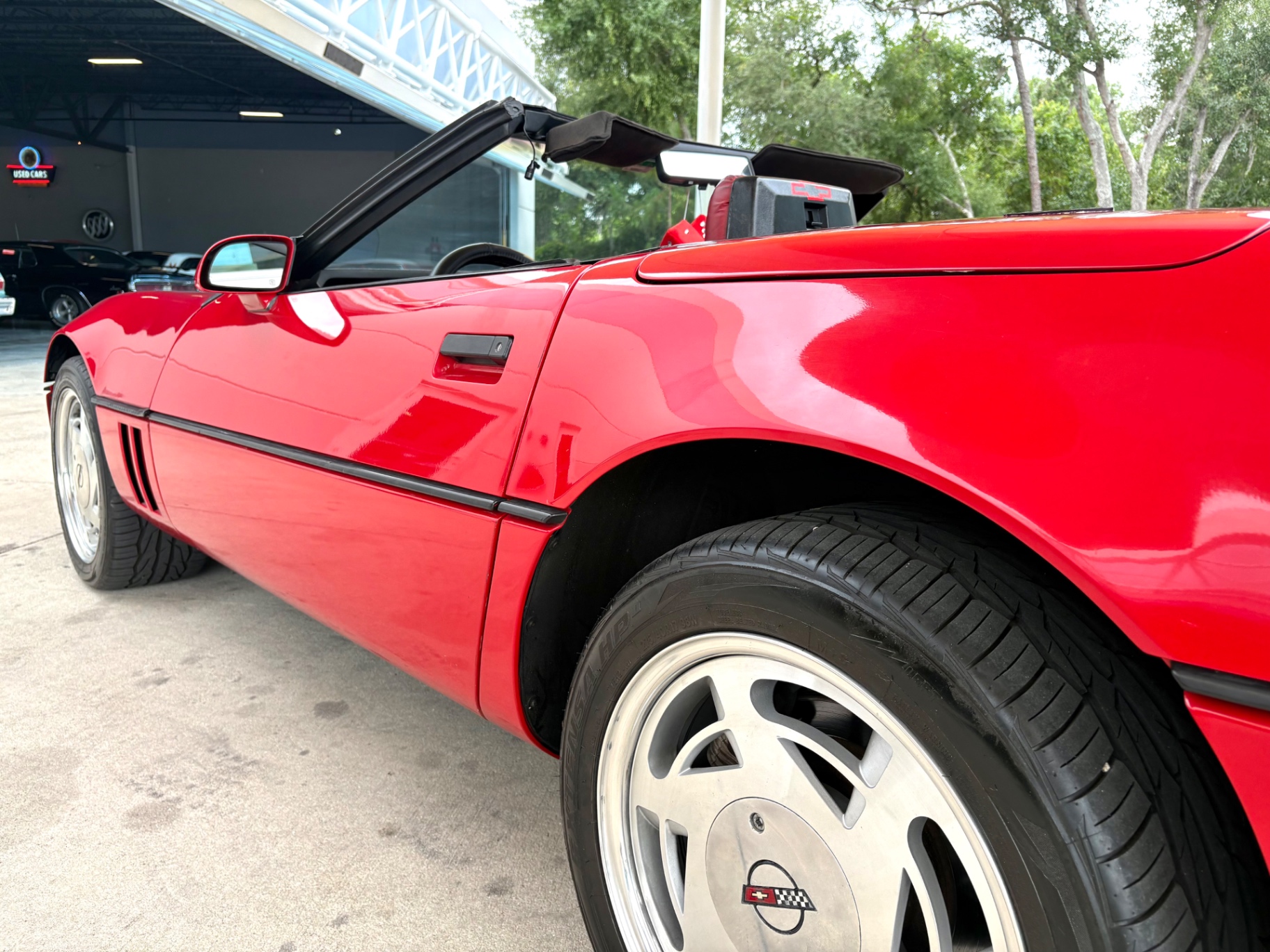
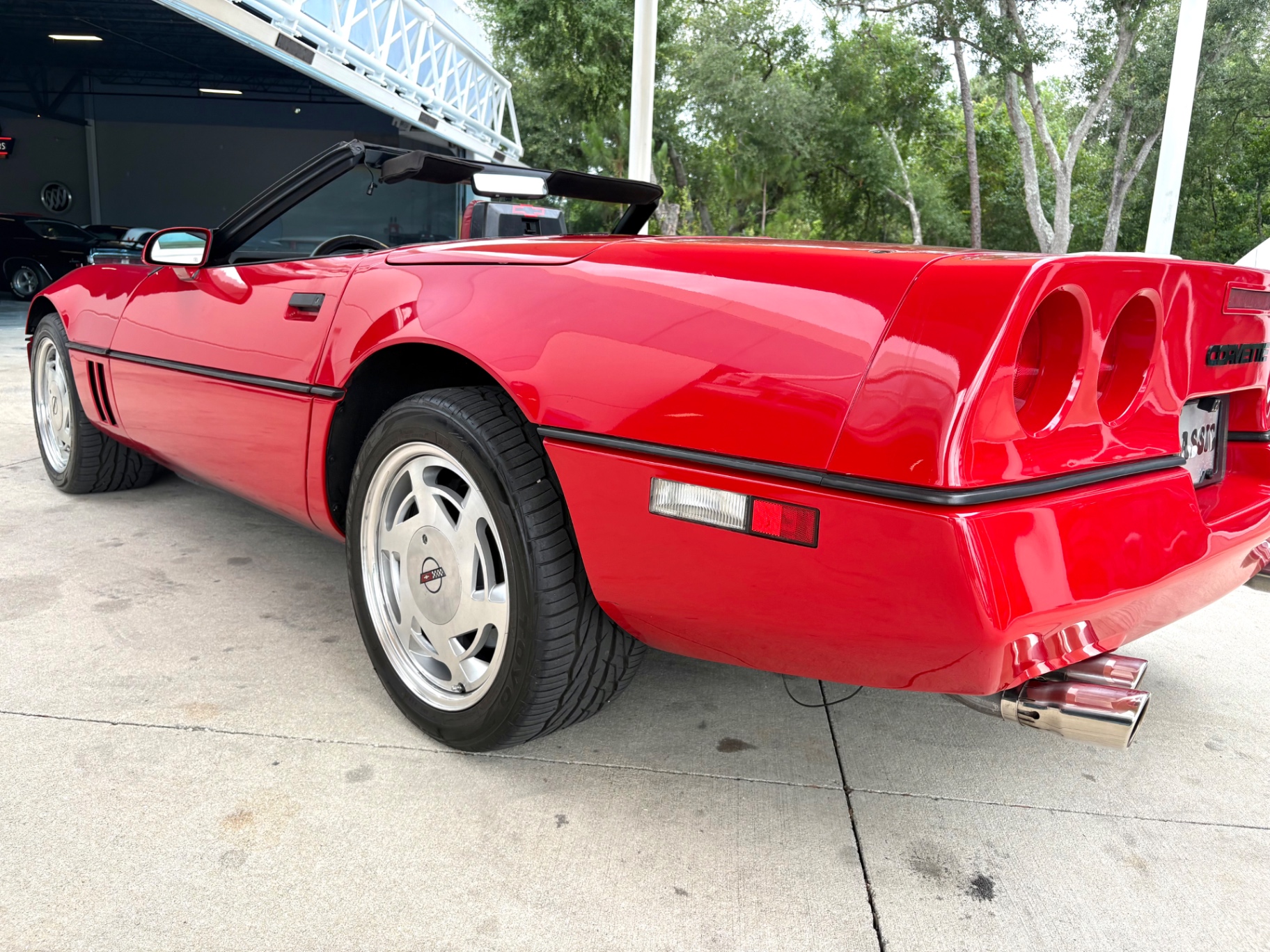

1988 Chevrolet Corvette Convertible — L98 5.7L TPI V8, Red on Red, Clean Florida Car
Why This Car Is Special
The fourth-generation Corvette, introduced for 1984, represented a fundamental rethinking of what the Corvette could be. By 1988, the C4 had matured into a genuinely capable sports car — refined enough for daily use, fast enough to embarrass most of what else was on the road. The 1988 Chevrolet Corvette convertible is a particularly desirable variant of that generation because the ragtop body style had only returned to the lineup in 1986, after a ten-year absence. Buyers who wanted an open-air Corvette with the fully developed L98 engine and a sorted-out platform gravitated toward the 1987-1989 window, and for good reason.
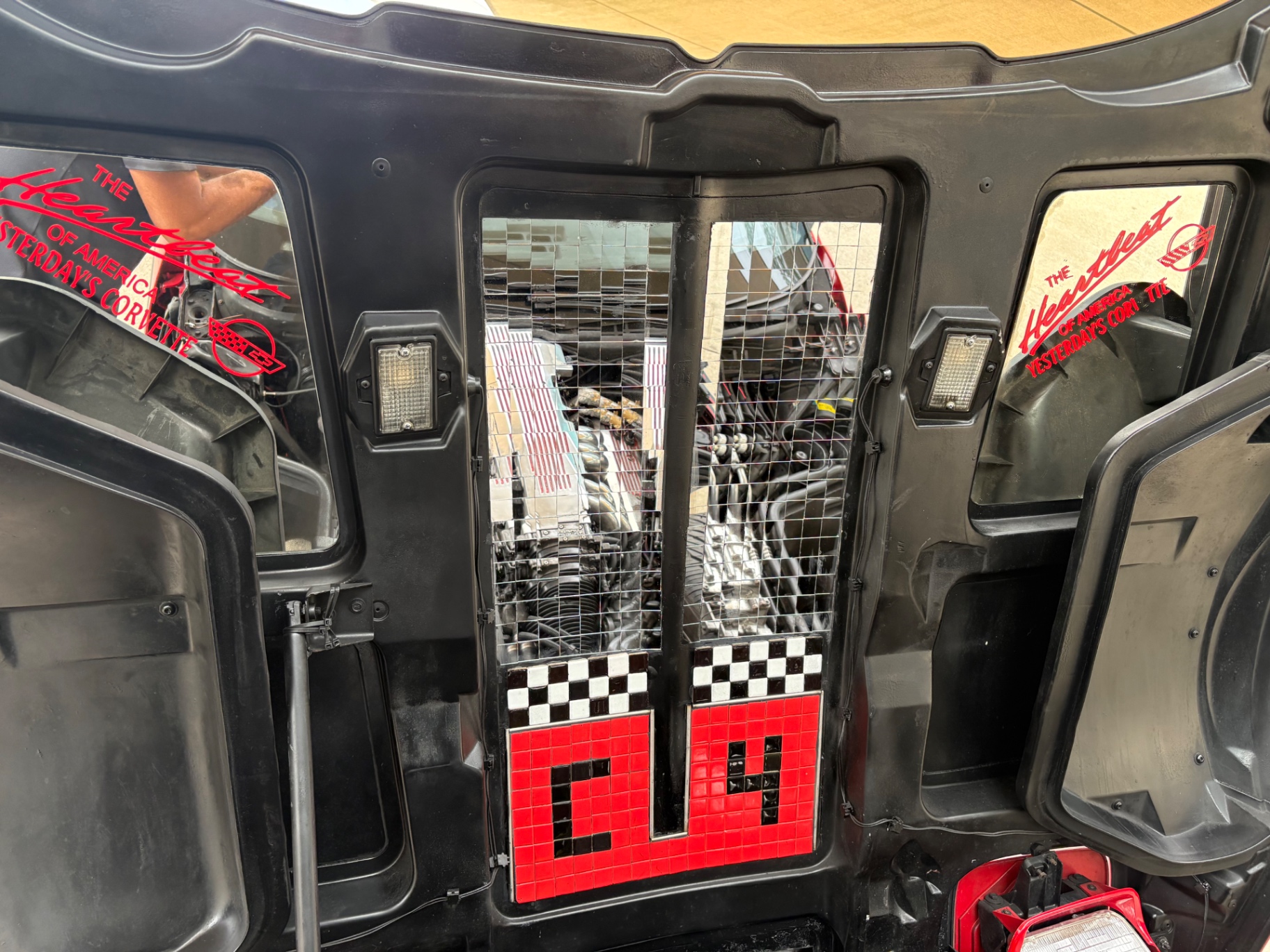
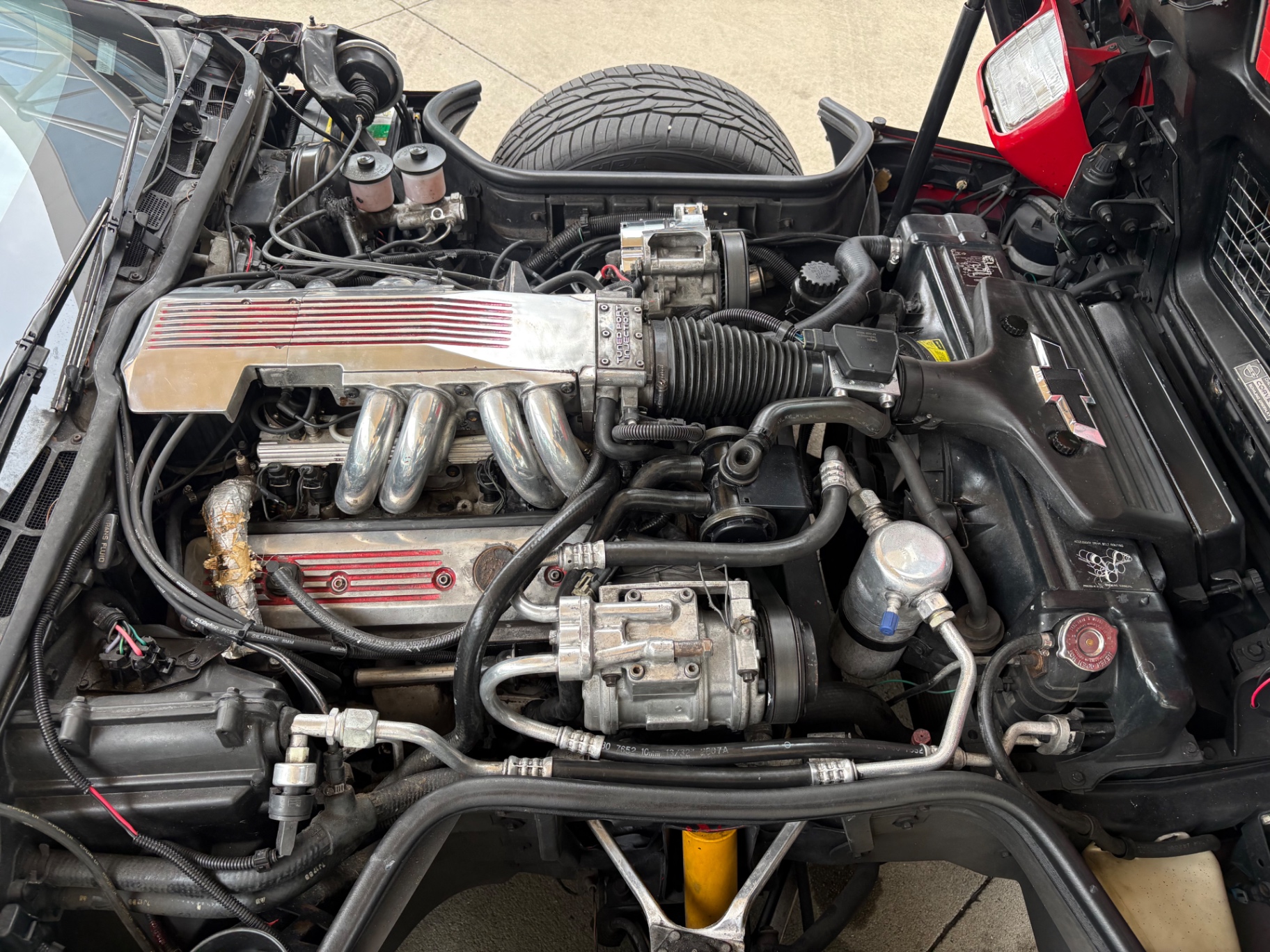
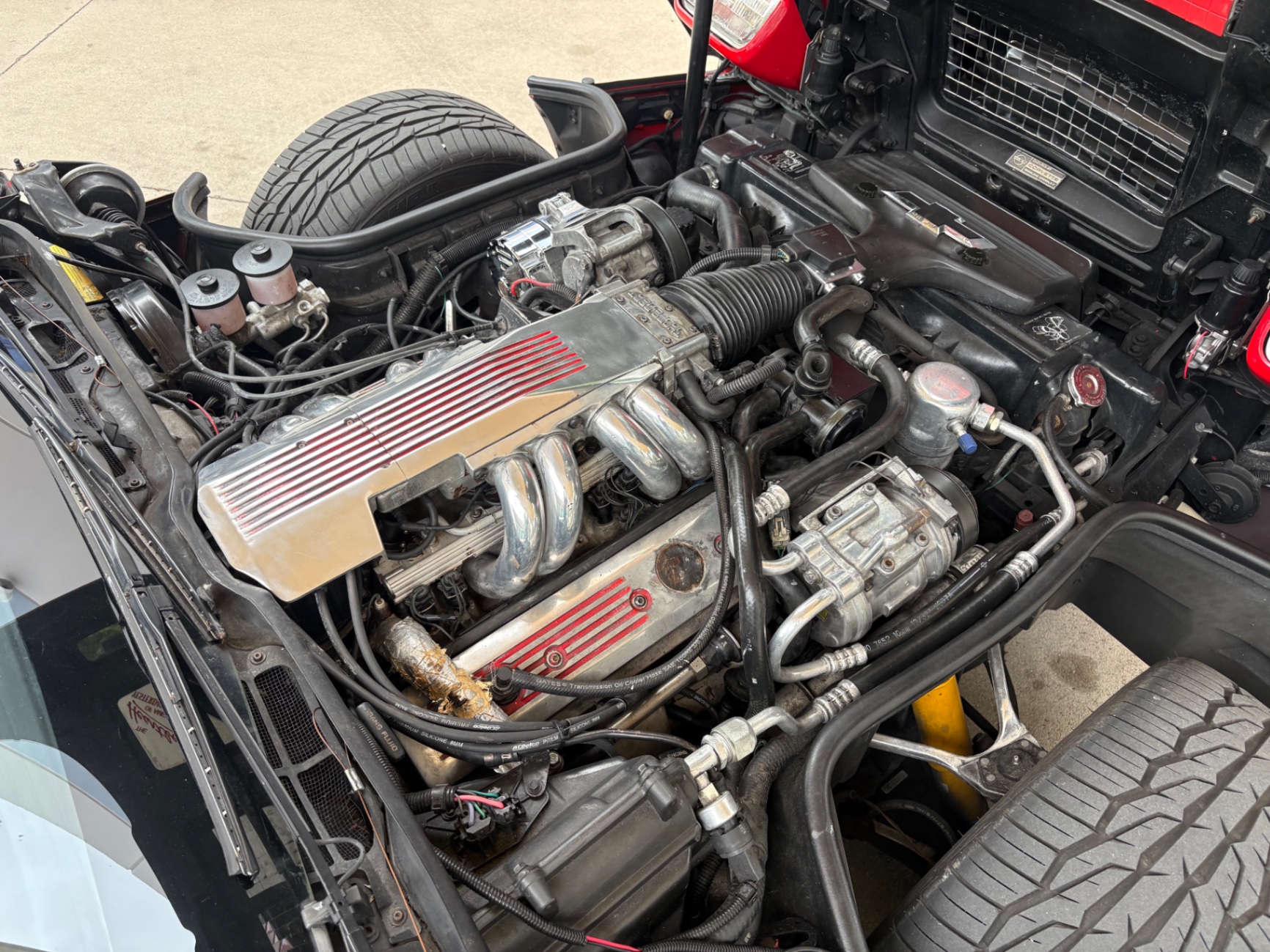
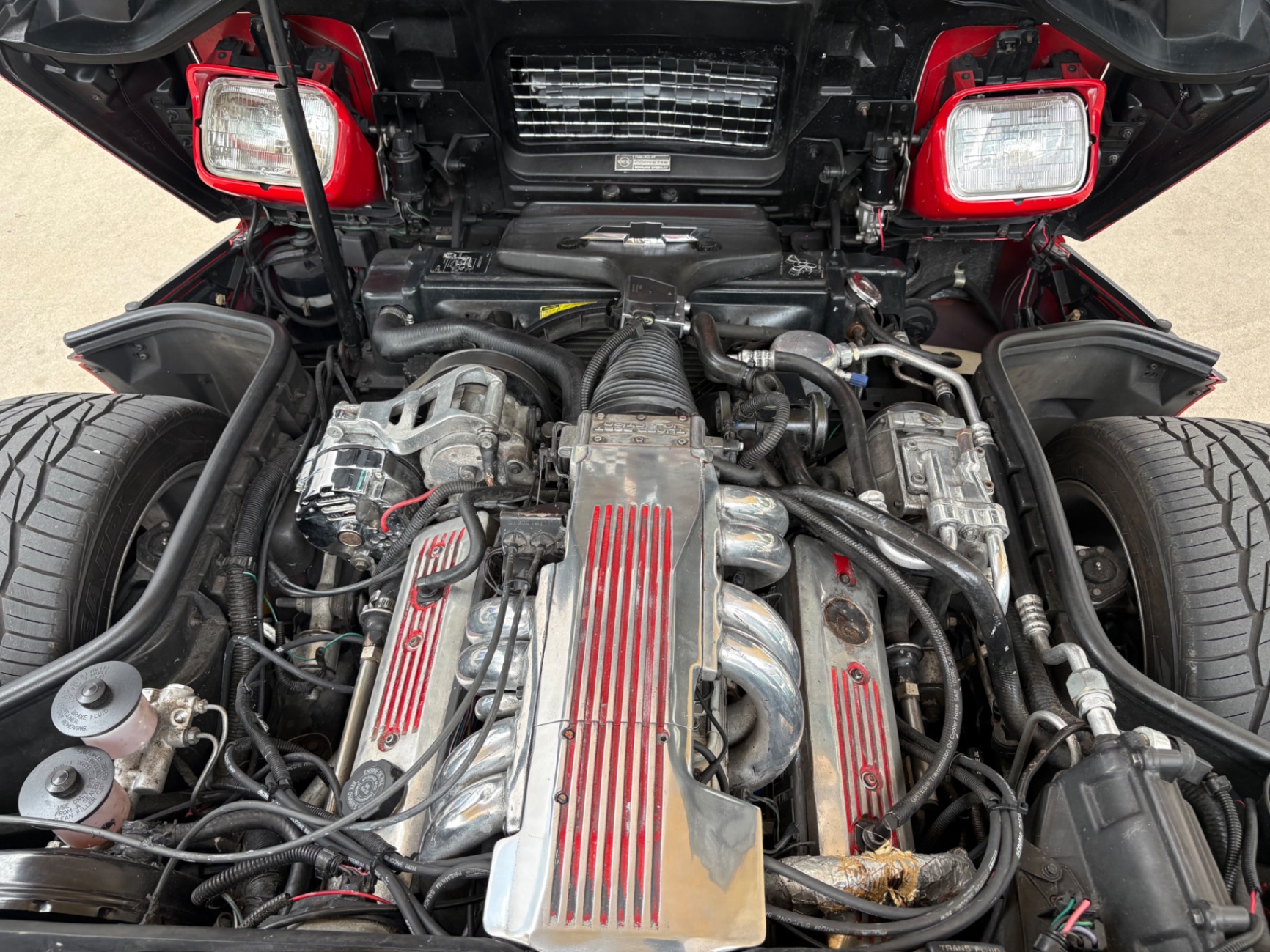
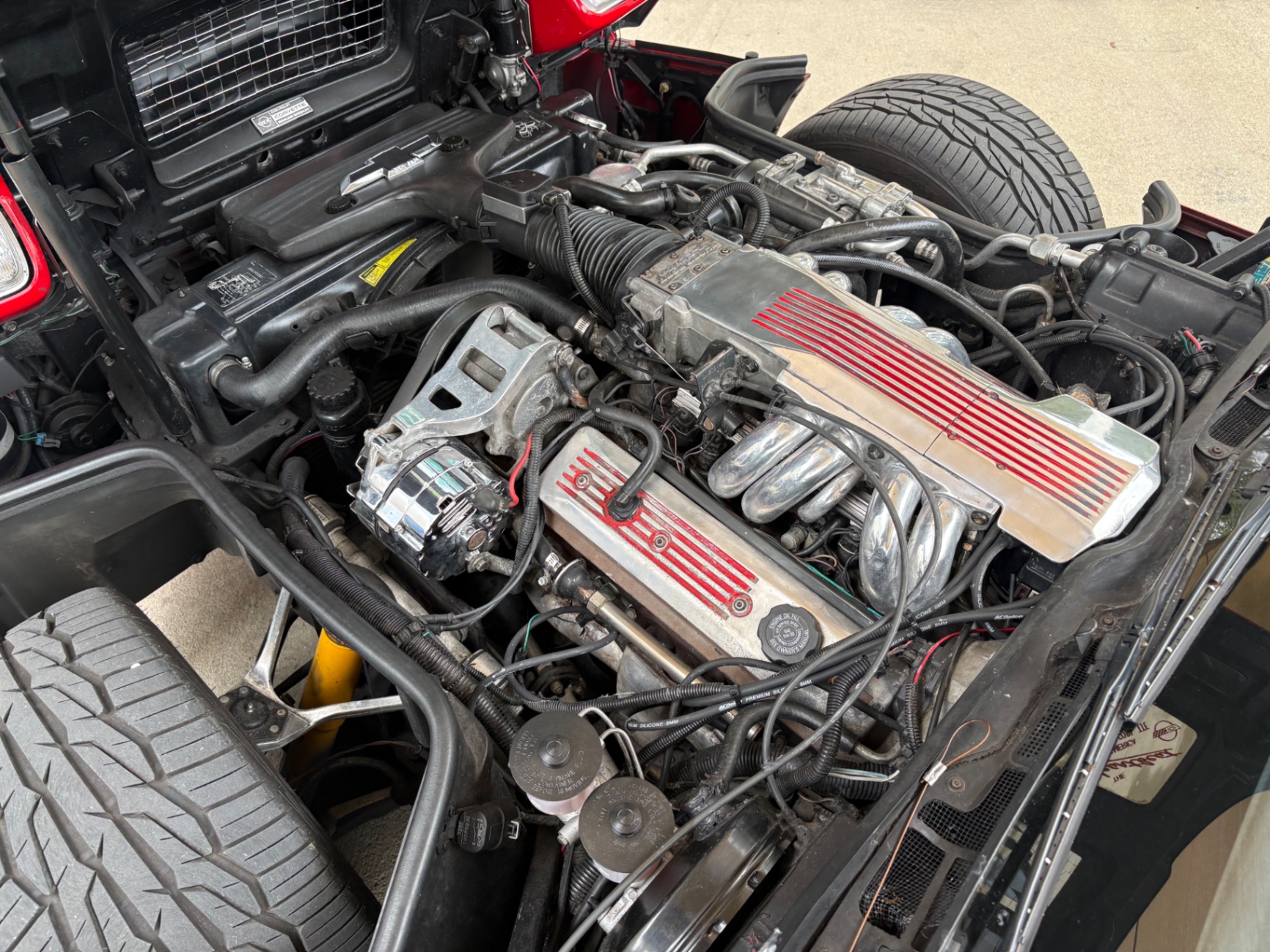
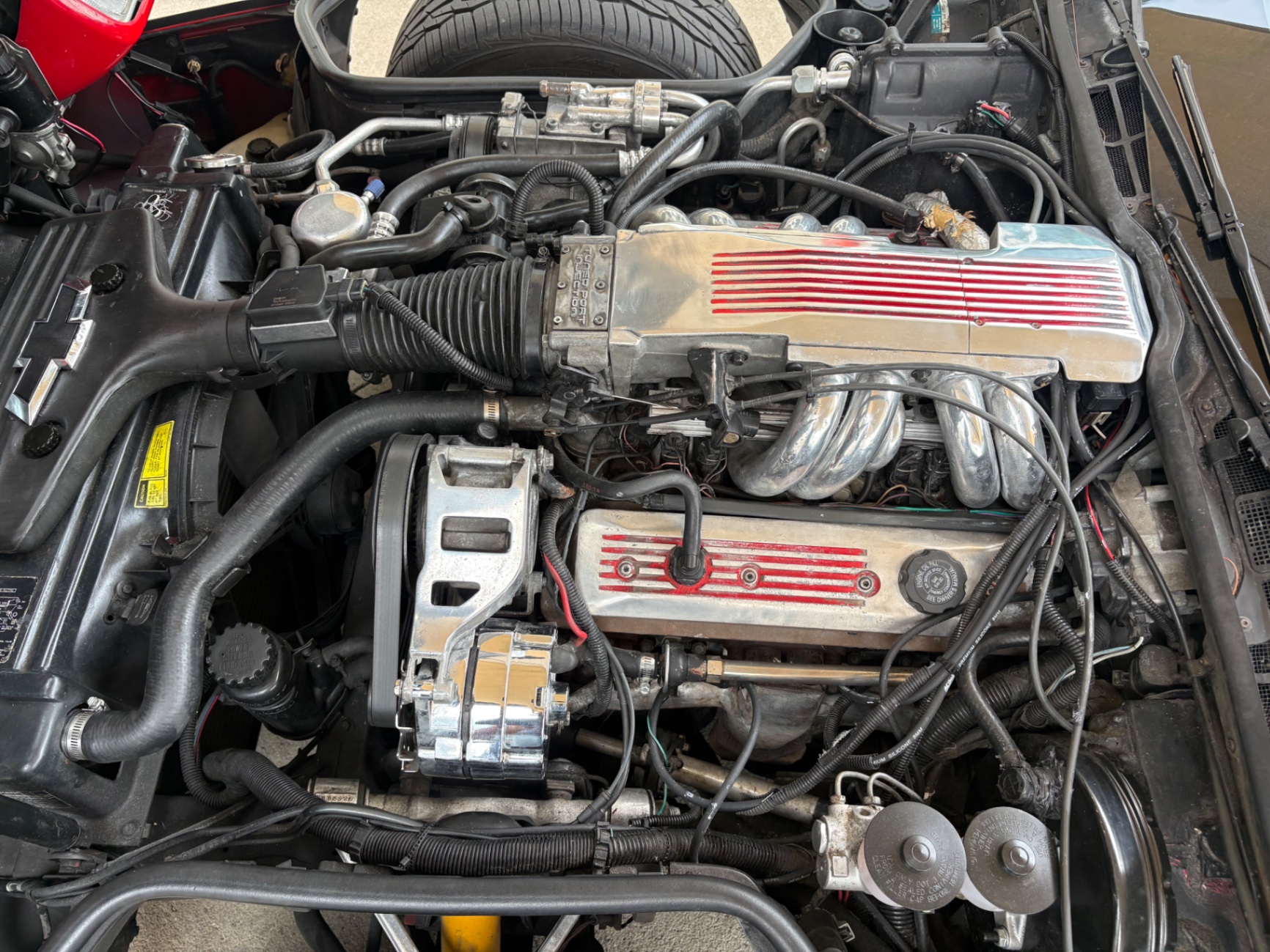
The L98 engine — a 5.7-liter V8 displacing 350 cubic inches — used Tuned Port Injection, a system that Chevrolet developed to deliver smooth, linear power across a wide rpm band rather than a peaky, hard-to-drive powerband. In 1988 trim, the L98 produced 245 horsepower and 340 lb-ft of torque. Those numbers look modest today, but the torque curve was broad and usable, and the Tuned Port Injection system gave the engine a throttle response that carbureted V8s of the same era simply could not match. The tall, individual runner intake manifold sitting on top of this engine is one of the most recognizable engine bay sights of the 1980s, and on this car it has been treated to a full polish, making it a visual centerpiece under the hood.
For 1988 specifically, Chevrolet made an important chassis upgrade: the adoption of a 17-inch wheel and tire package, along with Selective Ride Control as an option. The 1988 Corvette also received improved brakes. These were meaningful engineering updates, not cosmetic ones, and they mark the 1988 model as a step forward from the 1986 and 1987 convertibles in terms of overall driving capability. The convertible body style, which had returned for 1986, was built on a reinforced chassis developed specifically for open-top use — Chevrolet did not simply cut the roof off the coupe.
This particular 1988 Chevrolet Corvette is finished in red over a full red leather interior, making it one of the more visually cohesive color combinations the C4 was offered in. The car presents as a driver-quality example with notable engine bay detailing and a clean undercarriage, which is especially meaningful for Florida cars that spent decades in a humid, salt-air environment.
Features List
- L98 5.7-liter (350 cubic inch) Tuned Port Injection V8
- 4-Speed Automatic Transmission
- Tuned Port Injection badge
- Polished TPI intake manifold
- Polished valve covers with red accent fins
- Chrome alternator
- Dual exhaust with quad polished stainless steel tips
- Independent rear suspension with rear disc brakes
- Factory aluminum wheels
- Black convertible soft top
- Power steering and power brakes
- Air conditioning
- Power windows
- Red leather bucket seats with perforated inserts
- Leather-wrapped steering wheel
- Center console
- Digital instrument cluster
- In-dash stereo
- Clean undercarriage
Mechanical
The heart of this 1988 Chevrolet Corvette is the L98 5.7-liter V8, fed by the Tuned Port Injection system that Chevrolet refined throughout the C4 generation. The TPI setup uses long individual runners to maximize low-end torque, which is why these engines feel so strong at street speeds. At 245 horsepower and 340 lb-ft of torque, the L98 in 1988 trim was a genuine improvement over the 230-horsepower version that launched the C4 in 1984. Paired with the 4-speed automatic transmission, this is an effortless car to drive hard in traffic or on the highway.
The engine bay on this car has received cosmetic attention that goes well beyond what was factory. The TPI intake manifold has been polished to a mirror finish, the valve covers have been polished and painted with red accent stripes that echo the car's exterior color, and the alternator has been chromed. These details add up to an engine bay that is genuinely worth opening at a car show. None of this work alters the mechanical function of the engine — the L98 remains mechanically stock — but it reflects the care that went into presenting this car.
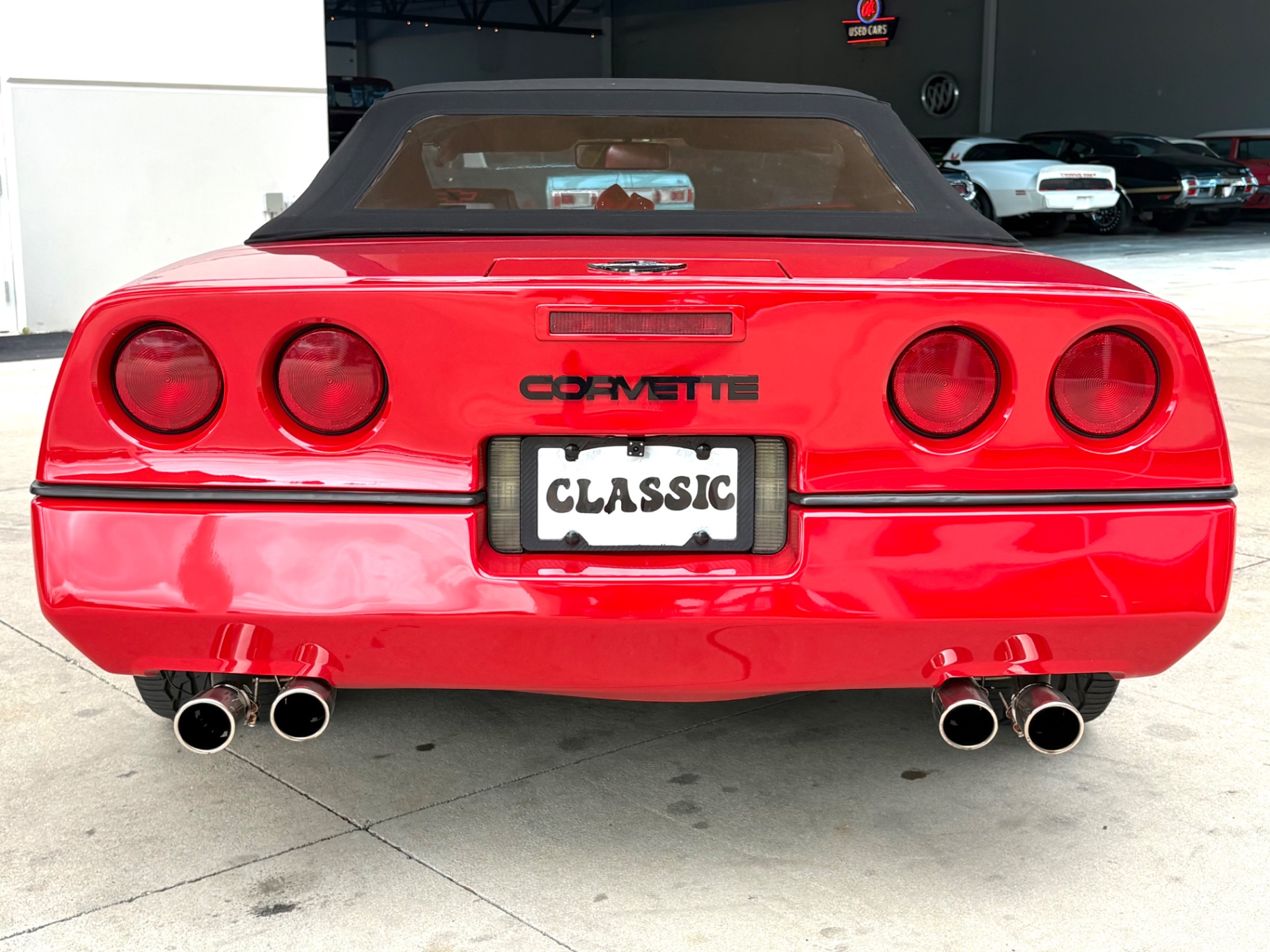
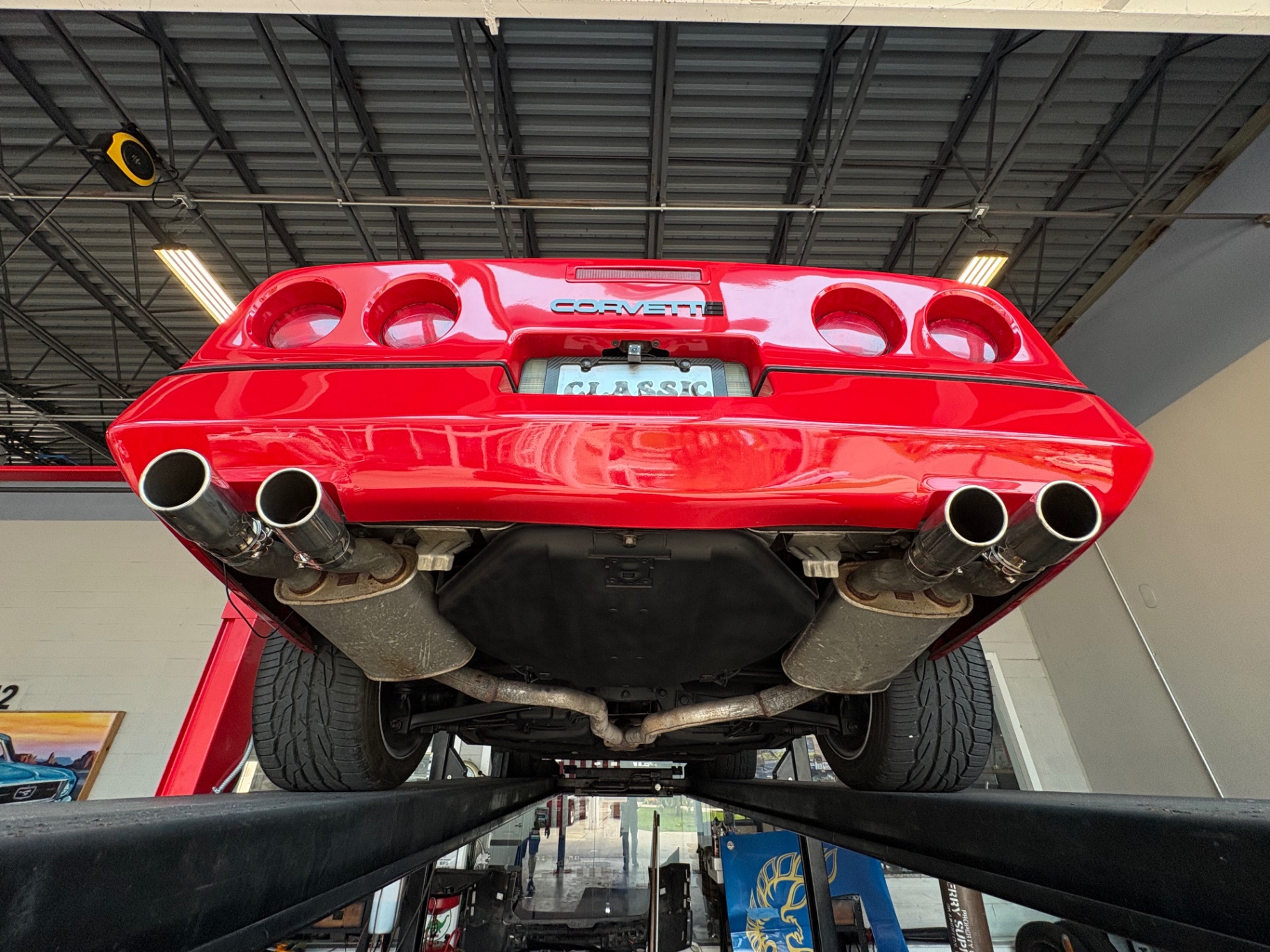
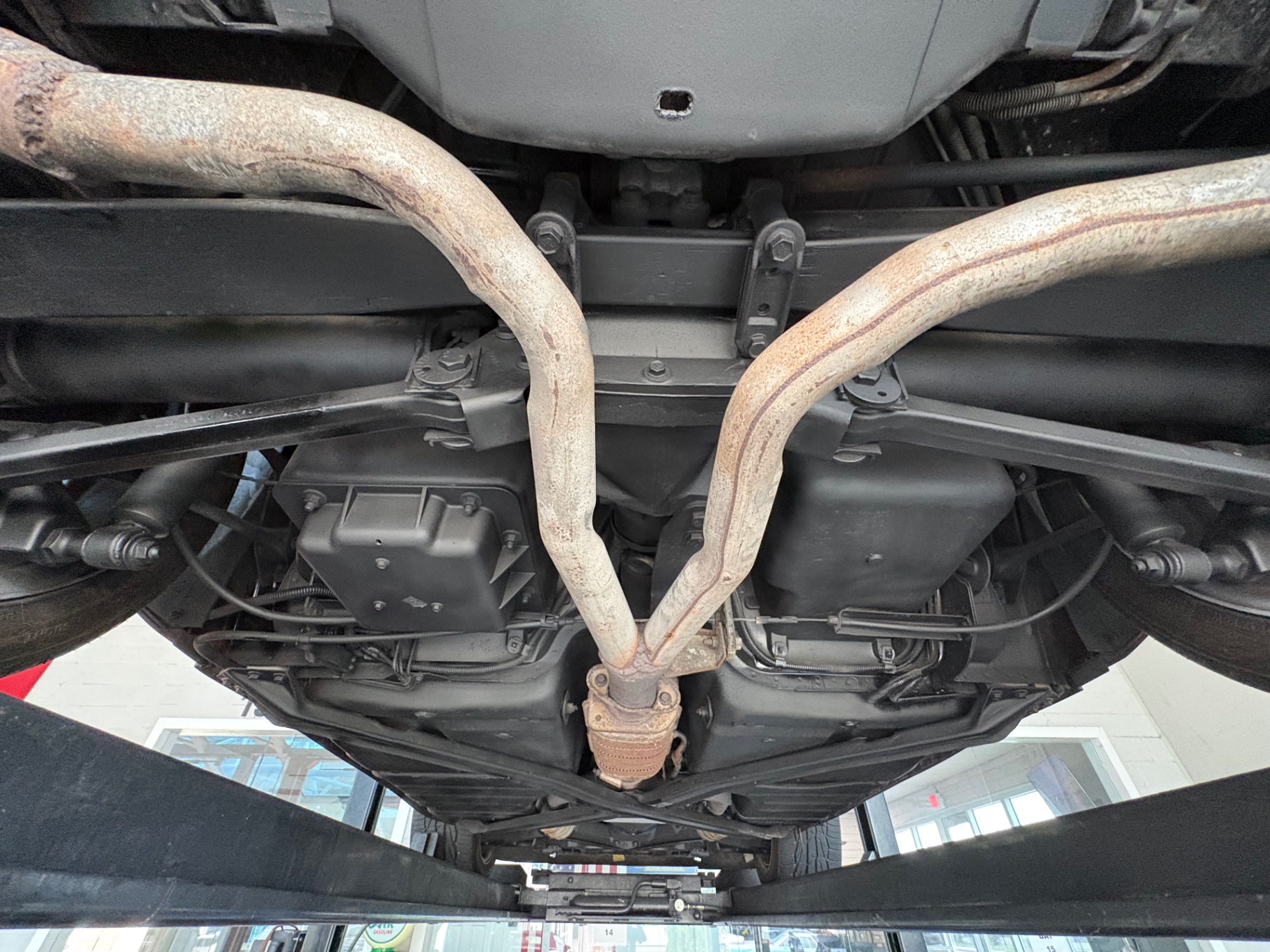
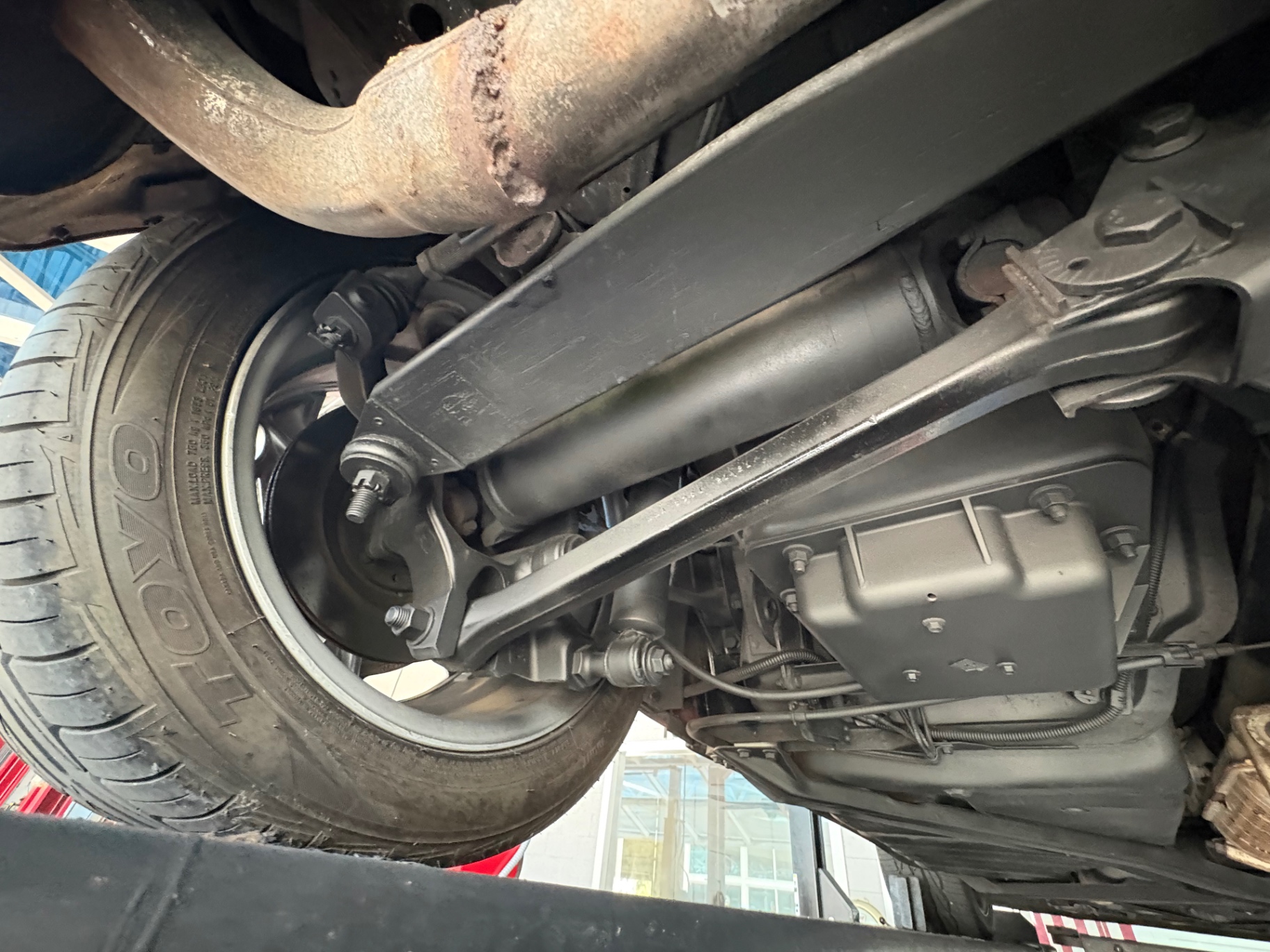
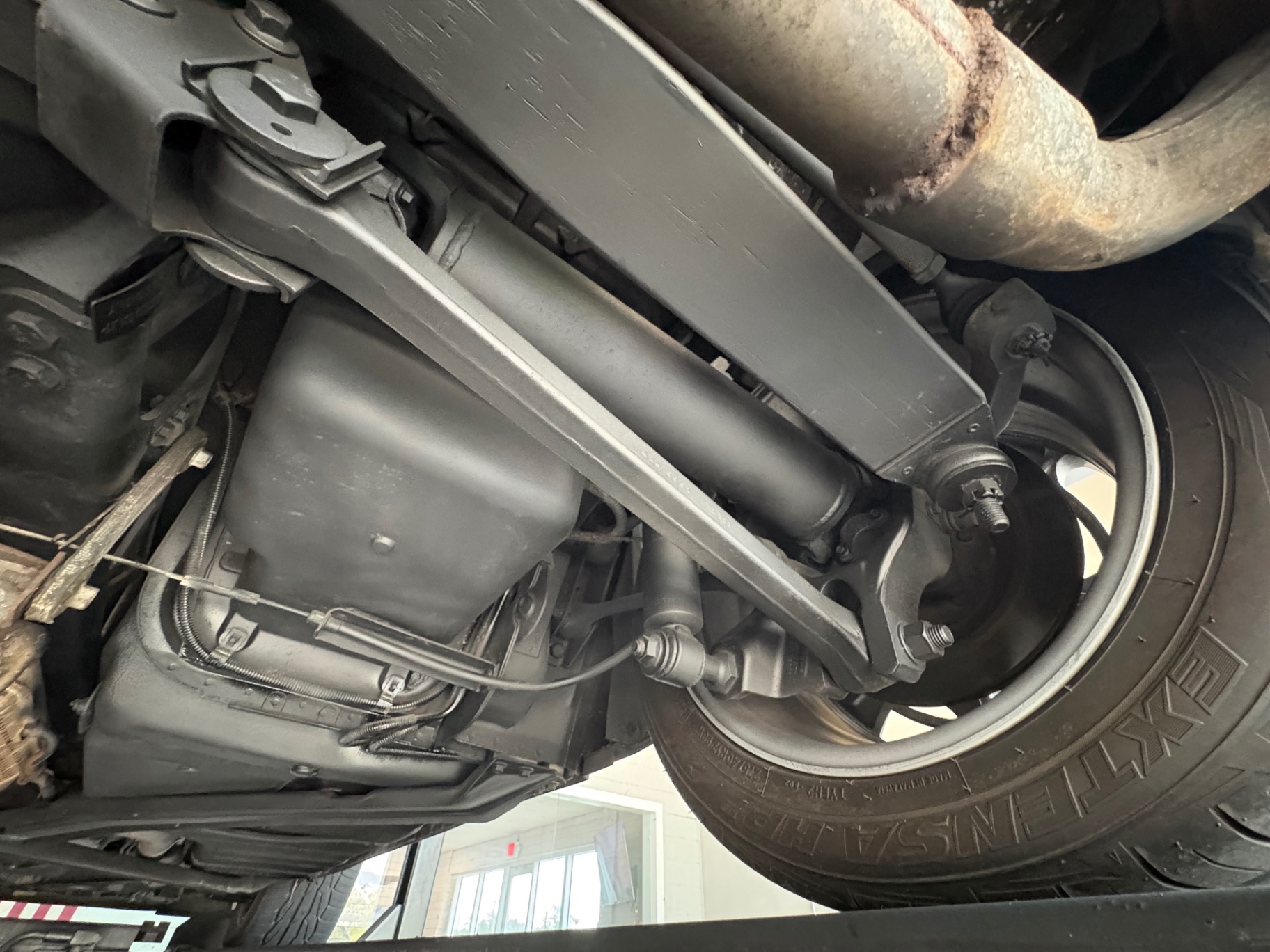
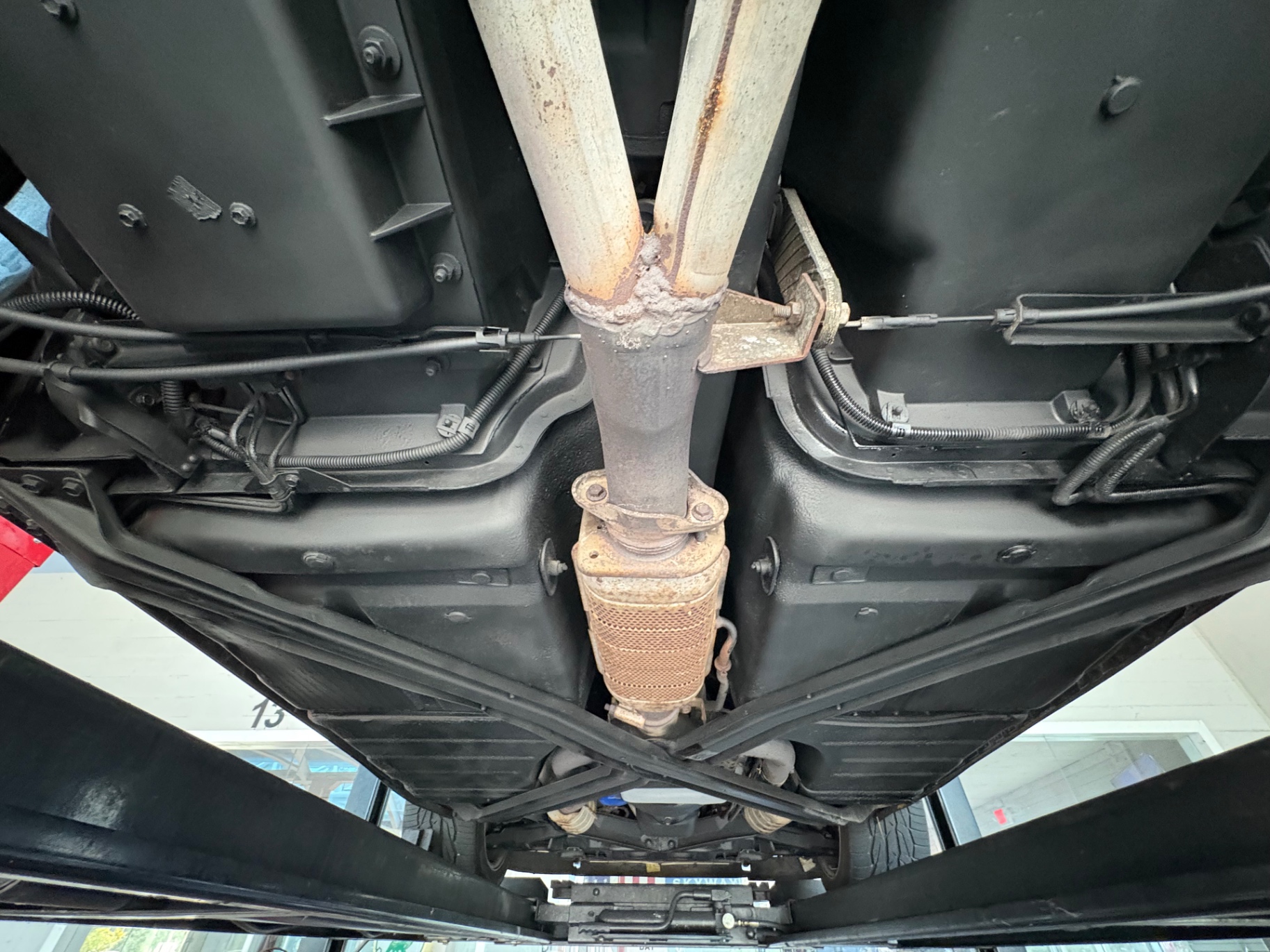
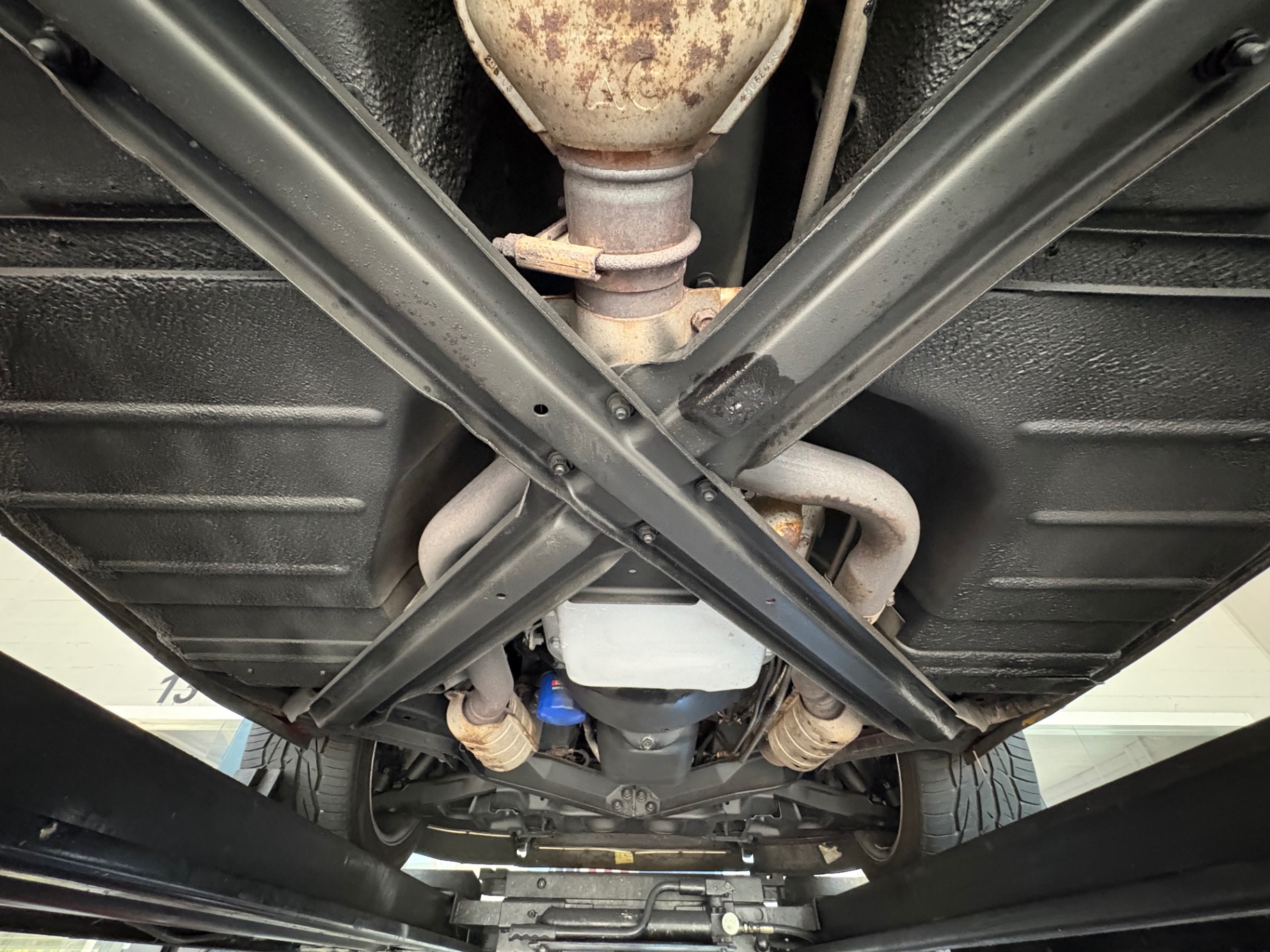
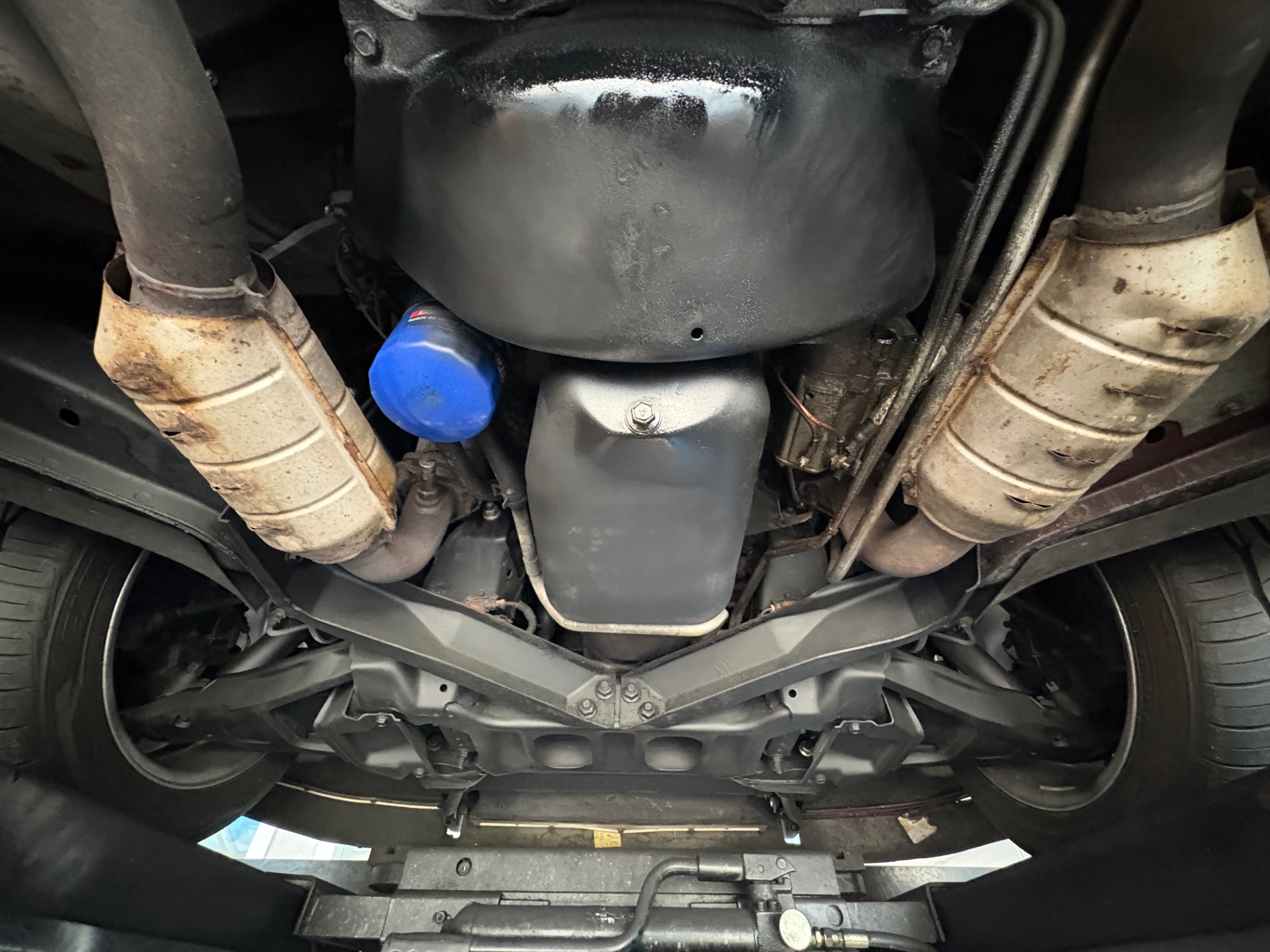
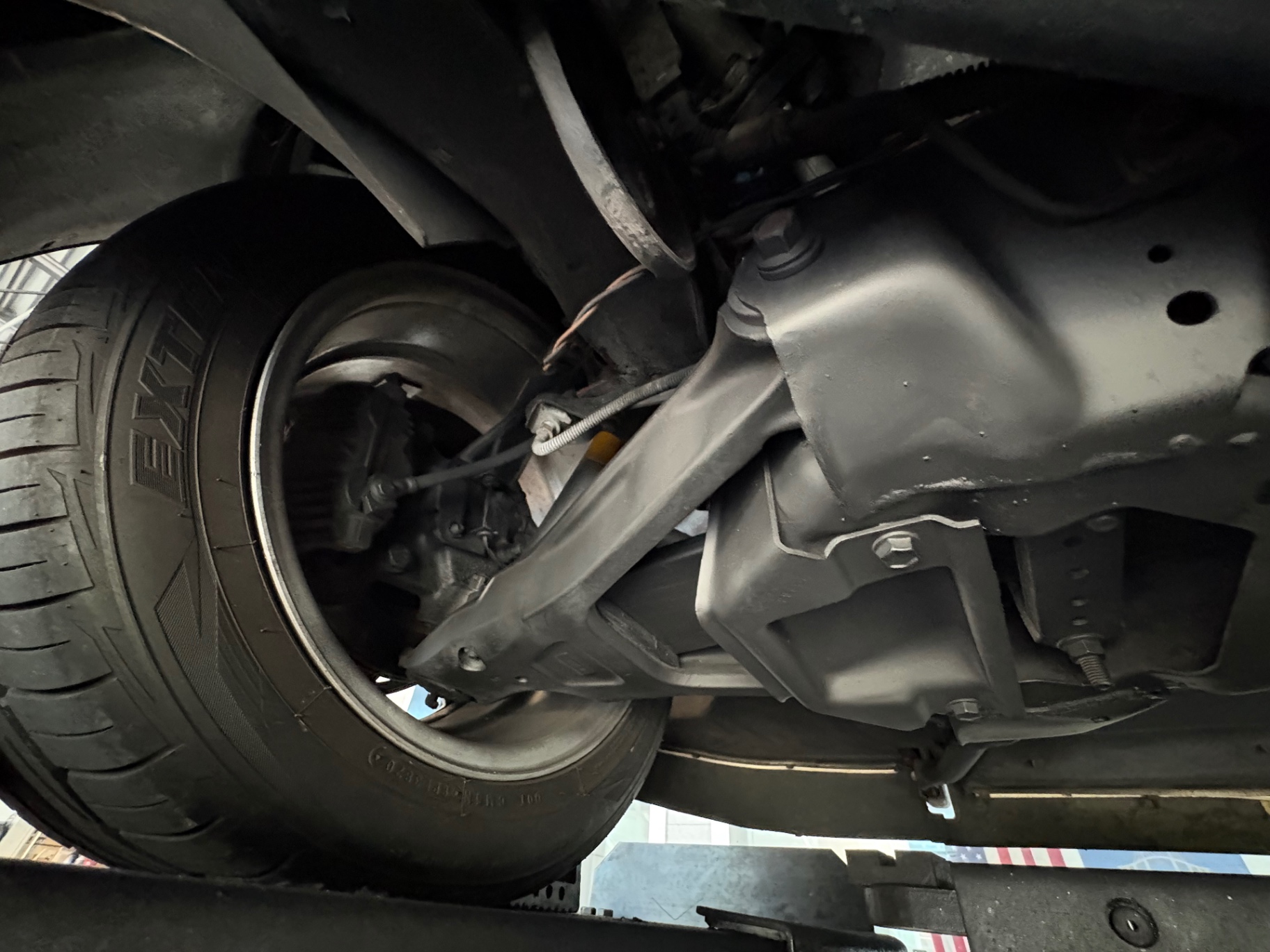
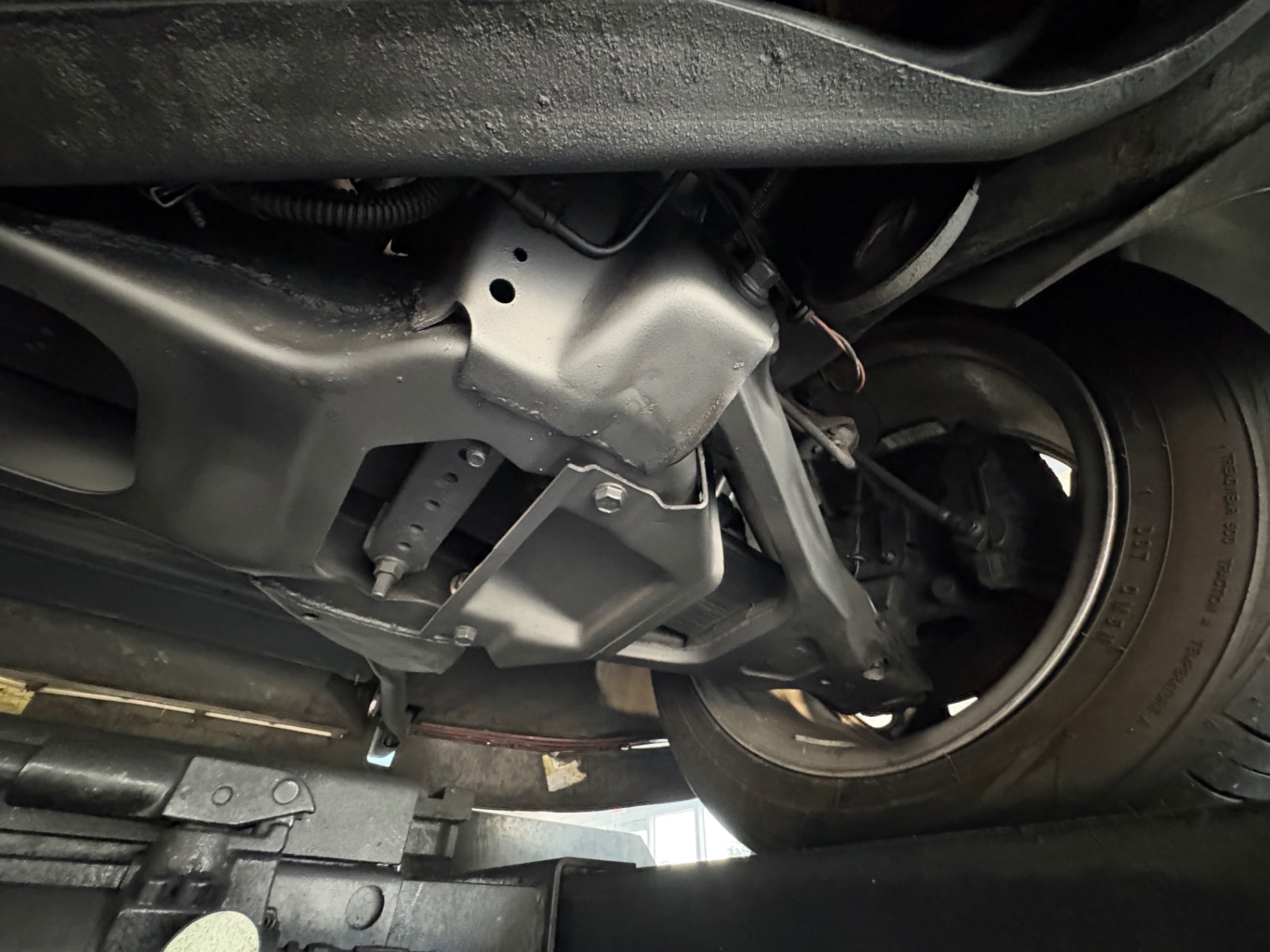
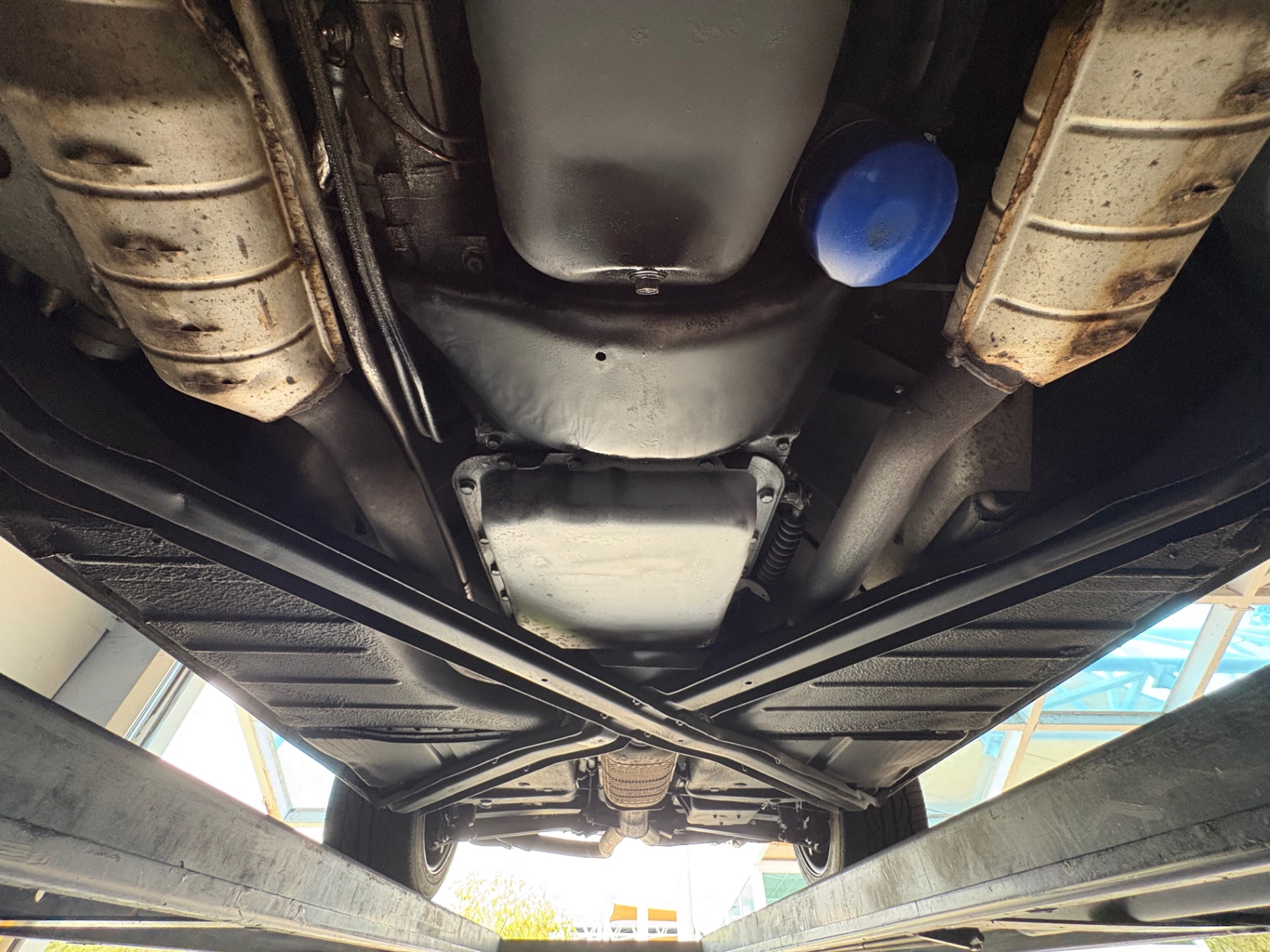
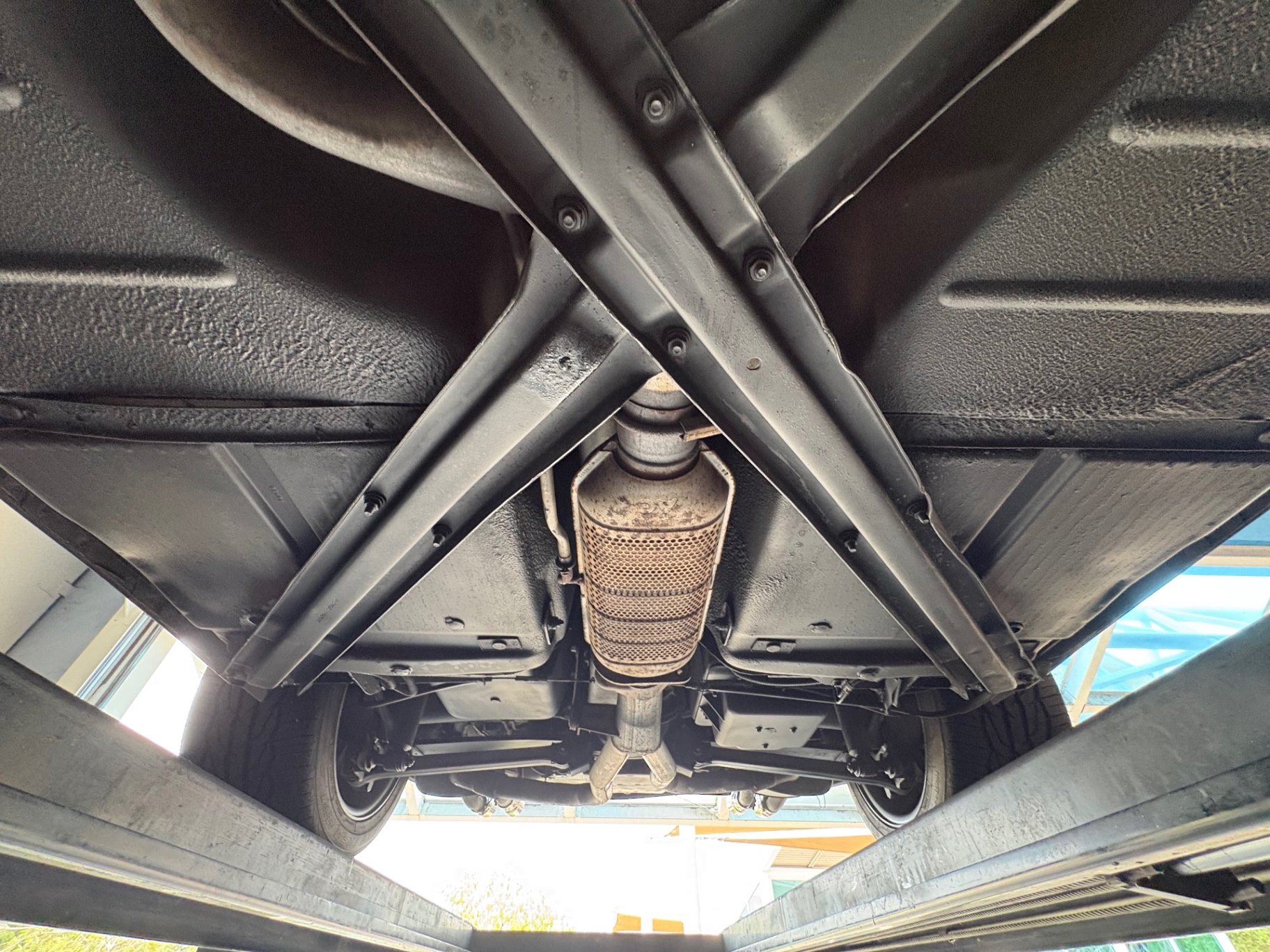
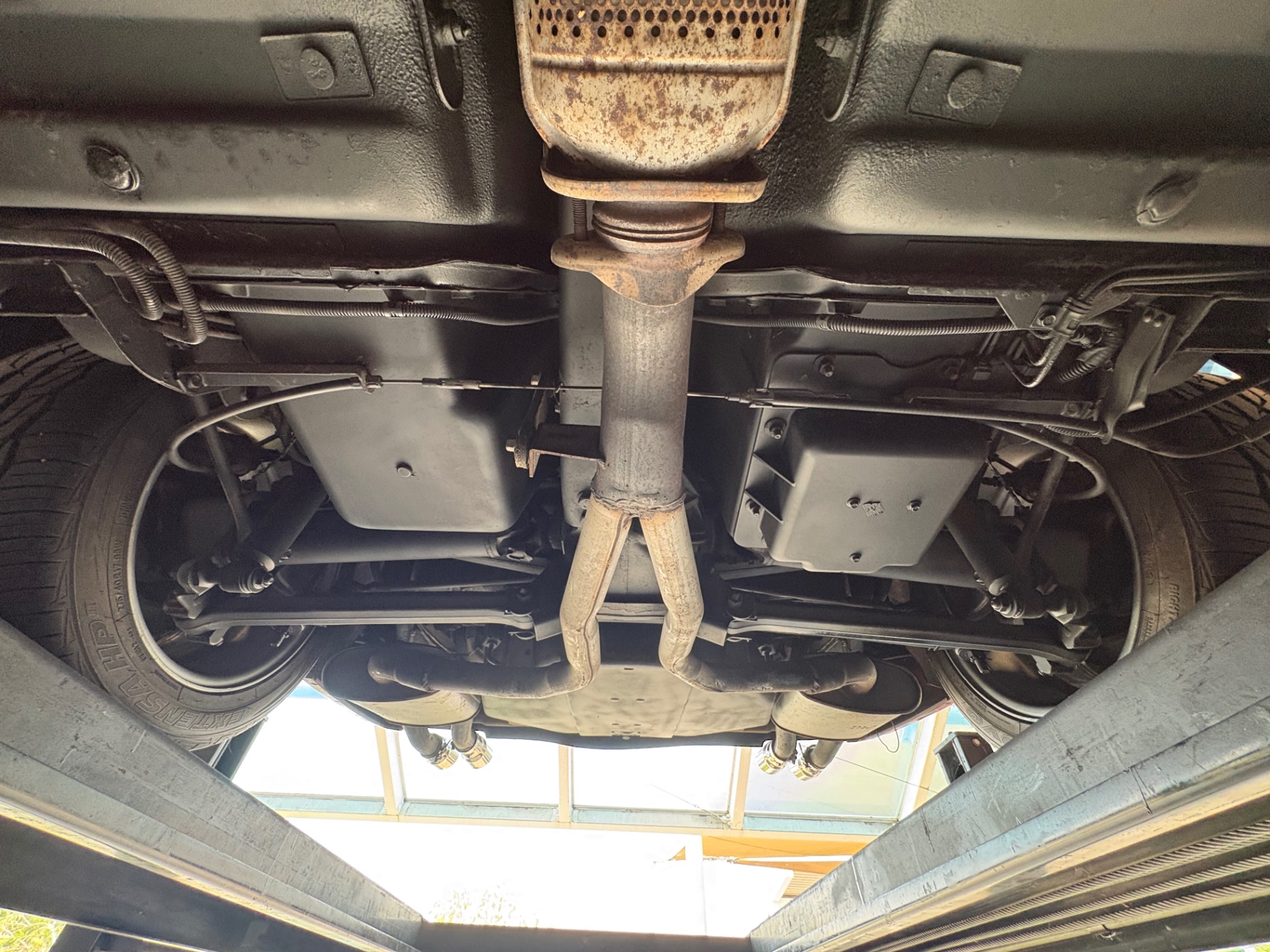
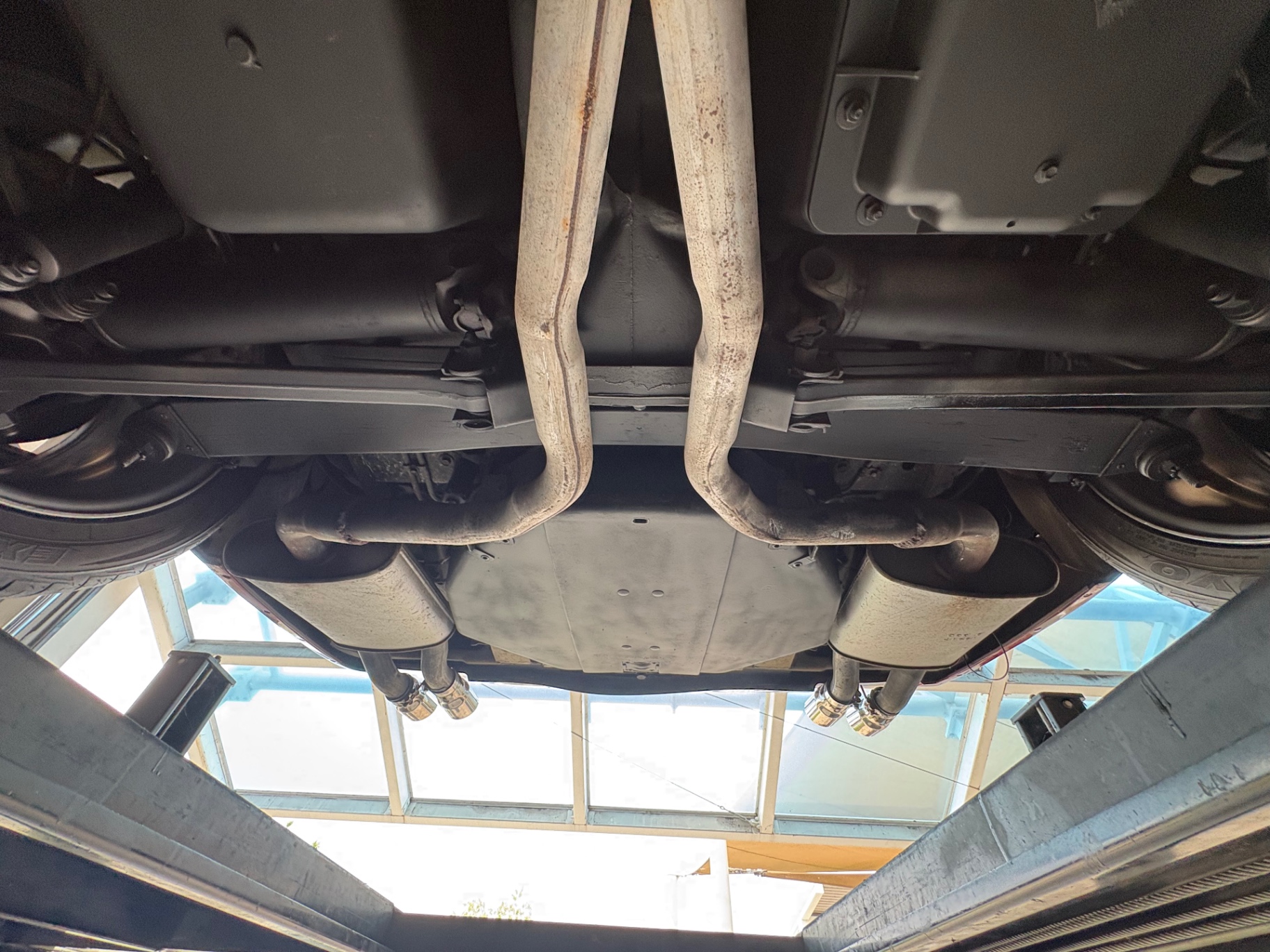
Underneath, the 1988 Corvette rides on its fully independent rear suspension, a C4 hallmark that set the car apart from most American performance cars of its era. Four-wheel disc brakes are fitted, with rear discs that are mounted inboard at the differential rather than at the wheel hubs — a layout Corvette used throughout the C4 generation. The undercarriage itself is clean, with no visible rot or serious corrosion, which is the first thing a knowledgeable buyer looks for on any car that spent its life in a warm, coastal state. The underside photos show a car that has been maintained rather than neglected. The dual exhaust exits through four polished stainless steel tips at the rear valance — a setup that looks correct and sounds better than stock.
Interior
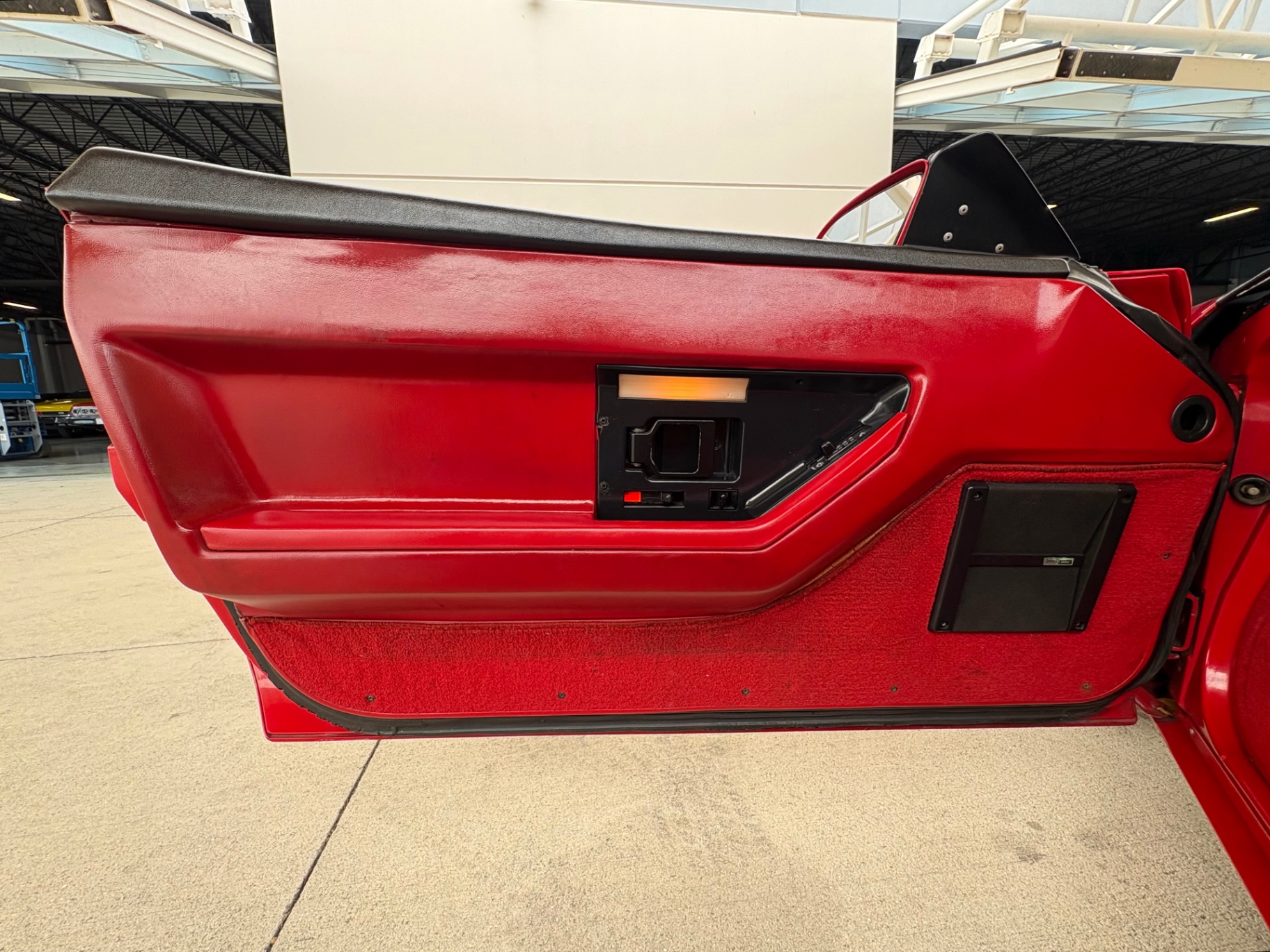
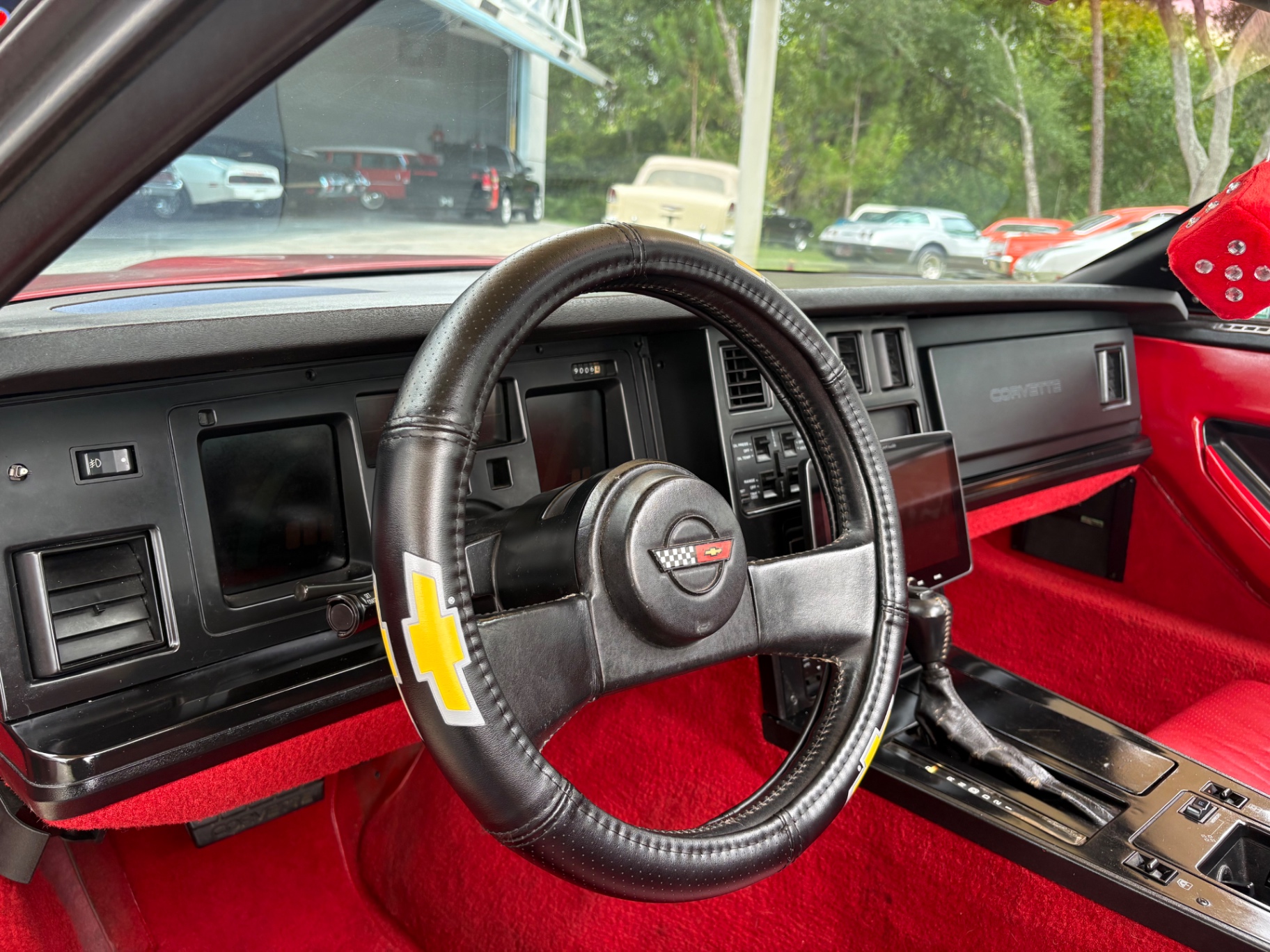
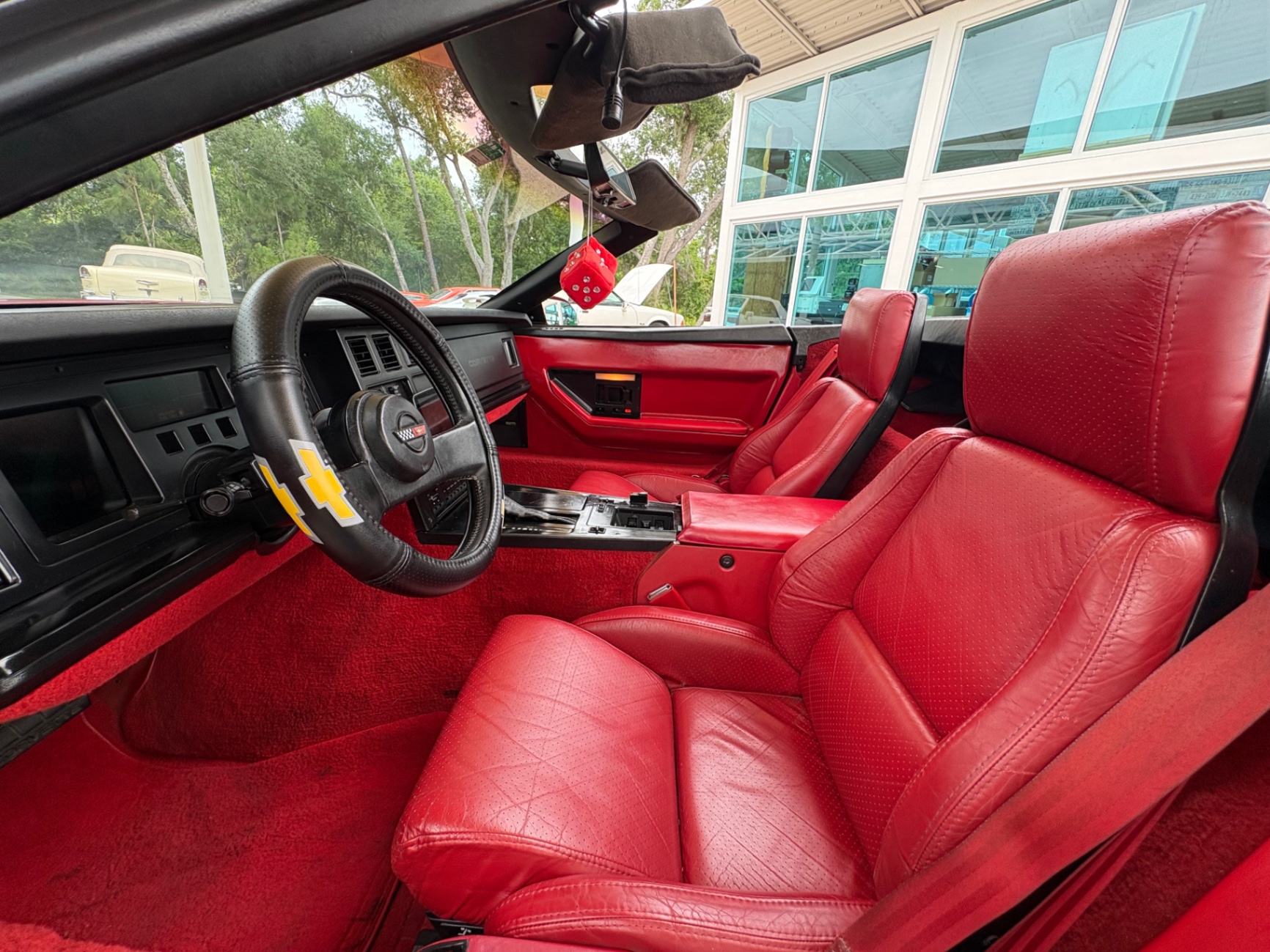
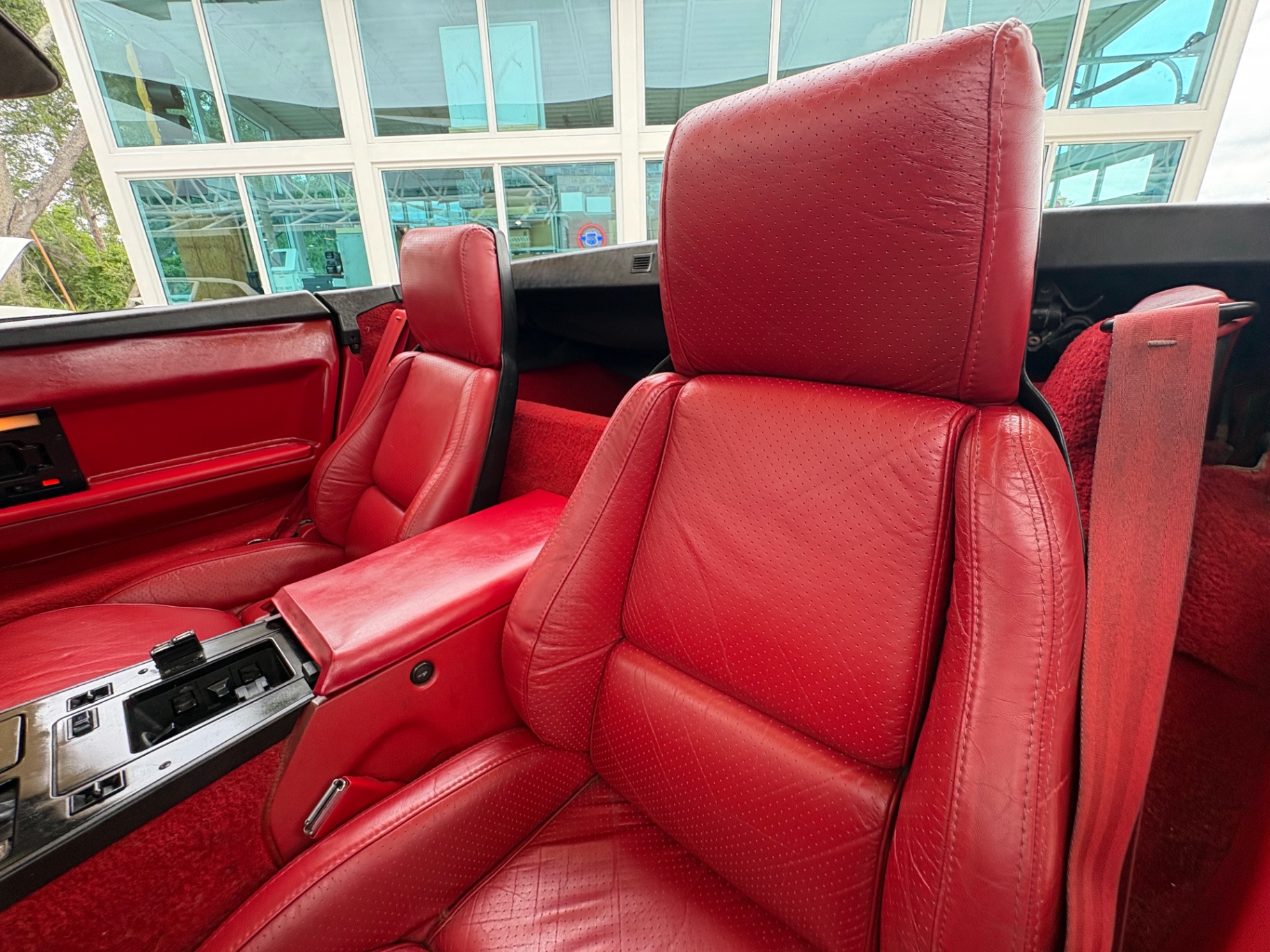
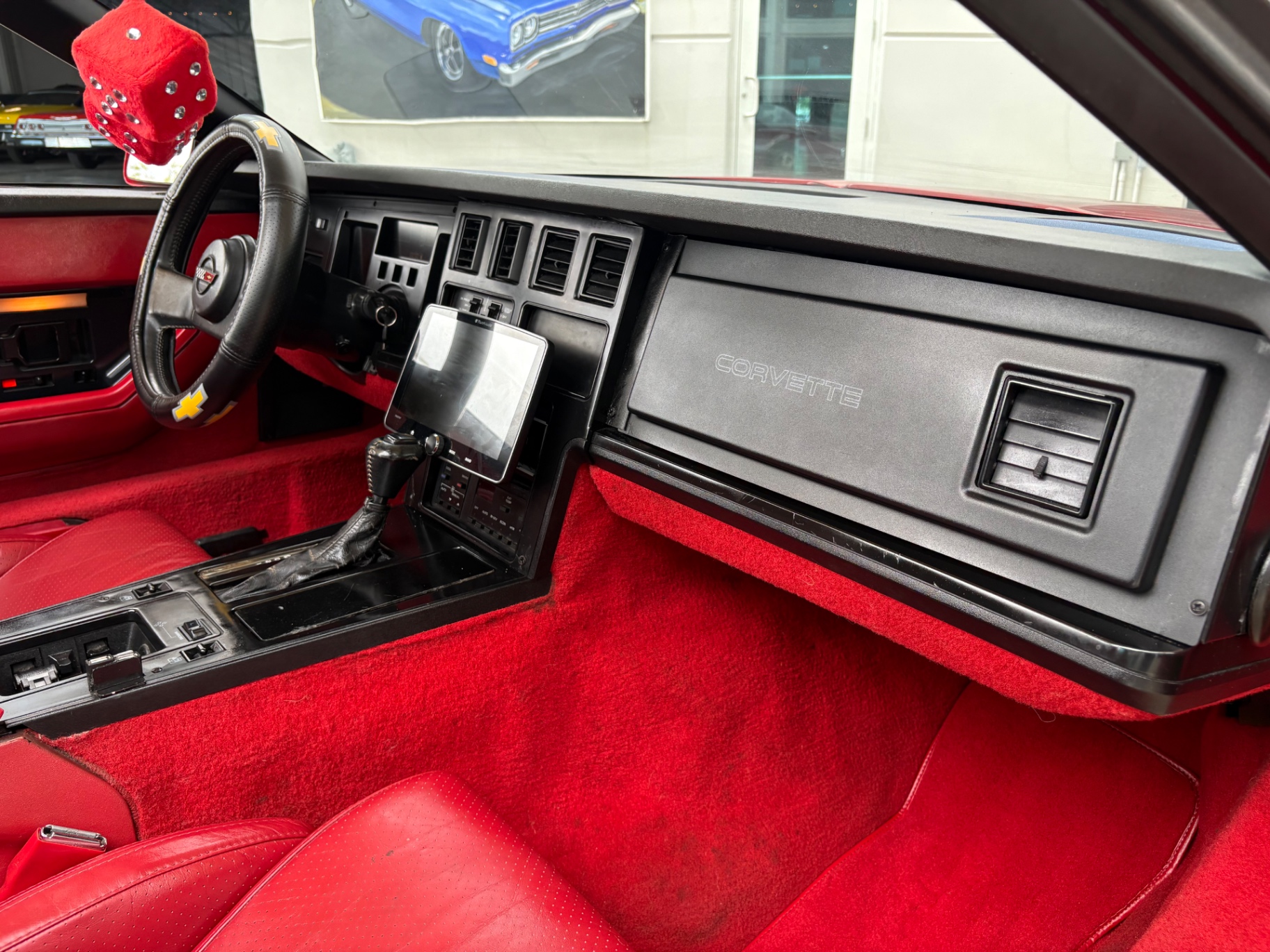
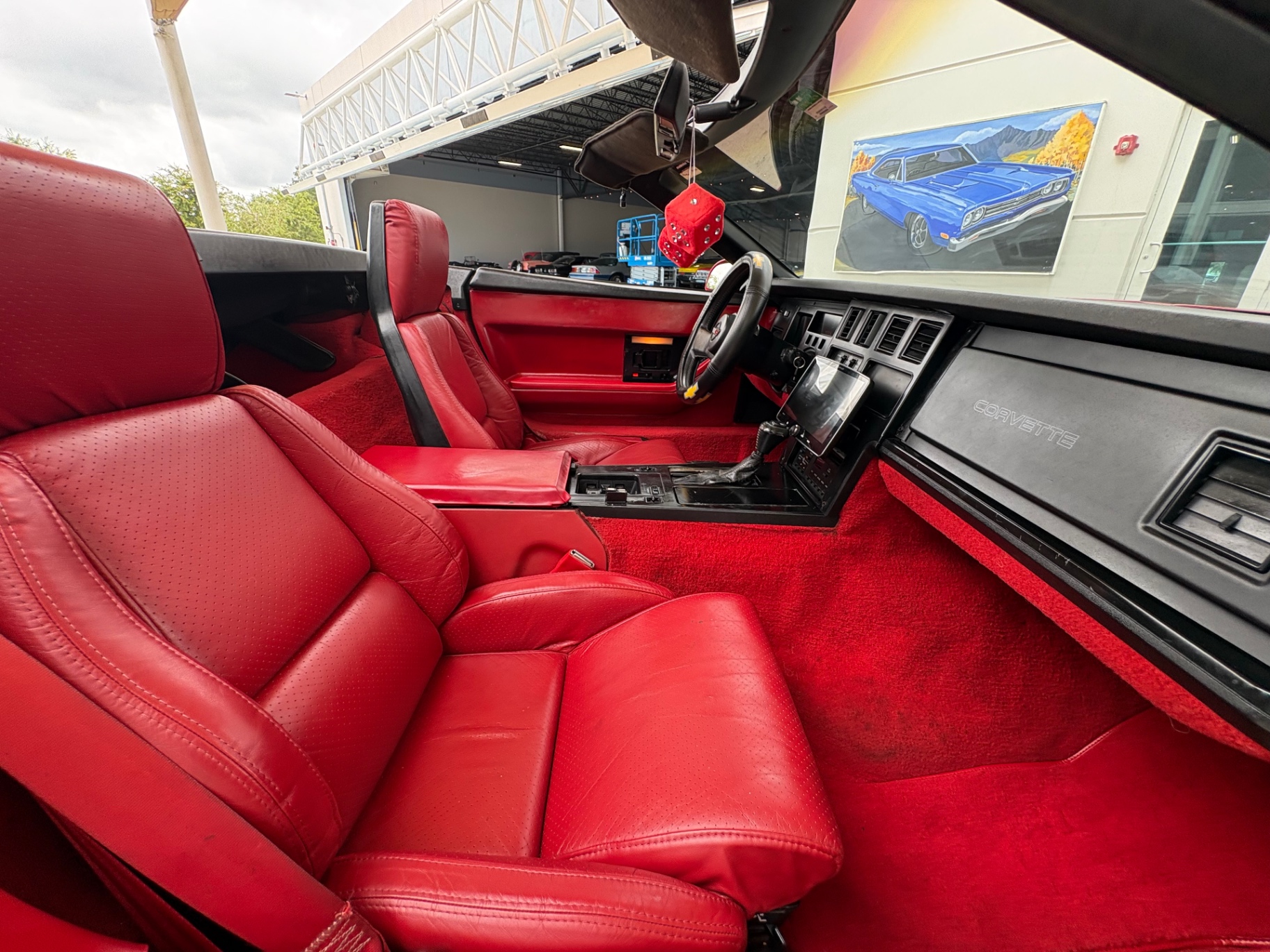
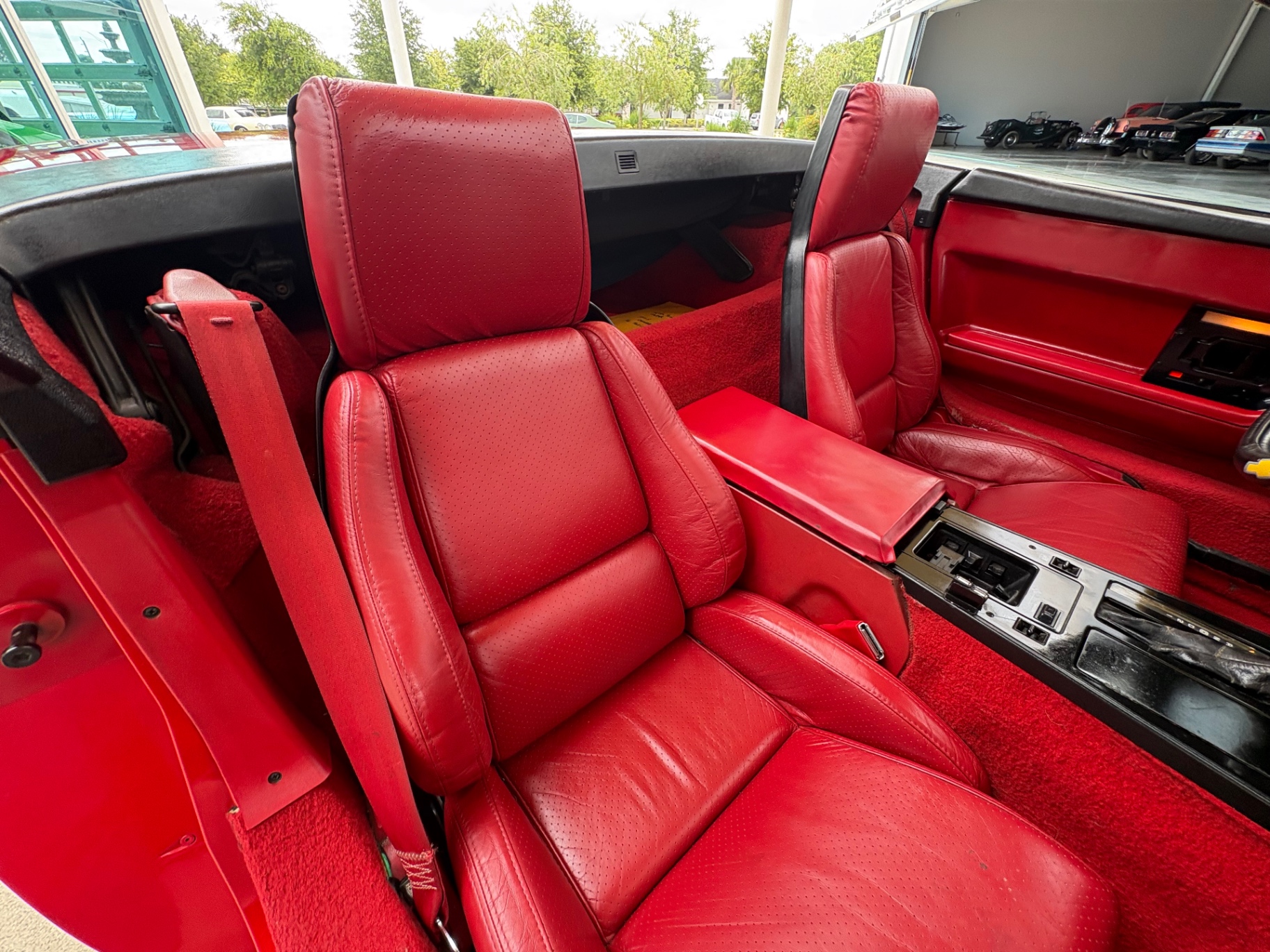
The interior of this 1988 Chevrolet Corvette is done entirely in red leather, and the photos show a cabin that has held up well. The bucket seats are upholstered in red leather with perforated inserts in the center panels — a factory treatment on C4 Corvettes that provided both visual interest and ventilation. The bolsters show the normal shaping that comes from years of use, but the leather is intact and the red color remains consistent throughout the cabin. The matching red carpet is present on both the floor and the lower door panels, giving the interior a uniform appearance that works well against the black dashboard and console trim.
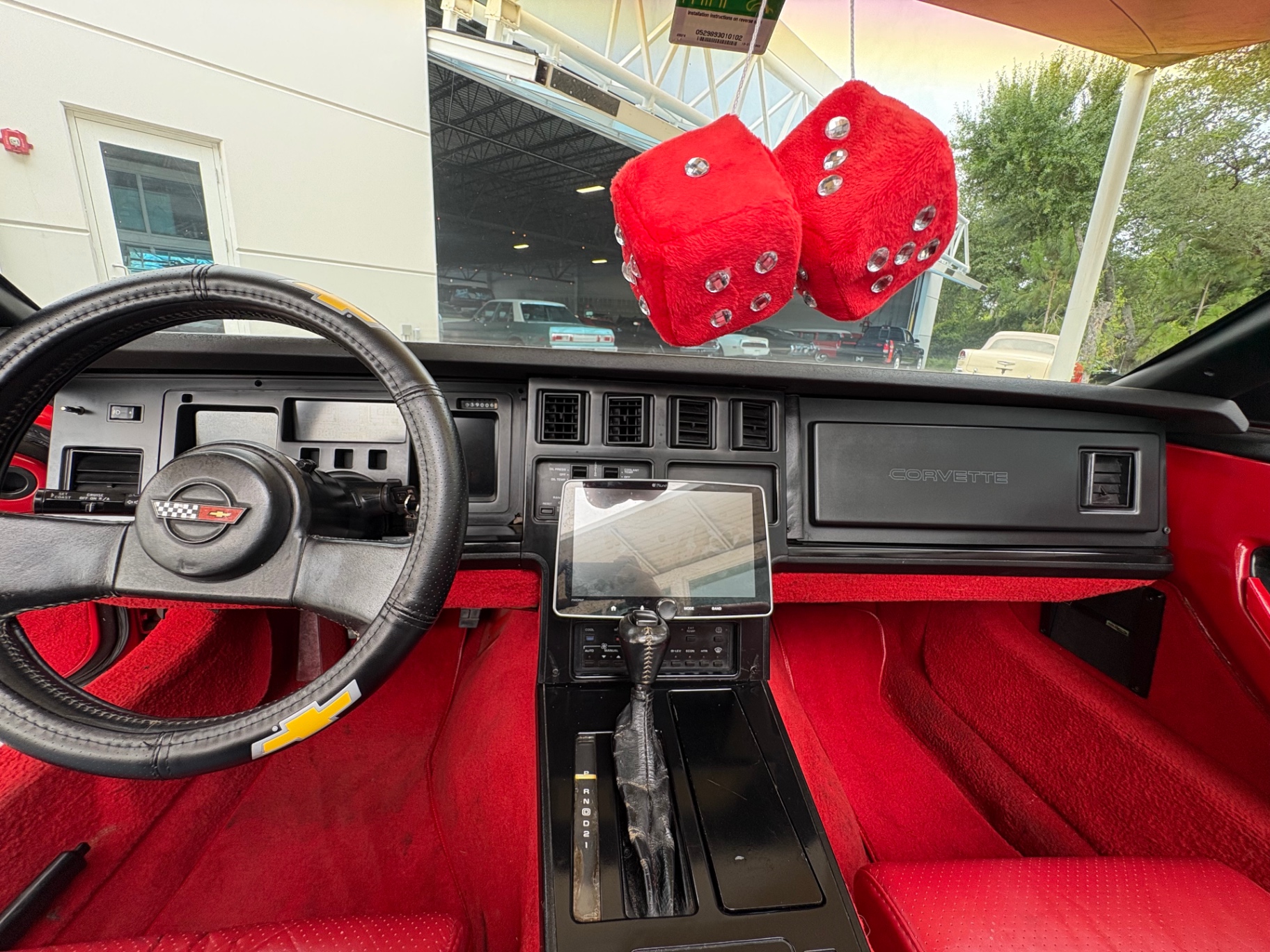
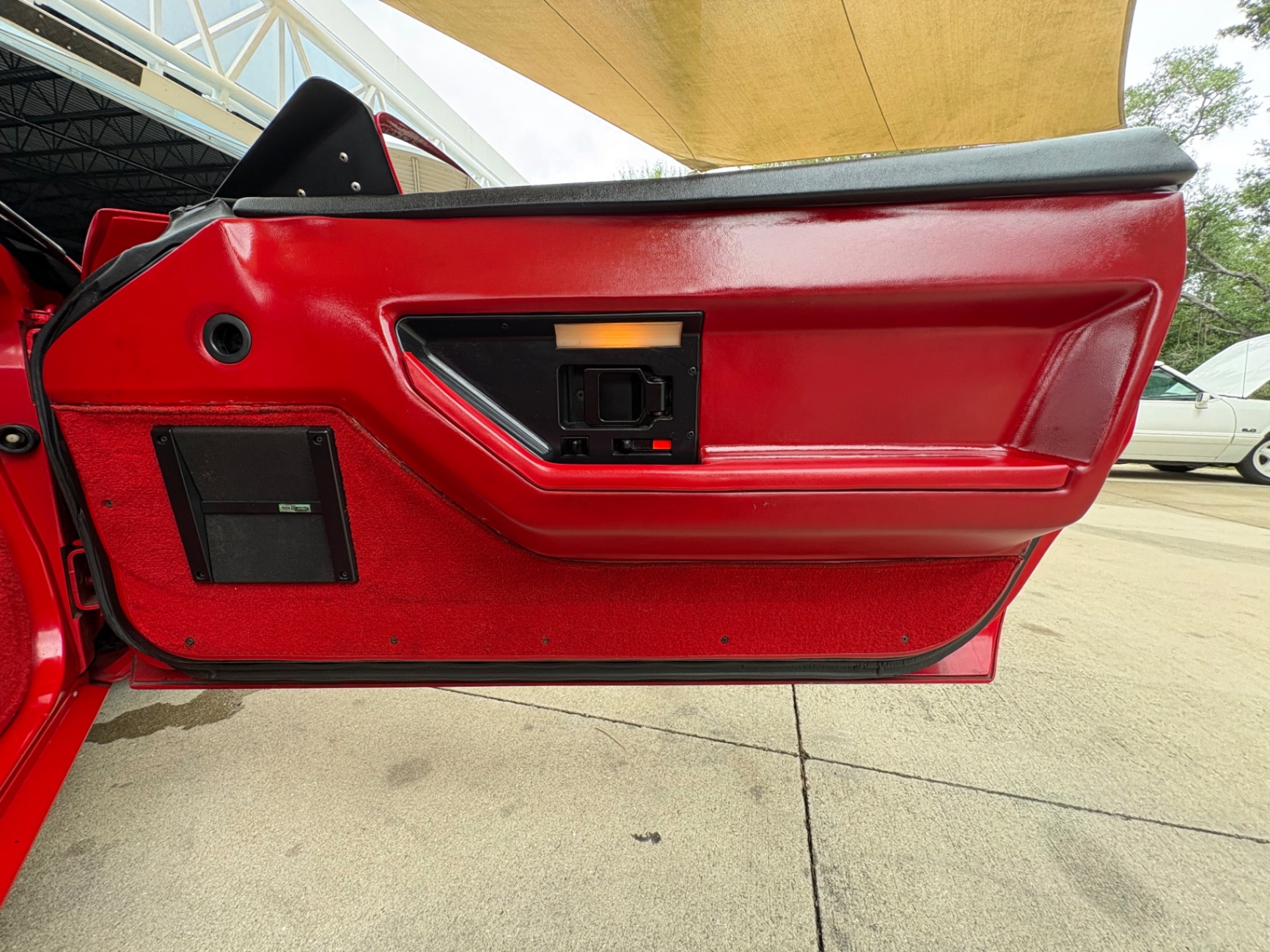
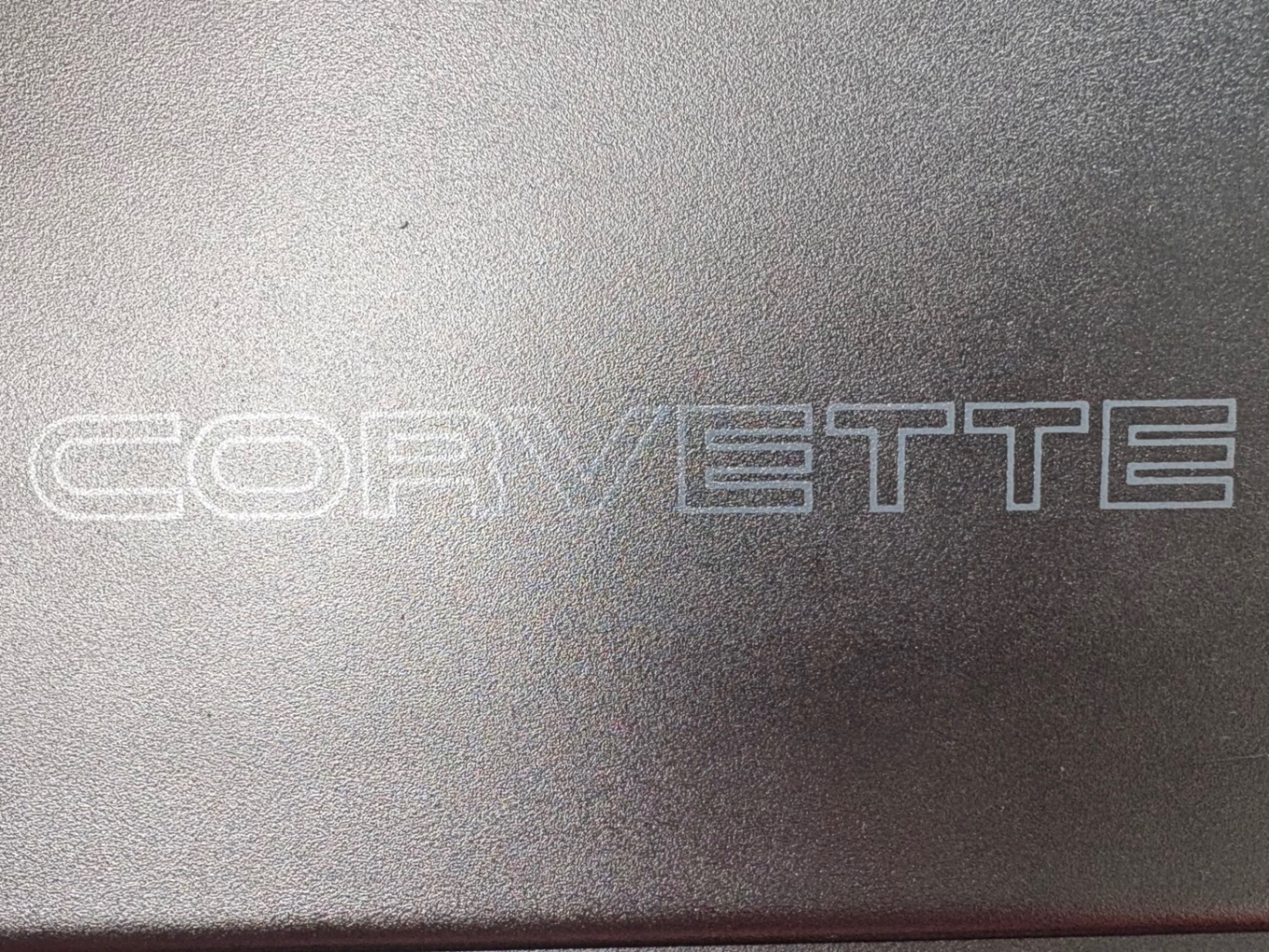
The C4's instrument cluster was a significant departure from previous Corvettes. The 1984 model had introduced an all-digital display that replaced analog gauges entirely, and that digital cluster carried through the 1988 model year. It displays speed, rpm, fuel, temperature, and other data in segmented digital format — very much of its era, and fully functional on this car. The steering wheel is leather-wrapped with the Corvette crossflags emblem at the center, and the center console runs the full length between the two seats, housing the shifter and additional controls. Power windows are fitted, operated from the door-mounted switch panels visible in the interior photos.
Air conditioning was a significant option on 1980s Corvettes, and this car has it. The C4's dash-mounted controls are straightforward, and a working air conditioning system is a practical necessity in a Florida car. The in-dash stereo fills the center of the dash panel, and the overall layout of the interior is exactly what you expect from a late-1980s Corvette — functional, driver-focused, and unmistakably of its decade.
Exterior
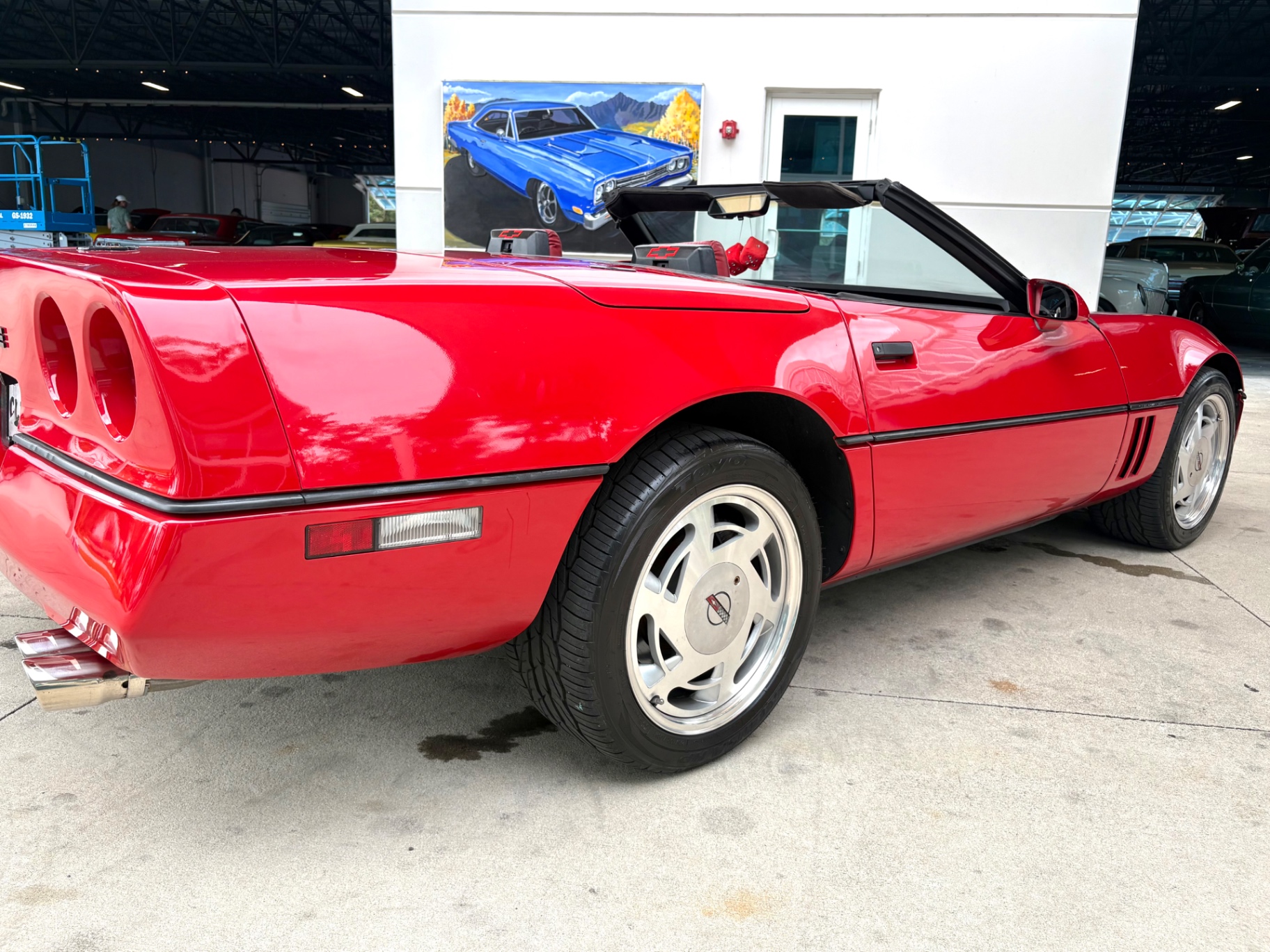
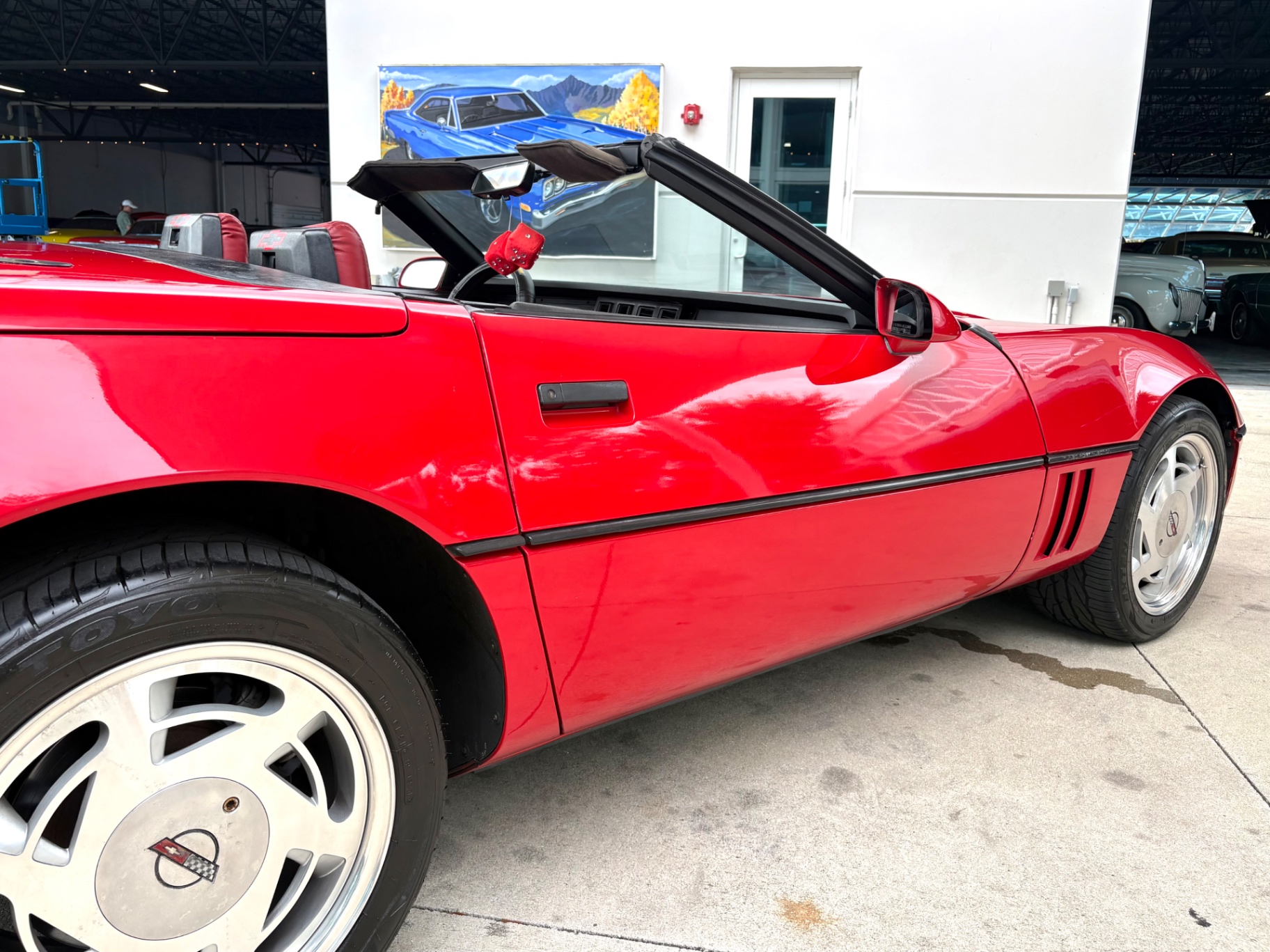
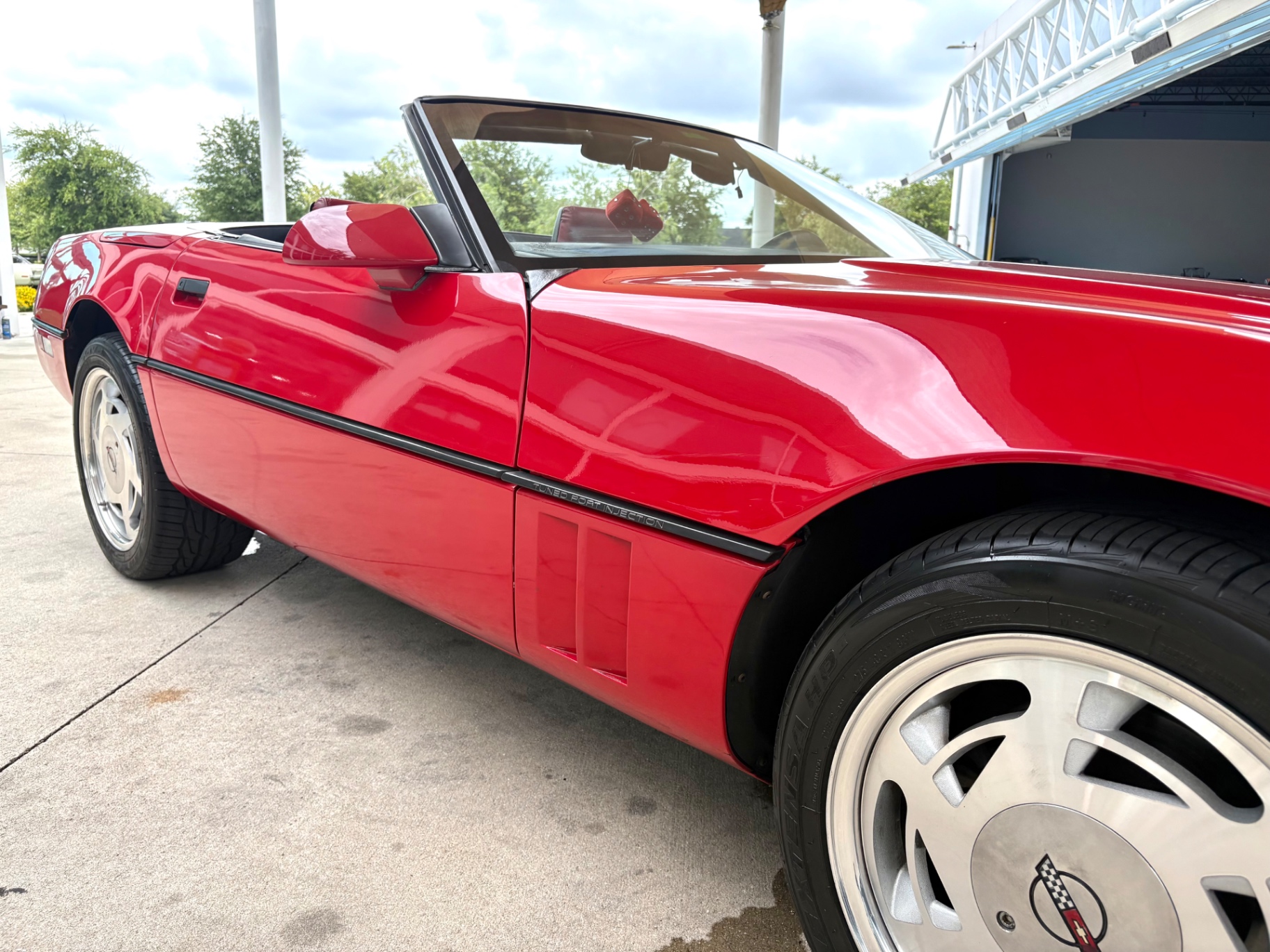
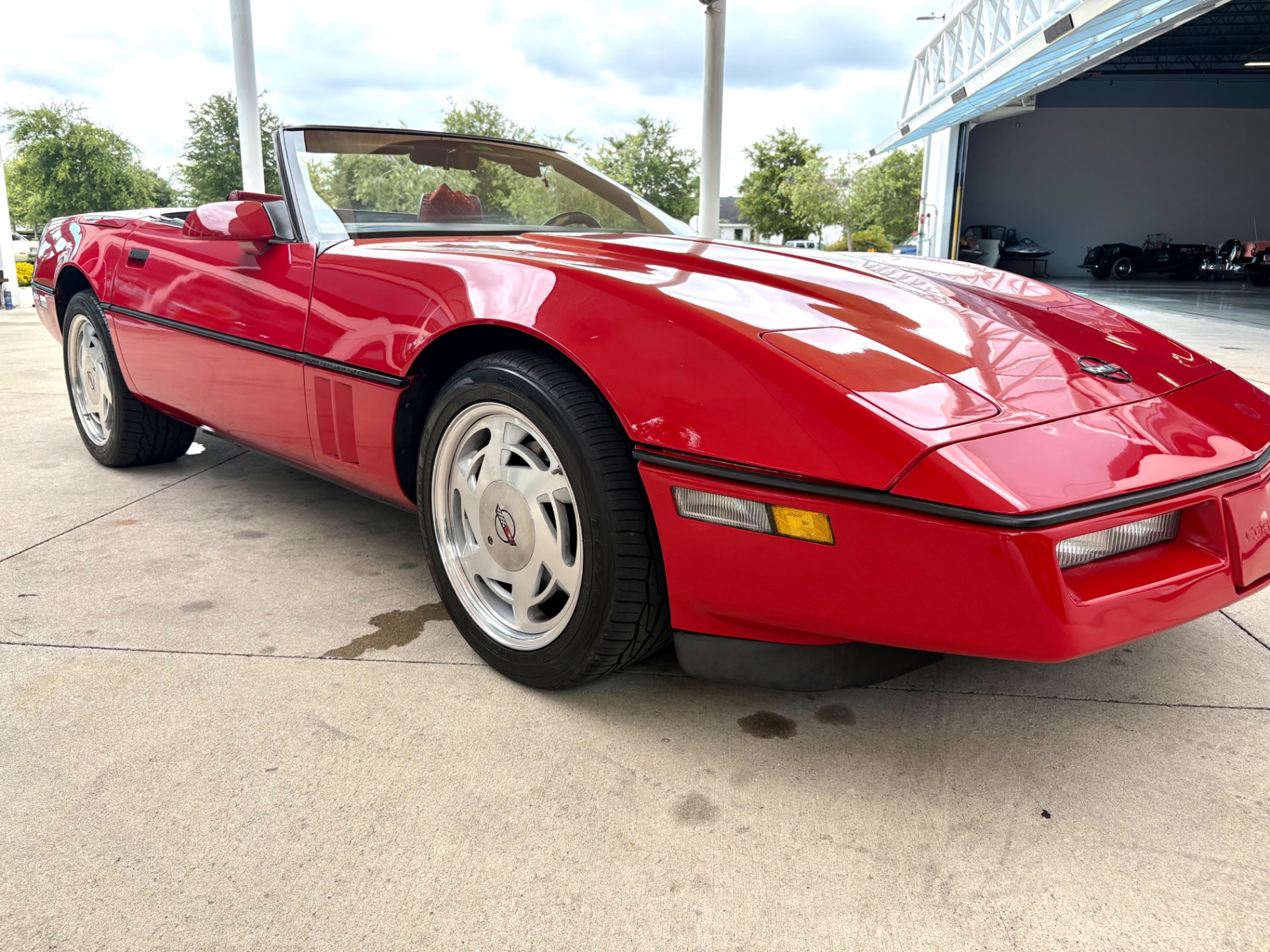
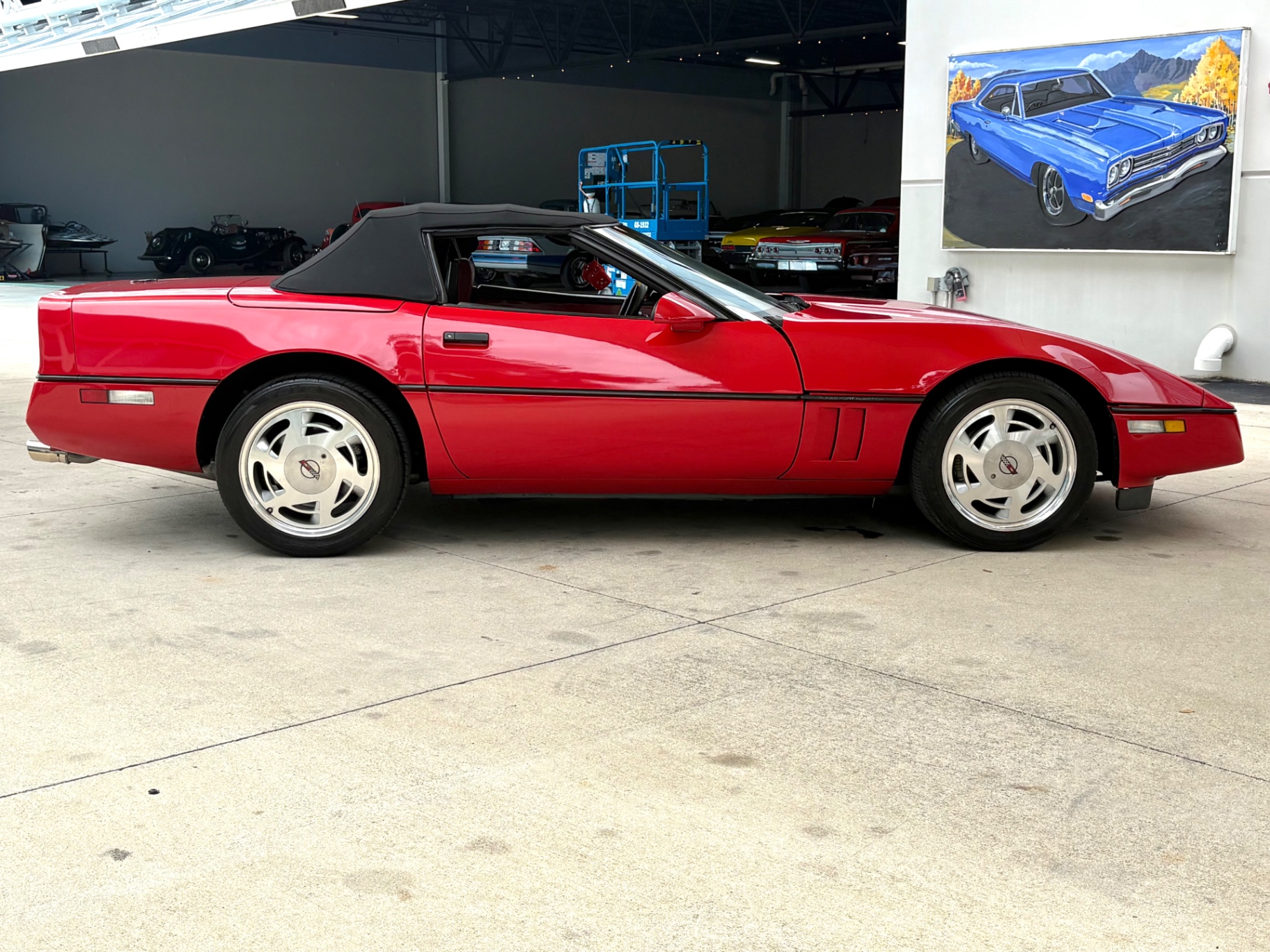
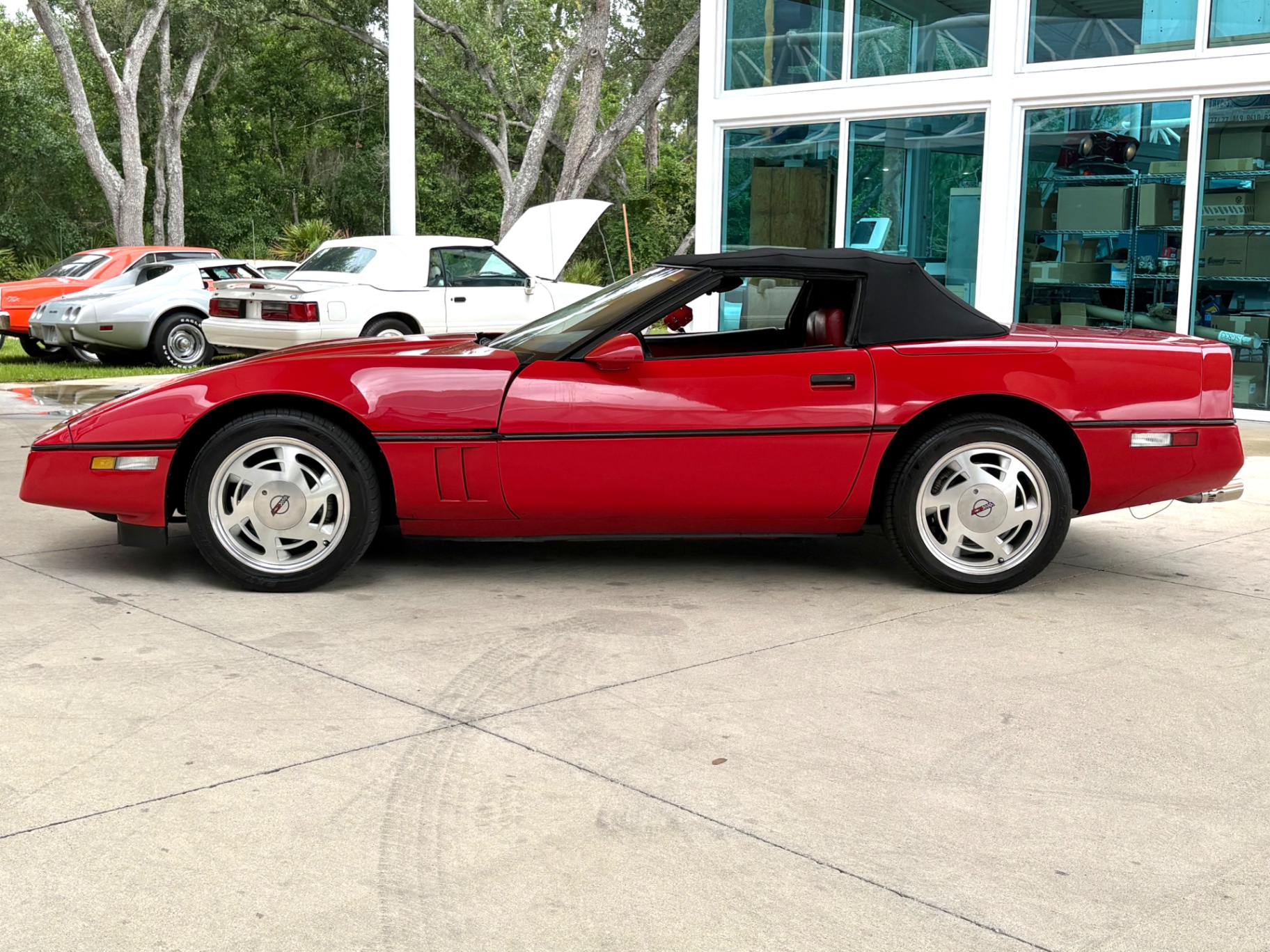
The 1988 Chevrolet Corvette convertible wears red paint across its fiberglass body, and the finish presents well in person and in photos. The C4's body design, penned under designer Jerry Palmer, gave the Corvette a lower, wider stance than the C3 it replaced, with a long hood, flush headlights, and a tapered tail. The convertible version of that body is particularly clean in profile because the absence of a fixed roofline lets the low beltline and the car's overall proportions read without interruption. With the black soft top stowed, the car has a working convertible top in black, which is the correct and most popular configuration for a red C4 convertible.
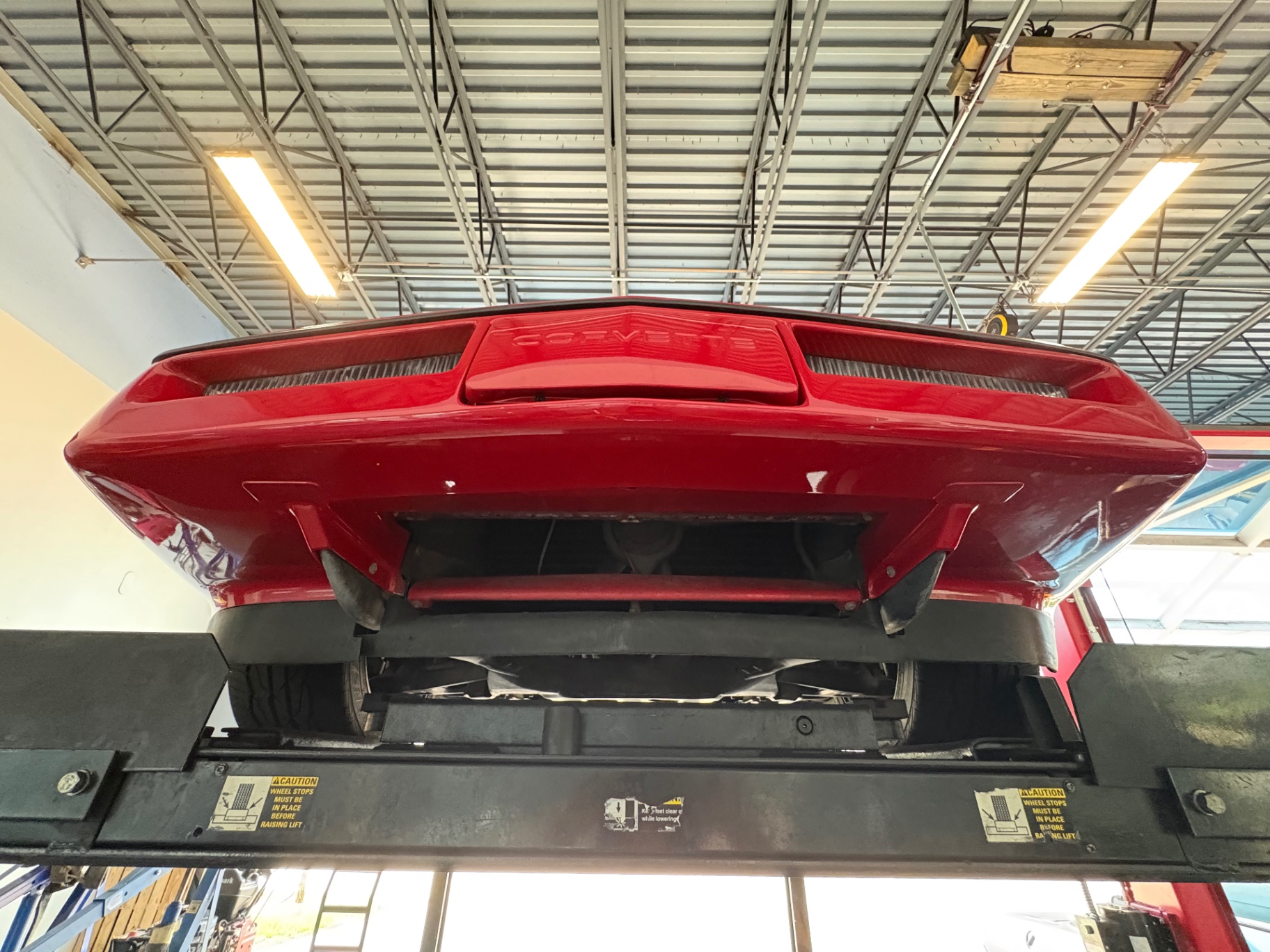
The factory aluminum wheels are the standard C4 five-spoke design, finished in silver with the Corvette center cap. They are correct to the car and proportionally appropriate on the body. The rear of the car exits through the four polished stainless quad tips, which extend below the rear fascia in the classic C4 arrangement. From underneath on the lift, the rear fascia, lower body, and tail panel all show solid, clean fiberglass work with no obvious repairs or damage.
The undercarriage photos tell a useful story about this car's history. The frame rails, crossmembers, and suspension components are coated and presentable — not show-quality bare metal, but also not the rusted, compromised underside you find on Corvettes that spent years in northern states. For a car of this age, a clean Florida undercarriage is a meaningful asset.
Conclusion
The 1988 Chevrolet Corvette convertible occupies a specific and well-regarded spot in the C4 timeline. It has the L98 engine after Chevrolet had sorted out the early teething issues, the fully independent chassis with four-wheel disc brakes, the convertible body that buyers had been asking for since 1975, and a level of build quality that improved steadily through the late 1980s. This particular car adds a polished engine bay, a clean undercarriage, and a fully coordinated red-on-red color combination to that foundation. It is a driver-quality C4 convertible that is ready to use, not a project that requires sorting before it can be enjoyed.
To get more information or to schedule a time to see this 1988 Chevrolet Corvette convertible in person, call Skyway Classics at 941-254-6608. We are located in Sarasota, Florida, and we are happy to answer questions, arrange inspections, and assist with transport nationwide.
Disclaimer
Information found on the website is presented as given to us by the owner of the car, whether on consignment or from the owner we bought it from. Some Photos, materials for videos, descriptions and other information are provided by the consignor/seller and is deemed reliable, but Skyway Classics does not warranty or guarantee this information. Skyway Classics is not responsible for information that may incorrect or a publishing error. The decision to purchase should be based solely on the buyers personal inspection of the vehicle or by a professional inspection service prior to offer or purchase being made.
1988 Chevrolet Corvette Convertible — L98 5.7L TPI V8, Red on Red, Clean Florida Car
Why This Car Is Special
The fourth-generation Corvette, introduced for 1984, represented a fundamental rethinking of what the Corvette could be. By 1988, the C4 had matured into a genuinely capable sports car — refined enough for daily use, fast enough to embarrass most of what else was on the road. The 1988 Chevrolet Corvette convertible is a particularly desirable variant of that generation because the ragtop body style had only returned to the lineup in 1986, after a ten-year absence. Buyers who wanted an open-air Corvette with the fully developed L98 engine and a sorted-out platform gravitated toward the 1987-1989 window, and for good reason.
The L98 engine — a 5.7-liter V8 displacing 350 cubic inches — used Tuned Port Injection, a system that Chevrolet developed to deliver smooth, linear power across a wide rpm band rather than a peaky, hard-to-drive powerband. In 1988 trim, the L98 produced 245 horsepower and 340 lb-ft of torque. Those numbers look modest today, but the torque curve was broad and usable, and the Tuned Port Injection system gave the engine a throttle response that carbureted V8s of the same era simply could not match. The tall, individual runner intake manifold sitting on top of this engine is one of the most recognizable engine bay sights of the 1980s, and on this car it has been treated to a full polish, making it a visual centerpiece under the hood.
For 1988 specifically, Chevrolet made an important chassis upgrade: the adoption of a 17-inch wheel and tire package, along with Selective Ride Control as an option. The 1988 Corvette also received improved brakes. These were meaningful engineering updates, not cosmetic ones, and they mark the 1988 model as a step forward from the 1986 and 1987 convertibles in terms of overall driving capability. The convertible body style, which had returned for 1986, was built on a reinforced chassis developed specifically for open-top use — Chevrolet did not simply cut the roof off the coupe.
This particular 1988 Chevrolet Corvette is finished in red over a full red leather interior, making it one of the more visually cohesive color combinations the C4 was offered in. The car presents as a driver-quality example with notable engine bay detailing and a clean undercarriage, which is especially meaningful for Florida cars that spent decades in a humid, salt-air environment.
Features List
- L98 5.7-liter (350 cubic inch) Tuned Port Injection V8
- 4-Speed Automatic Transmission
- Tuned Port Injection badge
- Polished TPI intake manifold
- Polished valve covers with red accent fins
- Chrome alternator
- Dual exhaust with quad polished stainless steel tips
- Independent rear suspension with rear disc brakes
- Factory aluminum wheels
- Black convertible soft top
- Power steering and power brakes
- Air conditioning
- Power windows
- Red leather bucket seats with perforated inserts
- Leather-wrapped steering wheel
- Center console
- Digital instrument cluster
- In-dash stereo
- Clean undercarriage
Mechanical
The heart of this 1988 Chevrolet Corvette is the L98 5.7-liter V8, fed by the Tuned Port Injection system that Chevrolet refined throughout the C4 generation. The TPI setup uses long individual runners to maximize low-end torque, which is why these engines feel so strong at street speeds. At 245 horsepower and 340 lb-ft of torque, the L98 in 1988 trim was a genuine improvement over the 230-horsepower version that launched the C4 in 1984. Paired with the 4-speed automatic transmission, this is an effortless car to drive hard in traffic or on the highway.
The engine bay on this car has received cosmetic attention that goes well beyond what was factory. The TPI intake manifold has been polished to a mirror finish, the valve covers have been polished and painted with red accent stripes that echo the car's exterior color, and the alternator has been chromed. These details add up to an engine bay that is genuinely worth opening at a car show. None of this work alters the mechanical function of the engine — the L98 remains mechanically stock — but it reflects the care that went into presenting this car.
Underneath, the 1988 Corvette rides on its fully independent rear suspension, a C4 hallmark that set the car apart from most American performance cars of its era. Four-wheel disc brakes are fitted, with rear discs that are mounted inboard at the differential rather than at the wheel hubs — a layout Corvette used throughout the C4 generation. The undercarriage itself is clean, with no visible rot or serious corrosion, which is the first thing a knowledgeable buyer looks for on any car that spent its life in a warm, coastal state. The underside photos show a car that has been maintained rather than neglected. The dual exhaust exits through four polished stainless steel tips at the rear valance — a setup that looks correct and sounds better than stock.
Interior
The interior of this 1988 Chevrolet Corvette is done entirely in red leather, and the photos show a cabin that has held up well. The bucket seats are upholstered in red leather with perforated inserts in the center panels — a factory treatment on C4 Corvettes that provided both visual interest and ventilation. The bolsters show the normal shaping that comes from years of use, but the leather is intact and the red color remains consistent throughout the cabin. The matching red carpet is present on both the floor and the lower door panels, giving the interior a uniform appearance that works well against the black dashboard and console trim.
The C4's instrument cluster was a significant departure from previous Corvettes. The 1984 model had introduced an all-digital display that replaced analog gauges entirely, and that digital cluster carried through the 1988 model year. It displays speed, rpm, fuel, temperature, and other data in segmented digital format — very much of its era, and fully functional on this car. The steering wheel is leather-wrapped with the Corvette crossflags emblem at the center, and the center console runs the full length between the two seats, housing the shifter and additional controls. Power windows are fitted, operated from the door-mounted switch panels visible in the interior photos.
Air conditioning was a significant option on 1980s Corvettes, and this car has it. The C4's dash-mounted controls are straightforward, and a working air conditioning system is a practical necessity in a Florida car. The in-dash stereo fills the center of the dash panel, and the overall layout of the interior is exactly what you expect from a late-1980s Corvette — functional, driver-focused, and unmistakably of its decade.
Exterior
The 1988 Chevrolet Corvette convertible wears red paint across its fiberglass body, and the finish presents well in person and in photos. The C4's body design, penned under designer Jerry Palmer, gave the Corvette a lower, wider stance than the C3 it replaced, with a long hood, flush headlights, and a tapered tail. The convertible version of that body is particularly clean in profile because the absence of a fixed roofline lets the low beltline and the car's overall proportions read without interruption. With the black soft top stowed, the car has a working convertible top in black, which is the correct and most popular configuration for a red C4 convertible.
The factory aluminum wheels are the standard C4 five-spoke design, finished in silver with the Corvette center cap. They are correct to the car and proportionally appropriate on the body. The rear of the car exits through the four polished stainless quad tips, which extend below the rear fascia in the classic C4 arrangement. From underneath on the lift, the rear fascia, lower body, and tail panel all show solid, clean fiberglass work with no obvious repairs or damage.
The undercarriage photos tell a useful story about this car's history. The frame rails, crossmembers, and suspension components are coated and presentable — not show-quality bare metal, but also not the rusted, compromised underside you find on Corvettes that spent years in northern states. For a car of this age, a clean Florida undercarriage is a meaningful asset.
Conclusion
The 1988 Chevrolet Corvette convertible occupies a specific and well-regarded spot in the C4 timeline. It has the L98 engine after Chevrolet had sorted out the early teething issues, the fully independent chassis with four-wheel disc brakes, the convertible body that buyers had been asking for since 1975, and a level of build quality that improved steadily through the late 1980s. This particular car adds a polished engine bay, a clean undercarriage, and a fully coordinated red-on-red color combination to that foundation. It is a driver-quality C4 convertible that is ready to use, not a project that requires sorting before it can be enjoyed.
To get more information or to schedule a time to see this 1988 Chevrolet Corvette convertible in person, call Skyway Classics at 941-254-6608. We are located in Sarasota, Florida, and we are happy to answer questions, arrange inspections, and assist with transport nationwide.
Disclaimer
Information found on the website is presented as given to us by the owner of the car, whether on consignment or from the owner we bought it from. Some Photos, materials for videos, descriptions and other information are provided by the consignor/seller and is deemed reliable, but Skyway Classics does not warranty or guarantee this information. Skyway Classics is not responsible for information that may incorrect or a publishing error. The decision to purchase should be based solely on the buyers personal inspection of the vehicle or by a professional inspection service prior to offer or purchase being made.
1988 Chevrolet
Corvette Base
Why Choose Skyway Classics?
Explore our curated inventory of classic and collector cars—thoughtfully selected, ready to drive, and supported by experts who make ownership simple.
Expert Curation
Every vehicle is hand-selected by our experts for quality, authenticity, and investment potential.
Fast Transactions
Streamlined buying and selling process with quick financing and immediate delivery options.
Only National Dealer With Classic Service & Repair
We’re the only national dealership that services and repairs the classics we sell—before and after the sale.
Nationwide Network
Access to our extensive network of collectors, restorers, and classic car enthusiasts nationwide.
Concierge Ownership Support
From financing and insurance to paperwork, shipping, and titling—we handle the details so you can enjoy the drive.
Passion-Driven Service
We're classic car enthusiasts first, providing personalized service with genuine passion for the hobby.