
1982 Chevrolet
Corvette Base
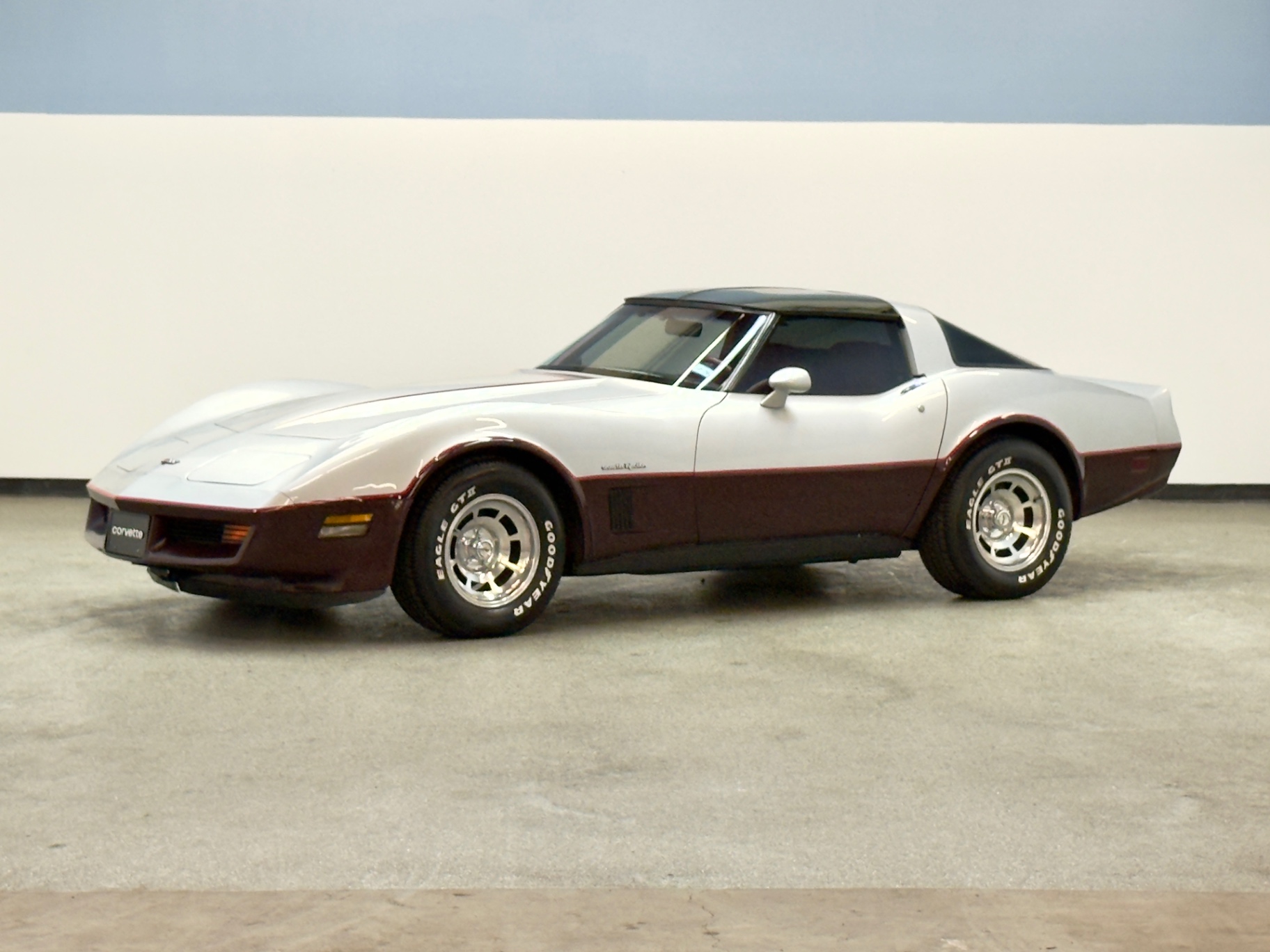
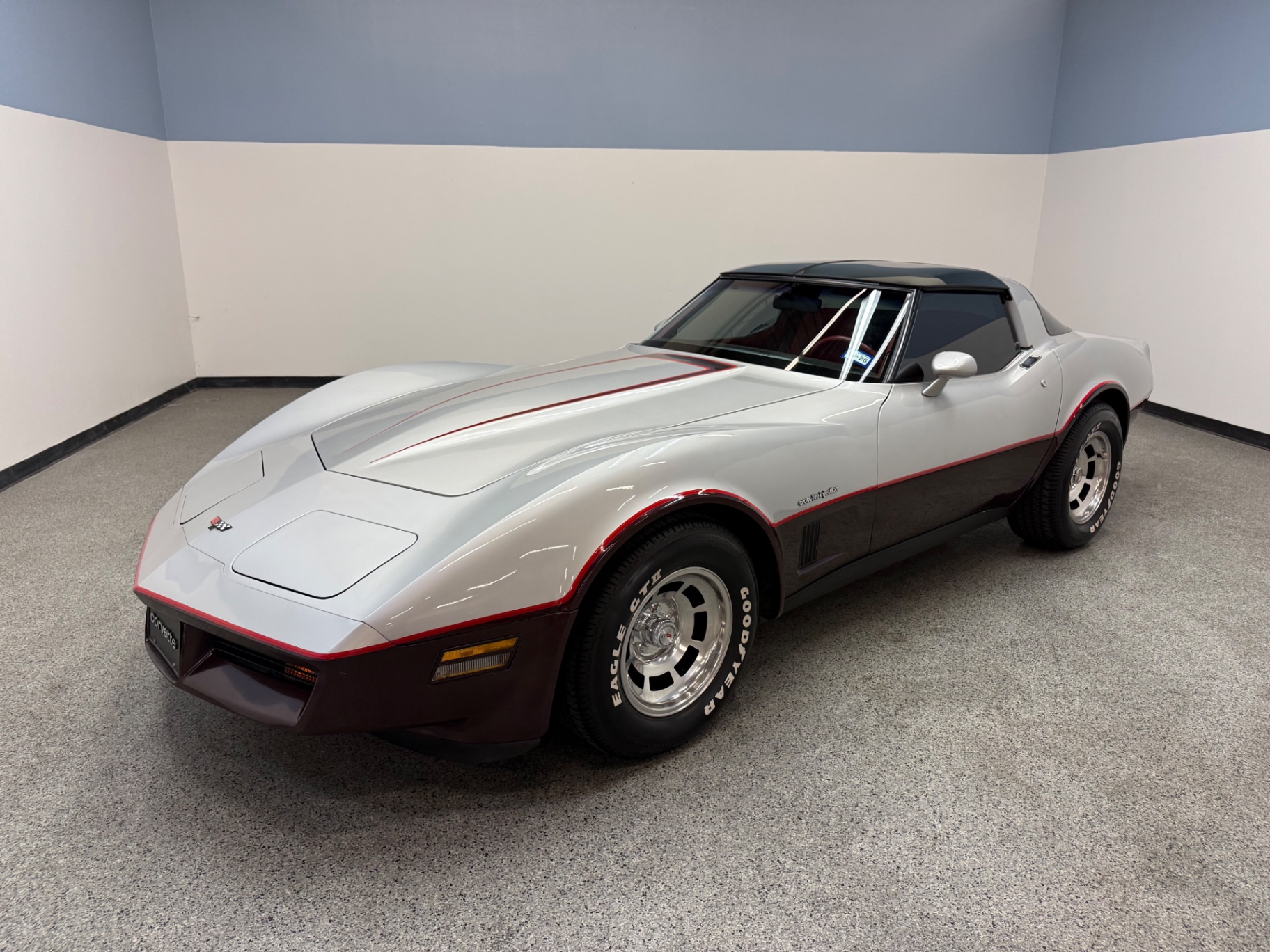
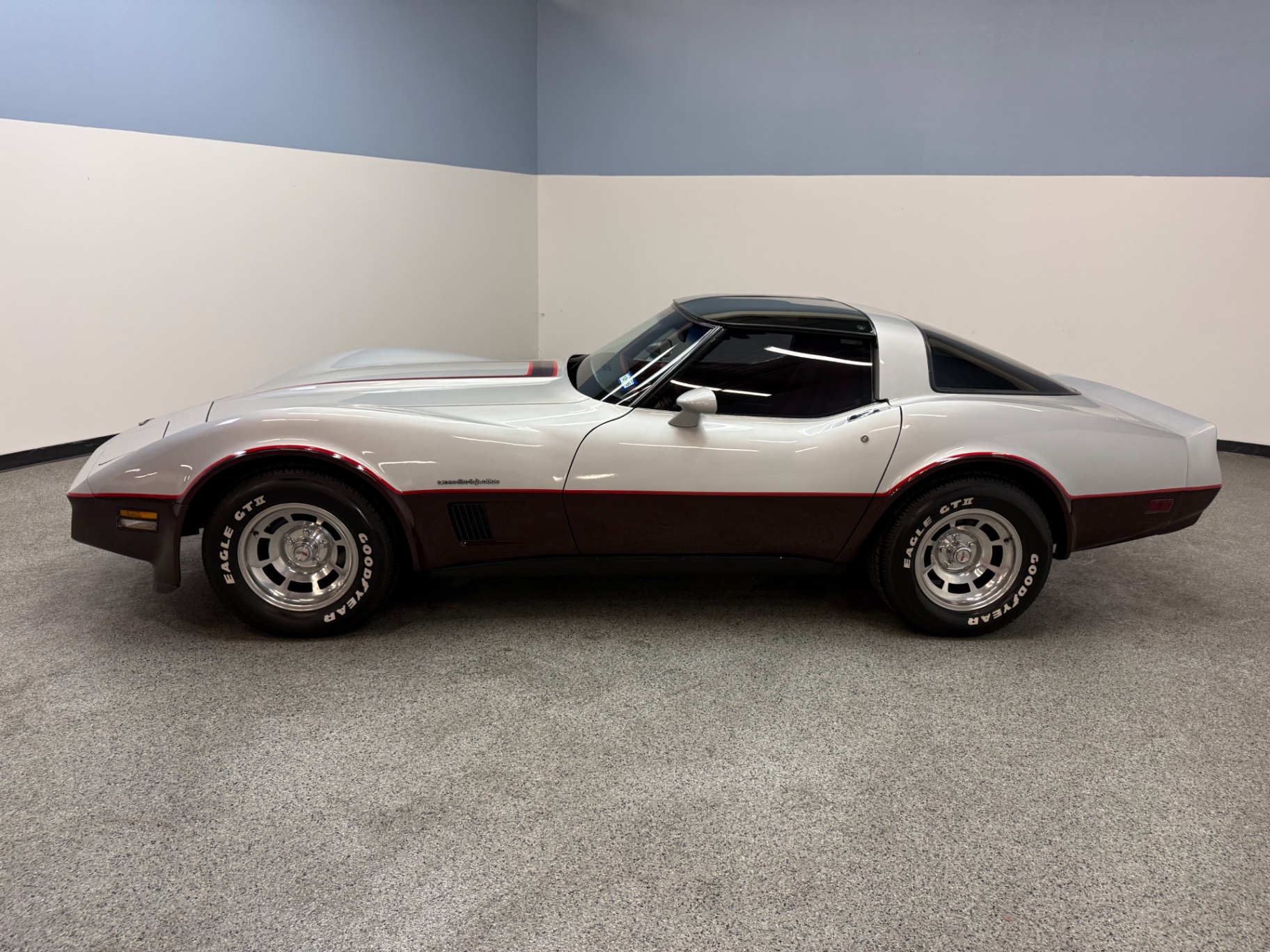
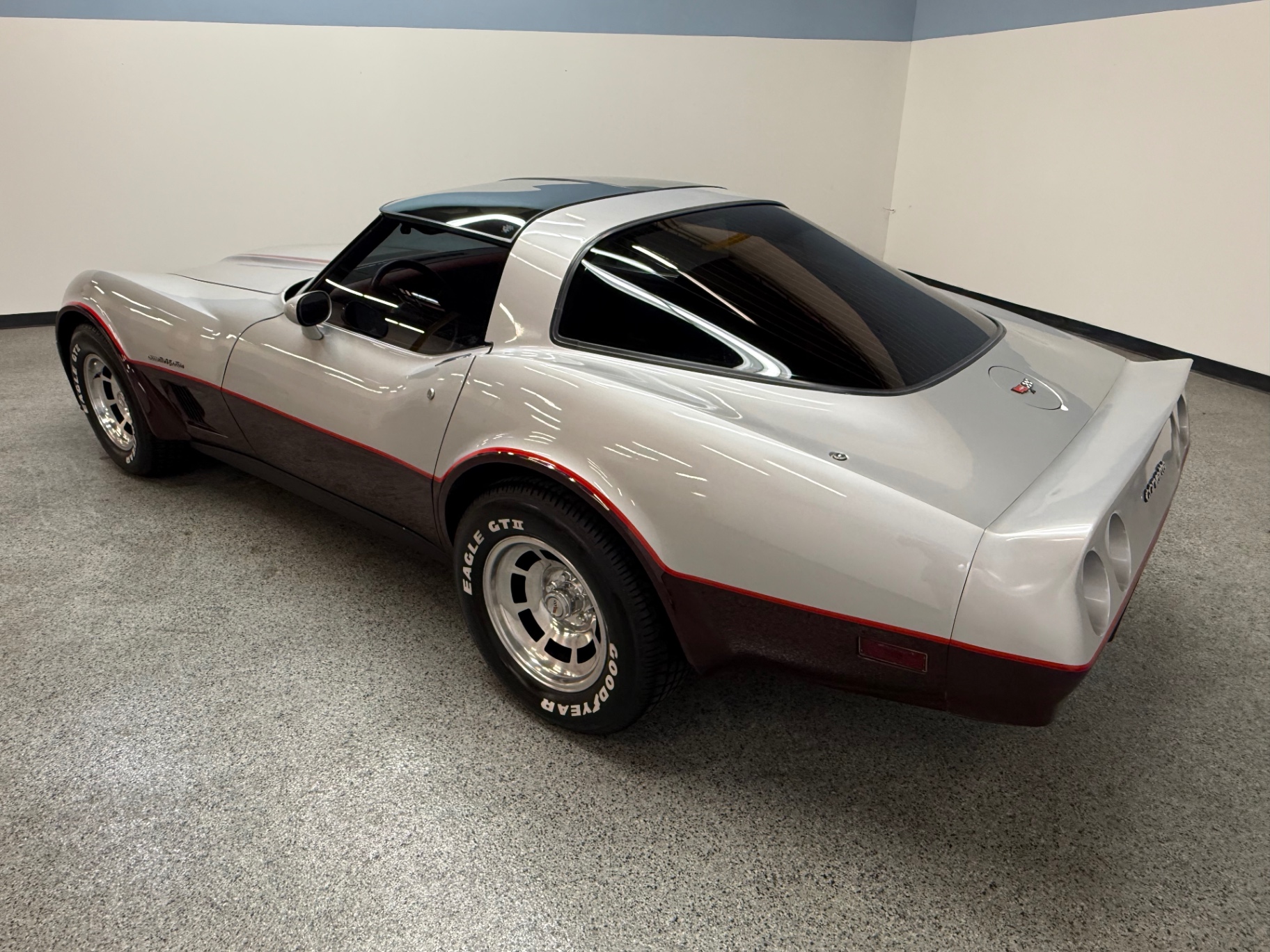
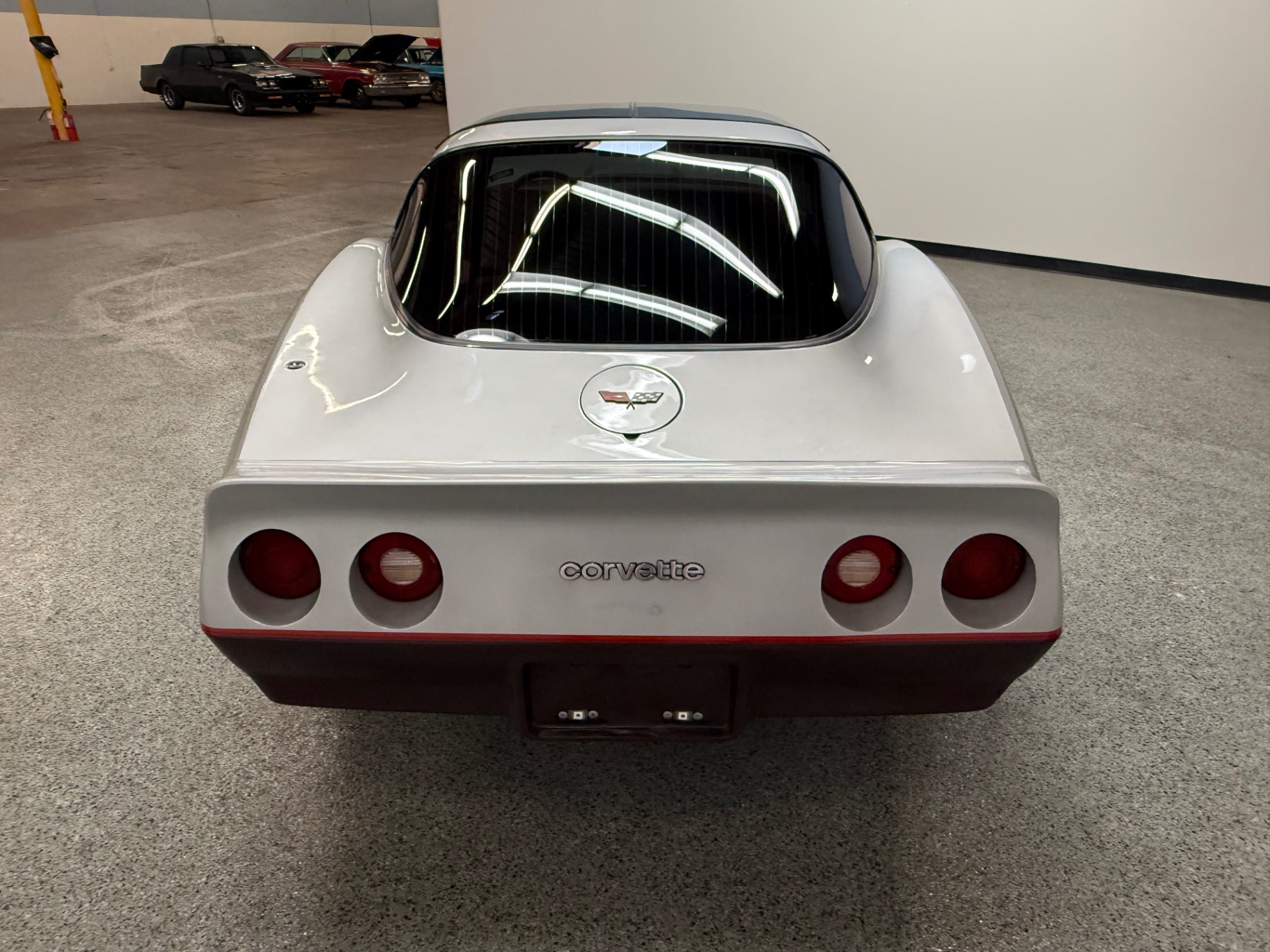
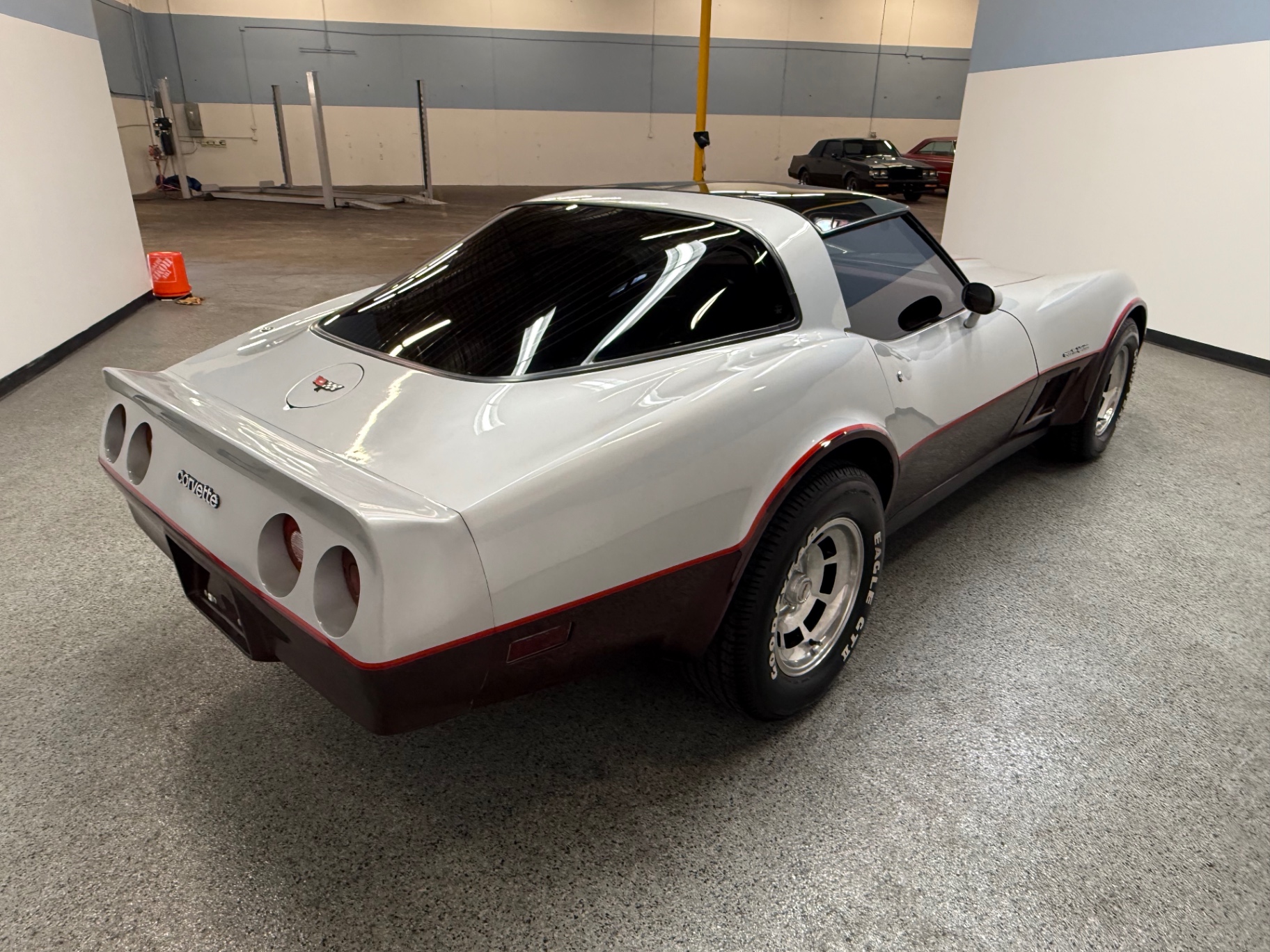
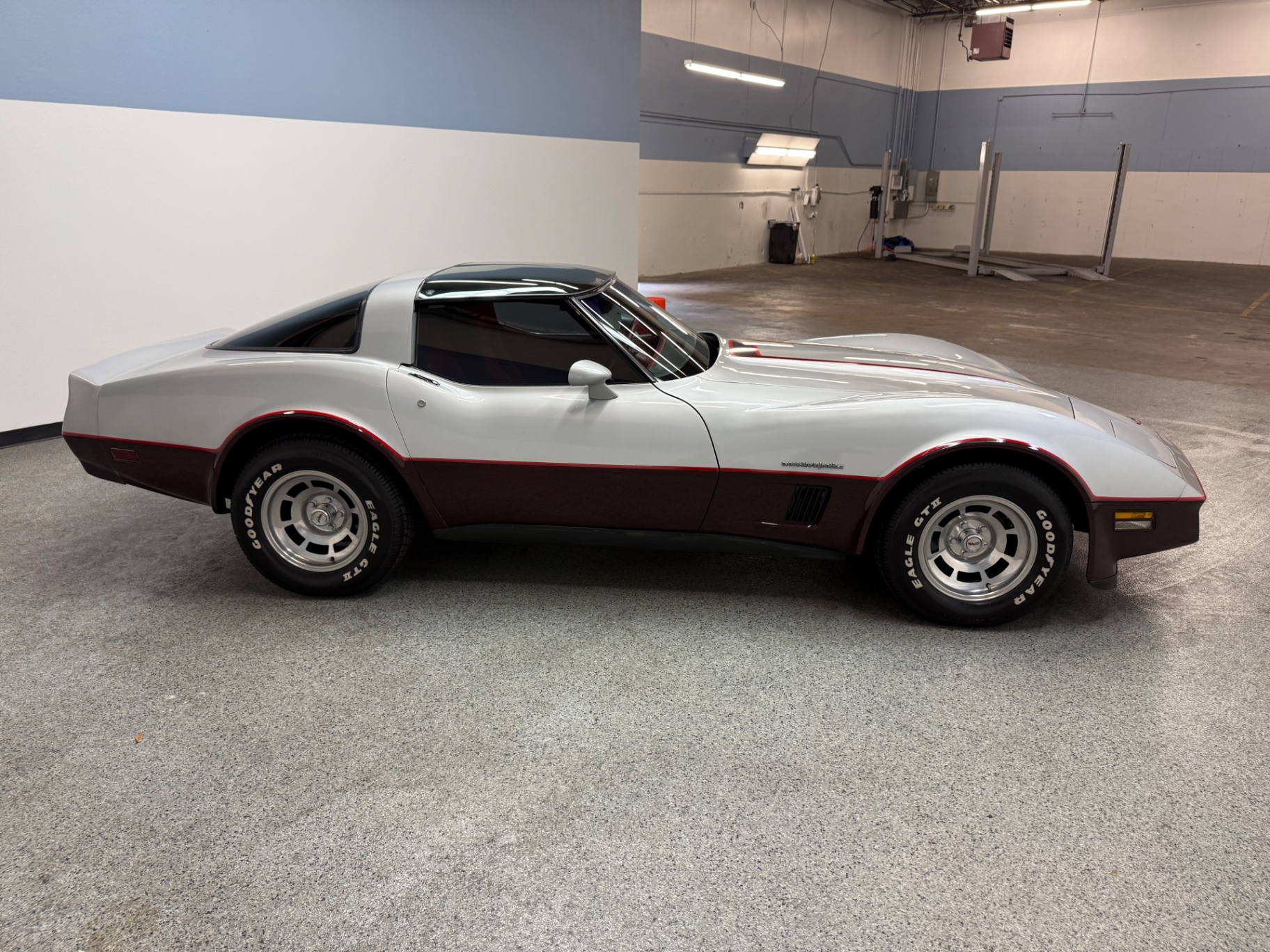
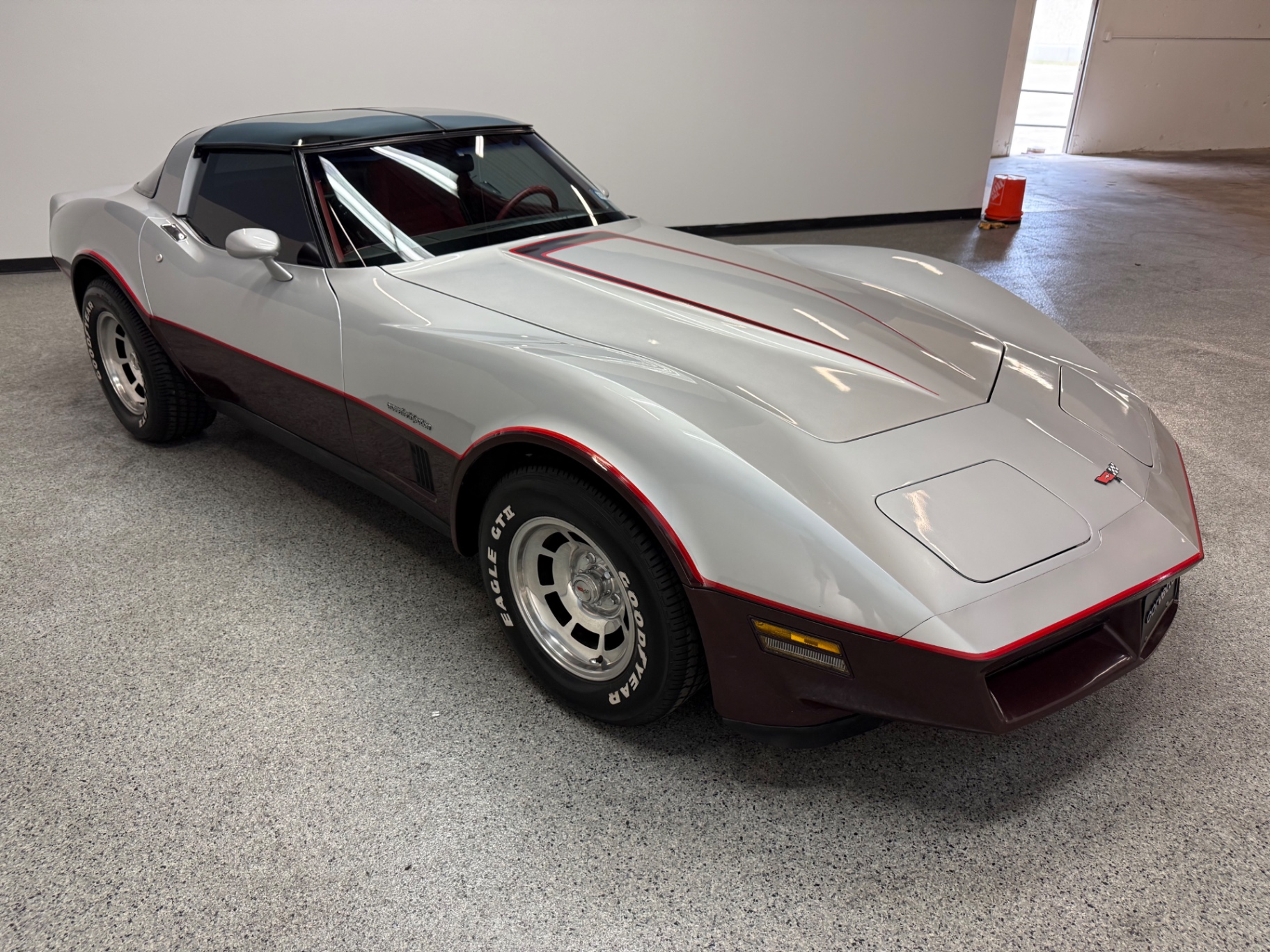
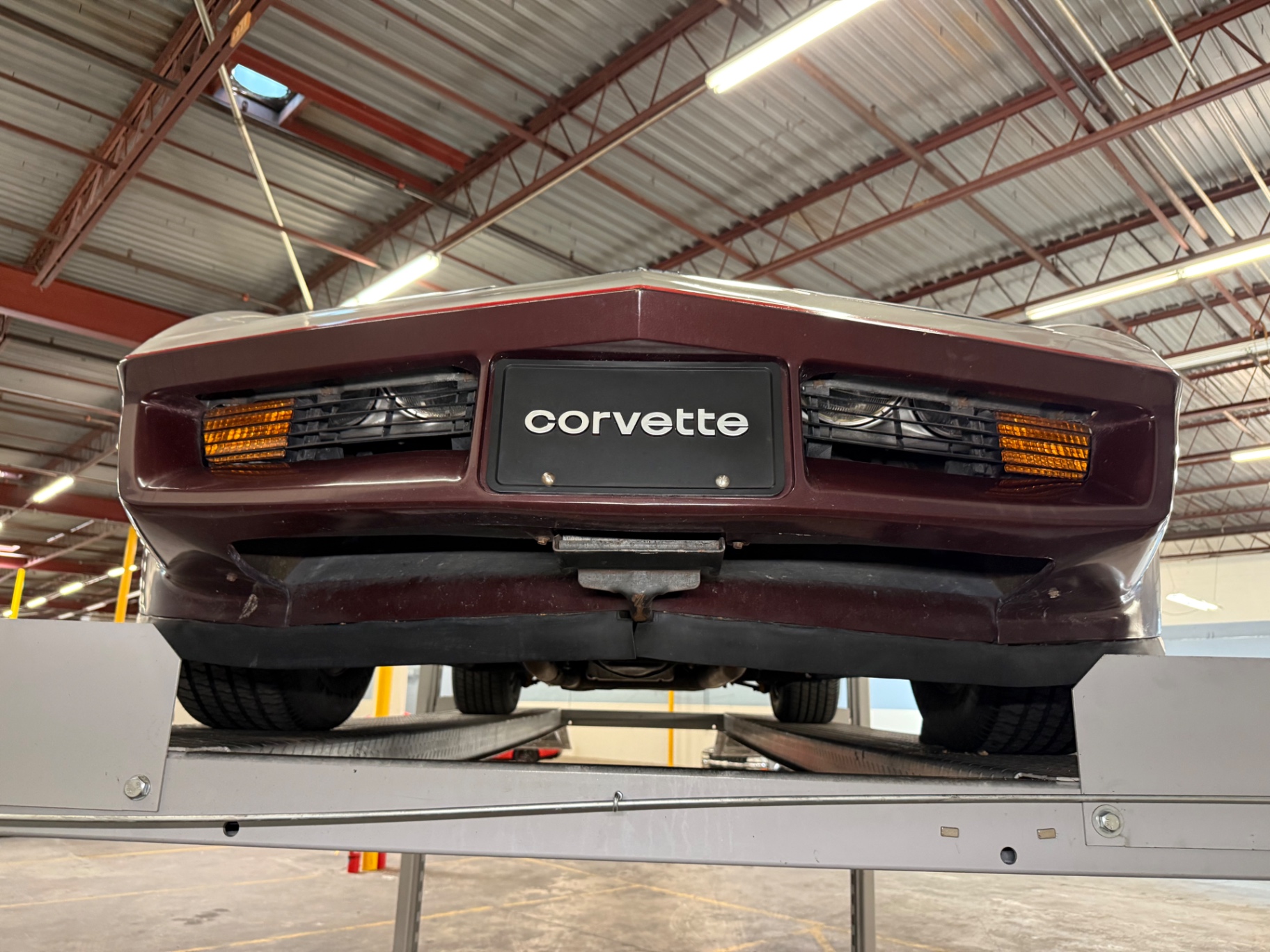
1982 Chevrolet Corvette — Cross-Fire Injection, Two-Tone Silver and Burgundy, Red Interior, T-Tops
Why This Car Is Special
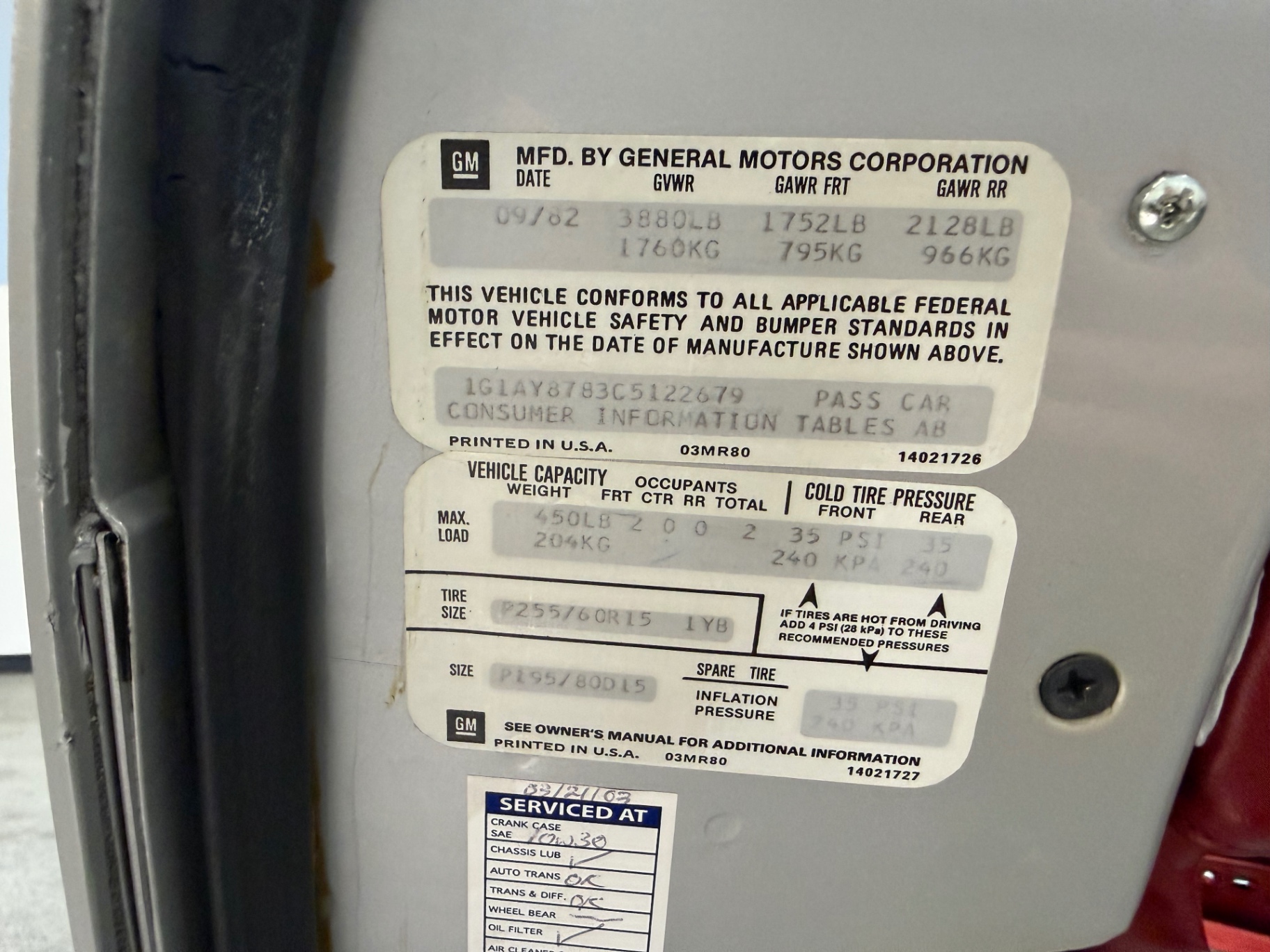
The 1982 Chevrolet Corvette holds a significant place in C3 history for a handful of reasons that serious collectors understand. First, 1982 was the final year of the third-generation Corvette, a body style that had been in production since 1968. Chevrolet knew it, and they sent the C3 out with a few notable upgrades rather than letting it coast to the finish line. The most important of those was the introduction of Cross-Fire Injection — a twin throttle-body fuel injection system that returned fuel injection to the Corvette for the first time since 1965. That alone makes the 1982 model year a legitimate milestone in Corvette history.
Second, 1982 was the only year a Corvette was not offered with a manual transmission during the entire run of the C3. Every 1982 Corvette left the factory with the four-speed automatic. That means there are no base-model stick-shift 1982 Corvettes in existence, and collectors who understand that context treat these cars differently than a mid-run C3.
Third, the 1982 model year also marked the return of the Collector Edition — a special trim package offered as a send-off to the generation. While this particular car is not a Collector Edition, the standard 1982 Corvette still benefited from the same Cross-Fire Injection powertrain and was produced at a time when Chevrolet was clearly paying attention to detail.
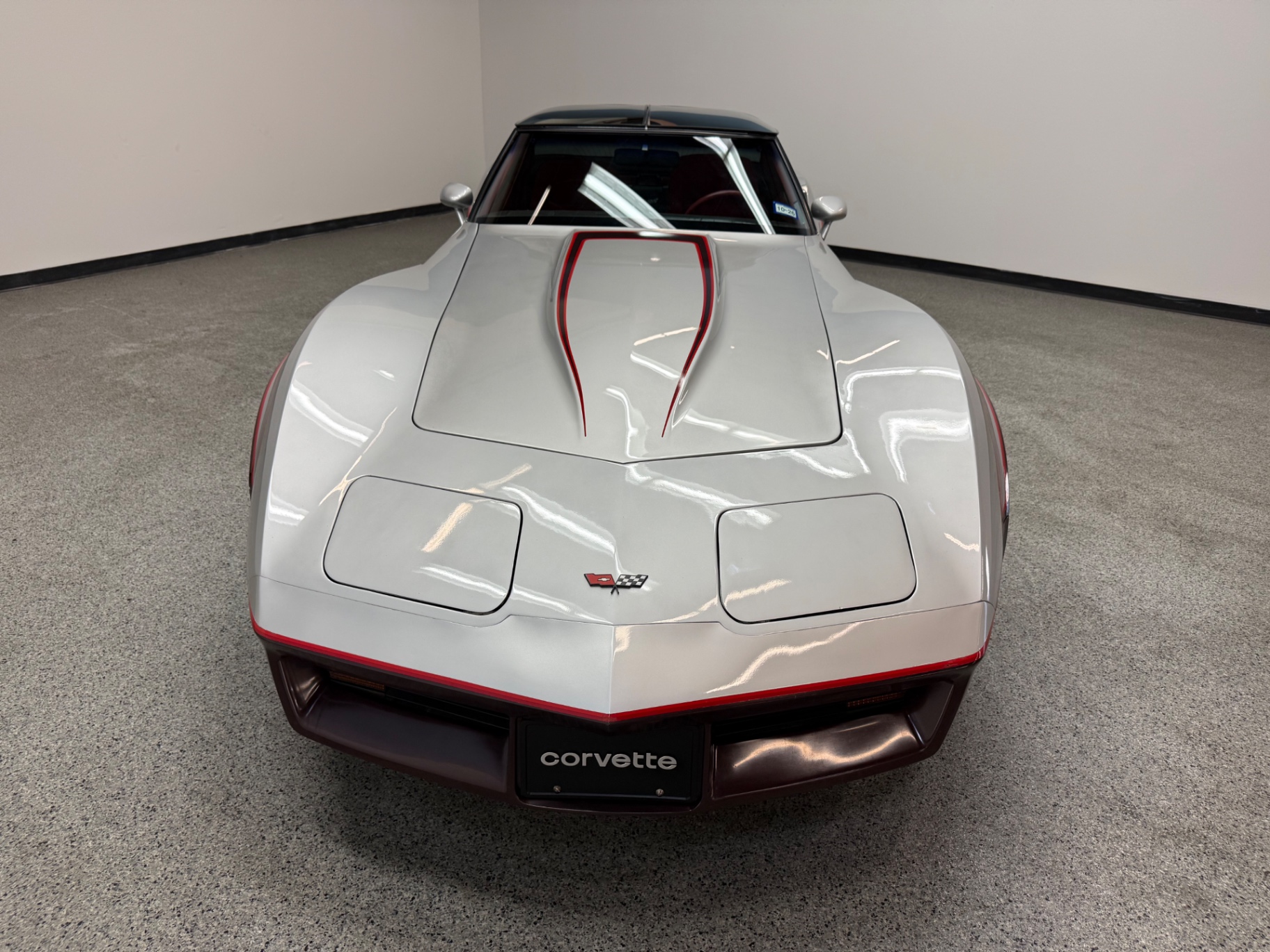
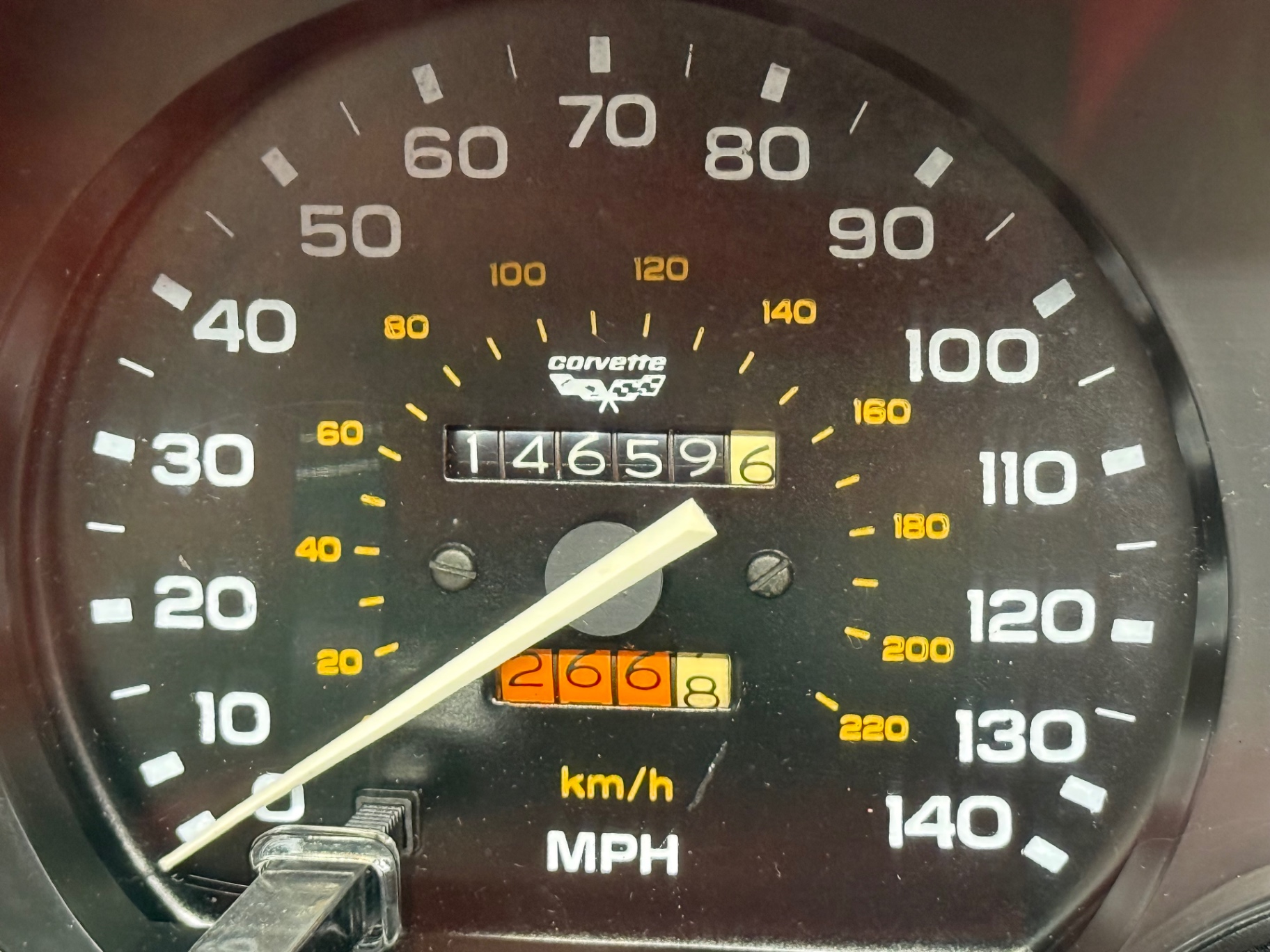
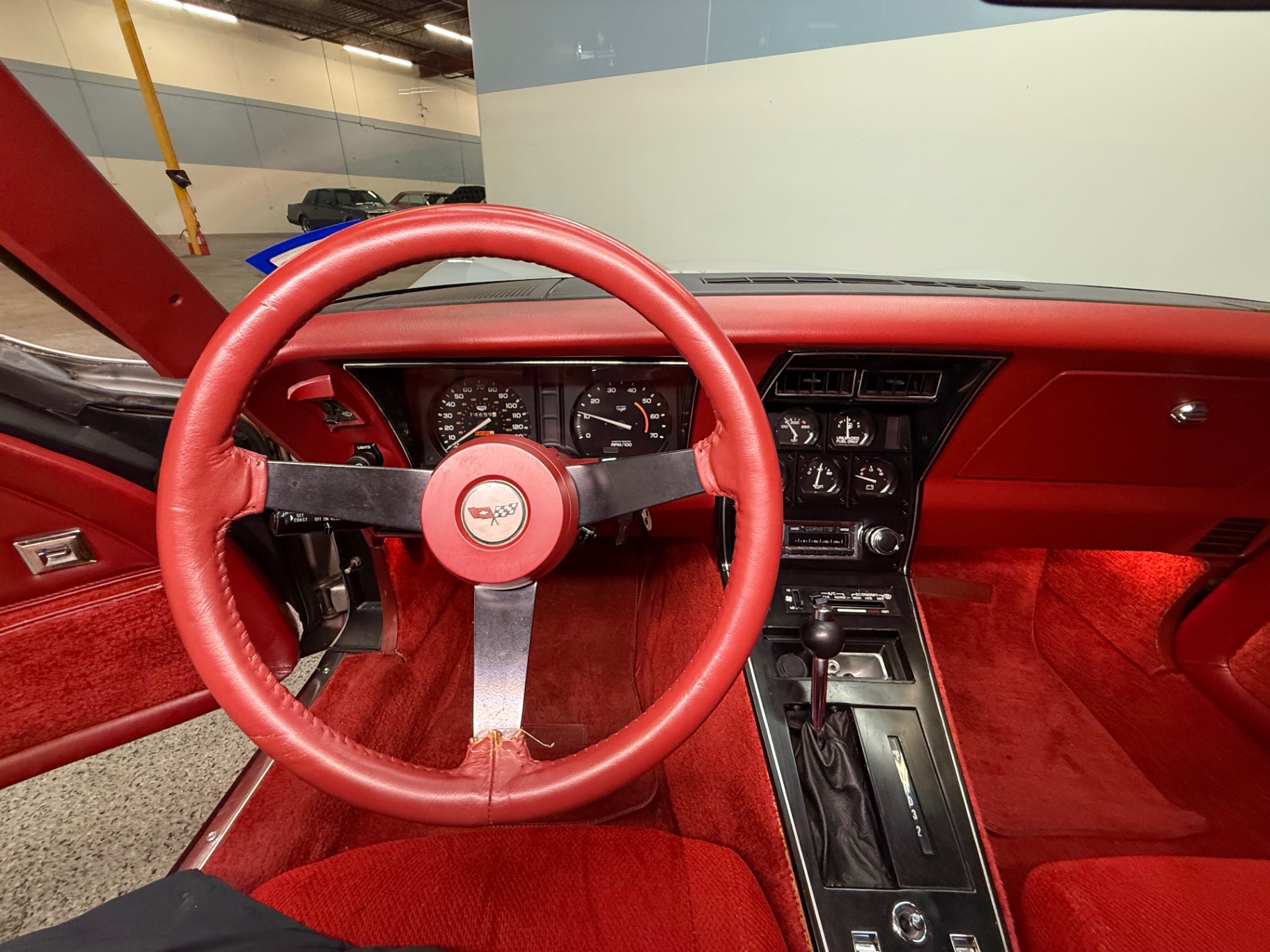
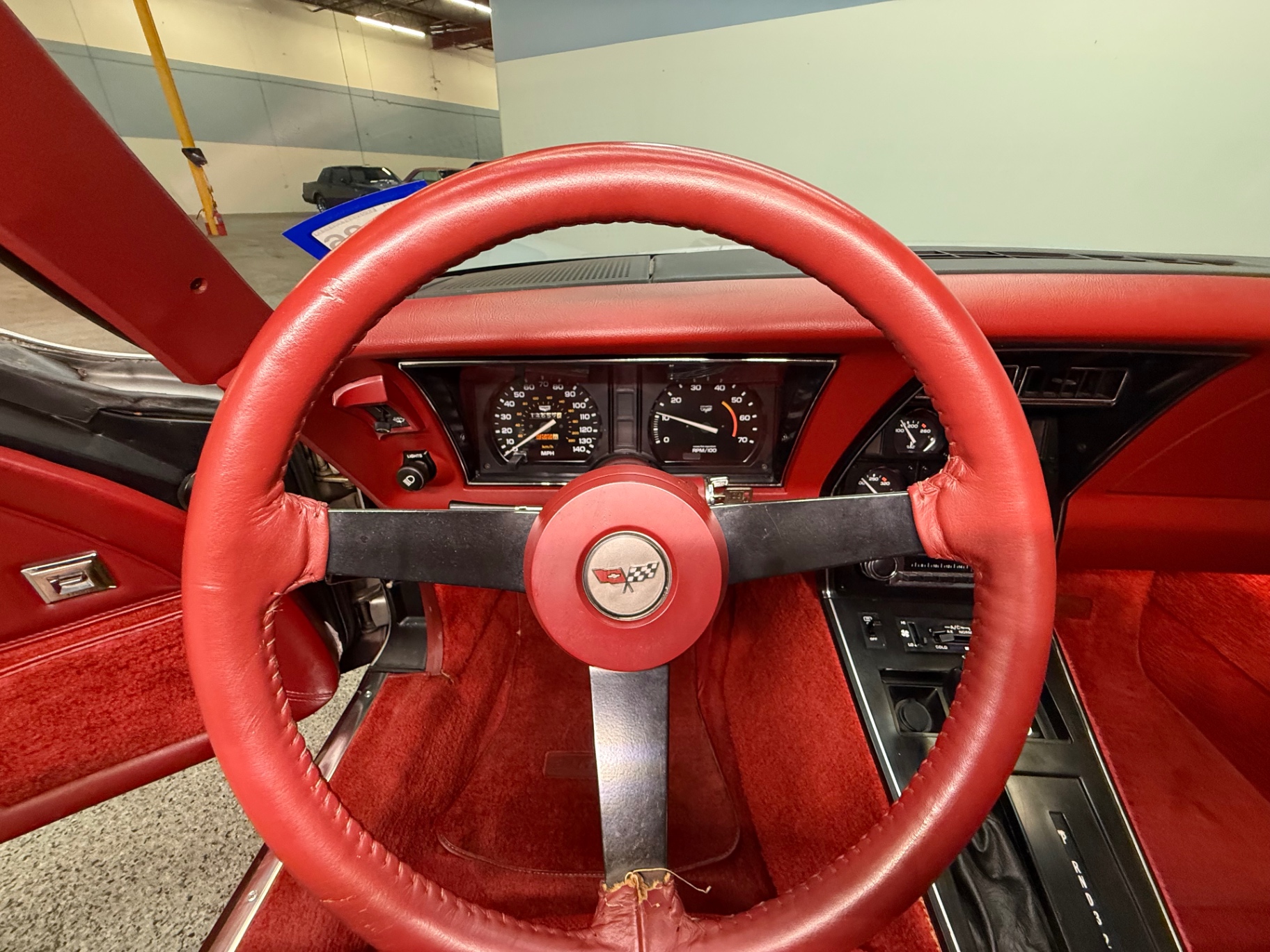
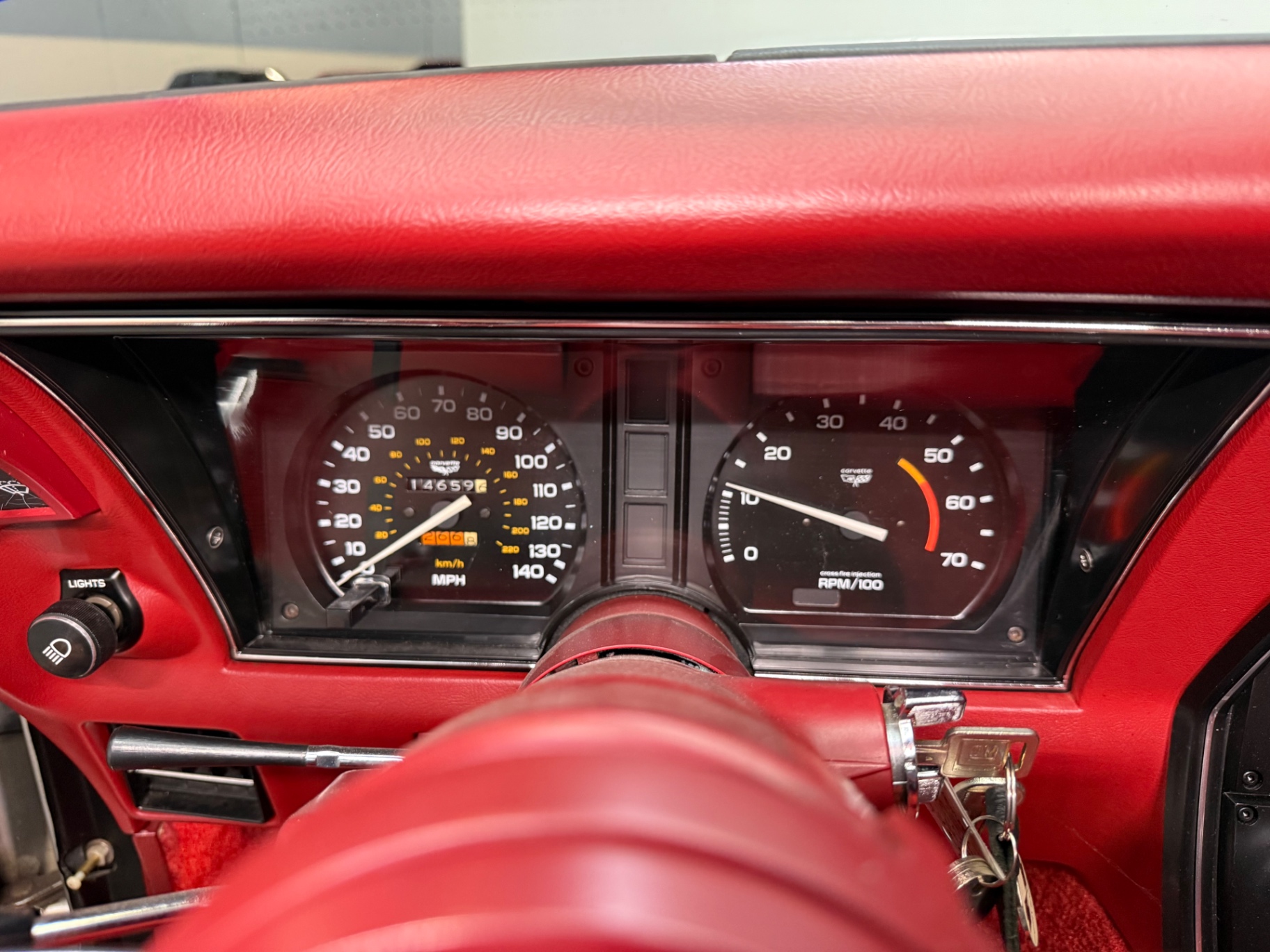
This specific car presents in a factory two-tone silver over burgundy exterior with a full red cloth interior. The color combination is period-correct and visually cohesive — the red pinstripe that separates the two body colors connects directly to the all-red interior, making the overall look intentional rather than accidental. Odometer photos show 14,659 miles on the clock, which is a figure that demands attention on any C3, let alone a final-year car.
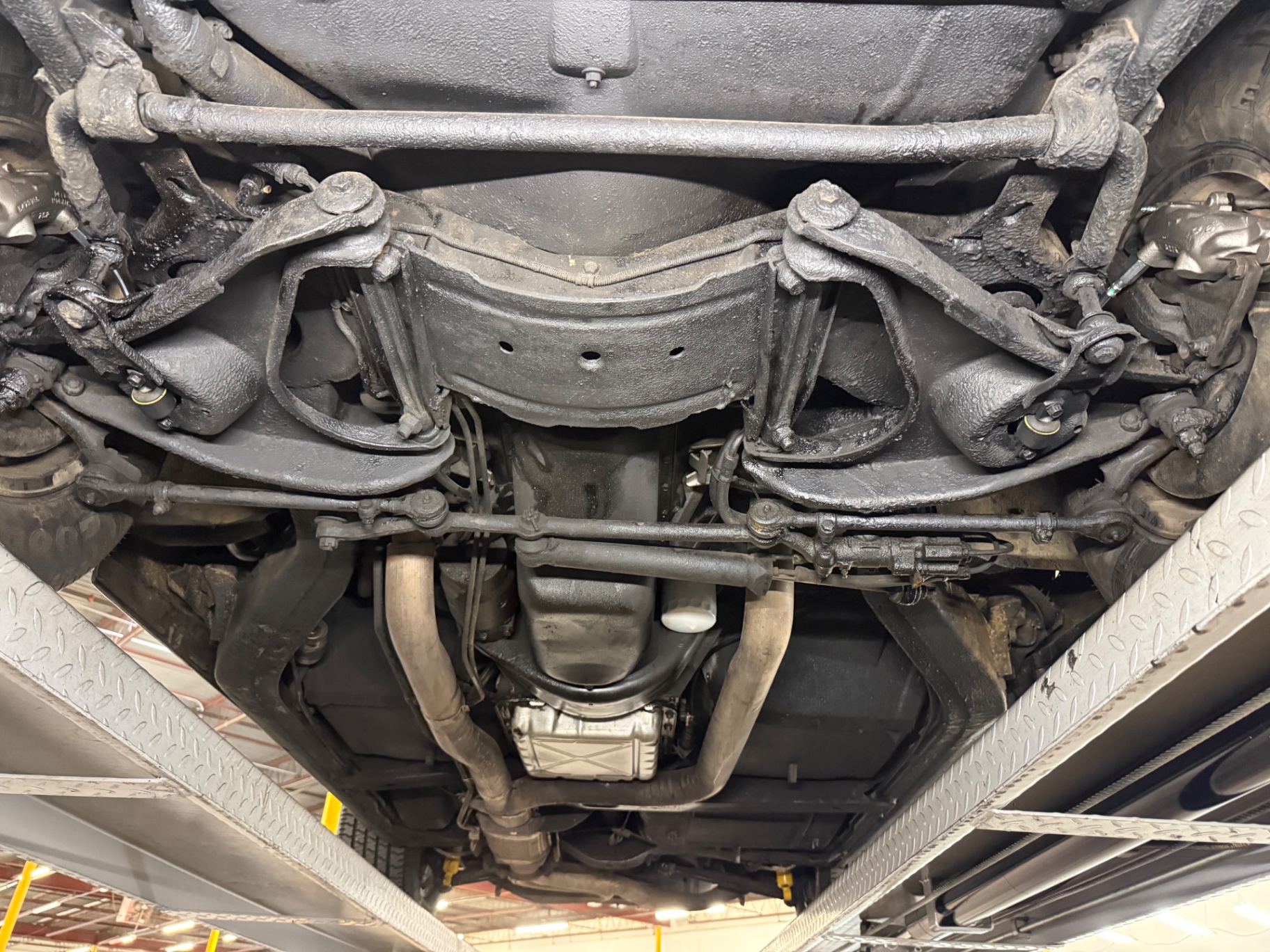
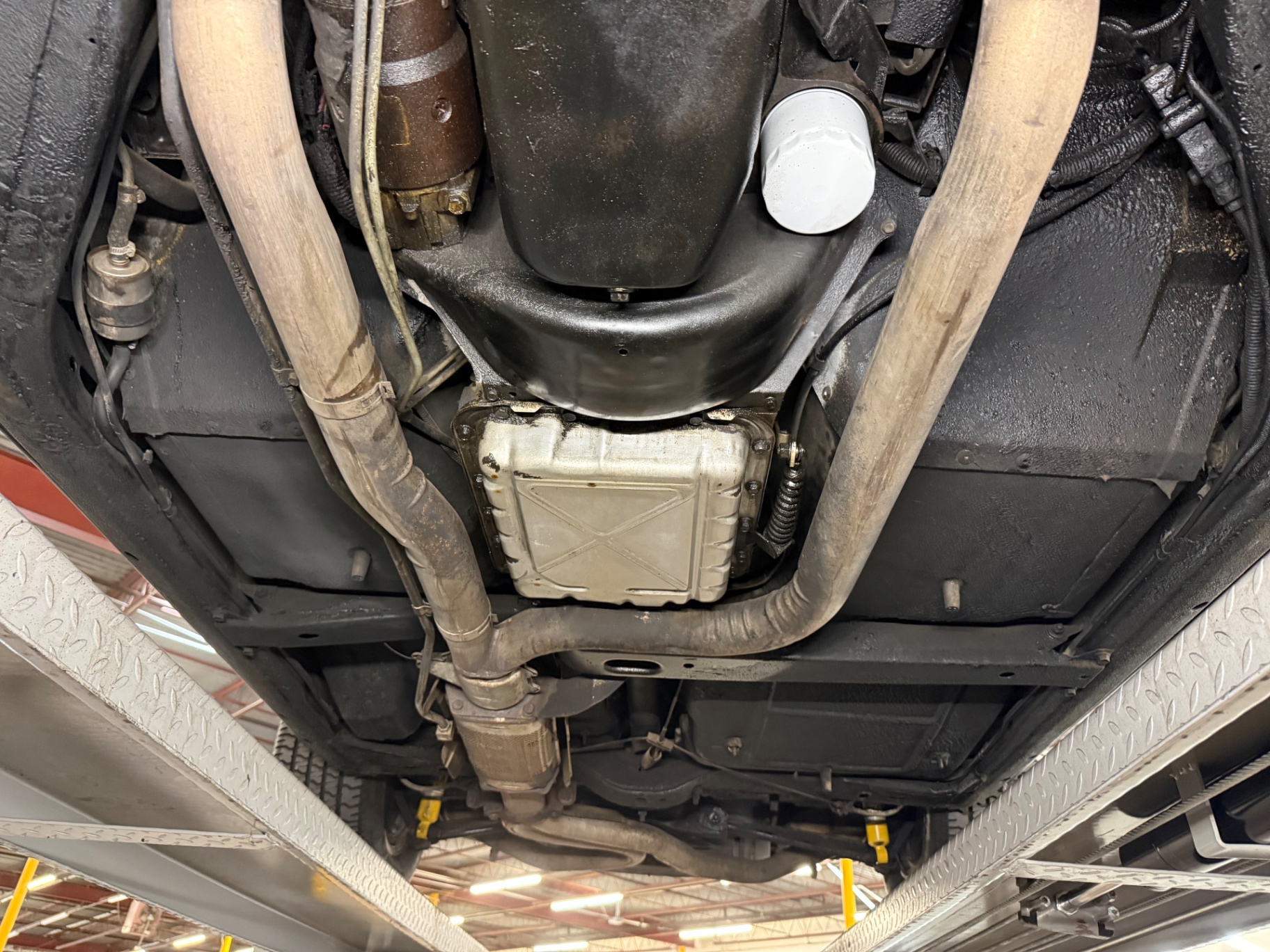
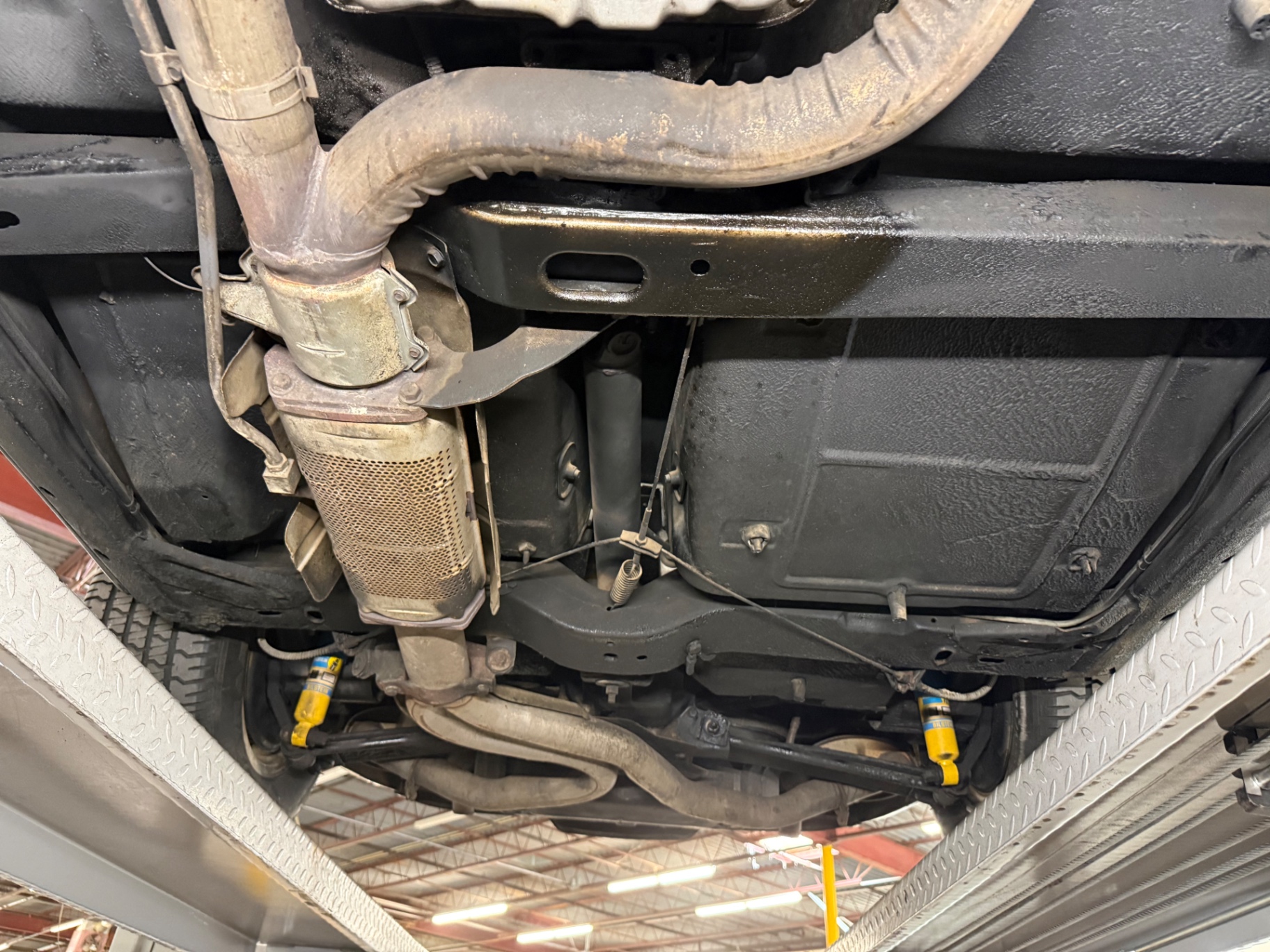
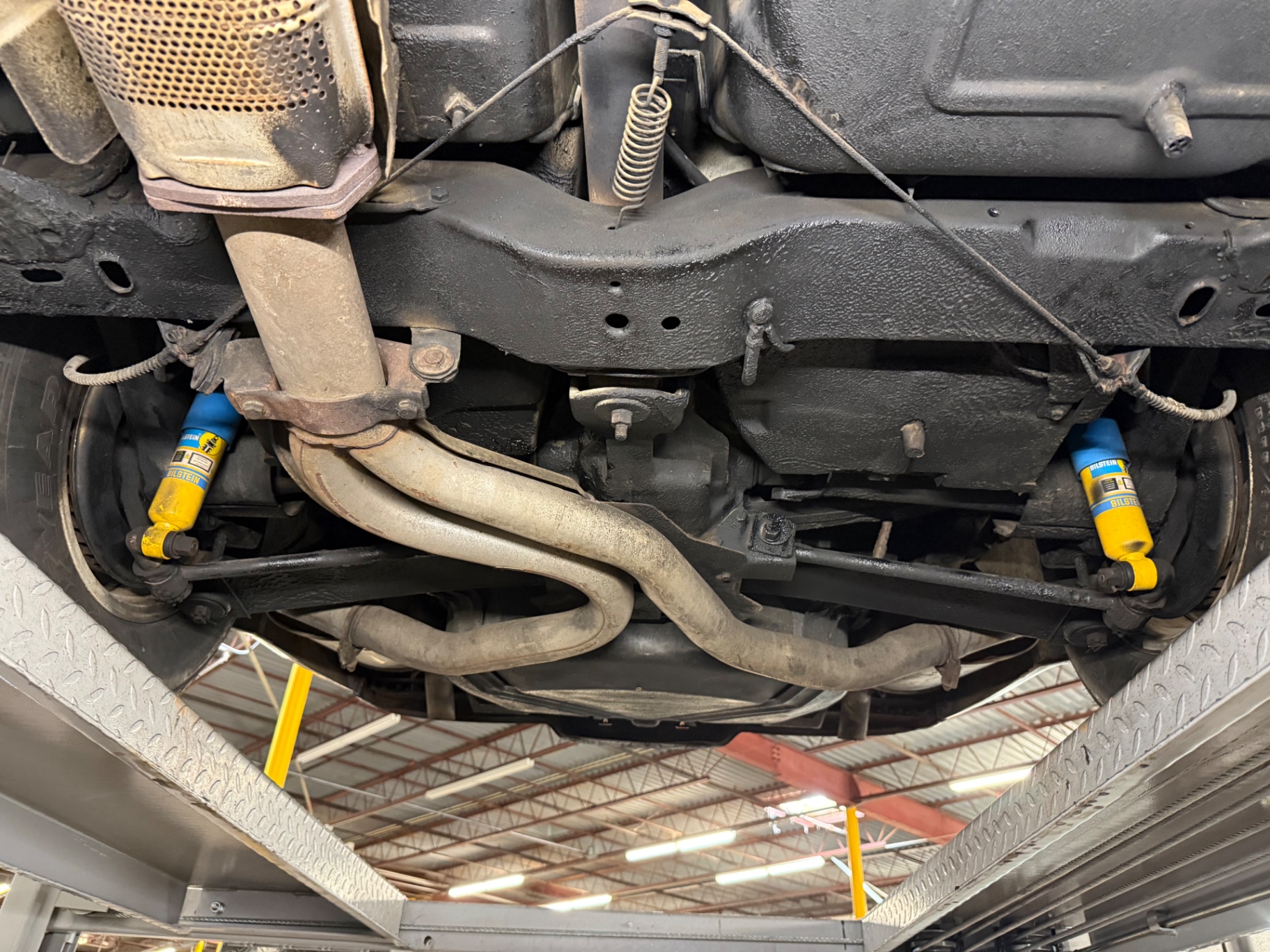
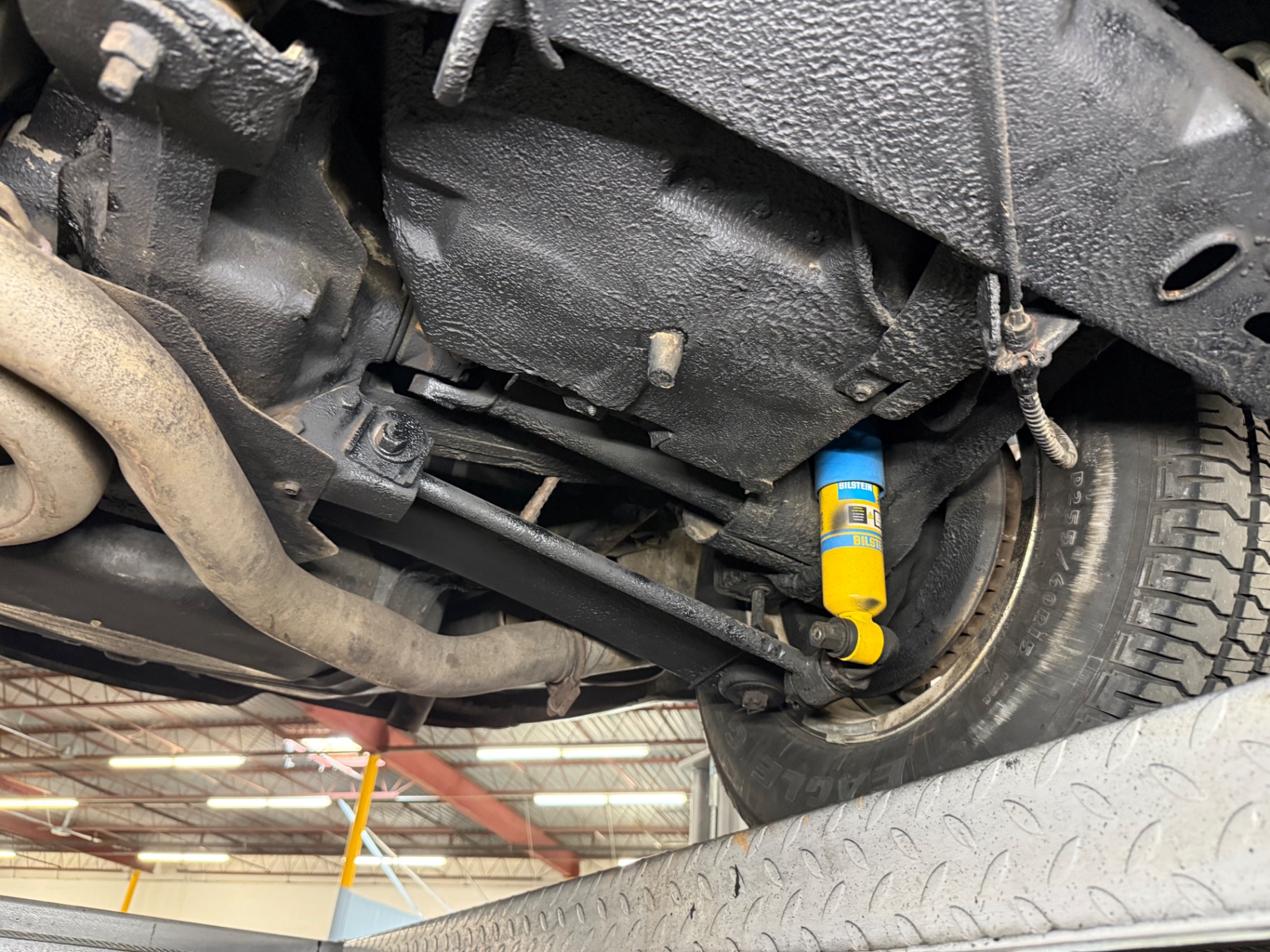
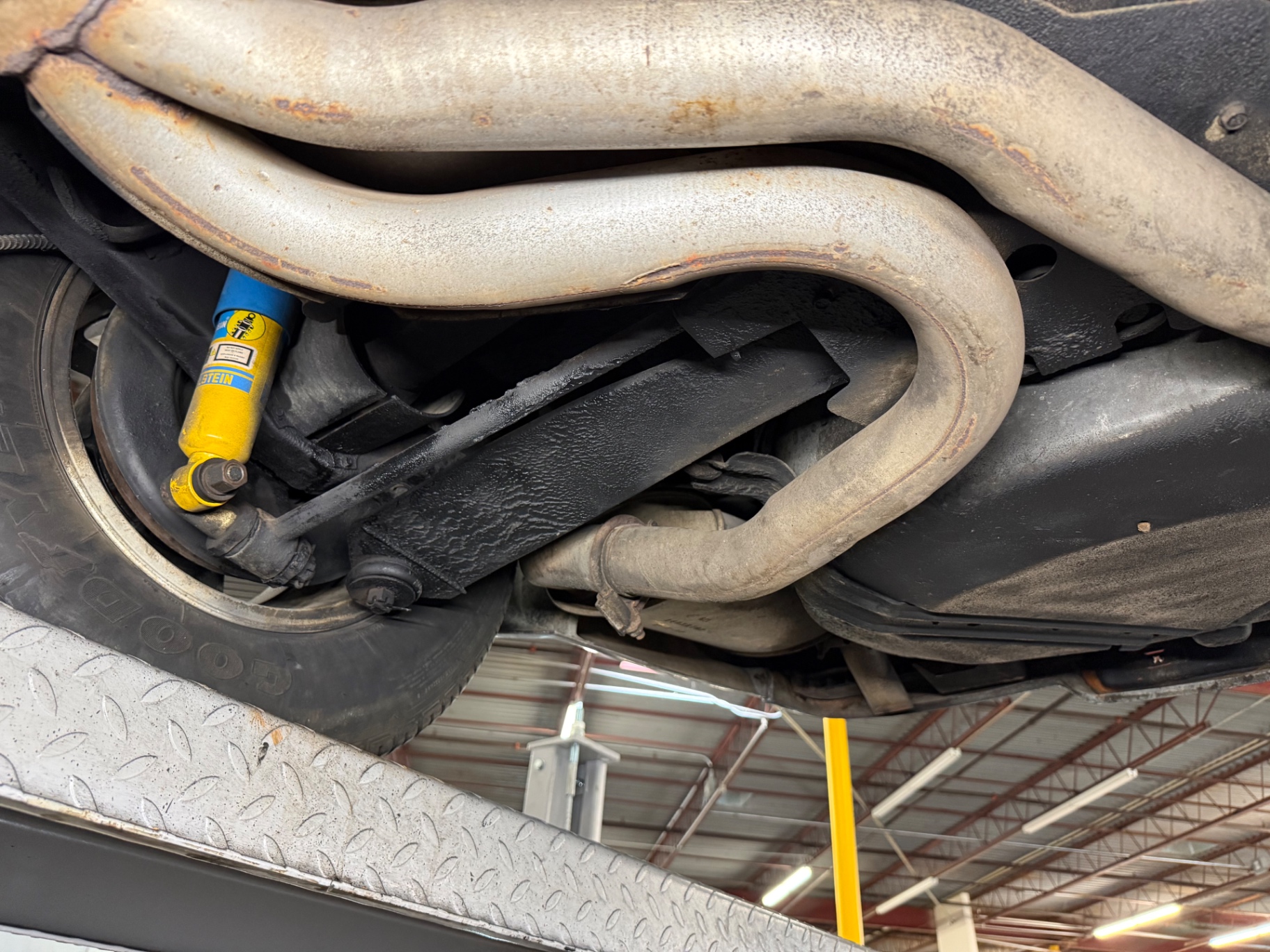
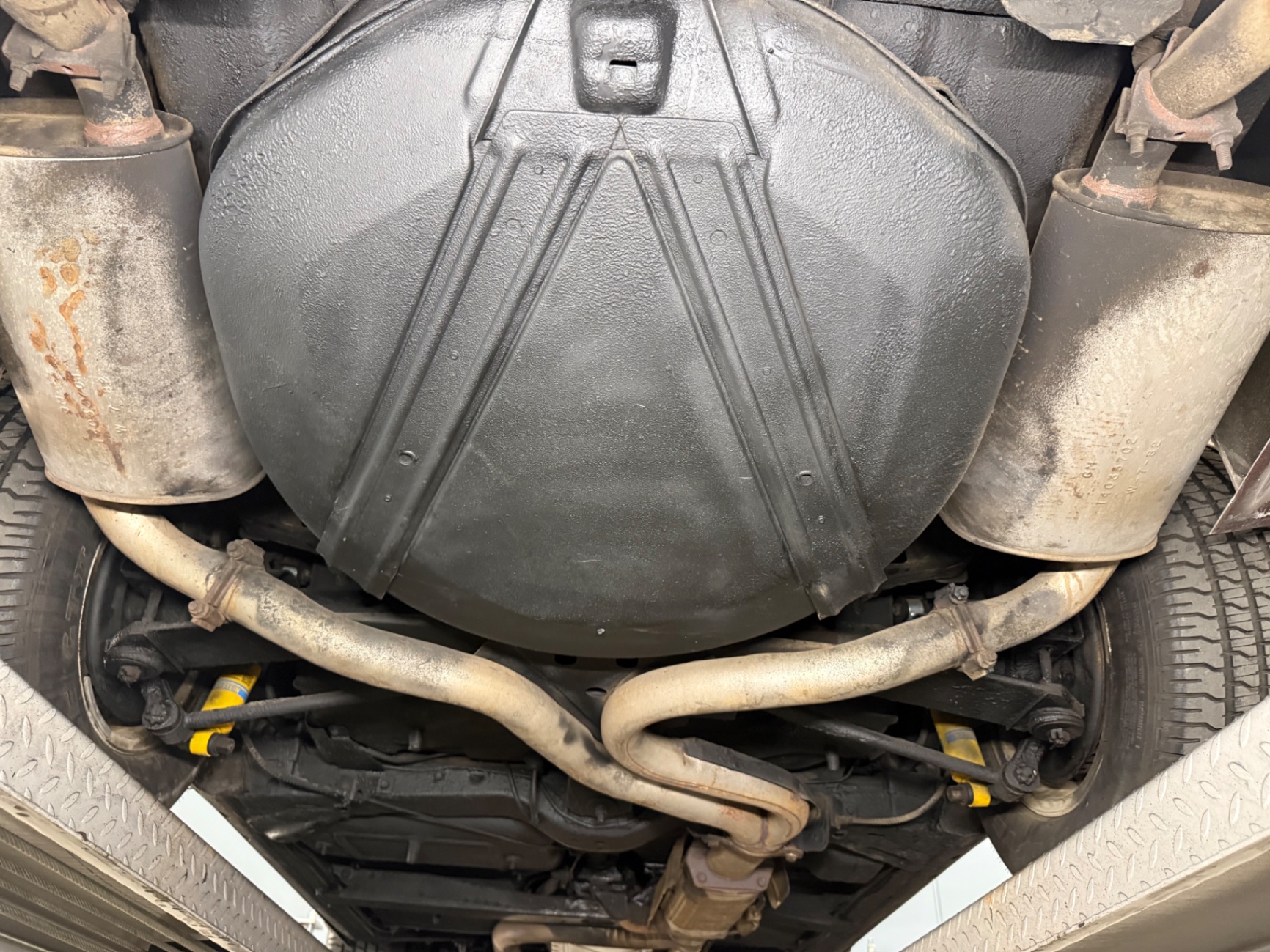
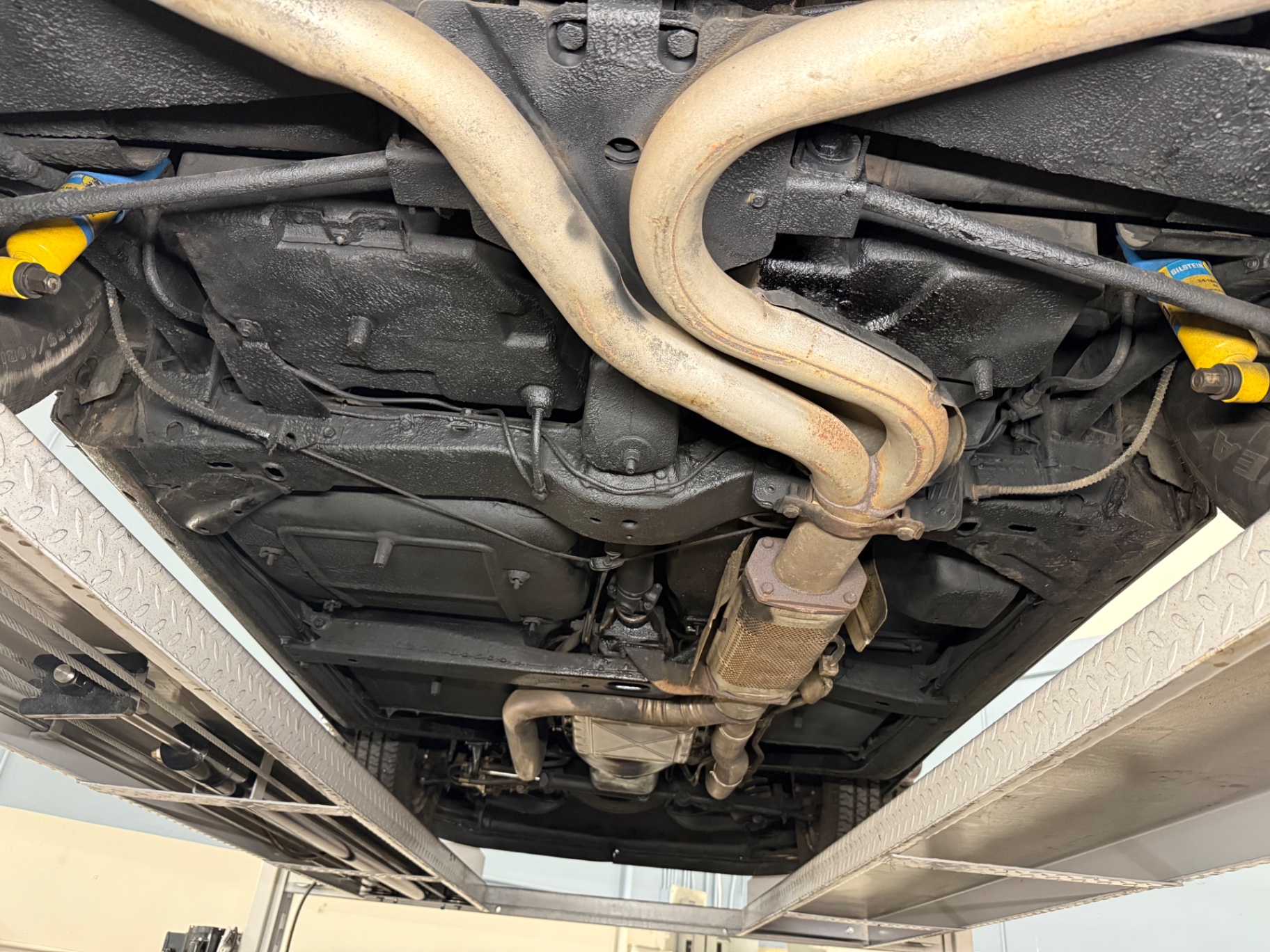
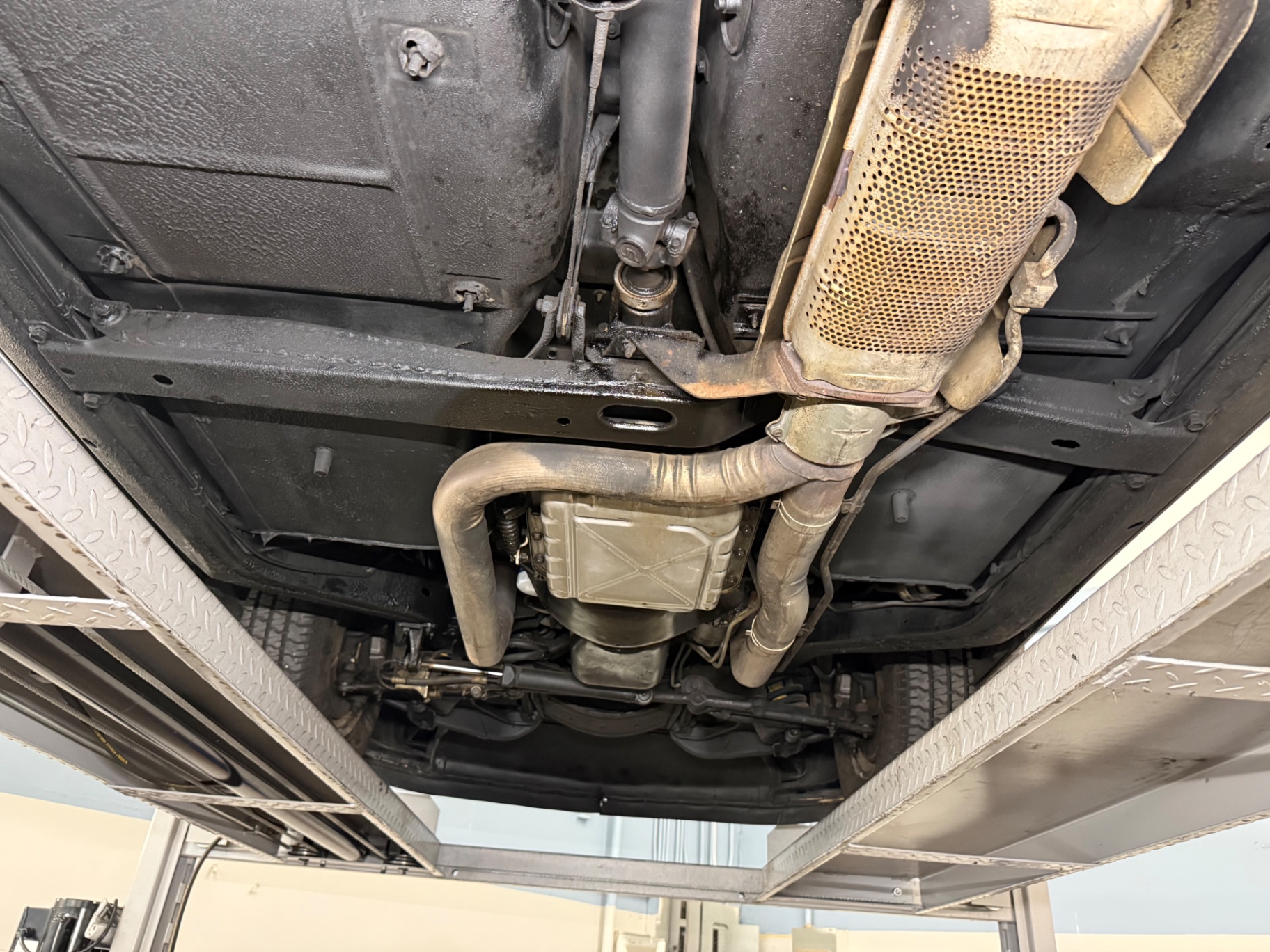
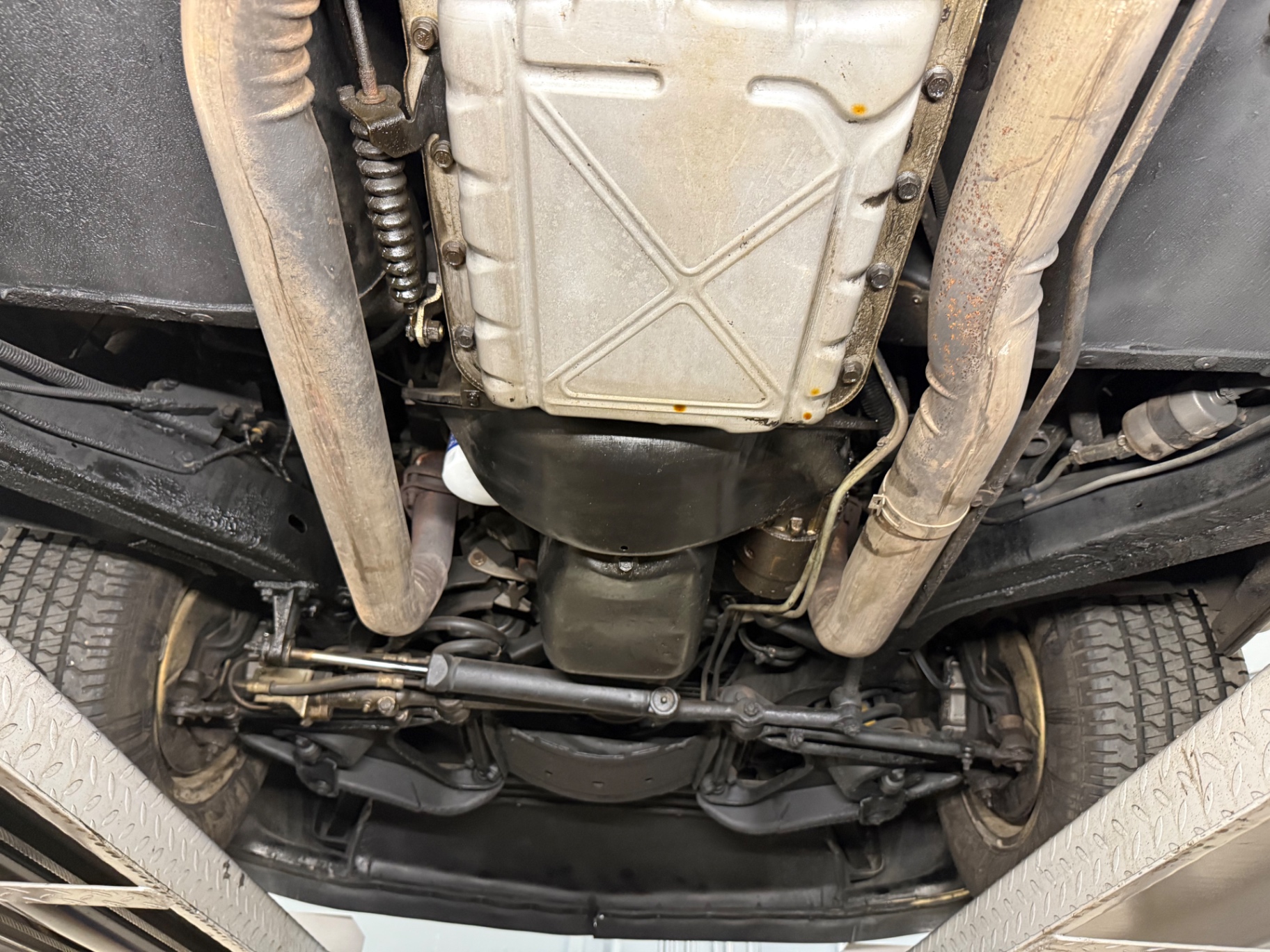
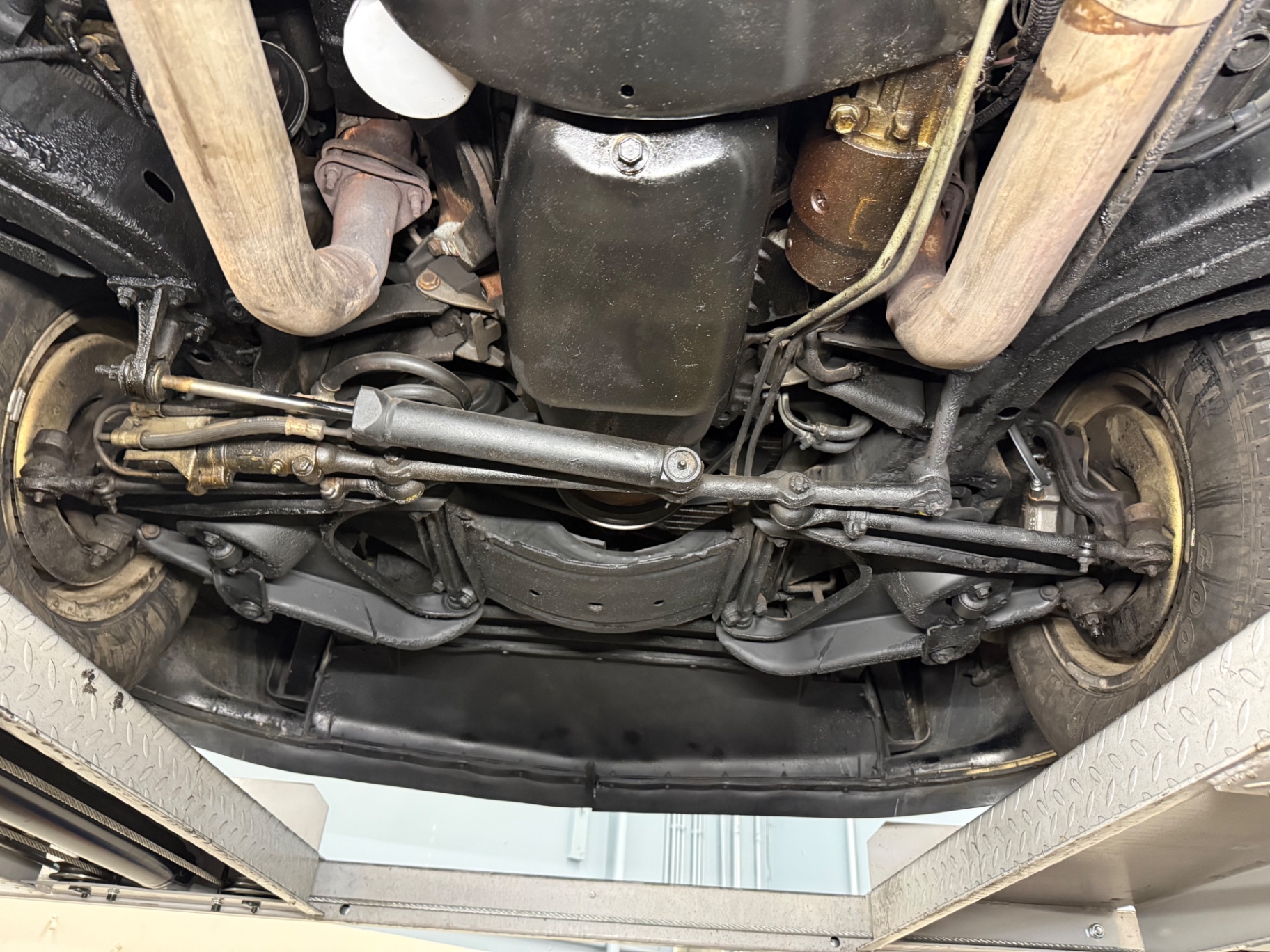
The underbody photos show Bilstein shock absorbers — a meaningful upgrade from factory equipment — and the undercarriage itself presents well for a car of this age, with no visible rot or significant corrosion.
Features List
- Cross-Fire Injection 5.7L (350 cubic inch) V8
- 4-Speed Automatic Transmission
- Removable T-Tops
- Red Cloth Bucket Seats
- Full Red Interior with Red Carpet
- Black Center Console
- Tachometer (labeled "cross-fire injection" on the face)
- Air Conditioning
- AM/FM Radio
- Upgraded Rear Speaker System
- Bilstein Shock Absorbers (front and rear, confirmed in undercarriage photos)
- Dual Exhaust
- Goodyear Eagle GT II Tires
- Two-Tone Exterior — Silver over Burgundy
- Red Pinstripe Accent Stripe
Mechanical
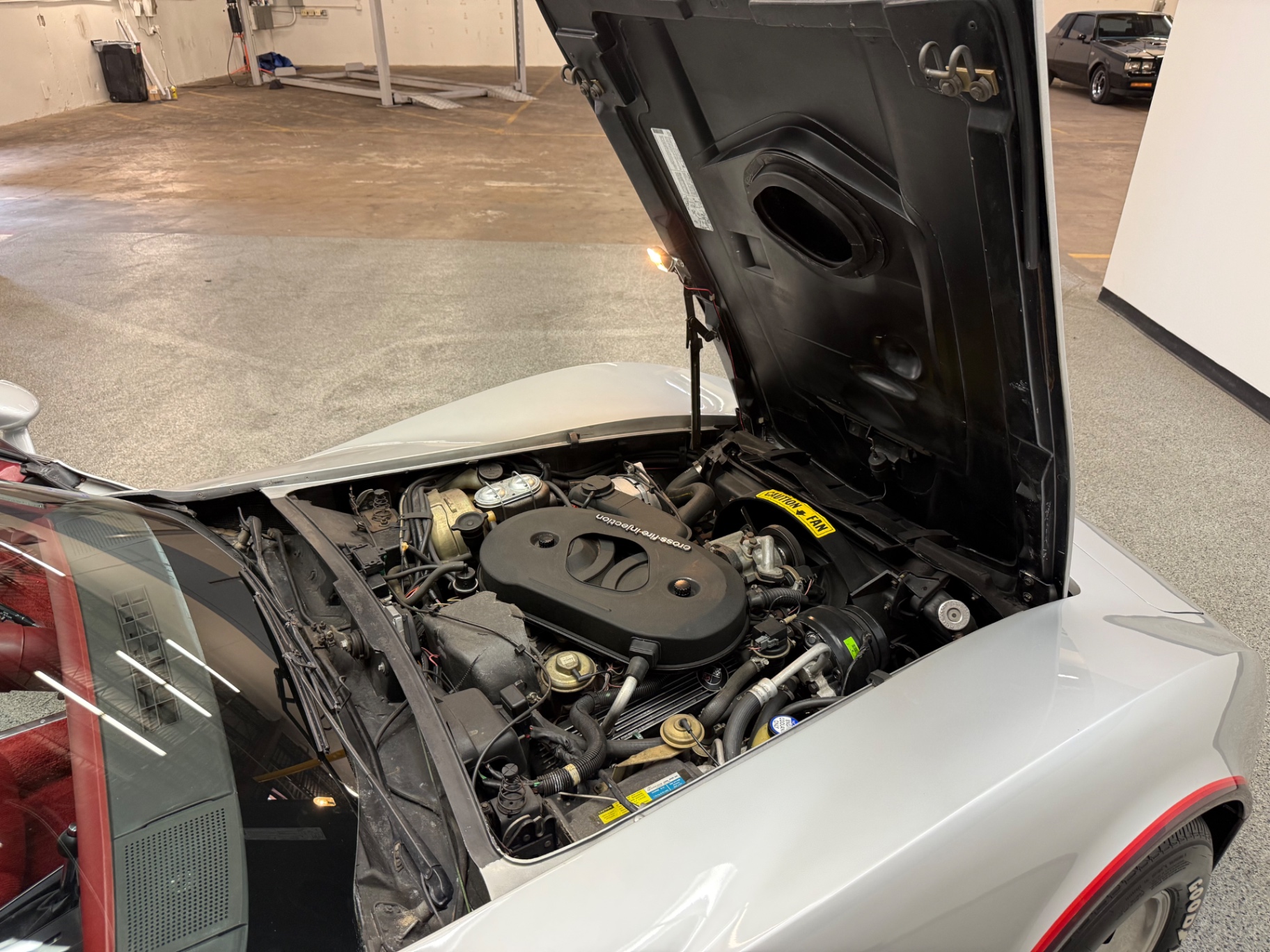
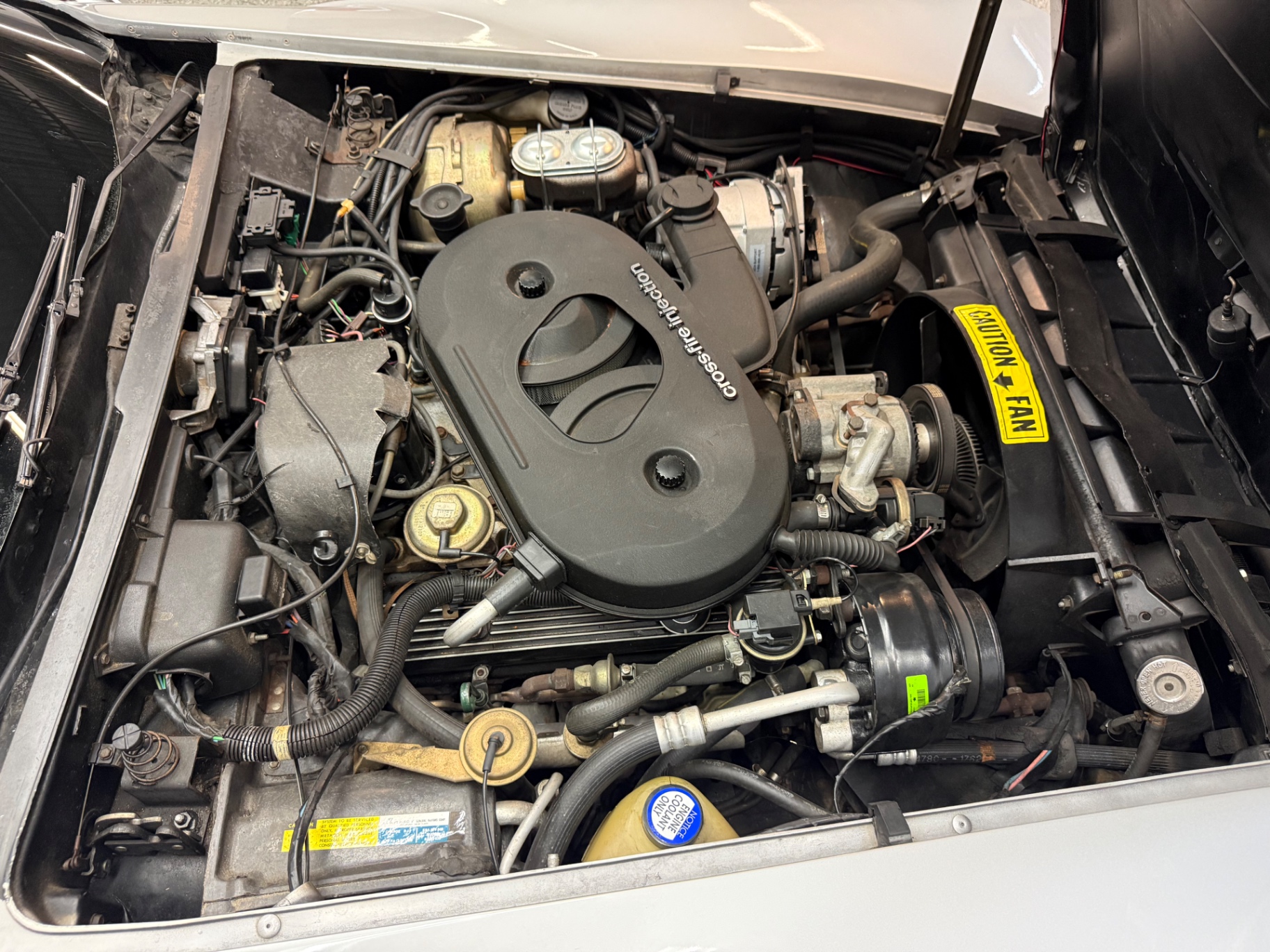
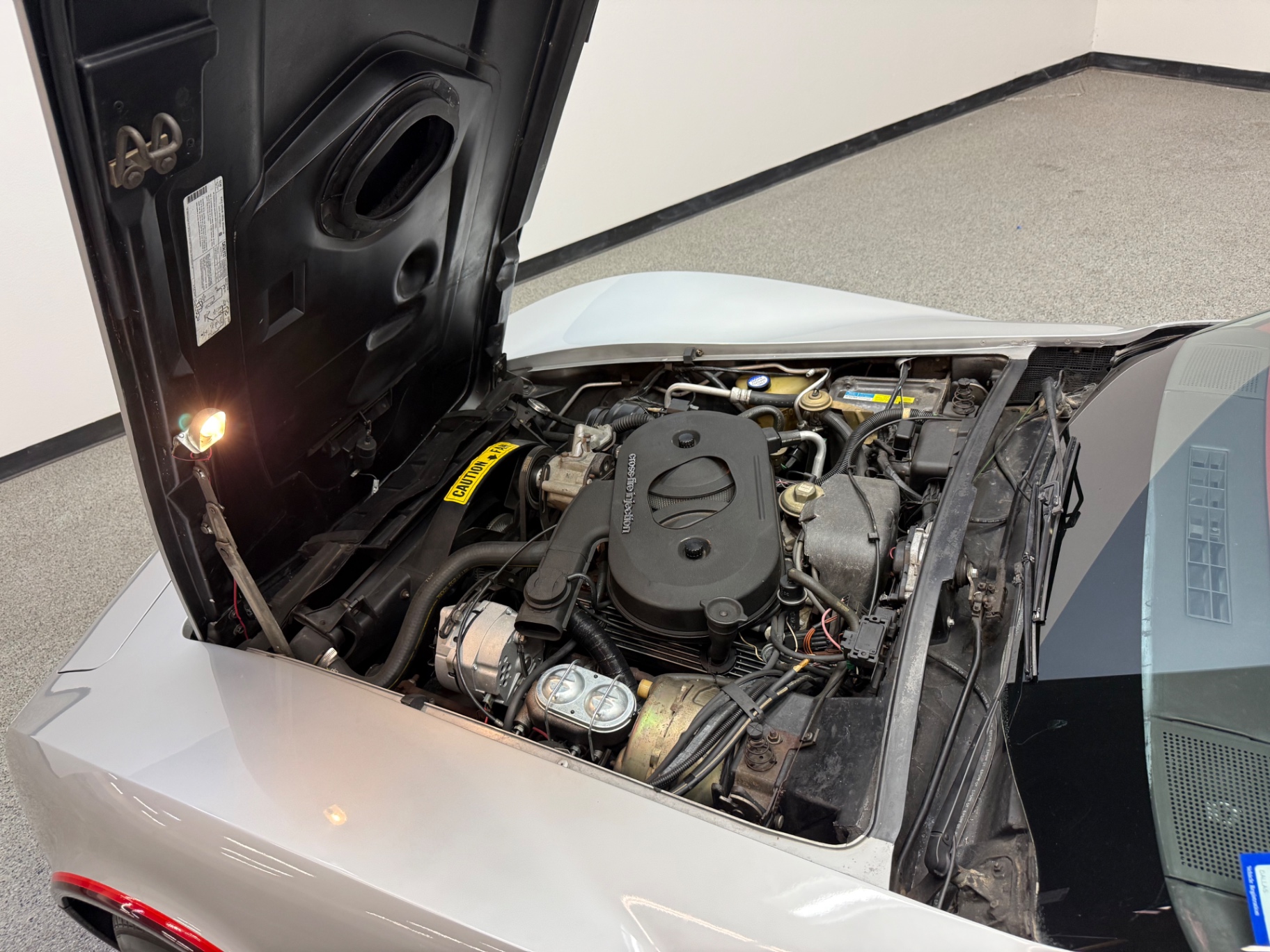
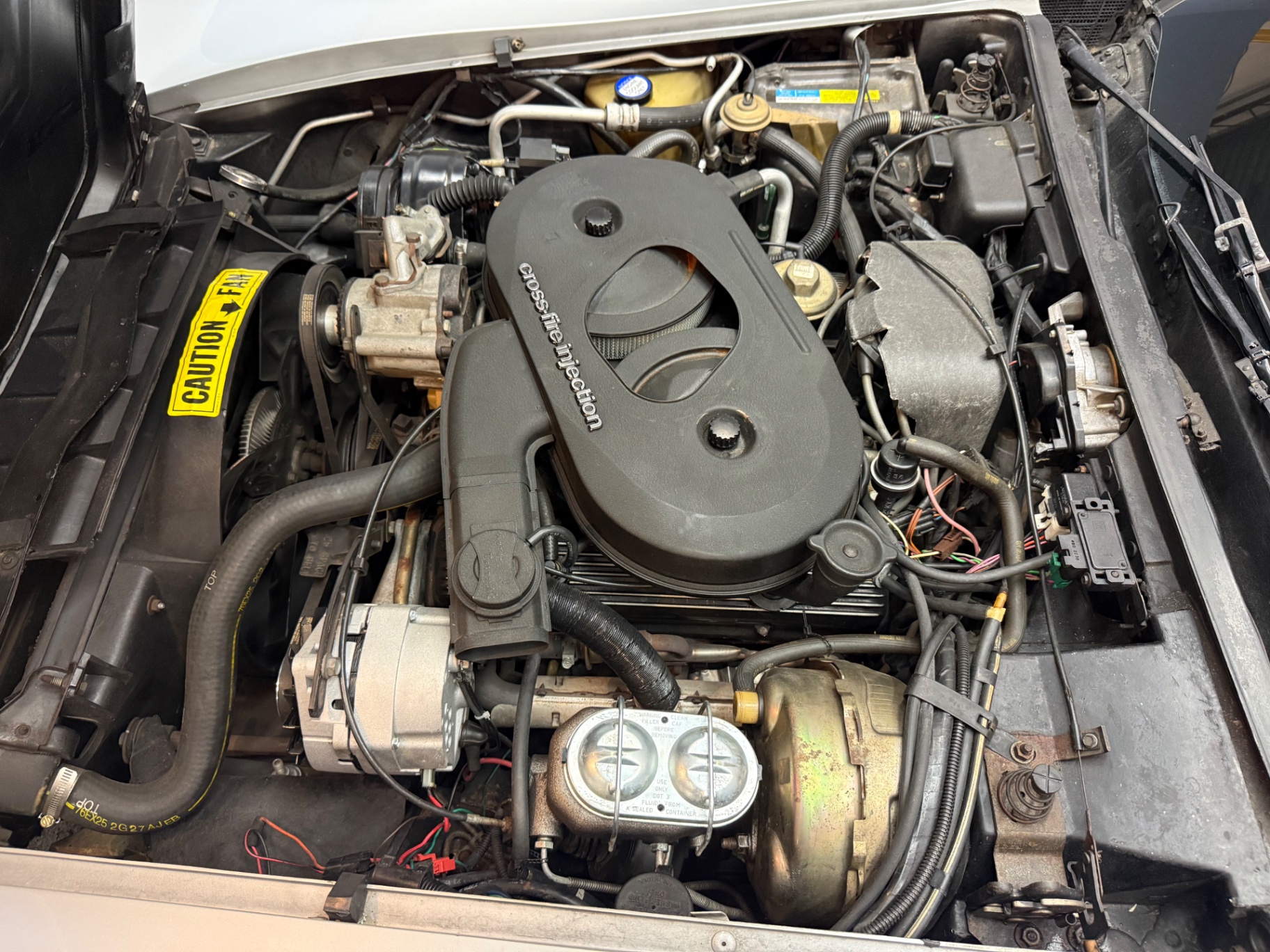
The 1982 Chevrolet Corvette came standard with the L83 5.7-liter V8, rated at 200 horsepower. The engine used Cross-Fire Injection, which Chevrolet described as a dual throttle-body system with twin air-fuel injectors mounted opposite each other in an intake manifold that crossed over the top of the engine — hence the name. The system was computer-controlled, a significant step forward for GM at the time and a preview of where the entire industry was heading. The distinctive oval Cross-Fire Injection air cleaner cover is clearly visible in the engine bay photos and is intact and correct.
Power flows through a Turbo-Hydramatic 700R4 four-speed automatic transmission, which was the only gearbox available on the 1982 Corvette. The 700R4 was a significant improvement over previous automatics because of its overdrive fourth gear, which reduced highway RPM and improved fuel economy without sacrificing the car's character at lower speeds.
This car has been upgraded with Bilstein shock absorbers at all four corners, confirmed clearly in the undercarriage photographs. Bilstein makes gas-pressure monotube shocks that offer more consistent damping than the factory units, which translates to better body control and a more connected feel through corners. This is a practical upgrade that improves the driving experience without altering the appearance of the car. The dual exhaust system is intact, and the undercarriage itself is in solid condition with no visible structural concerns.
Interior
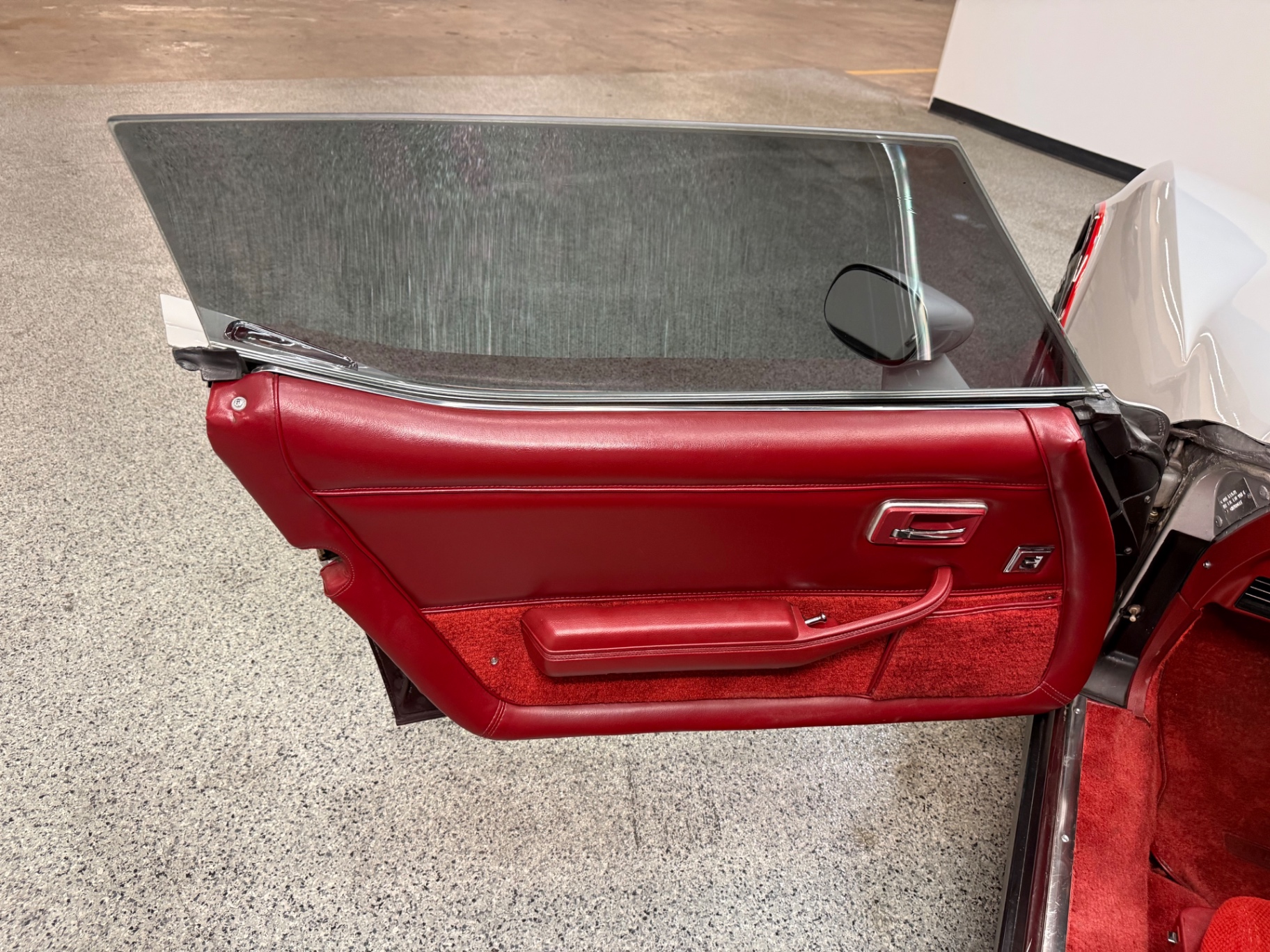
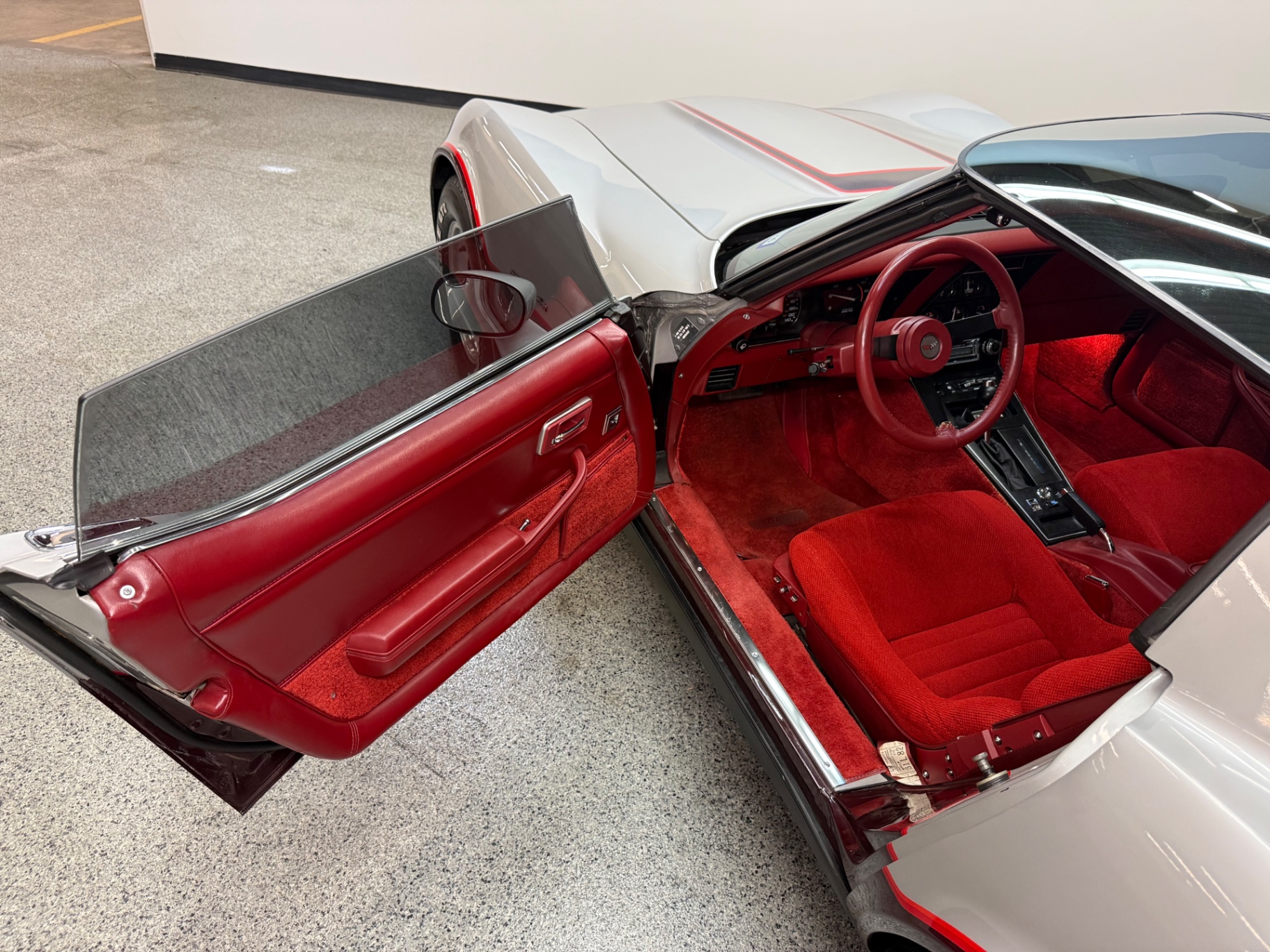
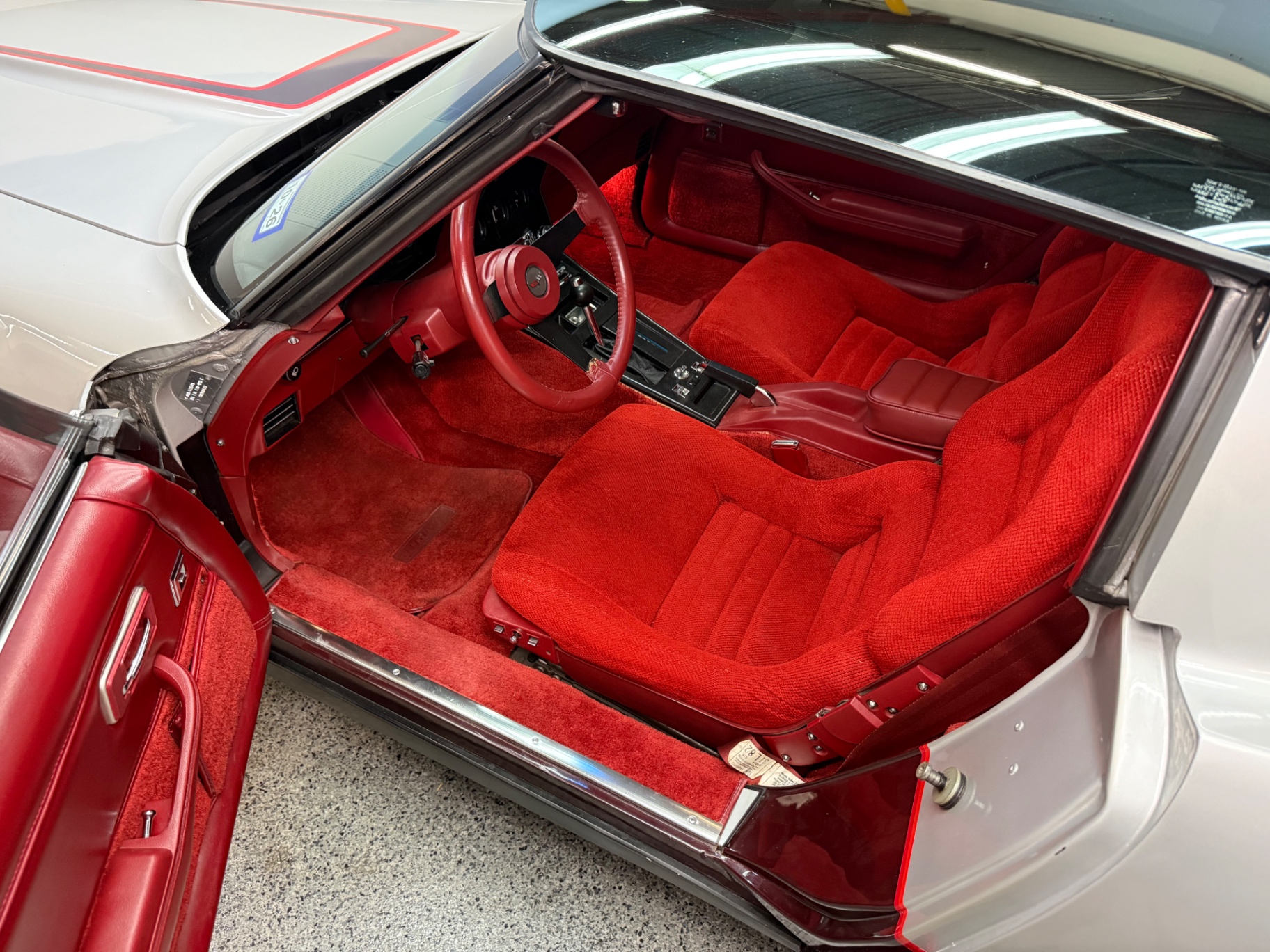
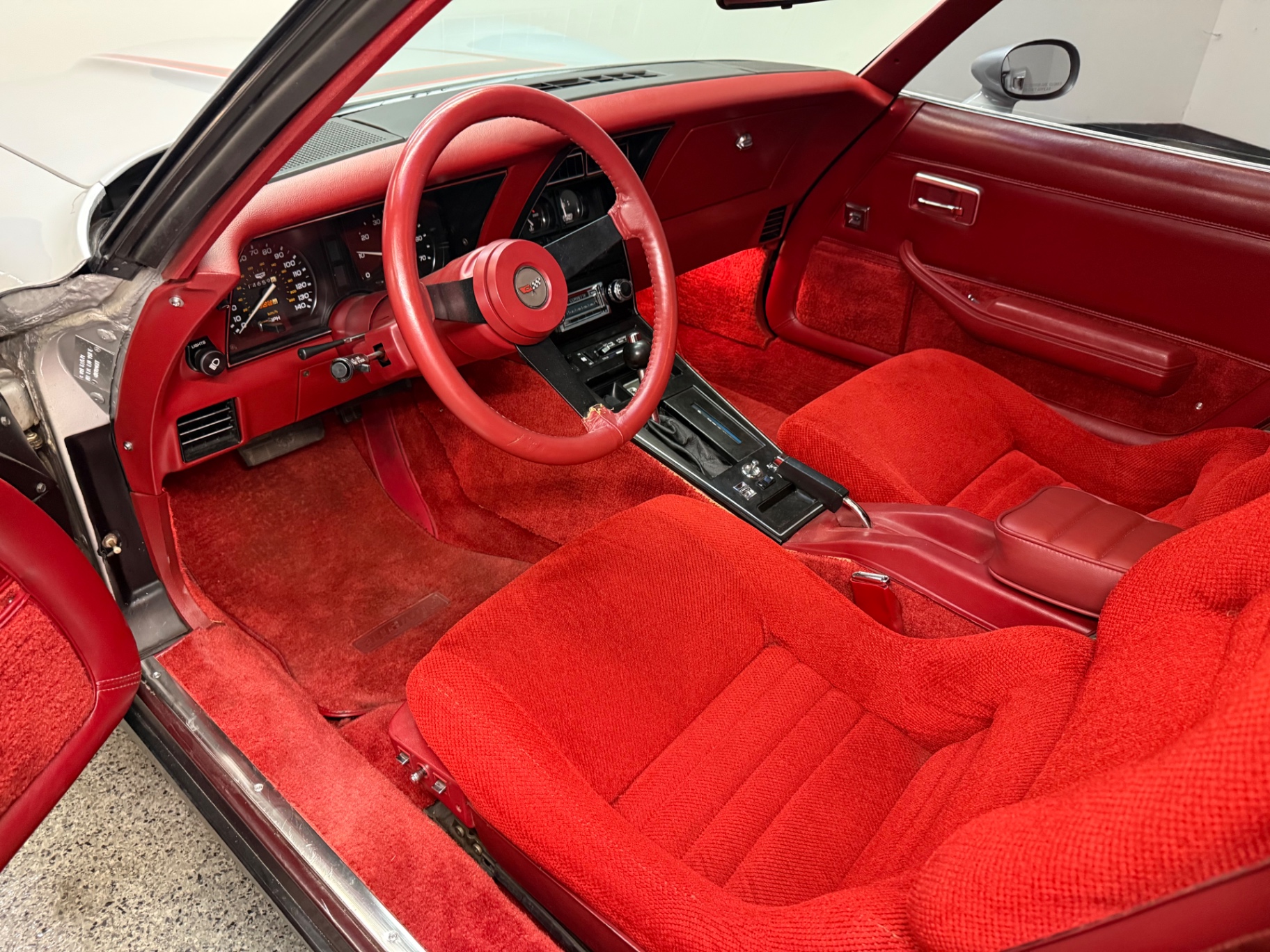
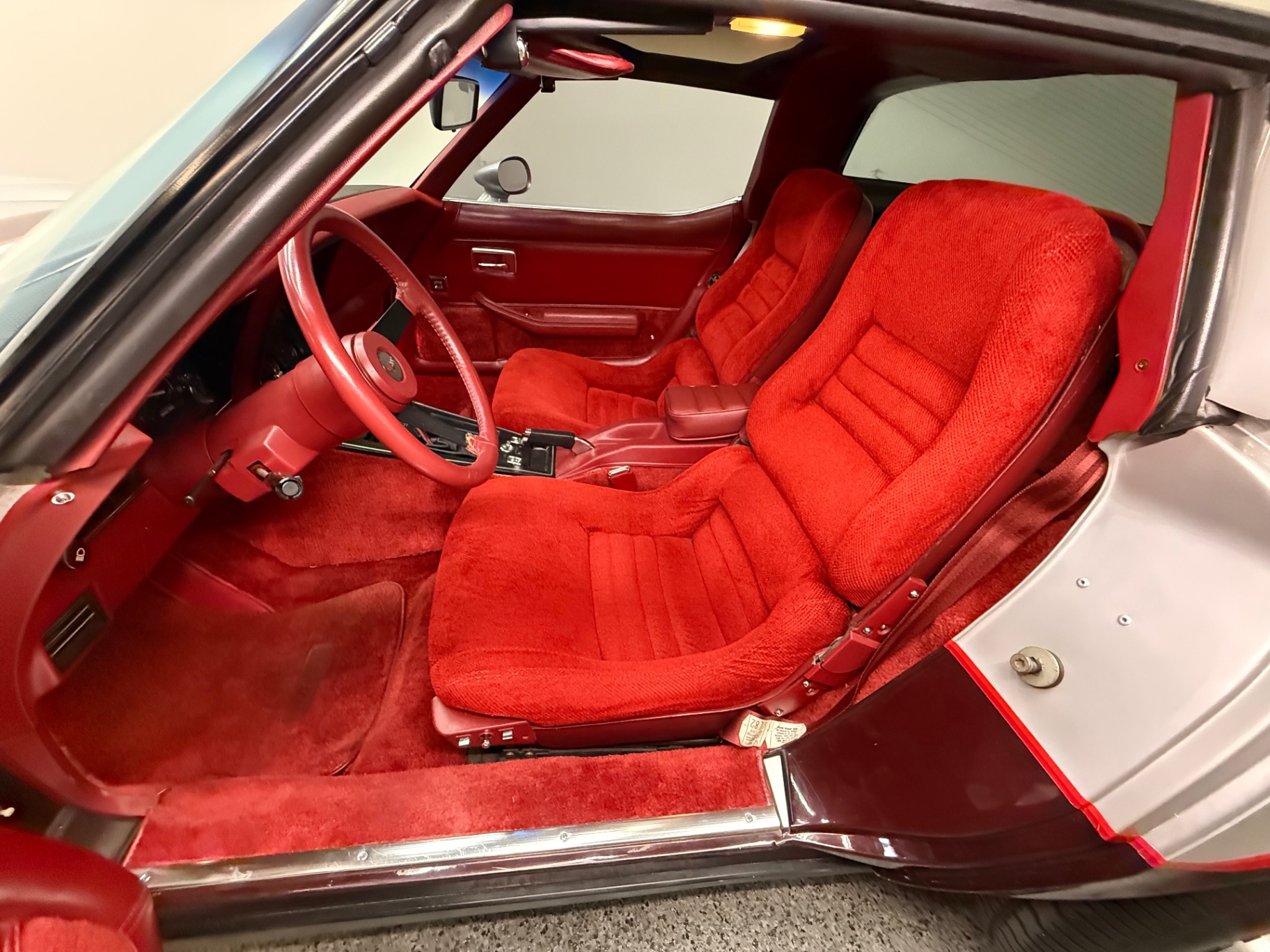
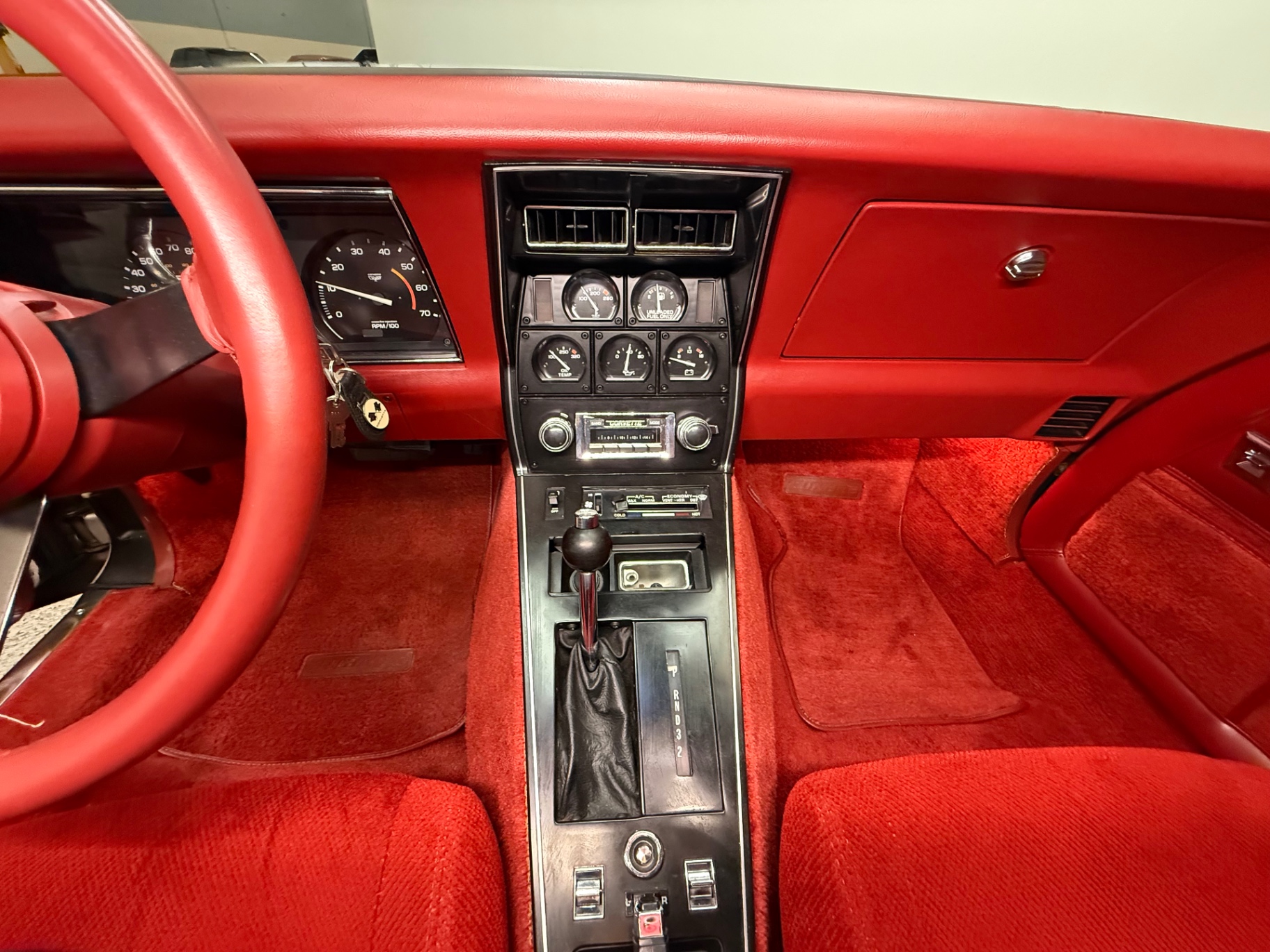
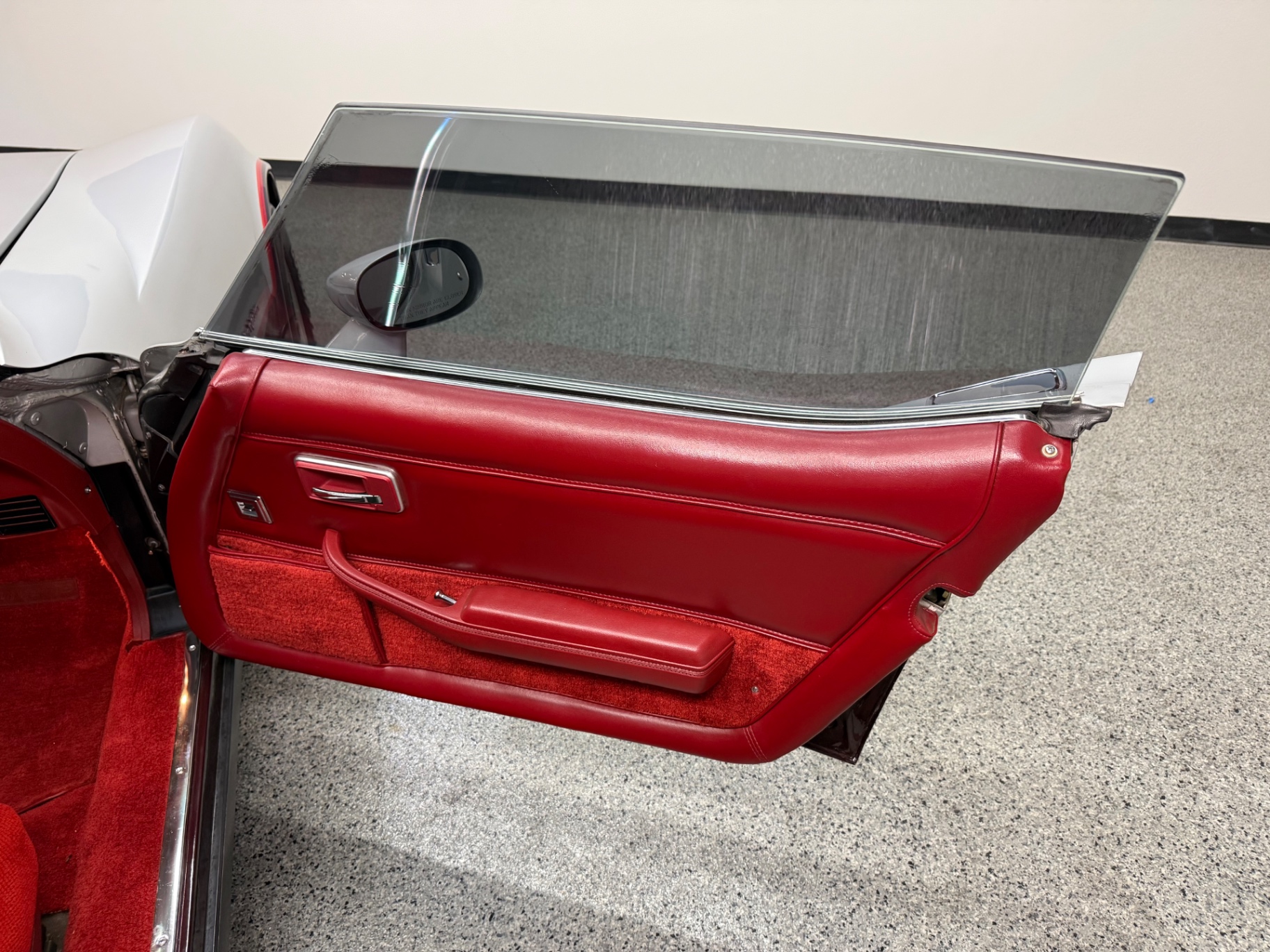
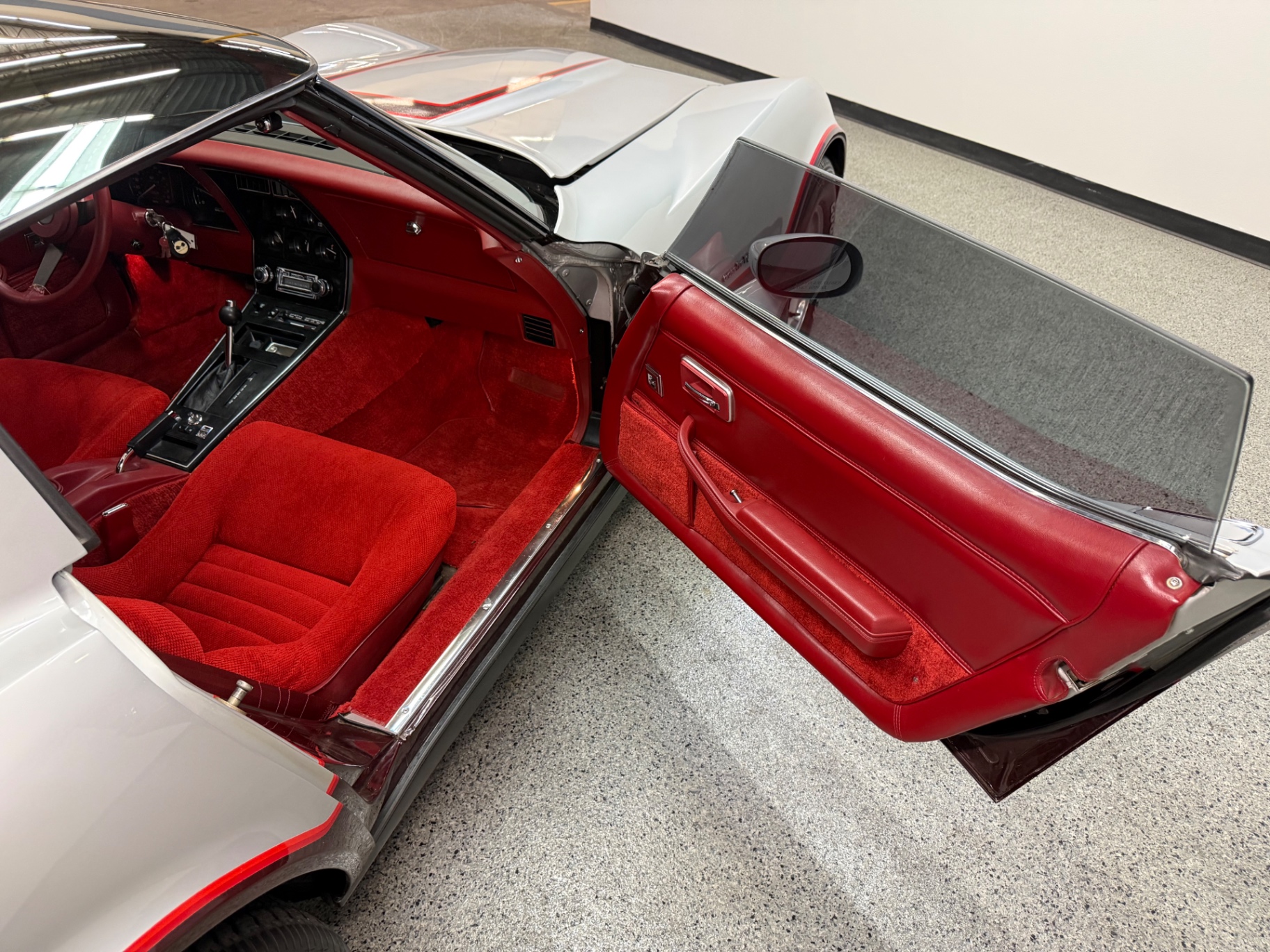
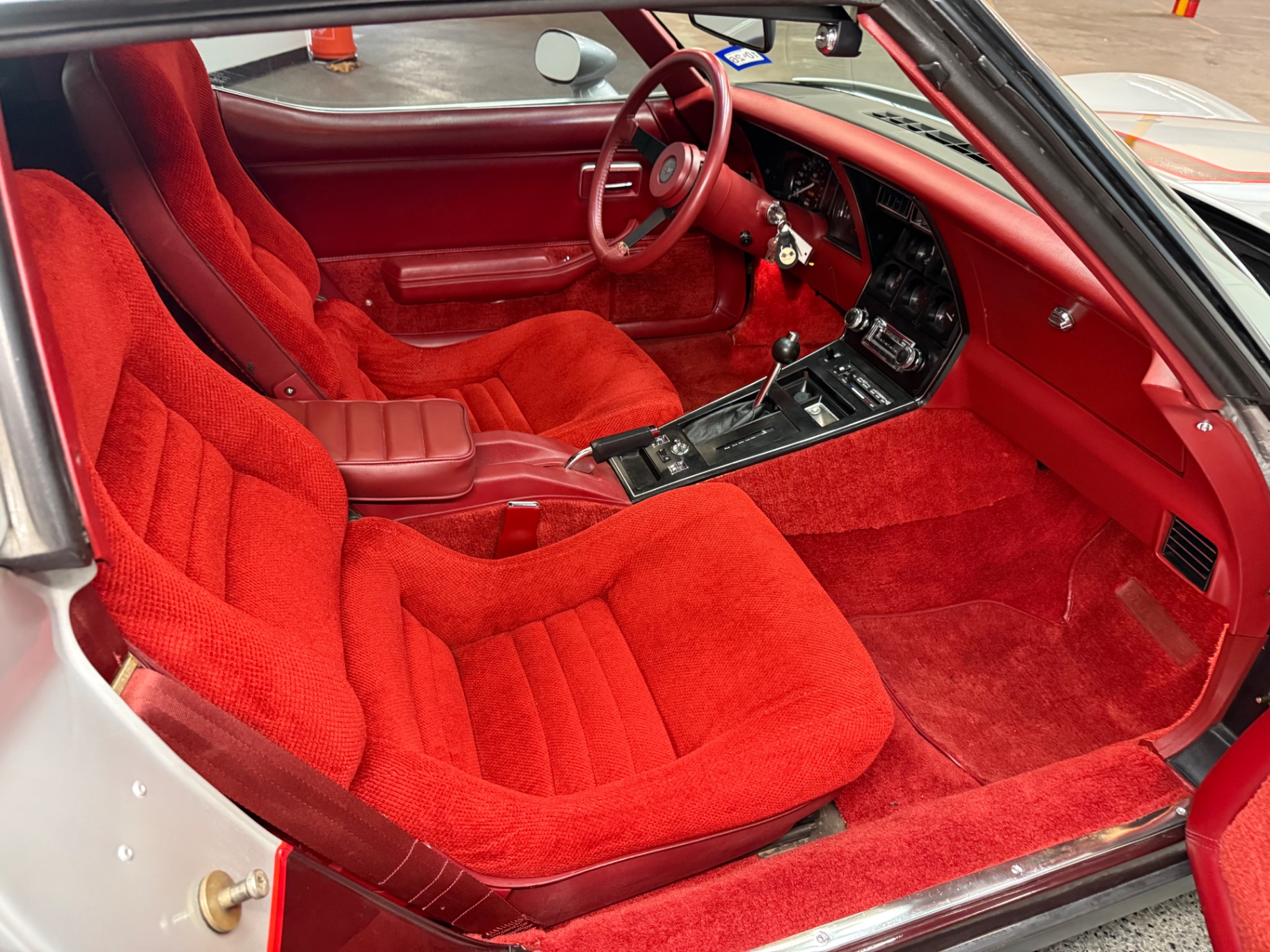
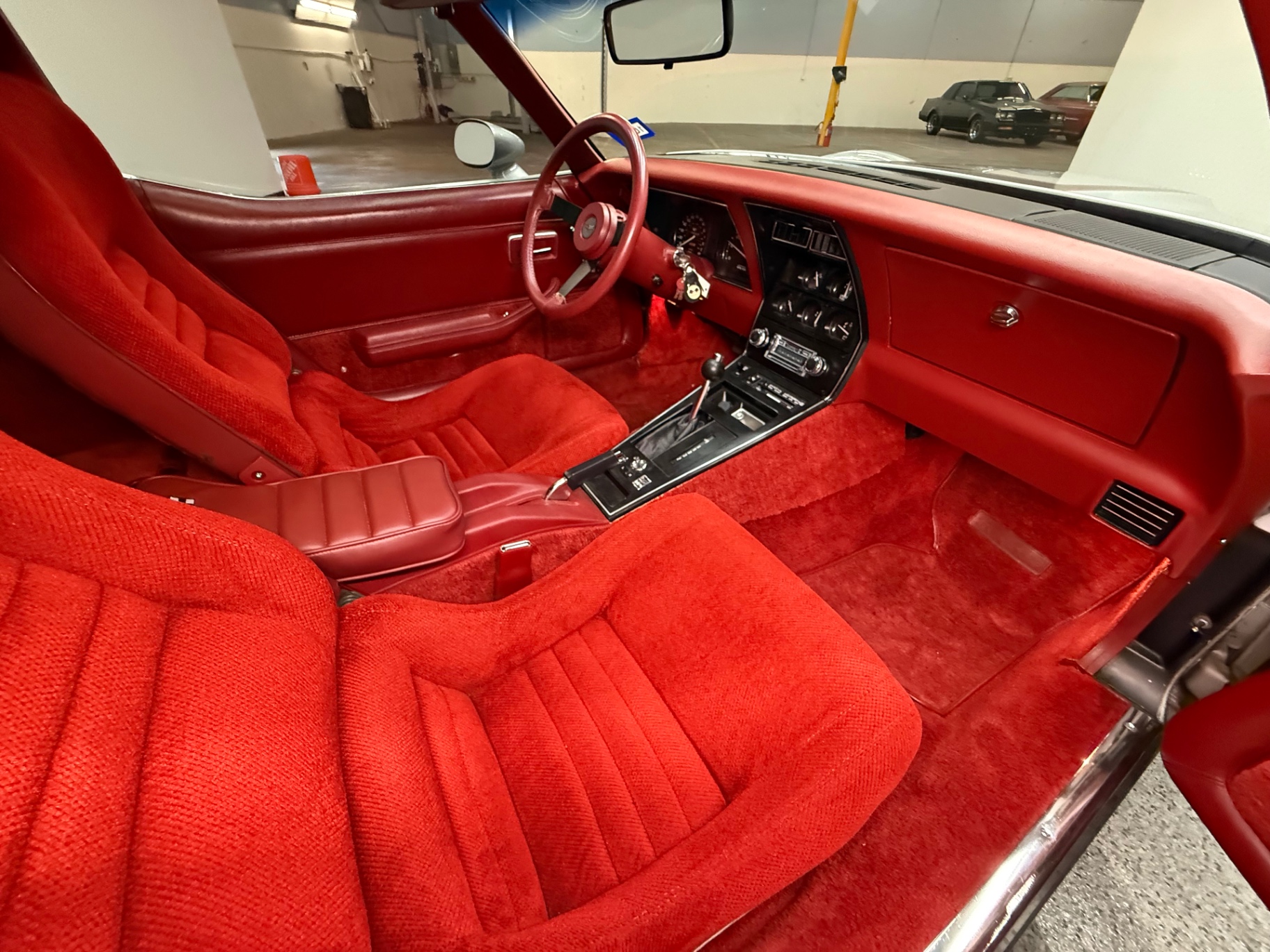
Step inside the 1982 Chevrolet Corvette and you are met with a fully red cabin — red cloth bucket seats, red carpet, red door panels, and a red steering wheel with a crossed-flags center medallion. The photographs show the cloth in good condition with no obvious tears or major wear patterns, which is consistent with the low mileage indicated on the odometer.
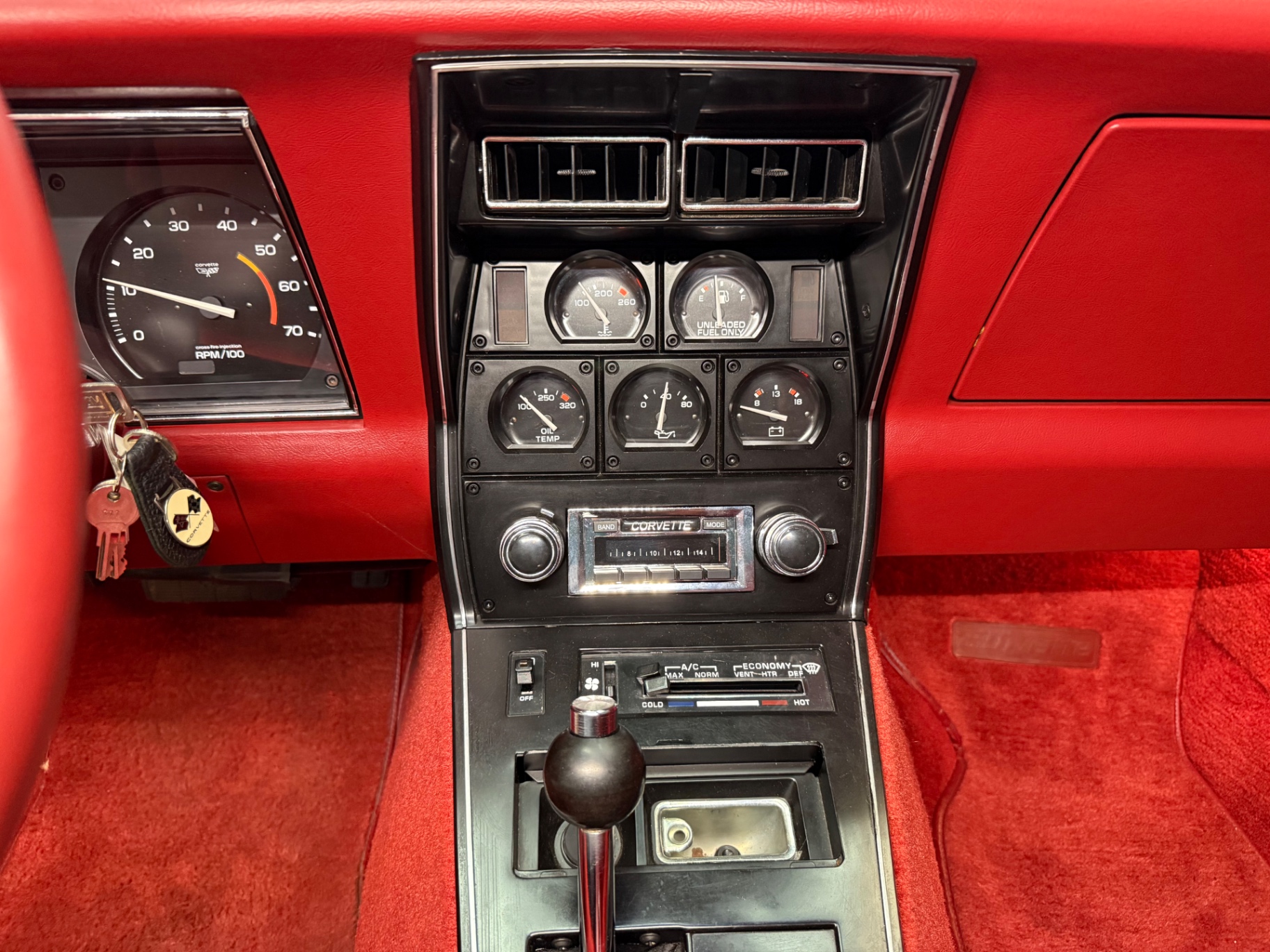
The dashboard layout on the 1982 Corvette was a refinement of the C3's long-running design. The instrument cluster sits directly ahead of the driver, with a large speedometer reading to 140 mph and a dedicated tachometer marked with "cross-fire injection" branding on its face — a detail that confirms the factory powertrain is intact. The center stack contains six auxiliary gauges — temperature, fuel, oil temperature, oil pressure, and battery voltage among them — giving the driver a comprehensive view of what the engine is doing.
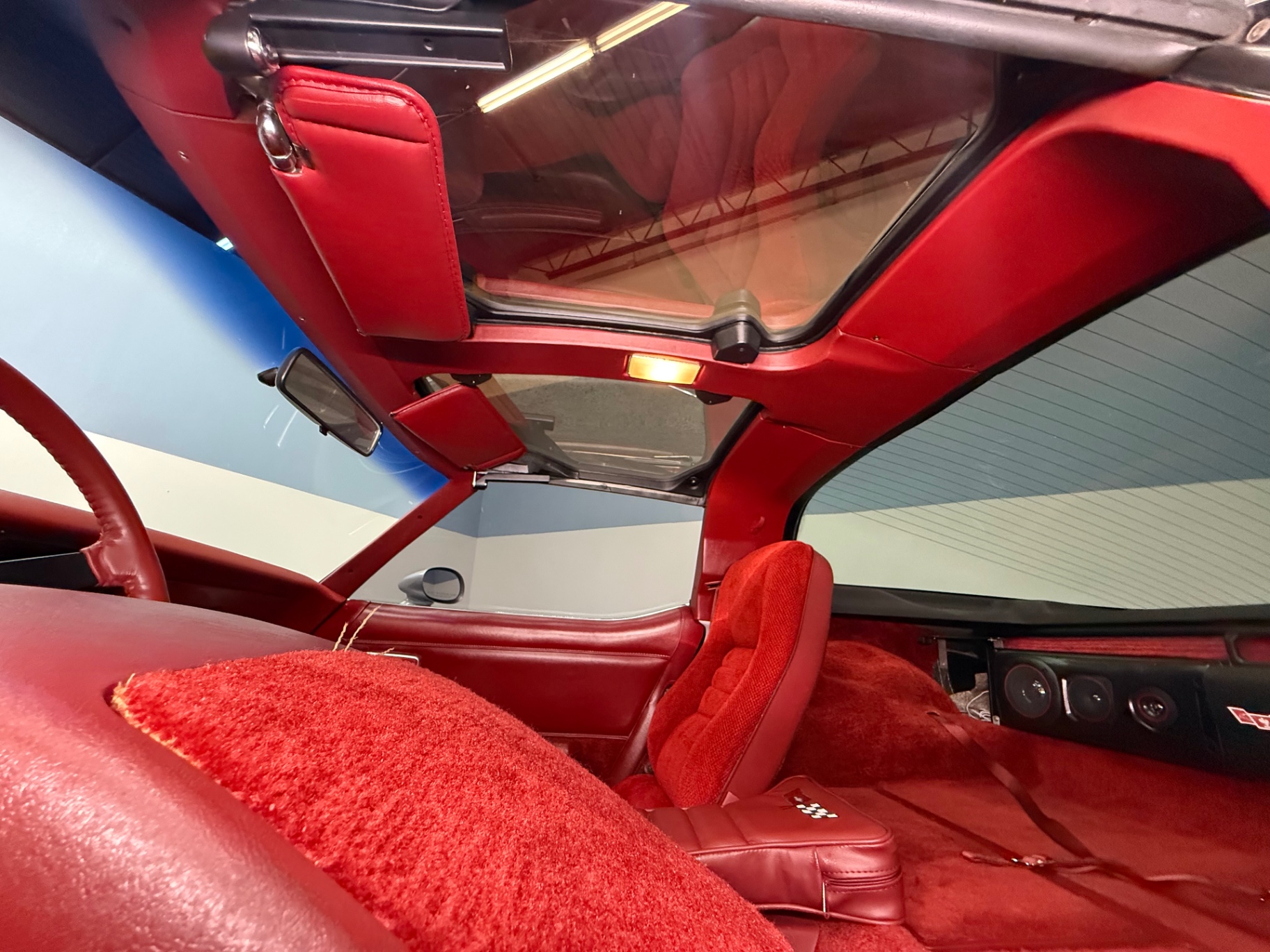
The center console houses the AM/FM radio and the climate control slider panel, along with the automatic transmission selector. The console design is clean and functional, without the clutter of later-era electronics. T-top panels are in place, and the photos show the headliner and surrounding roof structure in good condition.
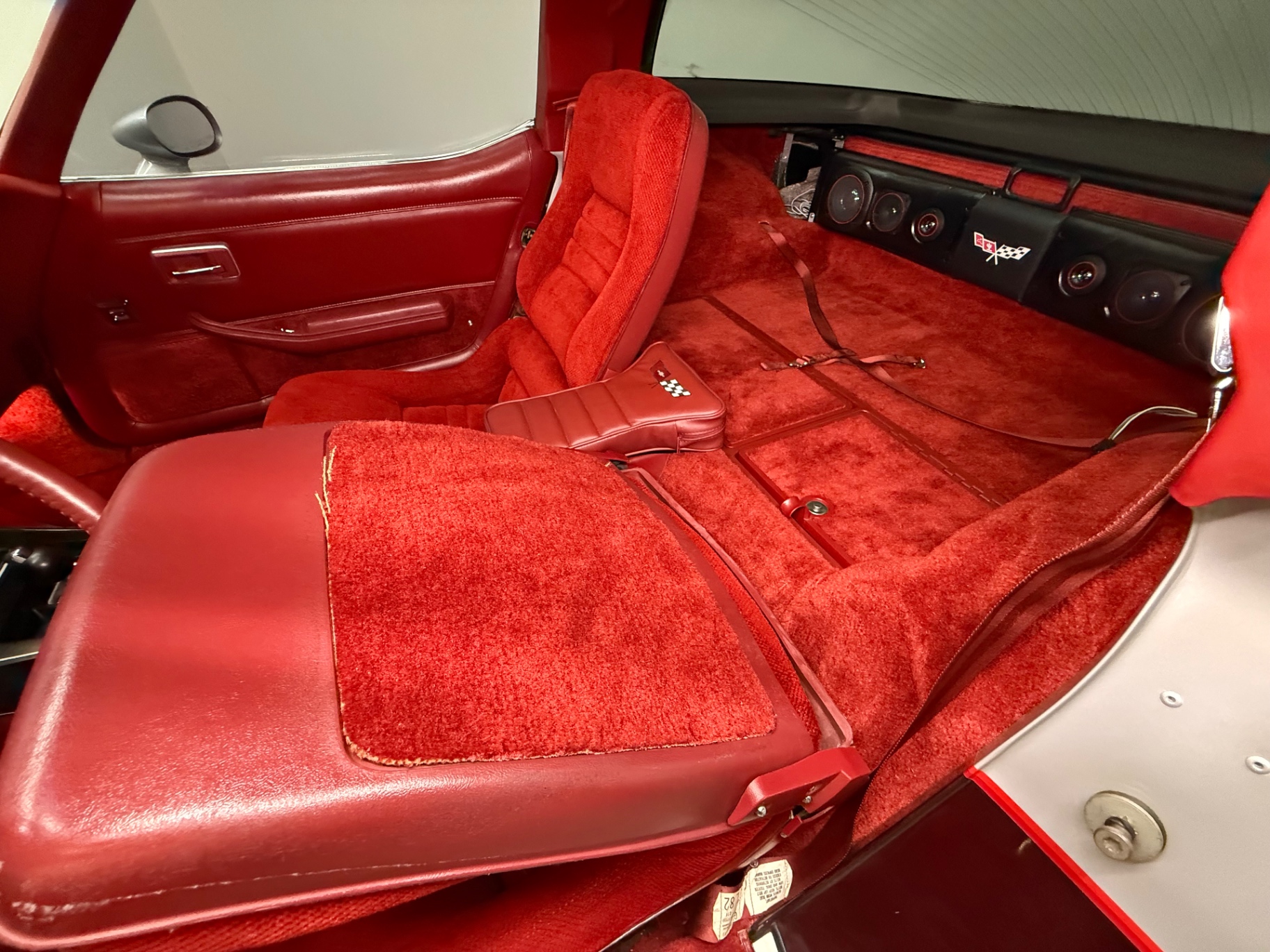
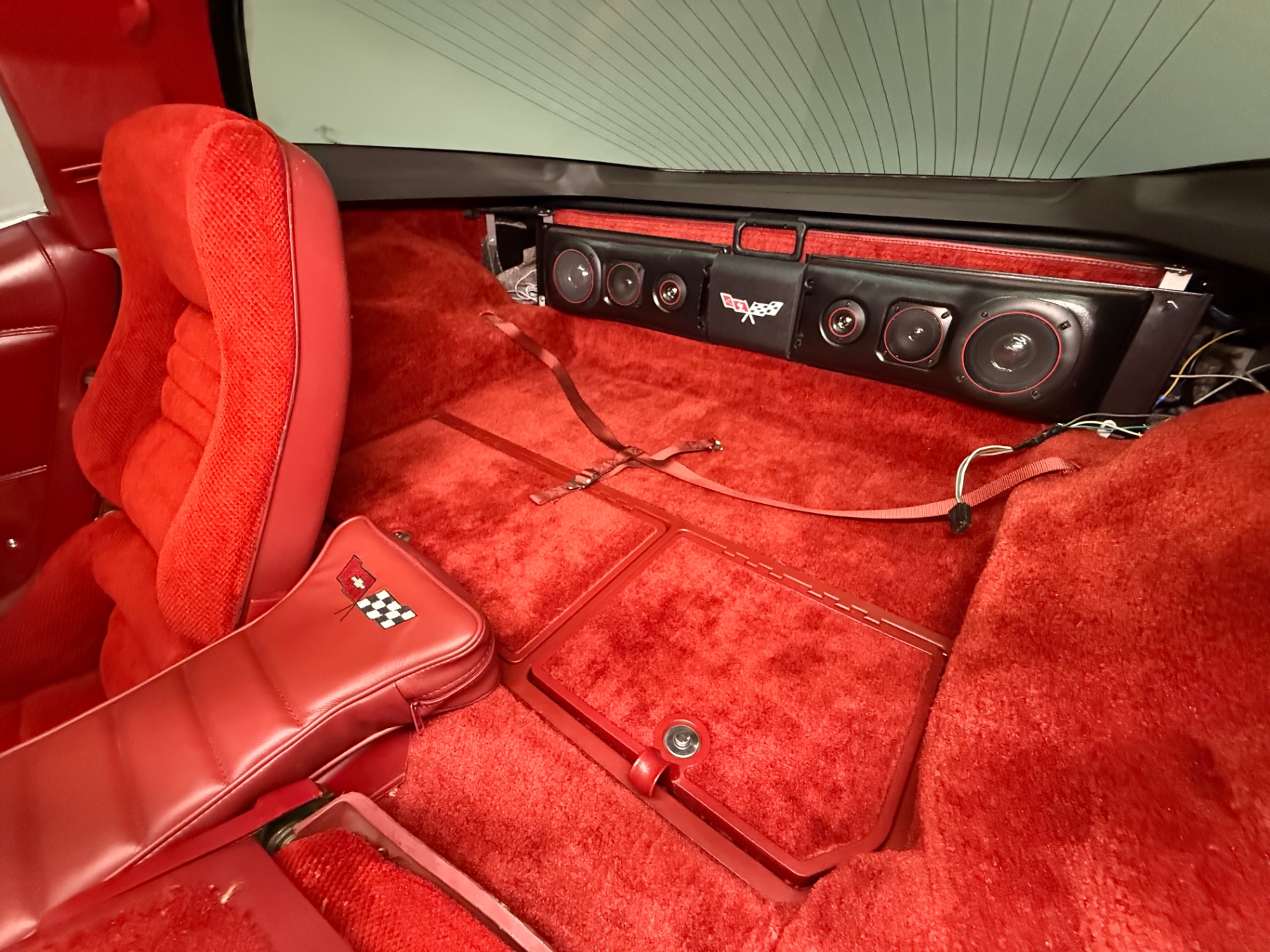
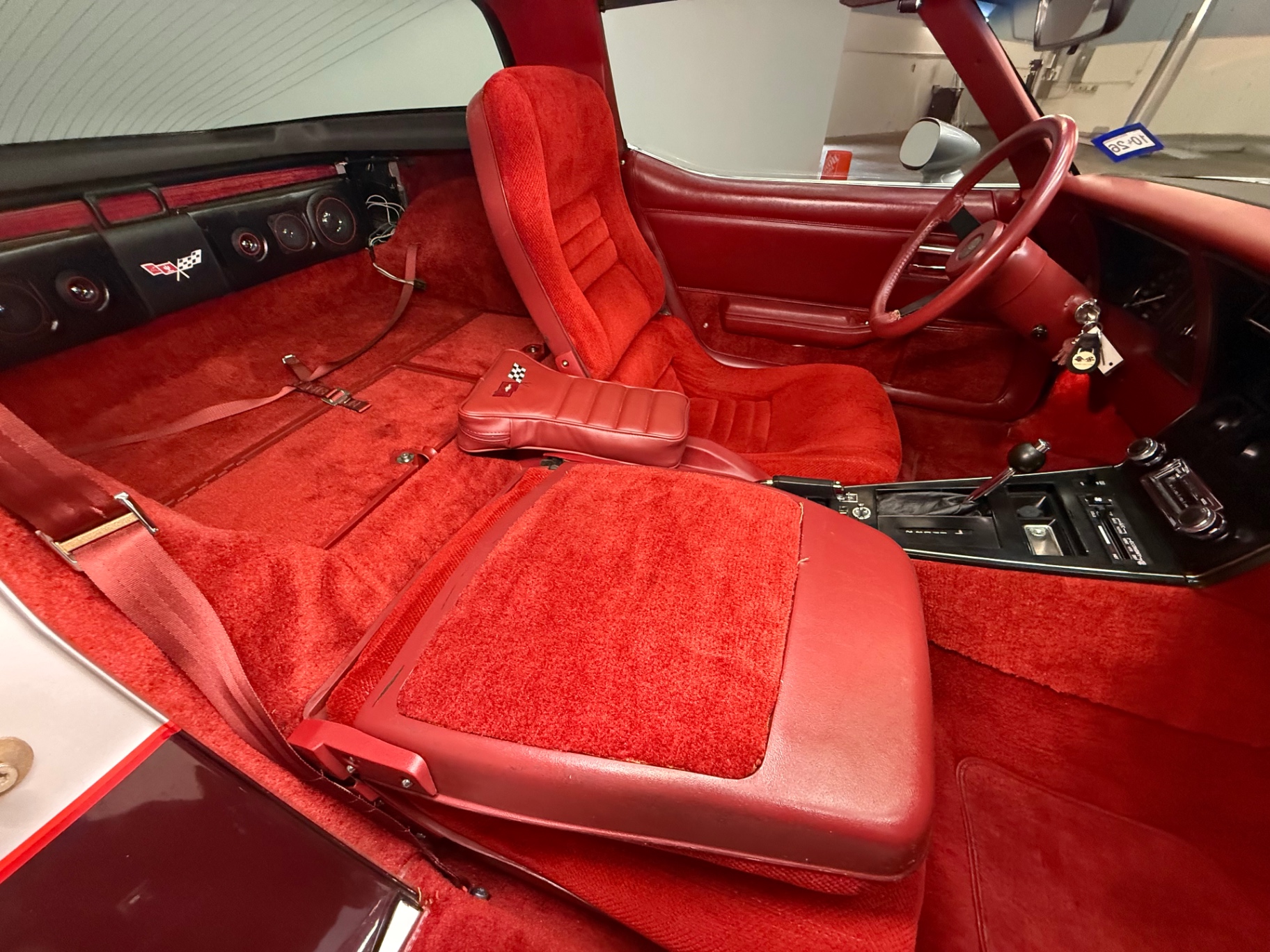
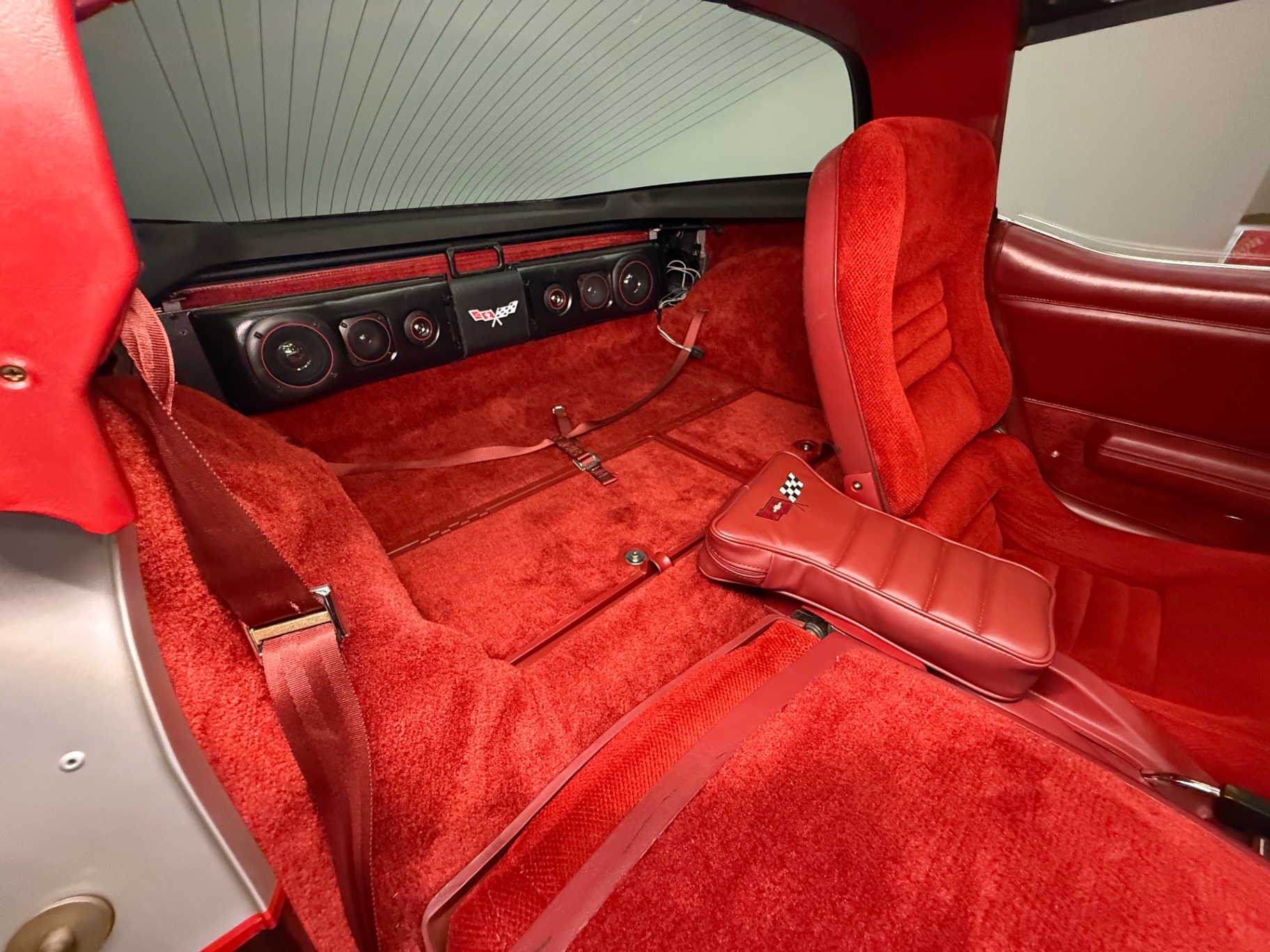
The rear cargo area has been fitted with an upgraded multi-speaker rear panel, finished in black with Corvette crossed-flags badging and red accent rings on the speaker surrounds that tie directly back to the red interior. The factory luggage bags — the embossed red leather pouches with crossed-flags emblems — are present in the cargo area, which is a detail that is frequently lost on these cars over the decades. Their presence here is a positive sign for the car's overall history.
Exterior
The 1982 Chevrolet Corvette's two-tone finish divides the car horizontally, with silver on the upper body and a deep burgundy below the beltline. A thin red pinstripe separates the two colors, which also appears on the hood. The color combination works well on the C3's long, low silhouette — the silver upper half draws the eye along the roofline while the darker lower body grounds the car visually. Both colors appear to be in good condition in the photos, with no obvious fading or panel mismatches visible.
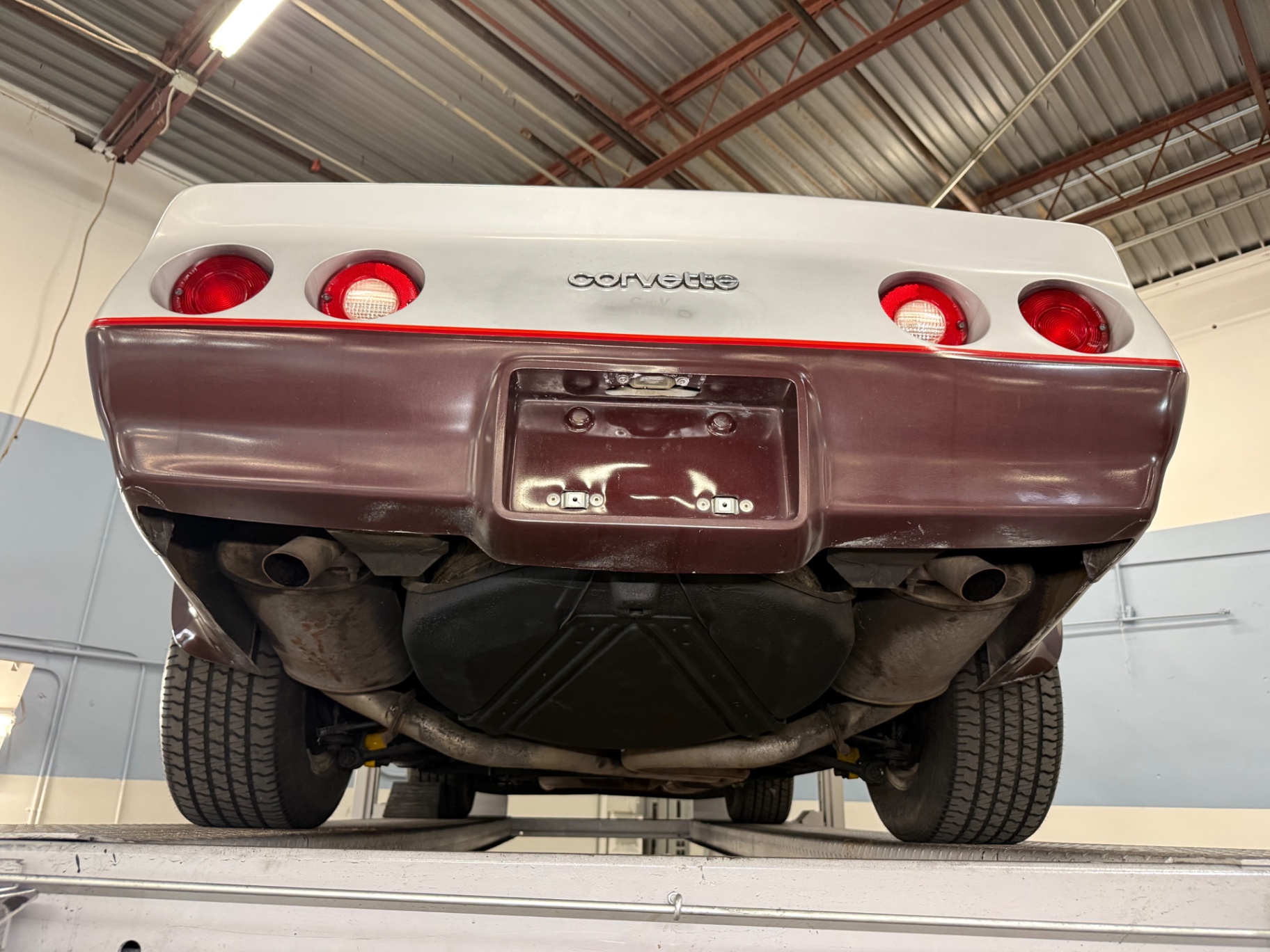
The C3 body on the 1982 model was largely unchanged from 1968 in its basic proportions, but the 1982 did receive a revised front fascia with a cleaner lower air dam. The pop-up headlights are intact and the surrounding body panels appear correctly aligned. At the rear, the four round taillights — a C3 signature since 1961 in various forms — are present and correct, flanking the "corvette" script on the decklid.
Goodyear Eagle GT II tires are mounted on the factory cast aluminum wheels. The Eagle GT II was the factory-specified tire for the 1982 Corvette and is an appropriate choice for a car being maintained in correct specification. The undercarriage photographs show the dual exhaust exits at the rear in good condition, along with the Bilstein shocks clearly visible at all four corners.
Conclusion
The 1982 Chevrolet Corvette is frequently overlooked in favor of higher-horsepower examples from the late 1960s and early 1970s, but that misses the point of what makes this car relevant. It is the final expression of one of the longest-running body styles in American automotive history, it introduced fuel injection back to the Corvette nameplate after a 17-year absence, and it came from the factory with zero manual transmission options — making every example a fixed-ratio automatic by design. This particular car adds to that story with 14,659 miles on the odometer, a complete and matching two-tone exterior, an all-red cloth interior in strong condition, factory luggage bags, Bilstein shocks, and Goodyear Eagle GT II tires. It is a car that documents a specific and important moment in Corvette history, and it presents as a driver that does not need to be apologized for.
To learn more about this 1982 Chevrolet Corvette or to arrange a viewing, call Skyway Classics in Sarasota, Florida at 941-254-6608.
Disclaimer
Information found on the website is presented as given to us by the owner of the car, whether on consignment or from the owner we bought it from. Some Photos, materials for videos, descriptions and other information are provided by the consignor/seller and is deemed reliable, but Skyway Classics does not warranty or guarantee this information. Skyway Classics is not responsible for information that may incorrect or a publishing error. The decision to purchase should be based solely on the buyers personal inspection of the vehicle or by a professional inspection service prior to offer or purchase being made.
1982 Chevrolet Corvette — Cross-Fire Injection, Two-Tone Silver and Burgundy, Red Interior, T-Tops
Why This Car Is Special
The 1982 Chevrolet Corvette holds a significant place in C3 history for a handful of reasons that serious collectors understand. First, 1982 was the final year of the third-generation Corvette, a body style that had been in production since 1968. Chevrolet knew it, and they sent the C3 out with a few notable upgrades rather than letting it coast to the finish line. The most important of those was the introduction of Cross-Fire Injection — a twin throttle-body fuel injection system that returned fuel injection to the Corvette for the first time since 1965. That alone makes the 1982 model year a legitimate milestone in Corvette history.
Second, 1982 was the only year a Corvette was not offered with a manual transmission during the entire run of the C3. Every 1982 Corvette left the factory with the four-speed automatic. That means there are no base-model stick-shift 1982 Corvettes in existence, and collectors who understand that context treat these cars differently than a mid-run C3.
Third, the 1982 model year also marked the return of the Collector Edition — a special trim package offered as a send-off to the generation. While this particular car is not a Collector Edition, the standard 1982 Corvette still benefited from the same Cross-Fire Injection powertrain and was produced at a time when Chevrolet was clearly paying attention to detail.
This specific car presents in a factory two-tone silver over burgundy exterior with a full red cloth interior. The color combination is period-correct and visually cohesive — the red pinstripe that separates the two body colors connects directly to the all-red interior, making the overall look intentional rather than accidental. Odometer photos show 14,659 miles on the clock, which is a figure that demands attention on any C3, let alone a final-year car.
The underbody photos show Bilstein shock absorbers — a meaningful upgrade from factory equipment — and the undercarriage itself presents well for a car of this age, with no visible rot or significant corrosion.
Features List
- Cross-Fire Injection 5.7L (350 cubic inch) V8
- 4-Speed Automatic Transmission
- Removable T-Tops
- Red Cloth Bucket Seats
- Full Red Interior with Red Carpet
- Black Center Console
- Tachometer (labeled "cross-fire injection" on the face)
- Air Conditioning
- AM/FM Radio
- Upgraded Rear Speaker System
- Bilstein Shock Absorbers (front and rear, confirmed in undercarriage photos)
- Dual Exhaust
- Goodyear Eagle GT II Tires
- Two-Tone Exterior — Silver over Burgundy
- Red Pinstripe Accent Stripe
Mechanical
The 1982 Chevrolet Corvette came standard with the L83 5.7-liter V8, rated at 200 horsepower. The engine used Cross-Fire Injection, which Chevrolet described as a dual throttle-body system with twin air-fuel injectors mounted opposite each other in an intake manifold that crossed over the top of the engine — hence the name. The system was computer-controlled, a significant step forward for GM at the time and a preview of where the entire industry was heading. The distinctive oval Cross-Fire Injection air cleaner cover is clearly visible in the engine bay photos and is intact and correct.
Power flows through a Turbo-Hydramatic 700R4 four-speed automatic transmission, which was the only gearbox available on the 1982 Corvette. The 700R4 was a significant improvement over previous automatics because of its overdrive fourth gear, which reduced highway RPM and improved fuel economy without sacrificing the car's character at lower speeds.
This car has been upgraded with Bilstein shock absorbers at all four corners, confirmed clearly in the undercarriage photographs. Bilstein makes gas-pressure monotube shocks that offer more consistent damping than the factory units, which translates to better body control and a more connected feel through corners. This is a practical upgrade that improves the driving experience without altering the appearance of the car. The dual exhaust system is intact, and the undercarriage itself is in solid condition with no visible structural concerns.
Interior
Step inside the 1982 Chevrolet Corvette and you are met with a fully red cabin — red cloth bucket seats, red carpet, red door panels, and a red steering wheel with a crossed-flags center medallion. The photographs show the cloth in good condition with no obvious tears or major wear patterns, which is consistent with the low mileage indicated on the odometer.
The dashboard layout on the 1982 Corvette was a refinement of the C3's long-running design. The instrument cluster sits directly ahead of the driver, with a large speedometer reading to 140 mph and a dedicated tachometer marked with "cross-fire injection" branding on its face — a detail that confirms the factory powertrain is intact. The center stack contains six auxiliary gauges — temperature, fuel, oil temperature, oil pressure, and battery voltage among them — giving the driver a comprehensive view of what the engine is doing.
The center console houses the AM/FM radio and the climate control slider panel, along with the automatic transmission selector. The console design is clean and functional, without the clutter of later-era electronics. T-top panels are in place, and the photos show the headliner and surrounding roof structure in good condition.
The rear cargo area has been fitted with an upgraded multi-speaker rear panel, finished in black with Corvette crossed-flags badging and red accent rings on the speaker surrounds that tie directly back to the red interior. The factory luggage bags — the embossed red leather pouches with crossed-flags emblems — are present in the cargo area, which is a detail that is frequently lost on these cars over the decades. Their presence here is a positive sign for the car's overall history.
Exterior
The 1982 Chevrolet Corvette's two-tone finish divides the car horizontally, with silver on the upper body and a deep burgundy below the beltline. A thin red pinstripe separates the two colors, which also appears on the hood. The color combination works well on the C3's long, low silhouette — the silver upper half draws the eye along the roofline while the darker lower body grounds the car visually. Both colors appear to be in good condition in the photos, with no obvious fading or panel mismatches visible.
The C3 body on the 1982 model was largely unchanged from 1968 in its basic proportions, but the 1982 did receive a revised front fascia with a cleaner lower air dam. The pop-up headlights are intact and the surrounding body panels appear correctly aligned. At the rear, the four round taillights — a C3 signature since 1961 in various forms — are present and correct, flanking the "corvette" script on the decklid.
Goodyear Eagle GT II tires are mounted on the factory cast aluminum wheels. The Eagle GT II was the factory-specified tire for the 1982 Corvette and is an appropriate choice for a car being maintained in correct specification. The undercarriage photographs show the dual exhaust exits at the rear in good condition, along with the Bilstein shocks clearly visible at all four corners.
Conclusion
The 1982 Chevrolet Corvette is frequently overlooked in favor of higher-horsepower examples from the late 1960s and early 1970s, but that misses the point of what makes this car relevant. It is the final expression of one of the longest-running body styles in American automotive history, it introduced fuel injection back to the Corvette nameplate after a 17-year absence, and it came from the factory with zero manual transmission options — making every example a fixed-ratio automatic by design. This particular car adds to that story with 14,659 miles on the odometer, a complete and matching two-tone exterior, an all-red cloth interior in strong condition, factory luggage bags, Bilstein shocks, and Goodyear Eagle GT II tires. It is a car that documents a specific and important moment in Corvette history, and it presents as a driver that does not need to be apologized for.
To learn more about this 1982 Chevrolet Corvette or to arrange a viewing, call Skyway Classics in Sarasota, Florida at 941-254-6608.
Disclaimer
Information found on the website is presented as given to us by the owner of the car, whether on consignment or from the owner we bought it from. Some Photos, materials for videos, descriptions and other information are provided by the consignor/seller and is deemed reliable, but Skyway Classics does not warranty or guarantee this information. Skyway Classics is not responsible for information that may incorrect or a publishing error. The decision to purchase should be based solely on the buyers personal inspection of the vehicle or by a professional inspection service prior to offer or purchase being made.
1982 Chevrolet
Corvette Base
Why Choose Skyway Classics?
Explore our curated inventory of classic and collector cars—thoughtfully selected, ready to drive, and supported by experts who make ownership simple.
Expert Curation
Every vehicle is hand-selected by our experts for quality, authenticity, and investment potential.
Fast Transactions
Streamlined buying and selling process with quick financing and immediate delivery options.
Only National Dealer With Classic Service & Repair
We’re the only national dealership that services and repairs the classics we sell—before and after the sale.
Nationwide Network
Access to our extensive network of collectors, restorers, and classic car enthusiasts nationwide.
Concierge Ownership Support
From financing and insurance to paperwork, shipping, and titling—we handle the details so you can enjoy the drive.
Passion-Driven Service
We're classic car enthusiasts first, providing personalized service with genuine passion for the hobby.