
1965 Mercury
Comet Caliente
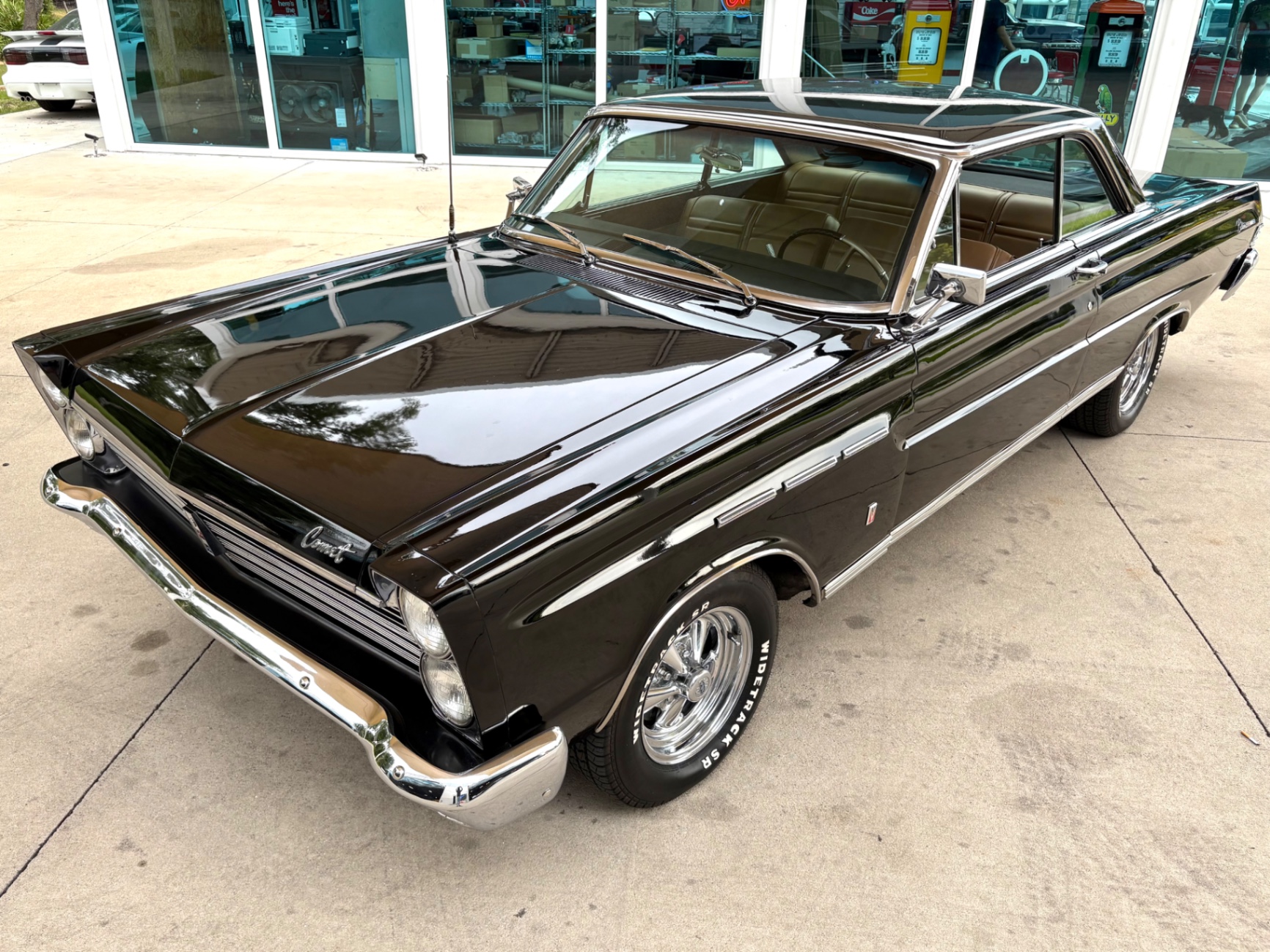
1965 Mercury Comet Caliente Hardtop Coupe — 289 V8, Dual Exhaust, Solid Driver with Performance Upgrades
Why This Car Is Special
The 1965 Mercury Comet sits at an interesting crossroads in Ford Motor Company history. Originally conceived as a standalone compact before being absorbed into the Mercury lineup in 1962, the Comet grew up considerably by 1965. That year, Mercury gave it a full redesign on the stretched Falcon platform, adding genuine size, a more formal roofline, and an interior package that finally felt appropriate for the Mercury name. The result was a car that looked like a scaled-down full-size Mercury rather than a dressed-up economy compact.
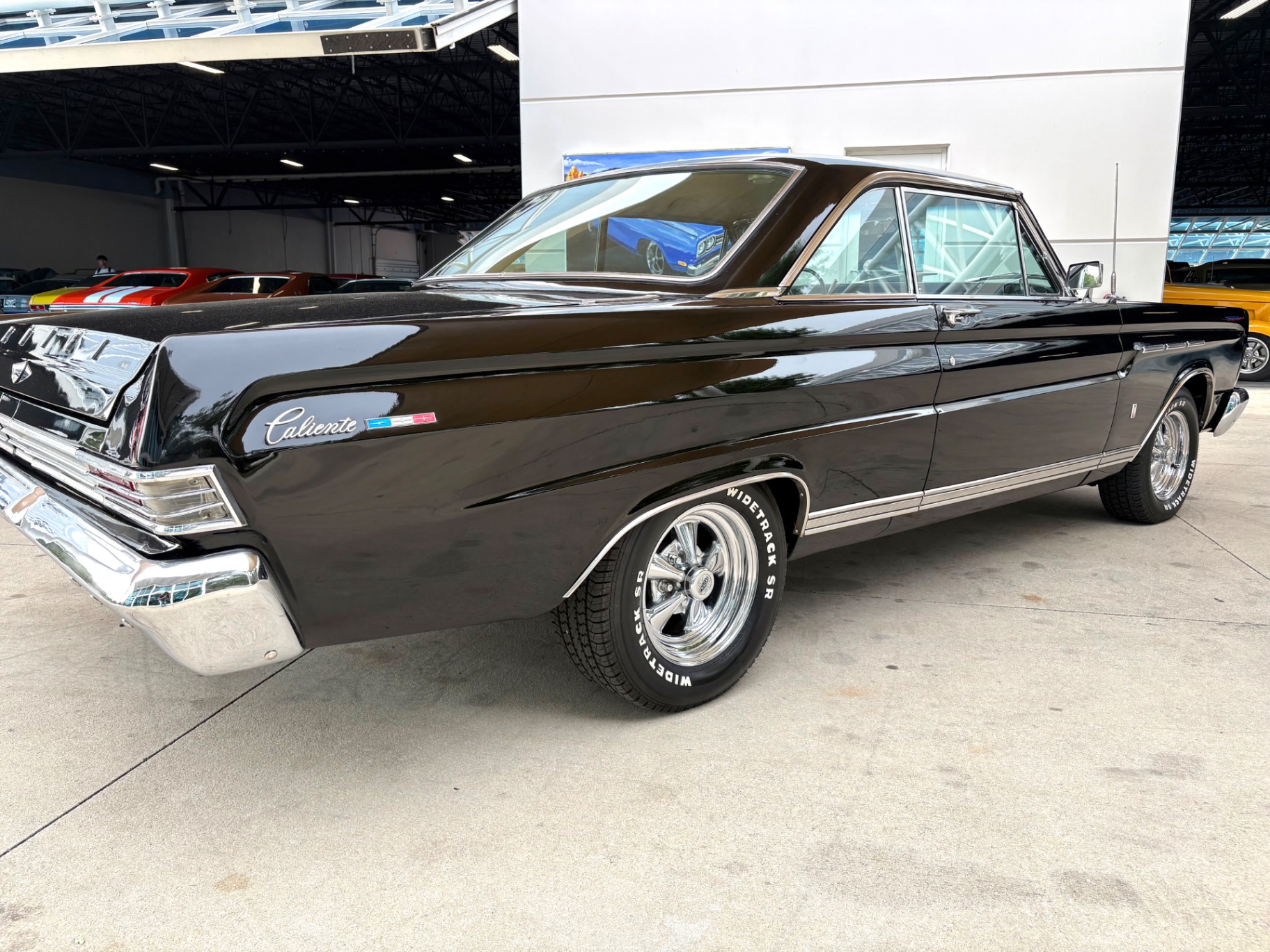
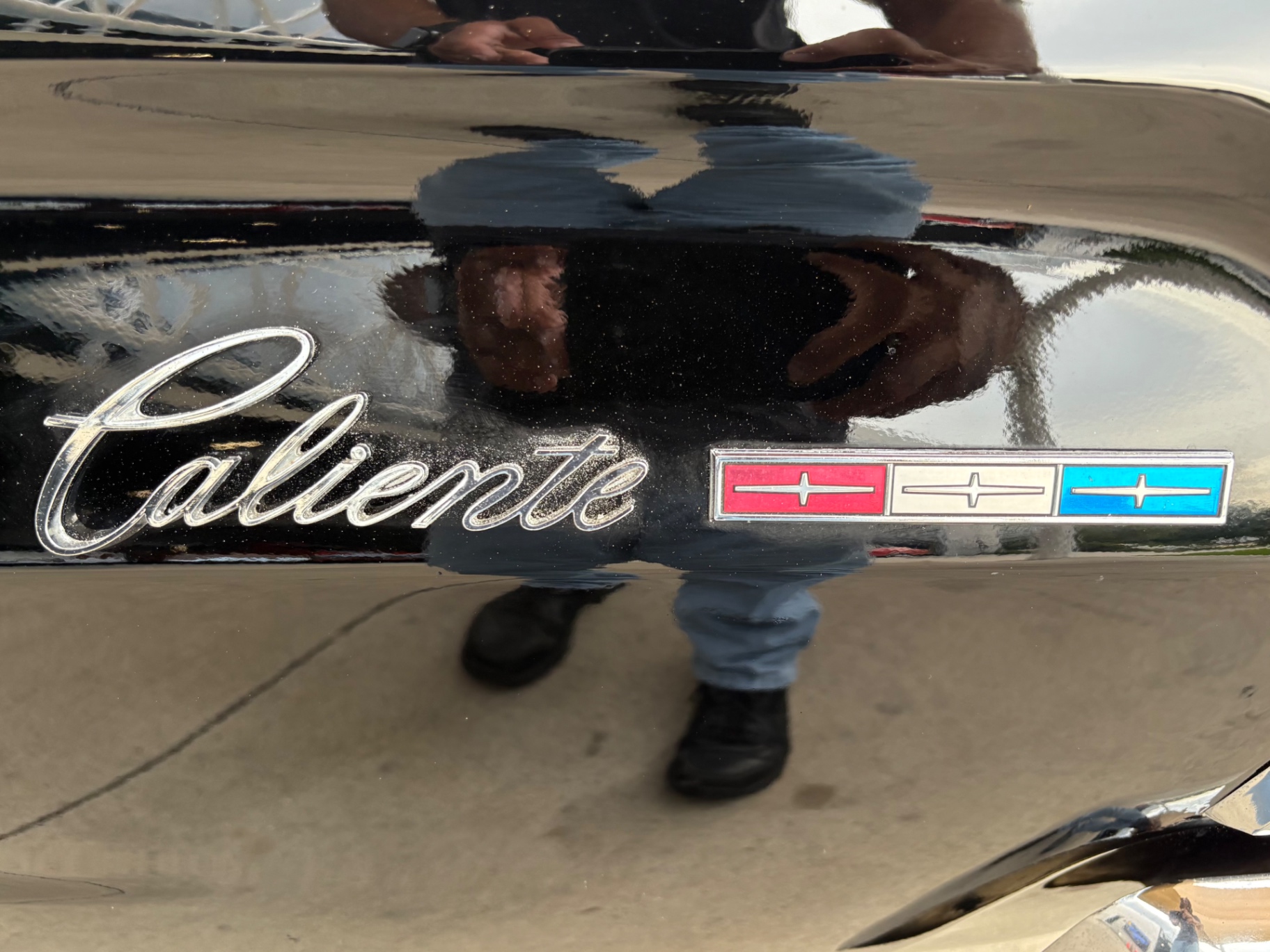
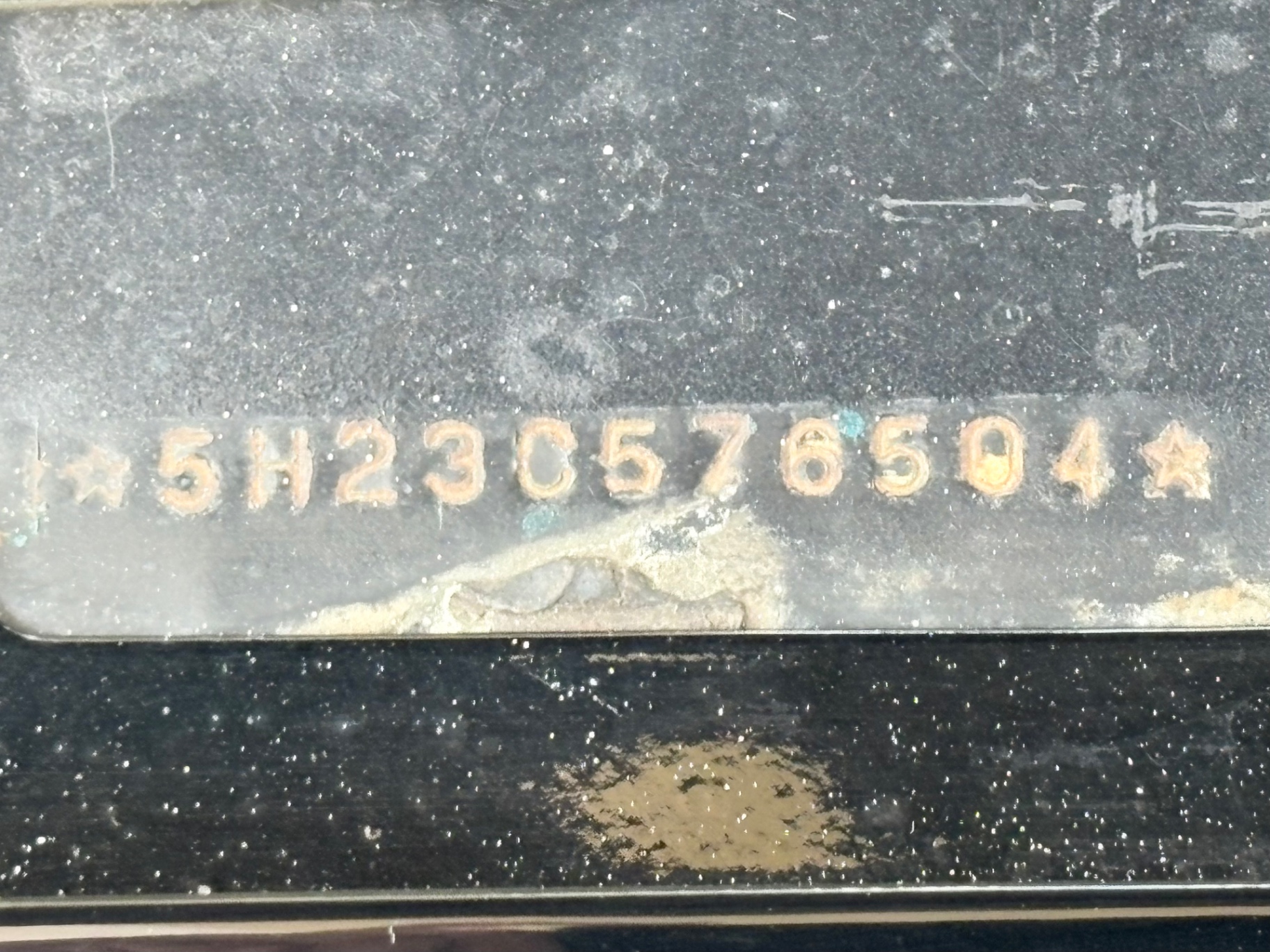
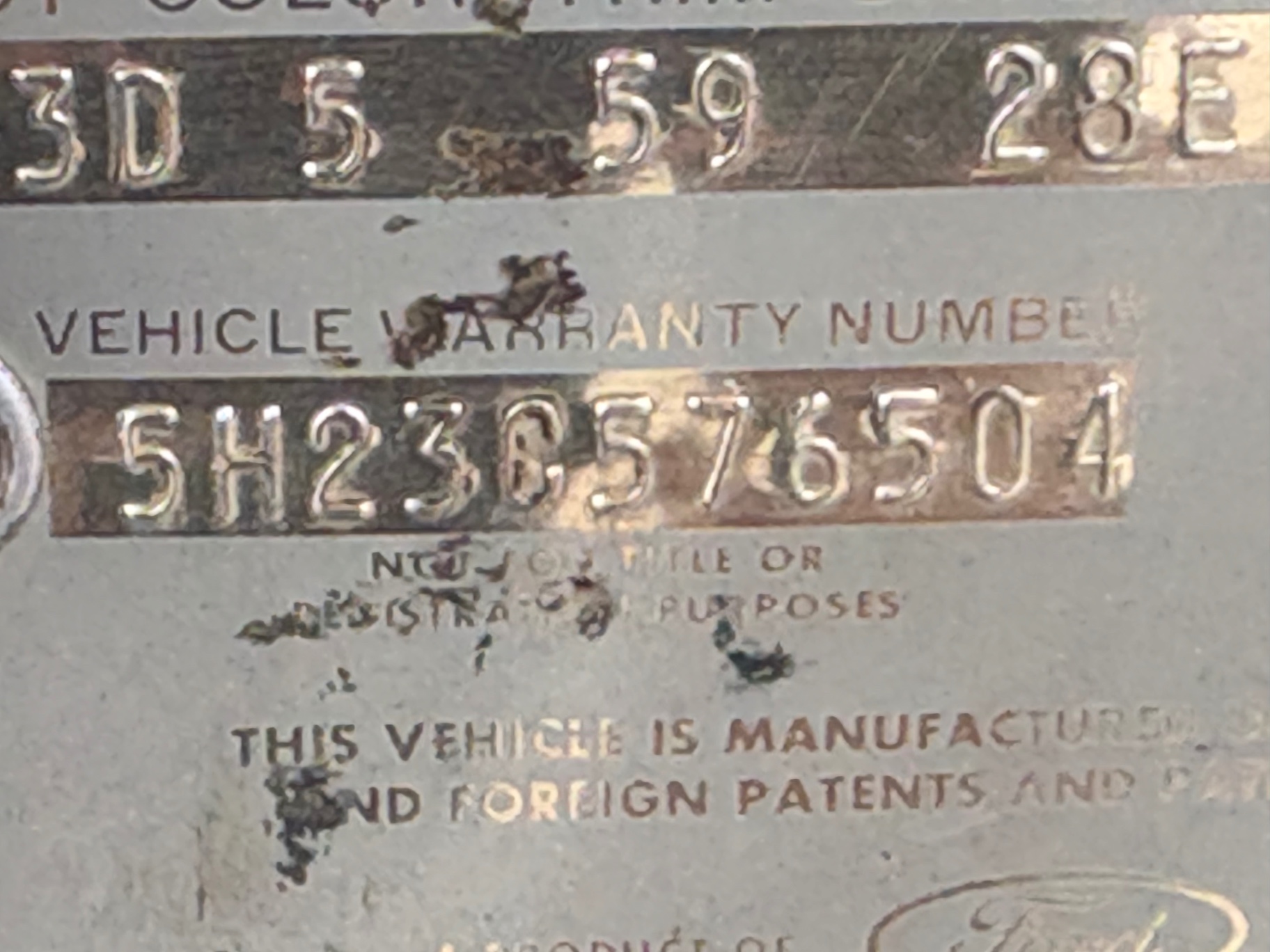
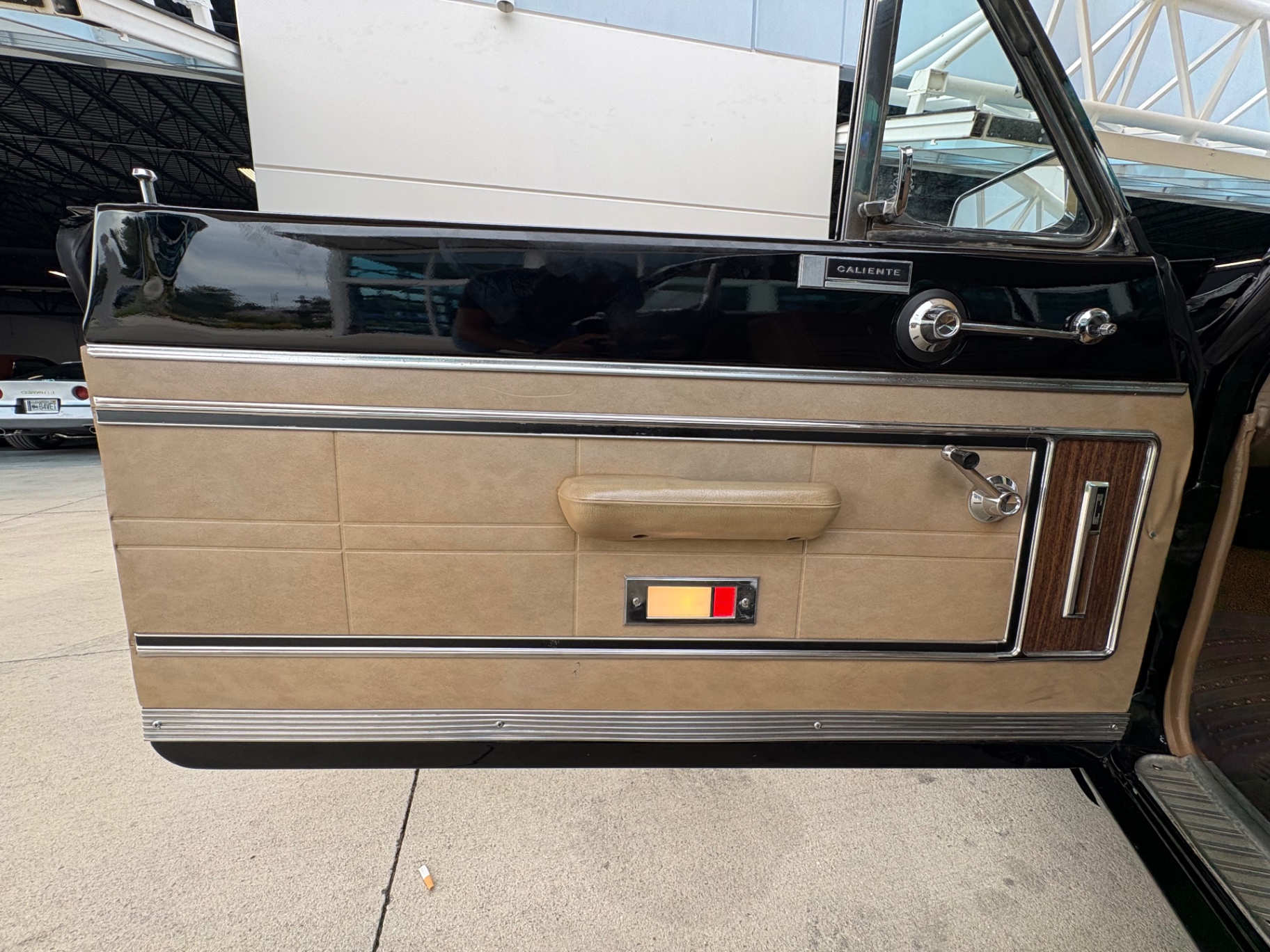
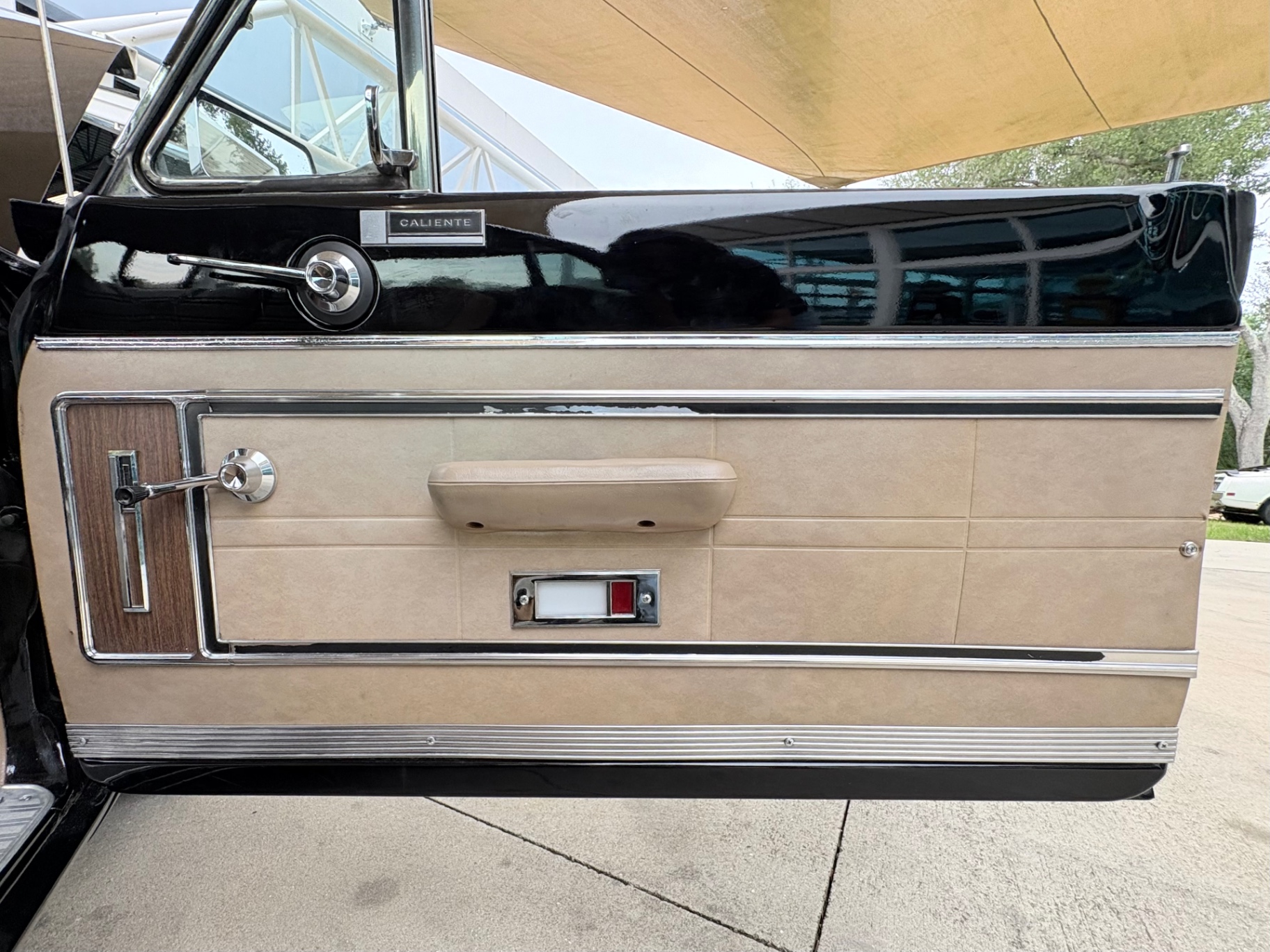
This particular car is the Caliente, which was the top trim in the 1965 Comet lineup. The Caliente badge is visible on the door panels, and it matters — the Caliente brought a more complete interior with woodgrain accents, additional chrome trim, and a more upscale instrument cluster compared to the base 202 or the mid-level 404. The VIN on this car confirms it was built at the San Jose, California assembly plant in 1965, as a two-door hardtop with a V8 engine. The "H" in the body code position of the VIN confirms the hardtop coupe body style, and the "C" in the engine position confirms the 289 cubic inch V8.
What makes the 1965 Comet Caliente stand out in the collector market is the combination of factors this specific example hits. The 289 was the same small block family shared with the contemporary Mustang and Falcon Sprint, making parts easy to source and the engine well-understood by any Ford mechanic. The Caliente in hardtop form had a clean, pillarless roofline that gave it proportions more aggressive than the car's reputation might suggest. Most of these have been used up, modified beyond recognition, or have simply rusted away. Clean, driver-quality examples with legitimate V8 power are not common.
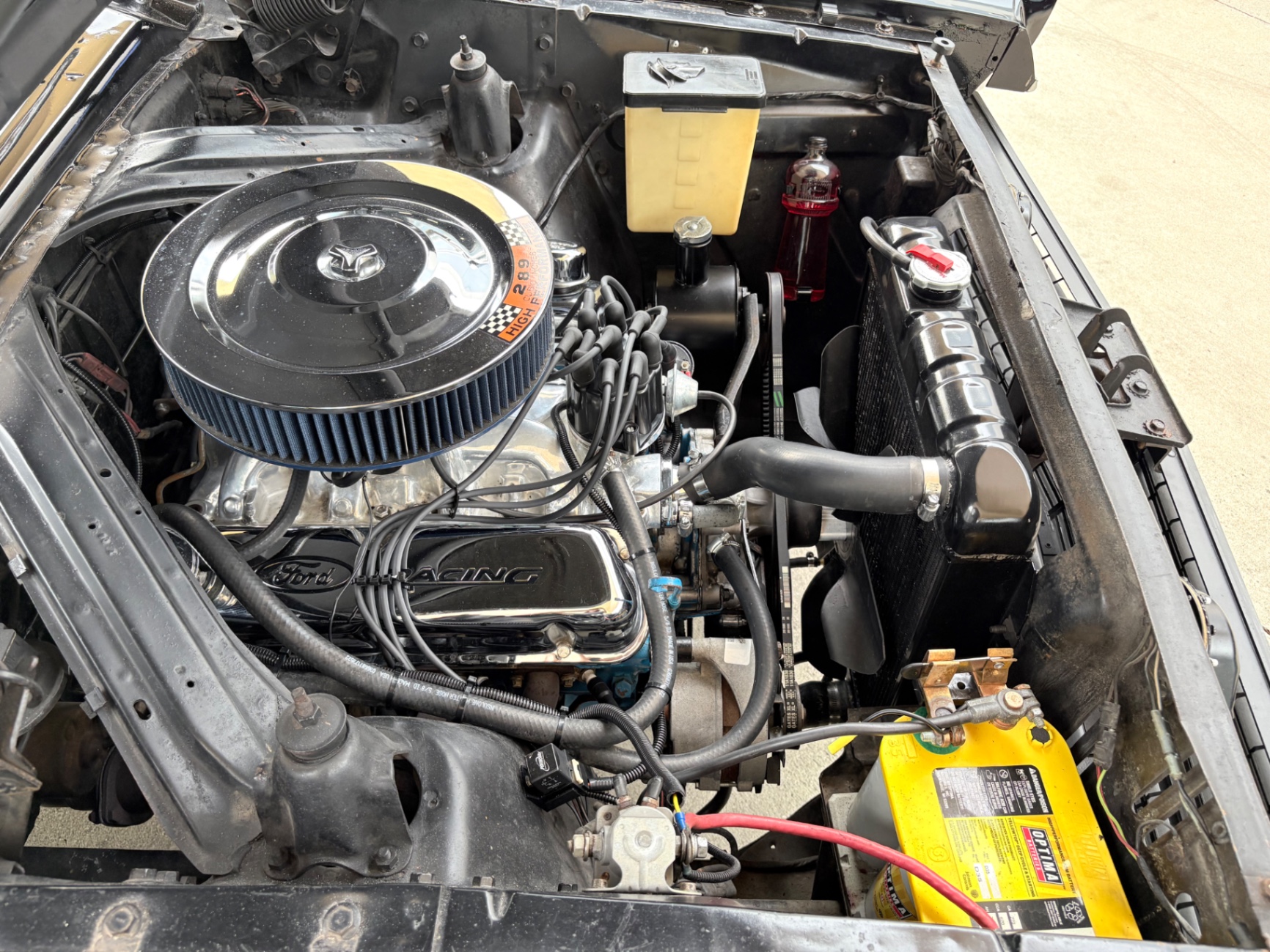
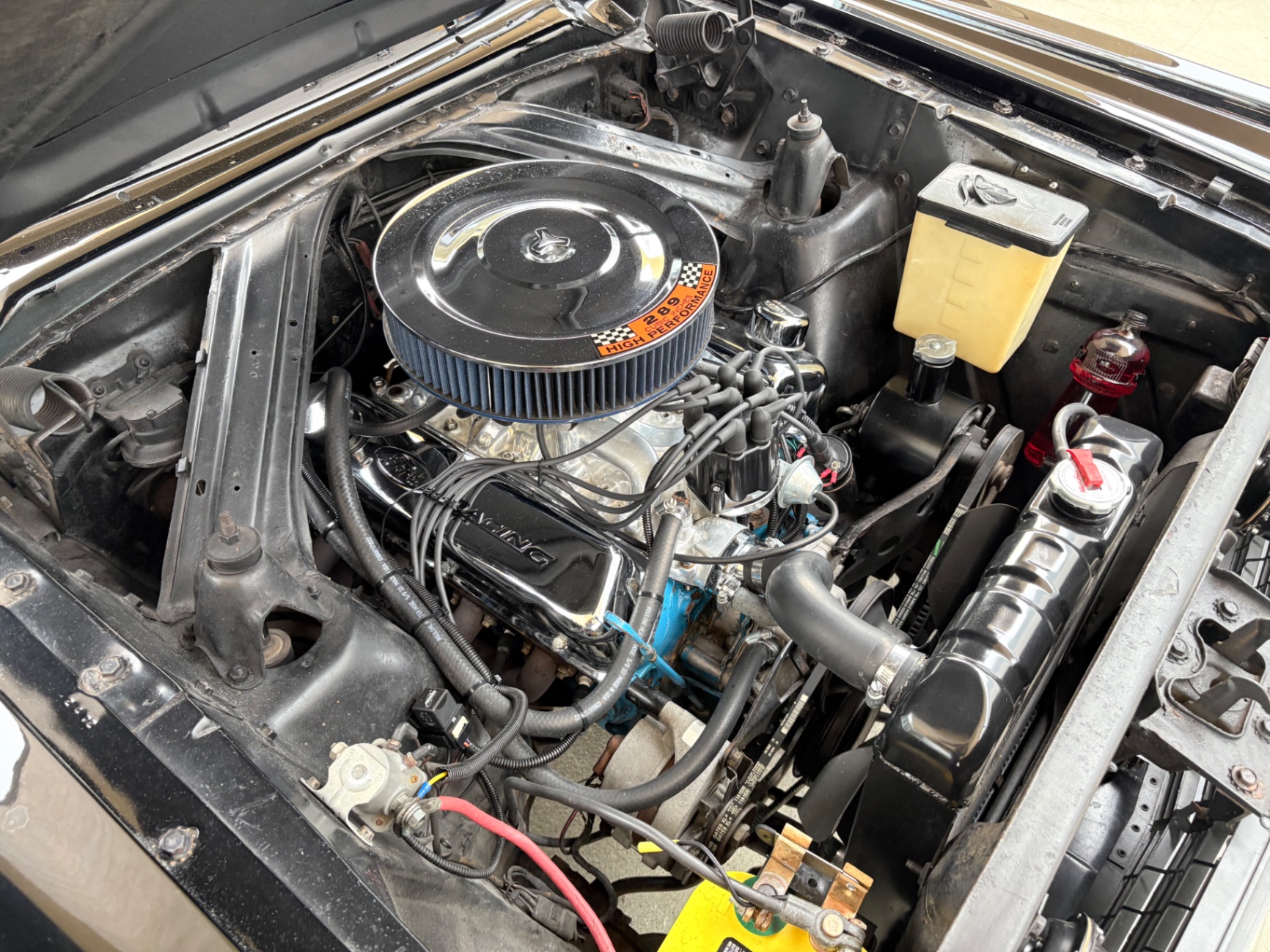
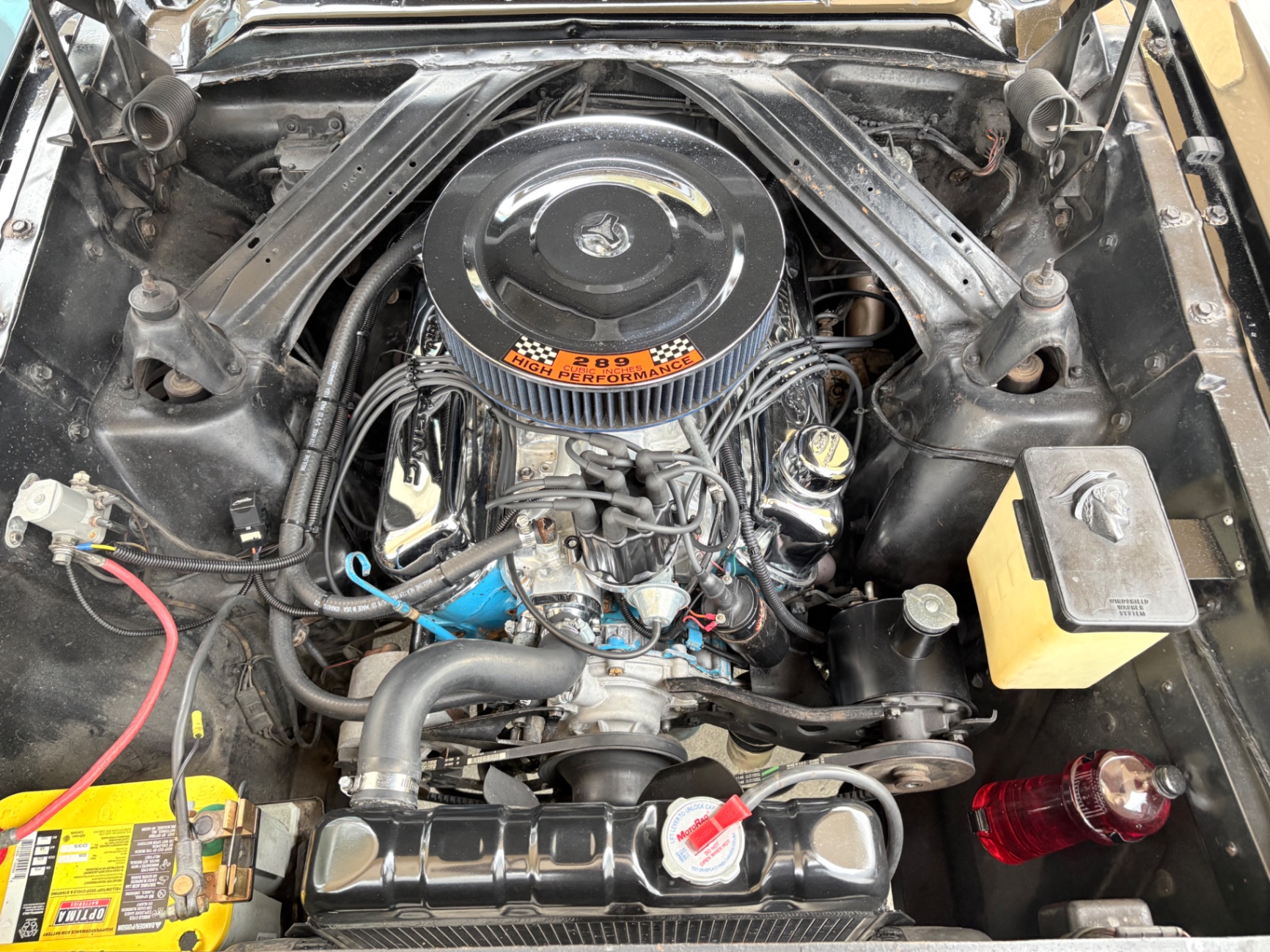
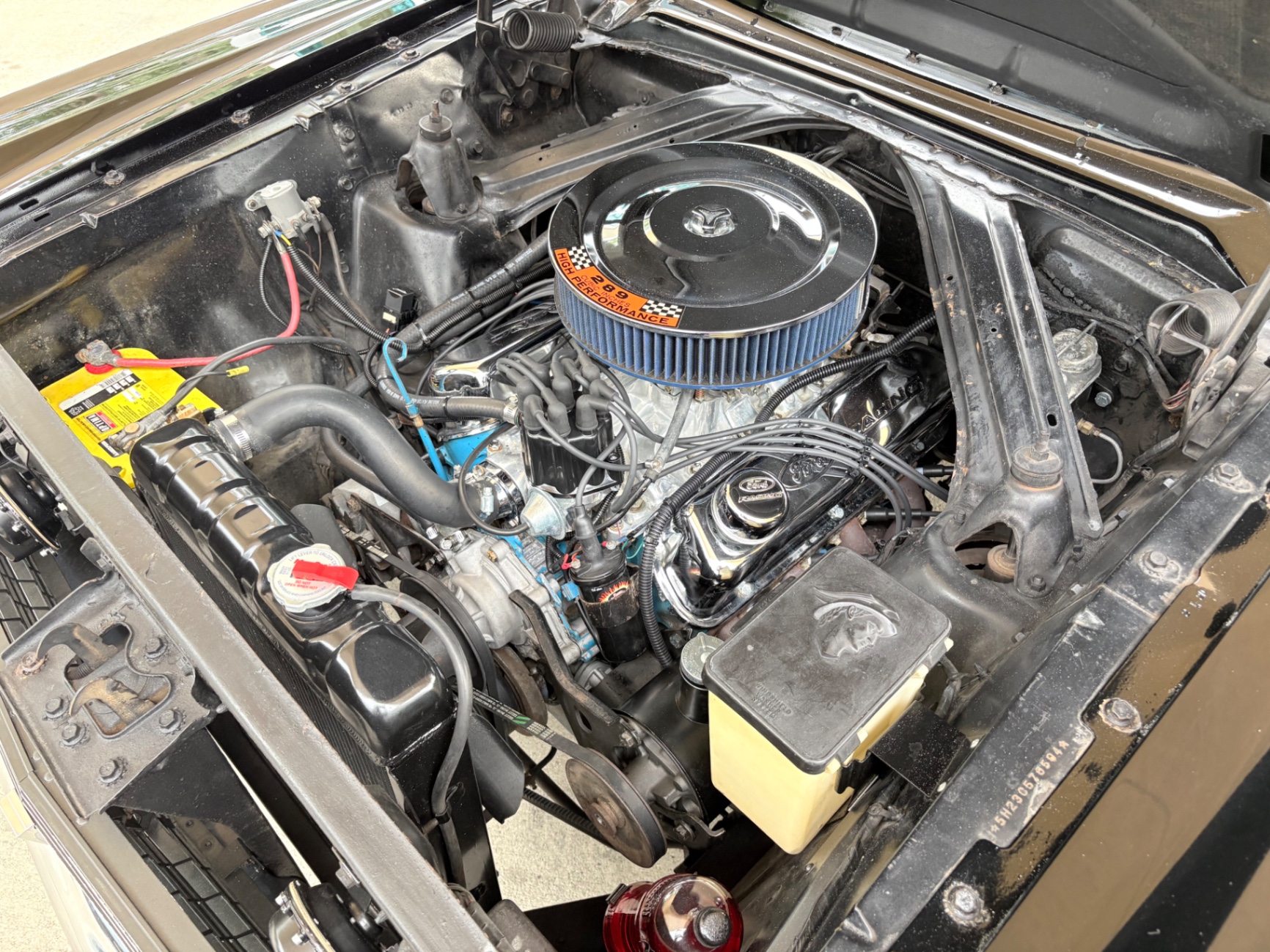
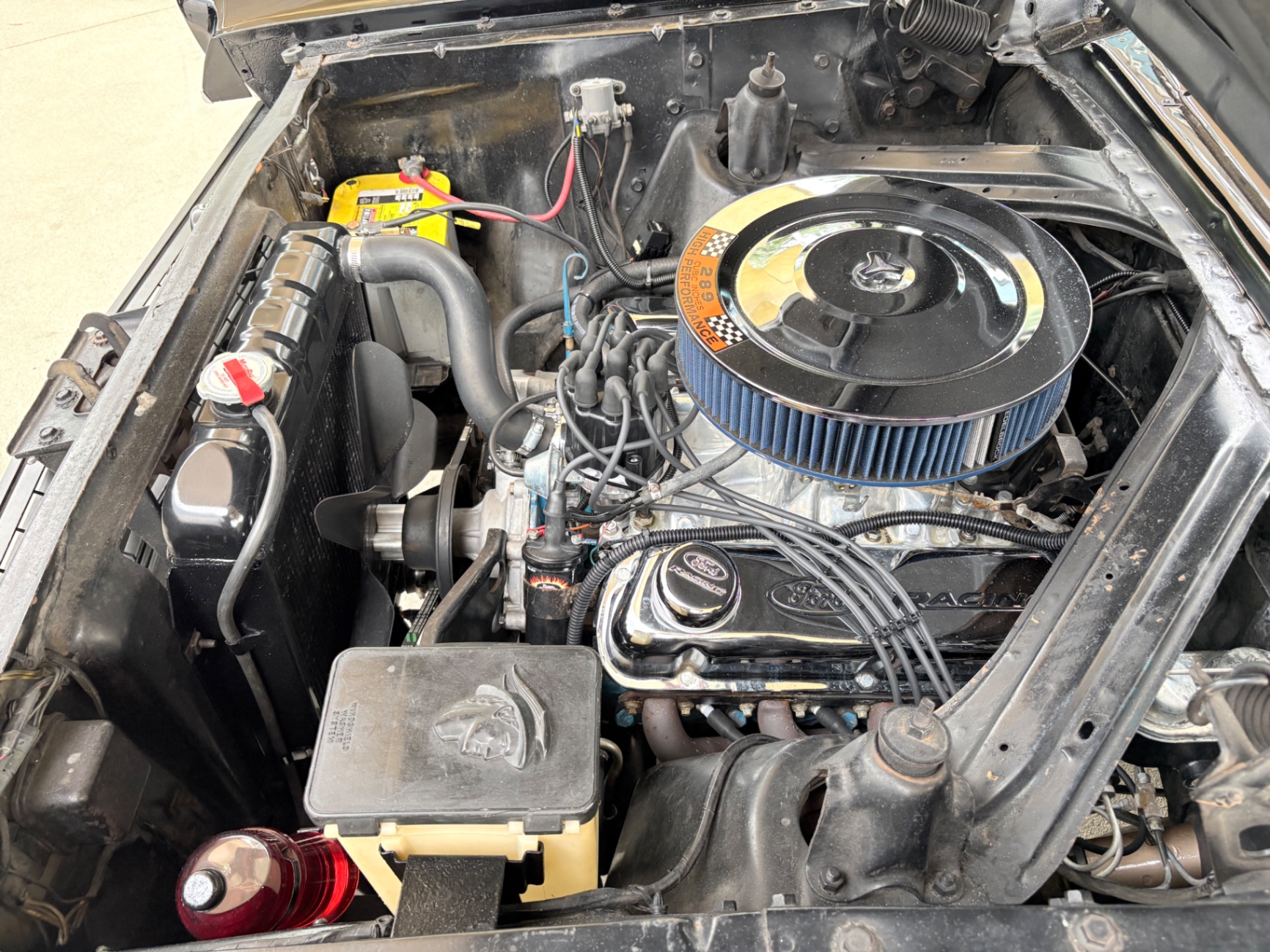
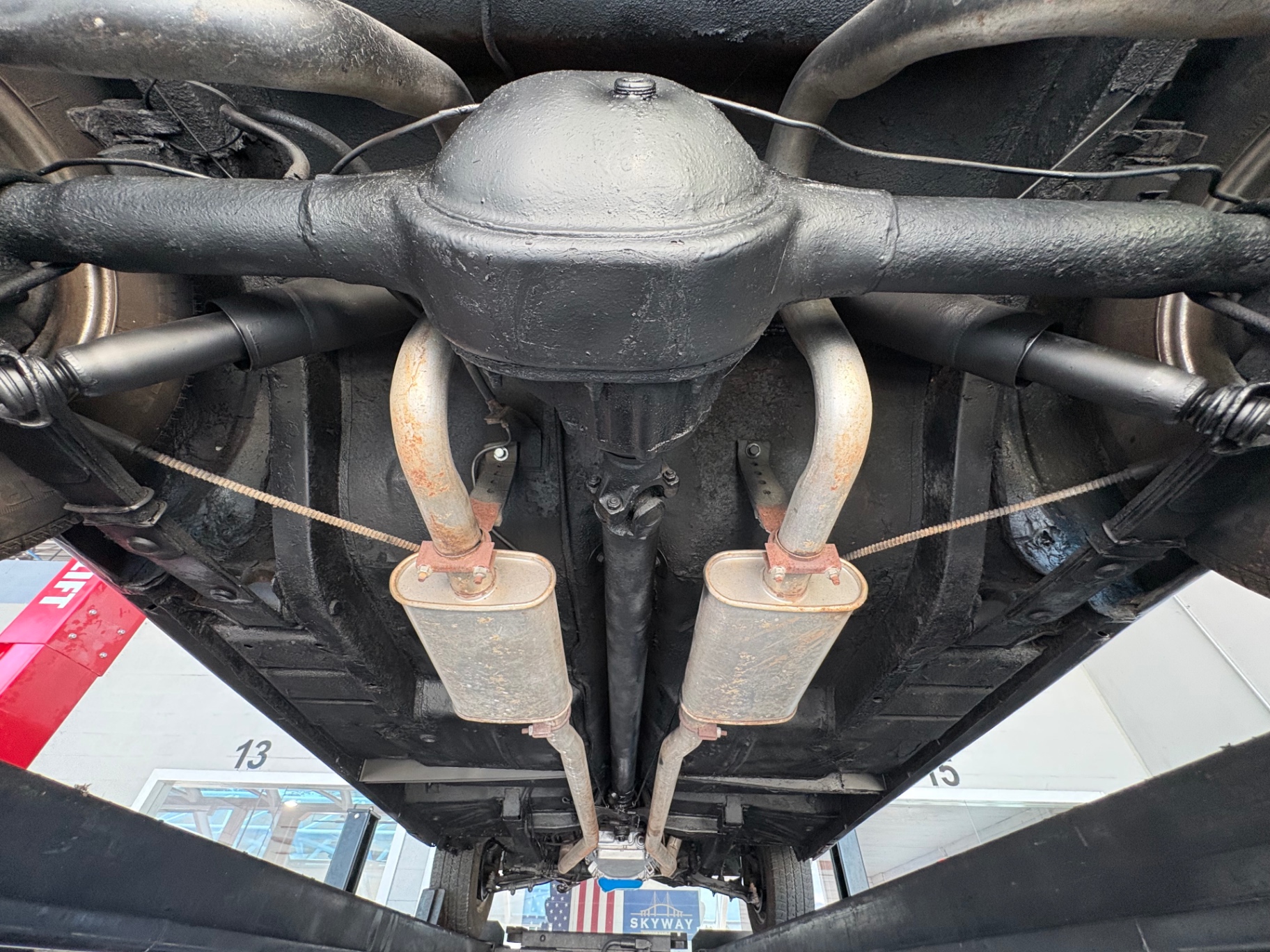
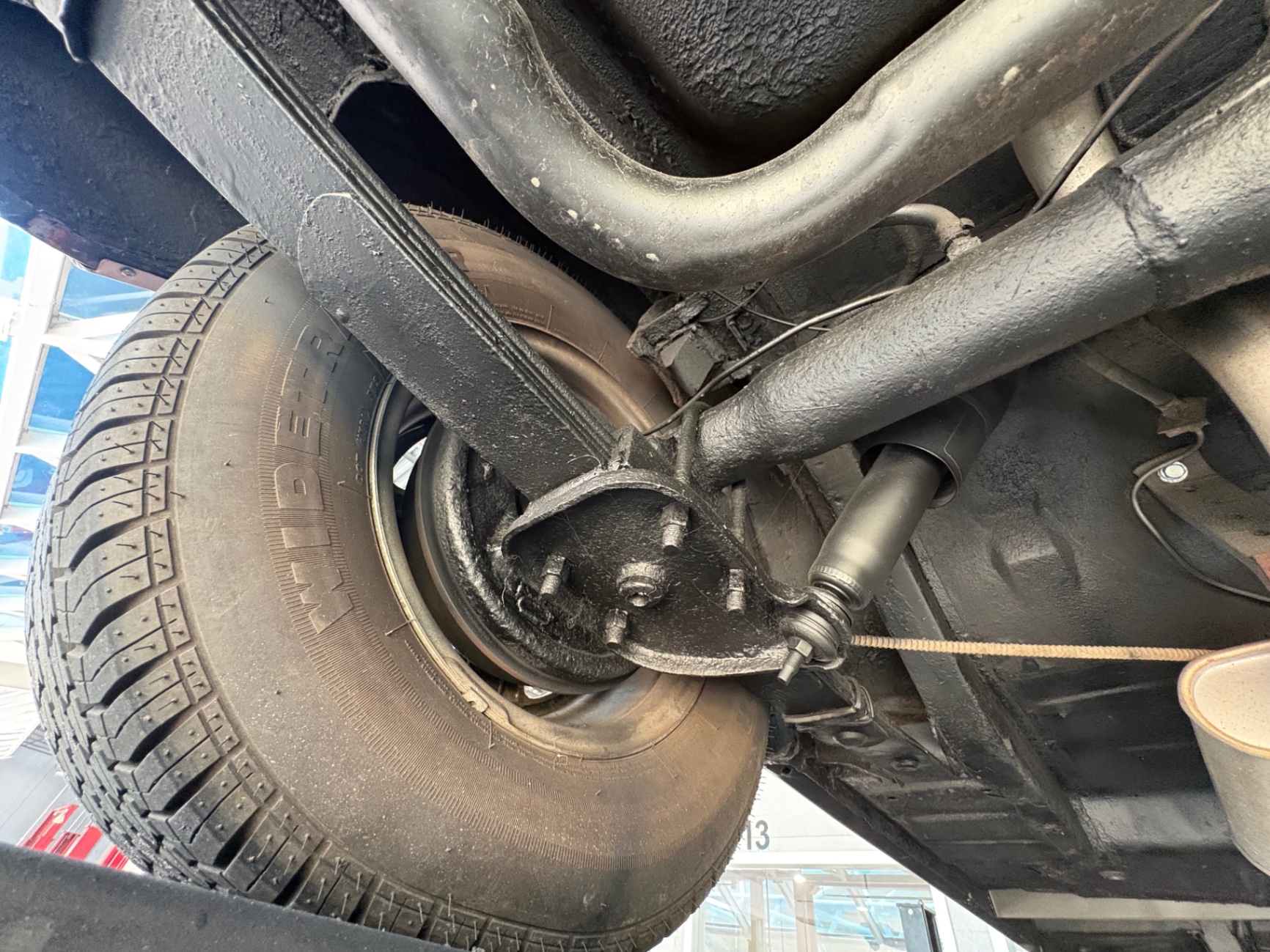
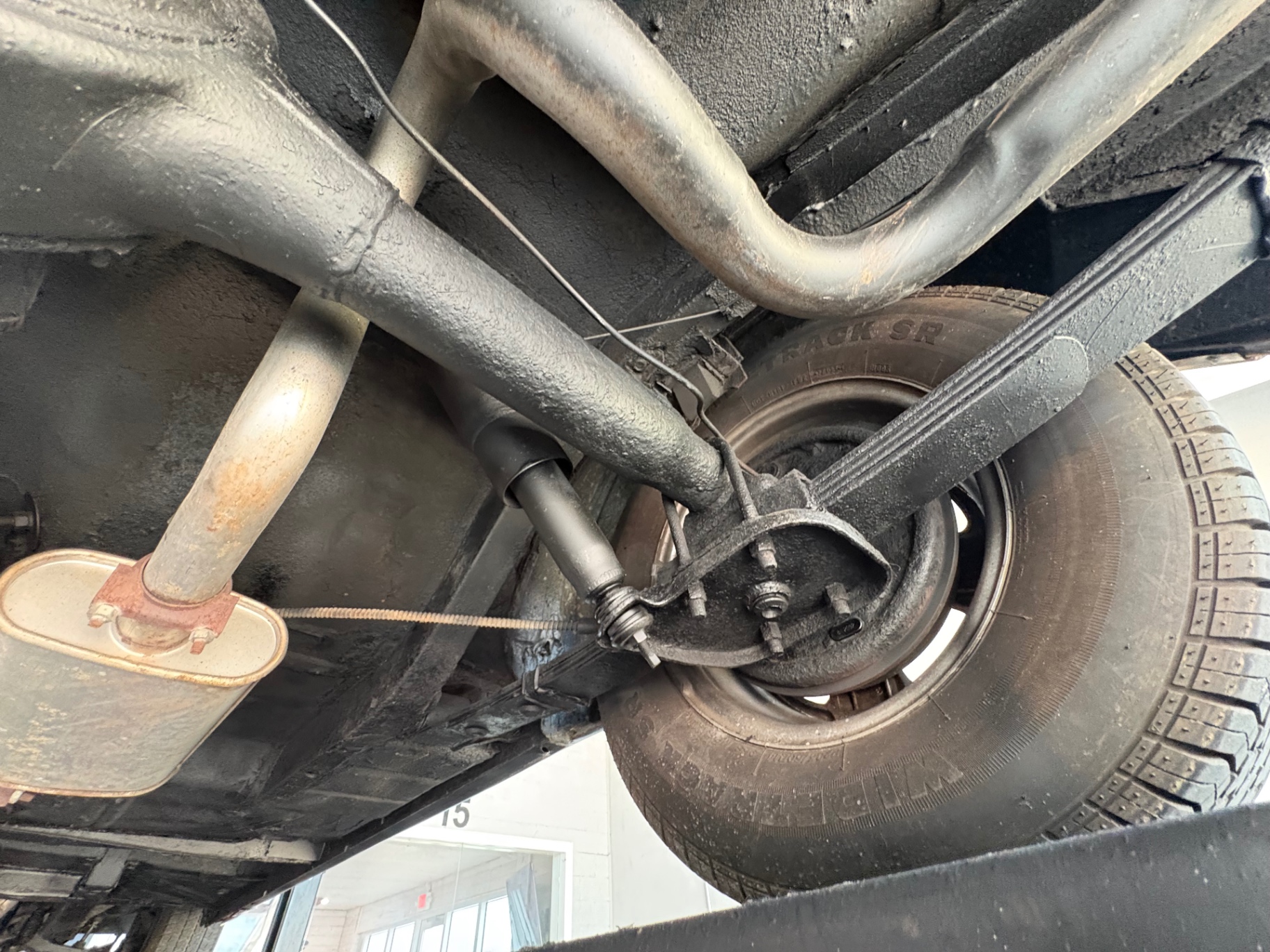
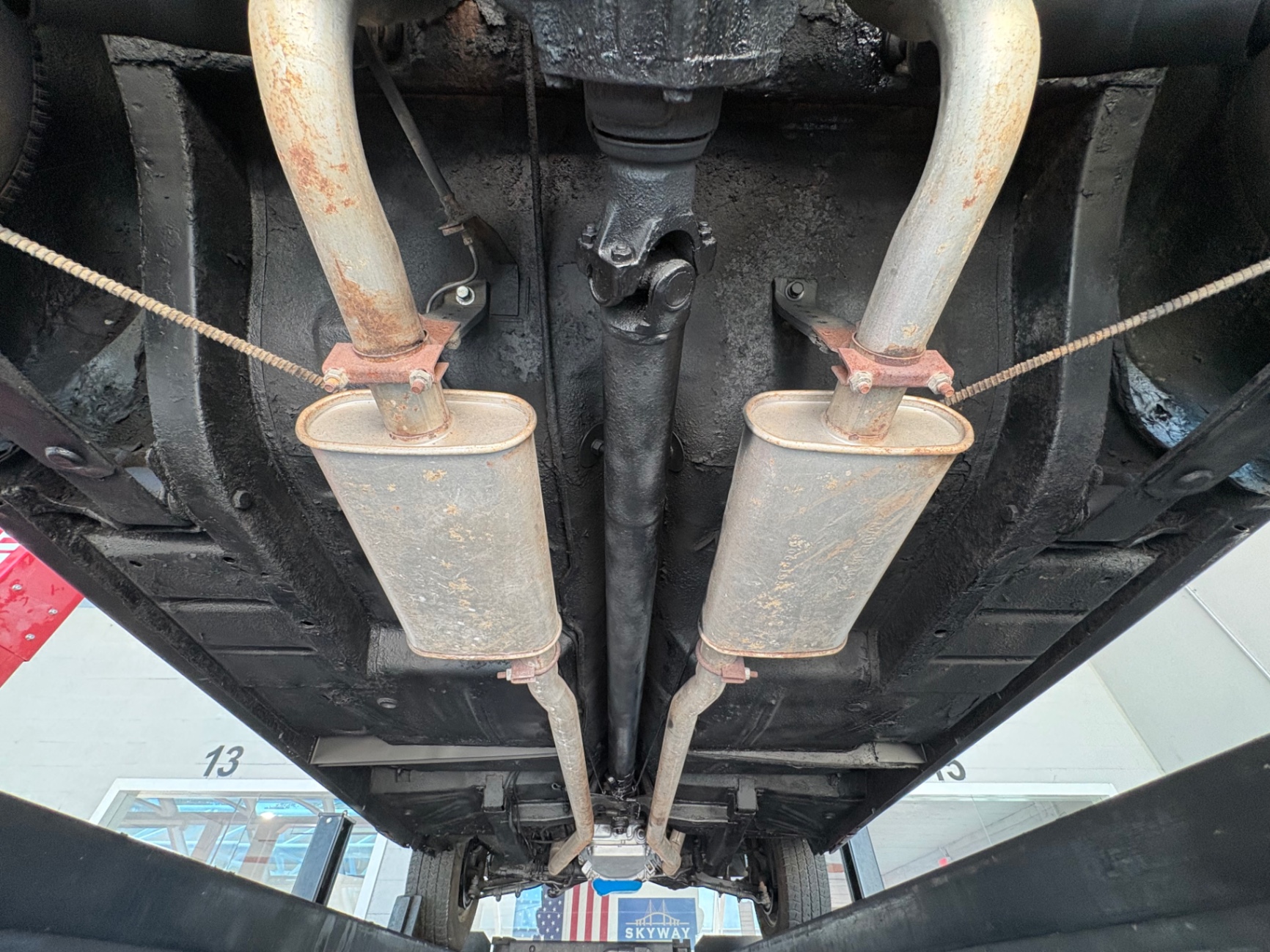
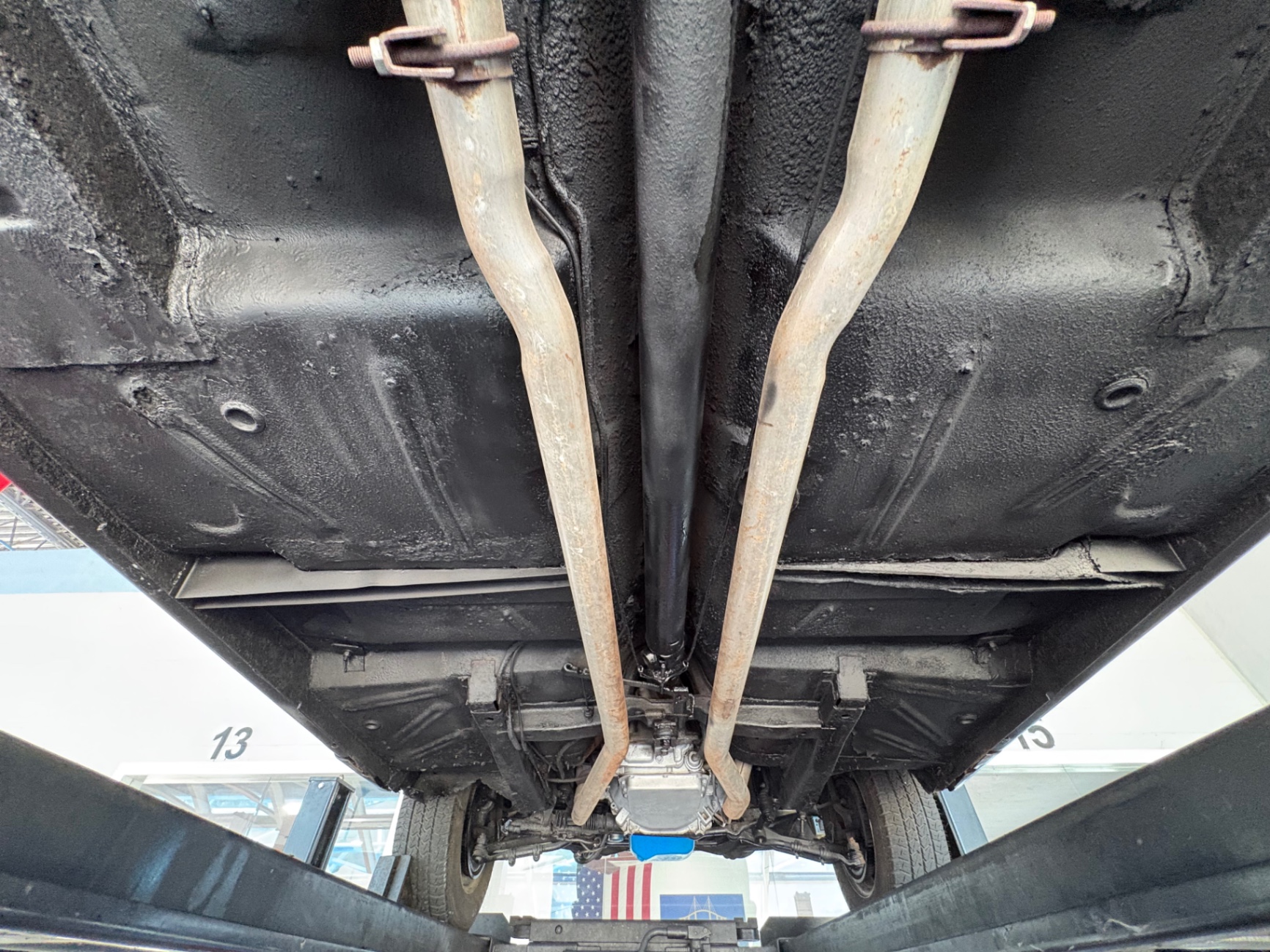
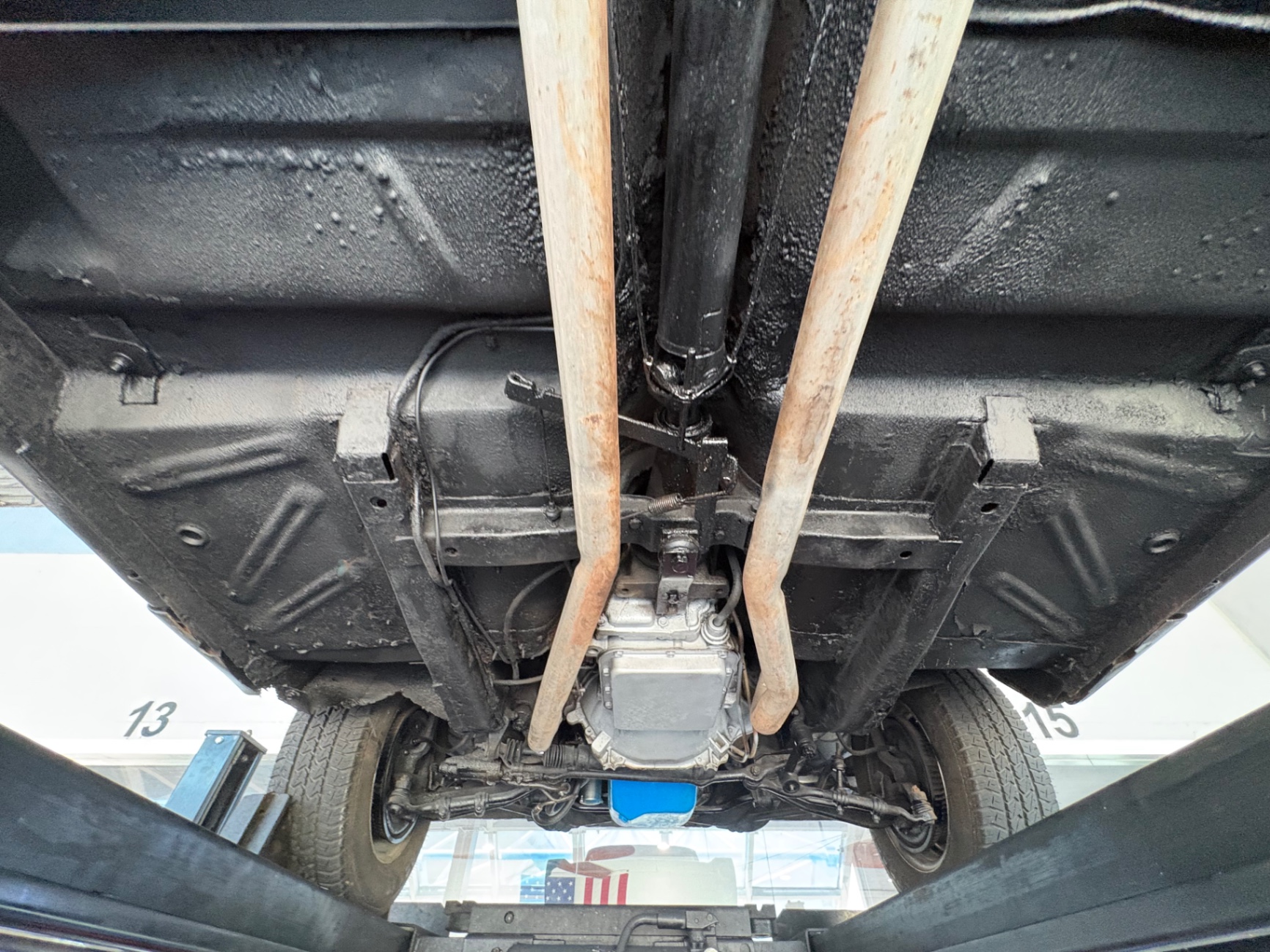
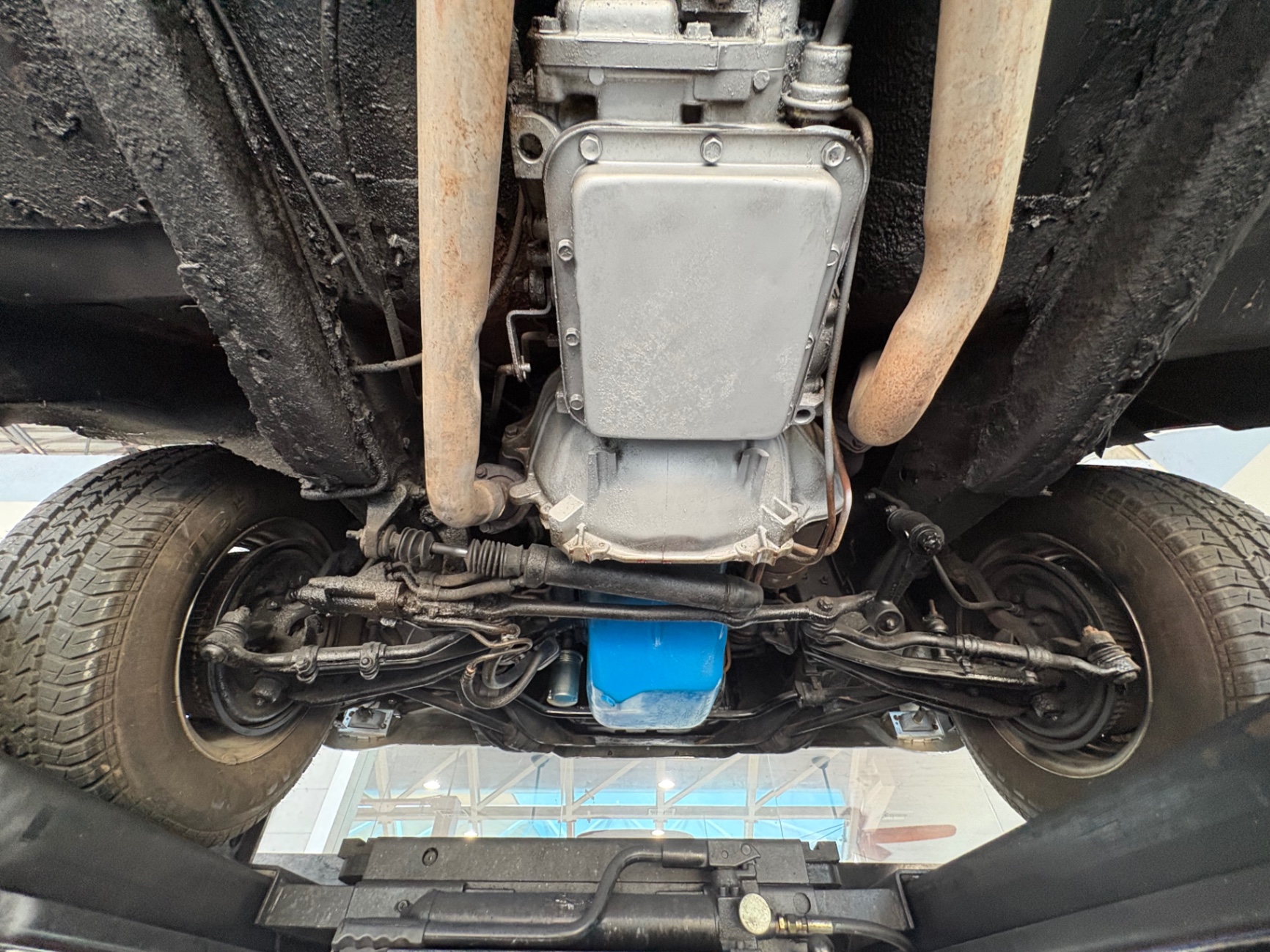
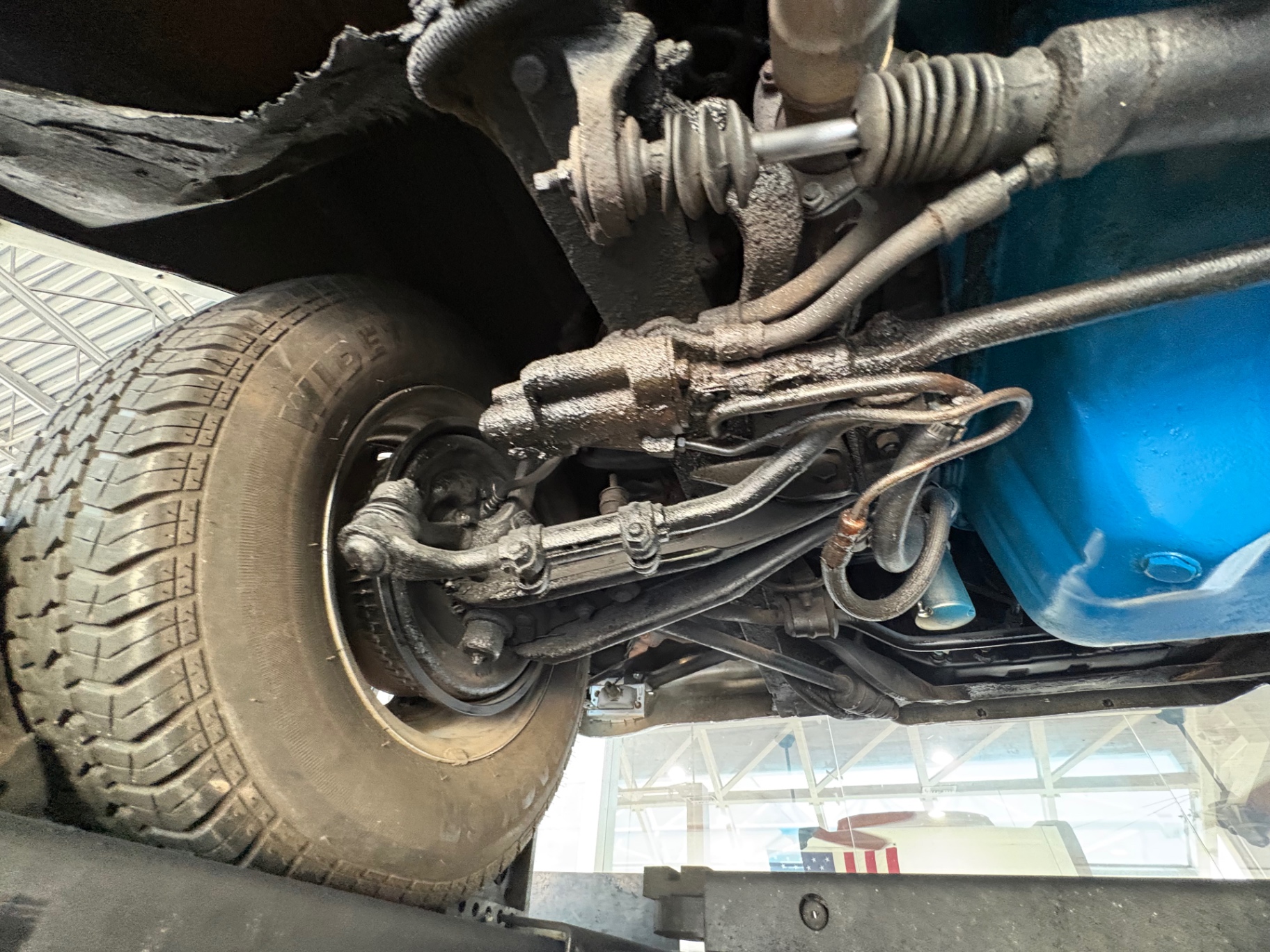
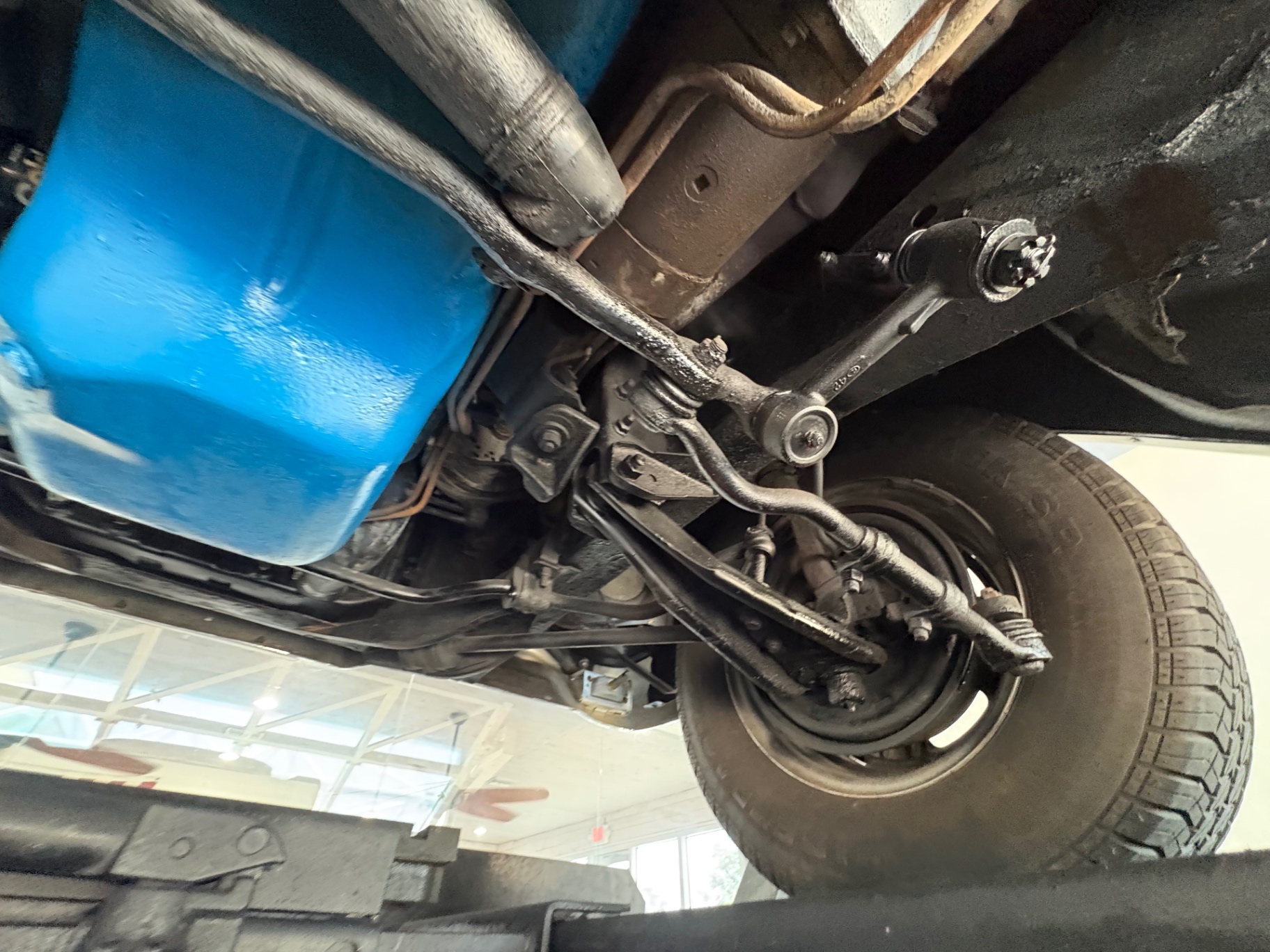
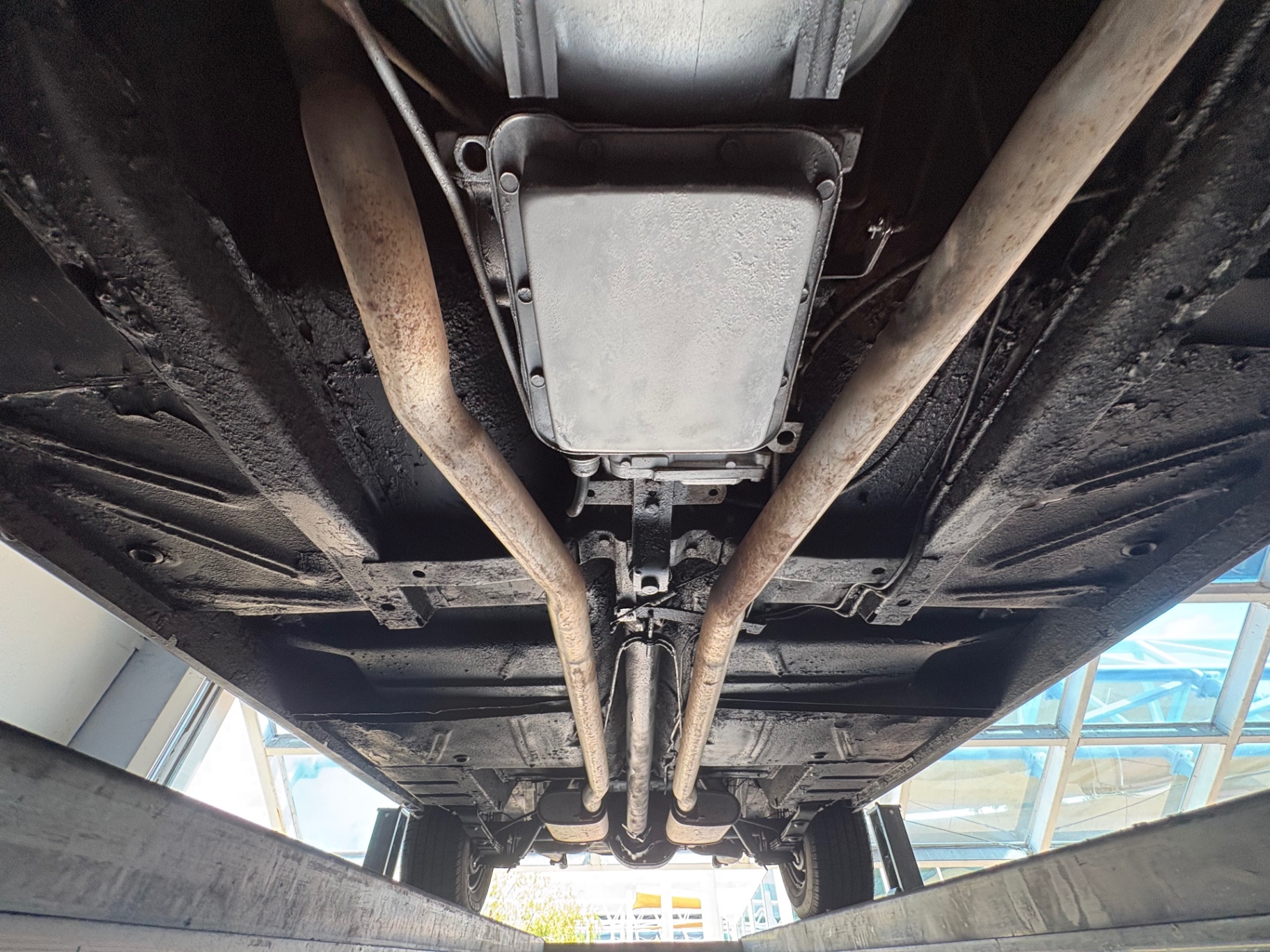
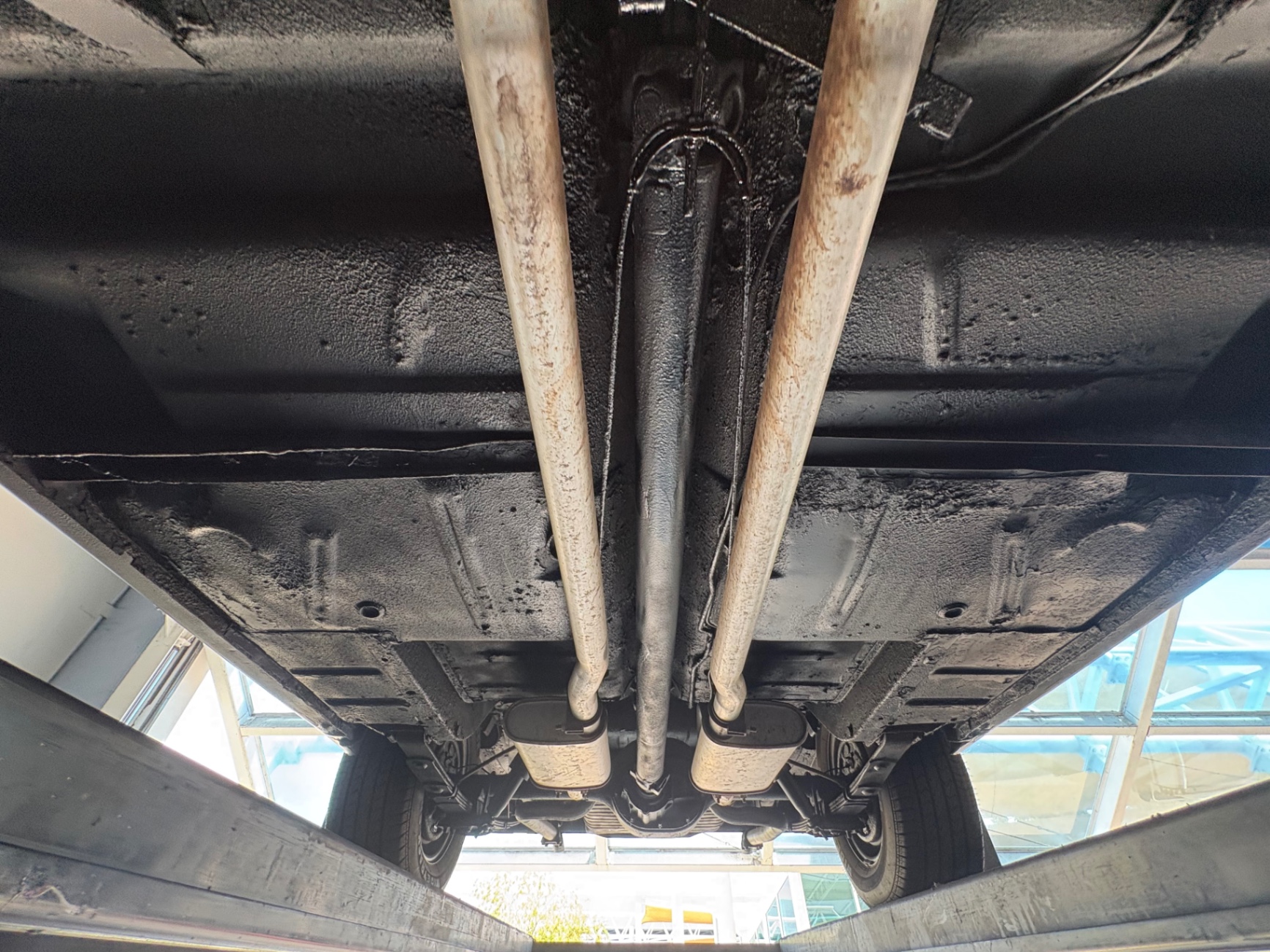
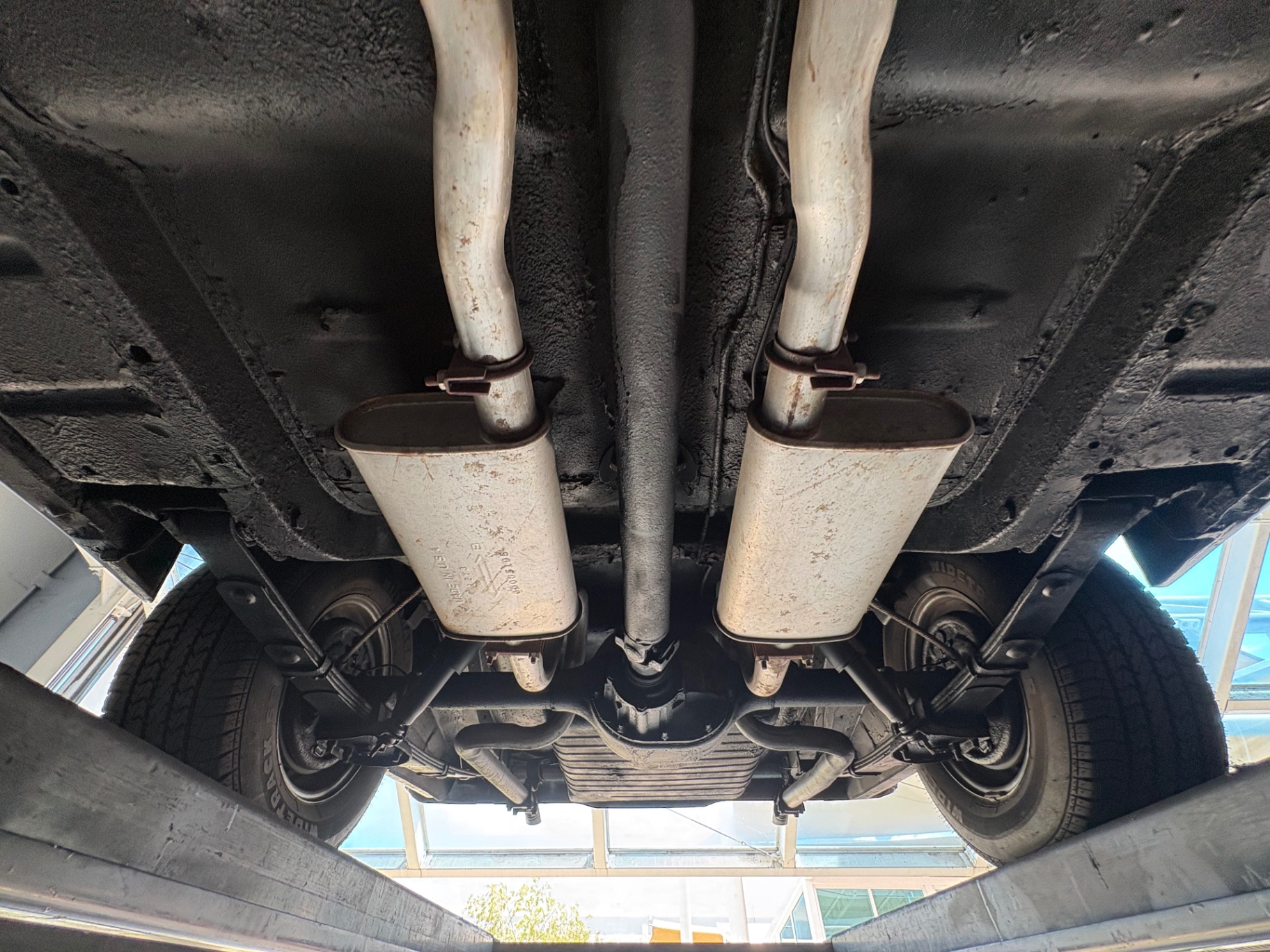
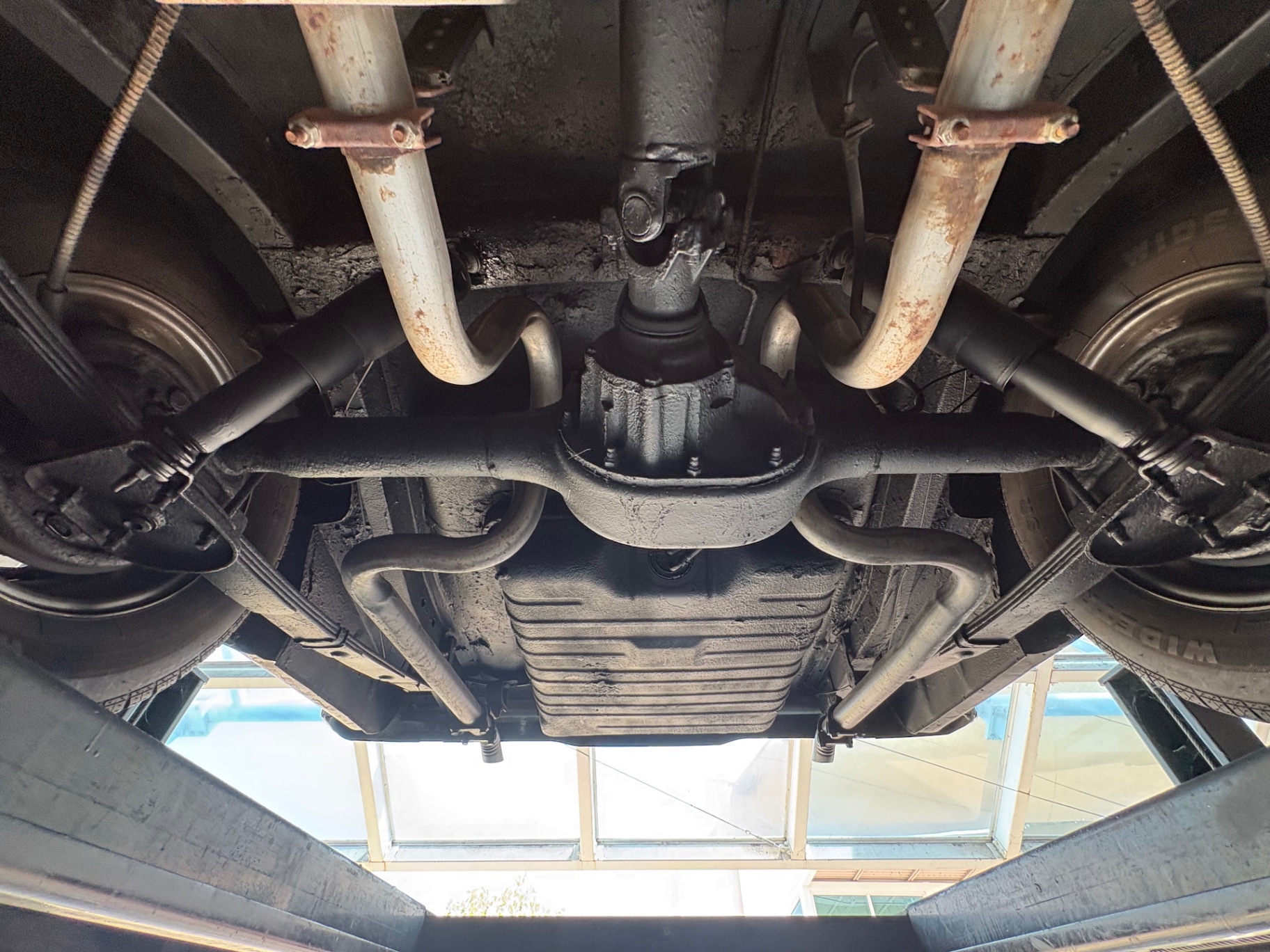
This car has been driven and cared for rather than stored. The undercarriage photos confirm a solid floor pan and frame with no signs of structural compromise. Someone put real money and thought into the mechanical upgrades, choosing quality parts rather than budget alternatives. The Optima battery, MSD ignition wires, and upgraded radiator are the kinds of choices made by someone who actually drives the car and wants reliability, not someone building a show piece. The engine bay wears Ford Racing valve covers and the correct 289 Hi-Po style chrome air cleaner, which gives it a period-correct look without looking like a parts-bin special.
Features List
- 289 cubic inch V8
- 3-Speed automatic transmission
- Dual exhaust
- Dash-mounted tachometer
- Original AM radio retained in dash
- Upgraded stereo added (secondary unit)
- Front and rear bench seats, tan vinyl
- Woodgrain interior trim on dash and door panels
- Loop carpet
- Floor mats
- Front and rear seat belts
- Upgraded radiator
- Optima Performance battery
- MSD performance ignition wires
- Ford Racing valve covers
- 289 Hi-Po chrome air cleaner with performance filter element
- Power steering
- White letter tires
- Chrome front and rear bumpers
- Solid undercarriage
Mechanical
The 289 cubic inch V8 in the 1965 Mercury Comet Caliente is Ford's small block in its most useful and durable form. By 1965, the 289 had been in production for two years and Ford had the bugs worked out. In base two-barrel form, it produced around 200 horsepower, and it was the same architecture used in the high-performance K-code 271-horsepower version that powered the Mustang Hi-Po. This car's engine wears the 289 High Performance chrome air cleaner — the flat, low-profile unit with the "289 High Performance" callout decal — along with a performance air filter element underneath. Whether this is a cosmetic tribute or indicates deeper engine work is a conversation worth having with us directly.
The Ford Racing chrome valve covers are a recognizable and popular period upgrade that also signals this engine has had some attention paid to its appearance. Underneath, the MSD performance ignition wires replace the factory units and work in conjunction with the existing ignition system to improve spark delivery, which matters on a 60-year-old engine being driven regularly. The Optima yellow-top battery is a practical upgrade that holds a charge better than conventional flooded batteries and handles the demands of modern driving and extended storage.
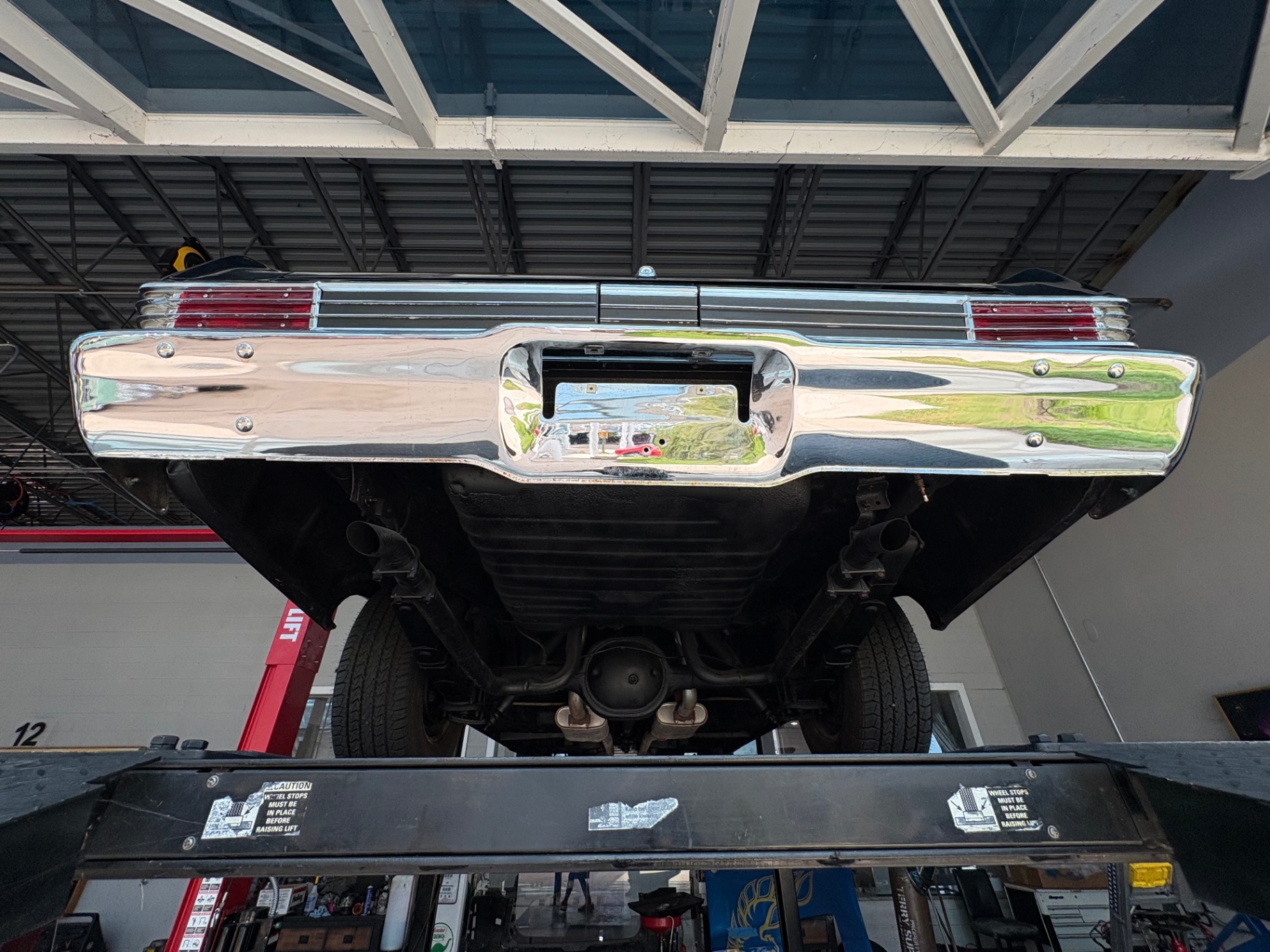
The 3-speed automatic transmission is the Cruise-O-Matic unit that Ford offered throughout this era — a durable, well-understood gearbox that pairs well with the 289 for everyday driving. Power steering is fitted, which is a meaningful comfort feature on a car of this era and period-correct for the Caliente trim level. The dual exhaust system is confirmed in the undercarriage photos, running a paired set of mufflers back to dual exits at the rear — a correct and desirable setup for a V8 Comet. The undercarriage itself shows a solid, well-coated floor pan and frame. There are no signs of patch panels, bubbling, or structural corrosion. The radiator has been upgraded, which is a straightforward and sensible improvement for a car driven in Florida's heat.
Interior
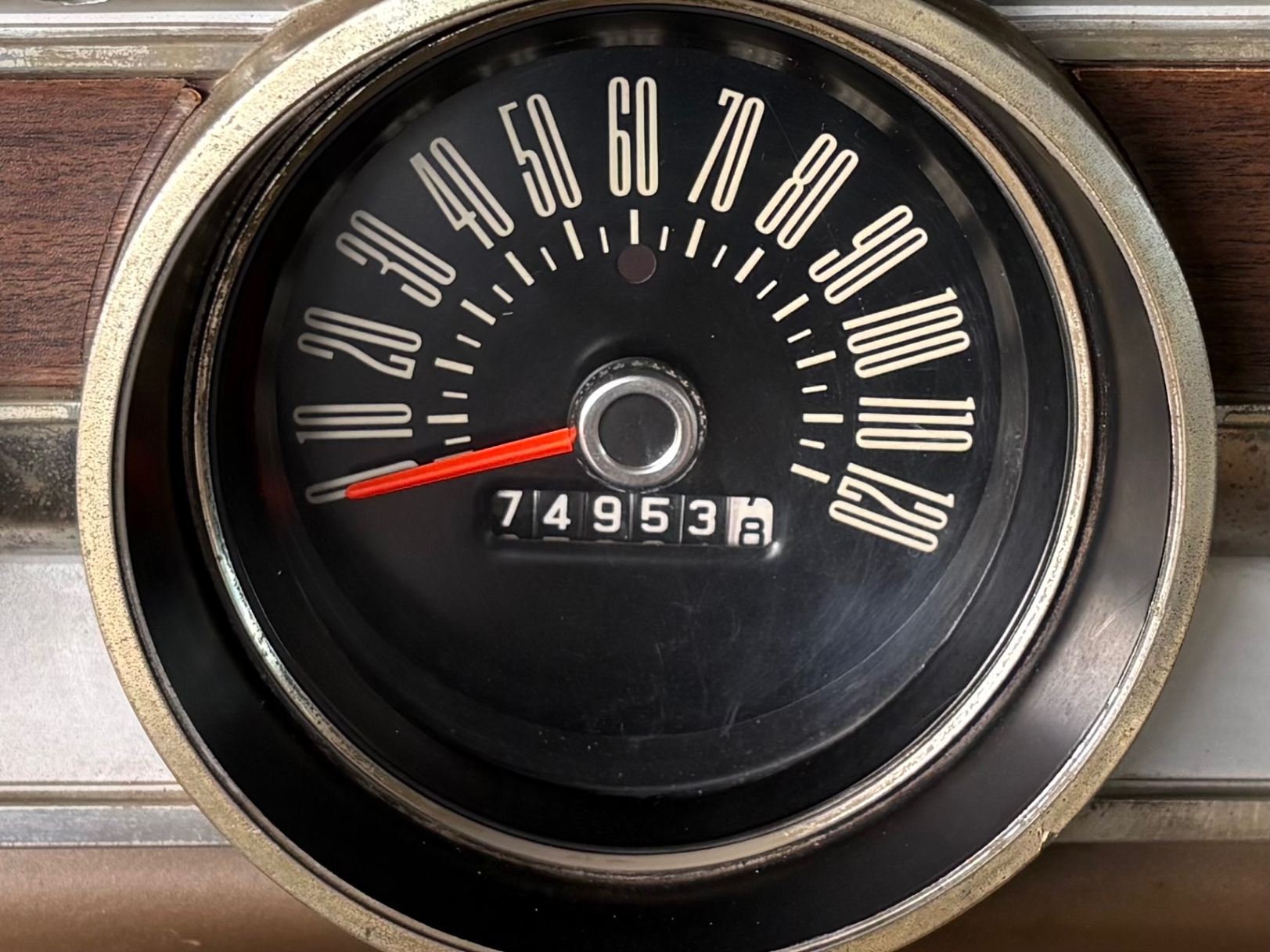
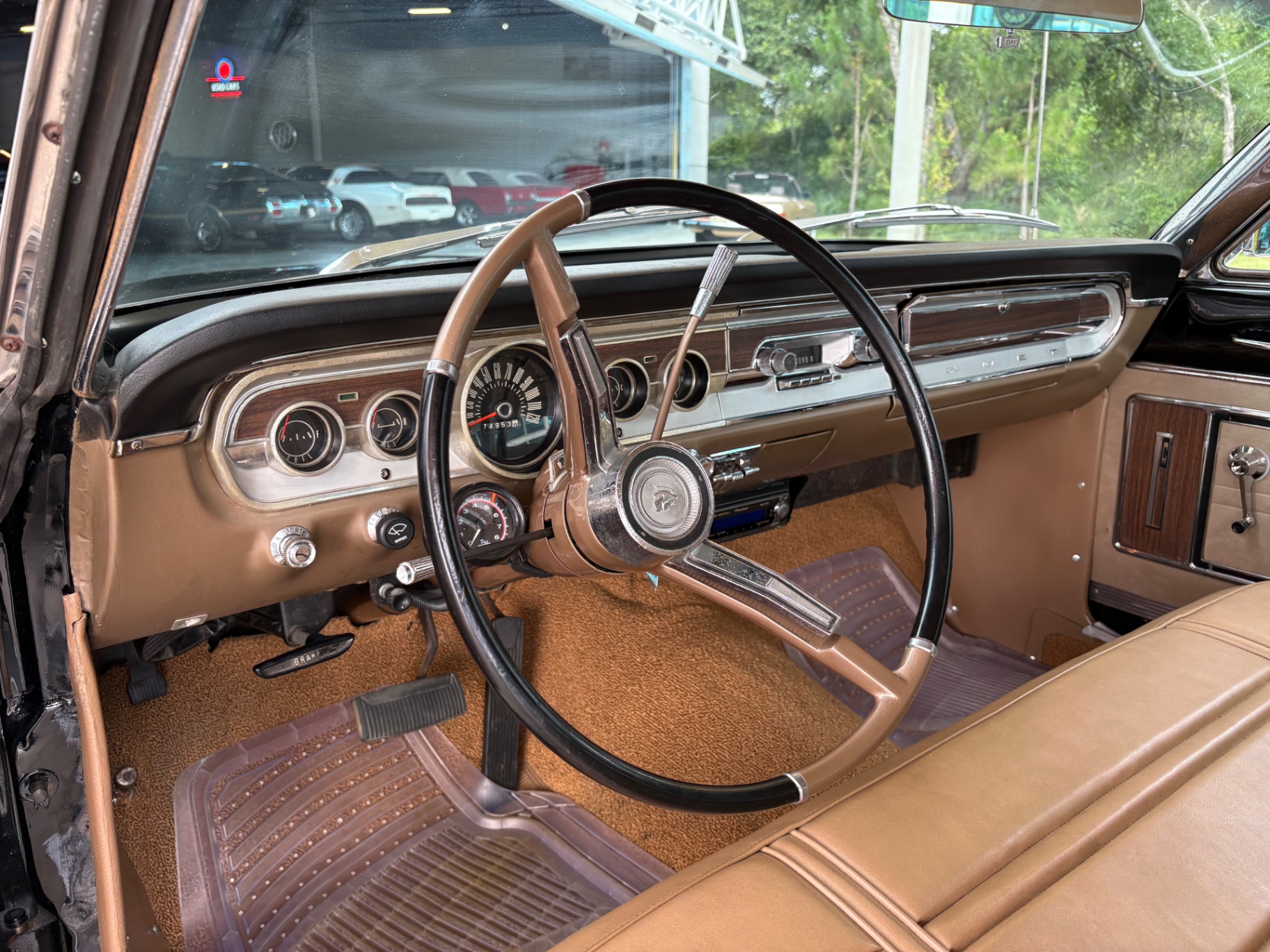
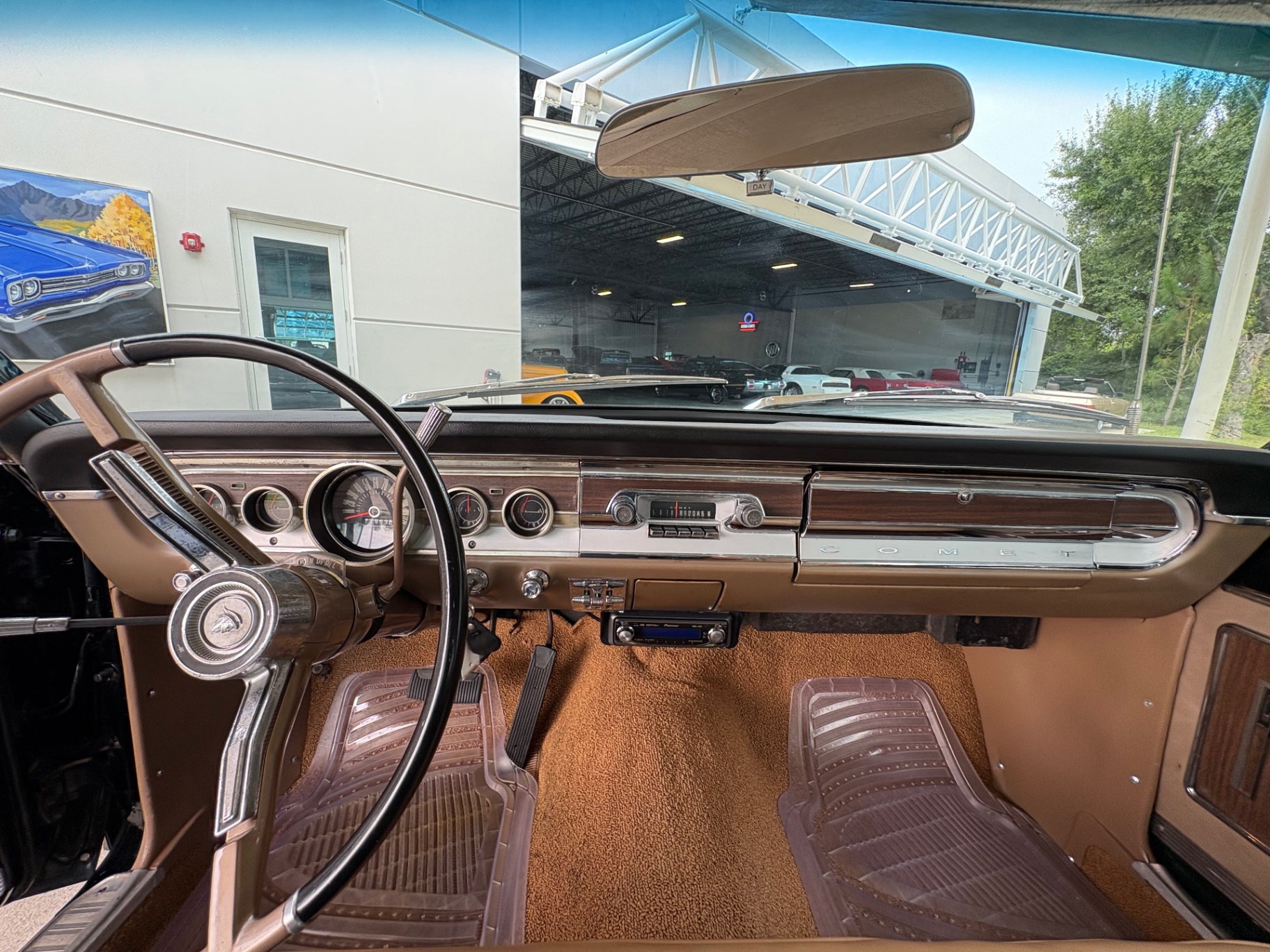
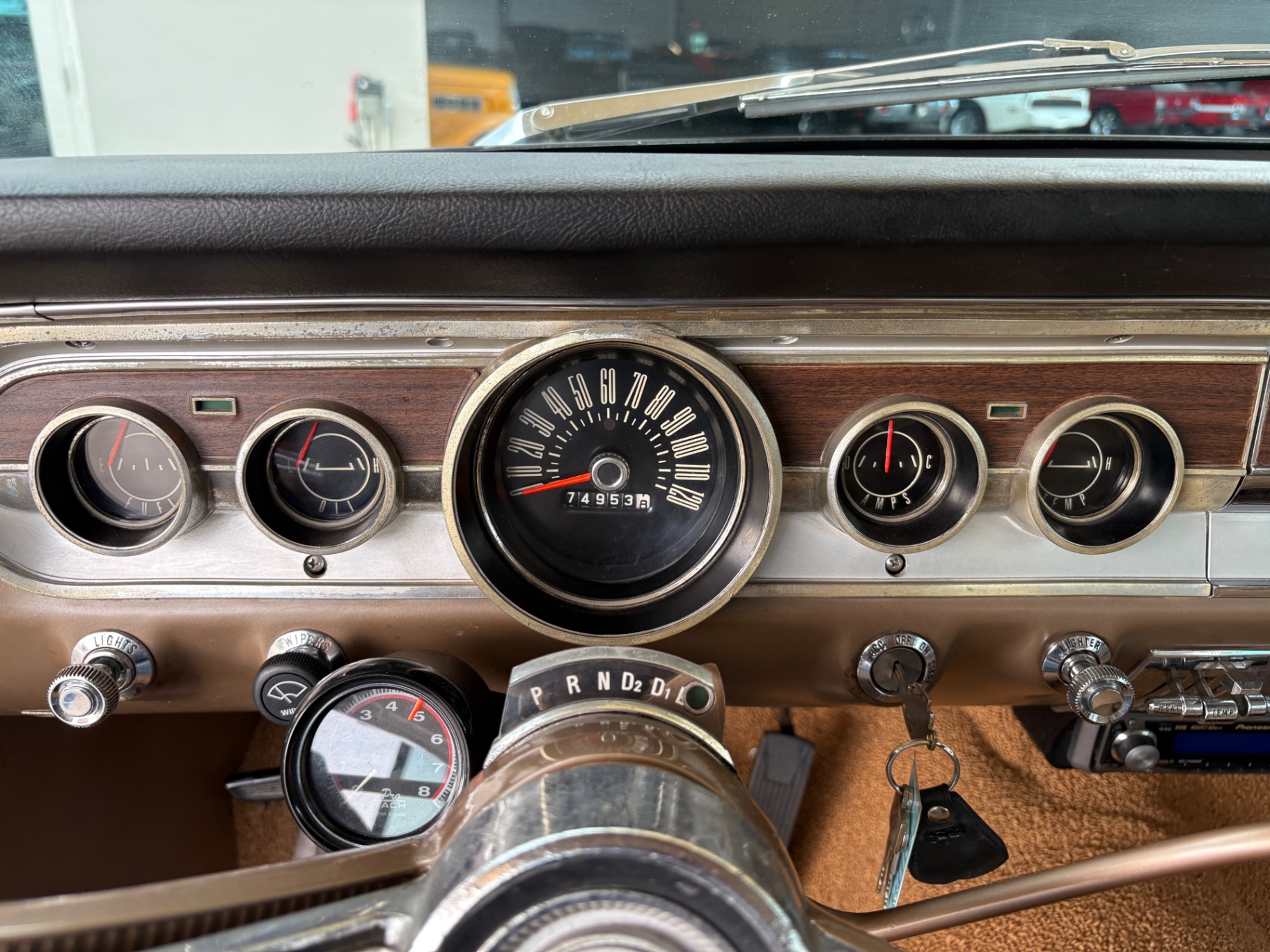
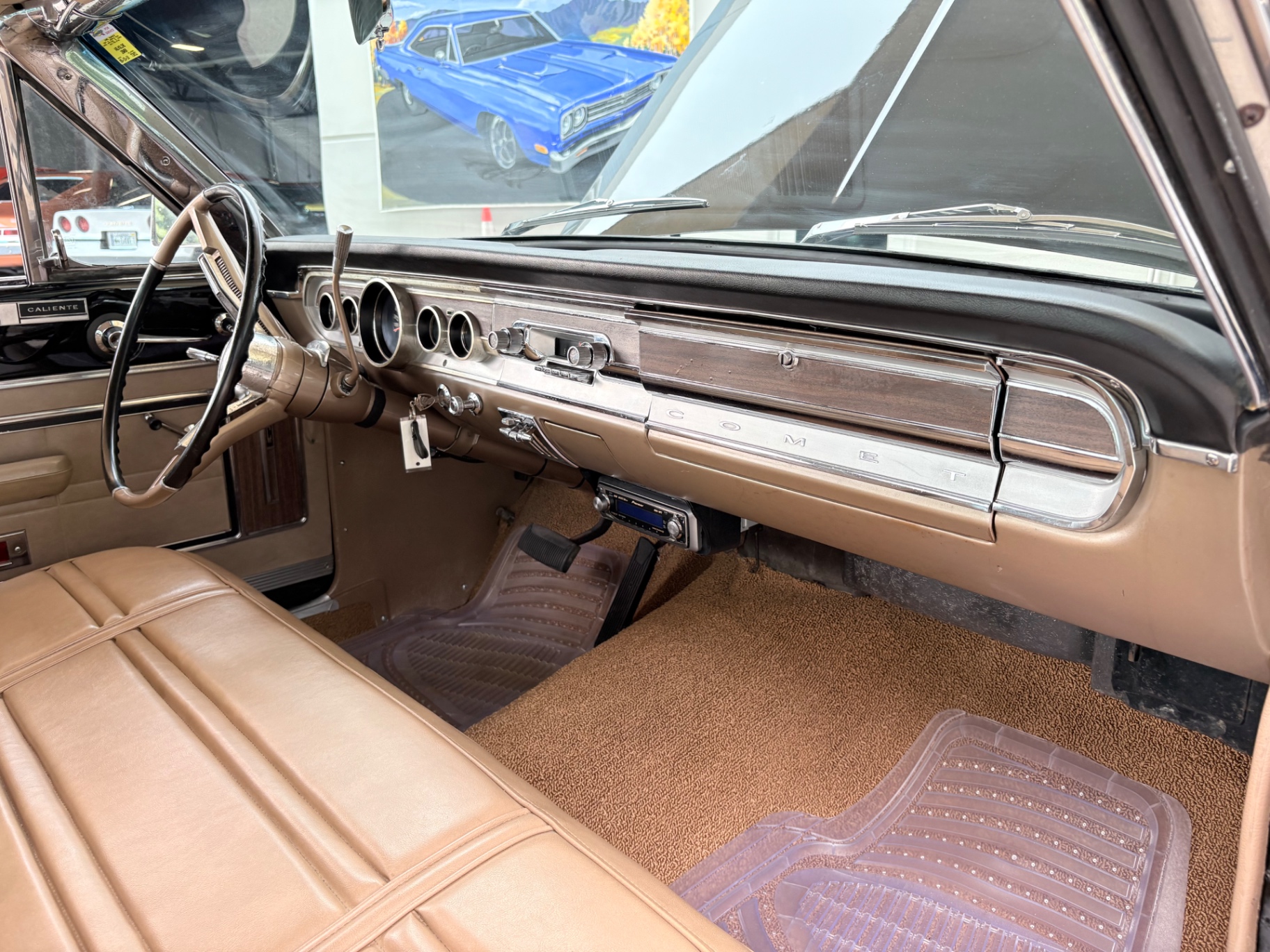
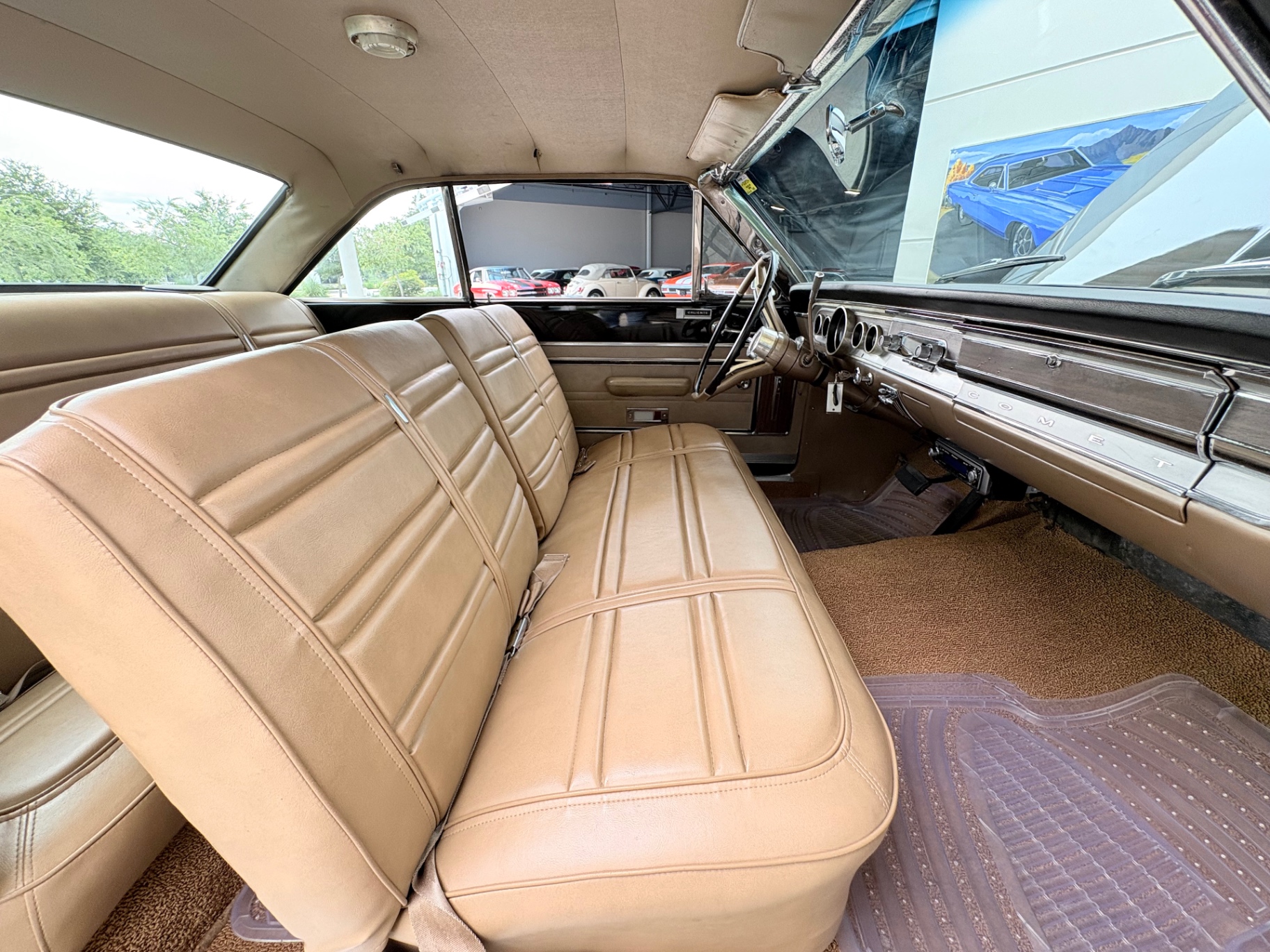
The 1965 Mercury Comet Caliente interior was Mercury's attempt to give the compact segment some legitimate luxury content, and the evidence is still present in this car. The dashboard carries woodgrain trim across the full width of the instrument panel, flanked by a chrome bezel that spells out "COMET" in individual letters on the passenger side. The instrument cluster is housed behind a matching woodgrain surround and includes a full complement of round gauges — fuel, temperature, ammeter, and oil pressure, plus the large central speedometer. A tachometer is also present, mounted separately below the steering column on the dash. This was a factory-available option on the 1965 Comet and adds both function and period character.
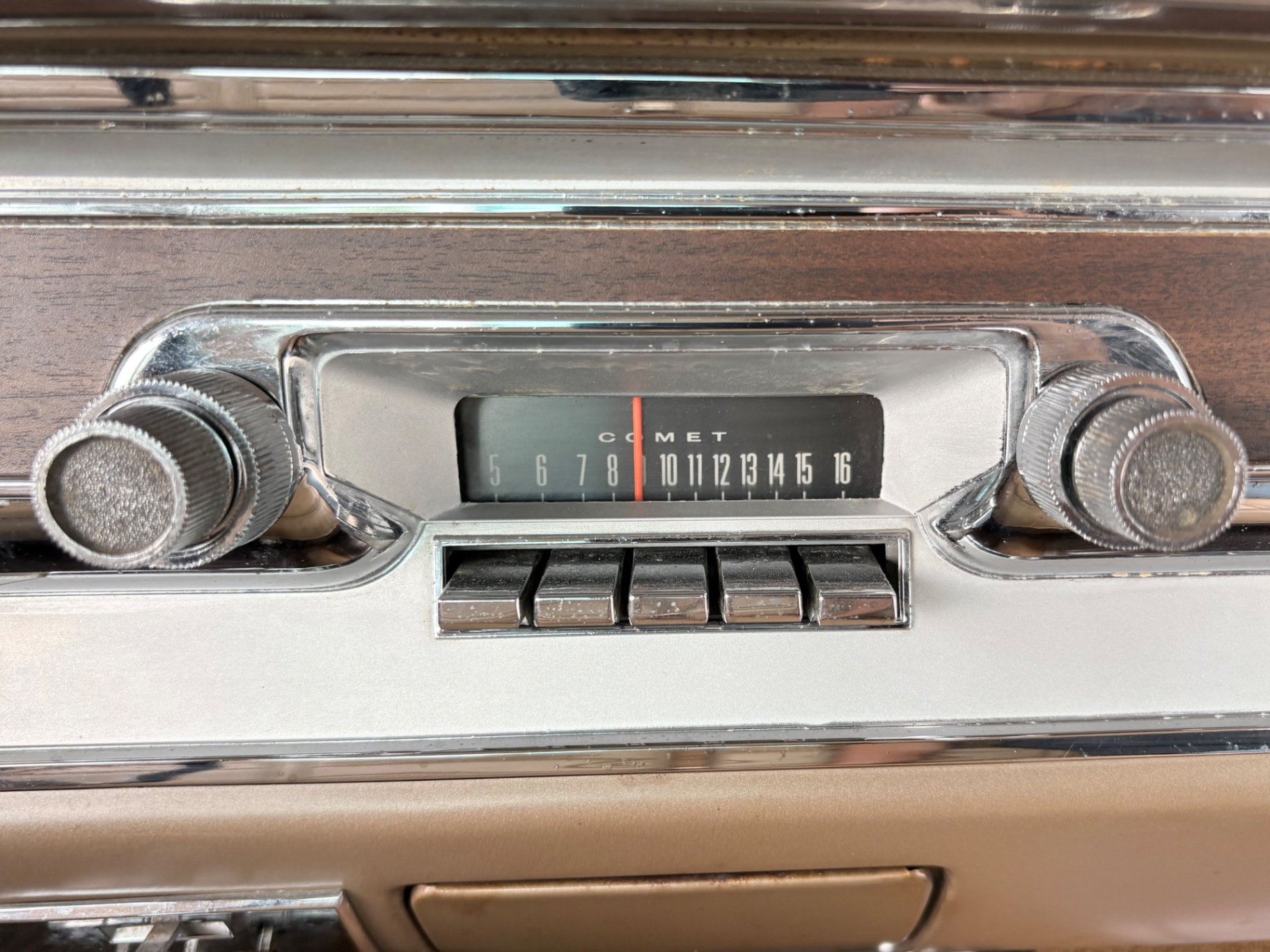
The original AM radio remains in place in the dash, keeping the factory appearance intact. A secondary modern stereo unit has been added as a separate installation below the dash, allowing the owner to use Bluetooth or other modern audio sources without cutting up the original radio opening. Both are retained in this car. The steering wheel carries the Comet running horse medallion in the center, a distinctive Comet-specific detail that differentiates it from the Falcon or contemporary Mustang wheel.
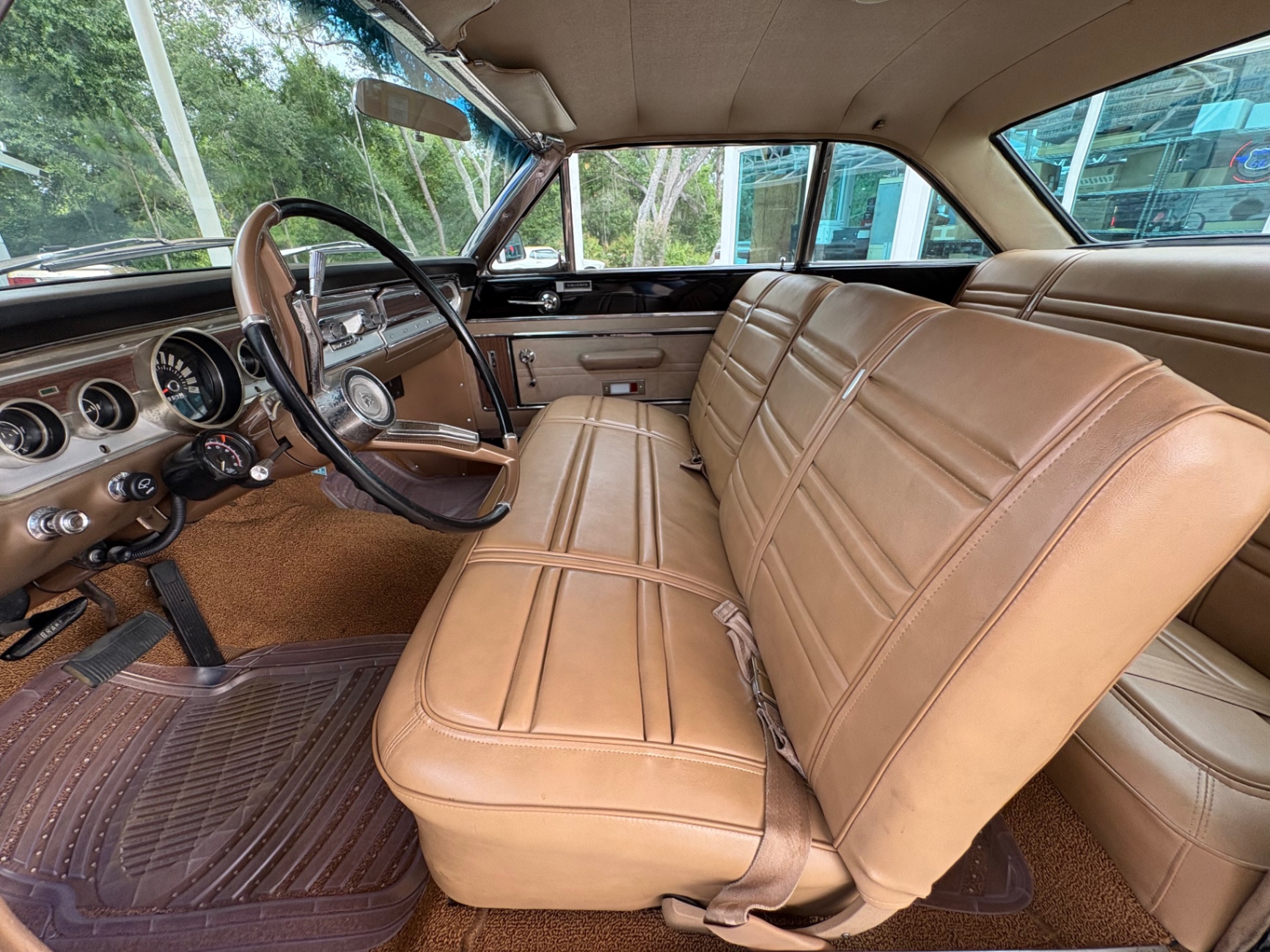
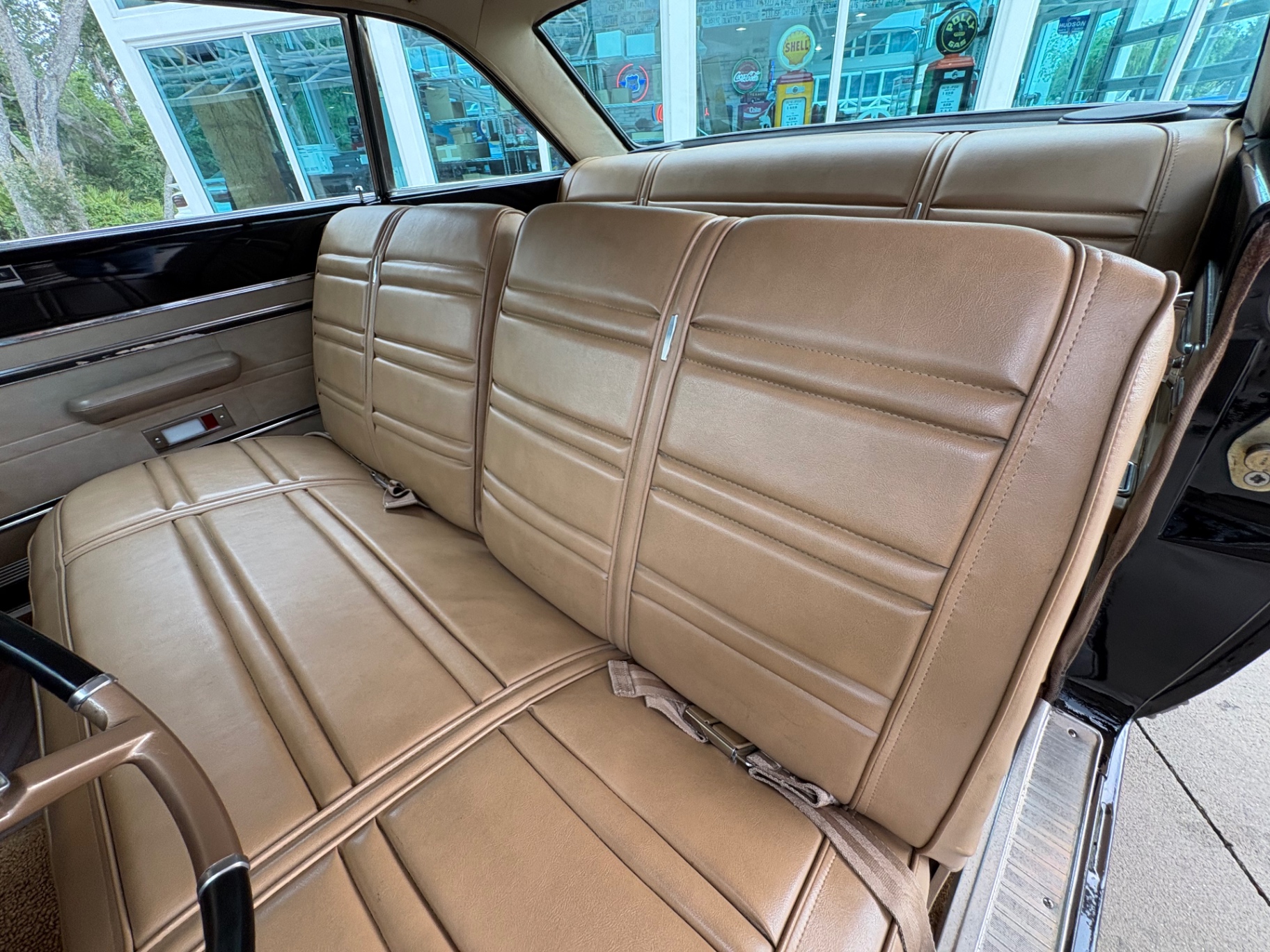
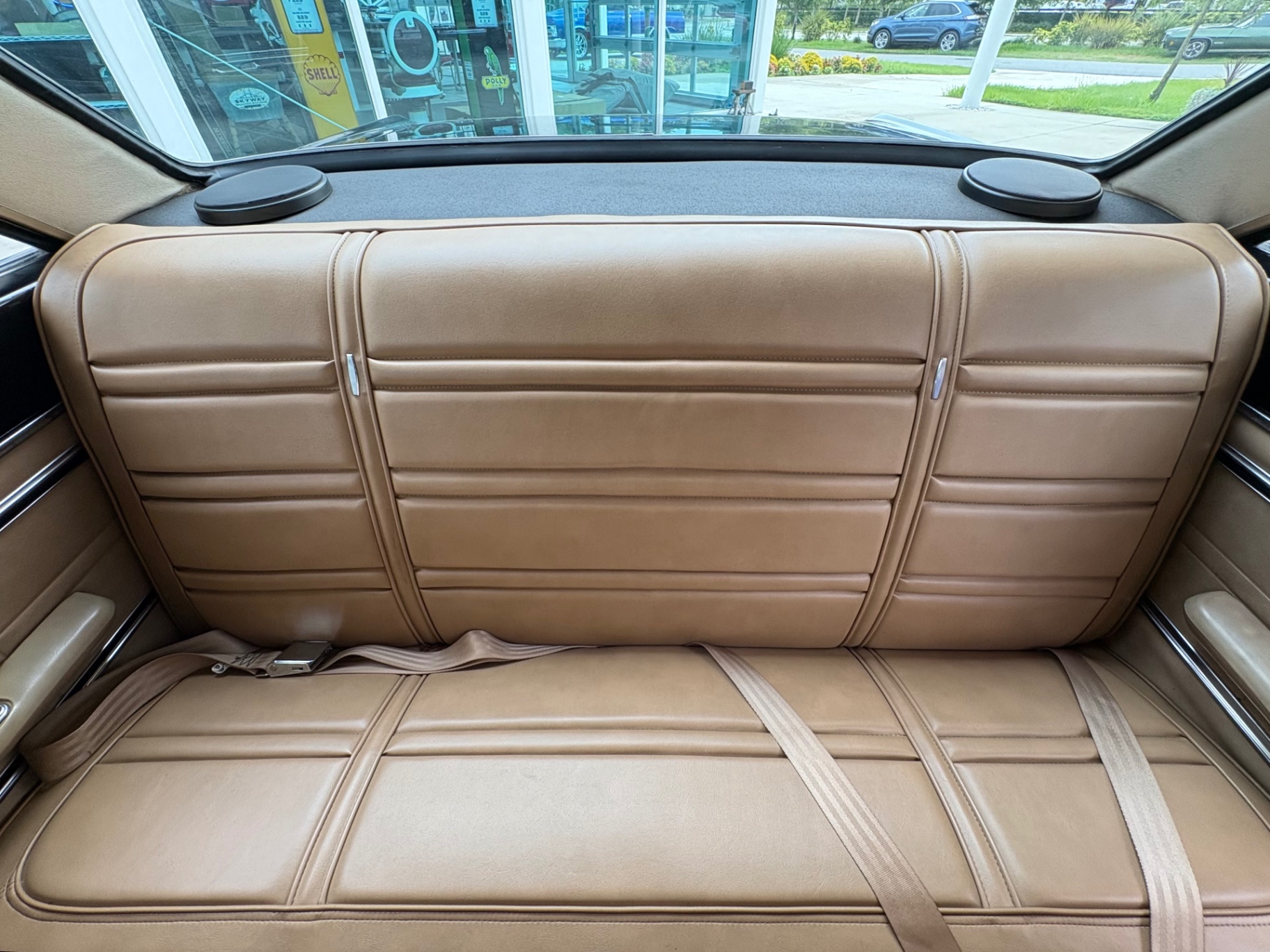
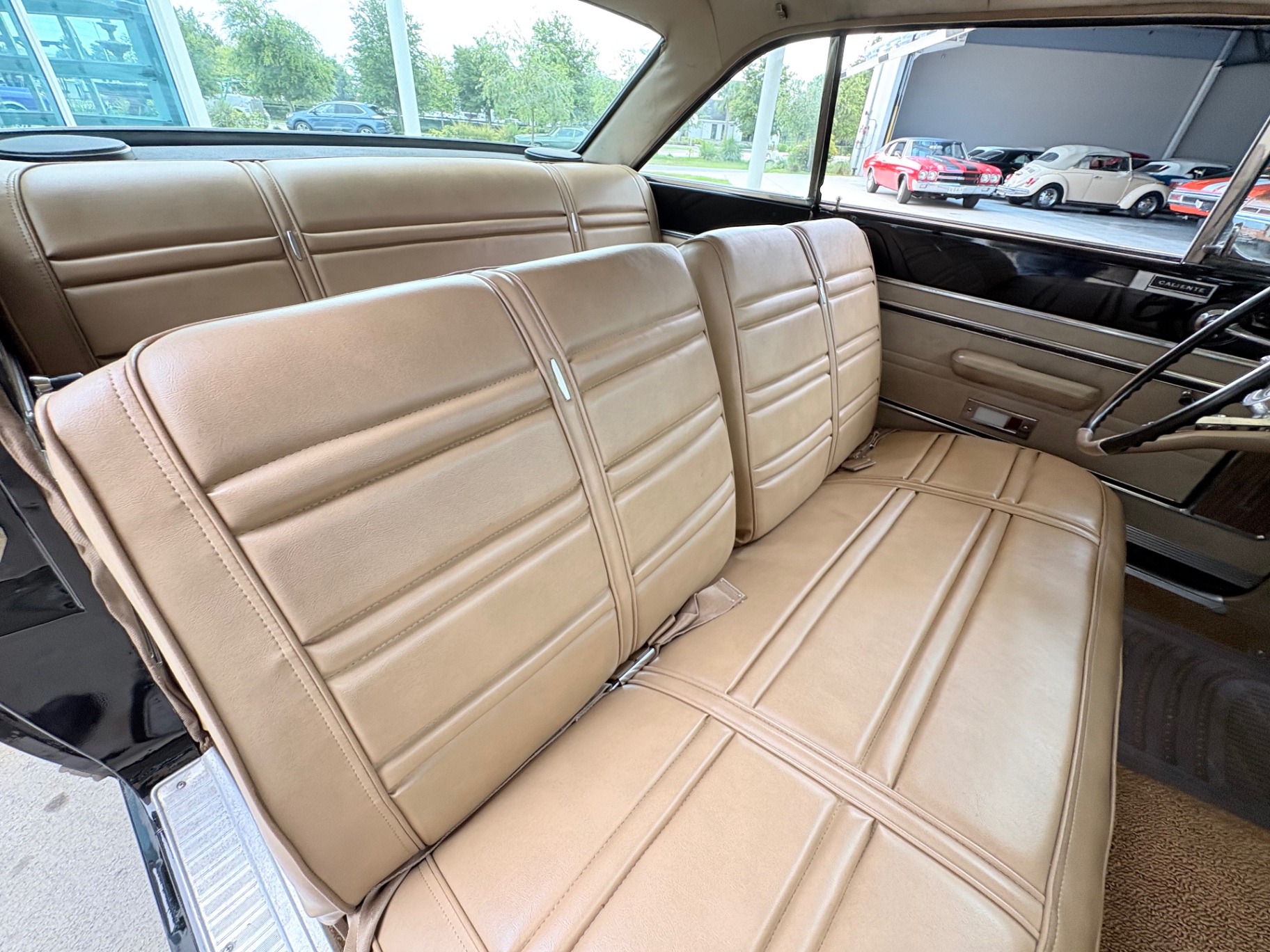
Seating is bench front and rear in tan vinyl, which is the correct material and color for this interior. The front bench shows wear consistent with regular use but holds its shape. The rear bench, visible in the photos, is in noticeably good condition with the tuck-and-roll style stitching pattern intact across the full width. Door panels are tan vinyl with the woodgrain insert panel at the forward lower section, chrome accent strips running horizontally, and the Caliente badge at the top of each panel. Loop carpet covers the floor throughout, protected by clear floor mats. Seat belts are installed front and rear, which was an option in 1965 and a practical addition for a car that gets driven. The headliner appears in presentable condition from the photos.
Exterior
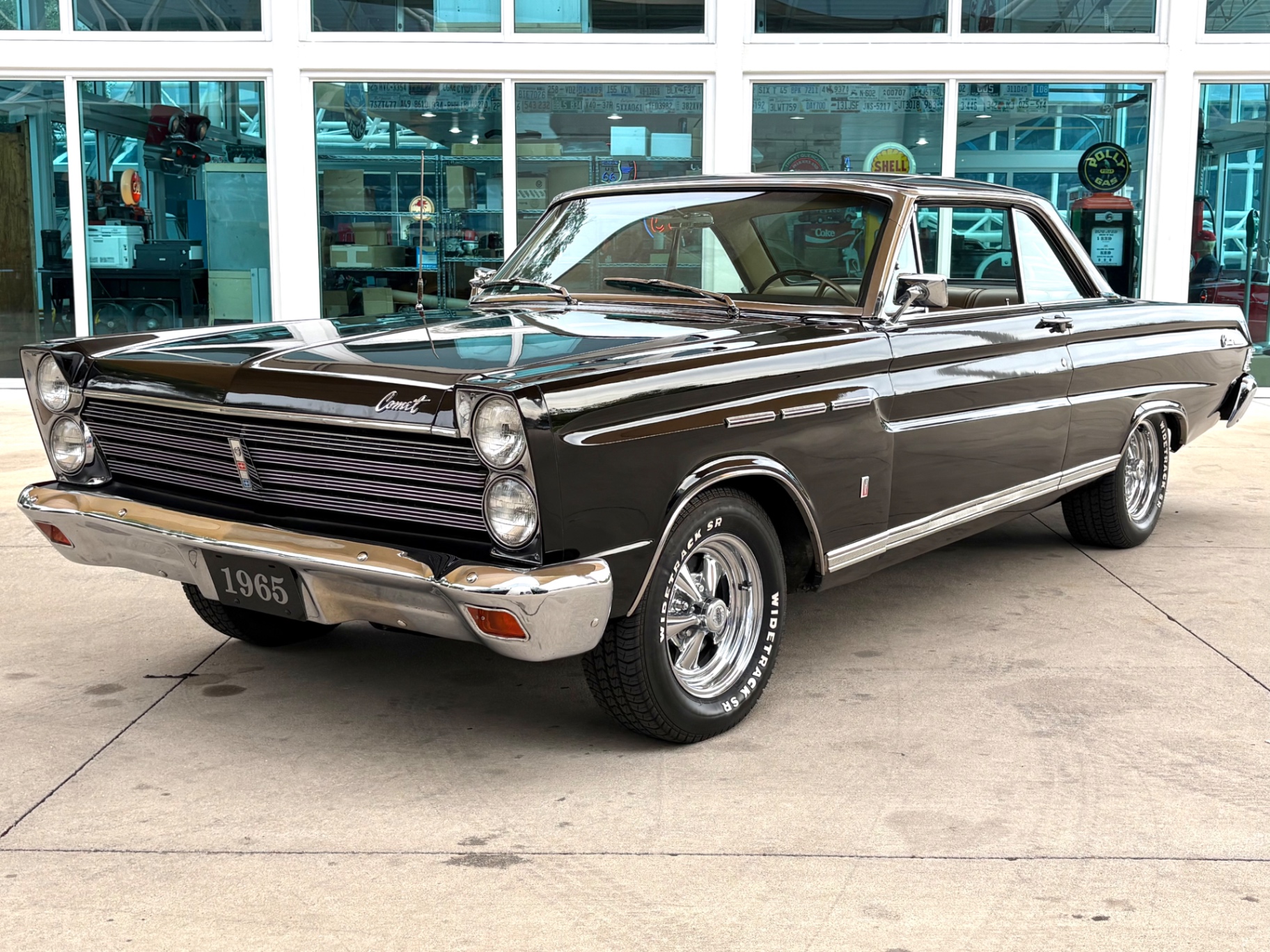
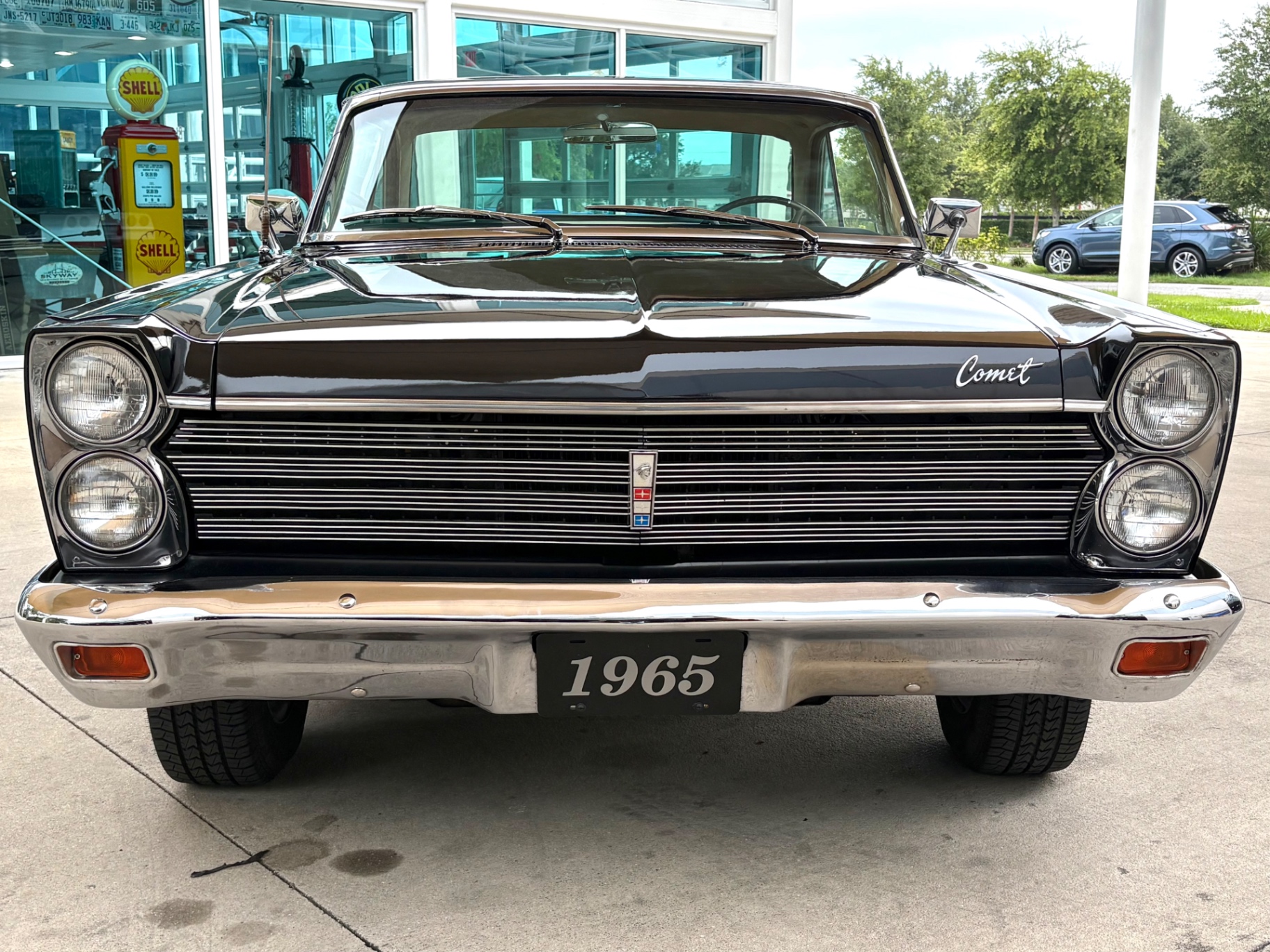
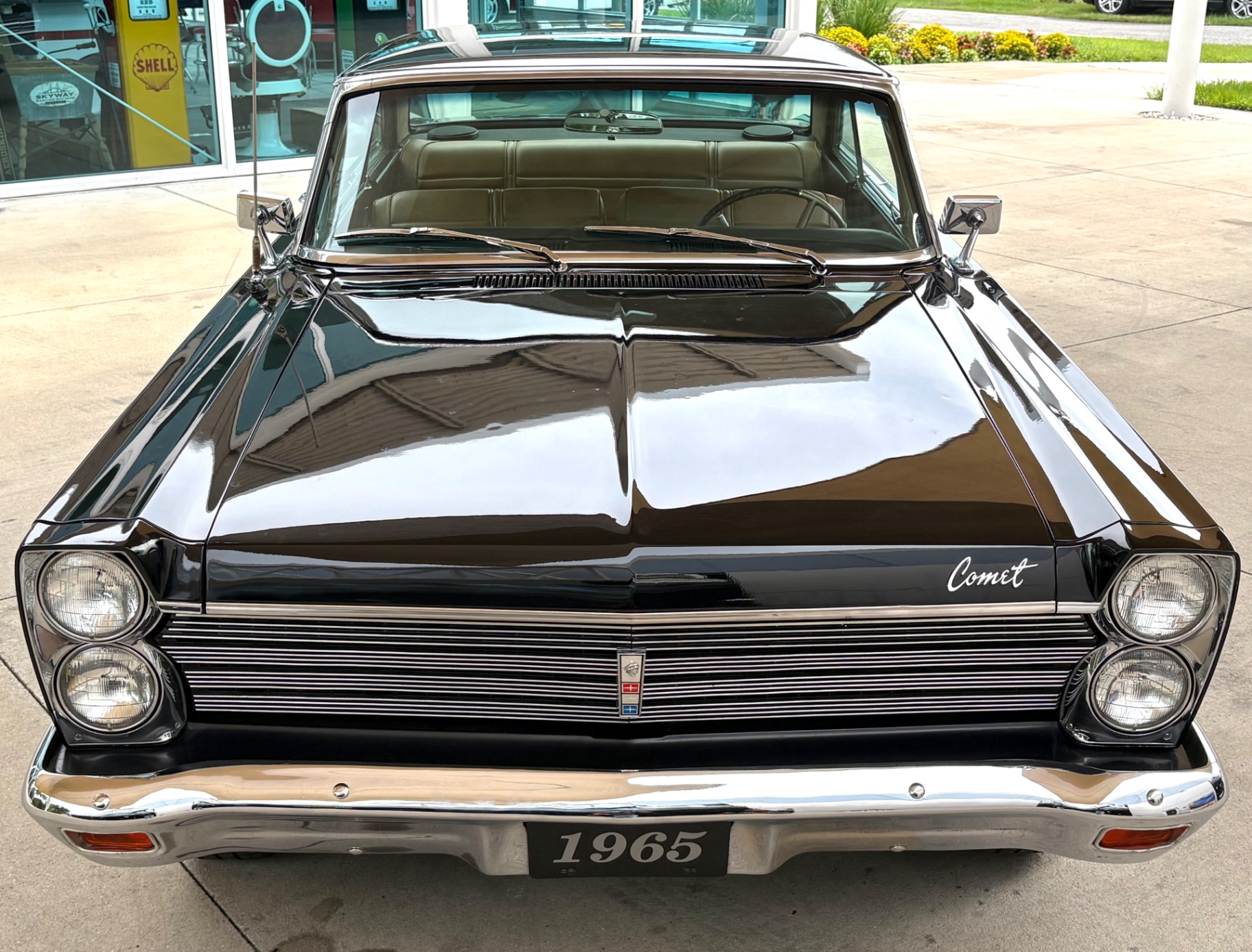
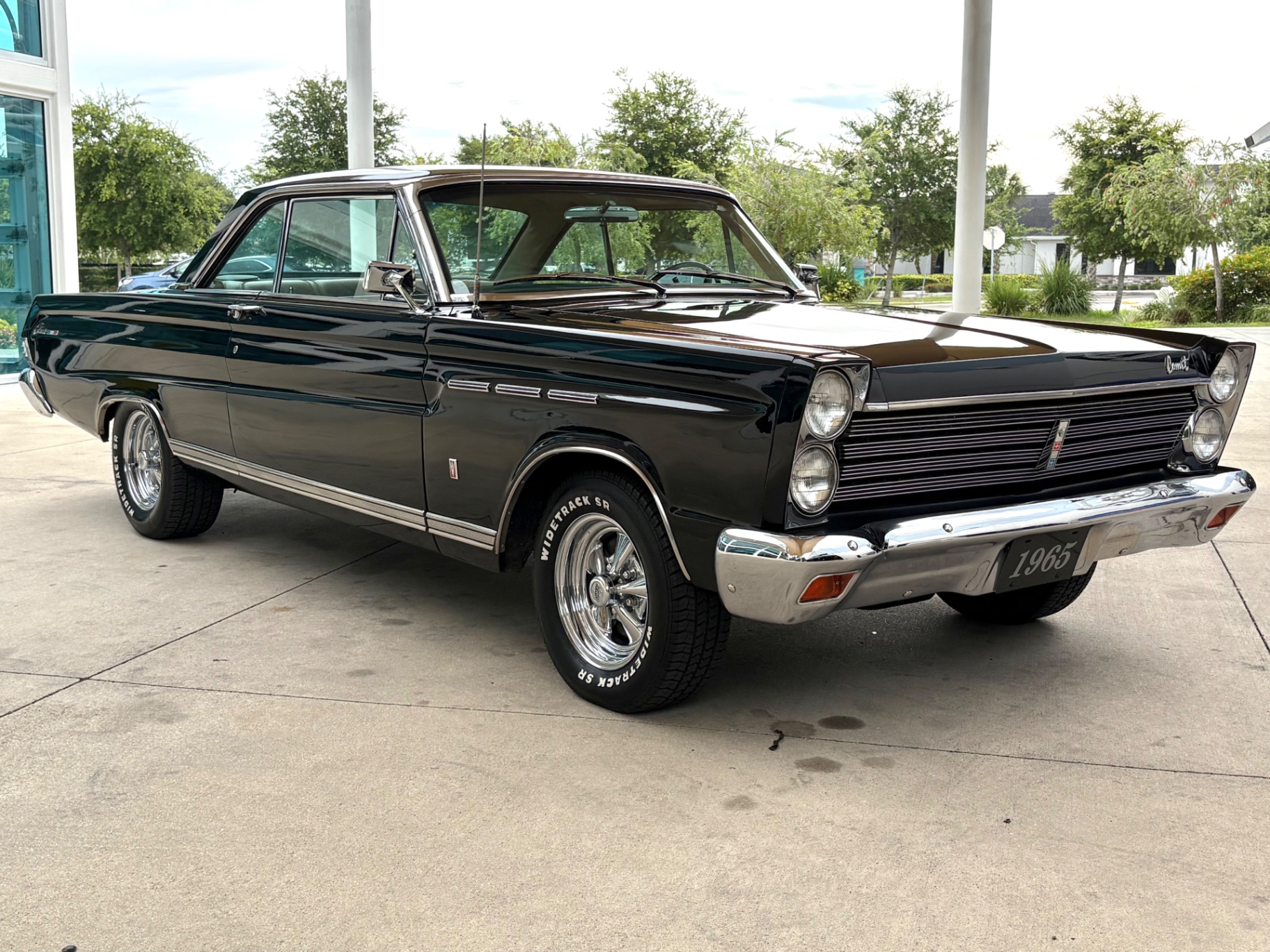
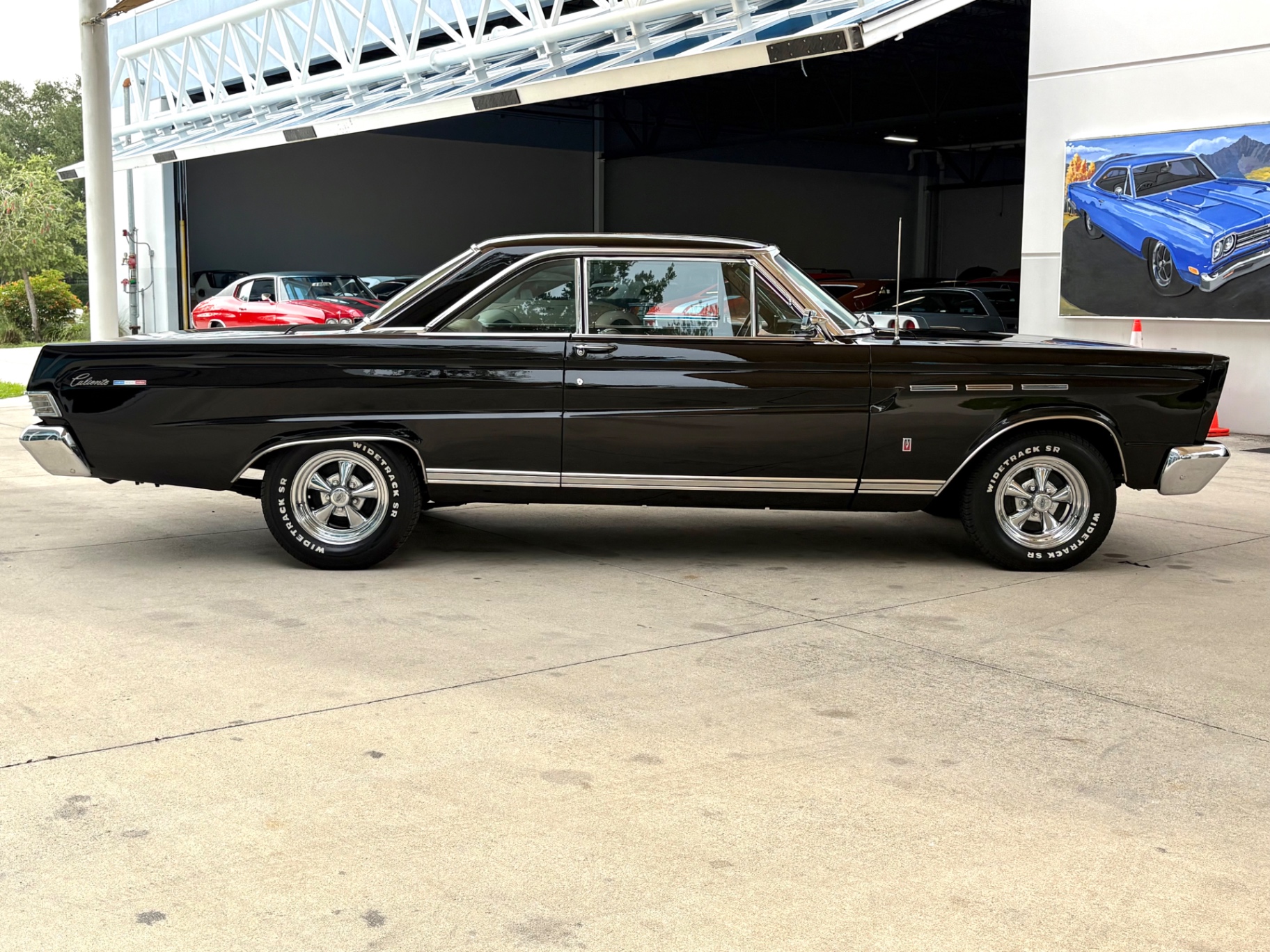
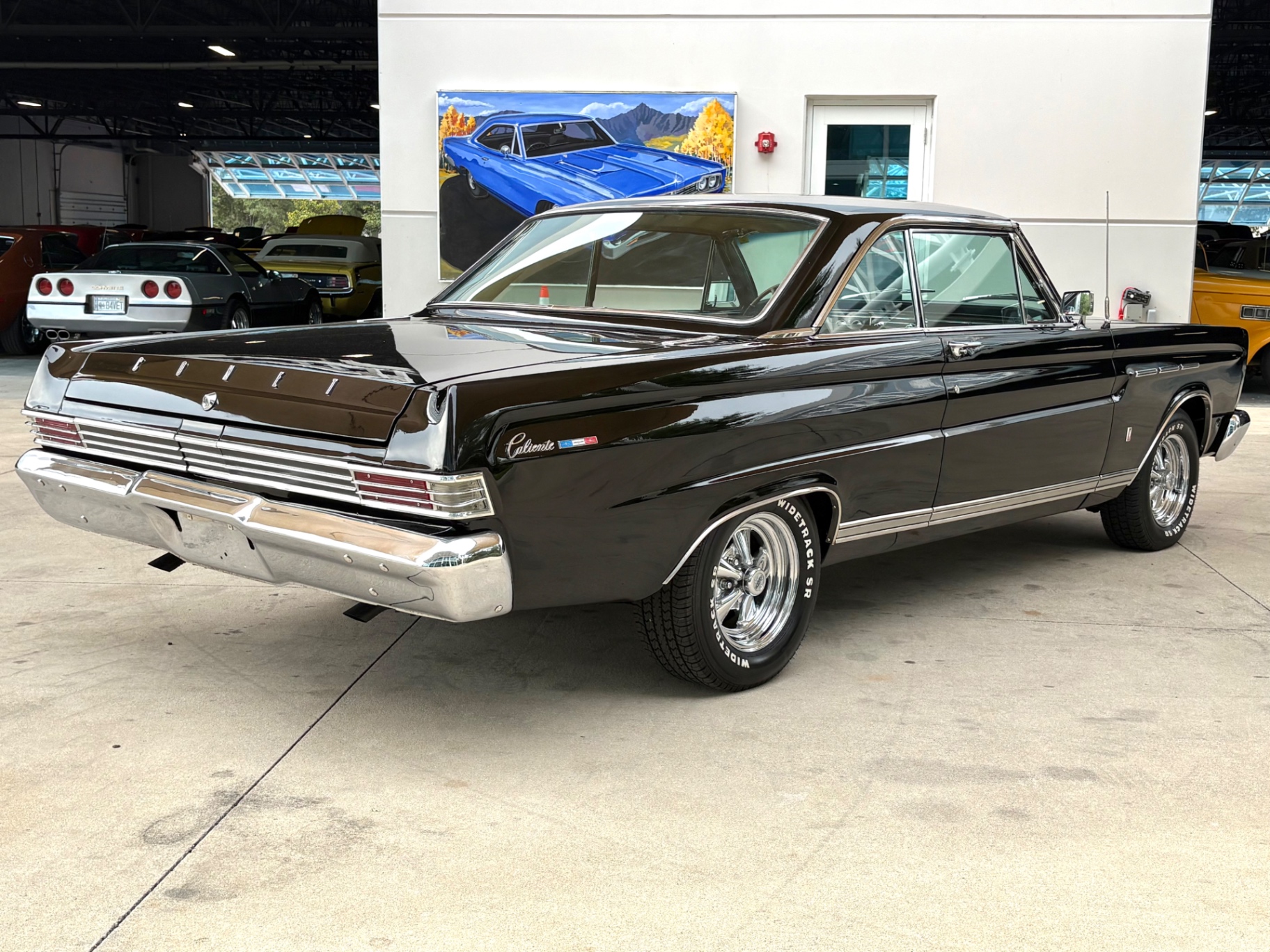
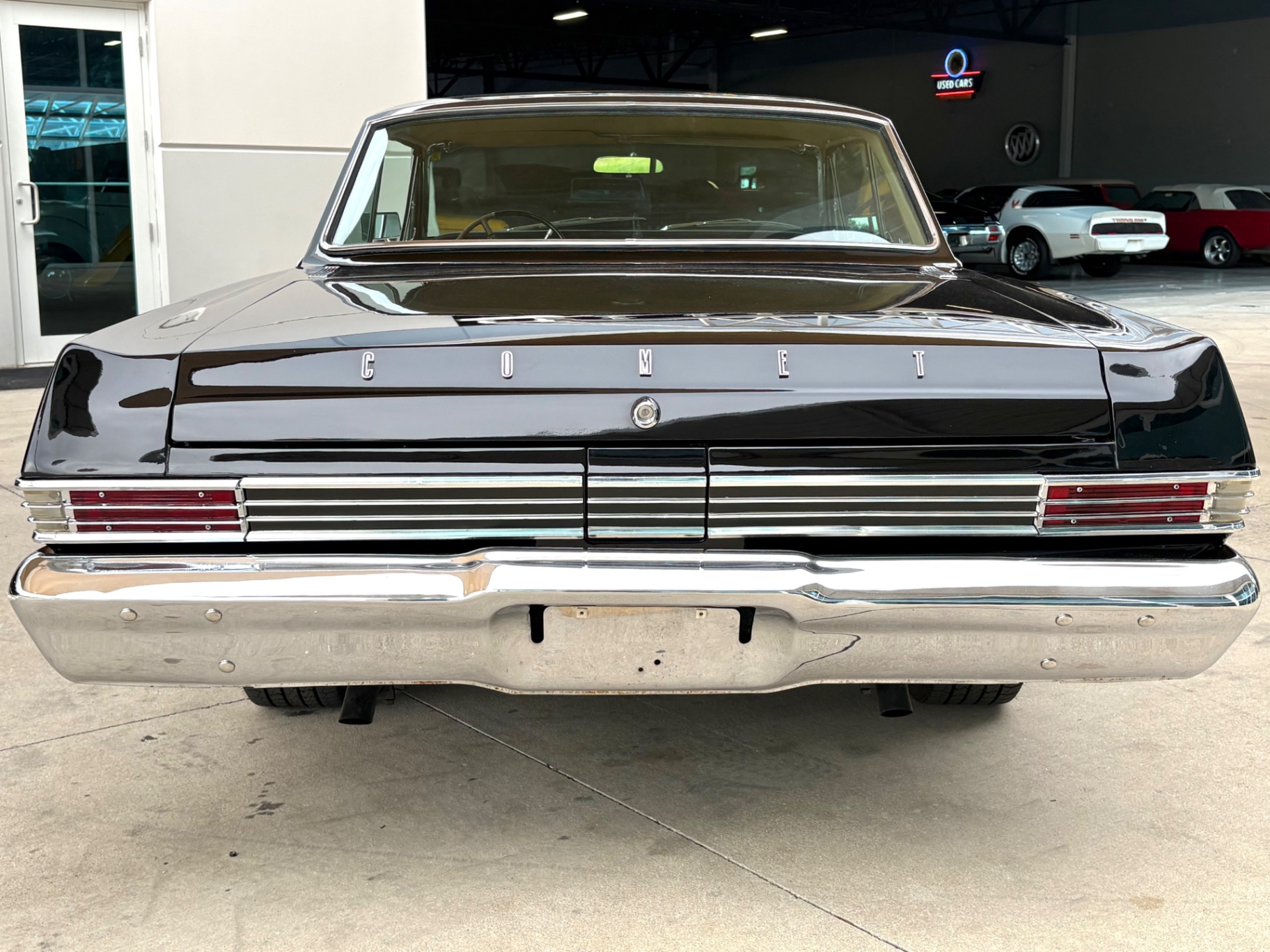
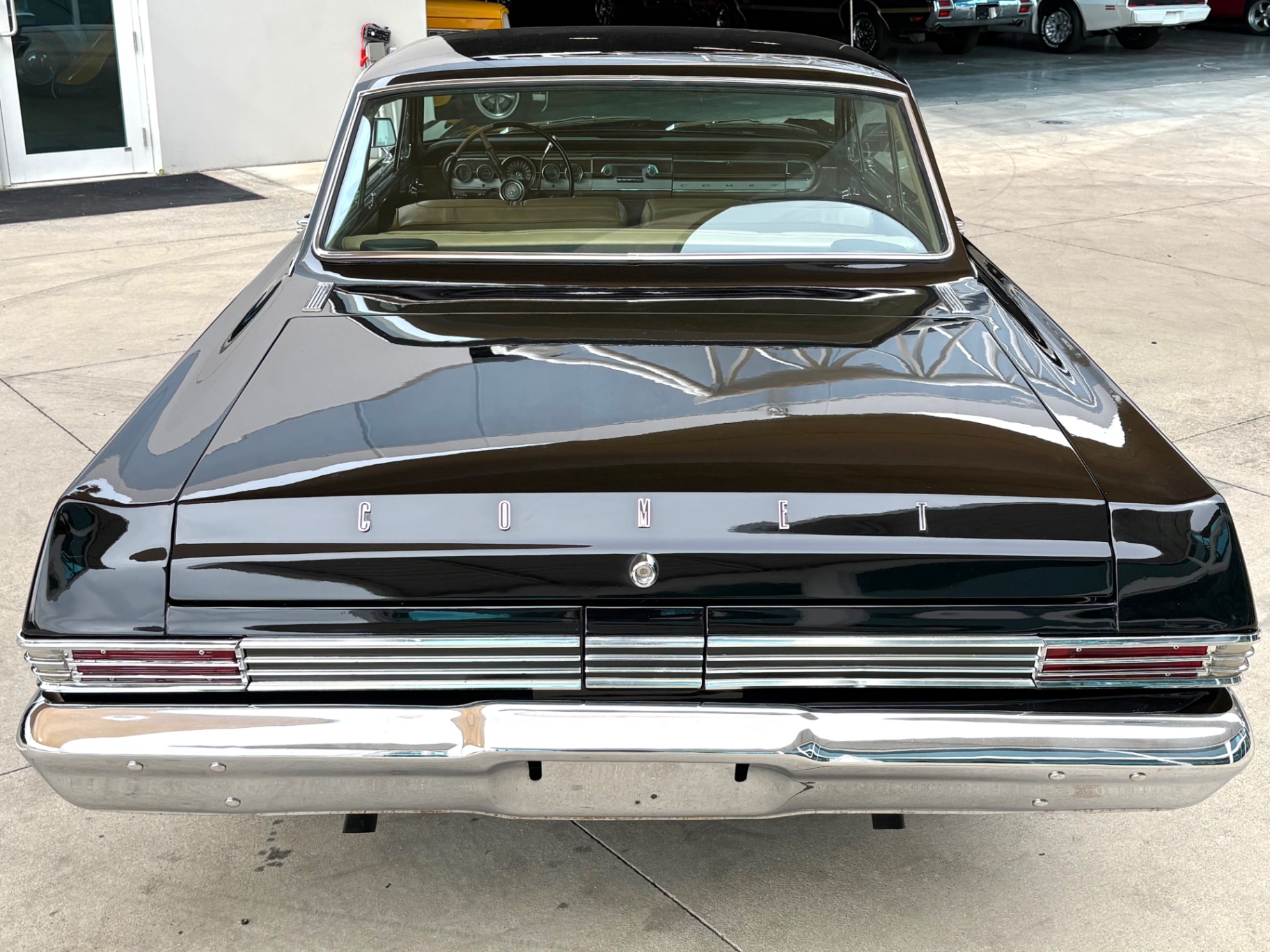
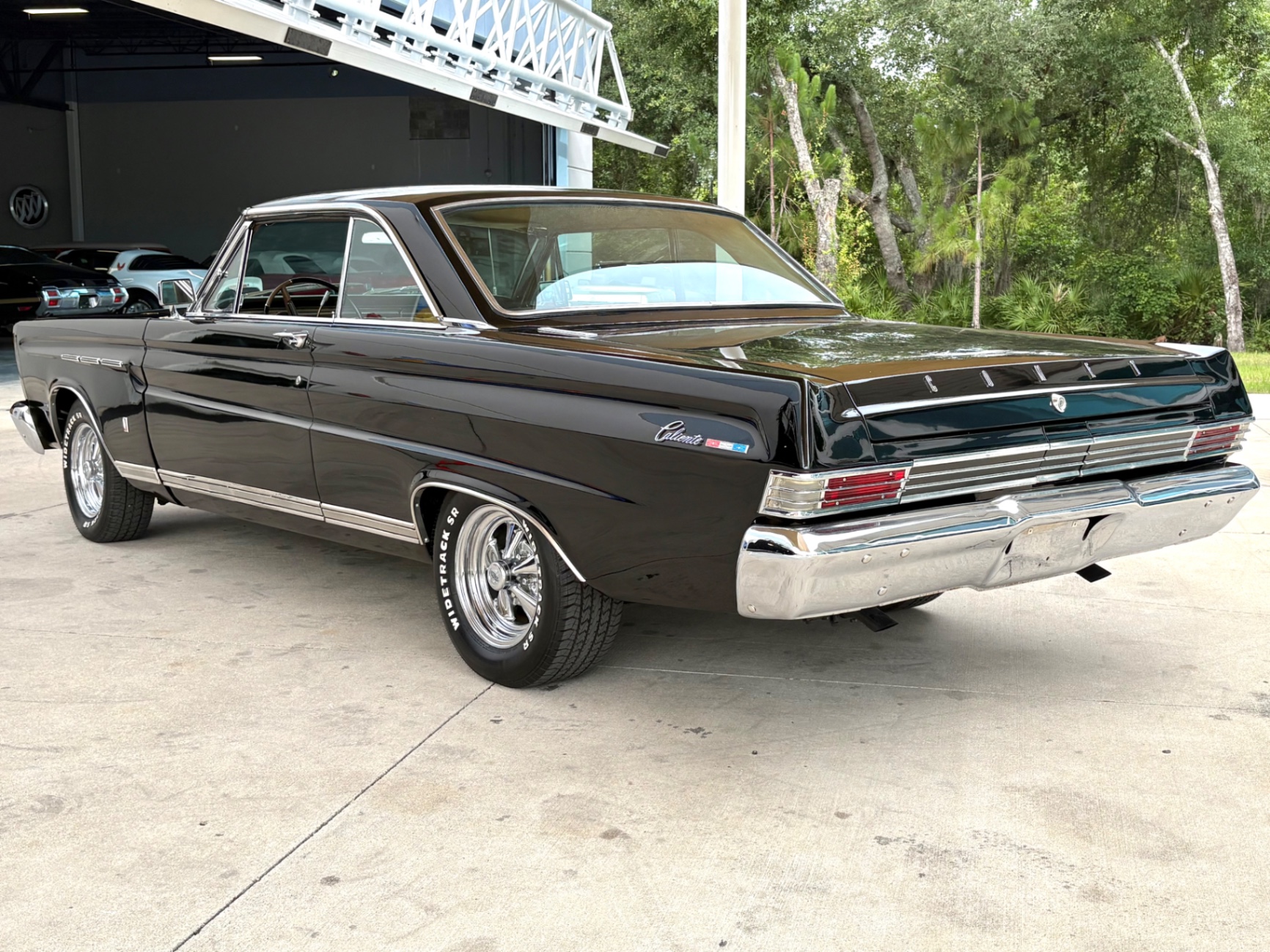
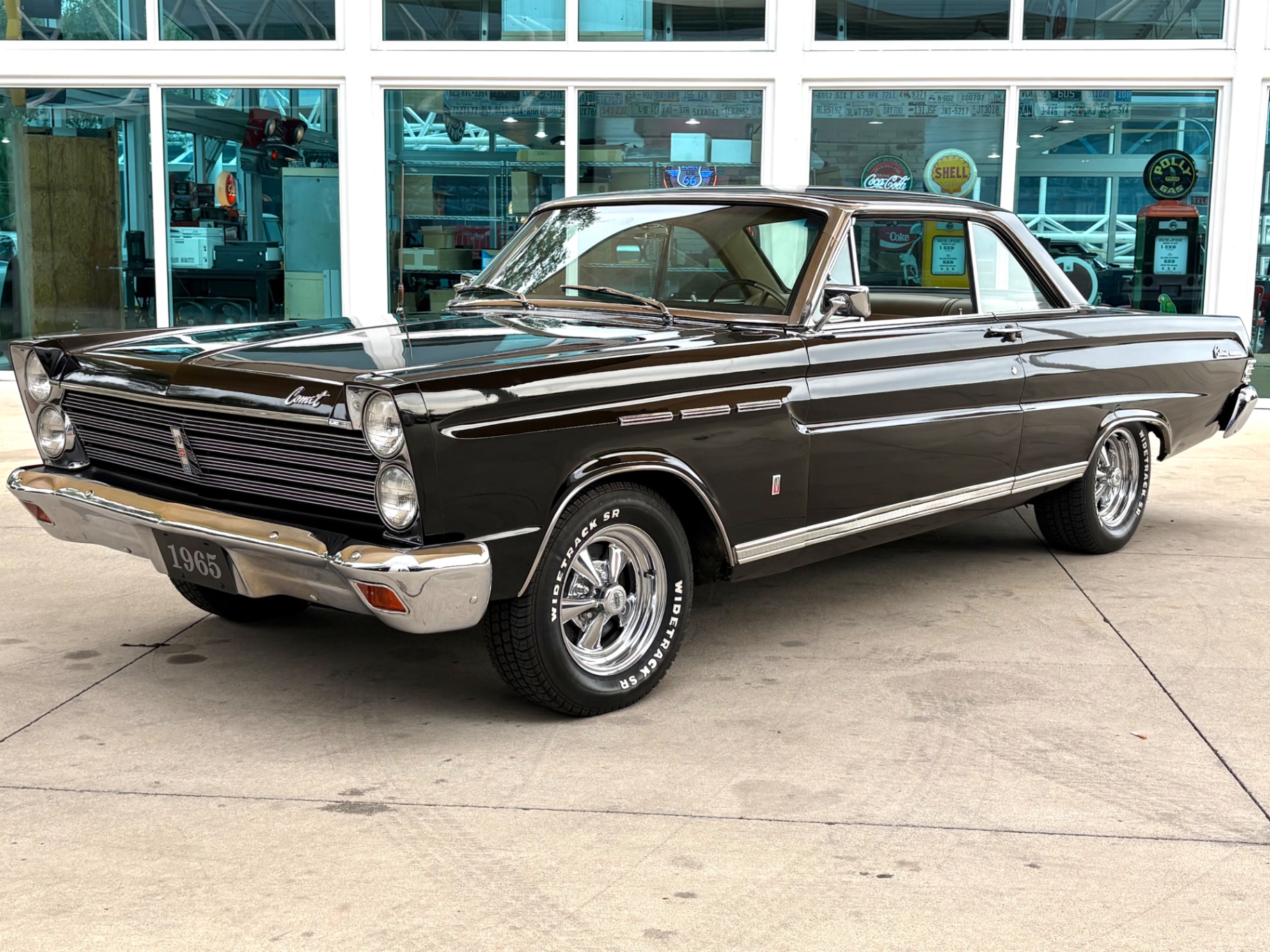
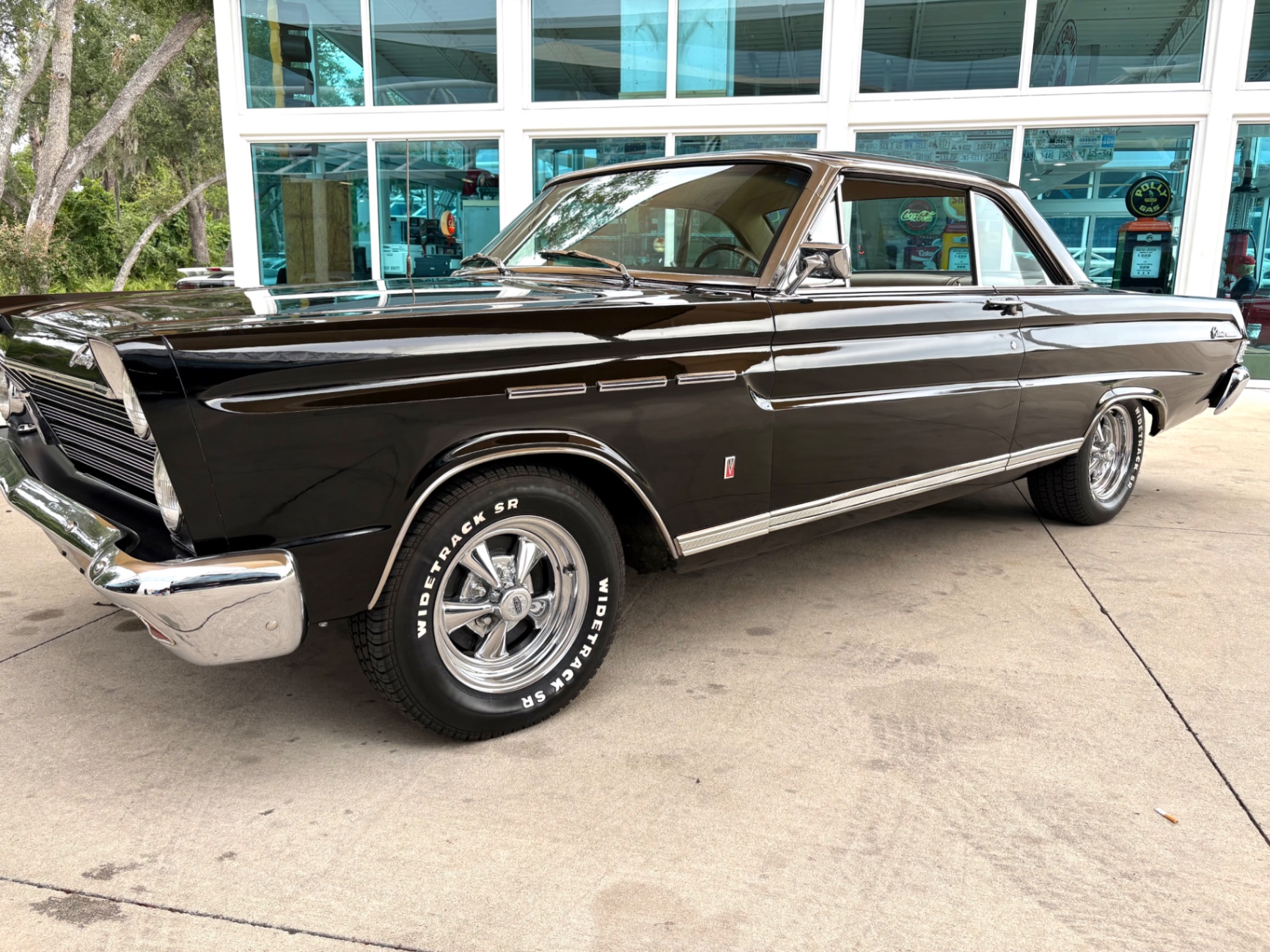
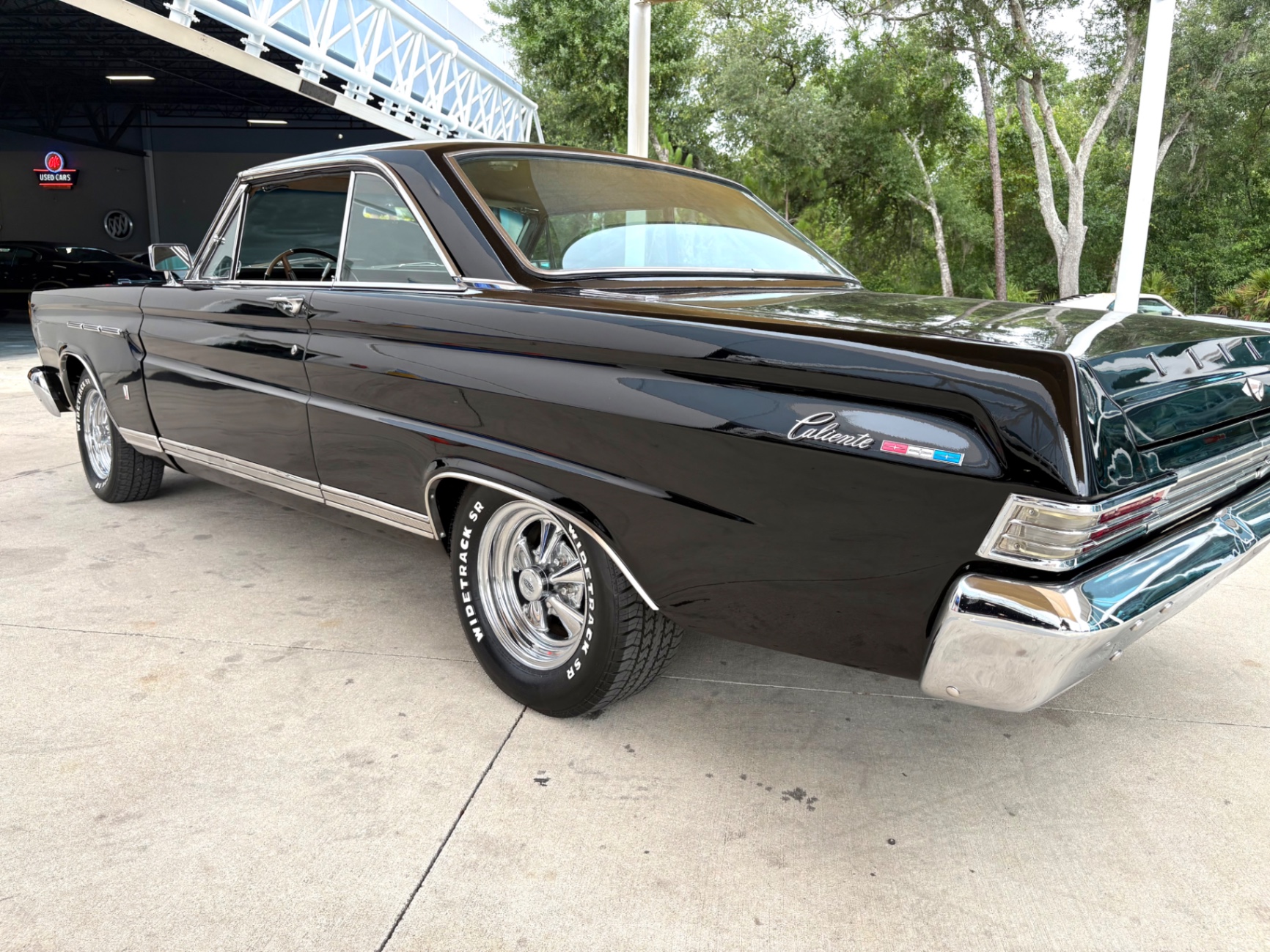
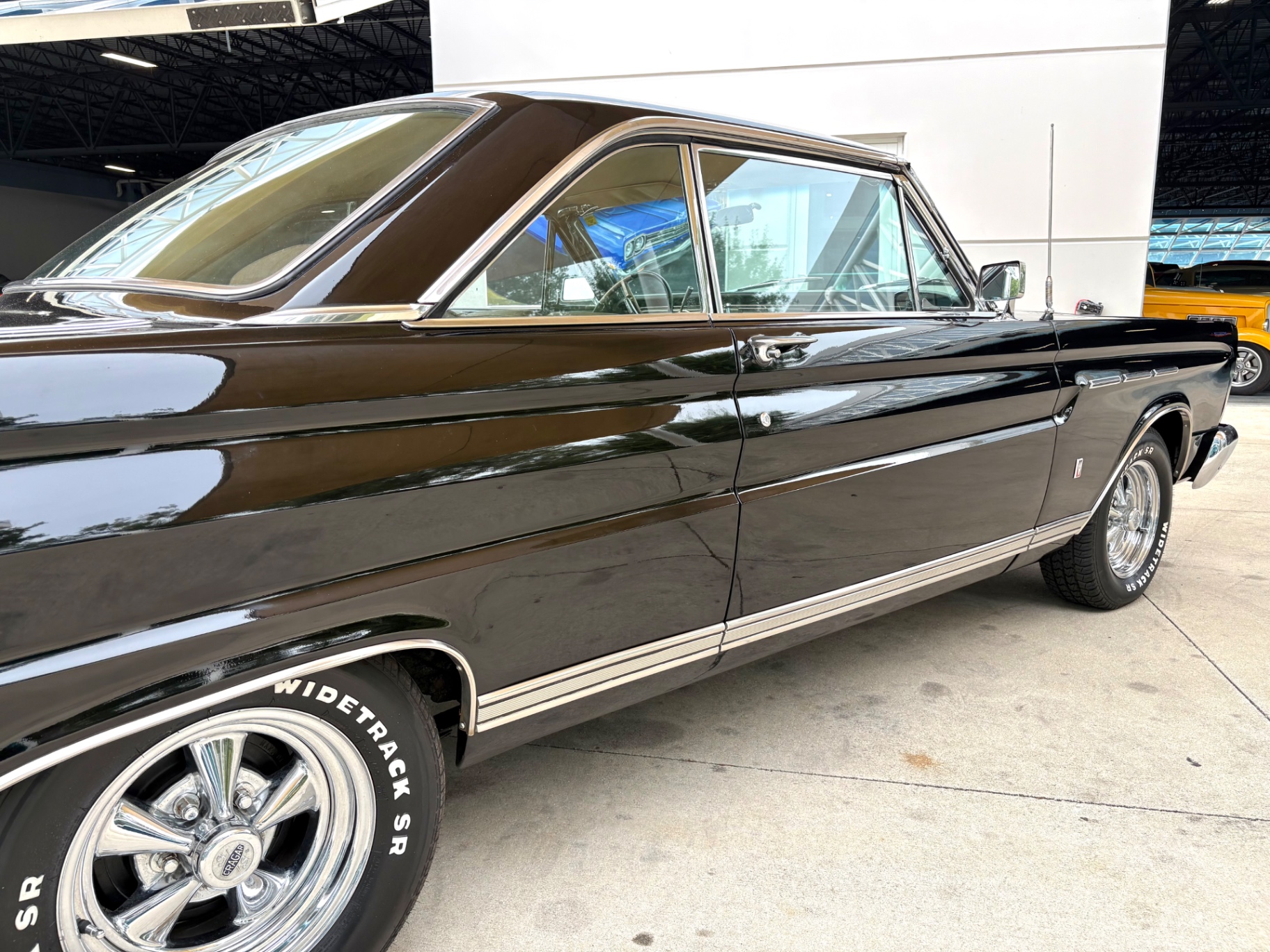
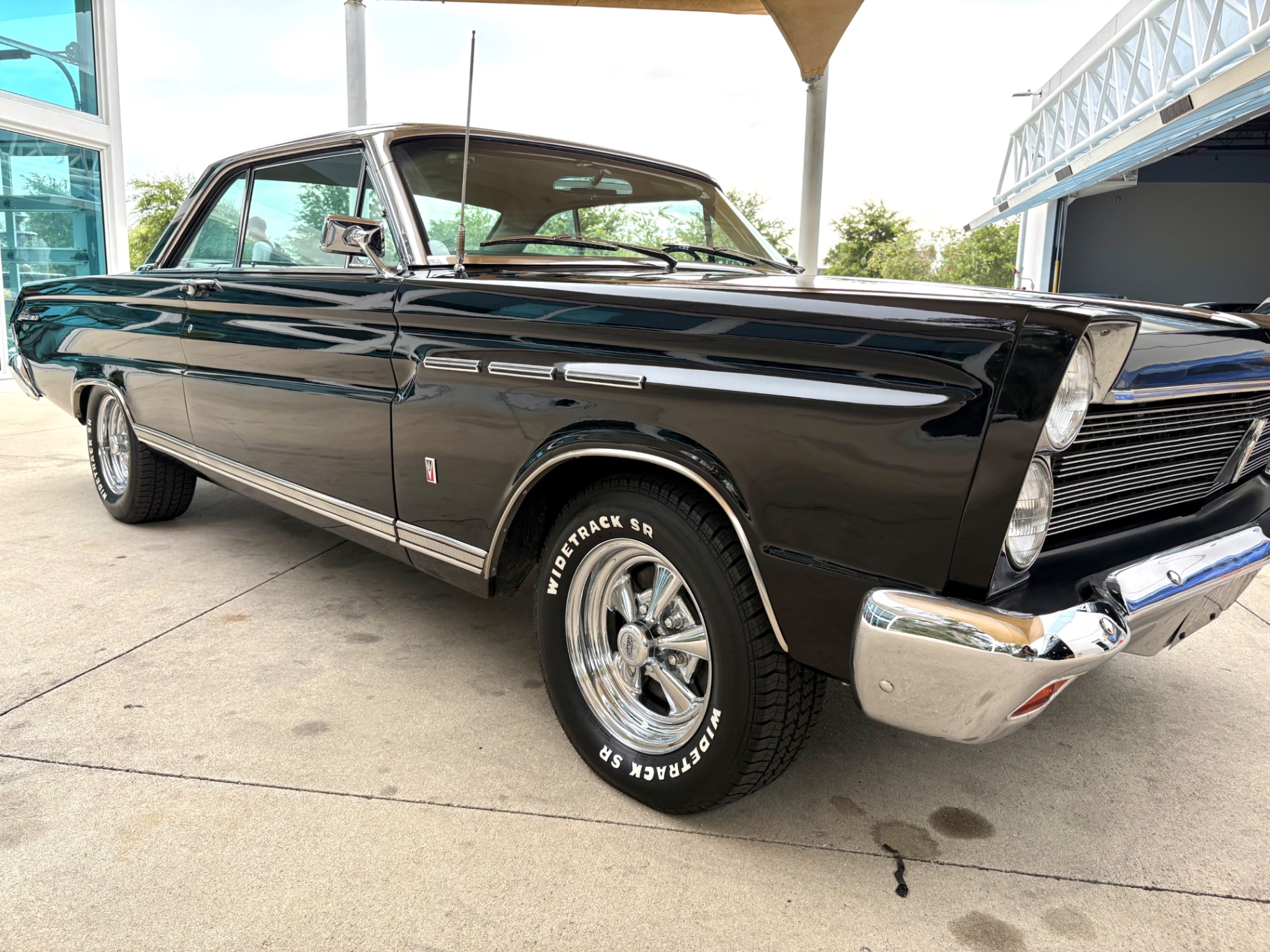
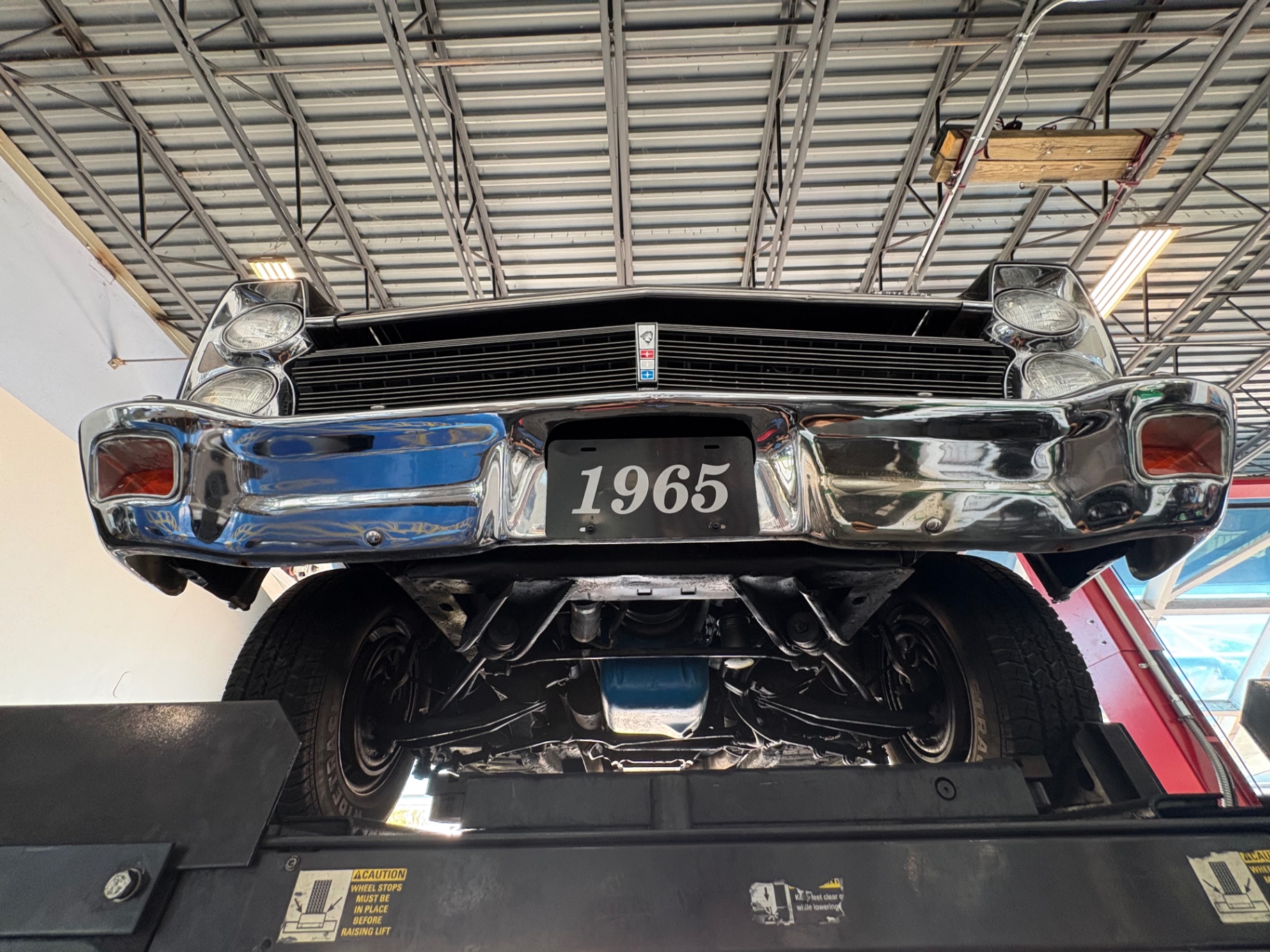
The 1965 Mercury Comet Caliente received a significant sheetmetal rework compared to the earlier generation cars. The '65 body was longer and wider than the 1963-64 Comet, with a more upright greenhouse, a longer hood, and a rear end that echoed the full-size Mercury lineup's horizontal taillight treatment. This car wears a black exterior, which photographs as a deep, even finish. The chrome bumpers front and rear are present and in good condition, showing the polished, reflective surface visible in the lift photos. The front bumper incorporates the integrated parking lamp lenses at the outboard ends, a clean design that was new for 1965. The rear bumper wraps the tail cleanly with the horizontal taillight bar integrated above it.
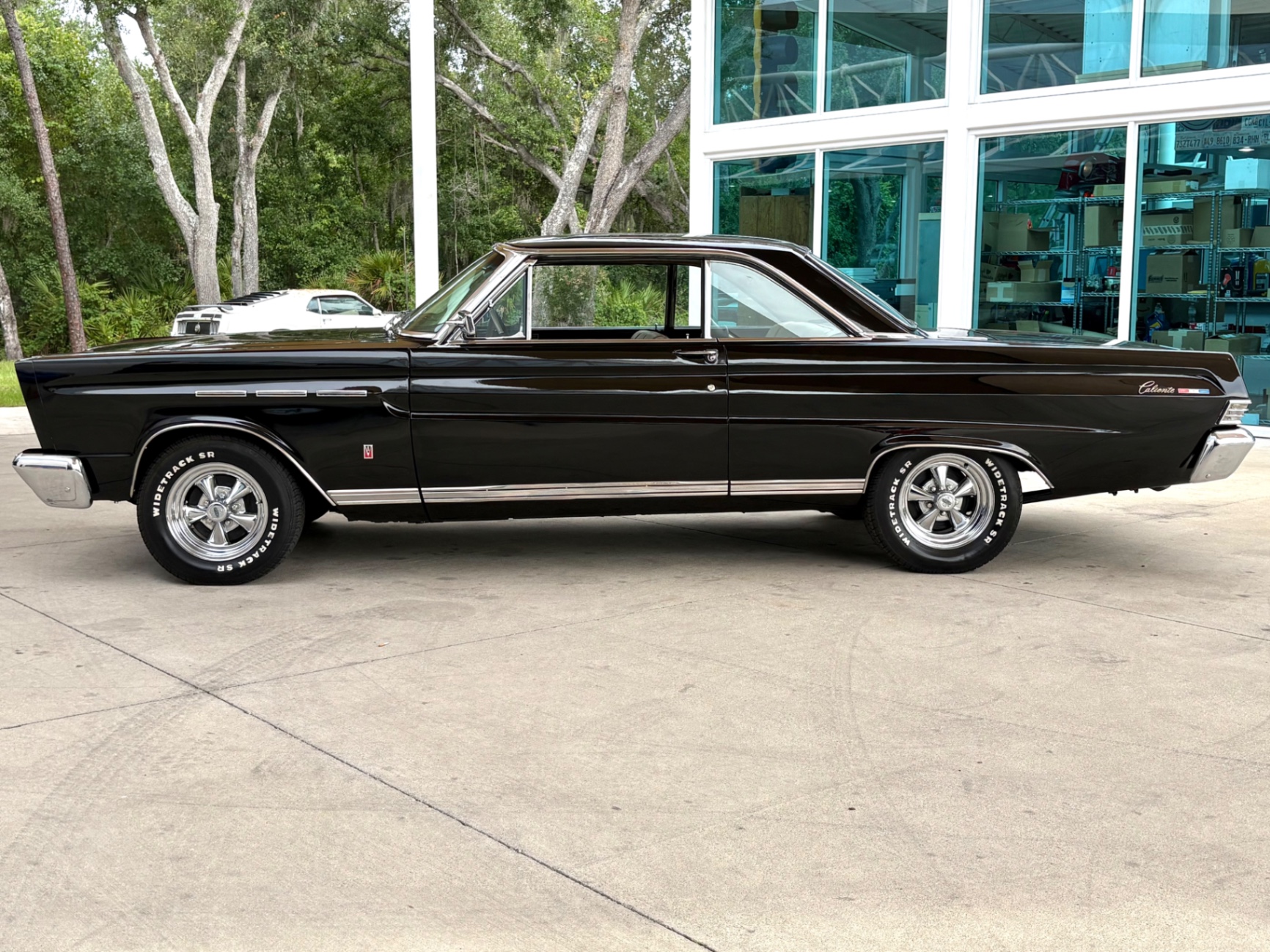
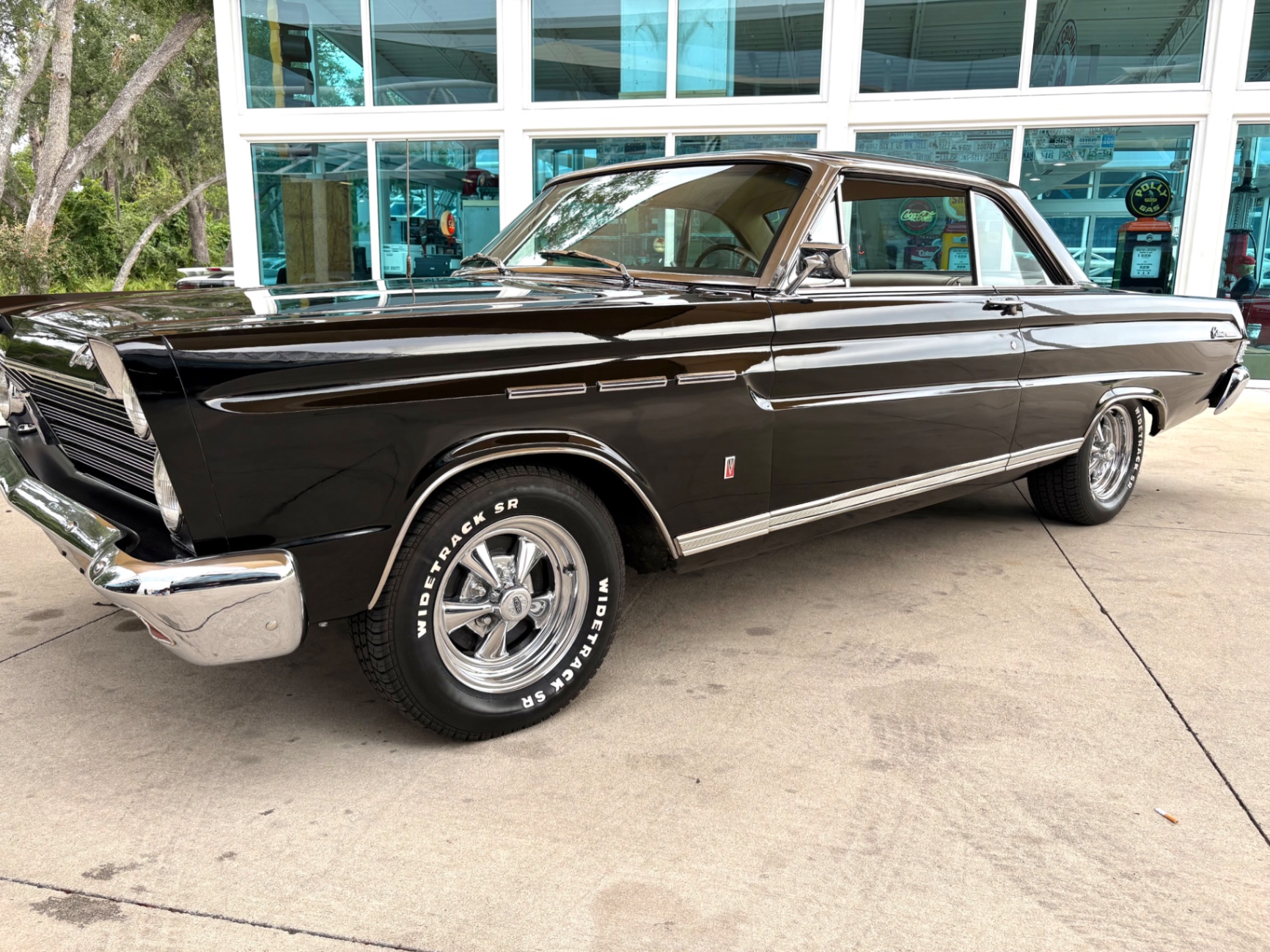
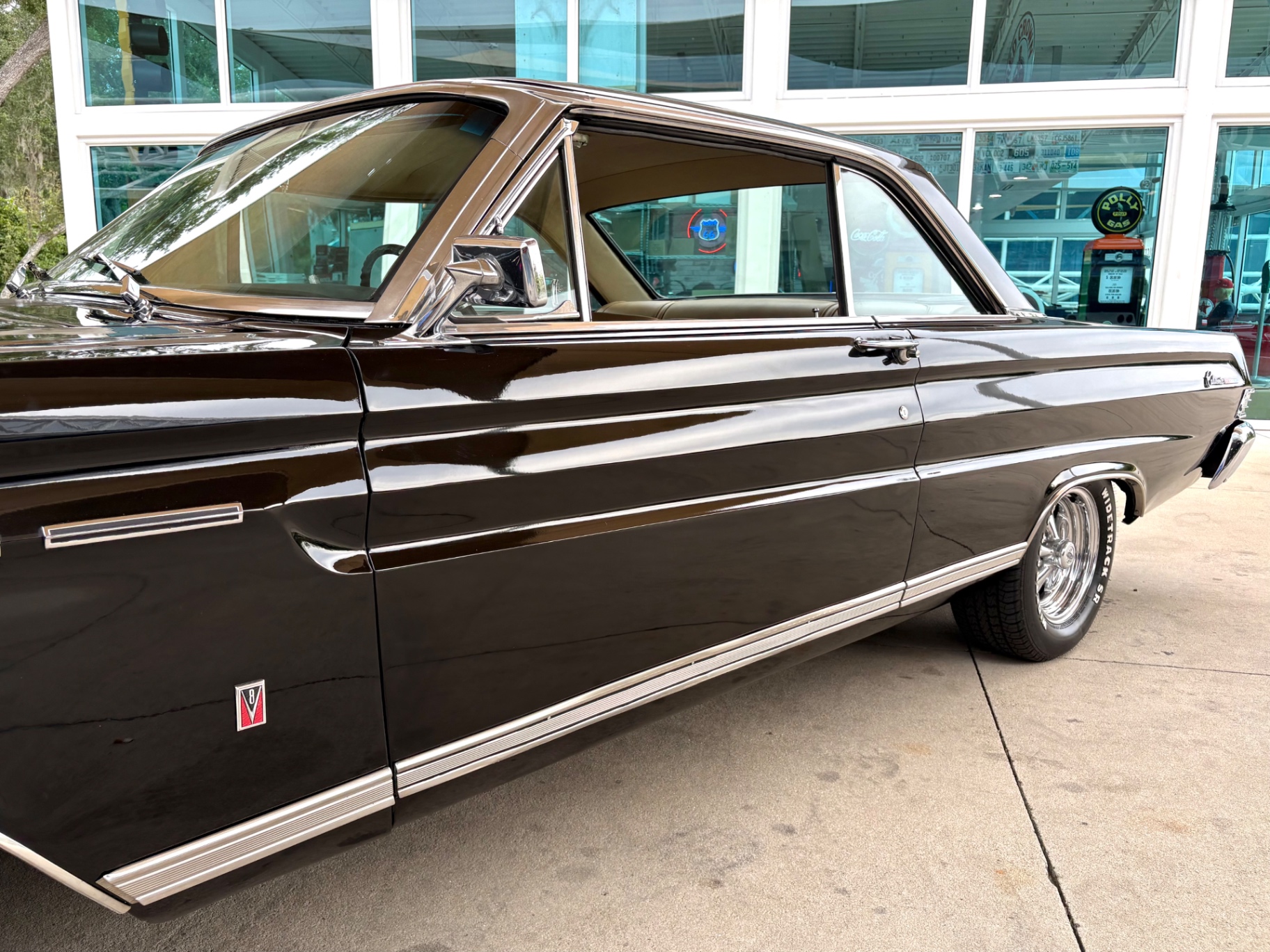
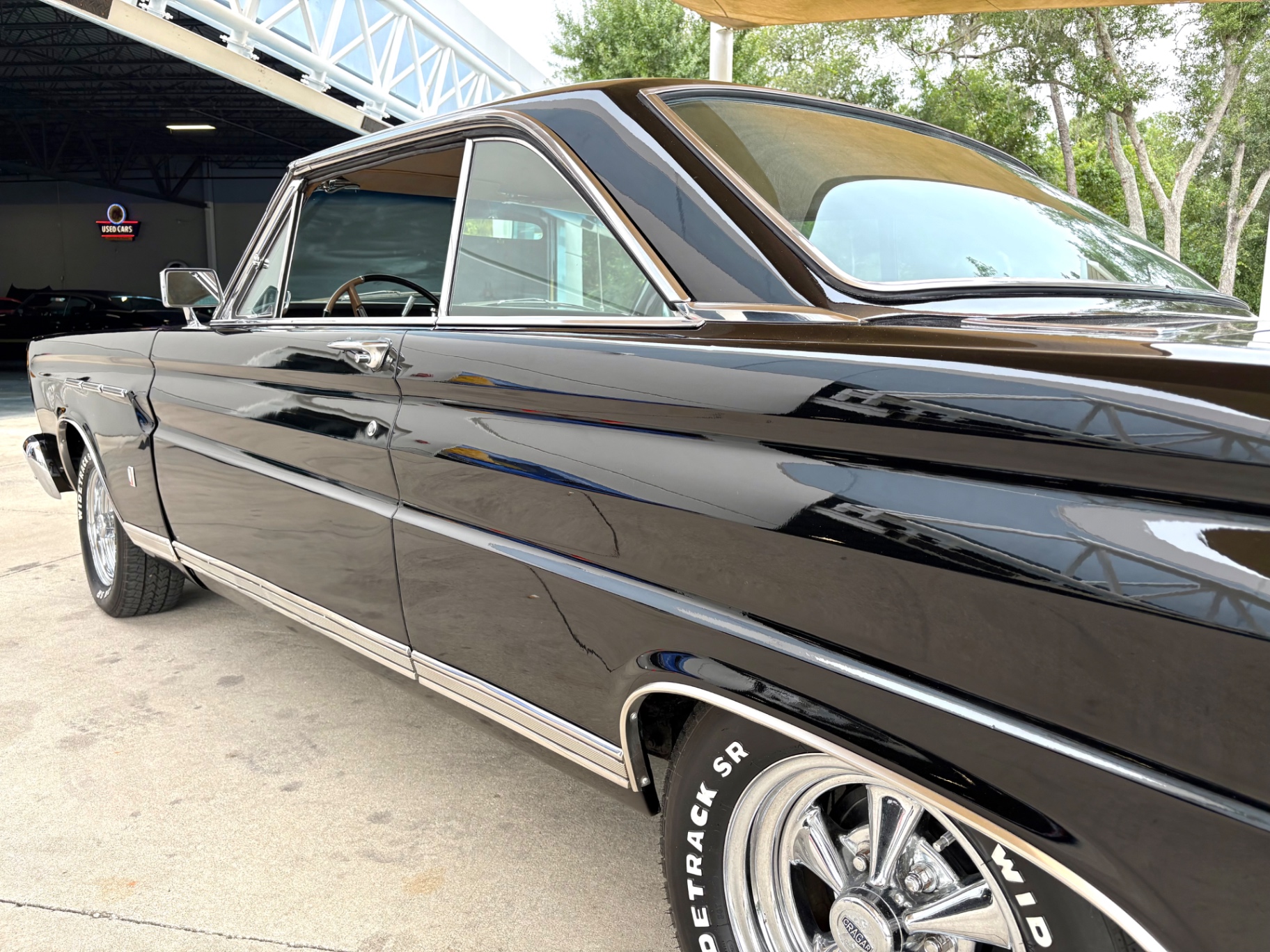
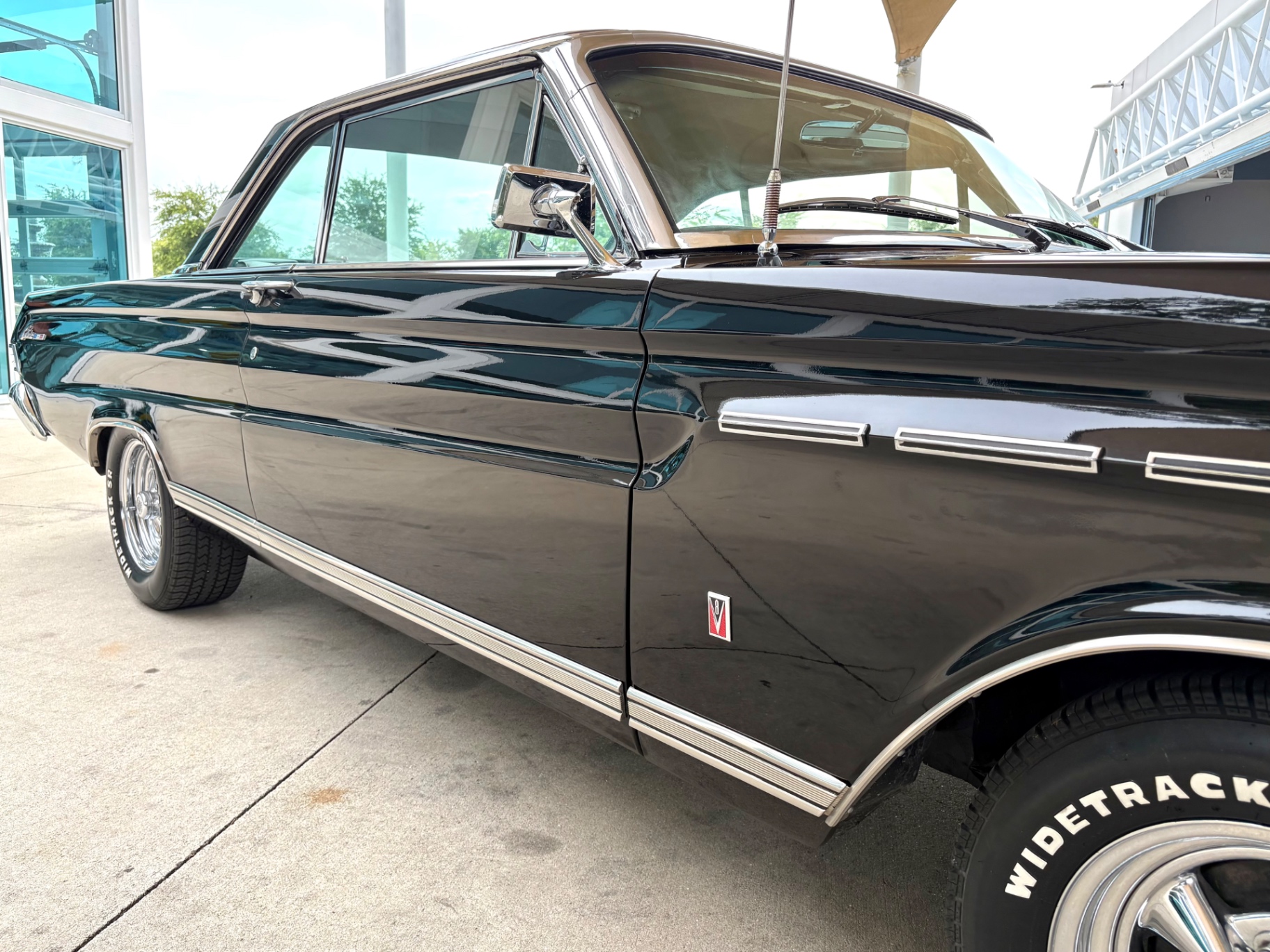
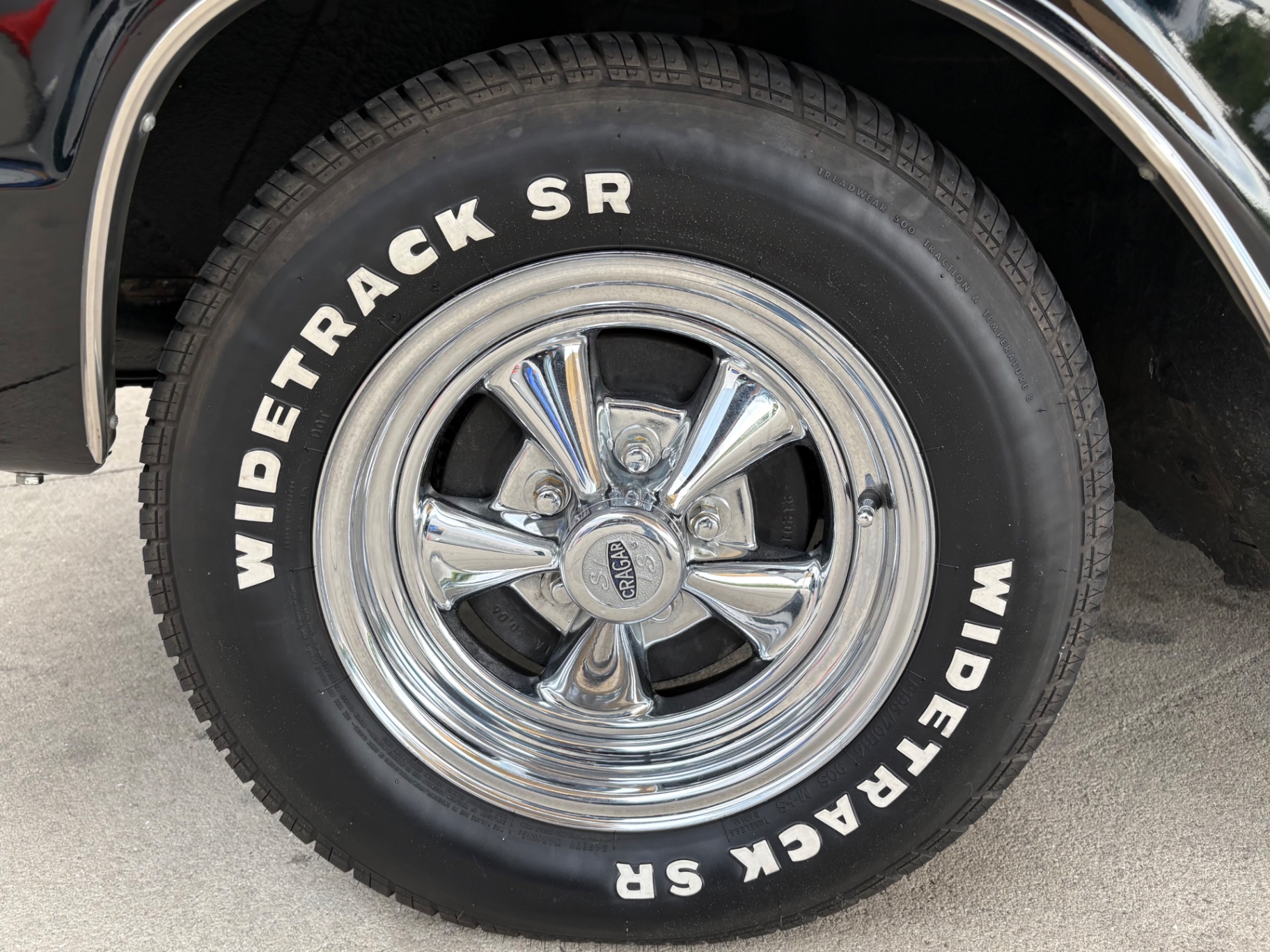
The roofline on the hardtop coupe body style is one of the more attractive elements of this car. The C-pillar flows into the rear quarter with a formal but not heavy profile, and the absence of a B-pillar gives the greenhouse a wide, open look when the windows are down. The side trim on the Caliente follows the character line along the lower body with a bright accent strip that runs from the front fender to the rear quarter. White letter tires on what appear to be period-style chrome wheels complete the look in a way that fits the character of the car without going too far in either direction. The proportions are right — this is a full-sized looking compact from a time when Ford was getting the recipe correct.
Conclusion
The 1965 Mercury Comet Caliente doesn't get the same attention as a Mustang or a Chevelle, and that gap represents an opportunity for the buyer who knows what they're looking at. This is a legitimate Caliente — the top trim, hardtop body, 289 V8, with correct Caliente badging and woodgrain interior details still in place. It's been driven and maintained rather than over-restored or neglected, with practical mechanical upgrades that improve reliability without erasing the character of the car. The undercarriage is solid, the interior retains its factory identity, and the engine bay presents well with period-appropriate dress-up parts. The 1965 Comet Caliente is not a rare car that will ever command Mustang prices, which also means it's one of the most attainable genuine V8 coupes from the mid-1960s Ford family. For someone who wants to drive a good-looking, good-running piece of 1965 Ford history without the premium attached to a pony car, this is a smart way to do it.
To get more information or schedule a time to see this 1965 Mercury Comet Caliente in person, call Skyway Classics at 941-254-6608.
Disclaimer
Information found on the website is presented as given to us by the owner of the car, whether on consignment or from the owner we bought it from. Some Photos, materials for videos, descriptions and other information are provided by the consignor/seller and is deemed reliable, but Skyway Classics does not warranty or guarantee this information. Skyway Classics is not responsible for information that may incorrect or a publishing error. The decision to purchase should be based solely on the buyers personal inspection of the vehicle or by a professional inspection service prior to offer or purchase being made.
1965 Mercury Comet Caliente Hardtop Coupe — 289 V8, Dual Exhaust, Solid Driver with Performance Upgrades
Why This Car Is Special
The 1965 Mercury Comet sits at an interesting crossroads in Ford Motor Company history. Originally conceived as a standalone compact before being absorbed into the Mercury lineup in 1962, the Comet grew up considerably by 1965. That year, Mercury gave it a full redesign on the stretched Falcon platform, adding genuine size, a more formal roofline, and an interior package that finally felt appropriate for the Mercury name. The result was a car that looked like a scaled-down full-size Mercury rather than a dressed-up economy compact.
This particular car is the Caliente, which was the top trim in the 1965 Comet lineup. The Caliente badge is visible on the door panels, and it matters — the Caliente brought a more complete interior with woodgrain accents, additional chrome trim, and a more upscale instrument cluster compared to the base 202 or the mid-level 404. The VIN on this car confirms it was built at the San Jose, California assembly plant in 1965, as a two-door hardtop with a V8 engine. The "H" in the body code position of the VIN confirms the hardtop coupe body style, and the "C" in the engine position confirms the 289 cubic inch V8.
What makes the 1965 Comet Caliente stand out in the collector market is the combination of factors this specific example hits. The 289 was the same small block family shared with the contemporary Mustang and Falcon Sprint, making parts easy to source and the engine well-understood by any Ford mechanic. The Caliente in hardtop form had a clean, pillarless roofline that gave it proportions more aggressive than the car's reputation might suggest. Most of these have been used up, modified beyond recognition, or have simply rusted away. Clean, driver-quality examples with legitimate V8 power are not common.
This car has been driven and cared for rather than stored. The undercarriage photos confirm a solid floor pan and frame with no signs of structural compromise. Someone put real money and thought into the mechanical upgrades, choosing quality parts rather than budget alternatives. The Optima battery, MSD ignition wires, and upgraded radiator are the kinds of choices made by someone who actually drives the car and wants reliability, not someone building a show piece. The engine bay wears Ford Racing valve covers and the correct 289 Hi-Po style chrome air cleaner, which gives it a period-correct look without looking like a parts-bin special.
Features List
- 289 cubic inch V8
- 3-Speed automatic transmission
- Dual exhaust
- Dash-mounted tachometer
- Original AM radio retained in dash
- Upgraded stereo added (secondary unit)
- Front and rear bench seats, tan vinyl
- Woodgrain interior trim on dash and door panels
- Loop carpet
- Floor mats
- Front and rear seat belts
- Upgraded radiator
- Optima Performance battery
- MSD performance ignition wires
- Ford Racing valve covers
- 289 Hi-Po chrome air cleaner with performance filter element
- Power steering
- White letter tires
- Chrome front and rear bumpers
- Solid undercarriage
Mechanical
The 289 cubic inch V8 in the 1965 Mercury Comet Caliente is Ford's small block in its most useful and durable form. By 1965, the 289 had been in production for two years and Ford had the bugs worked out. In base two-barrel form, it produced around 200 horsepower, and it was the same architecture used in the high-performance K-code 271-horsepower version that powered the Mustang Hi-Po. This car's engine wears the 289 High Performance chrome air cleaner — the flat, low-profile unit with the "289 High Performance" callout decal — along with a performance air filter element underneath. Whether this is a cosmetic tribute or indicates deeper engine work is a conversation worth having with us directly.
The Ford Racing chrome valve covers are a recognizable and popular period upgrade that also signals this engine has had some attention paid to its appearance. Underneath, the MSD performance ignition wires replace the factory units and work in conjunction with the existing ignition system to improve spark delivery, which matters on a 60-year-old engine being driven regularly. The Optima yellow-top battery is a practical upgrade that holds a charge better than conventional flooded batteries and handles the demands of modern driving and extended storage.
The 3-speed automatic transmission is the Cruise-O-Matic unit that Ford offered throughout this era — a durable, well-understood gearbox that pairs well with the 289 for everyday driving. Power steering is fitted, which is a meaningful comfort feature on a car of this era and period-correct for the Caliente trim level. The dual exhaust system is confirmed in the undercarriage photos, running a paired set of mufflers back to dual exits at the rear — a correct and desirable setup for a V8 Comet. The undercarriage itself shows a solid, well-coated floor pan and frame. There are no signs of patch panels, bubbling, or structural corrosion. The radiator has been upgraded, which is a straightforward and sensible improvement for a car driven in Florida's heat.
Interior
The 1965 Mercury Comet Caliente interior was Mercury's attempt to give the compact segment some legitimate luxury content, and the evidence is still present in this car. The dashboard carries woodgrain trim across the full width of the instrument panel, flanked by a chrome bezel that spells out "COMET" in individual letters on the passenger side. The instrument cluster is housed behind a matching woodgrain surround and includes a full complement of round gauges — fuel, temperature, ammeter, and oil pressure, plus the large central speedometer. A tachometer is also present, mounted separately below the steering column on the dash. This was a factory-available option on the 1965 Comet and adds both function and period character.
The original AM radio remains in place in the dash, keeping the factory appearance intact. A secondary modern stereo unit has been added as a separate installation below the dash, allowing the owner to use Bluetooth or other modern audio sources without cutting up the original radio opening. Both are retained in this car. The steering wheel carries the Comet running horse medallion in the center, a distinctive Comet-specific detail that differentiates it from the Falcon or contemporary Mustang wheel.
Seating is bench front and rear in tan vinyl, which is the correct material and color for this interior. The front bench shows wear consistent with regular use but holds its shape. The rear bench, visible in the photos, is in noticeably good condition with the tuck-and-roll style stitching pattern intact across the full width. Door panels are tan vinyl with the woodgrain insert panel at the forward lower section, chrome accent strips running horizontally, and the Caliente badge at the top of each panel. Loop carpet covers the floor throughout, protected by clear floor mats. Seat belts are installed front and rear, which was an option in 1965 and a practical addition for a car that gets driven. The headliner appears in presentable condition from the photos.
Exterior
The 1965 Mercury Comet Caliente received a significant sheetmetal rework compared to the earlier generation cars. The '65 body was longer and wider than the 1963-64 Comet, with a more upright greenhouse, a longer hood, and a rear end that echoed the full-size Mercury lineup's horizontal taillight treatment. This car wears a black exterior, which photographs as a deep, even finish. The chrome bumpers front and rear are present and in good condition, showing the polished, reflective surface visible in the lift photos. The front bumper incorporates the integrated parking lamp lenses at the outboard ends, a clean design that was new for 1965. The rear bumper wraps the tail cleanly with the horizontal taillight bar integrated above it.
The roofline on the hardtop coupe body style is one of the more attractive elements of this car. The C-pillar flows into the rear quarter with a formal but not heavy profile, and the absence of a B-pillar gives the greenhouse a wide, open look when the windows are down. The side trim on the Caliente follows the character line along the lower body with a bright accent strip that runs from the front fender to the rear quarter. White letter tires on what appear to be period-style chrome wheels complete the look in a way that fits the character of the car without going too far in either direction. The proportions are right — this is a full-sized looking compact from a time when Ford was getting the recipe correct.
Conclusion
The 1965 Mercury Comet Caliente doesn't get the same attention as a Mustang or a Chevelle, and that gap represents an opportunity for the buyer who knows what they're looking at. This is a legitimate Caliente — the top trim, hardtop body, 289 V8, with correct Caliente badging and woodgrain interior details still in place. It's been driven and maintained rather than over-restored or neglected, with practical mechanical upgrades that improve reliability without erasing the character of the car. The undercarriage is solid, the interior retains its factory identity, and the engine bay presents well with period-appropriate dress-up parts. The 1965 Comet Caliente is not a rare car that will ever command Mustang prices, which also means it's one of the most attainable genuine V8 coupes from the mid-1960s Ford family. For someone who wants to drive a good-looking, good-running piece of 1965 Ford history without the premium attached to a pony car, this is a smart way to do it.
To get more information or schedule a time to see this 1965 Mercury Comet Caliente in person, call Skyway Classics at 941-254-6608.
Disclaimer
Information found on the website is presented as given to us by the owner of the car, whether on consignment or from the owner we bought it from. Some Photos, materials for videos, descriptions and other information are provided by the consignor/seller and is deemed reliable, but Skyway Classics does not warranty or guarantee this information. Skyway Classics is not responsible for information that may incorrect or a publishing error. The decision to purchase should be based solely on the buyers personal inspection of the vehicle or by a professional inspection service prior to offer or purchase being made.
1965 Mercury
Comet Caliente
Why Choose Skyway Classics?
Explore our curated inventory of classic and collector cars—thoughtfully selected, ready to drive, and supported by experts who make ownership simple.
Expert Curation
Every vehicle is hand-selected by our experts for quality, authenticity, and investment potential.
Fast Transactions
Streamlined buying and selling process with quick financing and immediate delivery options.
Only National Dealer With Classic Service & Repair
We’re the only national dealership that services and repairs the classics we sell—before and after the sale.
Nationwide Network
Access to our extensive network of collectors, restorers, and classic car enthusiasts nationwide.
Concierge Ownership Support
From financing and insurance to paperwork, shipping, and titling—we handle the details so you can enjoy the drive.
Passion-Driven Service
We're classic car enthusiasts first, providing personalized service with genuine passion for the hobby.