
1990 Chevrolet
Corvette ZR1
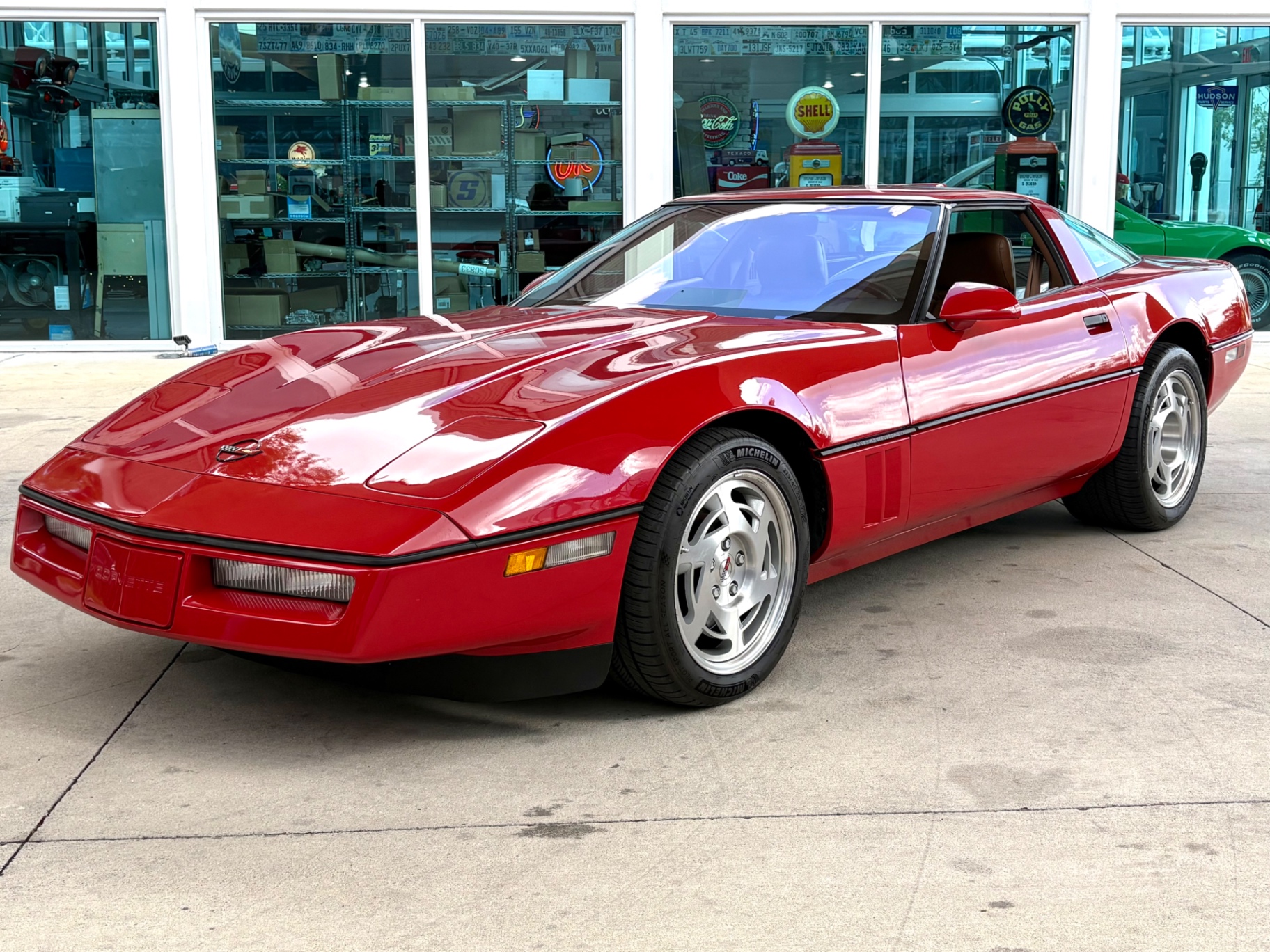
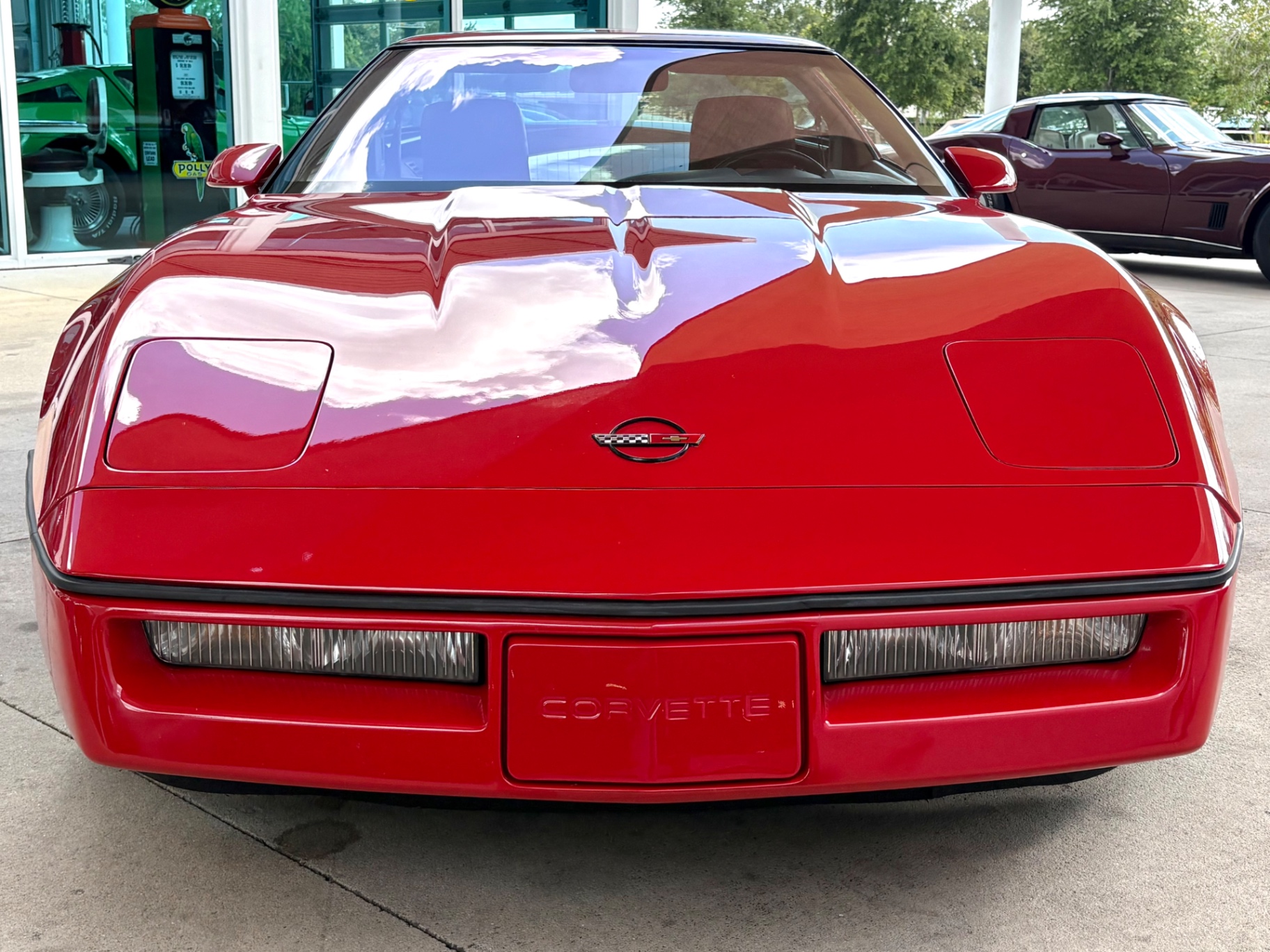
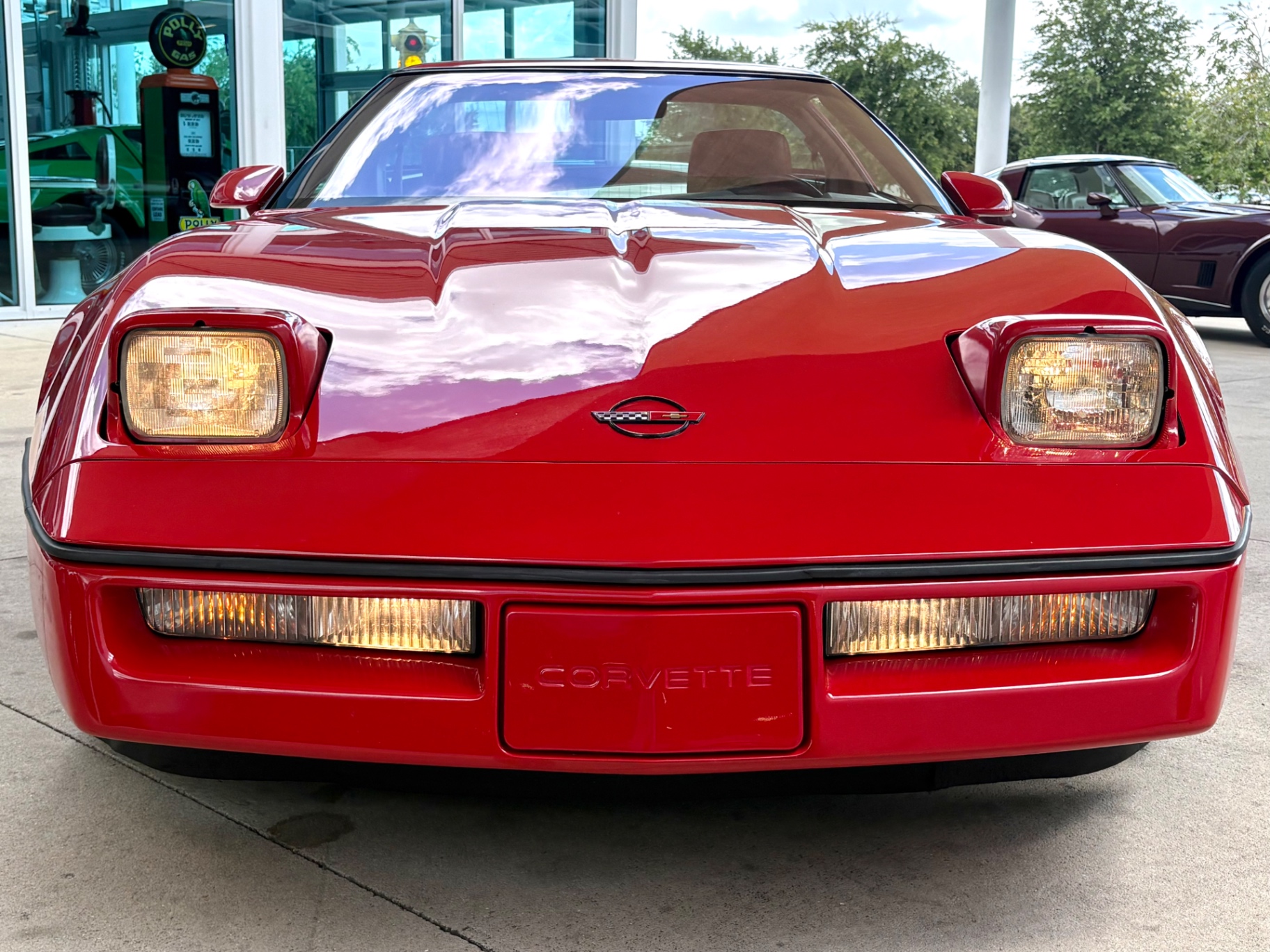
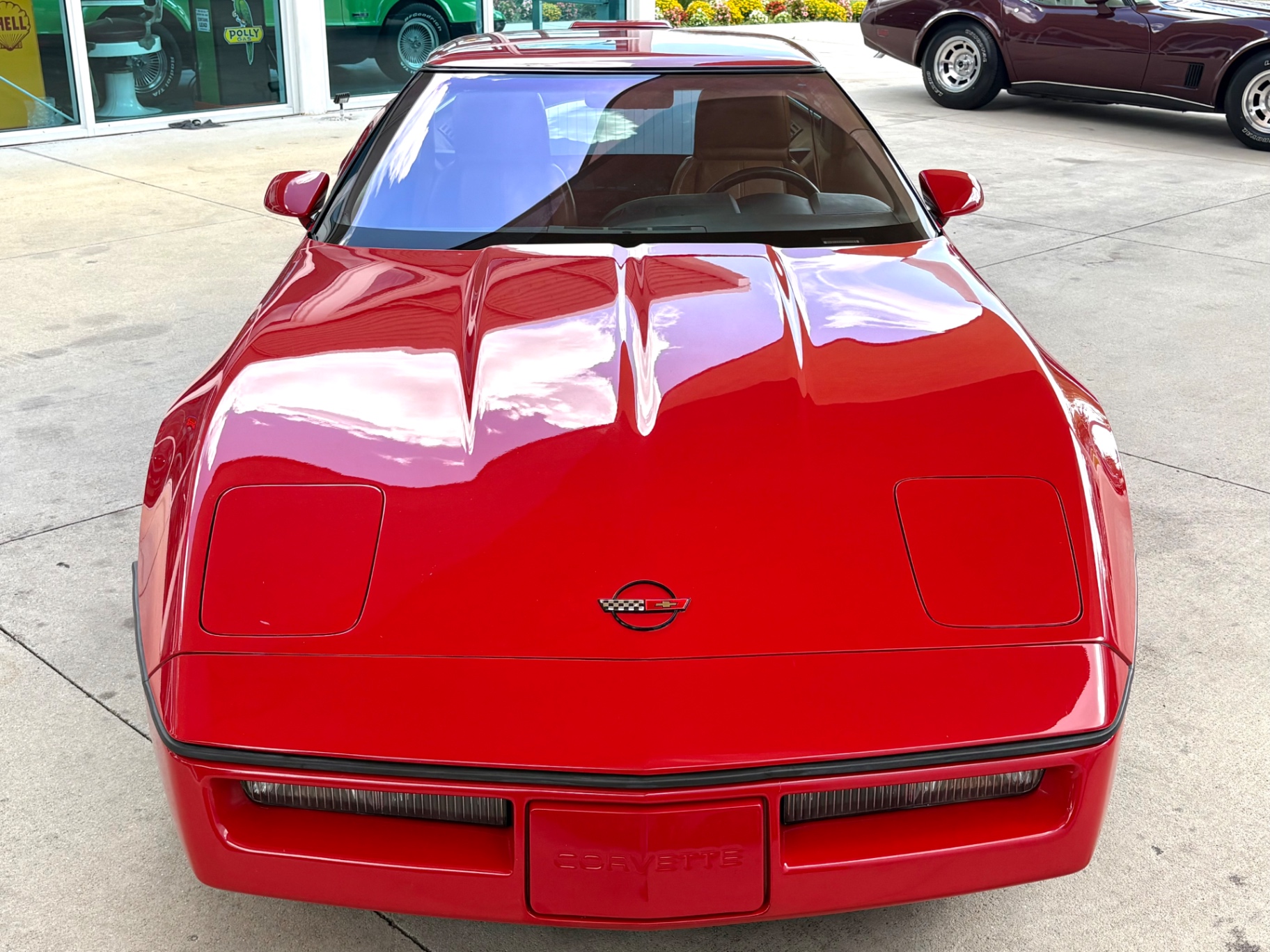
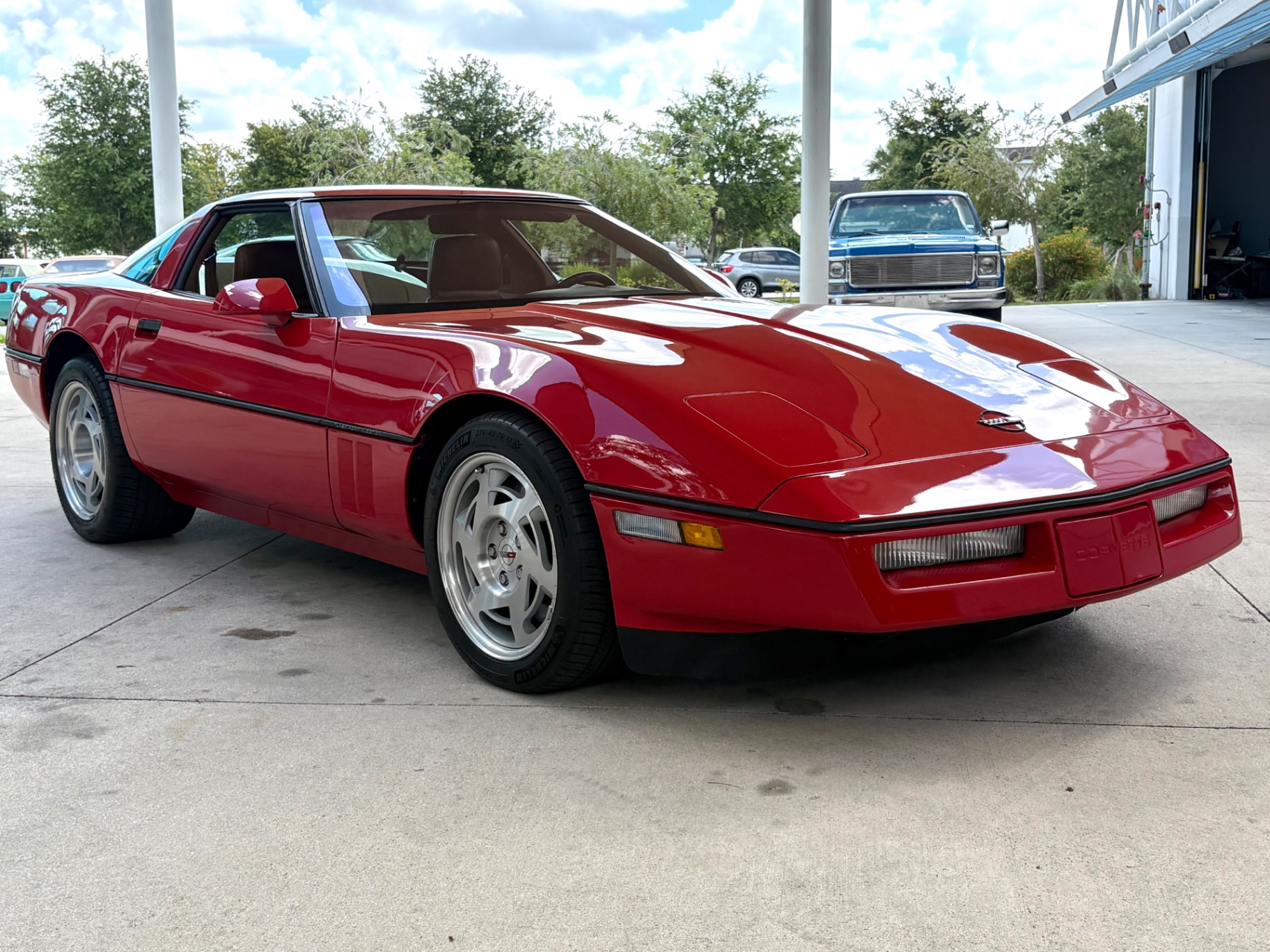
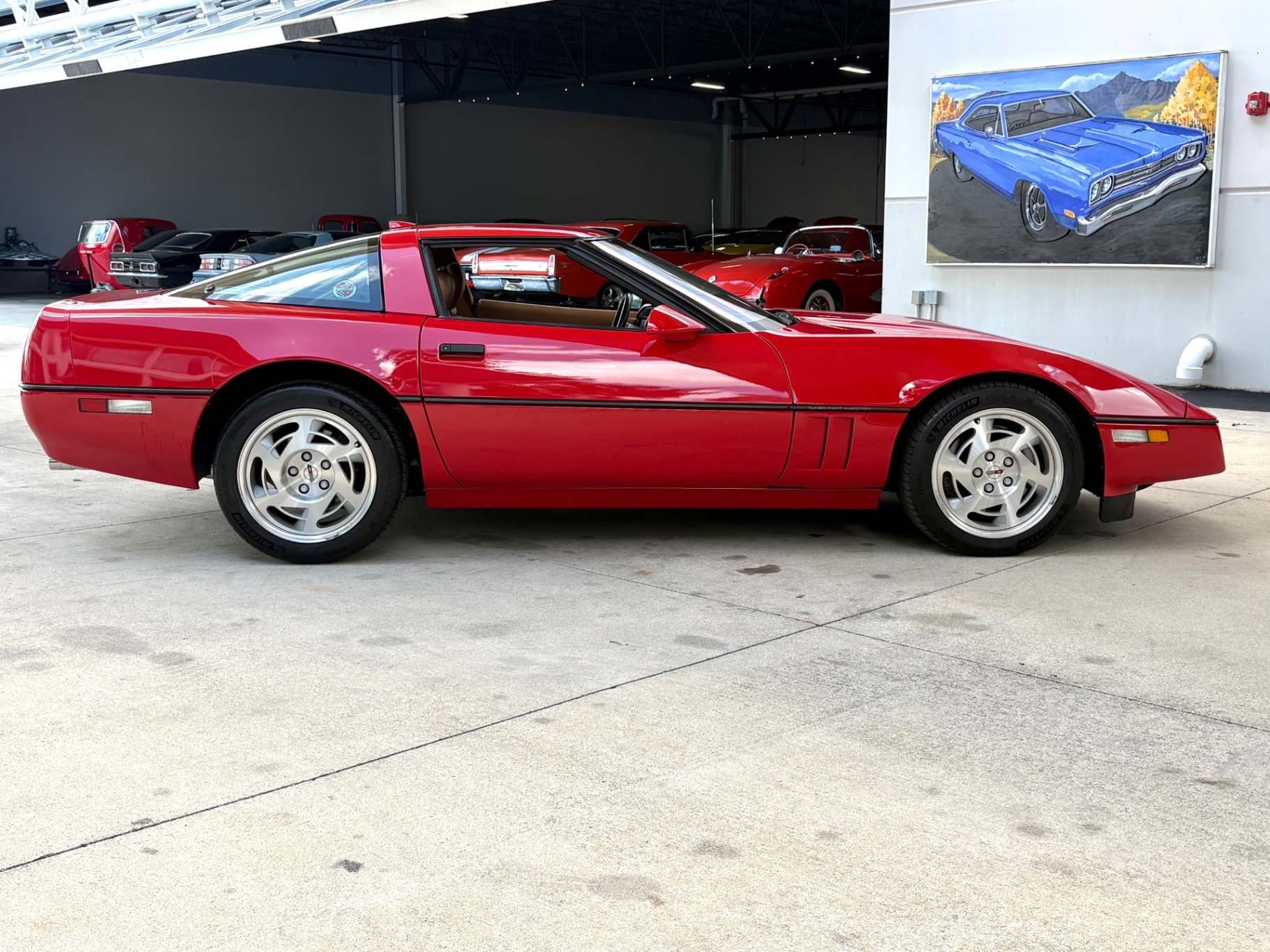
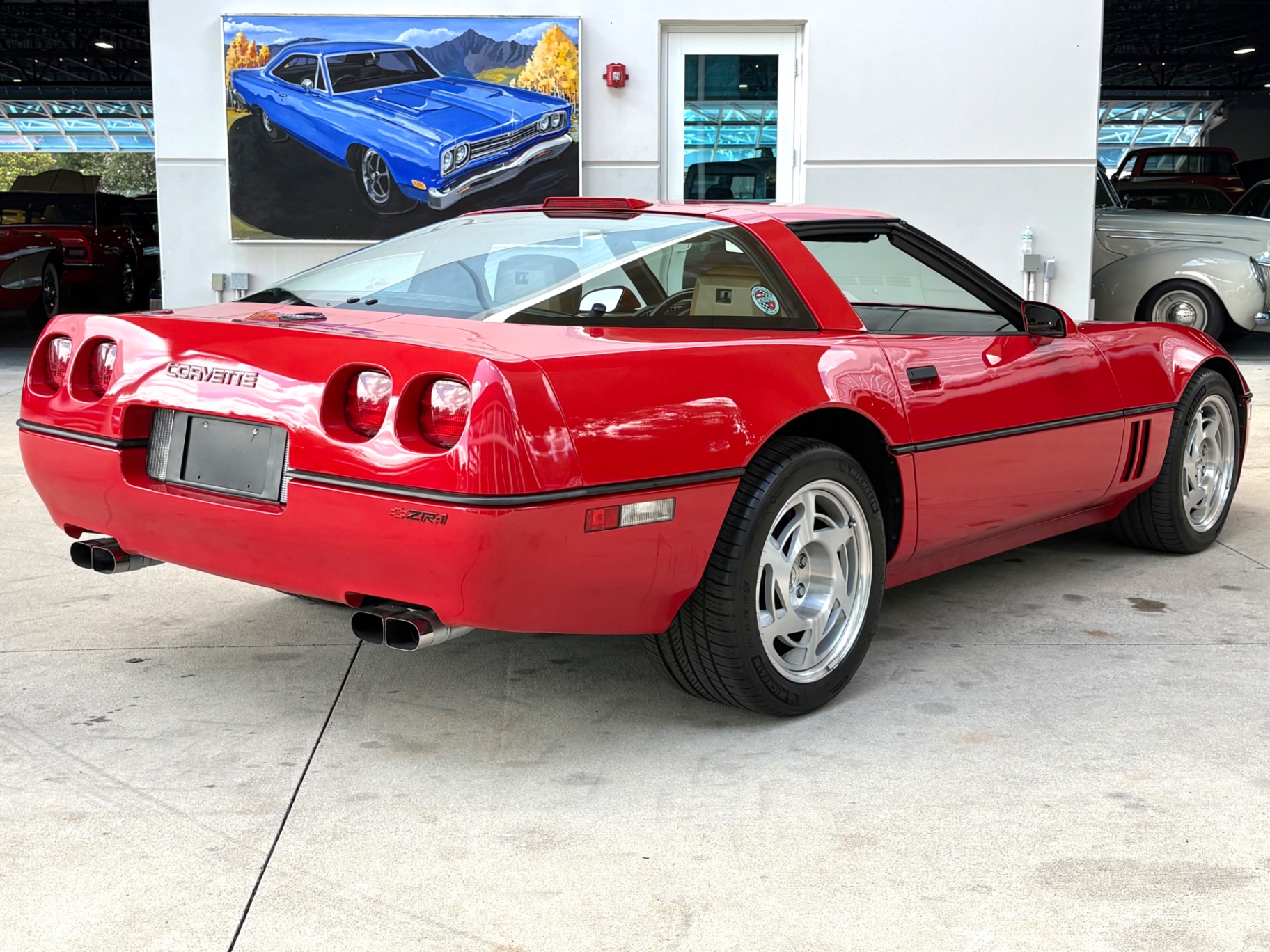
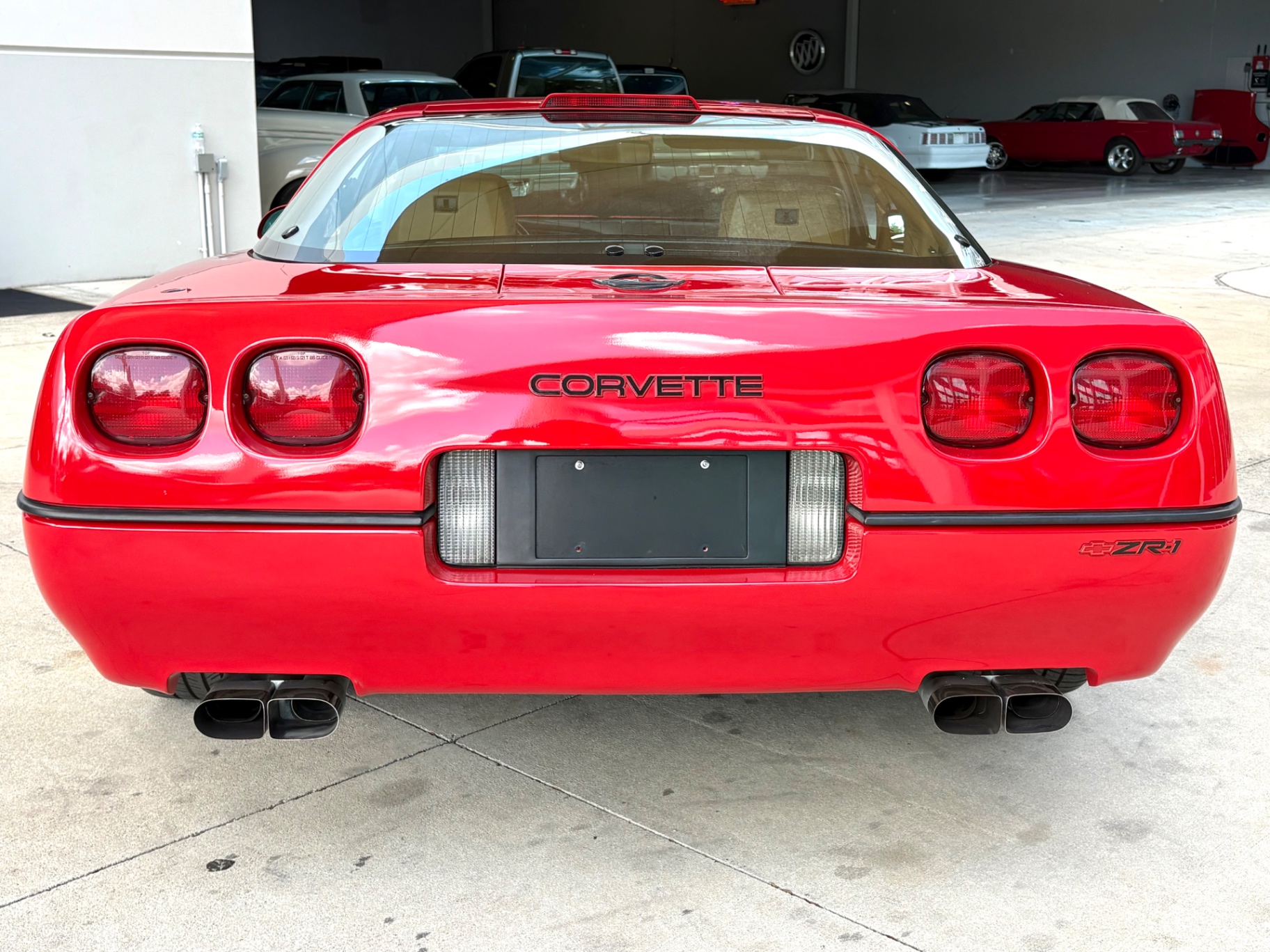
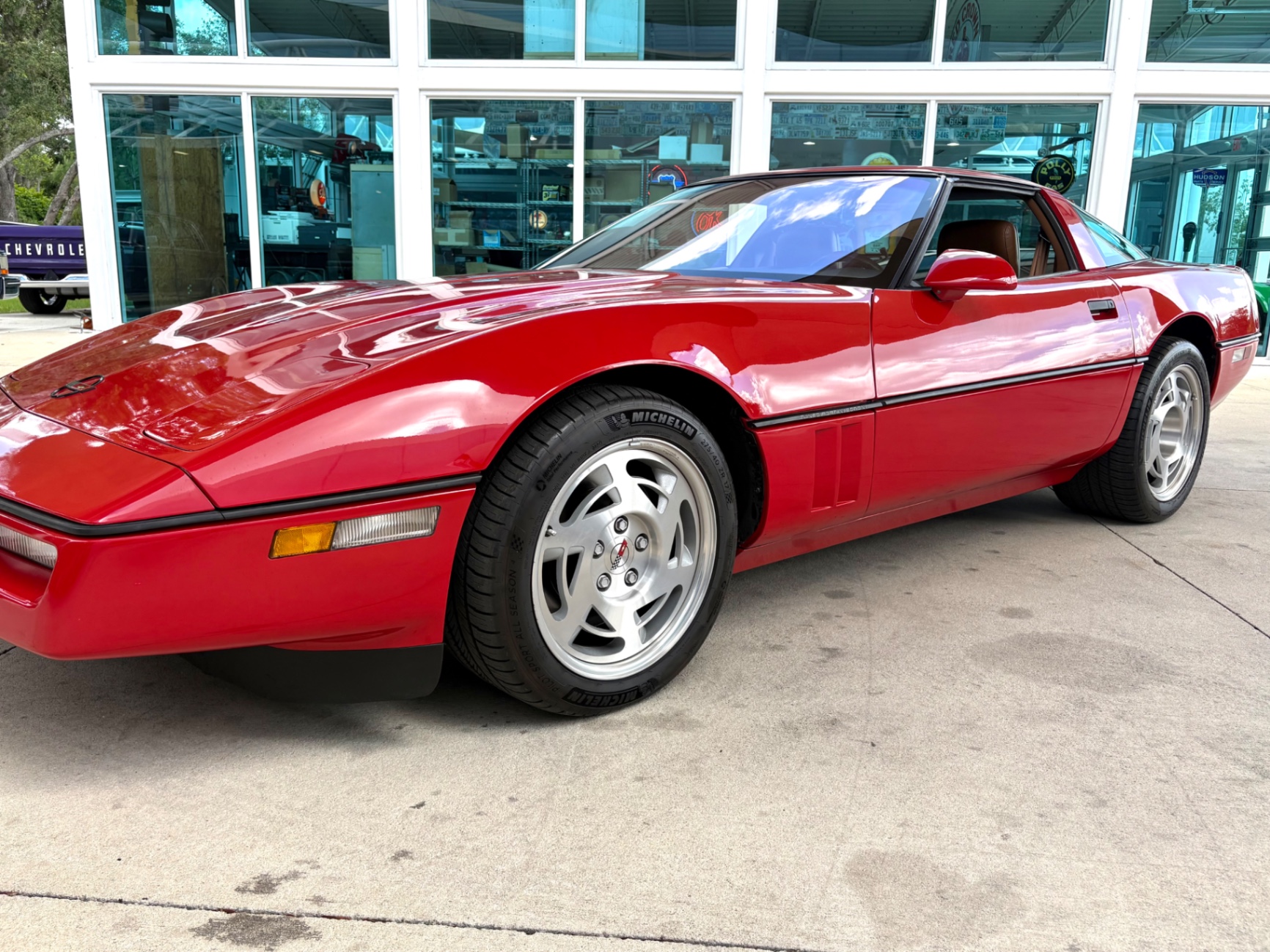
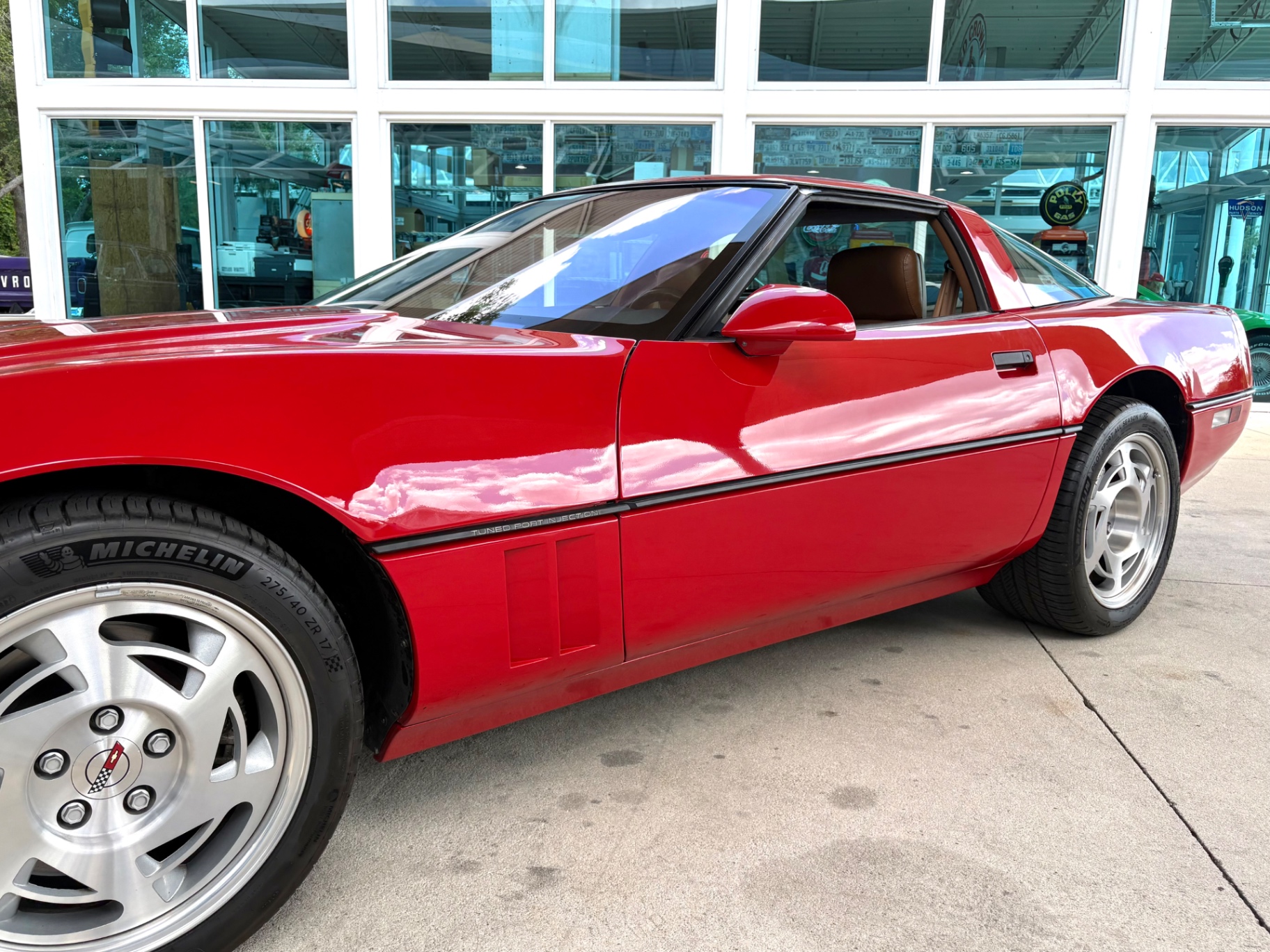
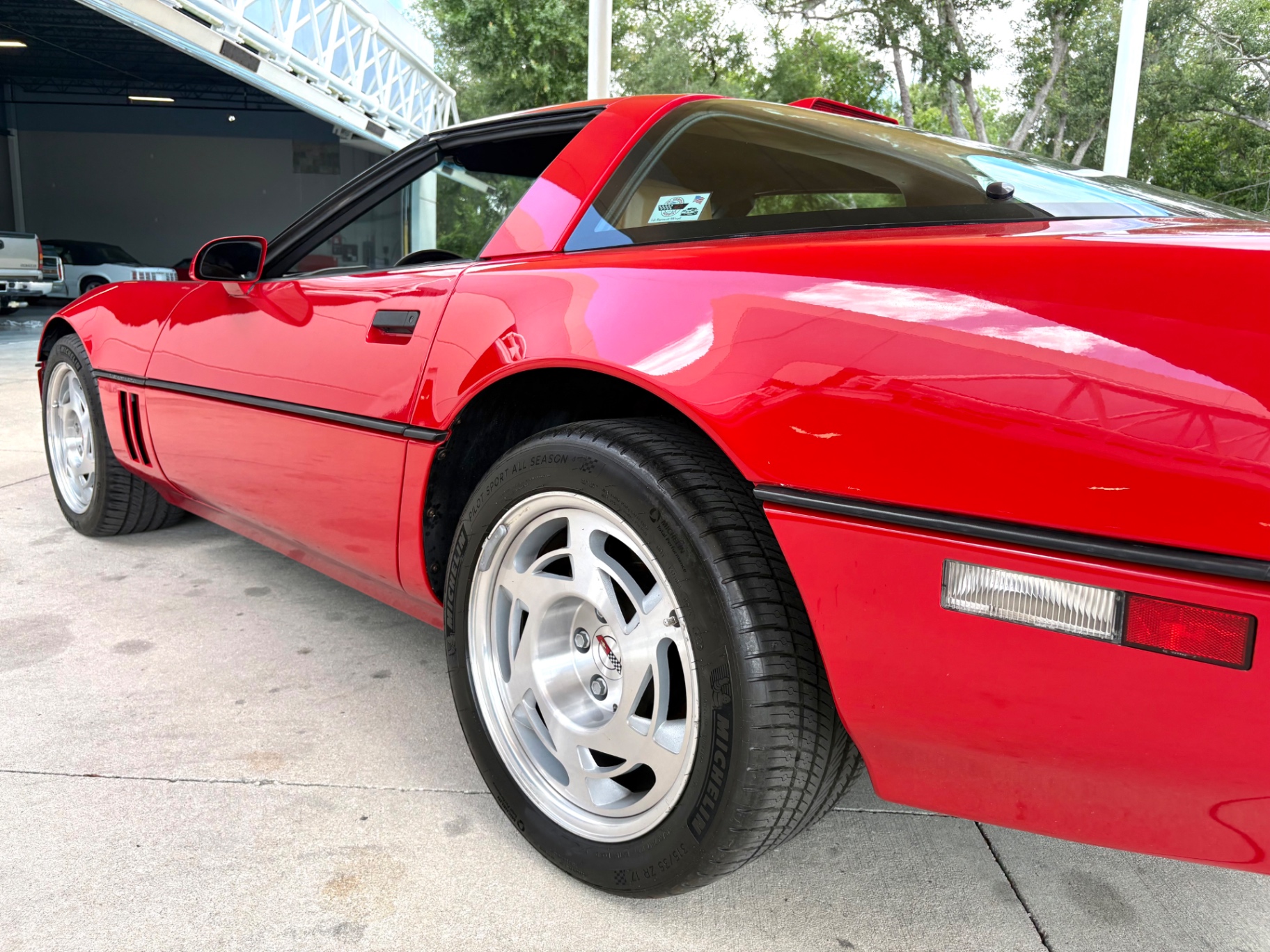
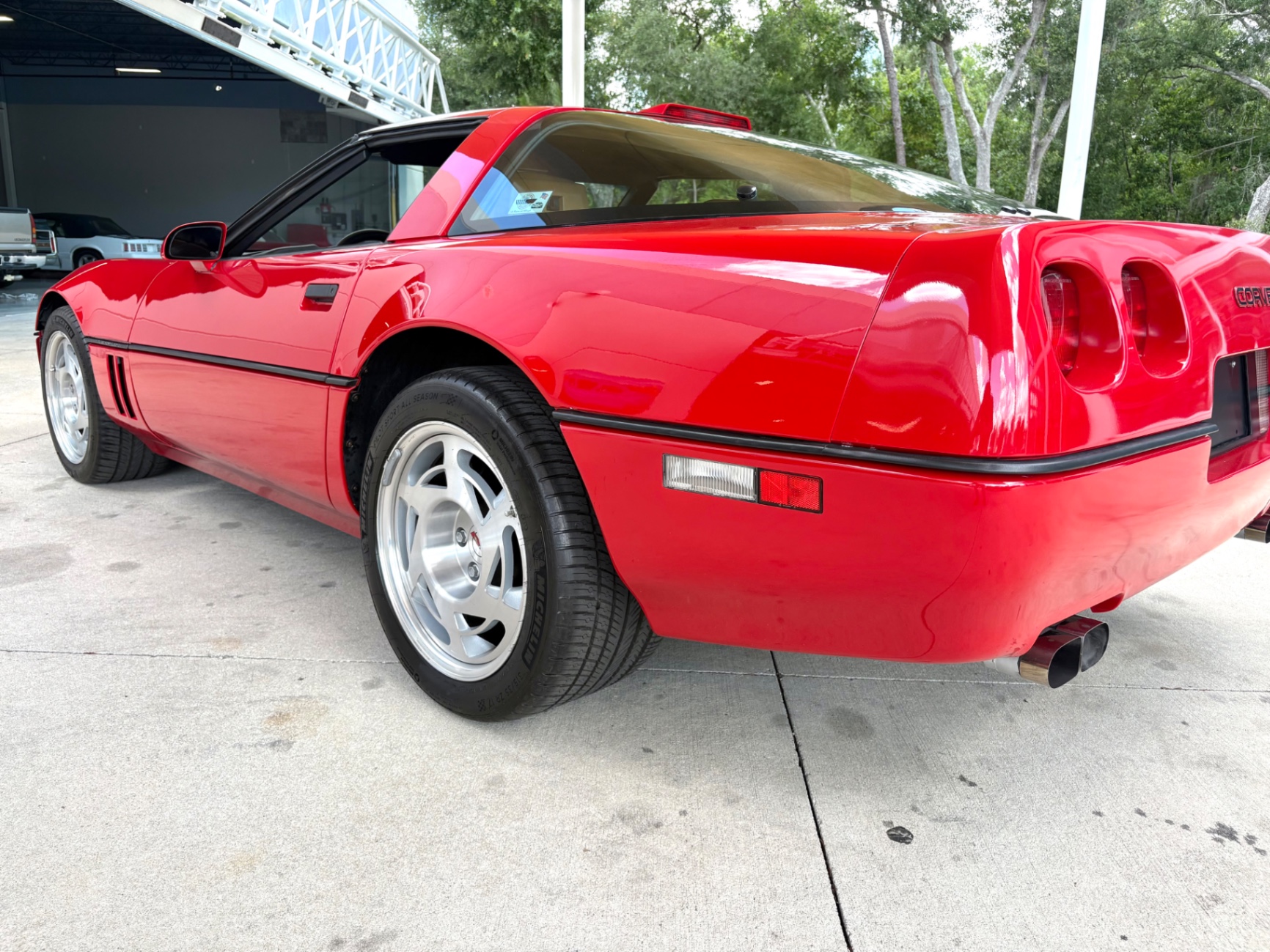
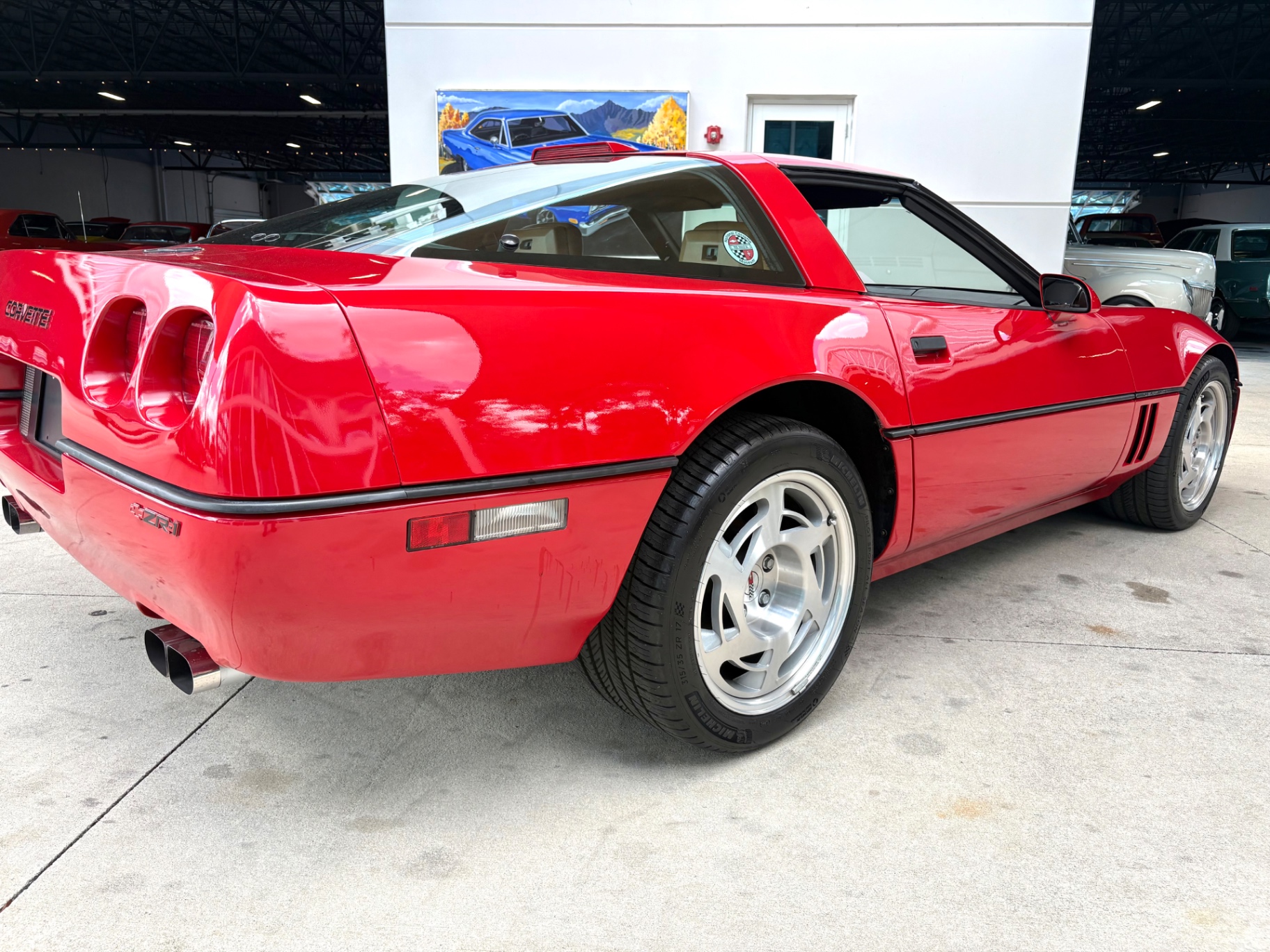
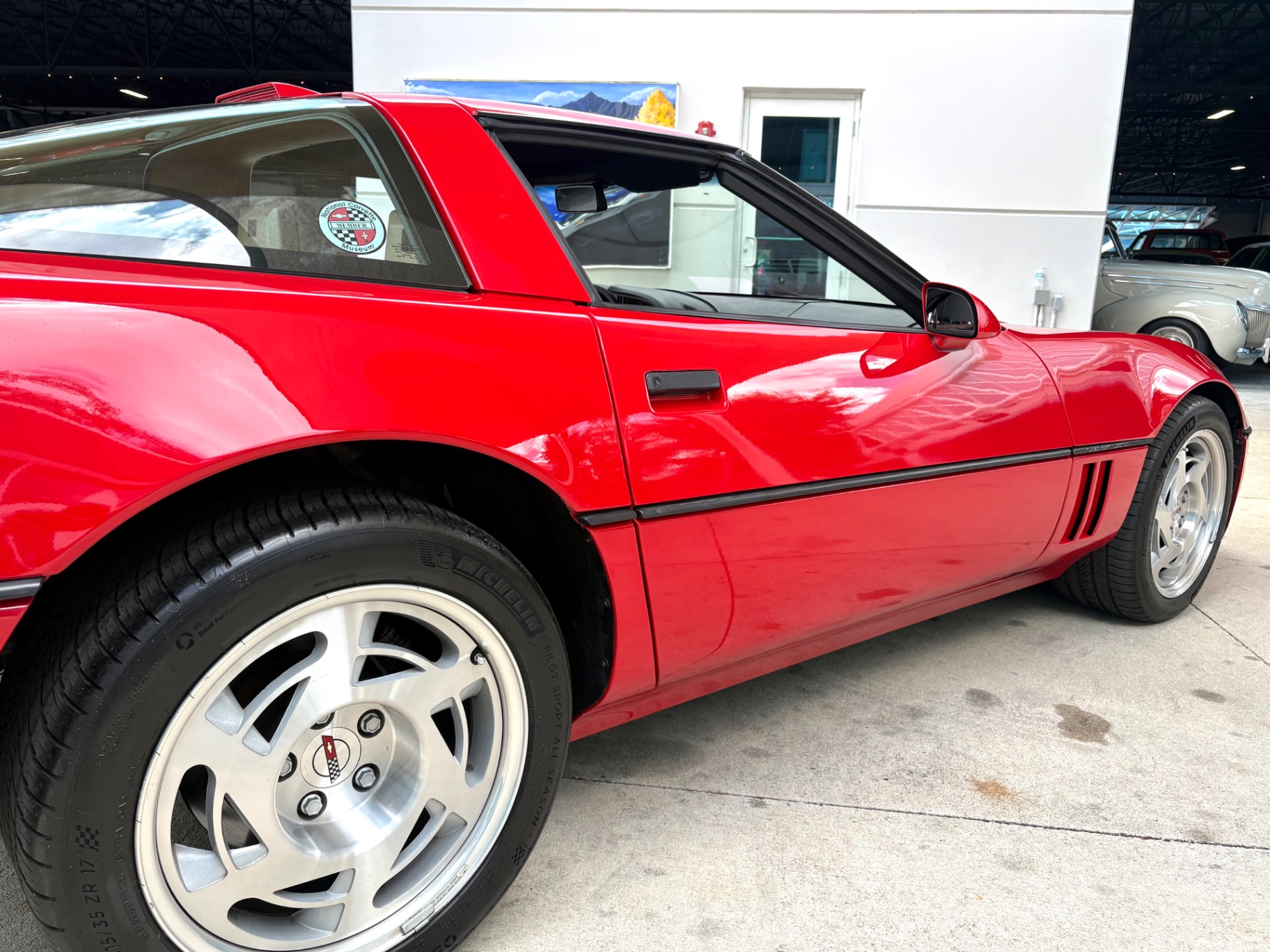
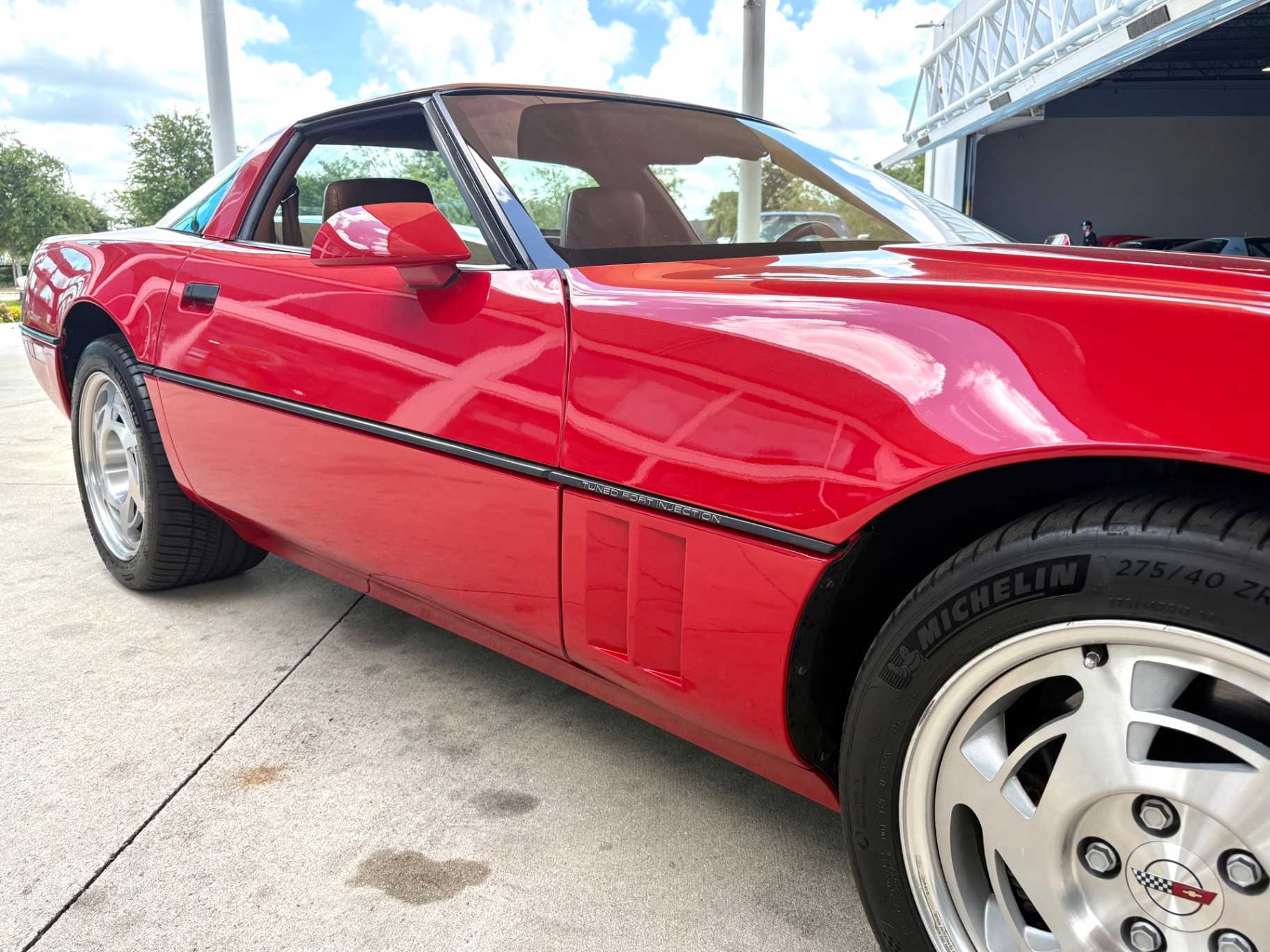
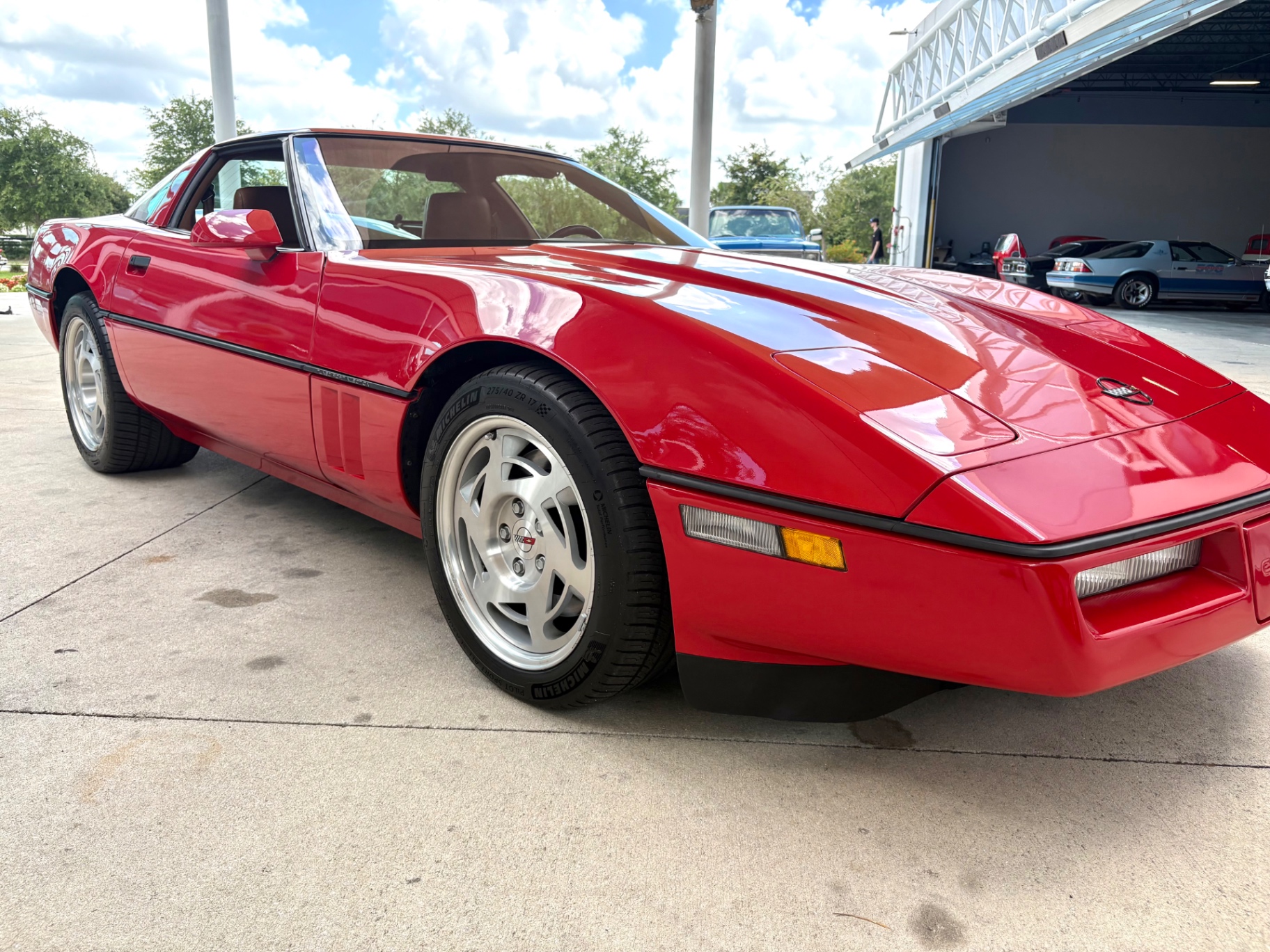
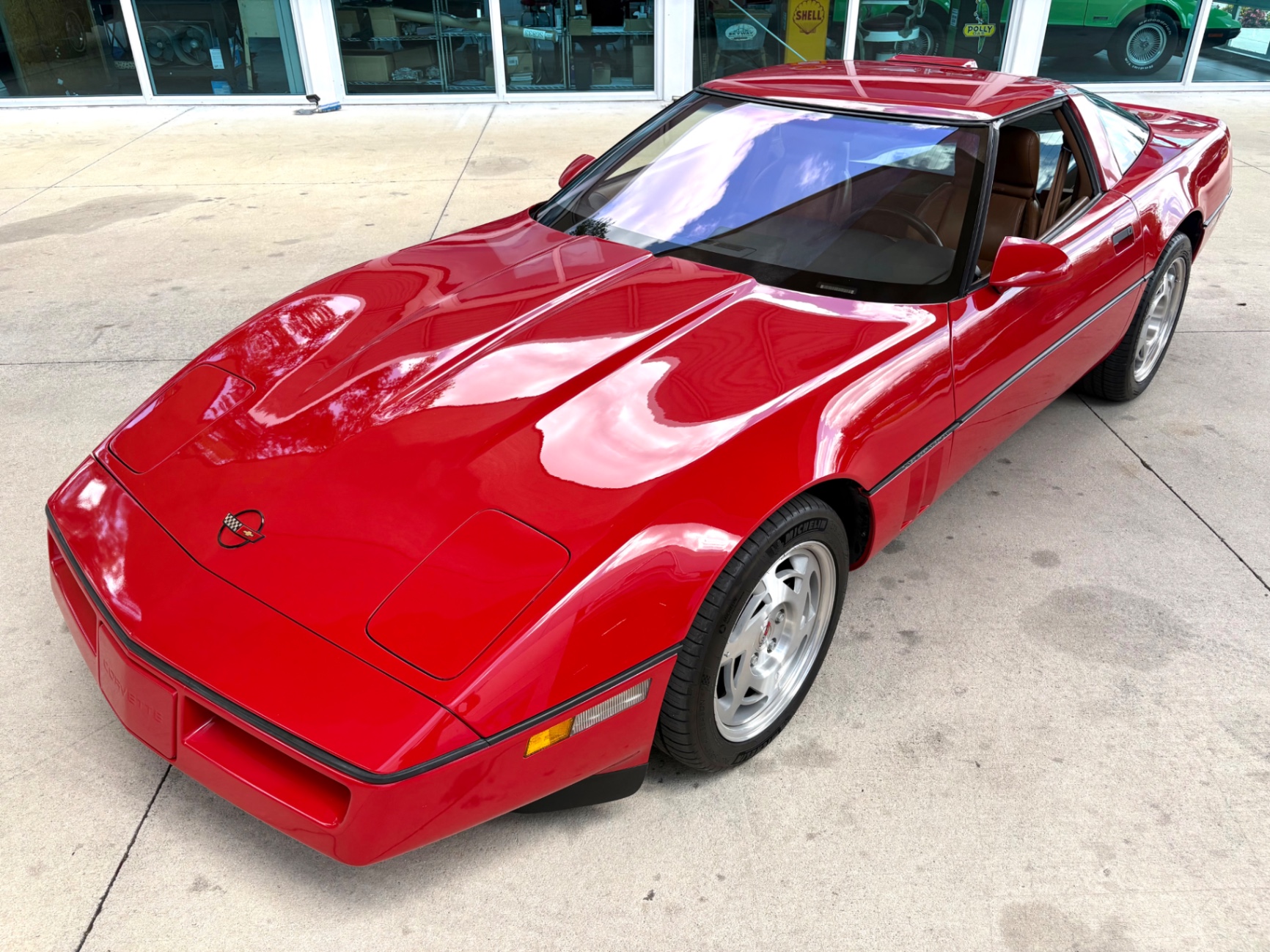
1990 Chevrolet Corvette ZR-1 — LT5 5.7L DOHC 32-Valve V8, ZF 6-Speed Manual, Red over Tan
Why This Car Is Special
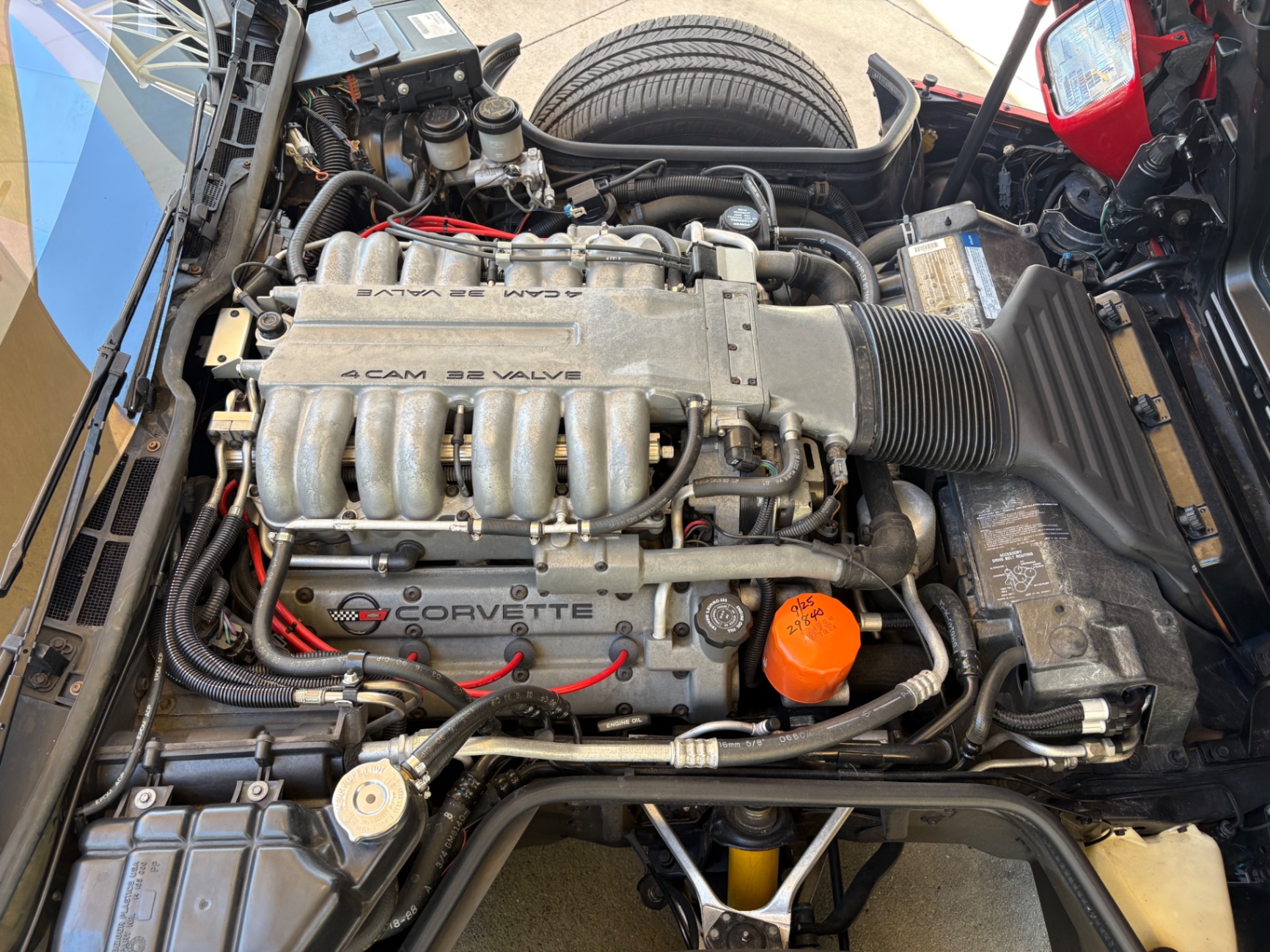
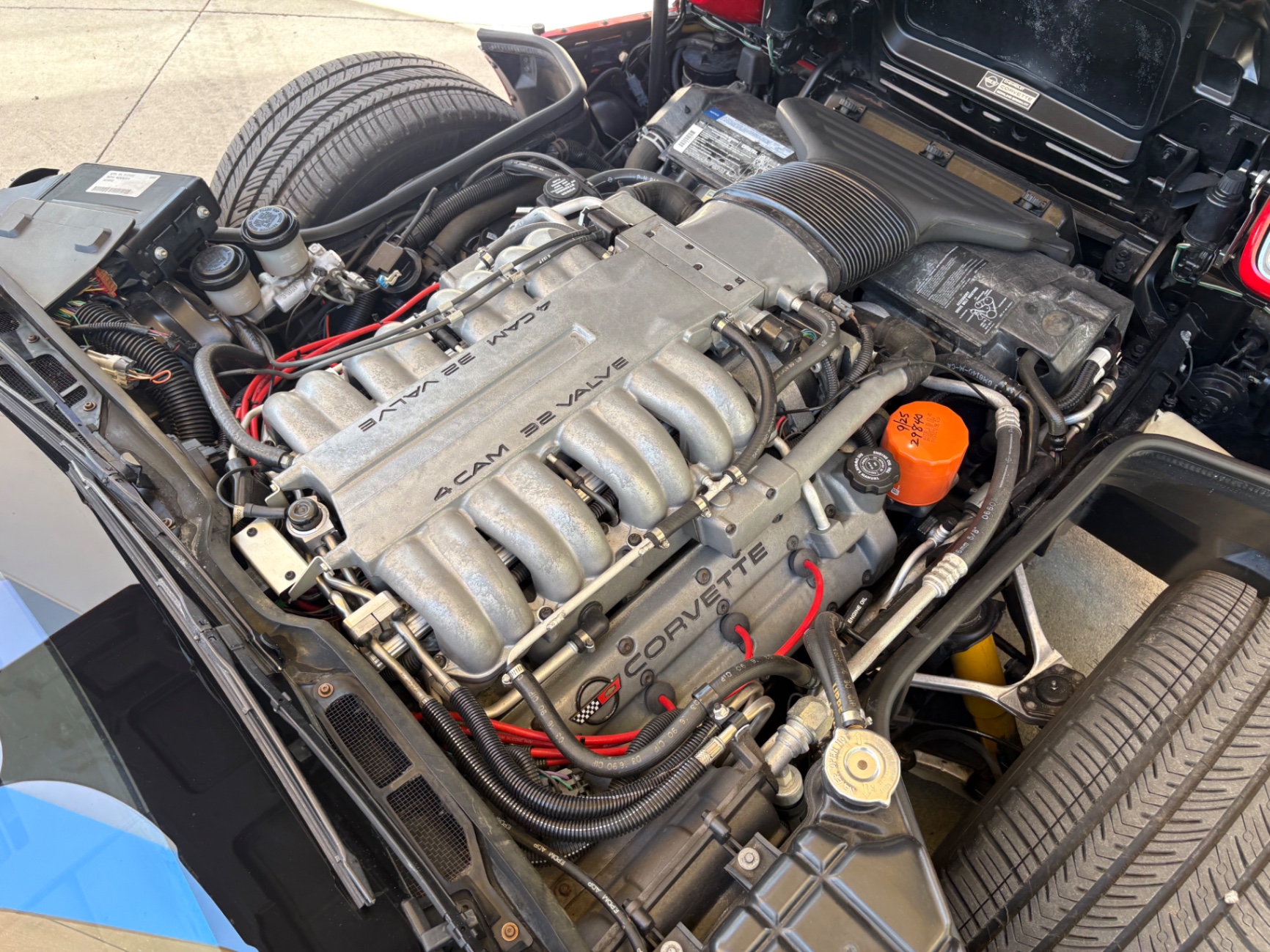
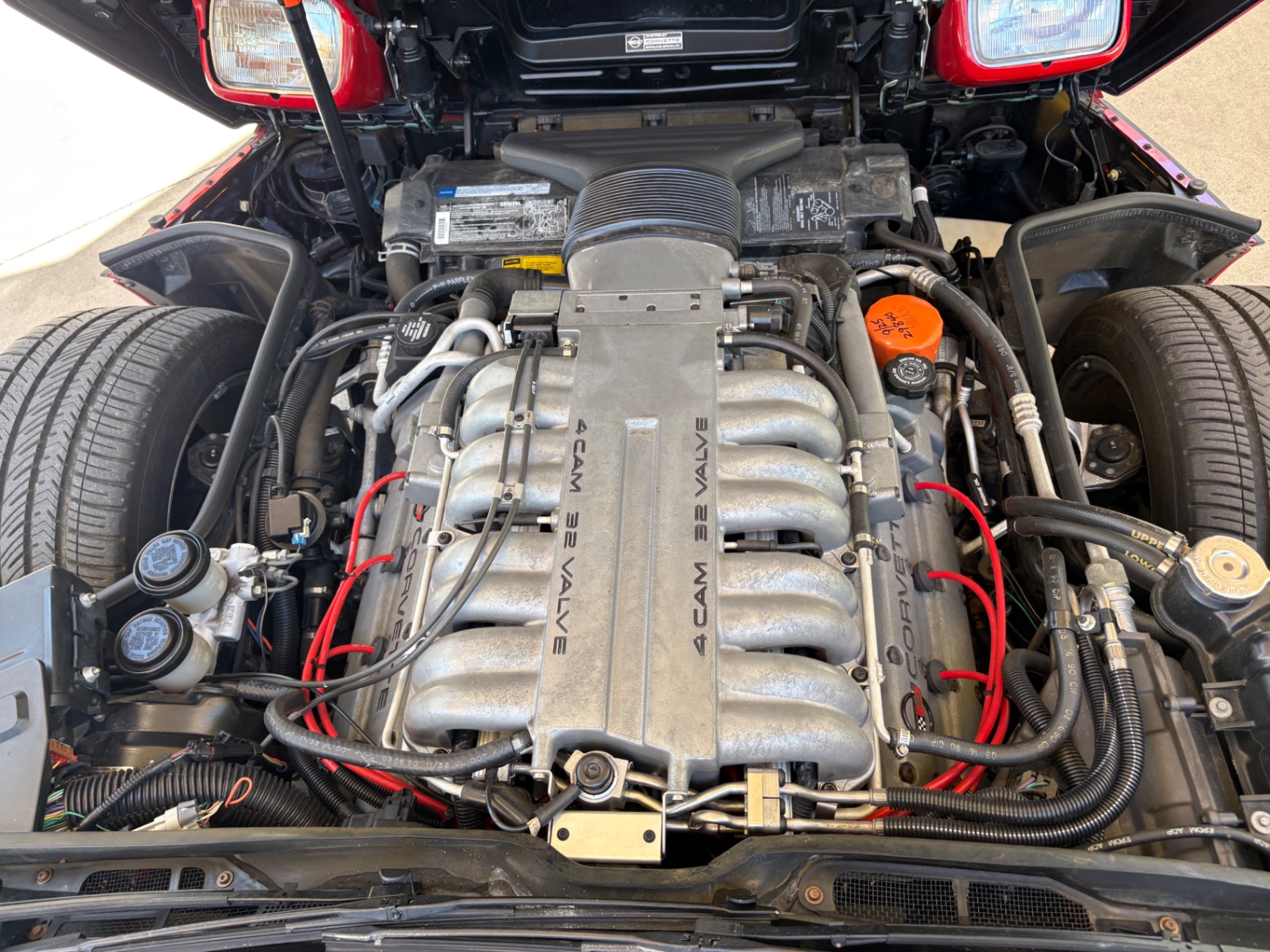
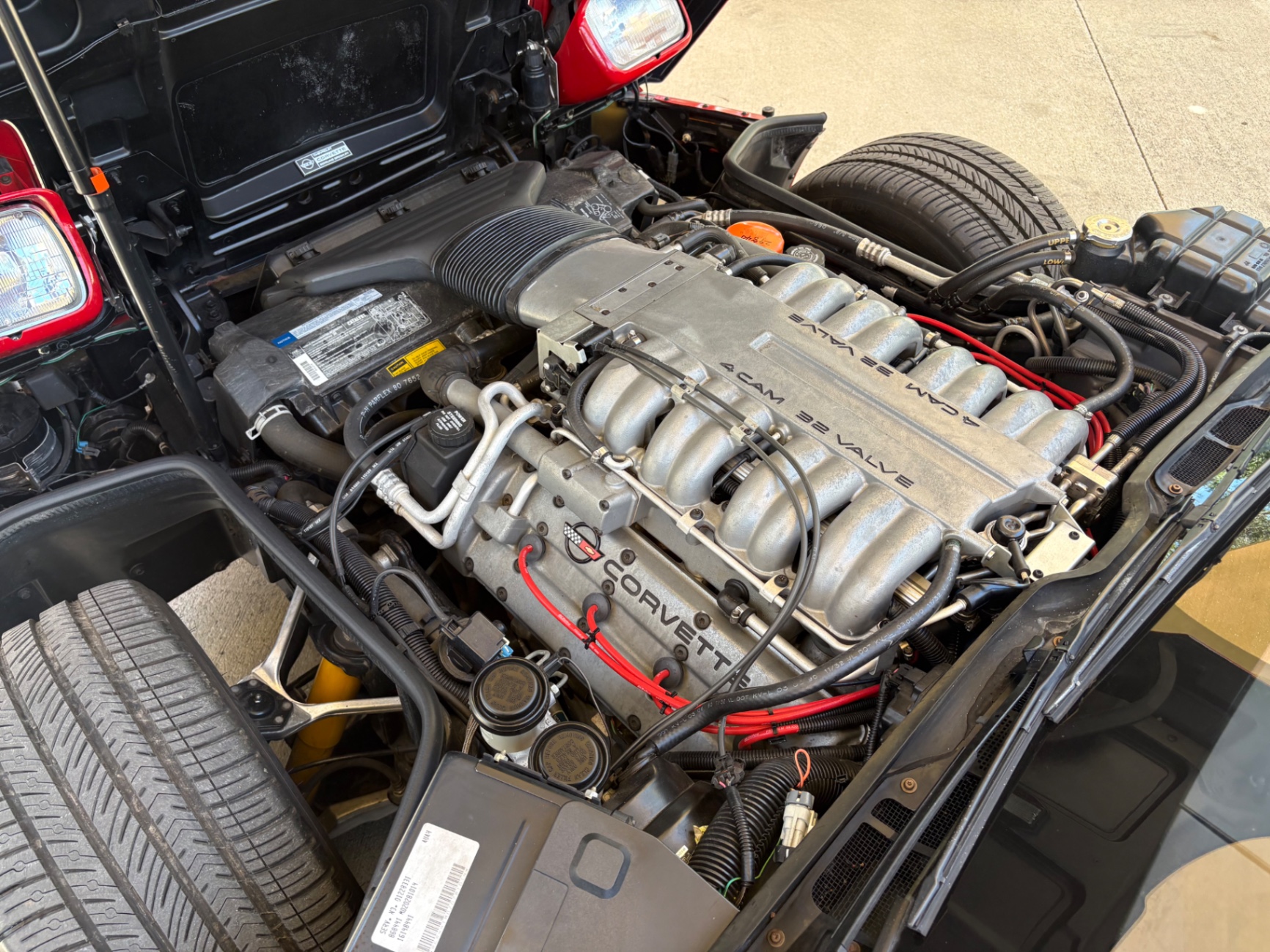
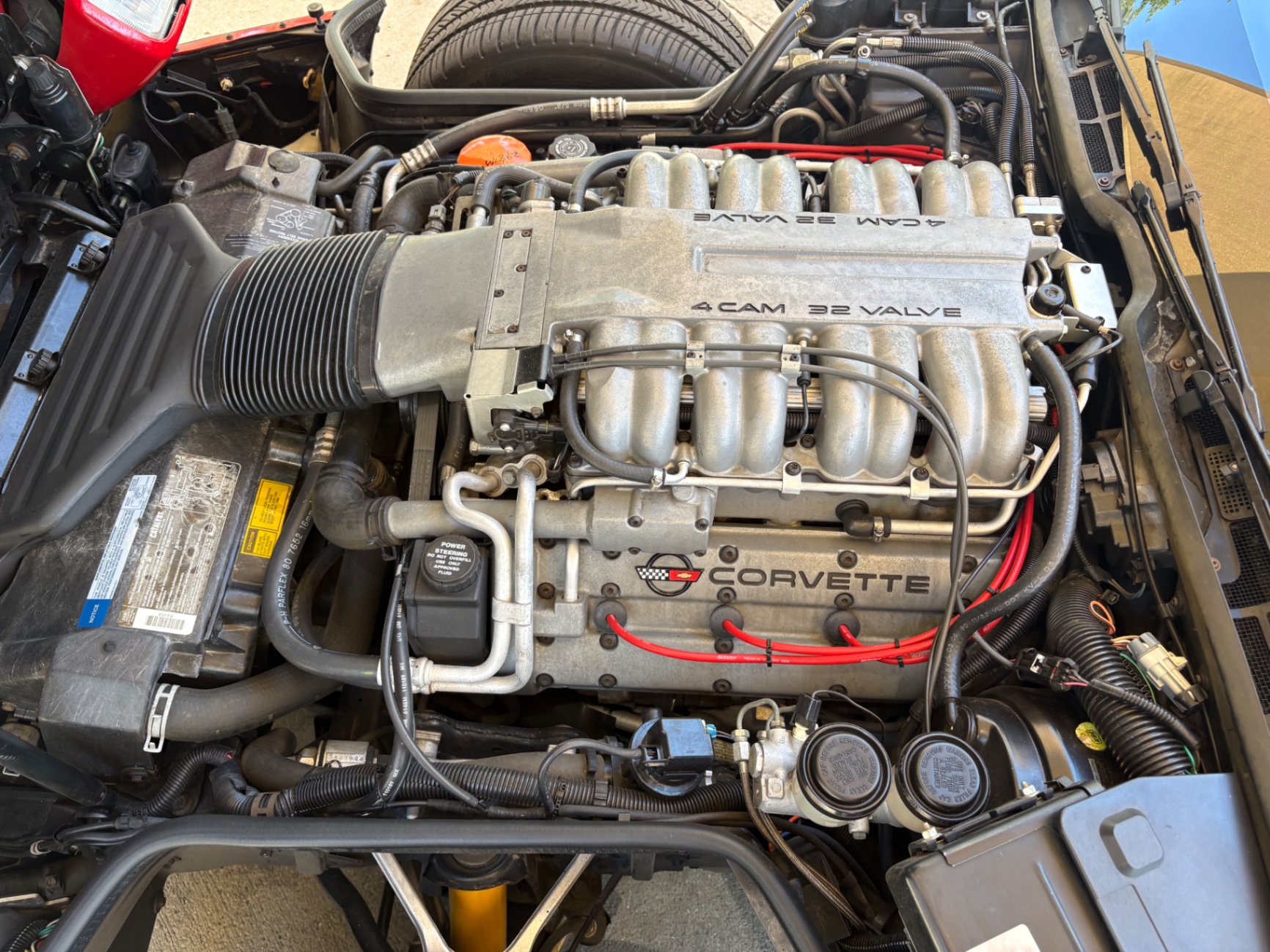
The 1990 Chevrolet Corvette ZR-1 was not a trim package bolted onto a standard Corvette. It was a ground-up engineering effort developed in partnership with Lotus Engineering — then owned by General Motors — and built around an entirely new engine that Chevrolet could not produce in-house. The result was the LT5, a 5.7-liter dual-overhead-cam V8 with 32 valves and 375 horsepower, assembled by hand at Mercury Marine's facility in Stillwater, Oklahoma. No other engine in any American production car at the time came close to matching it on a technical level.
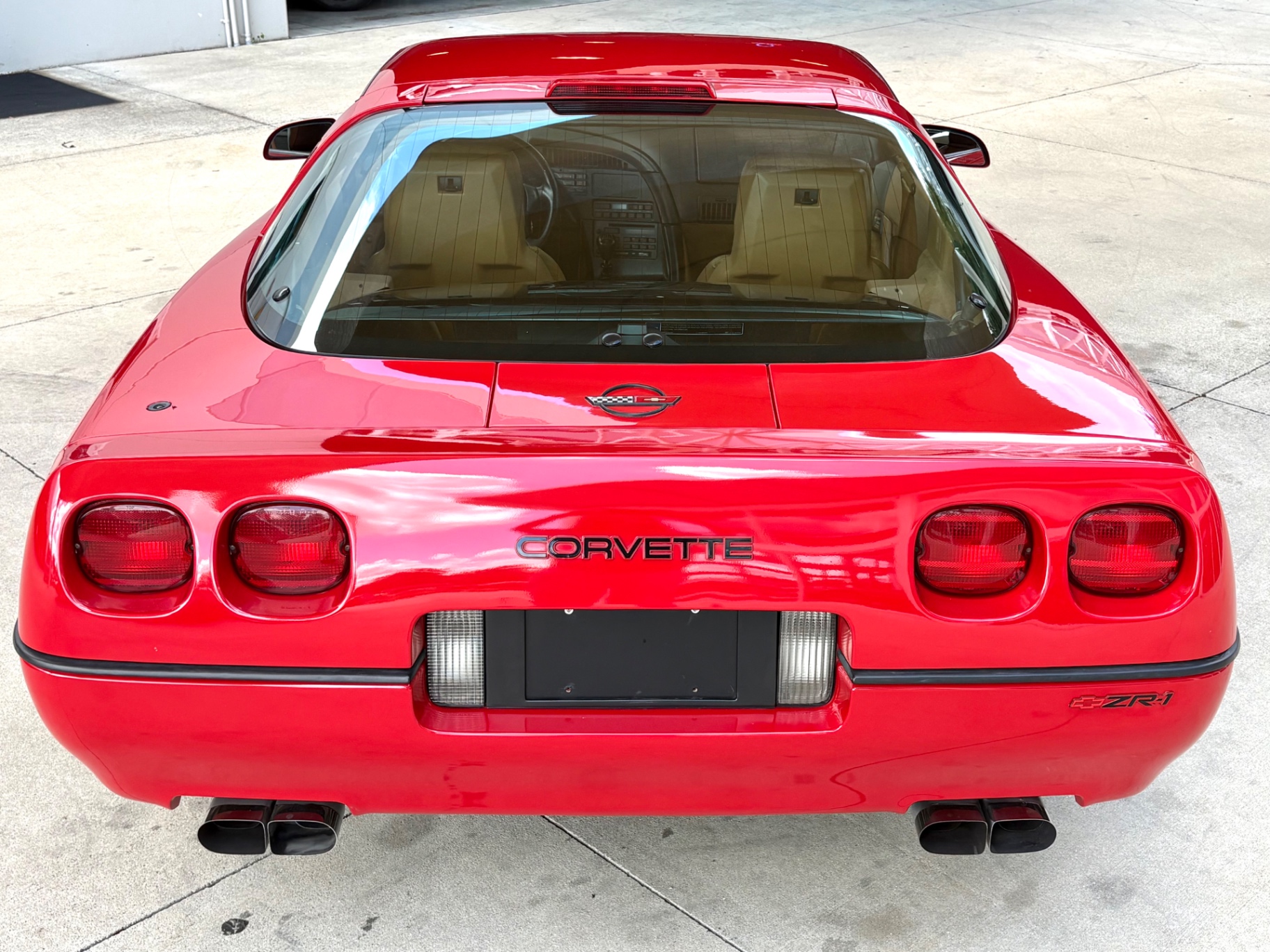
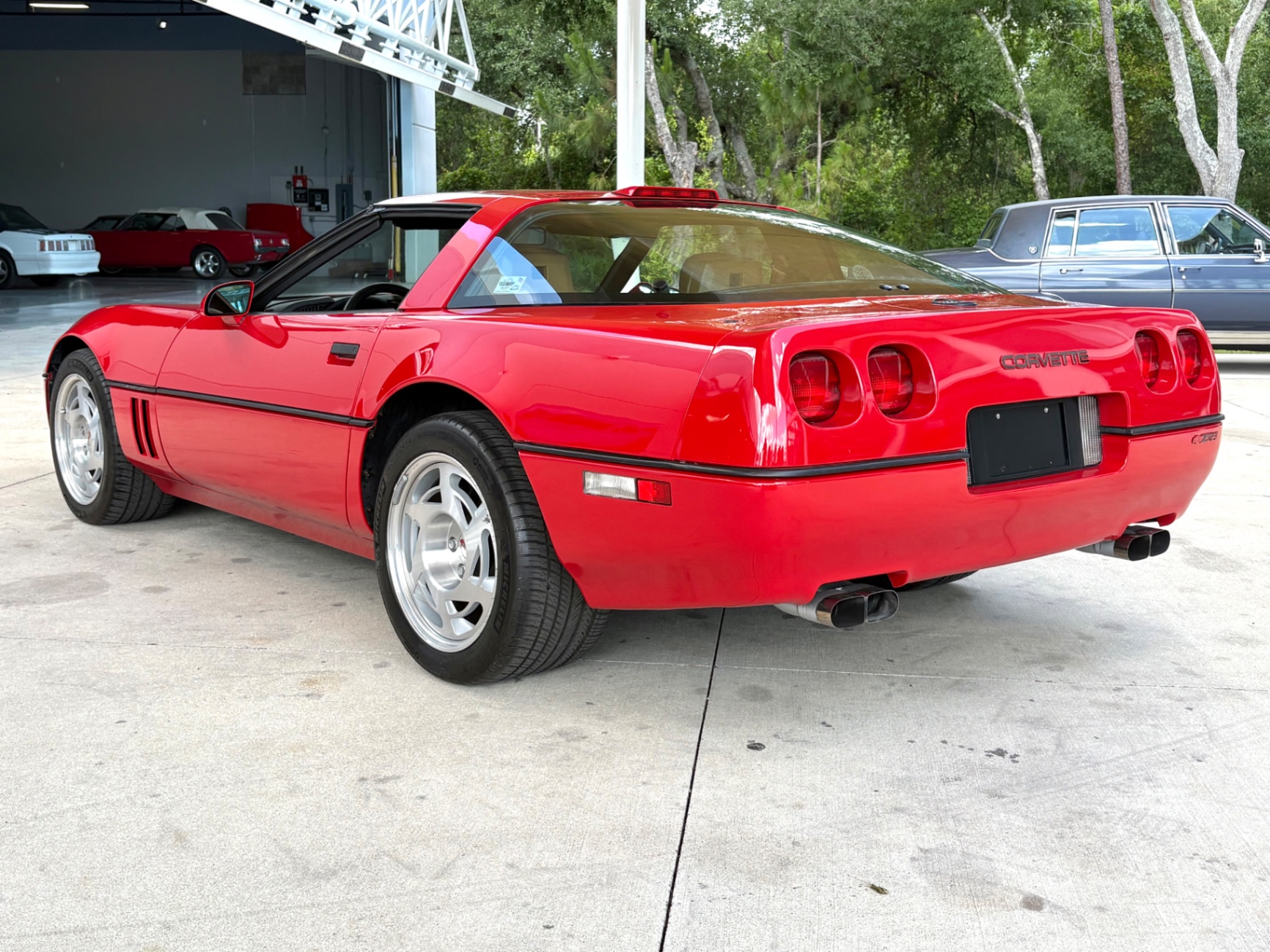
To accommodate the wider LT5, Chevrolet widened the ZR-1's rear bodywork by approximately three inches compared to a standard C4 Corvette. This gave the ZR-1 a distinctive rear stance that is immediately recognizable to anyone who knows the car. The convex taillights on this car are the rectangular ZR-1 units, not the round taillights found on base C4s — another distinguishing detail that separates the two cars at a glance.
Chevrolet built just 3,049 Corvette ZR-1s for the 1990 model year, the first full production year of the model. That makes 1990 the highest-volume year of the early ZR-1 run, though production remained low throughout the car's lifespan from 1990 through 1995. Total ZR-1 production across all six model years was fewer than 7,000 units. This car carries its original ZR-1 badges, ZR-1 alloy wheels, and the characteristic wide-body rear treatment that marks it as genuine.
The position in the C4 generation makes this car particularly interesting from a collector standpoint. The C4 ran from 1984 through 1996, and the ZR-1 represented its performance ceiling. Road and Track recorded a 0-60 time of 4.5 seconds and a top speed in excess of 170 miles per hour for the 1990 ZR-1 — numbers that genuinely competed with Ferrari and Porsche at the time. Car and Driver called it the fastest production car they had ever tested up to that point. Those claims were not marketing. They were backed up on track.
Features List
- LT5 5.7L DOHC 32-Valve V8 (hand-assembled by Mercury Marine)
- ZF 6-Speed Manual Transmission
- Removable Glass T-Tops
- Tan Leather Bucket Seats with Corvette script headrests
- Power Windows
- Center Console with ZR-1 gear indicator
- Digital Instrument Cluster
- Tachometer
- Dual Quad-Tip Exhaust
- ZR-1 Badges (front and rear)
- 17-inch ZR-1 Alloy Wheels
- Michelin Tires
- Power Steering
- Four-Wheel Disc Brakes
- Wide-body ZR-1 rear bodywork
- Convex rectangular ZR-1 taillights
Mechanical
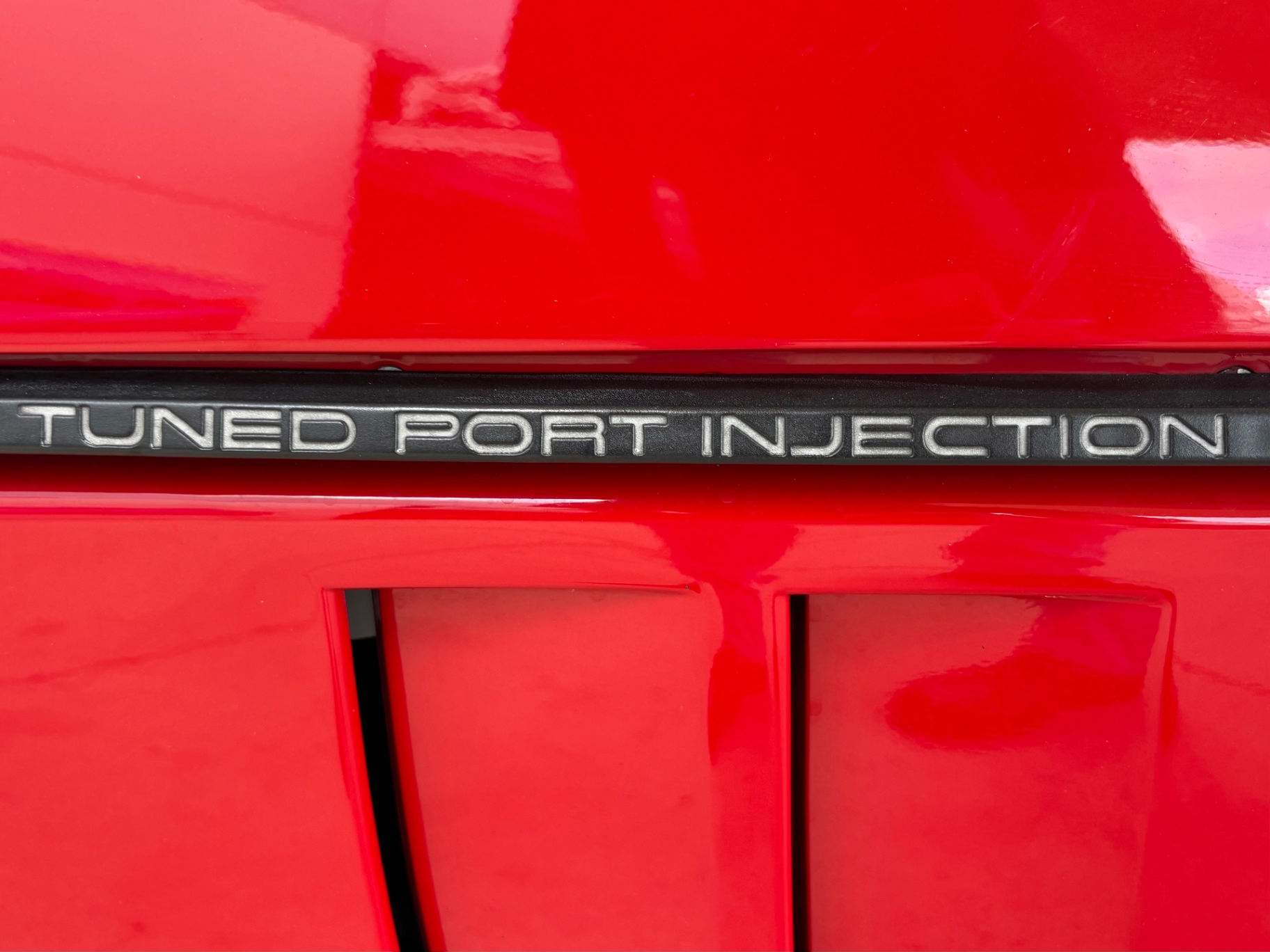
The heart of this car is the LT5 5.7-liter DOHC V8. Four camshafts, 32 valves, and sequential fuel injection produced 375 horsepower in 1990 specification. The engine was entirely different from anything else in the Corvette lineup — it shared no major components with the standard L98 V8 that powered base C4 Corvettes of the same era. The LT5 was designed to breathe, with a high-revving character that was genuinely foreign to American V8 tradition at the time.
Backing the engine is the ZF 6-speed manual transmission, sourced from ZF Friedrichshafen in Germany. This is the correct gearbox for the ZR-1 application — it was the only transmission available in the car, as no automatic was offered. The ZF unit is a robust, well-regarded gearbox, and finding a ZR-1 with an intact, functioning manual drivetrain is an increasingly important consideration as these cars age.
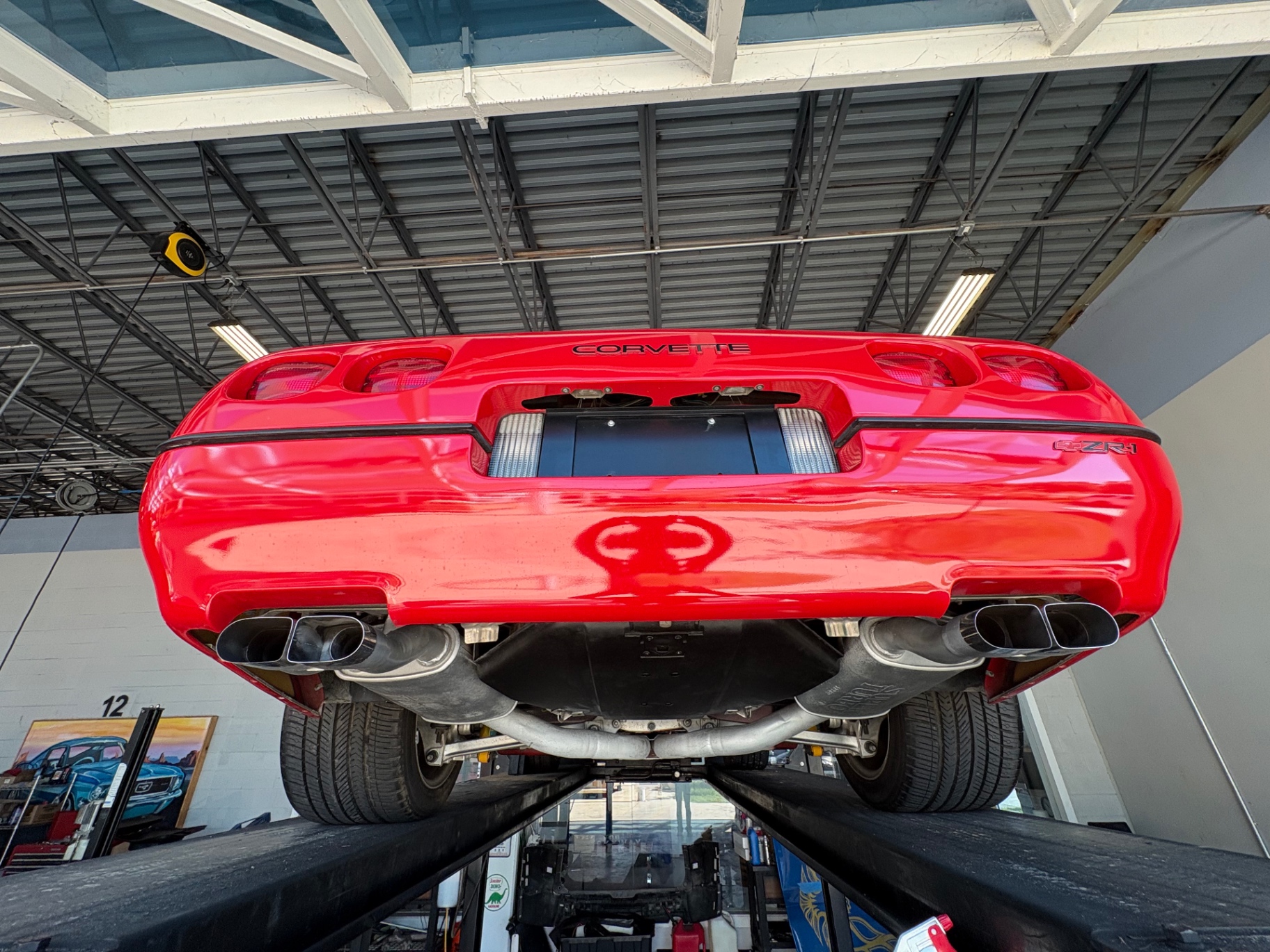
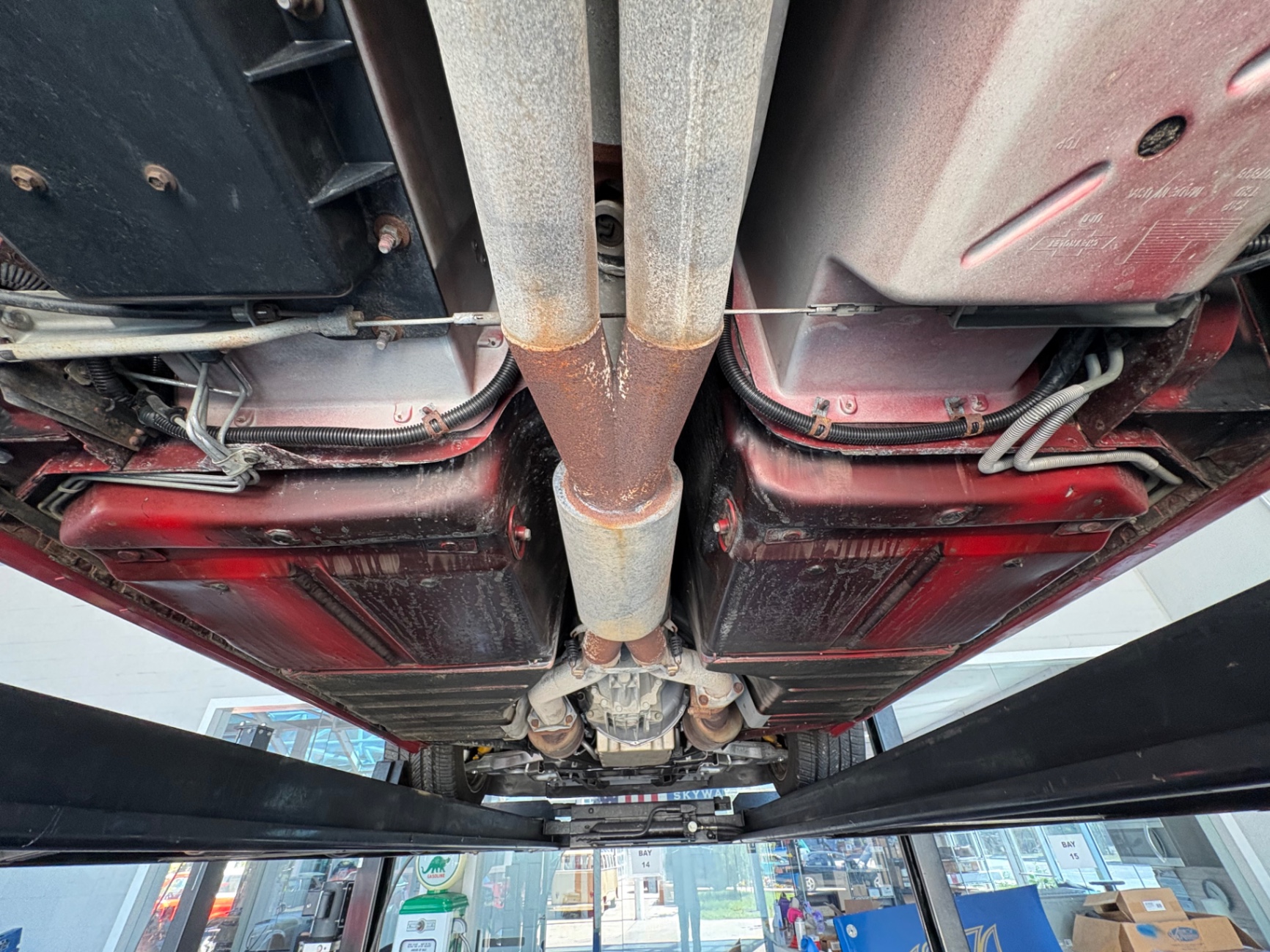
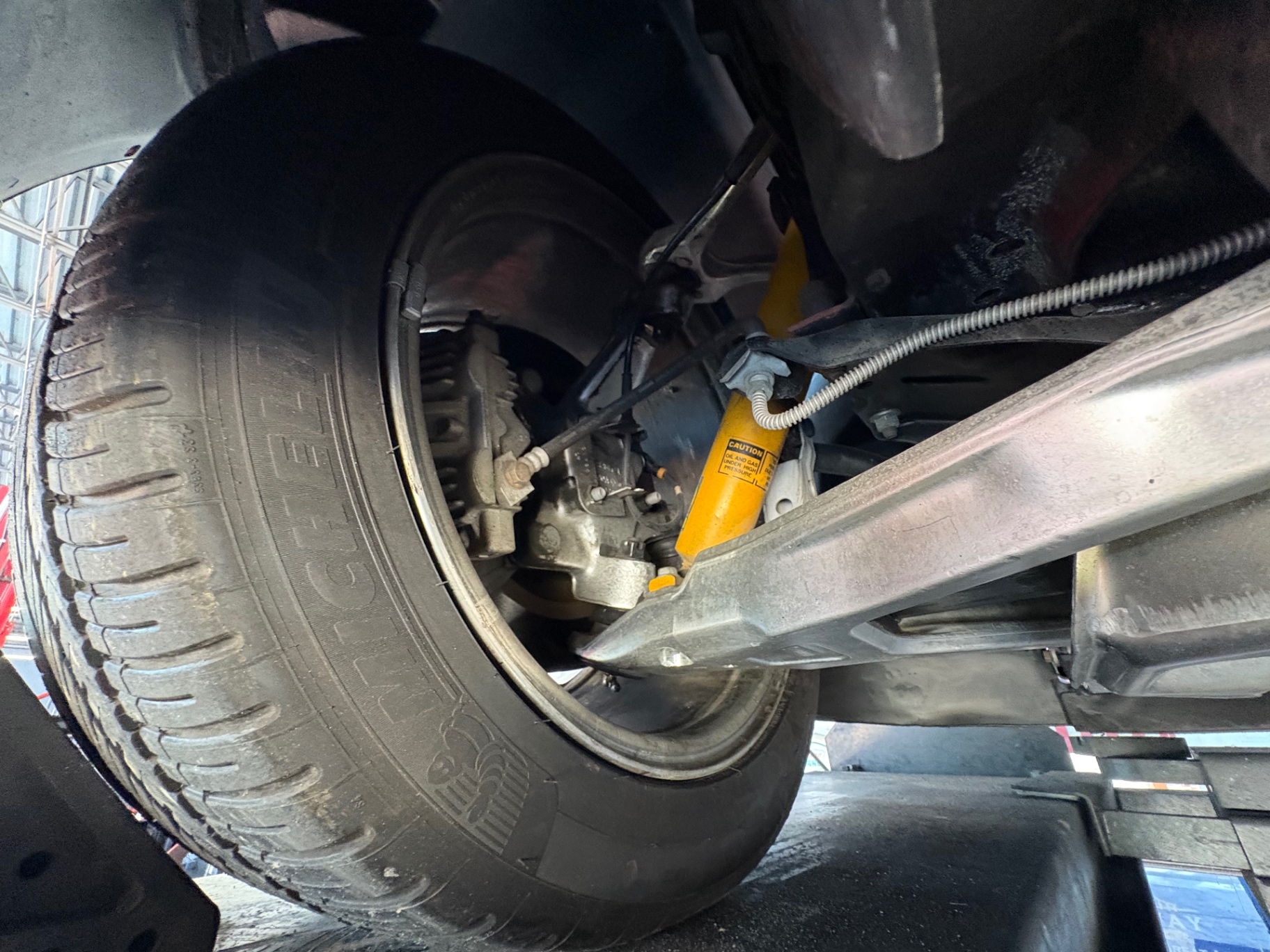
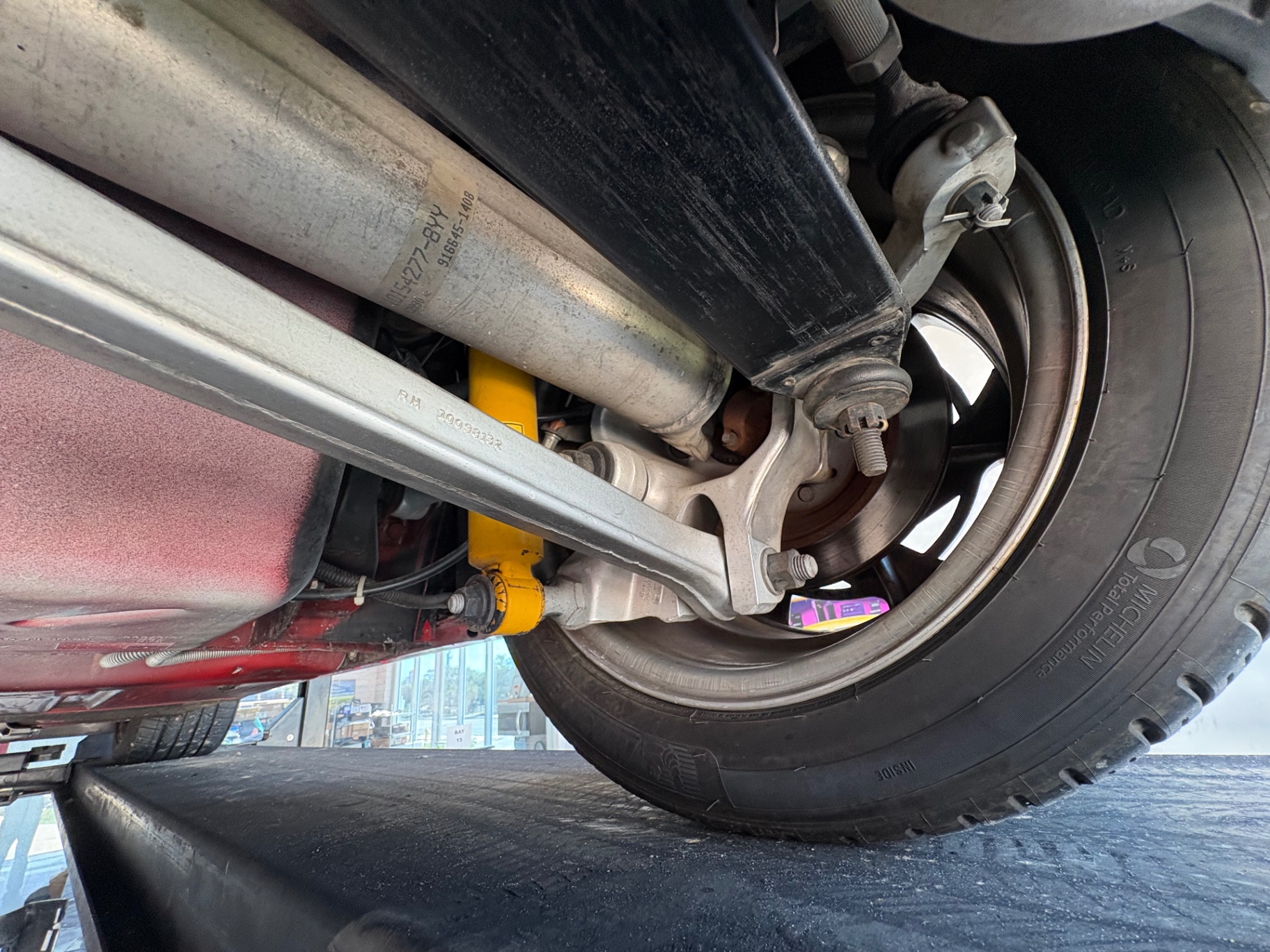
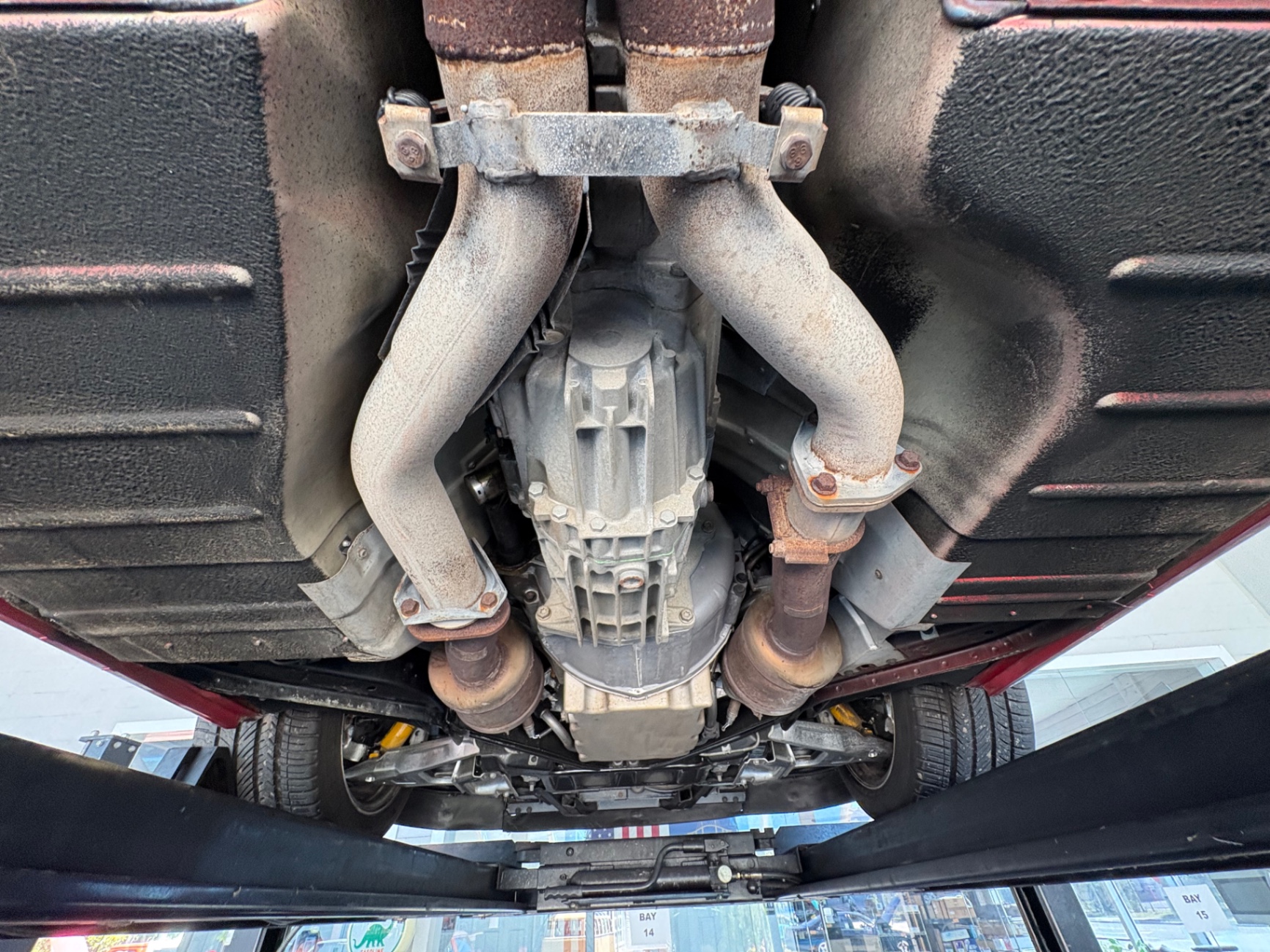
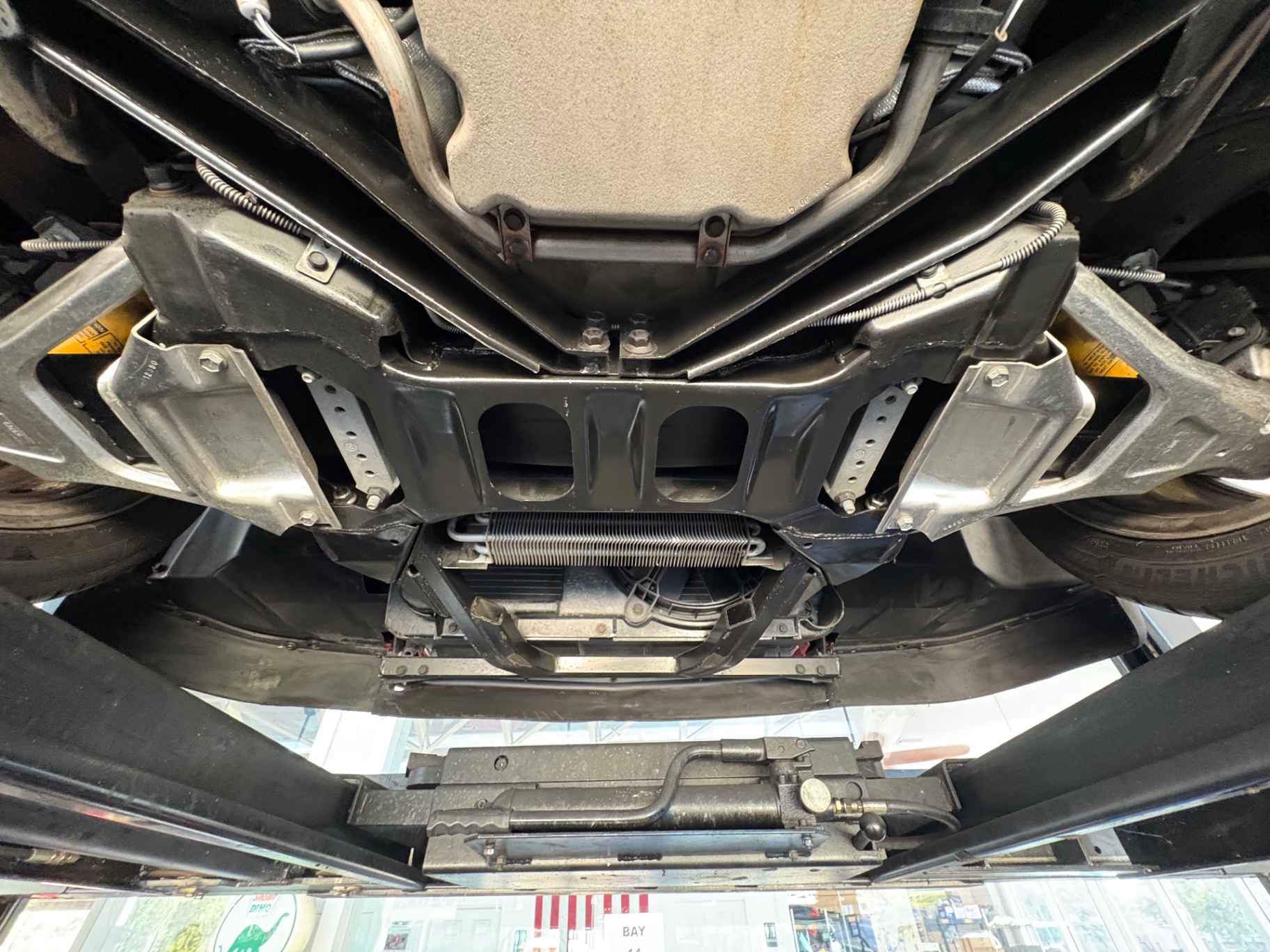
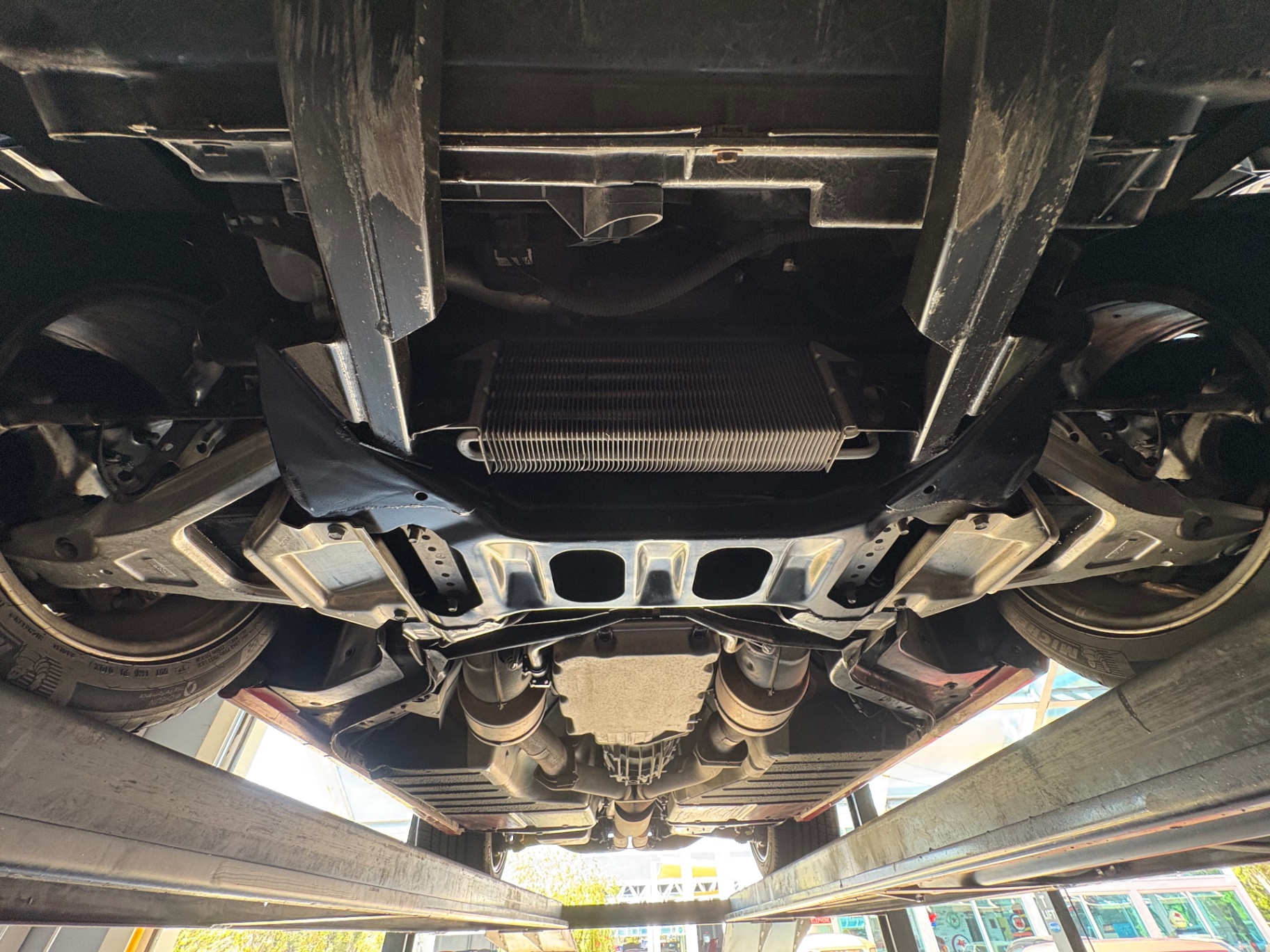
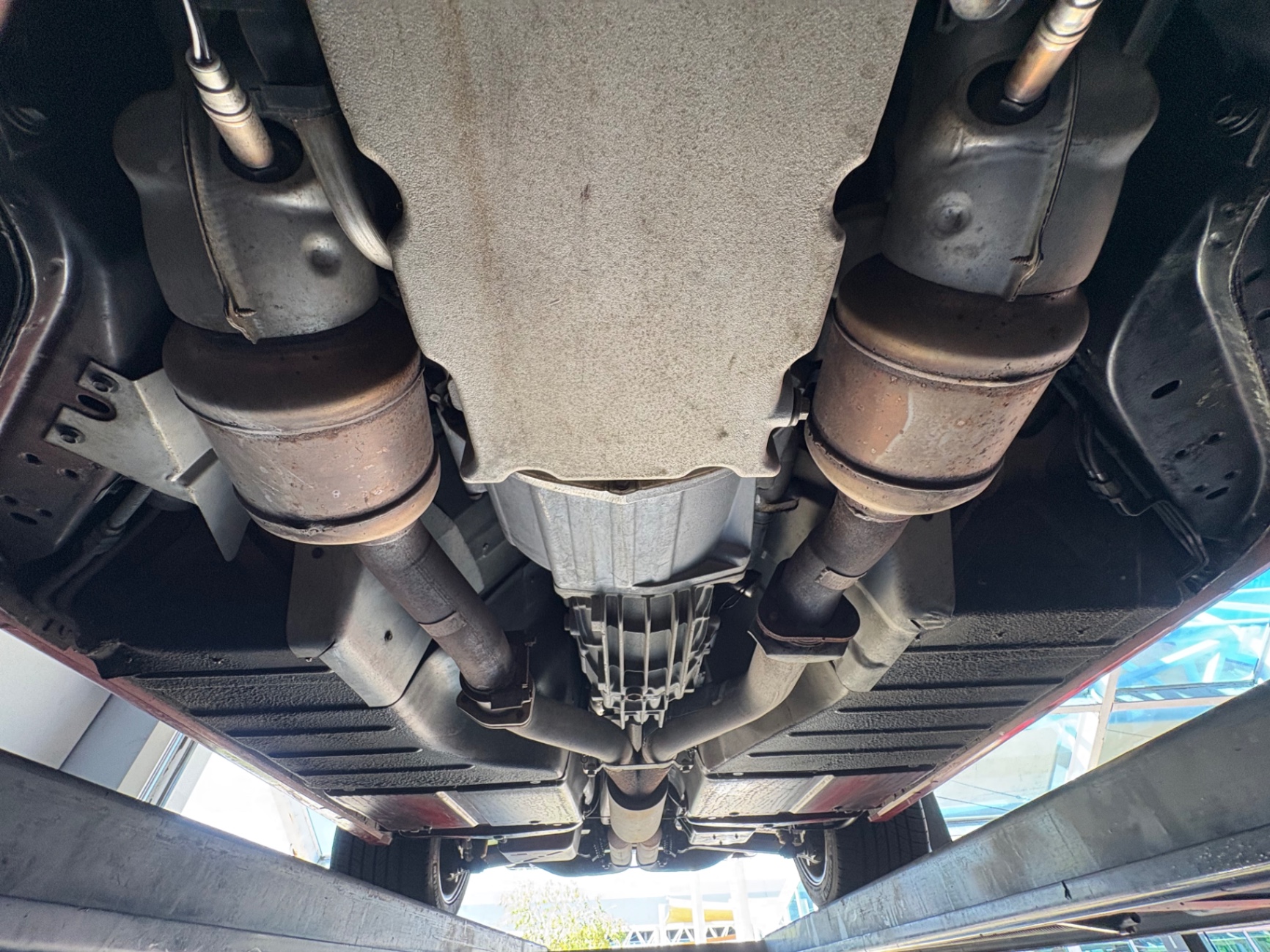
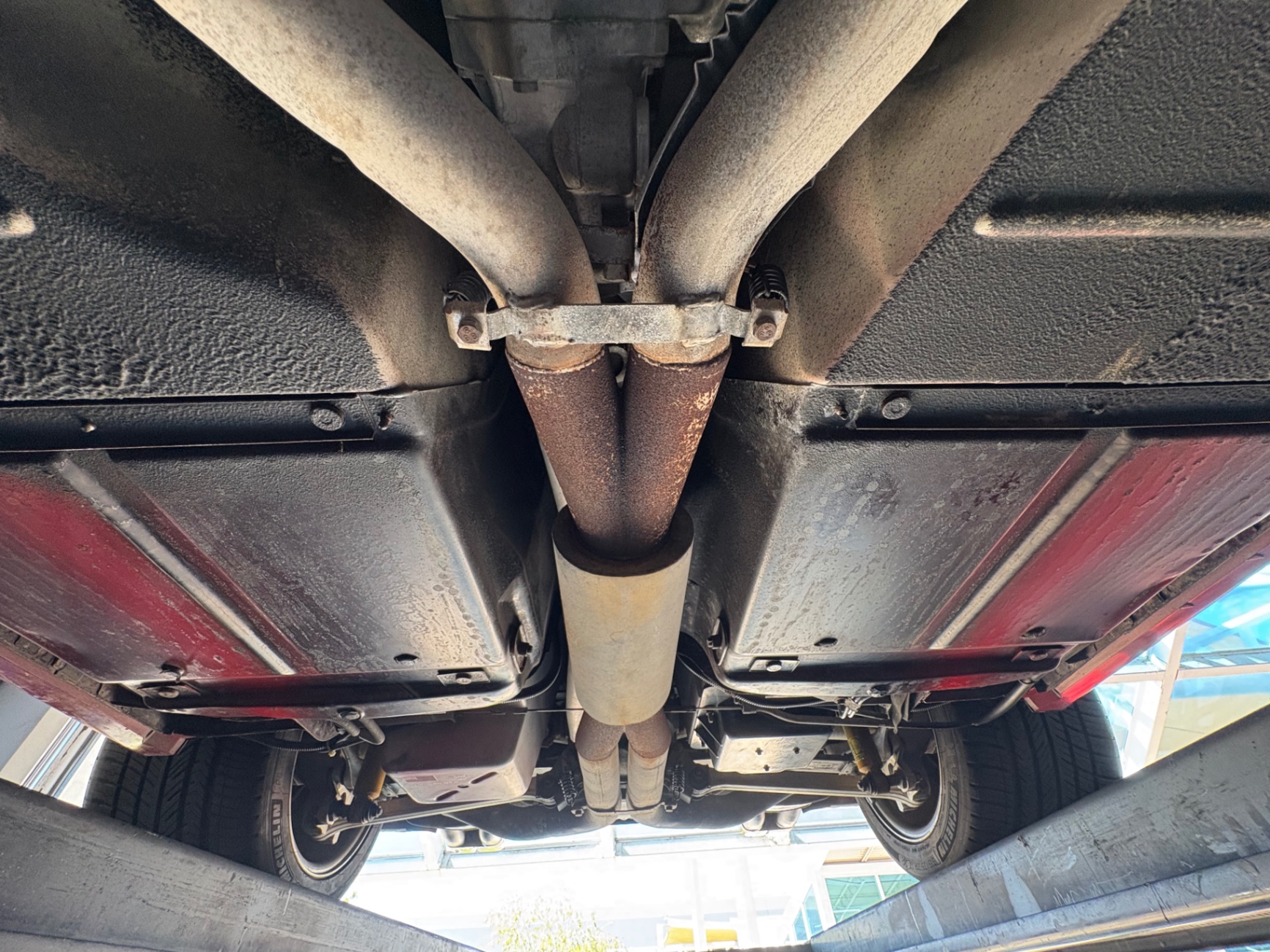
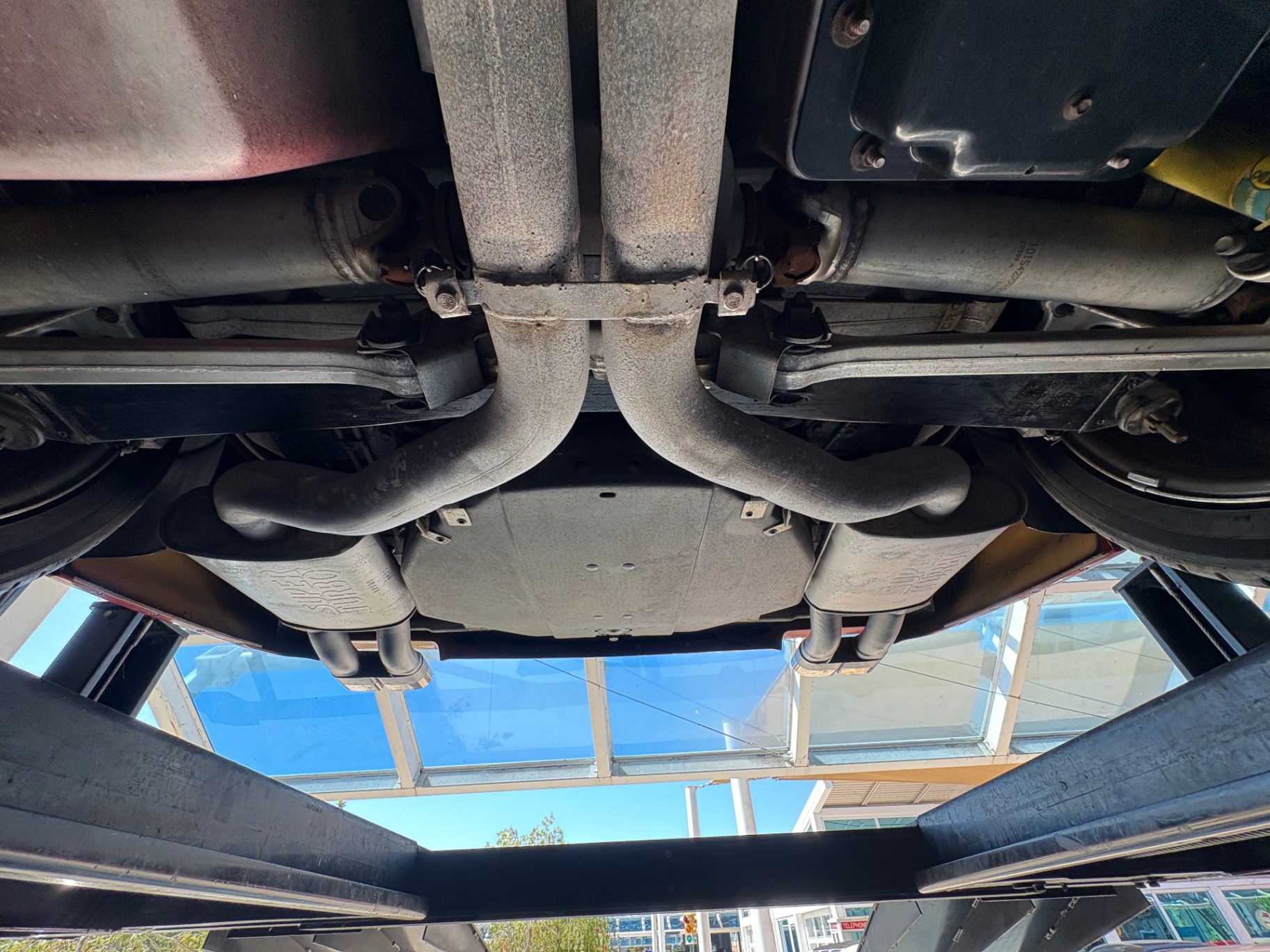
The photographs confirm the presence of the ZF transmission visible from underneath the car, along with the dual exhaust system that terminates in the ZR-1's signature quad-tip configuration at the rear. The undercarriage photos show surface rust typical of a driven car of this age, with no visible structural concerns. The suspension components, including the distinctive yellow Bilstein shock absorbers visible in the wheel well shots, appear present and intact. The C4 ZR-1 used a modified version of the C4's independent rear suspension with wider rear control arms to accommodate the wider rear track.
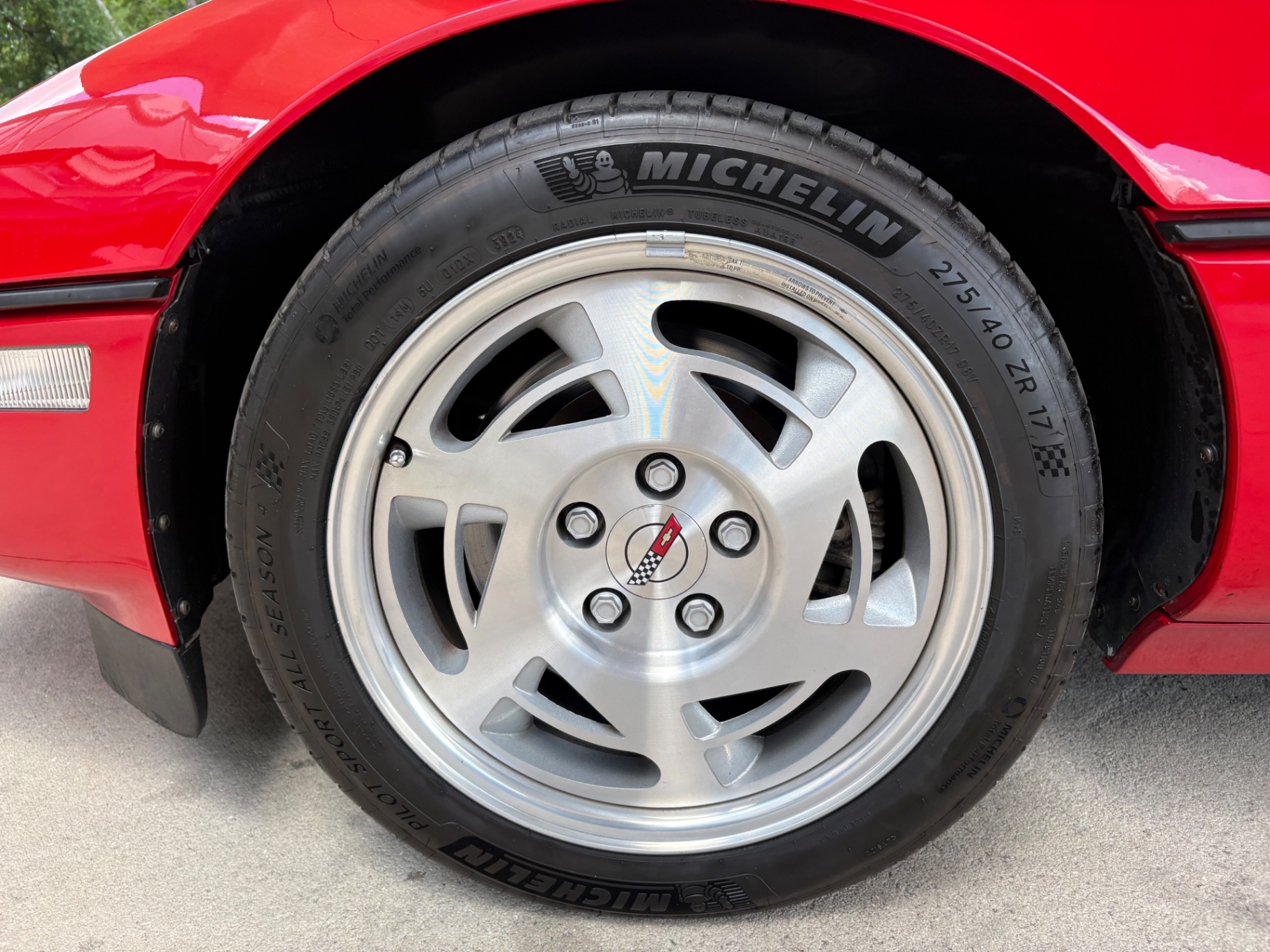
The brakes are four-wheel discs. The Michelin tires mounted on the 17-inch ZR-1 alloy wheels are appropriate for the car and appear to have usable tread remaining based on the photos.
Interior
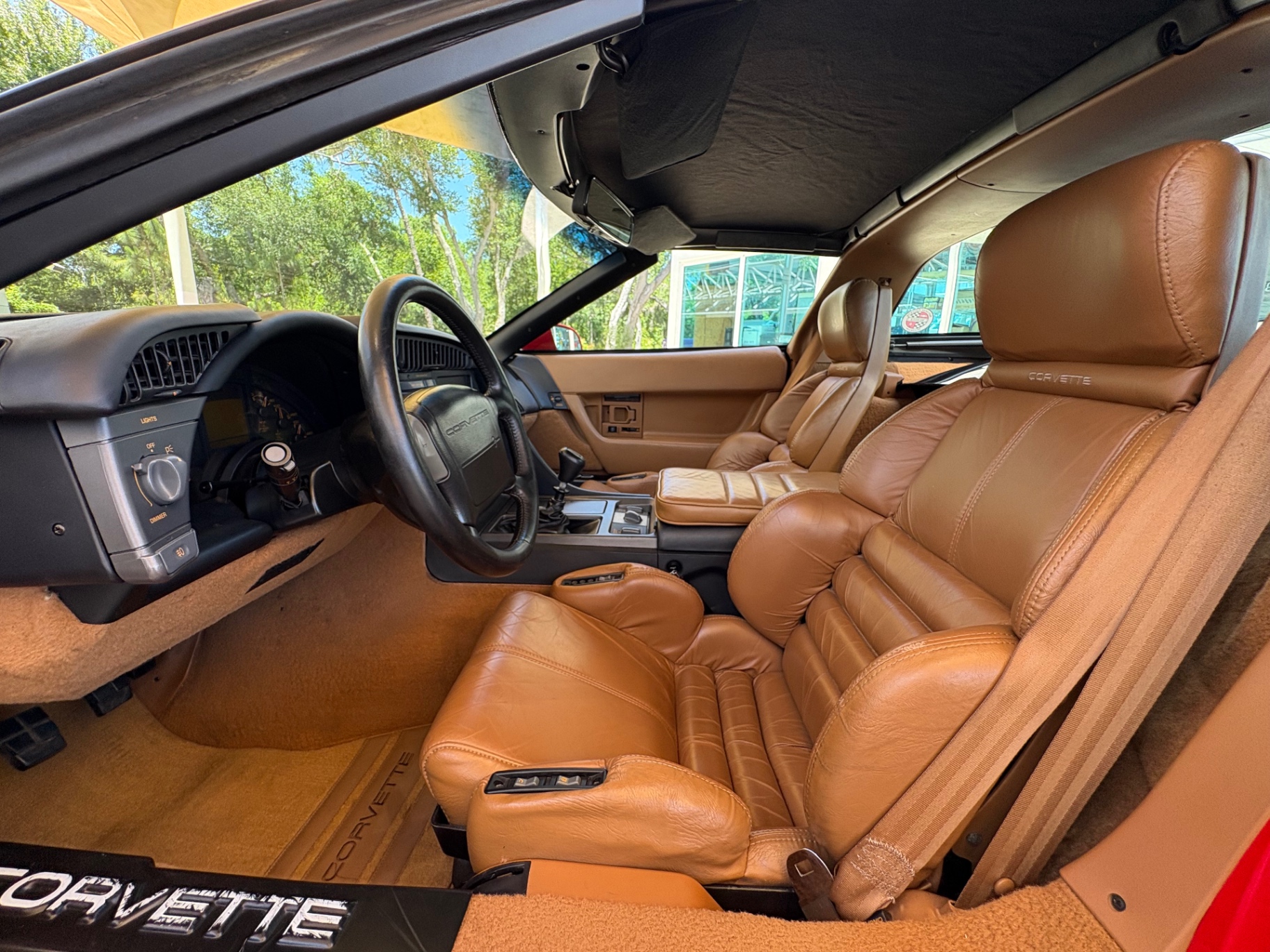
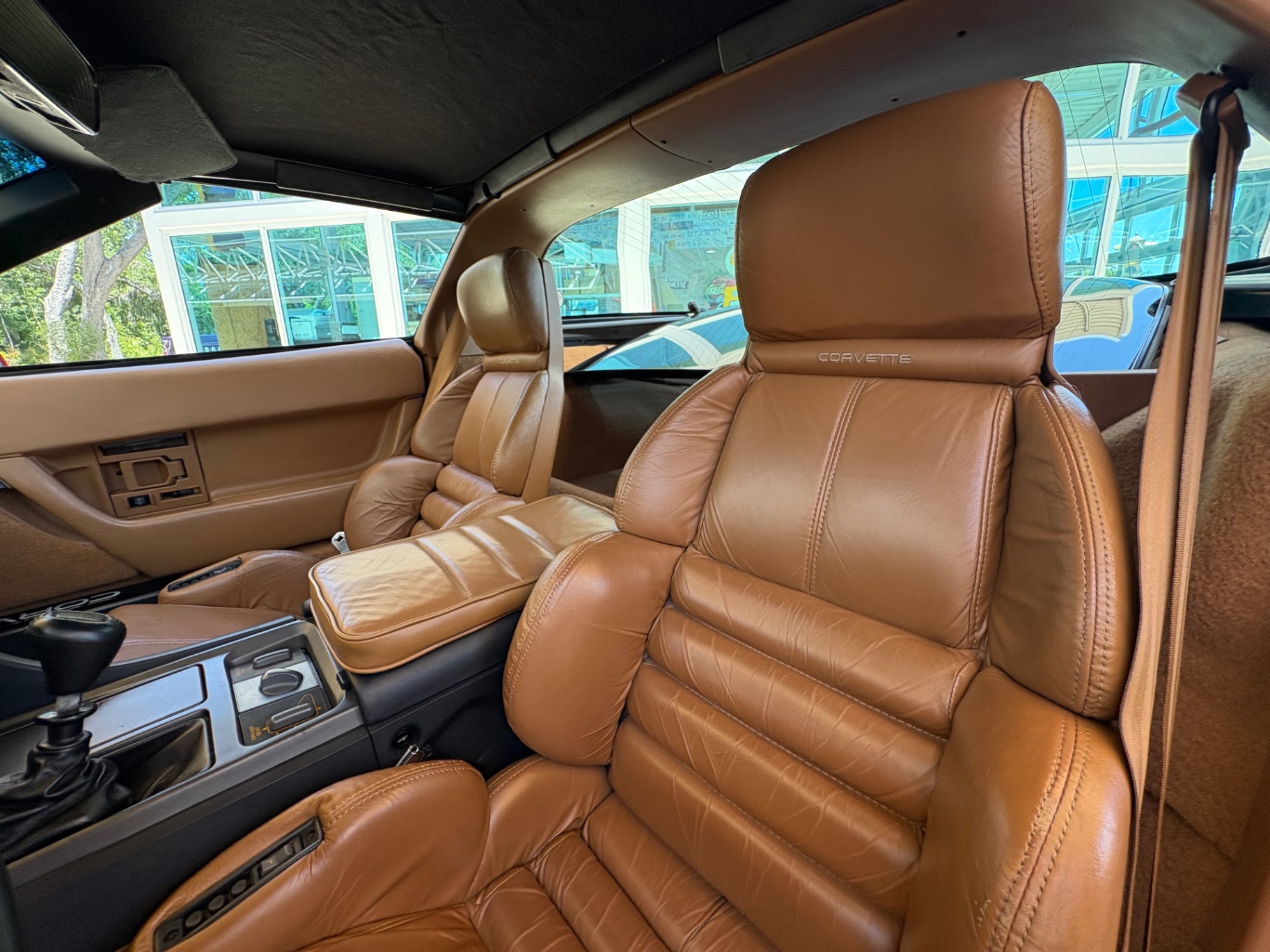
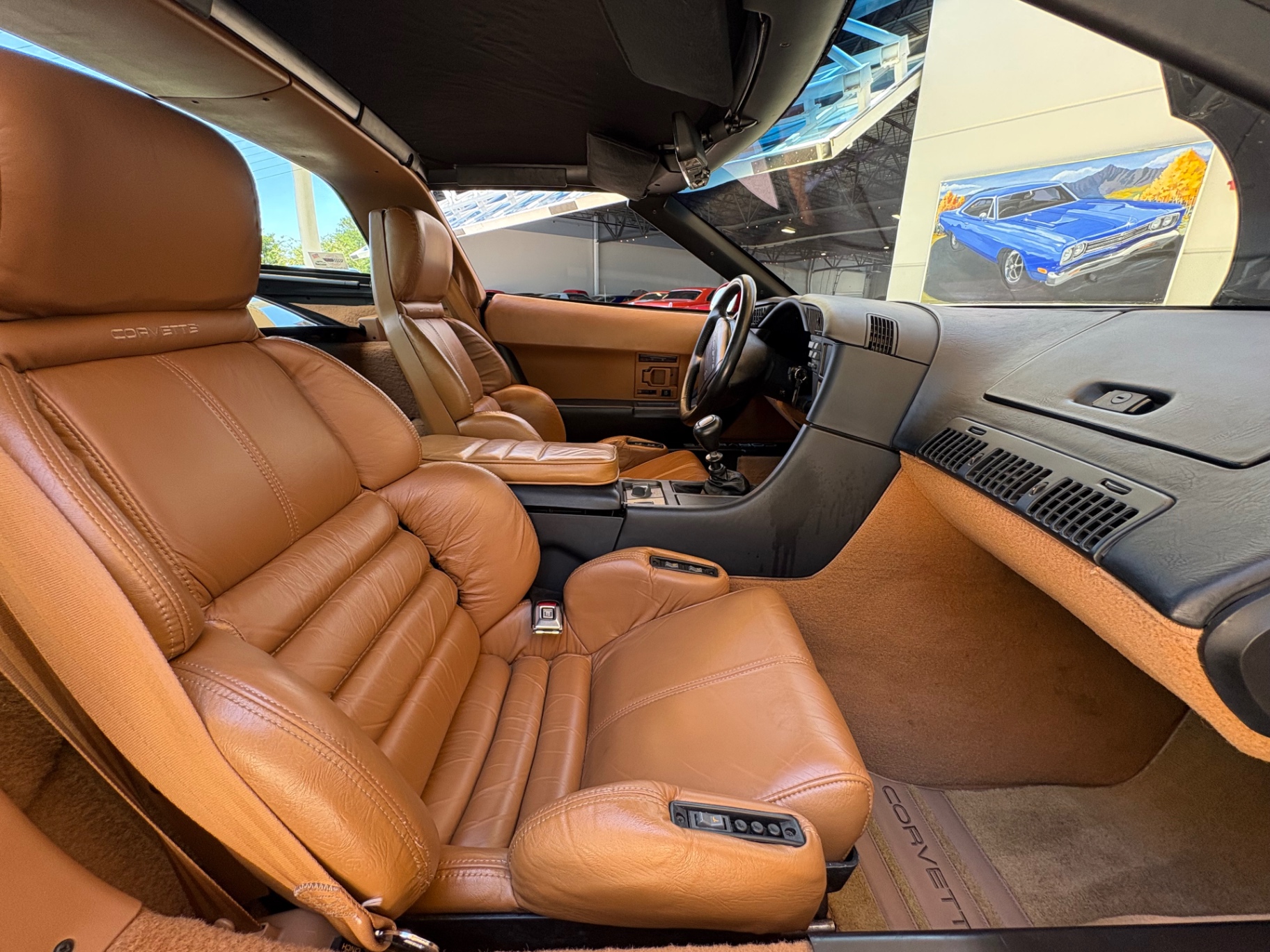
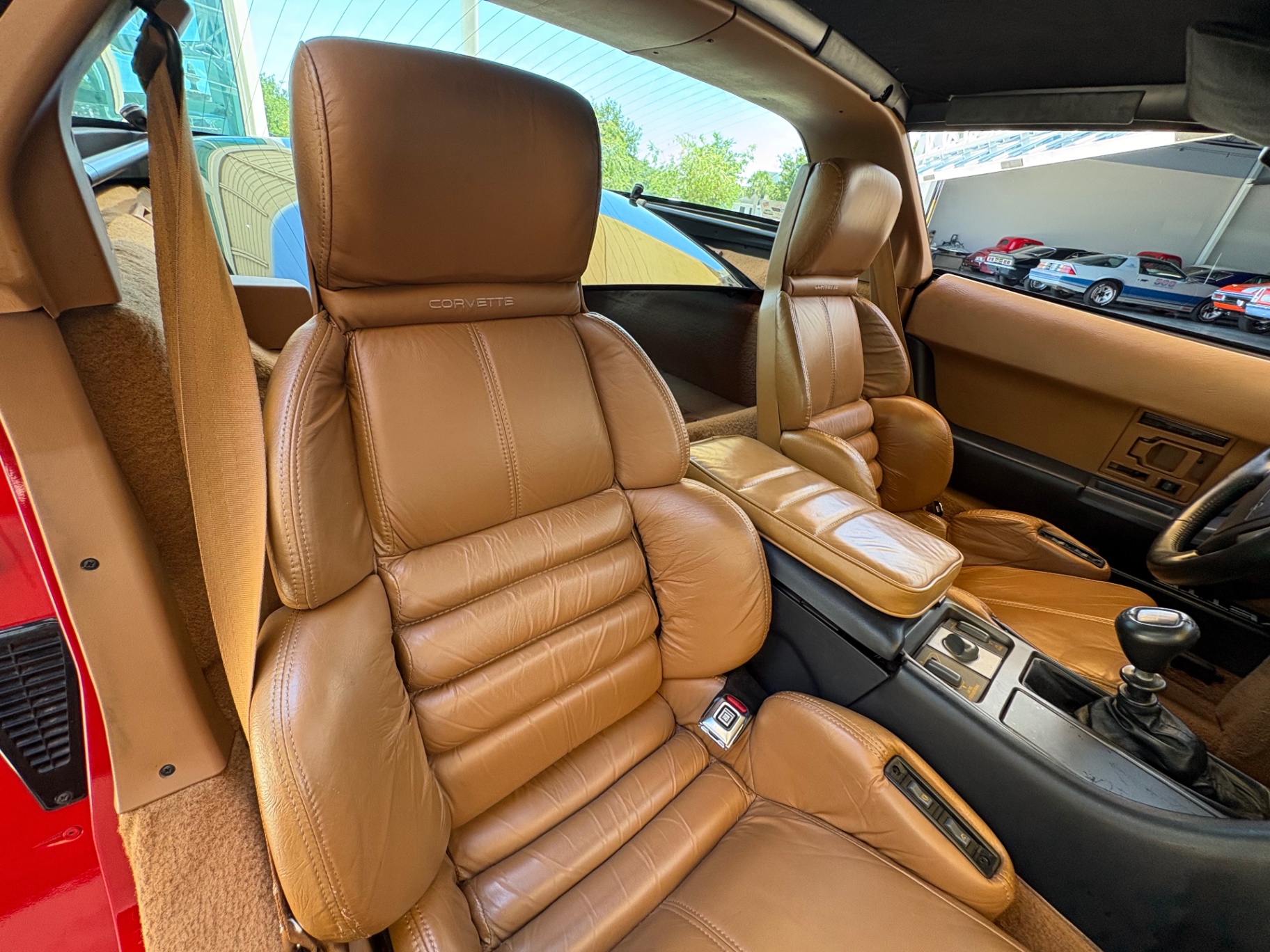
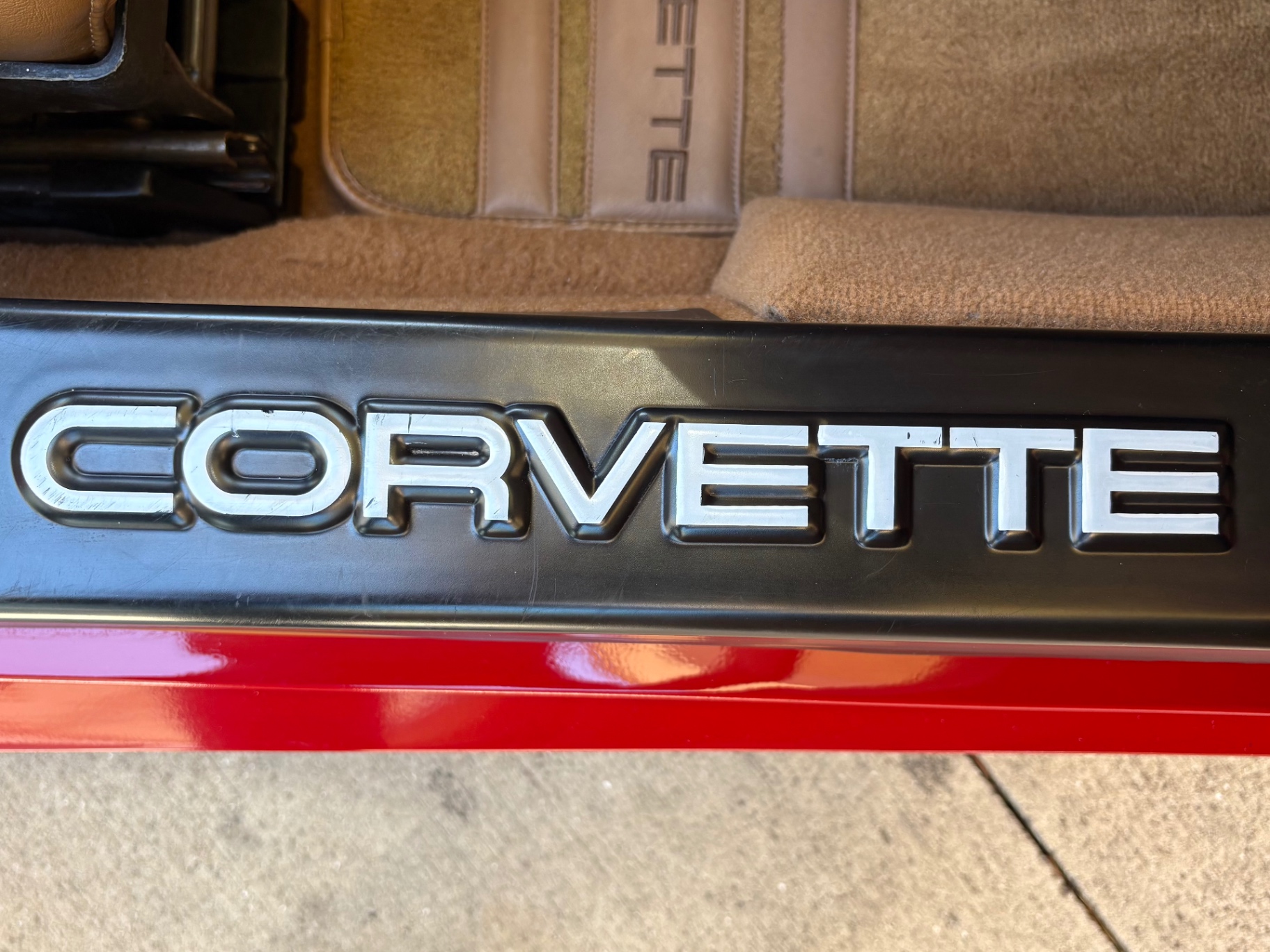
The 1990 Corvette ZR-1 interior in this car is finished in tan leather throughout, which pairs directly with the red exterior. The bucket seats show the characteristic segmented bolster design of the C4 Corvette, with Corvette script embossed into the headrests. The leather shows age-appropriate patina — the seats have the soft, broken-in look of a car that has been used, not the cracked or dried-out condition that poorly stored C4s often present after 35 years. Both seats appear structurally sound based on the photographs.
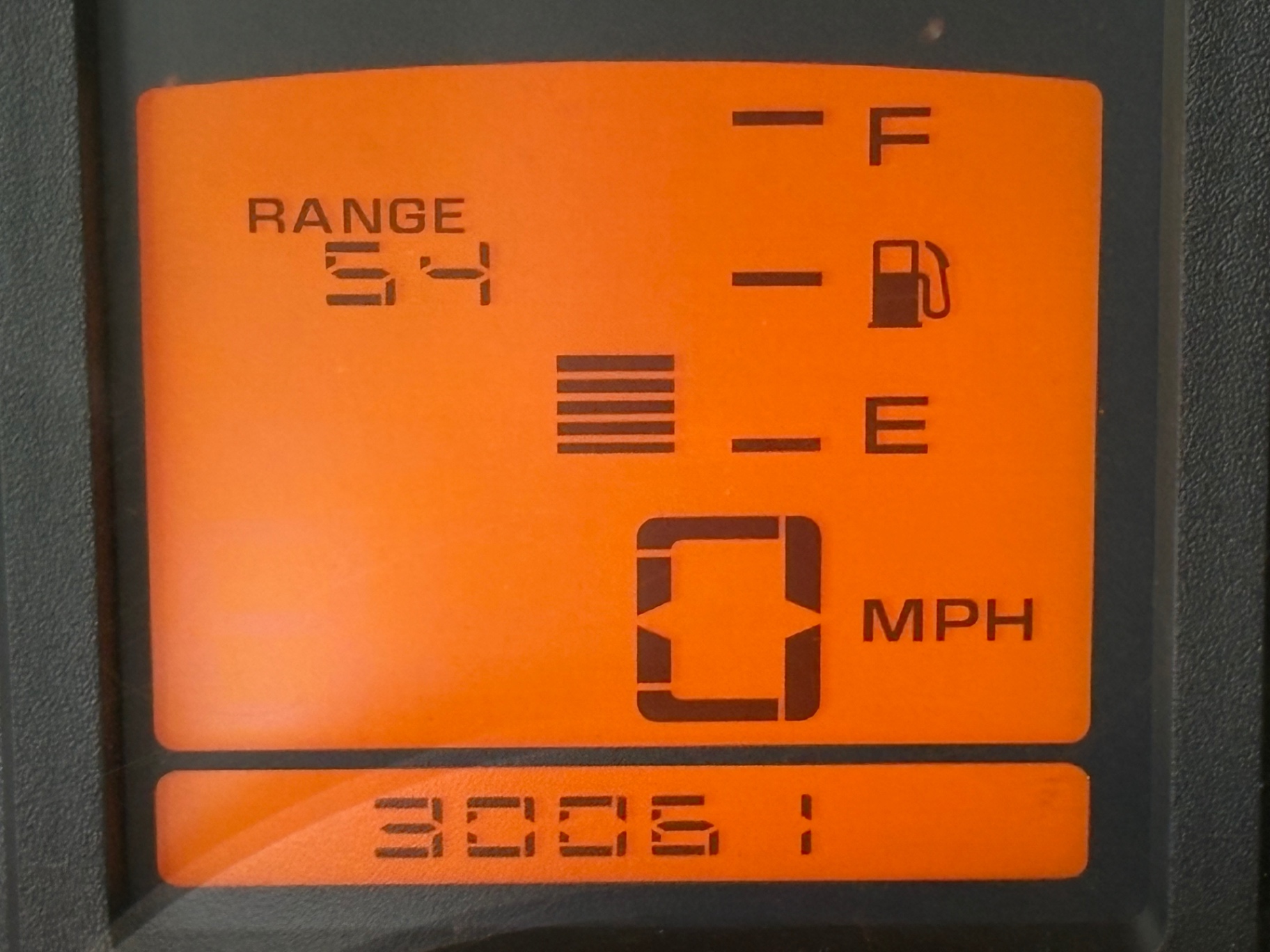
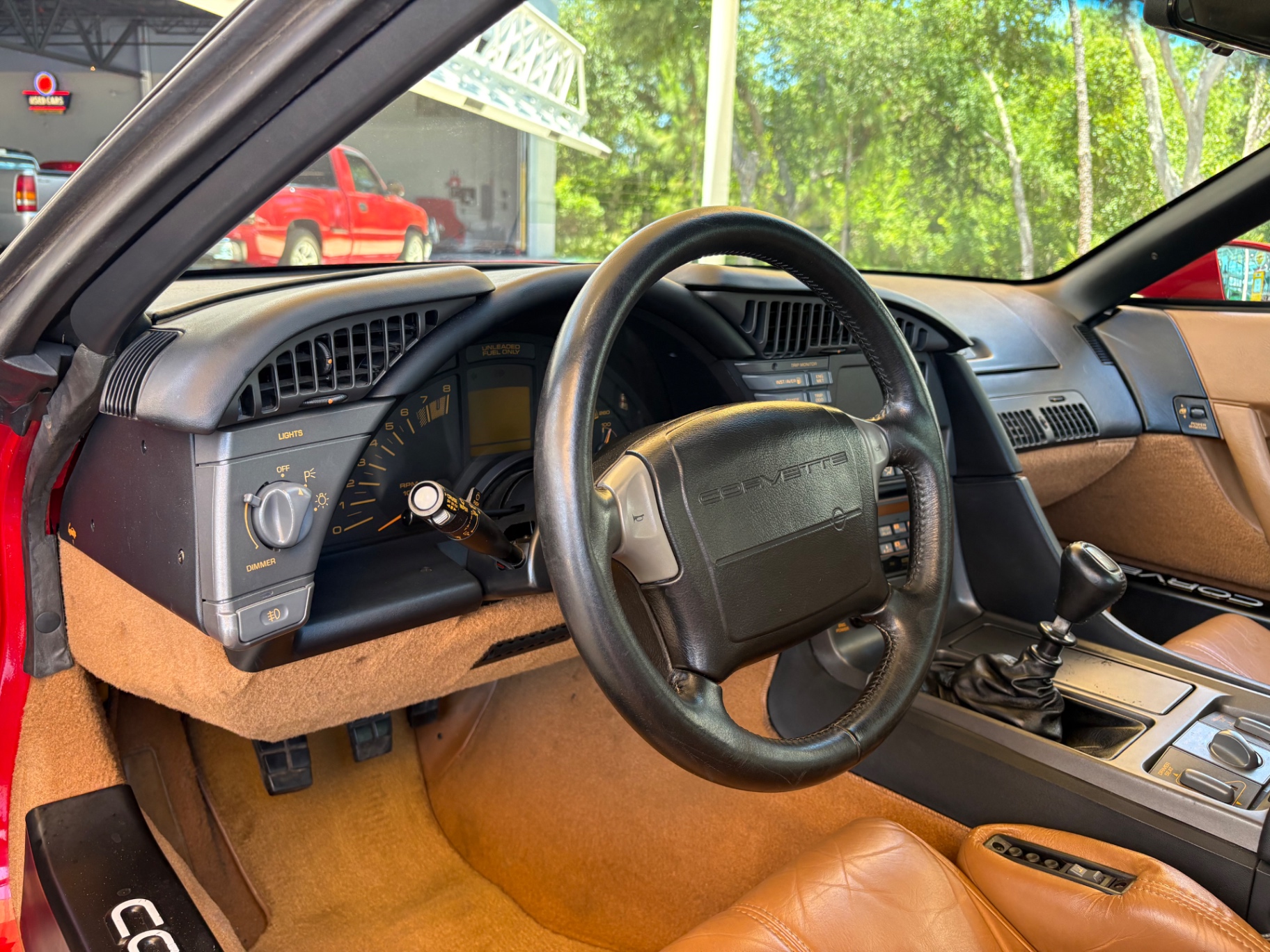
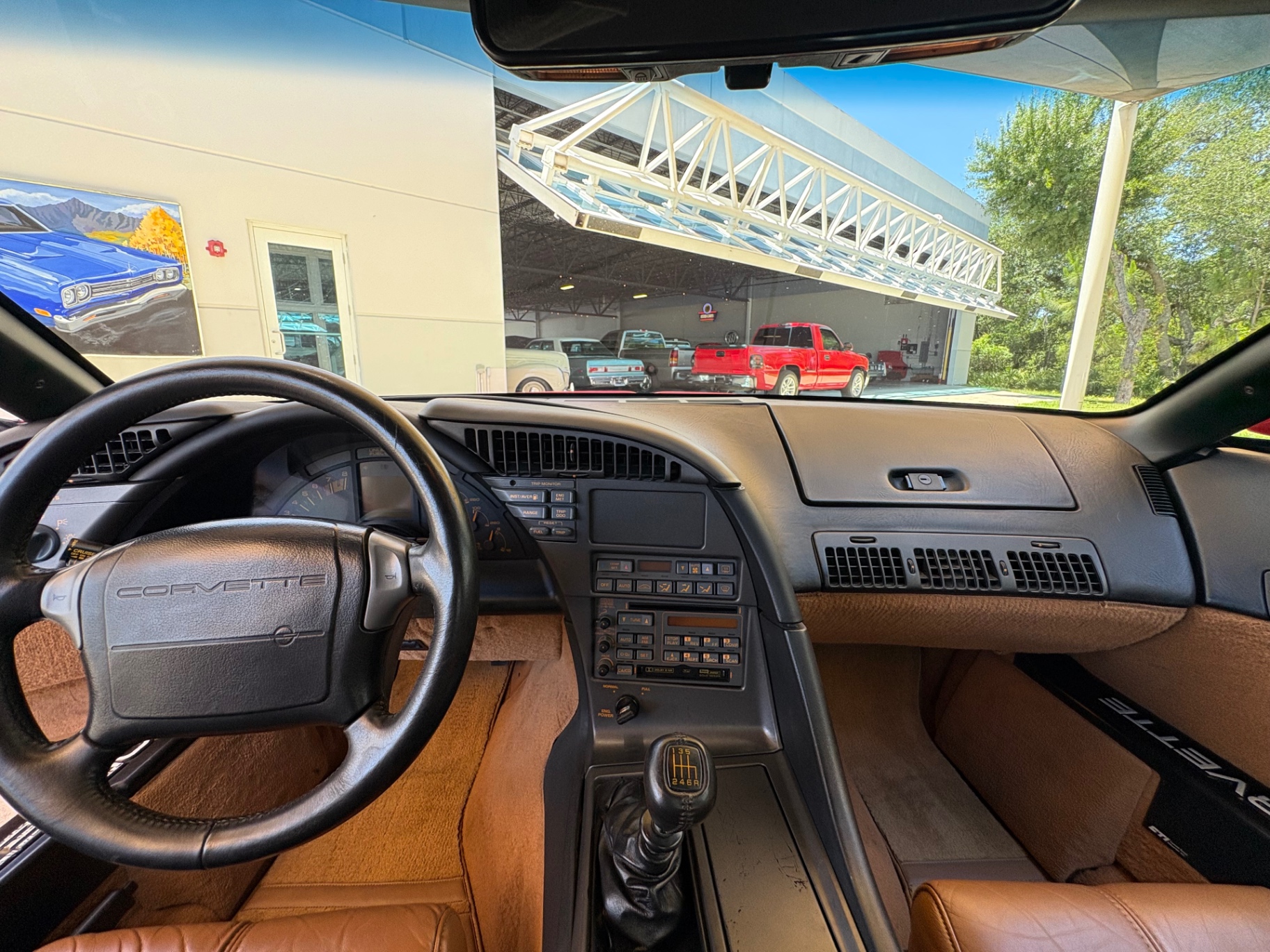
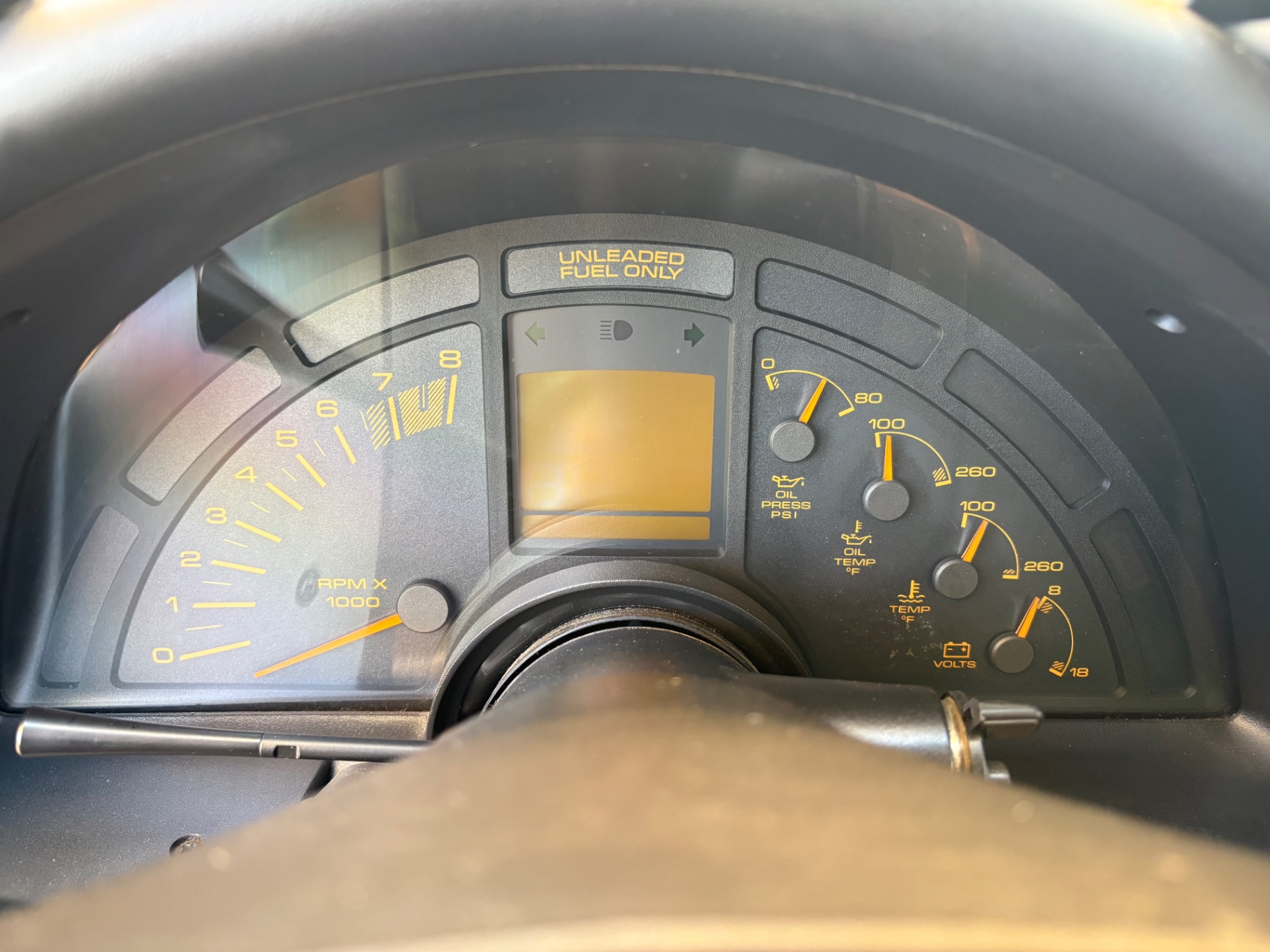
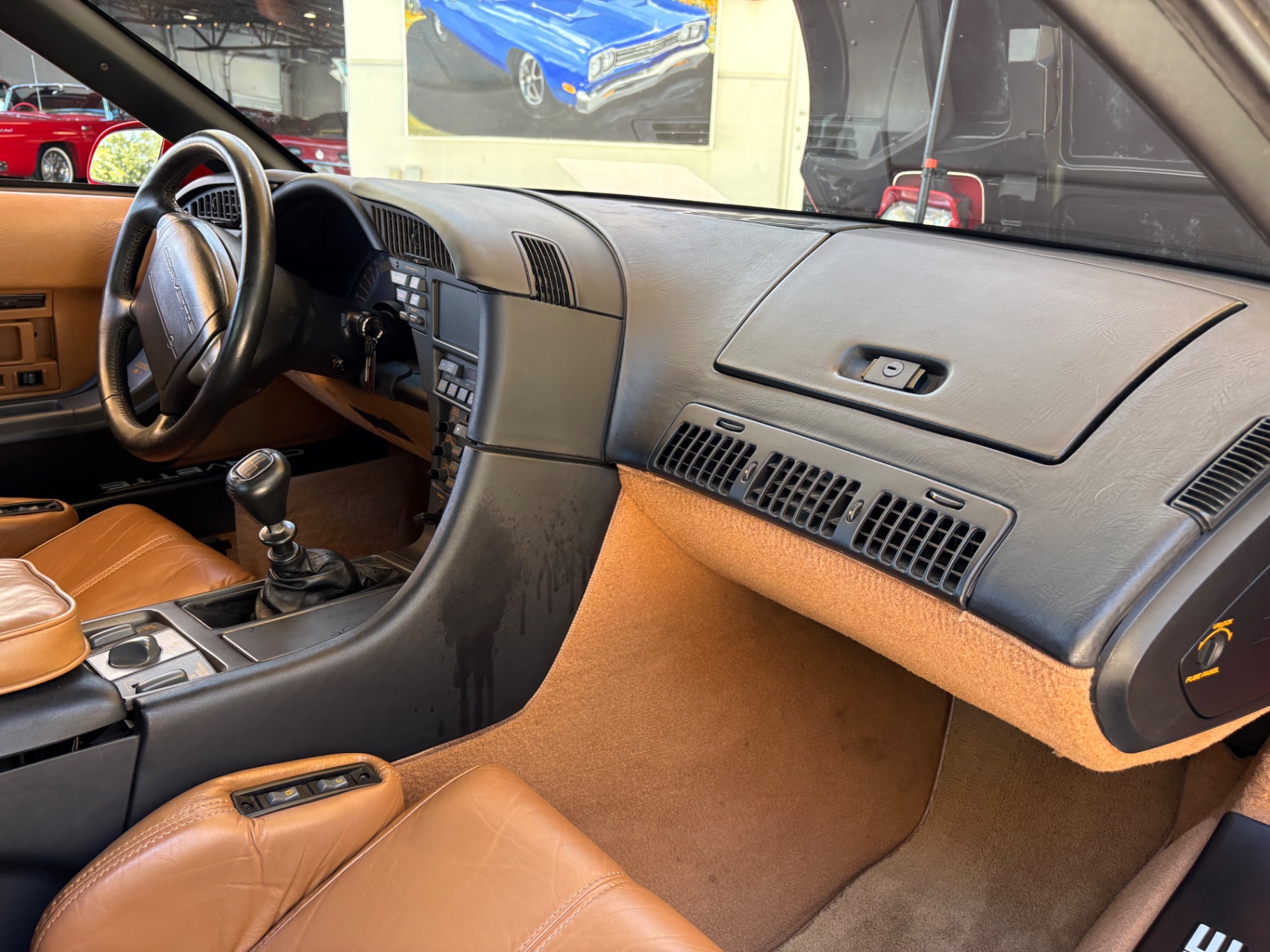
The dashboard is finished in a combination of dark gray and tan carpet, consistent with the tan interior package. The C4's instrument cluster is the digital unit, which displays vehicle speed numerically in the center section while the tachometer uses an analog sweep arc to the left. This was a distinctive design choice for the era, and the cluster in this car appears to be functioning correctly based on the dashboard photo showing active gauge readings.
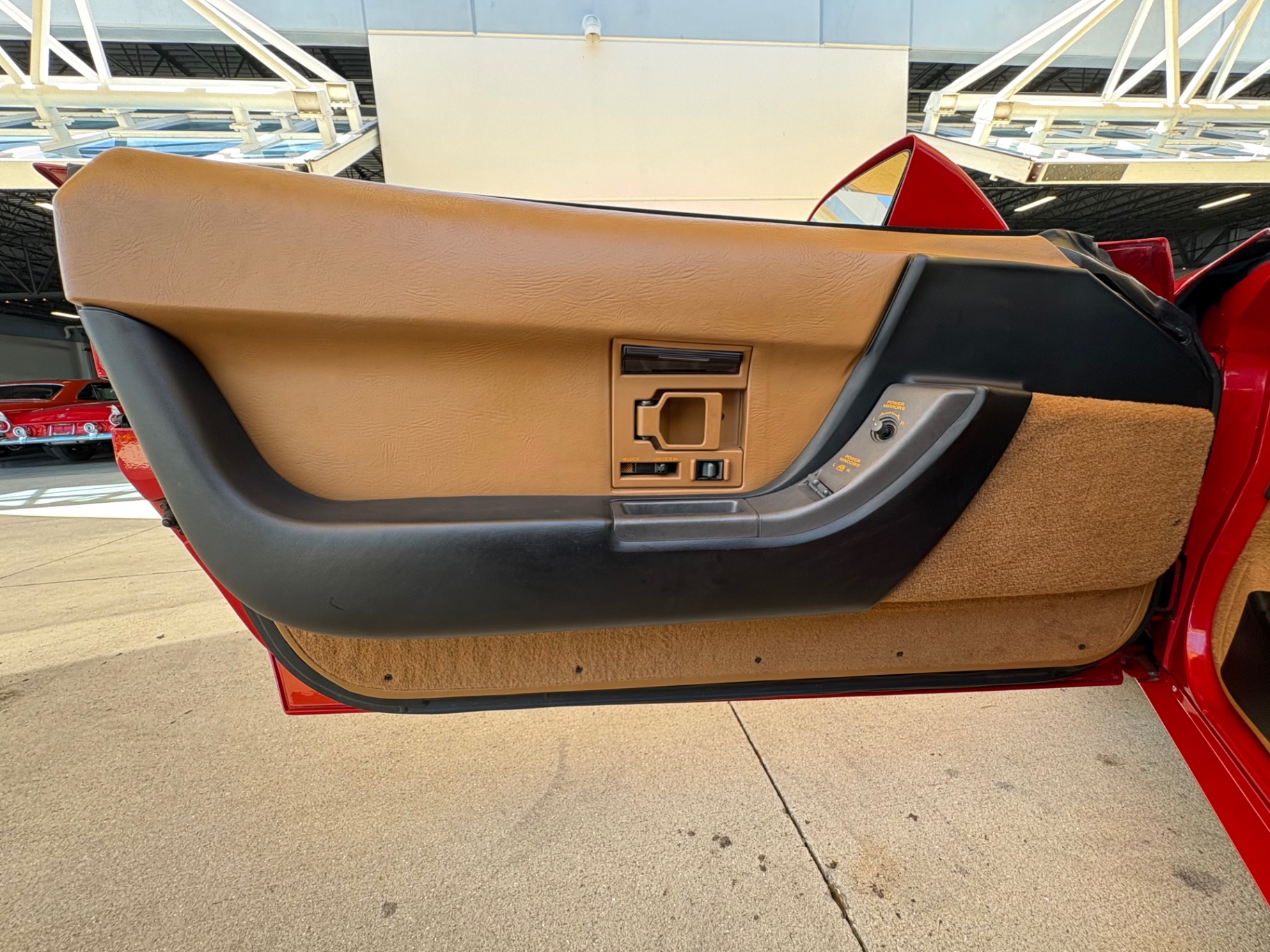
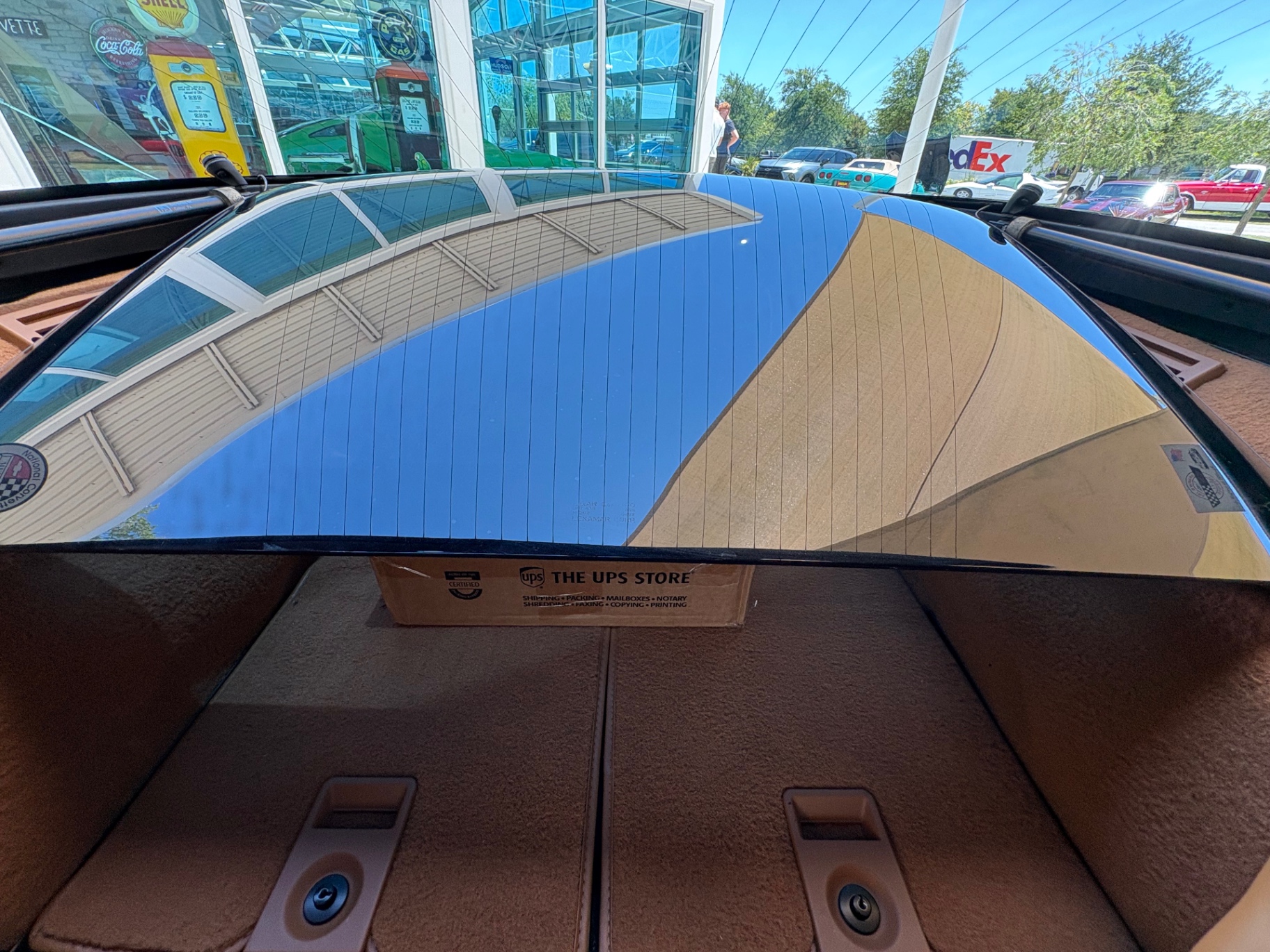
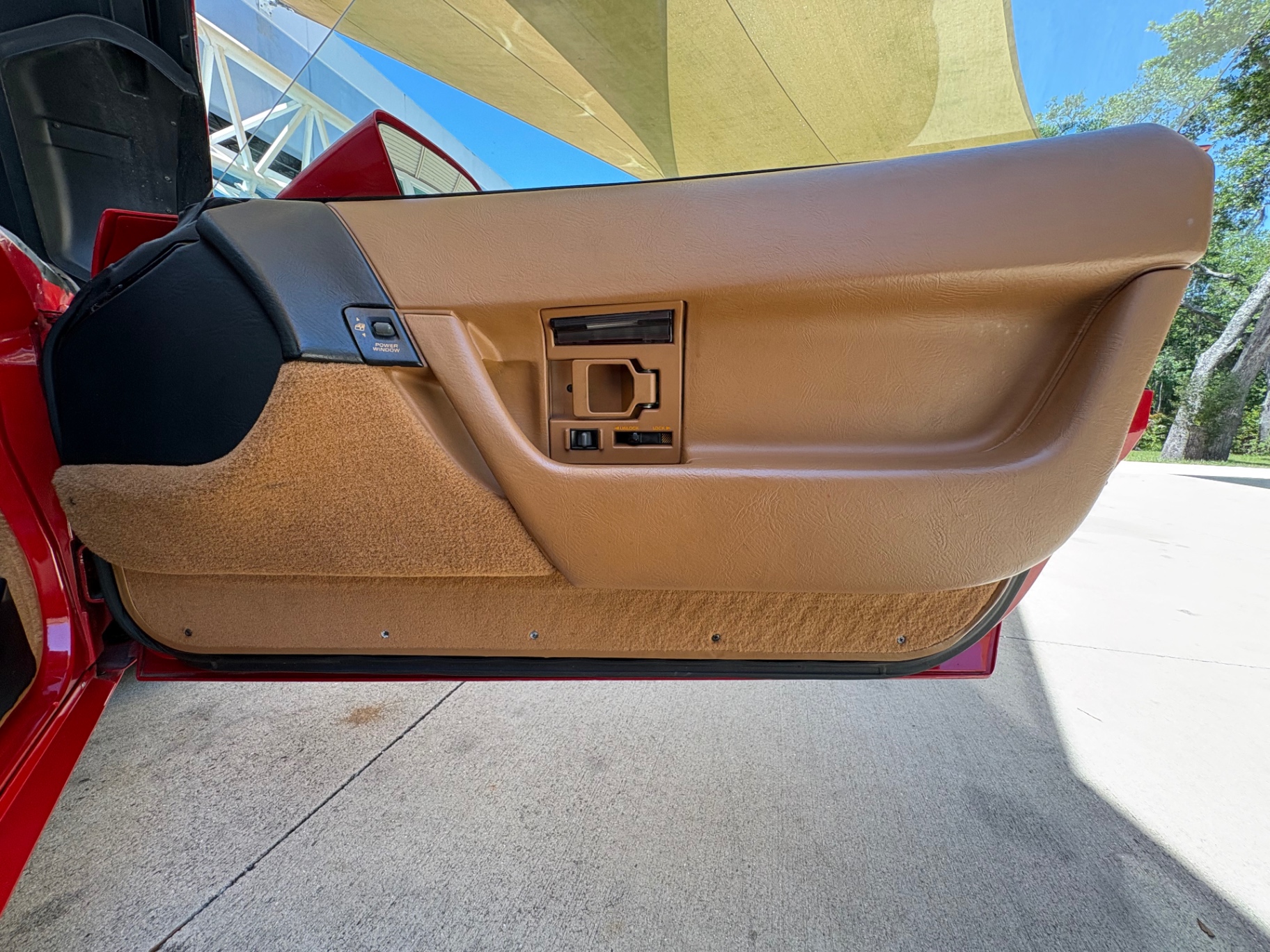
The center console houses the ZF 6-speed gear selector with a correct shift pattern knob. The console layout includes the climate control buttons and audio head unit typical of the 1990 model year. Power window switches are integrated into the door panels, which retain their original tan leather and carpet trim. The T-top glass panels are present, as seen in the roof storage photo showing both panels stored with their protective covers in the cargo area.
Exterior
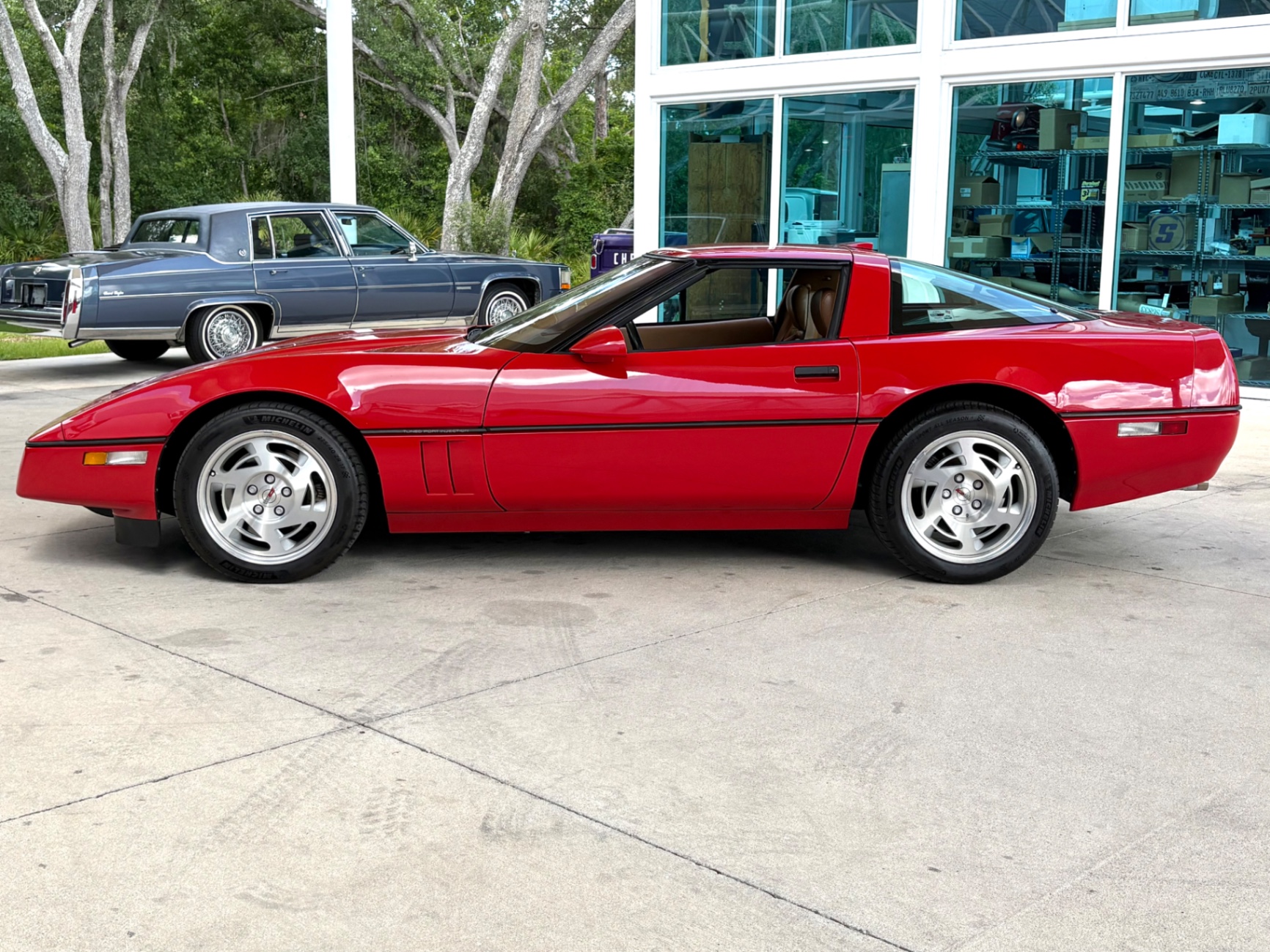
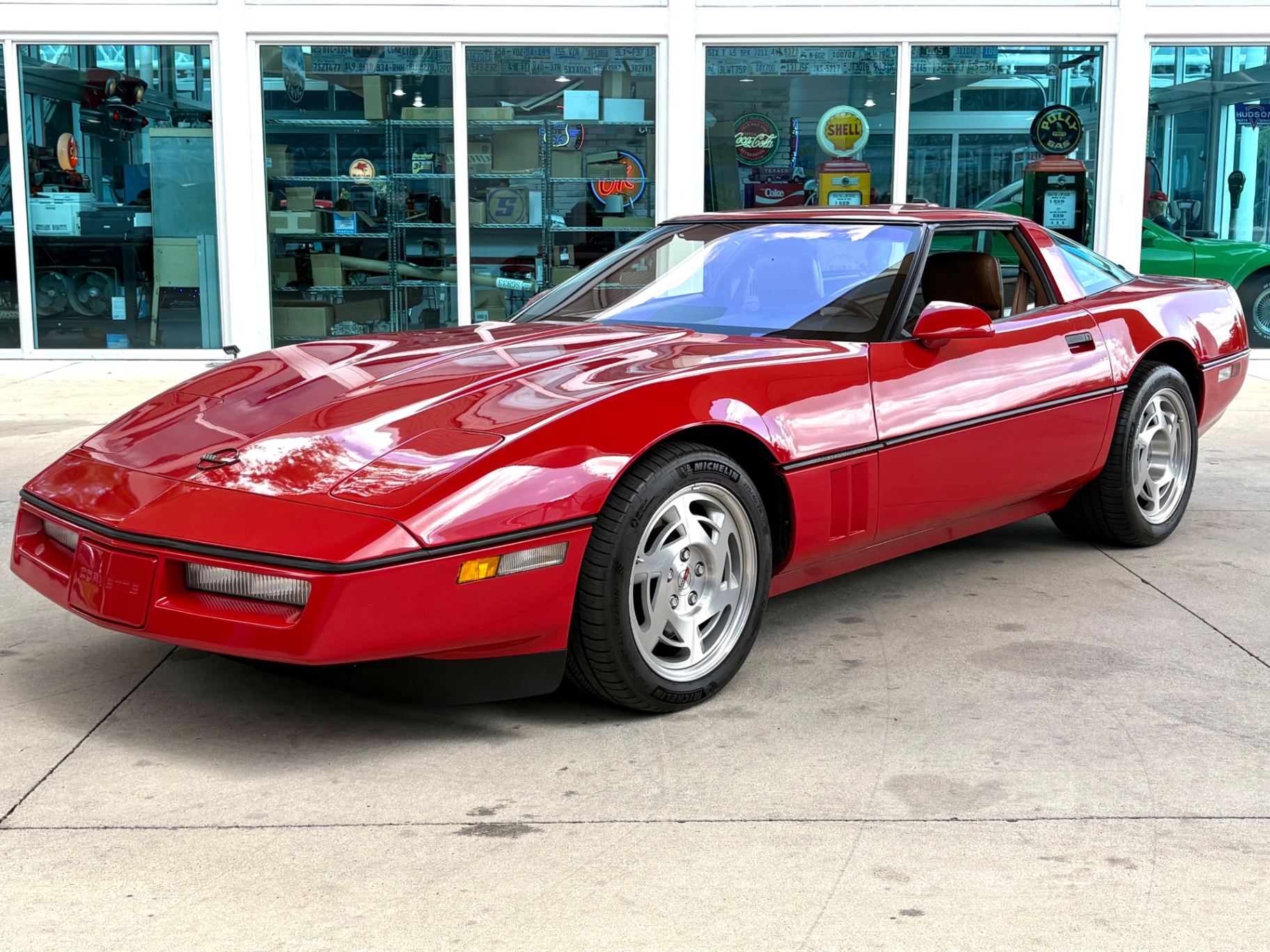
The exterior color is red, which was one of the most popular colors ordered on C4 Corvettes of this period. The body panels appear straight in the photographs, with consistent panel gaps and no visible repairs or paint overspray in the engine bay or door jambs. The C4 Corvette used fiberglass body panels, which means this car does not carry rust concerns in the body itself — a meaningful advantage over steel-bodied contemporaries of the same age.
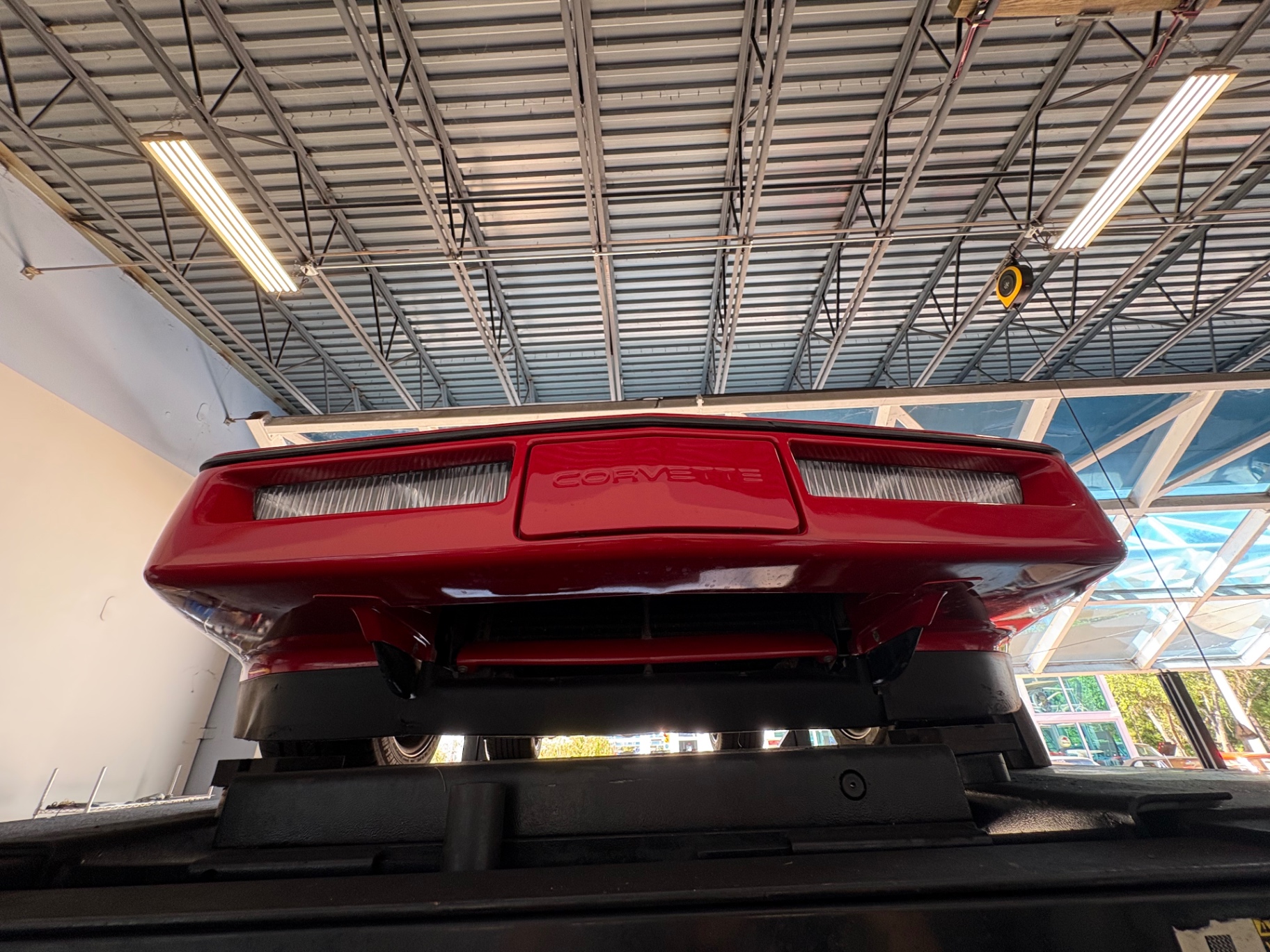
The ZR-1-specific rear bodywork is visible in the photos. The rear is noticeably wider than a standard C4, and the convex rectangular taillights are the correct ZR-1 units. The ZR-1 badge is present on the rear fascia, visible in the underside photos shot from beneath the rear of the car. The front end retains the C4's pop-up headlights integrated into the clamshell hood, and the front fascia appears undamaged.
The 17-inch ZR-1 alloy wheels are the correct design for the car — a five-spoke pattern distinct from the 16-inch wheels used on base C4s. These wheels were wider in the rear than the front, matching the ZR-1's staggered fitment requirement. Michelin tires are mounted all around, which is consistent with what the ZR-1 was originally delivered with and appropriate for the car's performance capability.
The dual quad-tip exhaust exits at the rear and is clearly visible in the lift photos. The tips appear clean and undamaged.
Conclusion
The 1990 Chevrolet Corvette ZR-1 represents a specific moment in American automotive history — when General Motors committed serious engineering resources to building a world-class sports car without compromise. The LT5 engine, the ZF 6-speed gearbox, the purpose-built wide-body rear, and the Lotus involvement in the car's development are not footnotes. They are the reason this car has maintained collector interest and continued to appreciate in value while standard C4 Corvettes of the same era have remained affordable. Fewer than 3,100 examples were built for 1990, and the number of well-preserved, correct, driver-quality examples continues to shrink.
This is a red-over-tan example with the correct drivetrain, correct badging, correct wheels, and the ZR-1-specific bodywork intact. It presents as a usable, correct car rather than a trailered show piece, which is exactly what the ZR-1 was designed to be.
To learn more or to schedule a viewing, call Skyway Classics in Sarasota, Florida at 941-254-6608.
Disclaimer
Information found on the website is presented as given to us by the owner of the car, whether on consignment or from the owner we bought it from. Some Photos, materials for videos, descriptions and other information are provided by the consignor/seller and is deemed reliable, but Skyway Classics does not warranty or guarantee this information. Skyway Classics is not responsible for information that may incorrect or a publishing error. The decision to purchase should be based solely on the buyers personal inspection of the vehicle or by a professional inspection service prior to offer or purchase being made.
1990 Chevrolet Corvette ZR-1 — LT5 5.7L DOHC 32-Valve V8, ZF 6-Speed Manual, Red over Tan
Why This Car Is Special
The 1990 Chevrolet Corvette ZR-1 was not a trim package bolted onto a standard Corvette. It was a ground-up engineering effort developed in partnership with Lotus Engineering — then owned by General Motors — and built around an entirely new engine that Chevrolet could not produce in-house. The result was the LT5, a 5.7-liter dual-overhead-cam V8 with 32 valves and 375 horsepower, assembled by hand at Mercury Marine's facility in Stillwater, Oklahoma. No other engine in any American production car at the time came close to matching it on a technical level.
To accommodate the wider LT5, Chevrolet widened the ZR-1's rear bodywork by approximately three inches compared to a standard C4 Corvette. This gave the ZR-1 a distinctive rear stance that is immediately recognizable to anyone who knows the car. The convex taillights on this car are the rectangular ZR-1 units, not the round taillights found on base C4s — another distinguishing detail that separates the two cars at a glance.
Chevrolet built just 3,049 Corvette ZR-1s for the 1990 model year, the first full production year of the model. That makes 1990 the highest-volume year of the early ZR-1 run, though production remained low throughout the car's lifespan from 1990 through 1995. Total ZR-1 production across all six model years was fewer than 7,000 units. This car carries its original ZR-1 badges, ZR-1 alloy wheels, and the characteristic wide-body rear treatment that marks it as genuine.
The position in the C4 generation makes this car particularly interesting from a collector standpoint. The C4 ran from 1984 through 1996, and the ZR-1 represented its performance ceiling. Road and Track recorded a 0-60 time of 4.5 seconds and a top speed in excess of 170 miles per hour for the 1990 ZR-1 — numbers that genuinely competed with Ferrari and Porsche at the time. Car and Driver called it the fastest production car they had ever tested up to that point. Those claims were not marketing. They were backed up on track.
Features List
- LT5 5.7L DOHC 32-Valve V8 (hand-assembled by Mercury Marine)
- ZF 6-Speed Manual Transmission
- Removable Glass T-Tops
- Tan Leather Bucket Seats with Corvette script headrests
- Power Windows
- Center Console with ZR-1 gear indicator
- Digital Instrument Cluster
- Tachometer
- Dual Quad-Tip Exhaust
- ZR-1 Badges (front and rear)
- 17-inch ZR-1 Alloy Wheels
- Michelin Tires
- Power Steering
- Four-Wheel Disc Brakes
- Wide-body ZR-1 rear bodywork
- Convex rectangular ZR-1 taillights
Mechanical
The heart of this car is the LT5 5.7-liter DOHC V8. Four camshafts, 32 valves, and sequential fuel injection produced 375 horsepower in 1990 specification. The engine was entirely different from anything else in the Corvette lineup — it shared no major components with the standard L98 V8 that powered base C4 Corvettes of the same era. The LT5 was designed to breathe, with a high-revving character that was genuinely foreign to American V8 tradition at the time.
Backing the engine is the ZF 6-speed manual transmission, sourced from ZF Friedrichshafen in Germany. This is the correct gearbox for the ZR-1 application — it was the only transmission available in the car, as no automatic was offered. The ZF unit is a robust, well-regarded gearbox, and finding a ZR-1 with an intact, functioning manual drivetrain is an increasingly important consideration as these cars age.
The photographs confirm the presence of the ZF transmission visible from underneath the car, along with the dual exhaust system that terminates in the ZR-1's signature quad-tip configuration at the rear. The undercarriage photos show surface rust typical of a driven car of this age, with no visible structural concerns. The suspension components, including the distinctive yellow Bilstein shock absorbers visible in the wheel well shots, appear present and intact. The C4 ZR-1 used a modified version of the C4's independent rear suspension with wider rear control arms to accommodate the wider rear track.
The brakes are four-wheel discs. The Michelin tires mounted on the 17-inch ZR-1 alloy wheels are appropriate for the car and appear to have usable tread remaining based on the photos.
Interior
The 1990 Corvette ZR-1 interior in this car is finished in tan leather throughout, which pairs directly with the red exterior. The bucket seats show the characteristic segmented bolster design of the C4 Corvette, with Corvette script embossed into the headrests. The leather shows age-appropriate patina — the seats have the soft, broken-in look of a car that has been used, not the cracked or dried-out condition that poorly stored C4s often present after 35 years. Both seats appear structurally sound based on the photographs.
The dashboard is finished in a combination of dark gray and tan carpet, consistent with the tan interior package. The C4's instrument cluster is the digital unit, which displays vehicle speed numerically in the center section while the tachometer uses an analog sweep arc to the left. This was a distinctive design choice for the era, and the cluster in this car appears to be functioning correctly based on the dashboard photo showing active gauge readings.
The center console houses the ZF 6-speed gear selector with a correct shift pattern knob. The console layout includes the climate control buttons and audio head unit typical of the 1990 model year. Power window switches are integrated into the door panels, which retain their original tan leather and carpet trim. The T-top glass panels are present, as seen in the roof storage photo showing both panels stored with their protective covers in the cargo area.
Exterior
The exterior color is red, which was one of the most popular colors ordered on C4 Corvettes of this period. The body panels appear straight in the photographs, with consistent panel gaps and no visible repairs or paint overspray in the engine bay or door jambs. The C4 Corvette used fiberglass body panels, which means this car does not carry rust concerns in the body itself — a meaningful advantage over steel-bodied contemporaries of the same age.
The ZR-1-specific rear bodywork is visible in the photos. The rear is noticeably wider than a standard C4, and the convex rectangular taillights are the correct ZR-1 units. The ZR-1 badge is present on the rear fascia, visible in the underside photos shot from beneath the rear of the car. The front end retains the C4's pop-up headlights integrated into the clamshell hood, and the front fascia appears undamaged.
The 17-inch ZR-1 alloy wheels are the correct design for the car — a five-spoke pattern distinct from the 16-inch wheels used on base C4s. These wheels were wider in the rear than the front, matching the ZR-1's staggered fitment requirement. Michelin tires are mounted all around, which is consistent with what the ZR-1 was originally delivered with and appropriate for the car's performance capability.
The dual quad-tip exhaust exits at the rear and is clearly visible in the lift photos. The tips appear clean and undamaged.
Conclusion
The 1990 Chevrolet Corvette ZR-1 represents a specific moment in American automotive history — when General Motors committed serious engineering resources to building a world-class sports car without compromise. The LT5 engine, the ZF 6-speed gearbox, the purpose-built wide-body rear, and the Lotus involvement in the car's development are not footnotes. They are the reason this car has maintained collector interest and continued to appreciate in value while standard C4 Corvettes of the same era have remained affordable. Fewer than 3,100 examples were built for 1990, and the number of well-preserved, correct, driver-quality examples continues to shrink.
This is a red-over-tan example with the correct drivetrain, correct badging, correct wheels, and the ZR-1-specific bodywork intact. It presents as a usable, correct car rather than a trailered show piece, which is exactly what the ZR-1 was designed to be.
To learn more or to schedule a viewing, call Skyway Classics in Sarasota, Florida at 941-254-6608.
Disclaimer
Information found on the website is presented as given to us by the owner of the car, whether on consignment or from the owner we bought it from. Some Photos, materials for videos, descriptions and other information are provided by the consignor/seller and is deemed reliable, but Skyway Classics does not warranty or guarantee this information. Skyway Classics is not responsible for information that may incorrect or a publishing error. The decision to purchase should be based solely on the buyers personal inspection of the vehicle or by a professional inspection service prior to offer or purchase being made.
1990 Chevrolet
Corvette ZR1
Why Choose Skyway Classics?
Explore our curated inventory of classic and collector cars—thoughtfully selected, ready to drive, and supported by experts who make ownership simple.
Expert Curation
Every vehicle is hand-selected by our experts for quality, authenticity, and investment potential.
Fast Transactions
Streamlined buying and selling process with quick financing and immediate delivery options.
Only National Dealer With Classic Service & Repair
We’re the only national dealership that services and repairs the classics we sell—before and after the sale.
Nationwide Network
Access to our extensive network of collectors, restorers, and classic car enthusiasts nationwide.
Concierge Ownership Support
From financing and insurance to paperwork, shipping, and titling—we handle the details so you can enjoy the drive.
Passion-Driven Service
We're classic car enthusiasts first, providing personalized service with genuine passion for the hobby.