
2000 Pontiac
Firebird Trans Am
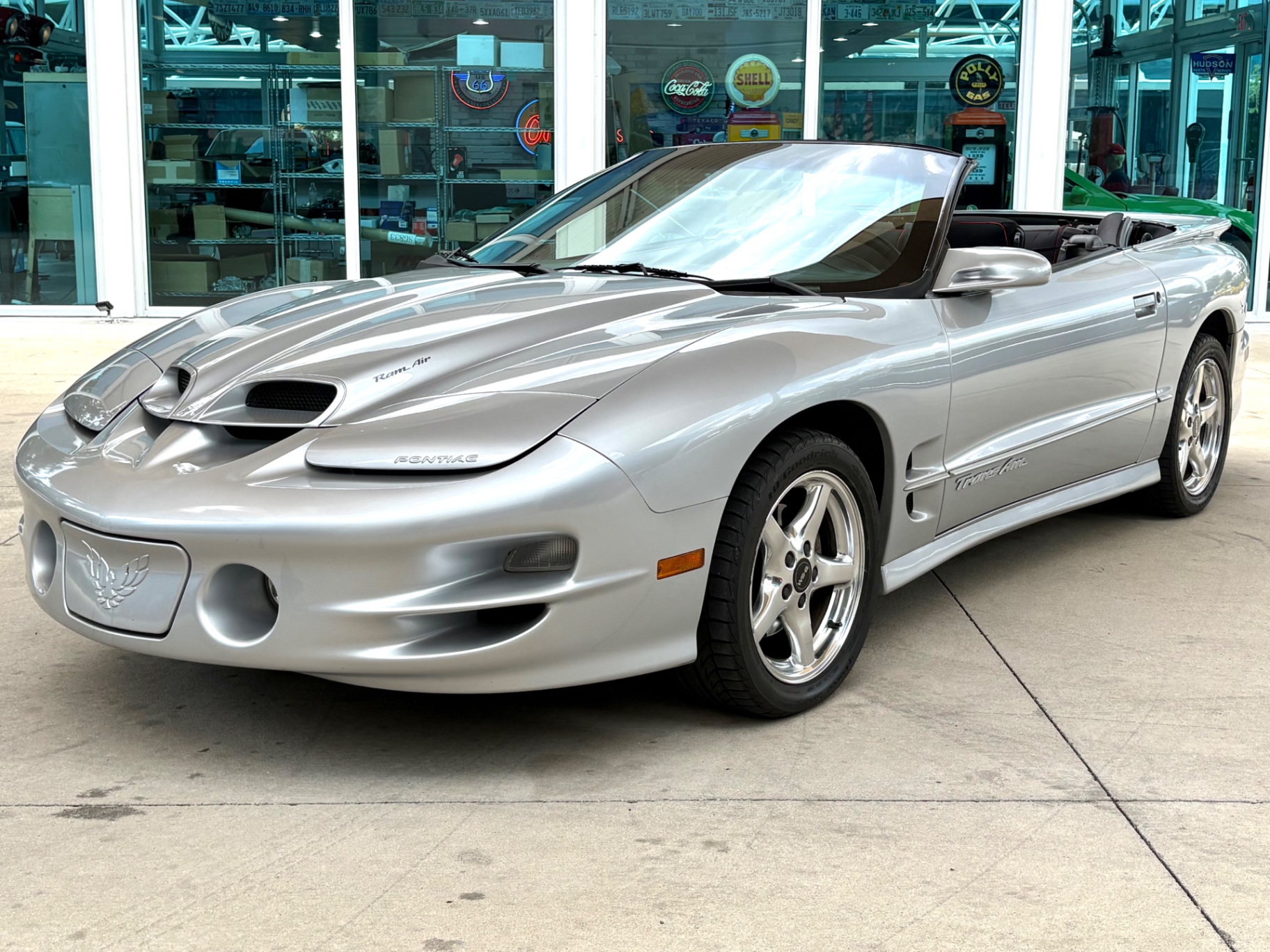
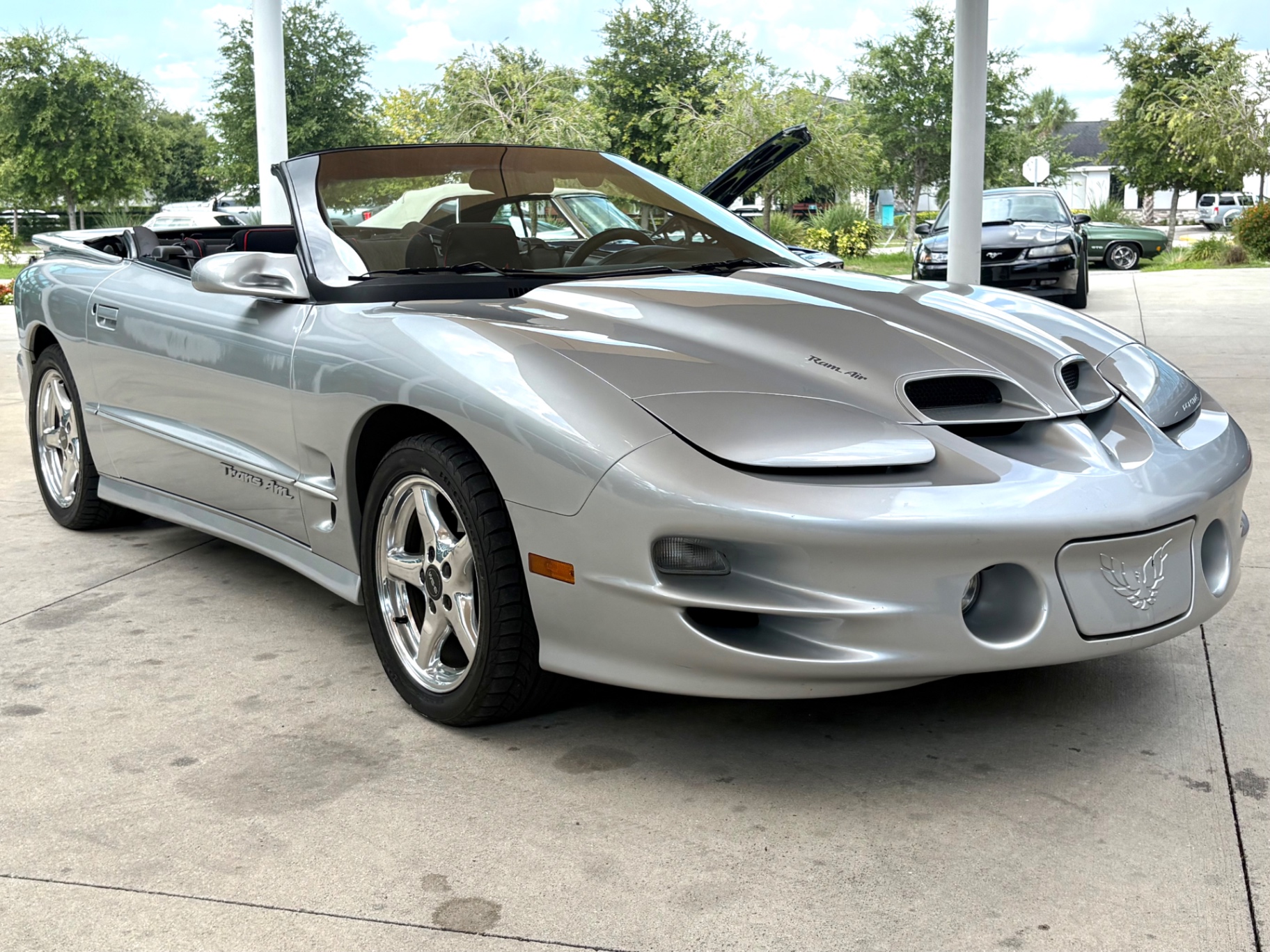
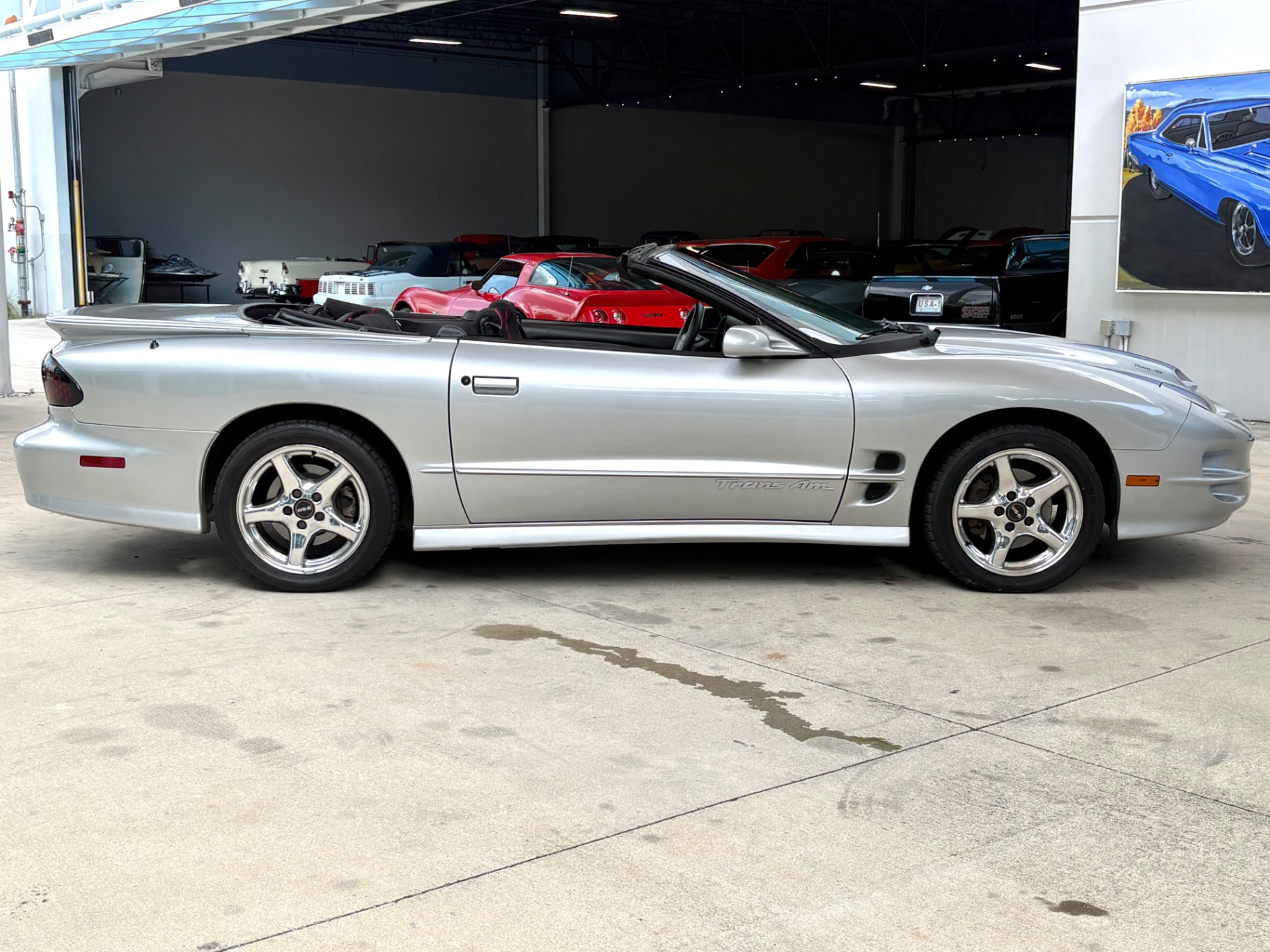
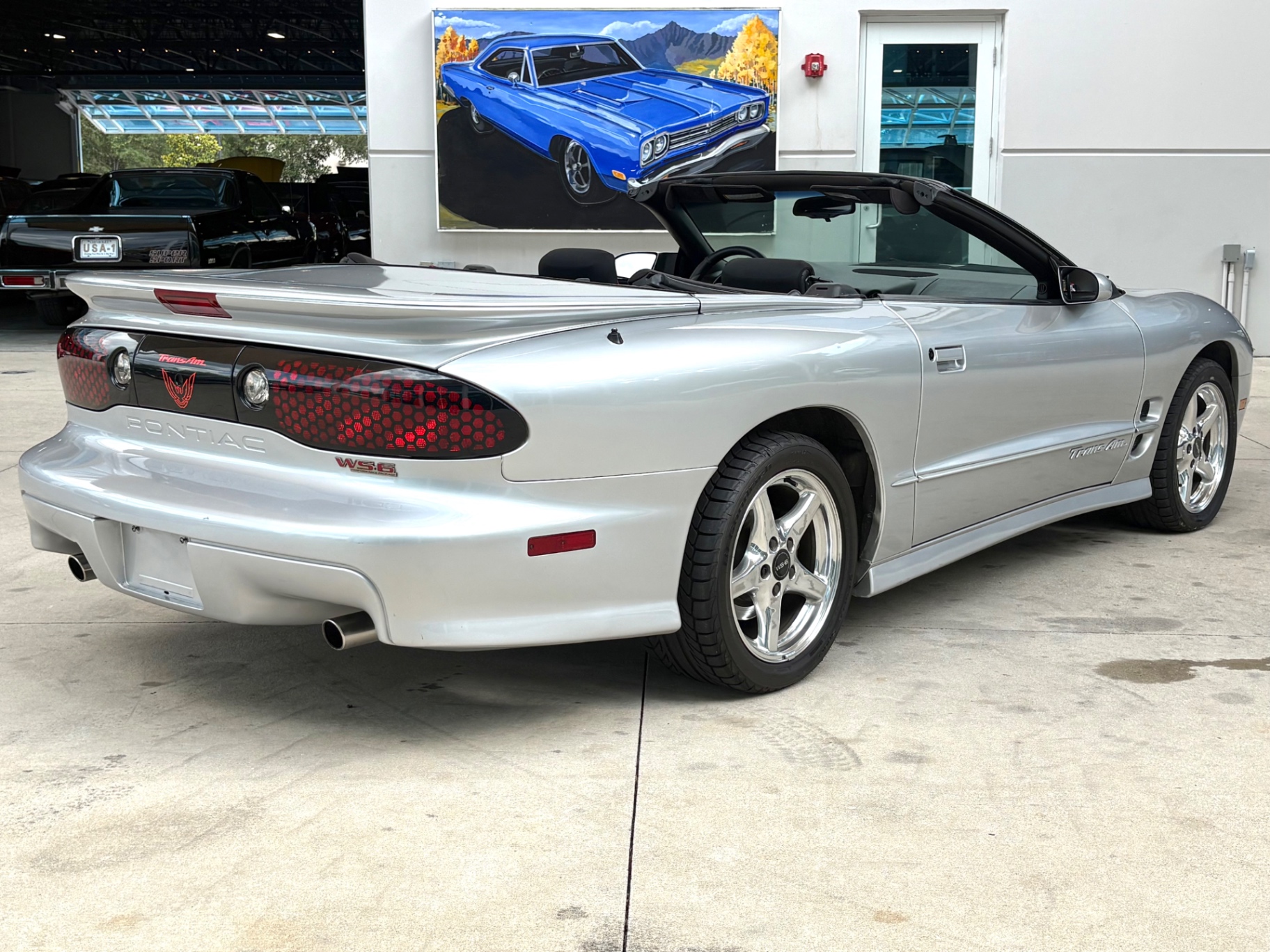
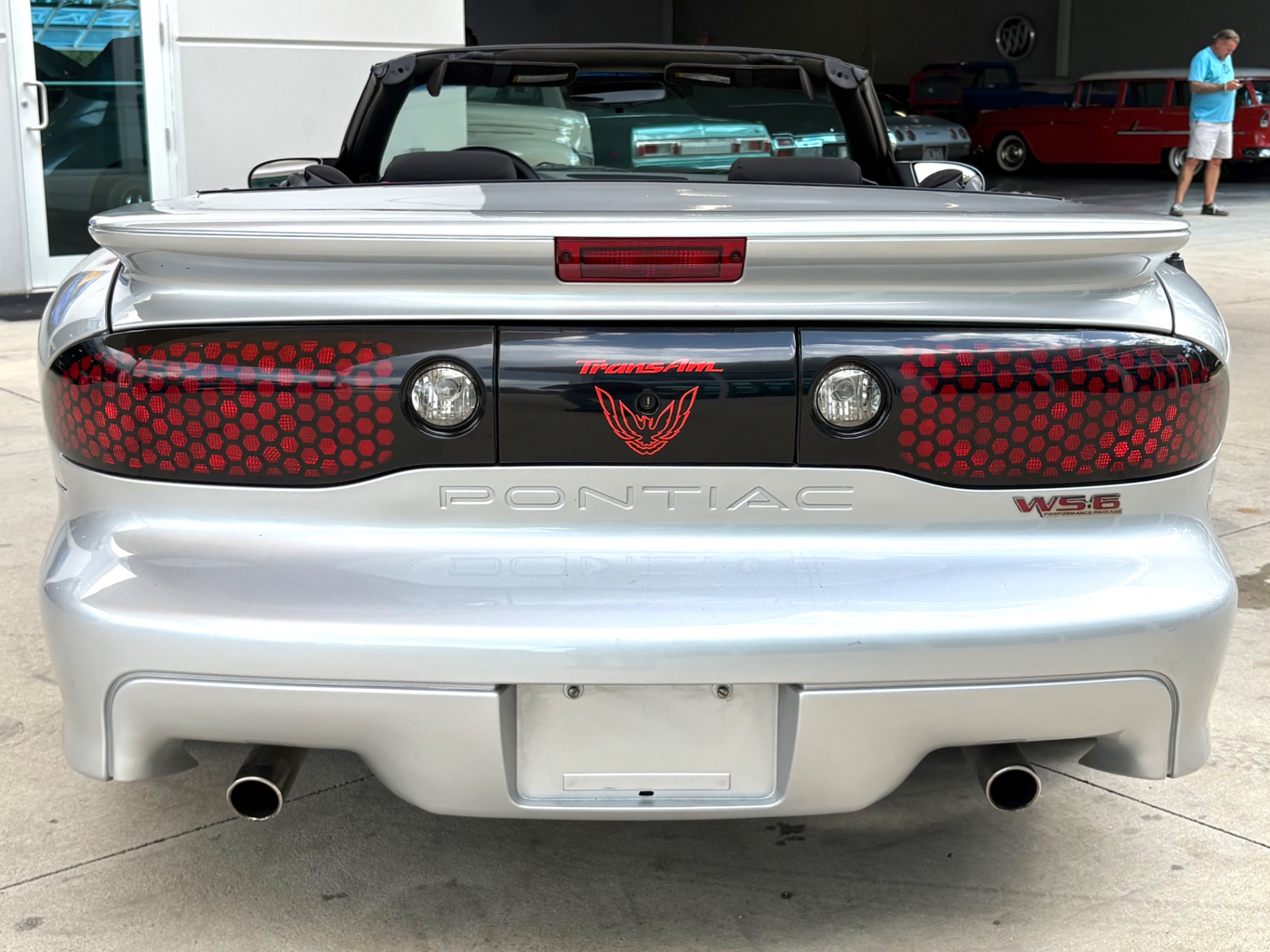
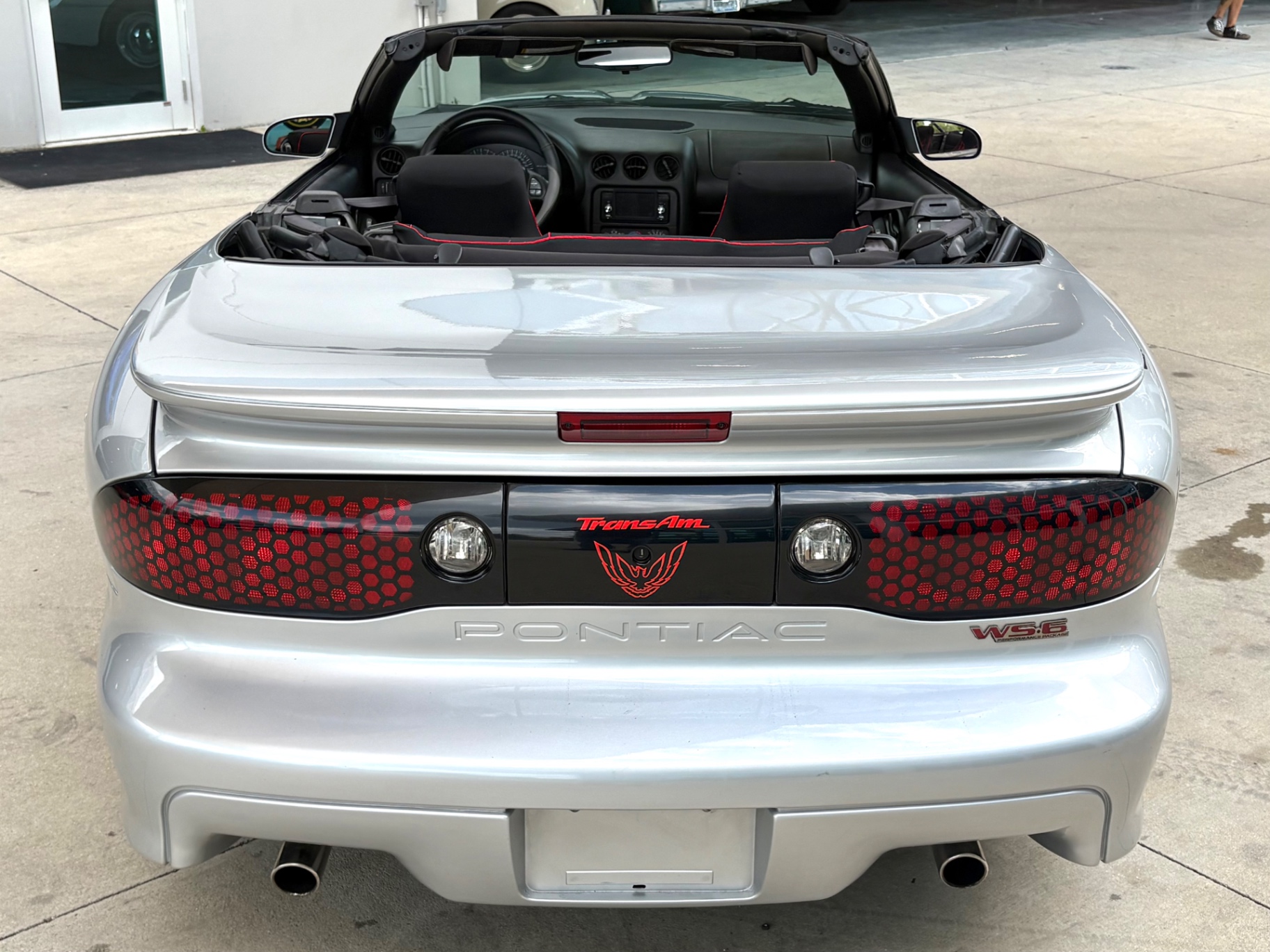
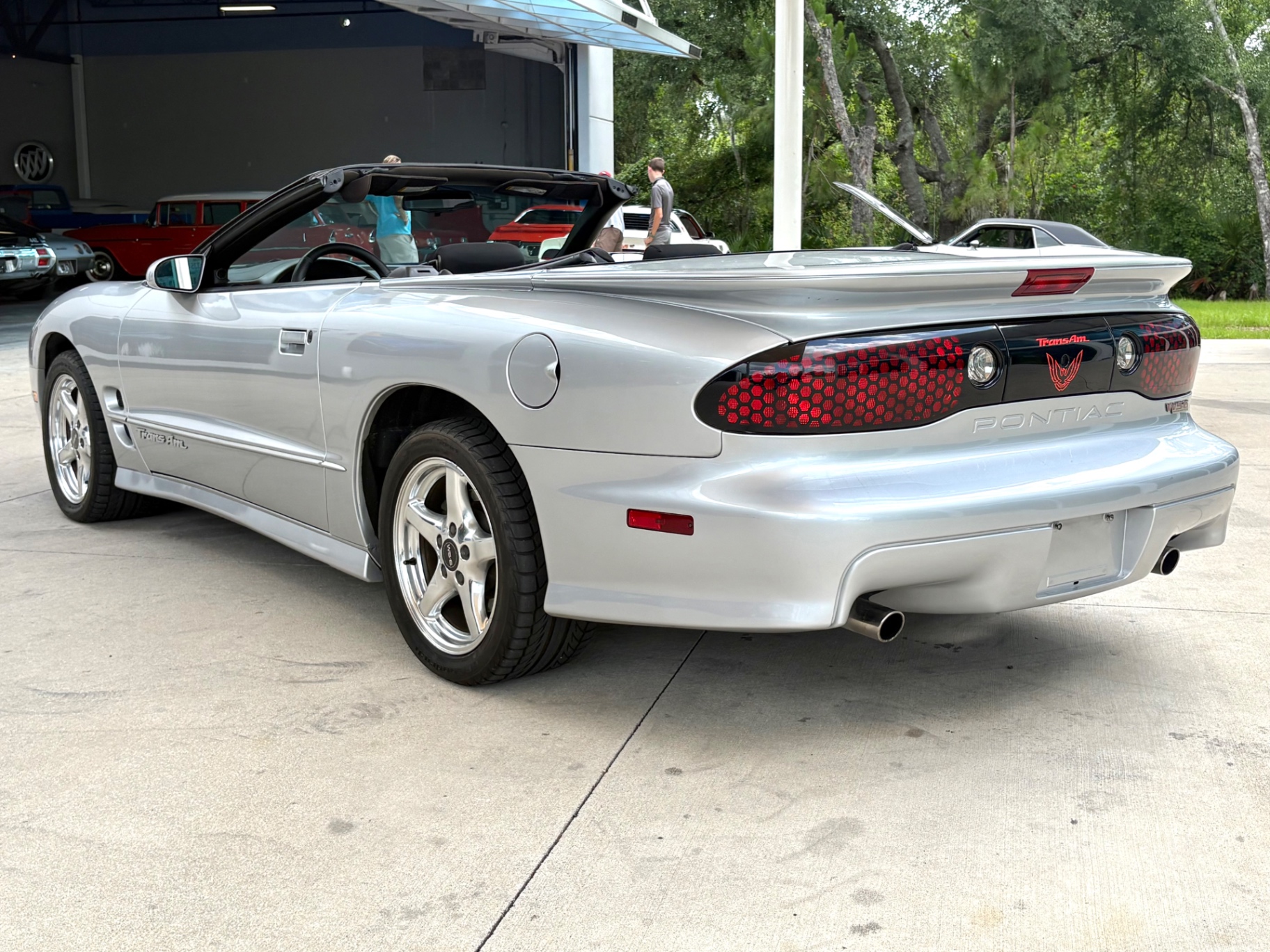
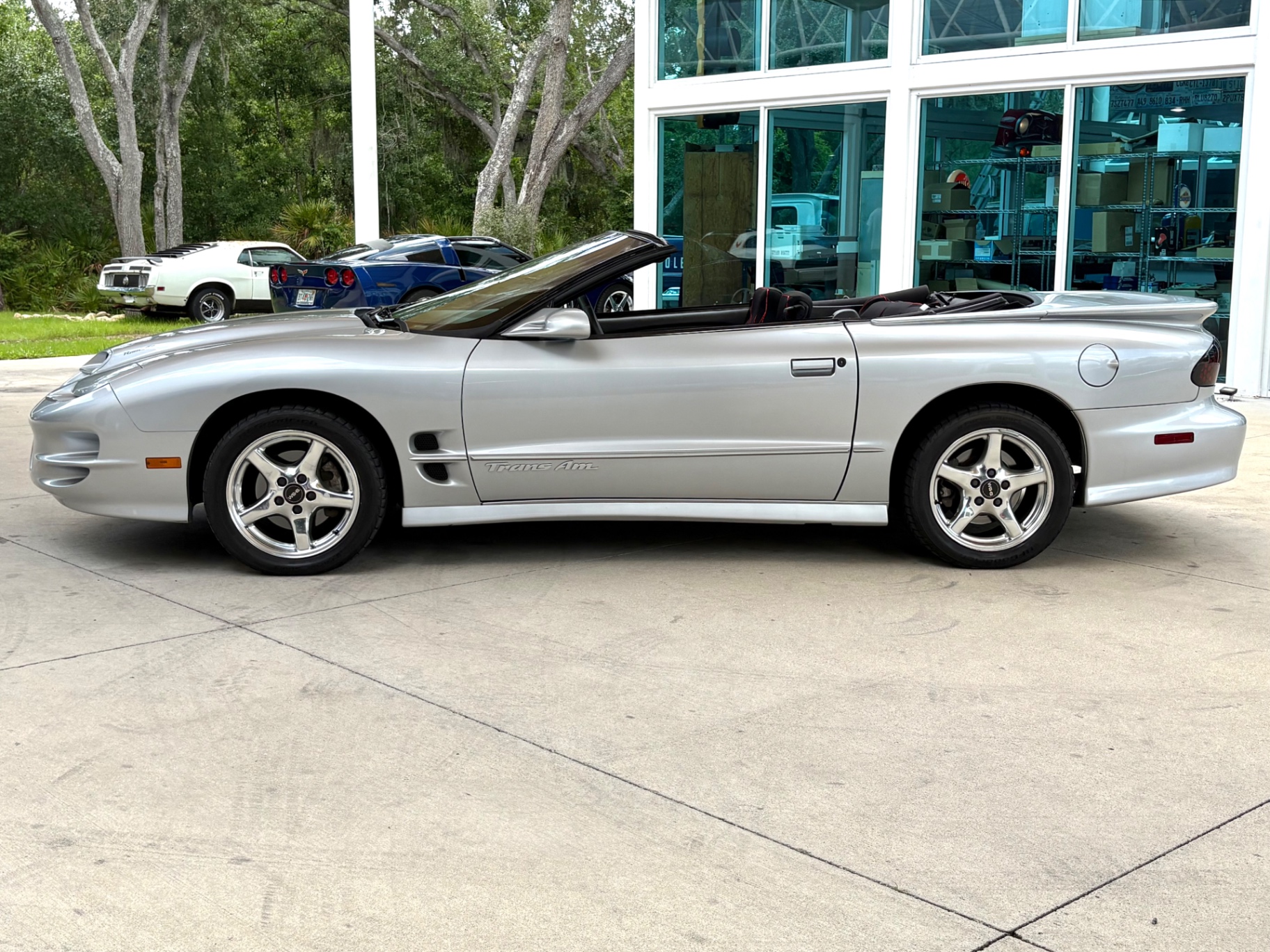
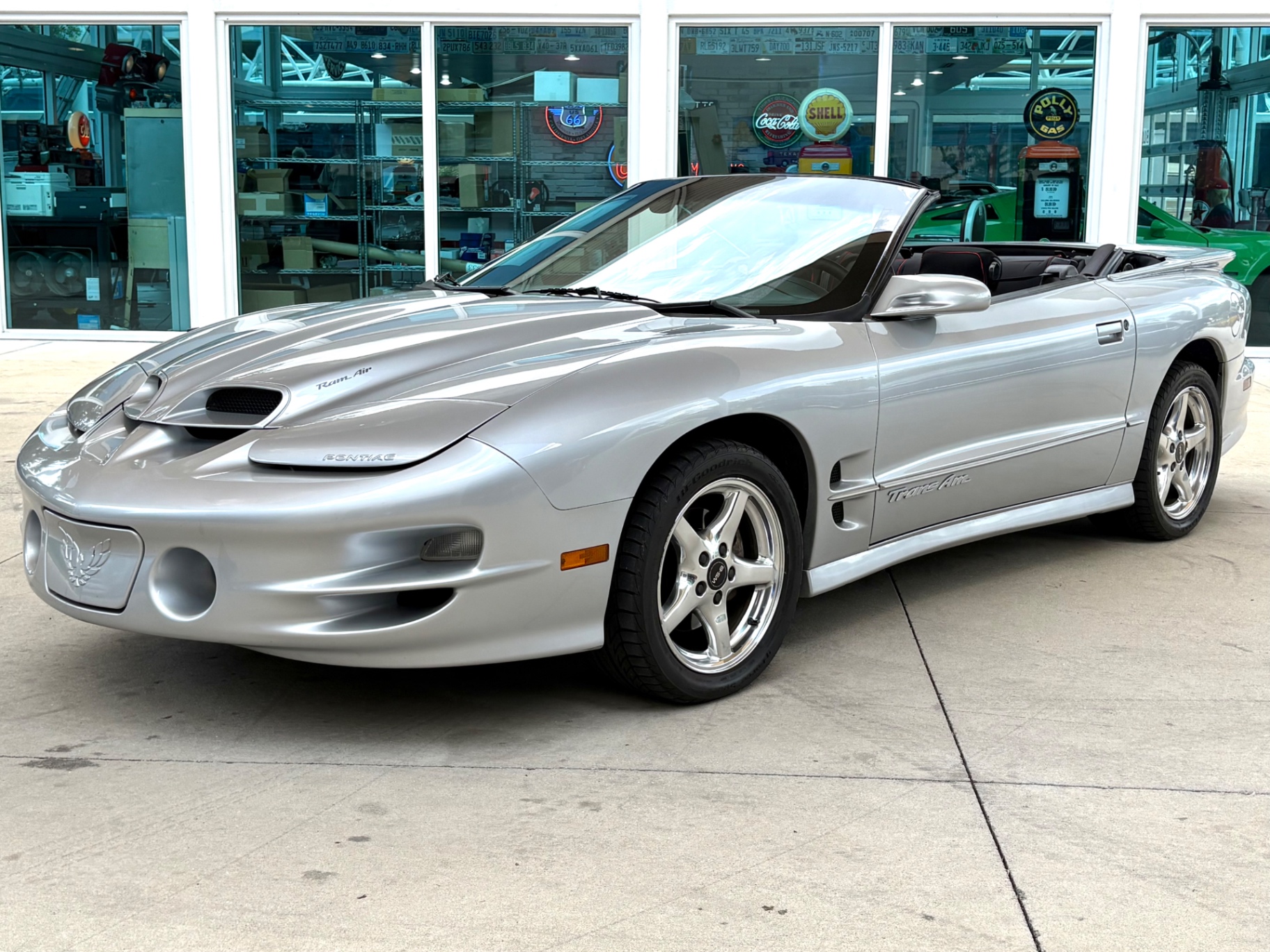
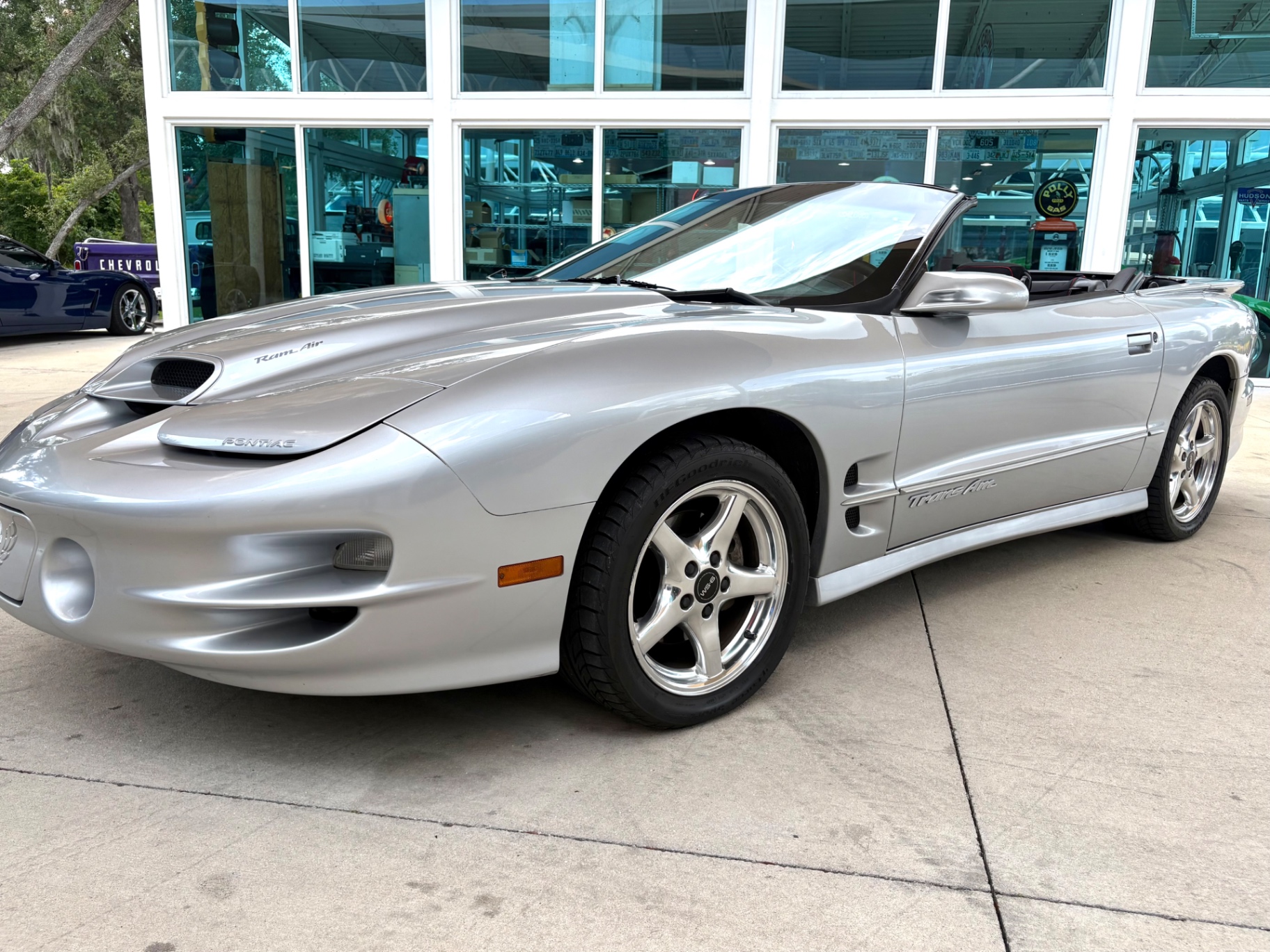
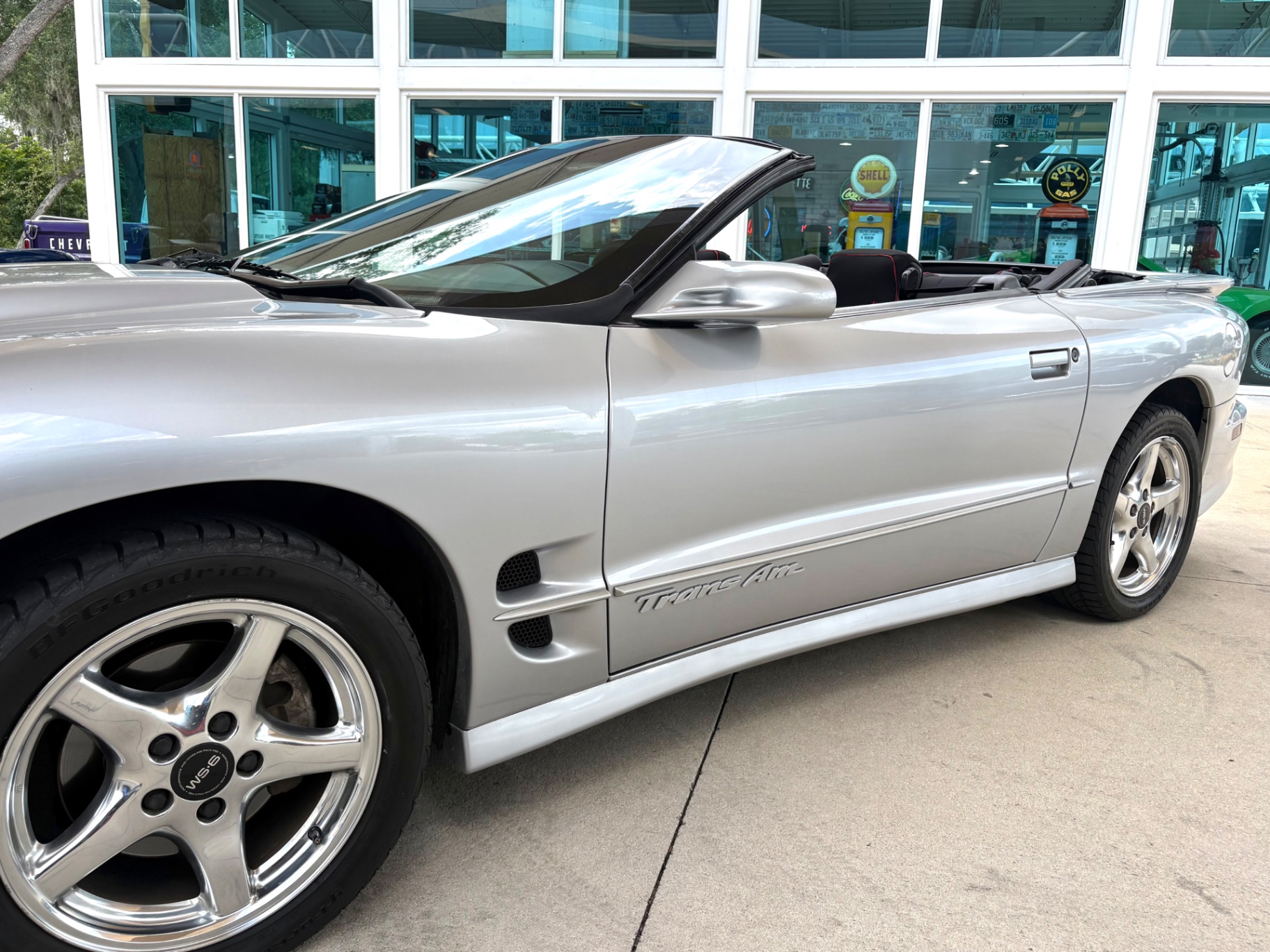
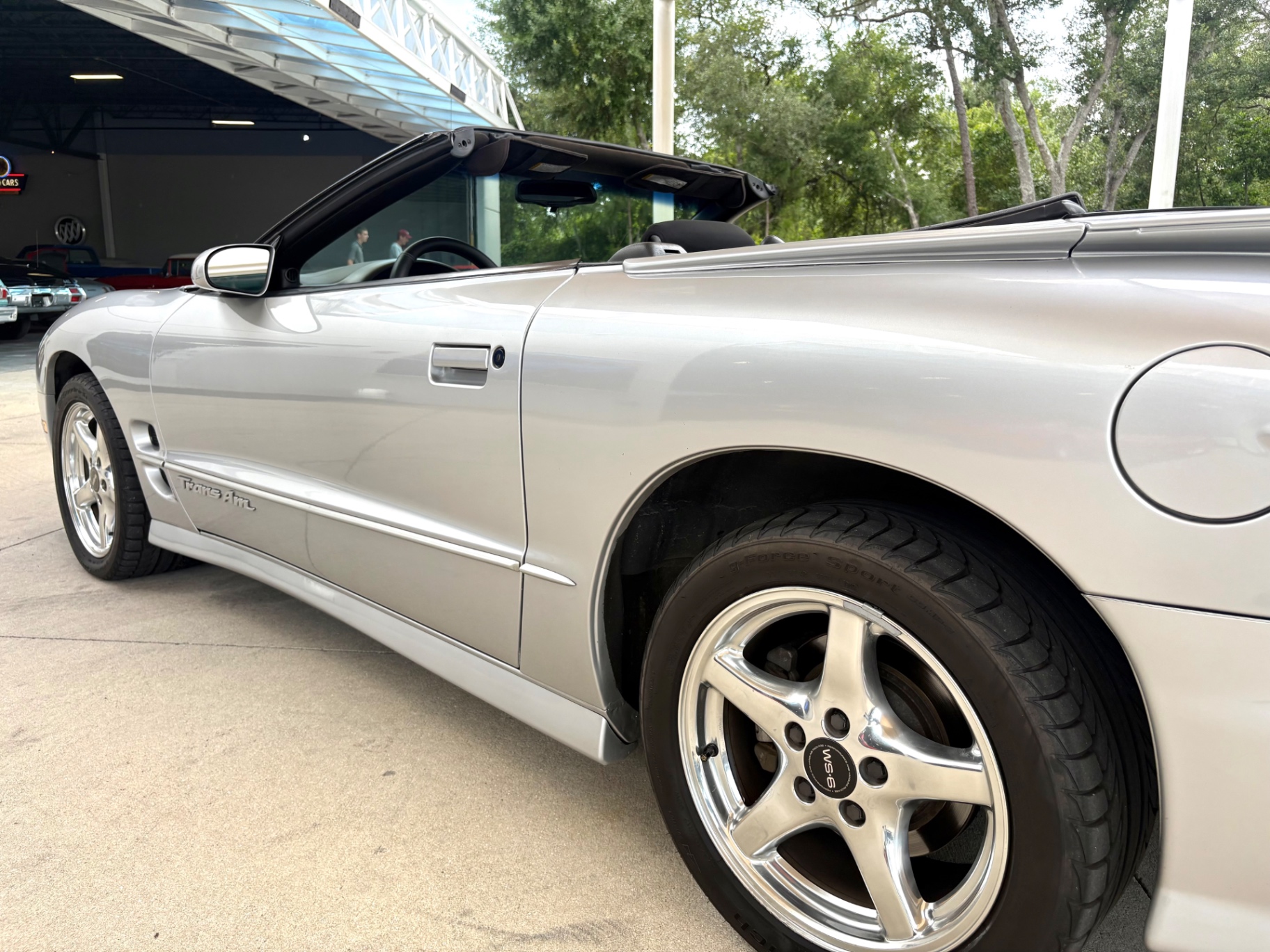
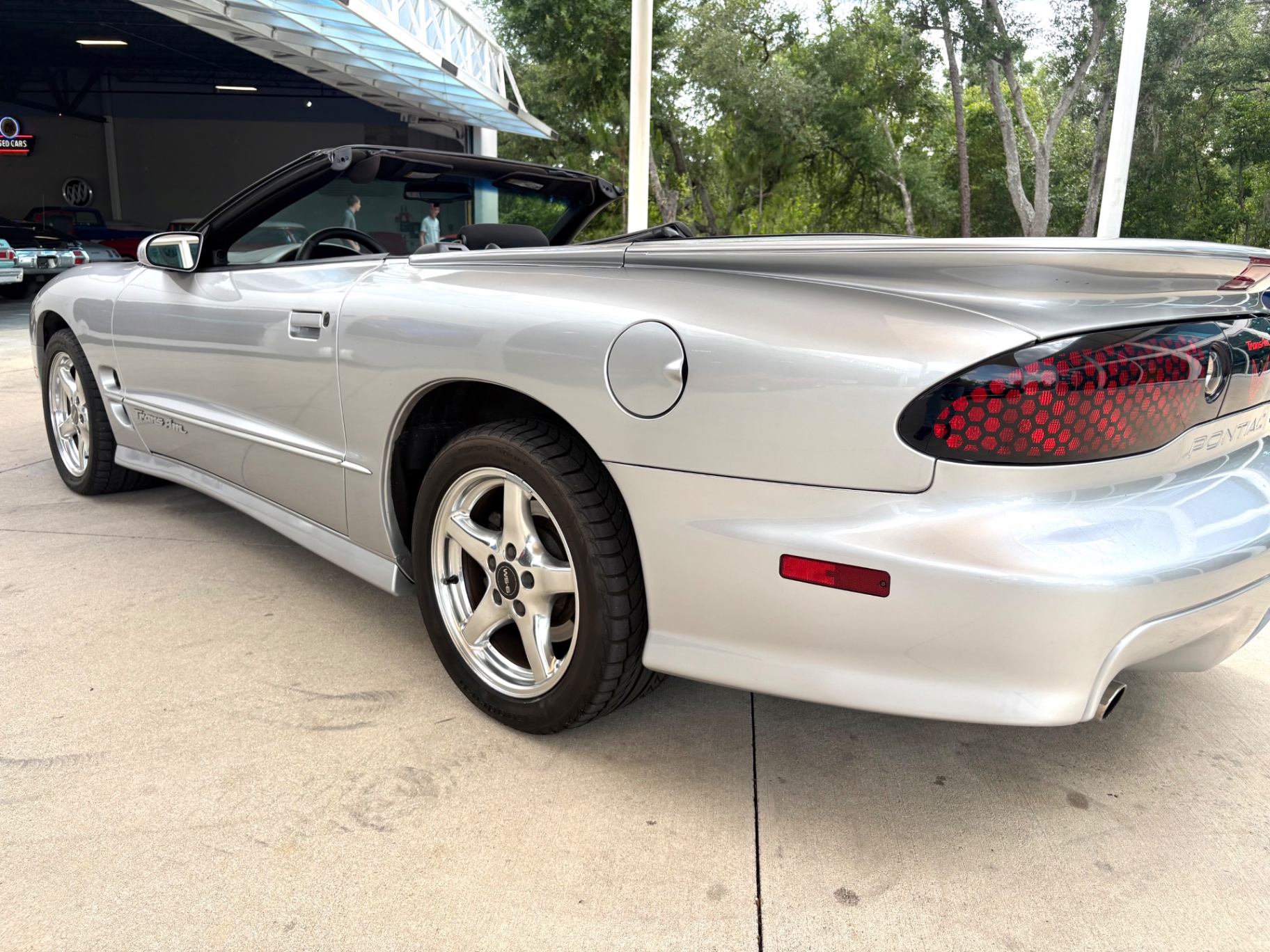
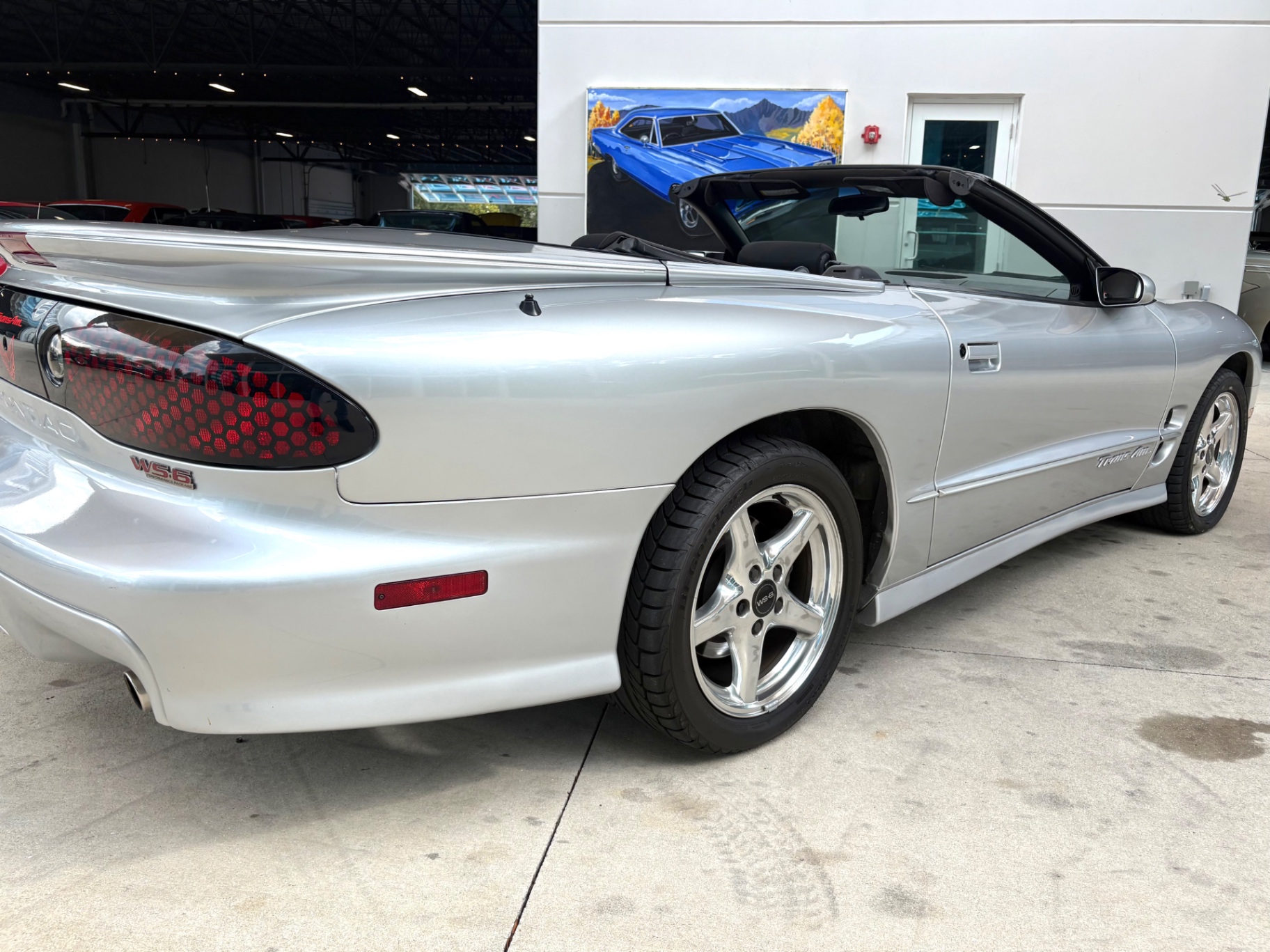
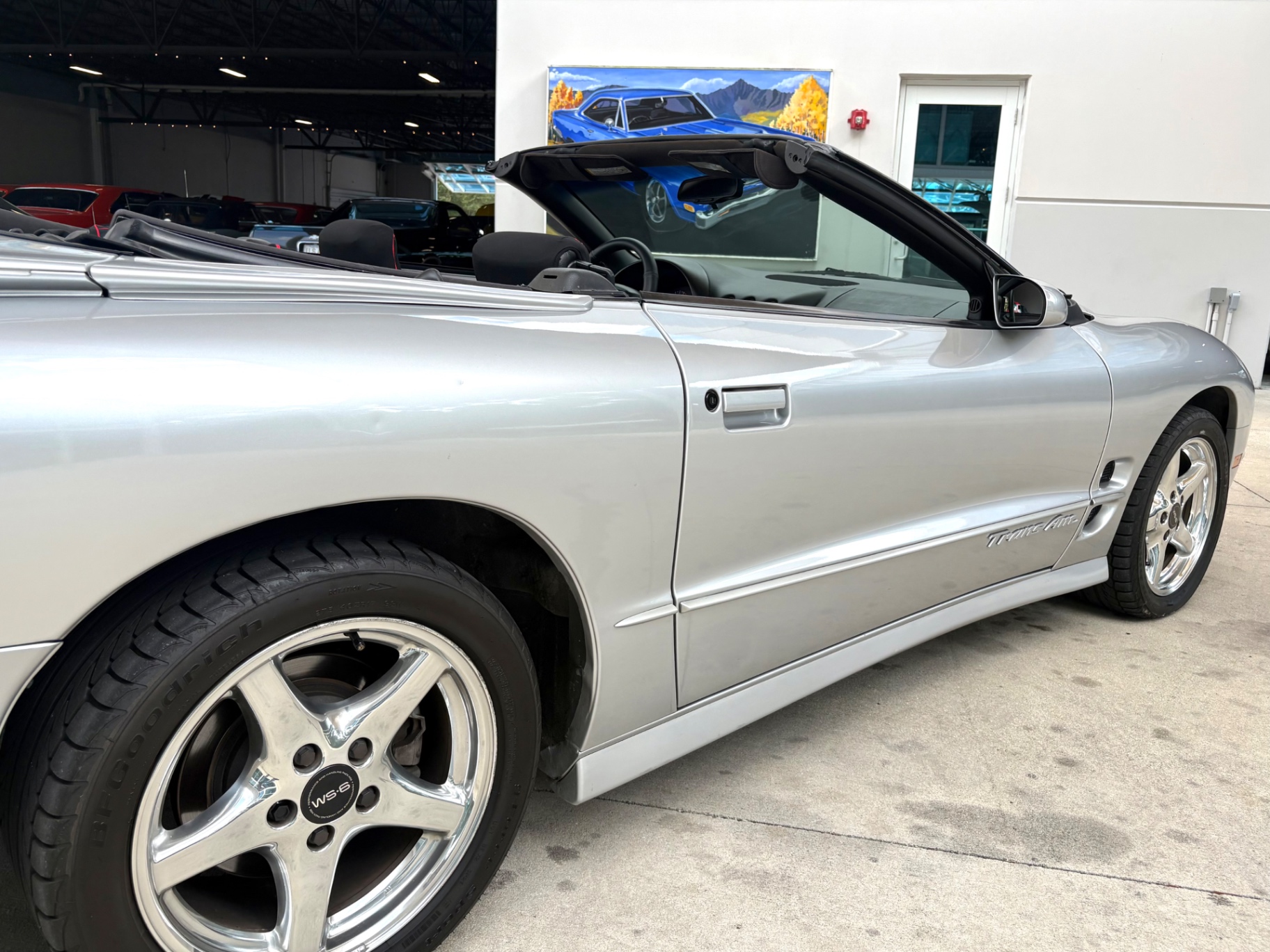
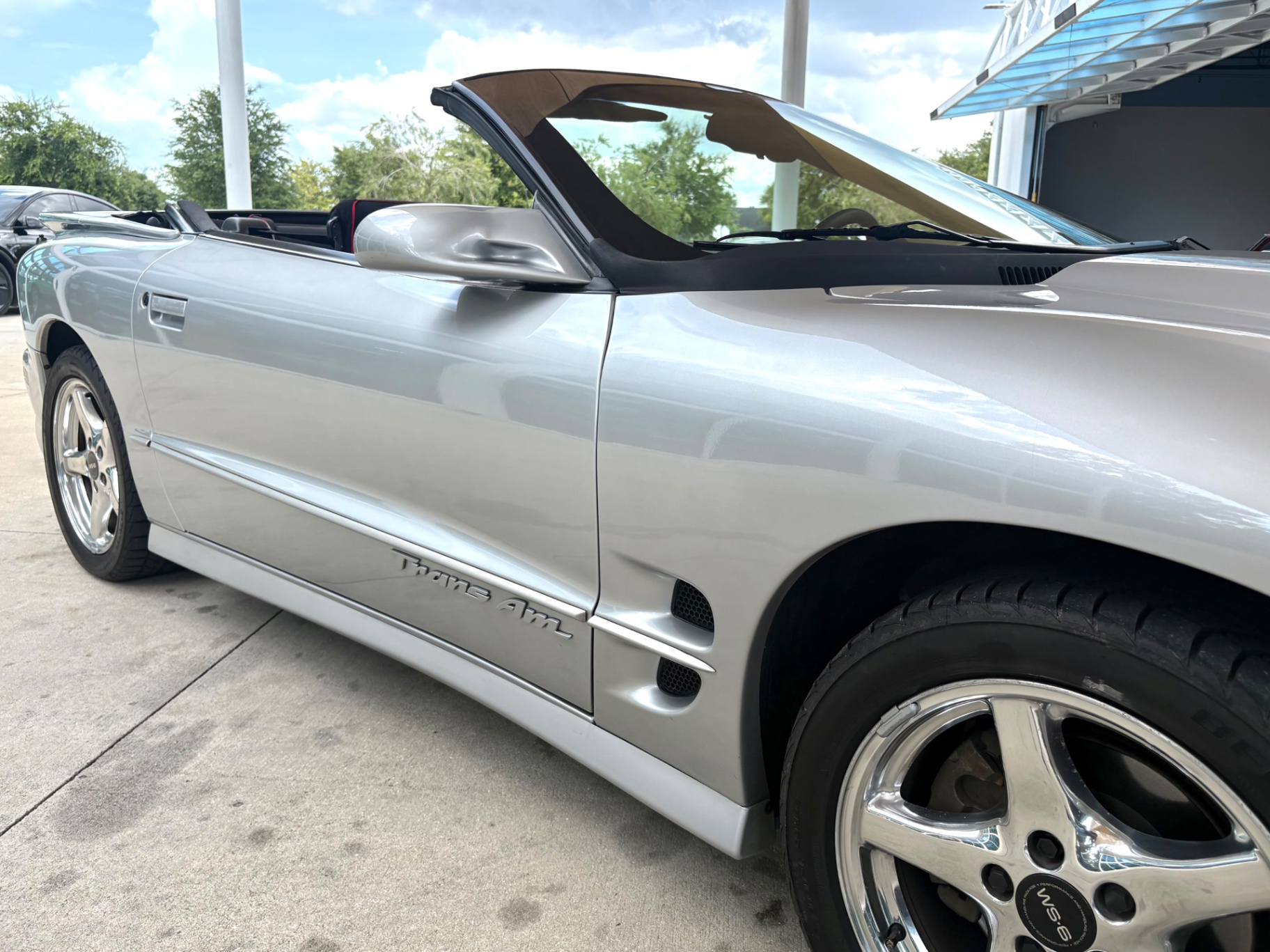
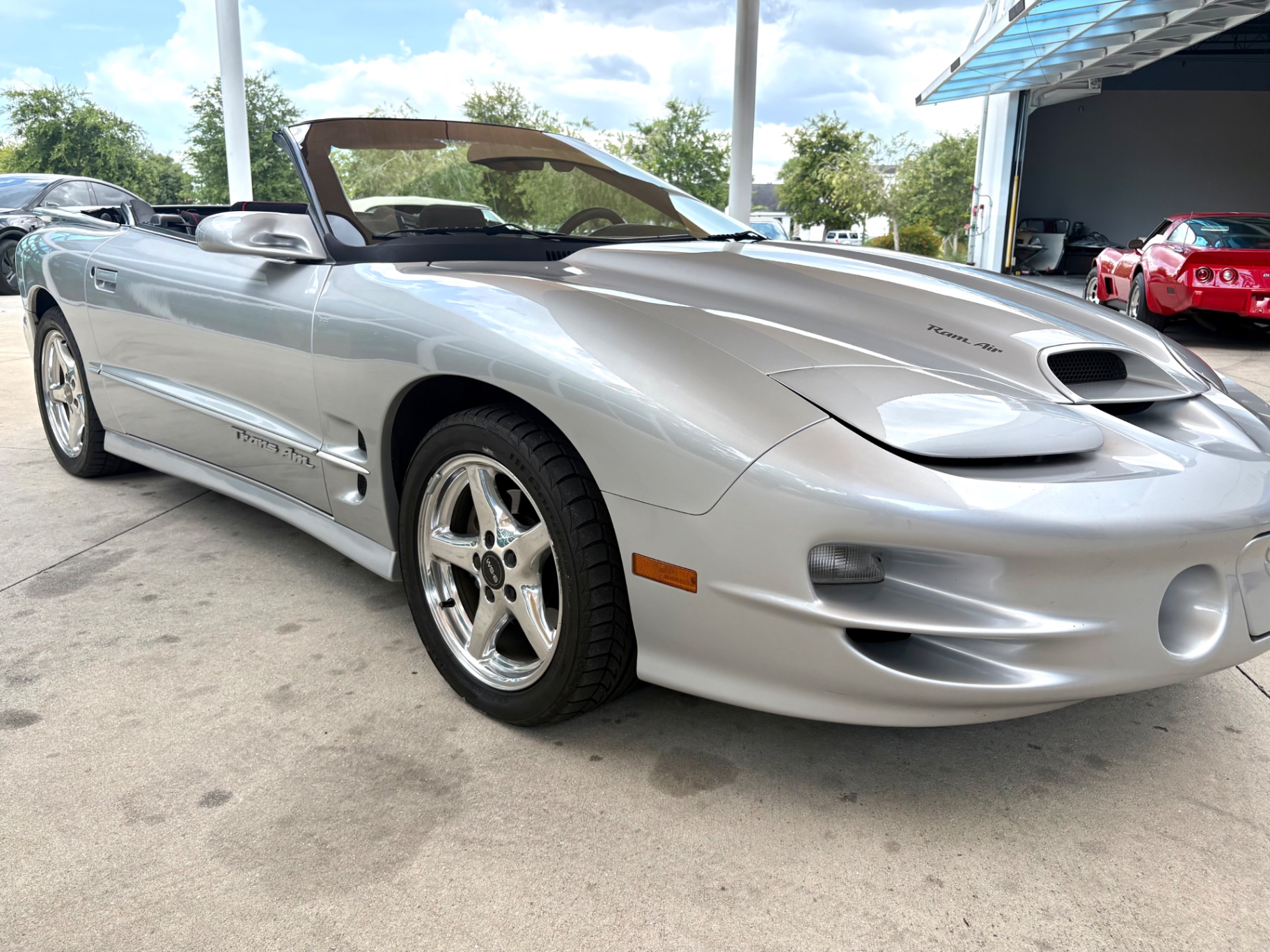
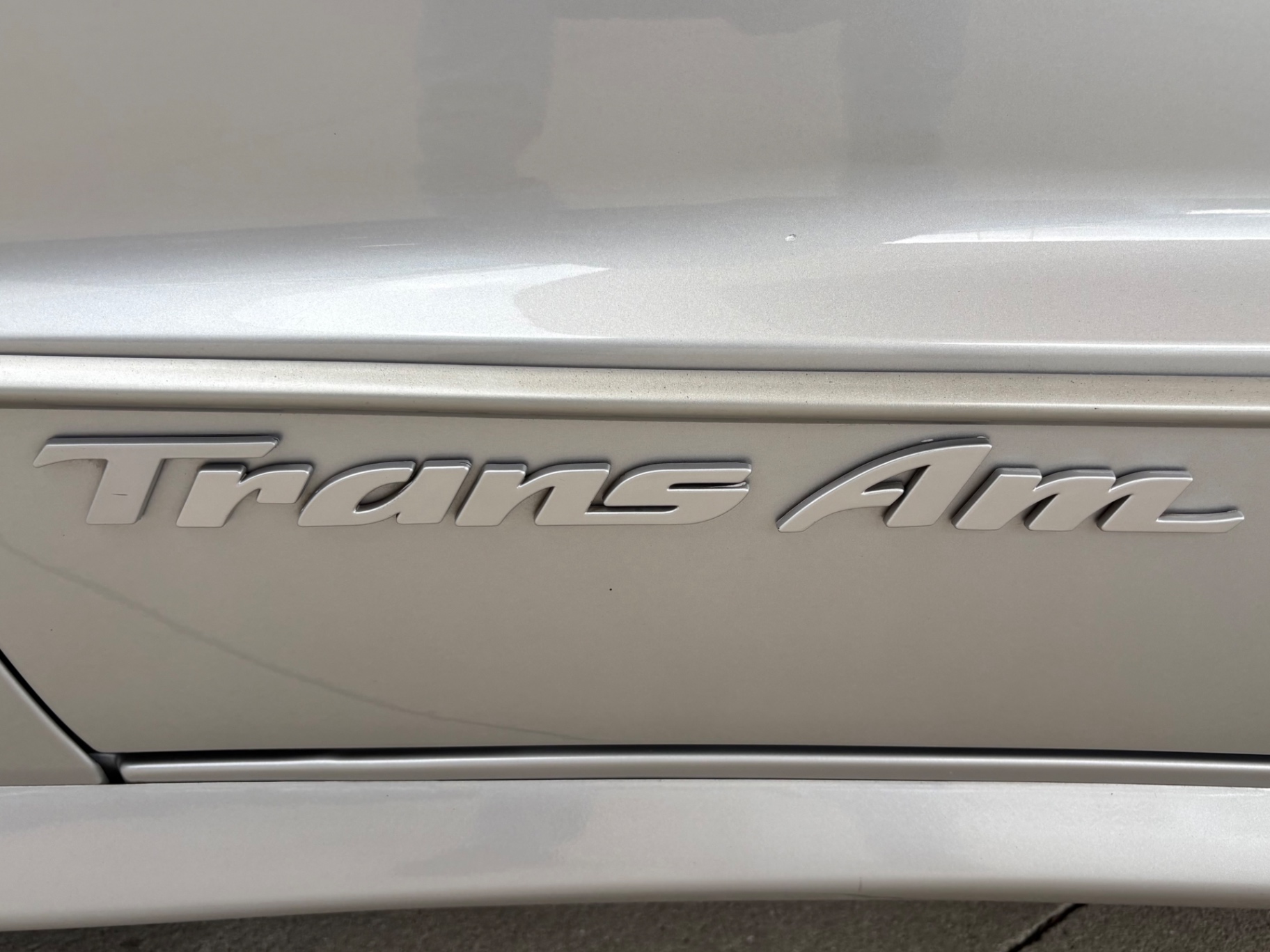

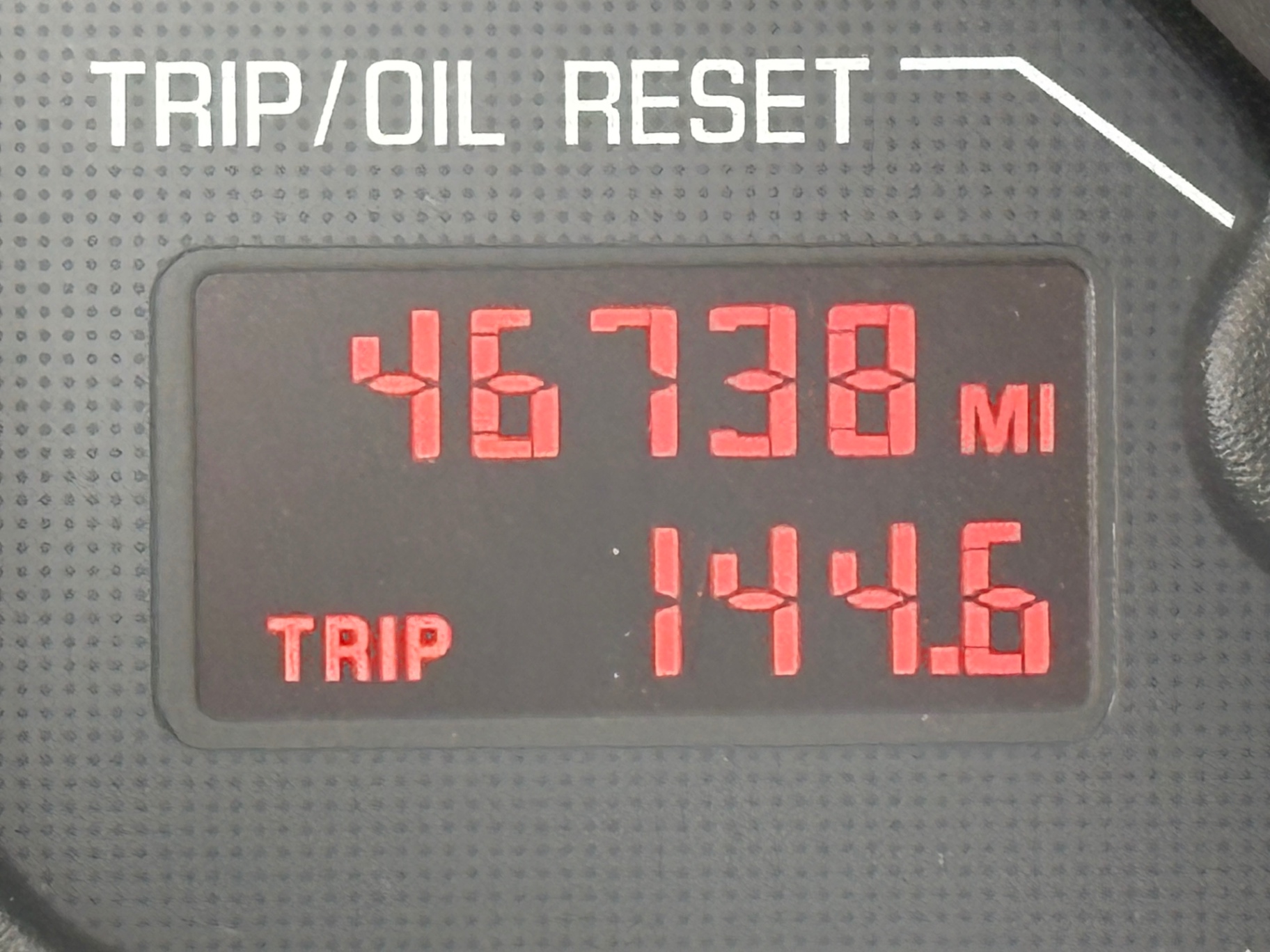
2000 Pontiac Trans Am WS6 Ram Air Convertible — LS1 V8, Silver over Black
Why This Car Is Special
The 2000 Pontiac Trans Am WS6 Ram Air Convertible represents the final chapter of one of the longest-running performance nameplates in American automotive history. Pontiac discontinued the Firebird and Trans Am after the 2002 model year, making the last-generation cars — especially the WS6-equipped ones — increasingly sought after by collectors who understand what the platform delivered. This particular car checks the most desirable boxes: it carries the WS6 Performance Package, the functional Ram Air induction system, the LS1 5.7-liter V8, and the open-air convertible body. That is a combination that, even by today's performance standards, commands respect.
The fourth-generation F-body platform, which underpinned both the Trans Am and the Camaro from 1993 through 2002, reached its performance peak in the late 1990s when General Motors installed the all-aluminum LS1 V8. The engine came directly out of the C5 Corvette program and brought that car's technology — aluminum block and heads, composite intake manifold, returnless fuel system, and coil-near-plug ignition — into a Pontiac that sold for considerably less money. The WS6 package, which Pontiac offered on the Trans Am starting in 1996, layered on top of that a sport-tuned suspension, limited-slip differential, functional Ram Air hood, and a specific tire and wheel package. When the Ram Air induction system was paired with the LS1, Pontiac rated the combination at 325 horsepower and 350 lb-ft of torque. Independent testing by automotive publications at the time put the WS6 Trans Am in the low 13-second quarter-mile range at around 104 mph — figures that embarrassed cars costing significantly more.
The convertible body style adds another layer of desirability. Pontiac built far fewer Firebird and Trans Am convertibles than coupes in any given year, and pairing the open-top body with the WS6 package was a combination that not every buyer chose. The result is a car that offers the full performance specification of the WS6 coupe with the added appeal of open-air driving — and the structural reinforcements Pontiac built into the convertible platform to compensate for the absent roof.
Features List
- LS1 5.7L V8 with functional Ram Air induction
- WS6 Performance Package
- 4-Speed Automatic Transmission (4L60-E)
- Functional Ram Air Hood
- Black Convertible Soft Top
- WS6 5-Spoke Polished Alloy Wheels
- BFGoodrich G-Force Tires
- Dual Exhaust with Rear Outlets
- Black Leather Interior
- Center Console with Floor Shifter
- Tachometer
- Power Windows and Locks
- Air Conditioning
- Clean Undercarriage
Mechanical
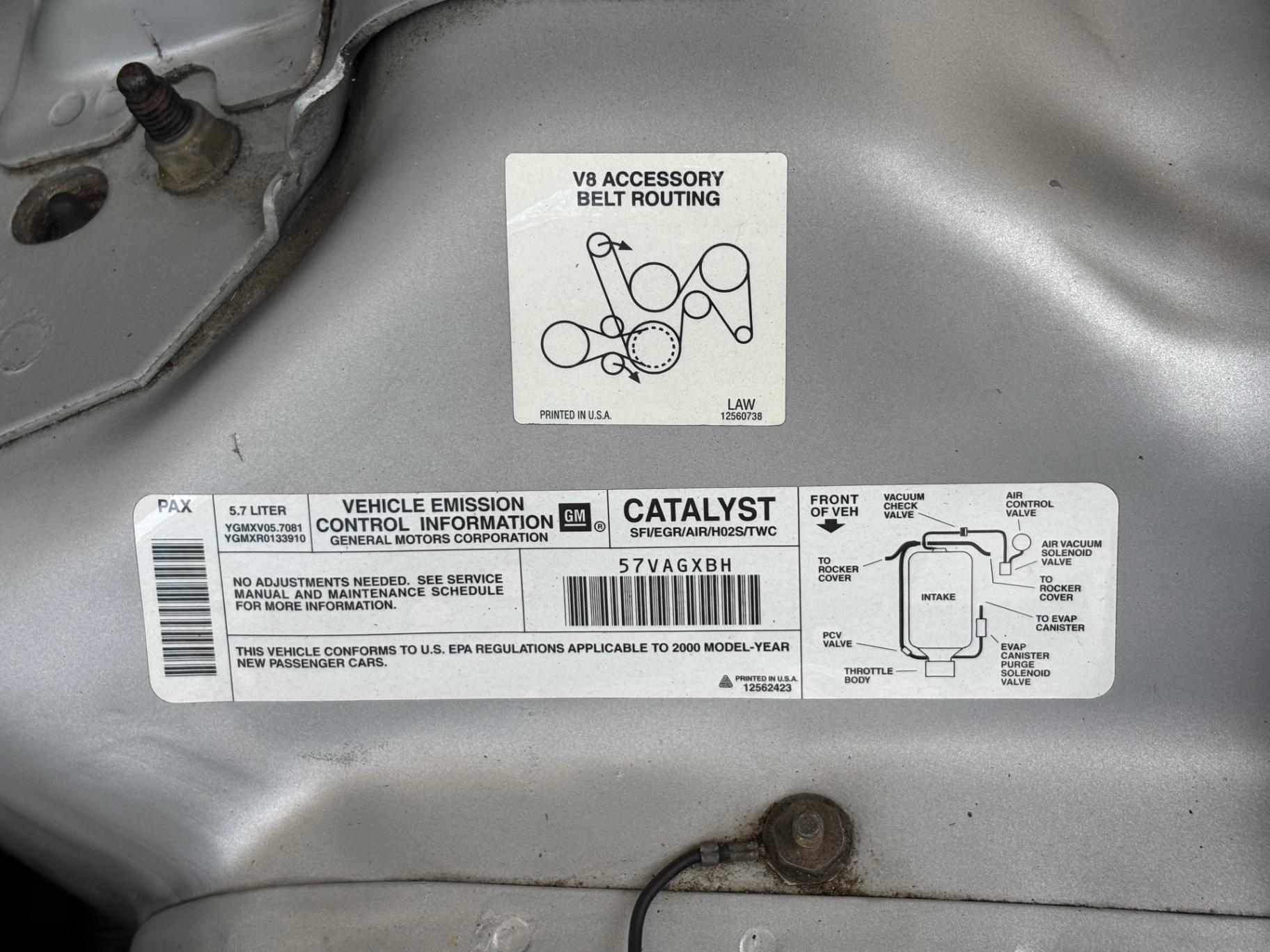
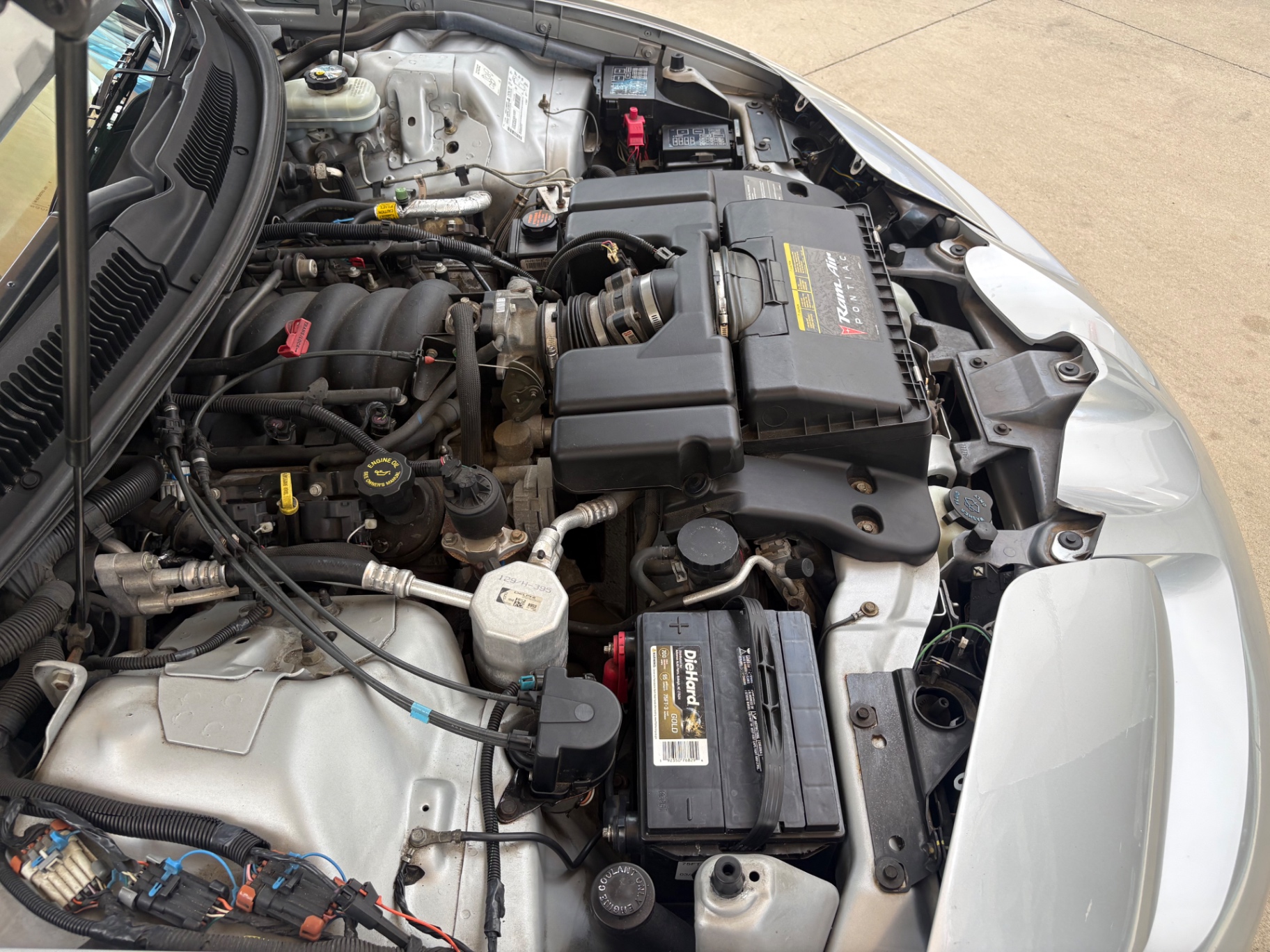
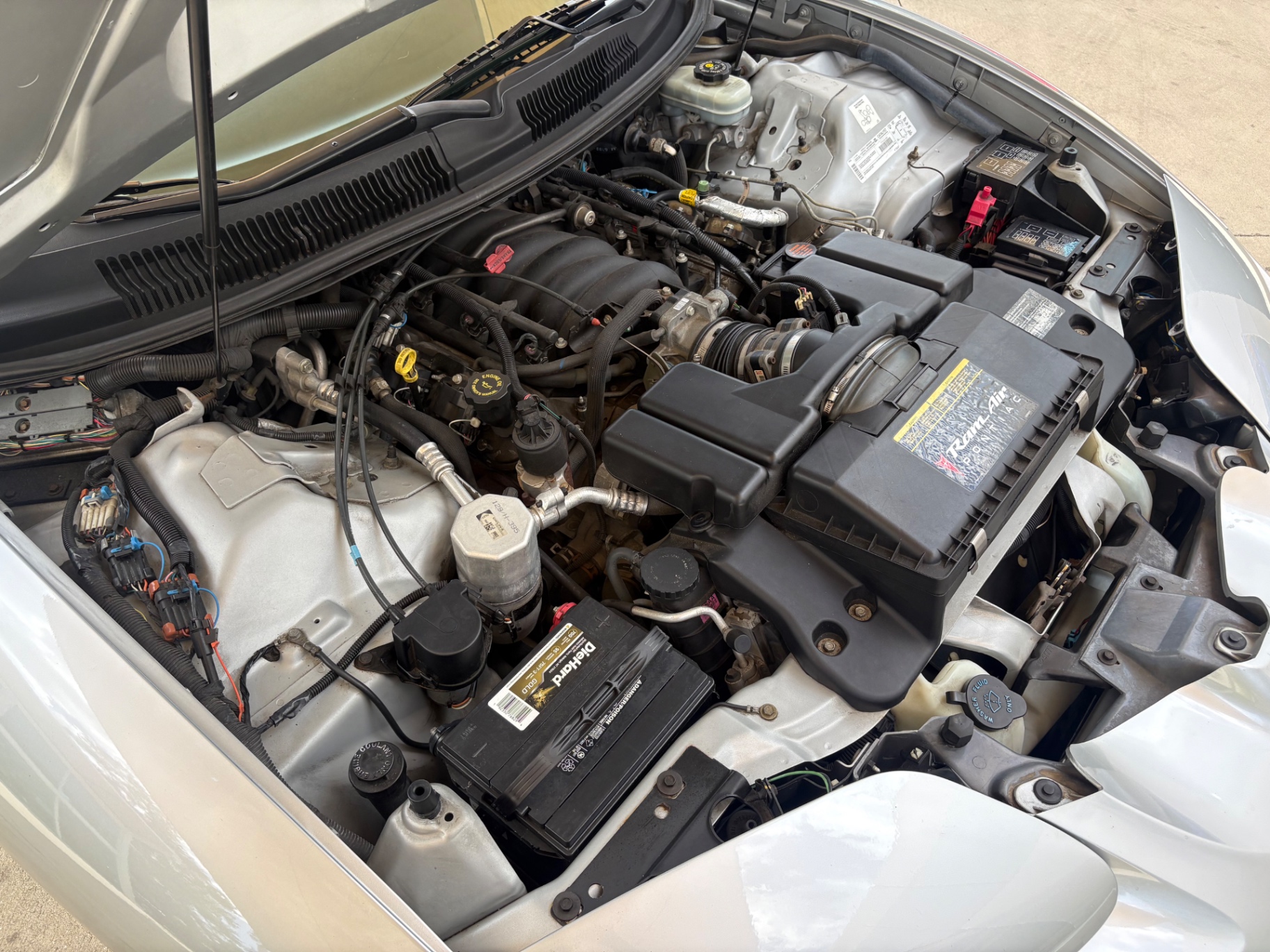
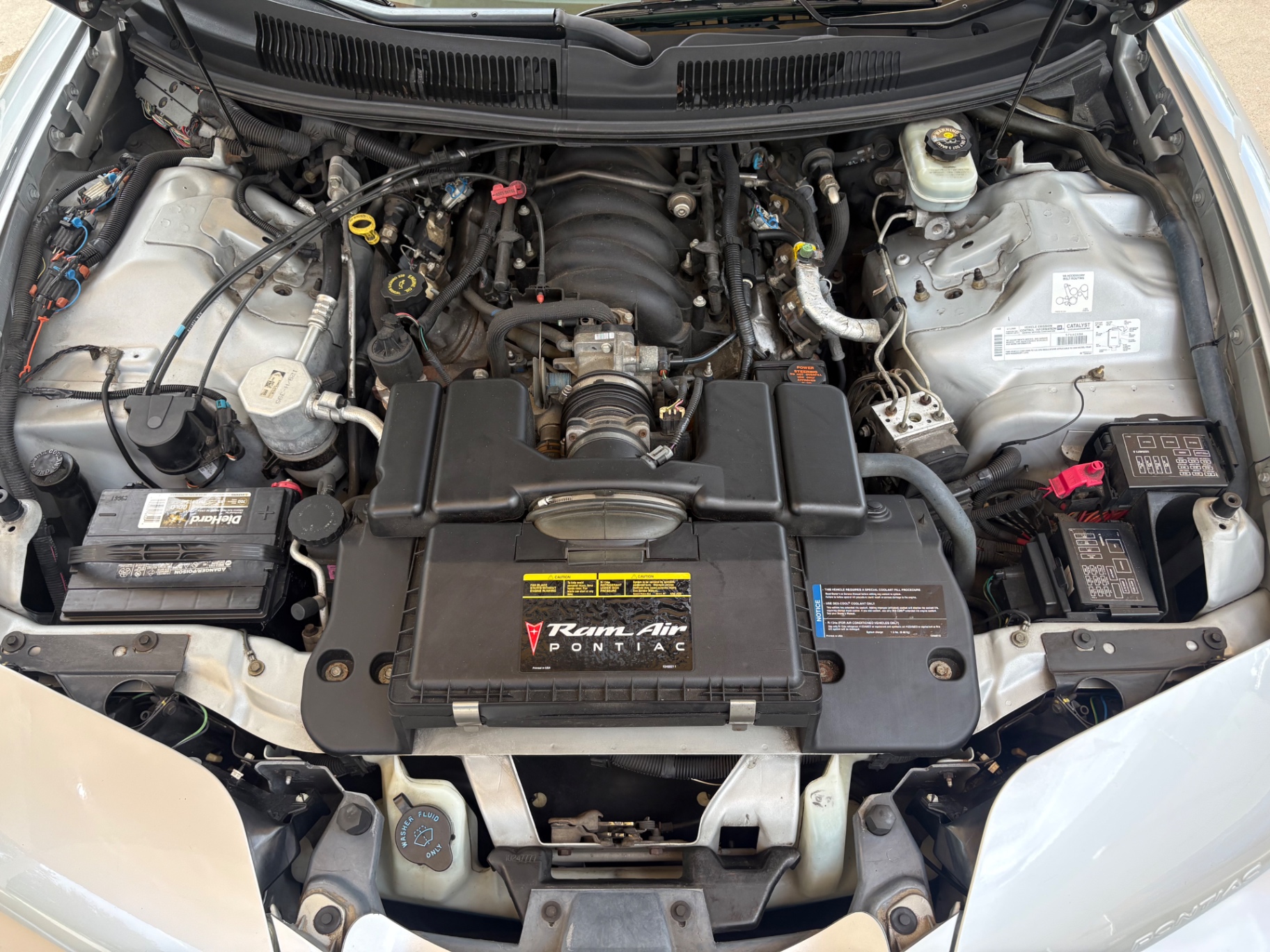
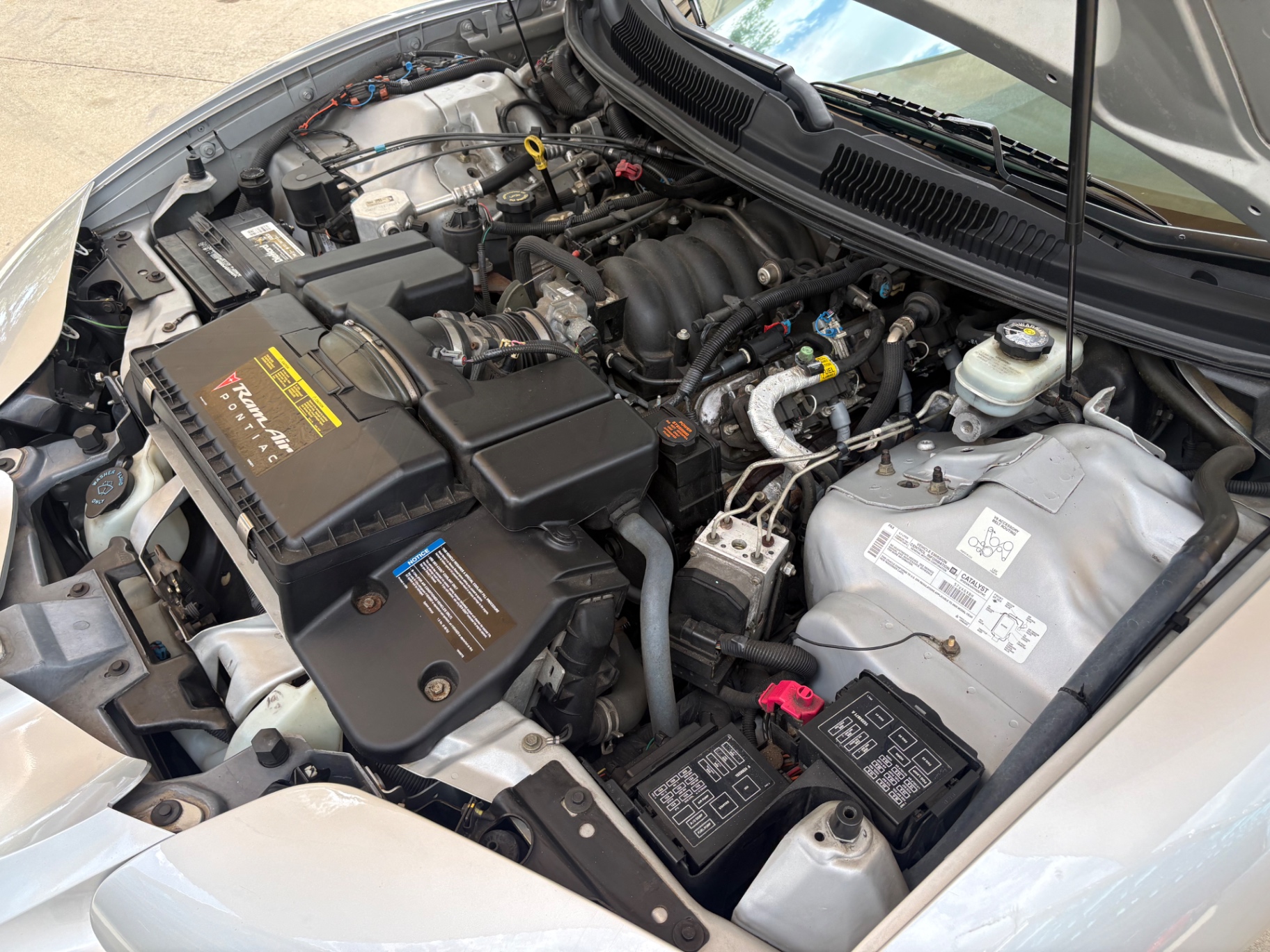
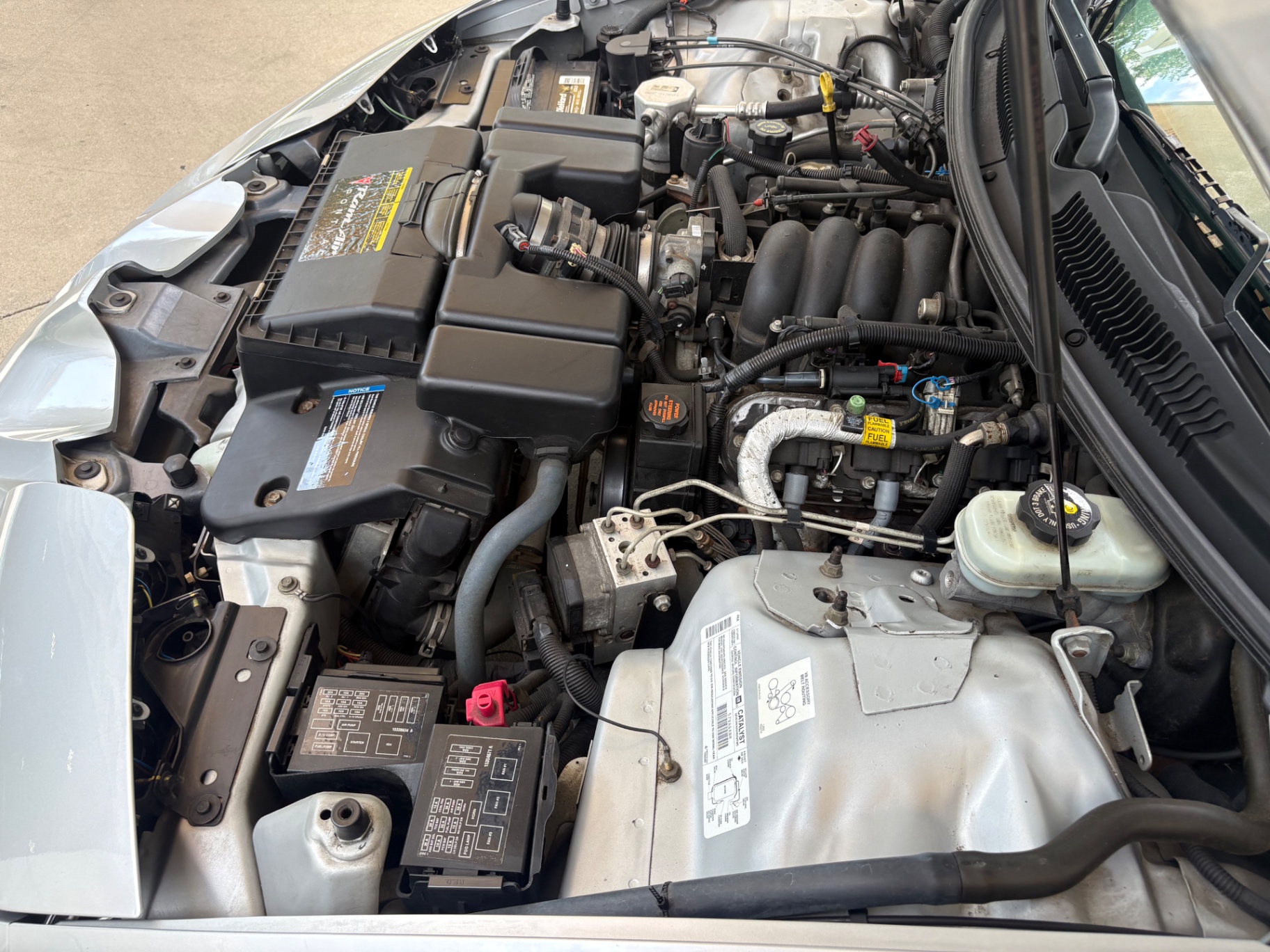
The heart of this 2000 Pontiac Trans Am WS6 is the LS1 5.7-liter V8, an all-aluminum small-block that General Motors introduced with the 1997 C5 Corvette. On the WS6 Trans Am, this engine is paired with the functional Ram Air system, which uses a sealed airbox that draws outside air through the twin hood scoops directly into the intake. At speed, this creates a positive pressure effect that increases charge density beyond what a conventional open-element intake produces. Pontiac rated this combination at 325 horsepower and 350 lb-ft of torque, though many enthusiasts and publications of the era noted the engine consistently outperformed those conservative factory figures on the dyno.
The transmission is the 4L60-E 4-speed automatic, a unit that was well-suited to the LS1's torque curve and capable of handling the power reliably when properly maintained. The WS6 package also included a Torsen-style limited-slip rear differential, which helps put the power down under hard acceleration without the tire-spinning drama of an open differential. The suspension tuning that comes with the WS6 package is noticeably firmer than the base Trans Am setup, with stiffer springs, recalibrated shock valving, and a larger rear stabilizer bar.
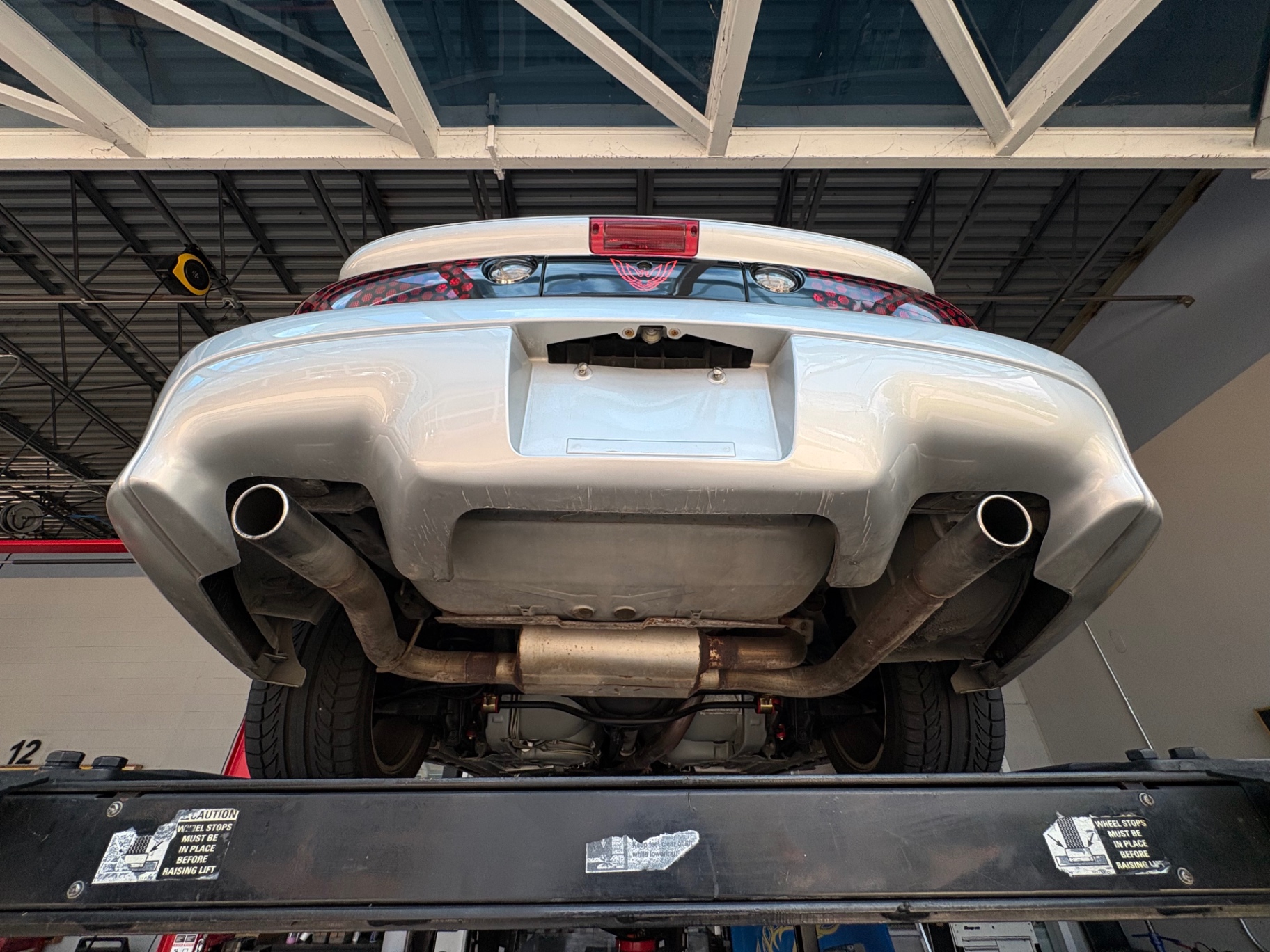
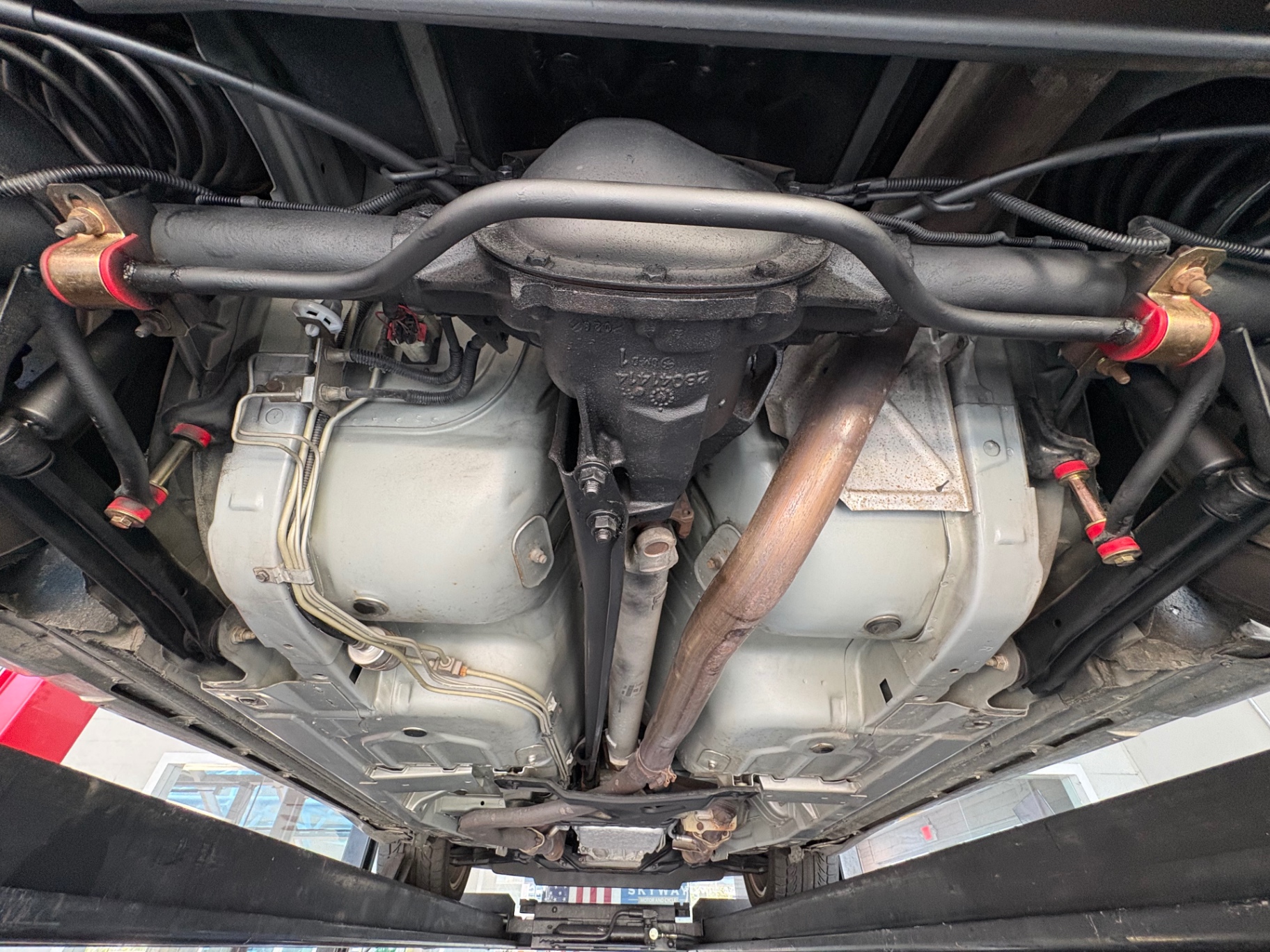
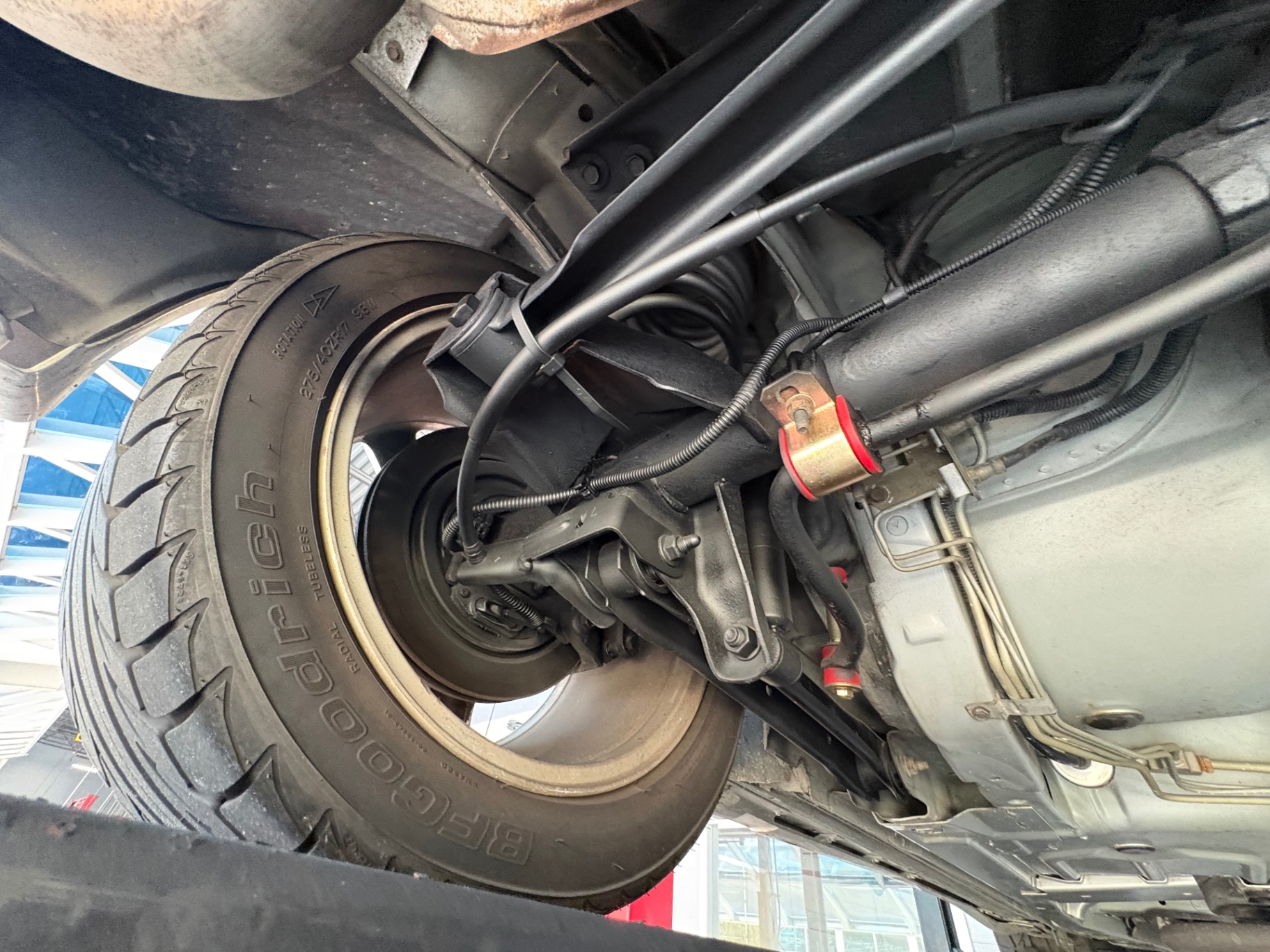
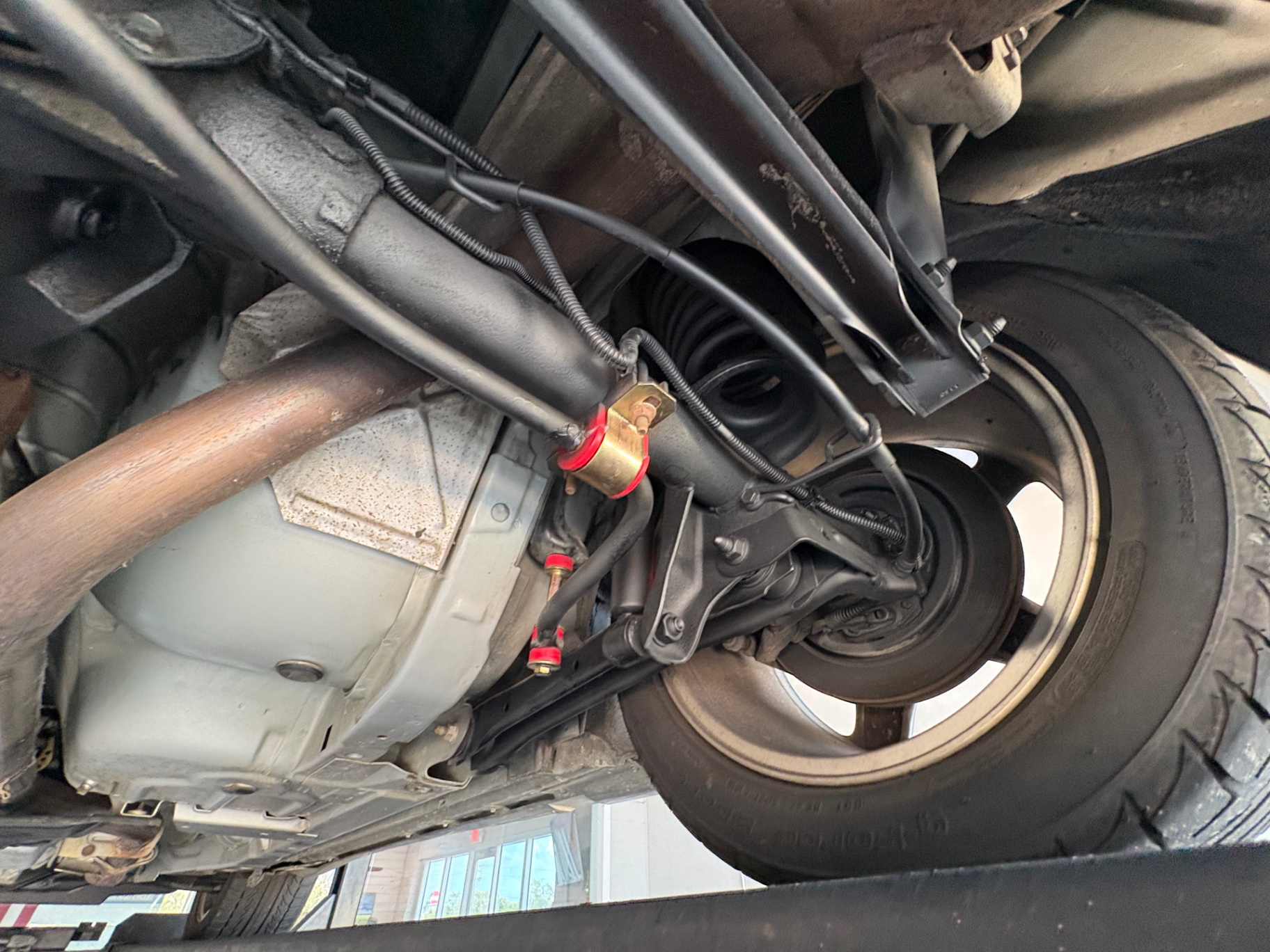
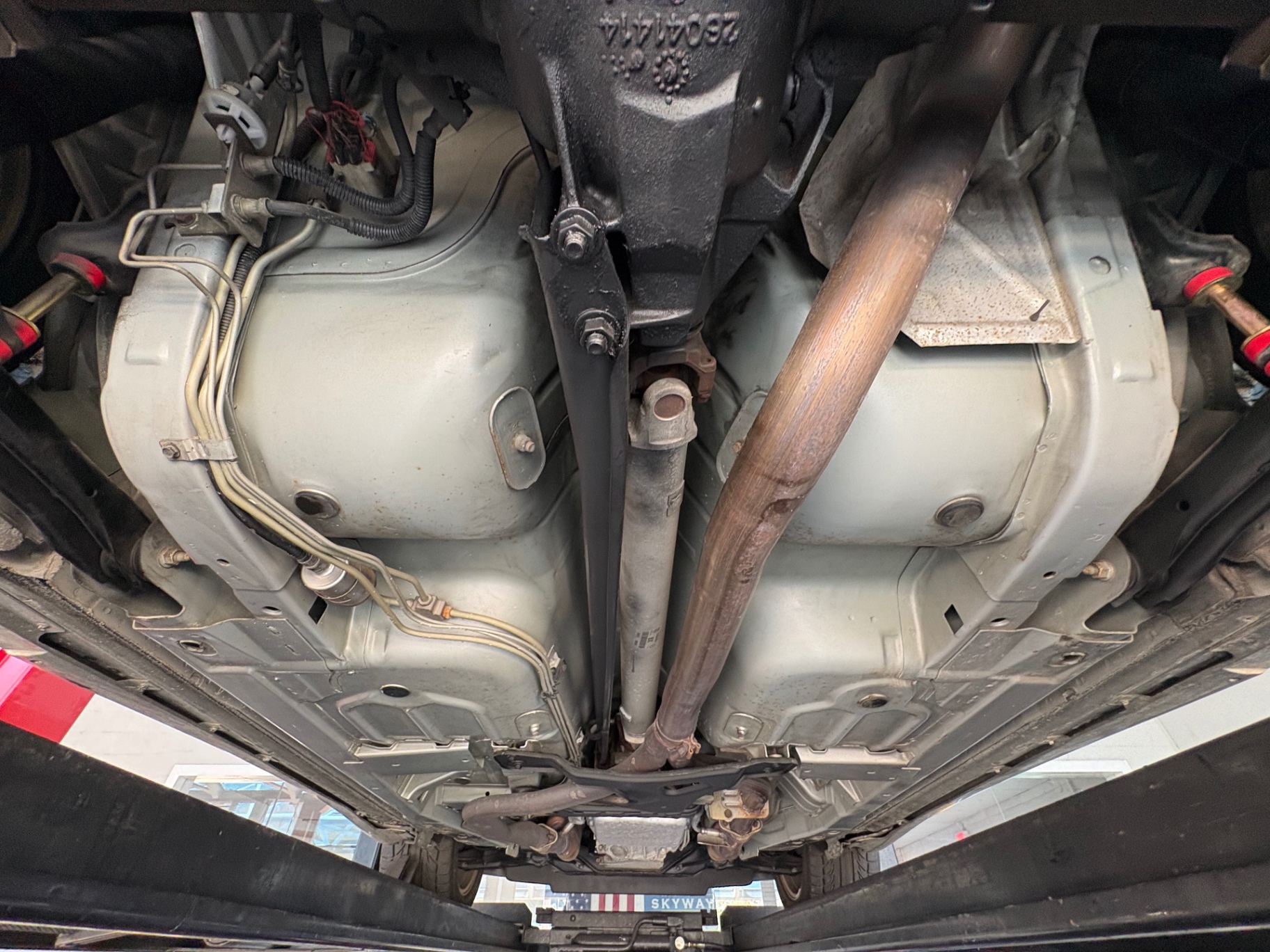
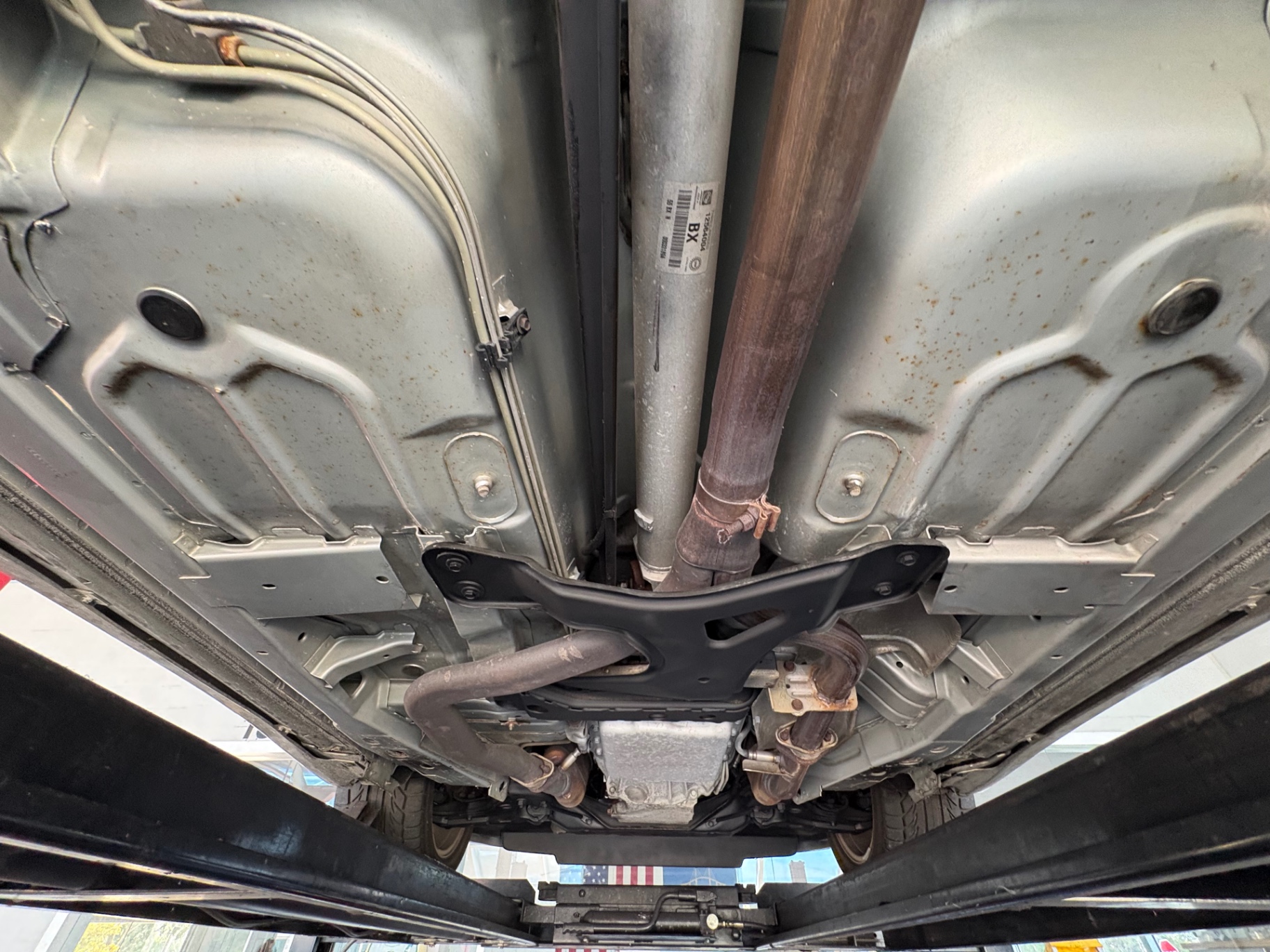
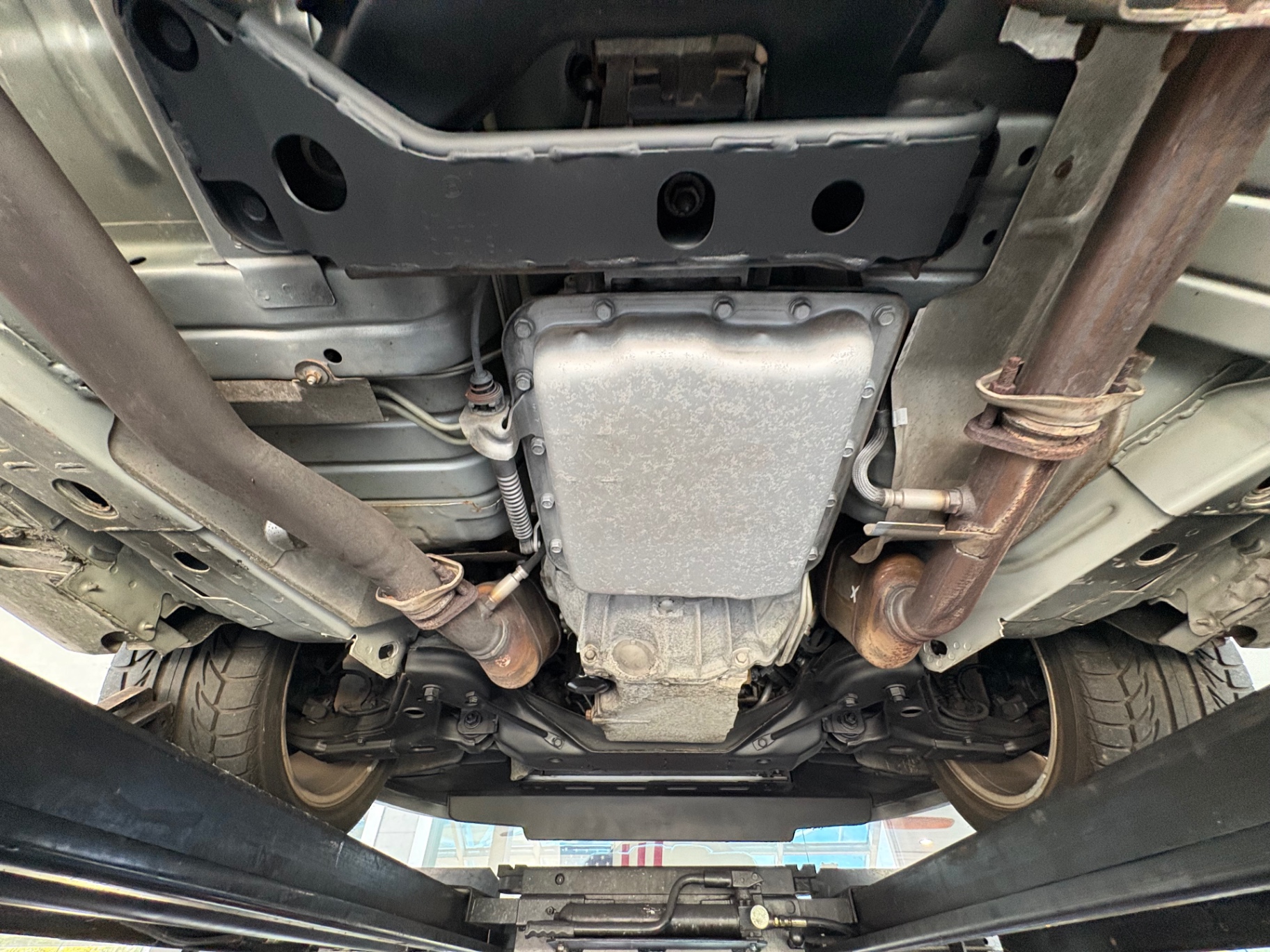
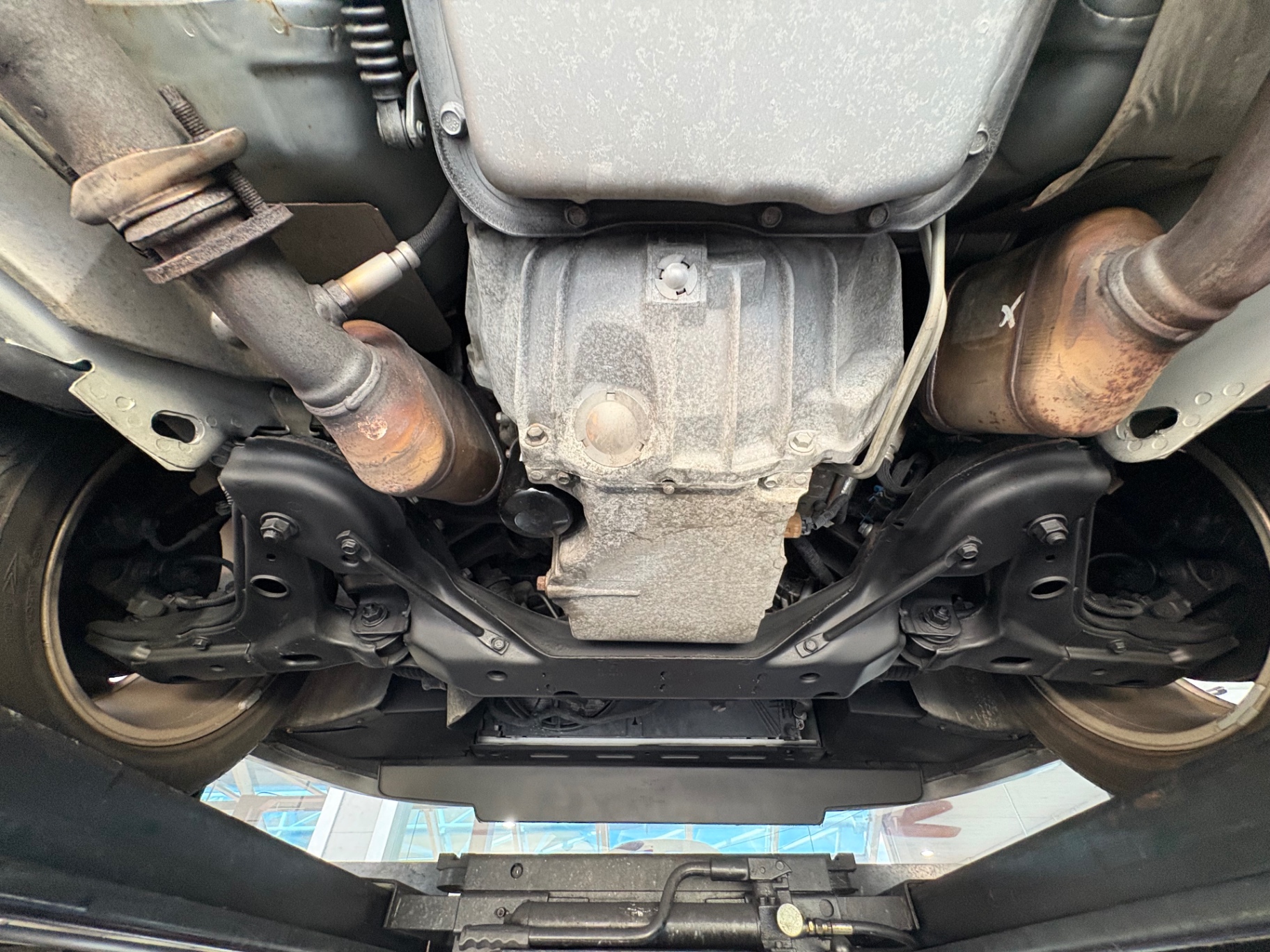
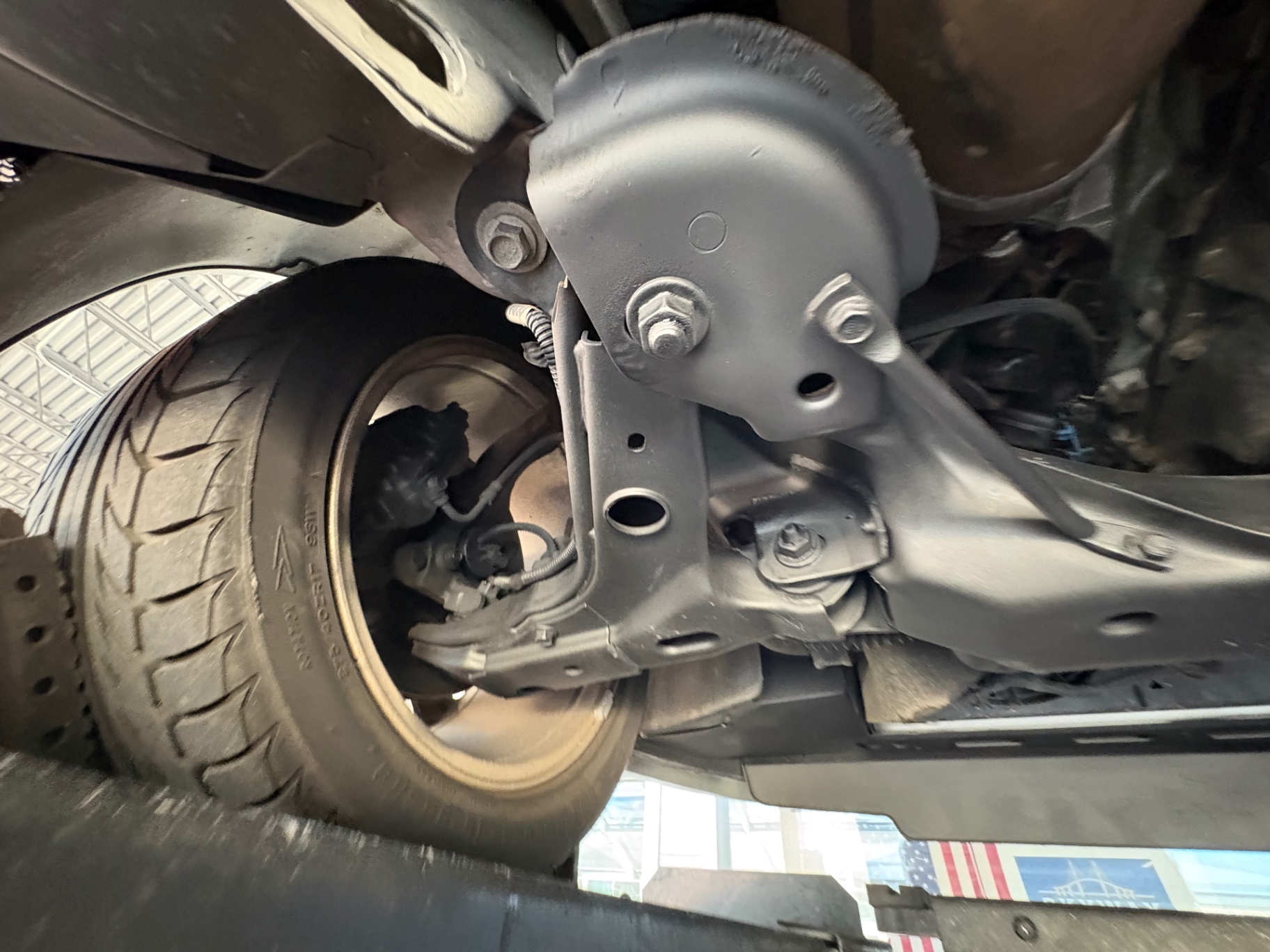
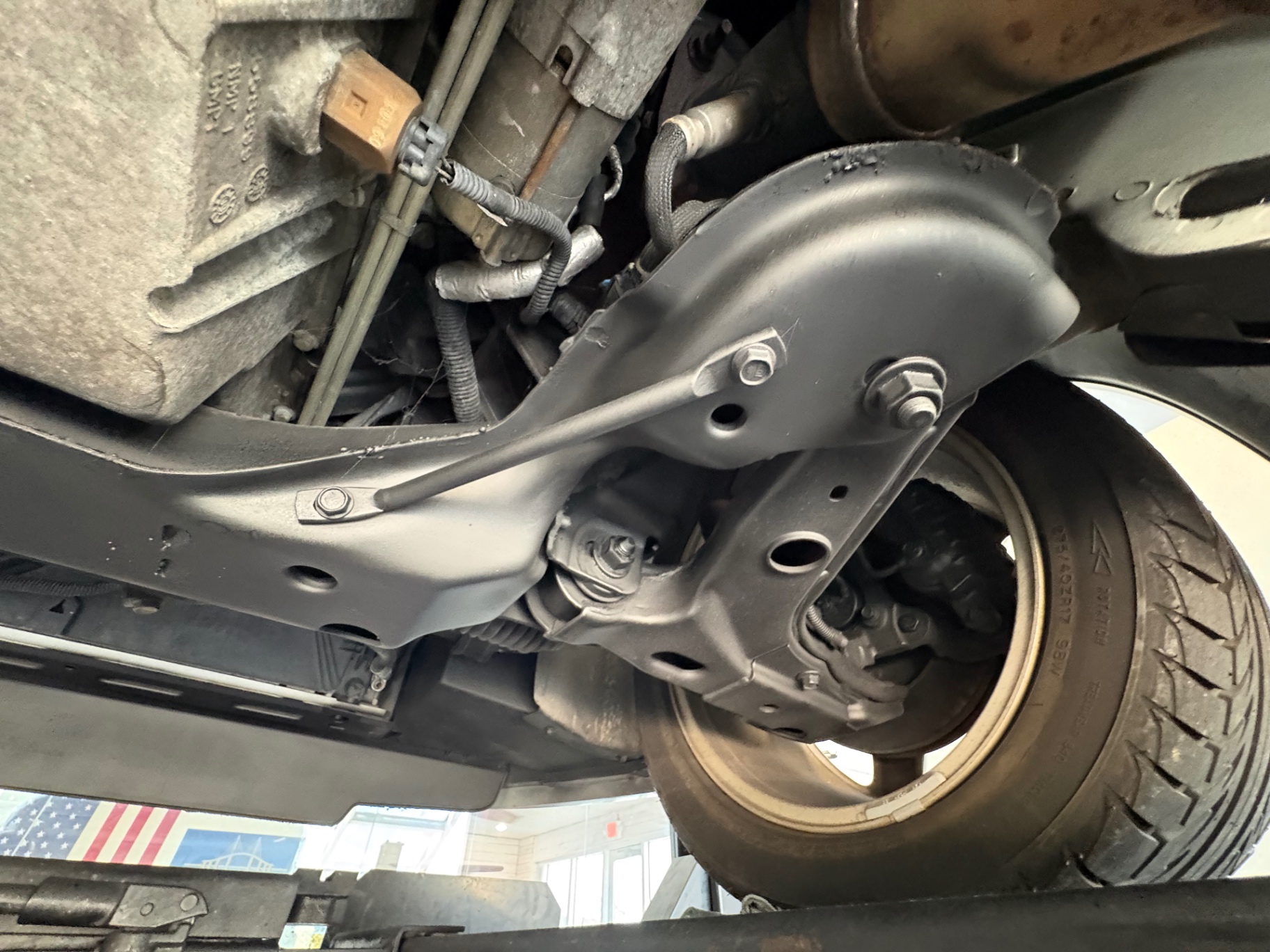
The undercarriage photos tell an important story on any used car, and this one tells a good one. The floor pans, frame rails, subframe, and suspension components are all clean, with no rot, no previous repair patches, and no evidence of water intrusion. The suspension bushings are visible in the lift photos and show no significant cracking or deterioration. The exhaust routing is intact and the dual outlets exit cleanly through the rear bumper cutouts as designed. For a car of this age, the undercarriage condition here is a meaningful indicator of how this Trans Am was stored and maintained over its life.
Interior
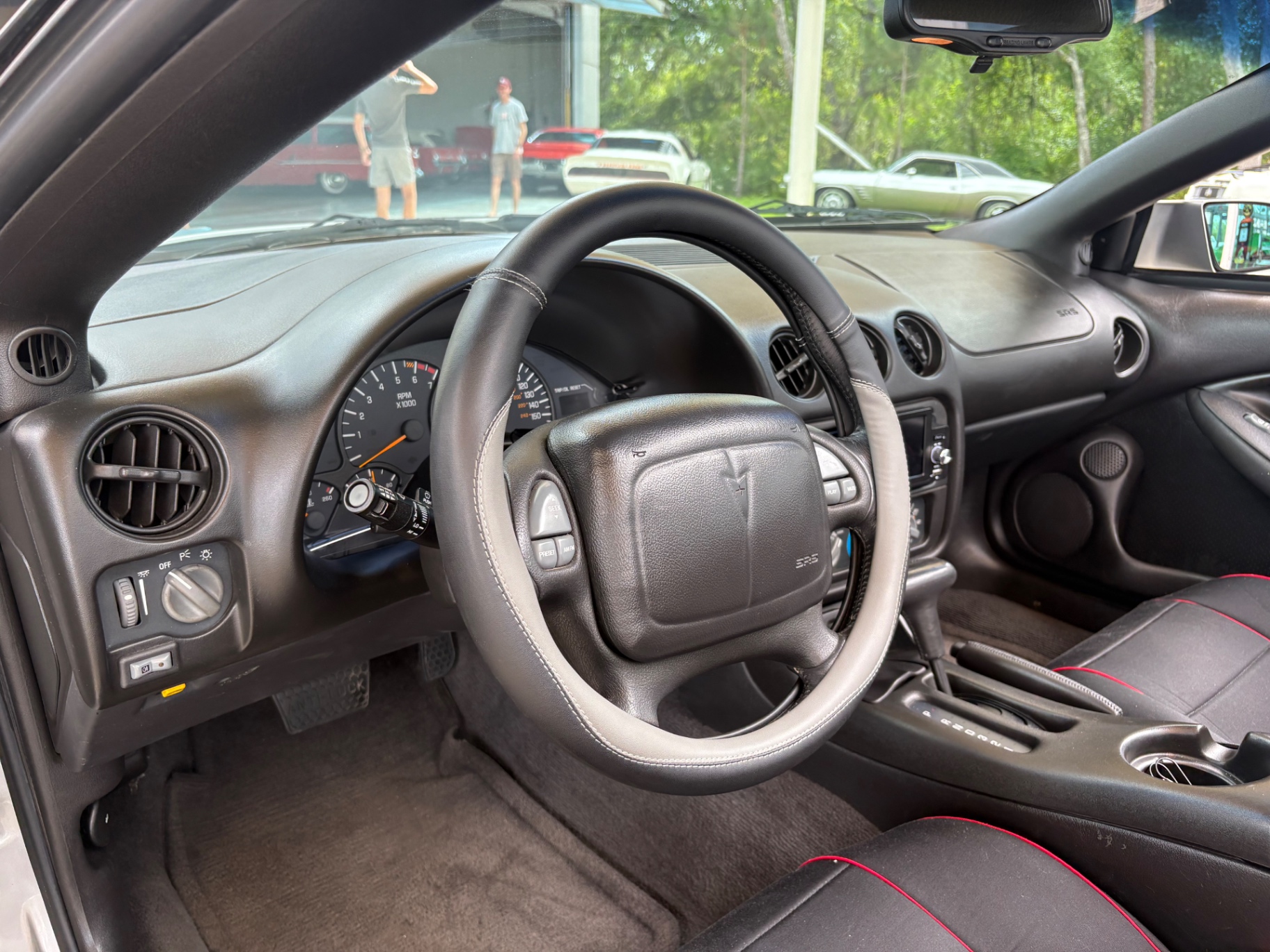
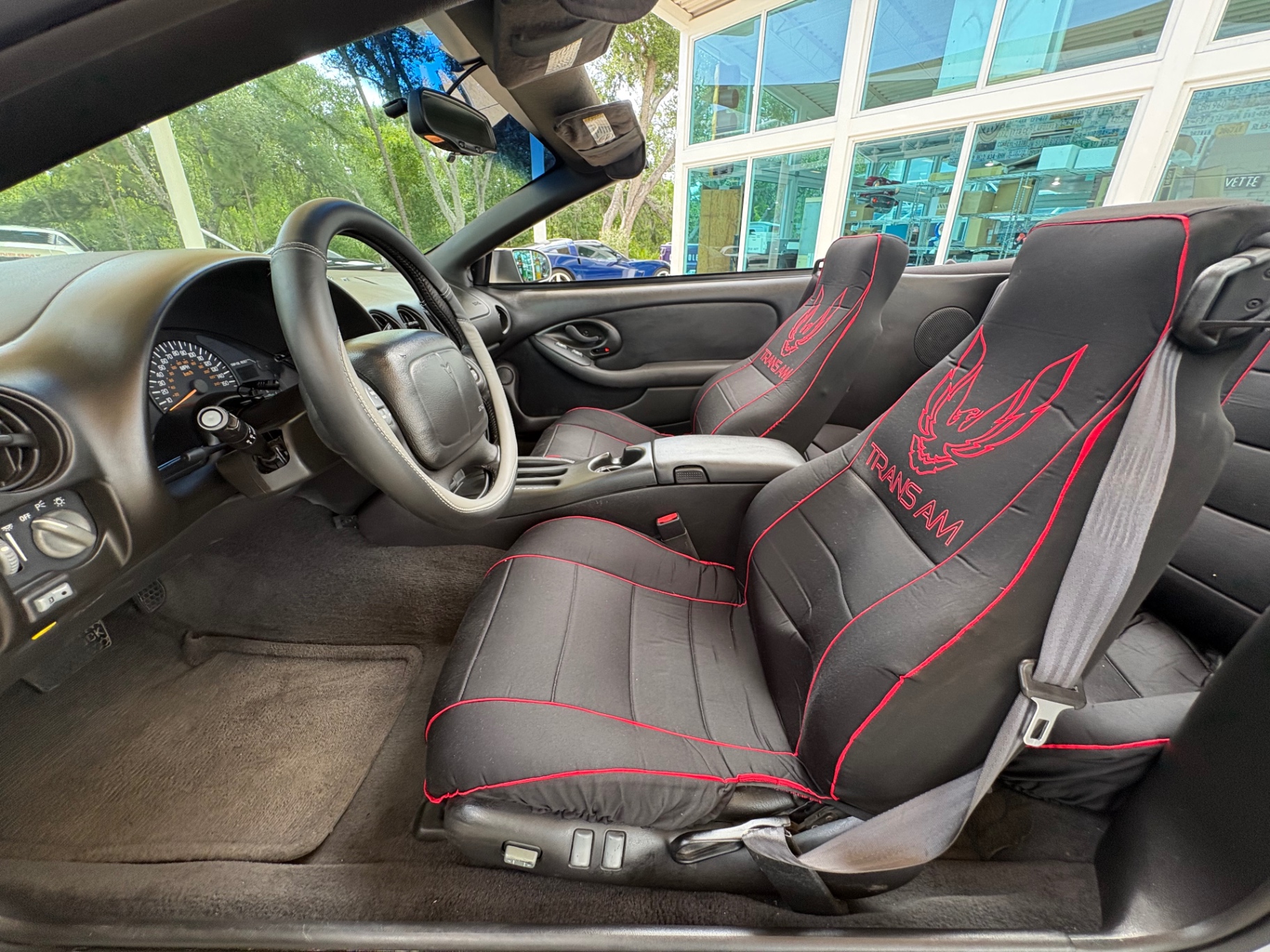
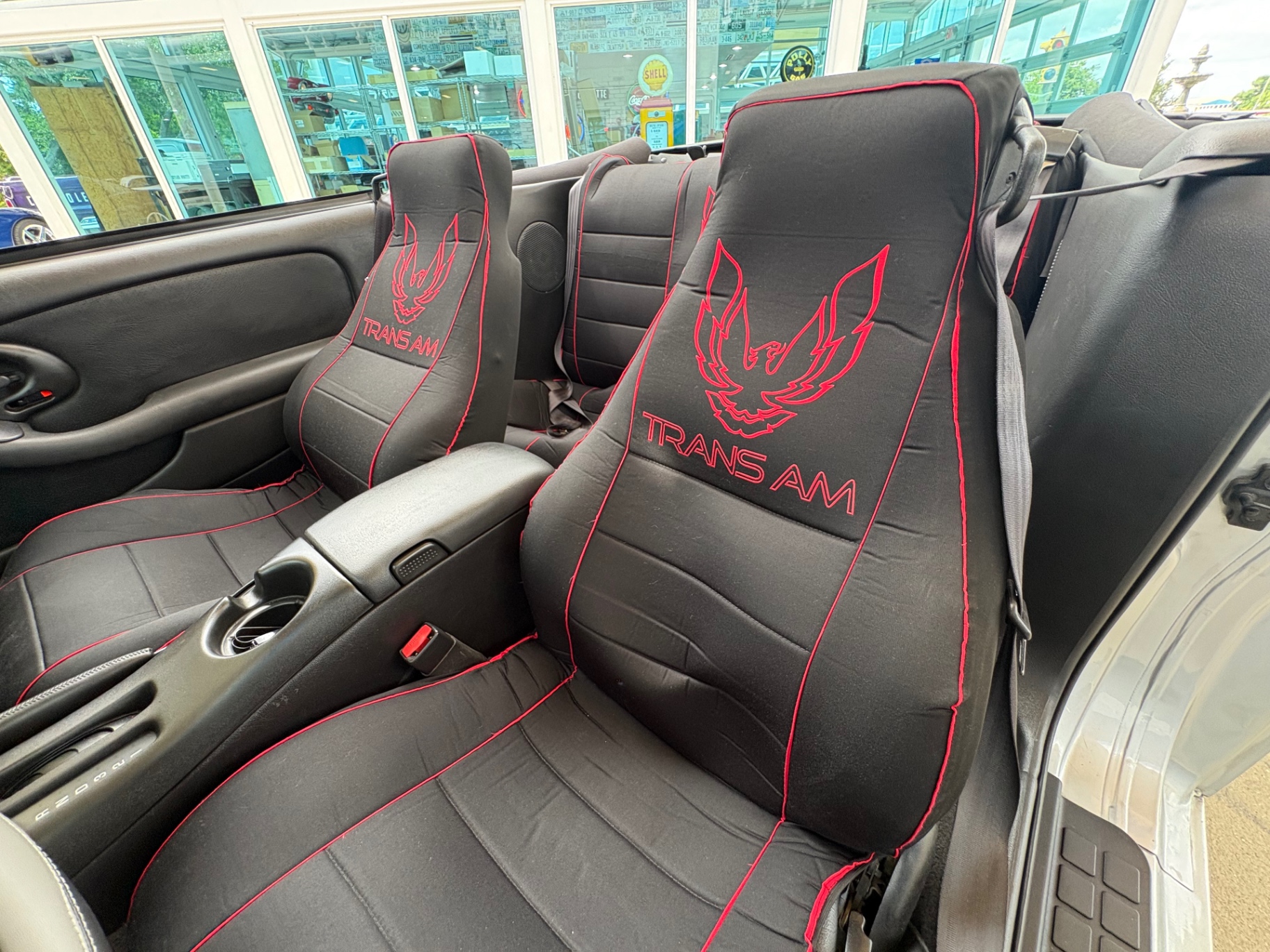
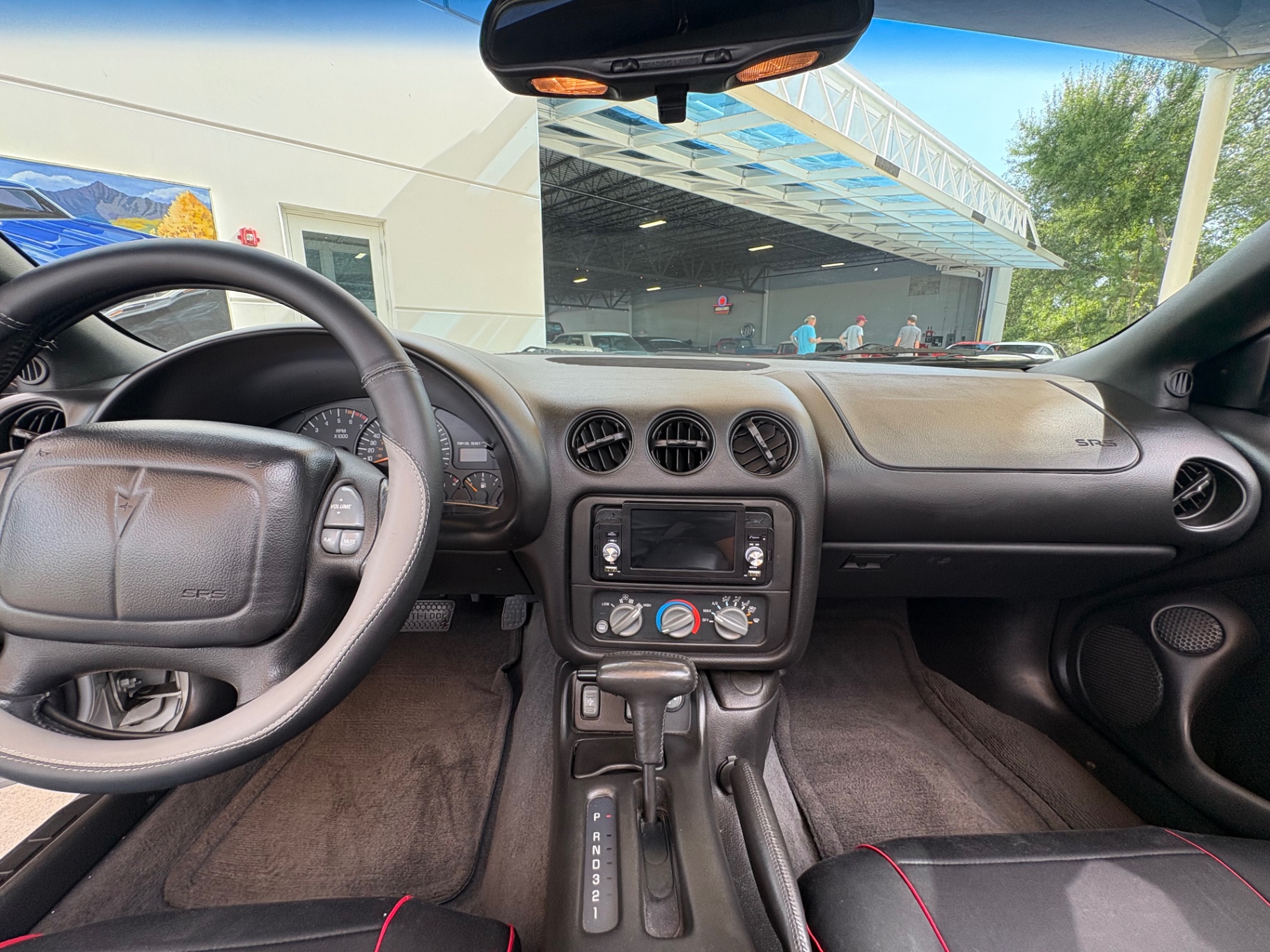
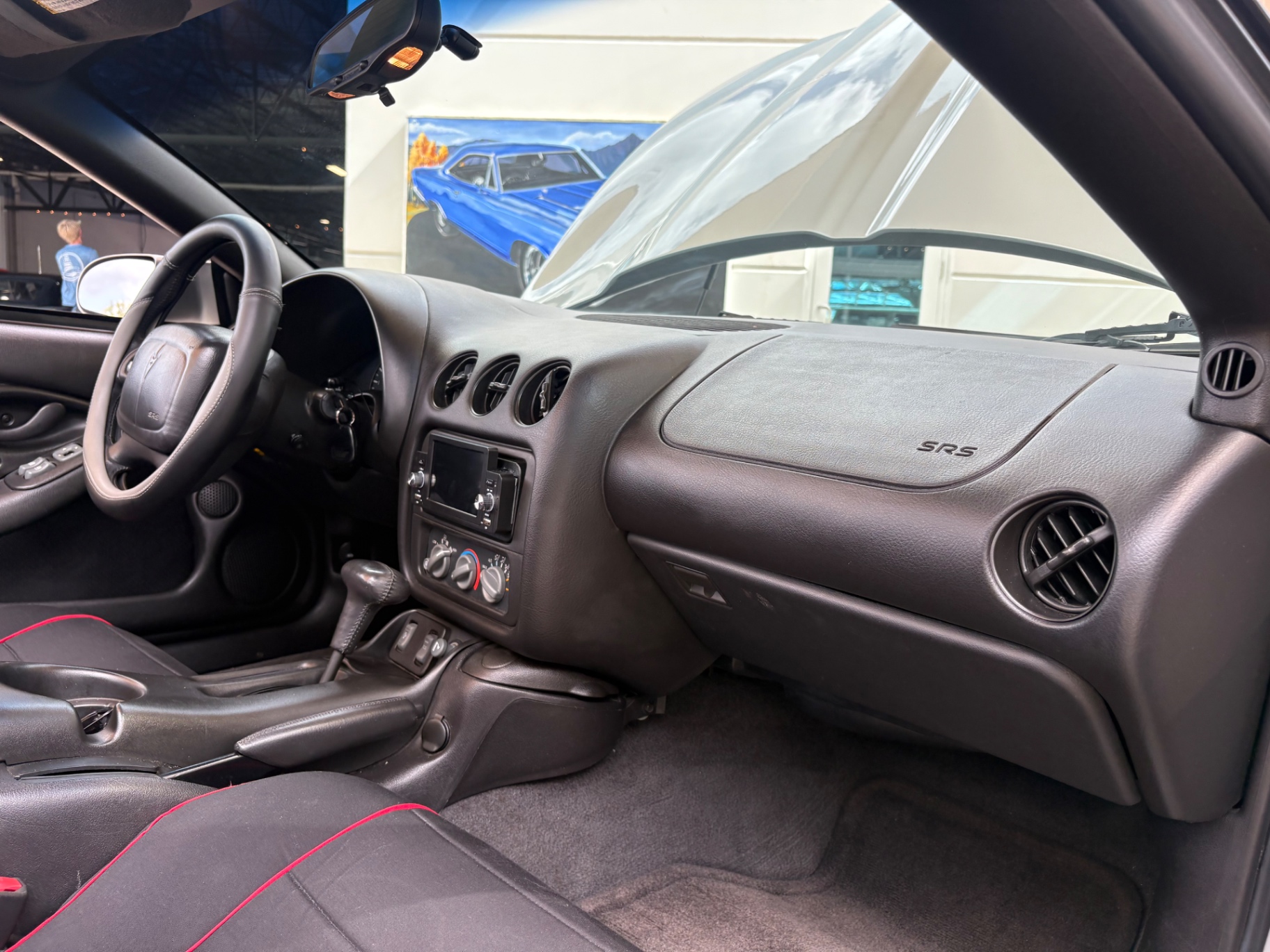
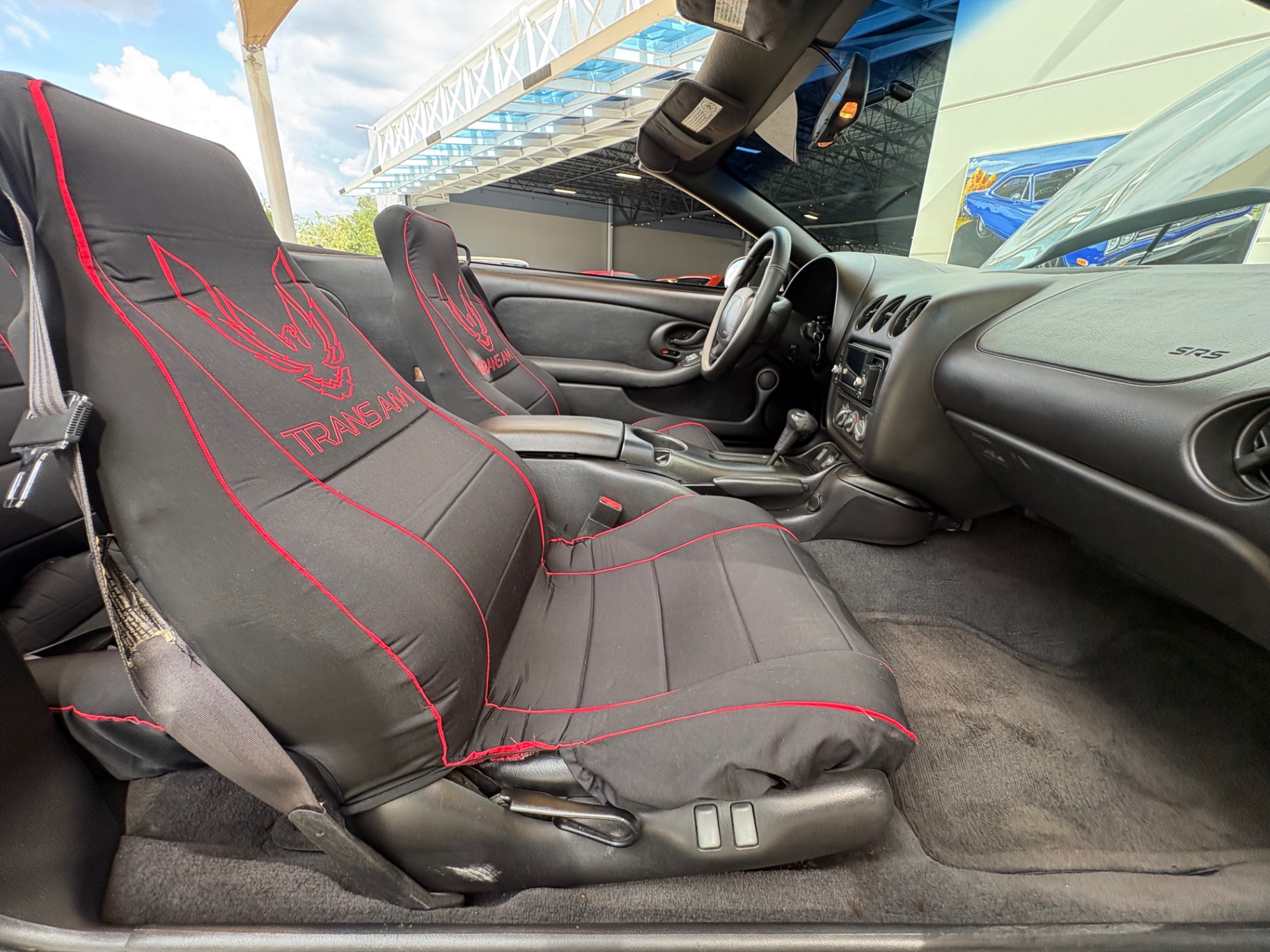
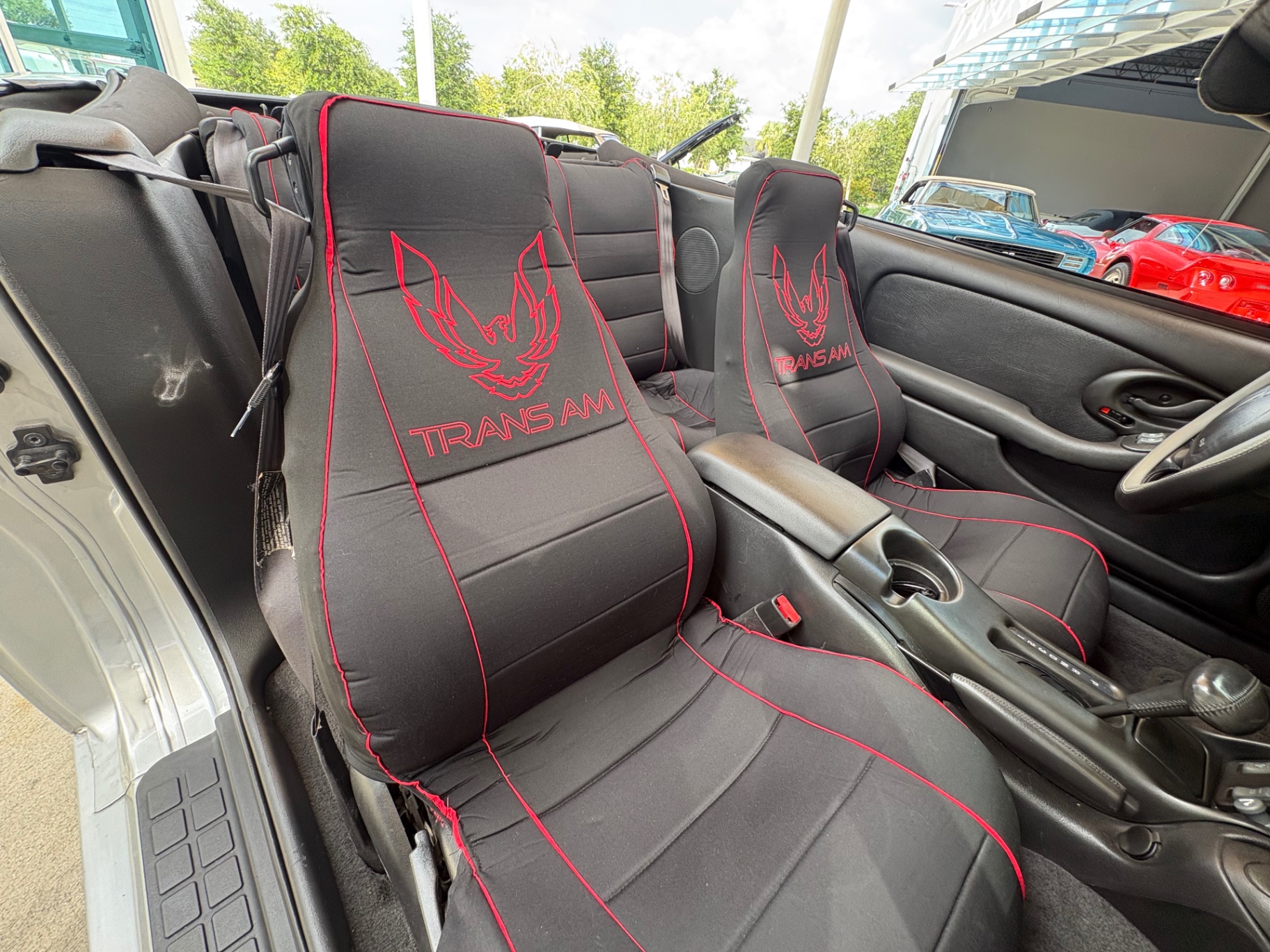
Inside the 2000 Pontiac Trans Am WS6, the cockpit is focused and driver-oriented in a way that was intentional from the factory. The dashboard wraps toward the driver with a clustered pod housing the gauges, including the large tachometer that is central to the WS6 experience. The leather seats are the correct sport buckets for this model, providing lateral support without the bulk of aftermarket buckets. The center console runs between the seats with the floor-mounted shifter for the 4-speed automatic, finished in the correct gate pattern with the PRND321 labeling clearly visible in the photos.
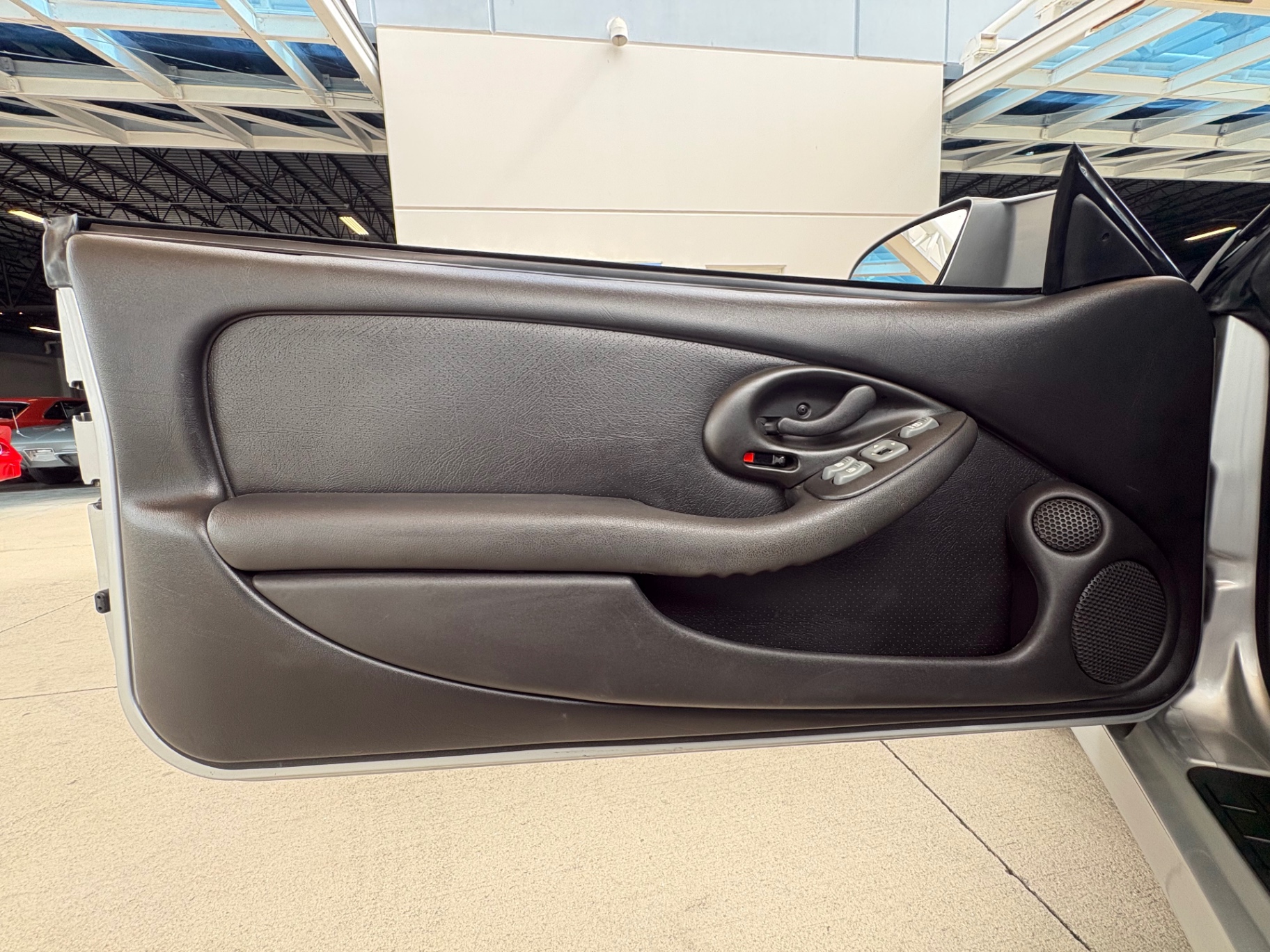
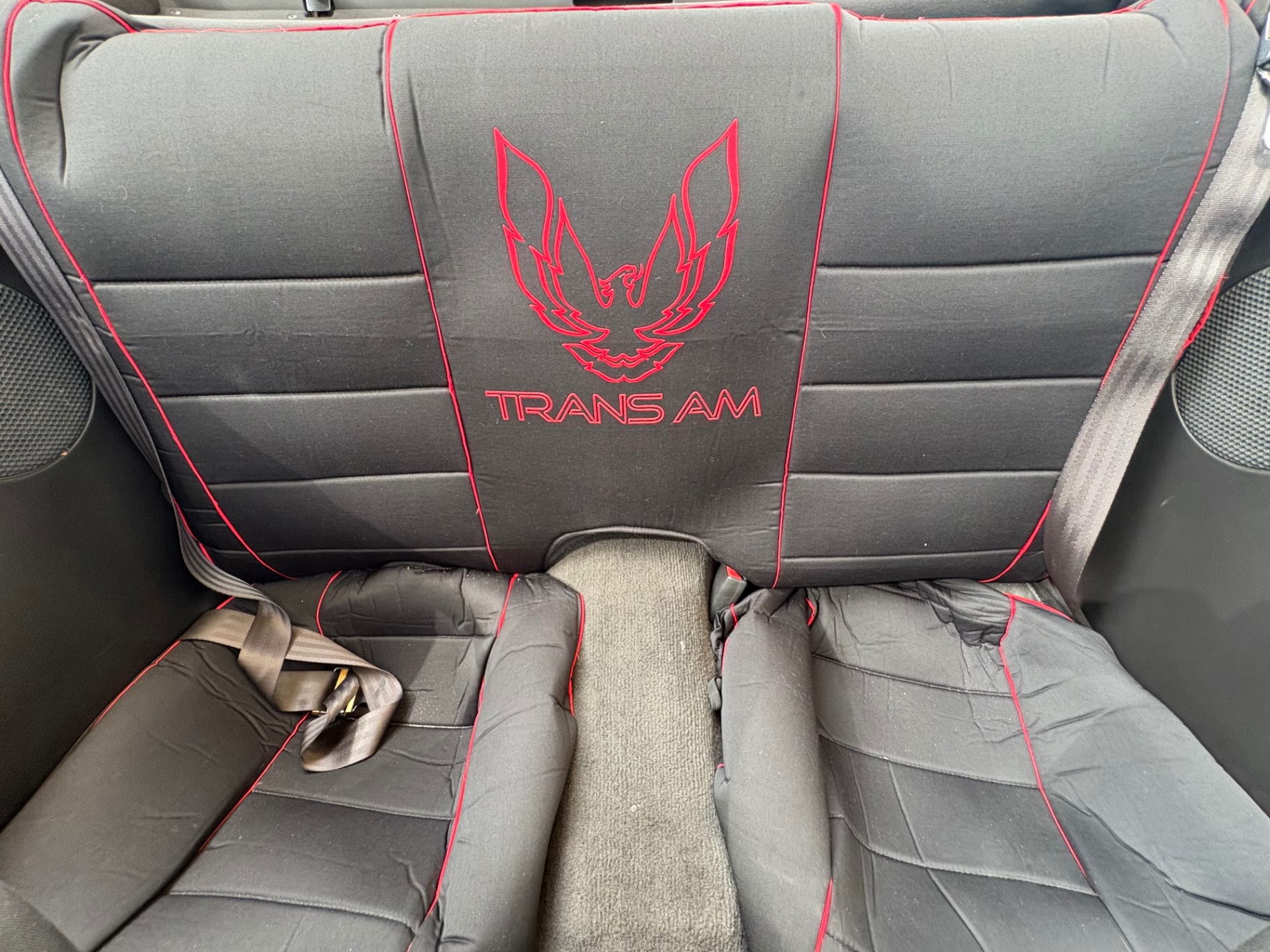
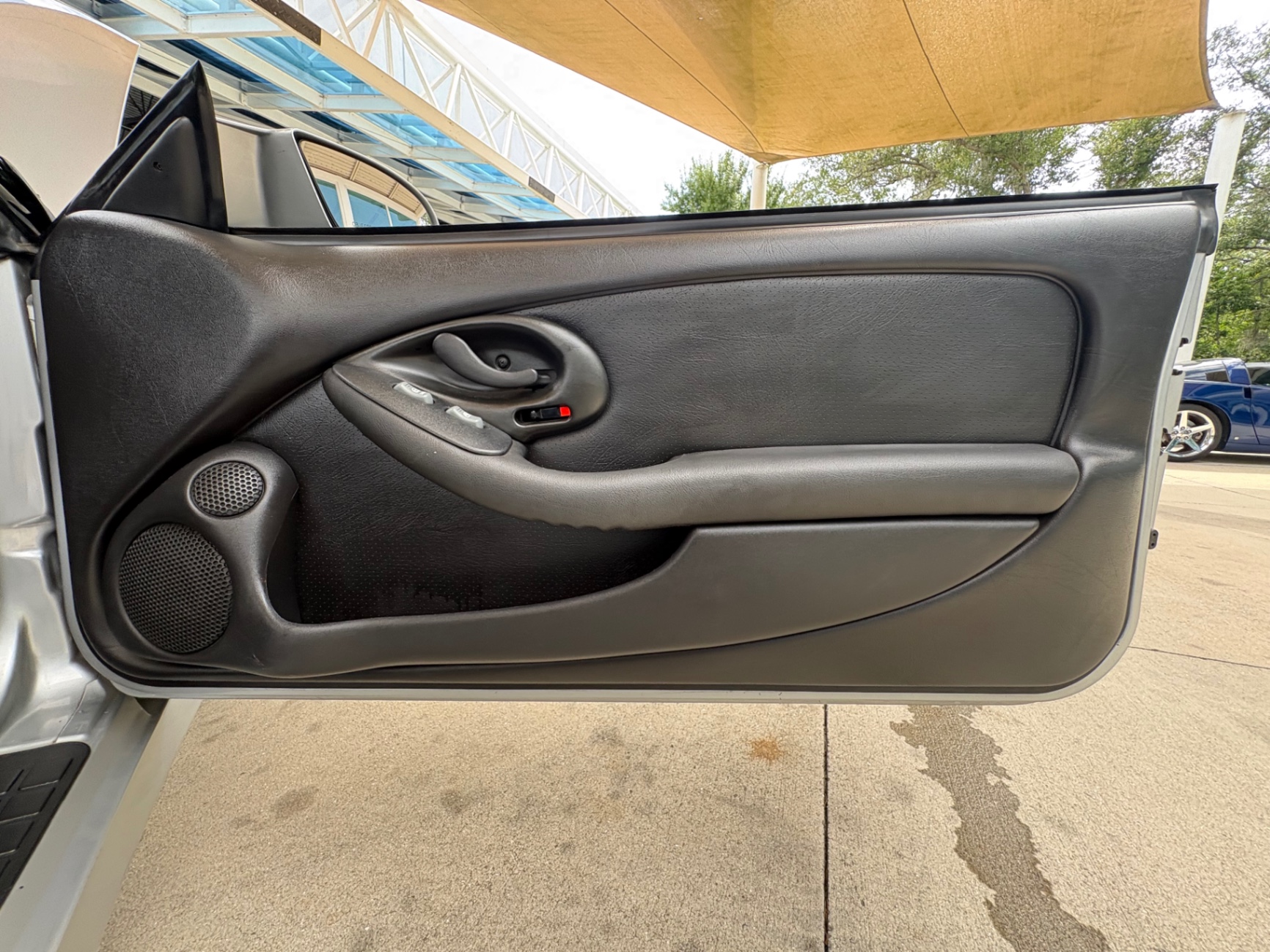
The leather surfaces appear to be in good condition throughout. The dashboard and door panels show normal patina consistent with a car of this age that was used as intended, without any cracking or significant fading visible in the photos. Seat covers with embroidered Firebird logos and Trans Am lettering in red on black are fitted over the front and rear seats — these are aftermarket additions that protect the original upholstery underneath. A buyer who prefers the clean look of the original leather can simply remove them.
The secondary head unit visible in the center stack is an aftermarket replacement for the original radio. This is a common and reversible modification. The climate controls below it are the original knob-style units. Power windows and locks operate from the driver's door panel switches, and air conditioning is present. The overall impression of the interior is a car that was actively used and reasonably cared for, rather than stored or neglected.
Exterior
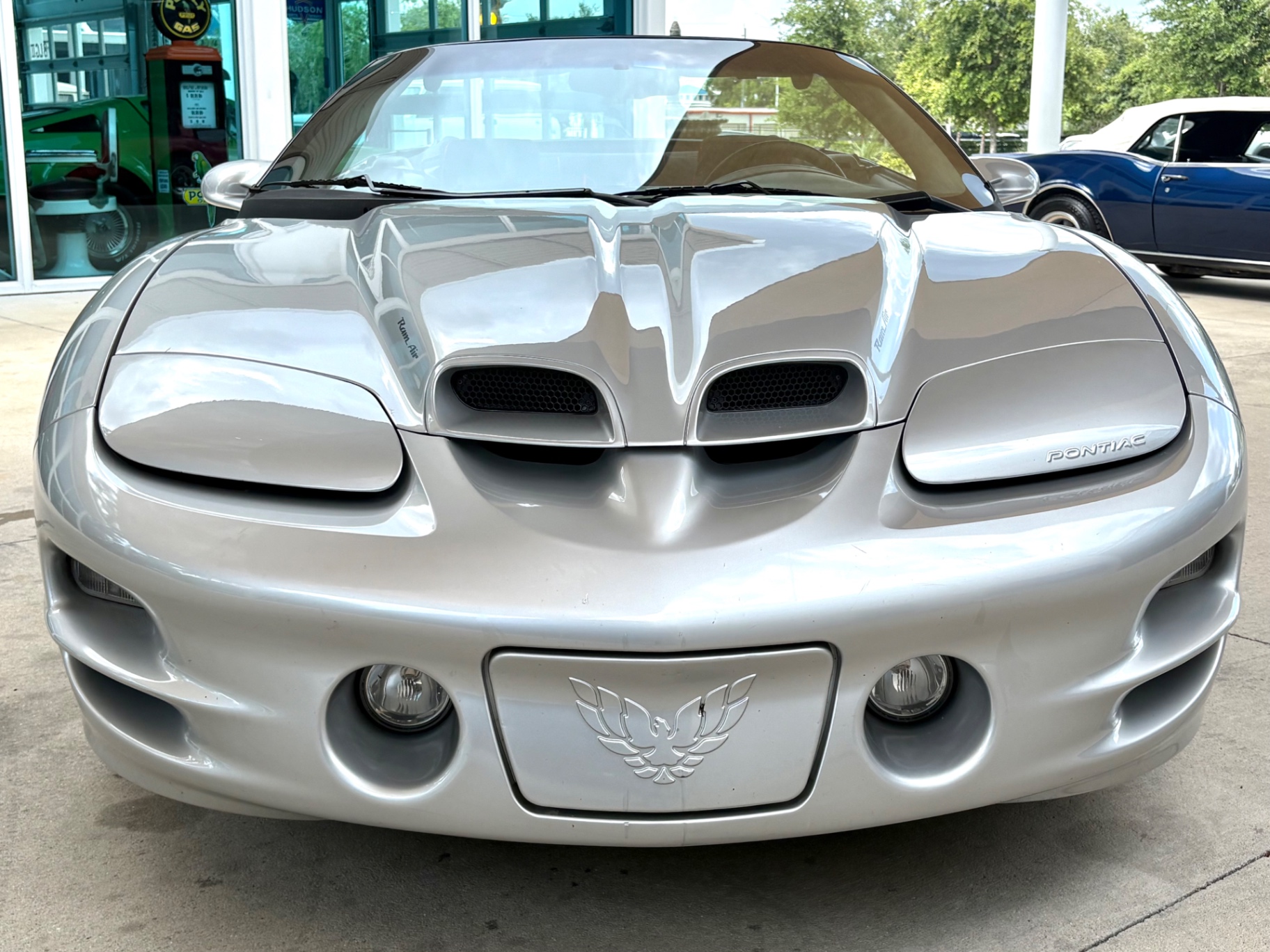
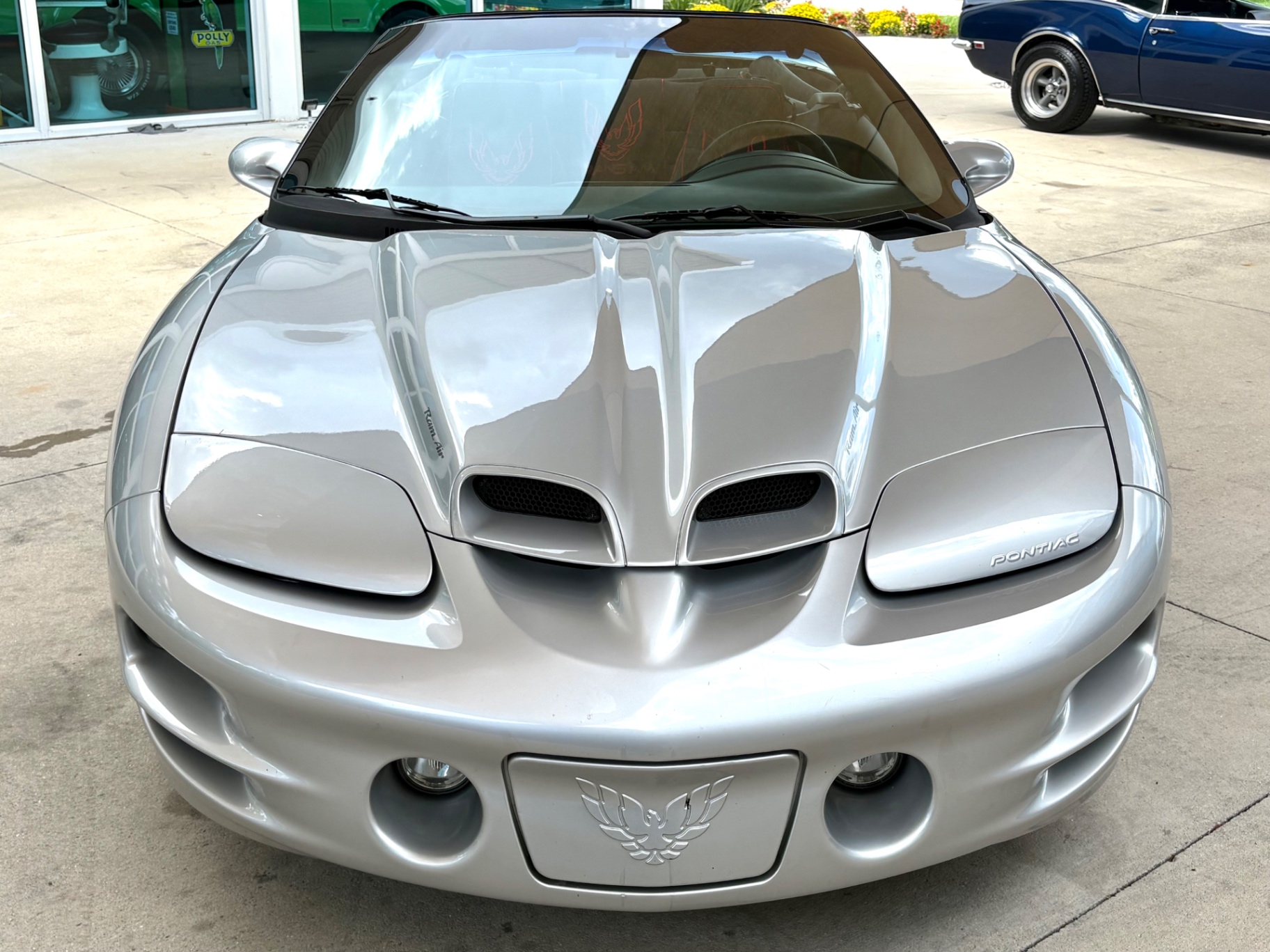
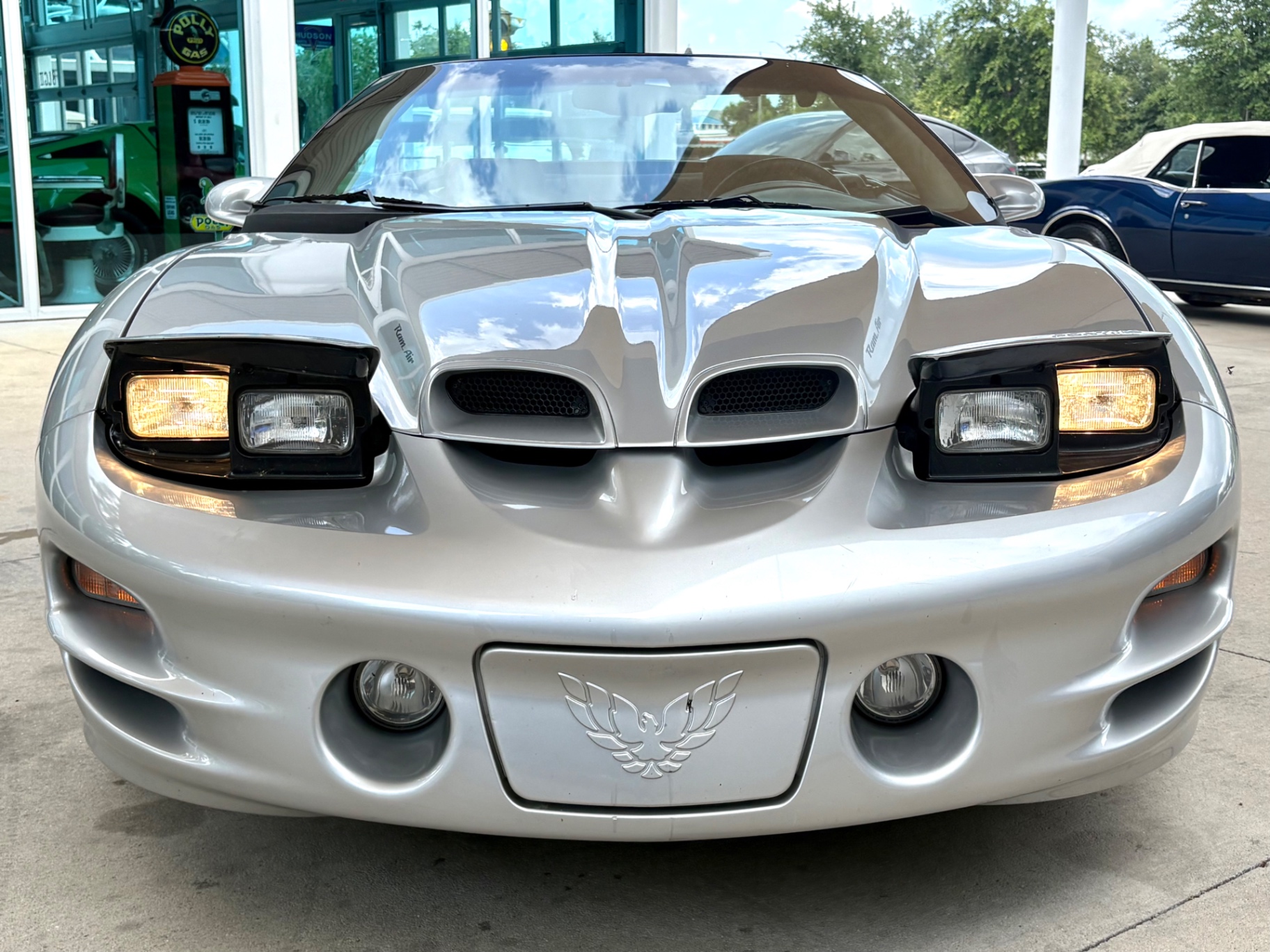
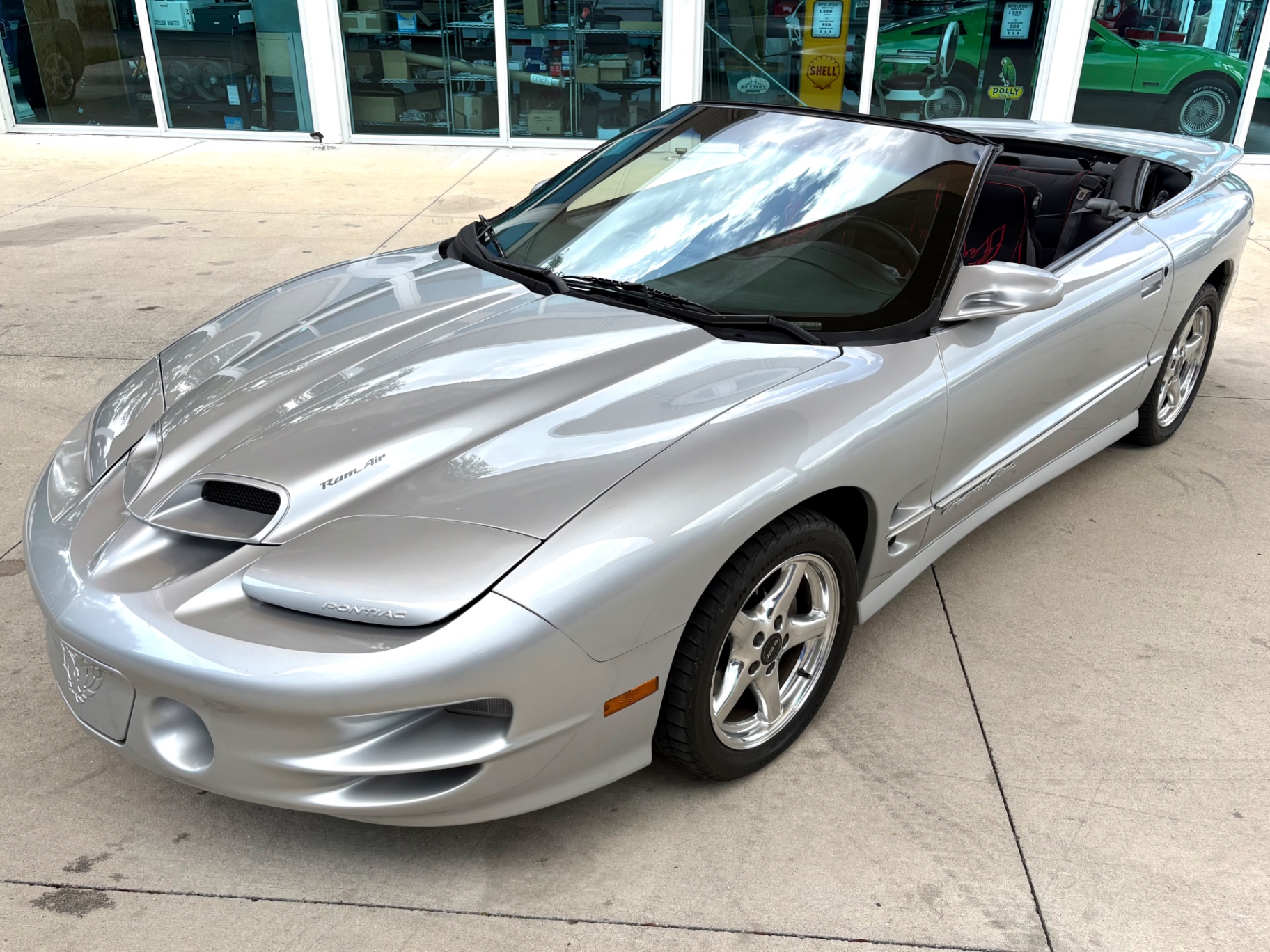
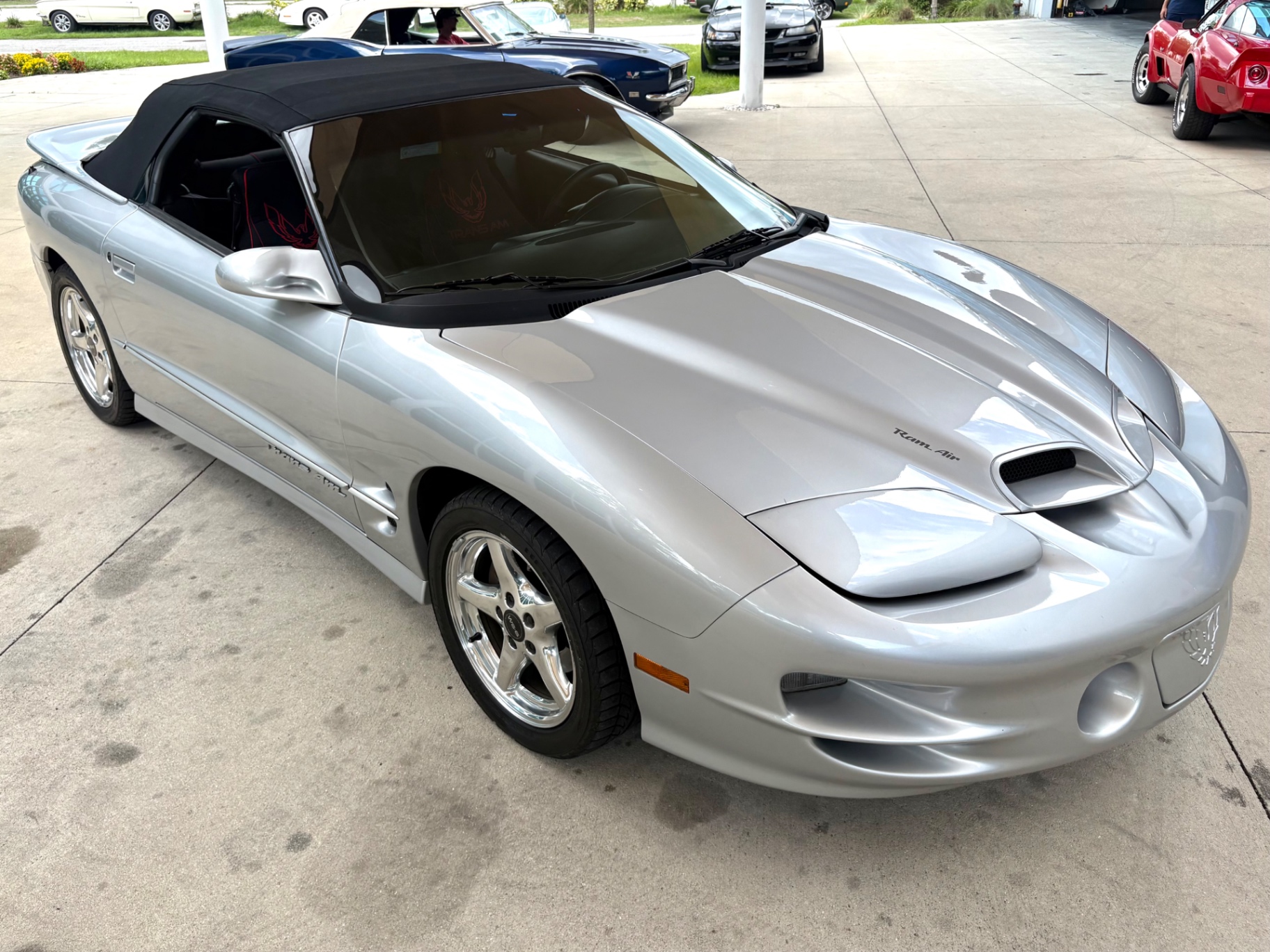
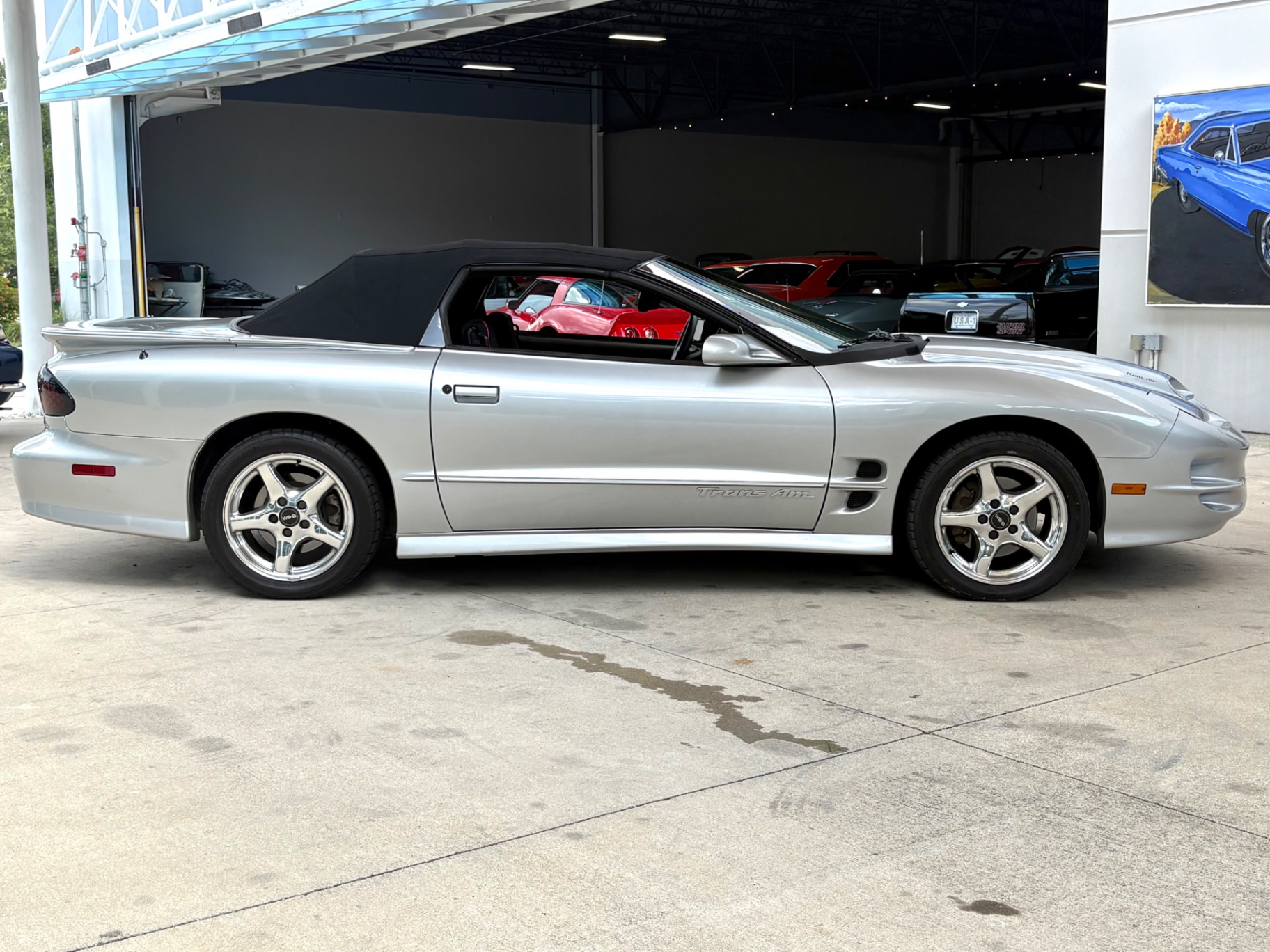
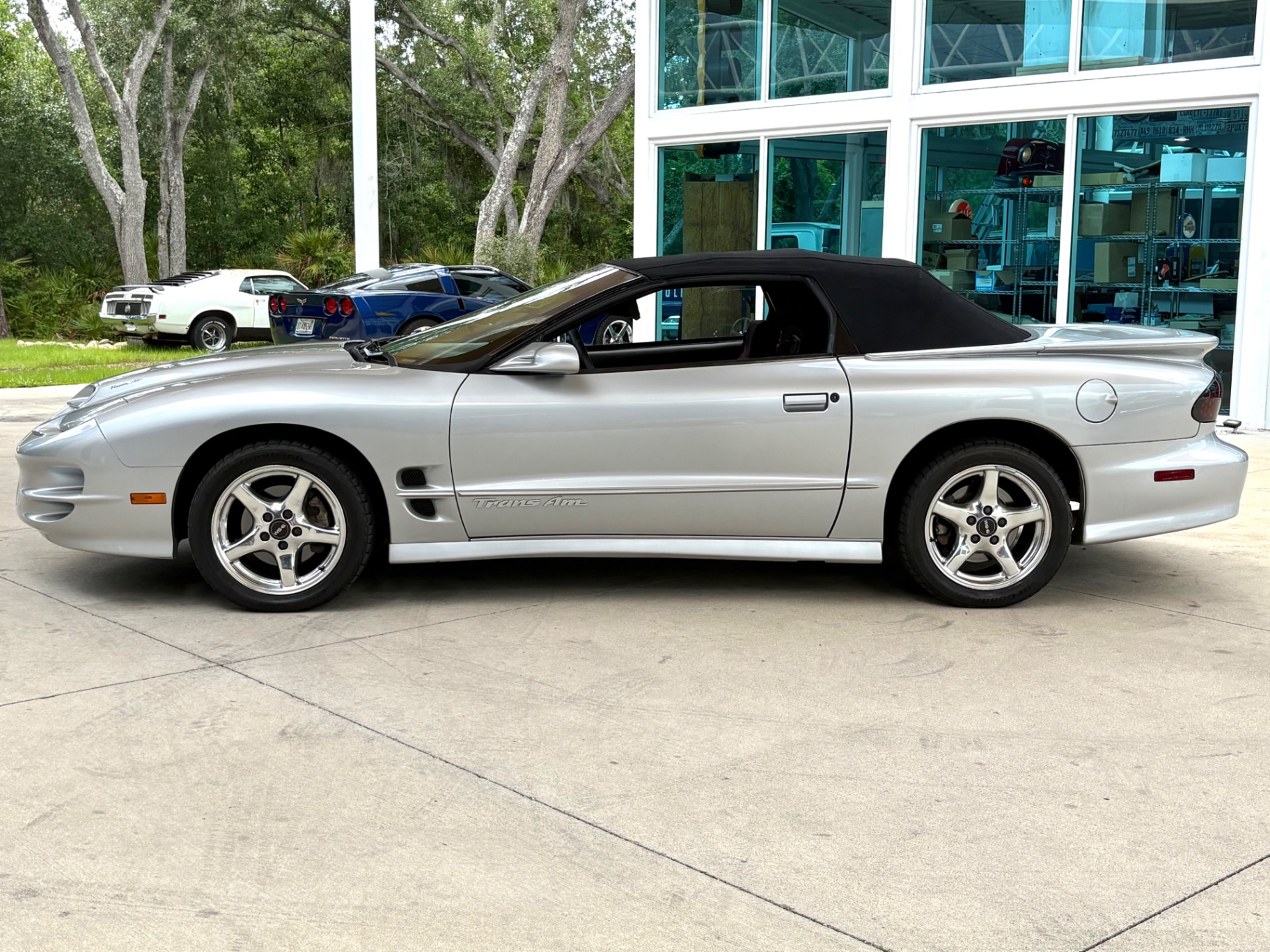
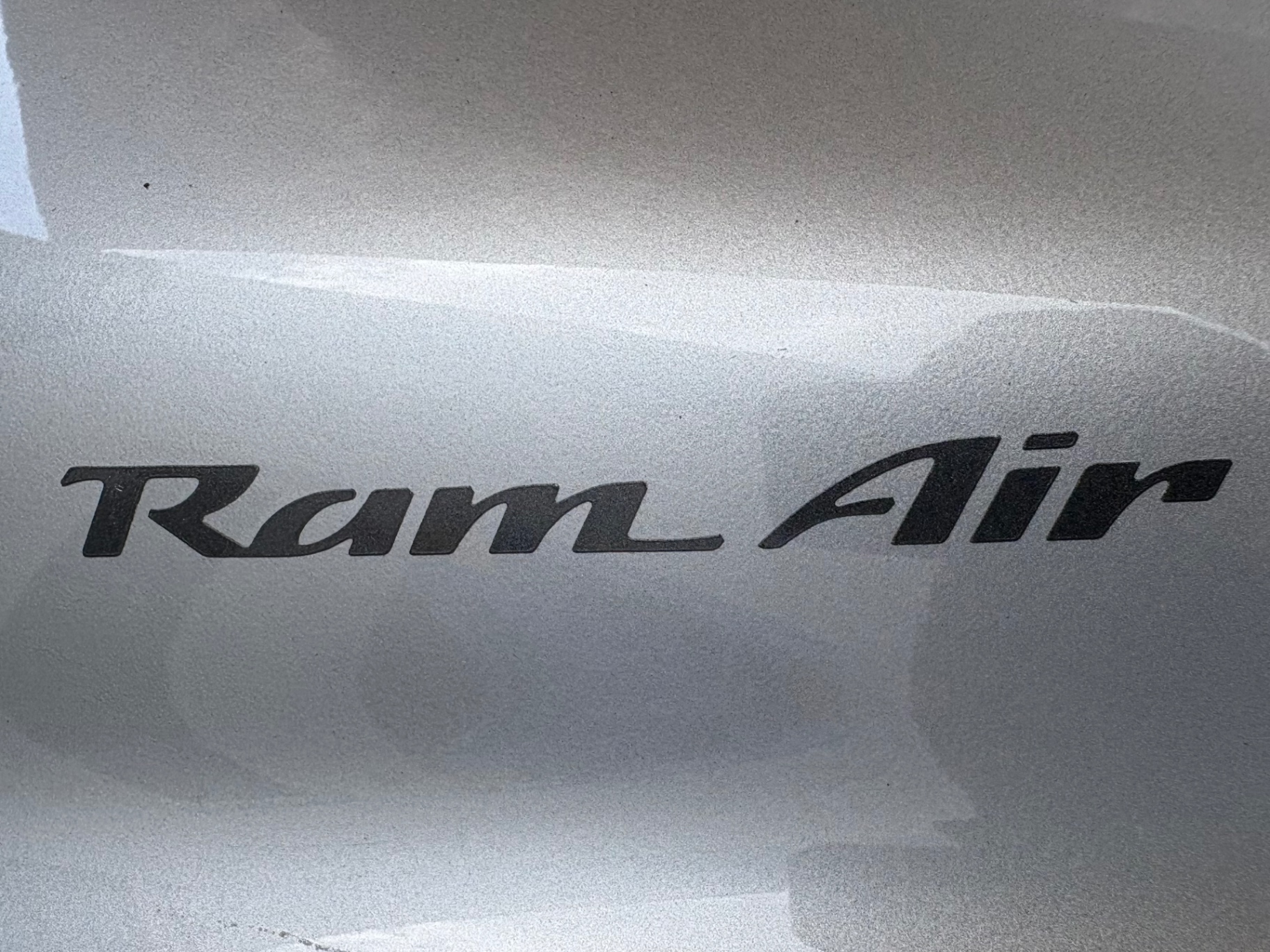
The 2000 Pontiac Trans Am WS6 wears a silver exterior finish — a color that suits the body's sculpted fourth-generation lines well. The body panels show the characteristic smooth surfacing of the later F-body cars, which had matured significantly over the prior generation in terms of fit and finish. The front fascia is the correct WS6 unit with the twin air intake openings flanking the central license plate area, and the hood is the specific dual-scoop Ram Air design that is both functional and visually distinctive. The Ram Air lettering is visible on both the hood surface and on the airbox cover under the hood.
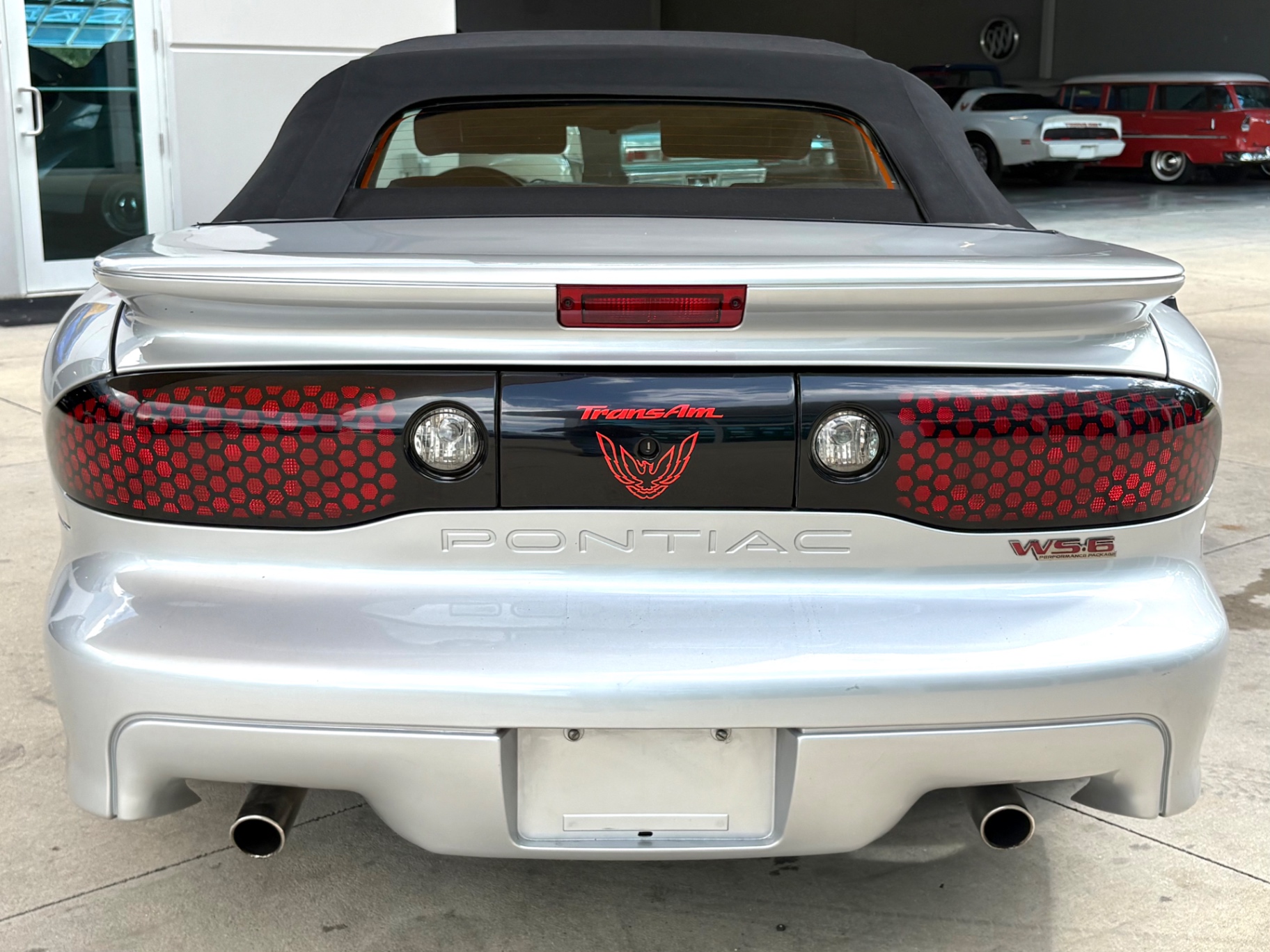
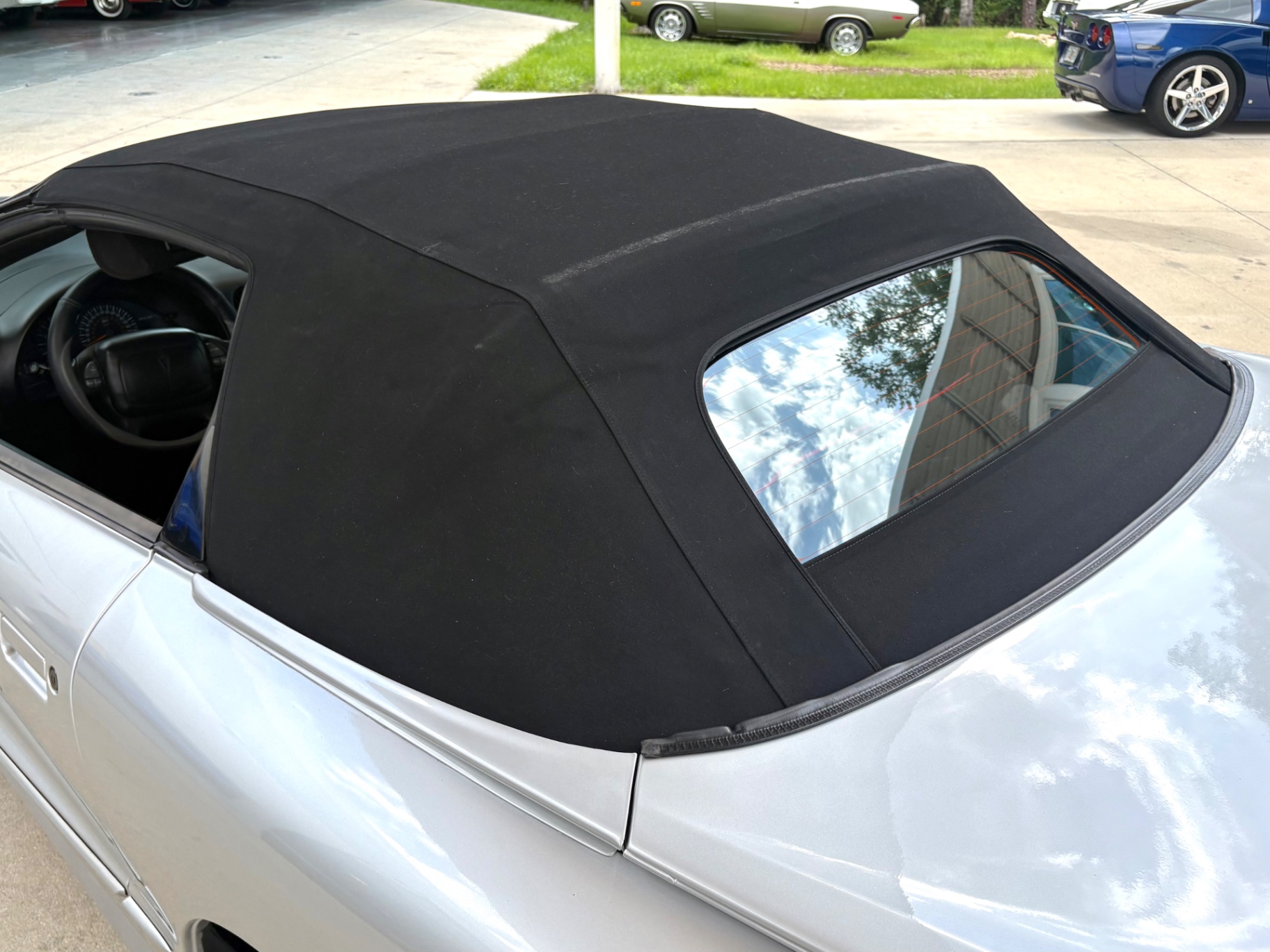
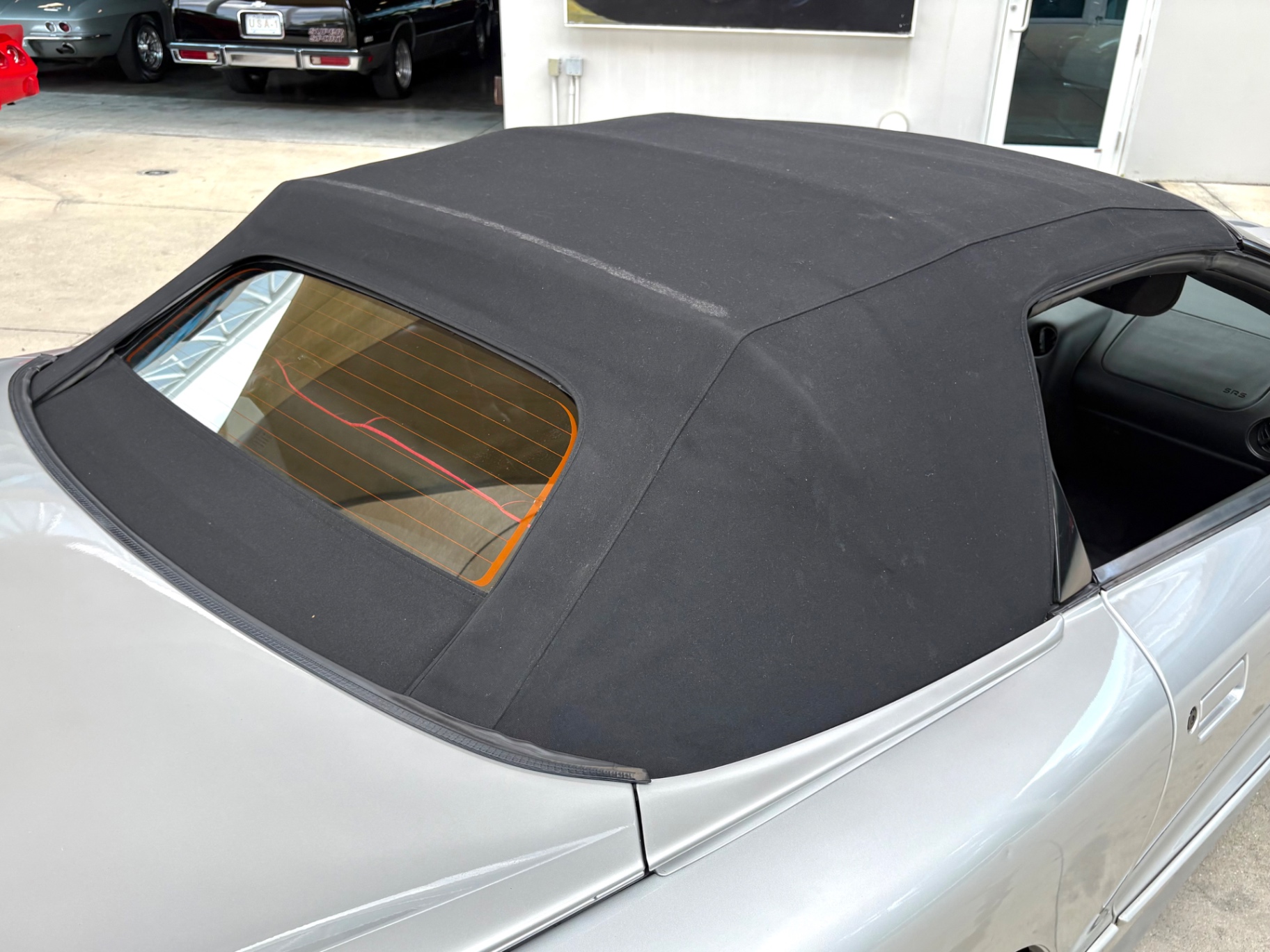
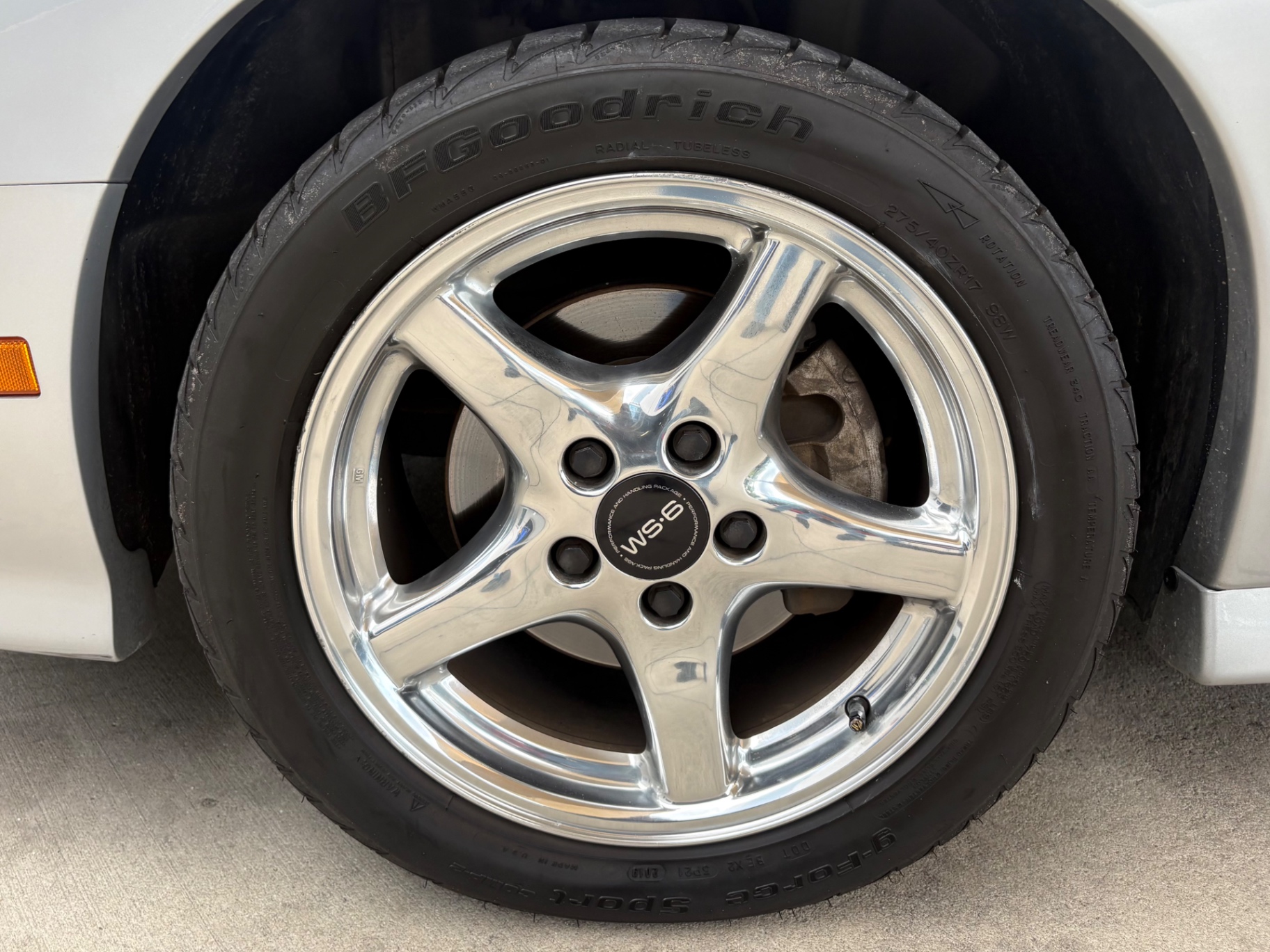
The WS6 polished alloy wheels are the correct five-spoke design specific to this package, wrapped in BFGoodrich G-Force tires. These tires were appropriate for the performance level of the WS6 package from the factory, providing the grip needed to make use of the LS1's output. The black convertible soft top is in serviceable condition and contrasts well with the silver body. At the rear, the dual exhaust outlets exit through the bumper in the correct factory position, and the Firebird emblem is centered on the rear decklid above the cutouts.
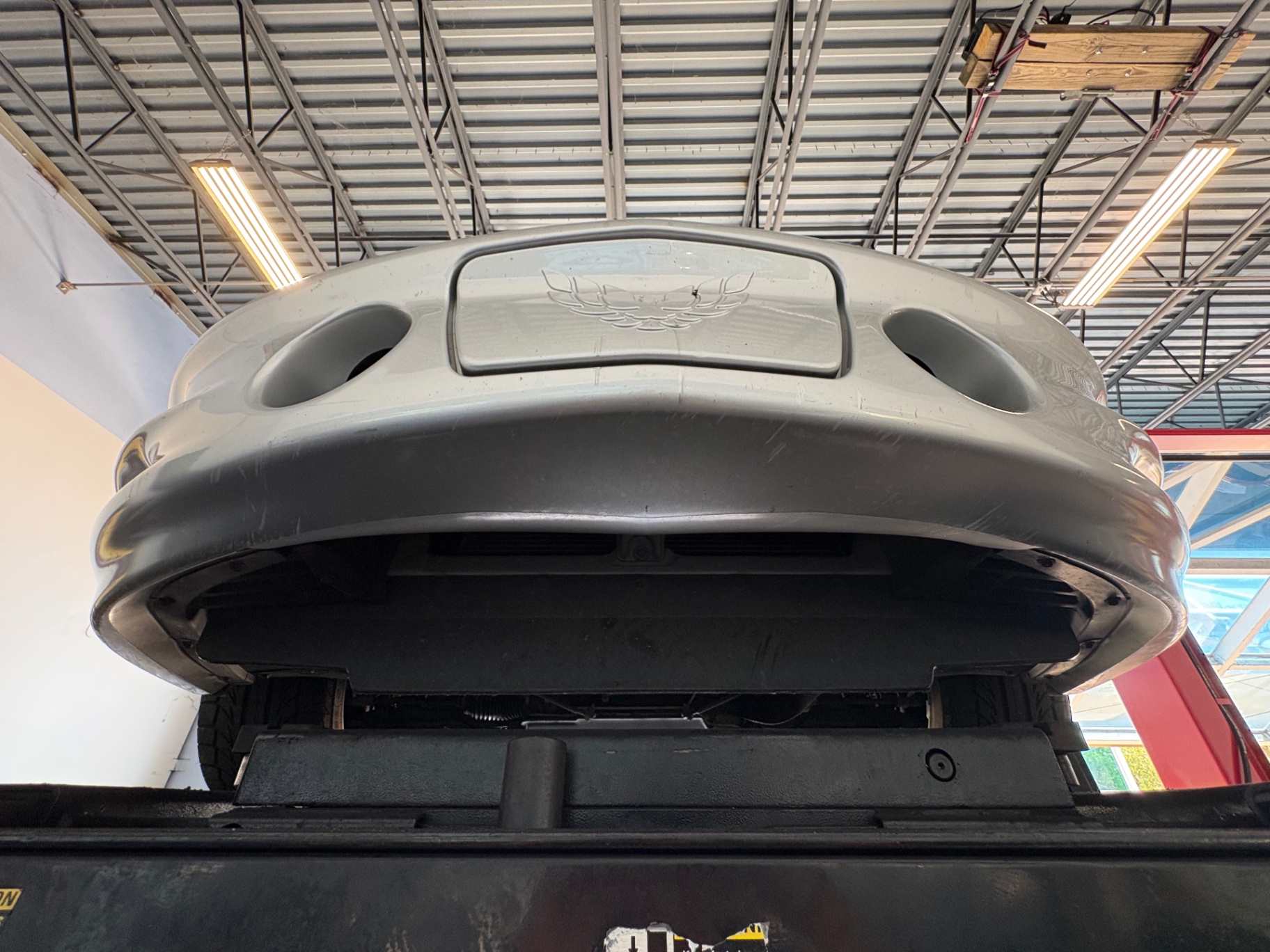
The lift photos confirm the exterior panels are straight and the underside shows no evidence of rust, prior collision repair, or structural compromise. The fourth-generation Firebird body used a combination of steel and composite panels, with the front fascia, hood, and rear hatch being composite, which means they don't rust — an advantage that keeps these cars looking solid long after steel-bodied contemporaries have started to show their age.
Conclusion
The 2000 Pontiac Trans Am WS6 Ram Air Convertible occupies a specific and well-defined place in American performance car history. It was the last generation of a nameplate that dated back to 1969, it carried a genuine Corvette-derived V8 at a price point that undercut the Corvette significantly, and it was built in an era when General Motors was producing some of the most capable naturally-aspirated V8 engines in the world. The WS6 package, the Ram Air induction, and the convertible body together represent the most complete specification available on this platform in the 2000 model year. This example has a clean undercarriage, a solid exterior, and an interior that has been used without being neglected. For a buyer who knows the fourth-generation Trans Am and what the WS6 package means, the documentation here speaks clearly.
To learn more about this 2000 Pontiac Trans Am WS6 Ram Air Convertible, contact Skyway Classics in Sarasota, Florida at 941-254-6608.
Disclaimer
Information found on the website is presented as given to us by the owner of the car, whether on consignment or from the owner we bought it from. Some Photos, materials for videos, descriptions and other information are provided by the consignor/seller and is deemed reliable, but Skyway Classics does not warranty or guarantee this information. Skyway Classics is not responsible for information that may incorrect or a publishing error. The decision to purchase should be based solely on the buyers personal inspection of the vehicle or by a professional inspection service prior to offer or purchase being made.
2000 Pontiac Trans Am WS6 Ram Air Convertible — LS1 V8, Silver over Black
Why This Car Is Special
The 2000 Pontiac Trans Am WS6 Ram Air Convertible represents the final chapter of one of the longest-running performance nameplates in American automotive history. Pontiac discontinued the Firebird and Trans Am after the 2002 model year, making the last-generation cars — especially the WS6-equipped ones — increasingly sought after by collectors who understand what the platform delivered. This particular car checks the most desirable boxes: it carries the WS6 Performance Package, the functional Ram Air induction system, the LS1 5.7-liter V8, and the open-air convertible body. That is a combination that, even by today's performance standards, commands respect.
The fourth-generation F-body platform, which underpinned both the Trans Am and the Camaro from 1993 through 2002, reached its performance peak in the late 1990s when General Motors installed the all-aluminum LS1 V8. The engine came directly out of the C5 Corvette program and brought that car's technology — aluminum block and heads, composite intake manifold, returnless fuel system, and coil-near-plug ignition — into a Pontiac that sold for considerably less money. The WS6 package, which Pontiac offered on the Trans Am starting in 1996, layered on top of that a sport-tuned suspension, limited-slip differential, functional Ram Air hood, and a specific tire and wheel package. When the Ram Air induction system was paired with the LS1, Pontiac rated the combination at 325 horsepower and 350 lb-ft of torque. Independent testing by automotive publications at the time put the WS6 Trans Am in the low 13-second quarter-mile range at around 104 mph — figures that embarrassed cars costing significantly more.
The convertible body style adds another layer of desirability. Pontiac built far fewer Firebird and Trans Am convertibles than coupes in any given year, and pairing the open-top body with the WS6 package was a combination that not every buyer chose. The result is a car that offers the full performance specification of the WS6 coupe with the added appeal of open-air driving — and the structural reinforcements Pontiac built into the convertible platform to compensate for the absent roof.
Features List
- LS1 5.7L V8 with functional Ram Air induction
- WS6 Performance Package
- 4-Speed Automatic Transmission (4L60-E)
- Functional Ram Air Hood
- Black Convertible Soft Top
- WS6 5-Spoke Polished Alloy Wheels
- BFGoodrich G-Force Tires
- Dual Exhaust with Rear Outlets
- Black Leather Interior
- Center Console with Floor Shifter
- Tachometer
- Power Windows and Locks
- Air Conditioning
- Clean Undercarriage
Mechanical
The heart of this 2000 Pontiac Trans Am WS6 is the LS1 5.7-liter V8, an all-aluminum small-block that General Motors introduced with the 1997 C5 Corvette. On the WS6 Trans Am, this engine is paired with the functional Ram Air system, which uses a sealed airbox that draws outside air through the twin hood scoops directly into the intake. At speed, this creates a positive pressure effect that increases charge density beyond what a conventional open-element intake produces. Pontiac rated this combination at 325 horsepower and 350 lb-ft of torque, though many enthusiasts and publications of the era noted the engine consistently outperformed those conservative factory figures on the dyno.
The transmission is the 4L60-E 4-speed automatic, a unit that was well-suited to the LS1's torque curve and capable of handling the power reliably when properly maintained. The WS6 package also included a Torsen-style limited-slip rear differential, which helps put the power down under hard acceleration without the tire-spinning drama of an open differential. The suspension tuning that comes with the WS6 package is noticeably firmer than the base Trans Am setup, with stiffer springs, recalibrated shock valving, and a larger rear stabilizer bar.
The undercarriage photos tell an important story on any used car, and this one tells a good one. The floor pans, frame rails, subframe, and suspension components are all clean, with no rot, no previous repair patches, and no evidence of water intrusion. The suspension bushings are visible in the lift photos and show no significant cracking or deterioration. The exhaust routing is intact and the dual outlets exit cleanly through the rear bumper cutouts as designed. For a car of this age, the undercarriage condition here is a meaningful indicator of how this Trans Am was stored and maintained over its life.
Interior
Inside the 2000 Pontiac Trans Am WS6, the cockpit is focused and driver-oriented in a way that was intentional from the factory. The dashboard wraps toward the driver with a clustered pod housing the gauges, including the large tachometer that is central to the WS6 experience. The leather seats are the correct sport buckets for this model, providing lateral support without the bulk of aftermarket buckets. The center console runs between the seats with the floor-mounted shifter for the 4-speed automatic, finished in the correct gate pattern with the PRND321 labeling clearly visible in the photos.
The leather surfaces appear to be in good condition throughout. The dashboard and door panels show normal patina consistent with a car of this age that was used as intended, without any cracking or significant fading visible in the photos. Seat covers with embroidered Firebird logos and Trans Am lettering in red on black are fitted over the front and rear seats — these are aftermarket additions that protect the original upholstery underneath. A buyer who prefers the clean look of the original leather can simply remove them.
The secondary head unit visible in the center stack is an aftermarket replacement for the original radio. This is a common and reversible modification. The climate controls below it are the original knob-style units. Power windows and locks operate from the driver's door panel switches, and air conditioning is present. The overall impression of the interior is a car that was actively used and reasonably cared for, rather than stored or neglected.
Exterior
The 2000 Pontiac Trans Am WS6 wears a silver exterior finish — a color that suits the body's sculpted fourth-generation lines well. The body panels show the characteristic smooth surfacing of the later F-body cars, which had matured significantly over the prior generation in terms of fit and finish. The front fascia is the correct WS6 unit with the twin air intake openings flanking the central license plate area, and the hood is the specific dual-scoop Ram Air design that is both functional and visually distinctive. The Ram Air lettering is visible on both the hood surface and on the airbox cover under the hood.
The WS6 polished alloy wheels are the correct five-spoke design specific to this package, wrapped in BFGoodrich G-Force tires. These tires were appropriate for the performance level of the WS6 package from the factory, providing the grip needed to make use of the LS1's output. The black convertible soft top is in serviceable condition and contrasts well with the silver body. At the rear, the dual exhaust outlets exit through the bumper in the correct factory position, and the Firebird emblem is centered on the rear decklid above the cutouts.
The lift photos confirm the exterior panels are straight and the underside shows no evidence of rust, prior collision repair, or structural compromise. The fourth-generation Firebird body used a combination of steel and composite panels, with the front fascia, hood, and rear hatch being composite, which means they don't rust — an advantage that keeps these cars looking solid long after steel-bodied contemporaries have started to show their age.
Conclusion
The 2000 Pontiac Trans Am WS6 Ram Air Convertible occupies a specific and well-defined place in American performance car history. It was the last generation of a nameplate that dated back to 1969, it carried a genuine Corvette-derived V8 at a price point that undercut the Corvette significantly, and it was built in an era when General Motors was producing some of the most capable naturally-aspirated V8 engines in the world. The WS6 package, the Ram Air induction, and the convertible body together represent the most complete specification available on this platform in the 2000 model year. This example has a clean undercarriage, a solid exterior, and an interior that has been used without being neglected. For a buyer who knows the fourth-generation Trans Am and what the WS6 package means, the documentation here speaks clearly.
To learn more about this 2000 Pontiac Trans Am WS6 Ram Air Convertible, contact Skyway Classics in Sarasota, Florida at 941-254-6608.
Disclaimer
Information found on the website is presented as given to us by the owner of the car, whether on consignment or from the owner we bought it from. Some Photos, materials for videos, descriptions and other information are provided by the consignor/seller and is deemed reliable, but Skyway Classics does not warranty or guarantee this information. Skyway Classics is not responsible for information that may incorrect or a publishing error. The decision to purchase should be based solely on the buyers personal inspection of the vehicle or by a professional inspection service prior to offer or purchase being made.
2000 Pontiac
Firebird Trans Am
Why Choose Skyway Classics?
Explore our curated inventory of classic and collector cars—thoughtfully selected, ready to drive, and supported by experts who make ownership simple.
Expert Curation
Every vehicle is hand-selected by our experts for quality, authenticity, and investment potential.
Fast Transactions
Streamlined buying and selling process with quick financing and immediate delivery options.
Only National Dealer With Classic Service & Repair
We’re the only national dealership that services and repairs the classics we sell—before and after the sale.
Nationwide Network
Access to our extensive network of collectors, restorers, and classic car enthusiasts nationwide.
Concierge Ownership Support
From financing and insurance to paperwork, shipping, and titling—we handle the details so you can enjoy the drive.
Passion-Driven Service
We're classic car enthusiasts first, providing personalized service with genuine passion for the hobby.