
1951 Willys
Jeepster VJ-473
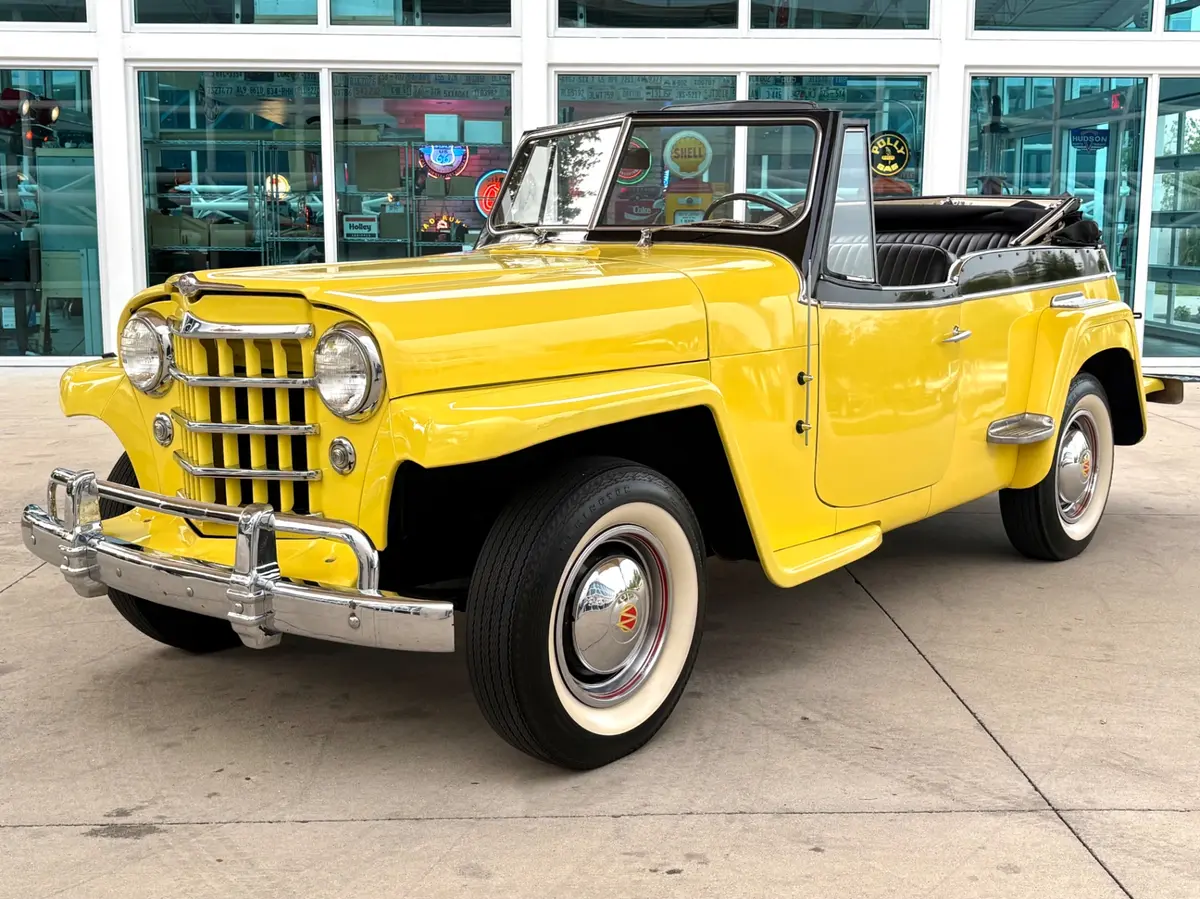
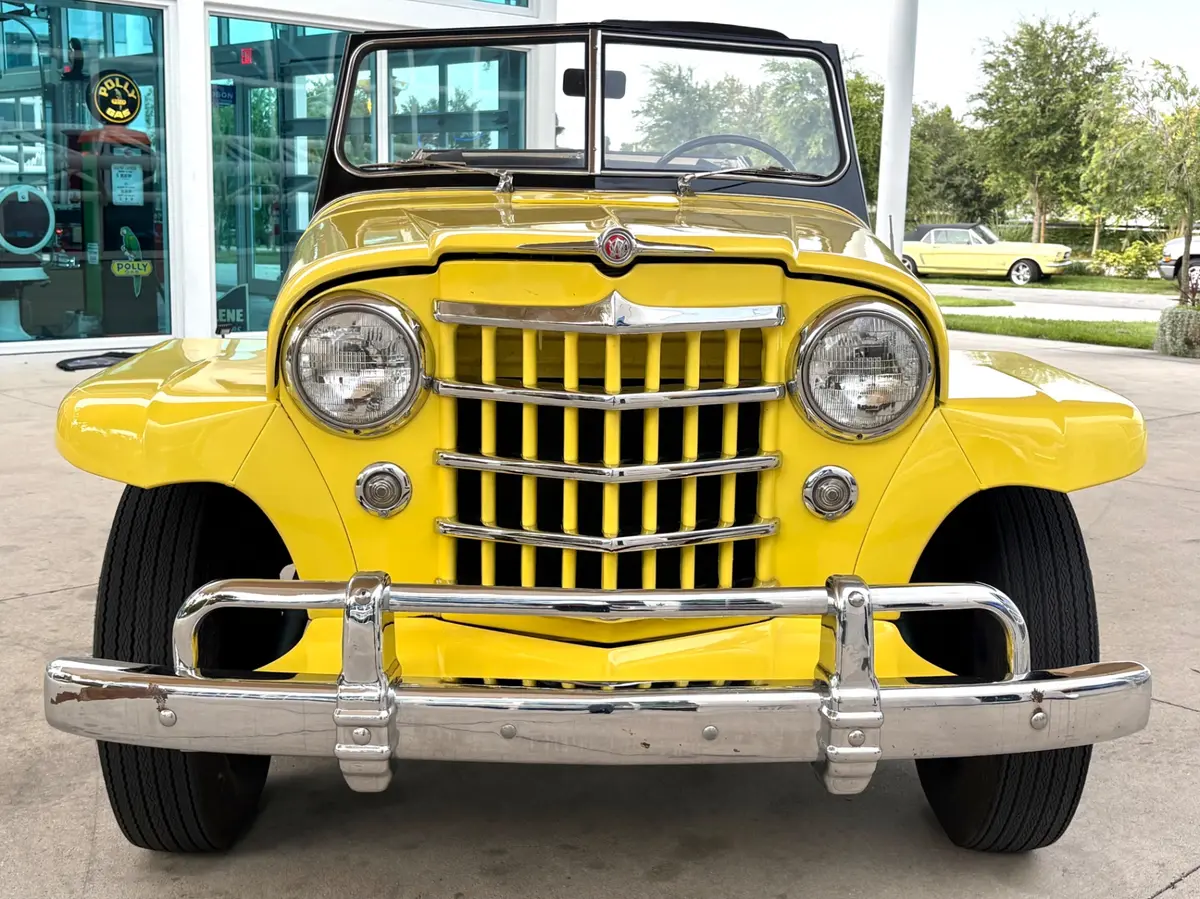
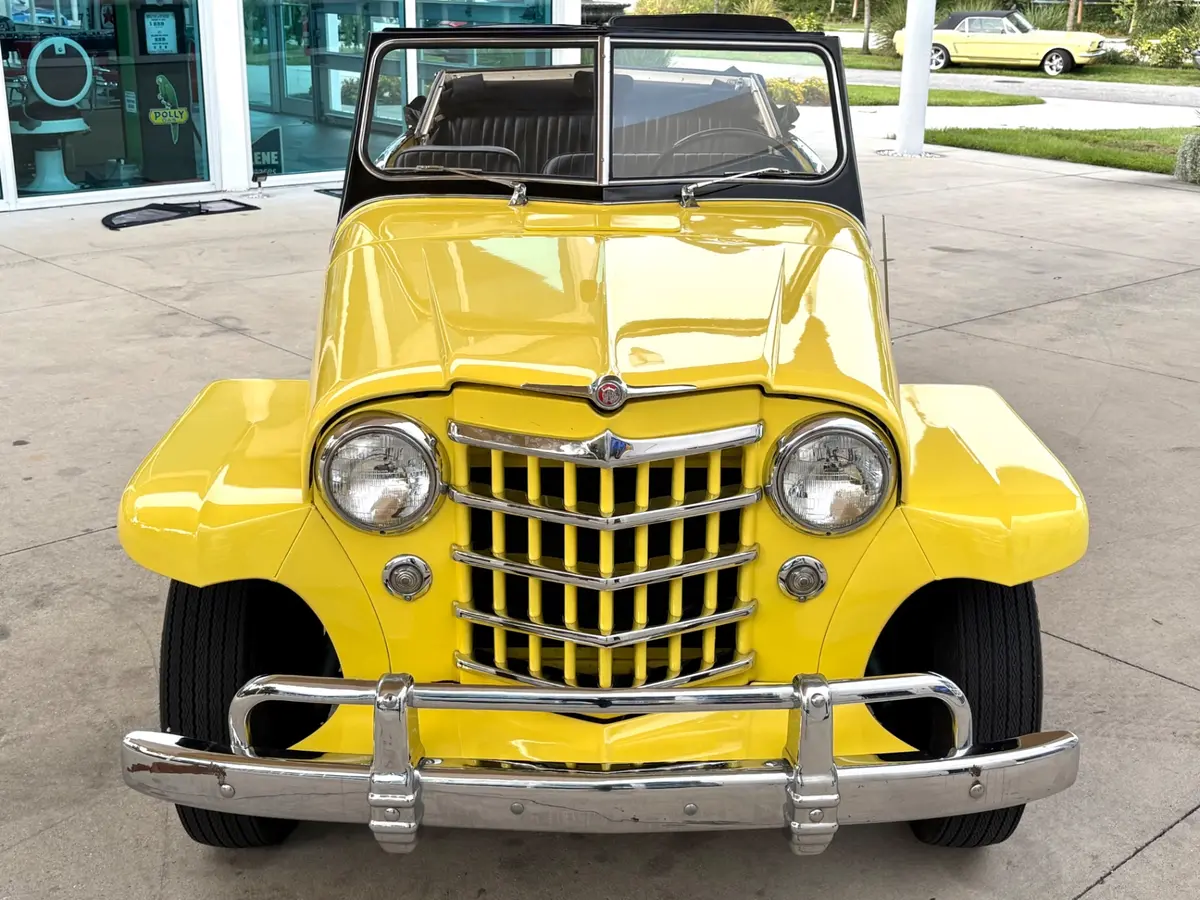
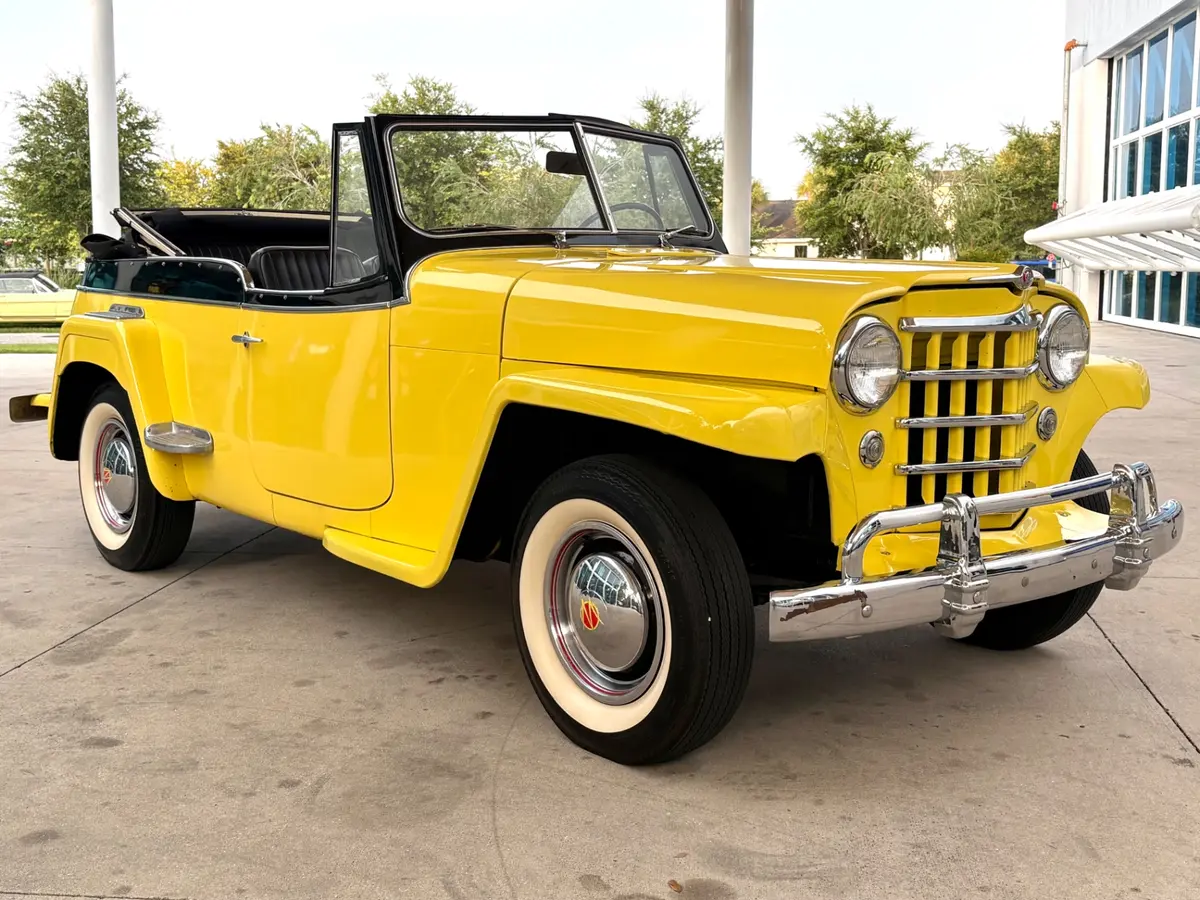
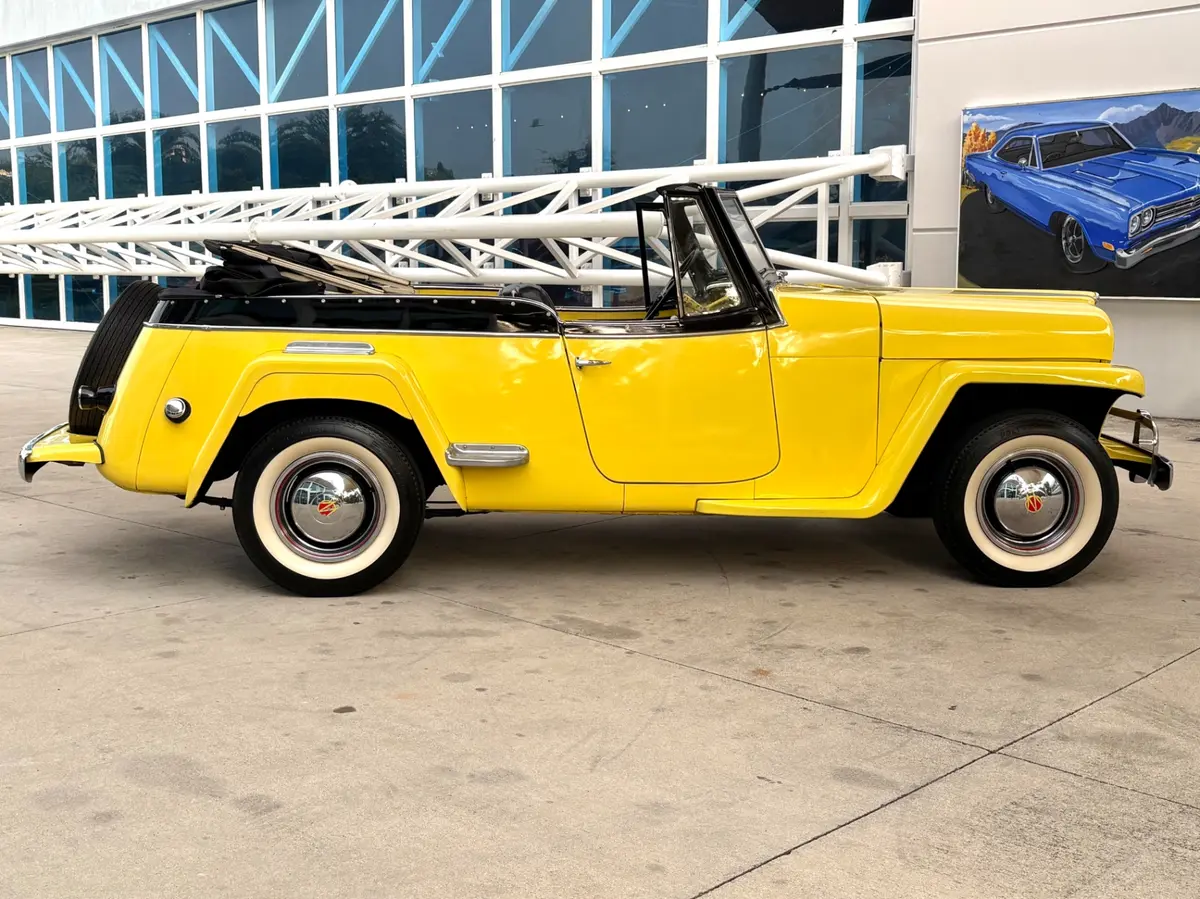
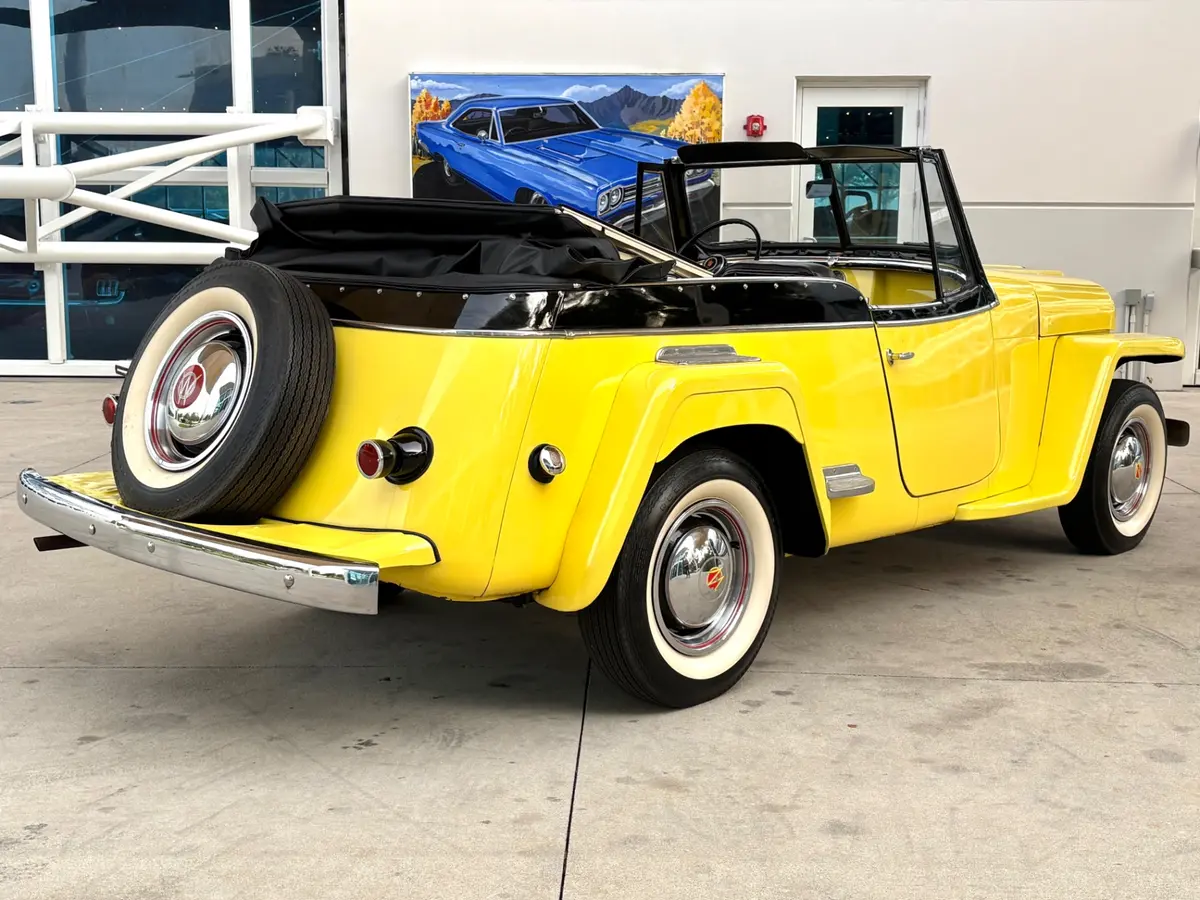
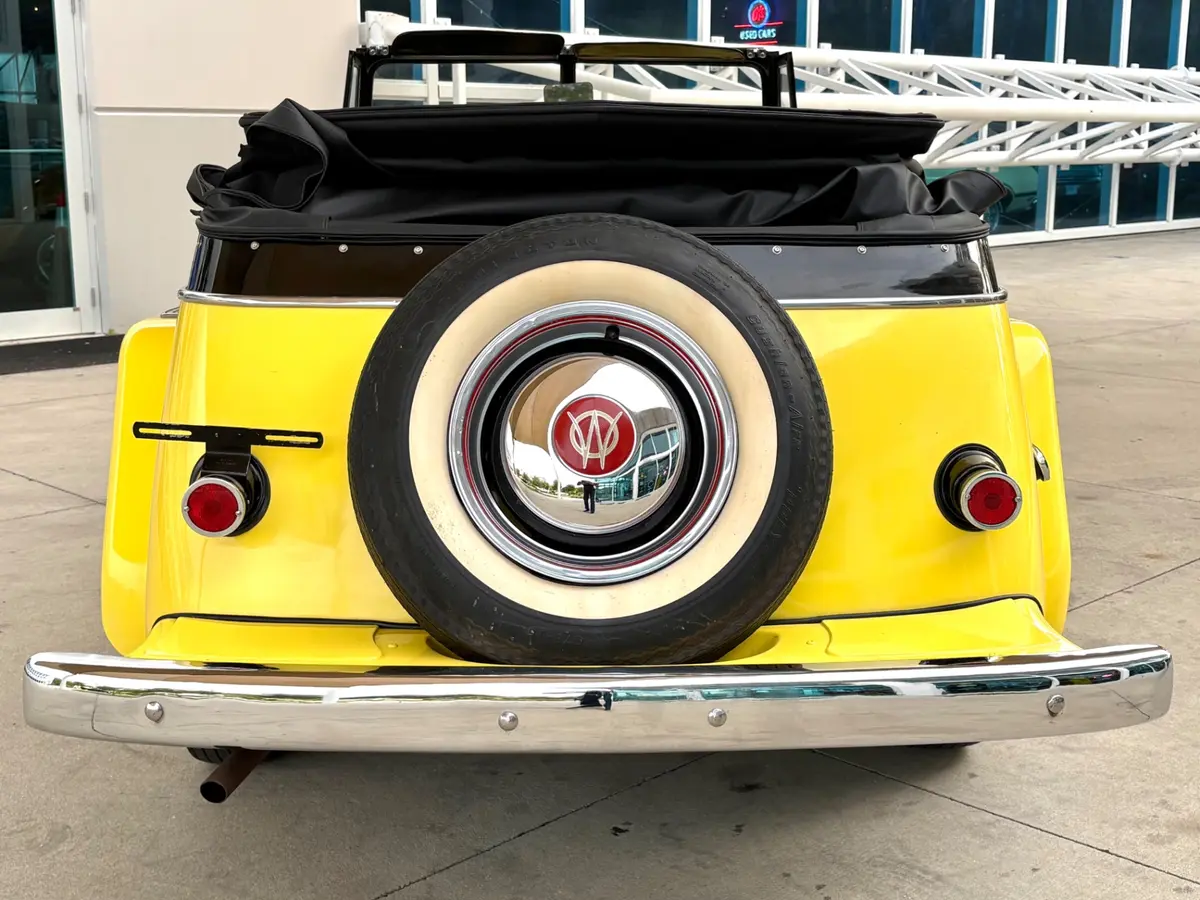
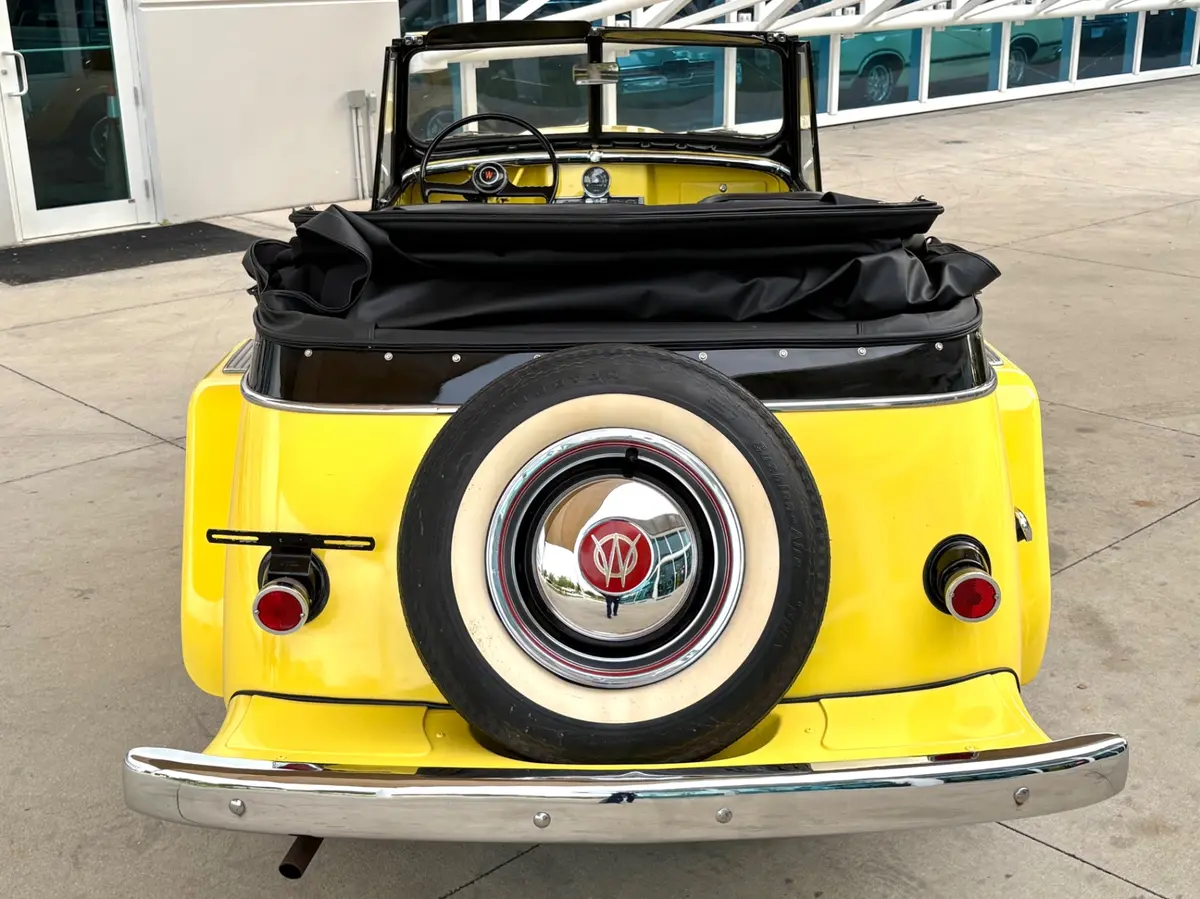
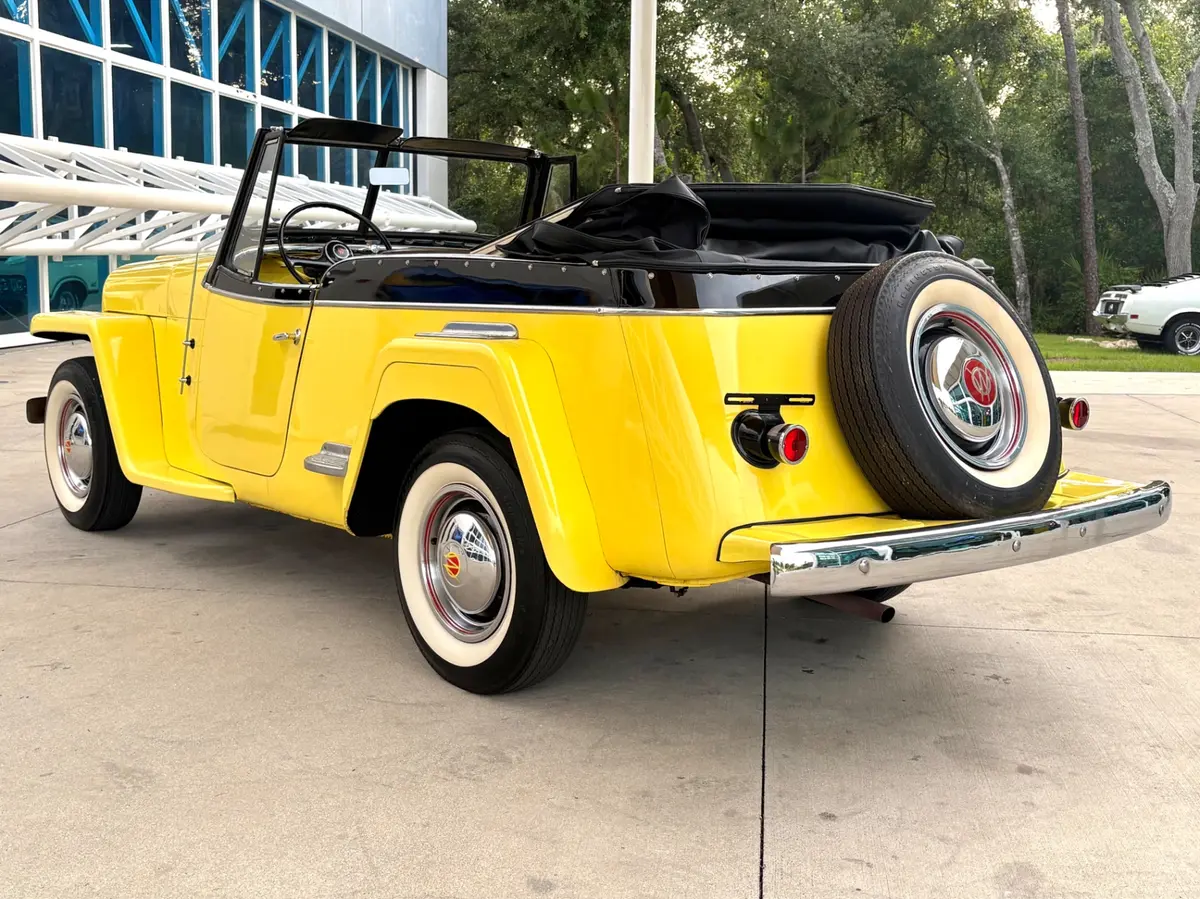
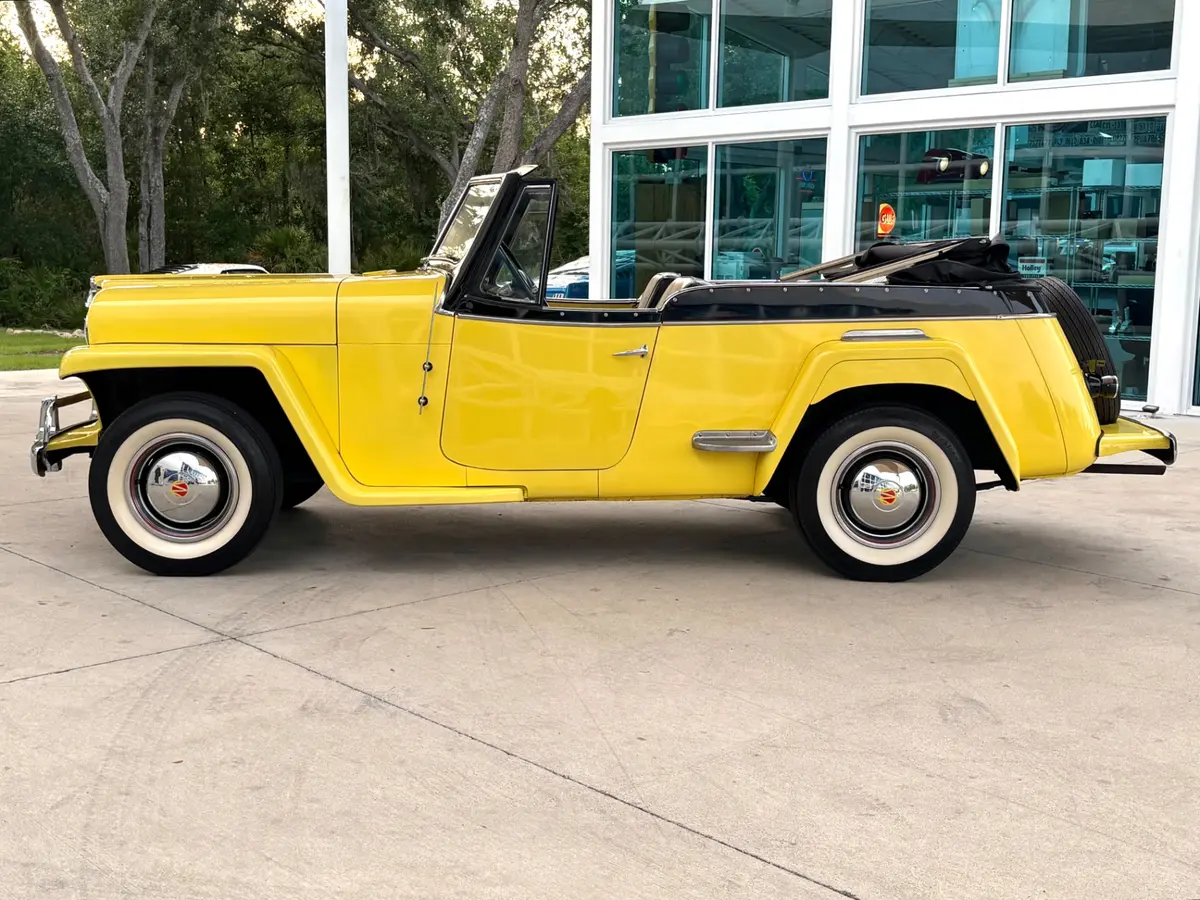
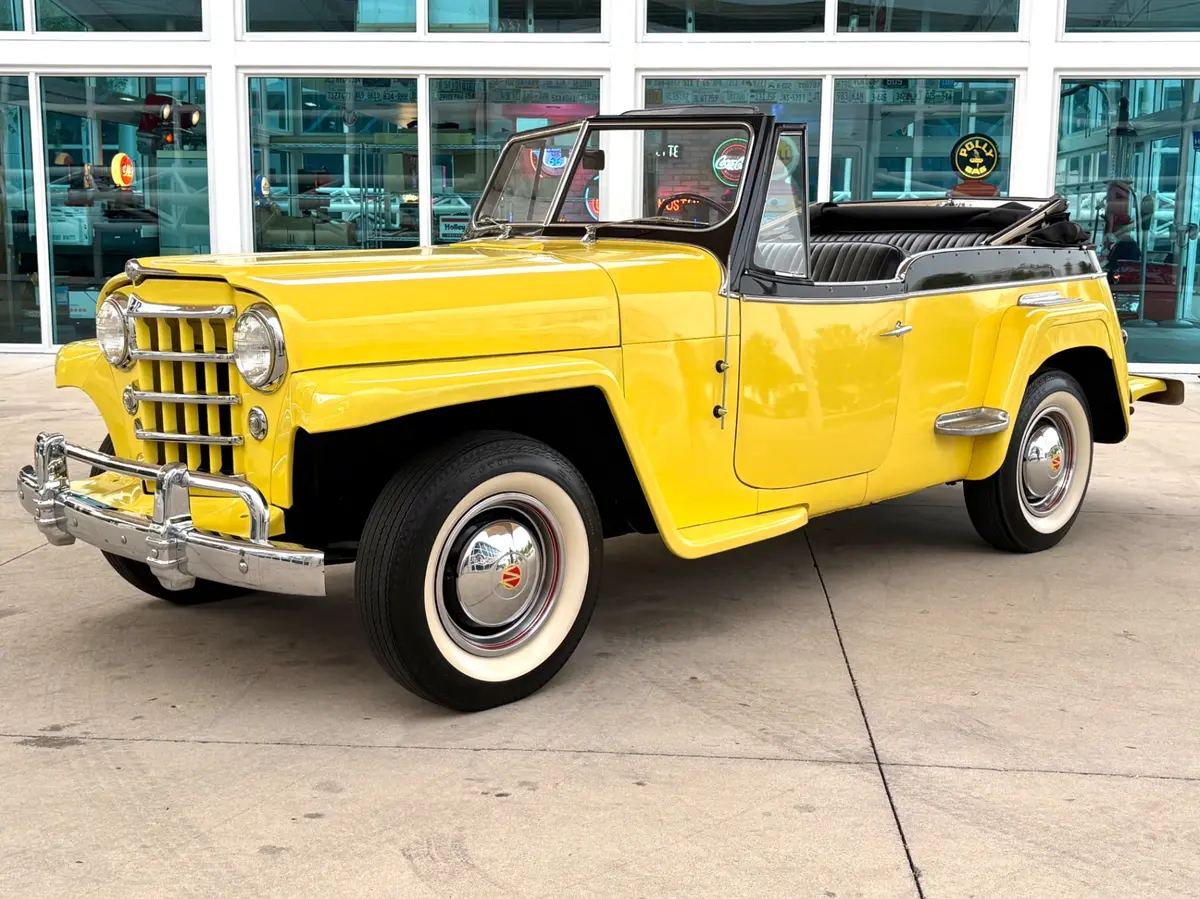
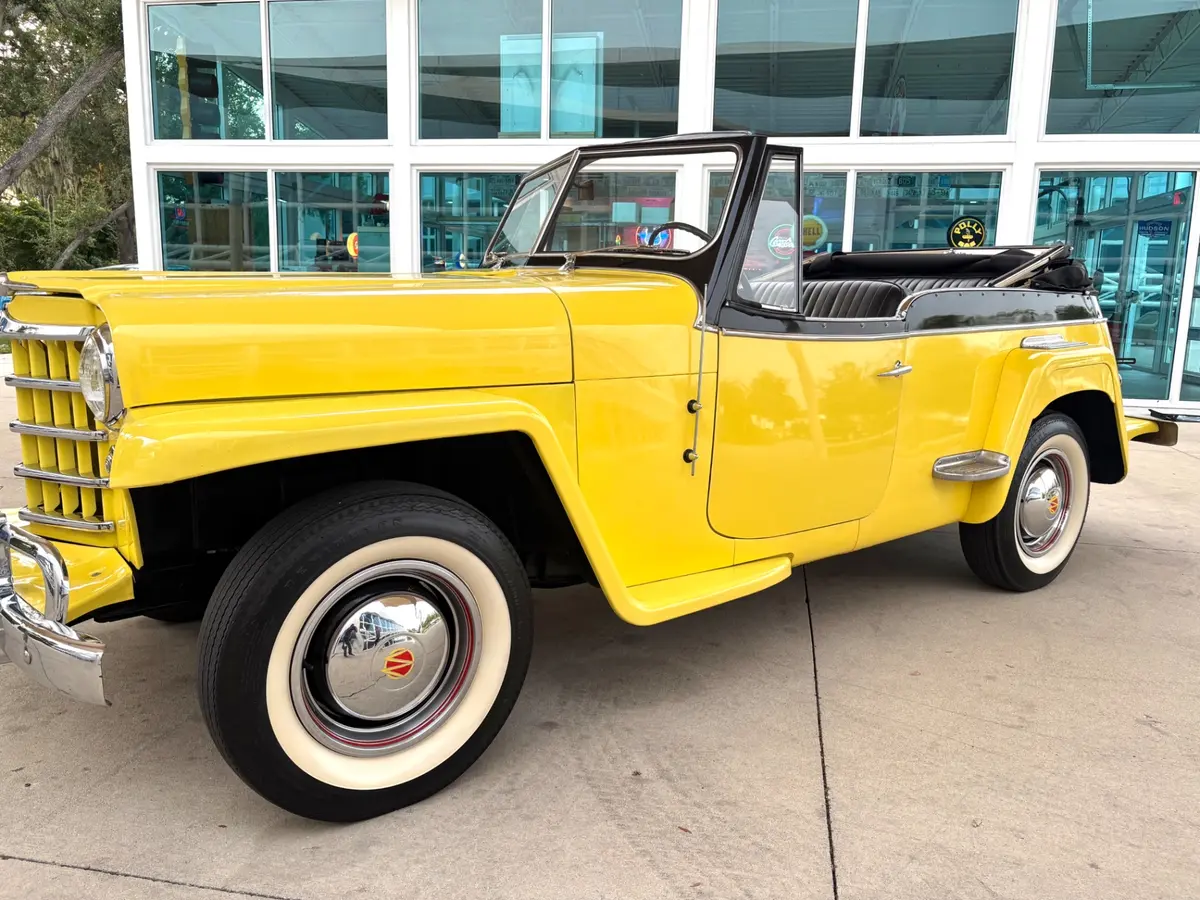
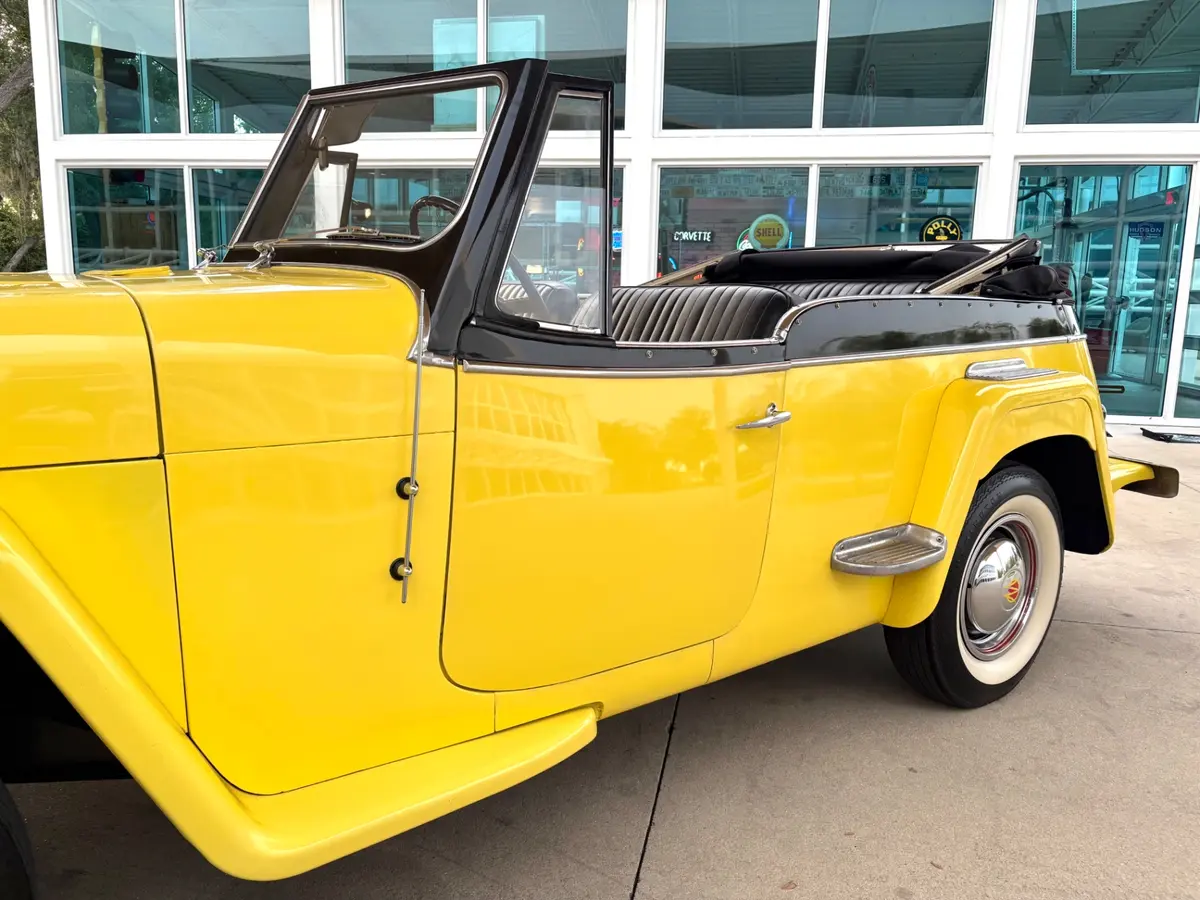
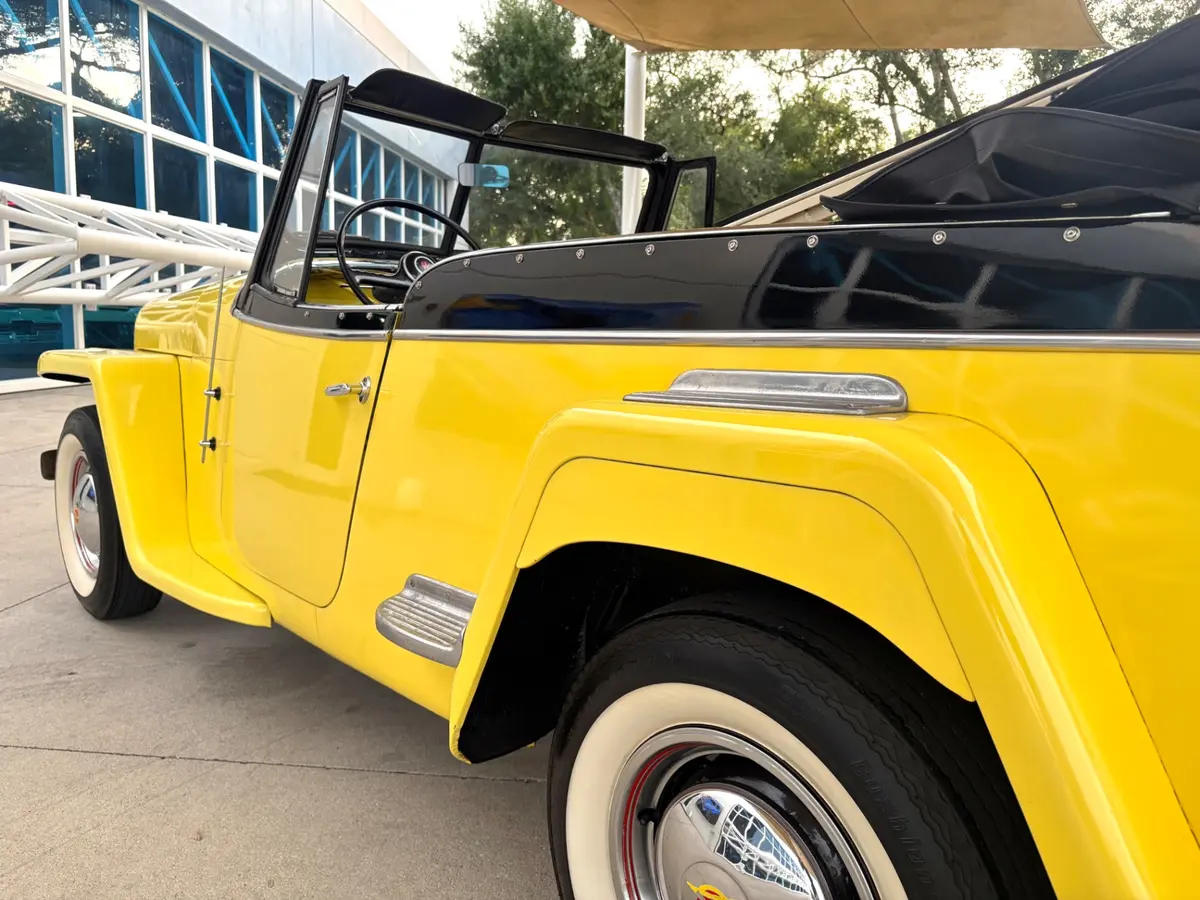
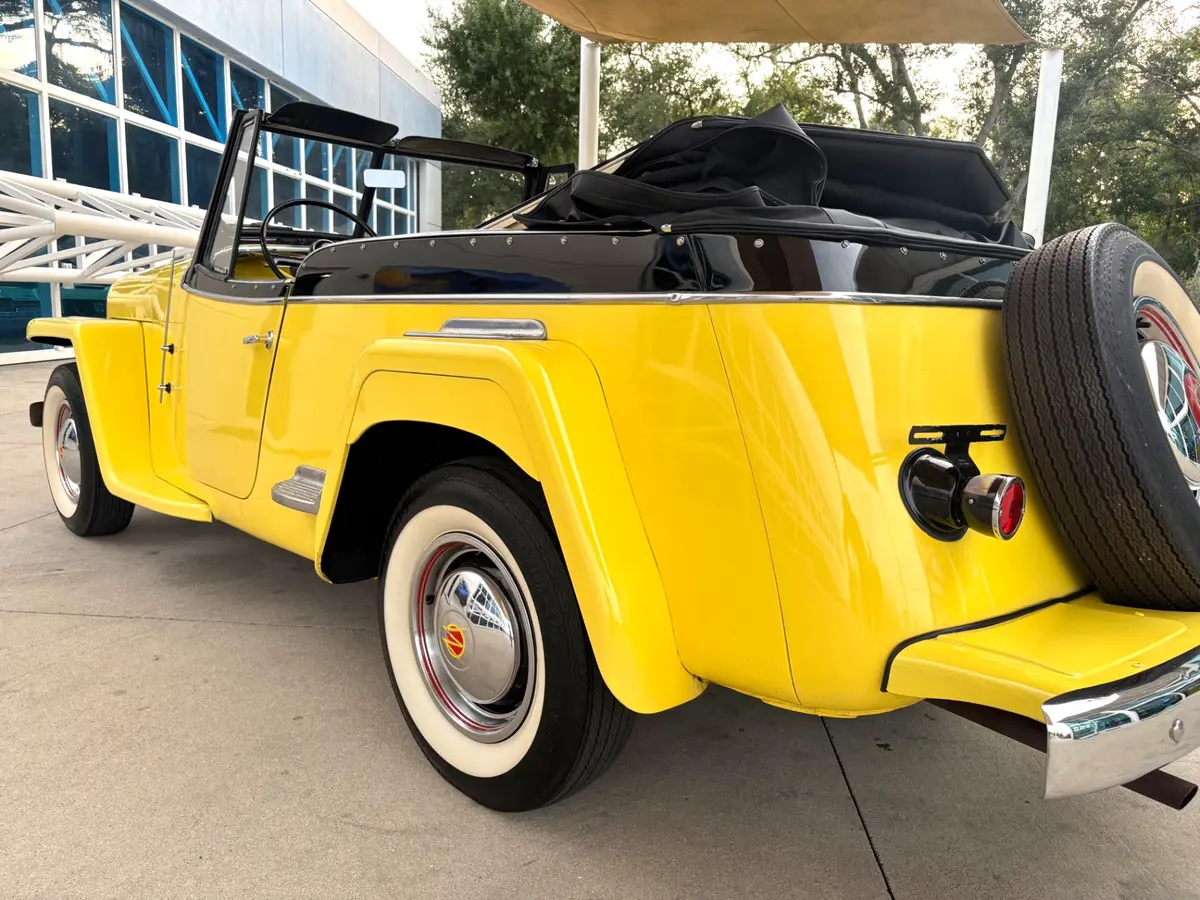
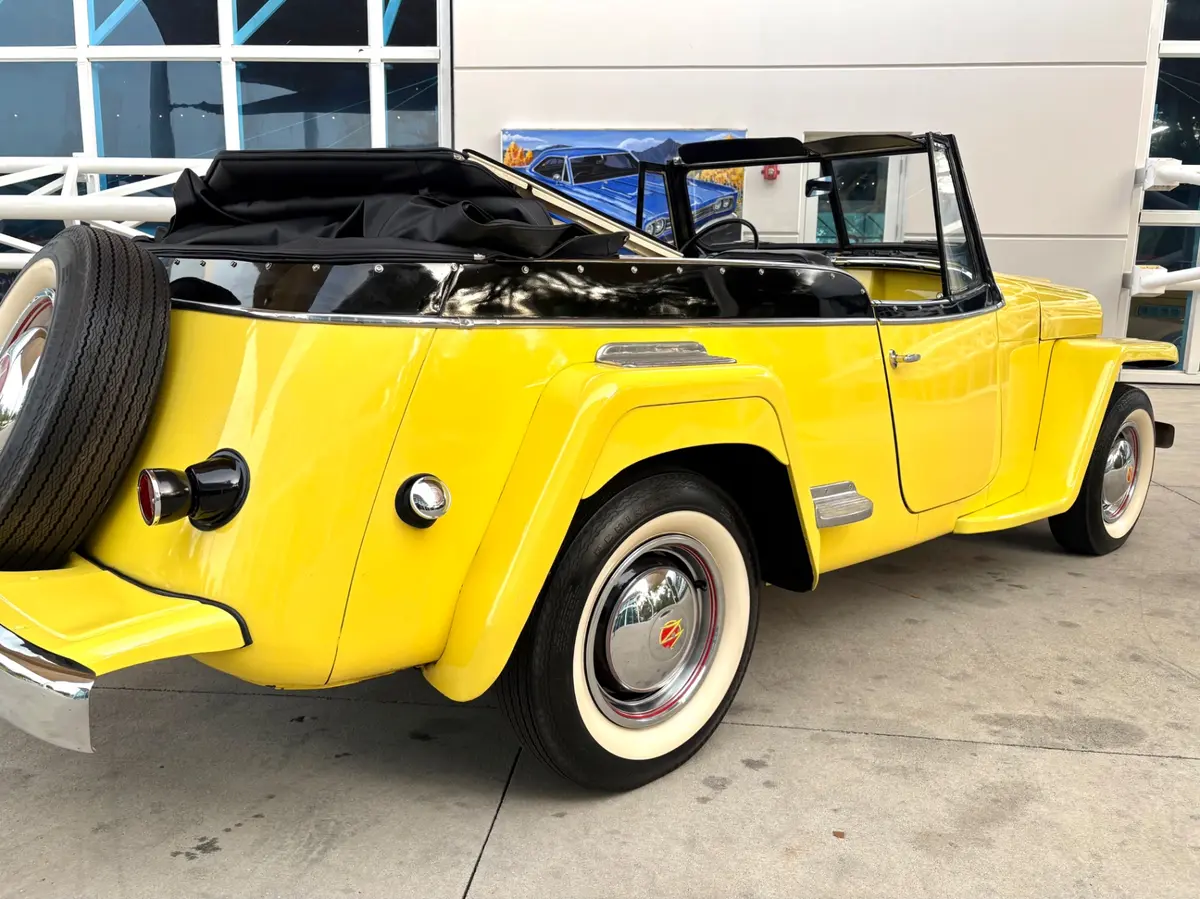
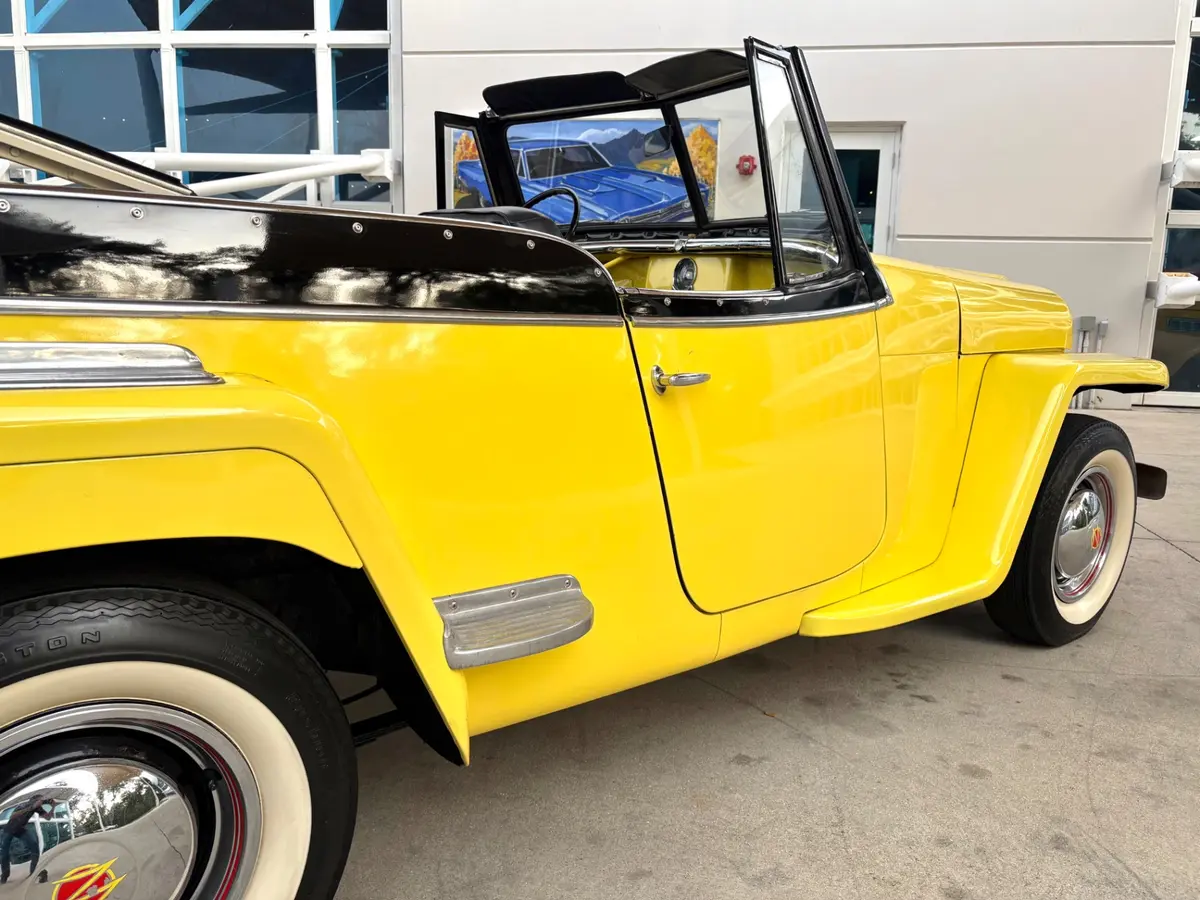
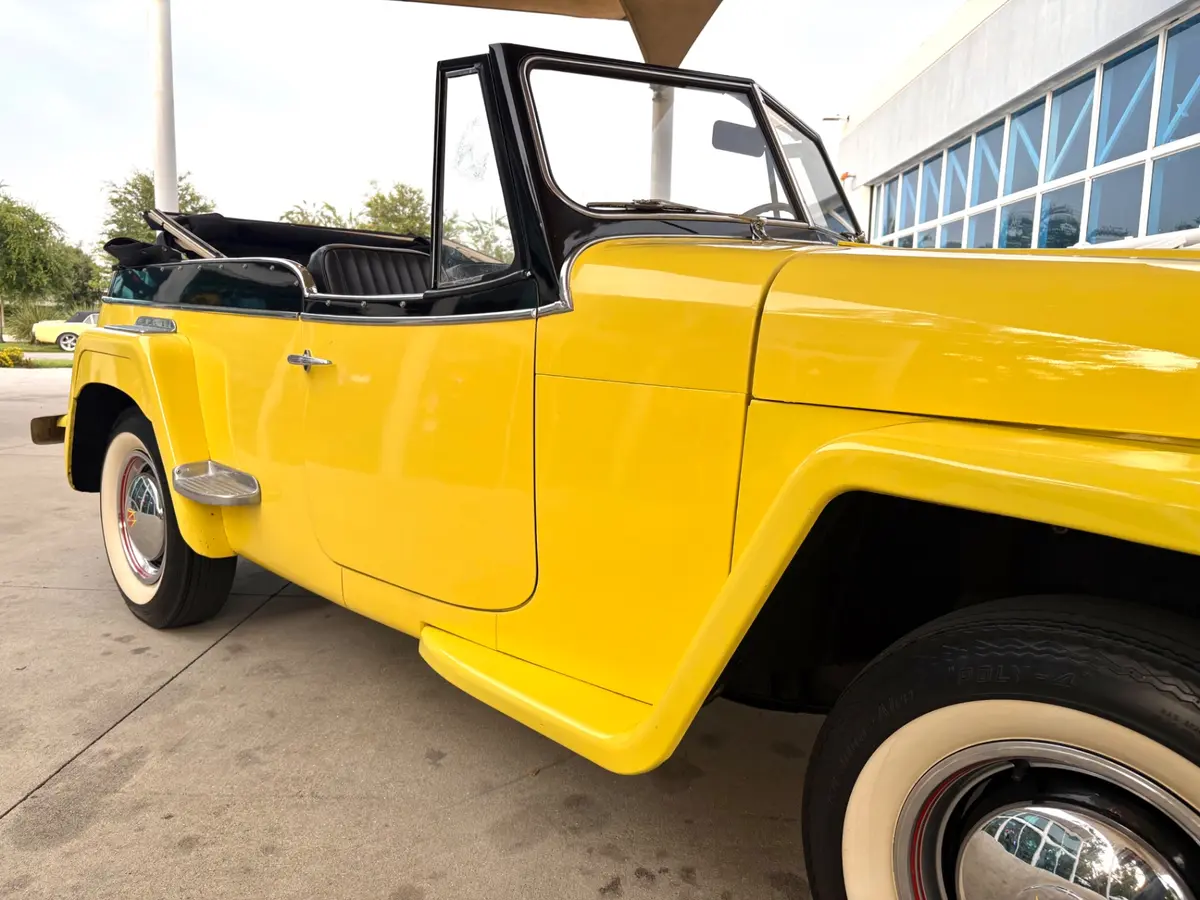
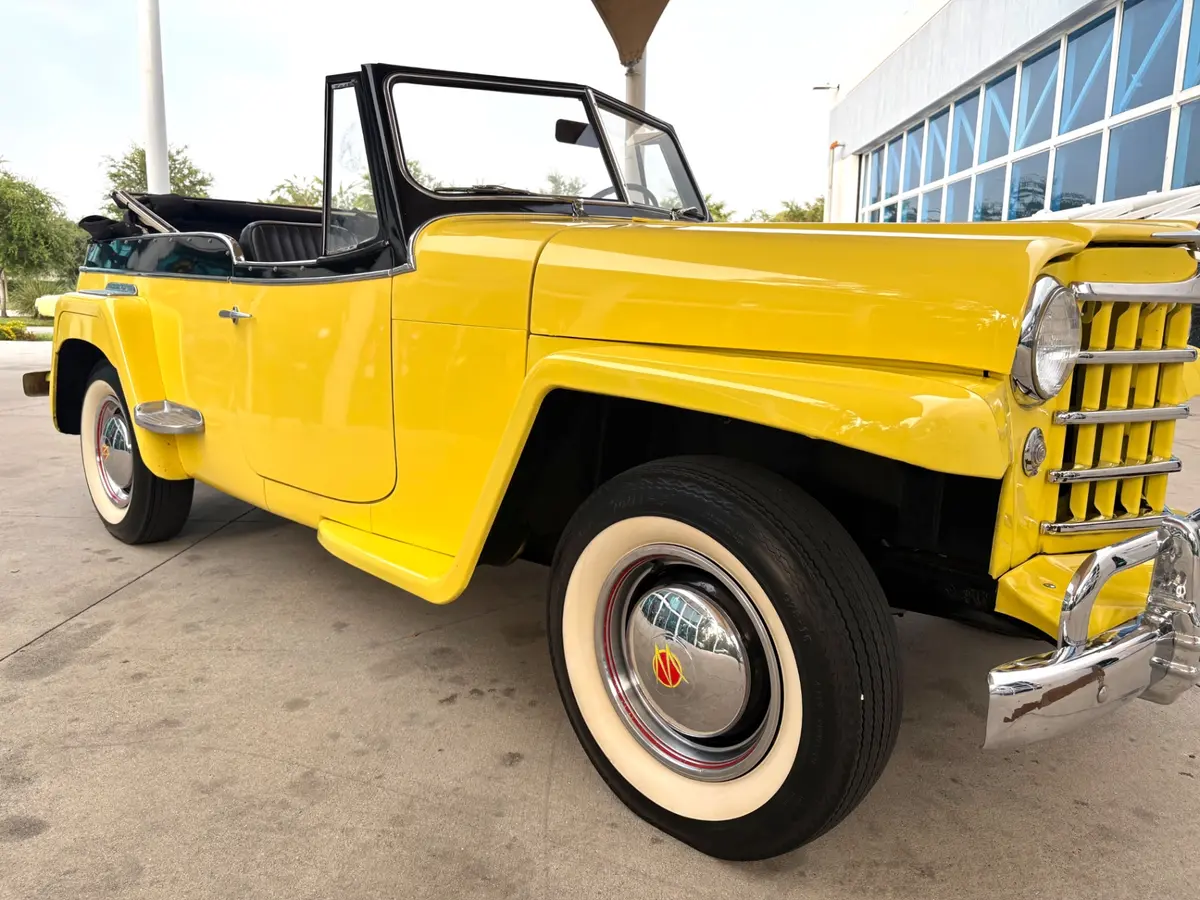
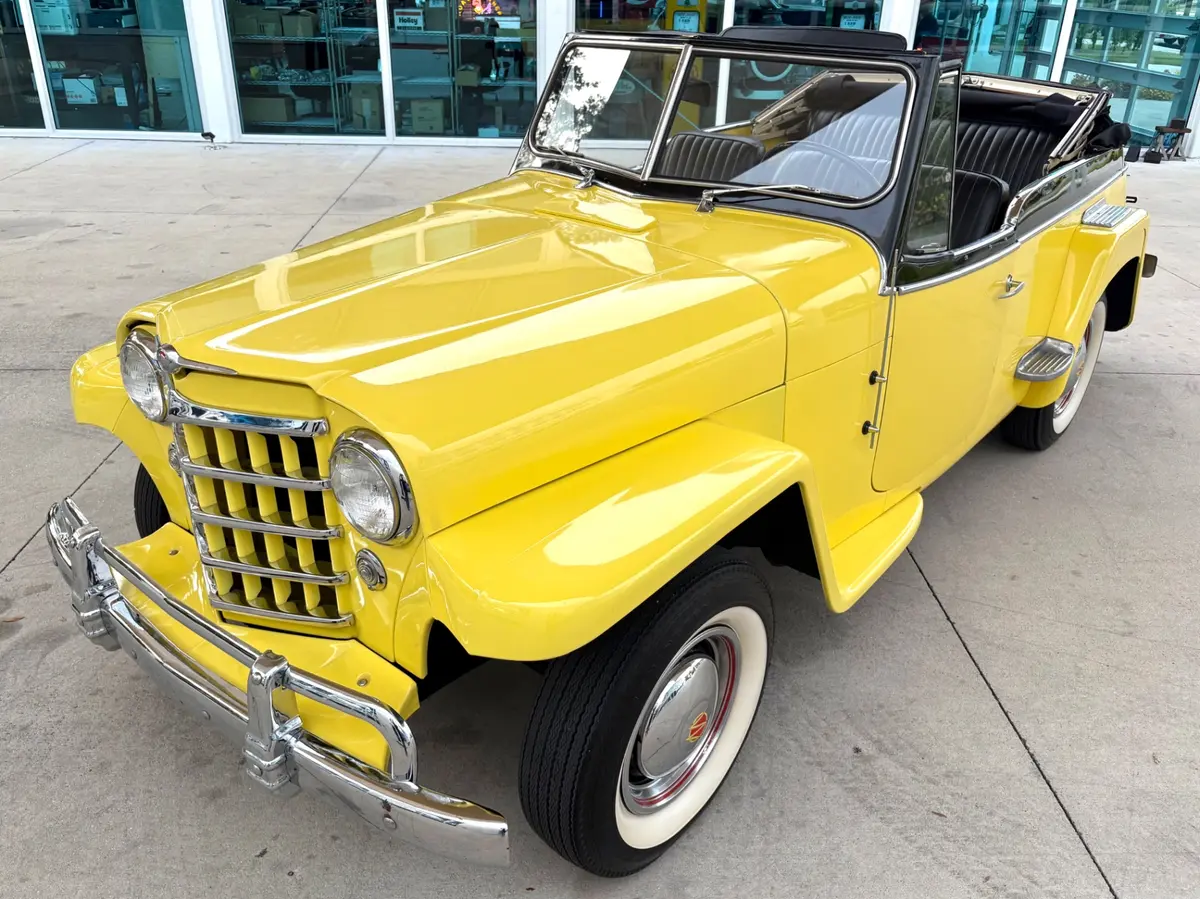
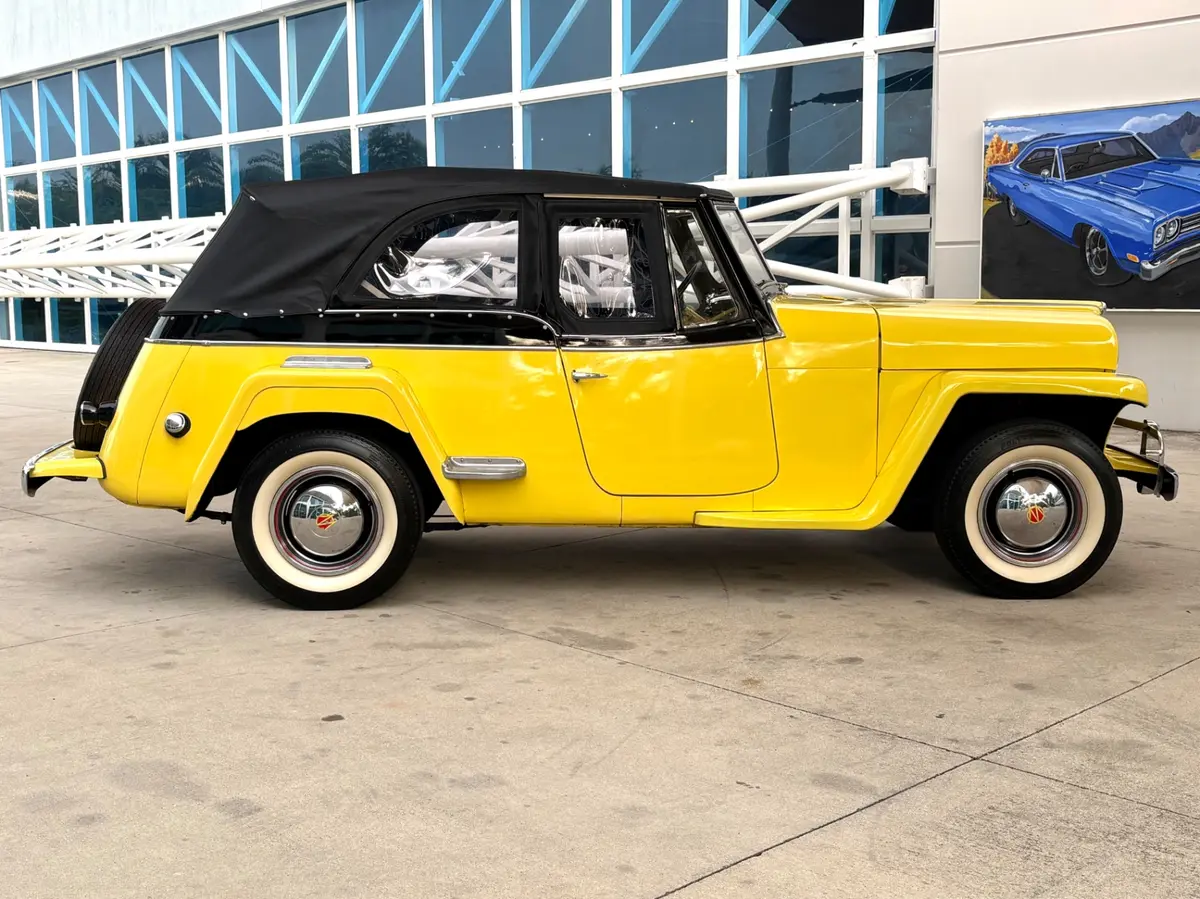
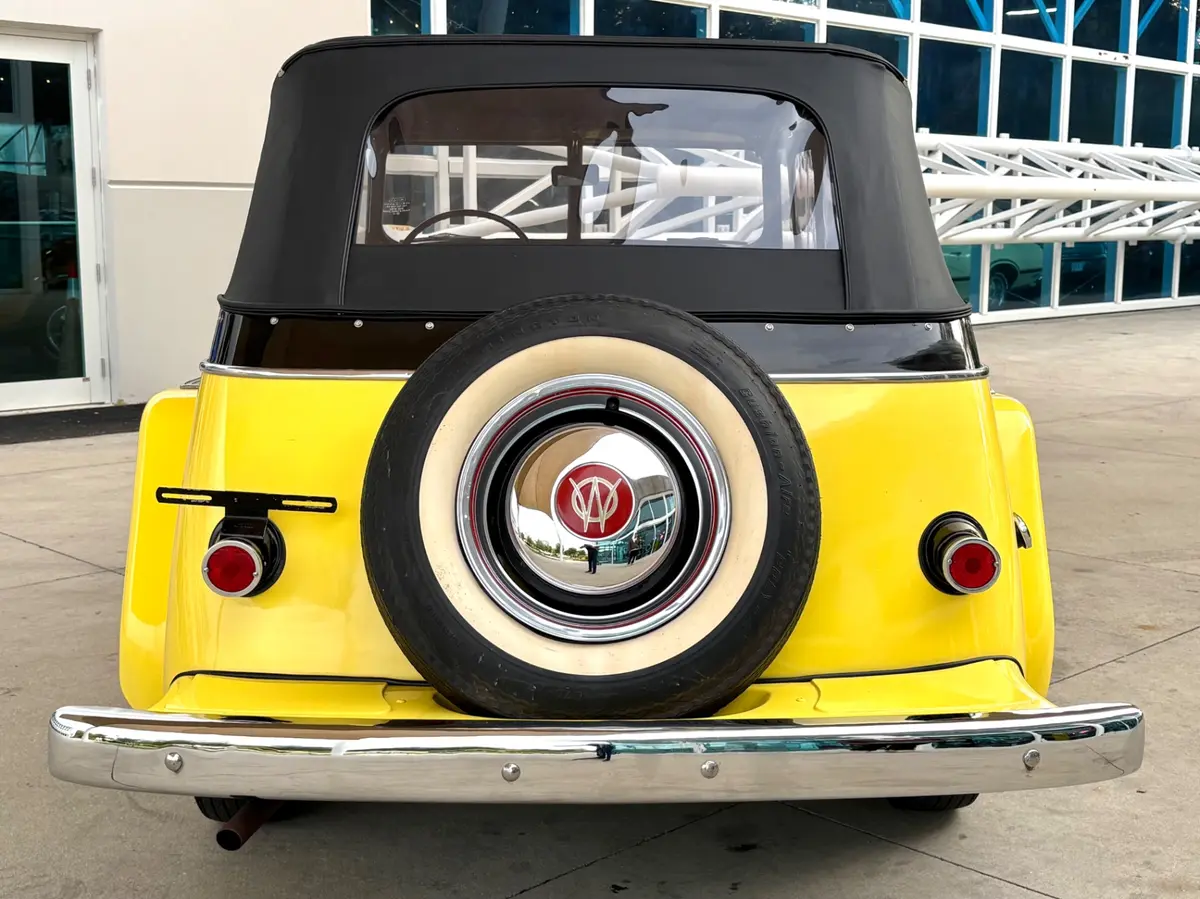
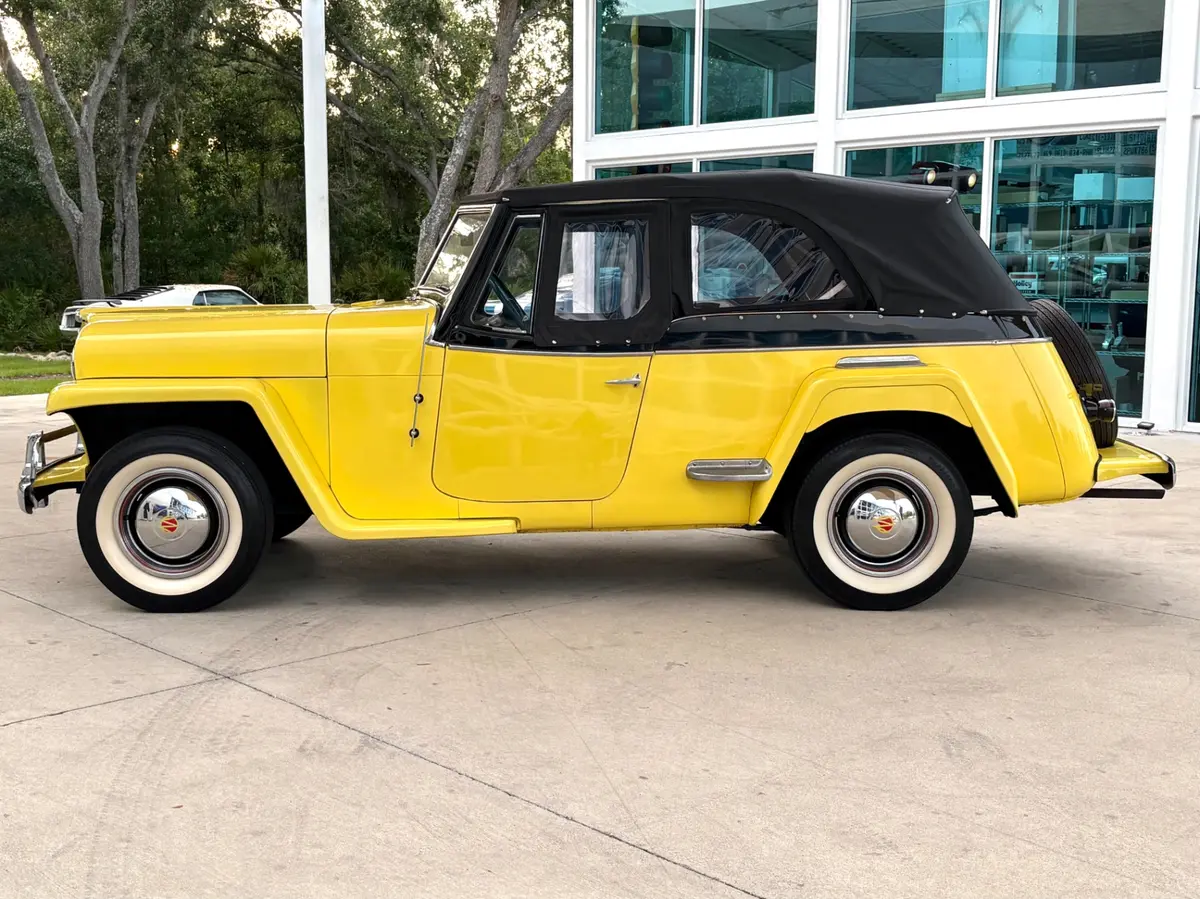
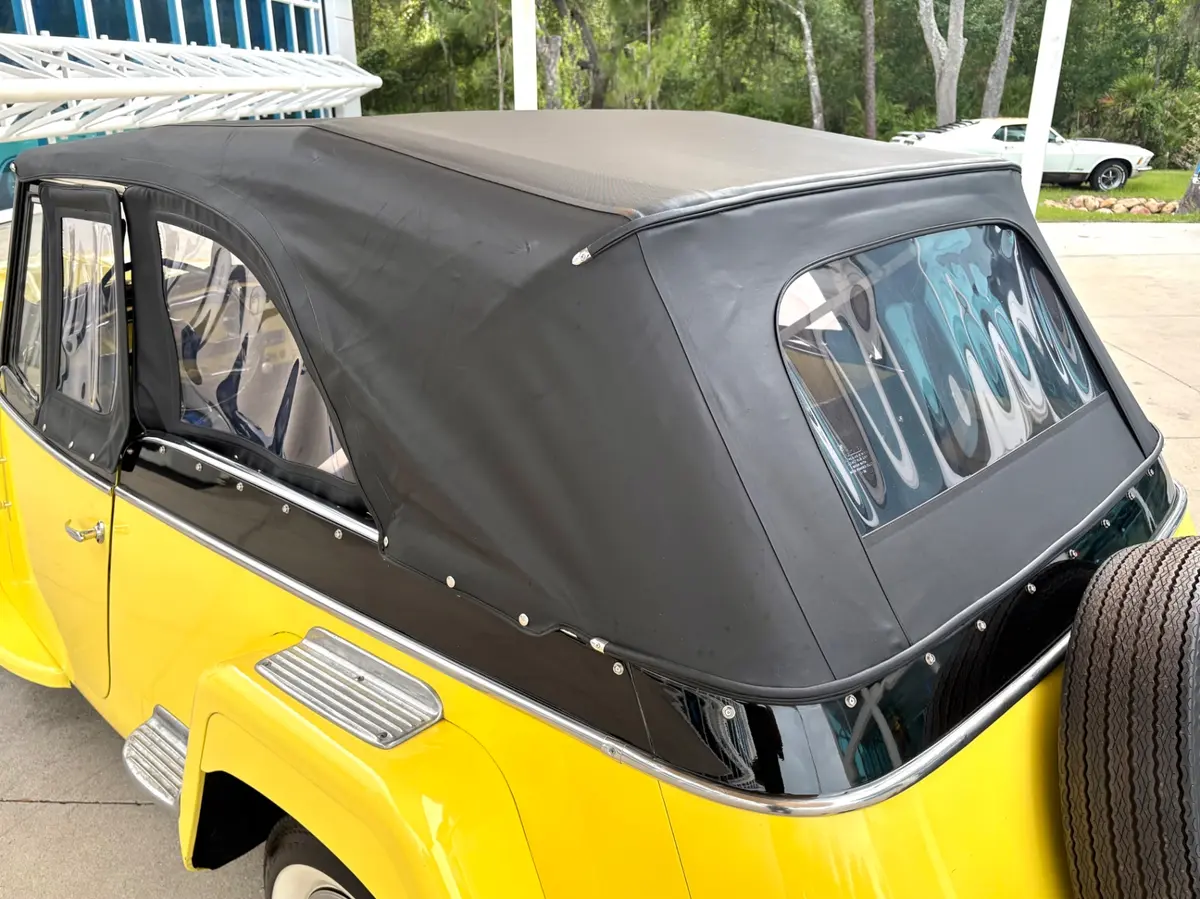
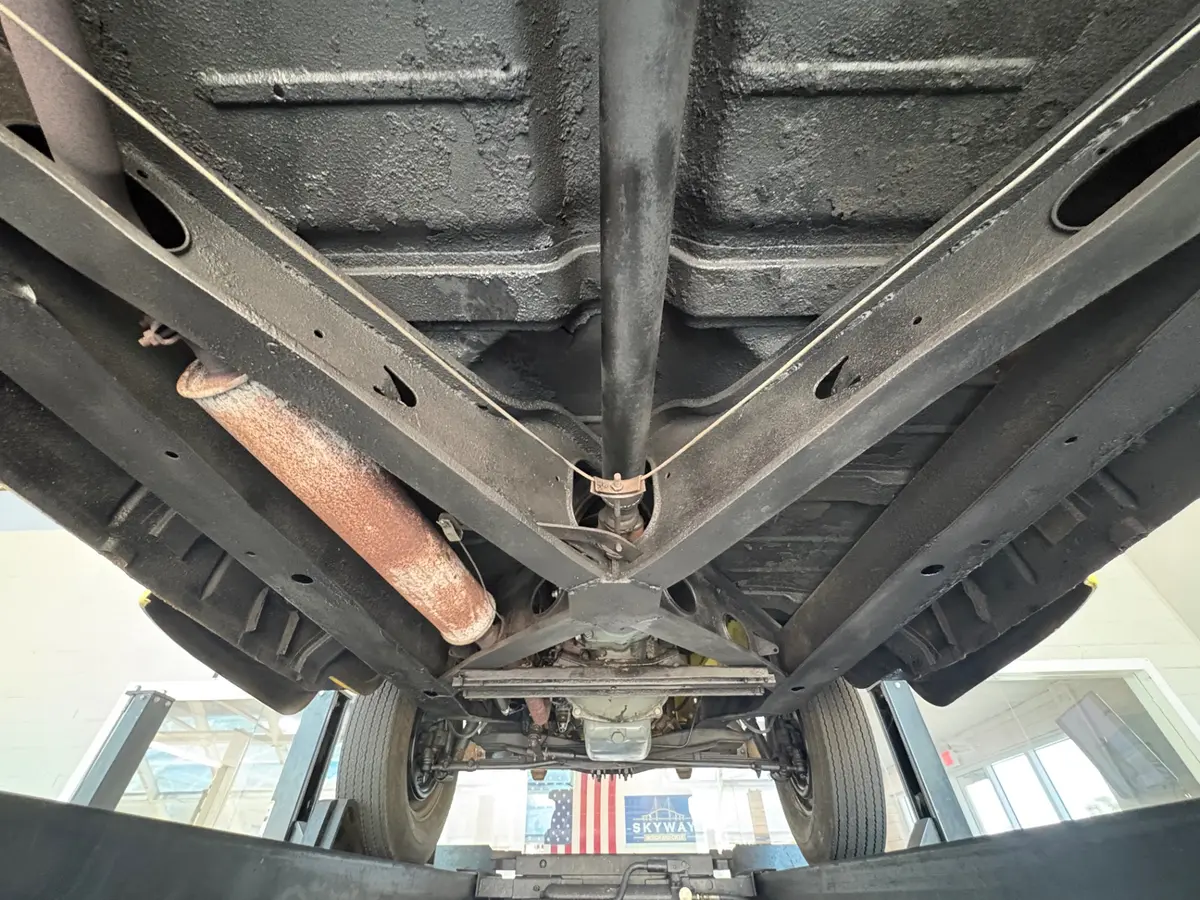
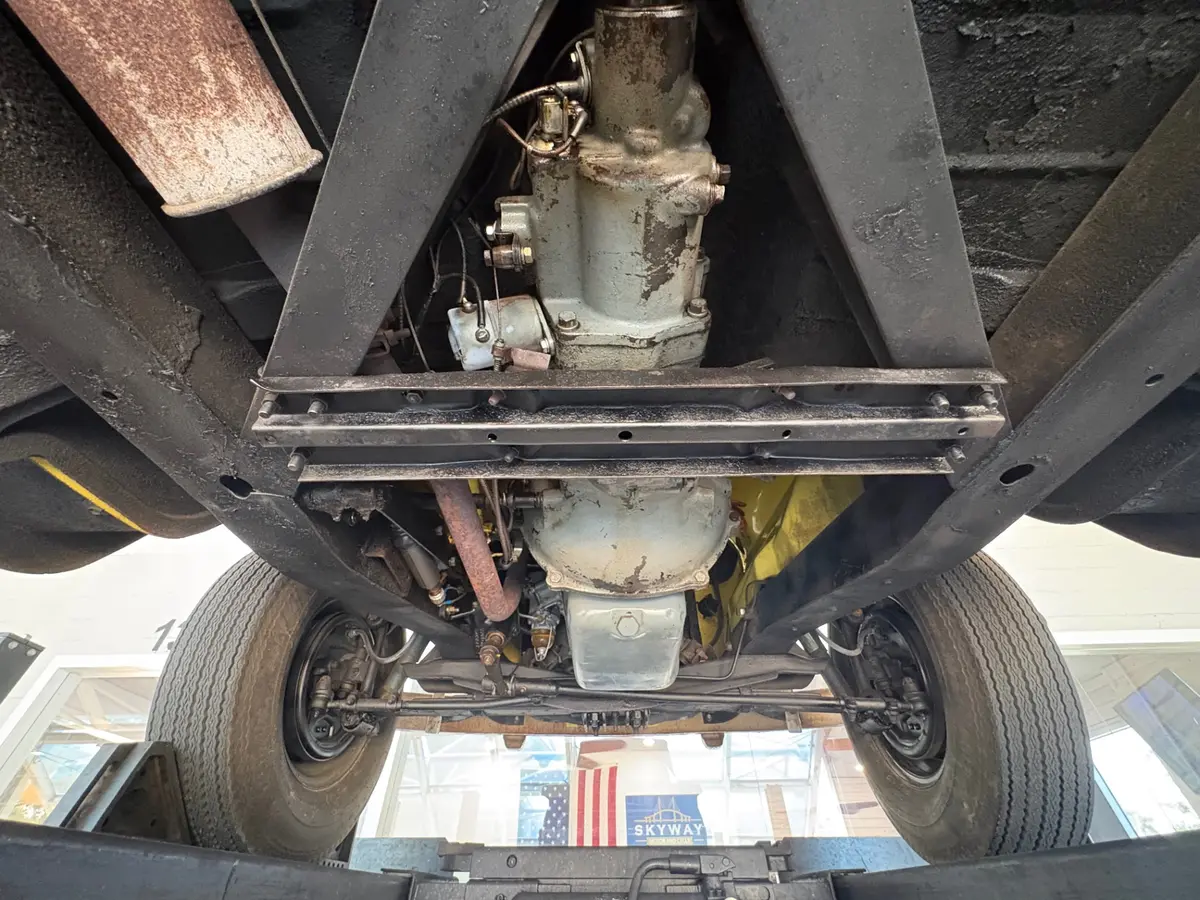
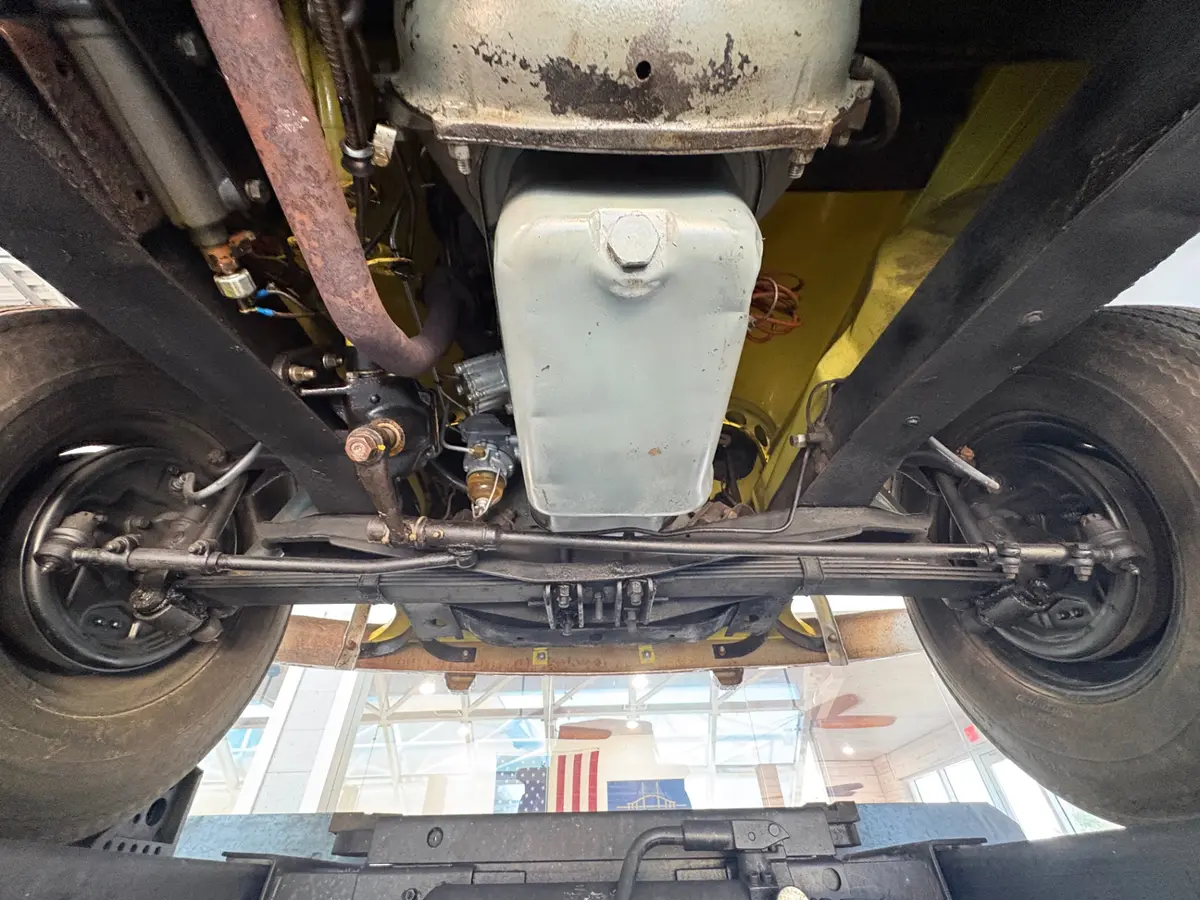
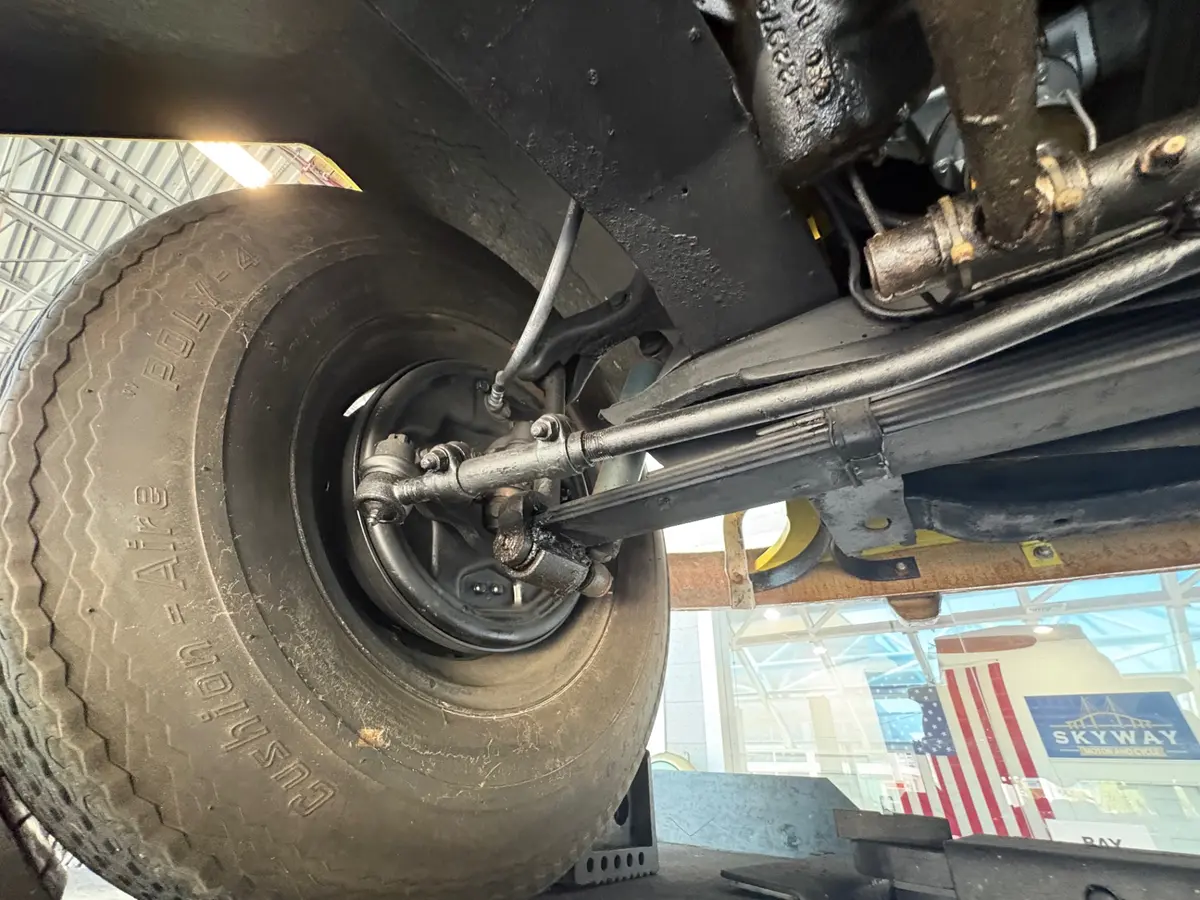
1951 Willys Overland Jeepster — Last Year of Production, Hurricane F-Head Engine, Yellow over Black
Why This Car Is Special
The 1951 Willys Overland Jeepster holds a specific and well-documented place in American automotive history: it is the final model year of the Jeepster's original production run. Willys introduced the Jeepster in 1948 as something genuinely different — a civilian open-air vehicle built on Jeep mechanical bones but styled for leisure rather than labor. The concept was ahead of its time, essentially previewing what the recreational open vehicle market would become decades later. By 1951, Willys had decided to end the Jeepster line to focus resources on its more commercially successful utility vehicles, making this the last chapter of the first generation. That context matters for collectors because 1951 Jeepsters are the final expression of the original design, and they benefit from the one meaningful mechanical upgrade Willys made during the model run: the introduction of the Hurricane F-Head engine.
The F-Head designation refers to the engine's mixed valve arrangement, with intake valves in the head and exhaust valves in the block. This design allowed Willys to significantly improve breathing and compression over the older L-head Go-Devil engine without a complete redesign. The result was more power and better low-end torque in a package that retained the simplicity and durability the platform was known for. If you are looking at a Jeepster and it does not have the Hurricane engine, you are looking at a 1948, 1949, or early production example. The 1951 Jeepster with the Hurricane F-Head is the most capable version of the original design.
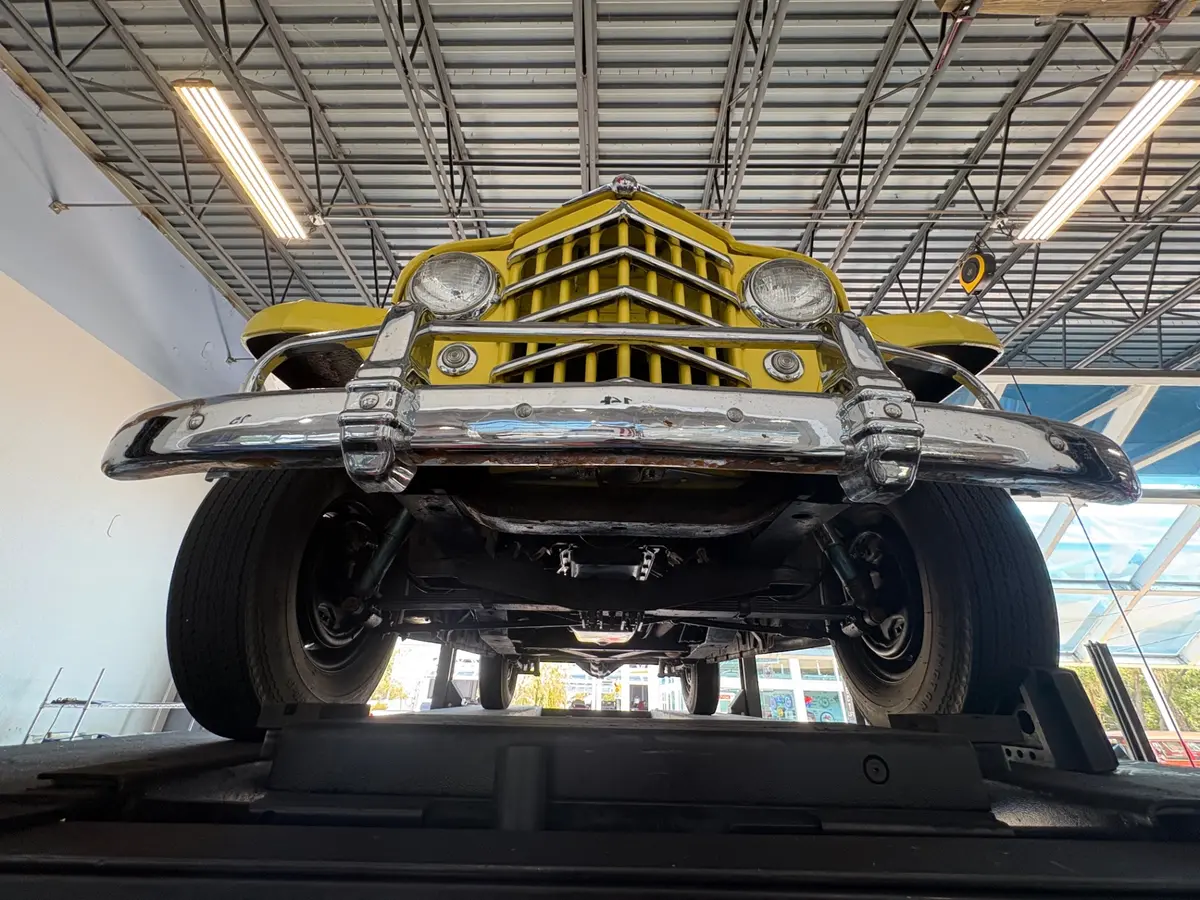
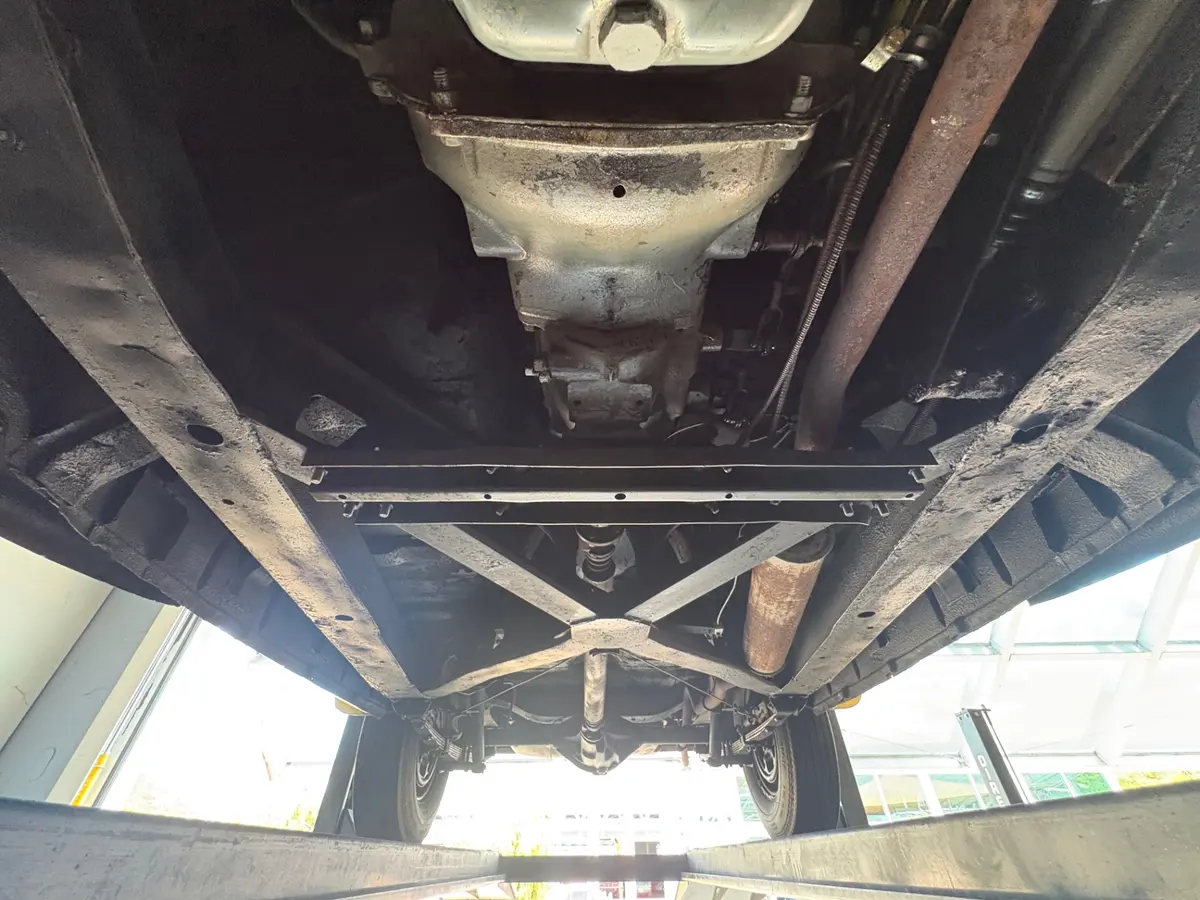
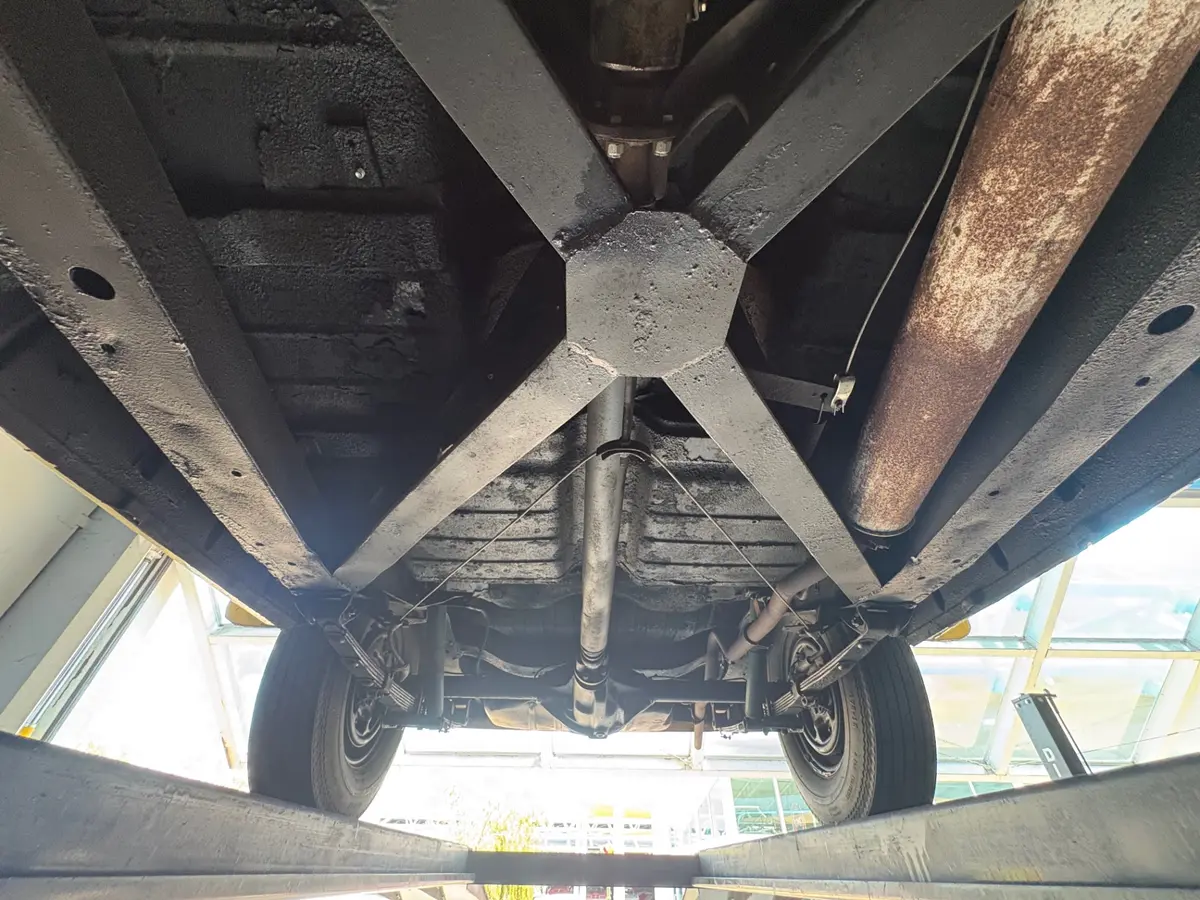
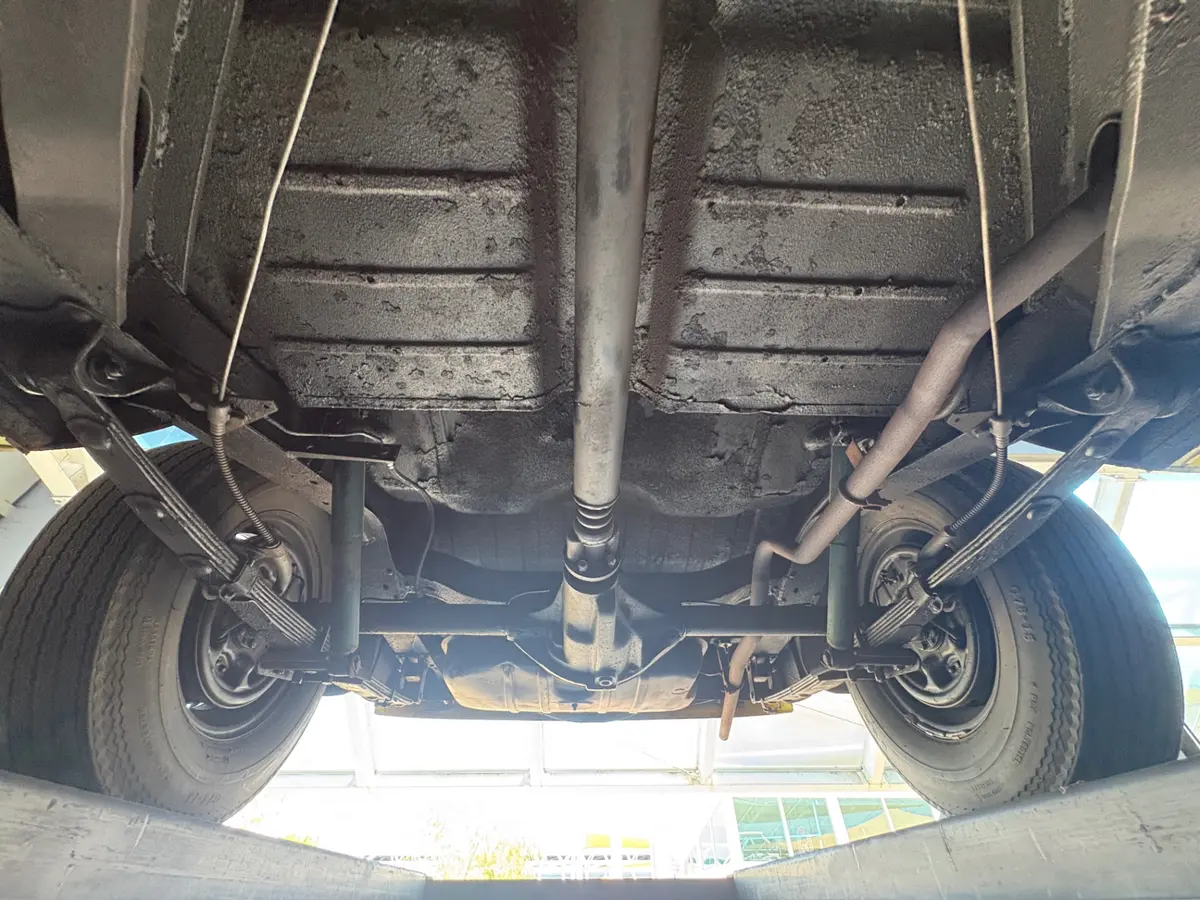
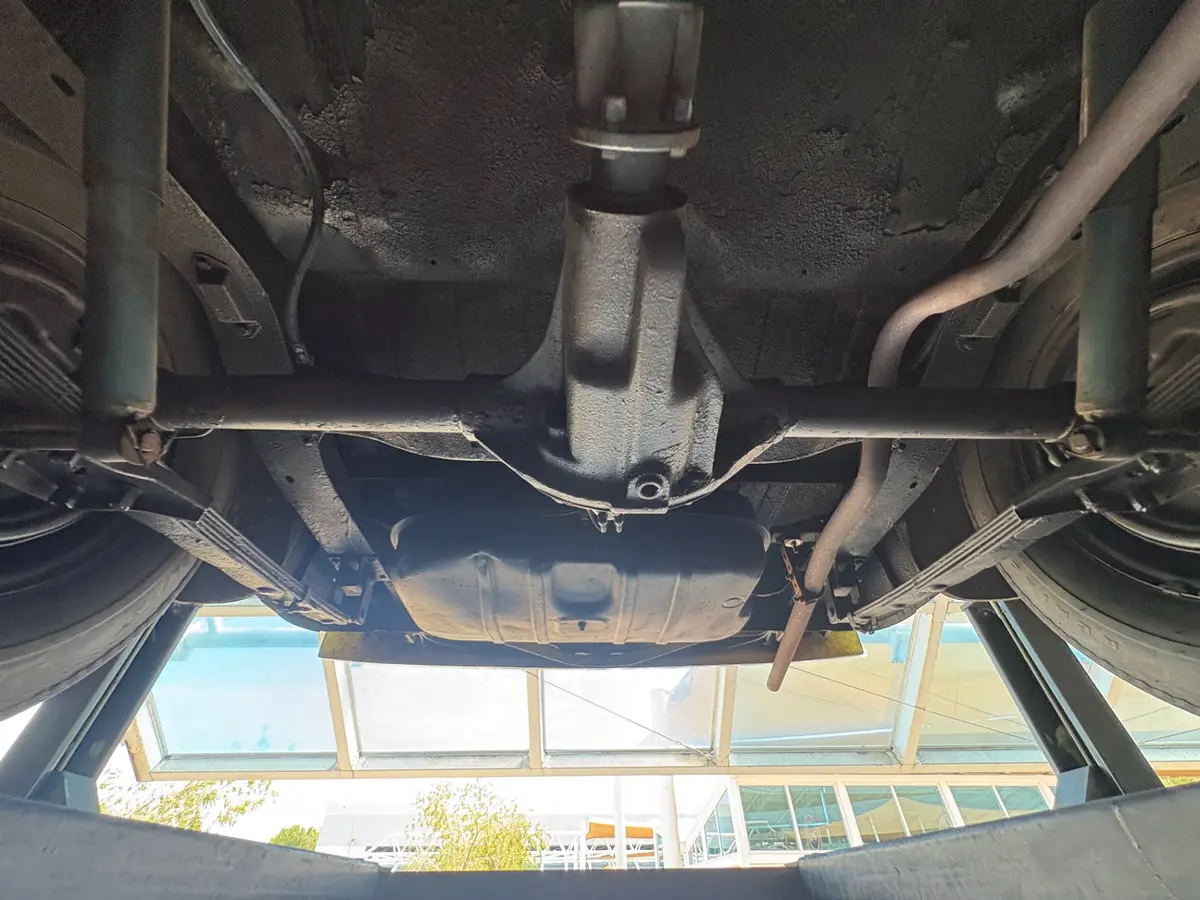
This particular example presents in yellow over a black vinyl interior — a combination that works visually precisely because the Jeepster's lines are simple enough to carry a strong color without becoming overdone. The undercarriage photographs show a solid, well-preserved structure, and the engine bay has been painted to match. This is a driver-quality classic with show-level presentation, not a shelf piece.
Features List
- Hurricane F-Head 134ci Inline-4 Engine
- 3-Speed Manual Transmission with Overdrive
- Black Convertible Soft Top
- Soft Top Side Curtains
- Front and Rear Bench Seats
- Whitewall Tires
- Chrome Front and Rear Bumpers with Bumper Guards
- Willys Hub Caps
- Rear-Mounted Spare Tire with Exterior Mount
- AM Radio
- Body-Colored Yellow Dash
- Locking Glovebox
- Full Gauge Cluster (Fuel, Oil Pressure, Amperage, Temperature)
- Choke Knob
- Four-Wheel Drum Brakes
- Independent Front Suspension
- Leaf Spring Rear Suspension
- Solid Undercarriage
- 6-Volt Electrical System
- Split Windshield with Chrome Frame
- Wind Wings (Vent Windows)
- Interior Sun Visor
- Interior Rearview Mirror
- Carpeted Floors
- Chrome Body Trim Moldings
- Side Step Plates
- Painted Engine Bay
- Willys Hood Ornament and Grille Badge
- All-Steel Body Construction
Mechanical
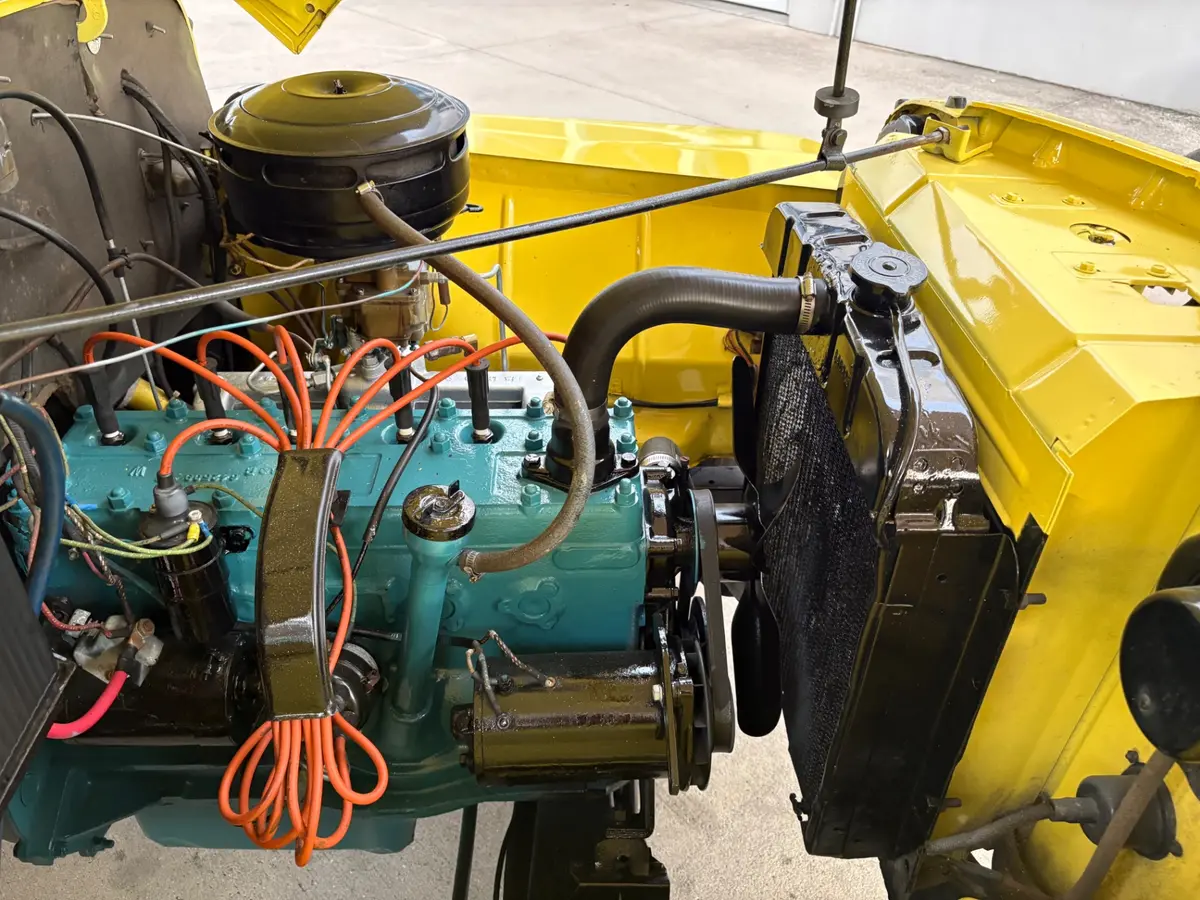
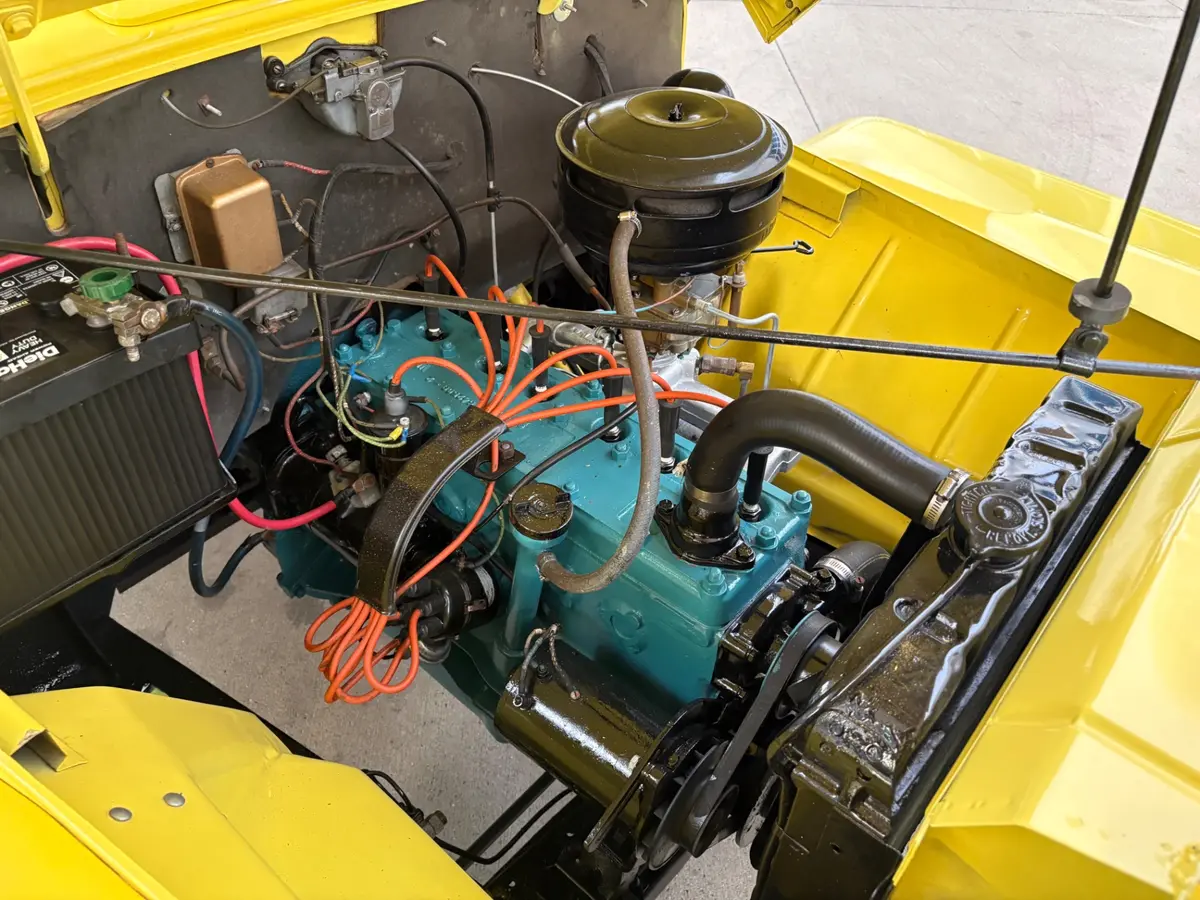
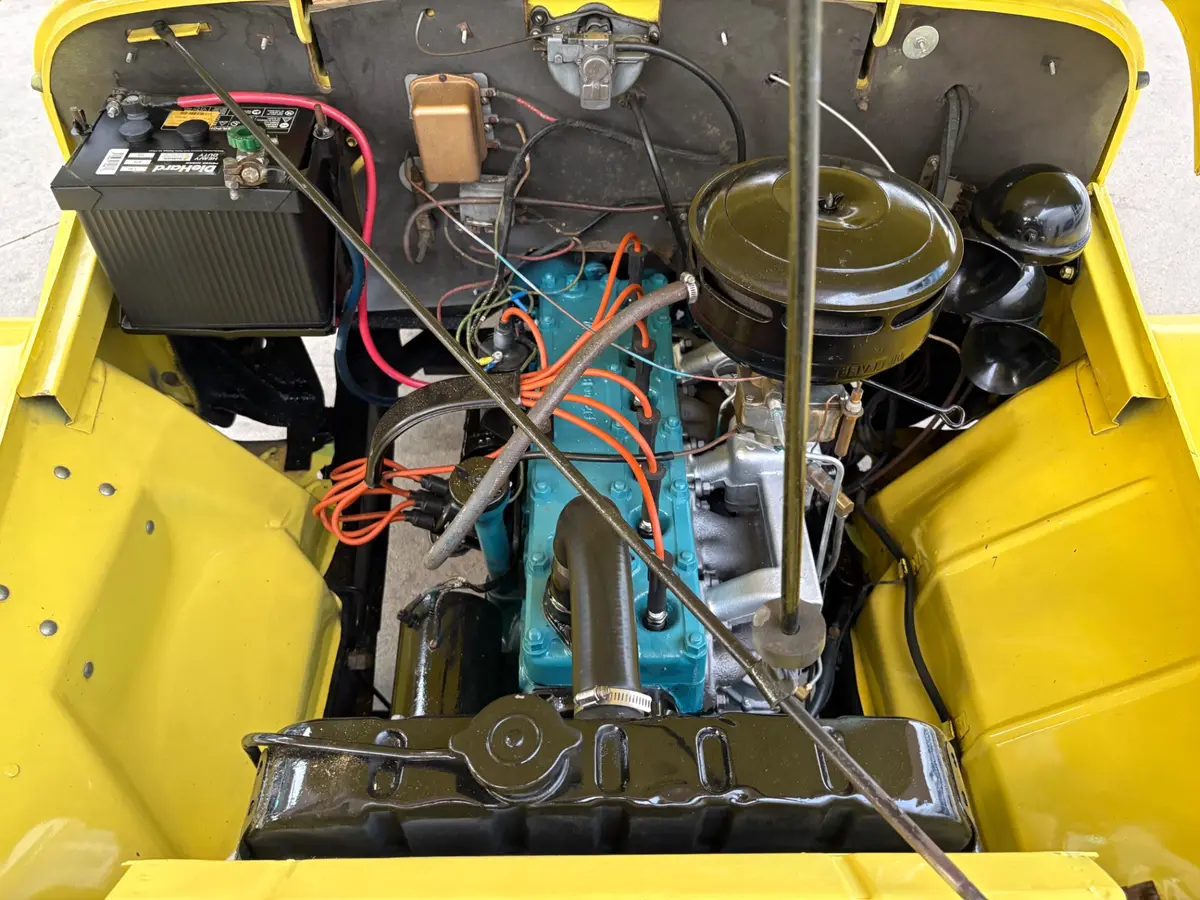
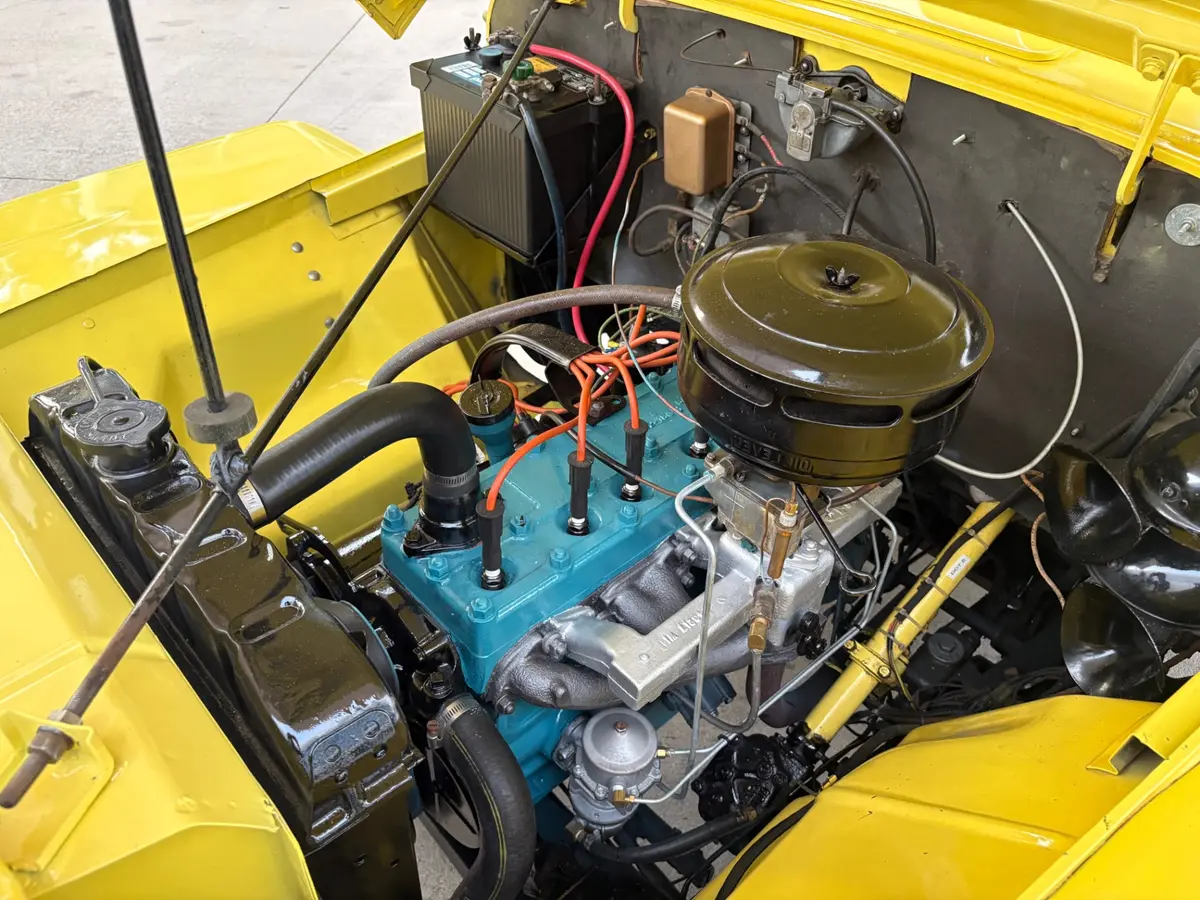
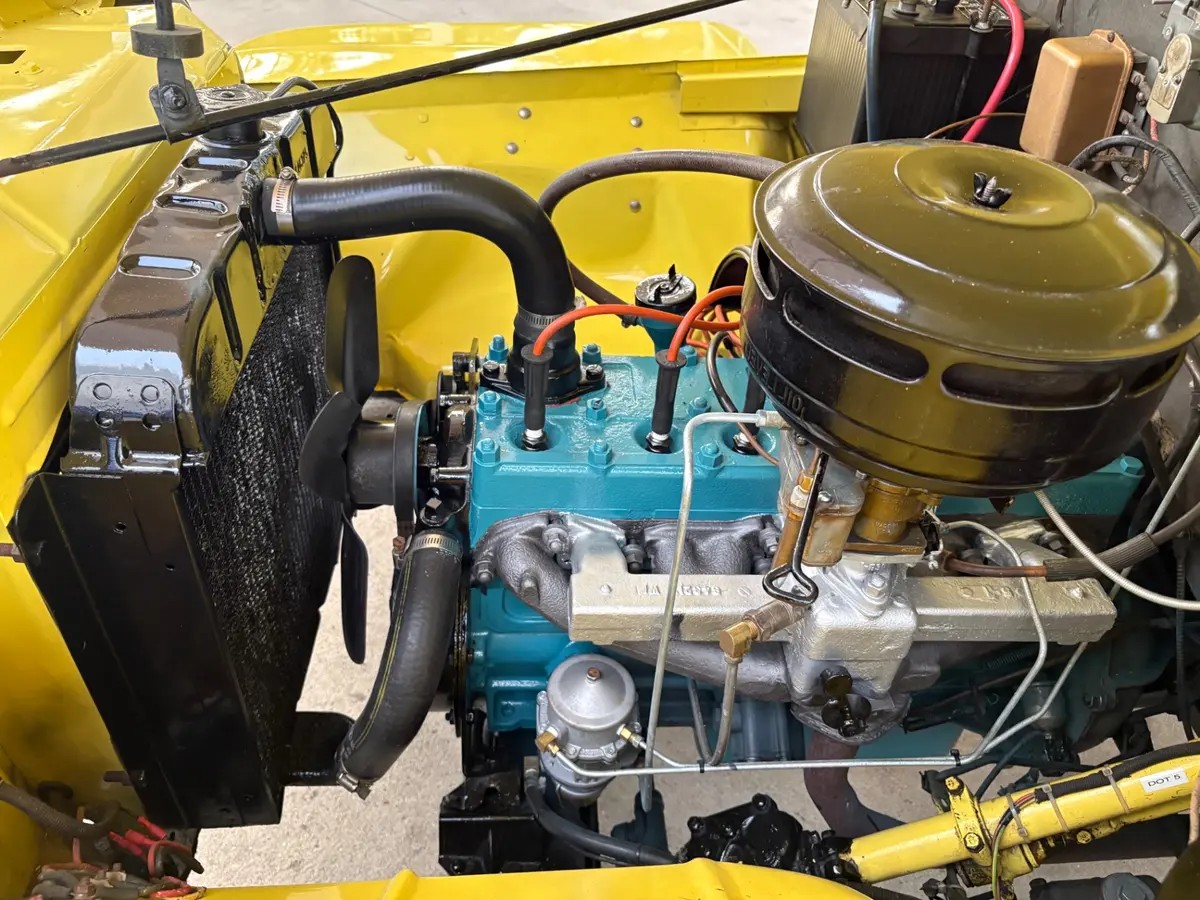
The engine under this Jeepster's hood is the 134 cubic inch Hurricane F-Head inline-four, which Willys introduced for the 1950 model year. The F-Head configuration positions the intake valves in the cylinder head while retaining the exhaust valves in the block — a layout sometimes called a "valve-in-head/valve-in-block" or IOE (intake over exhaust) design. Compared to the earlier flathead Go-Devil engine, the Hurricane produced meaningfully more power and improved throttle response, particularly at lower RPMs where the Jeepster spends most of its time. The engine is painted in its correct turquoise color and the engine bay itself has been painted to match the exterior yellow, which was a common practice on restored Jeepsters of this era to give the engine compartment a finished, cohesive appearance.
Backing the Hurricane is a 3-speed manual transmission paired with an overdrive unit. The overdrive is a practical and historically appropriate addition for a vehicle intended for open-road use. It reduces engine RPM at highway speeds, which on a 134ci four-cylinder running a 6-volt electrical system makes a noticeable difference in both noise level and fuel consumption on longer drives. The overdrive engages via a dashboard-mounted control, keeping the cabin tidy and period-correct.
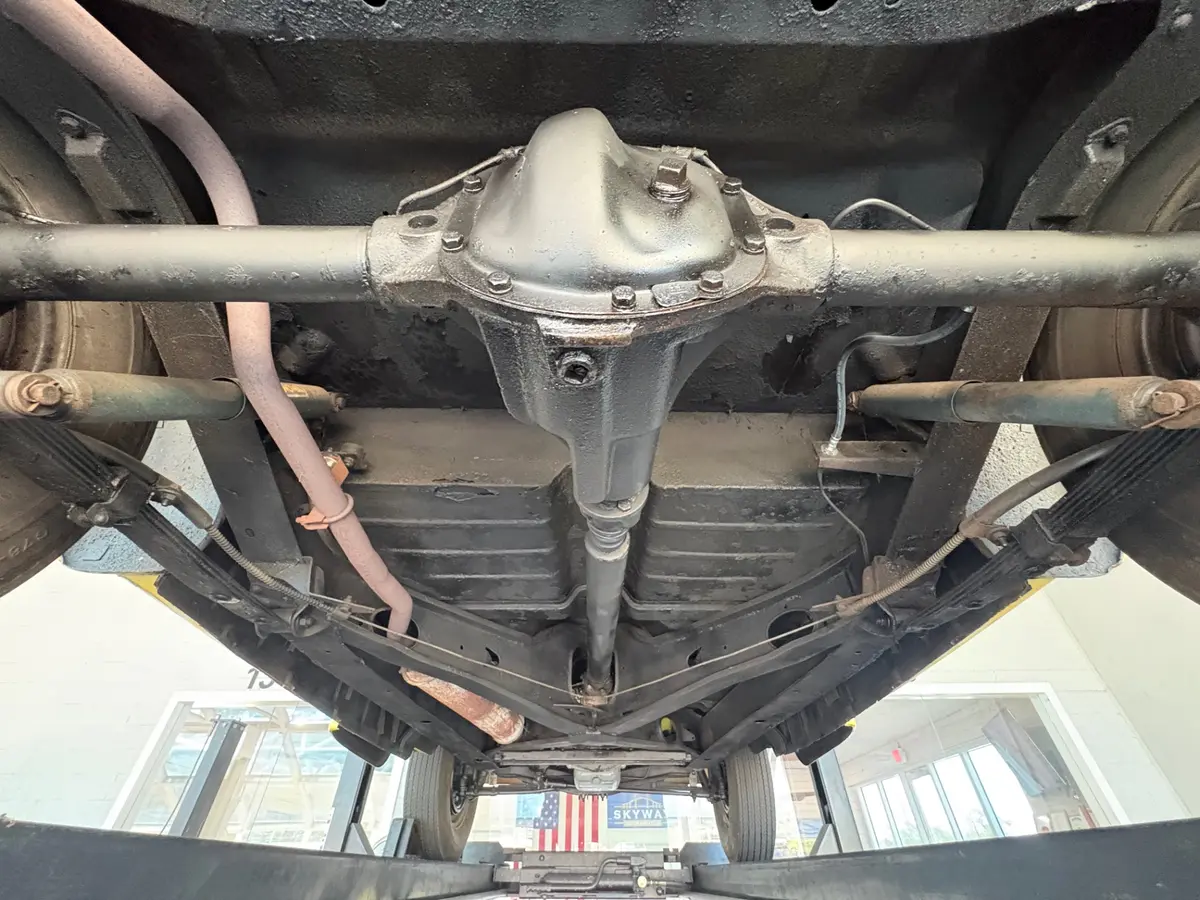
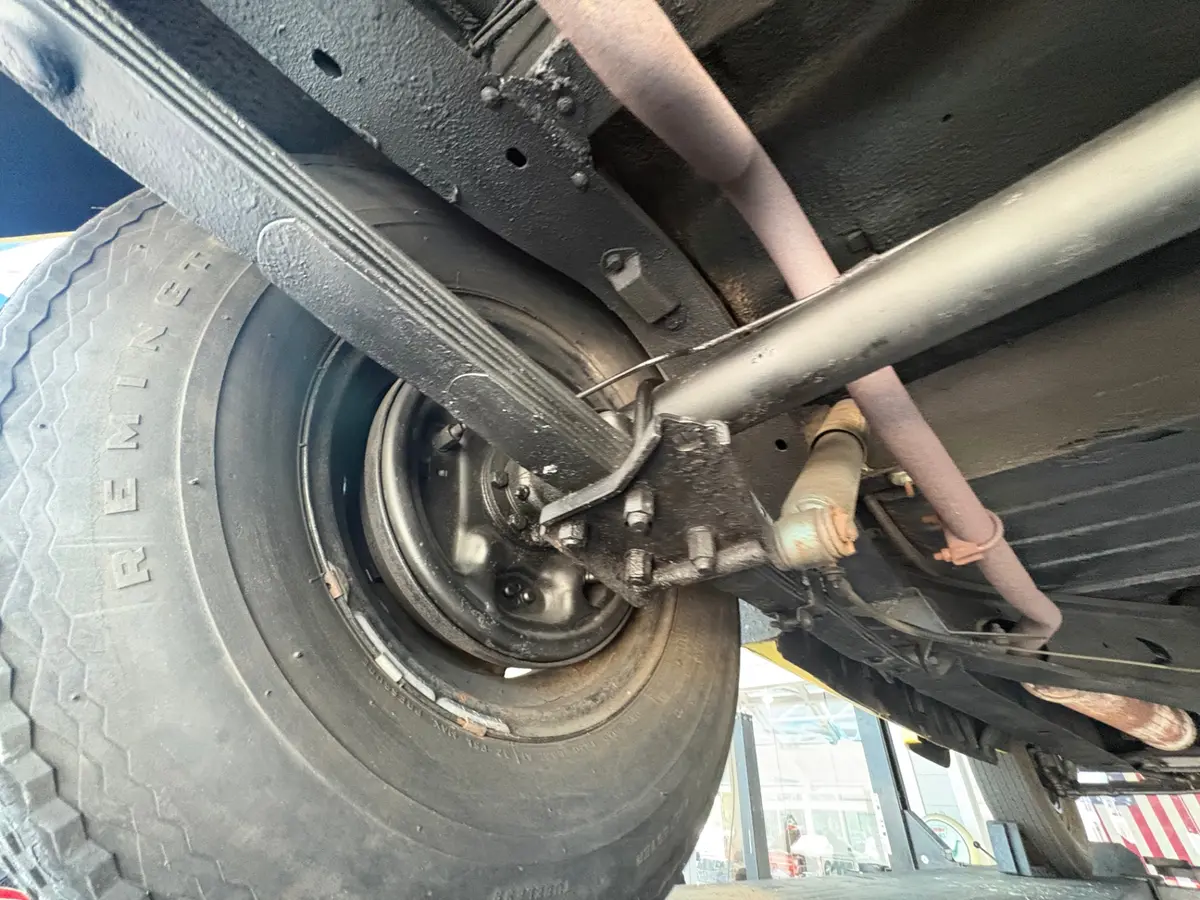
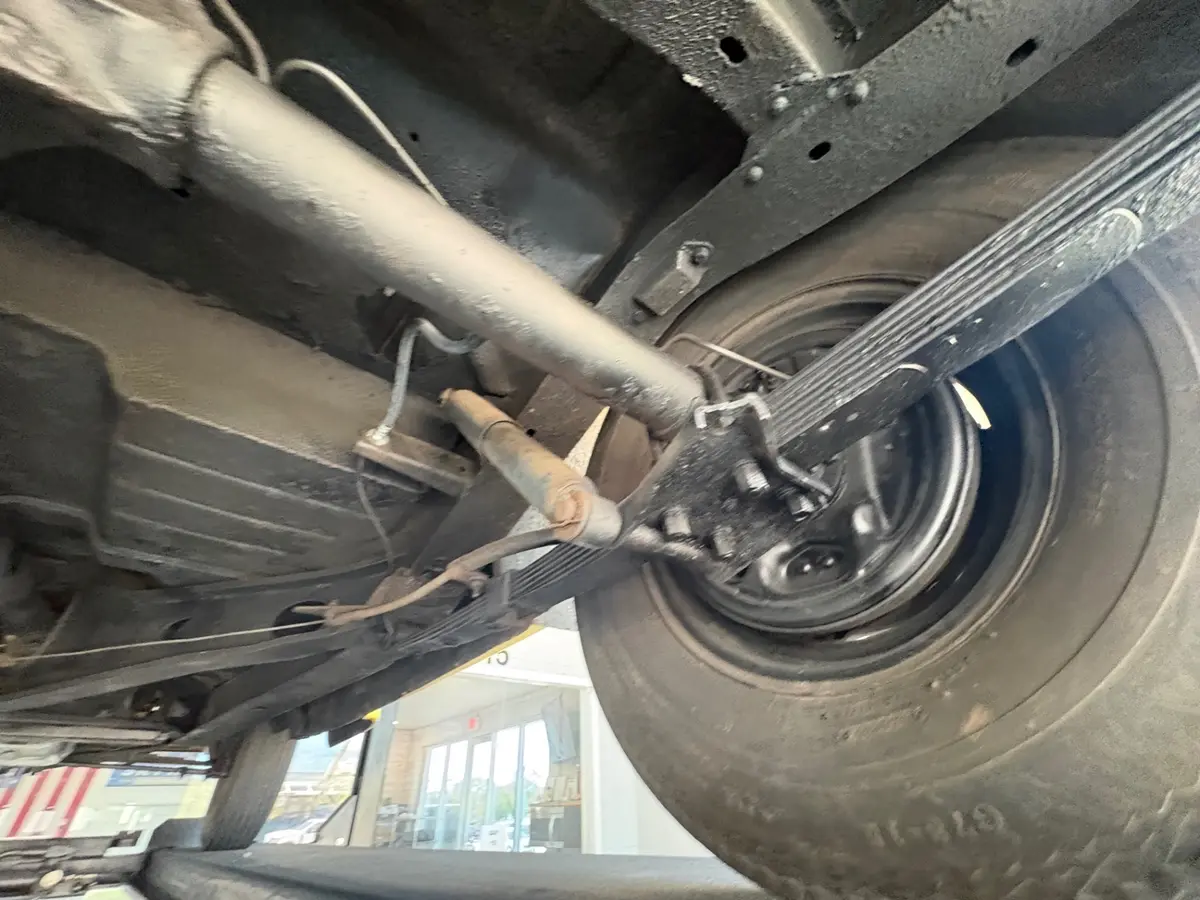
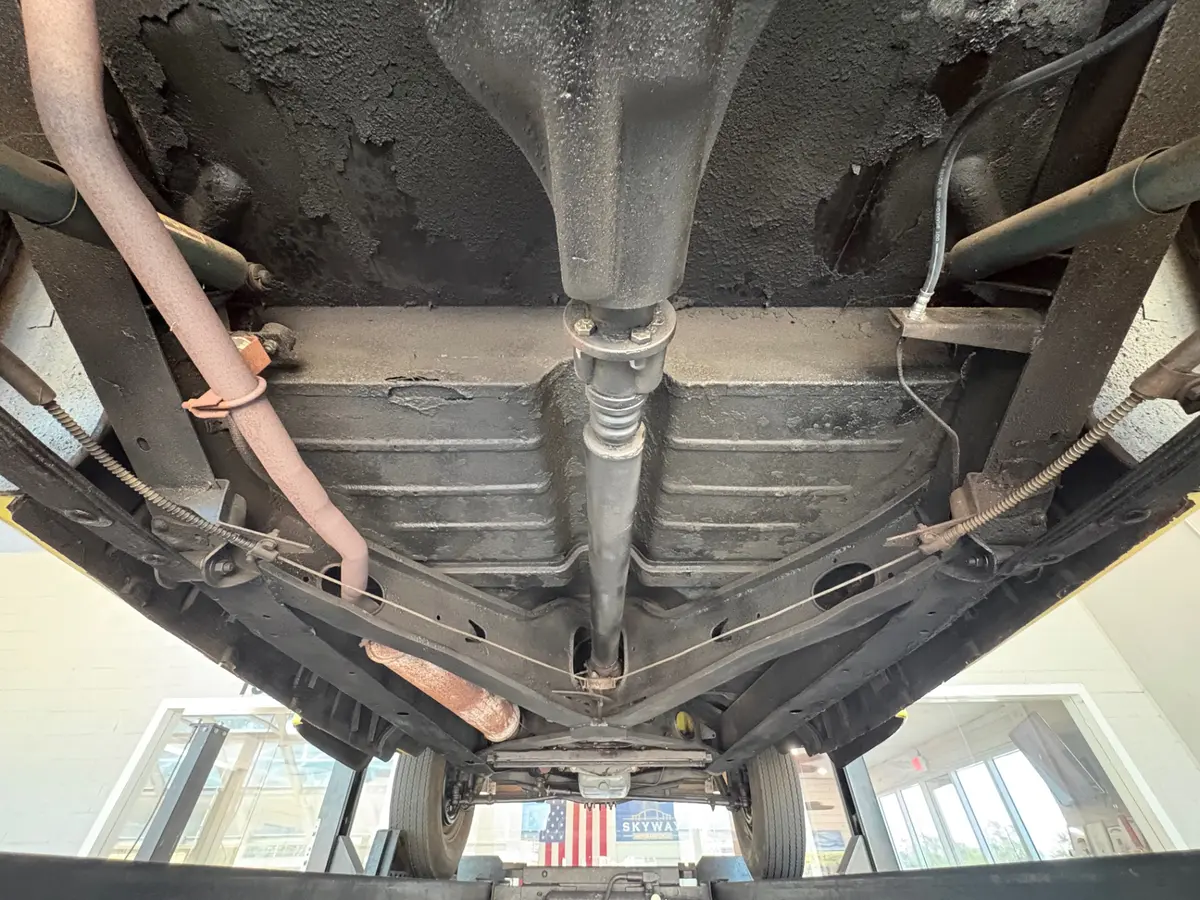
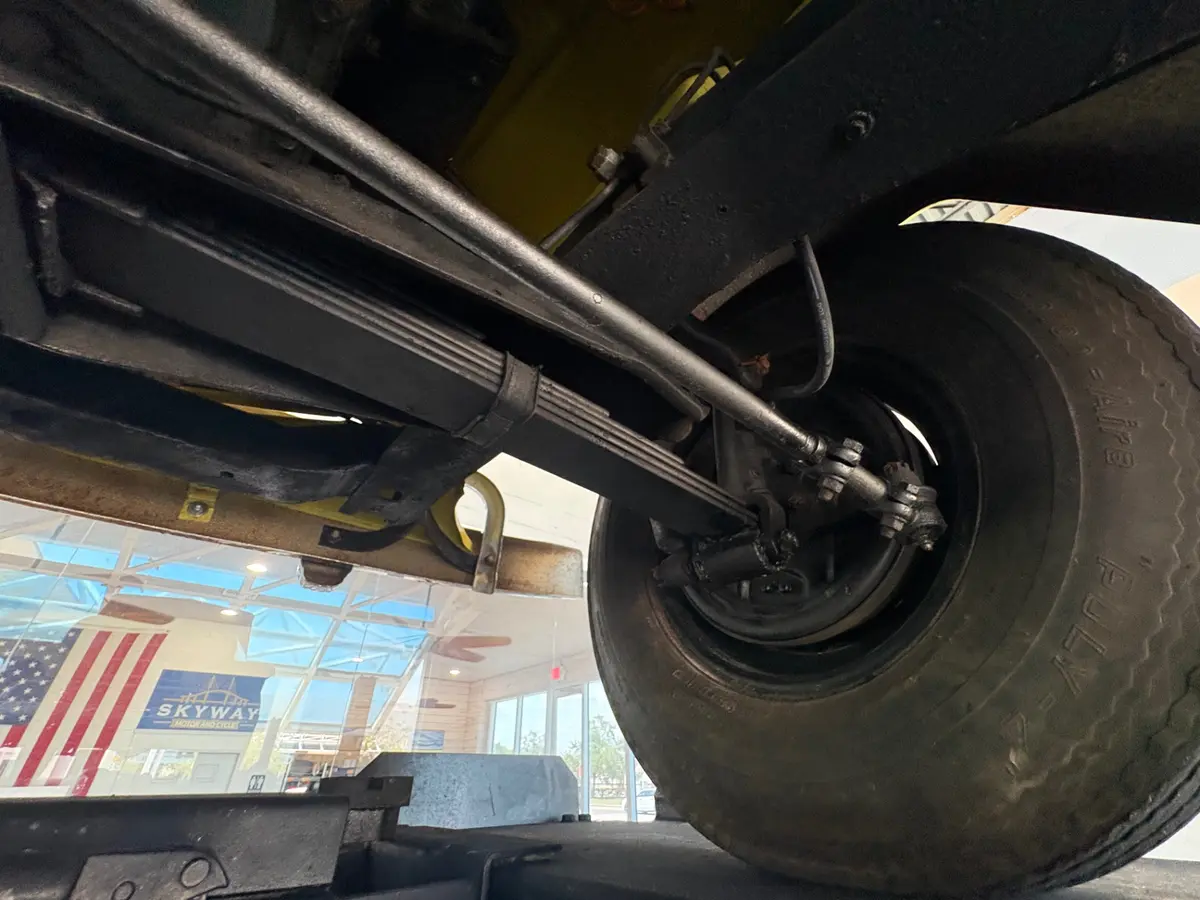
The suspension setup is independent at the front and leaf spring at the rear, which was standard for the Jeepster platform. The Jeepster was not a four-wheel-drive vehicle — it was rear-wheel drive only — which is an important distinction for buyers who may be more familiar with the utility-spec Willys models. The undercarriage photographs show the frame and floor sections to be solid, with no visible rot or structural compromise. Drum brakes are fitted at all four corners, consistent with the original specification. The 6-volt electrical system is intact and original to the period.
Interior
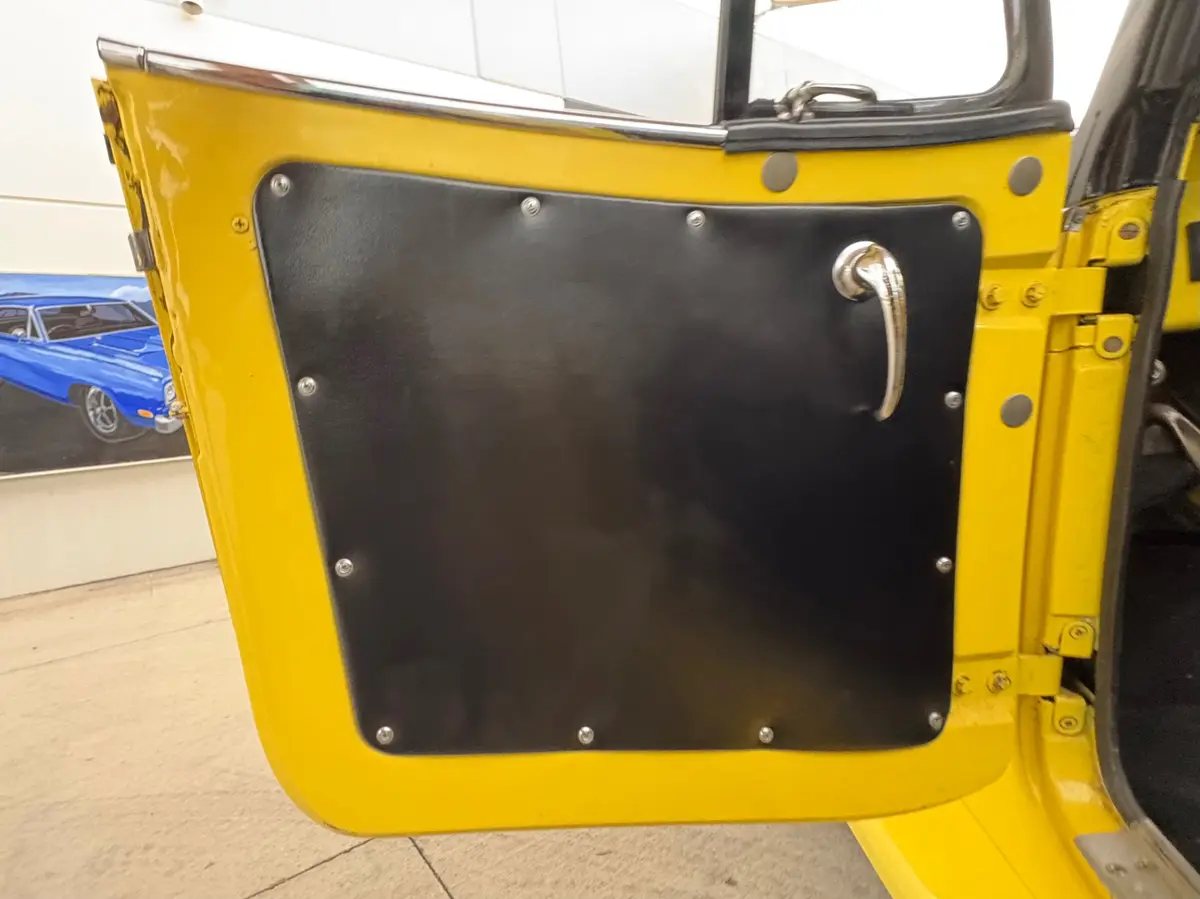
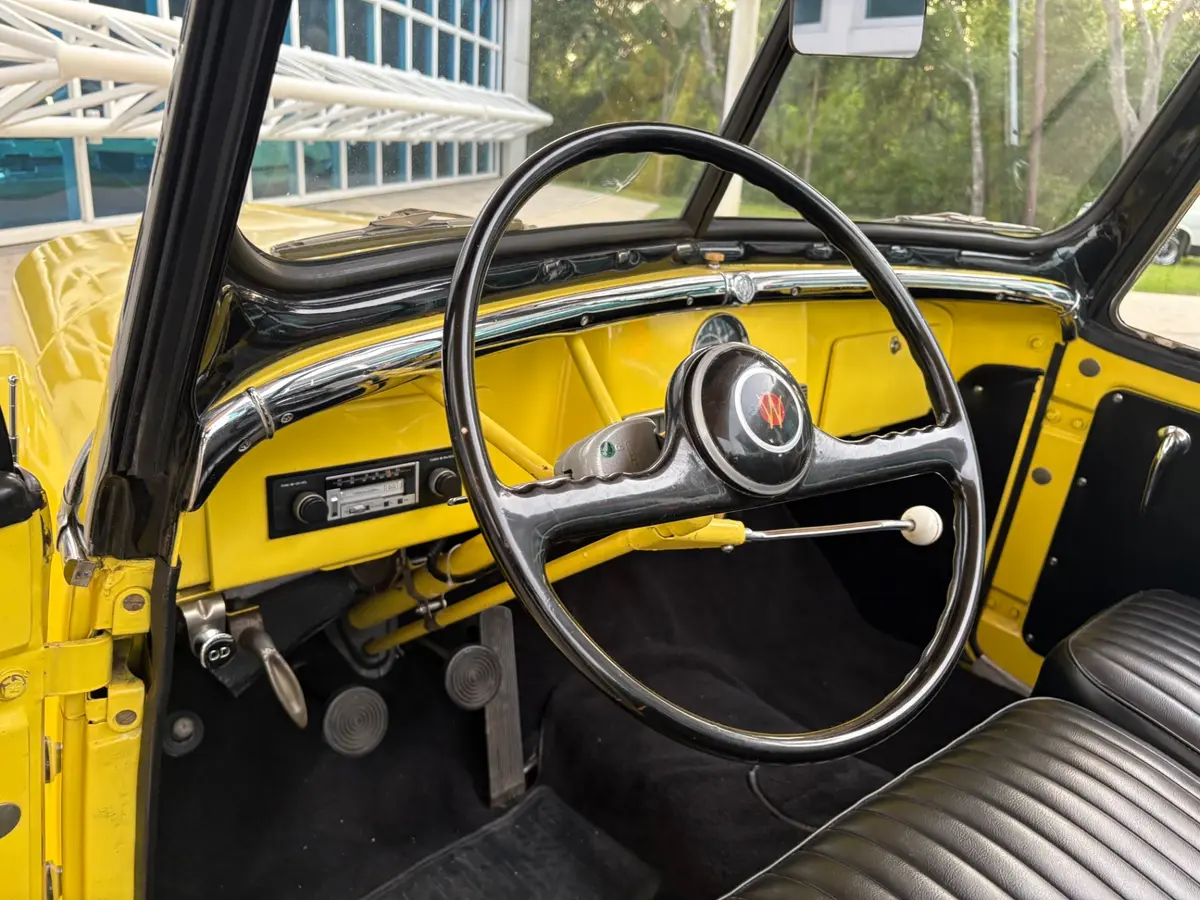
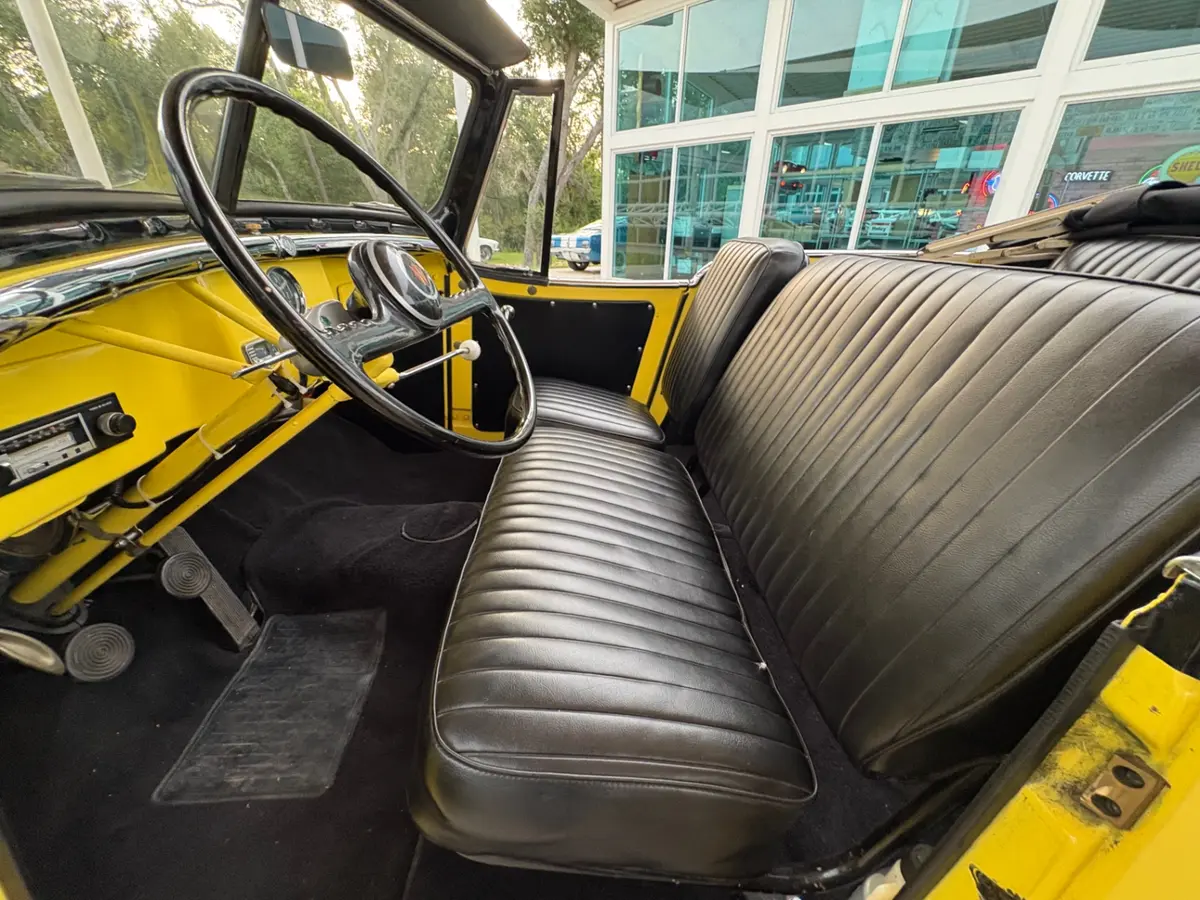
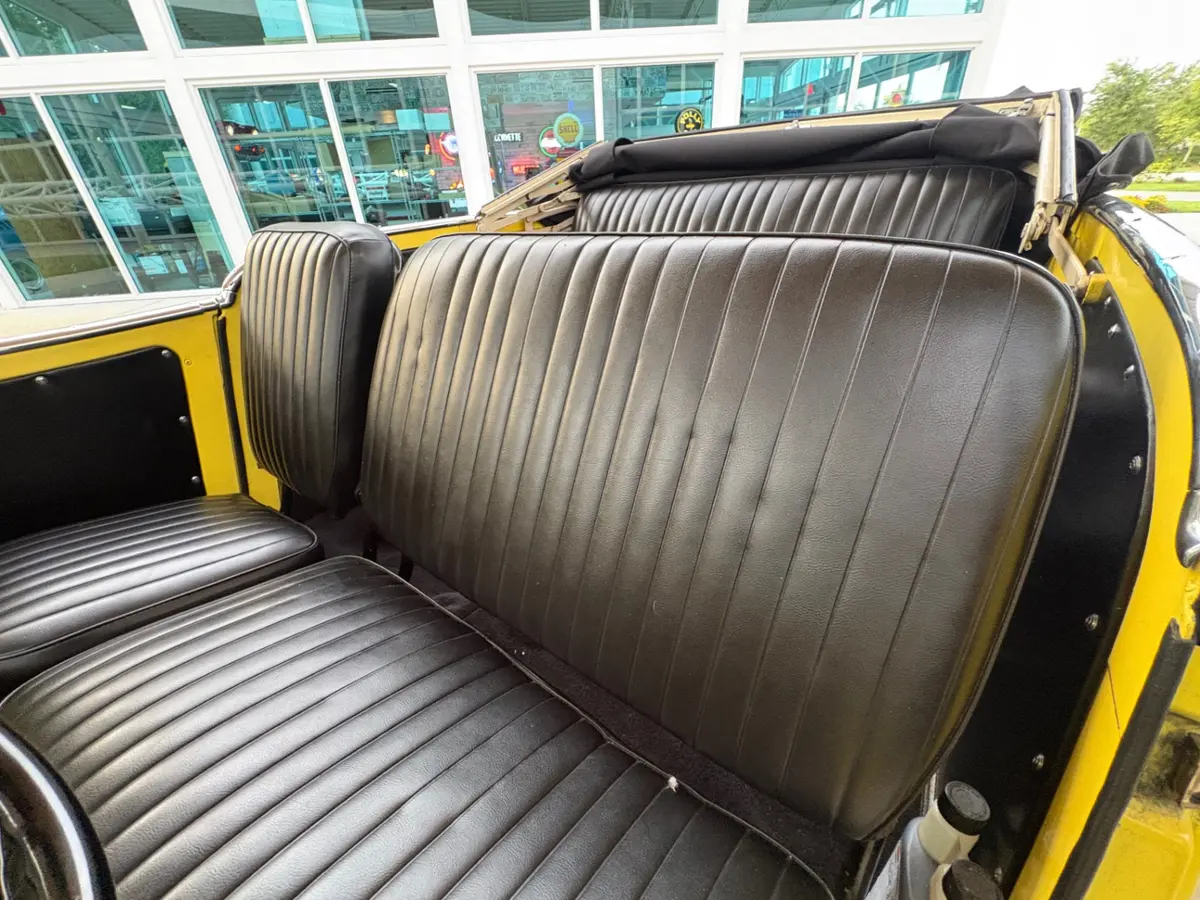
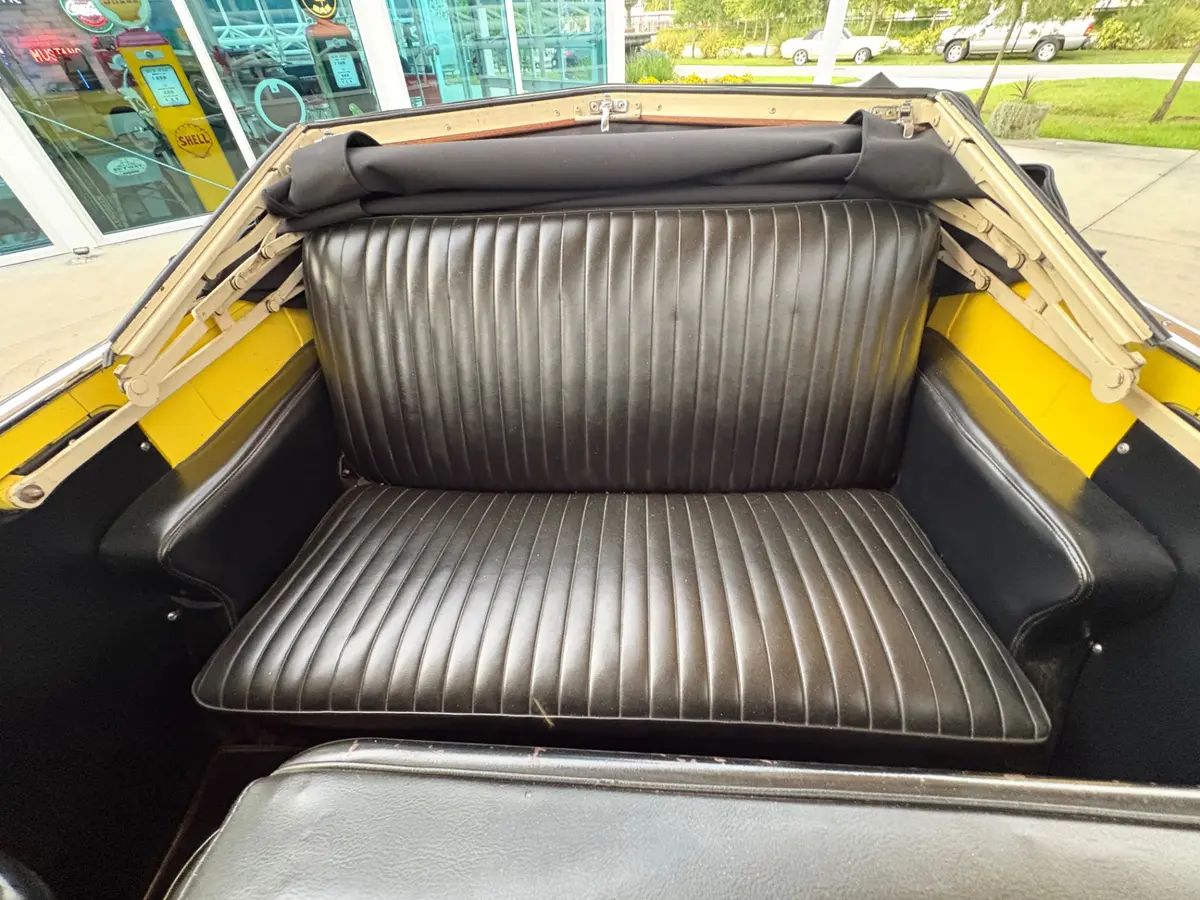
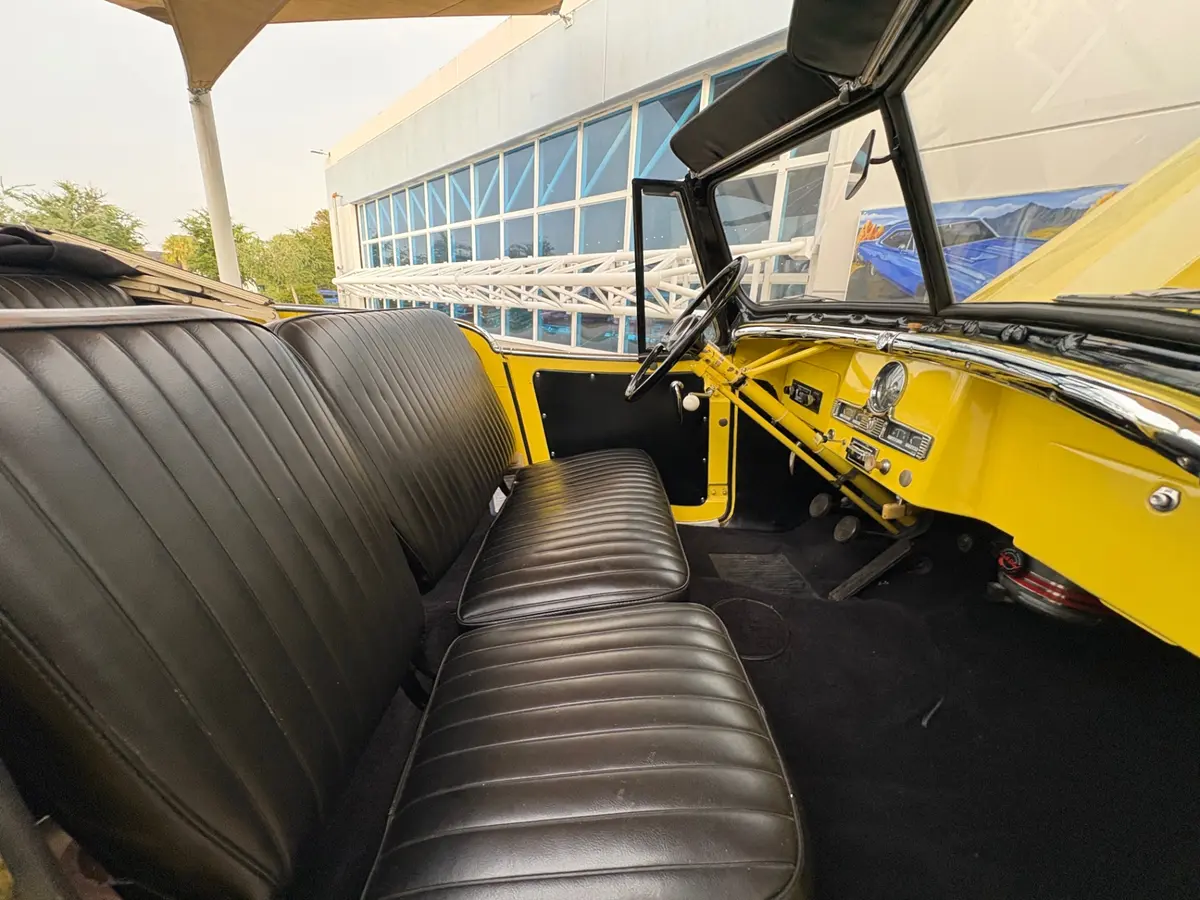
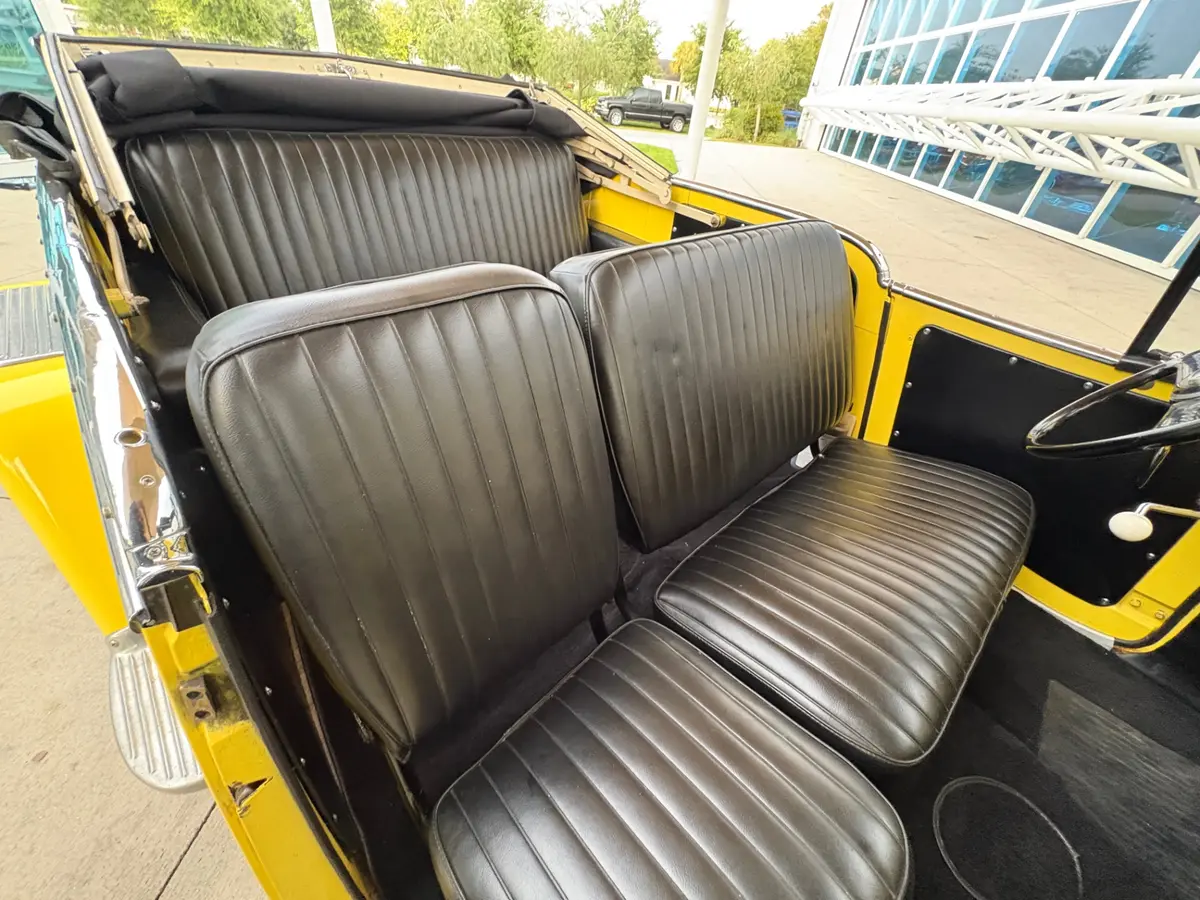
The interior of this 1951 Willys Overland Jeepster uses black vinyl throughout, covering both the front and rear bench seats. The ribbed stitching pattern on the seats is correct for the model and the vinyl shows well in the photographs without the cracking or shrinkage that commonly plagues these open vehicles when they have lived outdoors. The carpeted floors are black, pairing cleanly with the yellow dash and the chrome trim details scattered throughout the cockpit.
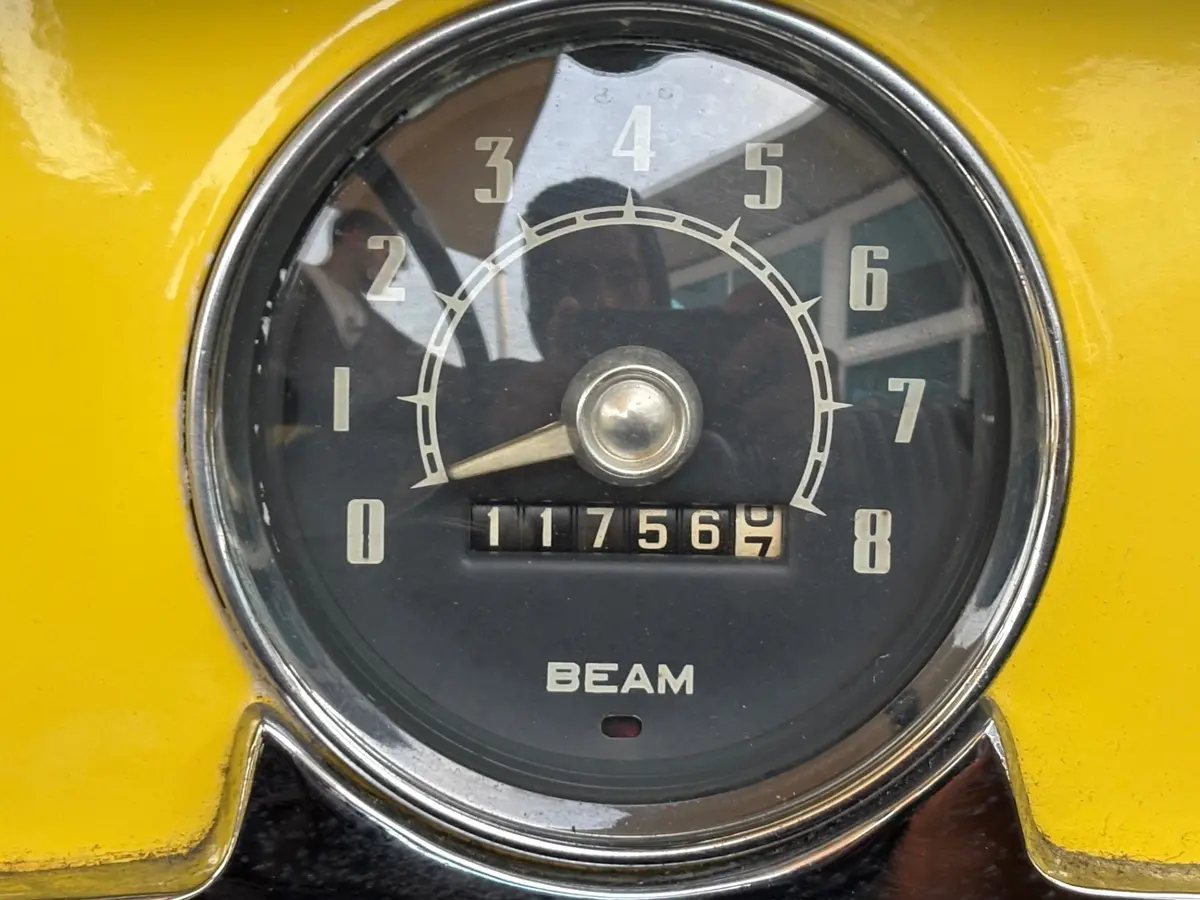
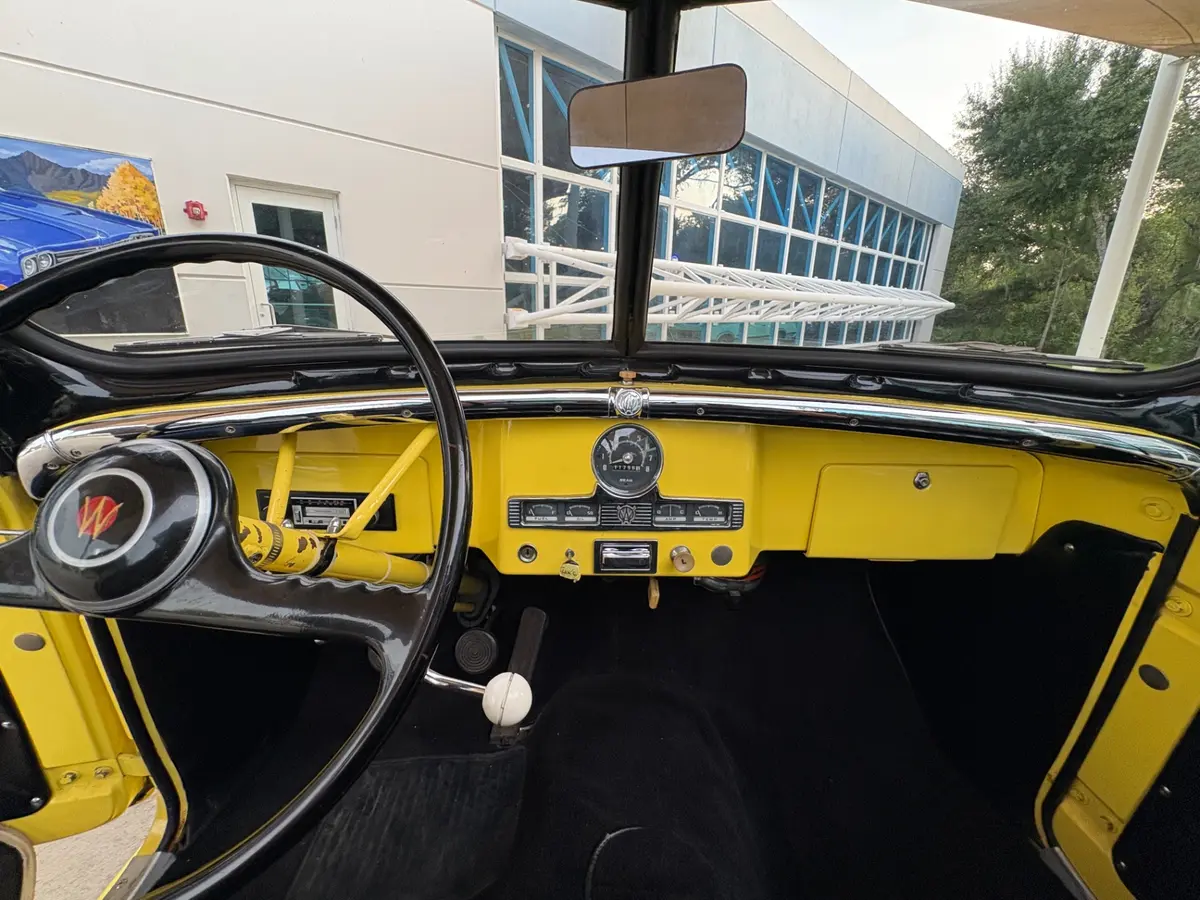
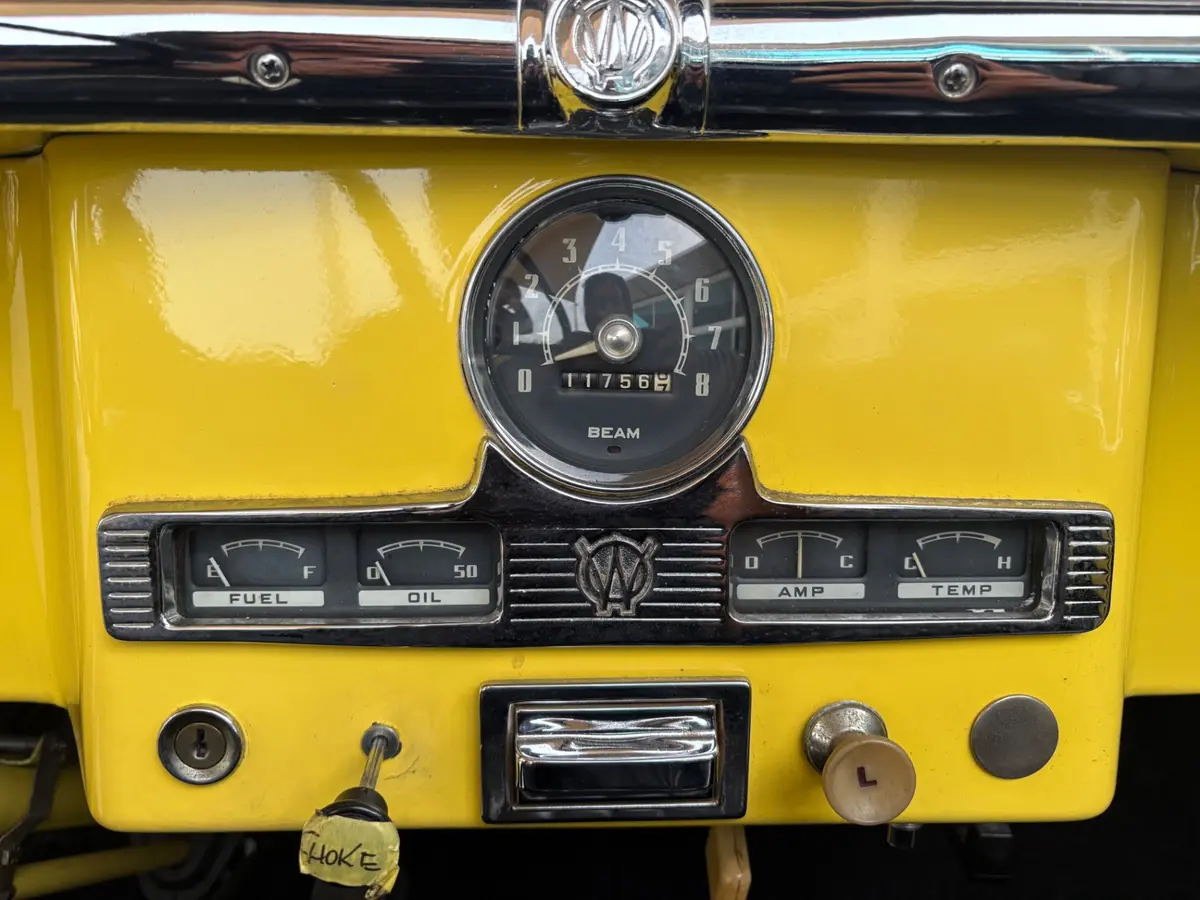
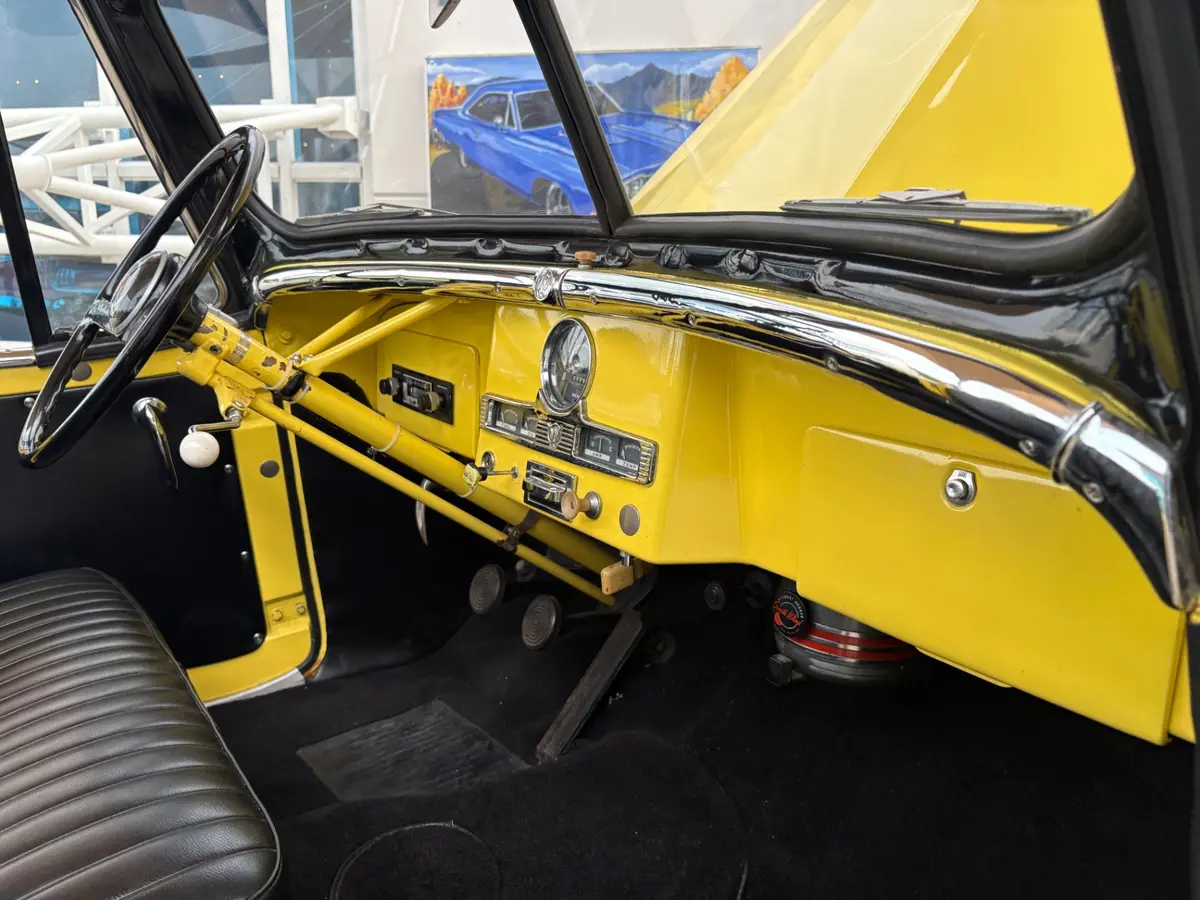
The dashboard itself is painted body-color yellow, which was standard on the Jeepster — the instrument panel was not a separate color but rather an extension of the vehicle's overall finish. Centered in the dash is the gauge cluster, which includes a speedometer reading to 80 mph, along with individual gauges for fuel level, oil pressure, amperage, and coolant temperature. These are functional gauges, not decorative, and having all four working tells you something useful about how the car has been maintained. The Willys script badge sits at the center top of the instrument panel housing. Below the gauge cluster sits the AM radio, which has been installed in the factory radio location. The choke knob is present and labeled on the dash, and the overdrive control is visible on the steering column. The locking glovebox is on the passenger side of the dash. The interior rearview mirror is mounted at the top of the windshield frame, and a sun visor is fitted for the driver. Wind wings — the small pivoting vent windows integrated into the windshield frame — are present on both sides and functional, which matters when the top is up and you want airflow without forcing the full convertible top down.
The split windshield with its chrome frame is one of the most visually distinctive details of the Jeepster's interior-to-exterior transition. It folds forward on the Jeepster, which opens the car completely when the top is also down. Side curtains are included for inclement weather use, which is the correct weather protection setup for this body style.
Exterior
The 1951 Willys Overland Jeepster wears yellow paint, and on a vehicle with this body shape, that color choice reads as intentional rather than incidental. The Jeepster's styling — credited to Brooks Stevens, who also designed the Oscar Mayer Wienermobile and would later design the Excalibur — was drawn from prewar roadster traditions. The long hood, the upright Willys seven-slot grille rendered here in body color with chrome overlay, the rounded fenders, and the open body with side cutouts all come together in a design that has not aged poorly. The grille badge and hood ornament are both present, which is worth noting because these small chrome pieces are frequently missing on Jeepsters that have been through multiple owners.
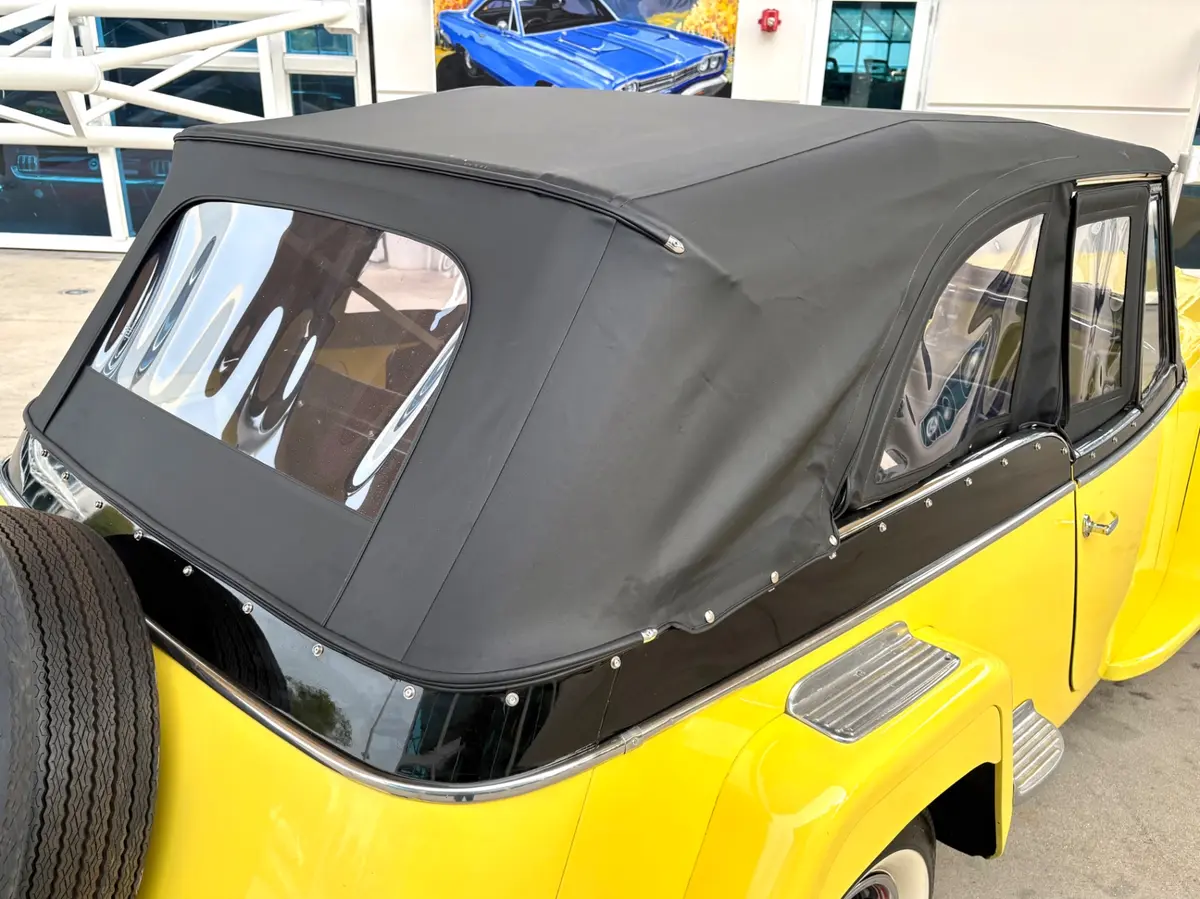
The chrome bumpers front and rear are in good condition, and both sets of bumper guards are fitted. Chrome body trim moldings run along the sides, and the step plates are in place below the door openings. The black convertible top is present and functional, with the folding header and bows intact. The rear-mounted spare sits on the exterior mount behind the vehicle, which was the only spare tire option on the Jeepster — there is no trunk in the conventional sense, as the space behind the rear seat is open to the body. The whitewall tires complete the period-correct look that this color and chrome combination calls for.
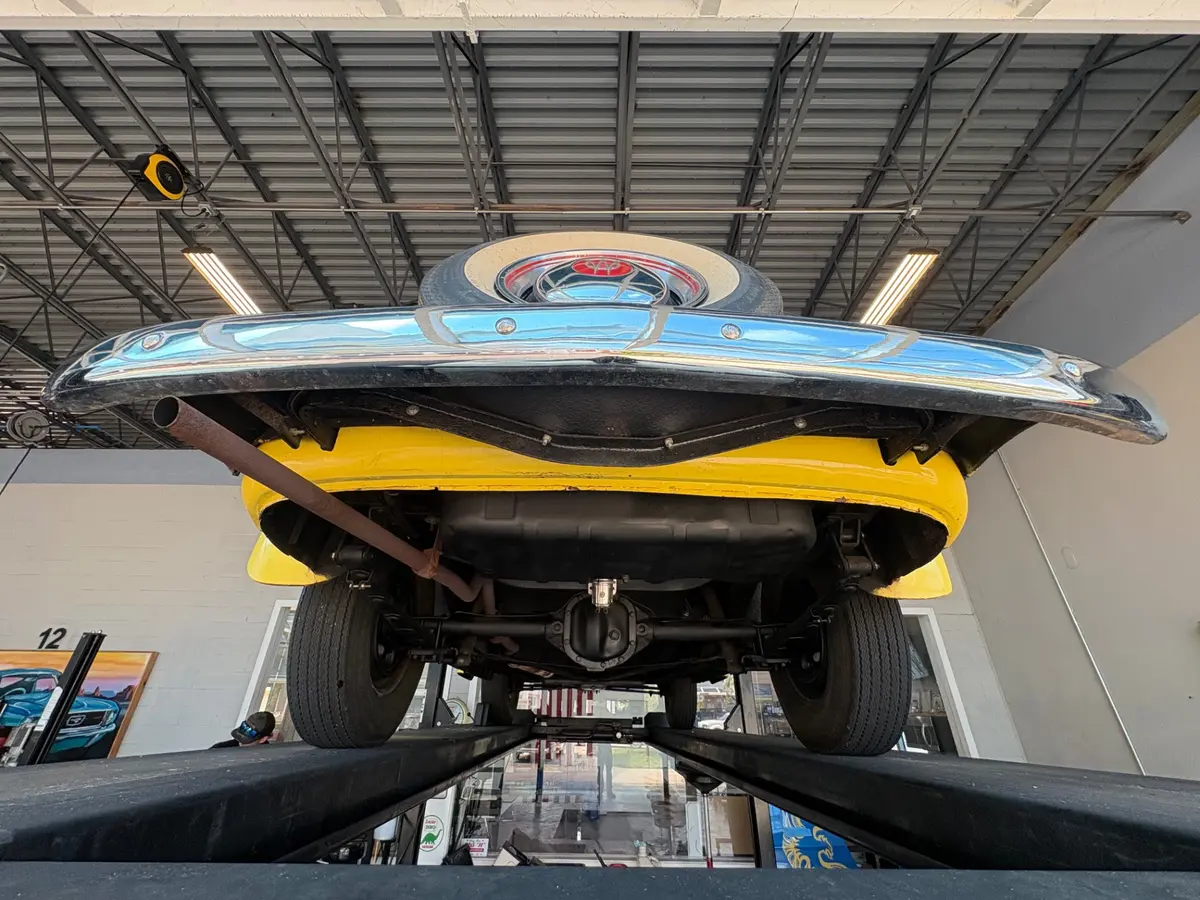
The undercarriage shots show that the floors, rockers, and frame rails are solid. For a 70-plus year old open vehicle, the structural integrity visible in those photographs represents a significant portion of the ownership equation on a Jeepster. Rust in the floors and rear tub is the most common reason these cars require extensive restoration work, and this example does not appear to present that problem.
Conclusion
The 1951 Willys Overland Jeepster is a specific vehicle for a specific buyer. It is not a four-wheel-drive Jeep, it is not a sports car, and it is not trying to be either of those things. What it is, precisely, is the final production year of America's first purpose-built recreational open vehicle, powered by the best engine Willys installed in the platform, finished in a color and trim combination that suits the body, and presenting with a solid undercarriage and a correct, intact interior. The Jeepster market is narrow, which means the buyers who know what they are looking for understand exactly what a 1951 example with the Hurricane F-Head, overdrive, and a solid body represents. These do not come up often in this condition, and 1951 is as good as the original run gets.
To ask questions or arrange a viewing, call Skyway Classics in Sarasota, Florida at 941-254-6608.
Disclaimer
Information found on the website is presented as given to us by the owner of the car, whether on consignment or from the owner we bought it from. Some Photos, materials for videos, descriptions and other information are provided by the consignor/seller and is deemed reliable, but Skyway Classics does not warranty or guarantee this information. Skyway Classics is not responsible for information that may incorrect or a publishing error. The decision to purchase should be based solely on the buyers personal inspection of the vehicle or by a professional inspection service prior to offer or purchase being made.
1951 Willys Overland Jeepster — Last Year of Production, Hurricane F-Head Engine, Yellow over Black
Why This Car Is Special
The 1951 Willys Overland Jeepster holds a specific and well-documented place in American automotive history: it is the final model year of the Jeepster's original production run. Willys introduced the Jeepster in 1948 as something genuinely different — a civilian open-air vehicle built on Jeep mechanical bones but styled for leisure rather than labor. The concept was ahead of its time, essentially previewing what the recreational open vehicle market would become decades later. By 1951, Willys had decided to end the Jeepster line to focus resources on its more commercially successful utility vehicles, making this the last chapter of the first generation. That context matters for collectors because 1951 Jeepsters are the final expression of the original design, and they benefit from the one meaningful mechanical upgrade Willys made during the model run: the introduction of the Hurricane F-Head engine.
The F-Head designation refers to the engine's mixed valve arrangement, with intake valves in the head and exhaust valves in the block. This design allowed Willys to significantly improve breathing and compression over the older L-head Go-Devil engine without a complete redesign. The result was more power and better low-end torque in a package that retained the simplicity and durability the platform was known for. If you are looking at a Jeepster and it does not have the Hurricane engine, you are looking at a 1948, 1949, or early production example. The 1951 Jeepster with the Hurricane F-Head is the most capable version of the original design.
This particular example presents in yellow over a black vinyl interior — a combination that works visually precisely because the Jeepster's lines are simple enough to carry a strong color without becoming overdone. The undercarriage photographs show a solid, well-preserved structure, and the engine bay has been painted to match. This is a driver-quality classic with show-level presentation, not a shelf piece.
Features List
- Hurricane F-Head 134ci Inline-4 Engine
- 3-Speed Manual Transmission with Overdrive
- Black Convertible Soft Top
- Soft Top Side Curtains
- Front and Rear Bench Seats
- Whitewall Tires
- Chrome Front and Rear Bumpers with Bumper Guards
- Willys Hub Caps
- Rear-Mounted Spare Tire with Exterior Mount
- AM Radio
- Body-Colored Yellow Dash
- Locking Glovebox
- Full Gauge Cluster (Fuel, Oil Pressure, Amperage, Temperature)
- Choke Knob
- Four-Wheel Drum Brakes
- Independent Front Suspension
- Leaf Spring Rear Suspension
- Solid Undercarriage
- 6-Volt Electrical System
- Split Windshield with Chrome Frame
- Wind Wings (Vent Windows)
- Interior Sun Visor
- Interior Rearview Mirror
- Carpeted Floors
- Chrome Body Trim Moldings
- Side Step Plates
- Painted Engine Bay
- Willys Hood Ornament and Grille Badge
- All-Steel Body Construction
Mechanical
The engine under this Jeepster's hood is the 134 cubic inch Hurricane F-Head inline-four, which Willys introduced for the 1950 model year. The F-Head configuration positions the intake valves in the cylinder head while retaining the exhaust valves in the block — a layout sometimes called a "valve-in-head/valve-in-block" or IOE (intake over exhaust) design. Compared to the earlier flathead Go-Devil engine, the Hurricane produced meaningfully more power and improved throttle response, particularly at lower RPMs where the Jeepster spends most of its time. The engine is painted in its correct turquoise color and the engine bay itself has been painted to match the exterior yellow, which was a common practice on restored Jeepsters of this era to give the engine compartment a finished, cohesive appearance.
Backing the Hurricane is a 3-speed manual transmission paired with an overdrive unit. The overdrive is a practical and historically appropriate addition for a vehicle intended for open-road use. It reduces engine RPM at highway speeds, which on a 134ci four-cylinder running a 6-volt electrical system makes a noticeable difference in both noise level and fuel consumption on longer drives. The overdrive engages via a dashboard-mounted control, keeping the cabin tidy and period-correct.
The suspension setup is independent at the front and leaf spring at the rear, which was standard for the Jeepster platform. The Jeepster was not a four-wheel-drive vehicle — it was rear-wheel drive only — which is an important distinction for buyers who may be more familiar with the utility-spec Willys models. The undercarriage photographs show the frame and floor sections to be solid, with no visible rot or structural compromise. Drum brakes are fitted at all four corners, consistent with the original specification. The 6-volt electrical system is intact and original to the period.
Interior
The interior of this 1951 Willys Overland Jeepster uses black vinyl throughout, covering both the front and rear bench seats. The ribbed stitching pattern on the seats is correct for the model and the vinyl shows well in the photographs without the cracking or shrinkage that commonly plagues these open vehicles when they have lived outdoors. The carpeted floors are black, pairing cleanly with the yellow dash and the chrome trim details scattered throughout the cockpit.
The dashboard itself is painted body-color yellow, which was standard on the Jeepster — the instrument panel was not a separate color but rather an extension of the vehicle's overall finish. Centered in the dash is the gauge cluster, which includes a speedometer reading to 80 mph, along with individual gauges for fuel level, oil pressure, amperage, and coolant temperature. These are functional gauges, not decorative, and having all four working tells you something useful about how the car has been maintained. The Willys script badge sits at the center top of the instrument panel housing. Below the gauge cluster sits the AM radio, which has been installed in the factory radio location. The choke knob is present and labeled on the dash, and the overdrive control is visible on the steering column. The locking glovebox is on the passenger side of the dash. The interior rearview mirror is mounted at the top of the windshield frame, and a sun visor is fitted for the driver. Wind wings — the small pivoting vent windows integrated into the windshield frame — are present on both sides and functional, which matters when the top is up and you want airflow without forcing the full convertible top down.
The split windshield with its chrome frame is one of the most visually distinctive details of the Jeepster's interior-to-exterior transition. It folds forward on the Jeepster, which opens the car completely when the top is also down. Side curtains are included for inclement weather use, which is the correct weather protection setup for this body style.
Exterior
The 1951 Willys Overland Jeepster wears yellow paint, and on a vehicle with this body shape, that color choice reads as intentional rather than incidental. The Jeepster's styling — credited to Brooks Stevens, who also designed the Oscar Mayer Wienermobile and would later design the Excalibur — was drawn from prewar roadster traditions. The long hood, the upright Willys seven-slot grille rendered here in body color with chrome overlay, the rounded fenders, and the open body with side cutouts all come together in a design that has not aged poorly. The grille badge and hood ornament are both present, which is worth noting because these small chrome pieces are frequently missing on Jeepsters that have been through multiple owners.
The chrome bumpers front and rear are in good condition, and both sets of bumper guards are fitted. Chrome body trim moldings run along the sides, and the step plates are in place below the door openings. The black convertible top is present and functional, with the folding header and bows intact. The rear-mounted spare sits on the exterior mount behind the vehicle, which was the only spare tire option on the Jeepster — there is no trunk in the conventional sense, as the space behind the rear seat is open to the body. The whitewall tires complete the period-correct look that this color and chrome combination calls for.
The undercarriage shots show that the floors, rockers, and frame rails are solid. For a 70-plus year old open vehicle, the structural integrity visible in those photographs represents a significant portion of the ownership equation on a Jeepster. Rust in the floors and rear tub is the most common reason these cars require extensive restoration work, and this example does not appear to present that problem.
Conclusion
The 1951 Willys Overland Jeepster is a specific vehicle for a specific buyer. It is not a four-wheel-drive Jeep, it is not a sports car, and it is not trying to be either of those things. What it is, precisely, is the final production year of America's first purpose-built recreational open vehicle, powered by the best engine Willys installed in the platform, finished in a color and trim combination that suits the body, and presenting with a solid undercarriage and a correct, intact interior. The Jeepster market is narrow, which means the buyers who know what they are looking for understand exactly what a 1951 example with the Hurricane F-Head, overdrive, and a solid body represents. These do not come up often in this condition, and 1951 is as good as the original run gets.
To ask questions or arrange a viewing, call Skyway Classics in Sarasota, Florida at 941-254-6608.
Disclaimer
Information found on the website is presented as given to us by the owner of the car, whether on consignment or from the owner we bought it from. Some Photos, materials for videos, descriptions and other information are provided by the consignor/seller and is deemed reliable, but Skyway Classics does not warranty or guarantee this information. Skyway Classics is not responsible for information that may incorrect or a publishing error. The decision to purchase should be based solely on the buyers personal inspection of the vehicle or by a professional inspection service prior to offer or purchase being made.
1951 Willys
Jeepster VJ-473
Why Choose Skyway Classics?
Explore our curated inventory of classic and collector cars—thoughtfully selected, ready to drive, and supported by experts who make ownership simple.
Expert Curation
Every vehicle is hand-selected by our experts for quality, authenticity, and investment potential.
Fast Transactions
Streamlined buying and selling process with quick financing and immediate delivery options.
Only National Dealer With Classic Service & Repair
We’re the only national dealership that services and repairs the classics we sell—before and after the sale.
Nationwide Network
Access to our extensive network of collectors, restorers, and classic car enthusiasts nationwide.
Concierge Ownership Support
From financing and insurance to paperwork, shipping, and titling—we handle the details so you can enjoy the drive.
Passion-Driven Service
We're classic car enthusiasts first, providing personalized service with genuine passion for the hobby.