
1971 Chevrolet
Corvette Base
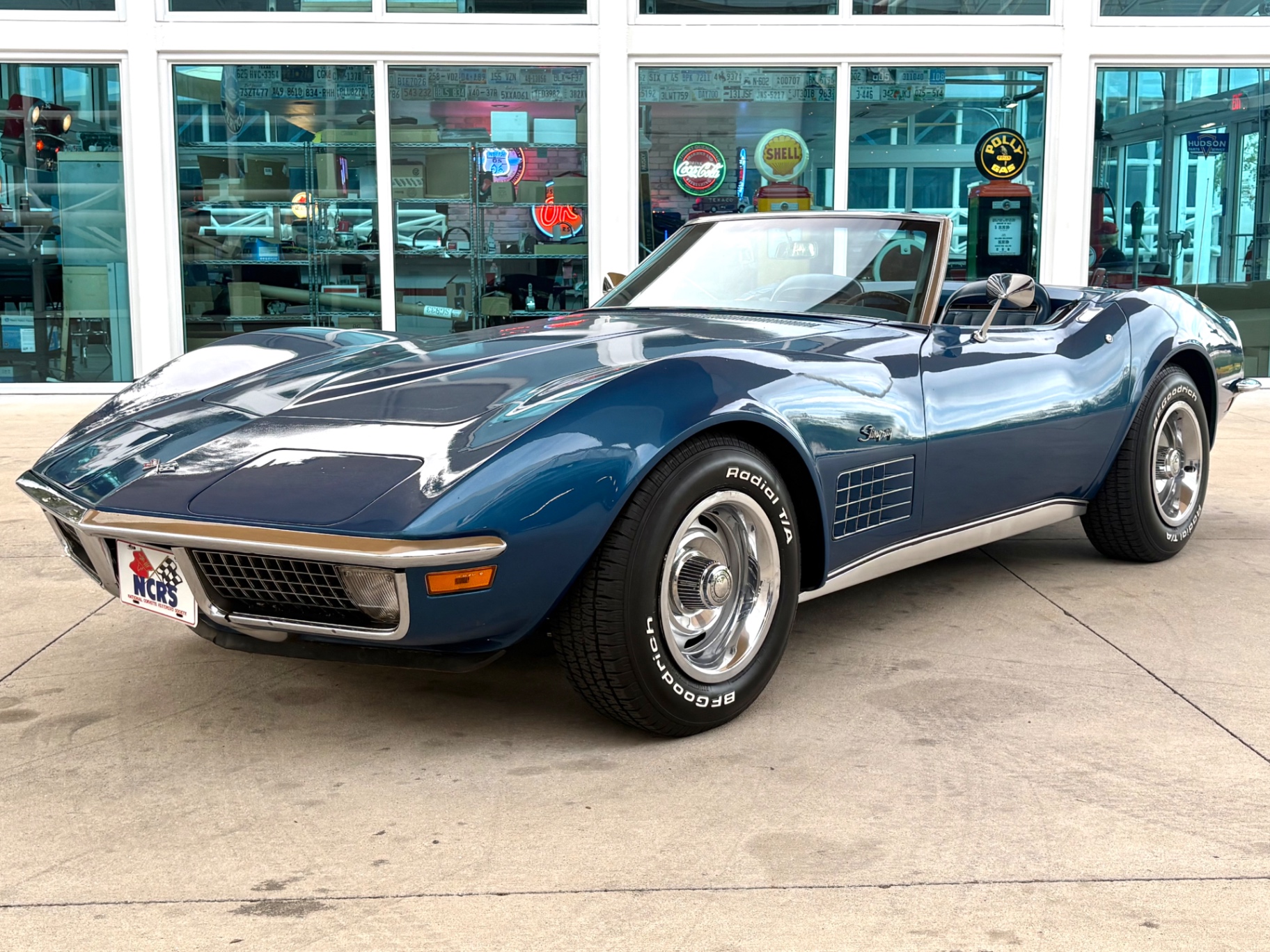
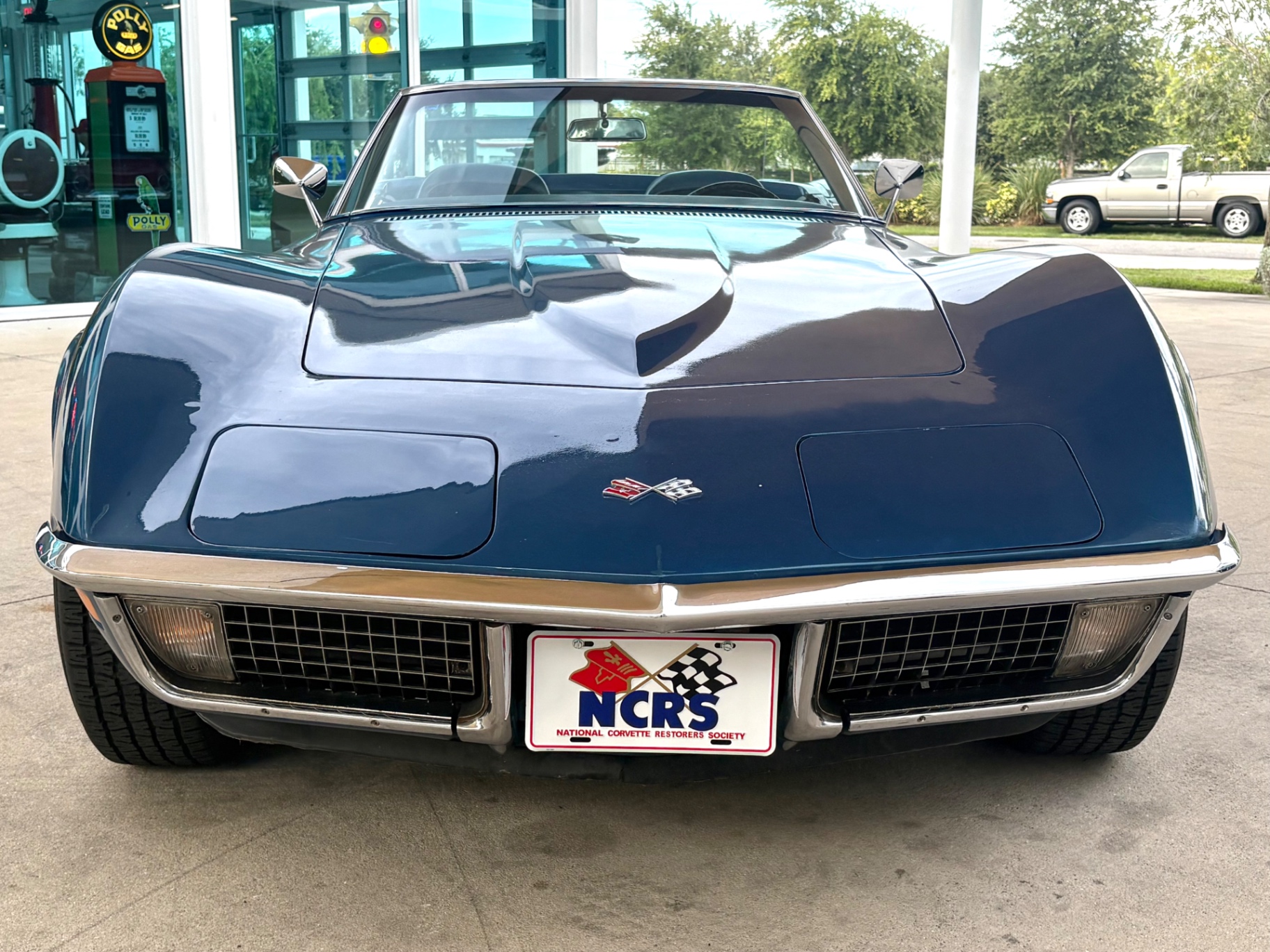
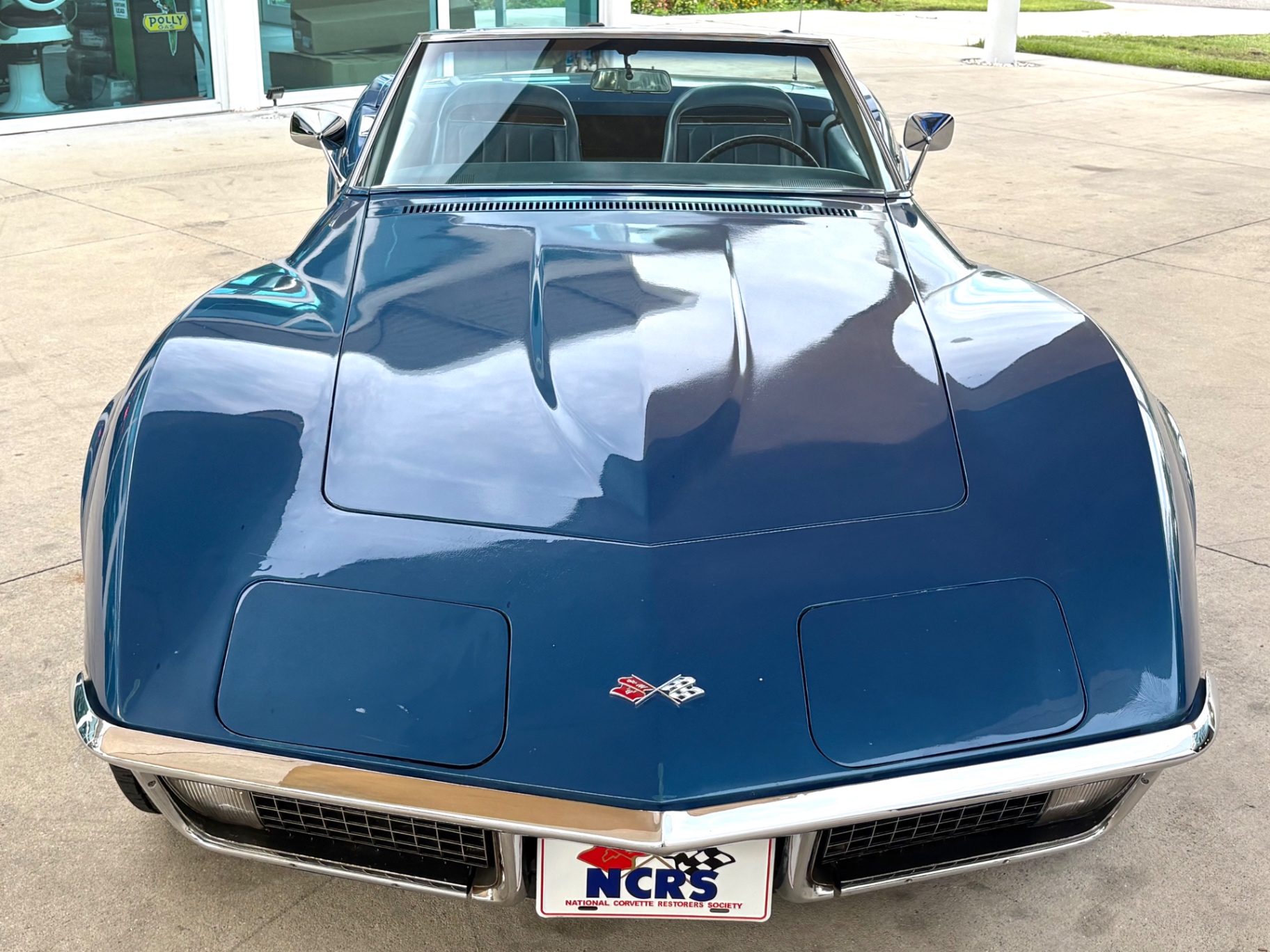
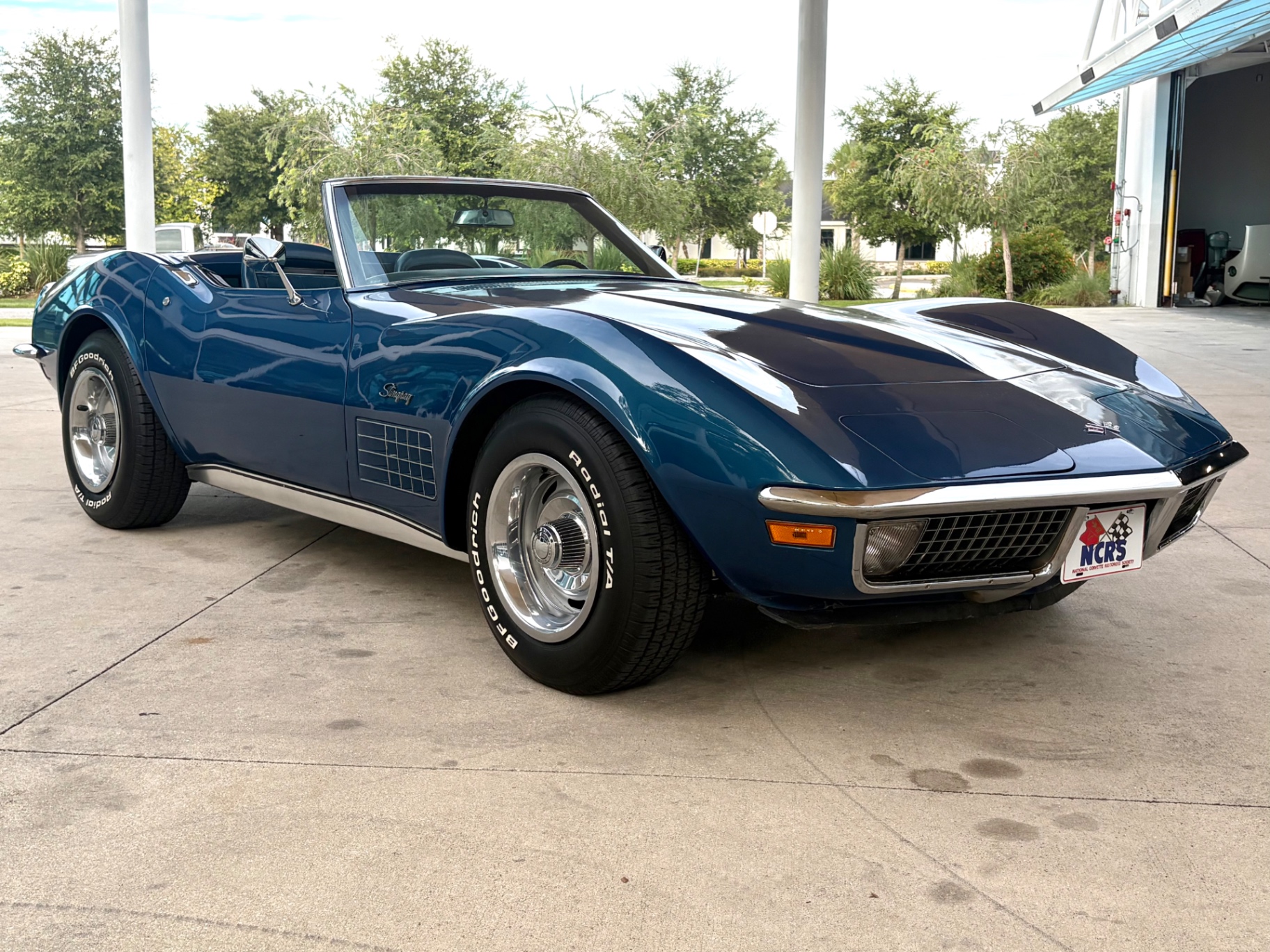
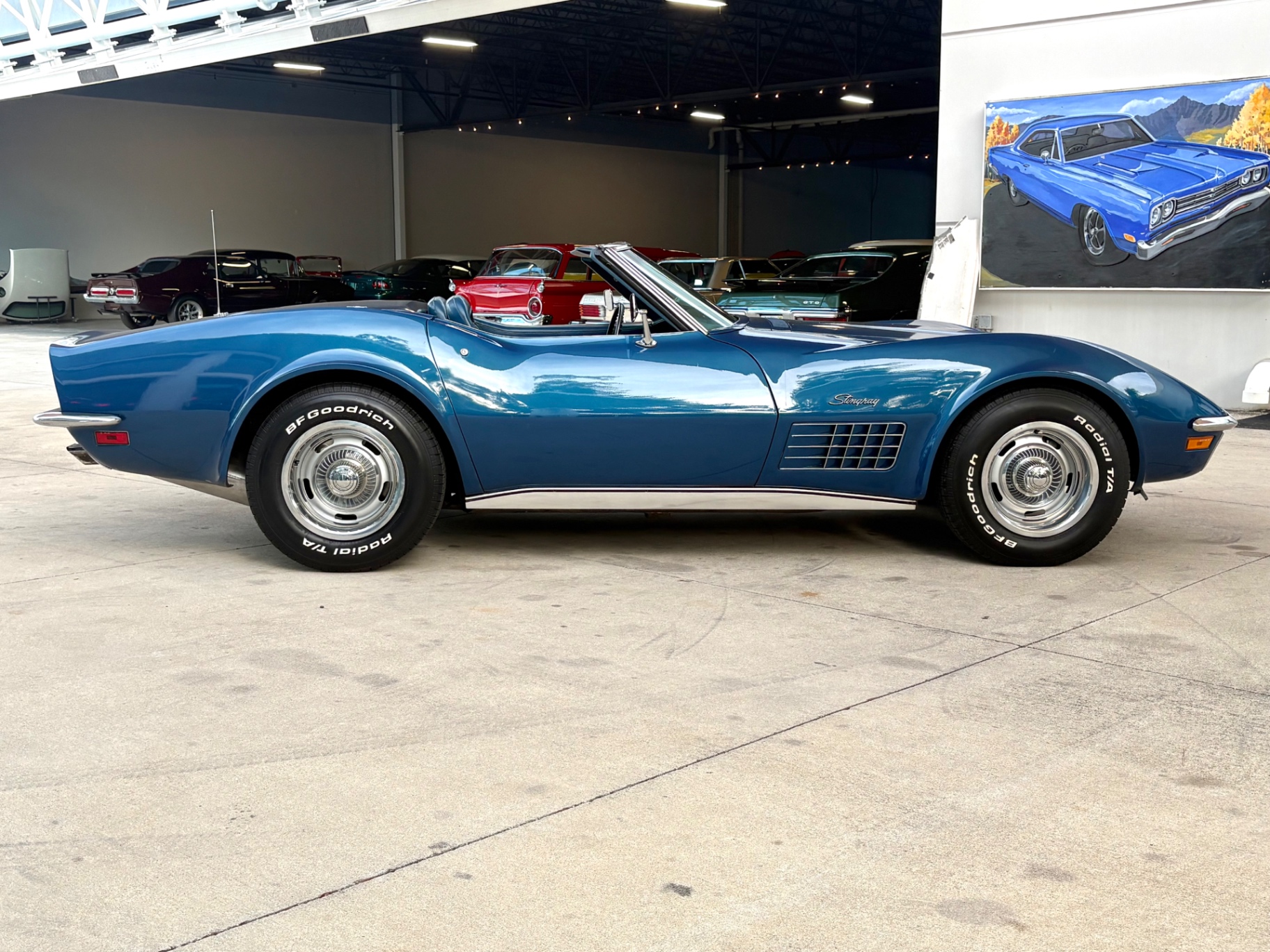
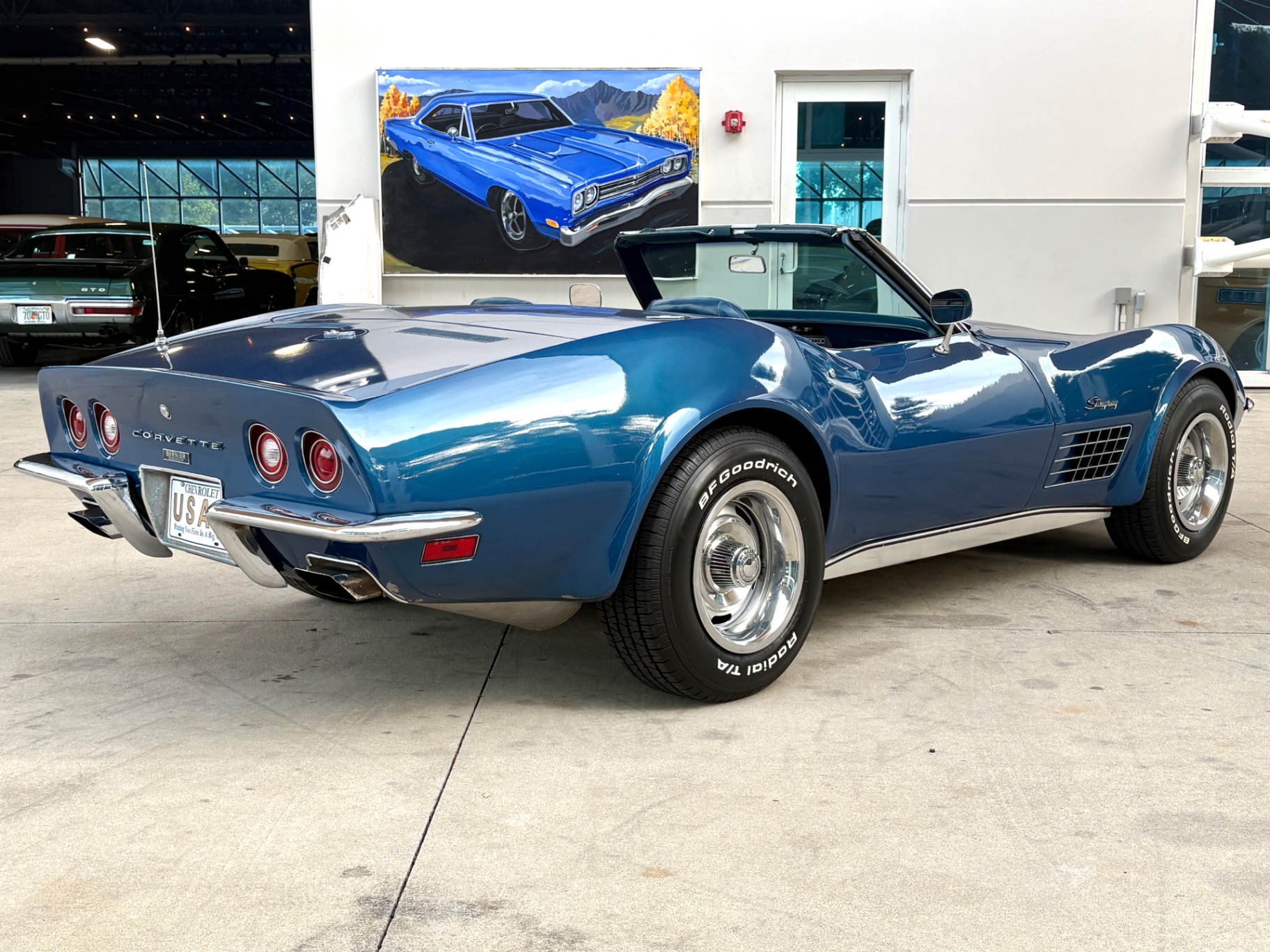
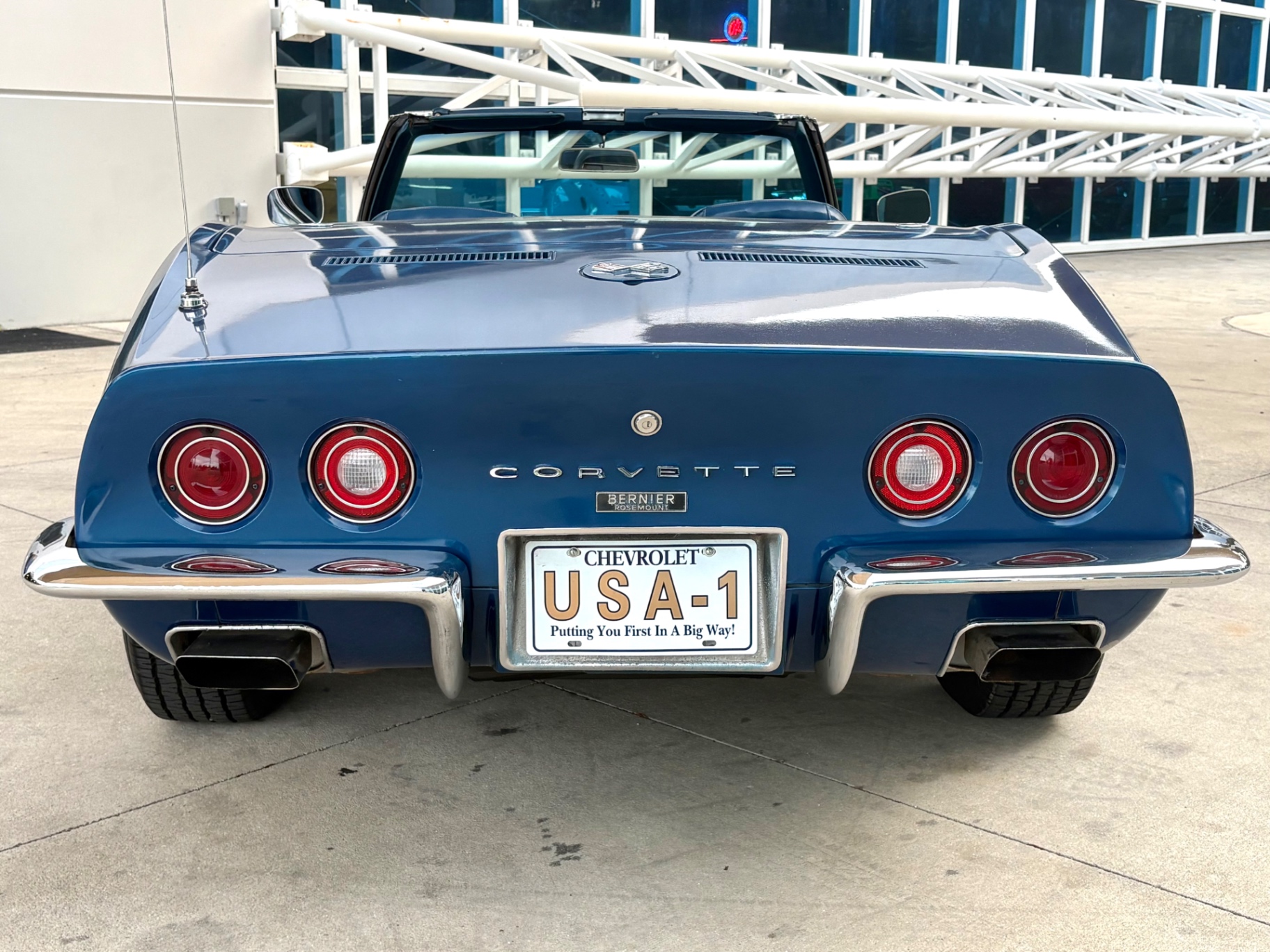
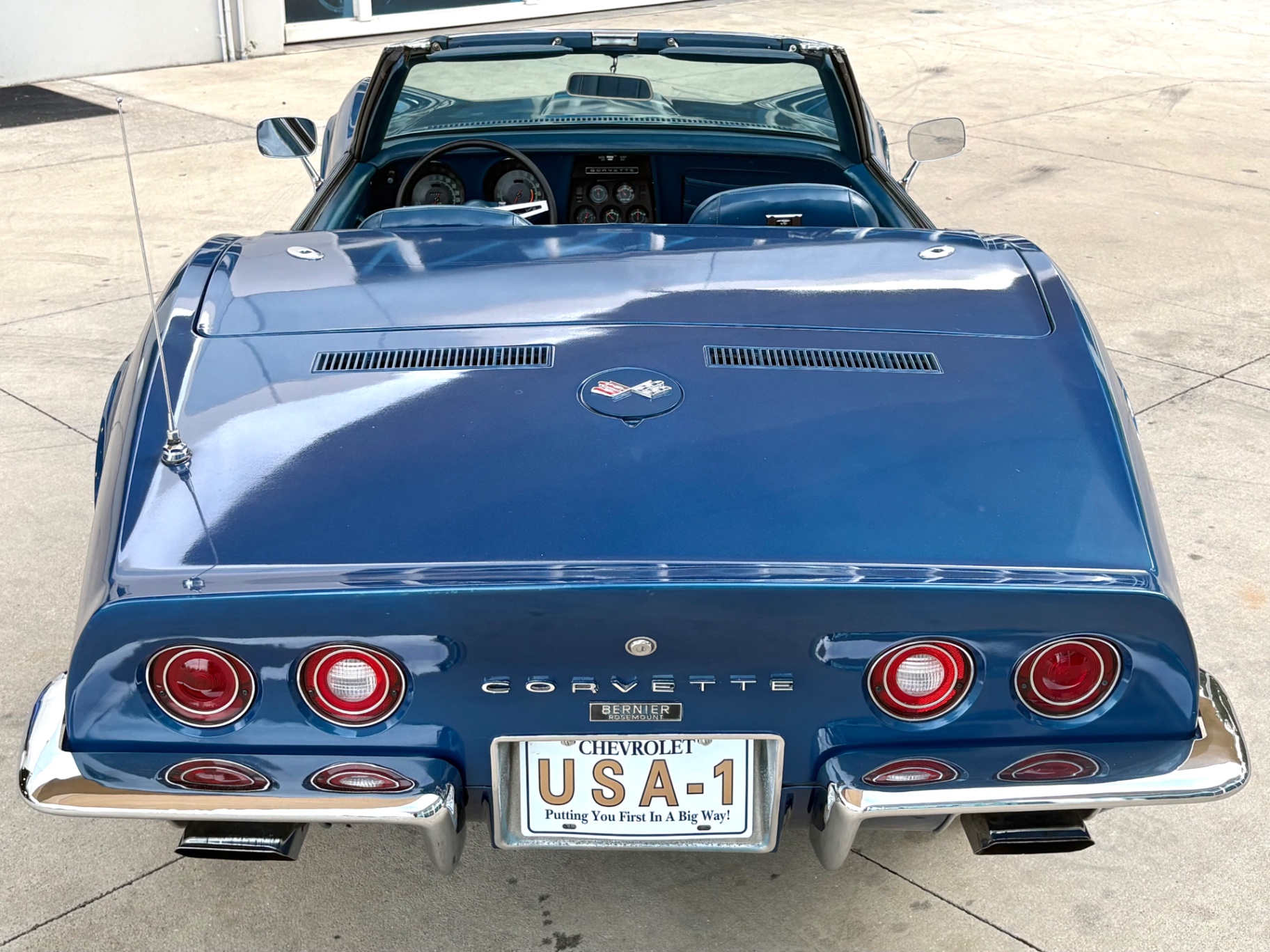
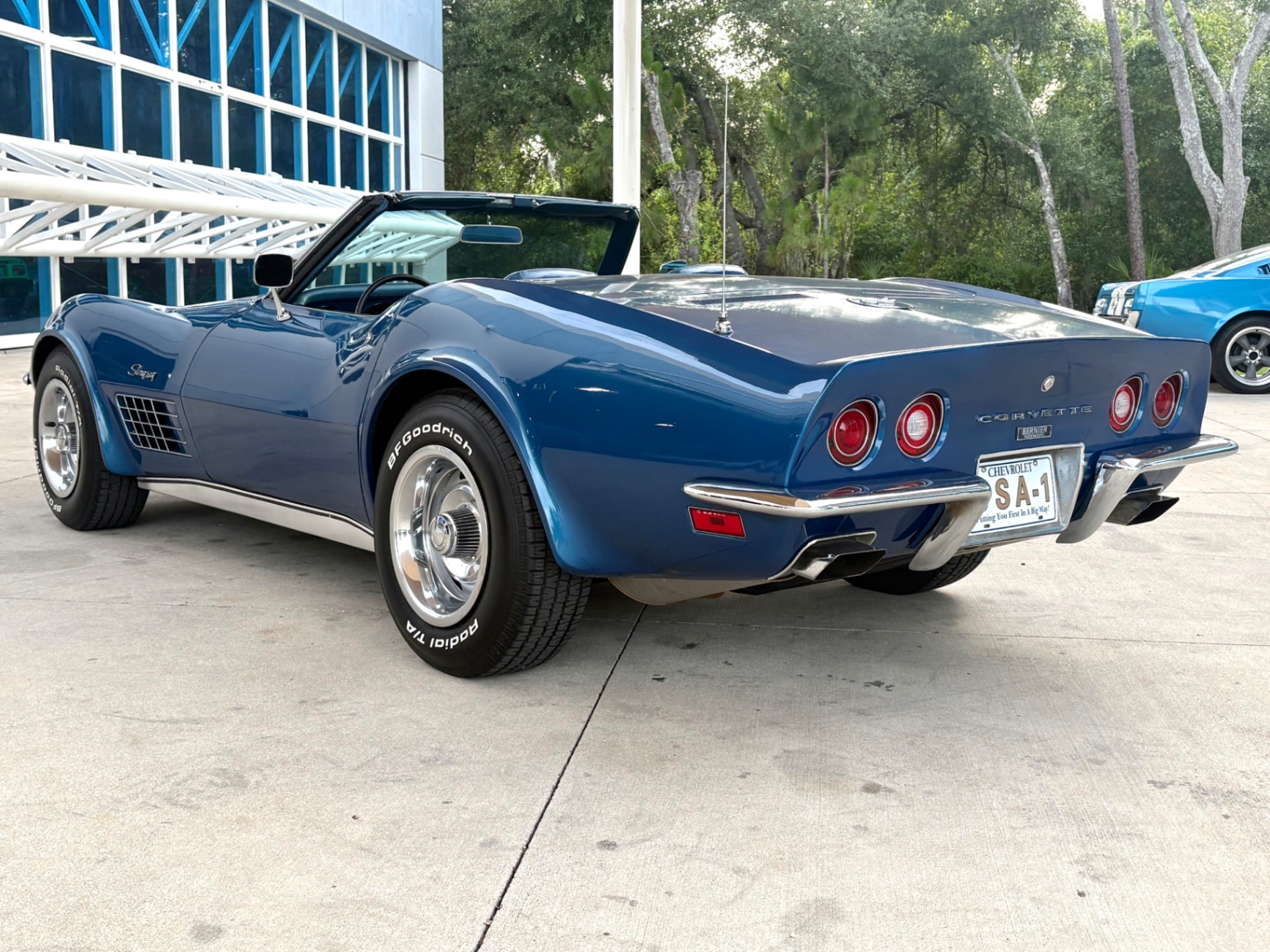
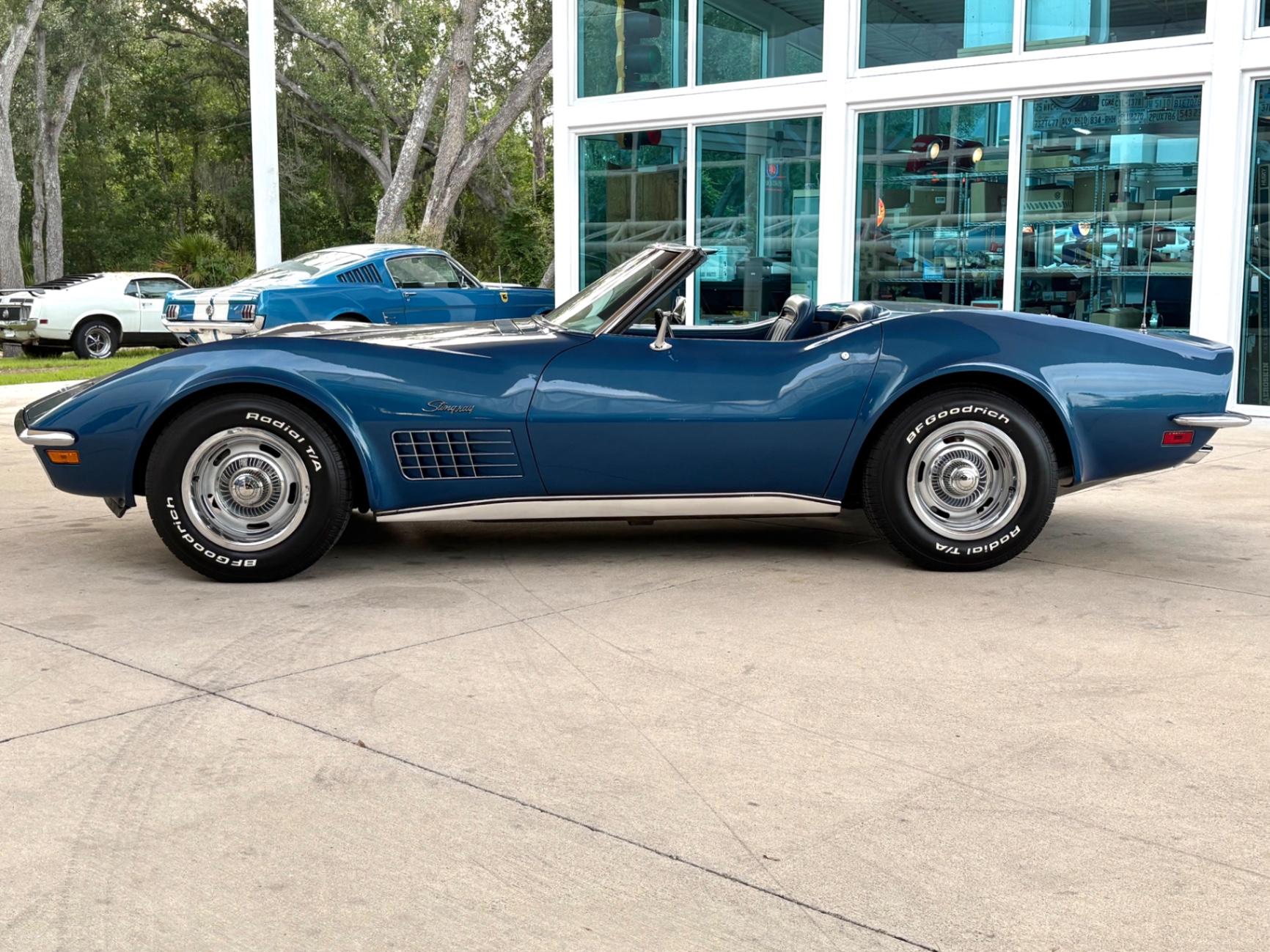
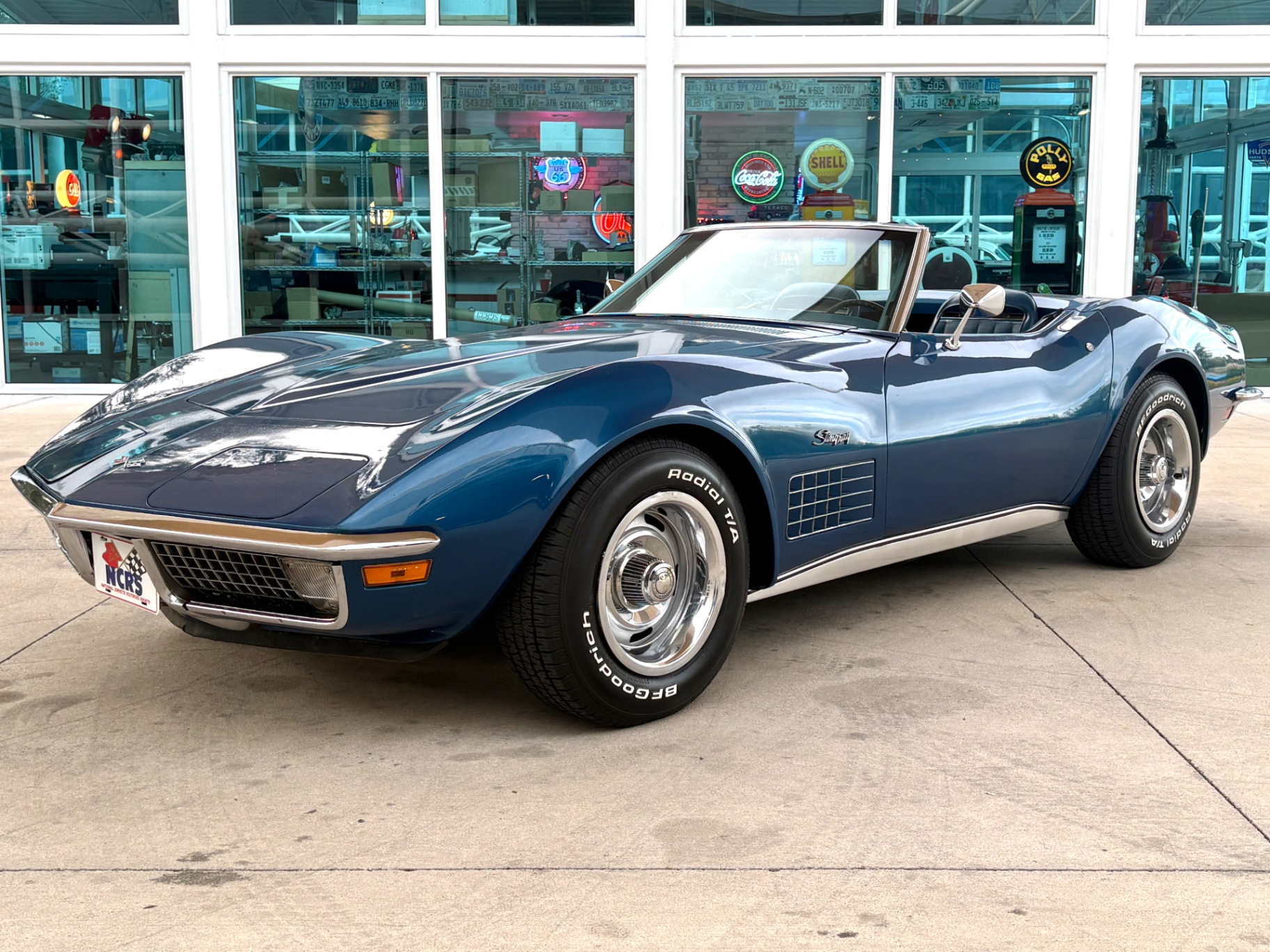
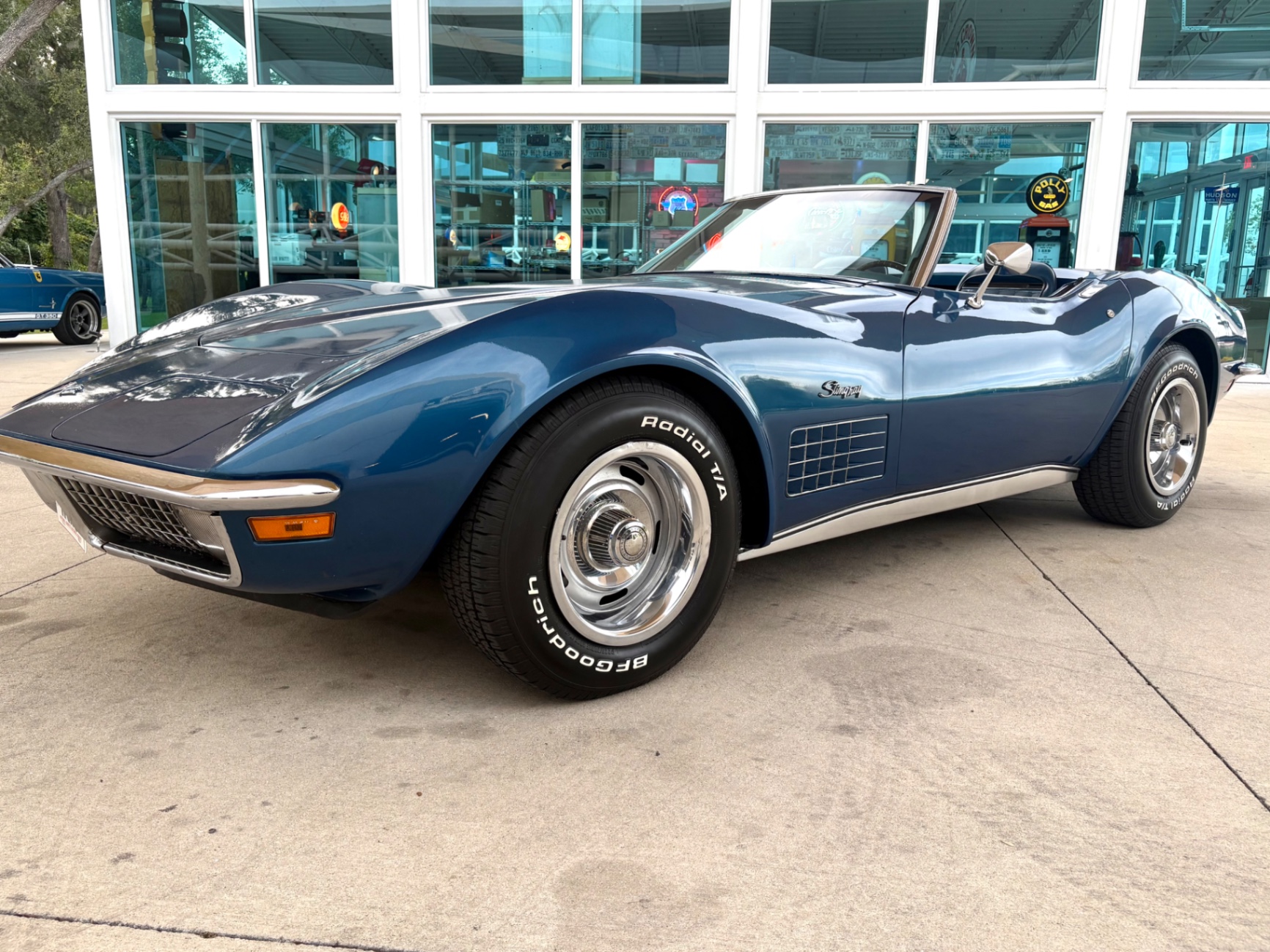
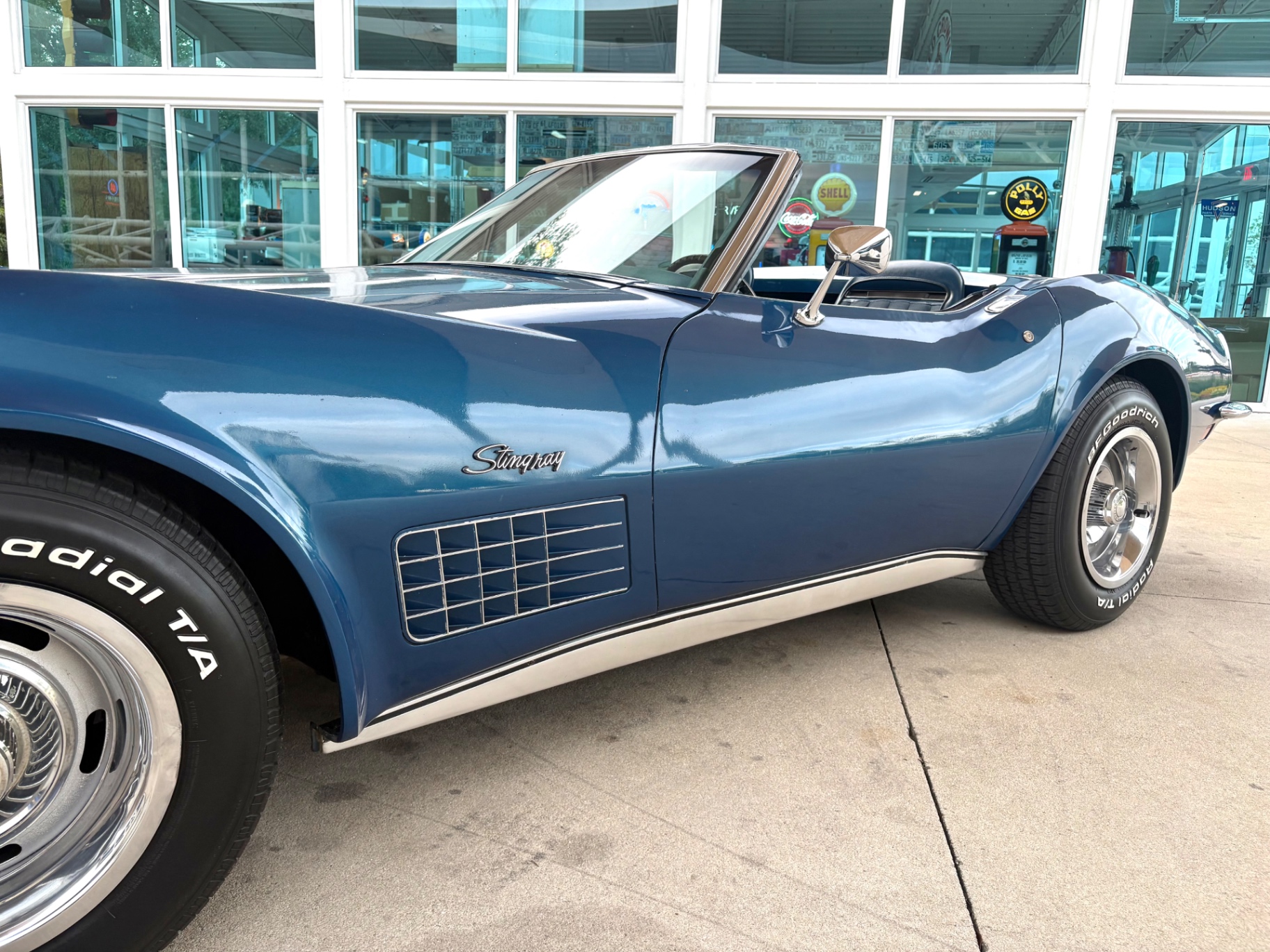
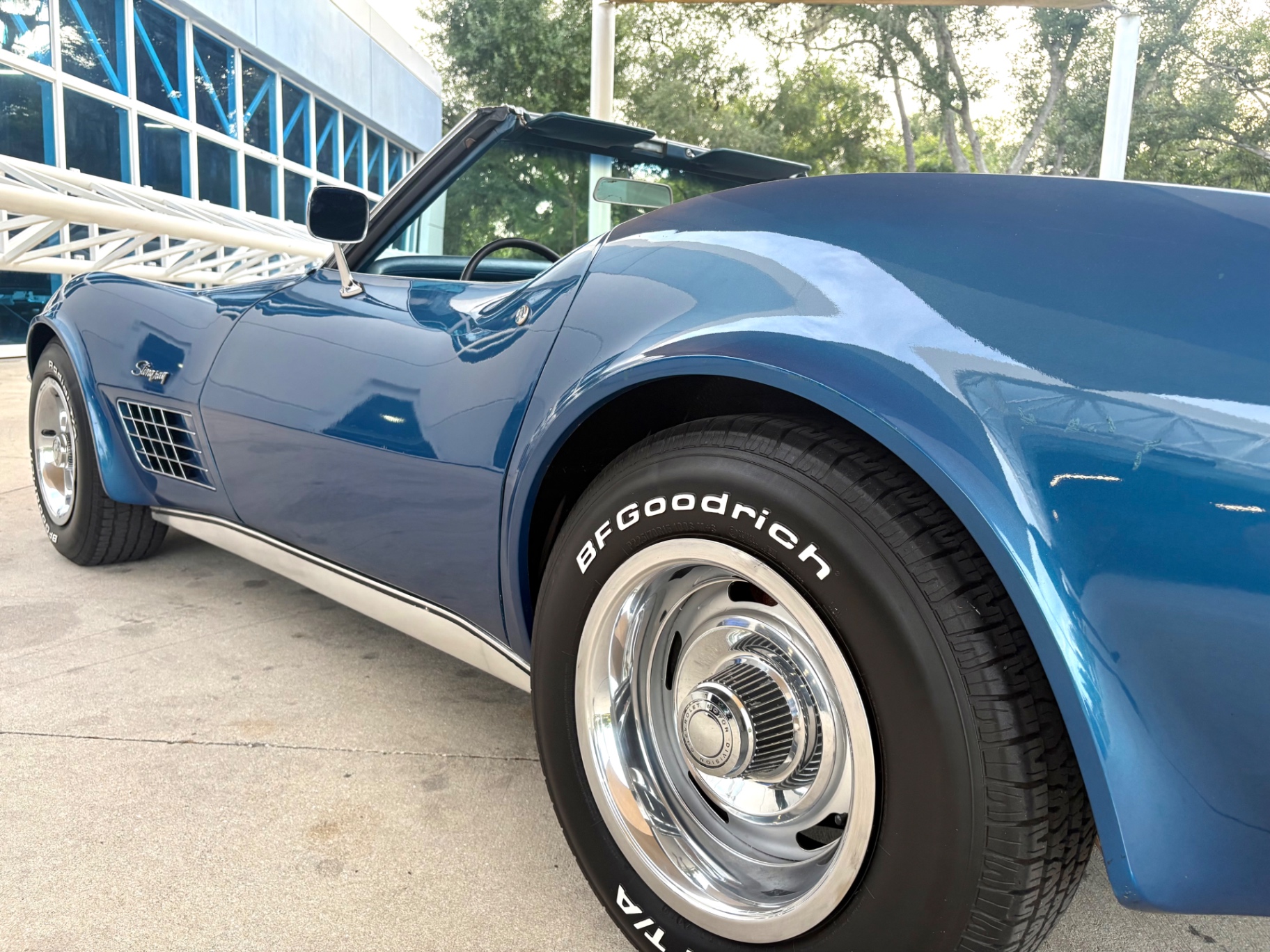
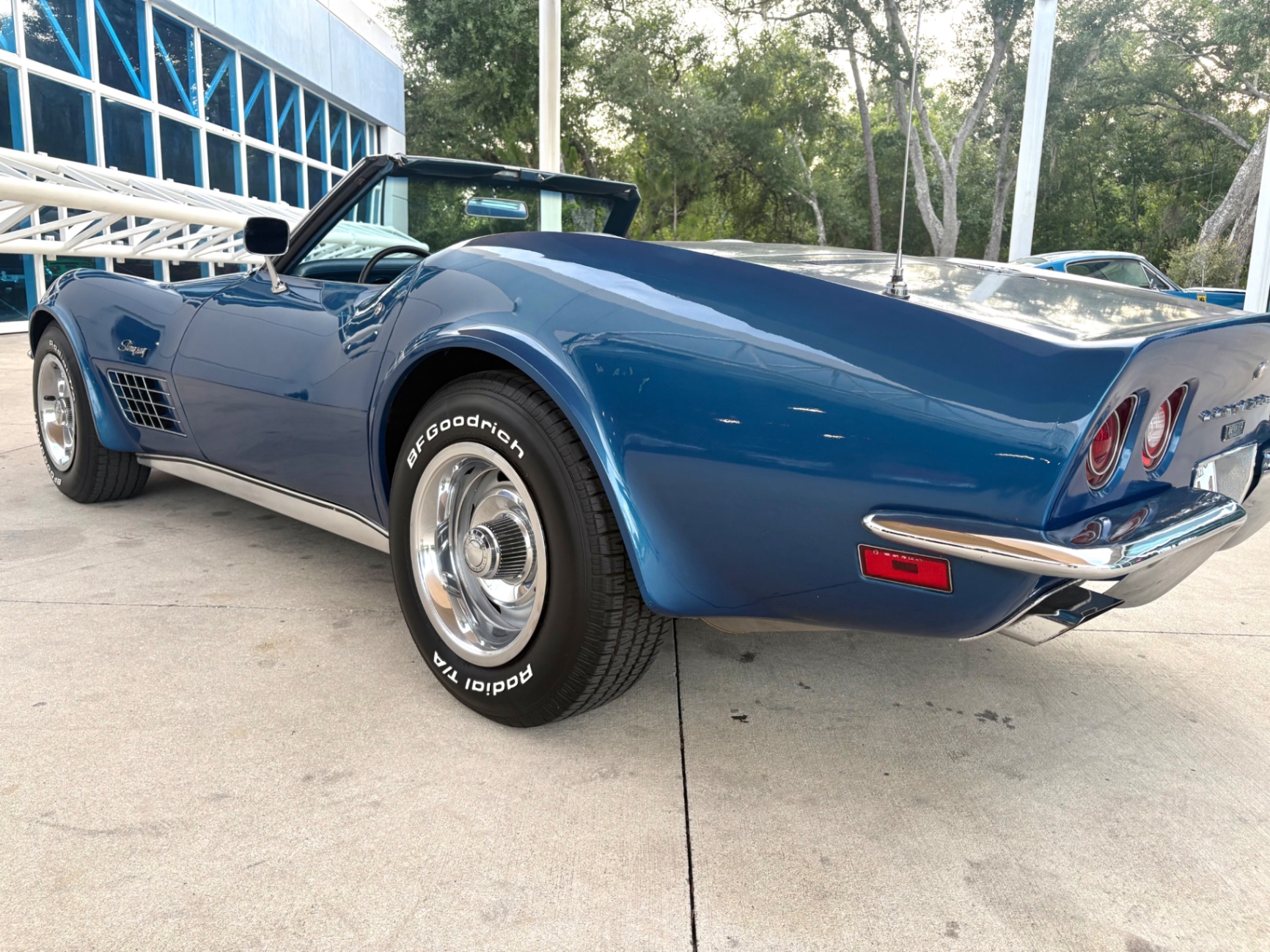
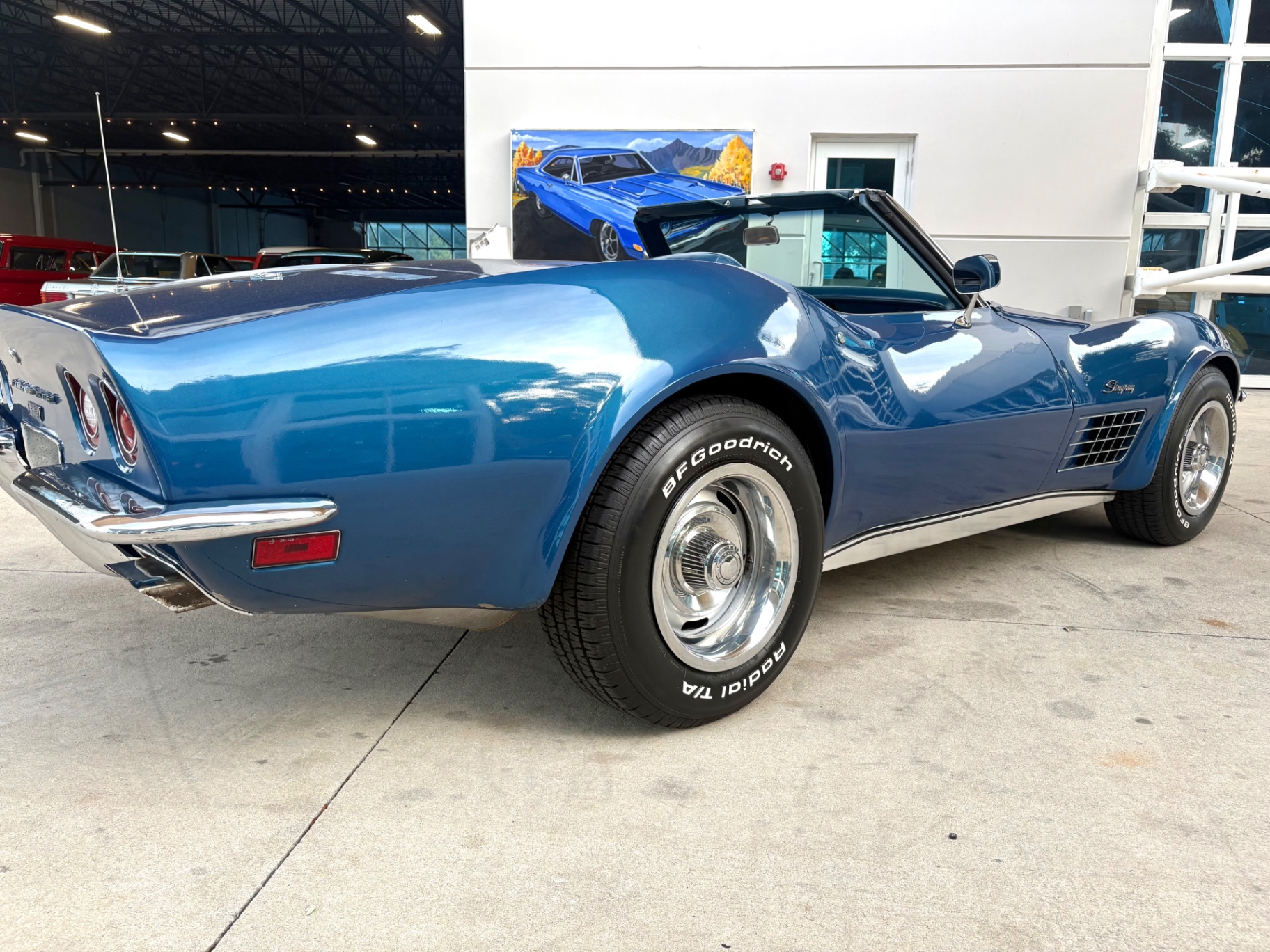

1971 Chevrolet Corvette Stingray Convertible — 350/270, Muncie 4-Speed, St. Louis Build
Why This Car Is Special
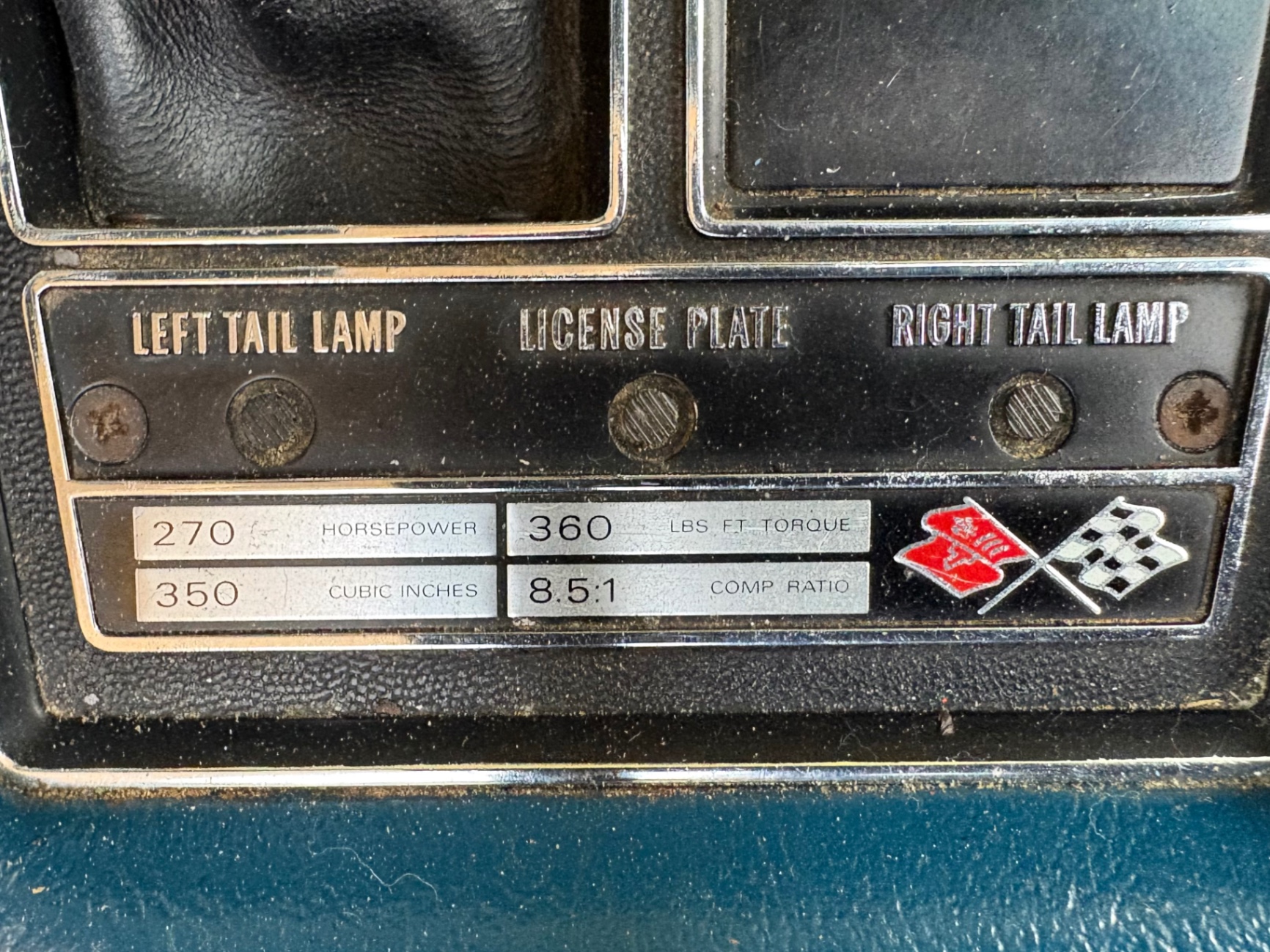
The 1971 Chevrolet Corvette Stingray Convertible occupies a unique position in C3 history. It was the last model year before GM's compression ratio cuts took full effect across the lineup, and as a result, the 1971 Corvette still carried factory power ratings that buyers in later years could only look back on with envy. The 350ci small block in this car was factory rated at 270 horsepower — a number that holds up well even by today's standards for a naturally aspirated engine of this displacement. By 1972, net horsepower ratings replaced gross figures across the industry, and the perception of Corvette performance shifted dramatically. The 1971 model year sits right at the edge of that transition, making it one of the last "old school" Corvettes before the emissions era fully arrived.
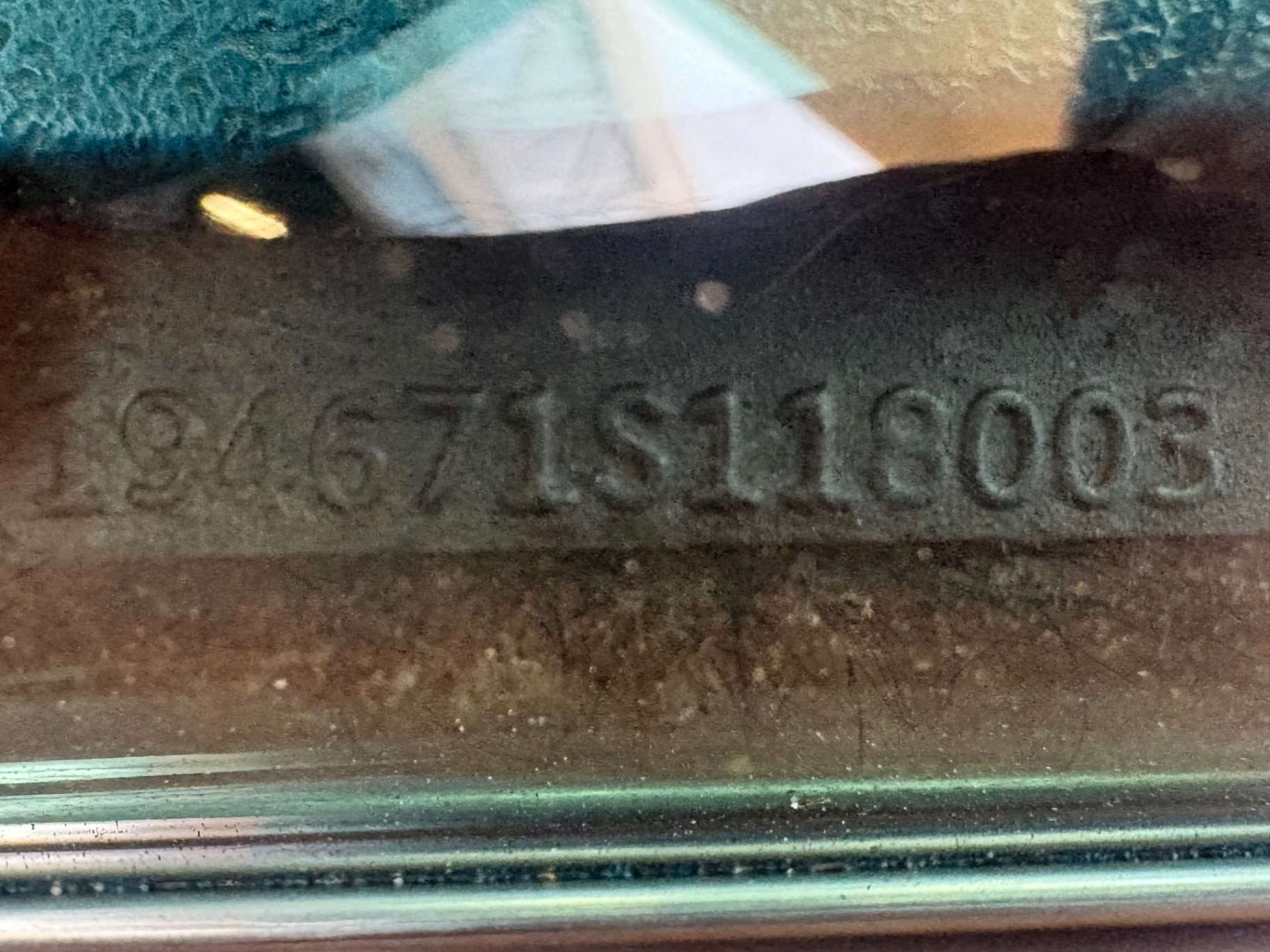
Total Corvette production for 1971 came in at 21,801 units across all body styles. Of those, only 7,121 were convertibles — exactly the body style you're looking at here. That's a minority of the total run, and convertibles have consistently commanded stronger interest among serious collectors than their coupe counterparts, especially in desirable color combinations. This car was built at the St. Louis assembly plant, which produced all C3 Corvettes from 1968 through 1981.
Features List
- 350ci 270hp V8 engine
- Muncie 4-speed manual gearbox with factory shift pattern plate on console
- Positraction rear differential
- 4-wheel independent suspension, front and rear
- 4-wheel disc brakes
- Power steering
- Power brakes
- Factory dual exhaust with chrome tips
- Factory tachometer
- Factory 160 mph speedometer
- Full gauge cluster: fuel, water temperature, oil pressure, battery
- AM/FM radio
- Headlight washers
- Fiber optic light monitoring system
- Factory alternator
- Factory hood release (pedal-operated)
- Rally wheels with BFGoodrich Radial T/A tires
- Blue exterior
- White convertible soft top (fold-down)
- Blue matching vinyl interior
- Factory sport seats
- Blue carpet
- Center console with storage
- Door pull straps
- Sport steering wheel with crossed-flags emblem
- Crossed-flags hood emblem
- Stingray badging
- Chrome bumpers, front and rear
- Side exhaust vents
- Clean undercarriage
- St. Louis assembly plant build
- 1 of only 7,121 convertibles produced in 1971
Mechanical
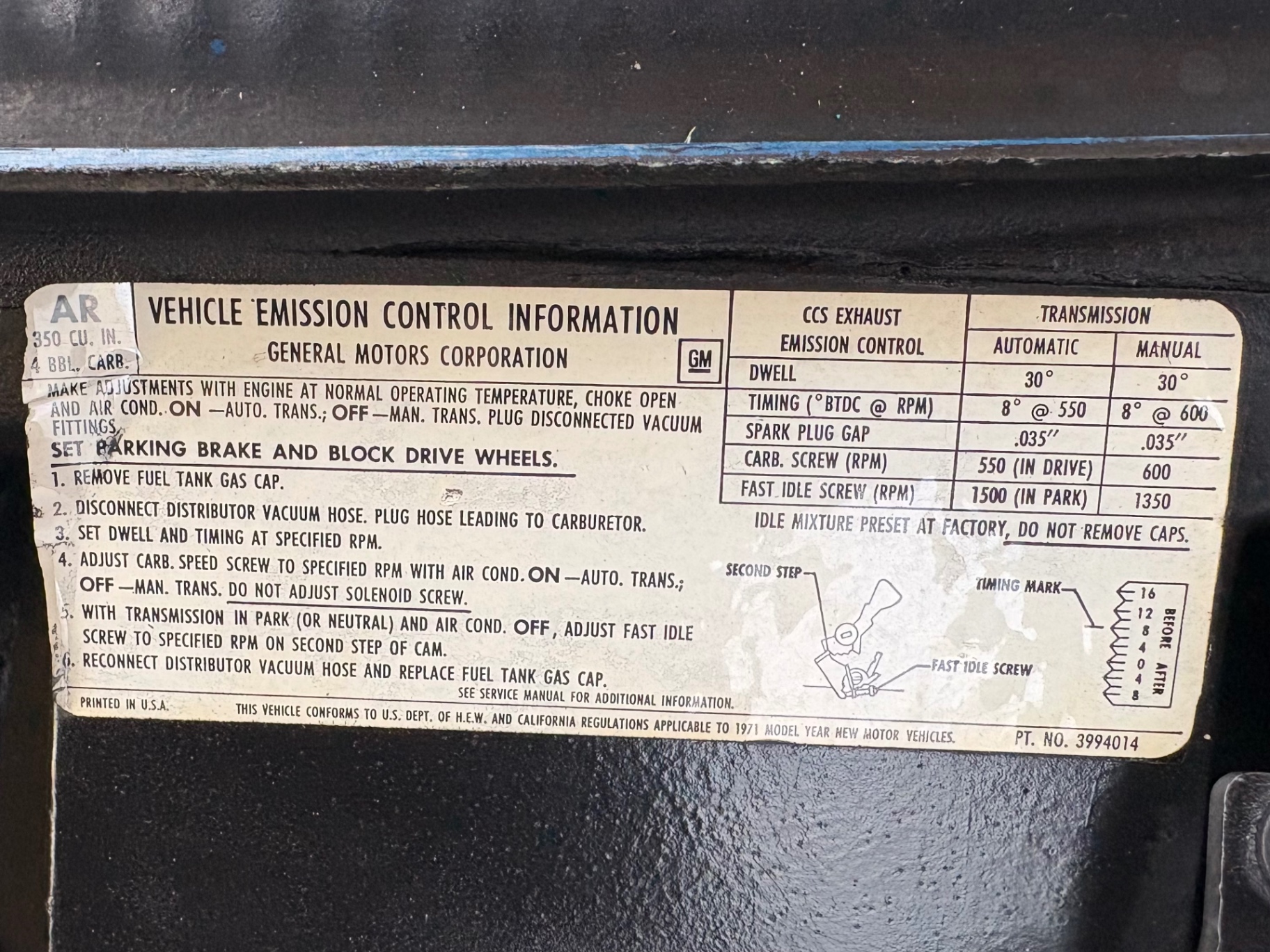
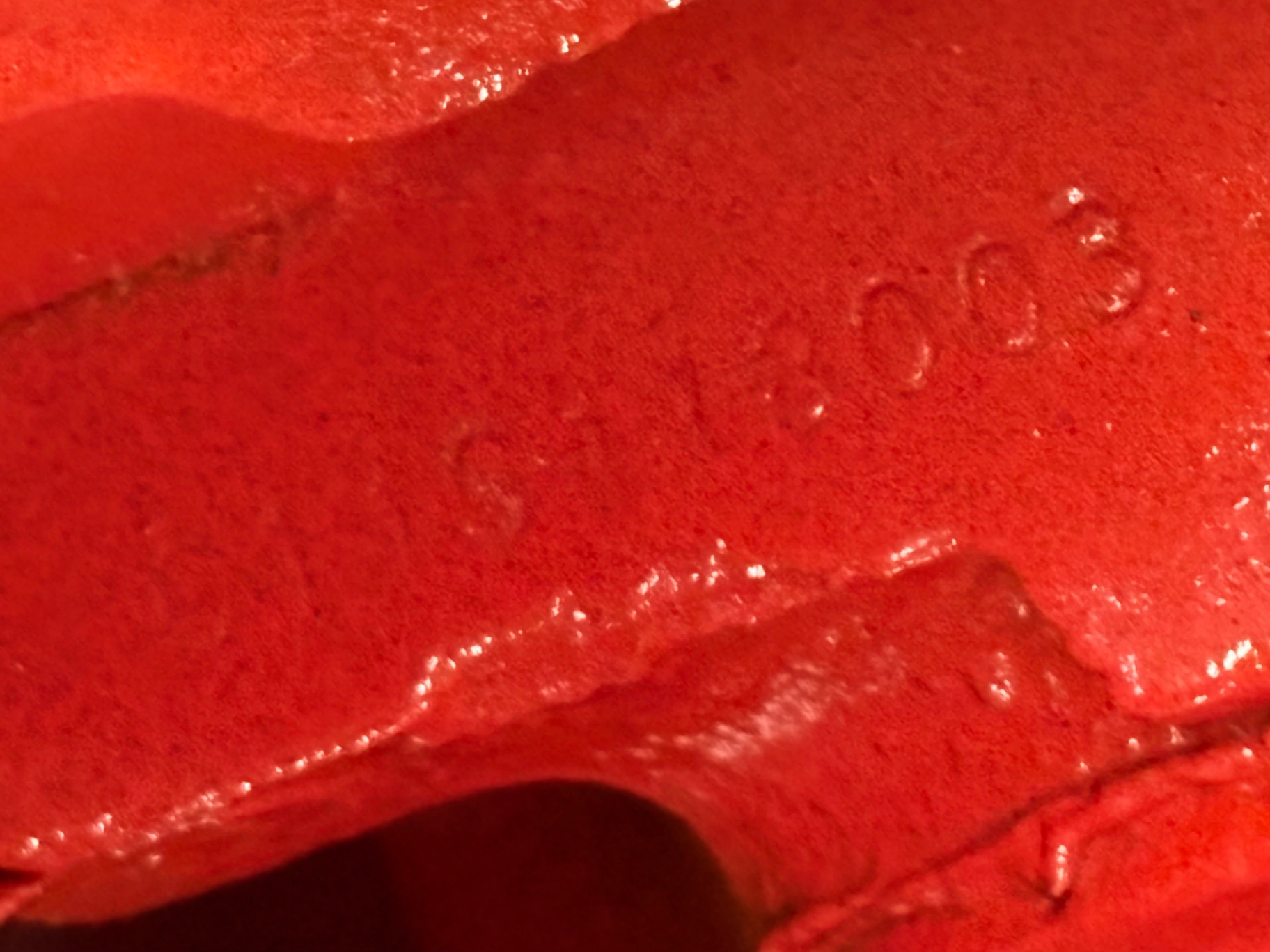
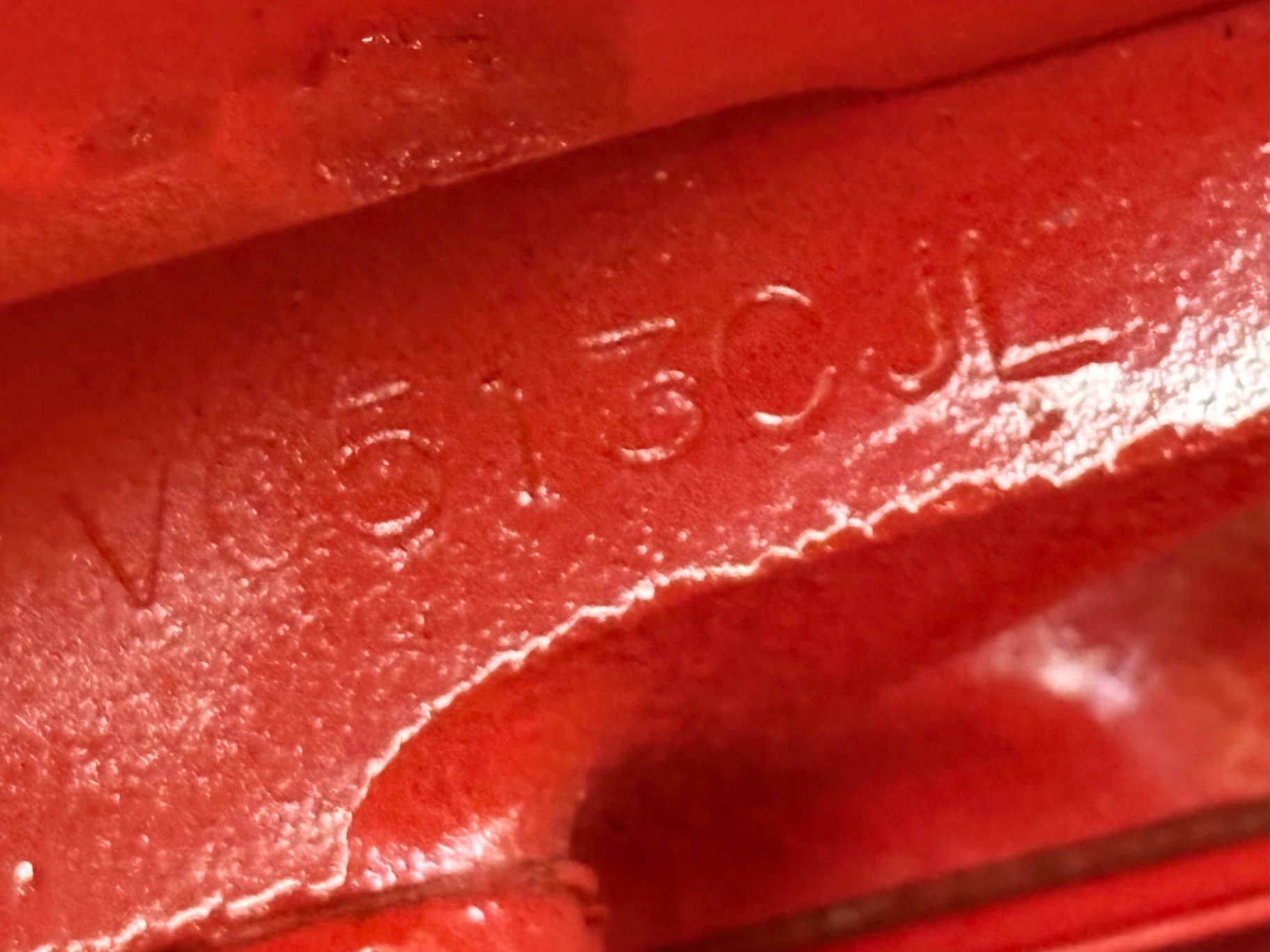
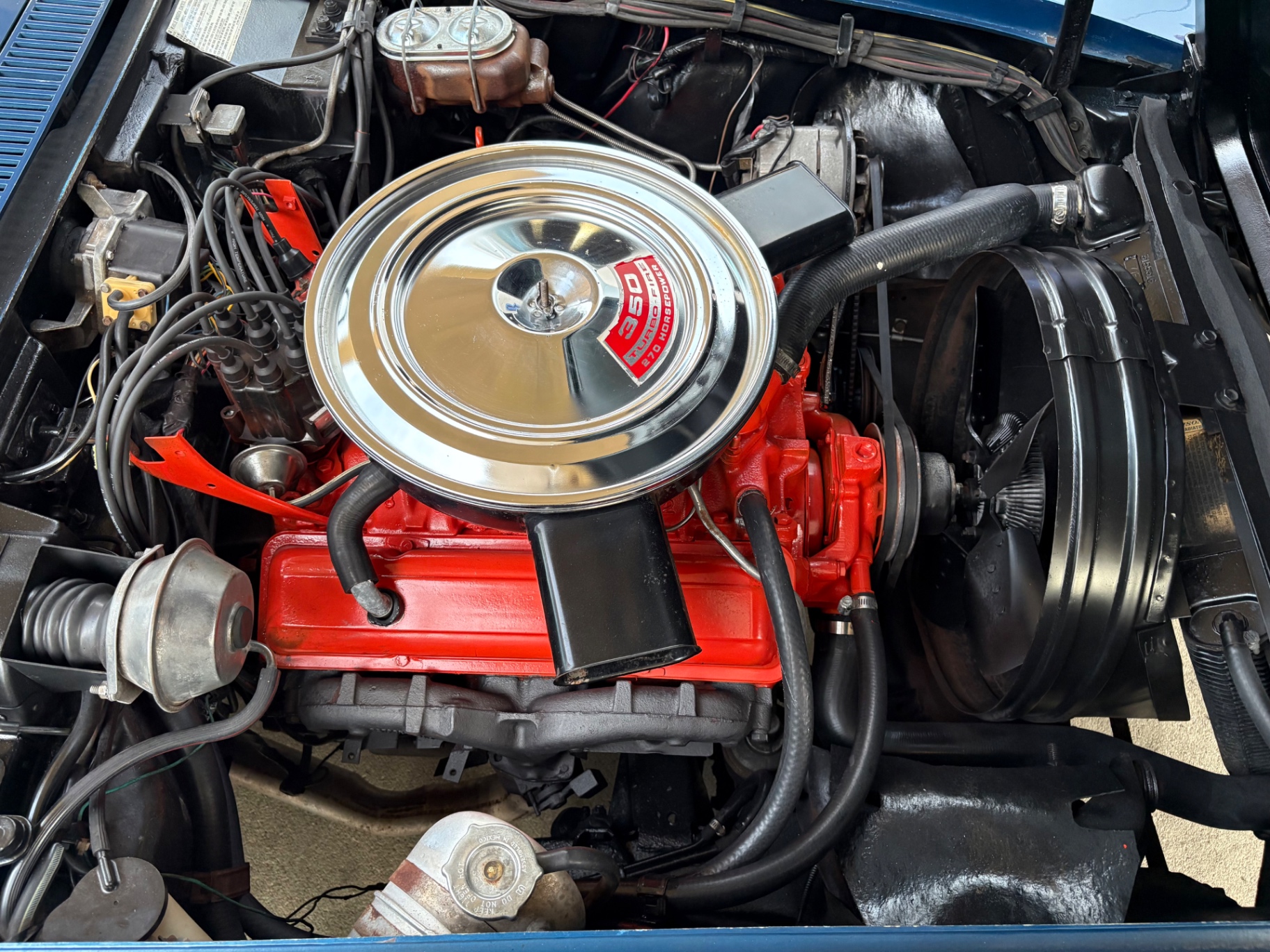
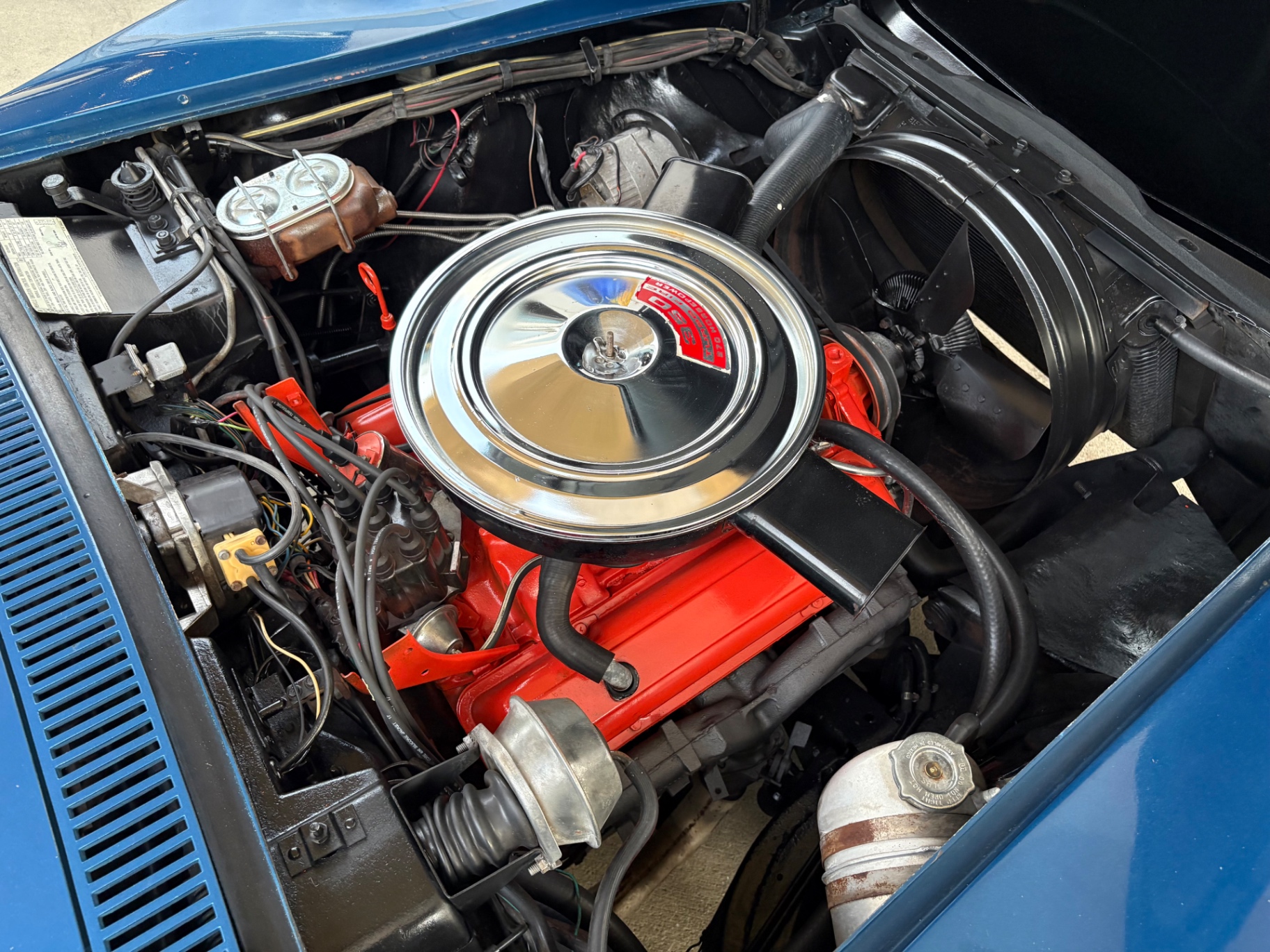
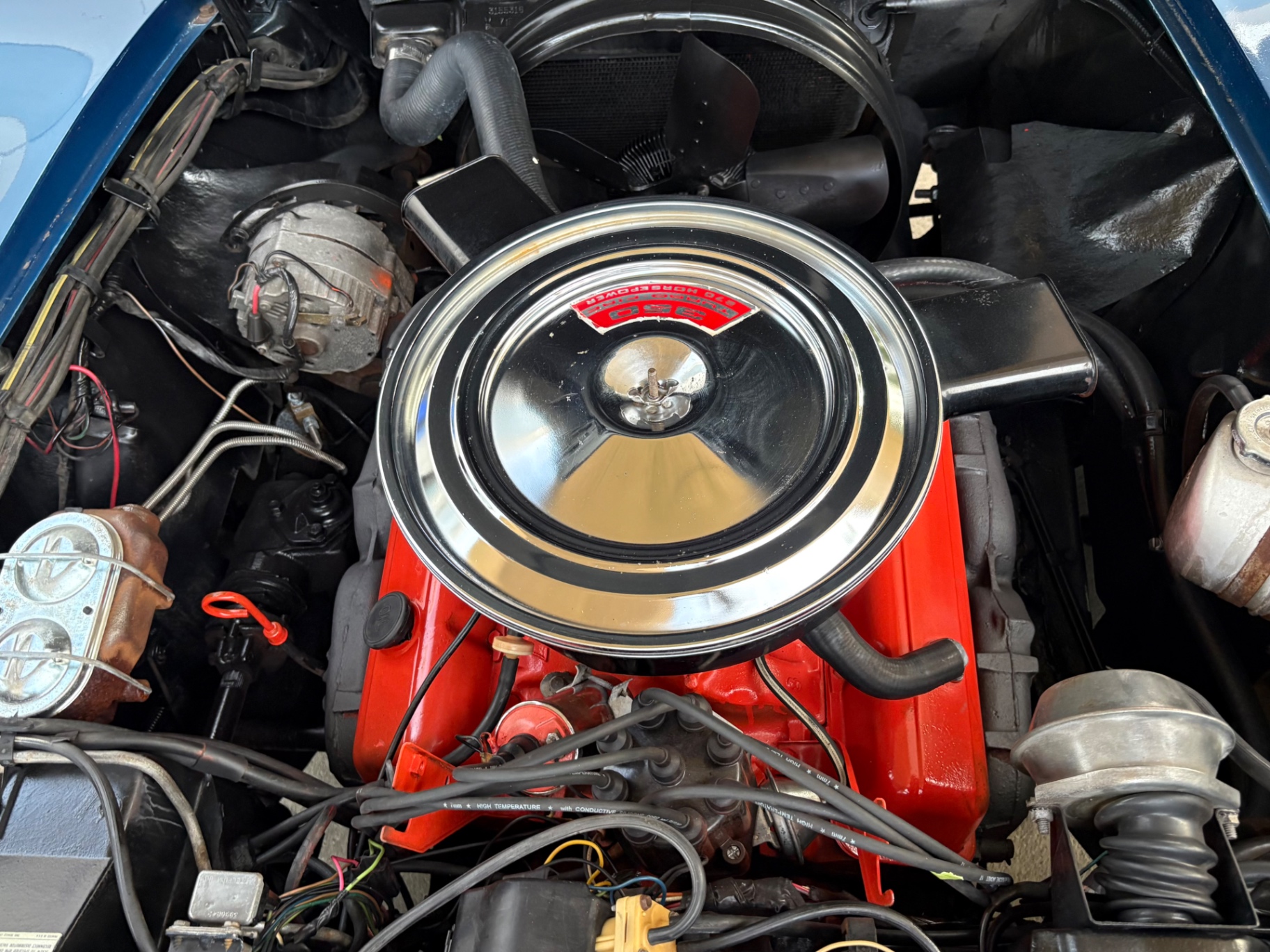
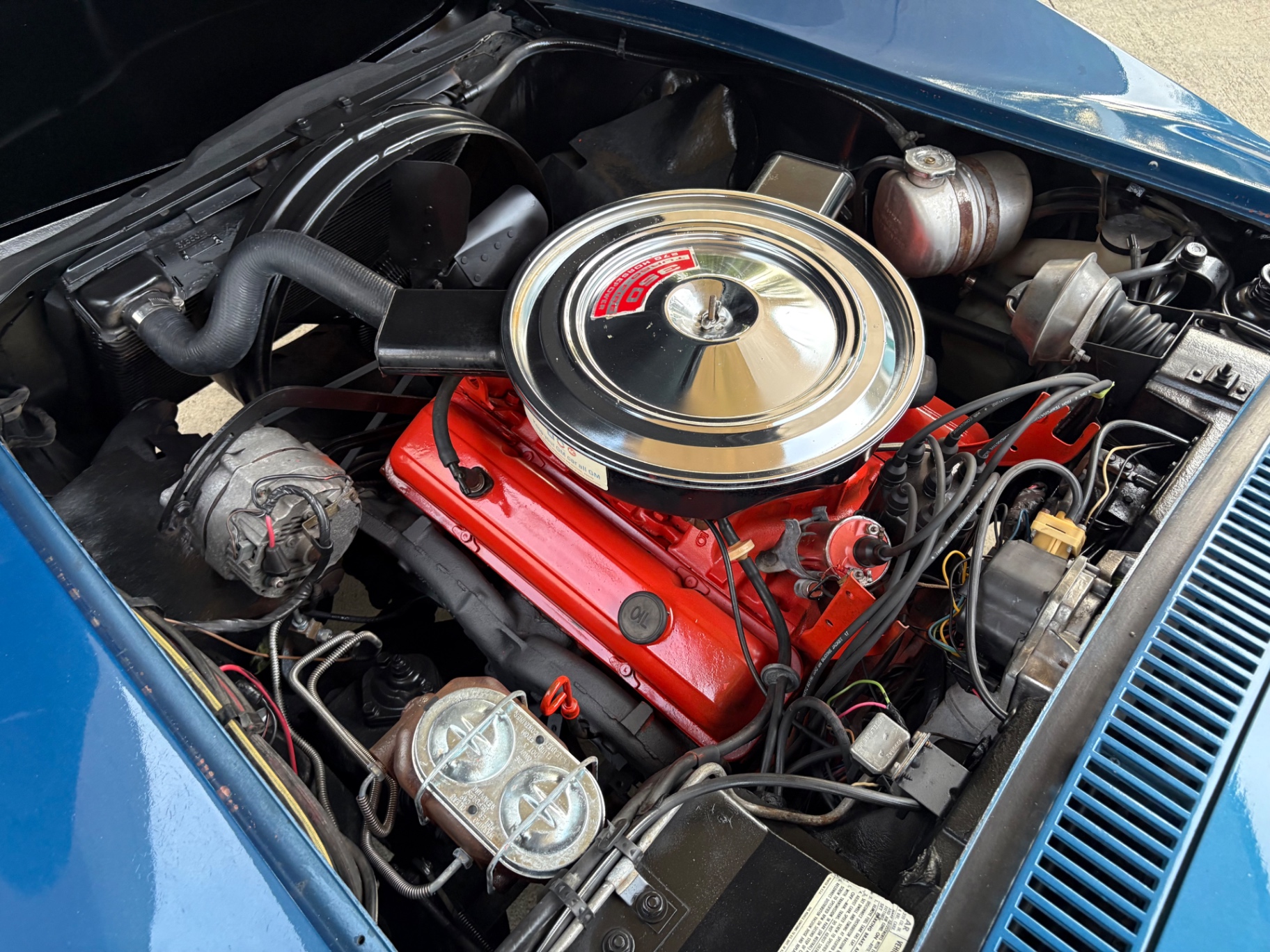
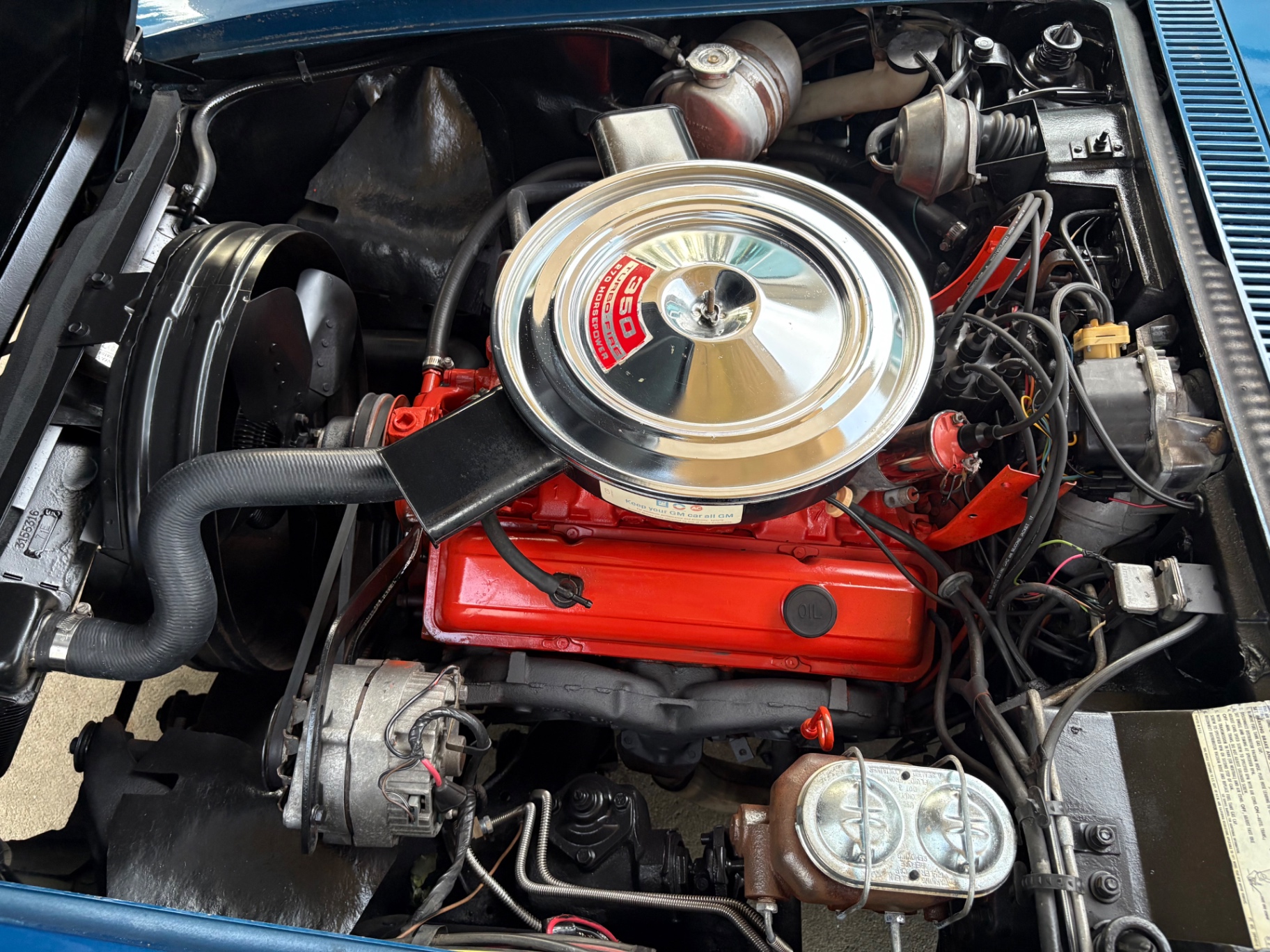
The engine under this hood is the 350 cubic inch small block V8 in its 270 horsepower factory configuration. This was one of two 350 options available for 1971 — the base unit made 270hp, while the LT1 solid-lifter version topped out at 330hp. The 270hp variant used hydraulic lifters, making it smoother and more streetable for daily use, and it paired naturally with the Muncie 4-speed gearbox this car carries. The Muncie name refers to the transmission plant in Muncie, Indiana where GM produced its manual gearboxes, and the Muncie 4-speed was the preferred choice for Corvette buyers who wanted a mechanical connection to the drivetrain without the weight and complexity of the close-ratio race-oriented units.
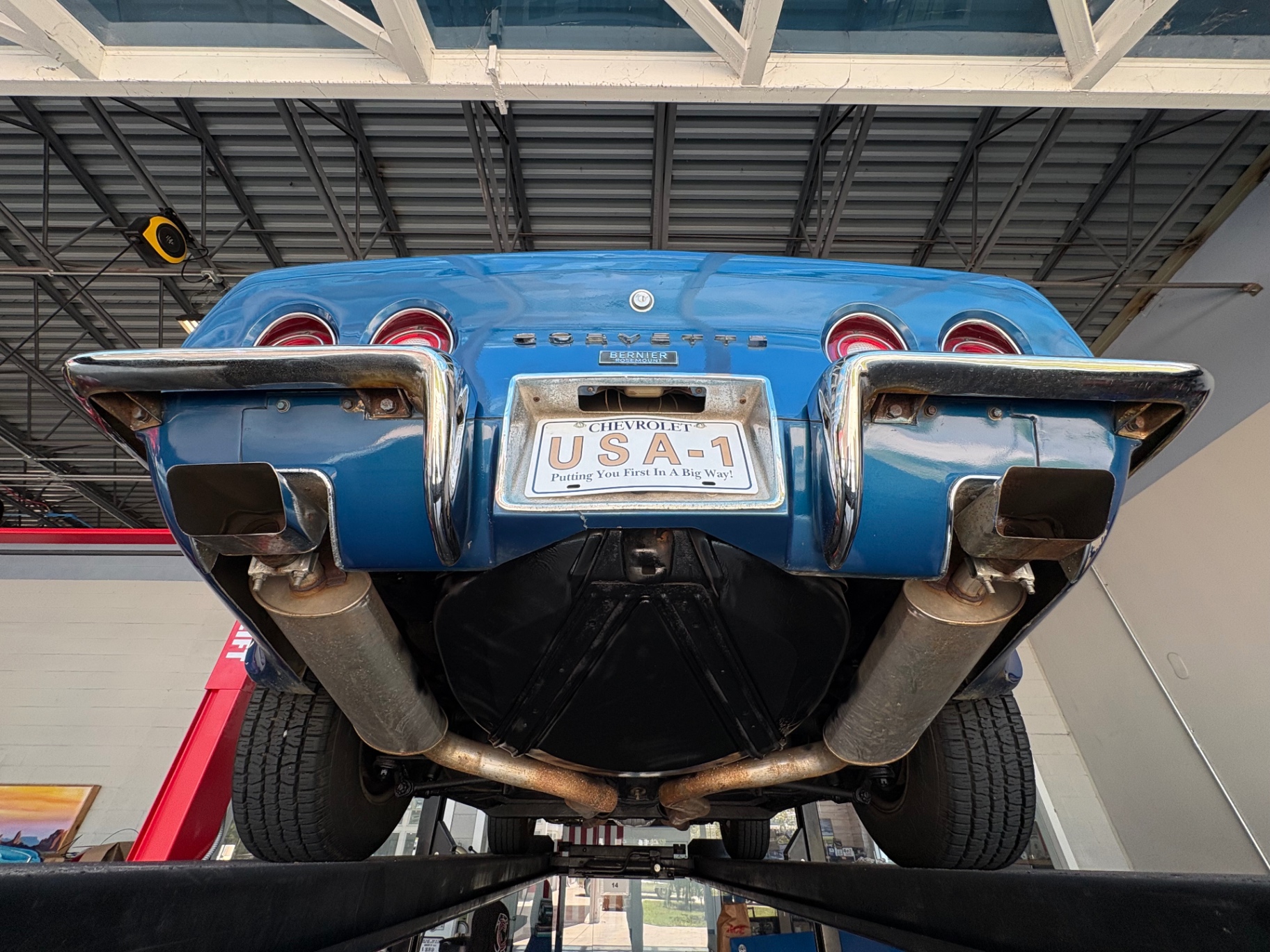
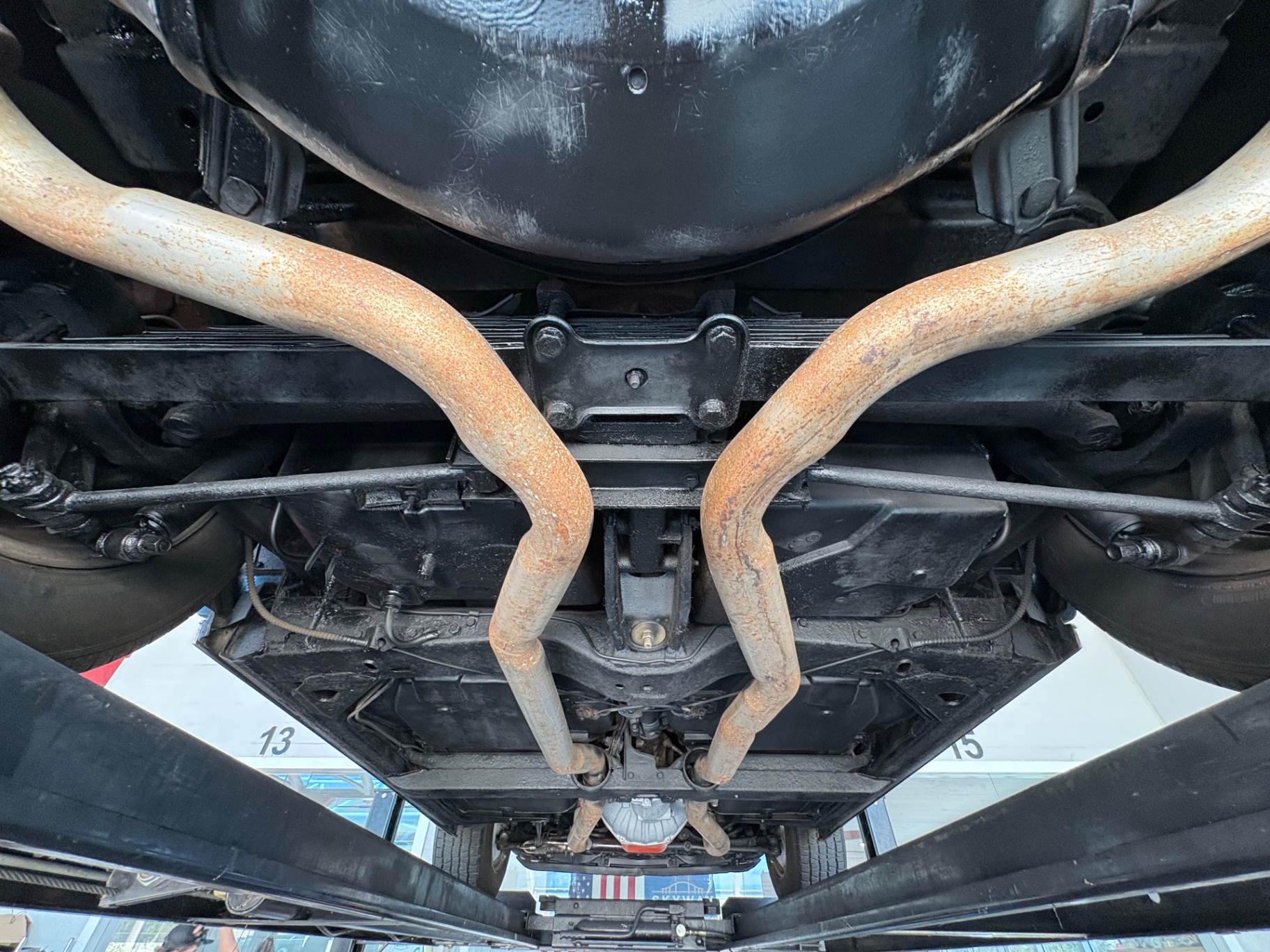
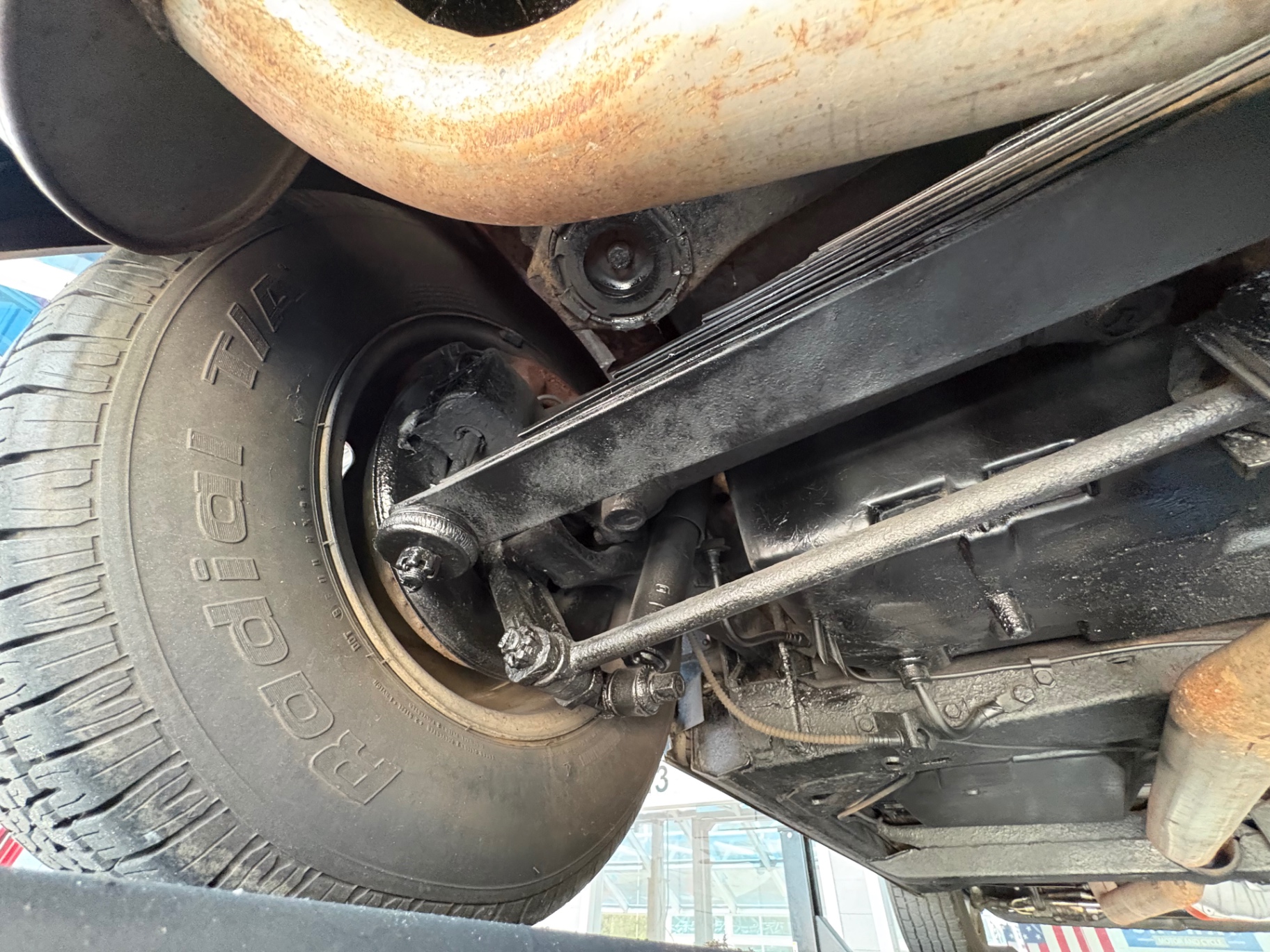
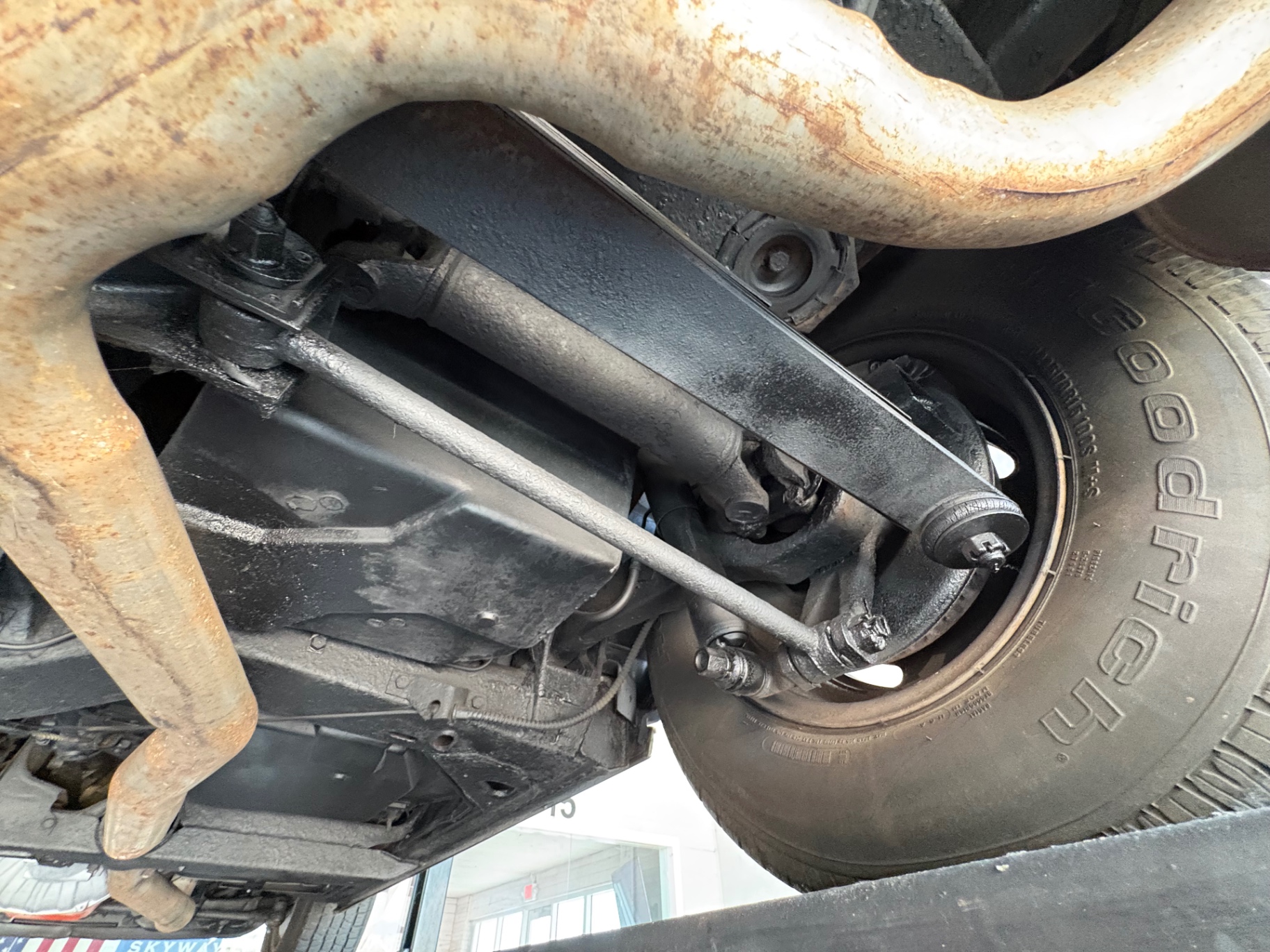
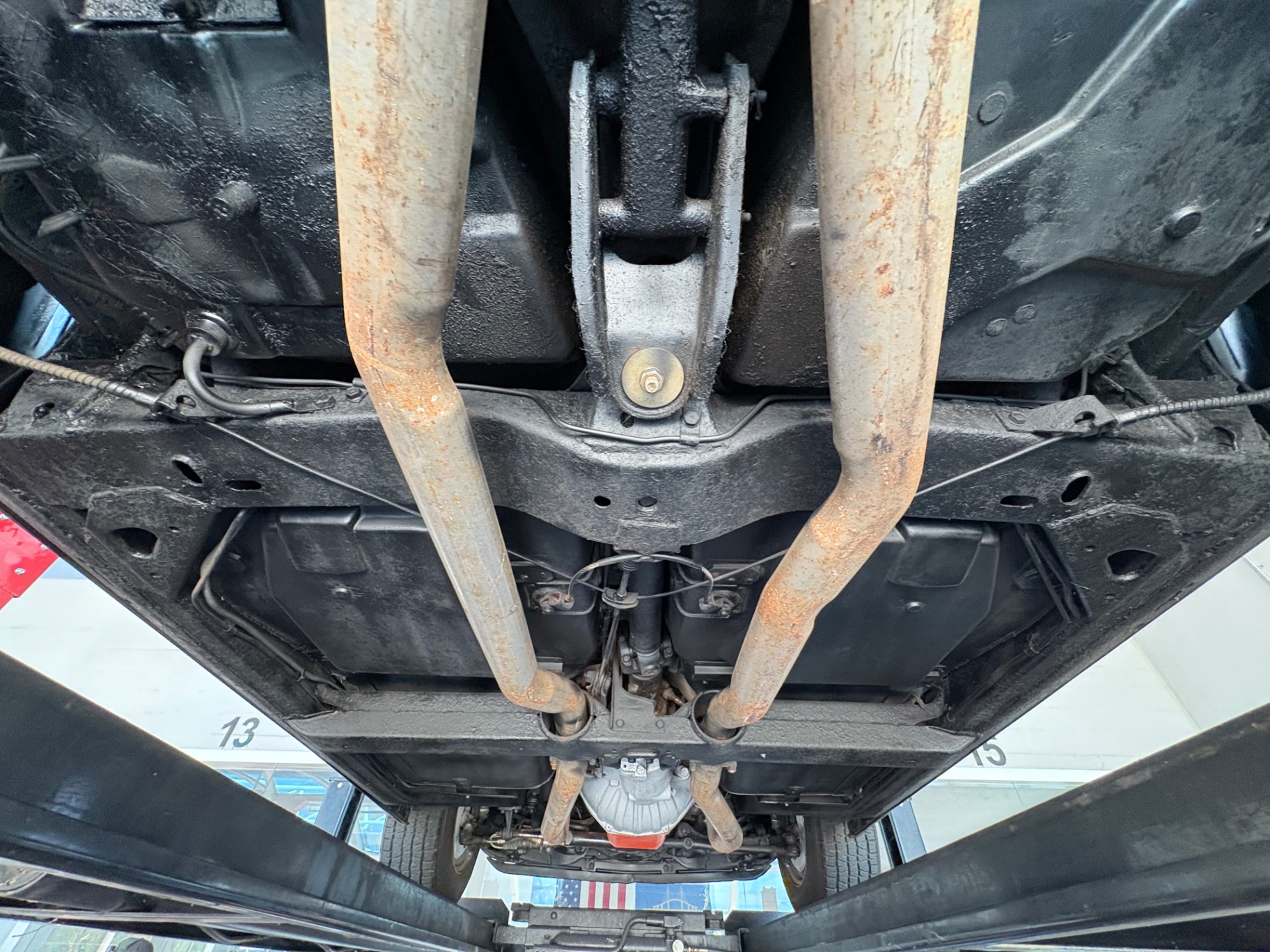
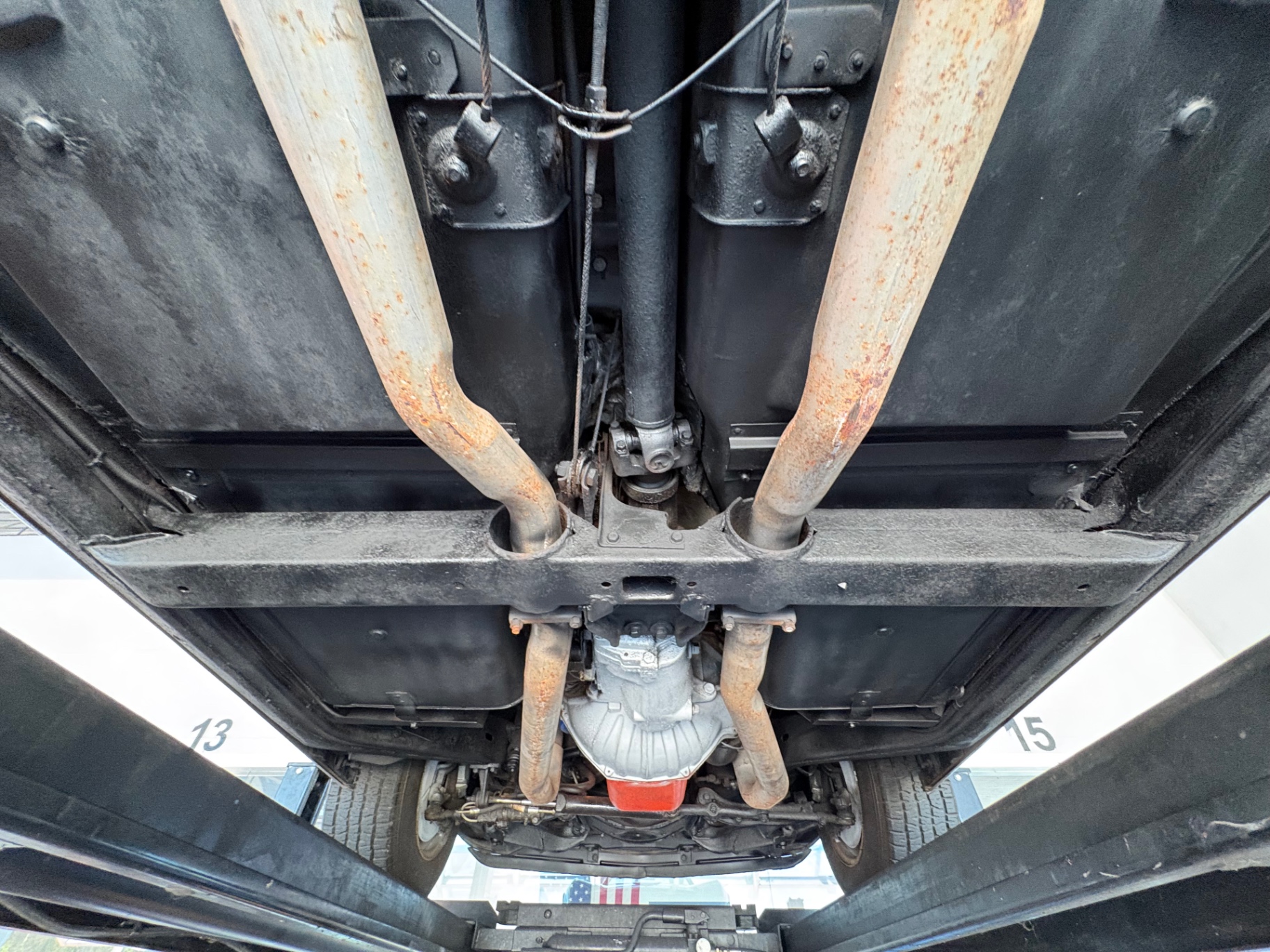
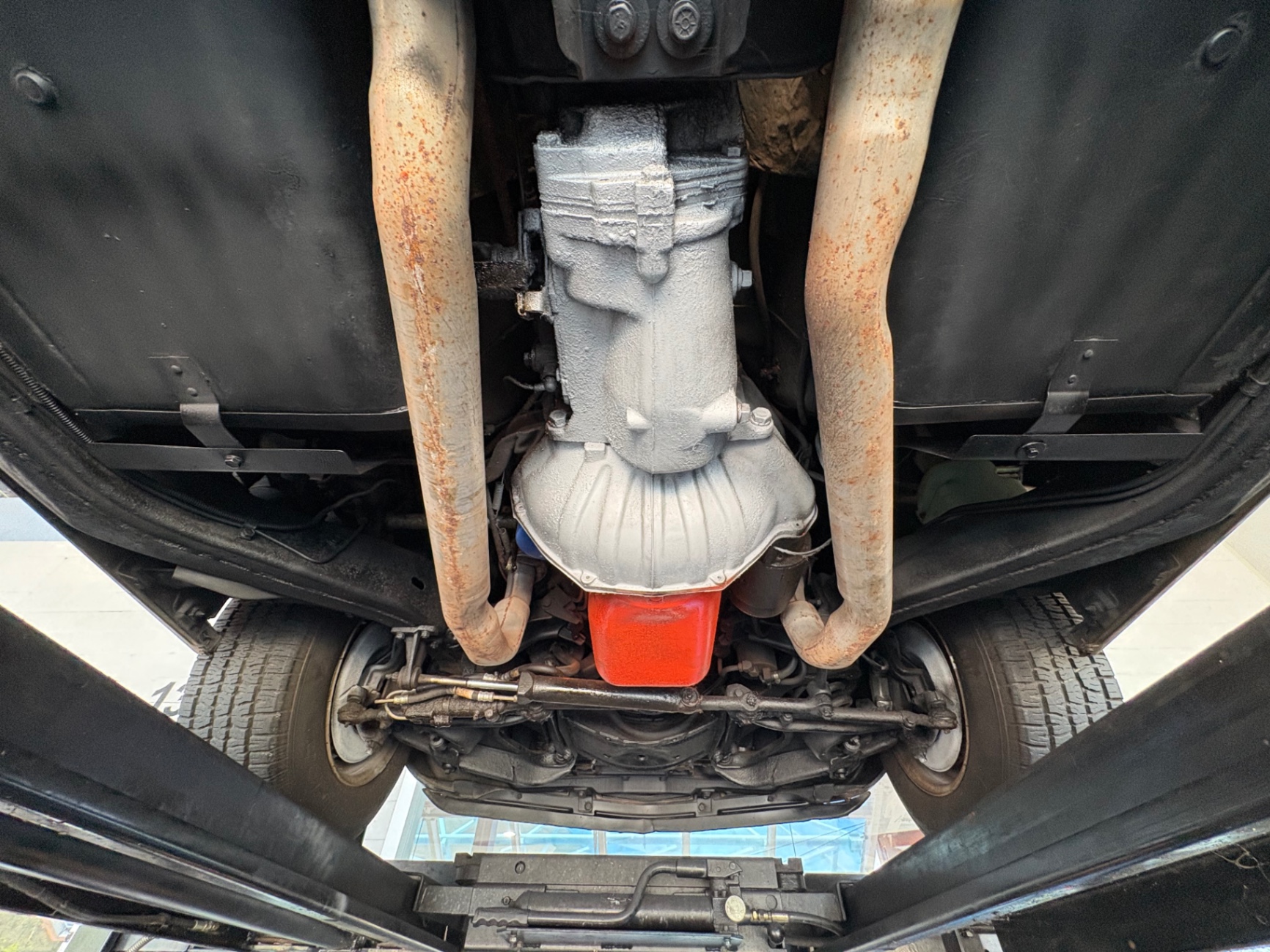
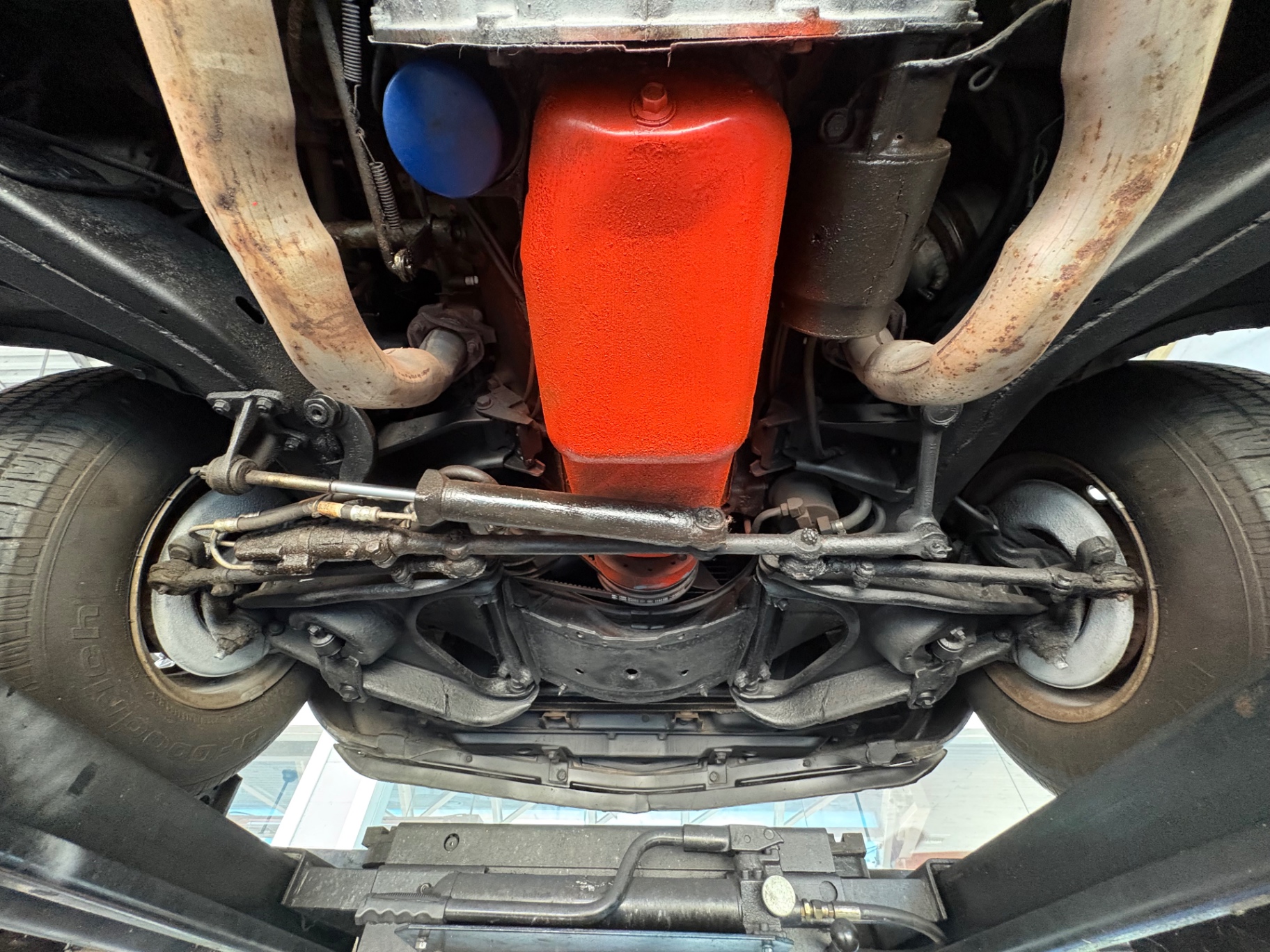
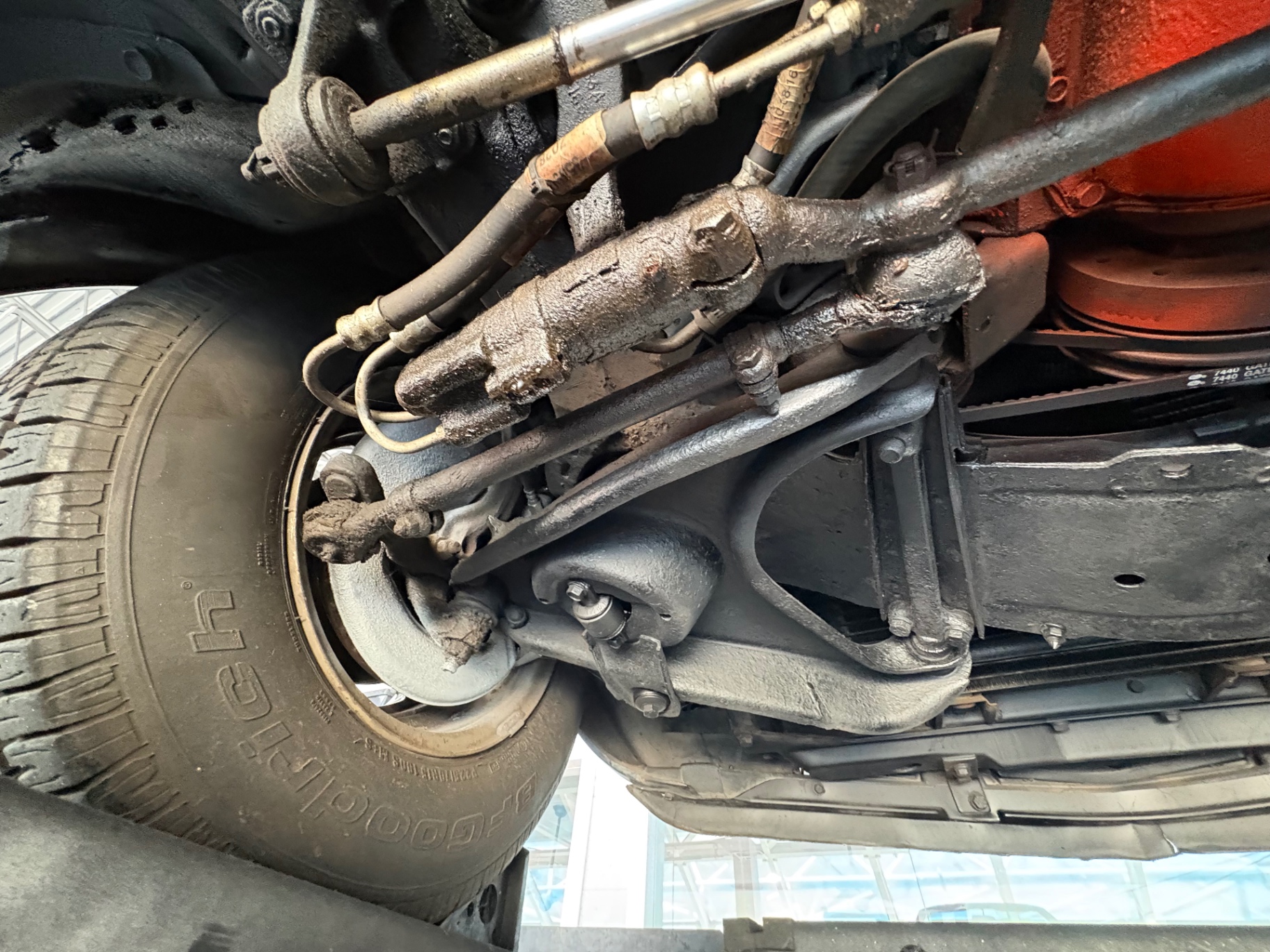
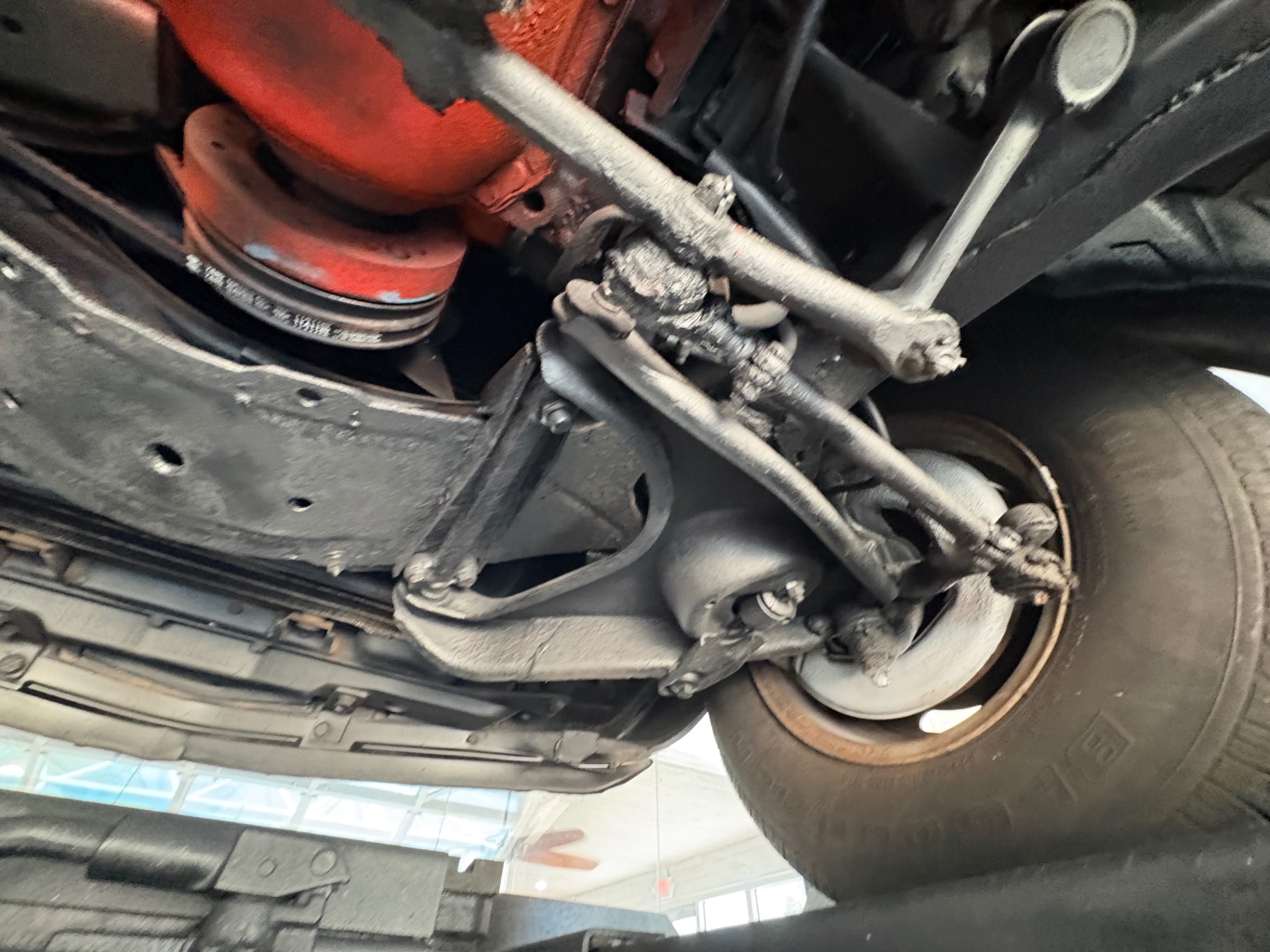
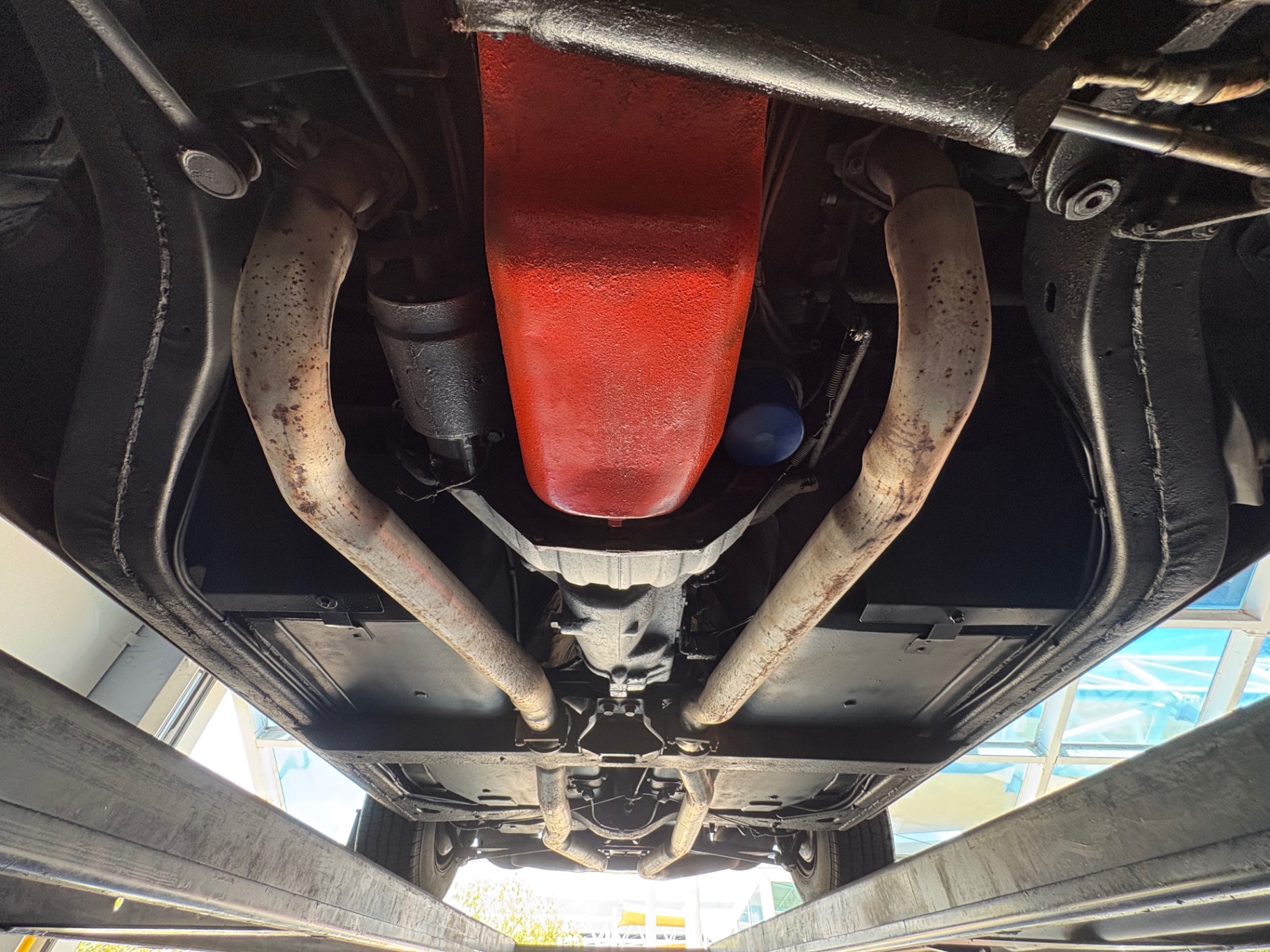
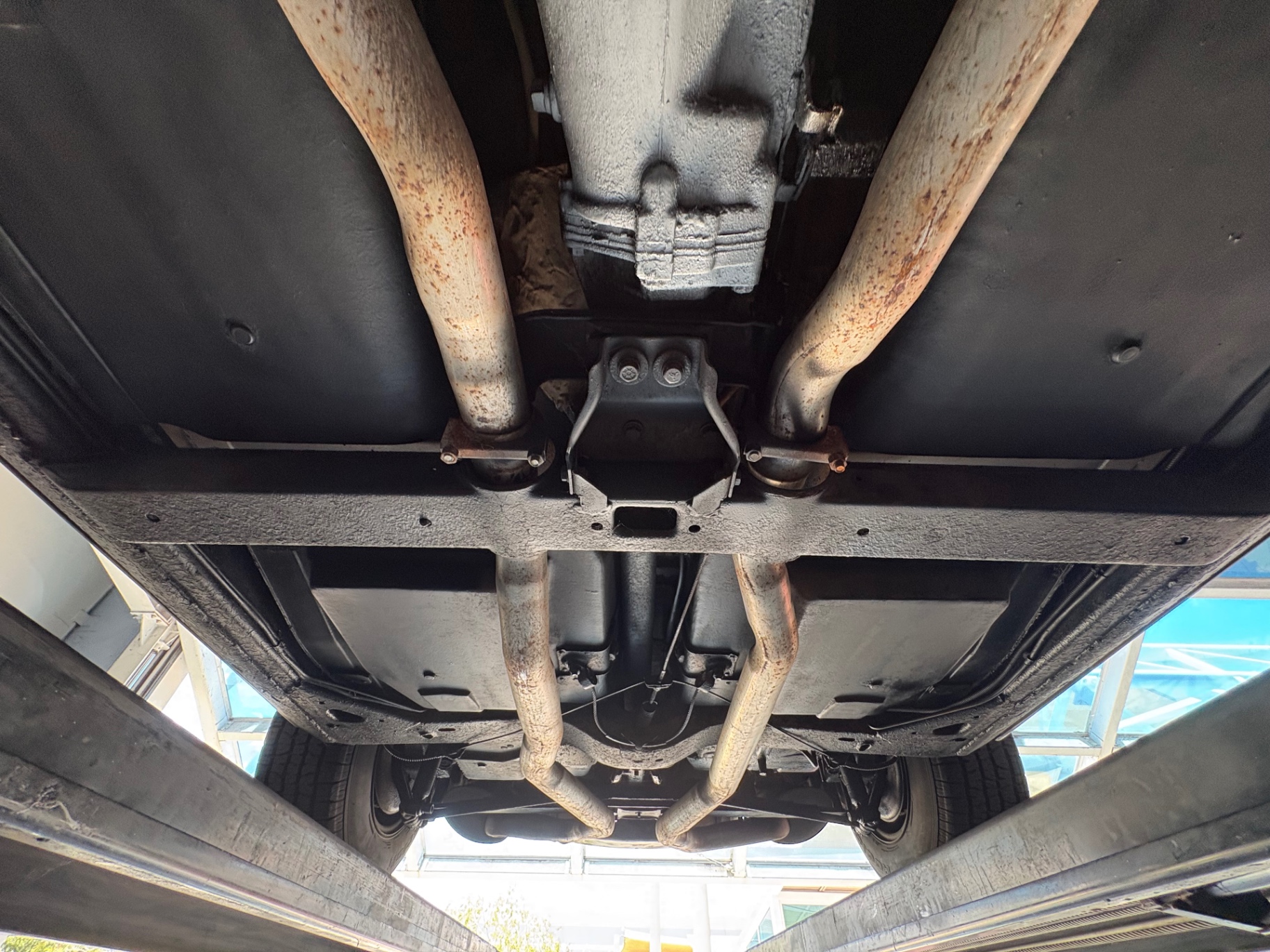
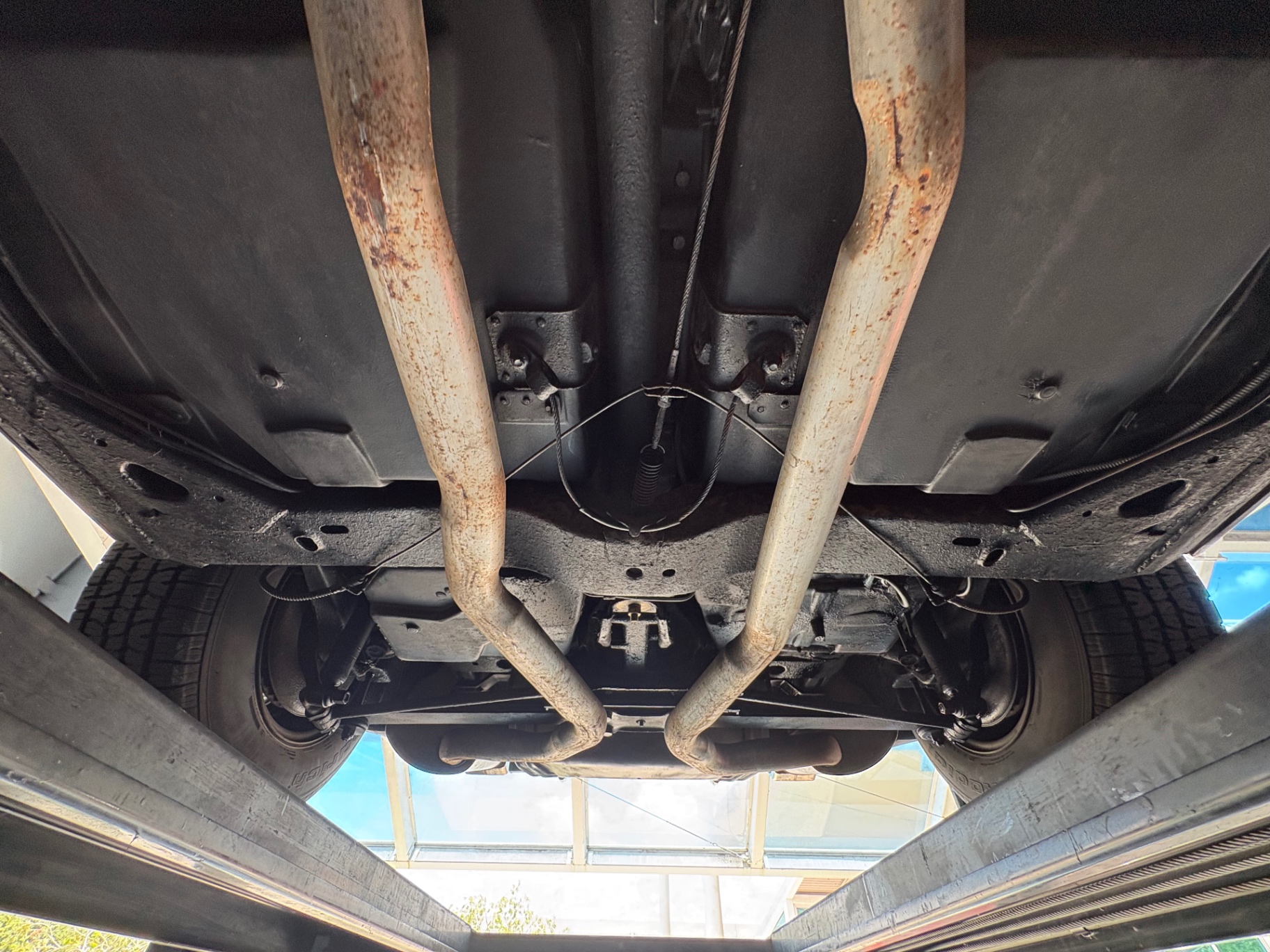
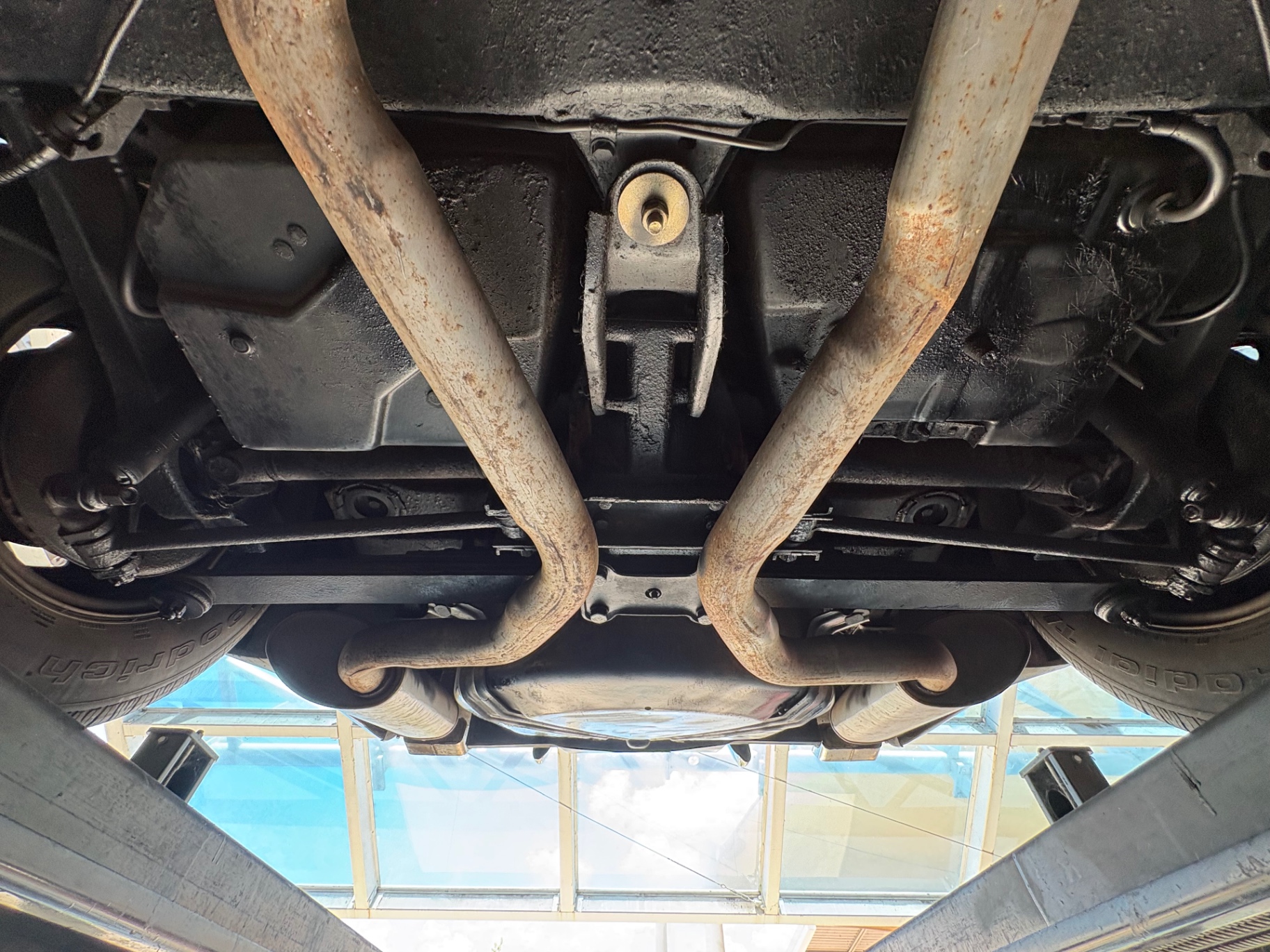
Backing the 4-speed is a Positraction rear differential, which was standard equipment on the Corvette and ensured both rear wheels received power simultaneously rather than spinning the lighter-loaded tire under acceleration. The suspension on all four corners is fully independent — a setup the Corvette had used since 1963 and one that distinguished it from virtually every American muscle car of the era, which still relied on solid rear axles. Four-wheel disc brakes were standard on the 1971 Corvette, another significant advantage over most of its contemporaries. The undercarriage photos confirm a clean, solid structure with no visible rot or significant corrosion — an important finding on any C3 that has spent decades in service.
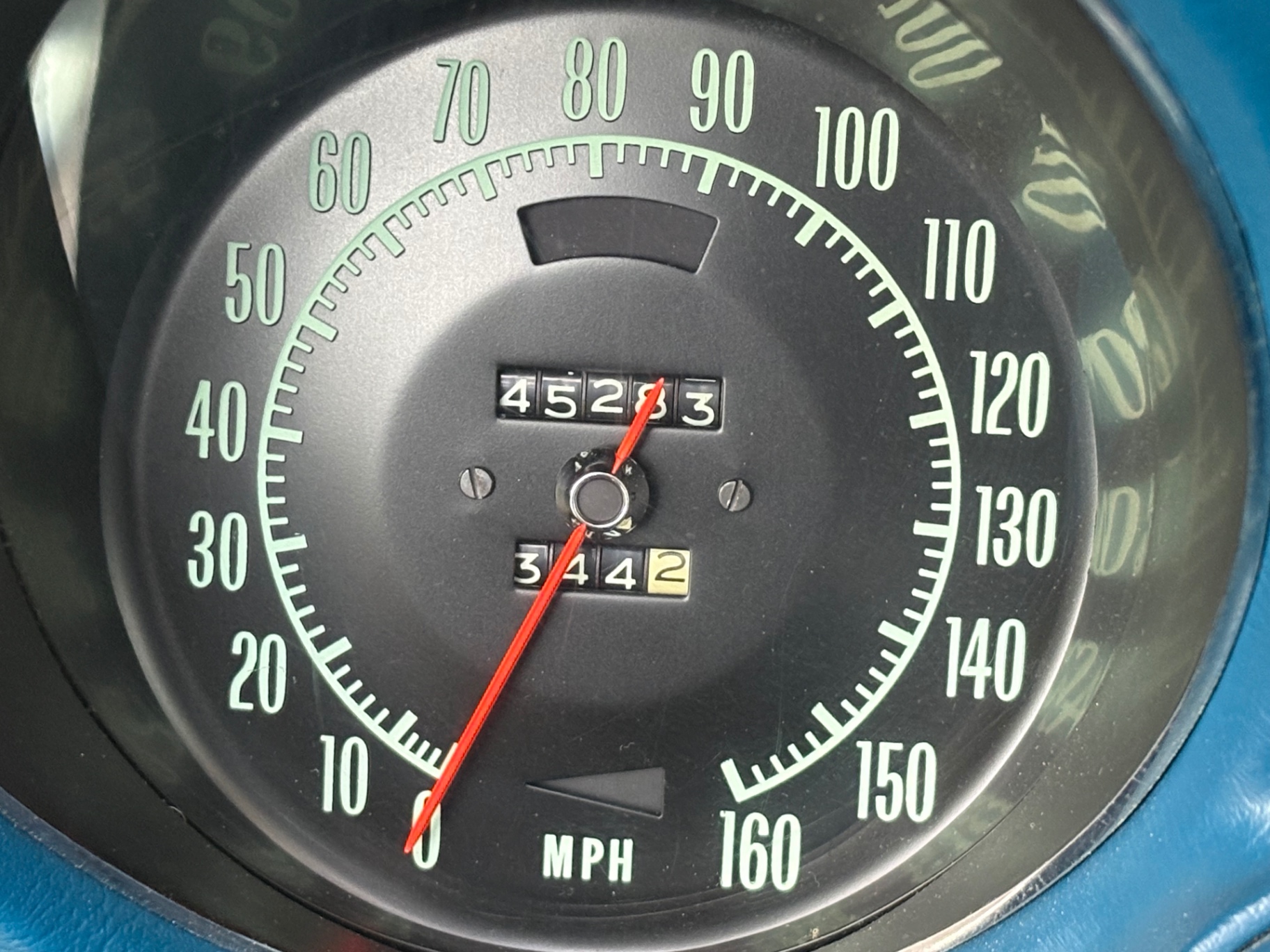
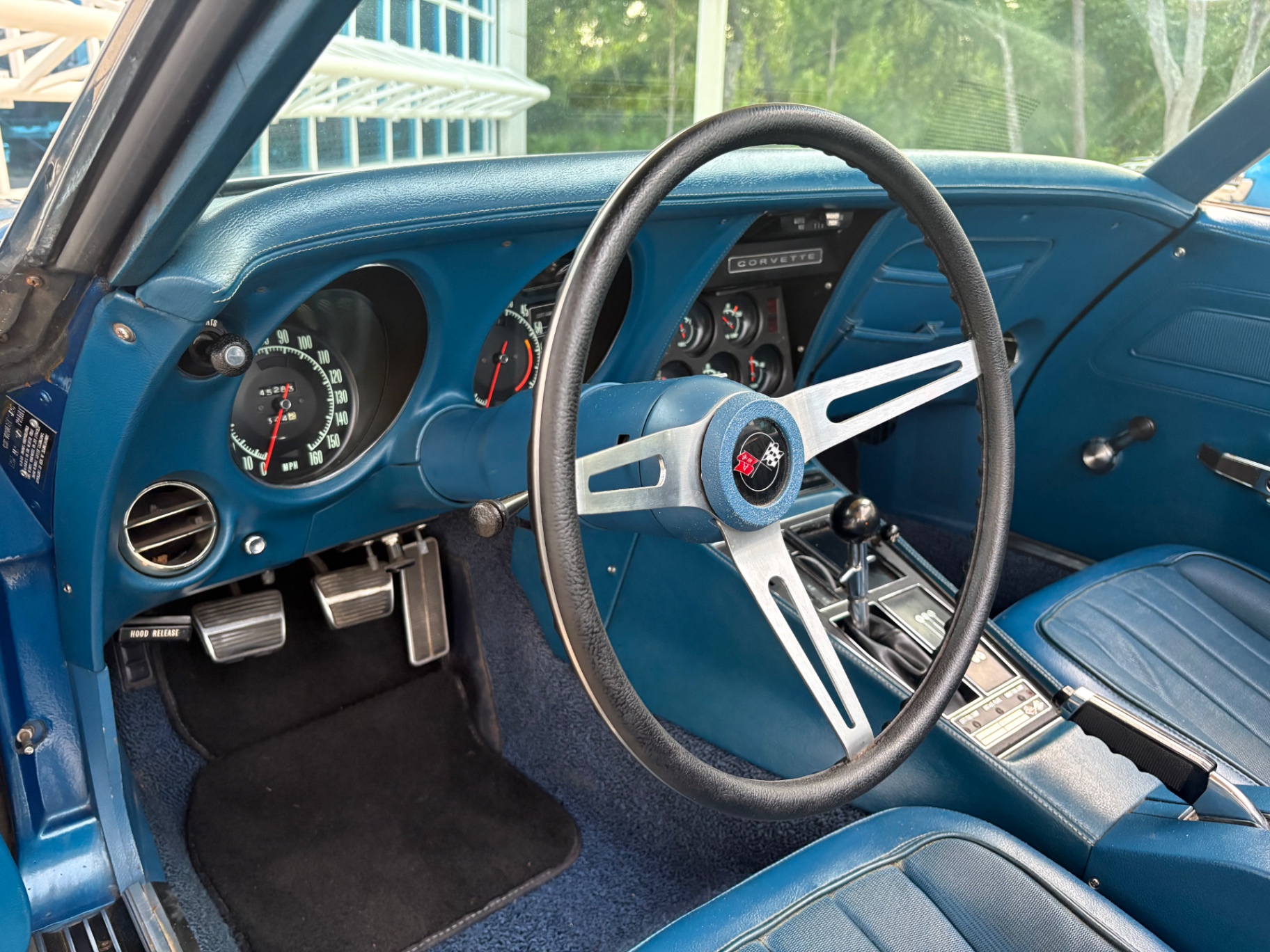
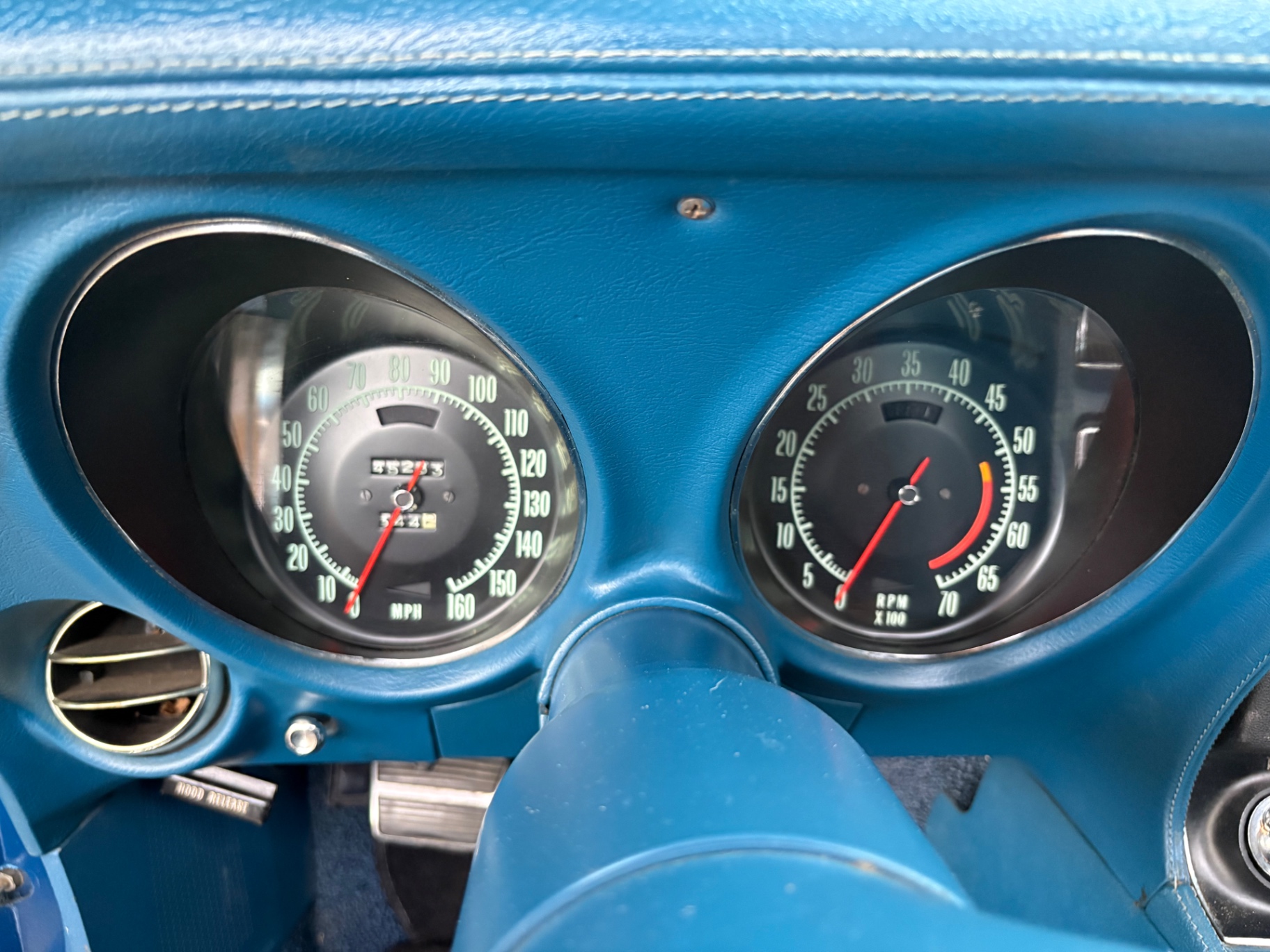
Additional factory mechanical equipment includes power steering, power brakes, a factory alternator, and the factory dual exhaust system with chrome tips exiting at the rear. The exhaust pipes are clearly visible in the undercarriage photos, showing the factory routing that NCRS evaluators look for. The factory 160 mph speedometer sits prominently in the instrument binnacle alongside a tachometer, both set in the distinctive hooded cluster that defined the C3 interior layout.
Interior
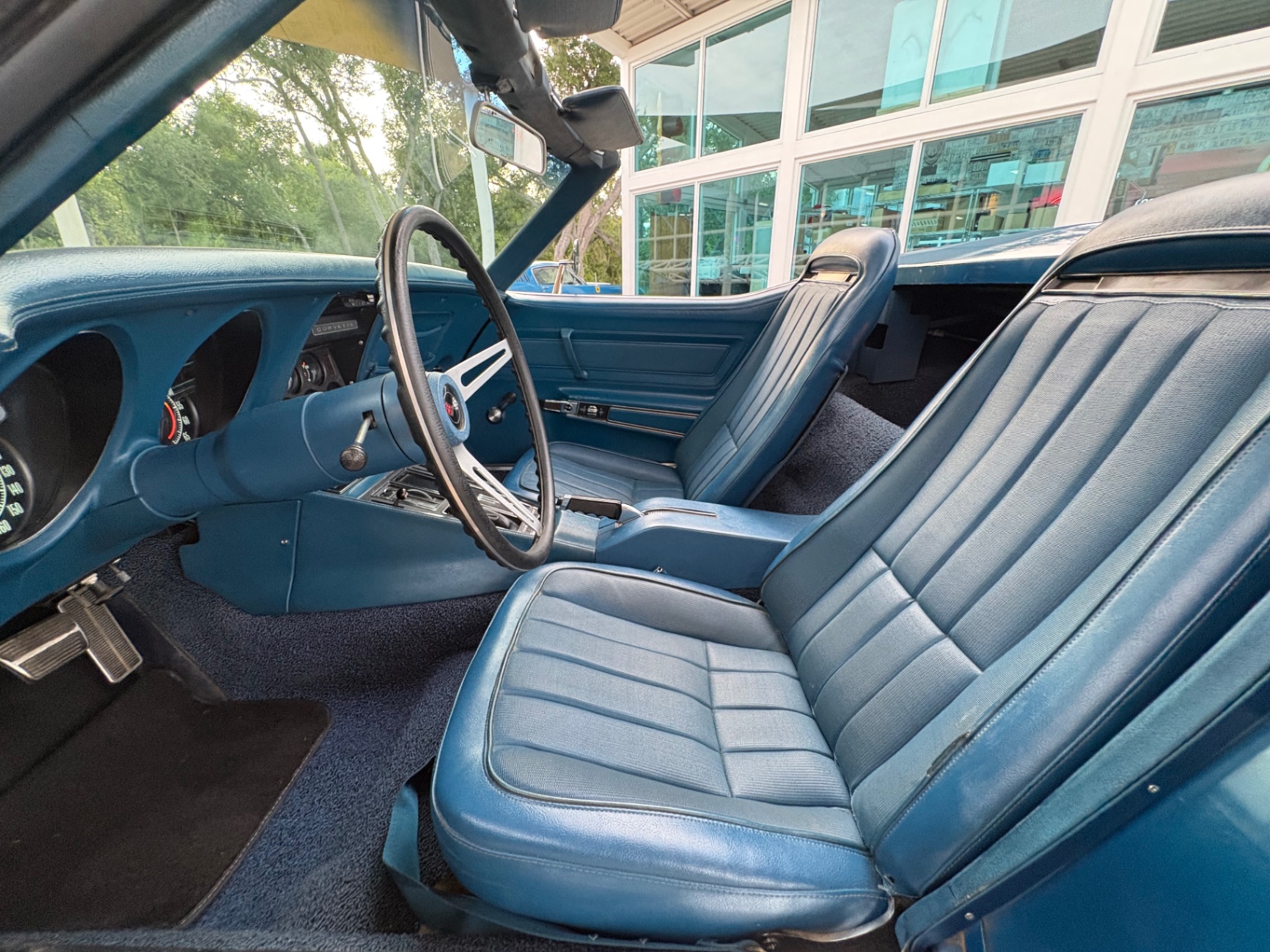
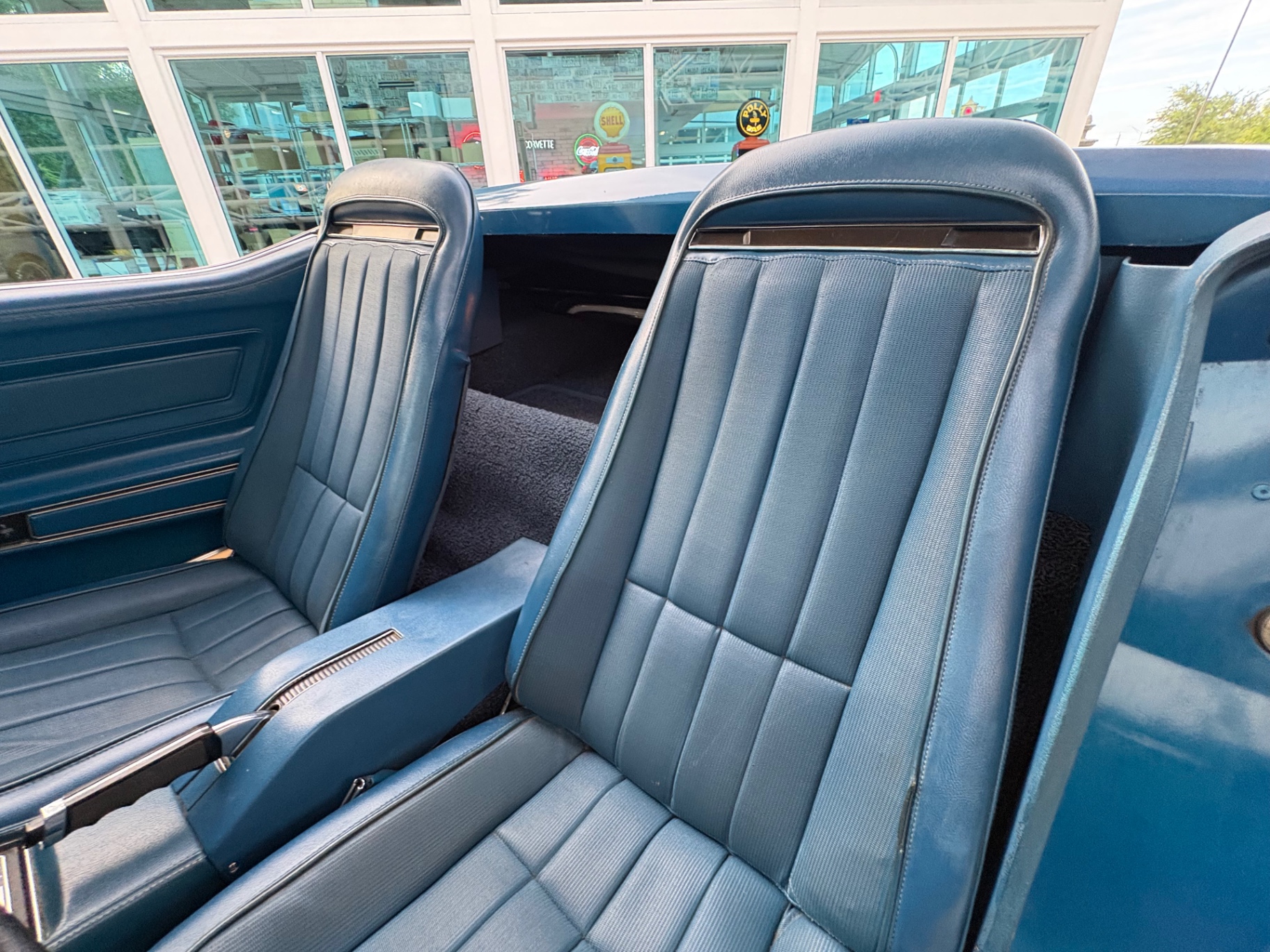
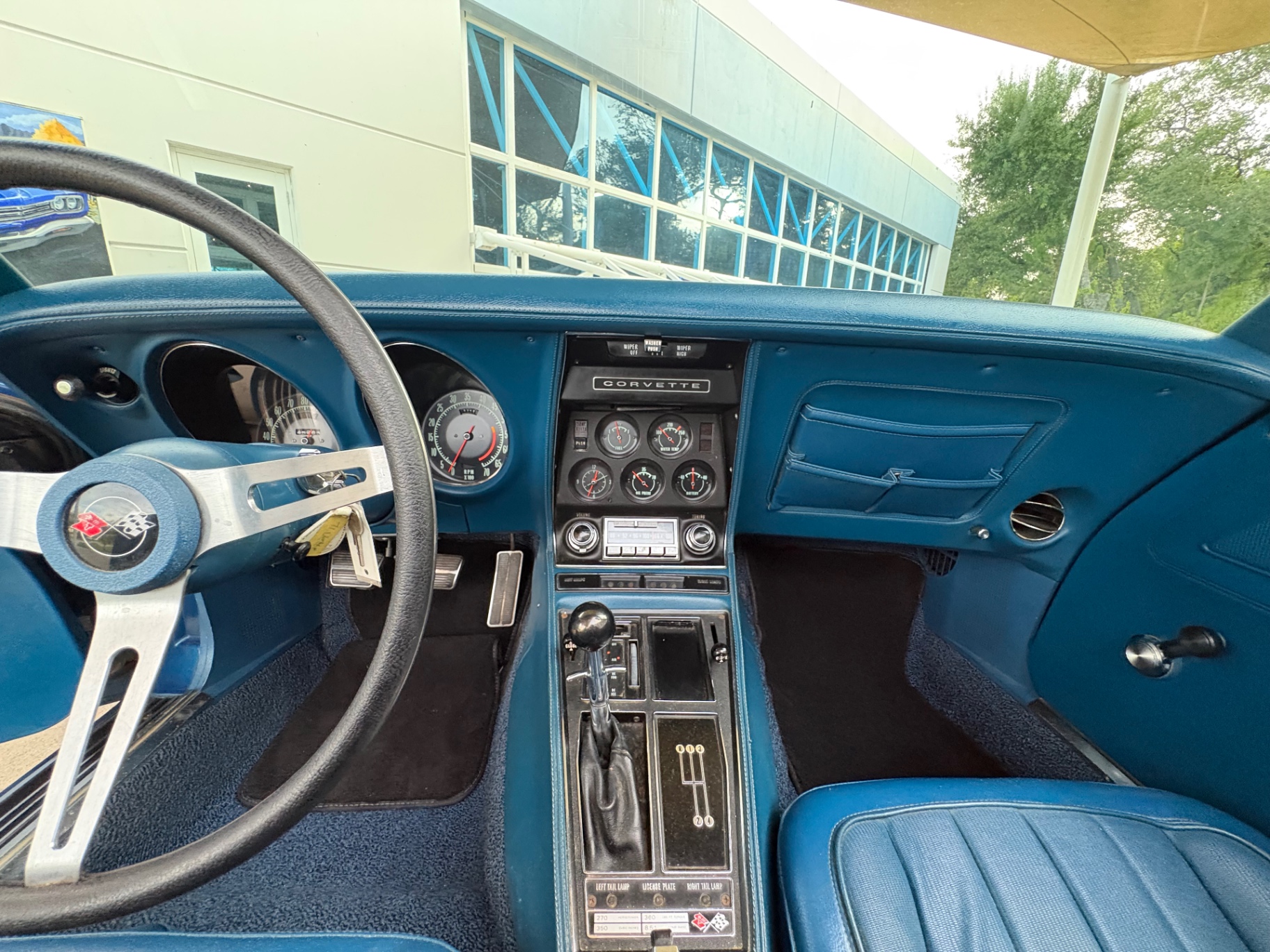
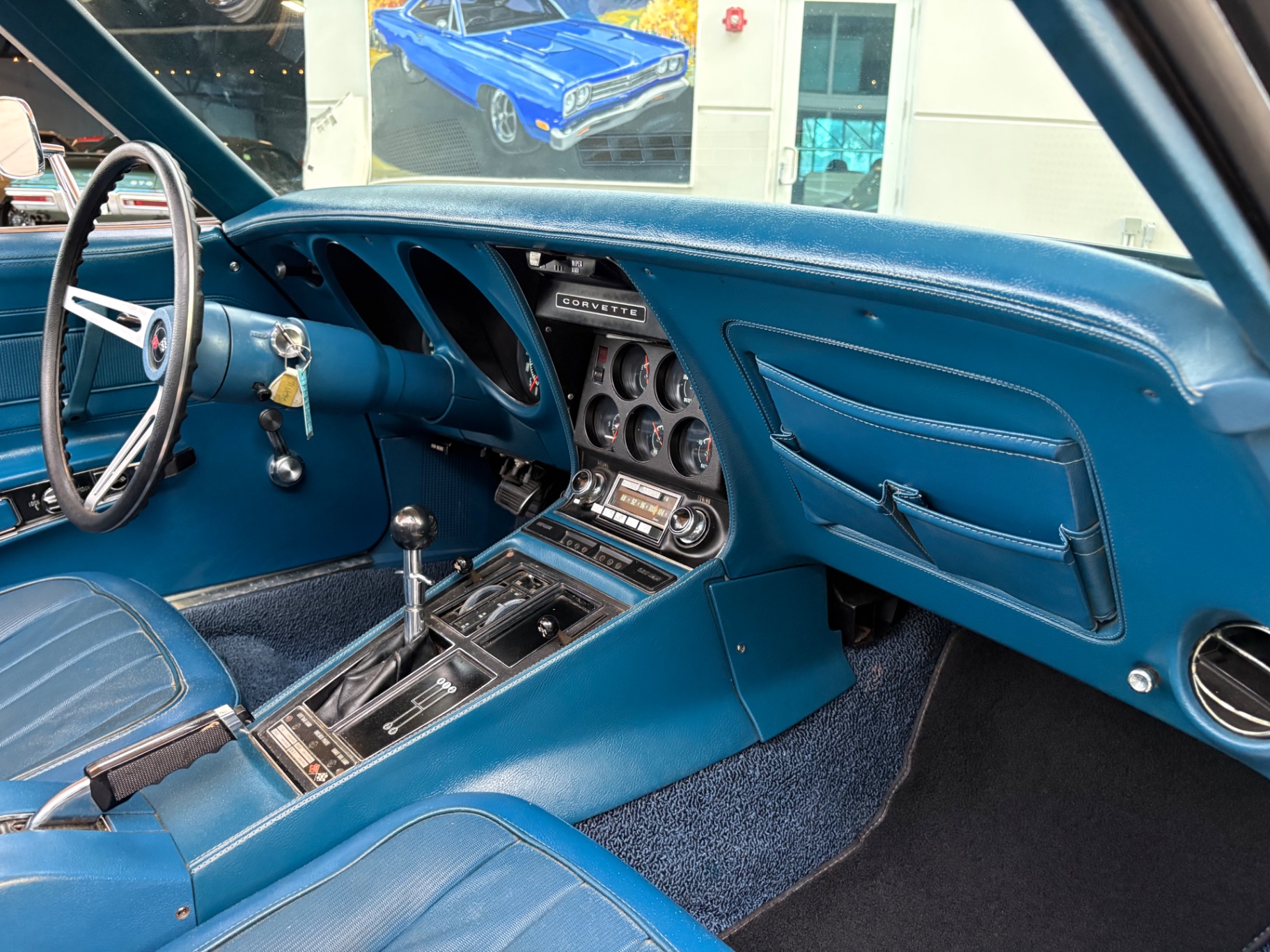
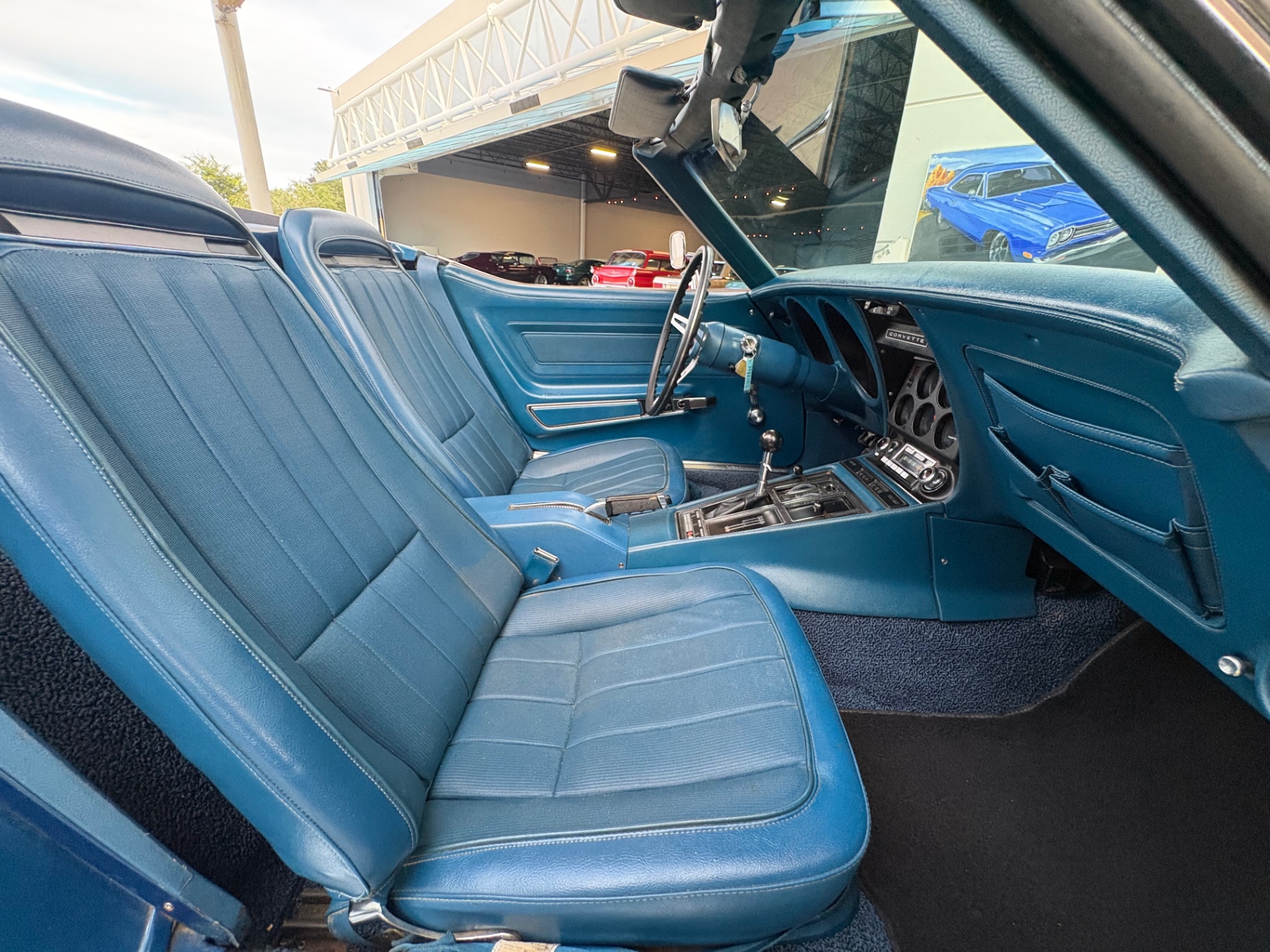
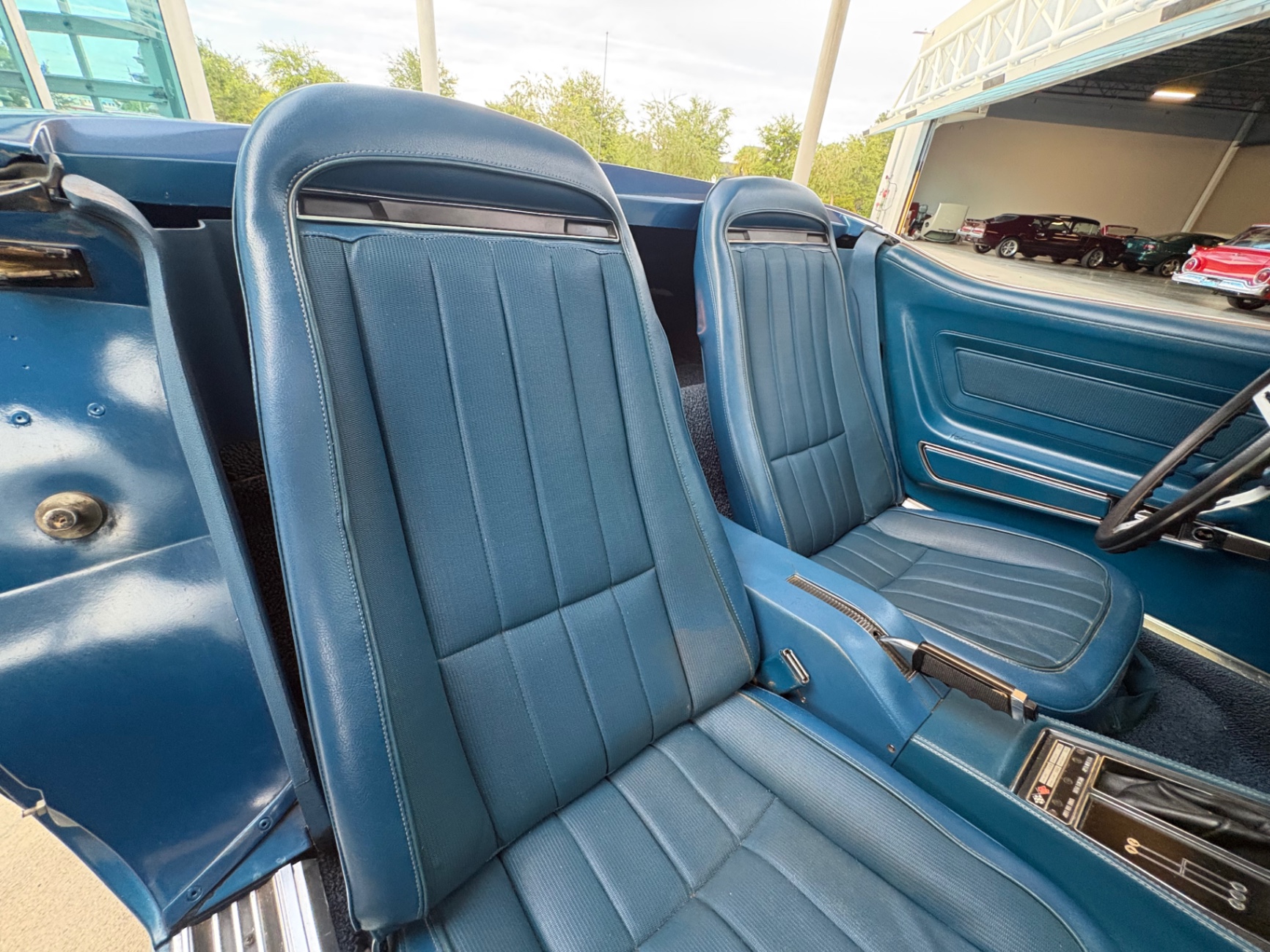
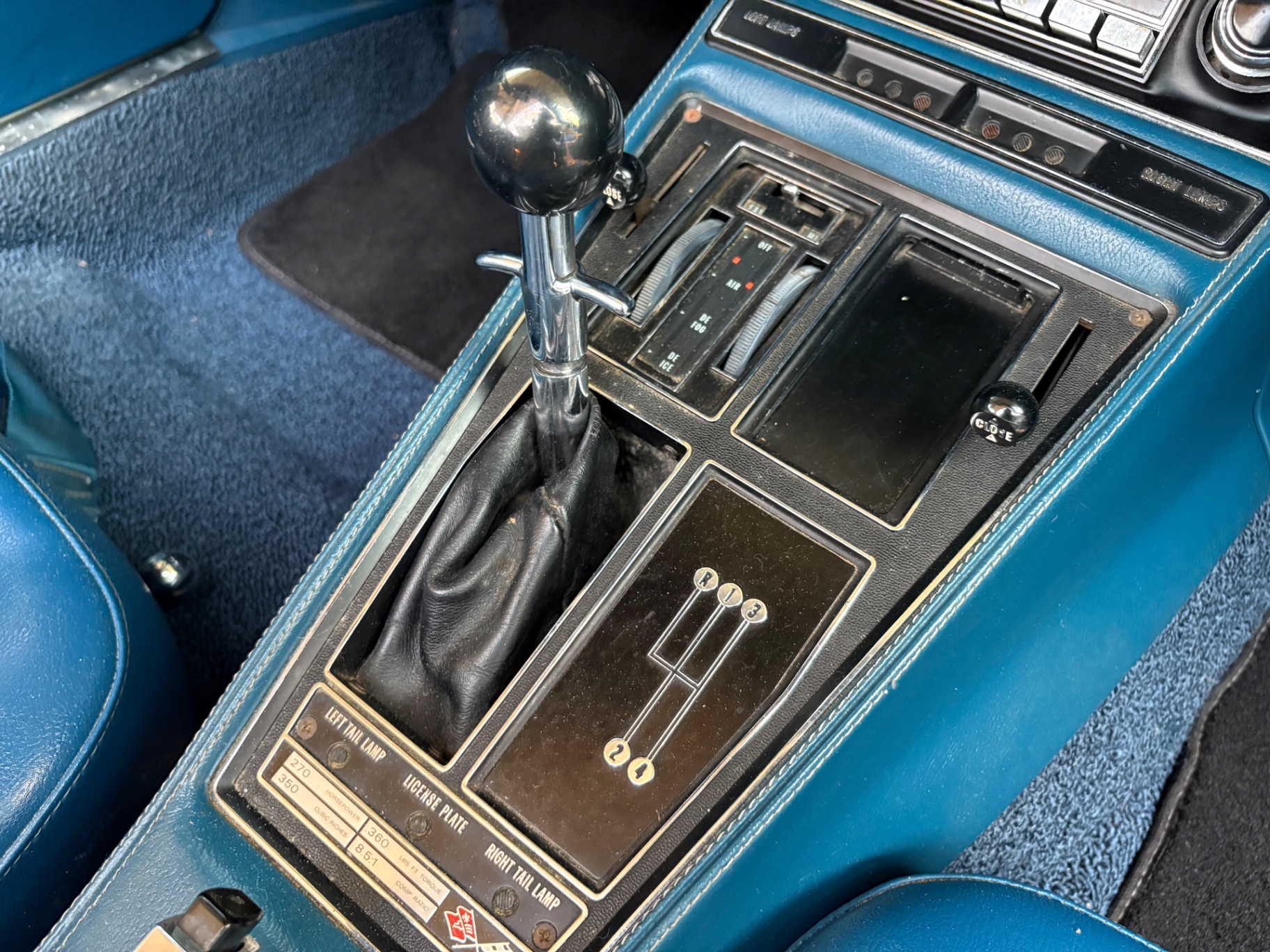
The interior of this 1971 Corvette Stingray Convertible is done entirely in blue vinyl, matching the exterior color in a way that was common for factory Corvette builds of this era. The factory sport seats are correctly upholstered in the ribbed vinyl pattern that Chevrolet used throughout the C3 generation, and the blue carpet runs cleanly through the footwells and across the transmission tunnel. The center console is original in format, housing the Muncie shifter with its black leather boot and chrome ball shift knob. The factory shift pattern plate is present on the console, a detail that NCRS judges look for during evaluation.
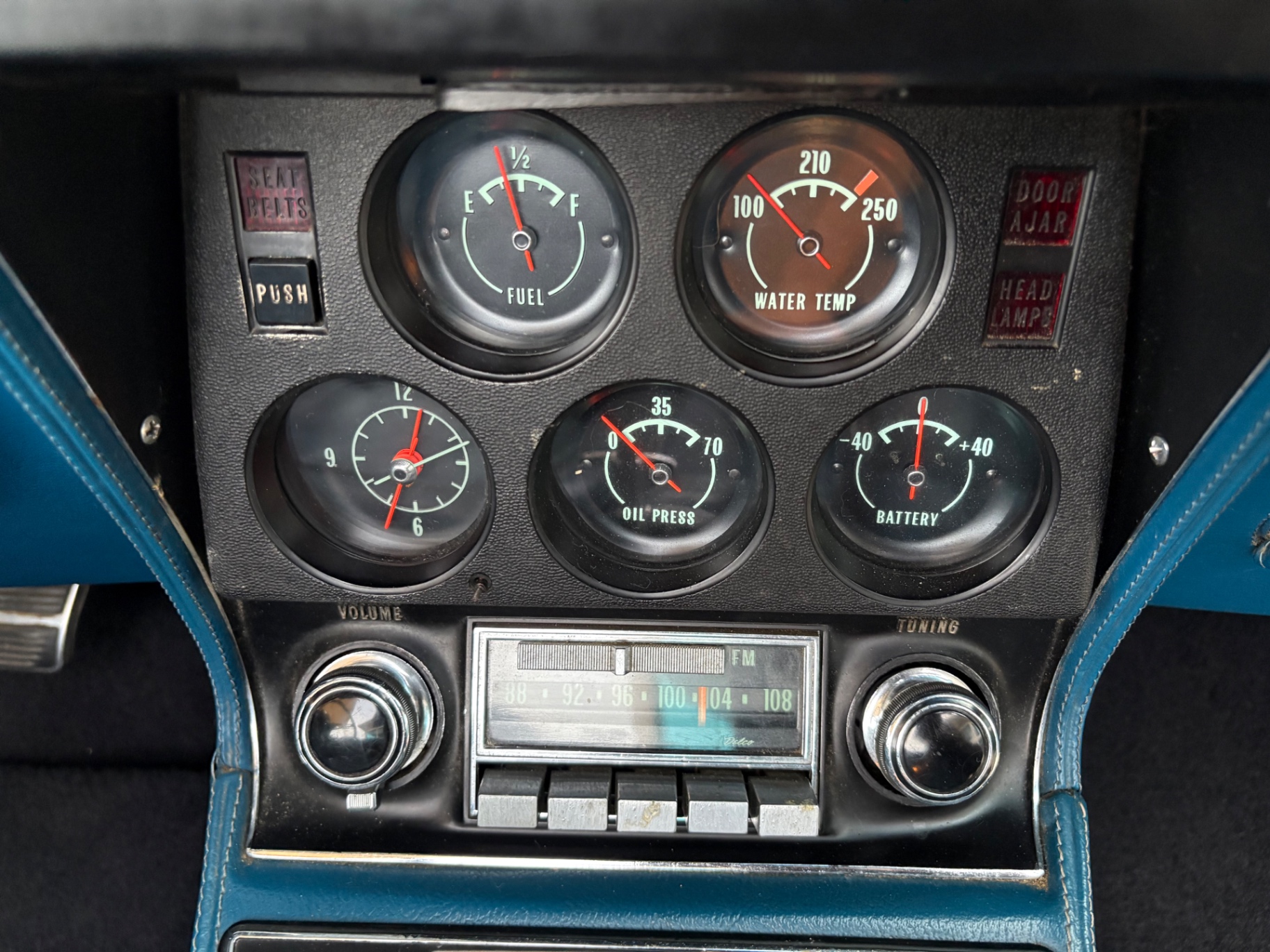
The dashboard follows the pod-style layout that designer Larry Shinoda carried over from the 1968 redesign. The main binnacle in front of the driver houses the 160 mph speedometer on the left and the factory tachometer on the right, both with red pointer needles against black faces. The center stack carries the secondary gauges — fuel, water temperature, oil pressure, and battery — along with the factory AM/FM radio. The Corvette nameplate appears on the center stack face. Below the secondary gauge cluster, the fiber optic light monitoring system feeds light from each exterior lamp to a display strip across the console, allowing the driver to verify bulb function without leaving the car. This was a genuinely useful feature that Chevrolet offered on the Corvette during this period.
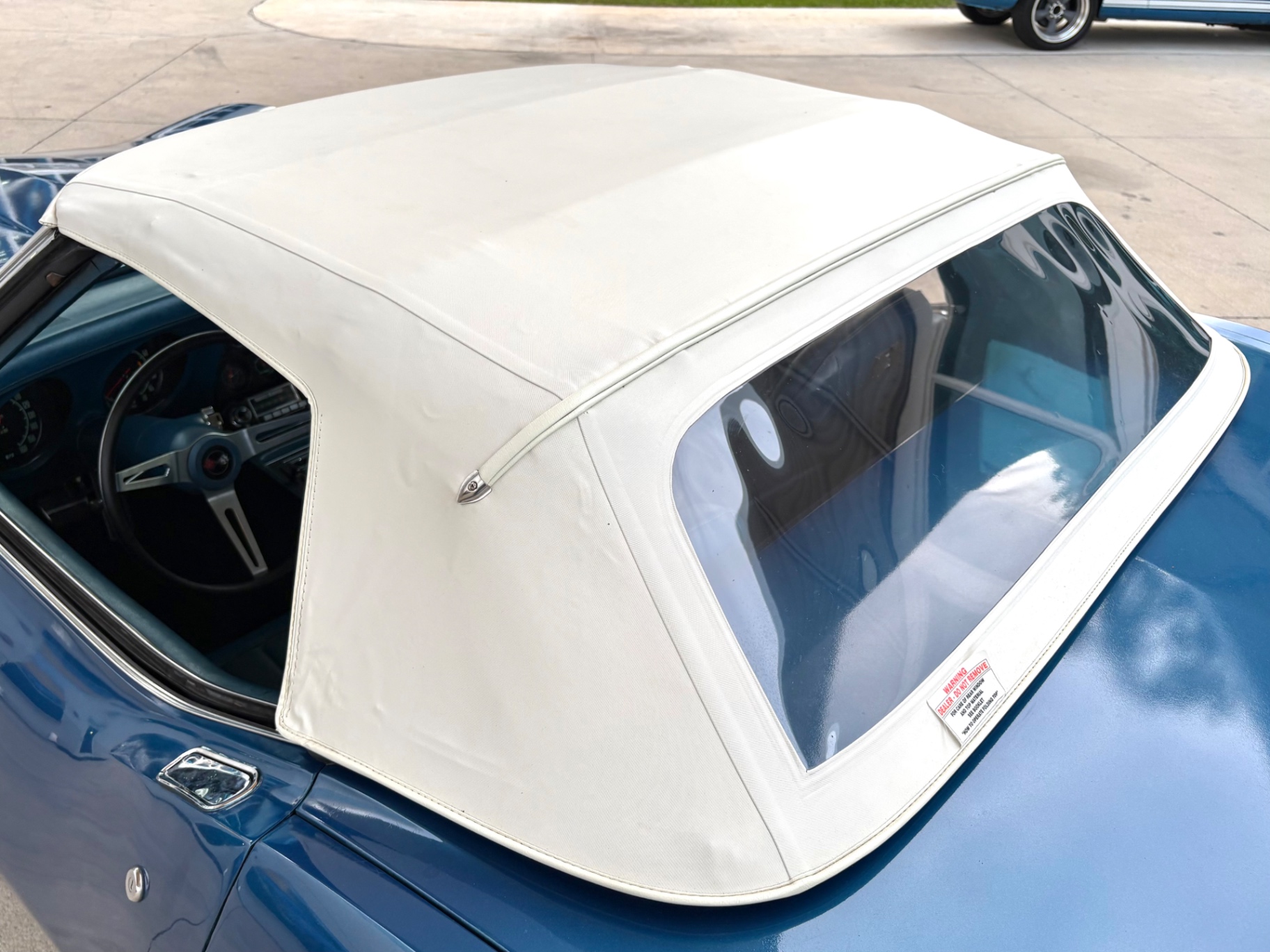
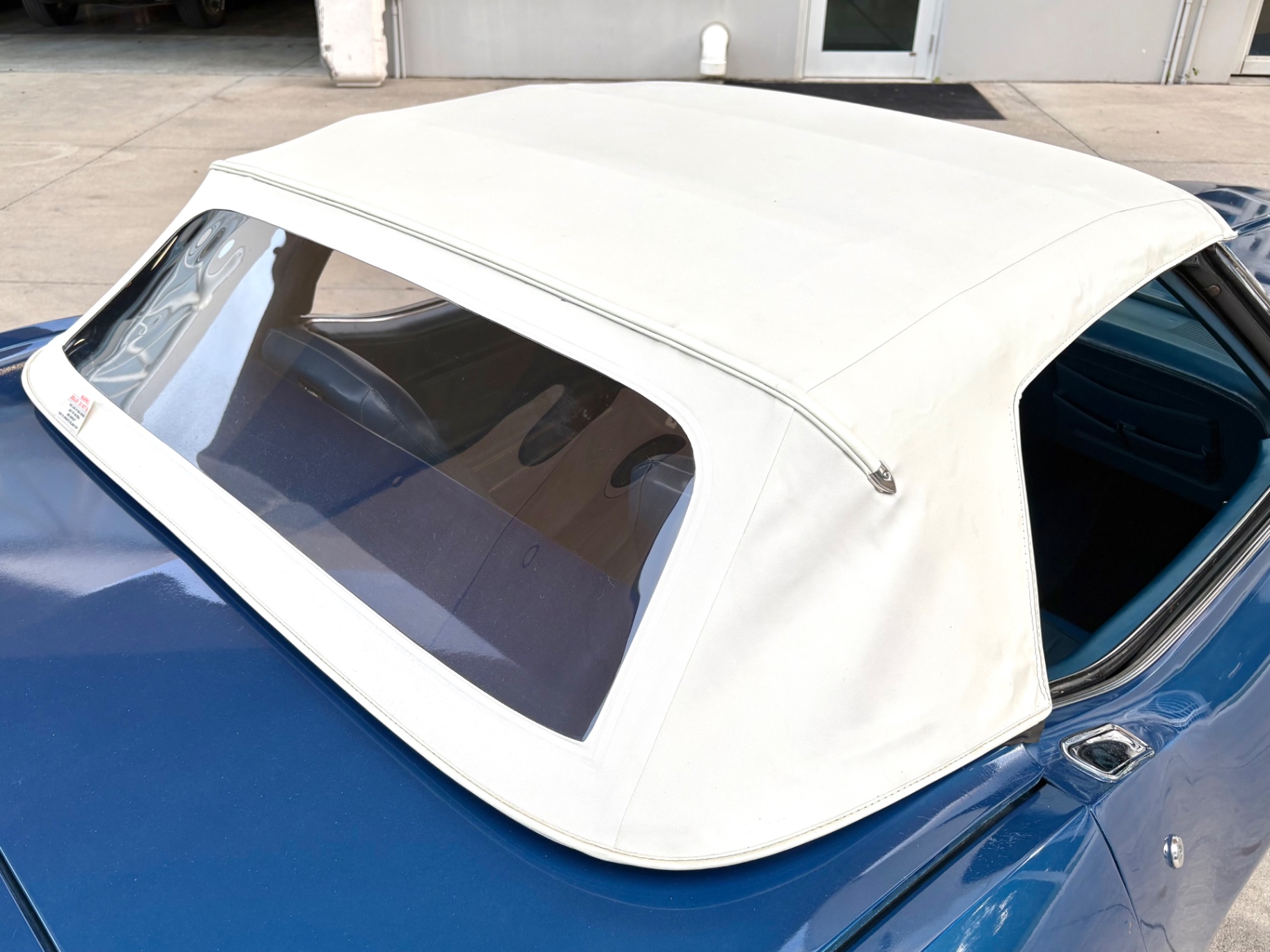
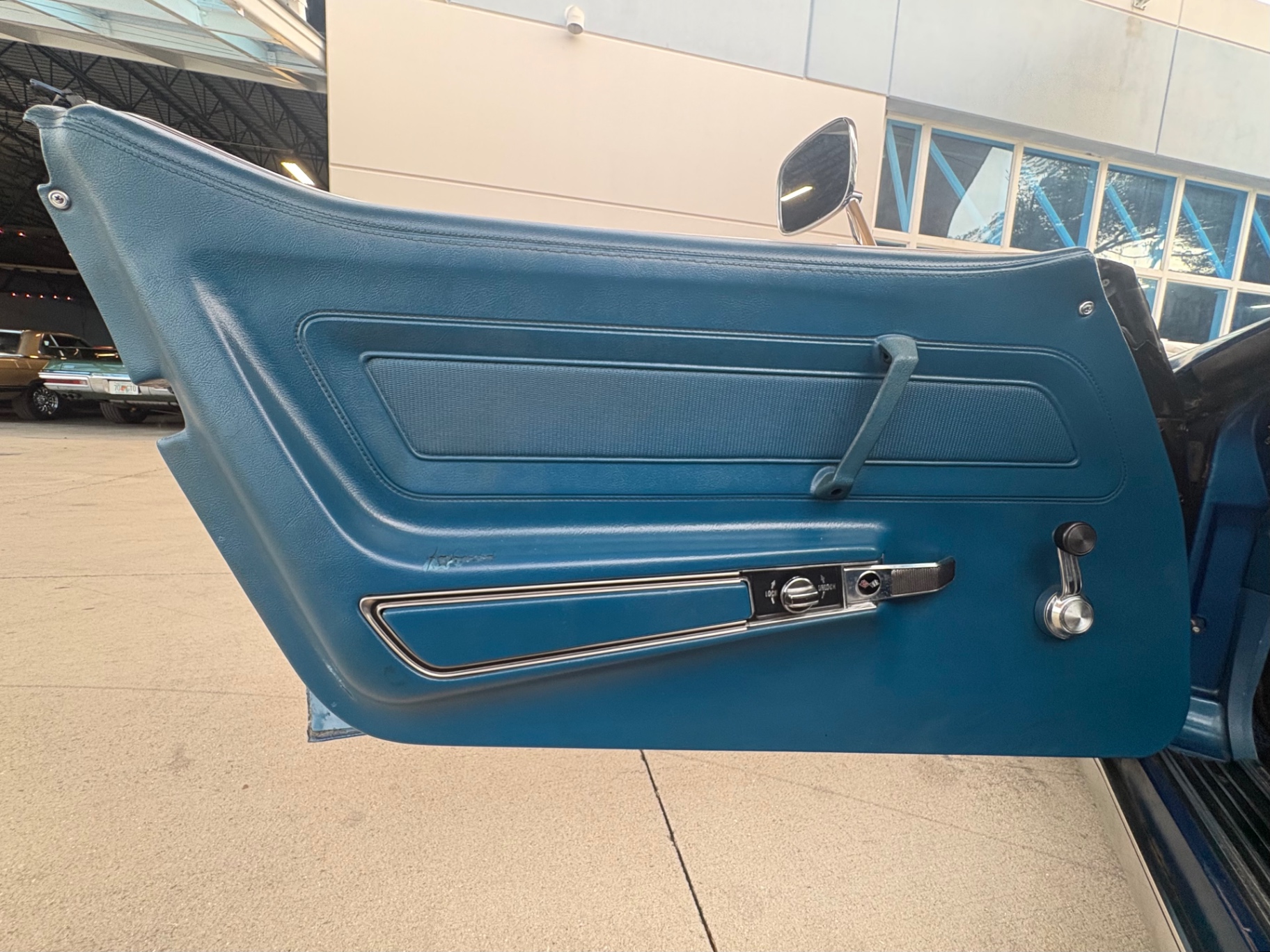
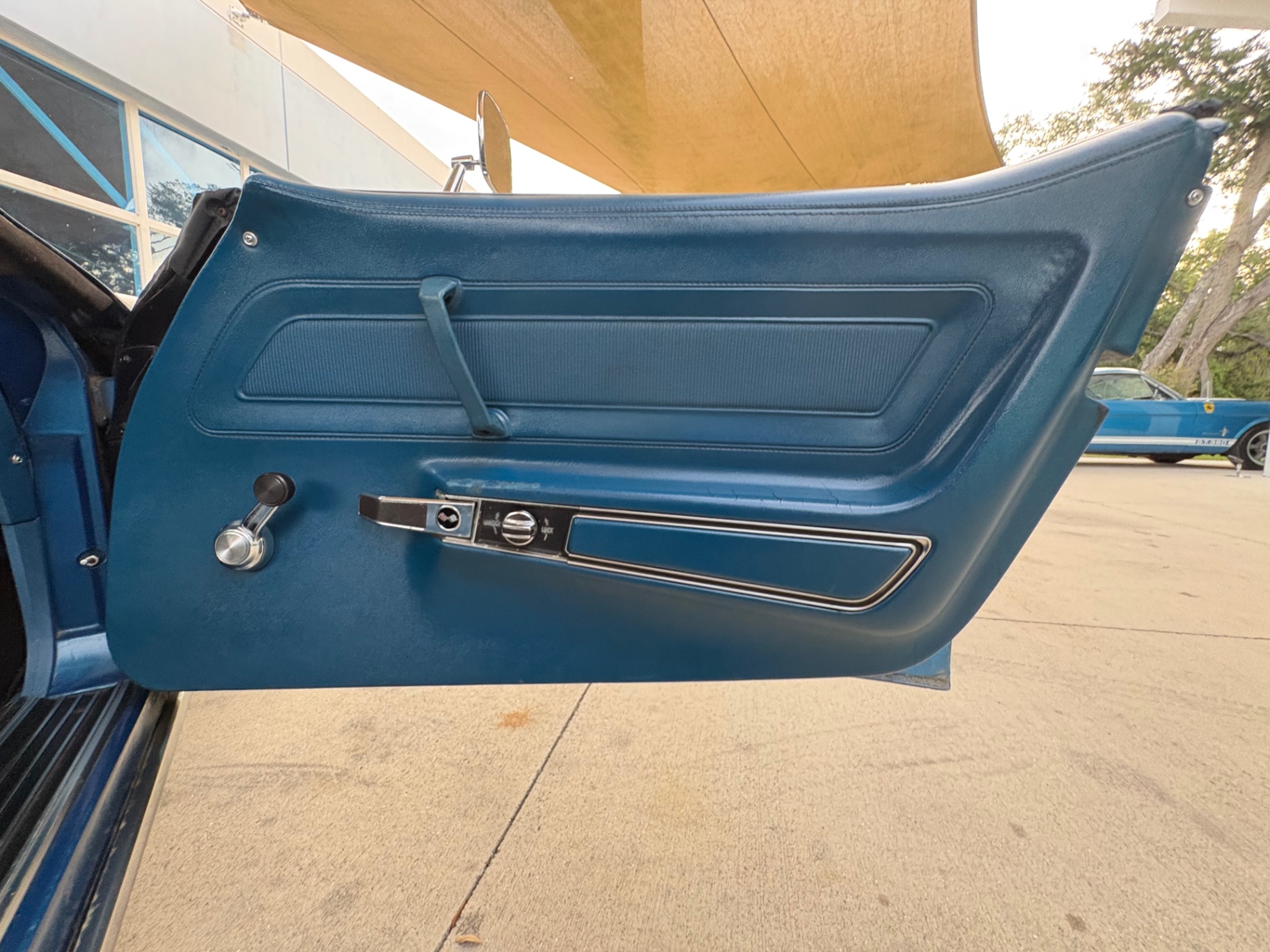
The sport steering wheel carries the crossed-flags emblem at the center hub, with polished aluminum spokes and a blue vinyl rim that ties visually to the rest of the cabin. Door pull straps replace conventional handles in the C3 layout, a design choice that kept the doors clean and reduced weight. The factory hood release lever is located to the left of the steering column at floor level, visible in the interior photos. The white convertible top folds down and stows behind the seats, and the top well and surrounding trim appear correct and intact.
Exterior
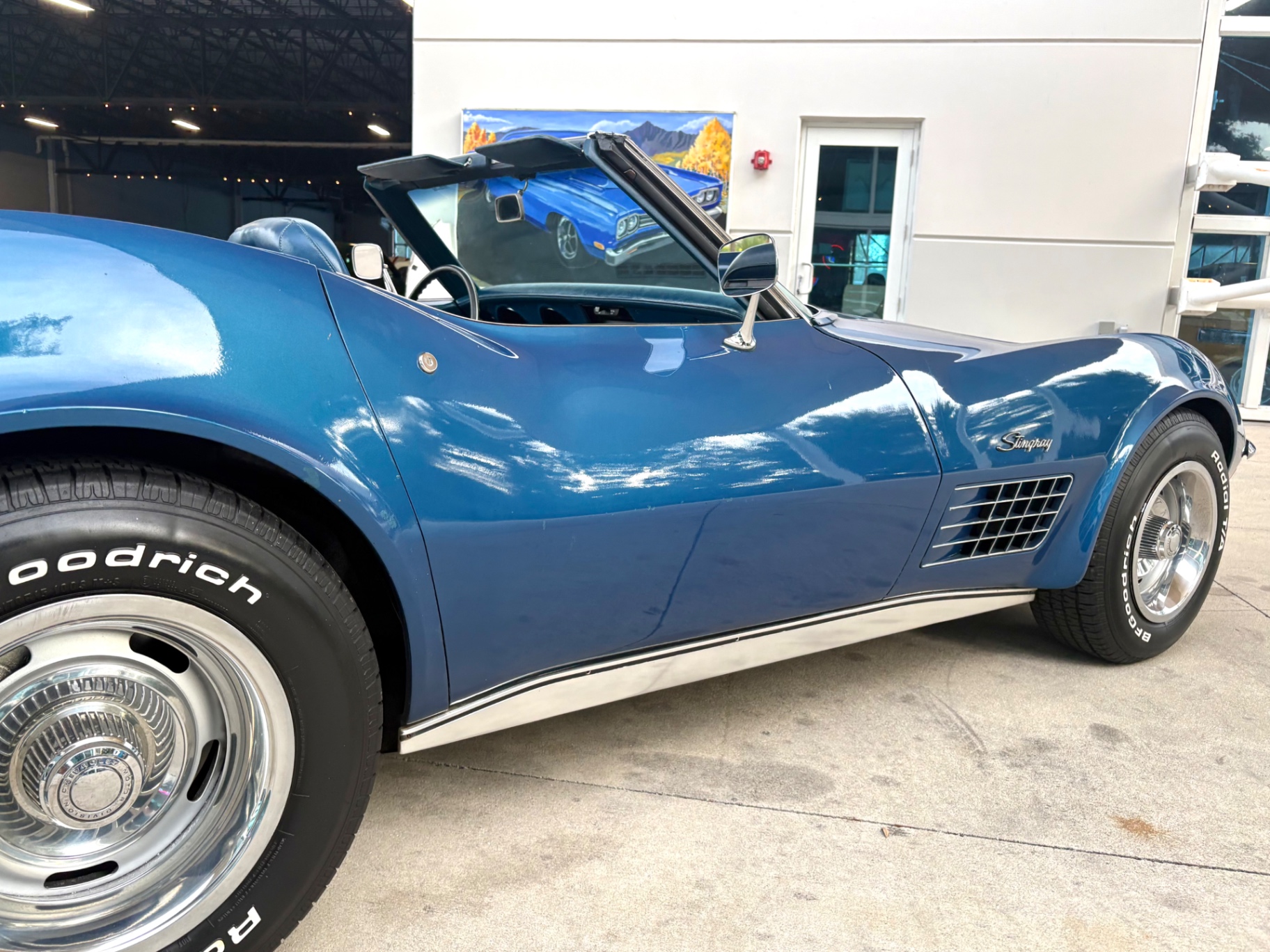
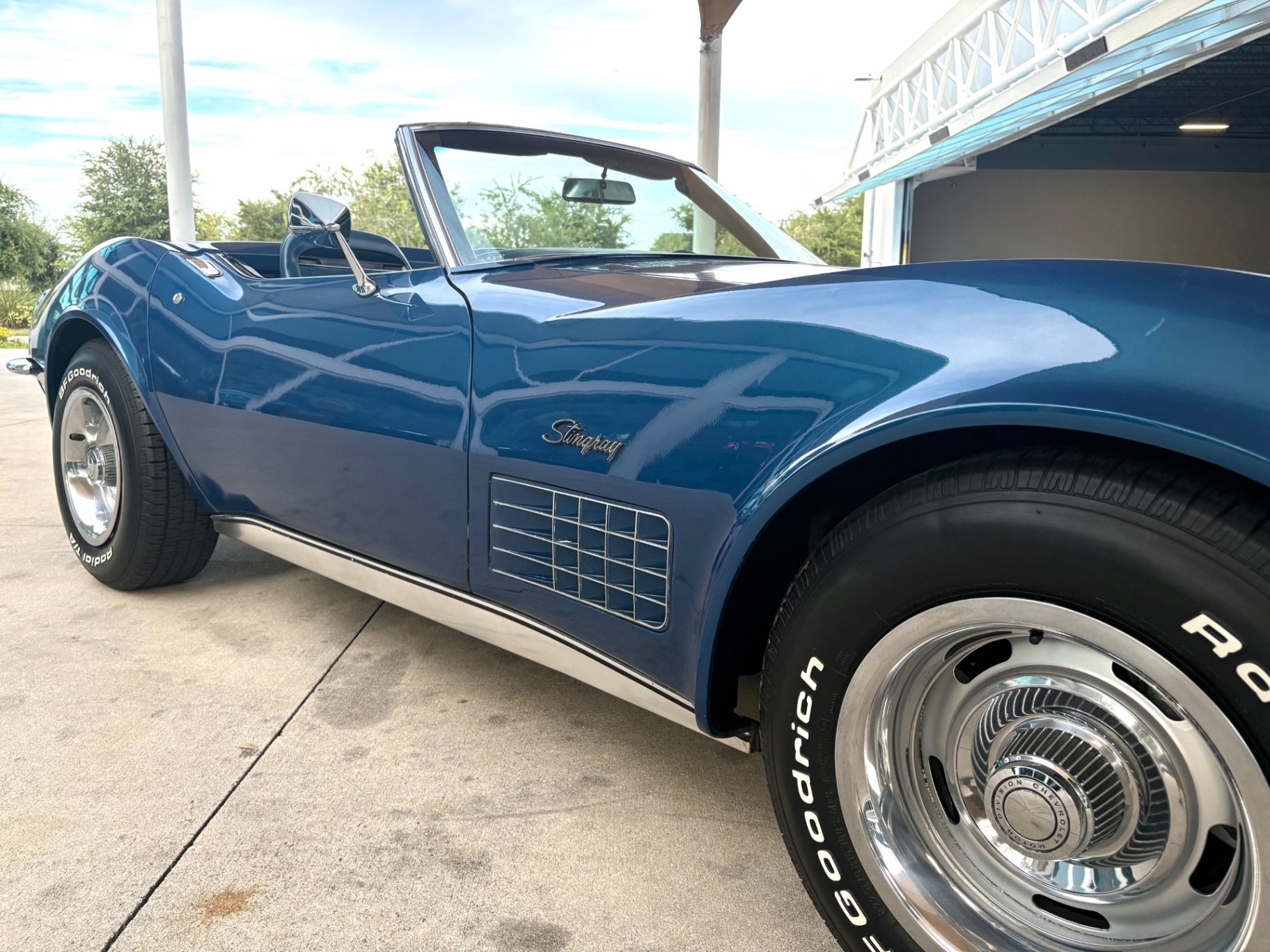
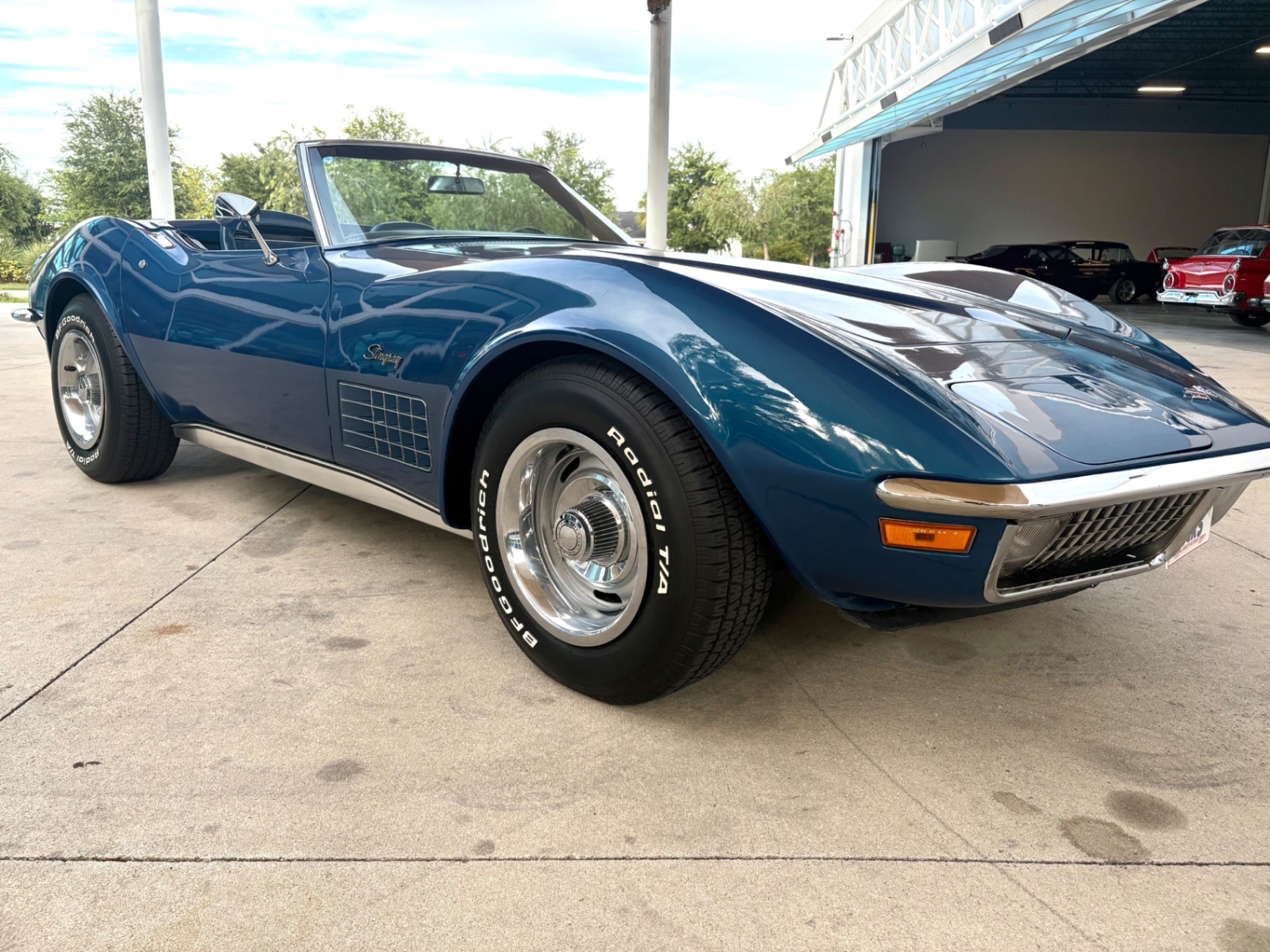
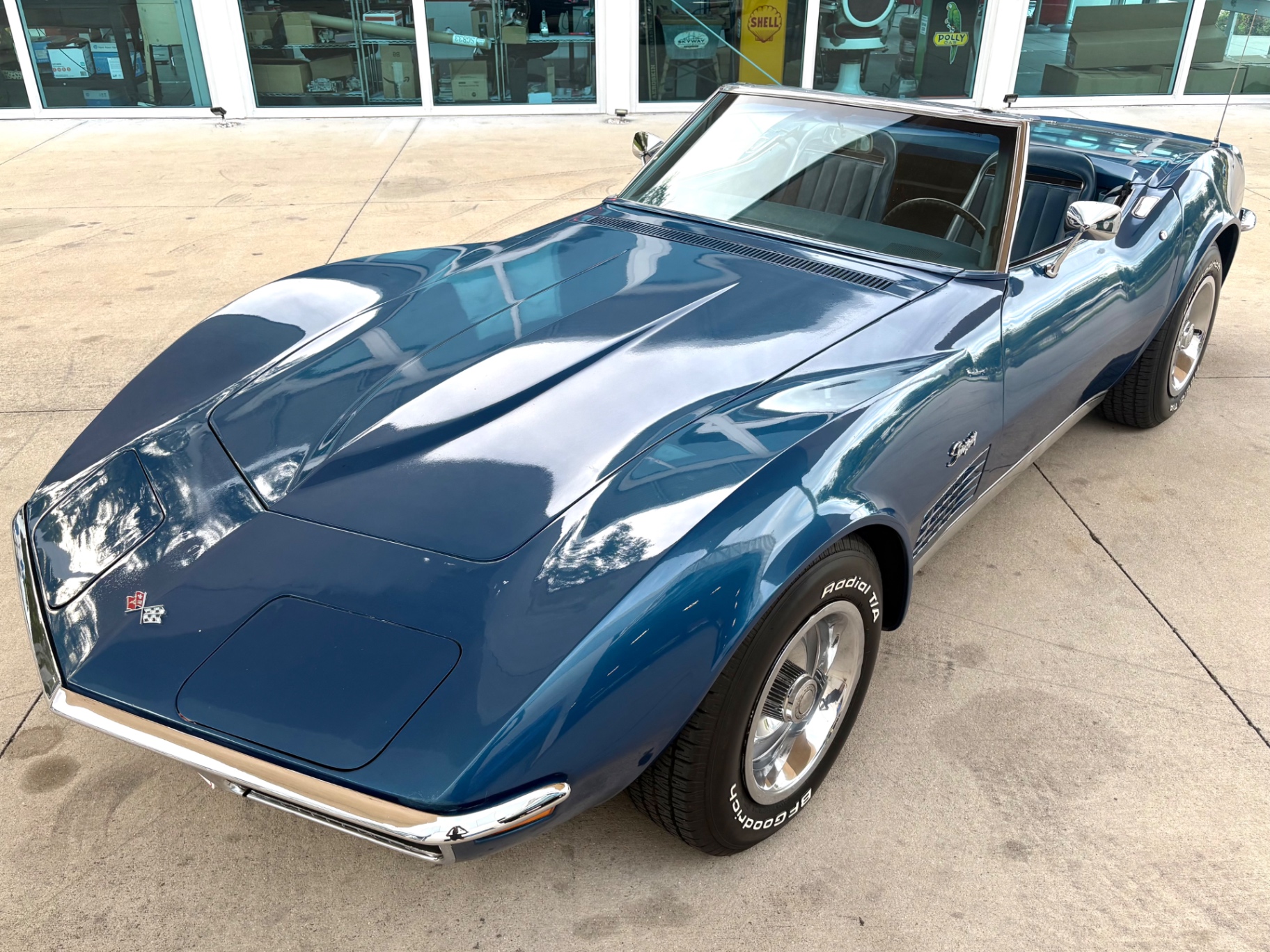
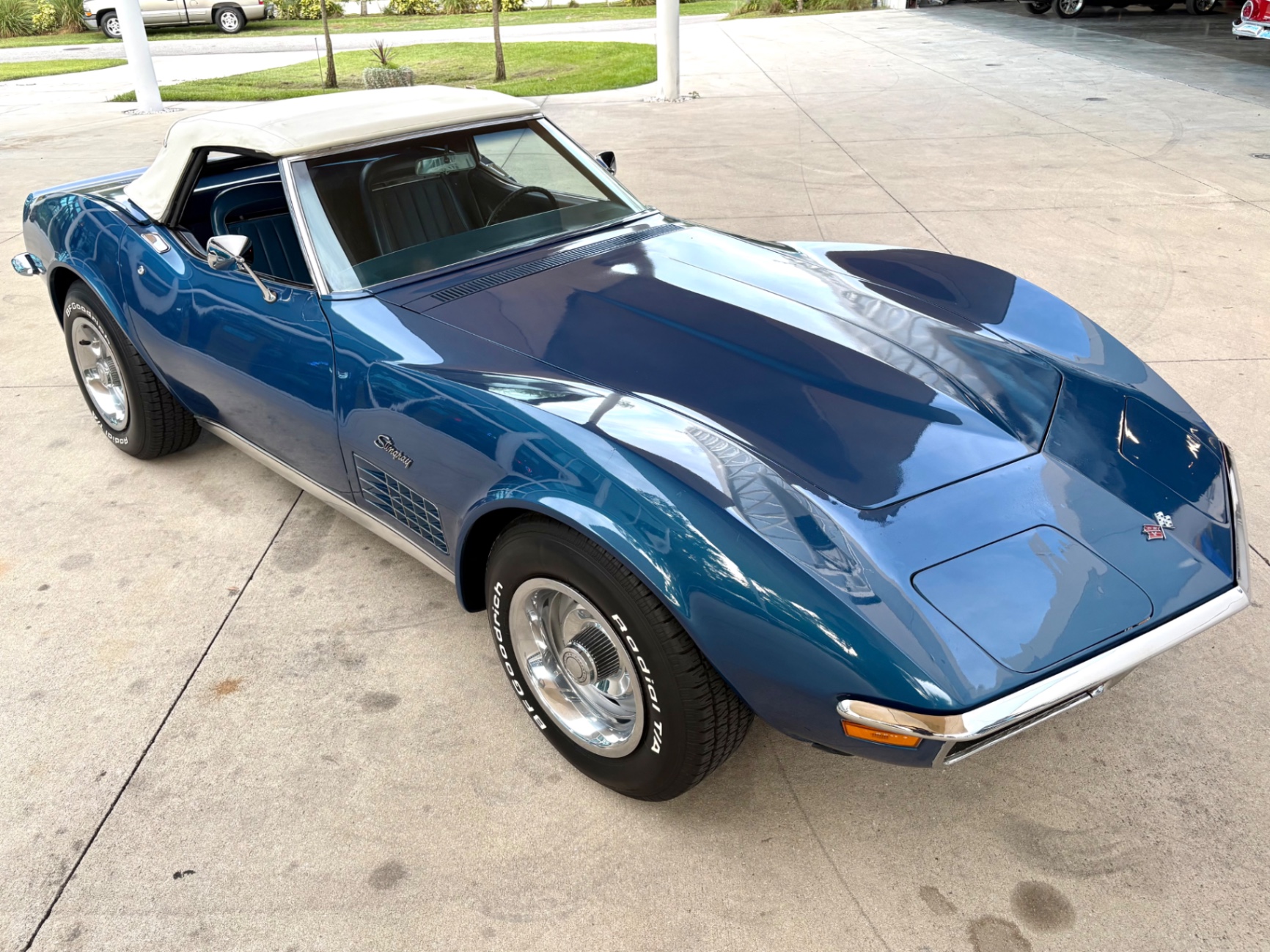
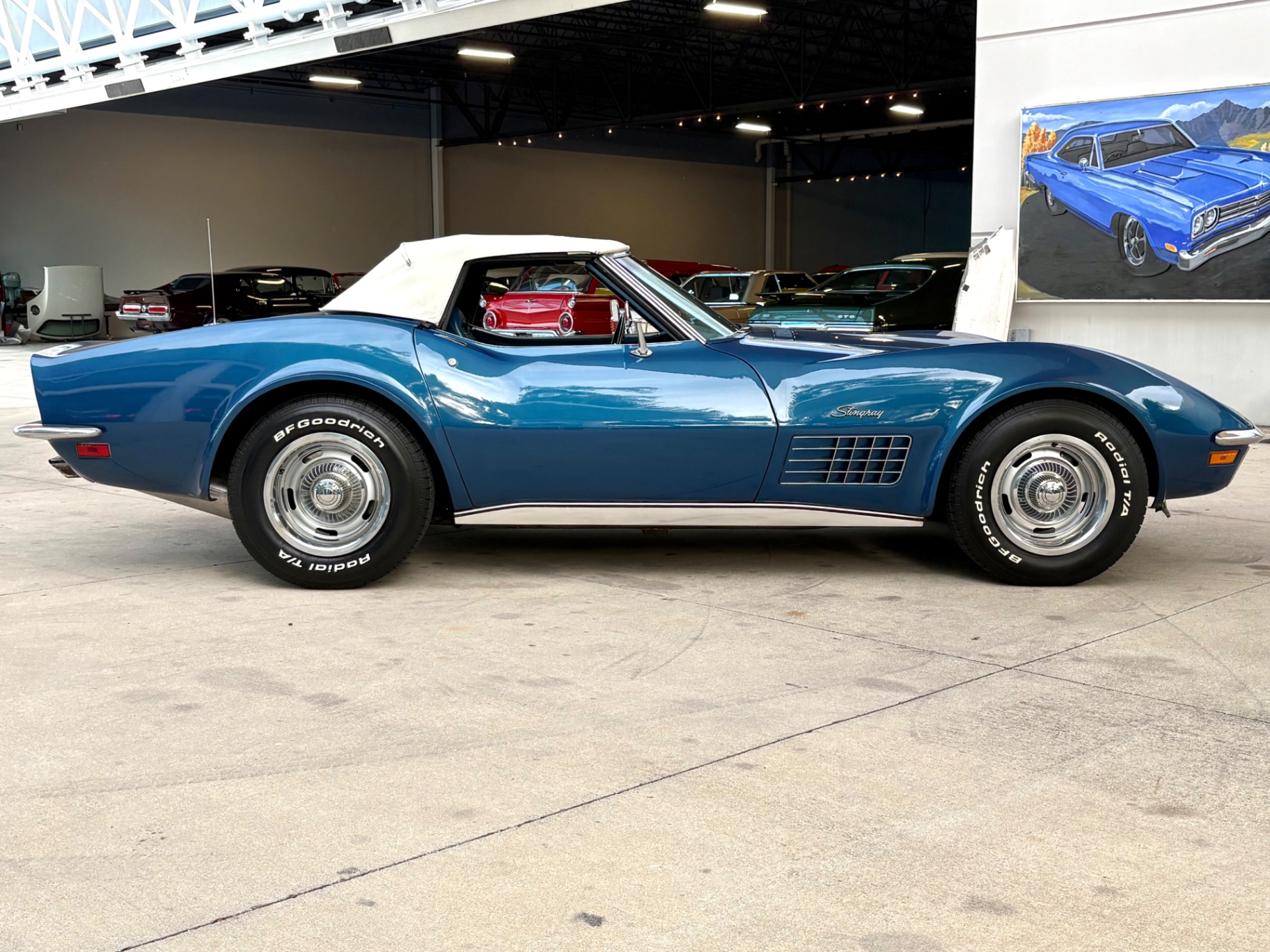
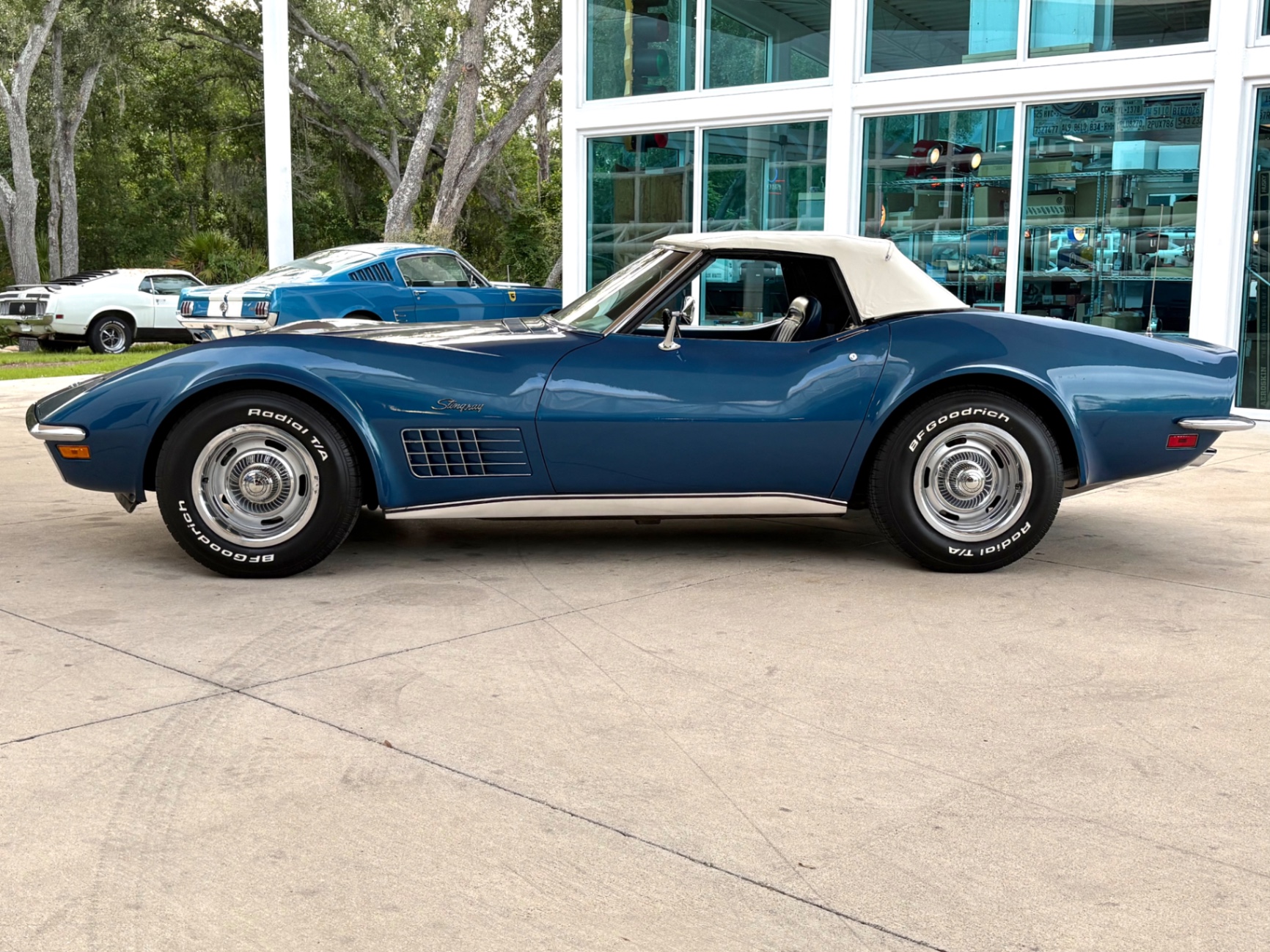
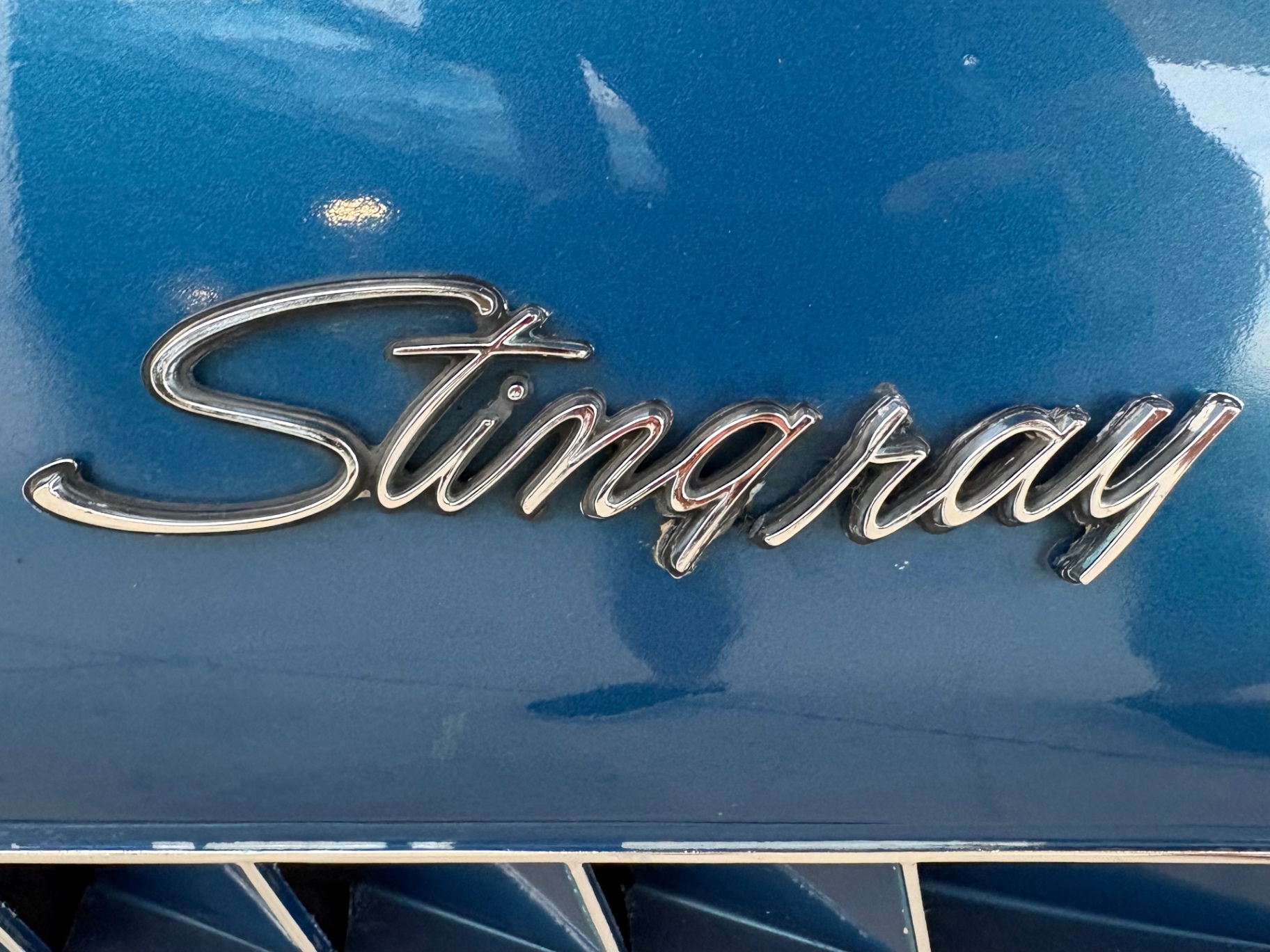
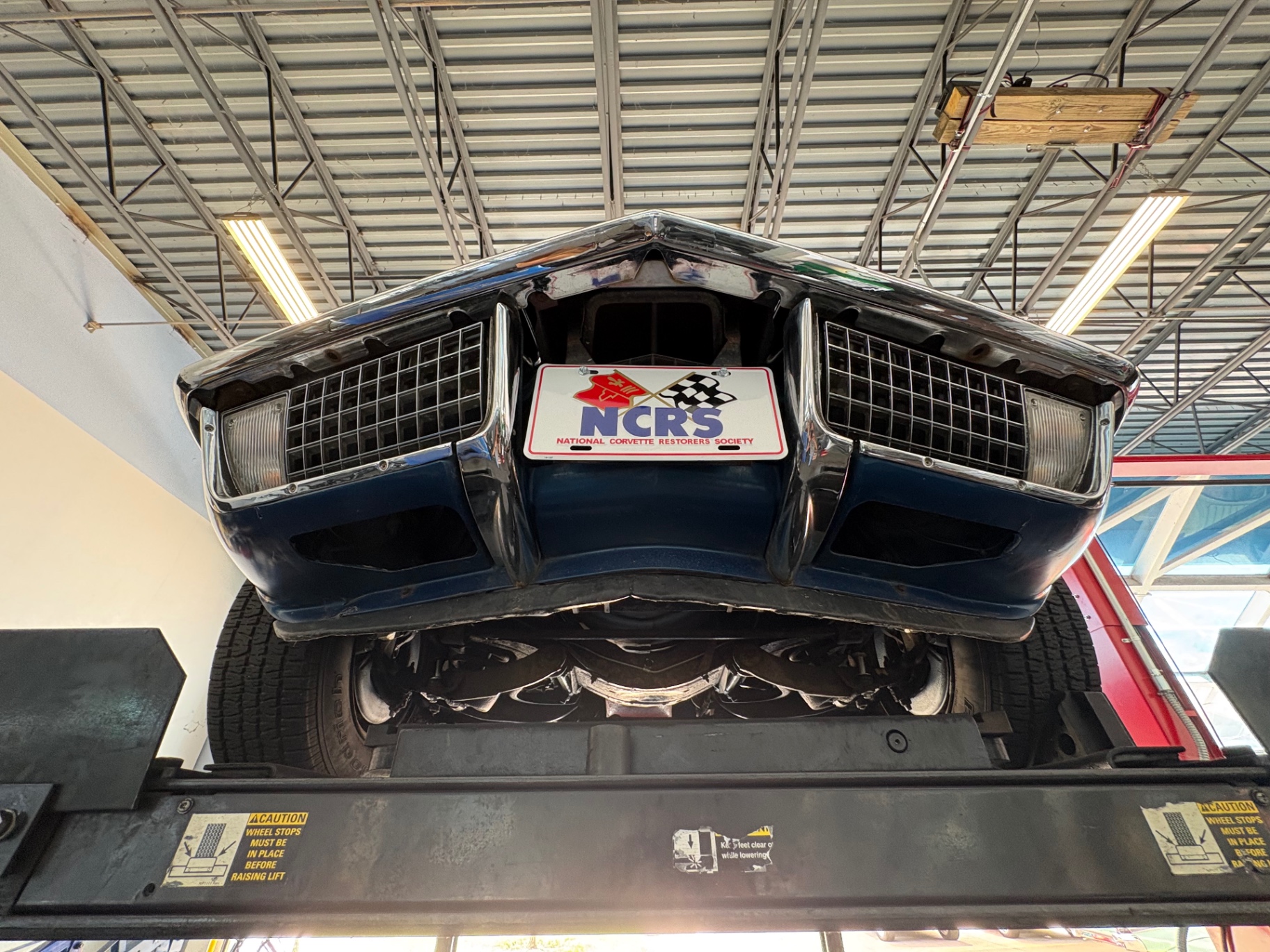
The body of this 1971 Chevrolet Corvette Stingray Convertible is finished in blue, one of the more visually assertive colors available on the C3 in this model year. The fiberglass bodywork — a construction method Corvette had used since 1953 — is free from the rust concerns that affect steel-bodied cars of the same era, though fiberglass brings its own concerns around cracking and spider-webbing, which should be inspected at viewing. The crossed-flags hood emblem is in place at the front nose, and the Stingray script appears on the front fenders behind the front wheels. The chrome bumpers at both ends are present and show the correct factory profile for a 1971 model.
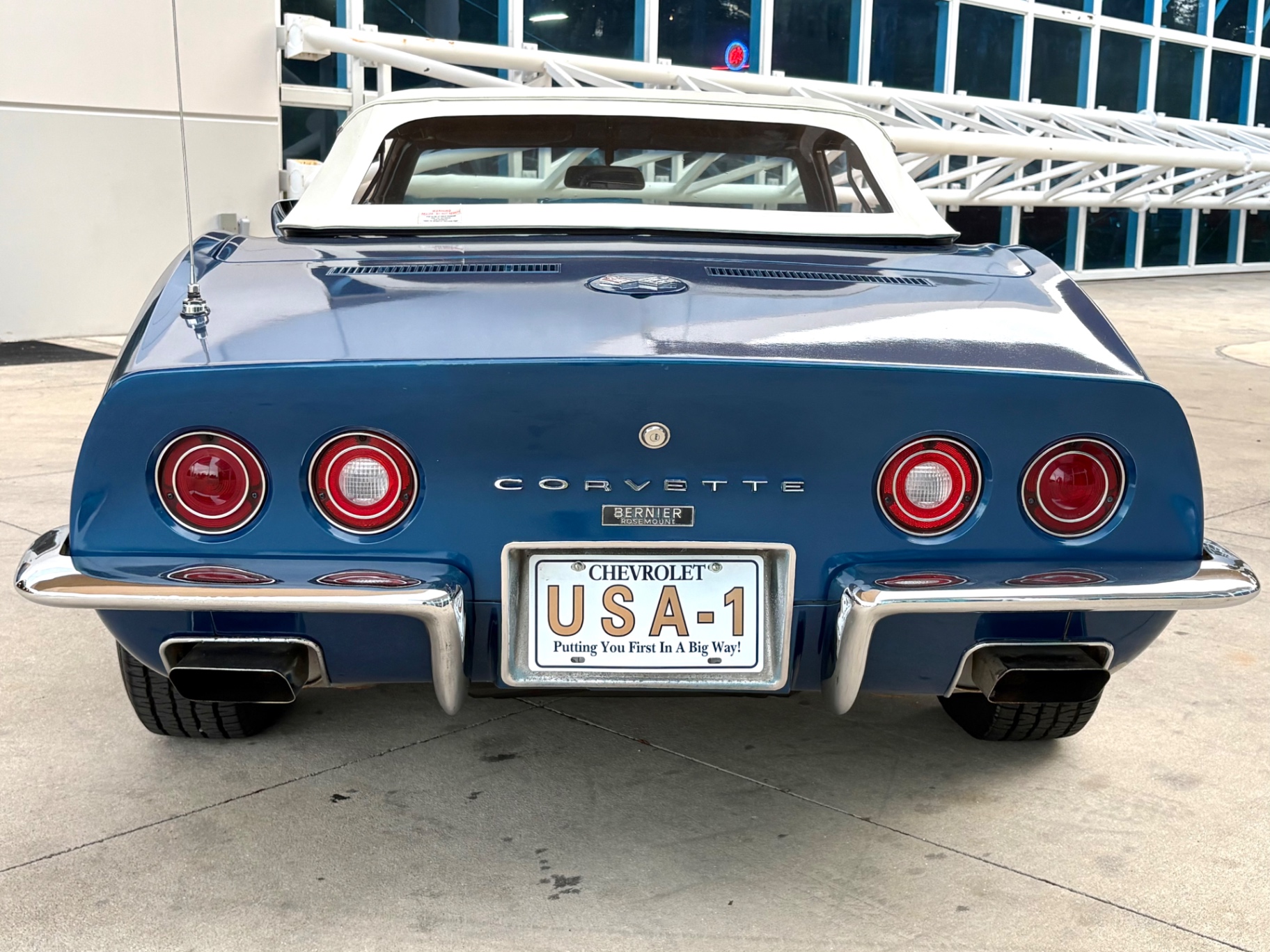
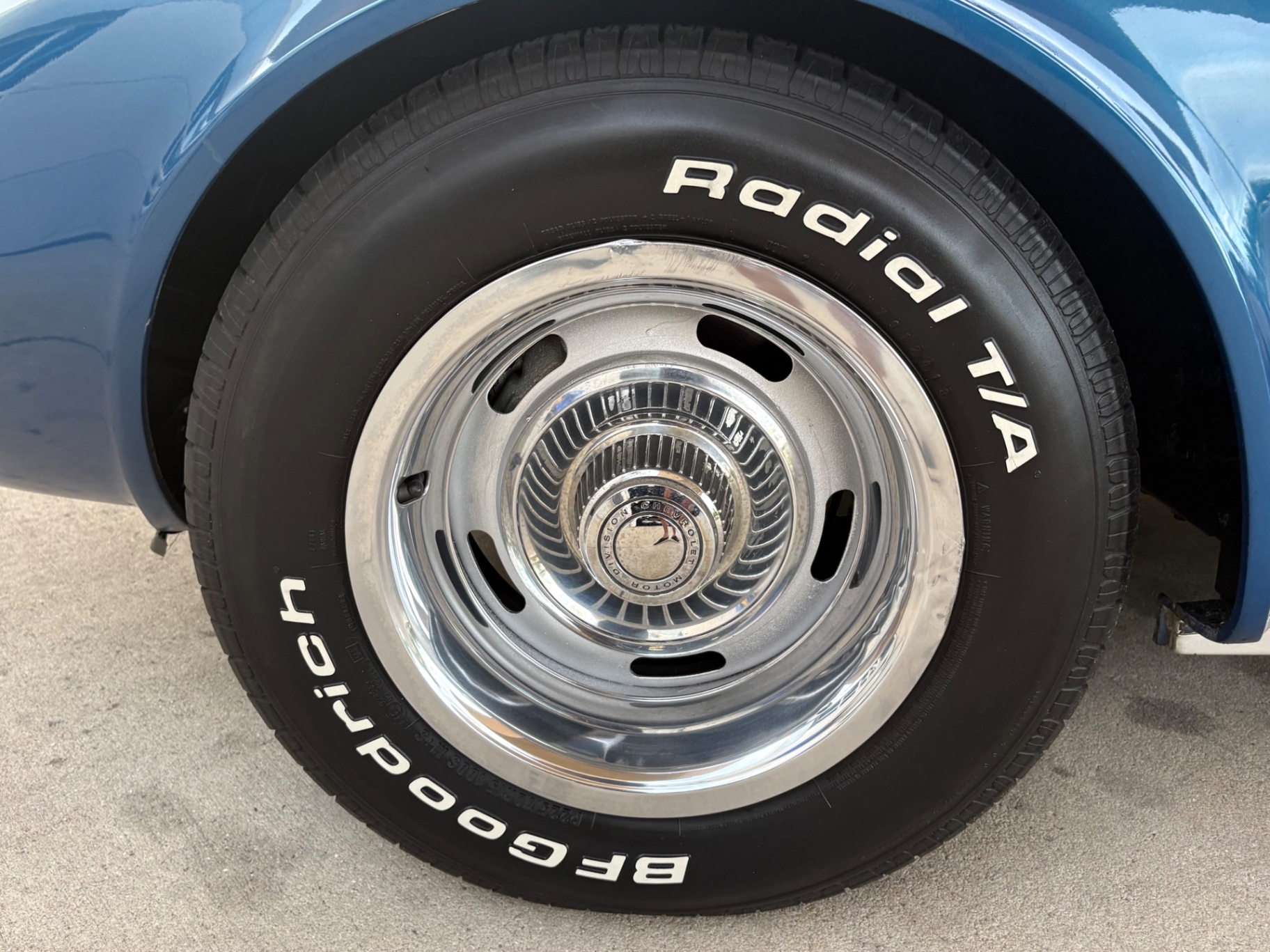
The side exhaust vents ahead of the rear wheels are a visual signature of the C3 body, purely decorative but period-correct and intact on this car. Rally wheels are fitted at all four corners with BFGoodrich Radial T/A tires, a tire brand and model with strong visual credibility on a period correct American performance car. The white convertible soft top is in place and contrasts cleanly against the blue body. Headlight washers are present, a factory option for this model year that used small nozzles behind the pop-up headlight doors to clean the lens surfaces. The quad round taillights at the rear and the rectangular exhaust tips exiting below the rear bumper are both correct for 1971 and visible in the exterior photos.
Conclusion
The 1971 Chevrolet Corvette Stingray Convertible is a genuinely significant car in the C3 timeline. It represents the last version of the Corvette that was built entirely to pre-emissions-era priorities, with honest factory power, a proper manual gearbox, four-wheel independent suspension, and four-wheel disc brakes as a complete package. Of the 21,801 Corvettes built that year, only 7,121 left the St. Louis plant as convertibles. The matching blue interior, correct factory gauges, Muncie 4-speed, Positraction axle, and clean undercarriage make this a well-optioned, verifiable example. For a buyer who understands what the 1971 model year represents in Corvette history, this car is worth a serious look.
To schedule a viewing or ask specific questions about this 1971 Chevrolet Corvette Stingray Convertible, call Skyway Classics in Sarasota, Florida at 941-254-6608.
Disclaimer
Information found on the website is presented as given to us by the owner of the car, whether on consignment or from the owner we bought it from. Some Photos, materials for videos, descriptions and other information are provided by the consignor/seller and is deemed reliable, but Skyway Classics does not warranty or guarantee this information. Skyway Classics is not responsible for information that may incorrect or a publishing error. The decision to purchase should be based solely on the buyers personal inspection of the vehicle or by a professional inspection service prior to offer or purchase being made.
1971 Chevrolet Corvette Stingray Convertible — 350/270, Muncie 4-Speed, St. Louis Build
Why This Car Is Special
The 1971 Chevrolet Corvette Stingray Convertible occupies a unique position in C3 history. It was the last model year before GM's compression ratio cuts took full effect across the lineup, and as a result, the 1971 Corvette still carried factory power ratings that buyers in later years could only look back on with envy. The 350ci small block in this car was factory rated at 270 horsepower — a number that holds up well even by today's standards for a naturally aspirated engine of this displacement. By 1972, net horsepower ratings replaced gross figures across the industry, and the perception of Corvette performance shifted dramatically. The 1971 model year sits right at the edge of that transition, making it one of the last "old school" Corvettes before the emissions era fully arrived.
Total Corvette production for 1971 came in at 21,801 units across all body styles. Of those, only 7,121 were convertibles — exactly the body style you're looking at here. That's a minority of the total run, and convertibles have consistently commanded stronger interest among serious collectors than their coupe counterparts, especially in desirable color combinations. This car was built at the St. Louis assembly plant, which produced all C3 Corvettes from 1968 through 1981.
Features List
- 350ci 270hp V8 engine
- Muncie 4-speed manual gearbox with factory shift pattern plate on console
- Positraction rear differential
- 4-wheel independent suspension, front and rear
- 4-wheel disc brakes
- Power steering
- Power brakes
- Factory dual exhaust with chrome tips
- Factory tachometer
- Factory 160 mph speedometer
- Full gauge cluster: fuel, water temperature, oil pressure, battery
- AM/FM radio
- Headlight washers
- Fiber optic light monitoring system
- Factory alternator
- Factory hood release (pedal-operated)
- Rally wheels with BFGoodrich Radial T/A tires
- Blue exterior
- White convertible soft top (fold-down)
- Blue matching vinyl interior
- Factory sport seats
- Blue carpet
- Center console with storage
- Door pull straps
- Sport steering wheel with crossed-flags emblem
- Crossed-flags hood emblem
- Stingray badging
- Chrome bumpers, front and rear
- Side exhaust vents
- Clean undercarriage
- St. Louis assembly plant build
- 1 of only 7,121 convertibles produced in 1971
Mechanical
The engine under this hood is the 350 cubic inch small block V8 in its 270 horsepower factory configuration. This was one of two 350 options available for 1971 — the base unit made 270hp, while the LT1 solid-lifter version topped out at 330hp. The 270hp variant used hydraulic lifters, making it smoother and more streetable for daily use, and it paired naturally with the Muncie 4-speed gearbox this car carries. The Muncie name refers to the transmission plant in Muncie, Indiana where GM produced its manual gearboxes, and the Muncie 4-speed was the preferred choice for Corvette buyers who wanted a mechanical connection to the drivetrain without the weight and complexity of the close-ratio race-oriented units.
Backing the 4-speed is a Positraction rear differential, which was standard equipment on the Corvette and ensured both rear wheels received power simultaneously rather than spinning the lighter-loaded tire under acceleration. The suspension on all four corners is fully independent — a setup the Corvette had used since 1963 and one that distinguished it from virtually every American muscle car of the era, which still relied on solid rear axles. Four-wheel disc brakes were standard on the 1971 Corvette, another significant advantage over most of its contemporaries. The undercarriage photos confirm a clean, solid structure with no visible rot or significant corrosion — an important finding on any C3 that has spent decades in service.
Additional factory mechanical equipment includes power steering, power brakes, a factory alternator, and the factory dual exhaust system with chrome tips exiting at the rear. The exhaust pipes are clearly visible in the undercarriage photos, showing the factory routing that NCRS evaluators look for. The factory 160 mph speedometer sits prominently in the instrument binnacle alongside a tachometer, both set in the distinctive hooded cluster that defined the C3 interior layout.
Interior
The interior of this 1971 Corvette Stingray Convertible is done entirely in blue vinyl, matching the exterior color in a way that was common for factory Corvette builds of this era. The factory sport seats are correctly upholstered in the ribbed vinyl pattern that Chevrolet used throughout the C3 generation, and the blue carpet runs cleanly through the footwells and across the transmission tunnel. The center console is original in format, housing the Muncie shifter with its black leather boot and chrome ball shift knob. The factory shift pattern plate is present on the console, a detail that NCRS judges look for during evaluation.
The dashboard follows the pod-style layout that designer Larry Shinoda carried over from the 1968 redesign. The main binnacle in front of the driver houses the 160 mph speedometer on the left and the factory tachometer on the right, both with red pointer needles against black faces. The center stack carries the secondary gauges — fuel, water temperature, oil pressure, and battery — along with the factory AM/FM radio. The Corvette nameplate appears on the center stack face. Below the secondary gauge cluster, the fiber optic light monitoring system feeds light from each exterior lamp to a display strip across the console, allowing the driver to verify bulb function without leaving the car. This was a genuinely useful feature that Chevrolet offered on the Corvette during this period.
The sport steering wheel carries the crossed-flags emblem at the center hub, with polished aluminum spokes and a blue vinyl rim that ties visually to the rest of the cabin. Door pull straps replace conventional handles in the C3 layout, a design choice that kept the doors clean and reduced weight. The factory hood release lever is located to the left of the steering column at floor level, visible in the interior photos. The white convertible top folds down and stows behind the seats, and the top well and surrounding trim appear correct and intact.
Exterior
The body of this 1971 Chevrolet Corvette Stingray Convertible is finished in blue, one of the more visually assertive colors available on the C3 in this model year. The fiberglass bodywork — a construction method Corvette had used since 1953 — is free from the rust concerns that affect steel-bodied cars of the same era, though fiberglass brings its own concerns around cracking and spider-webbing, which should be inspected at viewing. The crossed-flags hood emblem is in place at the front nose, and the Stingray script appears on the front fenders behind the front wheels. The chrome bumpers at both ends are present and show the correct factory profile for a 1971 model.
The side exhaust vents ahead of the rear wheels are a visual signature of the C3 body, purely decorative but period-correct and intact on this car. Rally wheels are fitted at all four corners with BFGoodrich Radial T/A tires, a tire brand and model with strong visual credibility on a period correct American performance car. The white convertible soft top is in place and contrasts cleanly against the blue body. Headlight washers are present, a factory option for this model year that used small nozzles behind the pop-up headlight doors to clean the lens surfaces. The quad round taillights at the rear and the rectangular exhaust tips exiting below the rear bumper are both correct for 1971 and visible in the exterior photos.
Conclusion
The 1971 Chevrolet Corvette Stingray Convertible is a genuinely significant car in the C3 timeline. It represents the last version of the Corvette that was built entirely to pre-emissions-era priorities, with honest factory power, a proper manual gearbox, four-wheel independent suspension, and four-wheel disc brakes as a complete package. Of the 21,801 Corvettes built that year, only 7,121 left the St. Louis plant as convertibles. The matching blue interior, correct factory gauges, Muncie 4-speed, Positraction axle, and clean undercarriage make this a well-optioned, verifiable example. For a buyer who understands what the 1971 model year represents in Corvette history, this car is worth a serious look.
To schedule a viewing or ask specific questions about this 1971 Chevrolet Corvette Stingray Convertible, call Skyway Classics in Sarasota, Florida at 941-254-6608.
Disclaimer
Information found on the website is presented as given to us by the owner of the car, whether on consignment or from the owner we bought it from. Some Photos, materials for videos, descriptions and other information are provided by the consignor/seller and is deemed reliable, but Skyway Classics does not warranty or guarantee this information. Skyway Classics is not responsible for information that may incorrect or a publishing error. The decision to purchase should be based solely on the buyers personal inspection of the vehicle or by a professional inspection service prior to offer or purchase being made.
1971 Chevrolet
Corvette Base
Why Choose Skyway Classics?
Explore our curated inventory of classic and collector cars—thoughtfully selected, ready to drive, and supported by experts who make ownership simple.
Expert Curation
Every vehicle is hand-selected by our experts for quality, authenticity, and investment potential.
Fast Transactions
Streamlined buying and selling process with quick financing and immediate delivery options.
Only National Dealer With Classic Service & Repair
We’re the only national dealership that services and repairs the classics we sell—before and after the sale.
Nationwide Network
Access to our extensive network of collectors, restorers, and classic car enthusiasts nationwide.
Concierge Ownership Support
From financing and insurance to paperwork, shipping, and titling—we handle the details so you can enjoy the drive.
Passion-Driven Service
We're classic car enthusiasts first, providing personalized service with genuine passion for the hobby.