
1999 Porsche
Boxster Base
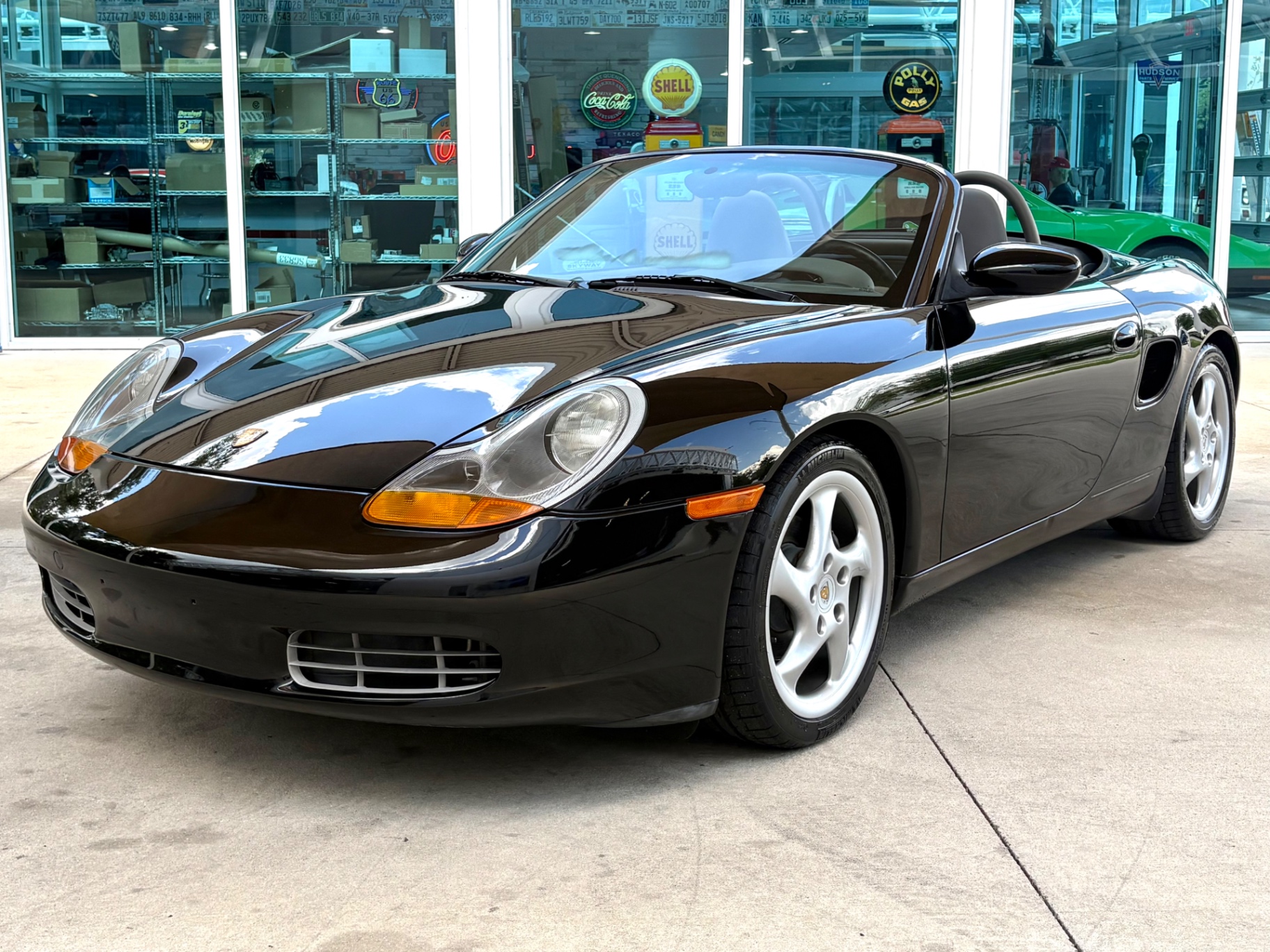
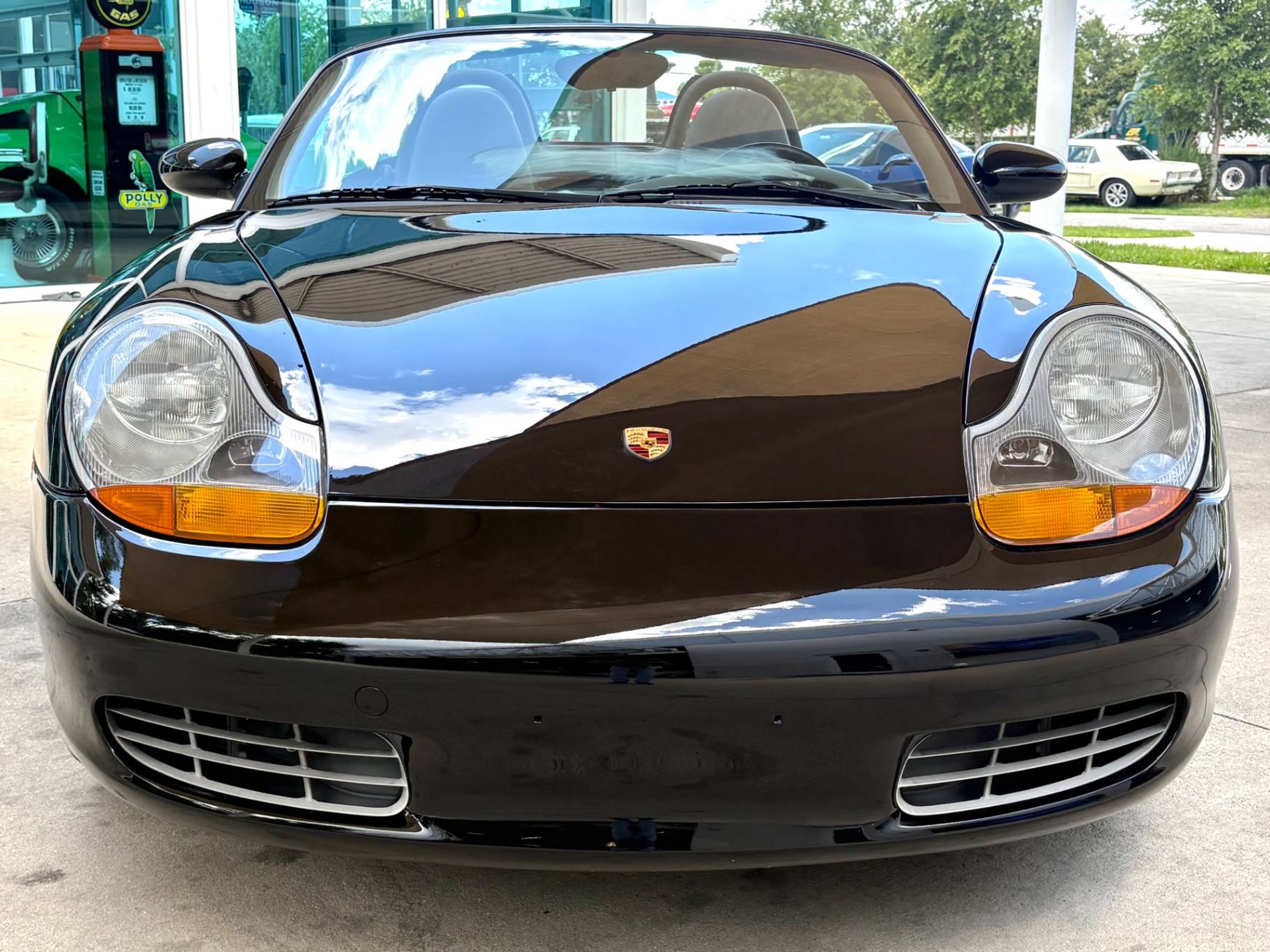
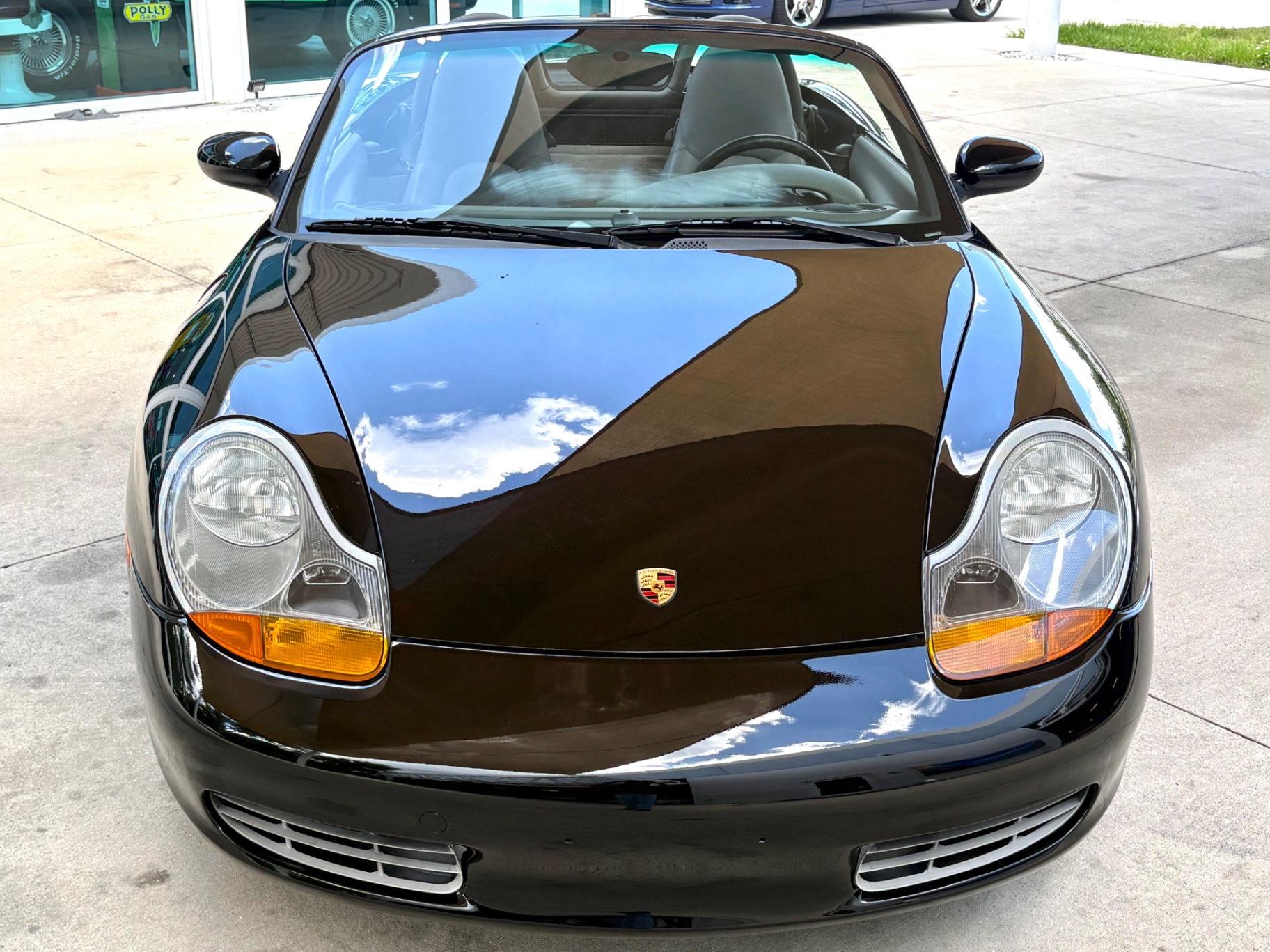
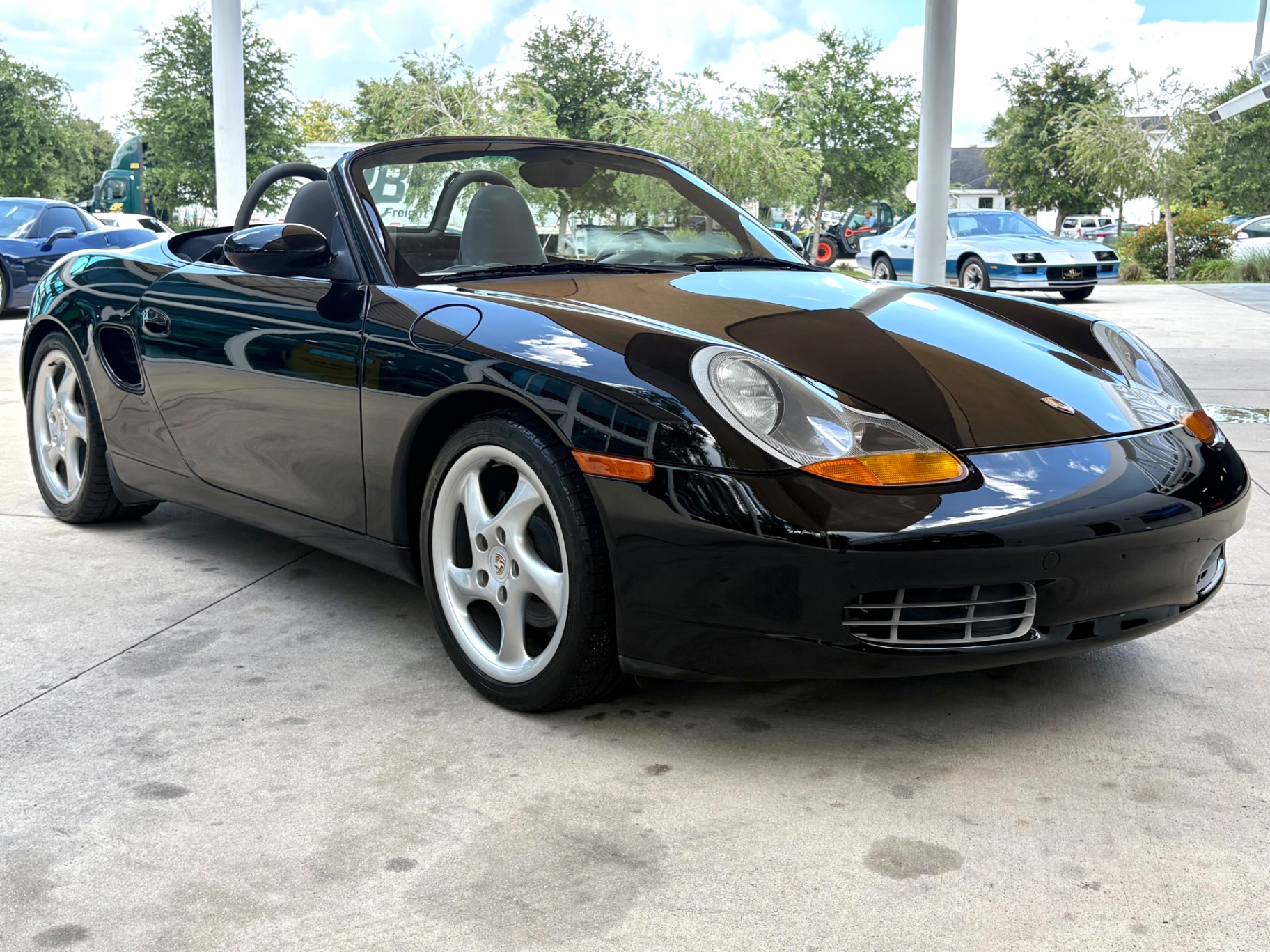
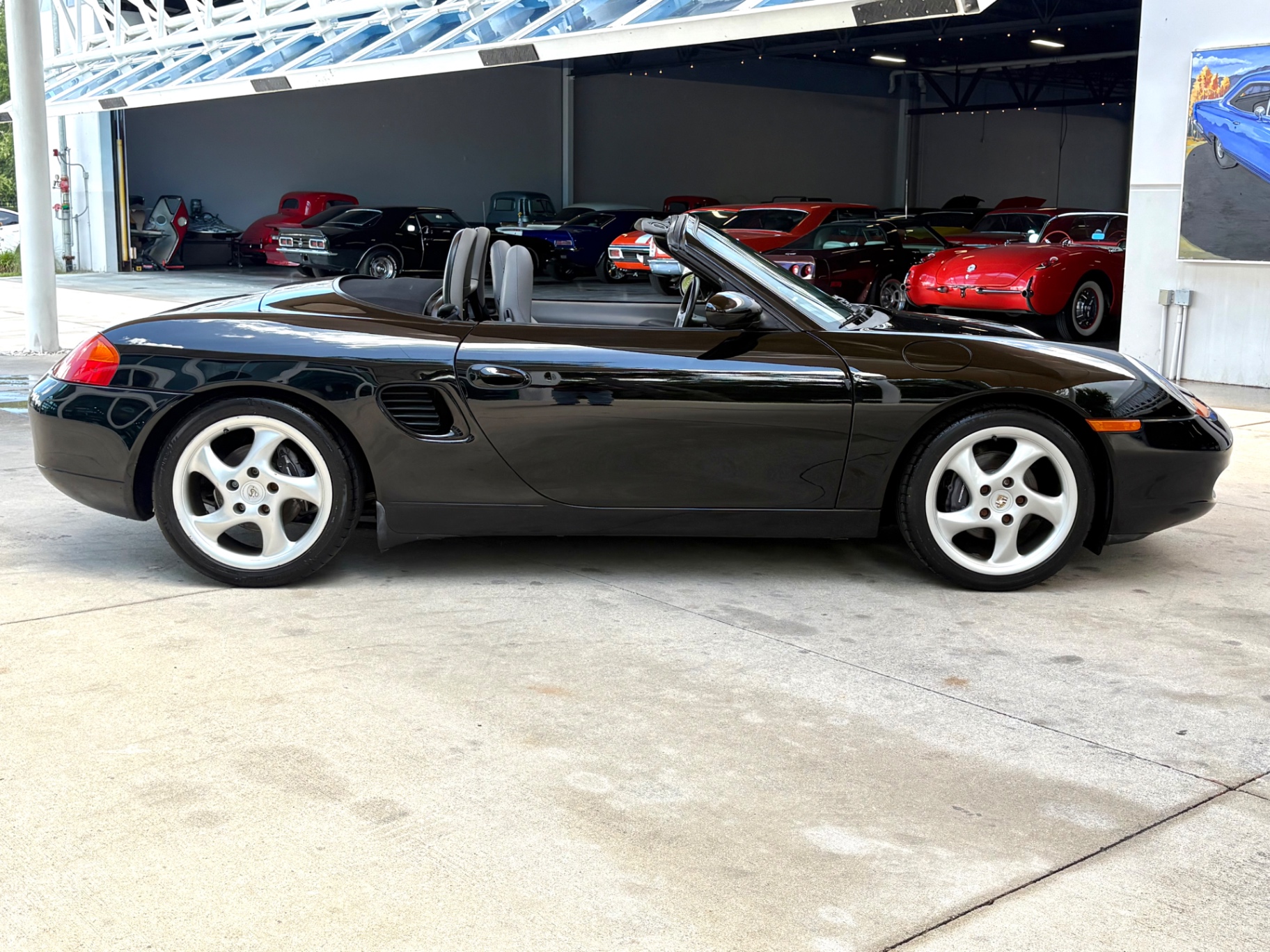
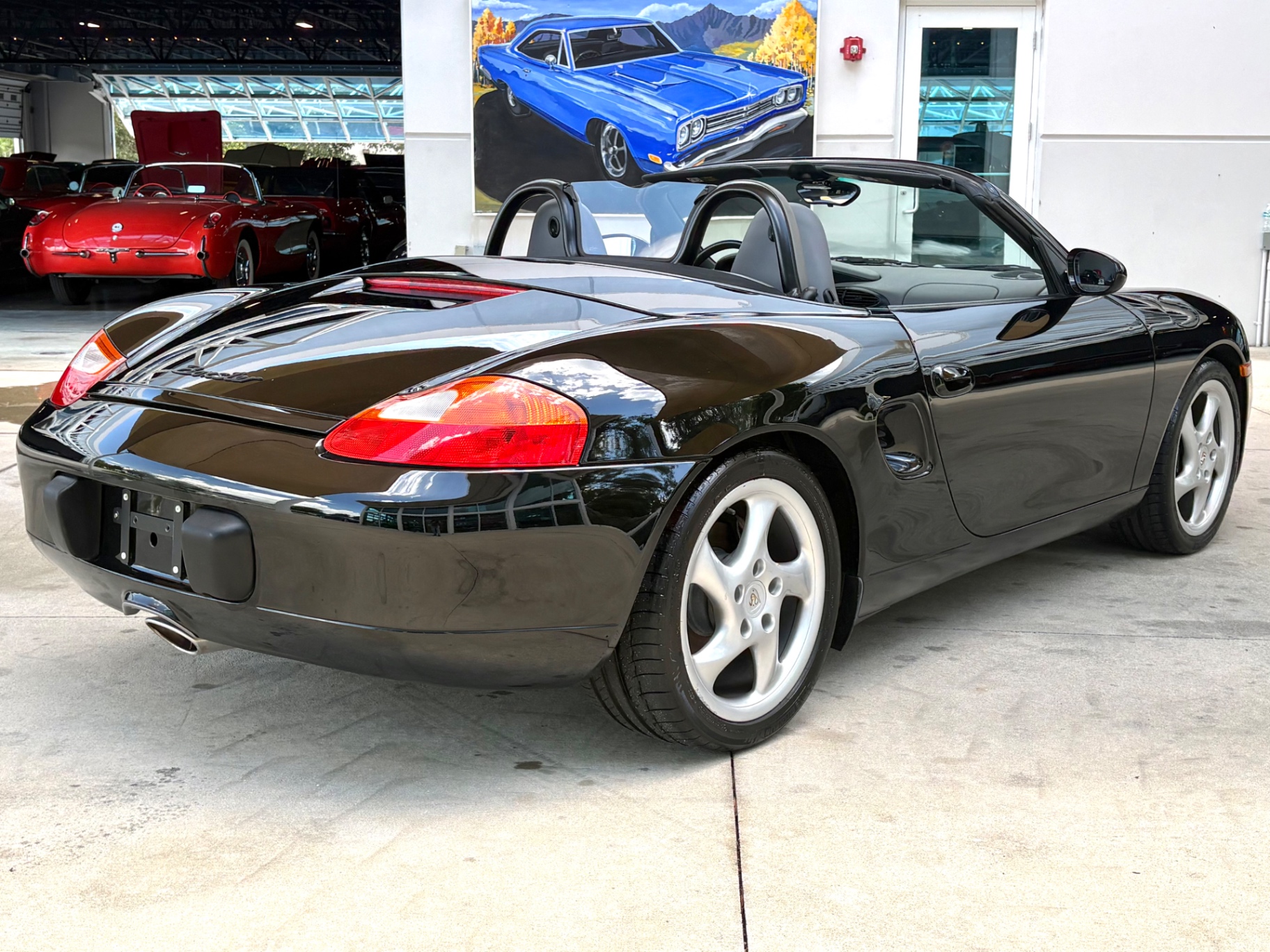
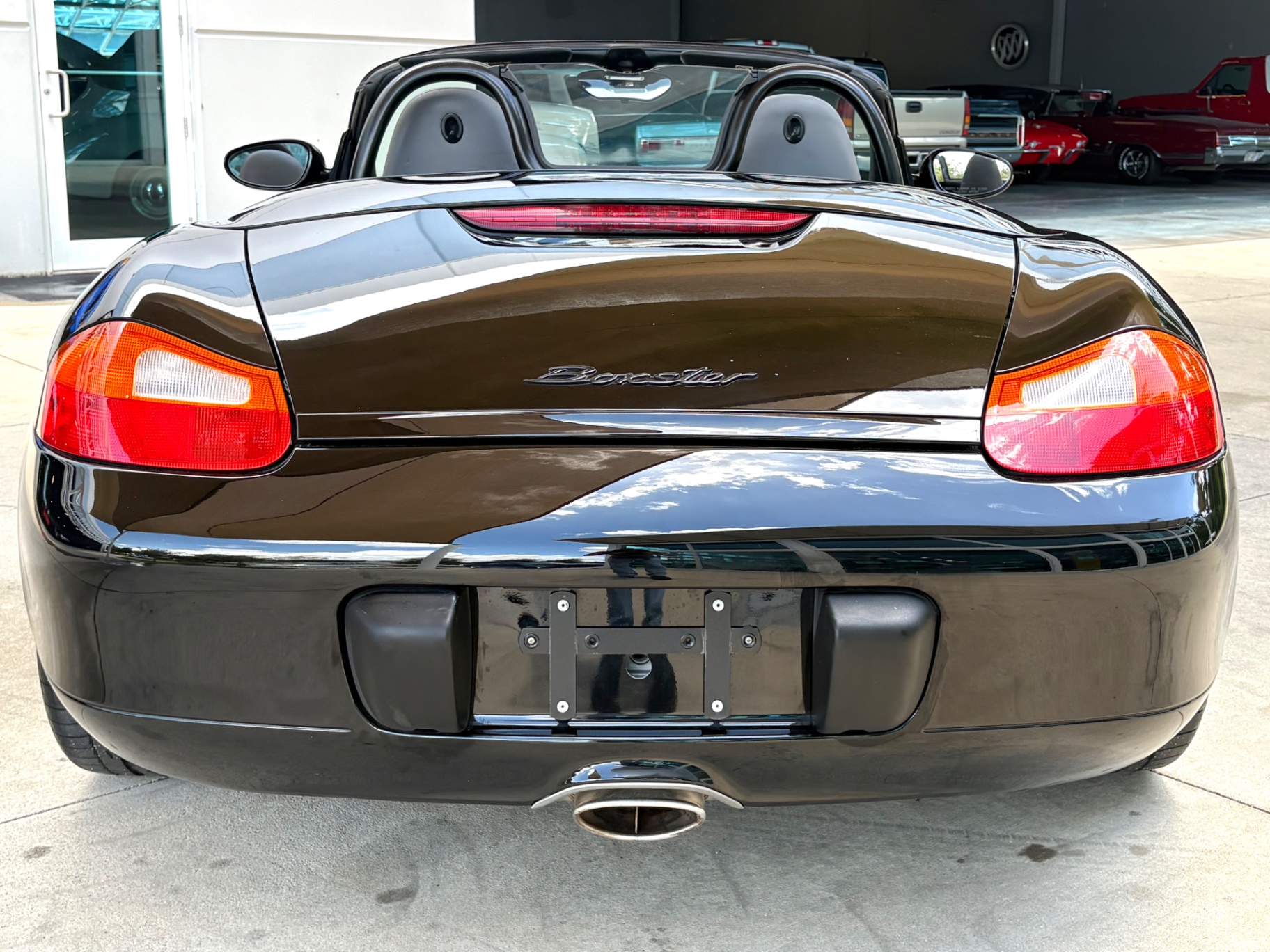
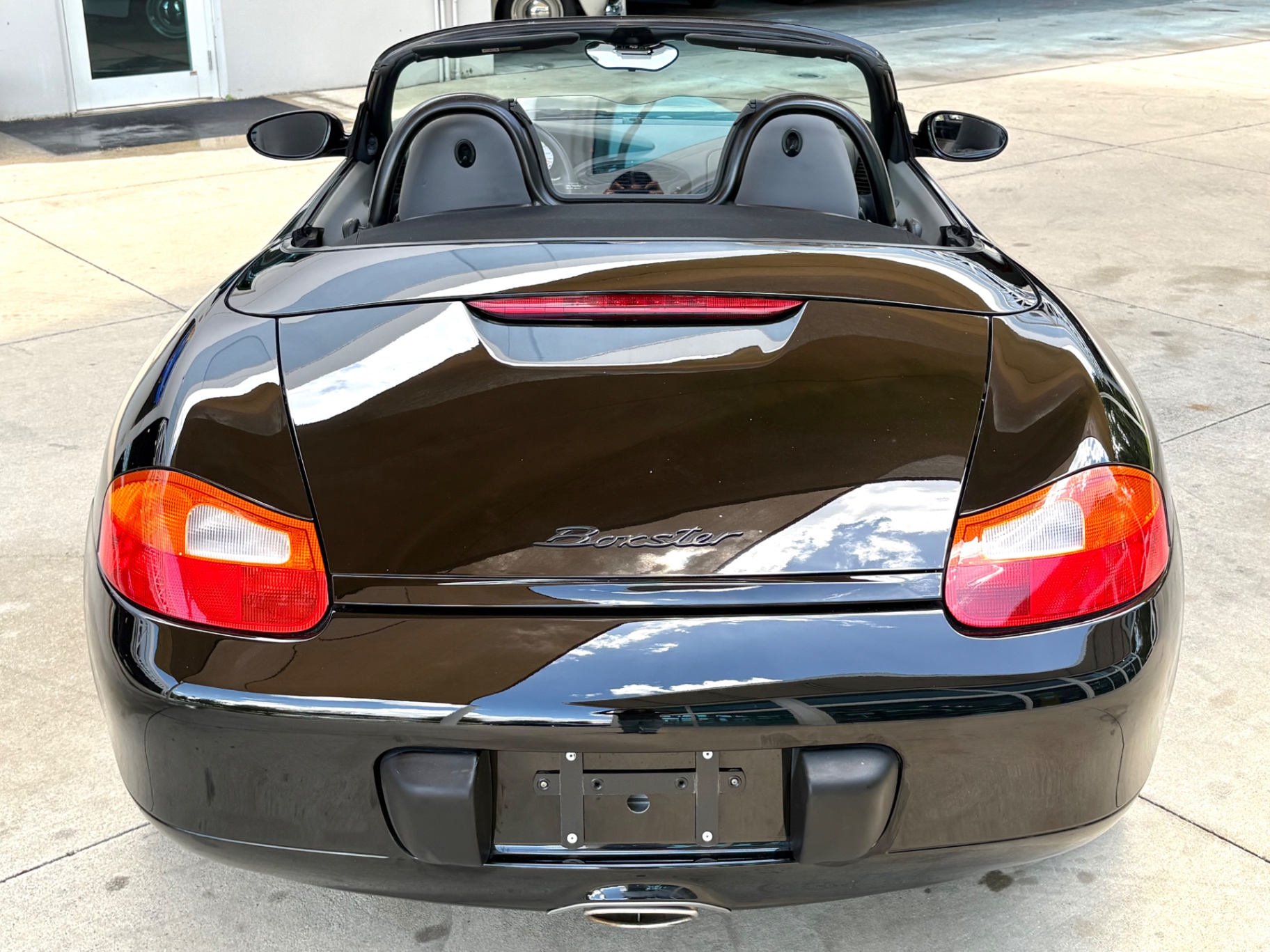
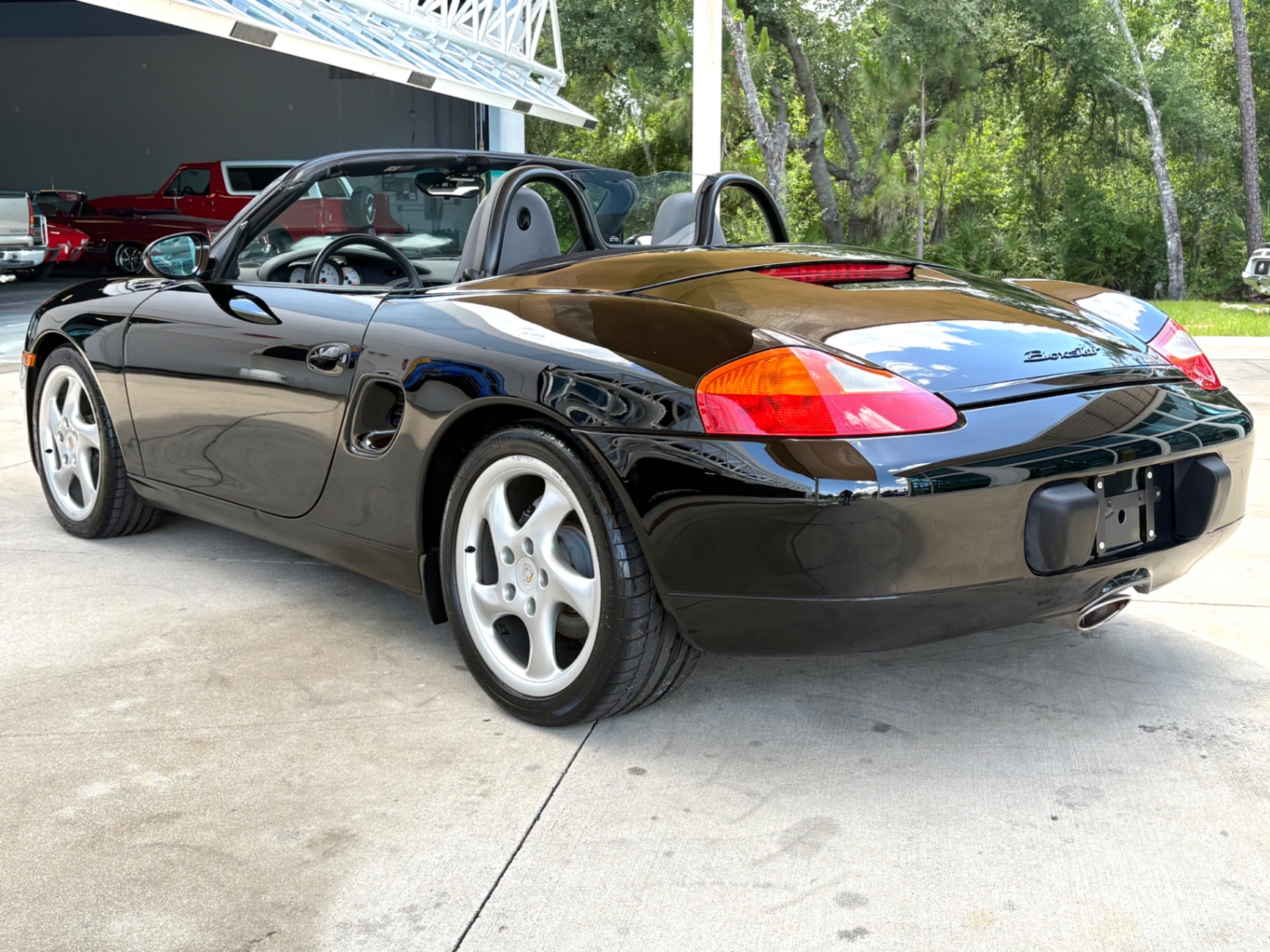
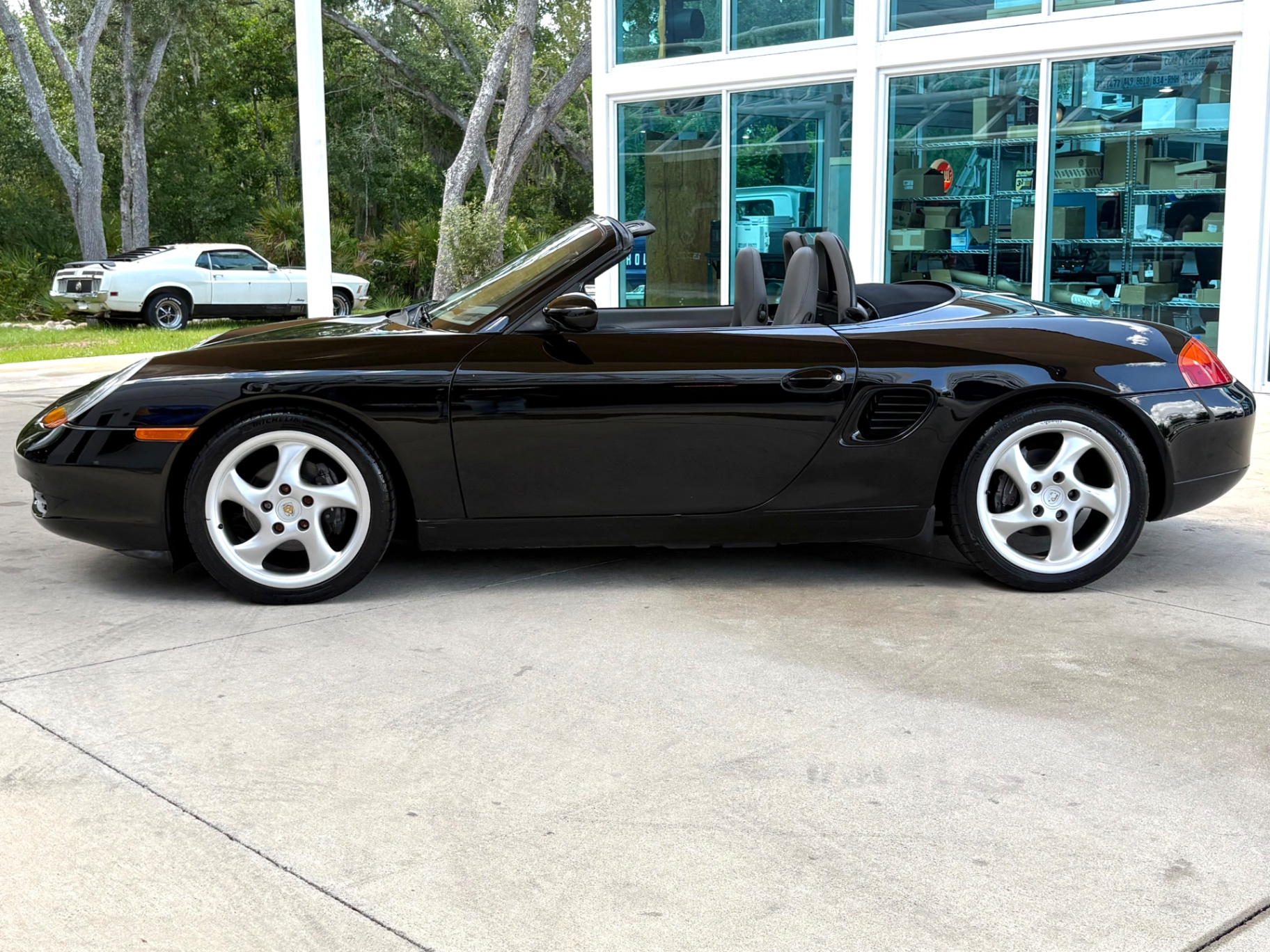
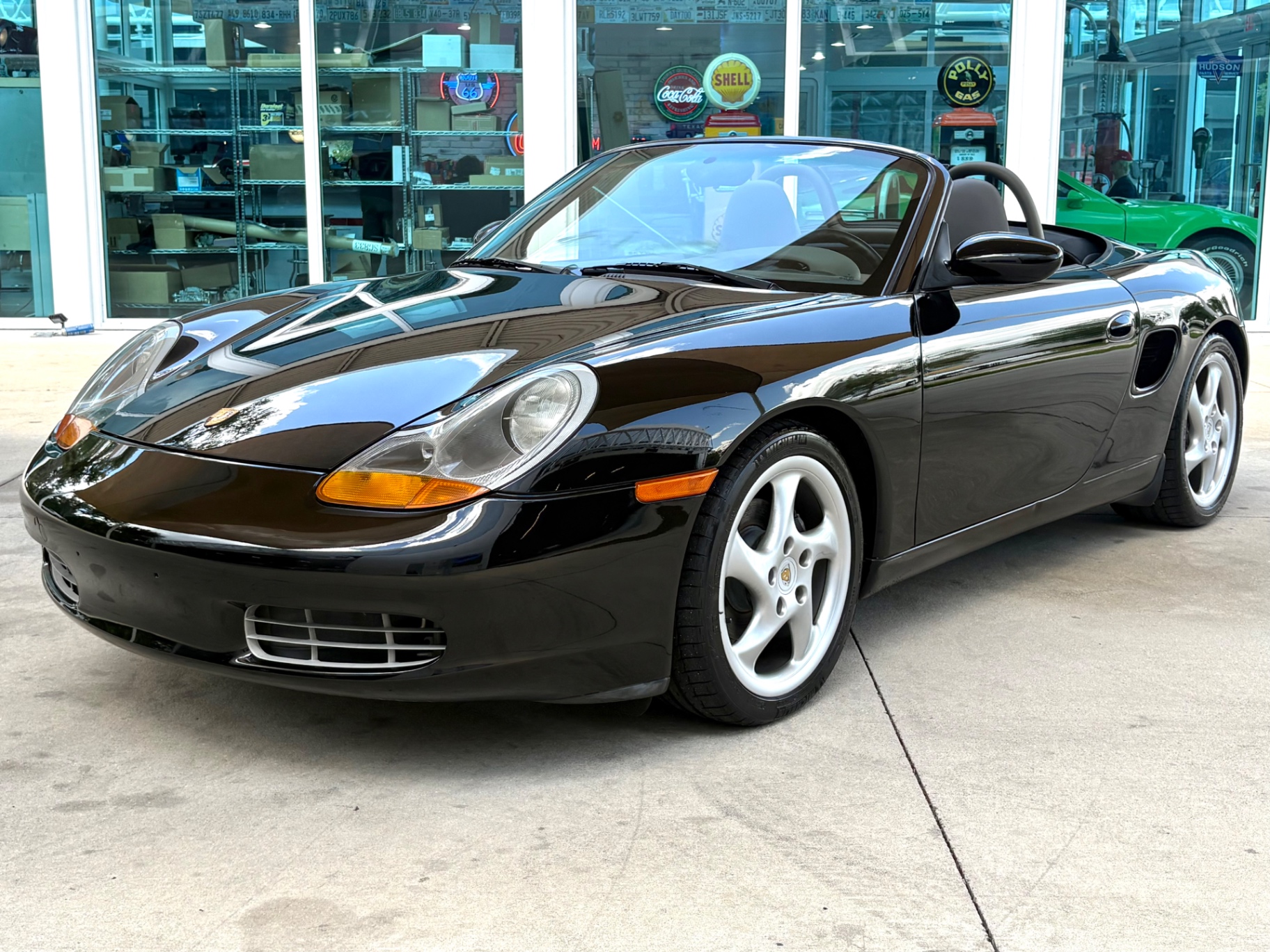
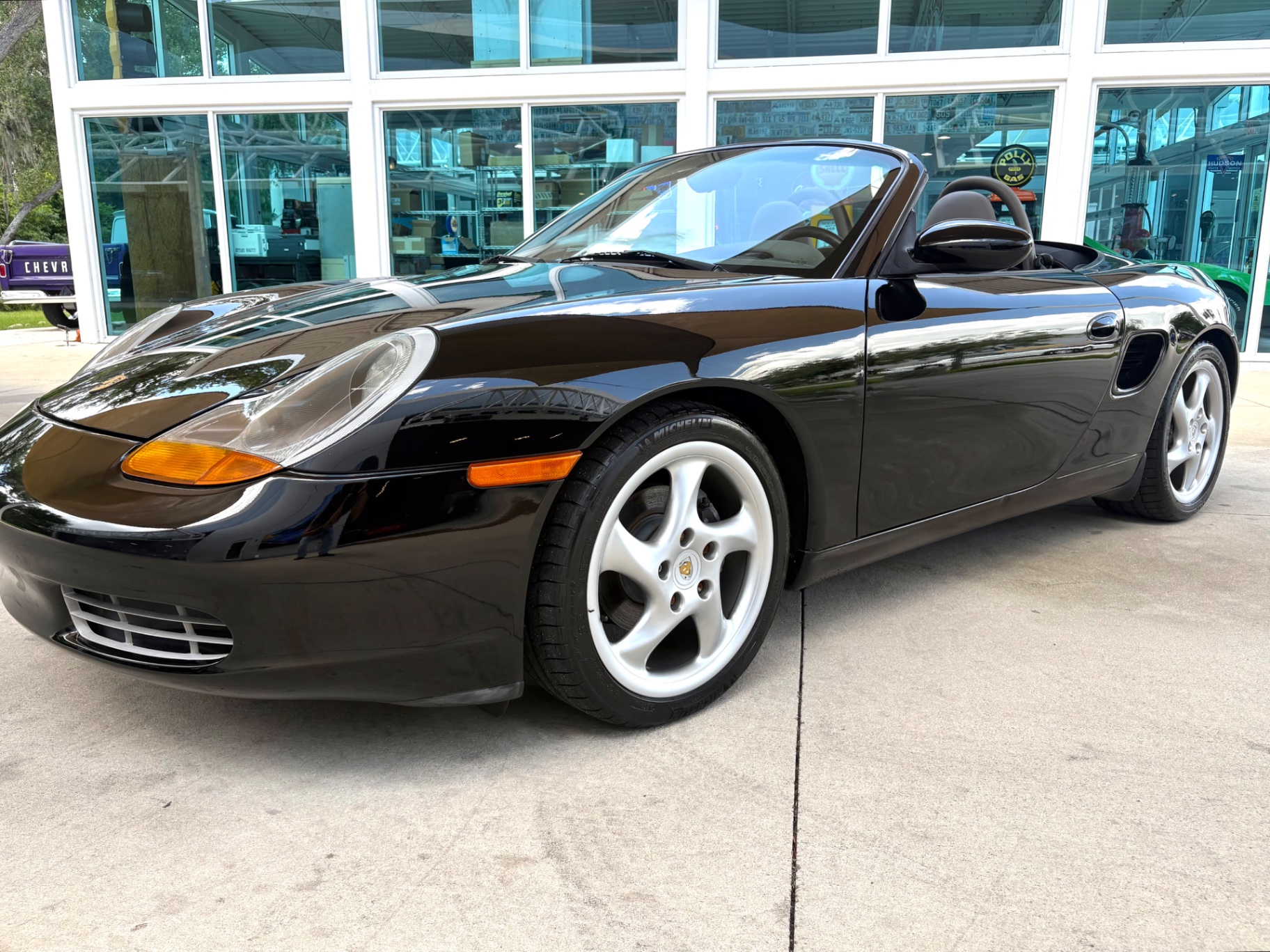
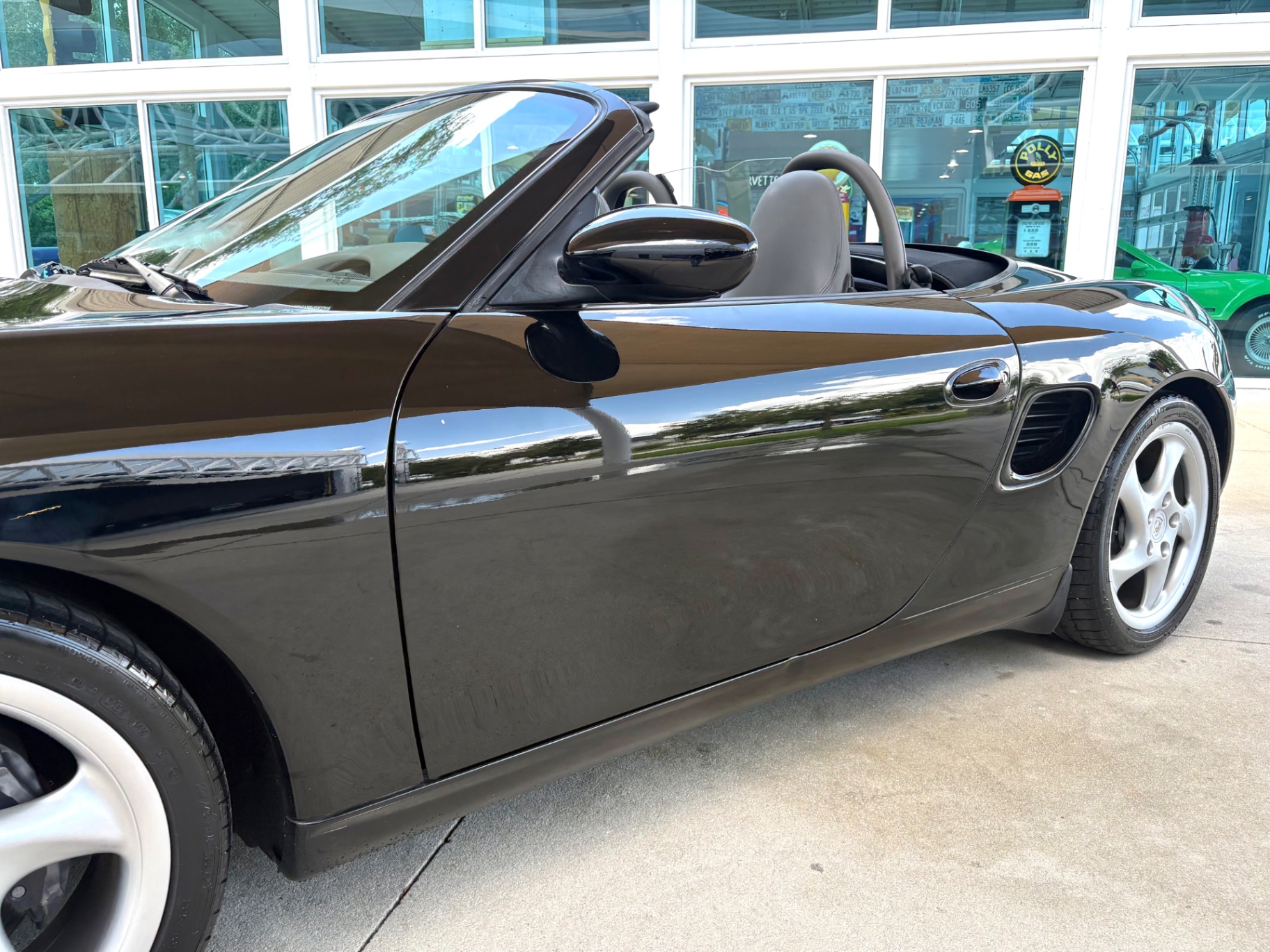
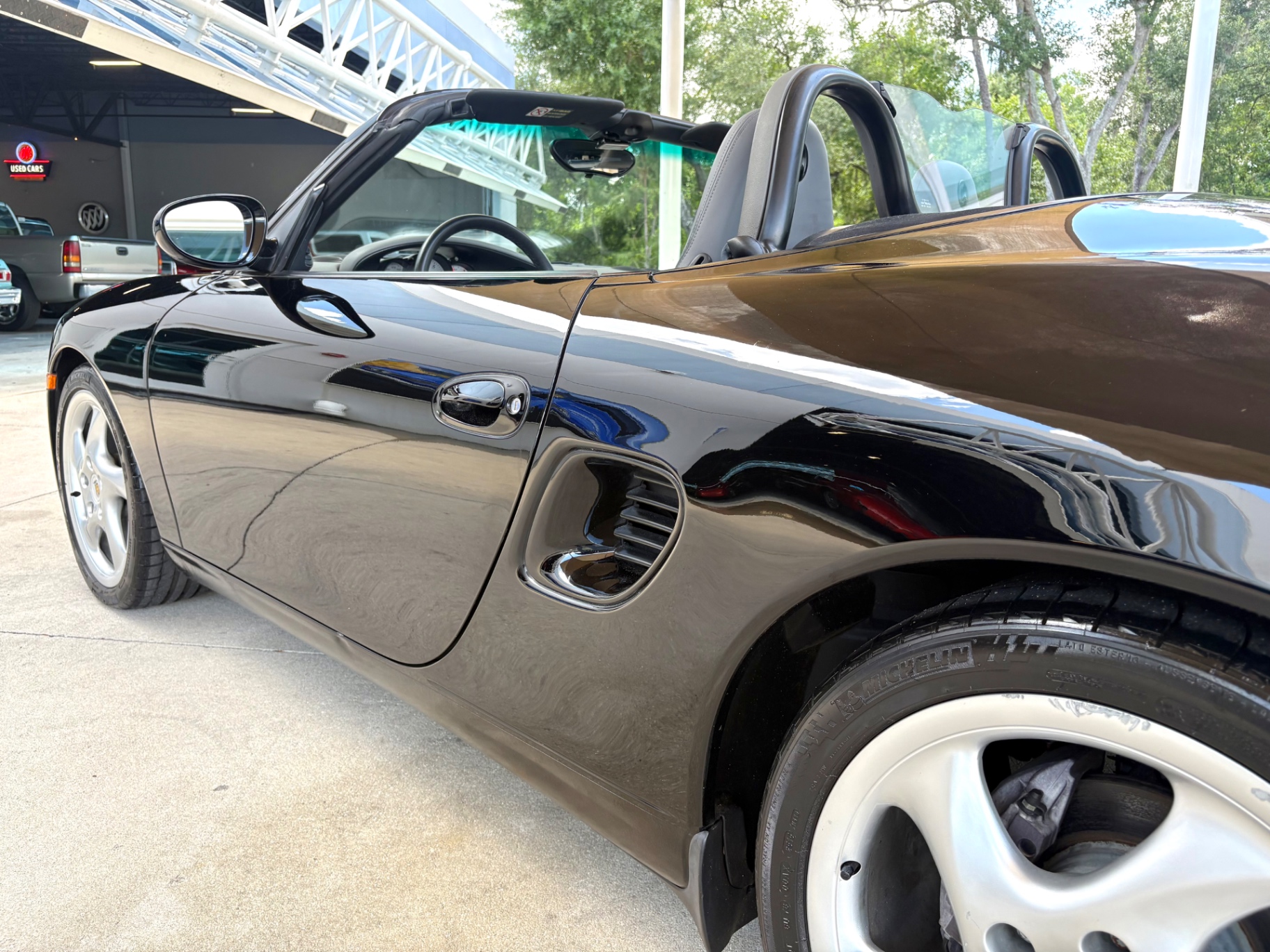
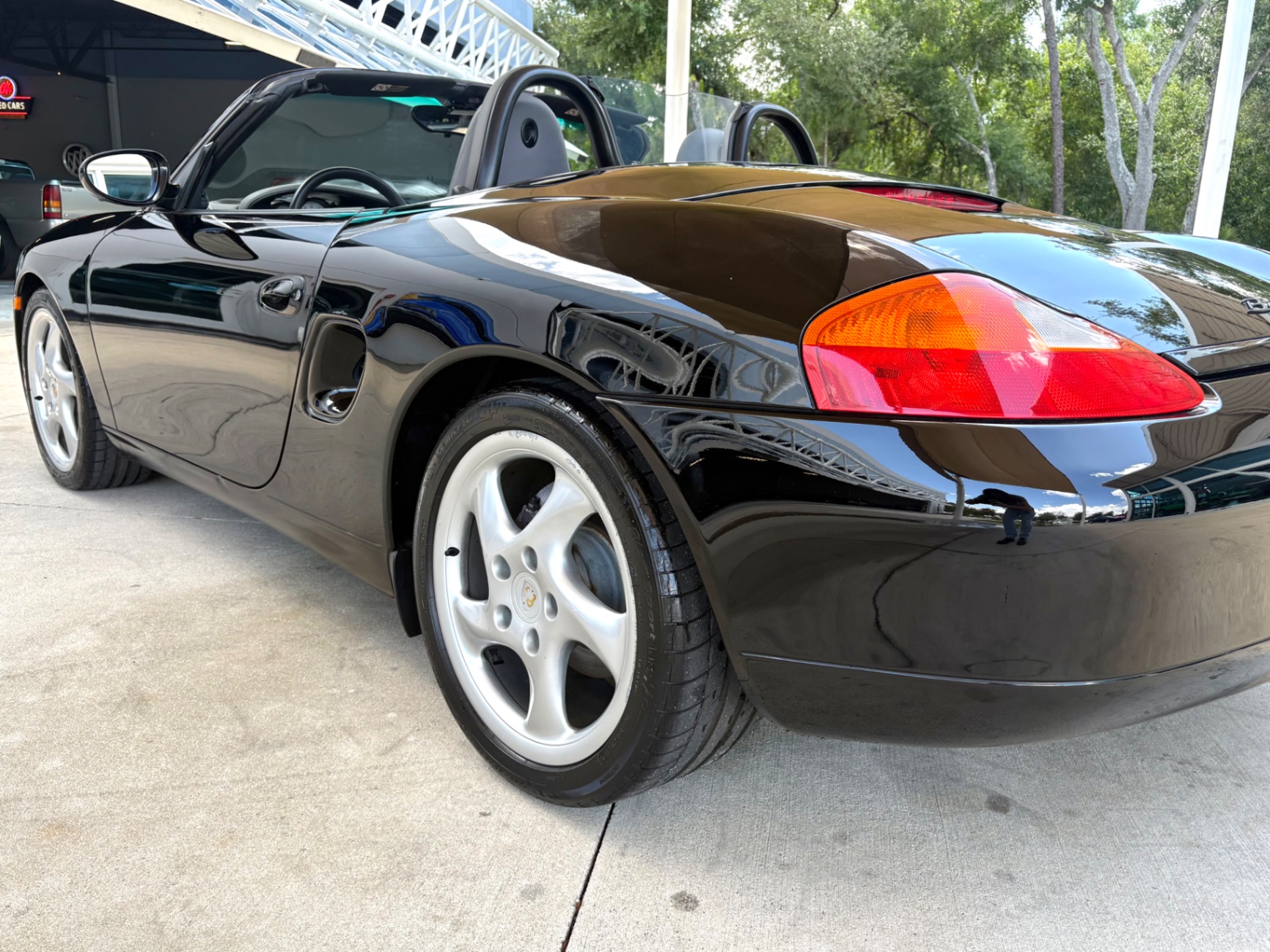
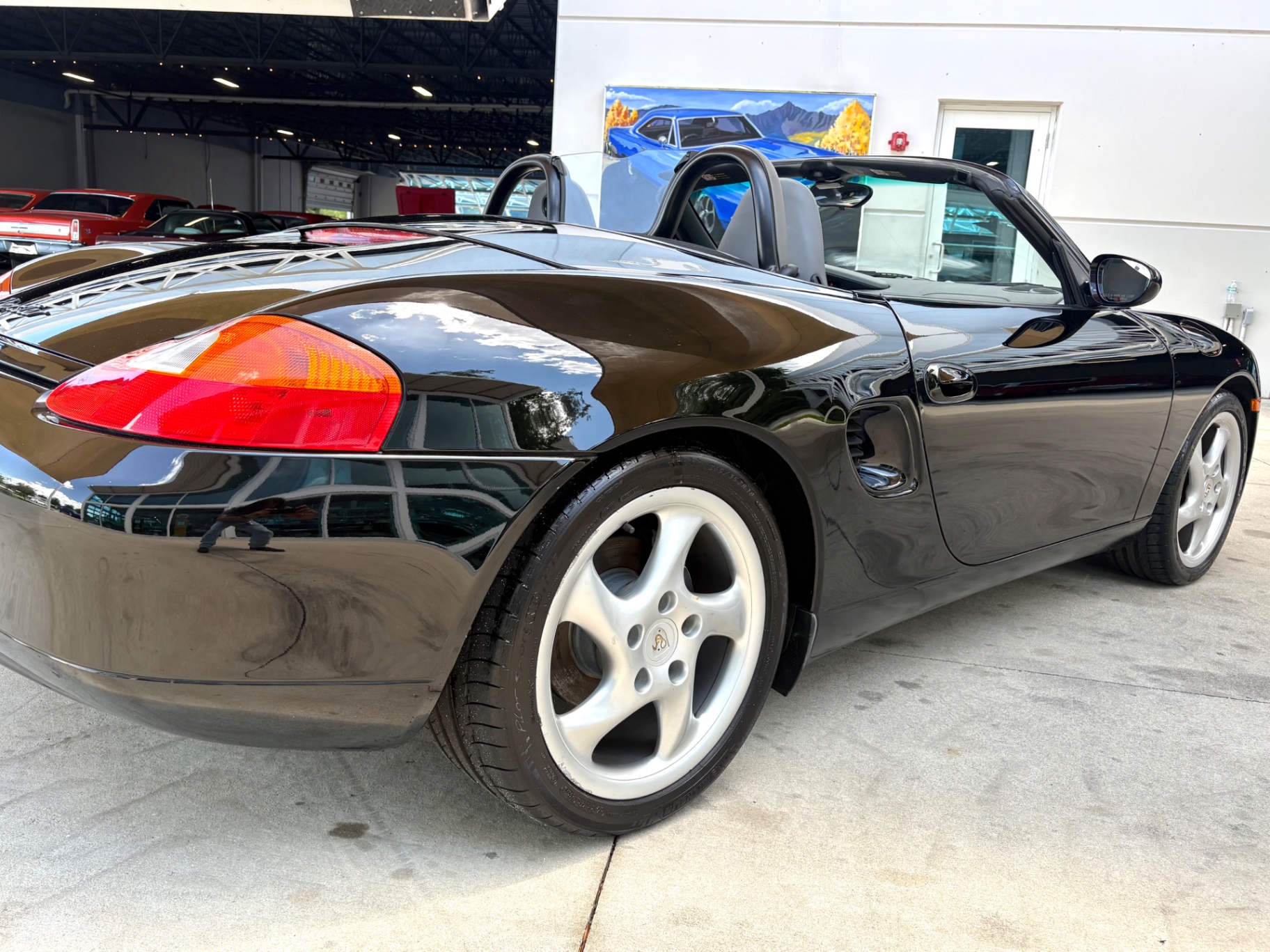
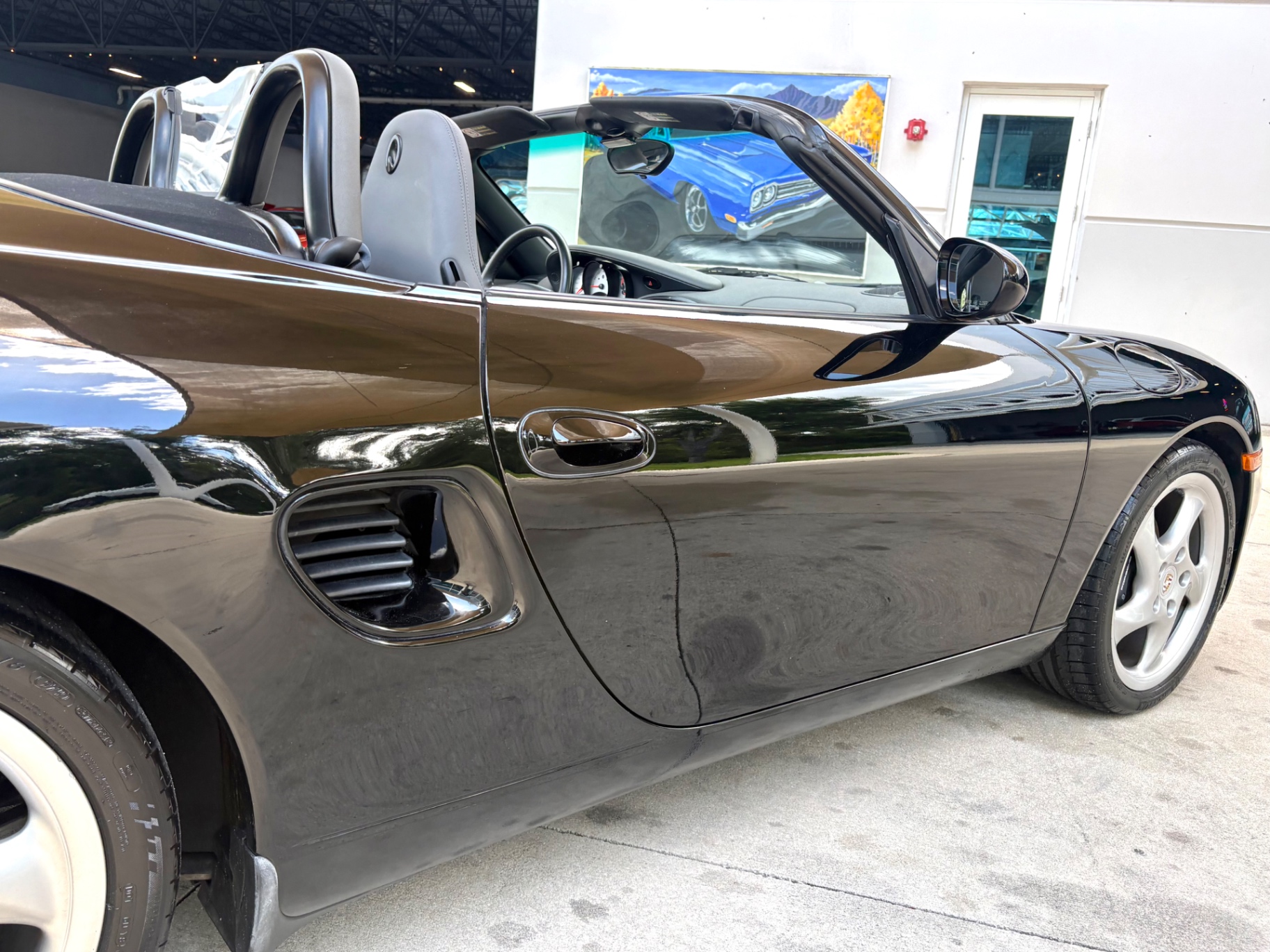
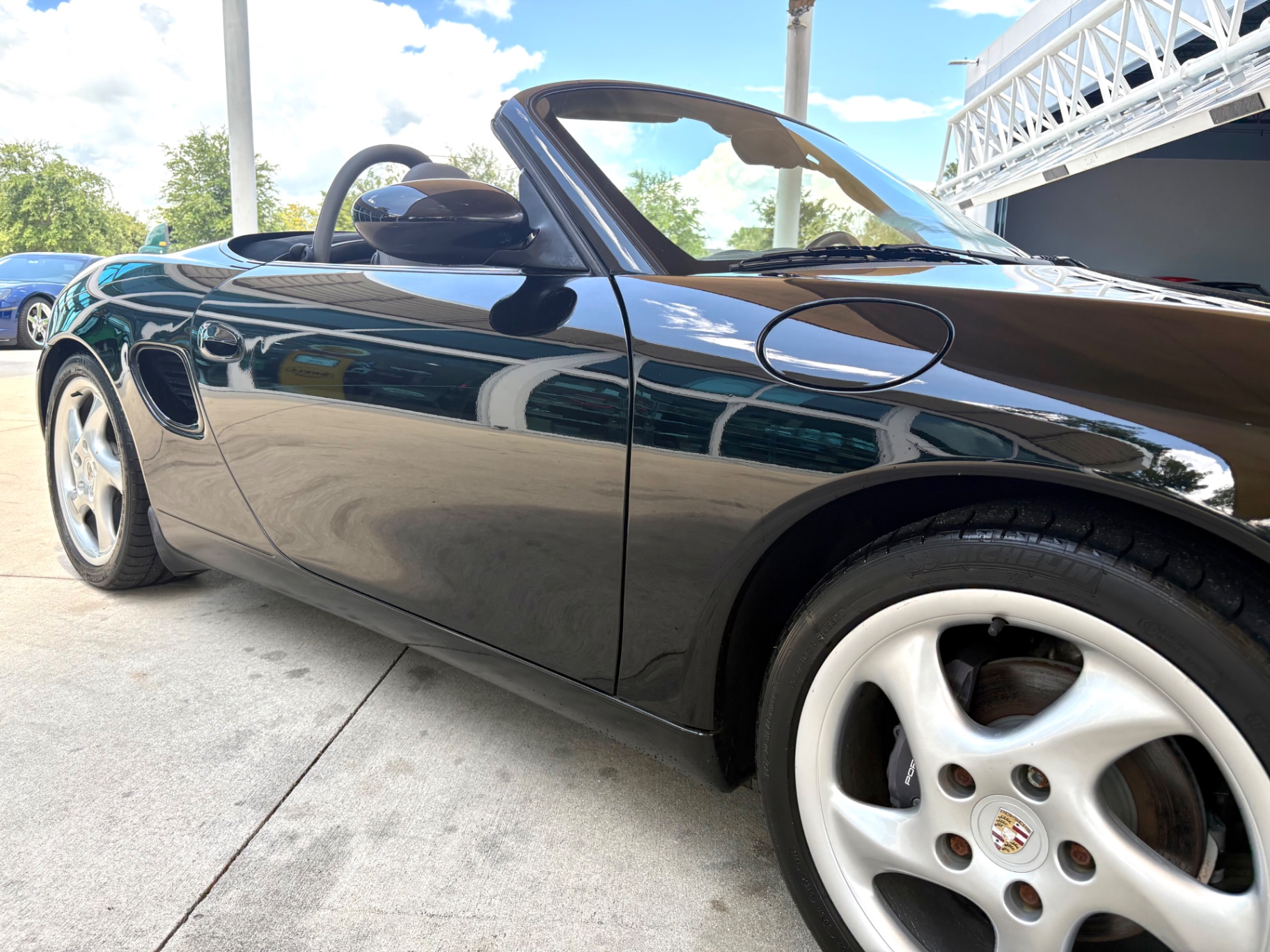
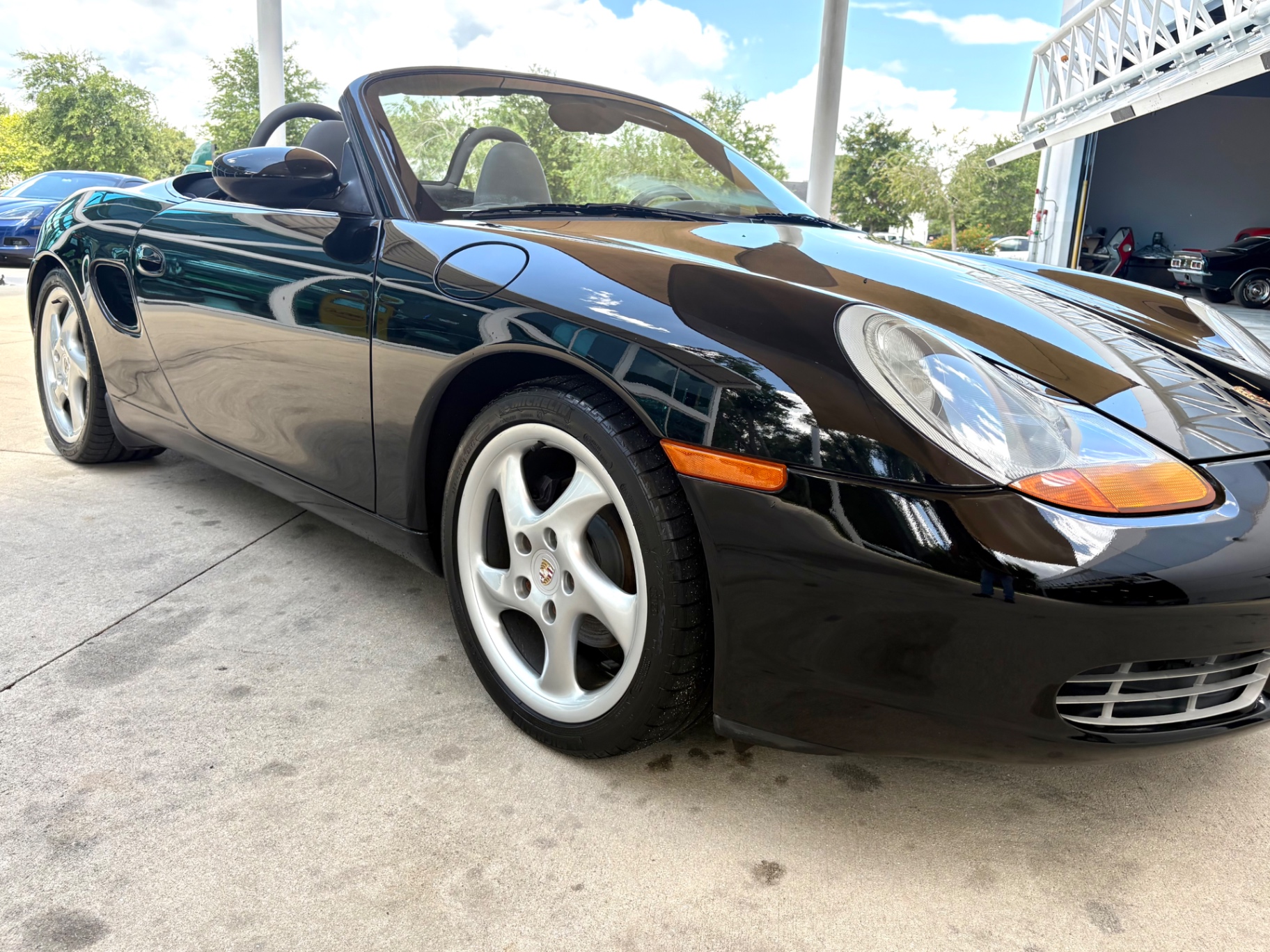
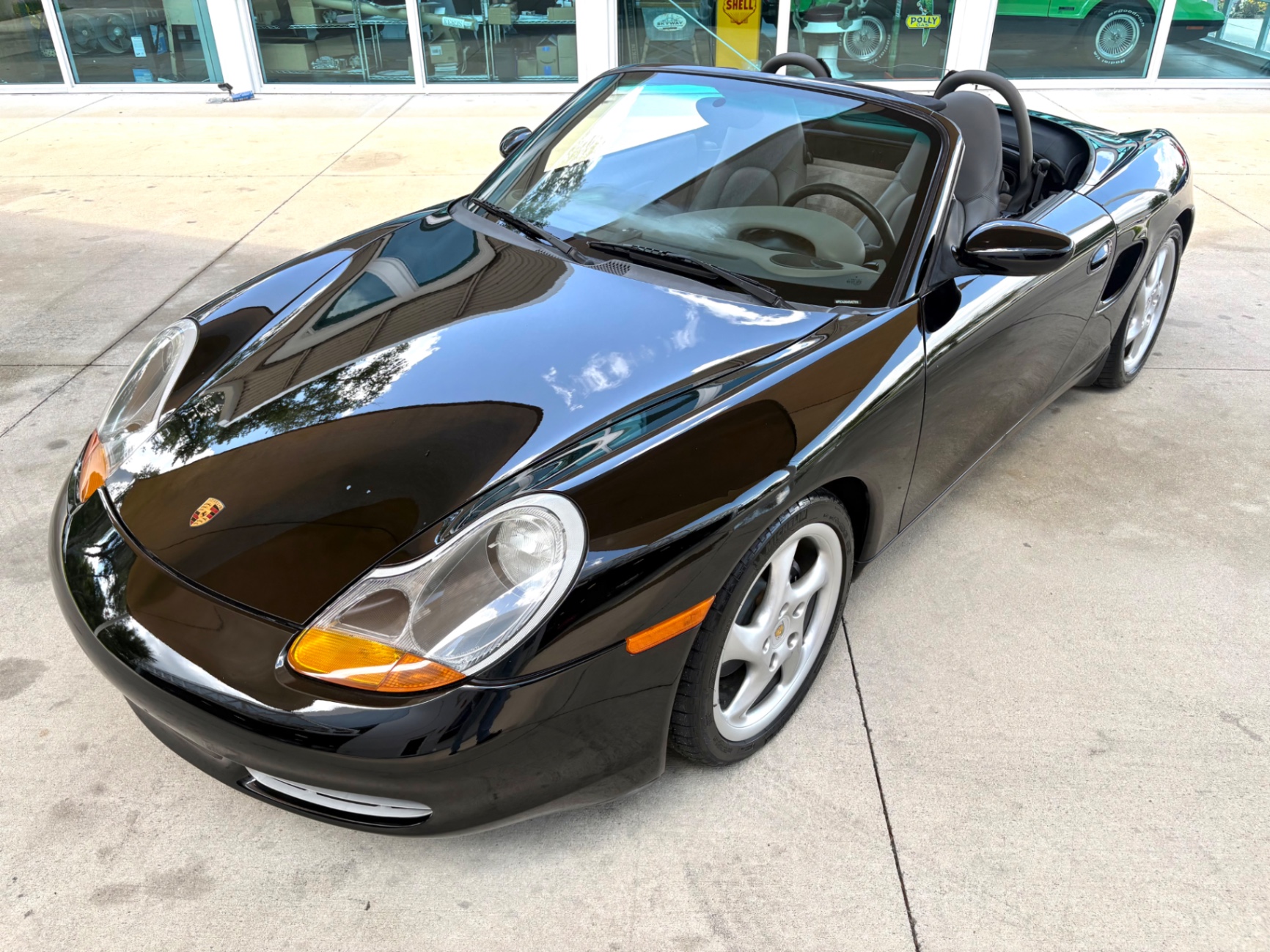
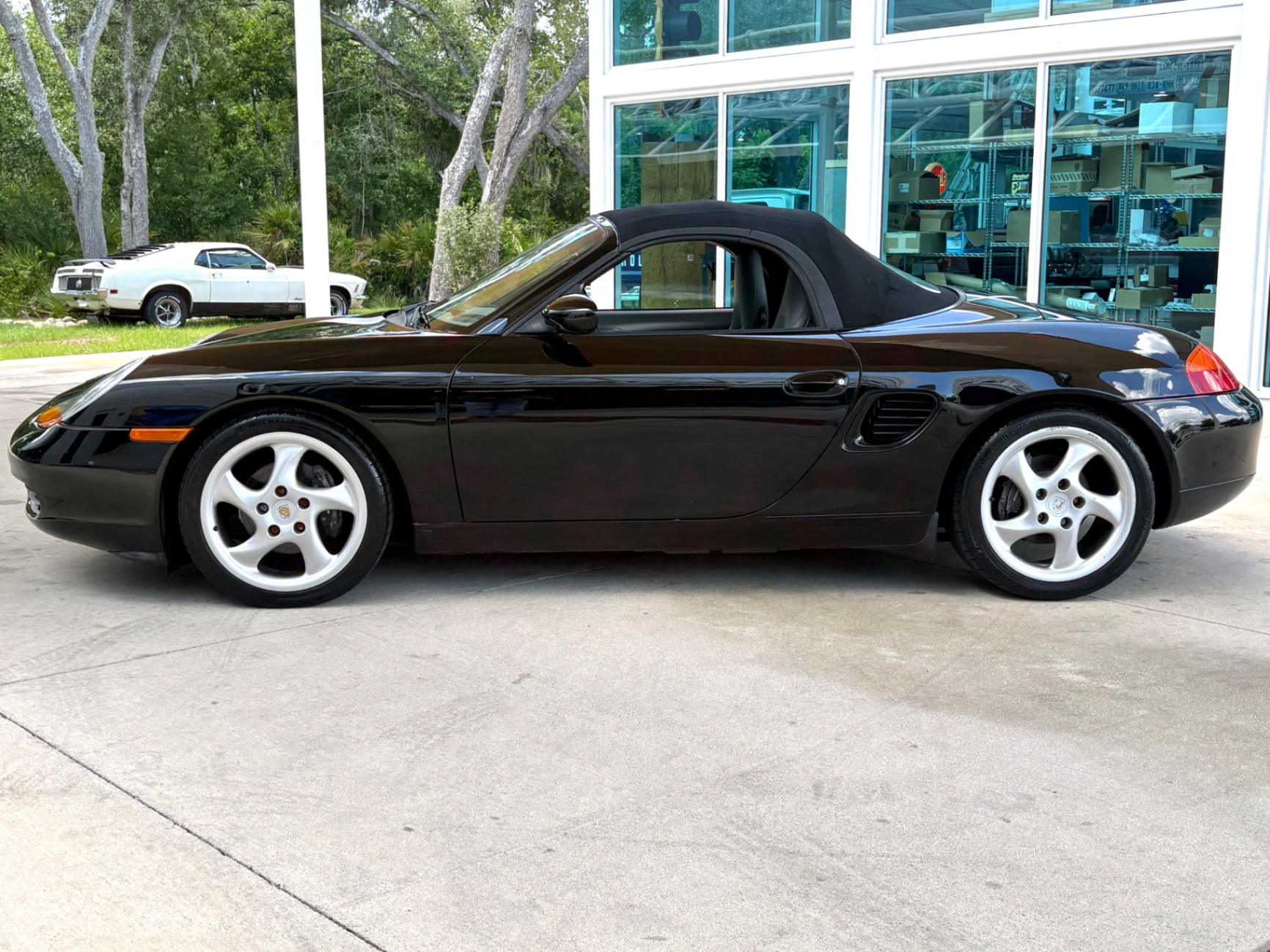
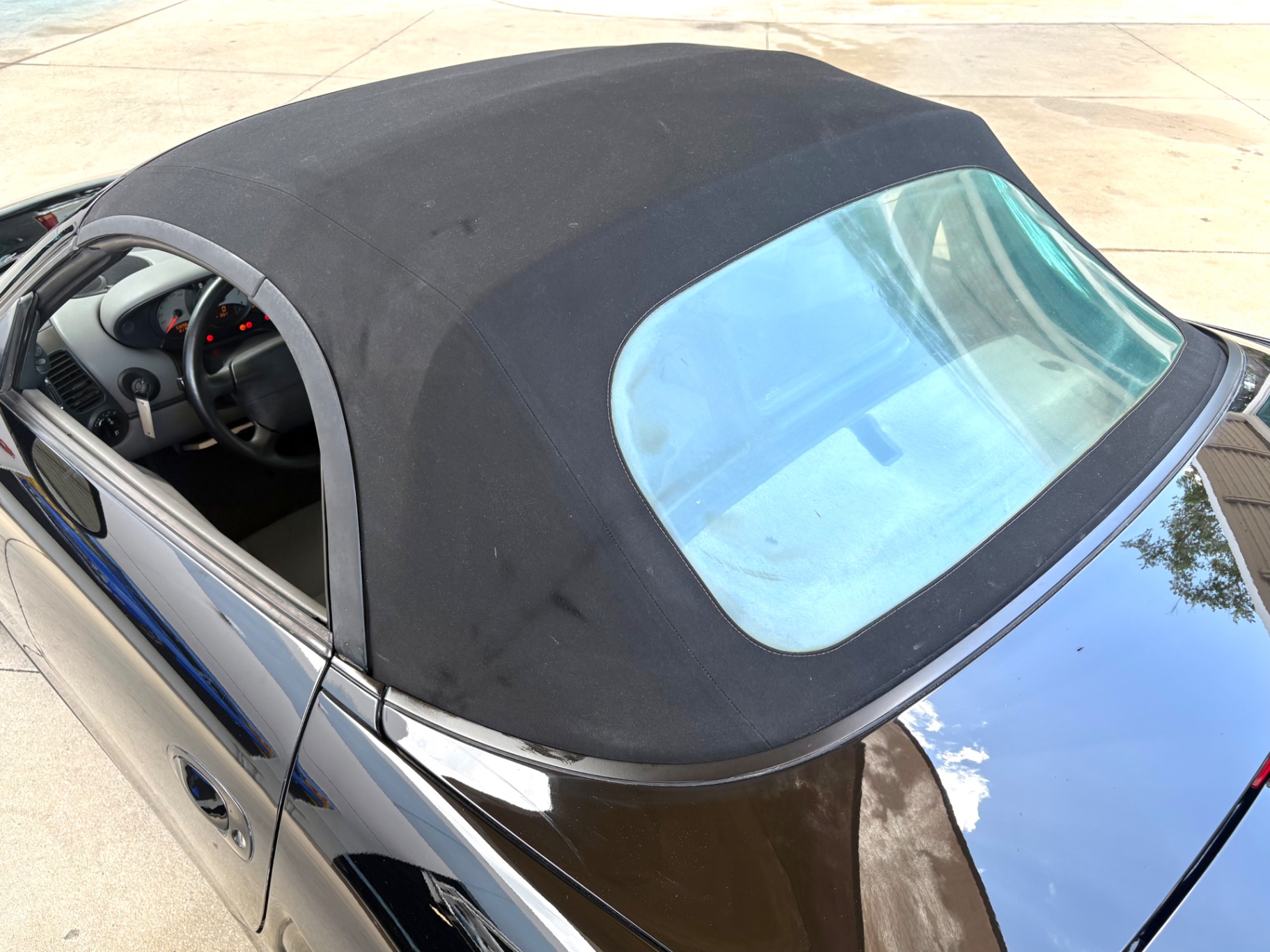
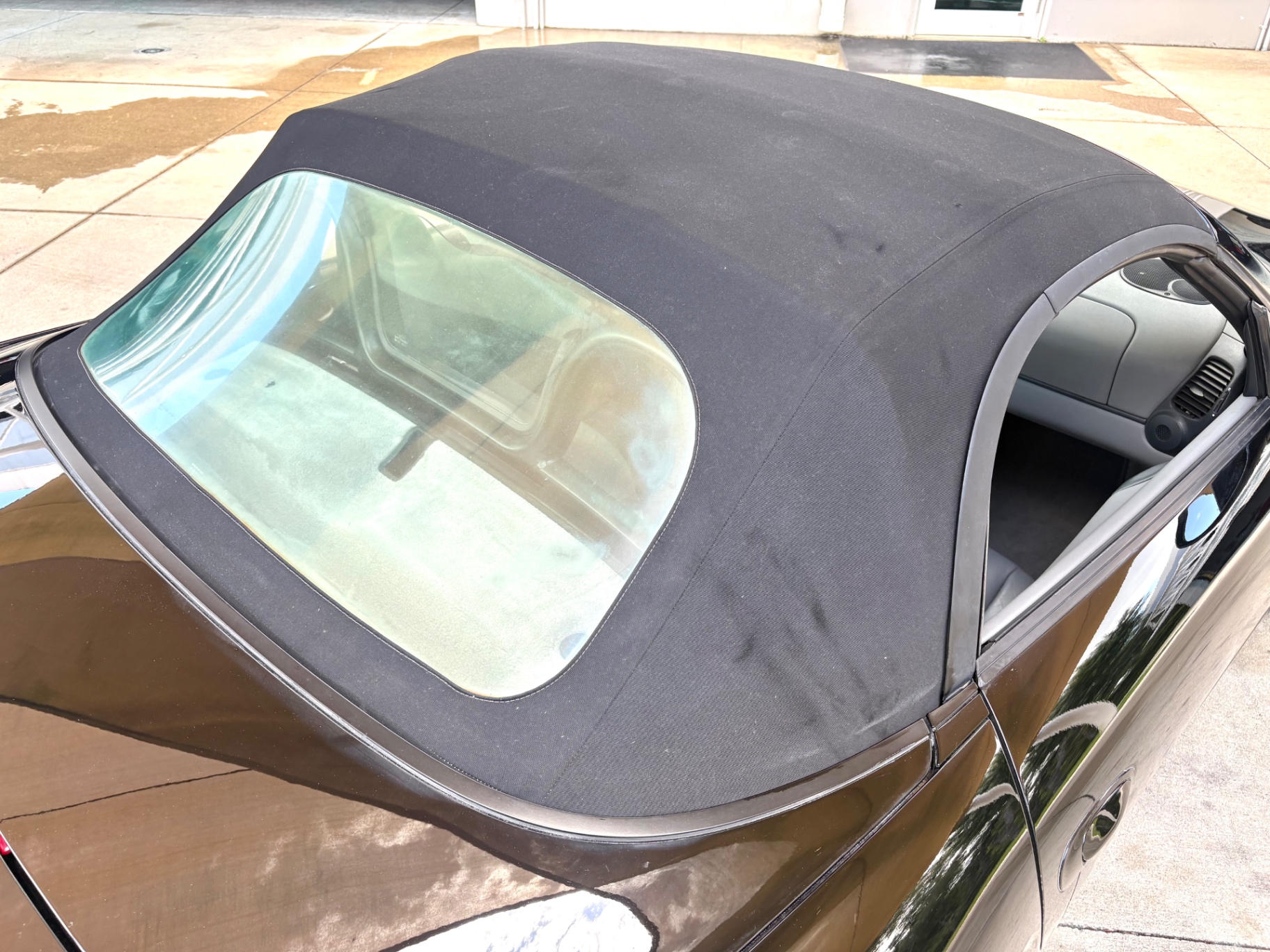
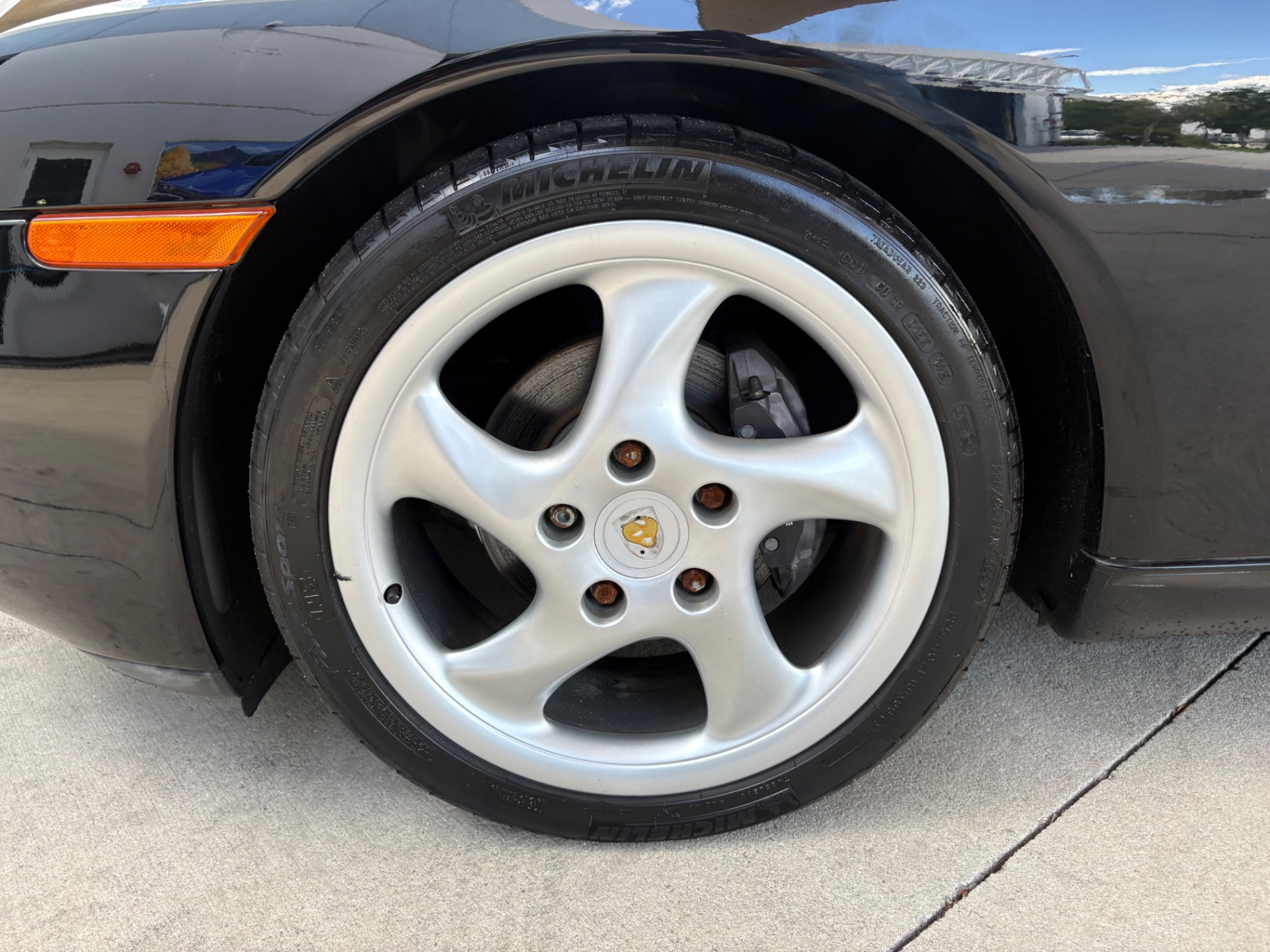
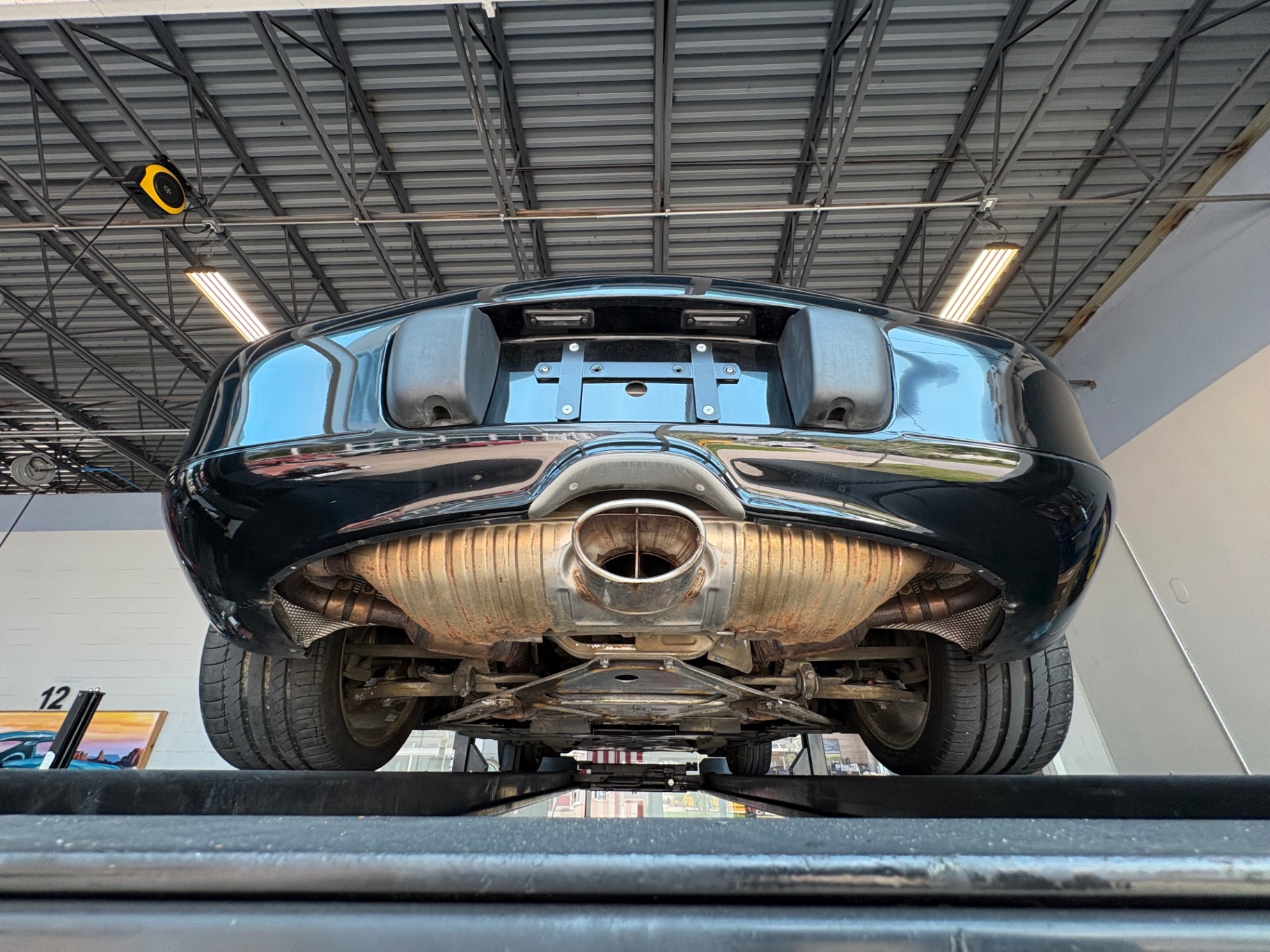
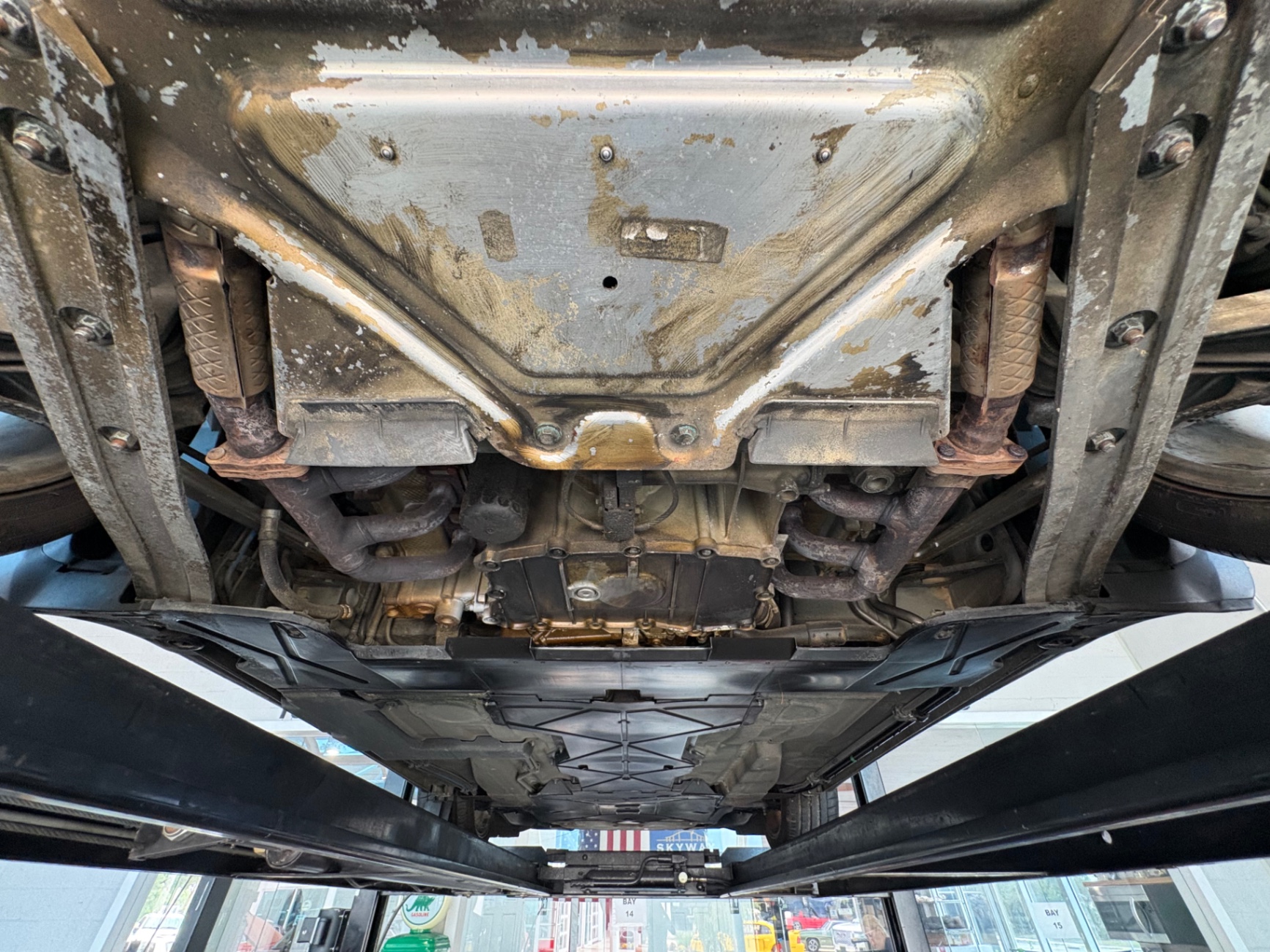
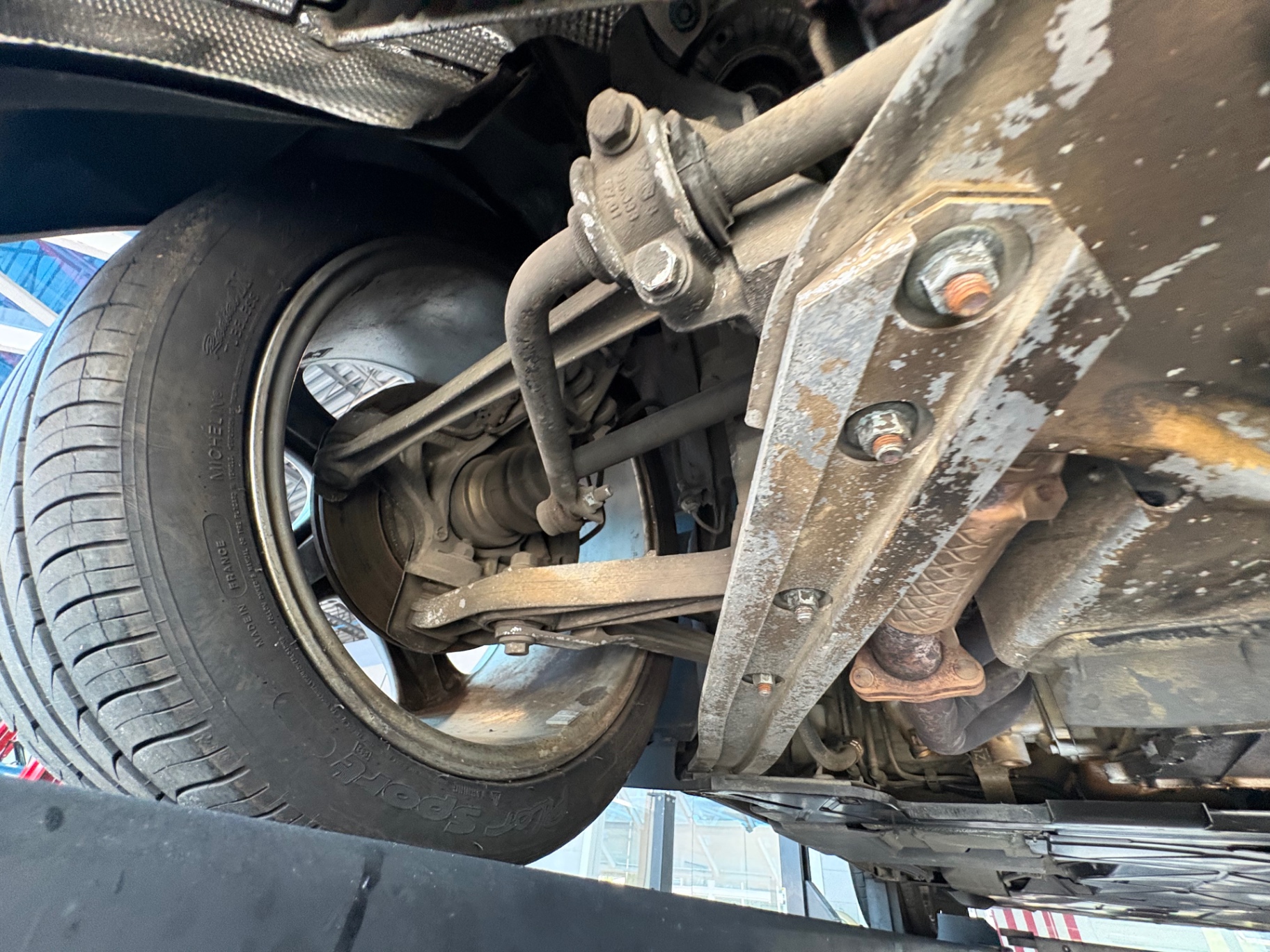
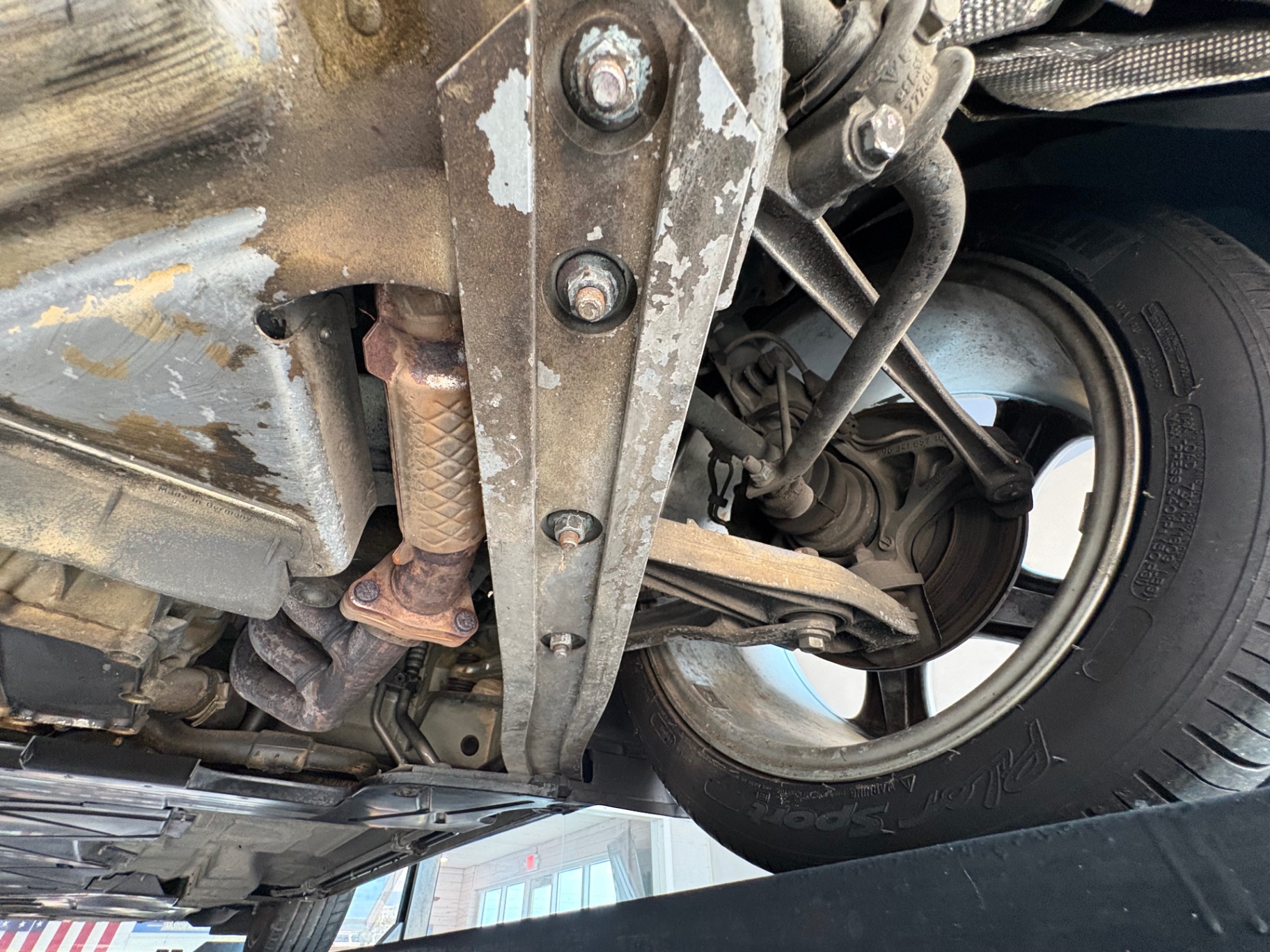
1999 Porsche Boxster — Black on Grey, 5-Speed Manual, Clean Undercarriage
Why This Car Is Special
The 1999 Porsche Boxster represents something Porsche had not attempted since the 914: a purpose-built, mid-engine, open-top two-seater designed from a clean sheet. When the 986-generation Boxster arrived for the 1997 model year, it was not a parts-bin special or a trimmed-down 911. It was engineered specifically as a roadster, with the engine mounted behind the driver and ahead of the rear axle — the ideal placement for balanced, predictable handling. By 1999, the Boxster had already proven itself as one of the most capable driver's cars available at any price, and Porsche had worked through the earliest production teething concerns. That makes a well-preserved 1999 example a particularly sensible choice for a buyer who wants genuine Porsche driving character without the premium attached to later variants.
The base Boxster in 1999 used a 2.5-liter horizontally opposed six-cylinder engine producing 201 horsepower. That number may sound modest by today's standards, but the Boxster weighed roughly 2,800 pounds, and the engine sits amidships — giving the car a near-perfect 50/50 weight distribution. The result is a car that responds to driver inputs with an accuracy that larger, heavier sports cars cannot match. The Boxster S, which arrived for the 2000 model year with a 3.2-liter engine, gets most of the enthusiast attention, but the 2.5-liter car with a manual gearbox is the purist's specification. It is lighter, simpler, and every bit as engaging on a twisting road.
This specific car is finished in black over a grey leather interior and equipped with the 5-speed manual transmission — the correct combination for anyone who wants to use the car the way Porsche intended it to be driven.
Features List
- 2.5L Horizontally Opposed 6-Cylinder Mid-Engine
- 5-Speed Manual Transmission
- Black Soft Top with Glass Rear Window
- Grey Leather Bucket Seats
- Porsche CDR-220 AM/FM/Cassette Head Unit
- Door Panel Speakers (front and rear)
- Automatic Climate Control
- Factory 5-Spoke Silver Alloy Wheels
- Michelin Tires
- Integrated Roll Hoops
- Power Windows
- Power Door Locks
- Power-Adjustable Side Mirrors
- Tachometer
- Single Oval Exhaust Tip
- 4-Wheel Disc Brakes with ABS
- Power Steering
- Front and Rear Storage Compartments
- Driver and Passenger Airbags
- Clean Undercarriage
Mechanical
The 2.5-liter flat-six in this 1999 Porsche Boxster is a water-cooled unit — an important distinction for buyers familiar with Porsche's history. Porsche transitioned its road cars from air-cooled to water-cooled engines across the late 1990s, and the Boxster's M96 engine family was part of that shift. The engine sits longitudinally behind the cockpit, low in the chassis, where its weight contributes to a low center of gravity. Power routes through a 5-speed manual transmission, which is the gearbox most Boxster buyers specify when they are buying for driving enjoyment rather than convenience.
The suspension is fully independent front and rear, using MacPherson struts up front and a multi-link setup at the rear. Four-wheel disc brakes are assisted by ABS, and power steering keeps the effort manageable without disconnecting the driver from road feel. The Michelin tires visible in the photos are an appropriate choice for this chassis, which was developed with performance tire feedback in mind.
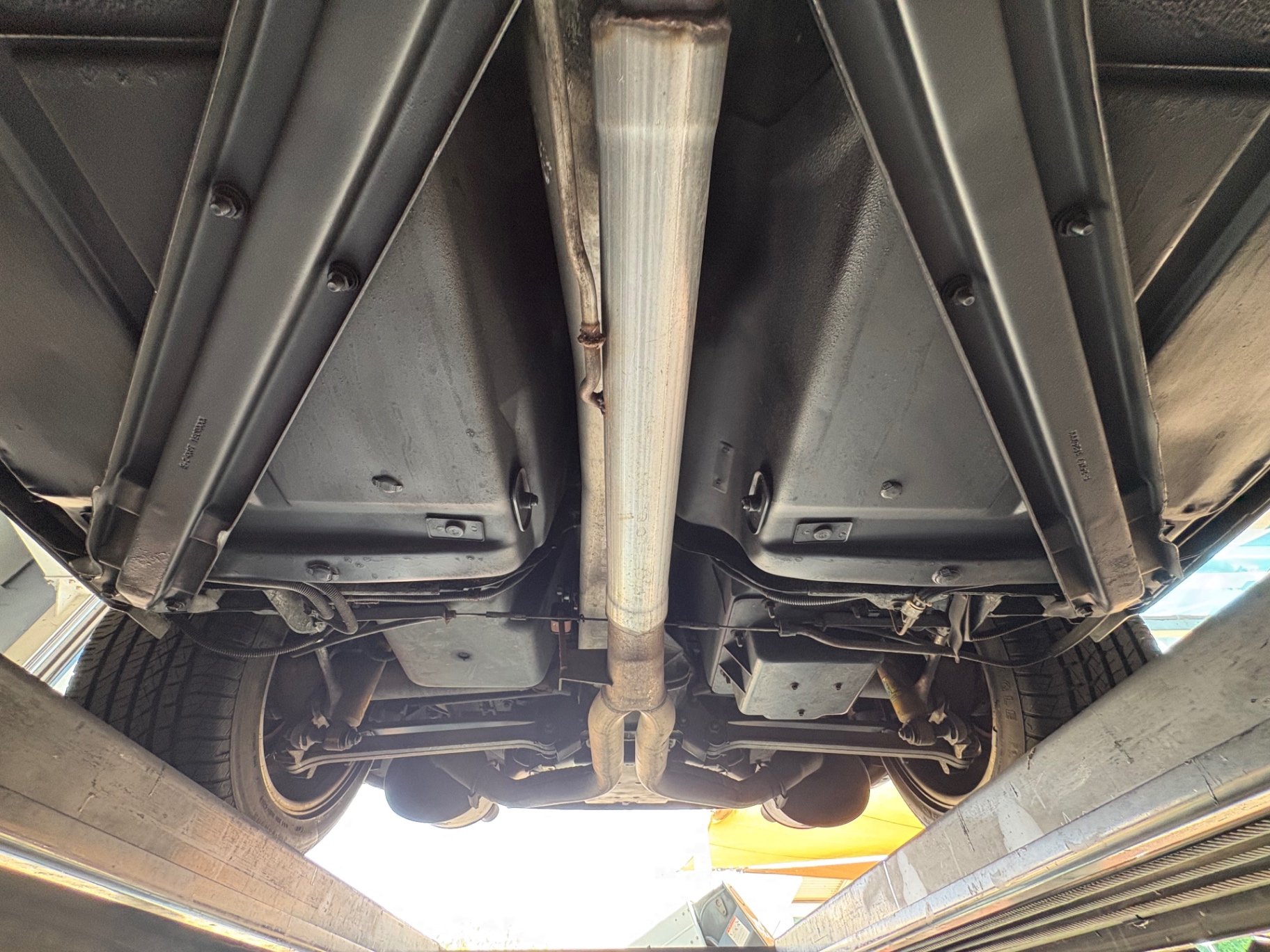
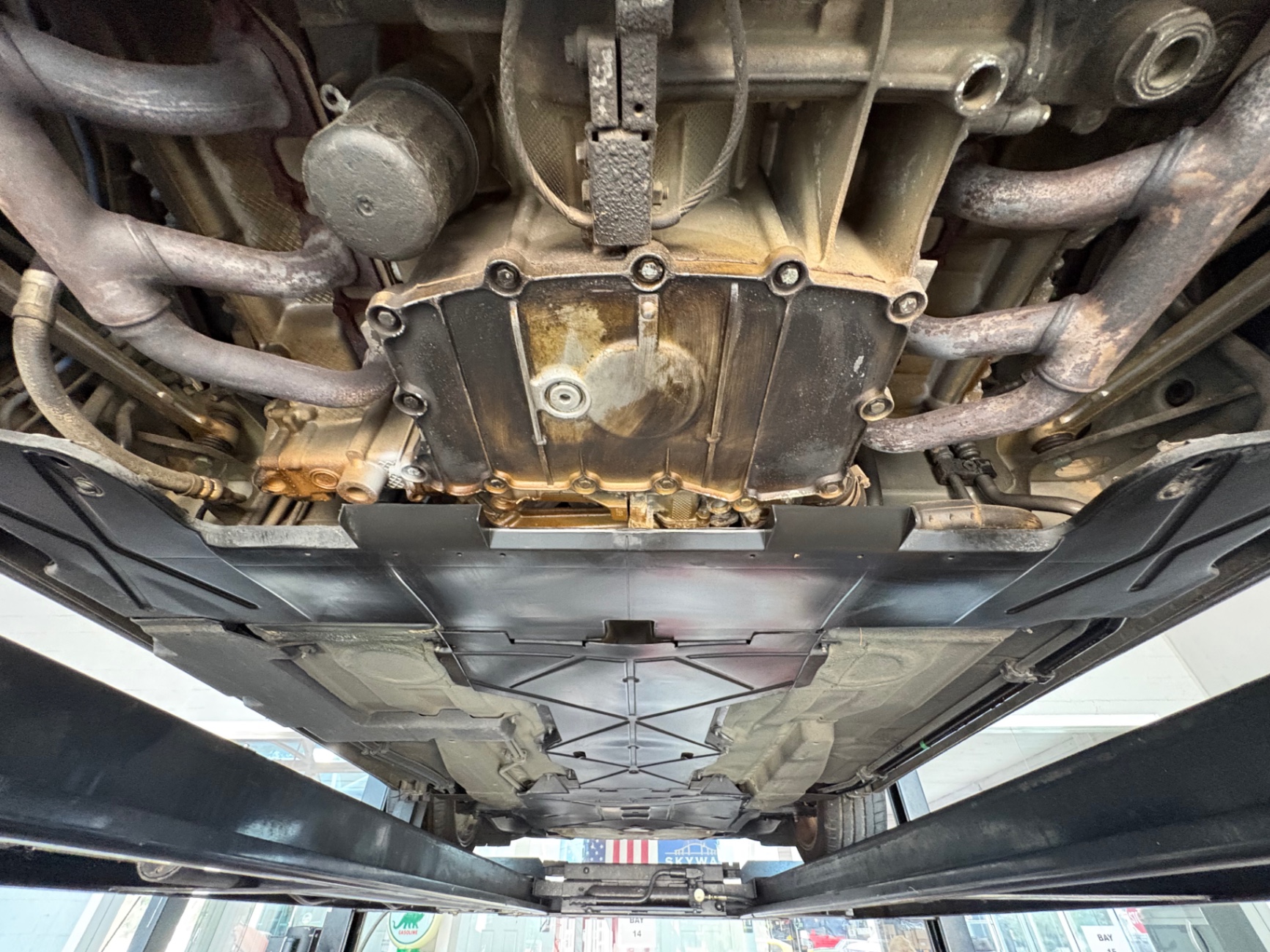
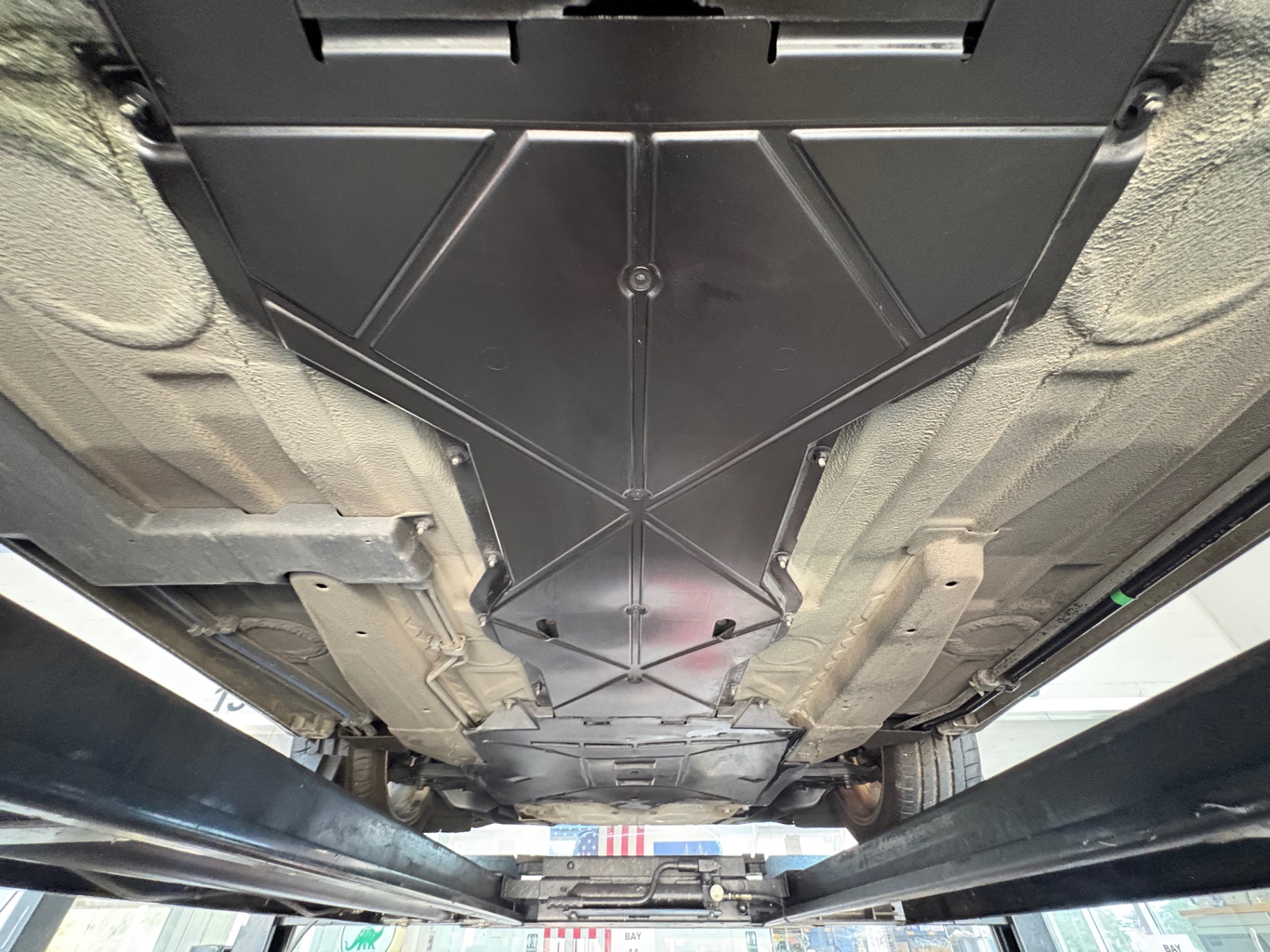
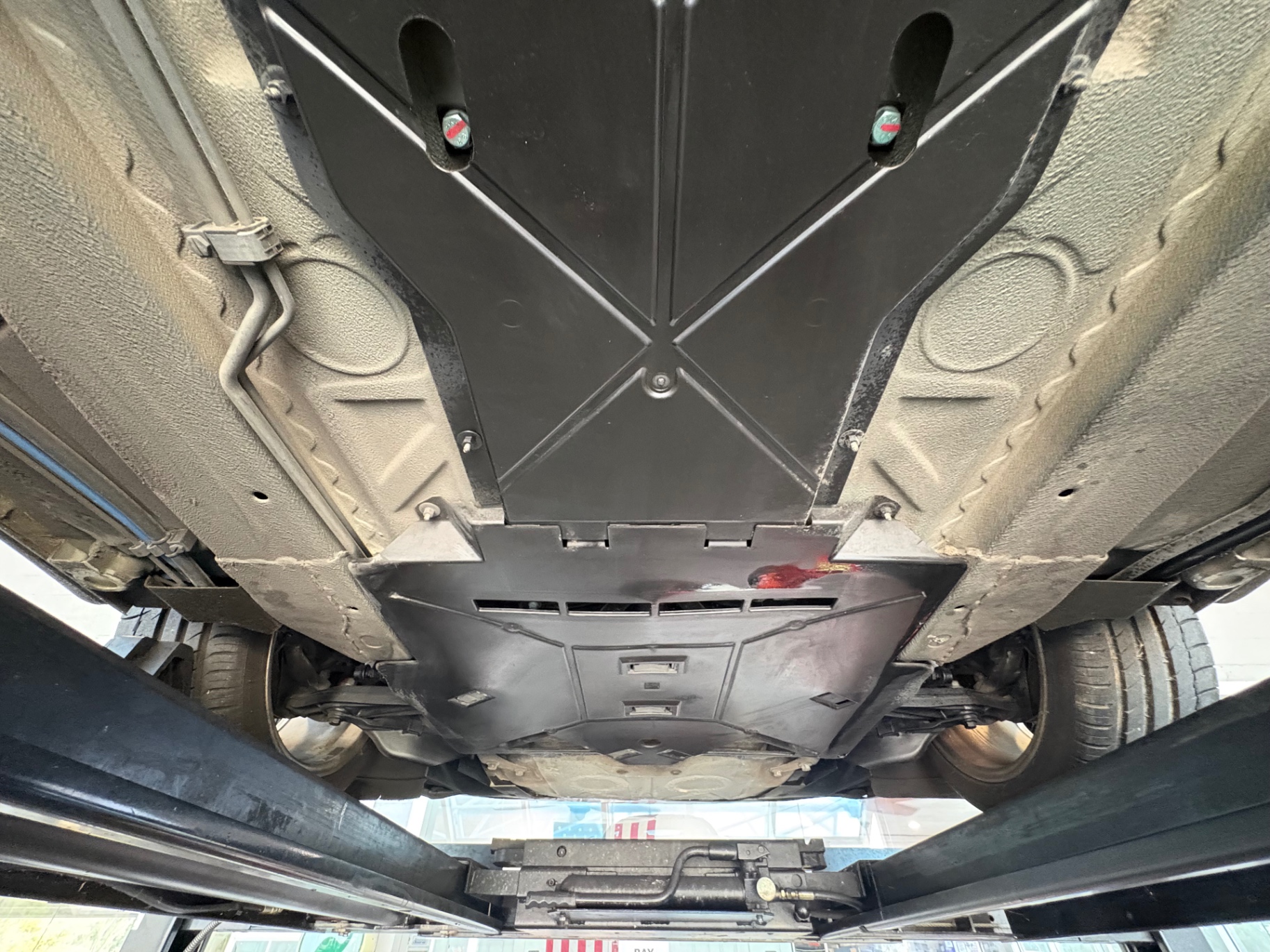
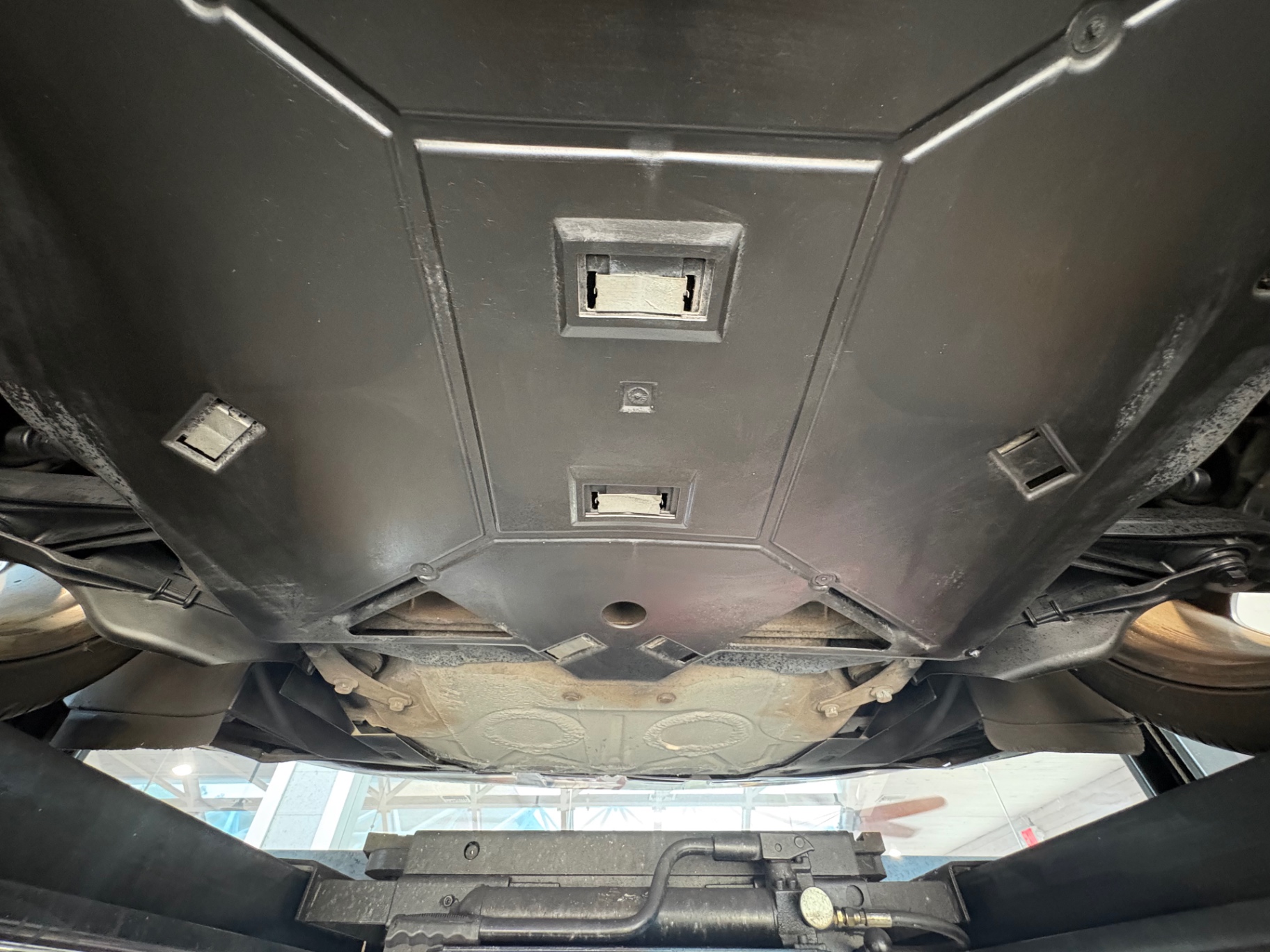
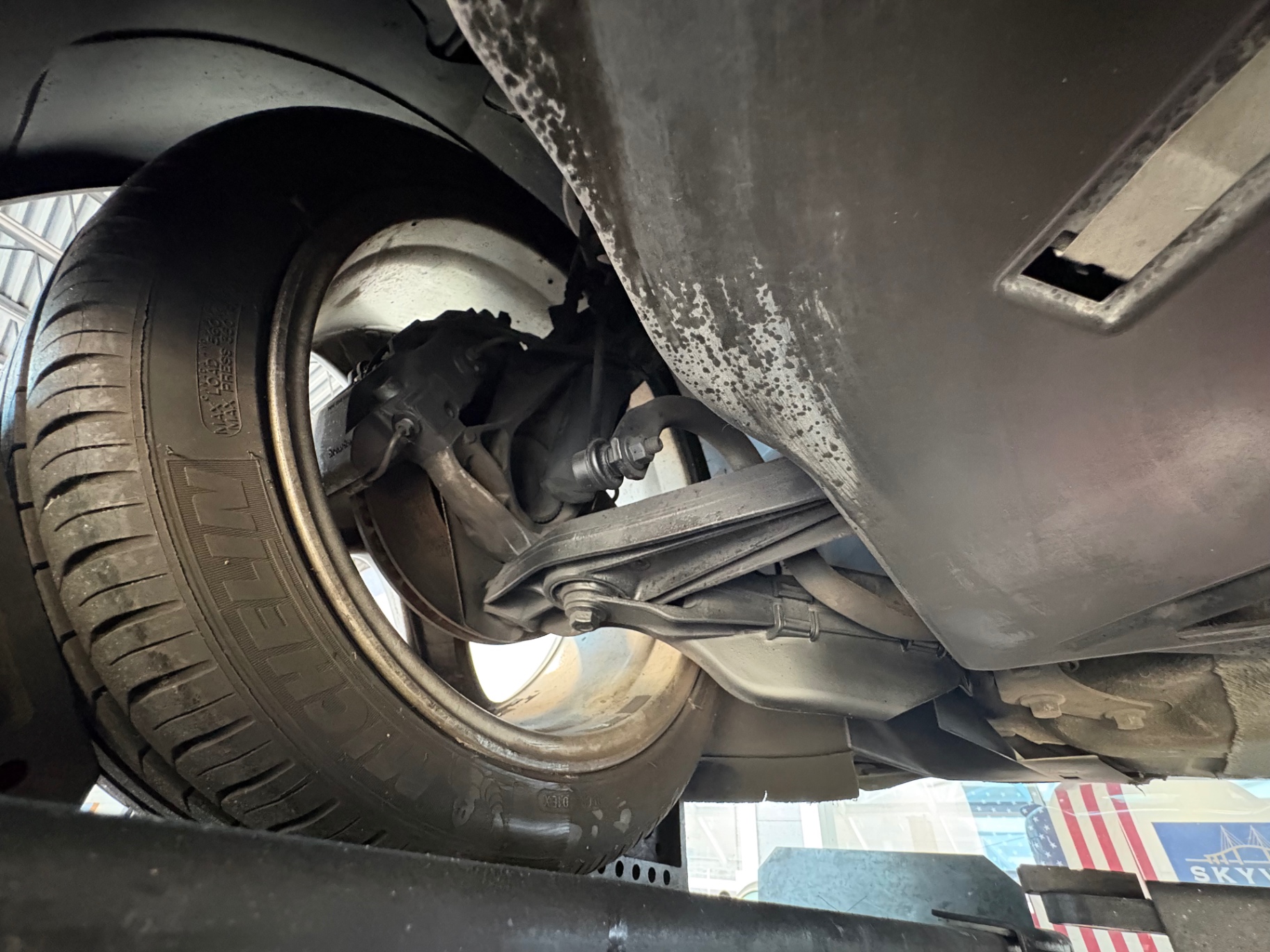
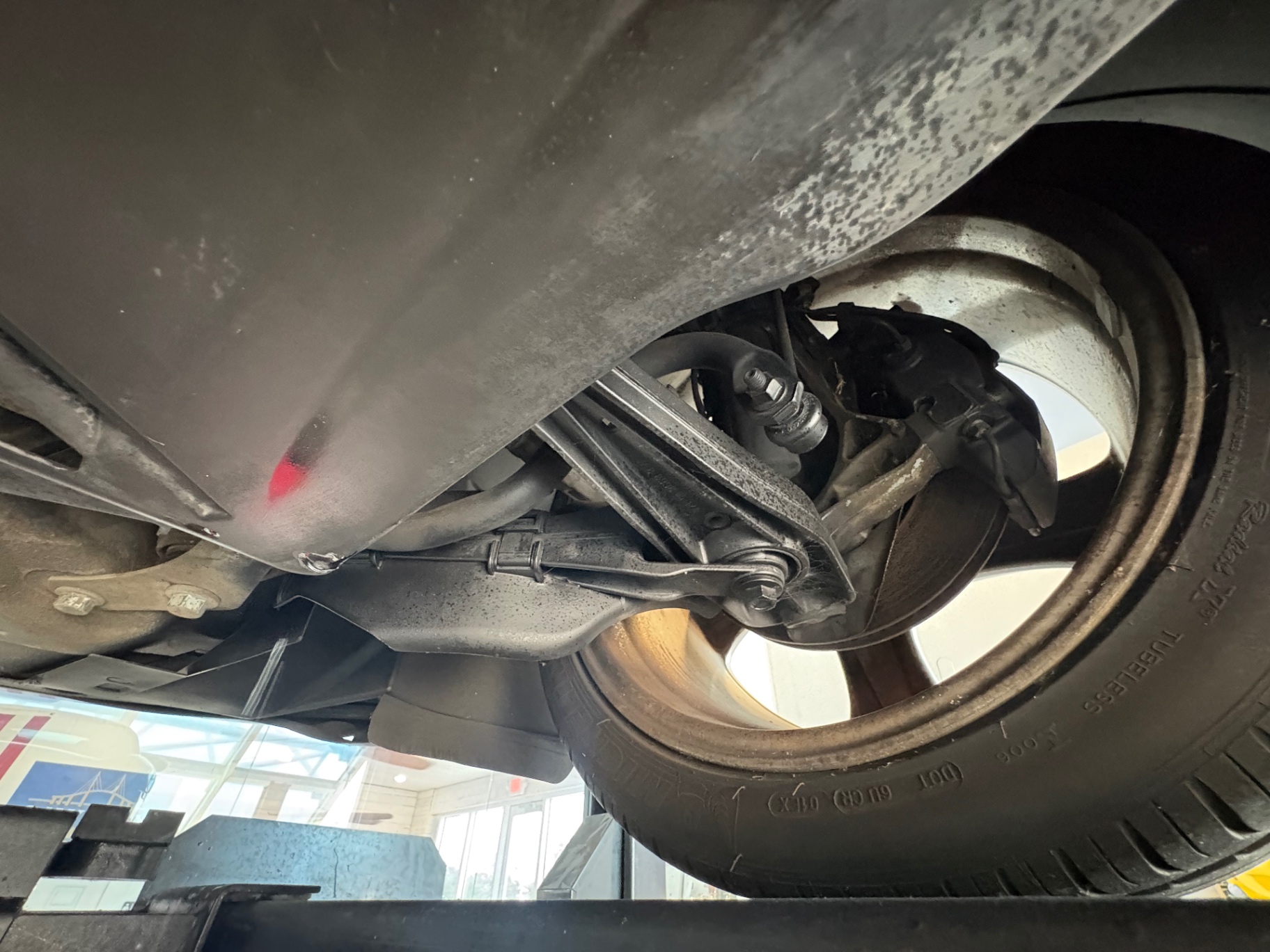
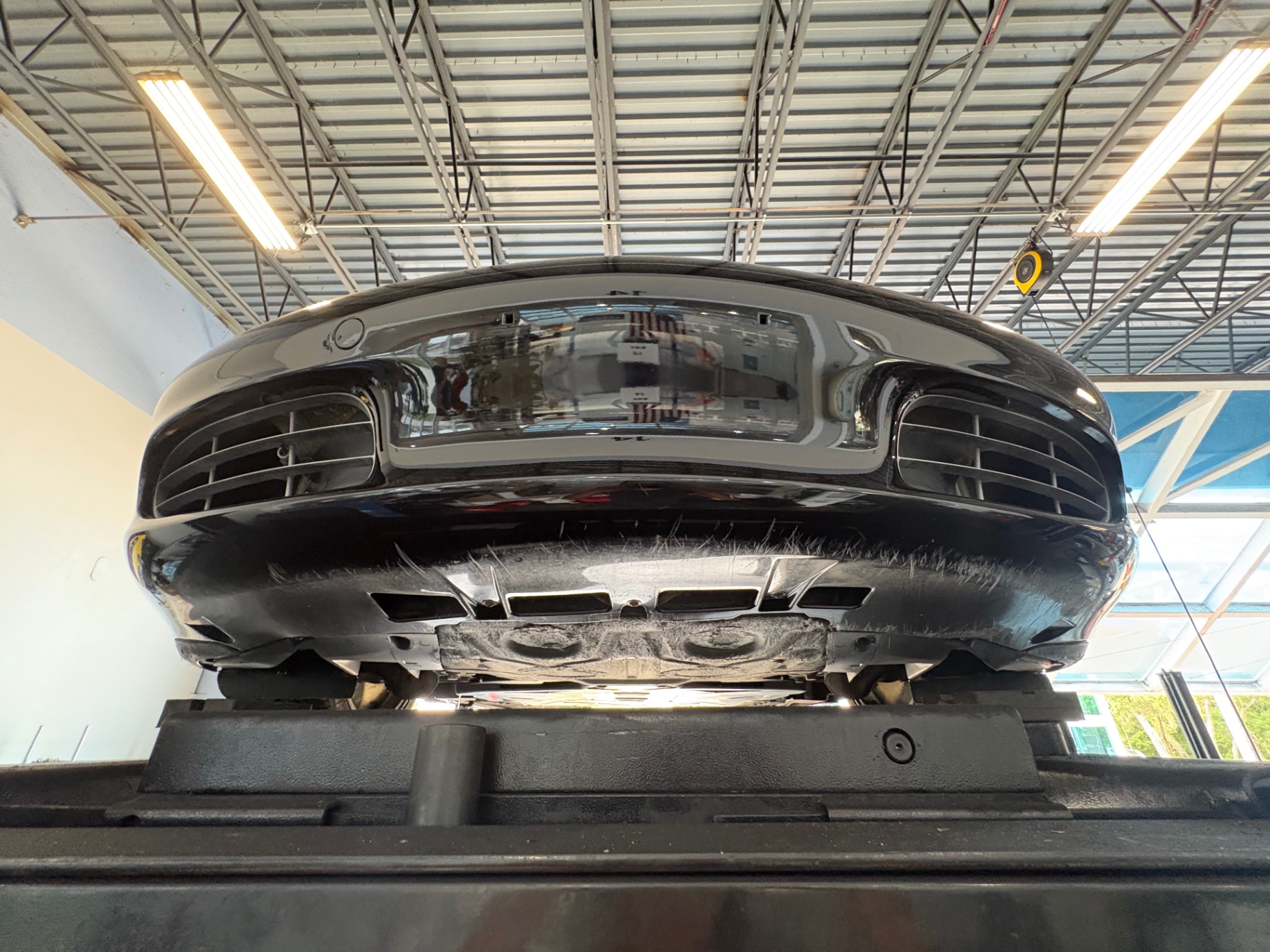
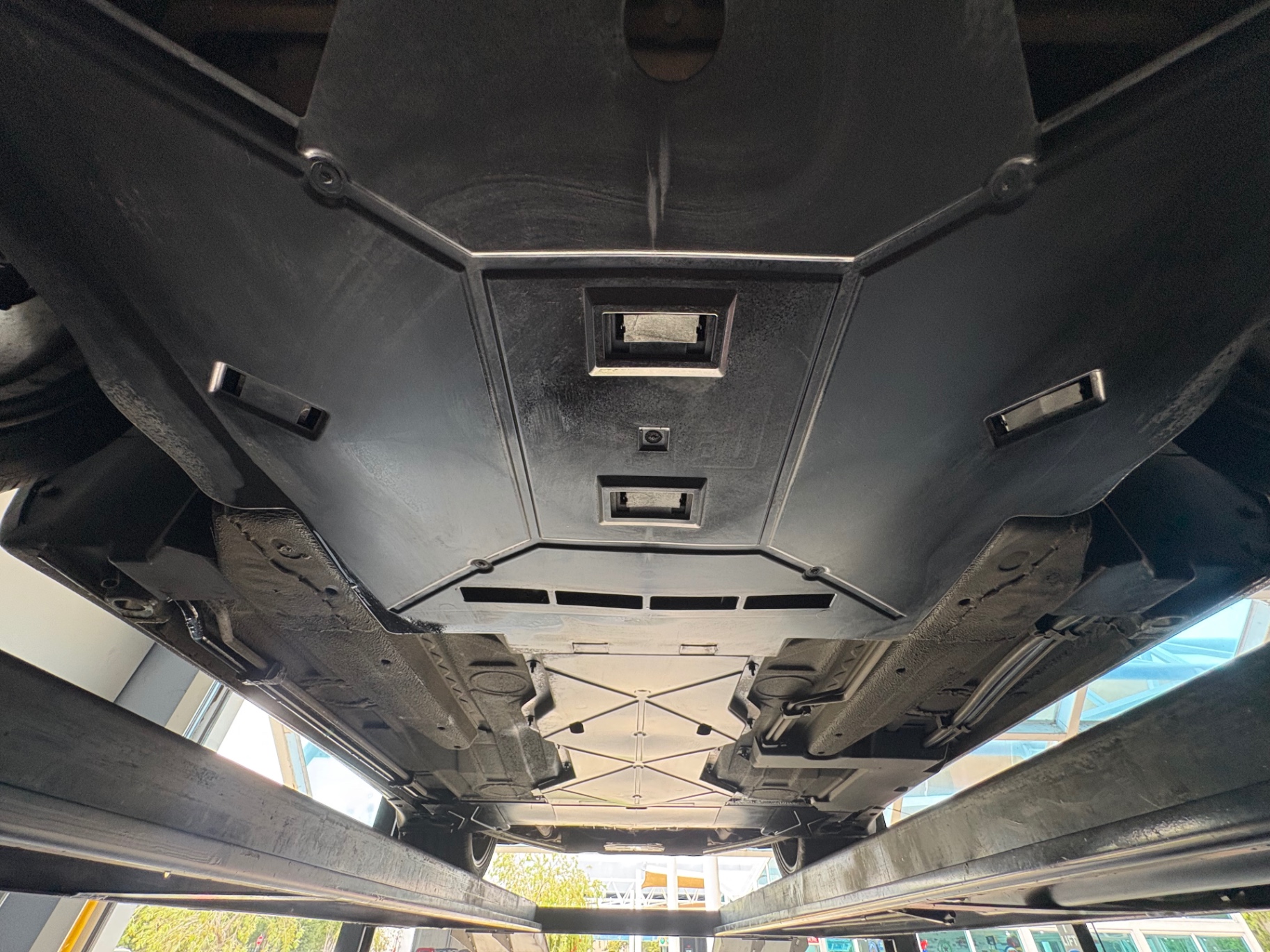
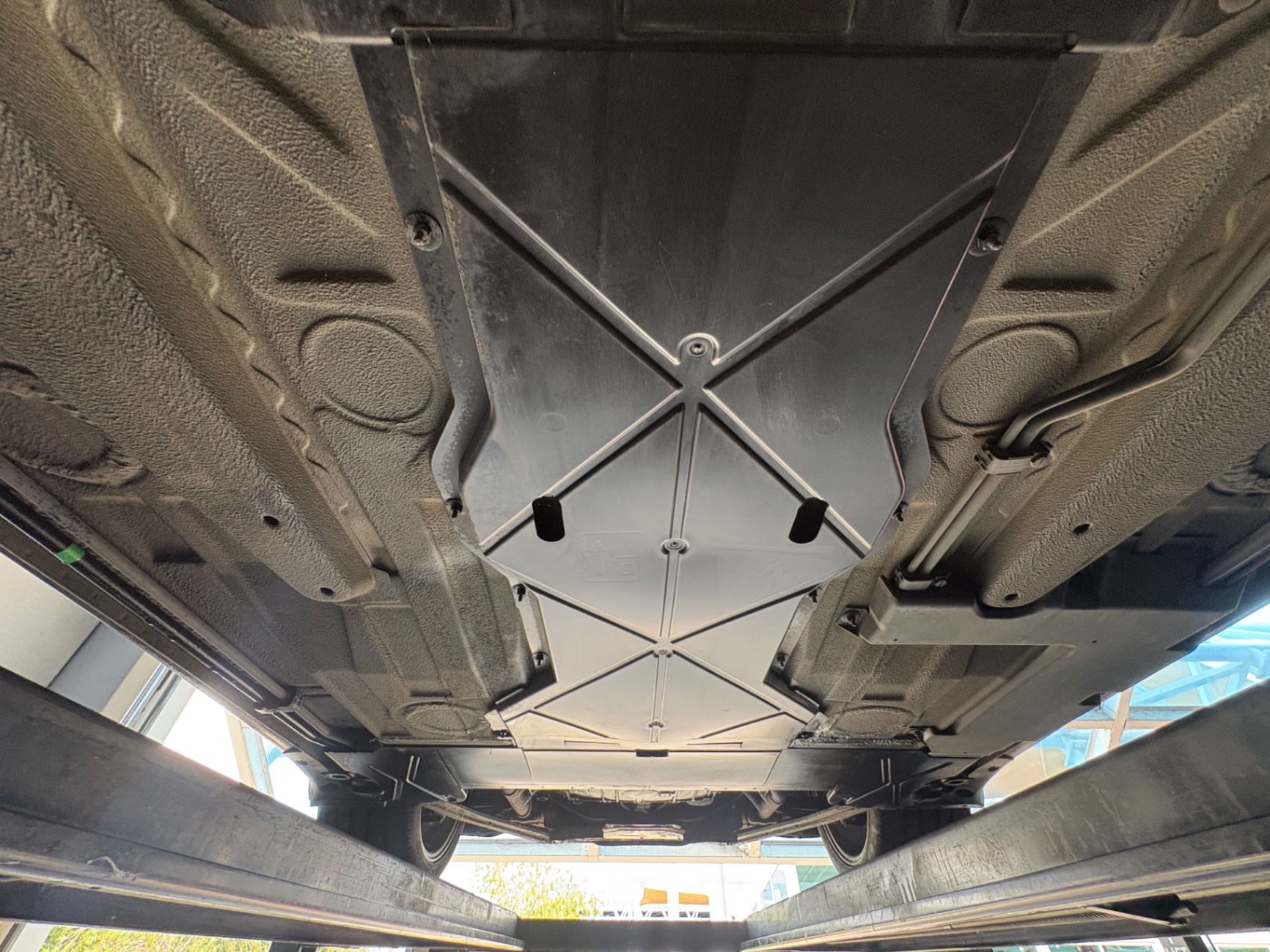
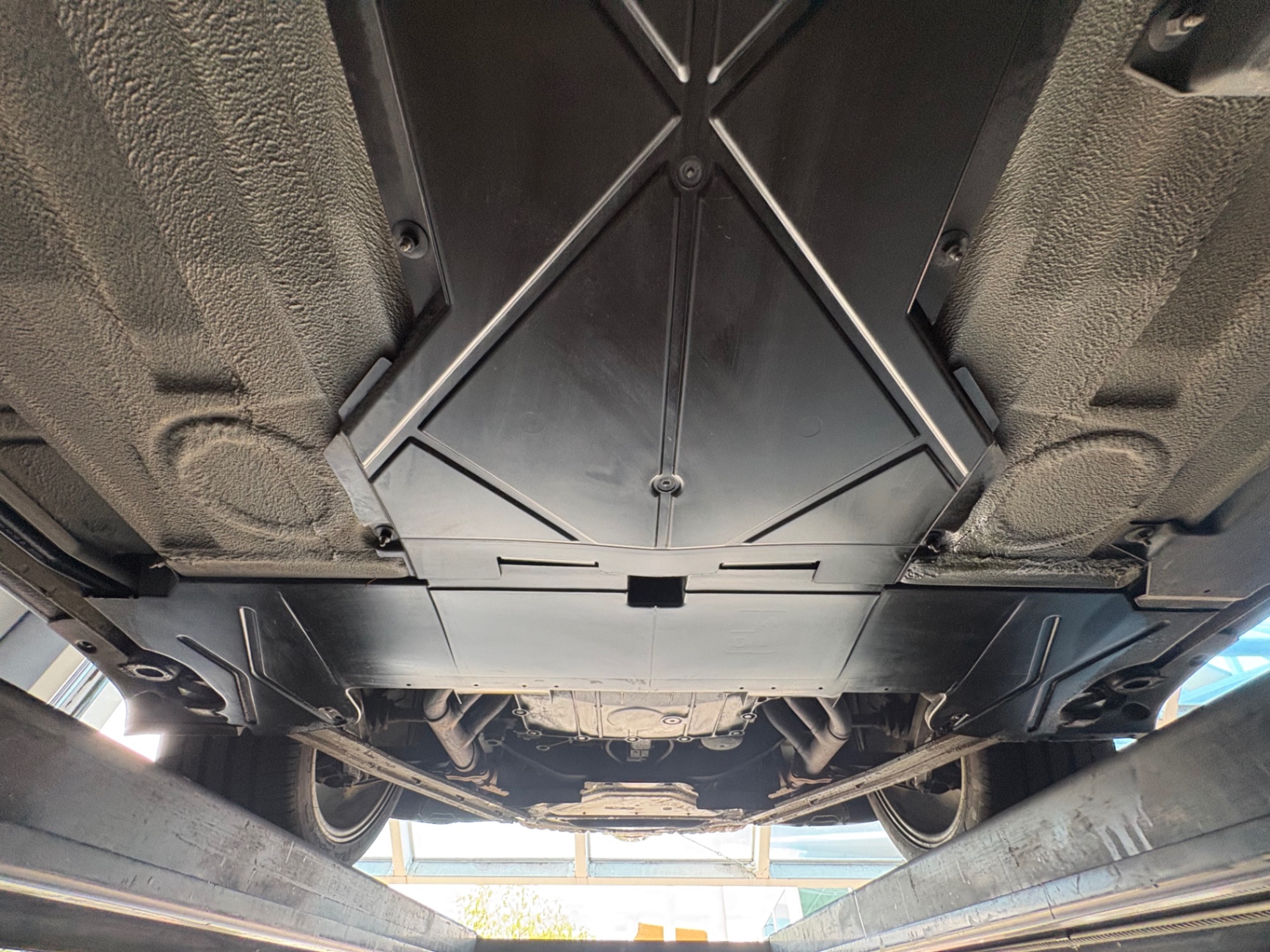
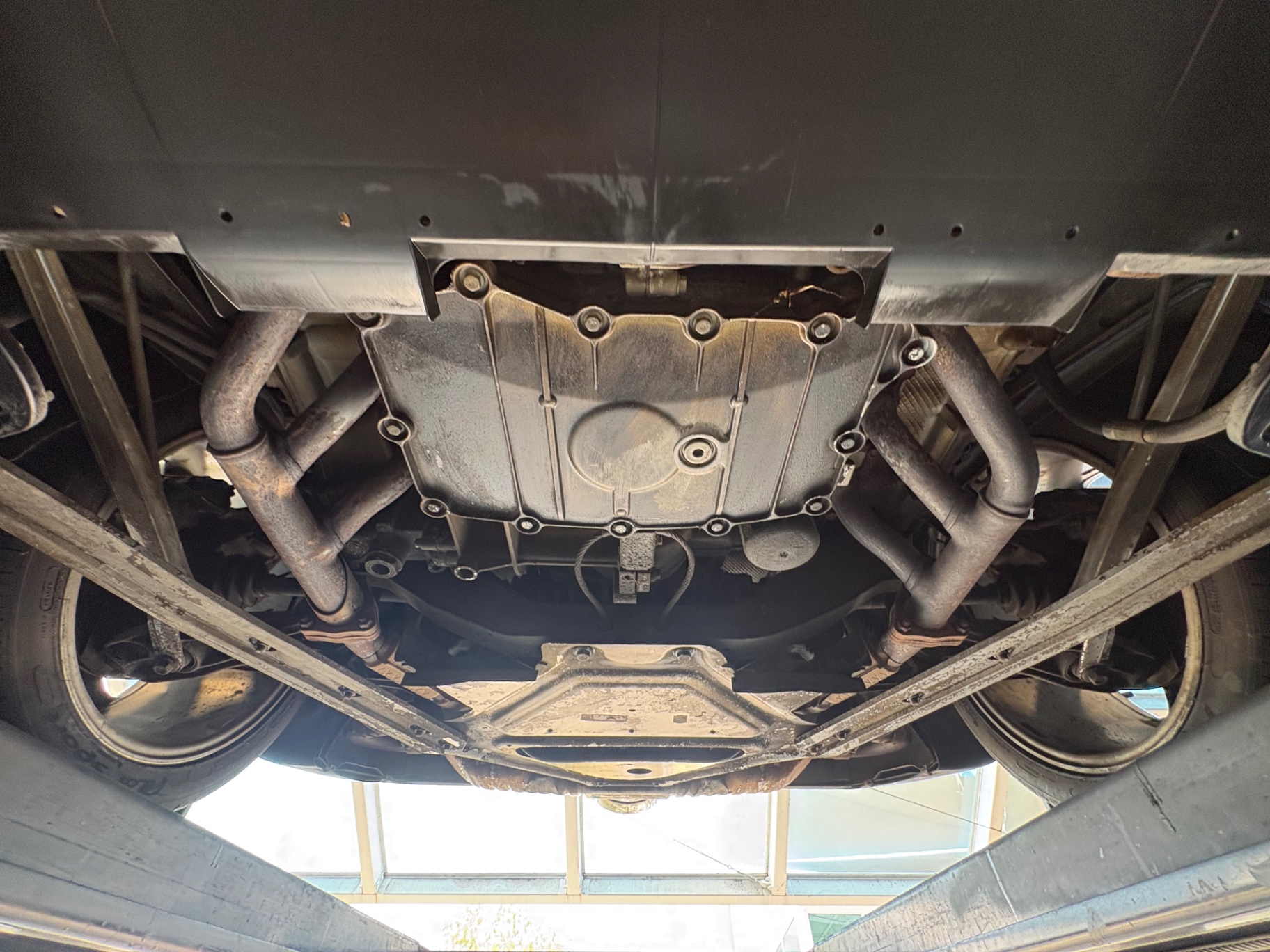
The undercarriage photos in this listing tell the most important story. The floorpan, subframes, and suspension components are clean and solid. This is a car that has not been abused, has not lived in a rust-prone climate, and shows the kind of care underneath that typically reflects how the car was treated overall. Finding an early Boxster with this caliber of undercarriage condition at this price point is not common.
Interior
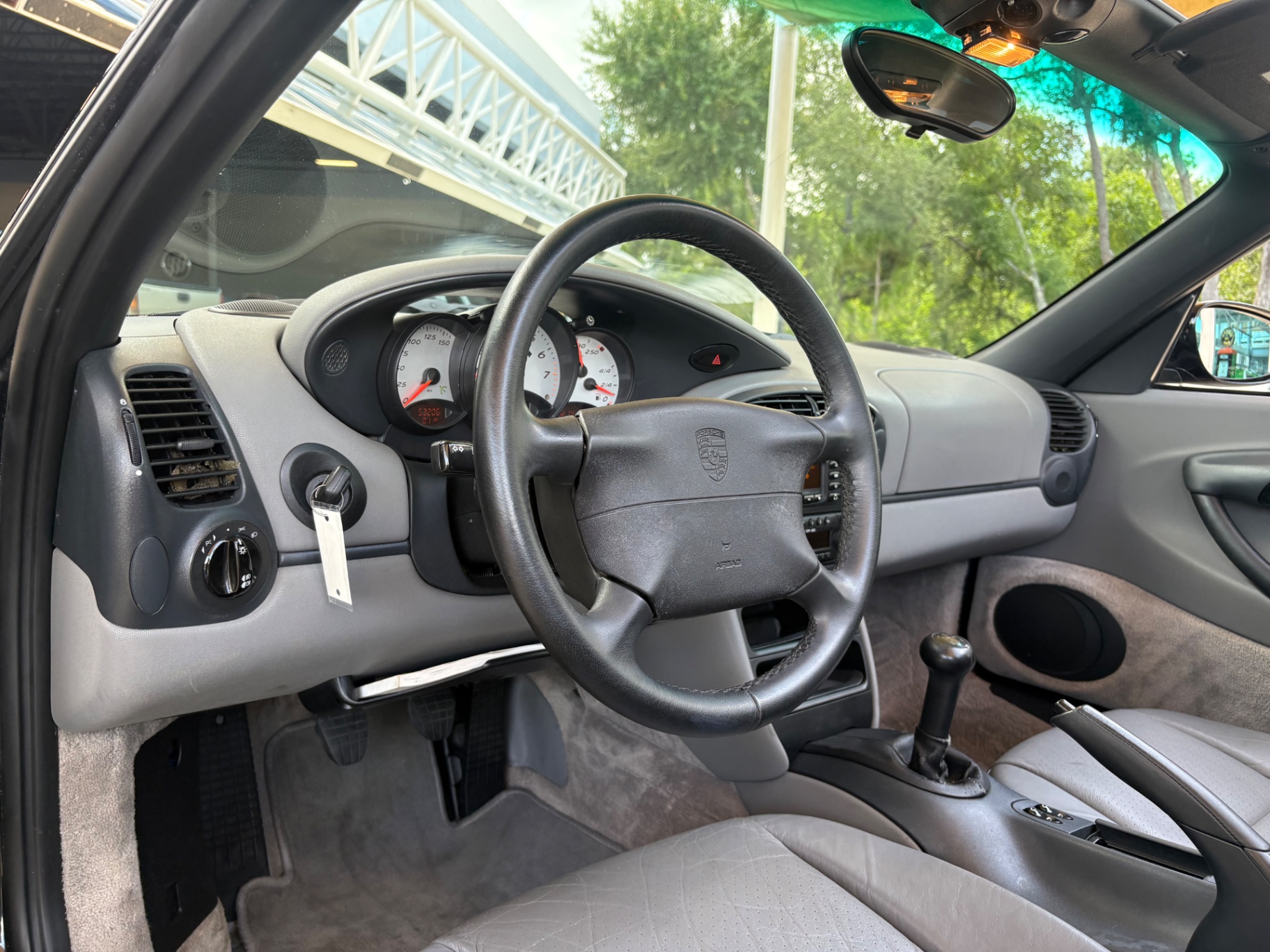
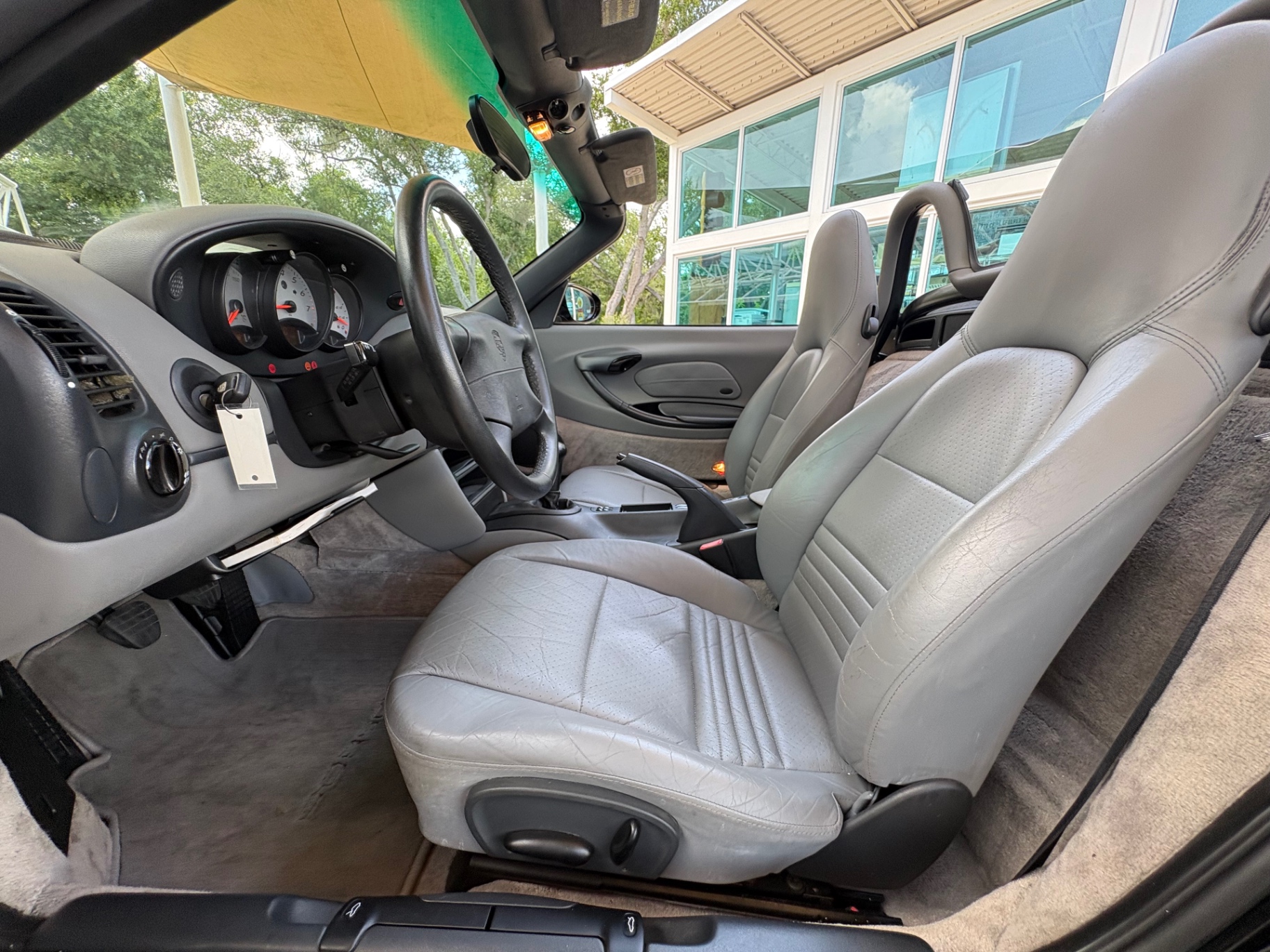
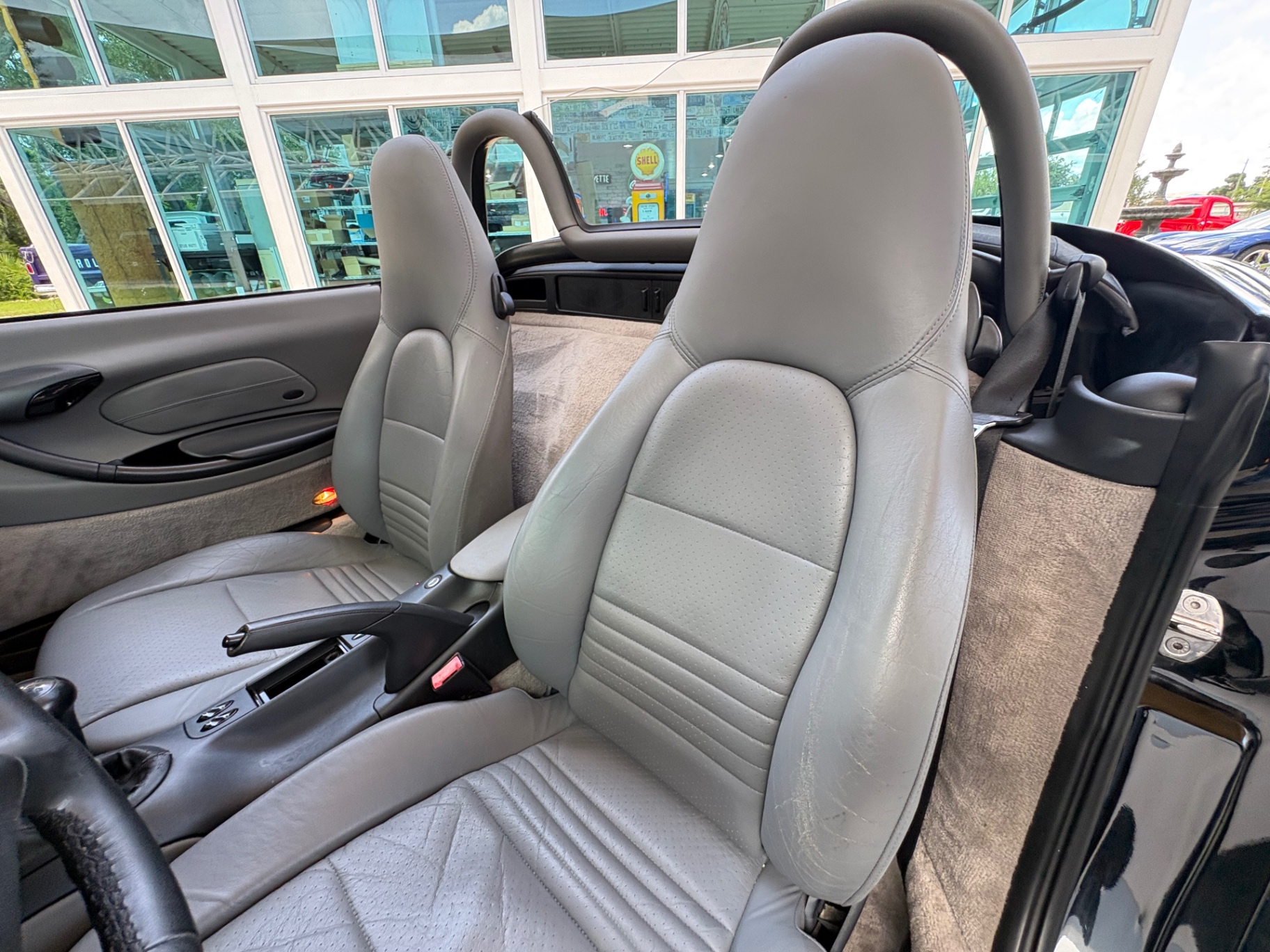
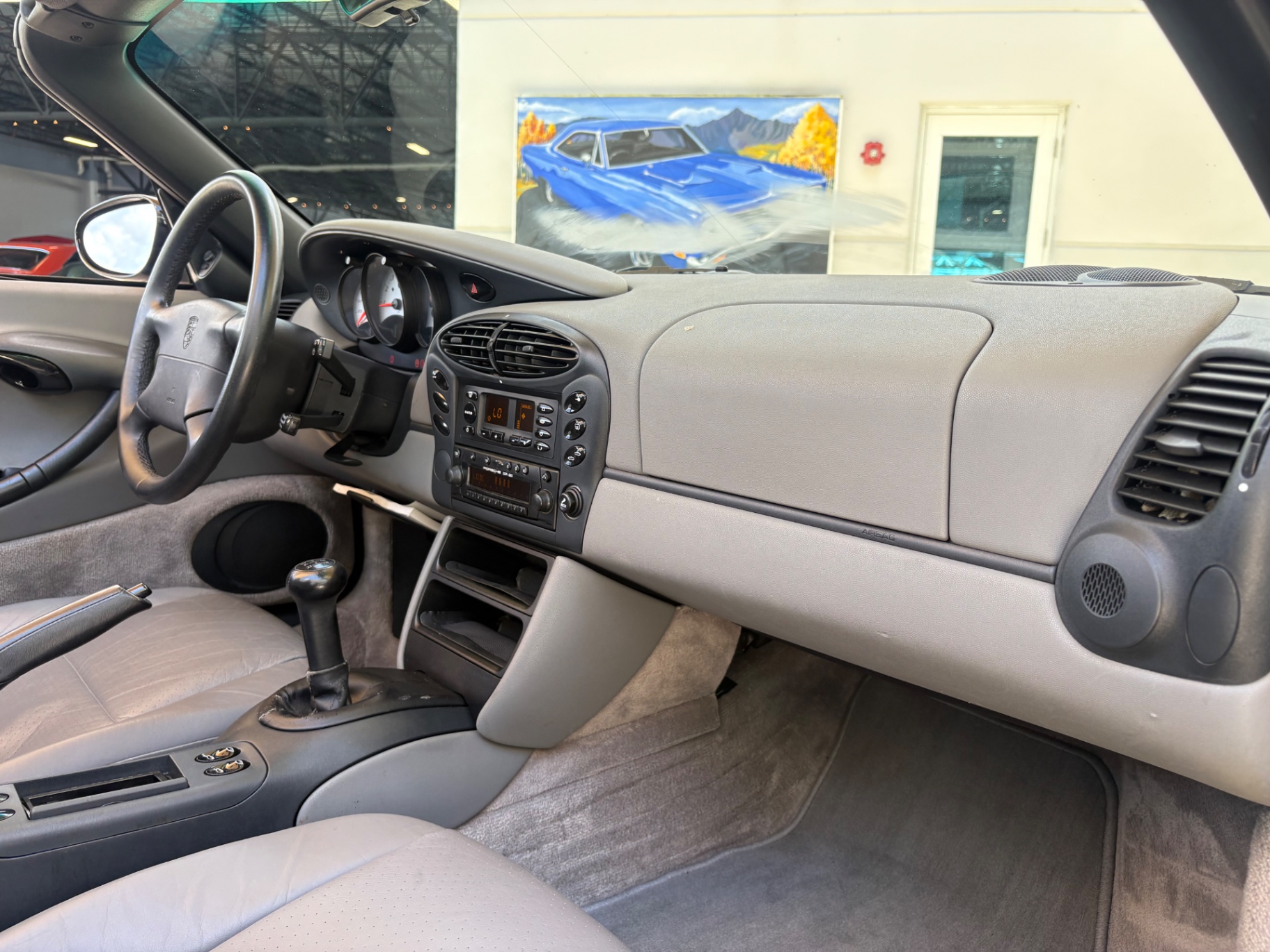
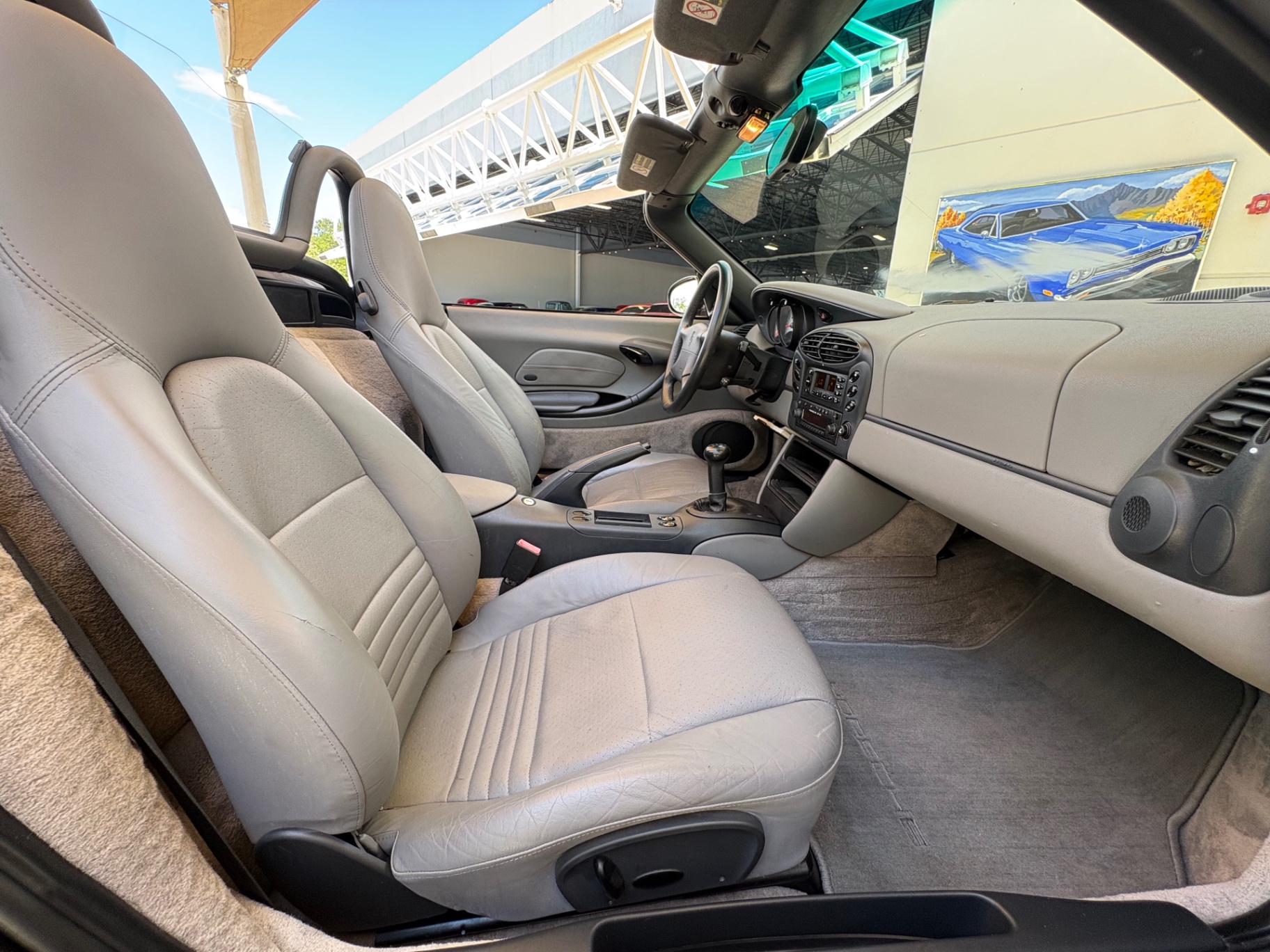
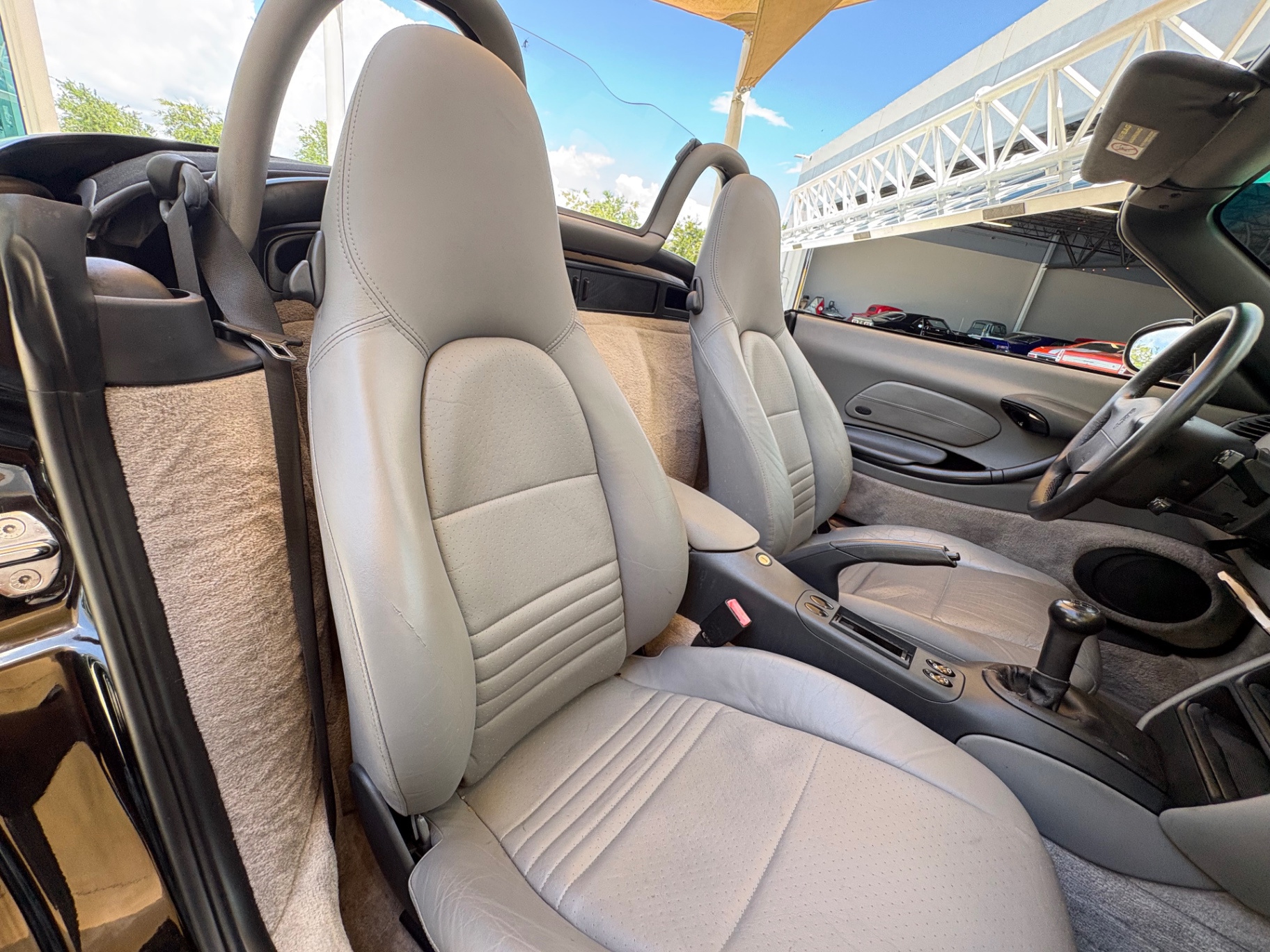
The grey leather interior is intact and consistent throughout. The bucket seats — a defining feature of the Boxster's cockpit — retain their shape and show expected use but no significant damage. The leather on the seat bolsters shows some natural softening with age, which is honest wear on a 25-year-old driver's car.
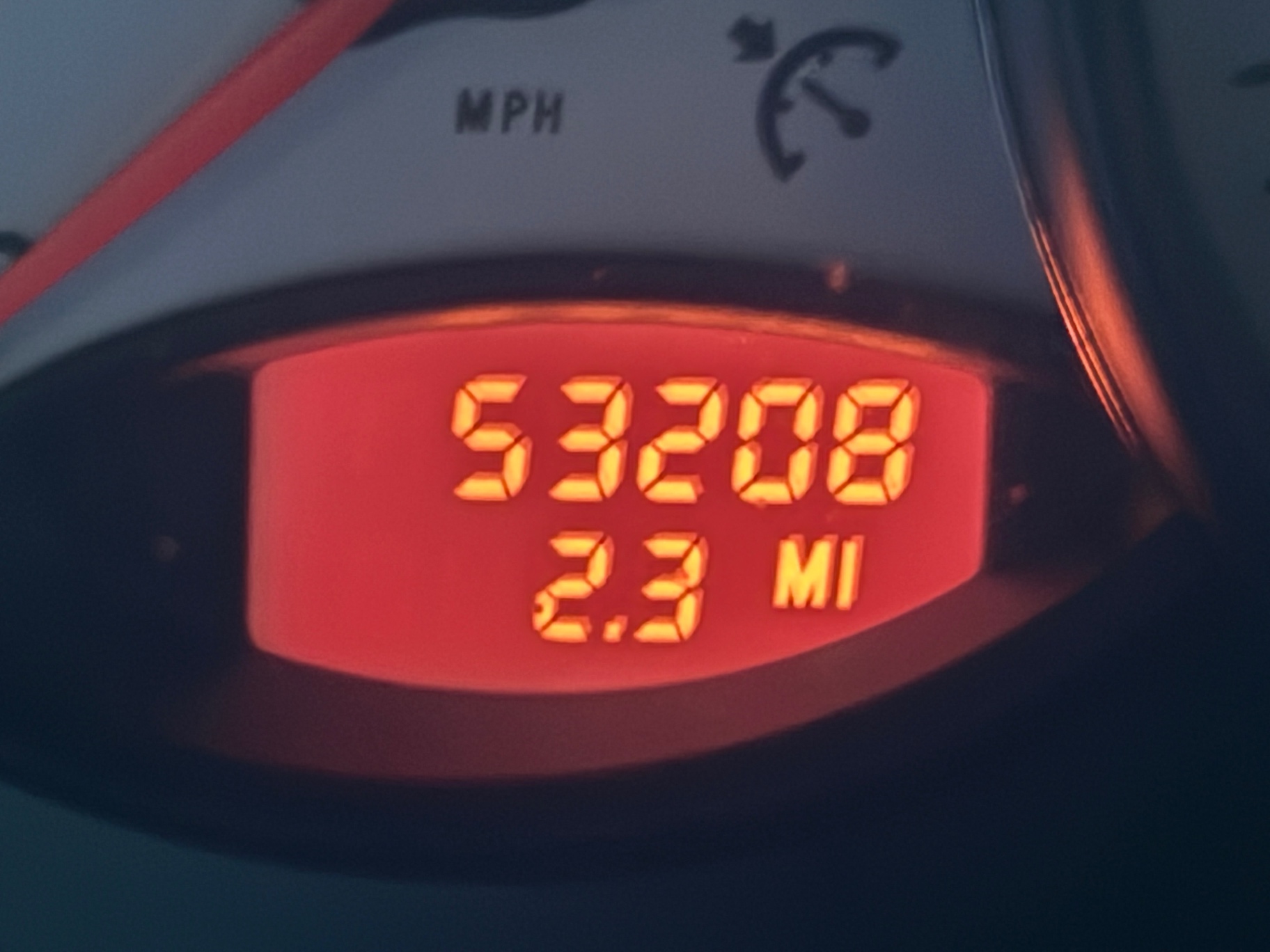
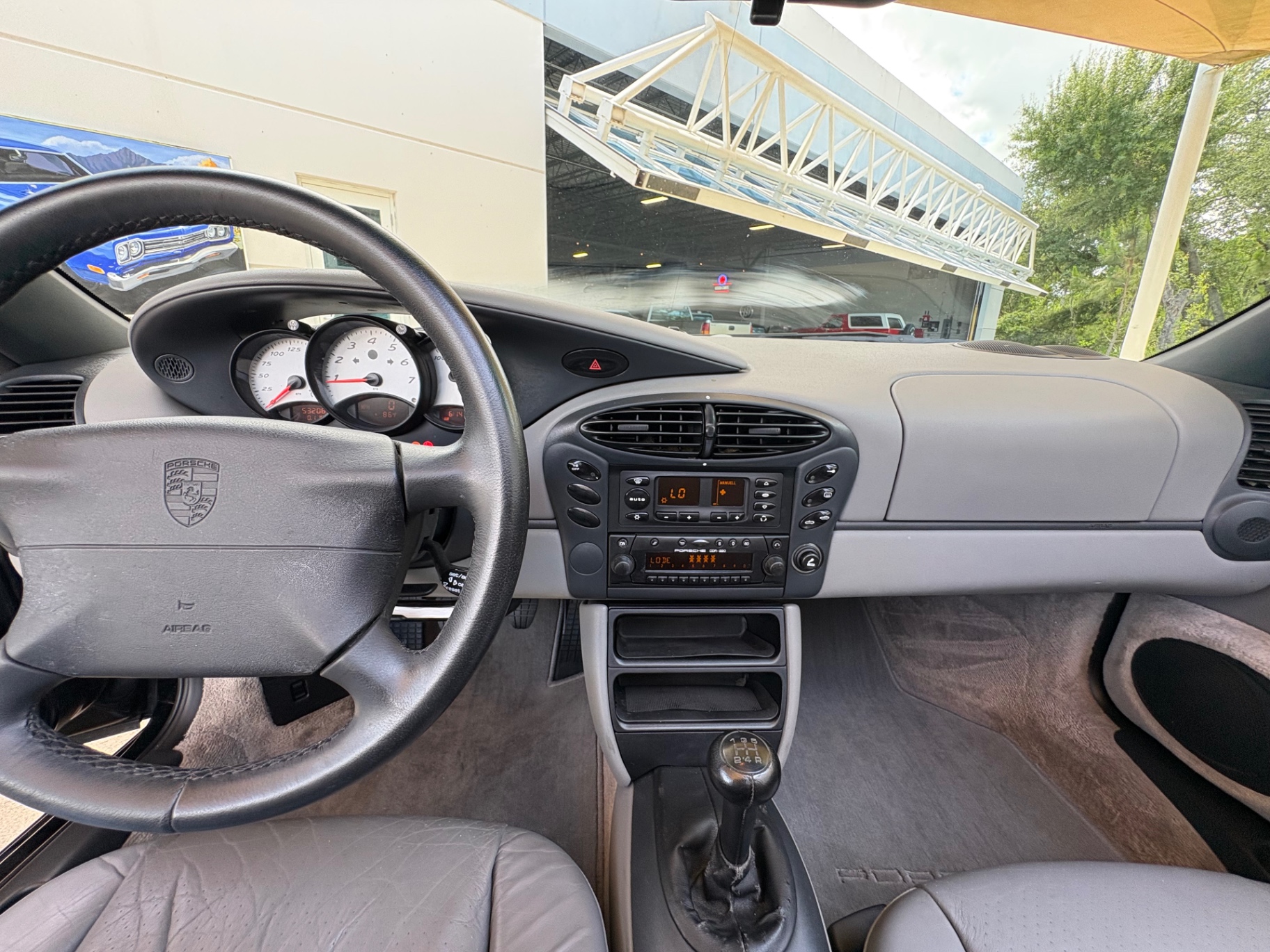
The dashboard is all original, with the instrument binnacle positioned correctly and deeply hooded to reduce glare. The tachometer takes center position in the gauge cluster, which is a deliberate design choice by Porsche — this is a car where engine speed matters. Flanking the tach are the speedometer and a secondary gauge display for fuel level, oil temperature, and odometer.
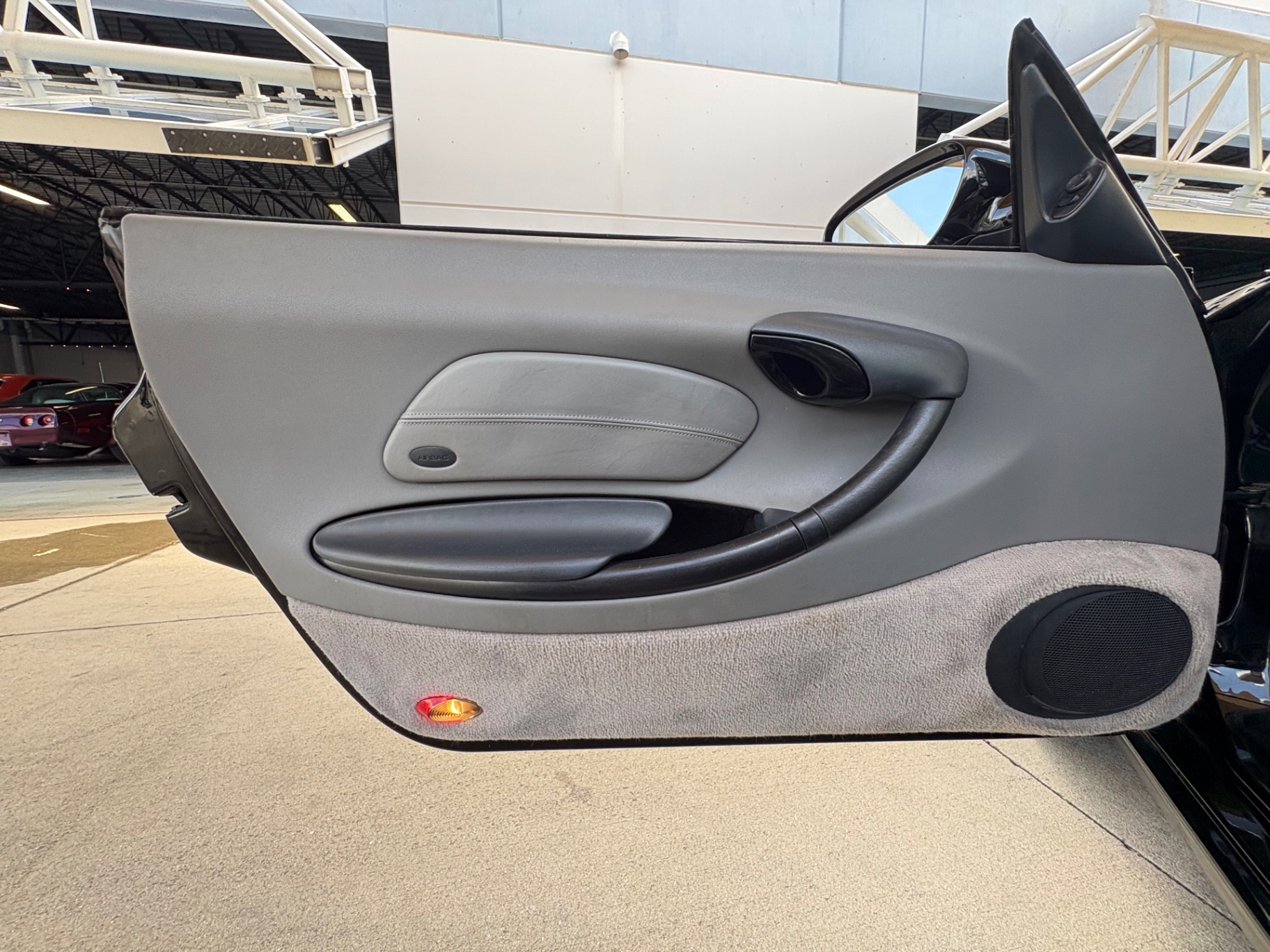
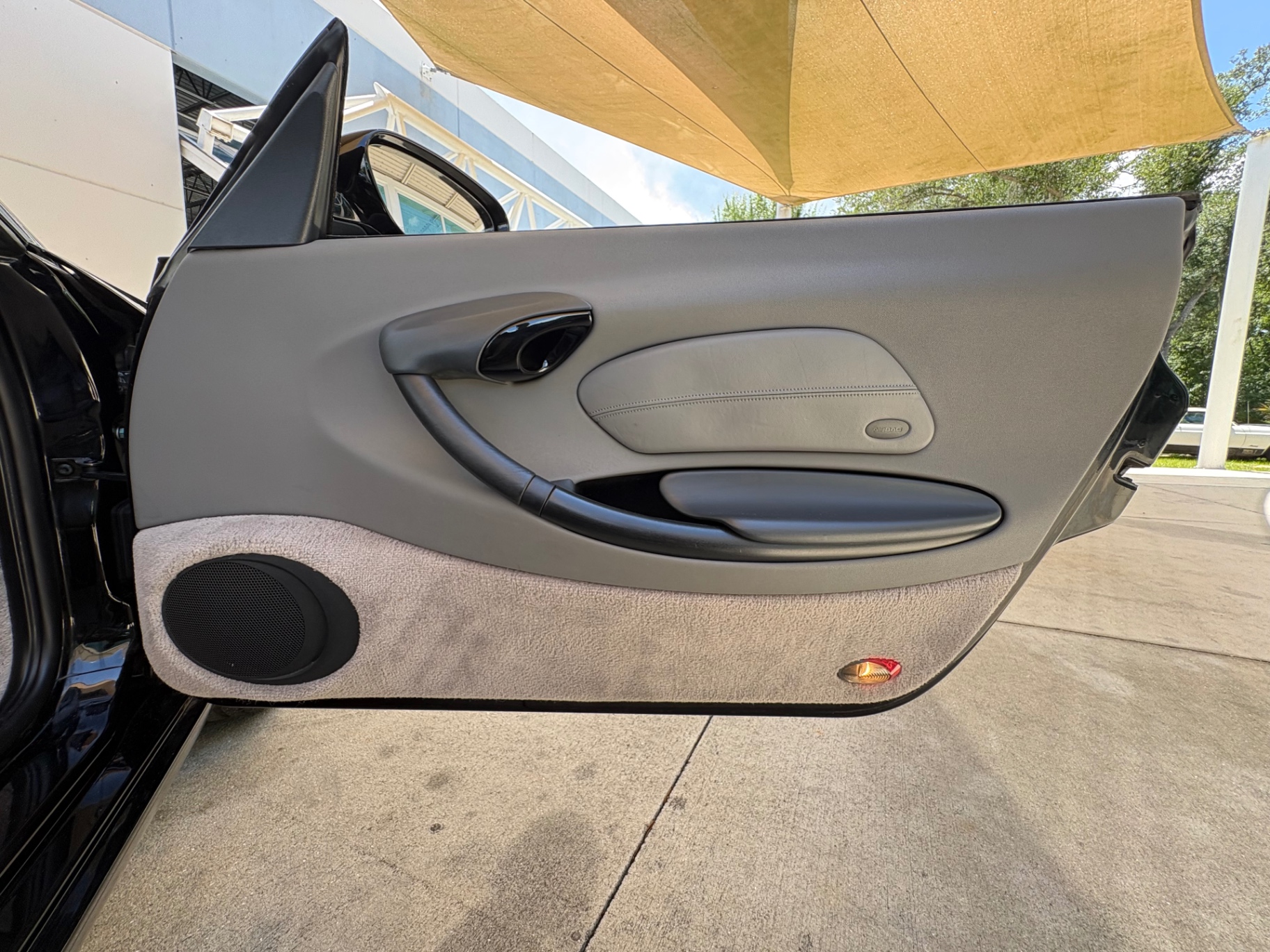
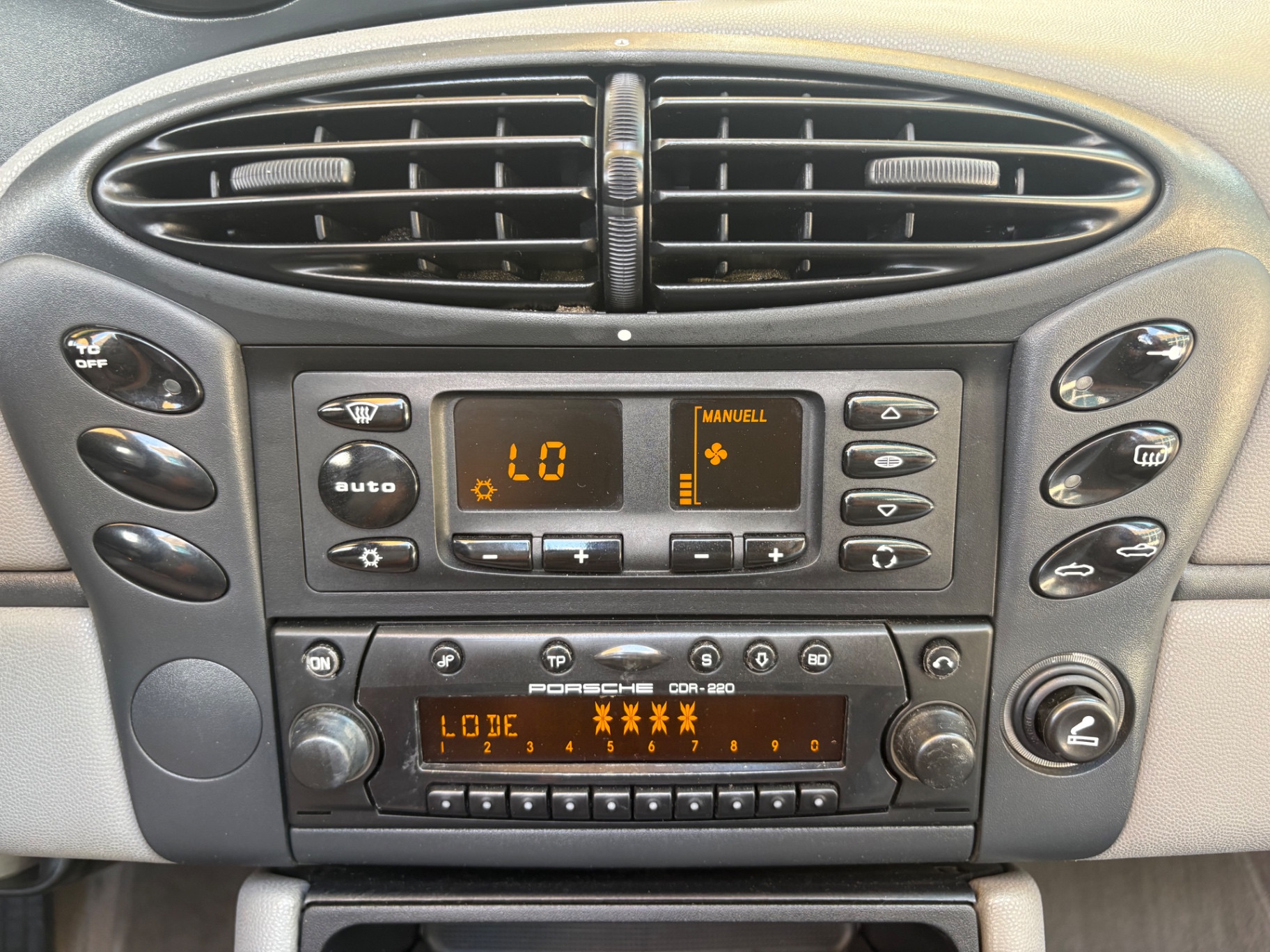
The factory Porsche CDR-220 head unit is present and correct in the center stack. The CDR-220 was a Porsche-branded AM/FM/cassette unit offered during this production period, and having the original radio intact keeps the interior looking as it left the factory. The automatic climate control panel sits directly above the radio and uses the same oval design language that carries through the entire dashboard. Door panel speakers are fitted on both sides, providing audio coverage without aftermarket modifications.
The integrated roll hoops rising behind each headrest are structural, not decorative. In the event of a rollover, they are designed to protect the occupants. They also contribute to the visual silhouette that makes the 986 Boxster immediately recognizable from any angle. Both front and rear storage compartments are functional, which gives this two-seater more practical carrying capacity than many roadsters of its era.
Exterior
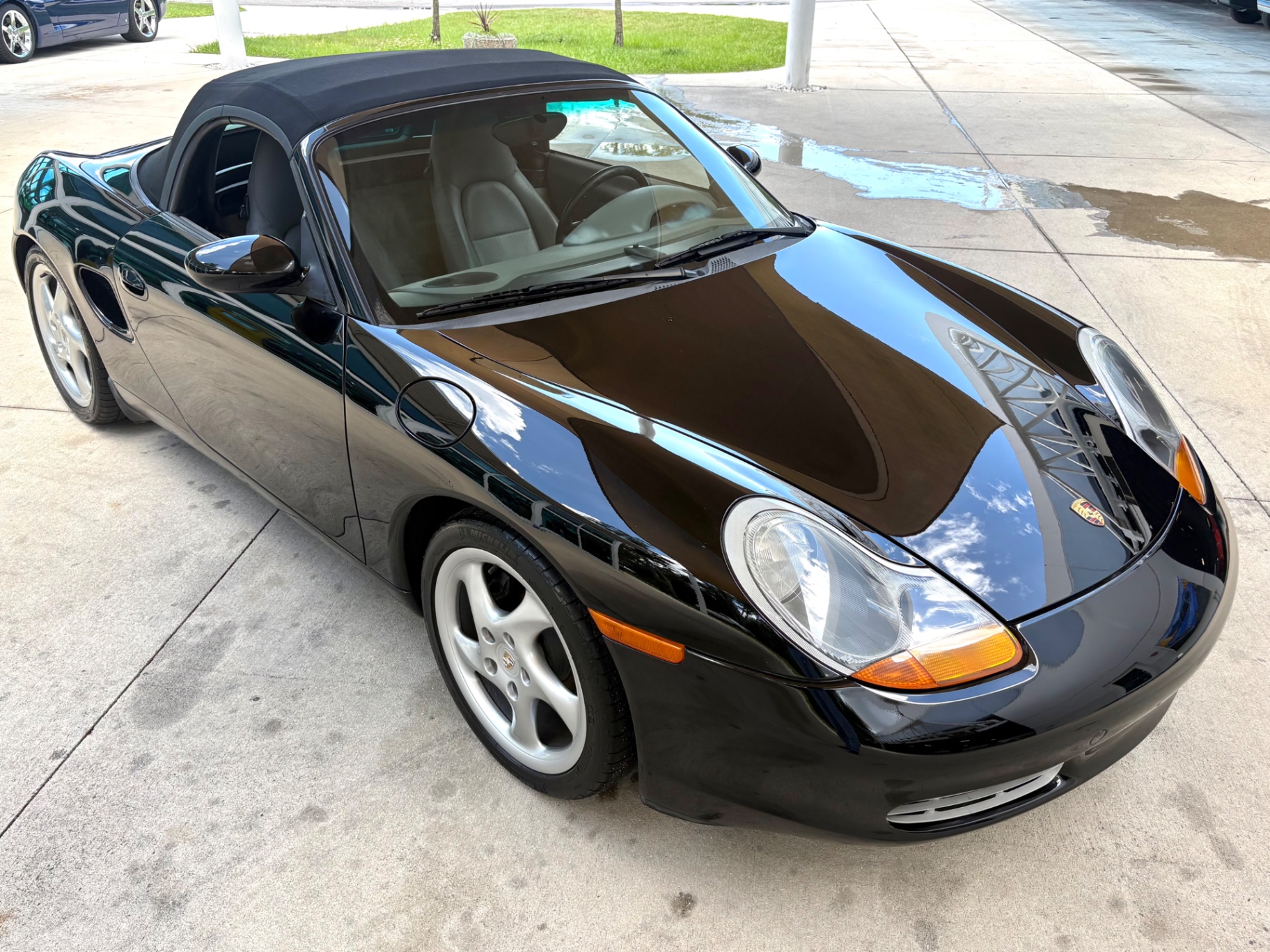
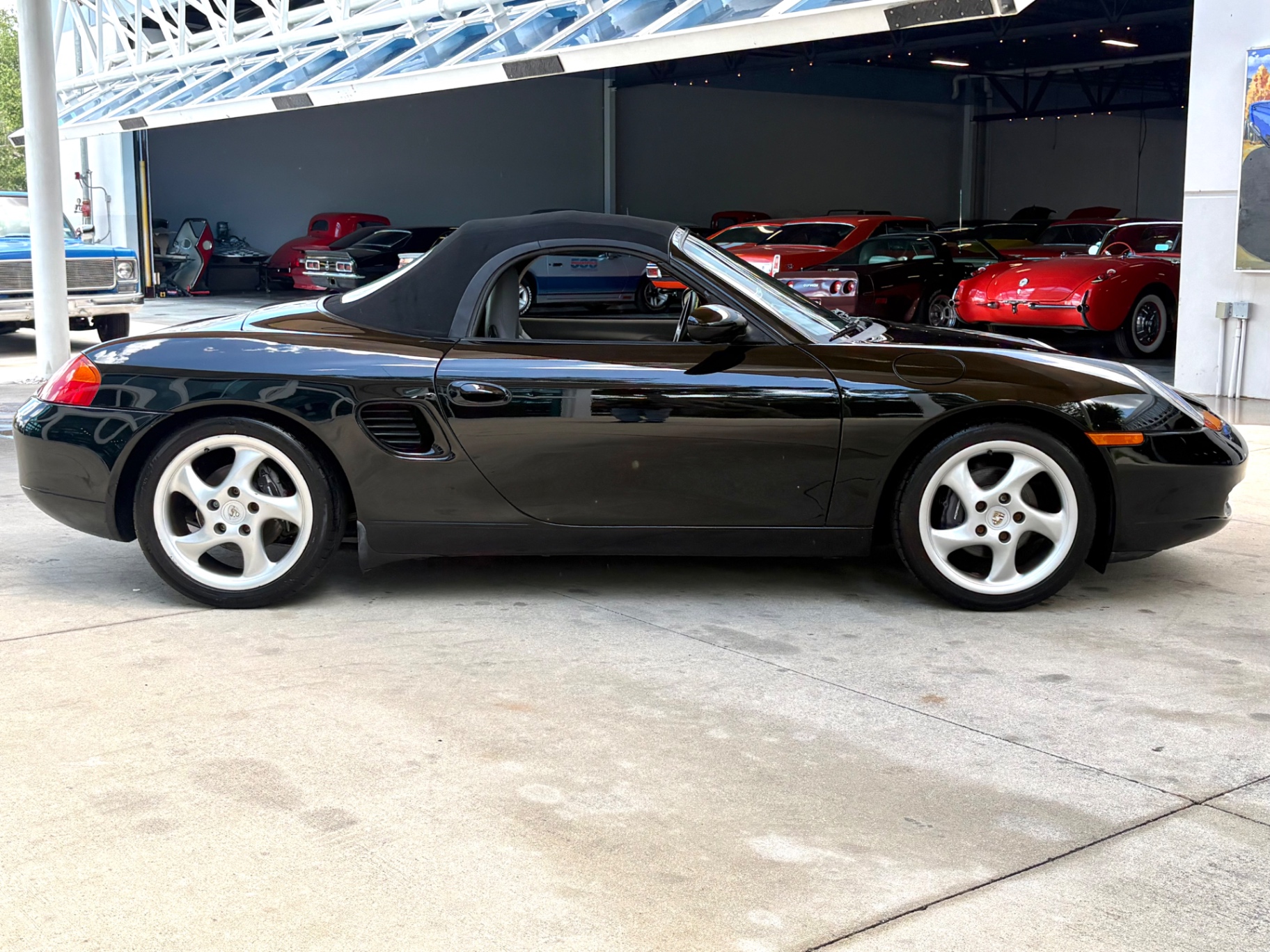
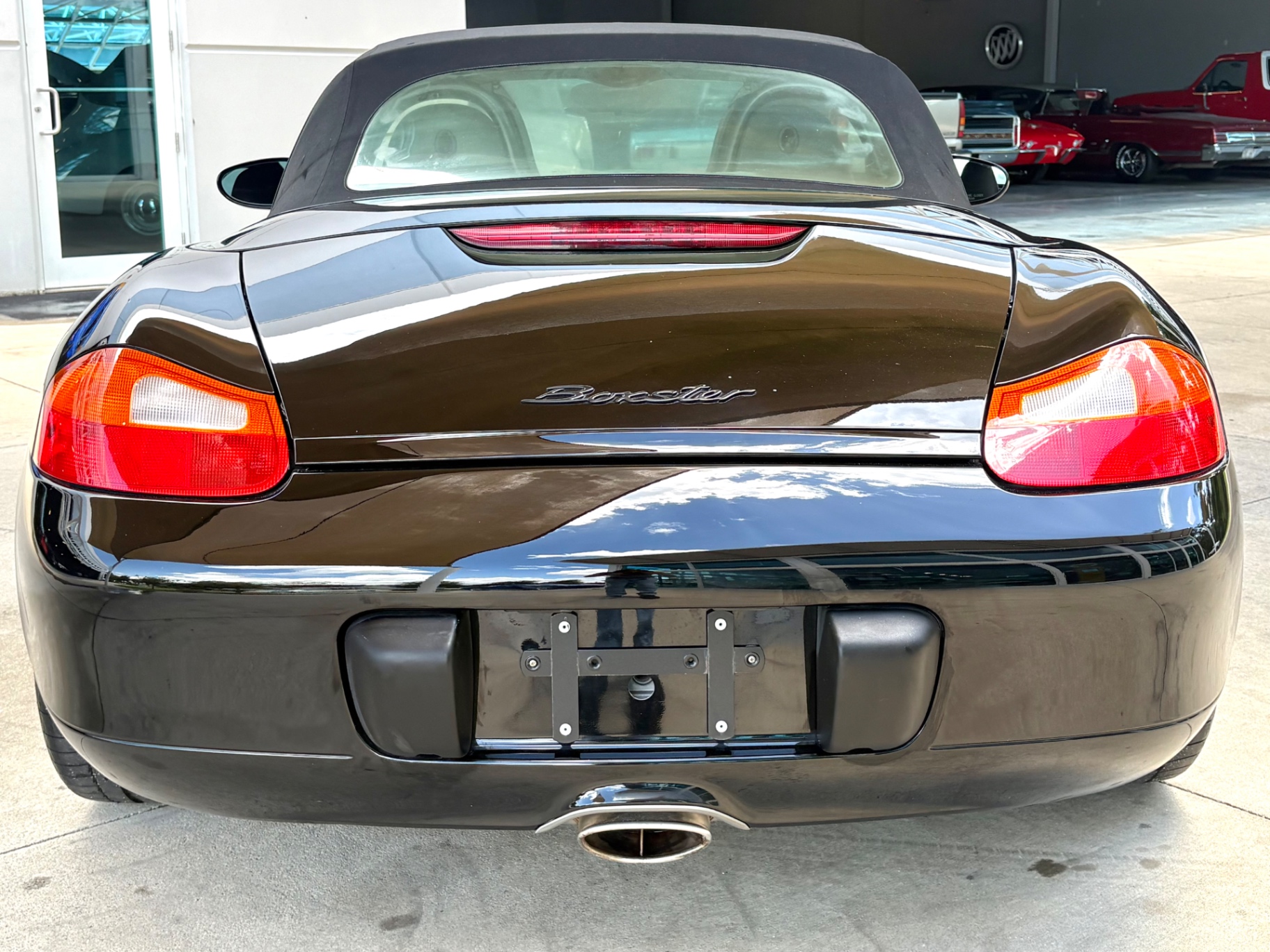
The black exterior is honest and correct on this body style. The 986 Boxster's body lines — drawn under the direction of Pinky Lai at Porsche's design studio — are round and smooth, drawing from the 550 Spyder and the 1969 914 concept without copying either. The front fascia houses the air intakes and framed headlights, while the rear is defined by the engine lid grille and the single oval exhaust tip centered in the bumper. That exhaust tip is signature Boxster — clean, simple, and functional.
The black soft top is fitted with a glass rear window, which is the correct specification for a 1999 Boxster of this build. Glass holds its clarity over time far better than plastic, and it allows the rear-mounted defroster to function properly. The factory 5-spoke silver wheels are the correct style for this generation and fit the proportions of the car well. Michelin tires are mounted all around.
The undercarriage photos show the belly pan panels, suspension pickup points, and exhaust system clearly. The structure is solid, the hardware is intact, and there is no indication of collision repair or deferred maintenance issues below the car. For a Florida-registered vehicle, this condition is encouraging and reflects a history of appropriate care.
Conclusion
The 1999 Porsche Boxster checks the right boxes for a buyer who understands what this car is: a purpose-engineered mid-engine roadster with genuine Porsche heritage, in the correct manual transmission specification, wearing a clean black exterior over a grey leather interior, and presenting a solid undercarriage that supports confidence in its history. The 986-generation Boxster is now old enough to qualify for collector plates in many states, and values on clean, unmodified examples have been moving upward as buyers recognize these cars as legitimate entry points into early water-cooled Porsche ownership. This one is not a project. It is a driver.
To learn more about this 1999 Porsche Boxster or to schedule an in-person inspection, call Skyway Classics in Sarasota, Florida at 941-254-6608.
Disclaimer
Information found on the website is presented as given to us by the owner of the car, whether on consignment or from the owner we bought it from. Some Photos, materials for videos, descriptions and other information are provided by the consignor/seller and is deemed reliable, but Skyway Classics does not warranty or guarantee this information. Skyway Classics is not responsible for information that may incorrect or a publishing error. The decision to purchase should be based solely on the buyers personal inspection of the vehicle or by a professional inspection service prior to offer or purchase being made.
1999 Porsche Boxster — Black on Grey, 5-Speed Manual, Clean Undercarriage
Why This Car Is Special
The 1999 Porsche Boxster represents something Porsche had not attempted since the 914: a purpose-built, mid-engine, open-top two-seater designed from a clean sheet. When the 986-generation Boxster arrived for the 1997 model year, it was not a parts-bin special or a trimmed-down 911. It was engineered specifically as a roadster, with the engine mounted behind the driver and ahead of the rear axle — the ideal placement for balanced, predictable handling. By 1999, the Boxster had already proven itself as one of the most capable driver's cars available at any price, and Porsche had worked through the earliest production teething concerns. That makes a well-preserved 1999 example a particularly sensible choice for a buyer who wants genuine Porsche driving character without the premium attached to later variants.
The base Boxster in 1999 used a 2.5-liter horizontally opposed six-cylinder engine producing 201 horsepower. That number may sound modest by today's standards, but the Boxster weighed roughly 2,800 pounds, and the engine sits amidships — giving the car a near-perfect 50/50 weight distribution. The result is a car that responds to driver inputs with an accuracy that larger, heavier sports cars cannot match. The Boxster S, which arrived for the 2000 model year with a 3.2-liter engine, gets most of the enthusiast attention, but the 2.5-liter car with a manual gearbox is the purist's specification. It is lighter, simpler, and every bit as engaging on a twisting road.
This specific car is finished in black over a grey leather interior and equipped with the 5-speed manual transmission — the correct combination for anyone who wants to use the car the way Porsche intended it to be driven.
Features List
- 2.5L Horizontally Opposed 6-Cylinder Mid-Engine
- 5-Speed Manual Transmission
- Black Soft Top with Glass Rear Window
- Grey Leather Bucket Seats
- Porsche CDR-220 AM/FM/Cassette Head Unit
- Door Panel Speakers (front and rear)
- Automatic Climate Control
- Factory 5-Spoke Silver Alloy Wheels
- Michelin Tires
- Integrated Roll Hoops
- Power Windows
- Power Door Locks
- Power-Adjustable Side Mirrors
- Tachometer
- Single Oval Exhaust Tip
- 4-Wheel Disc Brakes with ABS
- Power Steering
- Front and Rear Storage Compartments
- Driver and Passenger Airbags
- Clean Undercarriage
Mechanical
The 2.5-liter flat-six in this 1999 Porsche Boxster is a water-cooled unit — an important distinction for buyers familiar with Porsche's history. Porsche transitioned its road cars from air-cooled to water-cooled engines across the late 1990s, and the Boxster's M96 engine family was part of that shift. The engine sits longitudinally behind the cockpit, low in the chassis, where its weight contributes to a low center of gravity. Power routes through a 5-speed manual transmission, which is the gearbox most Boxster buyers specify when they are buying for driving enjoyment rather than convenience.
The suspension is fully independent front and rear, using MacPherson struts up front and a multi-link setup at the rear. Four-wheel disc brakes are assisted by ABS, and power steering keeps the effort manageable without disconnecting the driver from road feel. The Michelin tires visible in the photos are an appropriate choice for this chassis, which was developed with performance tire feedback in mind.
The undercarriage photos in this listing tell the most important story. The floorpan, subframes, and suspension components are clean and solid. This is a car that has not been abused, has not lived in a rust-prone climate, and shows the kind of care underneath that typically reflects how the car was treated overall. Finding an early Boxster with this caliber of undercarriage condition at this price point is not common.
Interior
The grey leather interior is intact and consistent throughout. The bucket seats — a defining feature of the Boxster's cockpit — retain their shape and show expected use but no significant damage. The leather on the seat bolsters shows some natural softening with age, which is honest wear on a 25-year-old driver's car.
The dashboard is all original, with the instrument binnacle positioned correctly and deeply hooded to reduce glare. The tachometer takes center position in the gauge cluster, which is a deliberate design choice by Porsche — this is a car where engine speed matters. Flanking the tach are the speedometer and a secondary gauge display for fuel level, oil temperature, and odometer.
The factory Porsche CDR-220 head unit is present and correct in the center stack. The CDR-220 was a Porsche-branded AM/FM/cassette unit offered during this production period, and having the original radio intact keeps the interior looking as it left the factory. The automatic climate control panel sits directly above the radio and uses the same oval design language that carries through the entire dashboard. Door panel speakers are fitted on both sides, providing audio coverage without aftermarket modifications.
The integrated roll hoops rising behind each headrest are structural, not decorative. In the event of a rollover, they are designed to protect the occupants. They also contribute to the visual silhouette that makes the 986 Boxster immediately recognizable from any angle. Both front and rear storage compartments are functional, which gives this two-seater more practical carrying capacity than many roadsters of its era.
Exterior
The black exterior is honest and correct on this body style. The 986 Boxster's body lines — drawn under the direction of Pinky Lai at Porsche's design studio — are round and smooth, drawing from the 550 Spyder and the 1969 914 concept without copying either. The front fascia houses the air intakes and framed headlights, while the rear is defined by the engine lid grille and the single oval exhaust tip centered in the bumper. That exhaust tip is signature Boxster — clean, simple, and functional.
The black soft top is fitted with a glass rear window, which is the correct specification for a 1999 Boxster of this build. Glass holds its clarity over time far better than plastic, and it allows the rear-mounted defroster to function properly. The factory 5-spoke silver wheels are the correct style for this generation and fit the proportions of the car well. Michelin tires are mounted all around.
The undercarriage photos show the belly pan panels, suspension pickup points, and exhaust system clearly. The structure is solid, the hardware is intact, and there is no indication of collision repair or deferred maintenance issues below the car. For a Florida-registered vehicle, this condition is encouraging and reflects a history of appropriate care.
Conclusion
The 1999 Porsche Boxster checks the right boxes for a buyer who understands what this car is: a purpose-engineered mid-engine roadster with genuine Porsche heritage, in the correct manual transmission specification, wearing a clean black exterior over a grey leather interior, and presenting a solid undercarriage that supports confidence in its history. The 986-generation Boxster is now old enough to qualify for collector plates in many states, and values on clean, unmodified examples have been moving upward as buyers recognize these cars as legitimate entry points into early water-cooled Porsche ownership. This one is not a project. It is a driver.
To learn more about this 1999 Porsche Boxster or to schedule an in-person inspection, call Skyway Classics in Sarasota, Florida at 941-254-6608.
Disclaimer
Information found on the website is presented as given to us by the owner of the car, whether on consignment or from the owner we bought it from. Some Photos, materials for videos, descriptions and other information are provided by the consignor/seller and is deemed reliable, but Skyway Classics does not warranty or guarantee this information. Skyway Classics is not responsible for information that may incorrect or a publishing error. The decision to purchase should be based solely on the buyers personal inspection of the vehicle or by a professional inspection service prior to offer or purchase being made.
1999 Porsche
Boxster Base
Why Choose Skyway Classics?
Explore our curated inventory of classic and collector cars—thoughtfully selected, ready to drive, and supported by experts who make ownership simple.
Expert Curation
Every vehicle is hand-selected by our experts for quality, authenticity, and investment potential.
Fast Transactions
Streamlined buying and selling process with quick financing and immediate delivery options.
Only National Dealer With Classic Service & Repair
We’re the only national dealership that services and repairs the classics we sell—before and after the sale.
Nationwide Network
Access to our extensive network of collectors, restorers, and classic car enthusiasts nationwide.
Concierge Ownership Support
From financing and insurance to paperwork, shipping, and titling—we handle the details so you can enjoy the drive.
Passion-Driven Service
We're classic car enthusiasts first, providing personalized service with genuine passion for the hobby.