
1966 Chevrolet
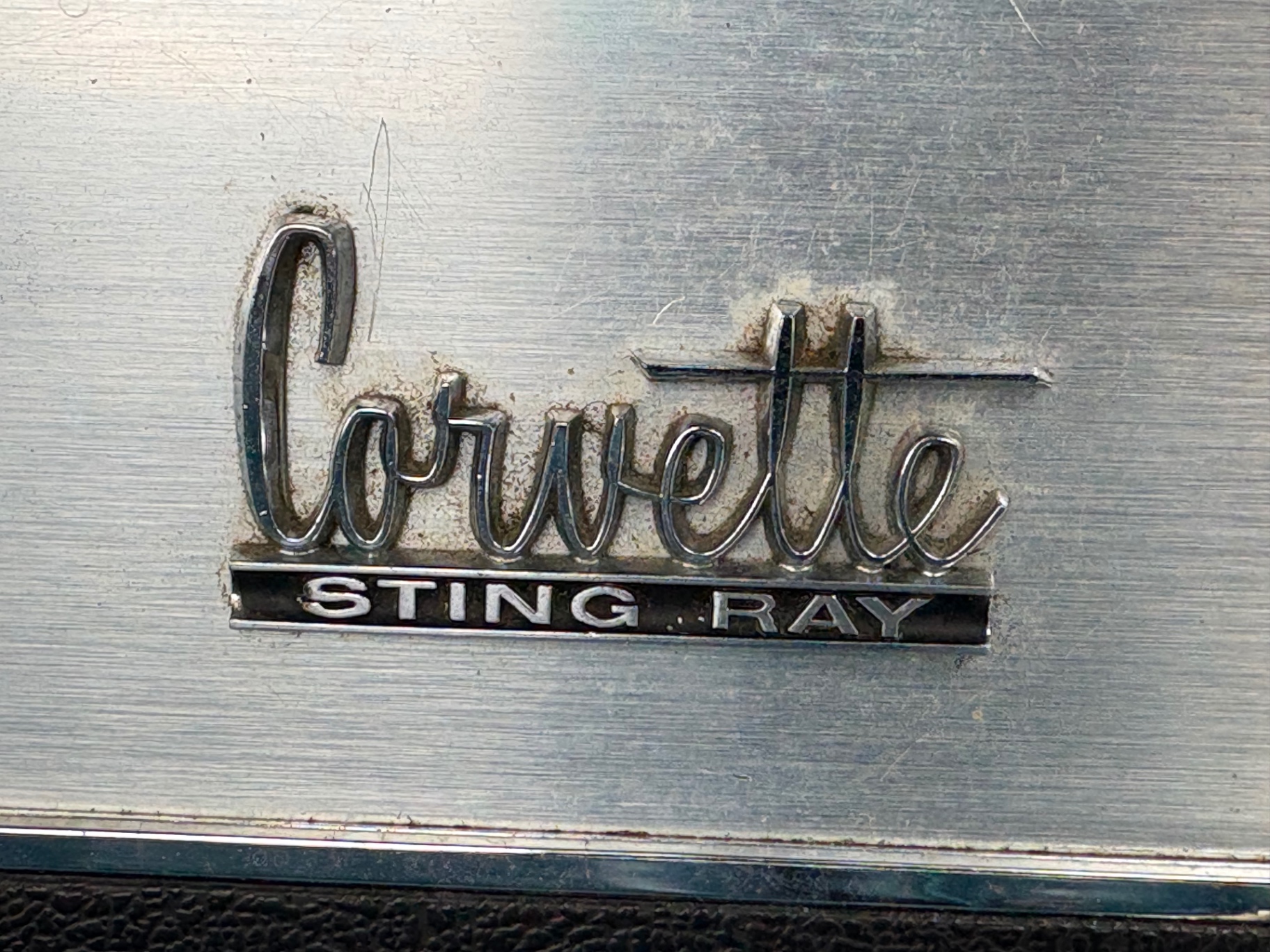
Corvette Sting Ray Convertible
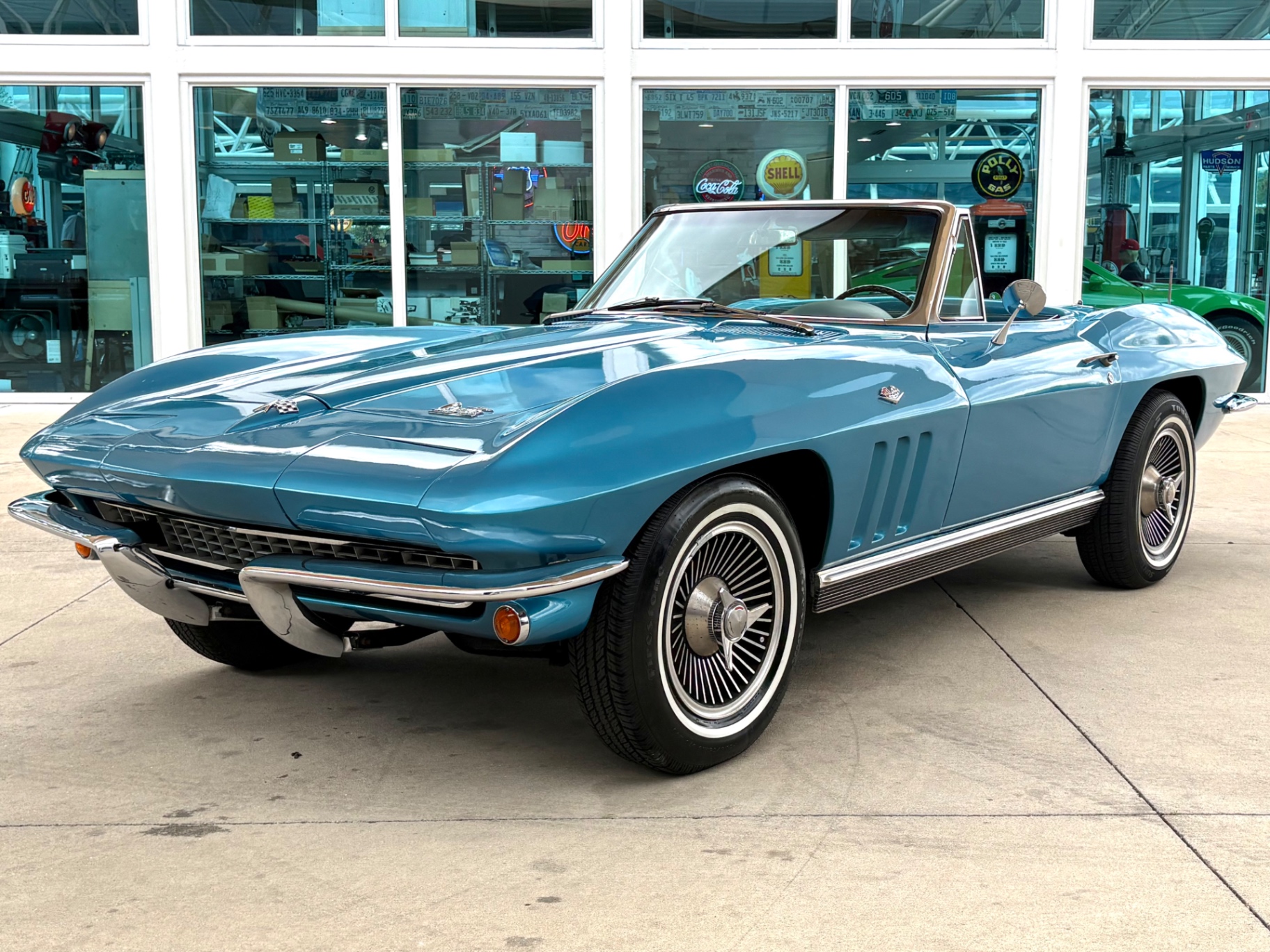
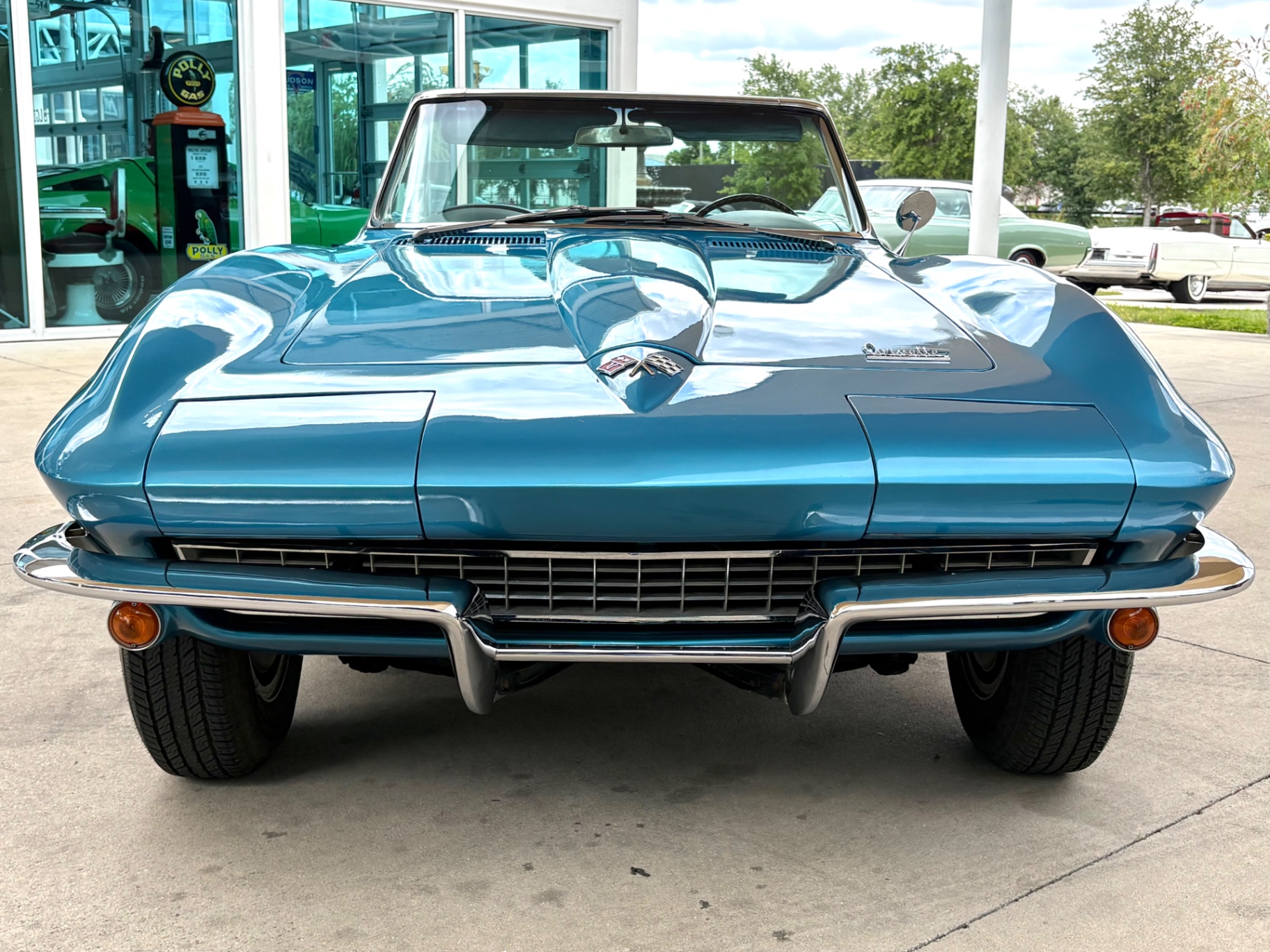
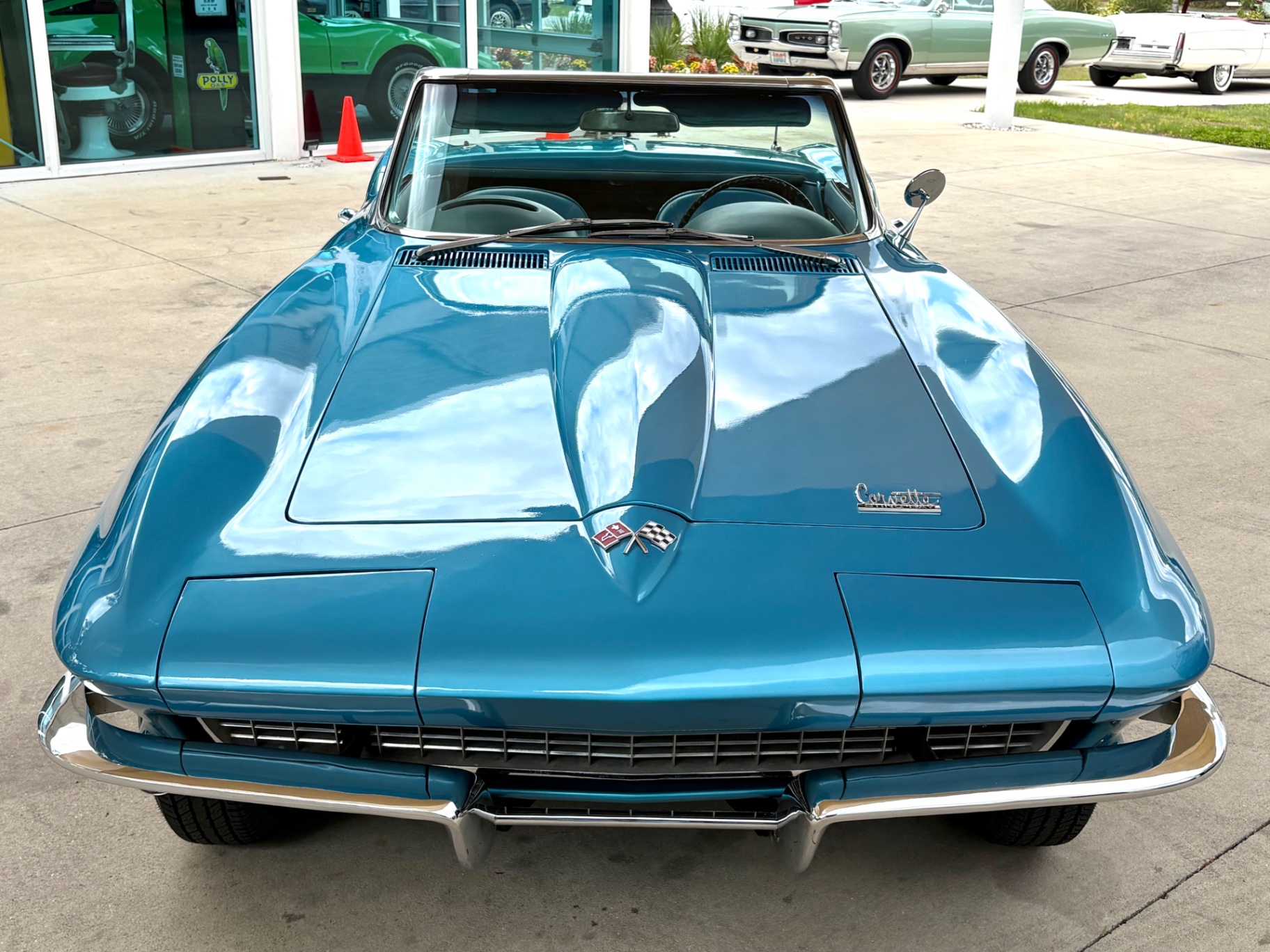
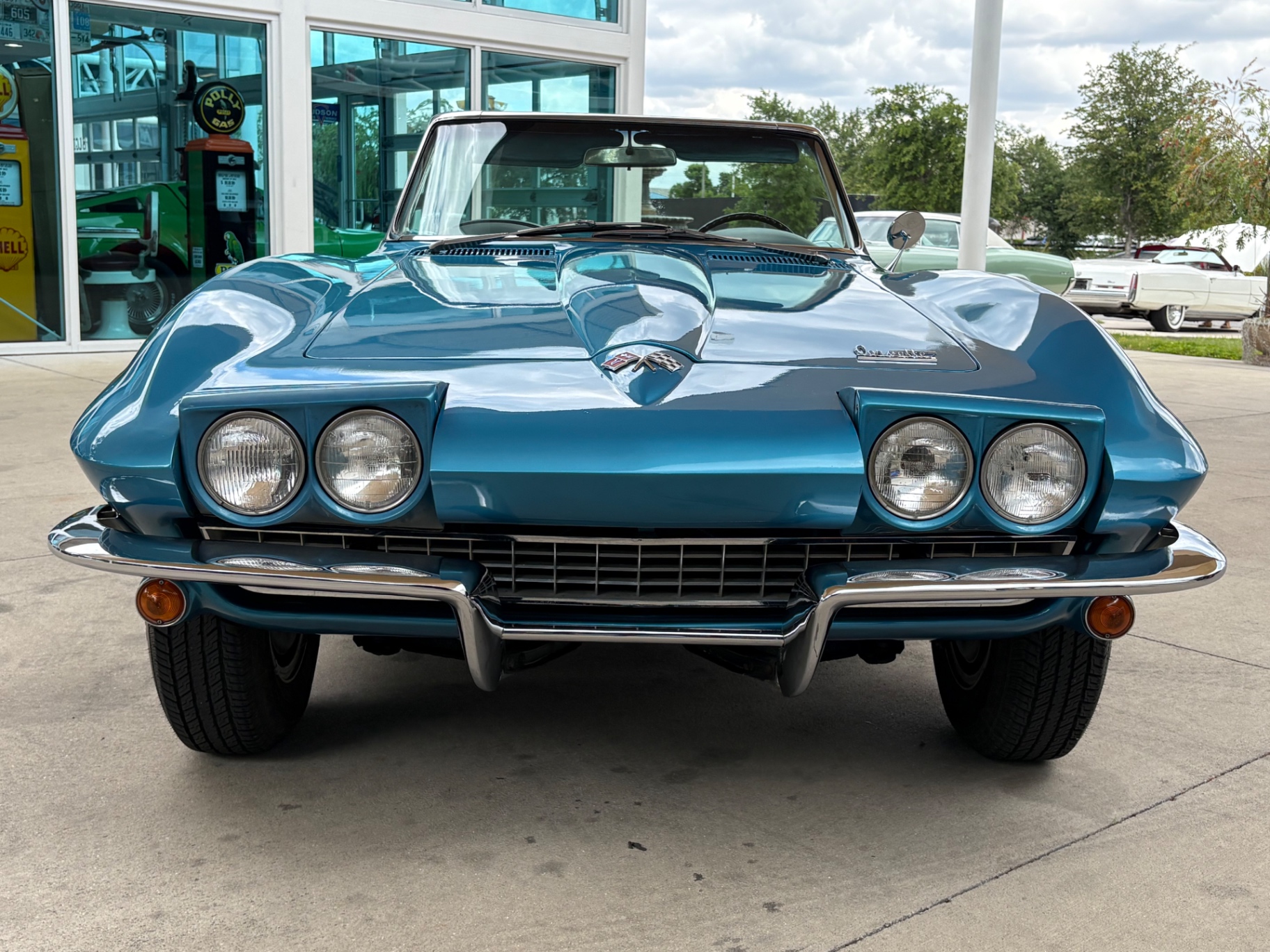
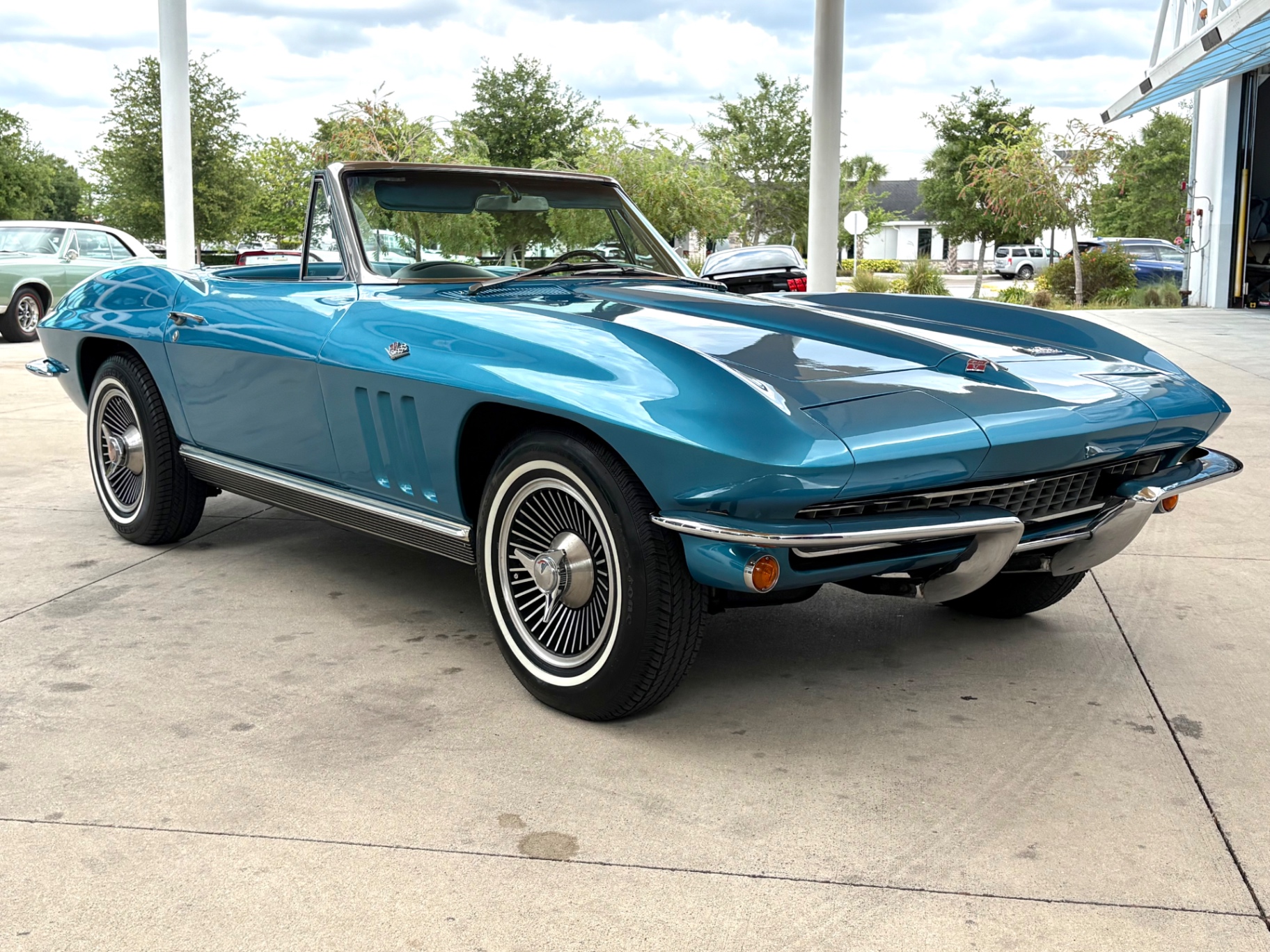
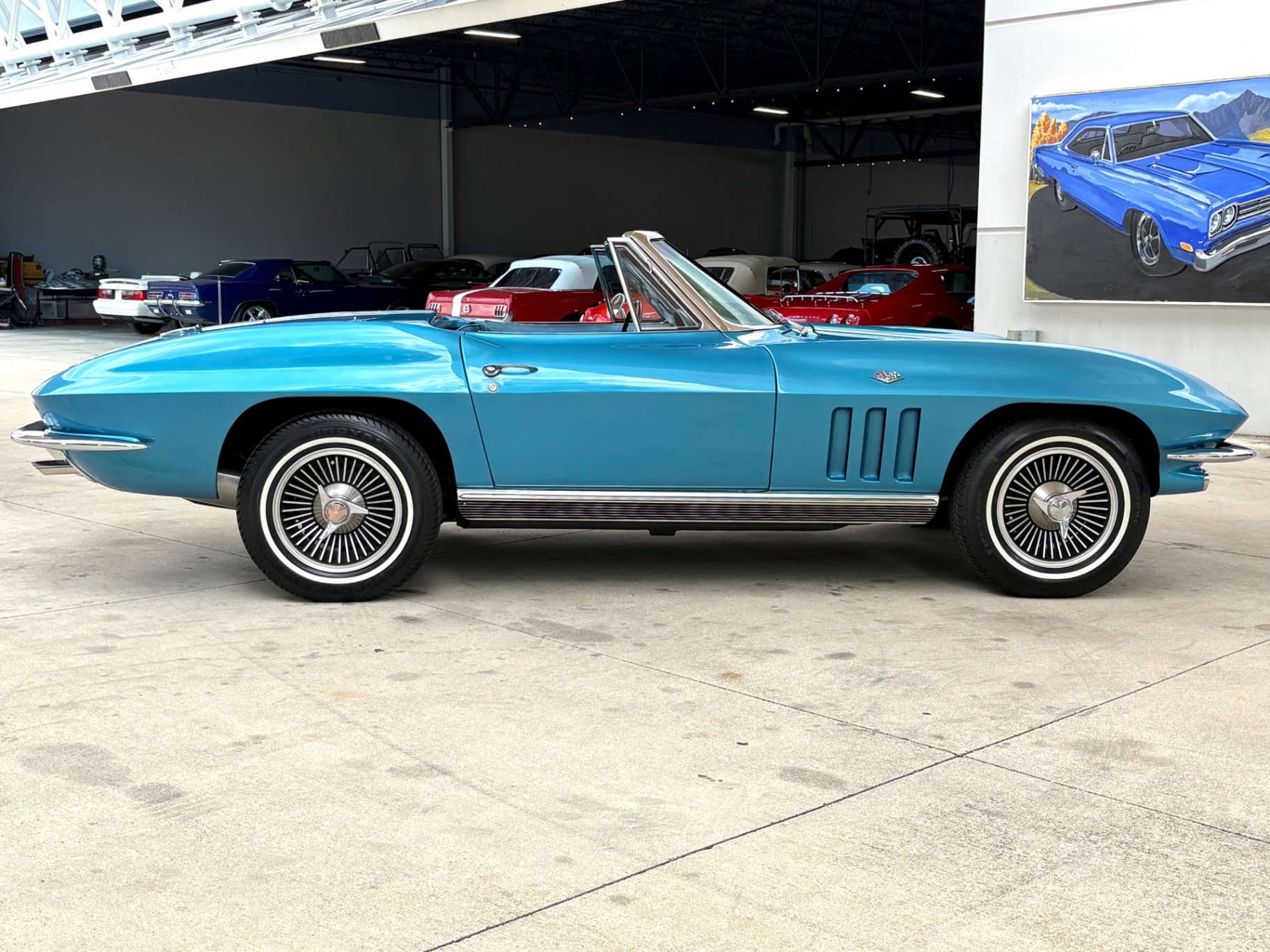
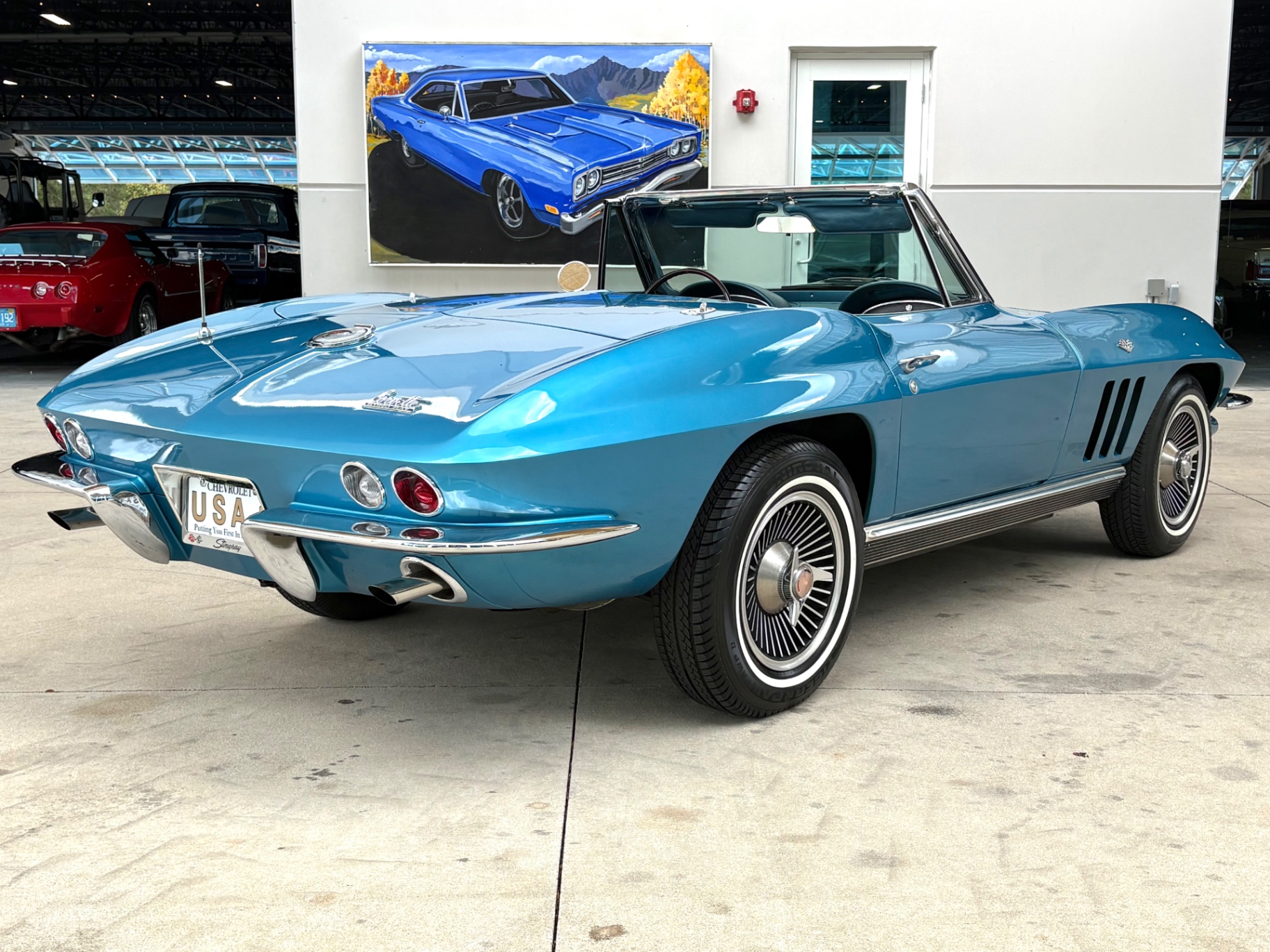
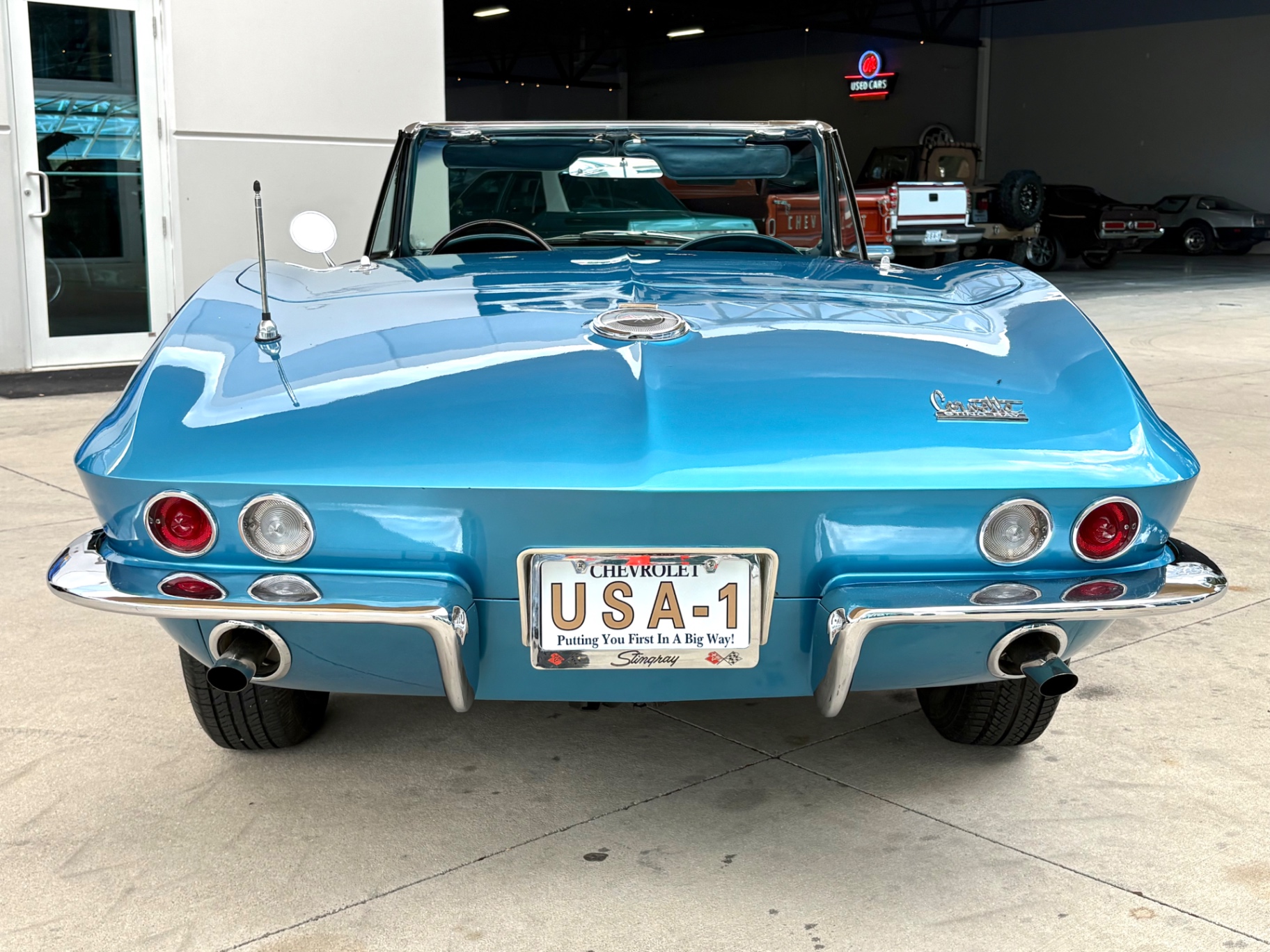
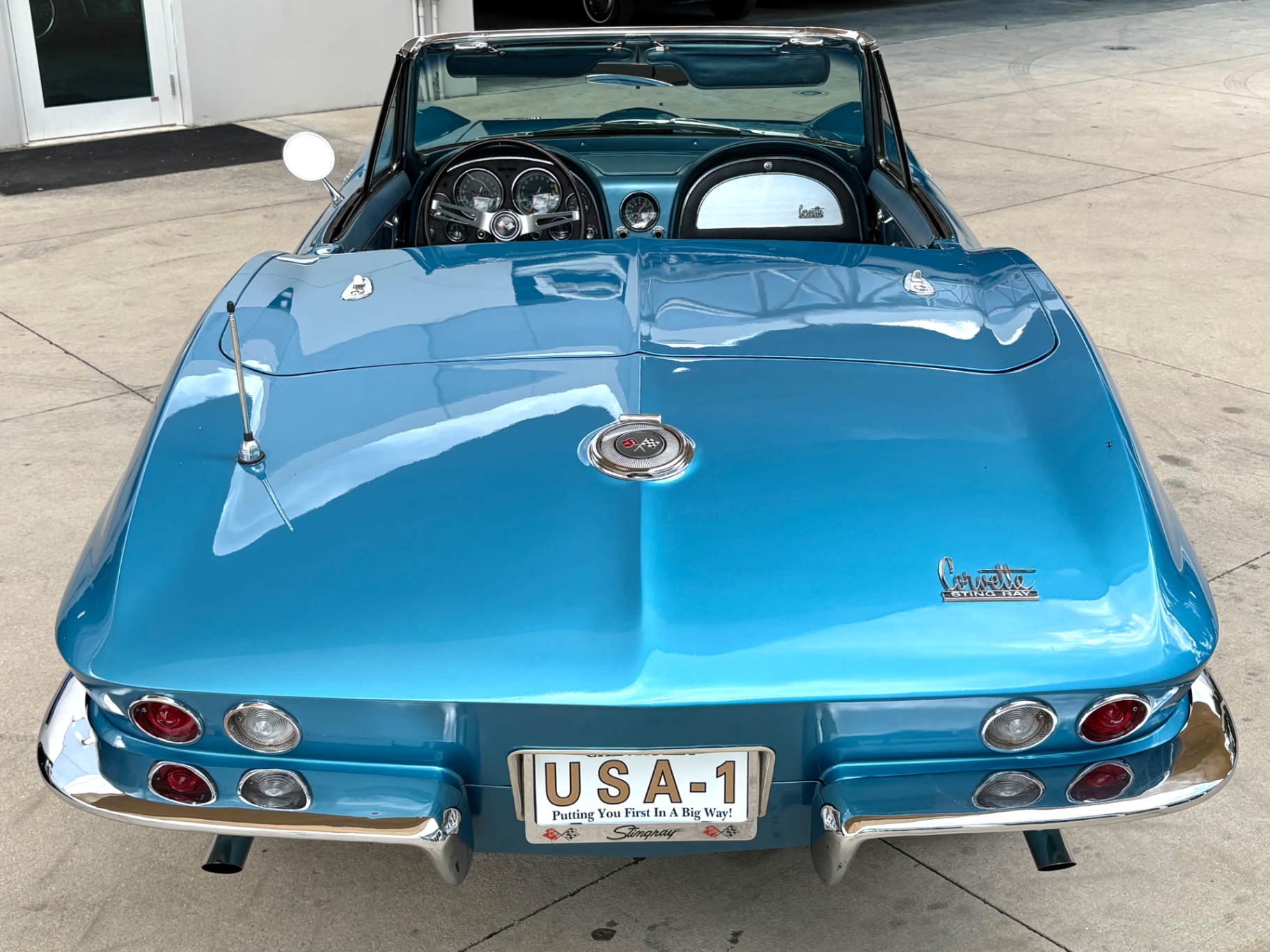
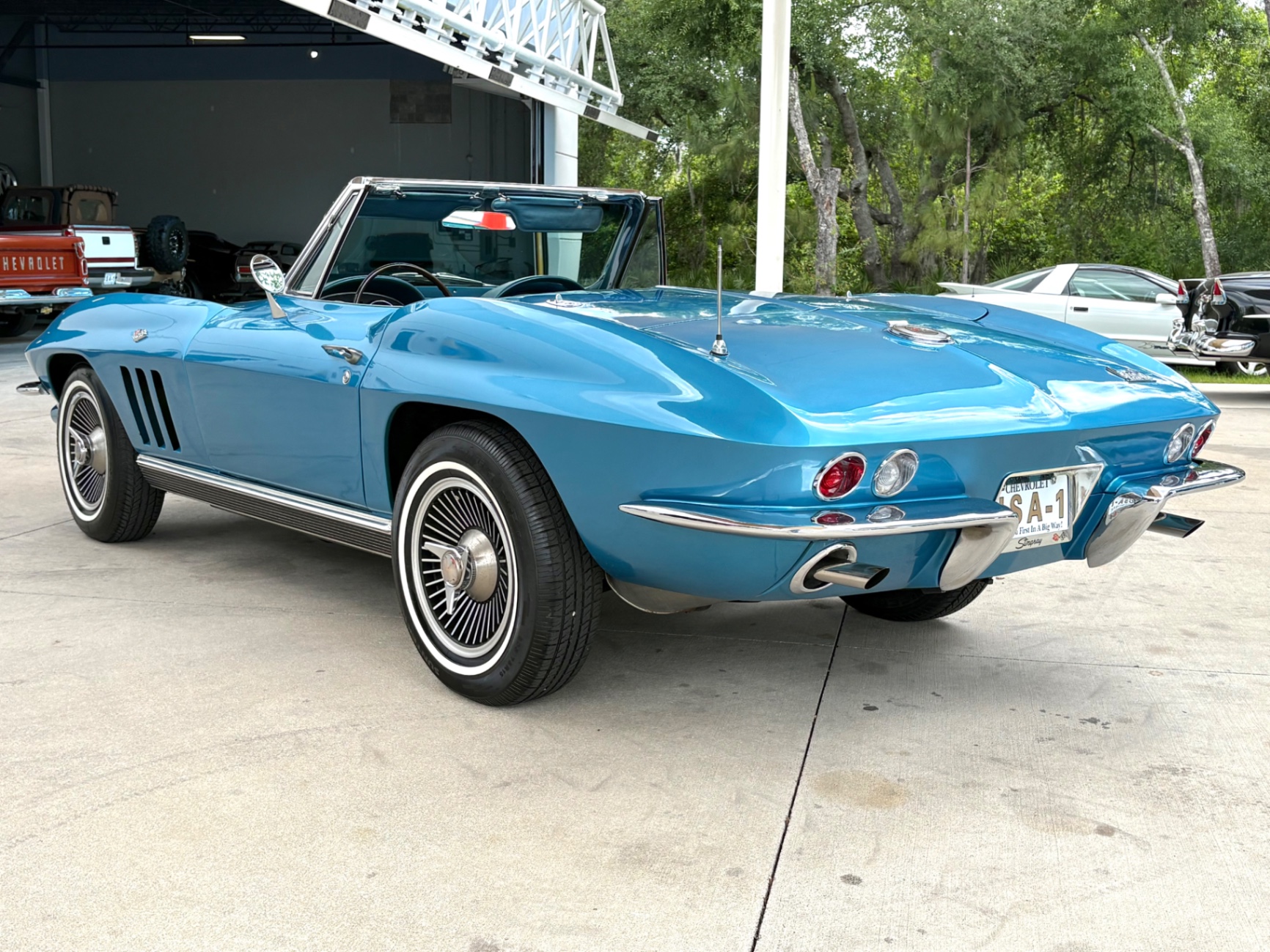
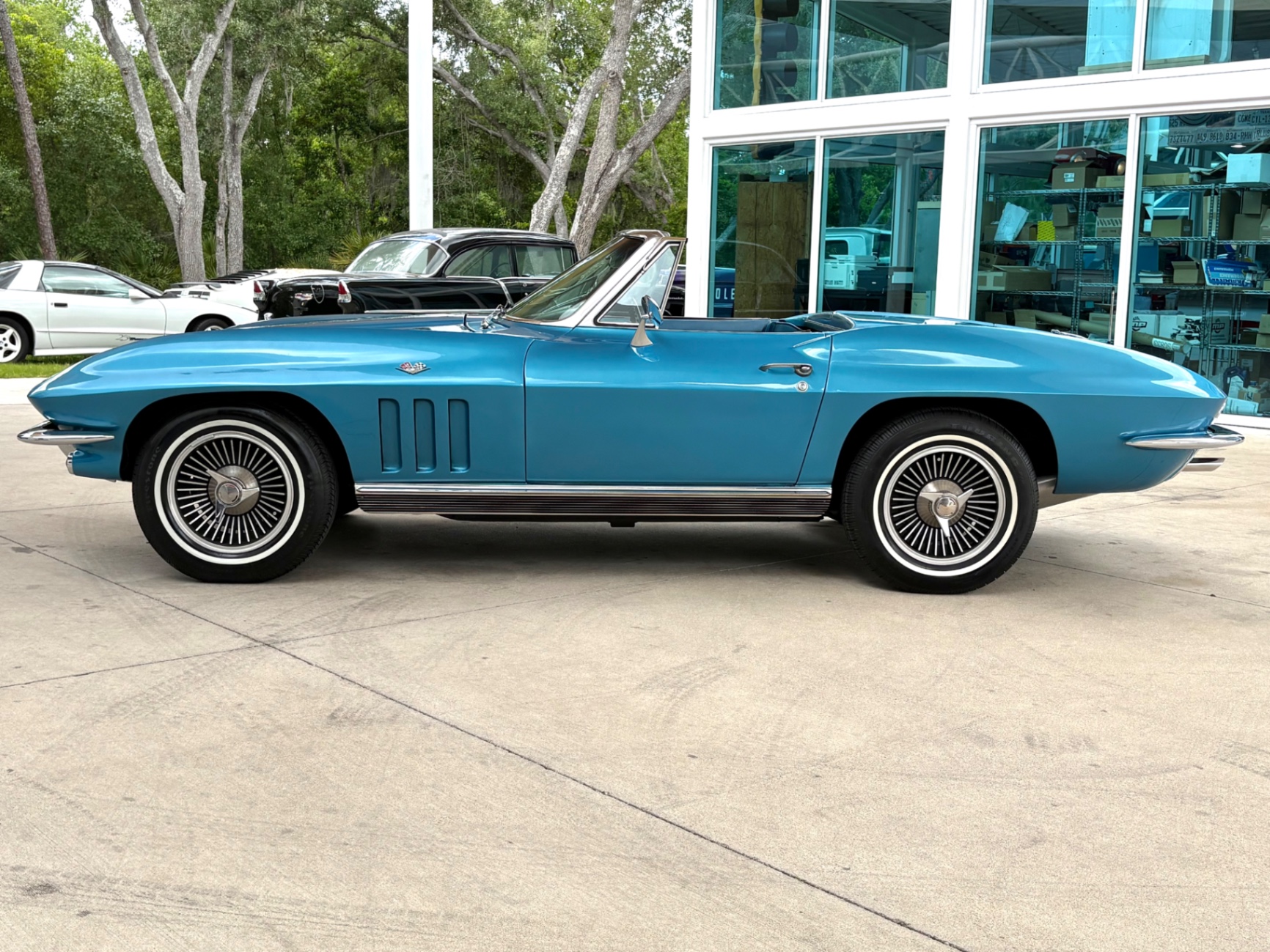
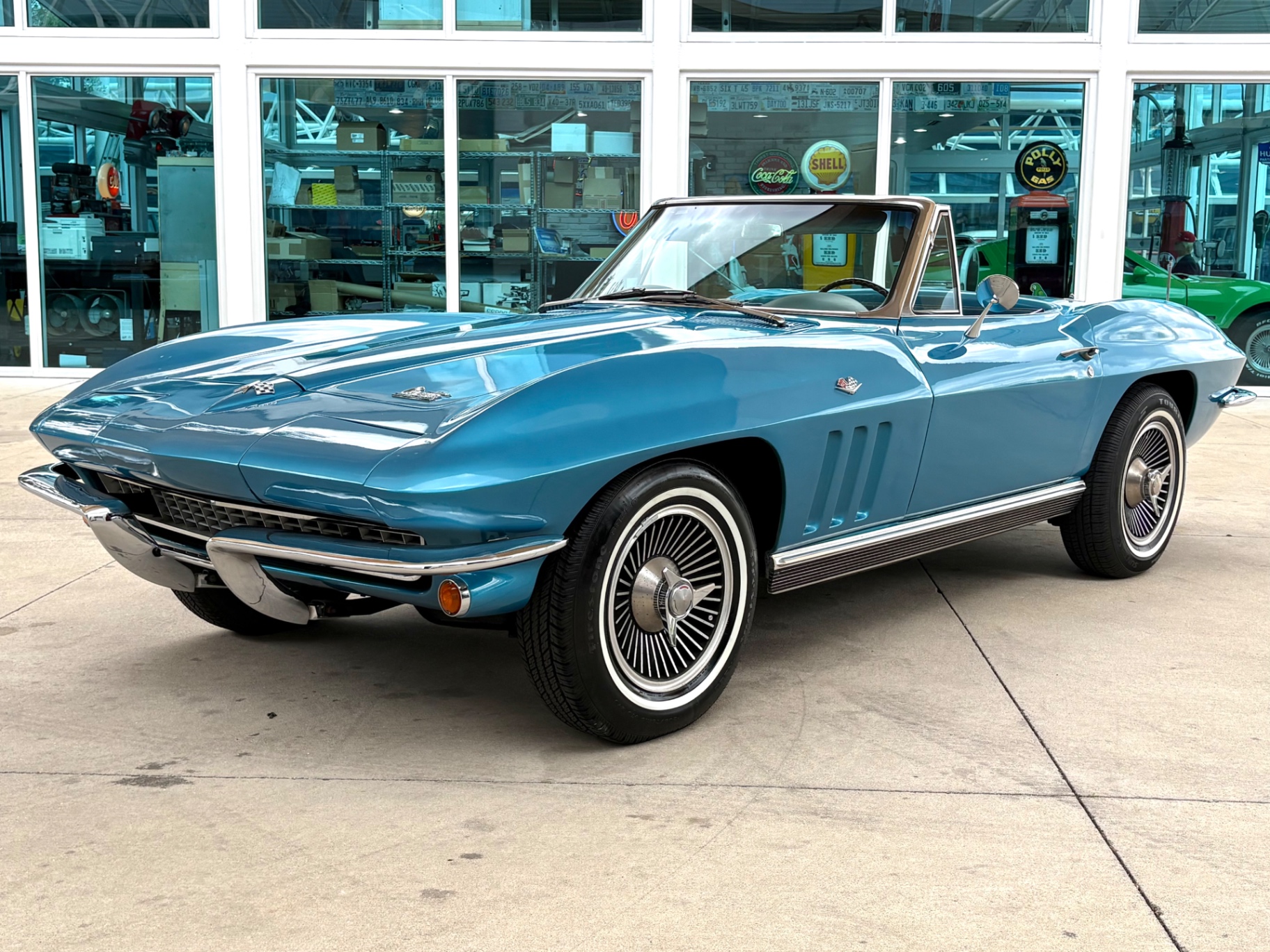
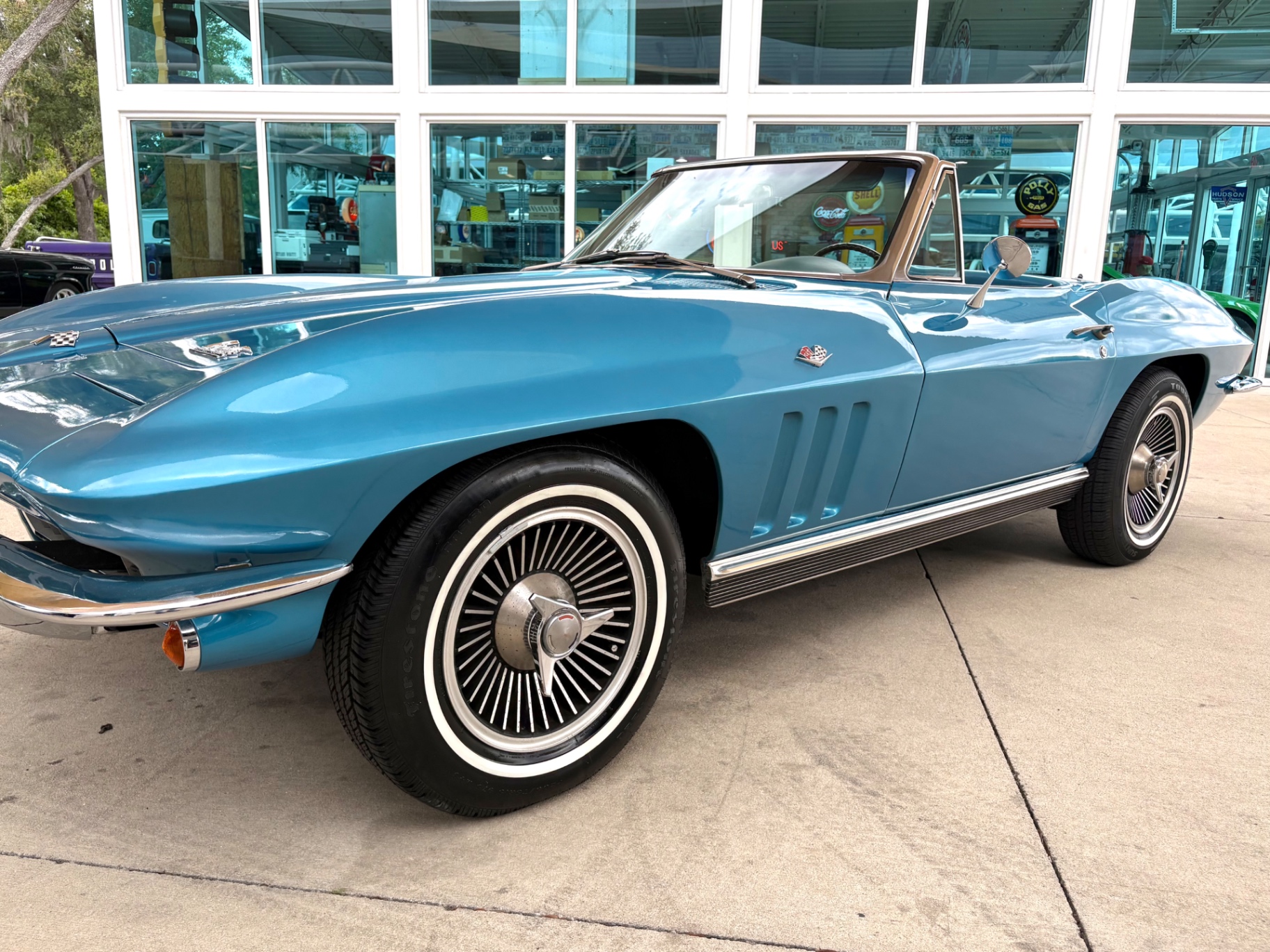
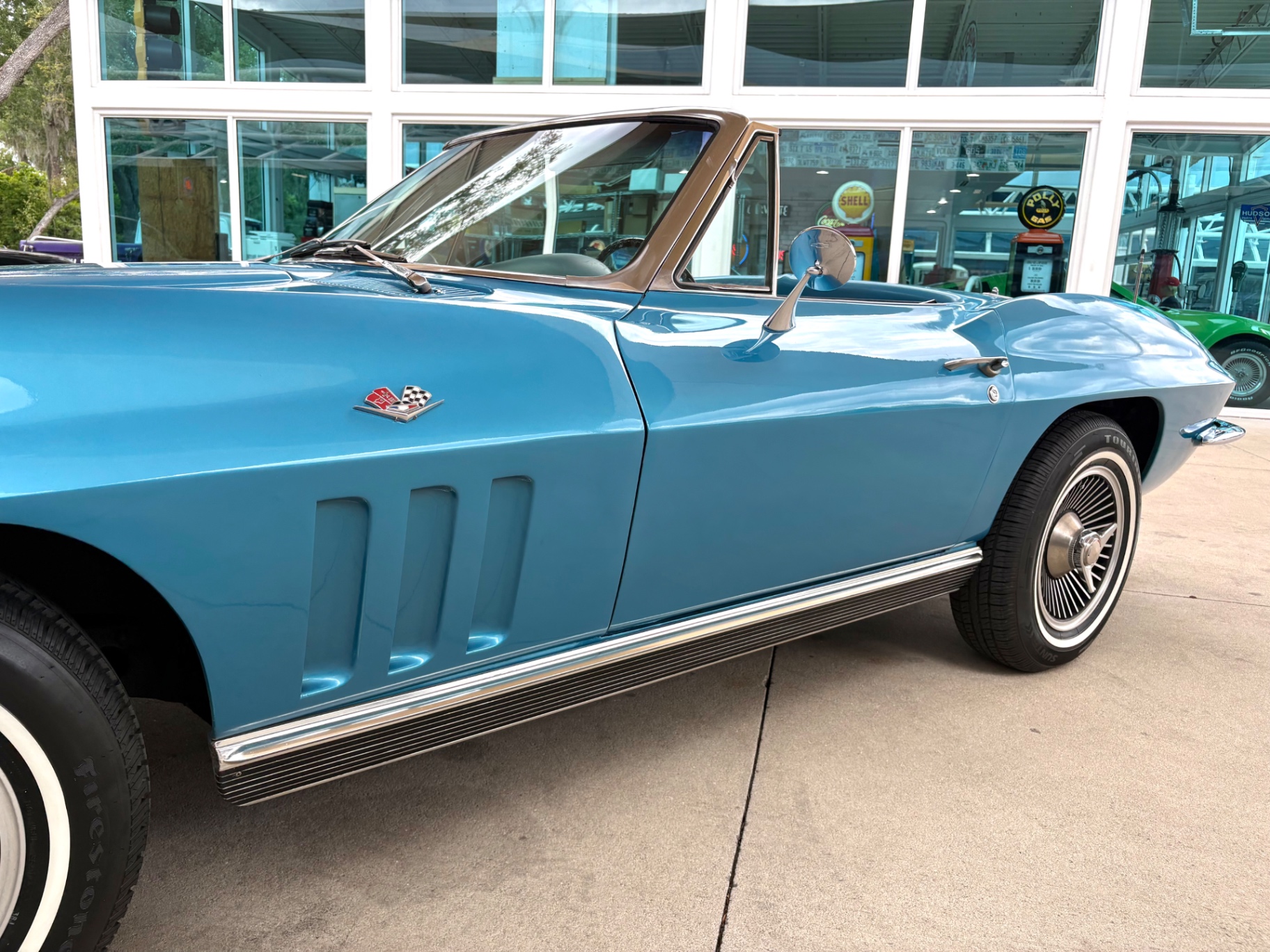
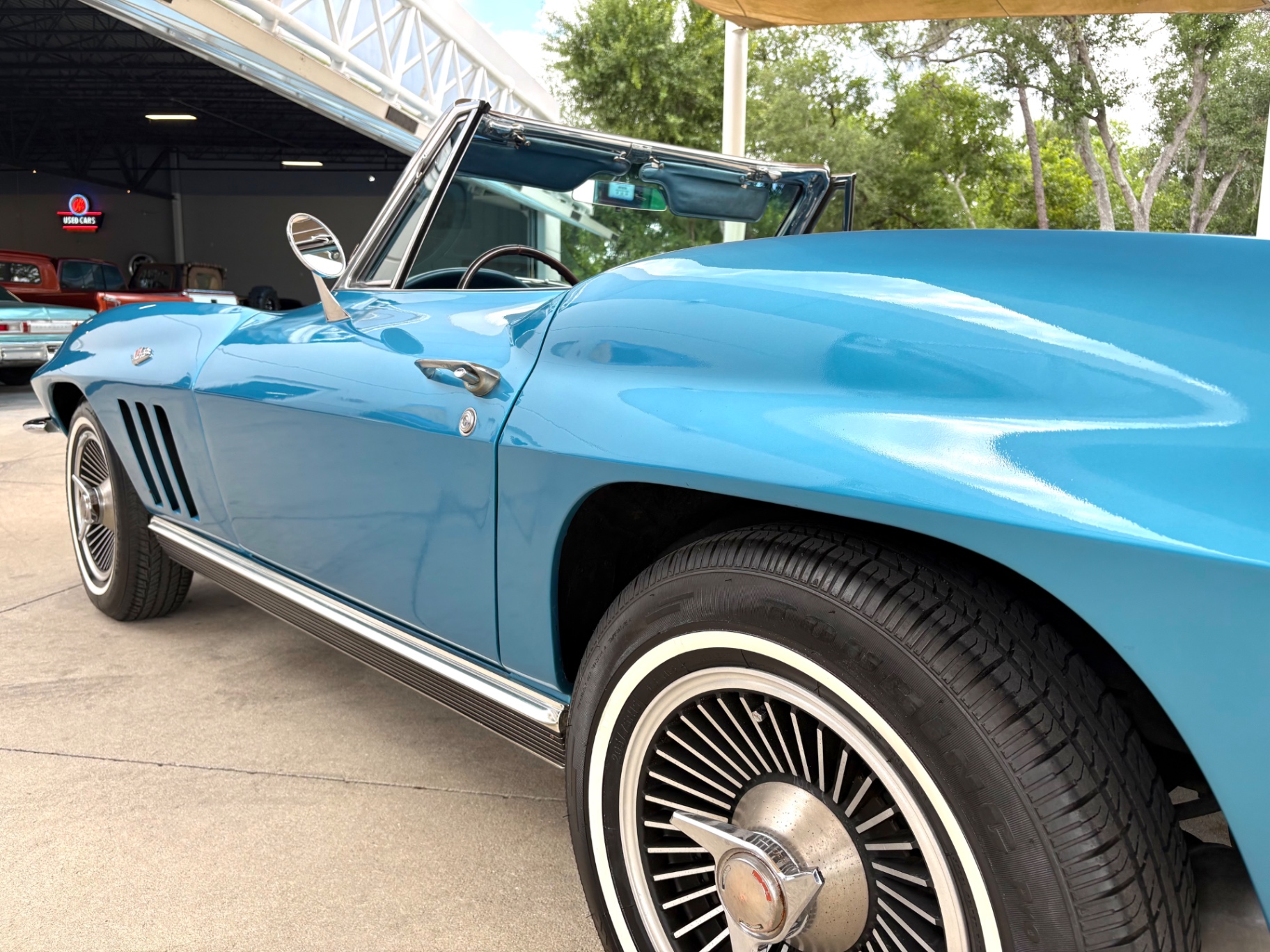
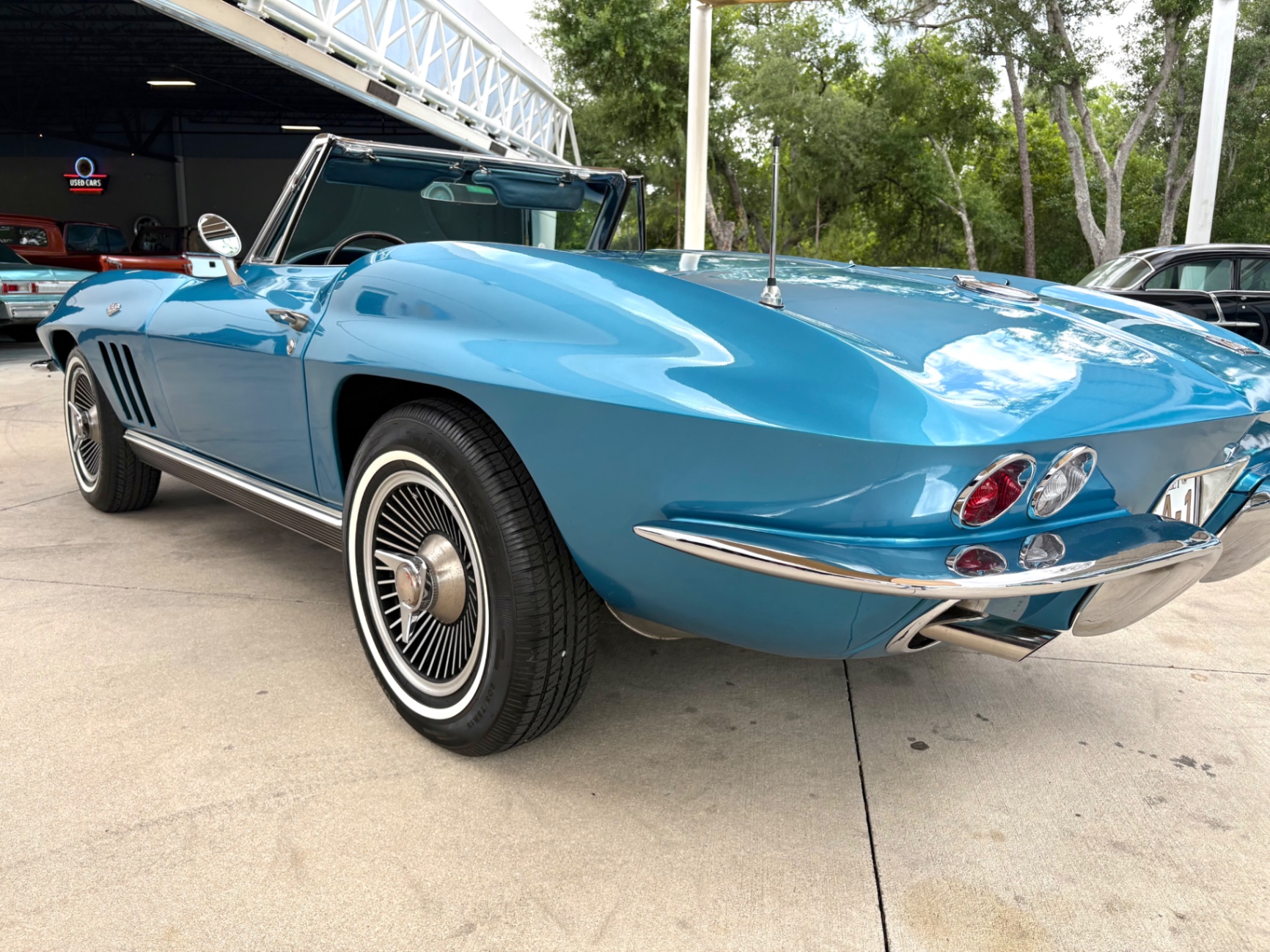
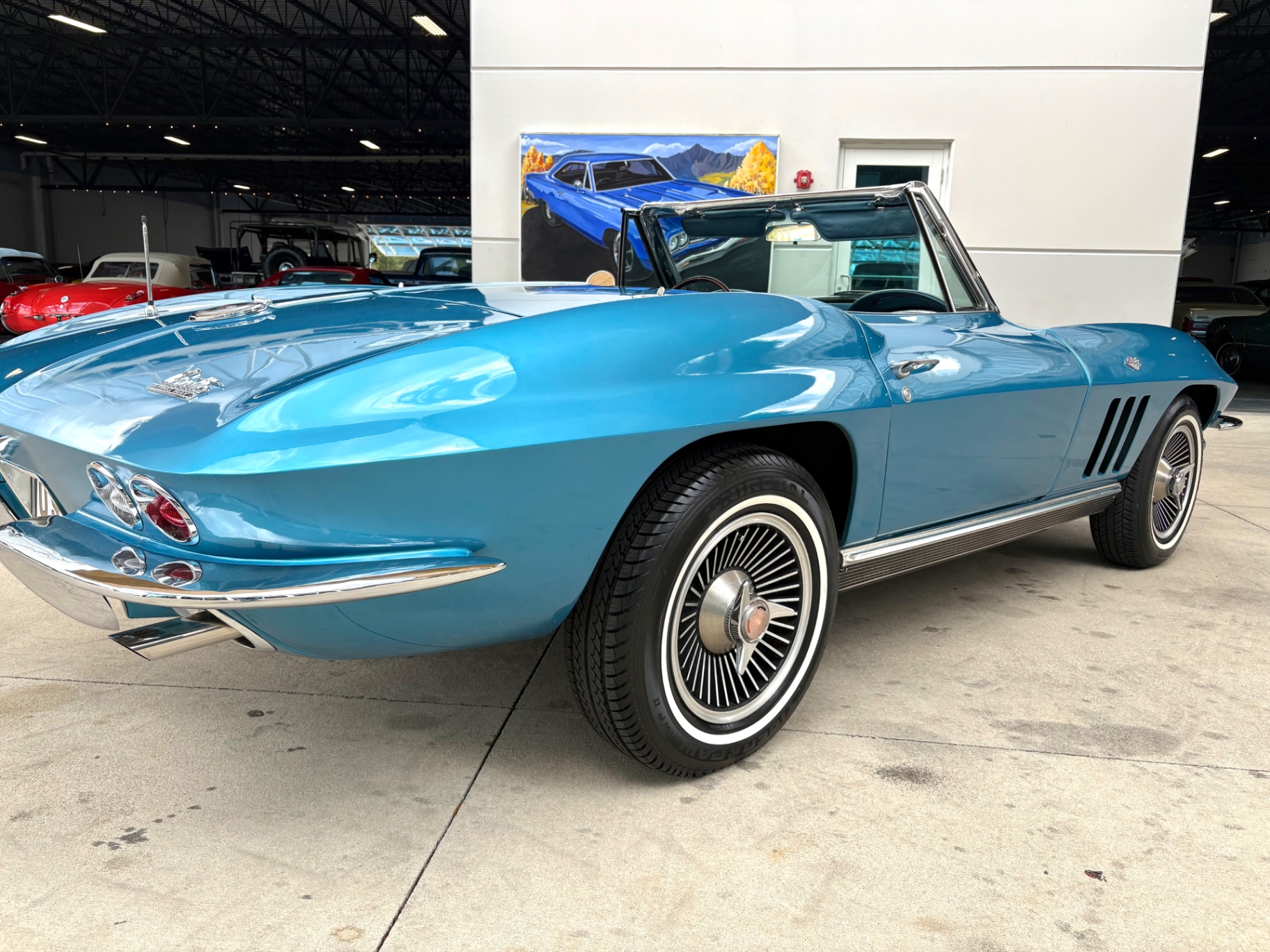
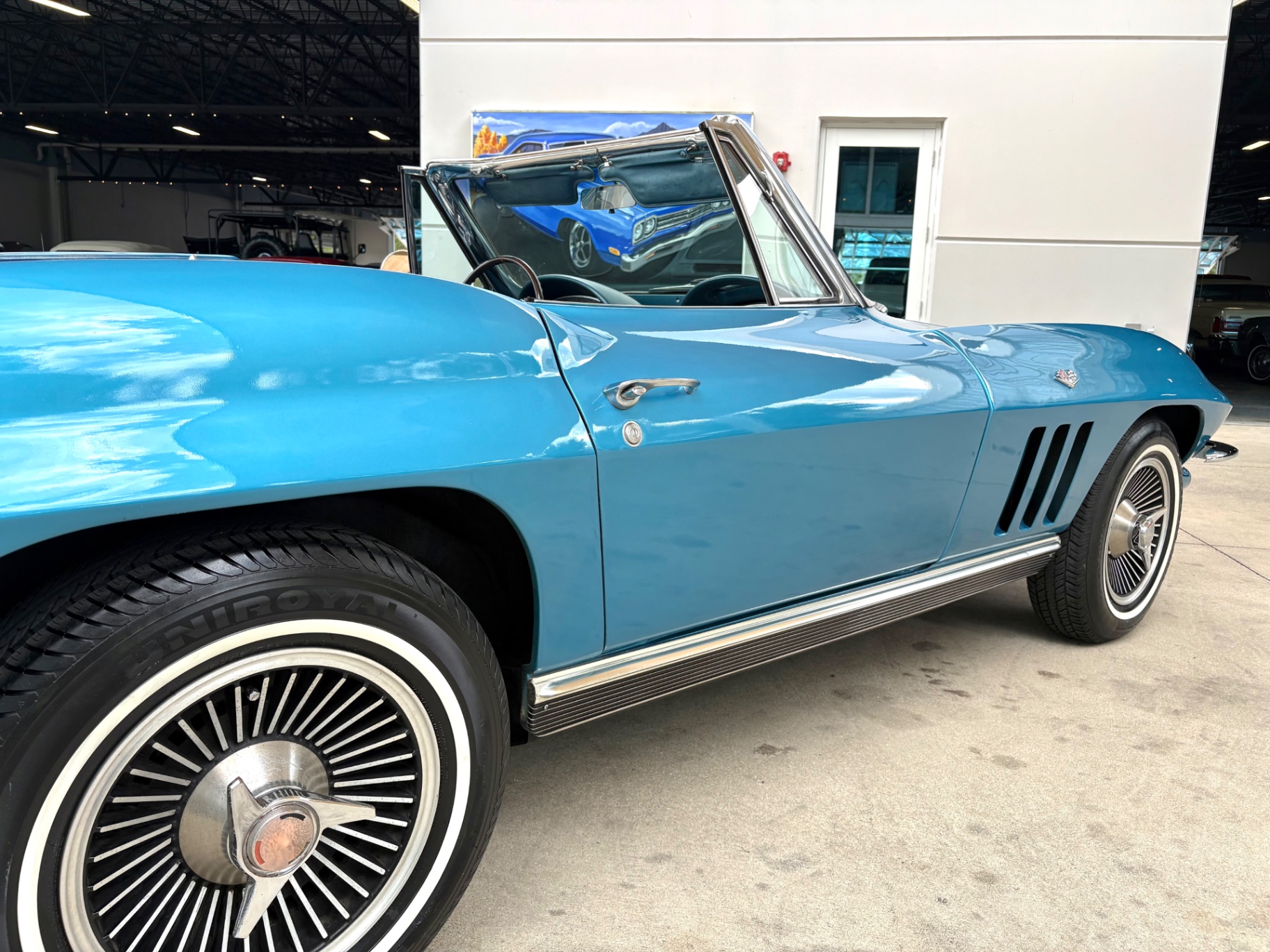
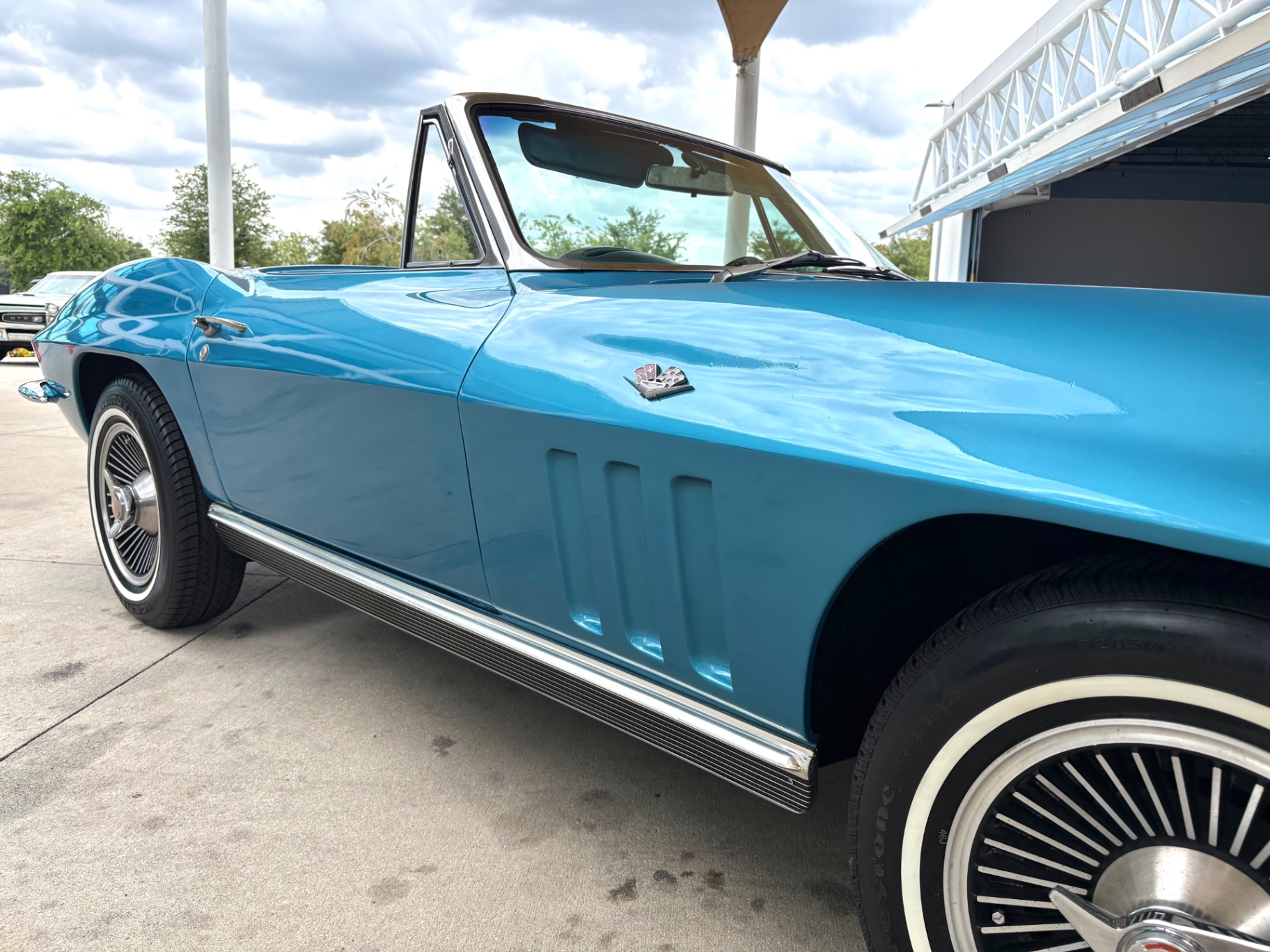
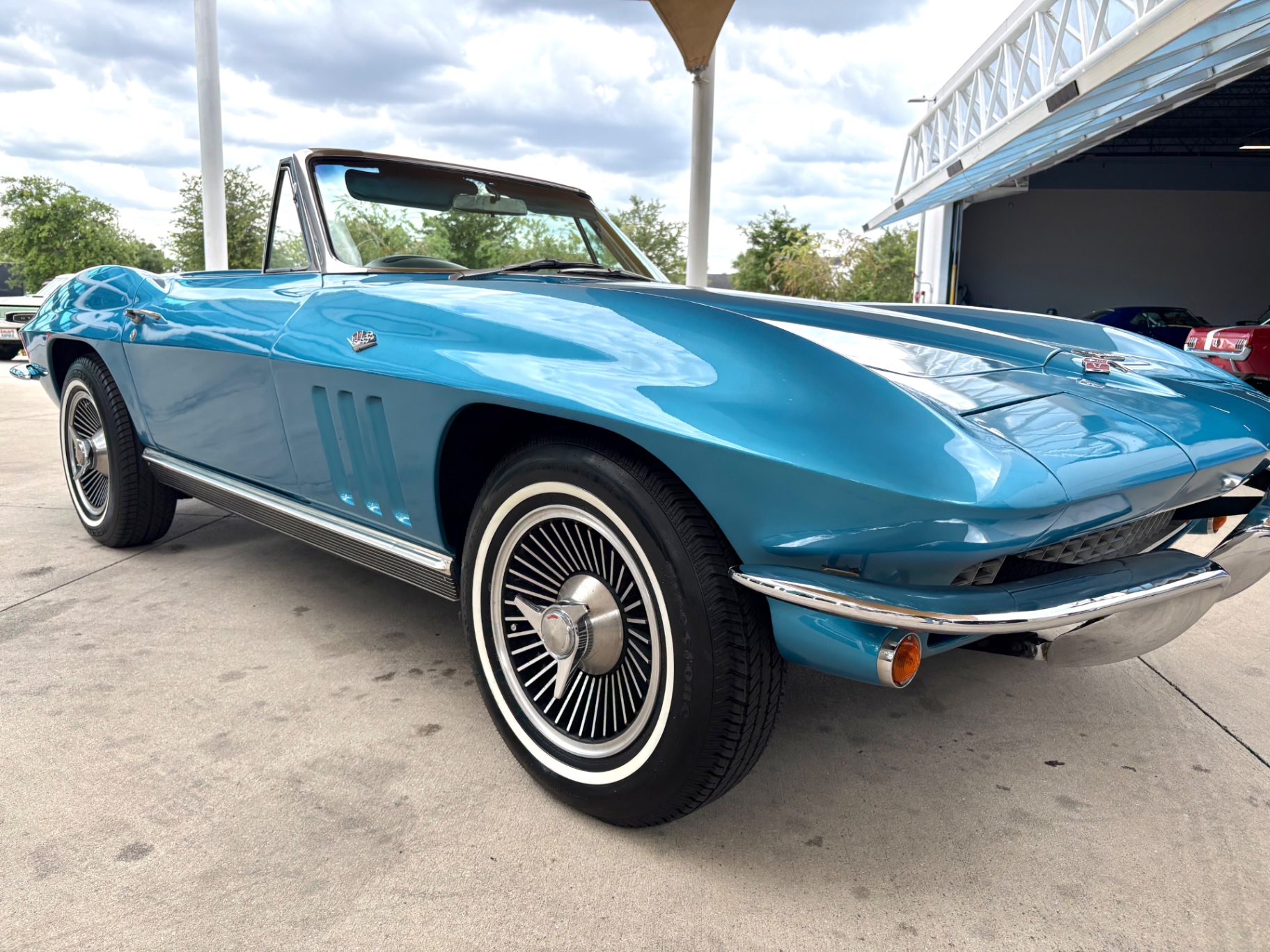
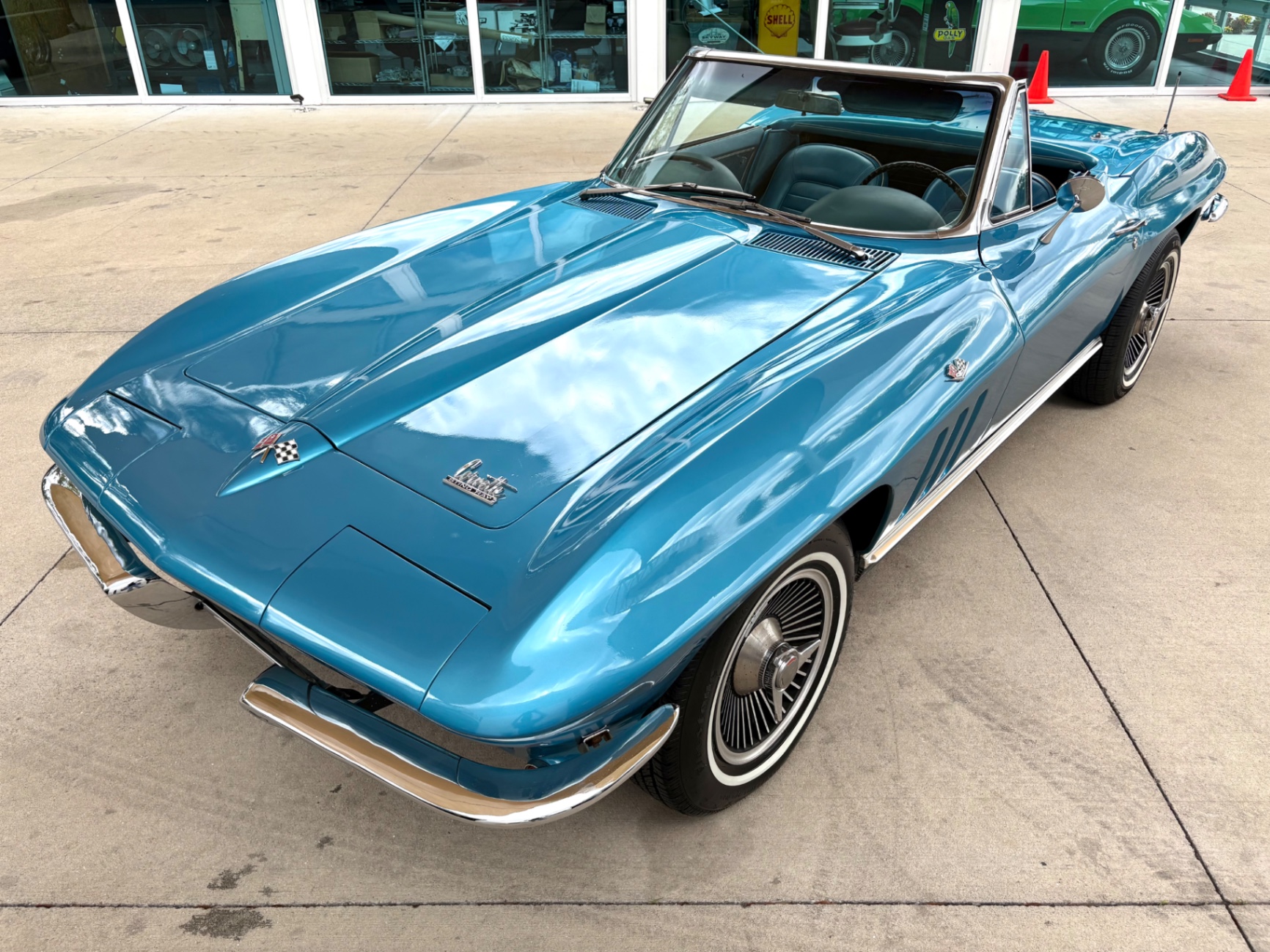
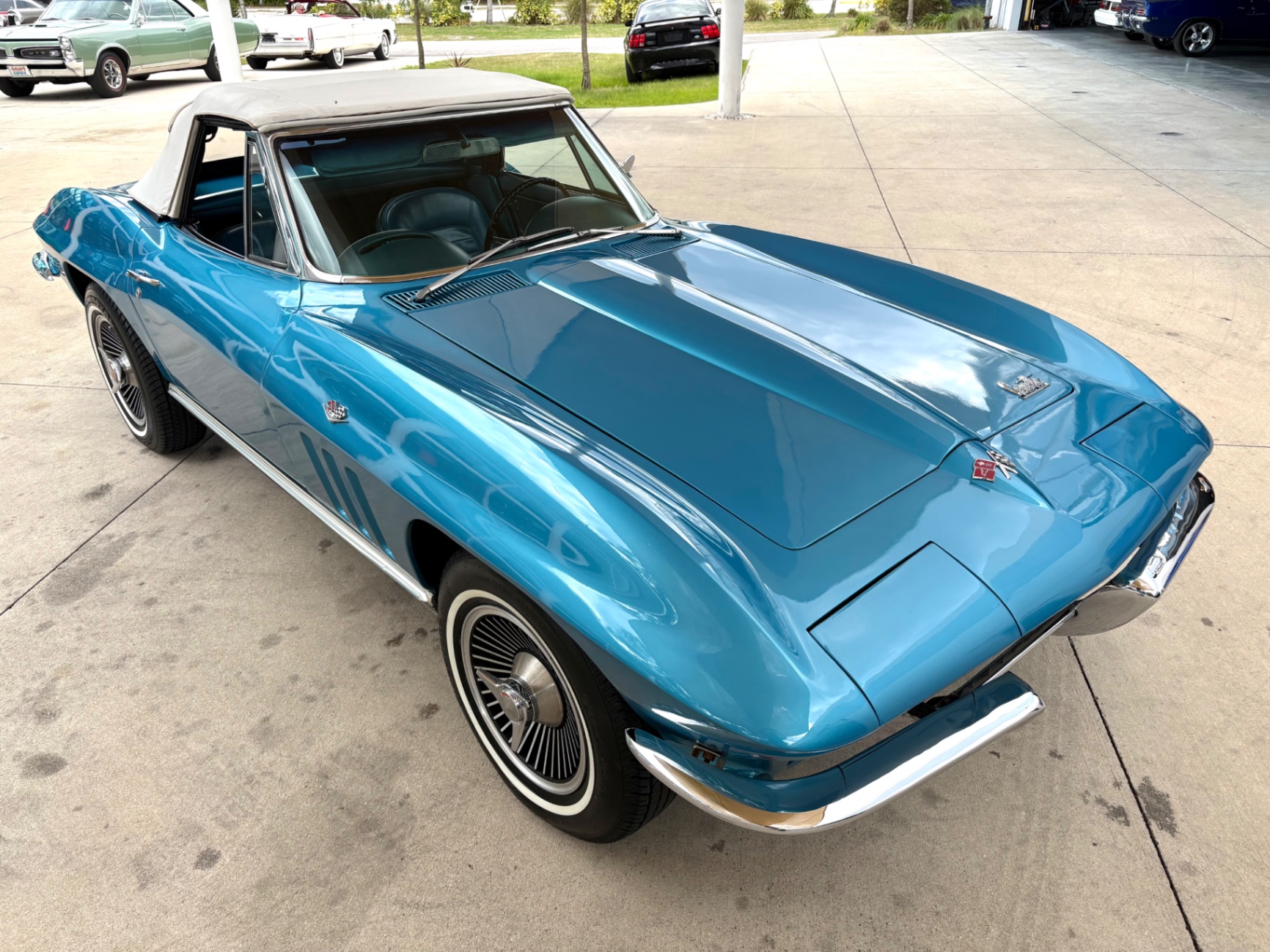
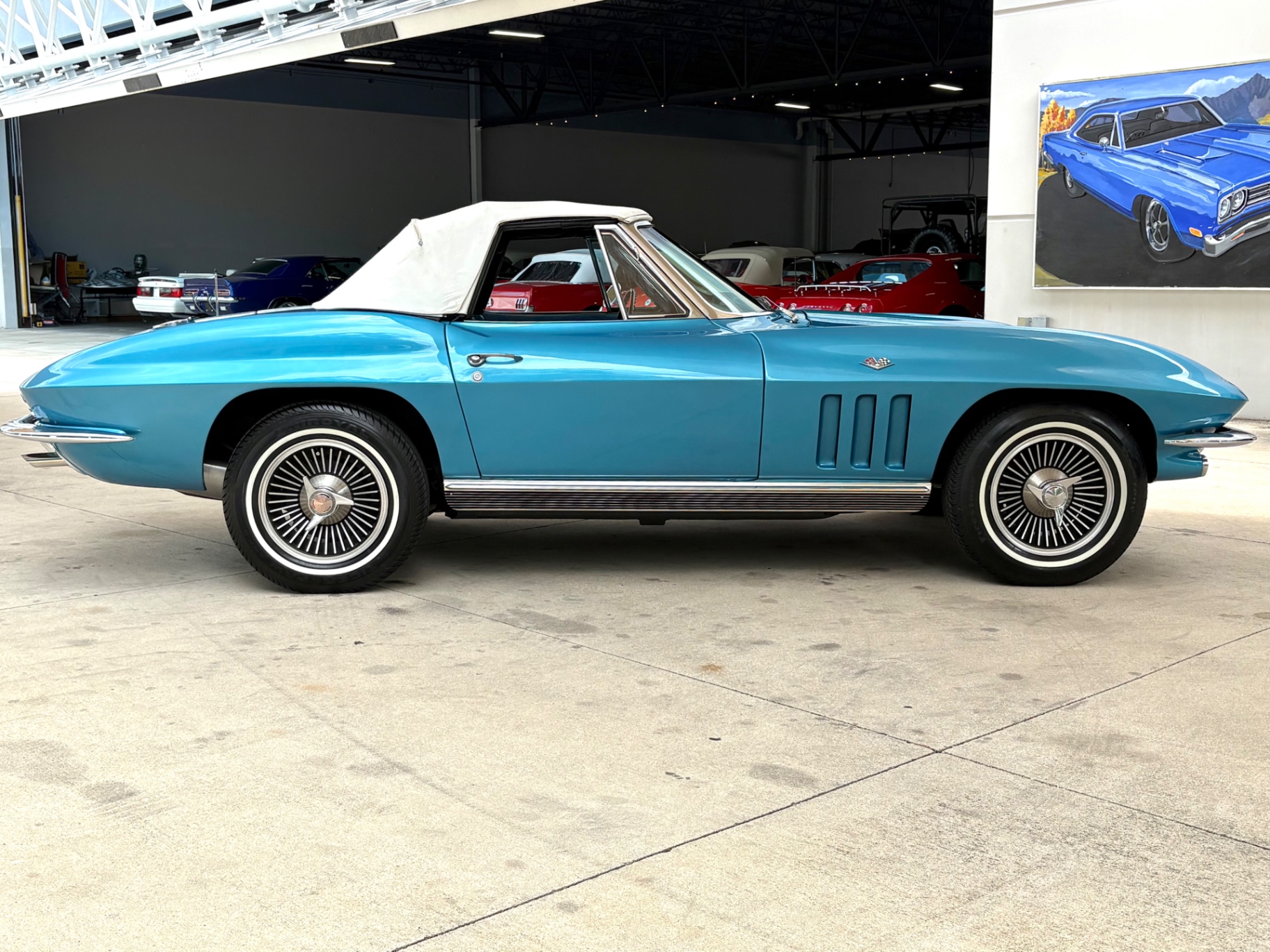
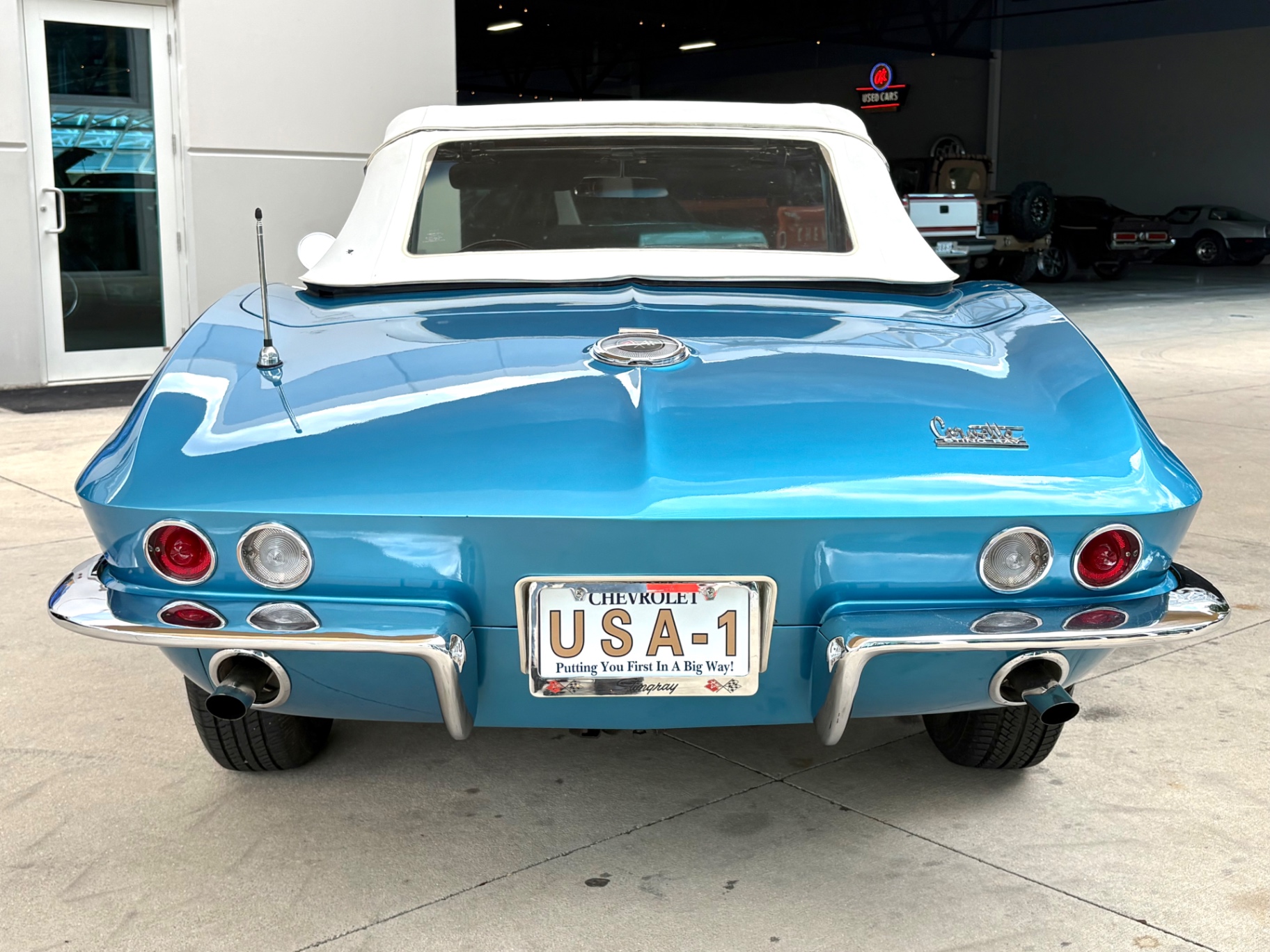
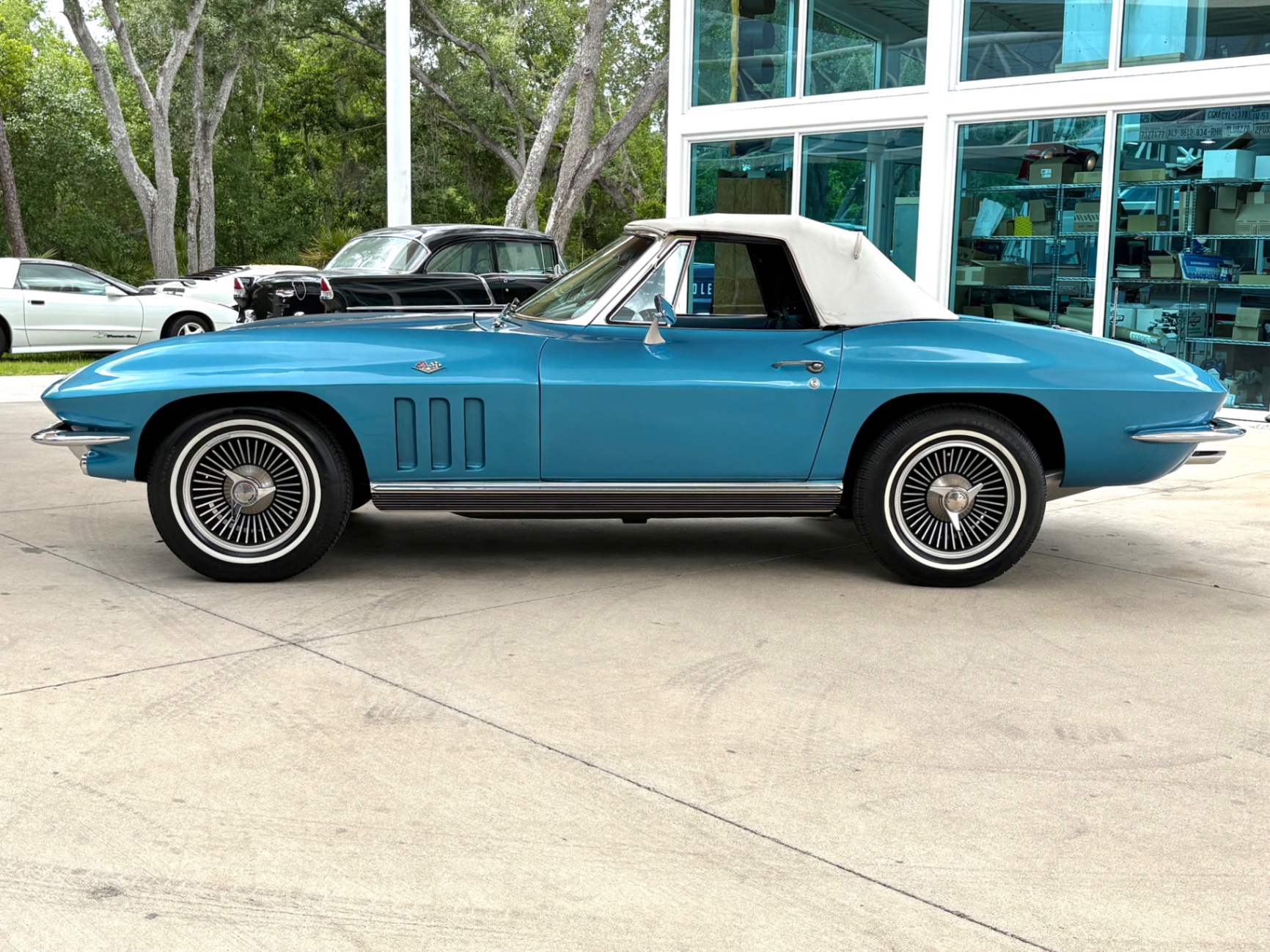
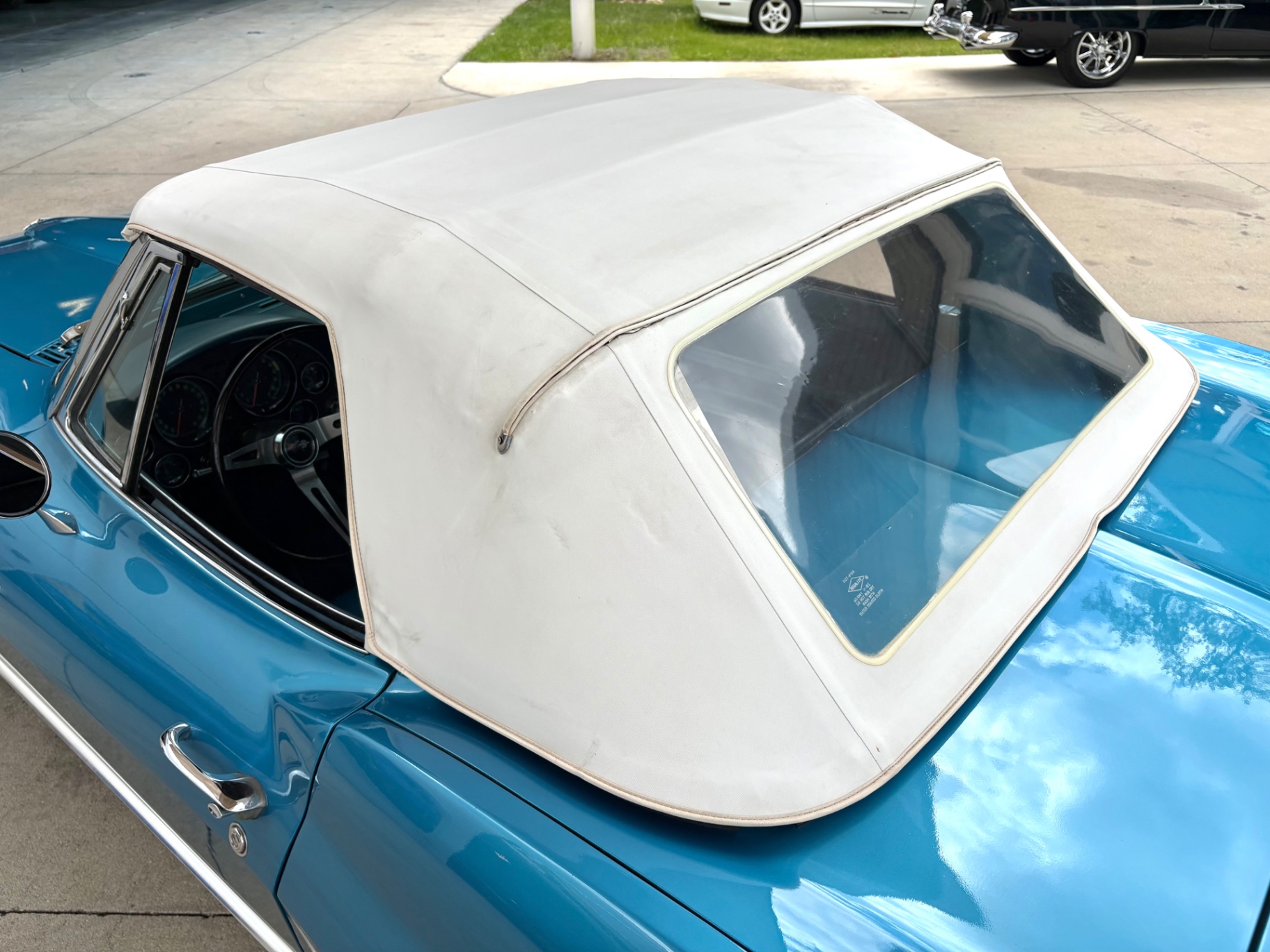
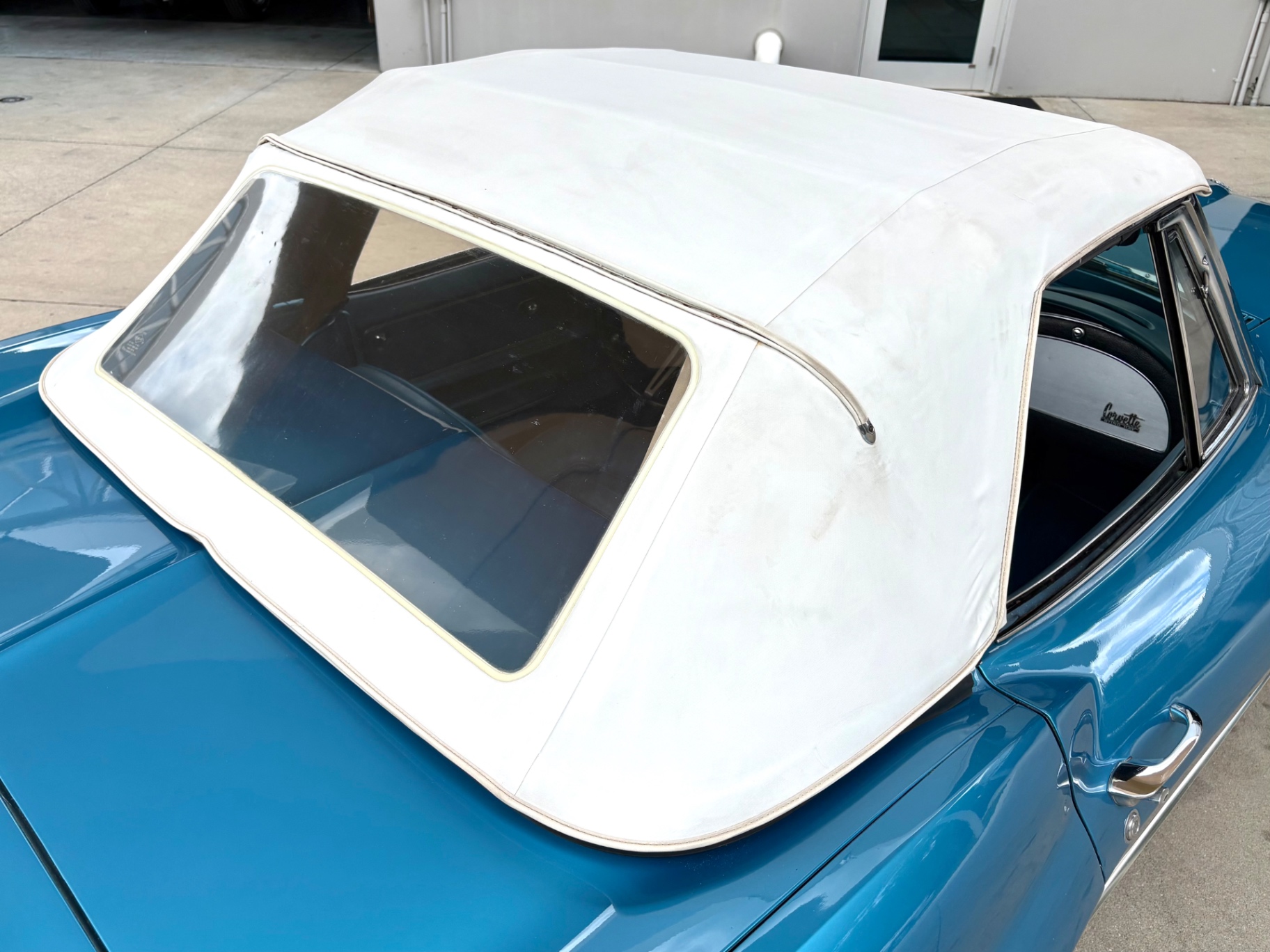
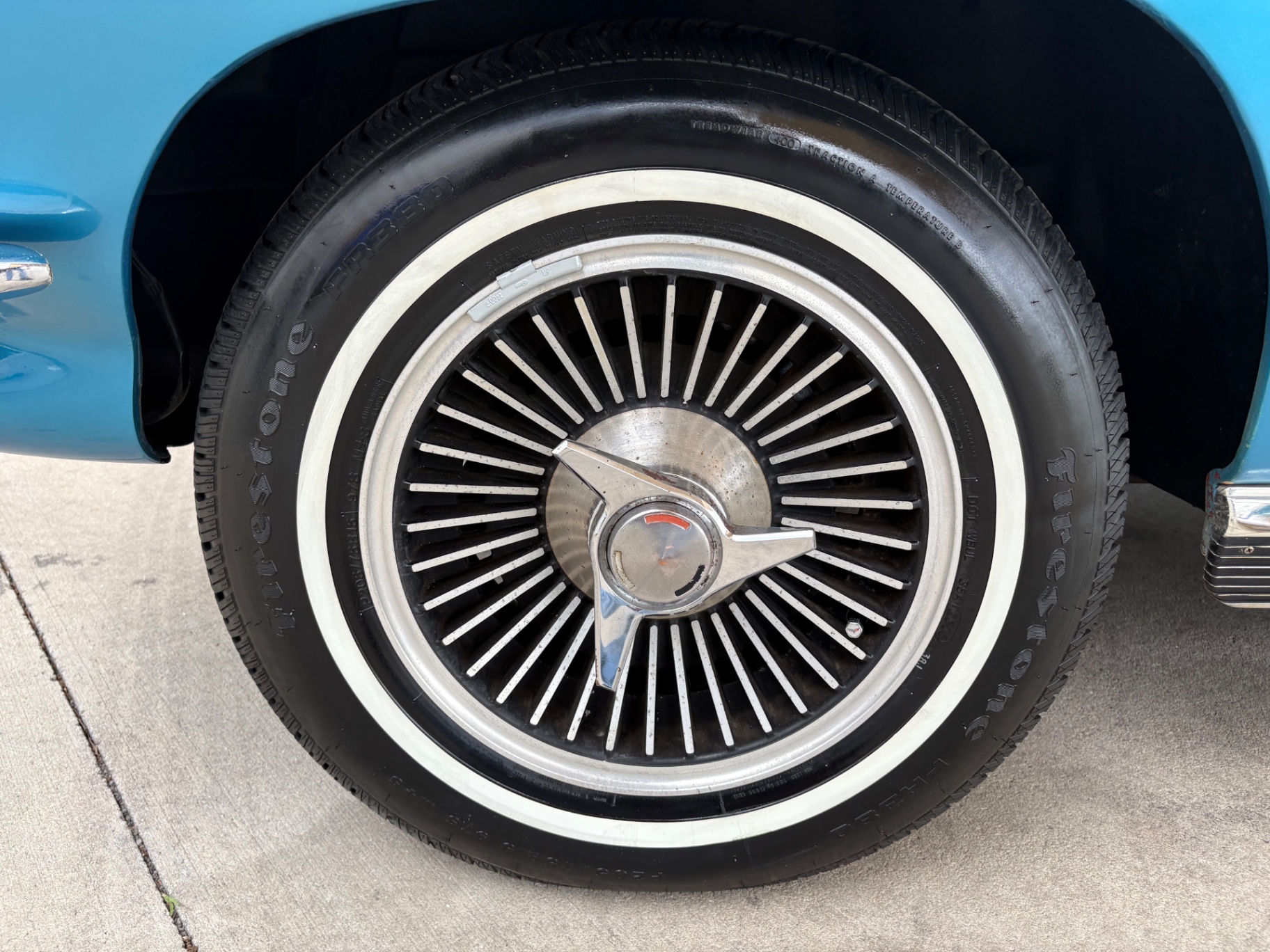
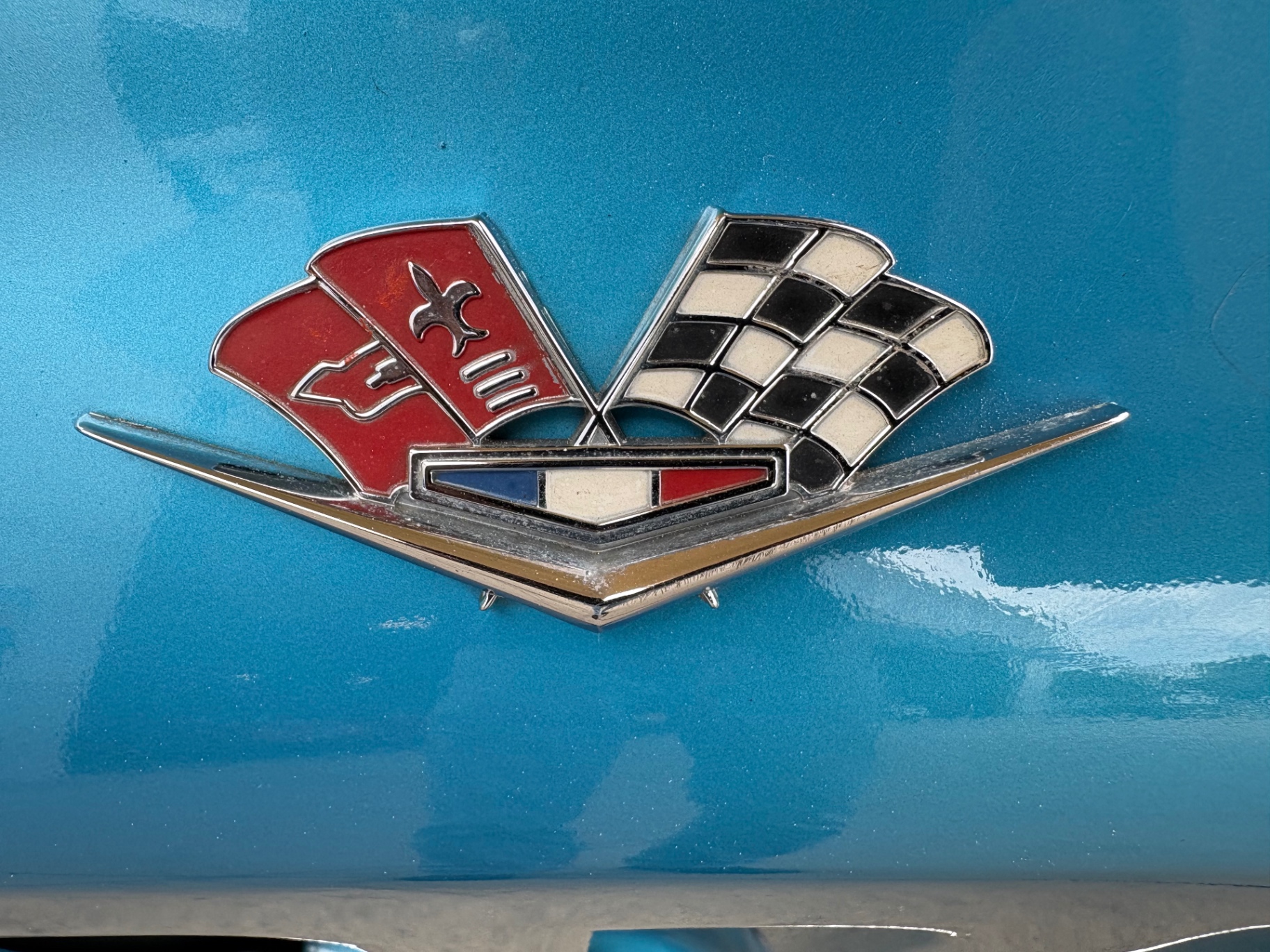
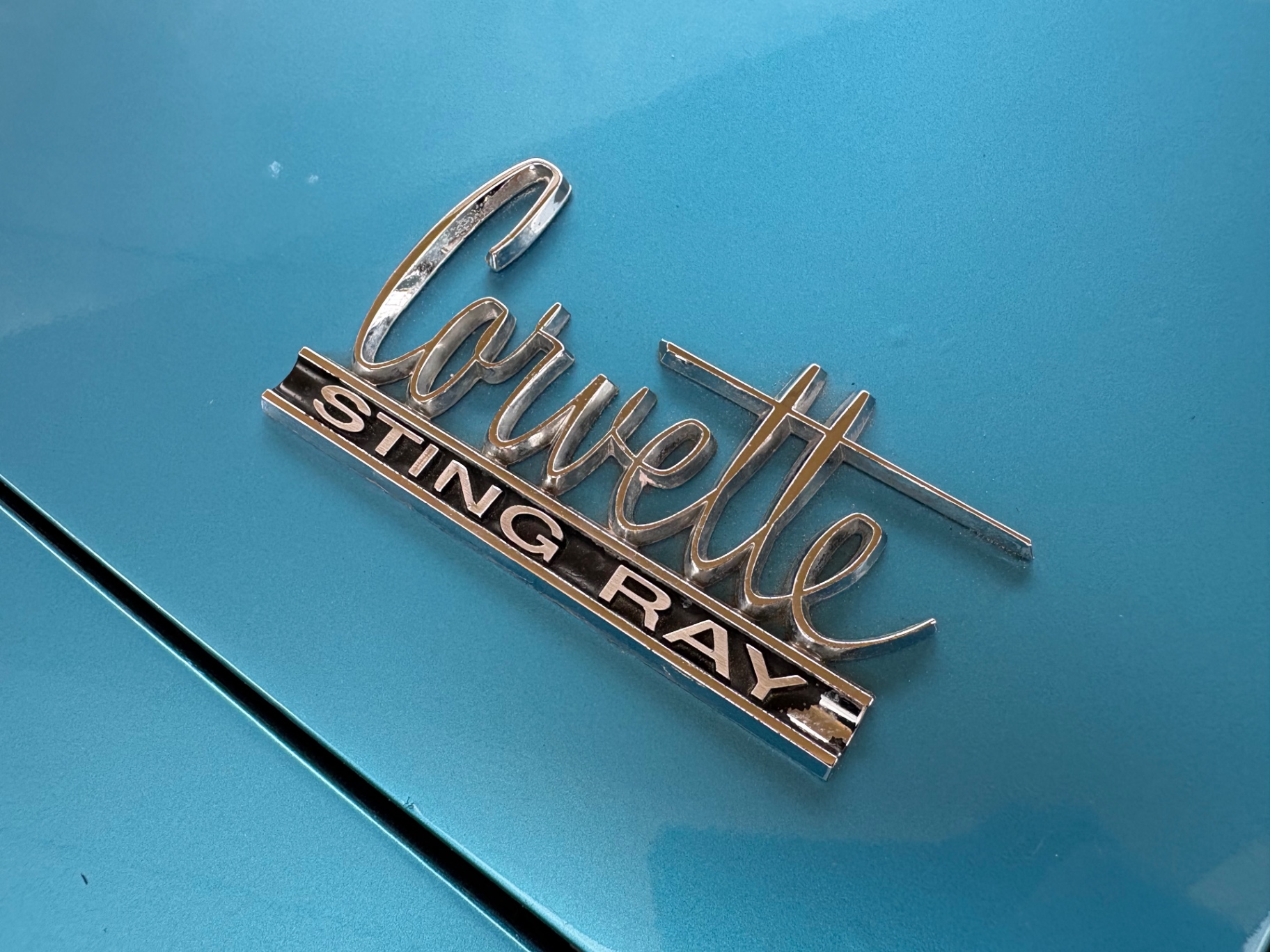
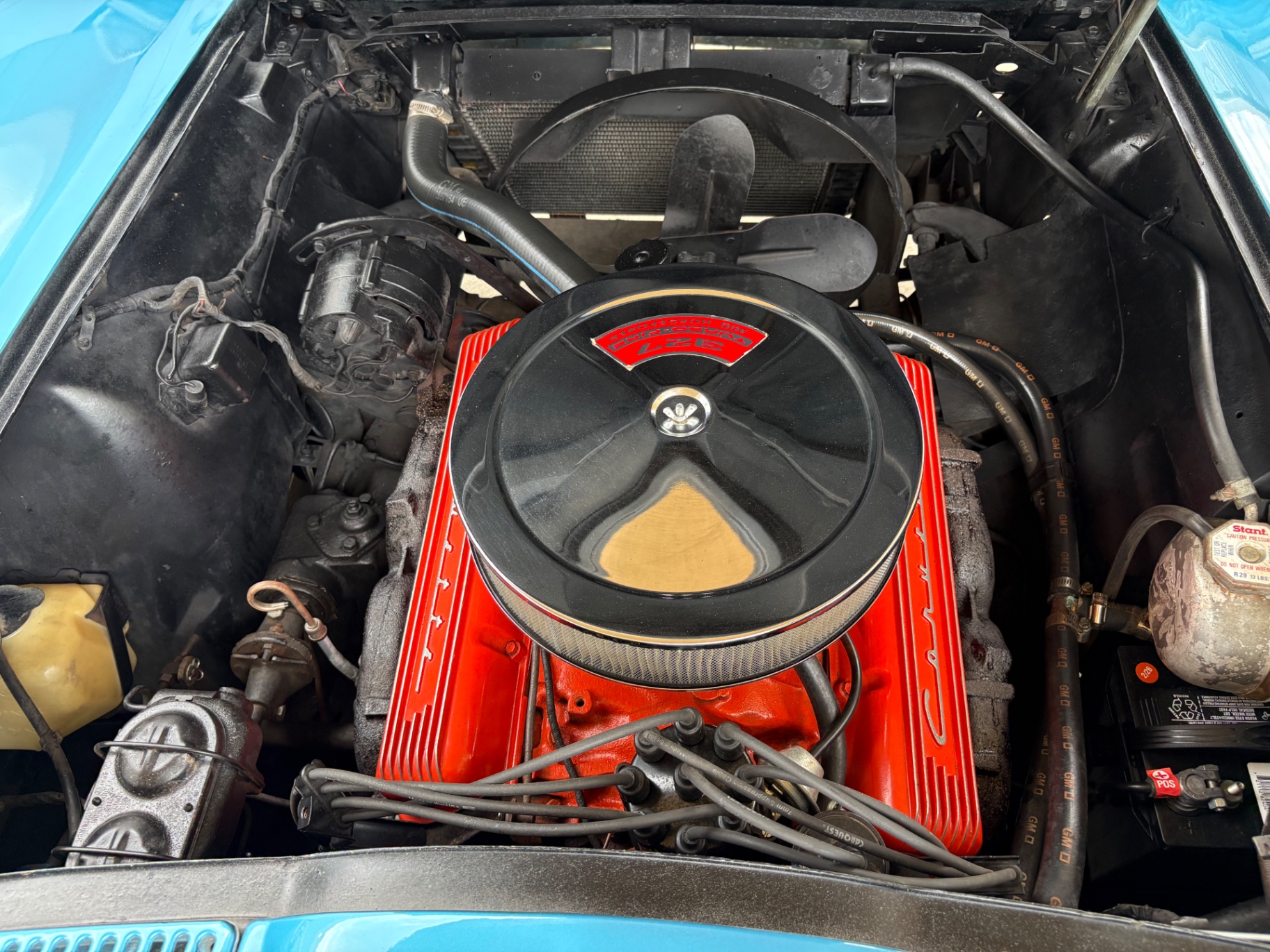
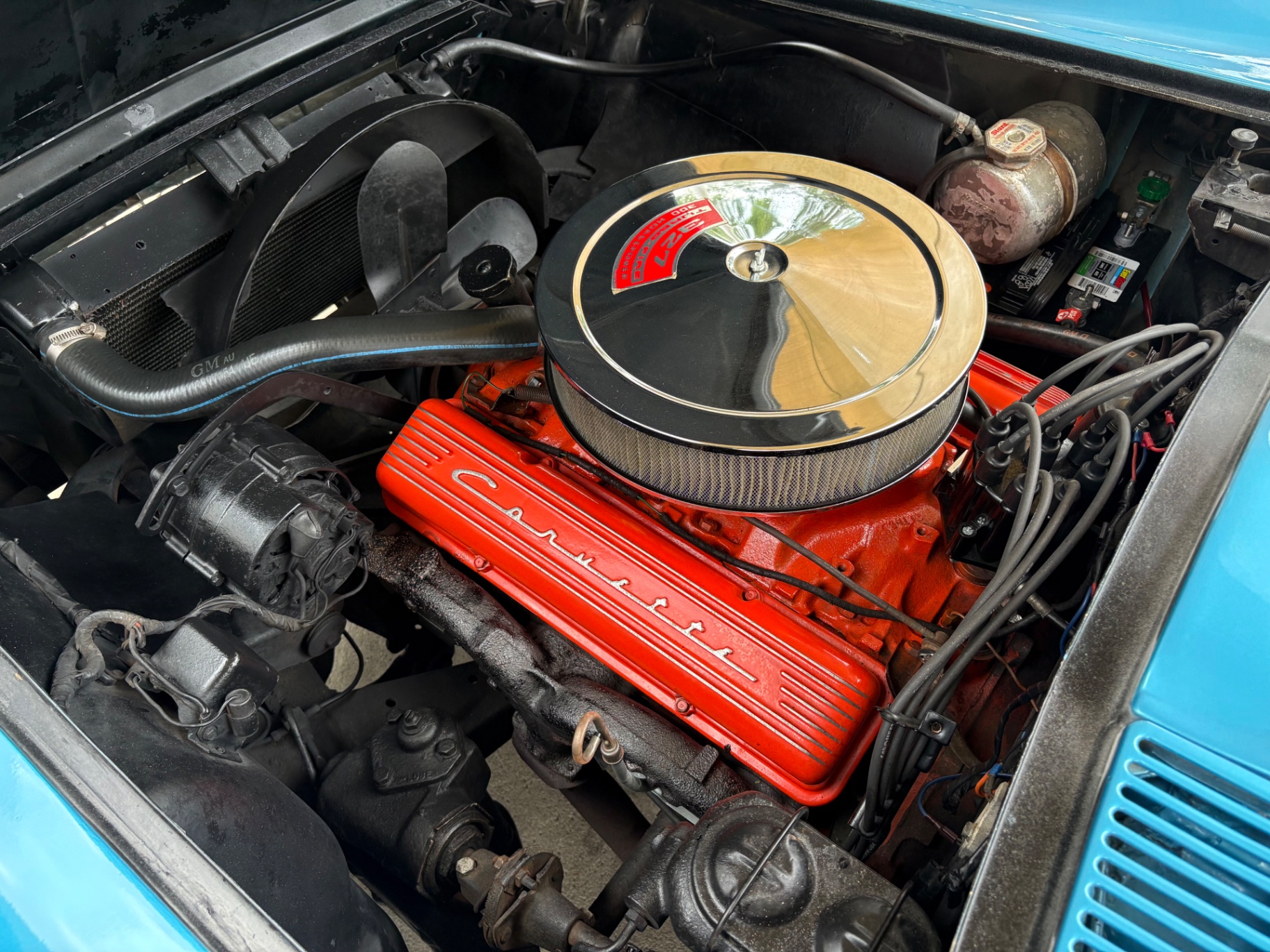
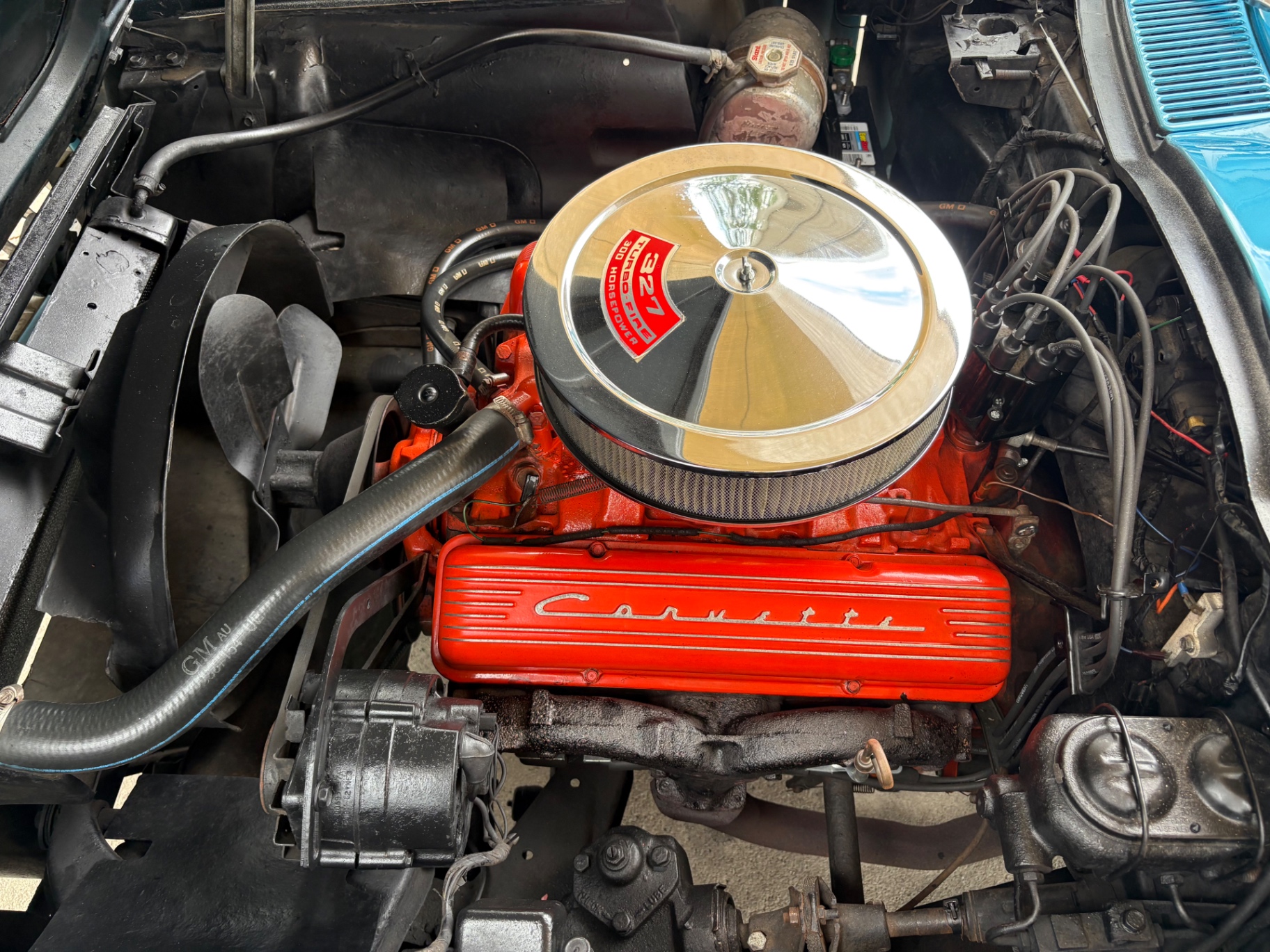
1966 Chevrolet Corvette Convertible — 327/300, 4-Speed, Nassau Blue
Why This Car Is Special
The 1966 Chevrolet Corvette Convertible occupies a specific and well-earned place in the C2 generation's short four-year run. By 1966, Chevrolet had refined the Sting Ray body — introduced in 1963 — to a point where the engineering and the styling worked together about as well as they ever would. The egg-crate grille was new for 1966, the fender louvers were cleaned up, and the overall package represented the most polished version of Bill Mitchell's original design. Chevrolet built 17,762 Corvette convertibles for the 1966 model year, and while the big-block cars tend to dominate the headlines, the small-block cars have always attracted a different kind of buyer — one who understands that a 327 cubic inch V8 in a 3,000-pound fiberglass roadster is an entirely satisfying arrangement.
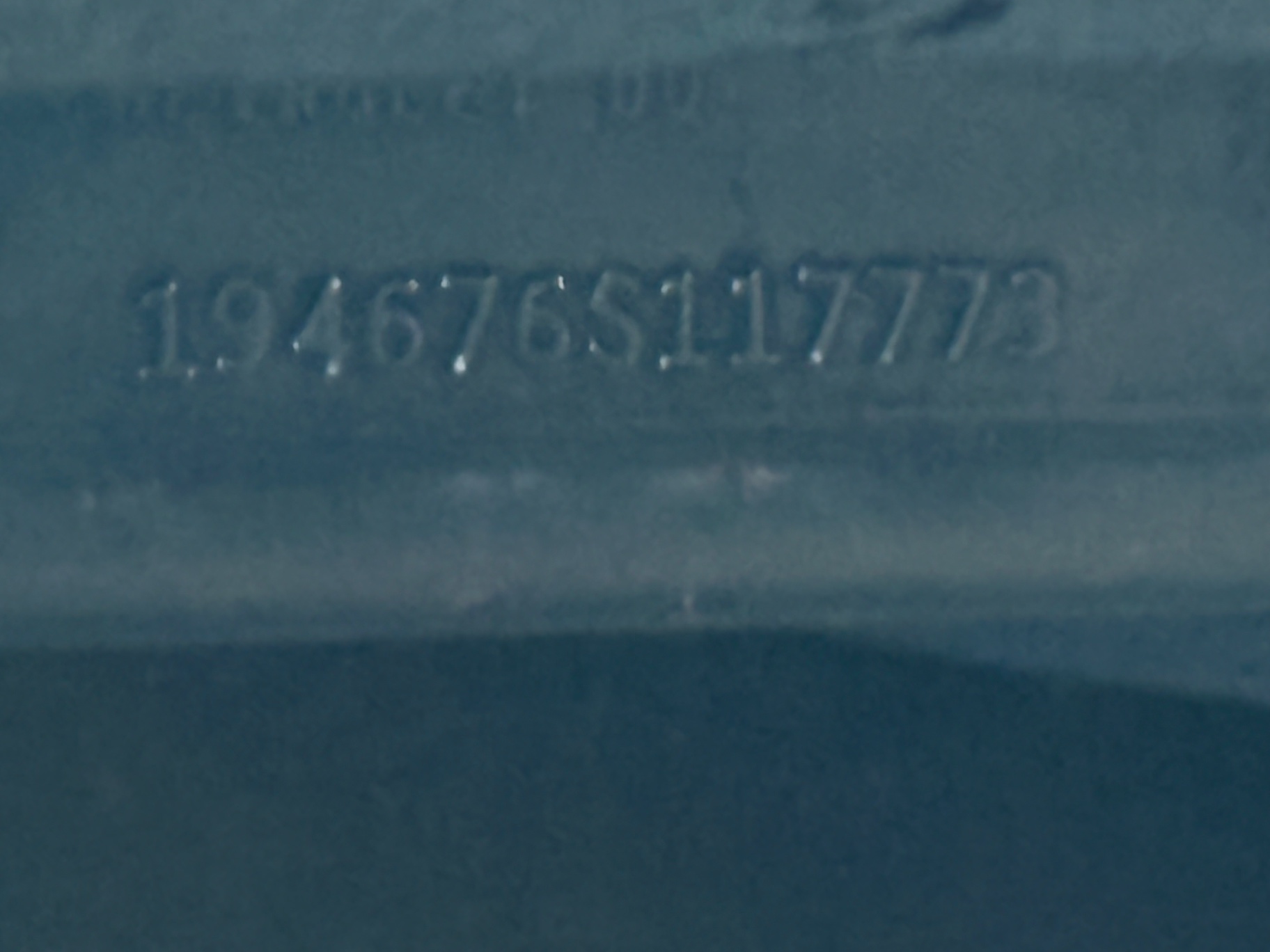
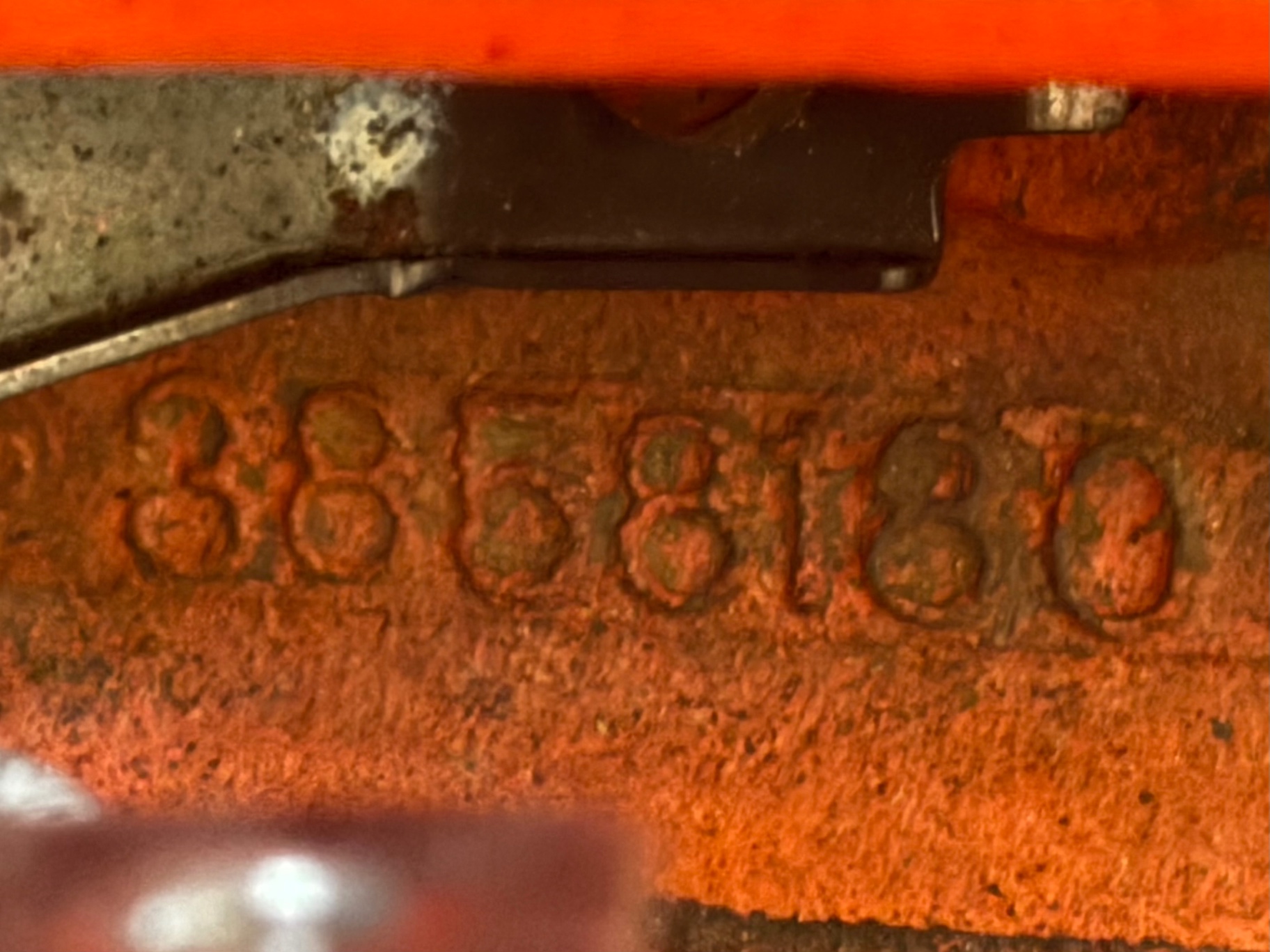
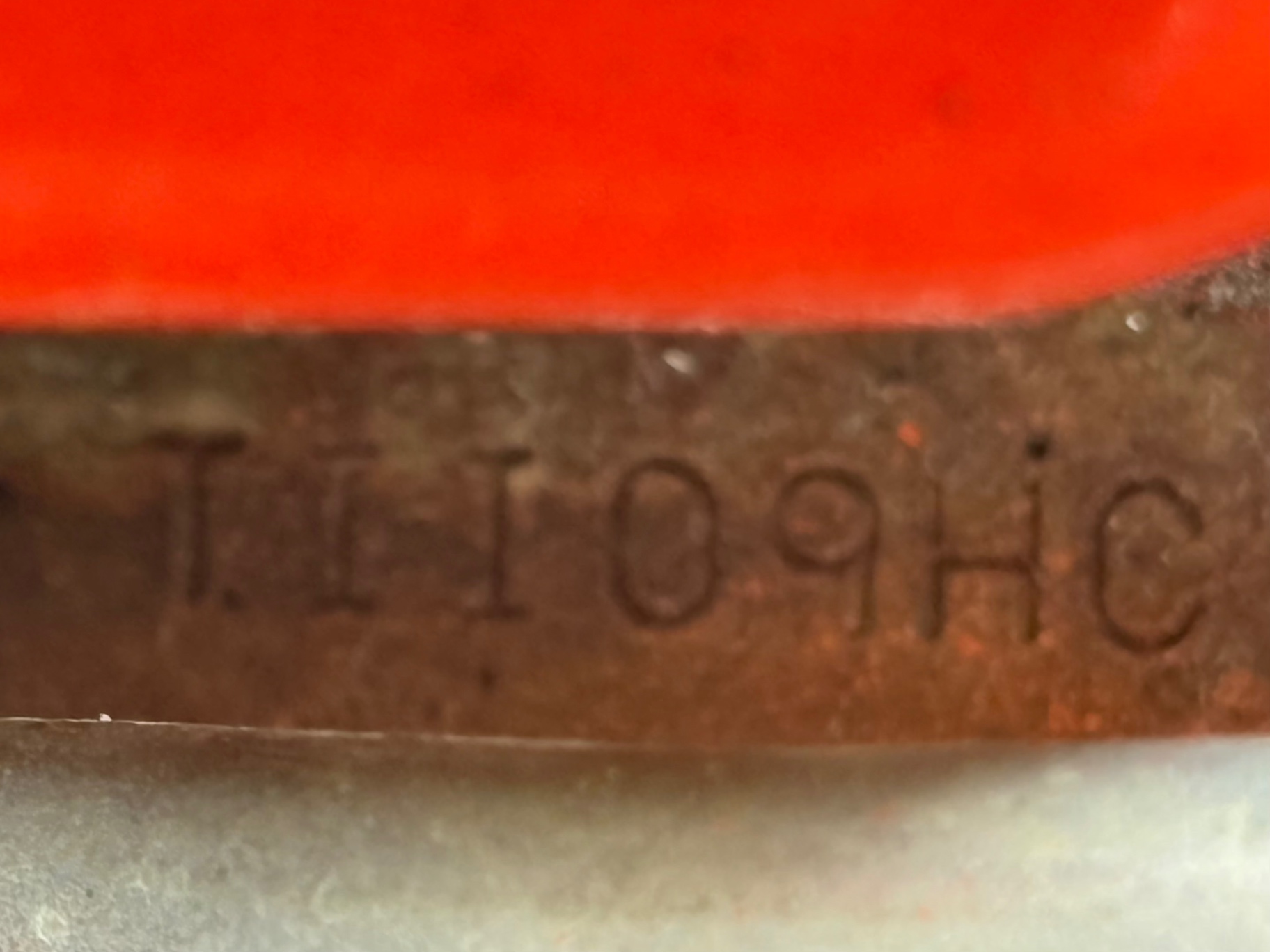
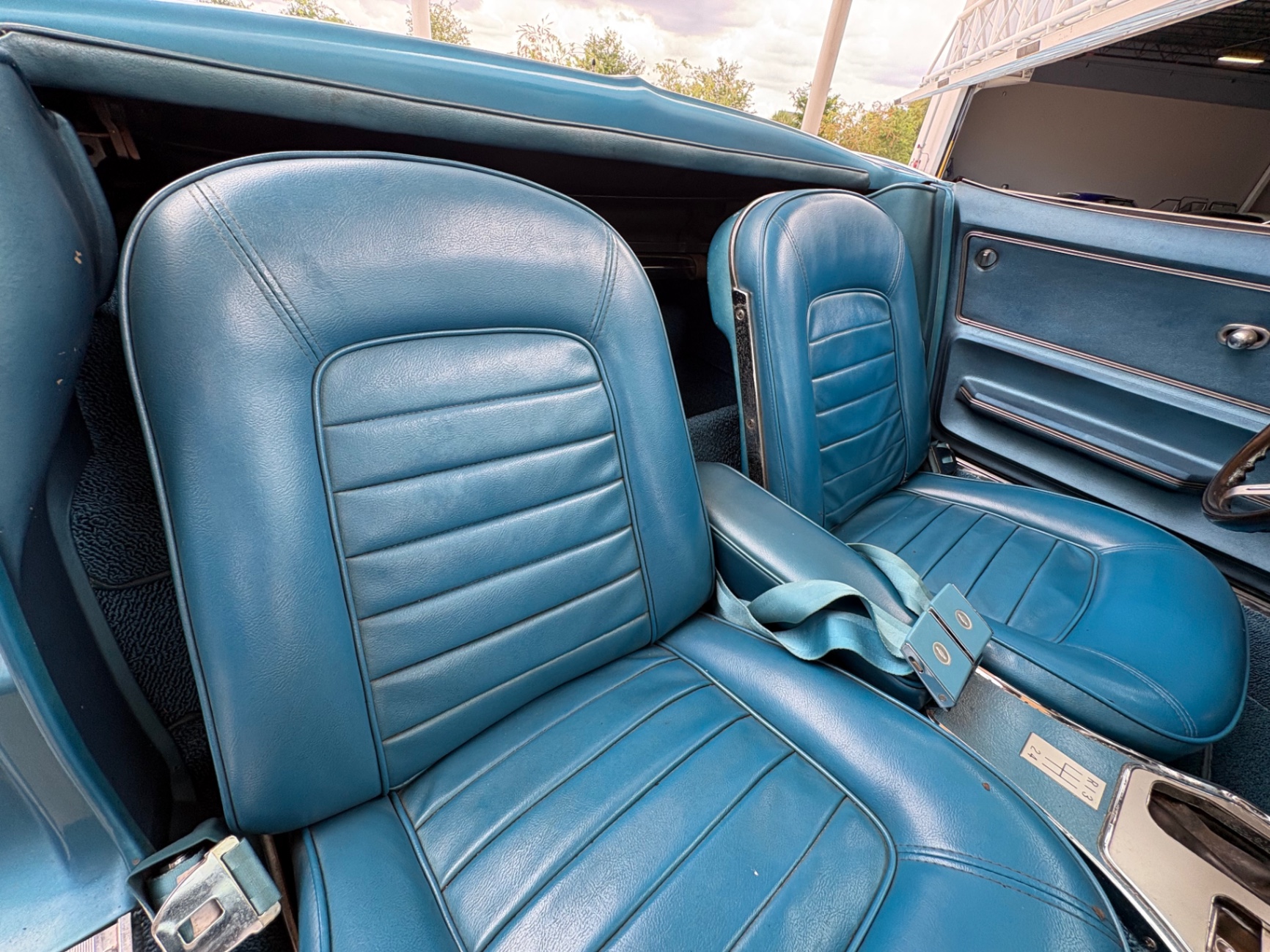
This particular 1966 Chevrolet Corvette Convertible is finished in Nassau Blue with a matching bright blue leather interior and a white soft top. The color combination is one of the more distinctive pairings from that model year. The VIN decodes to a 1966 Corvette convertible built at the St. Louis assembly plant, with the 327 cubic inch 300 horsepower engine and a 4-speed manual transmission. That is a straightforward, honest specification — no inflated horsepower claims, no questionable options added after the fact. What you see is what Chevrolet built.
Features
- 327 cubic inch V8, 300 horsepower
- 4-speed manual transmission
- 4-wheel disc brakes
- Knock-off style wheels with white letter tires
- Dual exhaust
- Wood-rimmed steering wheel
- Dashboard tachometer
- Full gauge cluster
- Bright blue leather bucket seats
- Center console
- Nassau Blue exterior
- White convertible soft top
- Chrome bumpers
Mechanical
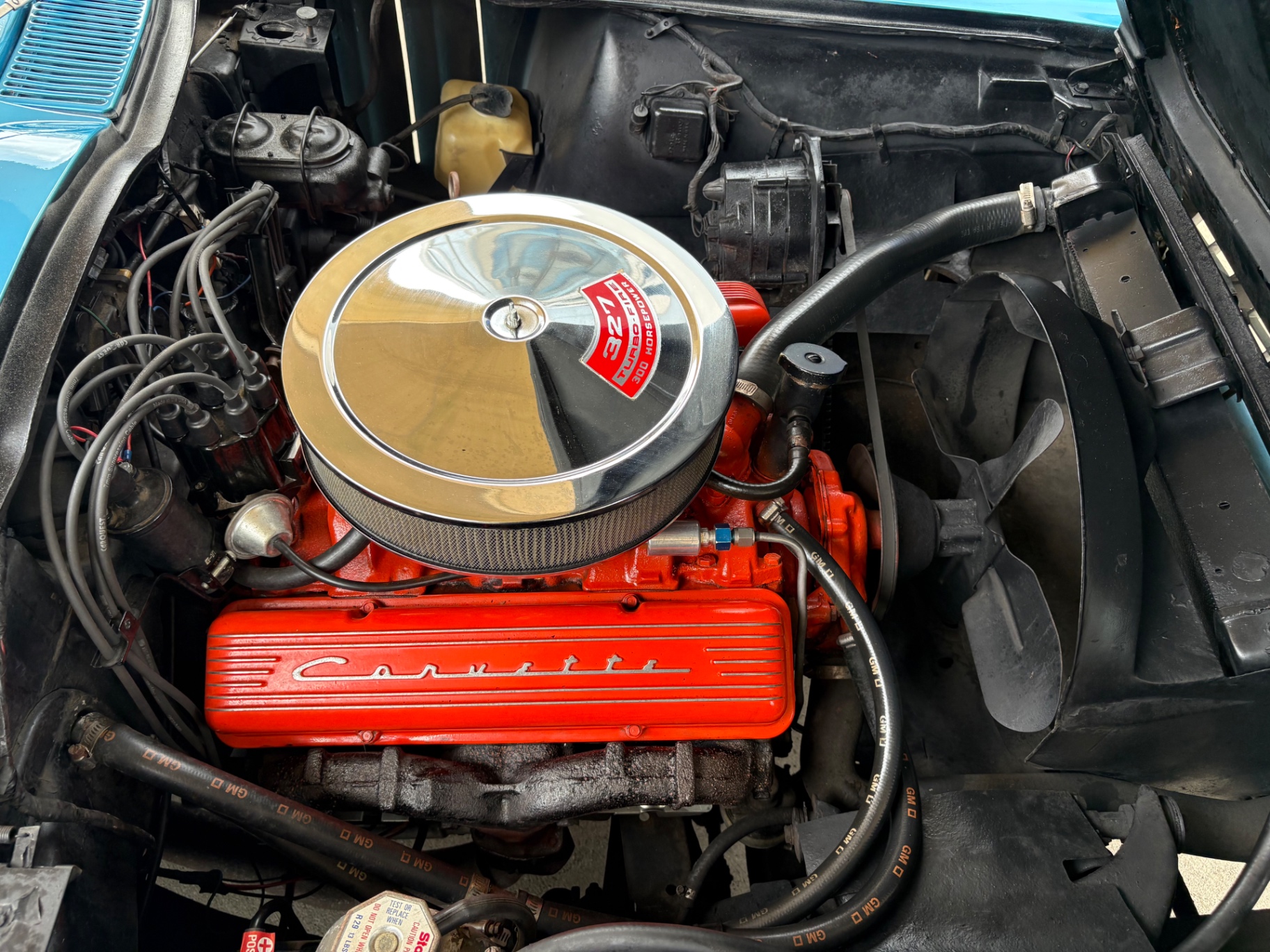
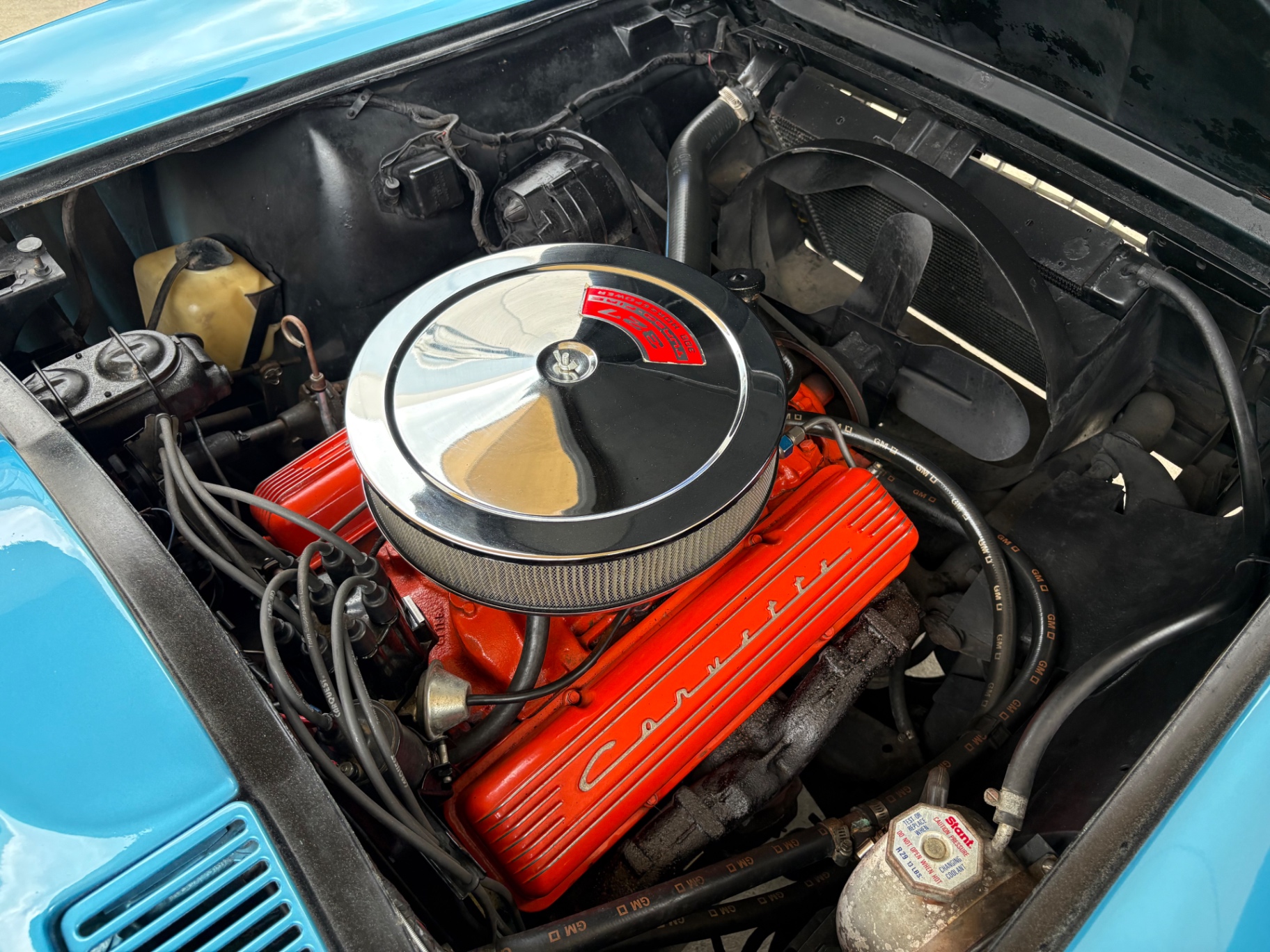
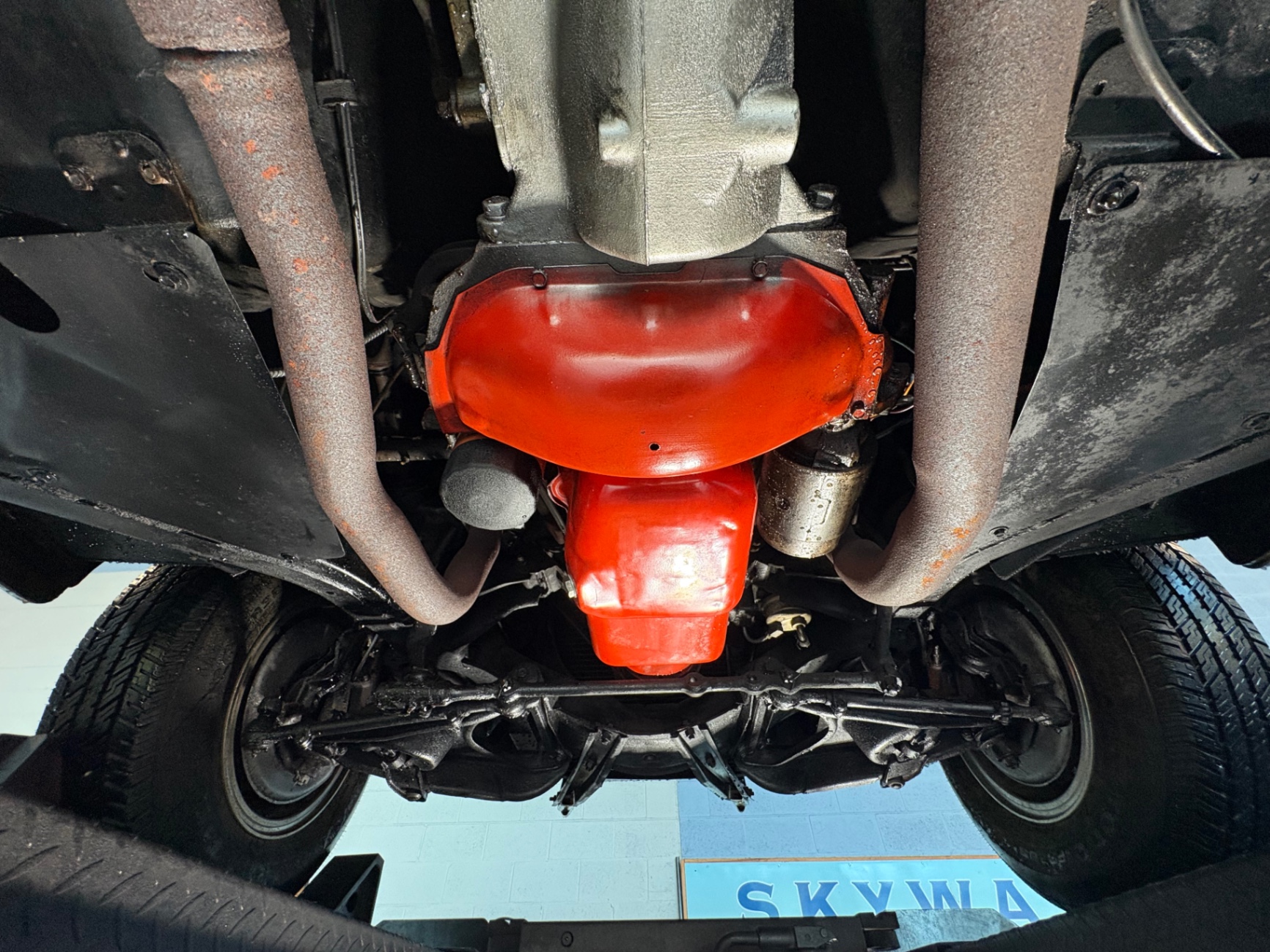
The 327/300 was Chevrolet's mid-range small-block offering for the 1966 Corvette. It used a single four-barrel carburetor and hydraulic lifters, which made it more streetable than the higher-output 327/350 or 327/365 versions. For context, 1966 was actually the final year for the 327 as the Corvette's small-block option — the 350 would replace it starting in 1969. That makes 1966 a historically significant year for anyone who follows the small-block's development arc.
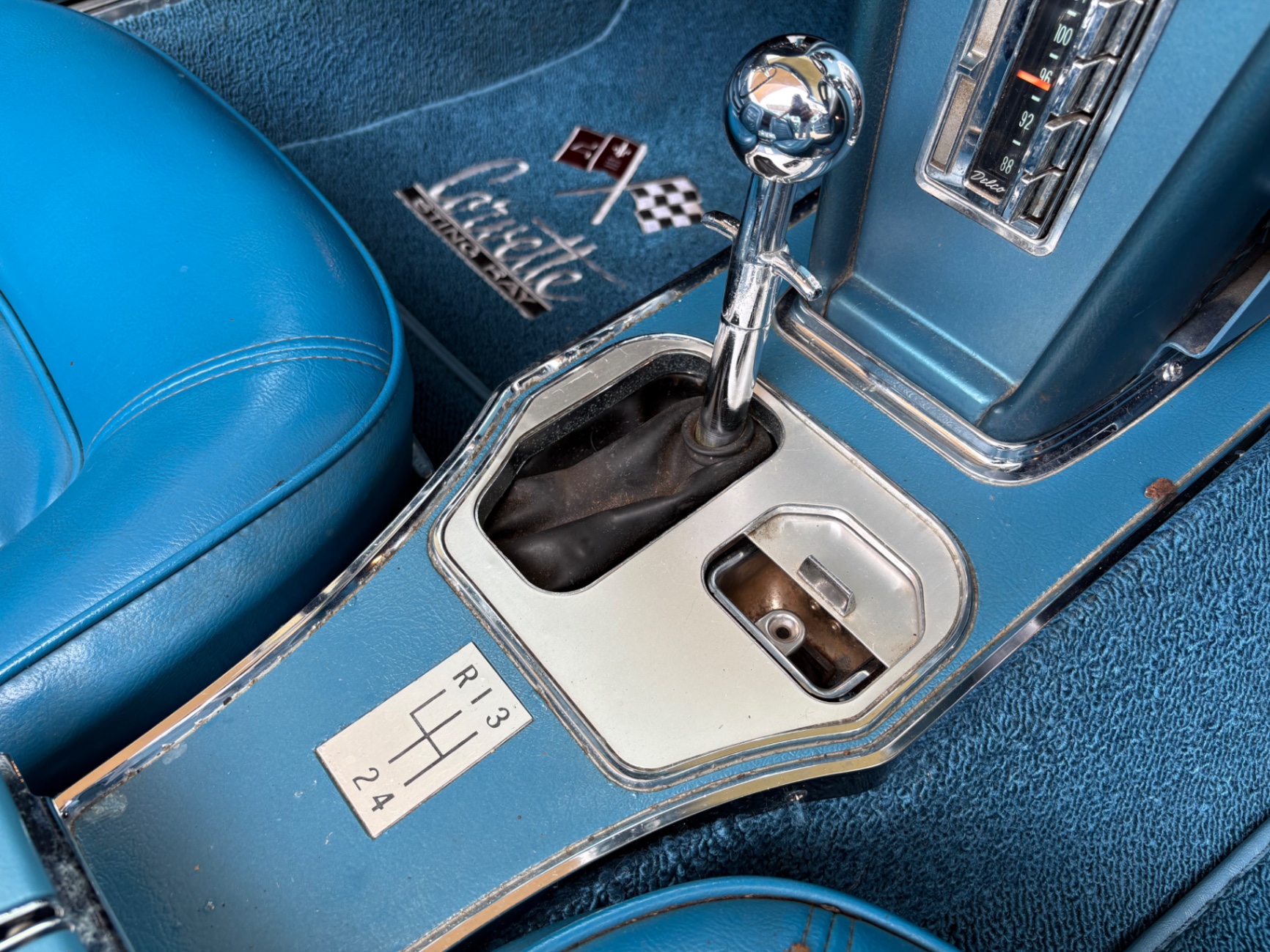
The 4-speed manual transmission was the right gearbox for this engine in this chassis. Rowing through the gears in a mid-1960s Corvette is a tactile experience that later cars with their tighter, more modern transmissions don't quite replicate. The throws are deliberate, the engagement is mechanical and direct, and it rewards a driver who pays attention.
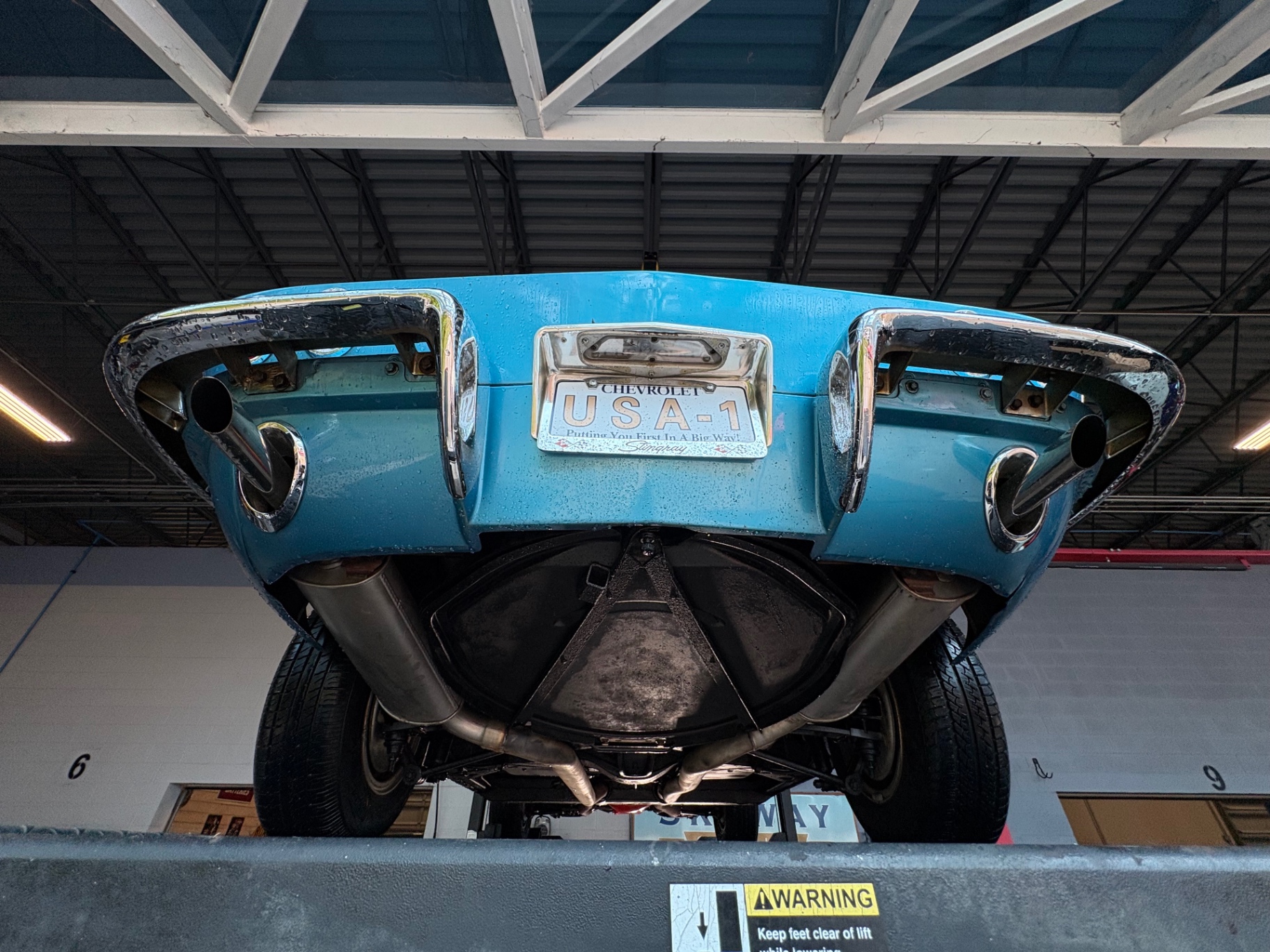
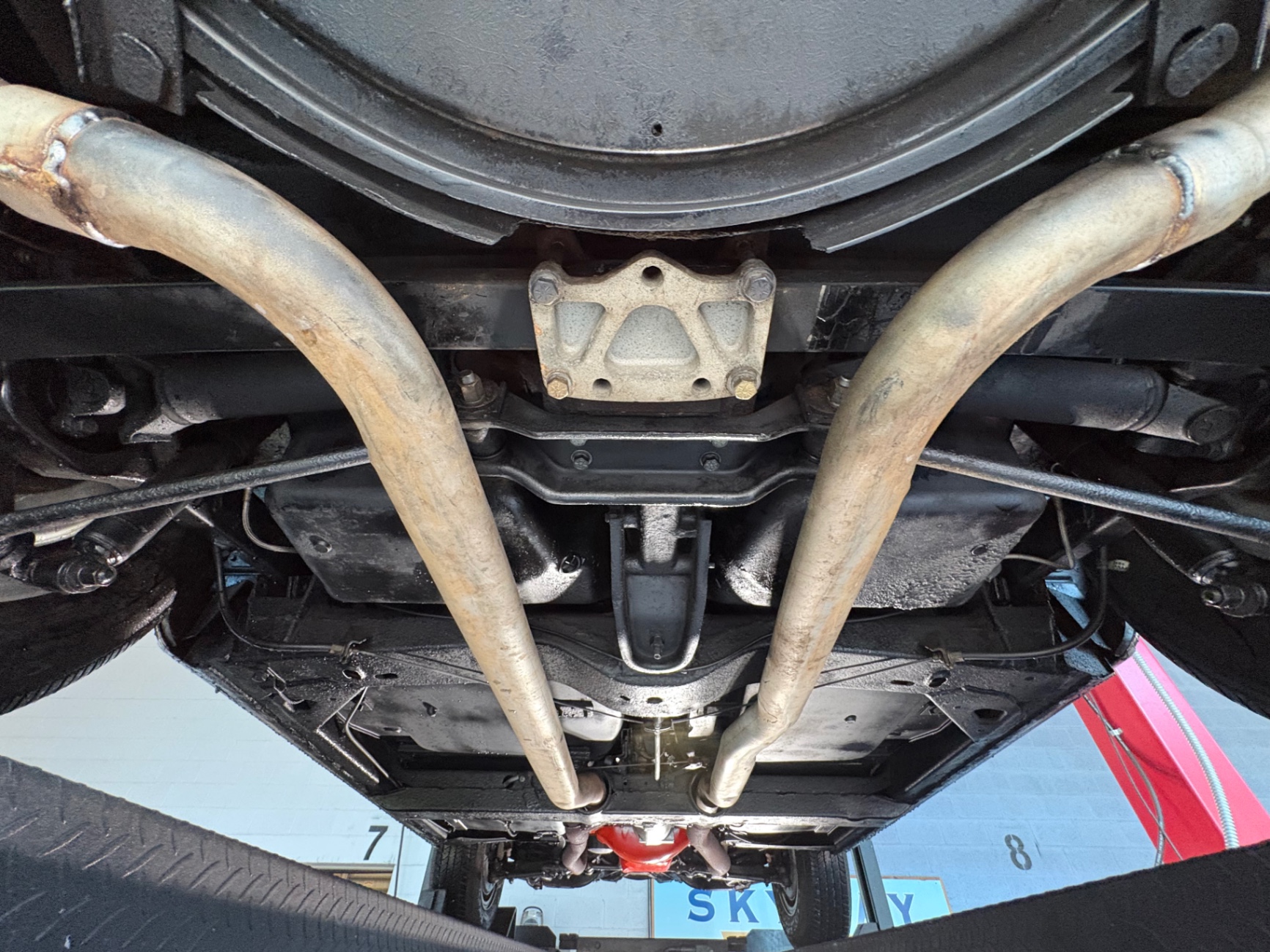
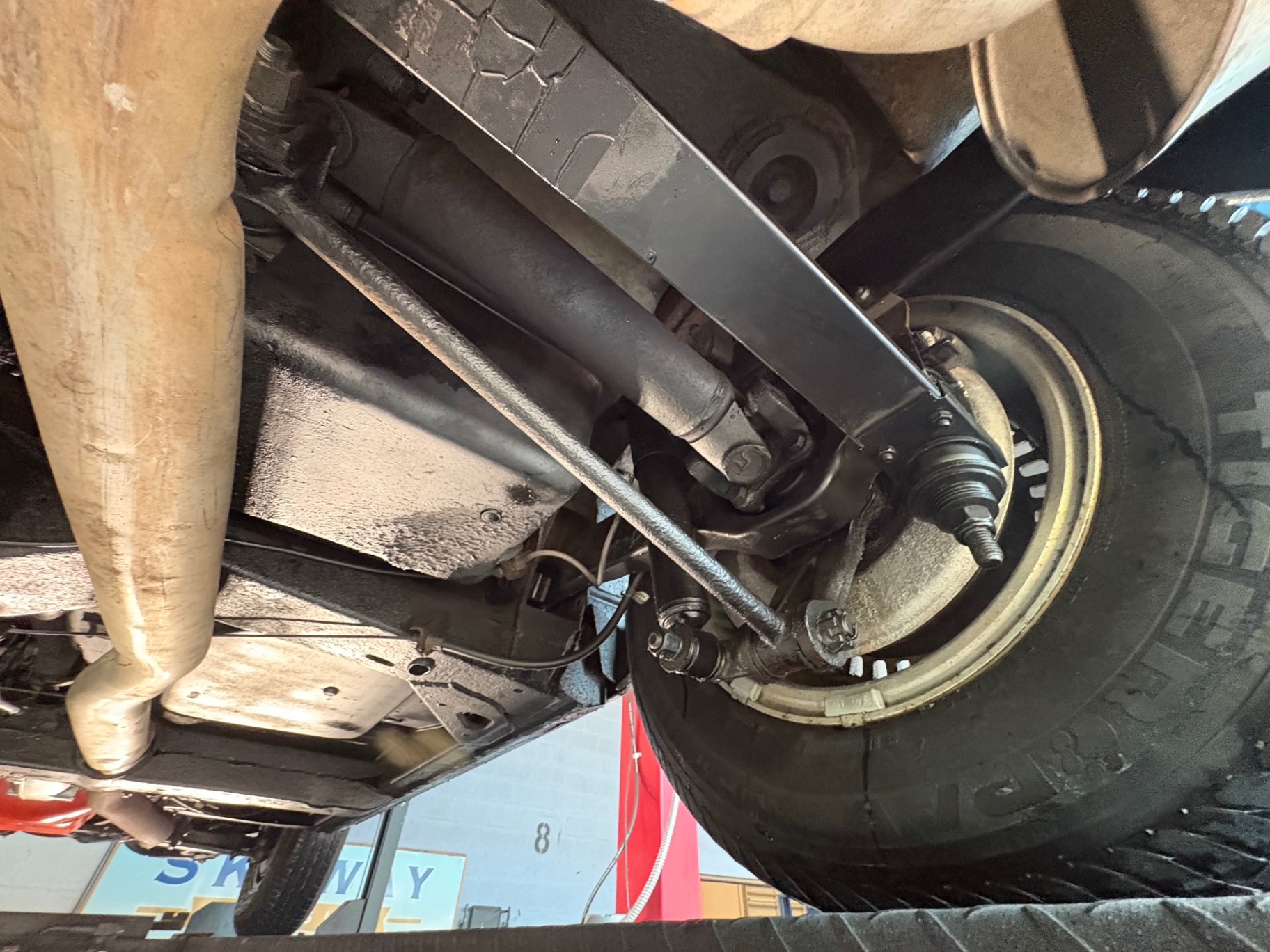
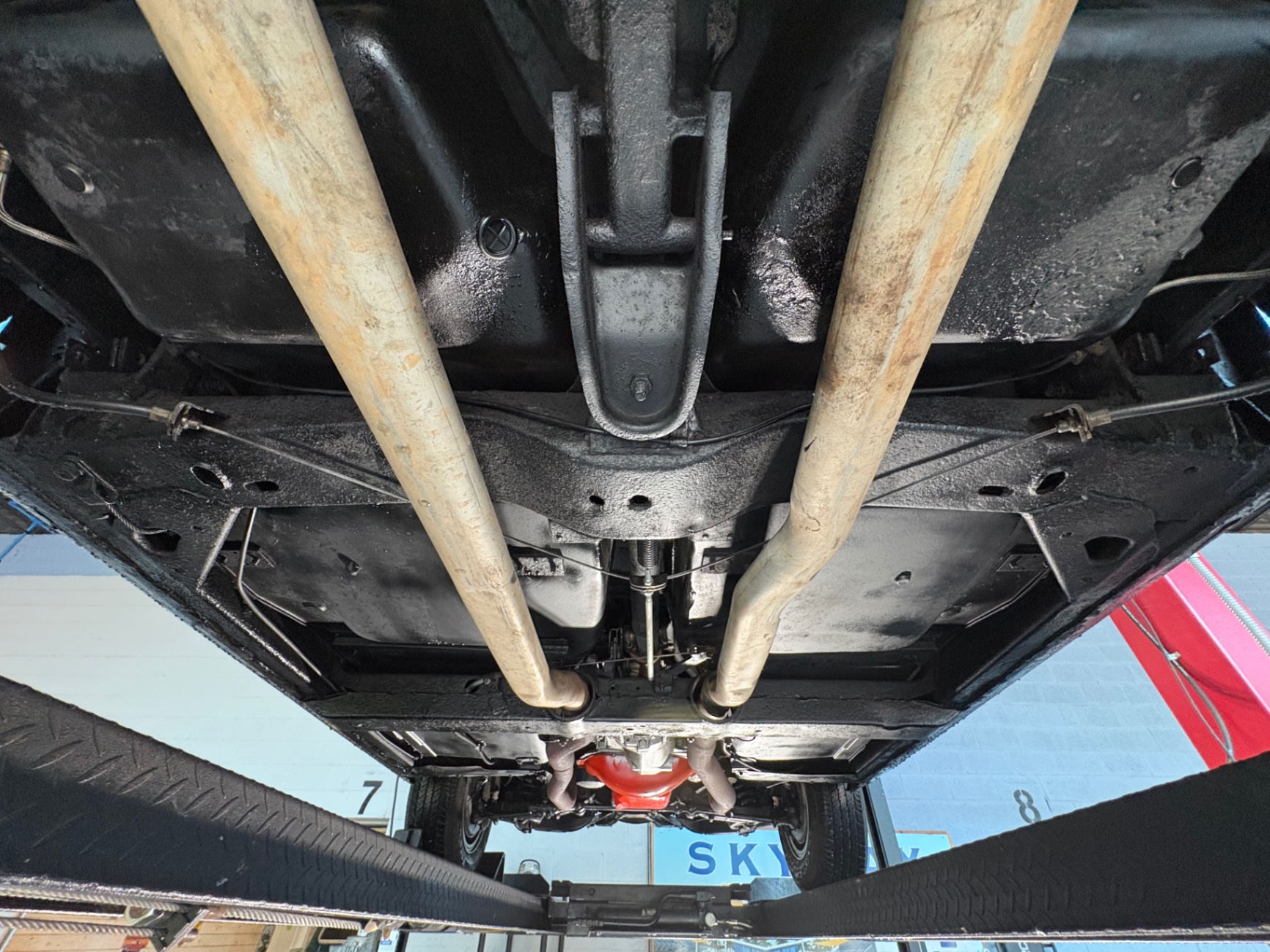
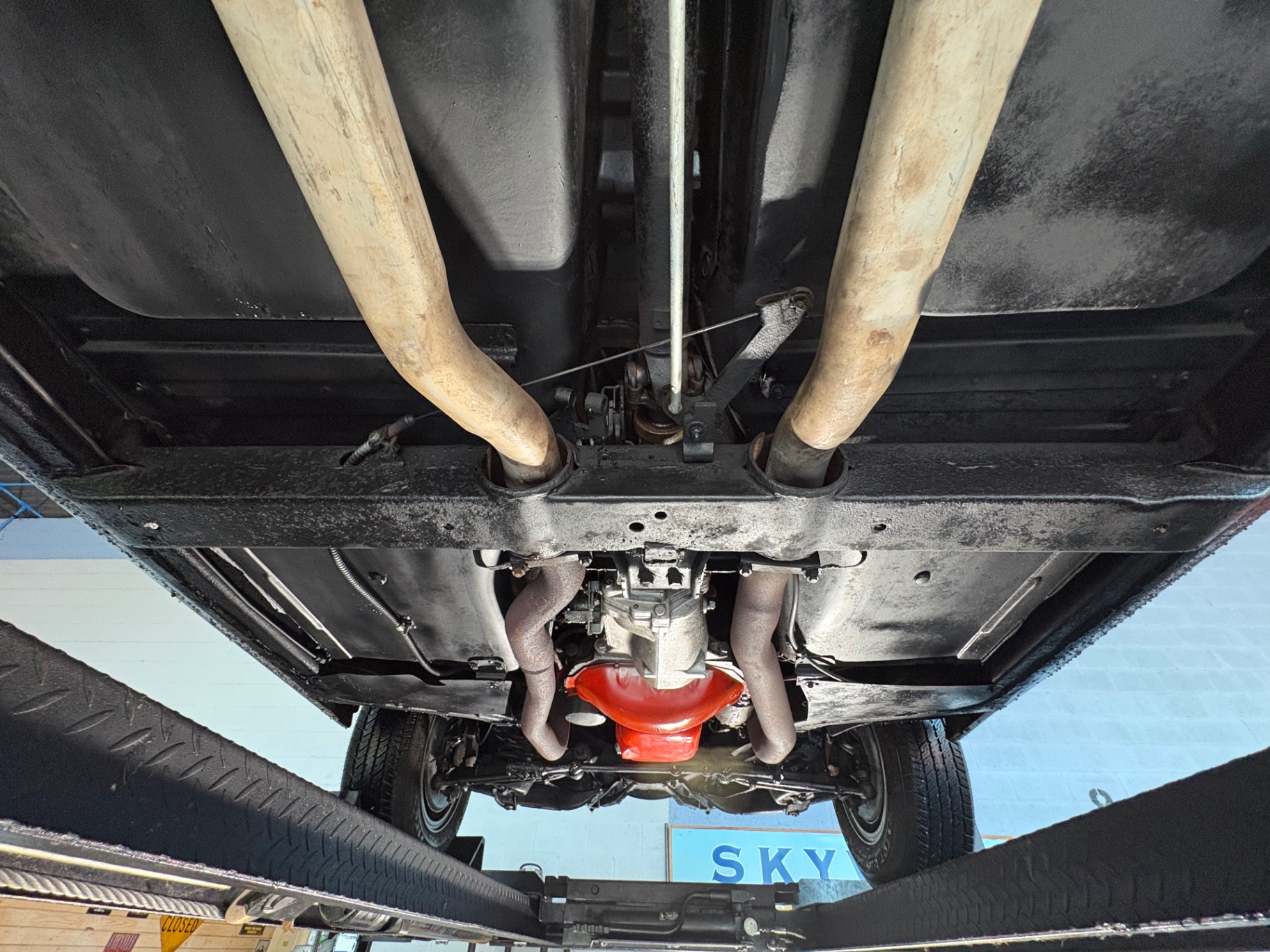
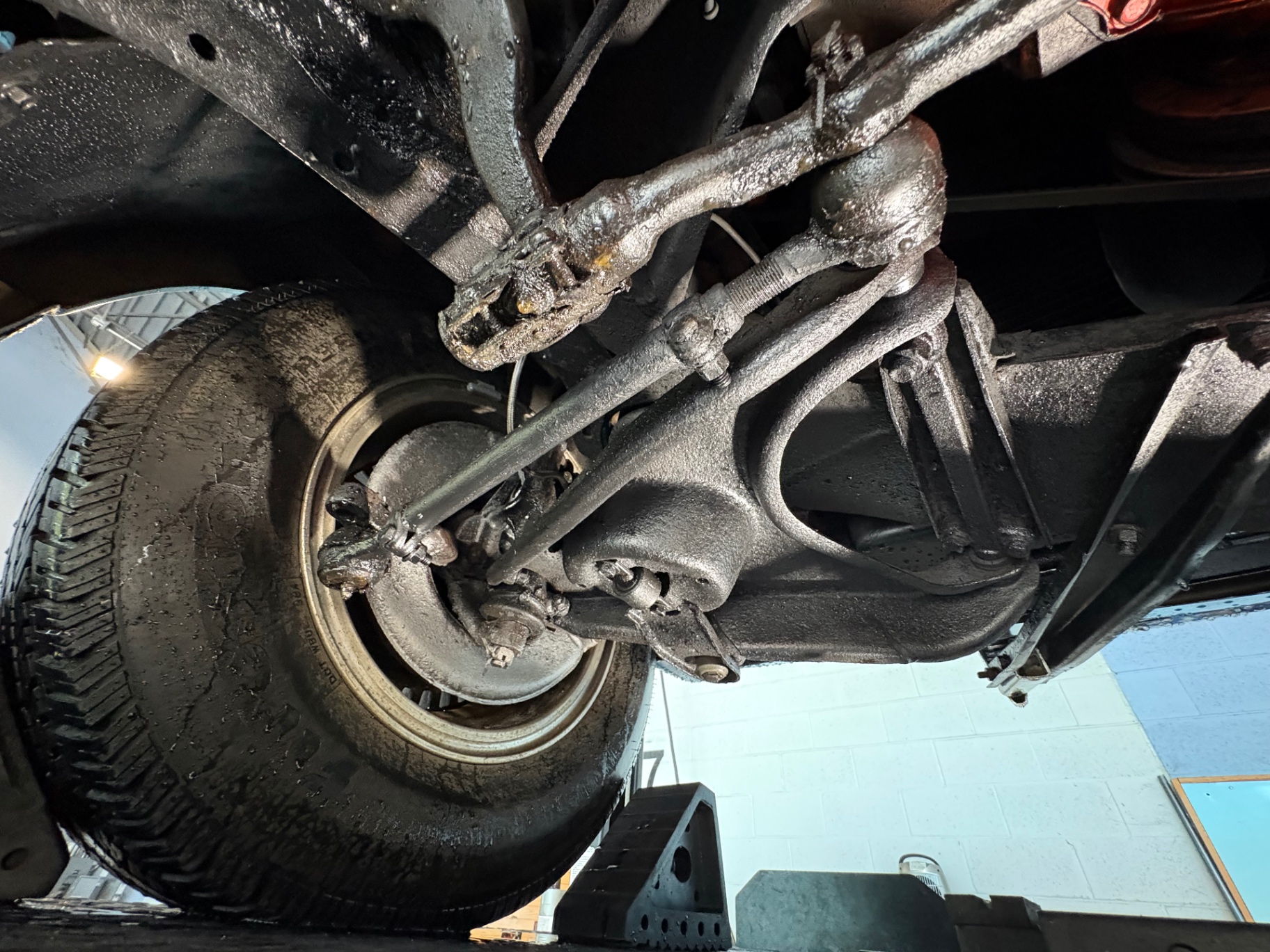
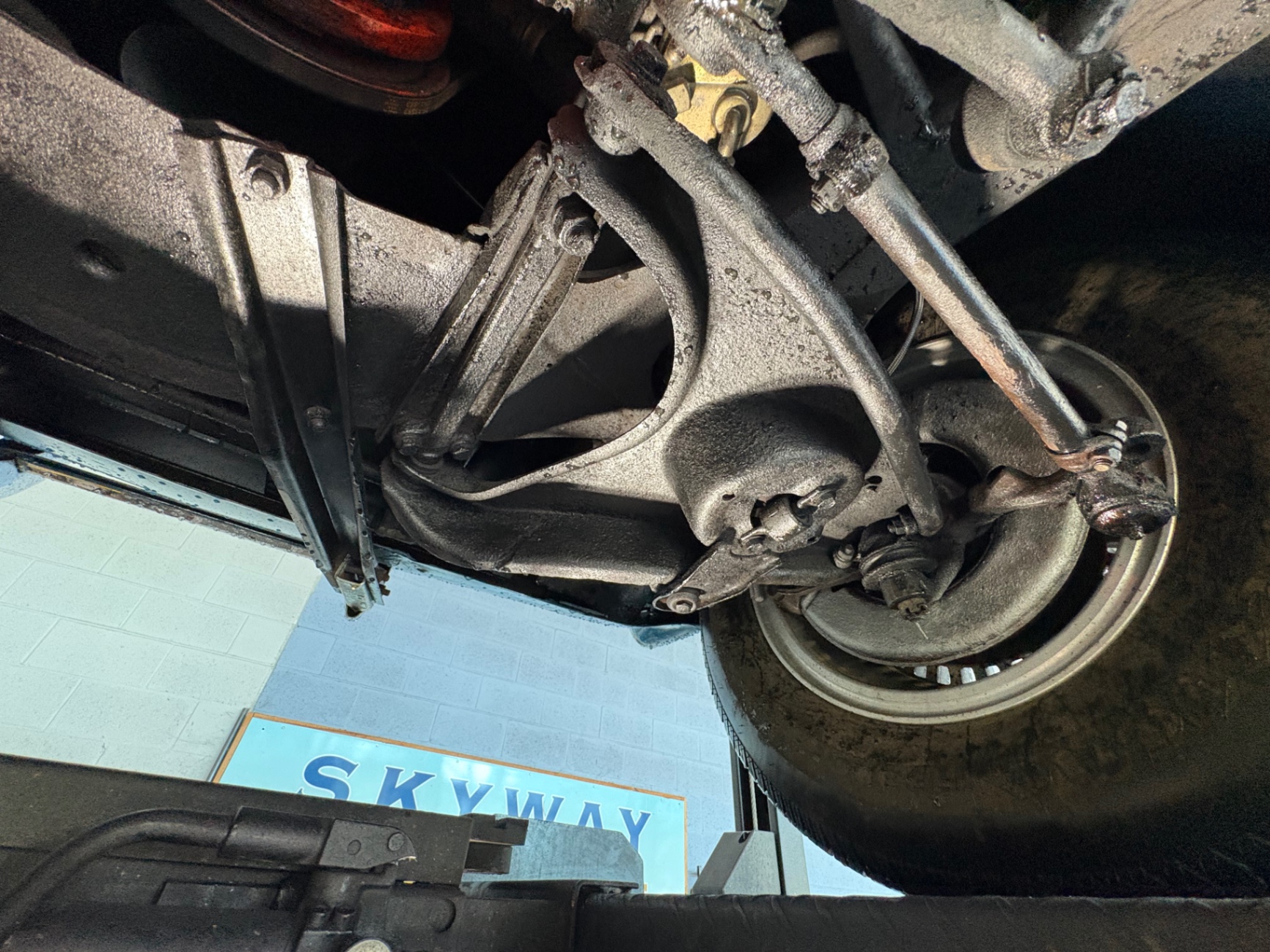
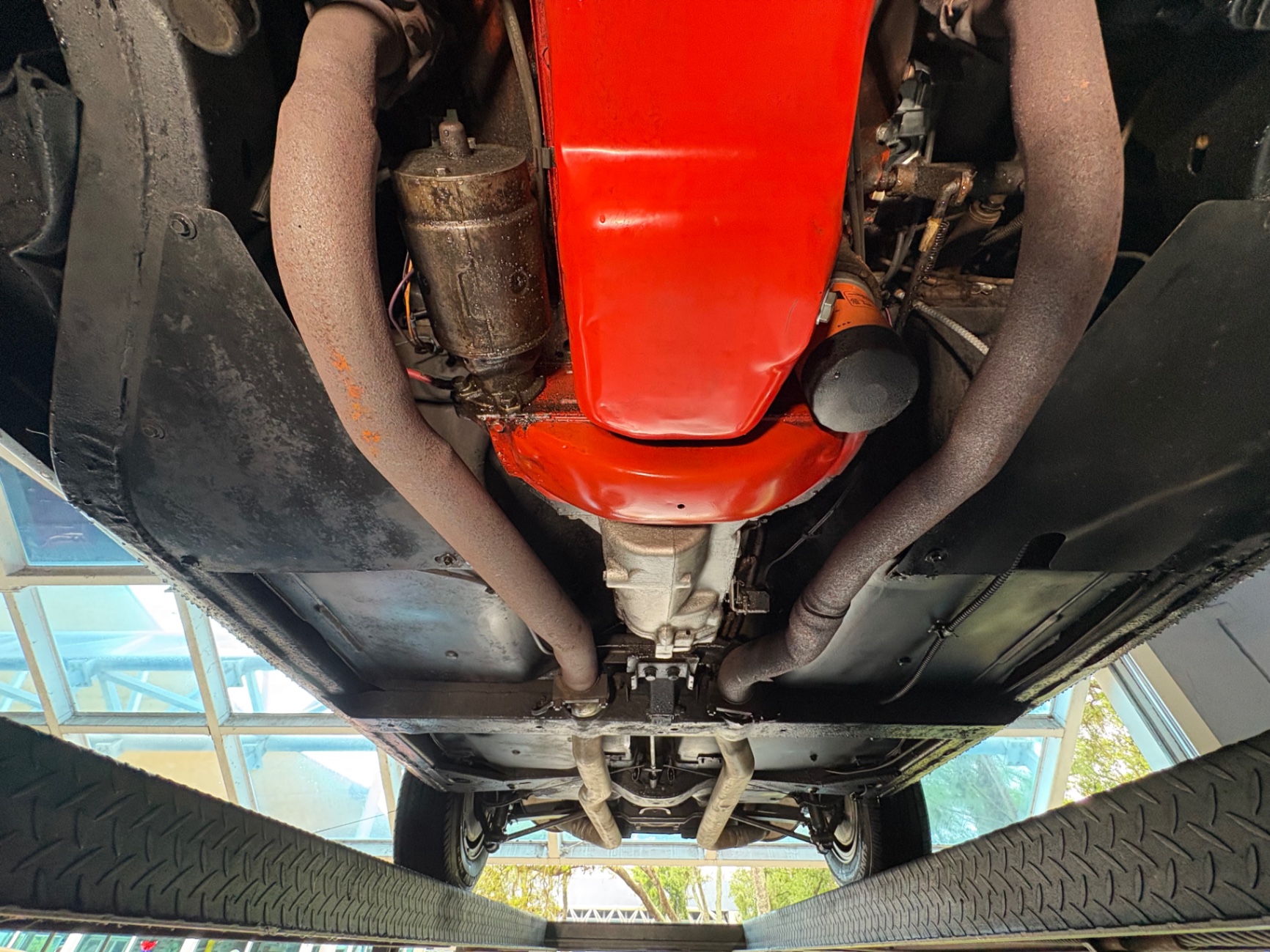
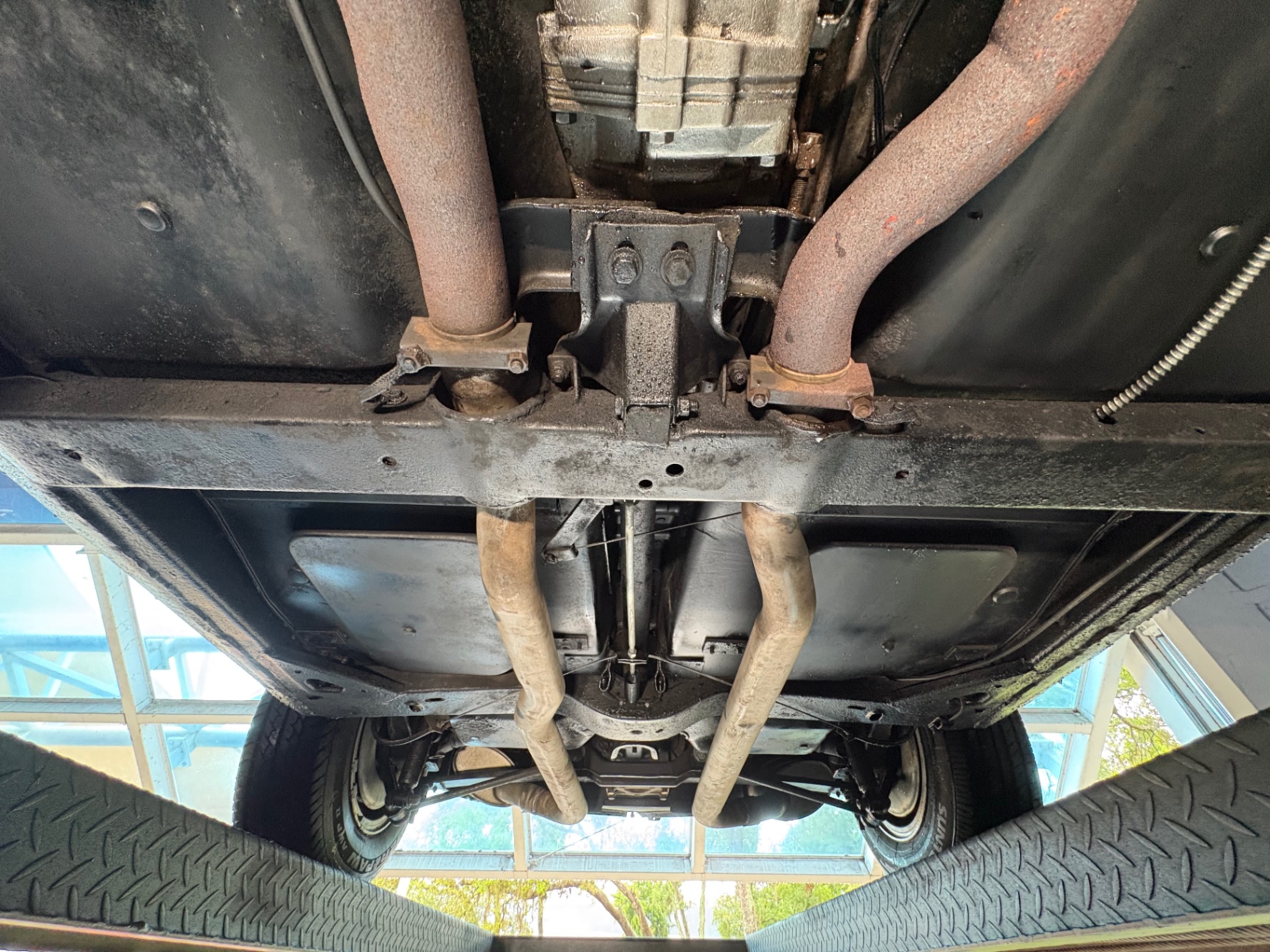
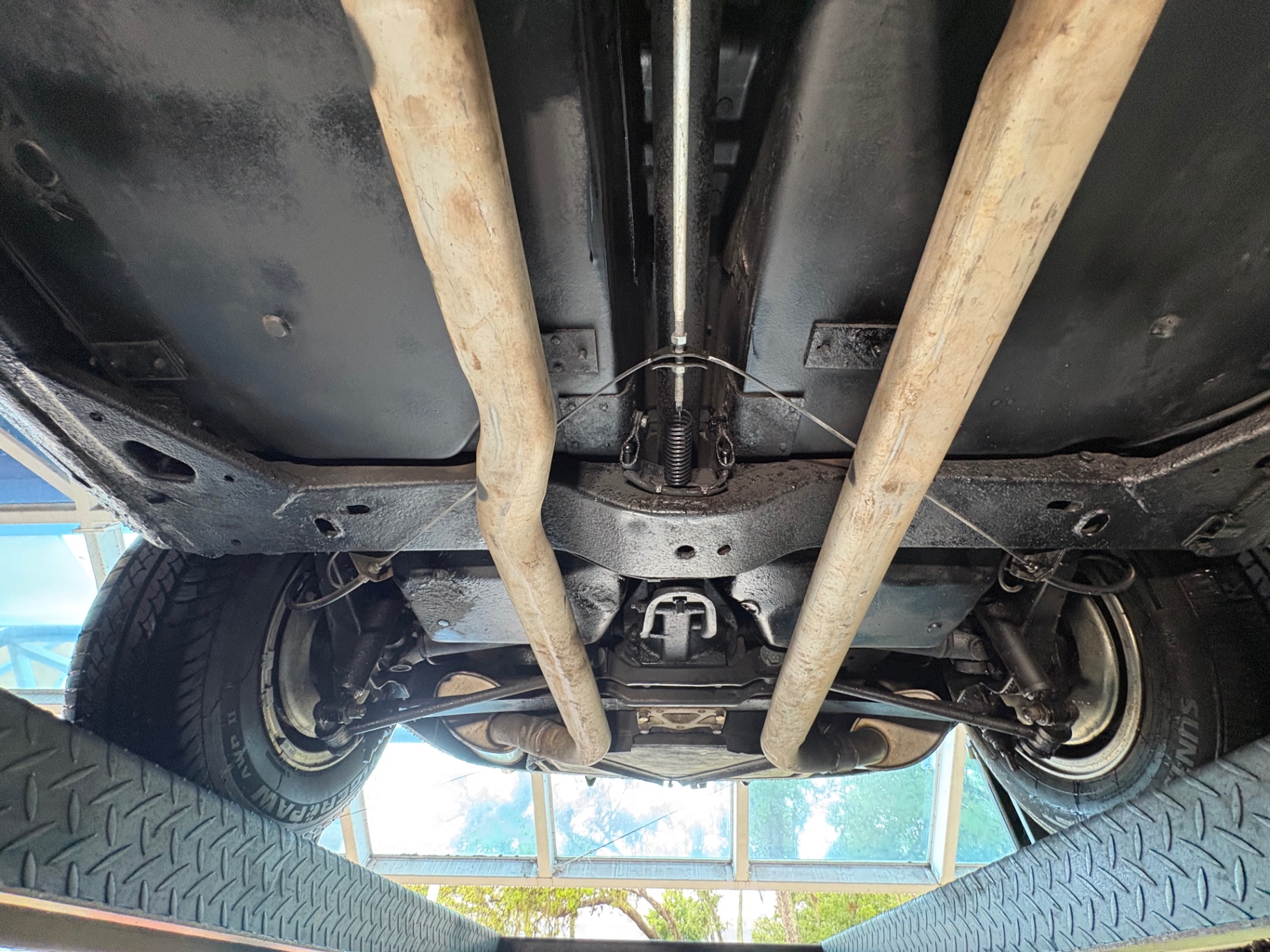
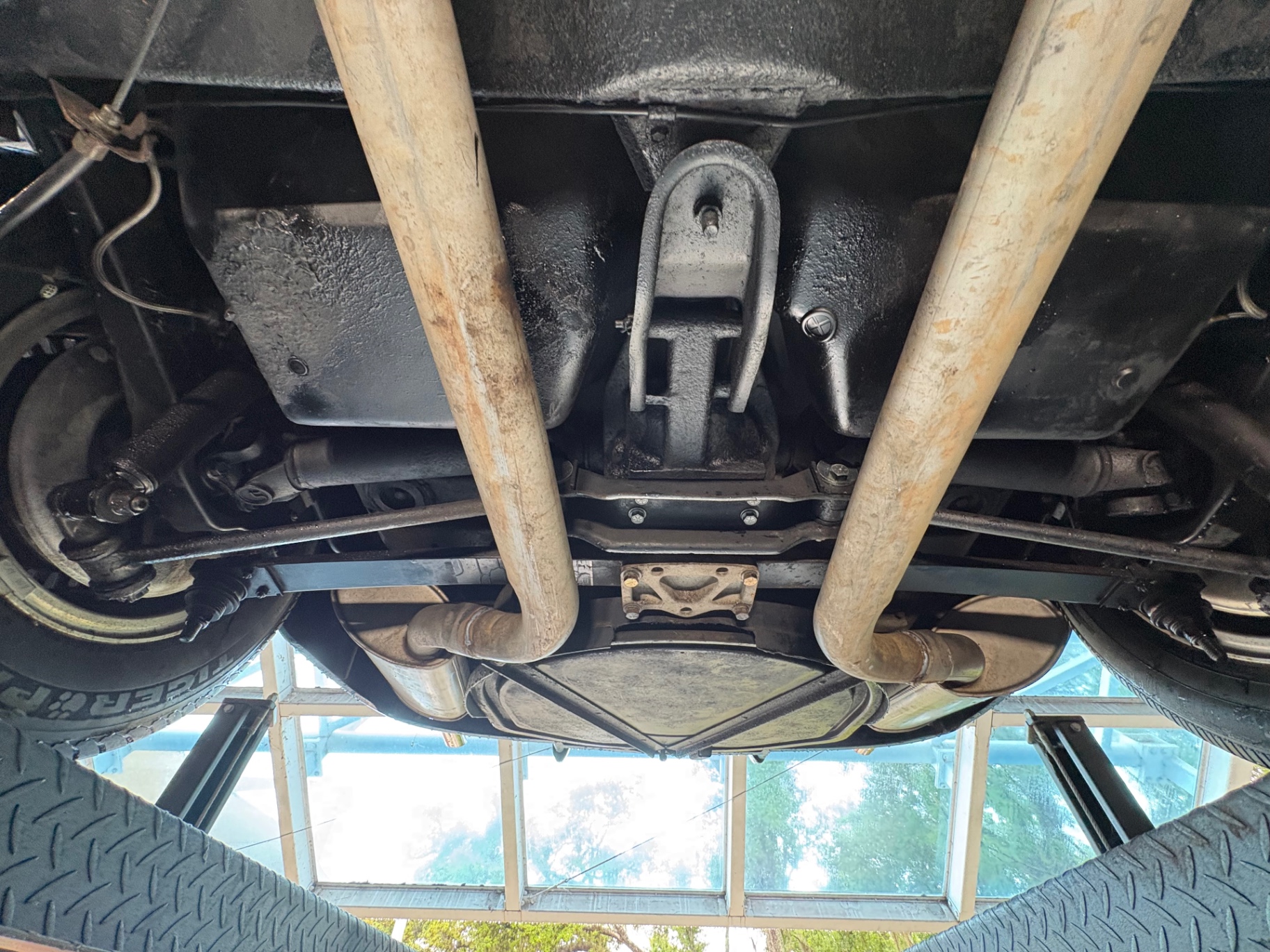
One of the most significant mechanical upgrades Chevrolet made to the C2 Corvette was the introduction of four-wheel disc brakes in 1965, and this 1966 Corvette Convertible carries that system. Before 1965, Corvette buyers had to make do with four-wheel drums, which were adequate at best for a car with this kind of power-to-weight ratio. The transition to four-wheel discs was a genuine improvement in stopping performance, and it is a feature that separates the 1965 and later cars from the earlier C2s in practical terms. The dual exhaust exits cleanly through the rear valance, as confirmed in the underside photos, and the exhaust routing appears correct and tidy.
The knock-off style wheels deserve a note here. The 1966 Corvette offered genuine knock-off aluminum wheels as an option — a design derived directly from racing practice, where a single large spinner could be removed quickly for a wheel change. The spinners thread onto a hub adapter and are tightened with a lead hammer. They are period-correct and they are one of the more mechanically interesting wheel options that was ever available on an American production car.
Interior
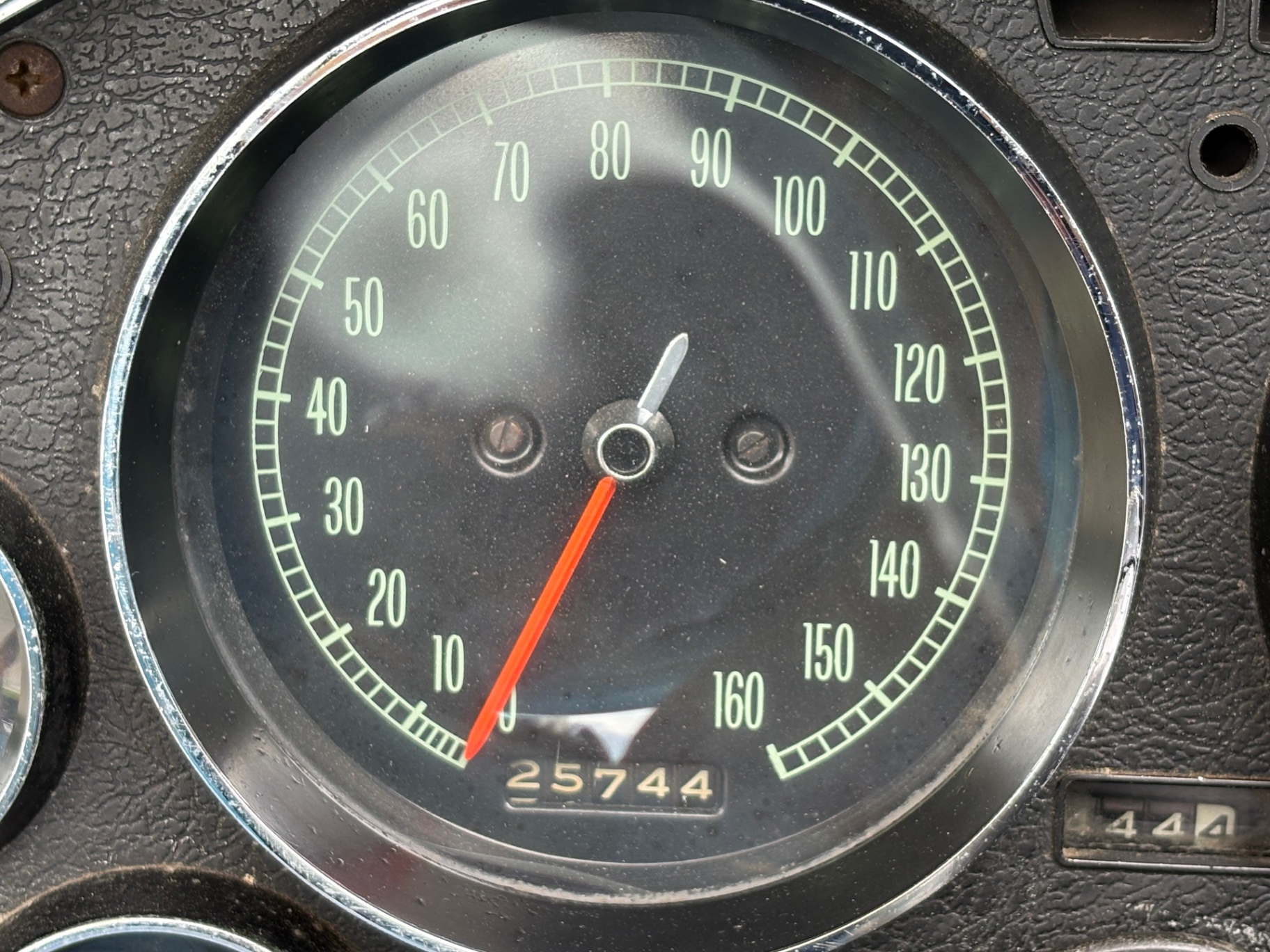
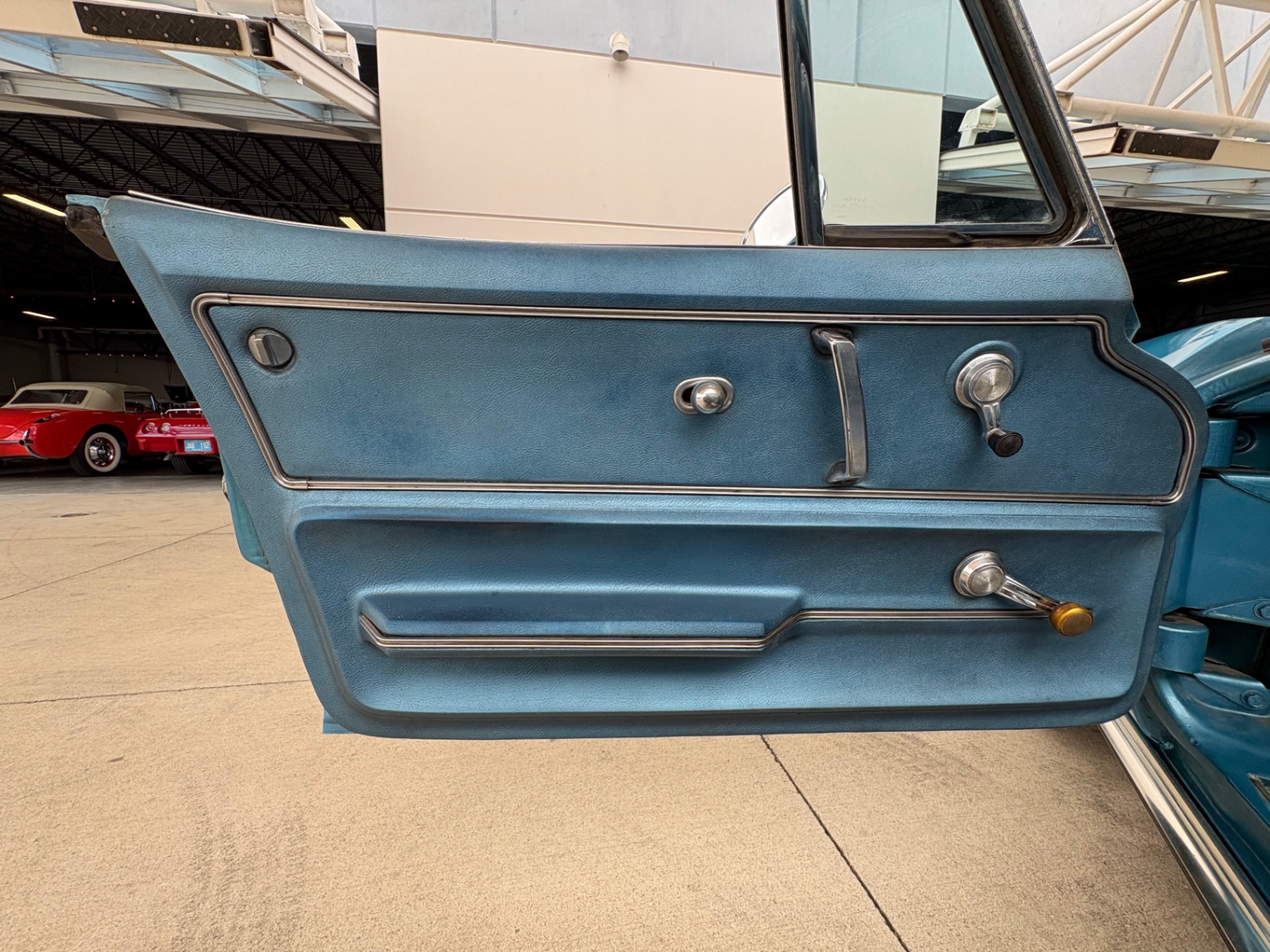
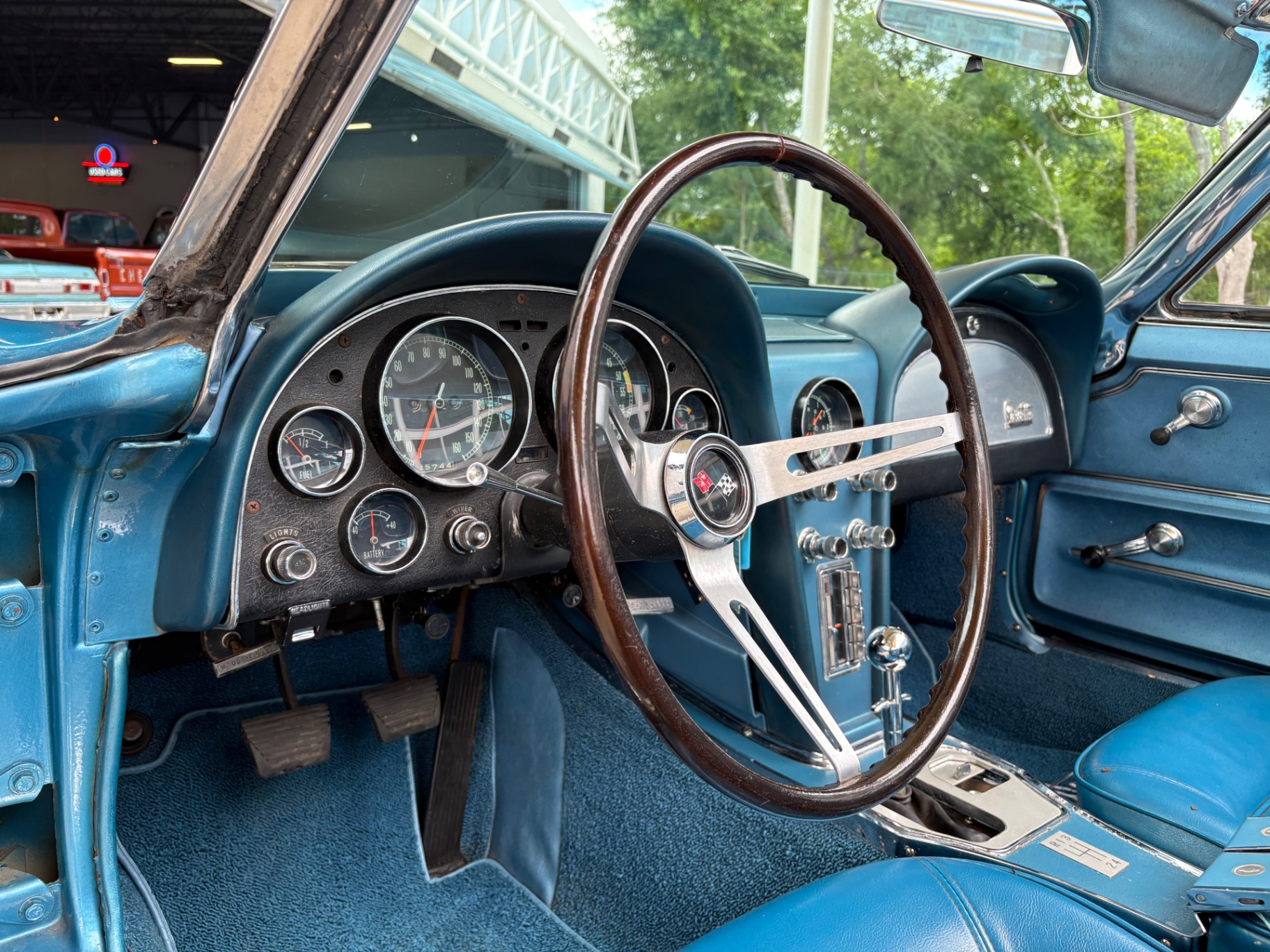
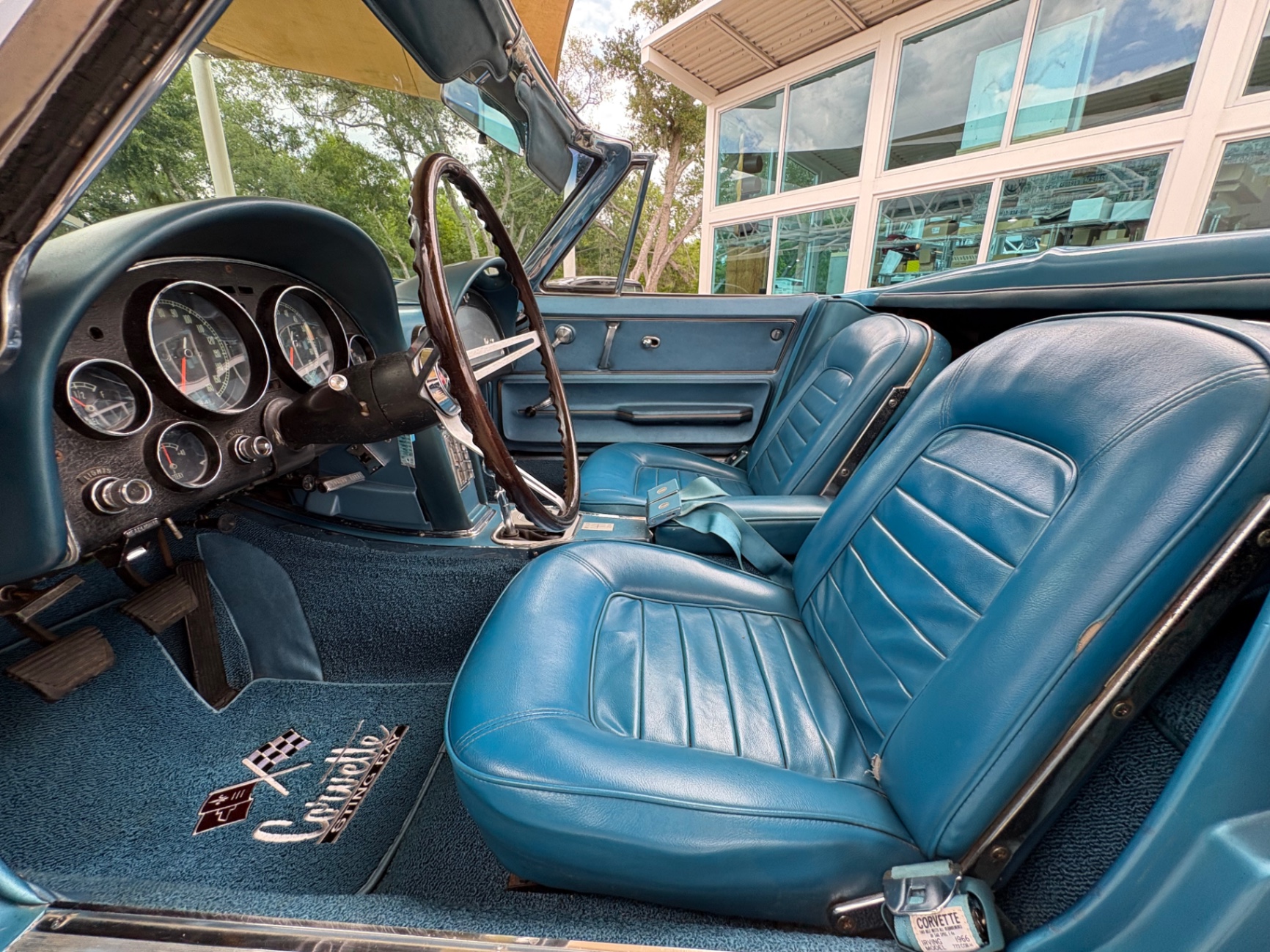
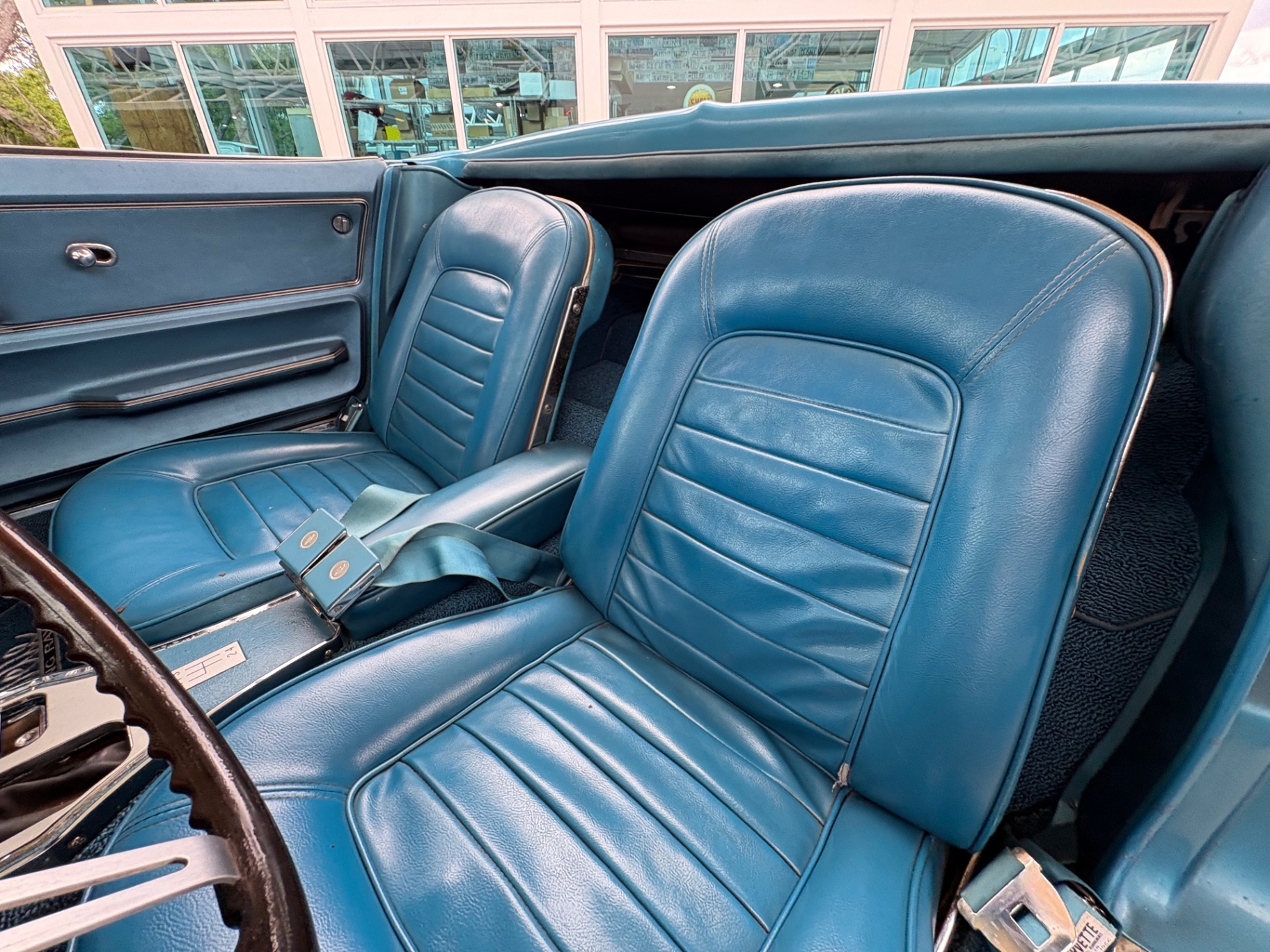
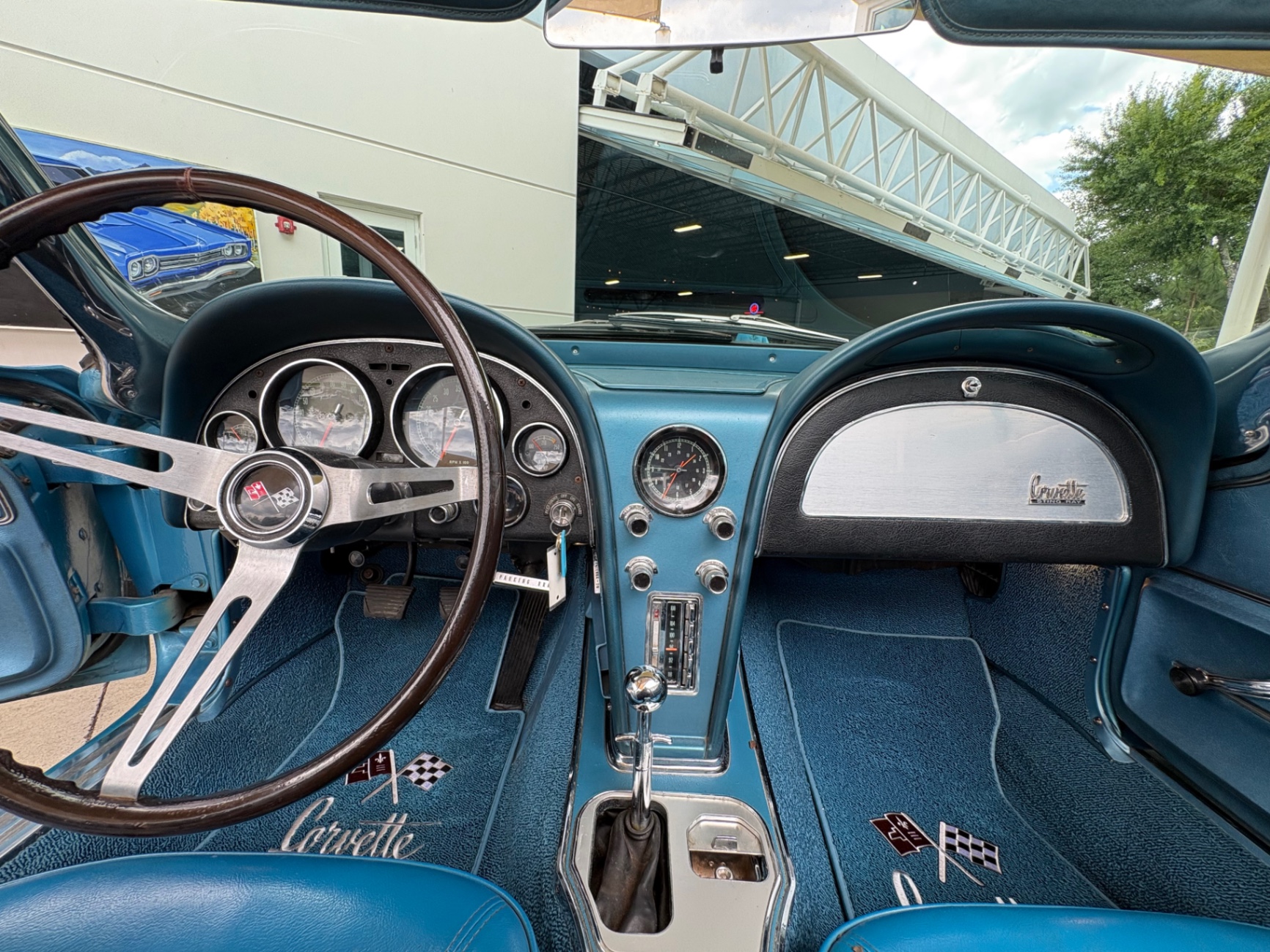
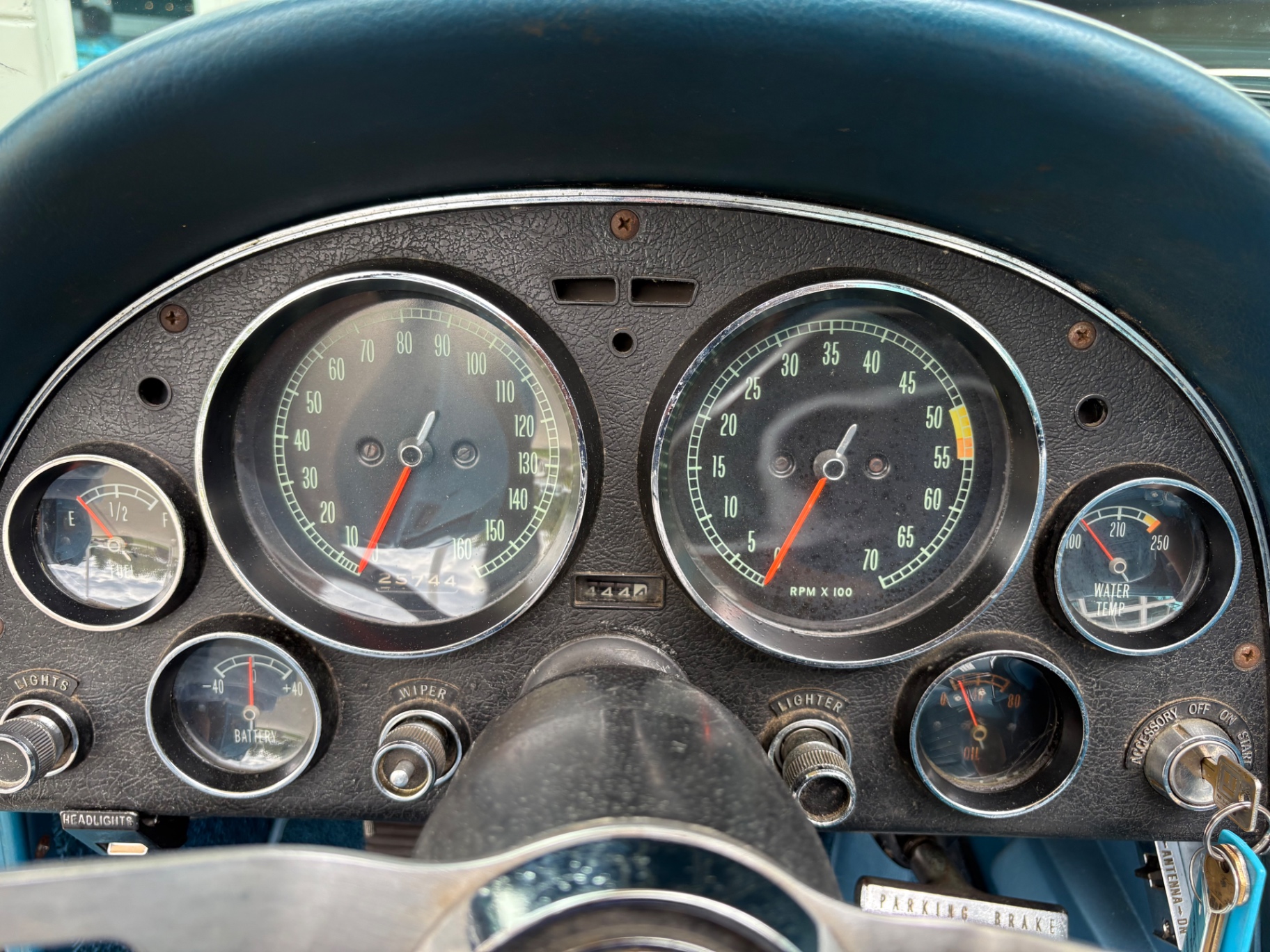
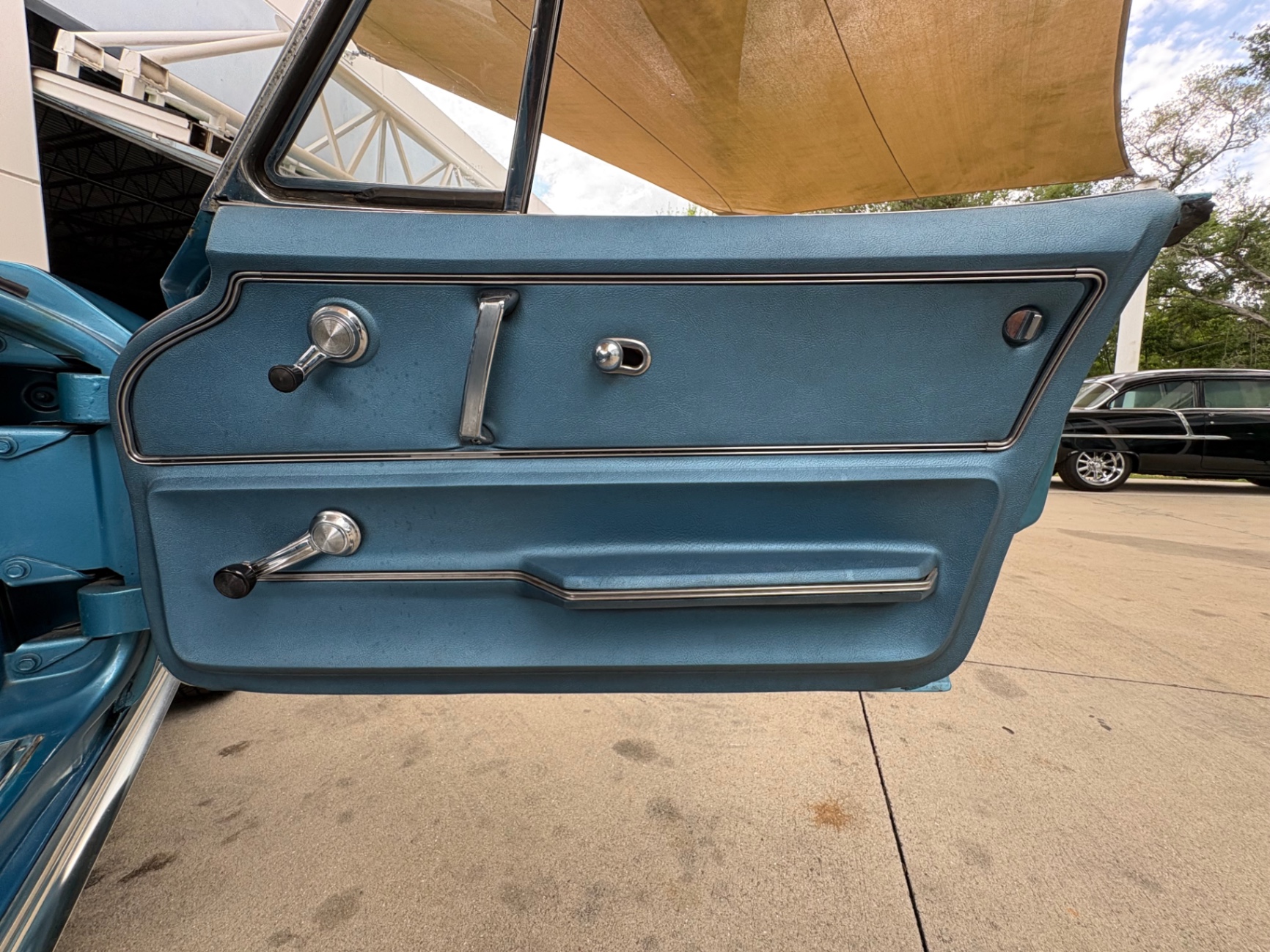
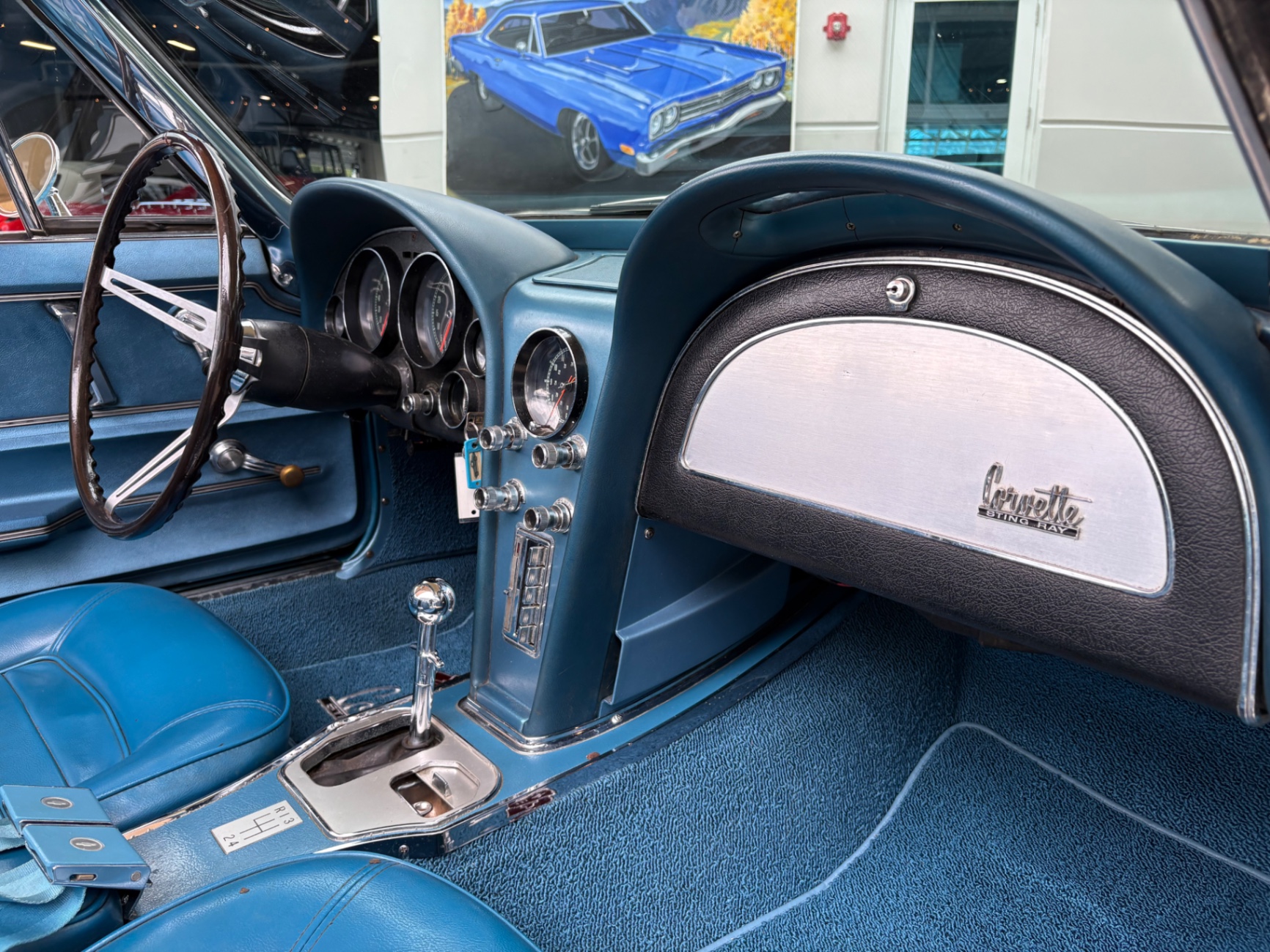
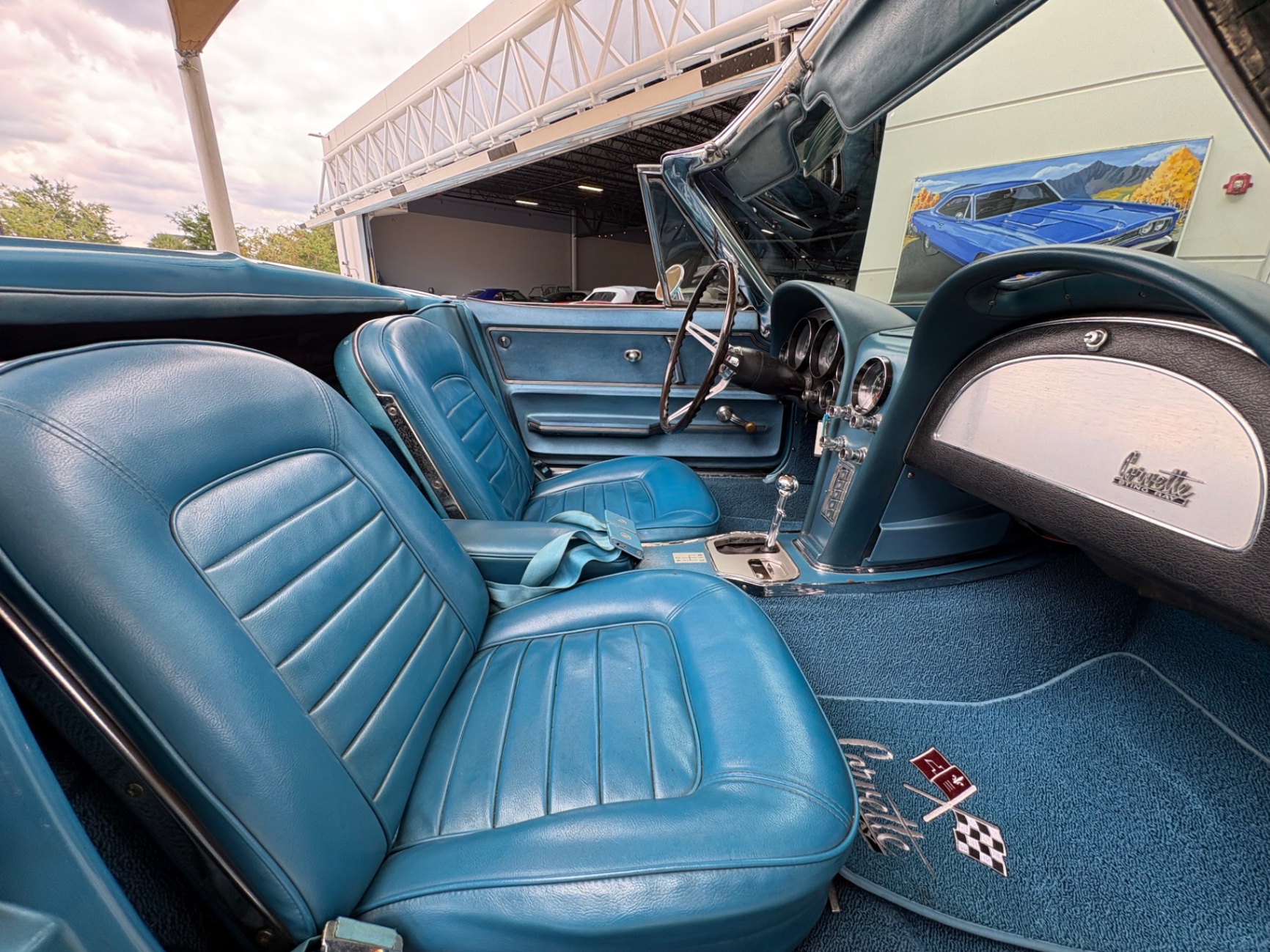
The interior of this 1966 Chevrolet Corvette Convertible is trimmed in bright blue leather throughout — seats, door panels, and console. The color is a proper match to the Nassau Blue exterior, which is how the car left St. Louis. Leather seating was a factory option on 1966 Corvettes, and it holds up better over decades than the standard vinyl. At 25,744 miles, the interior has not been subjected to the kind of wear that would compromise its condition.
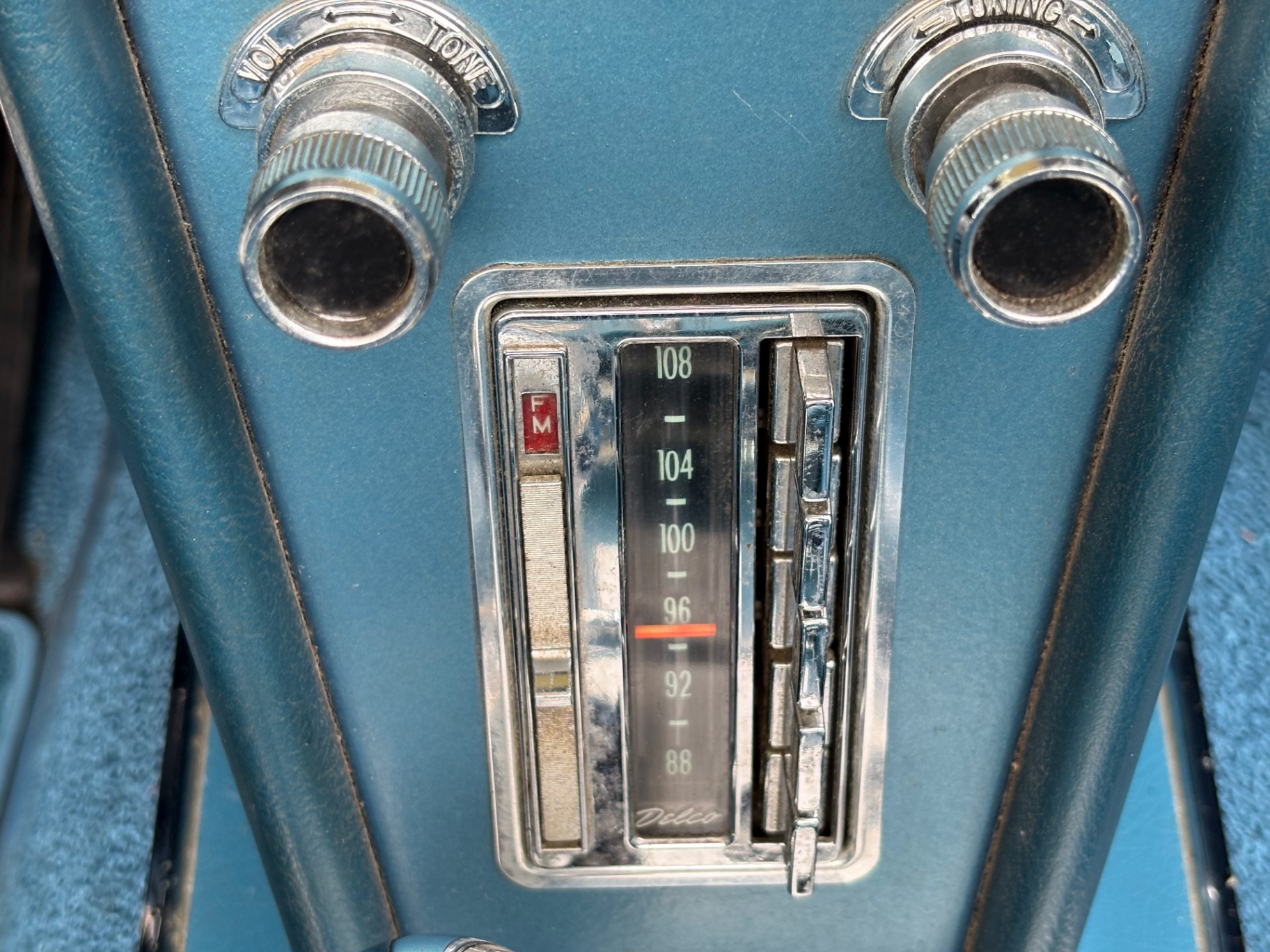
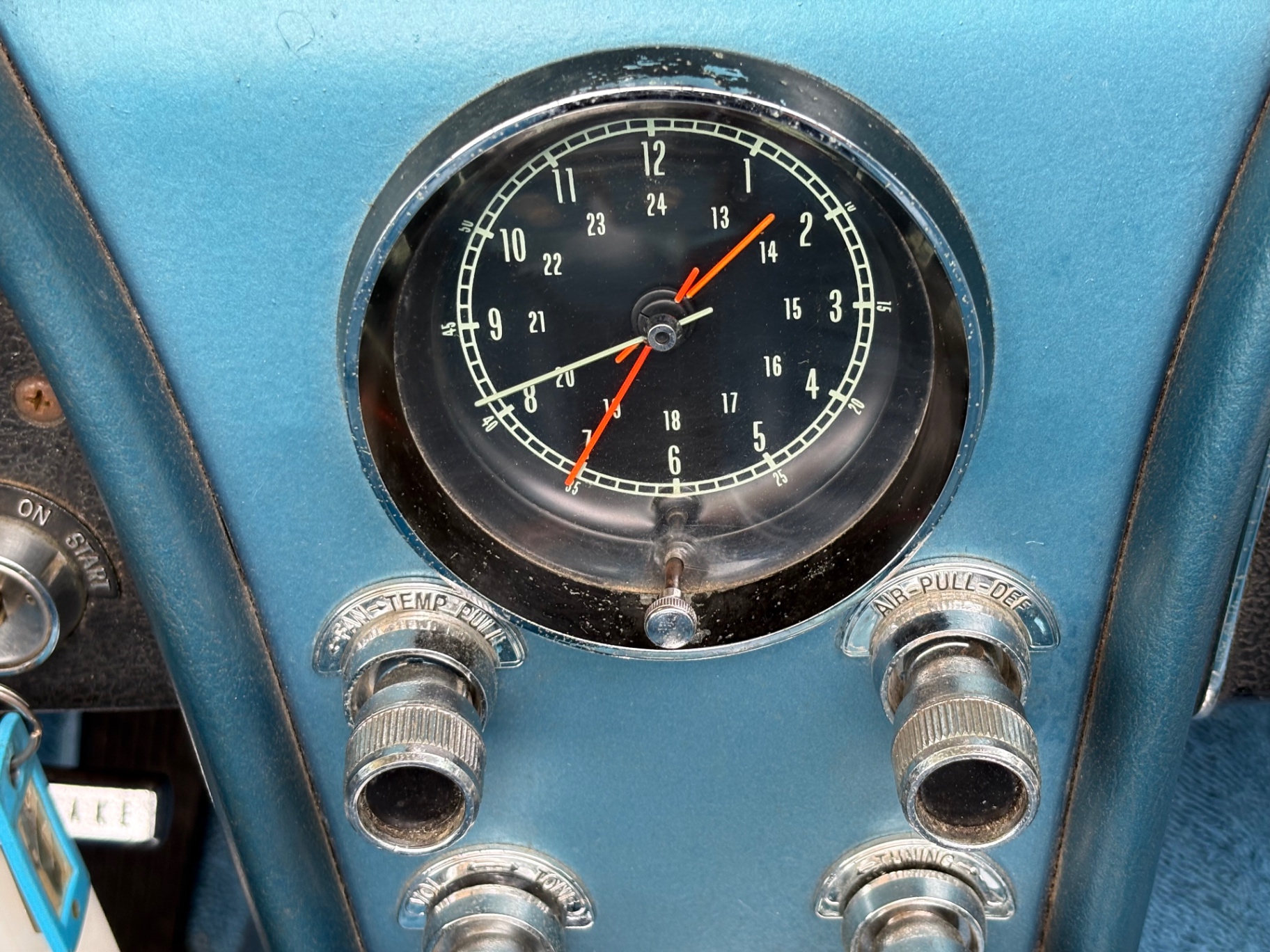
The dashboard is fully equipped with the gauges that Corvette buyers specified when they wanted the complete picture while driving — tachometer, speedometer, fuel, temperature, oil pressure, and ammeter. The tachometer is mounted at the top of the center stack where the driver can reference it without moving their eyes far from the road. The wood-rimmed steering wheel was a period option that added a more purposeful feel to the driving position. Center console with the 4-speed shifter runs between the two bucket seats and defines the cockpit layout that made the C2 Corvette feel more like a sports car than a pony car or a muscle car.
The white soft top is correct against the Nassau Blue body and presents well in the photos. Convertible Corvette buyers in 1966 could also order a hardtop as a second top, though this listing specifies the soft top configuration.
Exterior
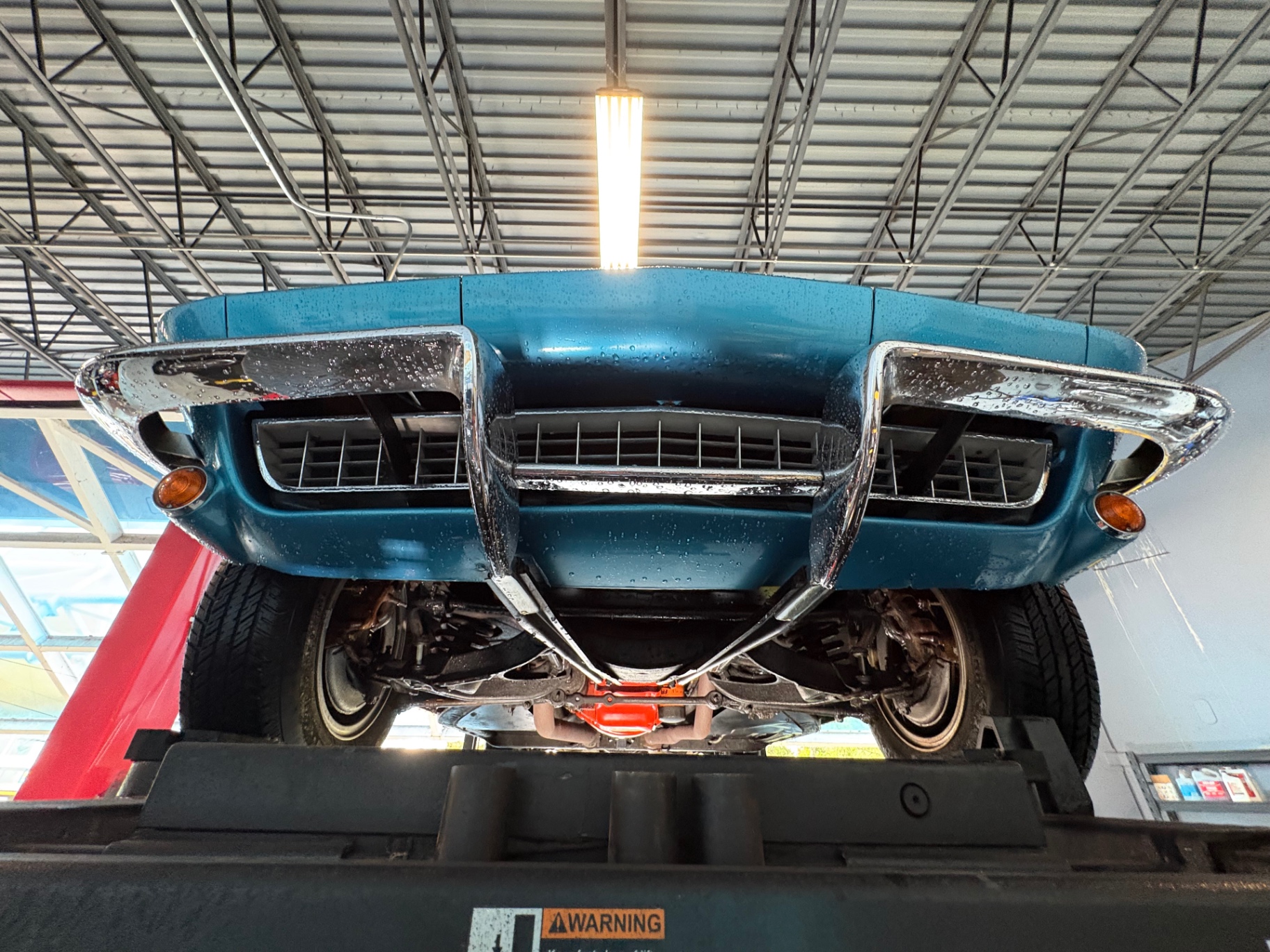
Nassau Blue was one of several color options available on the 1966 Corvette, and it photographs well across different lighting conditions — appearing as a medium blue-green in bright sun and deepening in shade. The chrome bumpers, both front and rear, show the correct design for the 1966 model year. The front bumpers wrap the lower face of the car and integrate with the egg-crate grille insert that was new for 1966, replacing the previous horizontal bar design. The rear bumpers frame the four exhaust outlets, and the underside photo confirms the exhaust exits properly through the bumper cutouts.
The knock-off wheels fill the wheel wells correctly and are fitted with white letter tires that read as period-appropriate to the car's character. The white convertible top is down in the available photos, showing the folded top boot and the interior. The body panel fit and the paint finish visible in the photographs are consistent with a car that has covered genuine low mileage and has been properly kept. There are no visible signs of amateur bodywork or mismatched panel gaps in the photos.
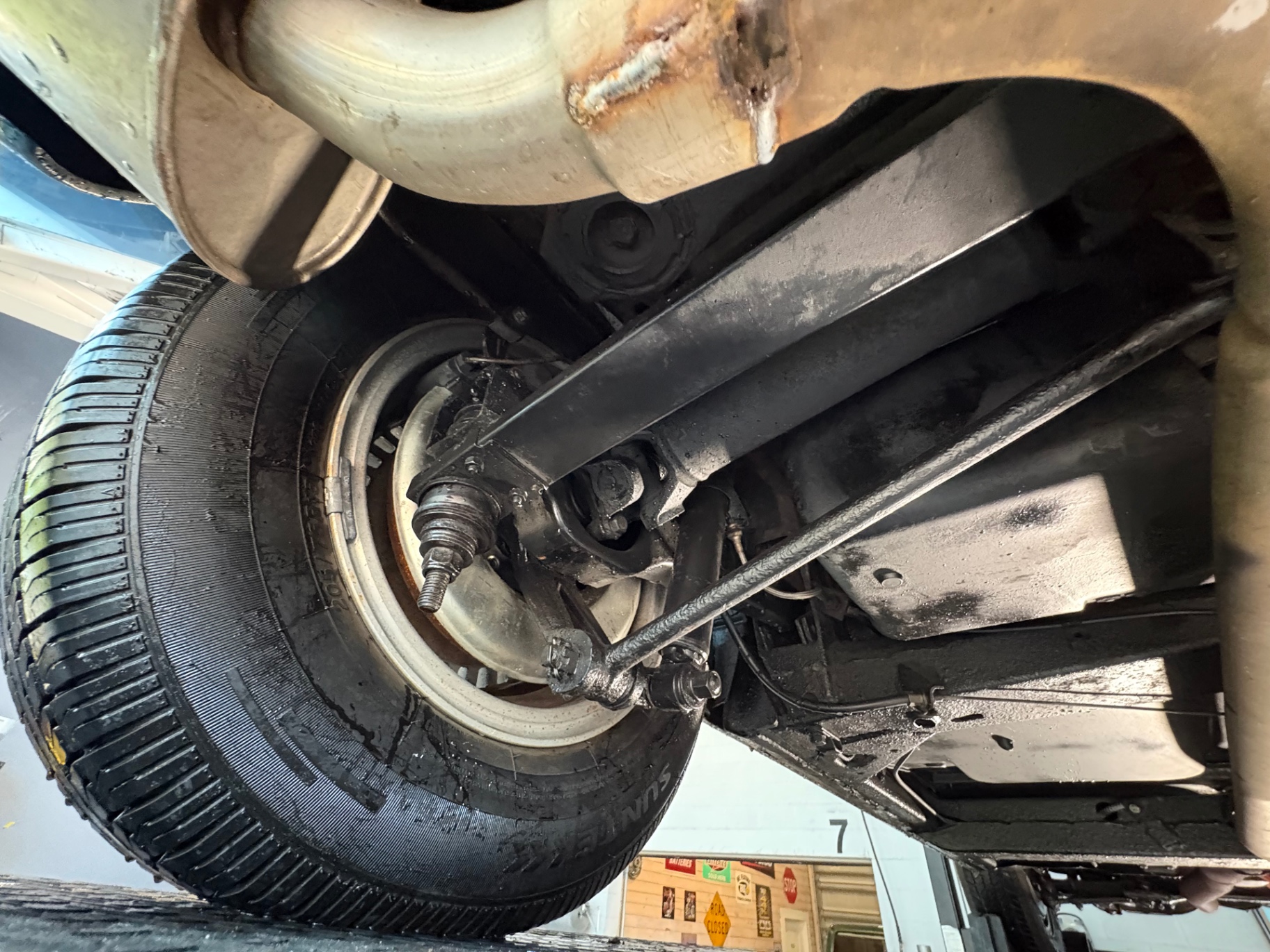
The rear view — shot from underneath on a lift — is one of the more useful photos in a listing like this because it shows the exhaust routing, the rear suspension geometry, and the condition of the undercarriage in a single frame. The underside of this car looks appropriate for its mileage and age.
Conclusion
The 1966 Chevrolet Corvette Convertible was the right car at the right moment. The C2 generation was nearing the end of its run — the C3 would arrive for 1968 — and the 1966 model represents the small-block version of that design in a highly sorted state. This specific car brings together a documented low-mileage example, a correct and honest drivetrain, one of the more appealing color combinations from the model year, and a set of factory options — disc brakes, knock-off wheels, 4-speed manual, full gauges, leather interior — that make it a genuinely complete car rather than a stripped base model. Buyers who have spent time with C2 Corvettes will recognize immediately what they are looking at here.
To learn more about this 1966 Chevrolet Corvette Convertible or to arrange an inspection, call Skyway Classics in Sarasota, Florida at 941-254-6608.
Disclaimer
Information found on the website is presented as given to us by the owner of the car, whether on consignment or from the owner we bought it from. Some Photos, materials for videos, descriptions and other information are provided by the consignor/seller and is deemed reliable, but Skyway Classics does not warranty or guarantee this information. Skyway Classics is not responsible for information that may incorrect or a publishing error. The decision to purchase should be based solely on the buyers personal inspection of the vehicle or by a professional inspection service prior to offer or purchase being made.
1966 Chevrolet Corvette Convertible — 327/300, 4-Speed, Nassau Blue
Why This Car Is Special
The 1966 Chevrolet Corvette Convertible occupies a specific and well-earned place in the C2 generation's short four-year run. By 1966, Chevrolet had refined the Sting Ray body — introduced in 1963 — to a point where the engineering and the styling worked together about as well as they ever would. The egg-crate grille was new for 1966, the fender louvers were cleaned up, and the overall package represented the most polished version of Bill Mitchell's original design. Chevrolet built 17,762 Corvette convertibles for the 1966 model year, and while the big-block cars tend to dominate the headlines, the small-block cars have always attracted a different kind of buyer — one who understands that a 327 cubic inch V8 in a 3,000-pound fiberglass roadster is an entirely satisfying arrangement.
This particular 1966 Chevrolet Corvette Convertible is finished in Nassau Blue with a matching bright blue leather interior and a white soft top. The color combination is one of the more distinctive pairings from that model year. The VIN decodes to a 1966 Corvette convertible built at the St. Louis assembly plant, with the 327 cubic inch 300 horsepower engine and a 4-speed manual transmission. That is a straightforward, honest specification — no inflated horsepower claims, no questionable options added after the fact. What you see is what Chevrolet built.
Features
- 327 cubic inch V8, 300 horsepower
- 4-speed manual transmission
- 4-wheel disc brakes
- Knock-off style wheels with white letter tires
- Dual exhaust
- Wood-rimmed steering wheel
- Dashboard tachometer
- Full gauge cluster
- Bright blue leather bucket seats
- Center console
- Nassau Blue exterior
- White convertible soft top
- Chrome bumpers
Mechanical
The 327/300 was Chevrolet's mid-range small-block offering for the 1966 Corvette. It used a single four-barrel carburetor and hydraulic lifters, which made it more streetable than the higher-output 327/350 or 327/365 versions. For context, 1966 was actually the final year for the 327 as the Corvette's small-block option — the 350 would replace it starting in 1969. That makes 1966 a historically significant year for anyone who follows the small-block's development arc.
The 4-speed manual transmission was the right gearbox for this engine in this chassis. Rowing through the gears in a mid-1960s Corvette is a tactile experience that later cars with their tighter, more modern transmissions don't quite replicate. The throws are deliberate, the engagement is mechanical and direct, and it rewards a driver who pays attention.
One of the most significant mechanical upgrades Chevrolet made to the C2 Corvette was the introduction of four-wheel disc brakes in 1965, and this 1966 Corvette Convertible carries that system. Before 1965, Corvette buyers had to make do with four-wheel drums, which were adequate at best for a car with this kind of power-to-weight ratio. The transition to four-wheel discs was a genuine improvement in stopping performance, and it is a feature that separates the 1965 and later cars from the earlier C2s in practical terms. The dual exhaust exits cleanly through the rear valance, as confirmed in the underside photos, and the exhaust routing appears correct and tidy.
The knock-off style wheels deserve a note here. The 1966 Corvette offered genuine knock-off aluminum wheels as an option — a design derived directly from racing practice, where a single large spinner could be removed quickly for a wheel change. The spinners thread onto a hub adapter and are tightened with a lead hammer. They are period-correct and they are one of the more mechanically interesting wheel options that was ever available on an American production car.
Interior
The interior of this 1966 Chevrolet Corvette Convertible is trimmed in bright blue leather throughout — seats, door panels, and console. The color is a proper match to the Nassau Blue exterior, which is how the car left St. Louis. Leather seating was a factory option on 1966 Corvettes, and it holds up better over decades than the standard vinyl. At 25,744 miles, the interior has not been subjected to the kind of wear that would compromise its condition.
The dashboard is fully equipped with the gauges that Corvette buyers specified when they wanted the complete picture while driving — tachometer, speedometer, fuel, temperature, oil pressure, and ammeter. The tachometer is mounted at the top of the center stack where the driver can reference it without moving their eyes far from the road. The wood-rimmed steering wheel was a period option that added a more purposeful feel to the driving position. Center console with the 4-speed shifter runs between the two bucket seats and defines the cockpit layout that made the C2 Corvette feel more like a sports car than a pony car or a muscle car.
The white soft top is correct against the Nassau Blue body and presents well in the photos. Convertible Corvette buyers in 1966 could also order a hardtop as a second top, though this listing specifies the soft top configuration.
Exterior
Nassau Blue was one of several color options available on the 1966 Corvette, and it photographs well across different lighting conditions — appearing as a medium blue-green in bright sun and deepening in shade. The chrome bumpers, both front and rear, show the correct design for the 1966 model year. The front bumpers wrap the lower face of the car and integrate with the egg-crate grille insert that was new for 1966, replacing the previous horizontal bar design. The rear bumpers frame the four exhaust outlets, and the underside photo confirms the exhaust exits properly through the bumper cutouts.
The knock-off wheels fill the wheel wells correctly and are fitted with white letter tires that read as period-appropriate to the car's character. The white convertible top is down in the available photos, showing the folded top boot and the interior. The body panel fit and the paint finish visible in the photographs are consistent with a car that has covered genuine low mileage and has been properly kept. There are no visible signs of amateur bodywork or mismatched panel gaps in the photos.
The rear view — shot from underneath on a lift — is one of the more useful photos in a listing like this because it shows the exhaust routing, the rear suspension geometry, and the condition of the undercarriage in a single frame. The underside of this car looks appropriate for its mileage and age.
Conclusion
The 1966 Chevrolet Corvette Convertible was the right car at the right moment. The C2 generation was nearing the end of its run — the C3 would arrive for 1968 — and the 1966 model represents the small-block version of that design in a highly sorted state. This specific car brings together a documented low-mileage example, a correct and honest drivetrain, one of the more appealing color combinations from the model year, and a set of factory options — disc brakes, knock-off wheels, 4-speed manual, full gauges, leather interior — that make it a genuinely complete car rather than a stripped base model. Buyers who have spent time with C2 Corvettes will recognize immediately what they are looking at here.
To learn more about this 1966 Chevrolet Corvette Convertible or to arrange an inspection, call Skyway Classics in Sarasota, Florida at 941-254-6608.
Disclaimer
Information found on the website is presented as given to us by the owner of the car, whether on consignment or from the owner we bought it from. Some Photos, materials for videos, descriptions and other information are provided by the consignor/seller and is deemed reliable, but Skyway Classics does not warranty or guarantee this information. Skyway Classics is not responsible for information that may incorrect or a publishing error. The decision to purchase should be based solely on the buyers personal inspection of the vehicle or by a professional inspection service prior to offer or purchase being made.
1966 Chevrolet
Corvette Sting Ray Convertible
Why Choose Skyway Classics?
Explore our curated inventory of classic and collector cars—thoughtfully selected, ready to drive, and supported by experts who make ownership simple.
Expert Curation
Every vehicle is hand-selected by our experts for quality, authenticity, and investment potential.
Fast Transactions
Streamlined buying and selling process with quick financing and immediate delivery options.
Only National Dealer With Classic Service & Repair
We’re the only national dealership that services and repairs the classics we sell—before and after the sale.
Nationwide Network
Access to our extensive network of collectors, restorers, and classic car enthusiasts nationwide.
Concierge Ownership Support
From financing and insurance to paperwork, shipping, and titling—we handle the details so you can enjoy the drive.
Passion-Driven Service
We're classic car enthusiasts first, providing personalized service with genuine passion for the hobby.