
1973 Dodge
Challenger Rallye
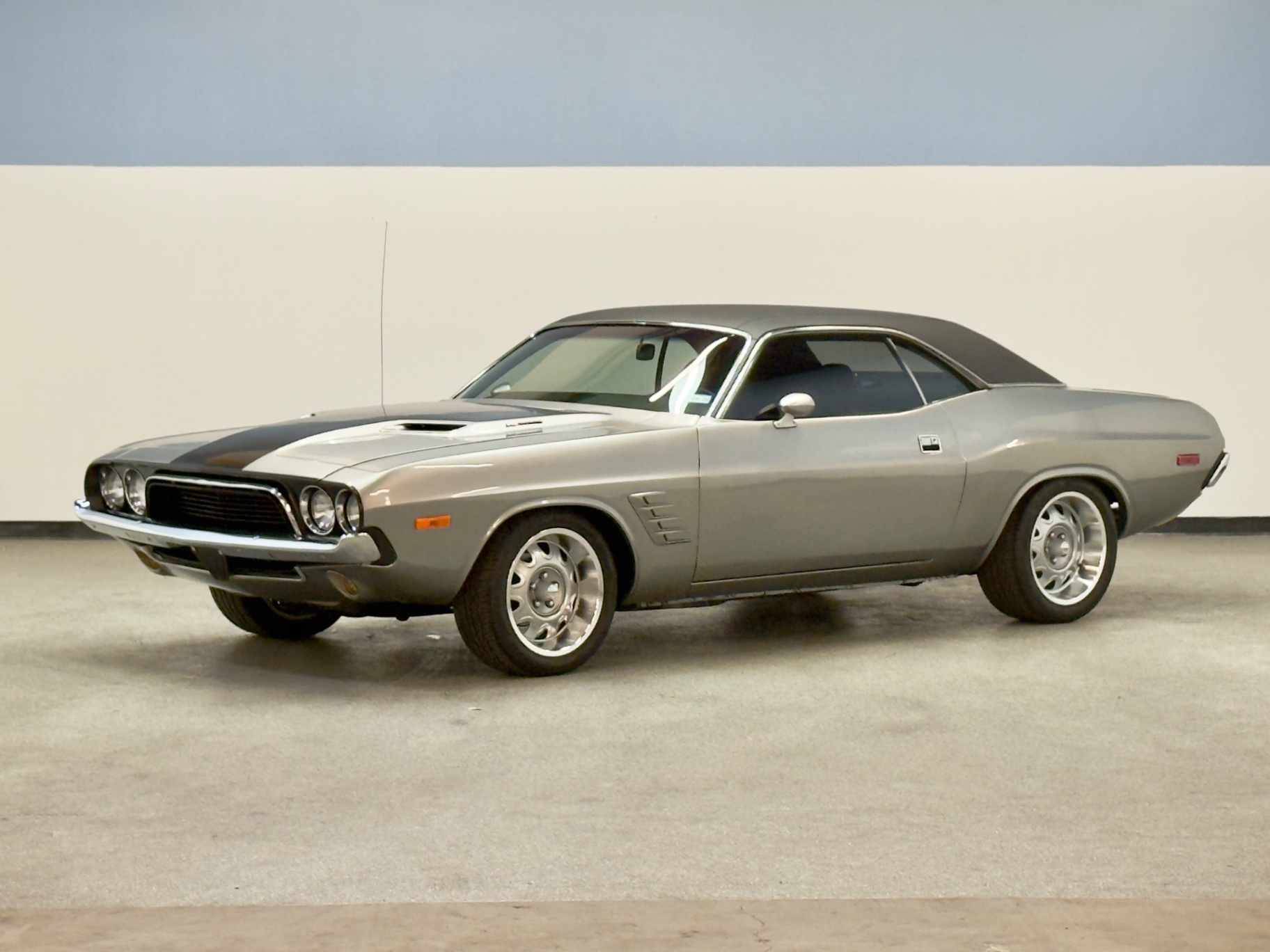
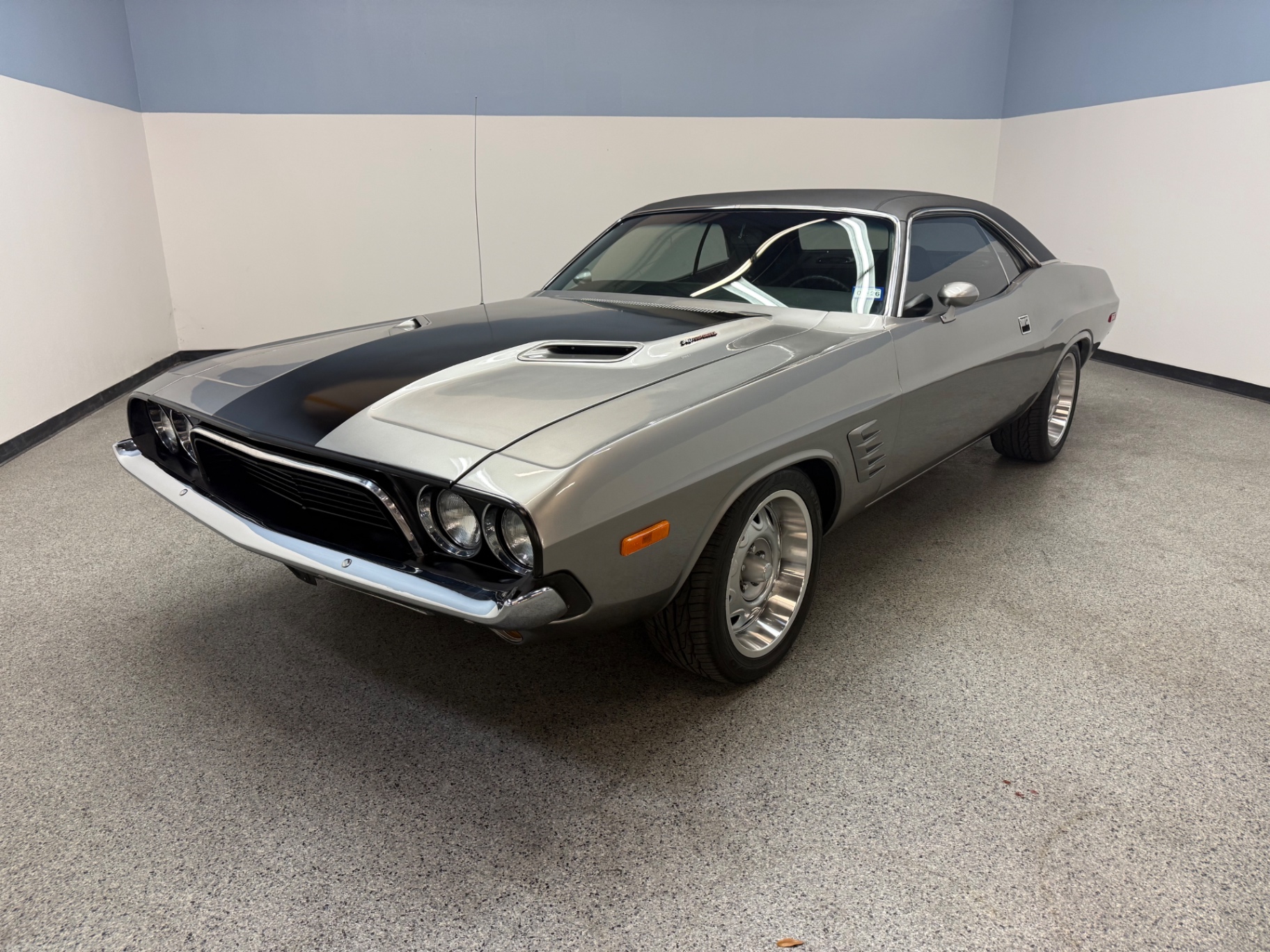
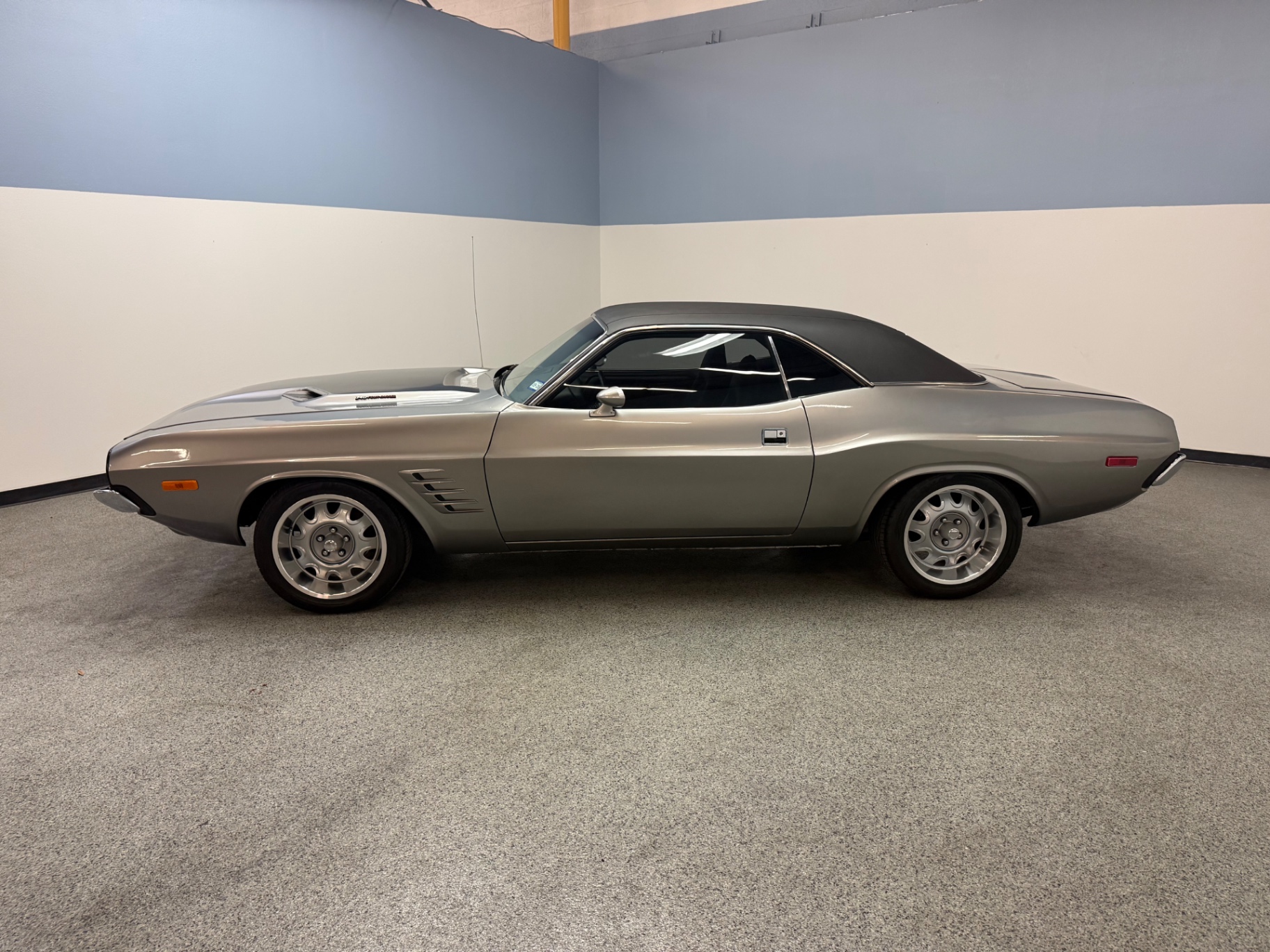
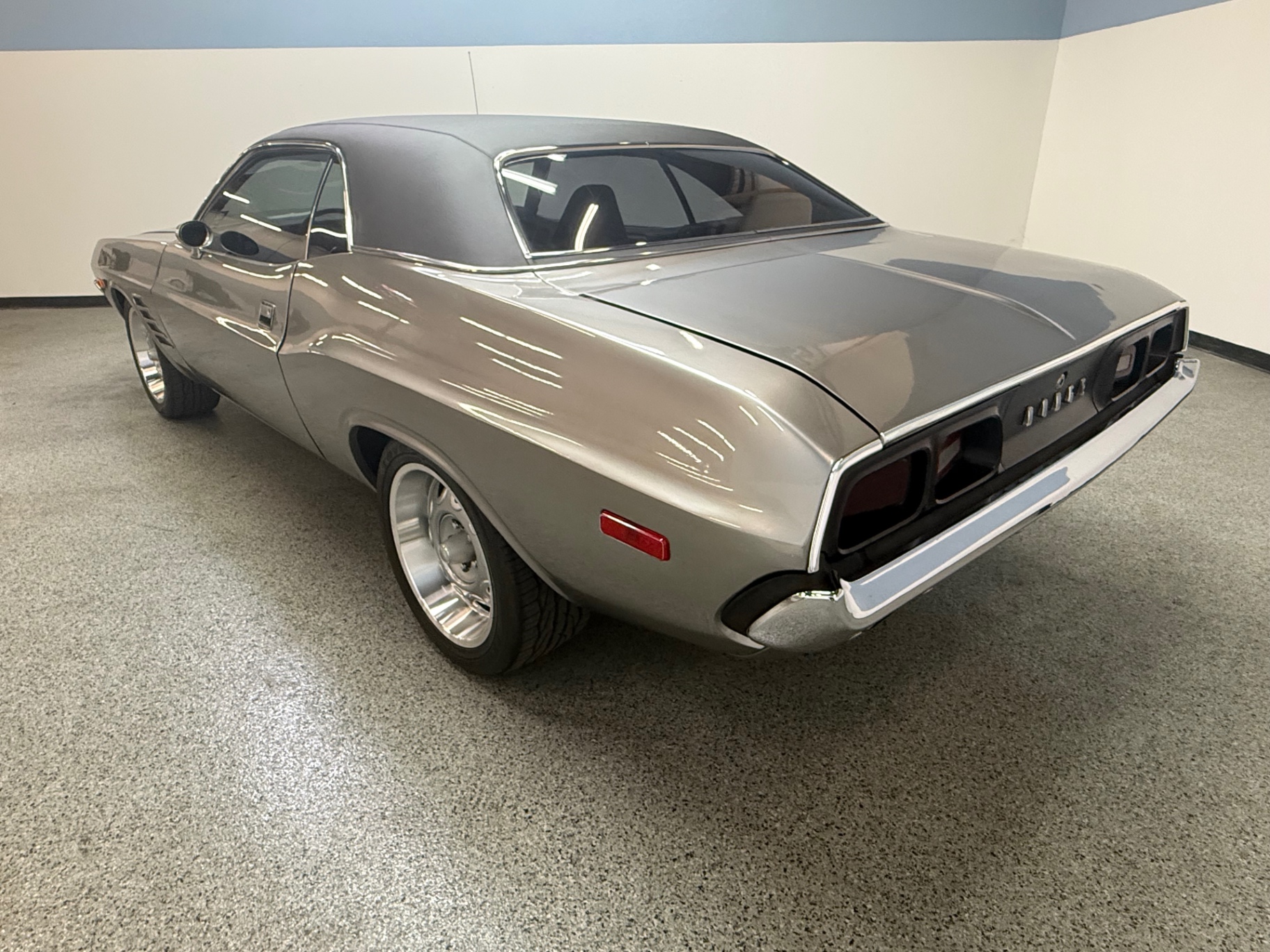
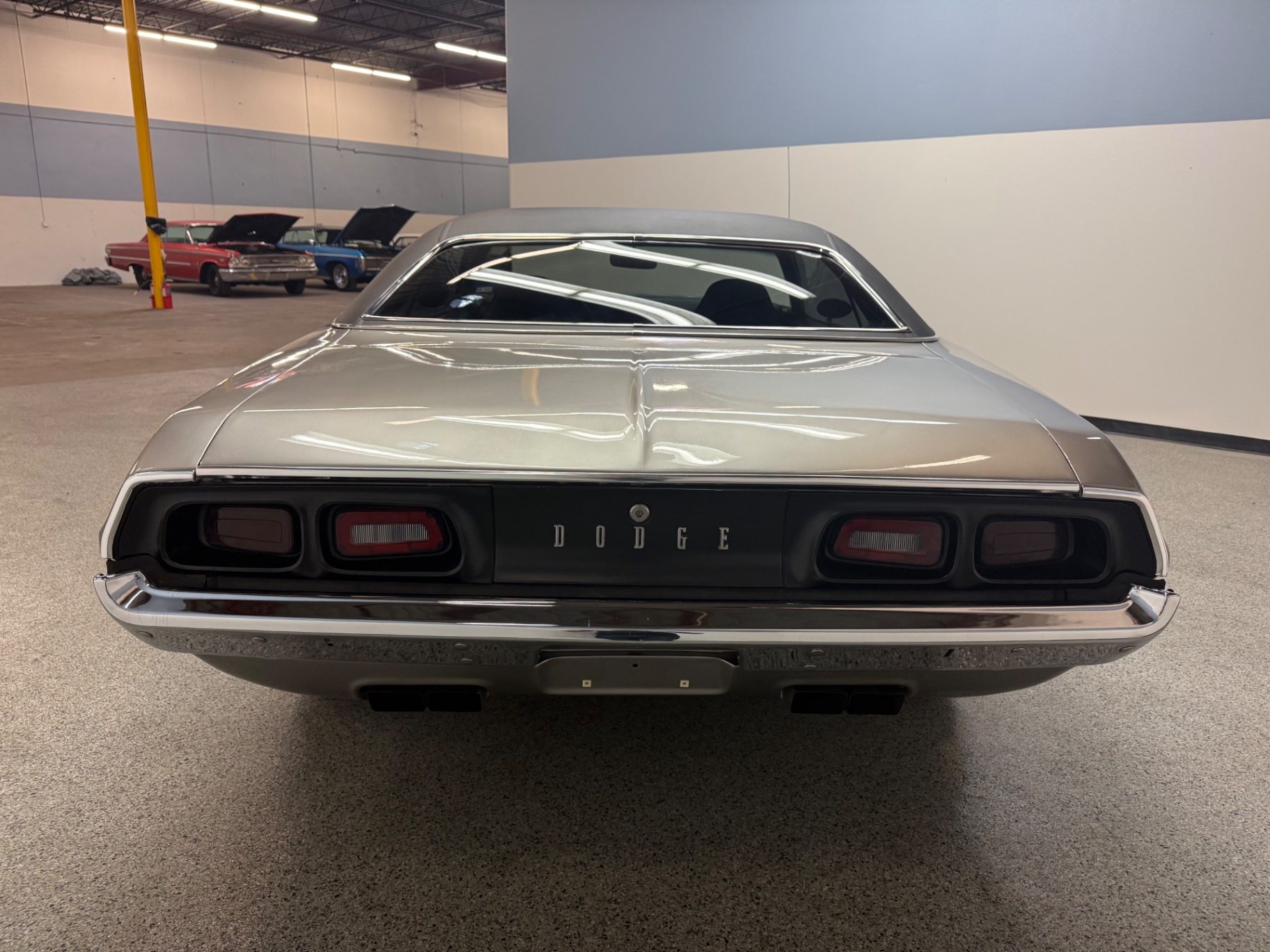
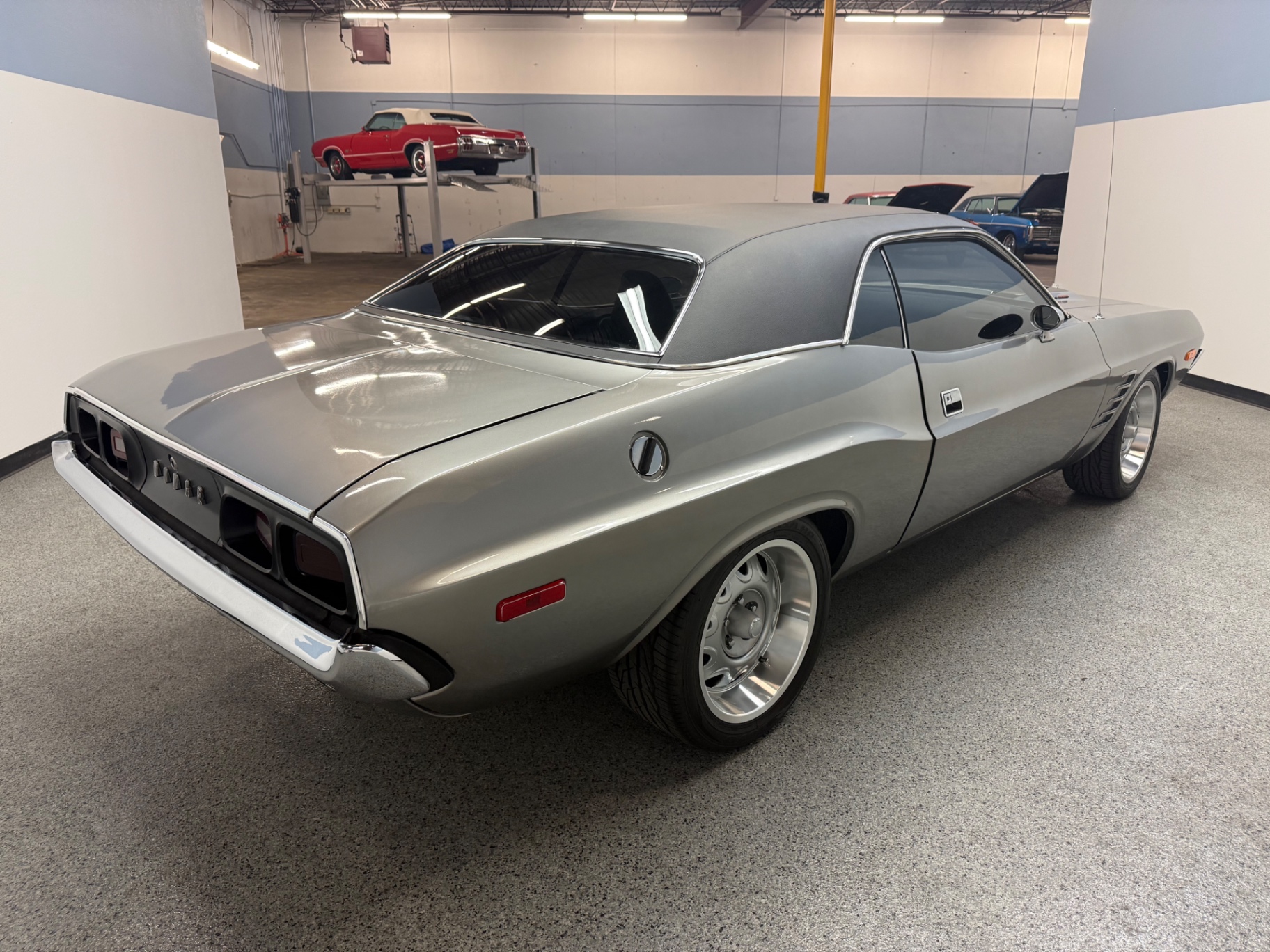
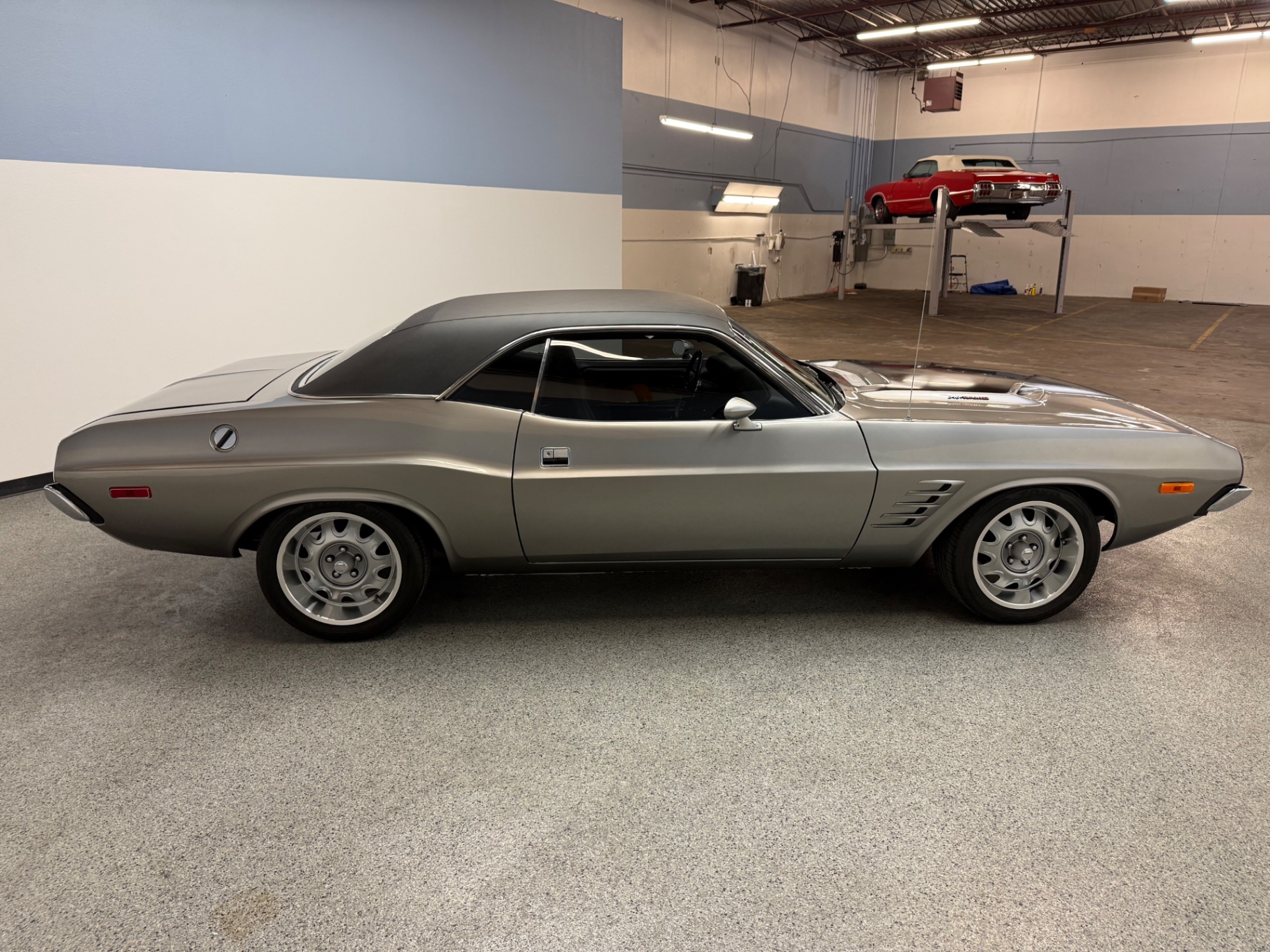
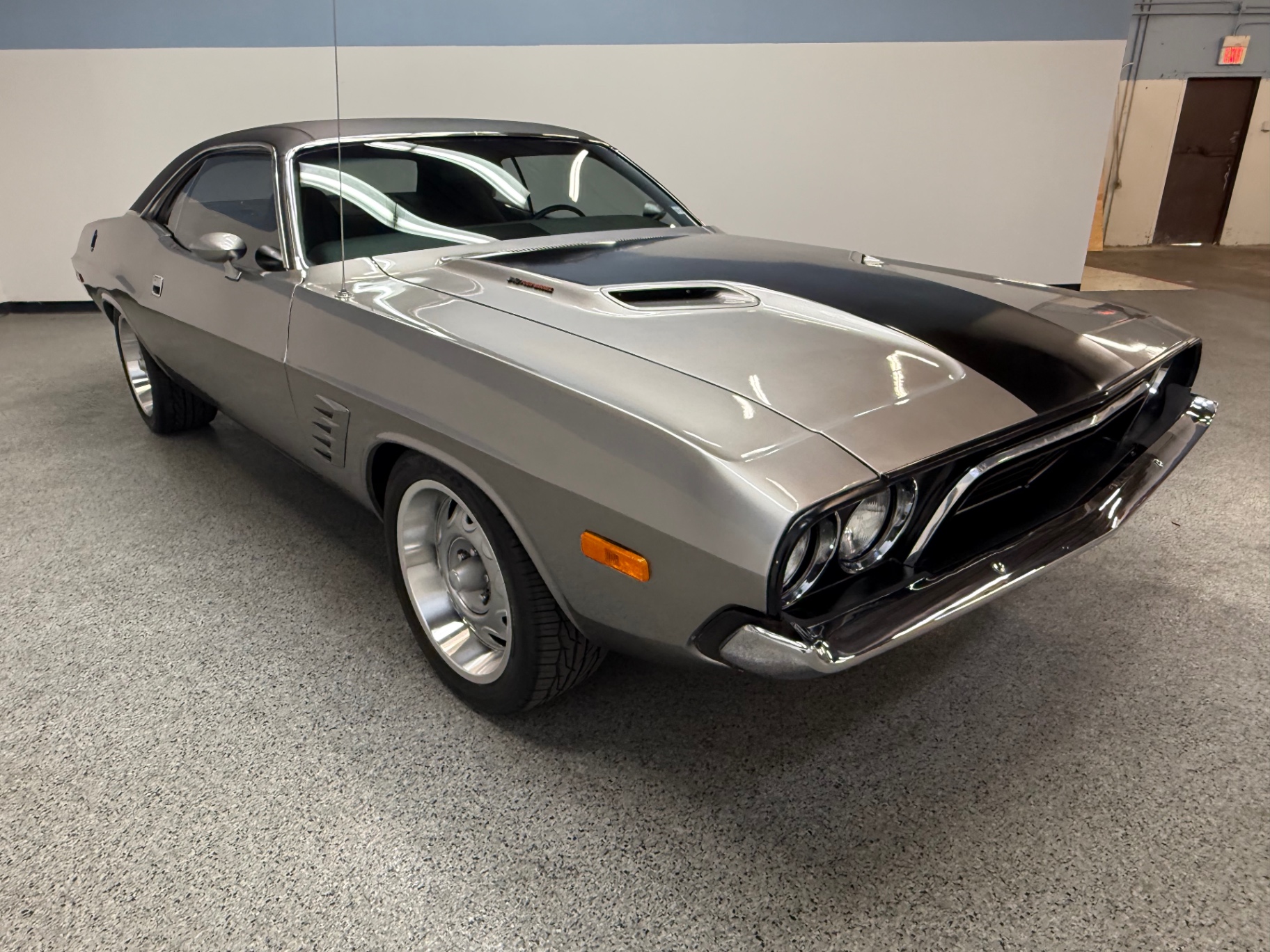
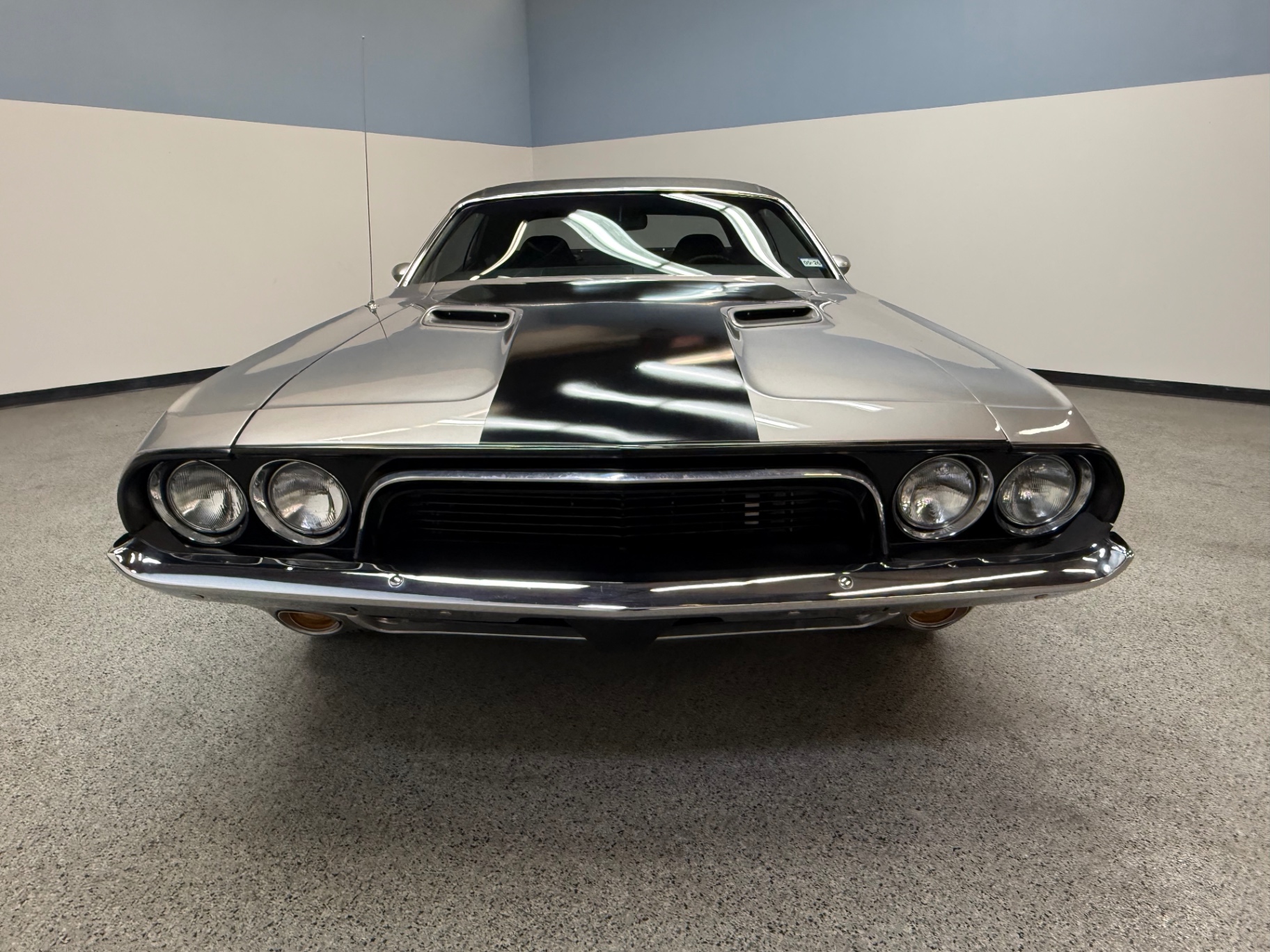
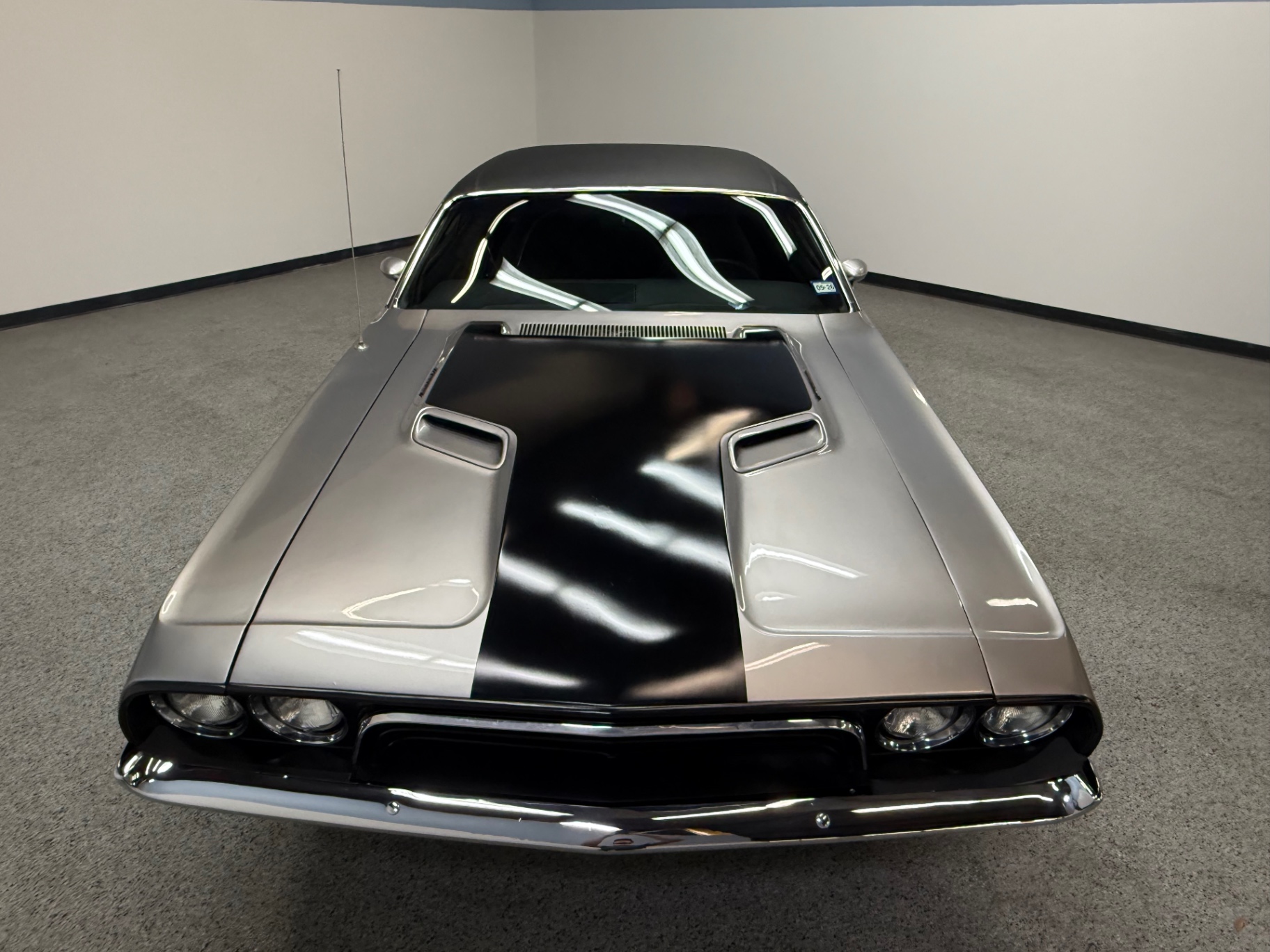
1973 Dodge Challenger Rallye — 340 V8, Factory A57 Rallye Package, Silver over Black
Why This Car Is Special
The 1973 Dodge Challenger is one of the most misunderstood muscle cars on the market, and that misunderstanding has kept prices accessible relative to the earlier E-Body cars — until recently. By 1973, Dodge had trimmed the Challenger lineup considerably. The convertible was gone, the R/T had been discontinued after 1972, and overall production numbers dropped sharply. Fewer than 33,000 Challengers were built for the 1973 model year across all configurations, making any well-documented, well-optioned example genuinely scarce fifty-plus years later.
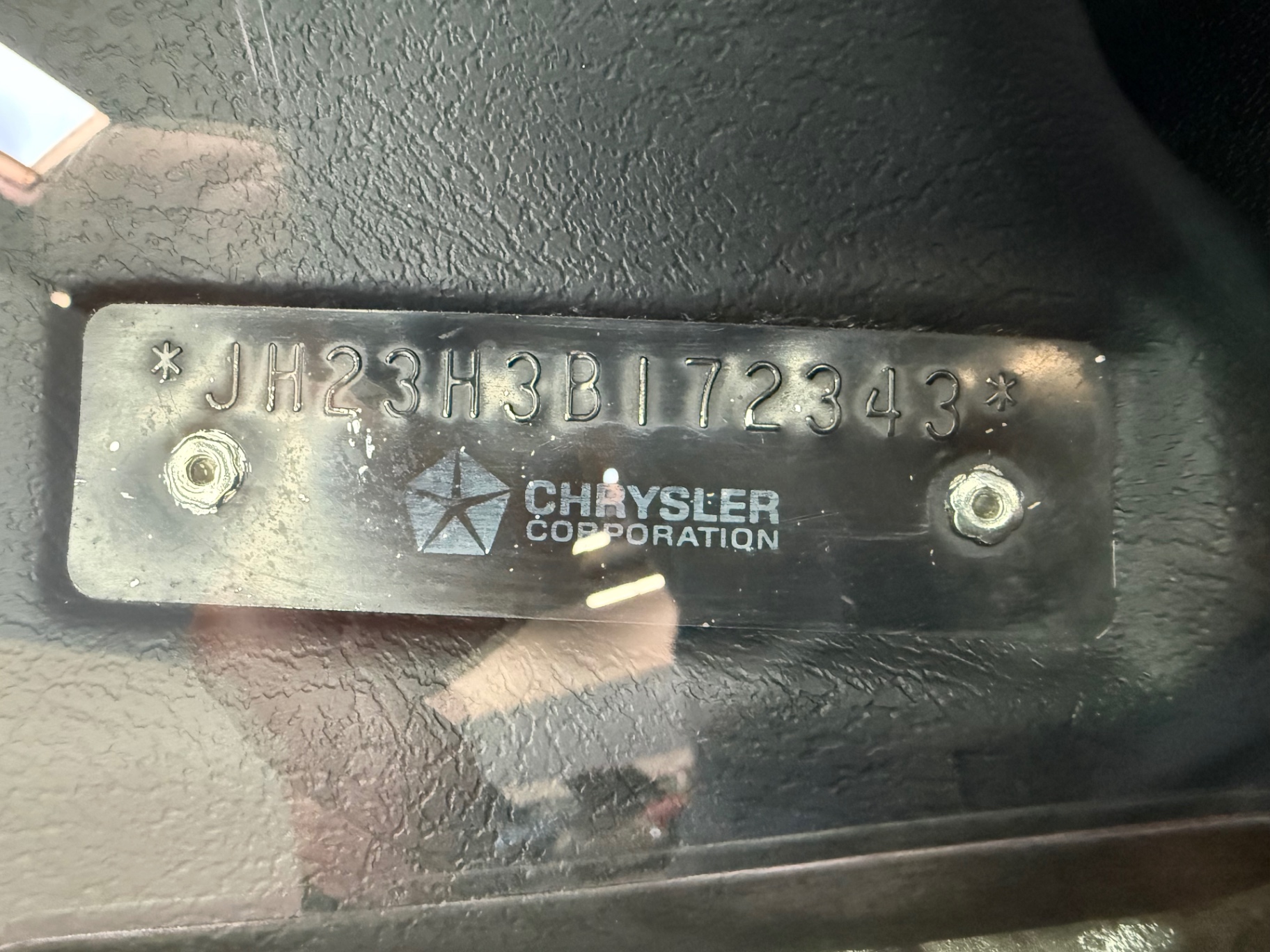
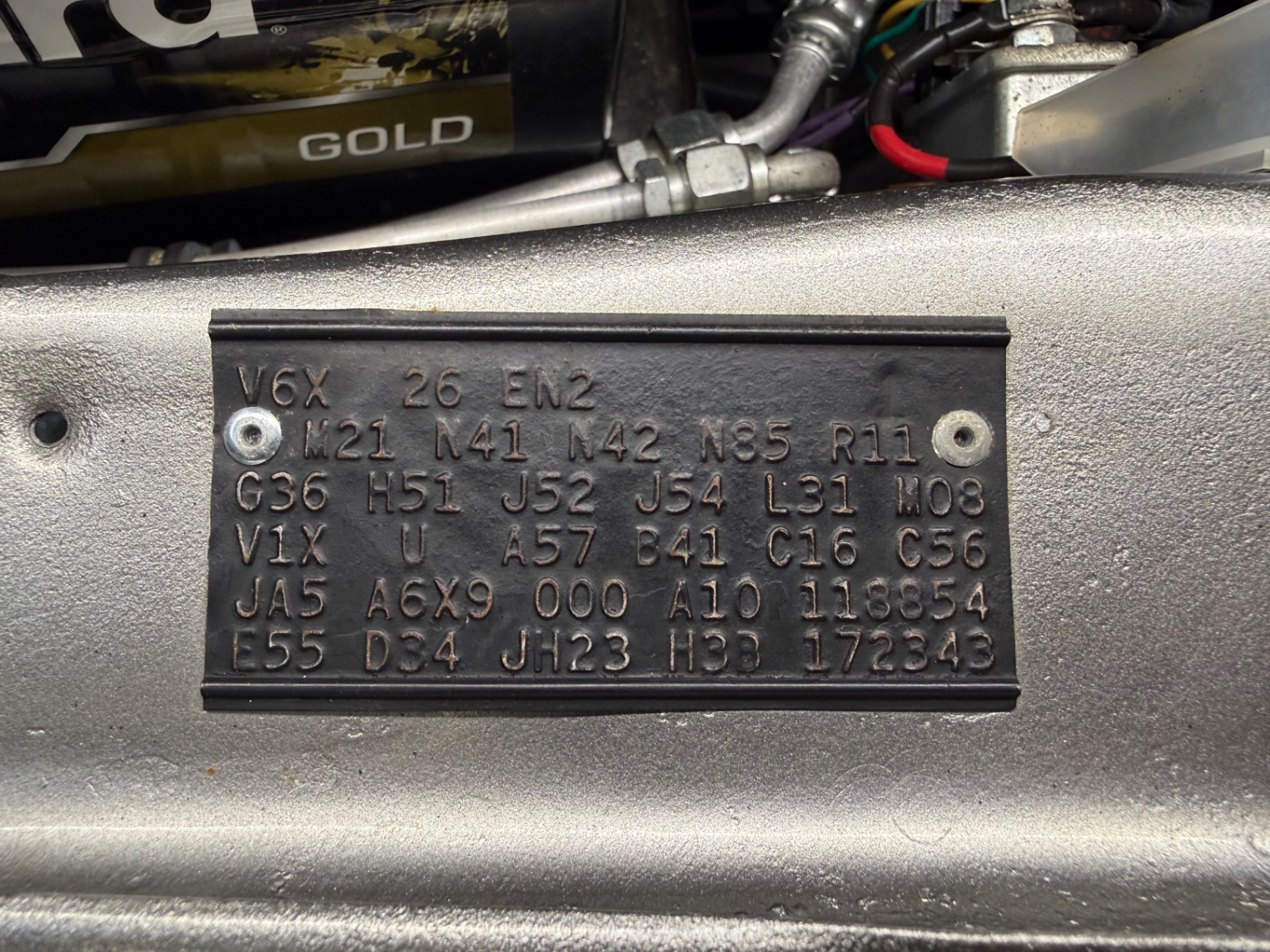
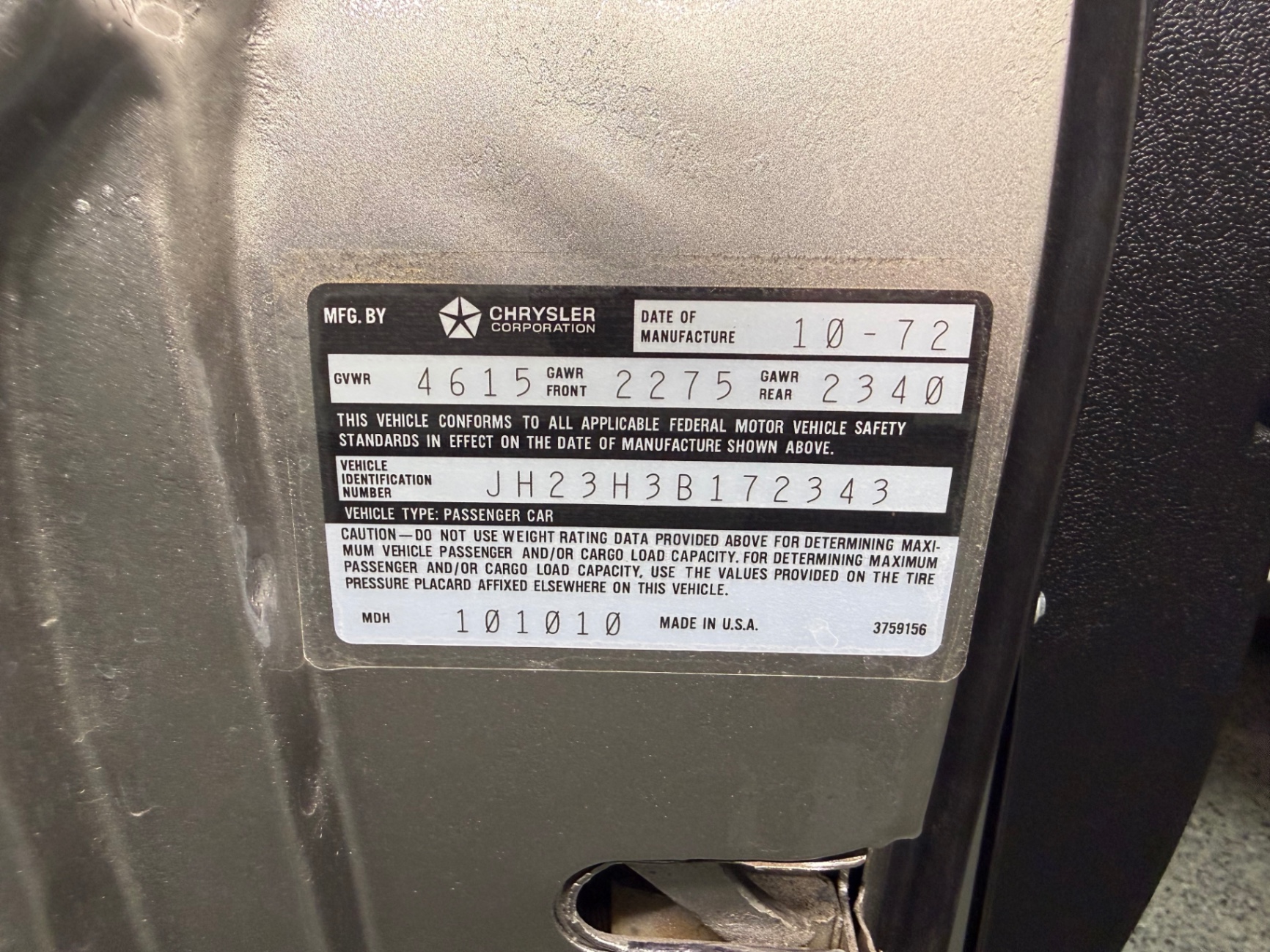
This particular 1973 Dodge Challenger is not a base car that someone dressed up over the years. The broadcast sheet-decoded RPO codes confirm it left the Hamtramck assembly plant as a factory Rallye package car (option code A57), built on October 10, 1972, for the 1973 model year. The Rallye package was Dodge's way of keeping the performance identity of the Challenger alive during the early emissions era. It bundled specific visual and functional content — the sport hood, hood-mounted turn signal indicators, dual racing mirrors, longitudinal stripes, and a tachometer — into a single RPO that identified the car as a performance trim rather than a plain coupe. When you decode the VIN on this car, the eighth character confirms the 340 cubic inch engine as the factory-installed powerplant. Combined with the A57 package, this is the configuration serious Challenger collectors look for.
The 340 small block is the other critical piece of this car's story. By 1973, Dodge had already replaced the legendary 340 with the 360 in most applications. The 1973 model year was the final year the 340 was offered in the Challenger, making this engine code particularly significant for collectors who understand the timeline. The 340 had earned its reputation in the previous generation of E-Body and A-Body Mopars as one of the best-balanced performance engines Chrysler ever built — free-revving, responsive to modifications, and durable when maintained properly. Getting one in a correctly-optioned 1973 Challenger Rallye with a documented broadcast sheet puts this car in a category most 1973 examples simply cannot claim.
Features List
- 340 cubic inch 4-barrel V8 (RPO E55), final year in the Challenger - Factory A57 Rallye Package, confirmed by RPO codes - Light duty automatic transmission (RPO D34) - Factory air conditioning with heater (RPO H51) - Front disc brakes with standard 10-inch rear drums (RPO B41) - Sport hood with inside hood release (RPO J54 / J52) - Hood-mounted and fender-mounted turn signal indicators (RPO L31) - Dual racing mirrors, outside (RPO G36) - Center console with woodgrain panel (RPO C16) - Black vinyl bucket seats (RPO C56 / A6X9) - Full door panels (RPO 000) - Full black vinyl top (RPO V1X) - Black longitudinal stripes (RPO V6X) - Simulated louvers (RPO M08) - Tachometer - Dual exhaust with chrome exhaust tips - Roof drip rail moldings - Solid state AM radio - 26-inch radiator (RPO 26) - Custom air cleaner - Polished aluminum wheels - Chrome bumpers - Restored interior - Clean undercarriage - Dark Silver Poly exterior (JAS color code) - Factory build date: October 10, 1972
Mechanical
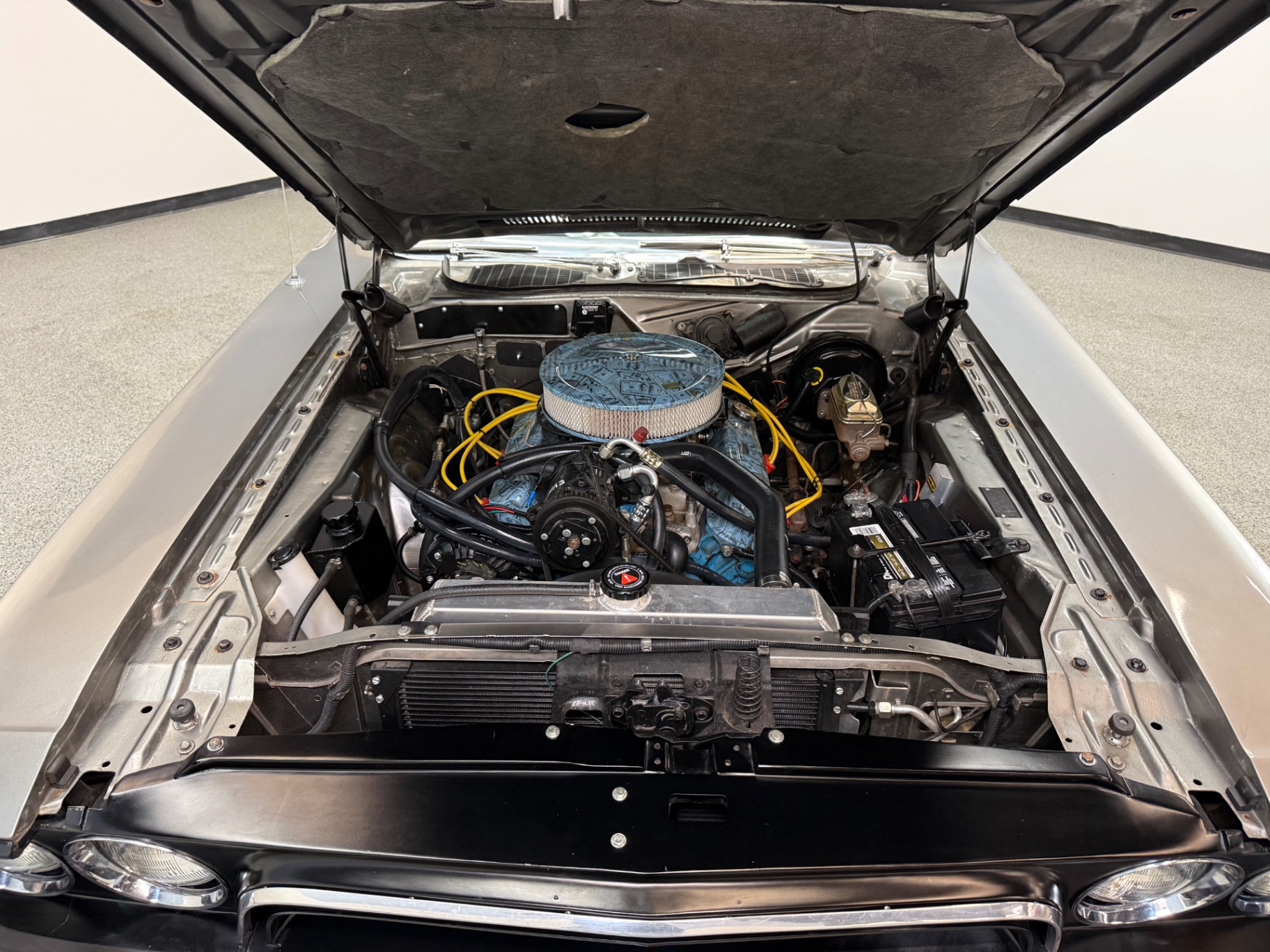
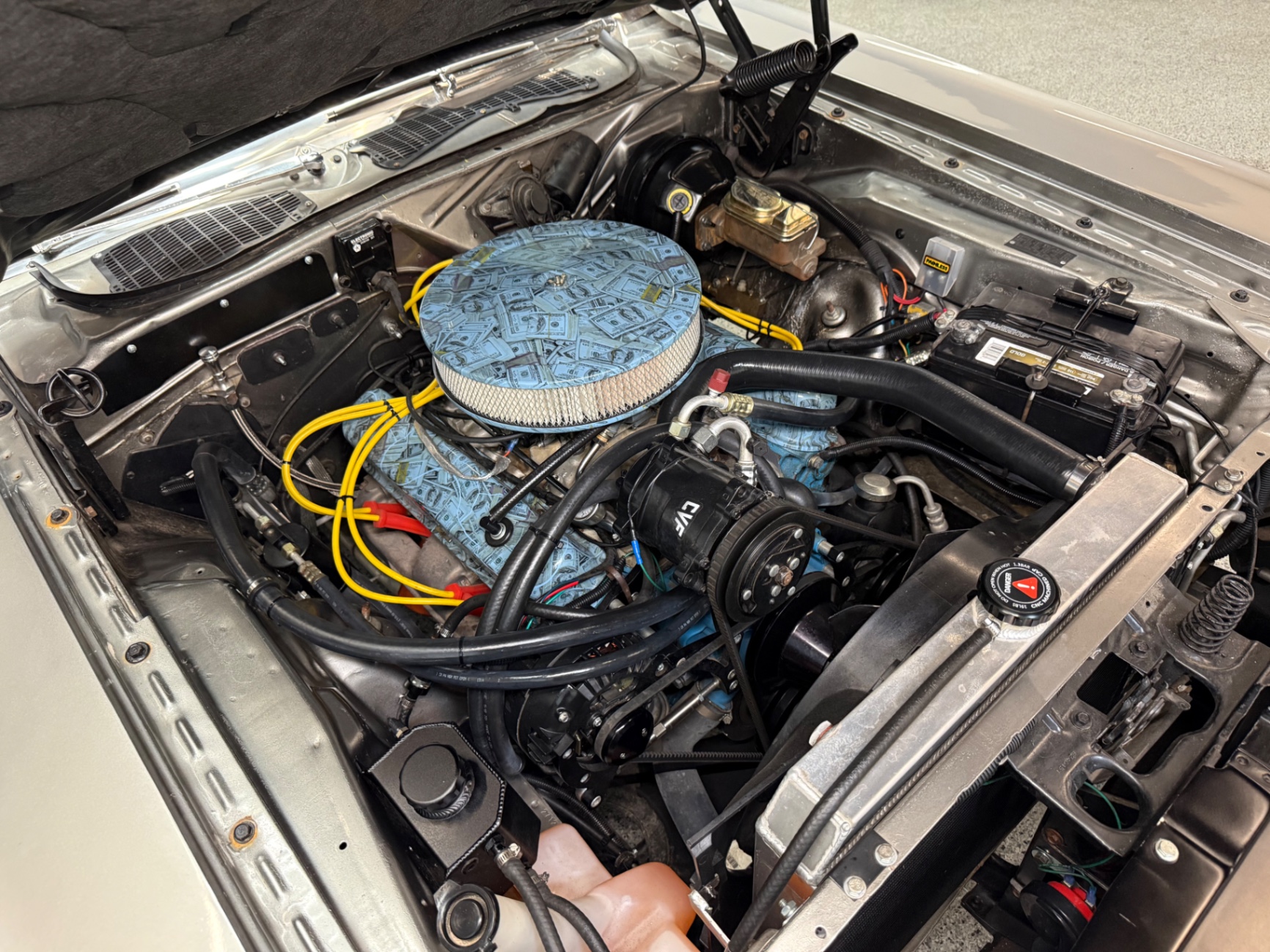
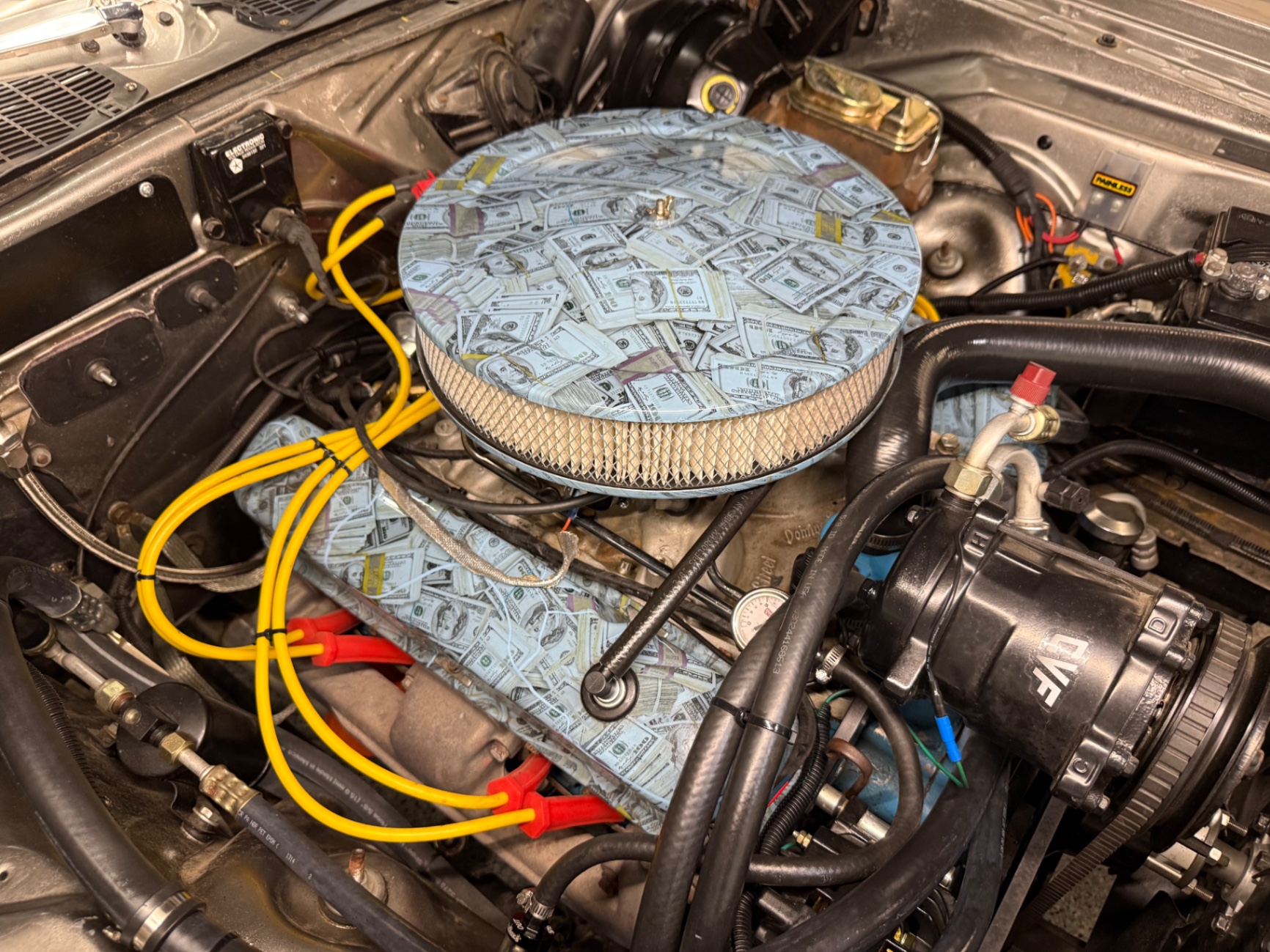
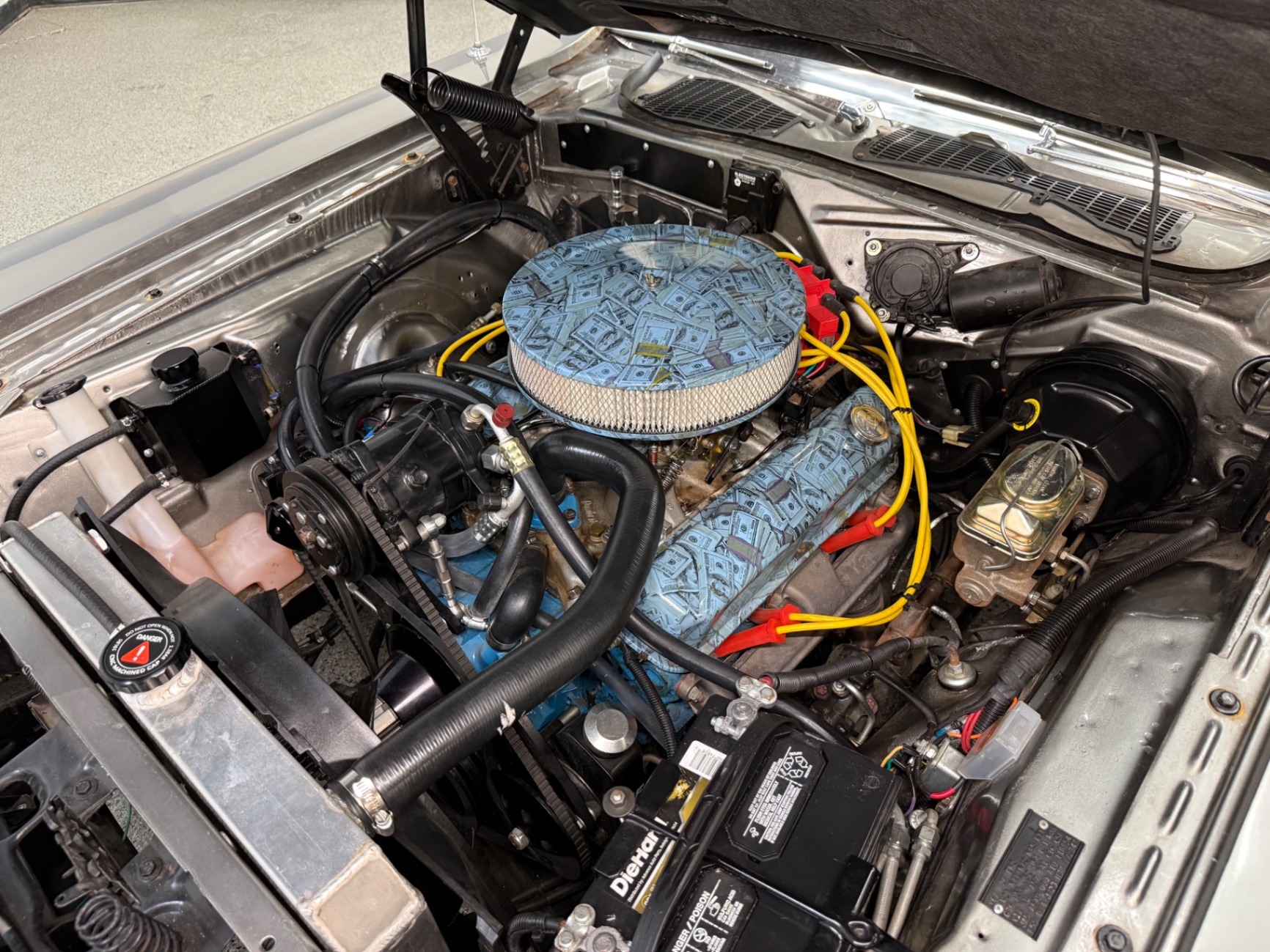
The engine under the hood of this 1973 Dodge Challenger Rallye is the 340 cubic inch small block V8, coded E55, fed by a 4-barrel carburetor and rated at 275 horsepower from the factory. That net horsepower rating reflects the post-1971 SAE net measurement standard, not the gross figures Chrysler used in earlier advertising. In practical terms, the 340 was known for having a broad powerband rather than a narrow peak, which made it responsive in street driving without requiring the driver to work the throttle excessively. The 340 in the Challenger ran a high 10:1 compression ratio in its early years, though by 1973 compression had been reduced to work with regular unleaded fuel — a sensible modification that makes this engine easy to live with today.
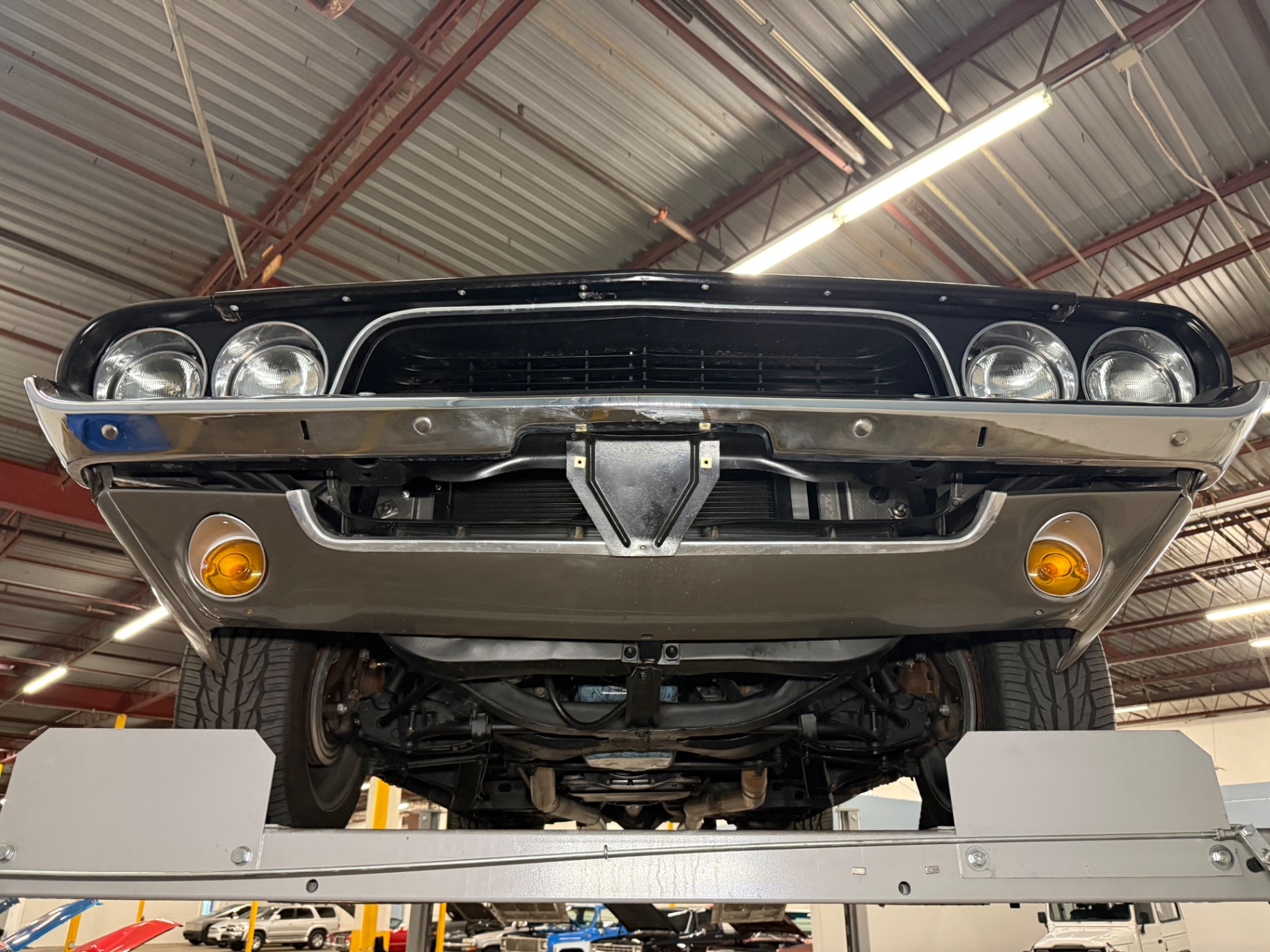
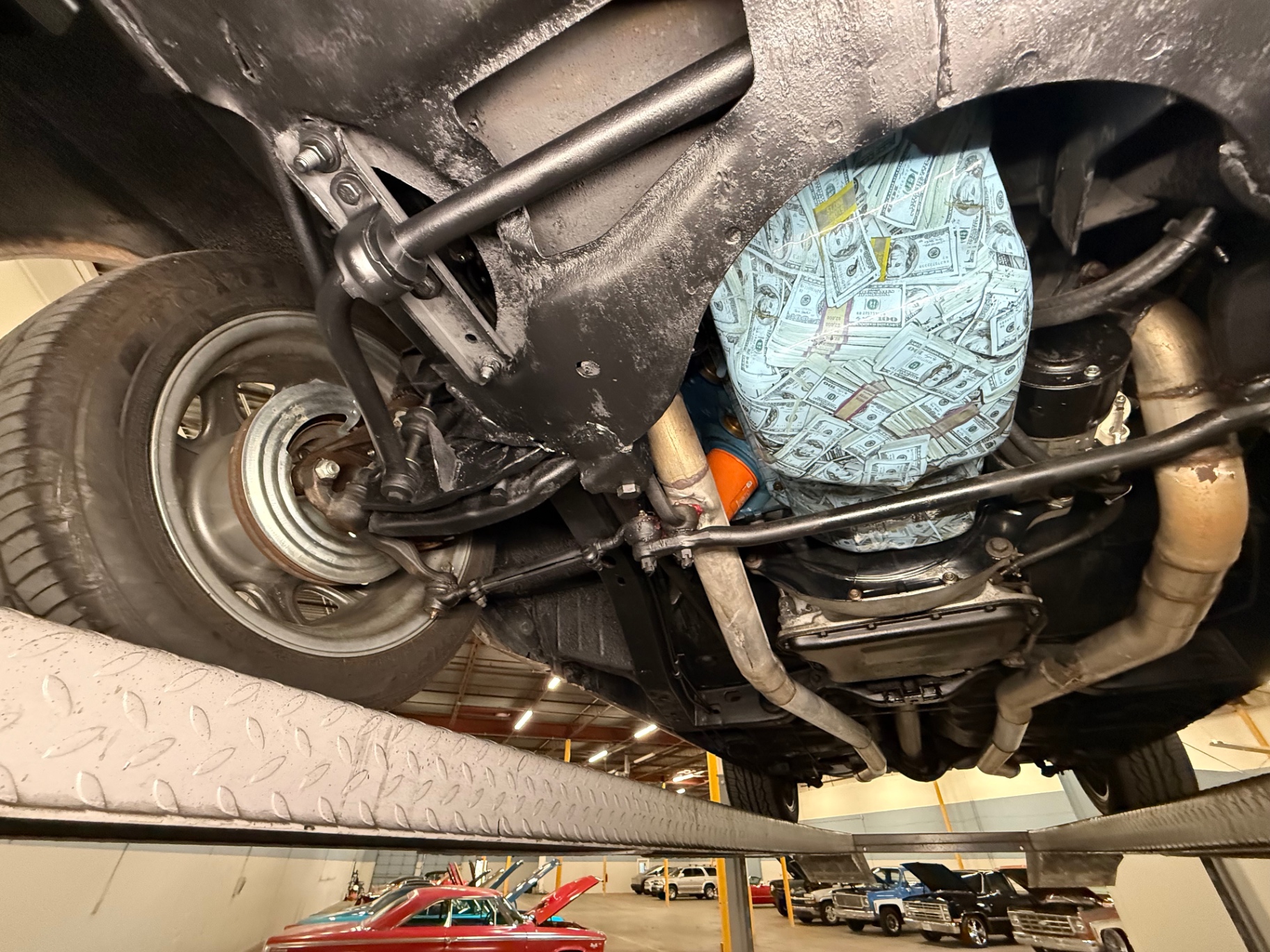
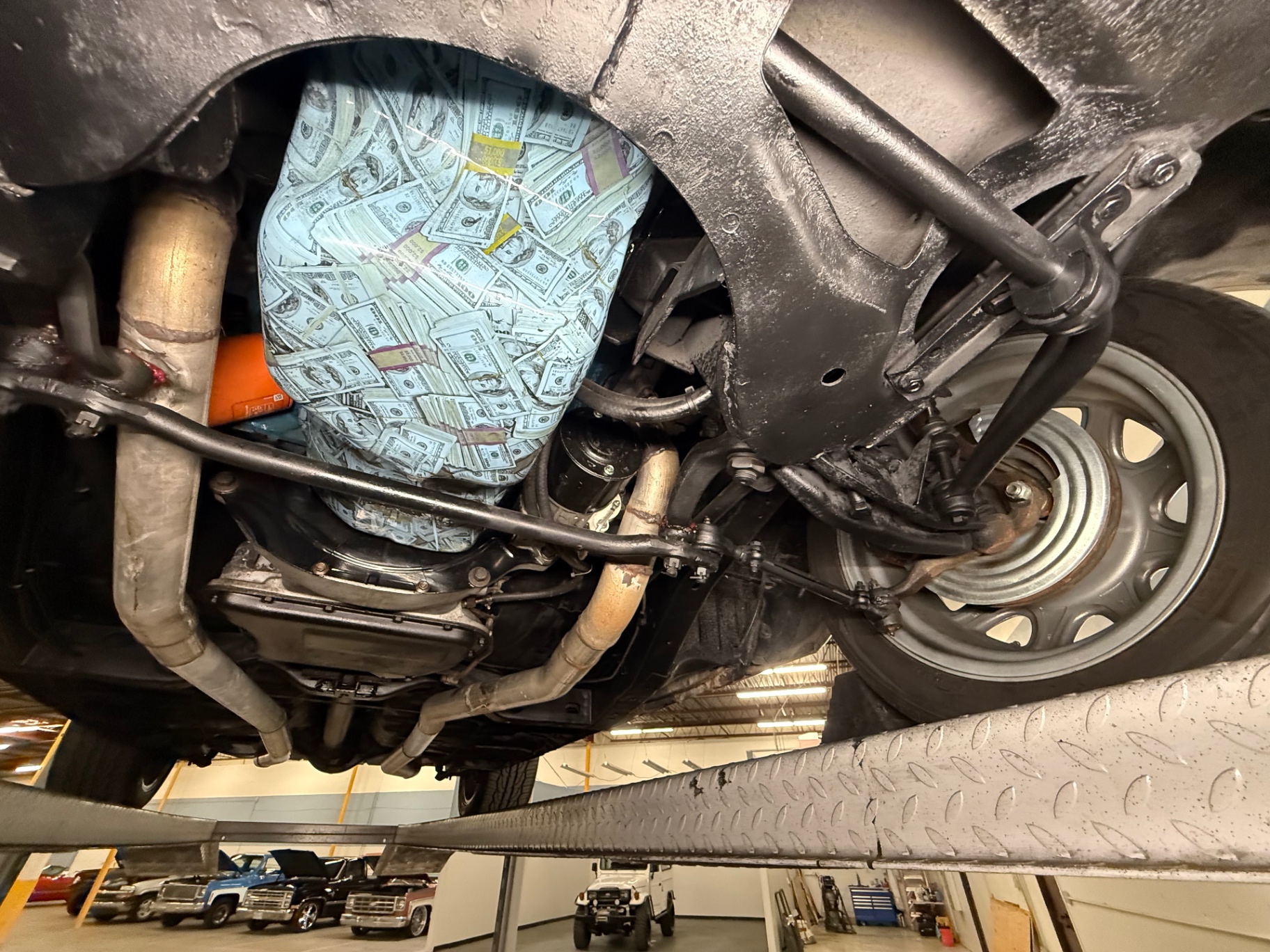
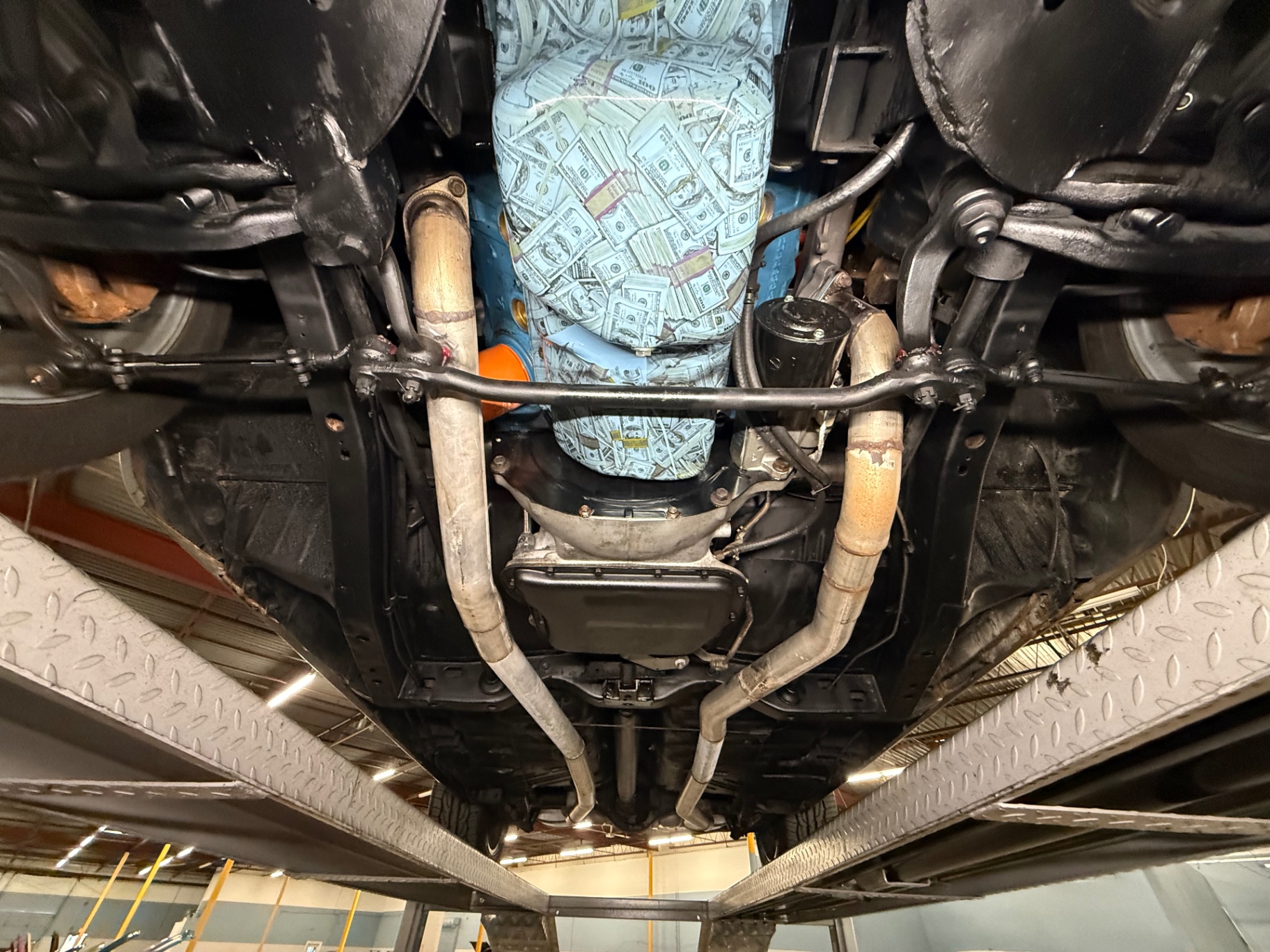
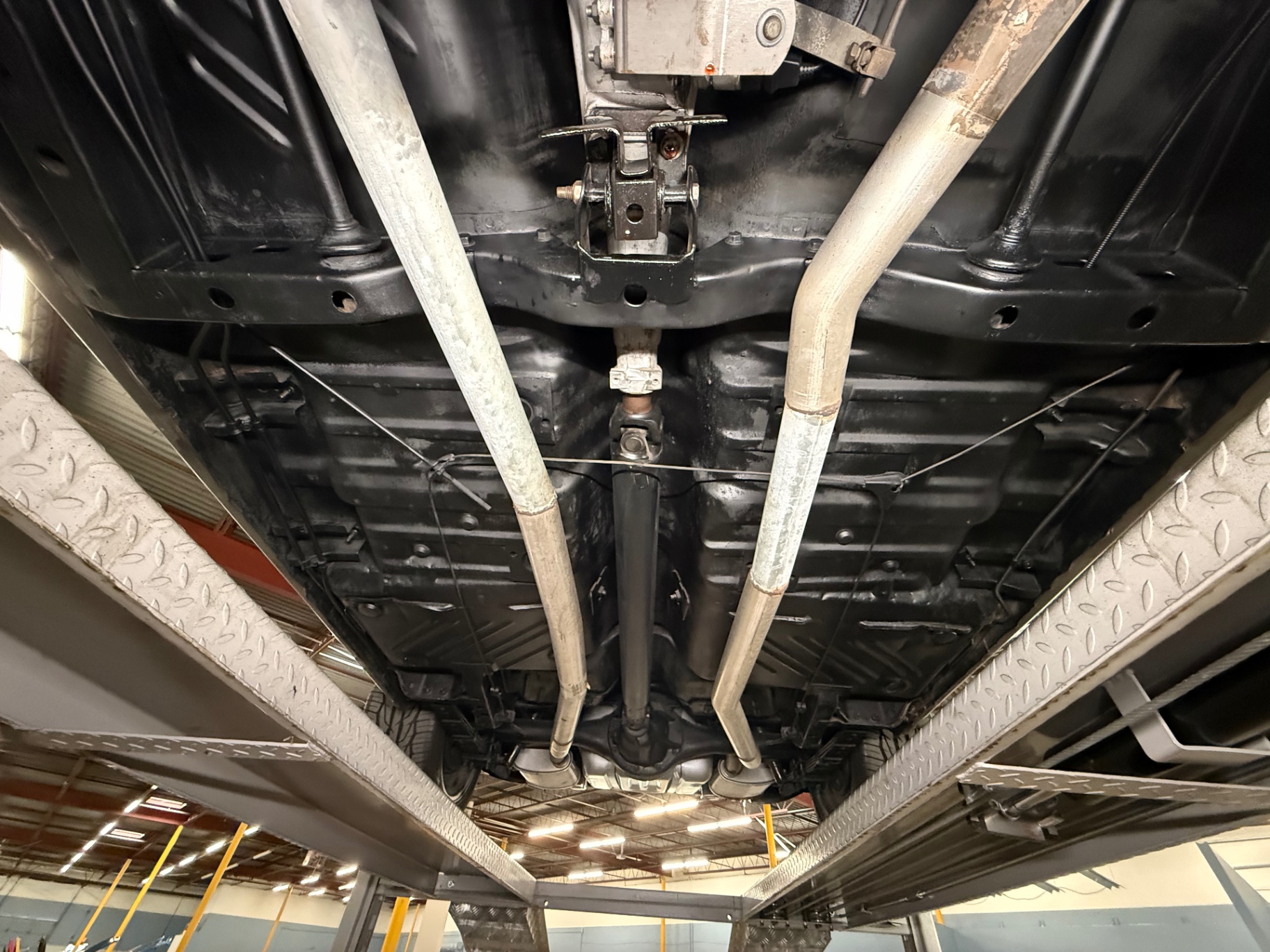
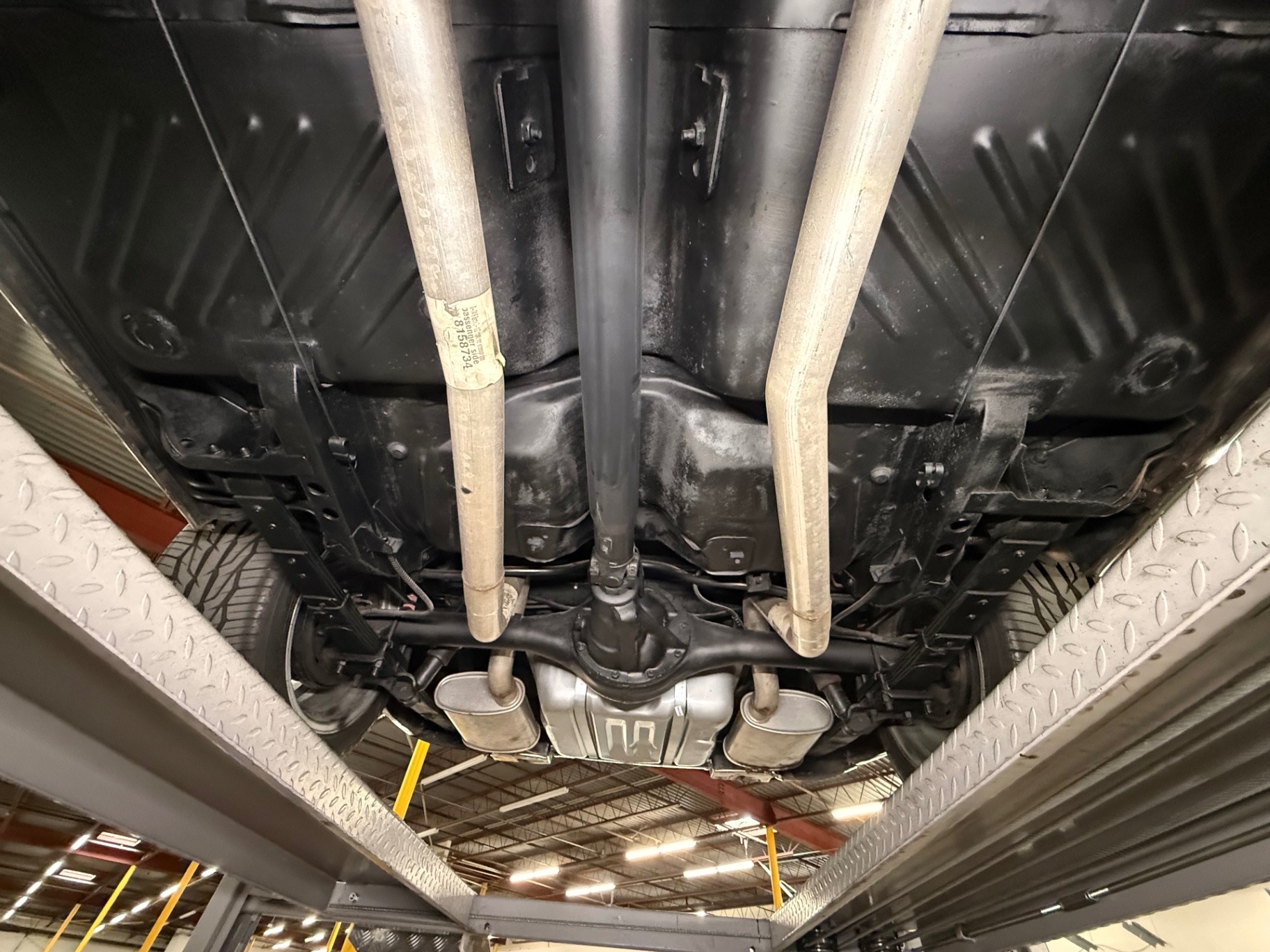
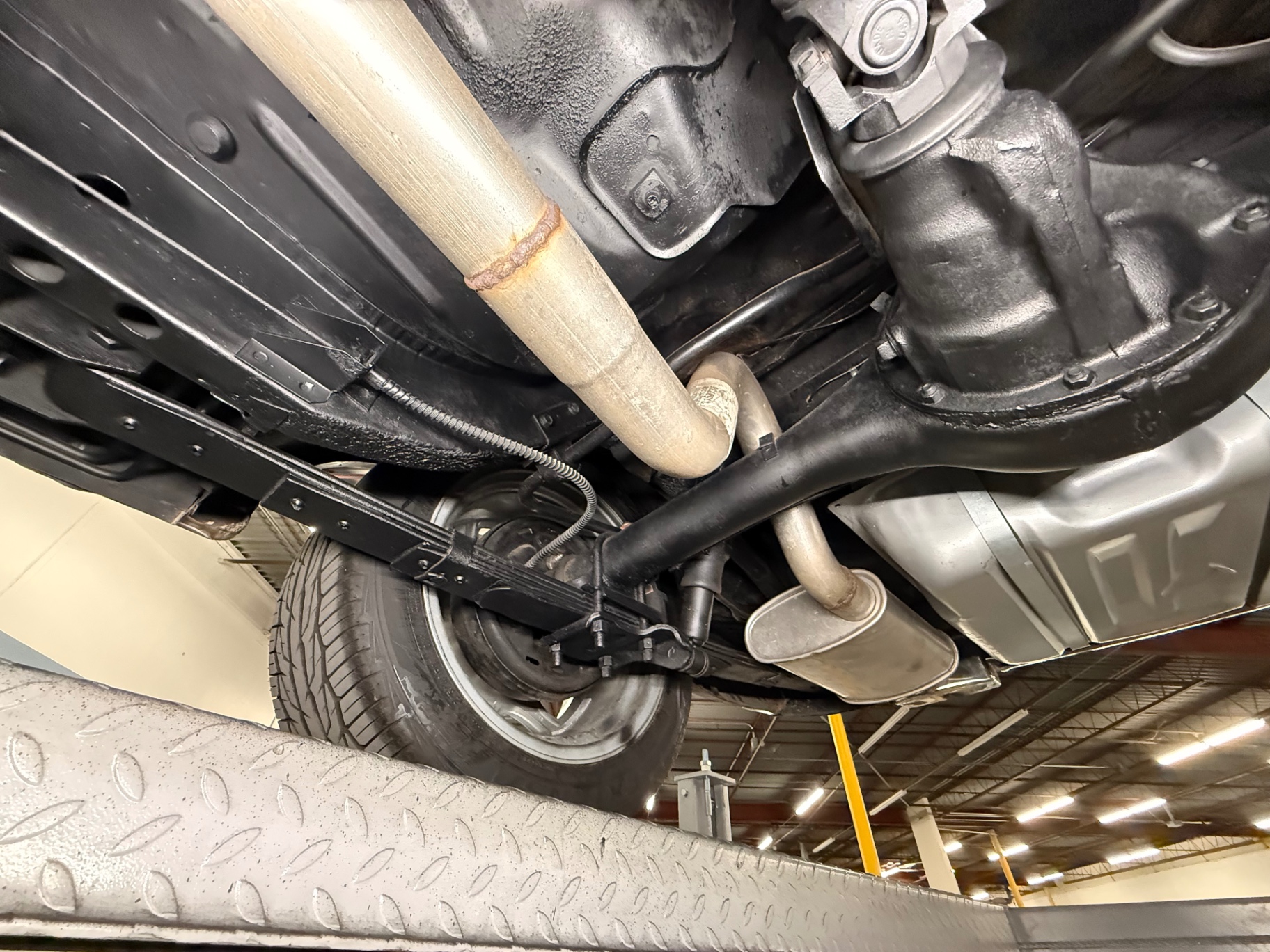
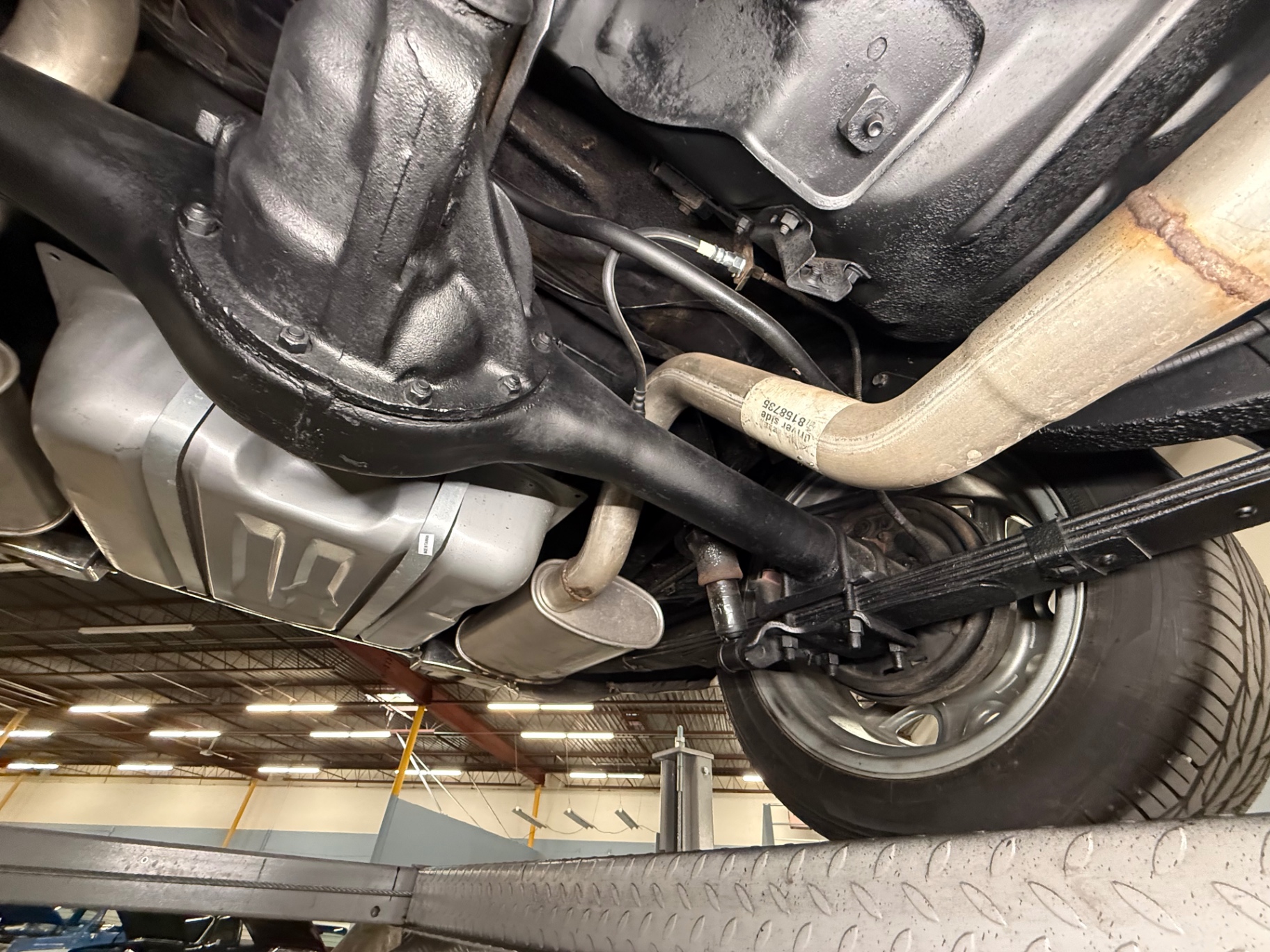
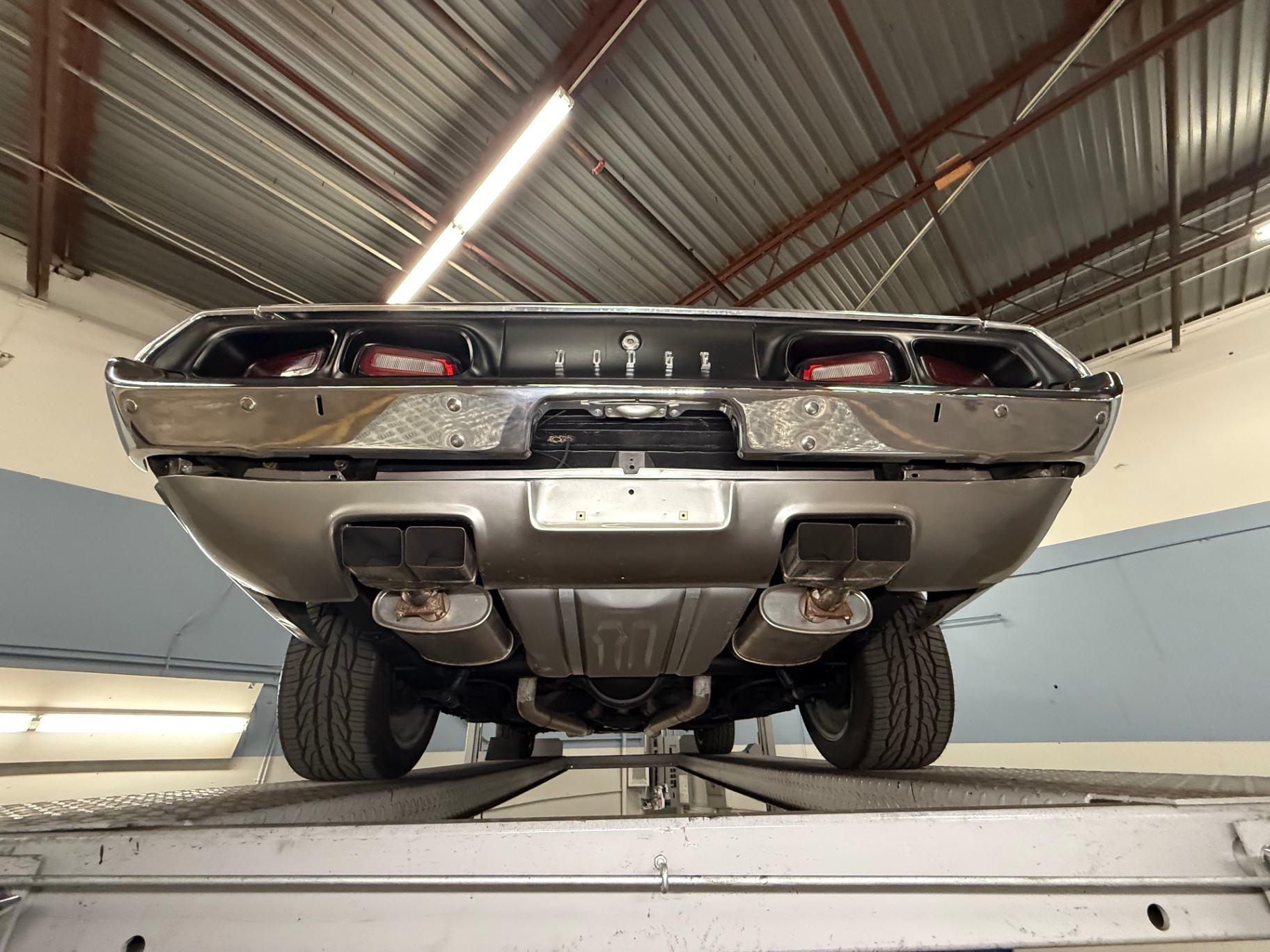
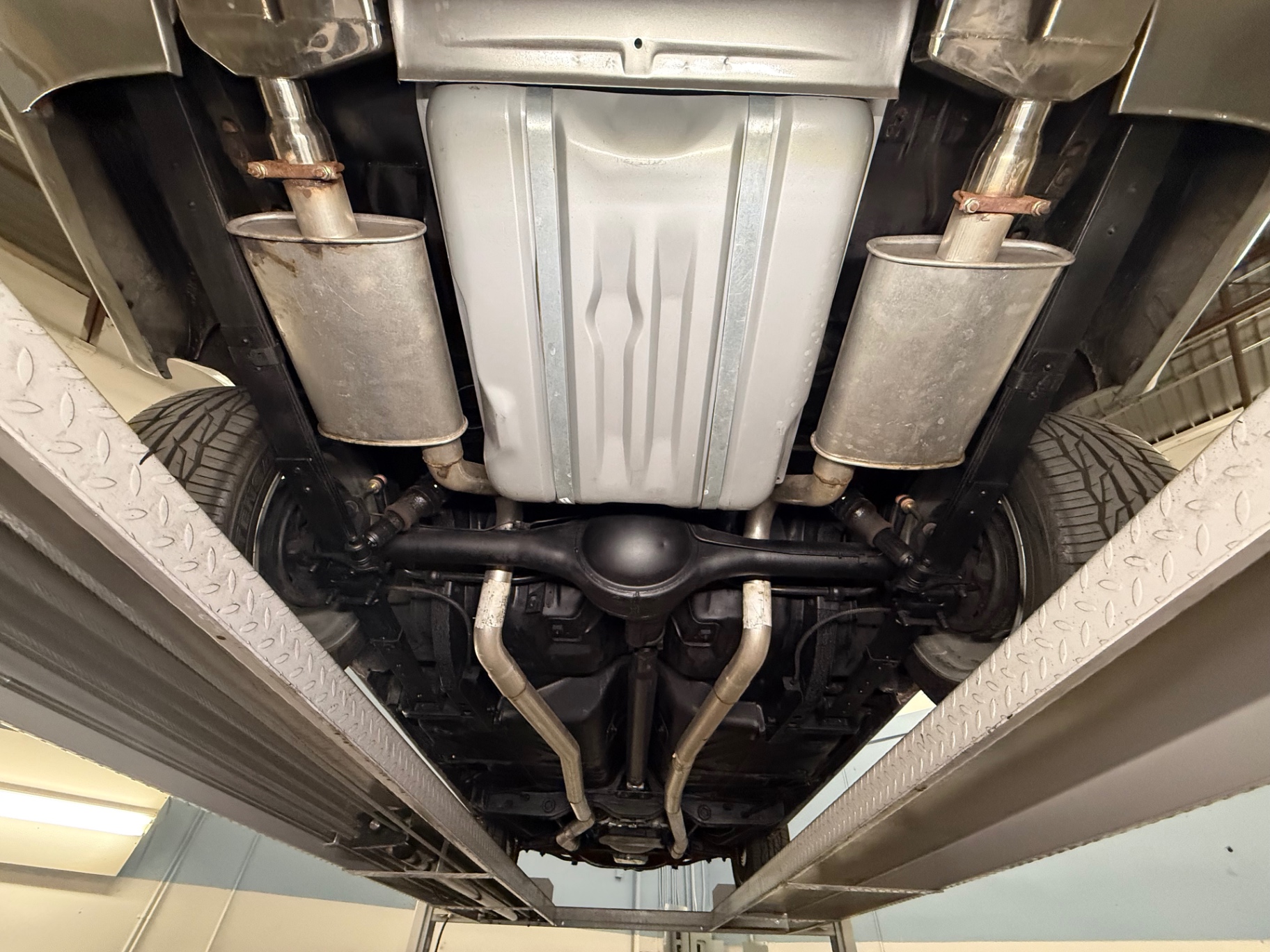
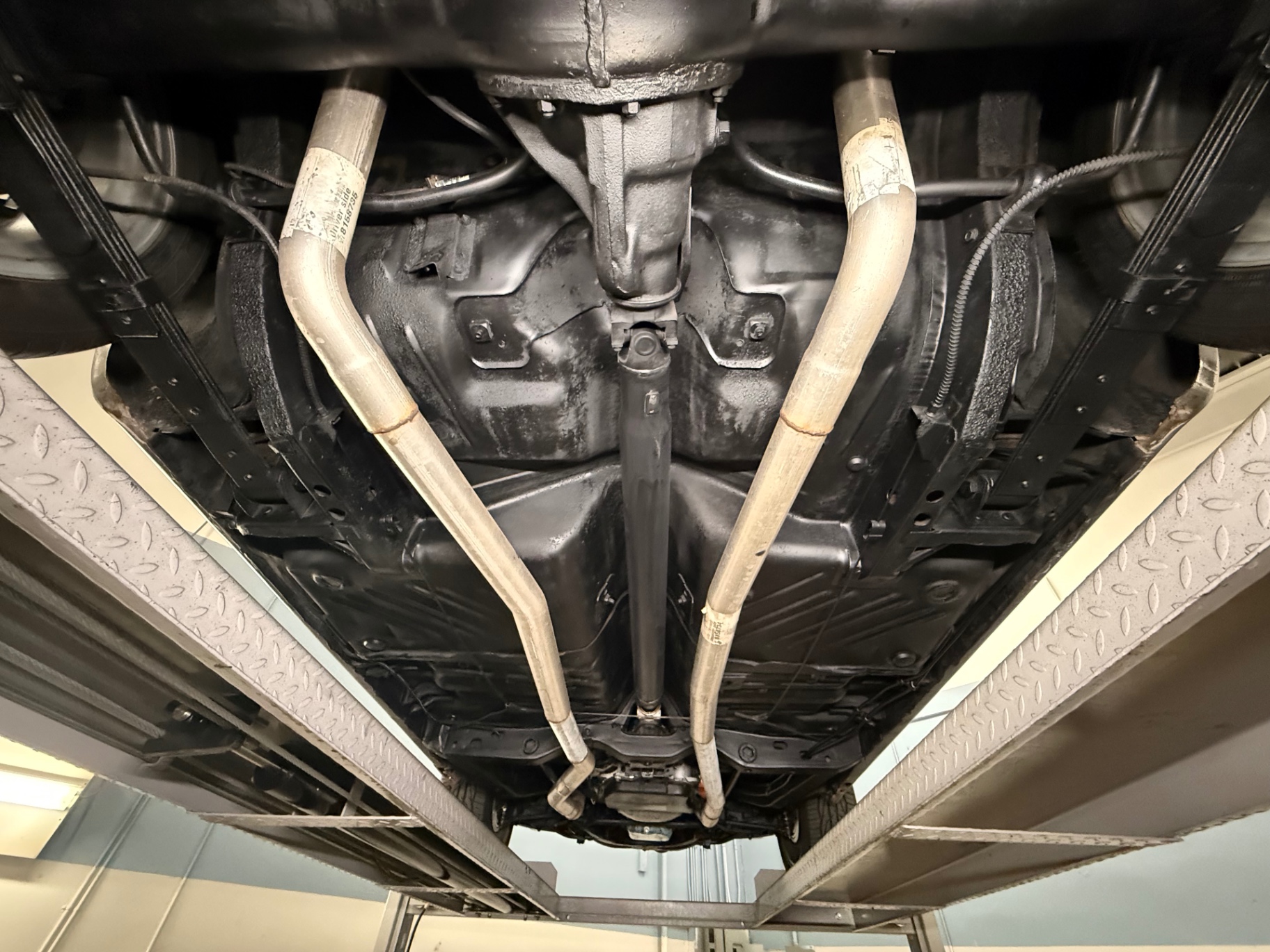
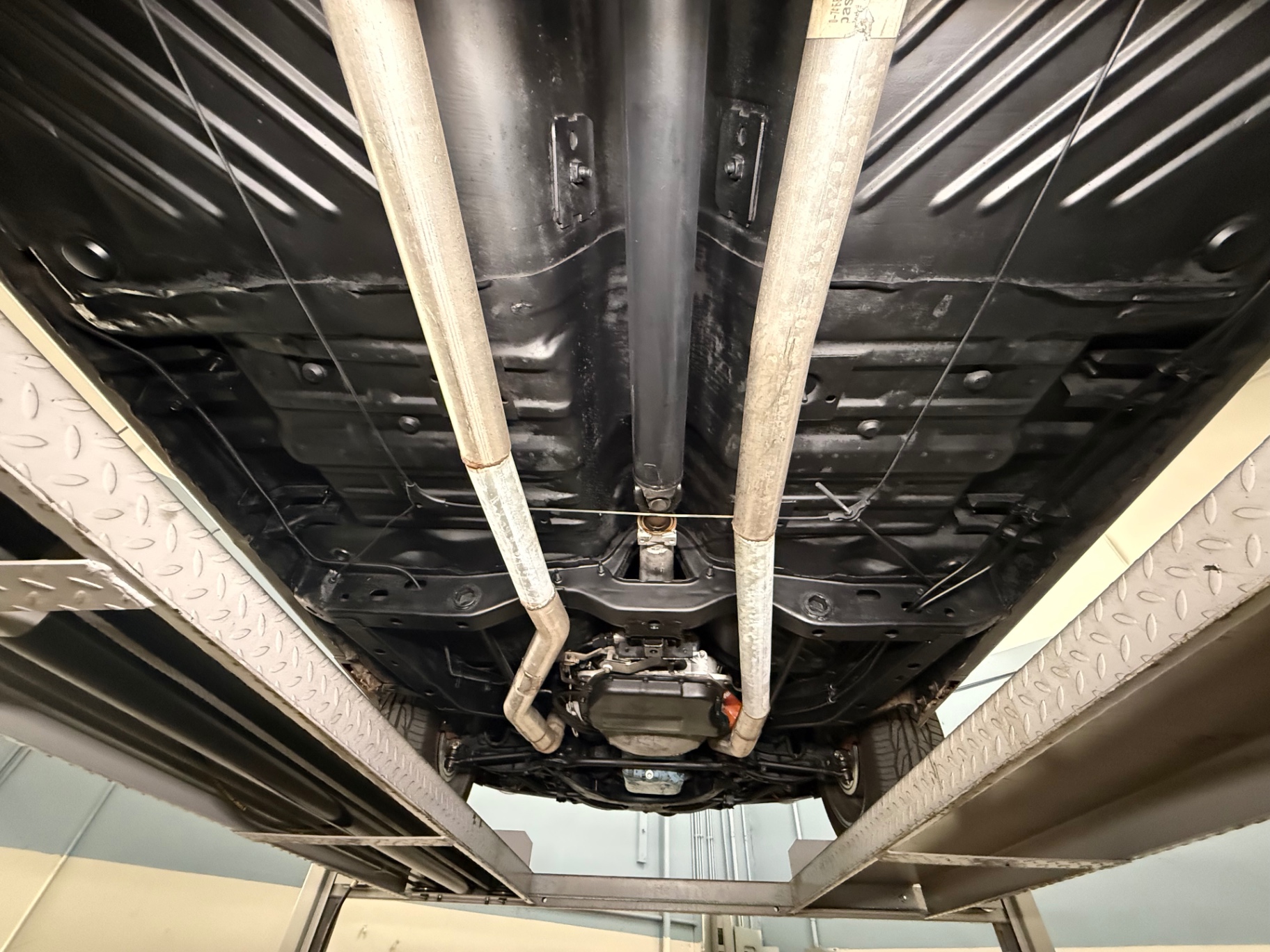
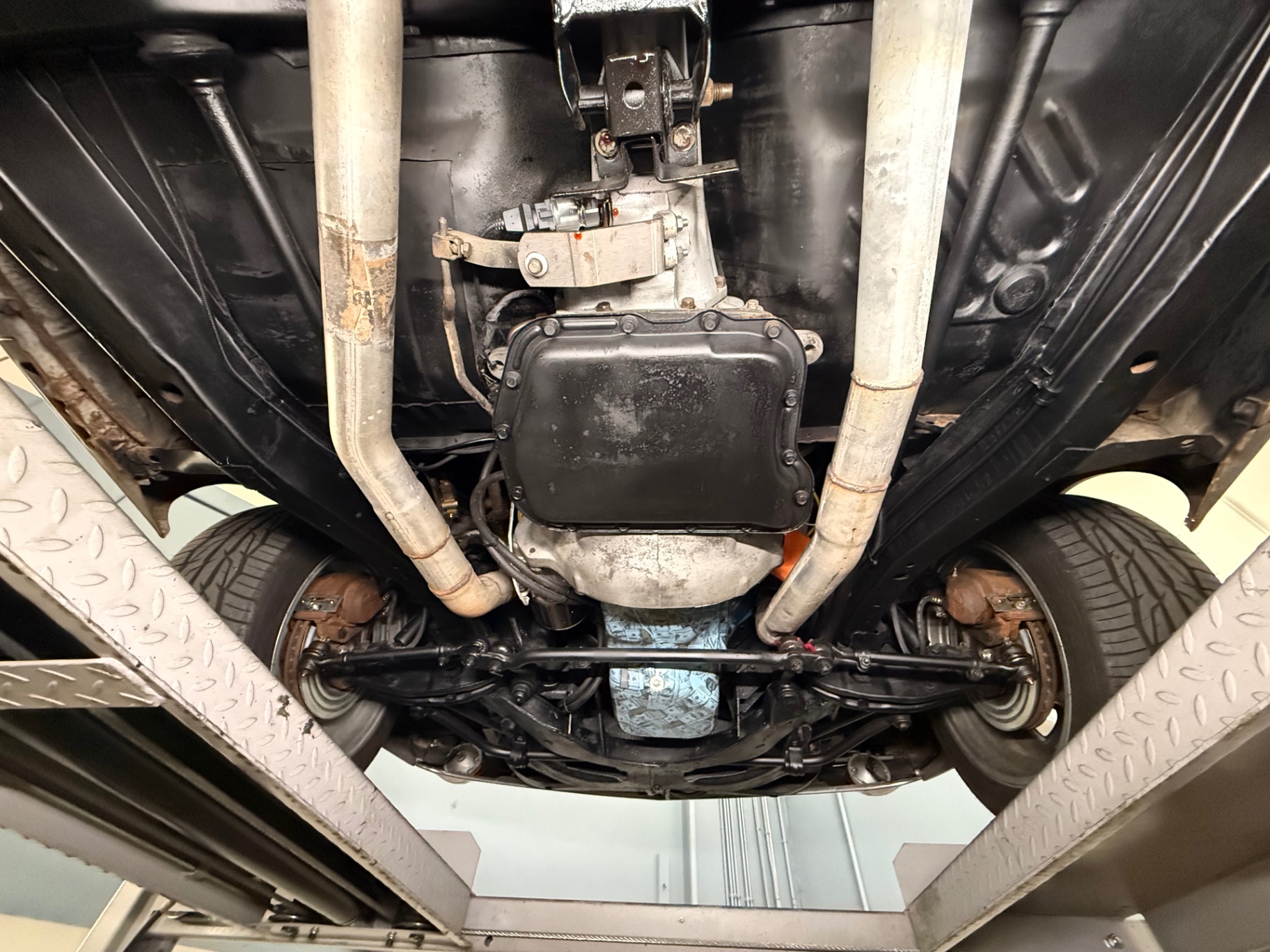
Behind the 340 is the light duty automatic transmission (RPO D34), which is the correct match for this engine and Rallye package combination. The braking hardware is factory correct as well, with front disc brakes and 10-inch rear drums (RPO B41) — a meaningful upgrade over the drum-drum setup found on lesser-optioned 1973 Challengers. The car also carries the 26-inch radiator, which is the appropriate cooling specification for a 340-equipped car with air conditioning. Factory air conditioning (RPO H51) is present and accounted for in the build codes, which adds both comfort and documented value to this car. The undercarriage photographs show a clean, solid structure — no rot, no patch panels, no evidence of the kind of deferred maintenance that typically afflicts fifty-year-old cars that spent time in northern climates.
Interior
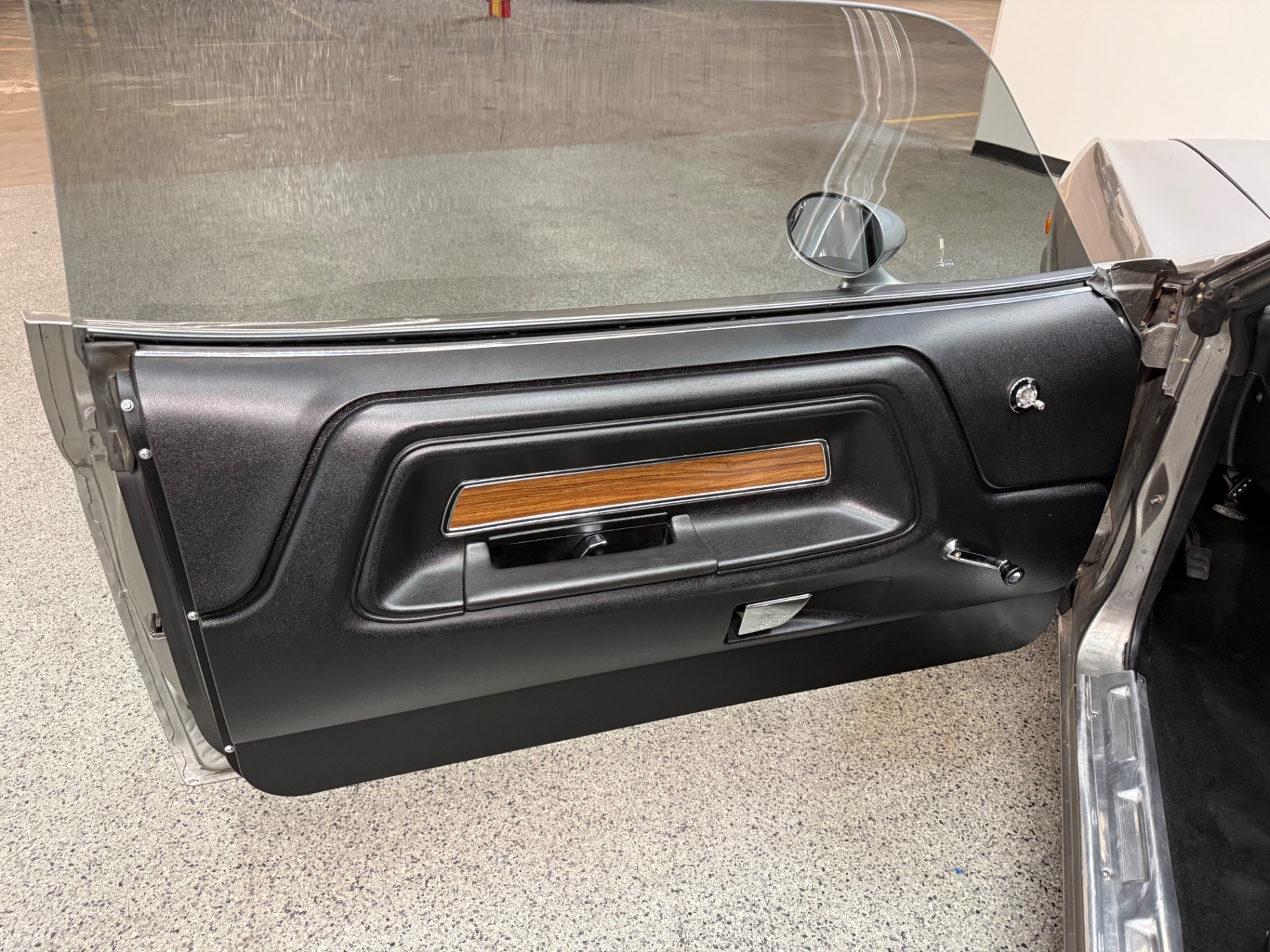
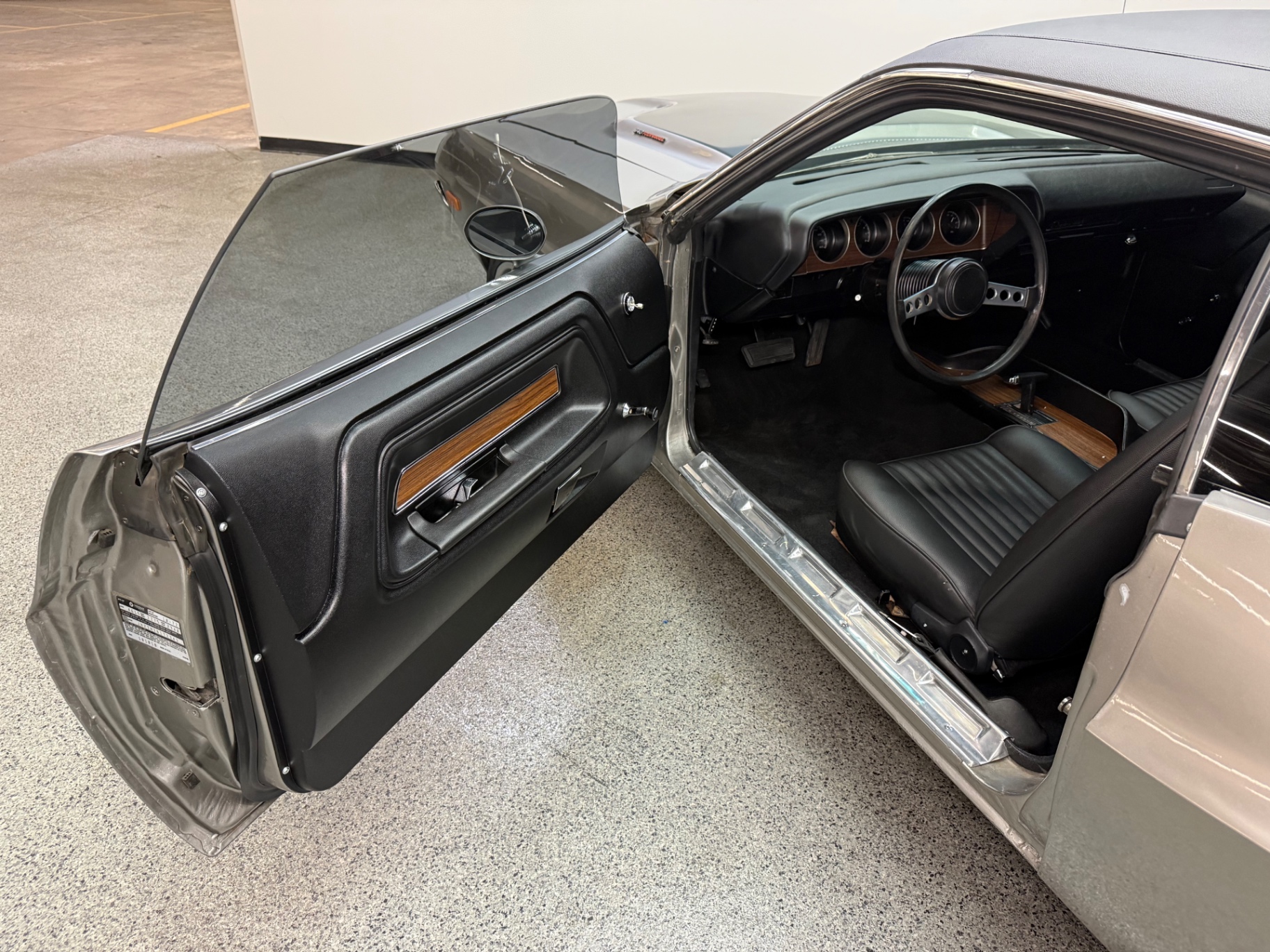
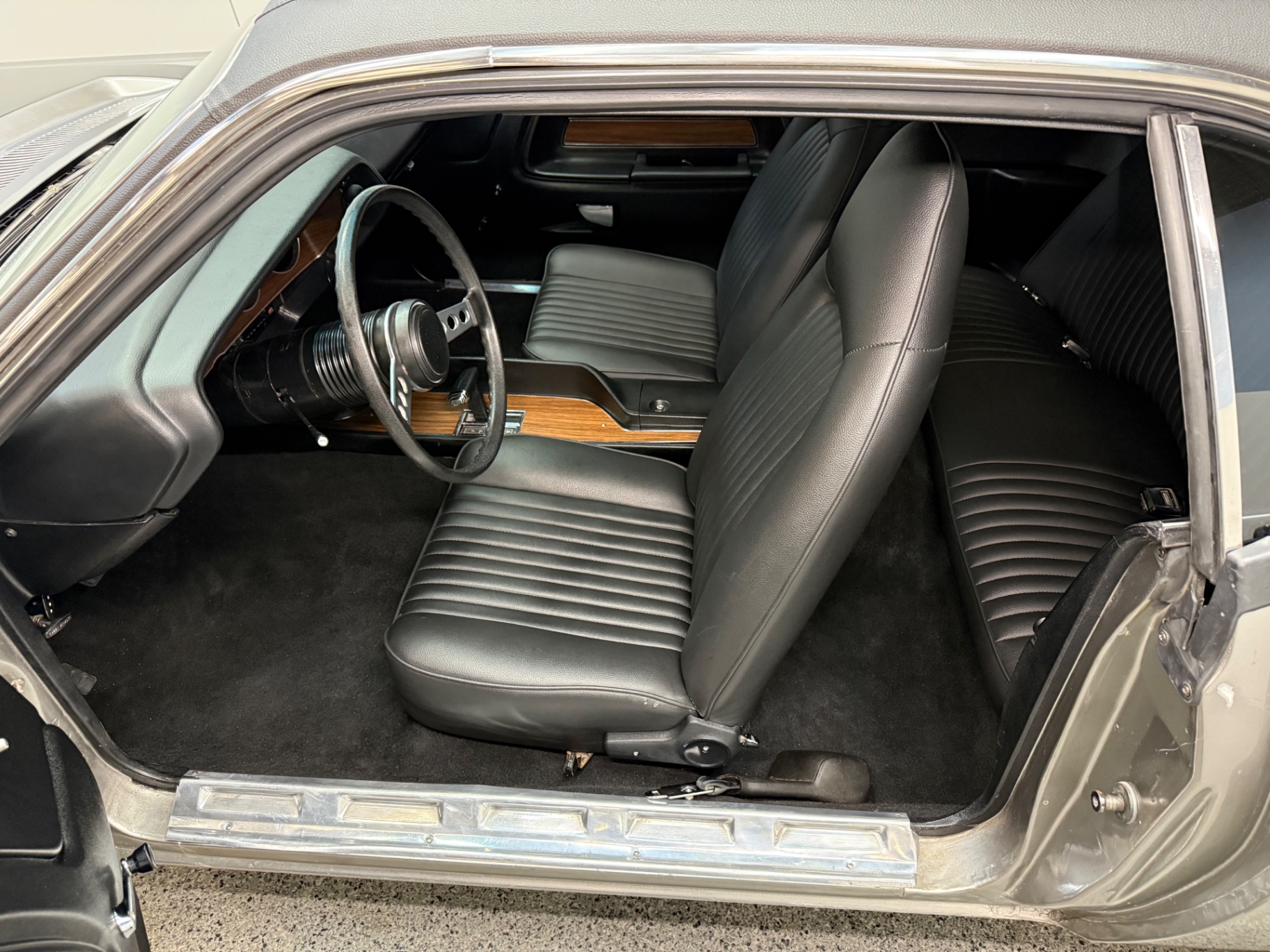
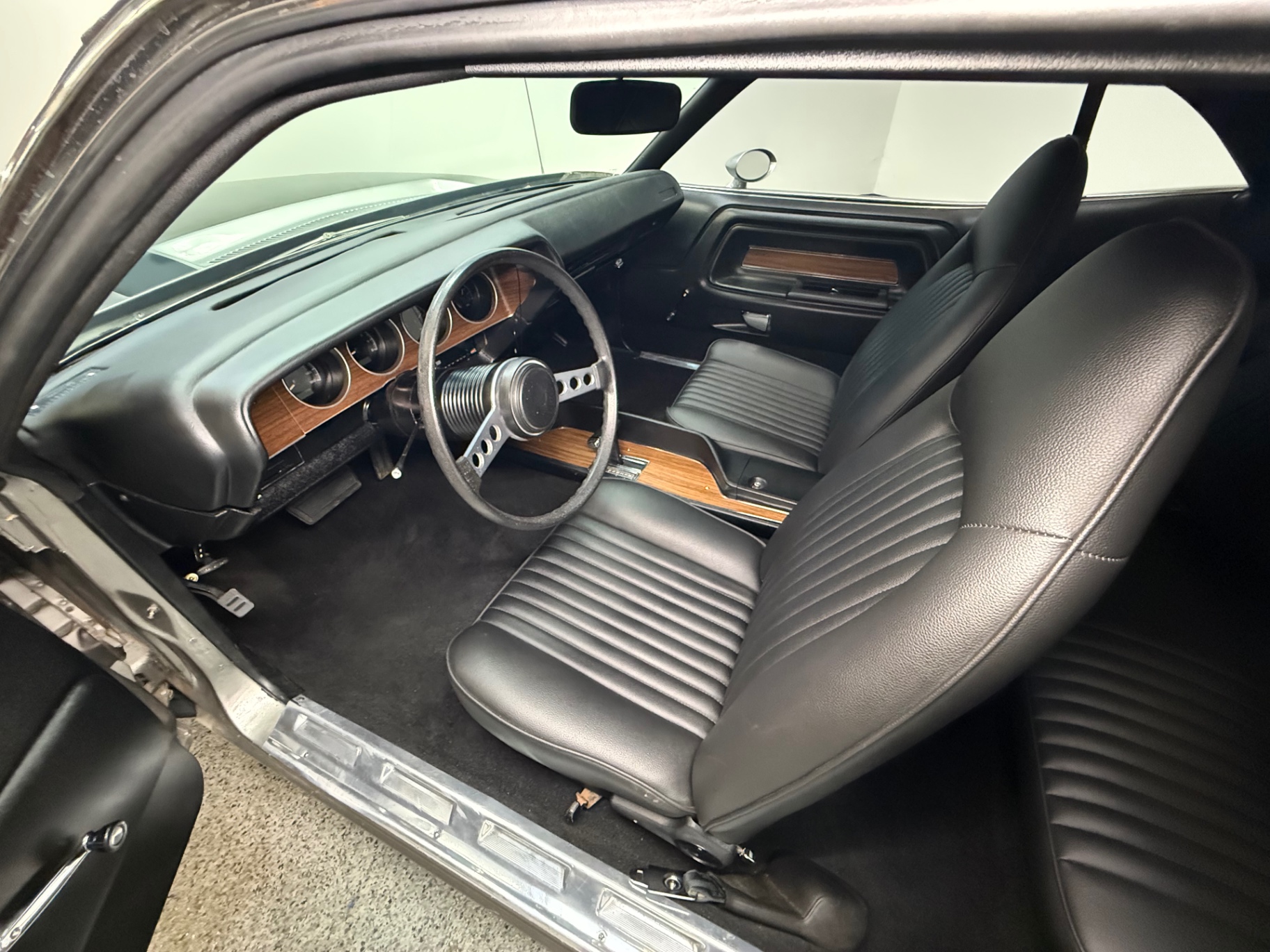
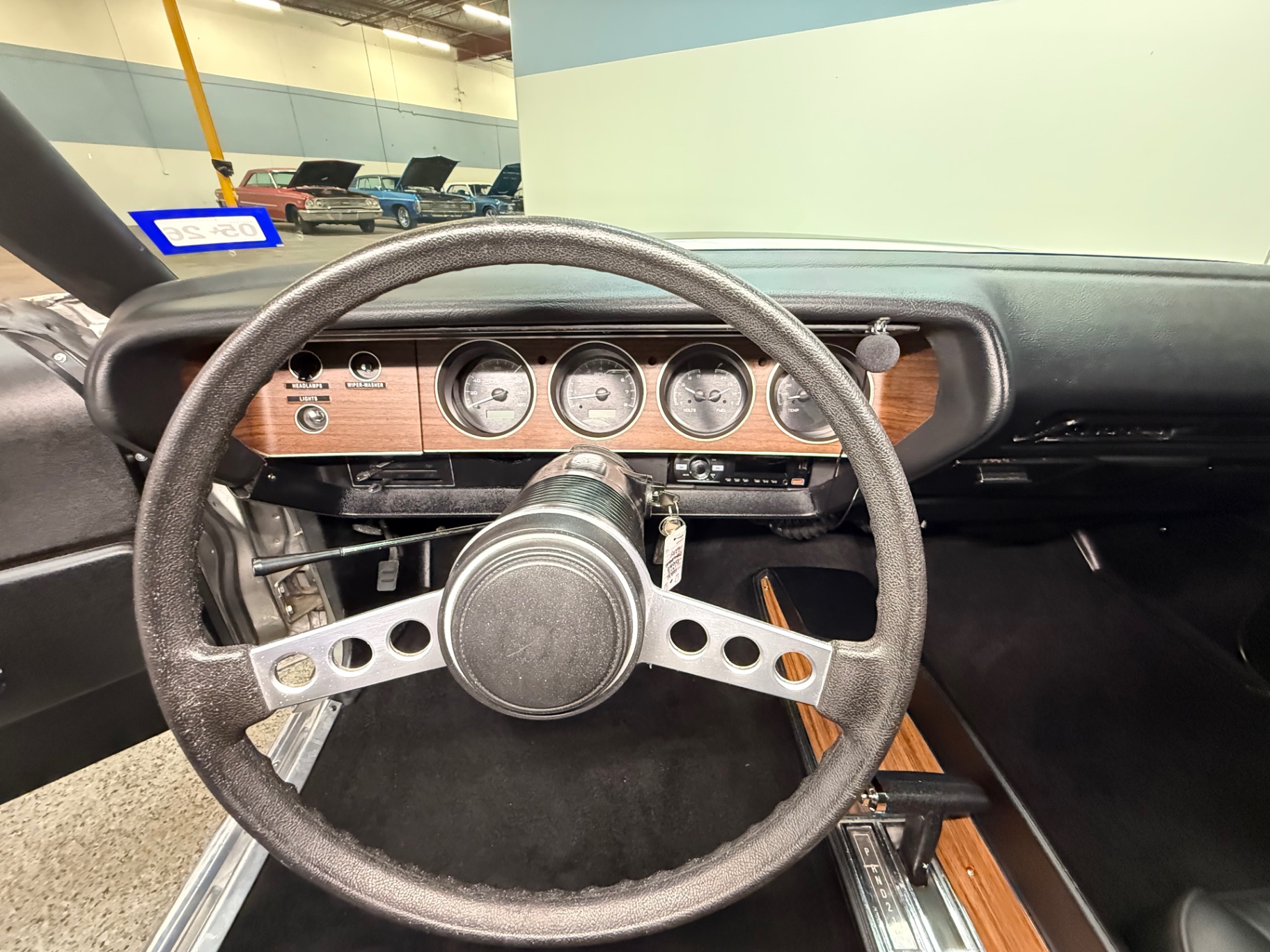
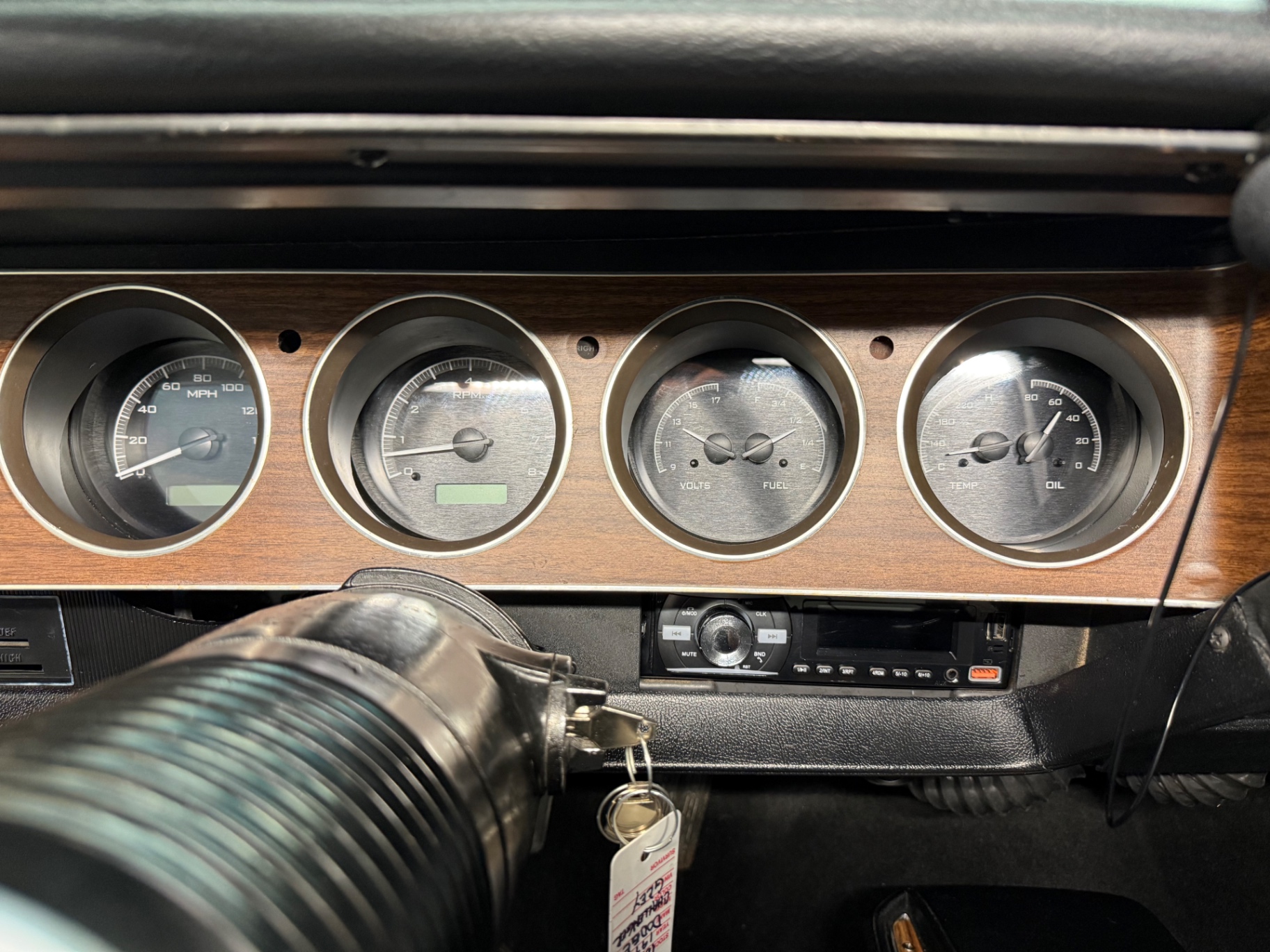
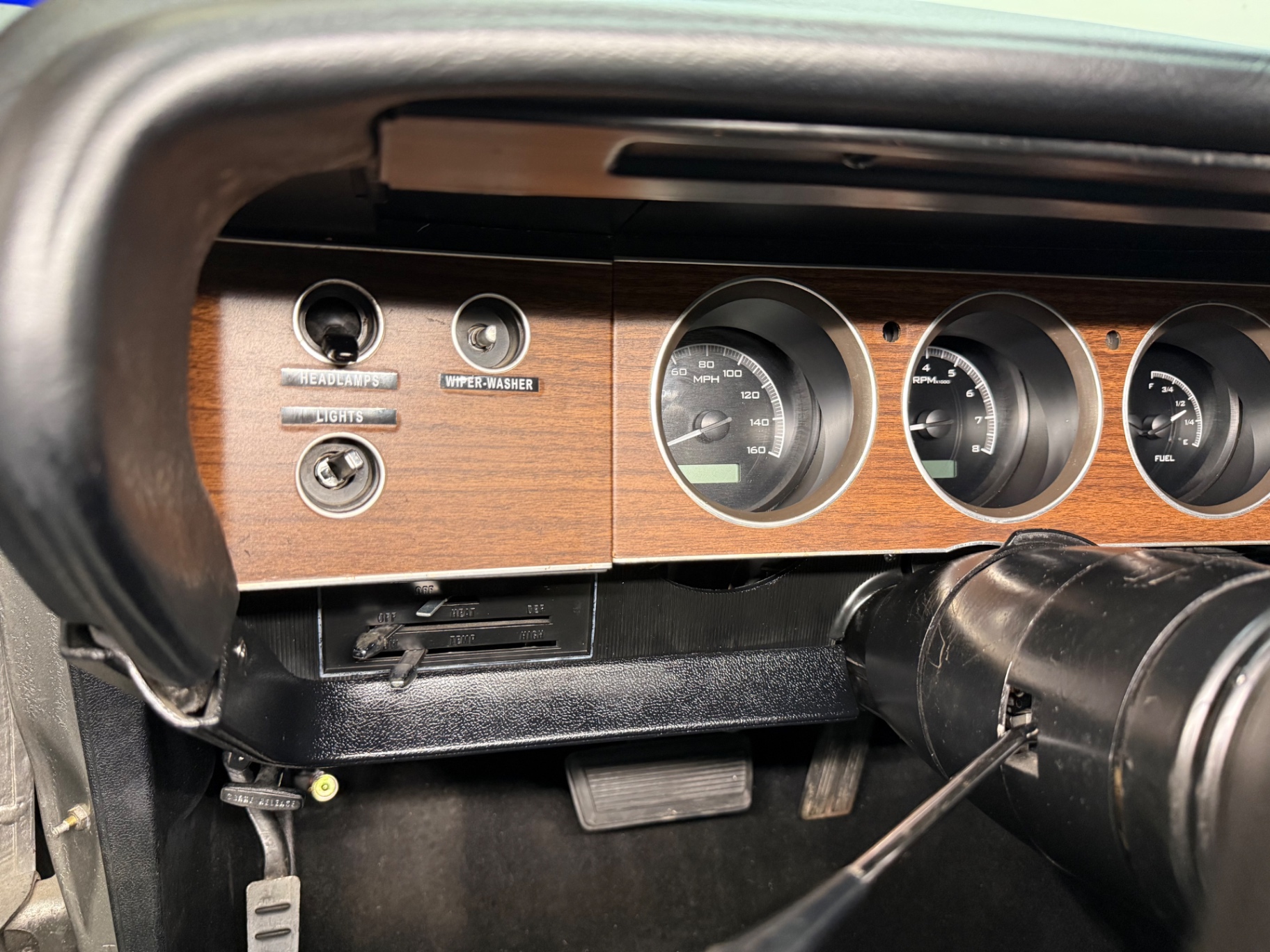
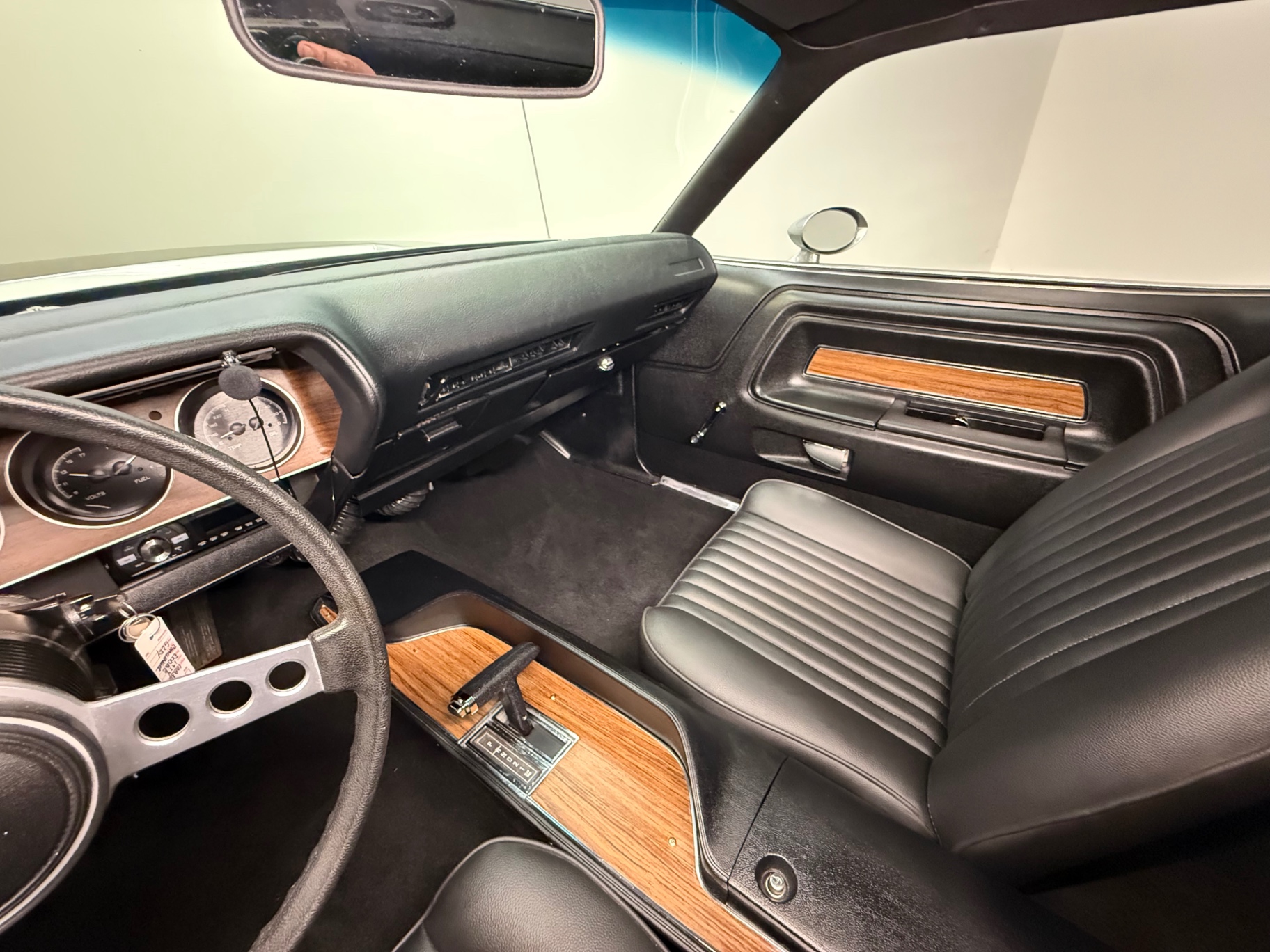
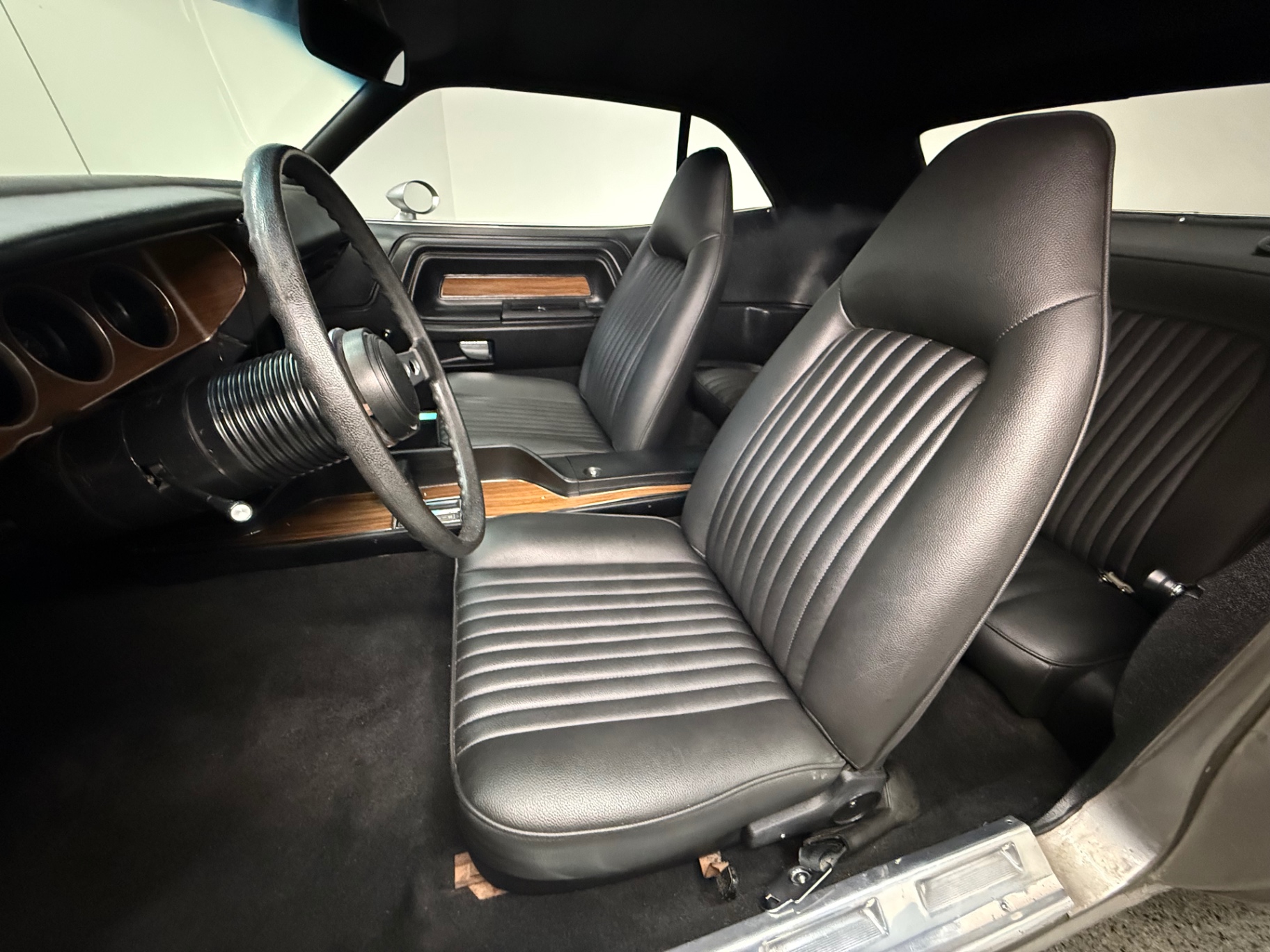
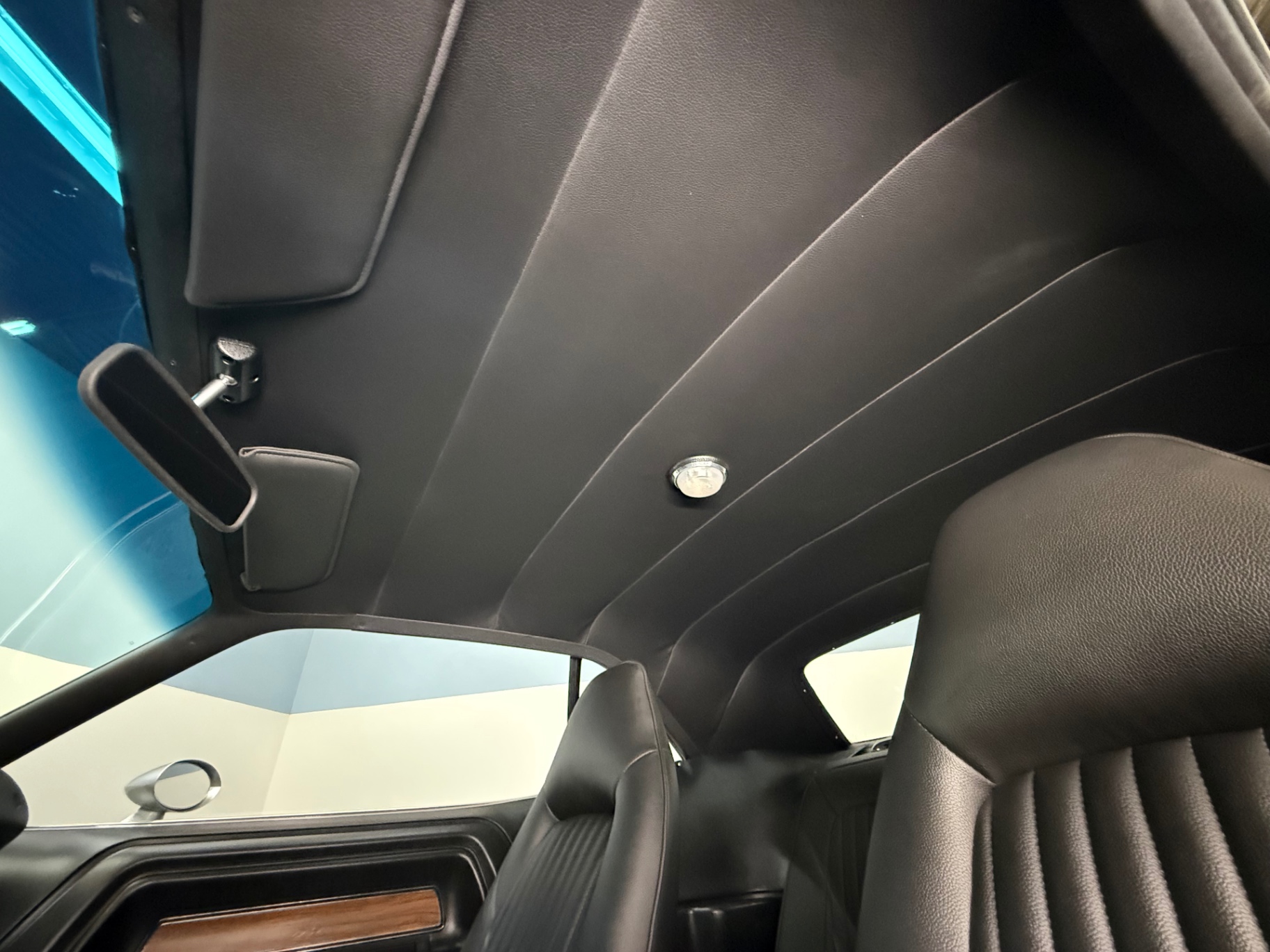
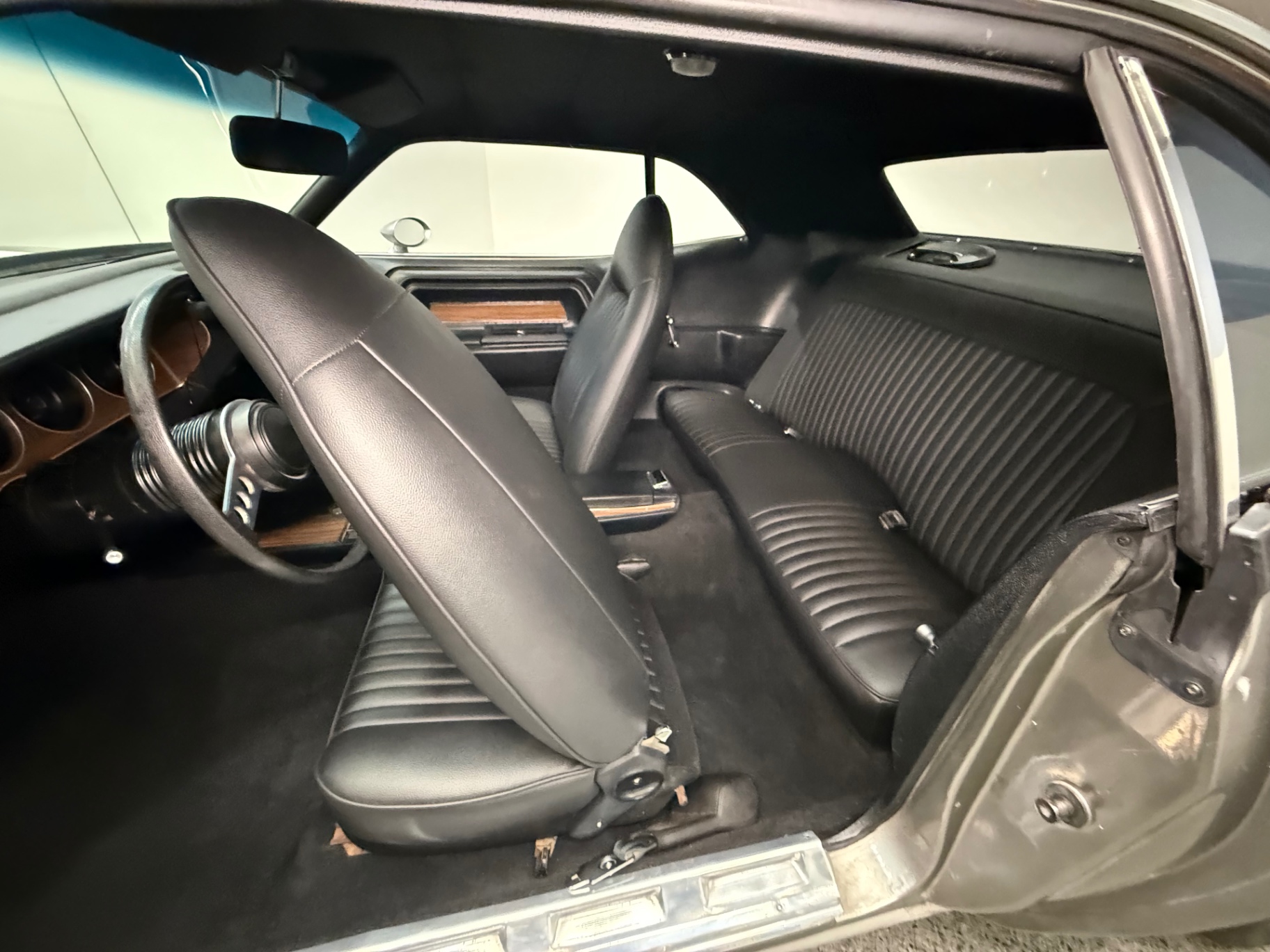
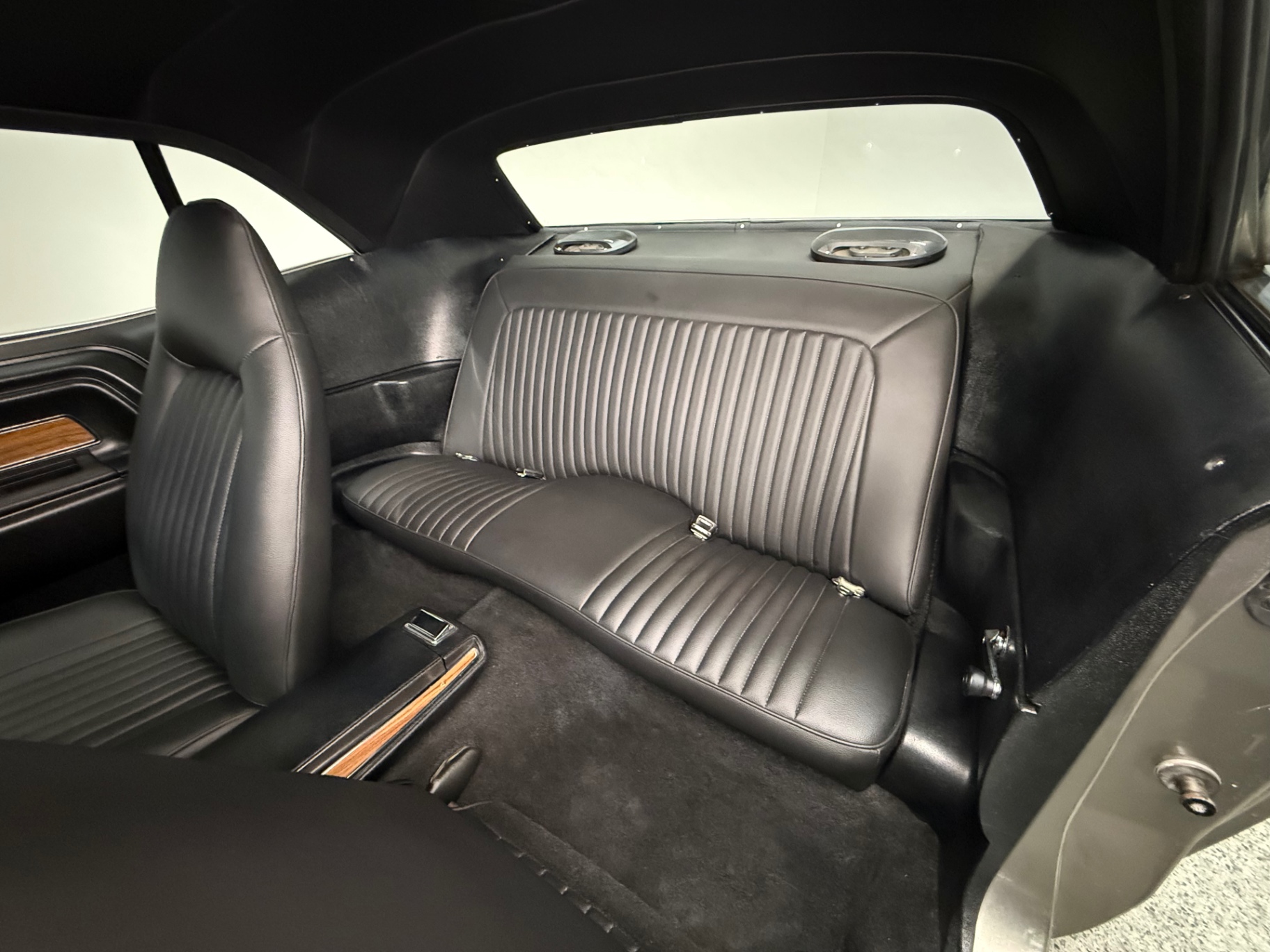
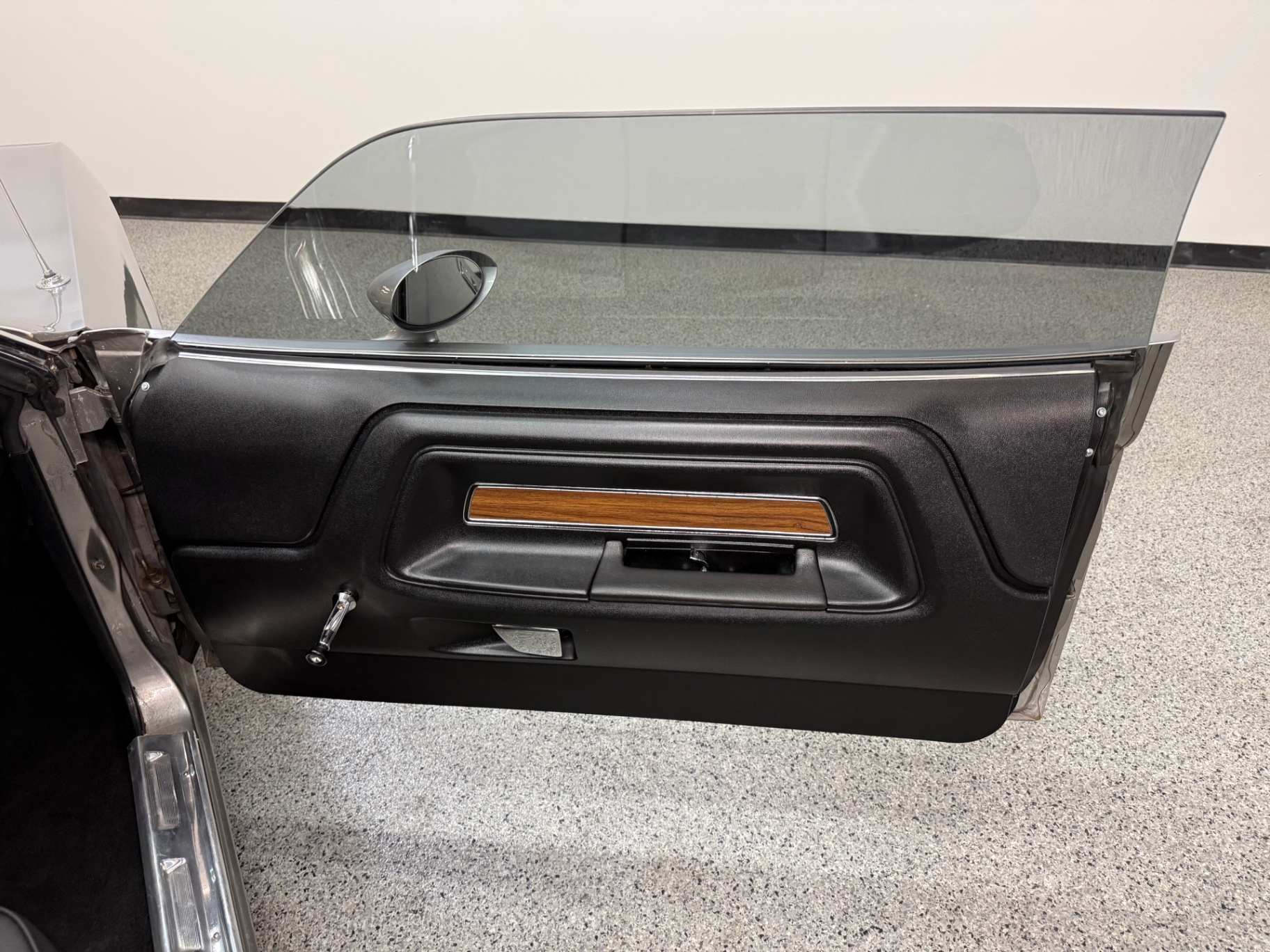
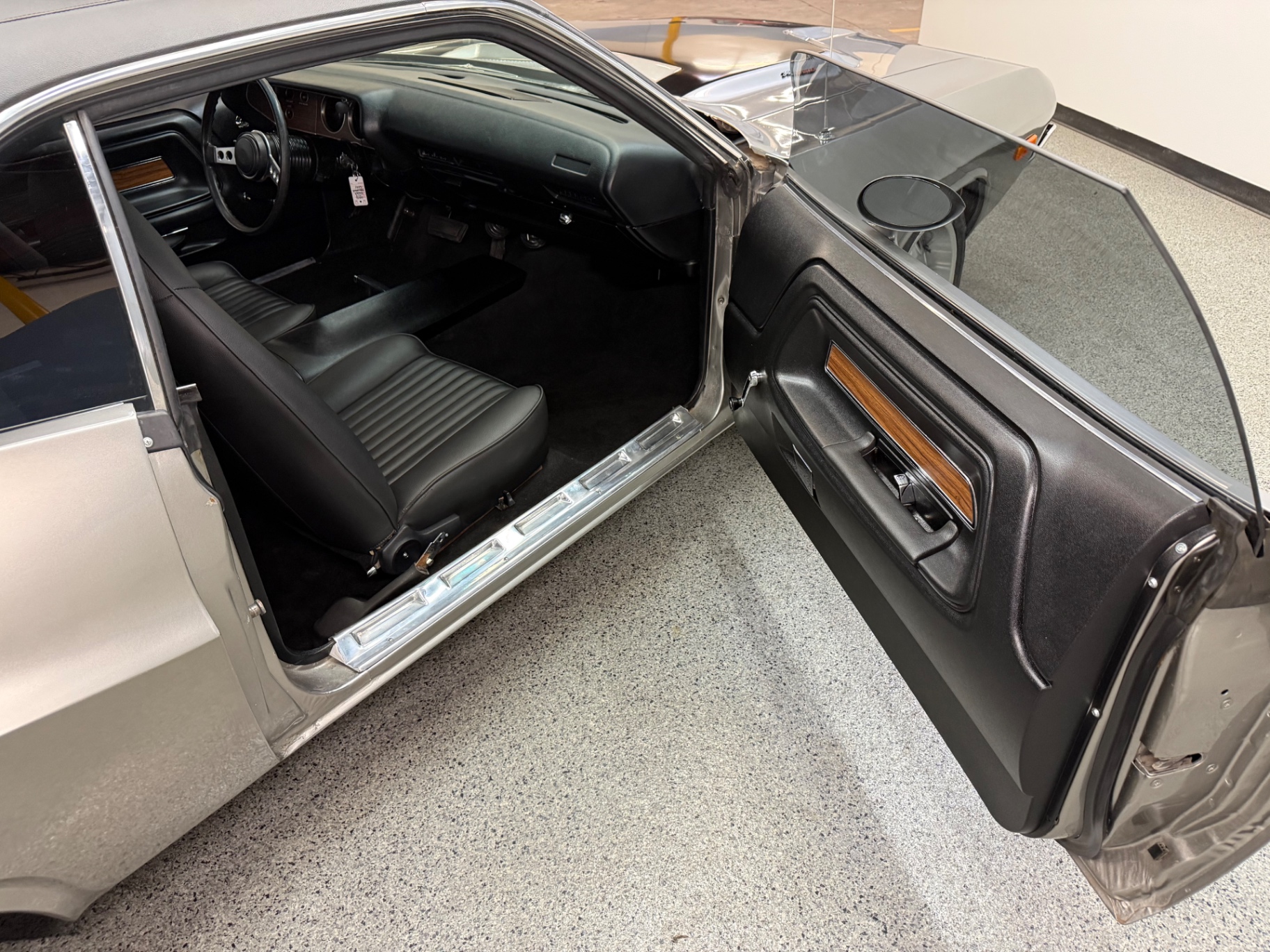
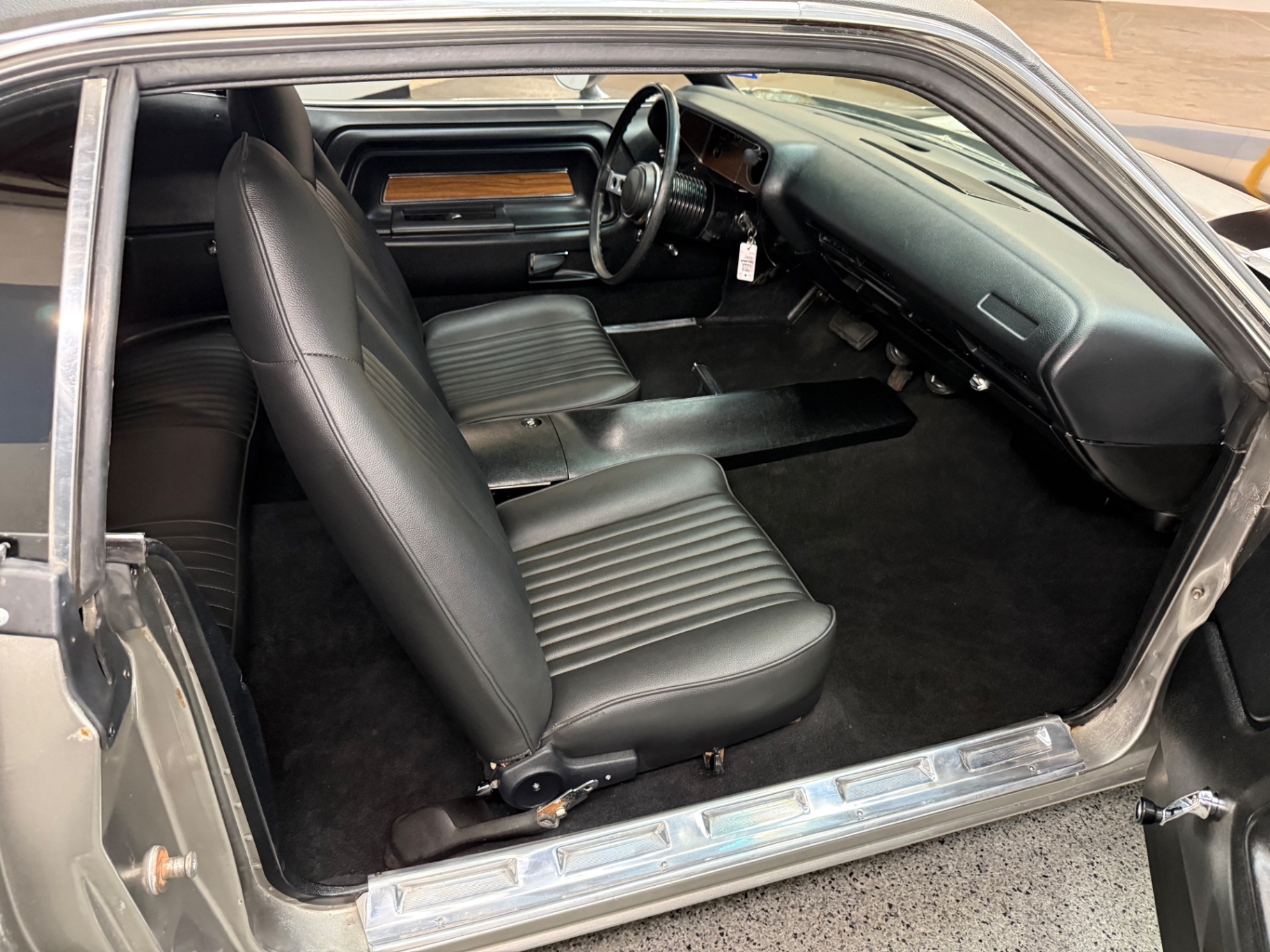
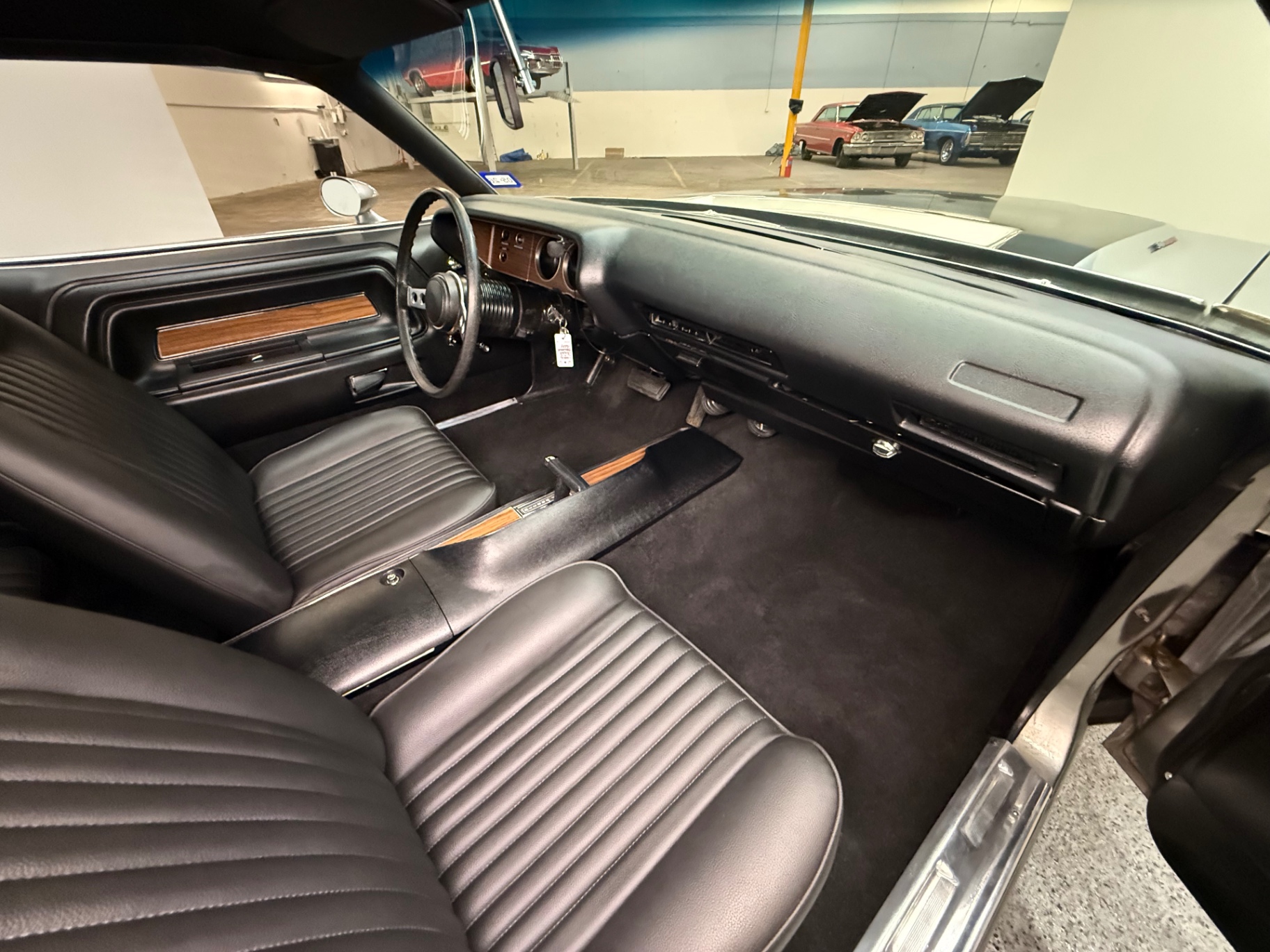
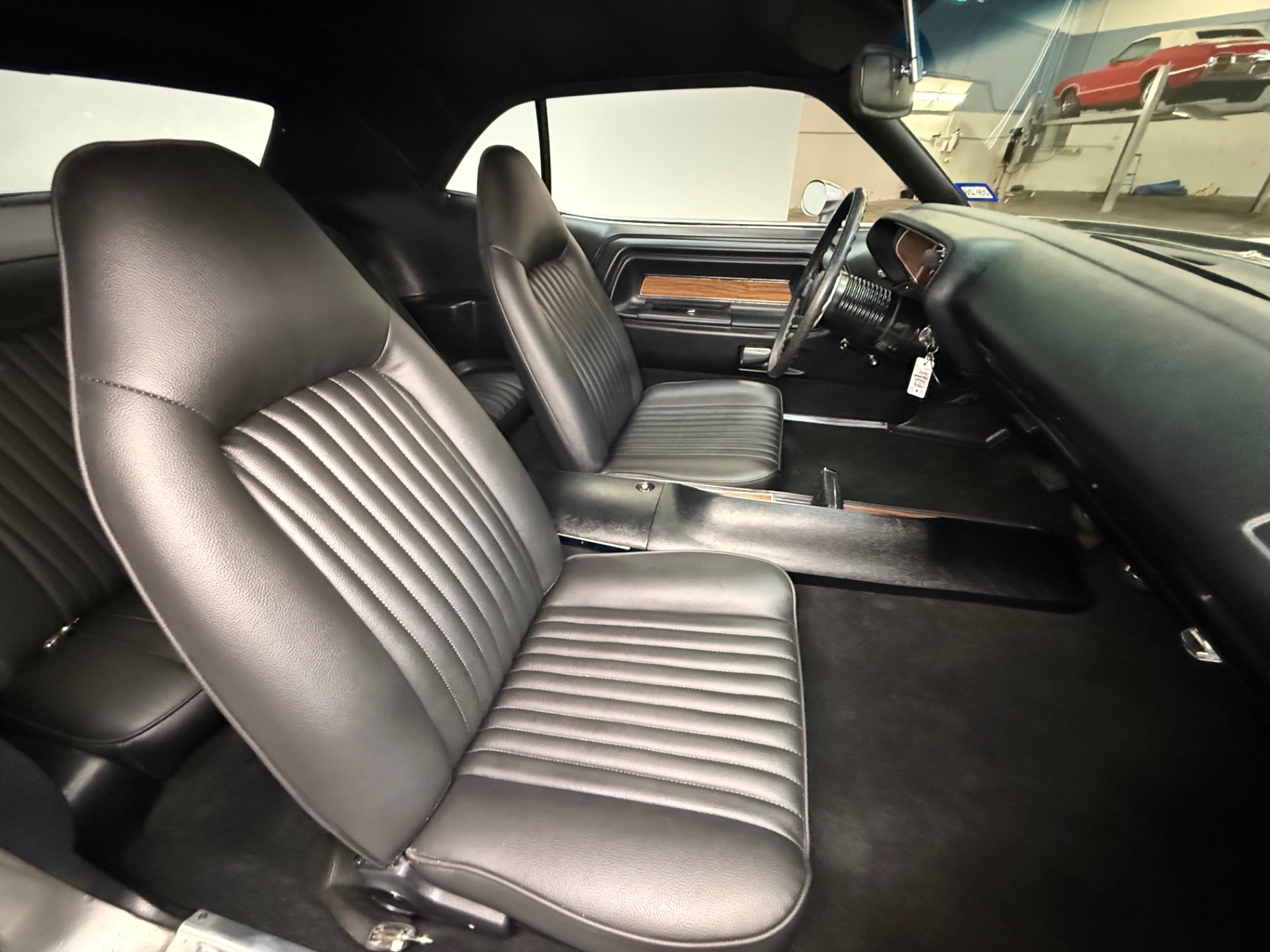
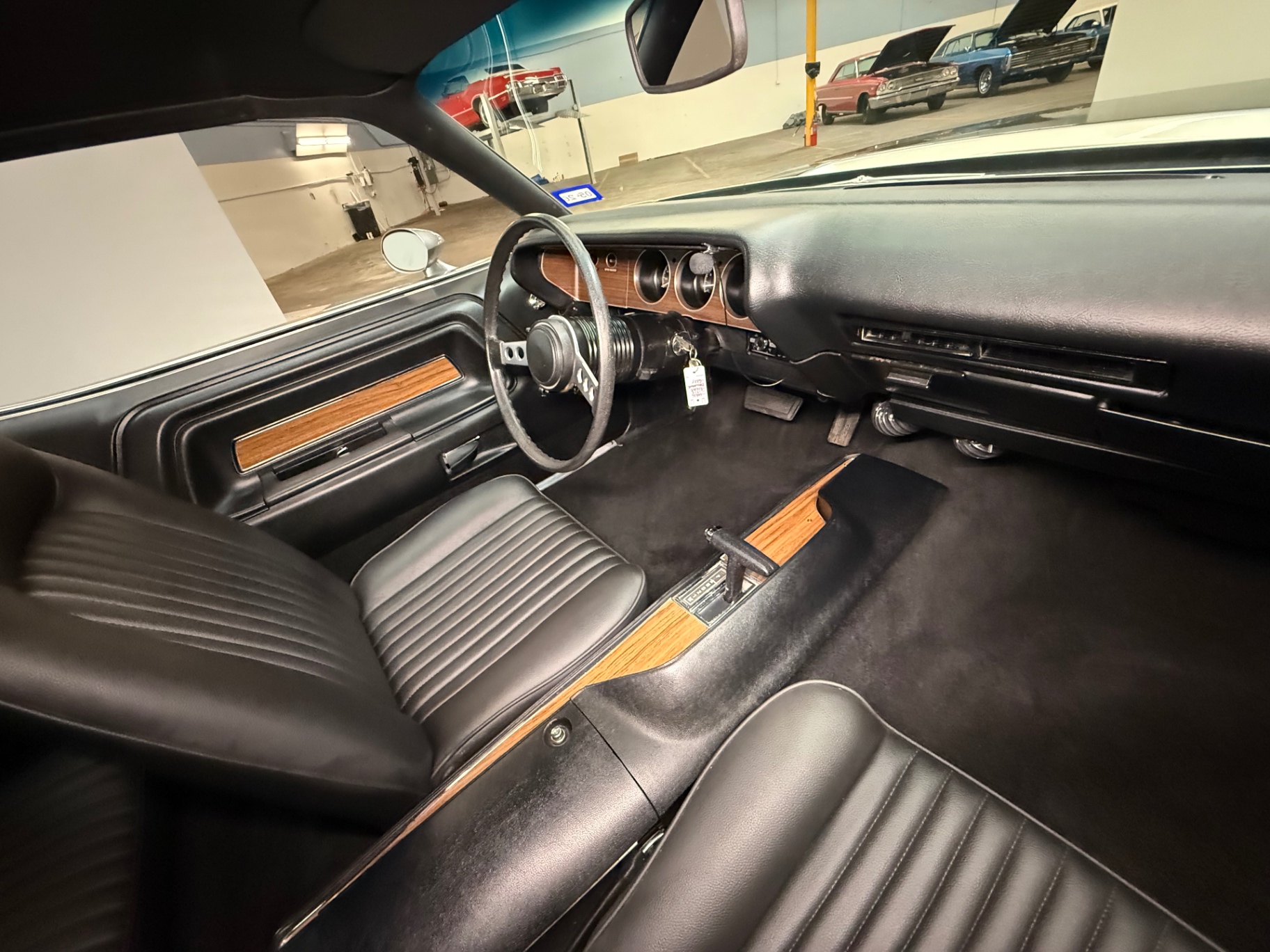
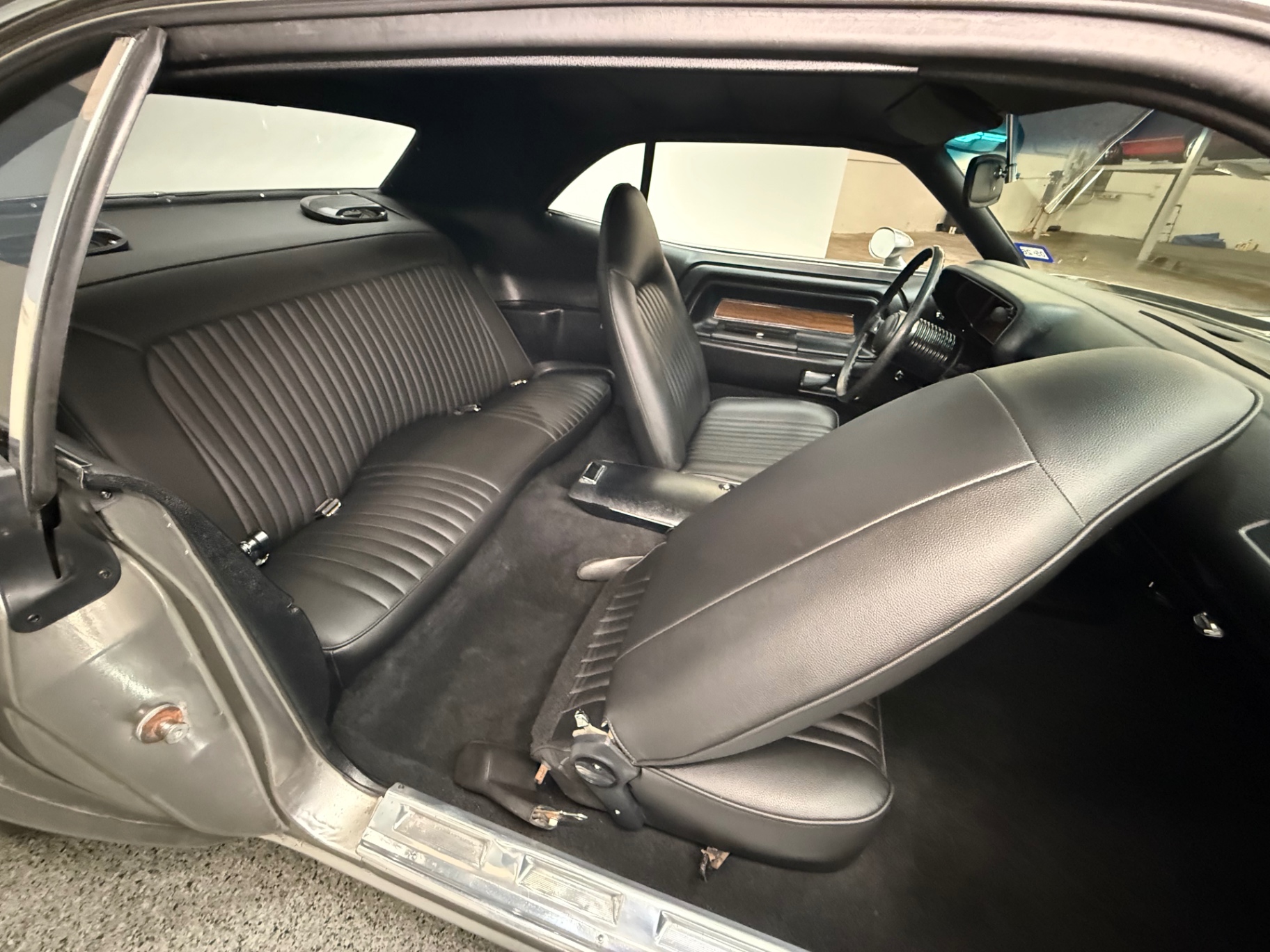
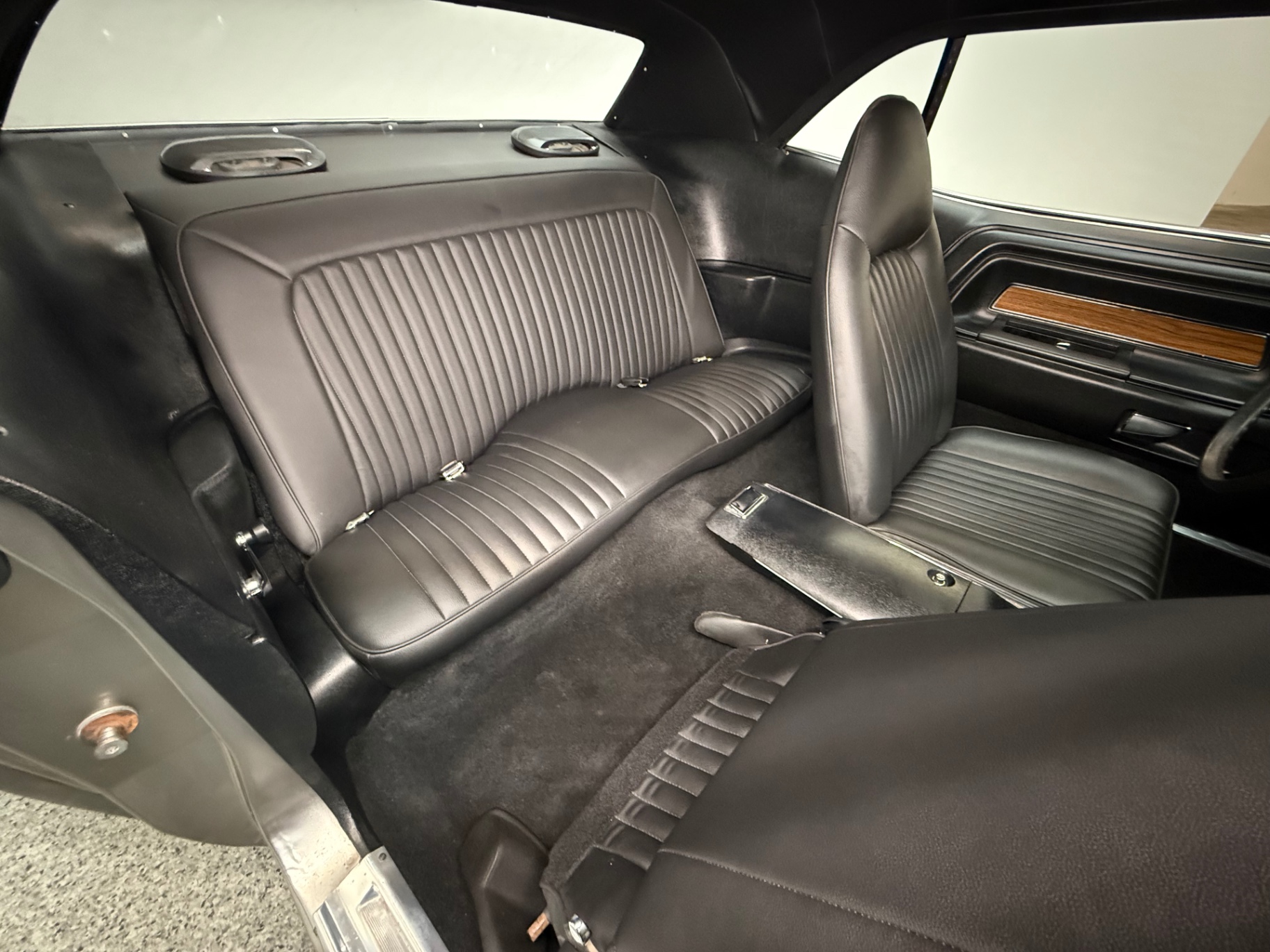
The interior of this 1973 Dodge Challenger Rallye is finished in black and presents well in person. The bucket seats are upholstered in black vinyl per the factory specification (RPO A6X9), and the restoration work has brought them back to a condition consistent with the original design intent. The center console is factory equipped with the woodgrain panel (RPO C16), which Dodge used to add a finished look to the cockpit rather than leaving the console surface plain. Full door panels are in place per the broadcast sheet (RPO 000), and the woodgrain accent treatment carries through to the door panel inserts — visible in the photos and consistent with the C16 option. The dashboard includes the factory tachometer, which was bundled into the Rallye package and is one of the details that separates an A57 car from a standard Challenger coupe. A solid state AM radio rounds out the audio equipment. The overall cabin presentation is tight and correct, with no visible deferred wear or mismatched components.
Exterior
The exterior color is Dark Silver Poly, factory coded JAS, which sits in a class of its own among the 1973 Challenger color palette. Silver-finished E-Body Mopars photograph cleanly and age well, and the metallic content in the Dark Silver poly gives the body panels a depth that flat colors cannot match. The black full vinyl top (RPO V1X) contrasts correctly against the silver body, and the black longitudinal stripes (RPO V6X) run the length of the car as factory specified. The hood is the sport hood (RPO J54), equipped with a functional-appearing hood scoop and the hood-mounted turn signal indicators (RPO L31) that were specific to the Rallye package. Simulated louvers (RPO M08) are present on the rear quarter panels, a visual detail that defined the look of the later E-Body Challengers. Chrome bumpers front and rear are correct for the 1973 model year and present well in the photos. The dual racing mirrors (RPO G36) are in place on both sides. Polished aluminum wheels replace the factory steel wheels and give the car a clean, period-correct custom appearance without going in an anachronistic direction. Roof drip rail moldings are fitted per the build sheet.
Conclusion
The 1973 Dodge Challenger Rallye with a factory 340 and documented A57 Rallye package is a specific, verifiable configuration that the market has increasingly recognized over the past several years. The combination of the last year for the 340 engine in the Challenger, a broadcast sheet-confirmed factory build, front disc brakes, factory air conditioning, and a clean undercarriage makes this car a strong candidate for a serious collection or a well-documented driver. The restoration work done to the interior and the overall presentation of the car suggest it has been treated as a long-term hold rather than a quick flip. For buyers who understand what they are looking at when they see an A57 build code on a 1973 Challenger, this car is worth a close look.
To schedule an inspection or ask specific questions about this 1973 Dodge Challenger Rallye, call Skyway Classics in Sarasota, Florida at 941-254-6608.
Disclaimer Information found on the website is presented as given to us by the owner of the car, whether on consignment or from the owner we bought it from. Some Photos, materials for videos, descriptions and other information are provided by the consignor/seller and is deemed reliable, but Skyway Classics does not warranty or guarantee this information. Skyway Classics is not responsible for information that may incorrect or a publishing error. The decision to purchase should be based solely on the buyers personal inspection of the vehicle or by a professional inspection service prior to offer or purchase being made.
1973 Dodge Challenger Rallye — 340 V8, Factory A57 Rallye Package, Silver over Black
Why This Car Is Special
The 1973 Dodge Challenger is one of the most misunderstood muscle cars on the market, and that misunderstanding has kept prices accessible relative to the earlier E-Body cars — until recently. By 1973, Dodge had trimmed the Challenger lineup considerably. The convertible was gone, the R/T had been discontinued after 1972, and overall production numbers dropped sharply. Fewer than 33,000 Challengers were built for the 1973 model year across all configurations, making any well-documented, well-optioned example genuinely scarce fifty-plus years later.
This particular 1973 Dodge Challenger is not a base car that someone dressed up over the years. The broadcast sheet-decoded RPO codes confirm it left the Hamtramck assembly plant as a factory Rallye package car (option code A57), built on October 10, 1972, for the 1973 model year. The Rallye package was Dodge's way of keeping the performance identity of the Challenger alive during the early emissions era. It bundled specific visual and functional content — the sport hood, hood-mounted turn signal indicators, dual racing mirrors, longitudinal stripes, and a tachometer — into a single RPO that identified the car as a performance trim rather than a plain coupe. When you decode the VIN on this car, the eighth character confirms the 340 cubic inch engine as the factory-installed powerplant. Combined with the A57 package, this is the configuration serious Challenger collectors look for.
The 340 small block is the other critical piece of this car's story. By 1973, Dodge had already replaced the legendary 340 with the 360 in most applications. The 1973 model year was the final year the 340 was offered in the Challenger, making this engine code particularly significant for collectors who understand the timeline. The 340 had earned its reputation in the previous generation of E-Body and A-Body Mopars as one of the best-balanced performance engines Chrysler ever built — free-revving, responsive to modifications, and durable when maintained properly. Getting one in a correctly-optioned 1973 Challenger Rallye with a documented broadcast sheet puts this car in a category most 1973 examples simply cannot claim.
Features List
- 340 cubic inch 4-barrel V8 (RPO E55), final year in the Challenger - Factory A57 Rallye Package, confirmed by RPO codes - Light duty automatic transmission (RPO D34) - Factory air conditioning with heater (RPO H51) - Front disc brakes with standard 10-inch rear drums (RPO B41) - Sport hood with inside hood release (RPO J54 / J52) - Hood-mounted and fender-mounted turn signal indicators (RPO L31) - Dual racing mirrors, outside (RPO G36) - Center console with woodgrain panel (RPO C16) - Black vinyl bucket seats (RPO C56 / A6X9) - Full door panels (RPO 000) - Full black vinyl top (RPO V1X) - Black longitudinal stripes (RPO V6X) - Simulated louvers (RPO M08) - Tachometer - Dual exhaust with chrome exhaust tips - Roof drip rail moldings - Solid state AM radio - 26-inch radiator (RPO 26) - Custom air cleaner - Polished aluminum wheels - Chrome bumpers - Restored interior - Clean undercarriage - Dark Silver Poly exterior (JAS color code) - Factory build date: October 10, 1972
Mechanical
The engine under the hood of this 1973 Dodge Challenger Rallye is the 340 cubic inch small block V8, coded E55, fed by a 4-barrel carburetor and rated at 275 horsepower from the factory. That net horsepower rating reflects the post-1971 SAE net measurement standard, not the gross figures Chrysler used in earlier advertising. In practical terms, the 340 was known for having a broad powerband rather than a narrow peak, which made it responsive in street driving without requiring the driver to work the throttle excessively. The 340 in the Challenger ran a high 10:1 compression ratio in its early years, though by 1973 compression had been reduced to work with regular unleaded fuel — a sensible modification that makes this engine easy to live with today.
Behind the 340 is the light duty automatic transmission (RPO D34), which is the correct match for this engine and Rallye package combination. The braking hardware is factory correct as well, with front disc brakes and 10-inch rear drums (RPO B41) — a meaningful upgrade over the drum-drum setup found on lesser-optioned 1973 Challengers. The car also carries the 26-inch radiator, which is the appropriate cooling specification for a 340-equipped car with air conditioning. Factory air conditioning (RPO H51) is present and accounted for in the build codes, which adds both comfort and documented value to this car. The undercarriage photographs show a clean, solid structure — no rot, no patch panels, no evidence of the kind of deferred maintenance that typically afflicts fifty-year-old cars that spent time in northern climates.
Interior
The interior of this 1973 Dodge Challenger Rallye is finished in black and presents well in person. The bucket seats are upholstered in black vinyl per the factory specification (RPO A6X9), and the restoration work has brought them back to a condition consistent with the original design intent. The center console is factory equipped with the woodgrain panel (RPO C16), which Dodge used to add a finished look to the cockpit rather than leaving the console surface plain. Full door panels are in place per the broadcast sheet (RPO 000), and the woodgrain accent treatment carries through to the door panel inserts — visible in the photos and consistent with the C16 option. The dashboard includes the factory tachometer, which was bundled into the Rallye package and is one of the details that separates an A57 car from a standard Challenger coupe. A solid state AM radio rounds out the audio equipment. The overall cabin presentation is tight and correct, with no visible deferred wear or mismatched components.
Exterior
The exterior color is Dark Silver Poly, factory coded JAS, which sits in a class of its own among the 1973 Challenger color palette. Silver-finished E-Body Mopars photograph cleanly and age well, and the metallic content in the Dark Silver poly gives the body panels a depth that flat colors cannot match. The black full vinyl top (RPO V1X) contrasts correctly against the silver body, and the black longitudinal stripes (RPO V6X) run the length of the car as factory specified. The hood is the sport hood (RPO J54), equipped with a functional-appearing hood scoop and the hood-mounted turn signal indicators (RPO L31) that were specific to the Rallye package. Simulated louvers (RPO M08) are present on the rear quarter panels, a visual detail that defined the look of the later E-Body Challengers. Chrome bumpers front and rear are correct for the 1973 model year and present well in the photos. The dual racing mirrors (RPO G36) are in place on both sides. Polished aluminum wheels replace the factory steel wheels and give the car a clean, period-correct custom appearance without going in an anachronistic direction. Roof drip rail moldings are fitted per the build sheet.
Conclusion
The 1973 Dodge Challenger Rallye with a factory 340 and documented A57 Rallye package is a specific, verifiable configuration that the market has increasingly recognized over the past several years. The combination of the last year for the 340 engine in the Challenger, a broadcast sheet-confirmed factory build, front disc brakes, factory air conditioning, and a clean undercarriage makes this car a strong candidate for a serious collection or a well-documented driver. The restoration work done to the interior and the overall presentation of the car suggest it has been treated as a long-term hold rather than a quick flip. For buyers who understand what they are looking at when they see an A57 build code on a 1973 Challenger, this car is worth a close look.
To schedule an inspection or ask specific questions about this 1973 Dodge Challenger Rallye, call Skyway Classics in Sarasota, Florida at 941-254-6608.
Disclaimer Information found on the website is presented as given to us by the owner of the car, whether on consignment or from the owner we bought it from. Some Photos, materials for videos, descriptions and other information are provided by the consignor/seller and is deemed reliable, but Skyway Classics does not warranty or guarantee this information. Skyway Classics is not responsible for information that may incorrect or a publishing error. The decision to purchase should be based solely on the buyers personal inspection of the vehicle or by a professional inspection service prior to offer or purchase being made.
1973 Dodge
Challenger Rallye
Why Choose Skyway Classics?
Explore our curated inventory of classic and collector cars—thoughtfully selected, ready to drive, and supported by experts who make ownership simple.
Expert Curation
Every vehicle is hand-selected by our experts for quality, authenticity, and investment potential.
Fast Transactions
Streamlined buying and selling process with quick financing and immediate delivery options.
Only National Dealer With Classic Service & Repair
We’re the only national dealership that services and repairs the classics we sell—before and after the sale.
Nationwide Network
Access to our extensive network of collectors, restorers, and classic car enthusiasts nationwide.
Concierge Ownership Support
From financing and insurance to paperwork, shipping, and titling—we handle the details so you can enjoy the drive.
Passion-Driven Service
We're classic car enthusiasts first, providing personalized service with genuine passion for the hobby.