
1965 Chevrolet
Corvette Base
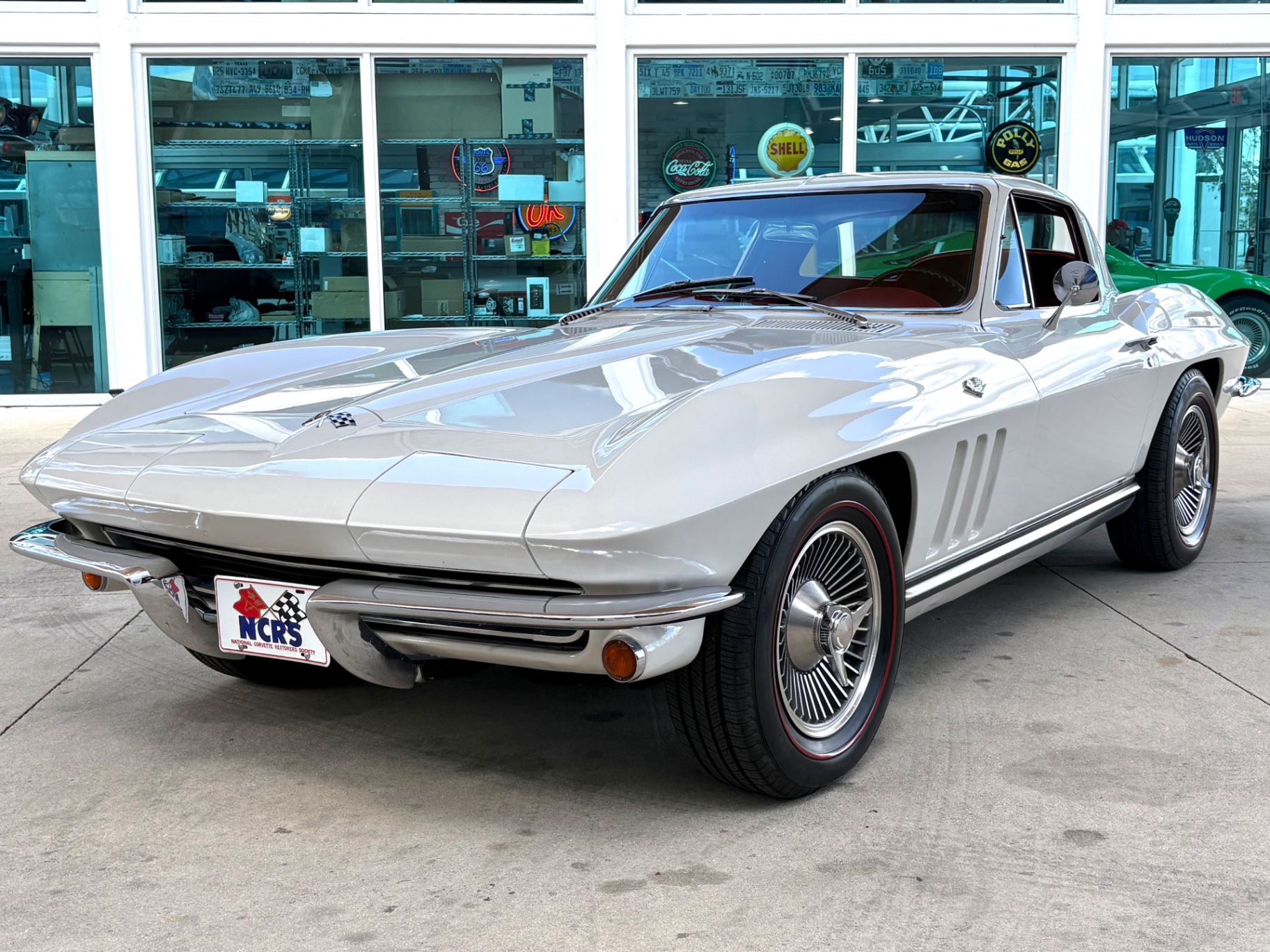
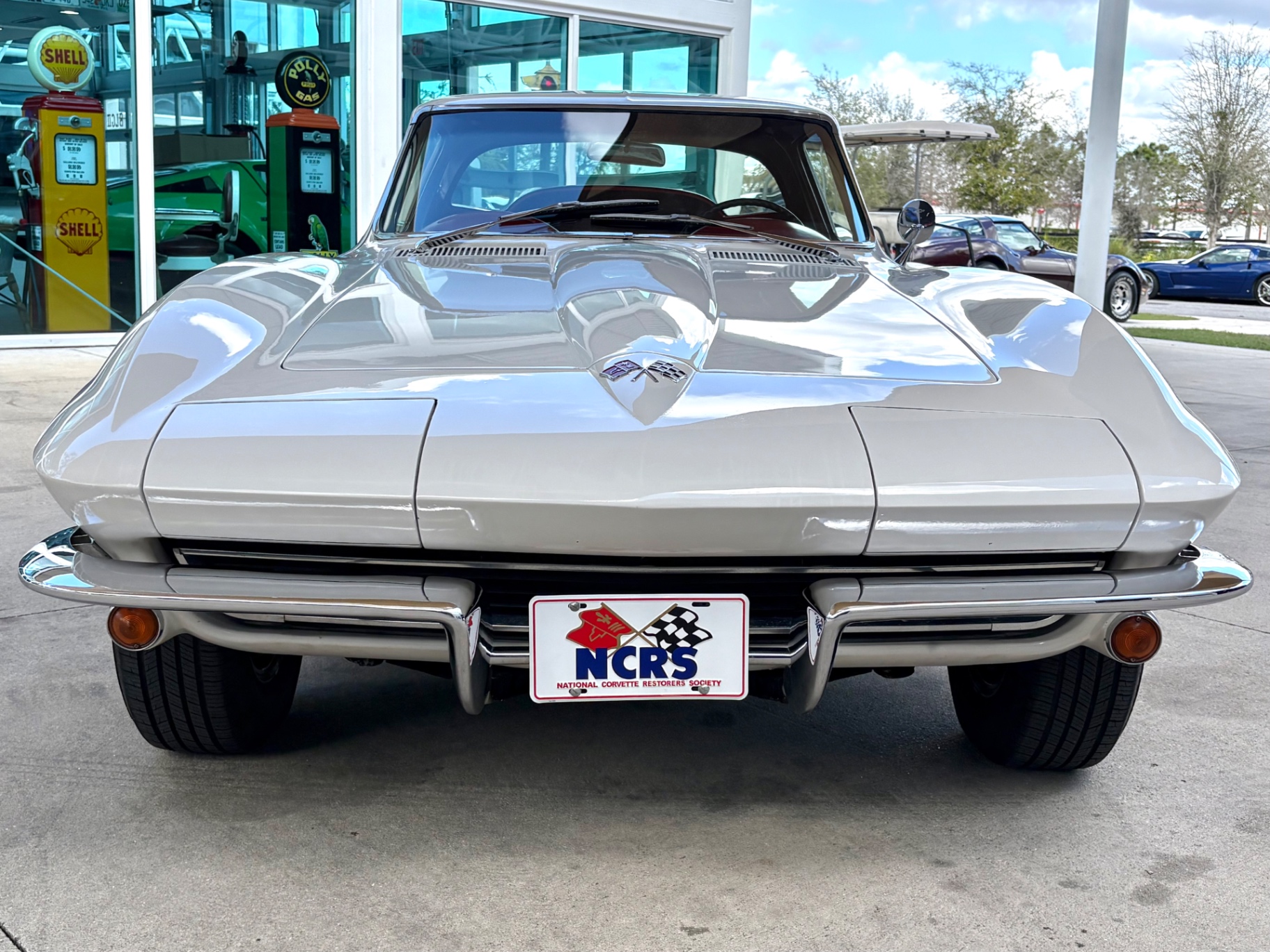
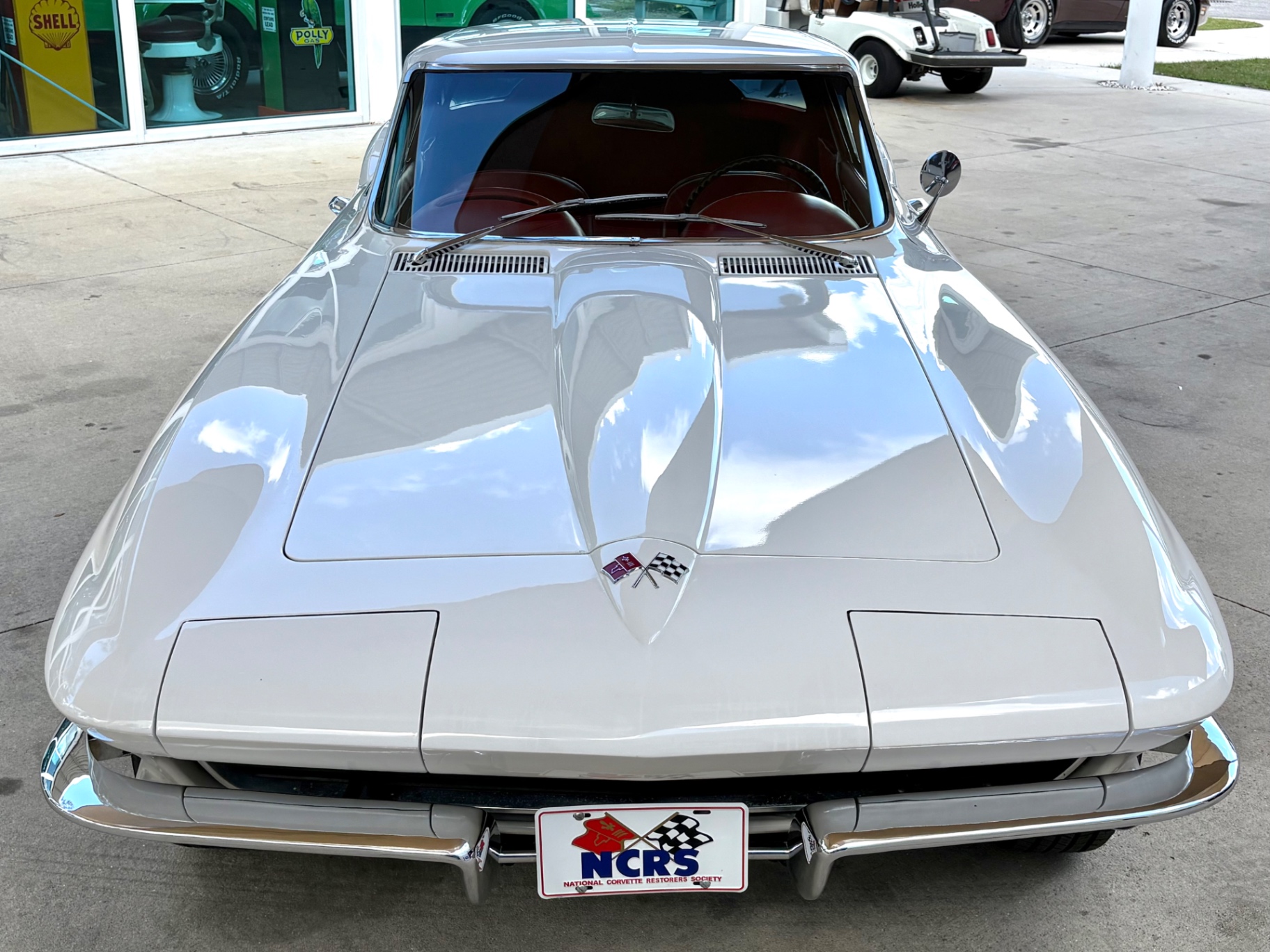
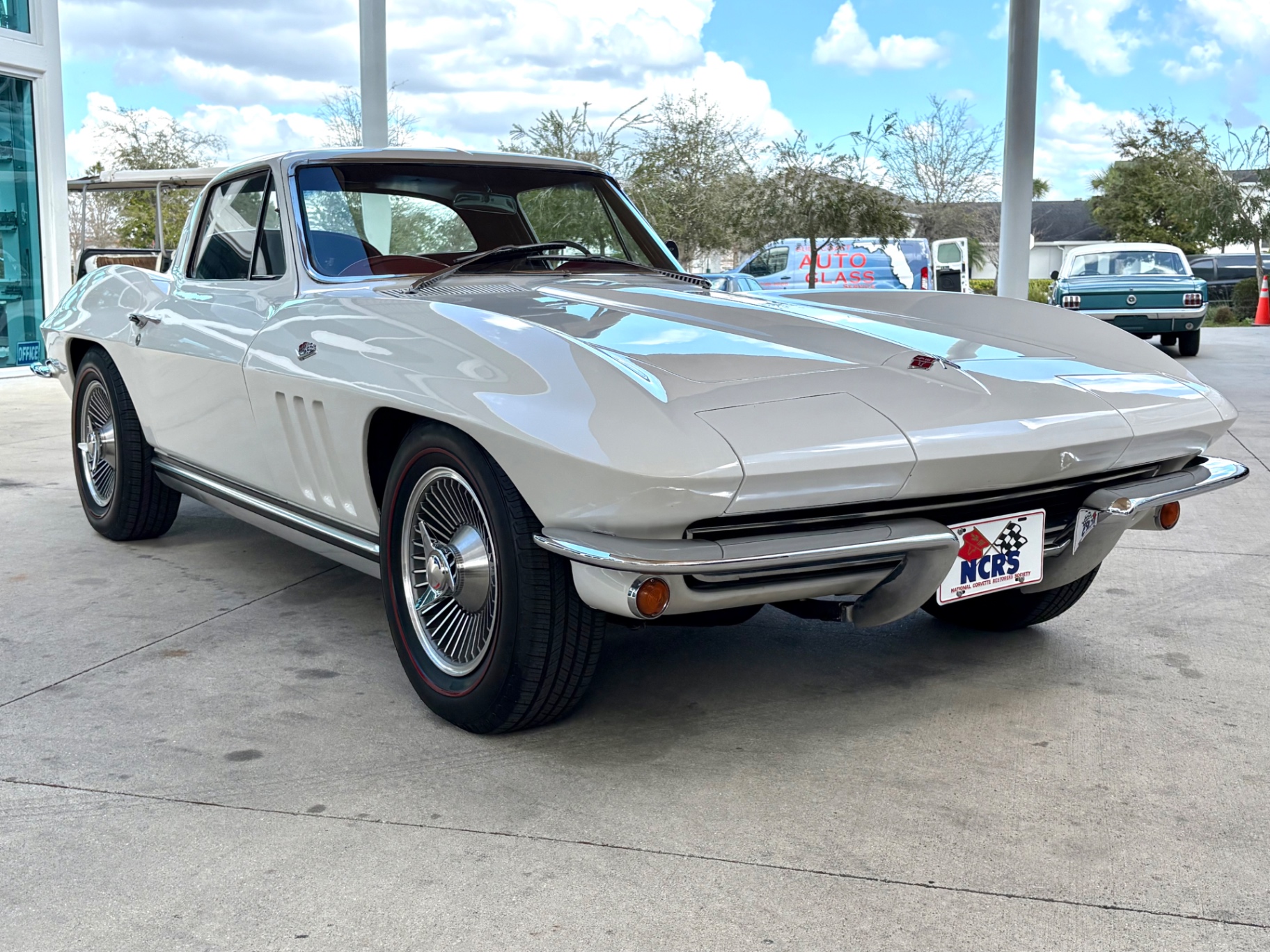
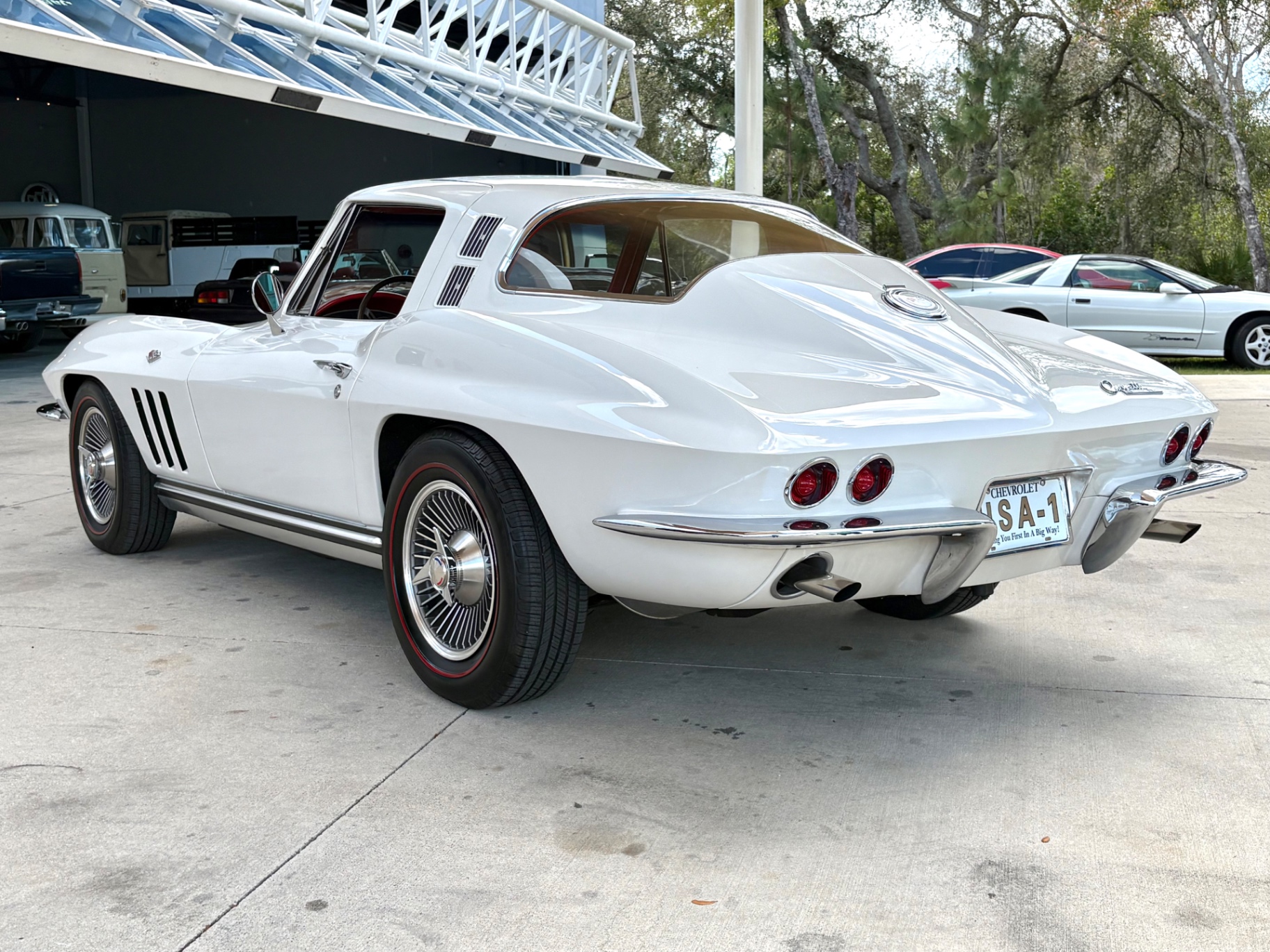
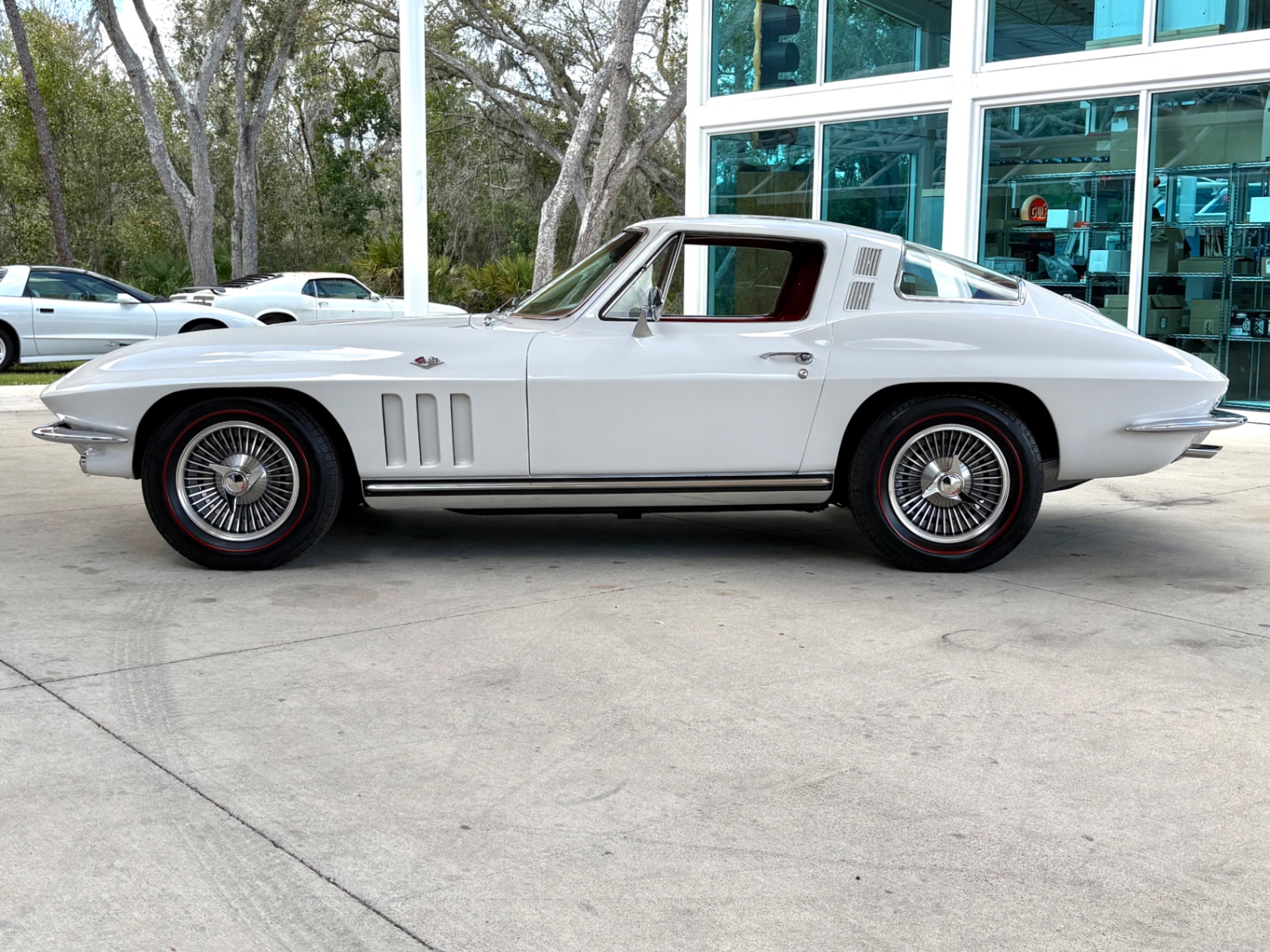
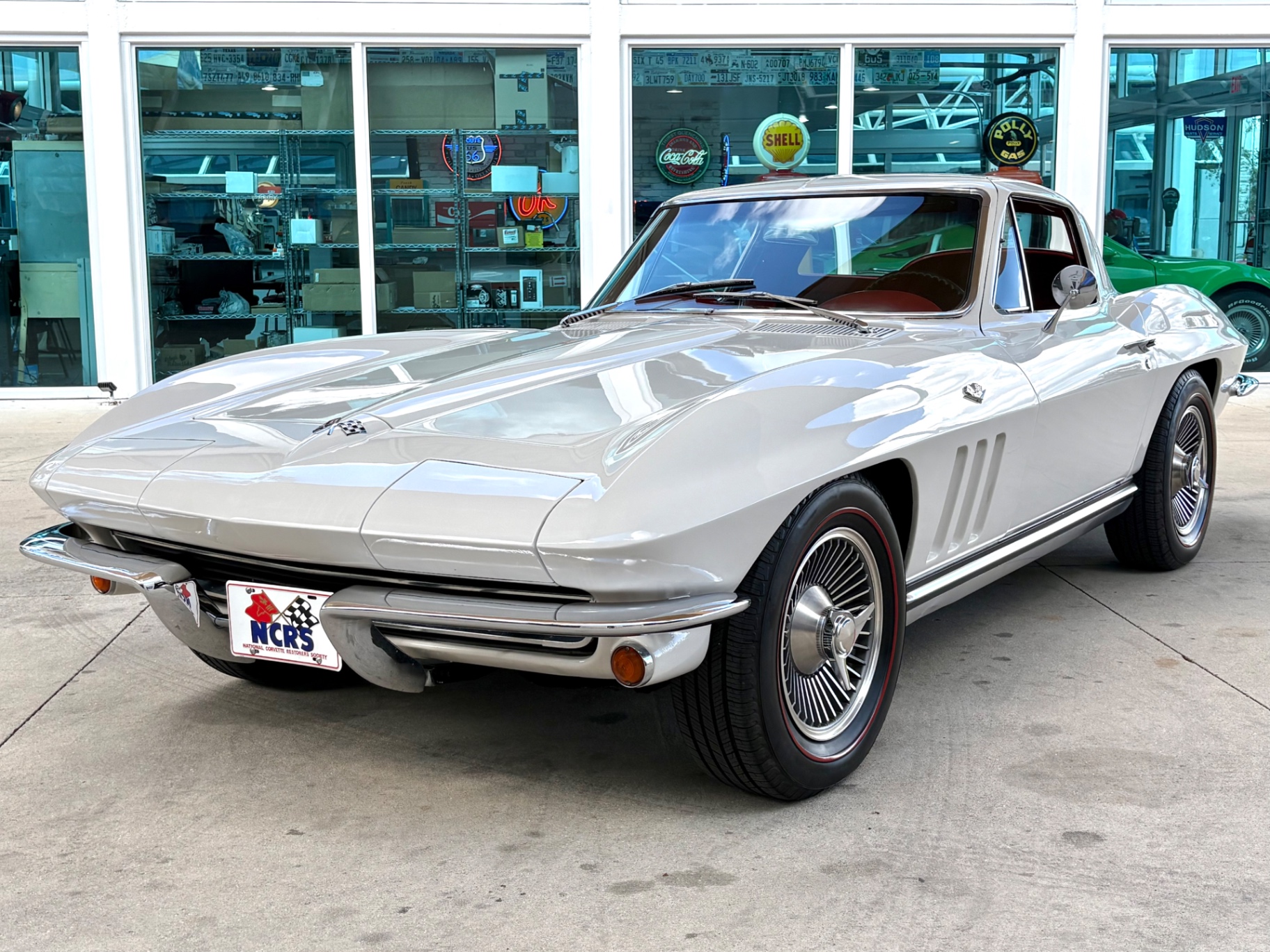
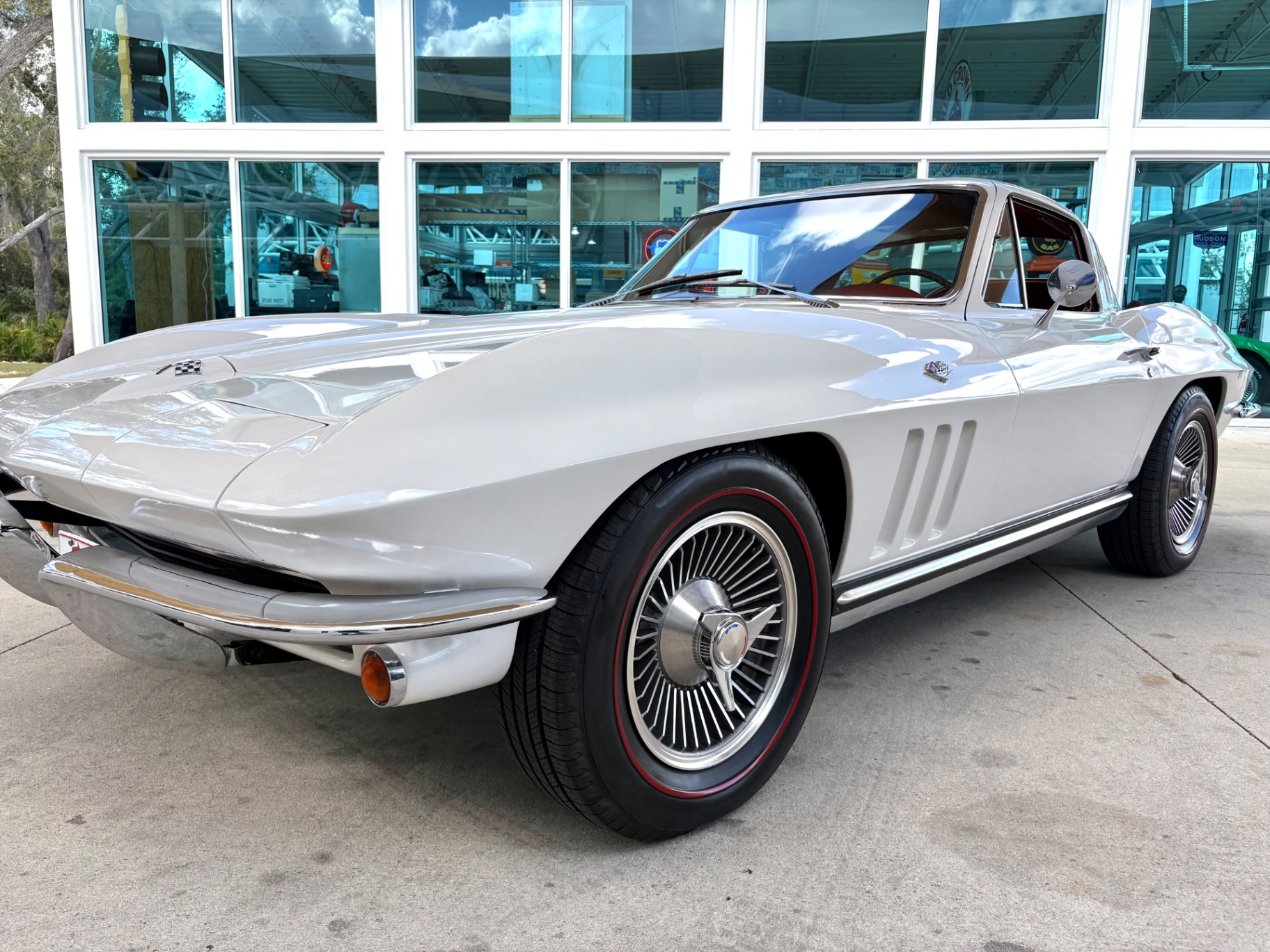
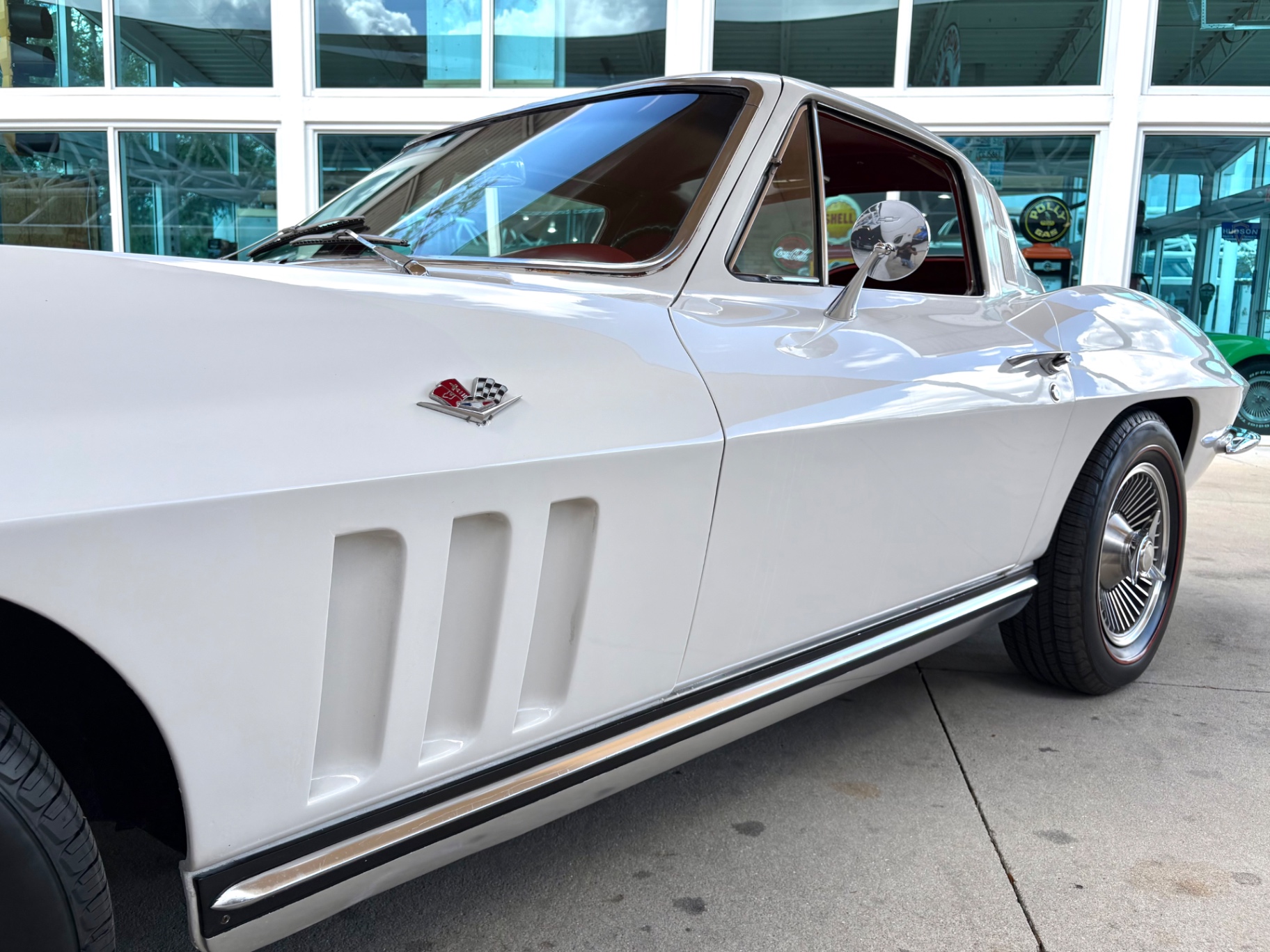
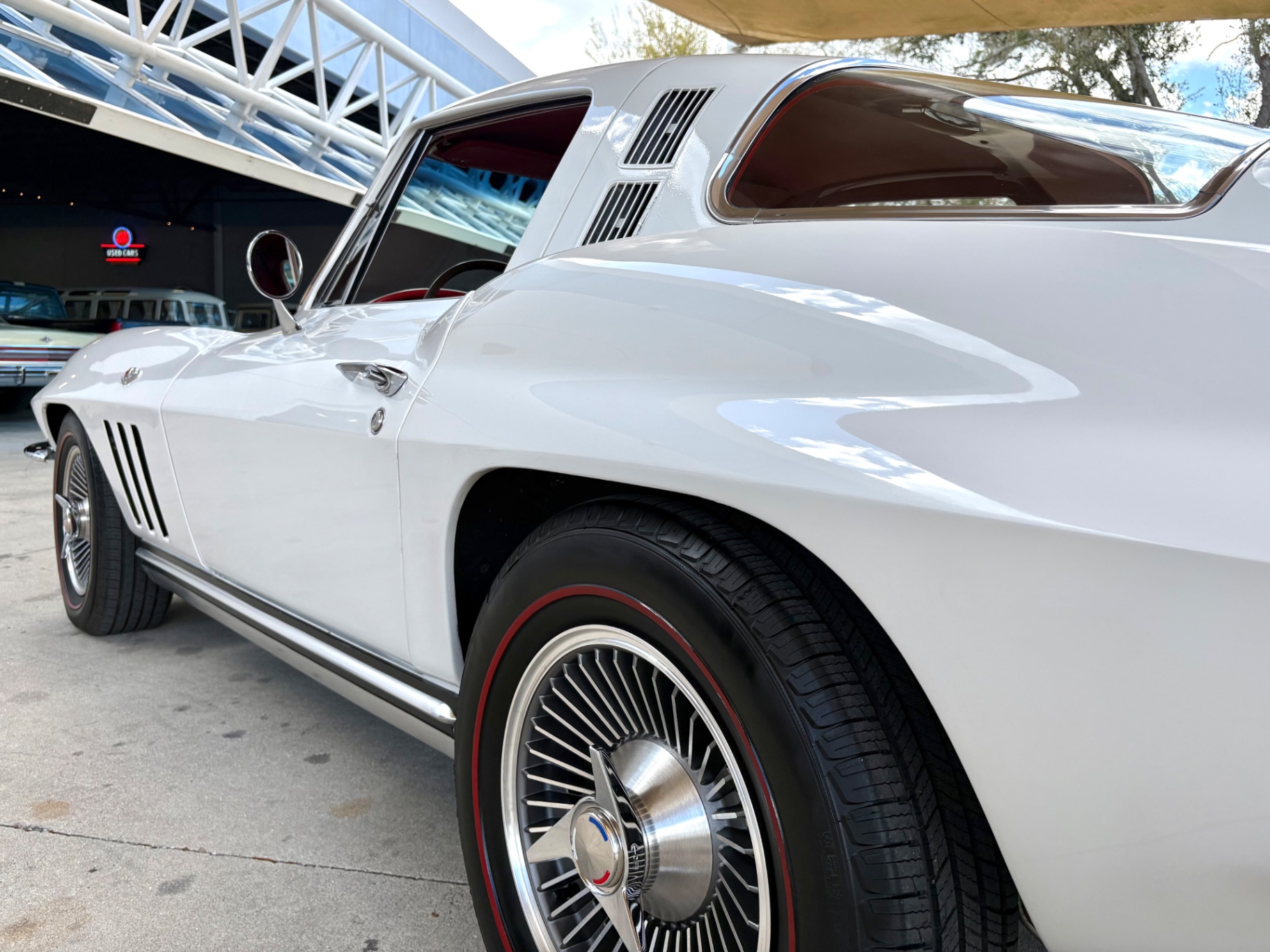
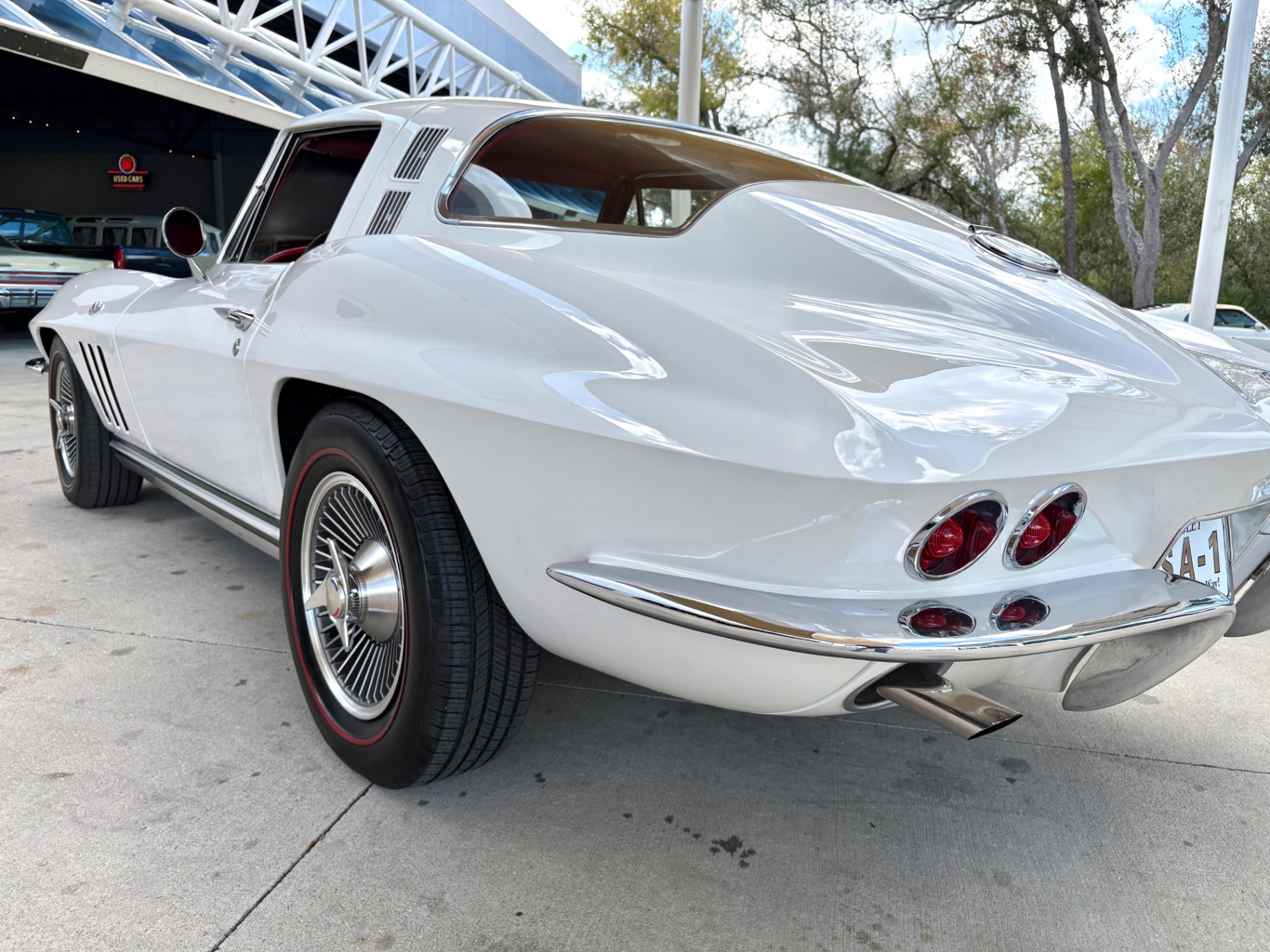
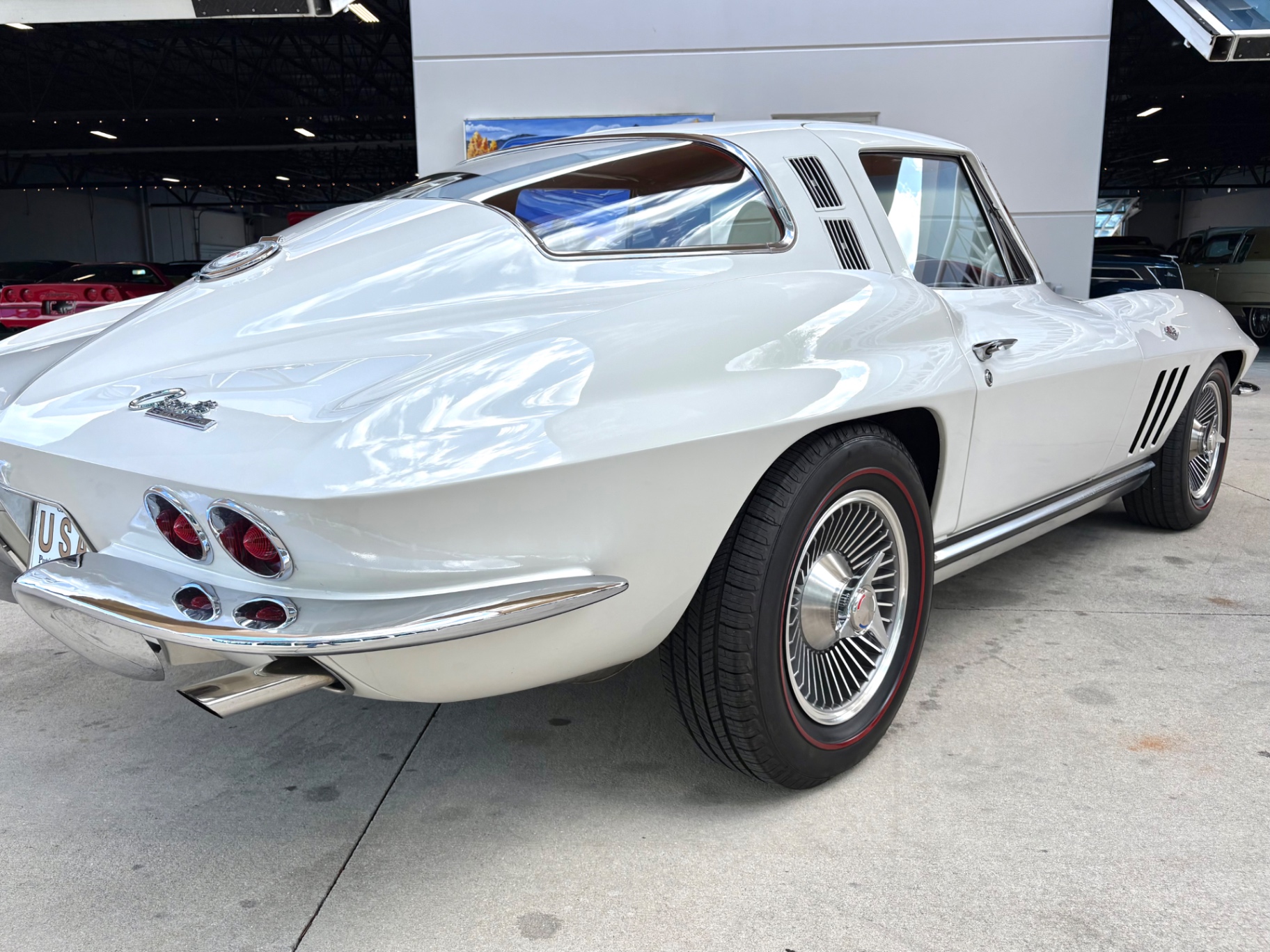
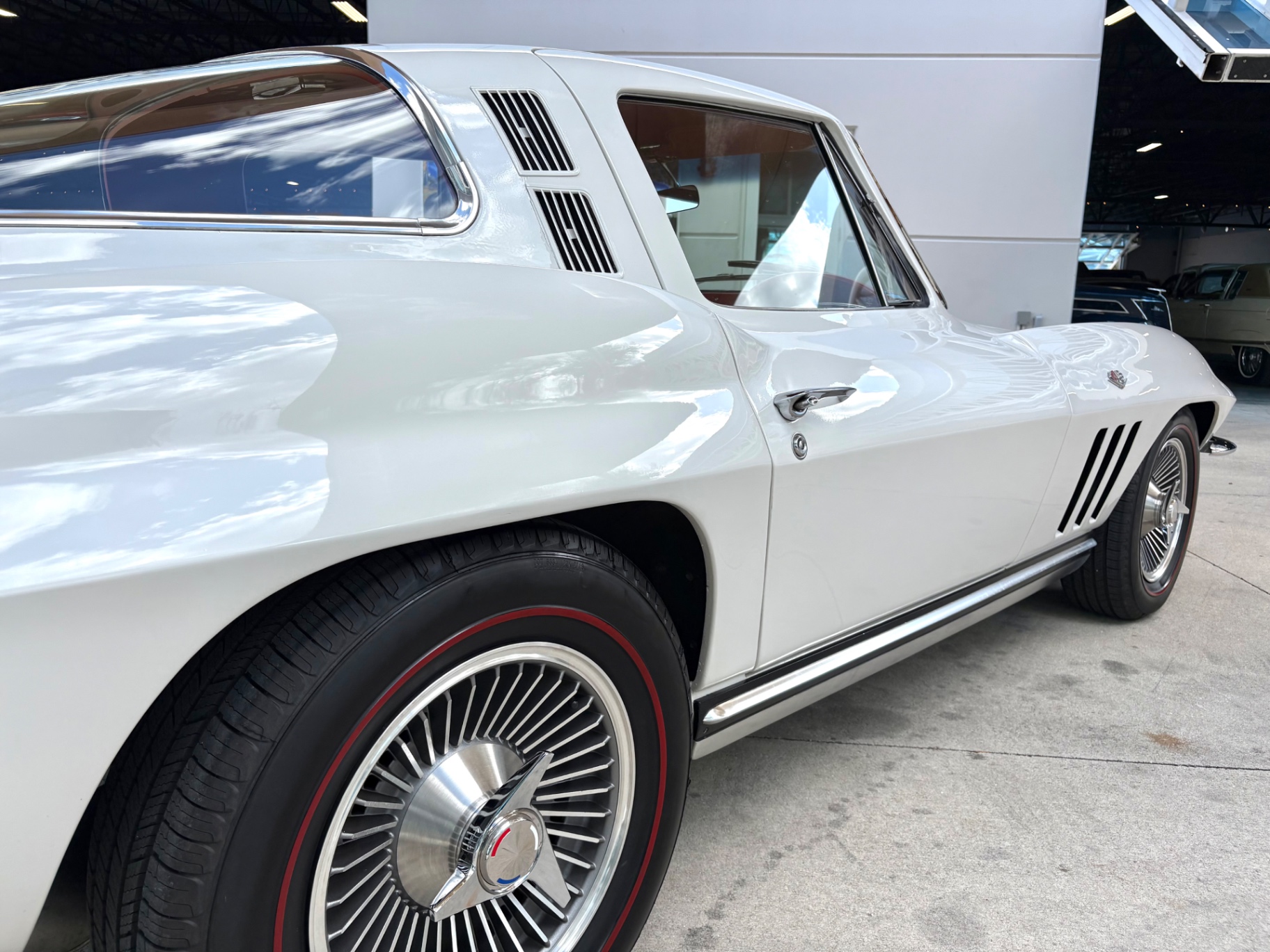
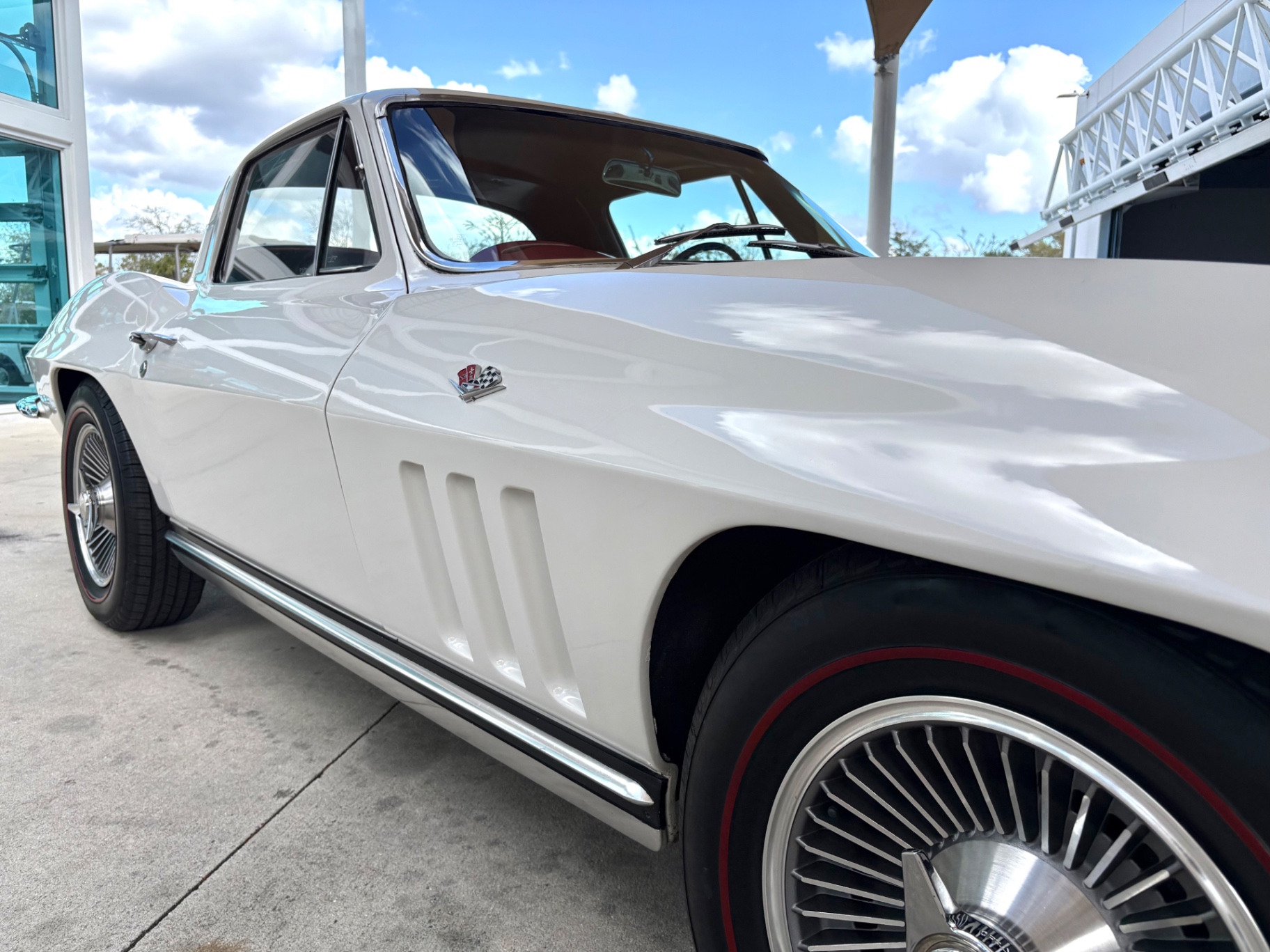
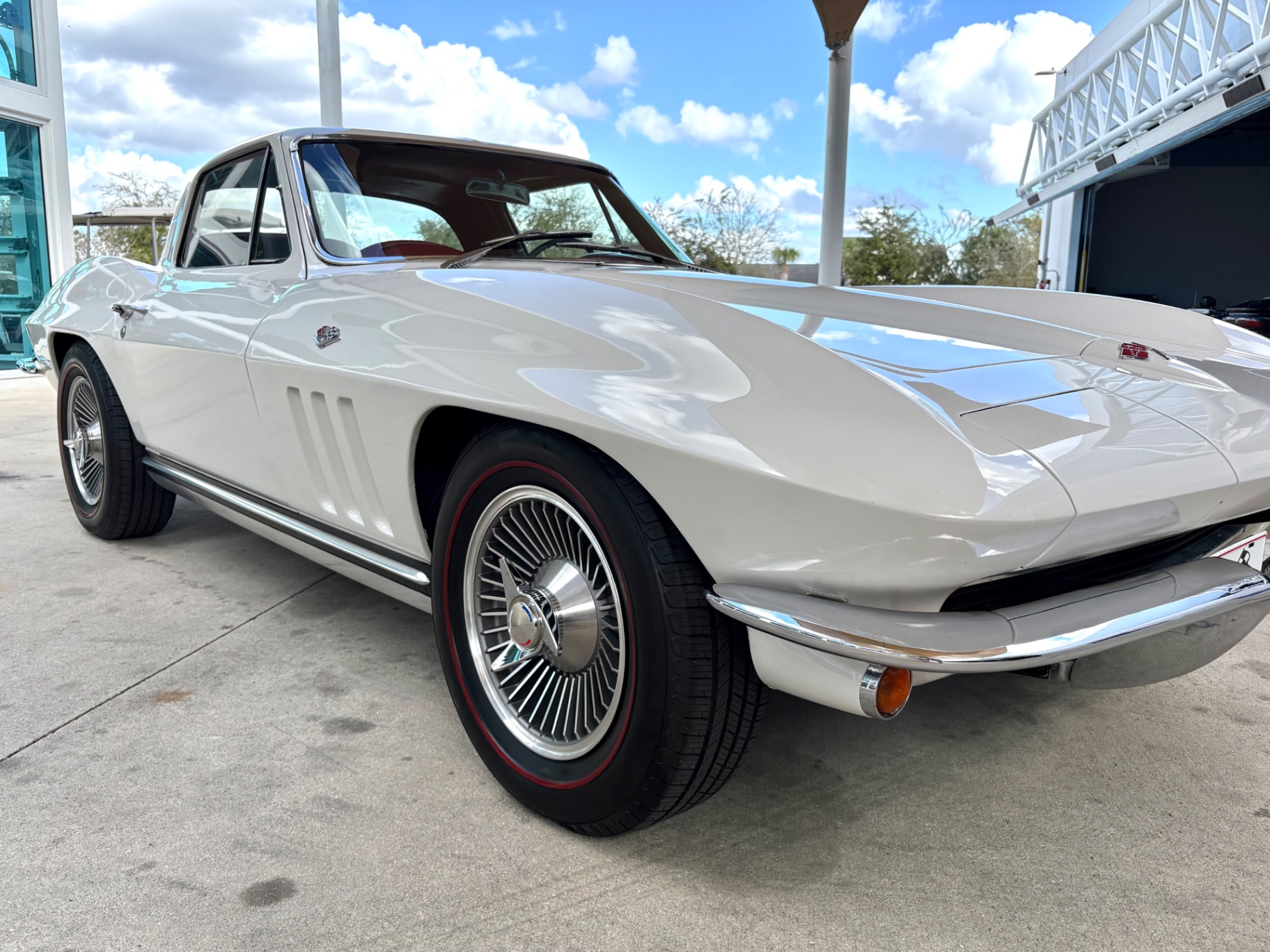
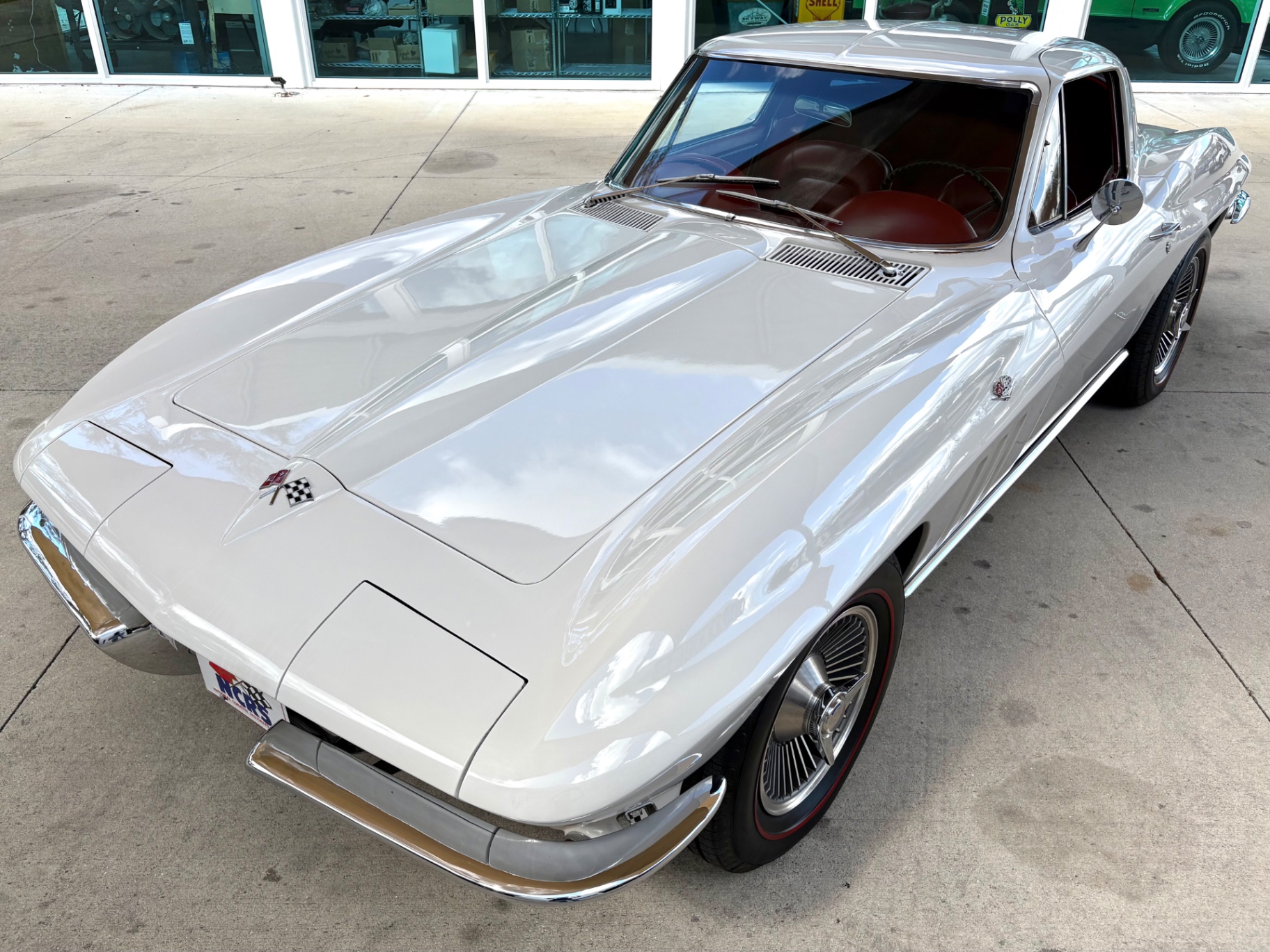
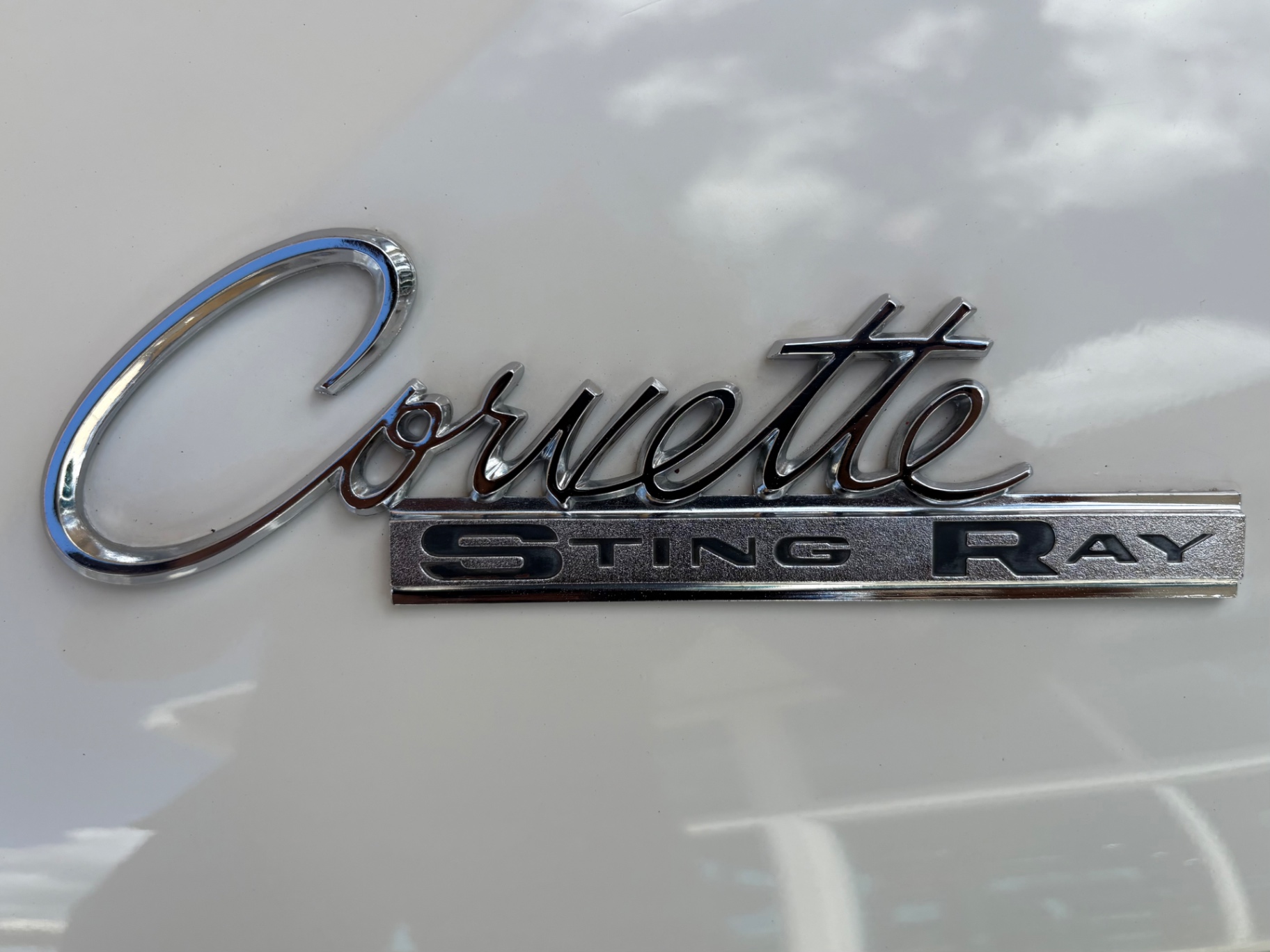
1965 Chevrolet Corvette Sting Ray Coupe — Numbers Matching 327, 4-Speed, NCRS Documented
Why This Car Is Special
The 1965 Chevrolet Corvette Sting Ray Coupe represents the middle year of the C2 generation, and many collectors consider it the sweet spot of the entire second-generation run. By 1965, Chevrolet had worked out the early production issues of the 1963 and 1964 models, and the car benefited from a longer development cycle without yet being overshadowed by the big-block engines that would arrive later in the model year. The 1965 model year also marked the introduction of four-wheel disc brakes as standard equipment — a significant engineering step that replaced the drum setup used on earlier C2s and gave the car stopping power that matched its performance potential.
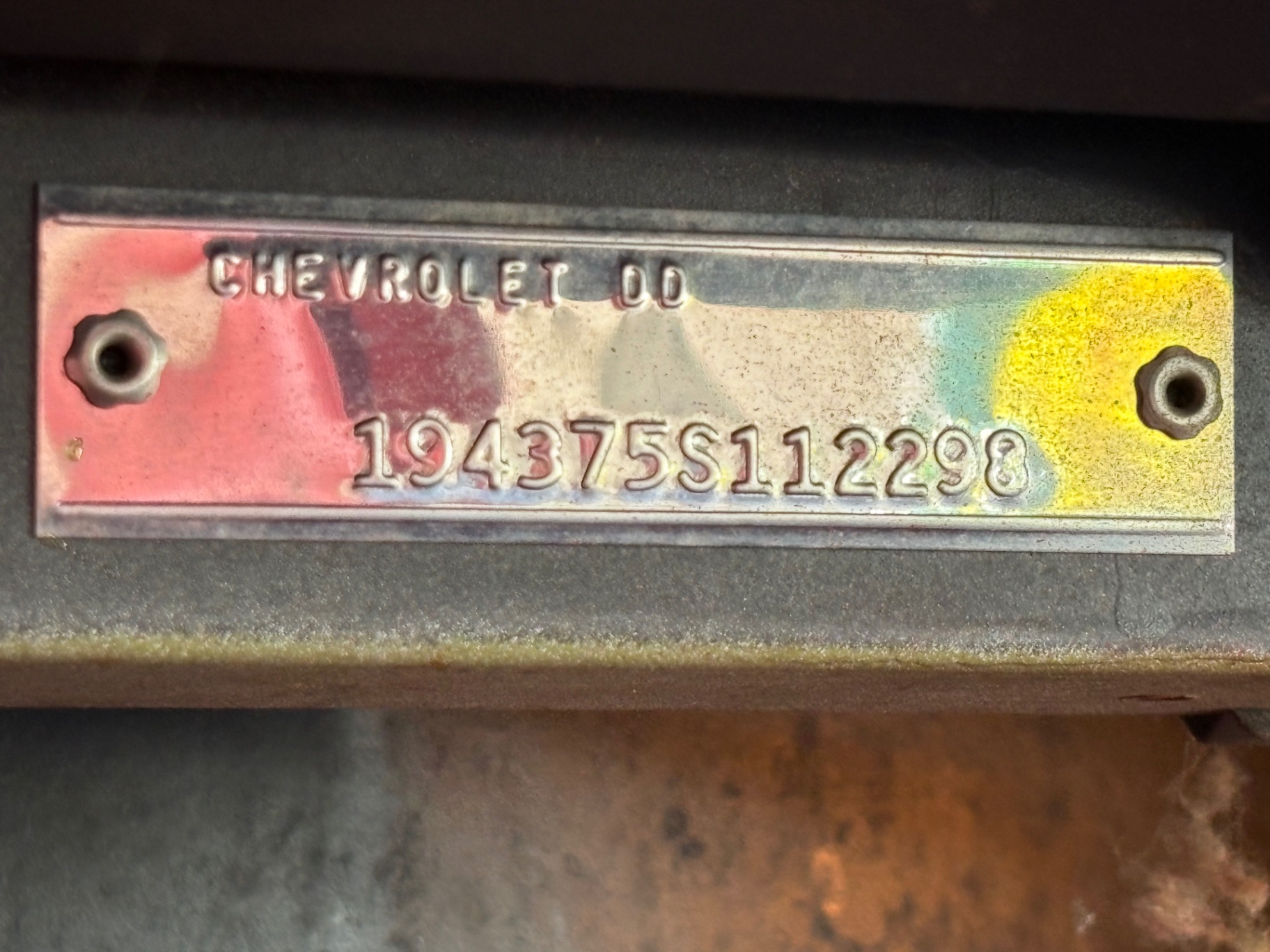
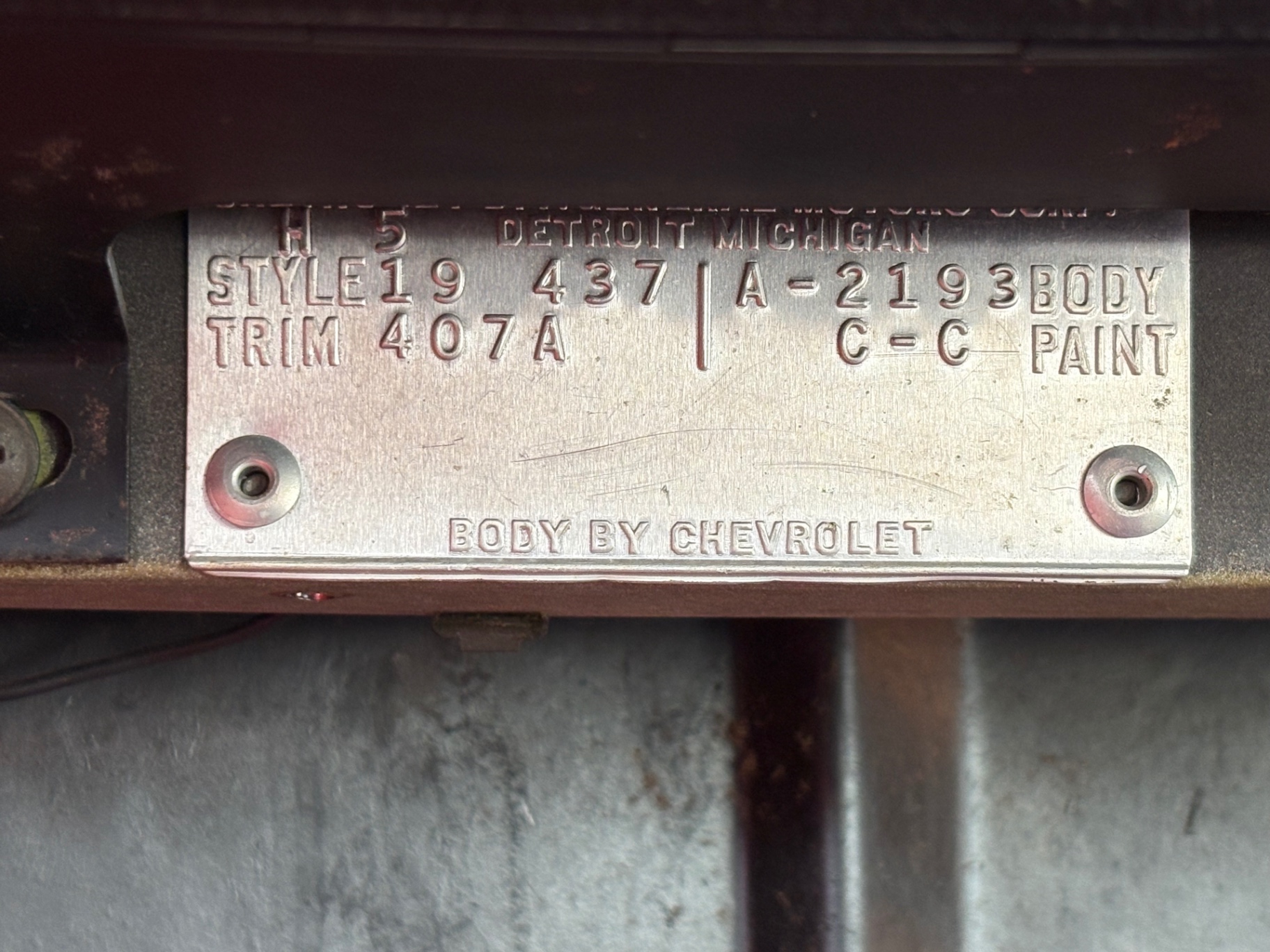
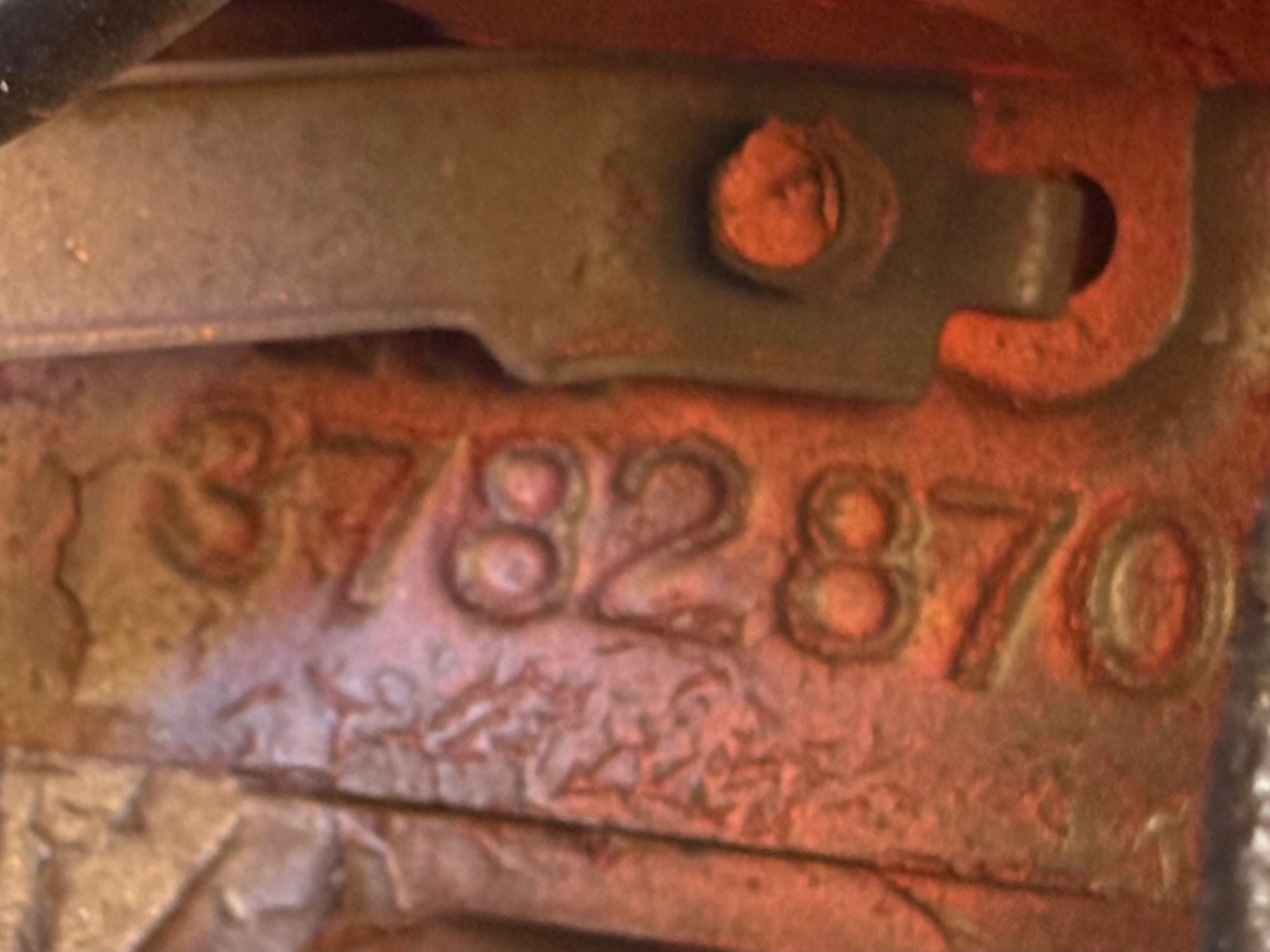
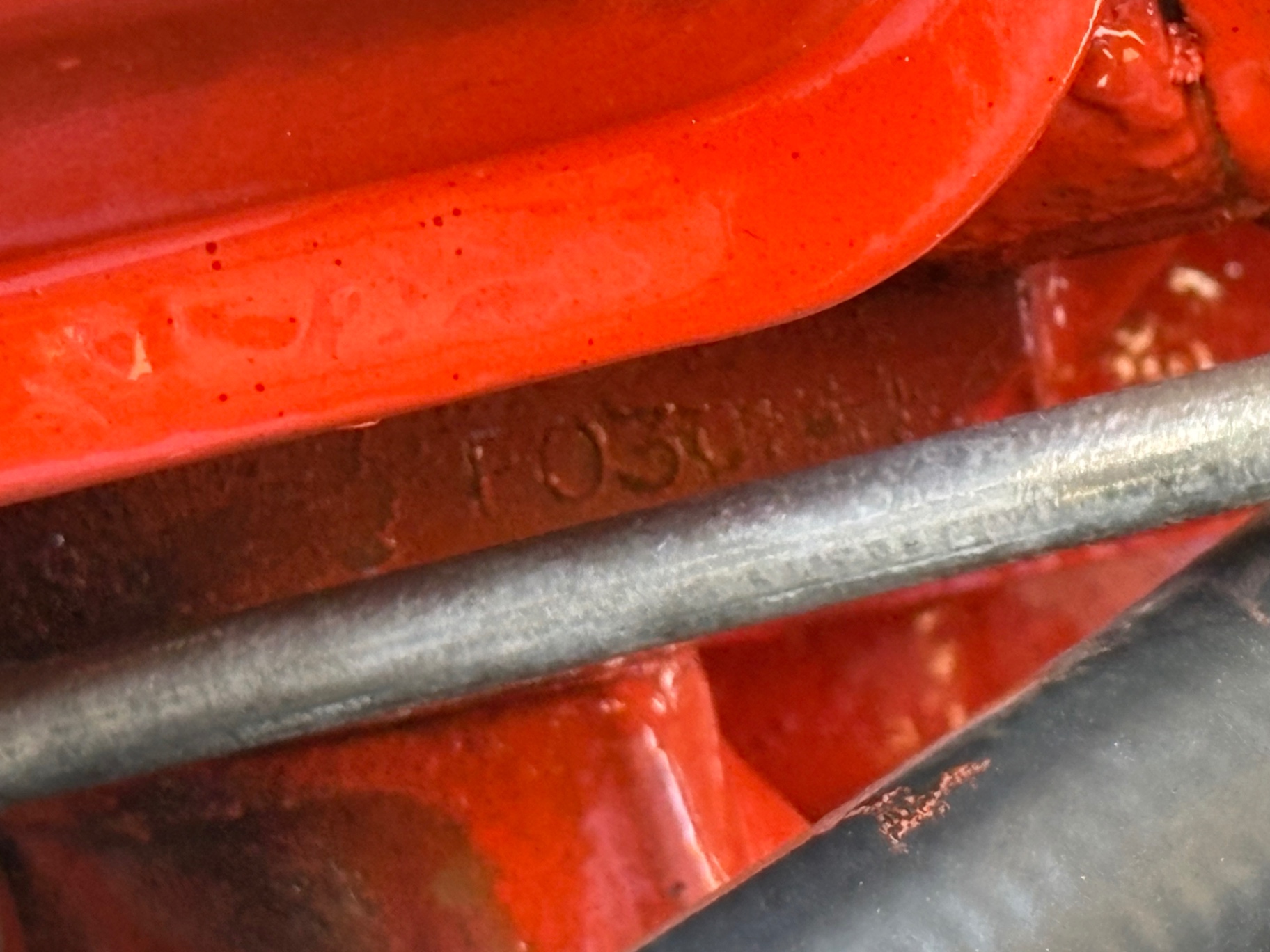
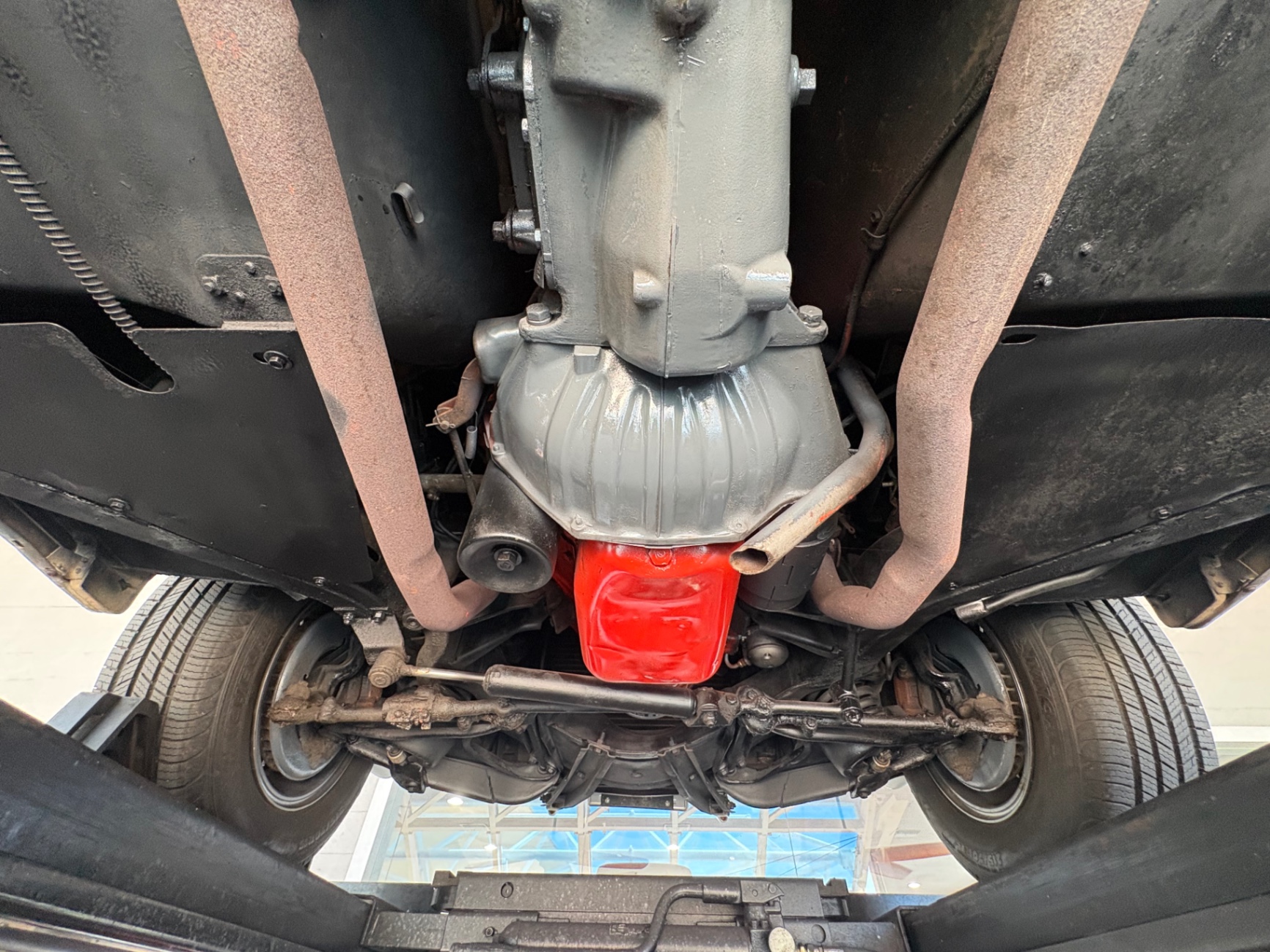
This particular 1965 Chevrolet Corvette Sting Ray Coupe carries a 327 cubic inch Turbo-Fire V8 backed by a close-ratio 4-speed manual transmission, and the drivetrain is confirmed numbers matching. That designation carries real weight in the C2 collector market. It means the engine block, cylinder heads, carburetor, and transmission all carry date codes and casting numbers that align with the car's original build documentation — nothing has been swapped, replaced, or substituted over the past six decades. The VIN decodes to a 1965 Corvette coupe built at the St. Louis assembly plant, consistent with all production Corvettes of this era.
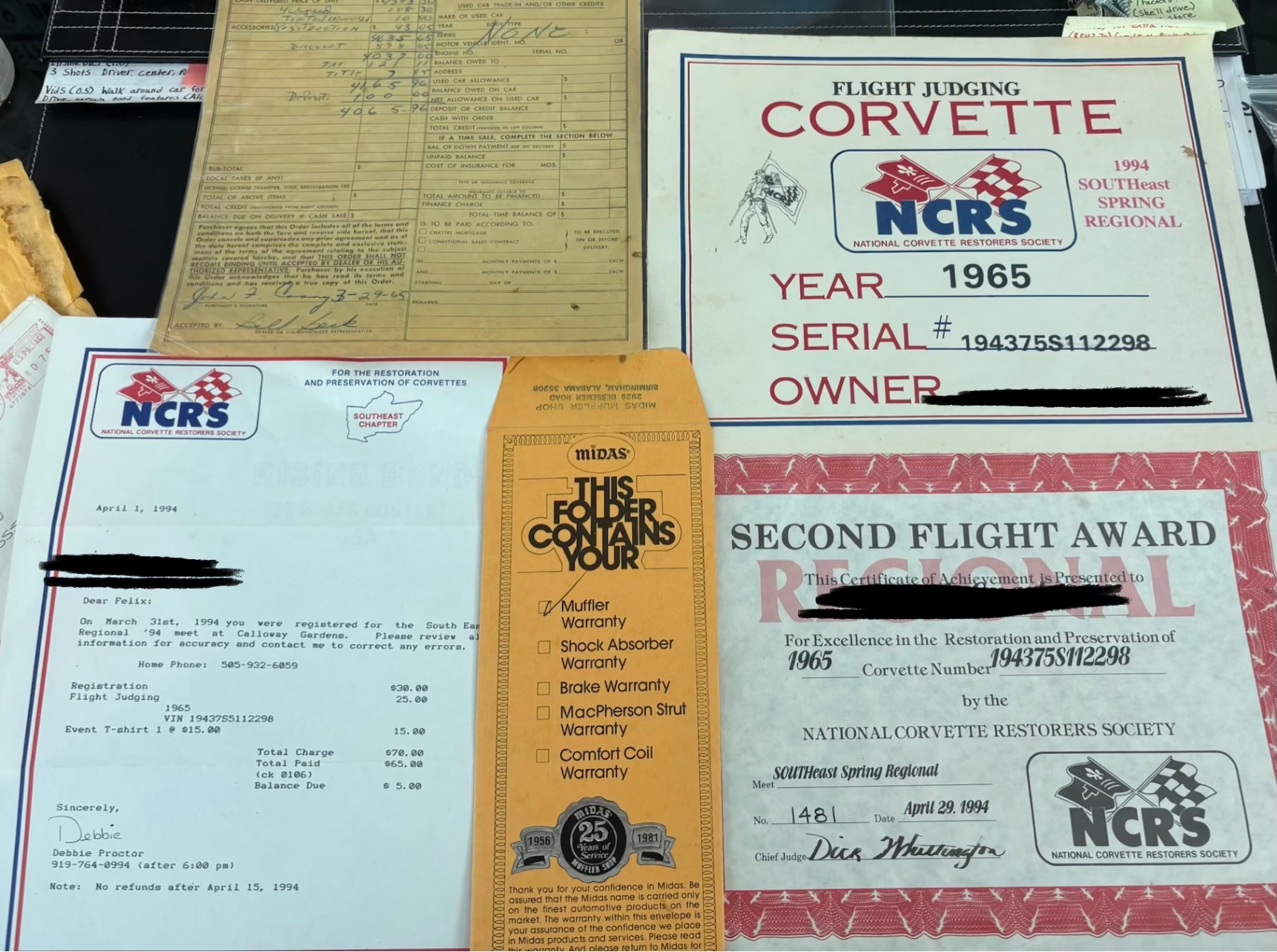
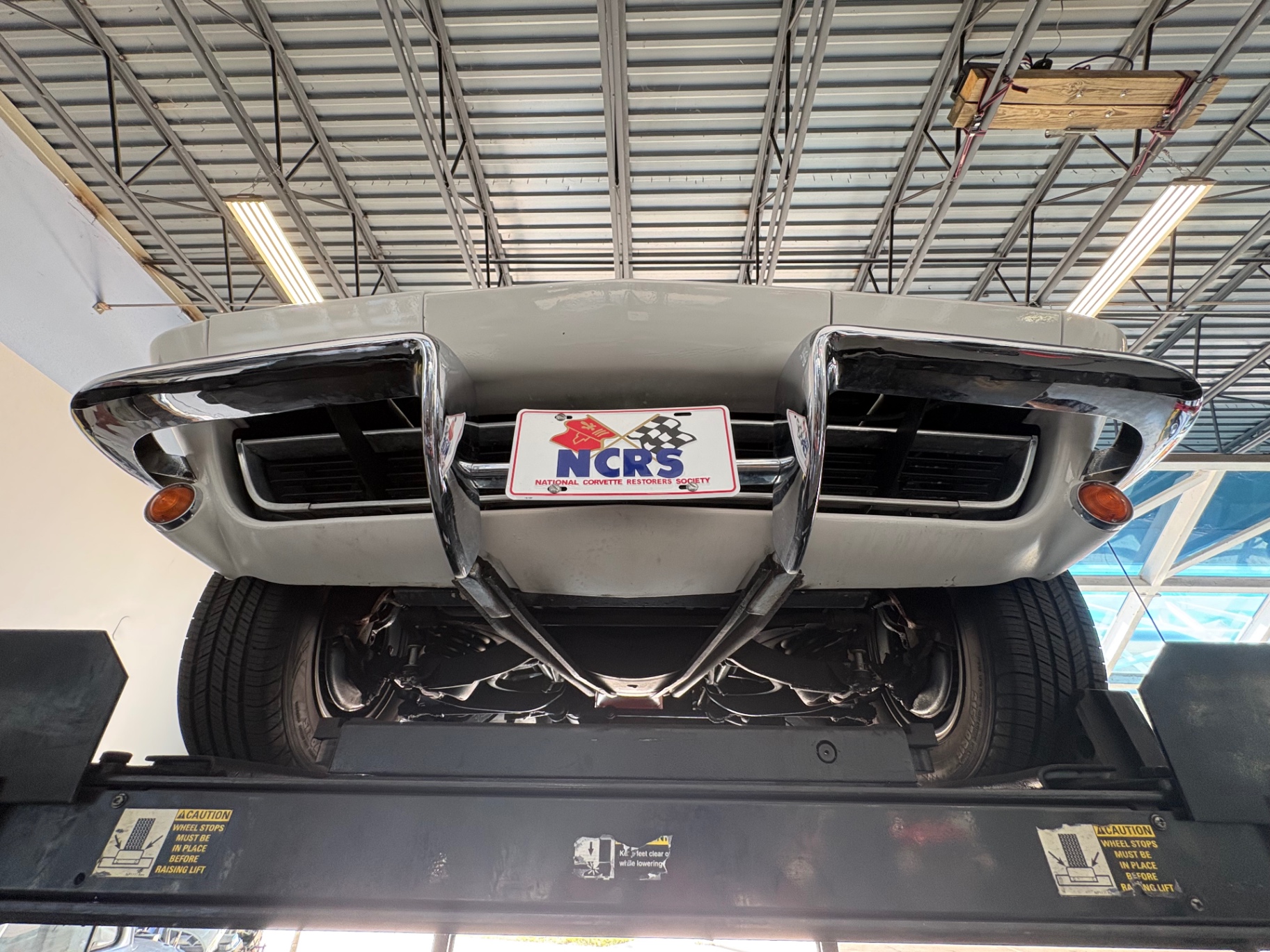
Beyond the numbers match, this car has been documented and judged by the National Corvette Restorers Society. The NCRS process is not a casual inspection. Judges evaluate originality and correctness across hundreds of individual checkpoints covering the engine compartment, chassis, body, trim, and documentation. A car that has been through NCRS judging and comes out the other side with its documentation intact is a car that has been scrutinized by some of the most knowledgeable Corvette specialists in the country. For buyers who care about long-term investment value and historical accuracy, NCRS documentation is one of the most reliable third-party validations available in the Corvette hobby.
Features List
- 327 Turbo-Fire V8, numbers matching - 4-Speed Manual Transmission, numbers matching - All Numbers Matching Drivetrain - NCRS Documented and NCRS Judged - Wire Spoke Wheels - Redline Tires - Red Vinyl Interior with Bucket Seats - Center Console - Dashboard Tachometer - Dual Exhaust - Chrome Bumpers - White Exterior
Mechanical
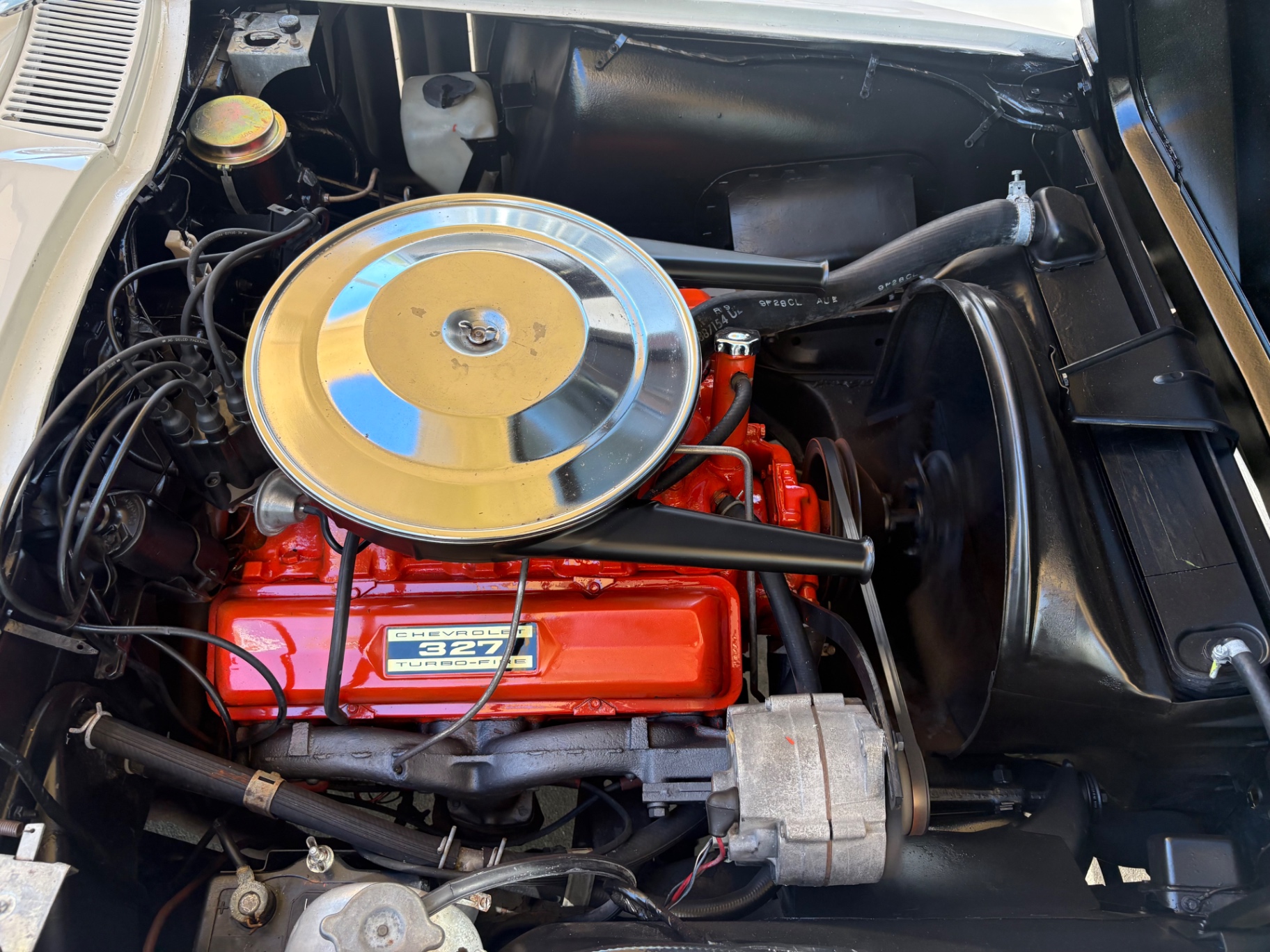
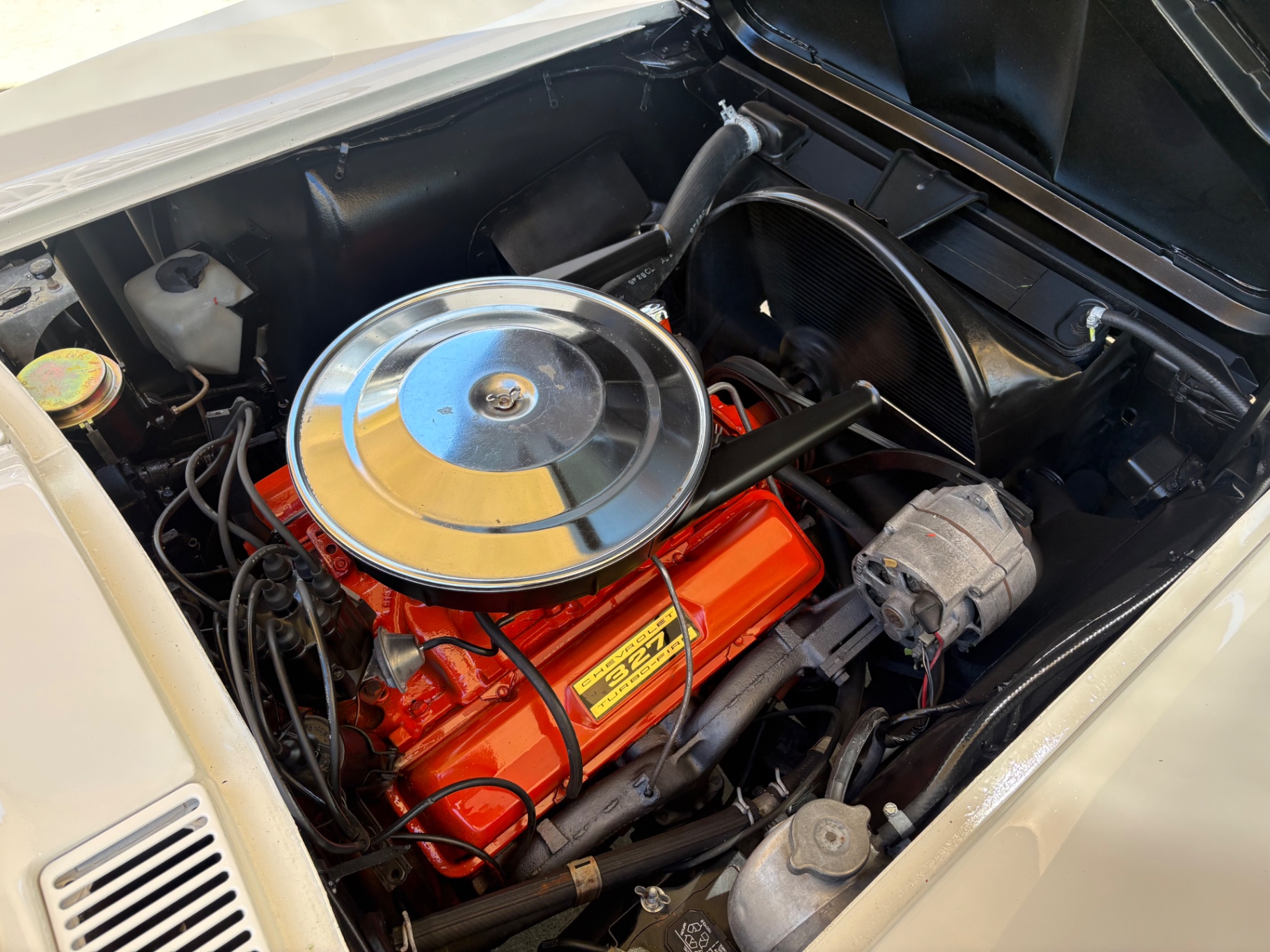
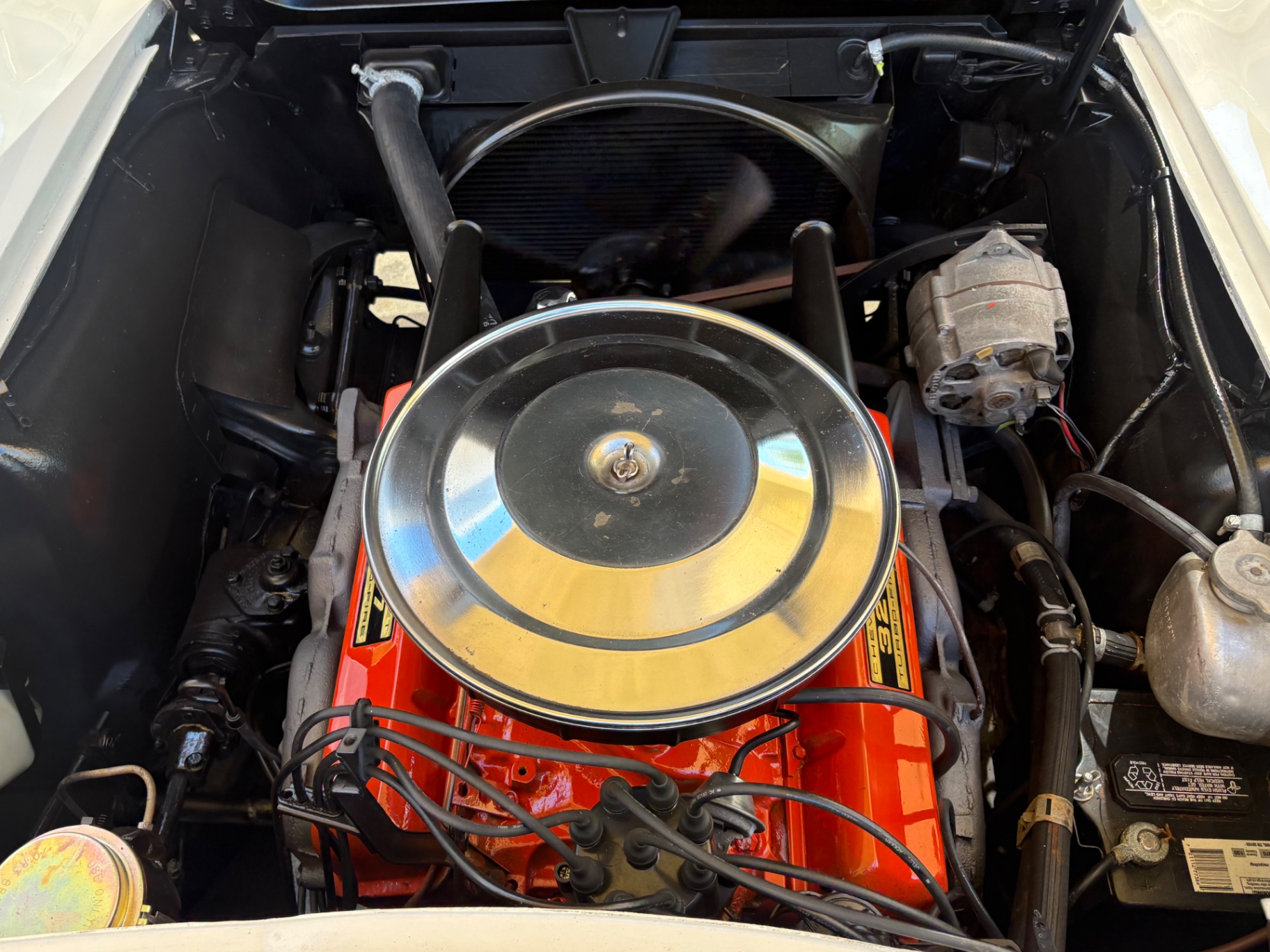
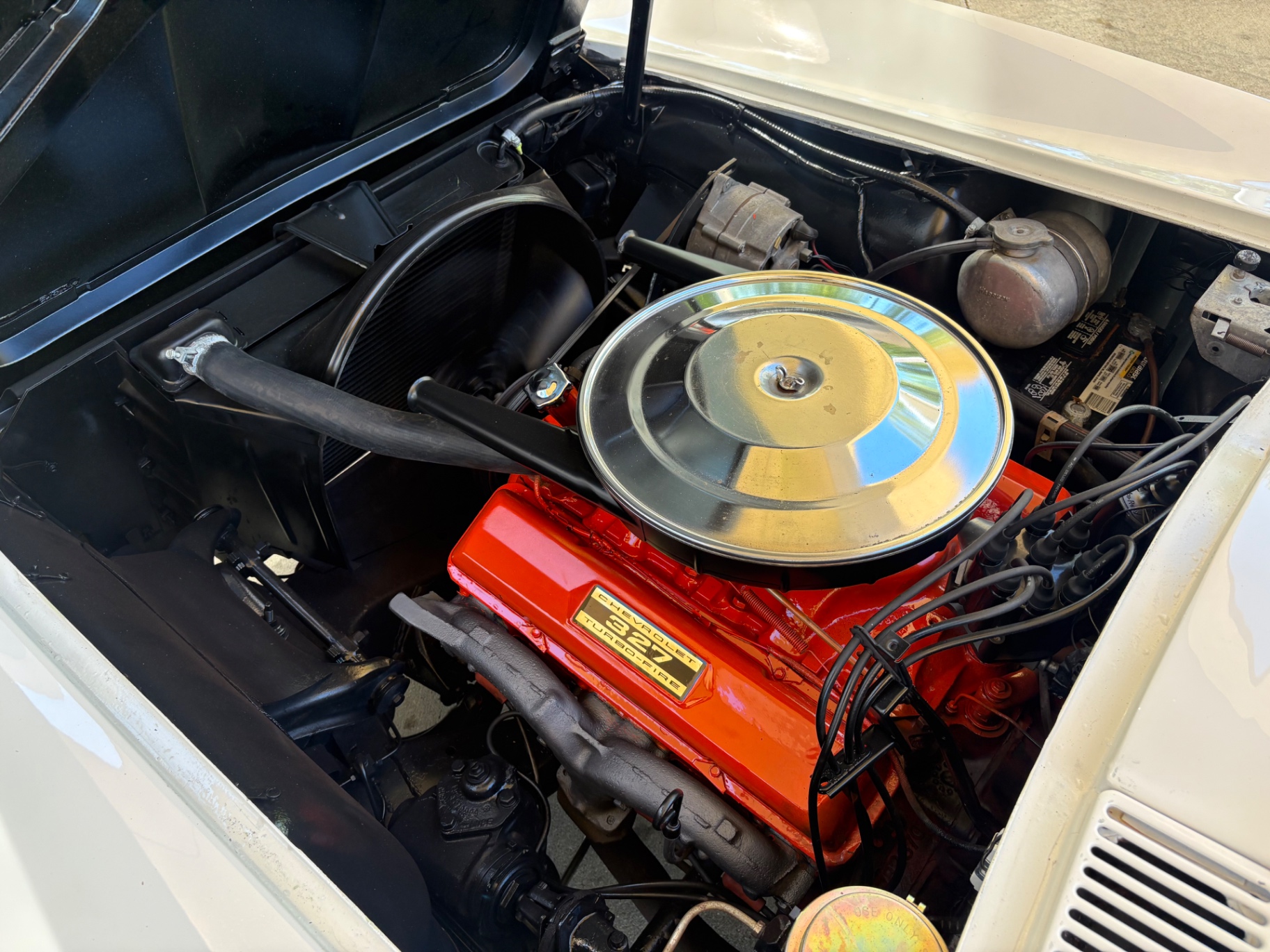
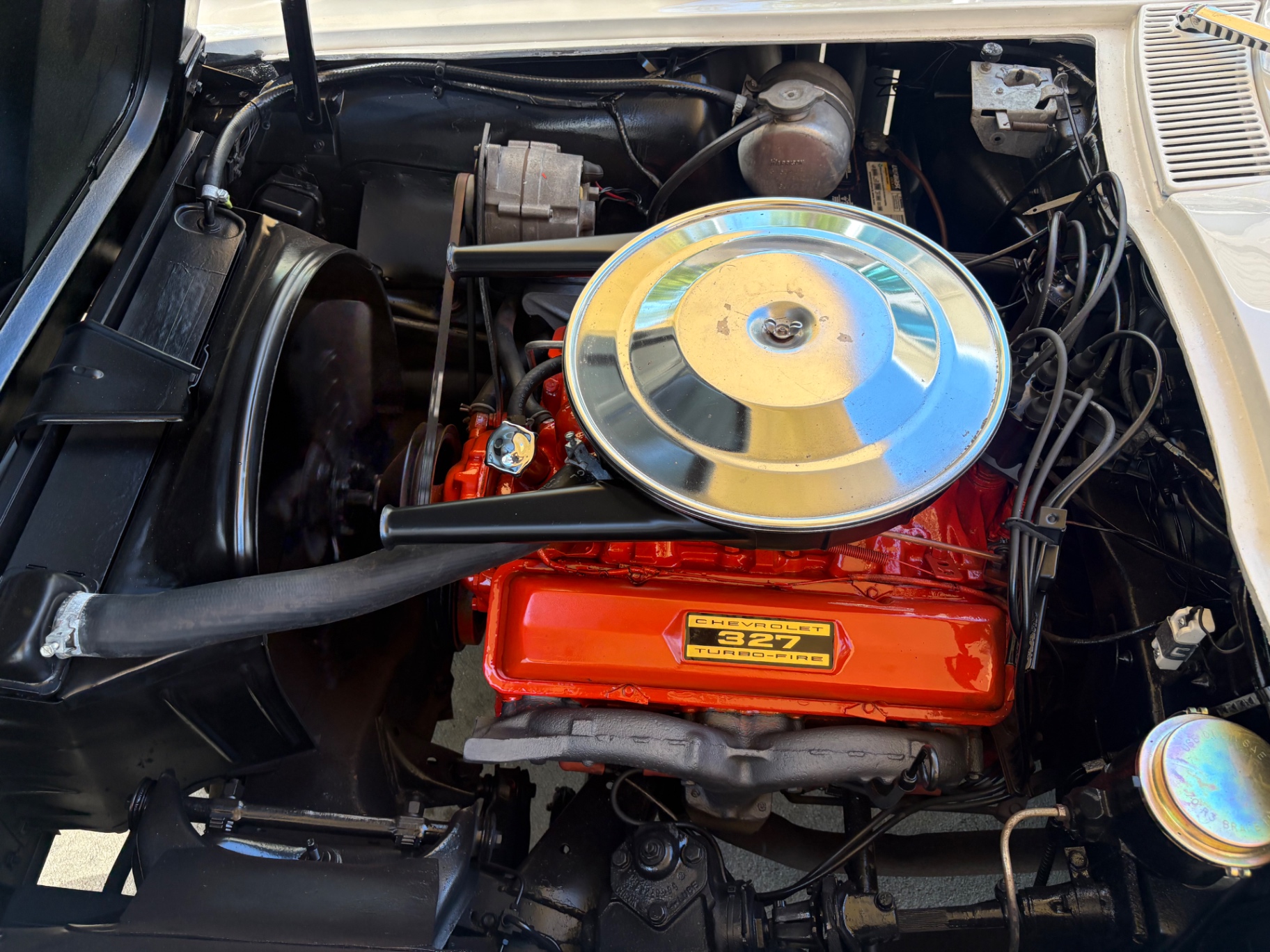
The 327 cubic inch Turbo-Fire V8 in this 1965 Chevrolet Corvette Sting Ray was one of several 327 configurations Chevrolet offered that year. The small-block 327 had been refined through years of Corvette use by 1965, and it earned a strong reputation for reliability, broad powerband, and mechanical simplicity that made it both enjoyable to drive and straightforward to maintain correctly. The engine sits in the bay wearing its correct red valve covers with the Turbo-Fire identification, consistent with documented factory appearance — a detail that matters during NCRS judging and to any buyer who has spent time researching what correct looks like under the hood of a mid-1960s Corvette.
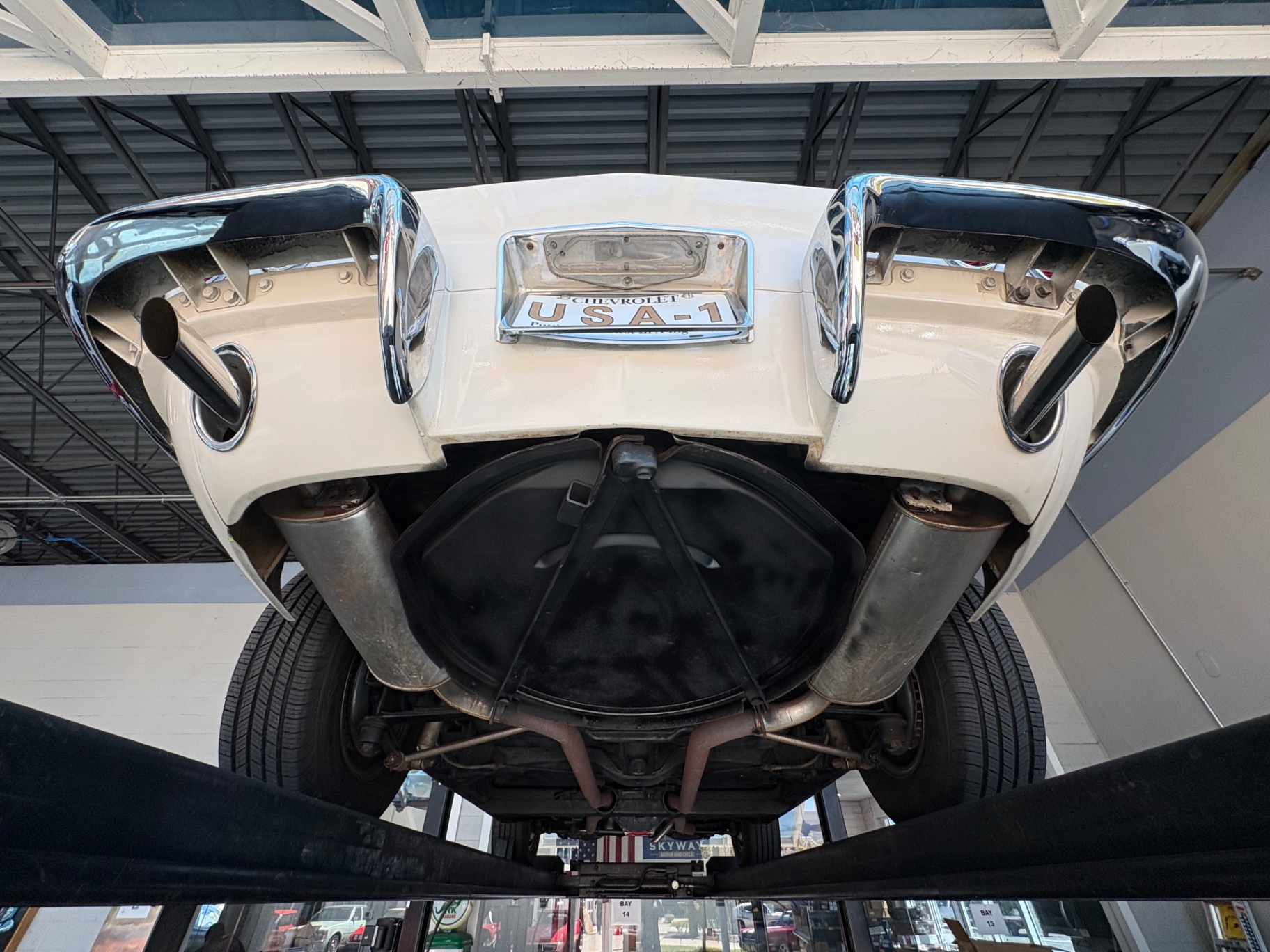
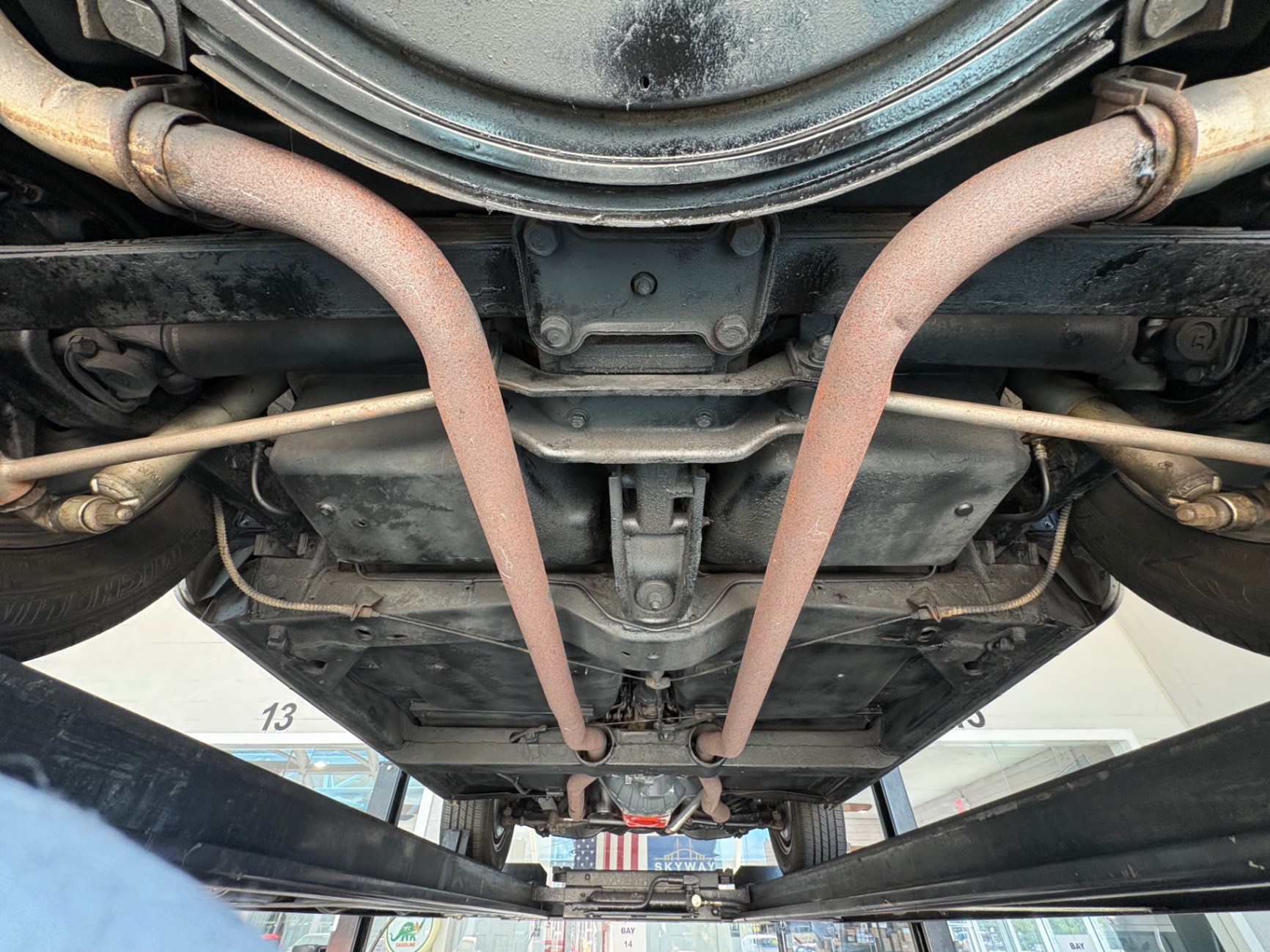
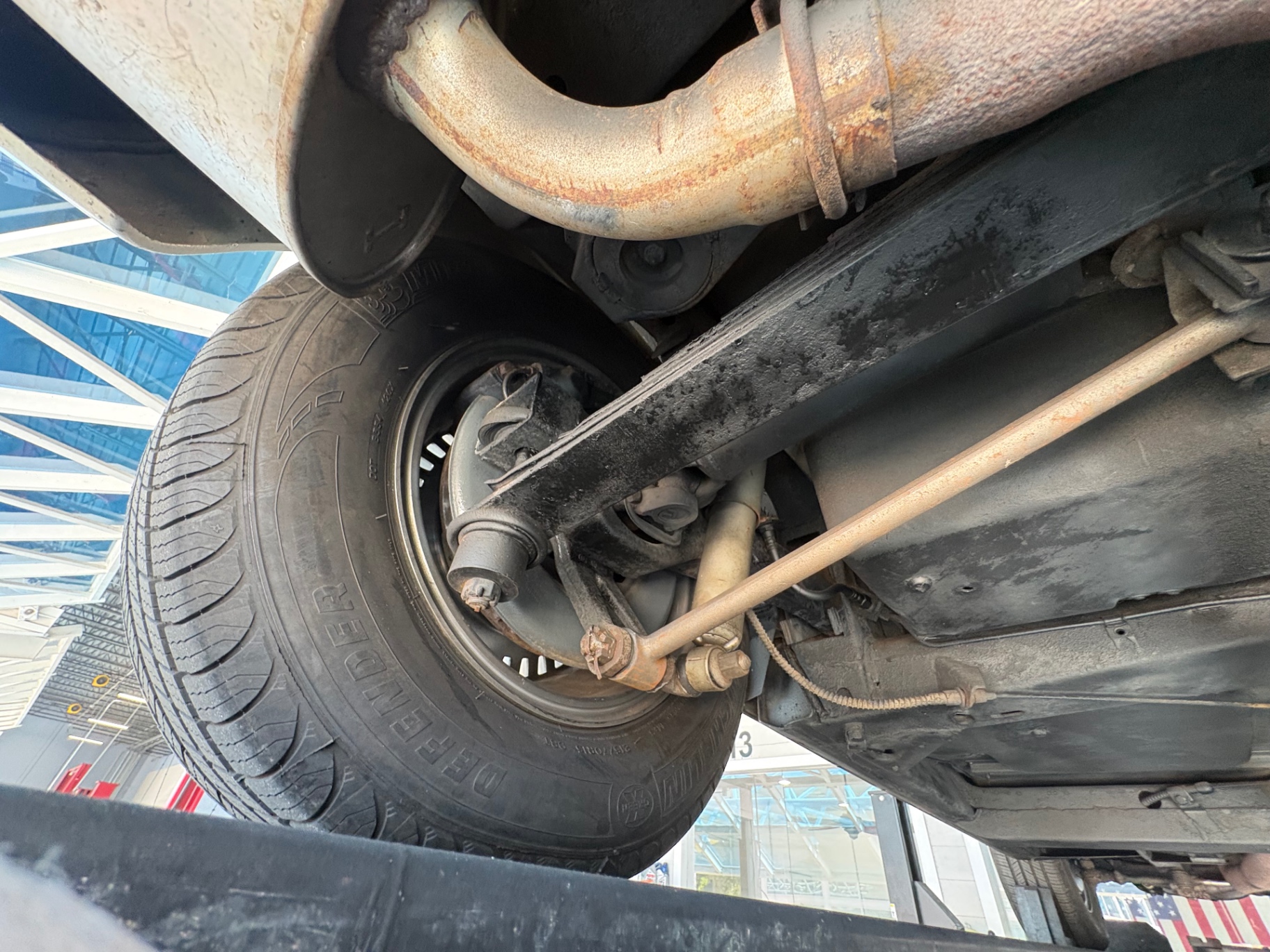
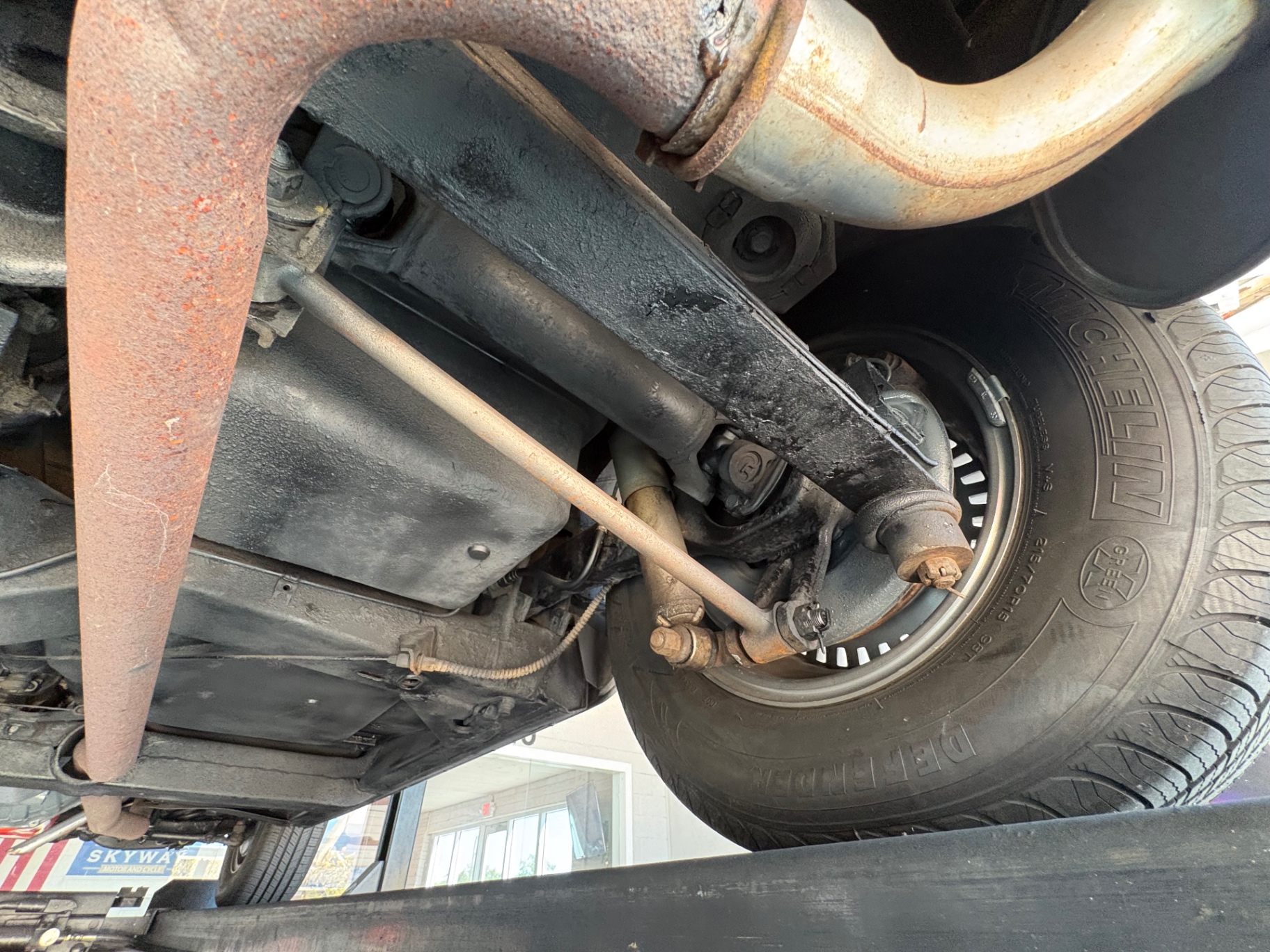
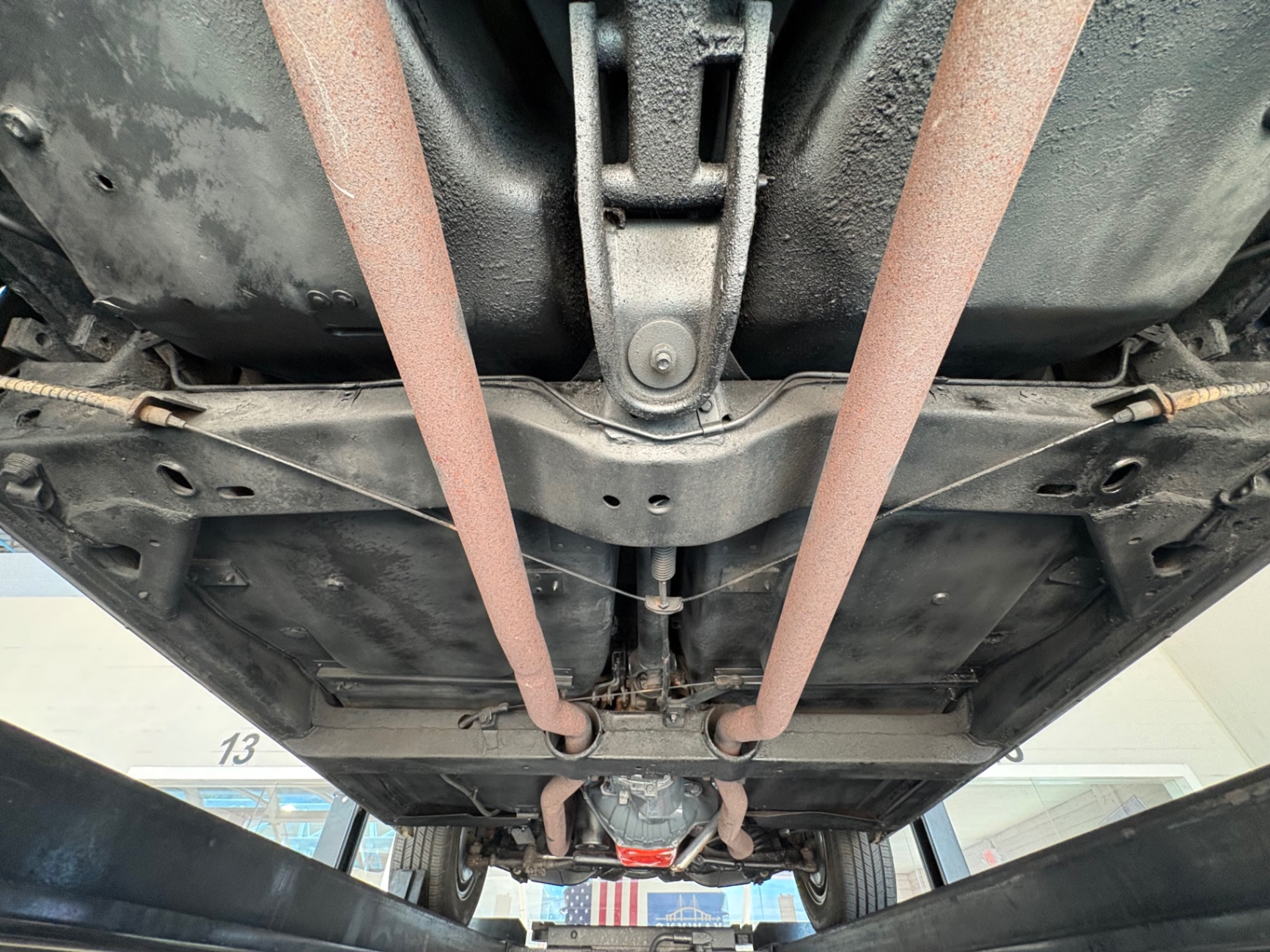
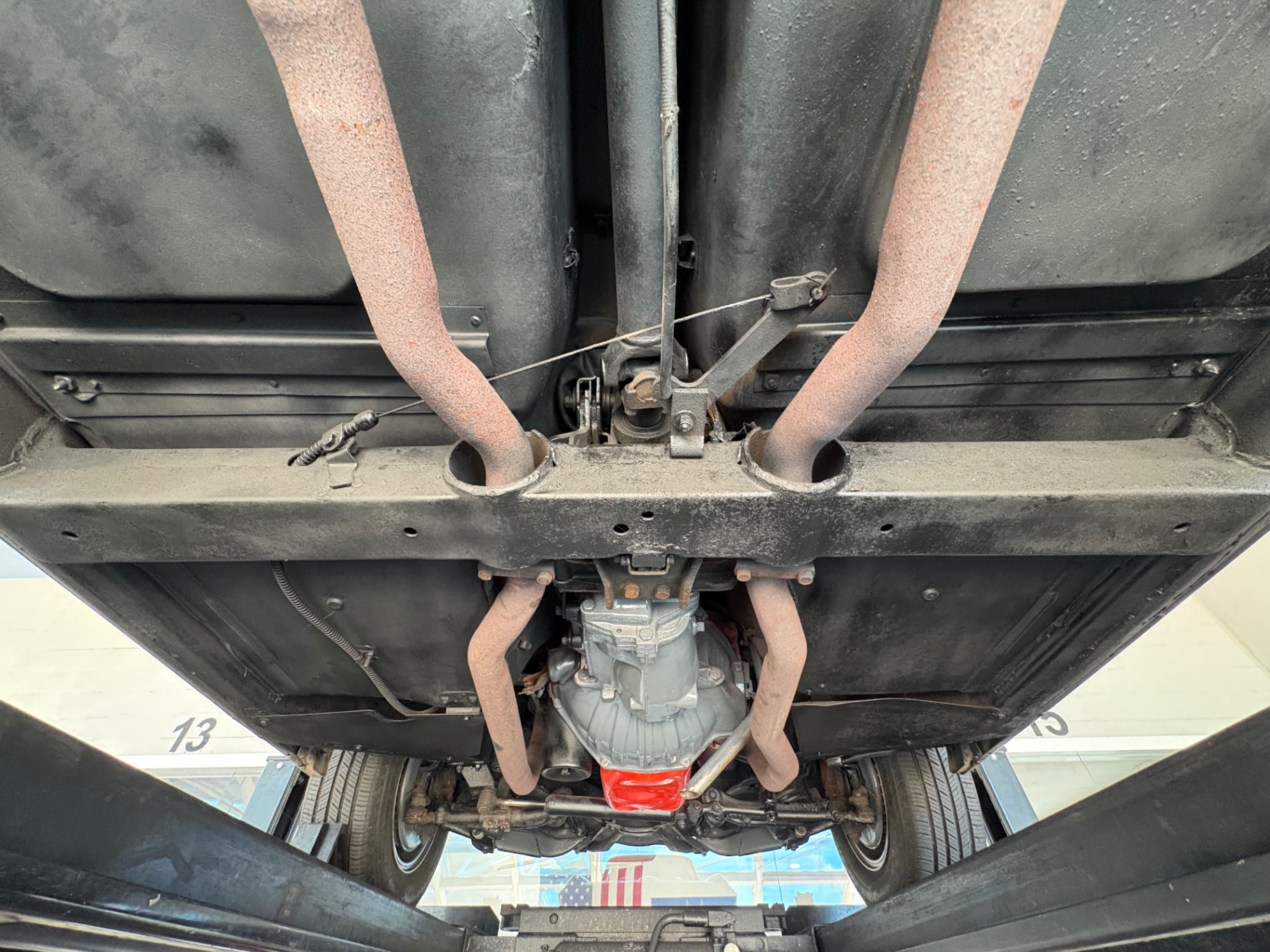
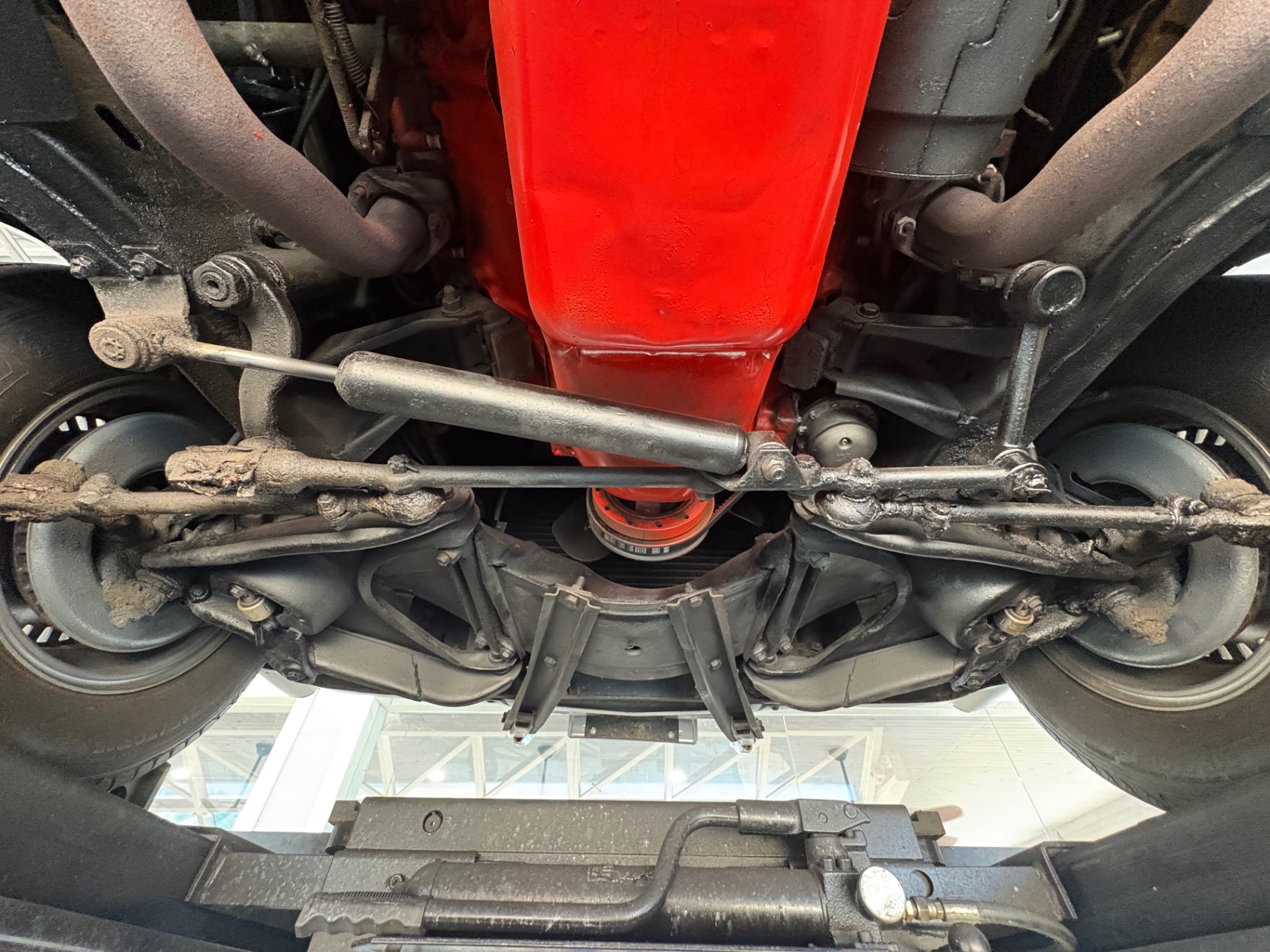
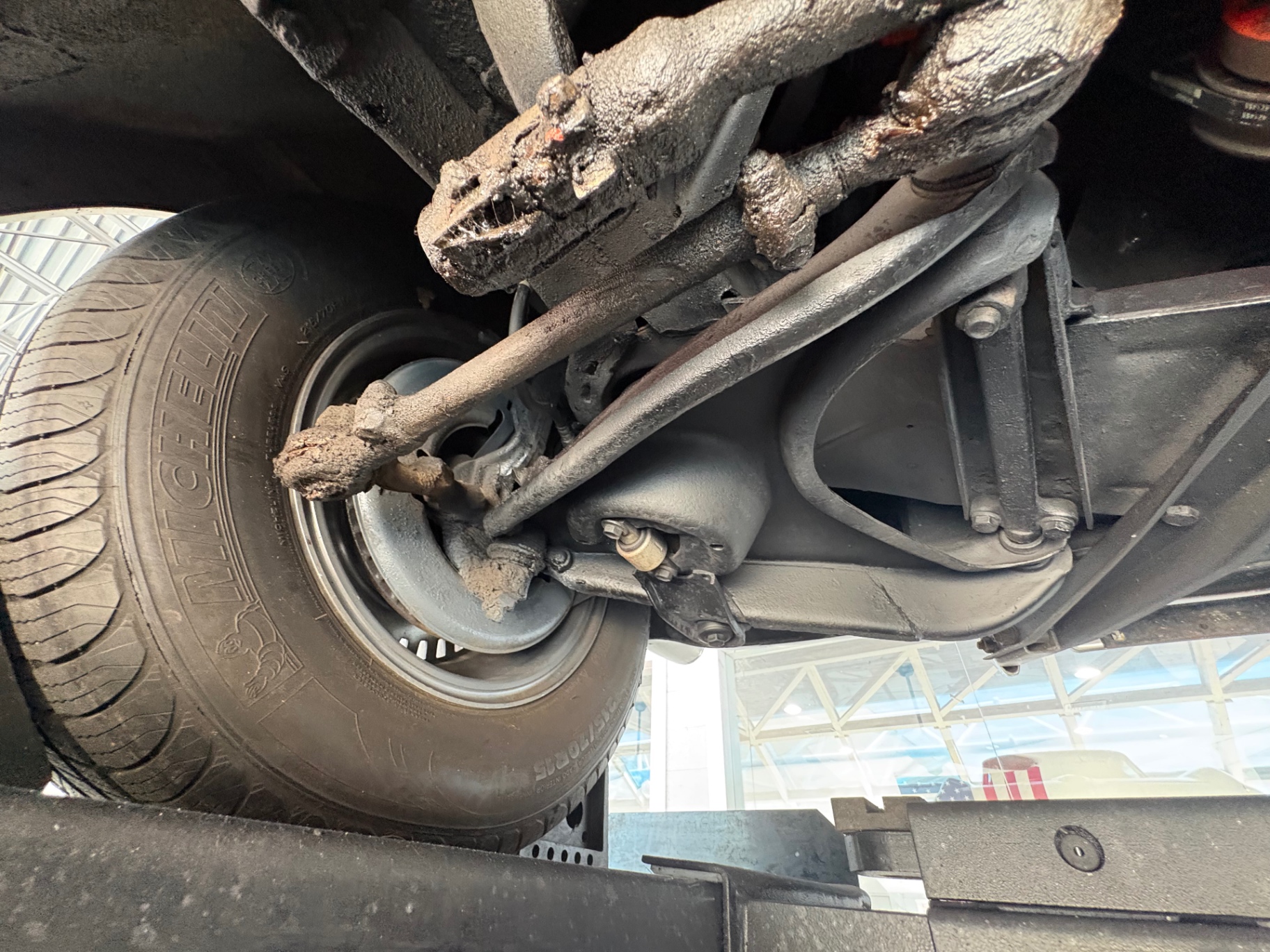
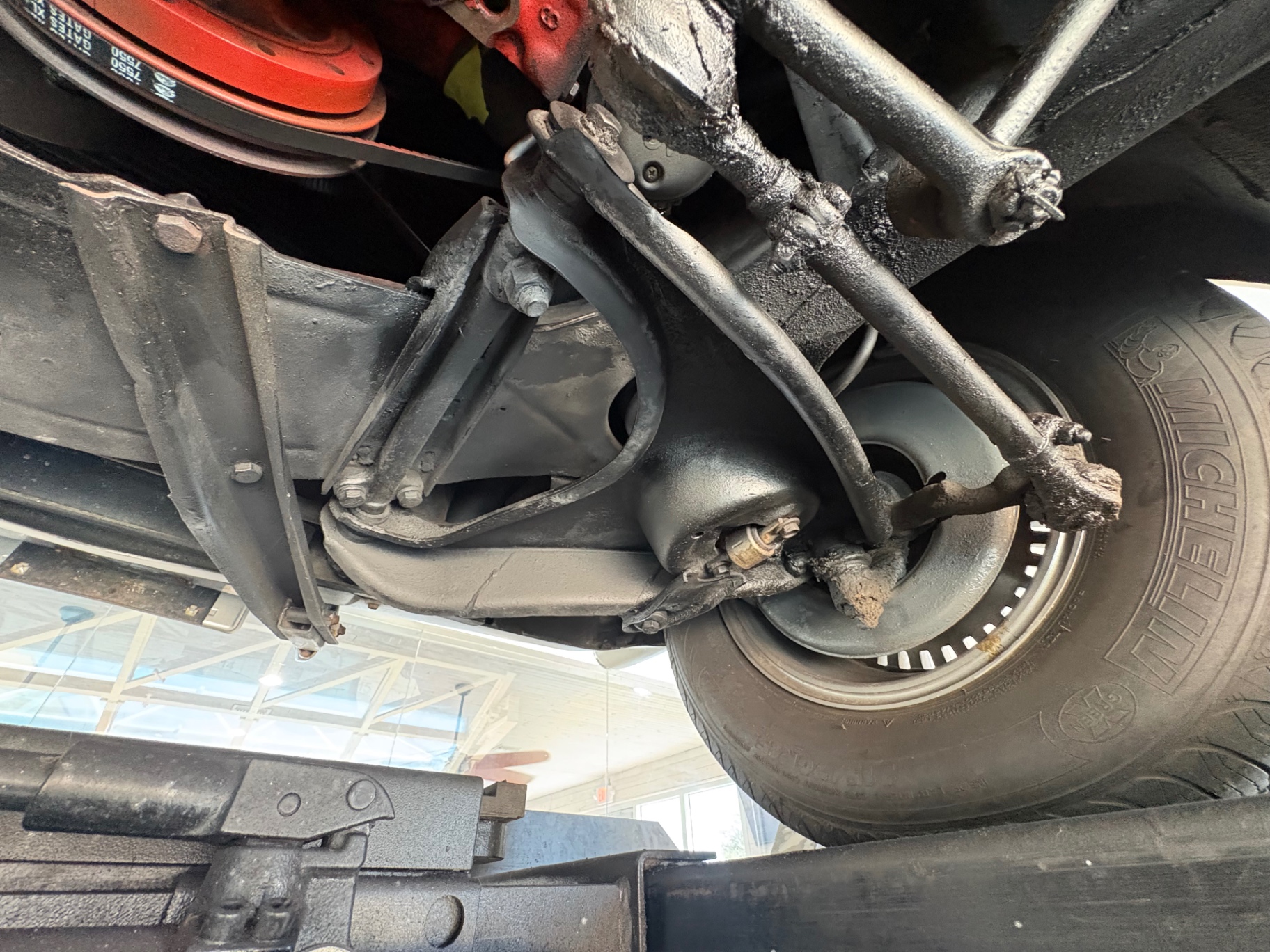
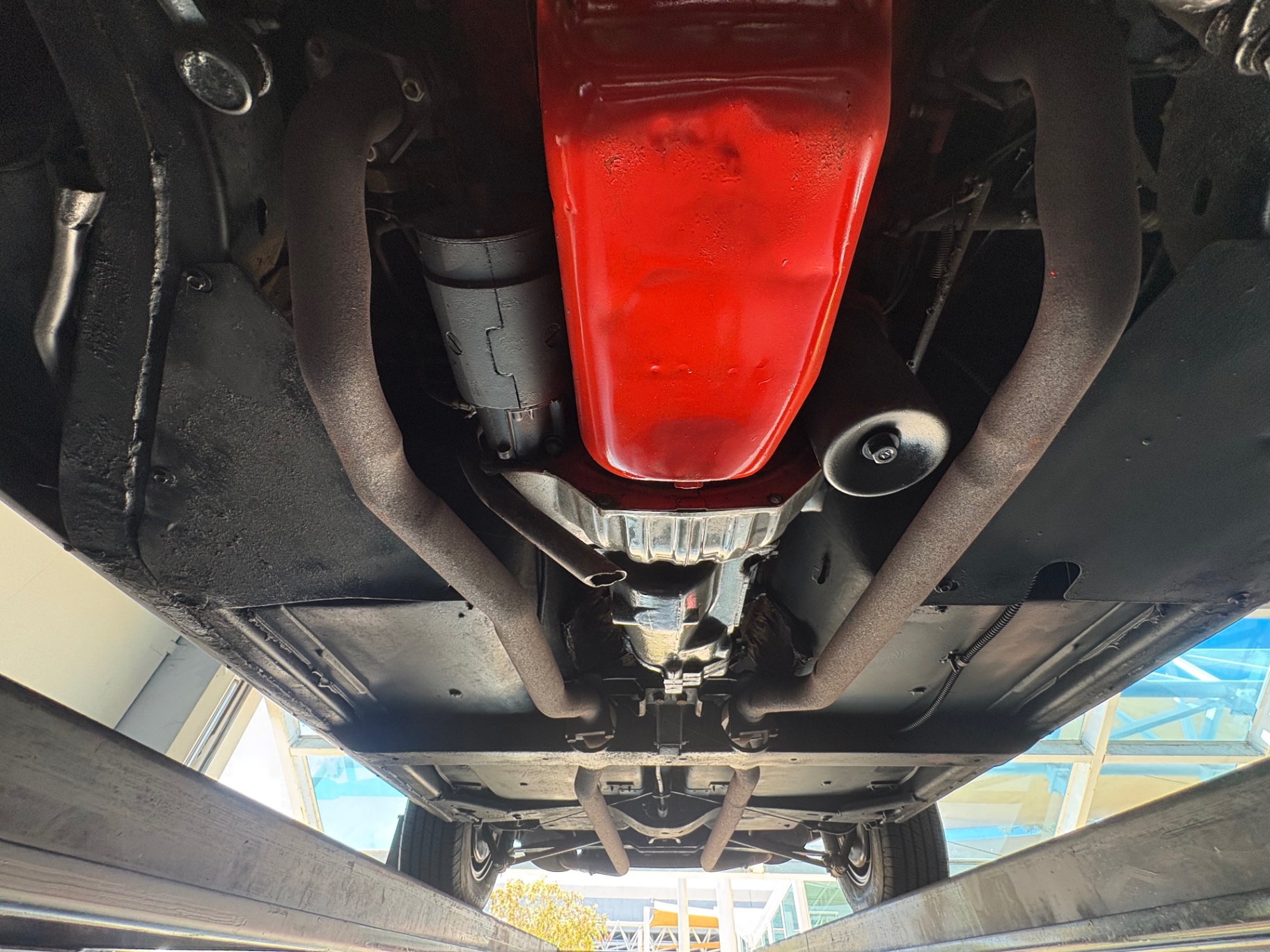
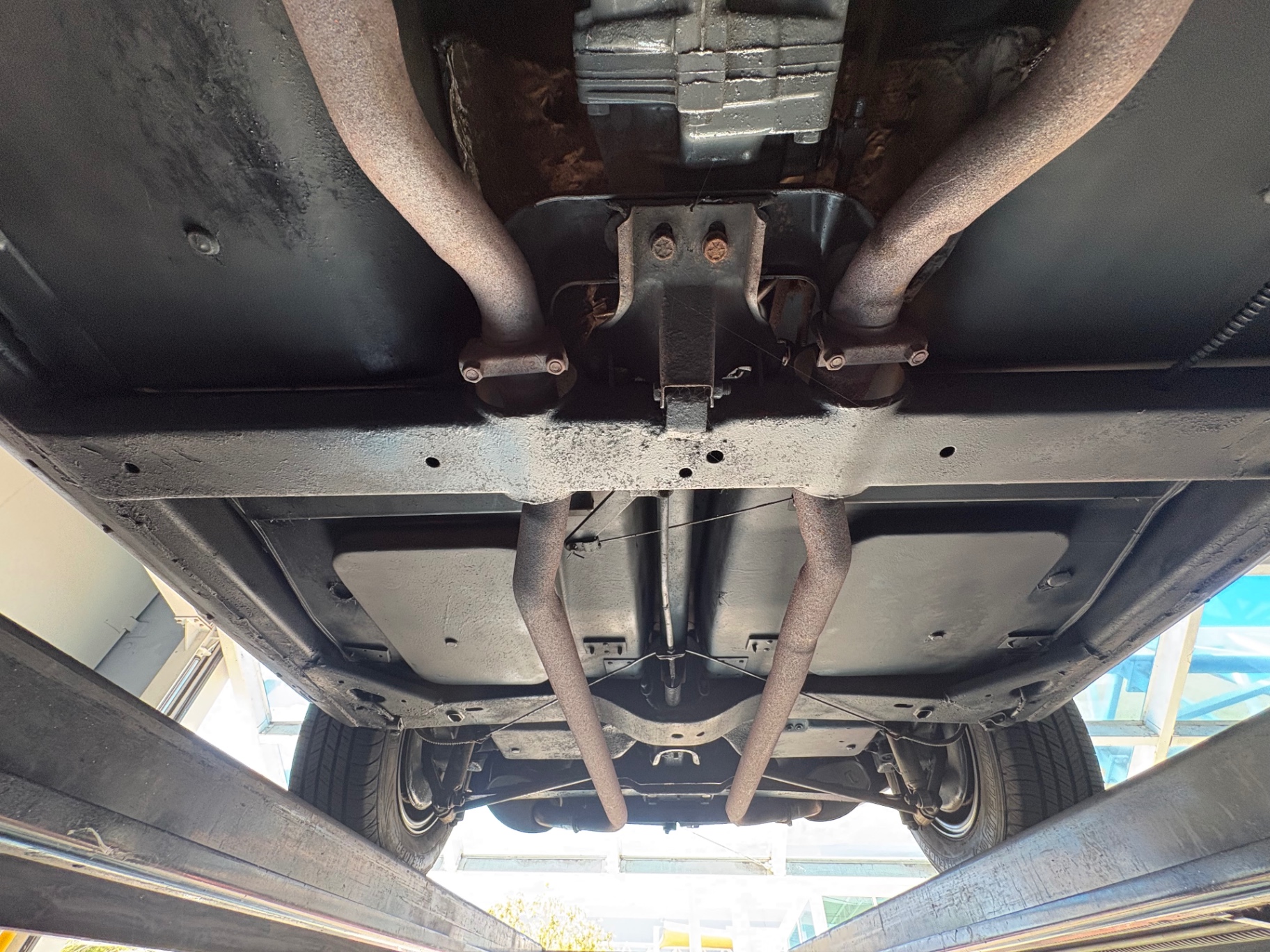
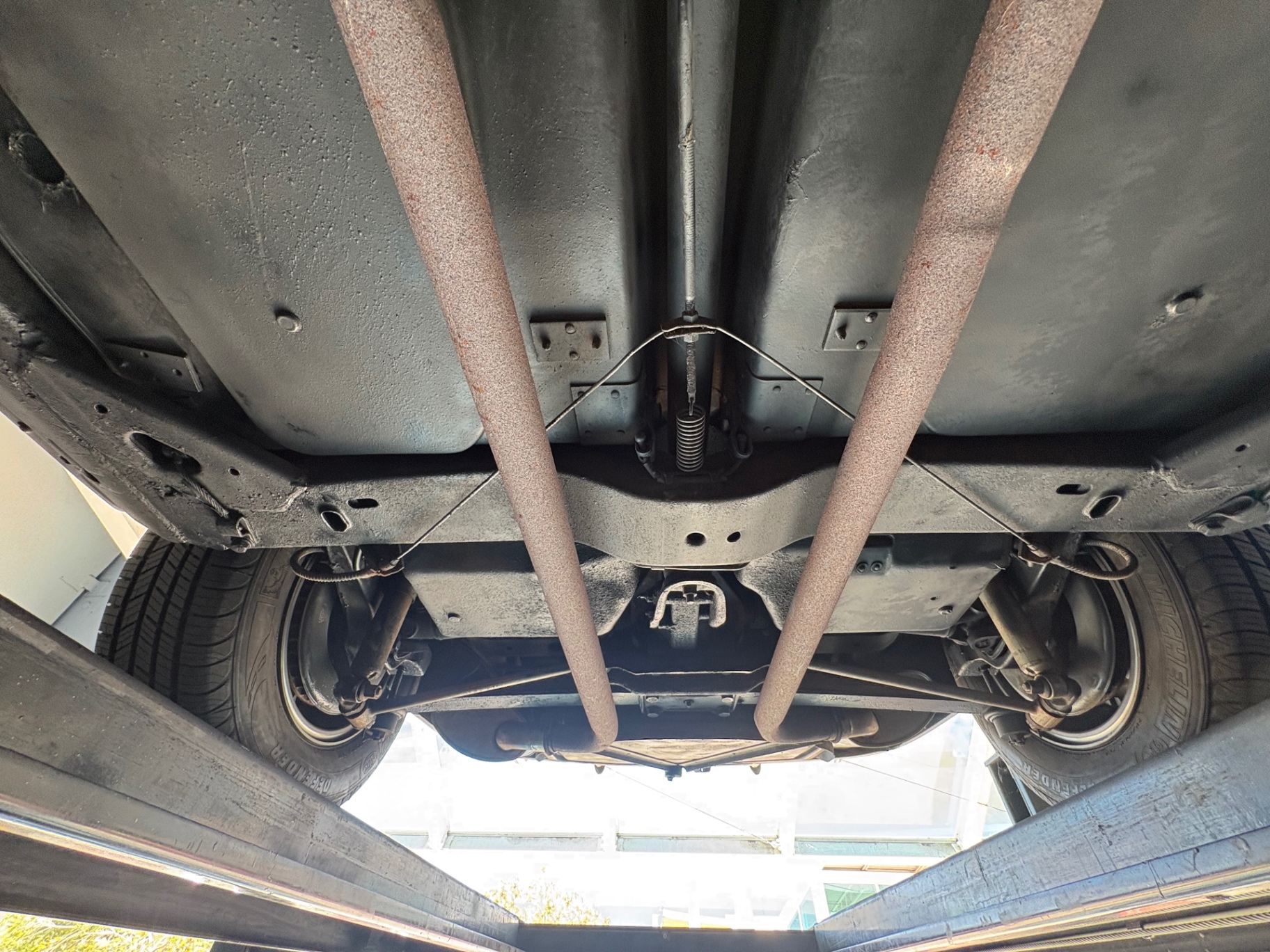
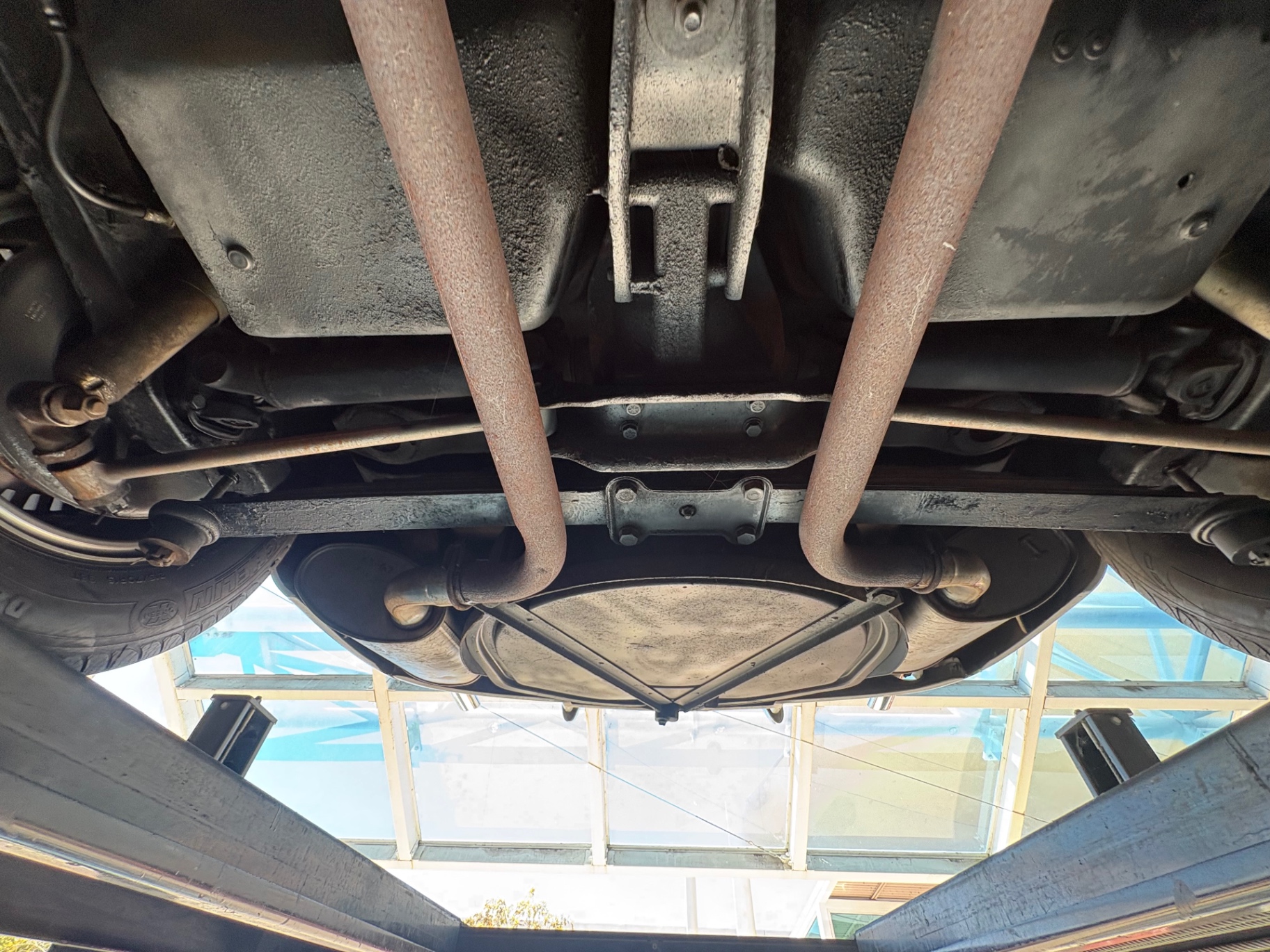
The 4-speed manual transmission puts the driver directly in control of every shift, which is exactly how these cars were meant to be driven. The Muncie gearboxes fitted to mid-1960s Corvettes have a well-documented history and, when date-code correct and numbers matching as this one is, they represent a meaningful portion of the car's documented originality. The dual exhaust exits through the rear bumper cutouts in factory fashion, a functional and visually correct detail that the NCRS process would have verified. The 1965 model year's standard four-wheel disc brakes round out a mechanical package that is correct, complete, and intact.
Interior
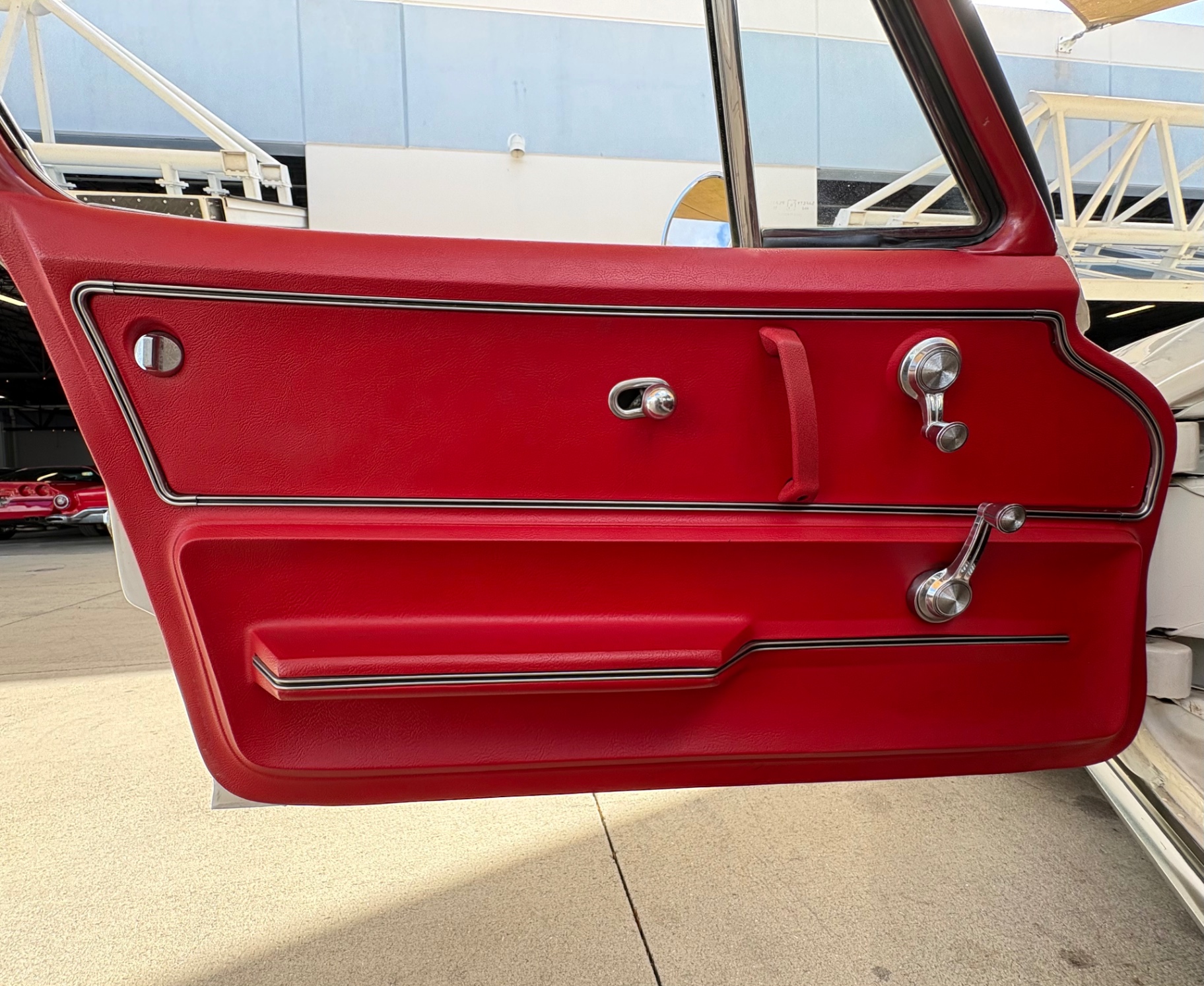
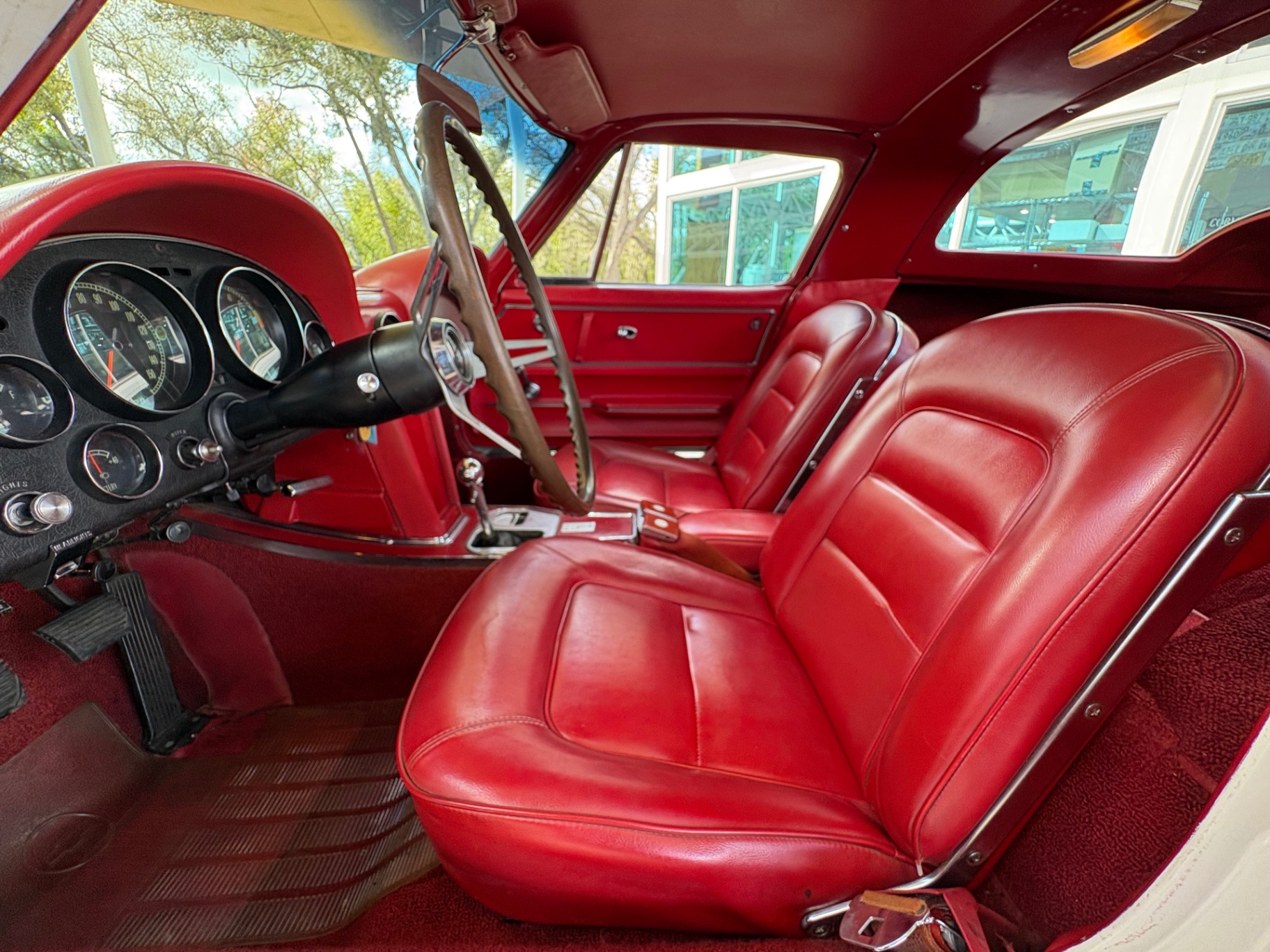
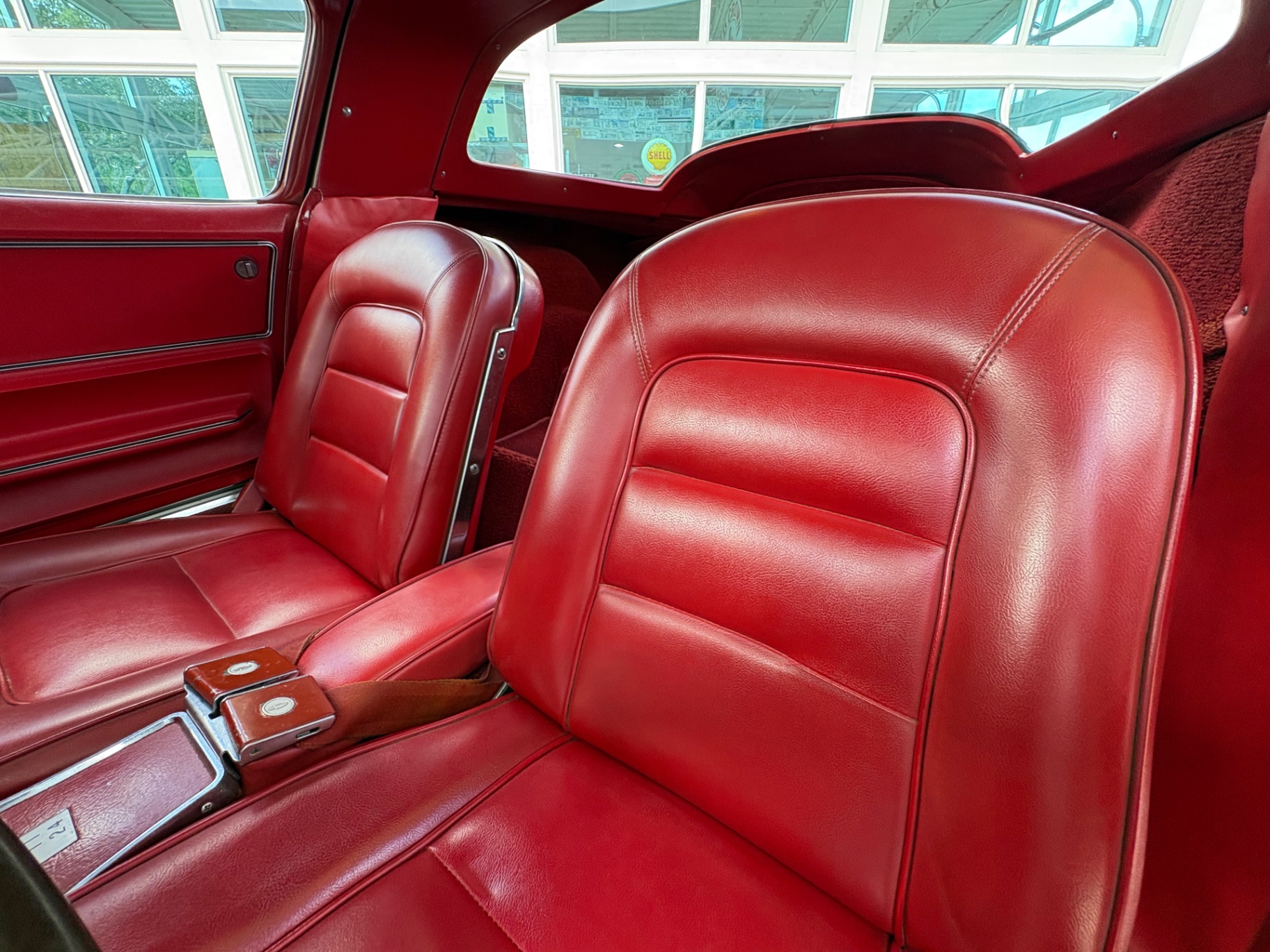
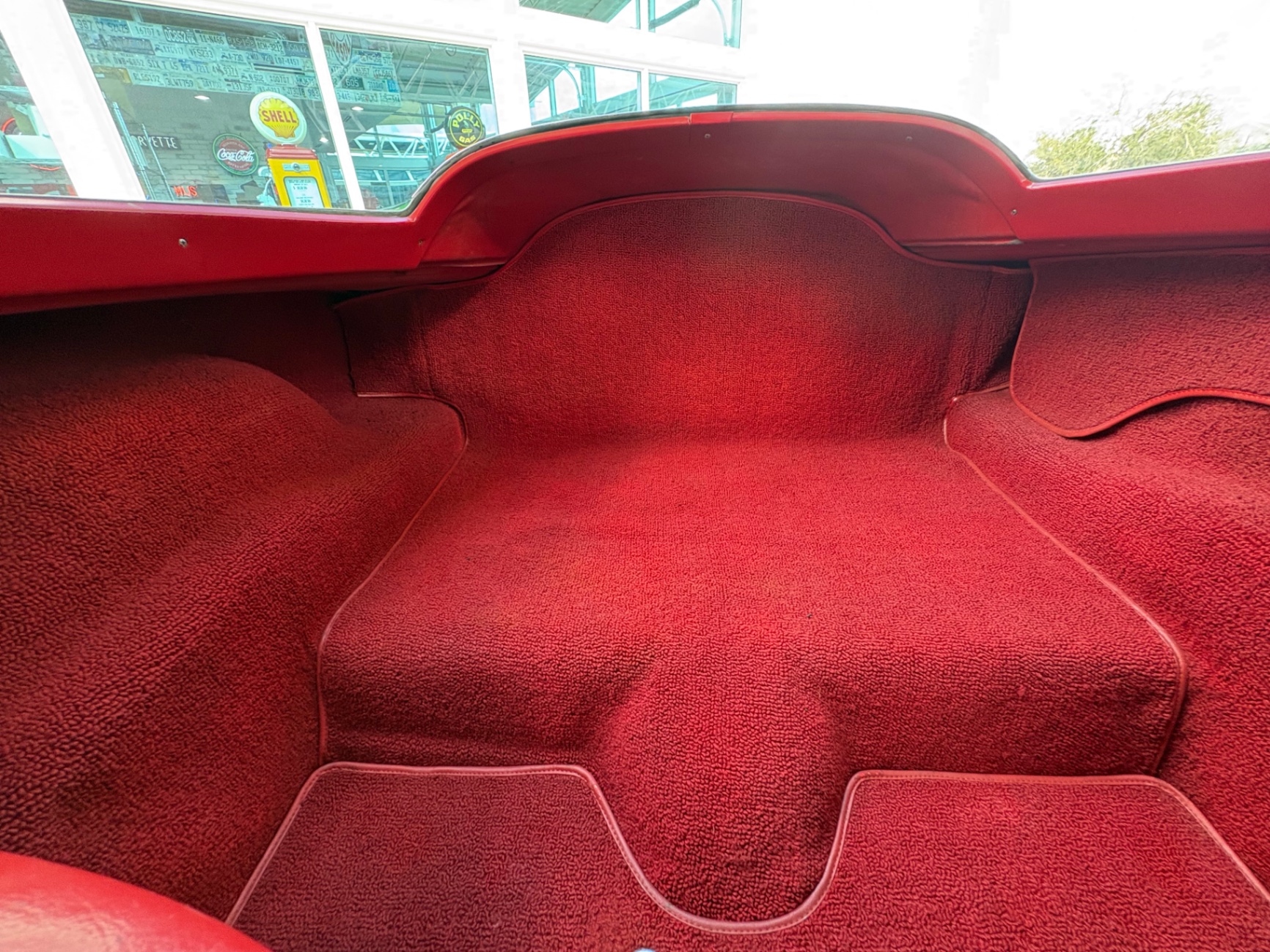
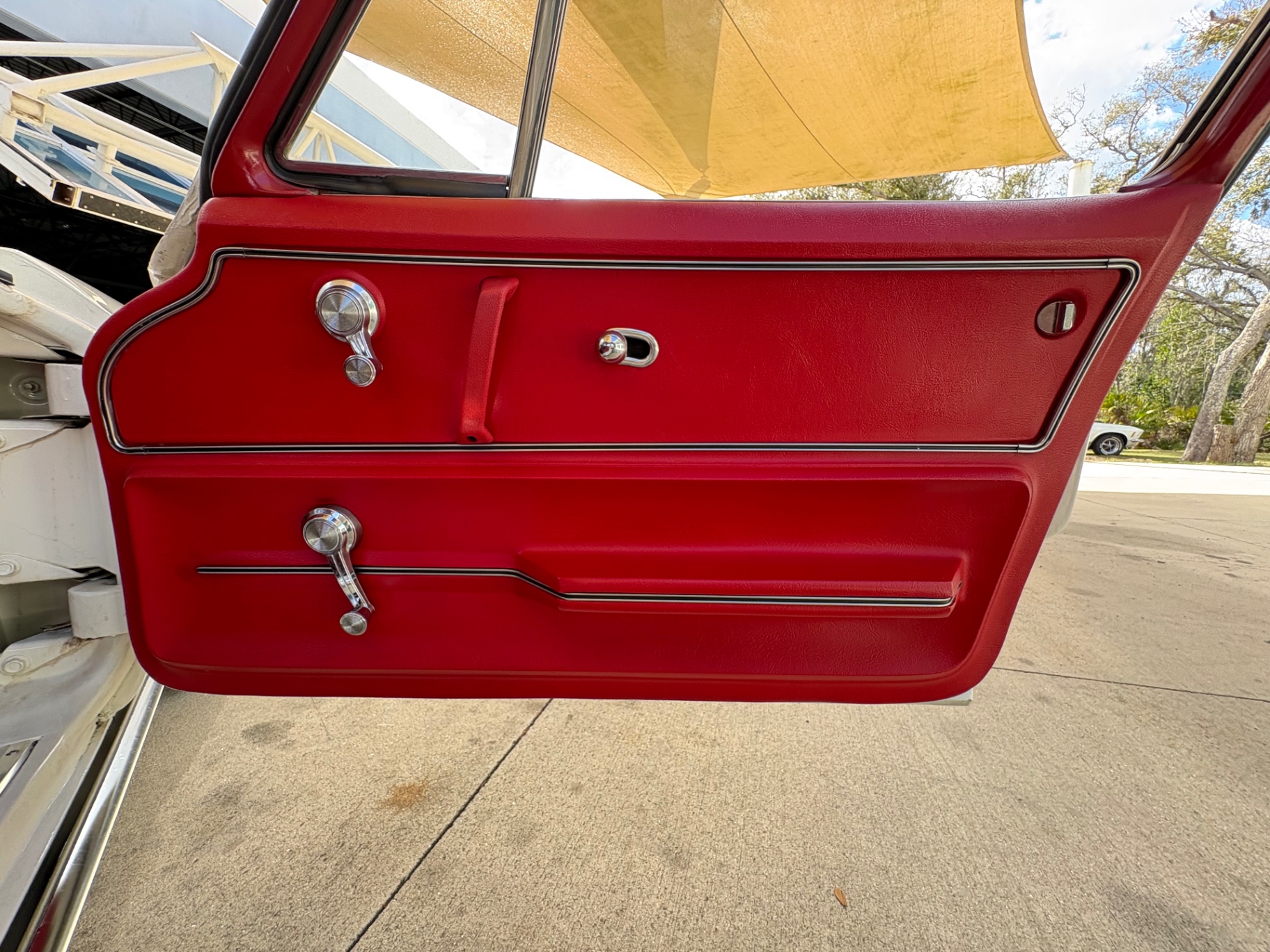
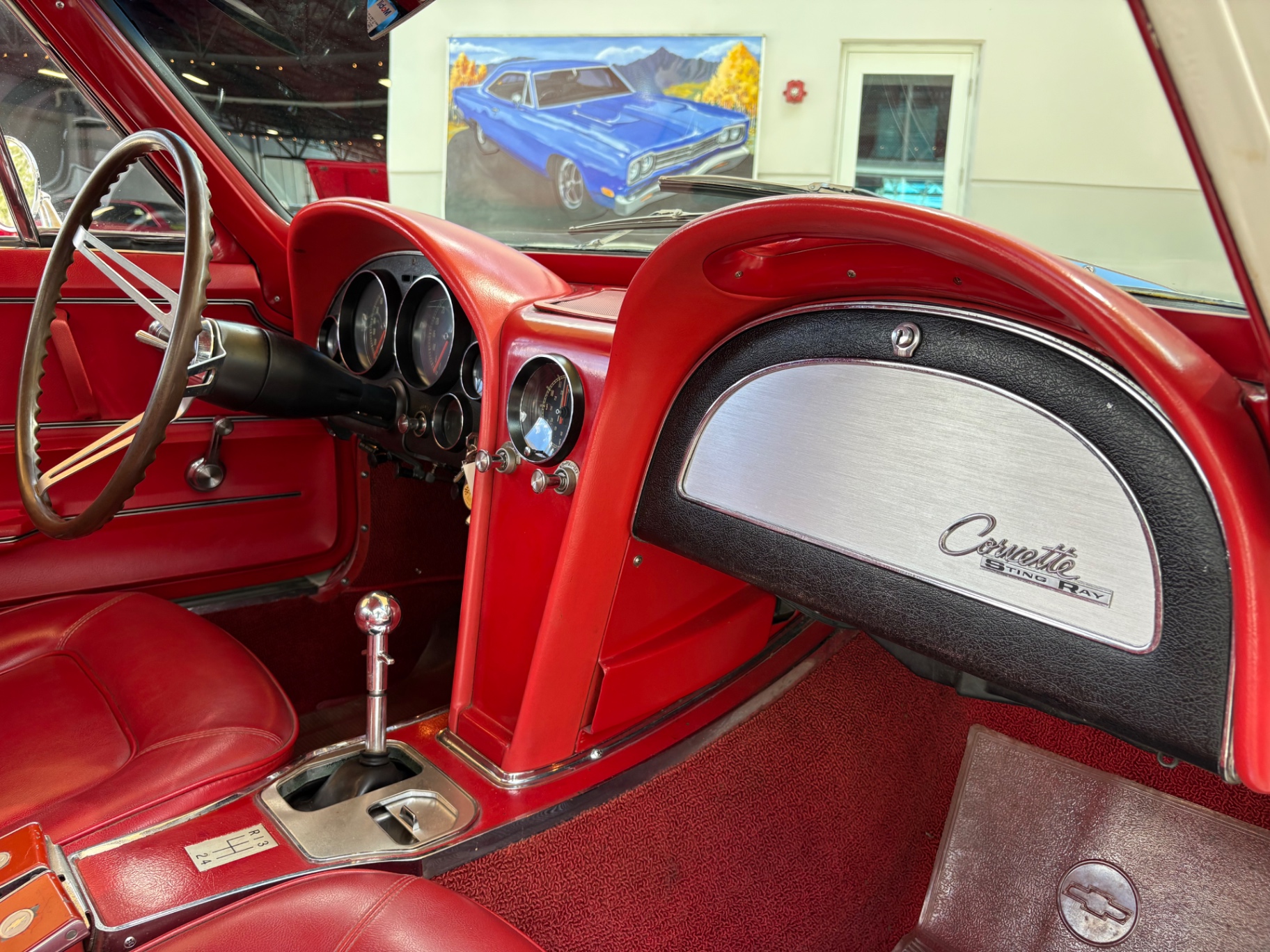
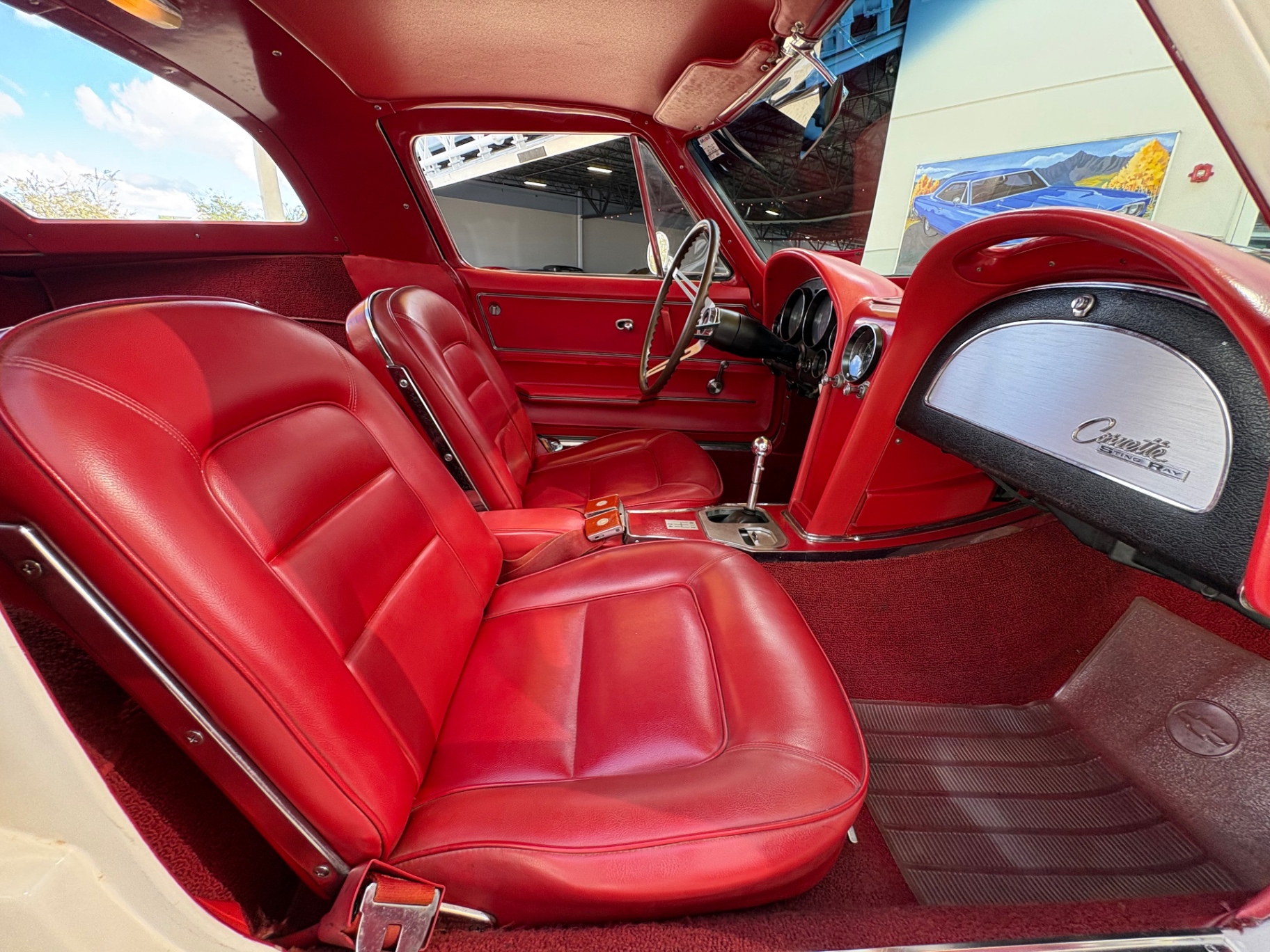
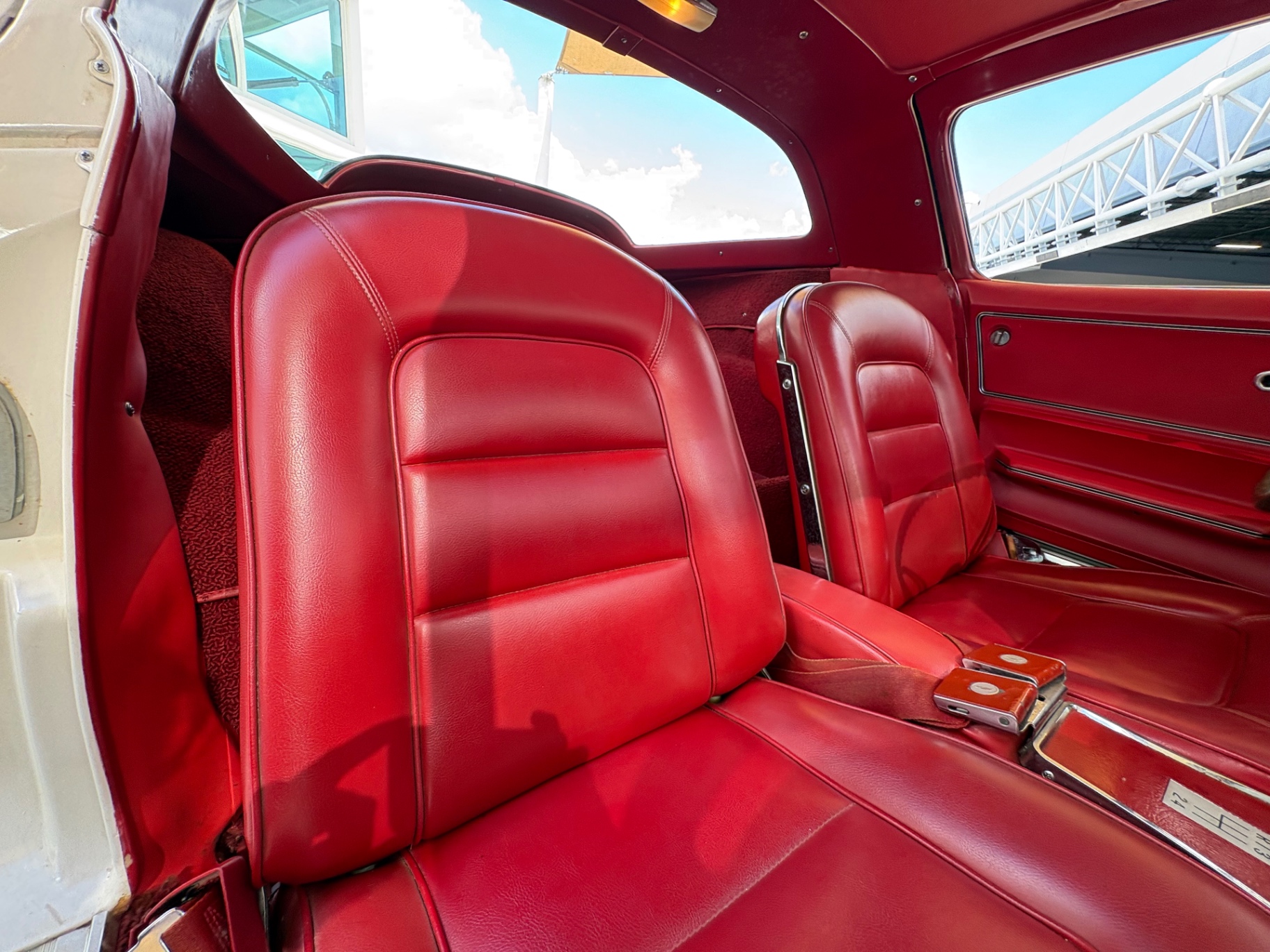
The cockpit of this 1965 Chevrolet Corvette Sting Ray Coupe is trimmed in red vinyl with matching red door panels and bucket seats — a color combination that was entirely period appropriate and remains one of the more visually striking interior choices available on the C2. The contrast between the white exterior and the fully red interior is the kind of factory pairing that collectors and judges recognize immediately as correct and intentional.
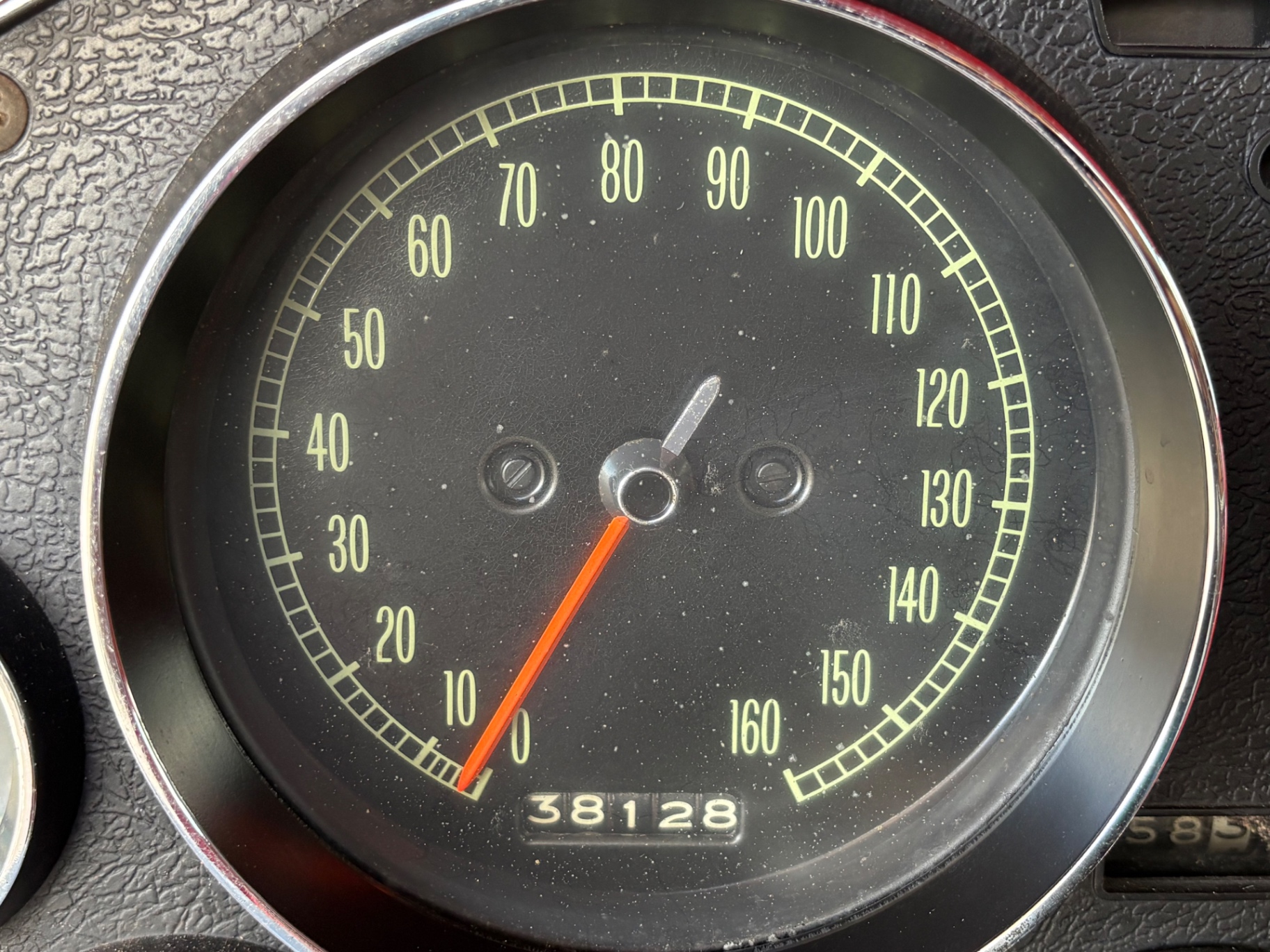
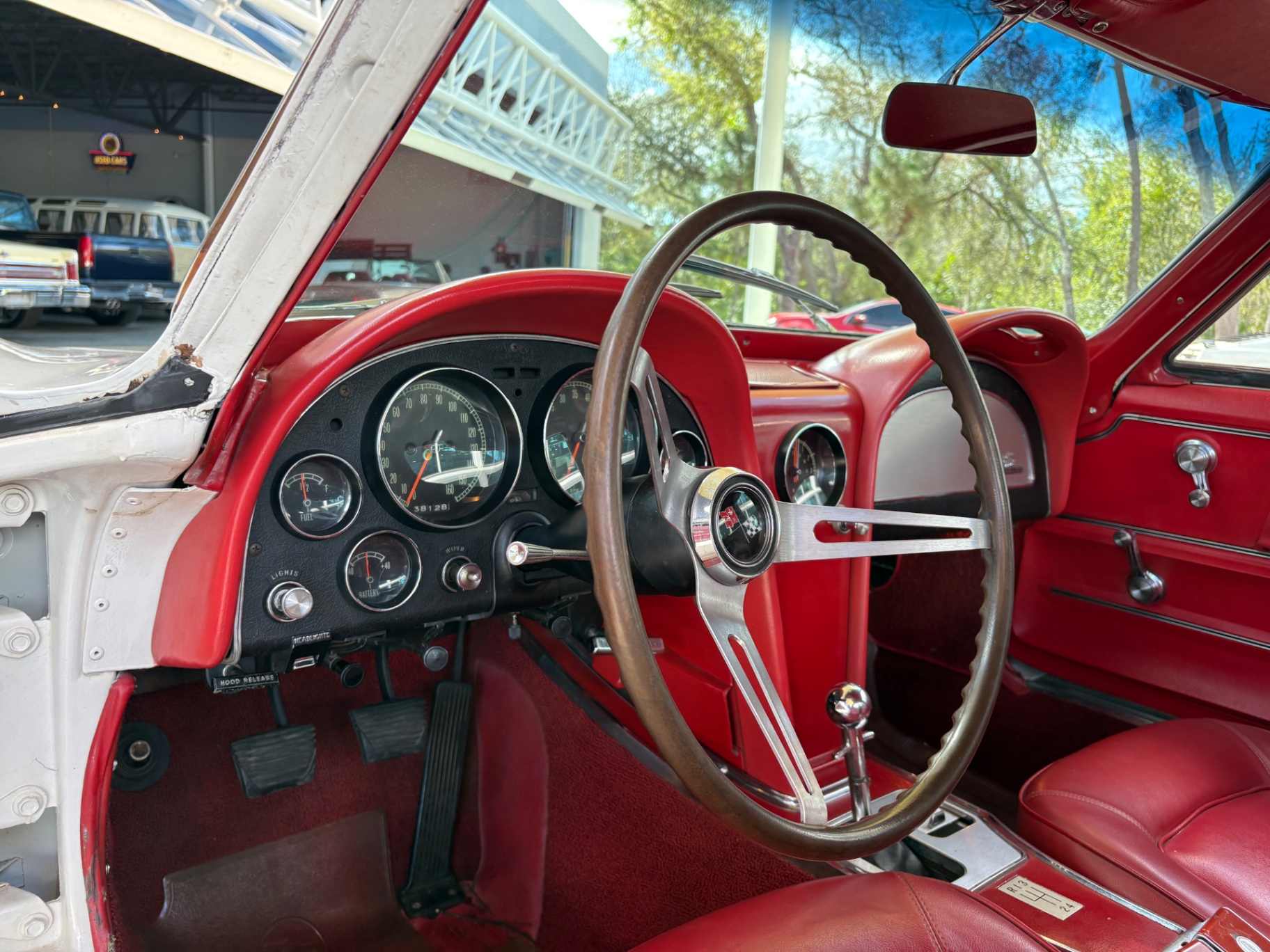
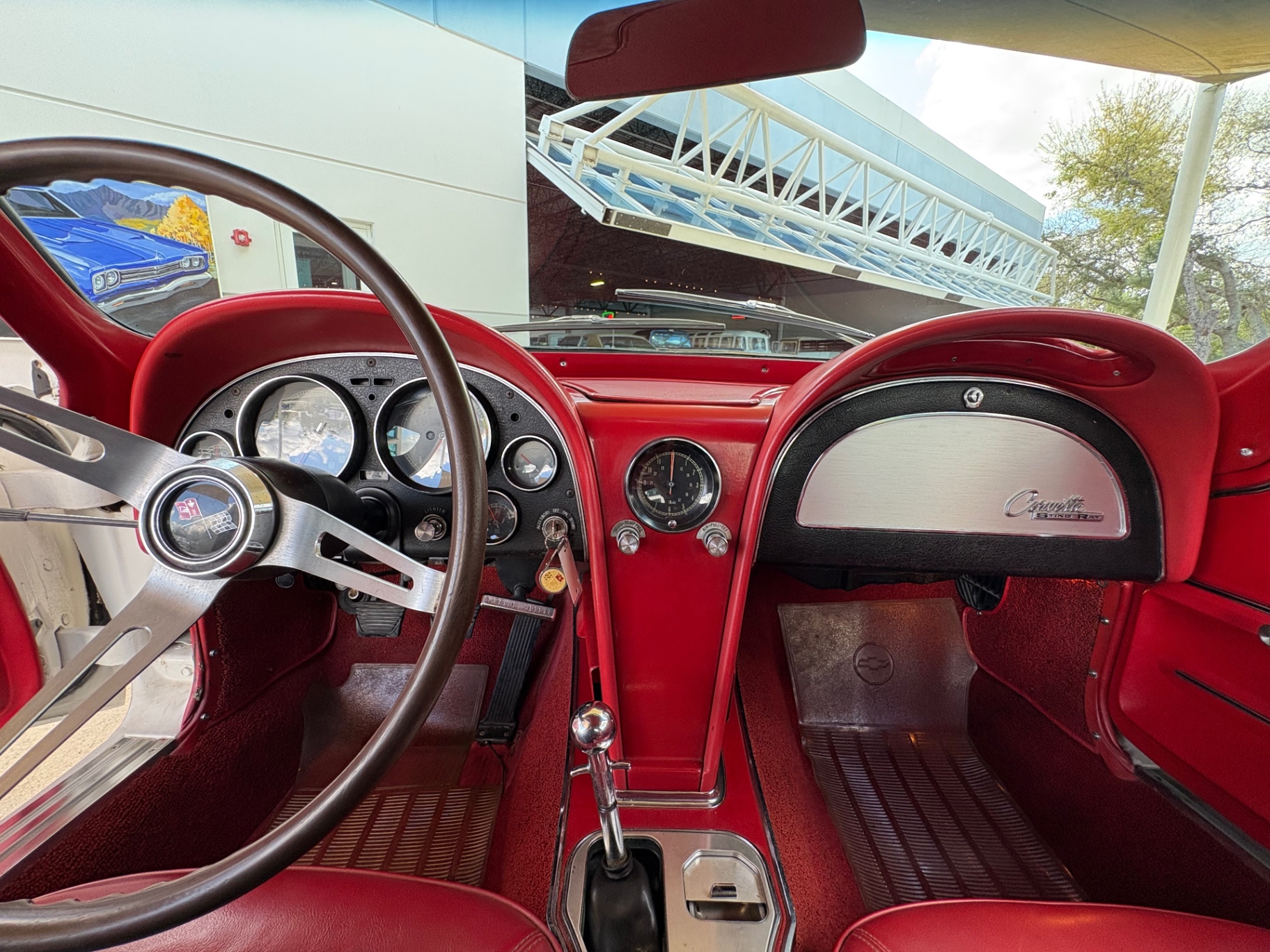
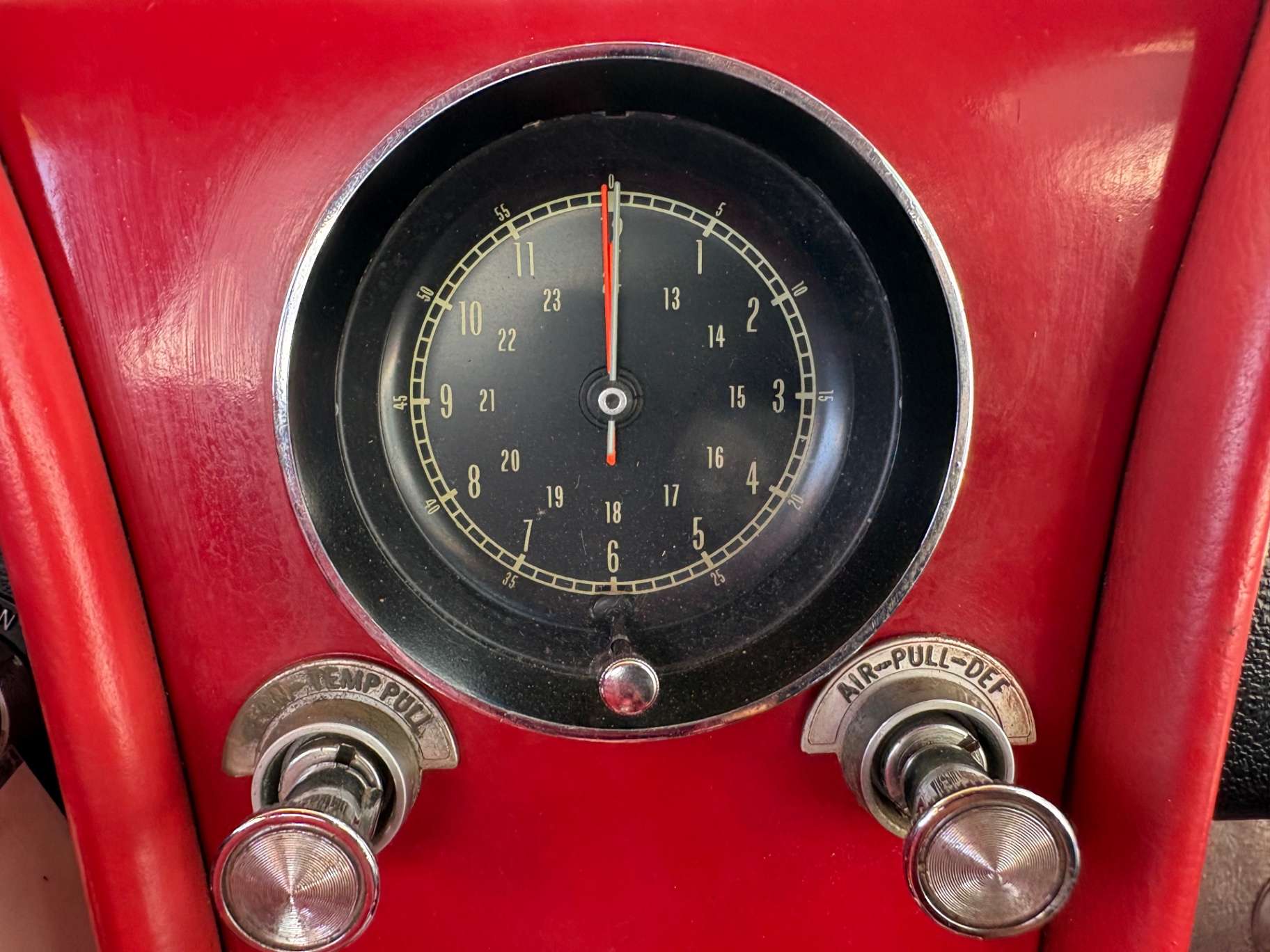
The center console runs between the two bucket seats and houses the shifter for the 4-speed manual, placing every primary control exactly where a driver expects it in a purpose-built American sports car of this era. The dashboard tachometer is the factory-correct instrument for a manual transmission Corvette of this period — it was a standard feature on the Sting Ray coupe — and its presence here is another point of originality that aligns with the car's documented history. The interior overall presents as a well-preserved, correctly appointed cabin that reflects the care this car has received over its lifetime.
Exterior
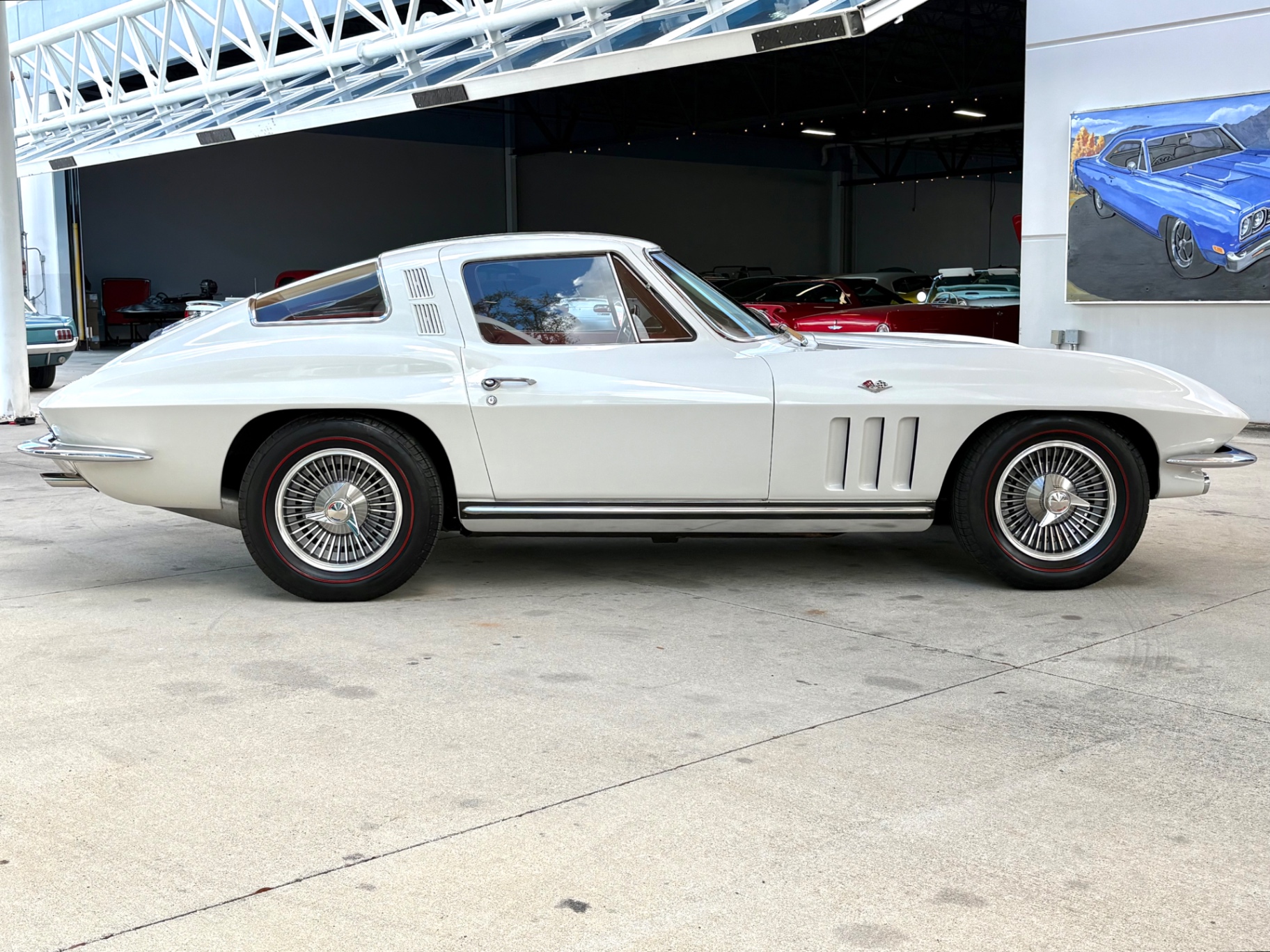
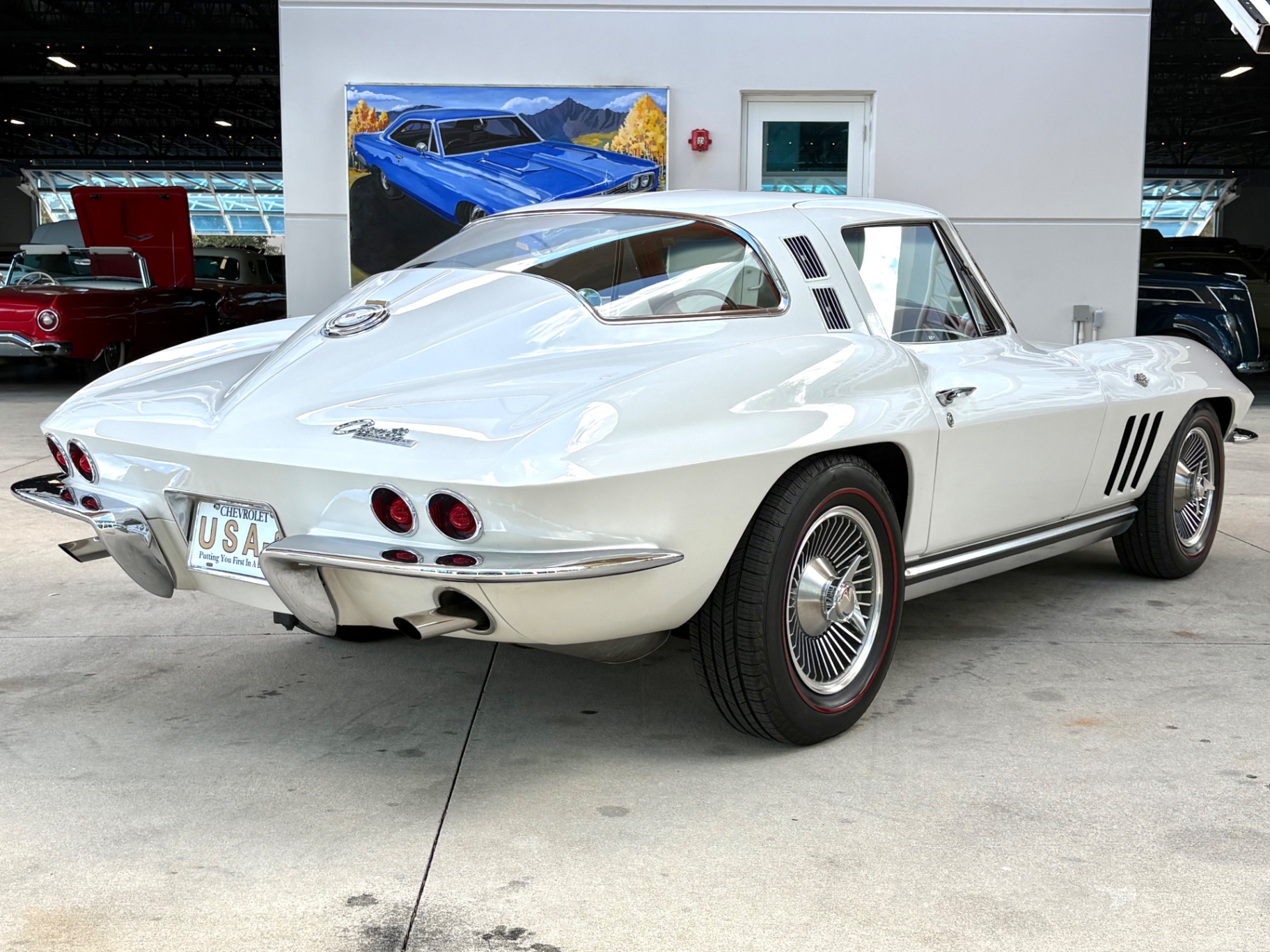
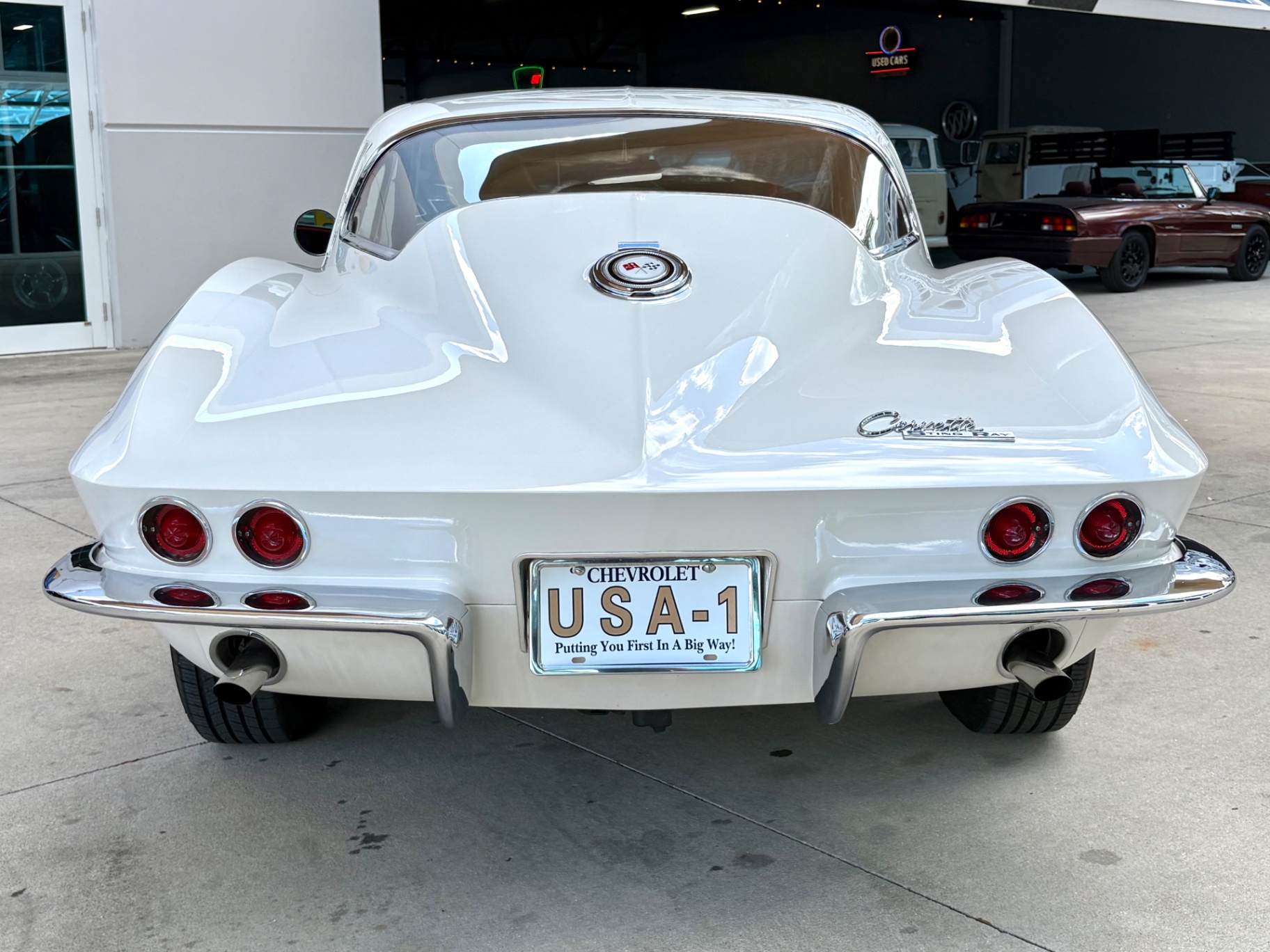
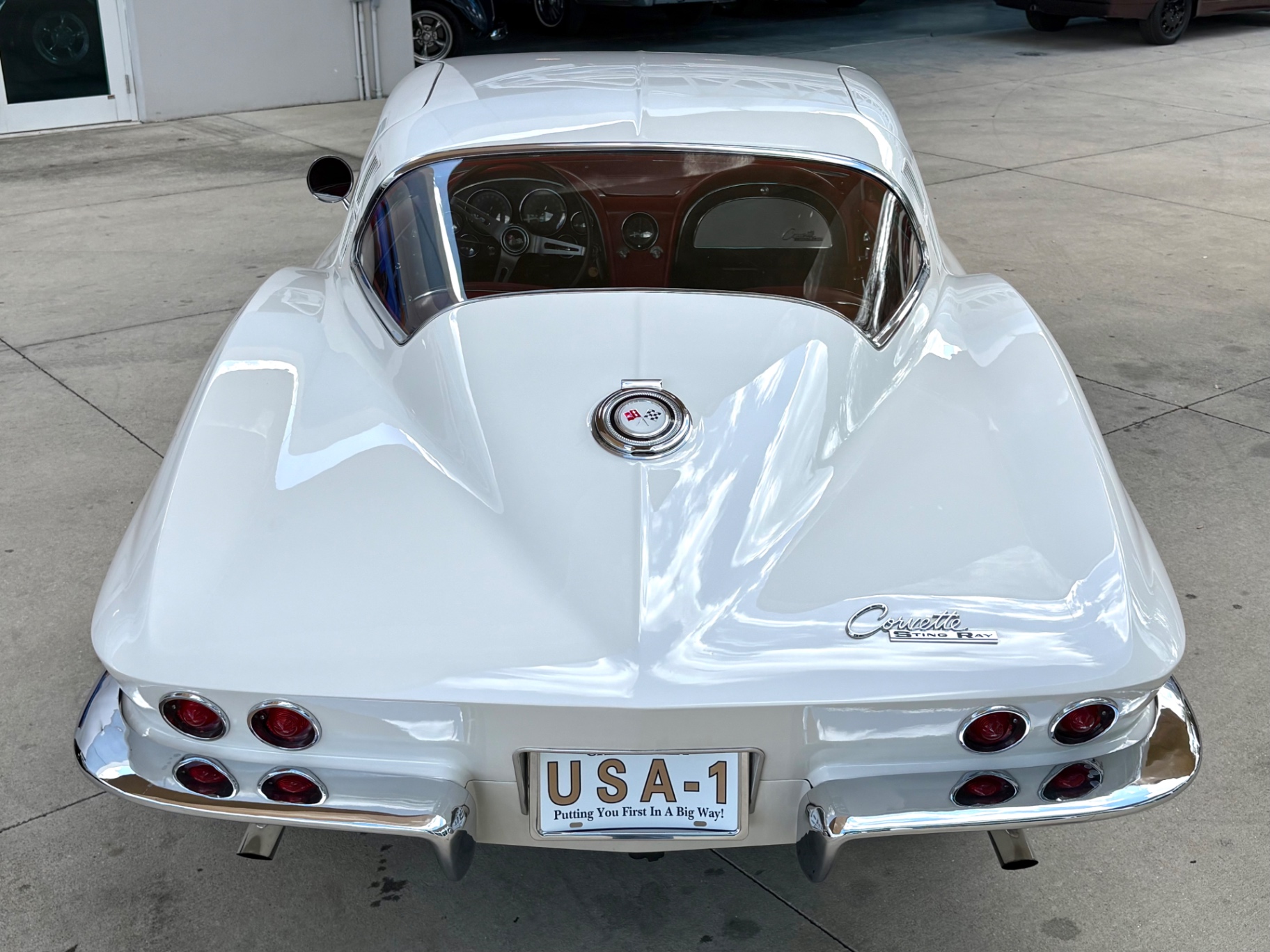
White over red was a combination that Chevrolet offered throughout the C2 generation, and on the coupe body style it reads as clean and purposeful rather than flashy. The fastback roofline of the 1965 Chevrolet Corvette Sting Ray Coupe carries through from the 1963 design, but by 1965 the controversial split rear window that defined the 1963 coupe had already been replaced with a single large backlight for the 1964 model year. This car is correctly configured as a single rear window coupe, which is the standard 1965 specification.
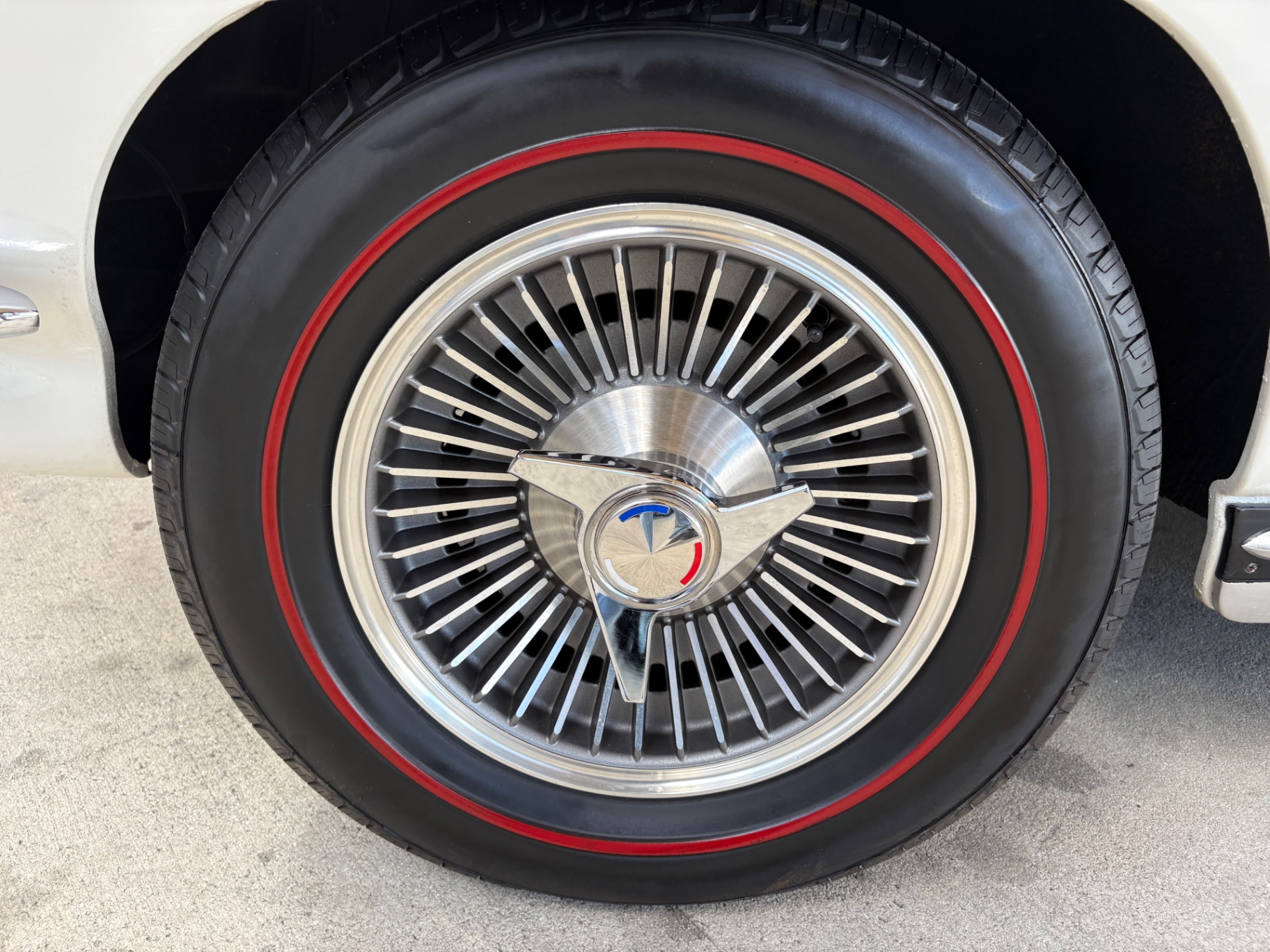
The wire spoke wheels are a factory option that was listed in the 1965 Corvette order book and were mounted with redline tires — the correct tire style for a show-quality, documented C2 of this vintage. Chrome bumpers front and rear are in their correct positions and finish out the exterior with the factory hardware intact. The body's fiberglass panels carry the sharp character lines that Bill Mitchell's design team established for the Sting Ray, and the overall presentation of this car is consistent with a vehicle that has been maintained and preserved with NCRS judging standards in mind.
Conclusion
A numbers matching 1965 Chevrolet Corvette Sting Ray Coupe with NCRS documentation does not need much embellishment. The facts speak clearly: the drivetrain is intact and correct, the car has been through one of the most rigorous independent inspection processes available to Corvette owners, and it presents in the correct white and red color combination with period-correct options including wire wheels, redline tires, and a 4-speed manual. For a serious C2 collector, these are the boxes that matter most, and this car has them checked.
Whether you are adding to an existing collection, looking for a correctly documented car you can show with confidence, or simply want a 1965 Corvette that will hold its value based on verifiable originality rather than appearance alone, this is the car to examine closely.
Call Skyway Classics at 941-254-6608 to schedule a time to go through this car in person. Our staff is available to answer detailed questions and walk you through the NCRS documentation before you make the trip.
Disclaimer Information found on the website is presented as given to us by the owner of the car, whether on consignment or from the owner we bought it from. Some Photos, materials for videos, descriptions and other information are provided by the consignor/seller and is deemed reliable, but Skyway Classics does not warranty or guarantee this information. Skyway Classics is not responsible for information that may incorrect or a publishing error. The decision to purchase should be based solely on the buyers personal inspection of the vehicle or by a professional inspection service prior to offer or purchase being made.
1965 Chevrolet Corvette Sting Ray Coupe — Numbers Matching 327, 4-Speed, NCRS Documented
Why This Car Is Special
The 1965 Chevrolet Corvette Sting Ray Coupe represents the middle year of the C2 generation, and many collectors consider it the sweet spot of the entire second-generation run. By 1965, Chevrolet had worked out the early production issues of the 1963 and 1964 models, and the car benefited from a longer development cycle without yet being overshadowed by the big-block engines that would arrive later in the model year. The 1965 model year also marked the introduction of four-wheel disc brakes as standard equipment — a significant engineering step that replaced the drum setup used on earlier C2s and gave the car stopping power that matched its performance potential.
This particular 1965 Chevrolet Corvette Sting Ray Coupe carries a 327 cubic inch Turbo-Fire V8 backed by a close-ratio 4-speed manual transmission, and the drivetrain is confirmed numbers matching. That designation carries real weight in the C2 collector market. It means the engine block, cylinder heads, carburetor, and transmission all carry date codes and casting numbers that align with the car's original build documentation — nothing has been swapped, replaced, or substituted over the past six decades. The VIN decodes to a 1965 Corvette coupe built at the St. Louis assembly plant, consistent with all production Corvettes of this era.
Beyond the numbers match, this car has been documented and judged by the National Corvette Restorers Society. The NCRS process is not a casual inspection. Judges evaluate originality and correctness across hundreds of individual checkpoints covering the engine compartment, chassis, body, trim, and documentation. A car that has been through NCRS judging and comes out the other side with its documentation intact is a car that has been scrutinized by some of the most knowledgeable Corvette specialists in the country. For buyers who care about long-term investment value and historical accuracy, NCRS documentation is one of the most reliable third-party validations available in the Corvette hobby.
Features List
- 327 Turbo-Fire V8, numbers matching - 4-Speed Manual Transmission, numbers matching - All Numbers Matching Drivetrain - NCRS Documented and NCRS Judged - Wire Spoke Wheels - Redline Tires - Red Vinyl Interior with Bucket Seats - Center Console - Dashboard Tachometer - Dual Exhaust - Chrome Bumpers - White Exterior
Mechanical
The 327 cubic inch Turbo-Fire V8 in this 1965 Chevrolet Corvette Sting Ray was one of several 327 configurations Chevrolet offered that year. The small-block 327 had been refined through years of Corvette use by 1965, and it earned a strong reputation for reliability, broad powerband, and mechanical simplicity that made it both enjoyable to drive and straightforward to maintain correctly. The engine sits in the bay wearing its correct red valve covers with the Turbo-Fire identification, consistent with documented factory appearance — a detail that matters during NCRS judging and to any buyer who has spent time researching what correct looks like under the hood of a mid-1960s Corvette.
The 4-speed manual transmission puts the driver directly in control of every shift, which is exactly how these cars were meant to be driven. The Muncie gearboxes fitted to mid-1960s Corvettes have a well-documented history and, when date-code correct and numbers matching as this one is, they represent a meaningful portion of the car's documented originality. The dual exhaust exits through the rear bumper cutouts in factory fashion, a functional and visually correct detail that the NCRS process would have verified. The 1965 model year's standard four-wheel disc brakes round out a mechanical package that is correct, complete, and intact.
Interior
The cockpit of this 1965 Chevrolet Corvette Sting Ray Coupe is trimmed in red vinyl with matching red door panels and bucket seats — a color combination that was entirely period appropriate and remains one of the more visually striking interior choices available on the C2. The contrast between the white exterior and the fully red interior is the kind of factory pairing that collectors and judges recognize immediately as correct and intentional.
The center console runs between the two bucket seats and houses the shifter for the 4-speed manual, placing every primary control exactly where a driver expects it in a purpose-built American sports car of this era. The dashboard tachometer is the factory-correct instrument for a manual transmission Corvette of this period — it was a standard feature on the Sting Ray coupe — and its presence here is another point of originality that aligns with the car's documented history. The interior overall presents as a well-preserved, correctly appointed cabin that reflects the care this car has received over its lifetime.
Exterior
White over red was a combination that Chevrolet offered throughout the C2 generation, and on the coupe body style it reads as clean and purposeful rather than flashy. The fastback roofline of the 1965 Chevrolet Corvette Sting Ray Coupe carries through from the 1963 design, but by 1965 the controversial split rear window that defined the 1963 coupe had already been replaced with a single large backlight for the 1964 model year. This car is correctly configured as a single rear window coupe, which is the standard 1965 specification.
The wire spoke wheels are a factory option that was listed in the 1965 Corvette order book and were mounted with redline tires — the correct tire style for a show-quality, documented C2 of this vintage. Chrome bumpers front and rear are in their correct positions and finish out the exterior with the factory hardware intact. The body's fiberglass panels carry the sharp character lines that Bill Mitchell's design team established for the Sting Ray, and the overall presentation of this car is consistent with a vehicle that has been maintained and preserved with NCRS judging standards in mind.
Conclusion
A numbers matching 1965 Chevrolet Corvette Sting Ray Coupe with NCRS documentation does not need much embellishment. The facts speak clearly: the drivetrain is intact and correct, the car has been through one of the most rigorous independent inspection processes available to Corvette owners, and it presents in the correct white and red color combination with period-correct options including wire wheels, redline tires, and a 4-speed manual. For a serious C2 collector, these are the boxes that matter most, and this car has them checked.
Whether you are adding to an existing collection, looking for a correctly documented car you can show with confidence, or simply want a 1965 Corvette that will hold its value based on verifiable originality rather than appearance alone, this is the car to examine closely.
Call Skyway Classics at 941-254-6608 to schedule a time to go through this car in person. Our staff is available to answer detailed questions and walk you through the NCRS documentation before you make the trip.
Disclaimer Information found on the website is presented as given to us by the owner of the car, whether on consignment or from the owner we bought it from. Some Photos, materials for videos, descriptions and other information are provided by the consignor/seller and is deemed reliable, but Skyway Classics does not warranty or guarantee this information. Skyway Classics is not responsible for information that may incorrect or a publishing error. The decision to purchase should be based solely on the buyers personal inspection of the vehicle or by a professional inspection service prior to offer or purchase being made.
1965 Chevrolet
Corvette Base
Why Choose Skyway Classics?
Explore our curated inventory of classic and collector cars—thoughtfully selected, ready to drive, and supported by experts who make ownership simple.
Expert Curation
Every vehicle is hand-selected by our experts for quality, authenticity, and investment potential.
Fast Transactions
Streamlined buying and selling process with quick financing and immediate delivery options.
Only National Dealer With Classic Service & Repair
We’re the only national dealership that services and repairs the classics we sell—before and after the sale.
Nationwide Network
Access to our extensive network of collectors, restorers, and classic car enthusiasts nationwide.
Concierge Ownership Support
From financing and insurance to paperwork, shipping, and titling—we handle the details so you can enjoy the drive.
Passion-Driven Service
We're classic car enthusiasts first, providing personalized service with genuine passion for the hobby.