
1970 Chevrolet
Camaro Sport Coupe
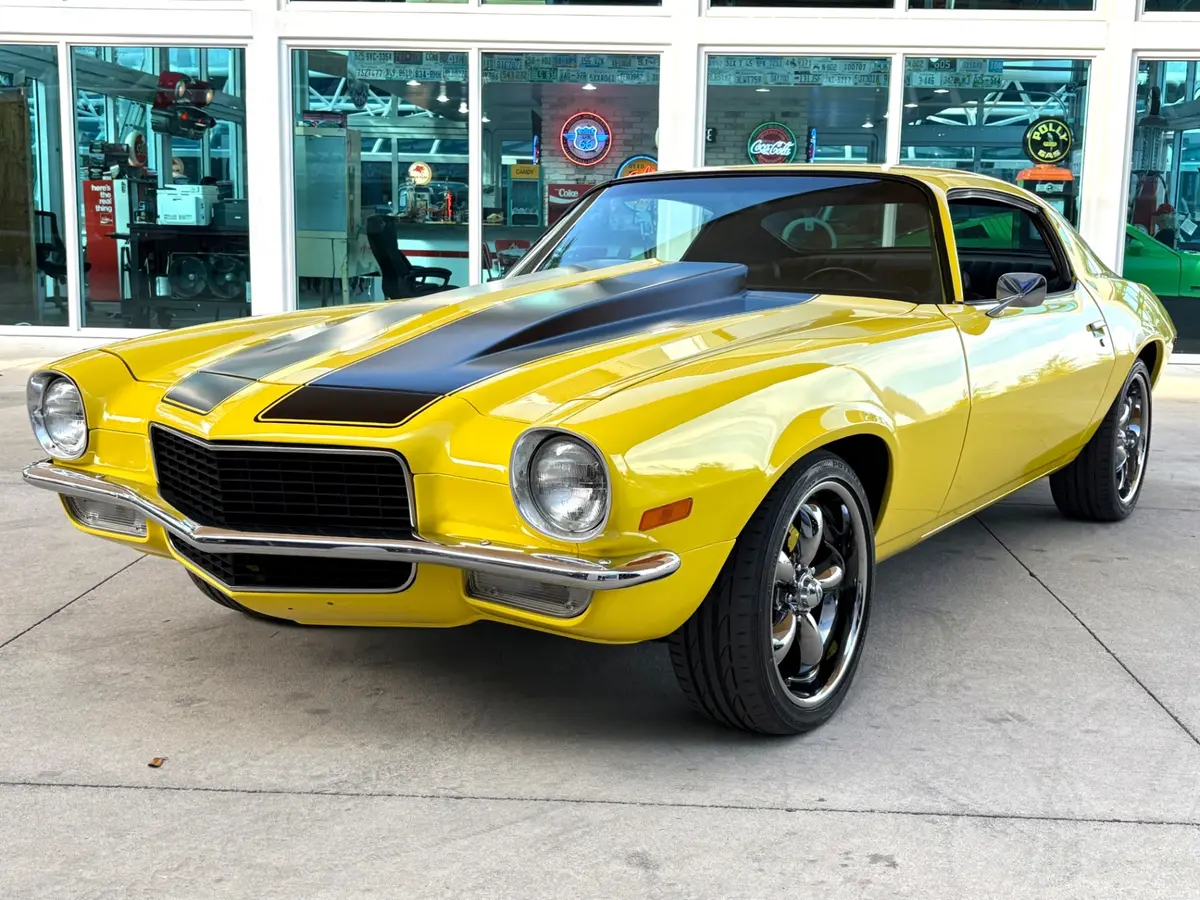
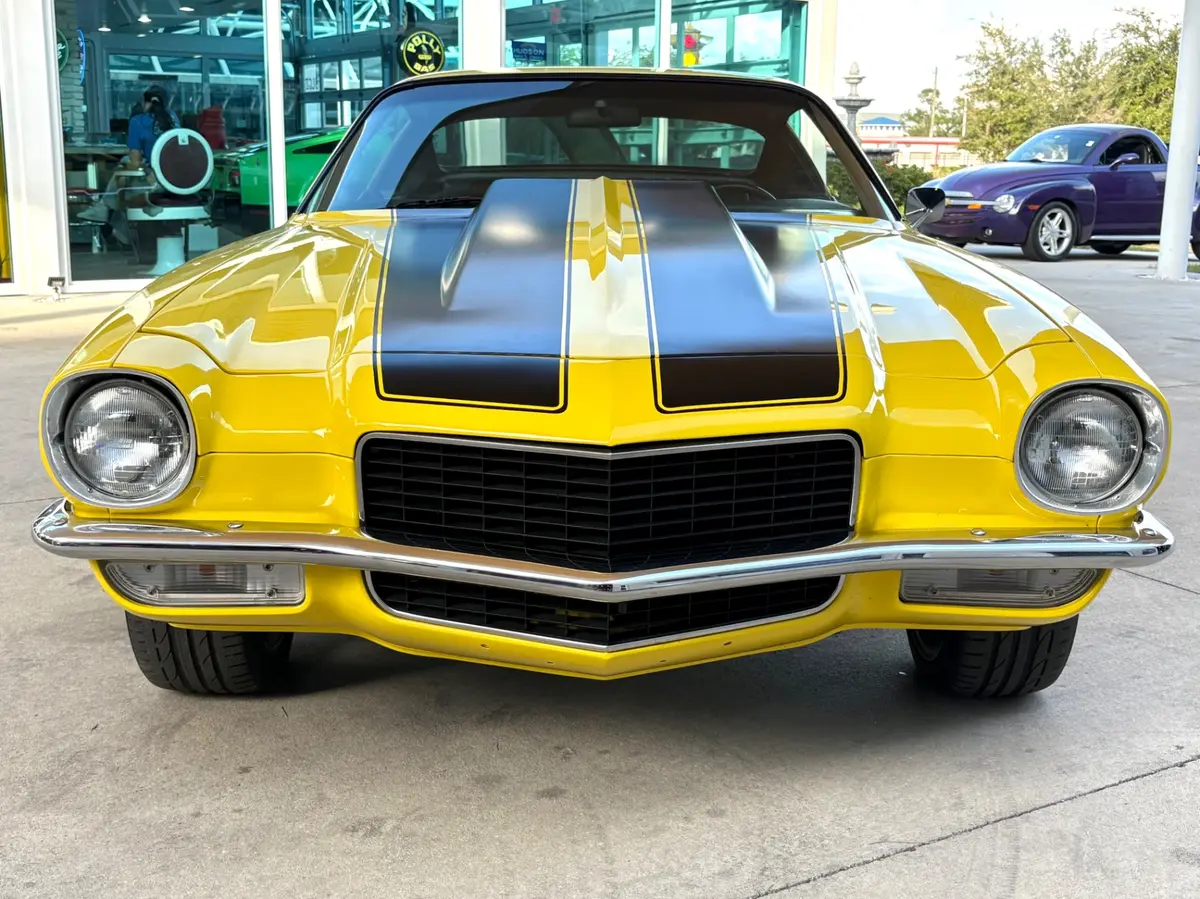
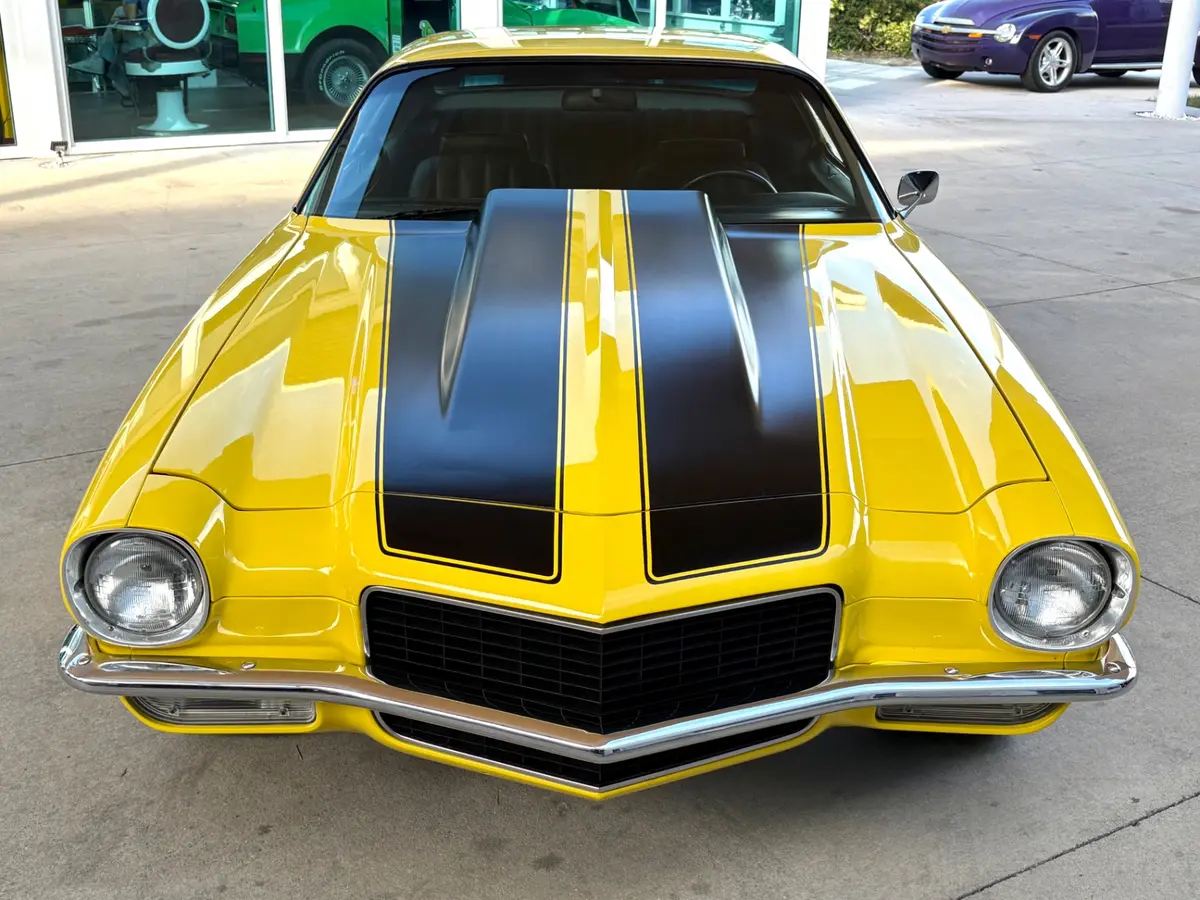
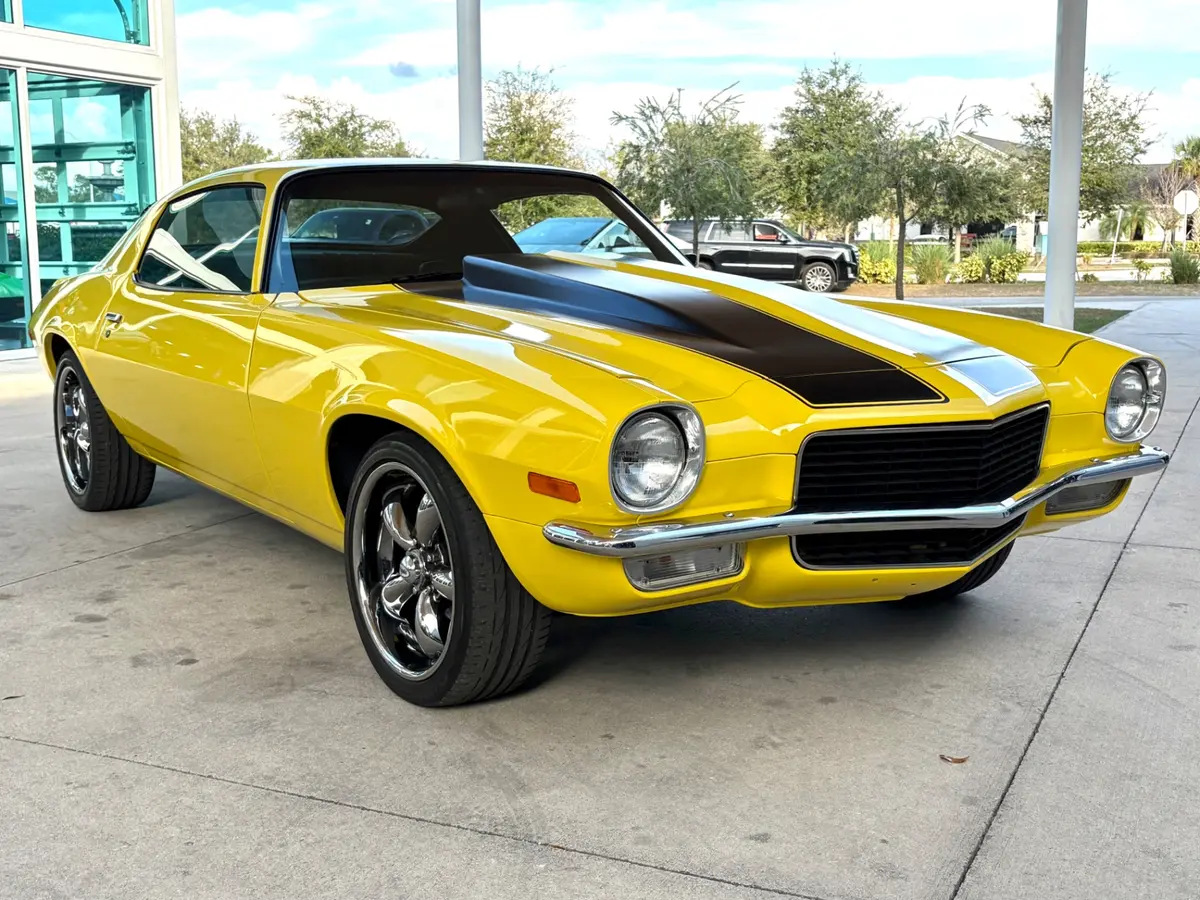
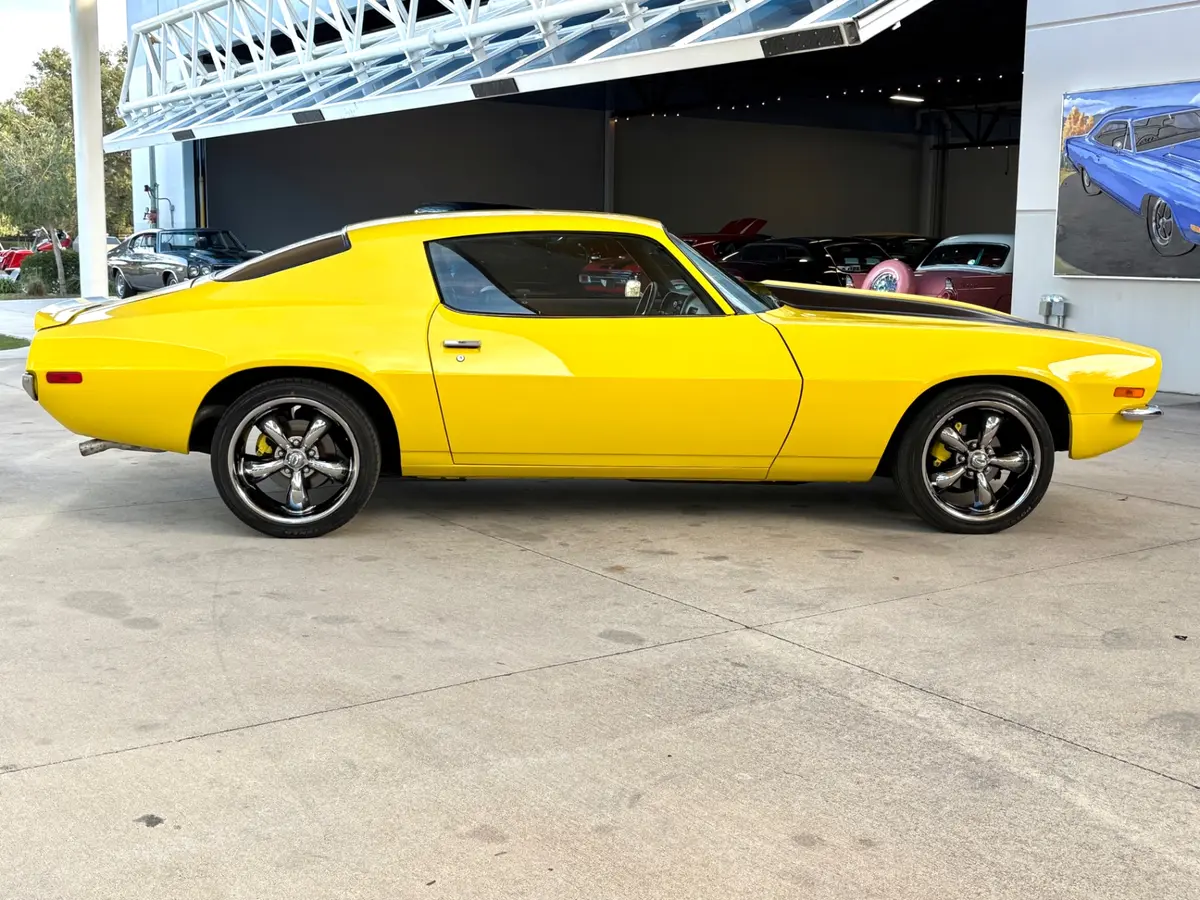
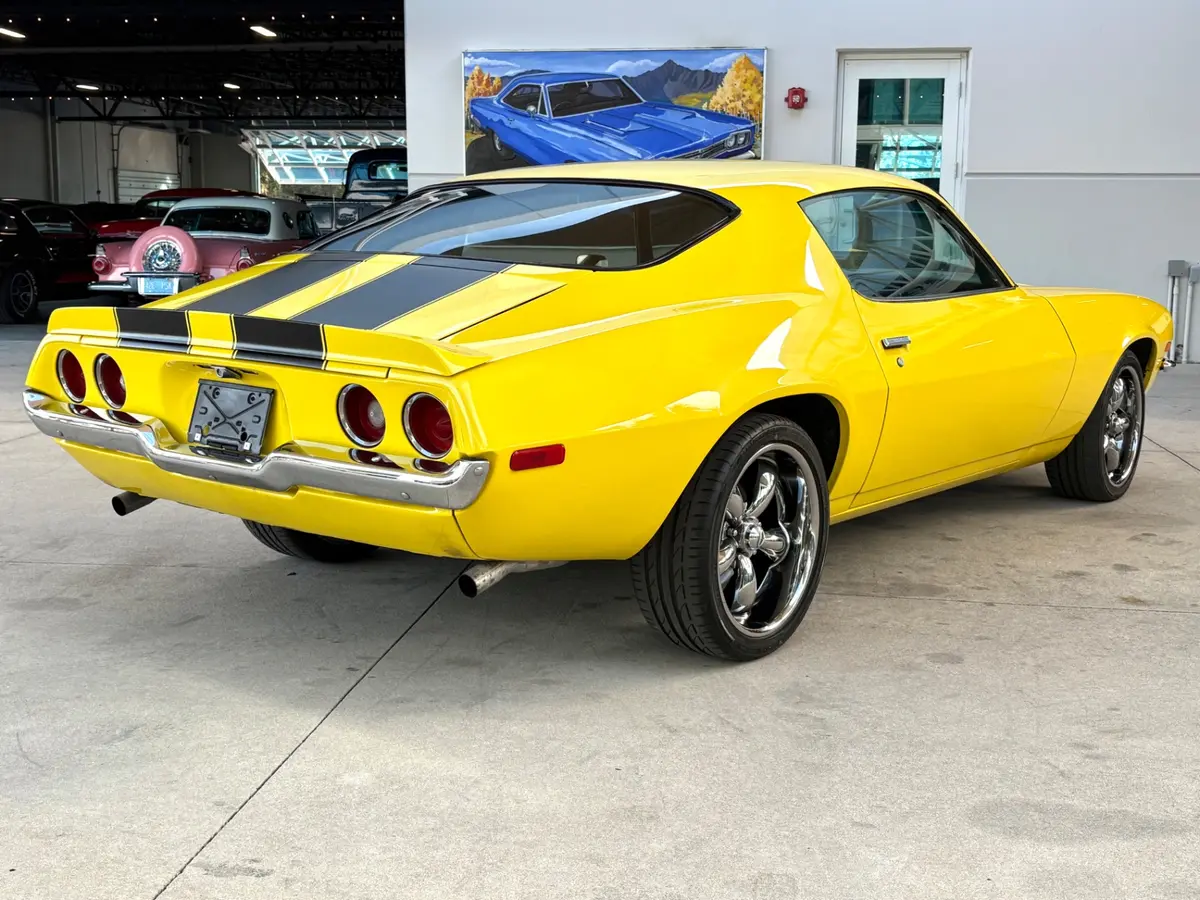
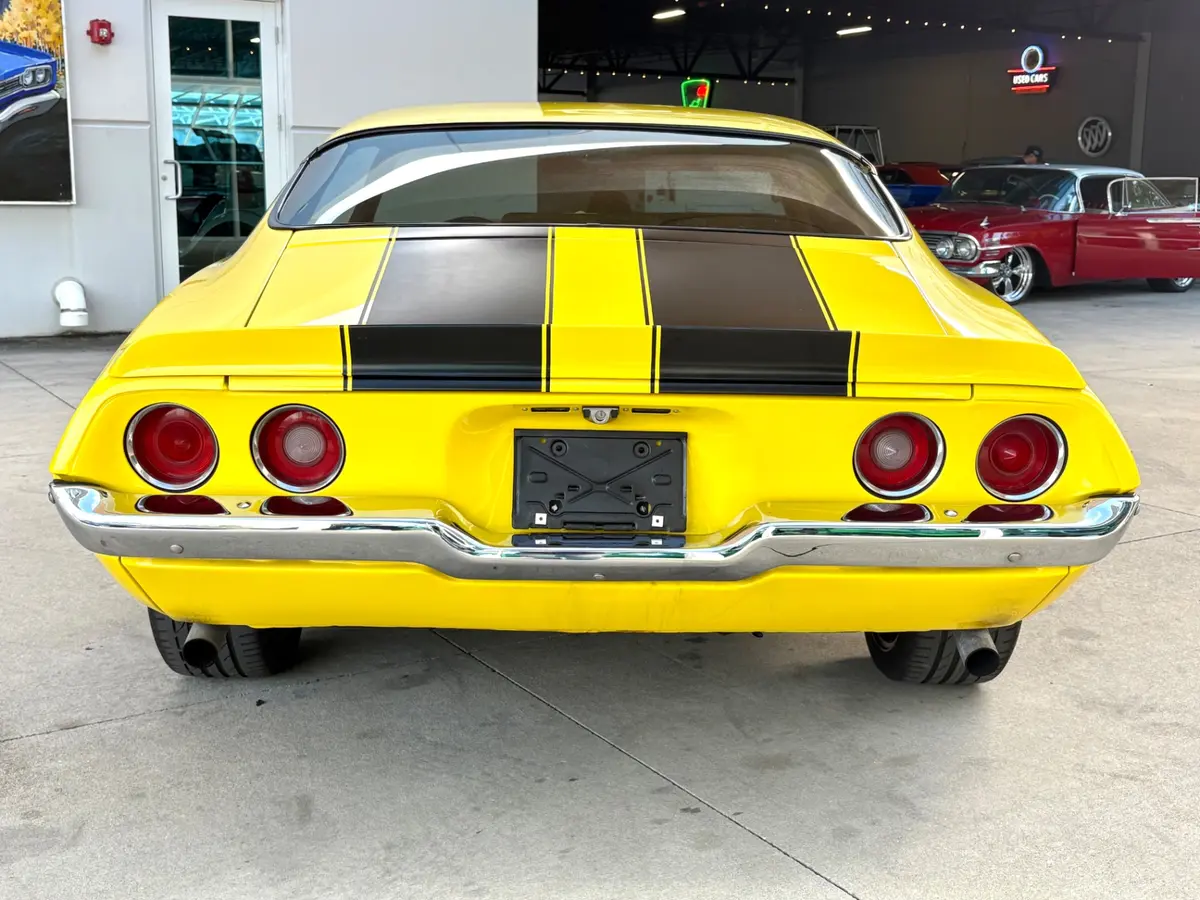
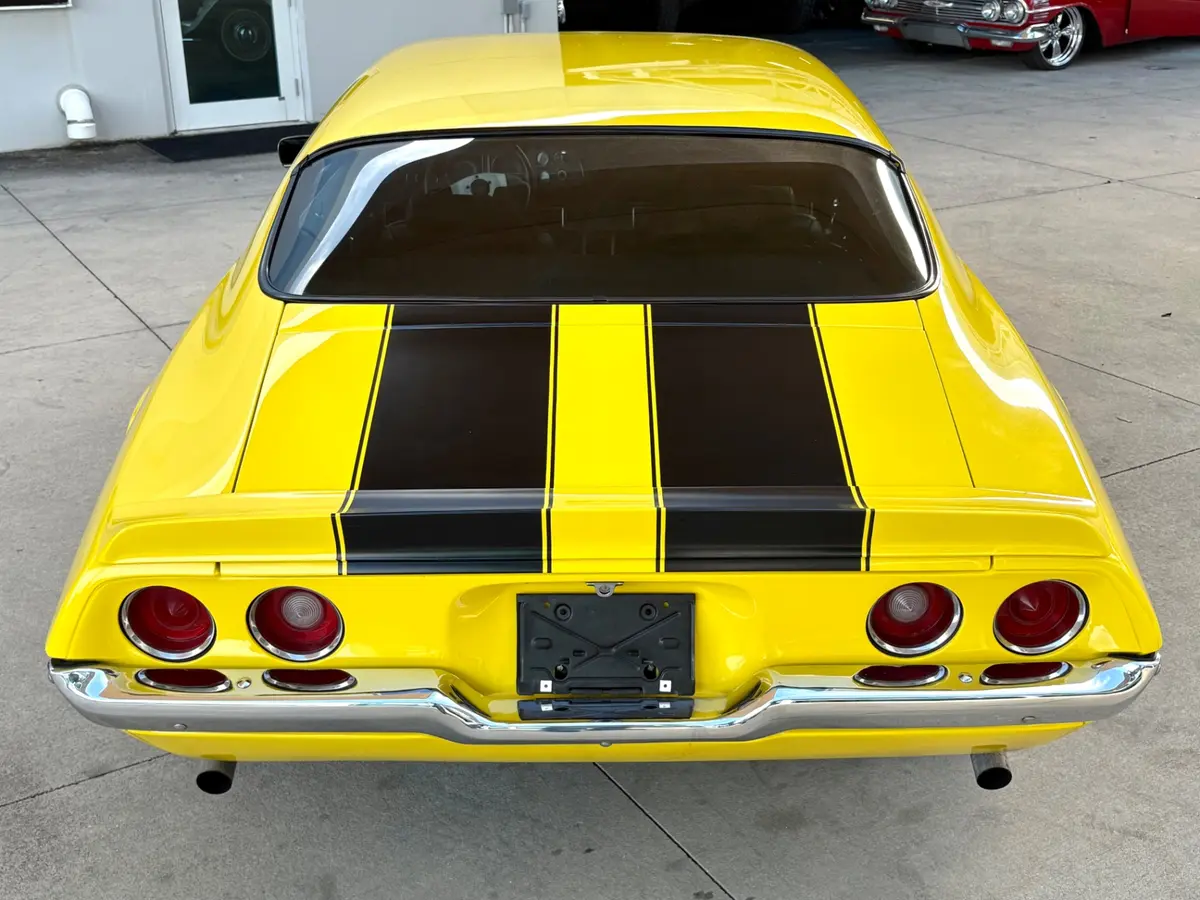
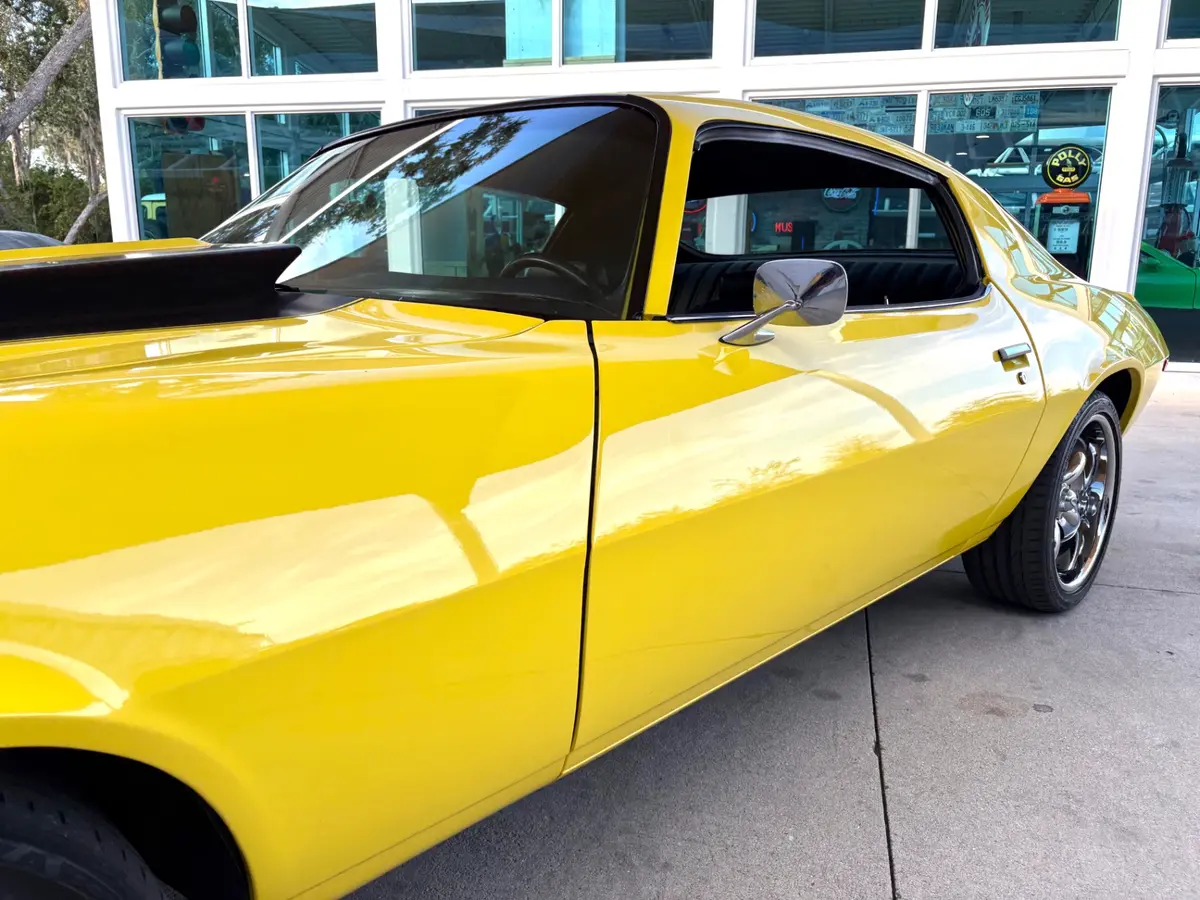
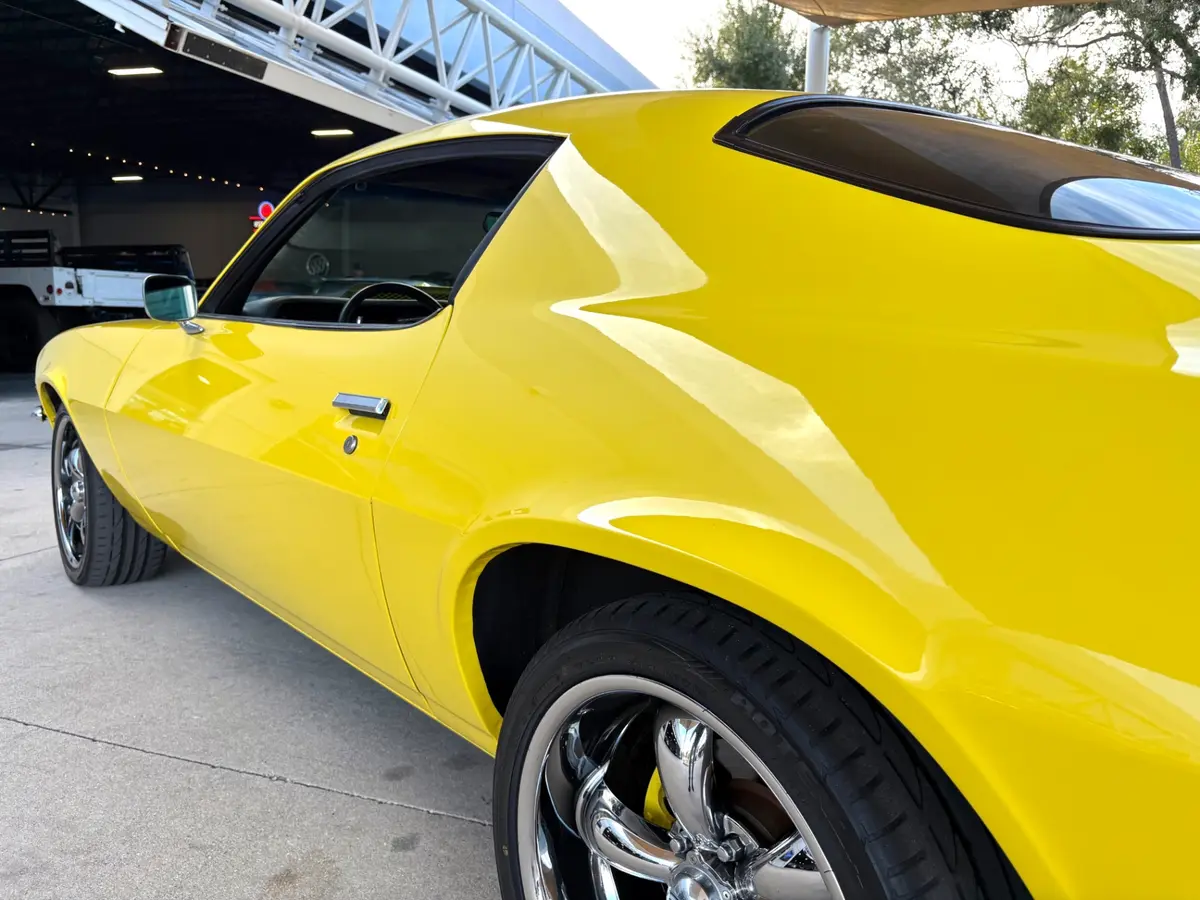
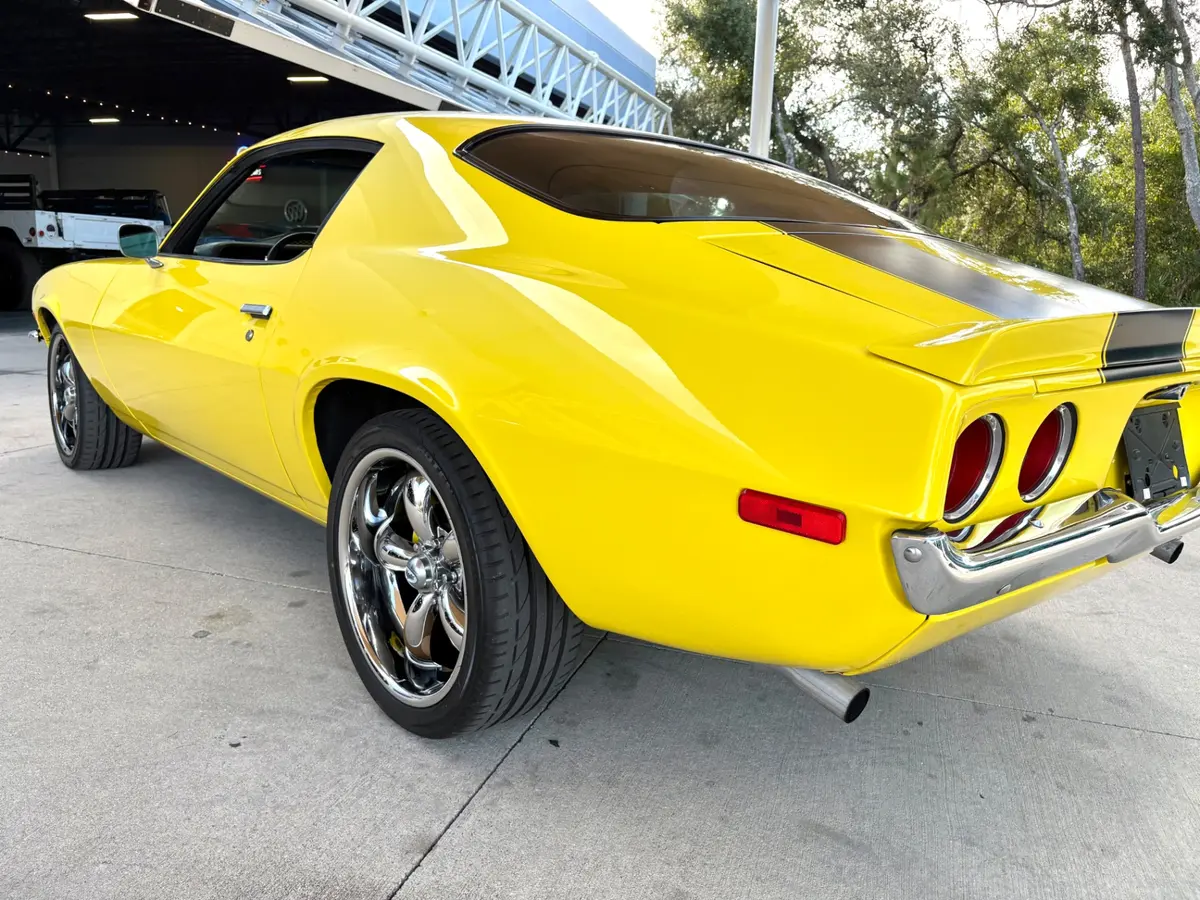
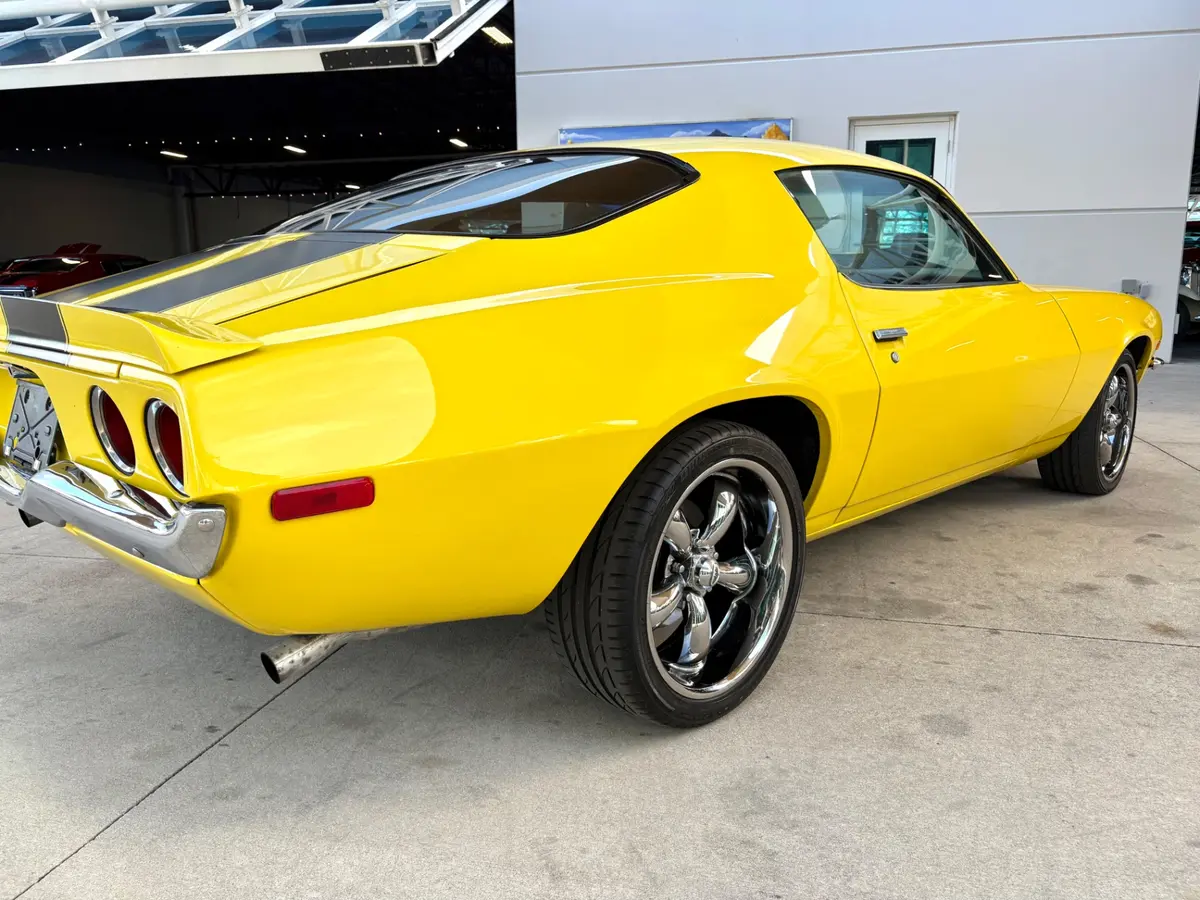
1970 Chevrolet Camaro — 350 V8, 700R4 Overdrive, Restored 2019
Why This Car Is Special
The second-generation Chevrolet Camaro arrived for 1970 as a car that Chevrolet had been developing since shortly after the first-generation launched in 1967. The result was one of the most visually aggressive American cars of its era — lower, wider, and more European in its proportions than the outgoing model. The 1970 Camaro rode on a 108-inch wheelbase with a longer hood and shorter rear deck, and the front end featured a wide, low grille opening that has since become one of the most recognizable shapes in American automotive history.
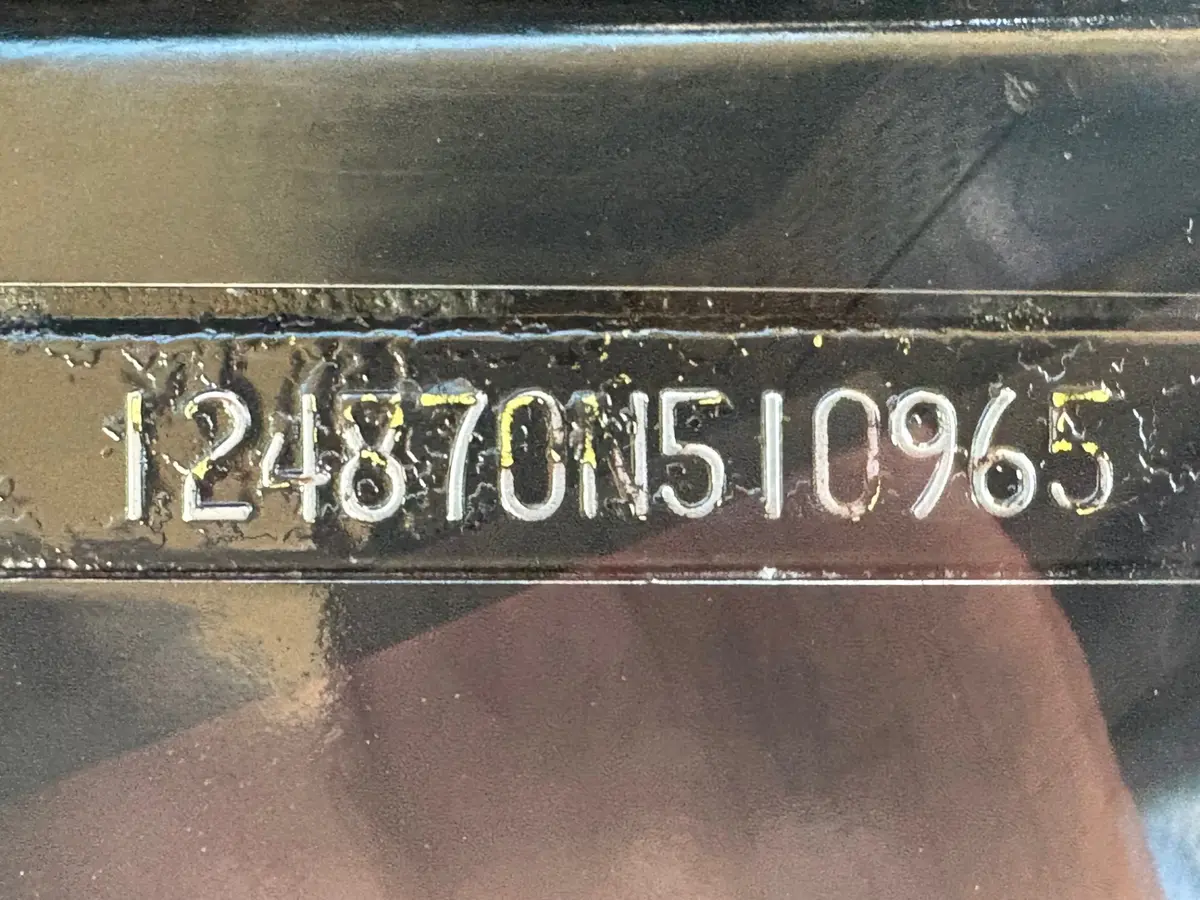
What made 1970 particularly significant is that the second-generation body style debuted mid-model-year, arriving in February 1970 as a 1970-and-a-half model. Chevrolet sold approximately 124,901 Camaros for the 1970 model year — a sharp drop from first-generation sales figures — but that relative scarcity compared to prior years has only helped values hold over time. The VIN on this car confirms it was built at the Norwood, Ohio assembly plant, one of two facilities that produced the second-generation Camaro, the other being Van Nuys, California.
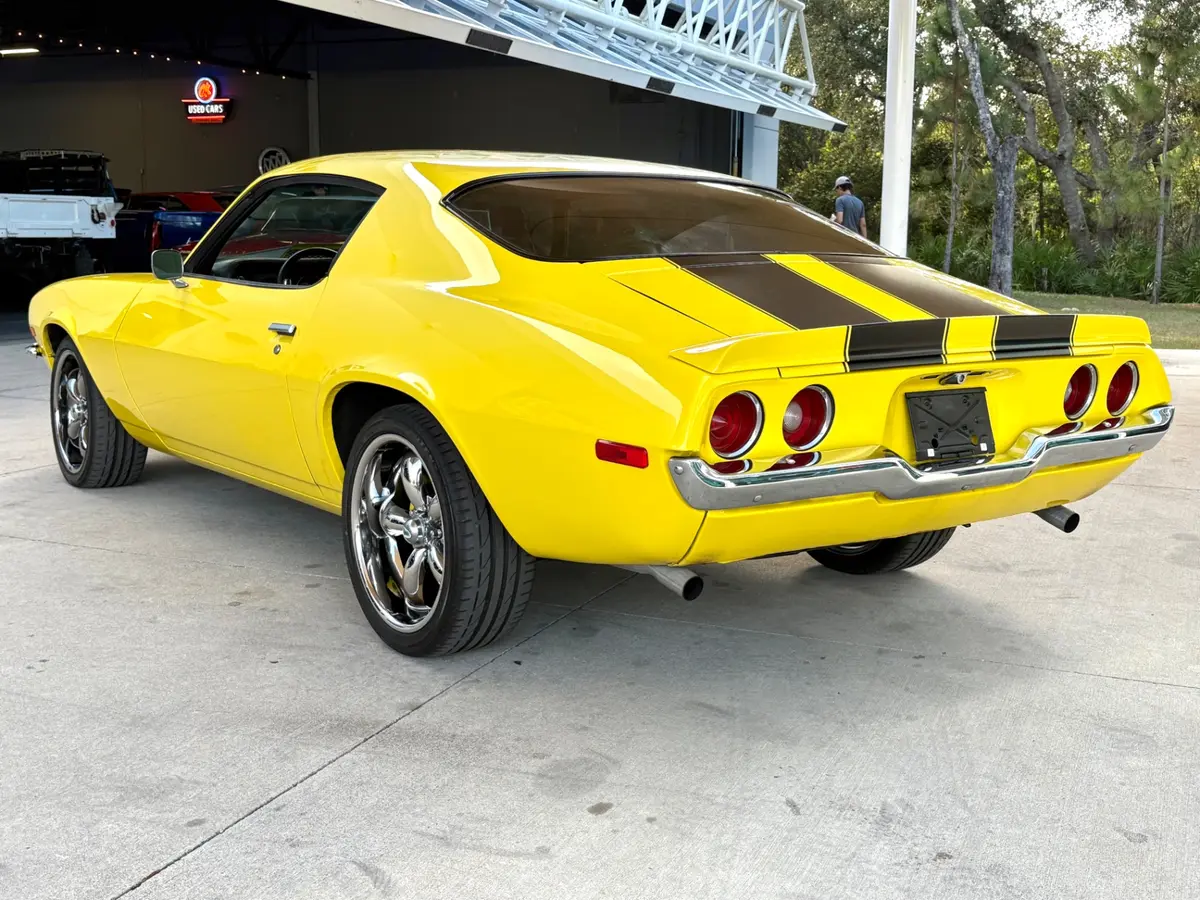
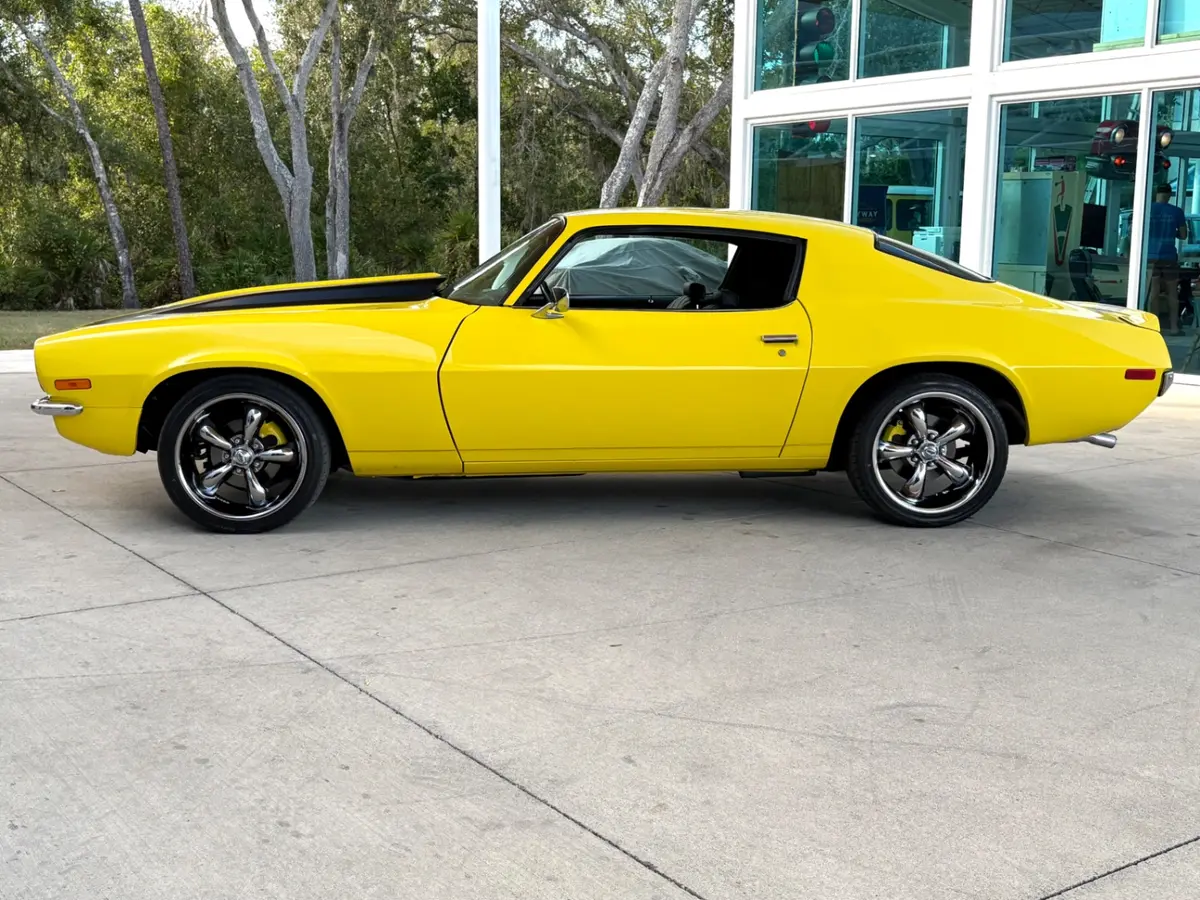
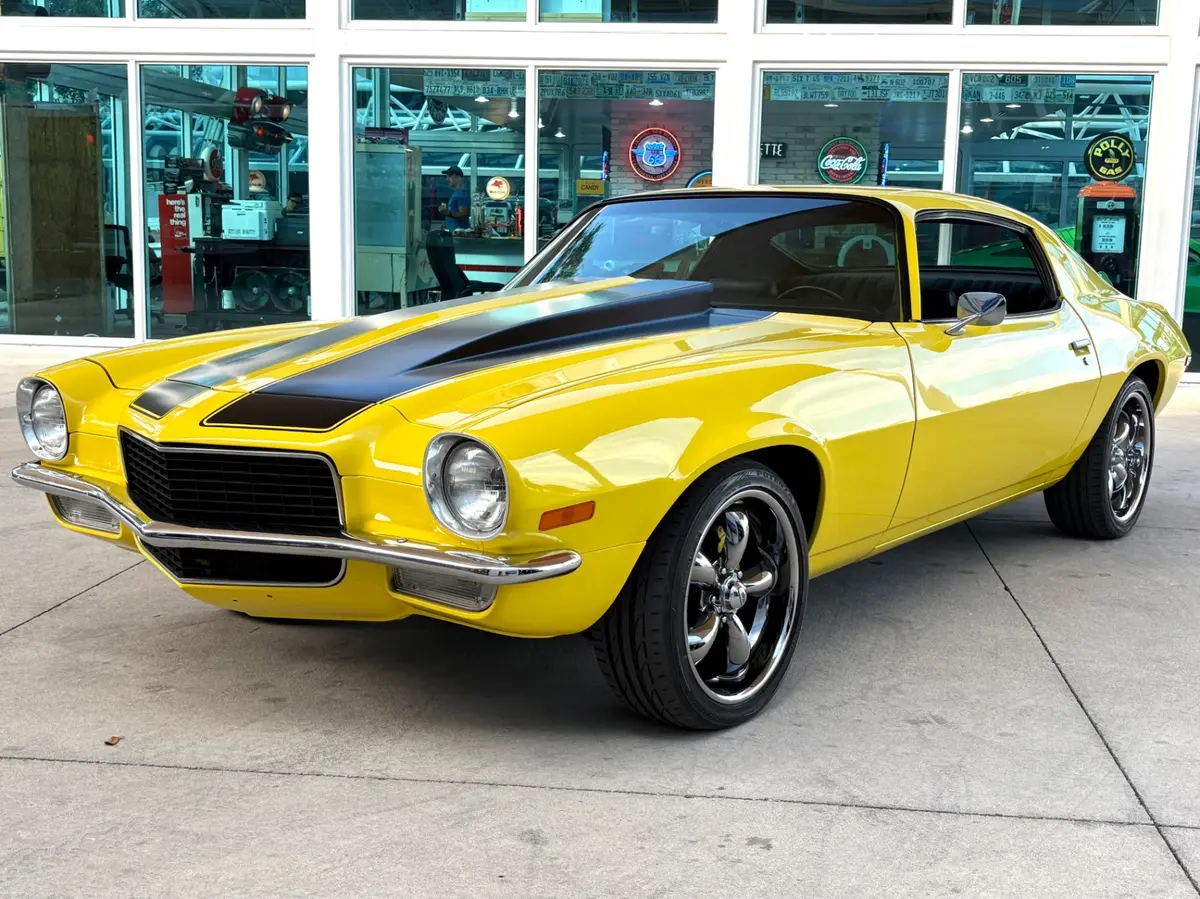
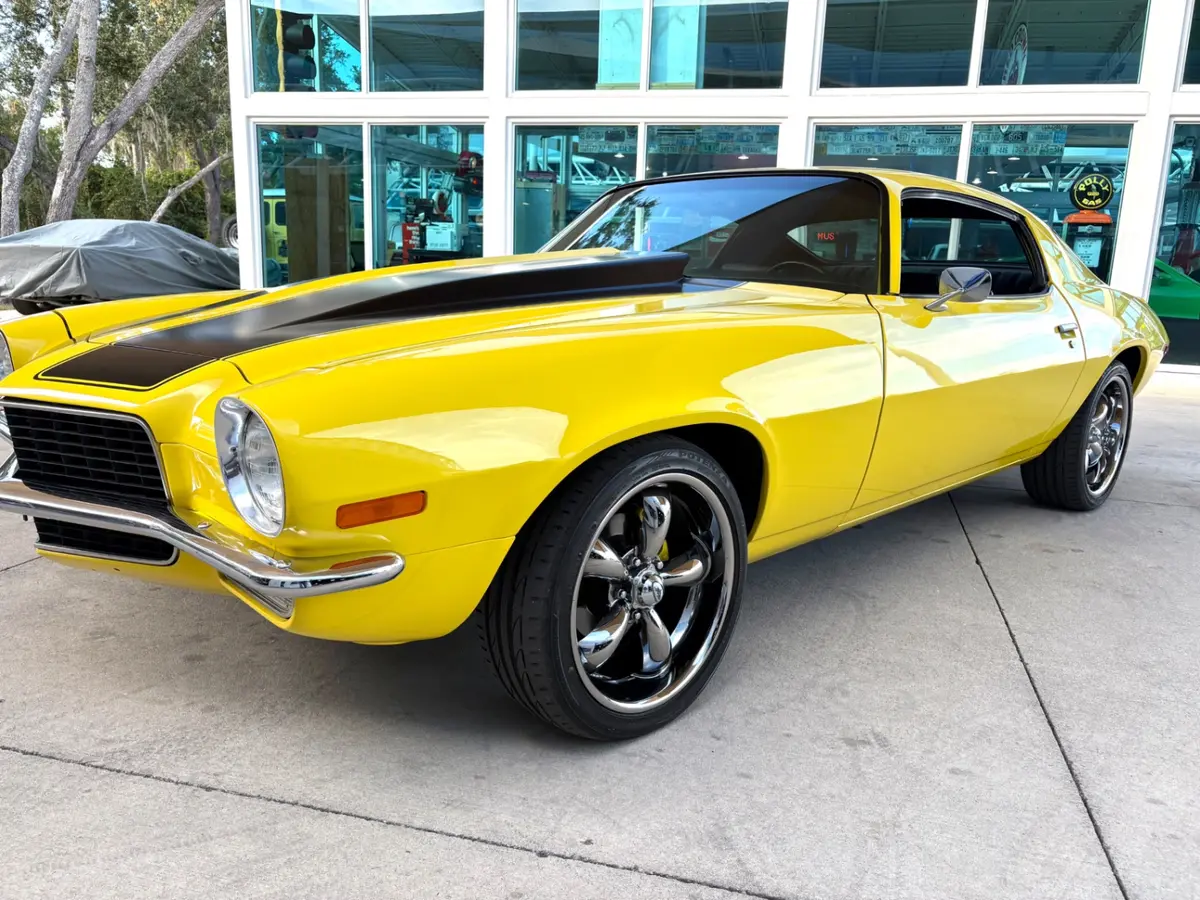
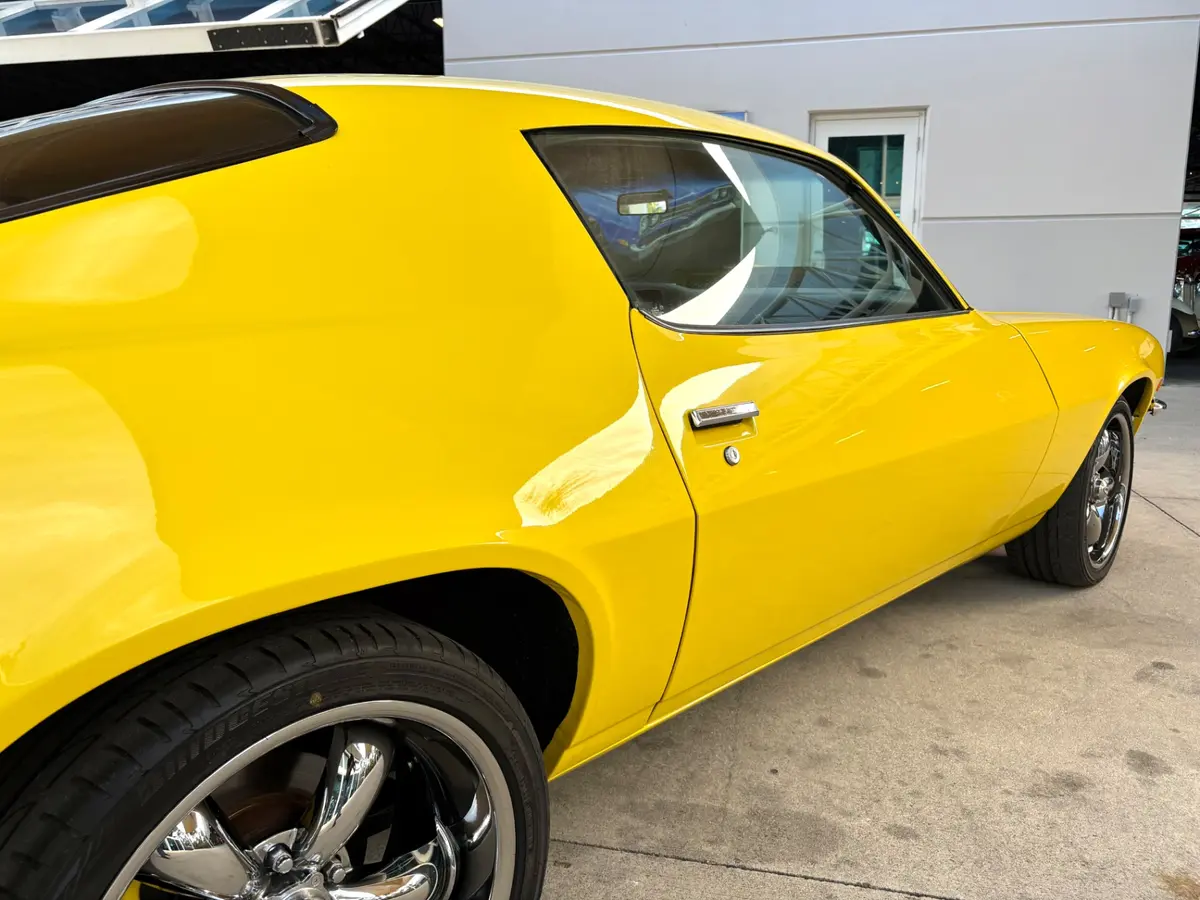
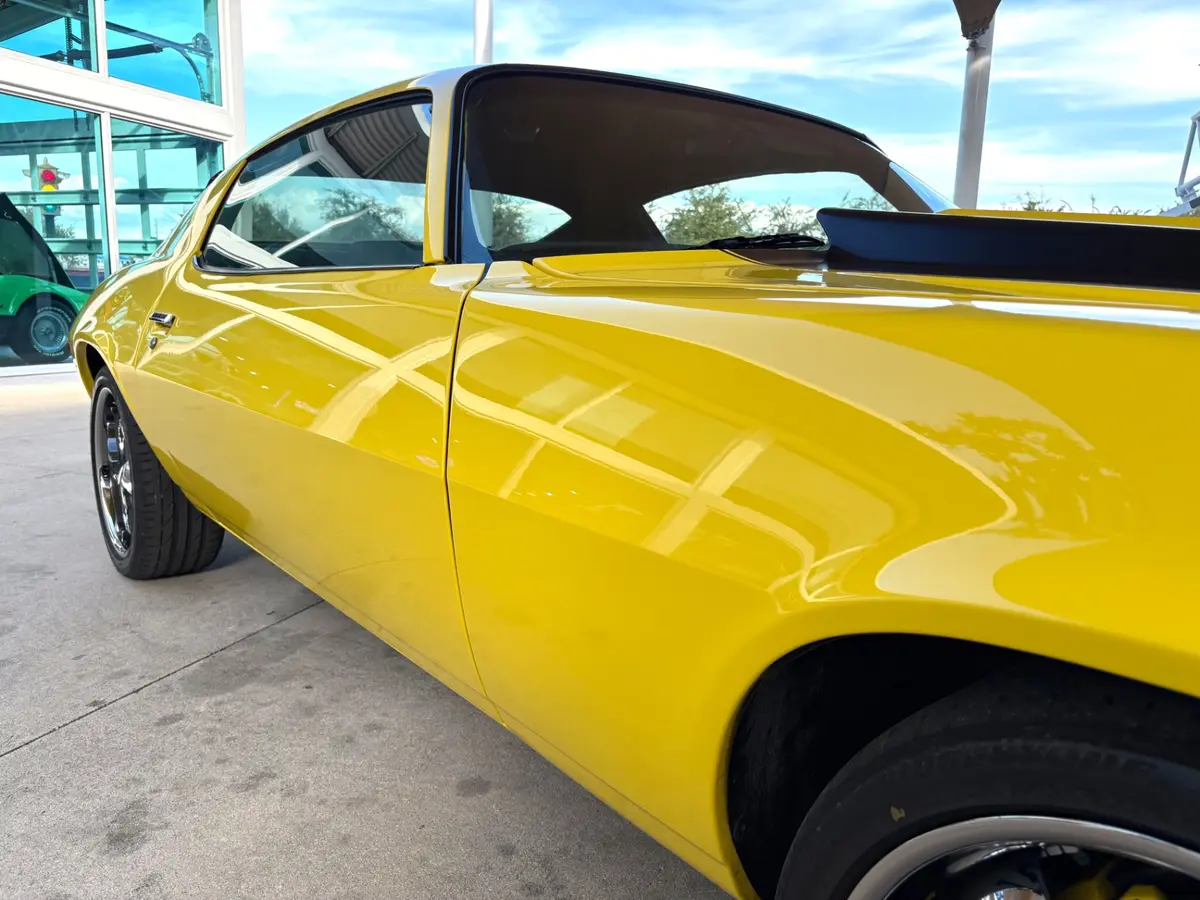
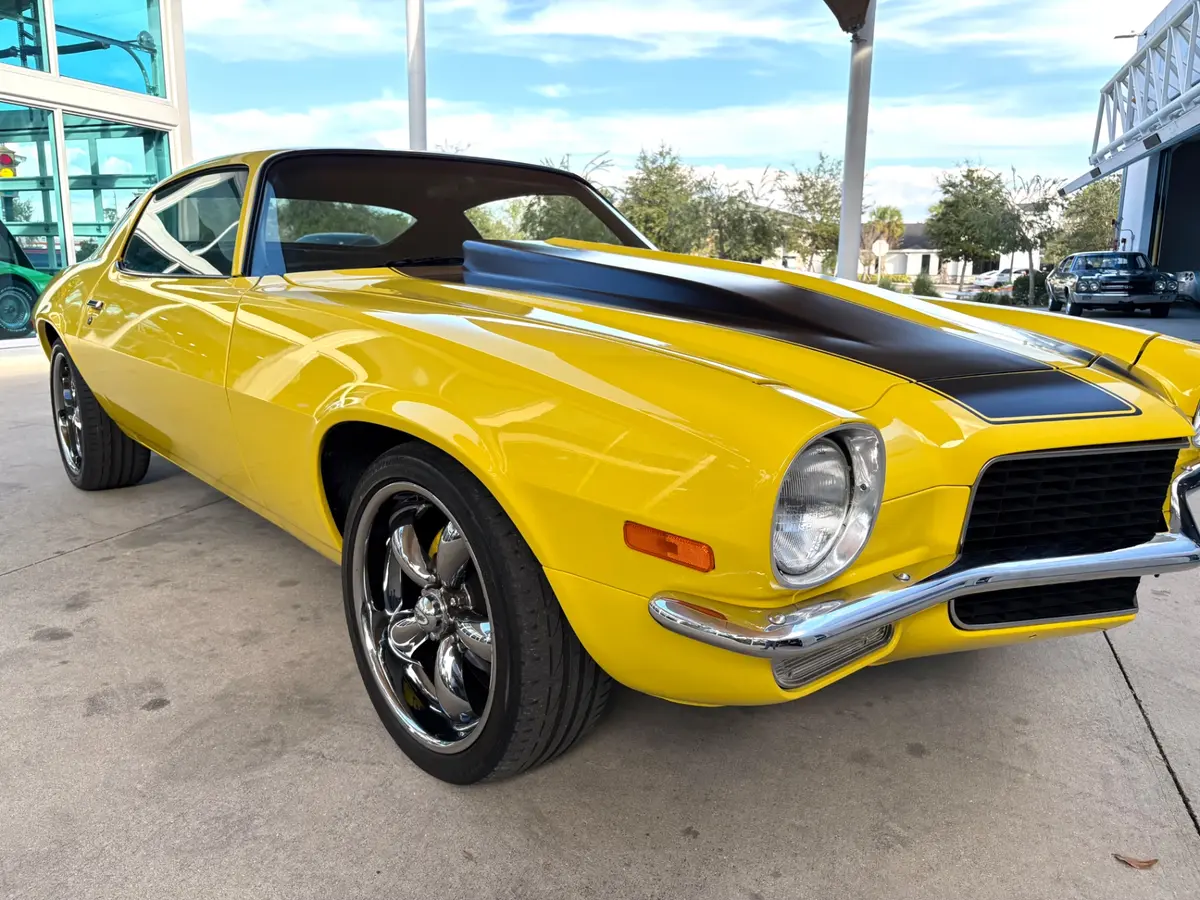
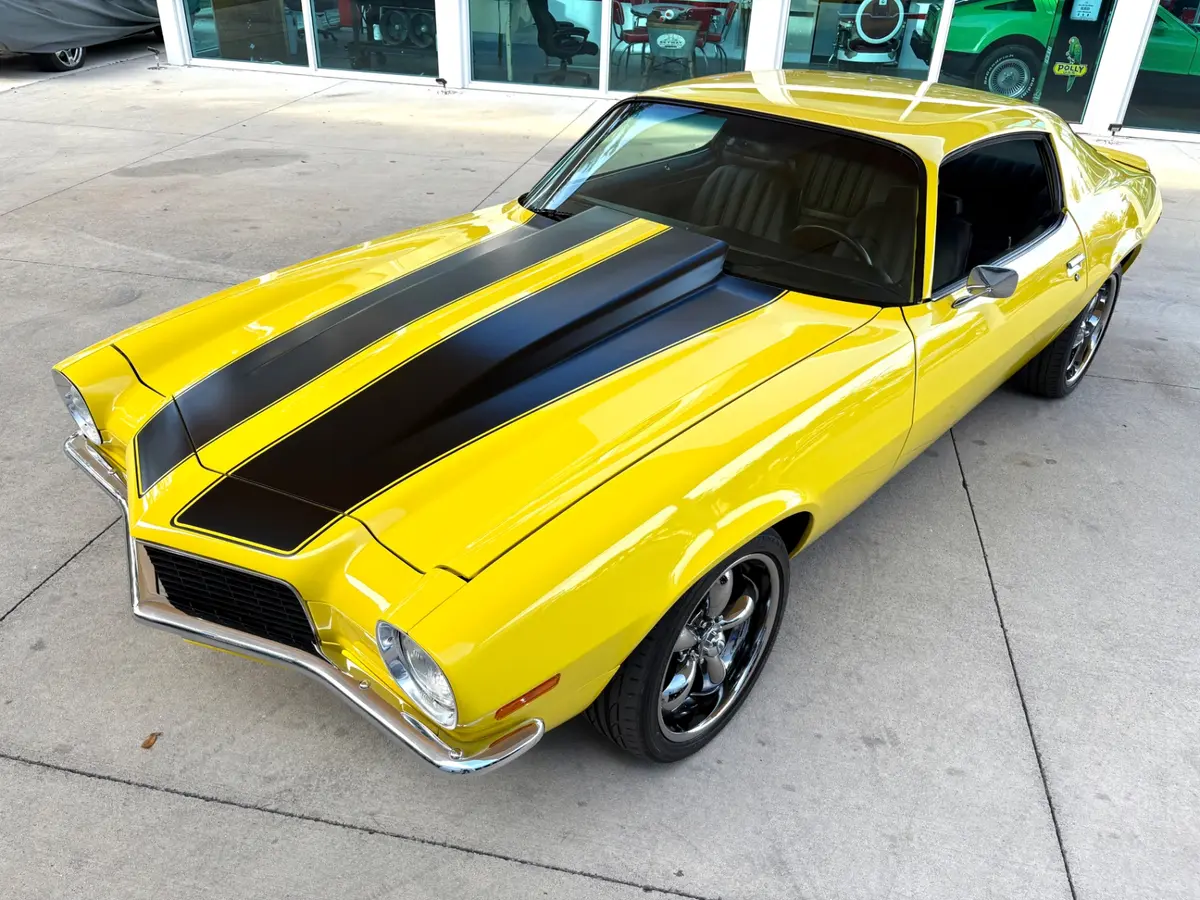
This particular 1970 Chevrolet Camaro was restored in 2019 and presents as a driver-quality pro-street build that keeps the classic look intact while upgrading the mechanical package for real-world usability. It wears yellow paint with black racing stripes, carries a cowl-induction hood, and puts a 350 cubic inch V8 backed by a 700R4 overdrive automatic on the road. This is a car you can load up and drive to a show, take out on a Saturday, or put in your collection and enjoy without worrying about it being over-restored.
Features List
- 350 cubic inch V8, rated at 350 horsepower
- 700R4 four-speed automatic overdrive transmission
- GM 12-bolt rear end
- 4-wheel power disc brakes
- Yellow-painted brake calipers
- Power steering
- Subframe connectors
- Aluminum intake manifold
- 4-barrel carburetor
- Chrome valve covers
- Dual exhaust
- Cowl hood
- Black racing stripes
- PPG base coat / clear coat paint
- Chrome front and rear bumpers
- Custom 18-inch 5-spoke wheels
- Bridgestone Potenza tires
- Black leather bucket seats
- Factory console and shifter
- Factory tachometer
- Grant GT steering wheel
- Air conditioning
- Aftermarket stereo
- Restored in 2019
Mechanical
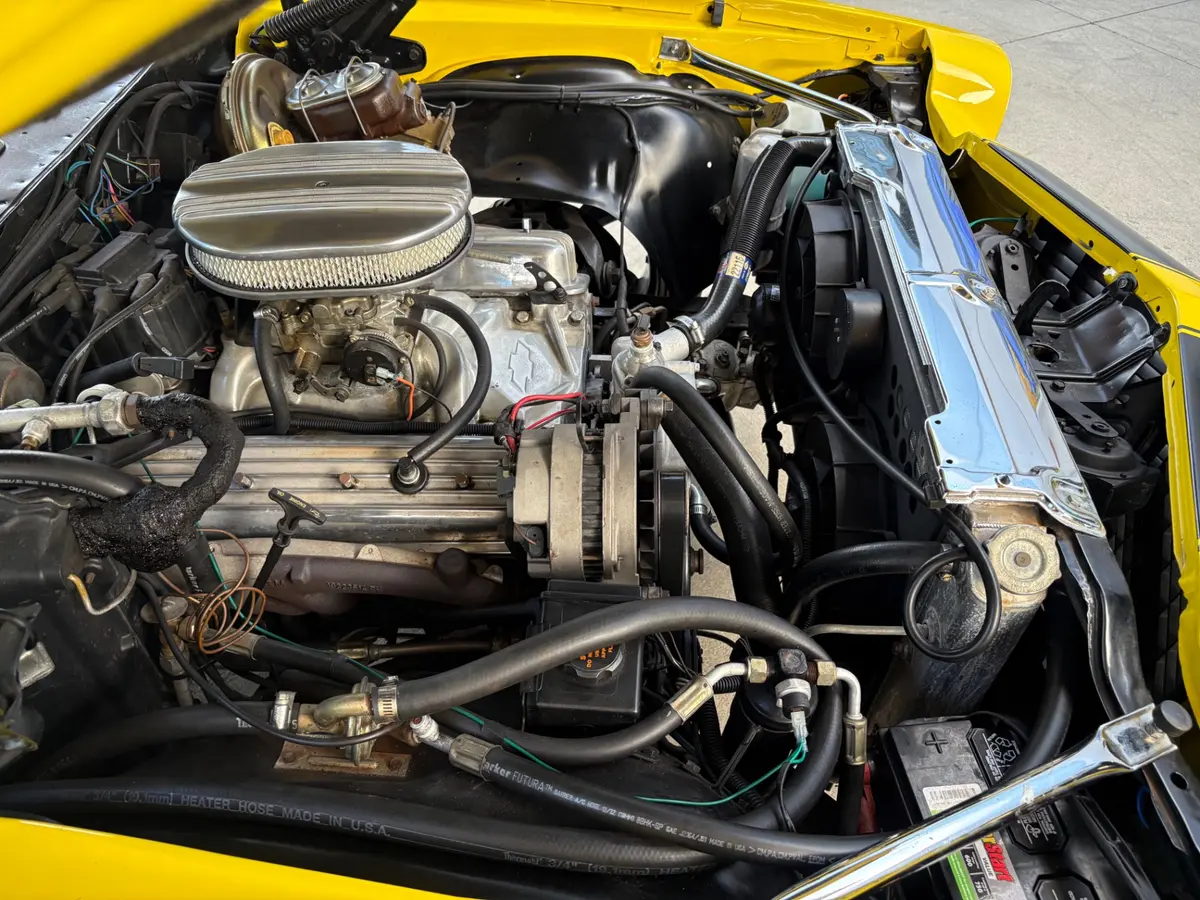
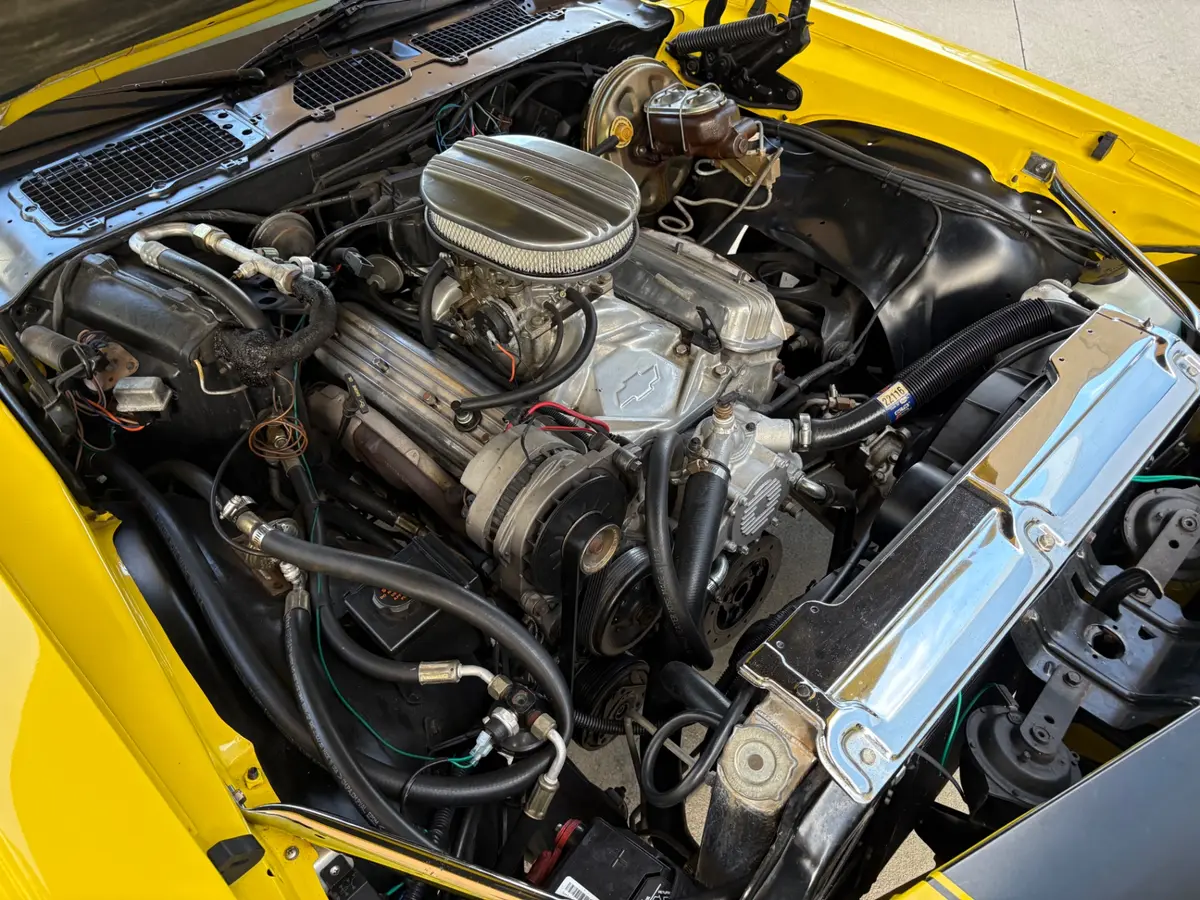
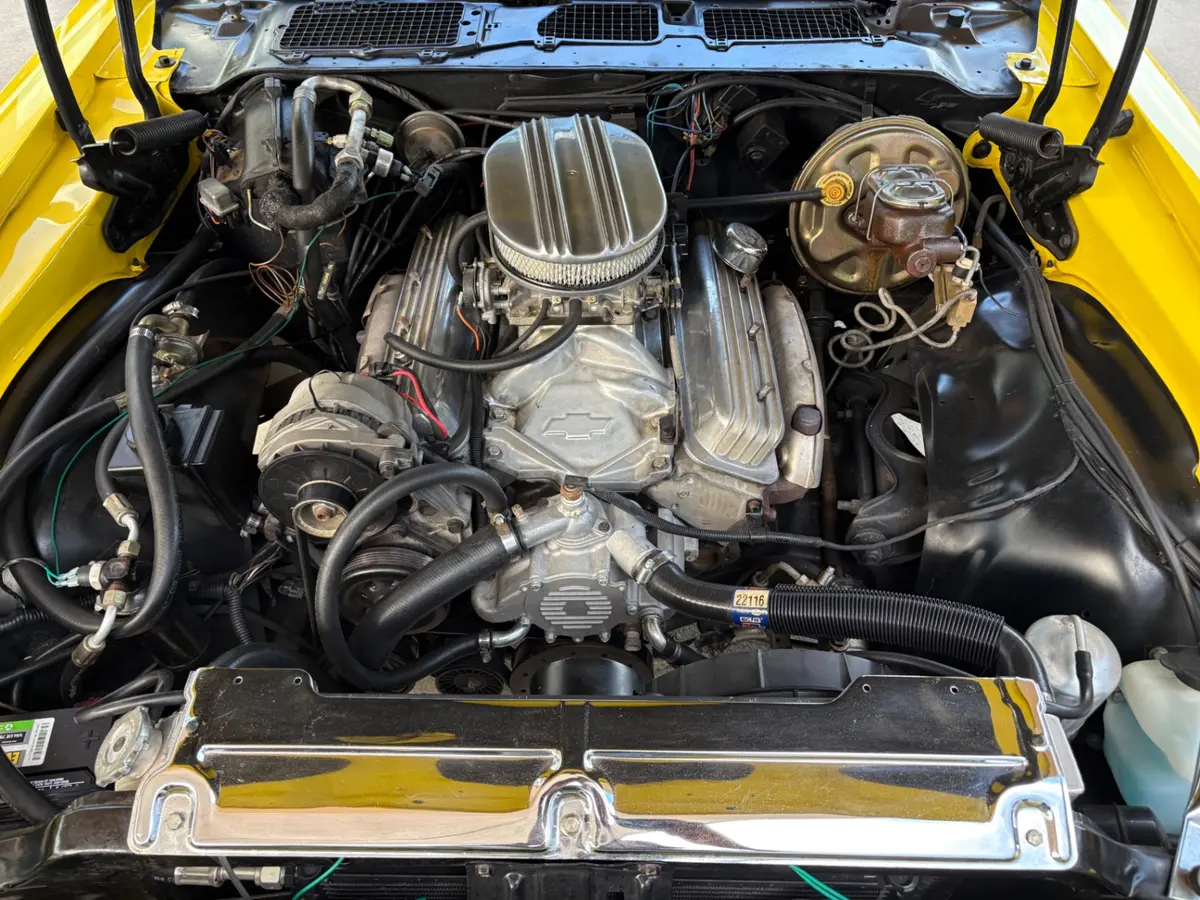
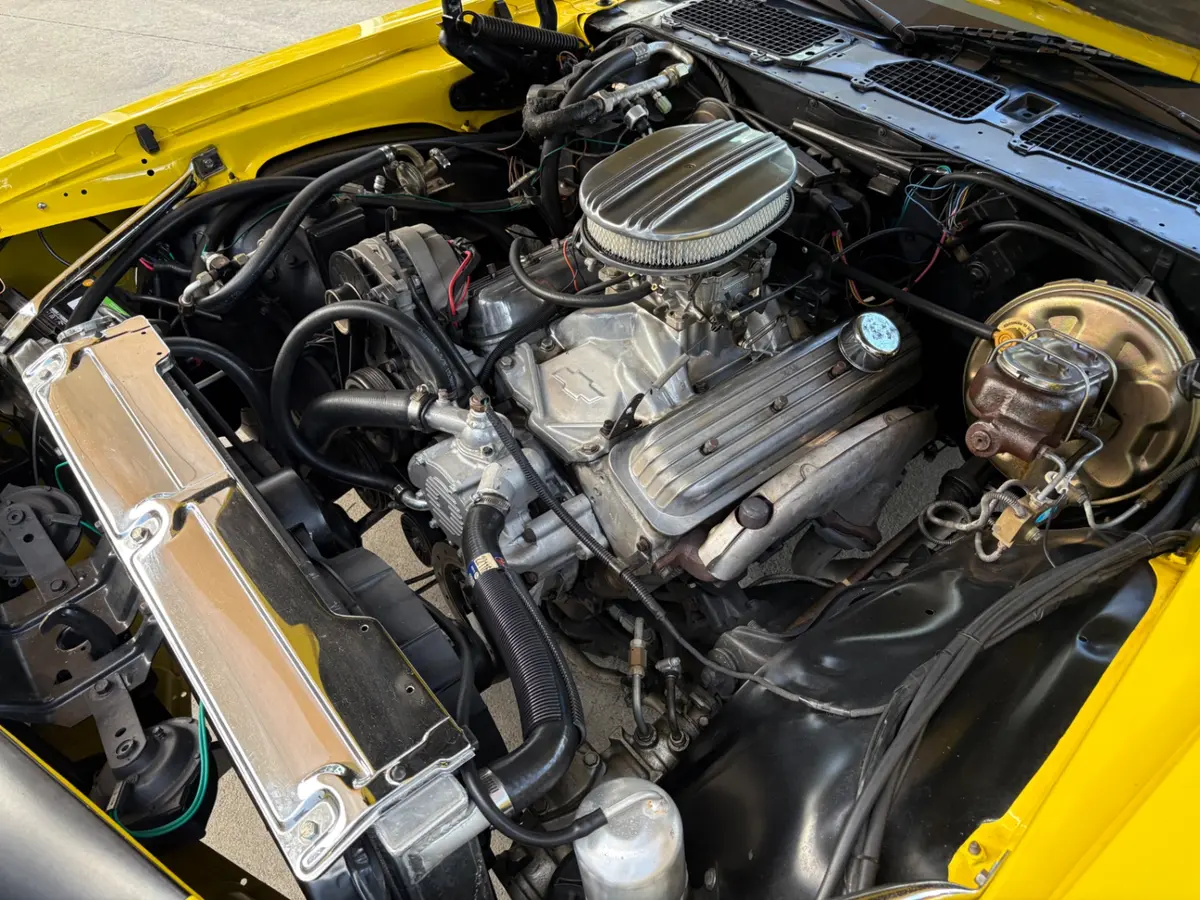
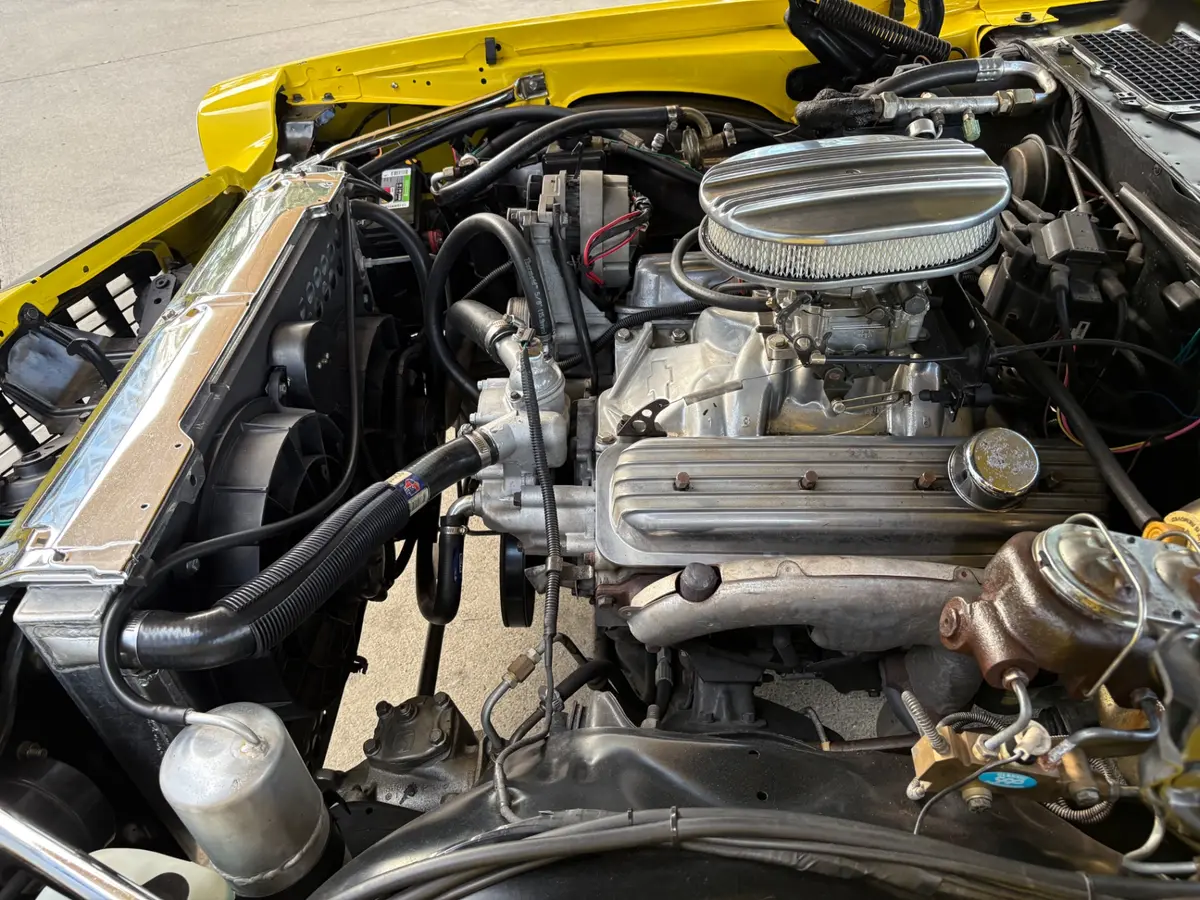
Under the cowl hood sits a 350 cubic inch small block Chevrolet V8 producing 350 horsepower. The engine is dressed with chrome valve covers, an aluminum intake manifold, and a 4-barrel carburetor, all of which are visible from the engine bay. The aluminum intake is a meaningful upgrade over the factory cast iron unit — it reduces weight over the front axle and improves airflow, and it gives the engine bay a cleaner, more purposeful look that matches the character of the build.
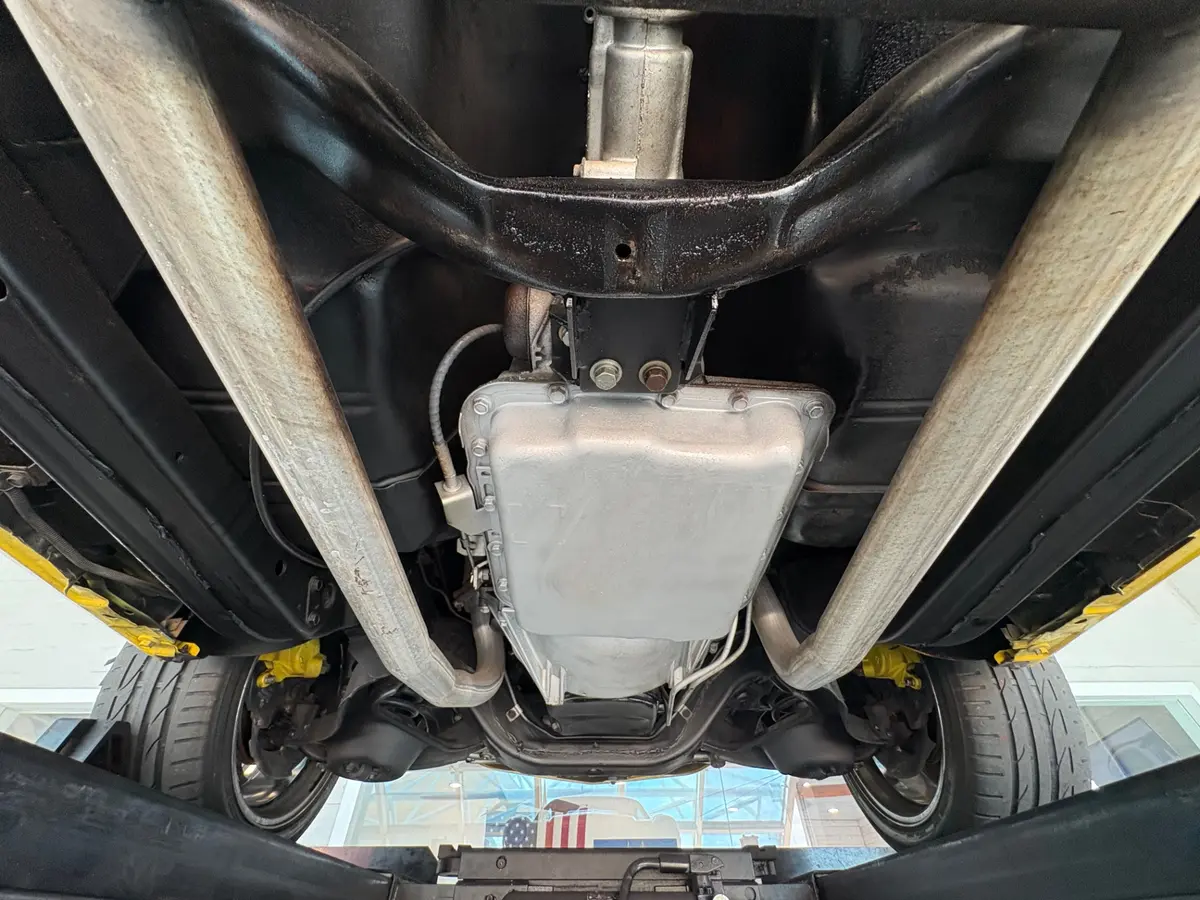
Behind the engine is a 700R4 four-speed automatic overdrive transmission. The 700R4 was not available on Camaros in 1970 — it was introduced by General Motors in 1982 — so this is a deliberate upgrade chosen to make the car more practical on modern roads. The 700R4's fourth gear is a true overdrive ratio of 0.70:1, which drops engine RPM significantly at highway speeds compared to the original Turbo-Hydramatic 350 or 400 that would have been factory equipment. The result is a car that cruises more comfortably at interstate speeds and is easier on fuel than a three-speed automatic would be.
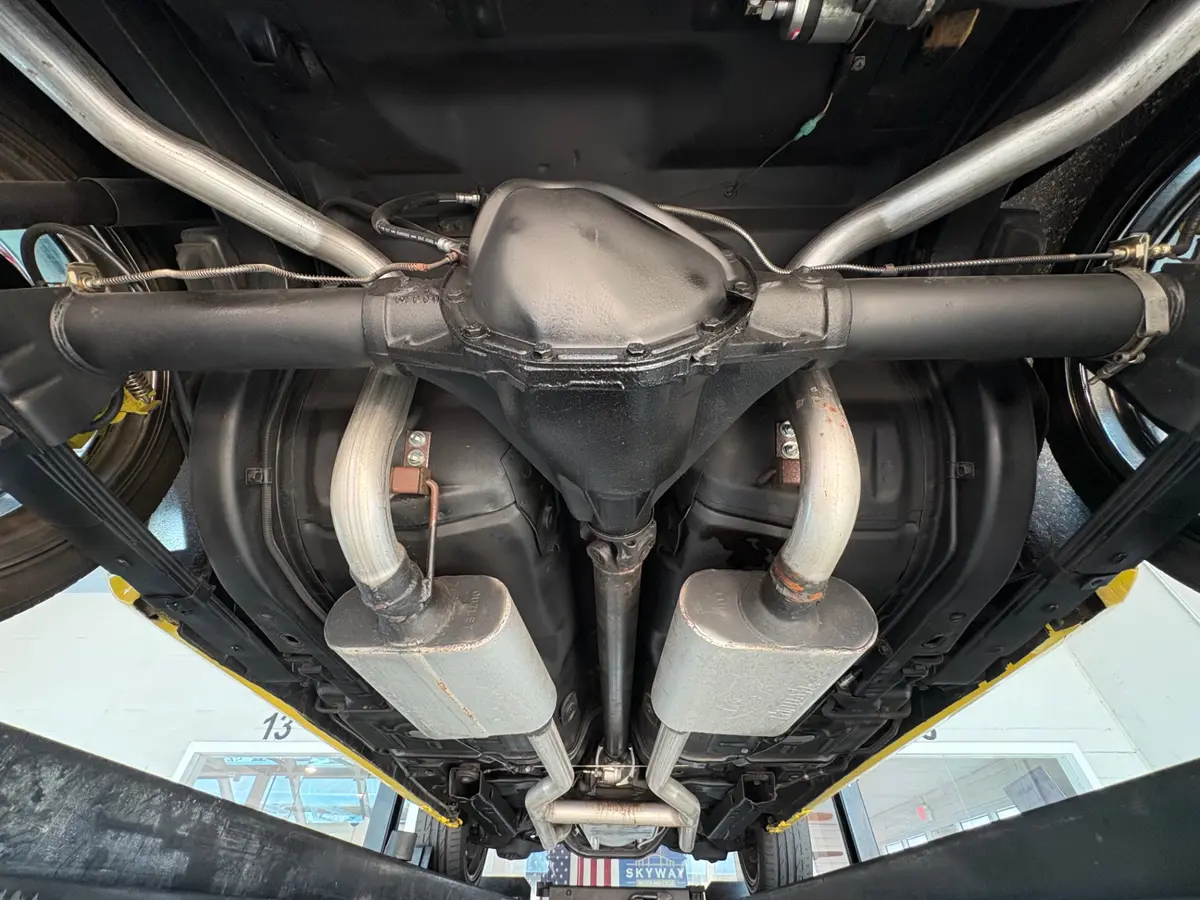
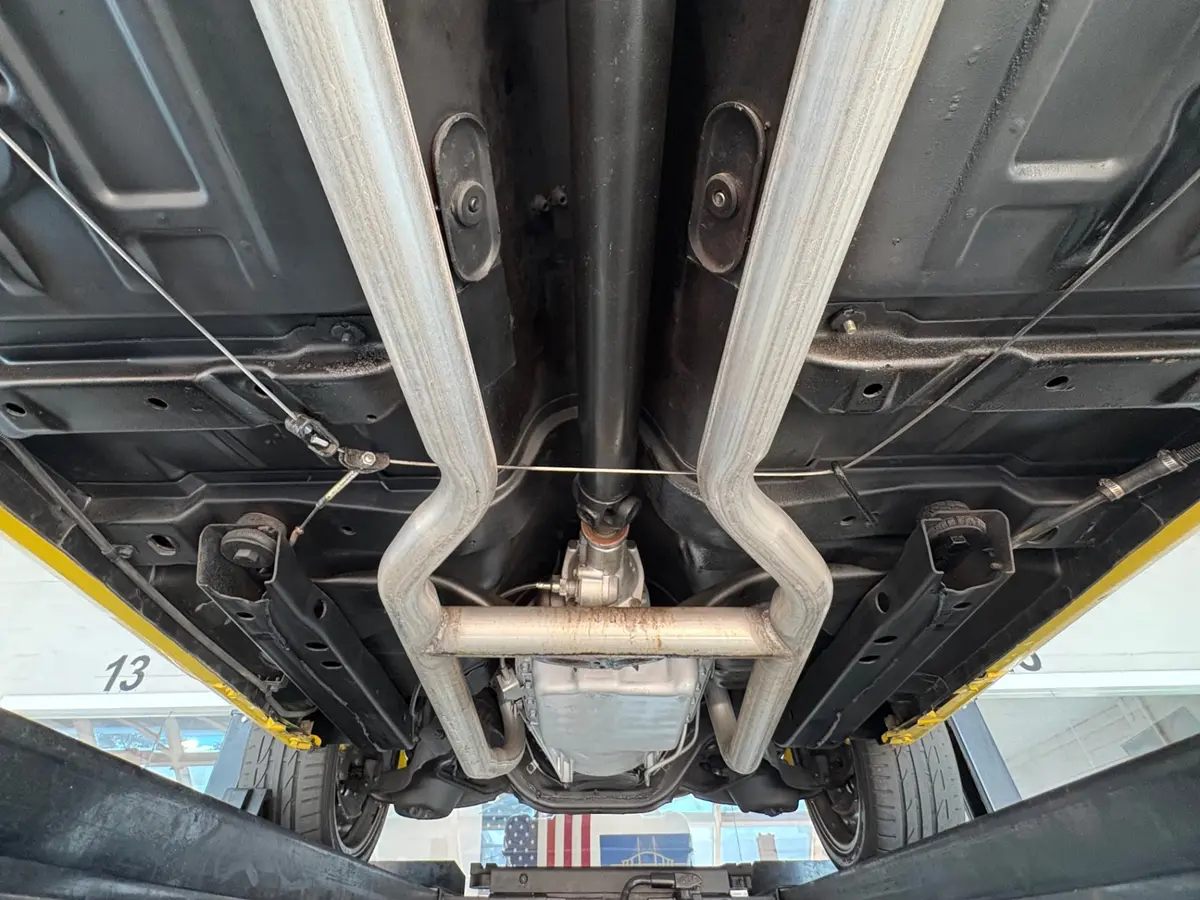
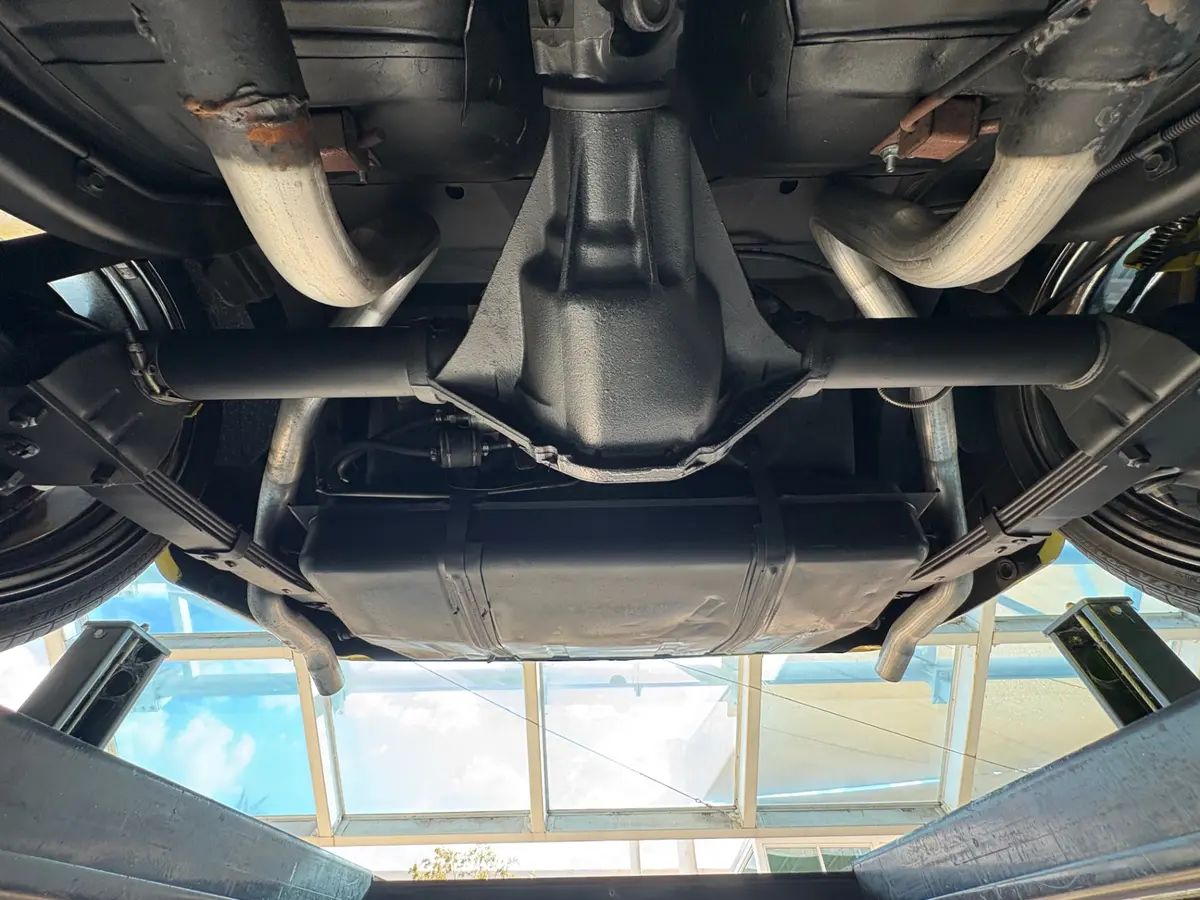
Power goes through a GM 12-bolt rear end, which is one of the strongest axle assemblies GM produced for passenger car use. The 12-bolt was factory equipment on performance Camaro variants and is favored by builders for its ability to handle elevated power levels without modification.
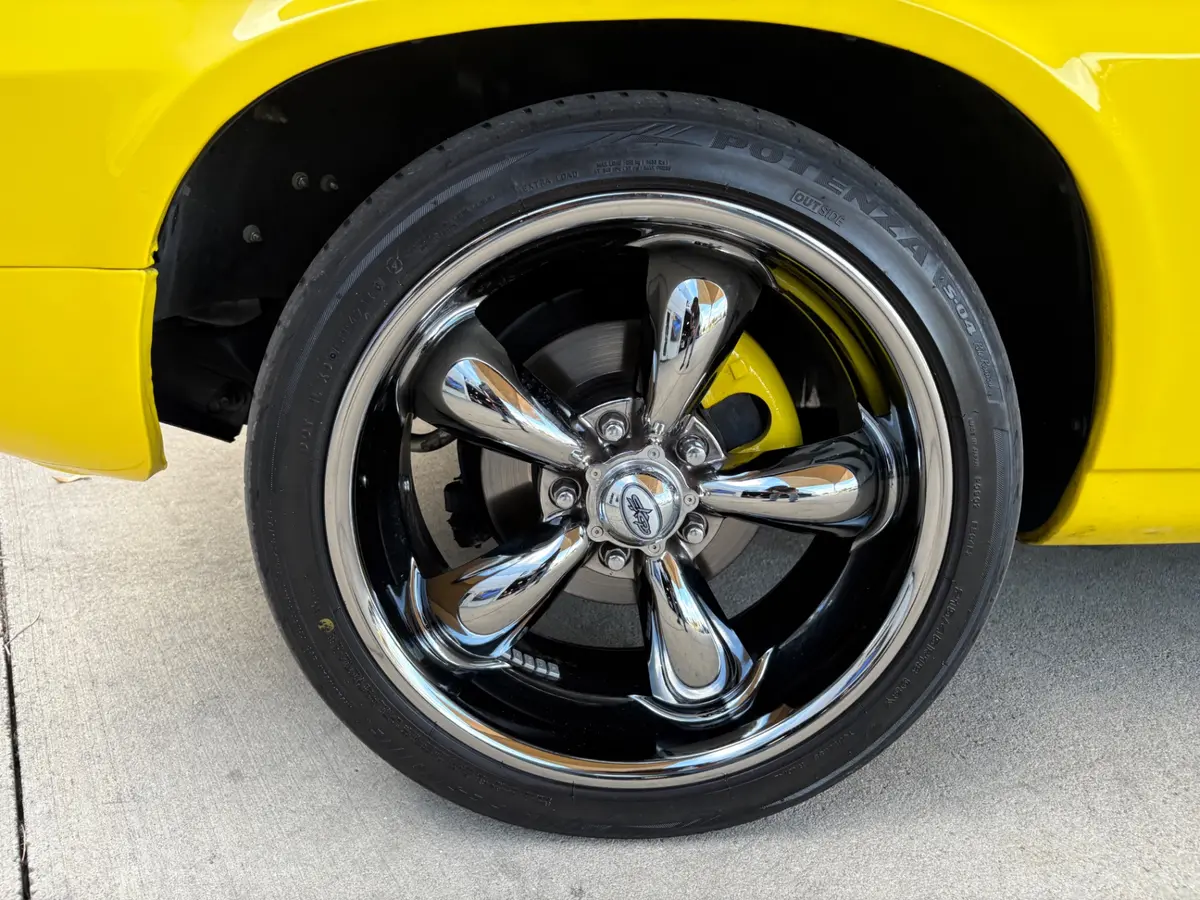
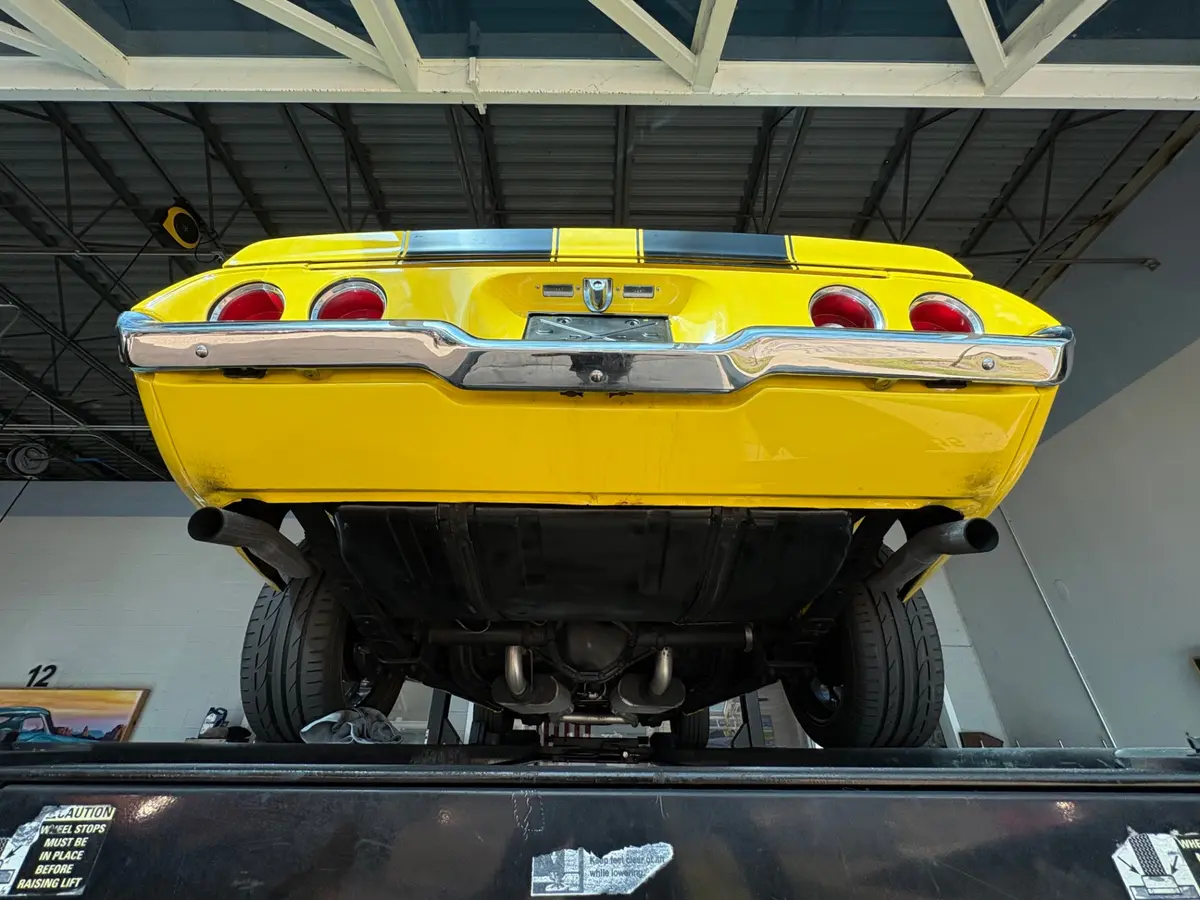
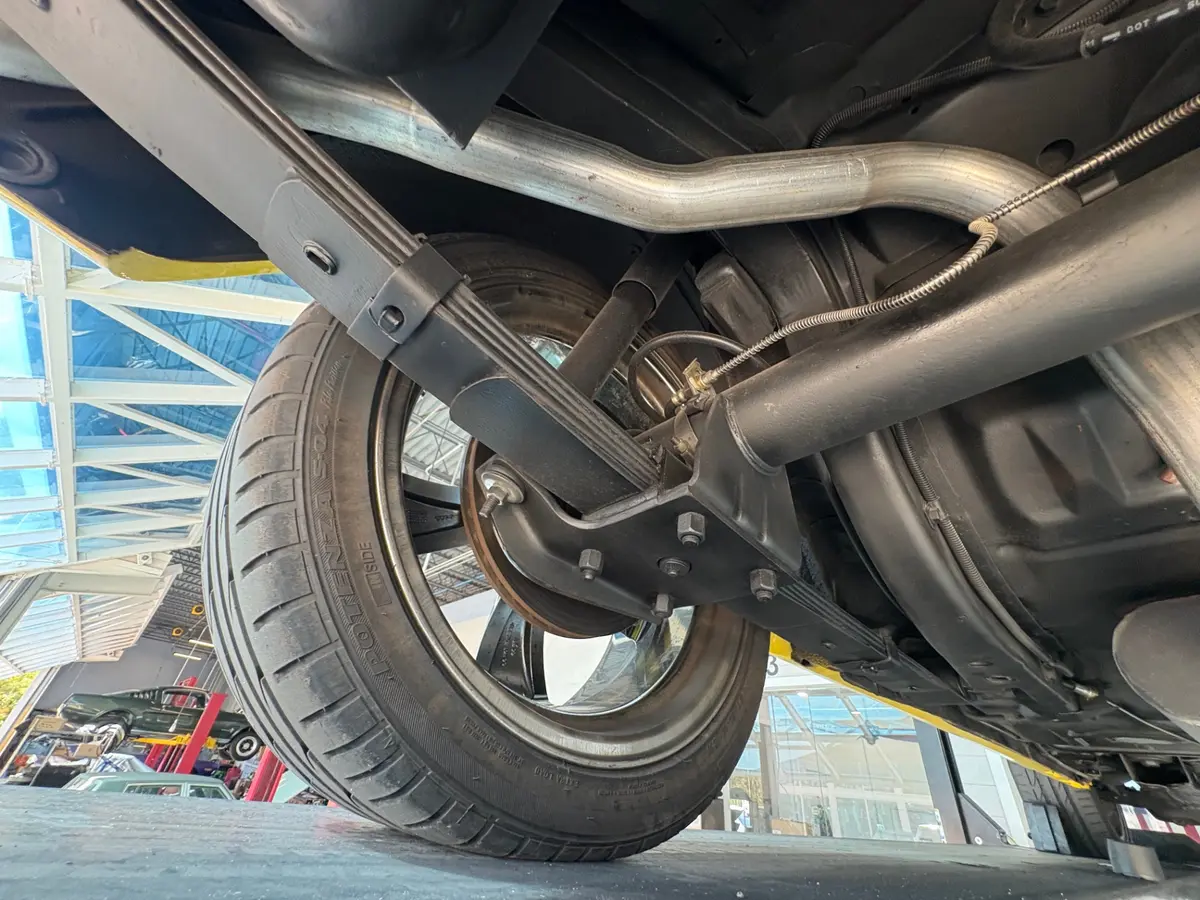
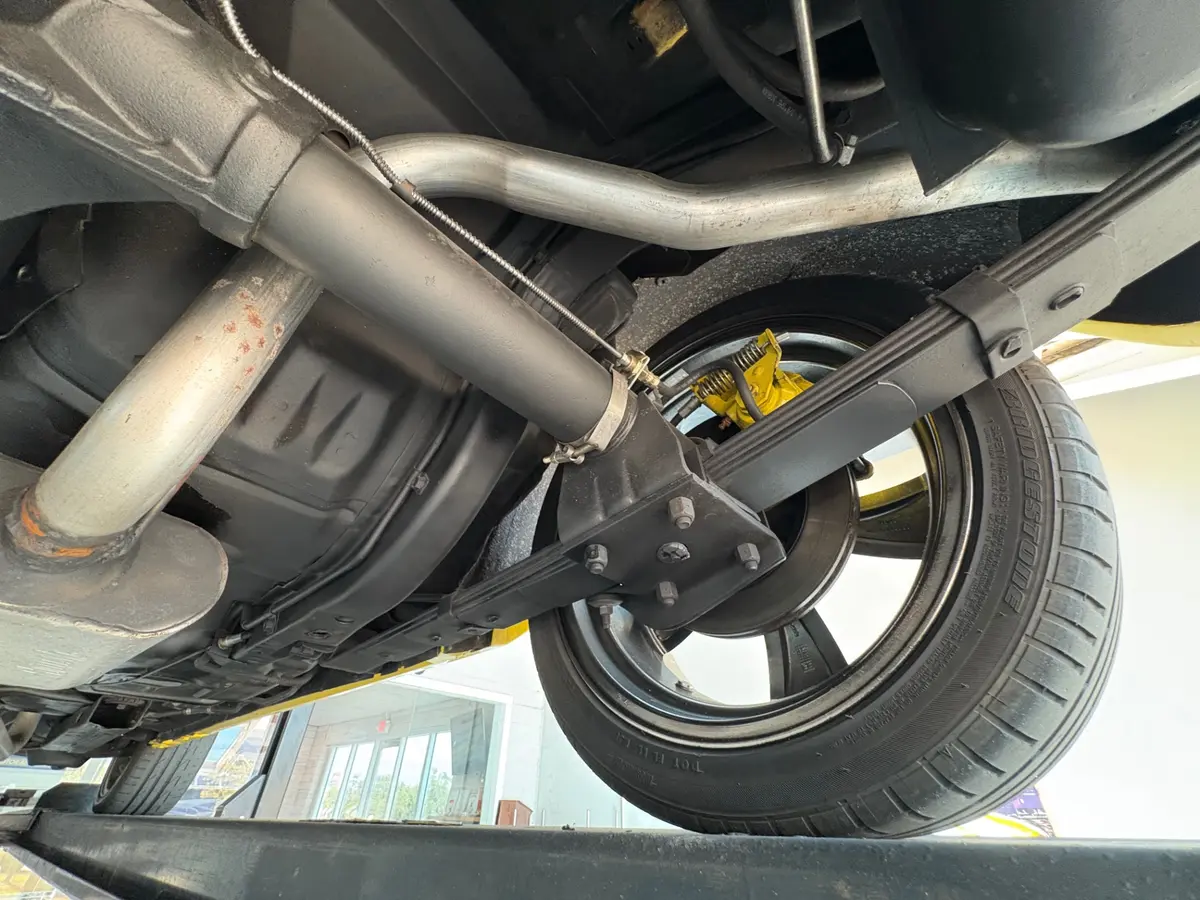
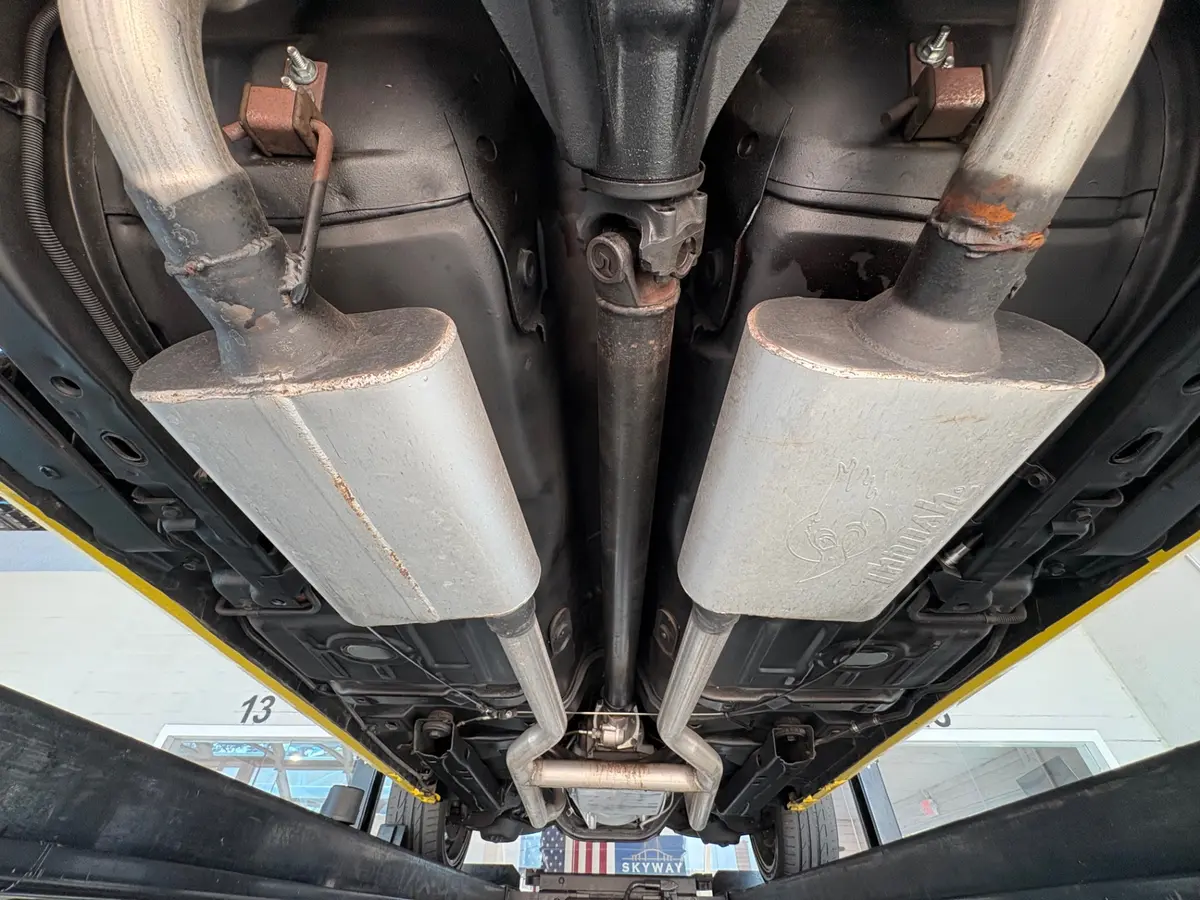
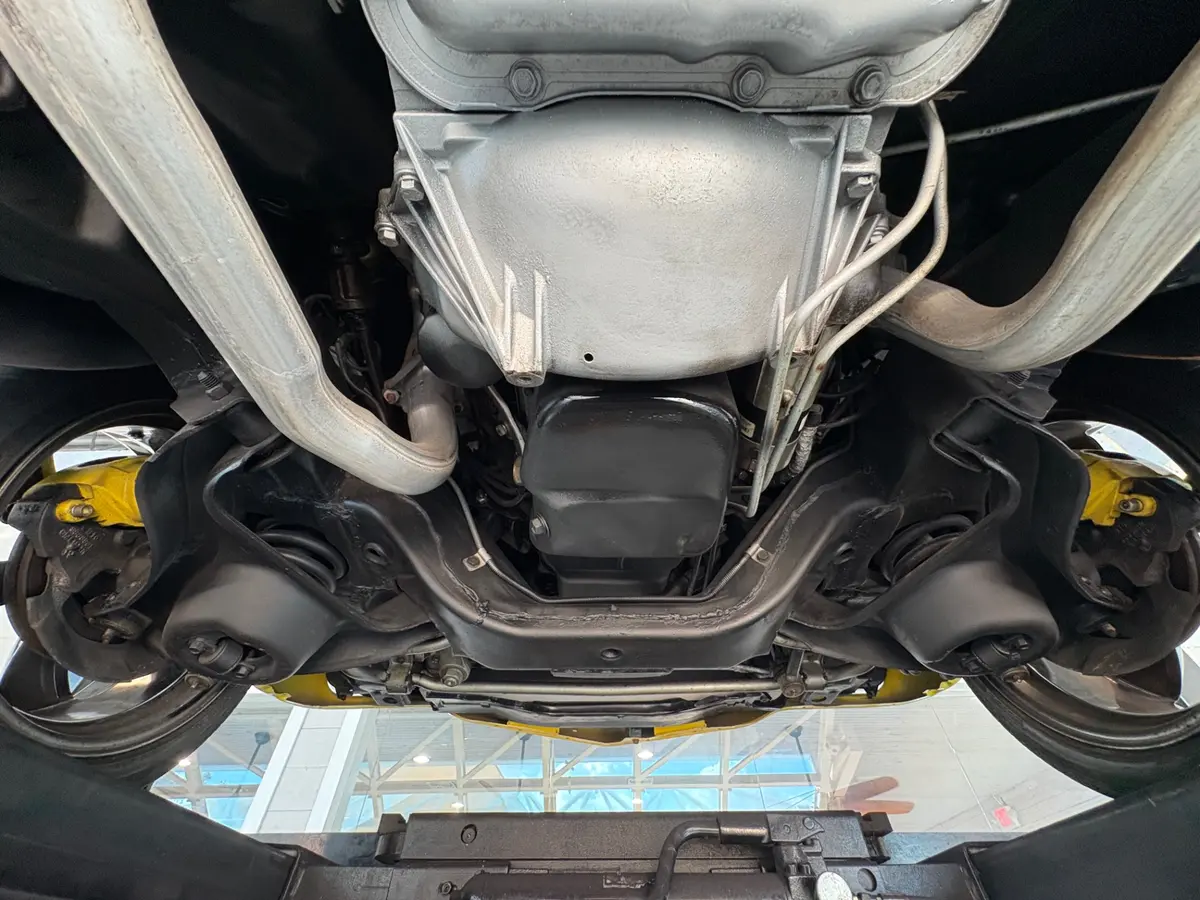
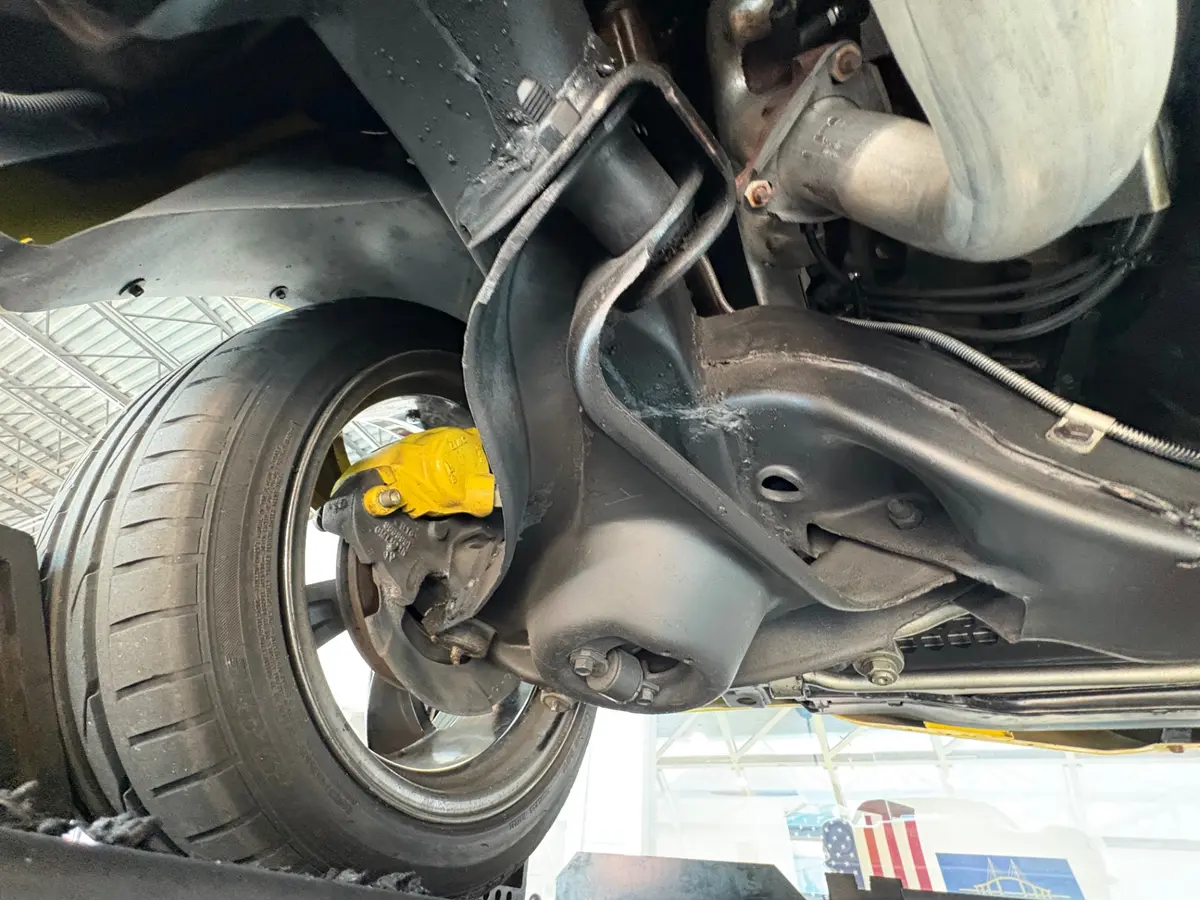
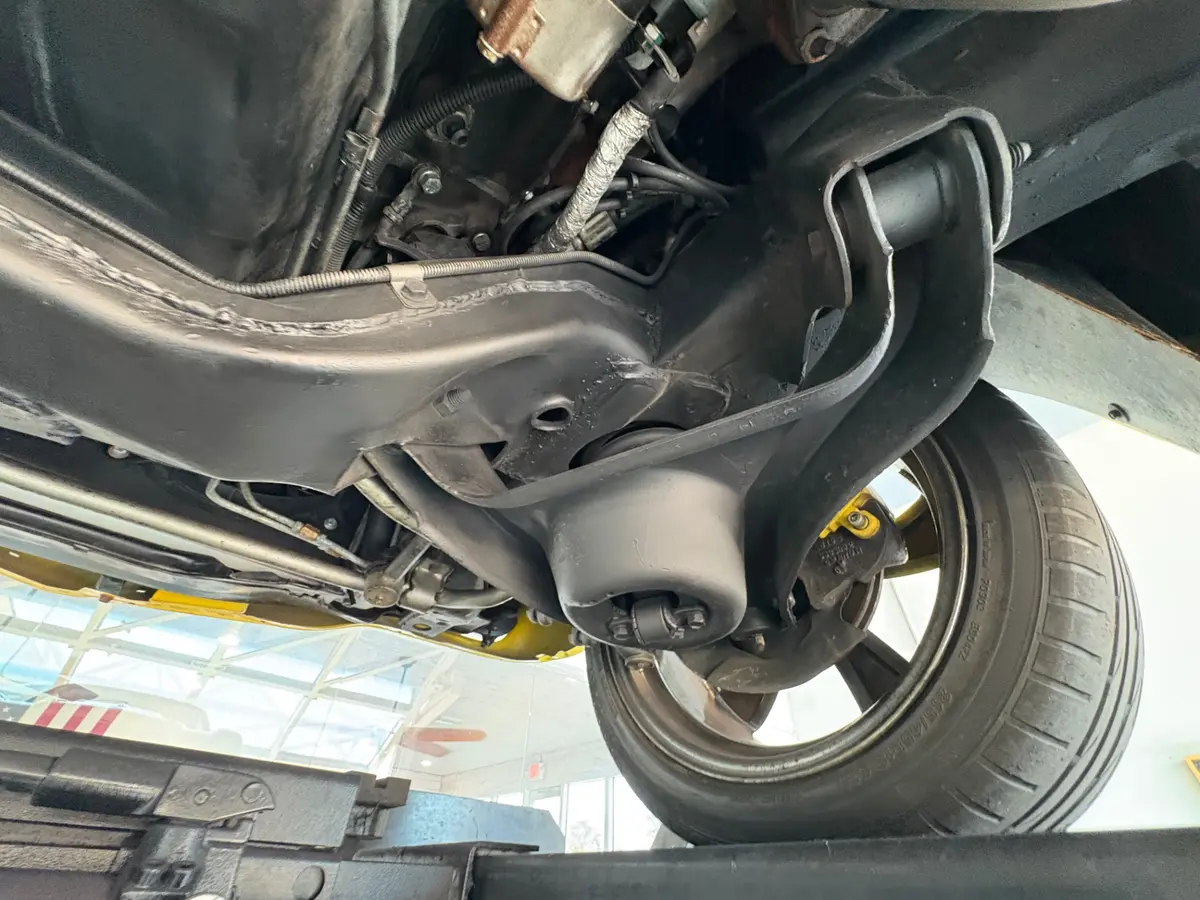
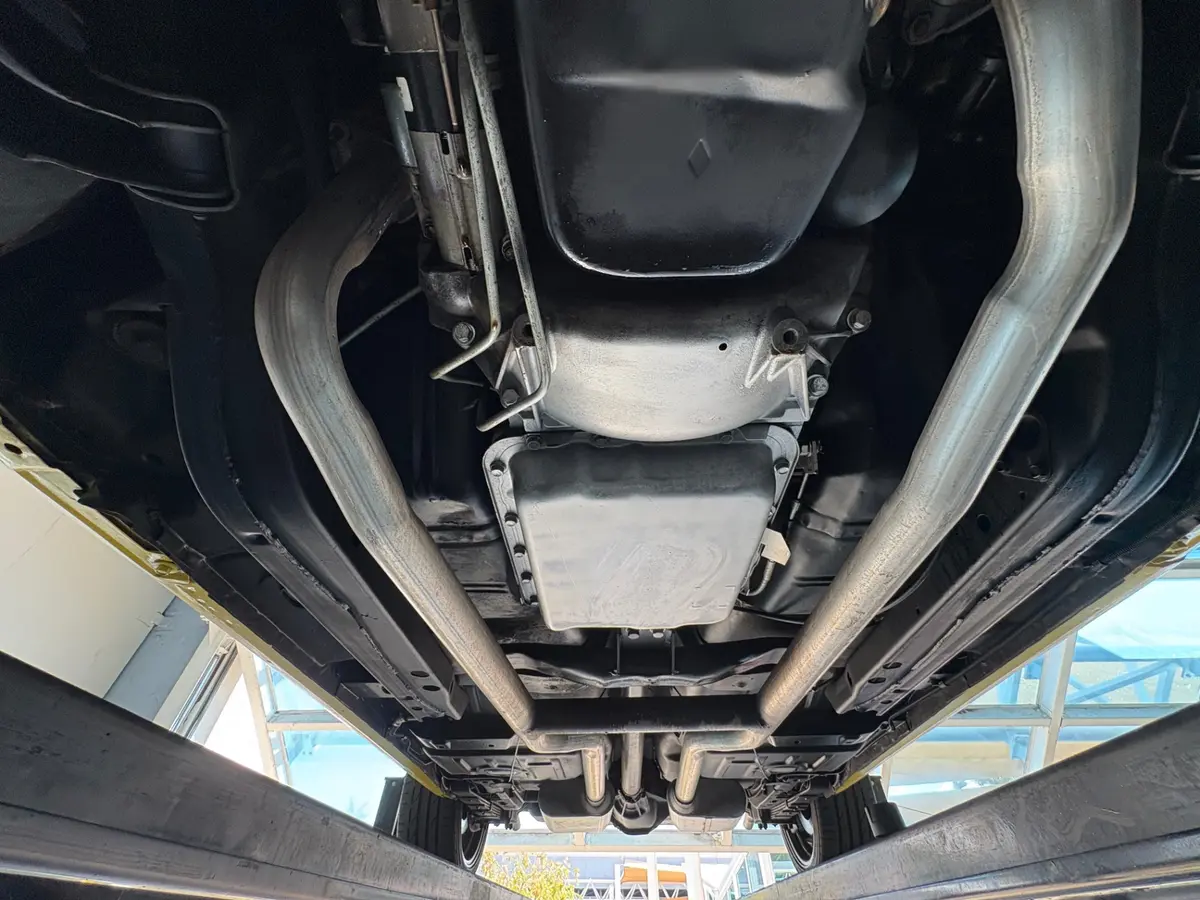
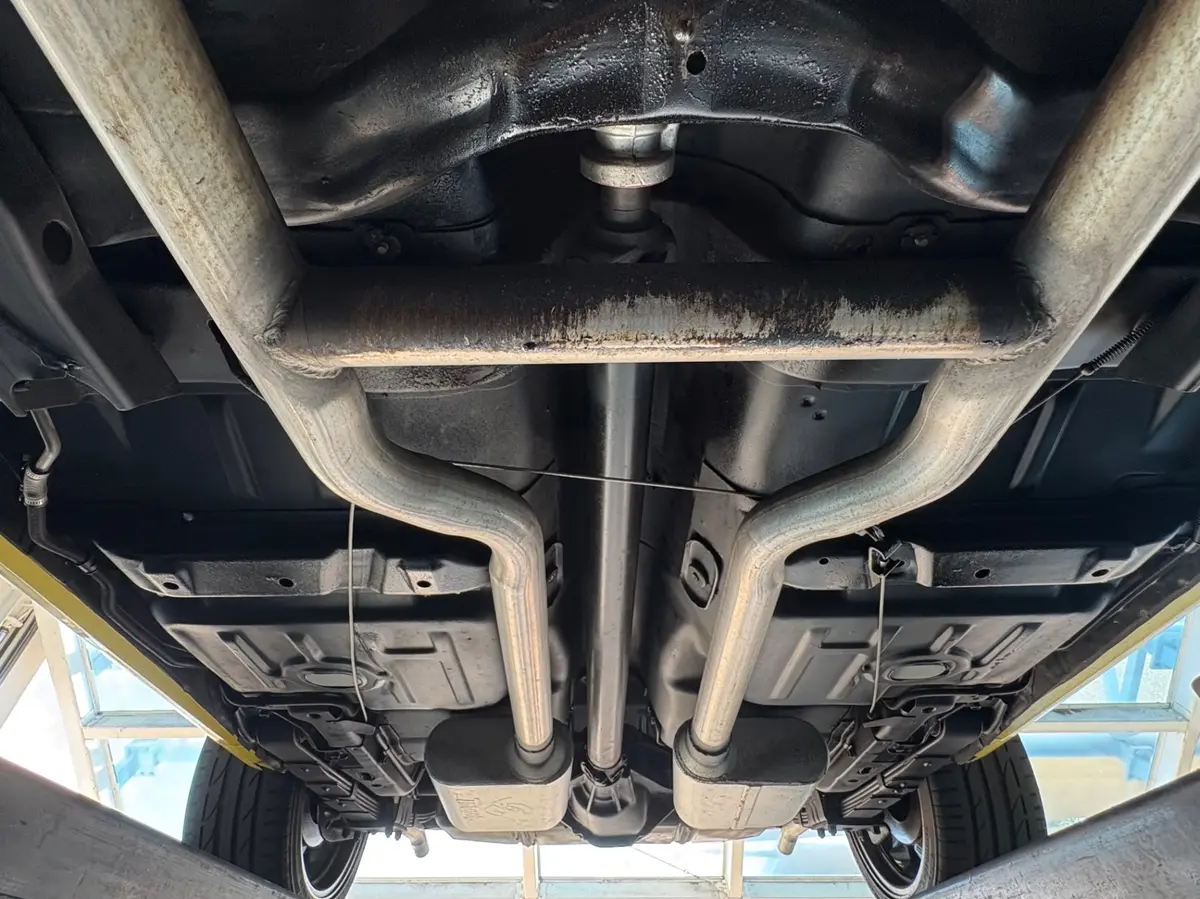
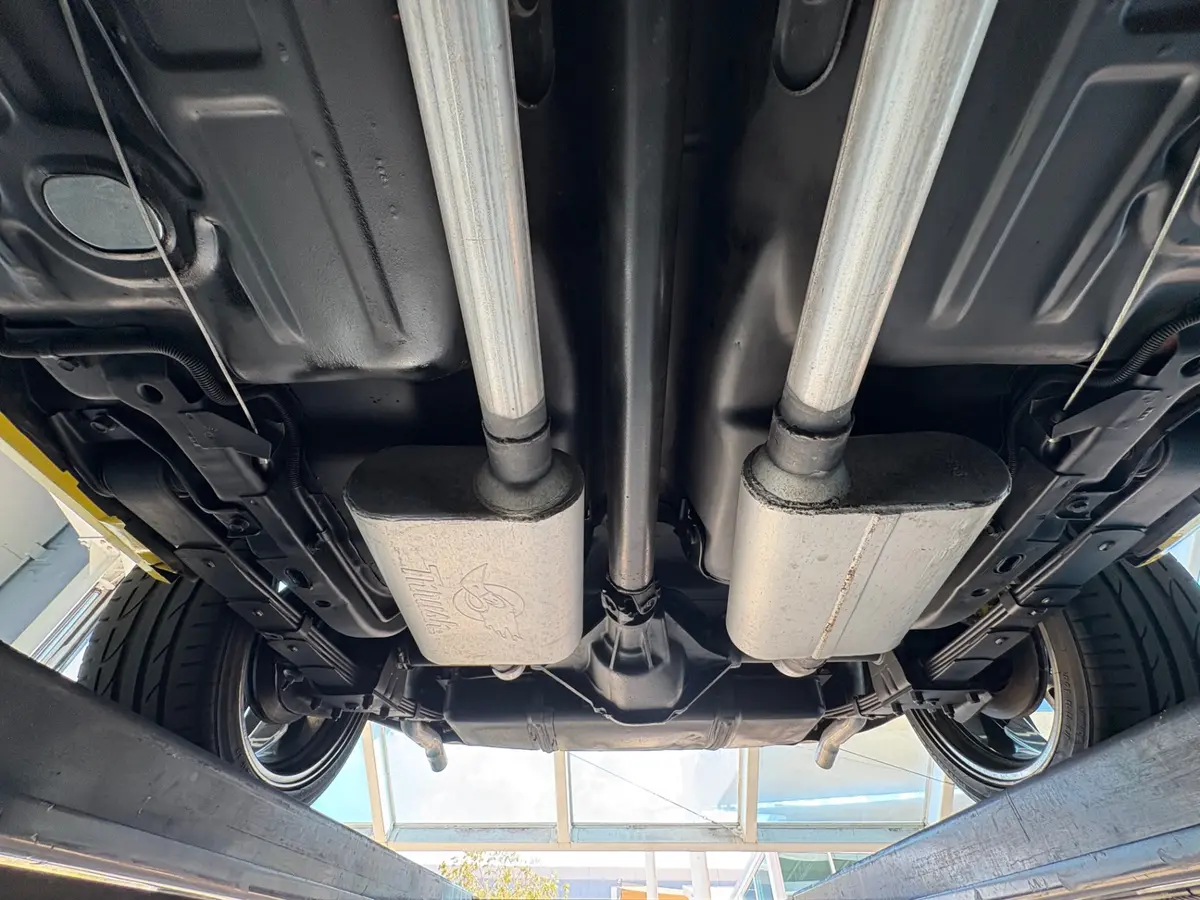
The brake system has been upgraded to 4-wheel power disc brakes, a substantial improvement over the front-disc, rear-drum setup that was common on 1970 Camaros. The calipers are painted yellow to match the exterior, a detail that adds visual continuity to the overall build. Subframe connectors have been welded in underneath, which stiffen the unibody structure and reduce chassis flex — a well-known weak point of the second-generation Camaro platform and a modification that improves both handling feel and long-term structural integrity. The underside of the car photographs clean, with the floor and framing showing solid, well-coated metal consistent with the 2019 restoration.
Dual exhaust exits at the rear, and power steering is present, making the car manageable at low speeds without taking away from road feel at higher ones.
Interior
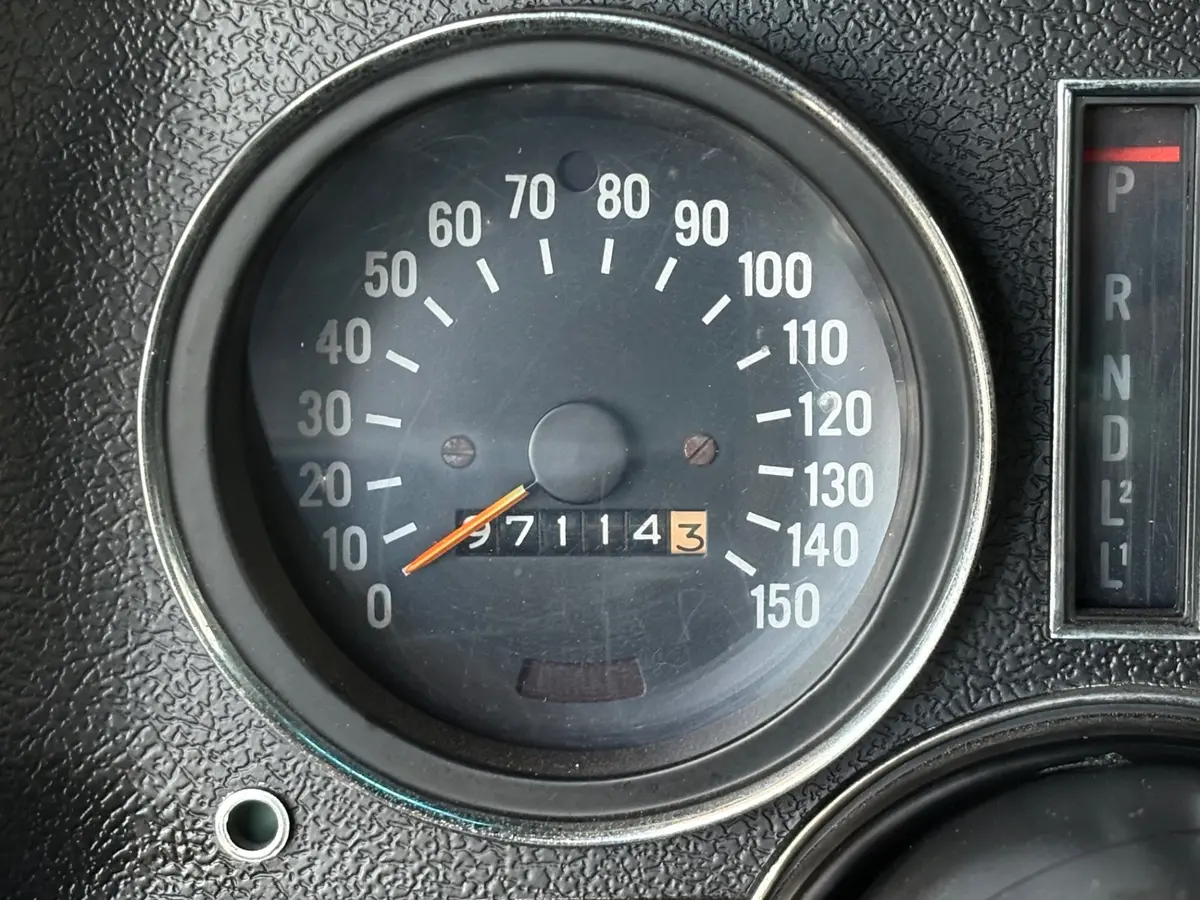
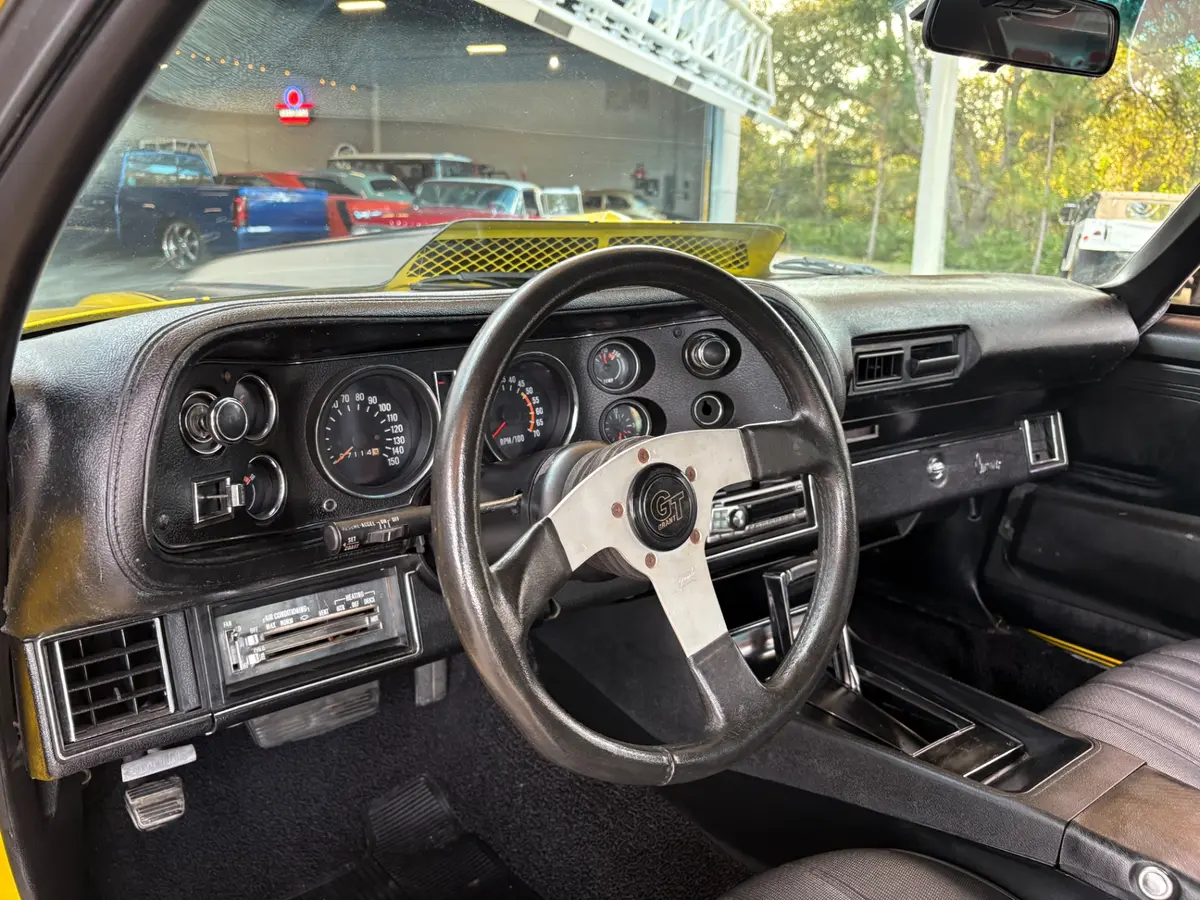
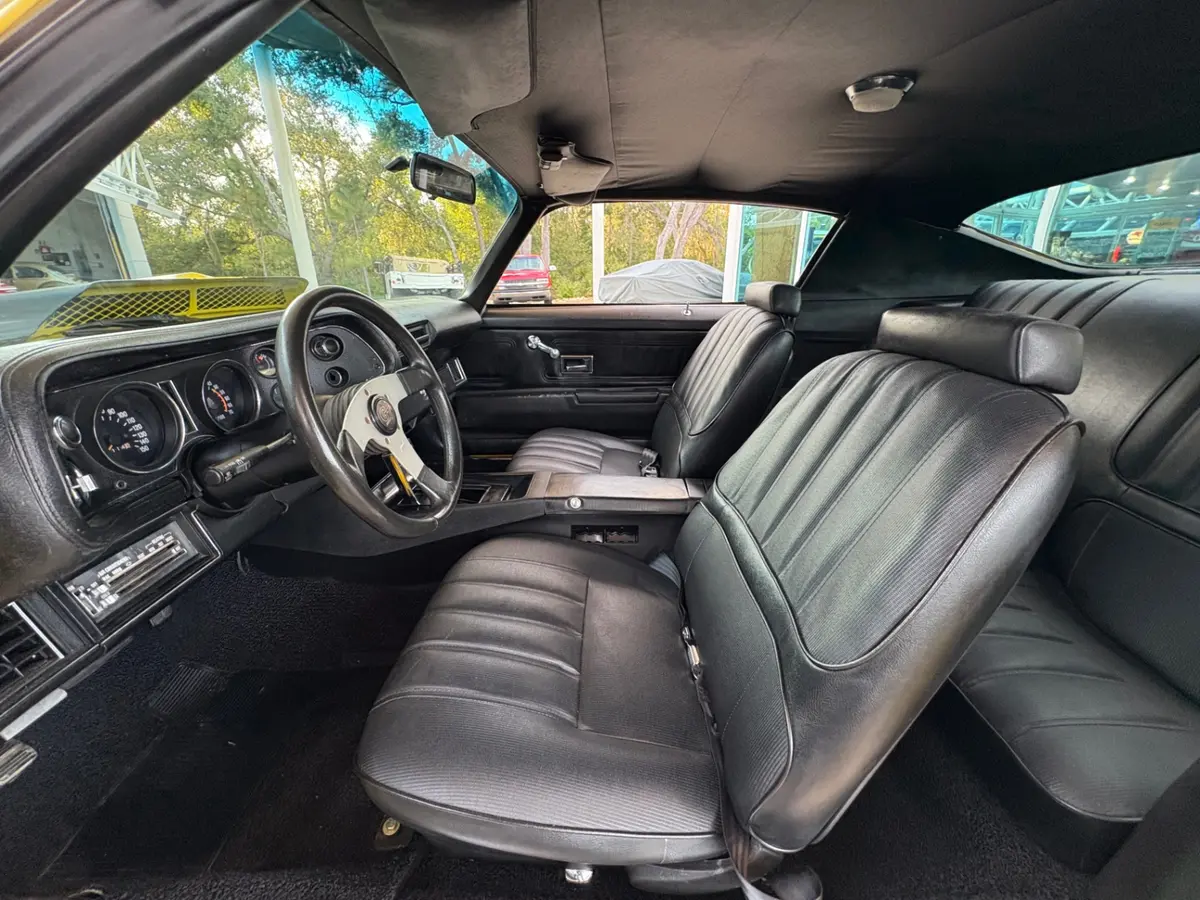
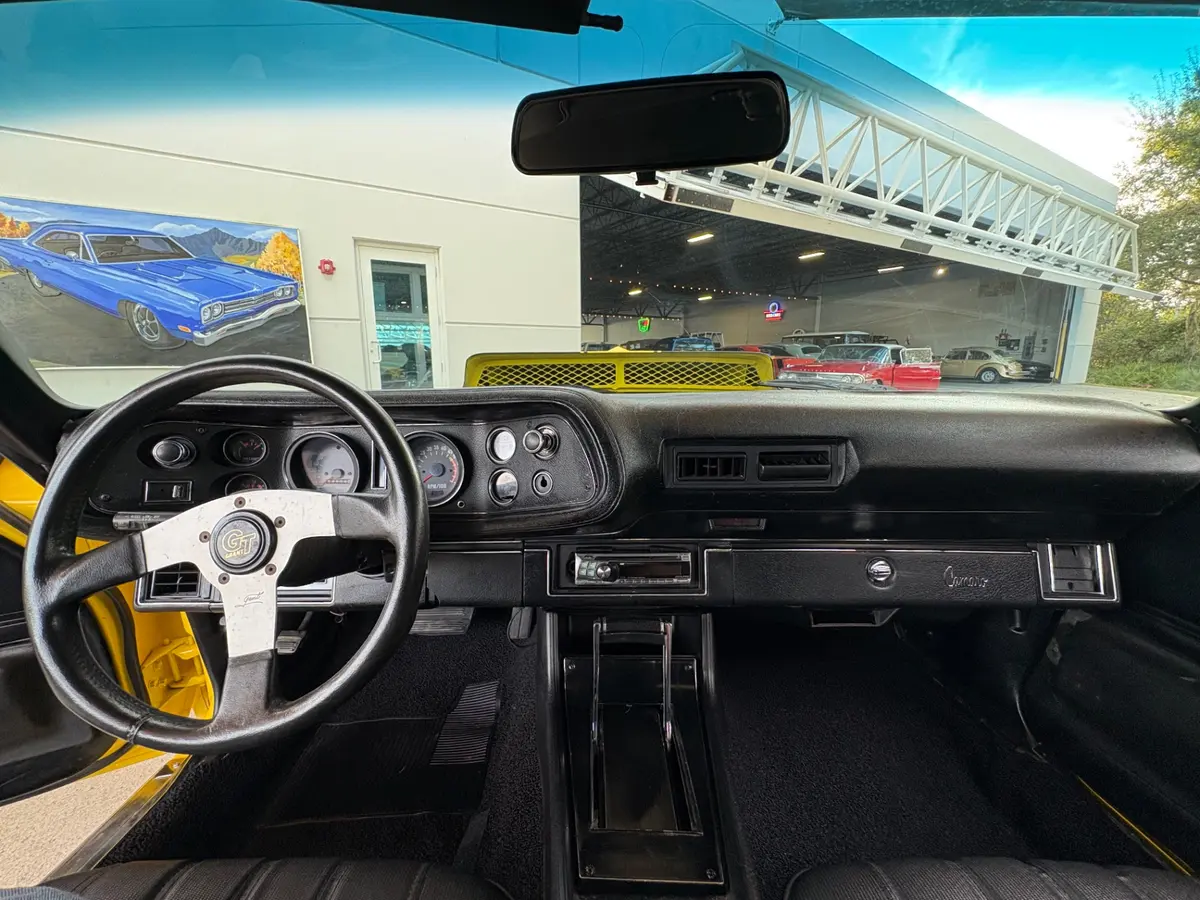
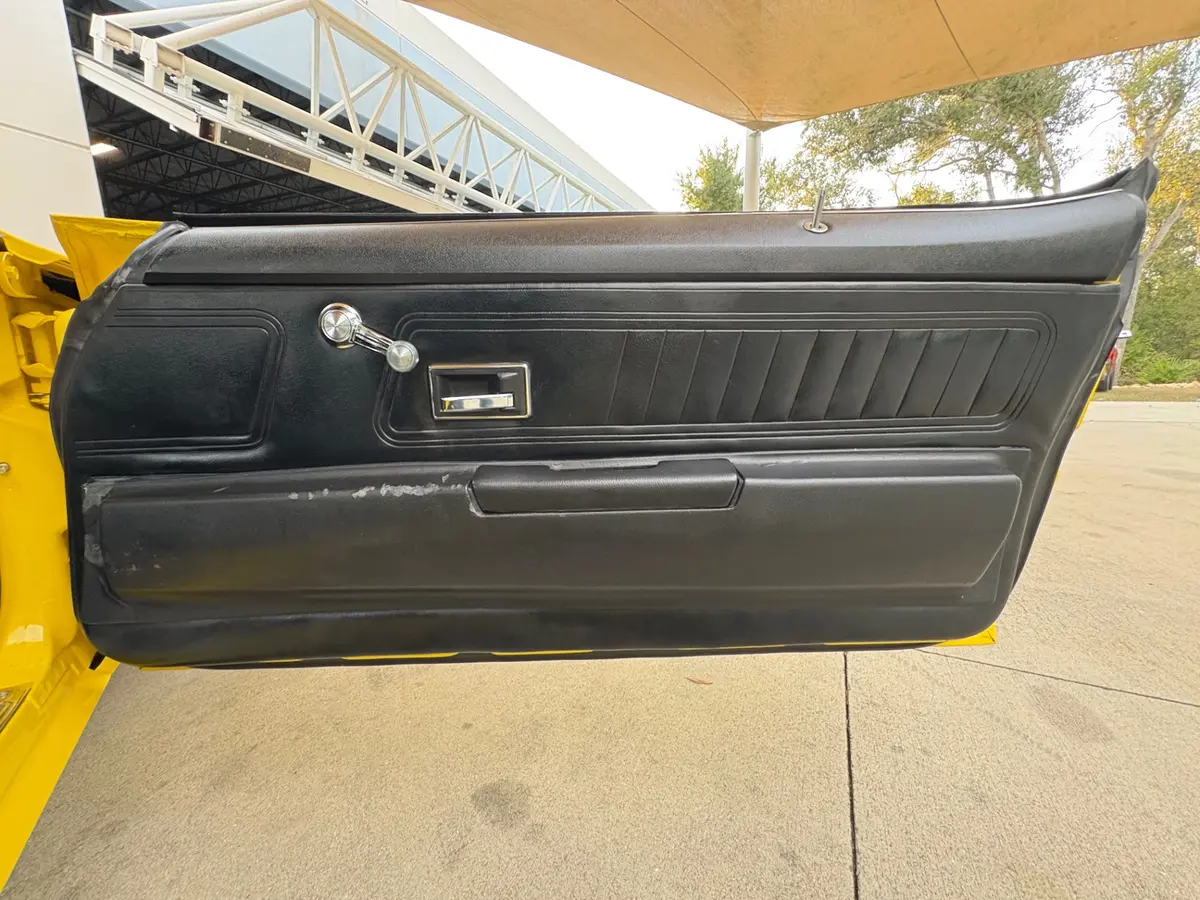
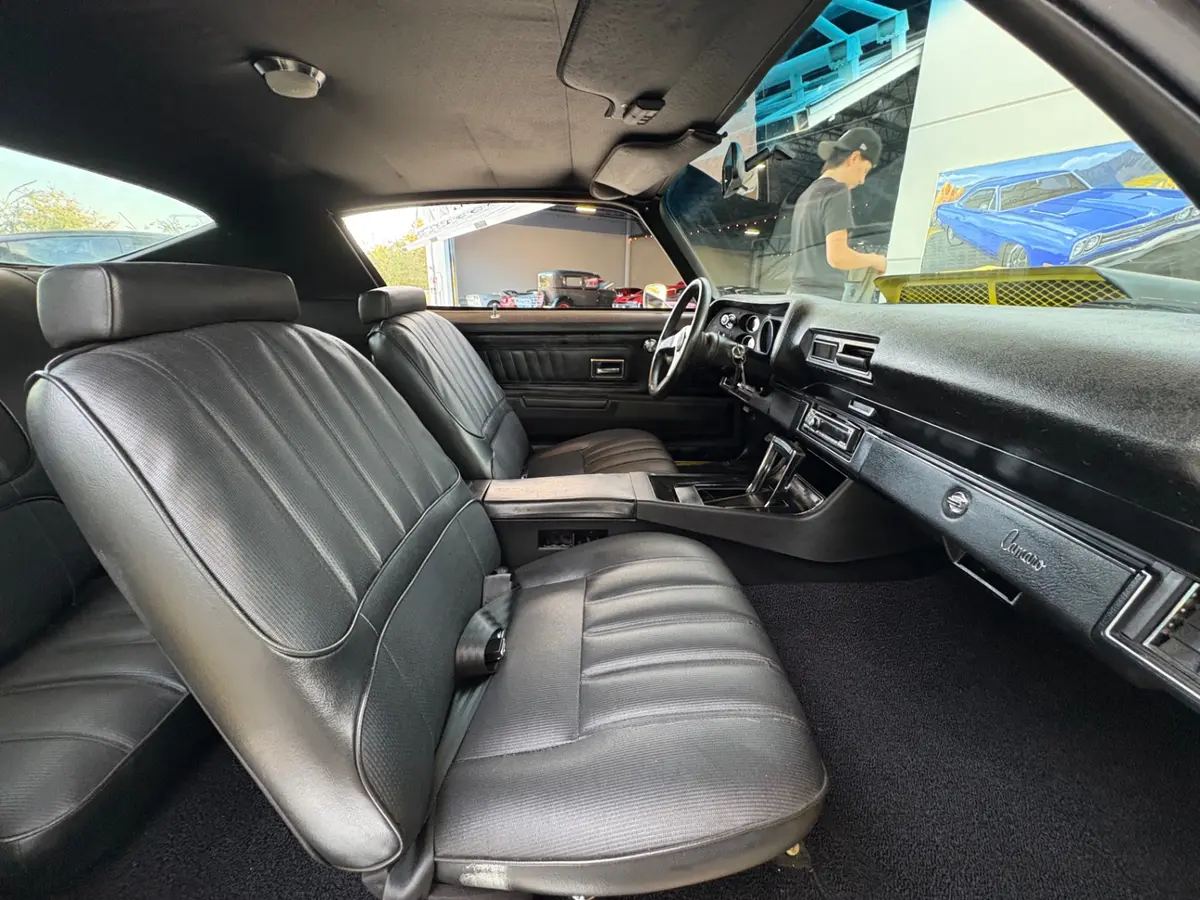
The 1970 Camaro's cockpit-style interior was one of its selling points when new, and this car's black interior preserves that driver-focused layout. The dashboard wraps around the driver with a distinct instrument pod ahead of the steering wheel, and this car has the factory tachometer in place — an important detail for any performance-oriented Camaro, as the tach was an option that buyers specifically sought out in 1970.
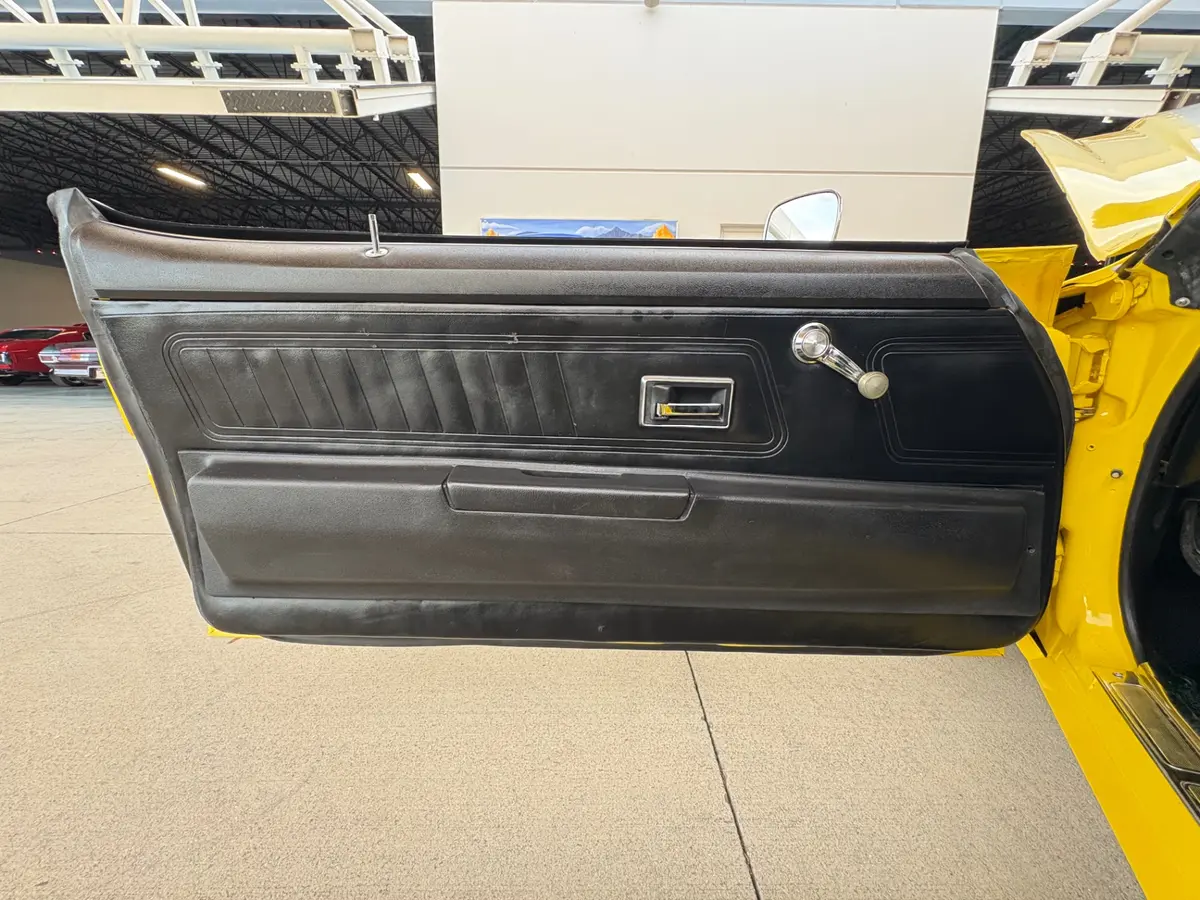
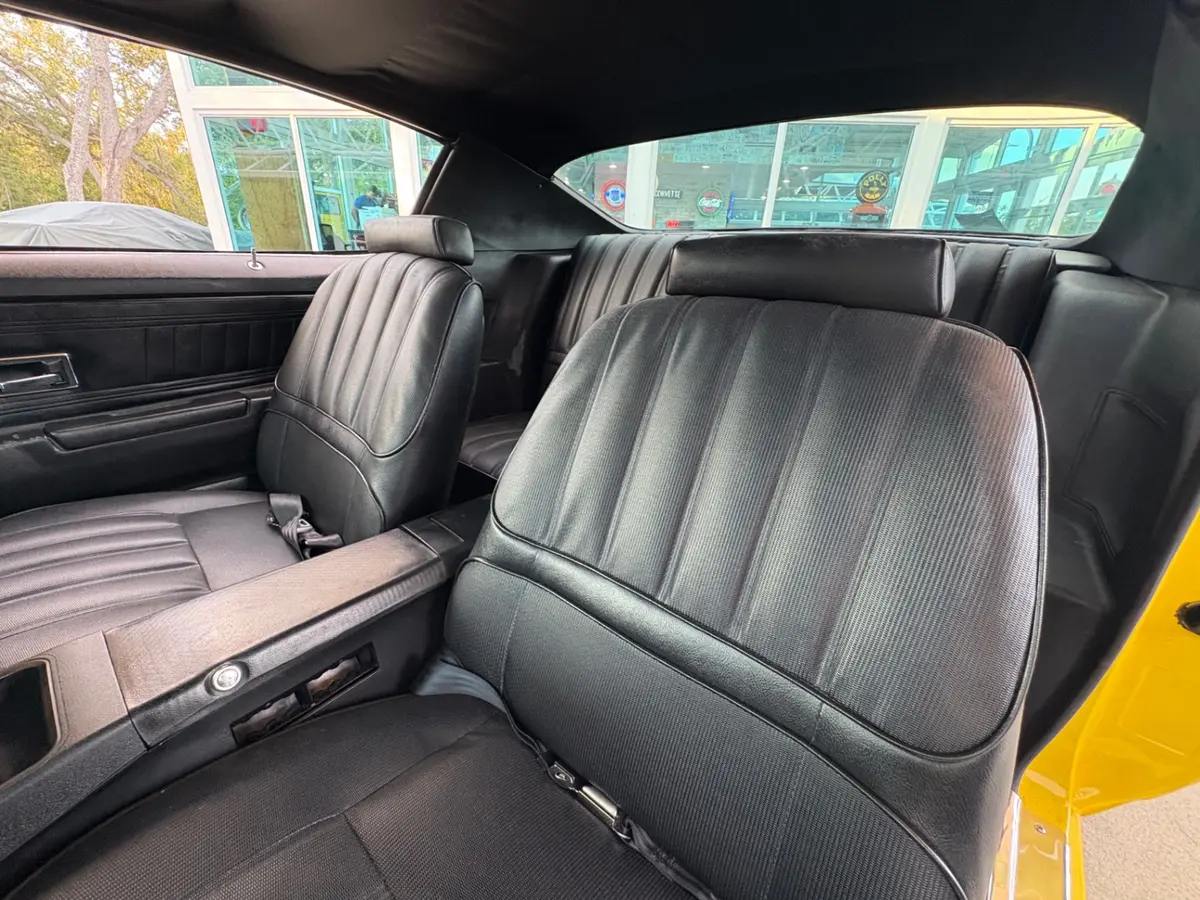
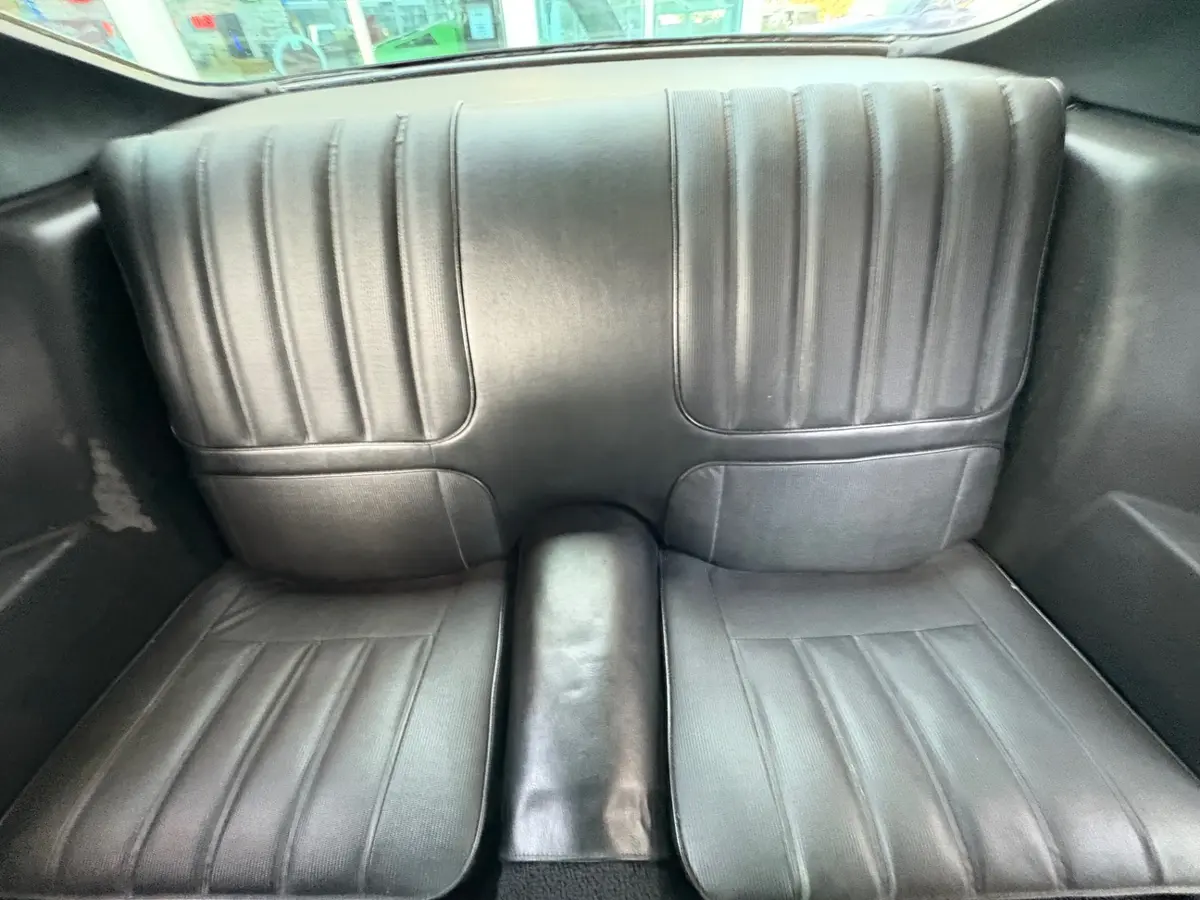
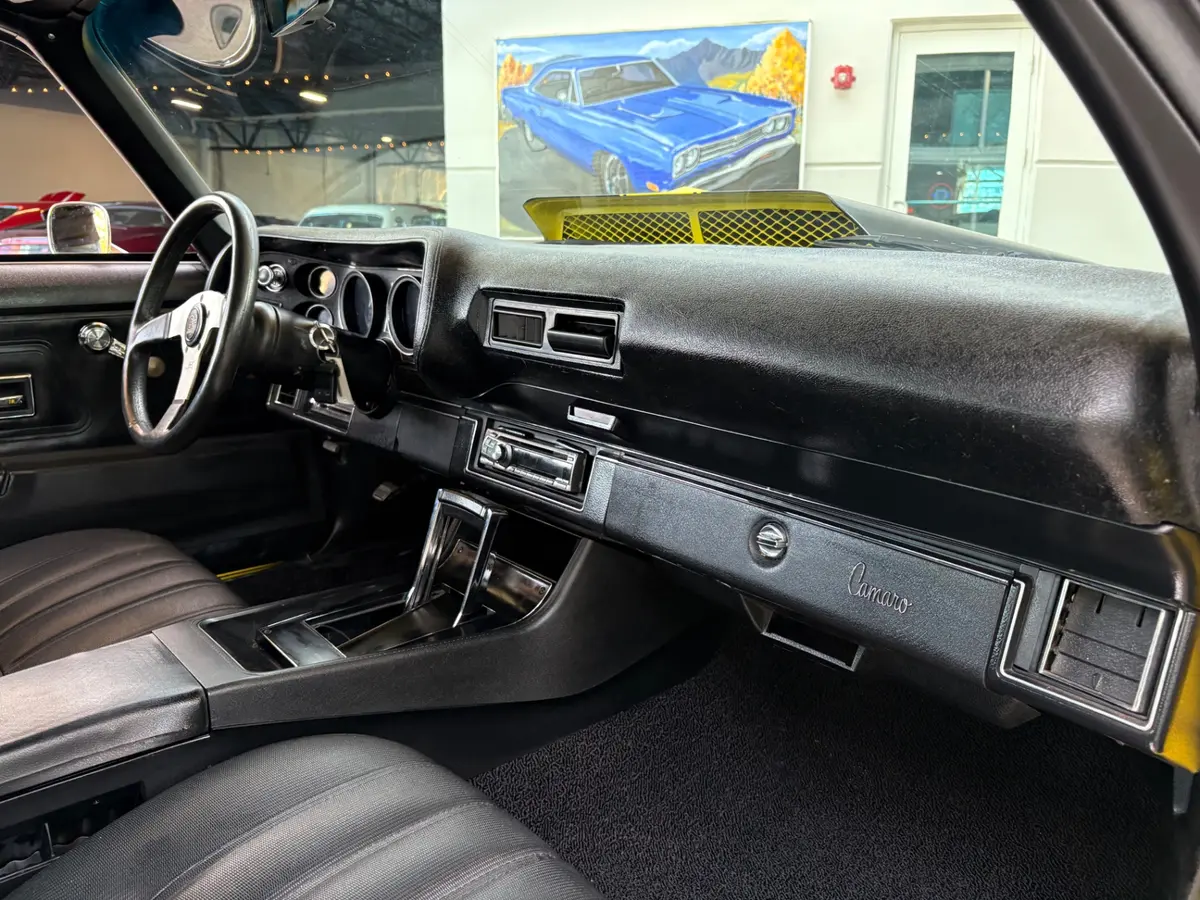
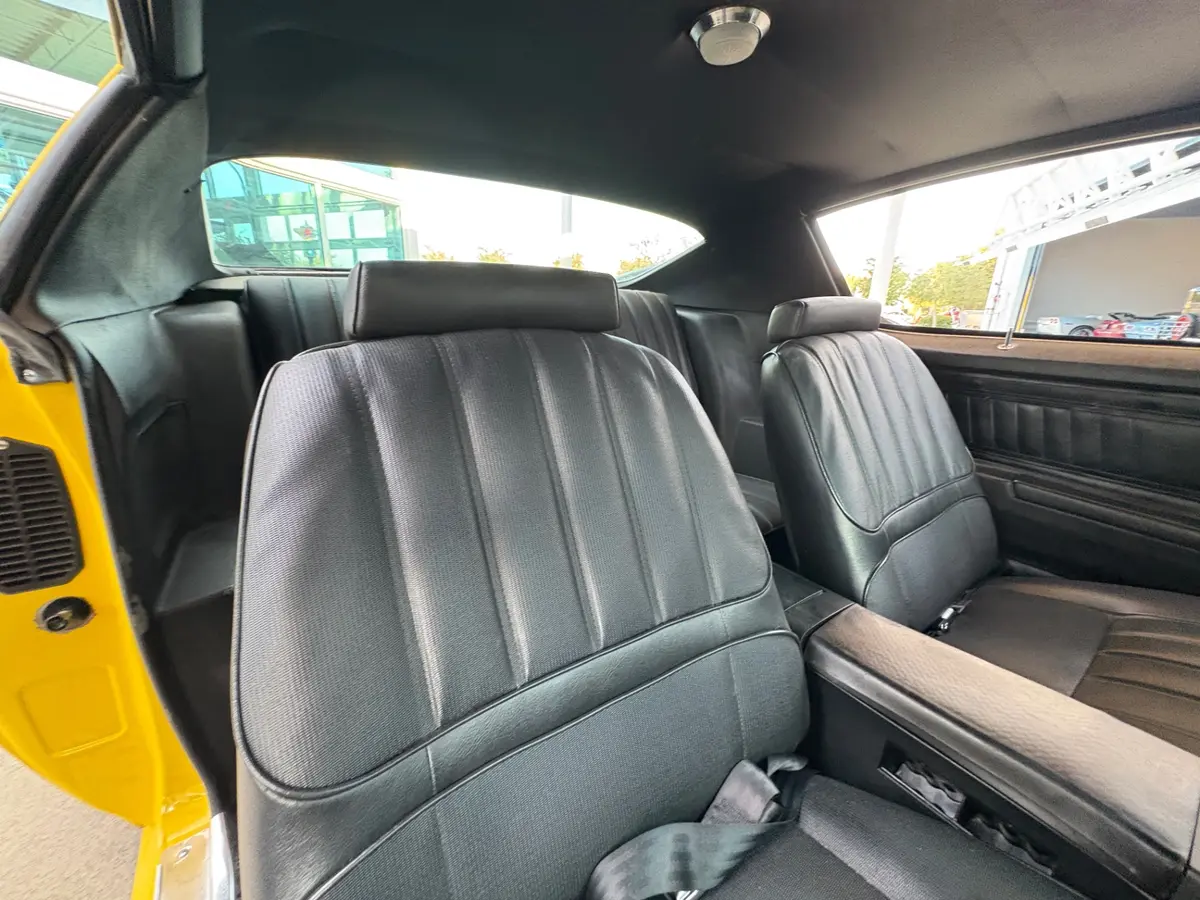
The factory console runs between the bucket seats and retains the factory shifter, which feeds into the 700R4. Bucket seats are covered in black leather and show wear consistent with a car that has been driven and used, not preserved under a cover. The rear seat is also black and shows the ribbed upholstery pattern original to the second-generation body style.
A Grant GT steering wheel has been fitted in place of the original. Grant GT wheels were enormously popular as an aftermarket upgrade throughout the 1970s and 1980s, and this one suits the period character of the car. The factory air conditioning controls are visible on the lower dashboard, and the system is functional. An aftermarket stereo has been installed in the center dash area, replacing the original radio but fitting cleanly into the factory opening.
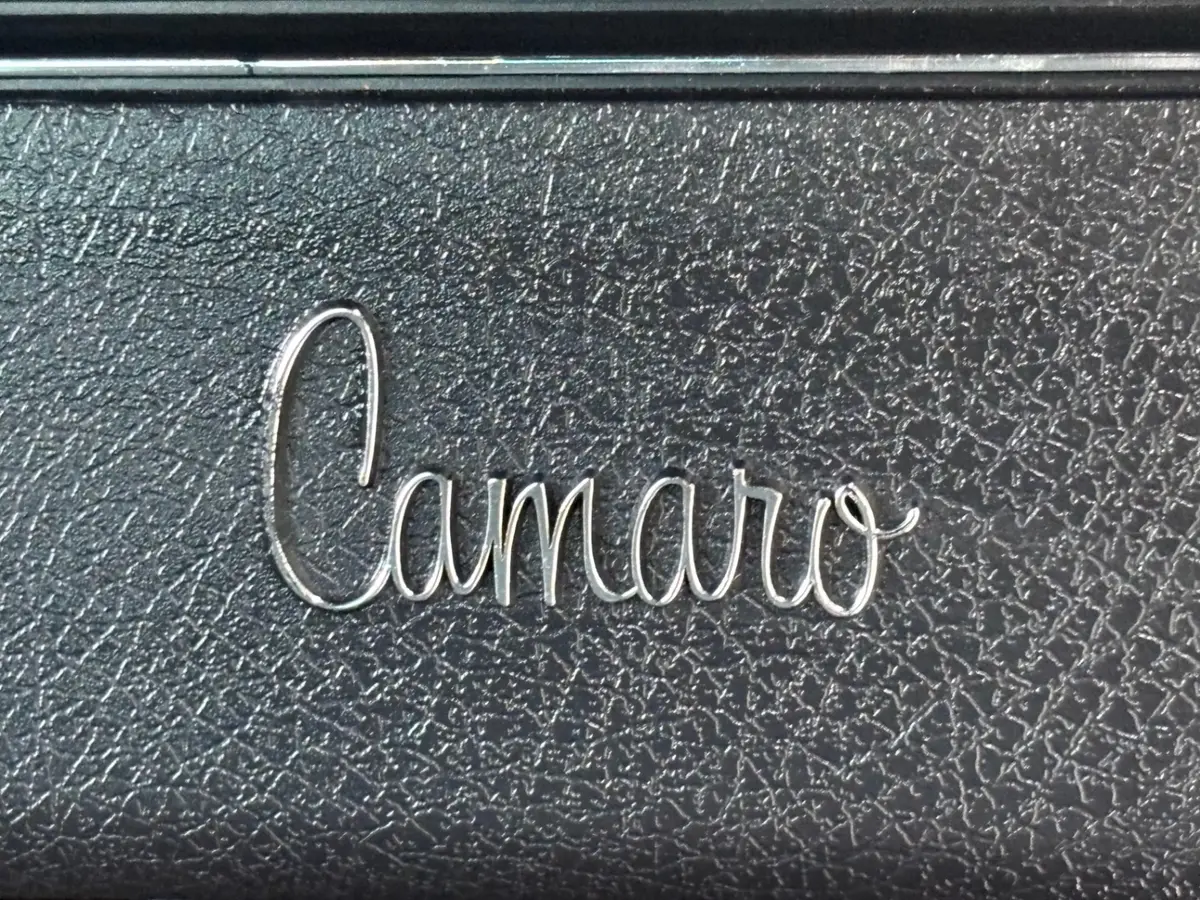
The dashboard itself shows honest patina — this is not a trailer-queen interior, but a car that has been used and enjoyed. The "Camaro" script on the glovebox door is intact, a small original detail that collectors appreciate.
Exterior
The 1970 Chevrolet Camaro's body lines were drawn by GM's design team under the direction of Henry Haga, and the shape has held up as one of the cleanest designs of the muscle car era. This car has been finished in yellow with PPG base coat / clear coat paint, applied during the 2019 restoration. PPG is a professional-grade automotive finish system used in production and restoration work, and the base coat / clear coat method provides durability and depth that lacquer or single-stage enamel cannot match.
Black racing stripes run over the hood and across the cowl panel, which is the correct placement for a striped second-generation Camaro and gives the car a purposeful appearance without being overdone. The cowl hood adds visual mass to the front end and provides clearance for the engine components below. On the 1970 Camaro, the cowl-style hood was available as part of the ZL2 Special Ducted Hood option, though the cowl hood on this car is part of the overall build rather than a documented factory option.
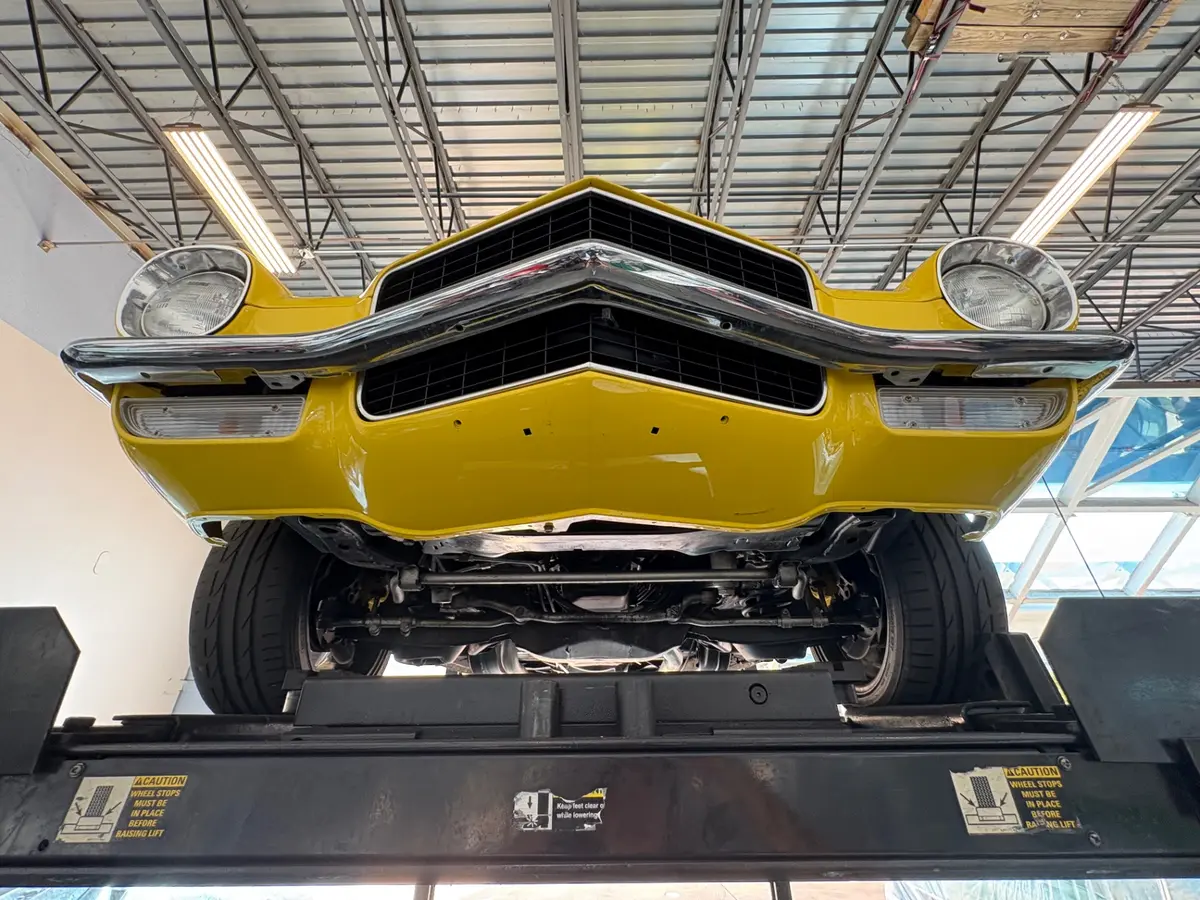
Chrome front and rear bumpers are present and in good condition, maintaining the correct period look. The 1970 Camaro's front bumper wraps tightly around the body-colored nose section, and chrome in that location gives the car a finished appearance that body-color or blacked-out bumpers would not. The rear bumper follows the quad round taillight panel, which is one of the most recognizable design elements of the second-generation body.
Rolling stock consists of custom 18-inch 5-spoke wheels with Bridgestone Potenza tires. The Potenza is a performance-oriented street tire that provides grip levels well beyond what period rubber offered. The 18-inch diameter is a common upgrade on second-generation Camaro builds and fills the wheel wells appropriately on this car. Yellow-painted calipers are visible through the wheel spokes at all four corners, tying back to the exterior color.
Conclusion
This 1970 Chevrolet Camaro is a well-executed driver that benefits from a handful of key upgrades without losing the character of the original car. The 700R4 overdrive makes it usable on long drives. The 4-wheel disc brakes make it safer. The subframe connectors make it feel more solid. And the 350 small block with aluminum intake and 4-barrel carb gives it the performance that second-generation Camaro buyers were looking for in the first place. The restoration was completed in 2019, the underside is solid, and the cosmetics present well from the details that matter — the paint, the chrome, the stripes, and the engine bay. This is a 1970 Chevrolet Camaro that was built to be driven, and it shows in the best way.
If you have questions about this 1970 Chevrolet Camaro or would like to schedule a time to come see it in person, call Skyway Classics at 941-254-6608. We're located in Sarasota, Florida, and we're happy to answer any questions you have.
Disclaimer
Information found on the website is presented as given to us by the owner of the car, whether on consignment or from the owner we bought it from. Some Photos, materials for videos, descriptions and other information are provided by the consignor/seller and is deemed reliable, but Skyway Classics does not warranty or guarantee this information. Skyway Classics is not responsible for information that may incorrect or a publishing error. The decision to purchase should be based solely on the buyers personal inspection of the vehicle or by a professional inspection service prior to offer or purchase being made.
1970 Chevrolet Camaro — 350 V8, 700R4 Overdrive, Restored 2019
Why This Car Is Special
The second-generation Chevrolet Camaro arrived for 1970 as a car that Chevrolet had been developing since shortly after the first-generation launched in 1967. The result was one of the most visually aggressive American cars of its era — lower, wider, and more European in its proportions than the outgoing model. The 1970 Camaro rode on a 108-inch wheelbase with a longer hood and shorter rear deck, and the front end featured a wide, low grille opening that has since become one of the most recognizable shapes in American automotive history.
What made 1970 particularly significant is that the second-generation body style debuted mid-model-year, arriving in February 1970 as a 1970-and-a-half model. Chevrolet sold approximately 124,901 Camaros for the 1970 model year — a sharp drop from first-generation sales figures — but that relative scarcity compared to prior years has only helped values hold over time. The VIN on this car confirms it was built at the Norwood, Ohio assembly plant, one of two facilities that produced the second-generation Camaro, the other being Van Nuys, California.
This particular 1970 Chevrolet Camaro was restored in 2019 and presents as a driver-quality pro-street build that keeps the classic look intact while upgrading the mechanical package for real-world usability. It wears yellow paint with black racing stripes, carries a cowl-induction hood, and puts a 350 cubic inch V8 backed by a 700R4 overdrive automatic on the road. This is a car you can load up and drive to a show, take out on a Saturday, or put in your collection and enjoy without worrying about it being over-restored.
Features List
- 350 cubic inch V8, rated at 350 horsepower
- 700R4 four-speed automatic overdrive transmission
- GM 12-bolt rear end
- 4-wheel power disc brakes
- Yellow-painted brake calipers
- Power steering
- Subframe connectors
- Aluminum intake manifold
- 4-barrel carburetor
- Chrome valve covers
- Dual exhaust
- Cowl hood
- Black racing stripes
- PPG base coat / clear coat paint
- Chrome front and rear bumpers
- Custom 18-inch 5-spoke wheels
- Bridgestone Potenza tires
- Black leather bucket seats
- Factory console and shifter
- Factory tachometer
- Grant GT steering wheel
- Air conditioning
- Aftermarket stereo
- Restored in 2019
Mechanical
Under the cowl hood sits a 350 cubic inch small block Chevrolet V8 producing 350 horsepower. The engine is dressed with chrome valve covers, an aluminum intake manifold, and a 4-barrel carburetor, all of which are visible from the engine bay. The aluminum intake is a meaningful upgrade over the factory cast iron unit — it reduces weight over the front axle and improves airflow, and it gives the engine bay a cleaner, more purposeful look that matches the character of the build.
Behind the engine is a 700R4 four-speed automatic overdrive transmission. The 700R4 was not available on Camaros in 1970 — it was introduced by General Motors in 1982 — so this is a deliberate upgrade chosen to make the car more practical on modern roads. The 700R4's fourth gear is a true overdrive ratio of 0.70:1, which drops engine RPM significantly at highway speeds compared to the original Turbo-Hydramatic 350 or 400 that would have been factory equipment. The result is a car that cruises more comfortably at interstate speeds and is easier on fuel than a three-speed automatic would be.
Power goes through a GM 12-bolt rear end, which is one of the strongest axle assemblies GM produced for passenger car use. The 12-bolt was factory equipment on performance Camaro variants and is favored by builders for its ability to handle elevated power levels without modification.
The brake system has been upgraded to 4-wheel power disc brakes, a substantial improvement over the front-disc, rear-drum setup that was common on 1970 Camaros. The calipers are painted yellow to match the exterior, a detail that adds visual continuity to the overall build. Subframe connectors have been welded in underneath, which stiffen the unibody structure and reduce chassis flex — a well-known weak point of the second-generation Camaro platform and a modification that improves both handling feel and long-term structural integrity. The underside of the car photographs clean, with the floor and framing showing solid, well-coated metal consistent with the 2019 restoration.
Dual exhaust exits at the rear, and power steering is present, making the car manageable at low speeds without taking away from road feel at higher ones.
Interior
The 1970 Camaro's cockpit-style interior was one of its selling points when new, and this car's black interior preserves that driver-focused layout. The dashboard wraps around the driver with a distinct instrument pod ahead of the steering wheel, and this car has the factory tachometer in place — an important detail for any performance-oriented Camaro, as the tach was an option that buyers specifically sought out in 1970.
The factory console runs between the bucket seats and retains the factory shifter, which feeds into the 700R4. Bucket seats are covered in black leather and show wear consistent with a car that has been driven and used, not preserved under a cover. The rear seat is also black and shows the ribbed upholstery pattern original to the second-generation body style.
A Grant GT steering wheel has been fitted in place of the original. Grant GT wheels were enormously popular as an aftermarket upgrade throughout the 1970s and 1980s, and this one suits the period character of the car. The factory air conditioning controls are visible on the lower dashboard, and the system is functional. An aftermarket stereo has been installed in the center dash area, replacing the original radio but fitting cleanly into the factory opening.
The dashboard itself shows honest patina — this is not a trailer-queen interior, but a car that has been used and enjoyed. The "Camaro" script on the glovebox door is intact, a small original detail that collectors appreciate.
Exterior
The 1970 Chevrolet Camaro's body lines were drawn by GM's design team under the direction of Henry Haga, and the shape has held up as one of the cleanest designs of the muscle car era. This car has been finished in yellow with PPG base coat / clear coat paint, applied during the 2019 restoration. PPG is a professional-grade automotive finish system used in production and restoration work, and the base coat / clear coat method provides durability and depth that lacquer or single-stage enamel cannot match.
Black racing stripes run over the hood and across the cowl panel, which is the correct placement for a striped second-generation Camaro and gives the car a purposeful appearance without being overdone. The cowl hood adds visual mass to the front end and provides clearance for the engine components below. On the 1970 Camaro, the cowl-style hood was available as part of the ZL2 Special Ducted Hood option, though the cowl hood on this car is part of the overall build rather than a documented factory option.
Chrome front and rear bumpers are present and in good condition, maintaining the correct period look. The 1970 Camaro's front bumper wraps tightly around the body-colored nose section, and chrome in that location gives the car a finished appearance that body-color or blacked-out bumpers would not. The rear bumper follows the quad round taillight panel, which is one of the most recognizable design elements of the second-generation body.
Rolling stock consists of custom 18-inch 5-spoke wheels with Bridgestone Potenza tires. The Potenza is a performance-oriented street tire that provides grip levels well beyond what period rubber offered. The 18-inch diameter is a common upgrade on second-generation Camaro builds and fills the wheel wells appropriately on this car. Yellow-painted calipers are visible through the wheel spokes at all four corners, tying back to the exterior color.
Conclusion
This 1970 Chevrolet Camaro is a well-executed driver that benefits from a handful of key upgrades without losing the character of the original car. The 700R4 overdrive makes it usable on long drives. The 4-wheel disc brakes make it safer. The subframe connectors make it feel more solid. And the 350 small block with aluminum intake and 4-barrel carb gives it the performance that second-generation Camaro buyers were looking for in the first place. The restoration was completed in 2019, the underside is solid, and the cosmetics present well from the details that matter — the paint, the chrome, the stripes, and the engine bay. This is a 1970 Chevrolet Camaro that was built to be driven, and it shows in the best way.
If you have questions about this 1970 Chevrolet Camaro or would like to schedule a time to come see it in person, call Skyway Classics at 941-254-6608. We're located in Sarasota, Florida, and we're happy to answer any questions you have.
Disclaimer
Information found on the website is presented as given to us by the owner of the car, whether on consignment or from the owner we bought it from. Some Photos, materials for videos, descriptions and other information are provided by the consignor/seller and is deemed reliable, but Skyway Classics does not warranty or guarantee this information. Skyway Classics is not responsible for information that may incorrect or a publishing error. The decision to purchase should be based solely on the buyers personal inspection of the vehicle or by a professional inspection service prior to offer or purchase being made.
1970 Chevrolet
Camaro Sport Coupe
Why Choose Skyway Classics?
Explore our curated inventory of classic and collector cars—thoughtfully selected, ready to drive, and supported by experts who make ownership simple.
Expert Curation
Every vehicle is hand-selected by our experts for quality, authenticity, and investment potential.
Fast Transactions
Streamlined buying and selling process with quick financing and immediate delivery options.
Only National Dealer With Classic Service & Repair
We’re the only national dealership that services and repairs the classics we sell—before and after the sale.
Nationwide Network
Access to our extensive network of collectors, restorers, and classic car enthusiasts nationwide.
Concierge Ownership Support
From financing and insurance to paperwork, shipping, and titling—we handle the details so you can enjoy the drive.
Passion-Driven Service
We're classic car enthusiasts first, providing personalized service with genuine passion for the hobby.