
1963 Chevrolet
Corvette Sting Ray
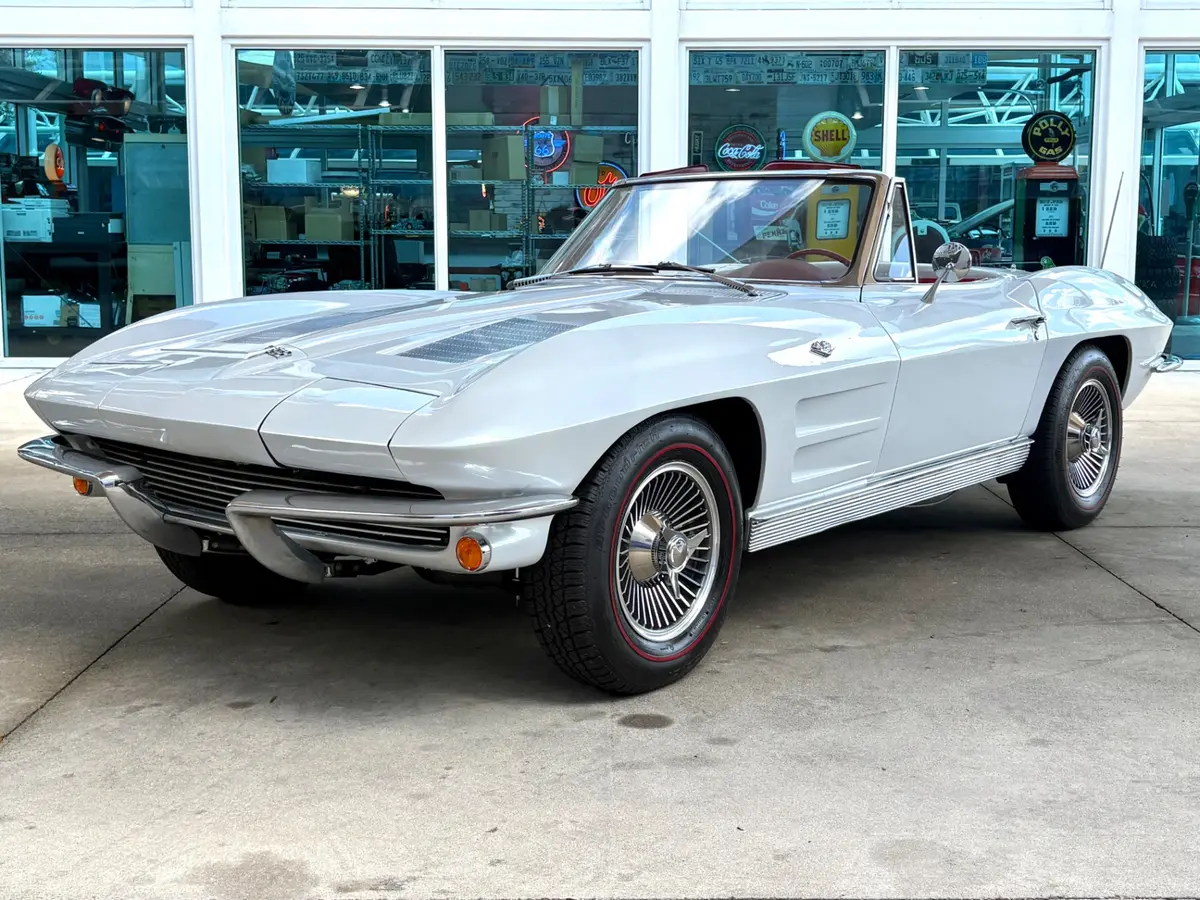
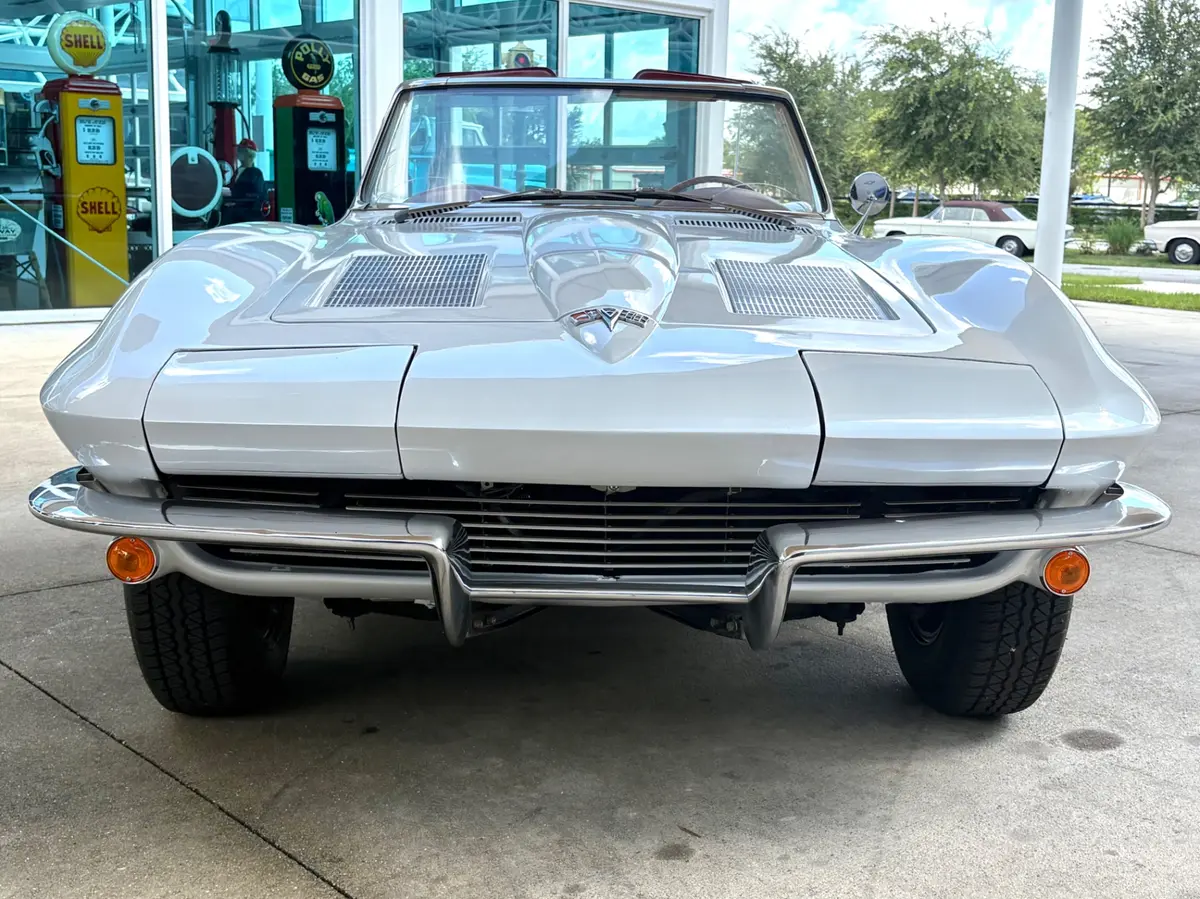
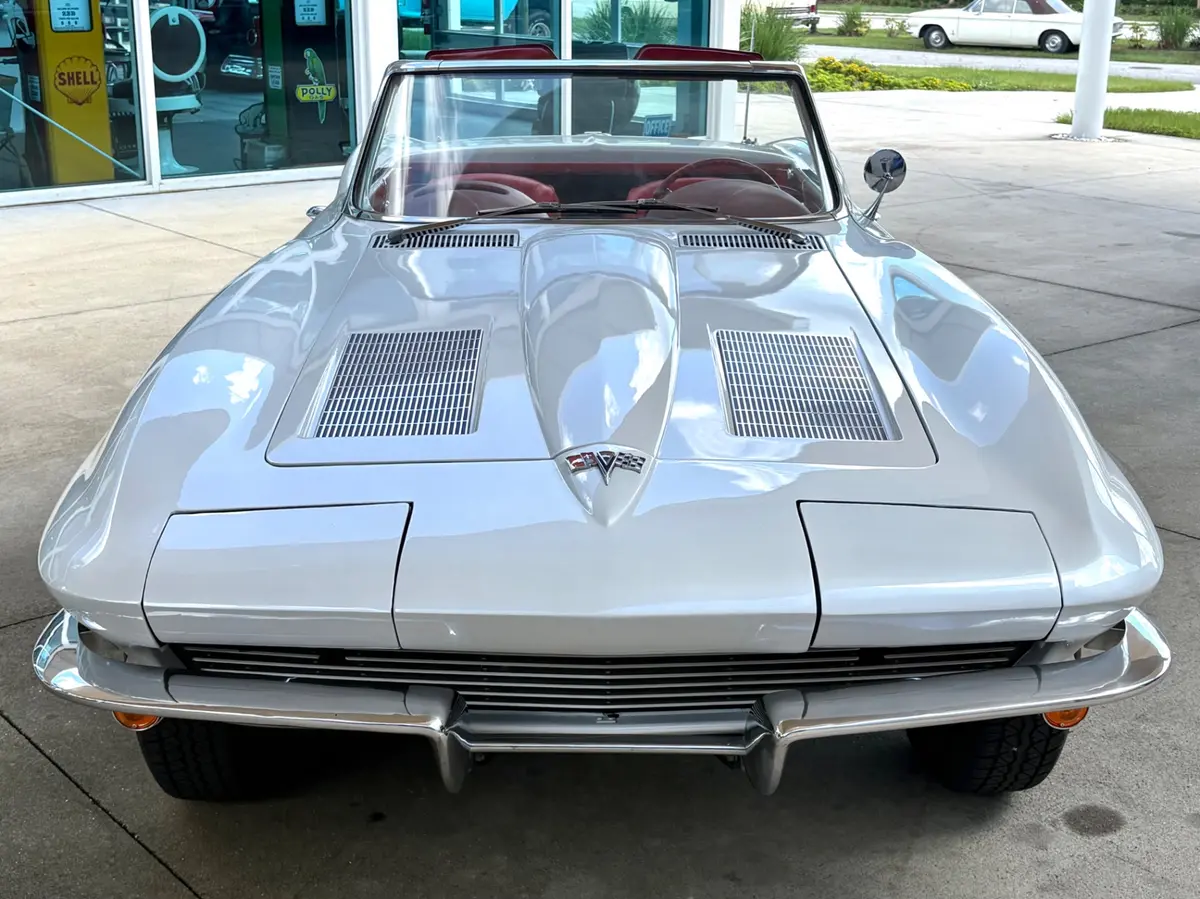
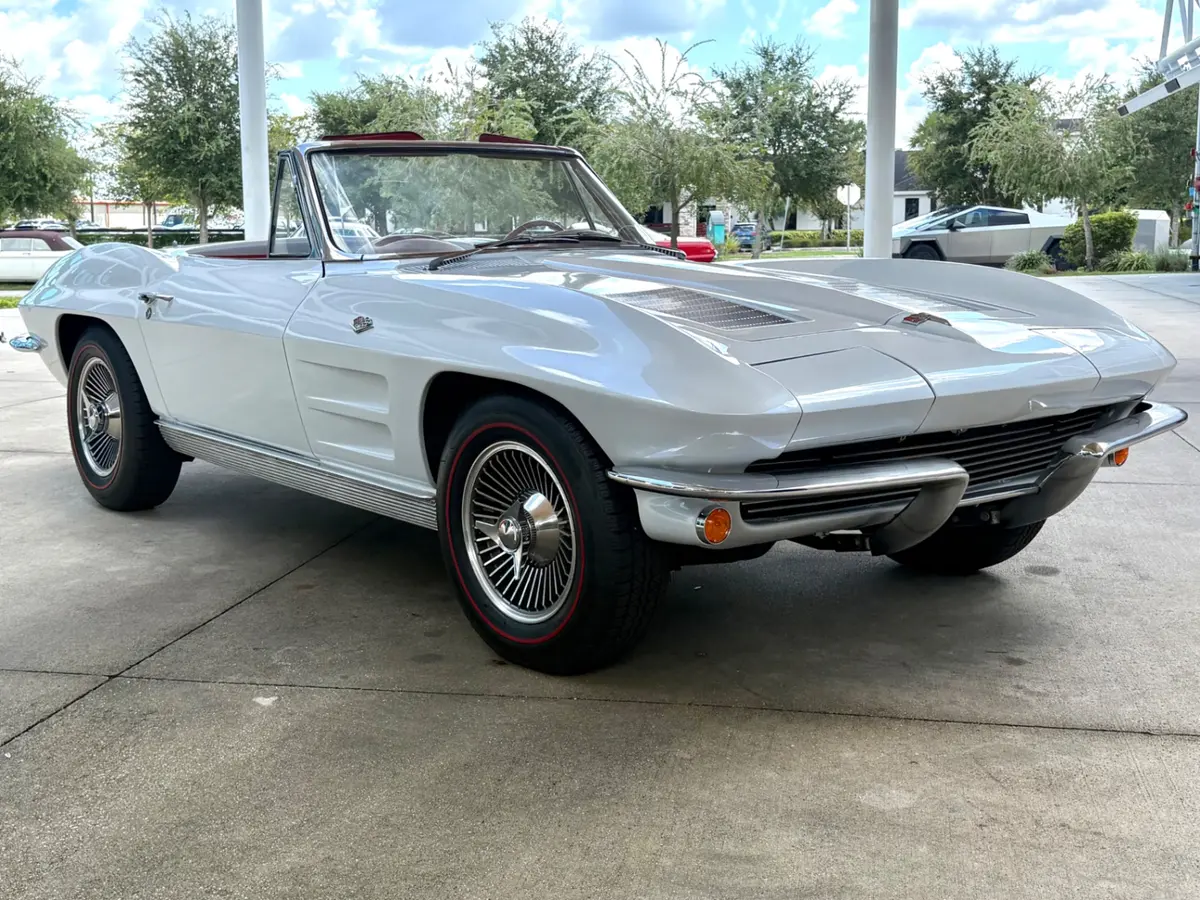
1963 Chevrolet Corvette Sting Ray Convertible — Comprehensive Mechanical Restoration, 327 V8, 4-Speed
Why This Car Is Special
The 1963 Chevrolet Corvette Sting Ray was not an evolution of what came before — it was a clean break. When Chevrolet unveiled the second-generation Corvette for the 1963 model year, it introduced an entirely new chassis, a new body designed by Larry Shinoda under Bill Mitchell, and the first independent rear suspension ever fitted to a production Corvette. The car was narrower, lower, and significantly more refined than the C1 it replaced, yet it weighed less and handled far better. Motor Trend named it Car of the Year for 1963. Road and Track called it one of the finest sports cars in the world. The automotive press rarely agreed on anything in that era, but they agreed on the 1963 Corvette Sting Ray.
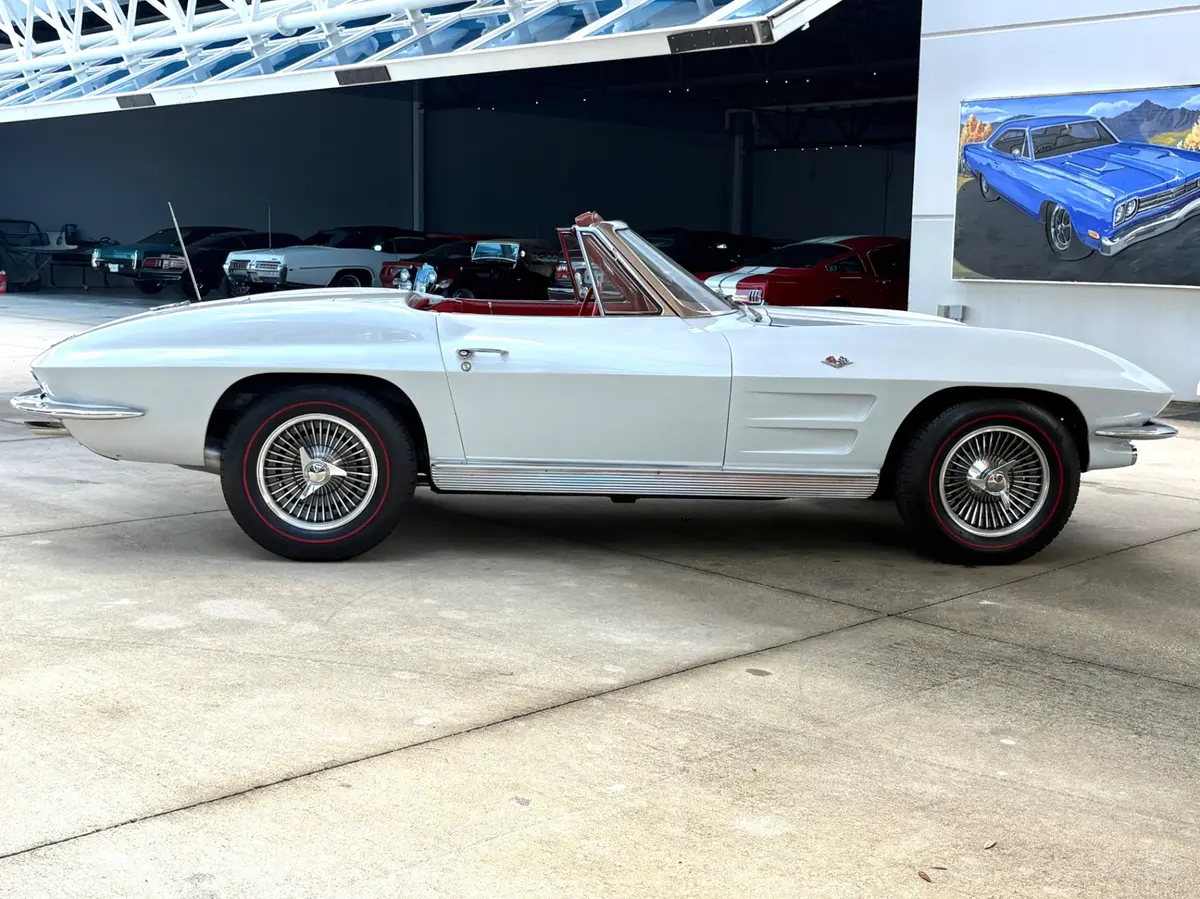
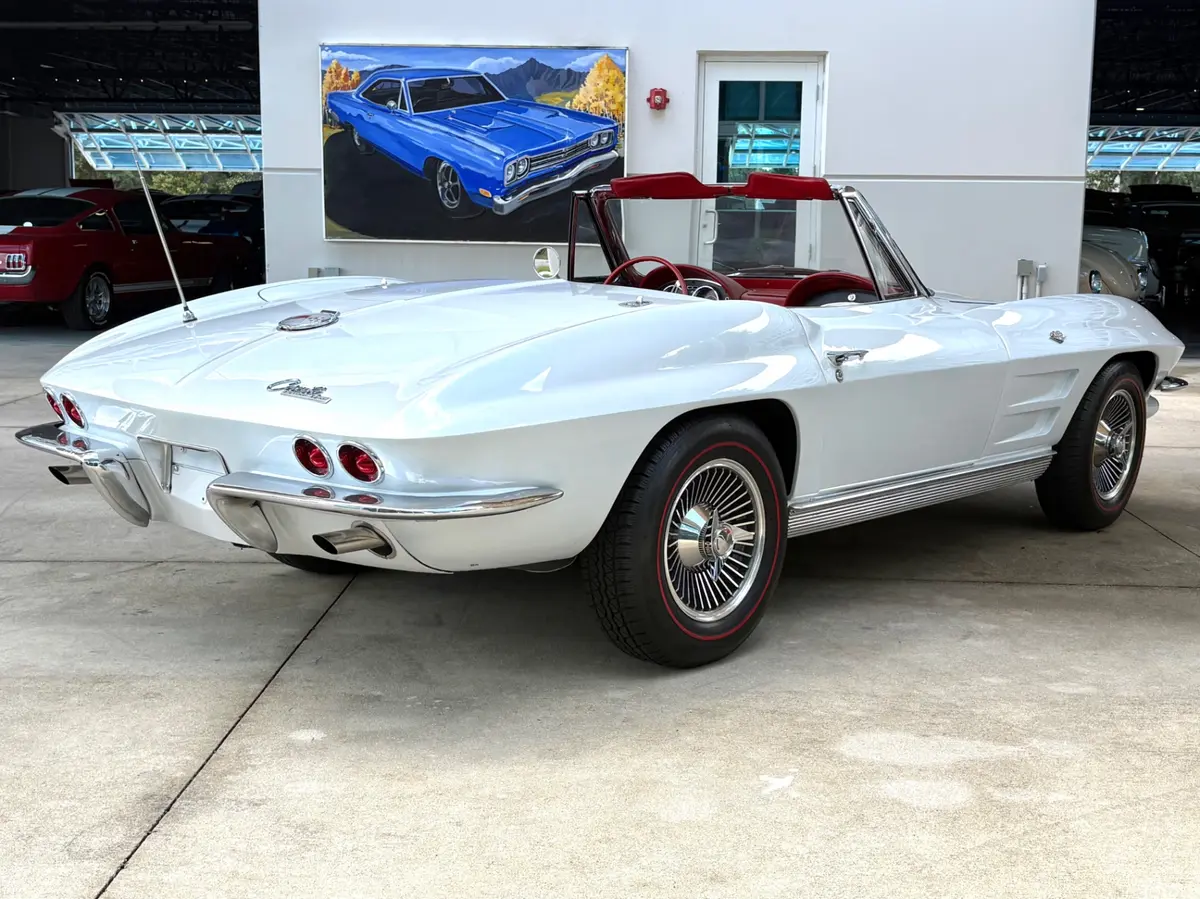
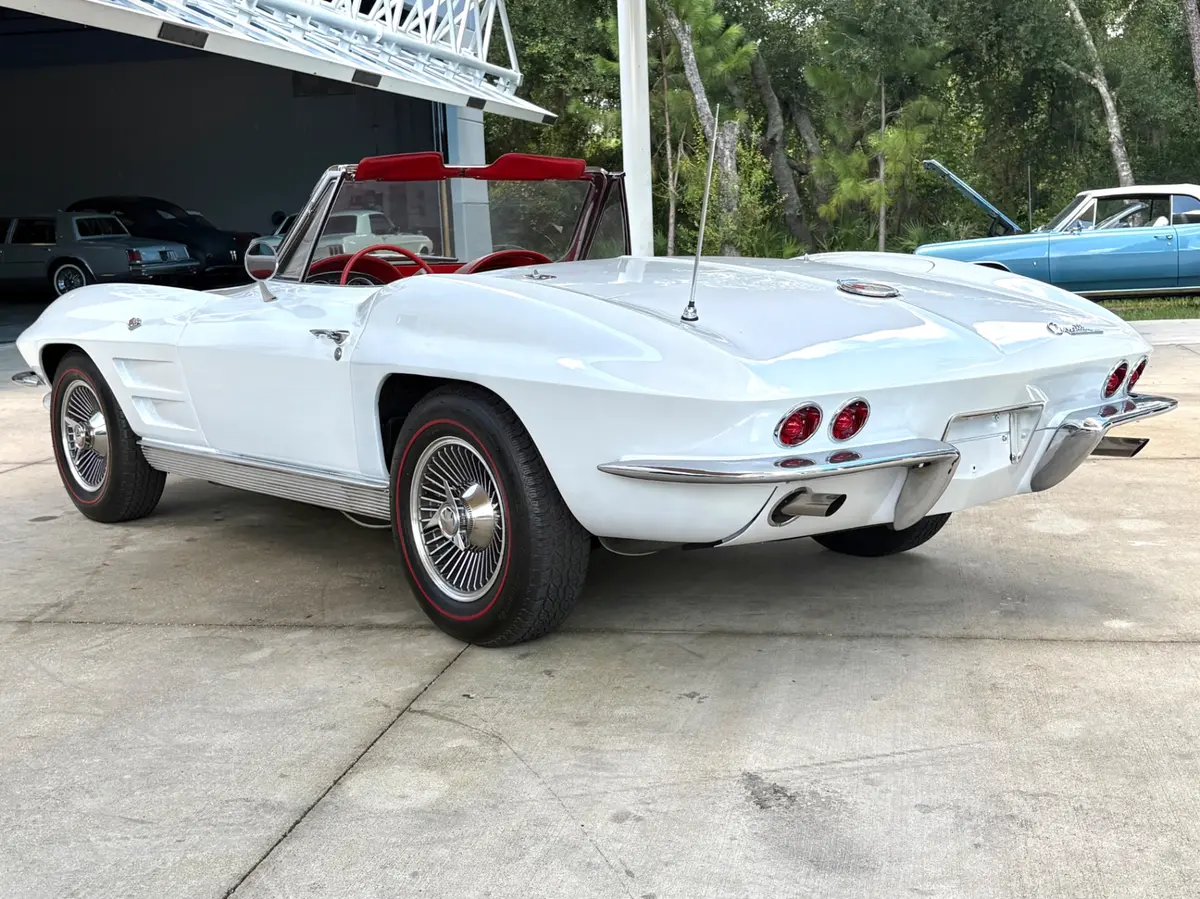
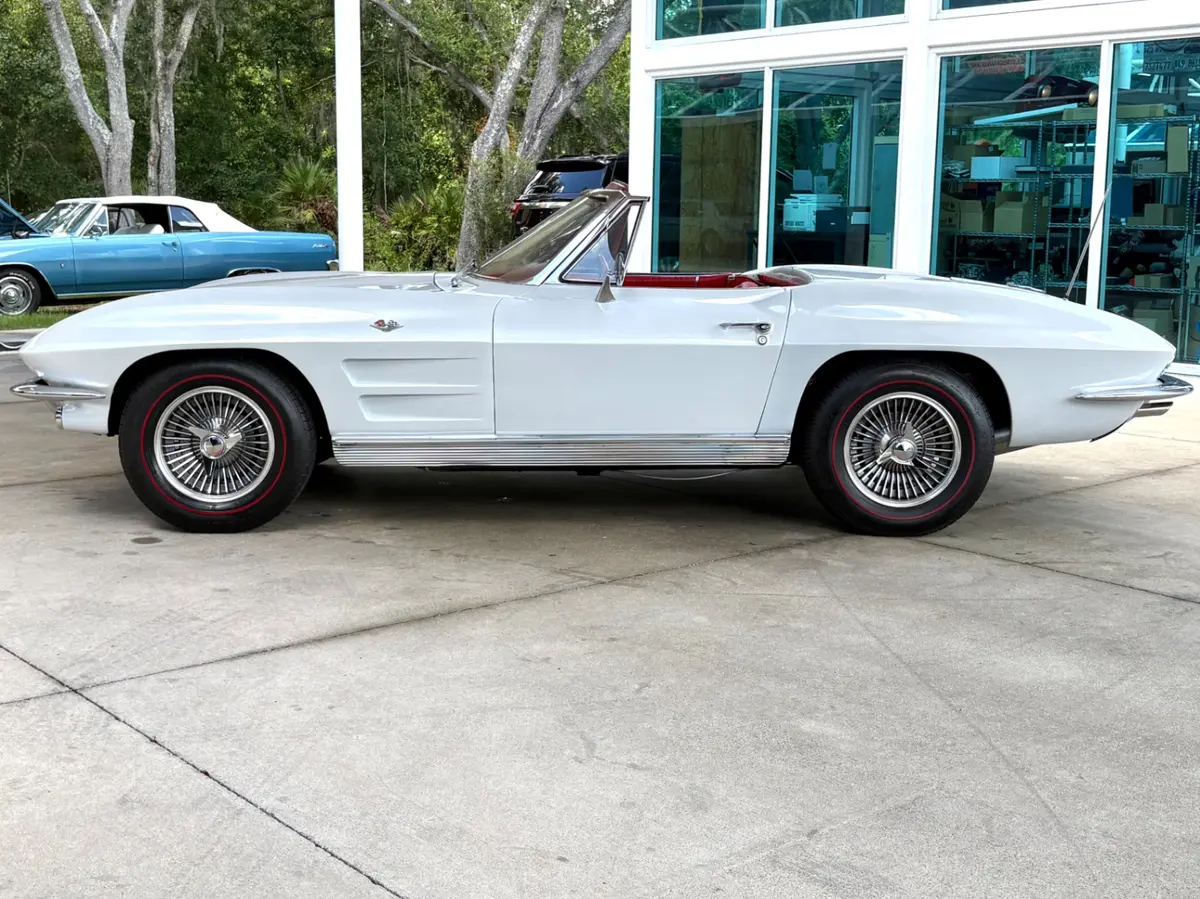
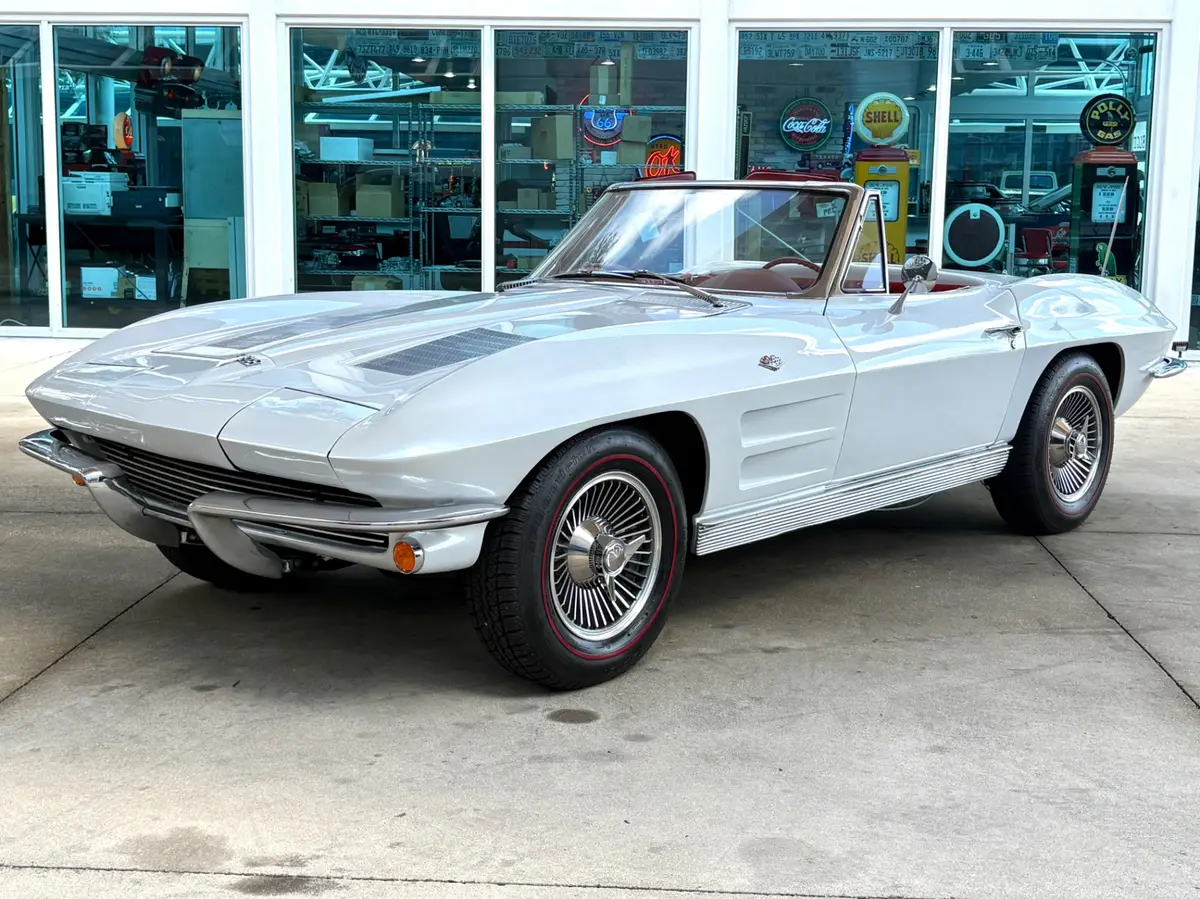
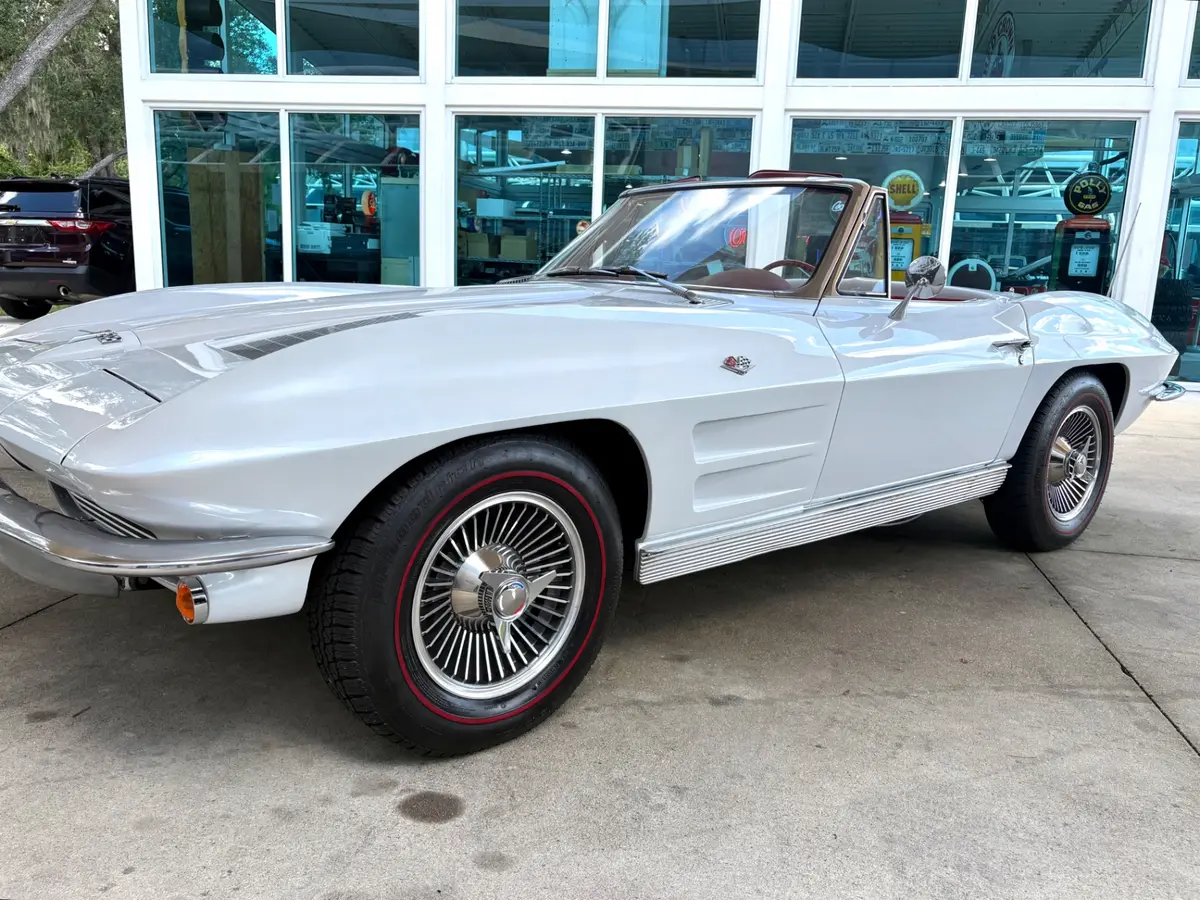
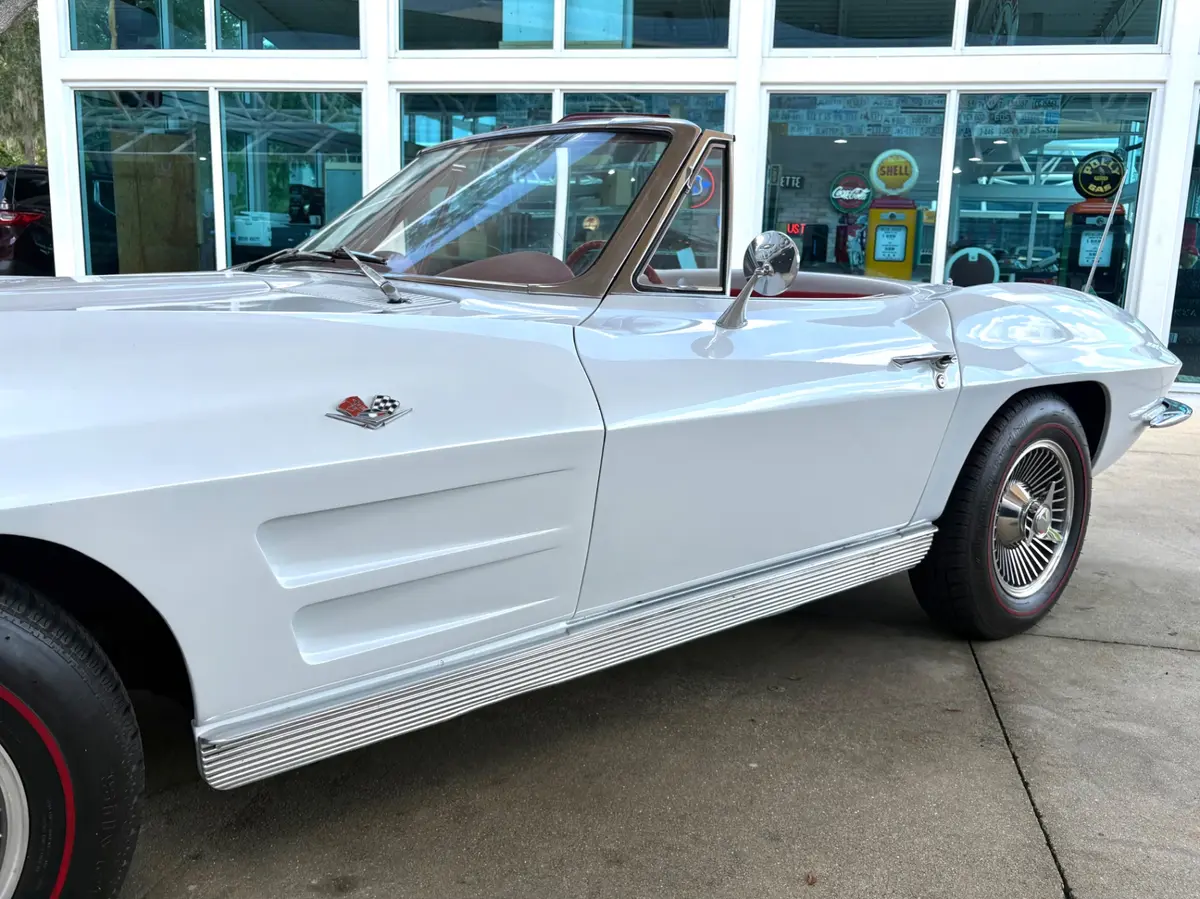
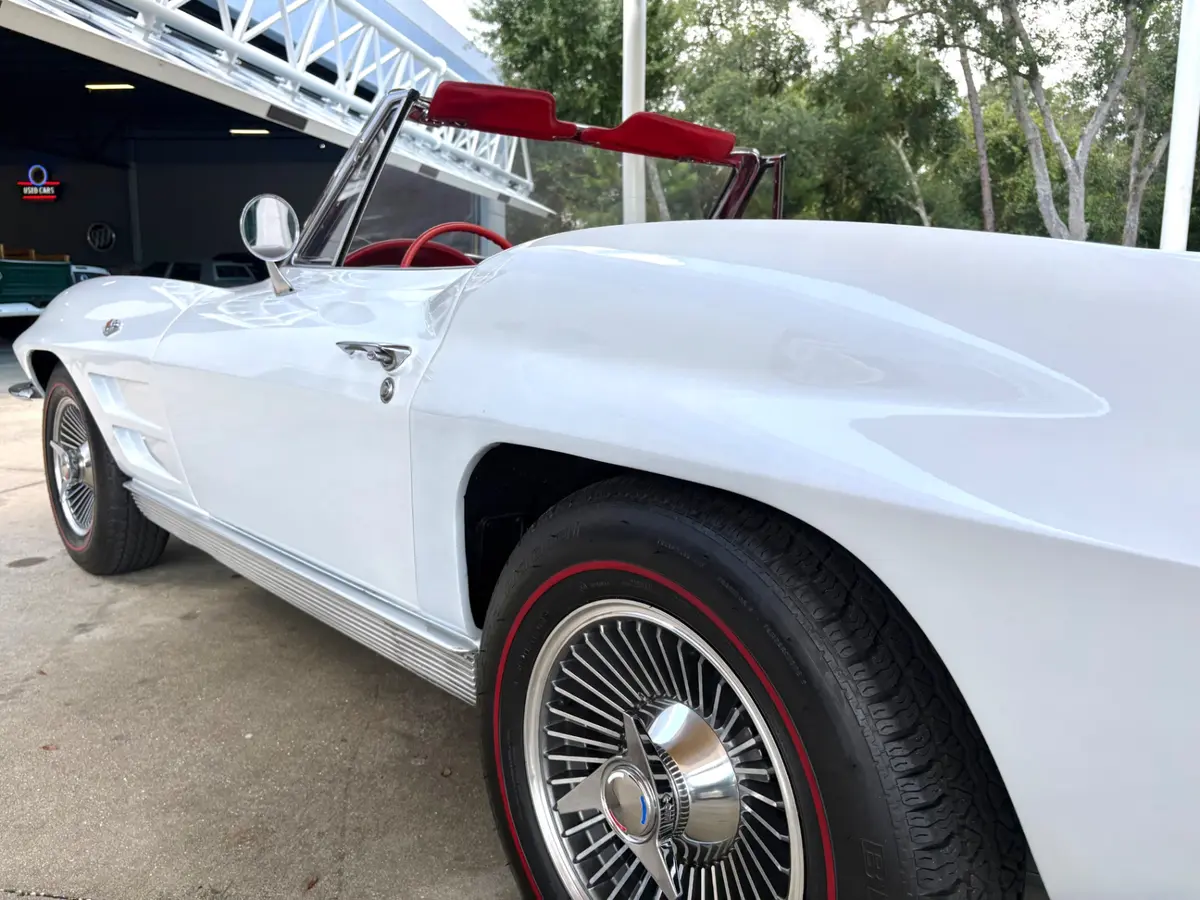
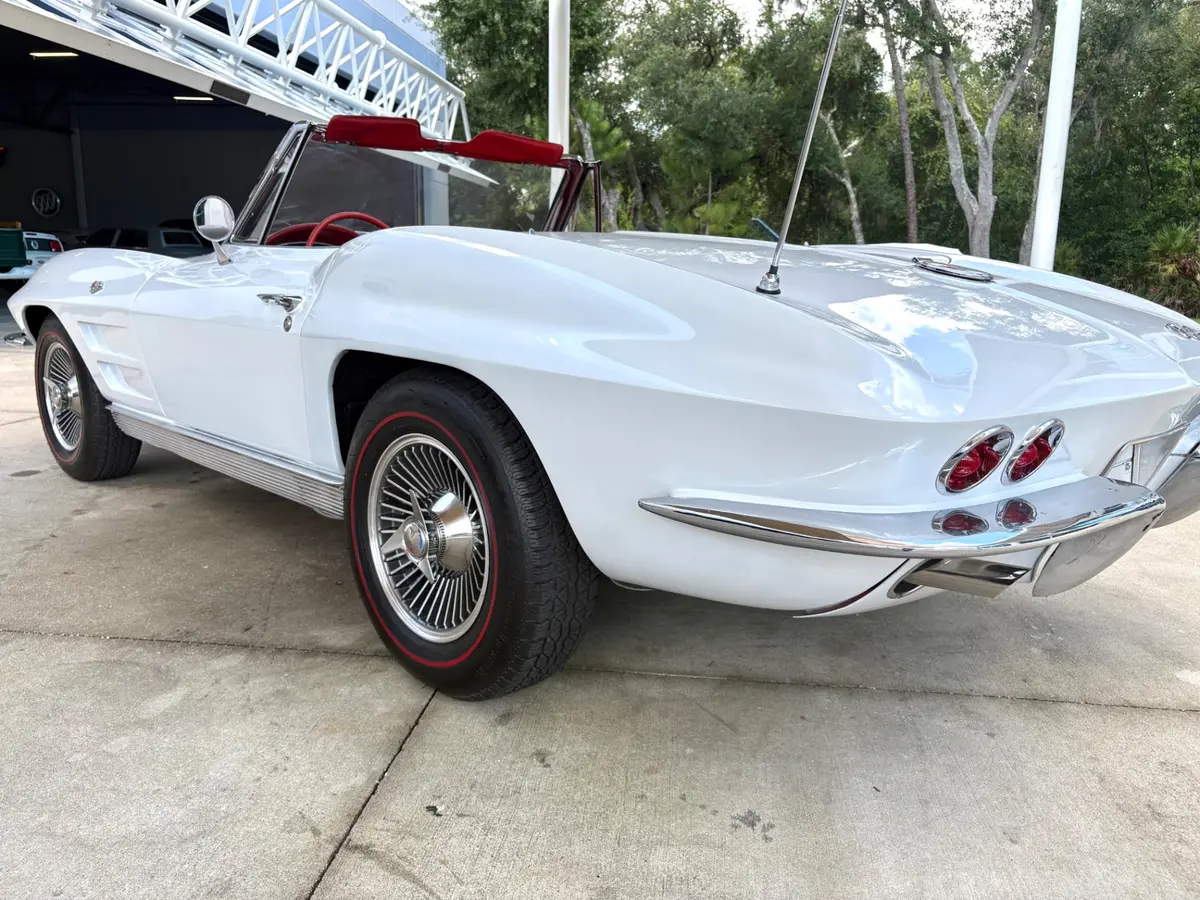
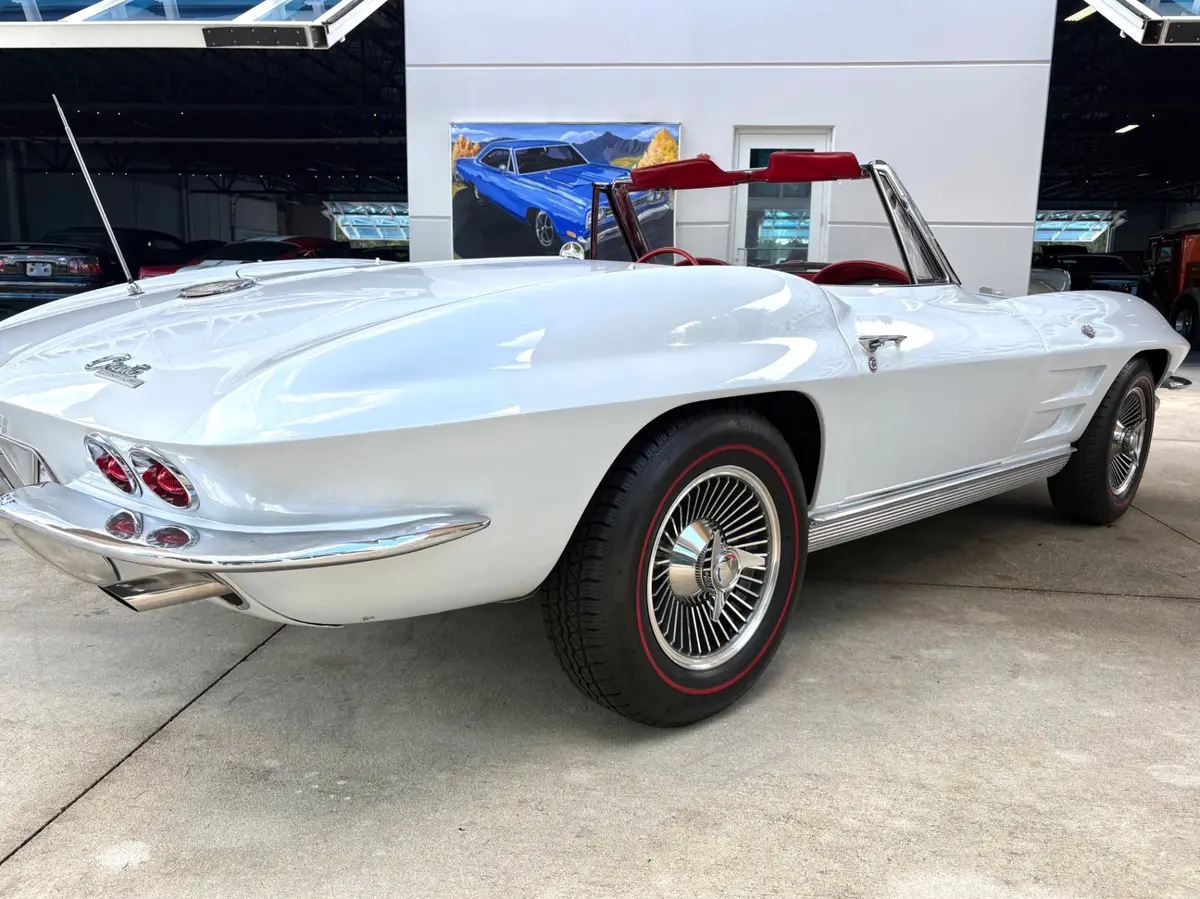
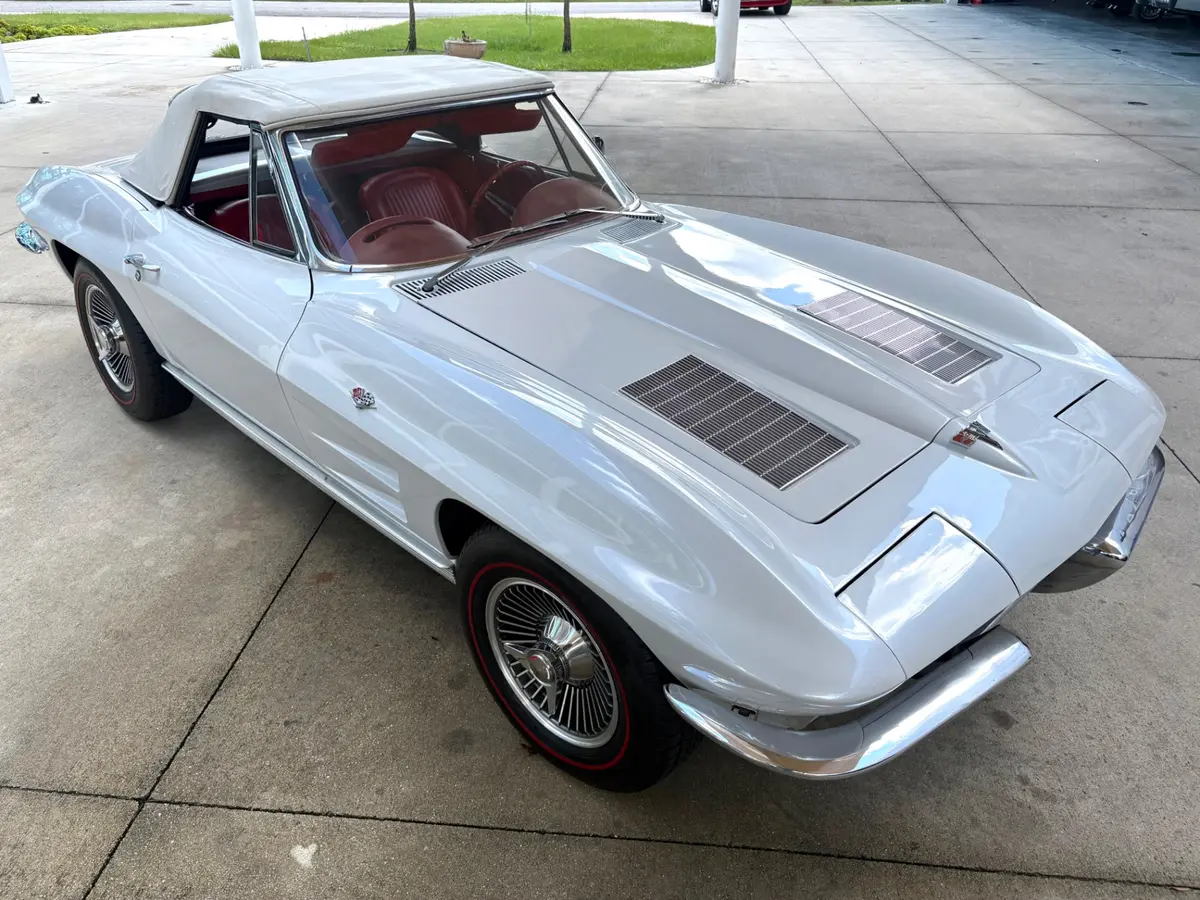
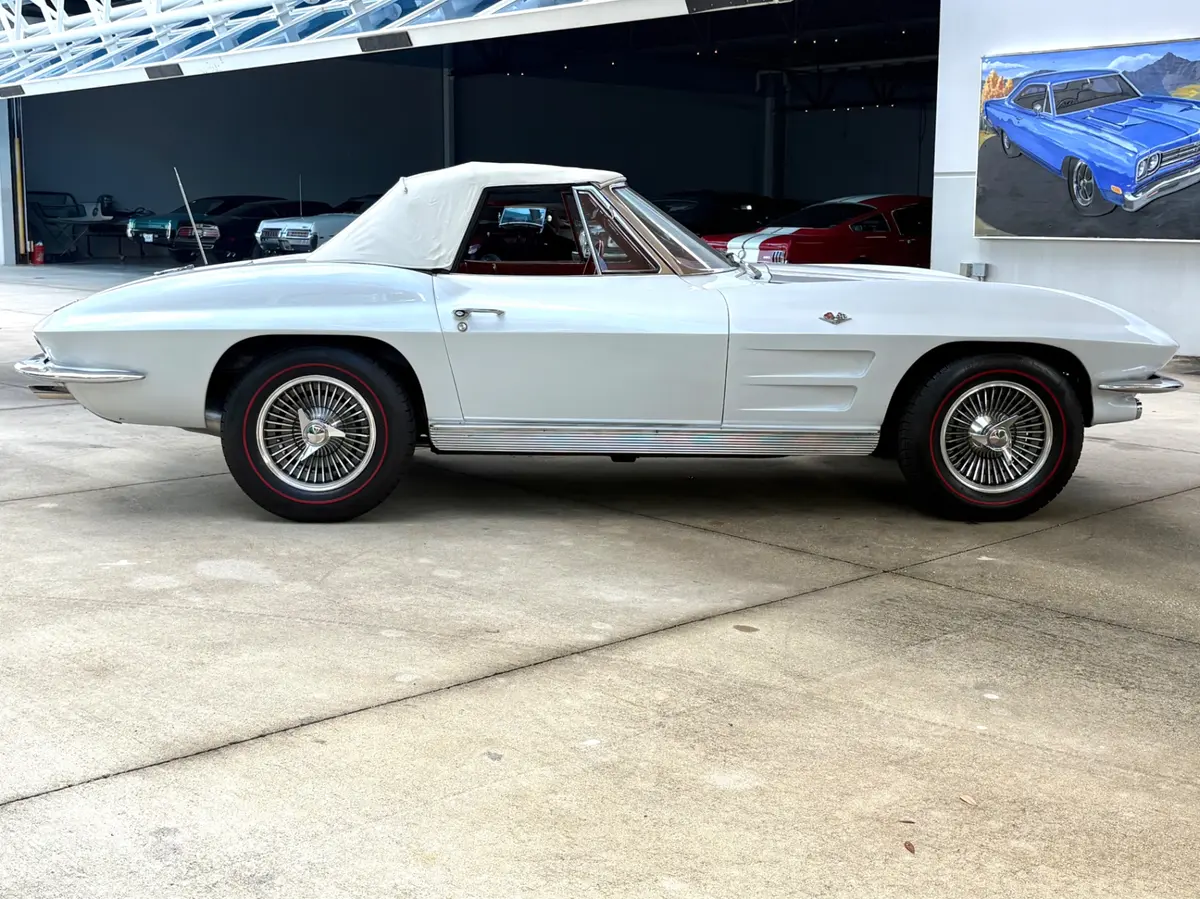
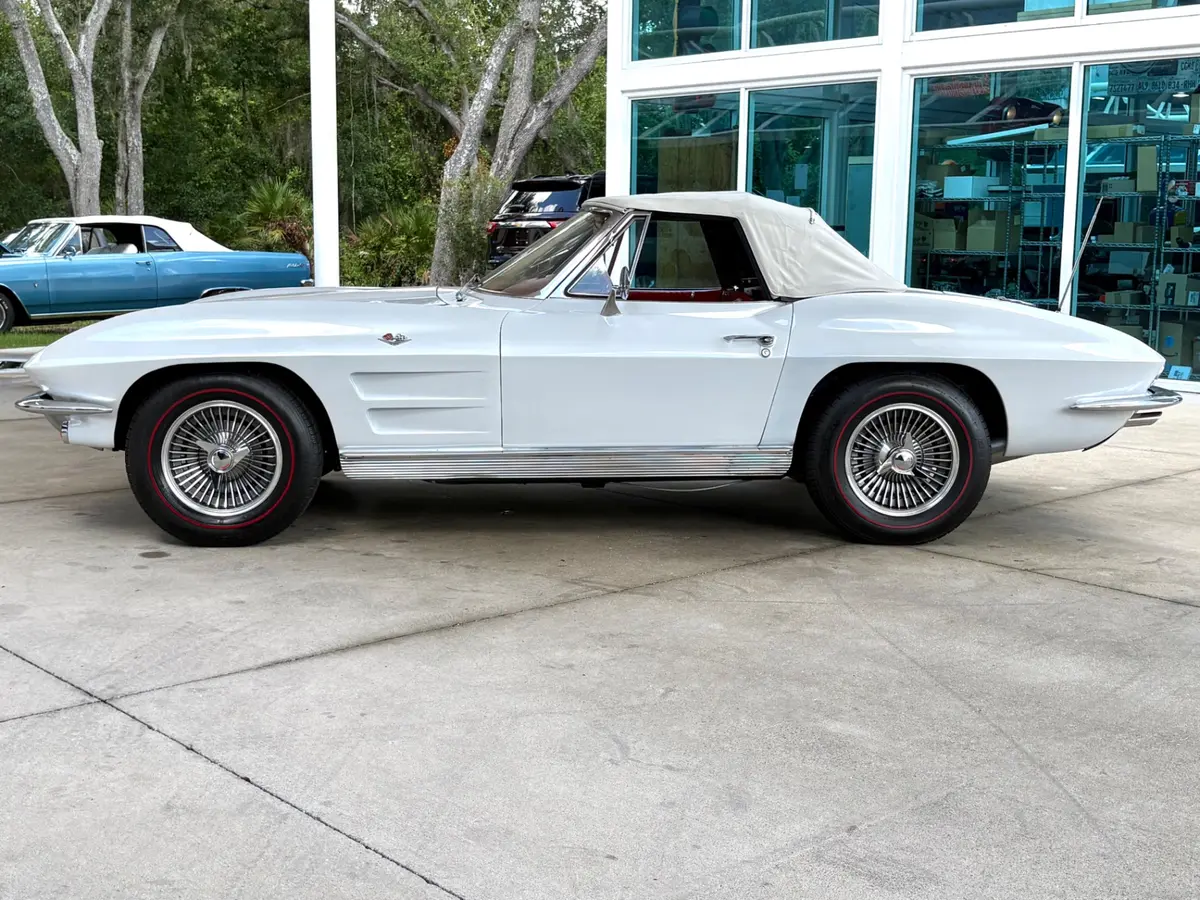
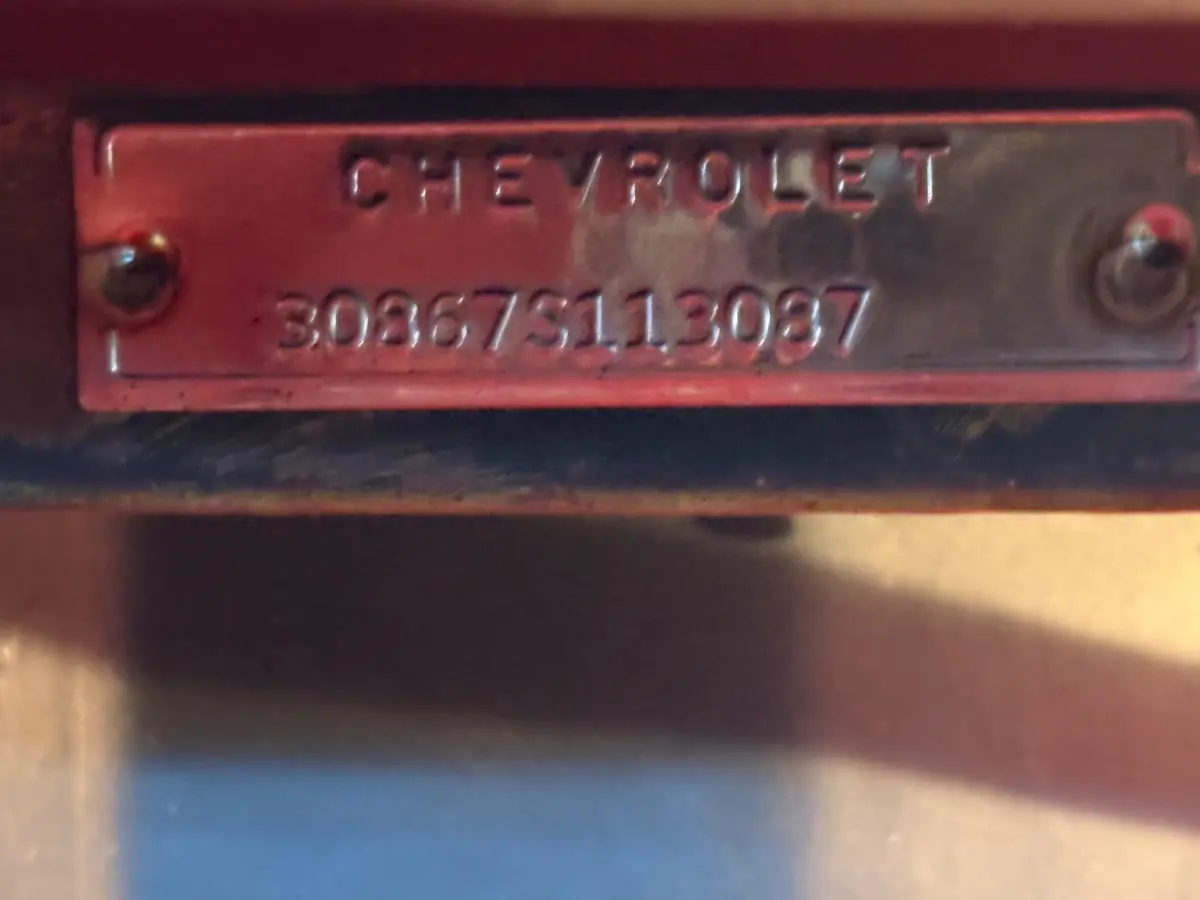
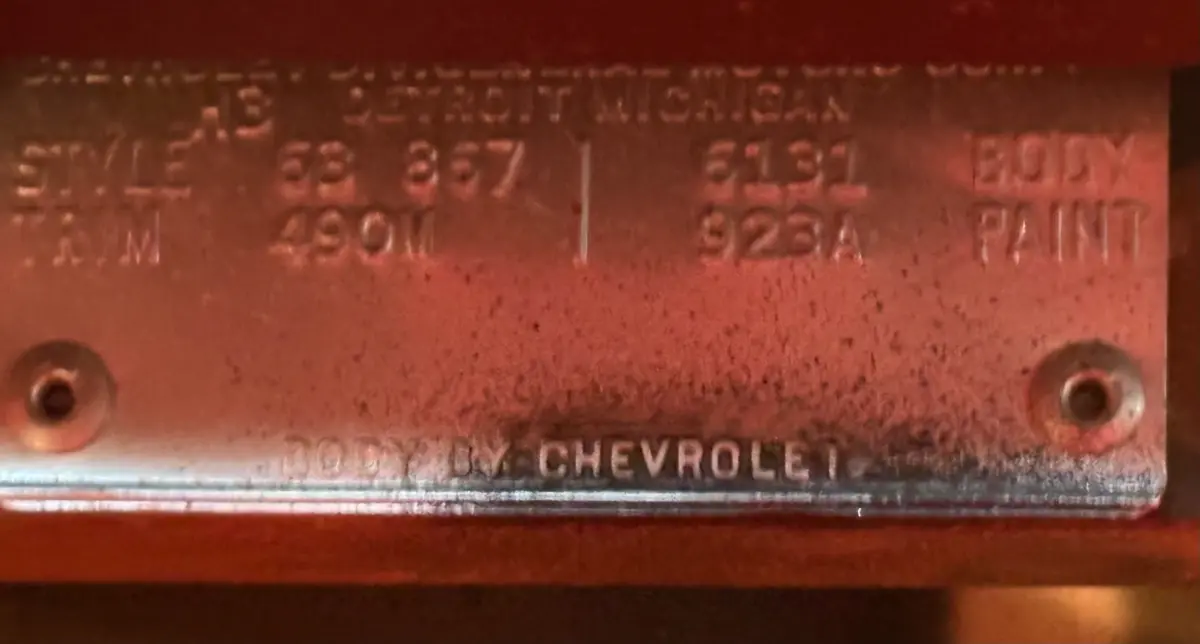
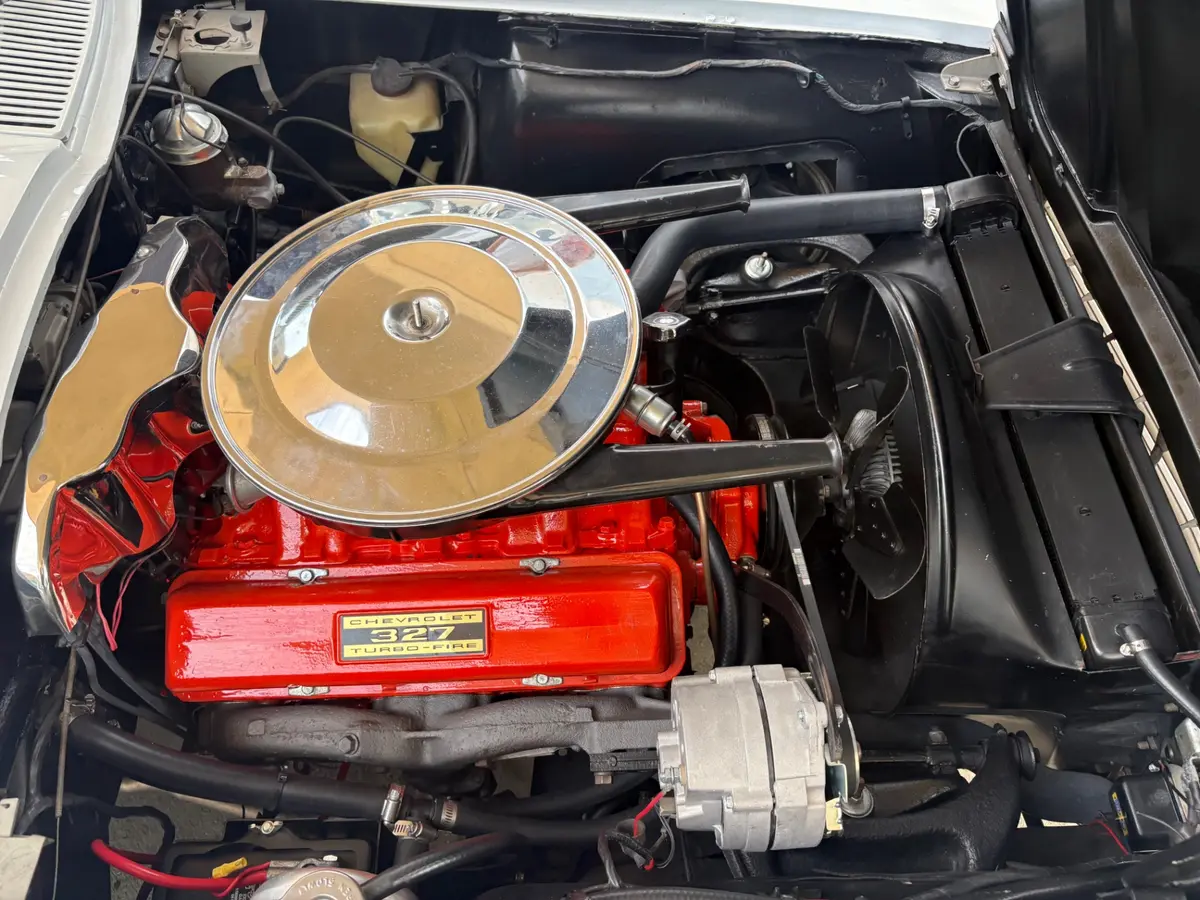
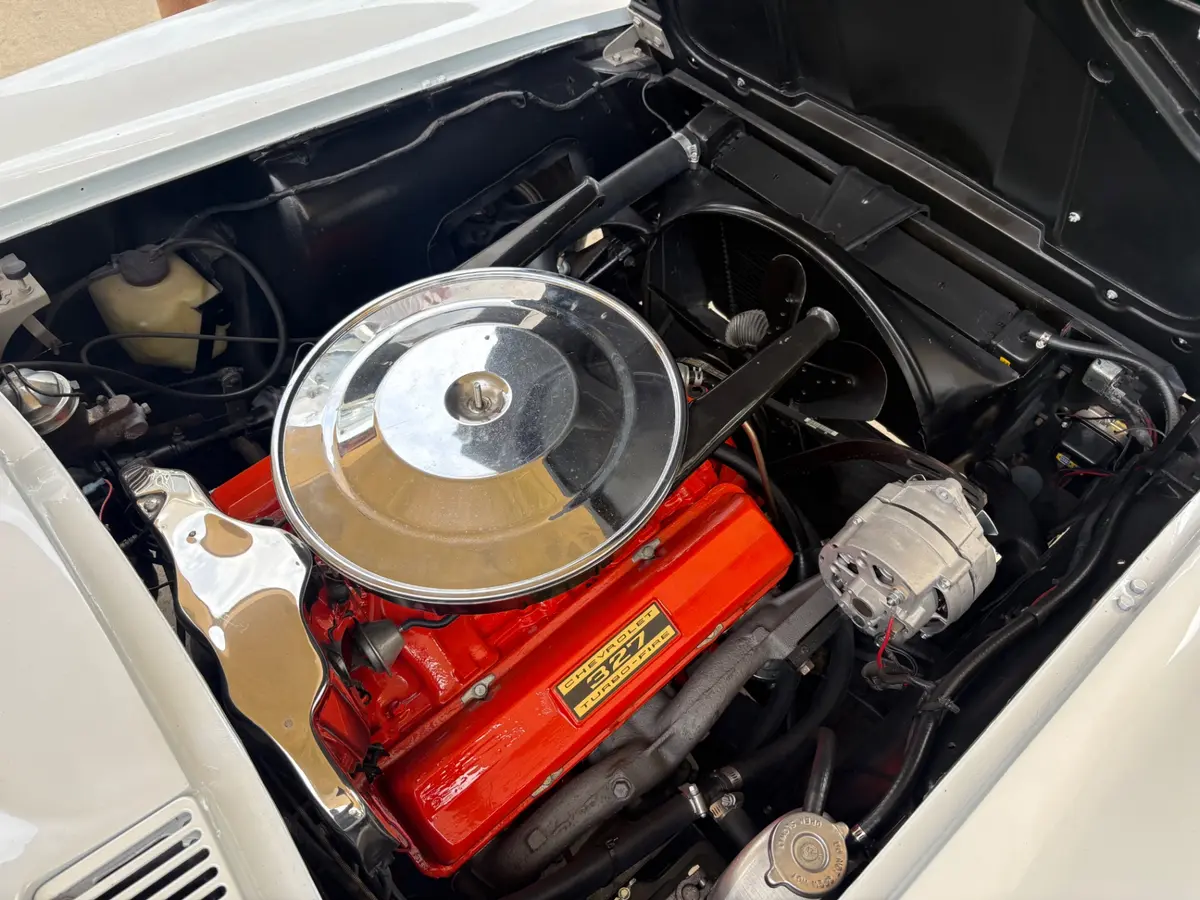
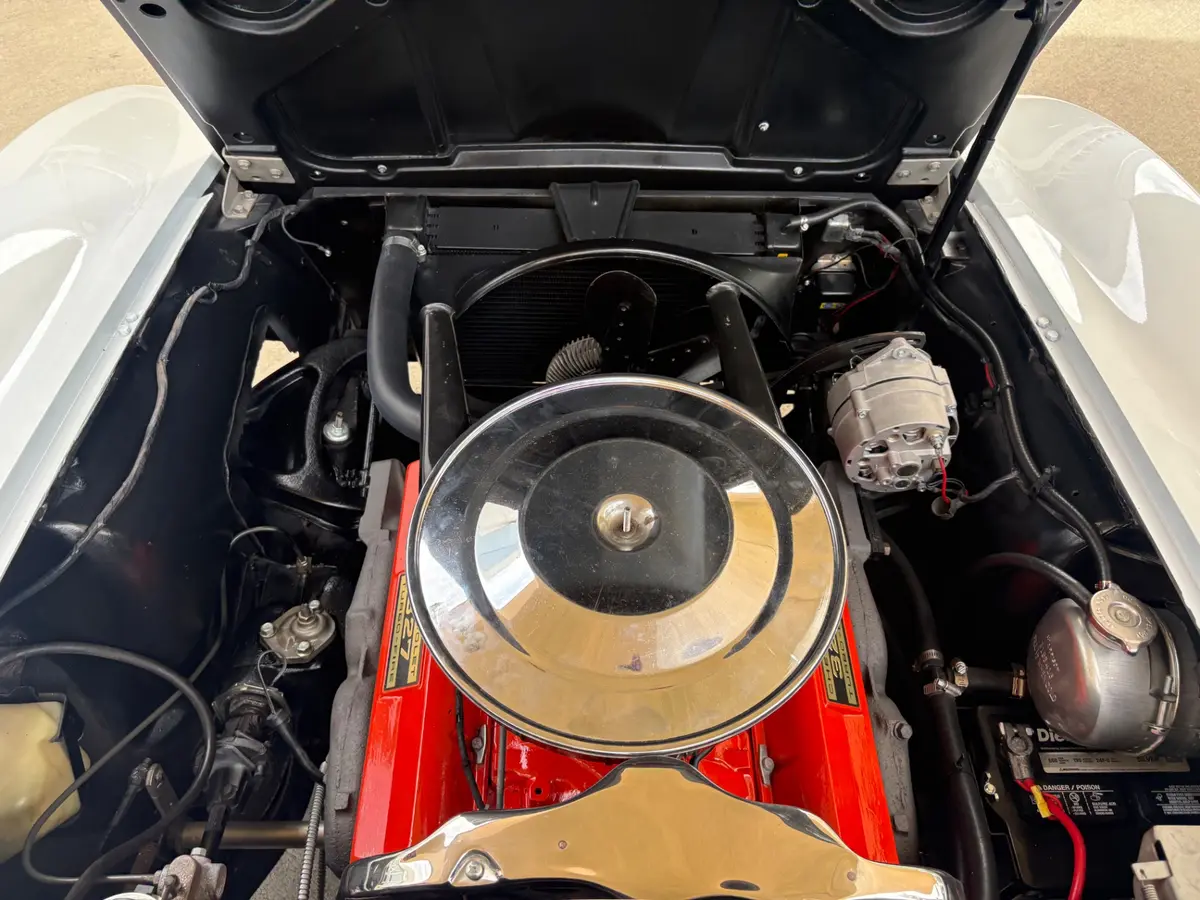
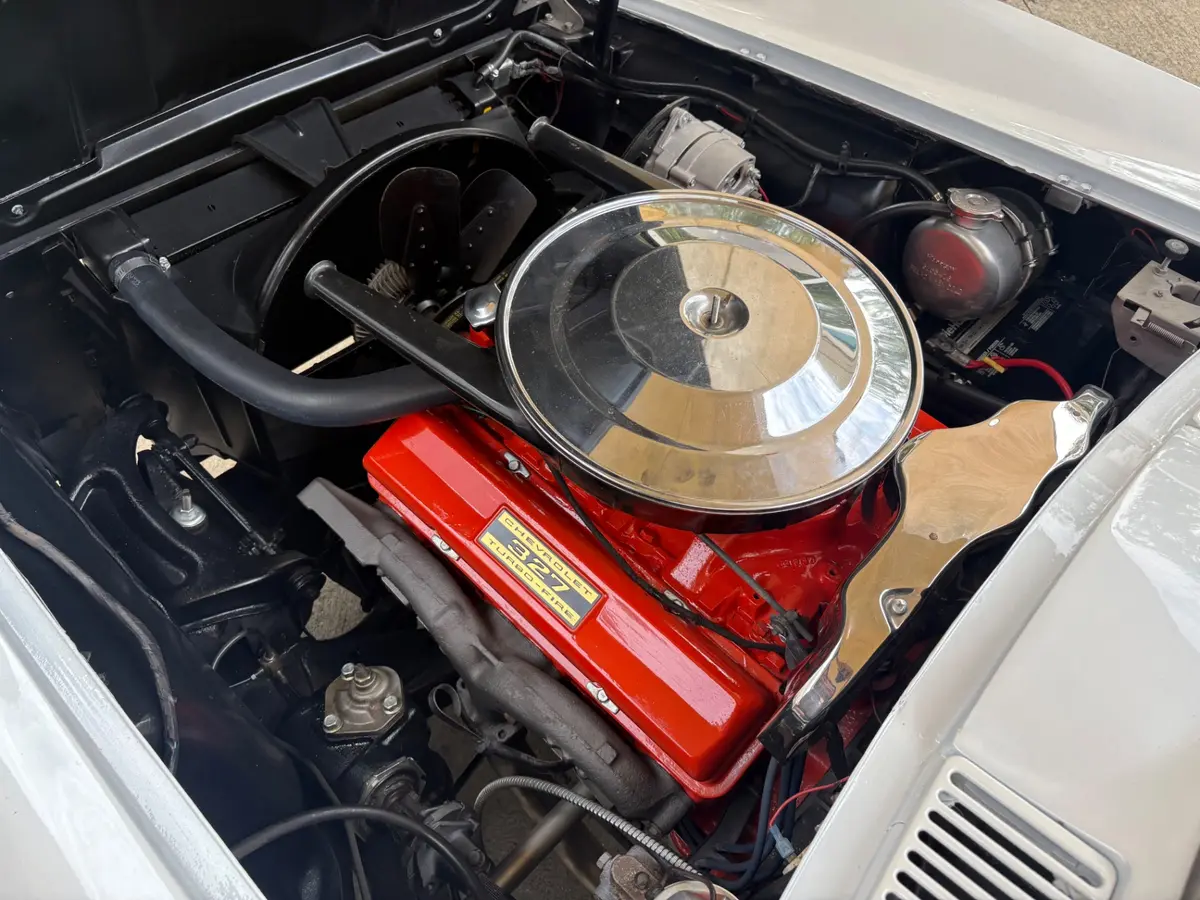
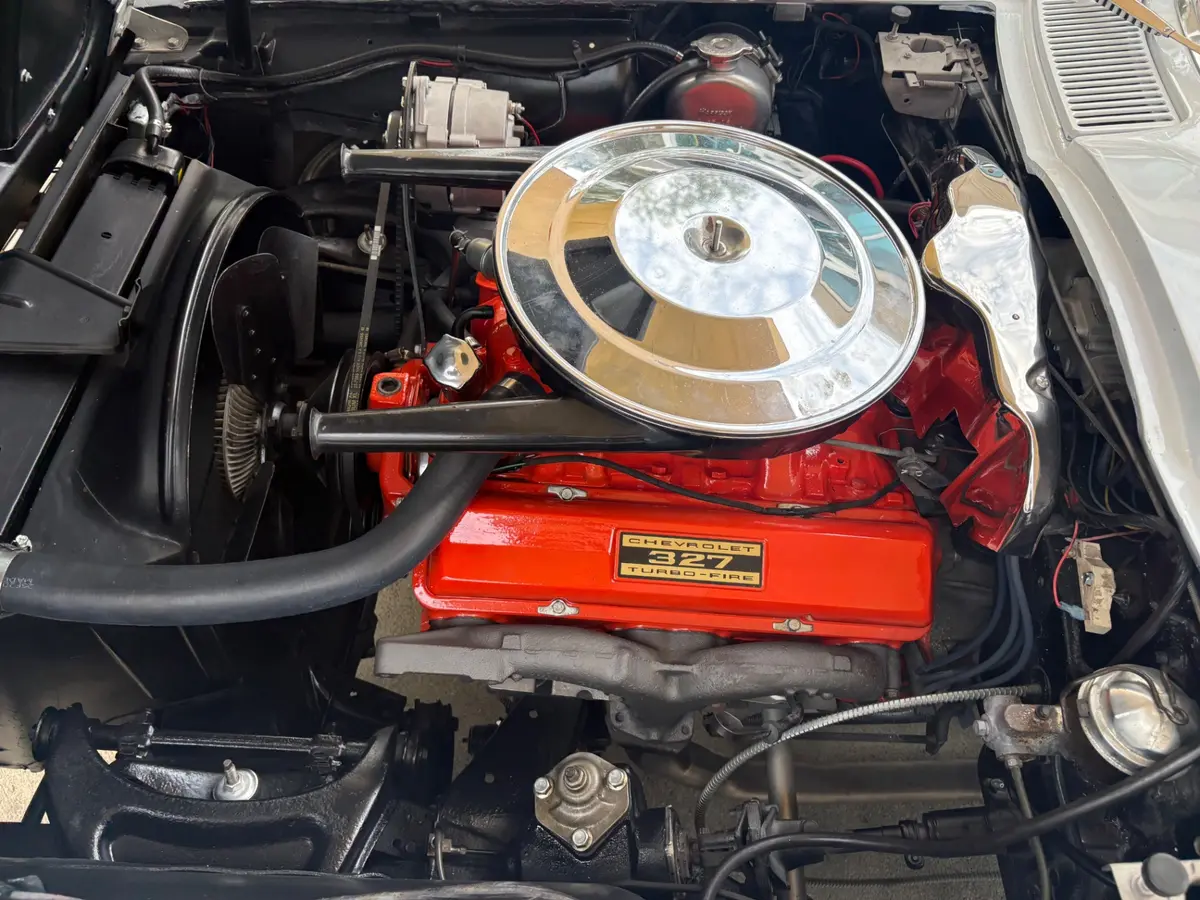
Chevrolet built 10,919 Corvette convertibles for the 1963 model year. This particular car is finished in Ermine White over a red vinyl interior — one of the most visually direct color combinations the factory offered, and one that photographs exactly the way it looks in person. The VIN confirms this is a St. Louis-built convertible, which is how all 1963 Corvettes were assembled. Under the hood sits the 327 cubic inch Turbo-Fire V8 in L30 specification, backed by a close-ratio 4-speed manual transmission.
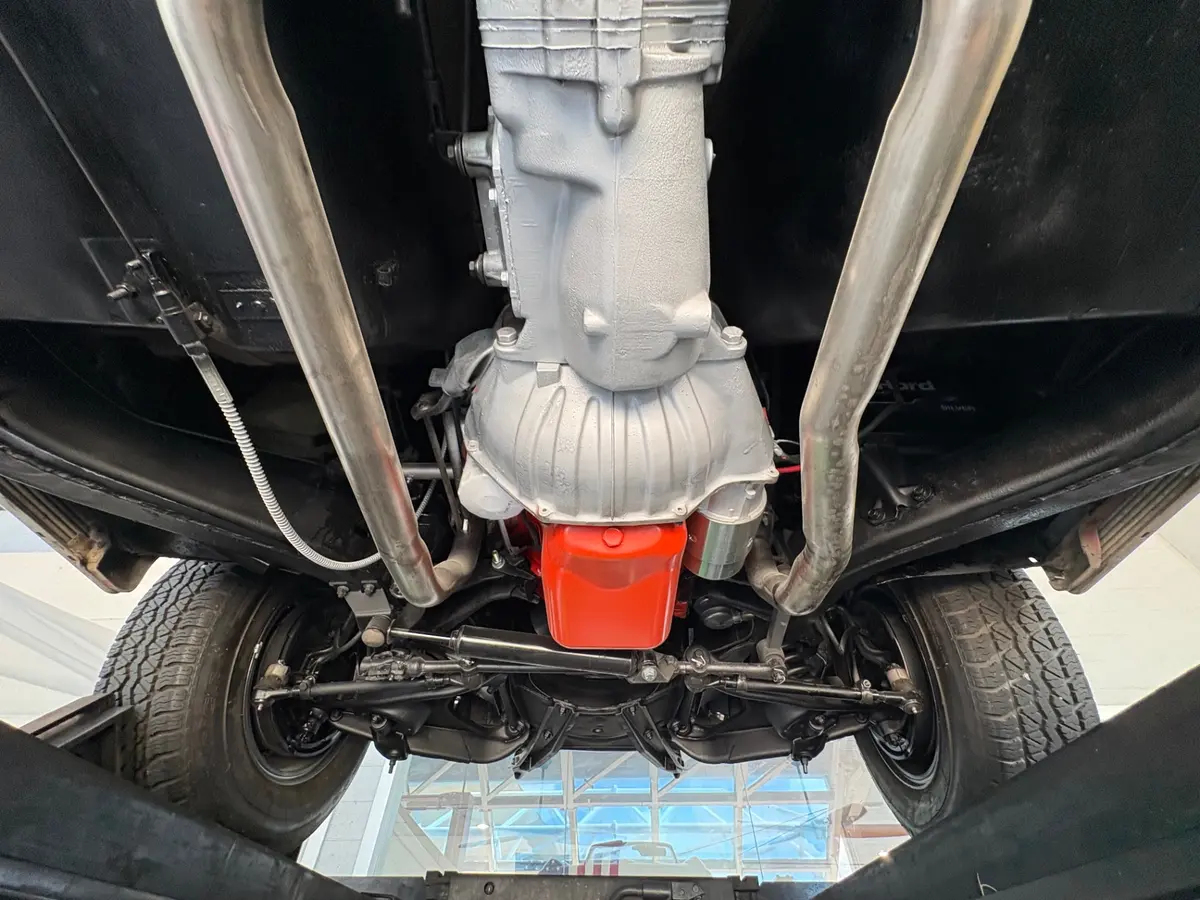
What separates this 1963 Corvette from the typical driver-quality example on the market is the scope of mechanical work that has been completed. This is not a cosmetically refreshed car with deferred mechanical issues waiting for the next owner. The engine has been removed, resealed, and repainted. The transmission has been rebuilt and resealed. The entire suspension has been rebuilt with new components. Every brake component has been replaced. Every fluid system — cooling, fuel, electrical — has been renewed. The chassis and suspension have been cleaned and painted. The result is a car that drives the way a 1963 Corvette Sting Ray should, not the way a neglected 60-year-old car typically does.
Features List
- 327 cubic inch Turbo-Fire V8, L30 specification
- 4-speed manual transmission, rebuilt and resealed
- Engine fully removed, resealed, and repainted
- New remanufactured Rochester carburetor
- New fuel pump
- New engine wiring harness
- New clutch assembly
- Full suspension rebuild — new control arms, spindles, springs, and bearings
- New shock absorbers, all four corners
- New steering gear and tie rods
- New brake shoes and wheel cylinders, all four corners
- New brake lines and hoses, front and rear
- New emergency brake cable
- New radiator and complete cooling system refresh — water pump, hoses, and thermostat
- New alternator, starter, and voltage regulator
- New convertible top frame and vinyl top
- New carpet and sound deadening
- New knock-off wire spoke wheels with redline tires
- New weatherstrip throughout
- New tail lights and parking lights
- New hood vents
- New heater core
- Suspension and chassis cleaned and painted
- Ermine White exterior
- Red vinyl interior with bucket seats and center console
- Tachometer and dash clock
- AM/FM radio
- Heater and defroster
- Dual exhaust
- Chrome bumpers and chrome outside mirror
- Independent rear suspension
Mechanical
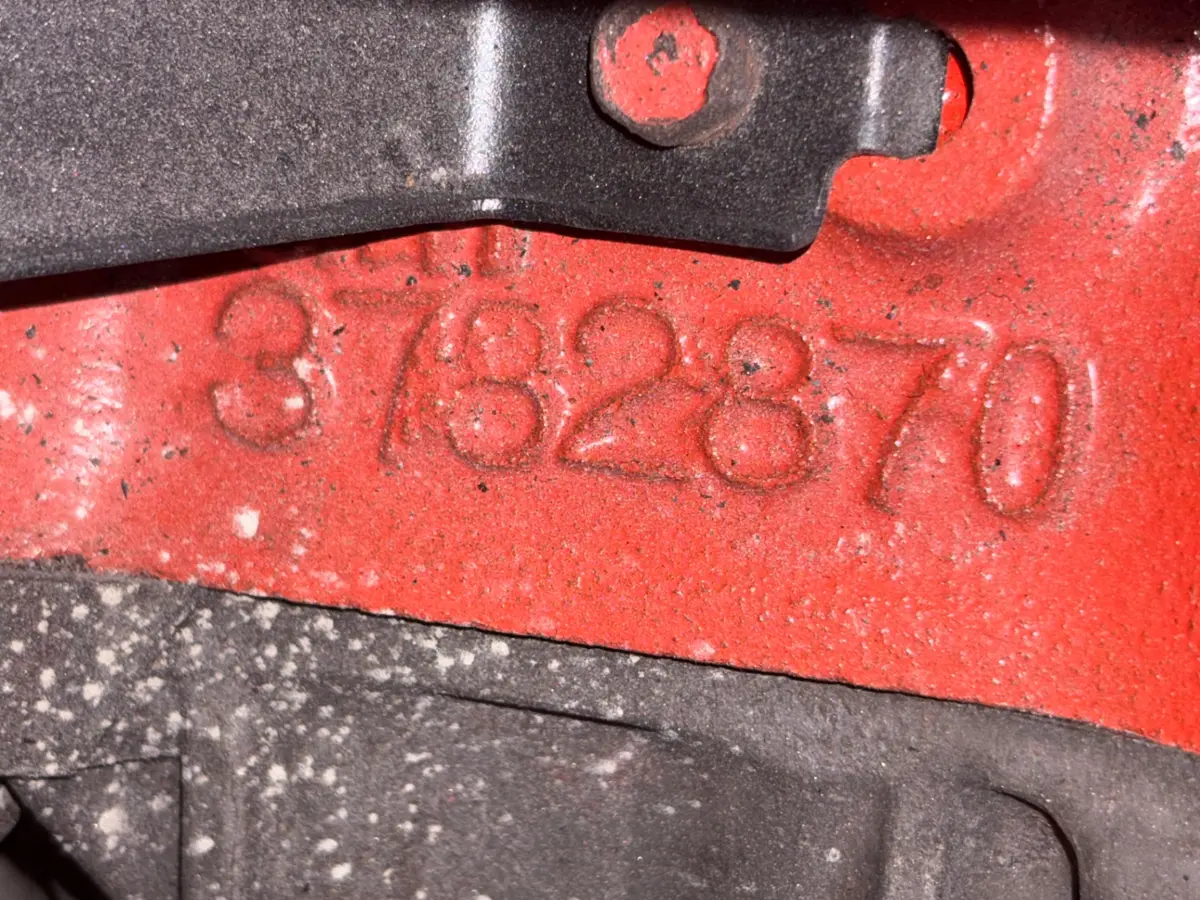
The 327 Turbo-Fire in L30 specification was rated at 250 horsepower from the factory. It is a correct and appropriate engine for a 1963 Corvette convertible — not the most powerful option available that year, but an extremely well-balanced one that offers strong real-world performance without the heat and fuel demands of the higher-output L75 or fuel-injected variants. For the buyer who intends to drive this car regularly rather than trailer it to shows, the L30 is arguably the most practical of the 327 choices.
The engine has been fully removed from the car, resealed, and repainted. A remanufactured Rochester carburetor has been installed, along with a new fuel pump and a complete new engine wiring harness. These are not tune-up items — they represent a thorough mechanical reset of every system that feeds and fires the engine. The starter and alternator are new, as is the voltage regulator. The cooling system has been rebuilt from the radiator forward, with a new water pump, new hoses, and a new thermostat. A new heater core rounds out the fluid system work.
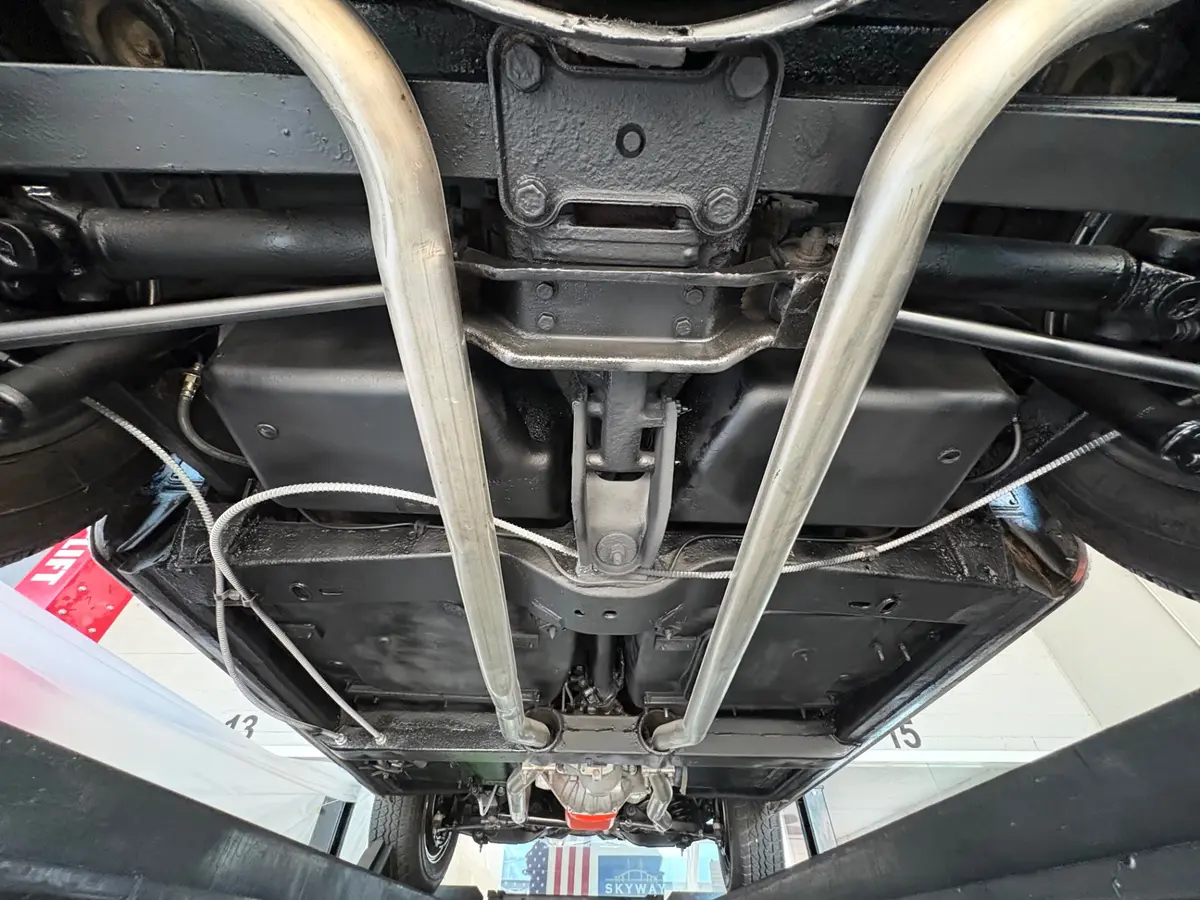
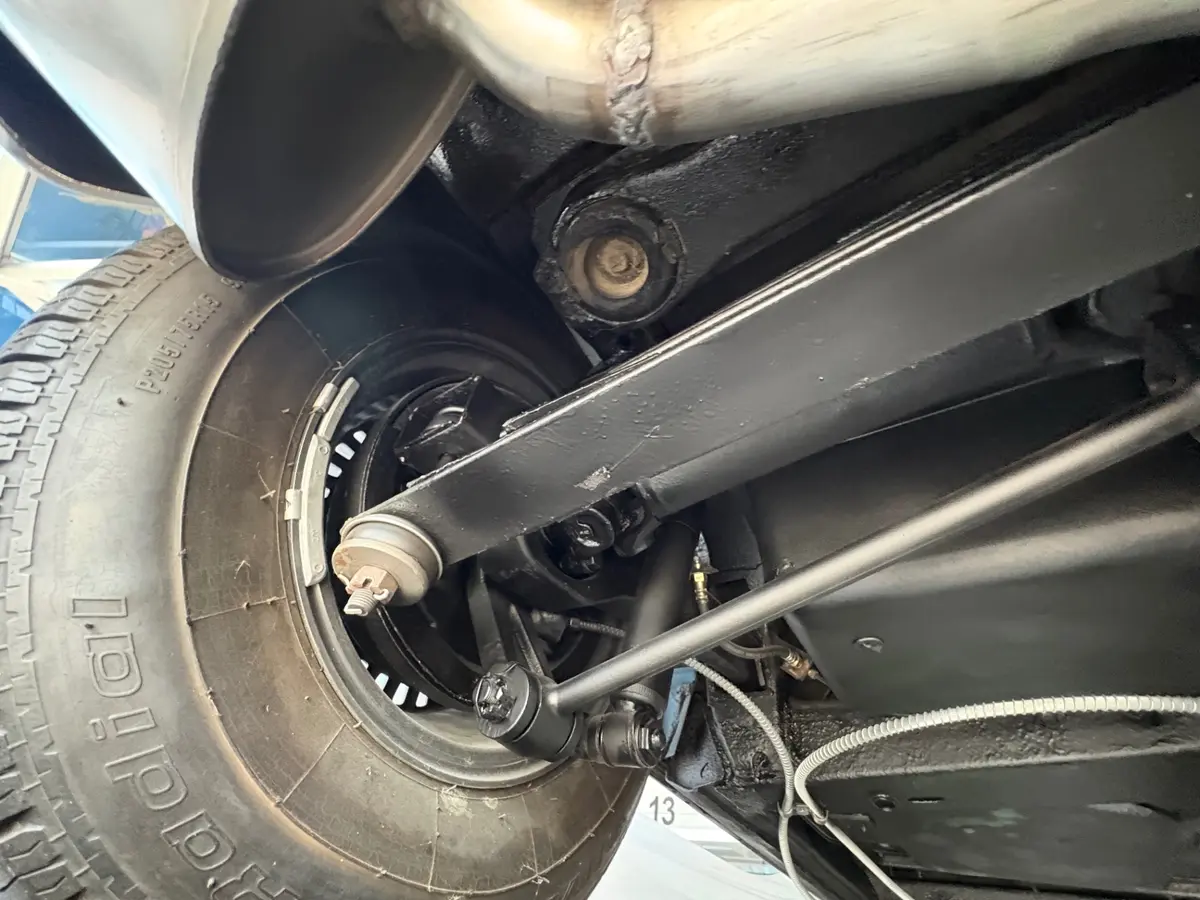
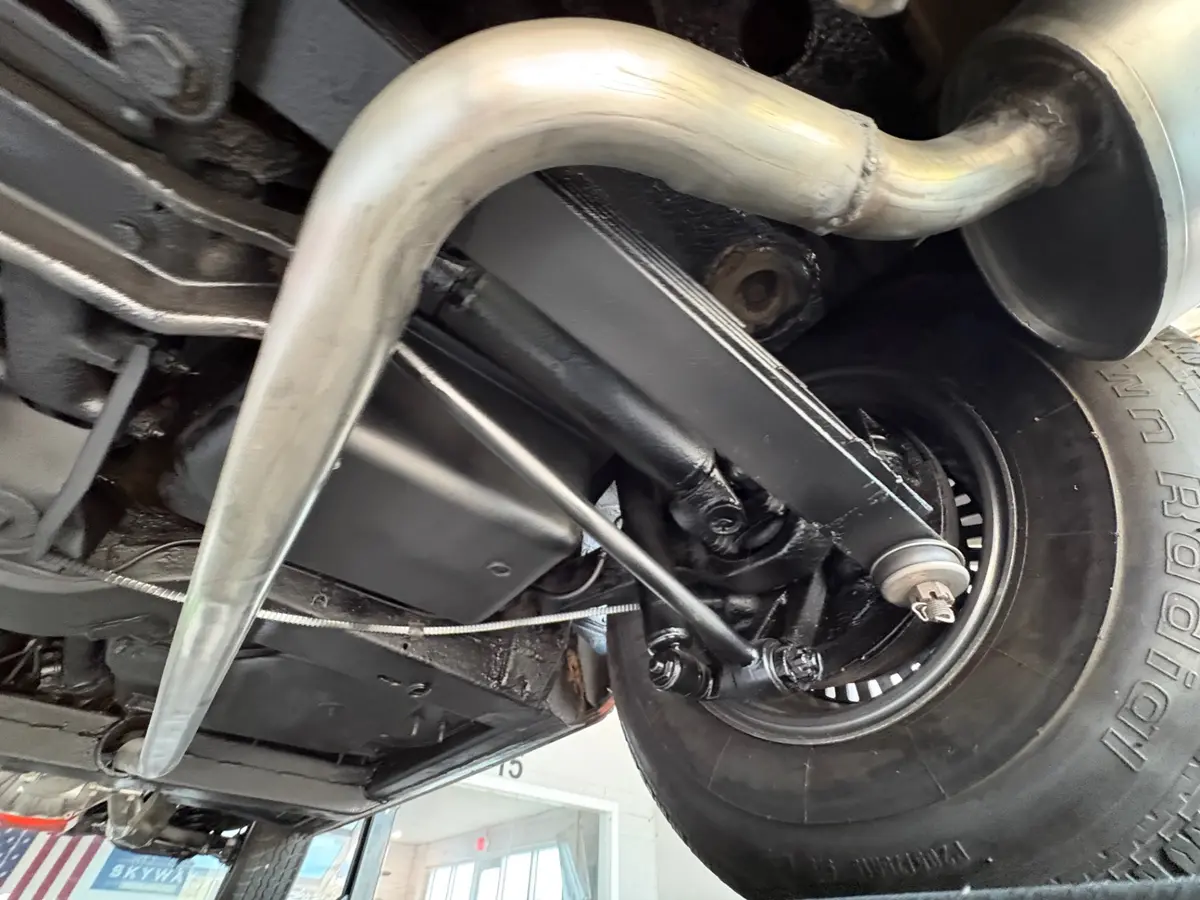
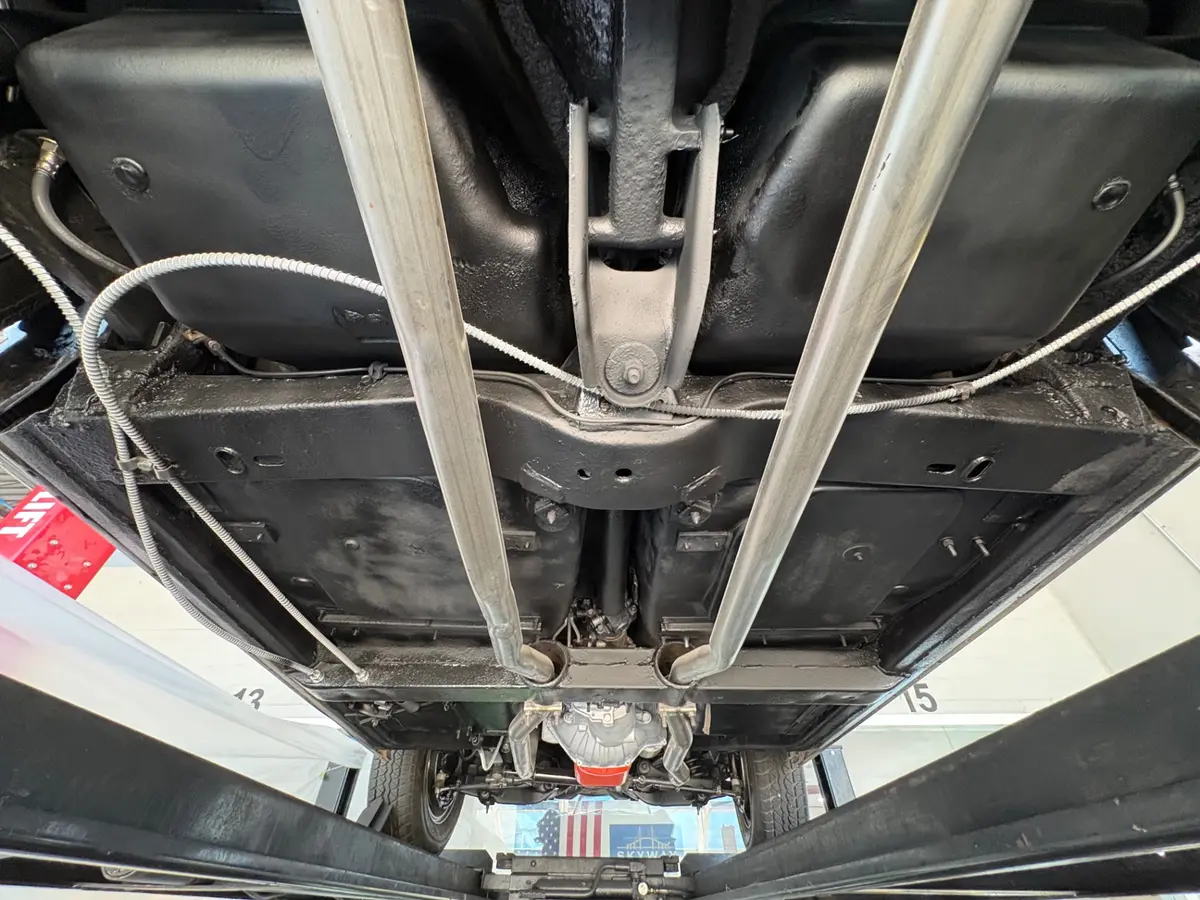
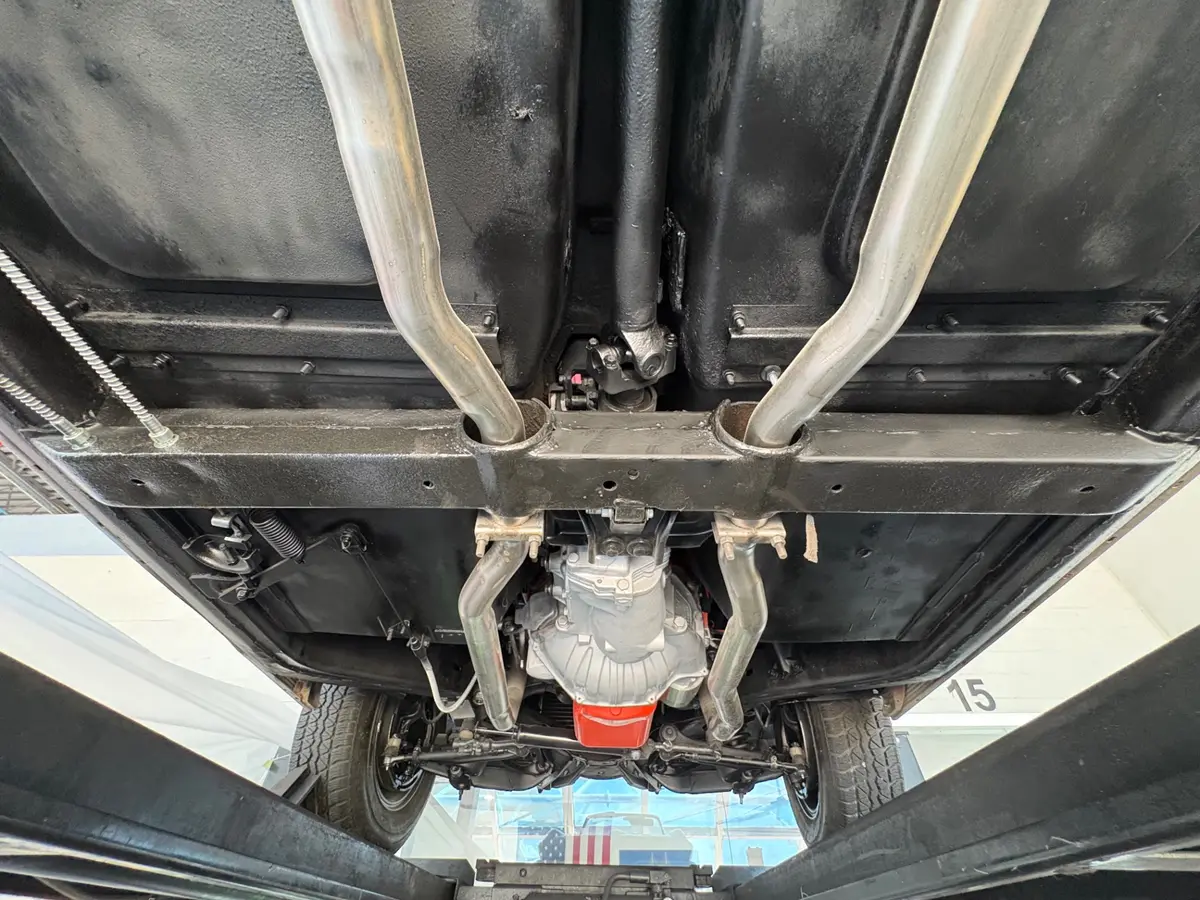
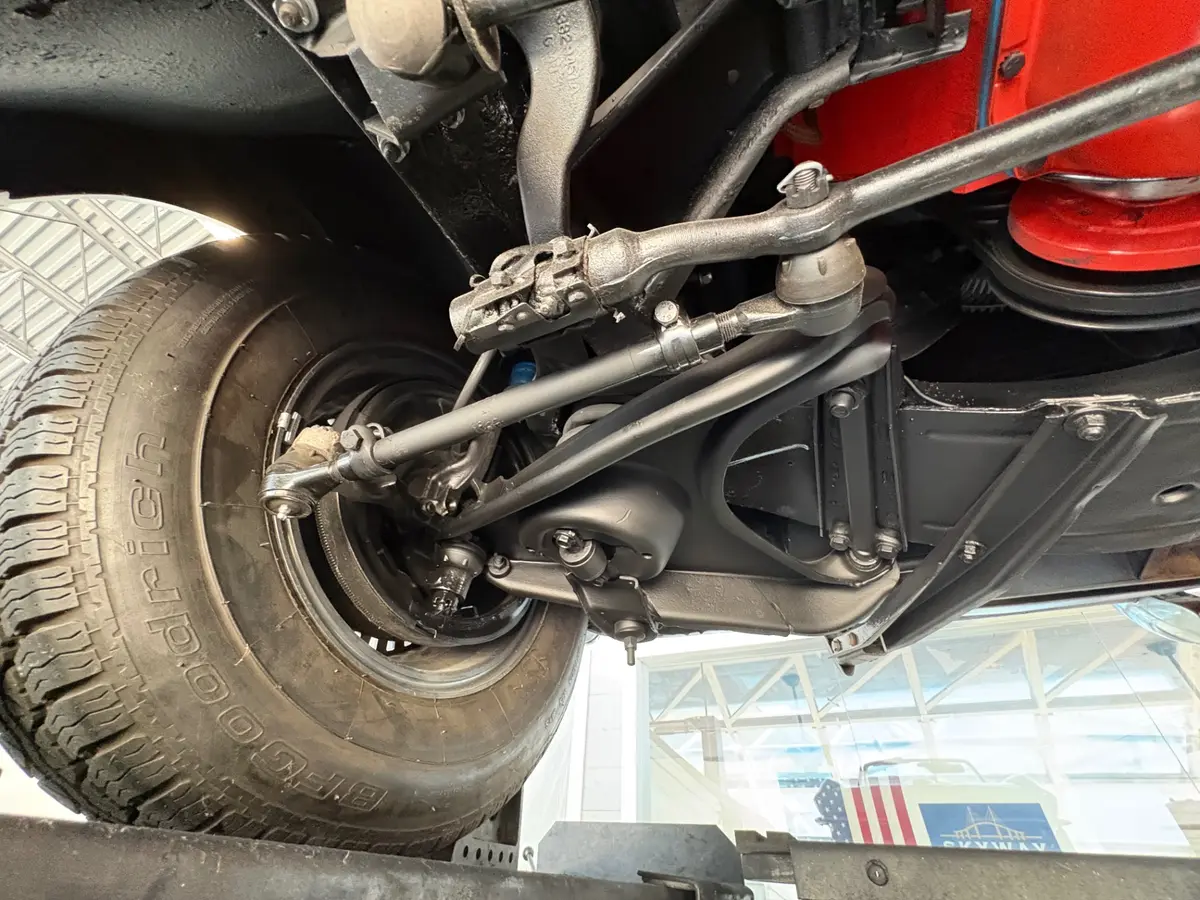
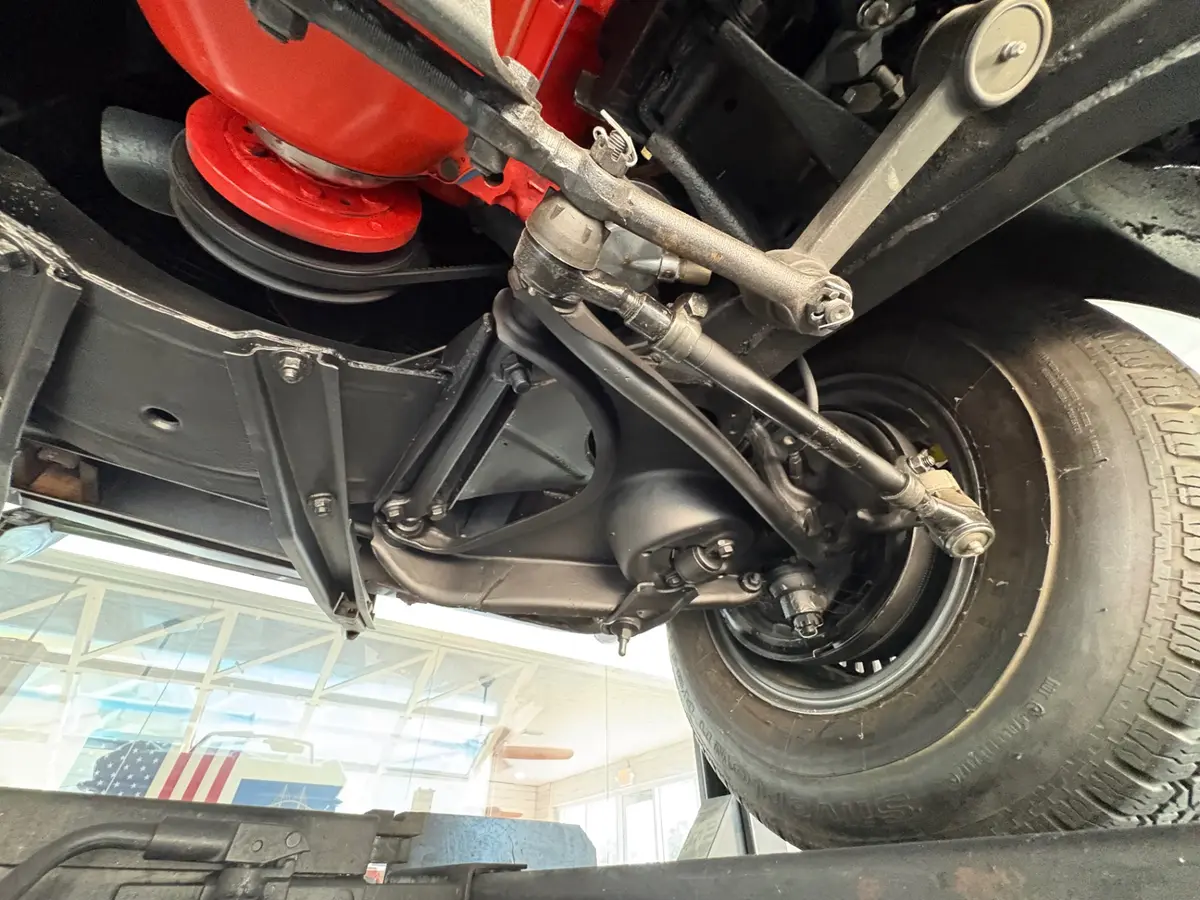
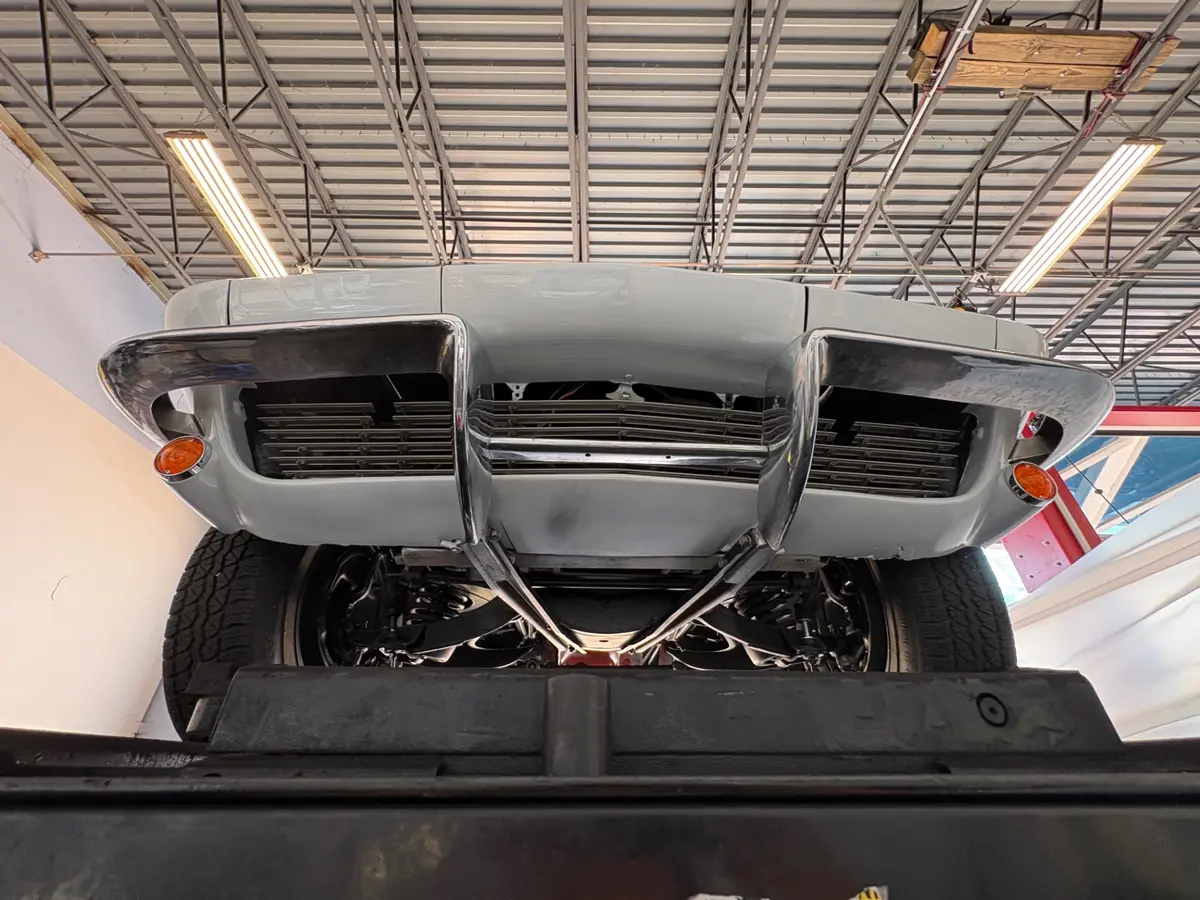
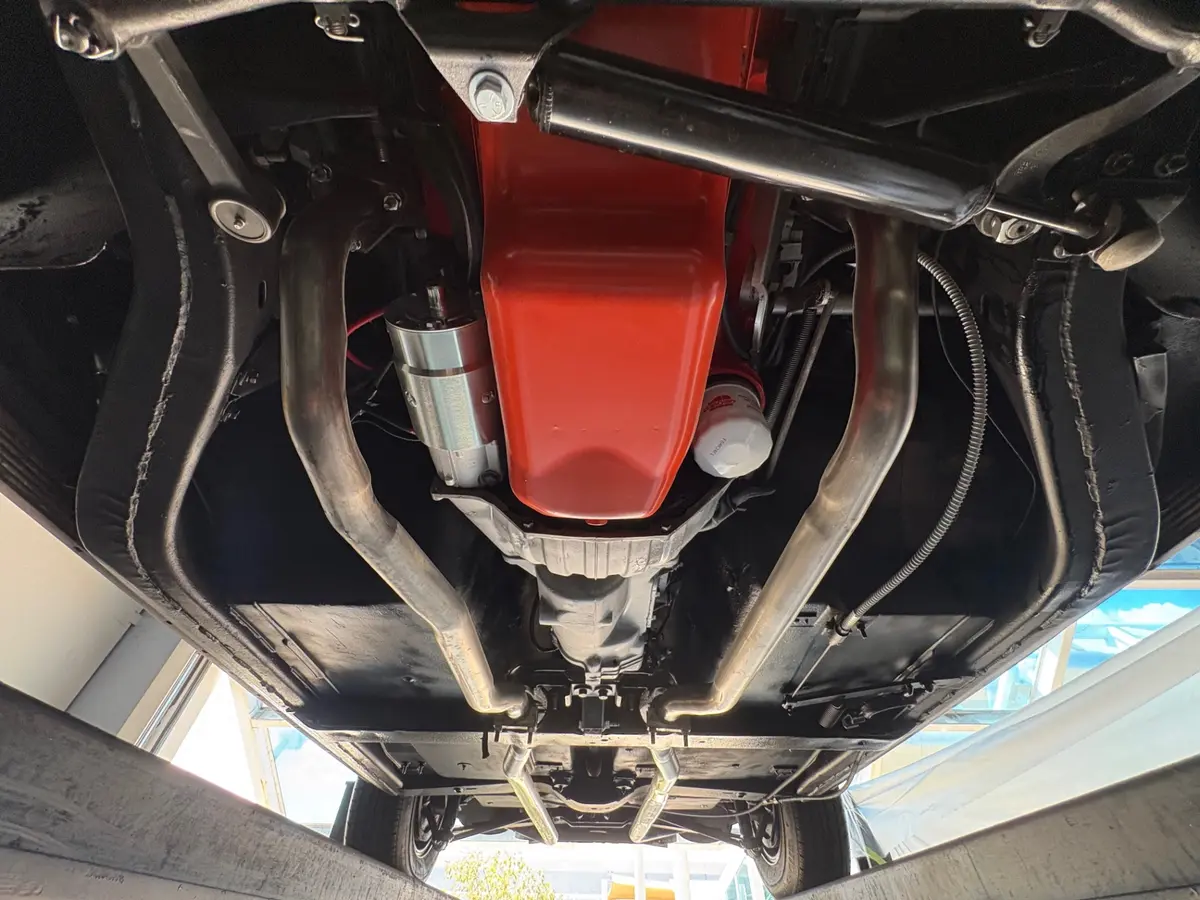
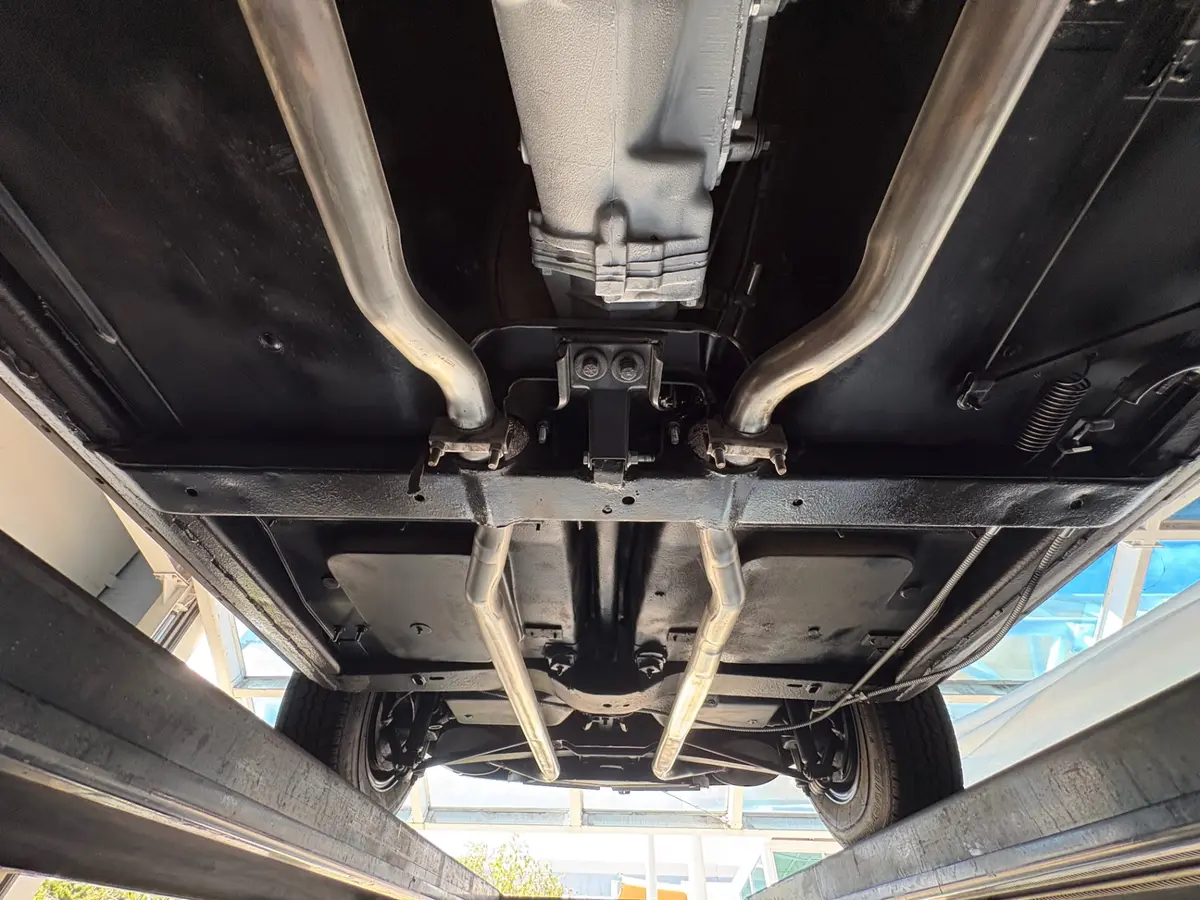
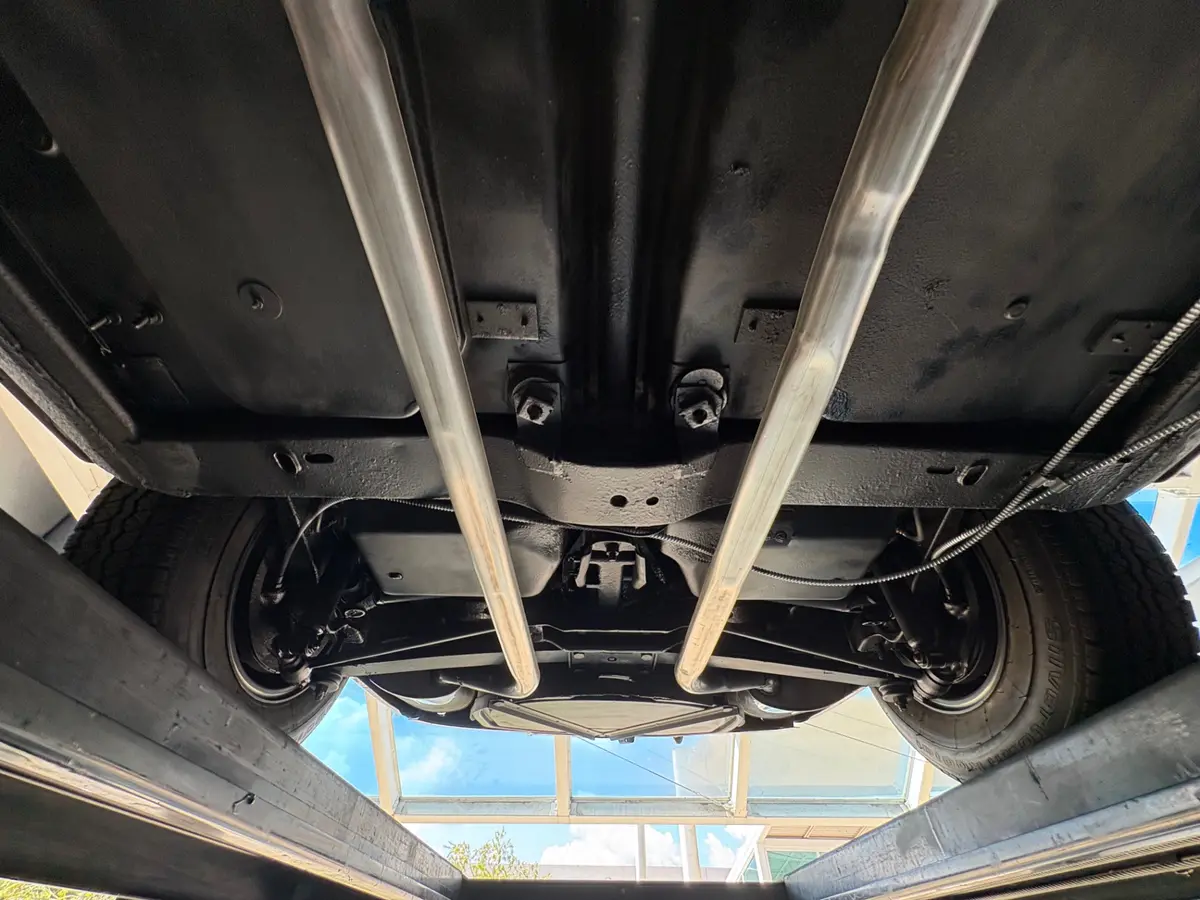
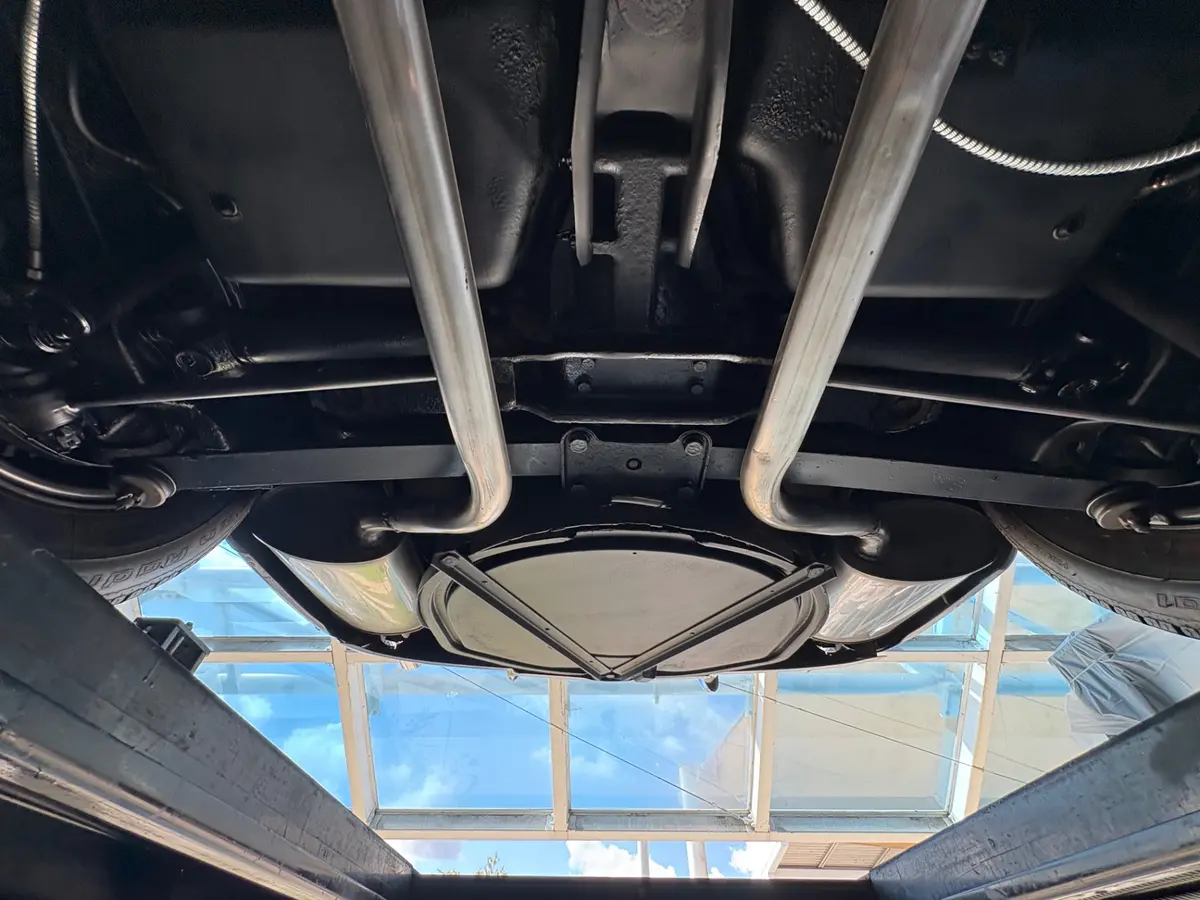
The 4-speed manual transmission has been rebuilt and resealed, and a new clutch assembly has been installed throughout. From the firewall back, the drivetrain is fresh. The 1963 Corvette's independent rear suspension — a landmark feature at the time, and one of the reasons the car handled so much better than the outgoing C1 — has been fully rebuilt with new control arms, spindles, springs, and bearings. All four shock absorbers are new. The steering gear and tie rods have been replaced. Every brake component on all four corners — shoes, wheel cylinders, lines, and hoses — is new, including the emergency brake cable. The chassis and suspension have been cleaned and painted, and the underside photographs confirm work that is solid and well-executed.
Interior
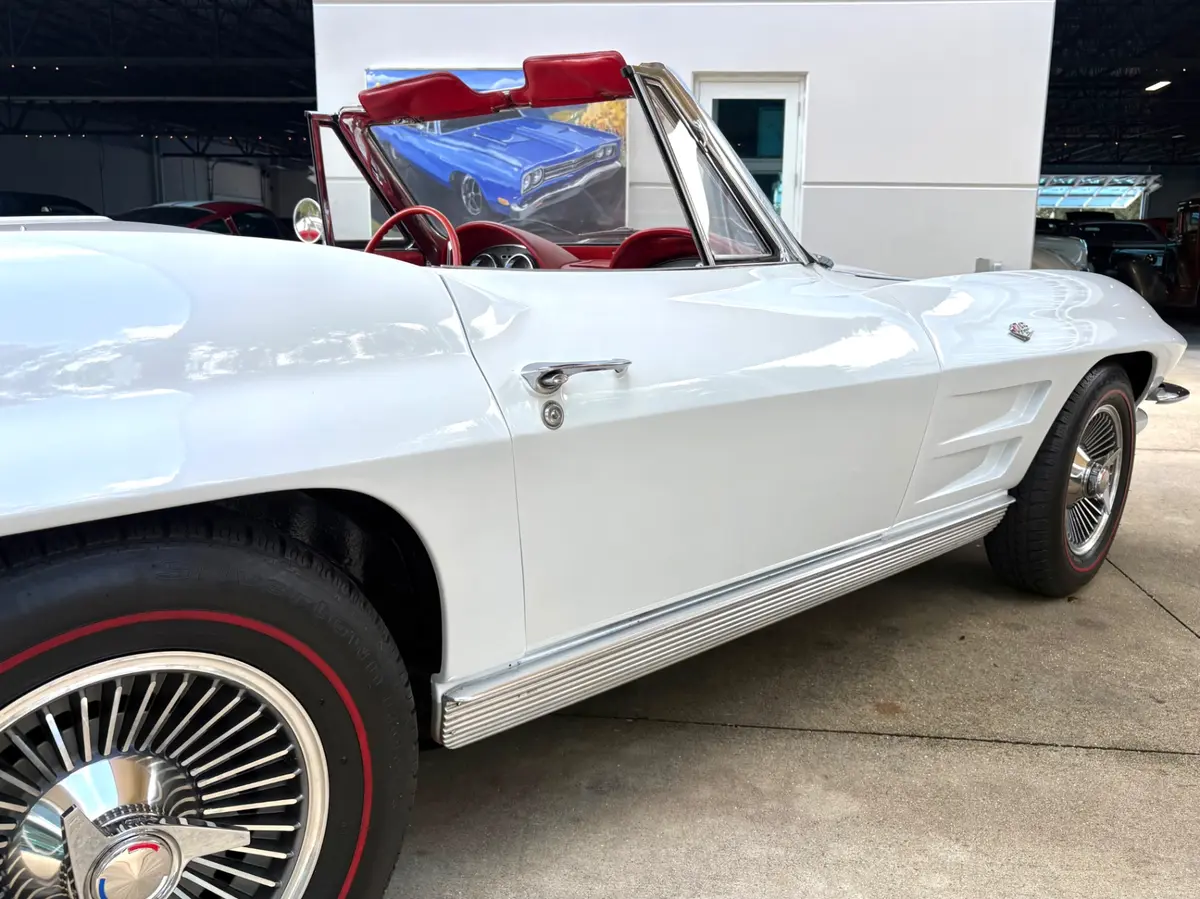
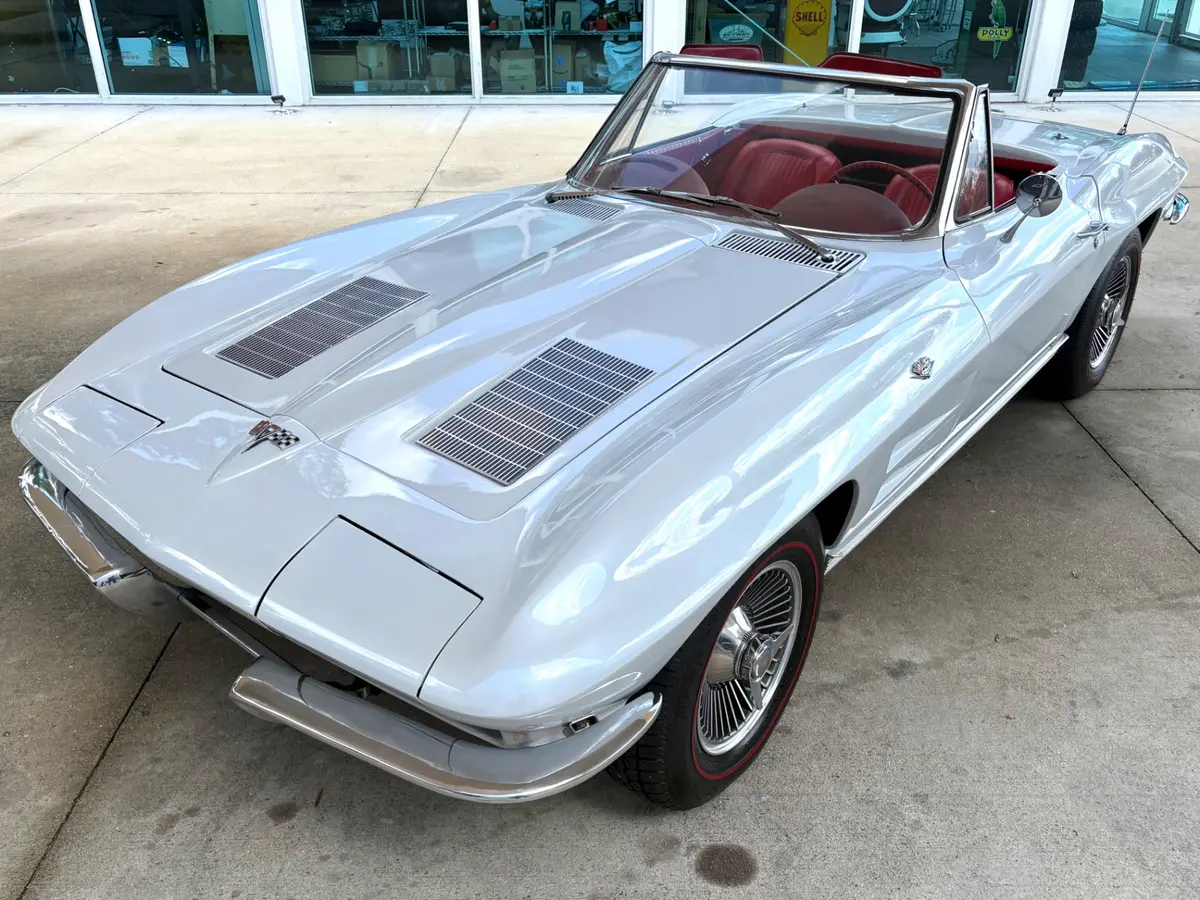
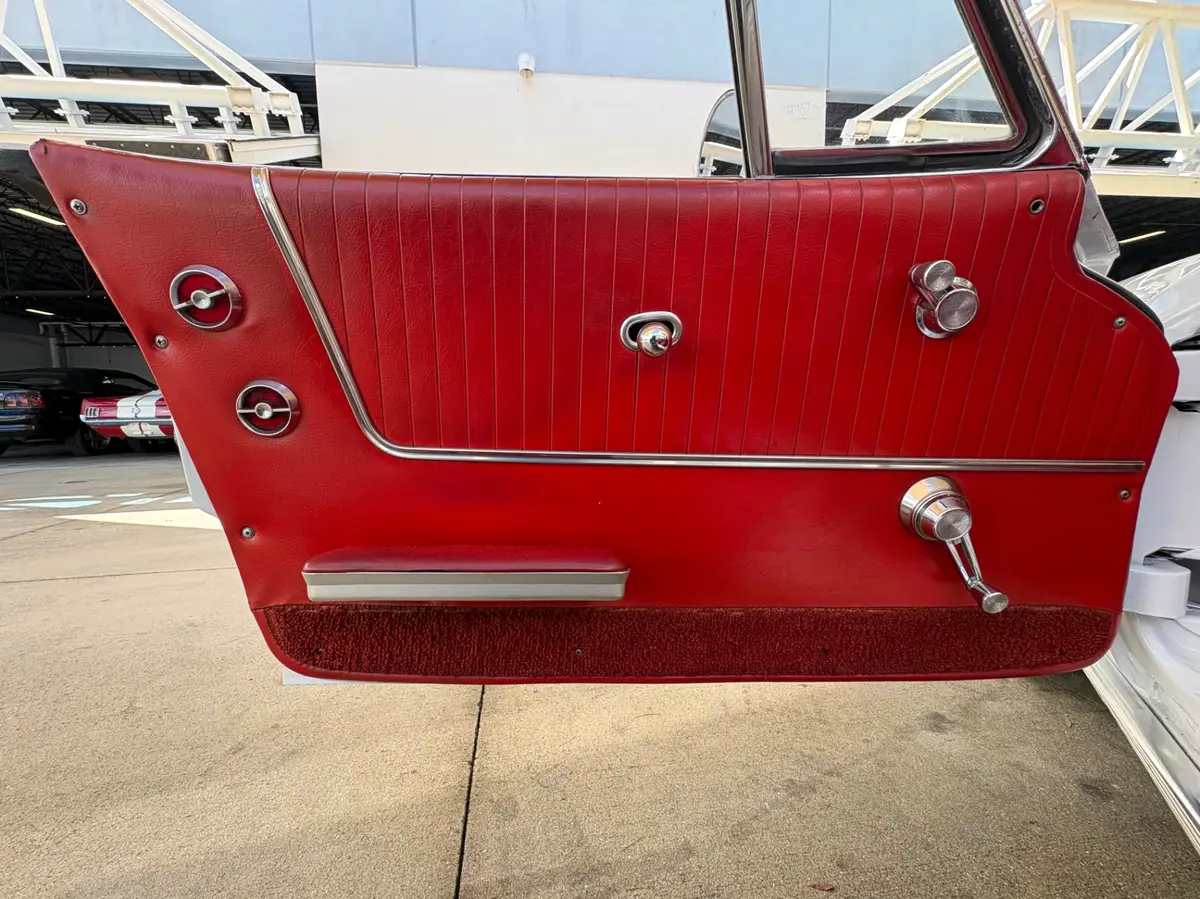
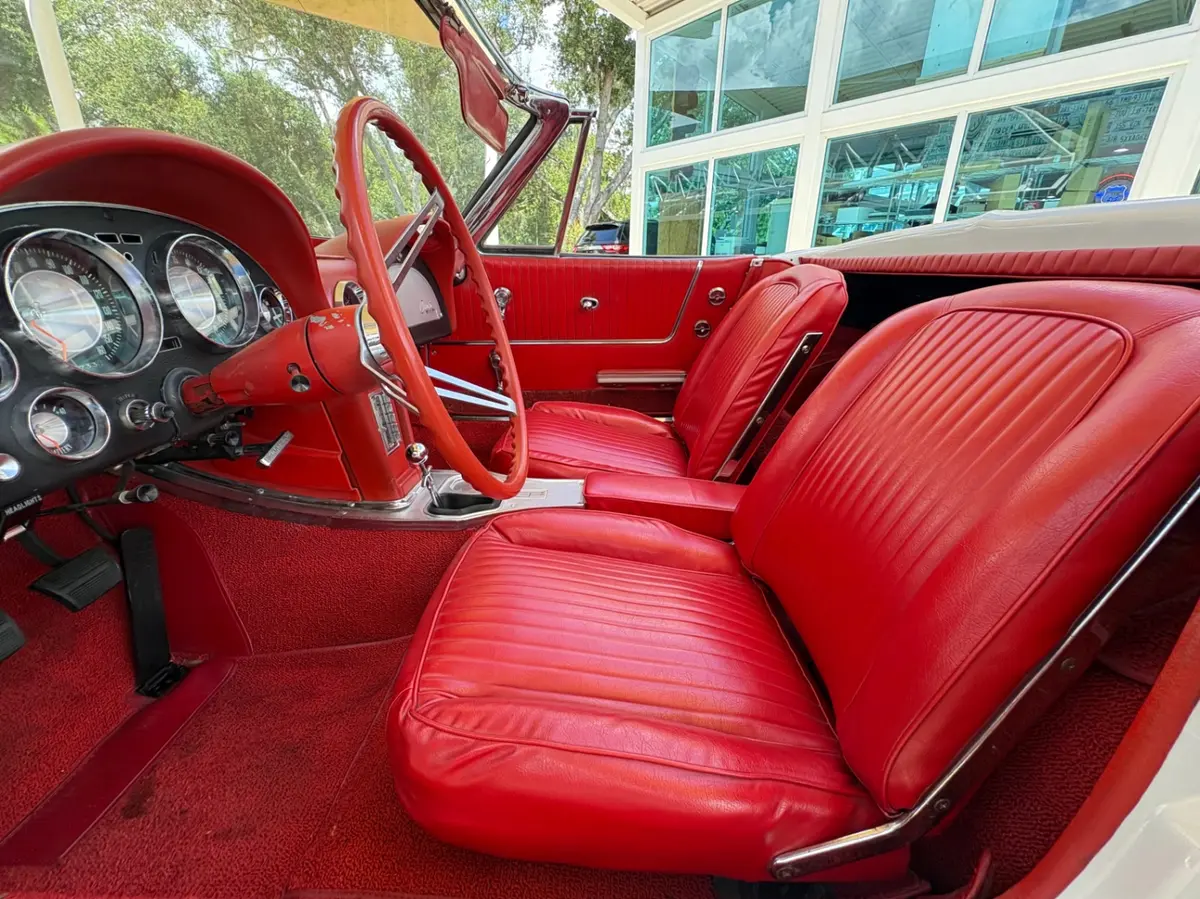
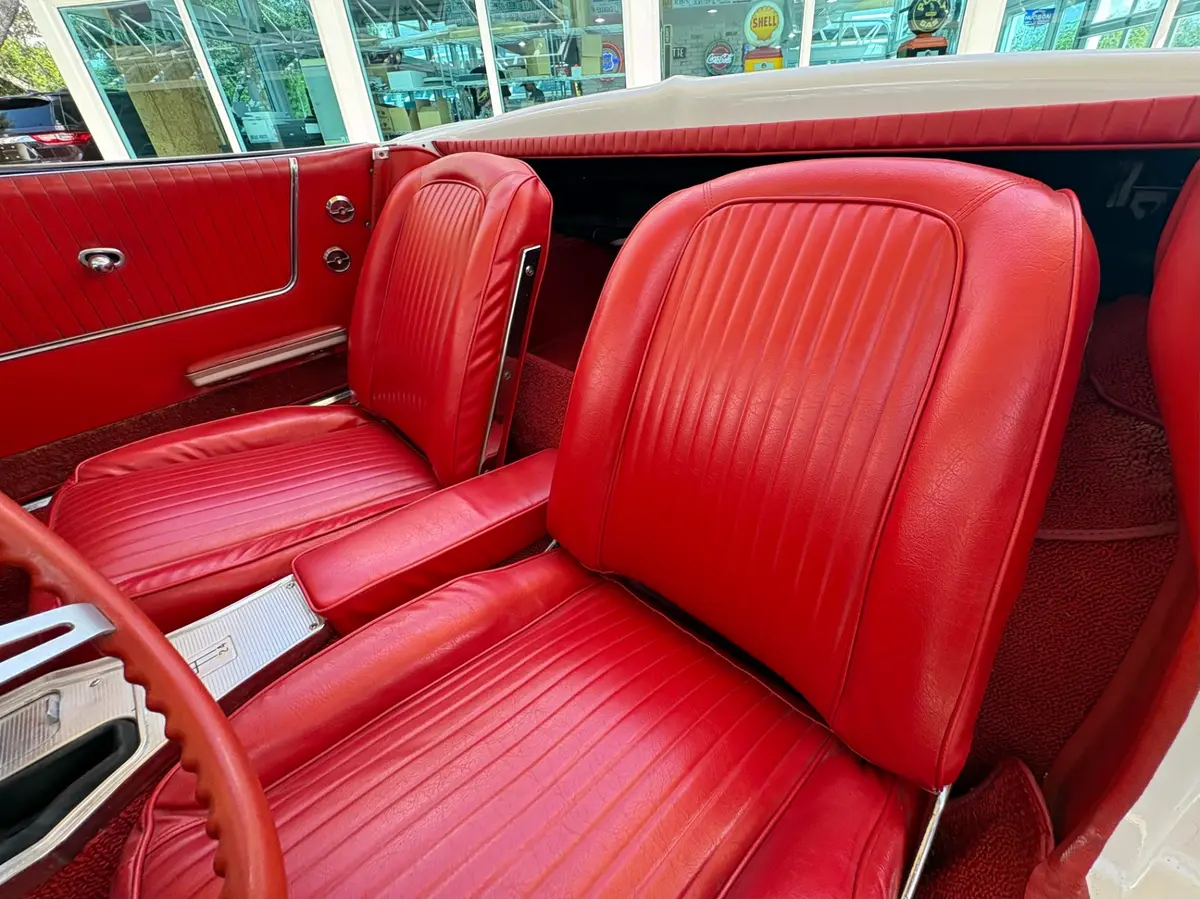
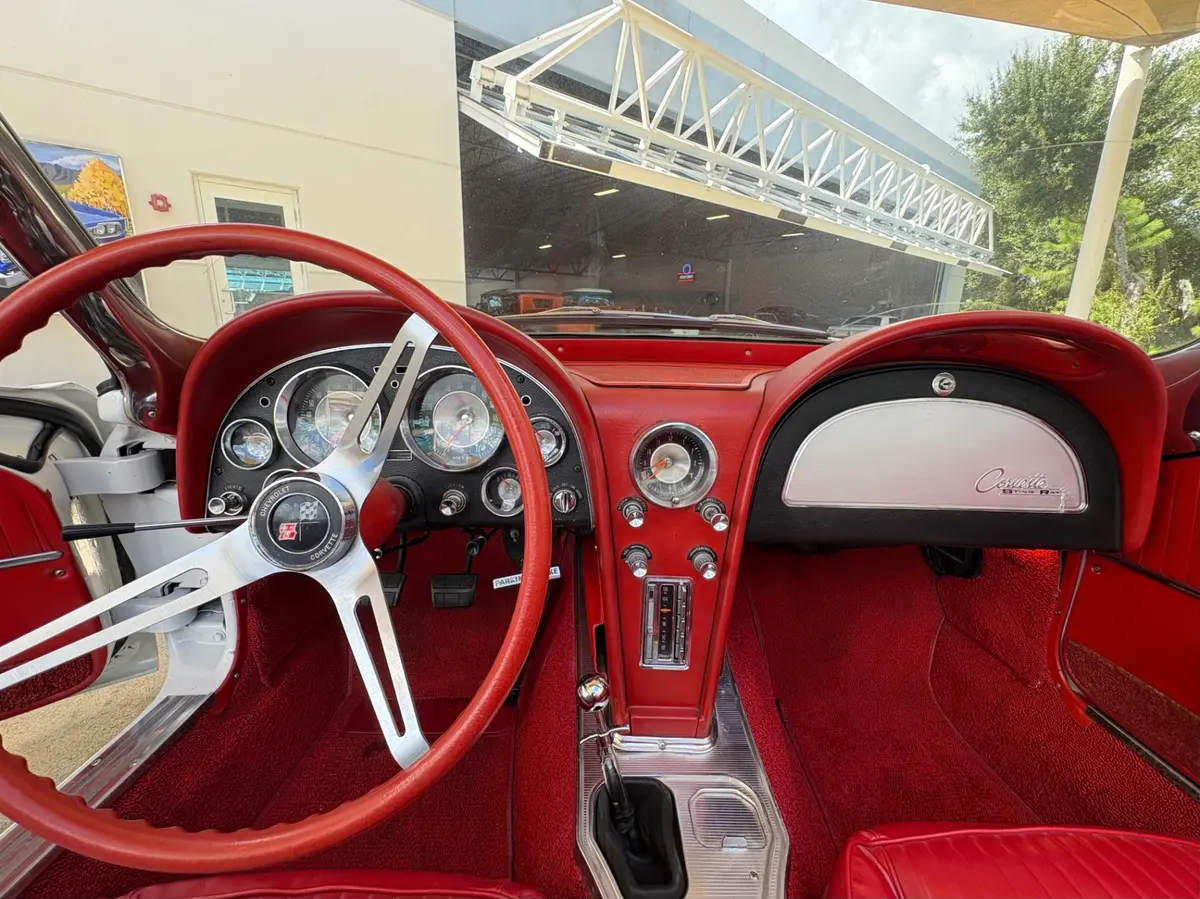
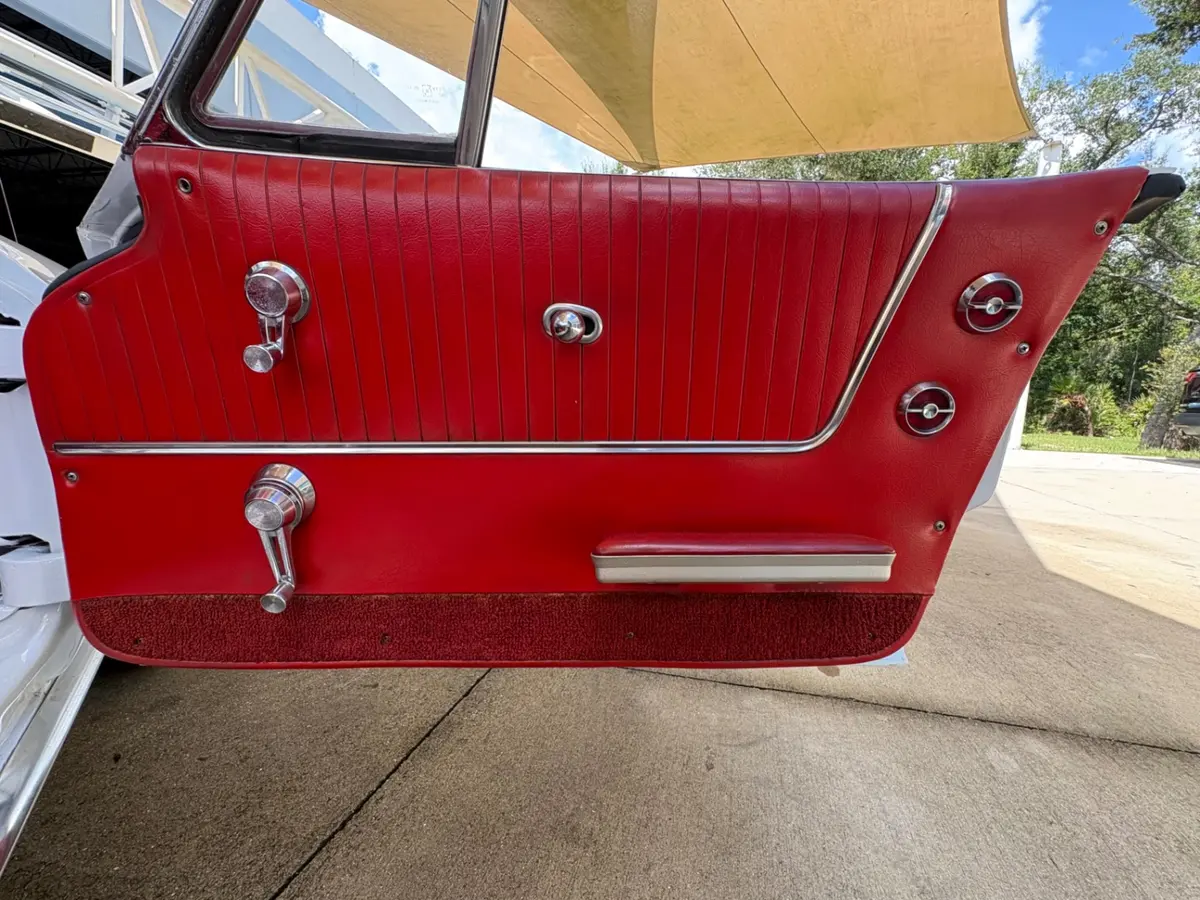
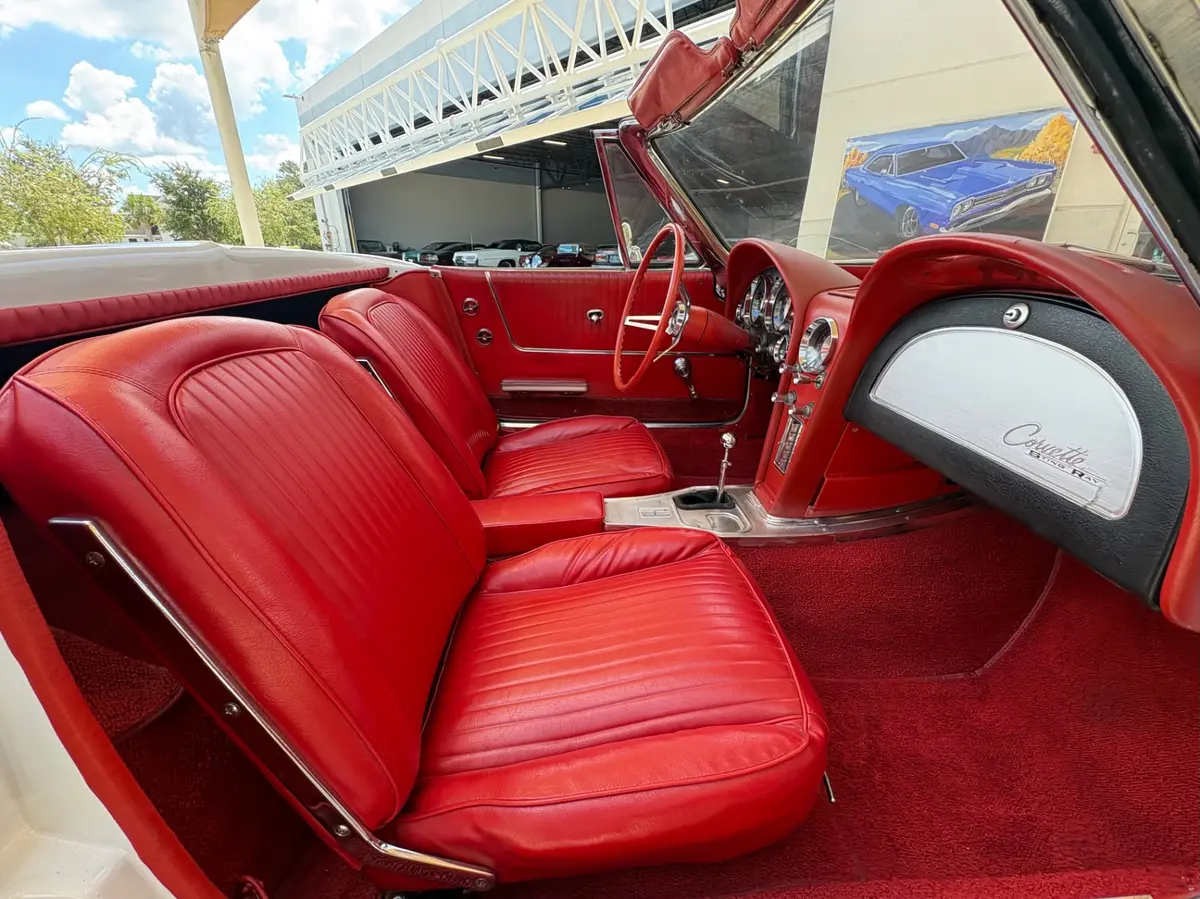
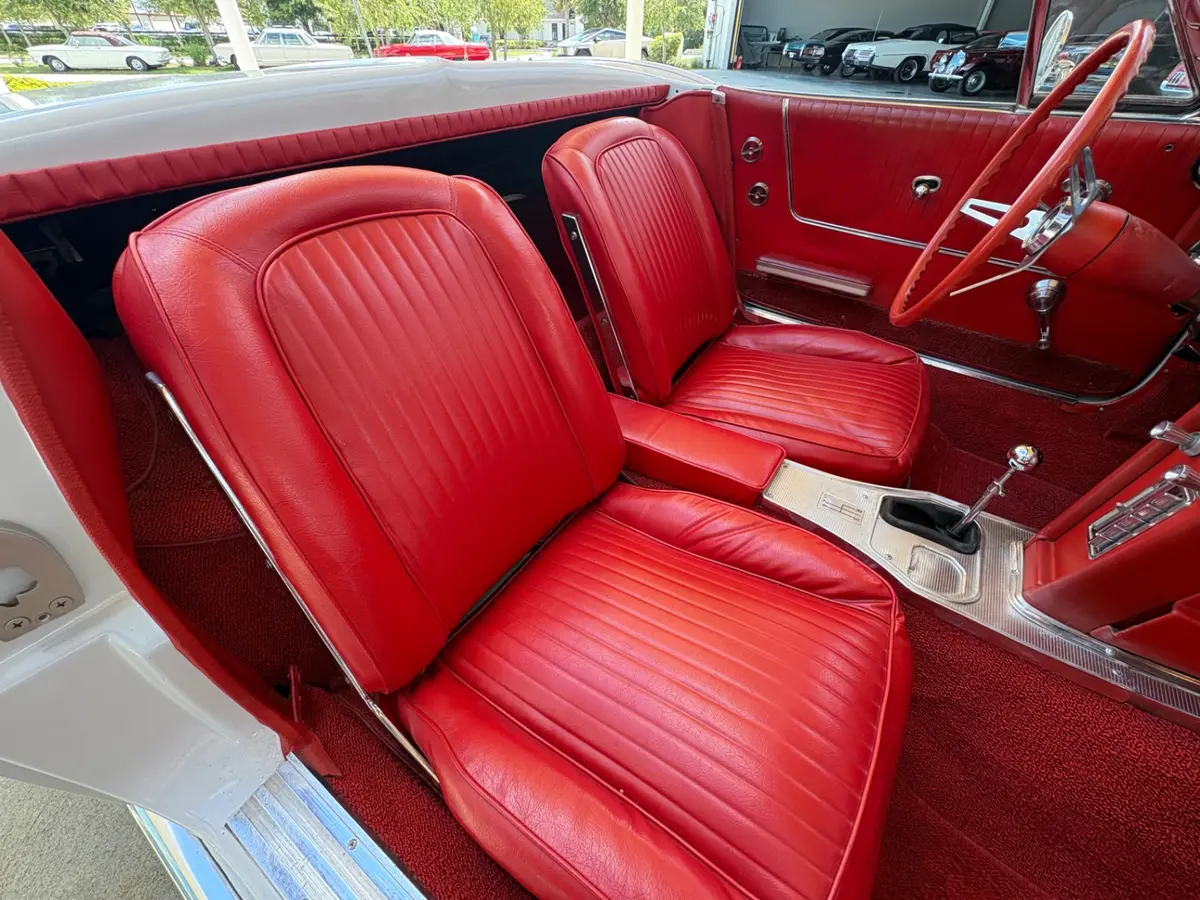
The red vinyl interior on this 1963 Corvette Sting Ray convertible is correct for the car and in very good condition. The bucket seats show the vertical-pleat pattern that is characteristic of the C2 interior, and the vinyl presents cleanly without the cracking or splitting that is common on 60-year-old cars that have seen sun exposure. The carpet and sound deadening have been replaced, giving the cabin a solid, quiet feel that original carpet in poor condition simply cannot provide.
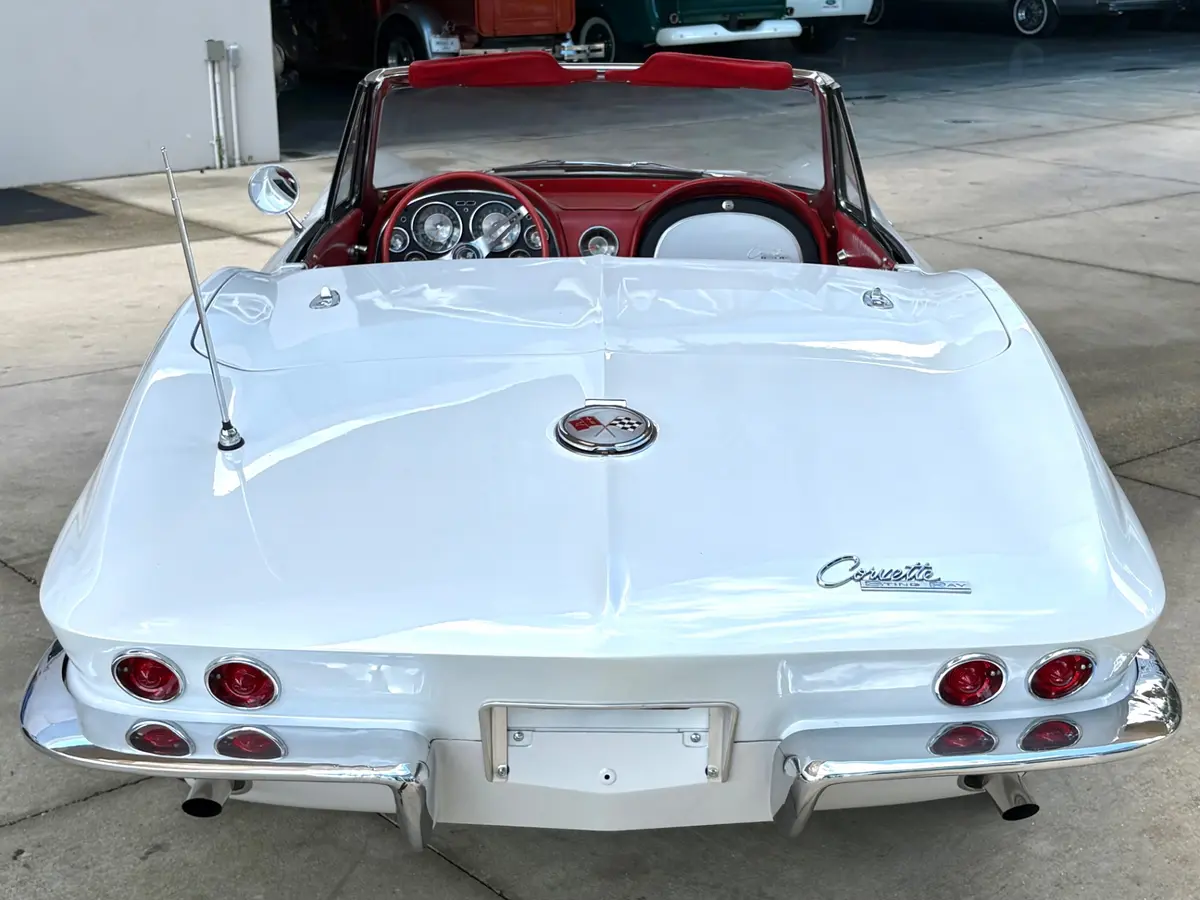
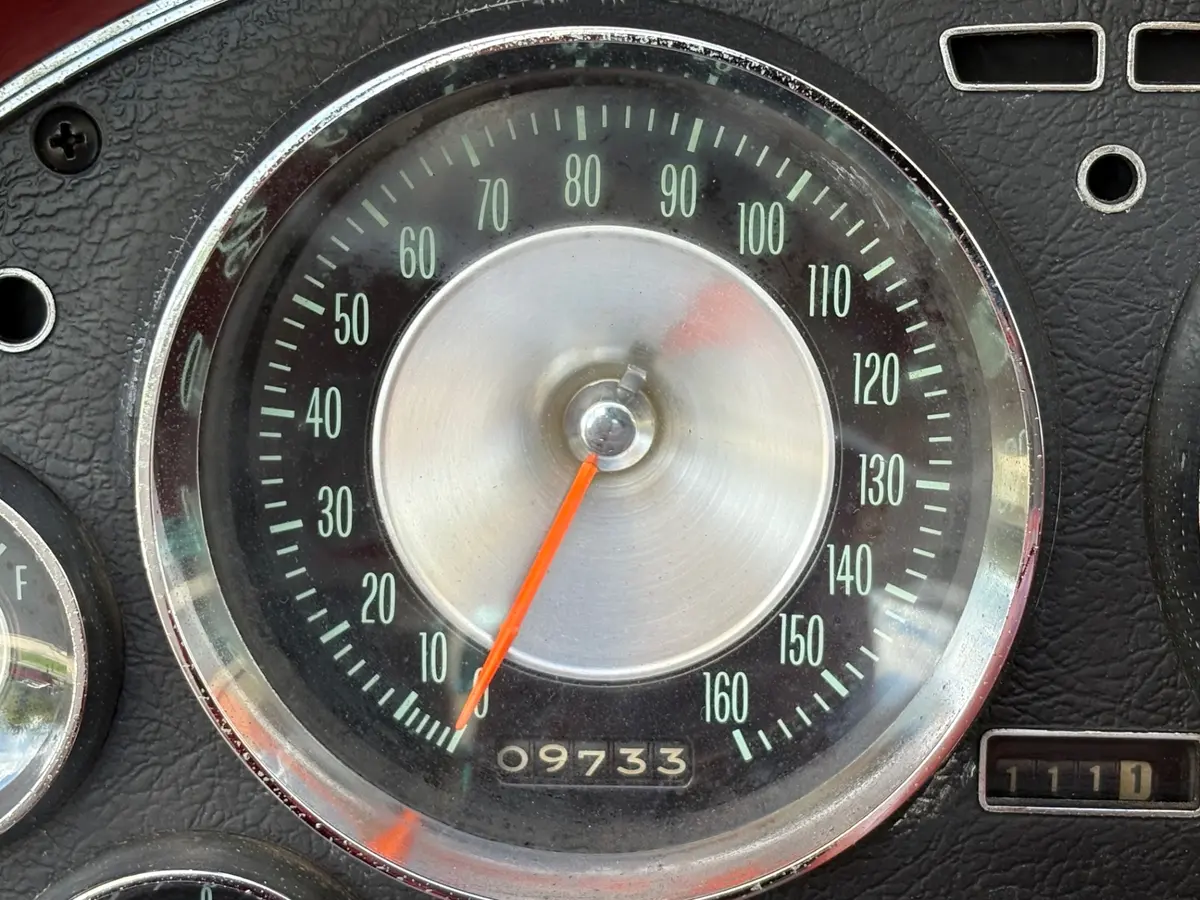
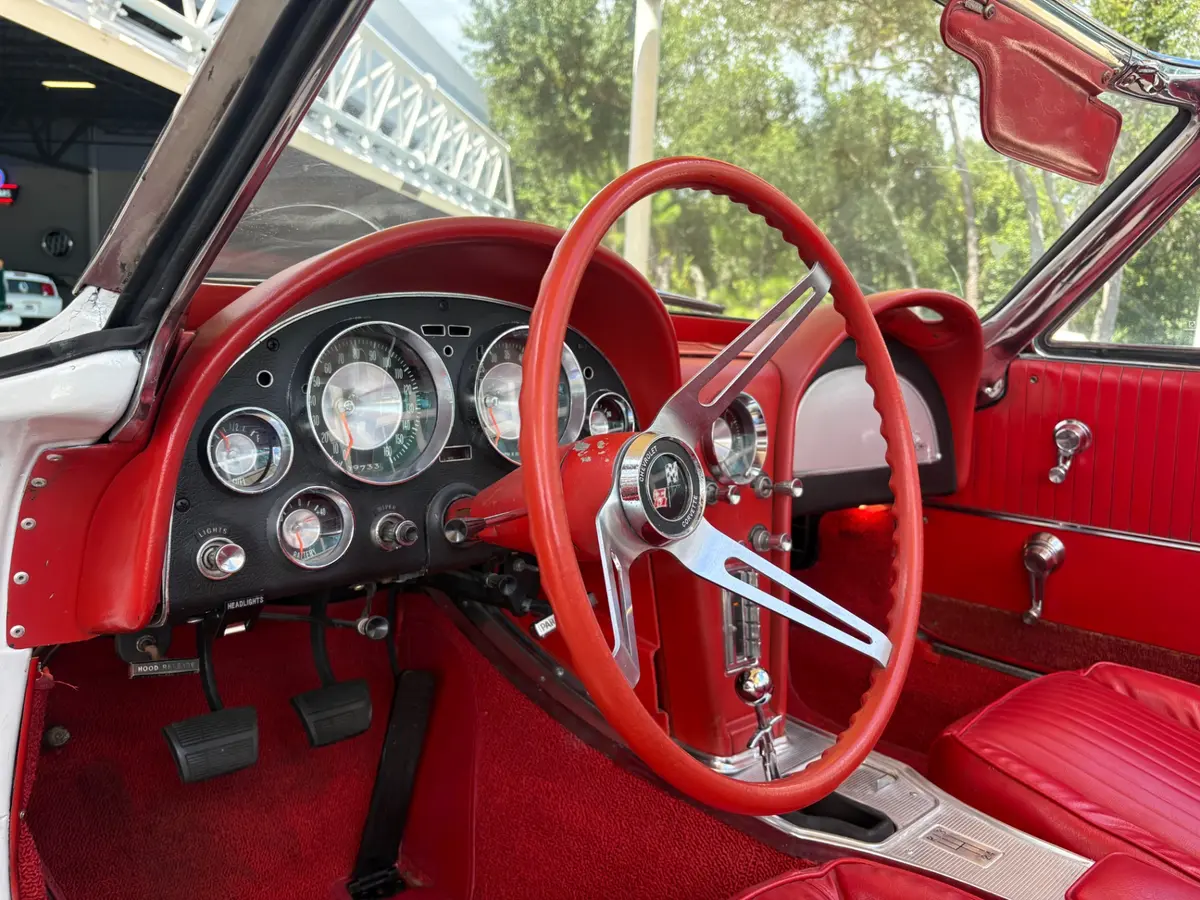
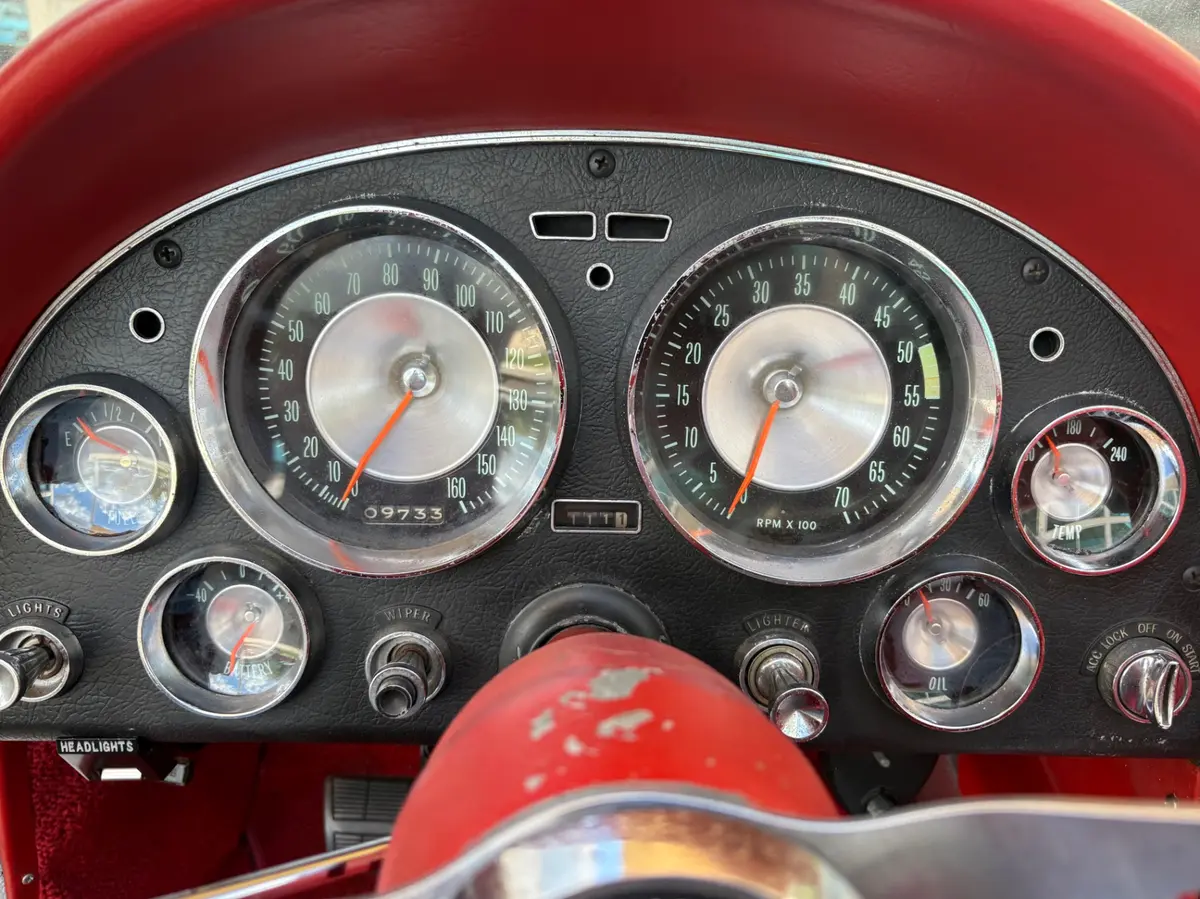
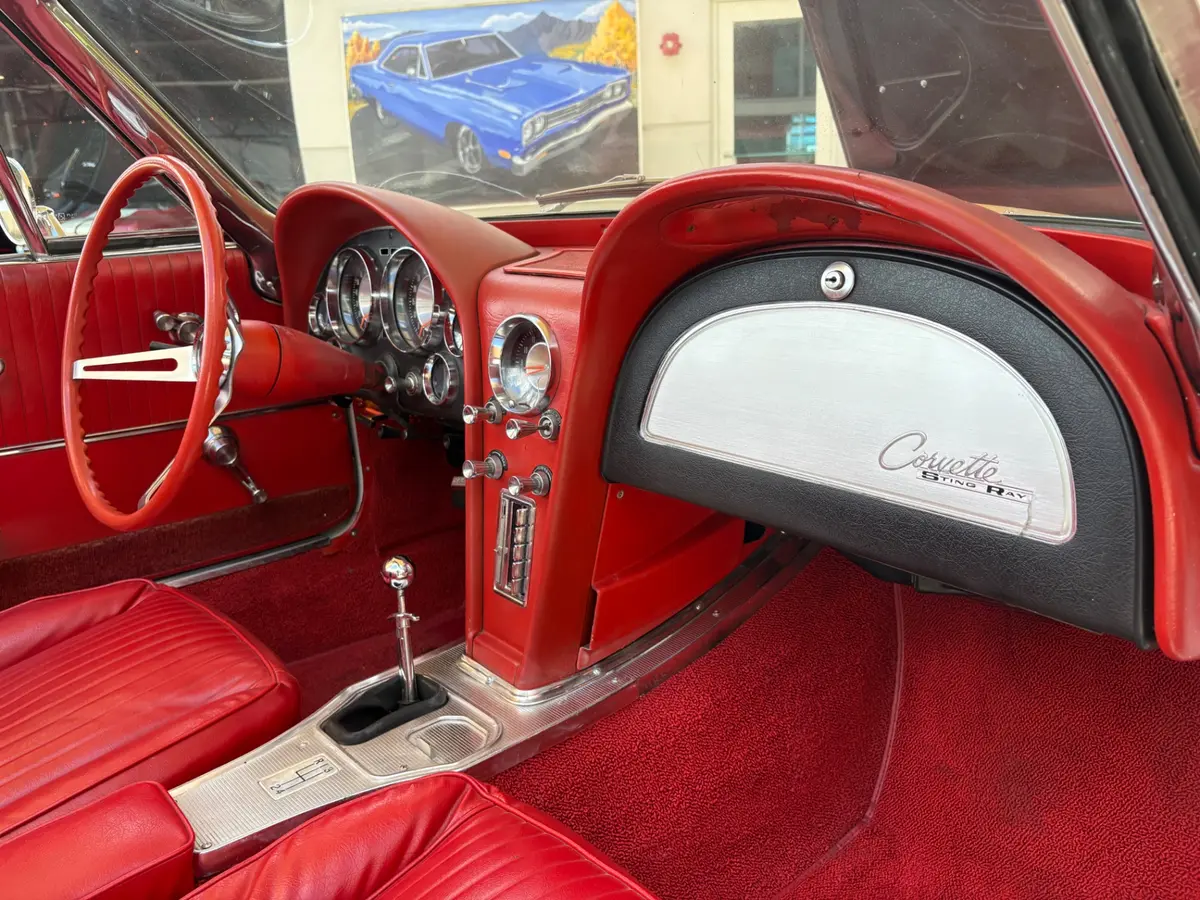
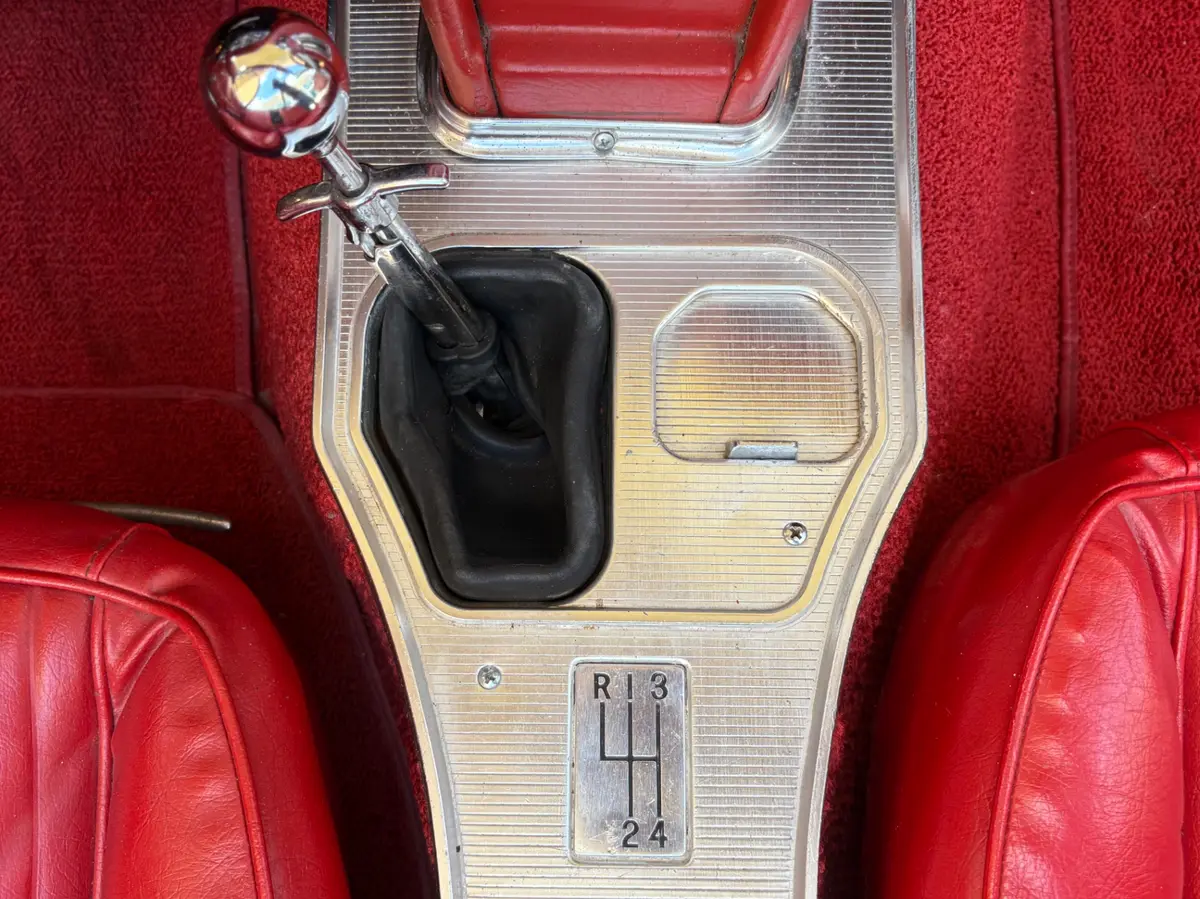
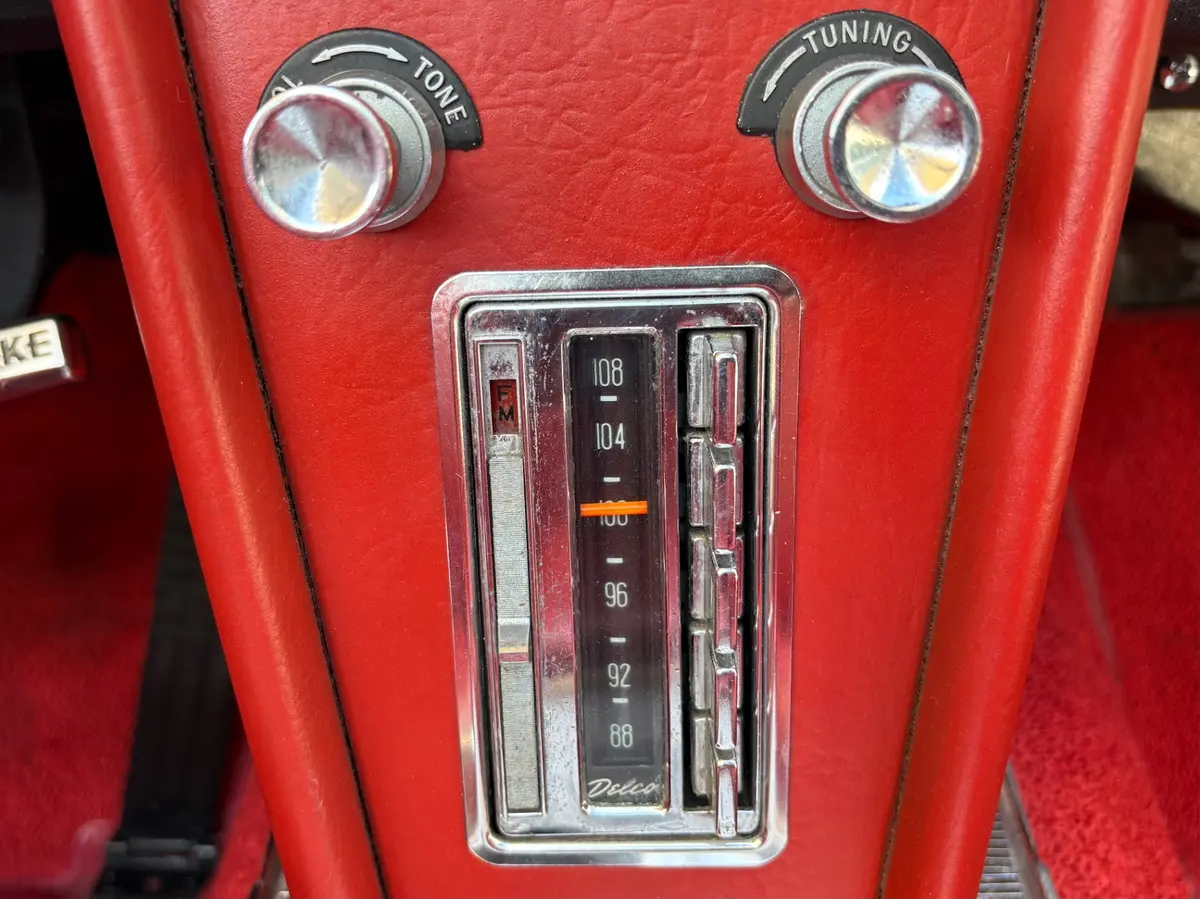
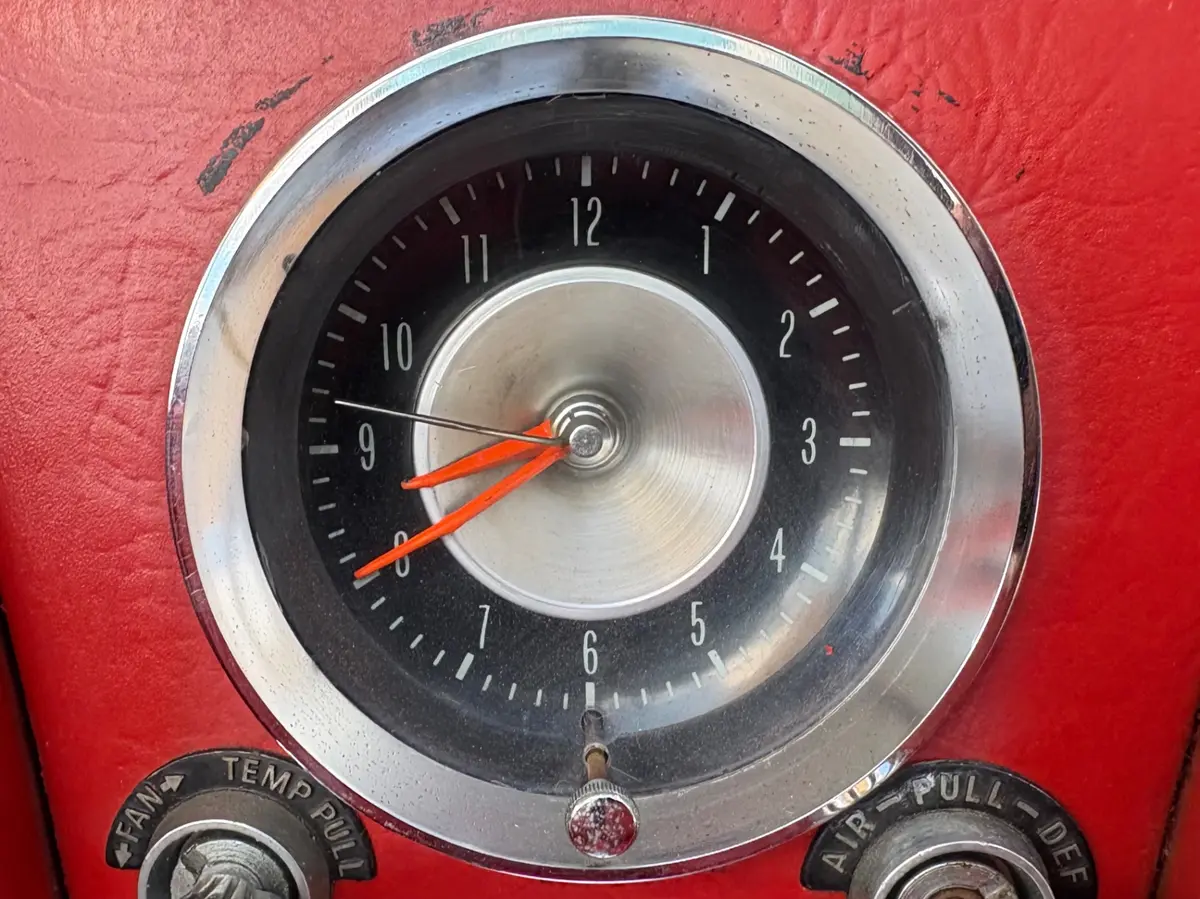
The dashboard carries the full set of factory gauges that Corvette buyers expected: a large speedometer reading to 160 mph, a tachometer, temperature gauge, oil pressure gauge, battery gauge, and fuel gauge — all framed in the distinctive twin-cowl instrument pod that was new for 1963. A dash clock is fitted, which was an optional item on the 1963 Corvette. The AM/FM radio is installed in the center console area in the correct Delco unit. The 4-speed shift pattern is displayed on a chrome plate in the console, and the shifter itself is the correct short-throw unit for the period.
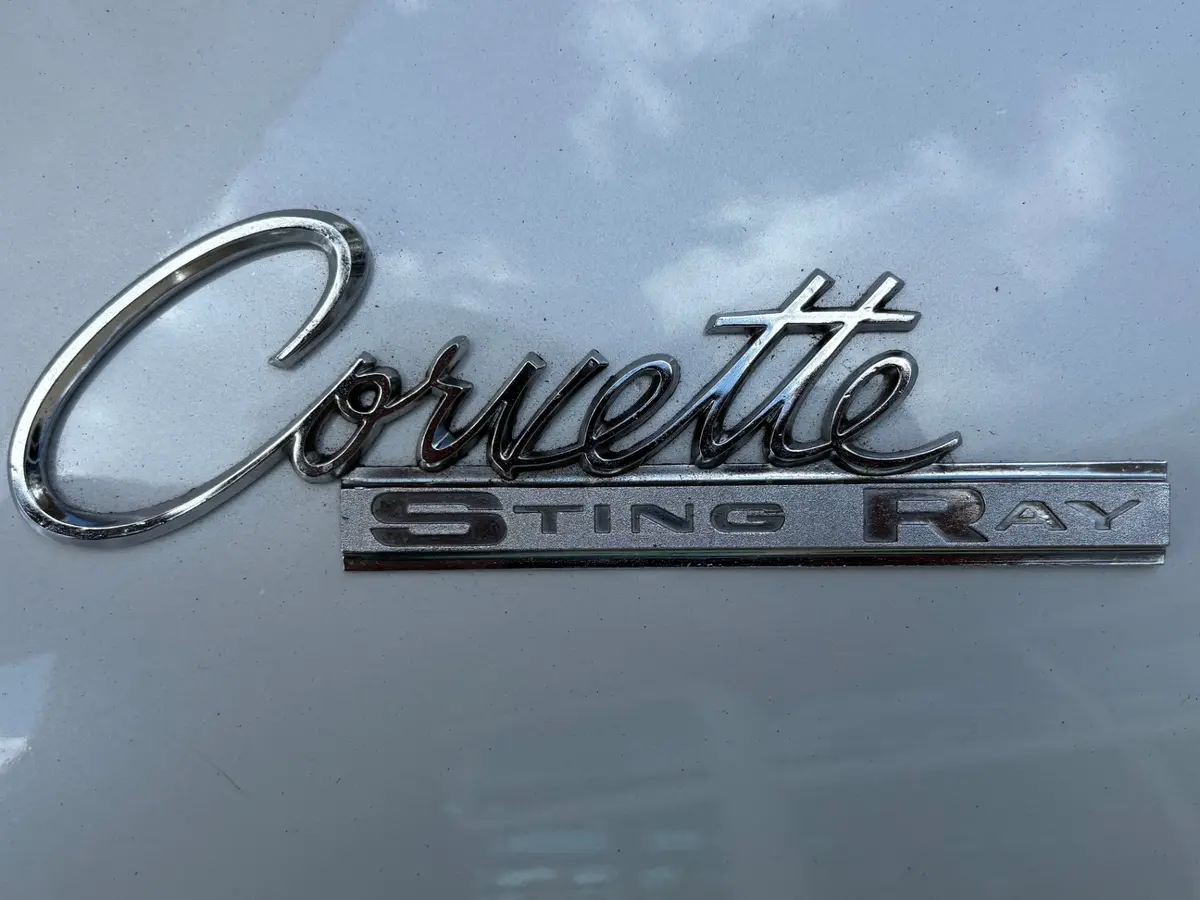
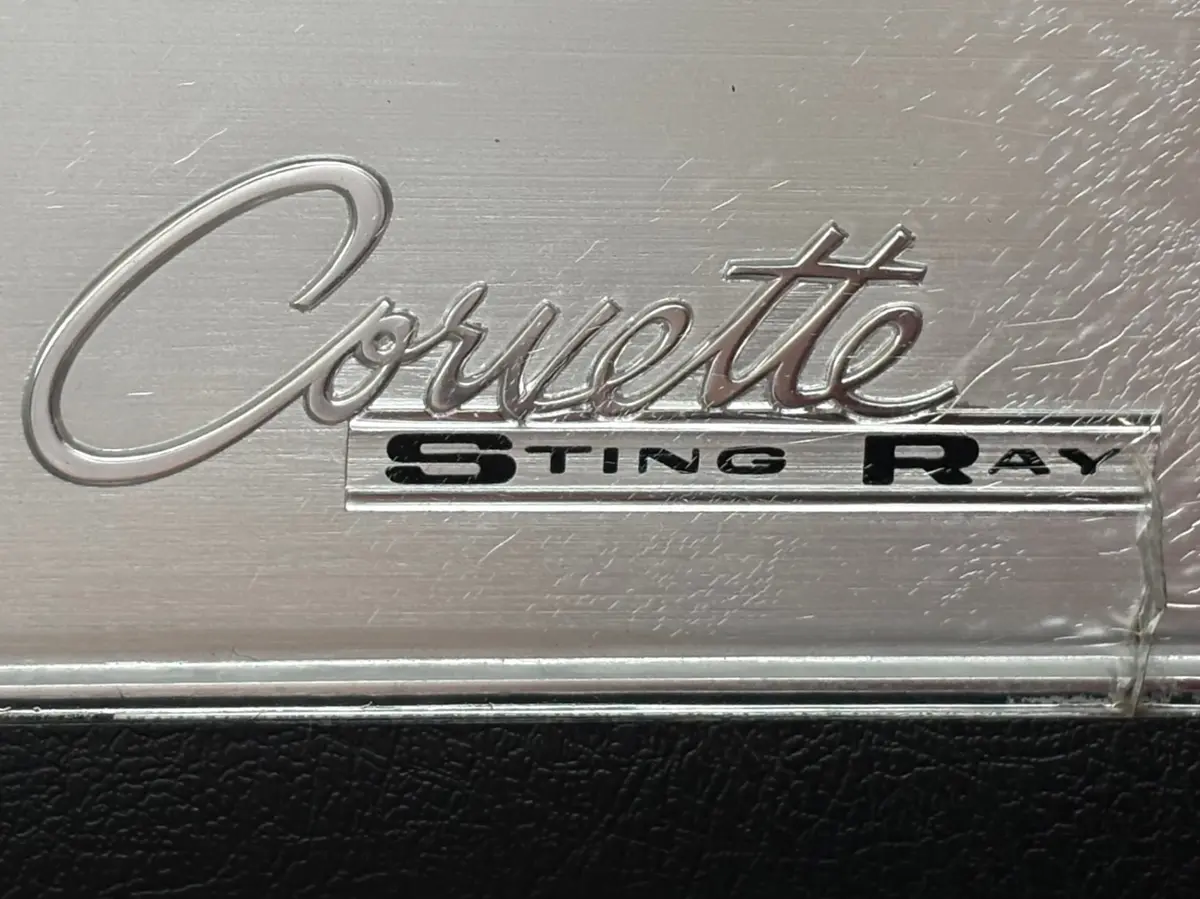
The center console runs the full length between the seats, housing the shift lever and providing a clear visual division between driver and passenger. The "Corvette Sting Ray" script badge on the passenger-side dash insert is intact and correct for the model year. The red steering wheel matches the interior, as it would have from the factory. The heater and defroster controls are present and functional, routed through the newly installed heater core.
Exterior
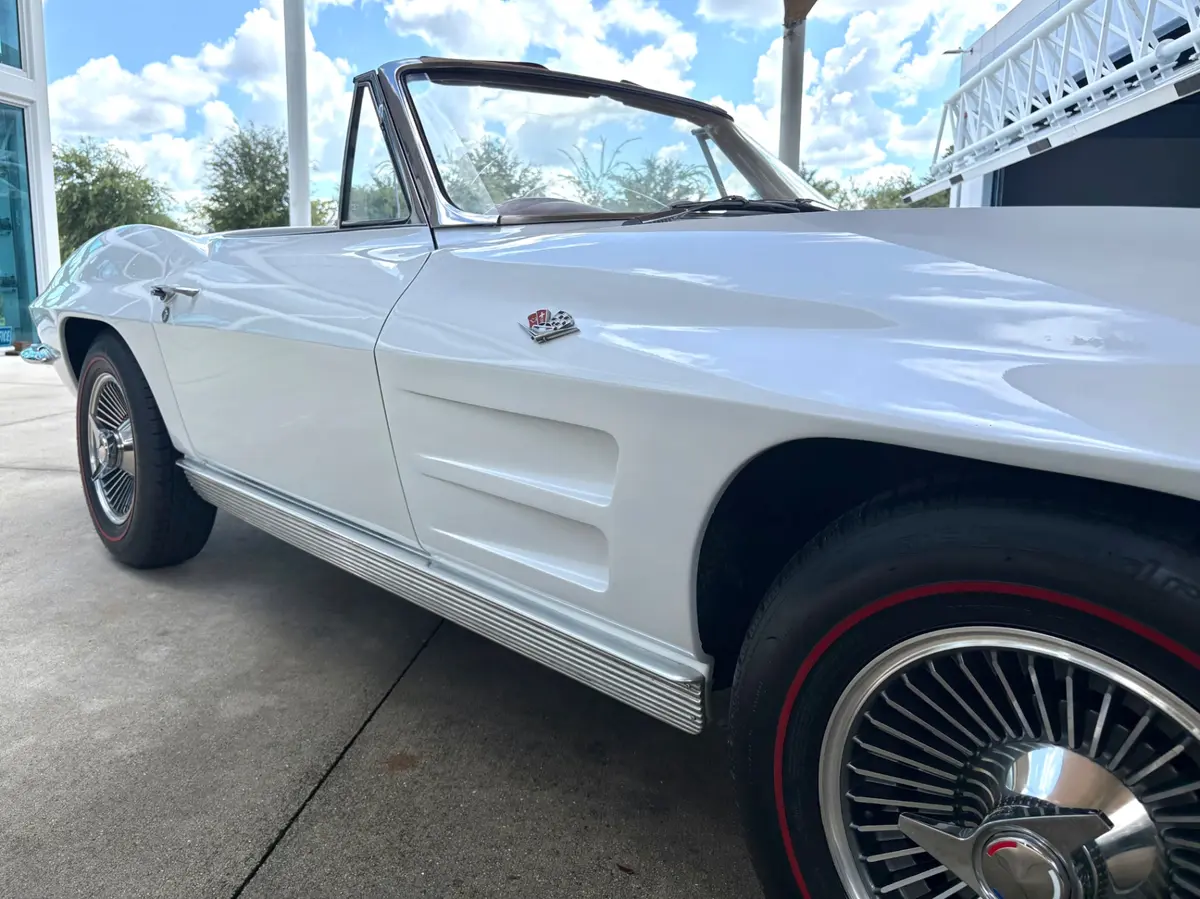
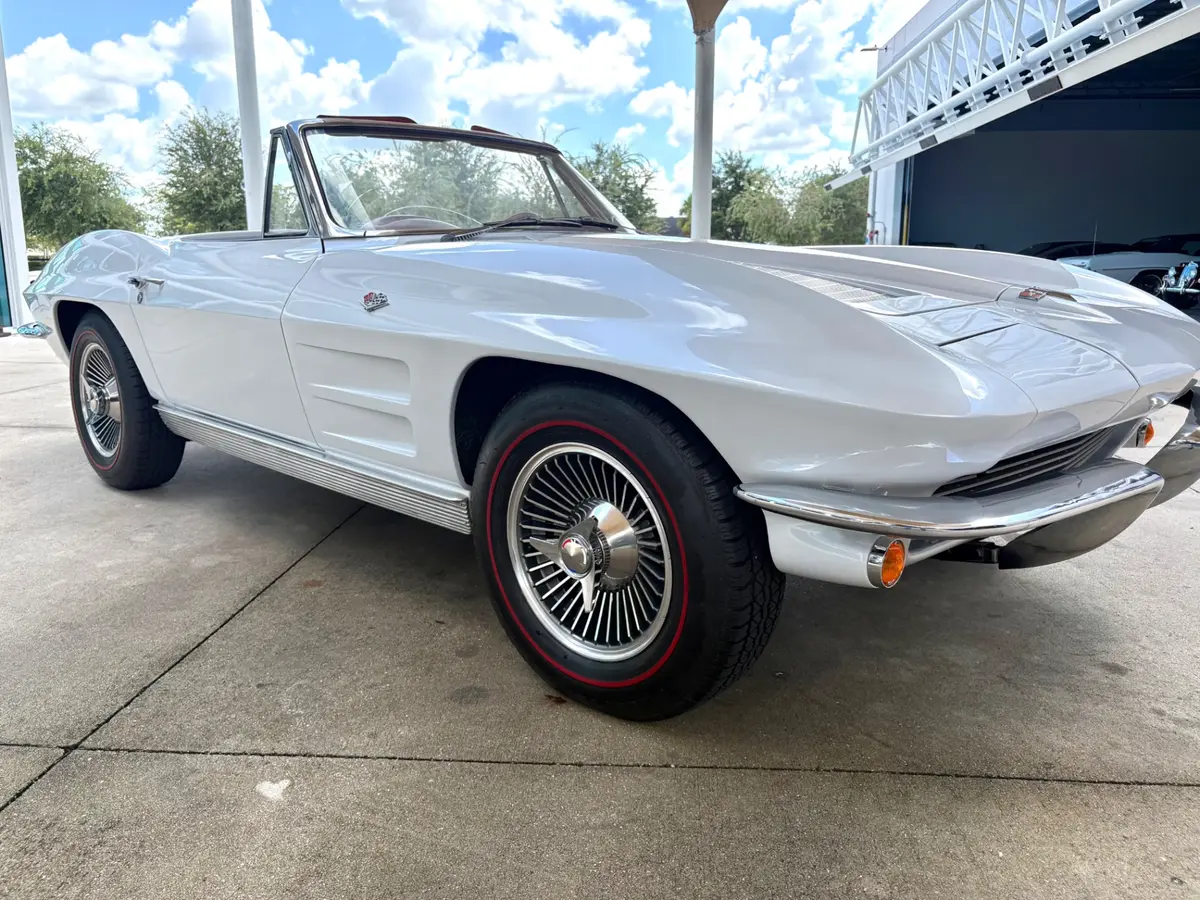
Ermine White is one of those factory colors that works particularly well on the C2 body, because the Sting Ray's body lines are defined enough to show light and shadow clearly against a pale background. The 1963 Corvette Sting Ray convertible body is all fiberglass, which means it does not rust, but it does show stress cracks and repairs over time. The body panels on this car present cleanly, and the Ermine White paint has good depth with no obvious signs of patchwork.
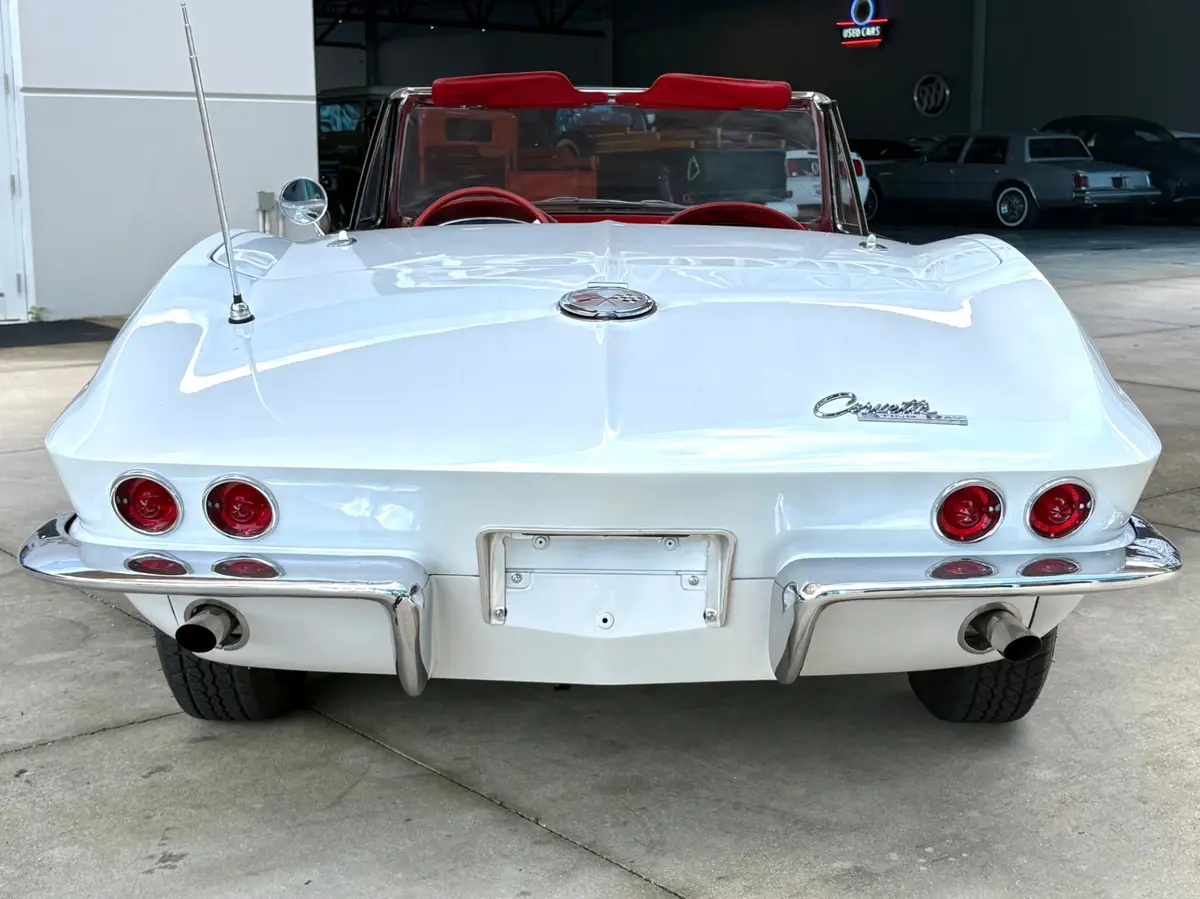
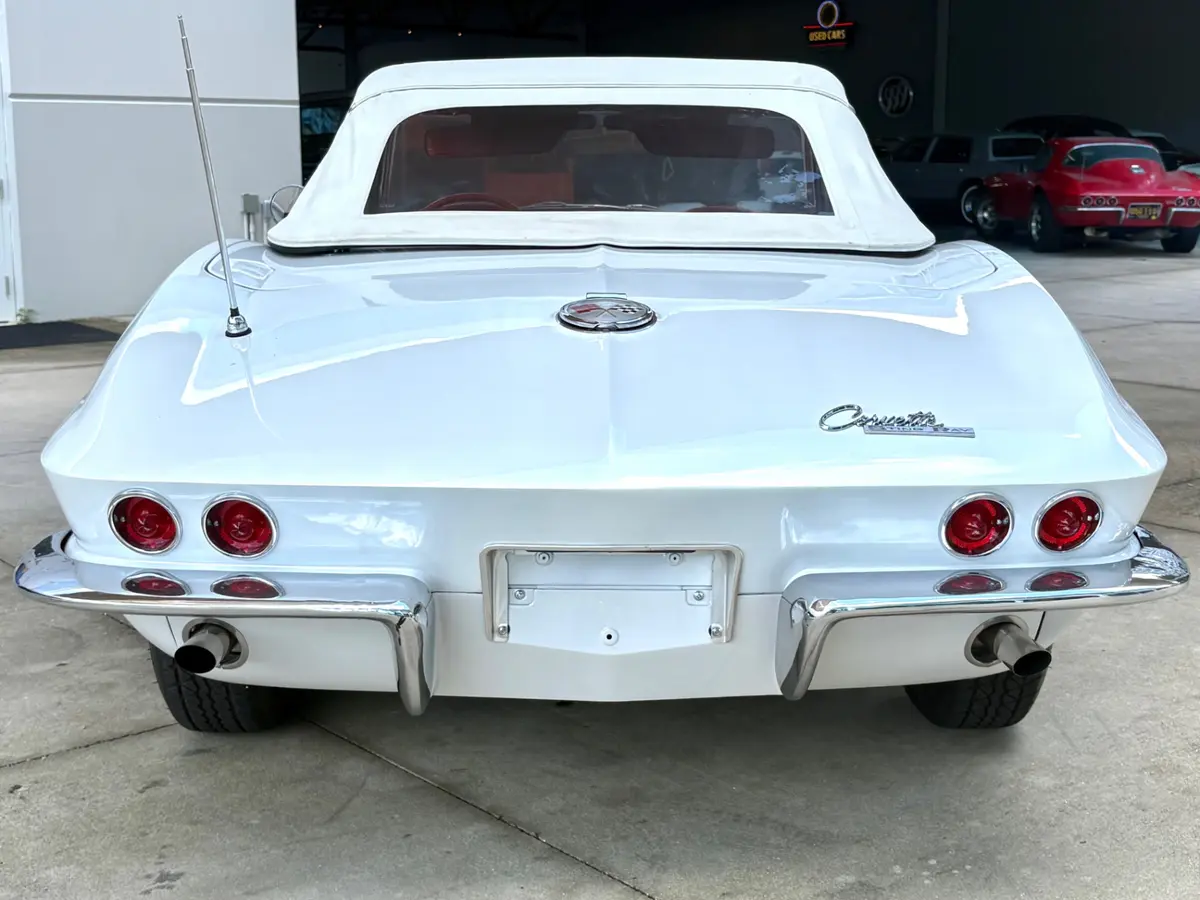
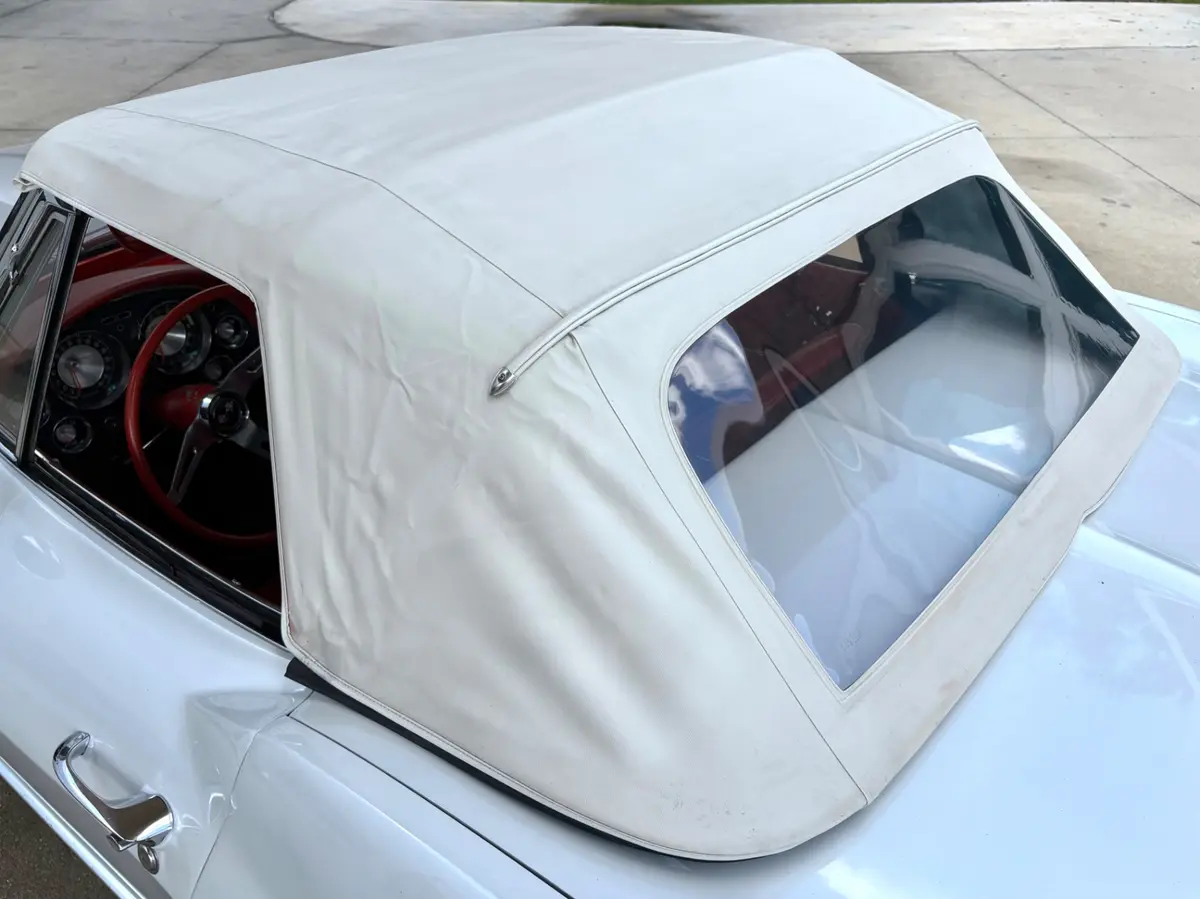
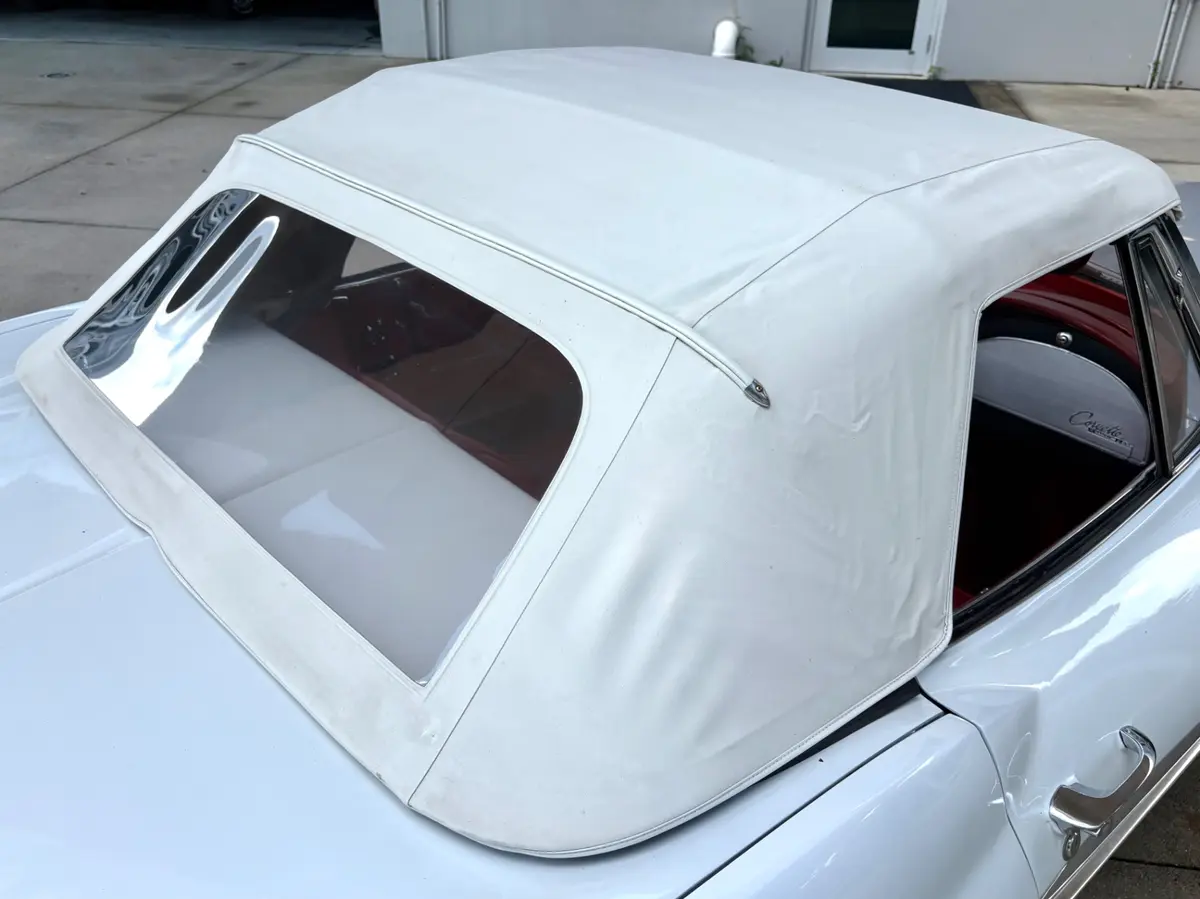
The convertible top is new — both the frame and the vinyl covering have been replaced. This matters because original convertible top frames on C2 Corvettes are notorious for developing flex and corrosion in the pivot points, which causes the top to seal poorly and eventually to sag. A new frame eliminates that problem entirely. The new weatherstripping throughout means the top seals correctly against the door glass and body.
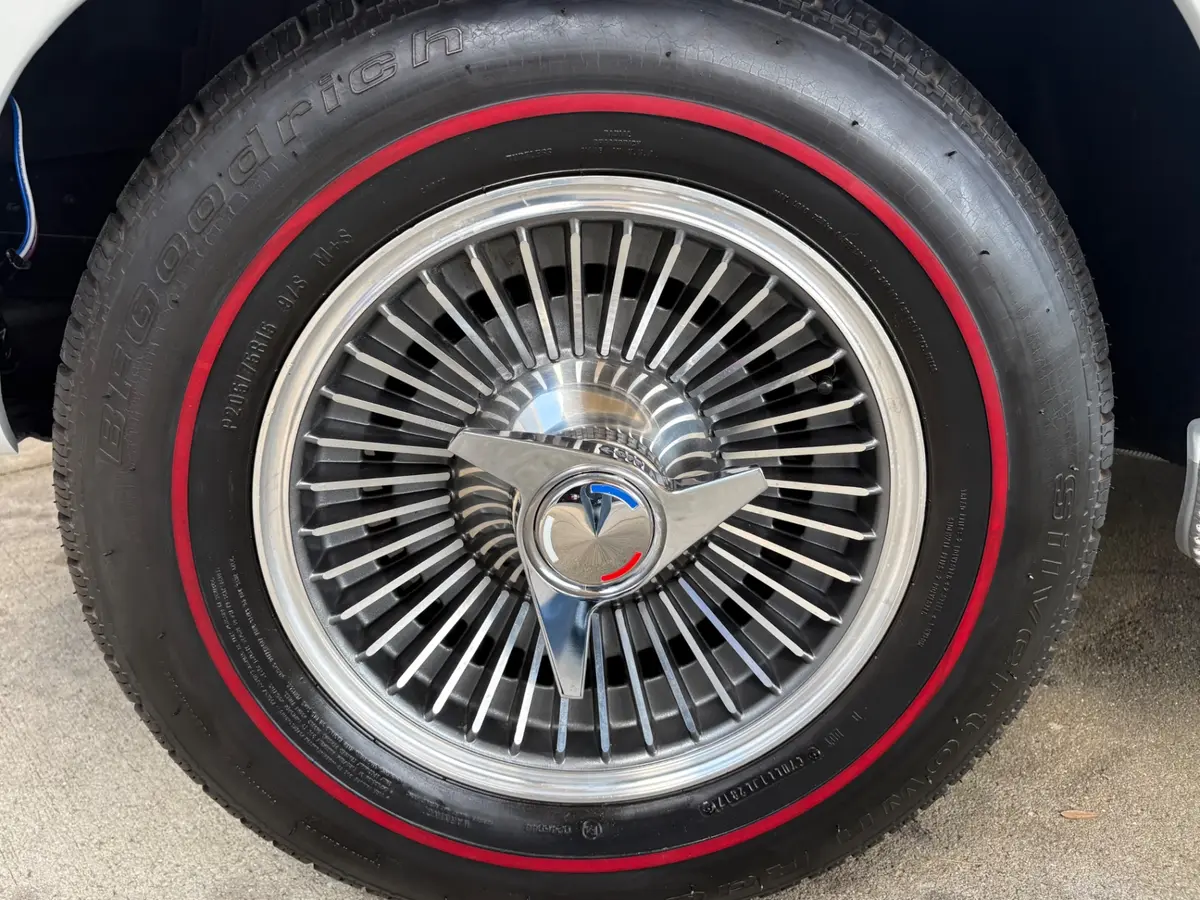
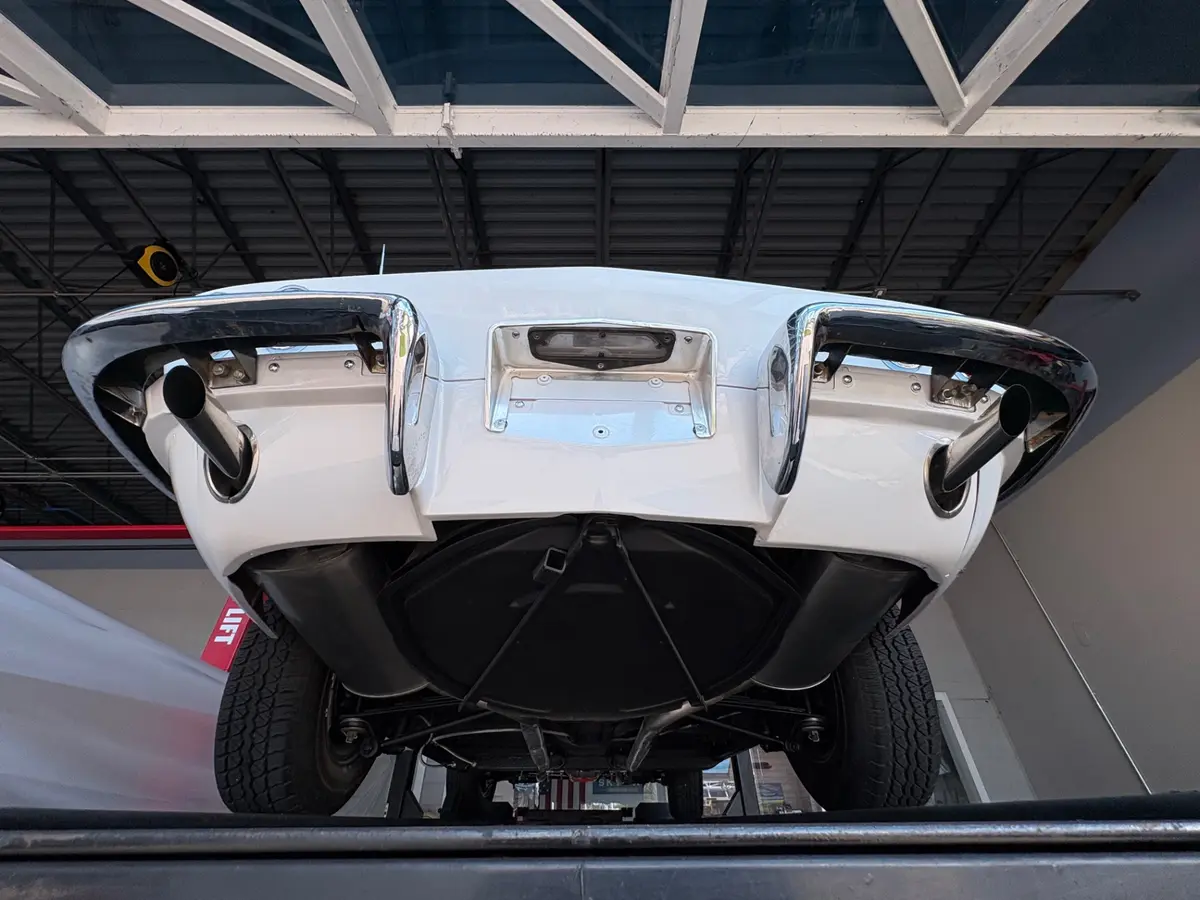
The knock-off wire spoke wheels are a period-correct accessory that was available on the 1963 Corvette, and the redline tires mounted on them maintain the correct visual profile for the era. The combination of white wire wheels against the Ermine White body is subtle and correct rather than flashy. Chrome bumpers are fitted front and rear, along with a chrome outside mirror on the driver's side. The hood vents — a styling element unique to 1963, as they were removed for 1964 — are new. The tail lights and parking lights have been replaced, so the lighting system presents cleanly. Dual exhaust exits through the characteristic side cutouts in the rear valance, which is one of the most recognizable visual details of the C2 body.
Conclusion
The 1963 Chevrolet Corvette Sting Ray convertible holds a specific place in American automotive history that no other car can claim. It was the first year of the second-generation Corvette, the first production Corvette with independent rear suspension, and the only year the split rear window appeared on the coupe — which, in the convertible world, translates to a car that carries all the historical significance of the debut year without the polarizing split-window debate. For a buyer who wants to drive a 1963 Corvette Sting Ray regularly and confidently, this example has had the mechanical work done correctly and comprehensively. The engine, transmission, clutch, suspension, brakes, cooling, electrical, and fuel systems have all been addressed. The interior and exterior are in very good condition. This is a car you can put miles on.
To schedule a viewing or to ask specific questions about this 1963 Chevrolet Corvette Sting Ray, call Skyway Classics at 941-254-6608. We are located in Sarasota, Florida, and we are happy to assist with transport arrangements for out-of-state buyers.
Disclaimer
Information found on the website is presented as given to us by the owner of the car, whether on consignment or from the owner we bought it from. Some Photos, materials for videos, descriptions and other information are provided by the consignor/seller and is deemed reliable, but Skyway Classics does not warranty or guarantee this information. Skyway Classics is not responsible for information that may incorrect or a publishing error. The decision to purchase should be based solely on the buyers personal inspection of the vehicle or by a professional inspection service prior to offer or purchase being made.
1963 Chevrolet Corvette Sting Ray Convertible — Comprehensive Mechanical Restoration, 327 V8, 4-Speed
Why This Car Is Special
The 1963 Chevrolet Corvette Sting Ray was not an evolution of what came before — it was a clean break. When Chevrolet unveiled the second-generation Corvette for the 1963 model year, it introduced an entirely new chassis, a new body designed by Larry Shinoda under Bill Mitchell, and the first independent rear suspension ever fitted to a production Corvette. The car was narrower, lower, and significantly more refined than the C1 it replaced, yet it weighed less and handled far better. Motor Trend named it Car of the Year for 1963. Road and Track called it one of the finest sports cars in the world. The automotive press rarely agreed on anything in that era, but they agreed on the 1963 Corvette Sting Ray.
Chevrolet built 10,919 Corvette convertibles for the 1963 model year. This particular car is finished in Ermine White over a red vinyl interior — one of the most visually direct color combinations the factory offered, and one that photographs exactly the way it looks in person. The VIN confirms this is a St. Louis-built convertible, which is how all 1963 Corvettes were assembled. Under the hood sits the 327 cubic inch Turbo-Fire V8 in L30 specification, backed by a close-ratio 4-speed manual transmission.
What separates this 1963 Corvette from the typical driver-quality example on the market is the scope of mechanical work that has been completed. This is not a cosmetically refreshed car with deferred mechanical issues waiting for the next owner. The engine has been removed, resealed, and repainted. The transmission has been rebuilt and resealed. The entire suspension has been rebuilt with new components. Every brake component has been replaced. Every fluid system — cooling, fuel, electrical — has been renewed. The chassis and suspension have been cleaned and painted. The result is a car that drives the way a 1963 Corvette Sting Ray should, not the way a neglected 60-year-old car typically does.
Features List
- 327 cubic inch Turbo-Fire V8, L30 specification
- 4-speed manual transmission, rebuilt and resealed
- Engine fully removed, resealed, and repainted
- New remanufactured Rochester carburetor
- New fuel pump
- New engine wiring harness
- New clutch assembly
- Full suspension rebuild — new control arms, spindles, springs, and bearings
- New shock absorbers, all four corners
- New steering gear and tie rods
- New brake shoes and wheel cylinders, all four corners
- New brake lines and hoses, front and rear
- New emergency brake cable
- New radiator and complete cooling system refresh — water pump, hoses, and thermostat
- New alternator, starter, and voltage regulator
- New convertible top frame and vinyl top
- New carpet and sound deadening
- New knock-off wire spoke wheels with redline tires
- New weatherstrip throughout
- New tail lights and parking lights
- New hood vents
- New heater core
- Suspension and chassis cleaned and painted
- Ermine White exterior
- Red vinyl interior with bucket seats and center console
- Tachometer and dash clock
- AM/FM radio
- Heater and defroster
- Dual exhaust
- Chrome bumpers and chrome outside mirror
- Independent rear suspension
Mechanical
The 327 Turbo-Fire in L30 specification was rated at 250 horsepower from the factory. It is a correct and appropriate engine for a 1963 Corvette convertible — not the most powerful option available that year, but an extremely well-balanced one that offers strong real-world performance without the heat and fuel demands of the higher-output L75 or fuel-injected variants. For the buyer who intends to drive this car regularly rather than trailer it to shows, the L30 is arguably the most practical of the 327 choices.
The engine has been fully removed from the car, resealed, and repainted. A remanufactured Rochester carburetor has been installed, along with a new fuel pump and a complete new engine wiring harness. These are not tune-up items — they represent a thorough mechanical reset of every system that feeds and fires the engine. The starter and alternator are new, as is the voltage regulator. The cooling system has been rebuilt from the radiator forward, with a new water pump, new hoses, and a new thermostat. A new heater core rounds out the fluid system work.
The 4-speed manual transmission has been rebuilt and resealed, and a new clutch assembly has been installed throughout. From the firewall back, the drivetrain is fresh. The 1963 Corvette's independent rear suspension — a landmark feature at the time, and one of the reasons the car handled so much better than the outgoing C1 — has been fully rebuilt with new control arms, spindles, springs, and bearings. All four shock absorbers are new. The steering gear and tie rods have been replaced. Every brake component on all four corners — shoes, wheel cylinders, lines, and hoses — is new, including the emergency brake cable. The chassis and suspension have been cleaned and painted, and the underside photographs confirm work that is solid and well-executed.
Interior
The red vinyl interior on this 1963 Corvette Sting Ray convertible is correct for the car and in very good condition. The bucket seats show the vertical-pleat pattern that is characteristic of the C2 interior, and the vinyl presents cleanly without the cracking or splitting that is common on 60-year-old cars that have seen sun exposure. The carpet and sound deadening have been replaced, giving the cabin a solid, quiet feel that original carpet in poor condition simply cannot provide.
The dashboard carries the full set of factory gauges that Corvette buyers expected: a large speedometer reading to 160 mph, a tachometer, temperature gauge, oil pressure gauge, battery gauge, and fuel gauge — all framed in the distinctive twin-cowl instrument pod that was new for 1963. A dash clock is fitted, which was an optional item on the 1963 Corvette. The AM/FM radio is installed in the center console area in the correct Delco unit. The 4-speed shift pattern is displayed on a chrome plate in the console, and the shifter itself is the correct short-throw unit for the period.
The center console runs the full length between the seats, housing the shift lever and providing a clear visual division between driver and passenger. The "Corvette Sting Ray" script badge on the passenger-side dash insert is intact and correct for the model year. The red steering wheel matches the interior, as it would have from the factory. The heater and defroster controls are present and functional, routed through the newly installed heater core.
Exterior
Ermine White is one of those factory colors that works particularly well on the C2 body, because the Sting Ray's body lines are defined enough to show light and shadow clearly against a pale background. The 1963 Corvette Sting Ray convertible body is all fiberglass, which means it does not rust, but it does show stress cracks and repairs over time. The body panels on this car present cleanly, and the Ermine White paint has good depth with no obvious signs of patchwork.
The convertible top is new — both the frame and the vinyl covering have been replaced. This matters because original convertible top frames on C2 Corvettes are notorious for developing flex and corrosion in the pivot points, which causes the top to seal poorly and eventually to sag. A new frame eliminates that problem entirely. The new weatherstripping throughout means the top seals correctly against the door glass and body.
The knock-off wire spoke wheels are a period-correct accessory that was available on the 1963 Corvette, and the redline tires mounted on them maintain the correct visual profile for the era. The combination of white wire wheels against the Ermine White body is subtle and correct rather than flashy. Chrome bumpers are fitted front and rear, along with a chrome outside mirror on the driver's side. The hood vents — a styling element unique to 1963, as they were removed for 1964 — are new. The tail lights and parking lights have been replaced, so the lighting system presents cleanly. Dual exhaust exits through the characteristic side cutouts in the rear valance, which is one of the most recognizable visual details of the C2 body.
Conclusion
The 1963 Chevrolet Corvette Sting Ray convertible holds a specific place in American automotive history that no other car can claim. It was the first year of the second-generation Corvette, the first production Corvette with independent rear suspension, and the only year the split rear window appeared on the coupe — which, in the convertible world, translates to a car that carries all the historical significance of the debut year without the polarizing split-window debate. For a buyer who wants to drive a 1963 Corvette Sting Ray regularly and confidently, this example has had the mechanical work done correctly and comprehensively. The engine, transmission, clutch, suspension, brakes, cooling, electrical, and fuel systems have all been addressed. The interior and exterior are in very good condition. This is a car you can put miles on.
To schedule a viewing or to ask specific questions about this 1963 Chevrolet Corvette Sting Ray, call Skyway Classics at 941-254-6608. We are located in Sarasota, Florida, and we are happy to assist with transport arrangements for out-of-state buyers.
Disclaimer
Information found on the website is presented as given to us by the owner of the car, whether on consignment or from the owner we bought it from. Some Photos, materials for videos, descriptions and other information are provided by the consignor/seller and is deemed reliable, but Skyway Classics does not warranty or guarantee this information. Skyway Classics is not responsible for information that may incorrect or a publishing error. The decision to purchase should be based solely on the buyers personal inspection of the vehicle or by a professional inspection service prior to offer or purchase being made.
1963 Chevrolet
Corvette Sting Ray
Why Choose Skyway Classics?
Explore our curated inventory of classic and collector cars—thoughtfully selected, ready to drive, and supported by experts who make ownership simple.
Expert Curation
Every vehicle is hand-selected by our experts for quality, authenticity, and investment potential.
Fast Transactions
Streamlined buying and selling process with quick financing and immediate delivery options.
Only National Dealer With Classic Service & Repair
We’re the only national dealership that services and repairs the classics we sell—before and after the sale.
Nationwide Network
Access to our extensive network of collectors, restorers, and classic car enthusiasts nationwide.
Concierge Ownership Support
From financing and insurance to paperwork, shipping, and titling—we handle the details so you can enjoy the drive.
Passion-Driven Service
We're classic car enthusiasts first, providing personalized service with genuine passion for the hobby.