
1966 Chevrolet
Chevelle
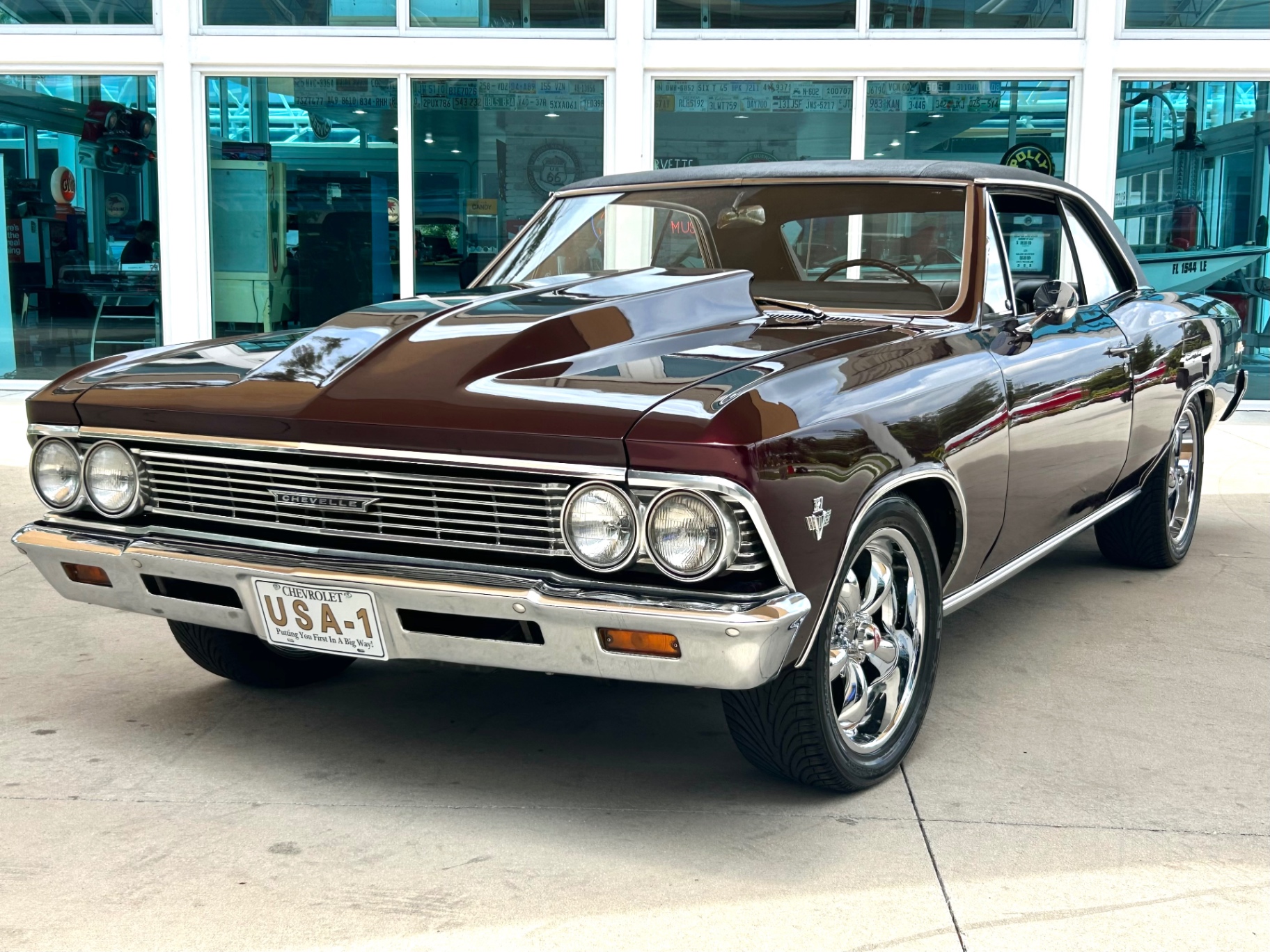
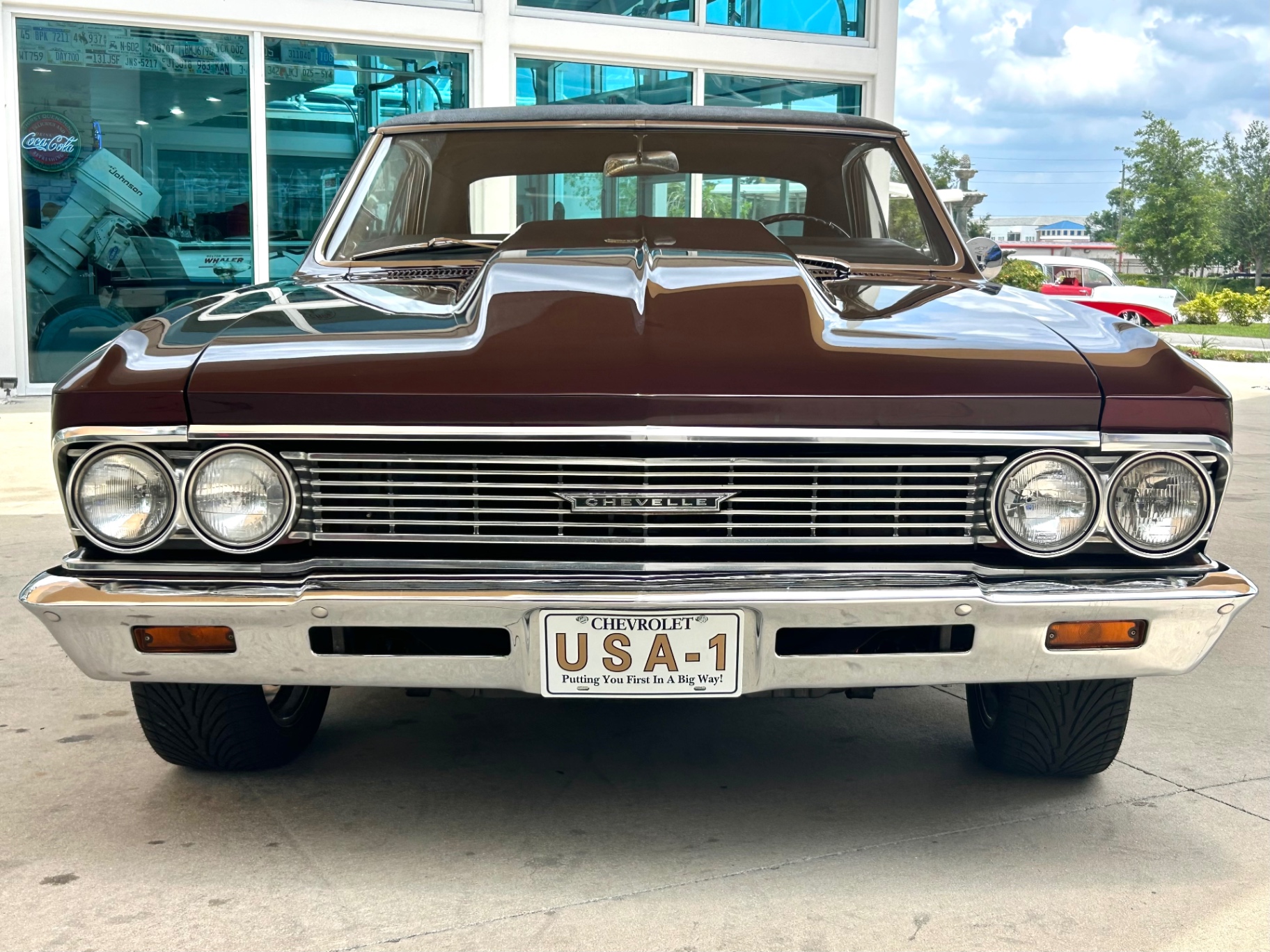
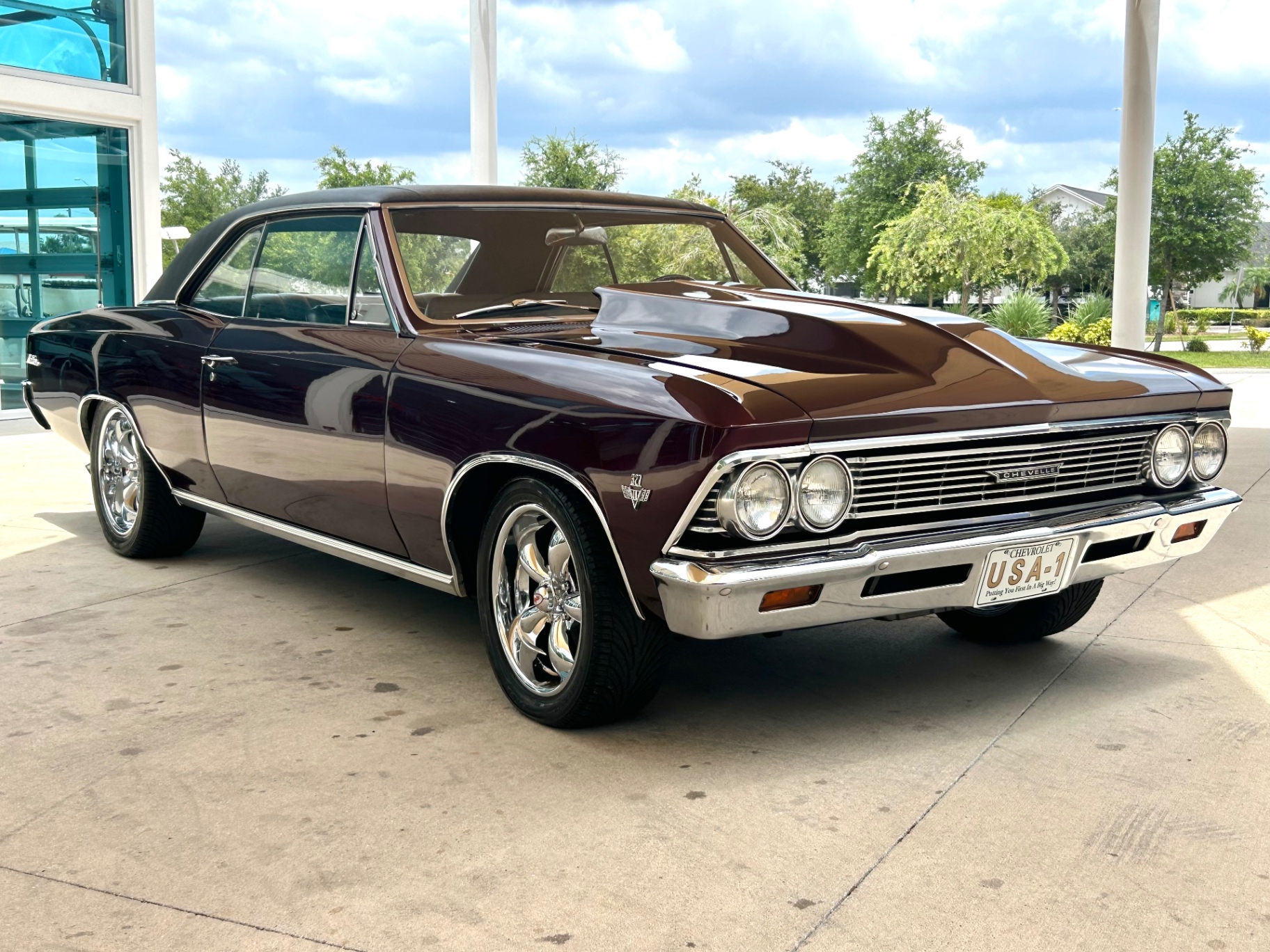
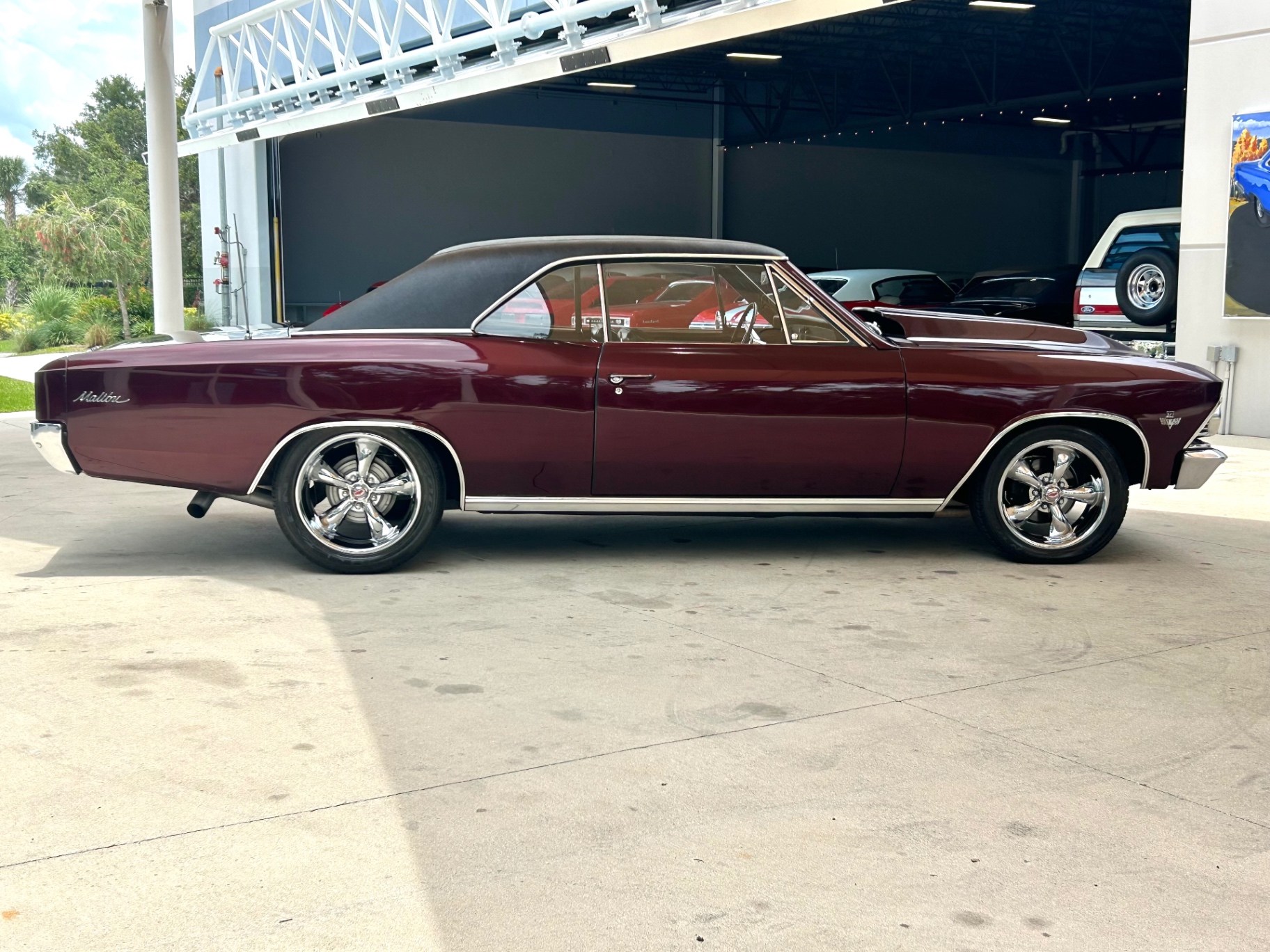
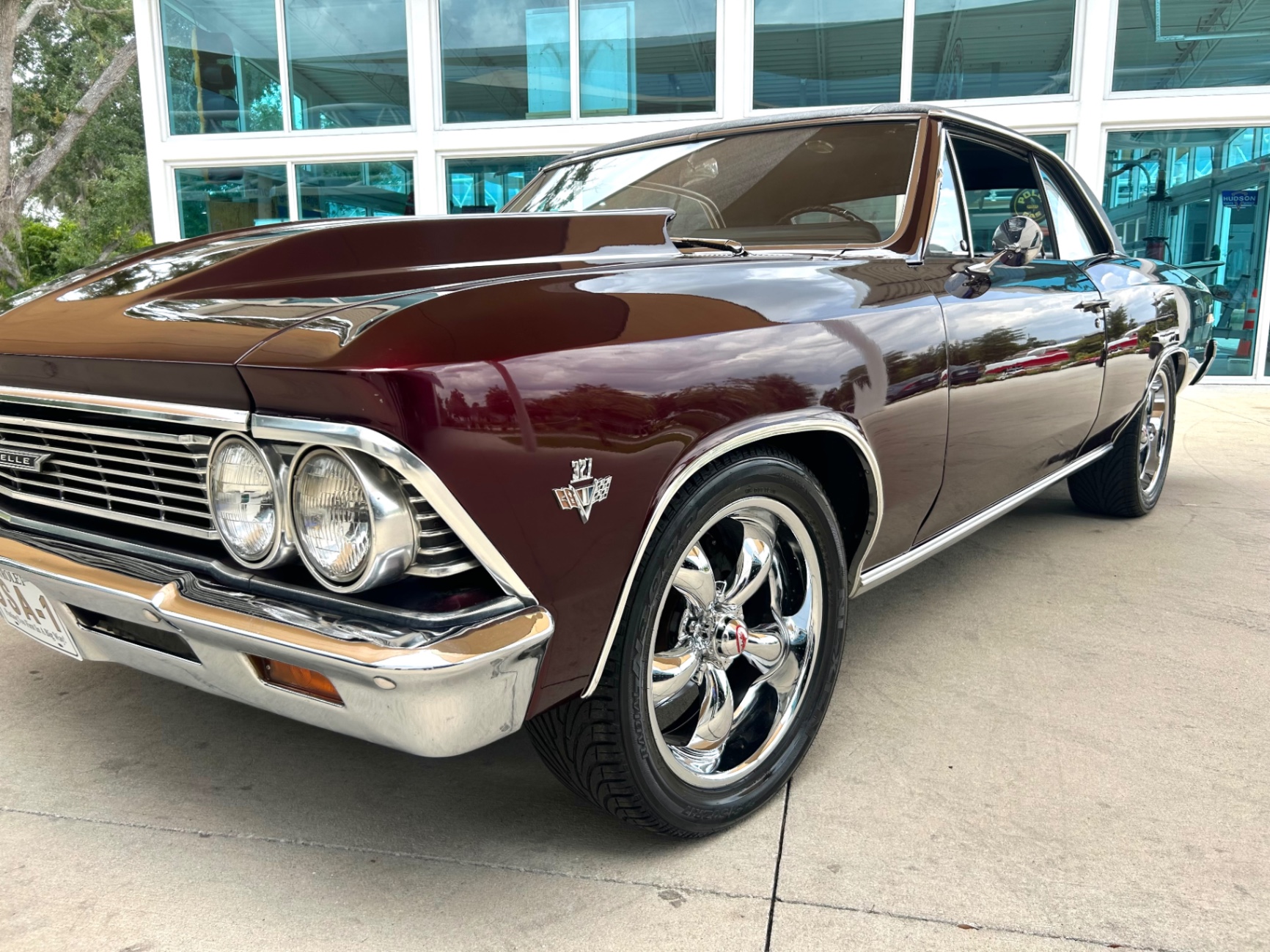
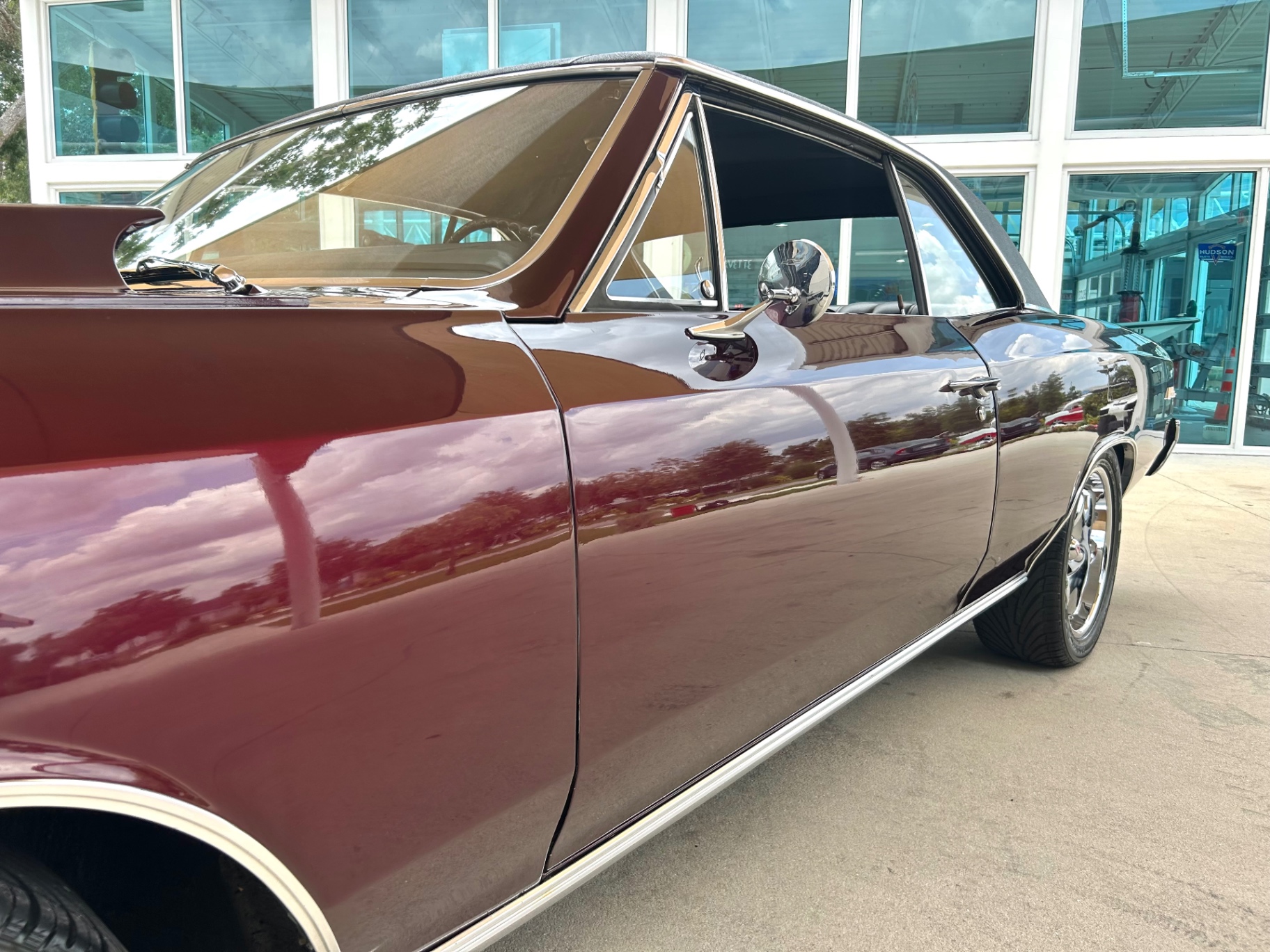
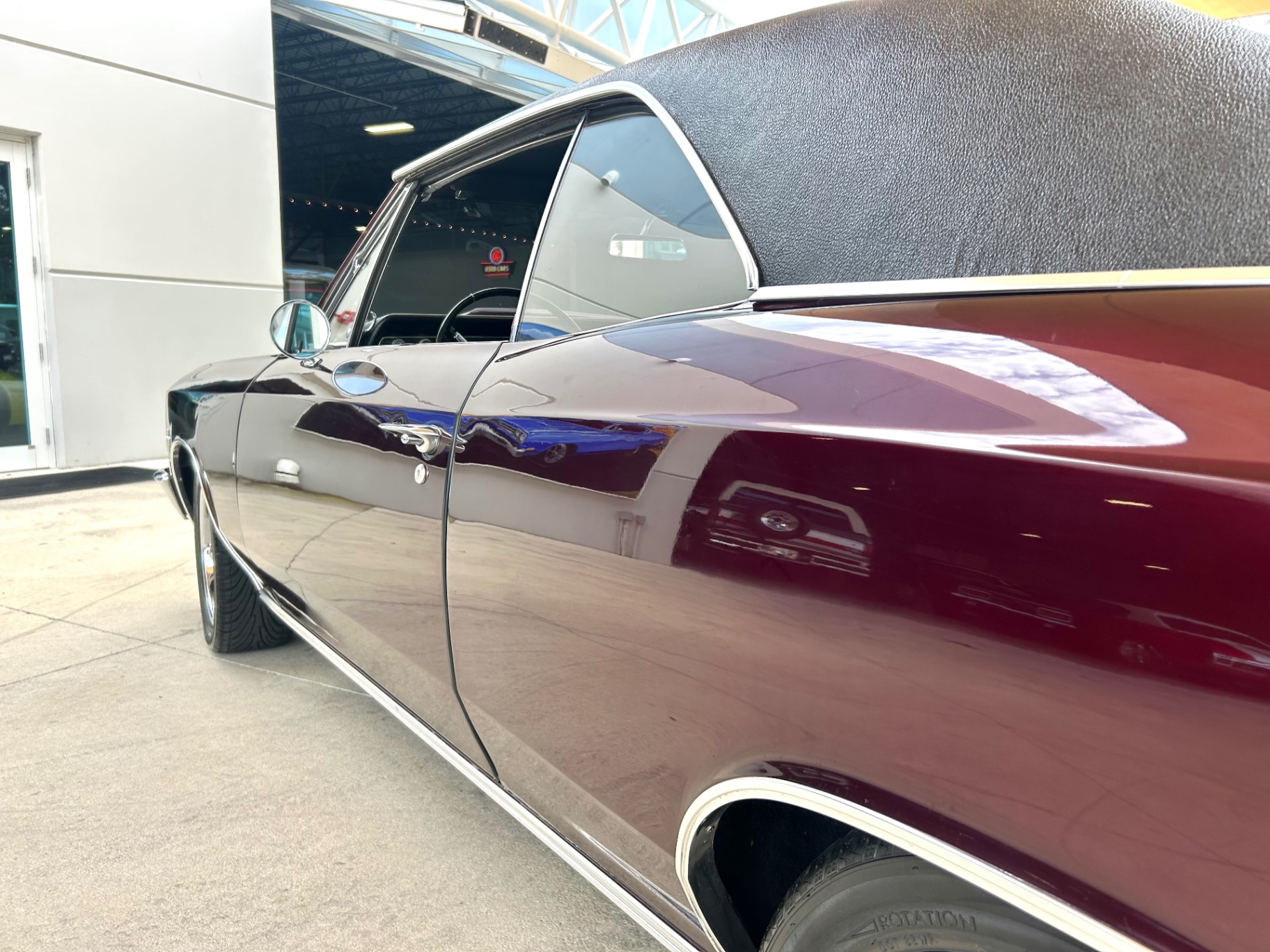
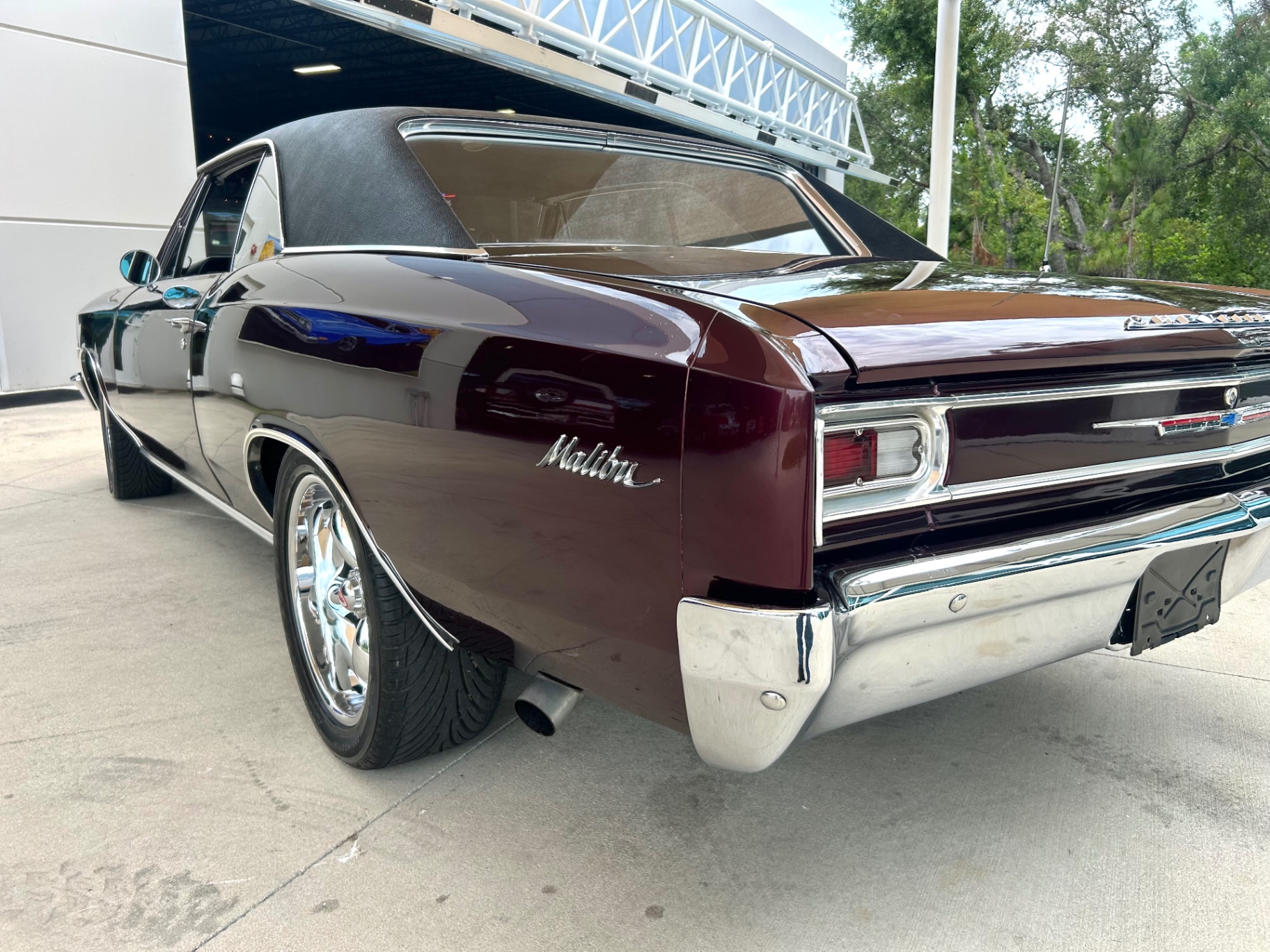
1966 Chevrolet Chevelle Malibu — 383 Crate Engine, 4-Speed, Custom Black Cherry Build
Why This Car Is Special
The 1966 Chevrolet Chevelle is widely regarded as the high point of the model's first generation. That year, Chevrolet gave the Chevelle a full restyle — longer, lower, and wider than the original 1964 design — and paired the new sheetmetal with an expanding engine lineup that would define the muscle car era. The Malibu trim sat at the top of the Chevelle hierarchy in 1966, offering buyers a step up in interior finish and exterior detail without requiring them to pay for the full SS package. It was a smart buy then, and it remains one of the most sought-after body styles today because of its clean lines and the way that fastback-style roofline sits over the rear deck.
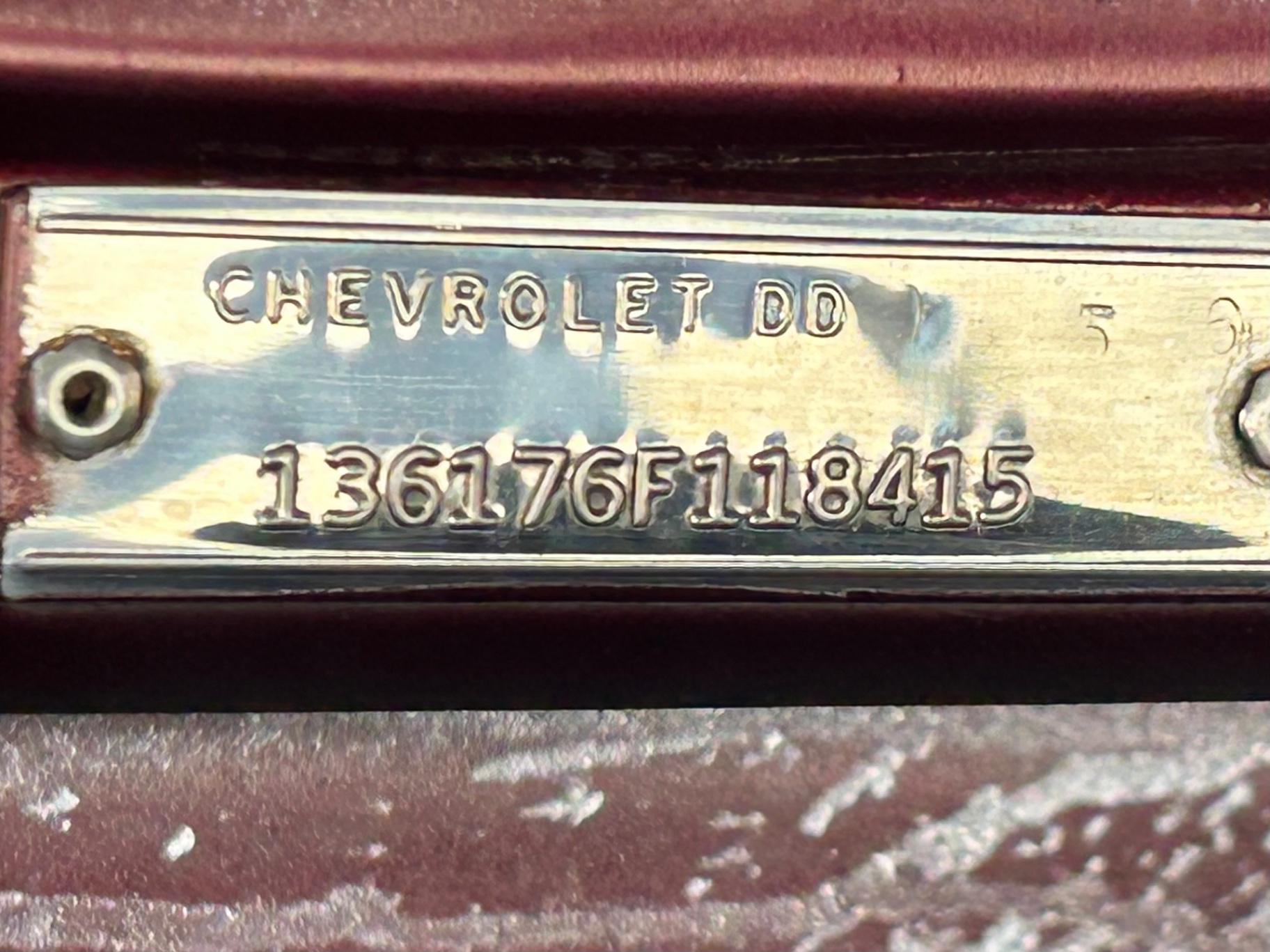
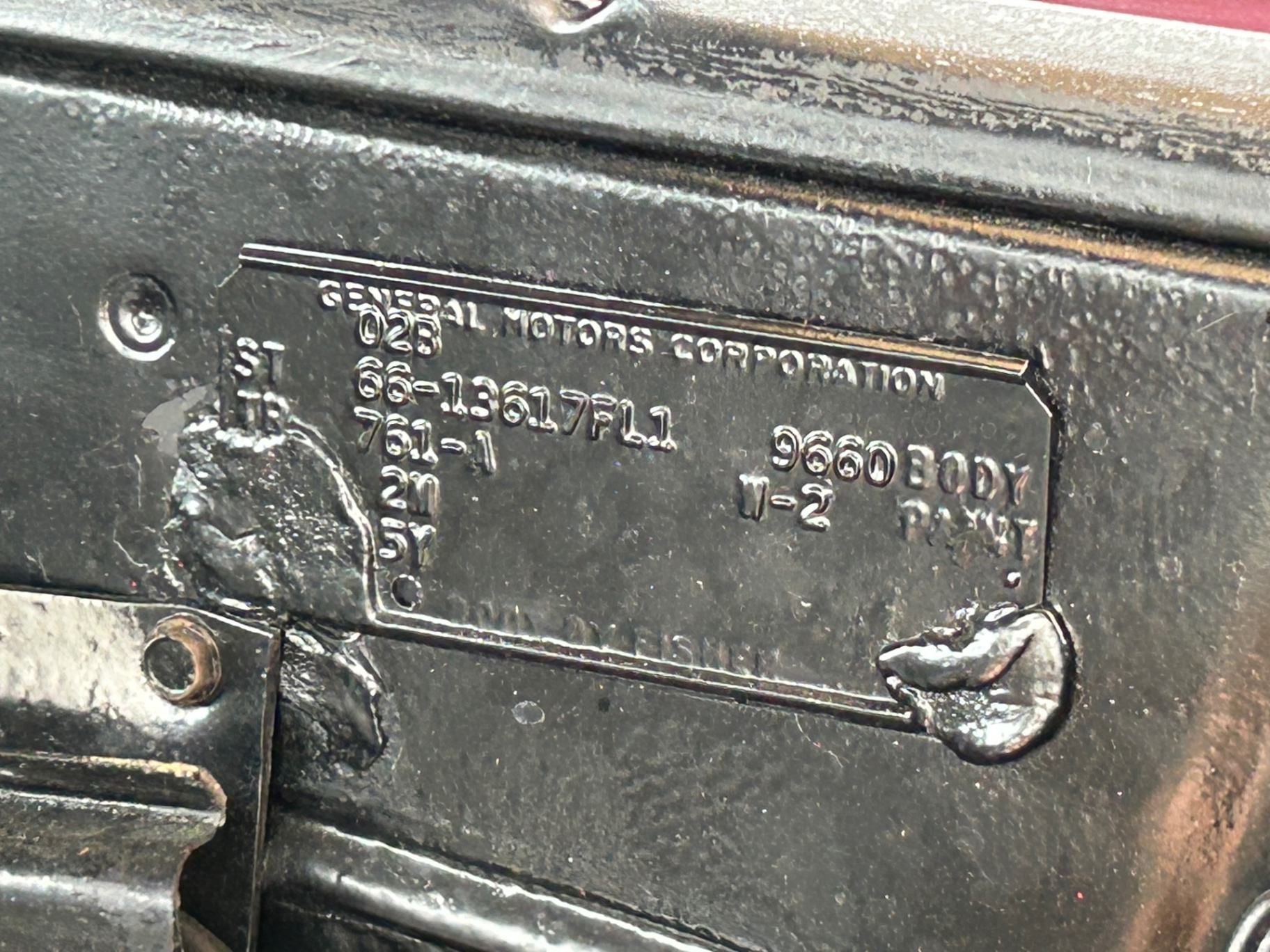
The VIN on this car confirms it was assembled at the Kansas City assembly plant in 1966, consistent with a mid-production build. The body style decodes as a two-door hardtop Sport Coupe — the most desirable body configuration of the generation, with no B-pillar interrupting those long side windows.
What makes this particular 1966 Chevelle stand out from a typical survivor or driver-quality car is the level of thought put into the drivetrain and suspension upgrades. This is not a show car parked on carpet and polished to the inch. It is a purpose-built street machine that has been modified with quality components from names that enthusiasts know and trust — Hooker, Holley, Borg-Warner, Flowmaster, Gabriel, and Goodmark. The builder chose the right parts, not the cheapest parts. Every major system has been addressed, from the GM crate engine to the undercoated floor pans, and the result is a 1966 Chevelle Malibu that drives and performs the way these cars were always meant to.
Features List
- GM 383 crate engine rated at 383 horsepower
- Holley carburetor
- Polished aluminum intake manifold
- Chrome/polished valve covers
- Performance air cleaner
- Hooker headers
- 3-inch dual exhaust
- Dual Flowmaster mufflers
- Borg-Warner Super T-10 4-speed manual transmission
- 4-speed manual shifter with center console
- GM 12-bolt rear end
- Aftermarket upper and lower rear control arms with polyurethane bushings
- Gabriel rear shocks
- Power front disc brakes
- Power steering
- Electric cooling fan
- High-output alternator
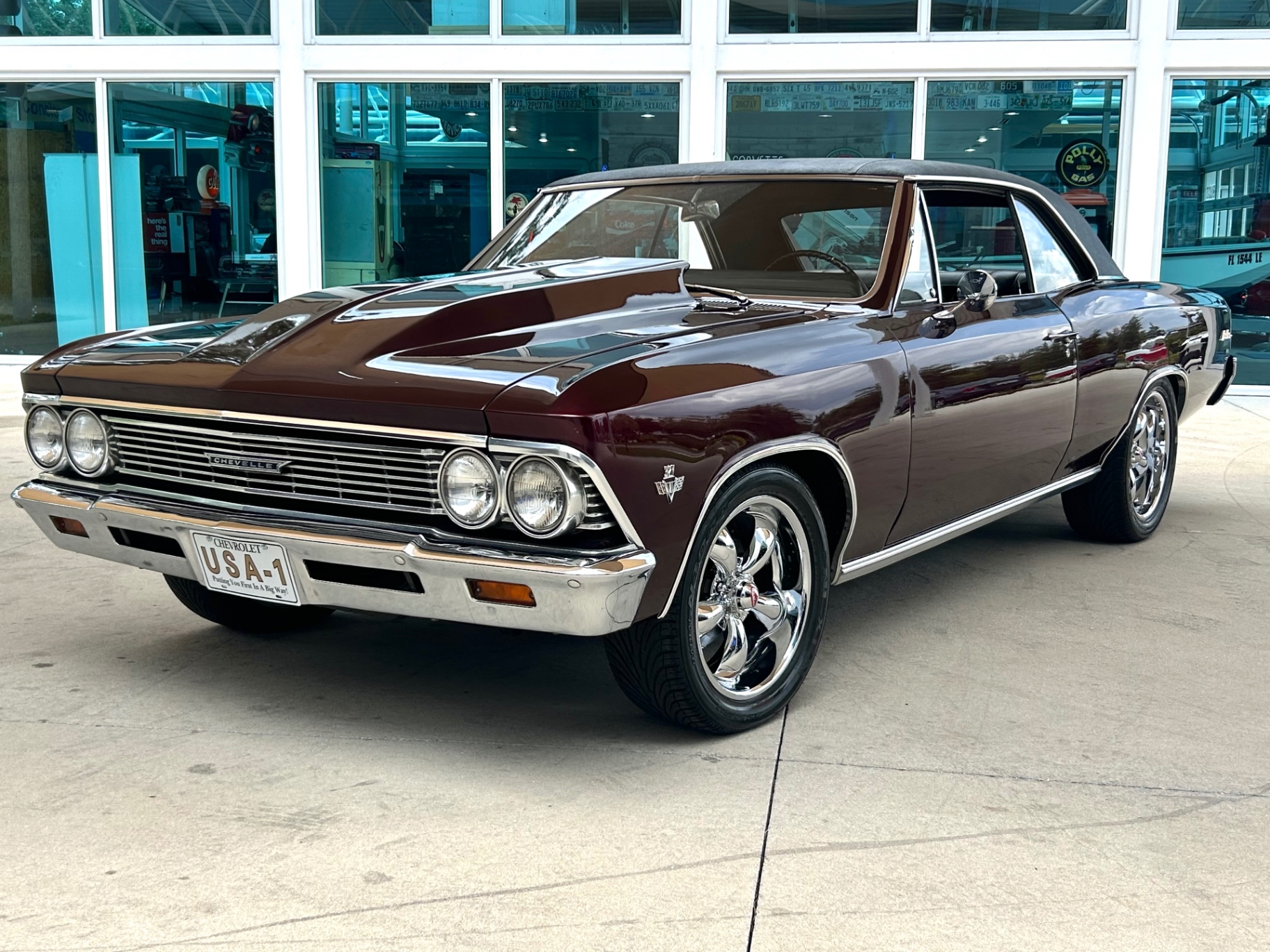
- Goodmark steel cowl induction hood
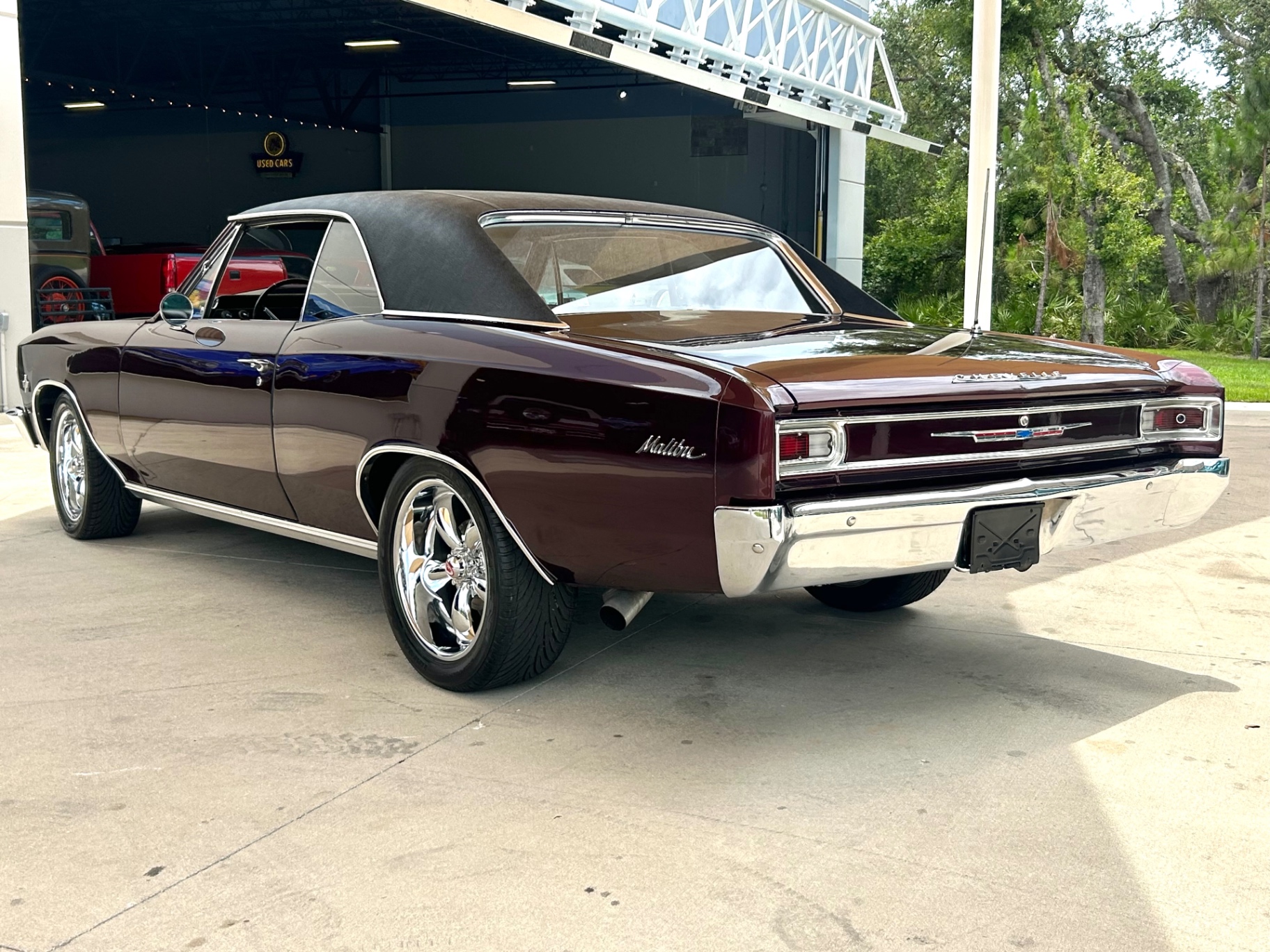
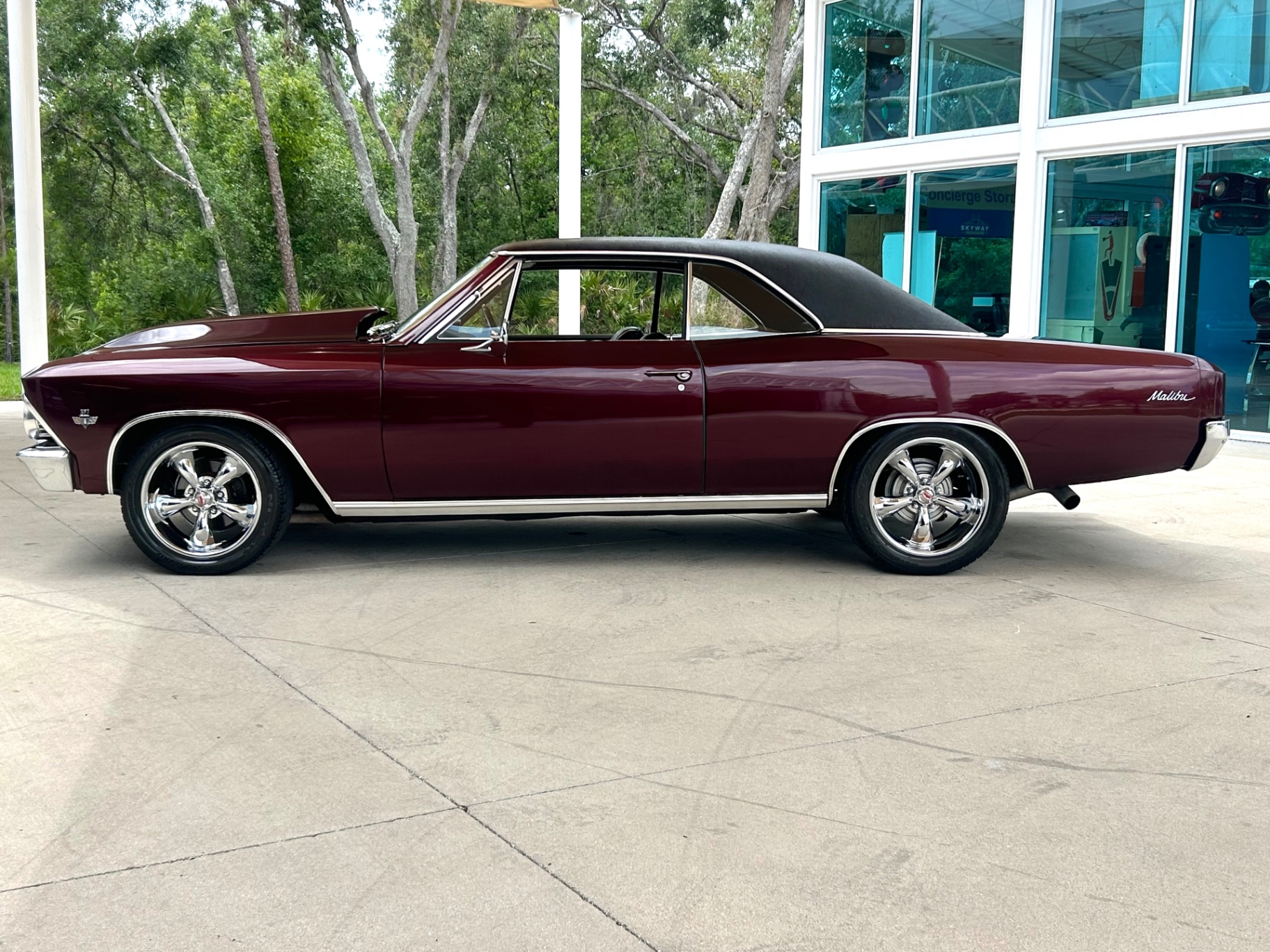
- Custom burgundy (Black Cherry) exterior paint
- Black vinyl top
- 17 and 18-inch custom Coys wheels
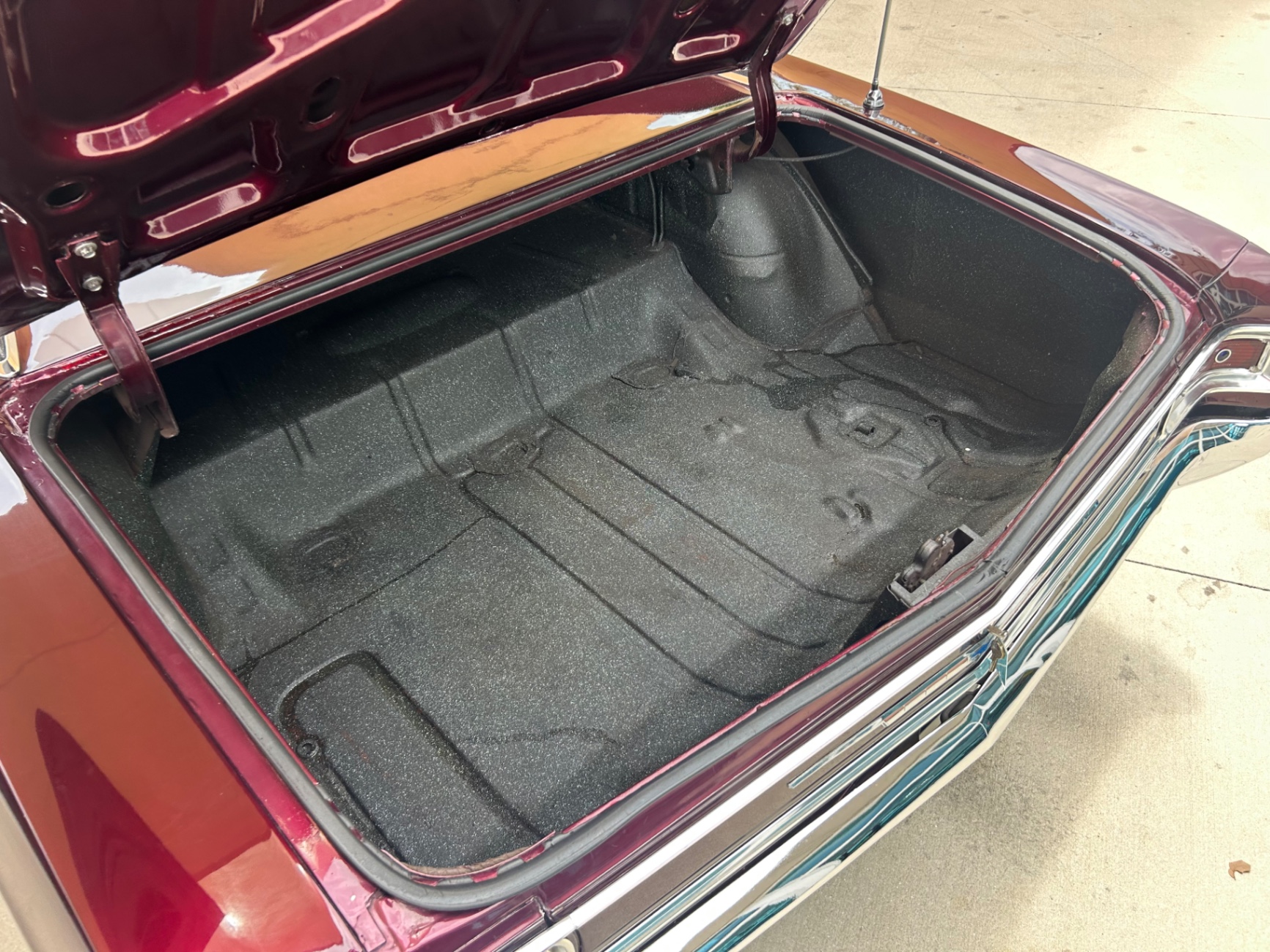
- Undercoated floor pans
- Original instrument cluster
- Chrome-trimmed door panels
- Black vinyl bench seats, front and rear
- Chevelle floor mats
- Aftermarket AM/FM radio
- Secondary aftermarket stereo/CD unit
- Front and rear seat belts
Mechanical
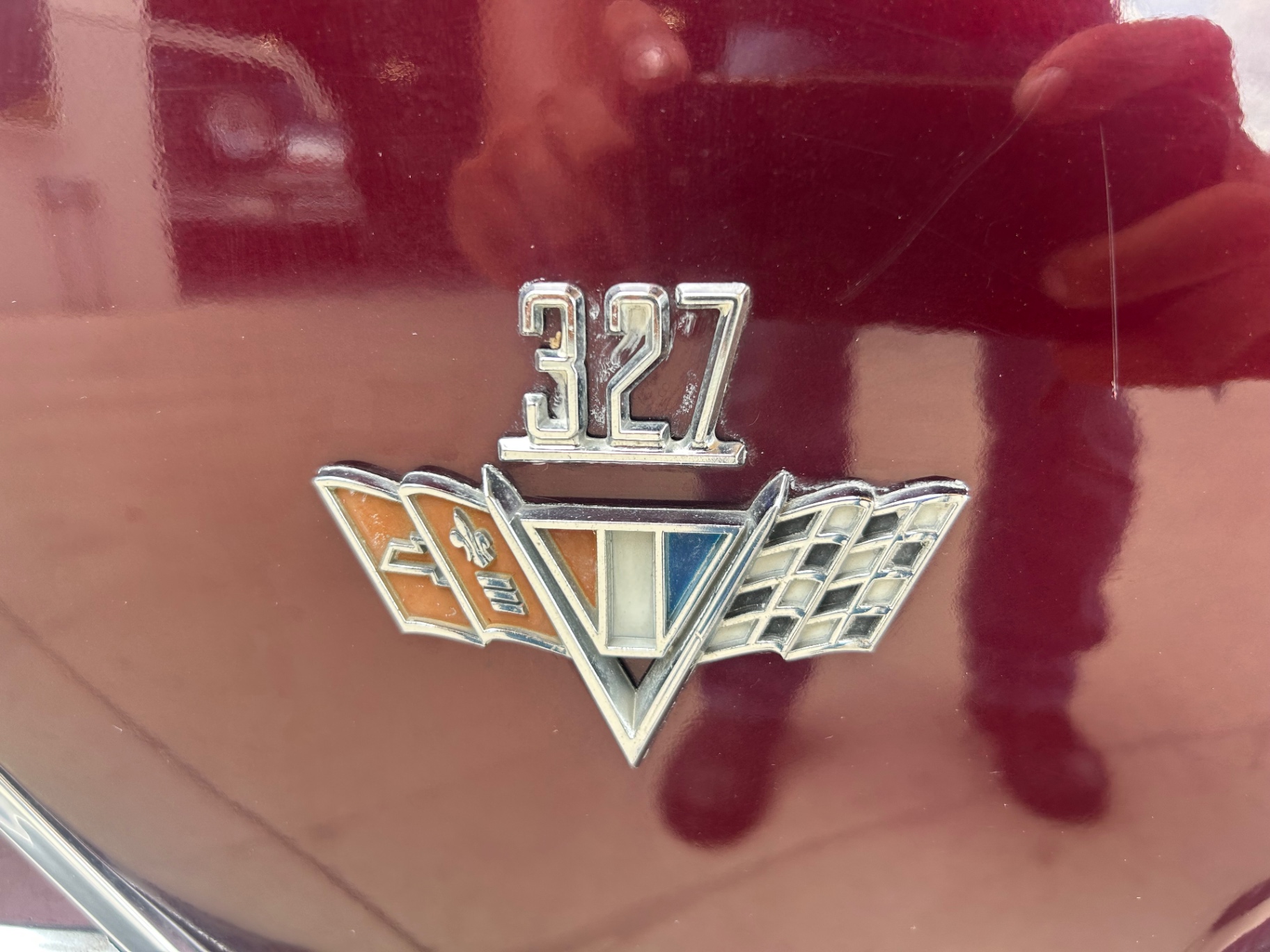
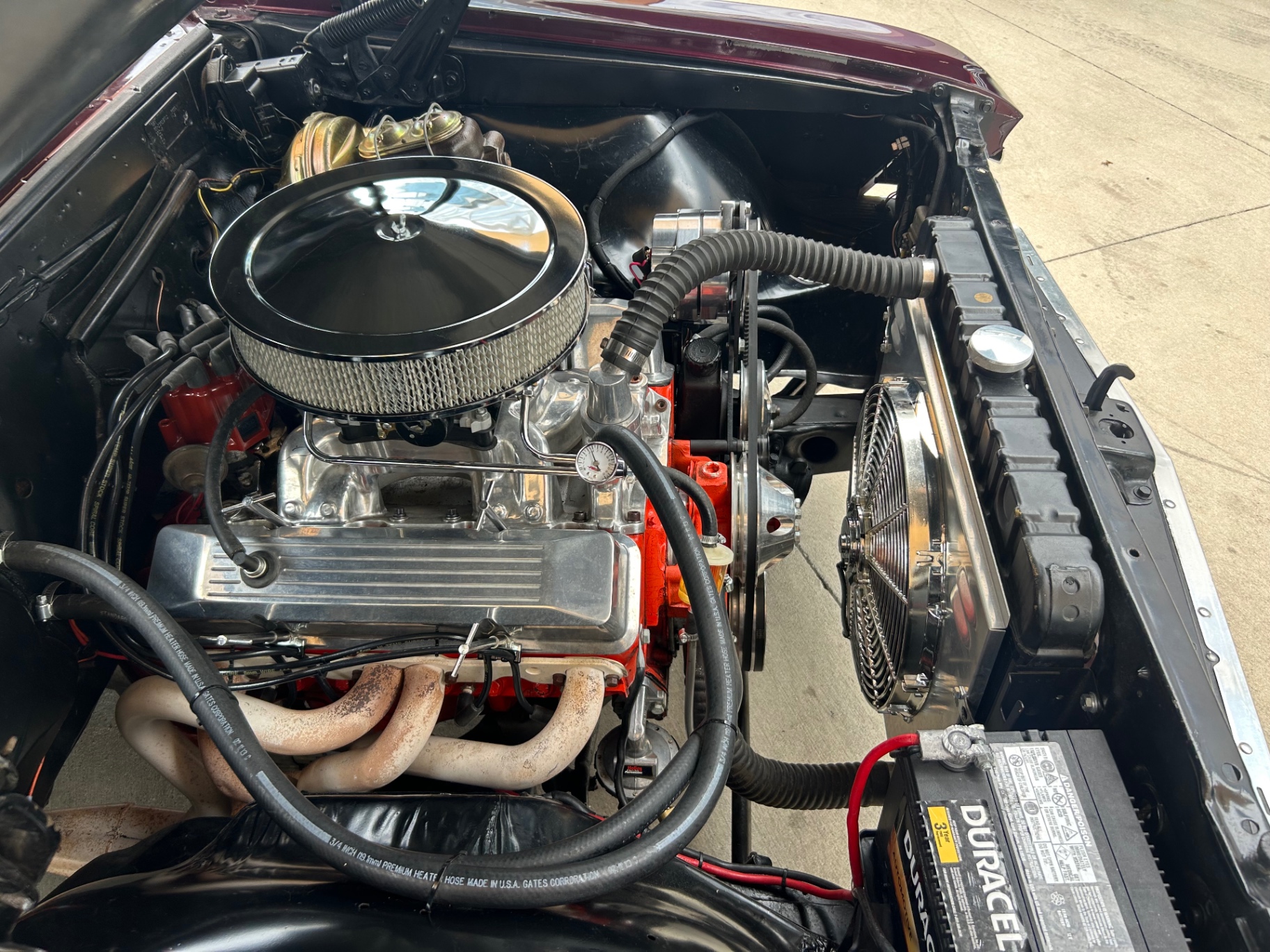
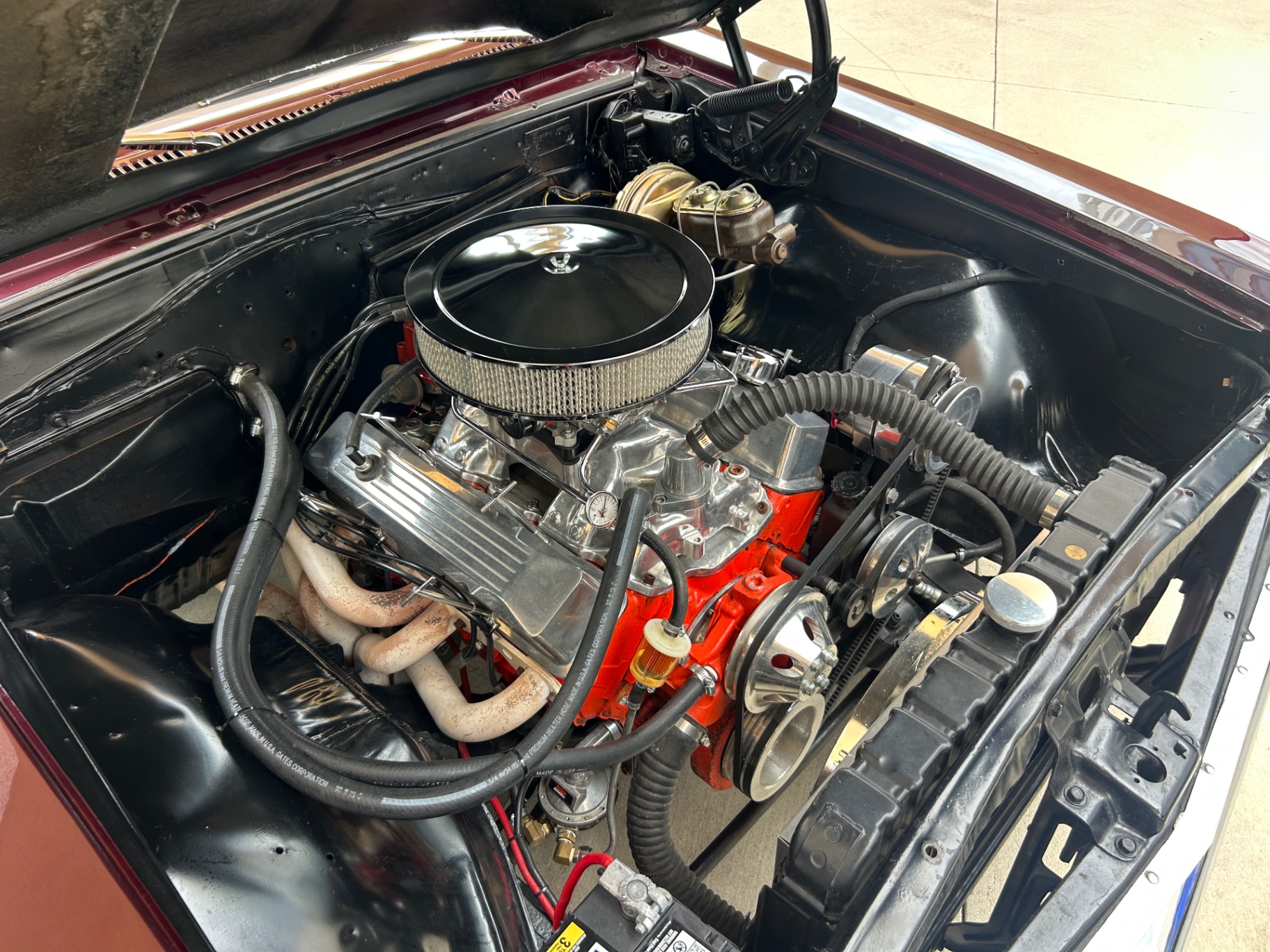
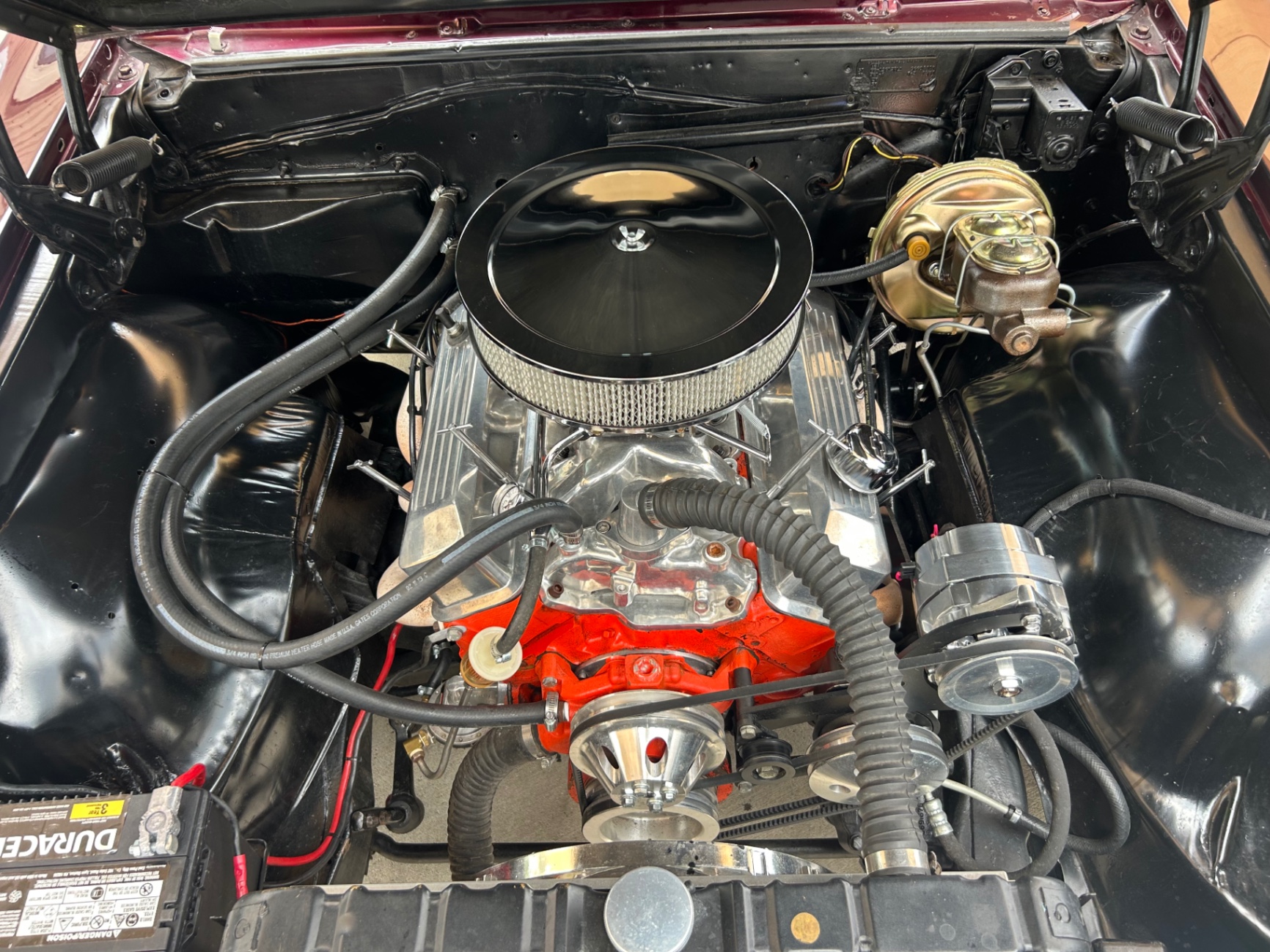
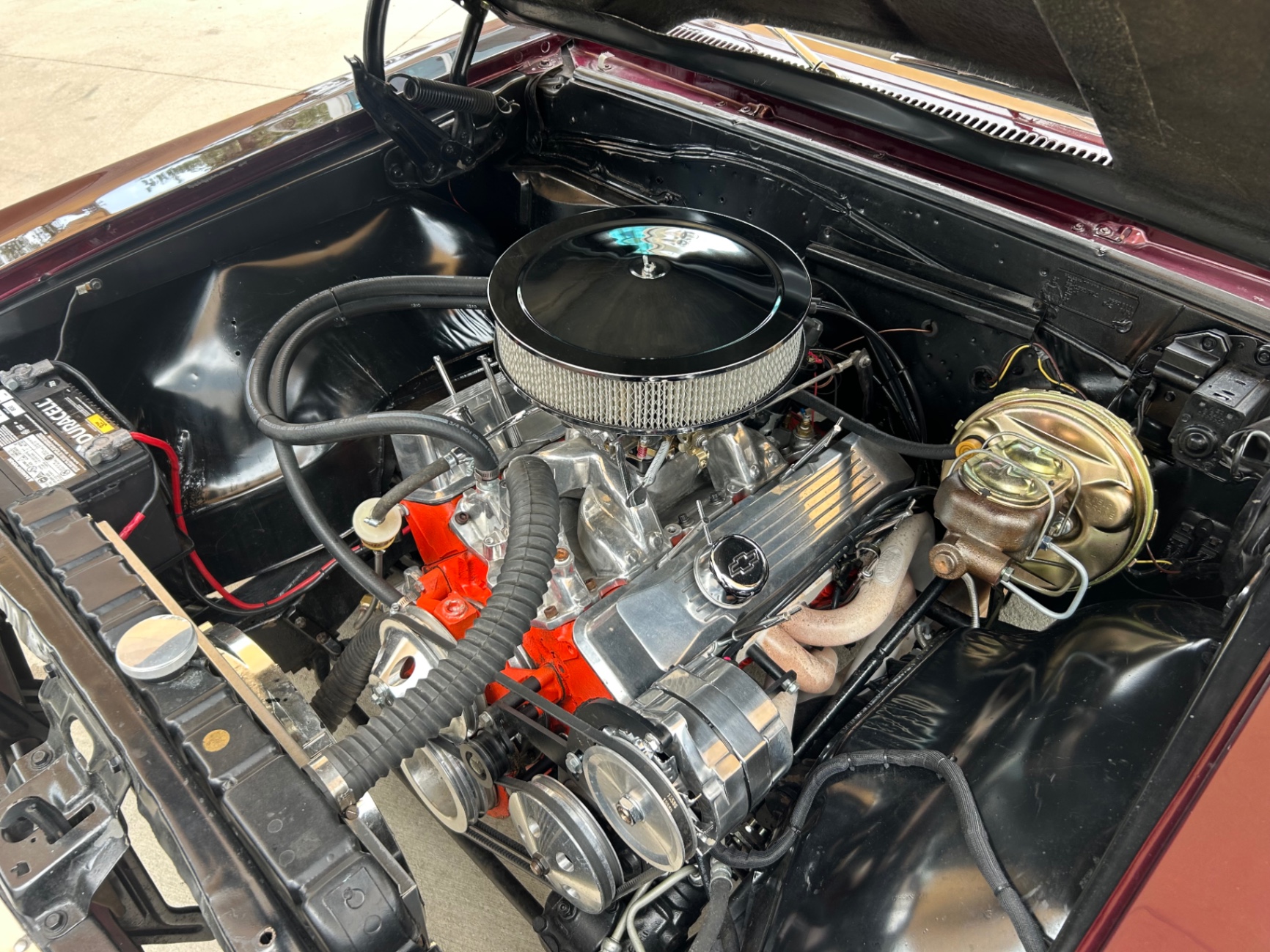
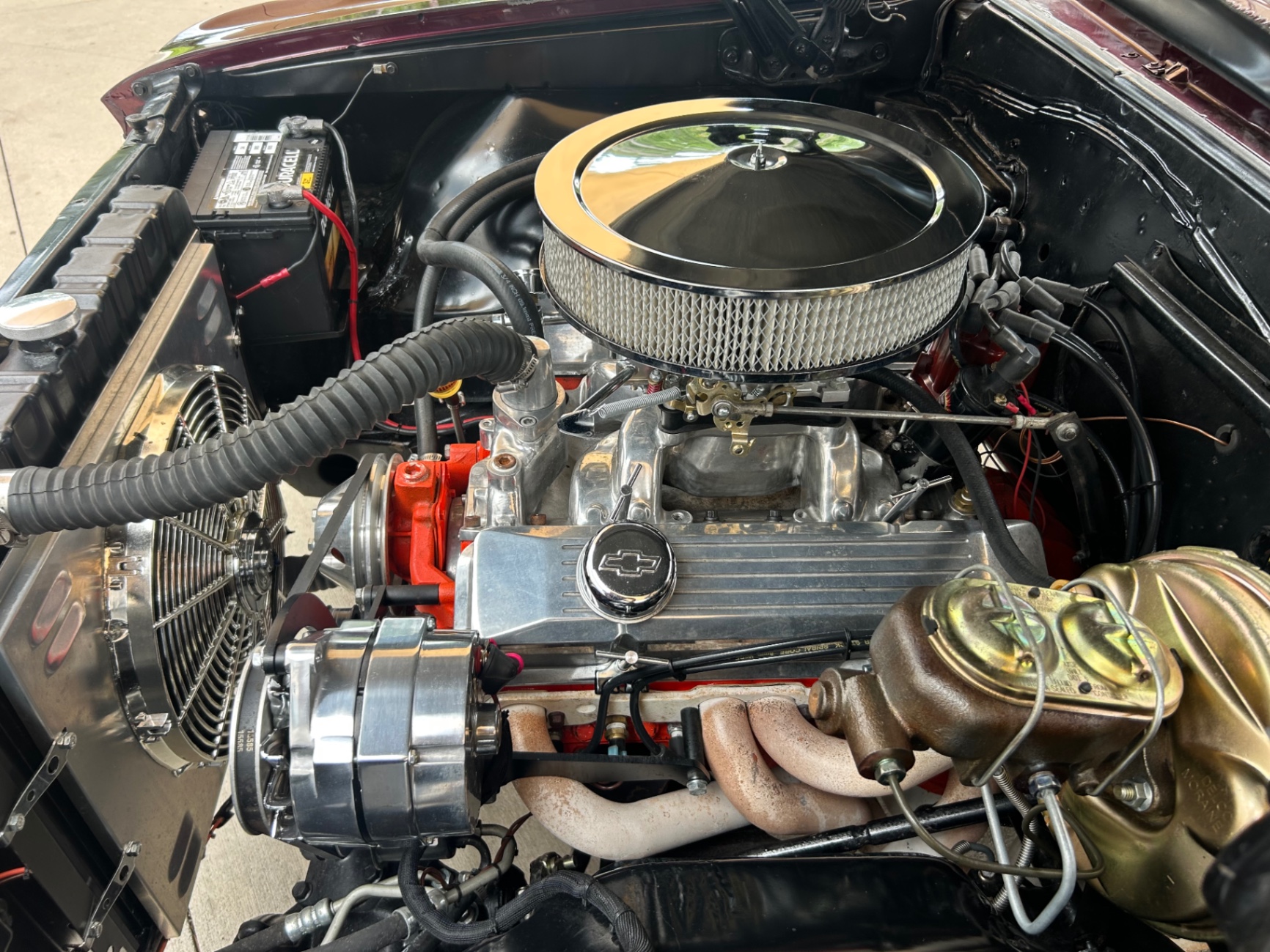
The engine in this 1966 Chevelle Malibu is a GM 383 crate unit rated at 383 horsepower. To put that in context, the hottest engine Chevrolet offered in the 1966 Chevelle from the factory was the L78 396, rated at 375 horsepower — and that rating was almost certainly conservative, as GM was known to understate power figures during the horsepower wars of the mid-1960s. The 383 in this car gets you into that same power neighborhood, but with the reliability and warranty backing of a factory crate assembly. The short block is a 383 cubic inch small-block built on GM's proven architecture, and the rotating assembly is balanced from the factory.
Feeding the engine is a Holley carburetor, which is the correct choice for a build like this. Holley supplied the carburetors for the original high-performance Chevelles, and the modern Holley units are better in virtually every measurable way — fuel metering, durability, and tunability. Underneath, a polished aluminum intake manifold and chrome valve covers give the engine bay a finished, deliberate appearance that matches the care taken with the rest of the car.
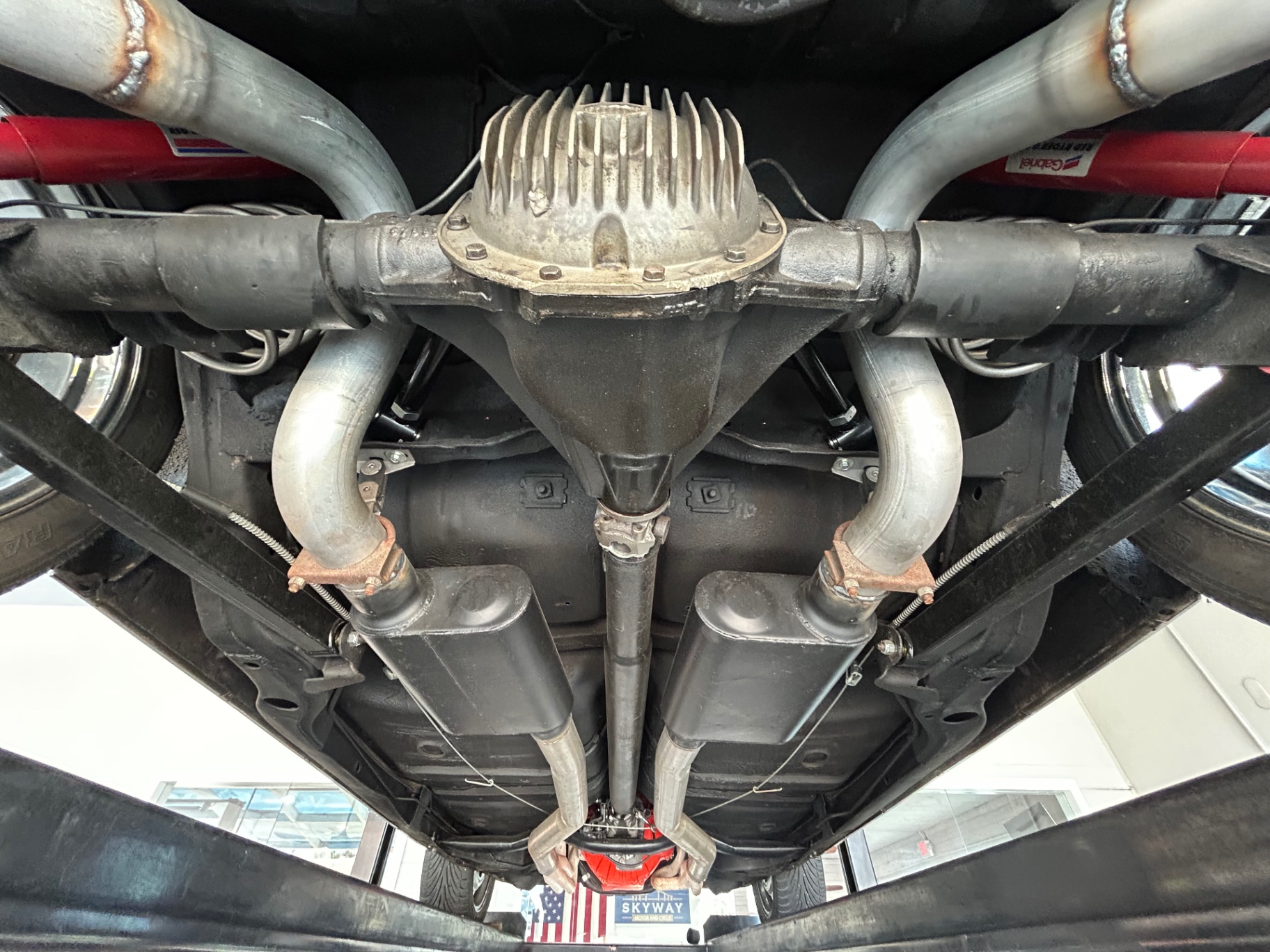
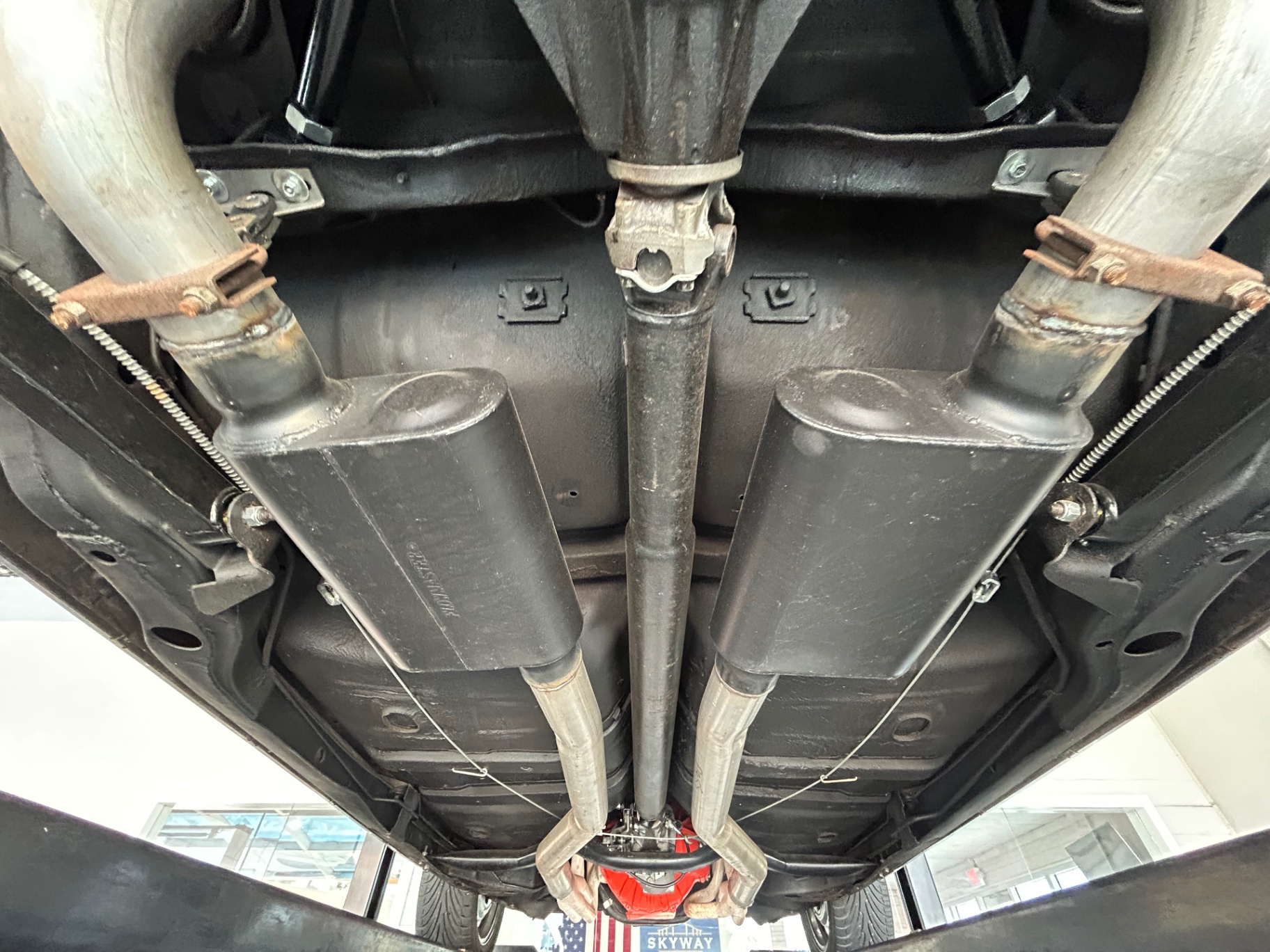
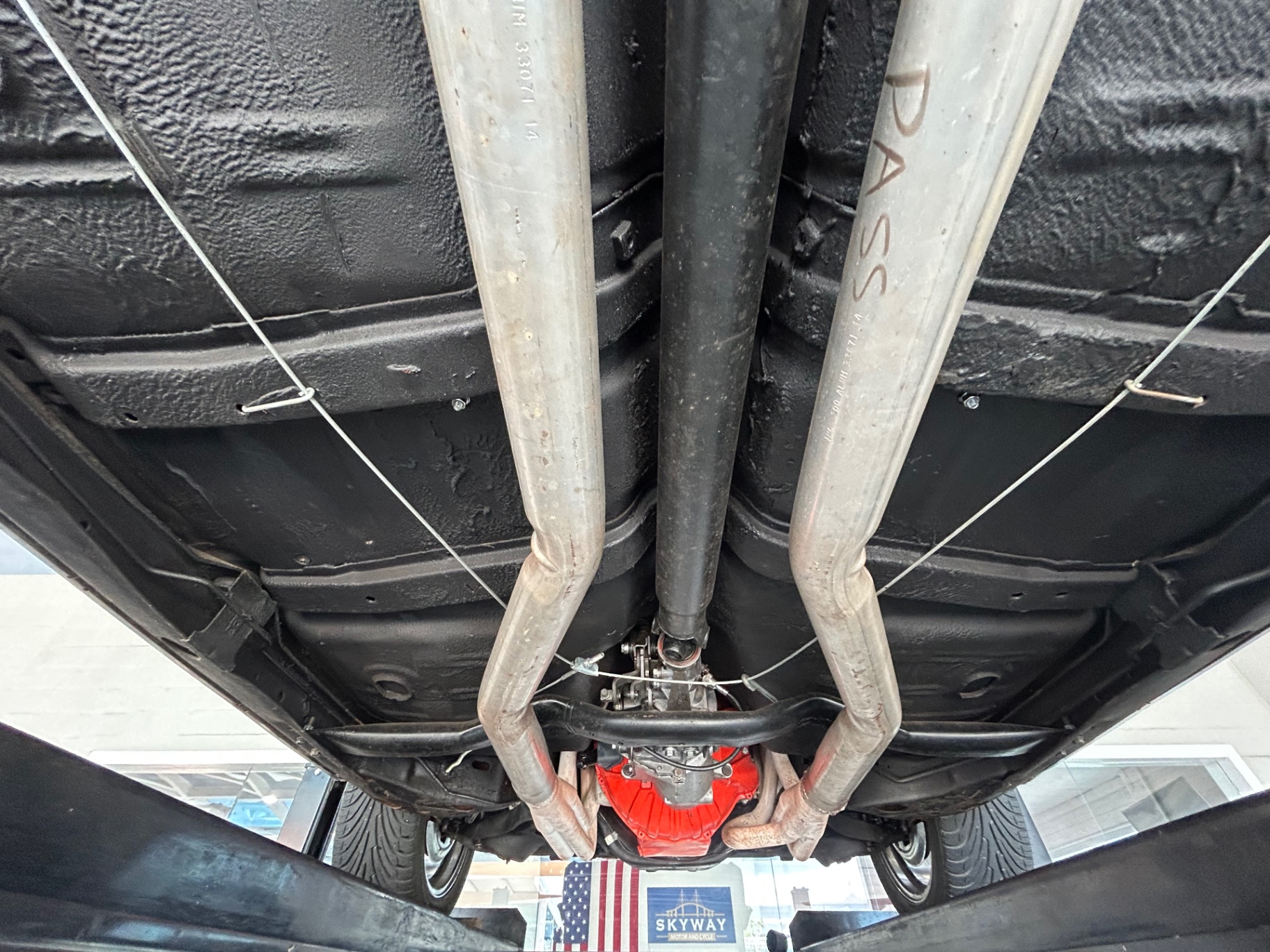
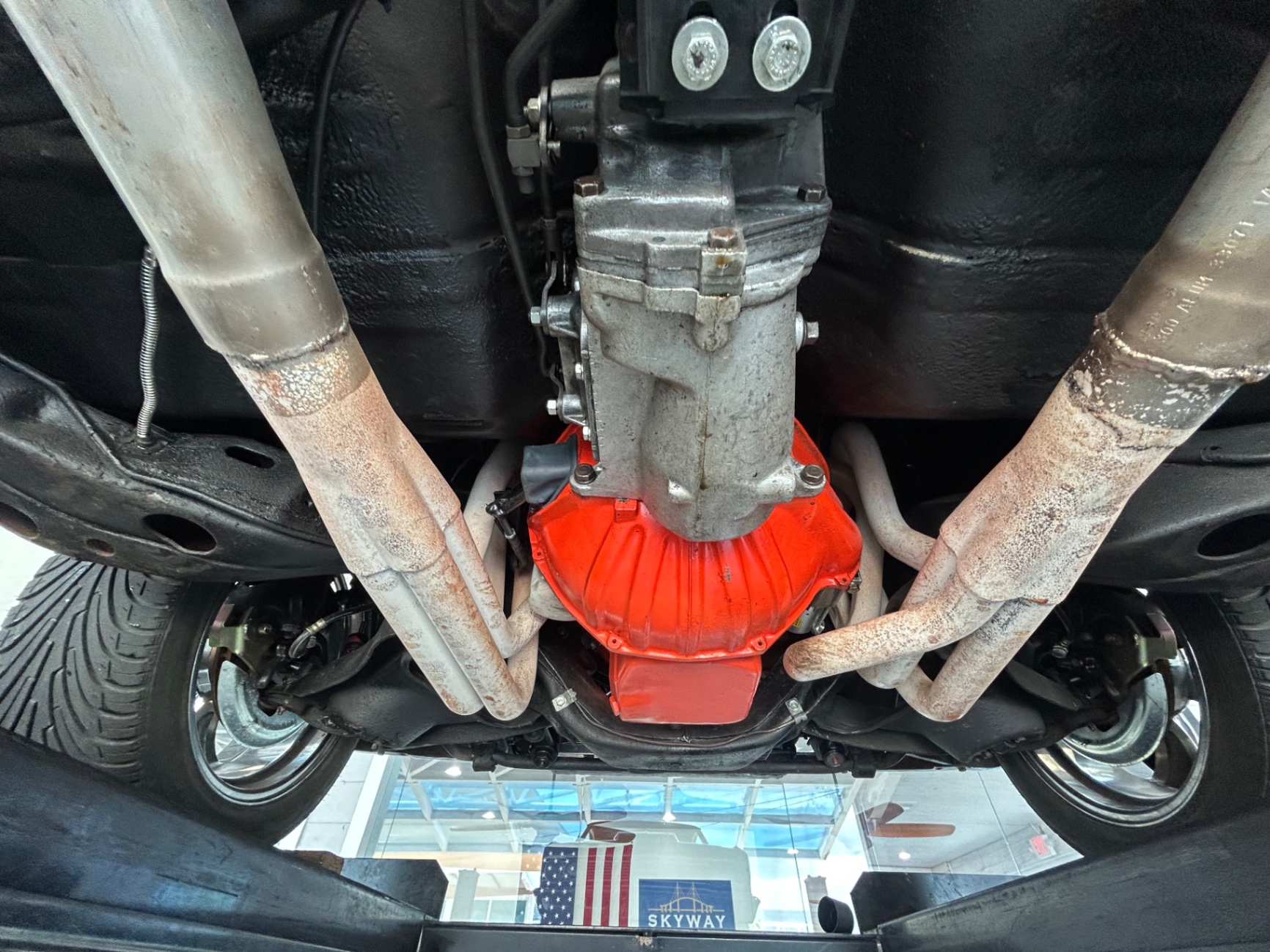
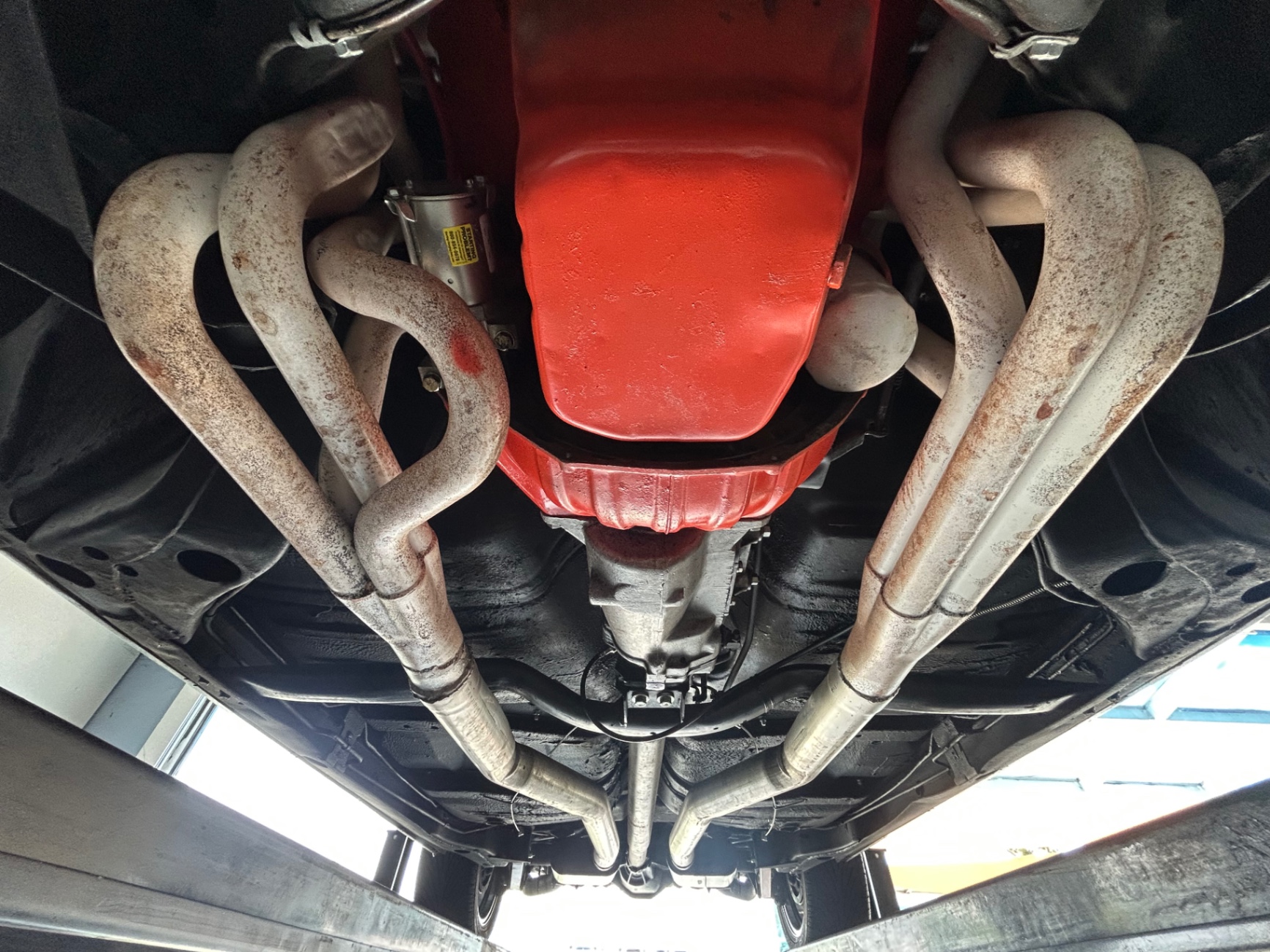
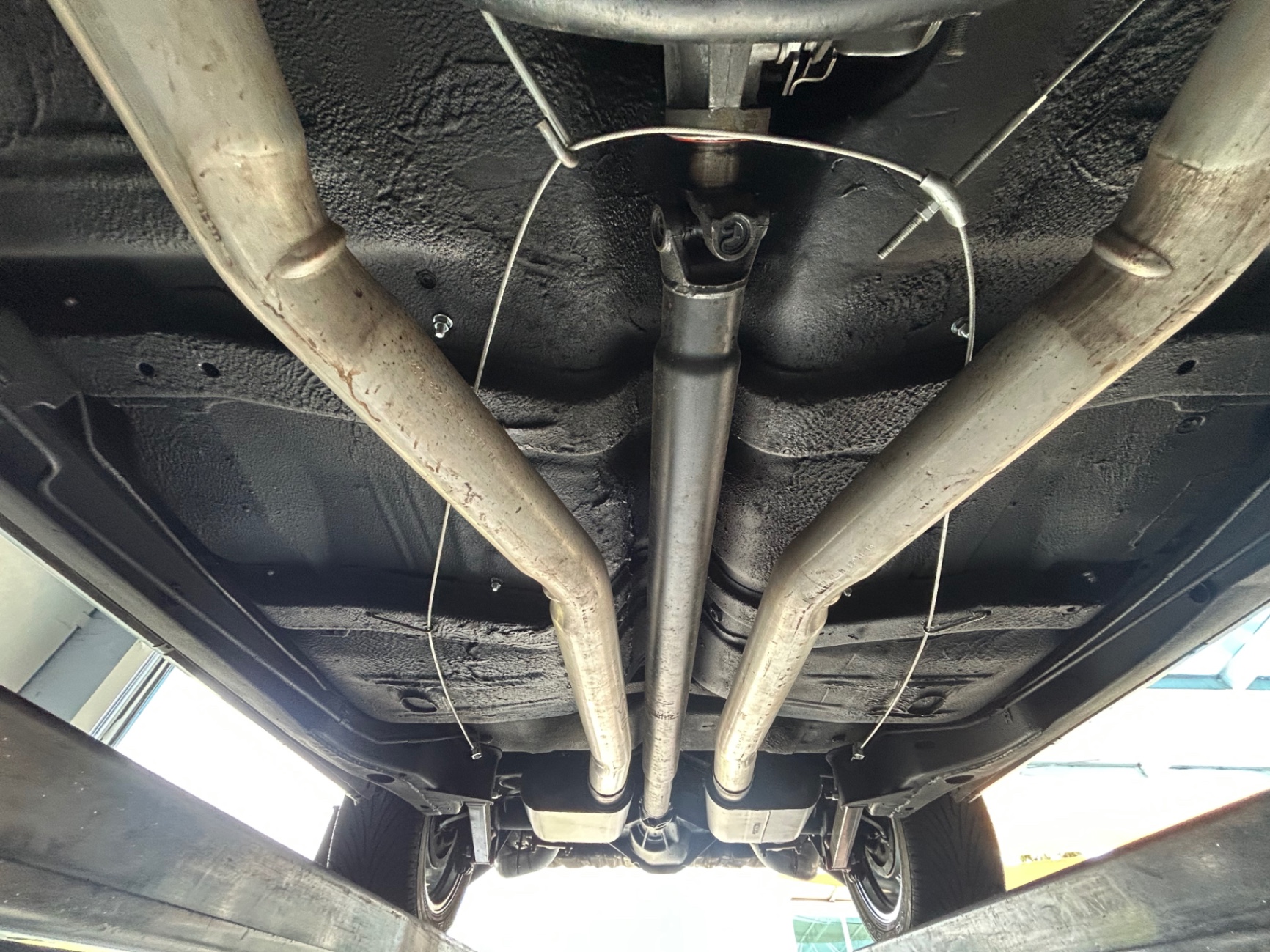
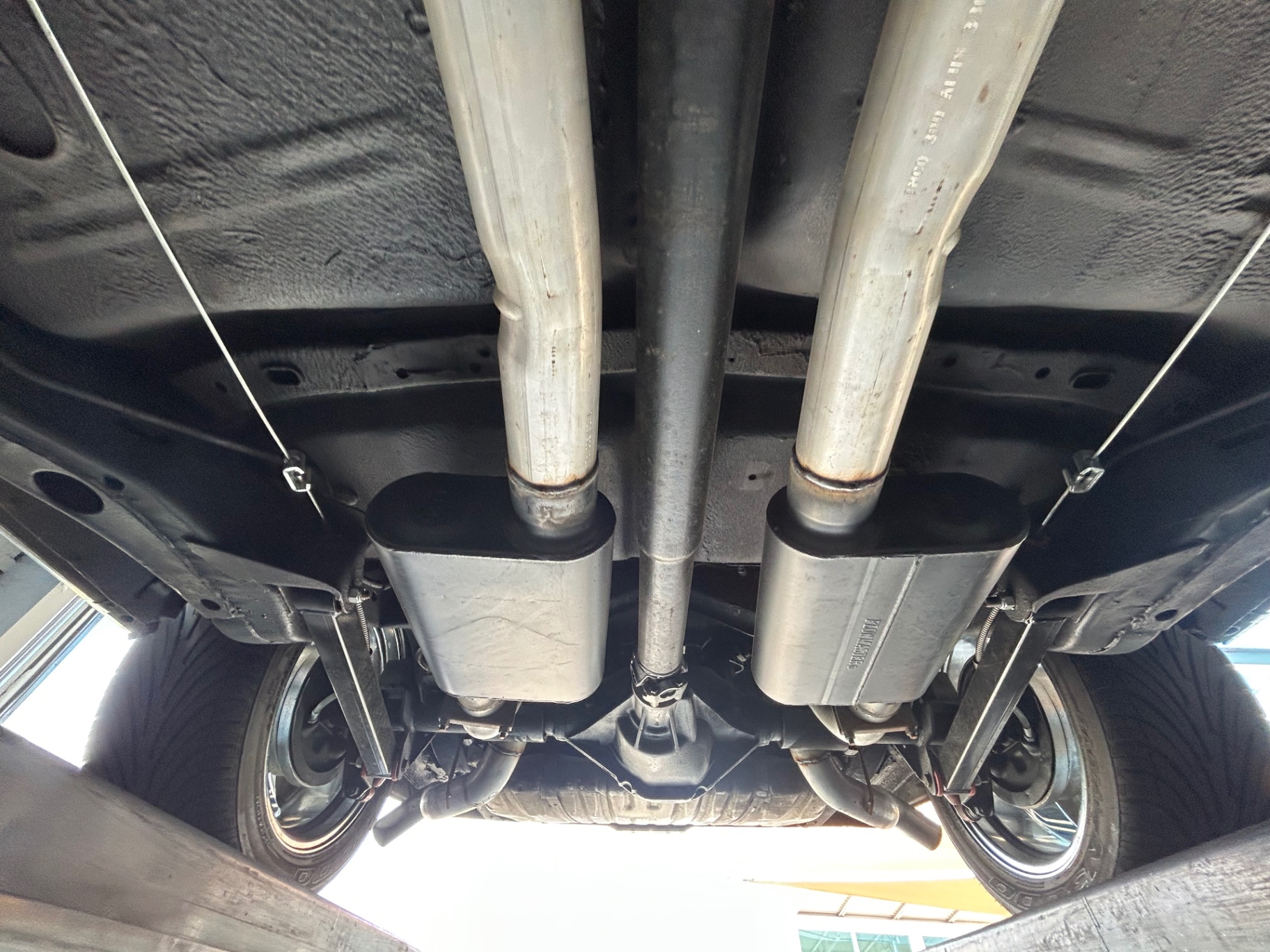
Exhaust starts with Hooker headers, one of the most respected names in performance exhaust manufacturing. The headers feed into a 3-inch dual exhaust system with dual Flowmaster mufflers. The 3-inch primary pipe diameter is appropriate for a 383 at street power levels and gives the car the exhaust note it deserves without crossing into drone at highway speeds.
The transmission is a Borg-Warner Super T-10 4-speed. The Super T-10 is not a budget gearbox. Borg-Warner developed it as an improvement over the original T-10, with stronger internals that could handle higher torque loads. It was the close-ratio box of choice for serious street and strip cars throughout the 1960s and beyond, and it remains a respected piece today. Matched to a short-throw shifter and console-mounted in the cabin, it gives the driver a direct, mechanical connection to the engine that no automatic can replicate.
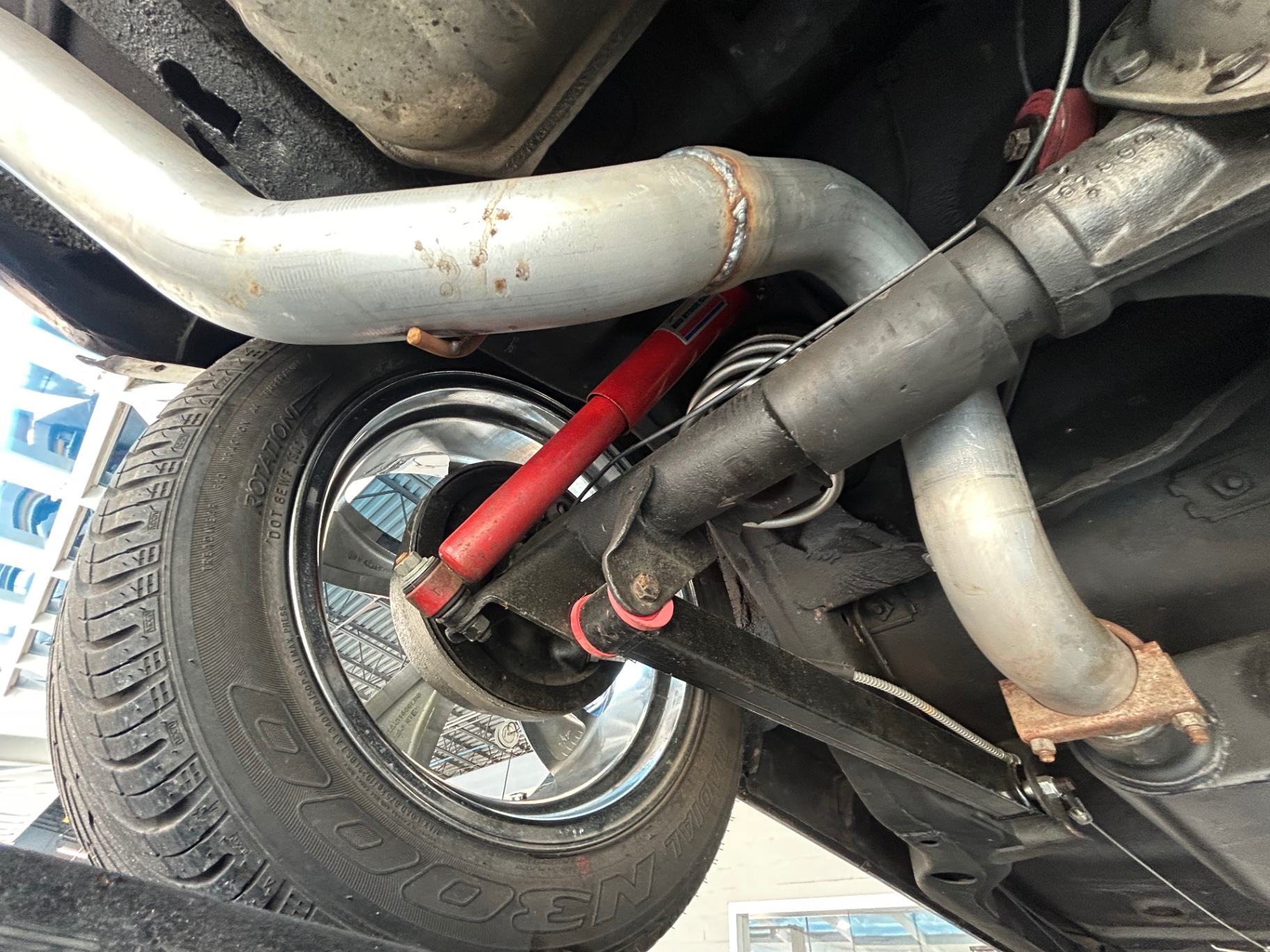
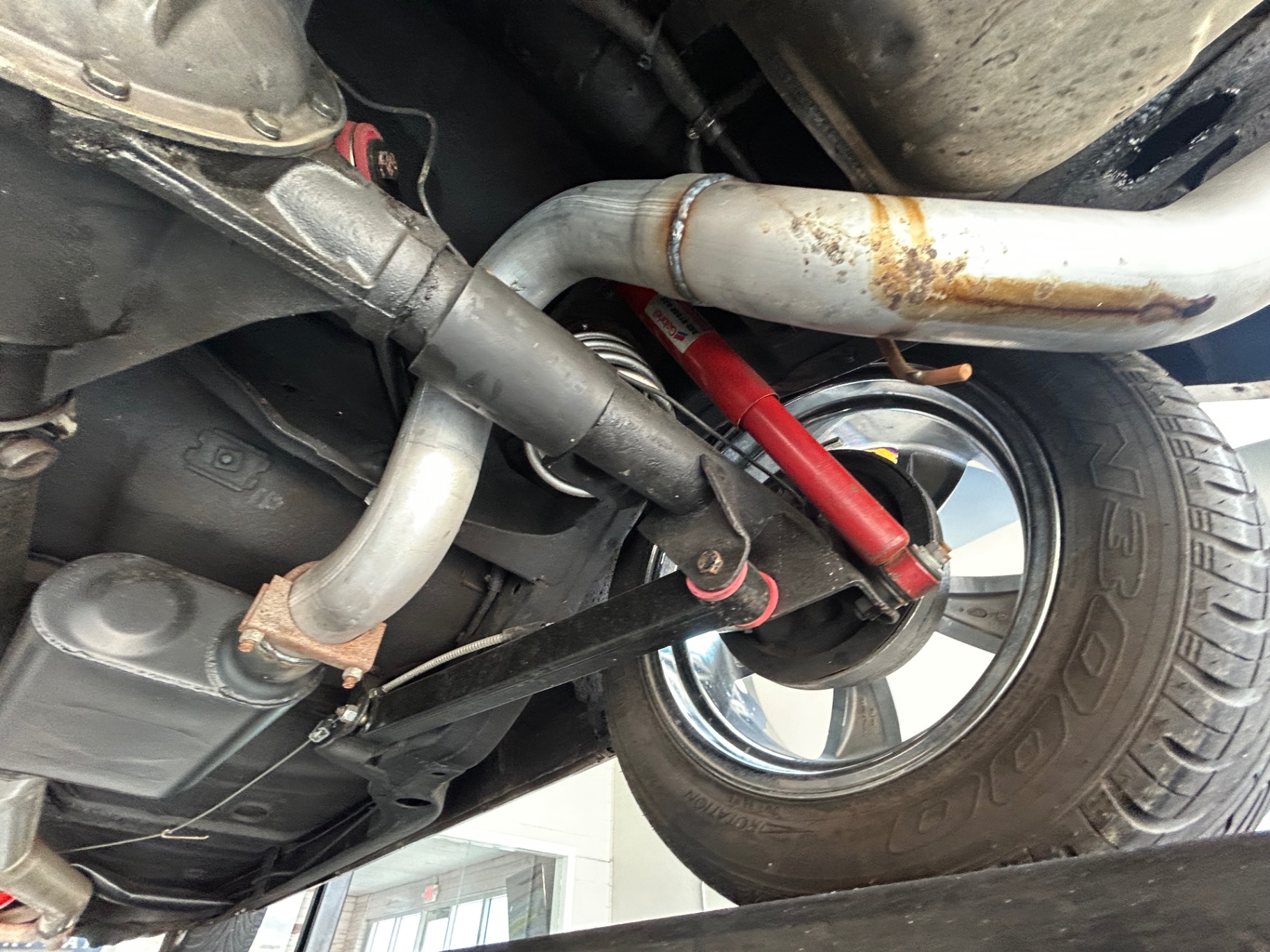
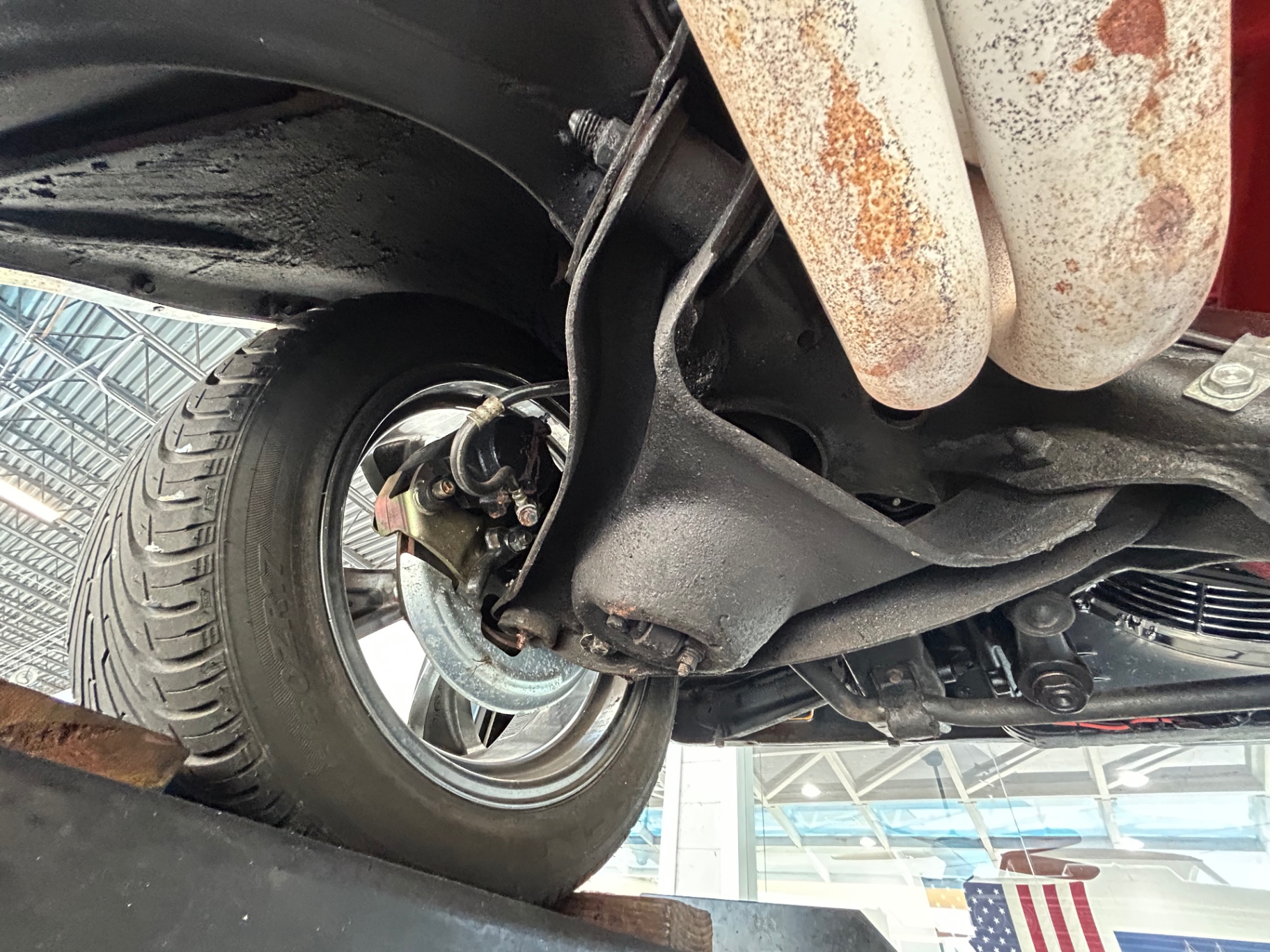
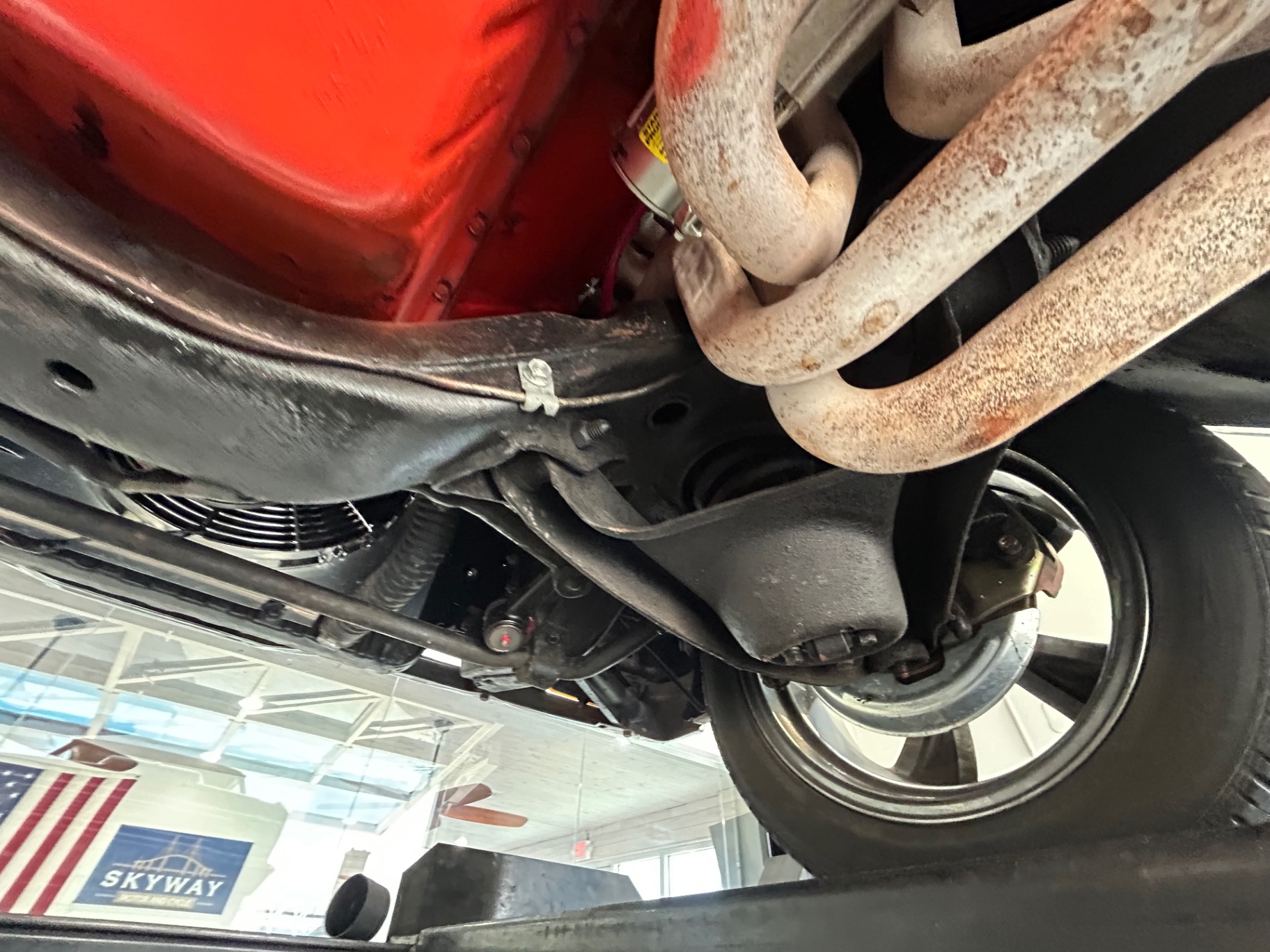
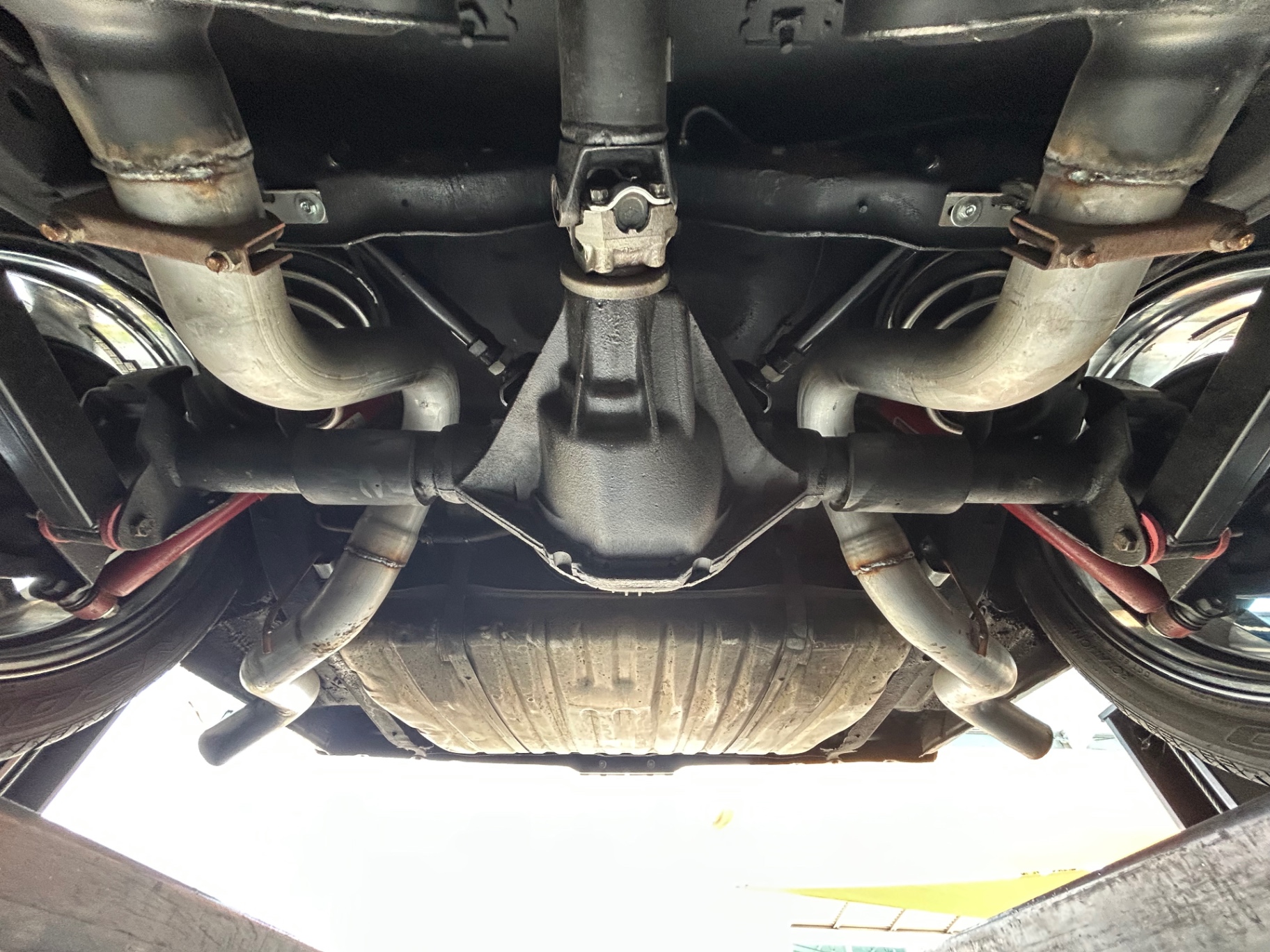
Out back, the axle is a GM 12-bolt rear end — the correct and preferred differential for this application. Chevrolet switched the Chevelle to the 12-bolt rear in 1964, and it has been the go-to upgrade for A-body builds ever since because of its strength advantage over the 10-bolt and its widespread availability of aftermarket gears and limited-slip internals. The rear suspension has been upgraded with aftermarket upper and lower control arms fitted with polyurethane bushings, which eliminate the deflection and slop associated with worn original rubber. Gabriel rear shocks are installed as well, providing a more controlled ride and better weight transfer under hard acceleration than stock units.
Stopping power comes from power front disc brakes, a significant upgrade over the factory drum setup that most 1966 Chevelles left the plant with. Front disc brakes were available on the 1966 Chevelle as a factory option, but relatively few buyers ordered them. Having them on a car running 383 horsepower through a 4-speed is not optional — it is the correct engineering decision. Power steering is also fitted, which on a 1966 Chevelle with a big-displacement engine under the hood makes everyday driving considerably more manageable without removing road feel entirely.
Supporting the drivetrain are an electric cooling fan and a high-output alternator, both of which address known limitations of vintage cooling and electrical systems when running at elevated power levels in modern stop-and-go traffic.
Interior
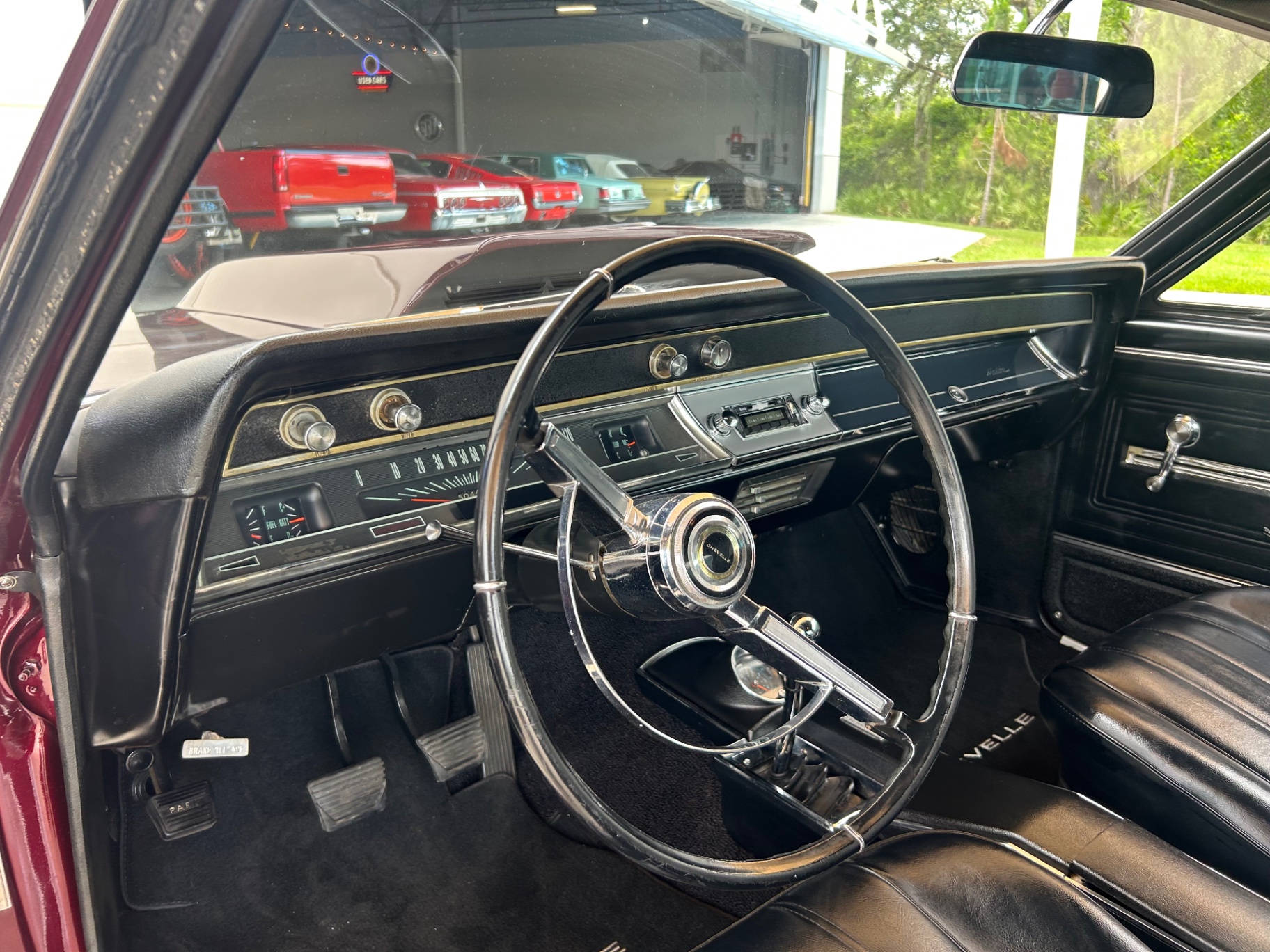
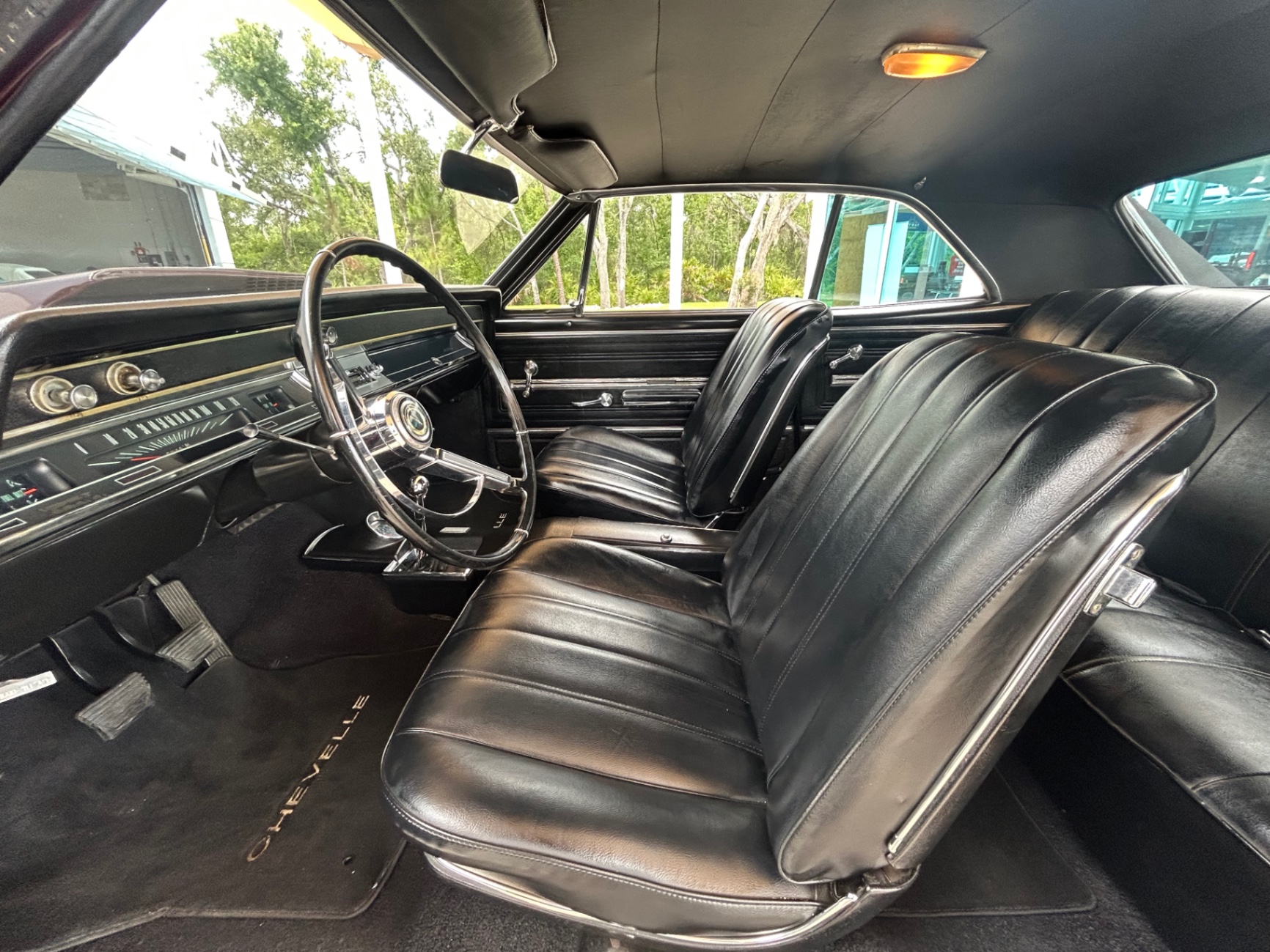
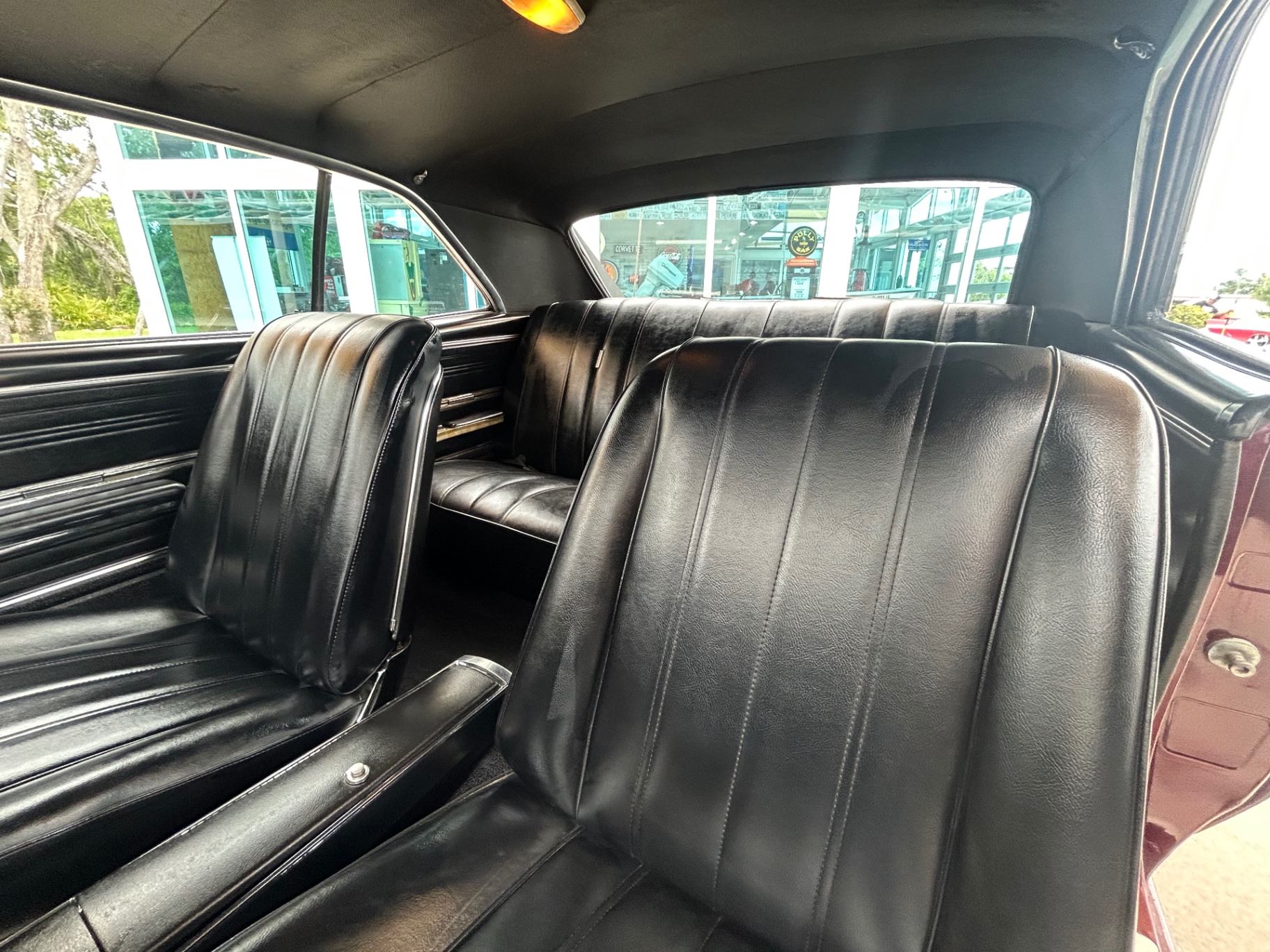
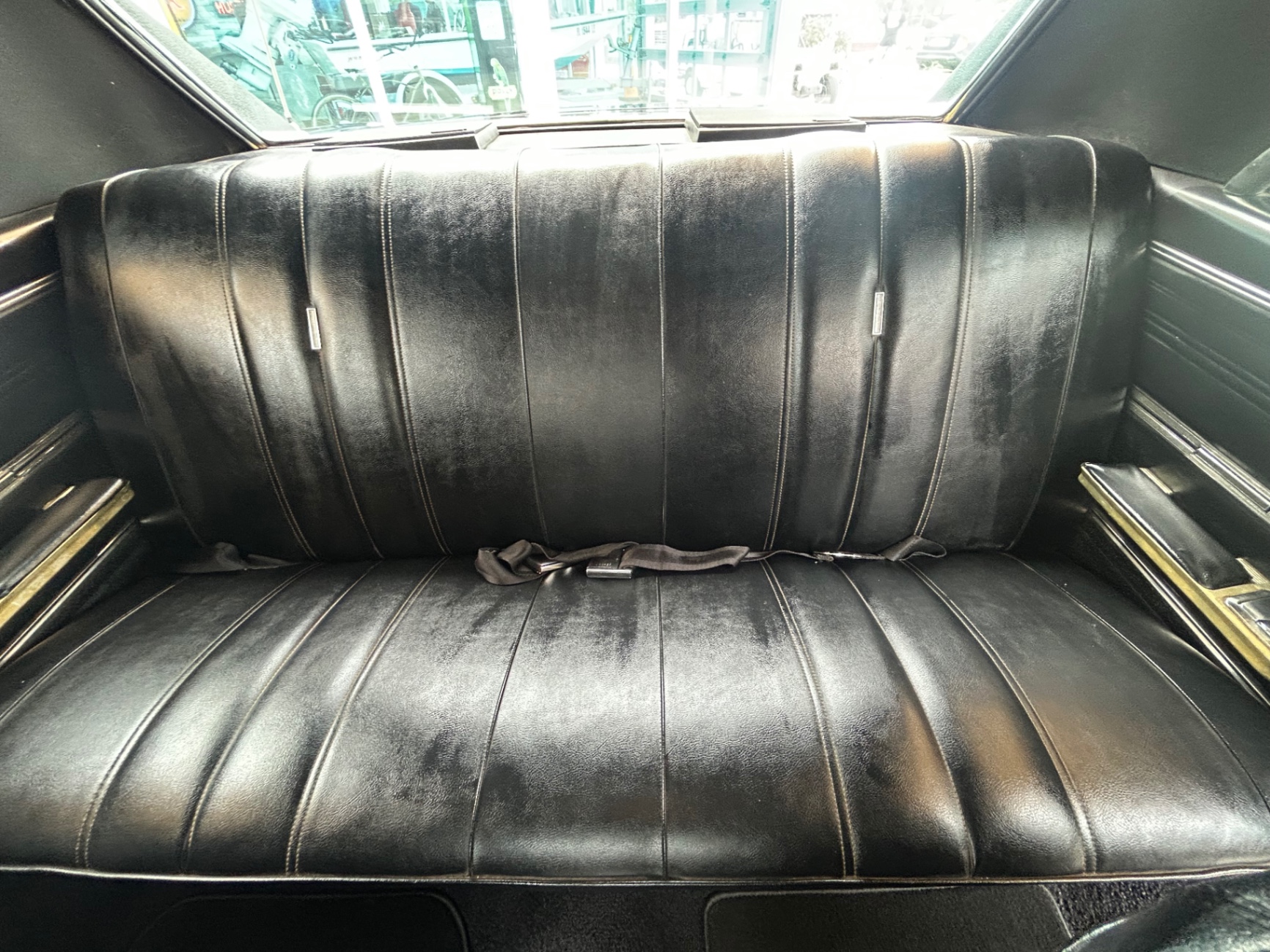
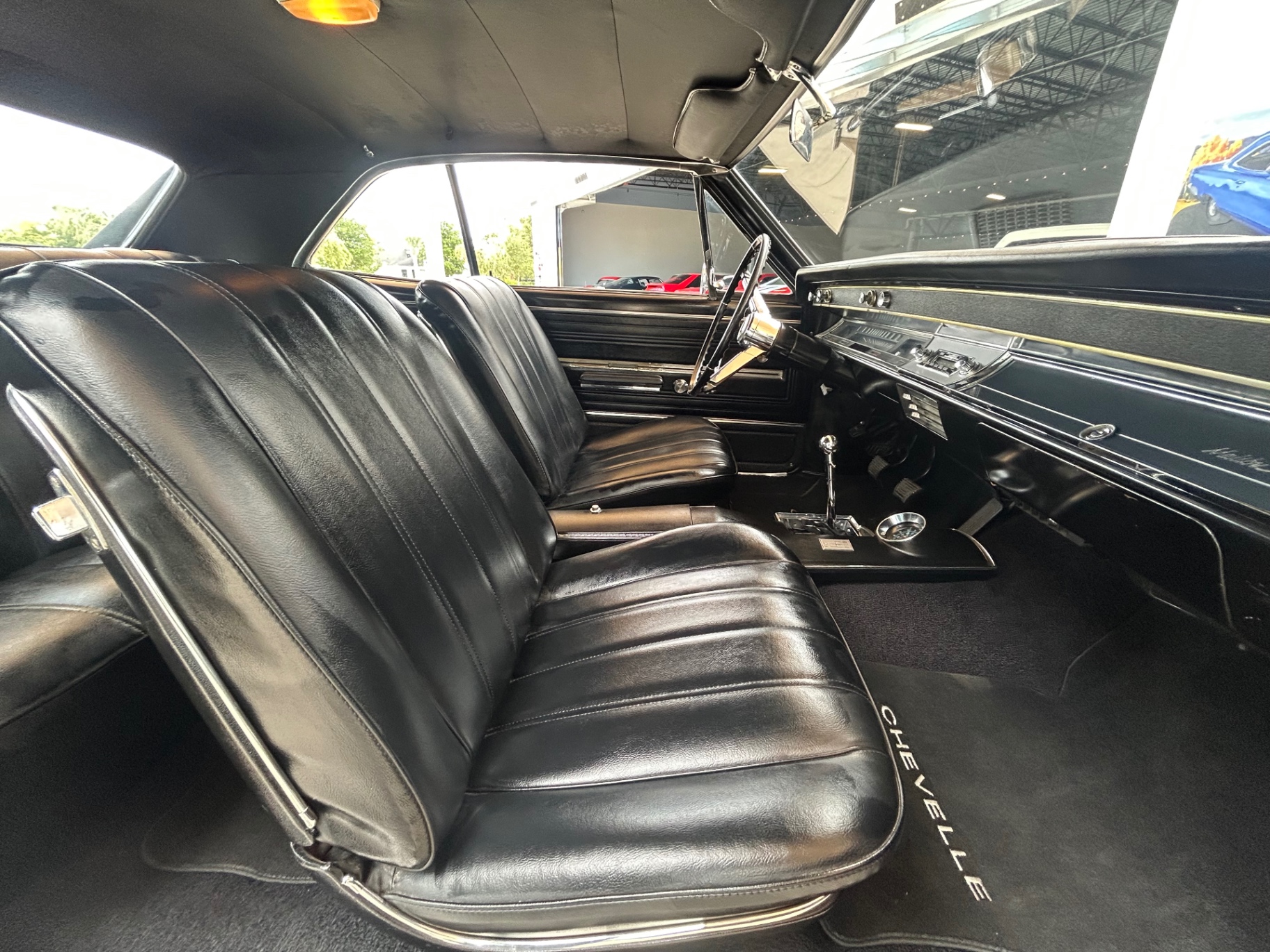
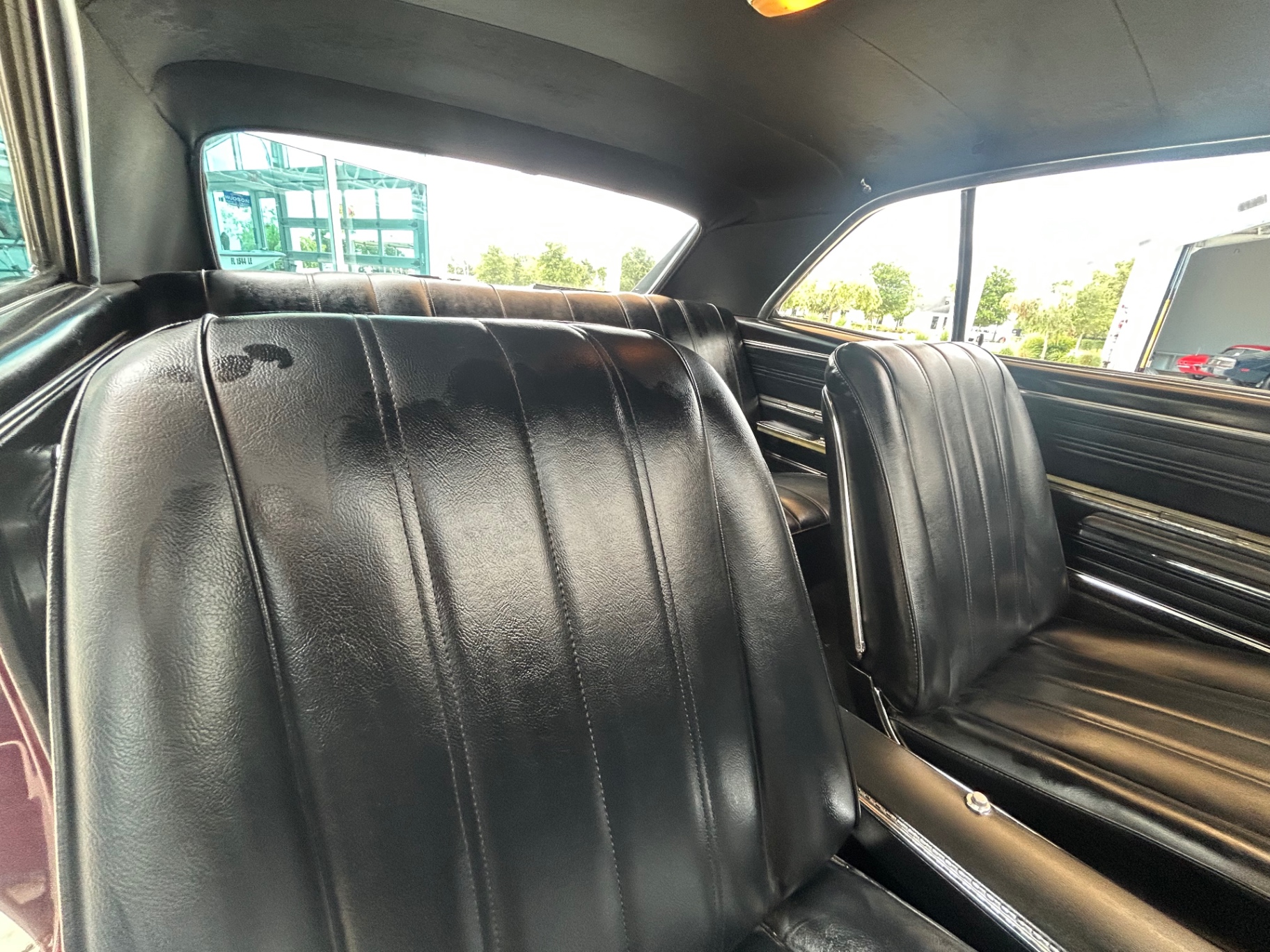
The interior of this 1966 Chevelle Malibu is finished in black vinyl throughout, which pairs directly with the Black Cherry exterior and black vinyl top to create a cohesive, dark color scheme that works well on the second-generation Chevelle body. The front and rear bench seats are black vinyl and present well in the photographs — the flat, consistent surface of vinyl holds up better over decades than cloth, and these seats show the correct ribbed stitch pattern original to the Malibu interior.
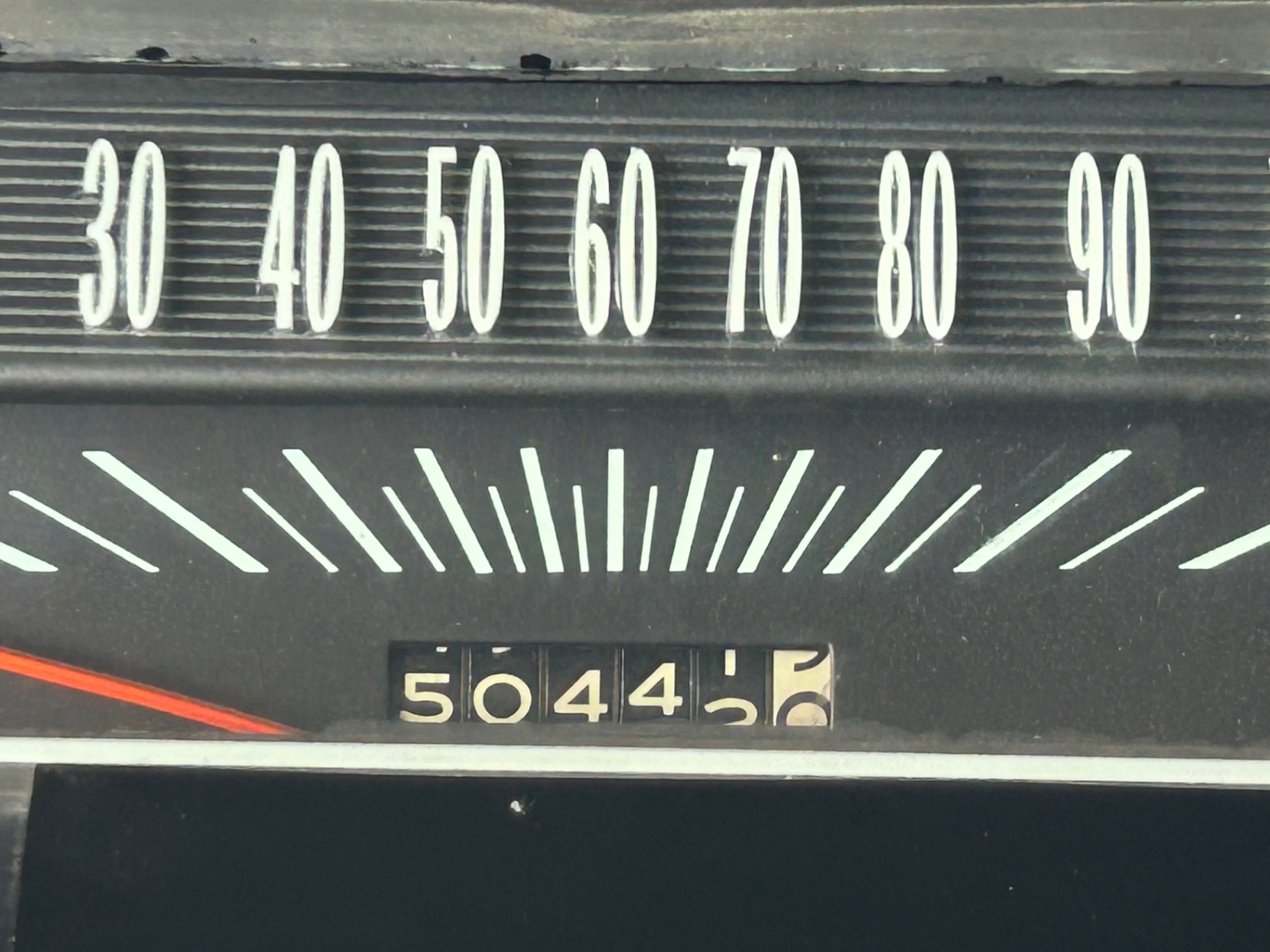
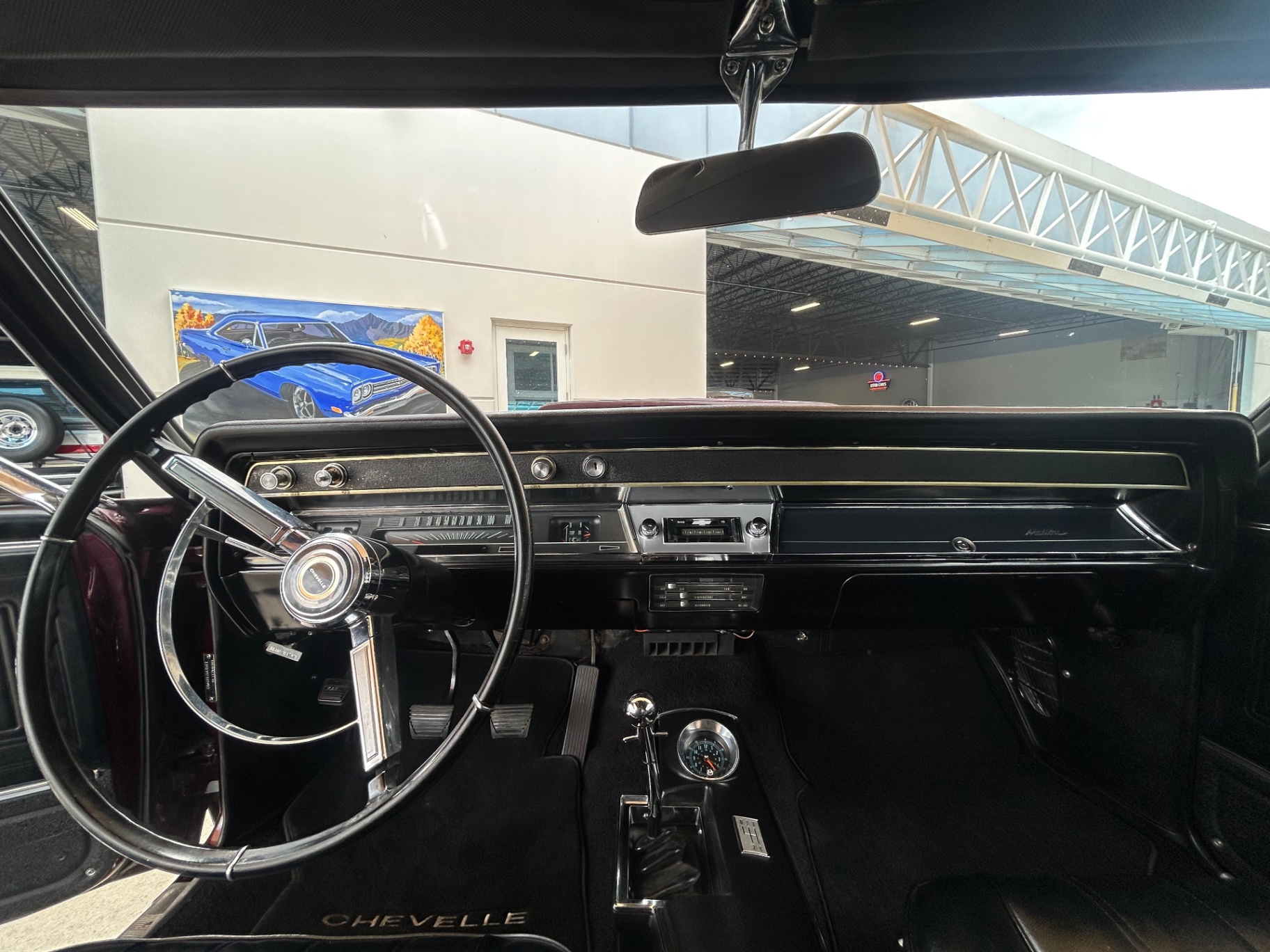
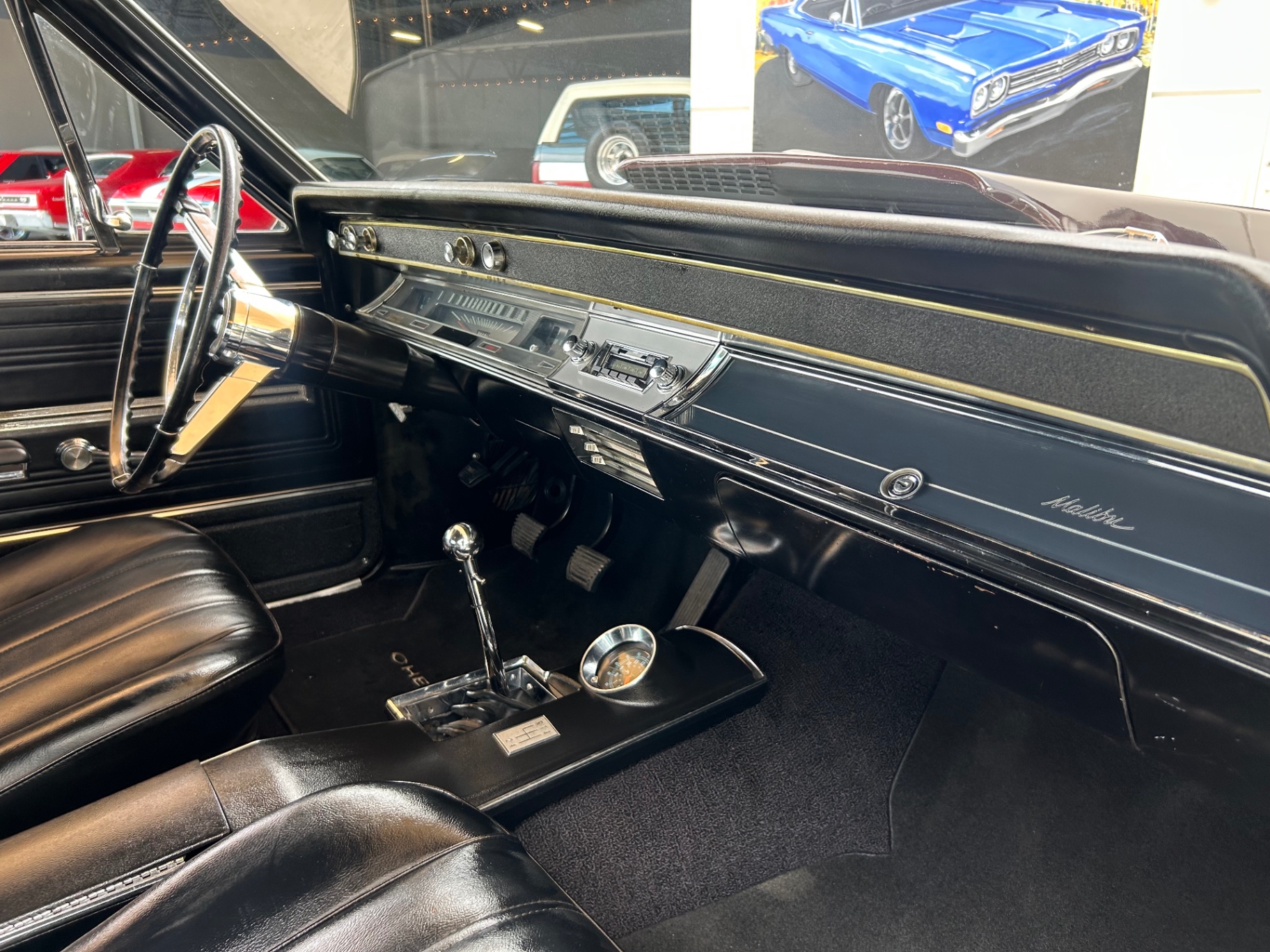
The original instrument cluster is in place, which matters to buyers who want the car to retain its period-correct cockpit feel. The 1966 Chevelle Malibu dash is a clean, horizontal design with a gold anodized trim strip running across the width of the panel, toggle-style switches, and simple round gauges. It reads as purposeful rather than busy, and it still looks current by the standards of 1960s American design.
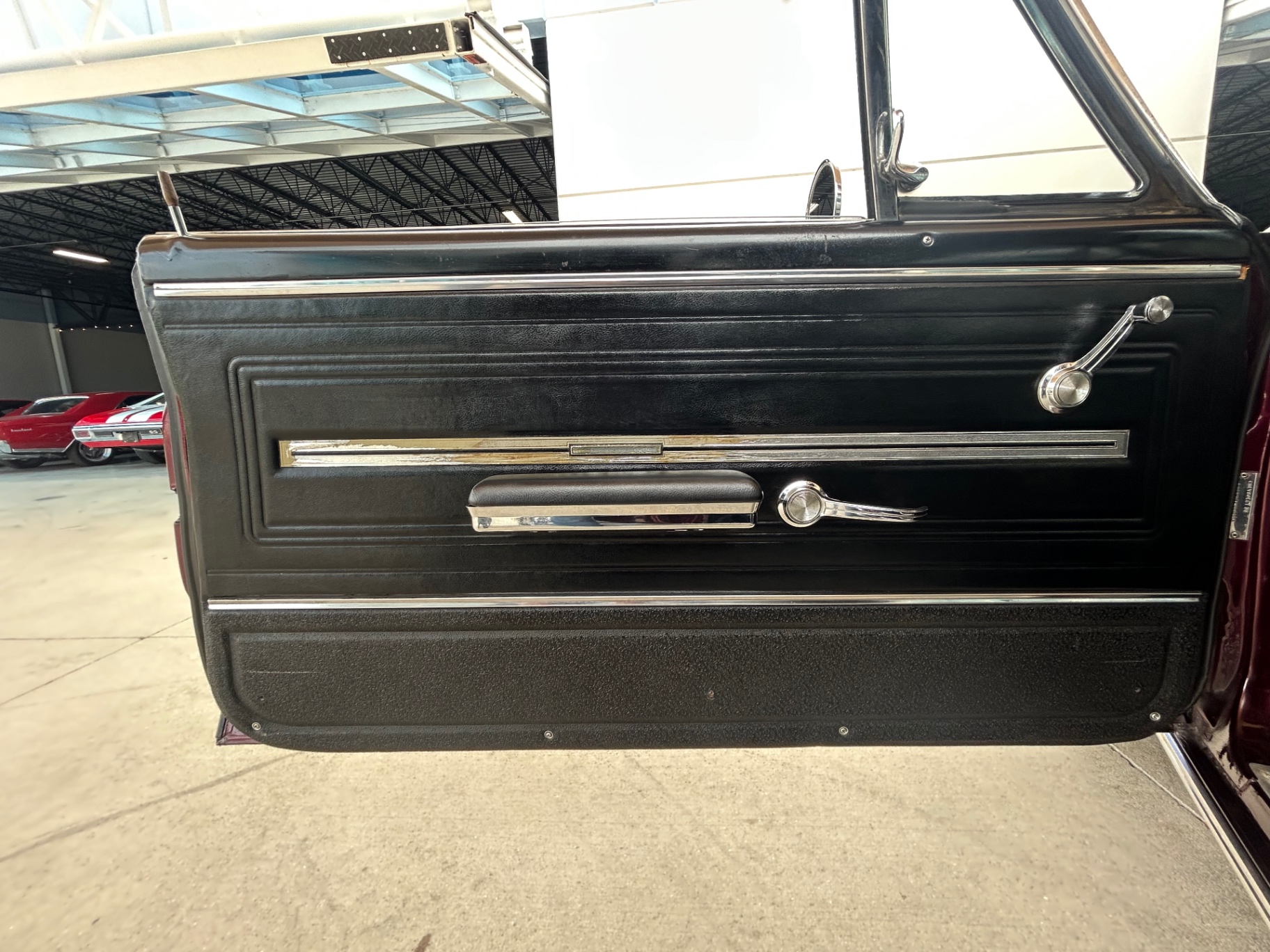
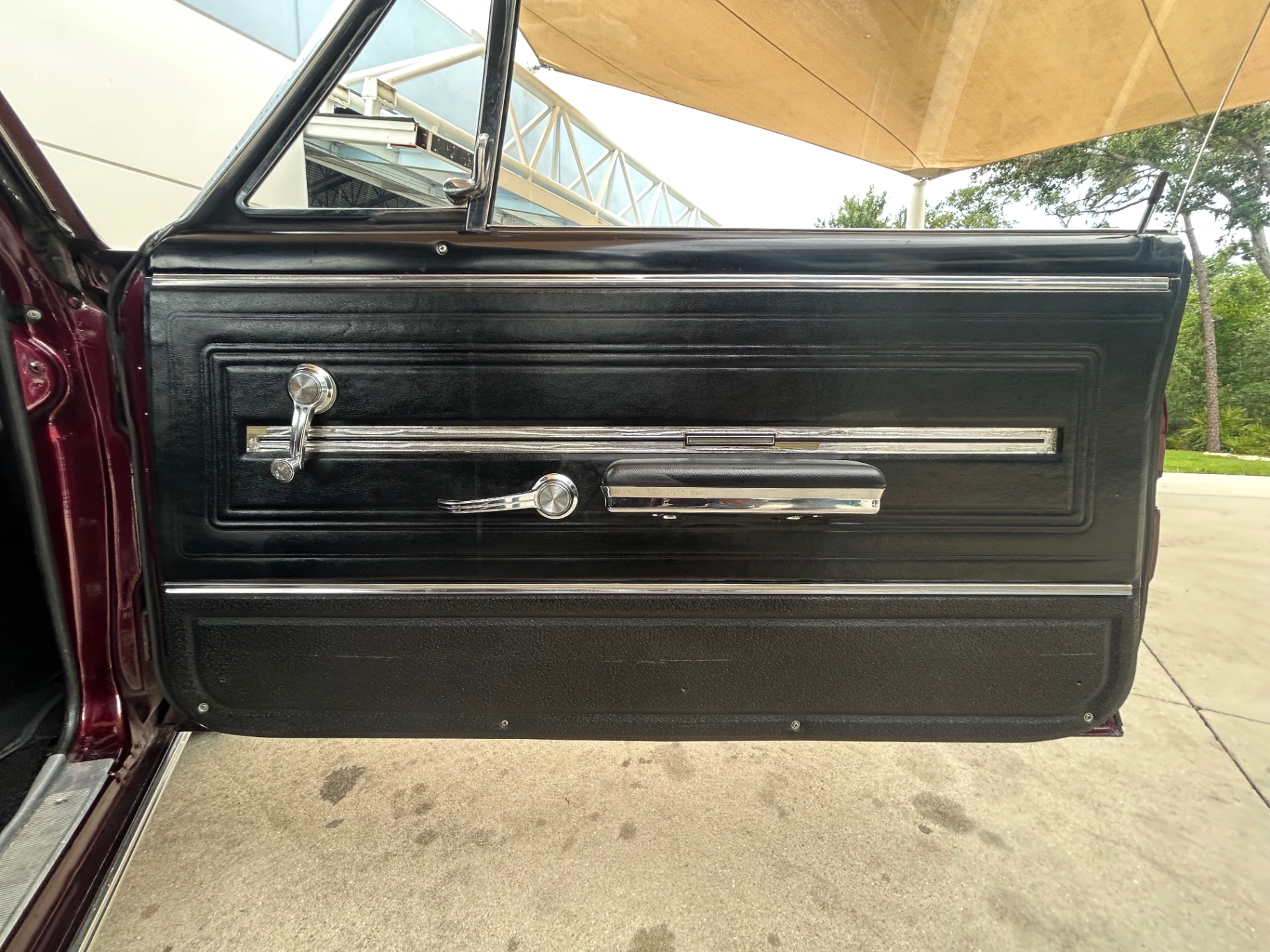
A center console is fitted, which works correctly with the Borg-Warner 4-speed and its floor shifter. The console integrates the shifter into the interior layout in a way that feels factory-correct, even though the combination of a console and bench seats was a period-appropriate option on 1966 Chevelles. Chrome-trimmed door panels carry the interior detail across both sides of the car, and Chevelle-logoed floor mats cover the carpet.
Audio is handled by a dual-unit setup: an aftermarket AM/FM radio fitted into the factory dash opening, and a secondary aftermarket stereo/CD unit mounted below. This gives the car modern audio capability without permanently altering the dash face in a way that is difficult to reverse. Front and rear seat belts are installed, which is worth noting on a car of this era — many 1966 models left the factory with front belts only, and rear belts were a separate option that not all buyers added.
Exterior
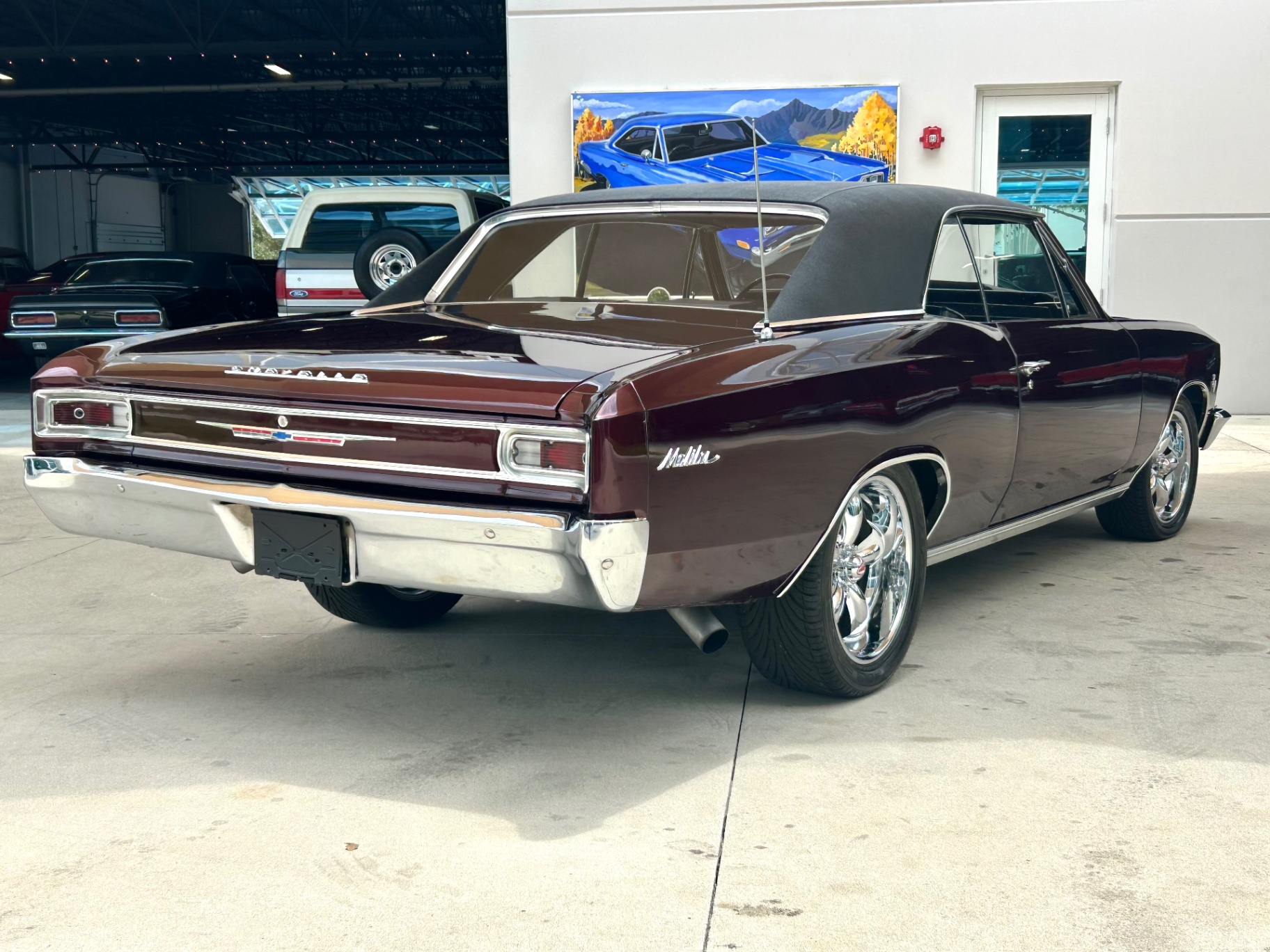
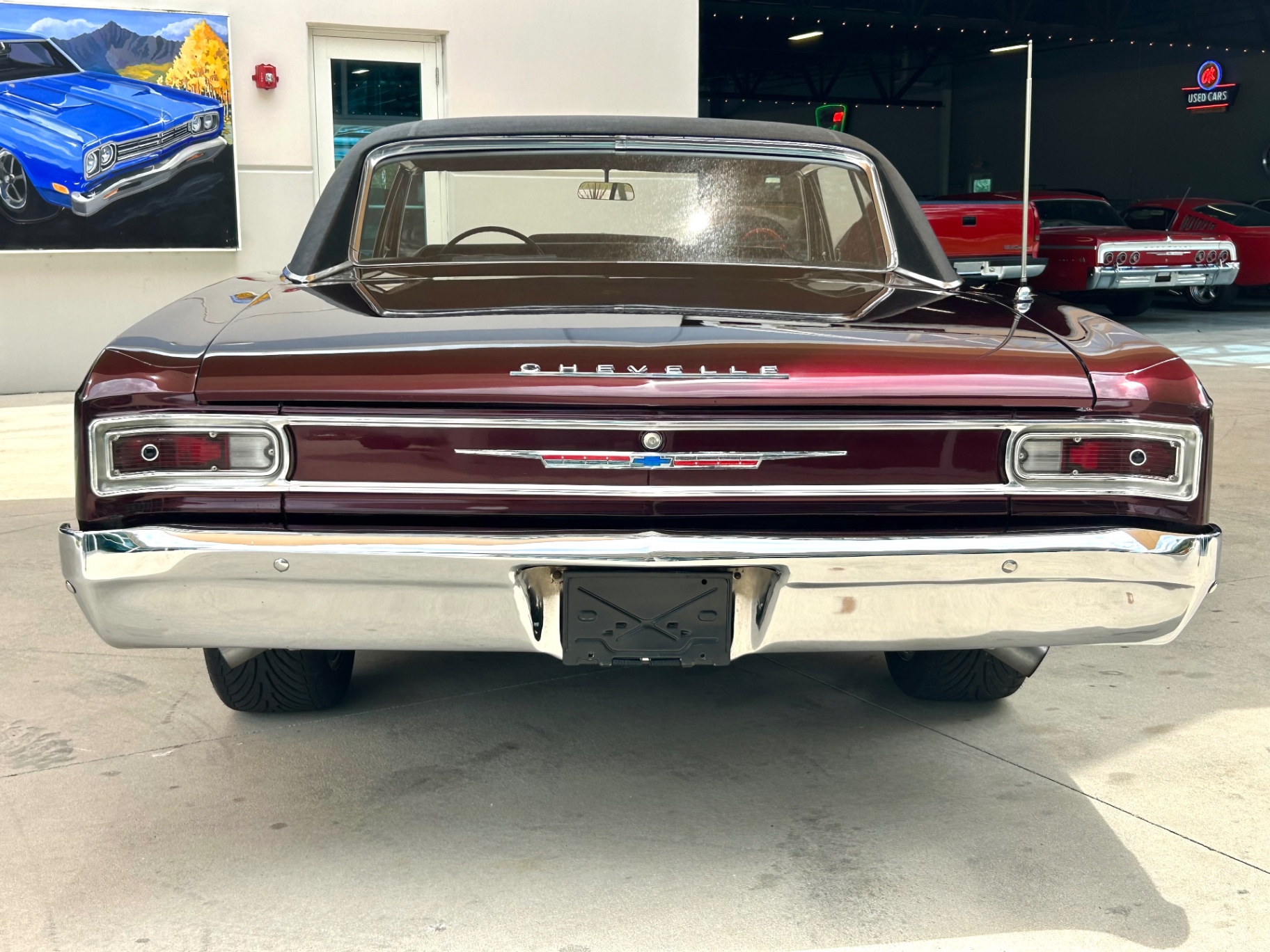
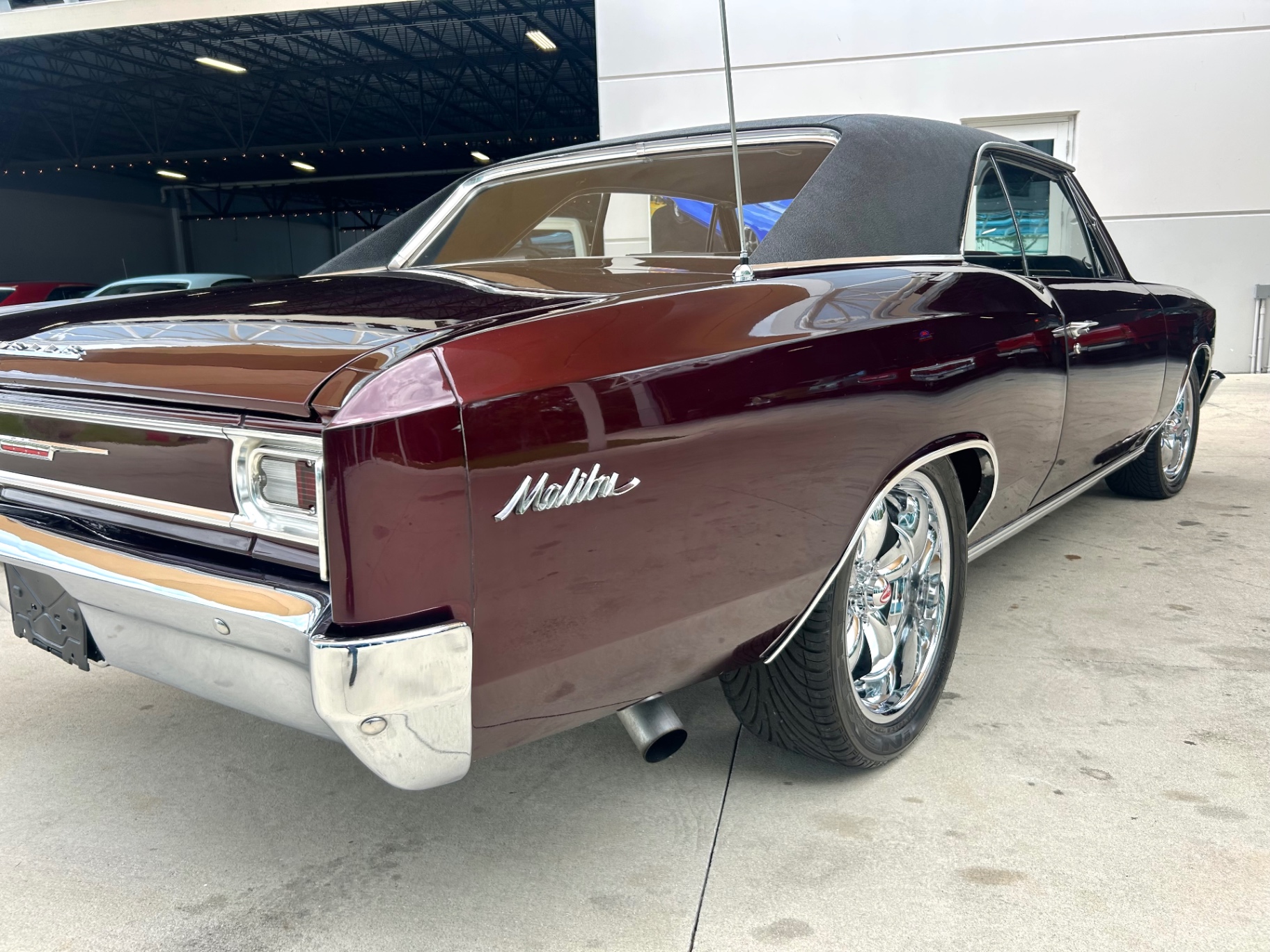
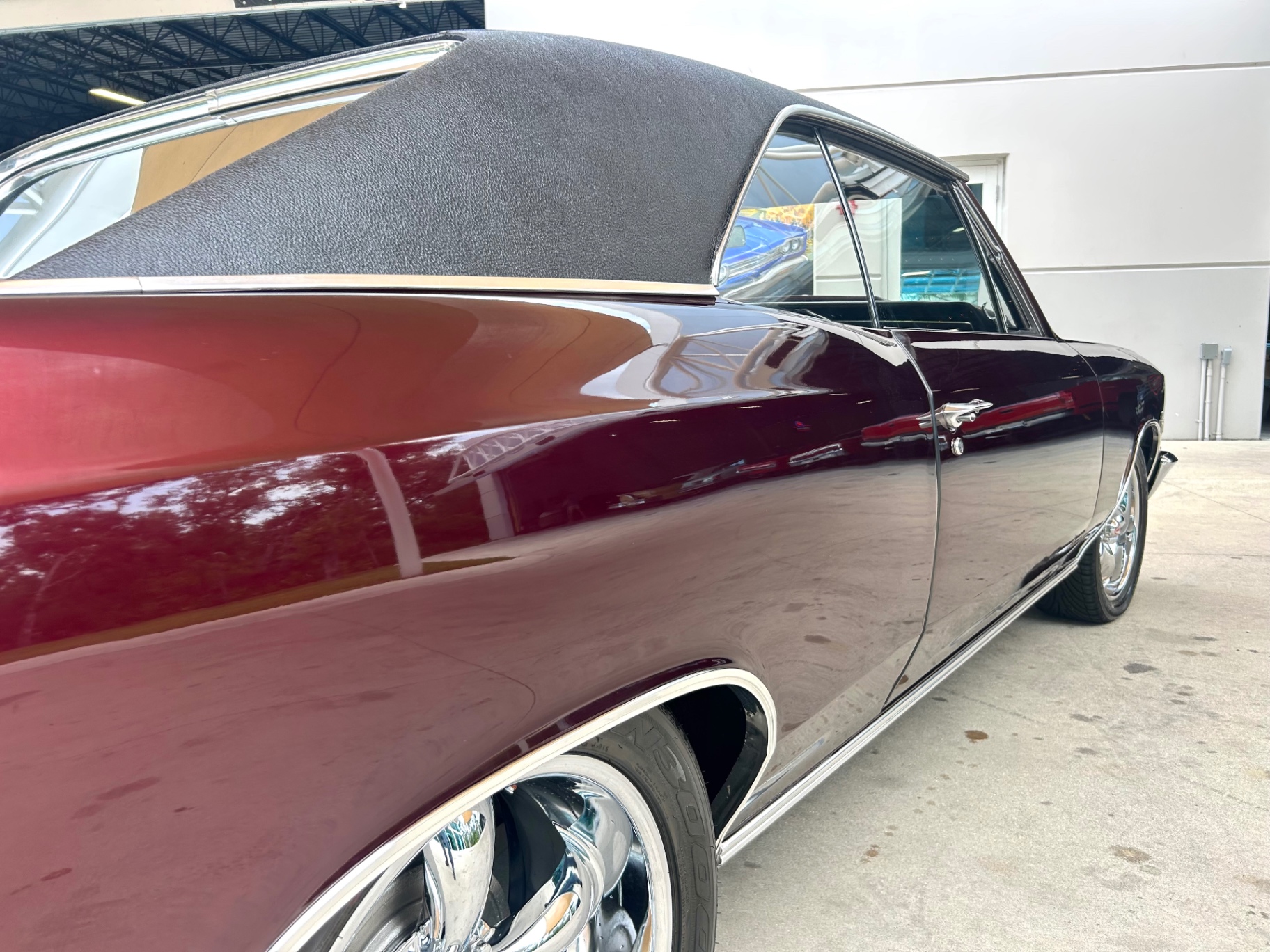
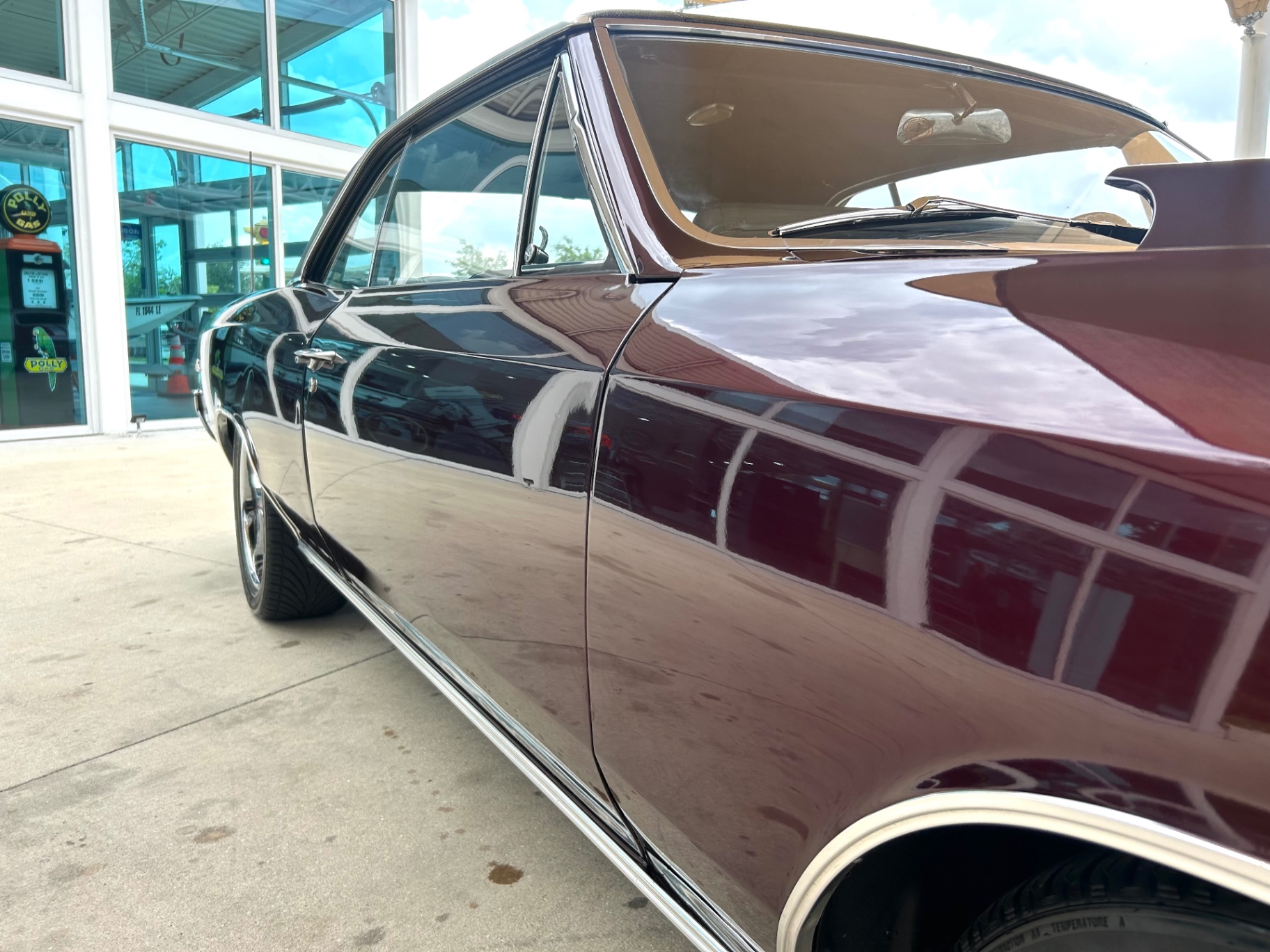
The exterior finish on this 1966 Chevelle Malibu is a custom Black Cherry paint — a deep burgundy with red undertones that shifts in tone depending on lighting conditions and angle. It is not a color that appeared in the 1966 Chevrolet color chart, which offered a more restrained Madeira Maroon as its darkest red option. The custom Black Cherry is a deliberate choice that gives the car a richer, more contemporary presence while staying in the correct visual family for the body style.
A black vinyl top completes the two-tone combination. Vinyl roofs were a popular option on the 1966 Chevelle Malibu hardtop, and the black-on-dark-burgundy pairing is one of the better color combinations available on this body style. It visually lowers the roofline and gives the car a more formal, finished appearance.
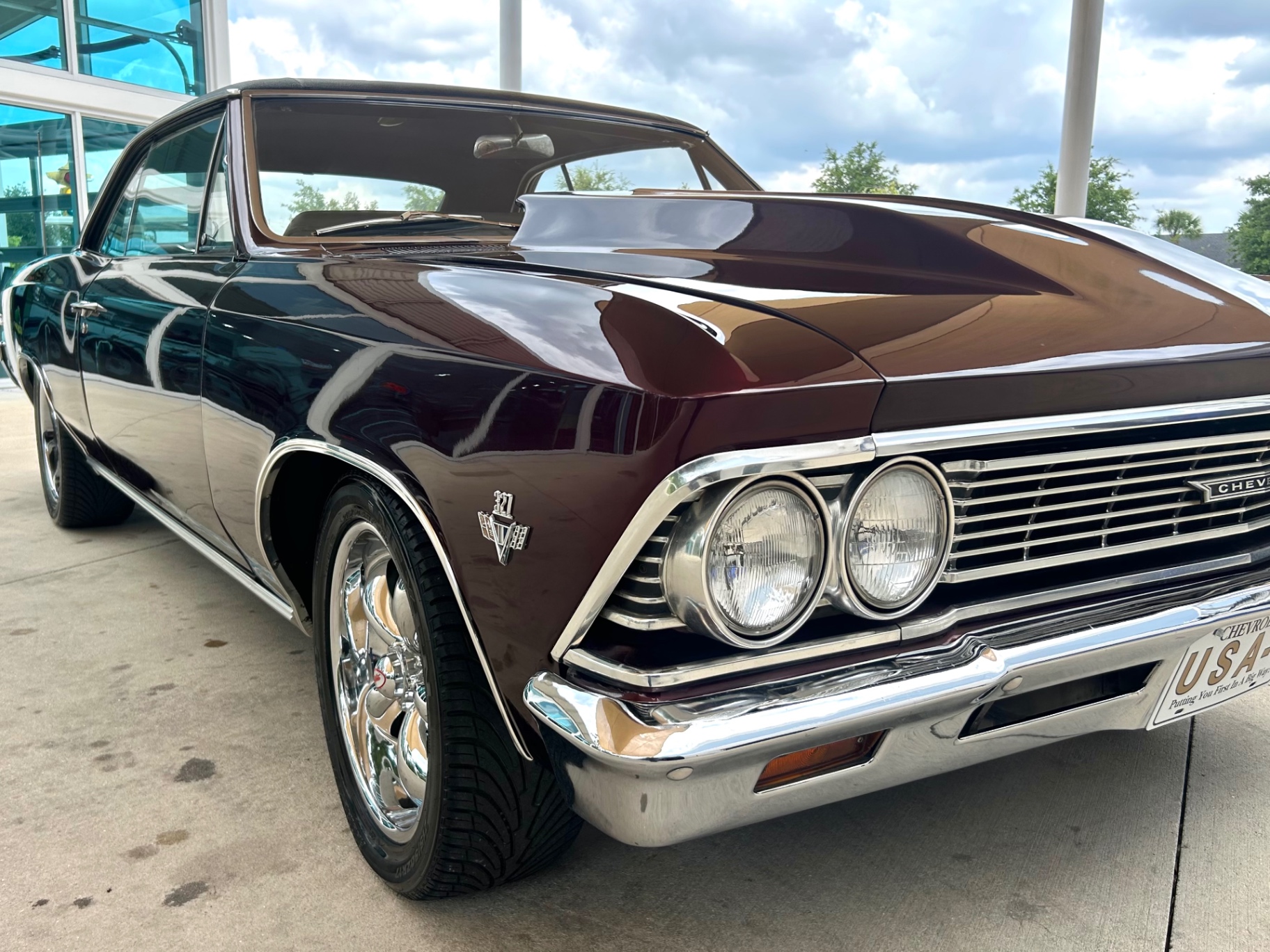
The hood is a Goodmark steel cowl induction unit. Goodmark is one of the most respected names in GM A-body replacement and upgrade sheetmetal, and their cowl hoods are manufactured to correct dimensions with proper fit and finish. Functionally, a cowl hood draws air from the high-pressure area at the base of the windshield, which feeds cooler, denser air to the intake than a standard underhood setup. On a 383-horsepower street car, this is a practical upgrade as much as it is a visual one.
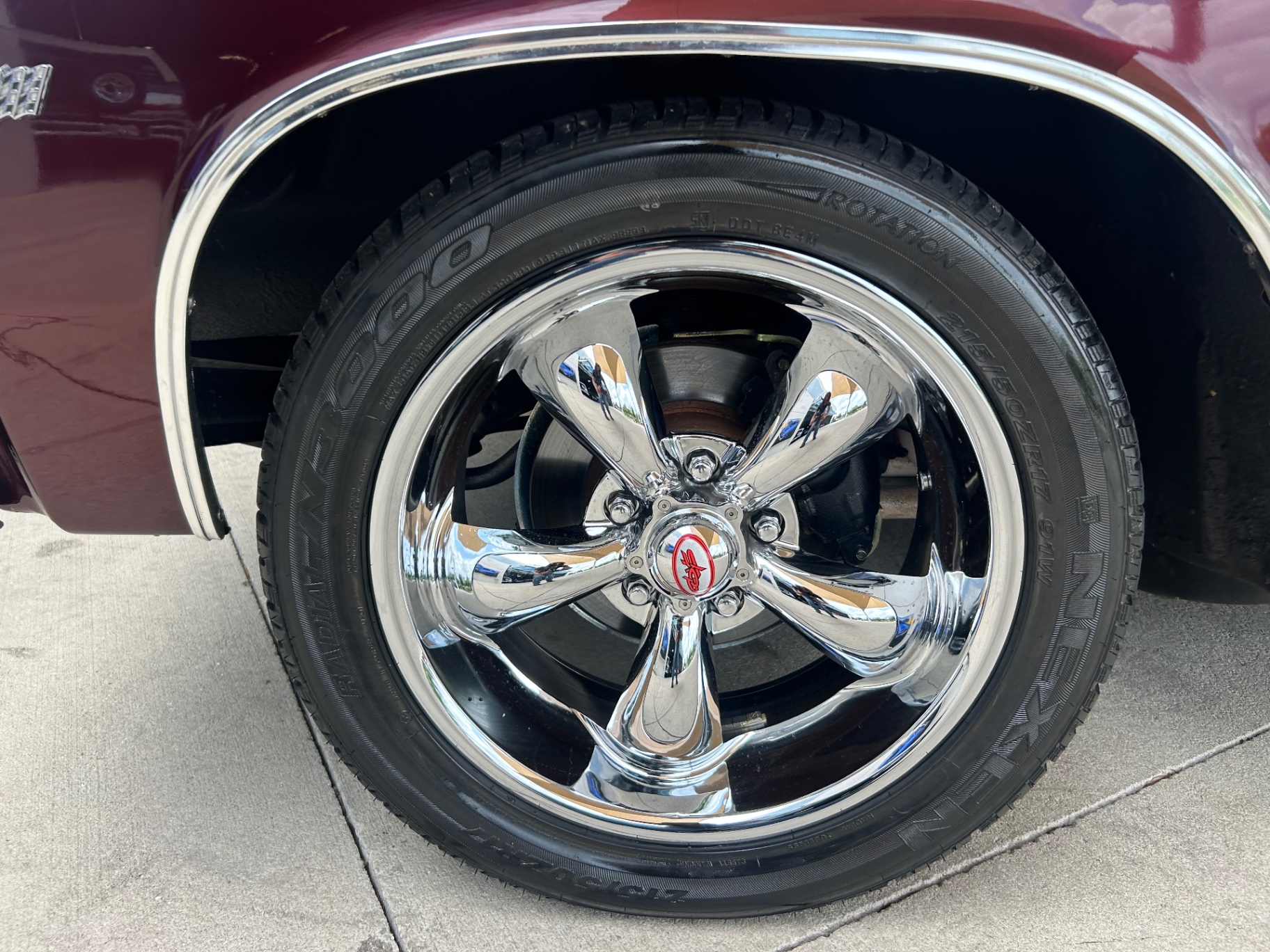
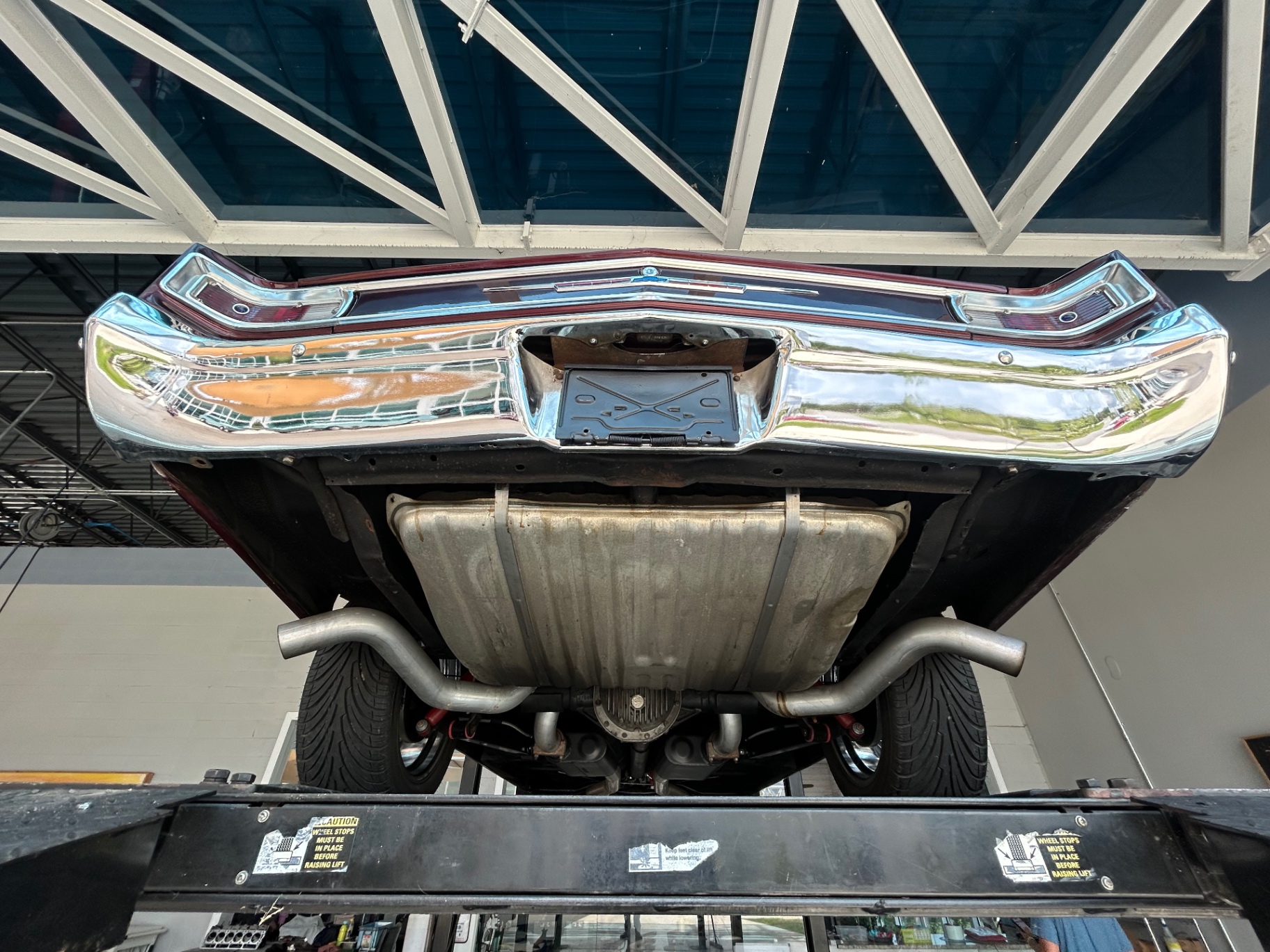
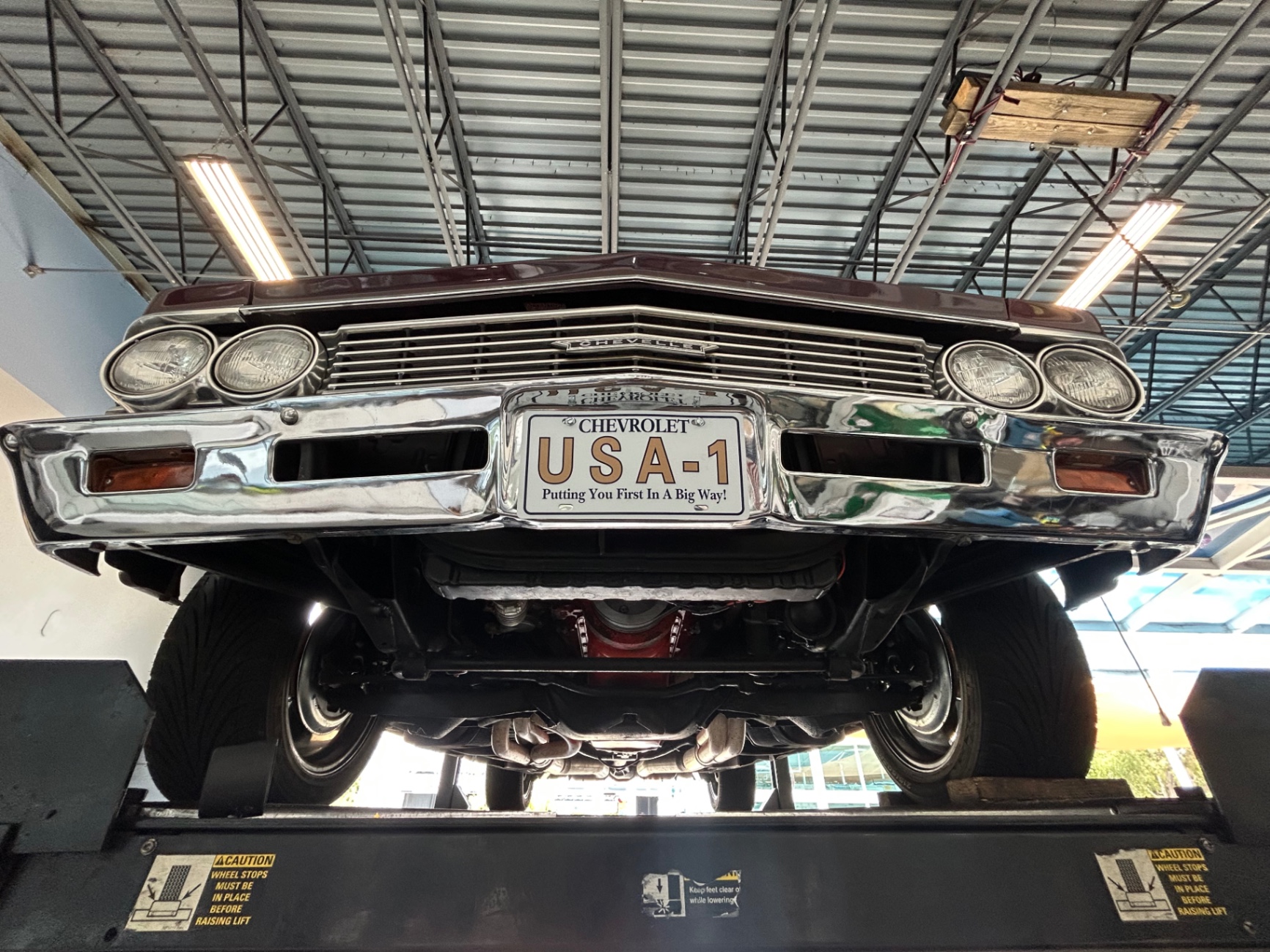
Wheels are custom Coys in a staggered fitment — 17-inch up front, 18-inch in the rear. The staggered setup fills the wheel wells properly front to rear and gives the car a planted stance without excessive drop. Coys are a cast aluminum wheel with a multi-spoke design that works well on classic American iron without trying to look modern or out of period. The chrome bumpers front and rear are present and show well in photographs, with the rear bumper appearing particularly clean.
Conclusion
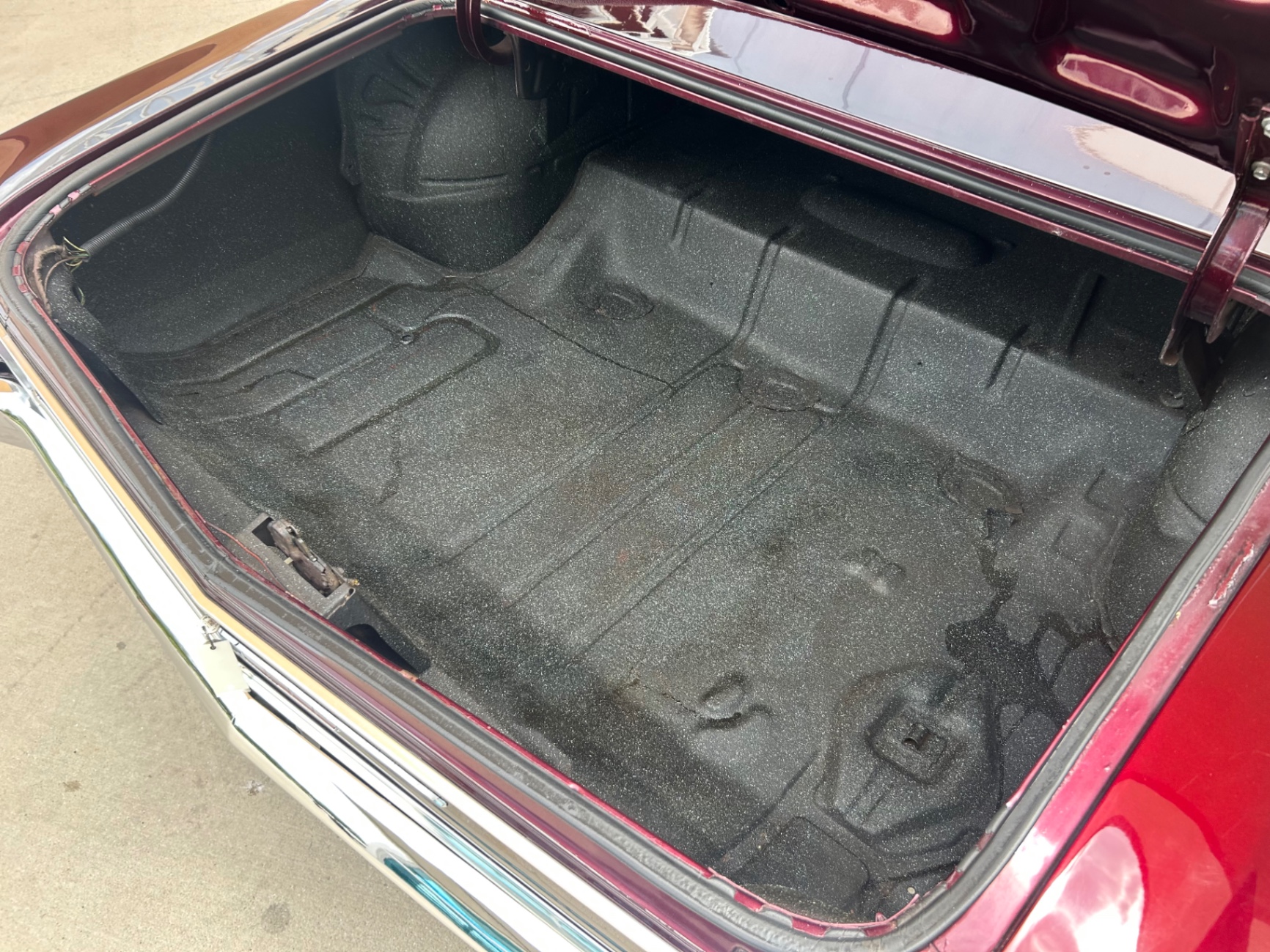
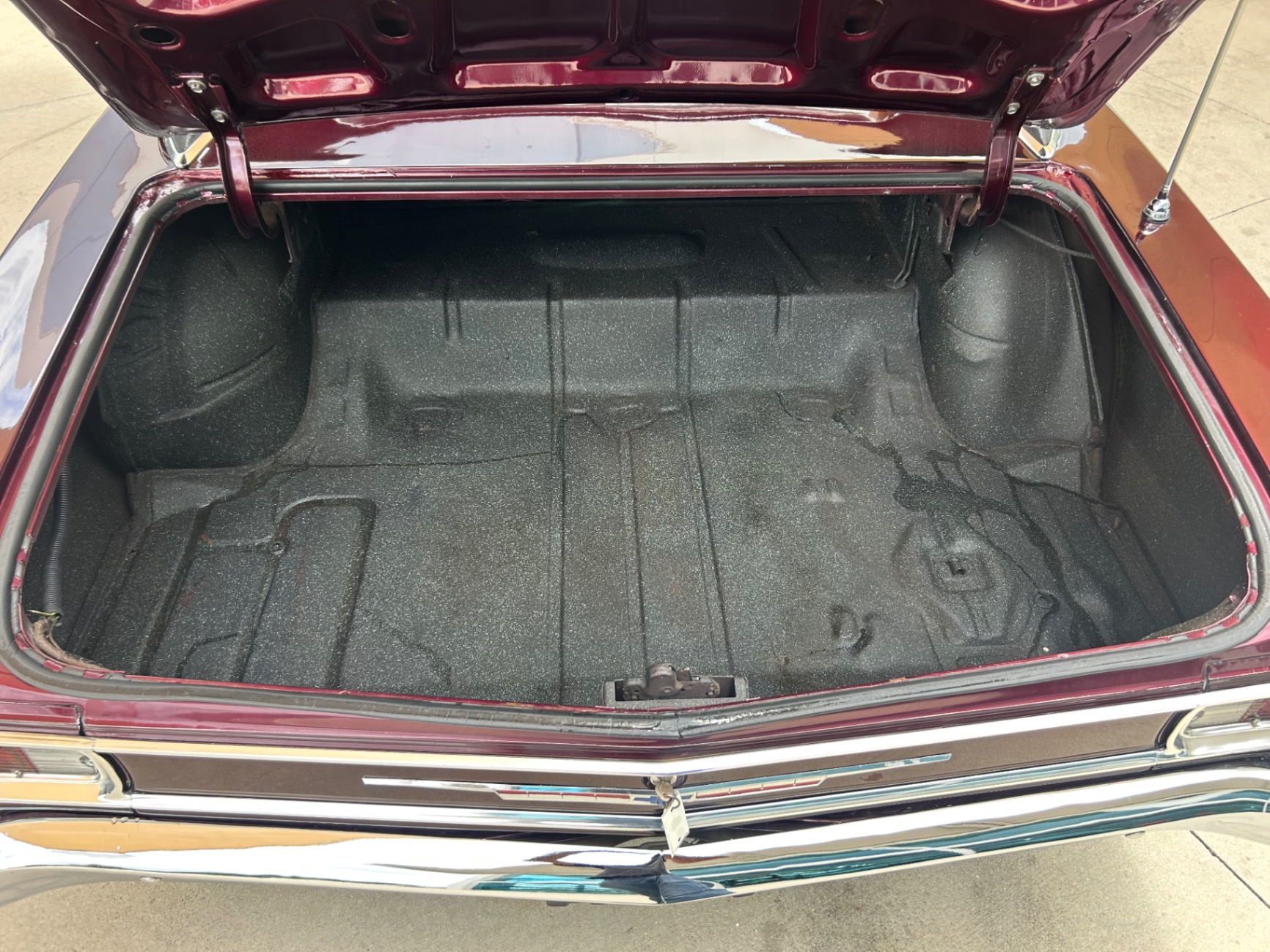
This 1966 Chevrolet Chevelle Malibu is the kind of car that a buyer can drive consistently and confidently. The mechanical foundation is solid — a GM 383 crate engine, Borg-Warner Super T-10 4-speed, GM 12-bolt rear end, upgraded rear suspension, and power front disc brakes represent a complete and well-matched drivetrain package. The builder chose components with long track records in exactly this type of application, and the attention to detail carries through from the Hooker headers and Flowmaster exhaust system down to the undercoated floor pans visible in the underbody photographs.
The 1966 Chevelle body style is at a point in the market where values have been rising consistently. Clean, well-built examples with serious drivetrains are increasingly difficult to find at any price, and this car checks both boxes. The Black Cherry exterior, black vinyl top, and black interior give it a specific visual identity that sets it apart from more common color combinations without being garish. It is a driver-quality custom that respects what the original car was while making every major system more capable than it left the factory.
If you have questions about this 1966 Chevrolet Chevelle Malibu or would like to schedule a time to see it in person, call Skyway Classics at 941-254-6608. We are located in Sarasota, Florida, and happy to discuss the car in detail with serious buyers.
Disclaimer
Information found on the website is presented as given to us by the owner of the car, whether on consignment or from the owner we bought it from. Some Photos, materials for videos, descriptions and other information are provided by the consignor/seller and is deemed reliable, but Skyway Classics does not warranty or guarantee this information. Skyway Classics is not responsible for information that may incorrect or a publishing error. The decision to purchase should be based solely on the buyers personal inspection of the vehicle or by a professional inspection service prior to offer or purchase being made.
1966 Chevrolet Chevelle Malibu — 383 Crate Engine, 4-Speed, Custom Black Cherry Build
Why This Car Is Special
The 1966 Chevrolet Chevelle is widely regarded as the high point of the model's first generation. That year, Chevrolet gave the Chevelle a full restyle — longer, lower, and wider than the original 1964 design — and paired the new sheetmetal with an expanding engine lineup that would define the muscle car era. The Malibu trim sat at the top of the Chevelle hierarchy in 1966, offering buyers a step up in interior finish and exterior detail without requiring them to pay for the full SS package. It was a smart buy then, and it remains one of the most sought-after body styles today because of its clean lines and the way that fastback-style roofline sits over the rear deck.
The VIN on this car confirms it was assembled at the Kansas City assembly plant in 1966, consistent with a mid-production build. The body style decodes as a two-door hardtop Sport Coupe — the most desirable body configuration of the generation, with no B-pillar interrupting those long side windows.
What makes this particular 1966 Chevelle stand out from a typical survivor or driver-quality car is the level of thought put into the drivetrain and suspension upgrades. This is not a show car parked on carpet and polished to the inch. It is a purpose-built street machine that has been modified with quality components from names that enthusiasts know and trust — Hooker, Holley, Borg-Warner, Flowmaster, Gabriel, and Goodmark. The builder chose the right parts, not the cheapest parts. Every major system has been addressed, from the GM crate engine to the undercoated floor pans, and the result is a 1966 Chevelle Malibu that drives and performs the way these cars were always meant to.
Features List
- GM 383 crate engine rated at 383 horsepower
- Holley carburetor
- Polished aluminum intake manifold
- Chrome/polished valve covers
- Performance air cleaner
- Hooker headers
- 3-inch dual exhaust
- Dual Flowmaster mufflers
- Borg-Warner Super T-10 4-speed manual transmission
- 4-speed manual shifter with center console
- GM 12-bolt rear end
- Aftermarket upper and lower rear control arms with polyurethane bushings
- Gabriel rear shocks
- Power front disc brakes
- Power steering
- Electric cooling fan
- High-output alternator
- Goodmark steel cowl induction hood
- Custom burgundy (Black Cherry) exterior paint
- Black vinyl top
- 17 and 18-inch custom Coys wheels
- Undercoated floor pans
- Original instrument cluster
- Chrome-trimmed door panels
- Black vinyl bench seats, front and rear
- Chevelle floor mats
- Aftermarket AM/FM radio
- Secondary aftermarket stereo/CD unit
- Front and rear seat belts
Mechanical
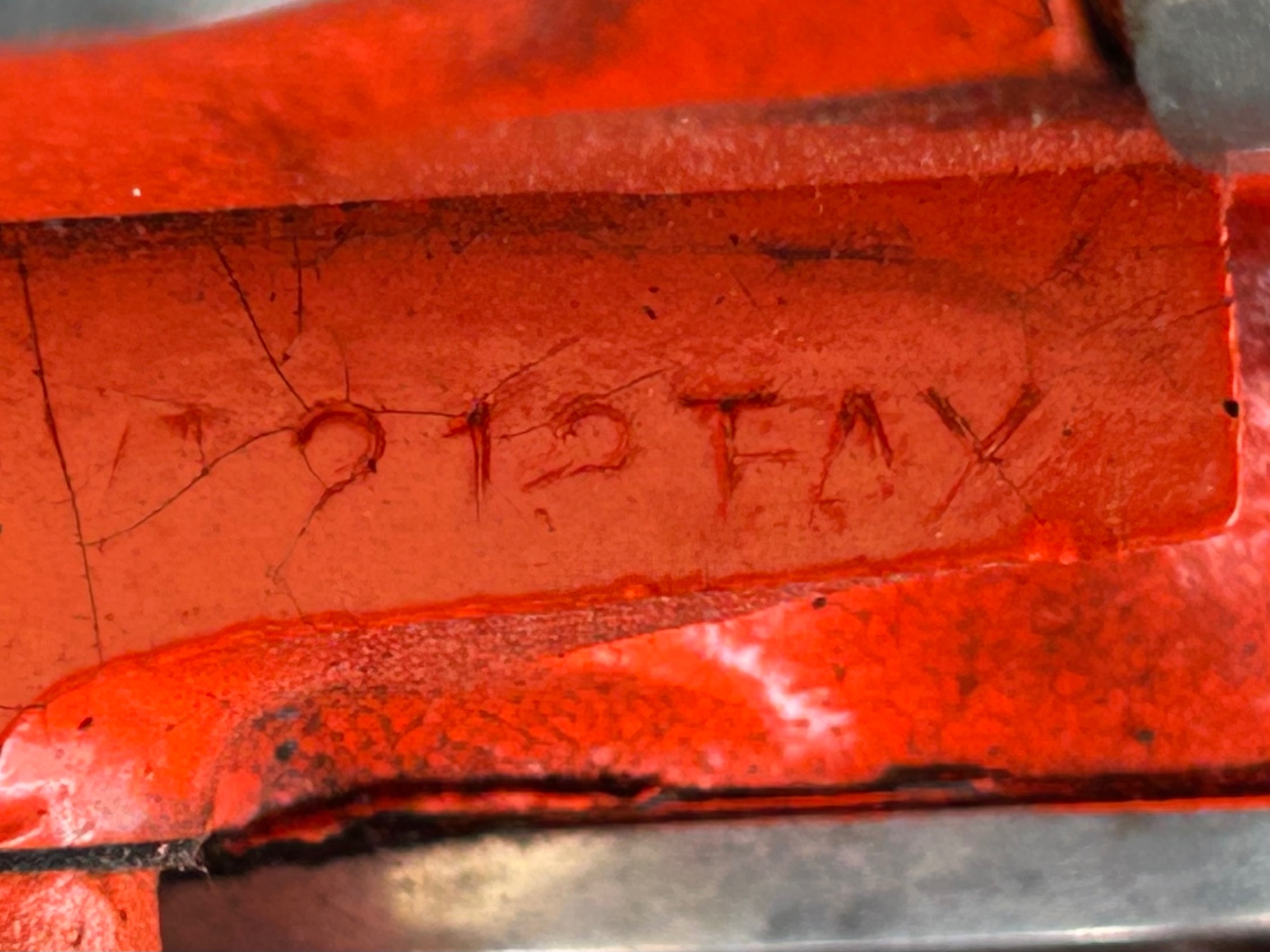
The engine in this 1966 Chevelle Malibu is a GM 383 crate unit rated at 383 horsepower. To put that in context, the hottest engine Chevrolet offered in the 1966 Chevelle from the factory was the L78 396, rated at 375 horsepower — and that rating was almost certainly conservative, as GM was known to understate power figures during the horsepower wars of the mid-1960s. The 383 in this car gets you into that same power neighborhood, but with the reliability and warranty backing of a factory crate assembly. The short block is a 383 cubic inch small-block built on GM's proven architecture, and the rotating assembly is balanced from the factory.
Feeding the engine is a Holley carburetor, which is the correct choice for a build like this. Holley supplied the carburetors for the original high-performance Chevelles, and the modern Holley units are better in virtually every measurable way — fuel metering, durability, and tunability. Underneath, a polished aluminum intake manifold and chrome valve covers give the engine bay a finished, deliberate appearance that matches the care taken with the rest of the car.
Exhaust starts with Hooker headers, one of the most respected names in performance exhaust manufacturing. The headers feed into a 3-inch dual exhaust system with dual Flowmaster mufflers. The 3-inch primary pipe diameter is appropriate for a 383 at street power levels and gives the car the exhaust note it deserves without crossing into drone at highway speeds.
The transmission is a Borg-Warner Super T-10 4-speed. The Super T-10 is not a budget gearbox. Borg-Warner developed it as an improvement over the original T-10, with stronger internals that could handle higher torque loads. It was the close-ratio box of choice for serious street and strip cars throughout the 1960s and beyond, and it remains a respected piece today. Matched to a short-throw shifter and console-mounted in the cabin, it gives the driver a direct, mechanical connection to the engine that no automatic can replicate.
Out back, the axle is a GM 12-bolt rear end — the correct and preferred differential for this application. Chevrolet switched the Chevelle to the 12-bolt rear in 1964, and it has been the go-to upgrade for A-body builds ever since because of its strength advantage over the 10-bolt and its widespread availability of aftermarket gears and limited-slip internals. The rear suspension has been upgraded with aftermarket upper and lower control arms fitted with polyurethane bushings, which eliminate the deflection and slop associated with worn original rubber. Gabriel rear shocks are installed as well, providing a more controlled ride and better weight transfer under hard acceleration than stock units.
Stopping power comes from power front disc brakes, a significant upgrade over the factory drum setup that most 1966 Chevelles left the plant with. Front disc brakes were available on the 1966 Chevelle as a factory option, but relatively few buyers ordered them. Having them on a car running 383 horsepower through a 4-speed is not optional — it is the correct engineering decision. Power steering is also fitted, which on a 1966 Chevelle with a big-displacement engine under the hood makes everyday driving considerably more manageable without removing road feel entirely.
Supporting the drivetrain are an electric cooling fan and a high-output alternator, both of which address known limitations of vintage cooling and electrical systems when running at elevated power levels in modern stop-and-go traffic.
Interior
The interior of this 1966 Chevelle Malibu is finished in black vinyl throughout, which pairs directly with the Black Cherry exterior and black vinyl top to create a cohesive, dark color scheme that works well on the second-generation Chevelle body. The front and rear bench seats are black vinyl and present well in the photographs — the flat, consistent surface of vinyl holds up better over decades than cloth, and these seats show the correct ribbed stitch pattern original to the Malibu interior.
The original instrument cluster is in place, which matters to buyers who want the car to retain its period-correct cockpit feel. The 1966 Chevelle Malibu dash is a clean, horizontal design with a gold anodized trim strip running across the width of the panel, toggle-style switches, and simple round gauges. It reads as purposeful rather than busy, and it still looks current by the standards of 1960s American design.
A center console is fitted, which works correctly with the Borg-Warner 4-speed and its floor shifter. The console integrates the shifter into the interior layout in a way that feels factory-correct, even though the combination of a console and bench seats was a period-appropriate option on 1966 Chevelles. Chrome-trimmed door panels carry the interior detail across both sides of the car, and Chevelle-logoed floor mats cover the carpet.
Audio is handled by a dual-unit setup: an aftermarket AM/FM radio fitted into the factory dash opening, and a secondary aftermarket stereo/CD unit mounted below. This gives the car modern audio capability without permanently altering the dash face in a way that is difficult to reverse. Front and rear seat belts are installed, which is worth noting on a car of this era — many 1966 models left the factory with front belts only, and rear belts were a separate option that not all buyers added.
Exterior
The exterior finish on this 1966 Chevelle Malibu is a custom Black Cherry paint — a deep burgundy with red undertones that shifts in tone depending on lighting conditions and angle. It is not a color that appeared in the 1966 Chevrolet color chart, which offered a more restrained Madeira Maroon as its darkest red option. The custom Black Cherry is a deliberate choice that gives the car a richer, more contemporary presence while staying in the correct visual family for the body style.
A black vinyl top completes the two-tone combination. Vinyl roofs were a popular option on the 1966 Chevelle Malibu hardtop, and the black-on-dark-burgundy pairing is one of the better color combinations available on this body style. It visually lowers the roofline and gives the car a more formal, finished appearance.
The hood is a Goodmark steel cowl induction unit. Goodmark is one of the most respected names in GM A-body replacement and upgrade sheetmetal, and their cowl hoods are manufactured to correct dimensions with proper fit and finish. Functionally, a cowl hood draws air from the high-pressure area at the base of the windshield, which feeds cooler, denser air to the intake than a standard underhood setup. On a 383-horsepower street car, this is a practical upgrade as much as it is a visual one.
Wheels are custom Coys in a staggered fitment — 17-inch up front, 18-inch in the rear. The staggered setup fills the wheel wells properly front to rear and gives the car a planted stance without excessive drop. Coys are a cast aluminum wheel with a multi-spoke design that works well on classic American iron without trying to look modern or out of period. The chrome bumpers front and rear are present and show well in photographs, with the rear bumper appearing particularly clean.
Conclusion
This 1966 Chevrolet Chevelle Malibu is the kind of car that a buyer can drive consistently and confidently. The mechanical foundation is solid — a GM 383 crate engine, Borg-Warner Super T-10 4-speed, GM 12-bolt rear end, upgraded rear suspension, and power front disc brakes represent a complete and well-matched drivetrain package. The builder chose components with long track records in exactly this type of application, and the attention to detail carries through from the Hooker headers and Flowmaster exhaust system down to the undercoated floor pans visible in the underbody photographs.
The 1966 Chevelle body style is at a point in the market where values have been rising consistently. Clean, well-built examples with serious drivetrains are increasingly difficult to find at any price, and this car checks both boxes. The Black Cherry exterior, black vinyl top, and black interior give it a specific visual identity that sets it apart from more common color combinations without being garish. It is a driver-quality custom that respects what the original car was while making every major system more capable than it left the factory.
If you have questions about this 1966 Chevrolet Chevelle Malibu or would like to schedule a time to see it in person, call Skyway Classics at 941-254-6608. We are located in Sarasota, Florida, and happy to discuss the car in detail with serious buyers.
Disclaimer
Information found on the website is presented as given to us by the owner of the car, whether on consignment or from the owner we bought it from. Some Photos, materials for videos, descriptions and other information are provided by the consignor/seller and is deemed reliable, but Skyway Classics does not warranty or guarantee this information. Skyway Classics is not responsible for information that may incorrect or a publishing error. The decision to purchase should be based solely on the buyers personal inspection of the vehicle or by a professional inspection service prior to offer or purchase being made.
1966 Chevrolet
Chevelle
Why Choose Skyway Classics?
Explore our curated inventory of classic and collector cars—thoughtfully selected, ready to drive, and supported by experts who make ownership simple.
Expert Curation
Every vehicle is hand-selected by our experts for quality, authenticity, and investment potential.
Fast Transactions
Streamlined buying and selling process with quick financing and immediate delivery options.
Only National Dealer With Classic Service & Repair
We’re the only national dealership that services and repairs the classics we sell—before and after the sale.
Nationwide Network
Access to our extensive network of collectors, restorers, and classic car enthusiasts nationwide.
Concierge Ownership Support
From financing and insurance to paperwork, shipping, and titling—we handle the details so you can enjoy the drive.
Passion-Driven Service
We're classic car enthusiasts first, providing personalized service with genuine passion for the hobby.